Precious Demantoid - properties, varieties, history of stone, jewelry, compatibility
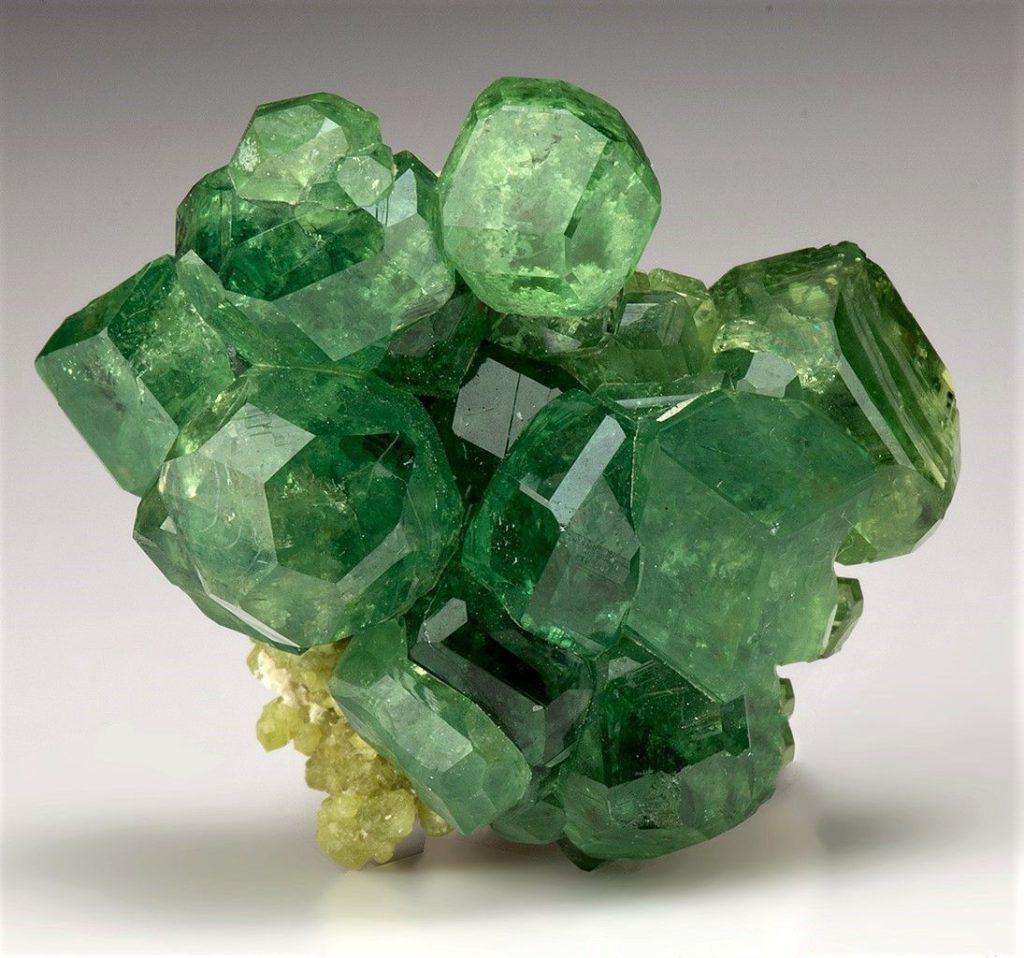
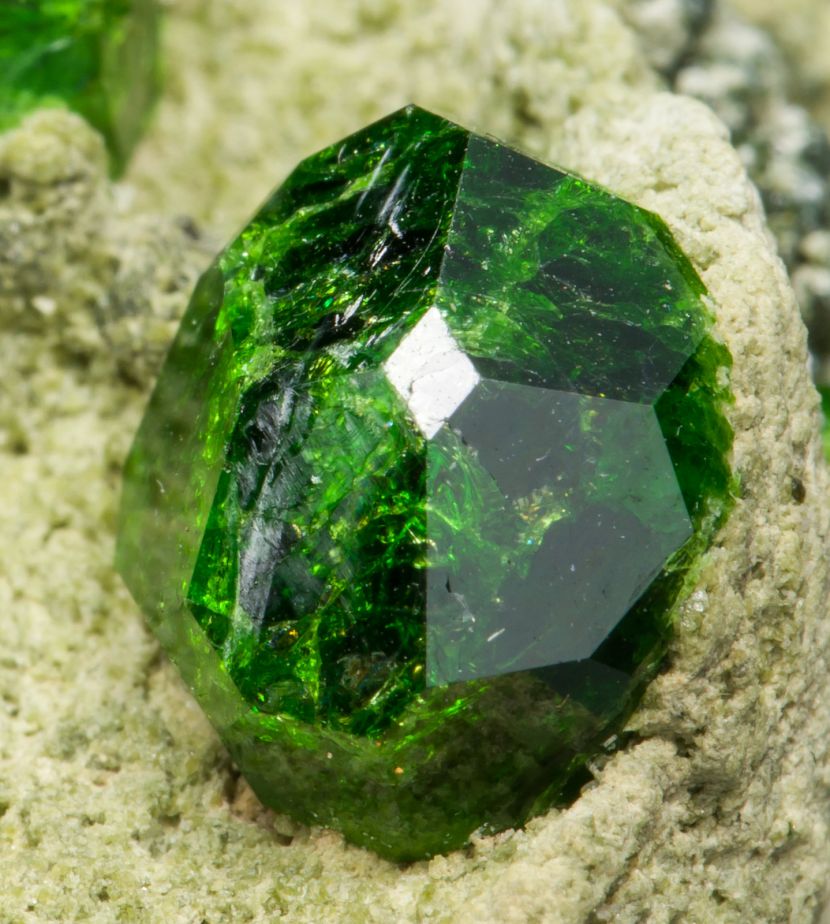
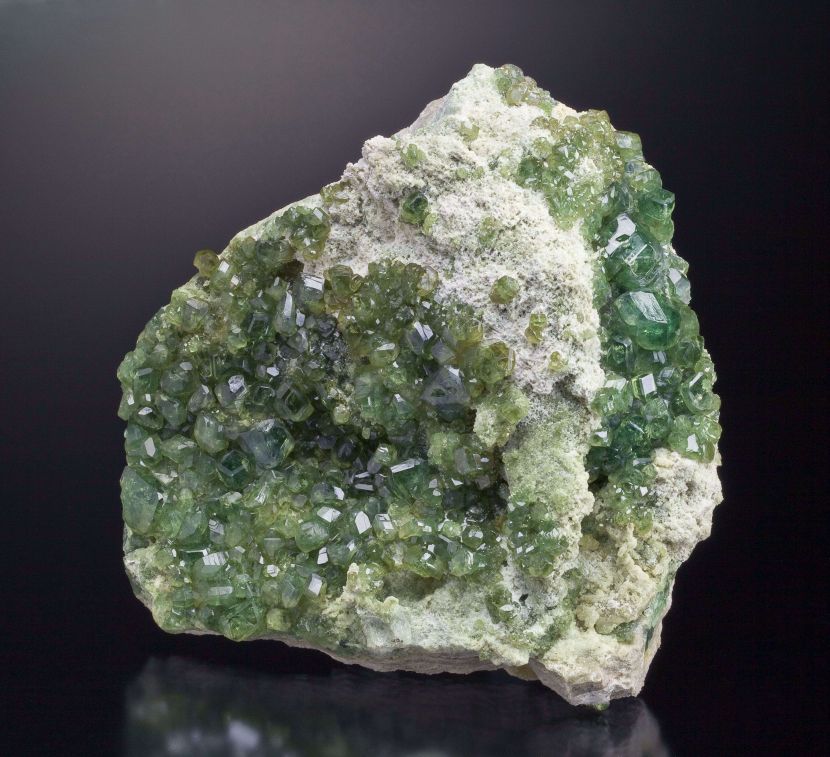
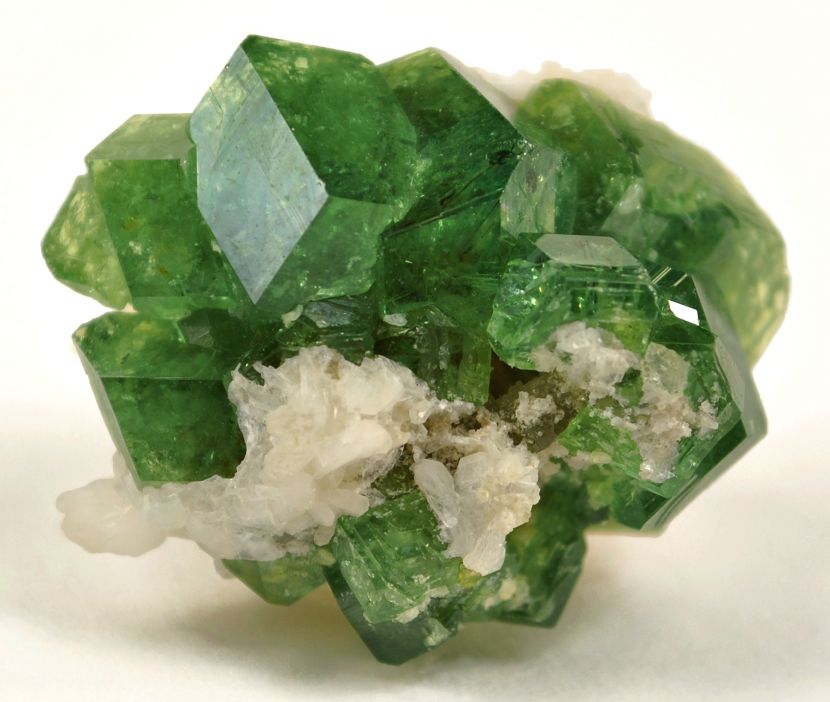
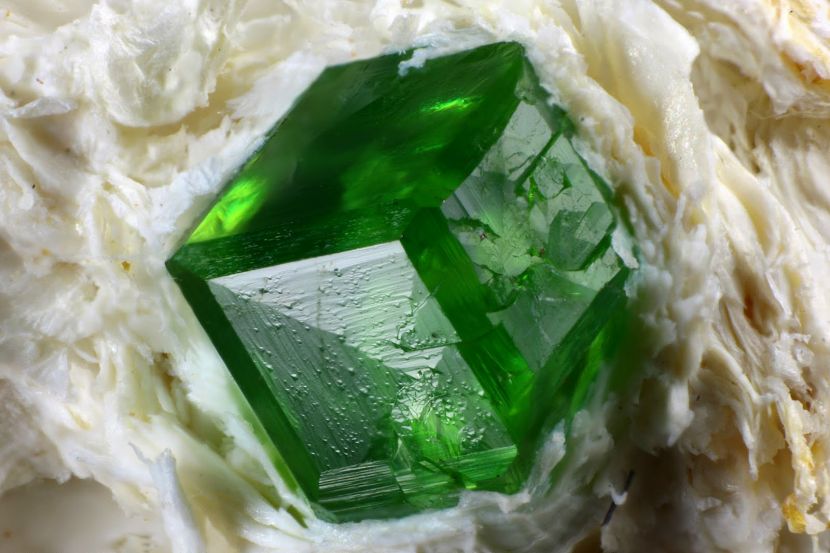
Demantoid is a stone that was discovered a century and a half ago. Bright green gems that shine like diamonds have become, together with emeralds, one of the most famous Russian gems on the world market.
History and origin of the name
In 1874, the father and son of Kalugina left the village of Poldnevoy. Vasily Gavrilovich was an experienced stone cutter. And son Alexander was just beginning to comprehend the secrets of this blessed craft. The road went past the Ural mountains, where gold and gems were mined. In some places there were dumps containing rock left after all the most valuable pebbles were selected from it.
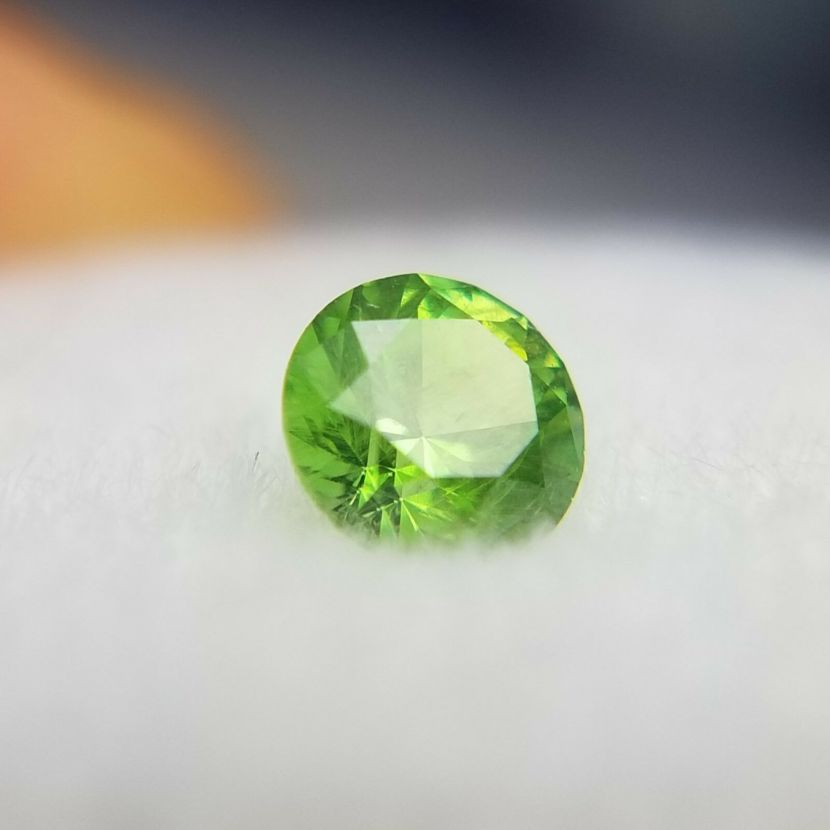
At such a dump, 15 kilometers from Poldnevaya, the cart stopped. The father and son decided to examine it, although the chance of finding anything interesting was extremely small. And then the father uttered a phrase that the son remembered for the rest of his life: “Looking is not enough, you need to see.” Vasily Gavrilovich had three green pebbles in his hand, which he identified as chrysolite. Upon arrival at the cutting workshop, the Kalugins set about cutting. The gem came out of stunning beauty. The emerald green stone shone brightly like a diamond.
The father and son of Kalugina rested on their laurels as the discoverers of a new mineral, not knowing that they were not the first.
Such stones were found earlier, back in 1855, but there are a lot of green pebbles in the Urals. In the 60s of the 19th century, the Swedish geologist and polar explorer Niels Nordenskiöld visited the Urals. Not far from Nizhny Tagil, he found several stones, which he called “diamantoids”, which means “diamond-like”. The brilliance of these small pebbles was really not inferior to a diamond, and the color was similar to an emerald. Nordenskiöld sent the find to the Mining Museum, where it was forgotten for some time. The curator of the museum Nefediev attributed these stones to the olivine group.
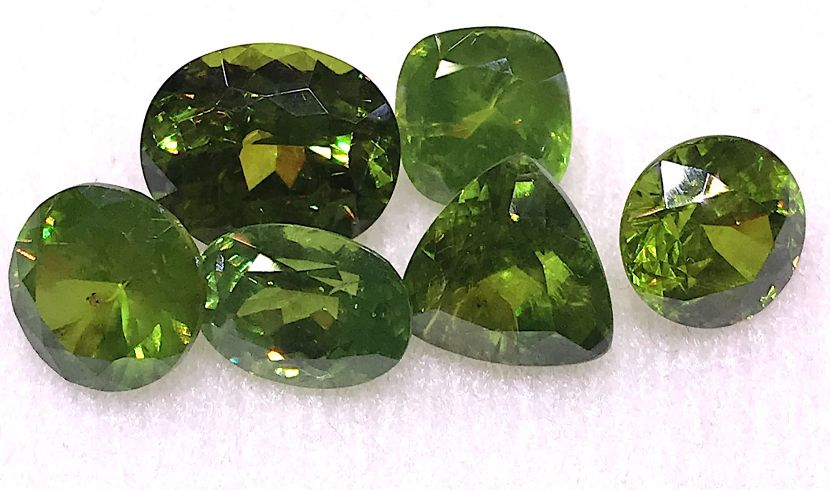
In 1871, academician Eremeev decided to once again investigate them and came to the conclusion that they are a kind of grossulars, that is, calcareous-alumina garnets. Later, the mining engineer Lesh clarified that the stone belongs to another group of garnets, namely, calcareous-ferruginous andradites. He also discovered that the "Ural chrysolites" of the father and son of the Kalugins and the "demantoid" of Nordenskiöld are one and the same stone.
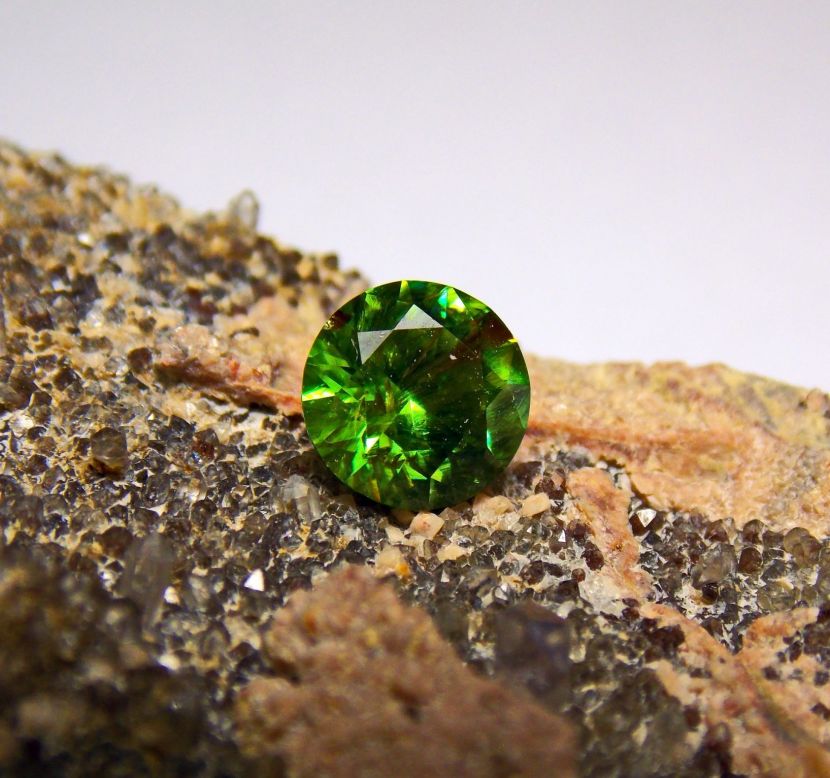
As a consolation to the Kalugins, the fact that the gem was called the “Ural chrysolite” was left, and even now it is often the Kalugins, and not the Nordenskiöld, who are often called the discoverers.
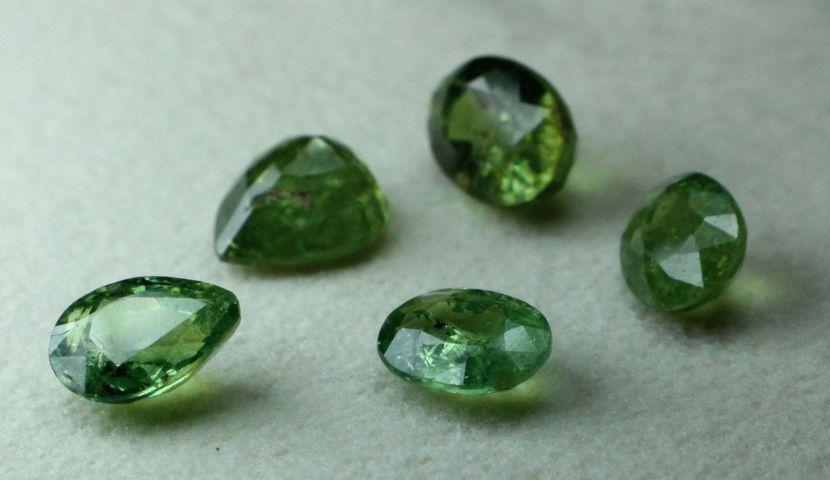
The peak of demantoid's popularity came at the end of the 19th century and the beginning of the 20th. At the Siberian-Ural scientific and industrial exhibition held in Yekaterinburg in the summer of 1887, the stone was noticed by foreigners, and after the World Exhibition in Paris in 1889, a real stir began. The price of a stone has increased hundreds of times. In 1913, 160 tons of this gem were mined in Russia.
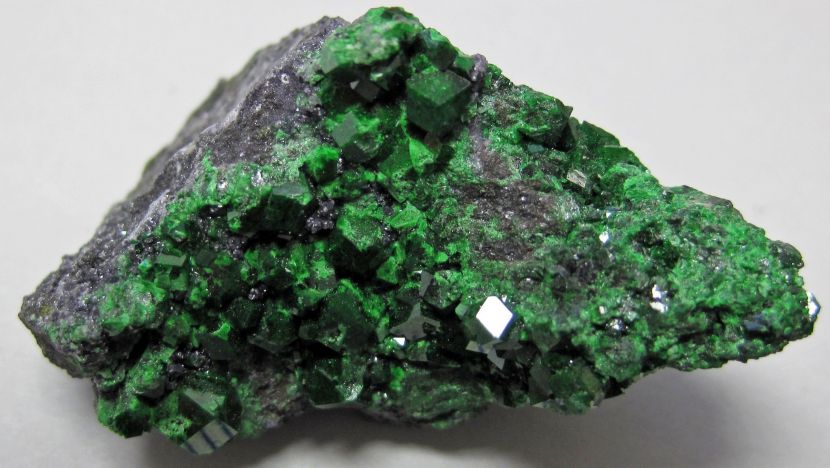
Place of Birth
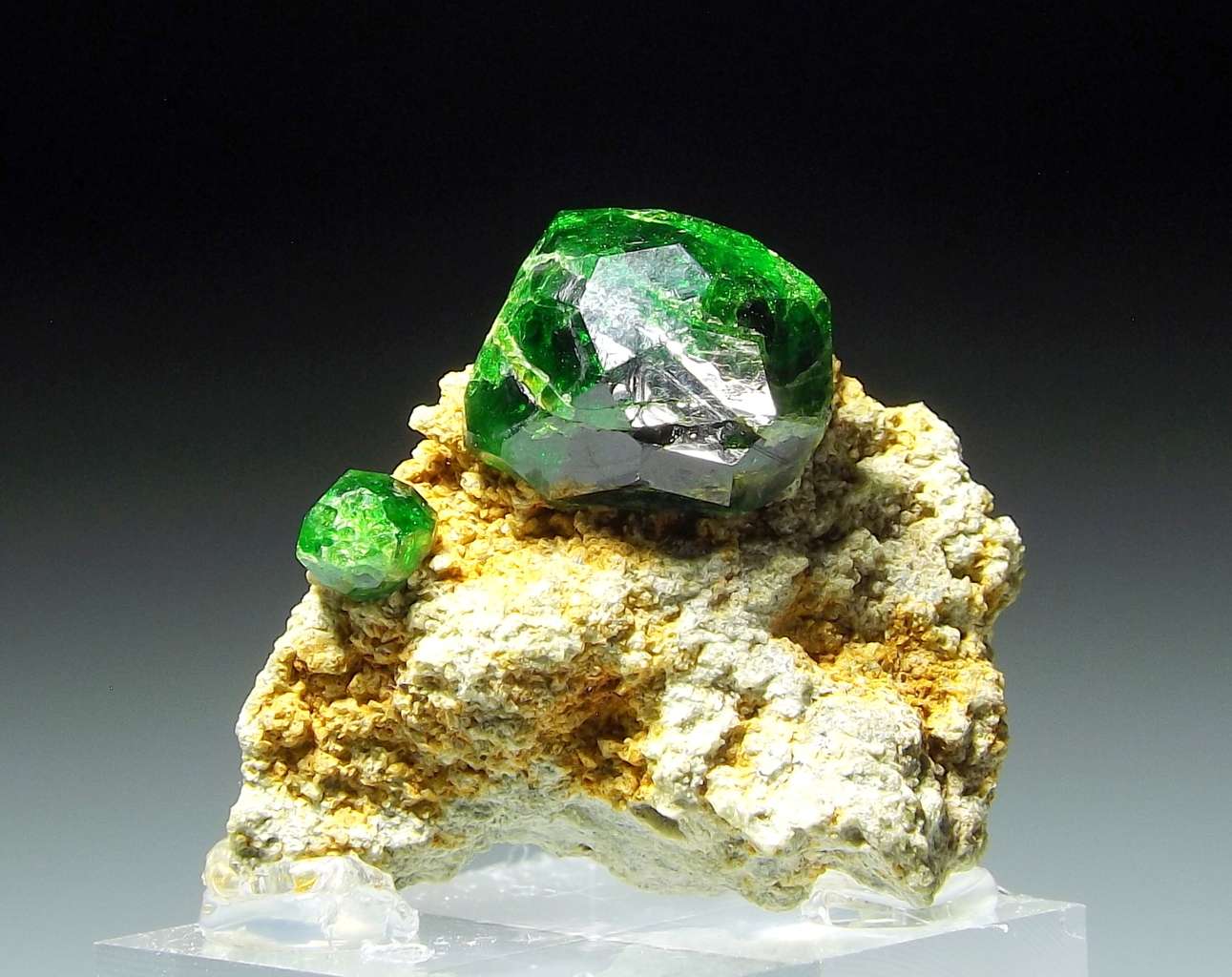
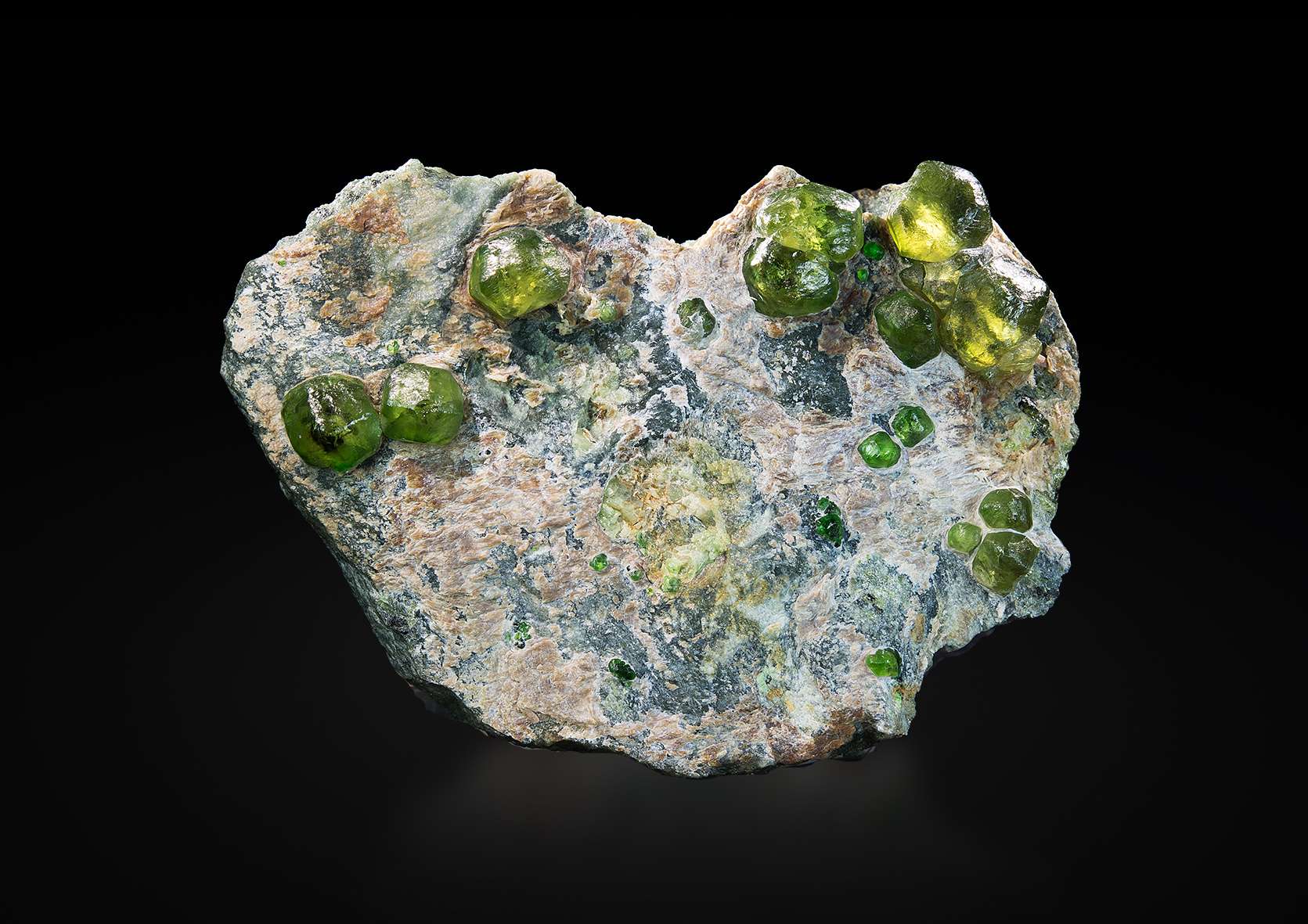
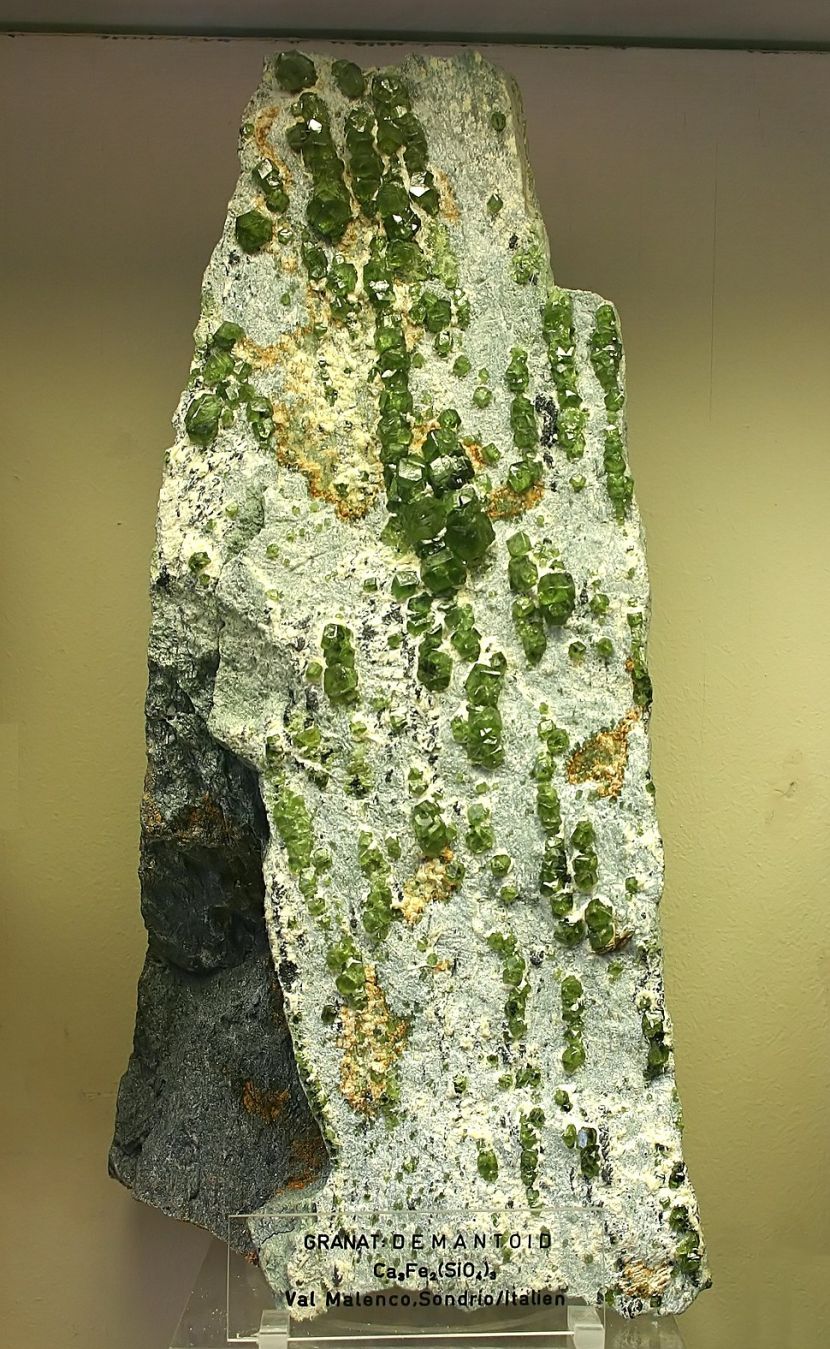
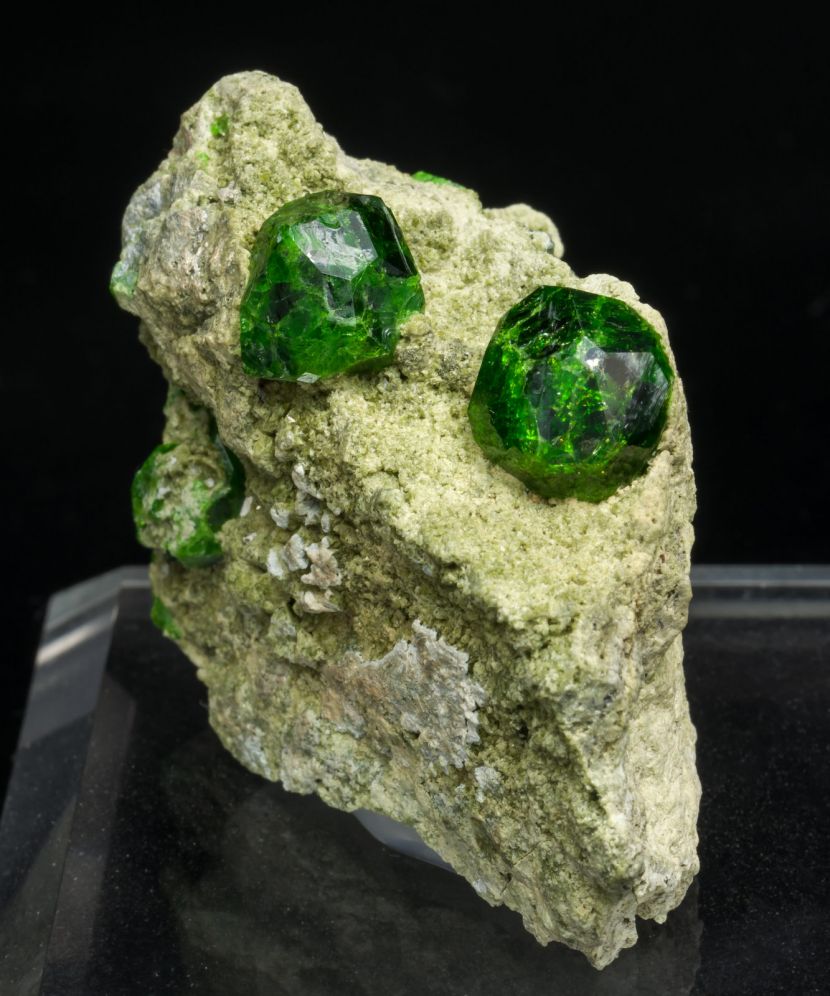
Demantoid deposits can be found not only in the Urals, but also in eastern Africa: in Kenya, Madagascar, Tanzania and Uganda. But still, African gems differ markedly from the Urals in color and brilliance.
Demantoids have also been found in Kamchatka and Chukotka.
There is also a deposit in Mexico, but most of the gems found there do not exceed one carat. Such demantoids are called mele.
Interesting: The largest "Demantoid Alexandrov" weighing 63.45 carats is located in the Museum of the History of Stone-Cutting and Jewelry Art.
Physical Properties
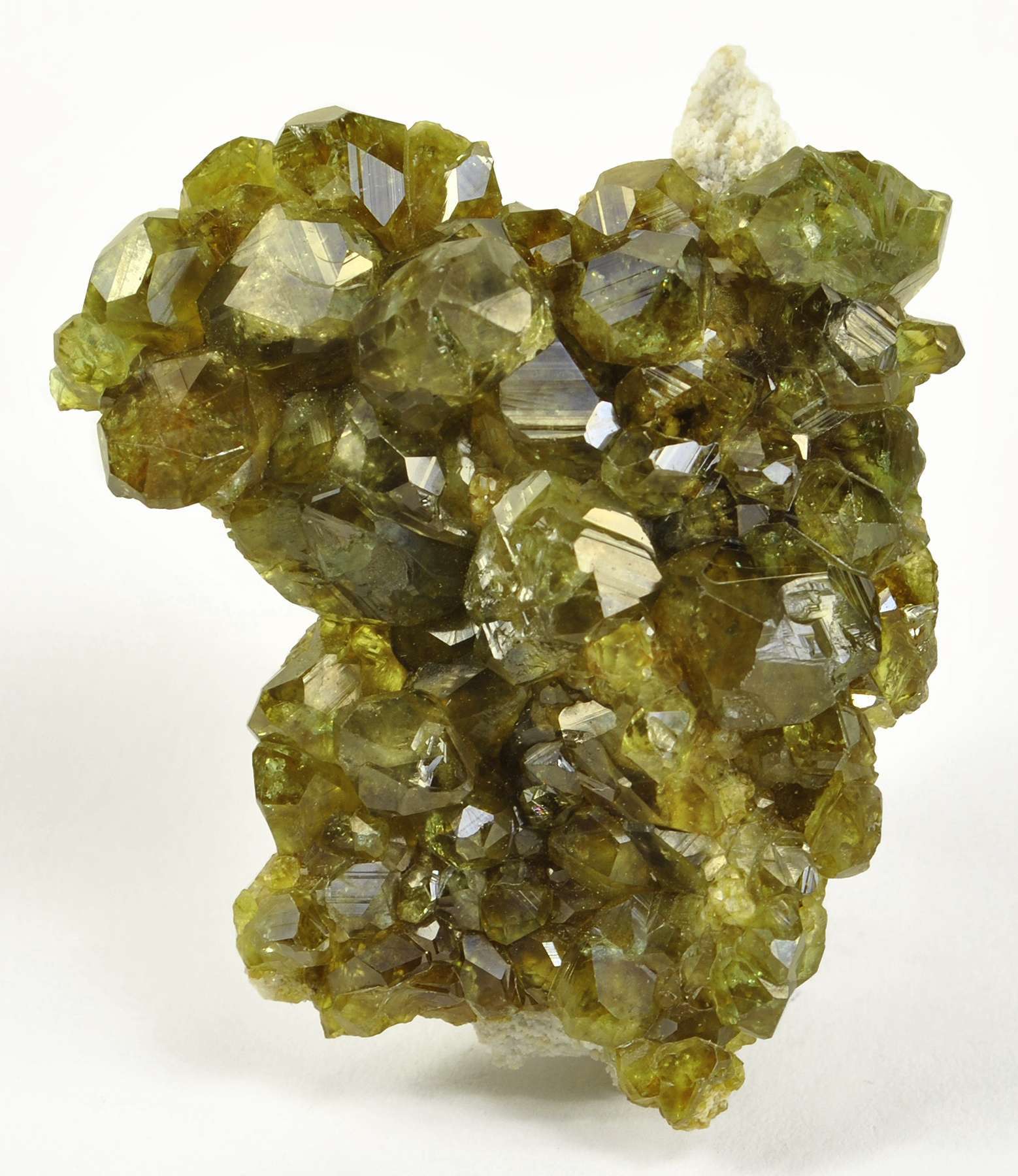
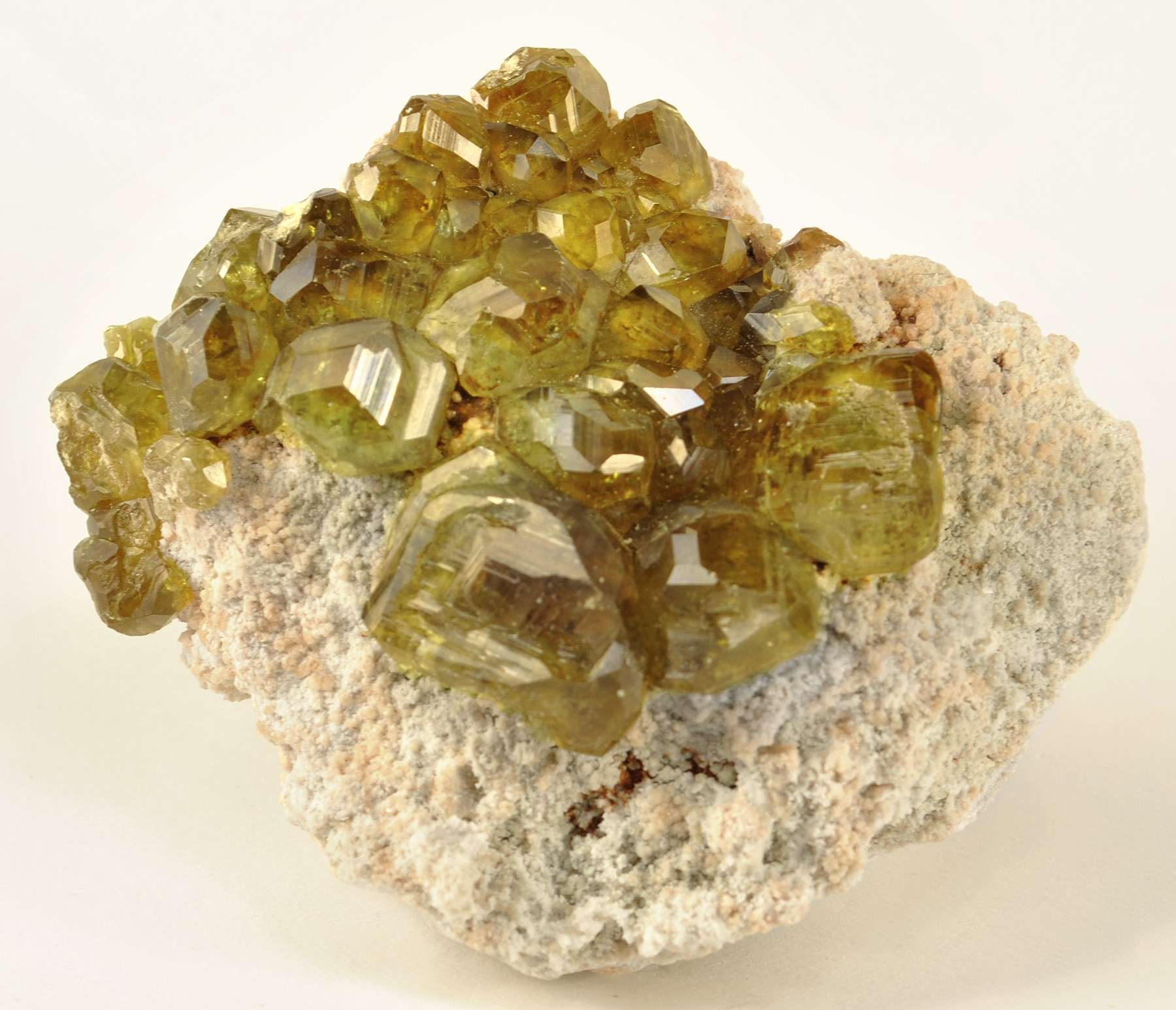
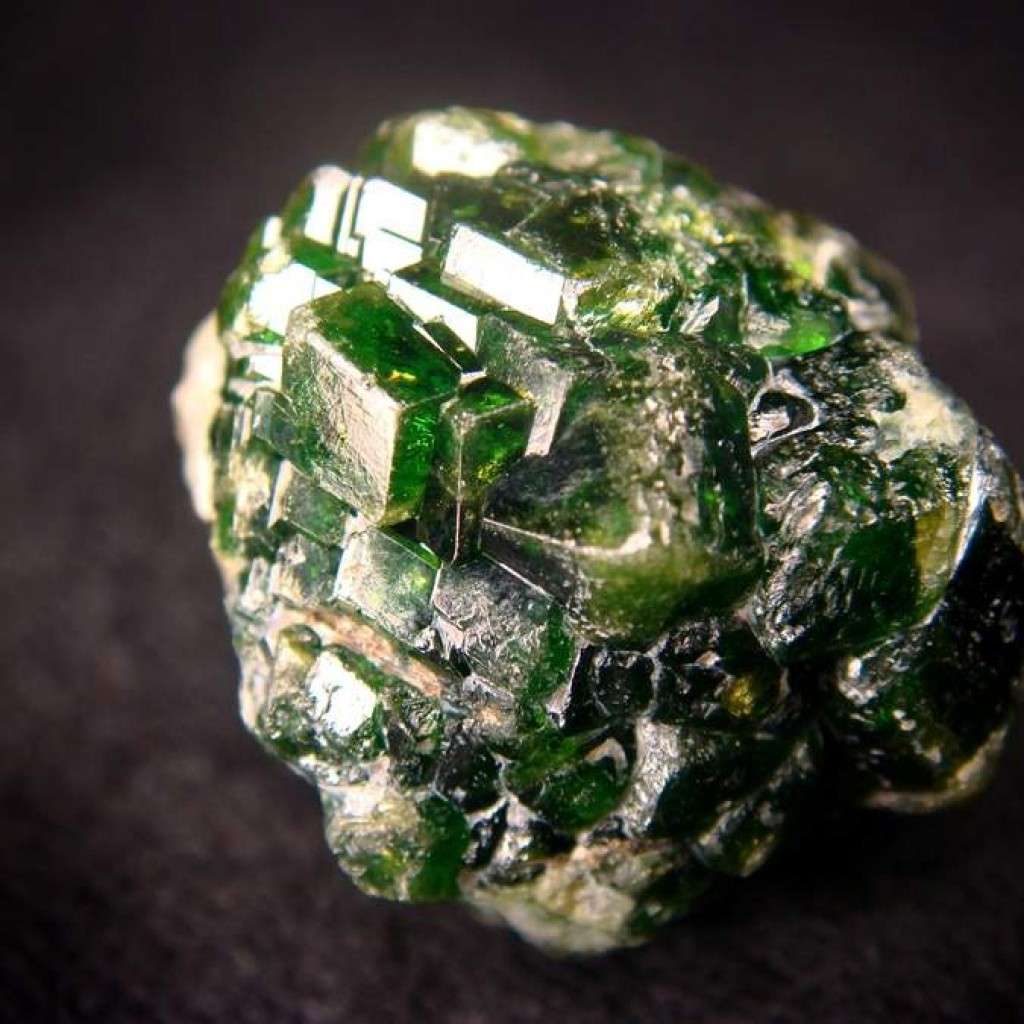
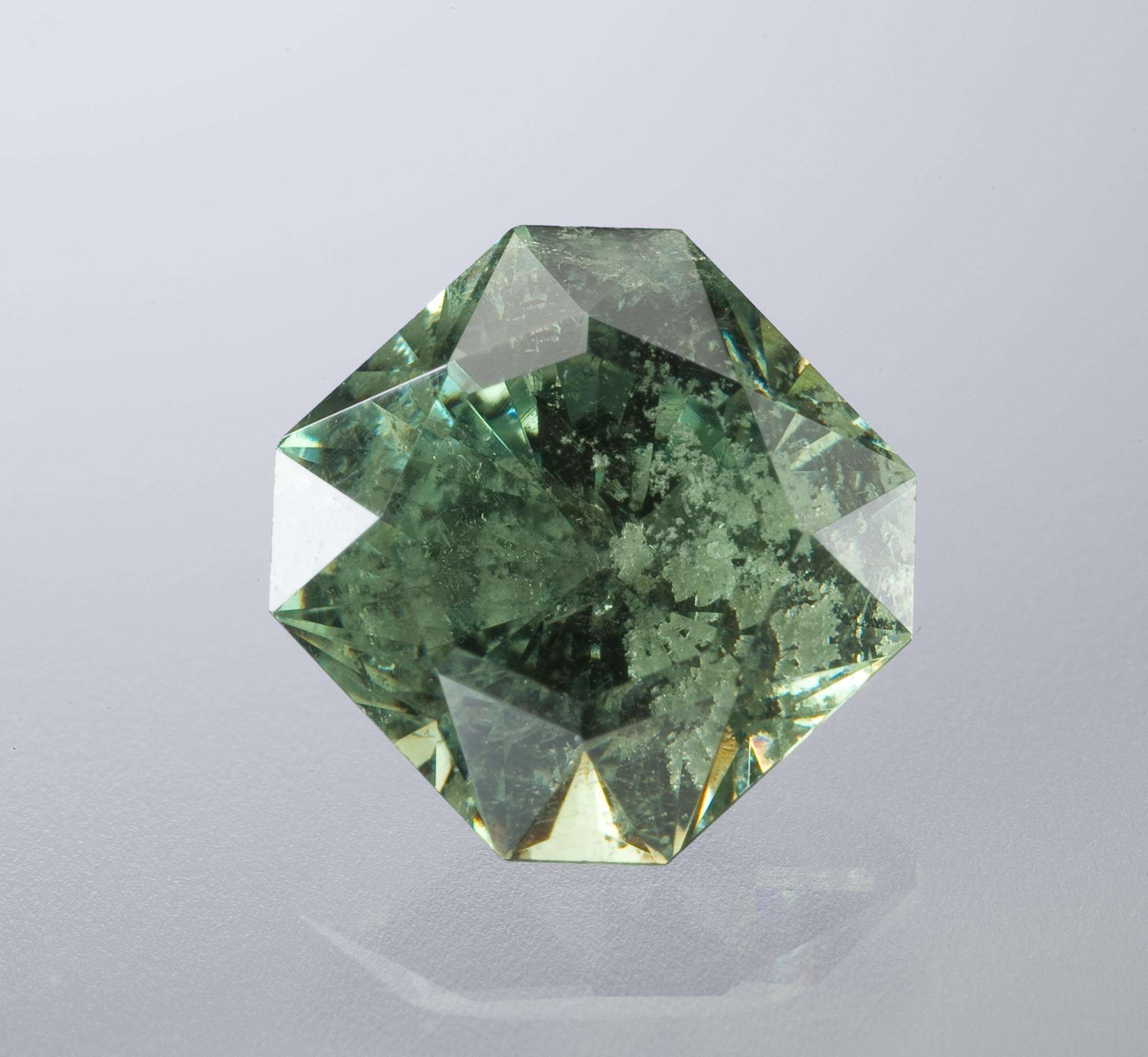
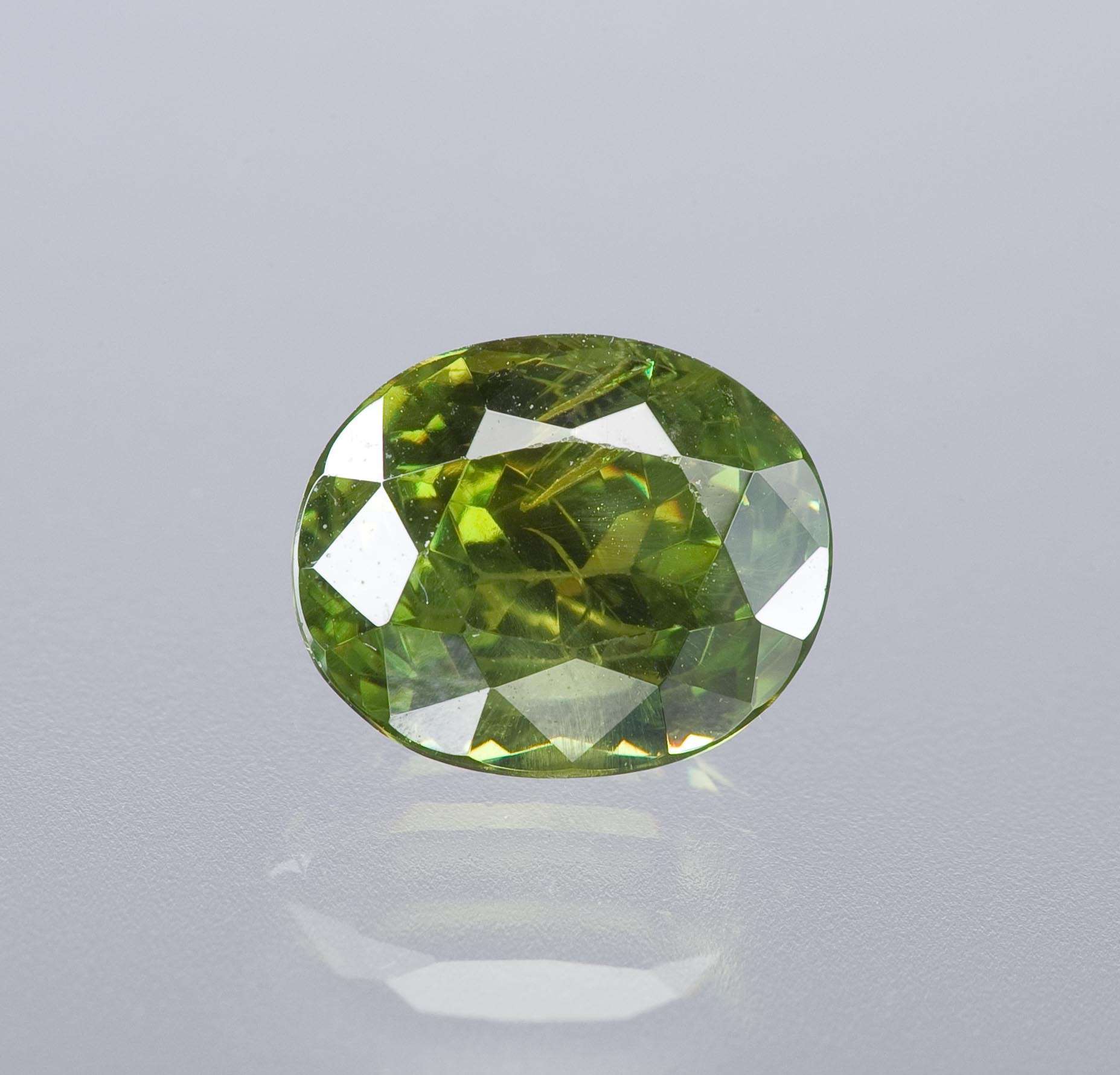
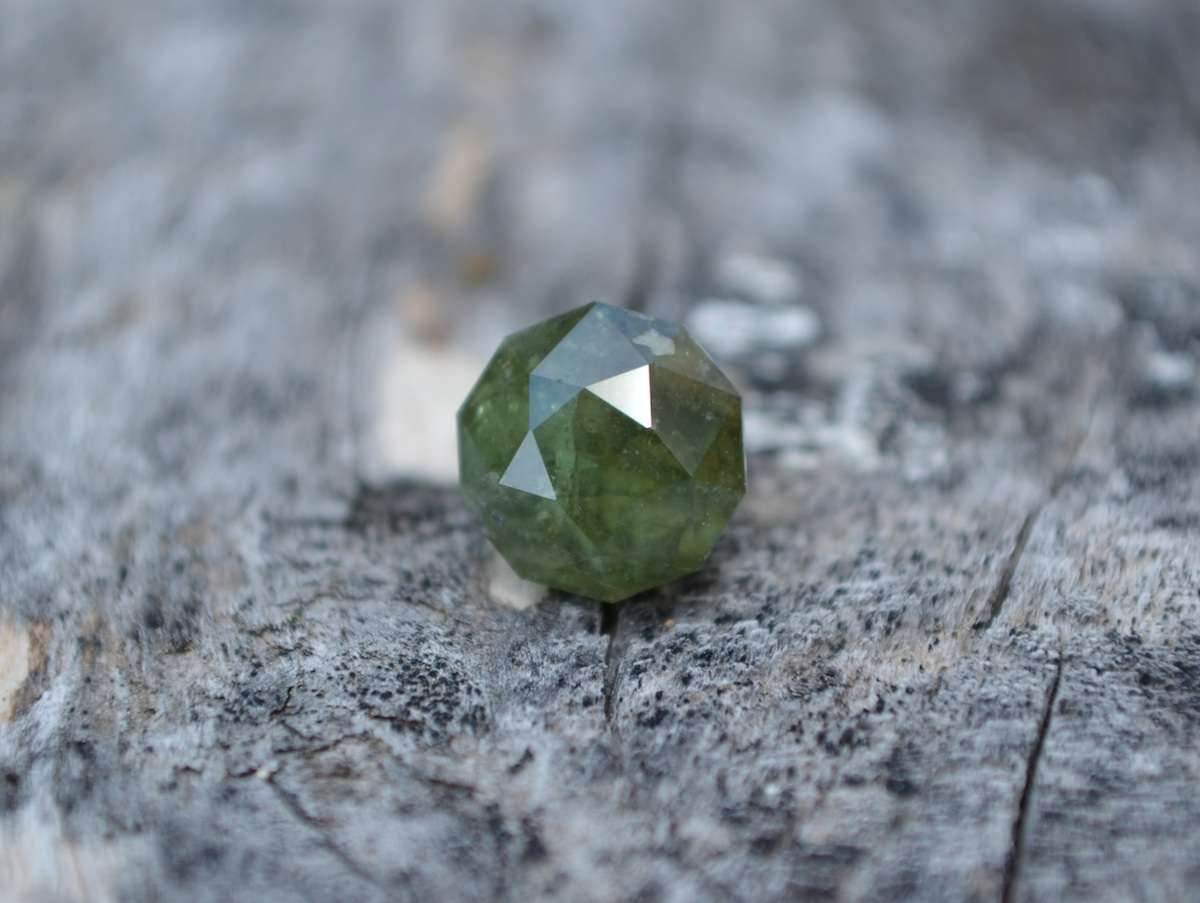
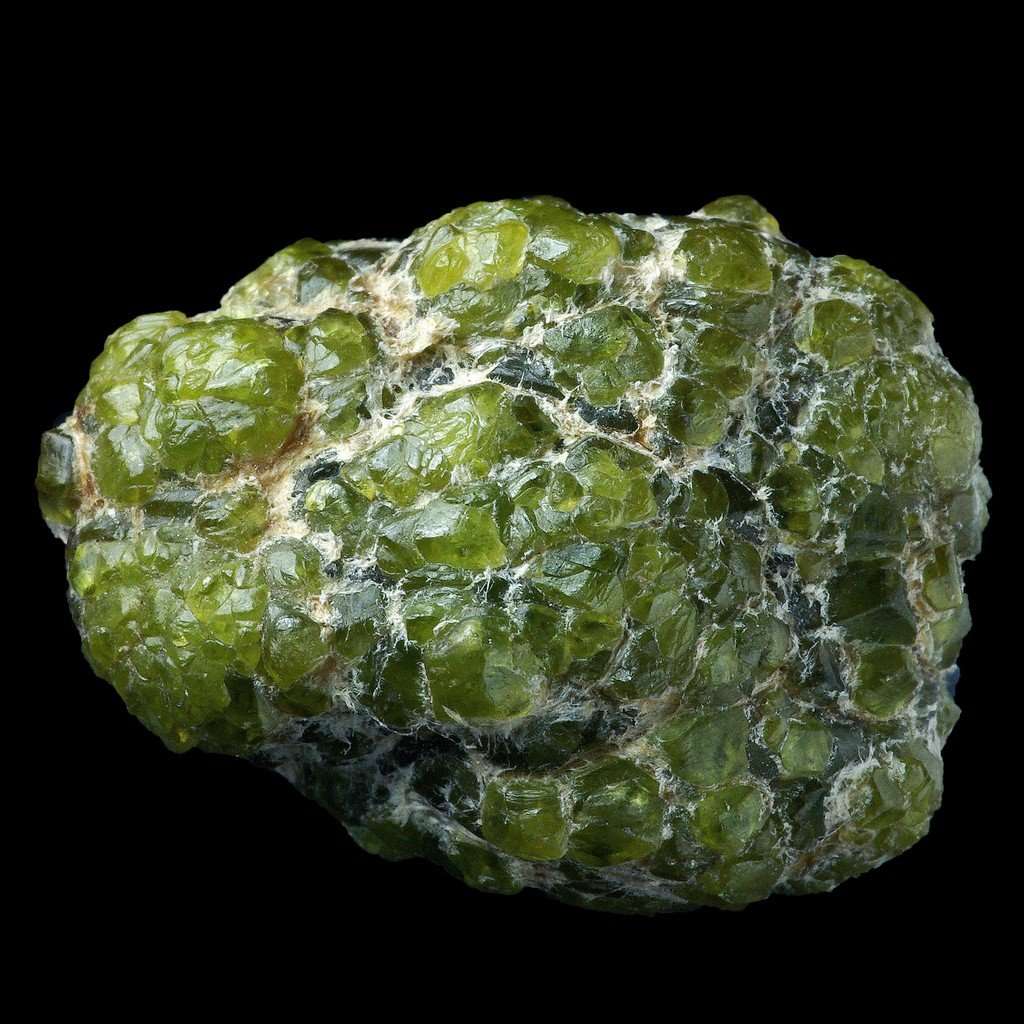
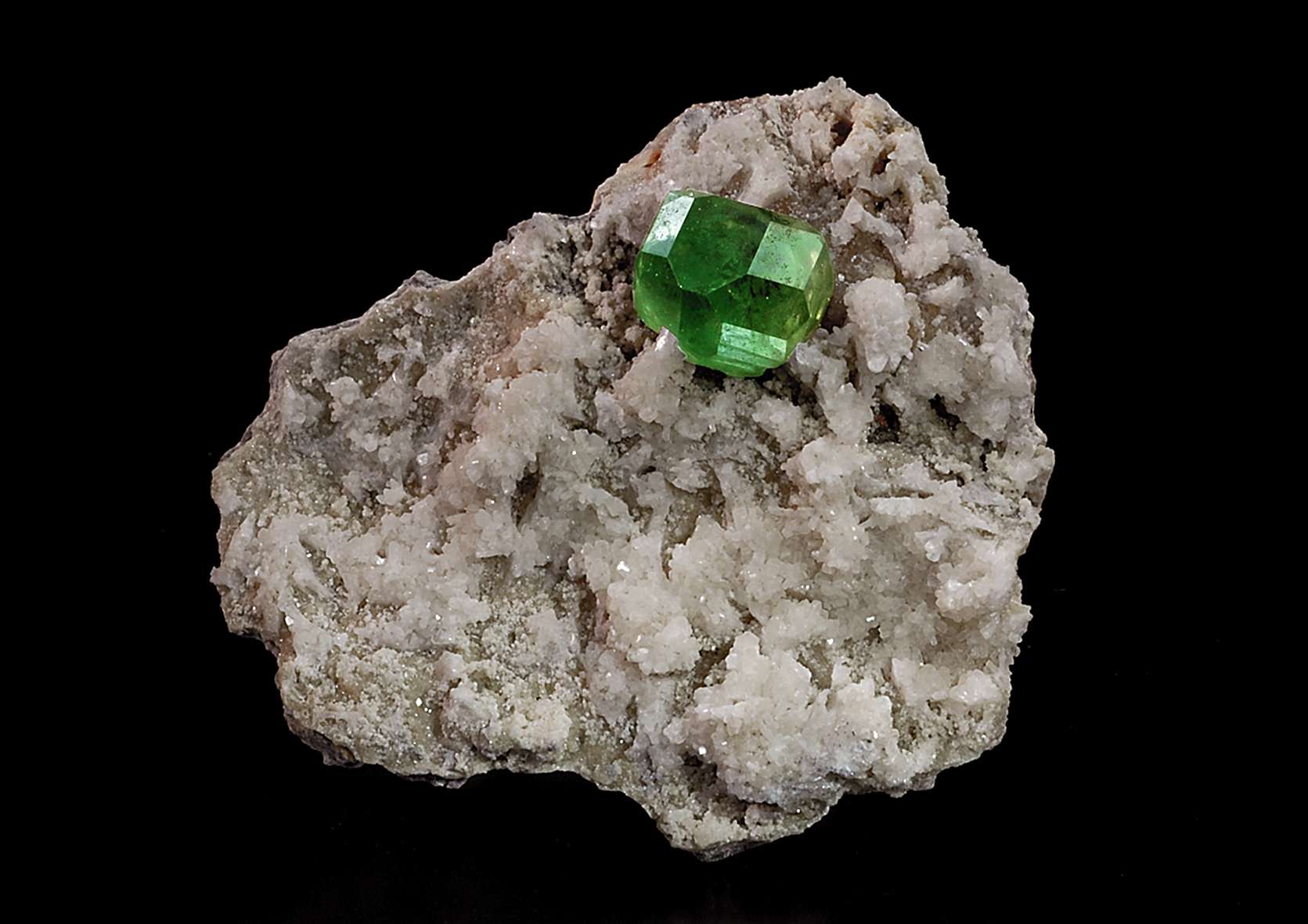
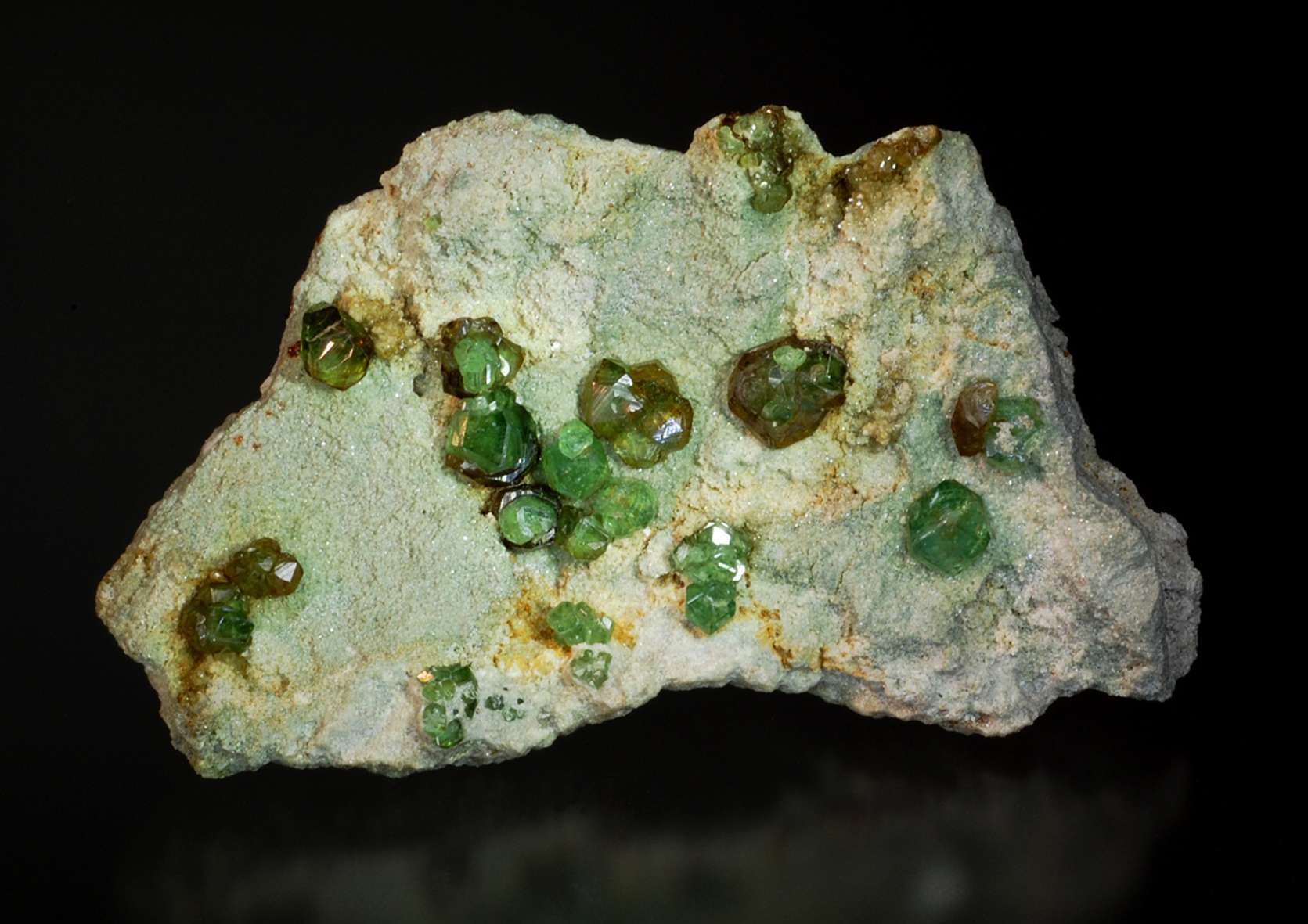
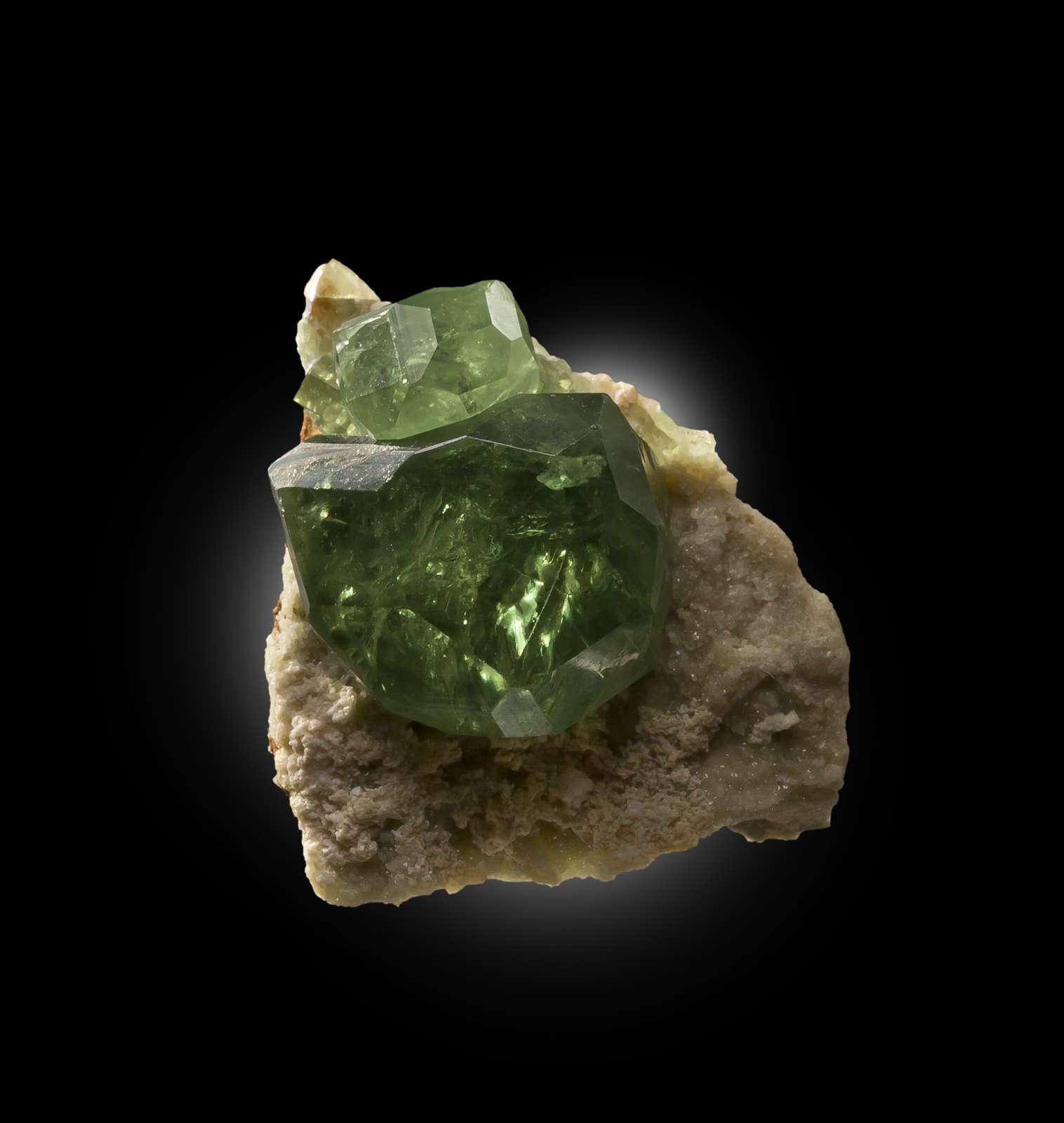
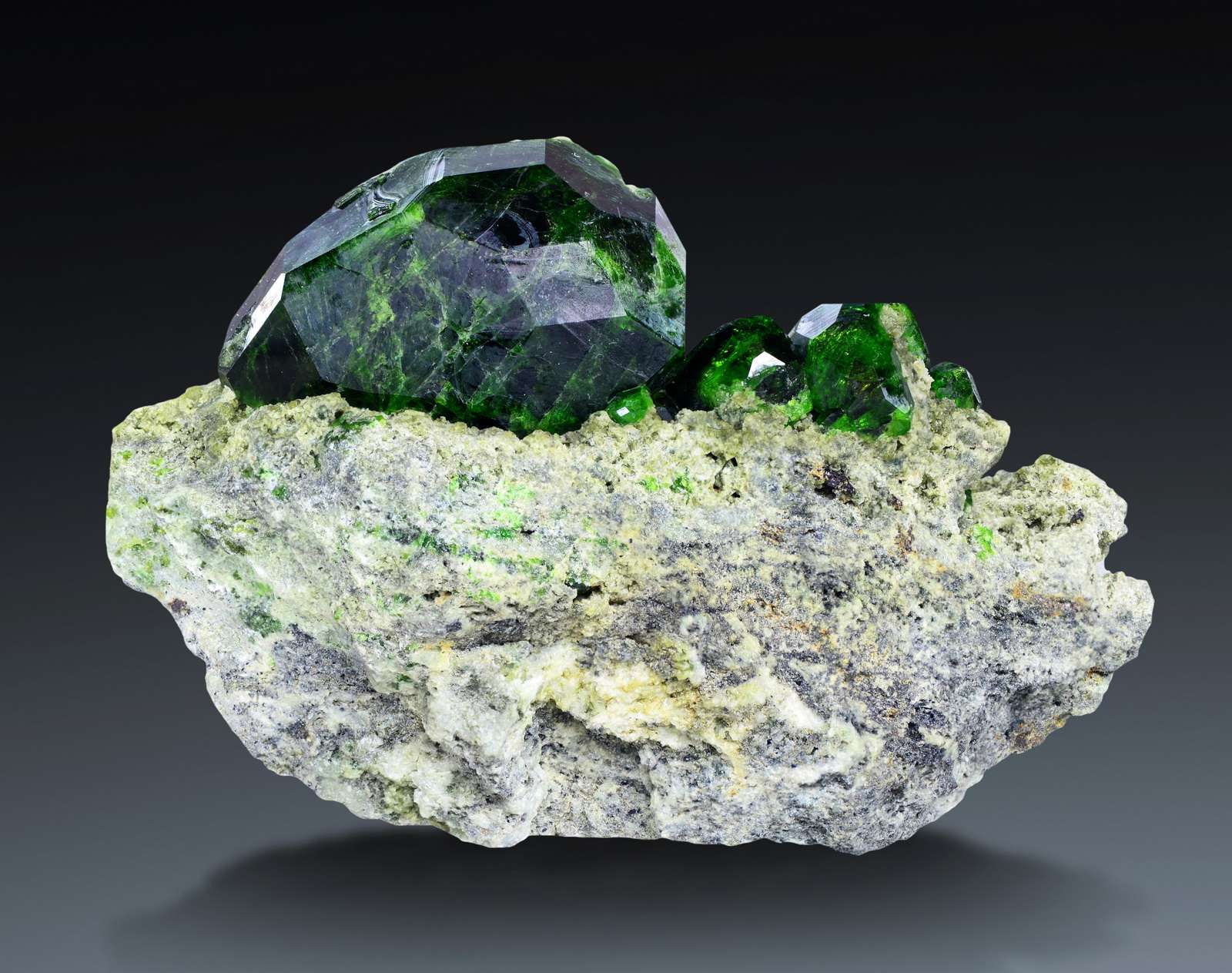
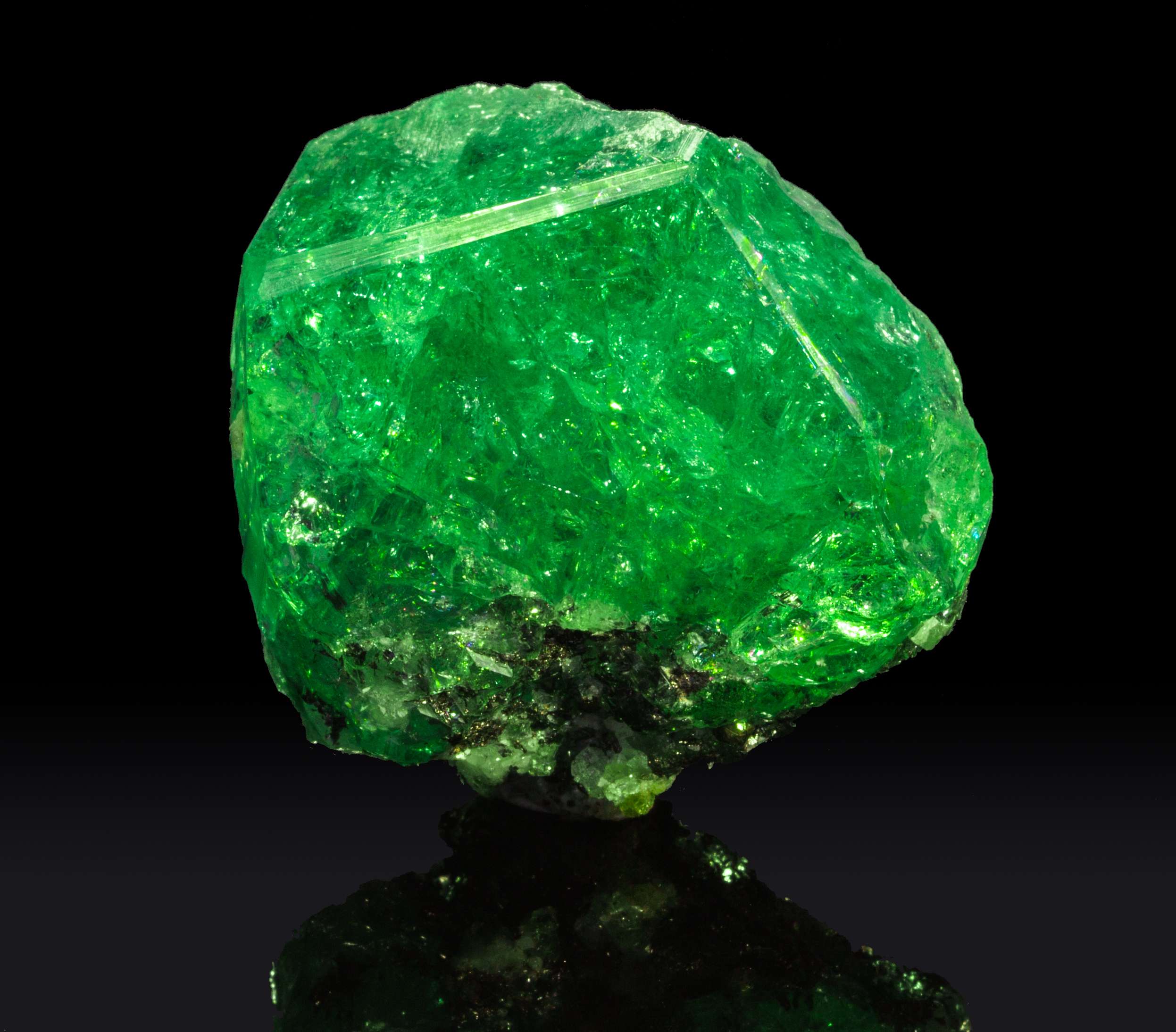
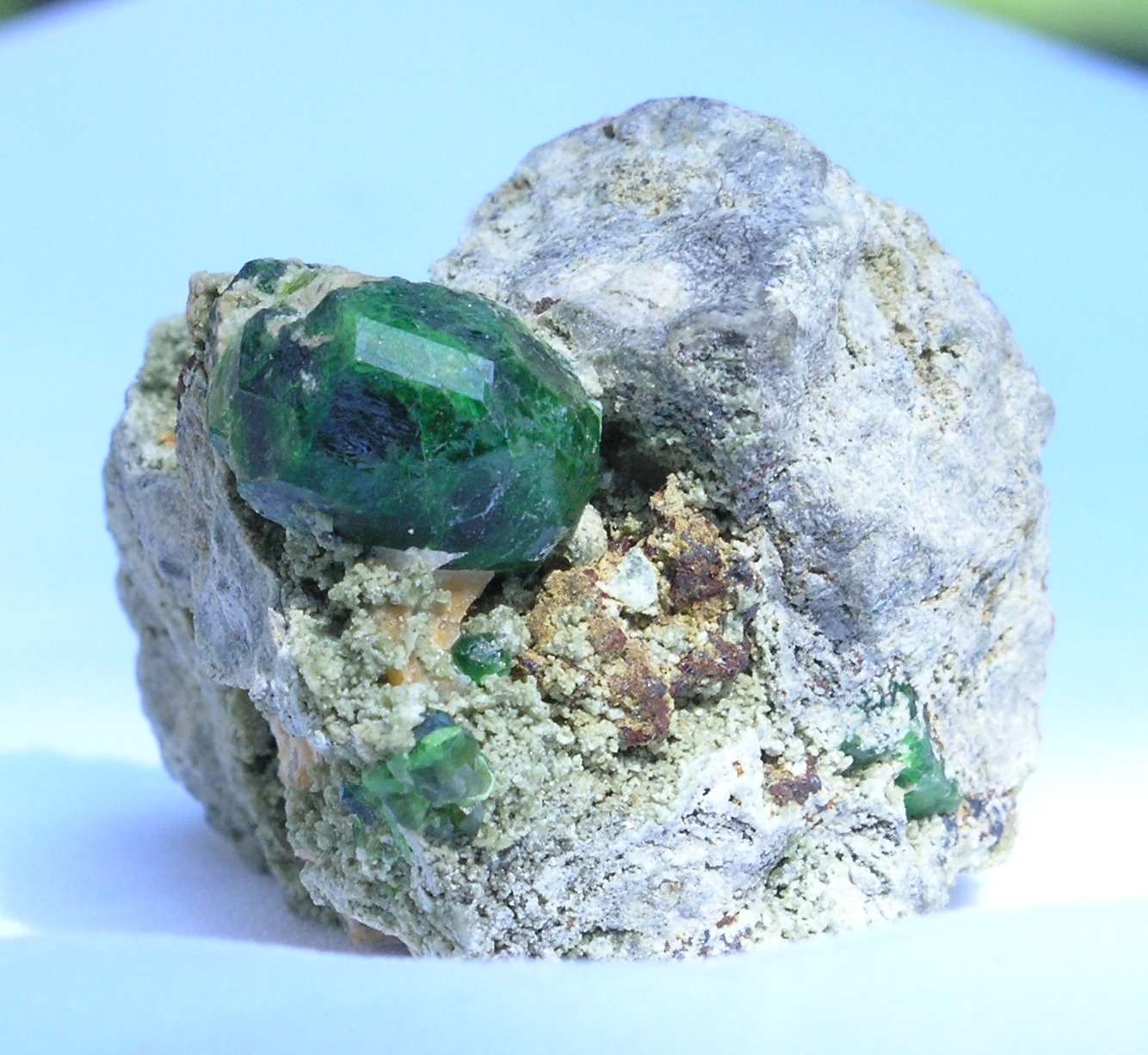
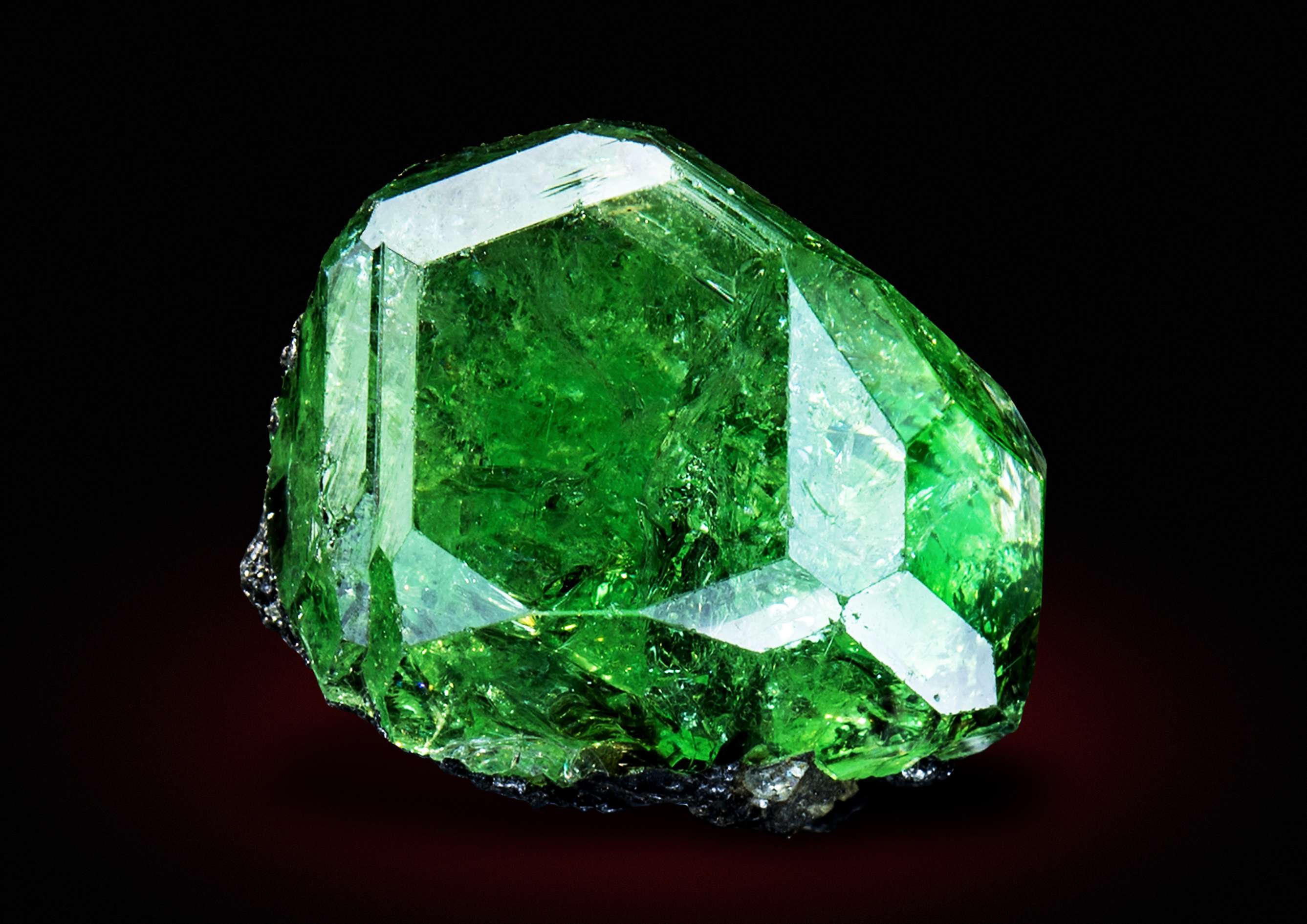
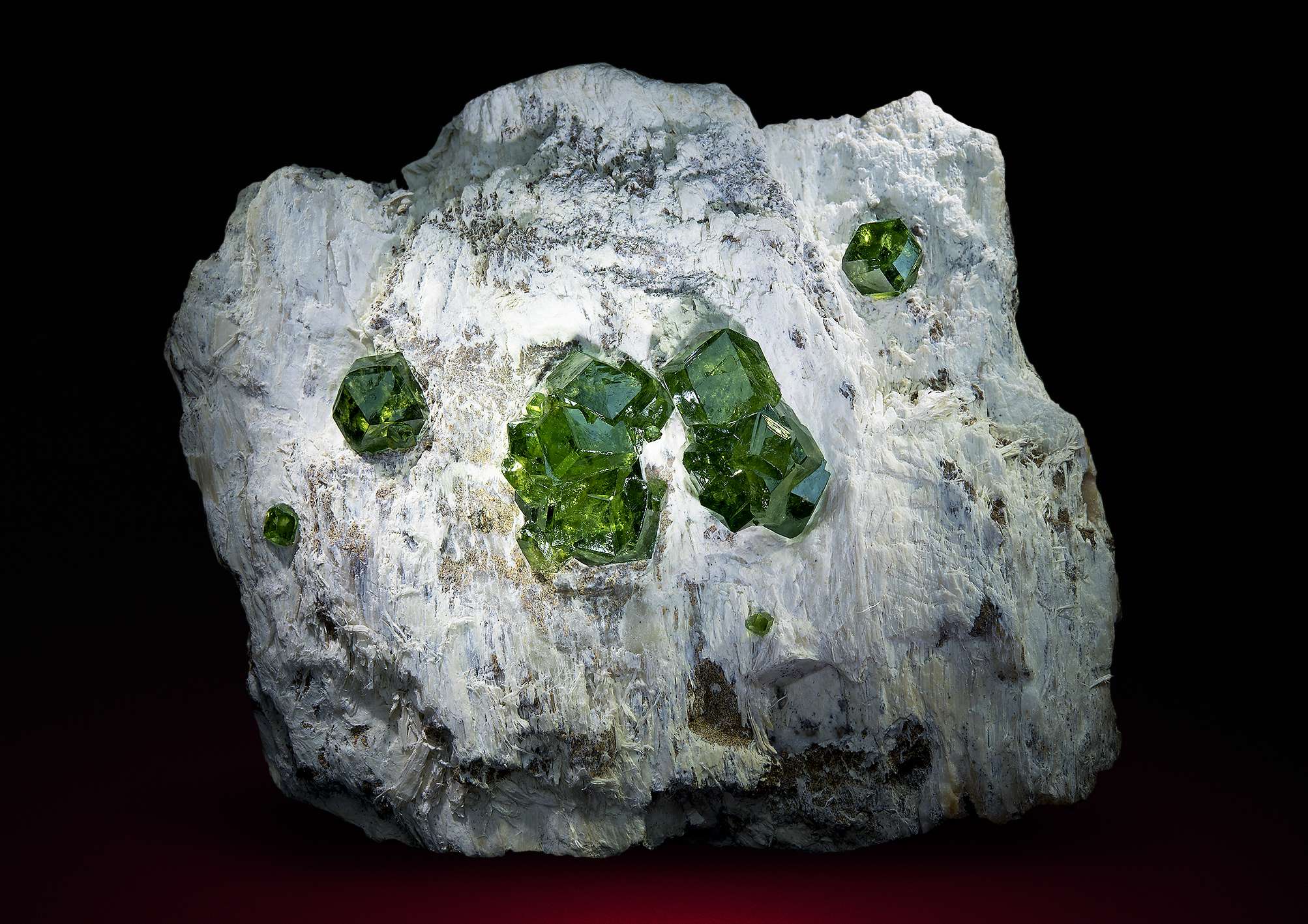
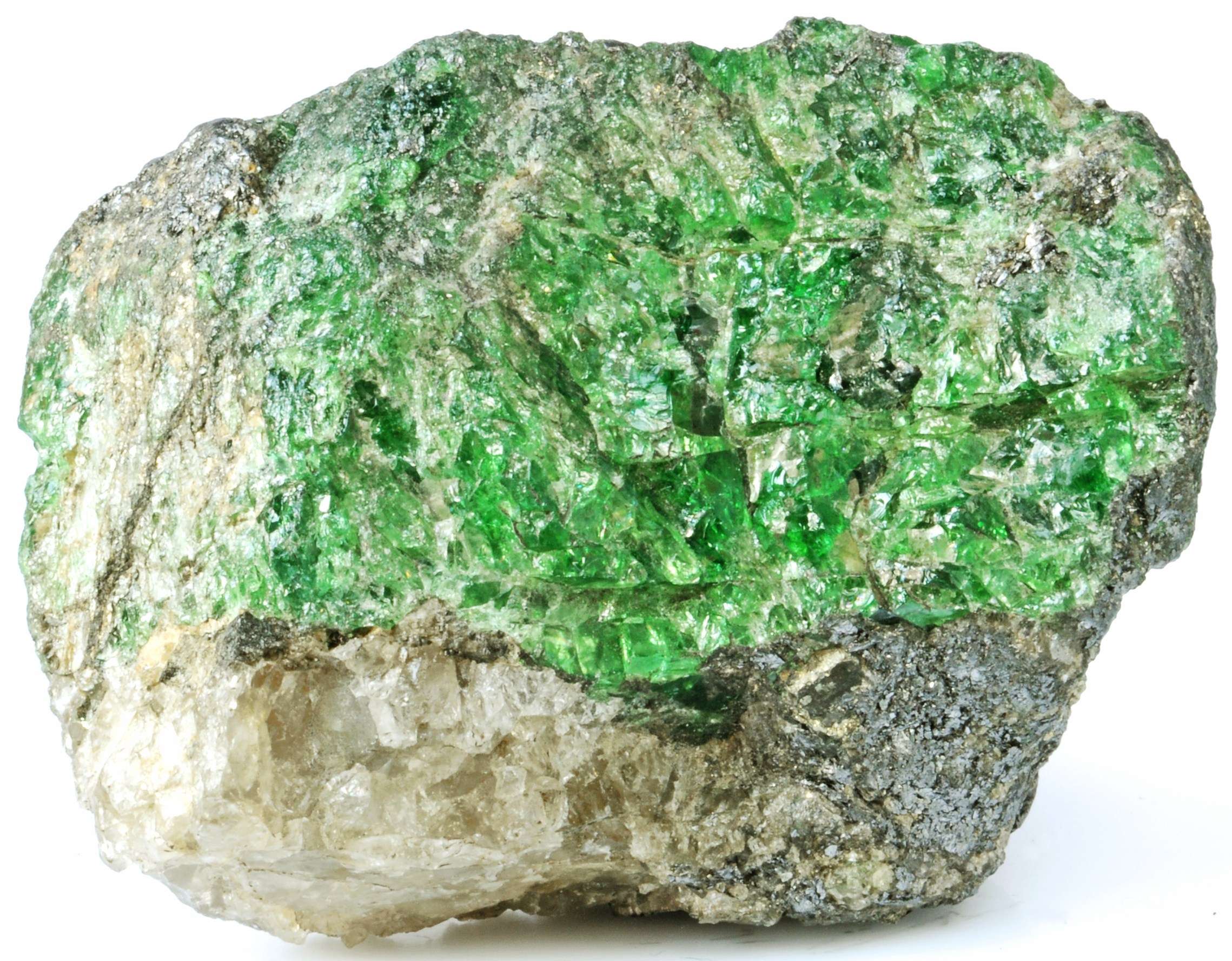
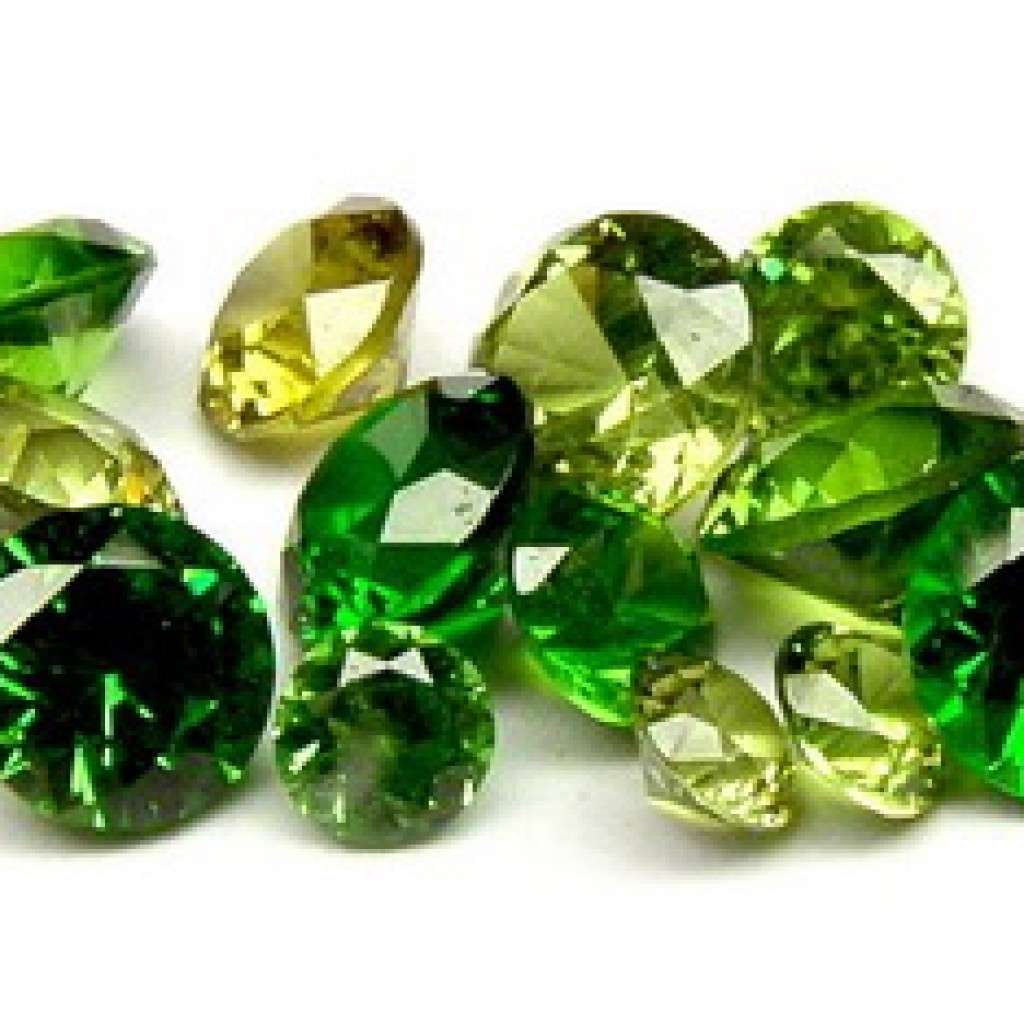
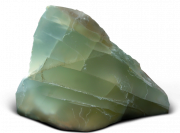
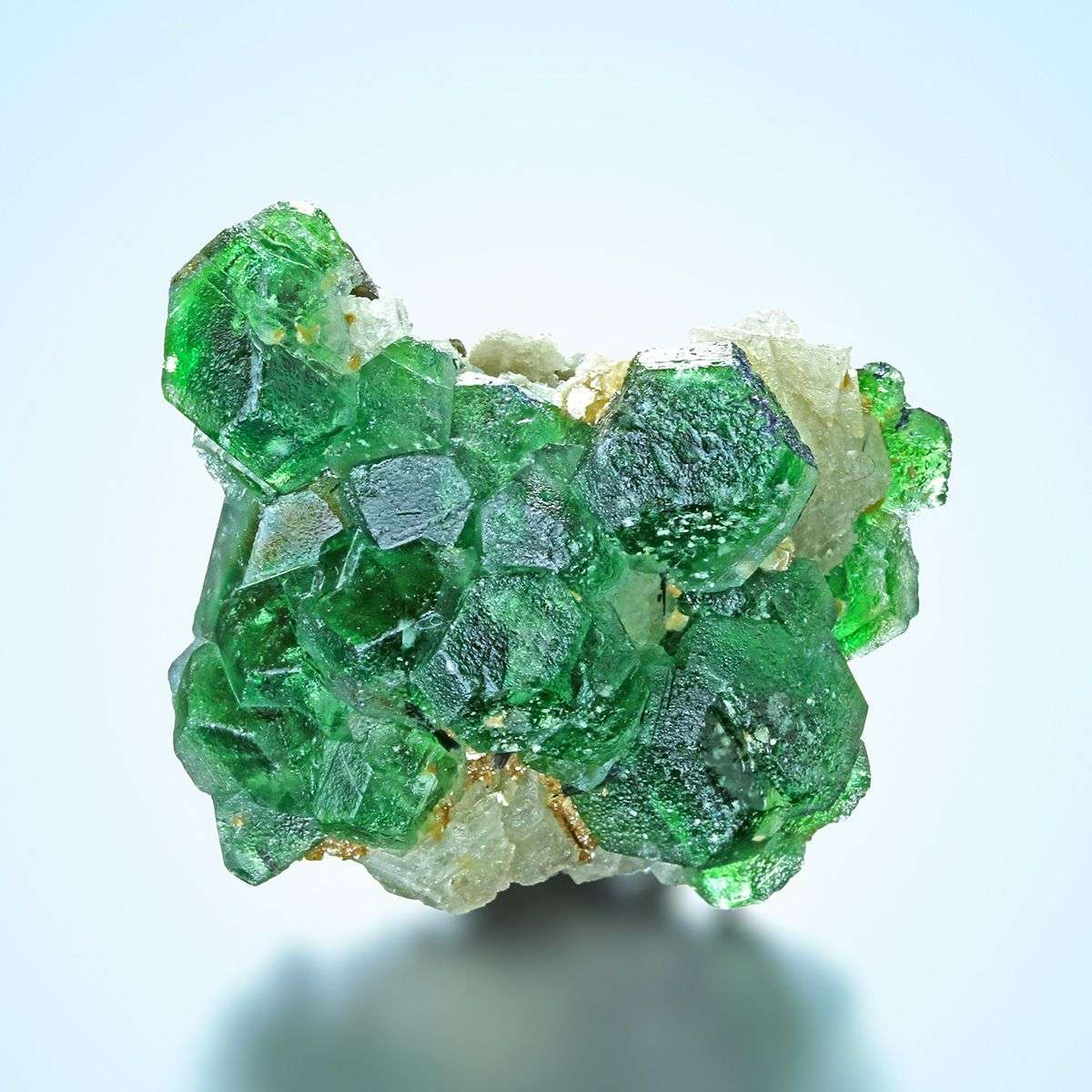
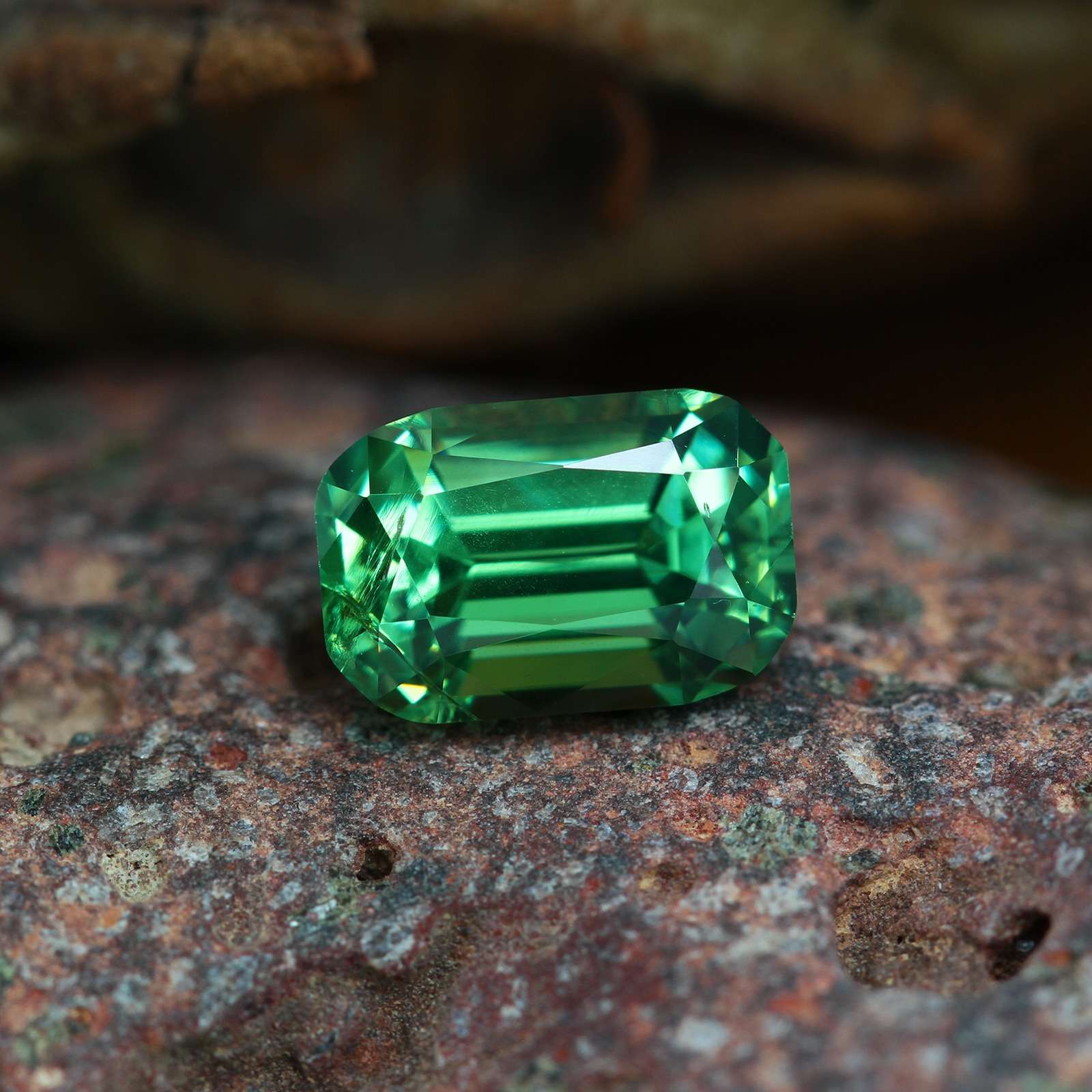
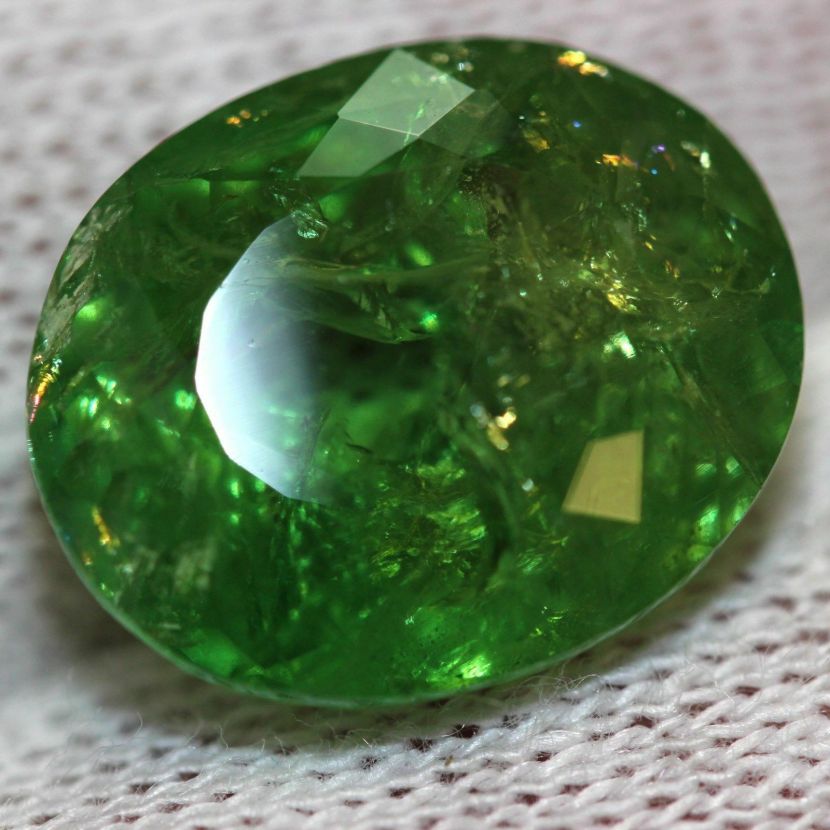
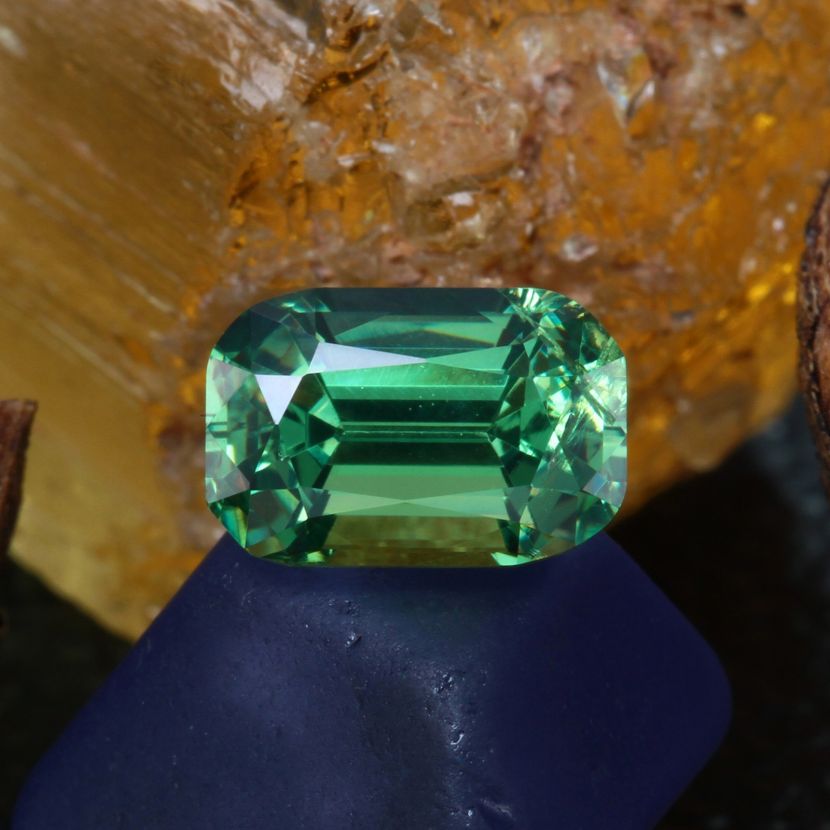
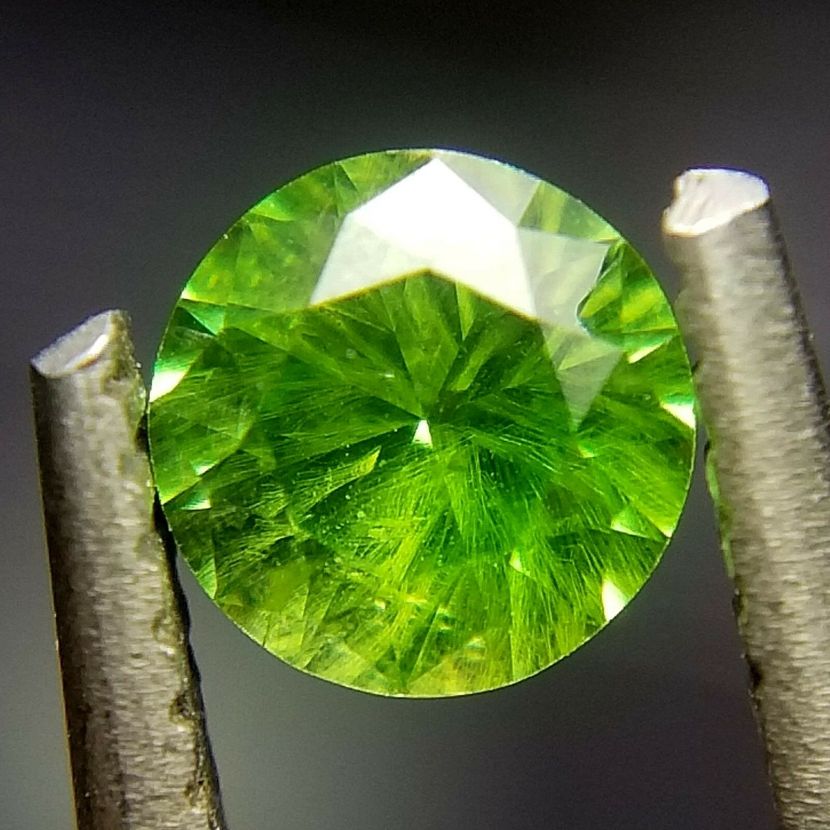
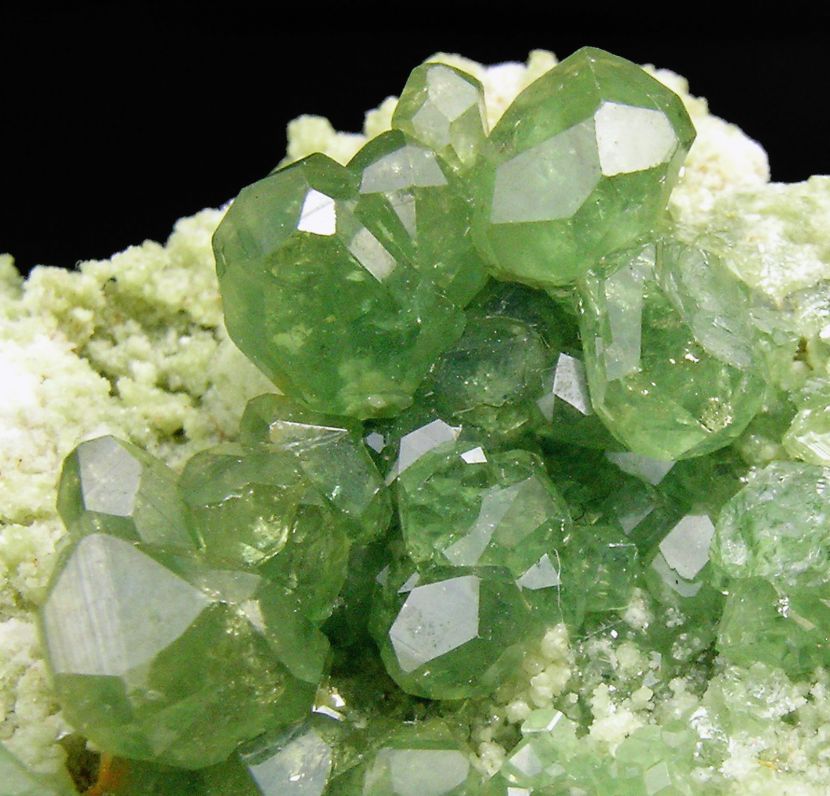
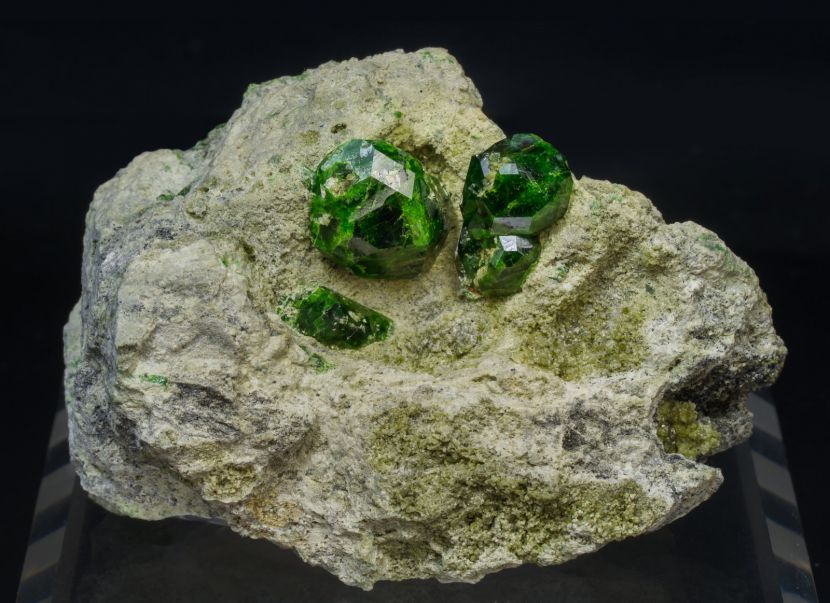
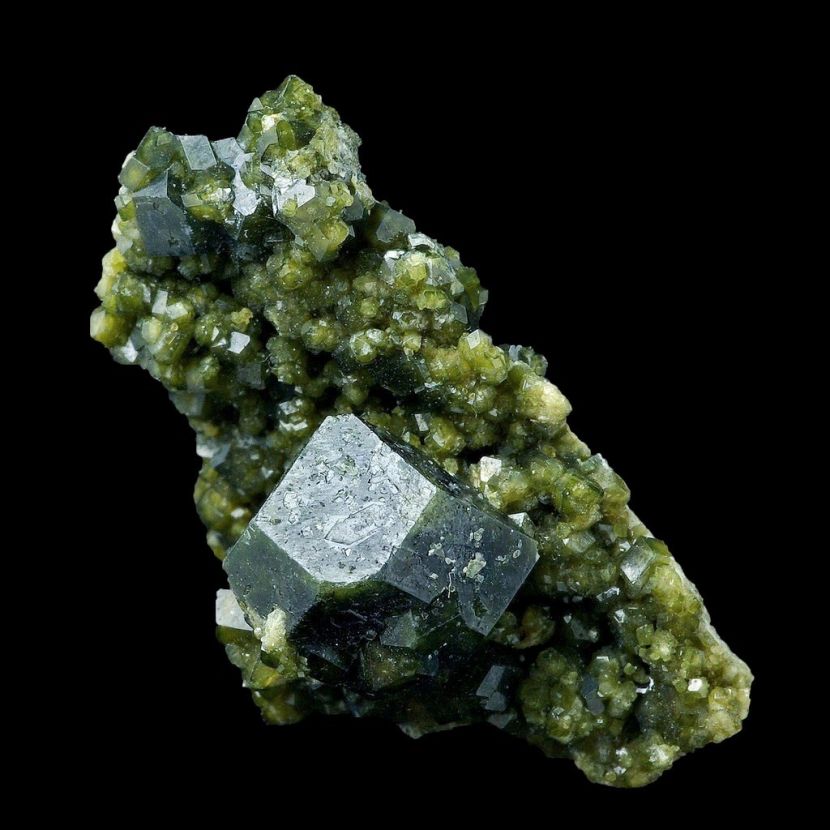
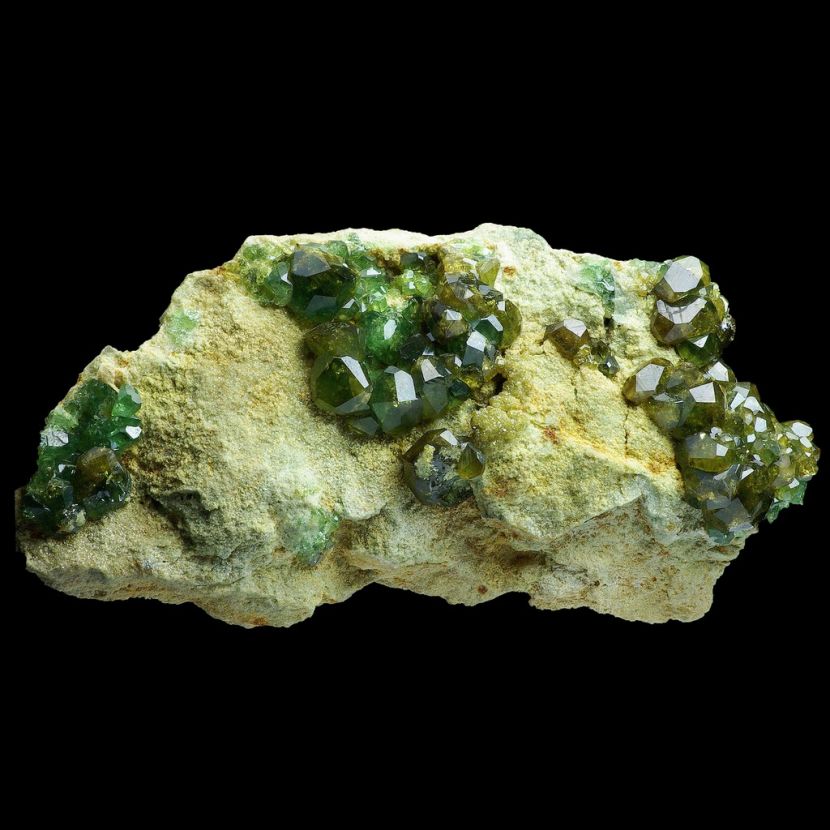
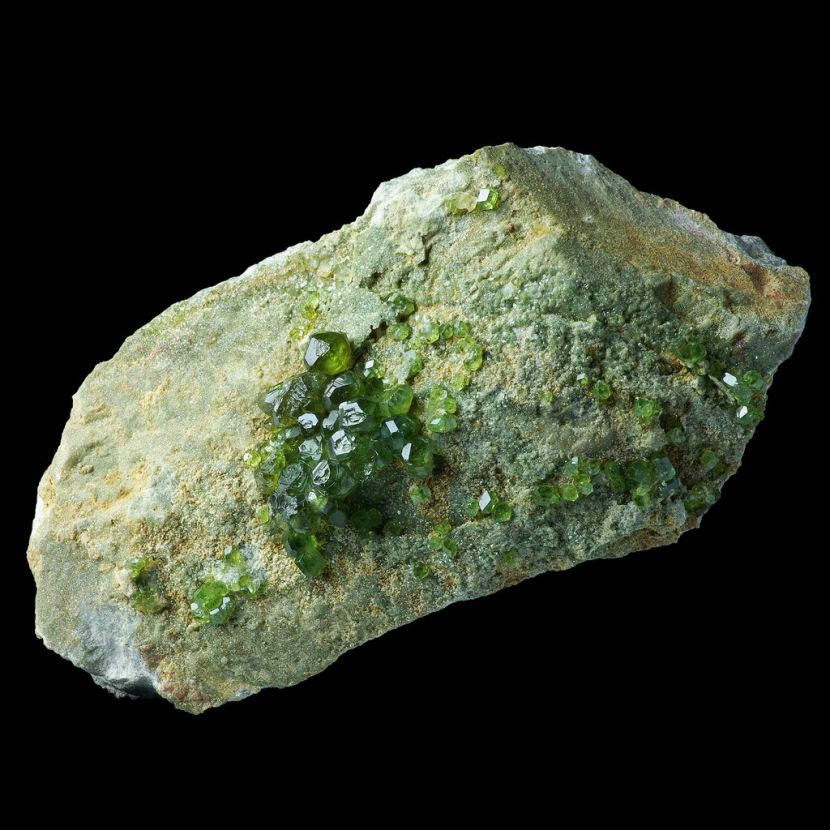
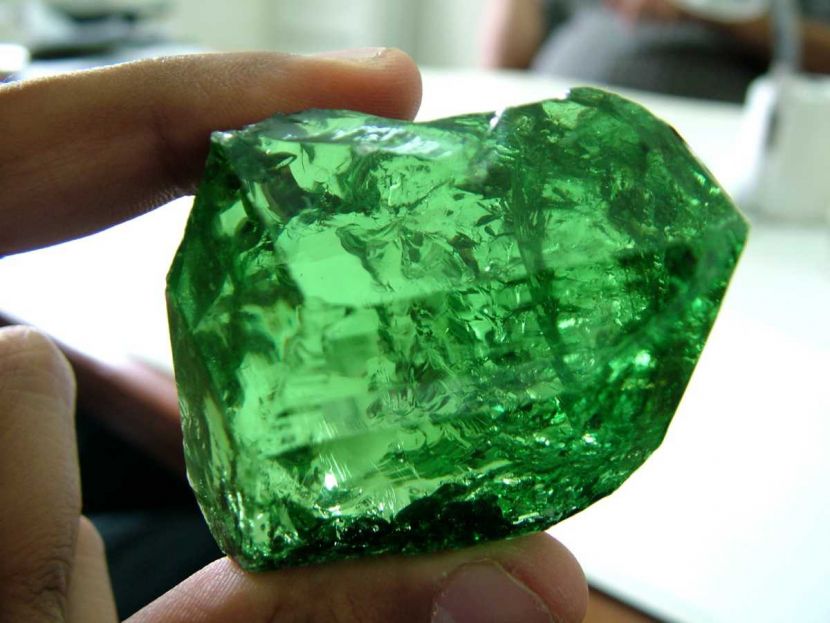
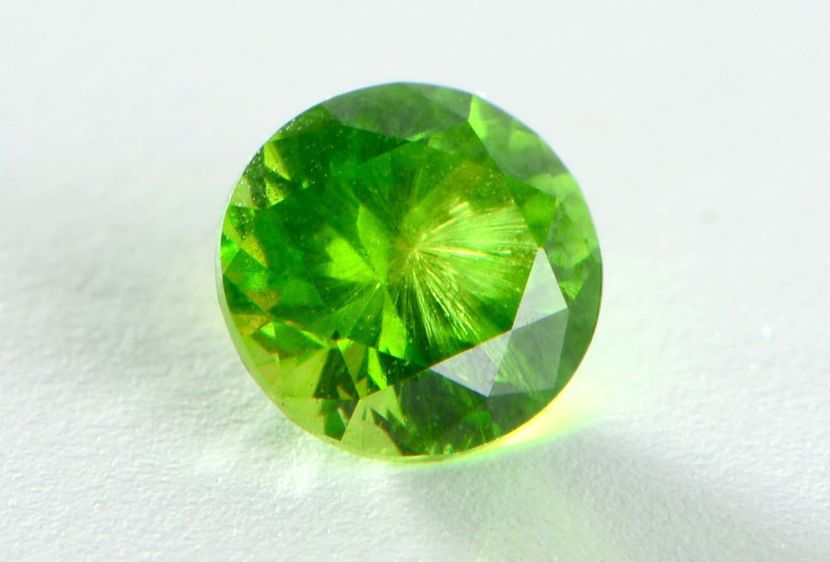
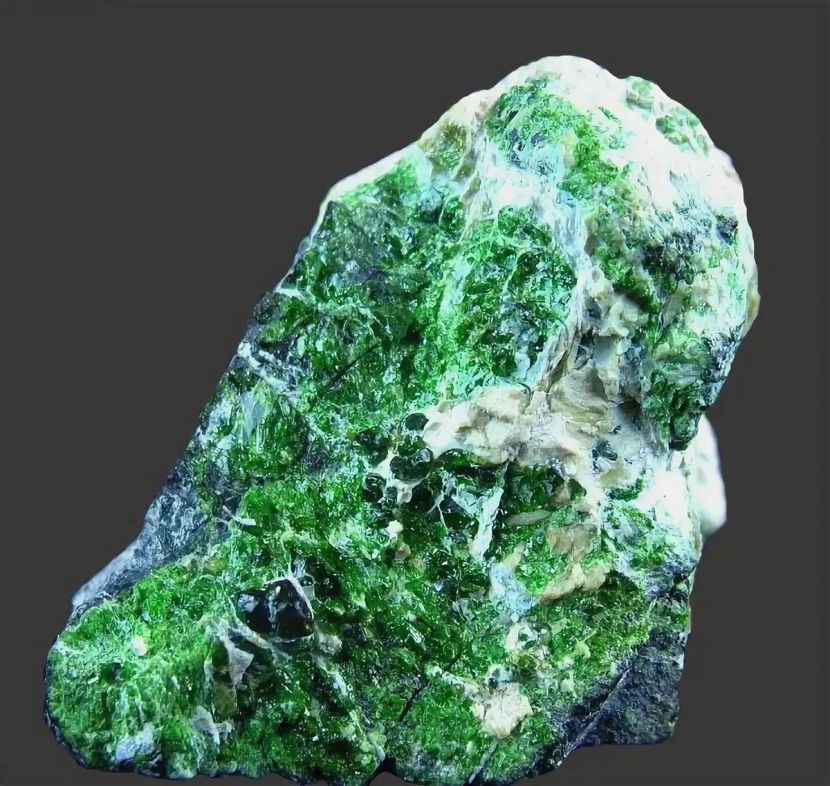
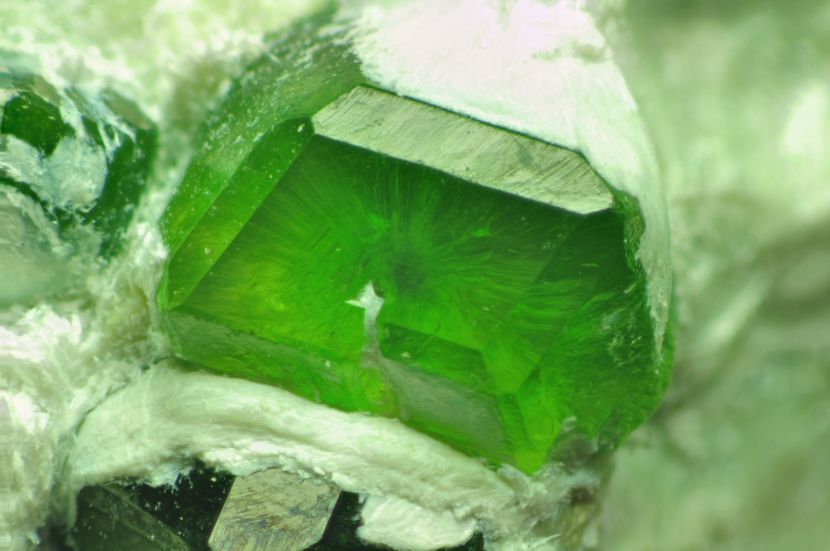
Demantoid has a hardness of 6.5-7, diamond or glass luster. Transparent or translucent. The color can be from light green to dark green. Density 3.84 g/cm3. Refractive index 1.83-1.90. There are stones with the effect of "cat's eye" or with golden sparks flashing inside.
Chemical properties and composition
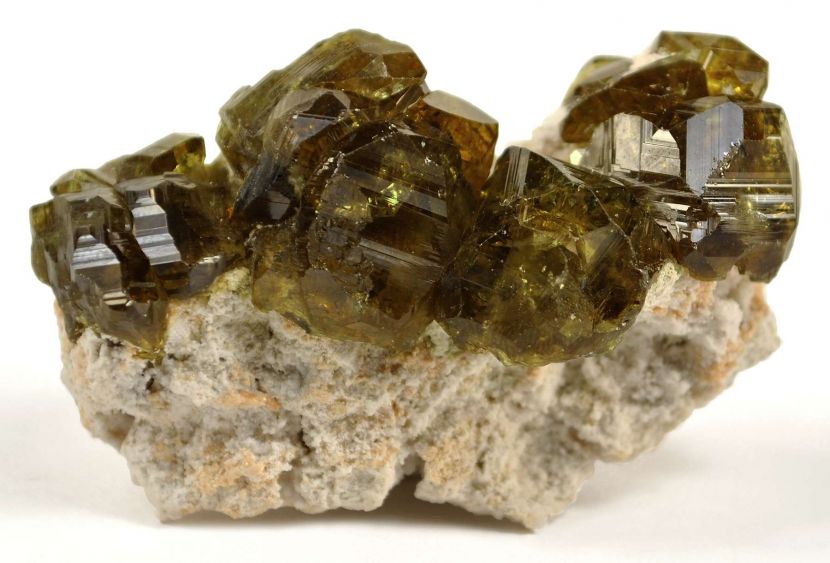
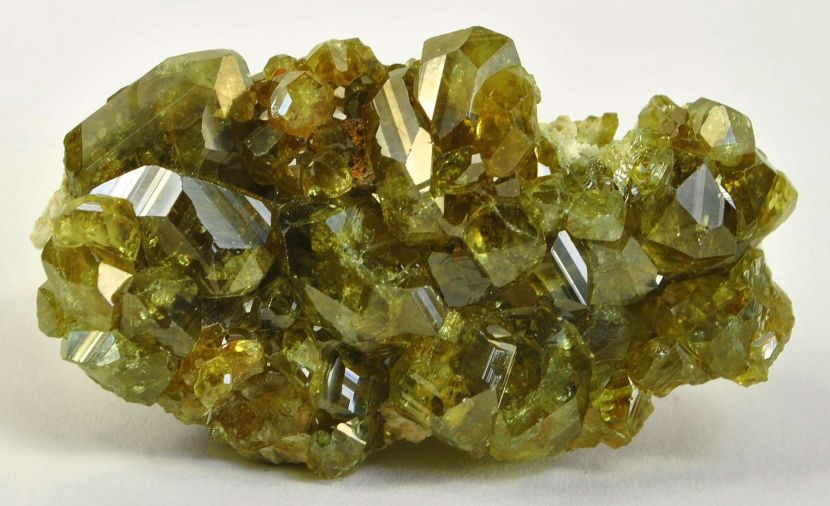
Demantoid is calcium iron silicate, like other grossulars. The color of this variety of pomegranate is due to the chromium contained in it, which gives it a green color. The presence of titanium gives yellow shades to the stone.
The chemical formula is Ca3Fe2[SiO4]3.
Varieties
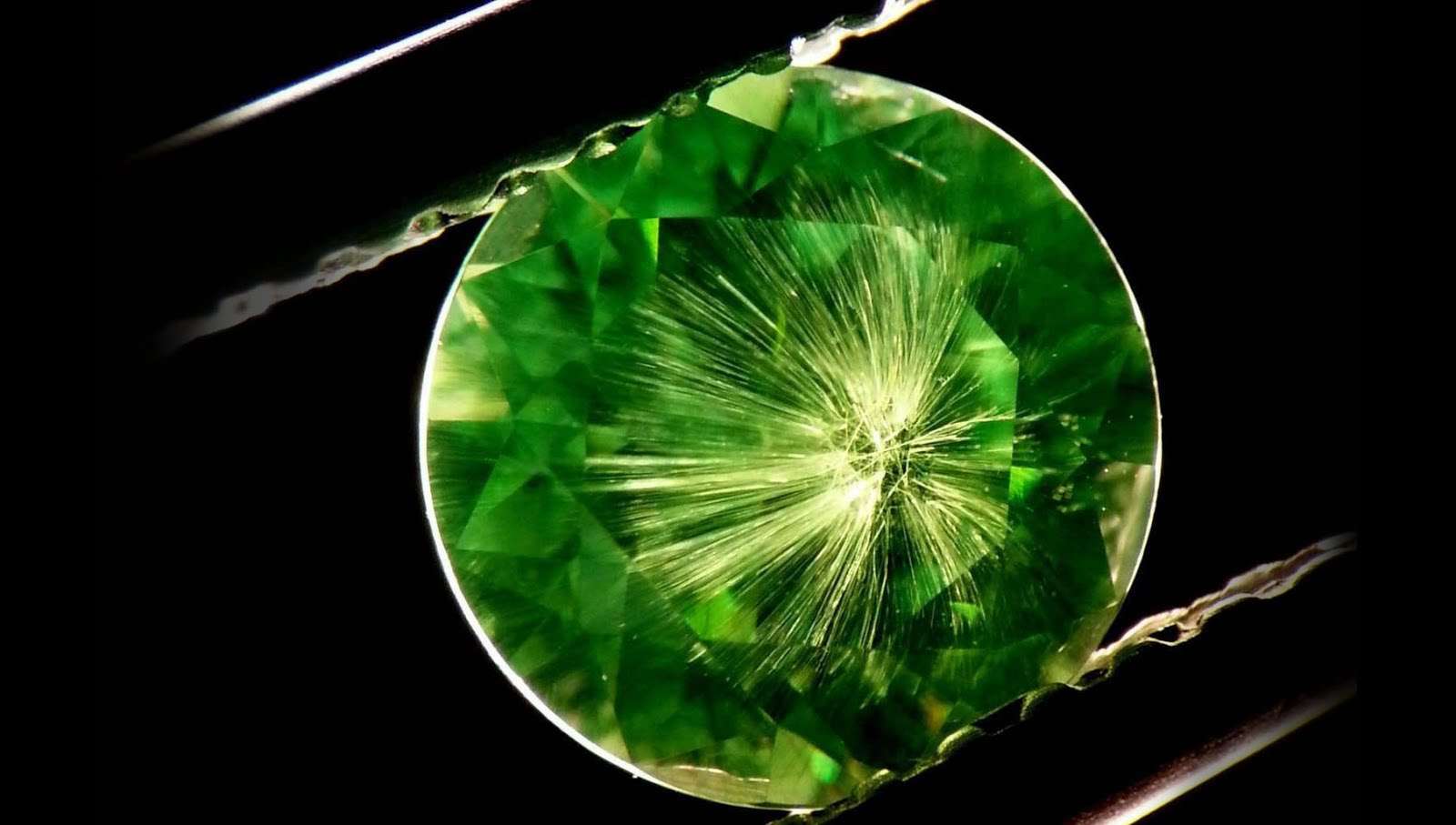
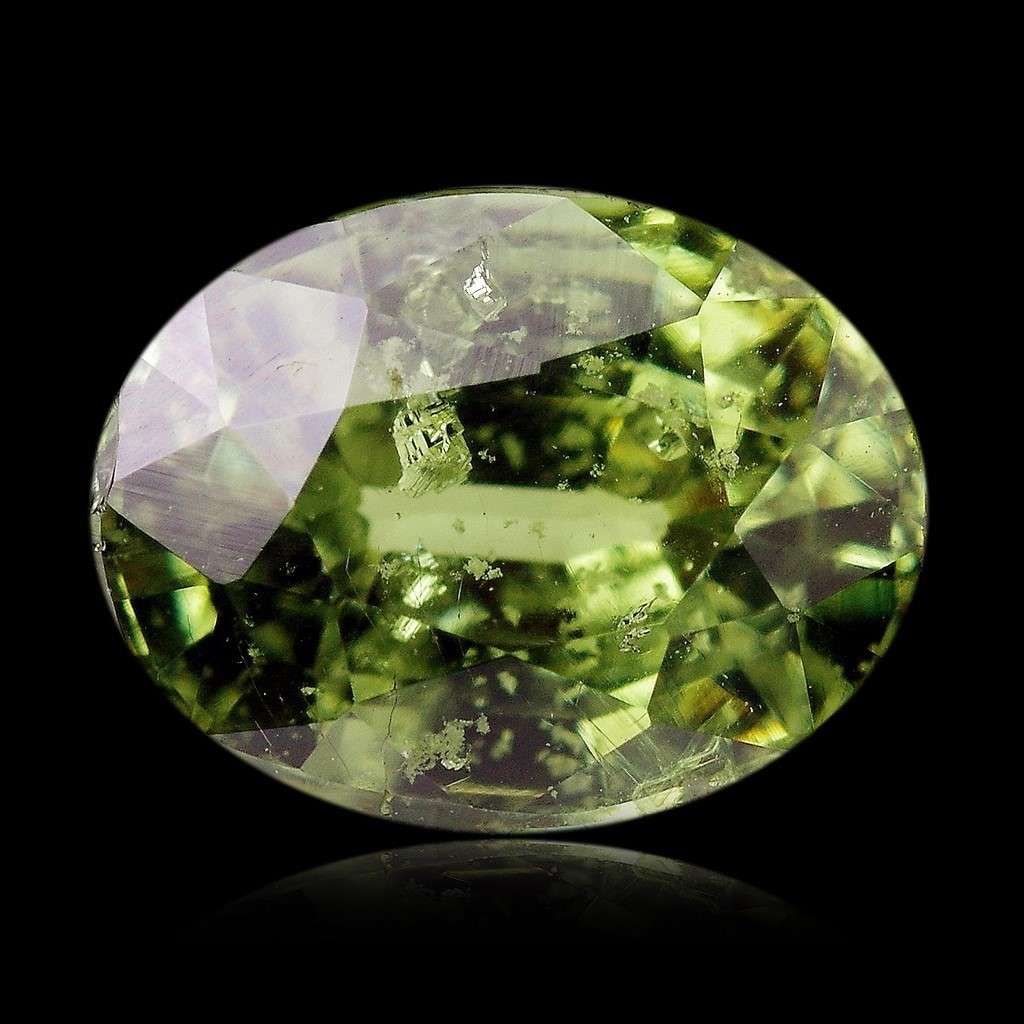
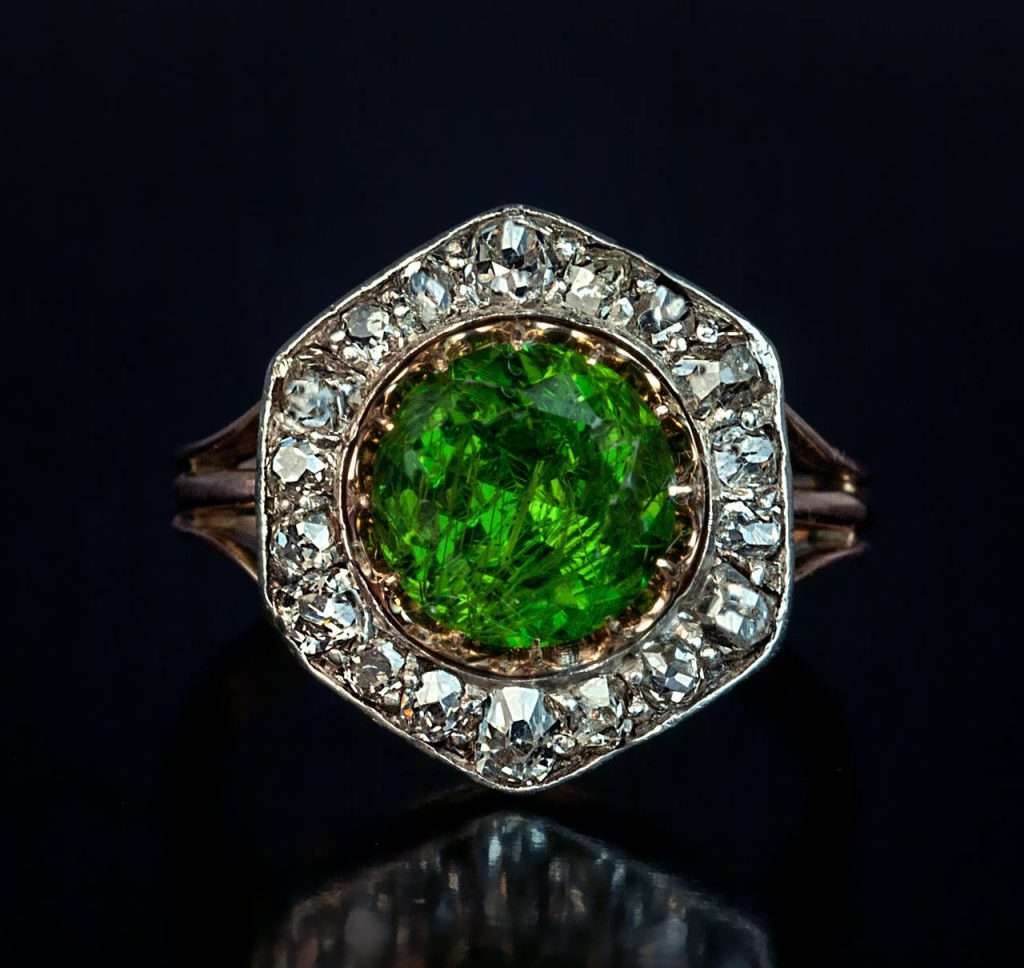
Demantoids are distinguished by hue and color saturation, but the "ponytail" is especially valued. This is the name of stones with inclusions of byssolite - yellow-green fibers that create a kind of ponytail in a transparent green stone.
fakes
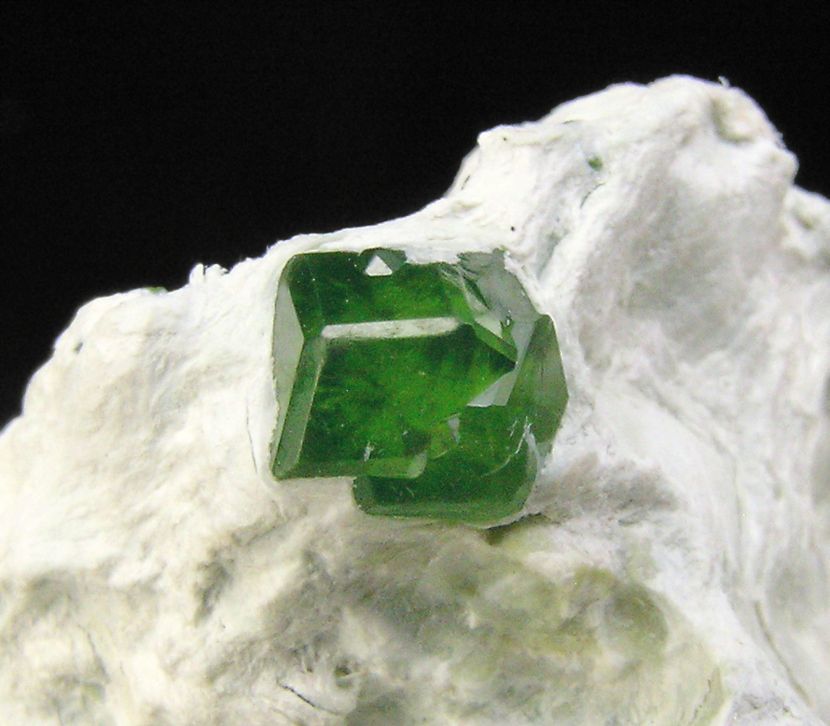
Demantoids are often faked, but if a glass fake can be immediately distinguished by its brilliance, then in order to distinguish a real stone from sitalls, you will have to look for an experienced jeweler.

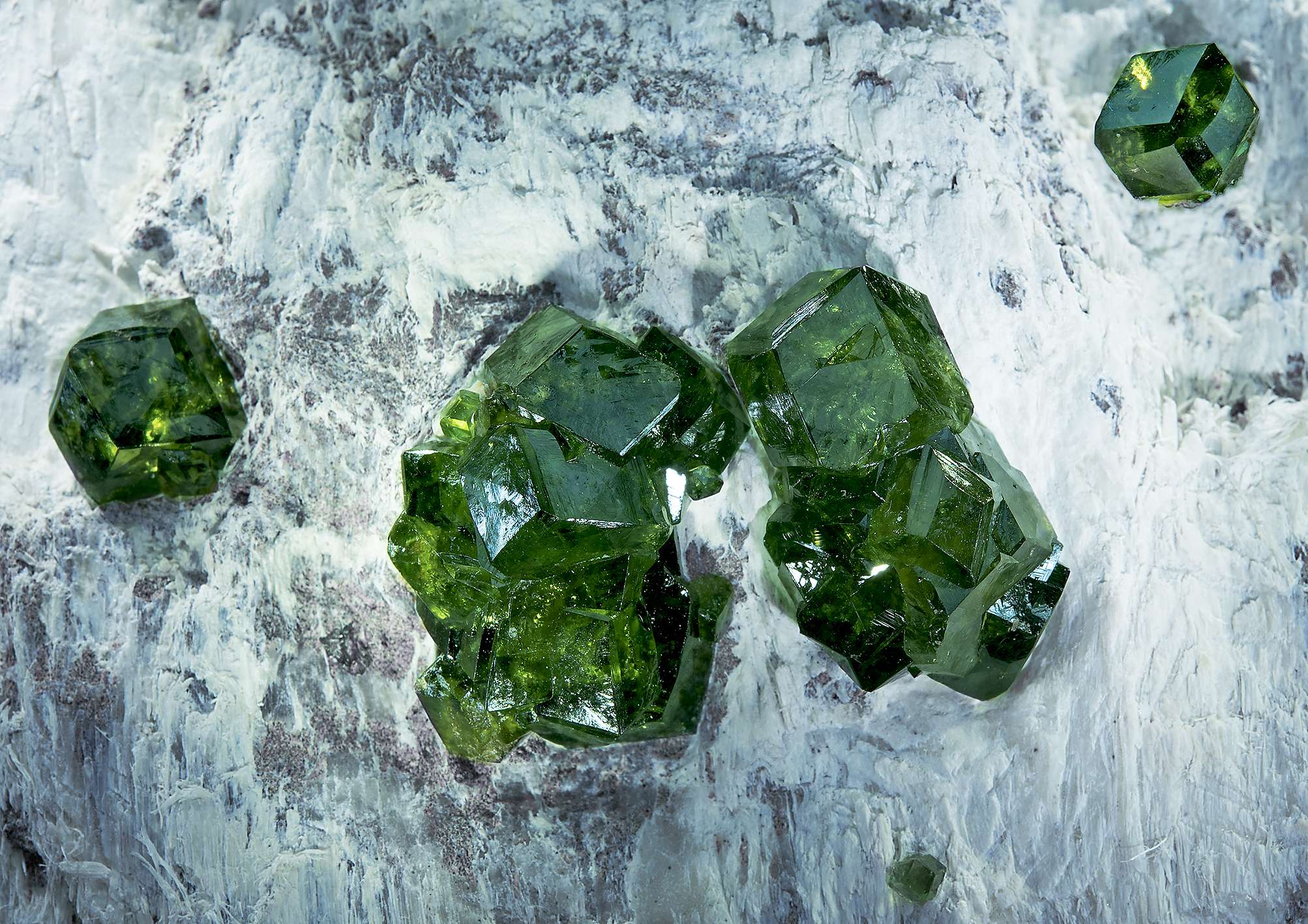
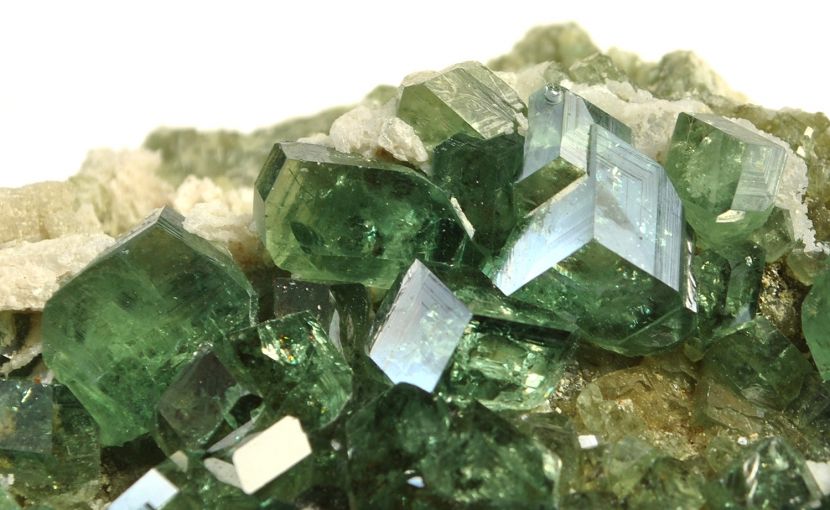
Seeing the play of Demantoid glare in the photo, you will get only a faint idea of \u200b\u200bwhat it really looks like, so it's best to turn to specialists.
magical properties
Demantoid is a stone that has a variety of magical properties.
Demantoid teaches you to give all your strength to achieve your goal, without being scattered on less important things, strengthens memory, stimulates thought processes, and develops intuition. These qualities make it an excellent talisman for businessmen and scientists. The stone will teach you how to spend money correctly and make only the right investments.
With the help of a demantoid, you can get an answer to any question. To do this, you need to enter a state of meditation, wearing jewelry with this stone, clearly formulate the question, and you will receive an answer very soon.
The gem contributes to family harmony, will help you find your soul mate or bring newness to old relationships. The stone teaches to enjoy what is already there, and will help on the way to the realization of new ideas. It helps only good people, so you should not even try to use it for evil deeds. The answer will be amazing. All evil thoughts directed at the owner, this stone will send back.
This is a talisman of financial well-being and family harmony, and as an amulet it removes all adversity from a person.
If you decide to purchase a demantoid because of its magical and healing properties, then you should not chase the size of the gem.
Medicinal properties
Demantoids are used in the treatment of nervous diseases. These stones calm and give a charge of positive energy, encourage the owner to live in harmony with nature and the people around them.
It also has a beneficial effect on the functioning of the heart, on vision, respiratory organs, joints, and skin. Helps build muscle mass and increase male strength.
Zodiac signs
Demantoid to almost all signs of the zodiac with the exception of Pisces, in whose life this stone can bring confusion and chaos. With Aries, the stone can also have problems, so they should first try to find contact with this stone before starting this talisman.
Lions and Sagittarius with the help of a demantoid will be able to reach the top of the career ladder.
Libra will be able to bring an important project to fruition, and the family will enjoy quiet happiness next to their soul mate, and those who have not yet found one will be helped to find it.
Aquarius and Gemini, the demantoid protects from all adversity and will help you fulfill your mission both in business and in art or in any other field. The talisman will teach them not to be distracted by the unimportant and focus on the main thing.
Compatibility
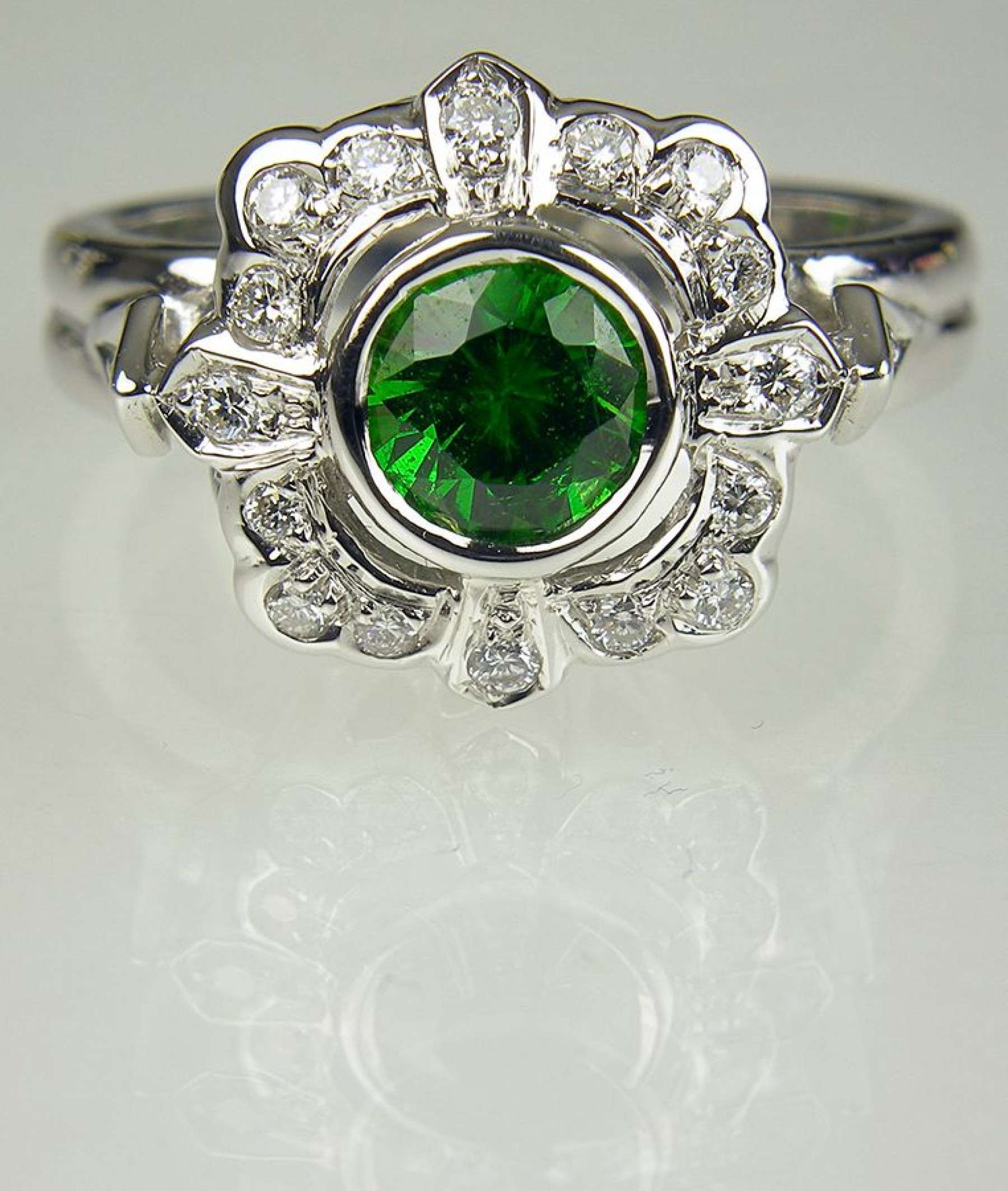
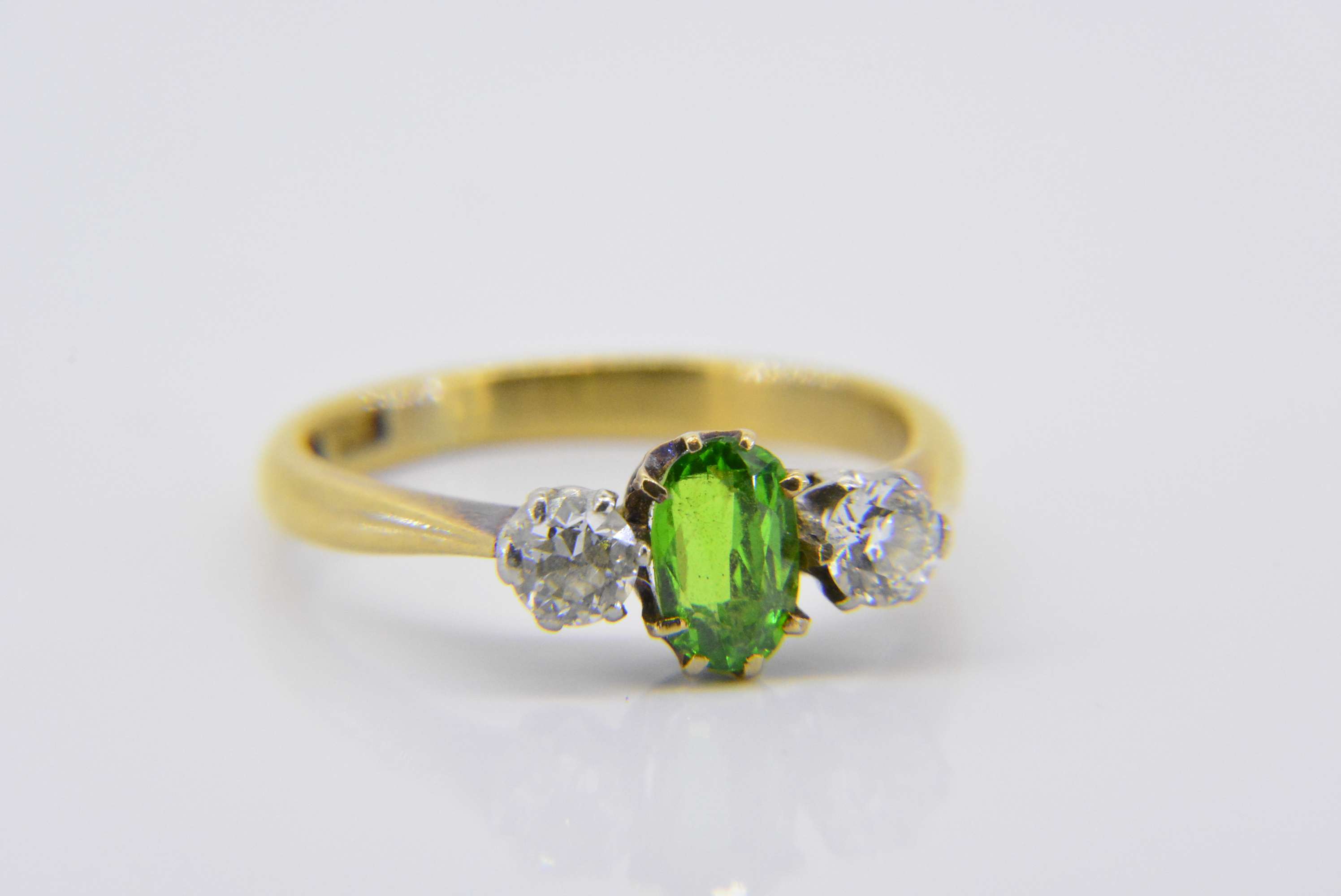
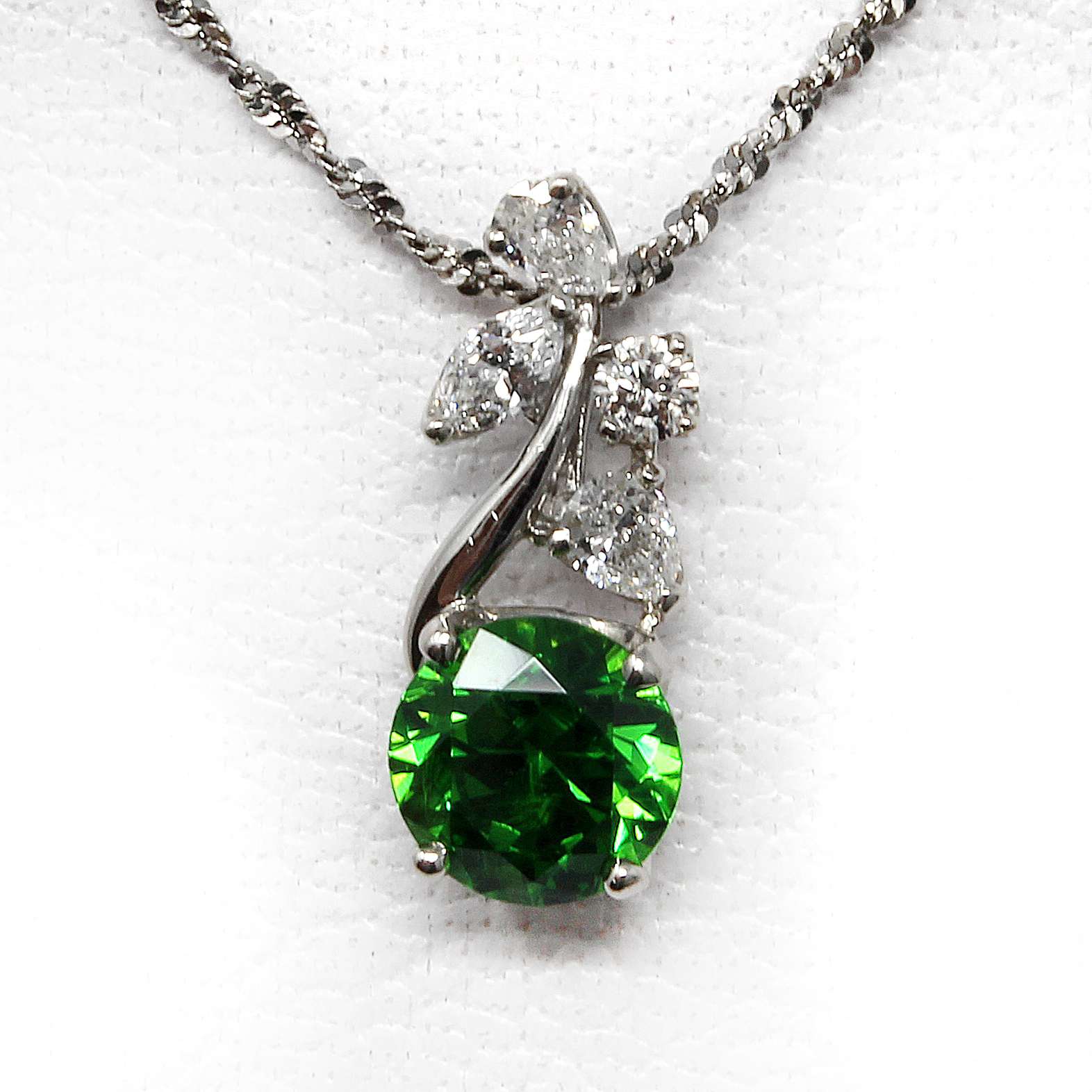
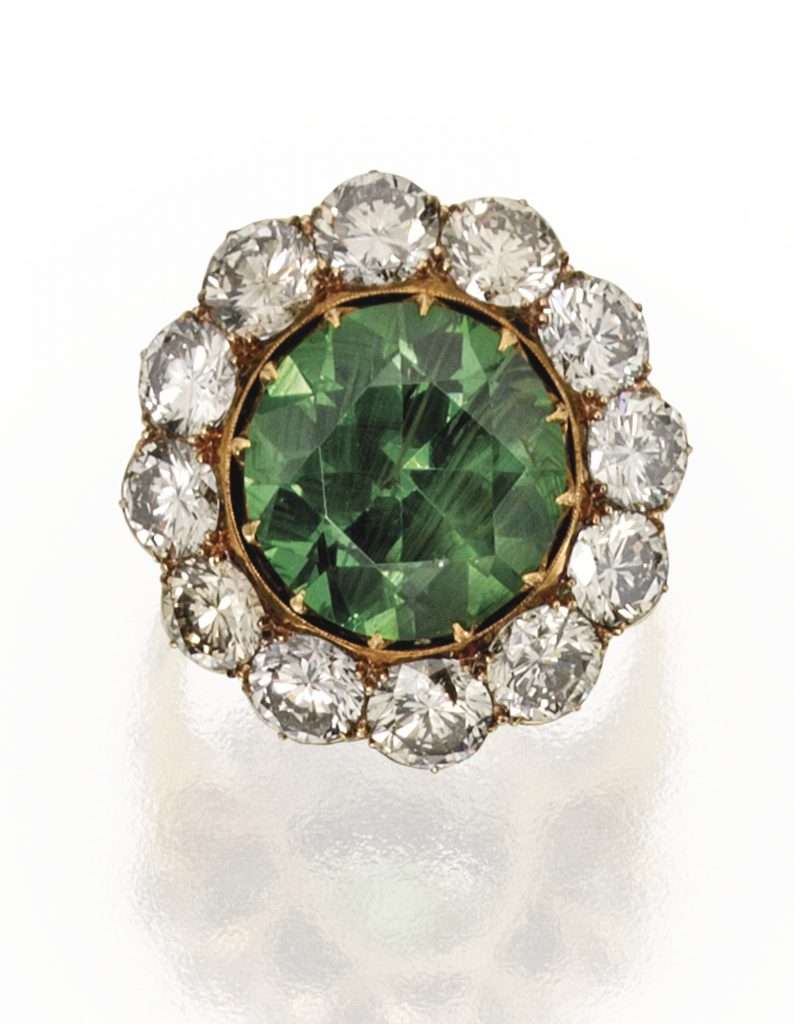
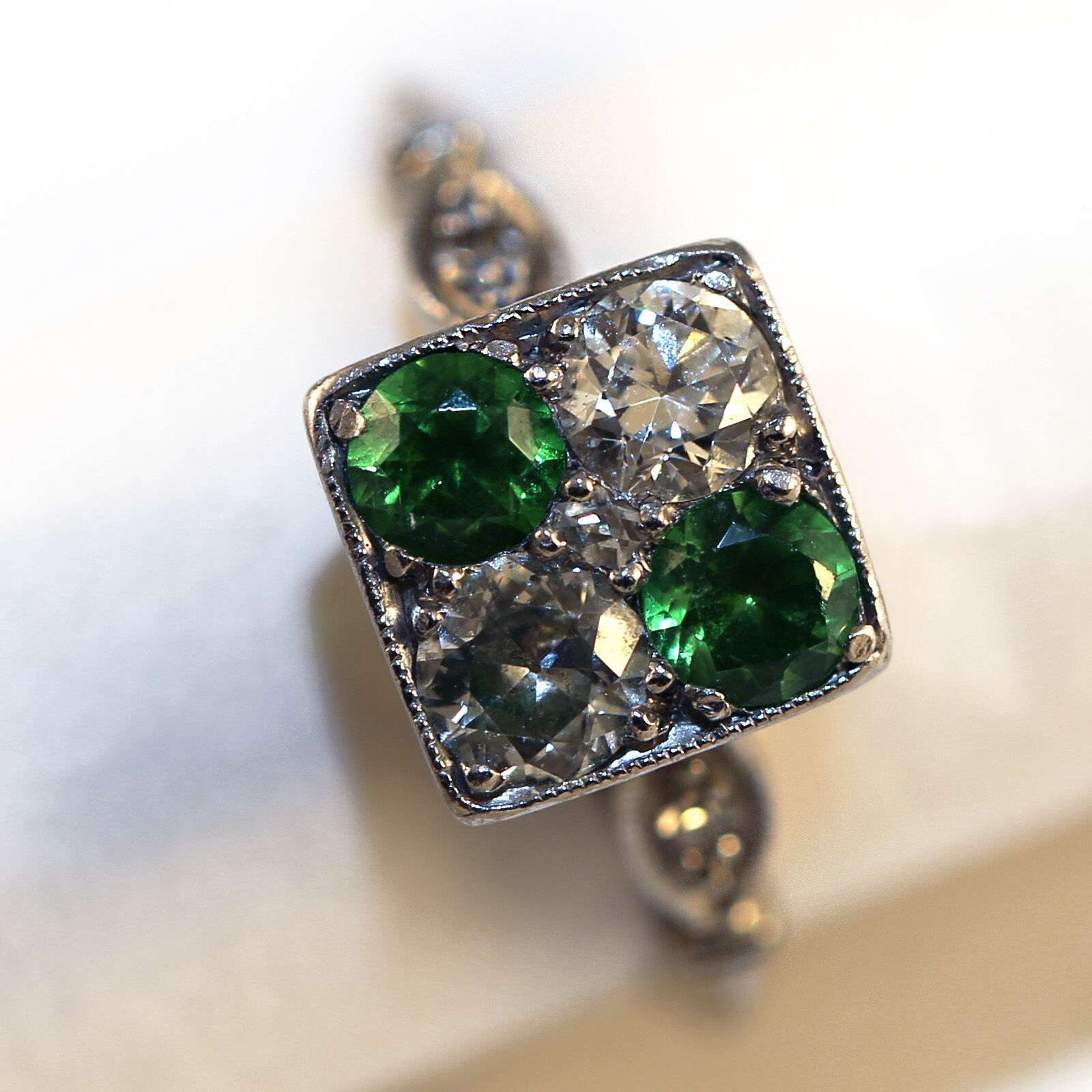
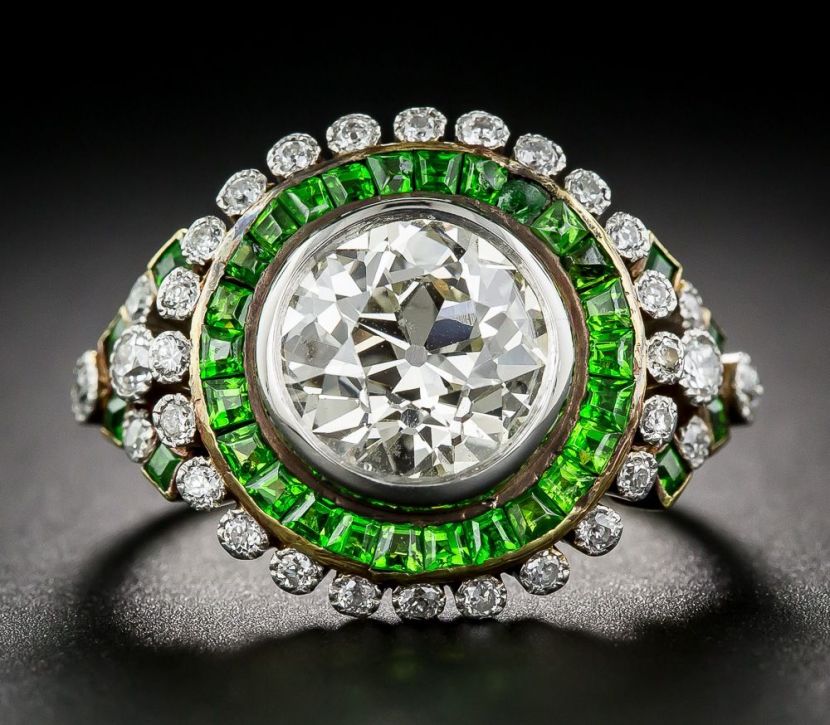
The combination of demantoid with diamonds is more common. Other combinations in one jewelry are rare so as not to distract attention from the main jewelry - the emerald rival of diamonds.
Jewelry with Demantoid
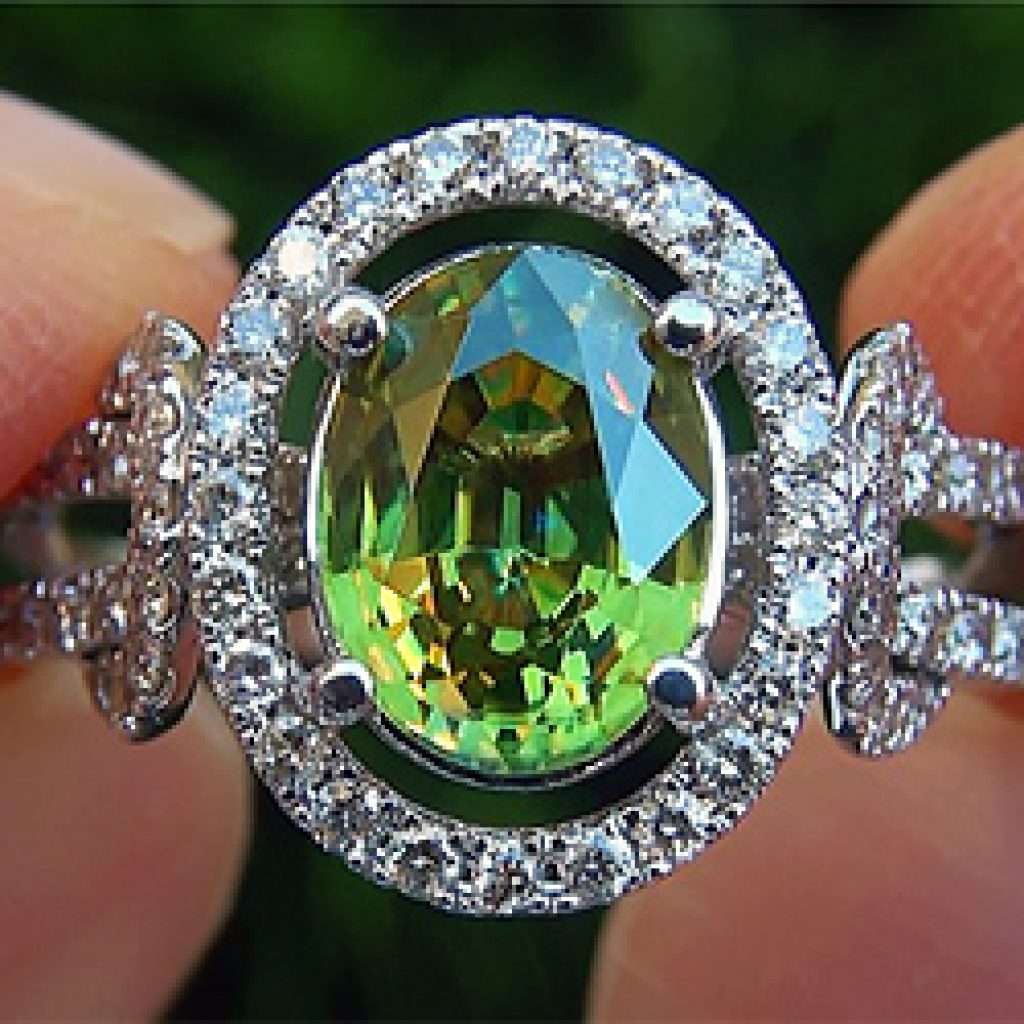
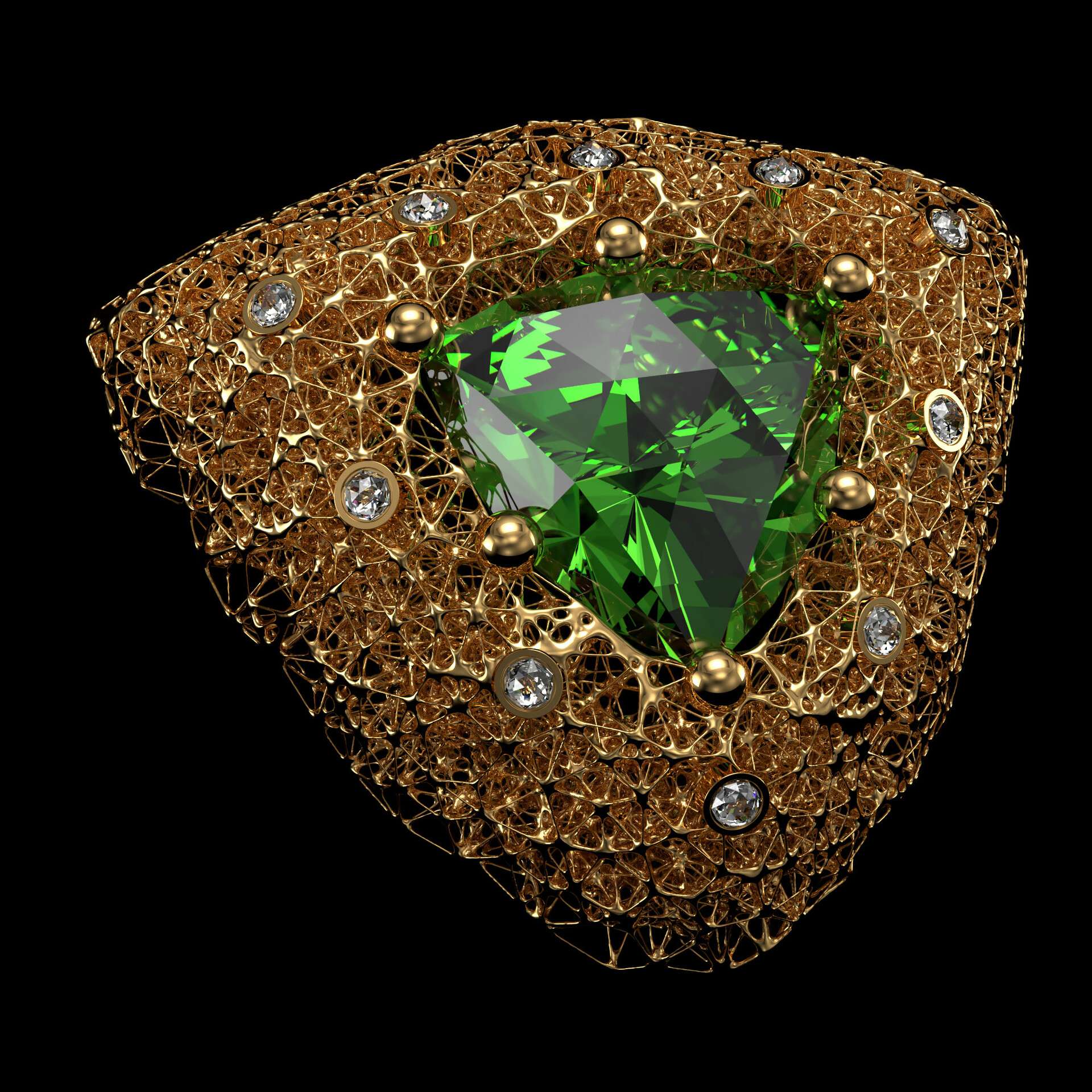
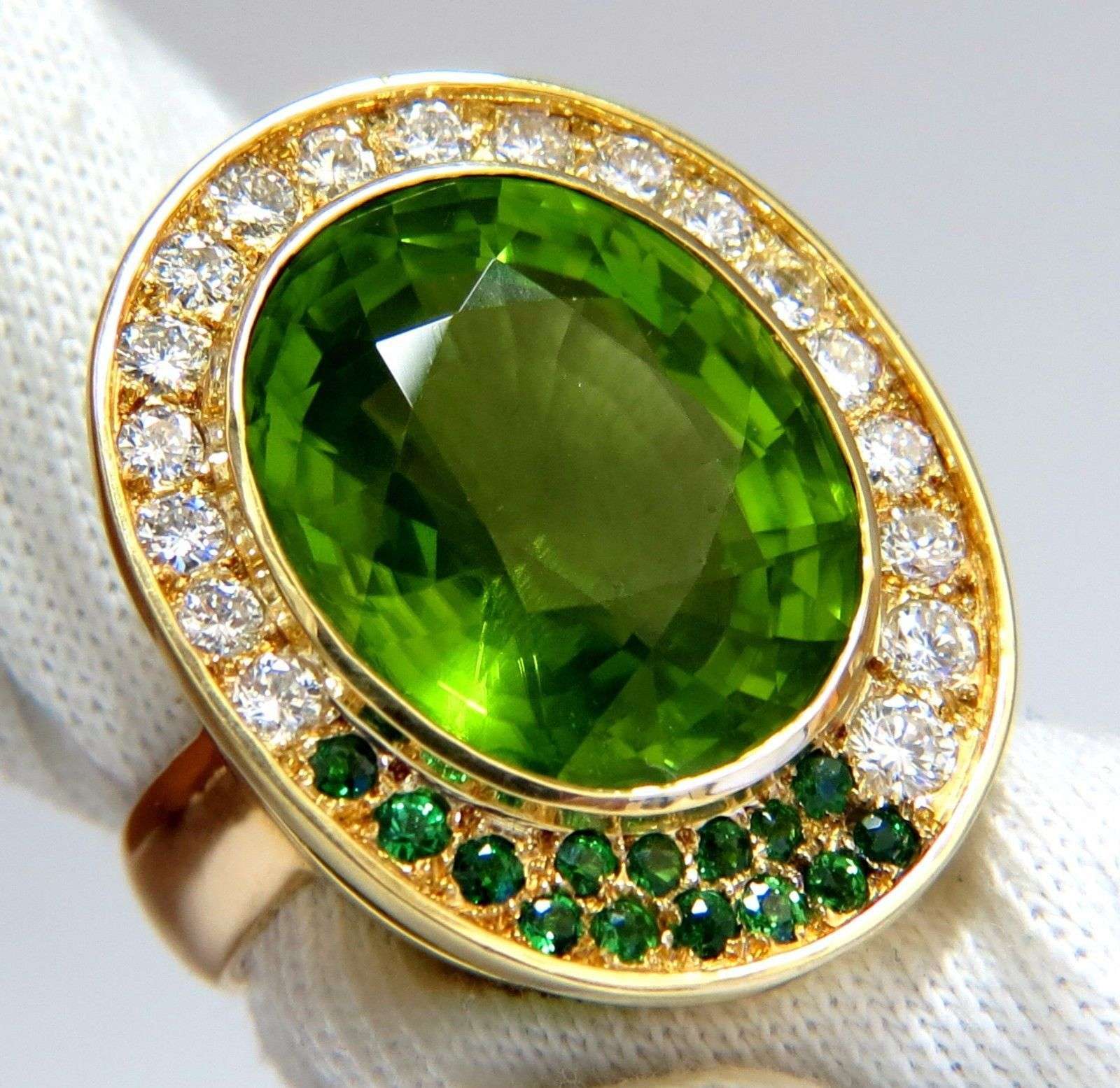
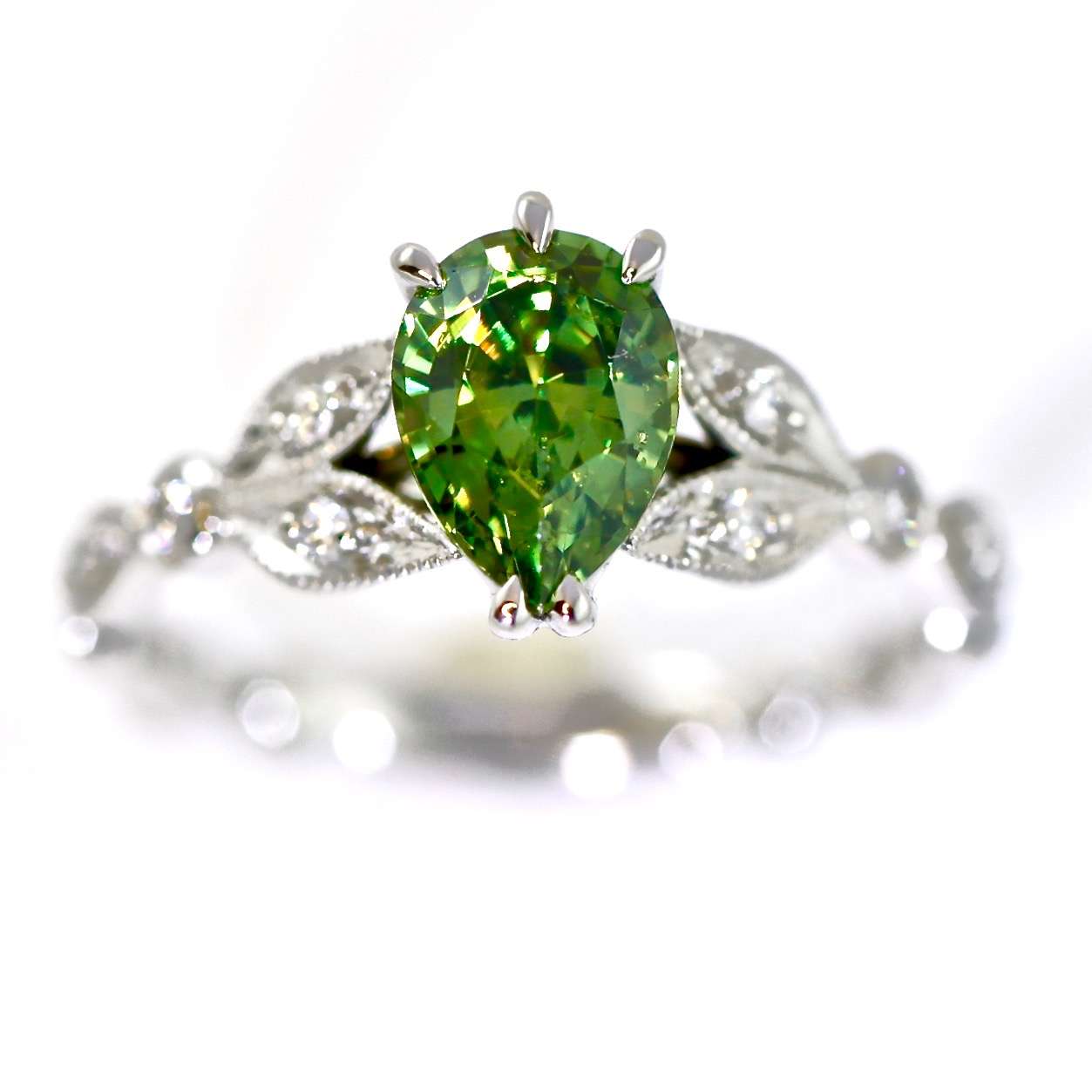
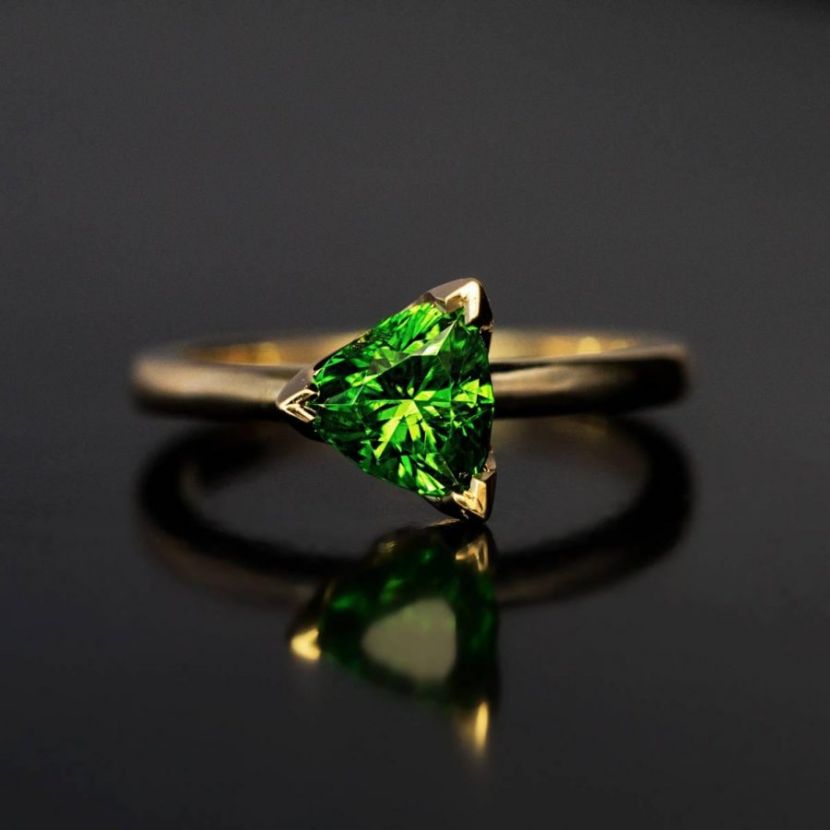
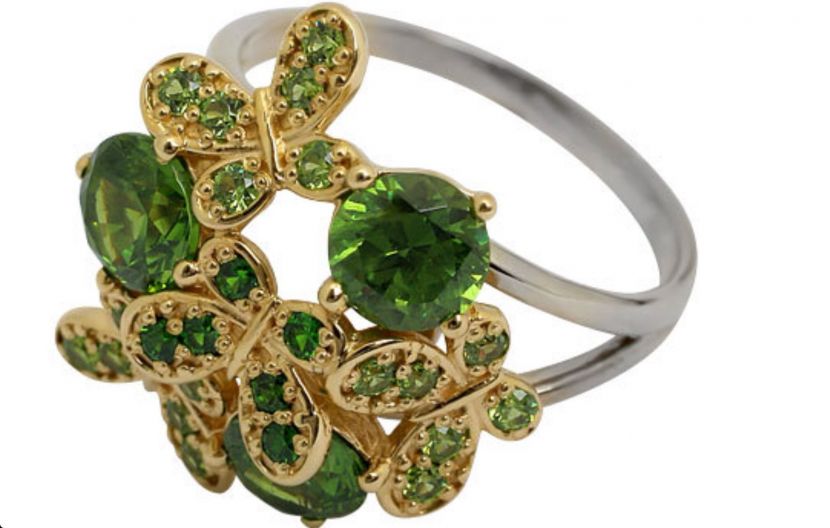
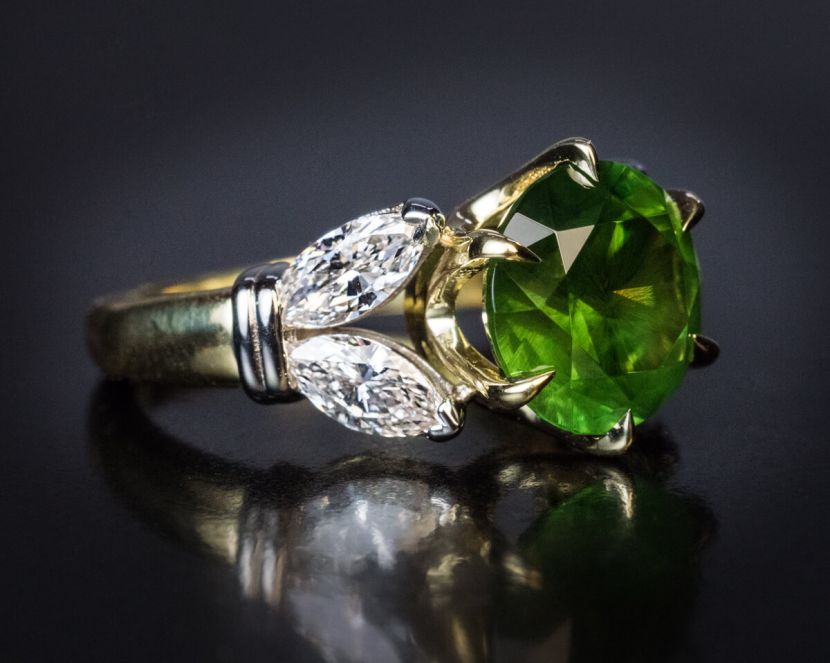
Demantoid looks great in a setting of platinum or gold. Looks good and set in silver. The cut is brilliant or stepped. Instances of stone with sparks inside, the effect of "cat's eye" or "horse tail" are valued higher.
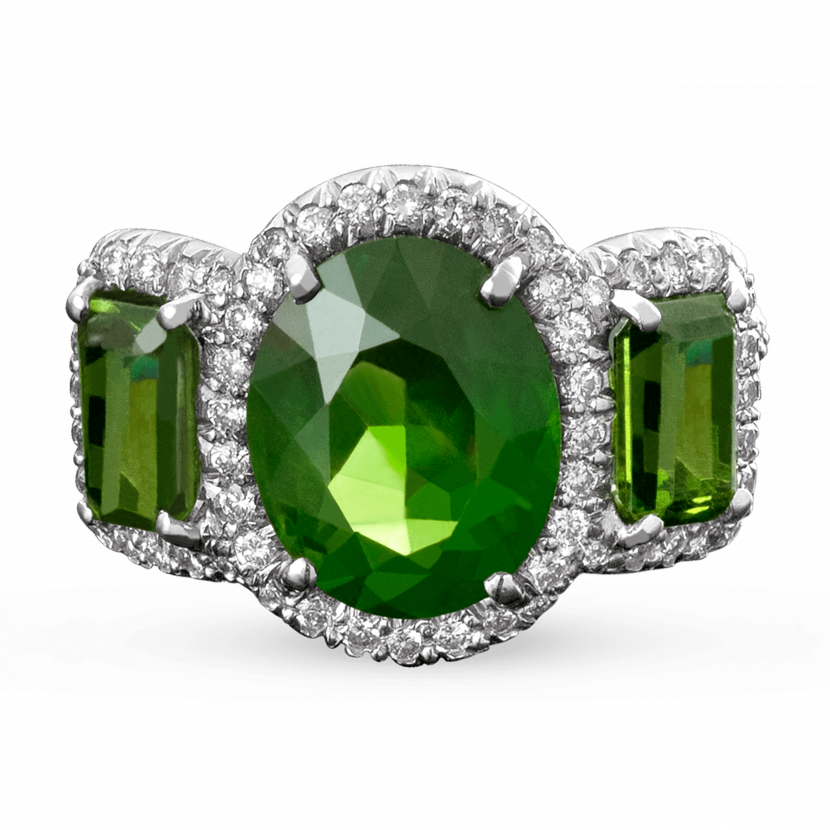
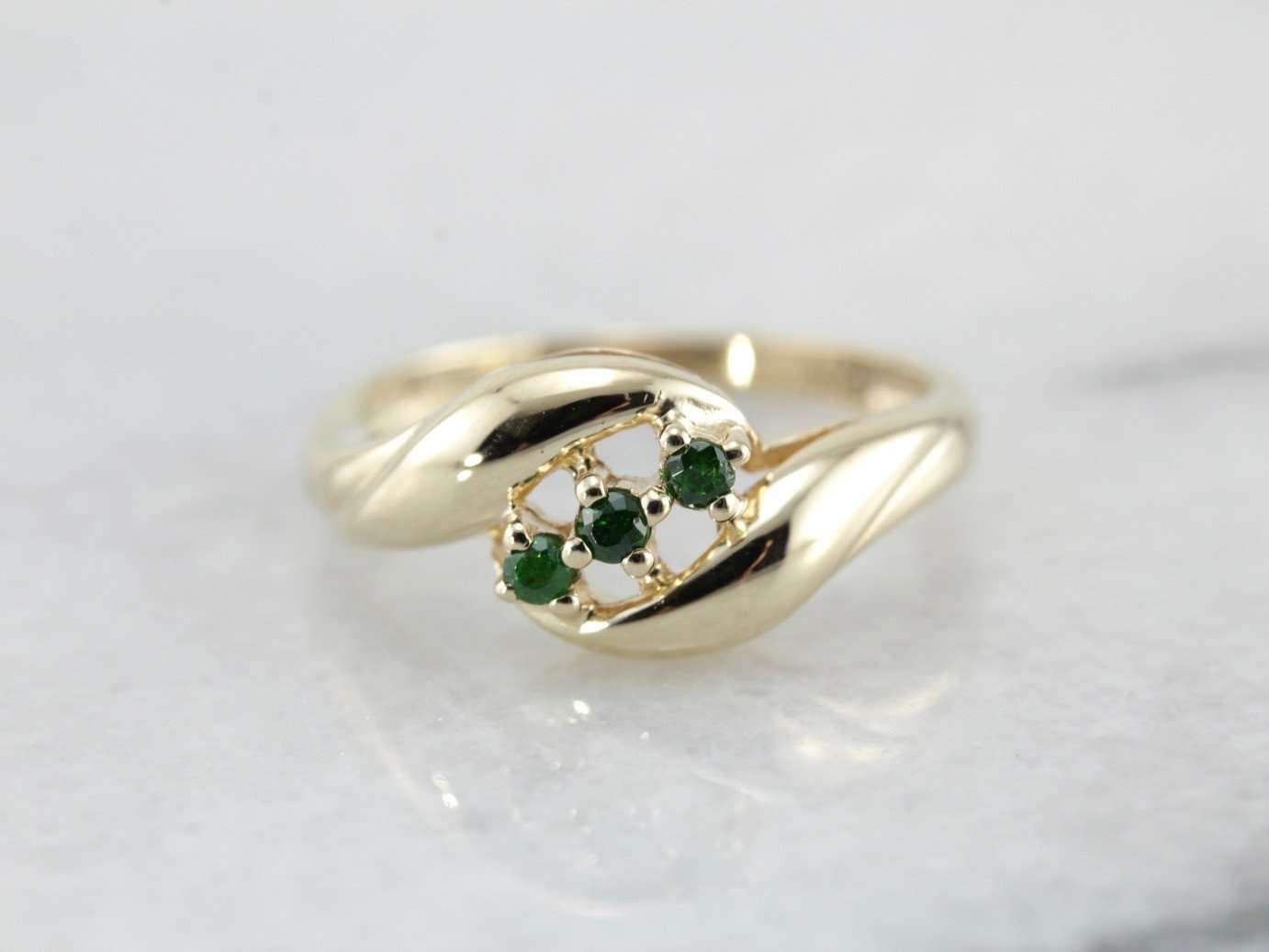
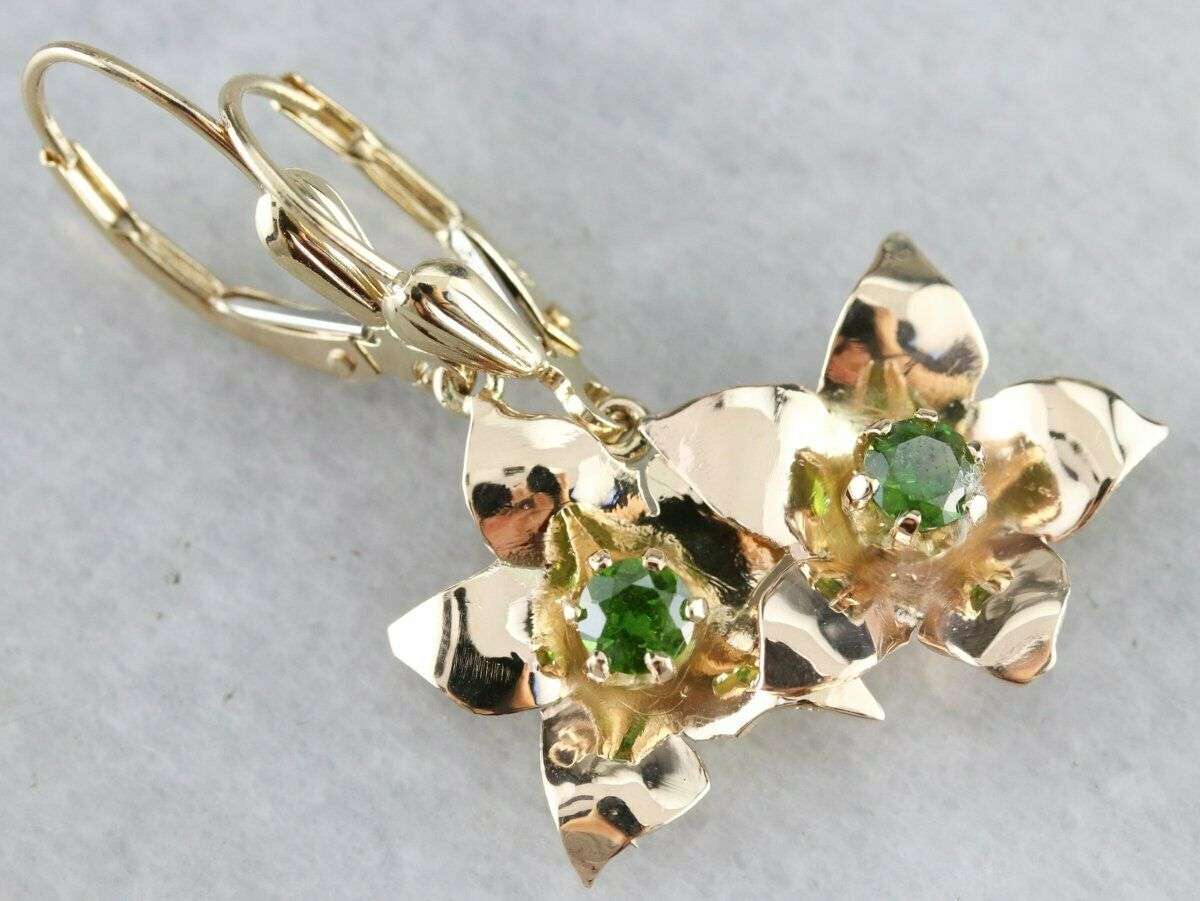
Demantoids are inserted into a variety of jewelry: earrings, rings, necklaces, pendants, brooches, bracelets, pendants. Jewelry with this stone belongs to the luxury class and is not cheap. You can also find demantoids quite inexpensively if they do not meet the standards of purity and transparency.
stone care
Demantoid store it in a separate box, pasted over with velvet. You can wash the gem with water or a mild soapy solution, and then immediately dry it with a dry cloth.
In no case do not use any chemicals to clean the stone, do not wear the gem in the sauna, gym, swimming pool or on the beach.
You should not leave the gem for a long time in the sun, this magical gift of the bowels of the earth can fade from bright light.
Demantoid is a rather rare and expensive stone, often competing in price with the most expensive gems, but those who are lucky enough to get it get the opportunity to admire its emerald brilliance and feel the powerful and kind energy of this wonderful gem.
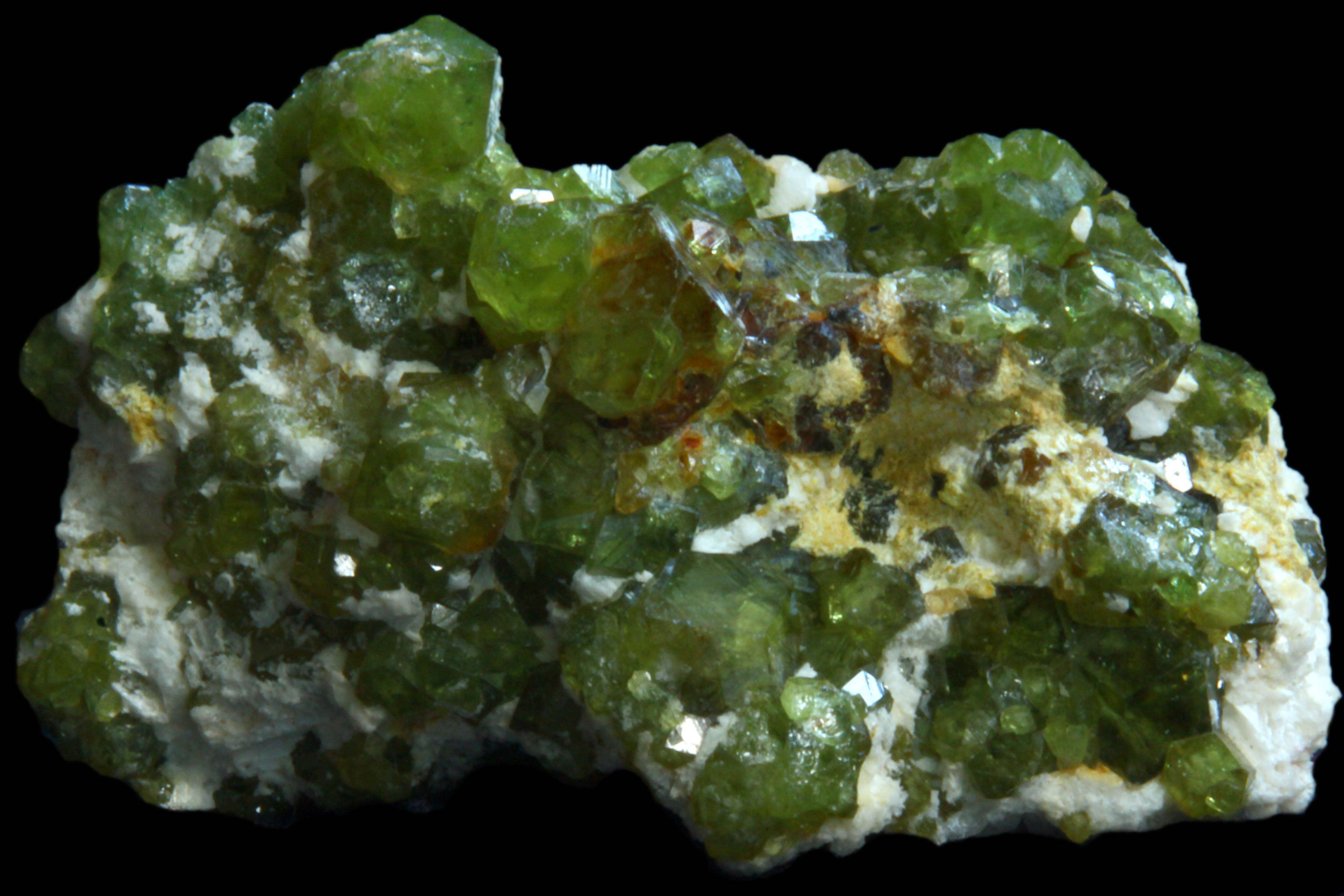
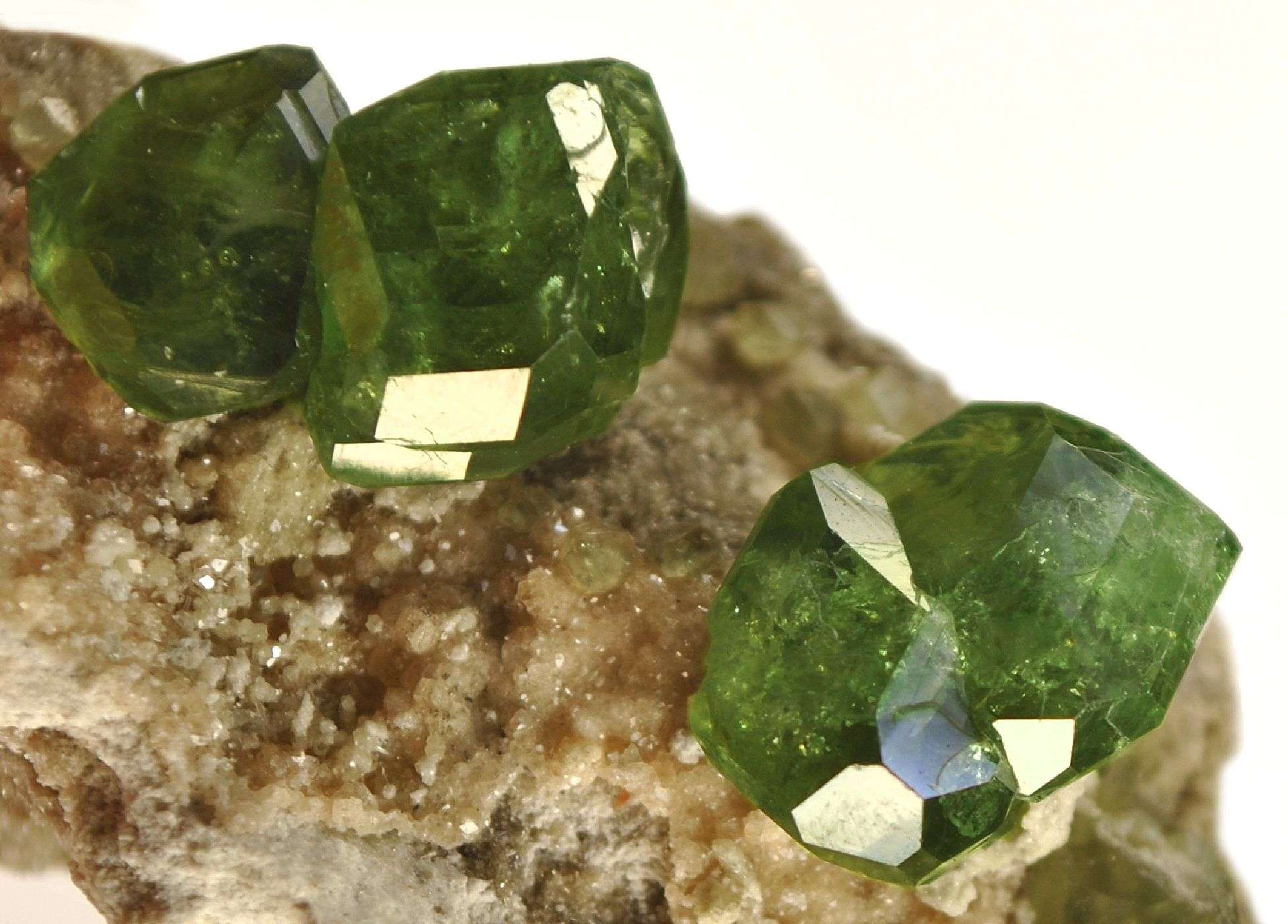
Photo of Demantoid stone