Sensational Chiastolite stone - a bit of history, mineral jewelry, photos and properties of the stone, care, who suits and how to distinguish it from a fake
There are minerals that surround riddles, many legends. The chiastolite stone is also associated with scientific sensations and rituals. For example, scientists can only guess how it was formed. For many centuries, the mineral was used in talismans. This is a variety of andalusite containing inclusions in the form of dark zones that form crosses. There are other fossils with a cruciform cut. Next, the properties, meaning and application of chiastolite will be considered.
Origin, history
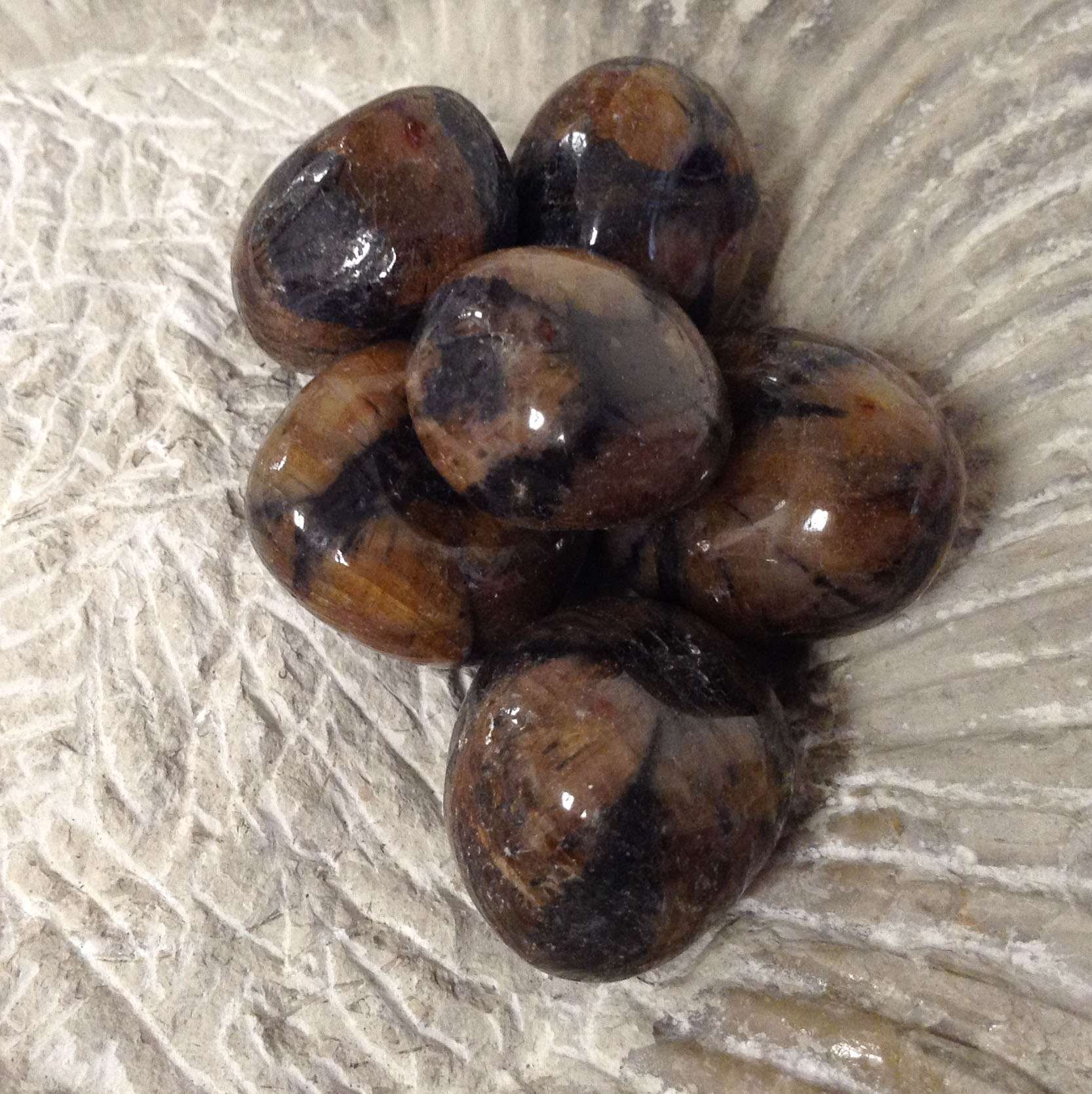
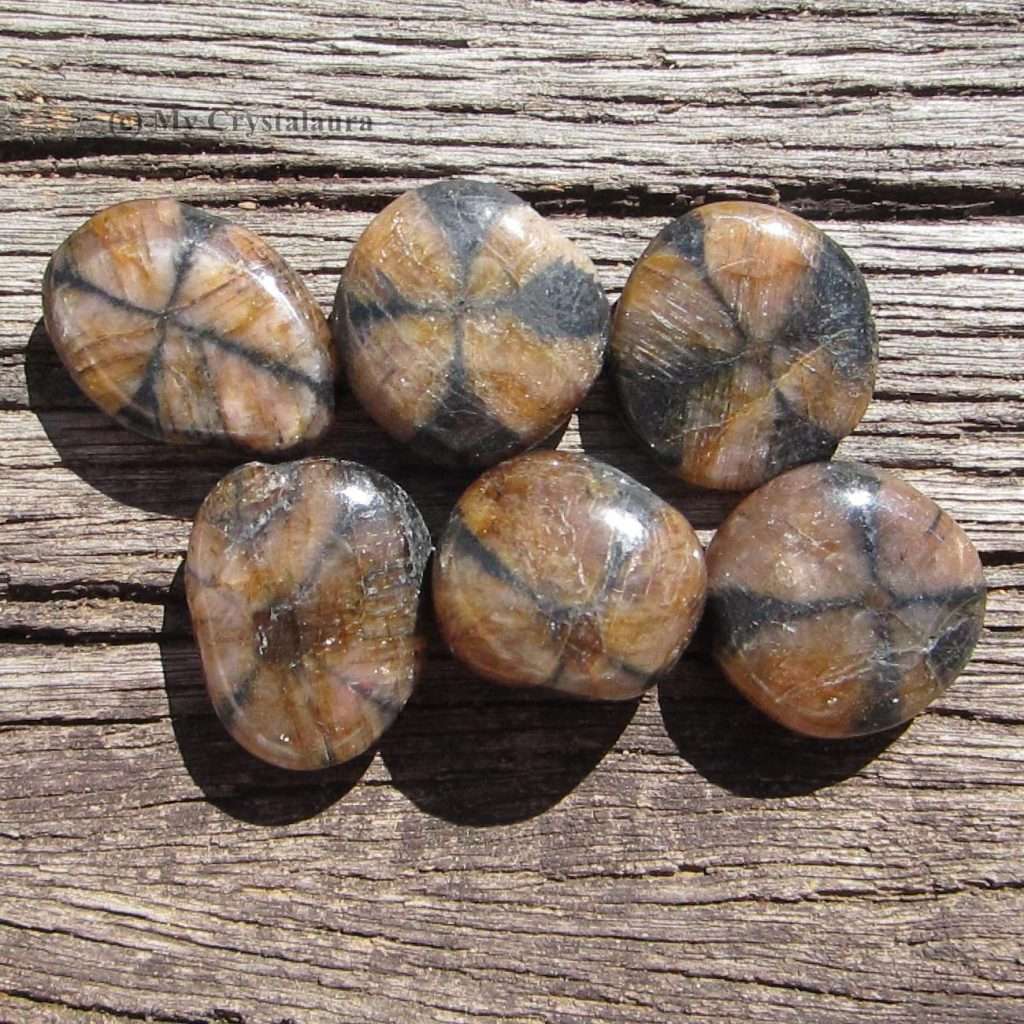
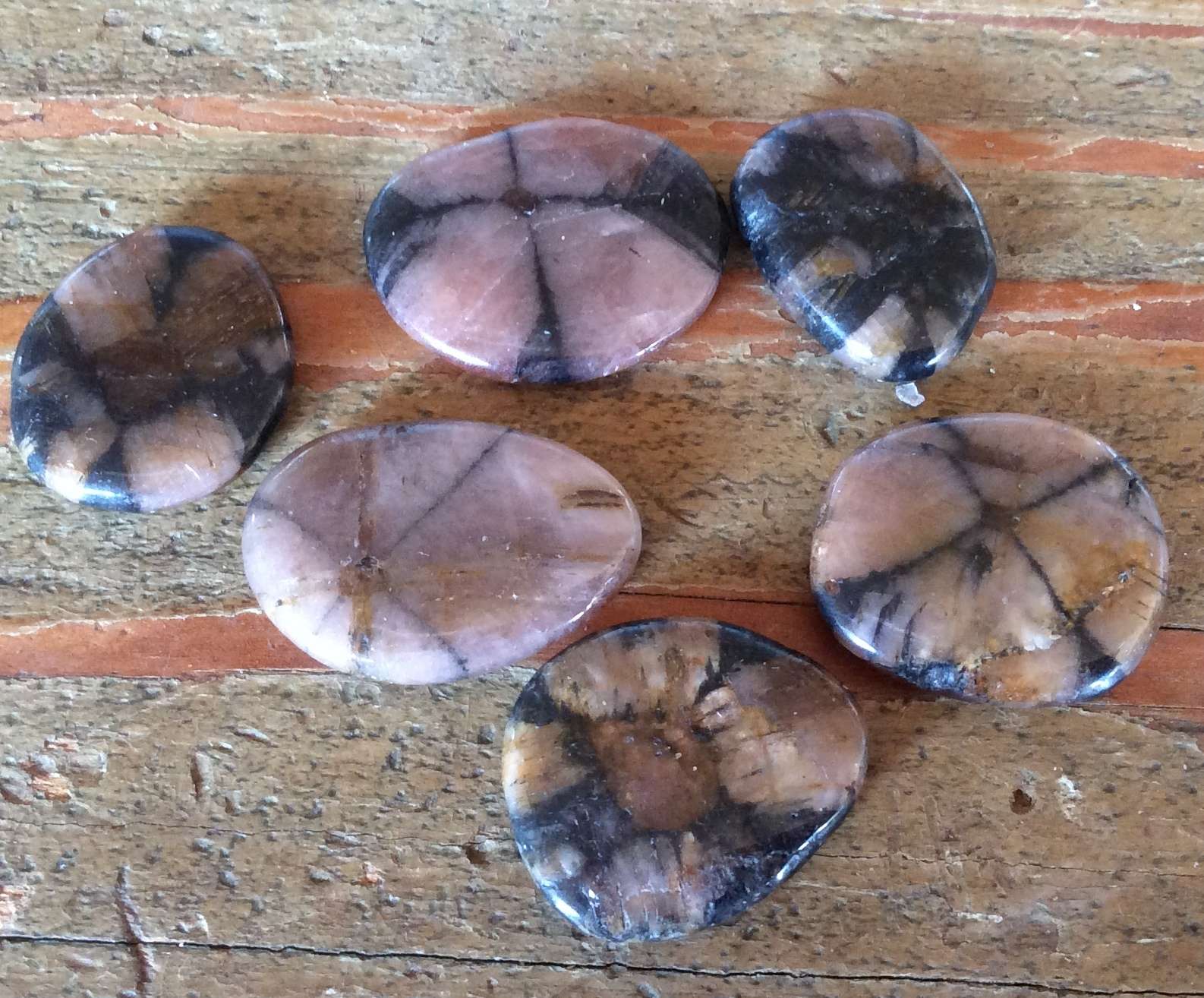
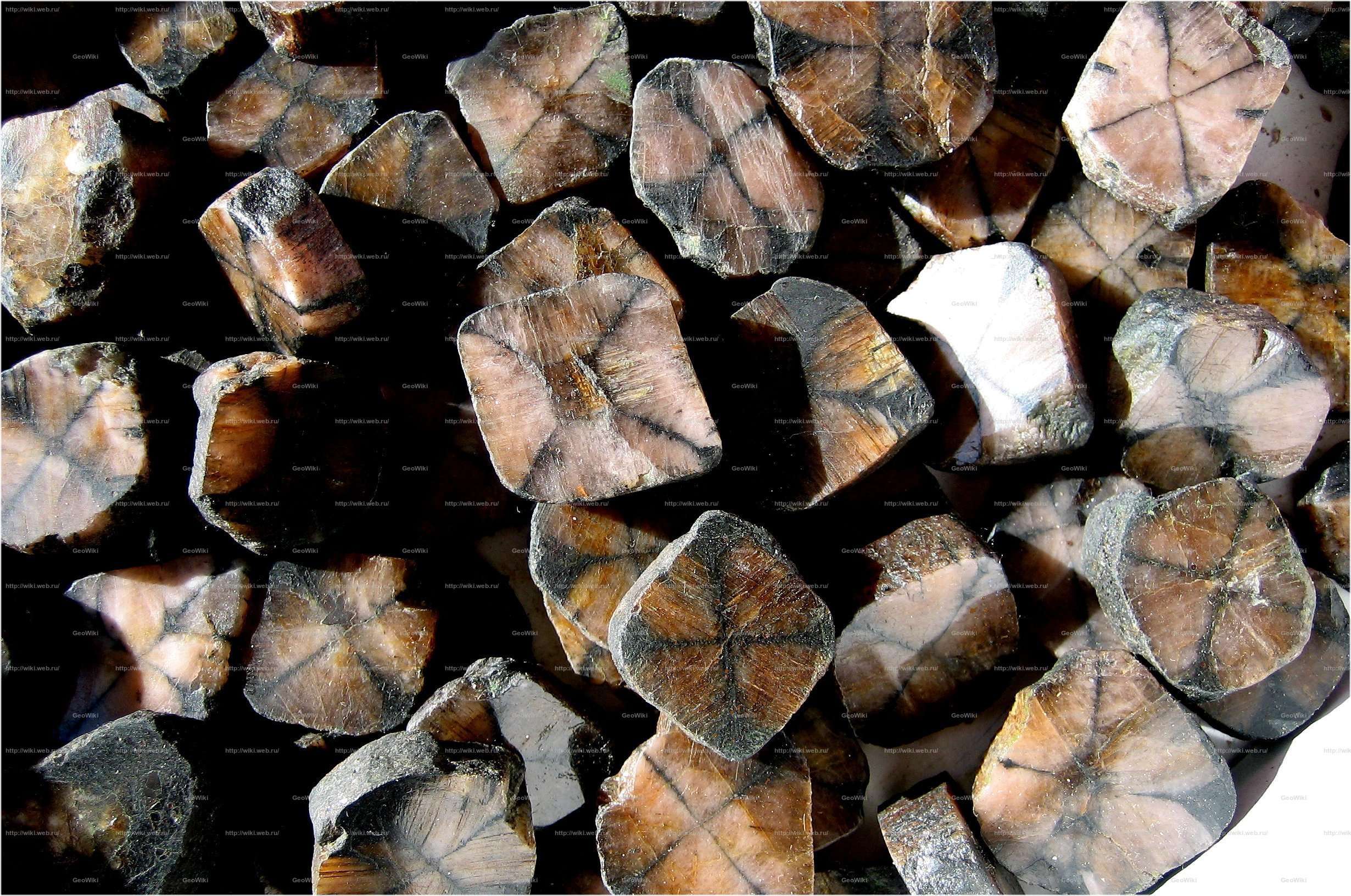
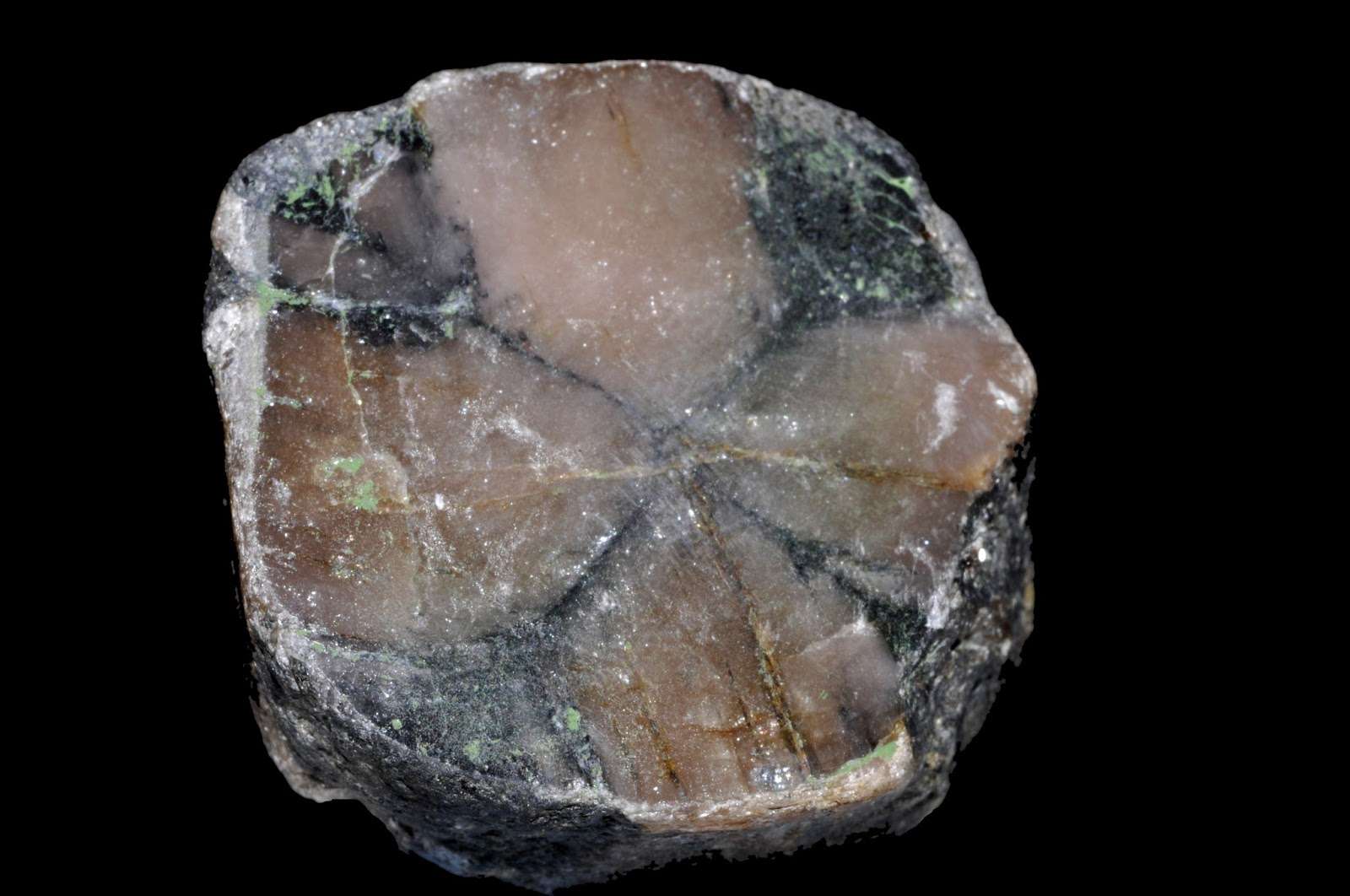
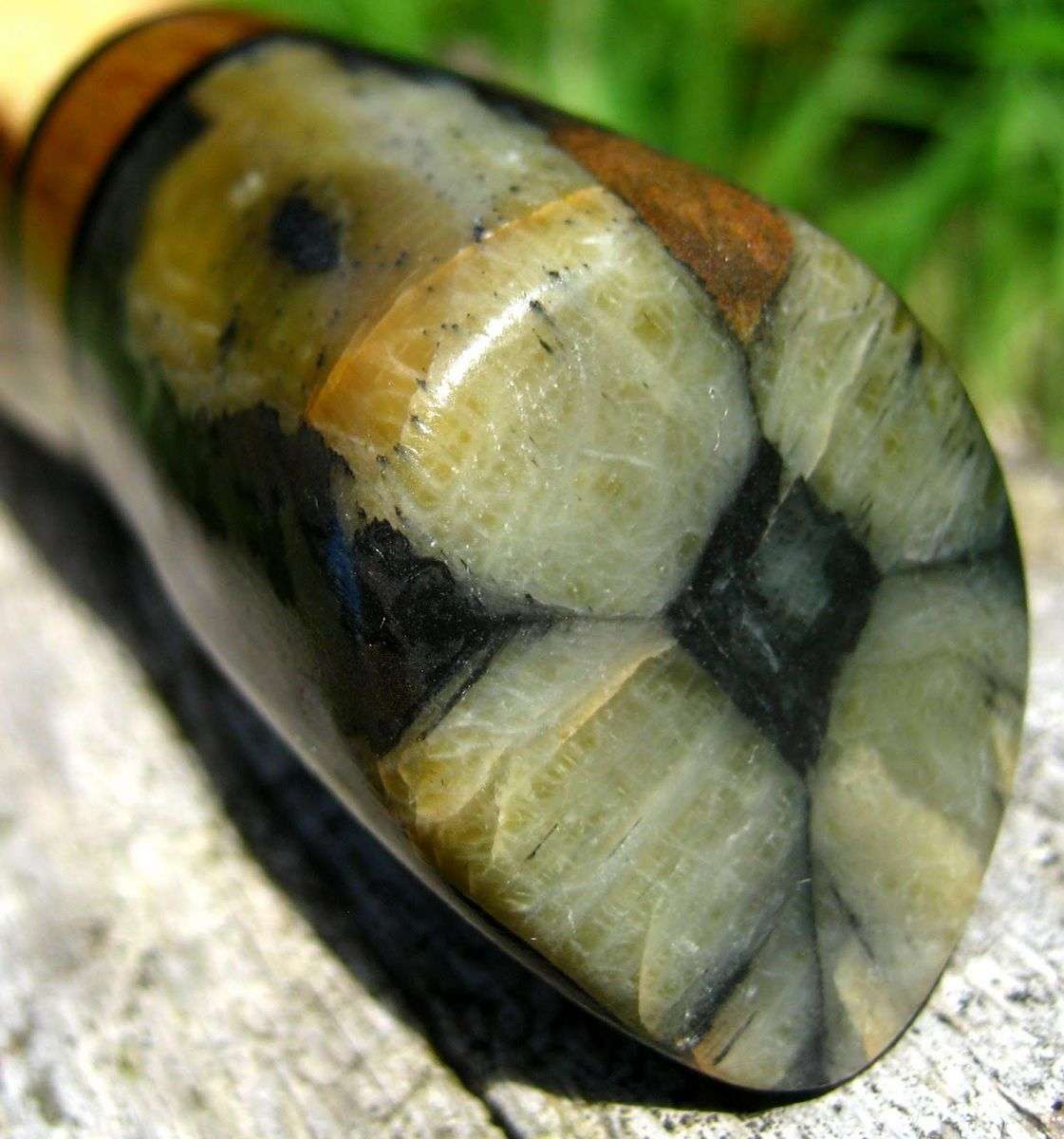
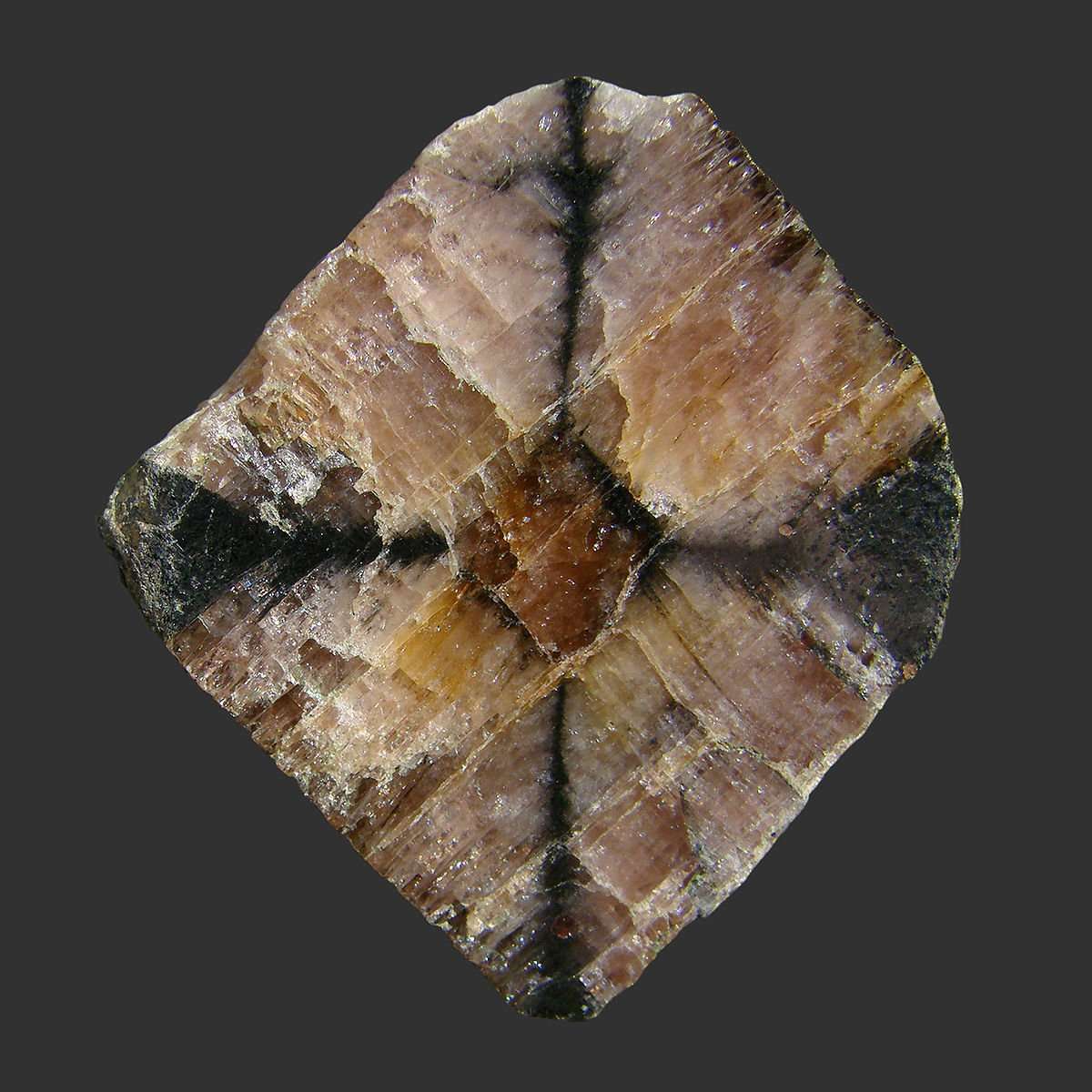
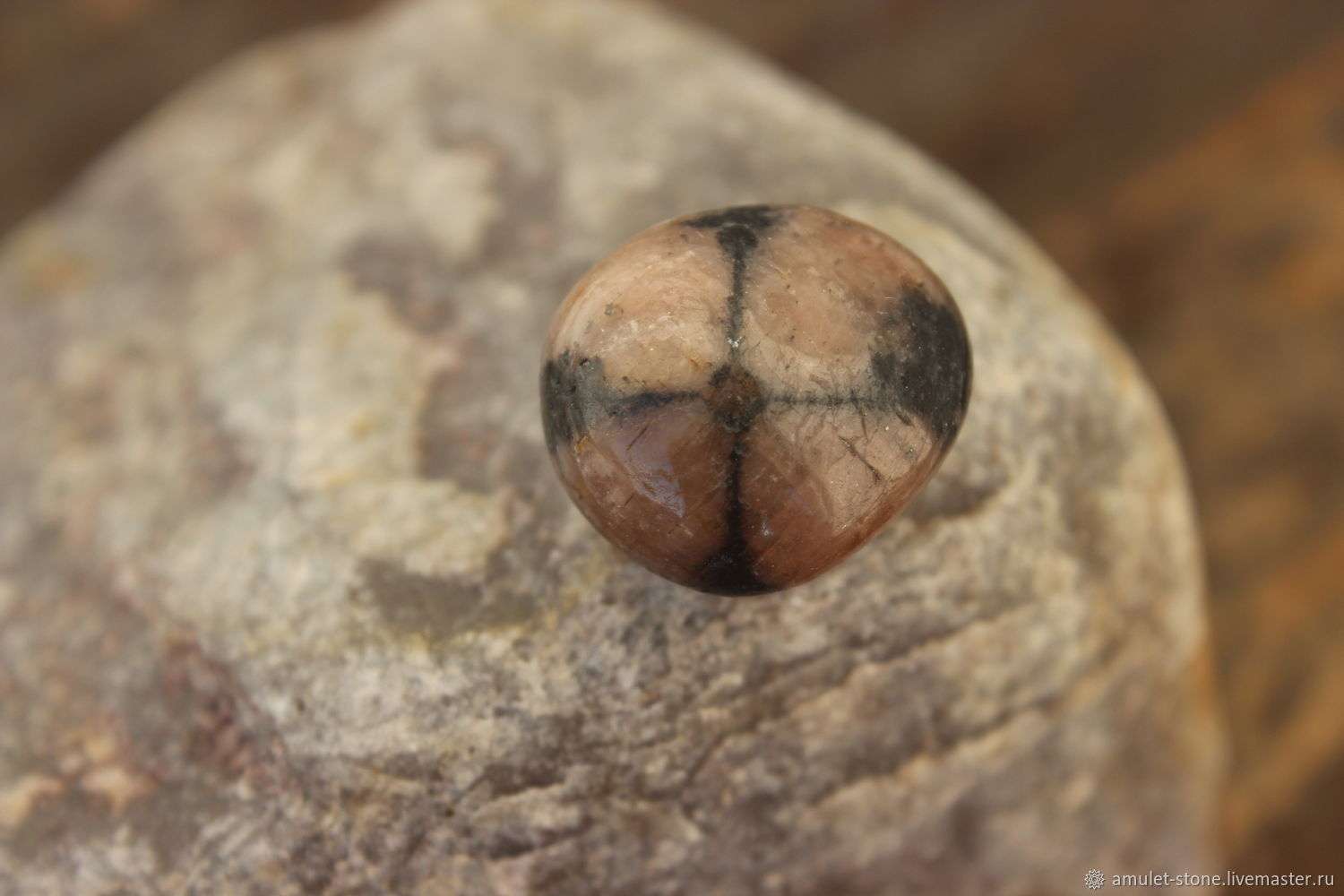
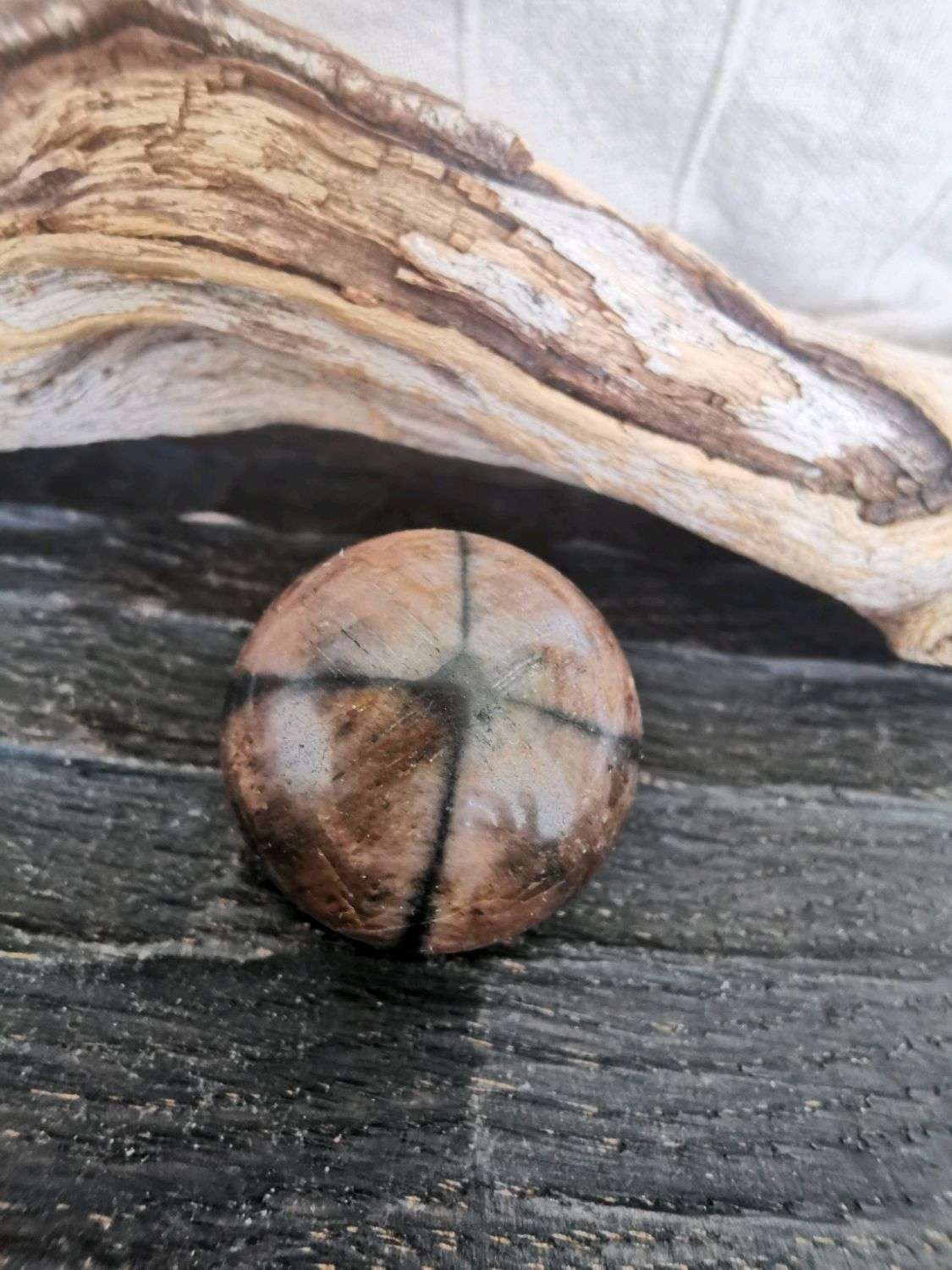
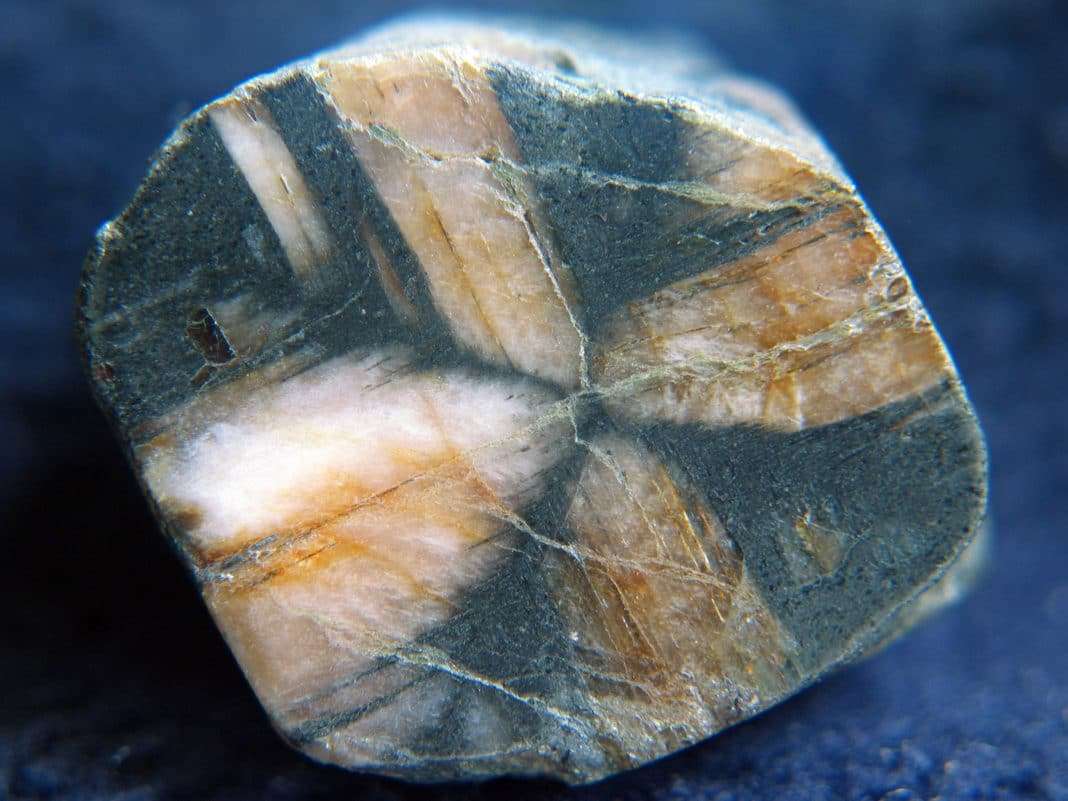
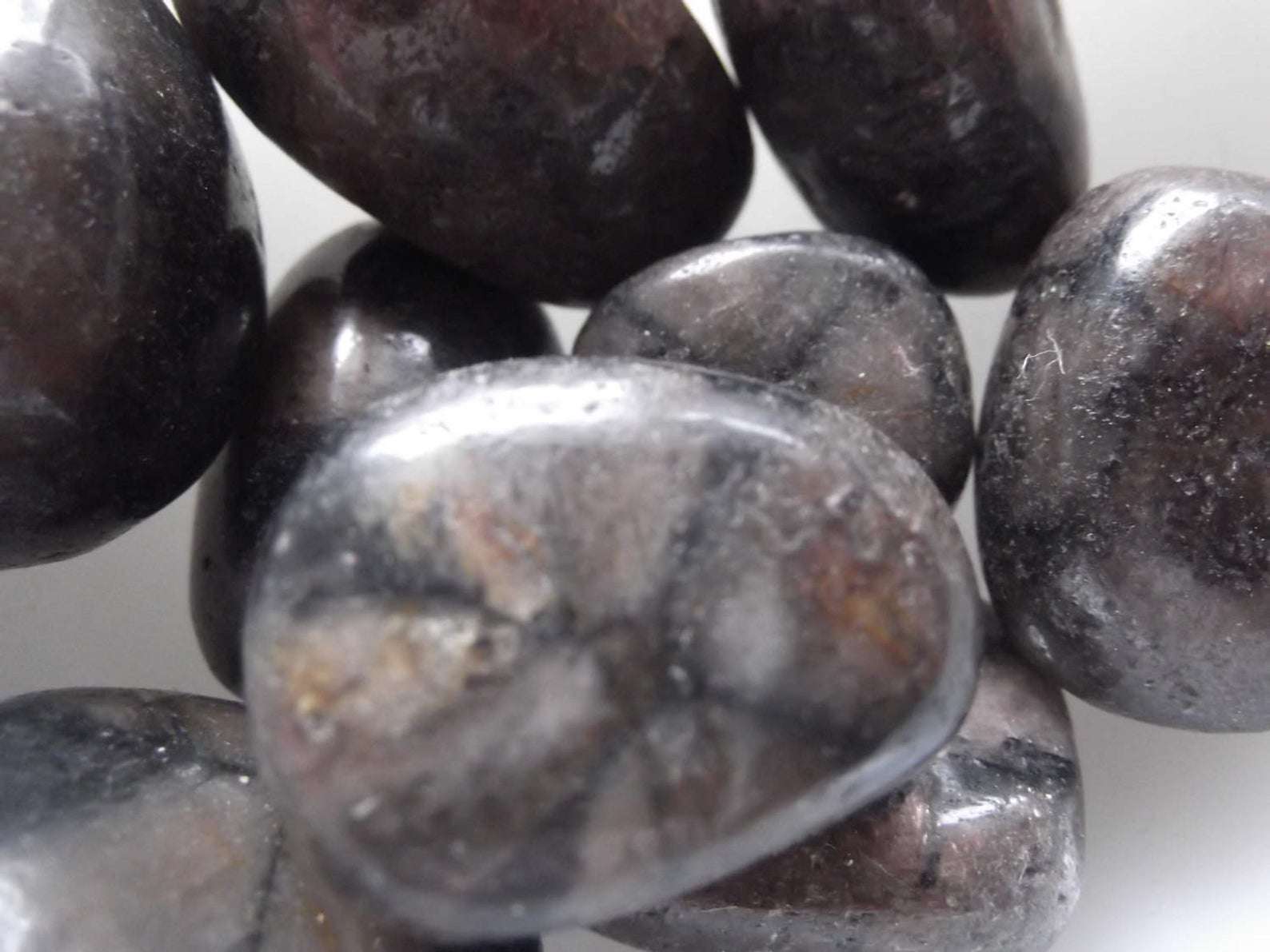
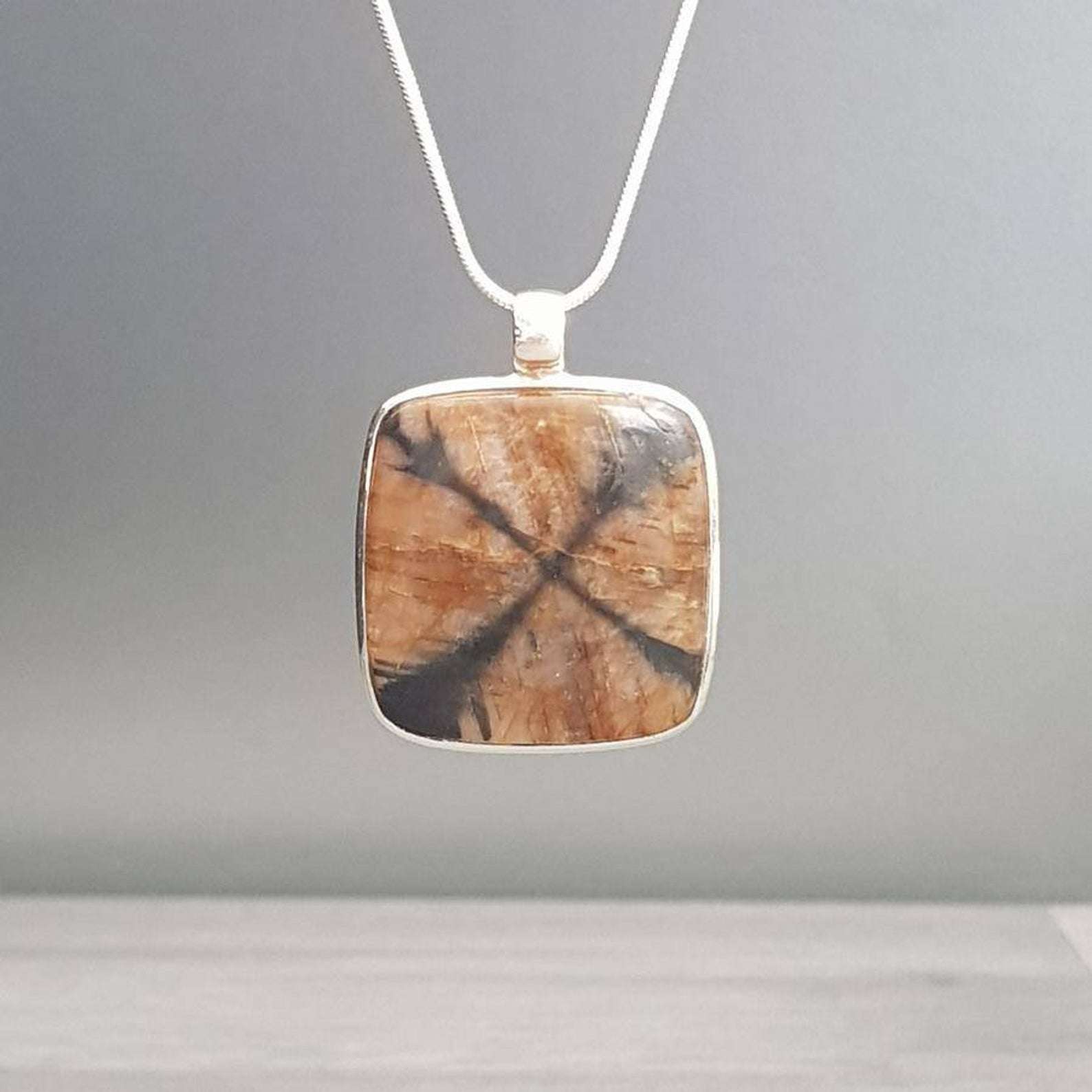
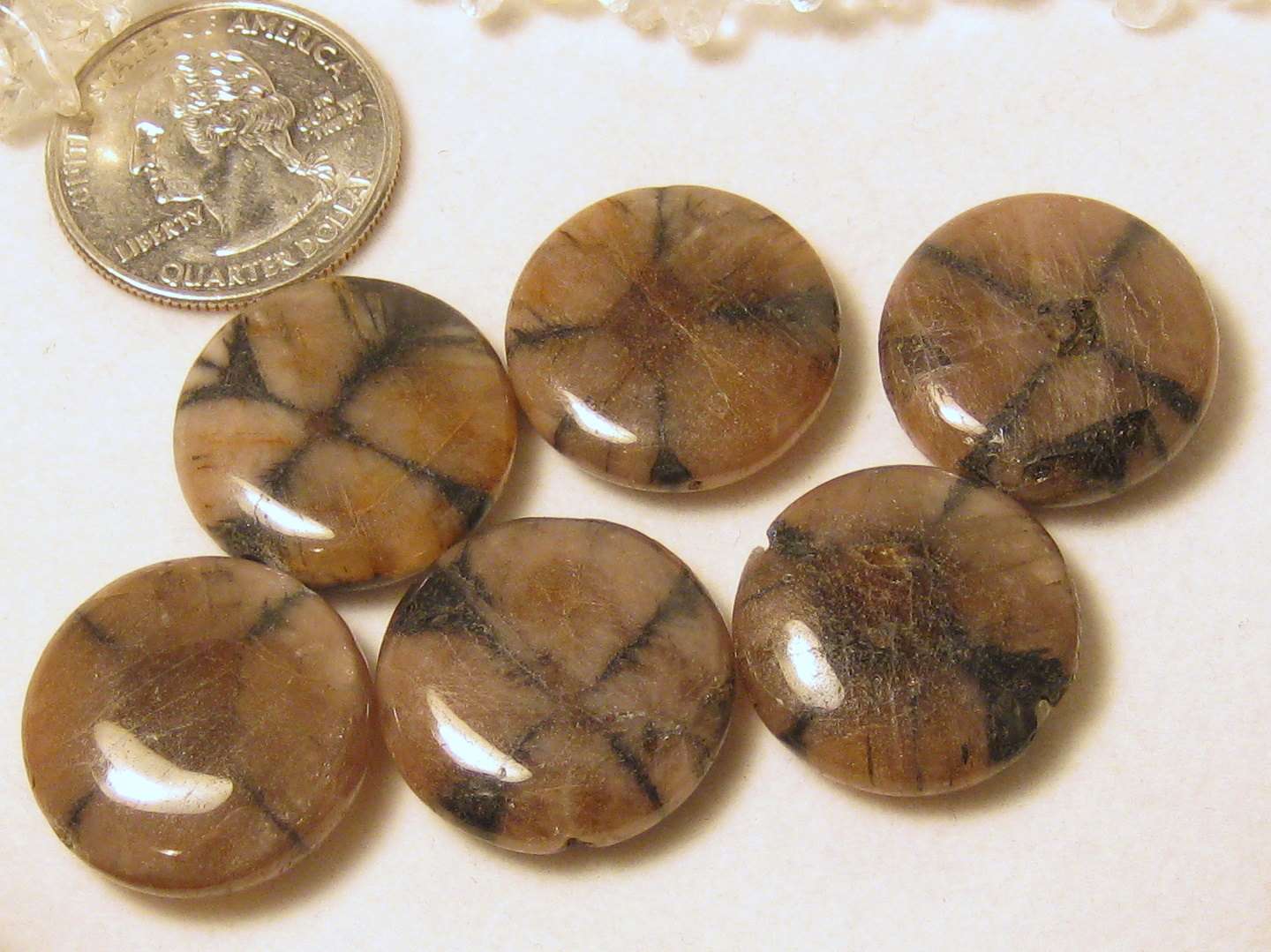
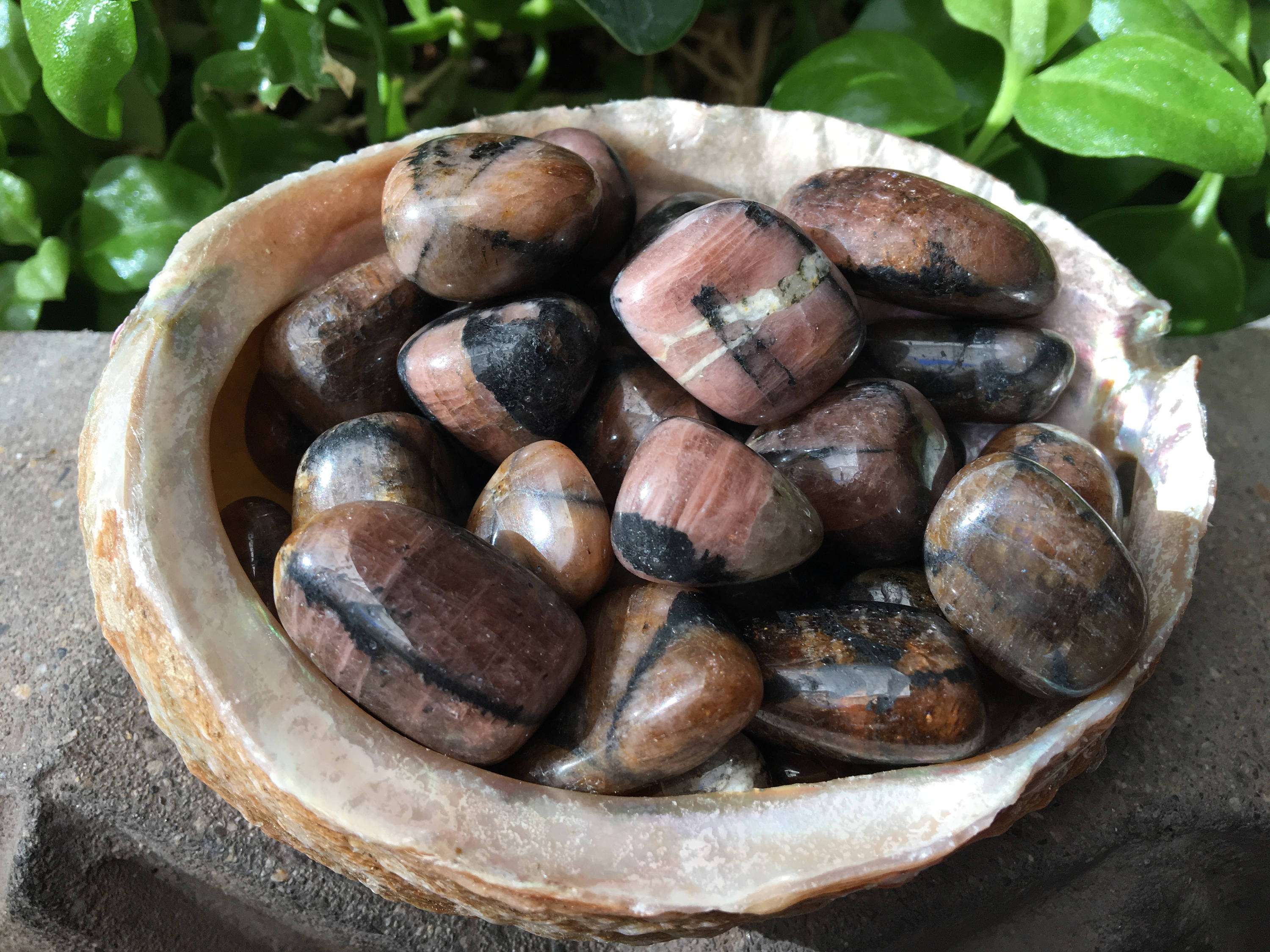
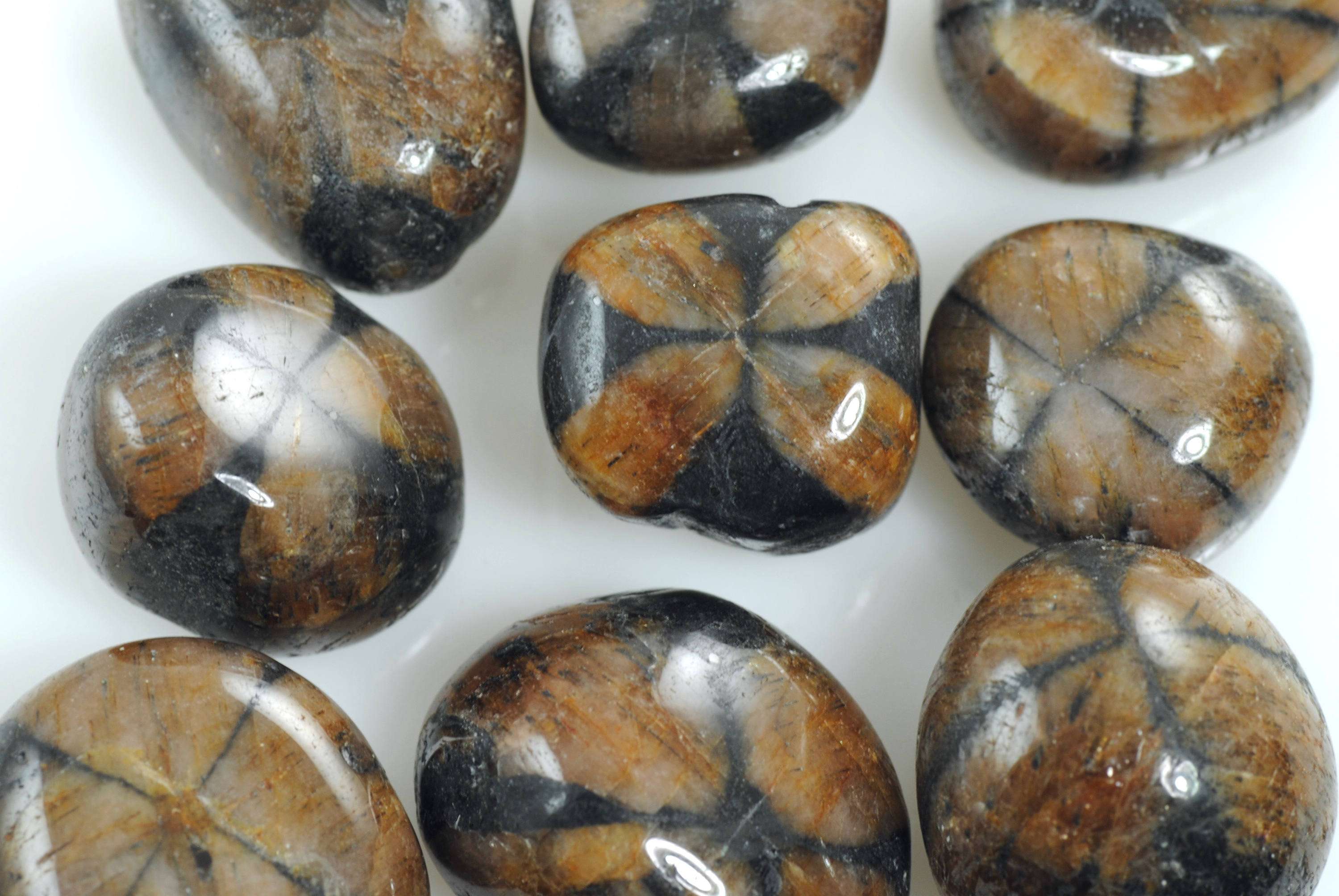
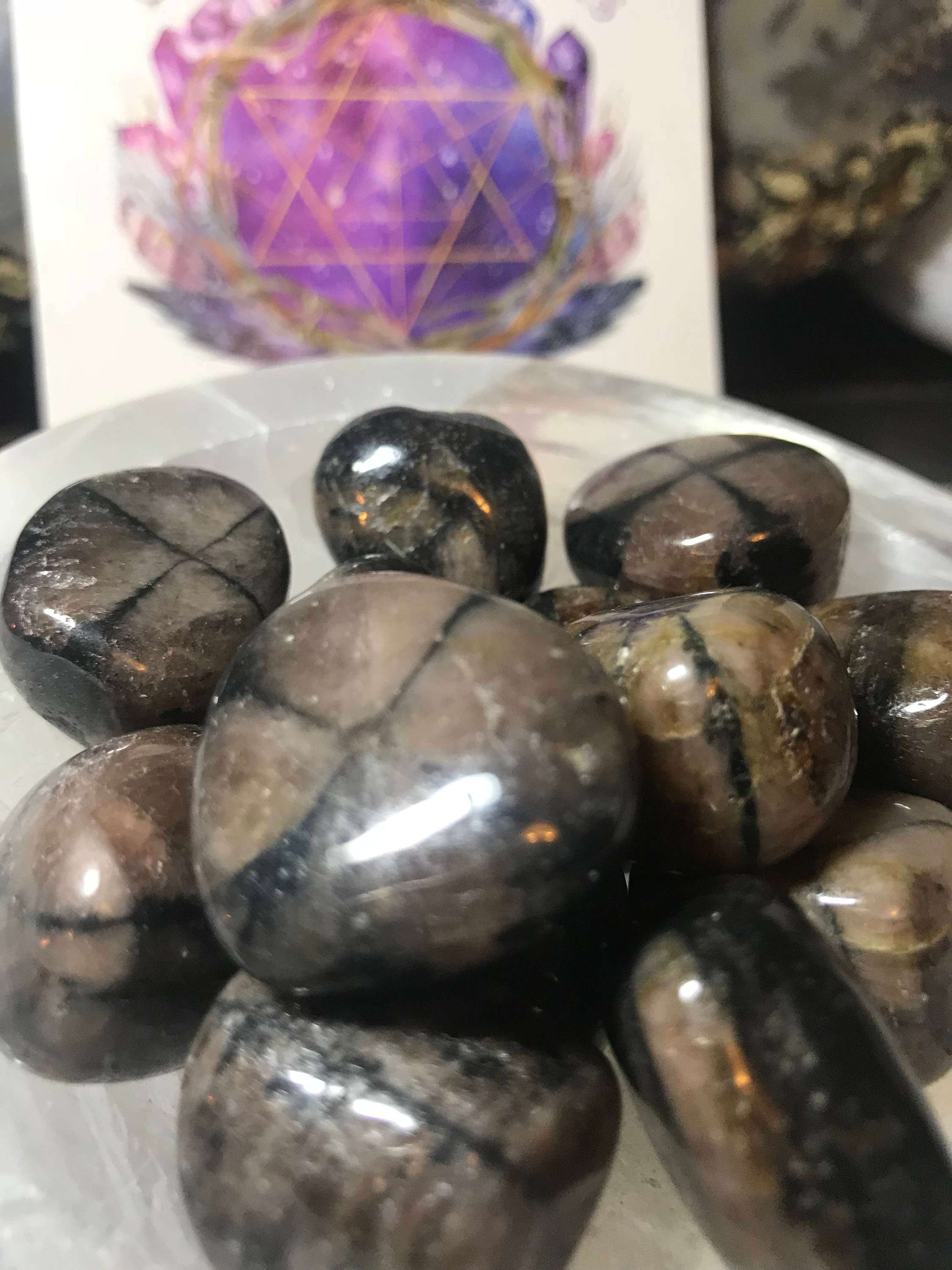
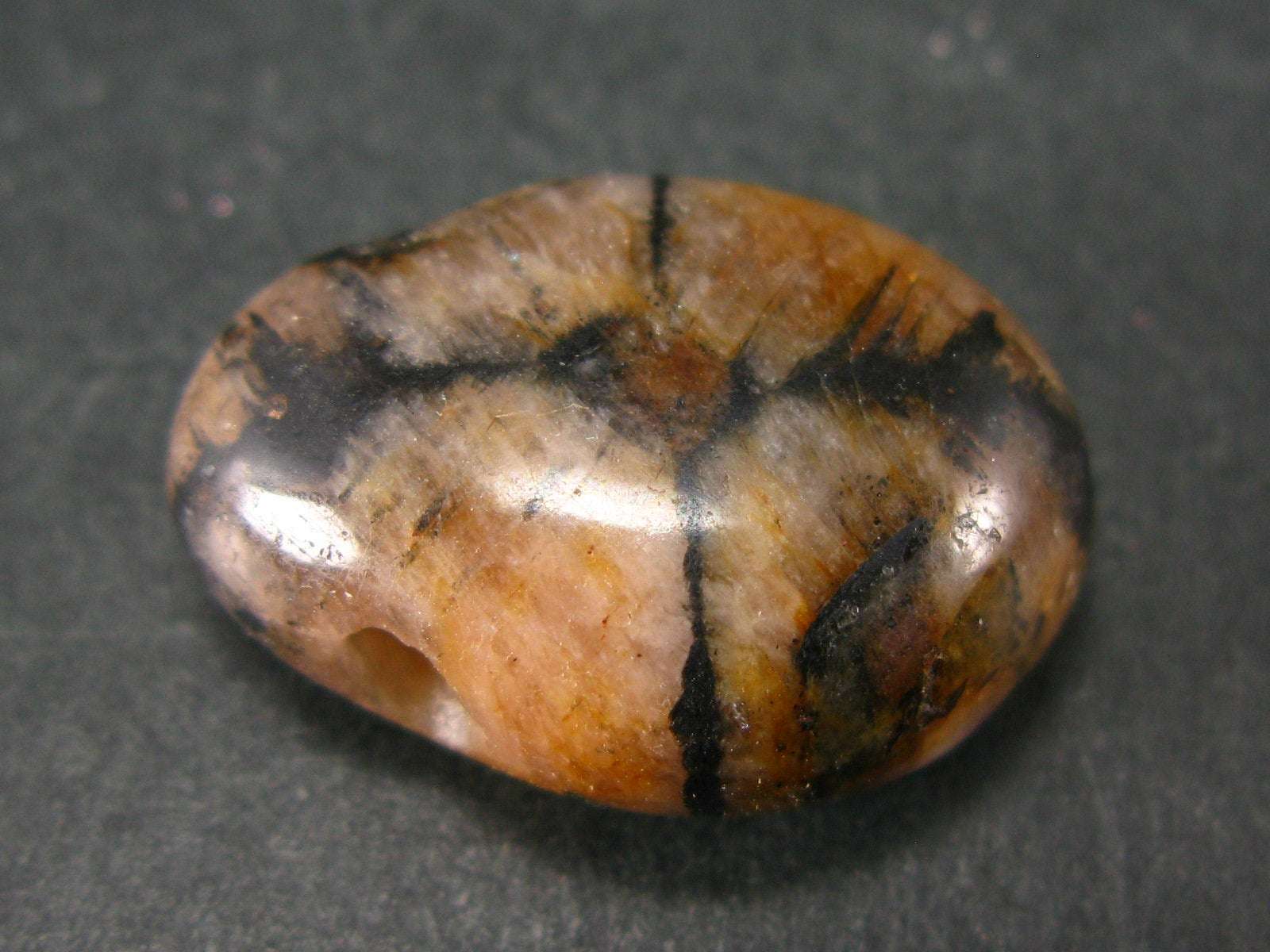
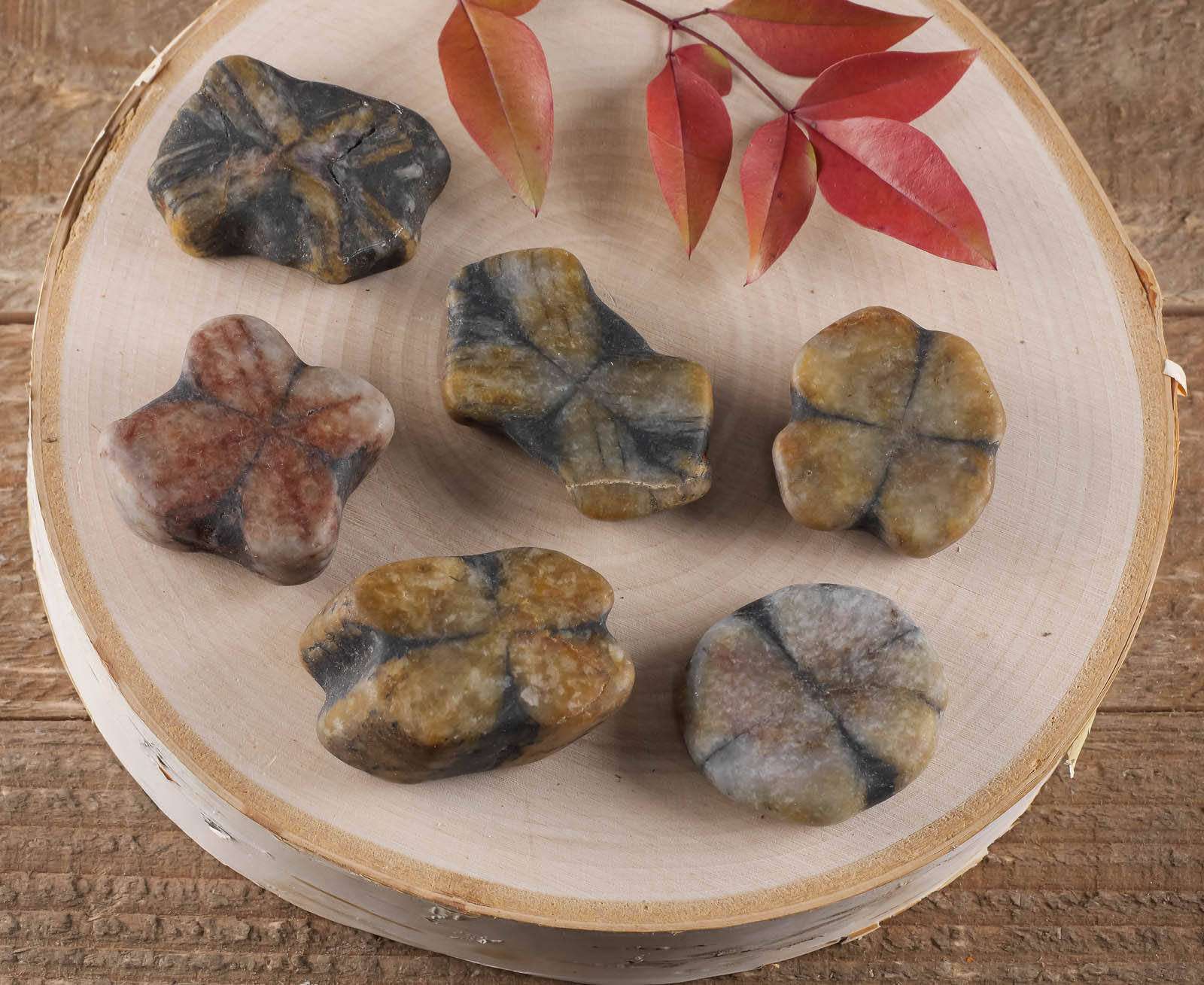
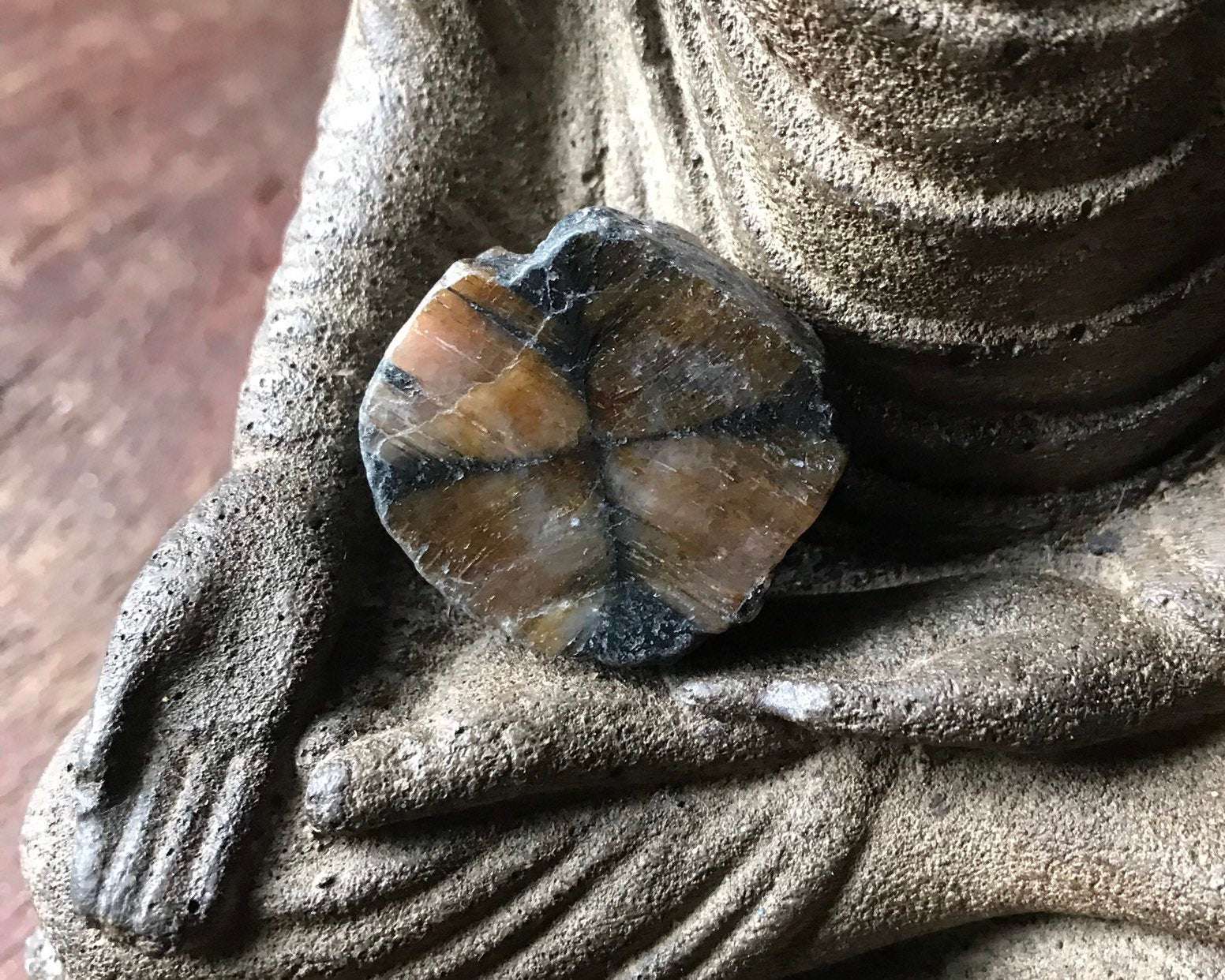
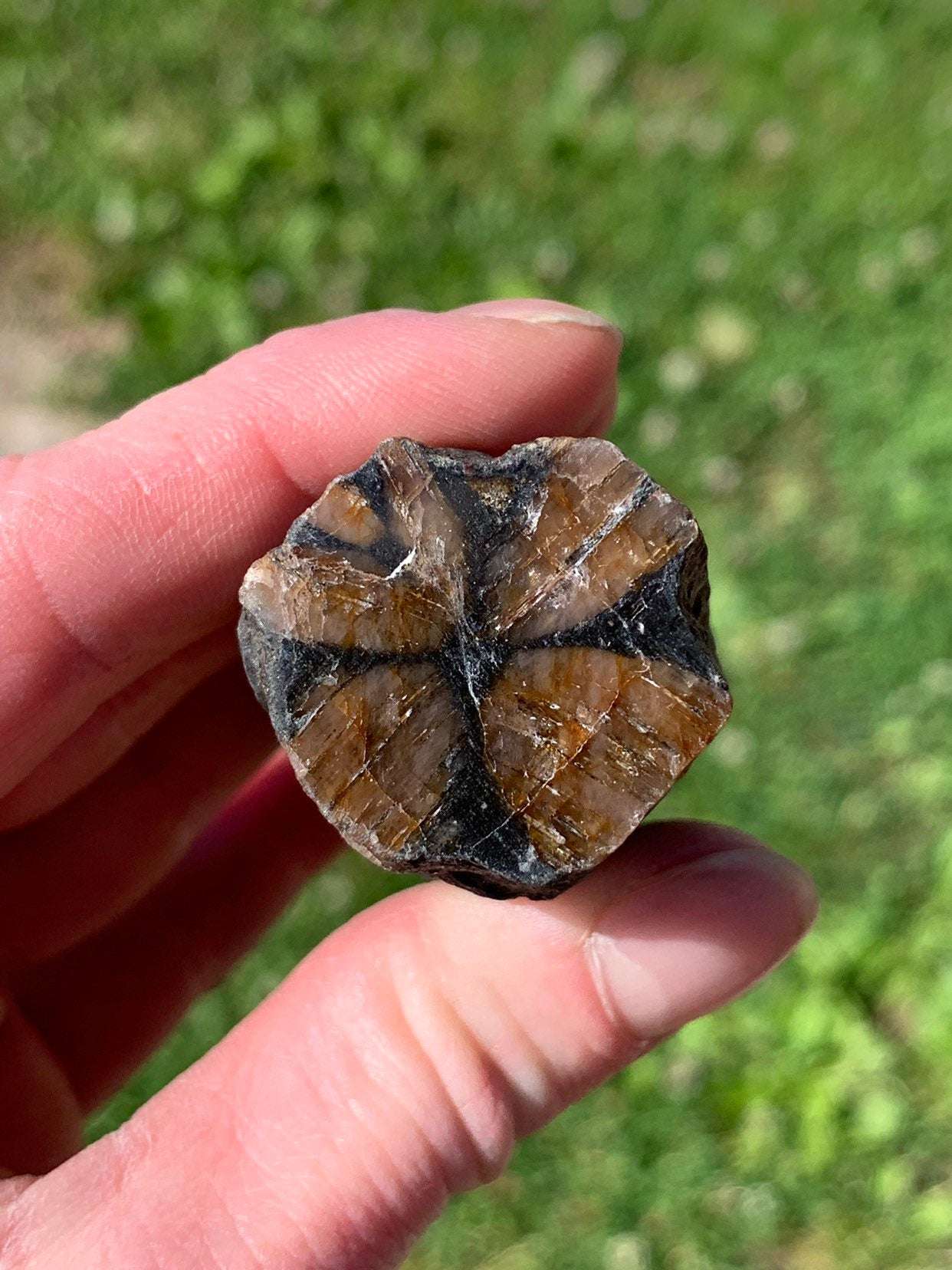
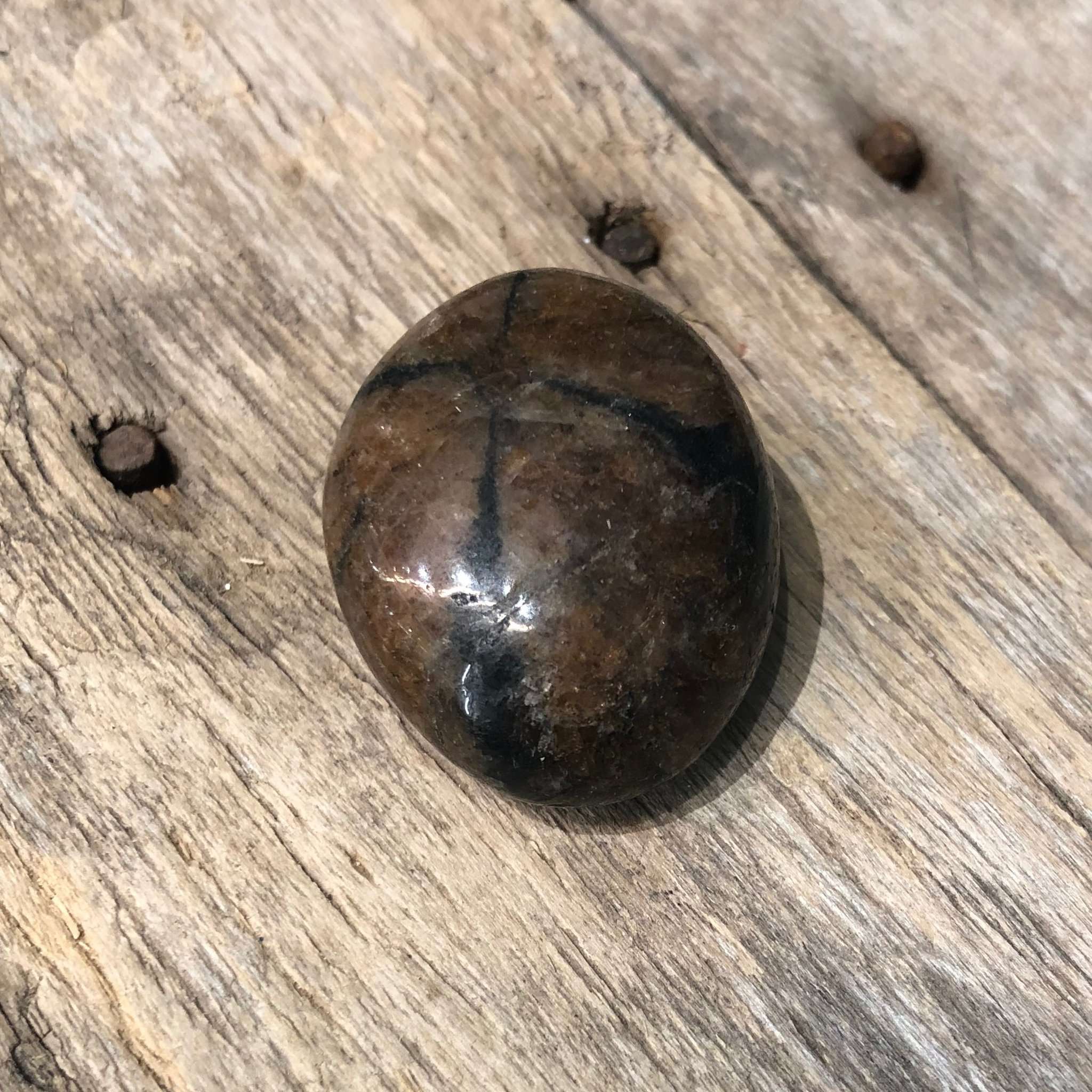
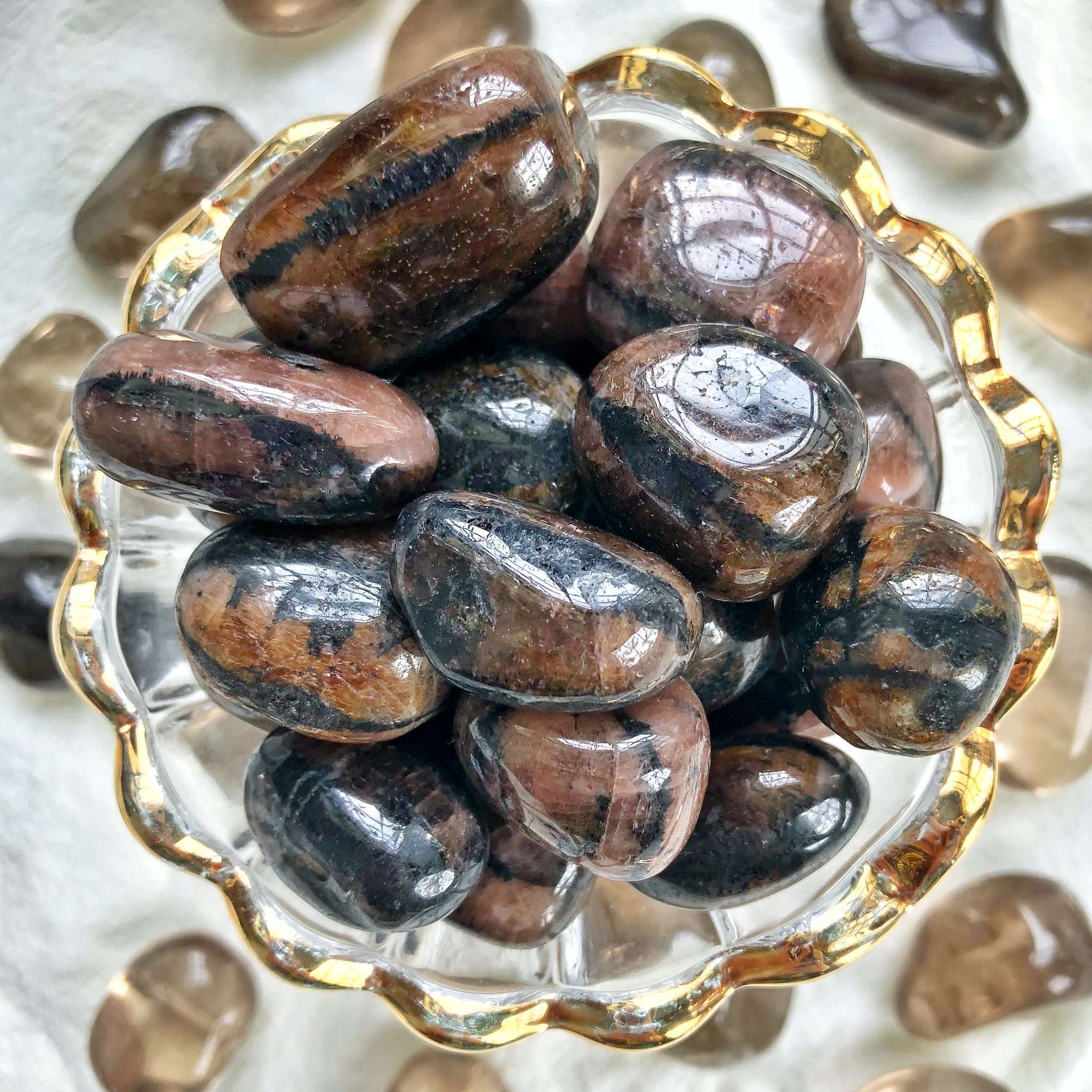
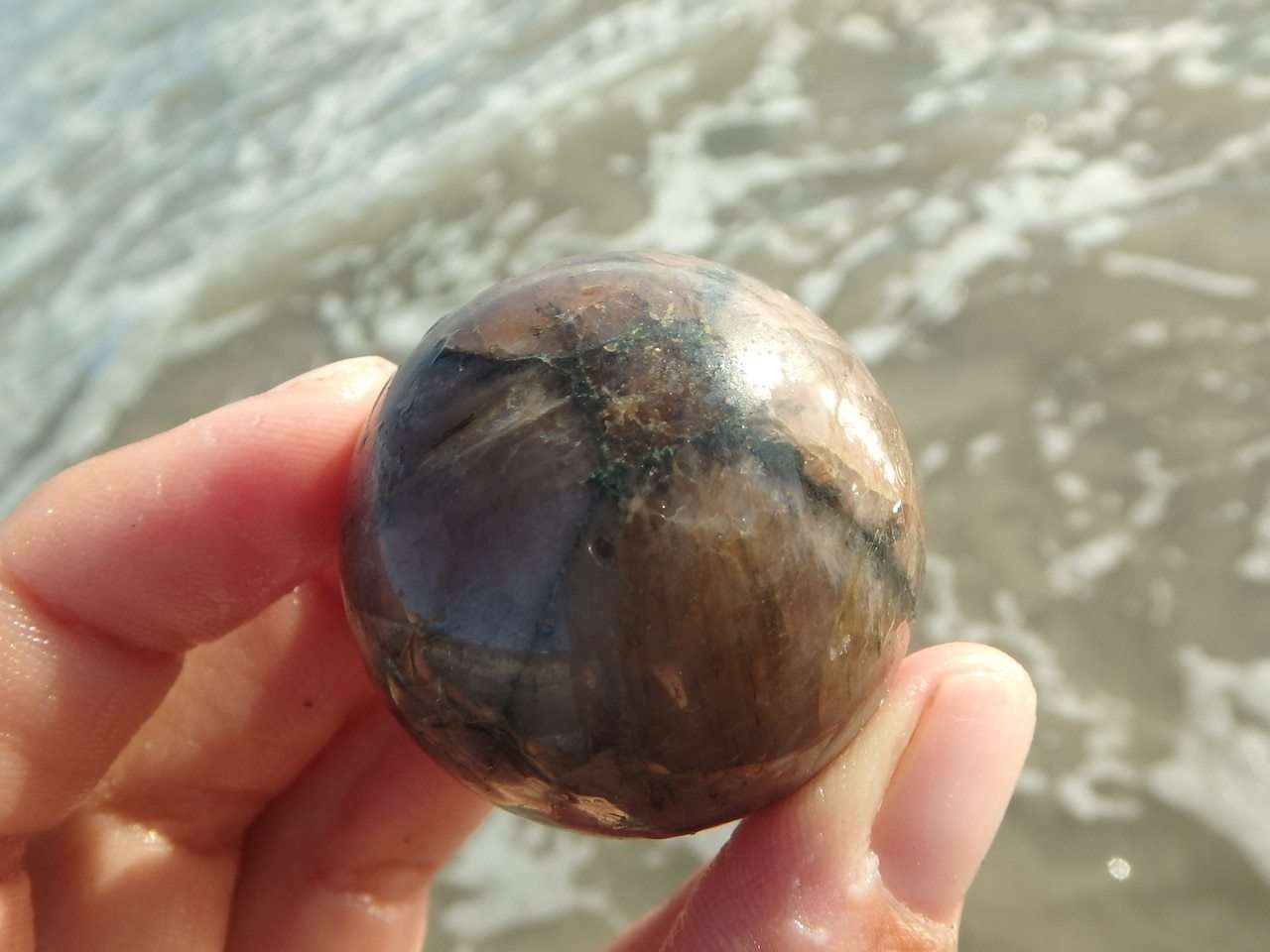
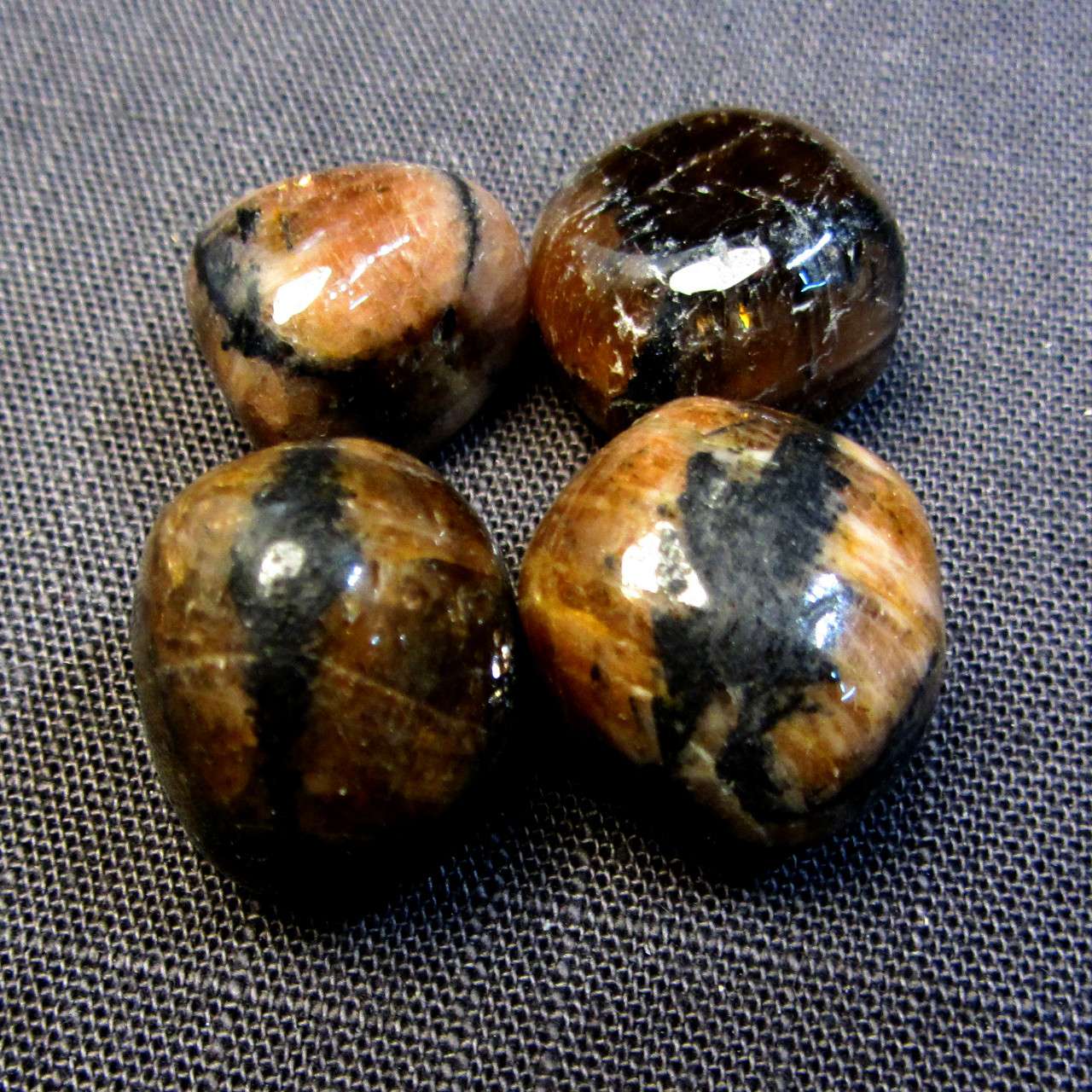
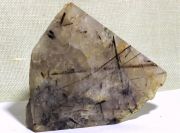
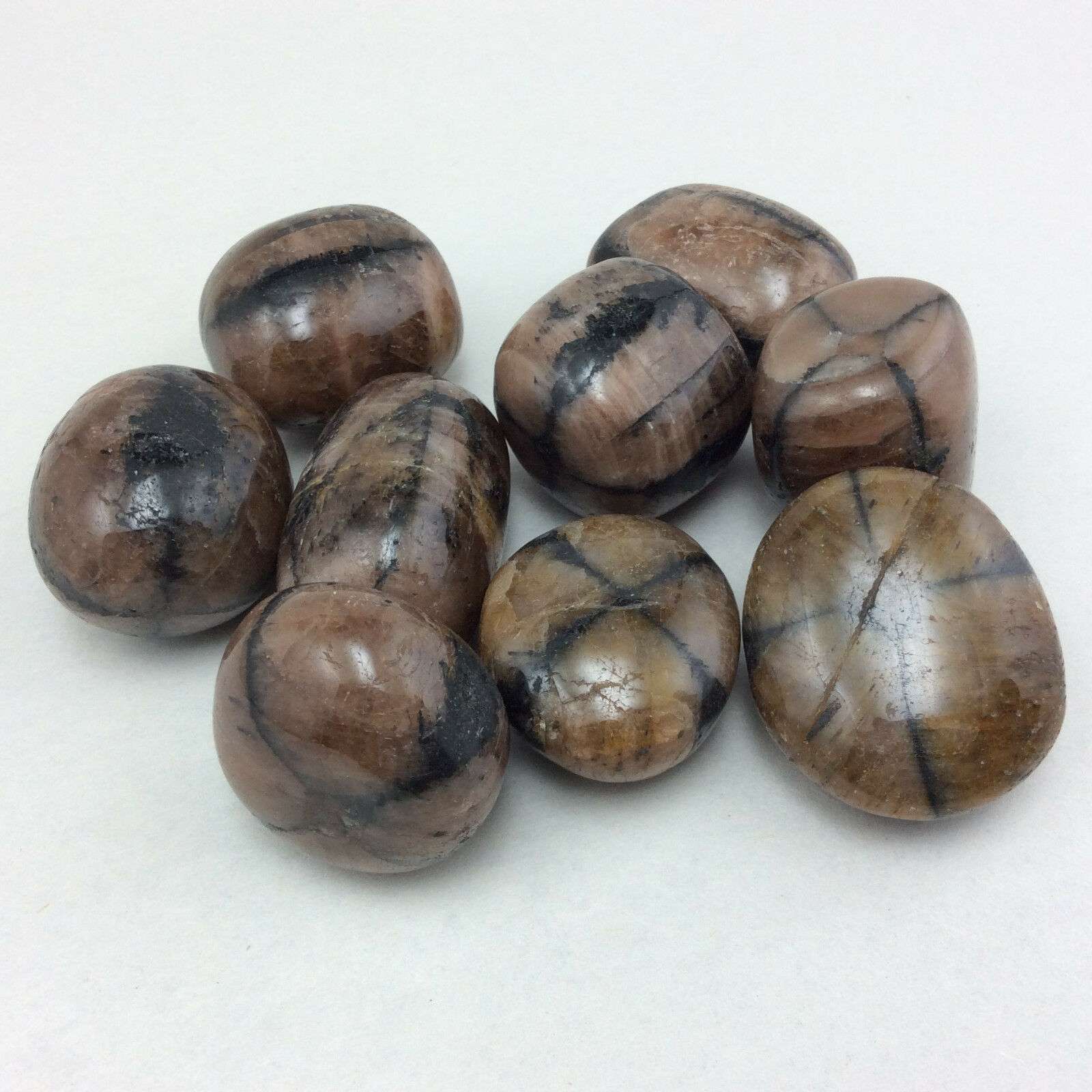
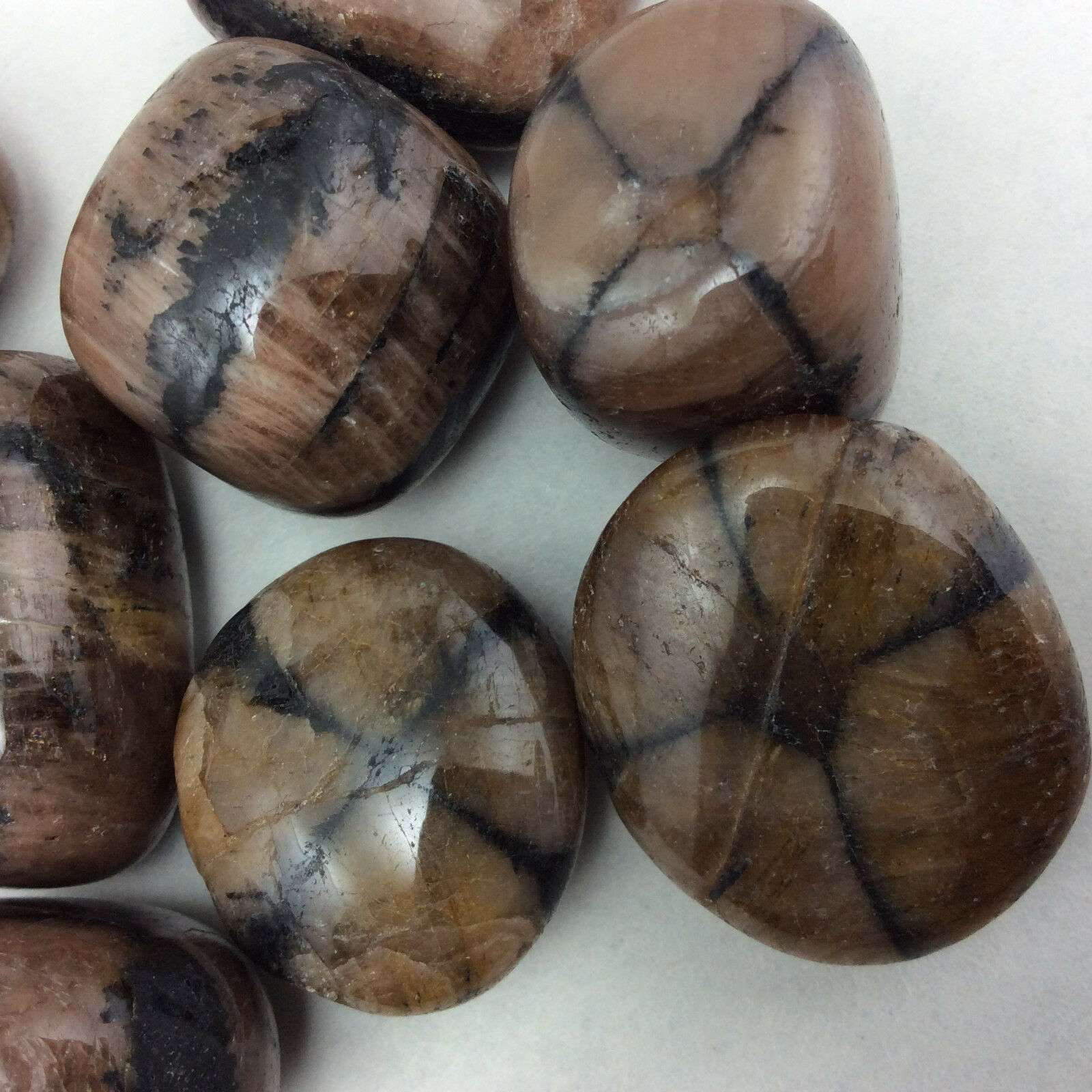
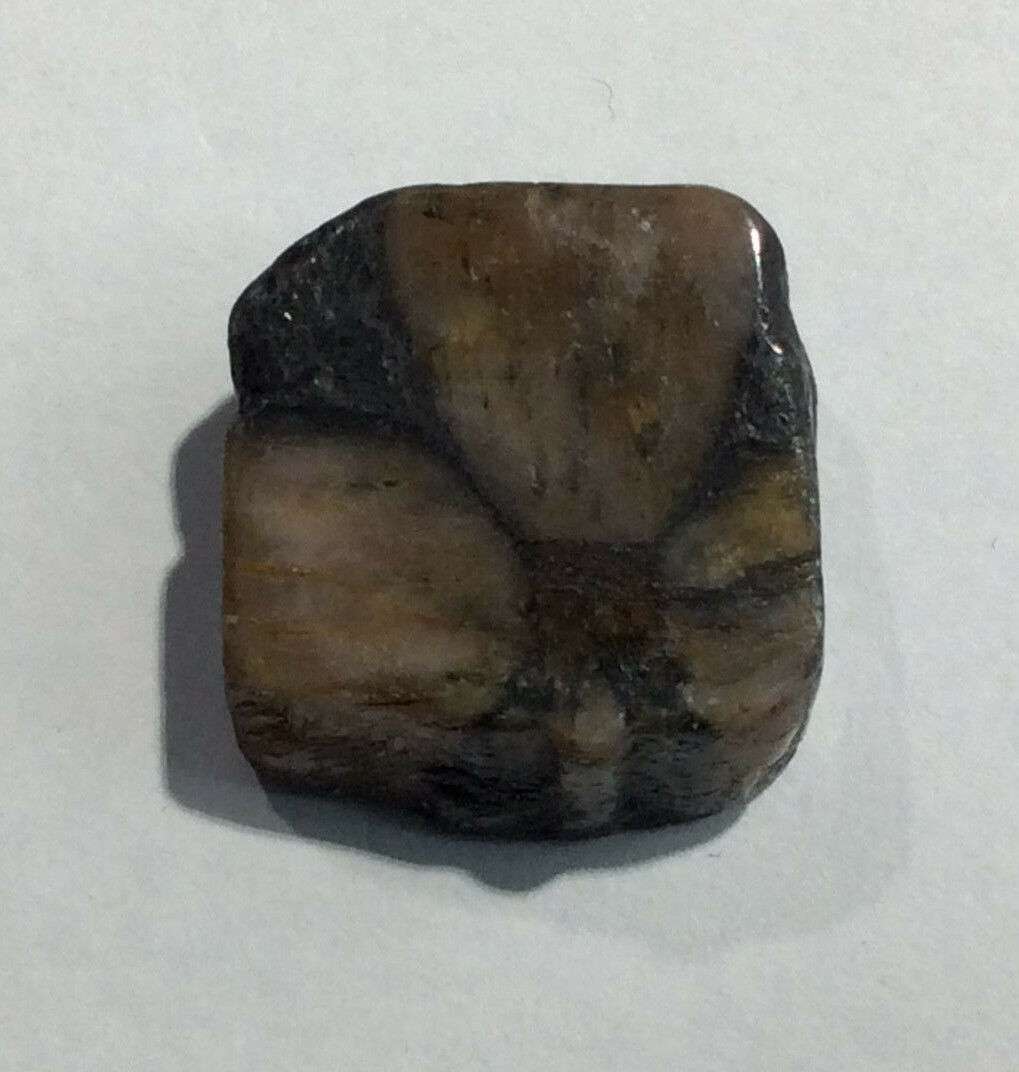
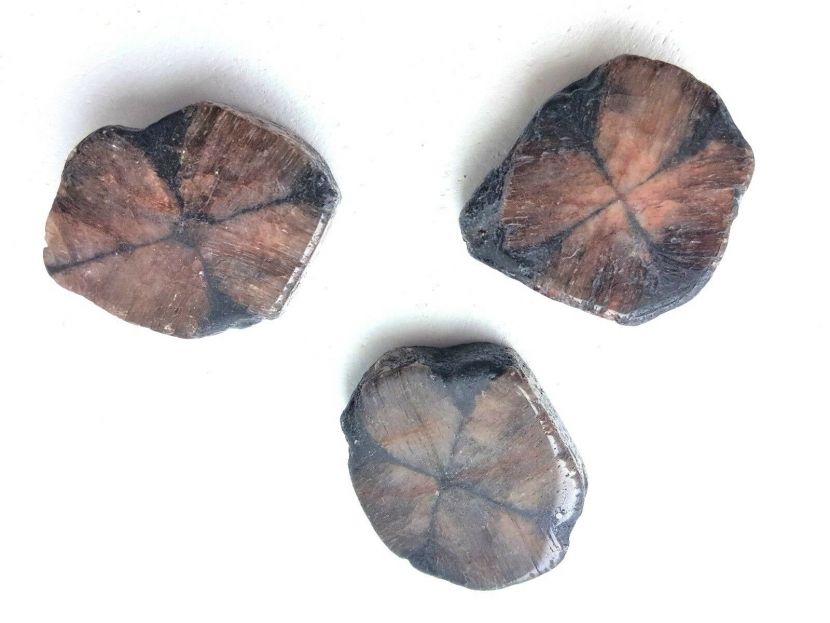
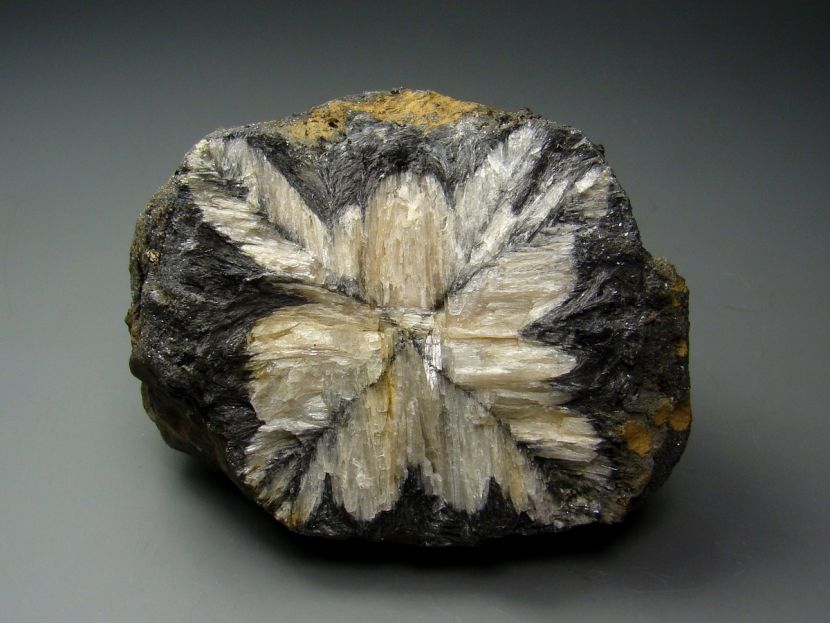
A distinctive feature of the considered mineral is a carbonaceous inclusion depicting a cross in the middle of the sample. It is found in metamorphic rocks together with kyanite, corundum. But sometimes they are found in granite and the consequences of eruptions. There are several theories about how the stone was formed.
The classical version believes that the drawing was formed as a result of metamorphic processes. Impurities created a selective encrustation. With the rapid growth of crystals, andalusite accumulated carbon inclusions (mainly graphite) in the corners. With an increase in the impurity fraction, the growth slows down.
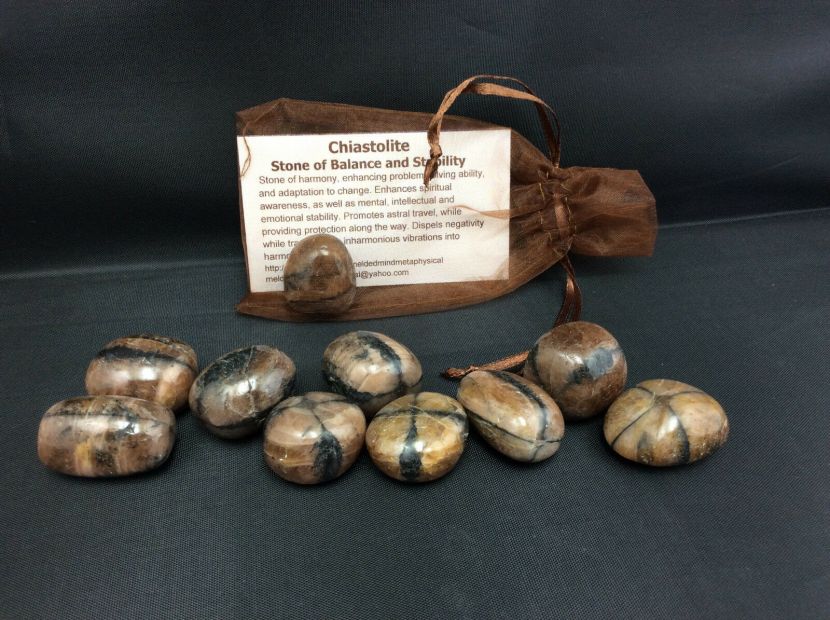
Graphite in the formation of radiant radial aggregates is absorbed by andalusite and concentrated into a typical pattern. Crystal growth alternates with deceleration, forming a cross.Accordingly, the name appeared from the Greek "kiastos", that is, marked with a cross. The discovery of the stone dates back to 1754. It is found in Andalusia, part of Spain. But it has long been known to people everywhere.
Place of Birth
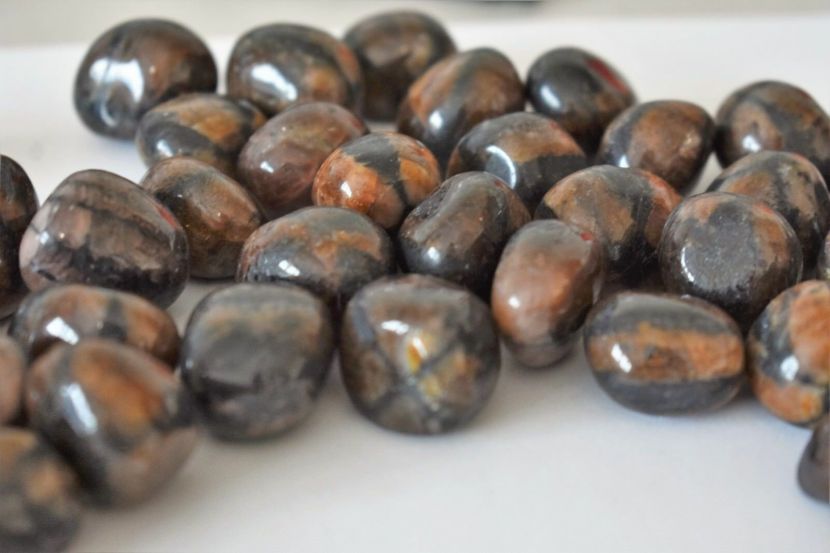
Chiastolite is found in different territories: in Spain, Austria, France, Chile, southern Australia, China, Russia, Brazil and the USA. It is also available in Canada, in Sri Lanka. In the Ialian province of Sondrio, the stones have a beautiful red-brown color.
Properties
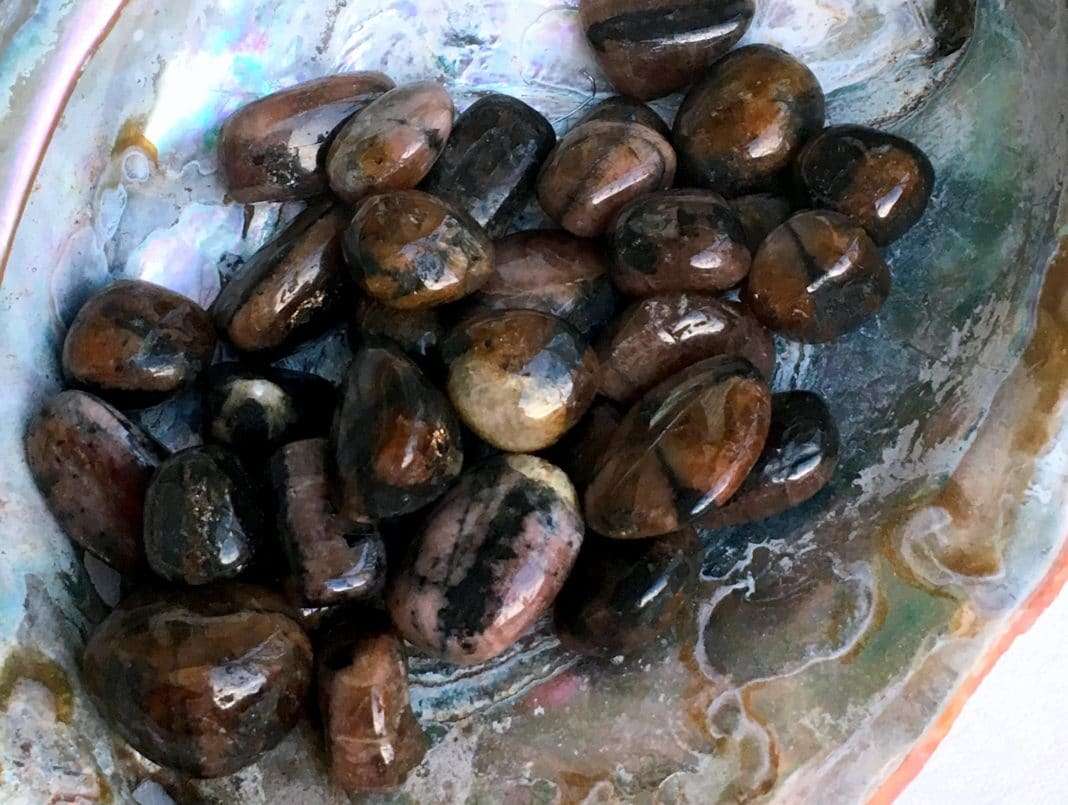
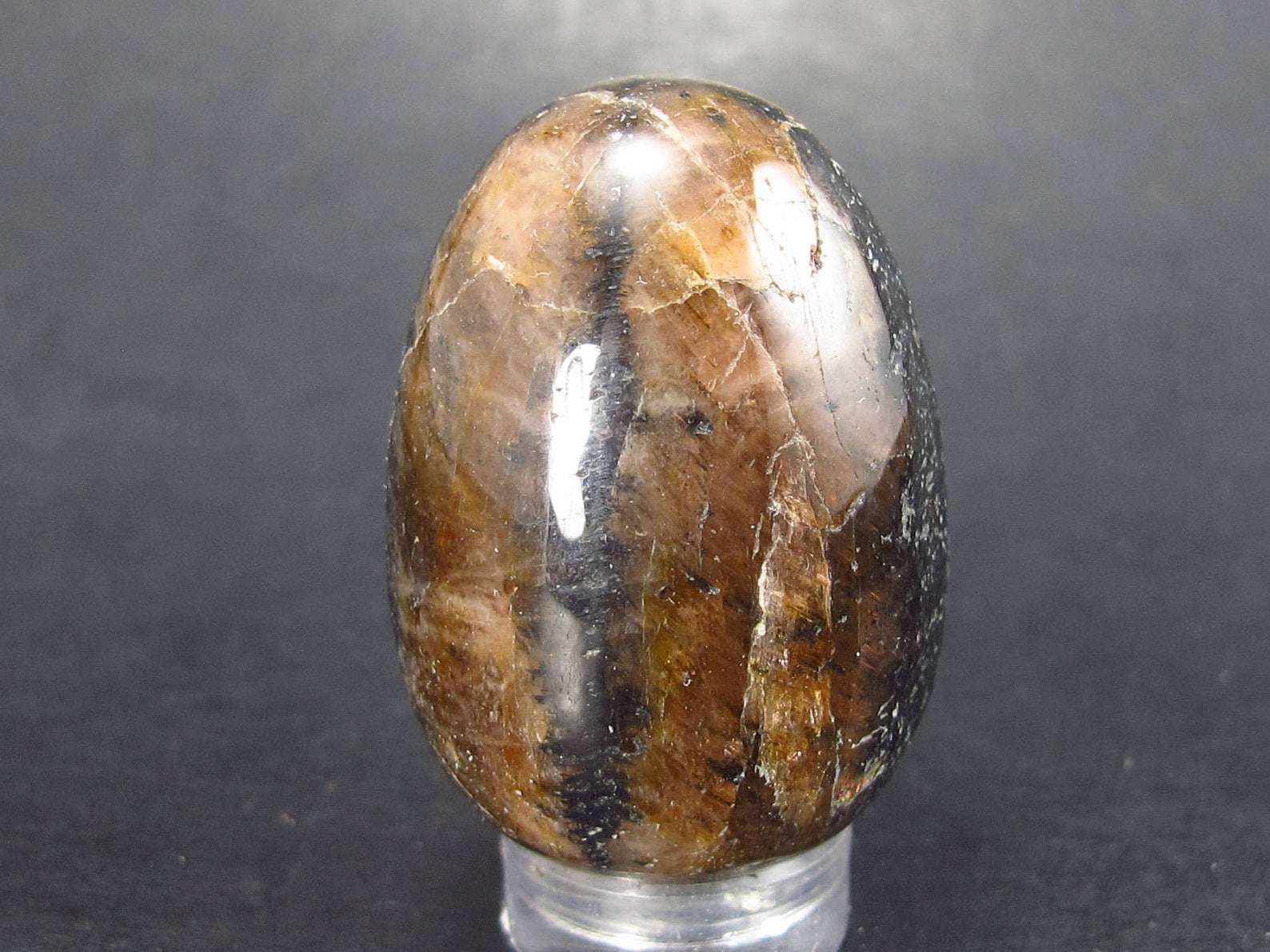
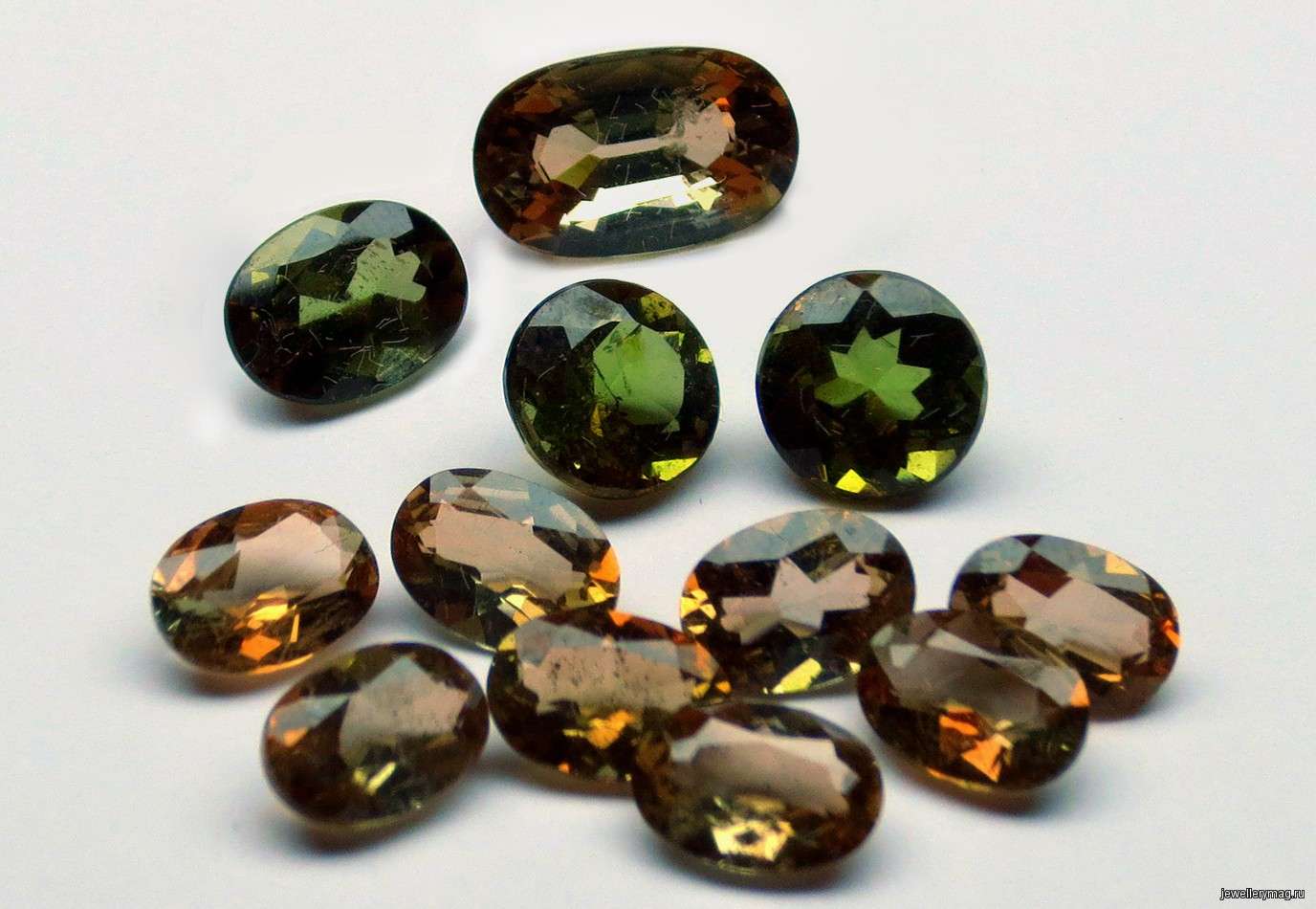
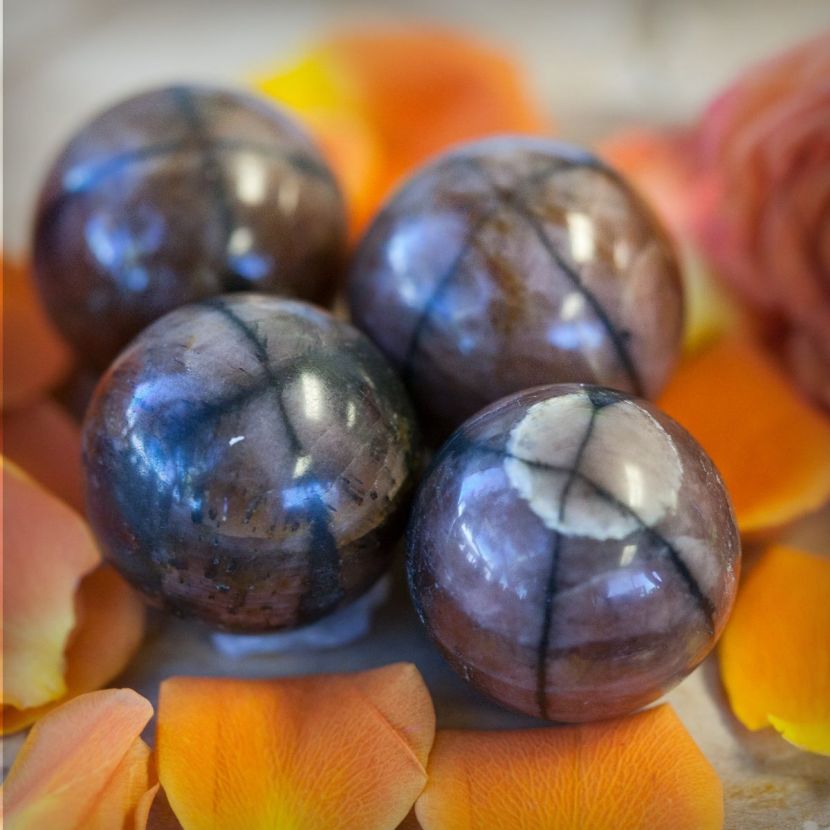
Chiastolite, whose properties are associated with shades, is greenish and brown, as the main variety. There are also colored samples of crystals: yellow, red, brown tones. Other qualities are discussed next.
Physical
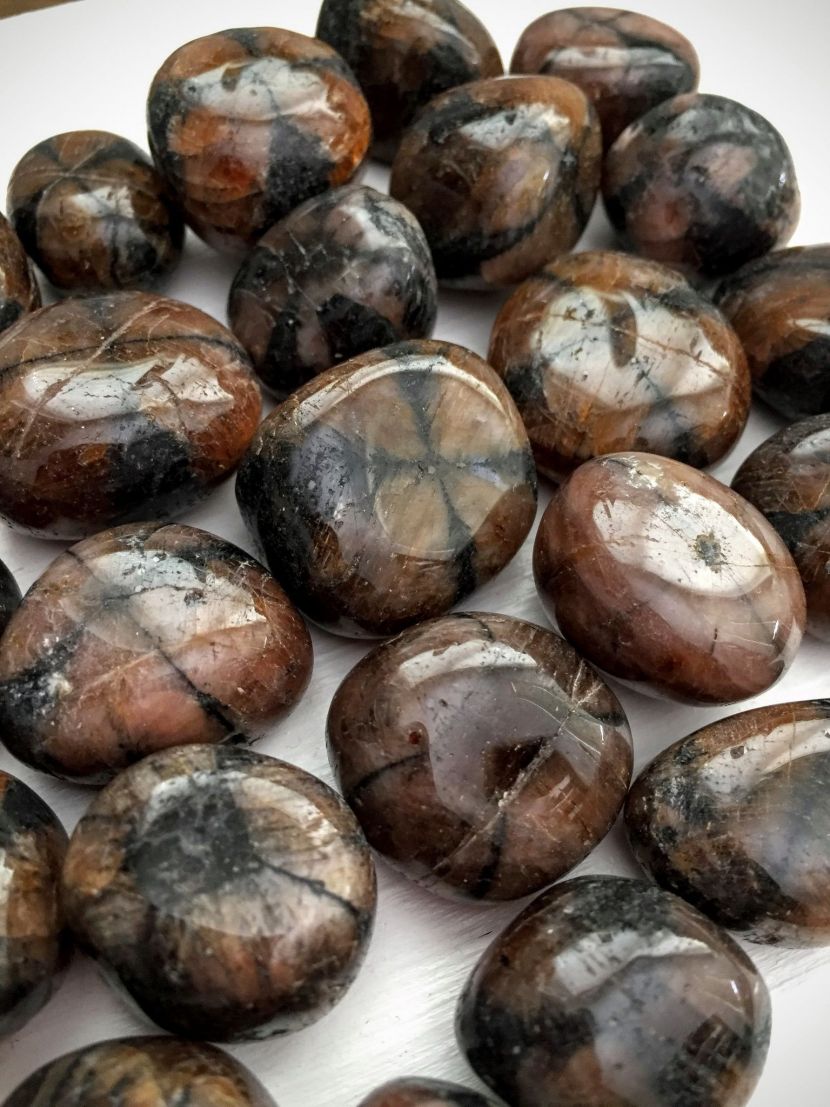
Chiastolite belongs to island silicates. In this group, the tetrahedra are not directly attached to each other. Almost always, this mineral is opaque, although it is a crystal. With the chemical formula Al2SiO5, the list of physical properties is as follows.
- Hardness - 6.5 points.
- Density - up to 3.18 g / cm³.
- The refractive index is approximately 1.648.
- Imperfect cleavage.
- Lack of transparency or translucency.
- rhombic syngony.
- Irregular fracture.
- Glass shine.
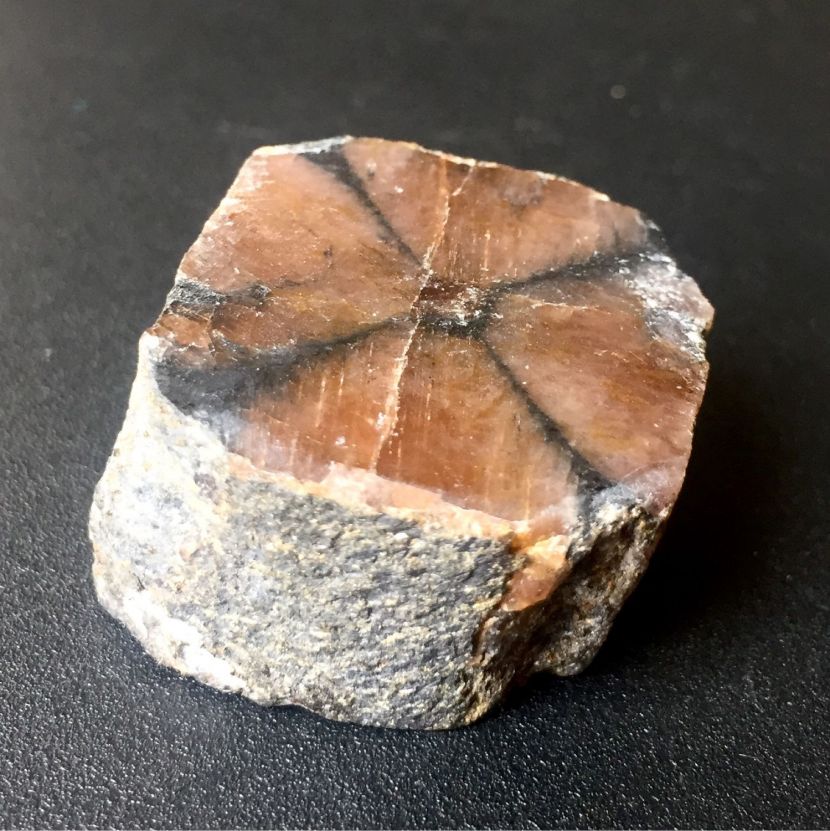
Colors are gray-white, brown, yellowish, green, pink and blue with a gray tint.
Medicinal qualities
The mineral chiastolite improves both physical and emotional health, which has been observed since ancient times. Protects from bad thoughts and diseases. As well as:
- strengthens the nervous system;
- supports against self-doubt;
- soothes irascible children;
- inspires hope in long-term illnesses;
- improves immunity, normalizes hormonal levels;
- helps with hypertension;
- gives effect in rheumatism;
- normalizes digestion;
- restores damaged bones and tissues.
It is believed that the stone is able to repel negativity, stabilize the mind, promote rational action. It also stimulates creativity.
magical properties
The stone was used as a means of driving away evil spirits, calling it a crucifix. Chiastolite, the magical properties of which went to the service of Christianity, has both mystical and religious significance.
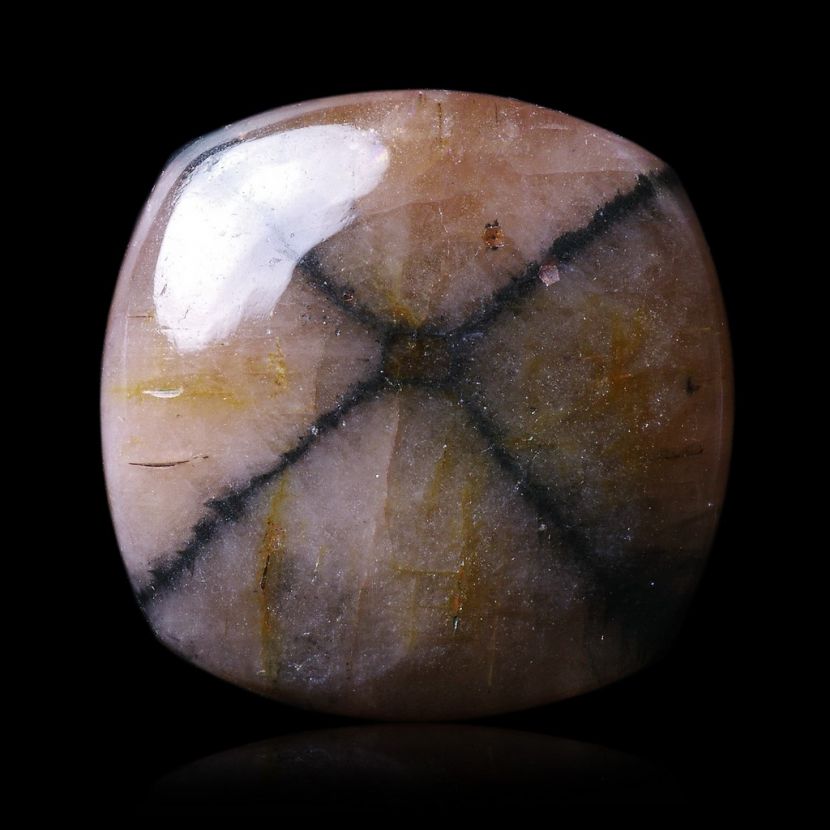
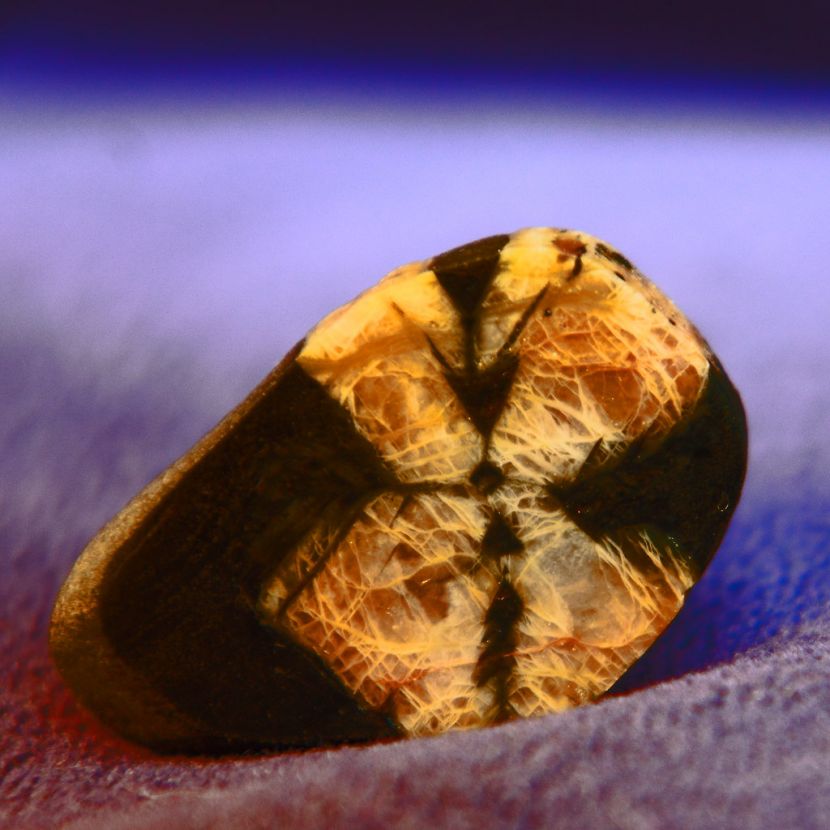
A noticeable cruciform pattern was interpreted as petrified holy relics. In the Middle Ages, it was a magical amulet that protected from the evil eye. Now he is credited with the property of bestowing calmness, the desire for self-consciousness.
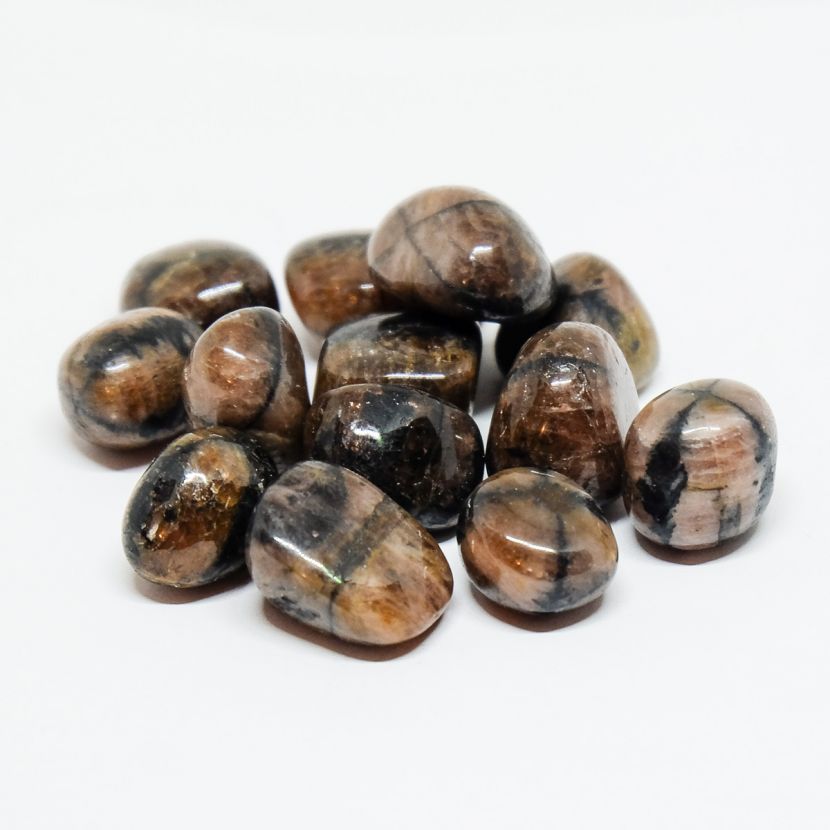
Decorations
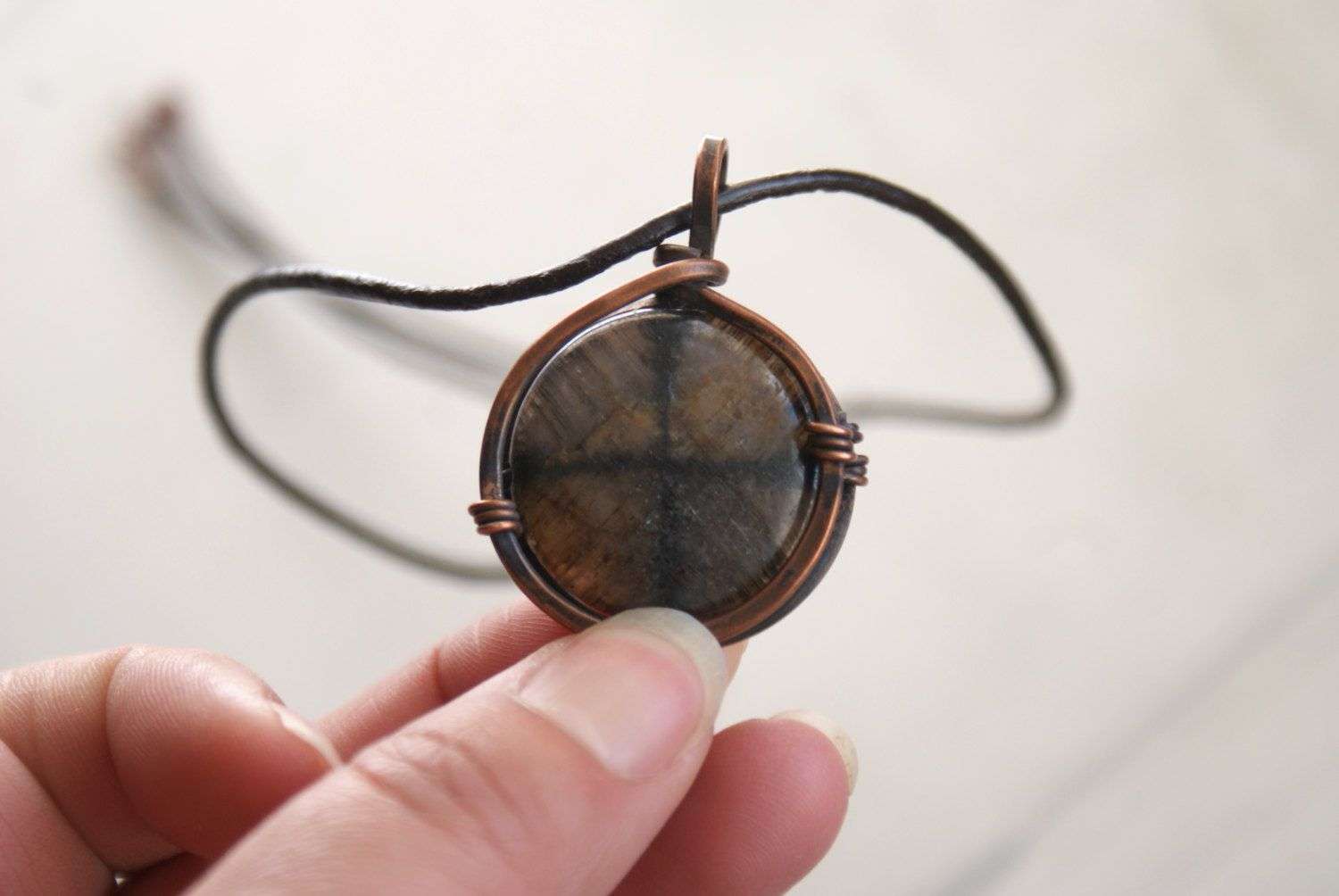
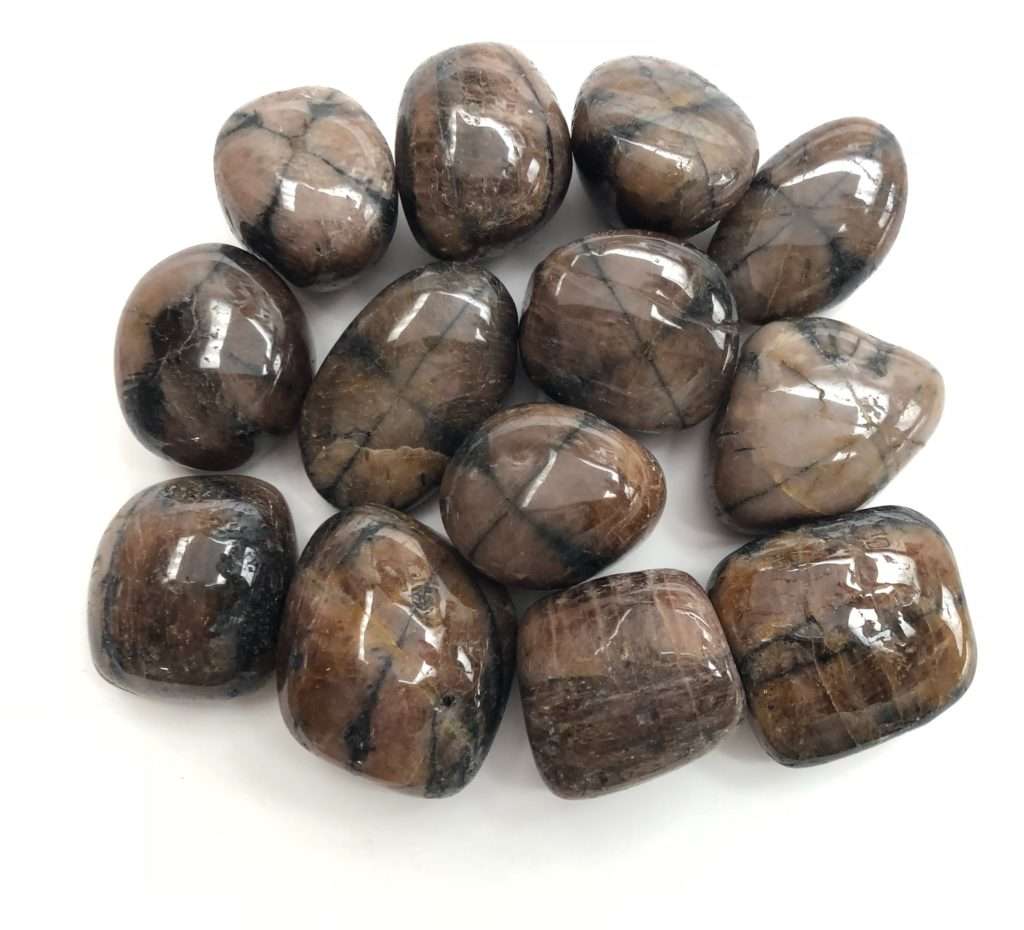
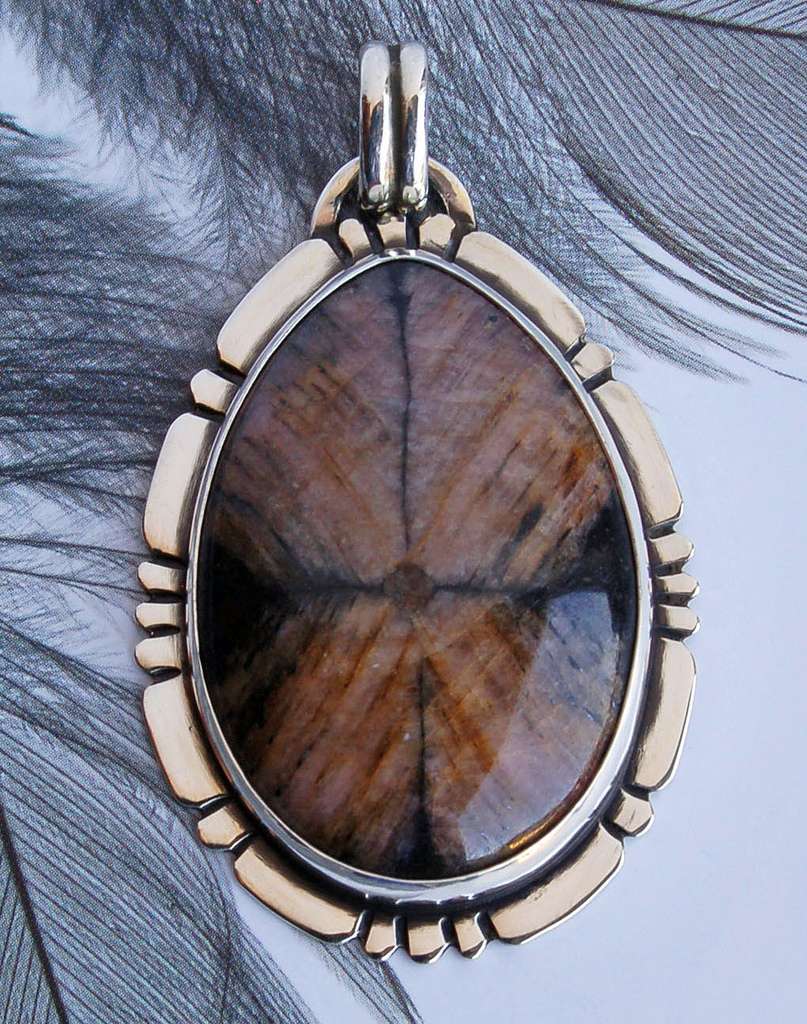
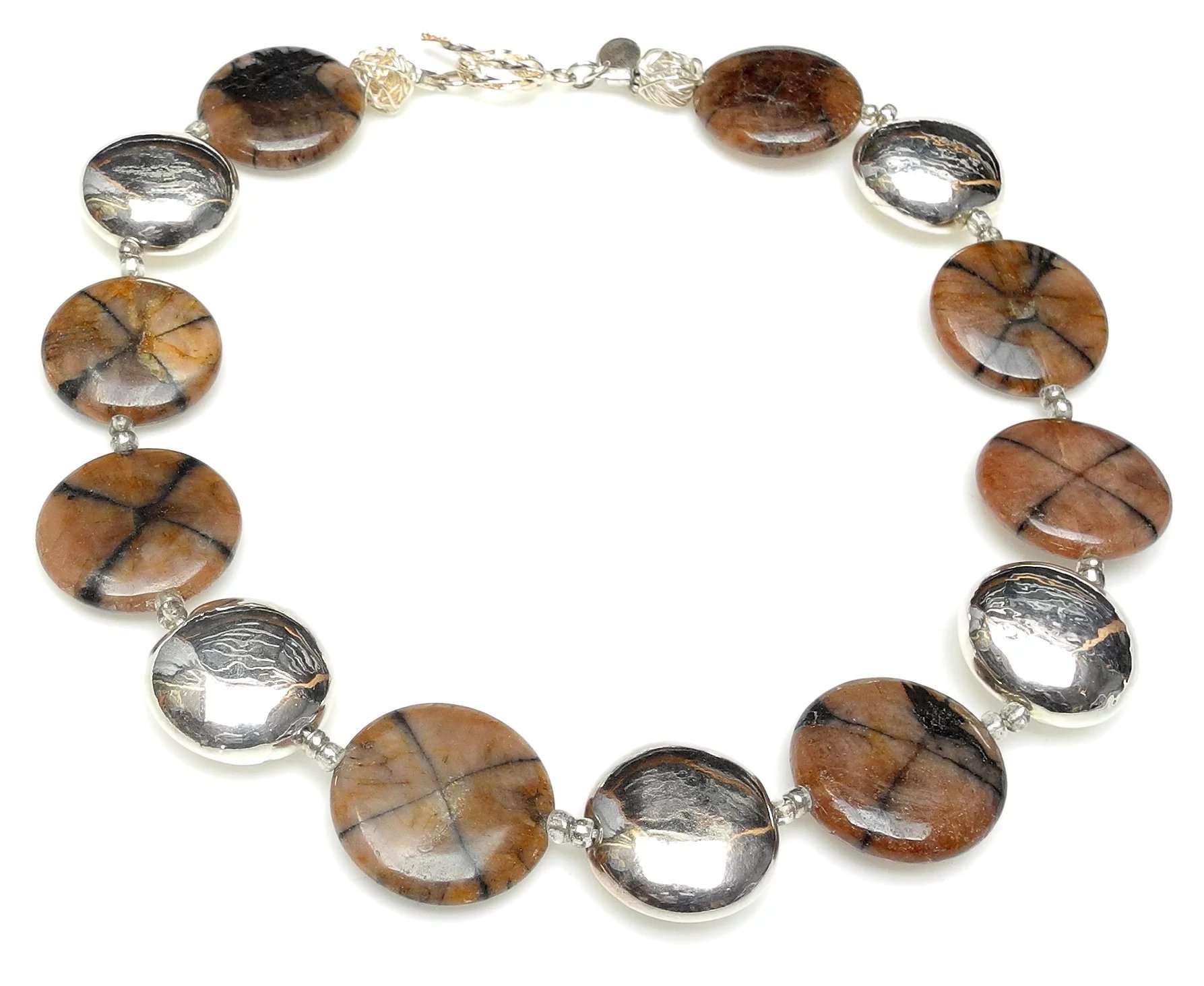
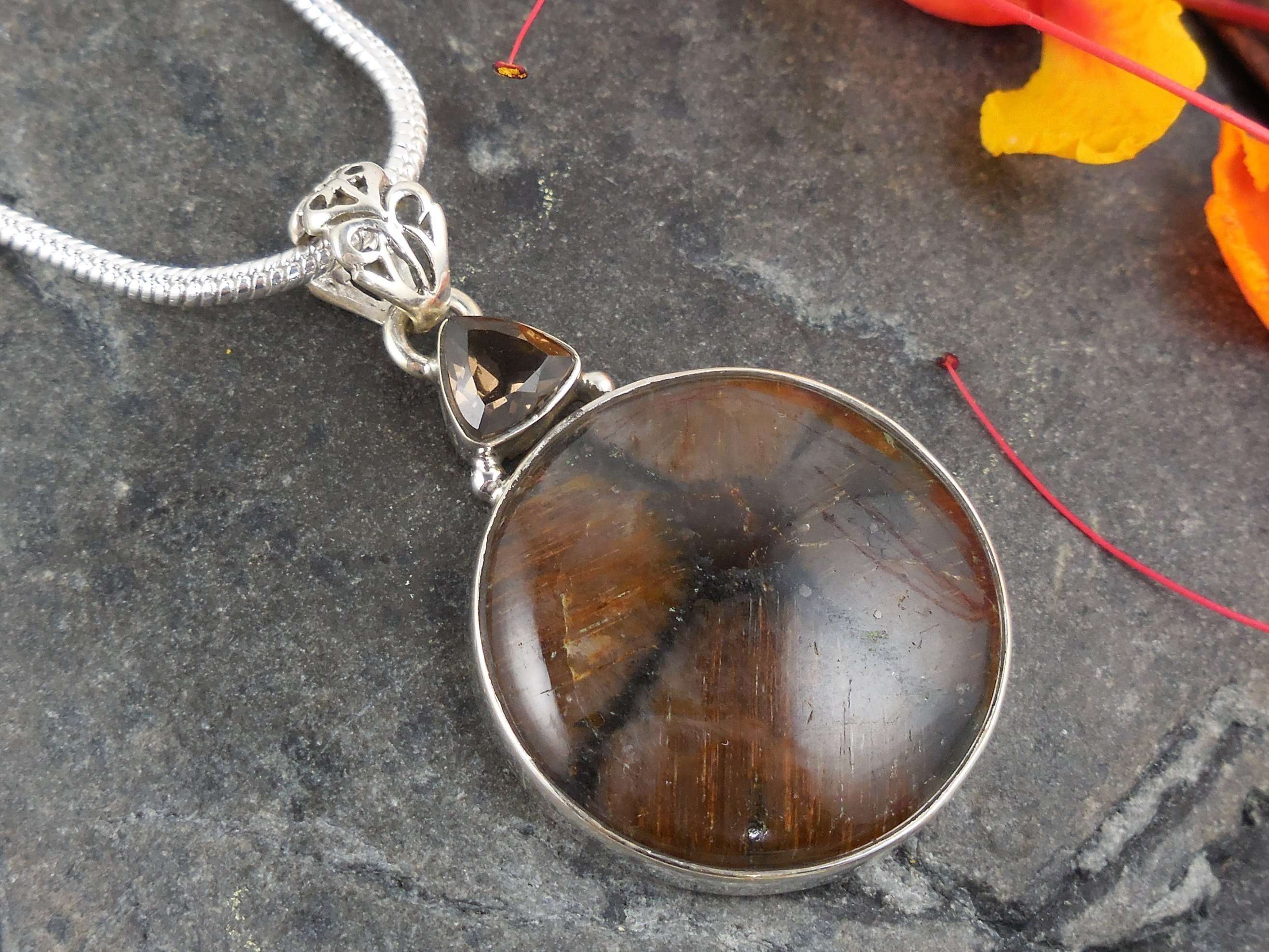
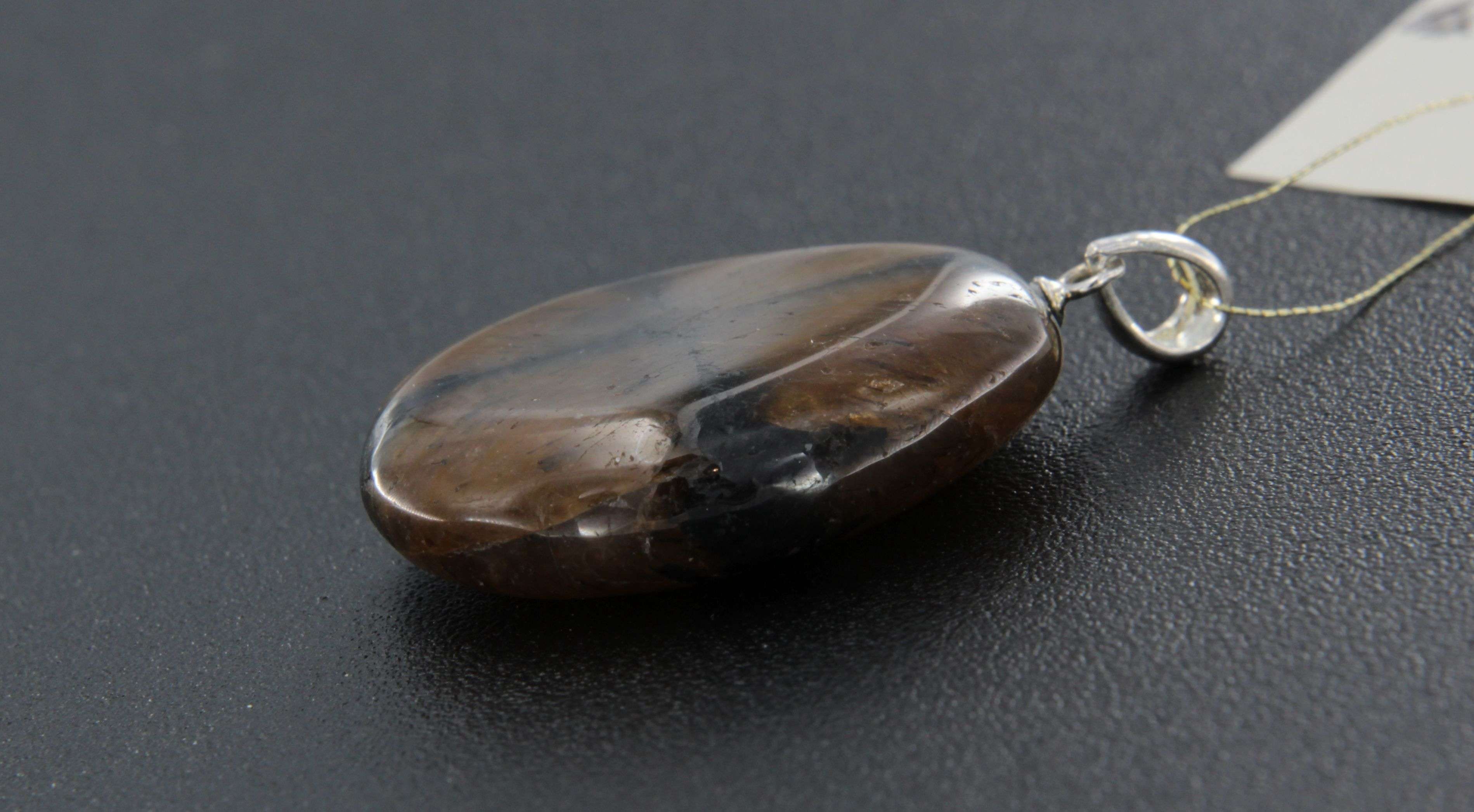
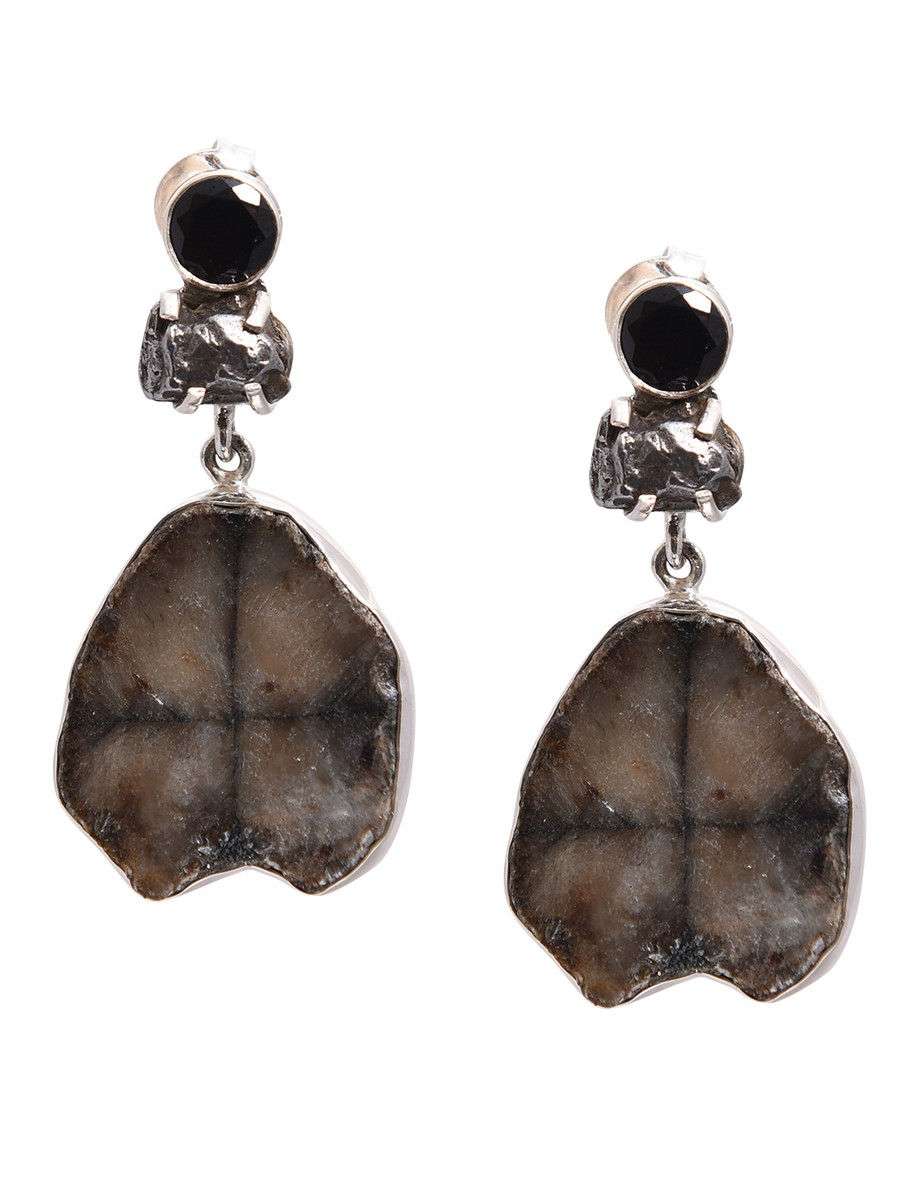
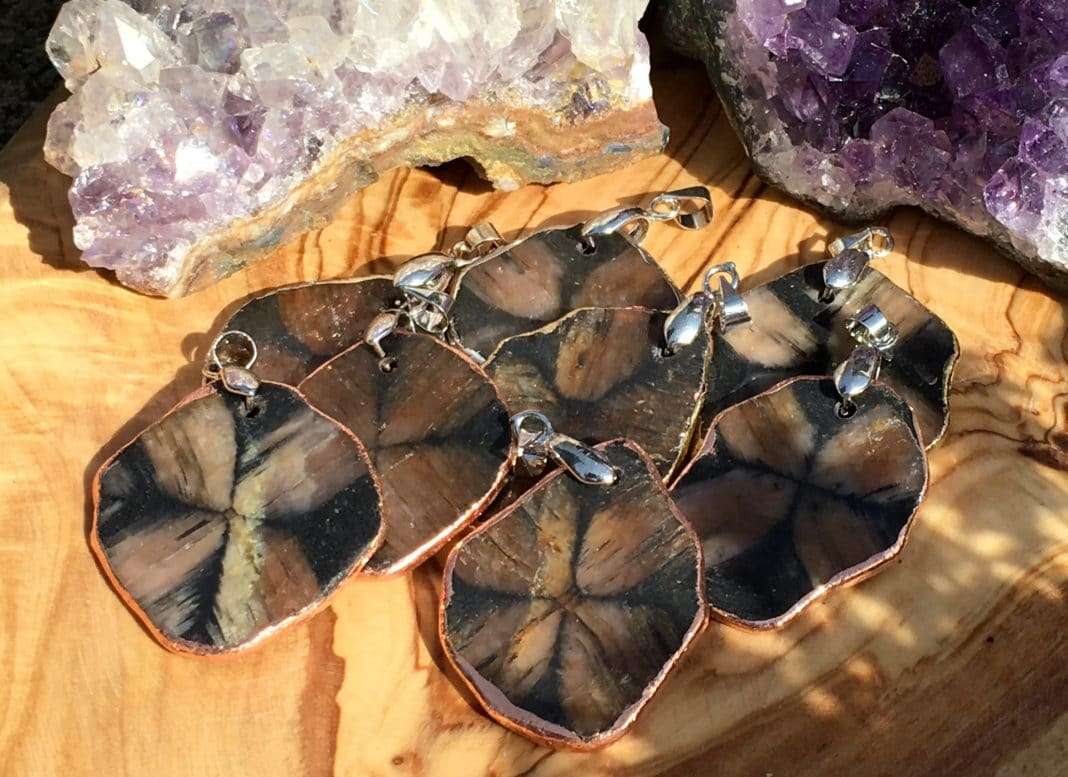
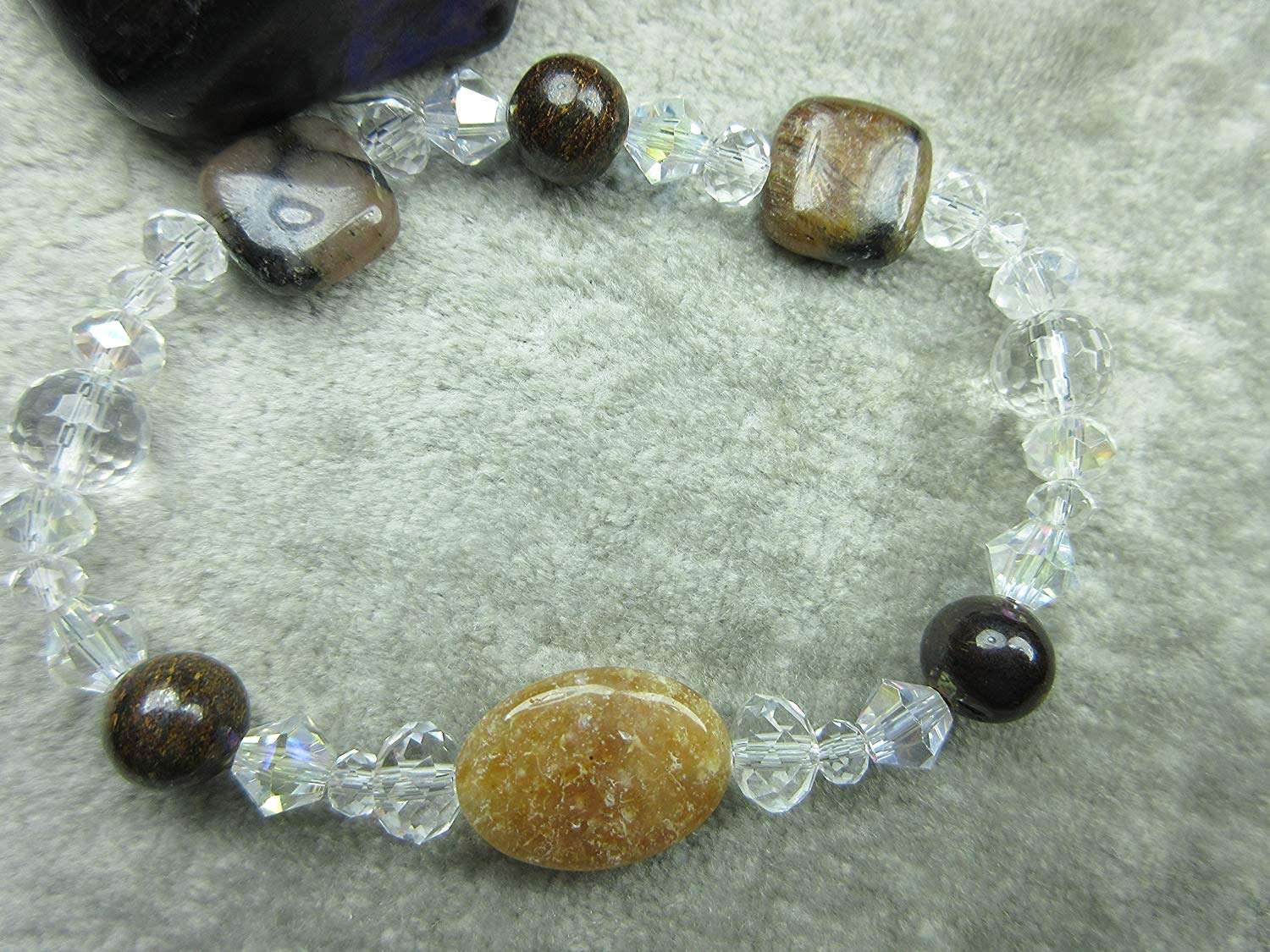
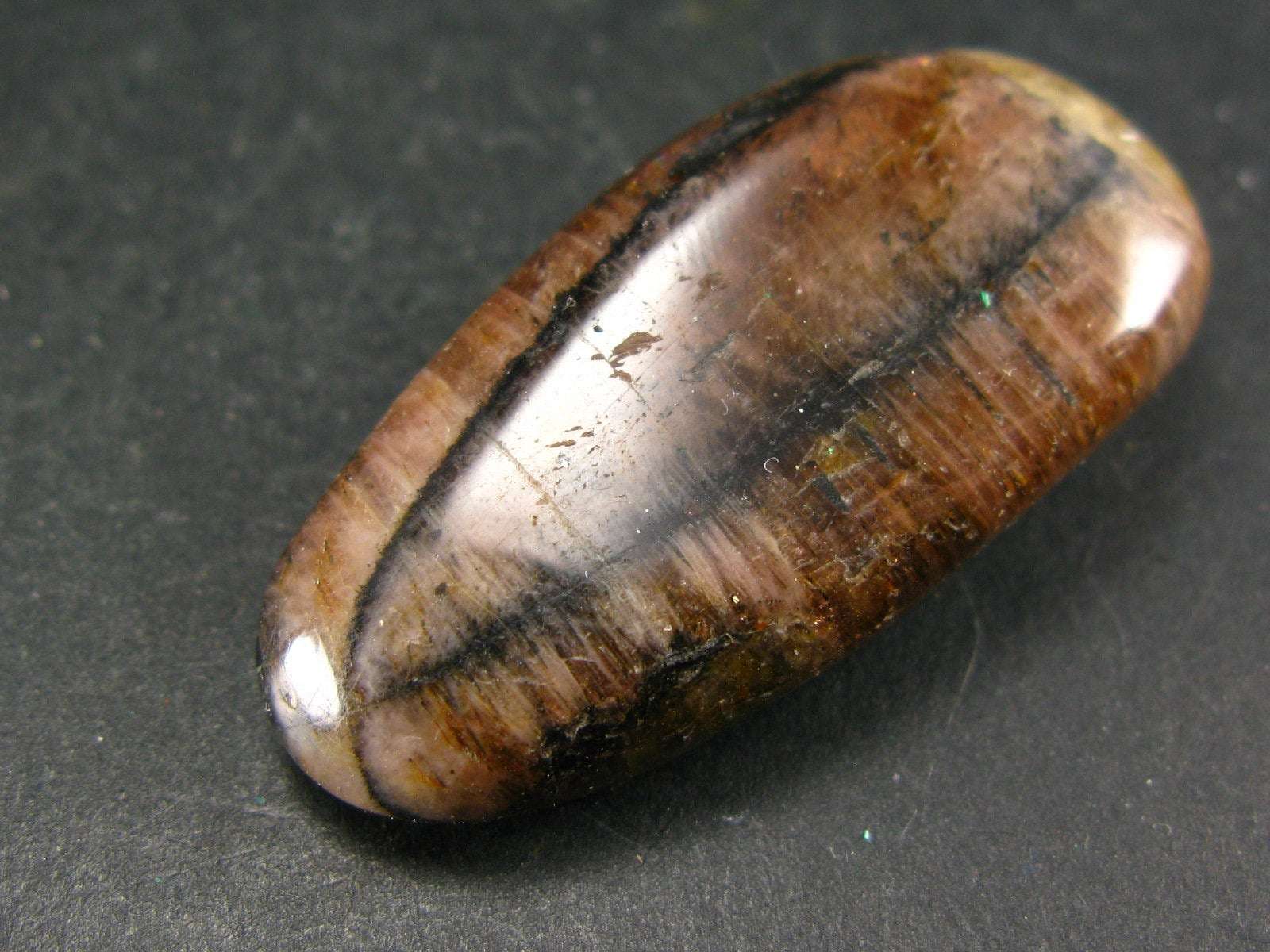
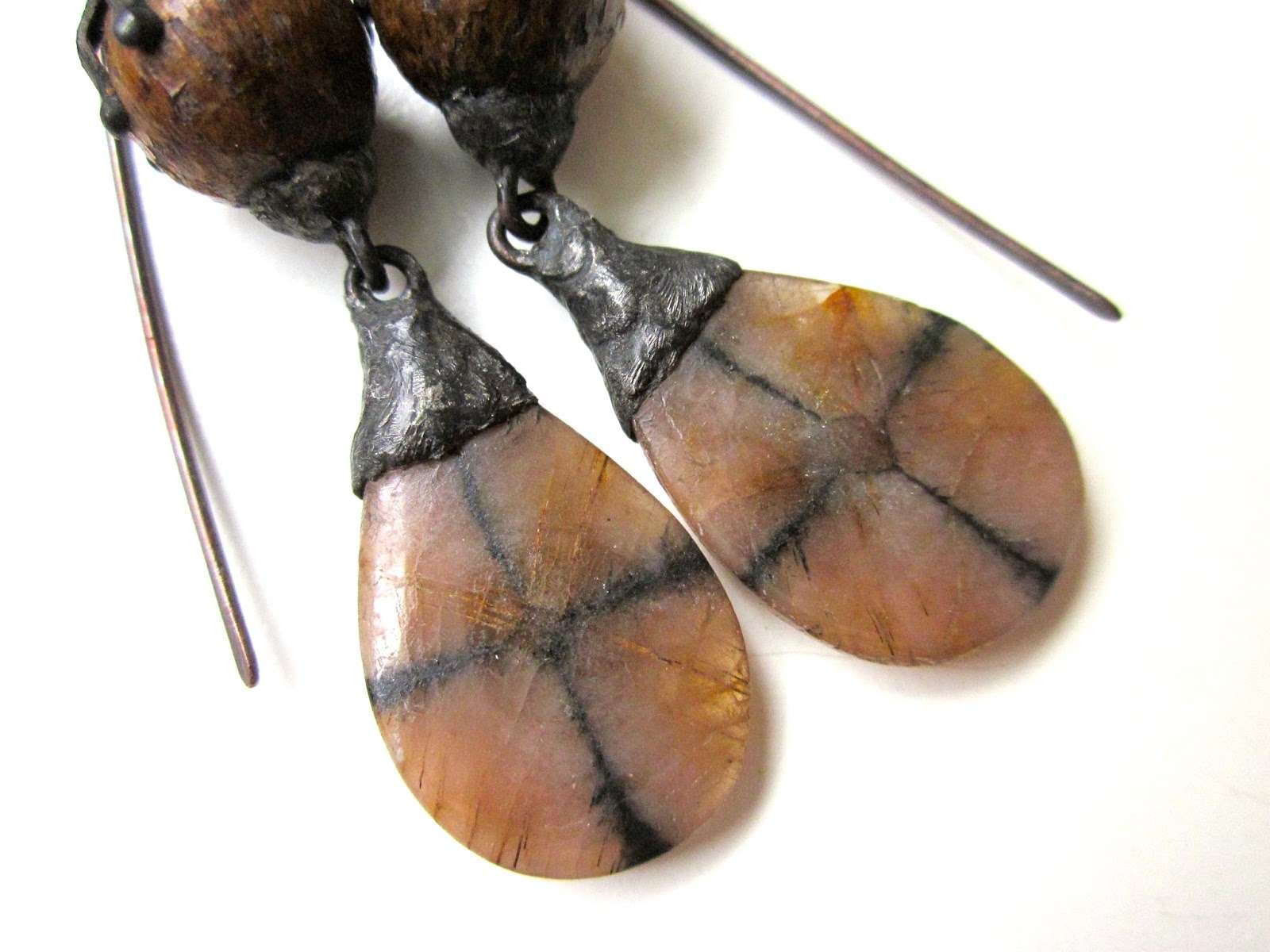
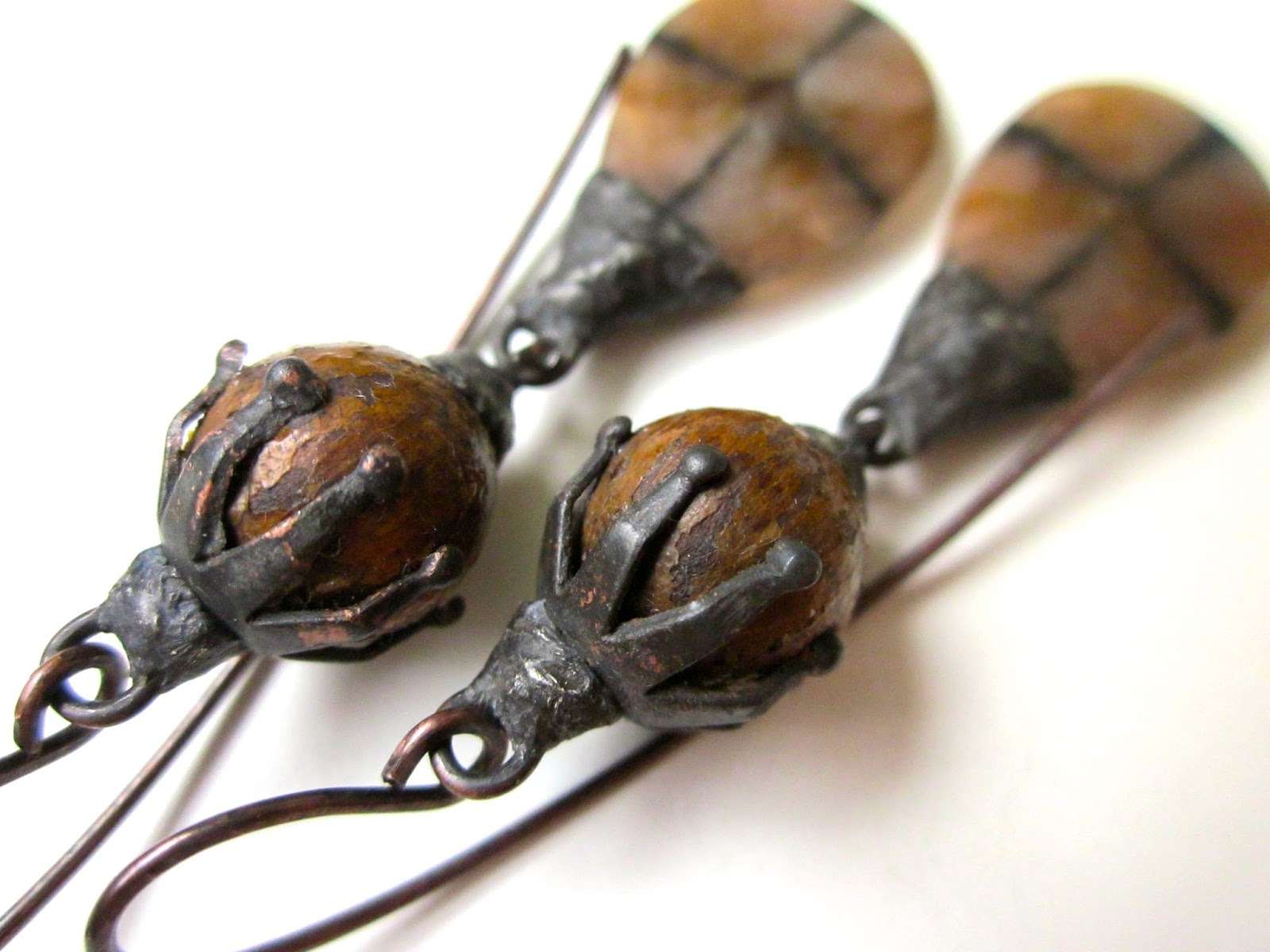
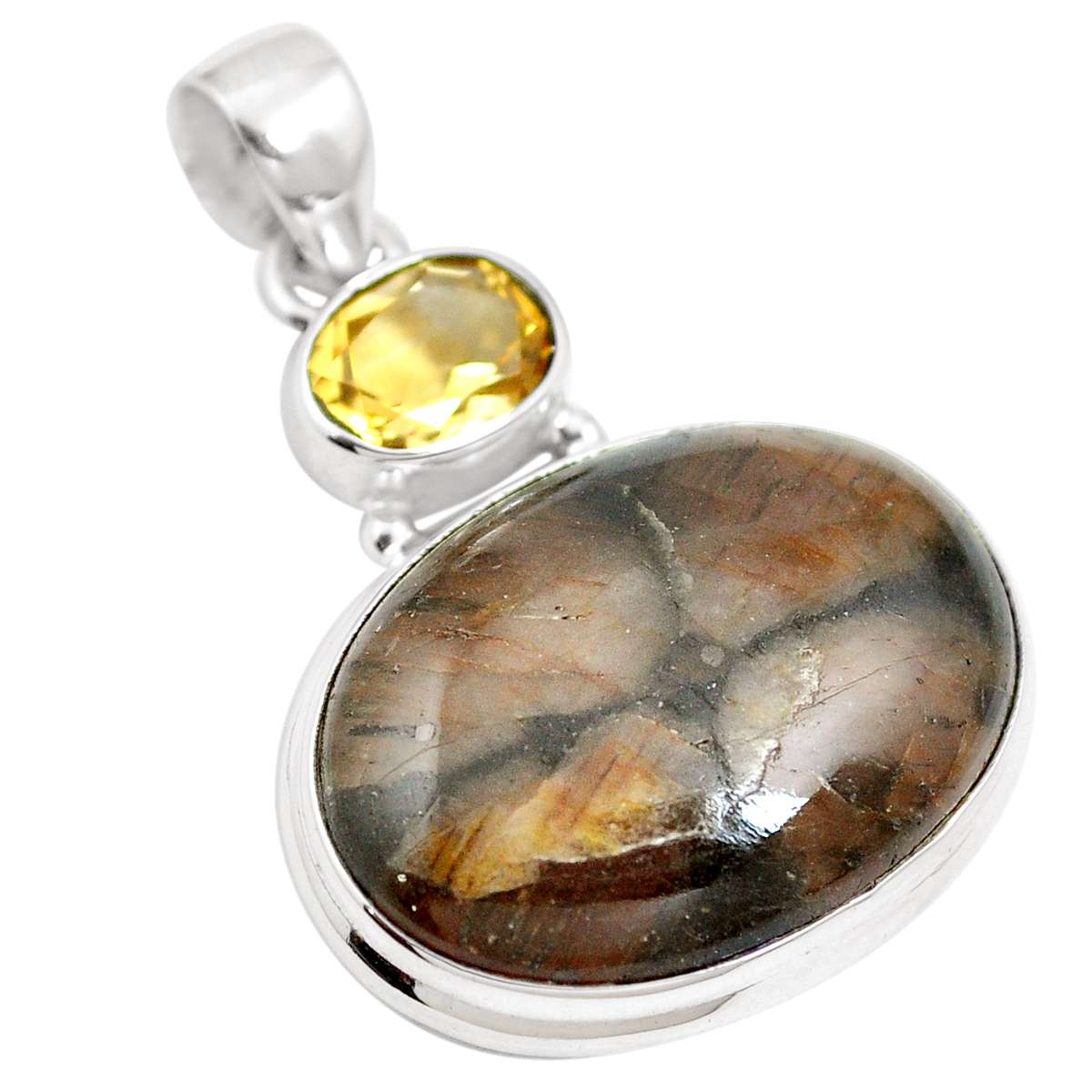
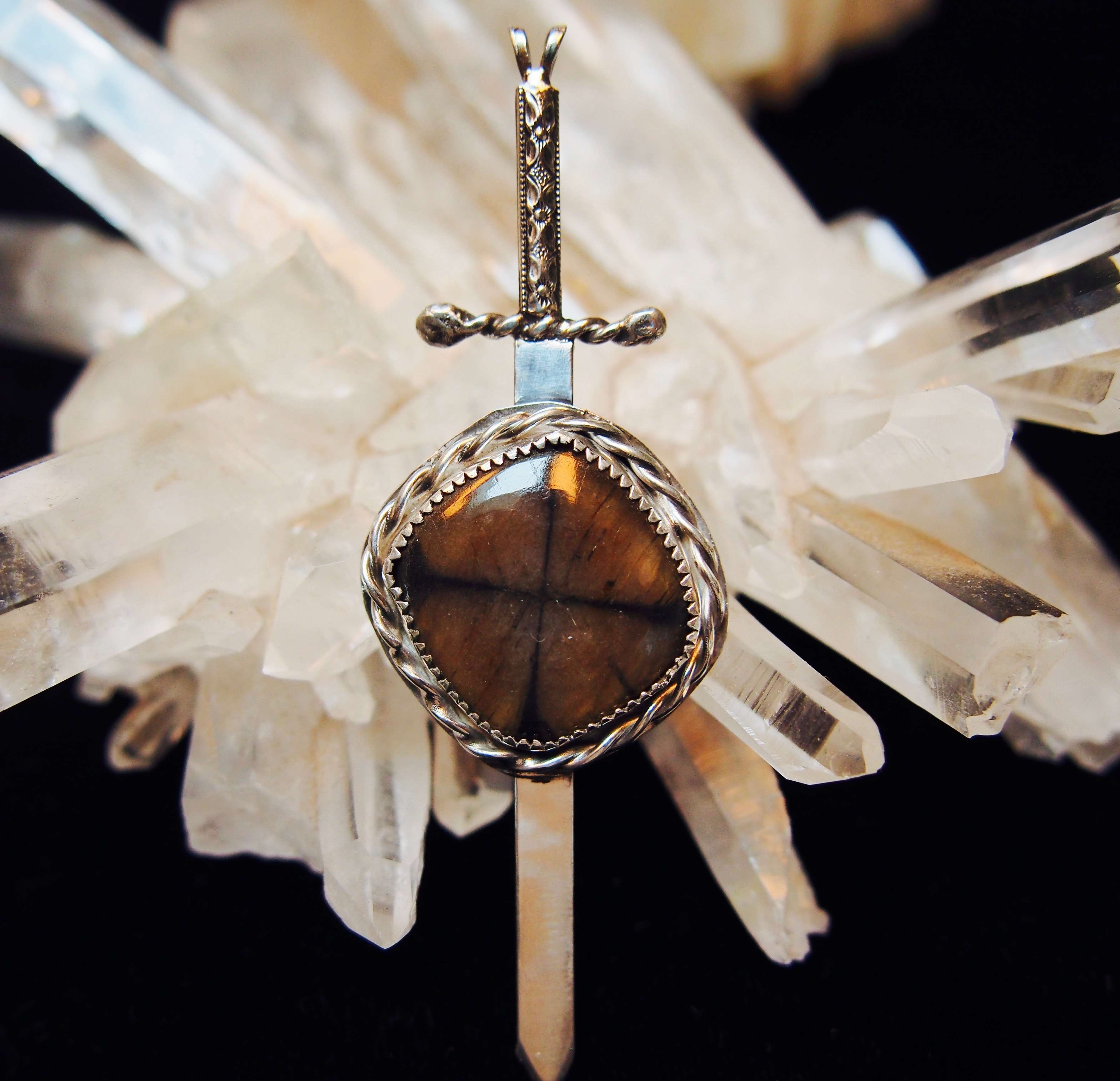
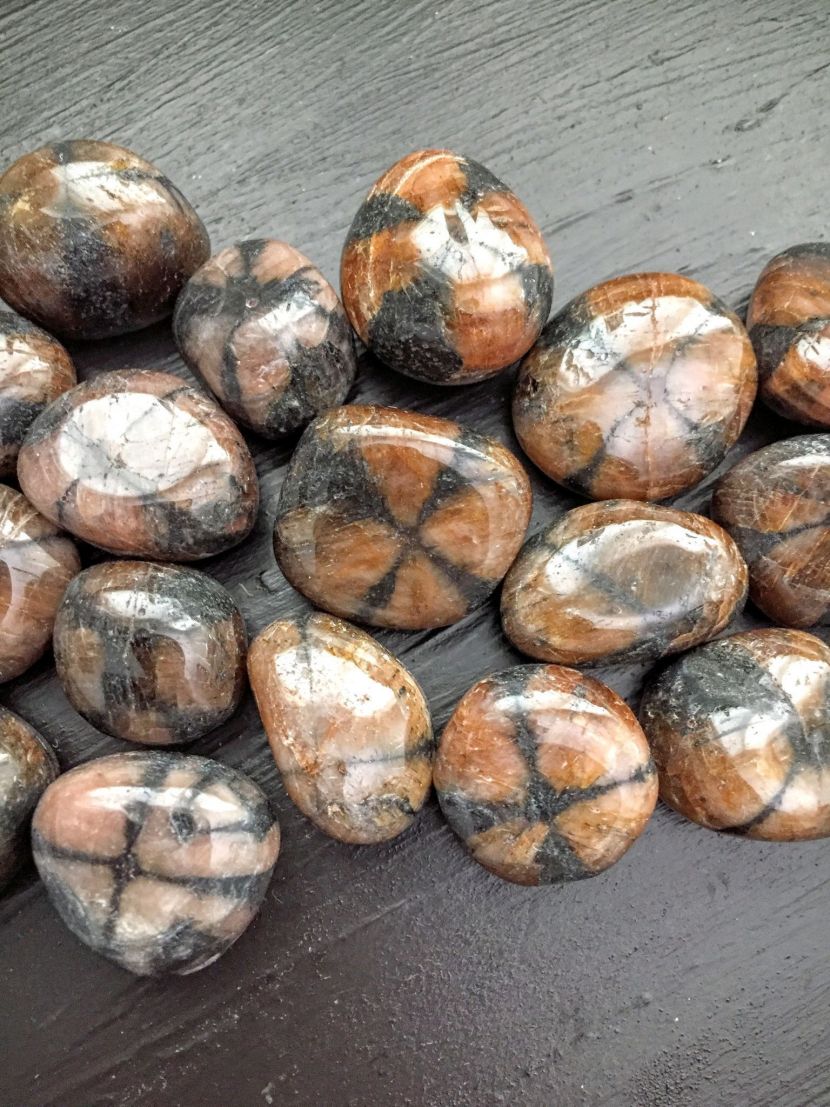
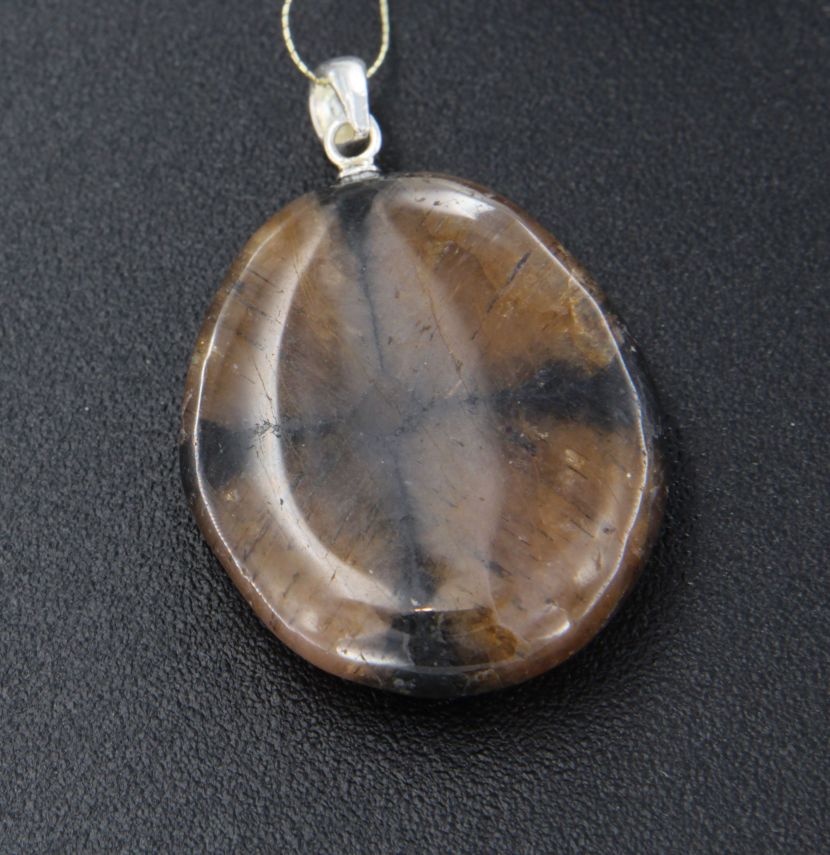
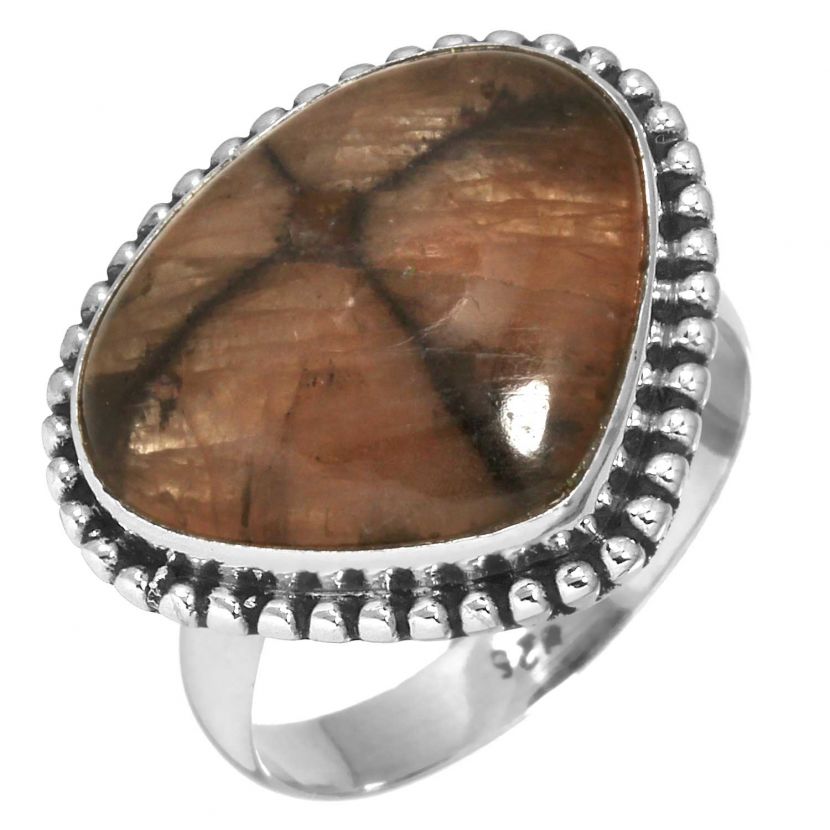
The mineral is polished. But first it is cut into flat plates with an oval shape. It is also possible to make a cabochon. The resulting surface is a crusader symbol. Stones are inserted into earrings, rings and pendants.
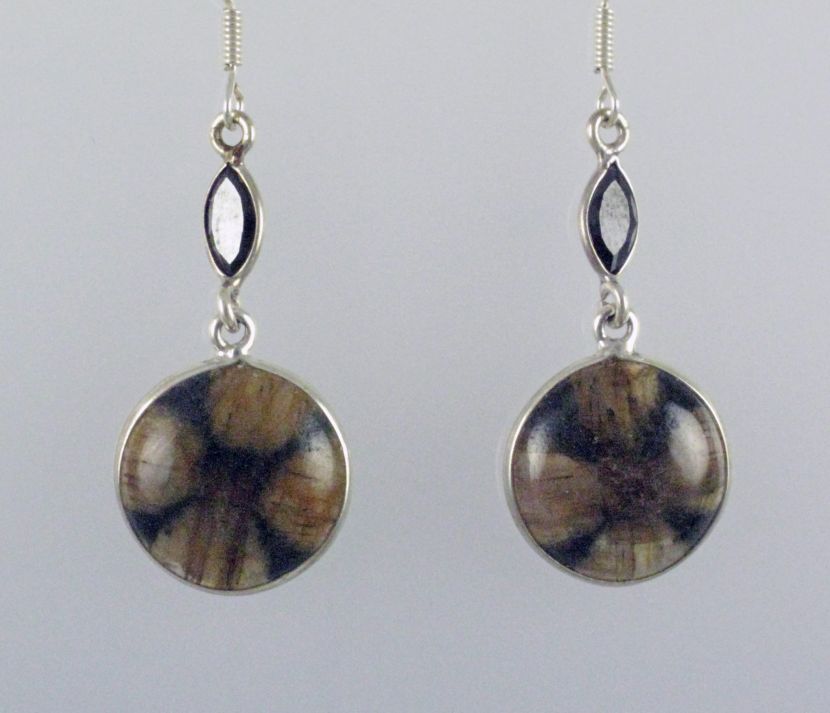
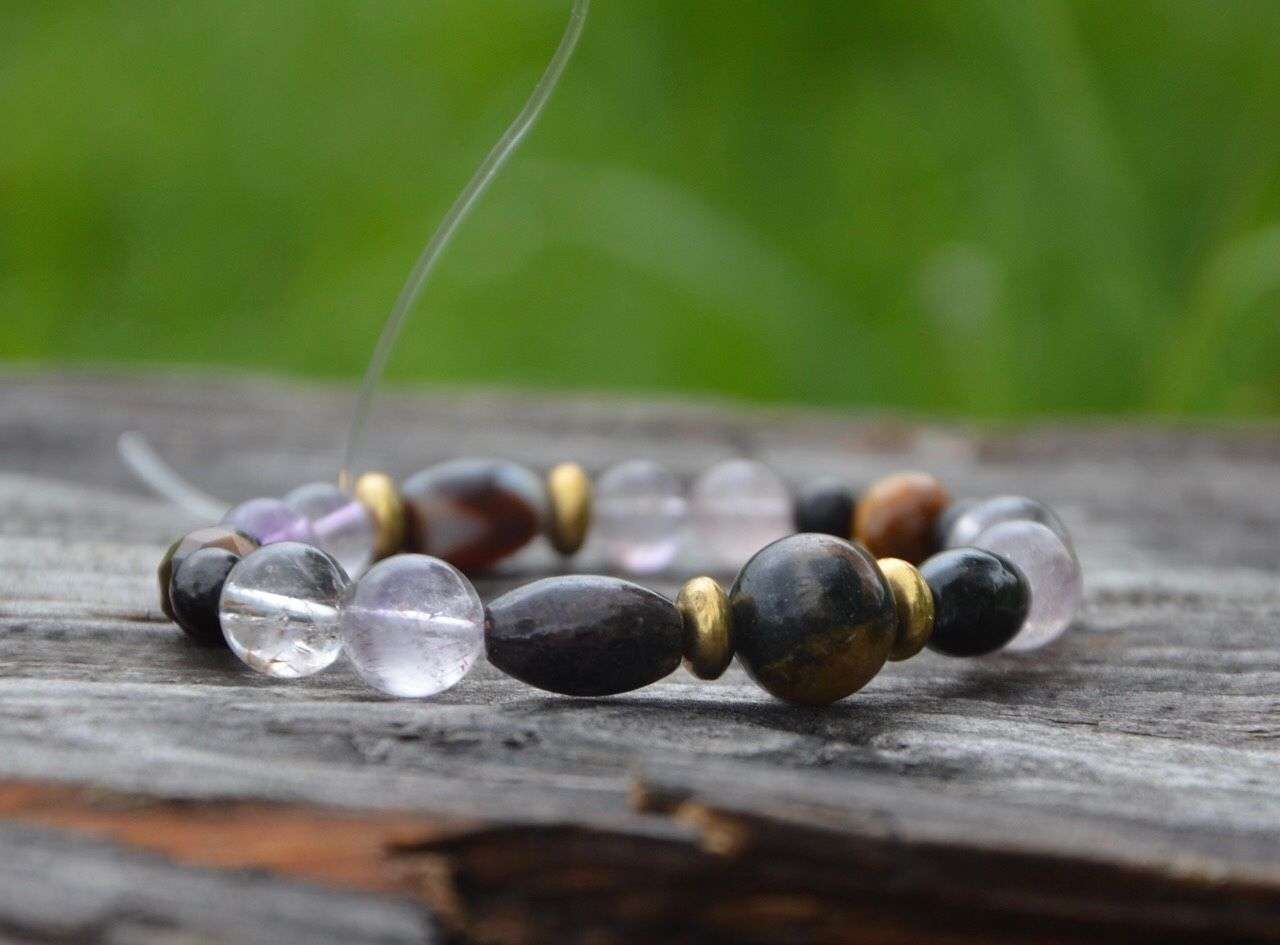
The frame is silver or white gold. Beads are used to make bracelets, necklaces, rosaries. The cost depends on the quality and size. The pendant is valued at 1300 rubles. The price of beads reaches 18,000.
How to distinguish from a fake
It is not so difficult to distinguish a natural stone from possible fakes. Chiastolite is difficult to confuse, and an indistinguishable artificial copy is almost impossible to create.
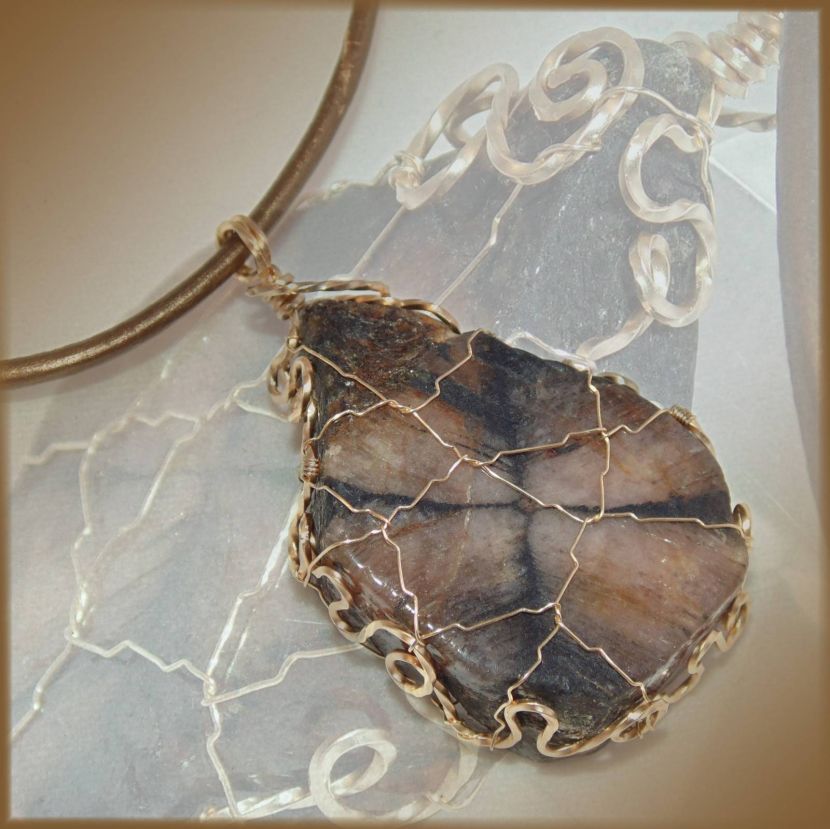
Suspicion will immediately be aroused by uneven coloring, unnatural tones, overly saturated, air bubbles pointing at the glass. All these signs will clearly point to an origin that is not connected with nature. A real stone is cool, slowly warming up in the hands.
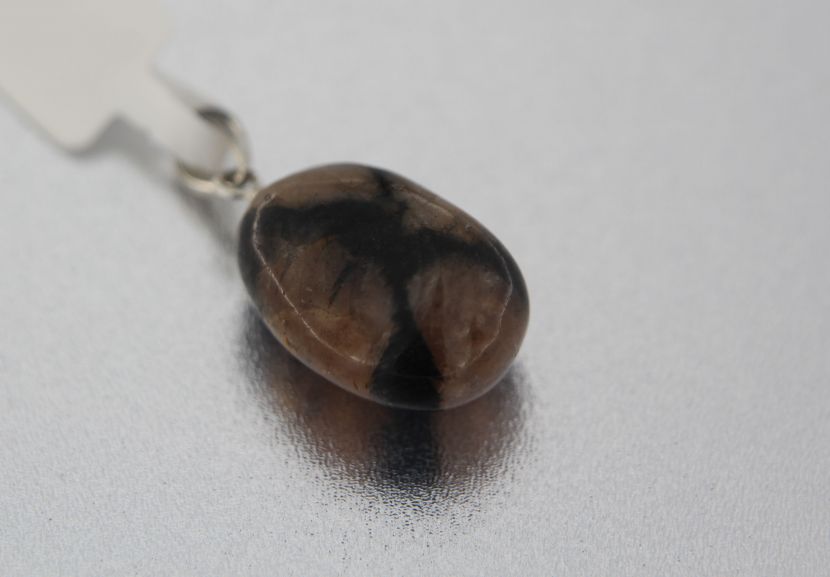
Product Care
The crystal is periodically cleansed with simultaneous ritual charging. Focus on lunar cycles. The first rite is performed on a new, and the second on a full moon.Twice a month, the mineral should be washed in cool water. When darkening, they leave it in it along with hematite.
Who is the stone suitable for?
Any sign of the zodiac is suitable for chiastolite. But he will not tolerate frivolous relationships. It helps people only with pure intentions, as well as those who comprehend wisdom for the common good.
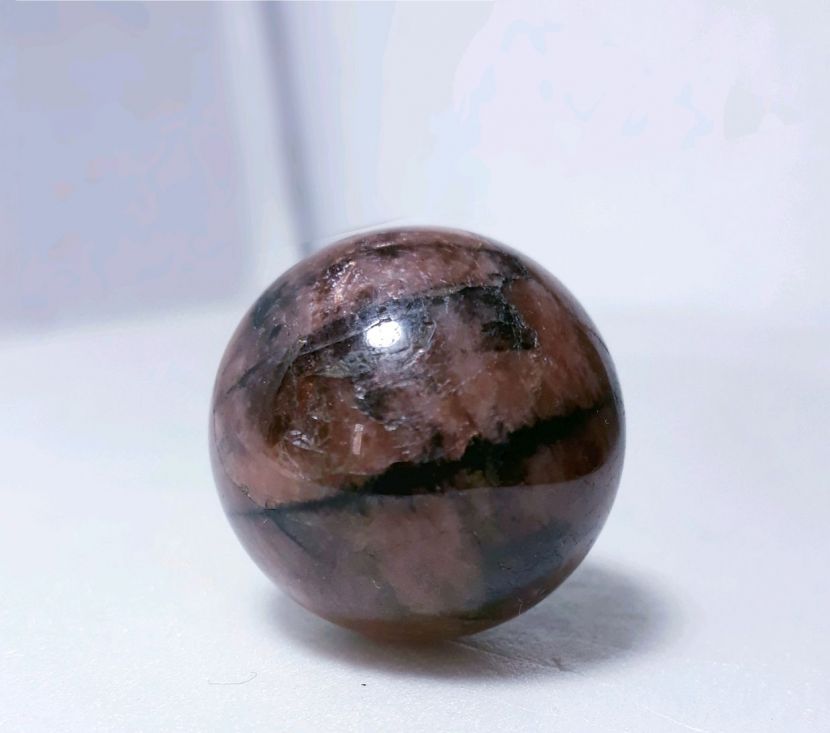
Regarding the nature of people, it helps both in overcoming mental trauma and in opening new horizons. Fans of meditation will find the right pedmet in it.
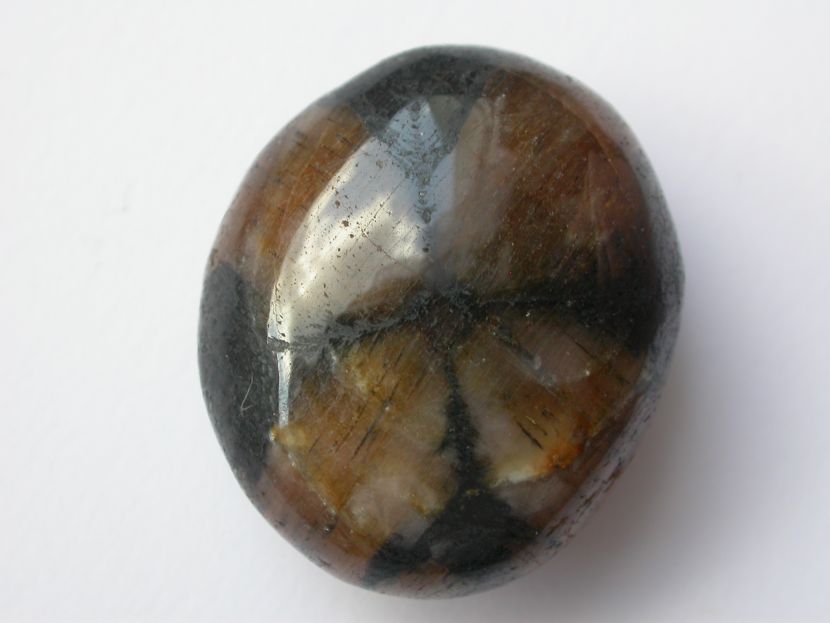
Libra gets special favor. They have developed a flair and the ability to harmonize. It is easy for a stone to enhance these personality traits. Taurus from the elements of the Earth will also benefit. His analytical qualities will be strengthened. By name, an opaque gem suits Yana, Tatyana, Eleonora, Karina.
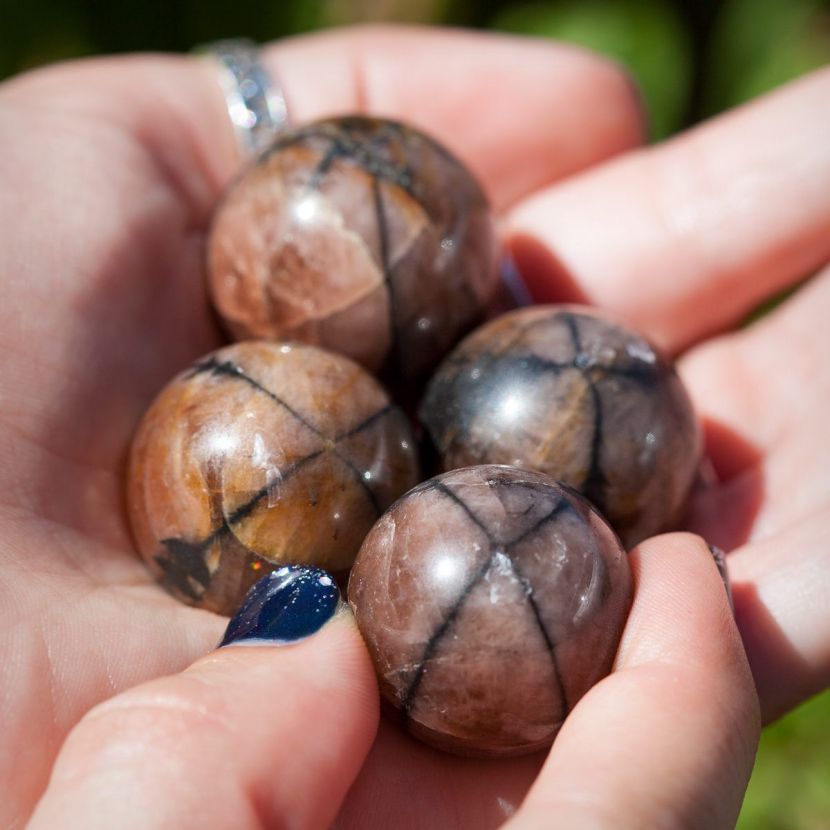
There is an additional tip - do not keep the stone in the sun under direct rays. So its color will be preserved, although it shows a positive attitude towards the sun.
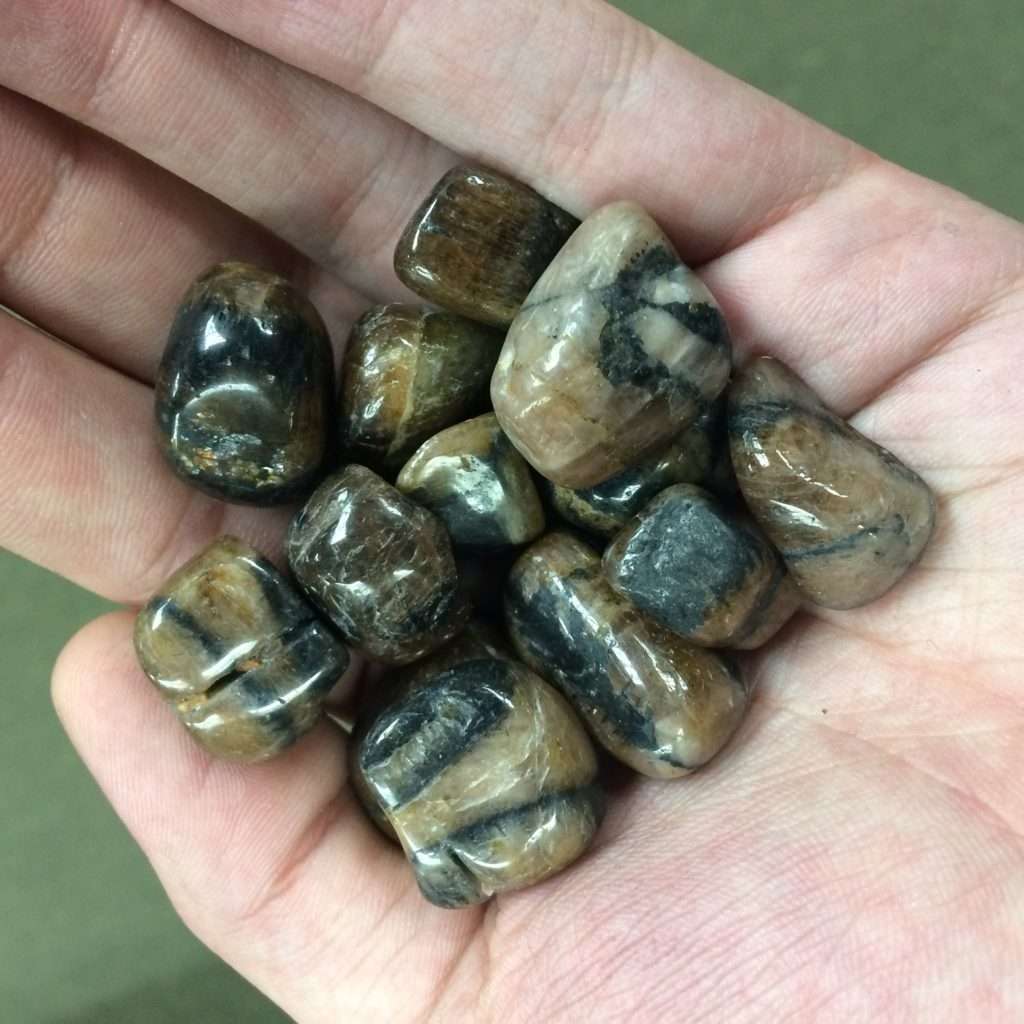
Photo stone Chiastolite