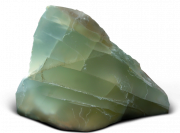
The most common Olivine stone: history of origin, deposits, properties, photo of the stone, difference from fake
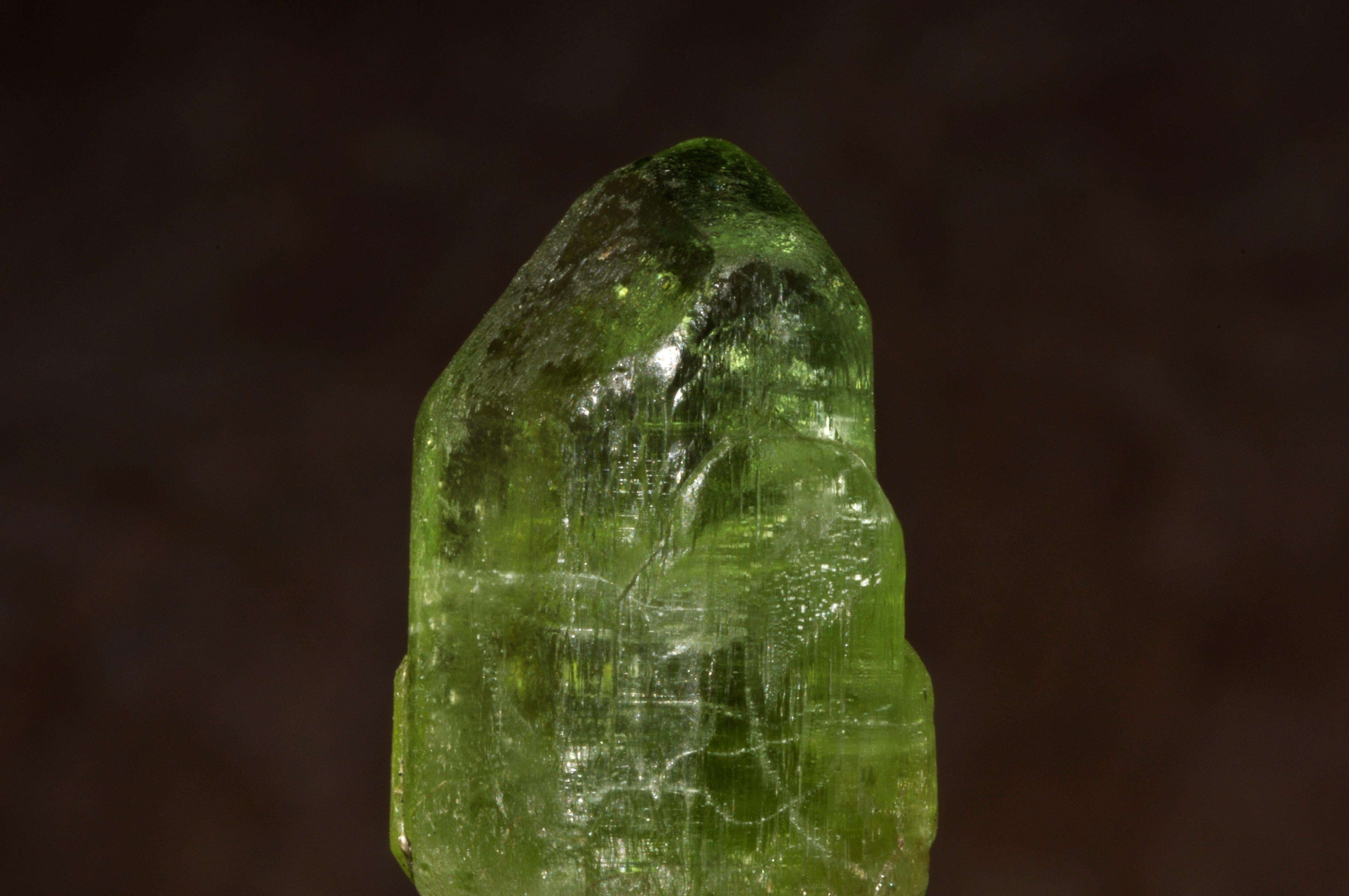
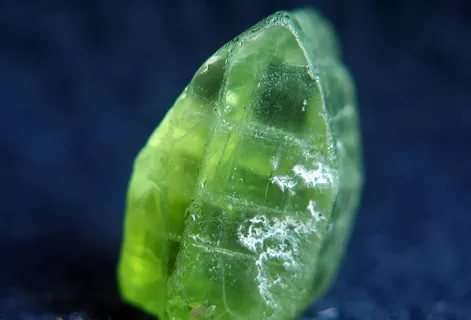
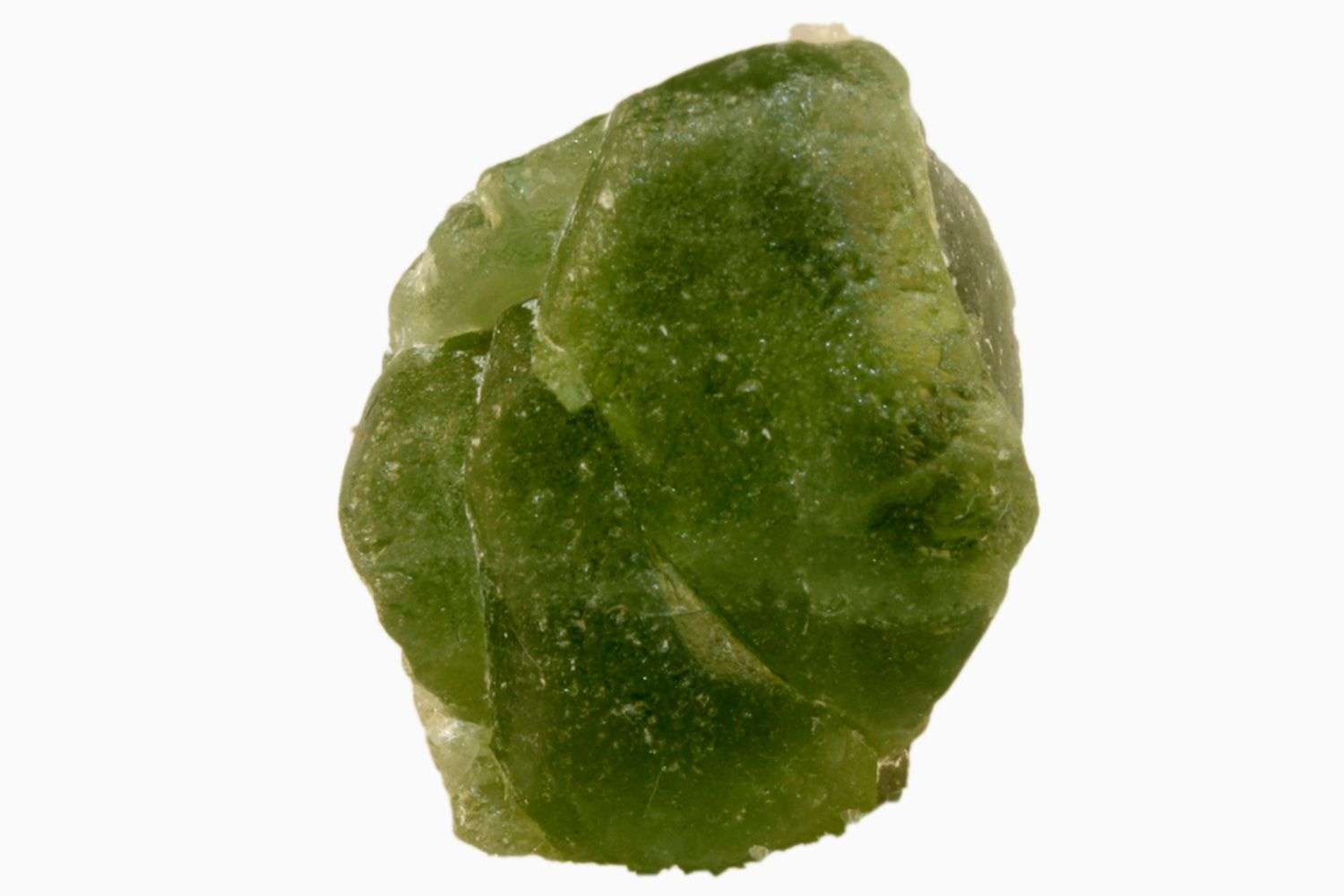
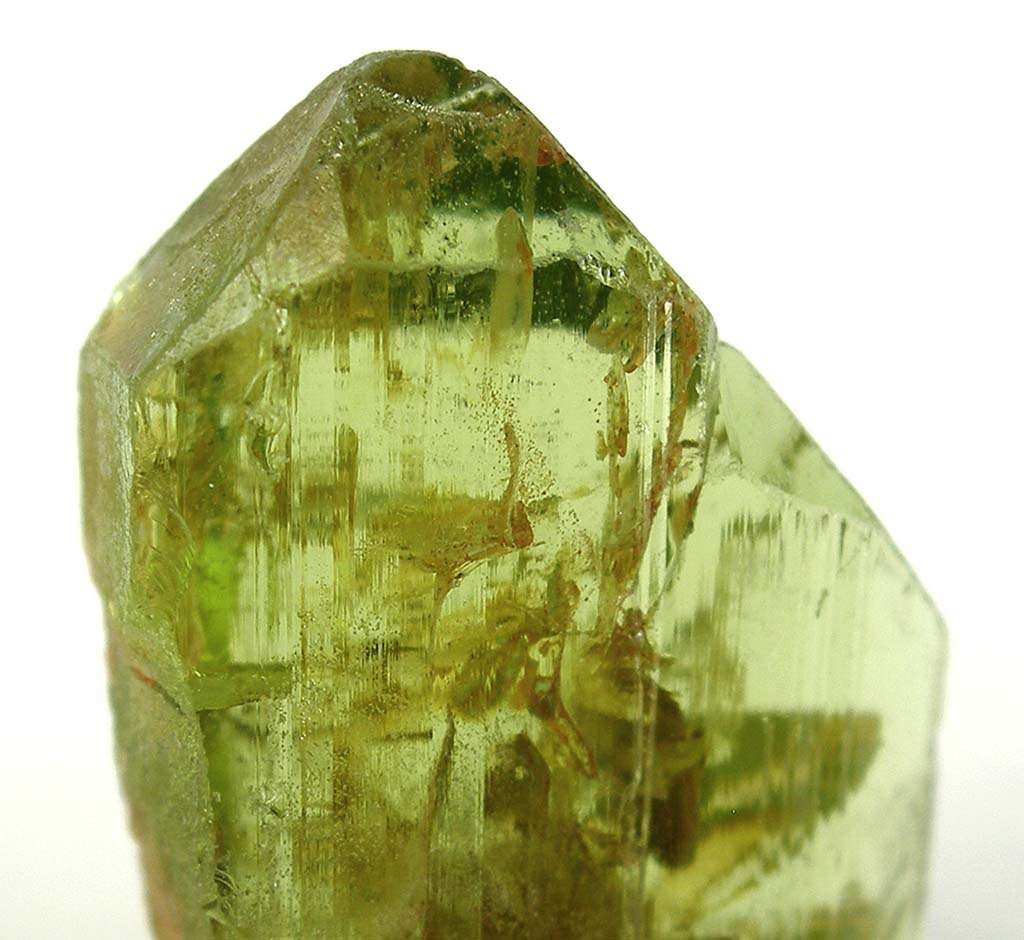
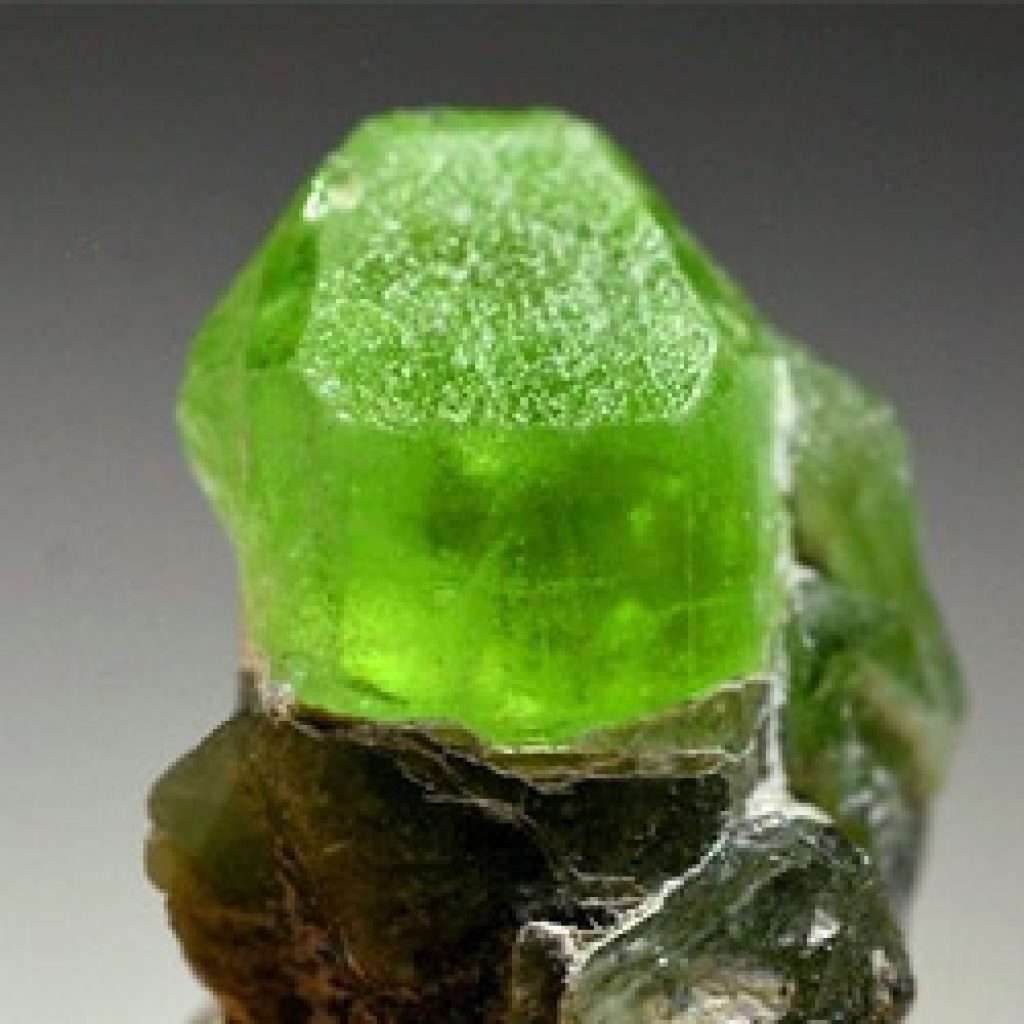
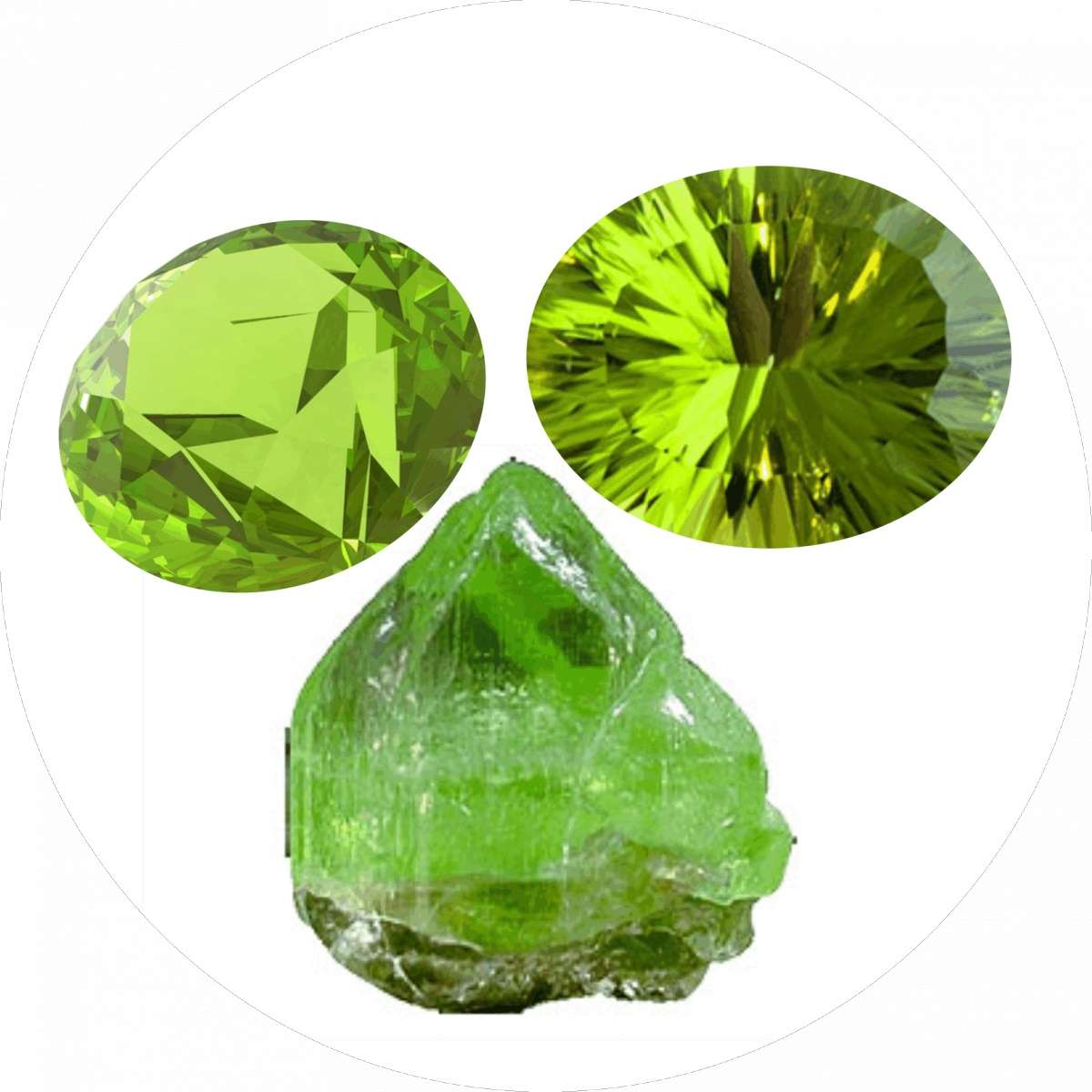
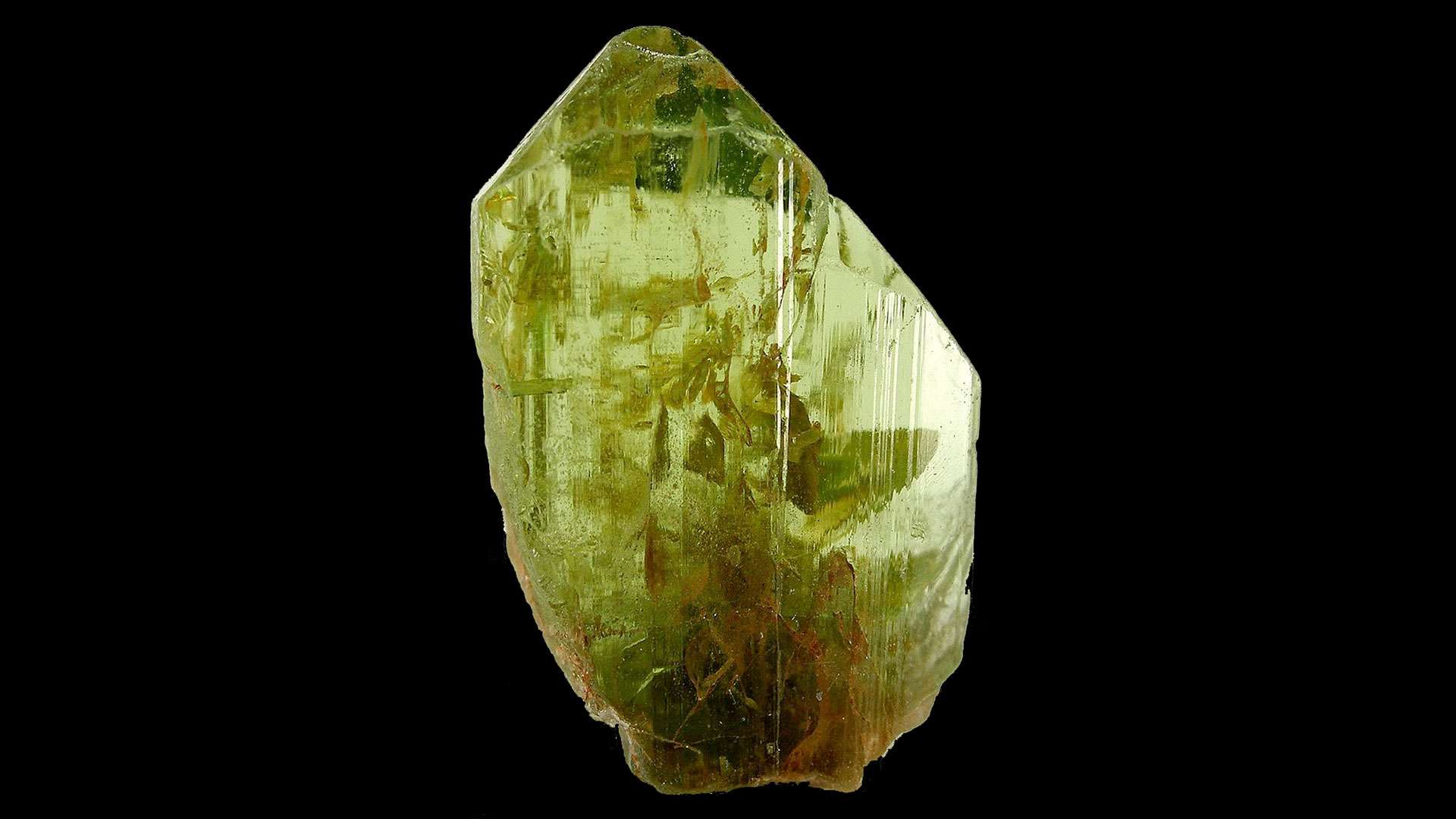
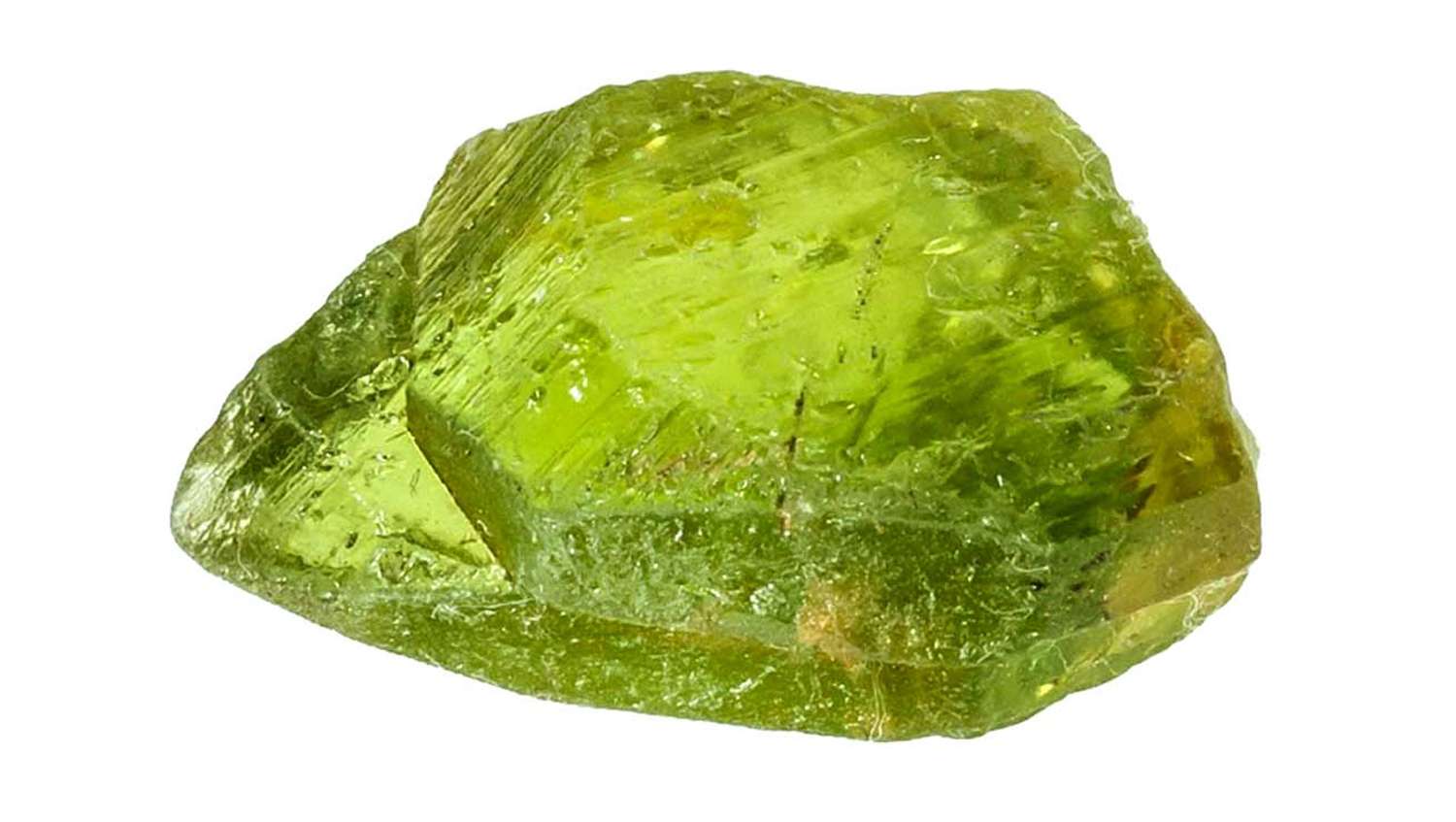
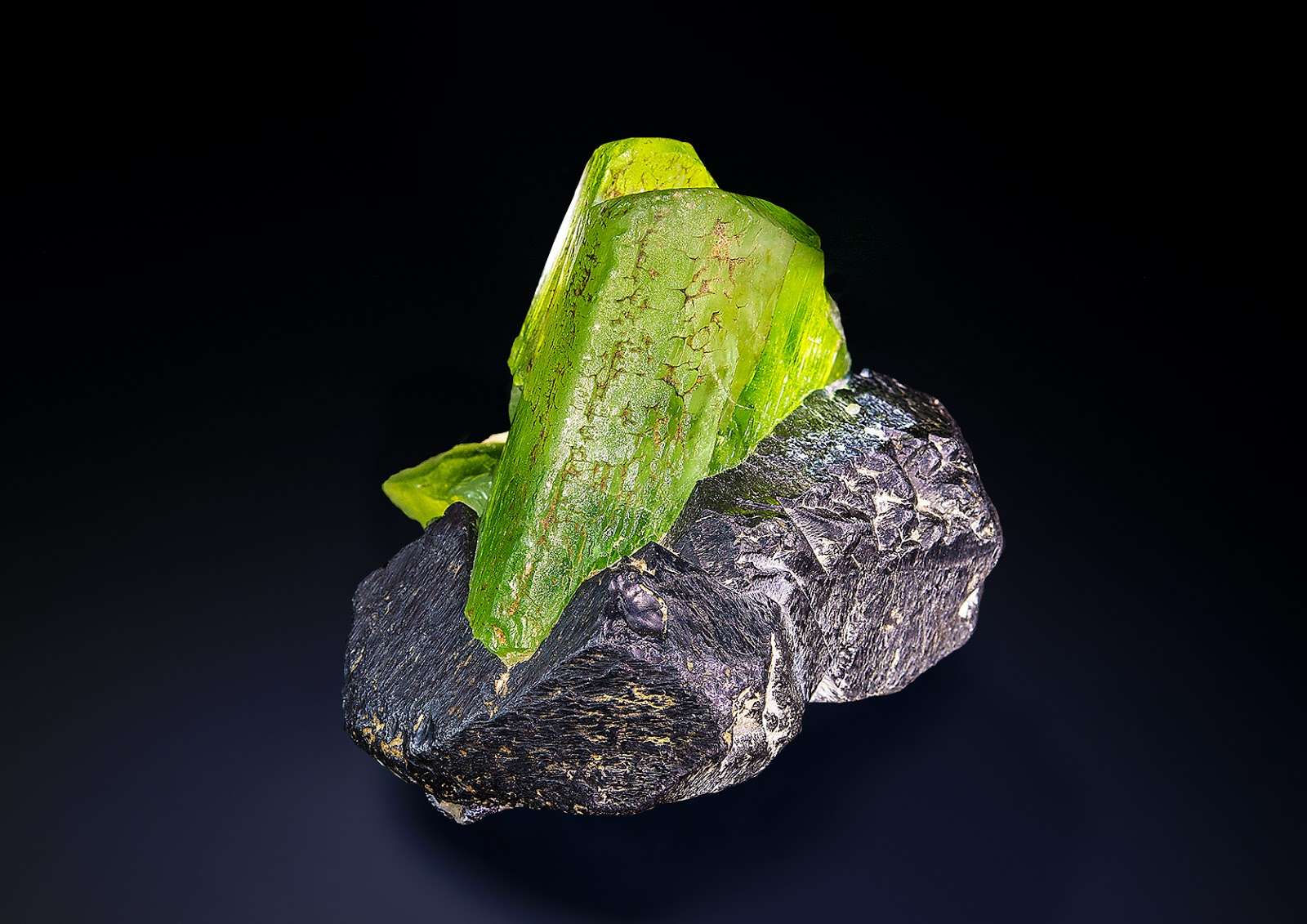
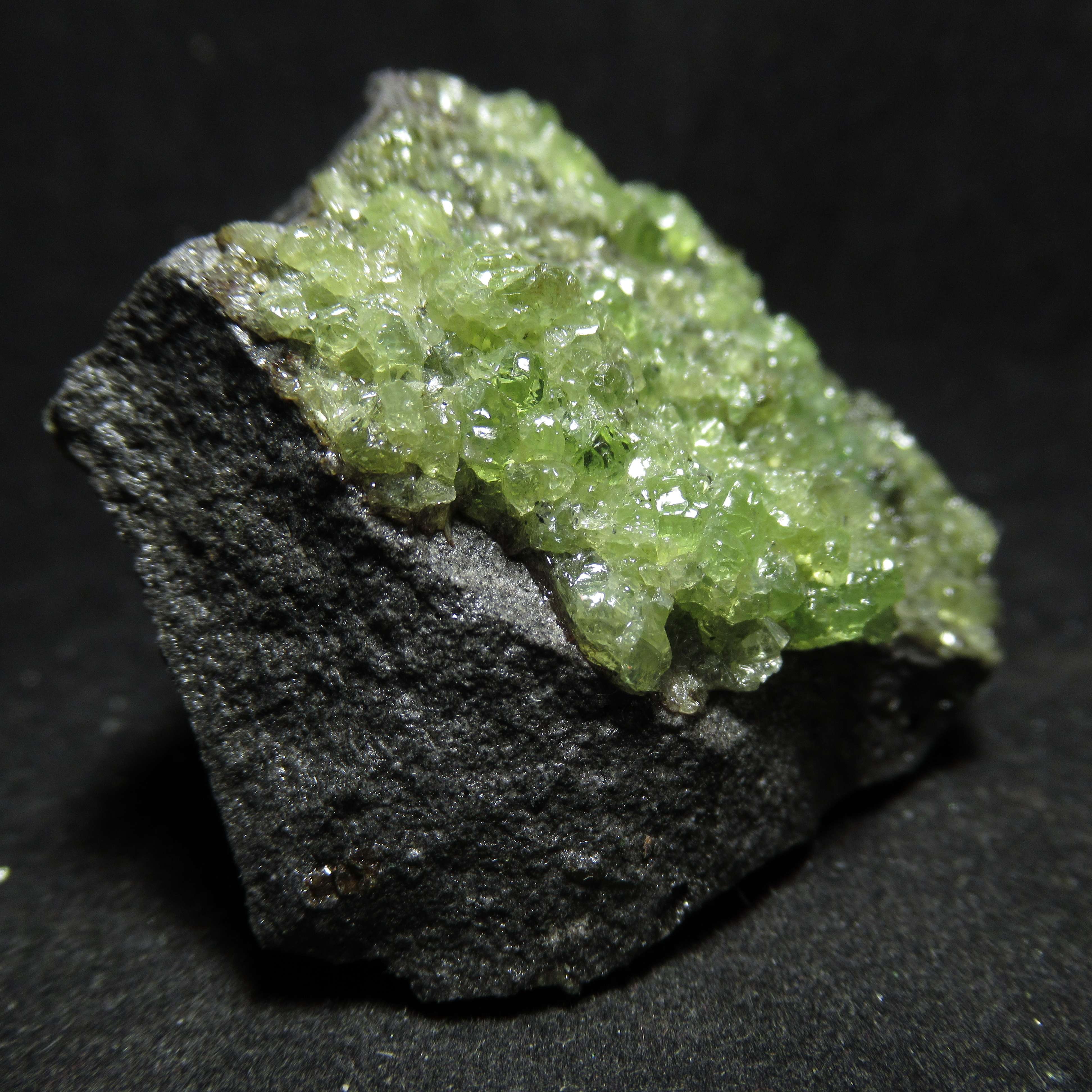
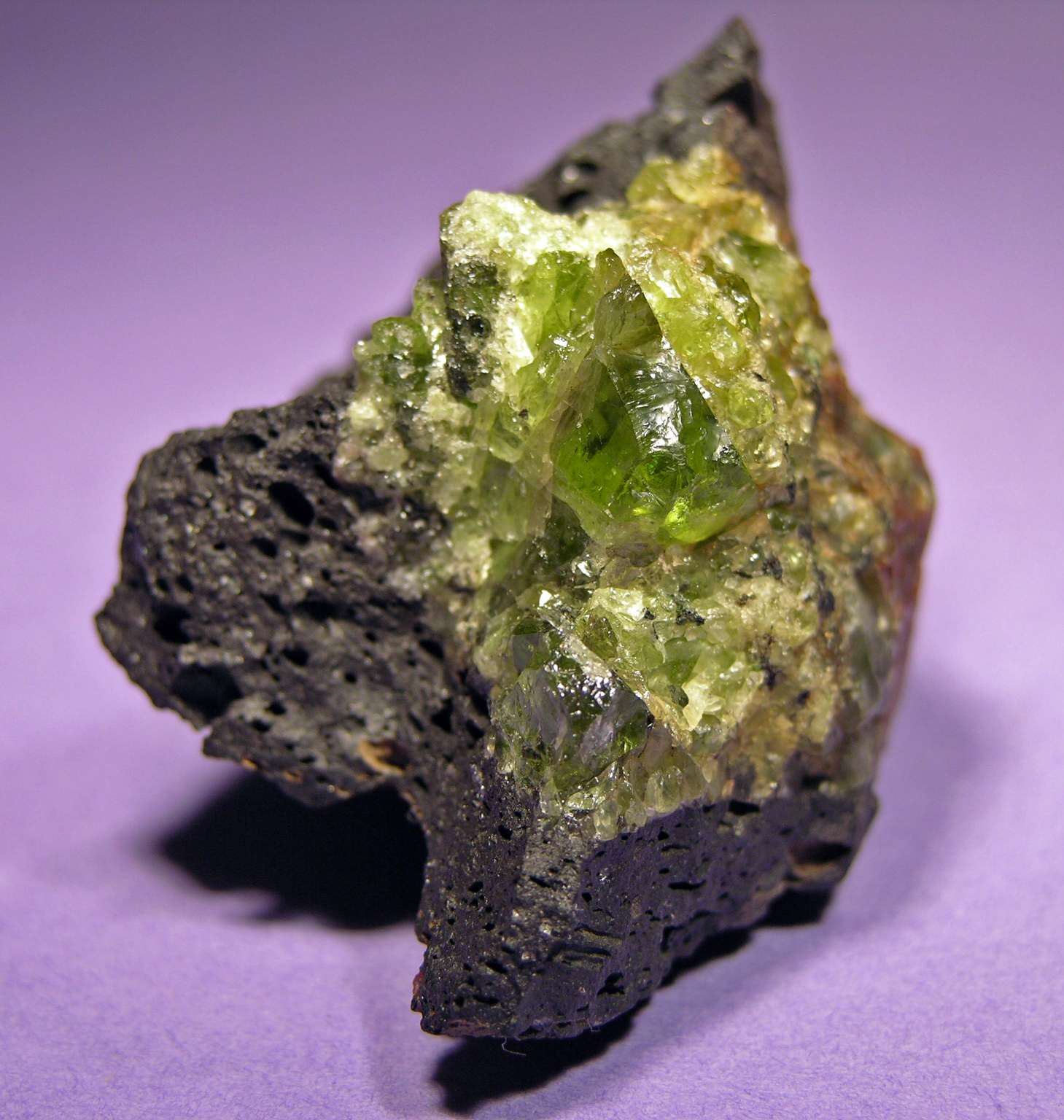
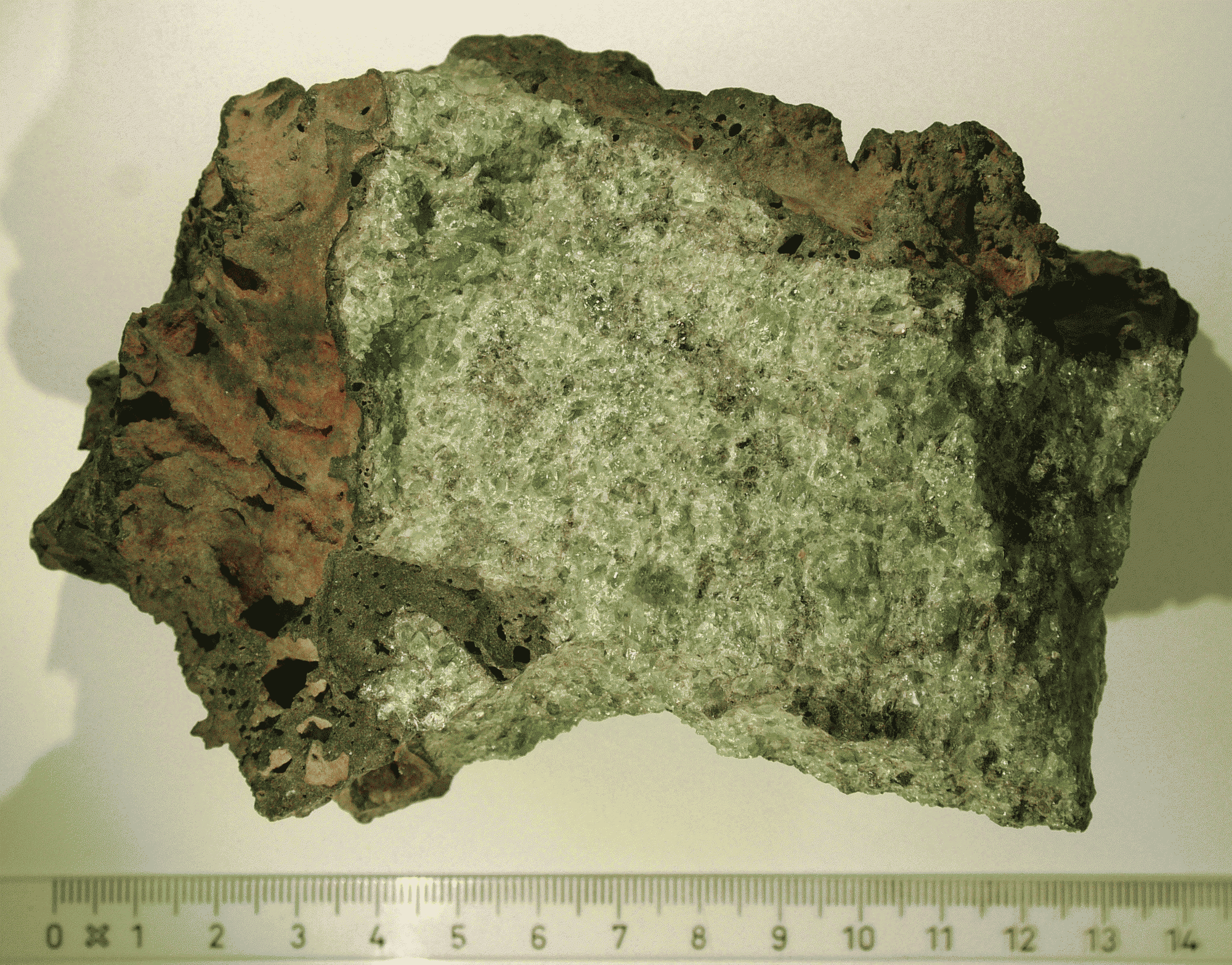
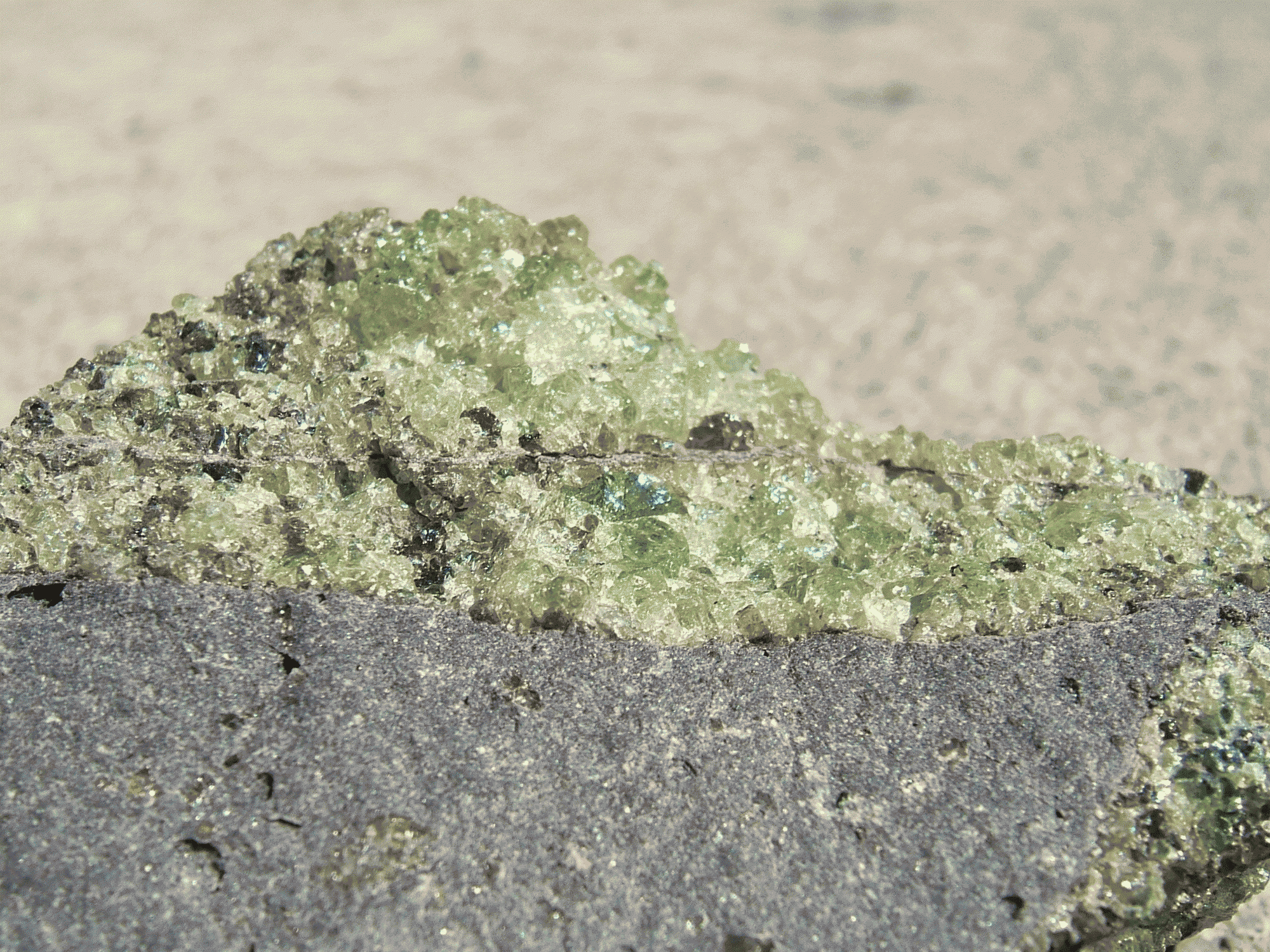
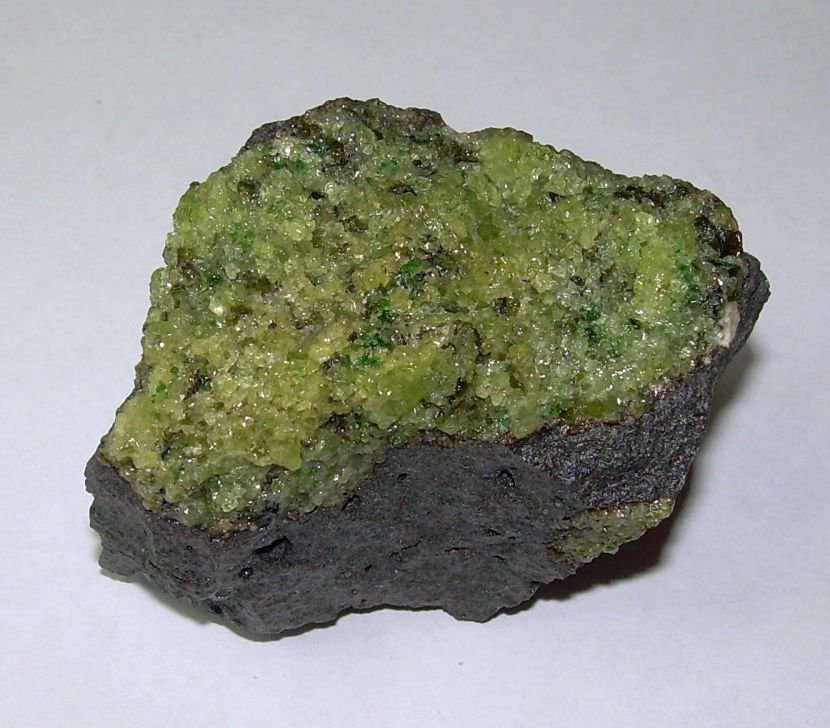
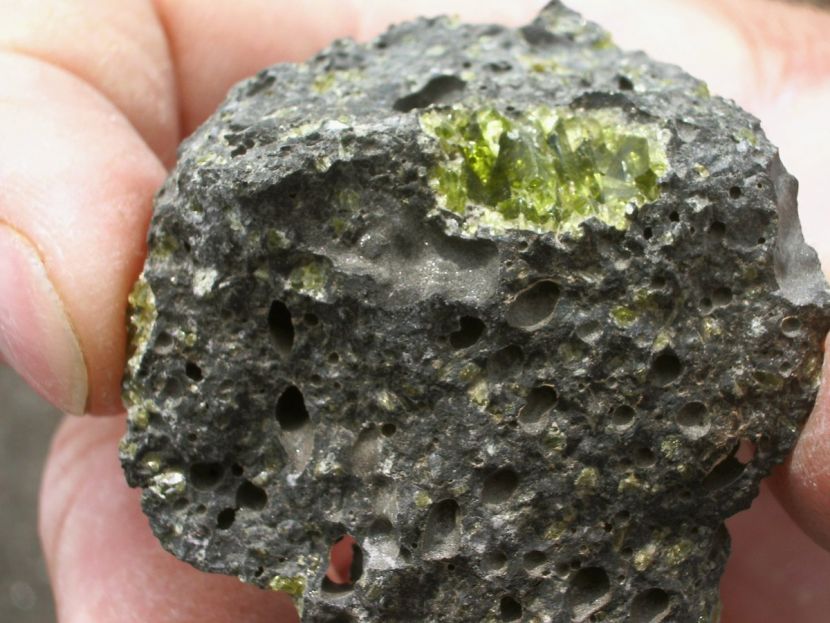
Olivine is a stone that can be found on Earth and in space. It is the most common mineral in the Earth's mantle, it forms the basis of the lunar soil and is often found in meteorites. A variety of olivine is the precious chrysolite.
History and origin of the name
The name "olivine" was given to the mineral in 1789 by the German geologist Abraham-Gottlob Werner for the similarity of the green glass-like inclusions he discovered in basalts with olives - the fruits of the olive tree. Interestingly, 42 years before him, the same stone was described by the Swedish naturalist Wallerius. But Werner got into the encyclopedia.
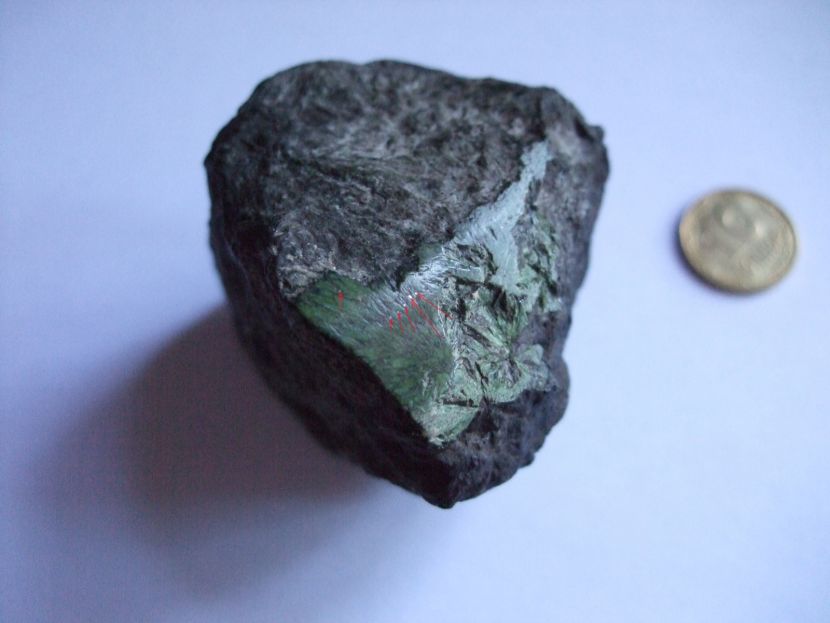
An even earlier description can be found in Pliny the Elder, who described transparent green stones falling from the sky as far back as the 1st century AD. For a long time, pundits argued about what Pliny had in mind, until meteorites called palassites were found, consisting of iron, nickel and olivine.
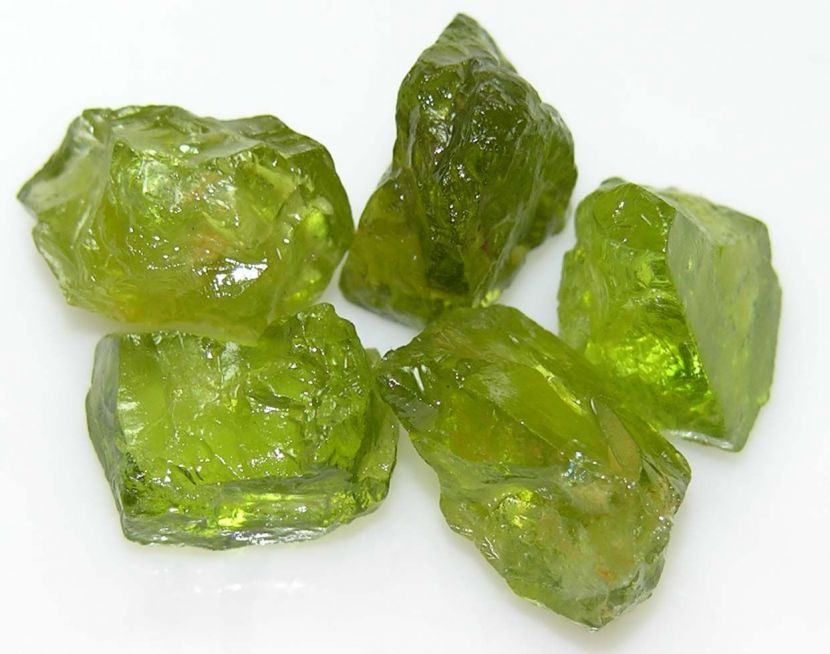
Interesting: The Hayabusa space probe delivered soil from the Itokawa asteroid. 39% of it was olivine. It is found on Mars and in the tails of comets.
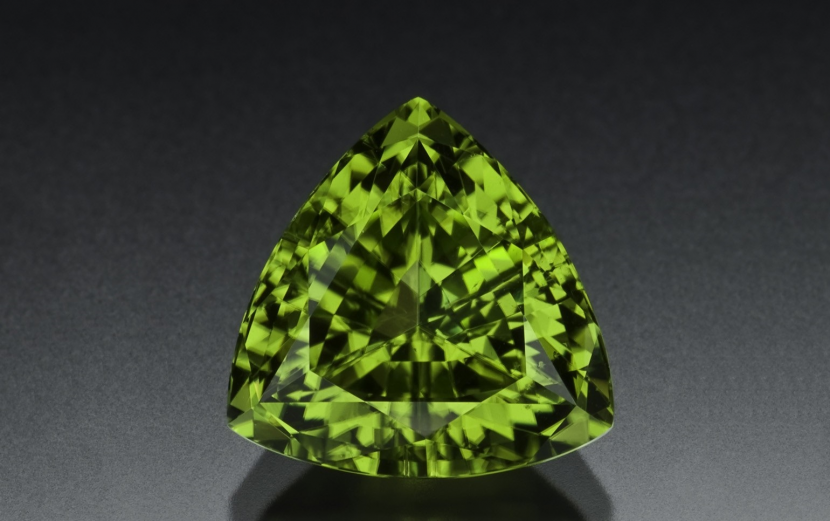
The ancient Egyptians mined olivine on the island of Zabargad in the Red Sea, and then it dispersed throughout the ancient world.In the Bible, it is mentioned several times under the name "chrysolite". This stone is mentioned among the 12 stones of the high priest Aaron.
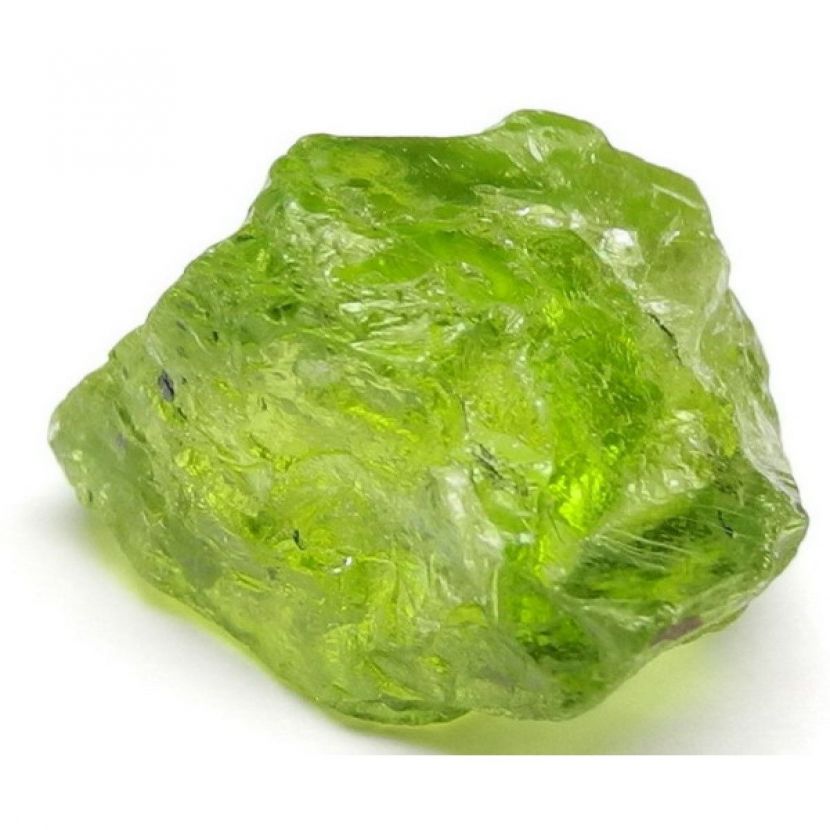
In Hebrew, the name sounds like “tarshish”, and “chrysolite” is a Greek word that can be translated as “golden stone”. Olivine has another name "peridot" from "peridona" - "giving abundance." Now this name is accepted as a synonym for olivine, and its precious variety of green color is called chrysolite.
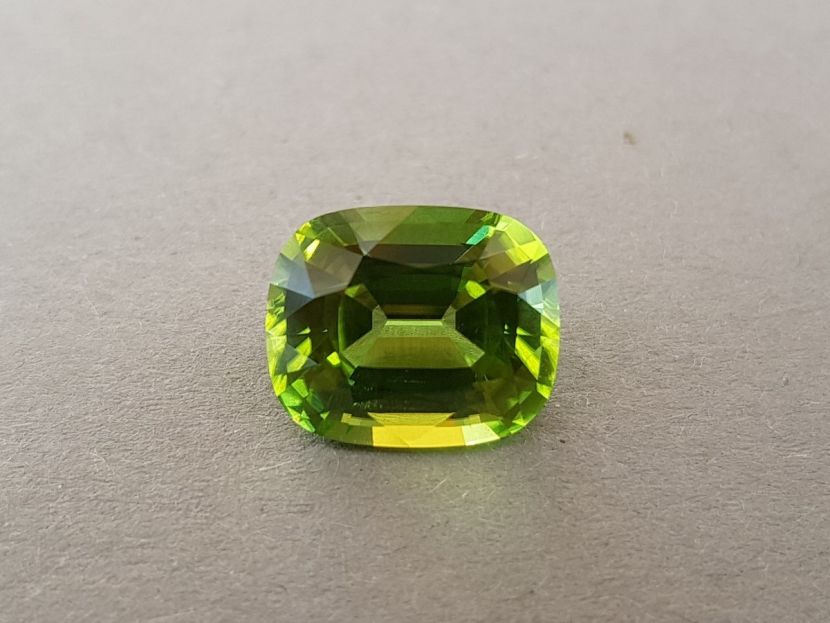
A huge monocle of Nero was made of chrysolite, through which he watched gladiator fights and admired burning Rome.
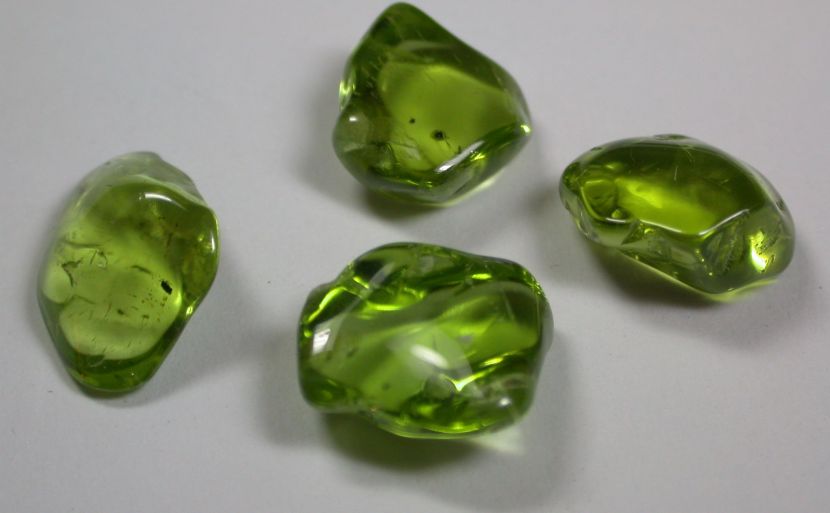
Interesting: Olivine is the main mineral of the earth's mantle down to a depth of 400 km; it gets to the surface during volcanic eruptions.
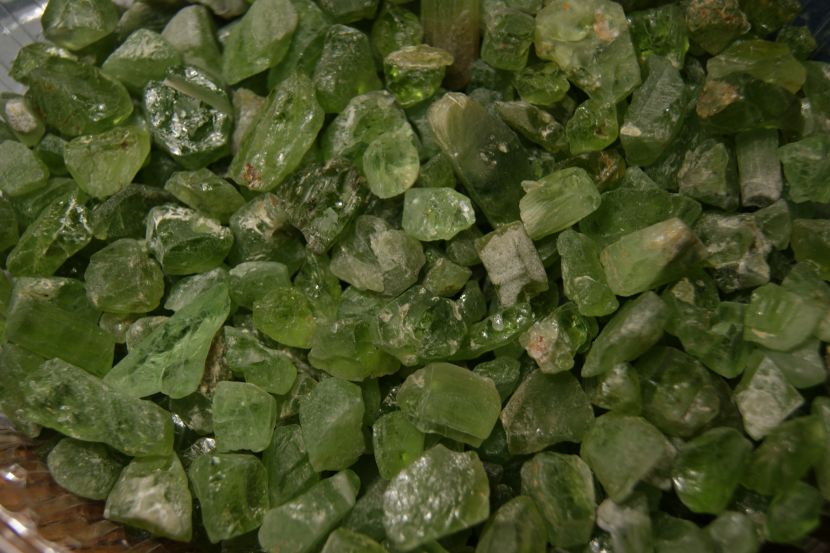
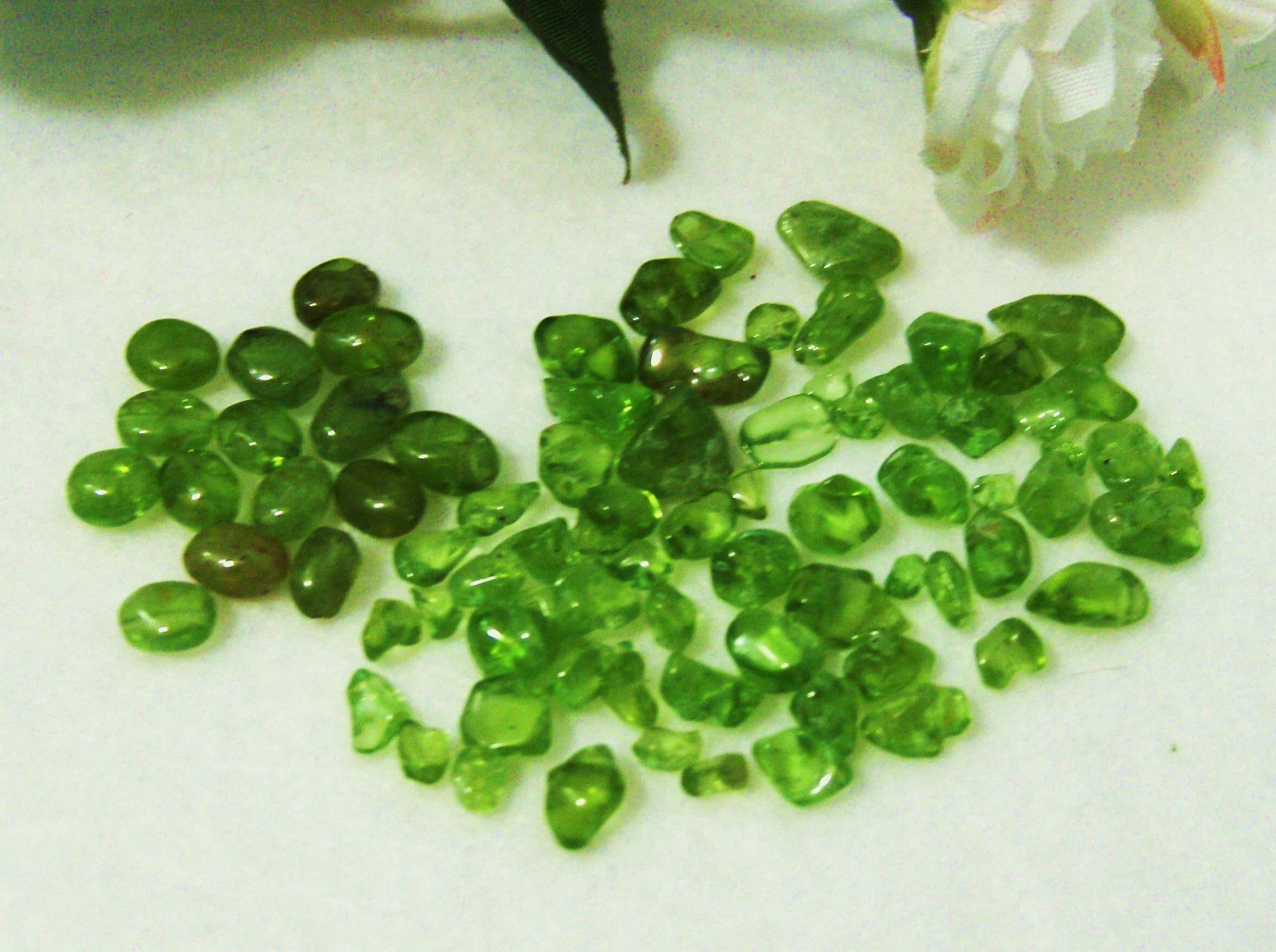
On the Hawaiian Islands, you can find beaches with sand and pebbles, consisting of olivine, which the Hawaiians call the tears of the goddess.
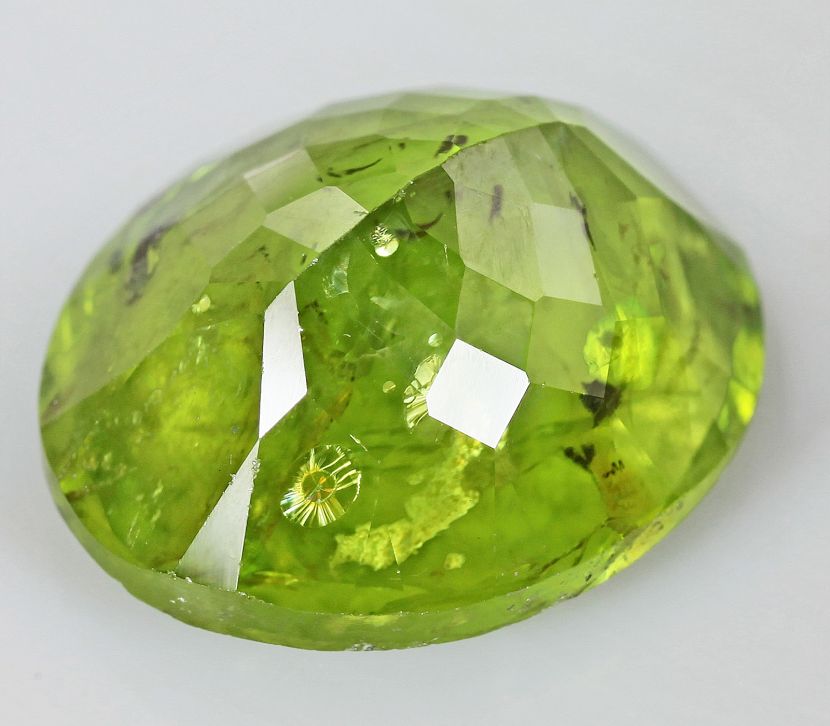
Olivine came to medieval Europe with the Crusaders, who seized the Egyptian mines on the island of Zabargad. It is interesting that olivine is still mined there, it turns out that this mine has not been depleted over several millennia.
Place of Birth
Olivine is one of the main rock-forming minerals, so its deposits can be distributed everywhere. In Russia, there are large deposits in Buryatia, the Krasnoyarsk Territory, Yakutia, the Amur Region and on the Kola Peninsula.
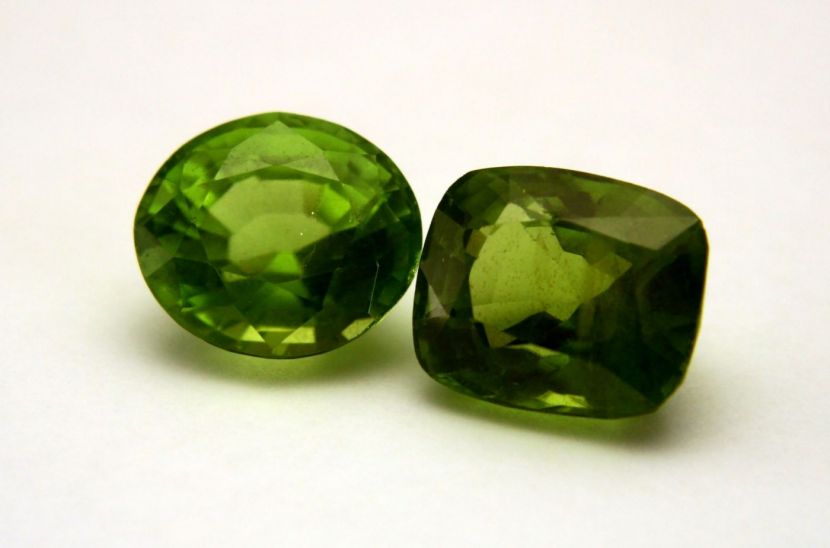
The largest deposits are located in the USA, India, Mexico, Norway, Australia, Kenya.
It is also mined in Afghanistan, Italy and many other countries. Tourists visiting the Canary Islands are sure to buy olivine beads.
Physical Properties
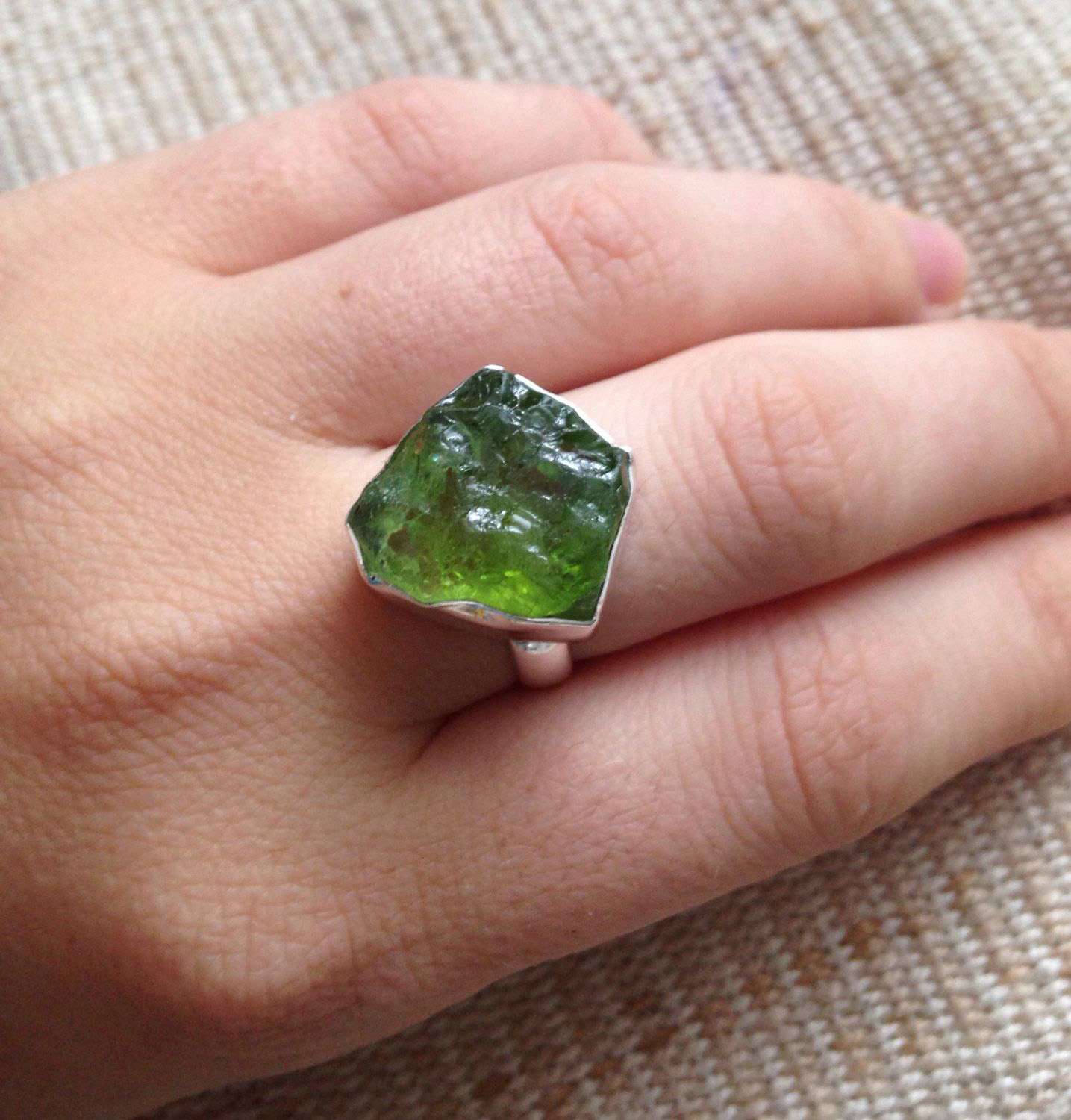
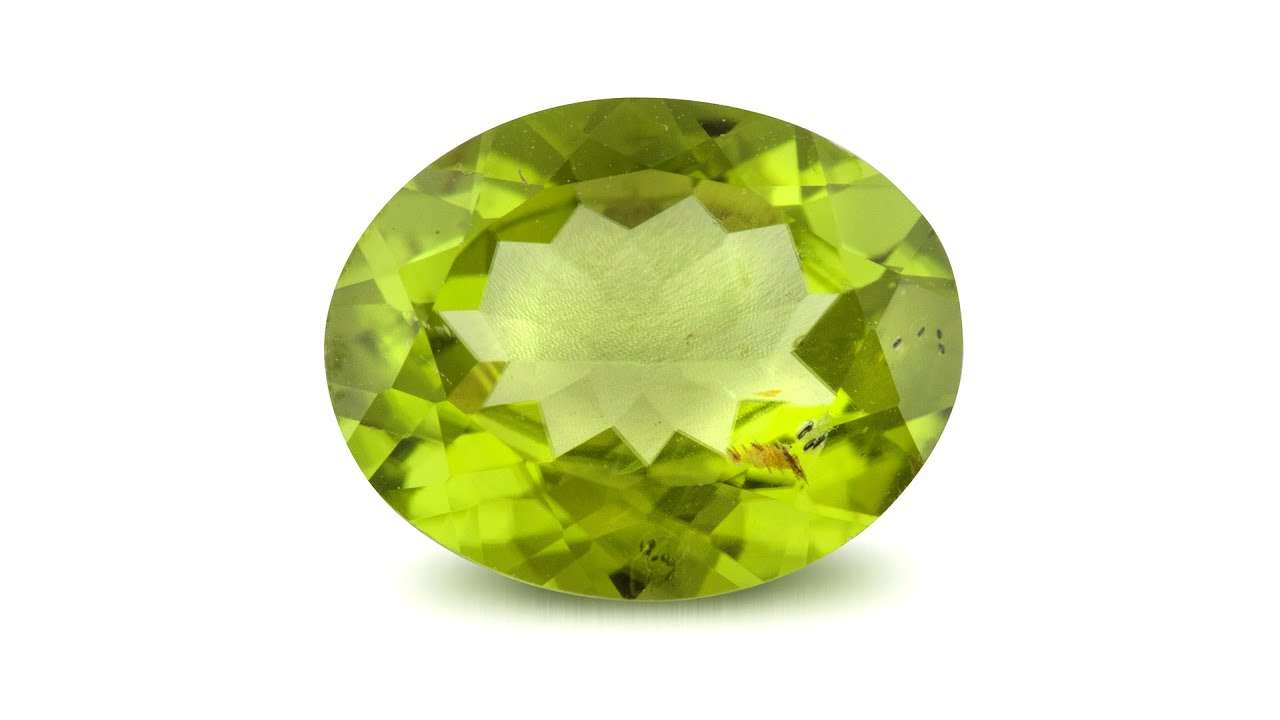
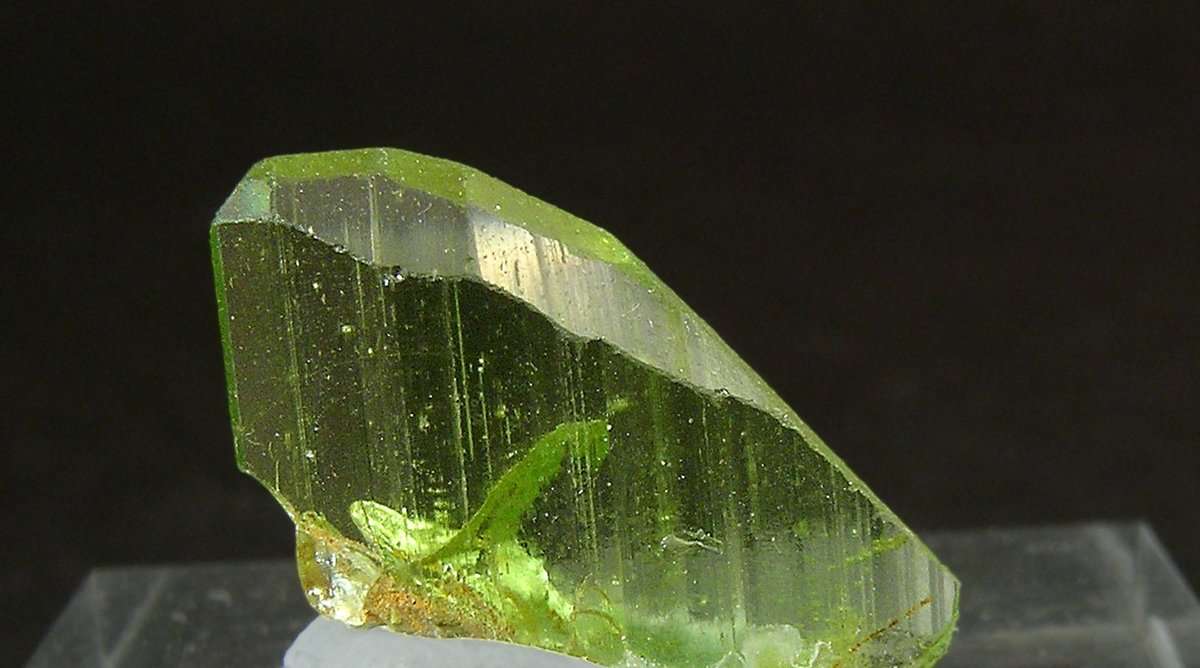
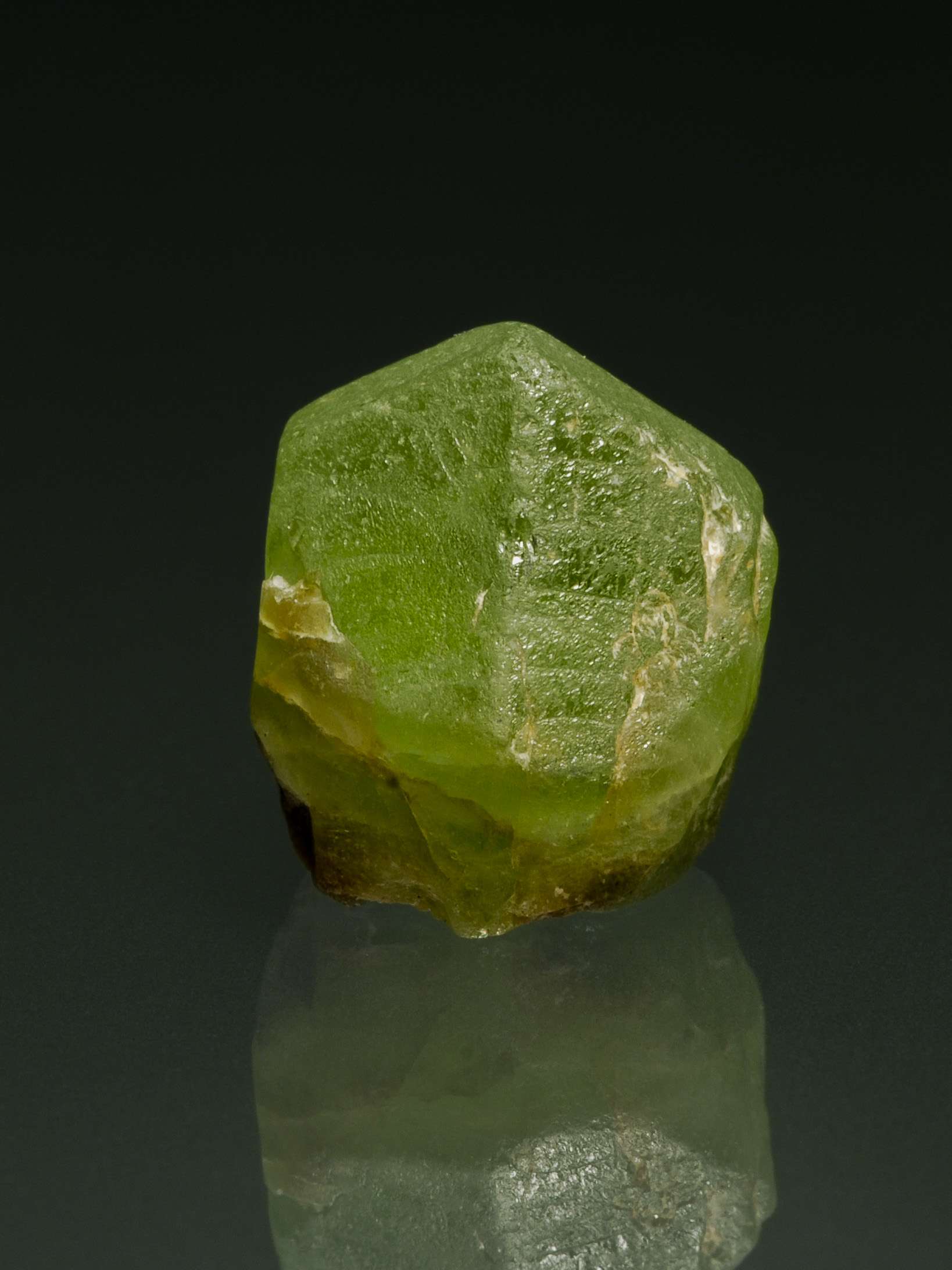
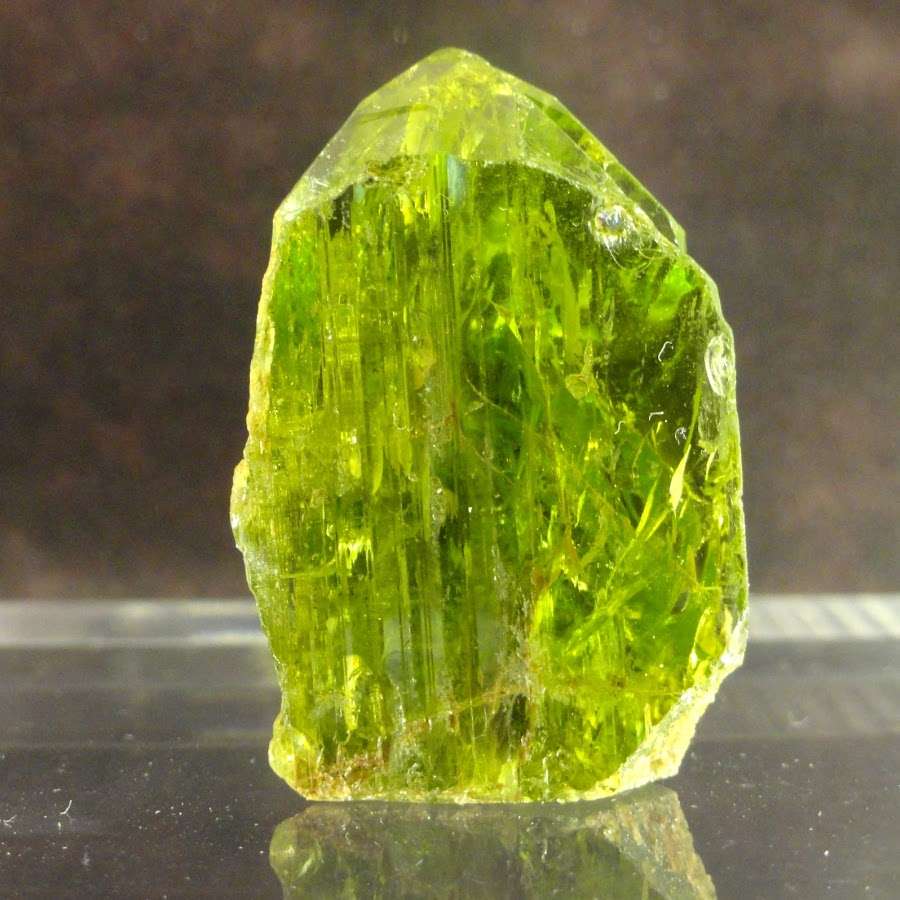
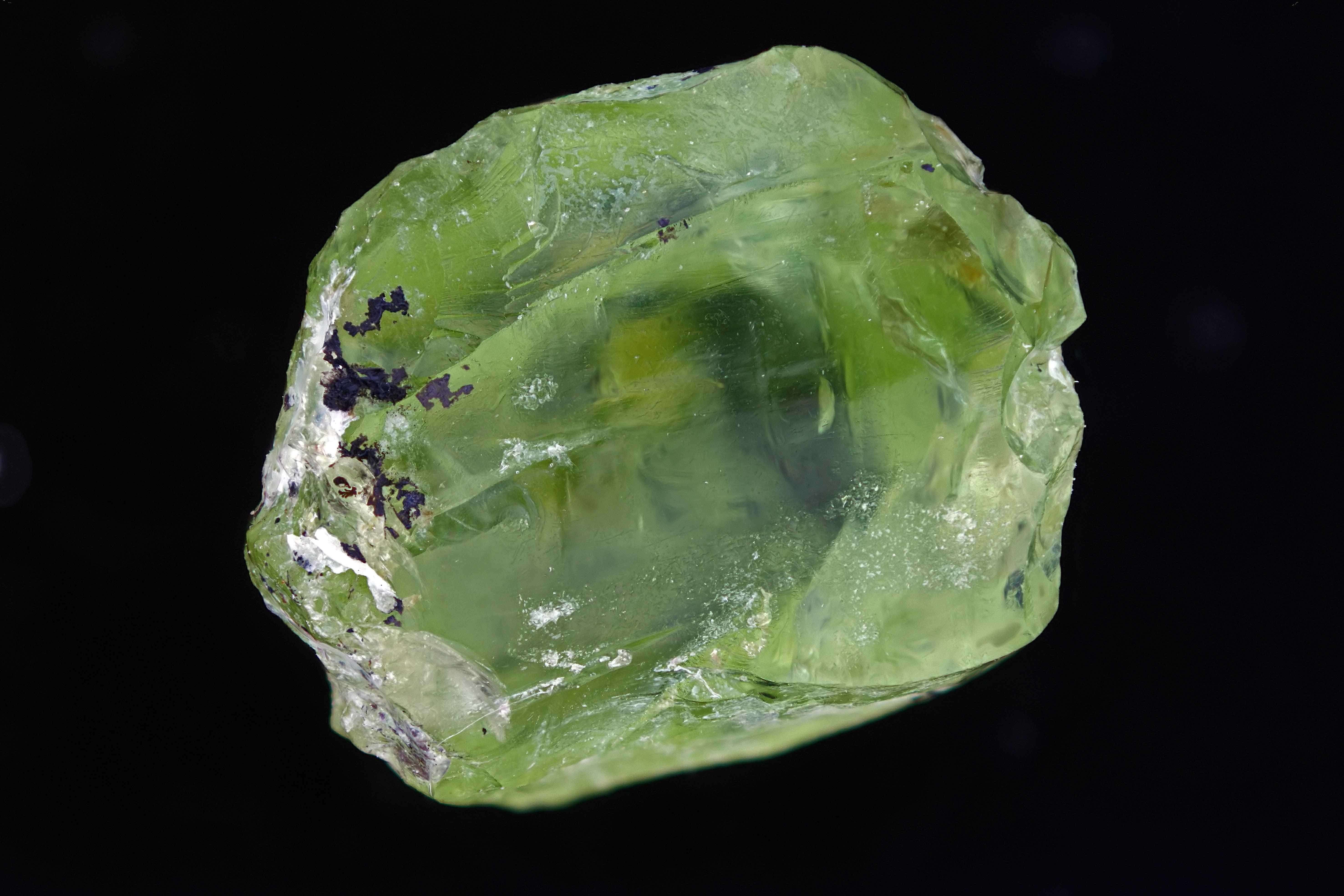
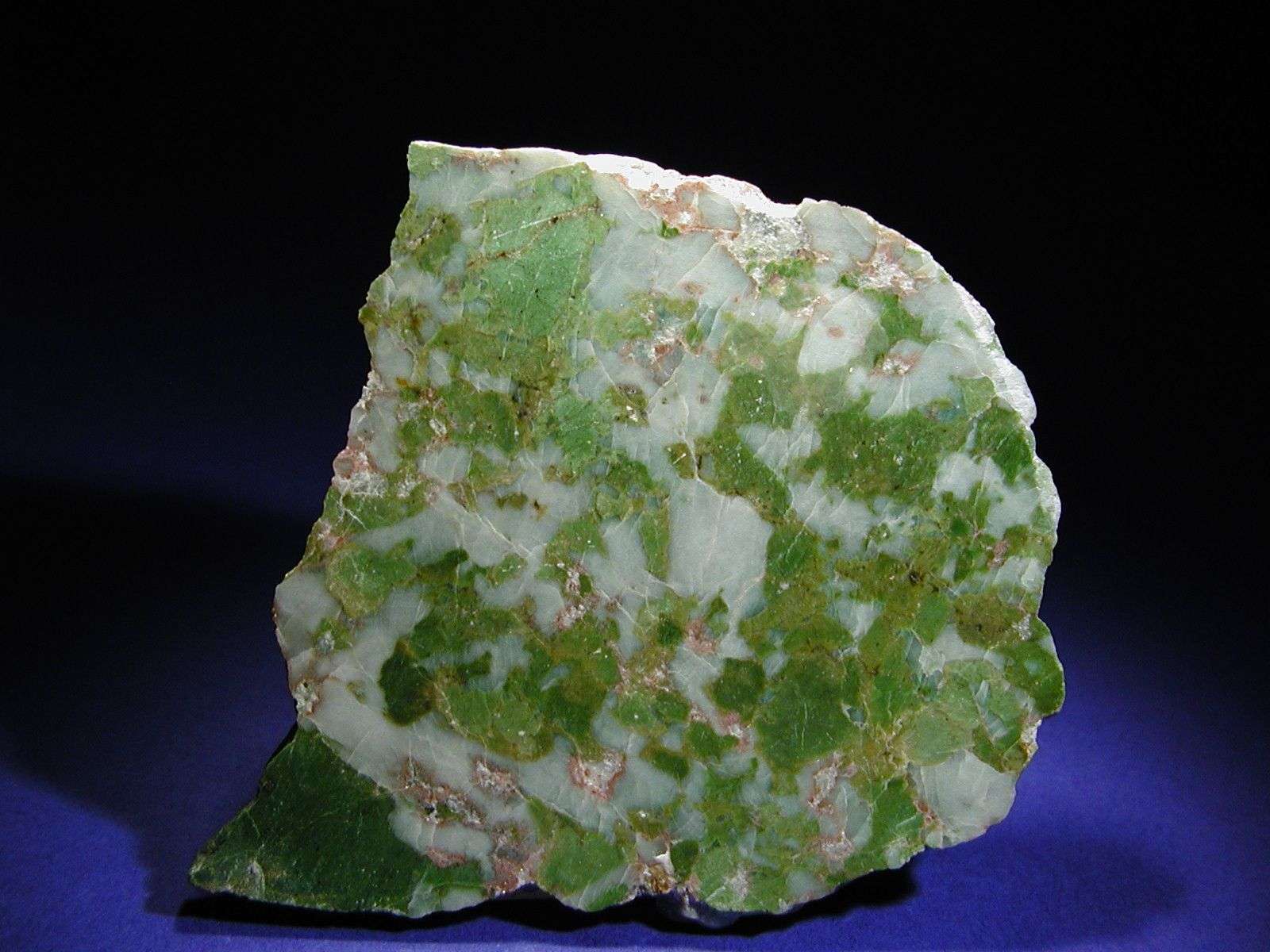
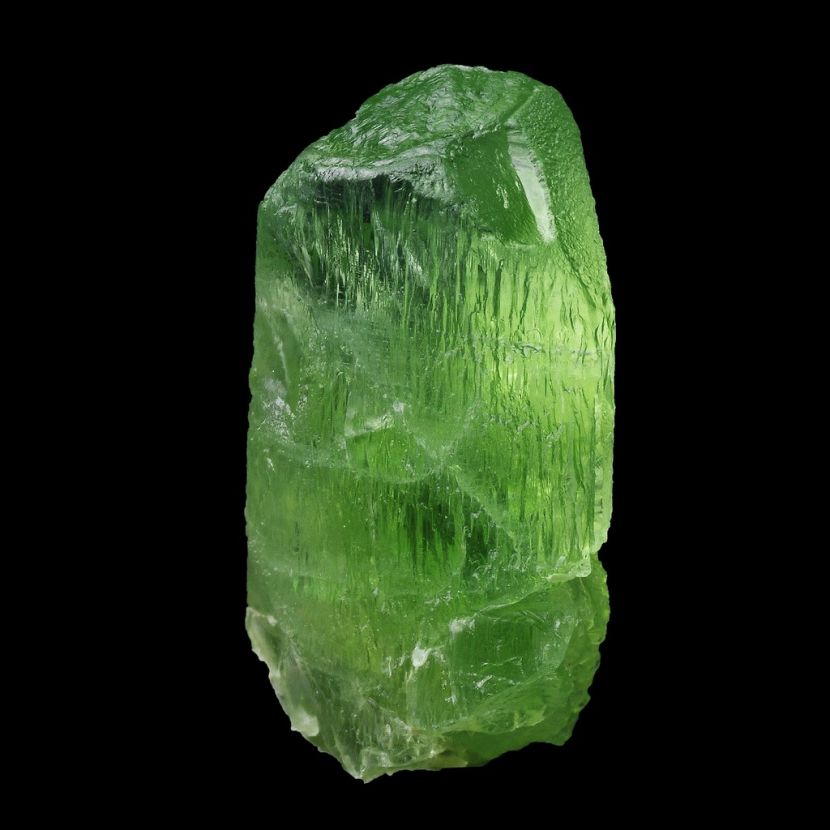
Olivine has a hardness of 6.5-7, glassy luster. The fracture is conchoidal. The syngony is rhombic. The color is most often green of various shades, but can be white, gray and brown, to deep black.Occasionally there are olivines with red and blue tones. Density 3.2-4.4 g/cm3.
Chemical properties and composition
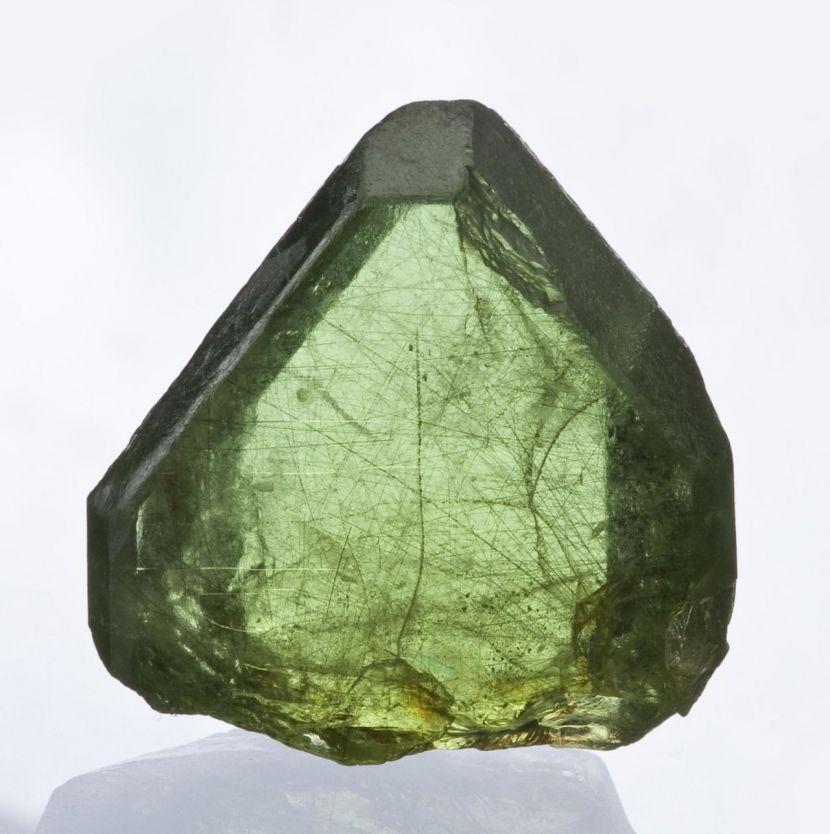
Olivine is a silicate of magnesium and iron, often also containing nickel, calcium, cobalt, manganese and chromium. The more iron in it, the more intense the color. Manganese, nickel, cobalt and chromium give various shades to the transparent stone.
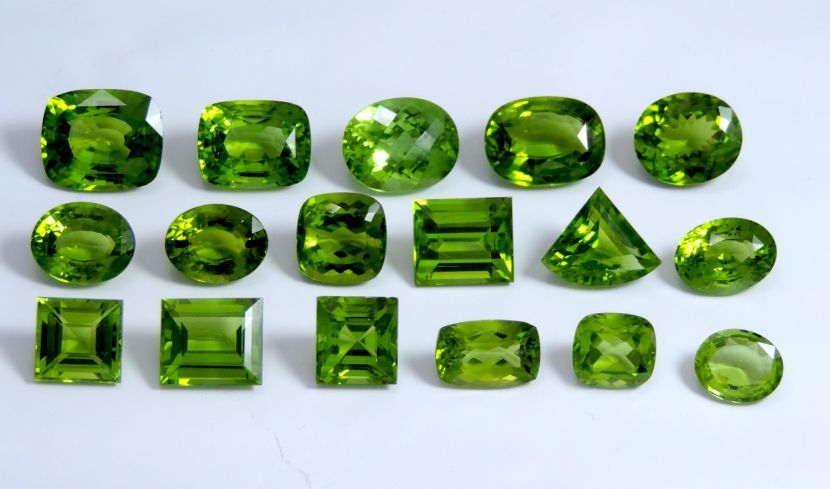
Chemical formula - (MgFe)2[SiO4]
Varieties
Olivine is a mineral that has many varieties, representing a whole family of minerals that differ in composition and color.
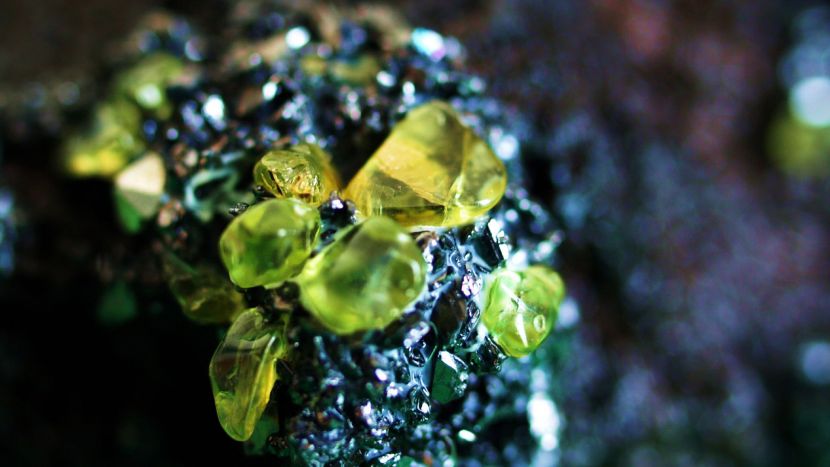
If there is no iron in it, then it is a magnesian silicate called forsterite Mg2SiO4. It has white, gray, pale yellow or green. It has the lowest density among olivines -3.275 g/cm3 and the highest hardness -7.

If there is no magnesium in olivine, then it is a ferruginous silicate called fayalite Fe2SiO4. Its color can be brown, yellow and black, and the density is noticeably higher than that of other olivines - 4.39 g / cm3, while the hardness, on the contrary, is less than -6.5.
These two minerals are the extreme members of the forsterite-fayalite isomorphic series.
Magnesium in forsterite can be replaced by calcium, which also forms a continuous isomorphic series forsterite-calcio-olivine Ca2SiO4. The middle member of the CaMgSiO4 series has the independent name monticellite.
If calcium in olivine is completely replaced by calcium, then this mineral is called kirsteinite (CaFe)2[SiO4].
Iron in it can also be replaced by manganese, resulting in glaucochroite (CaMn)2[SiO4].
With the complete replacement of iron in olivine with nickel, libenbergite (NiMg)2[SiO4] is obtained.
Finally, there is the olivine group mineral, which contains zinc. This is rupperite (FeMnZn)[SiO4].

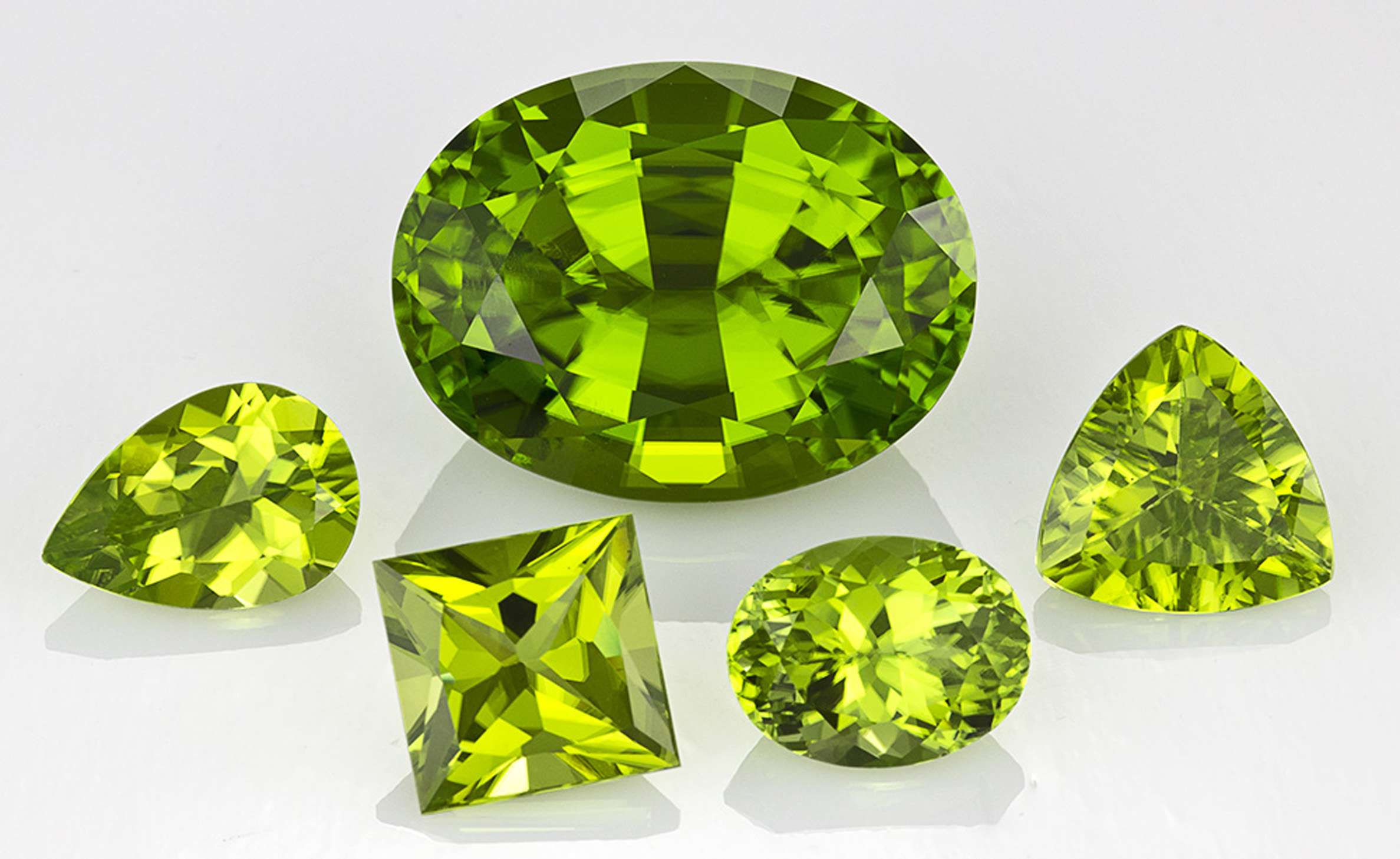
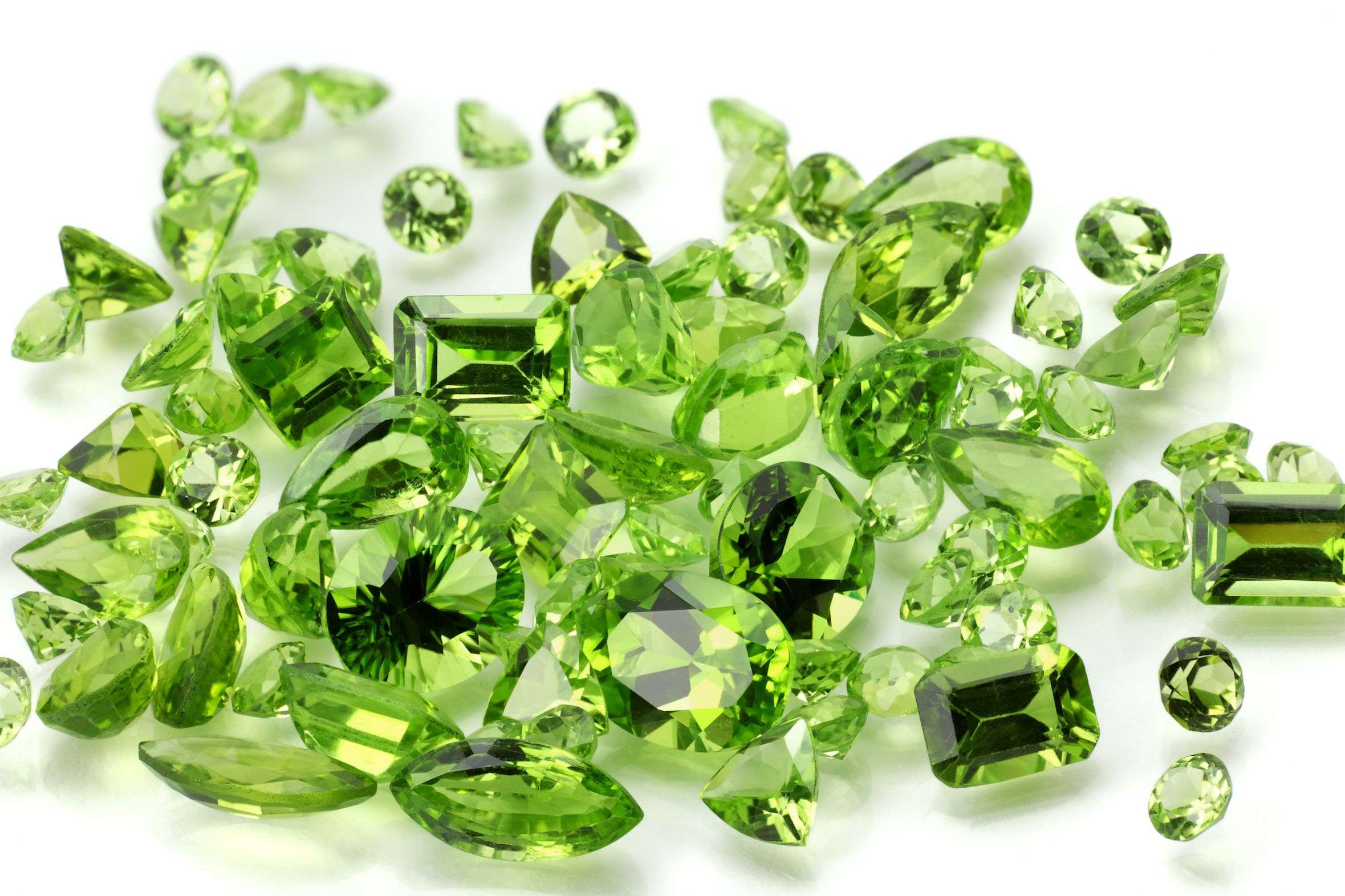
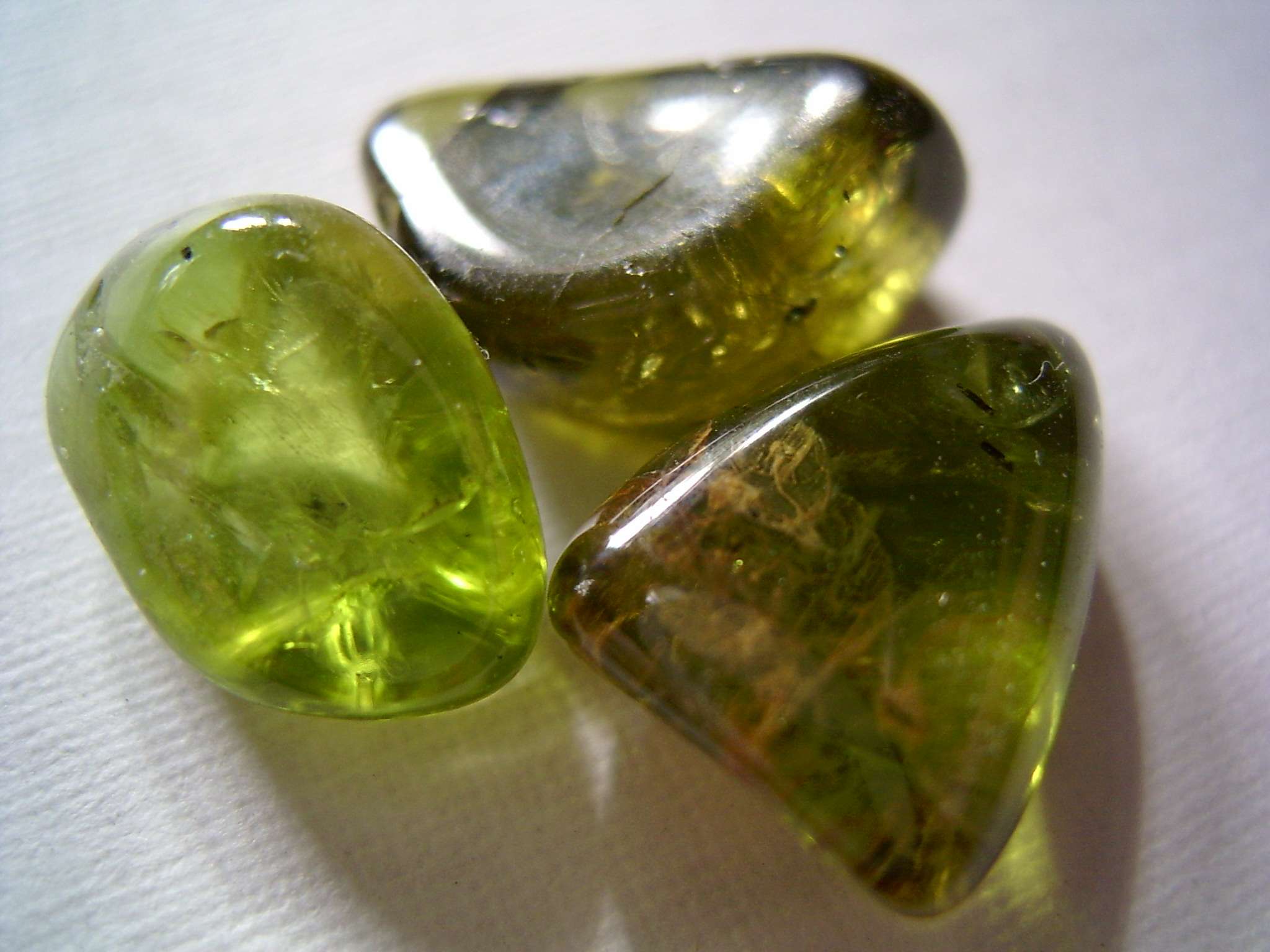
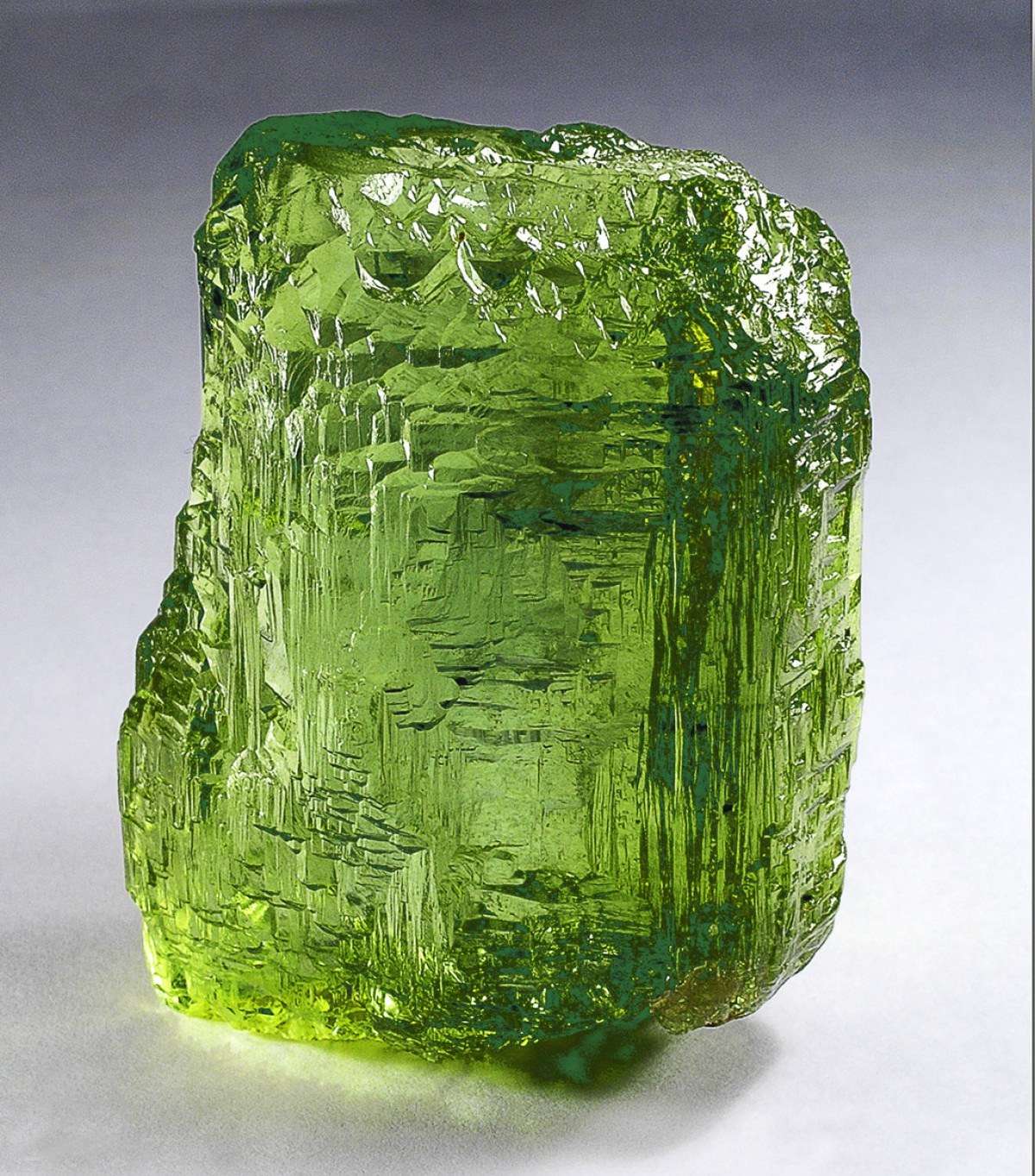
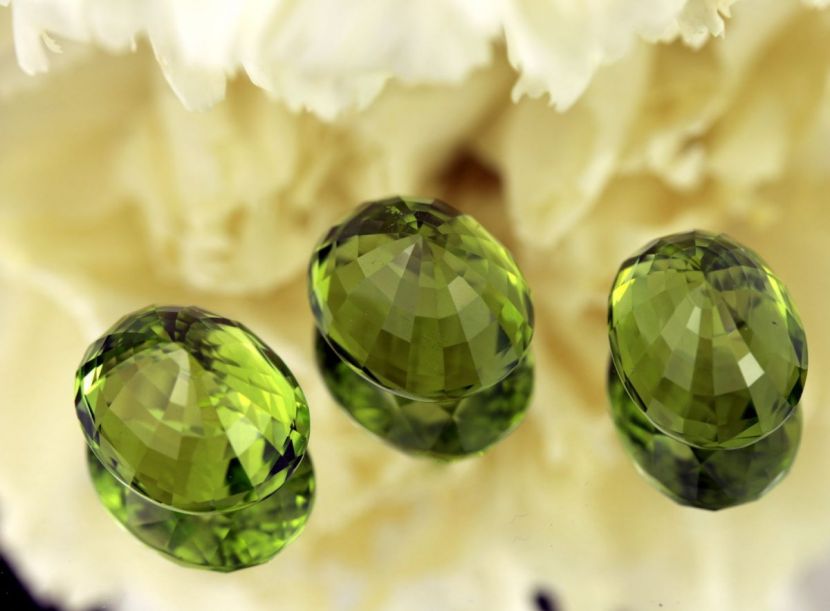
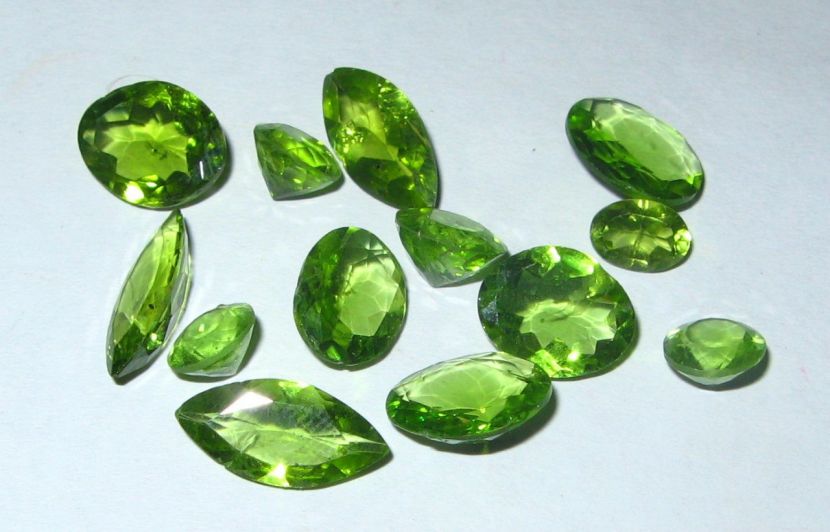
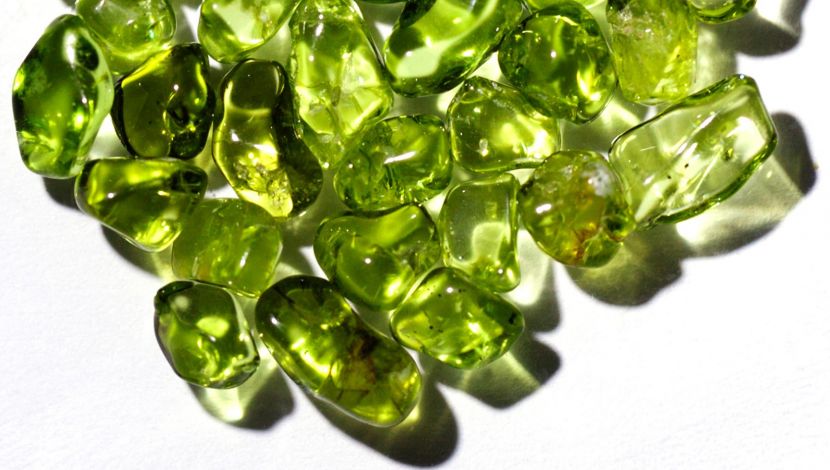
A transparent, gem-quality olivine with a greenish yellow to emerald green color is called chrysolite.It was he who was so valued by the Egyptians 5000 years ago.
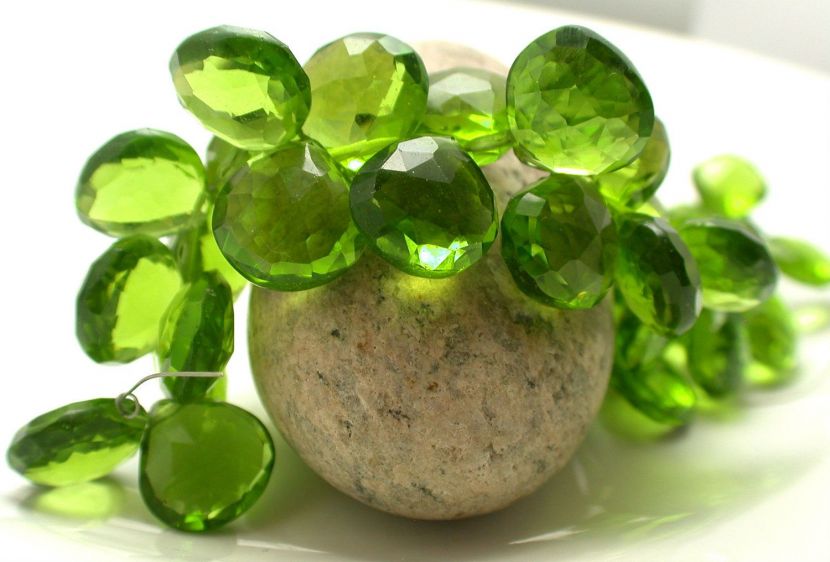
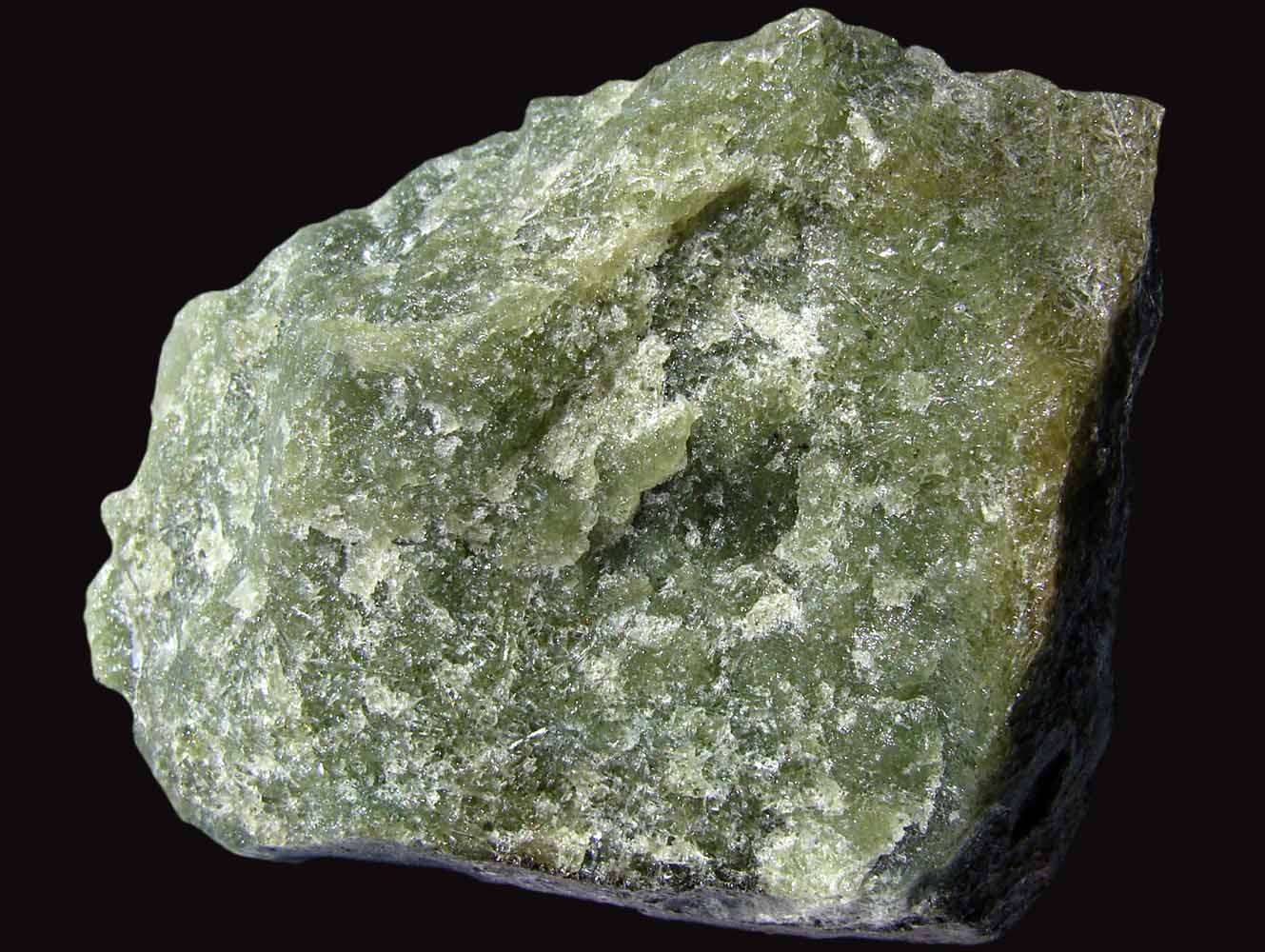
The serpentine or serpentine ornamental stone is also an olivine that has been exposed to water. It belongs to the group of magnesium-iron hydrosilicates, which includes about 20 minerals that have their own names.
fakes
Fake glass is quite easy to recognize. It is enough to hold a stone on the glass. Real olivine will leave a scratch.
magical properties
Olivine is the talisman of magicians, healers, astrologers, scientists, musicians, athletes, lawyers, judges and businessmen. Such a wealth of magical properties is explained by the fact that it combines divine and earthly love and refers to the heart chakra, from which favorable energies reach all organs.
In addition to communication with other worlds, the development of intuition and the will to win, olivine gives an ear for music, eloquence, the ability to find the right solution and convincing words. It will help to come to harmony in relationships with a spouse, children, parents, friends and partners. Olivine will protect the house from fire, and the owners from damage and the evil eye.
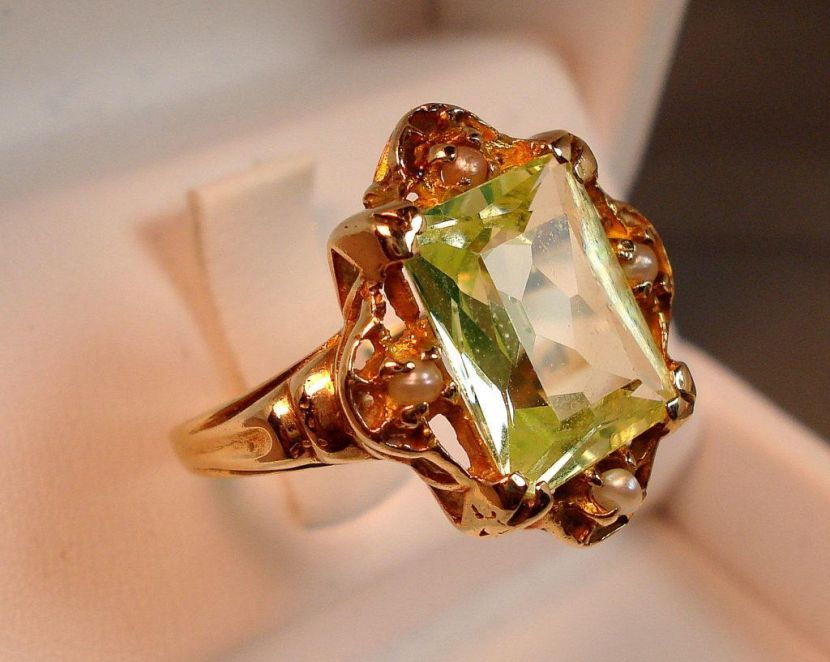
If the spouses wear the same olivine rings, then they will live in harmony for many years.
Medicinal properties
Olivine has the following medicinal properties:
- eliminates depression and anxiety;
- normalize blood pressure;
- improves sleep;
- restores vision;
- heals heart disease and protects against heart attack;
- protects against infections;
- helps with childbirth, making them painless.
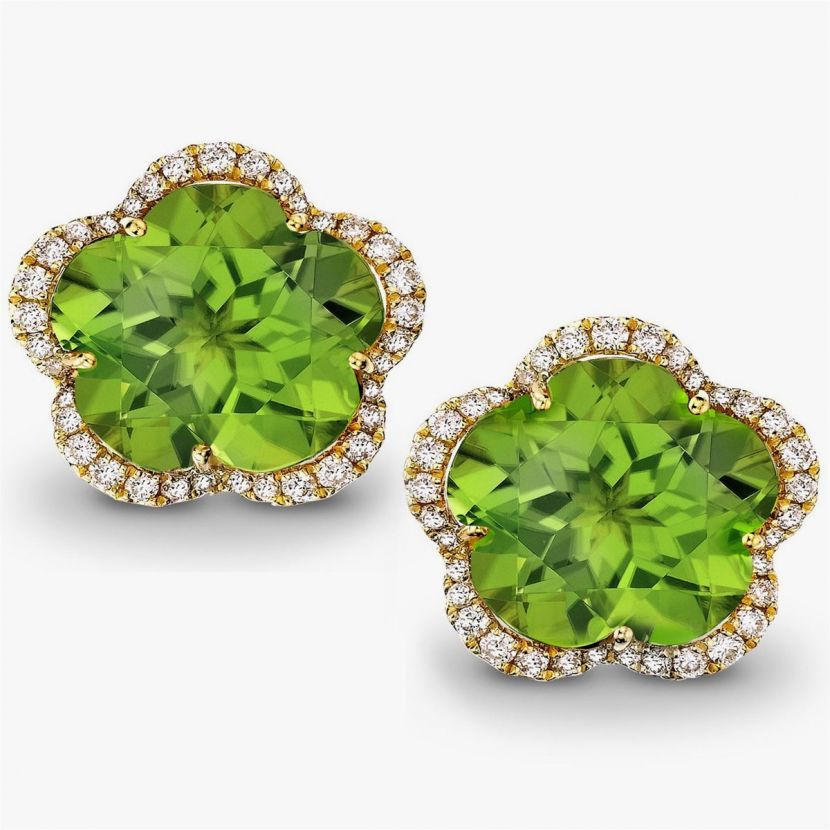
The surge of interest in olivine in the 19th century was caused by reports that it was a powerful aphrodisiac and cured impotence.
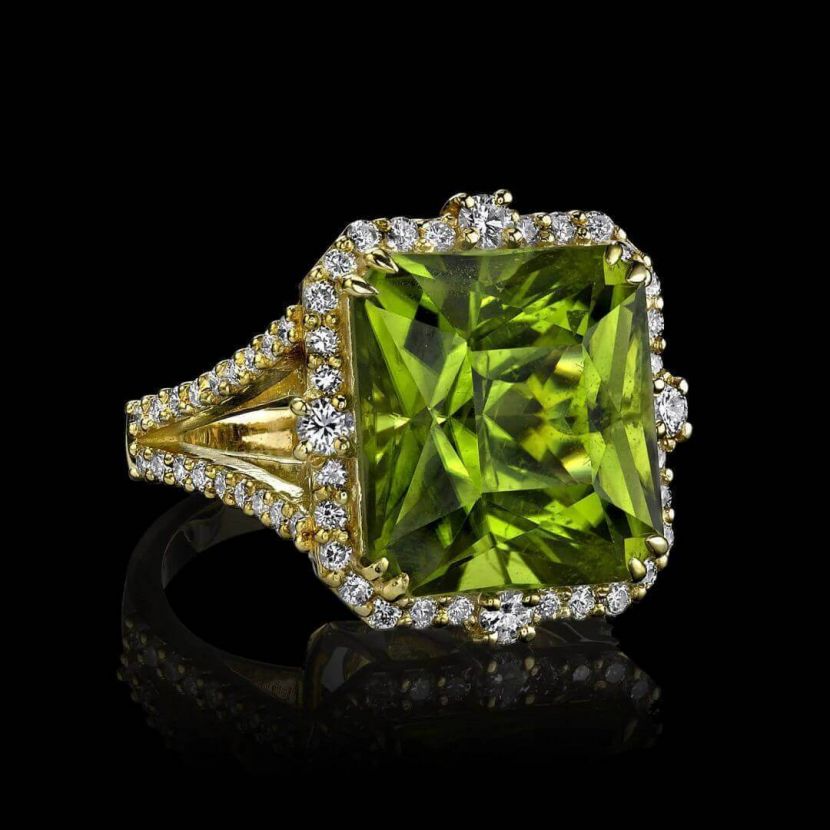
Zodiac signs
It has a particularly beneficial effect on Pisces, giving them family happiness, material and psychological well-being.
Aries, Leo, Sagittarius, Taurus, Virgo and Capricorn will also gain a lot of usefulness if they wear jewelry with this stone.
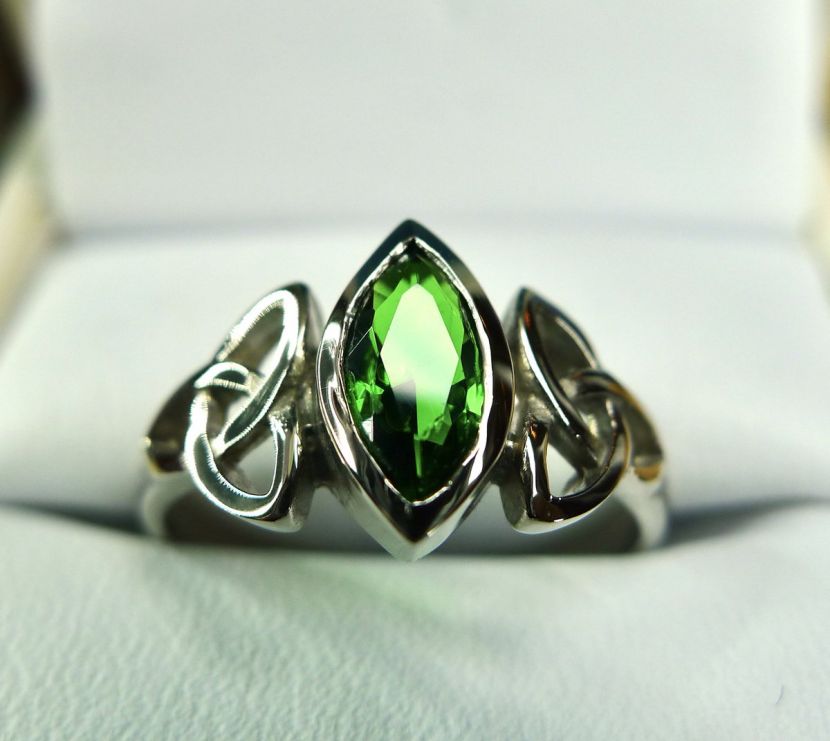
Products with olivine
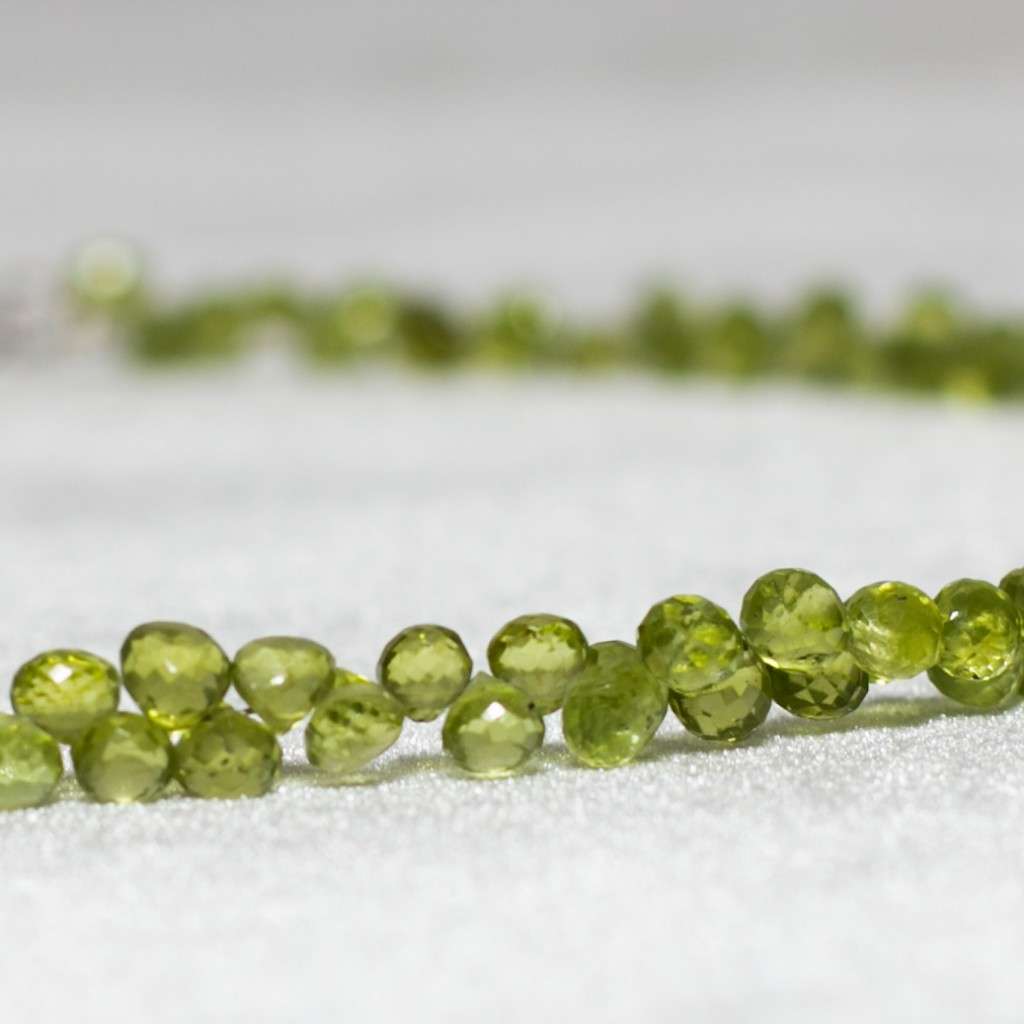
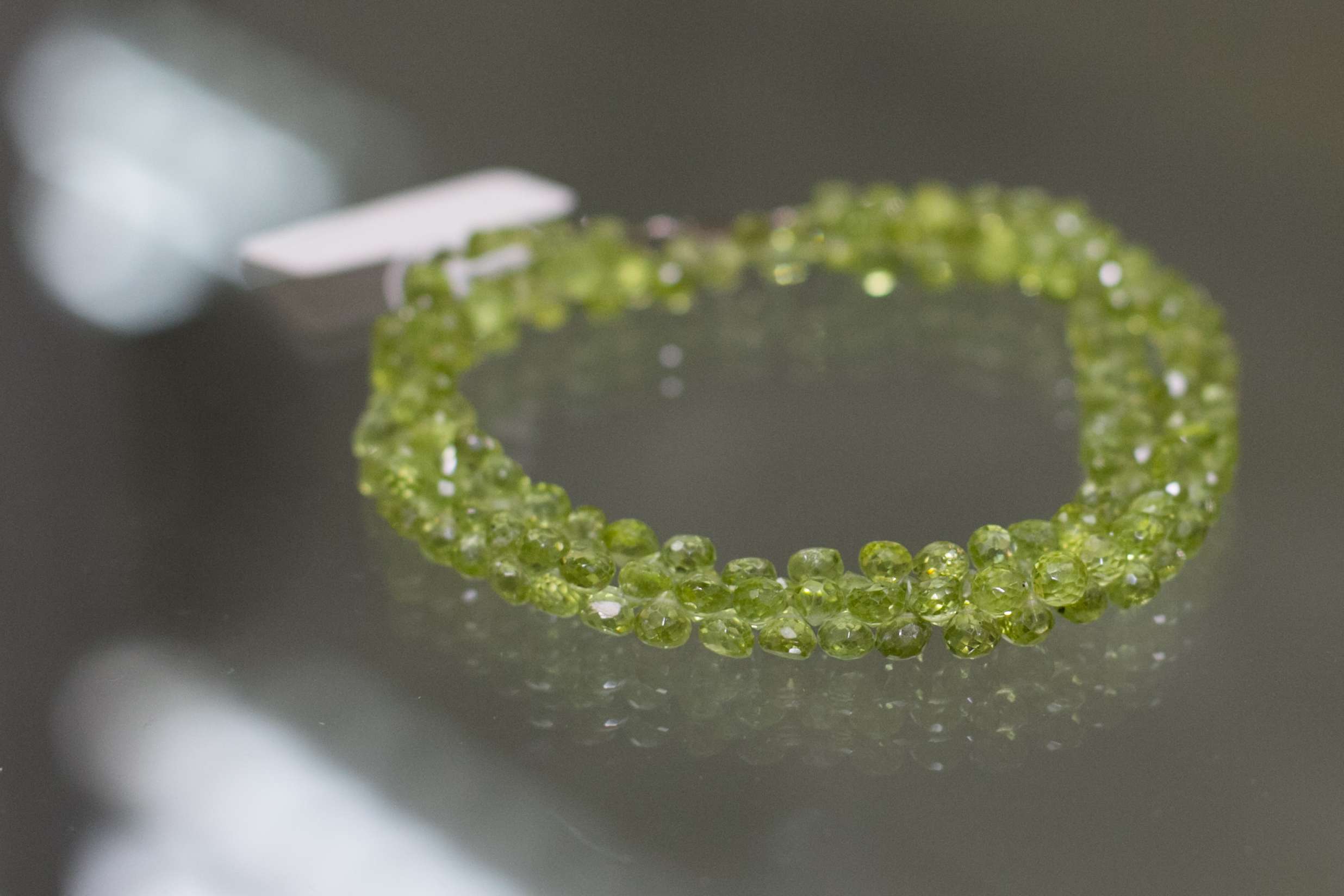
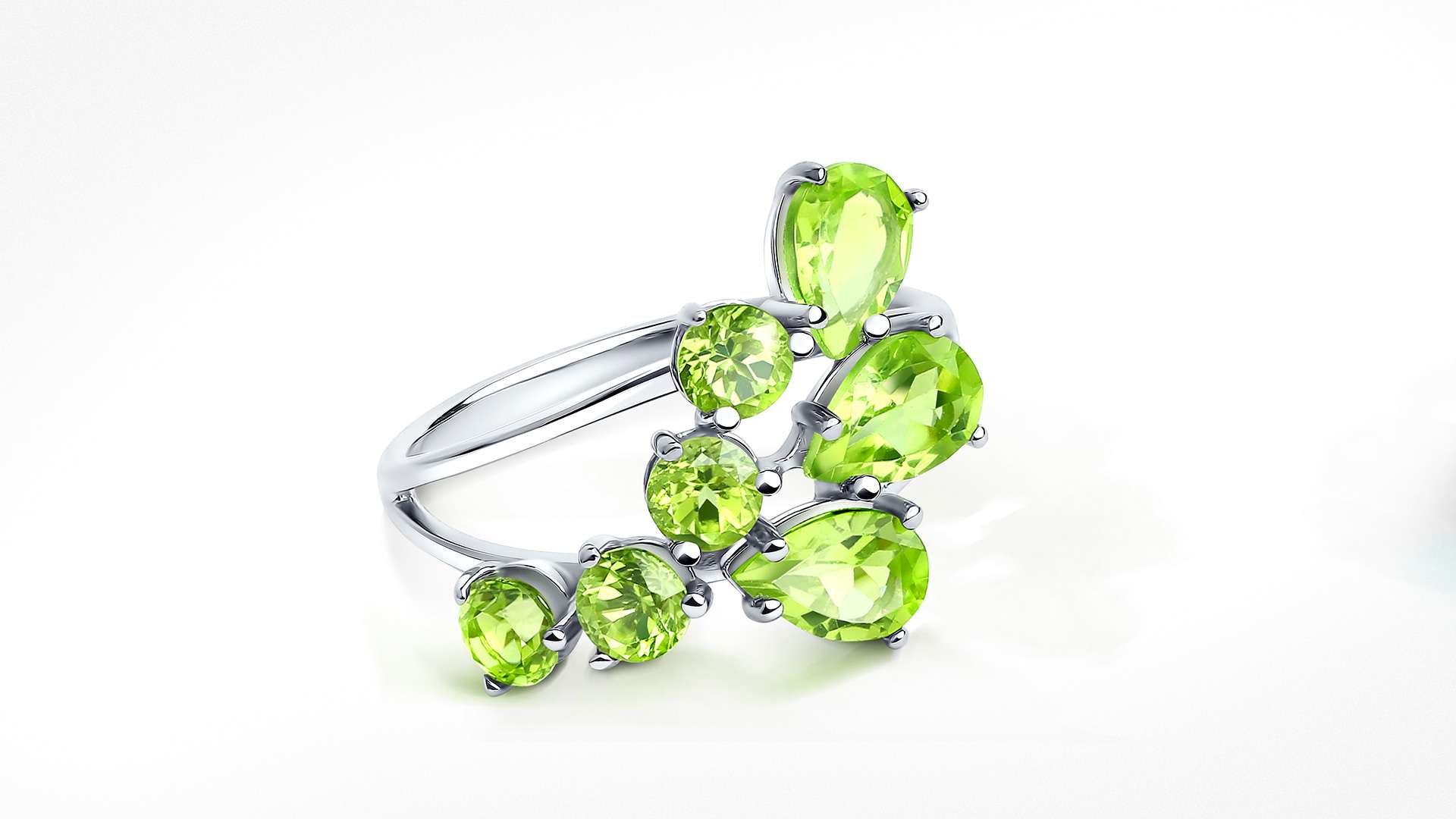
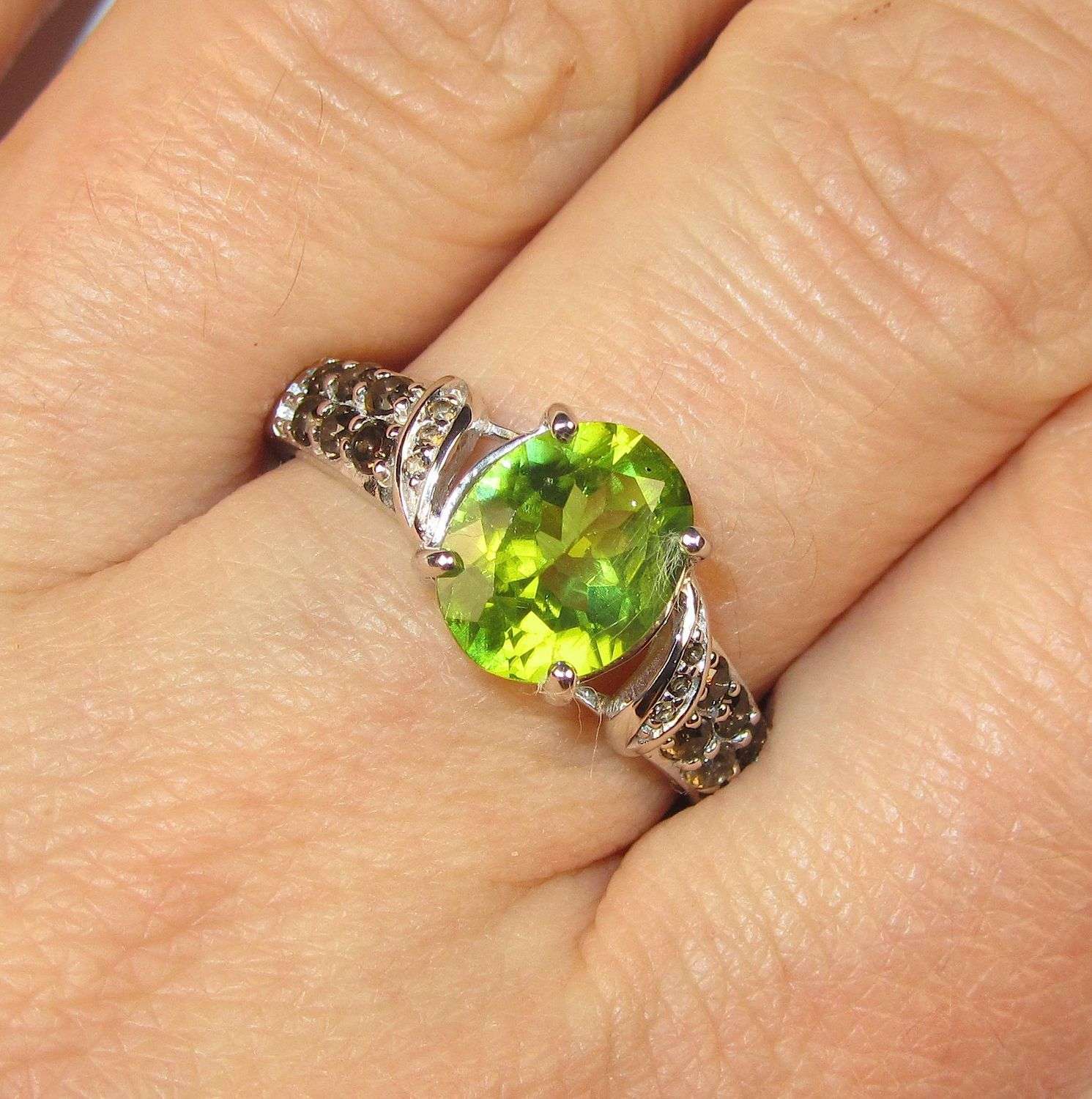
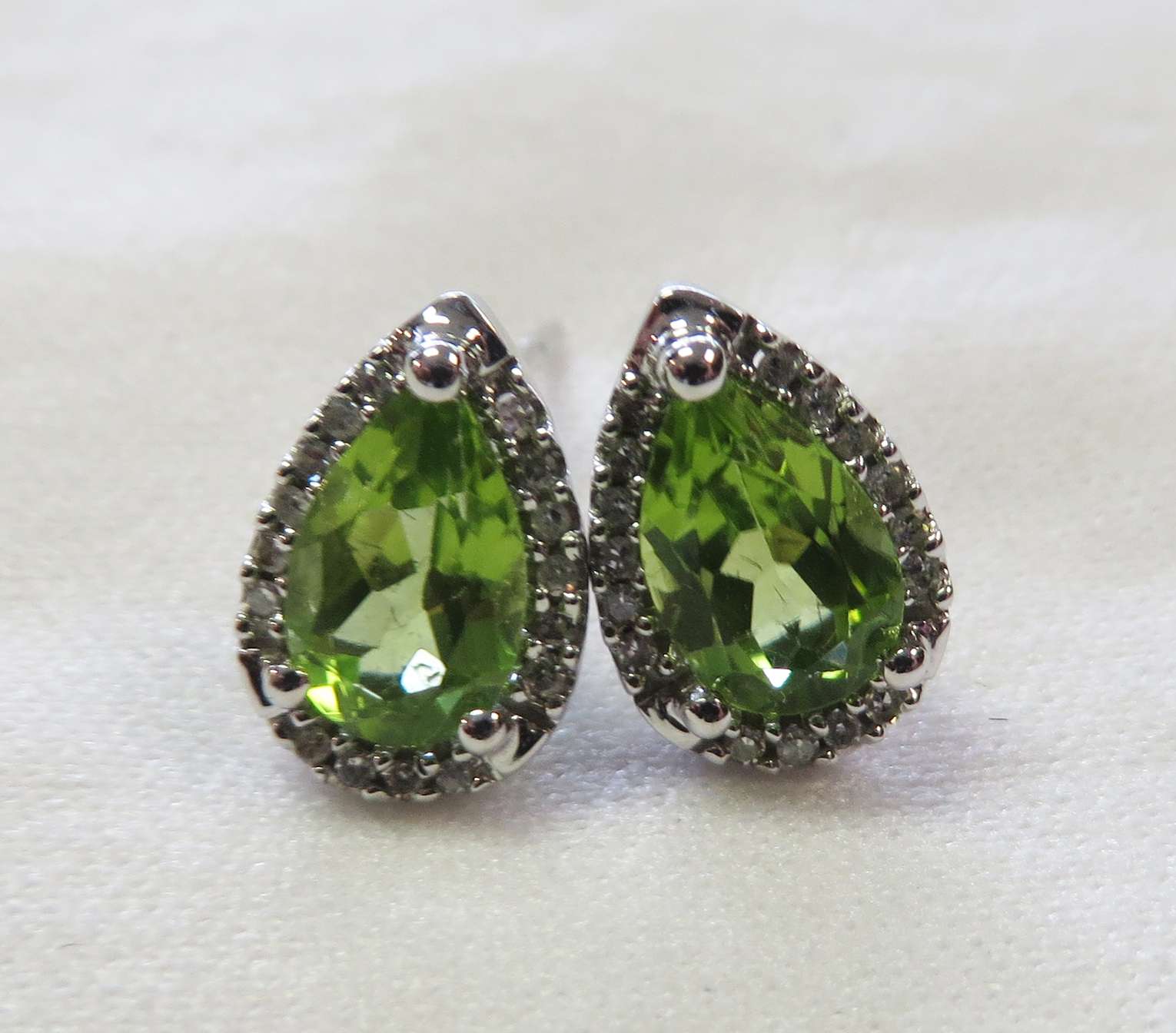
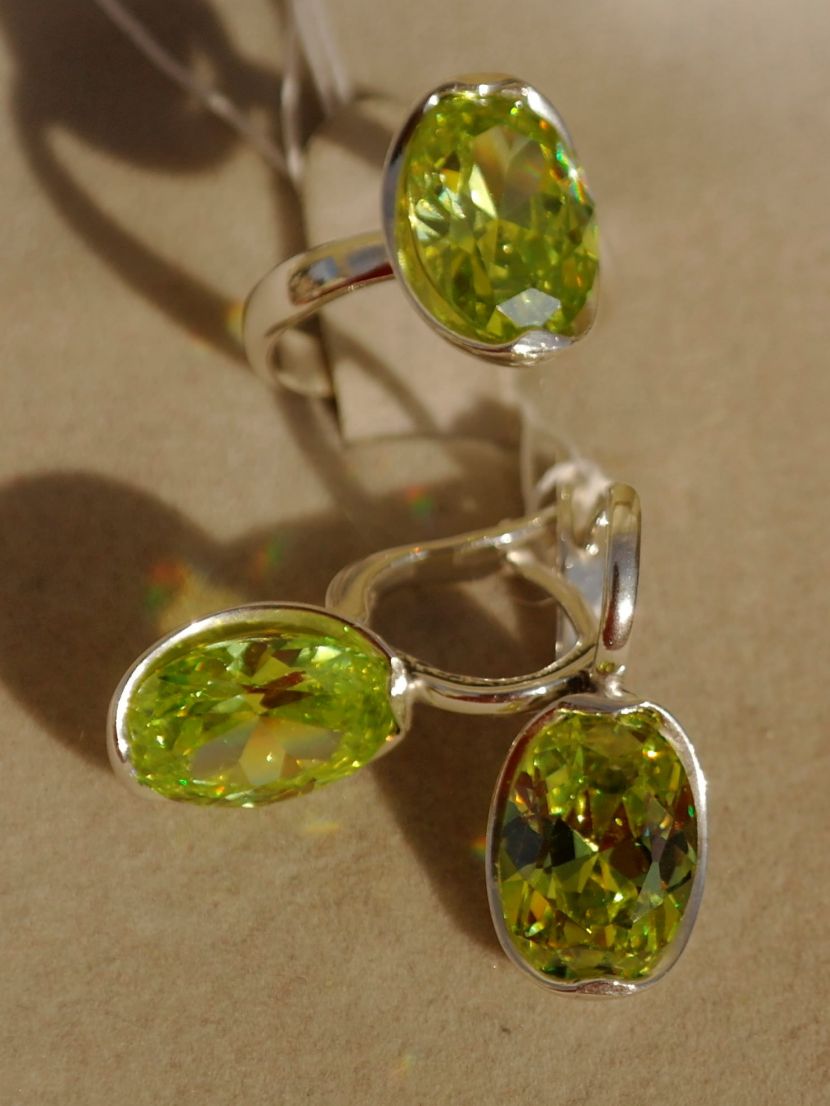
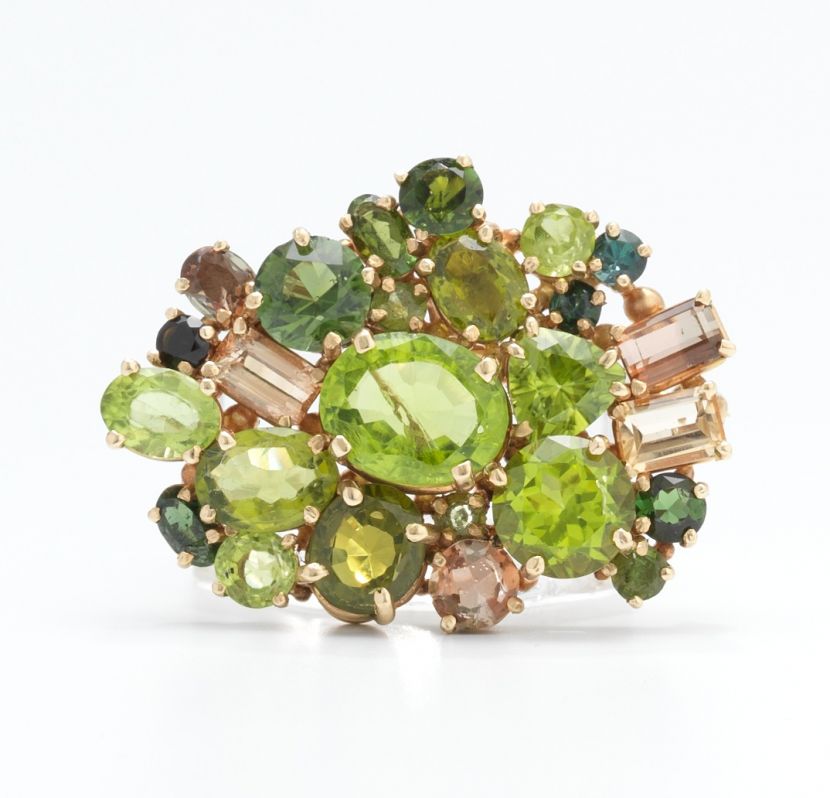
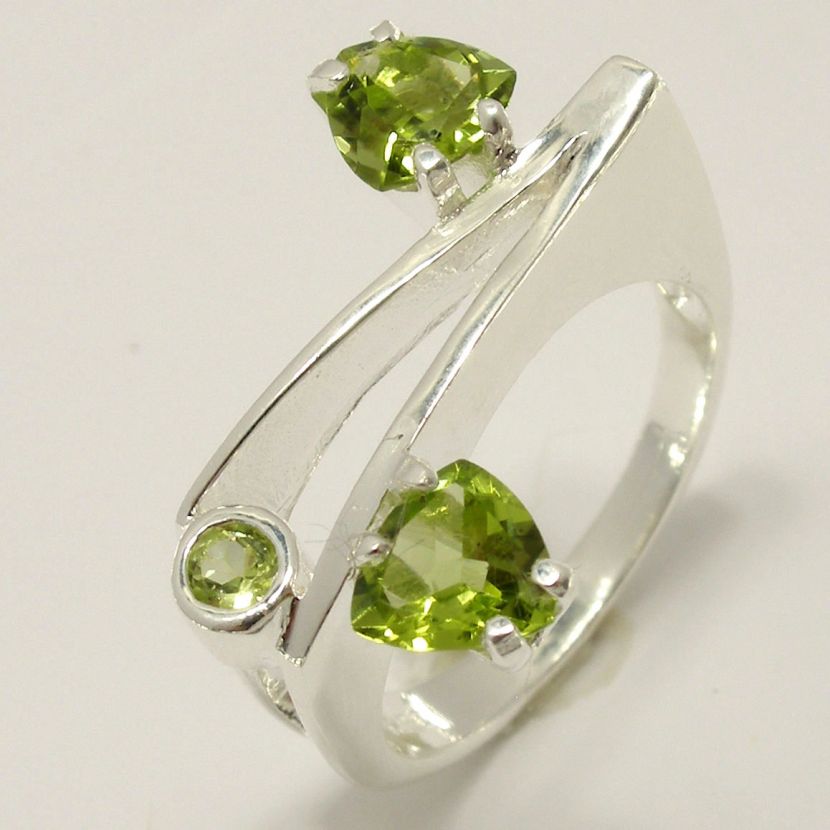
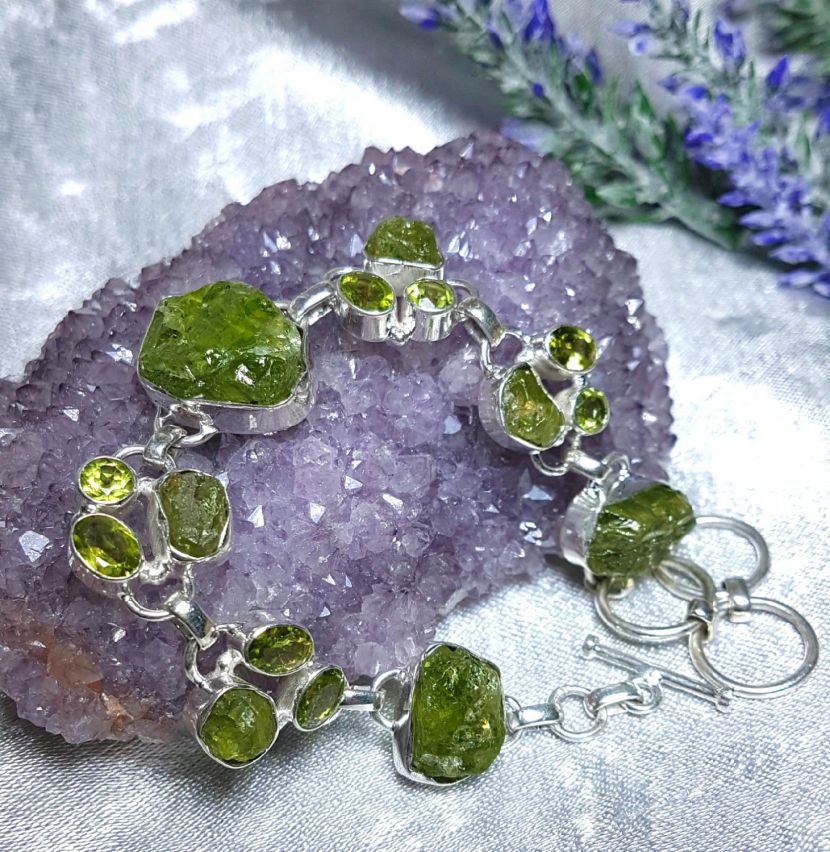
Translucent and transparent gem-quality olivines are used to make rings, pendants, brooches, beads and bracelets.
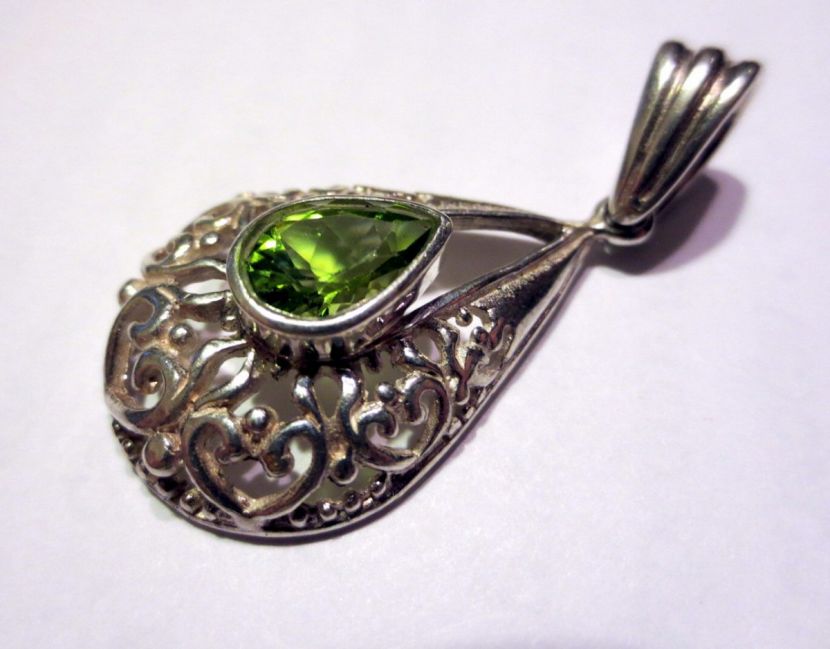
Large stones become a desirable prey for collectors.
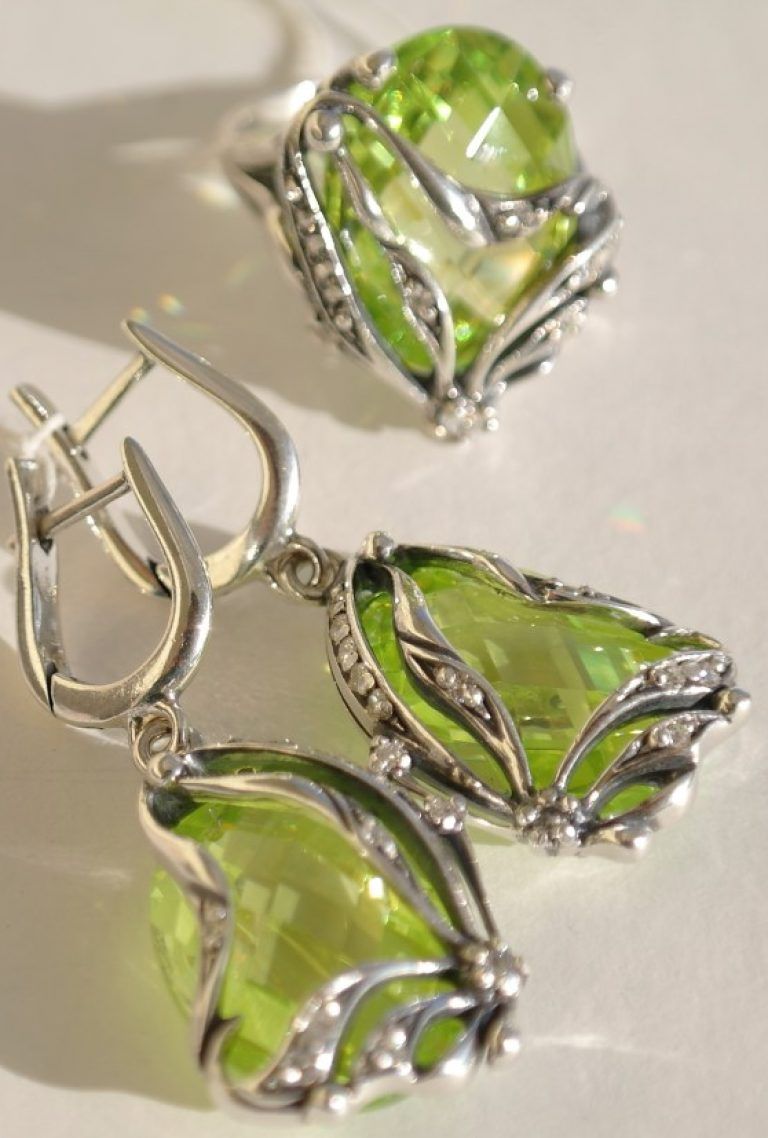
You can fall in love with olivine at first sight, even from a photo. This beautiful stone will become your faithful talisman.
Photo of Olivine stone