Rich in a range of colors Sphalerite - history, varieties, unique properties of the stone and a selection of excellent photos
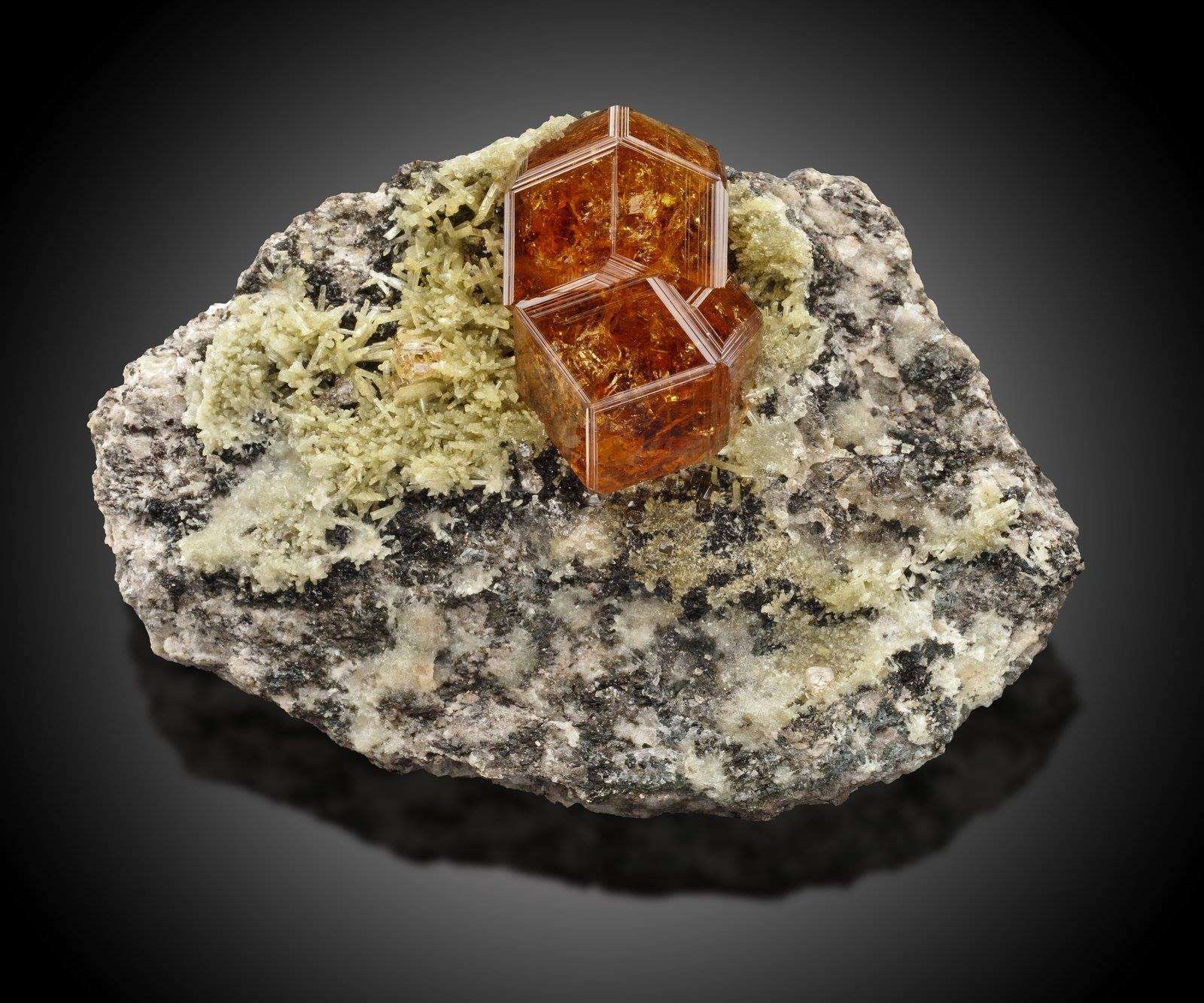
Sphalerite is a mineral with a rich range of shades, due to which it is constantly confused with other stones. Hence its name came from - "sphaleros" (sphaleros) in Greek means "deceptive", "treacherous". Synonyms of the mineral are zinc blende, pseudogalena. The mineral has many deposits and serves as an ore for the extraction of metallic zinc.
Story
Sphalerite is well known to geologists. Back in 1546, the German scientist in the field of mining and metallurgy Georg Agricola studied and described stone samples in detail. He revealed the peculiarity of the mineral to pretend to be galena, titan iron ore, enargite, tungsten and to complicate the work of miners. Agricola included him in the list of tricks. Later, in 1847, another German scientist Glocker first examined sphalerite samples using X-ray equipment, studied its elemental composition, structure and assigned the name "sphalerite".
Field
Sphalerite is mined in the USA (Idaho, Kansas, Missouri, New Mexico, Oklahoma), Canada, Mexico, Australia, Germany, Poland, Russia, Kazakhstan, Italy (Santander).
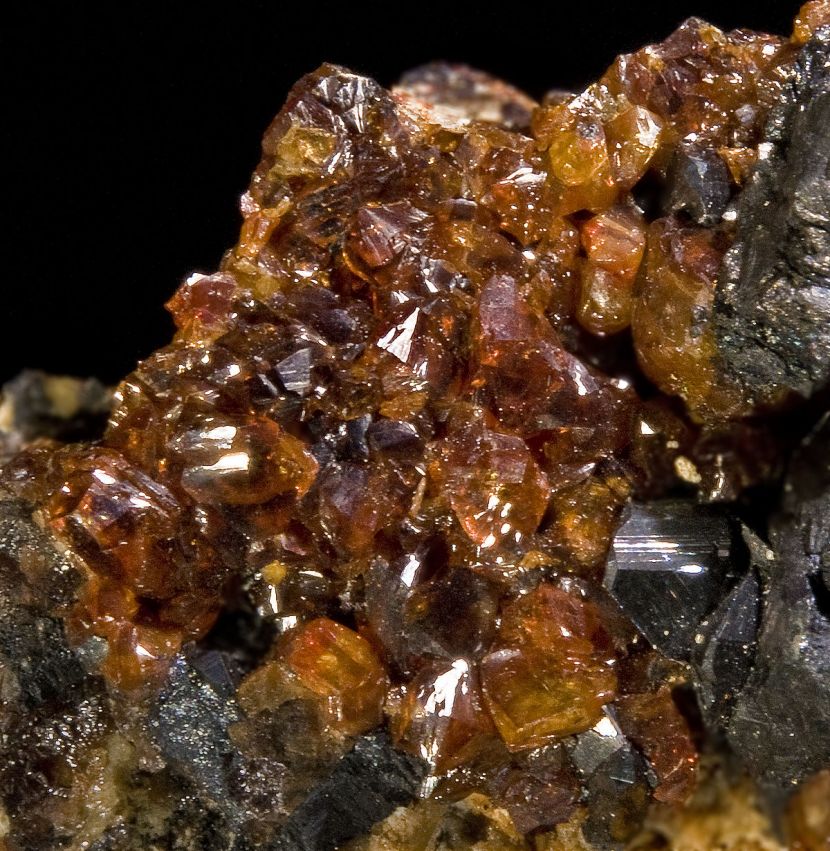
Particularly good specimens are found in Spain and Mexico, which are valued among collectors.The sizes of these crystals reach 70 carats, they are used for cutting.
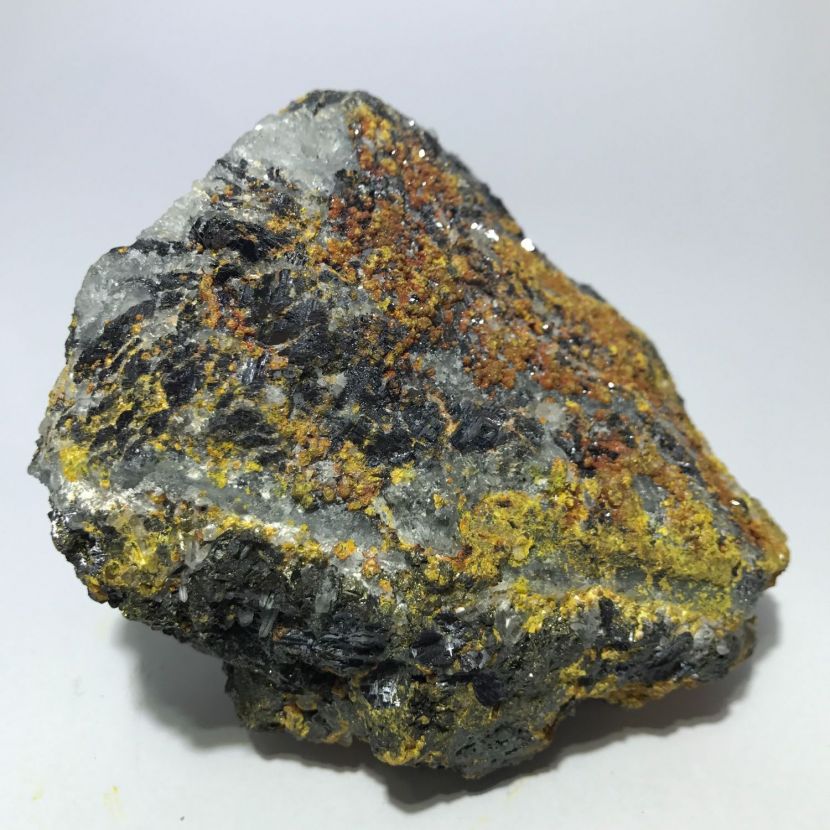
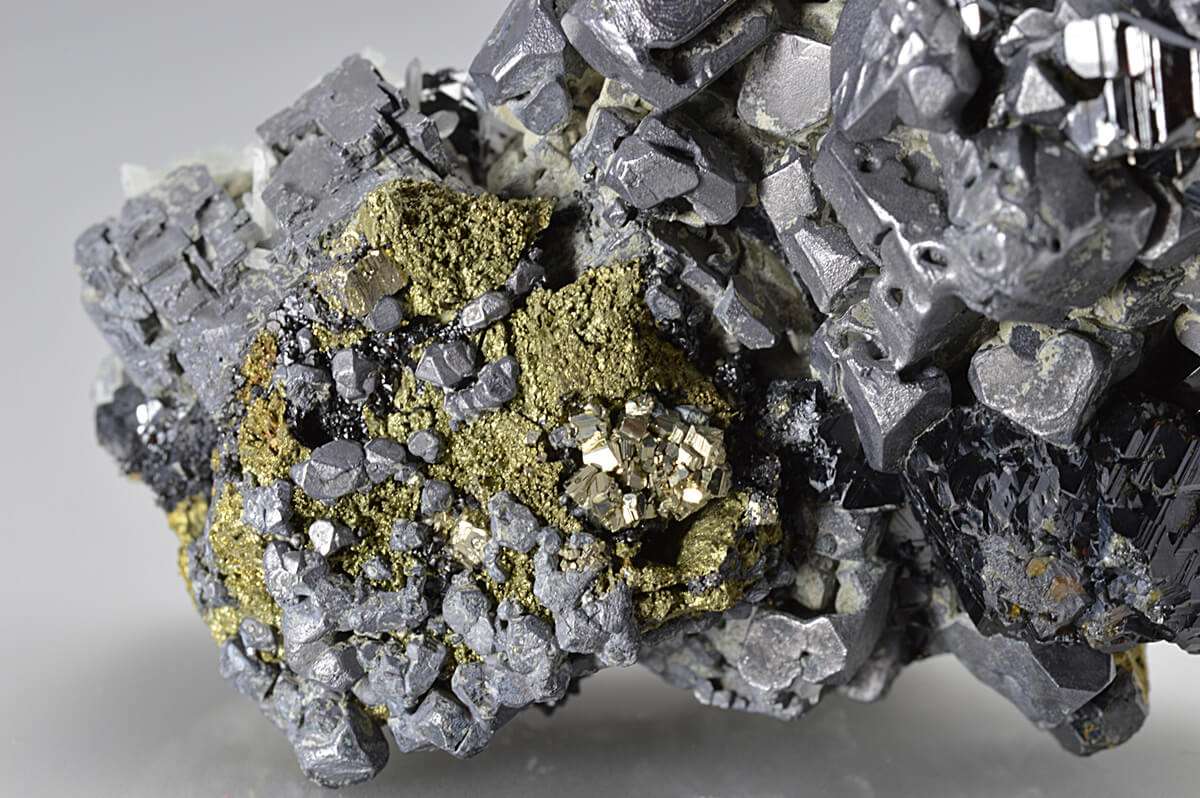
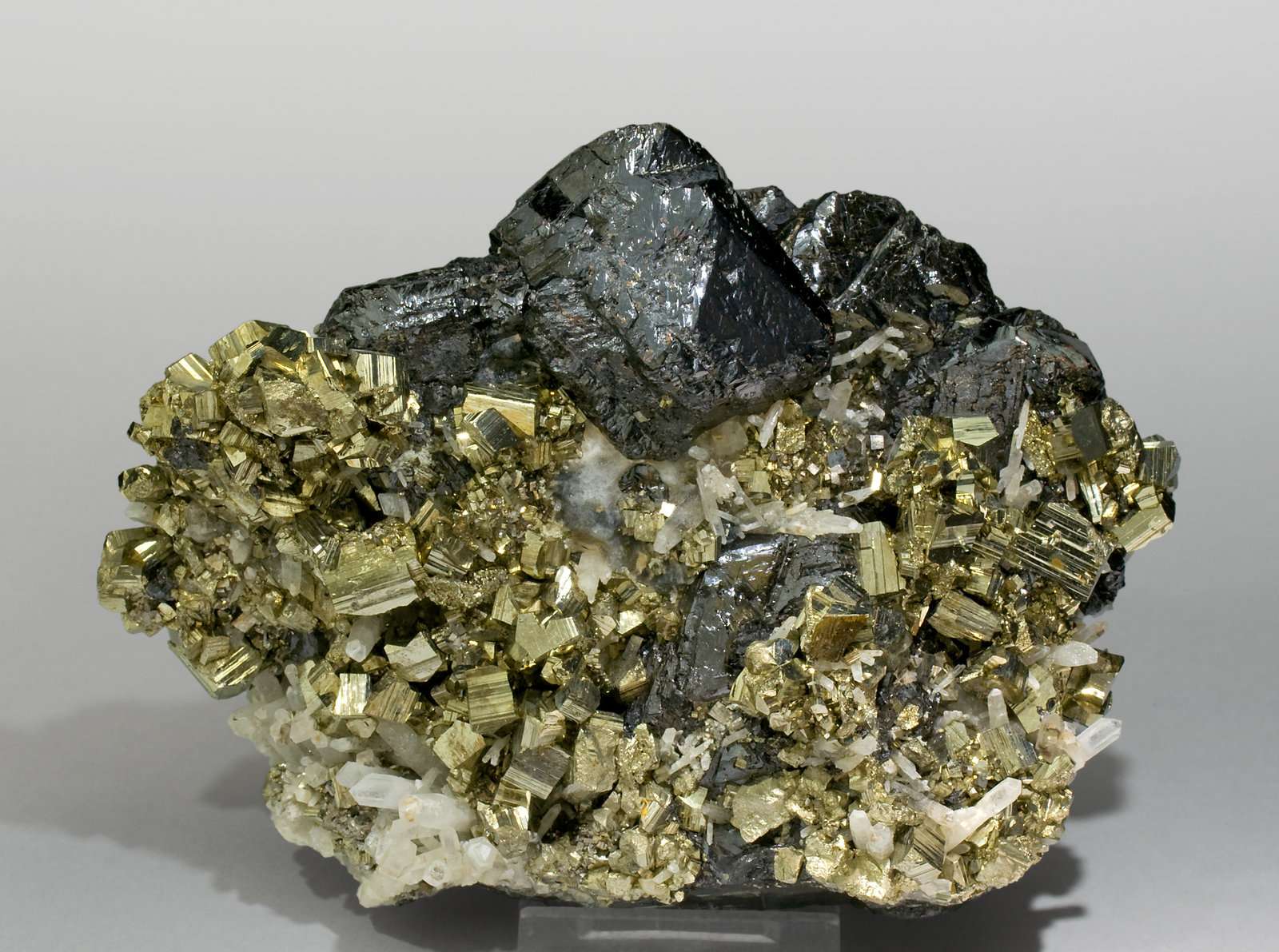
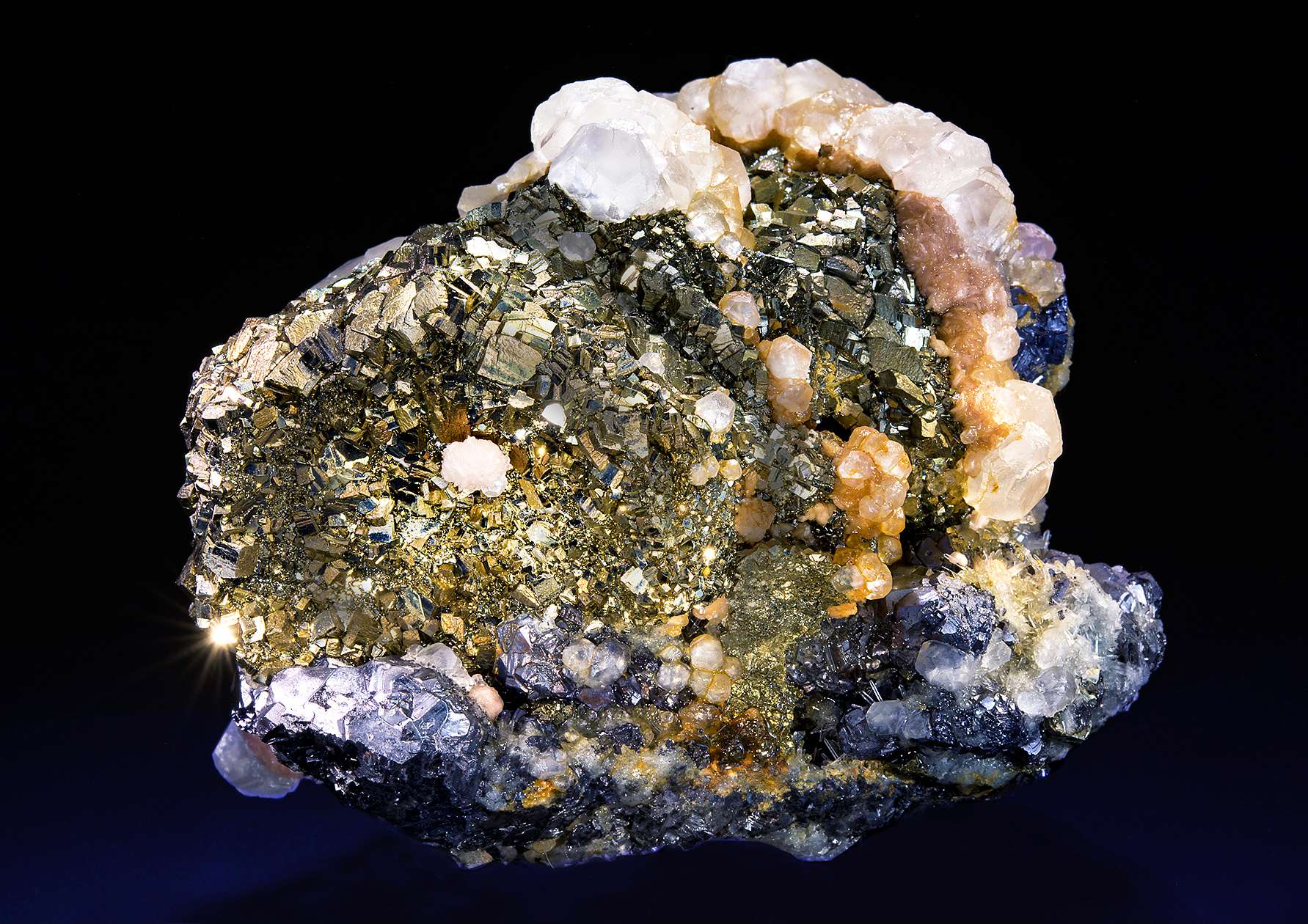
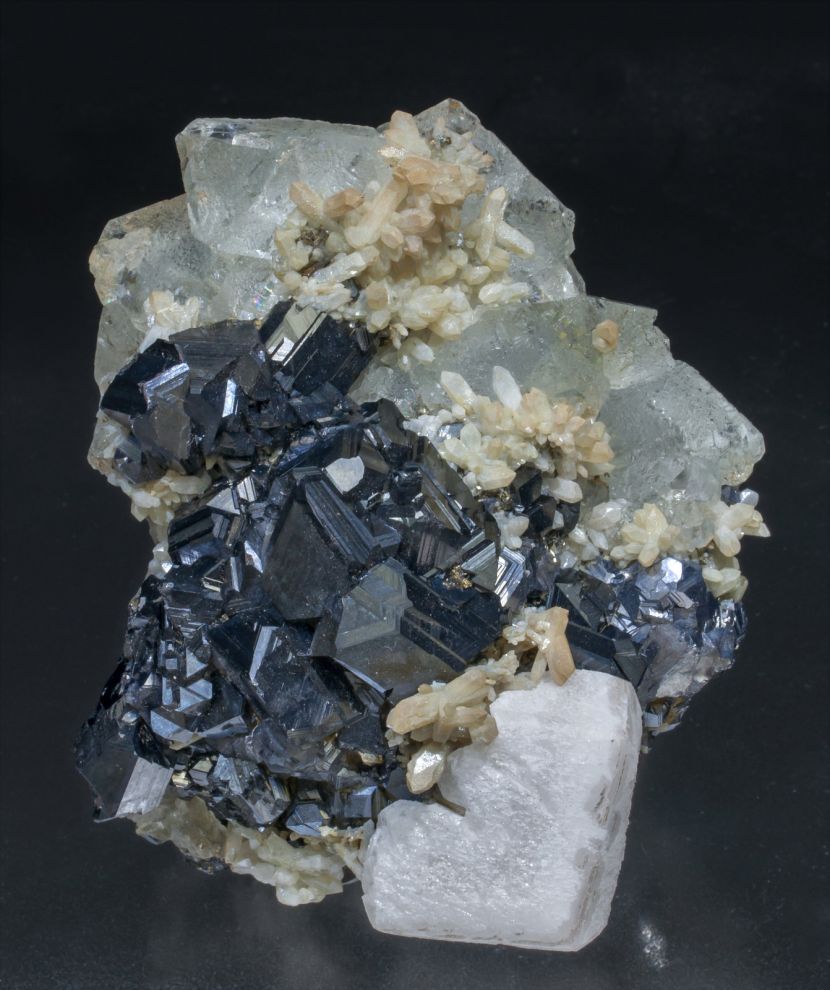
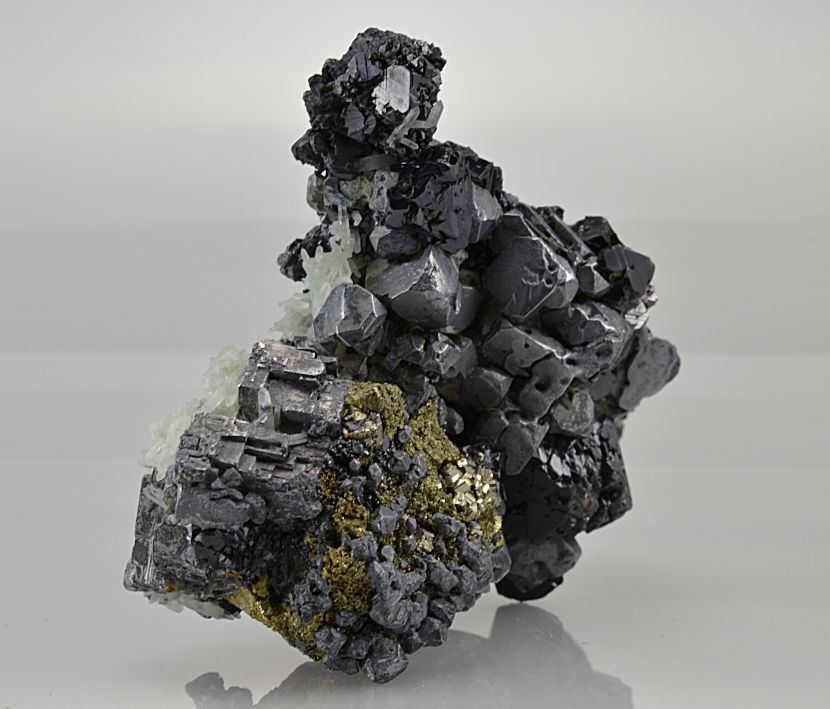
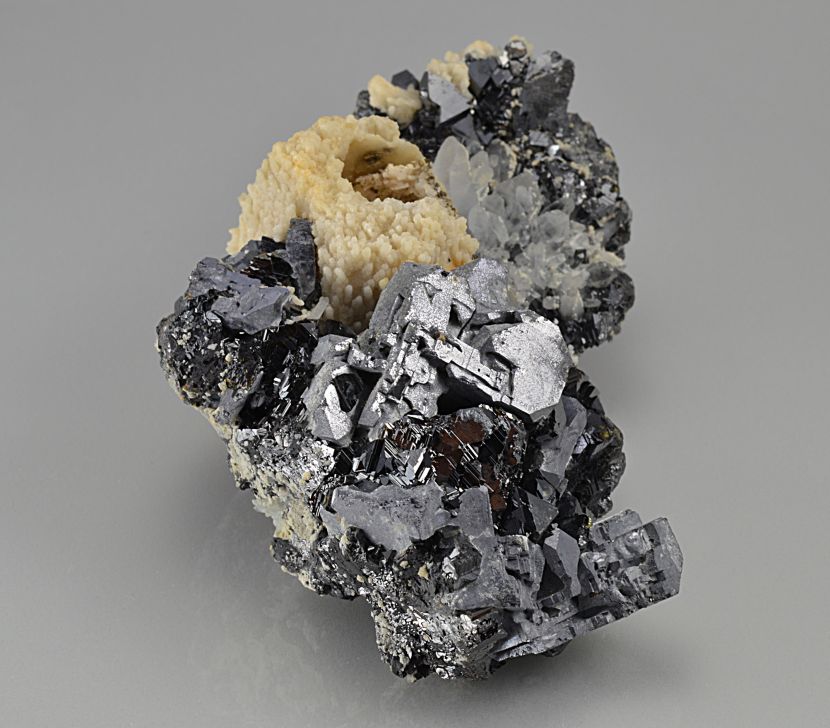
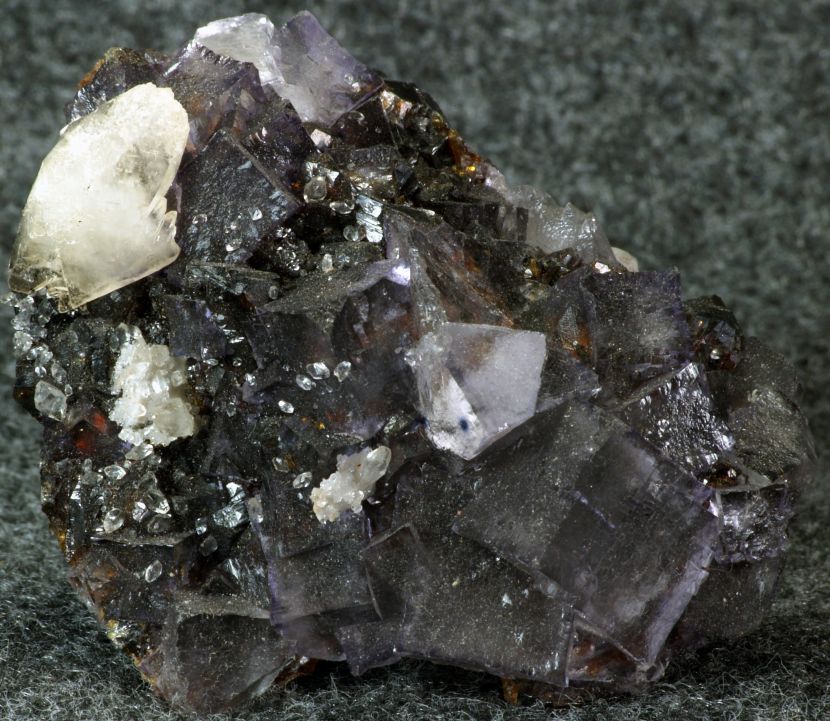
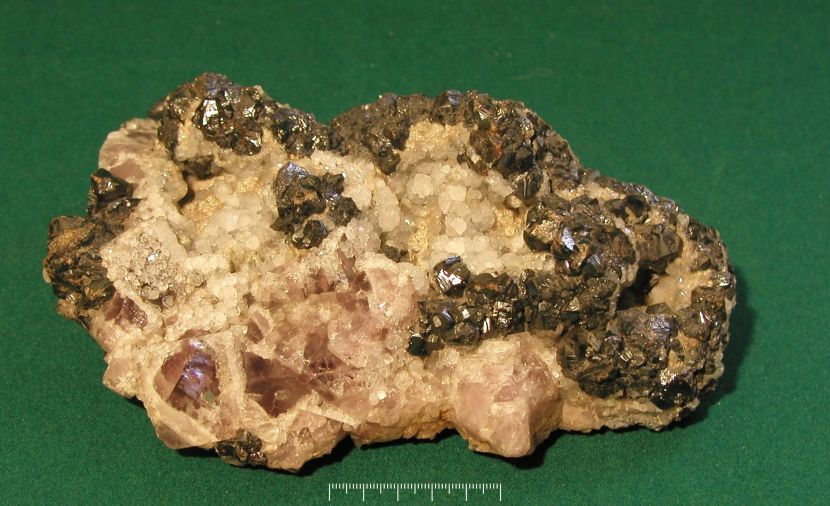
Zinc blende is formed as a result of endogenous geological processes that occur in the earth's crust at a shallow depth with the participation of hot groundwater. Sphalerite is found in skarns and sedimentary rocks next to wurtzite, pyrite, galena, and quartz.
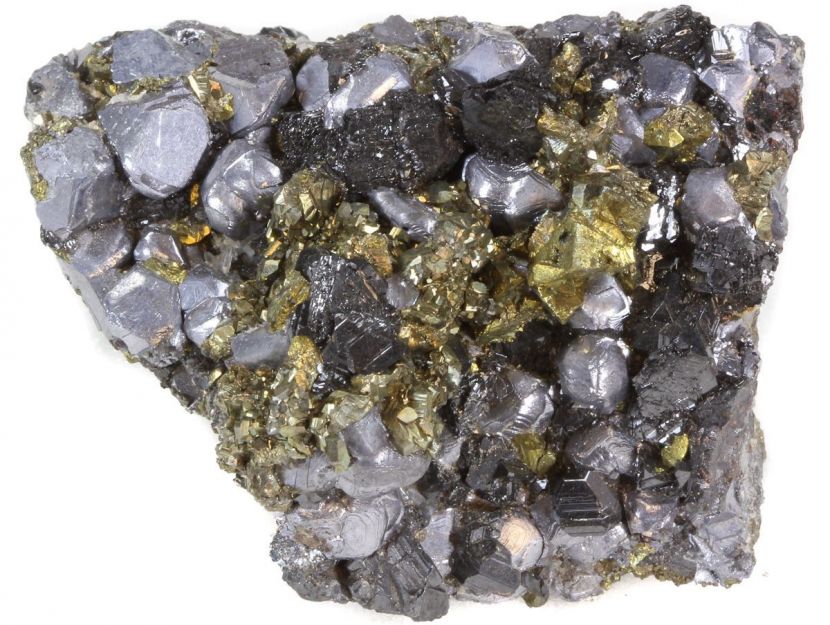
Physical Properties
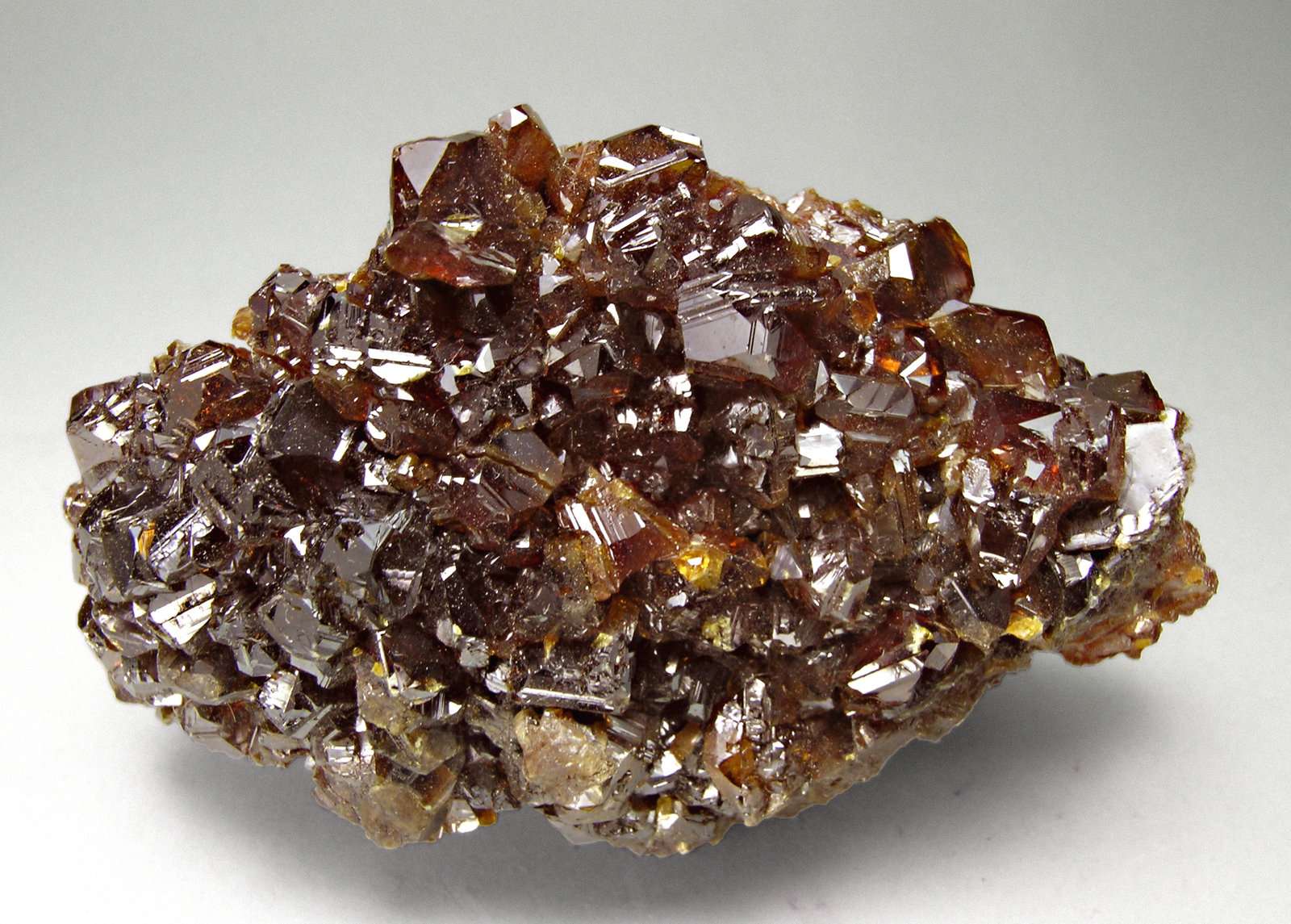
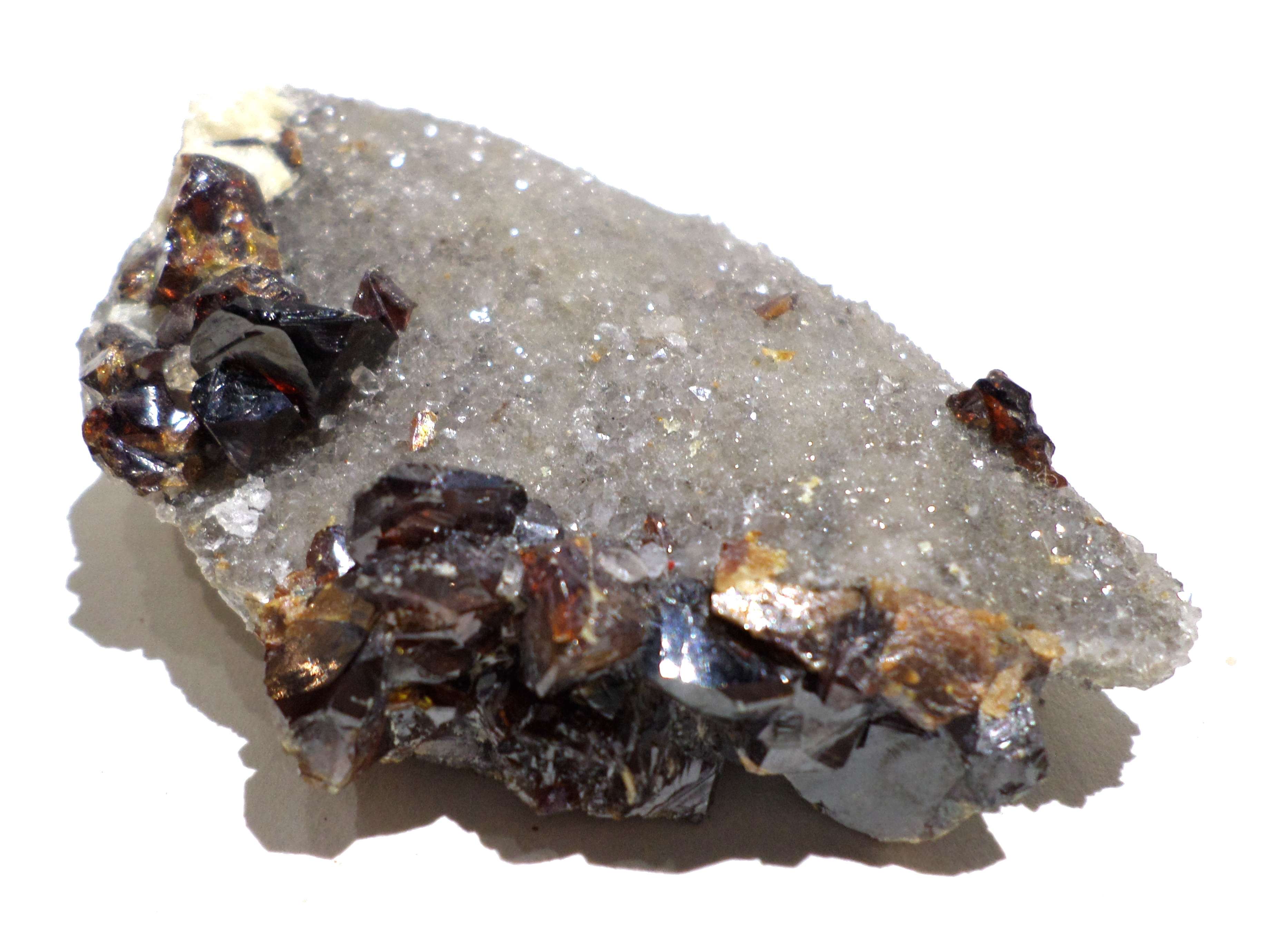
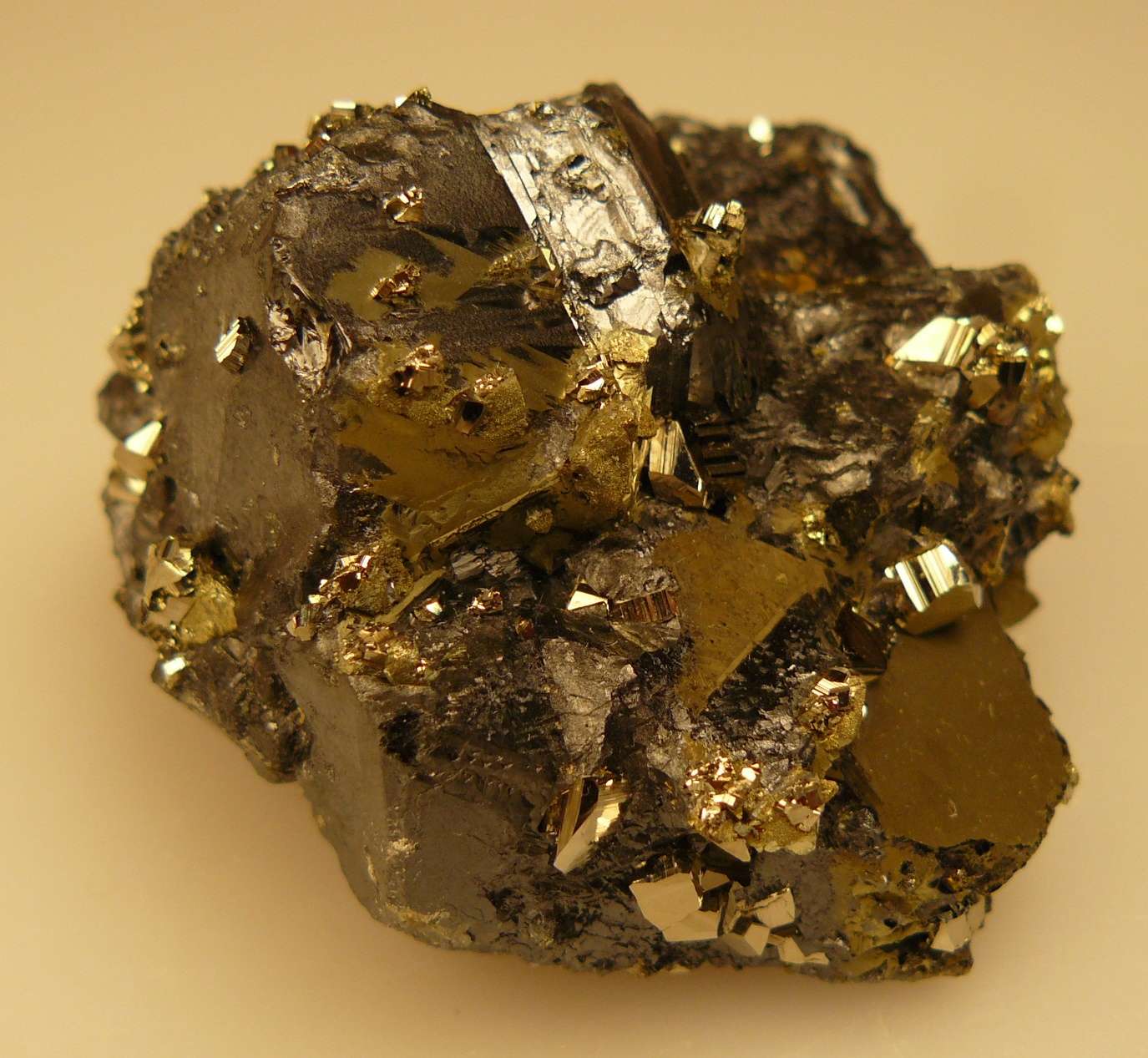
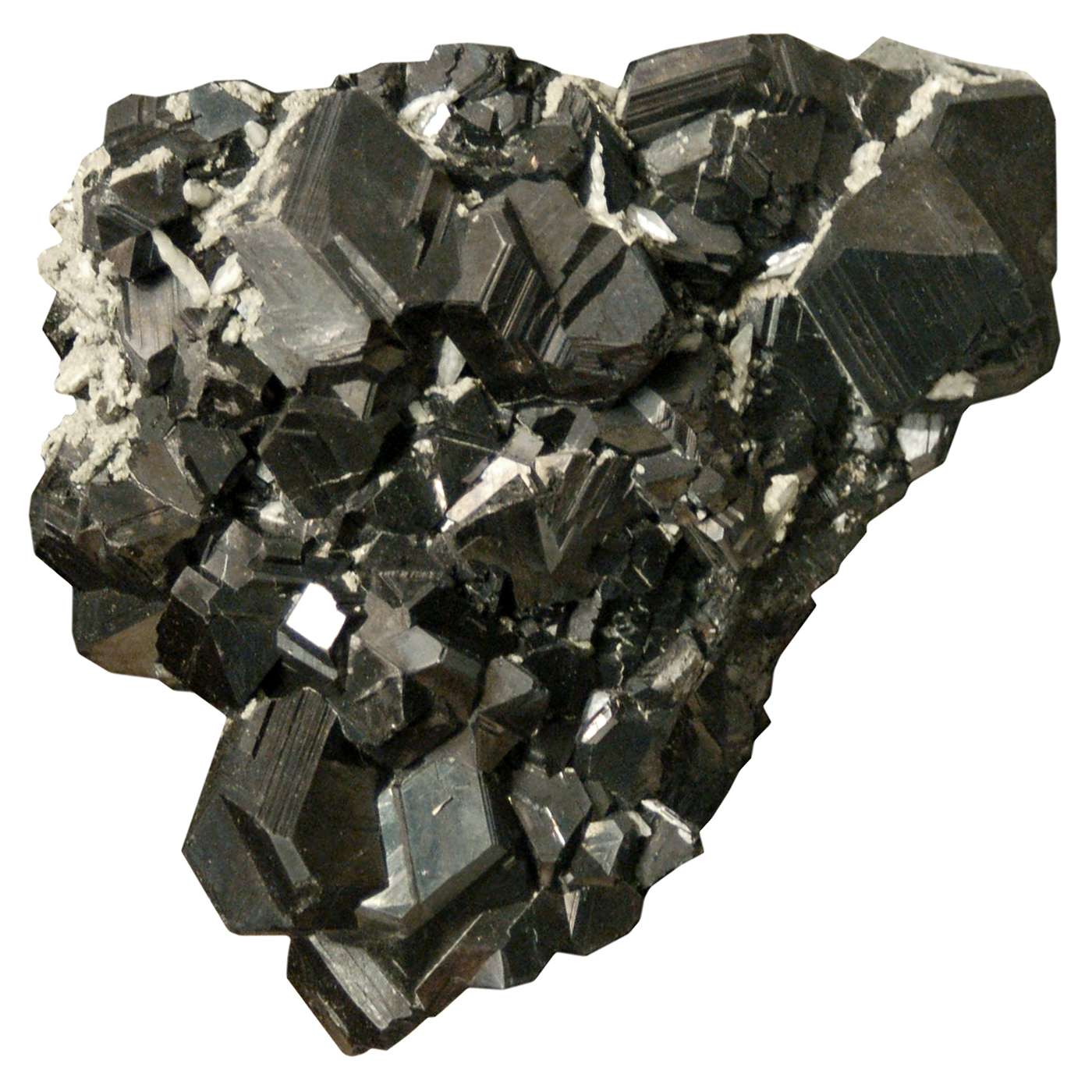
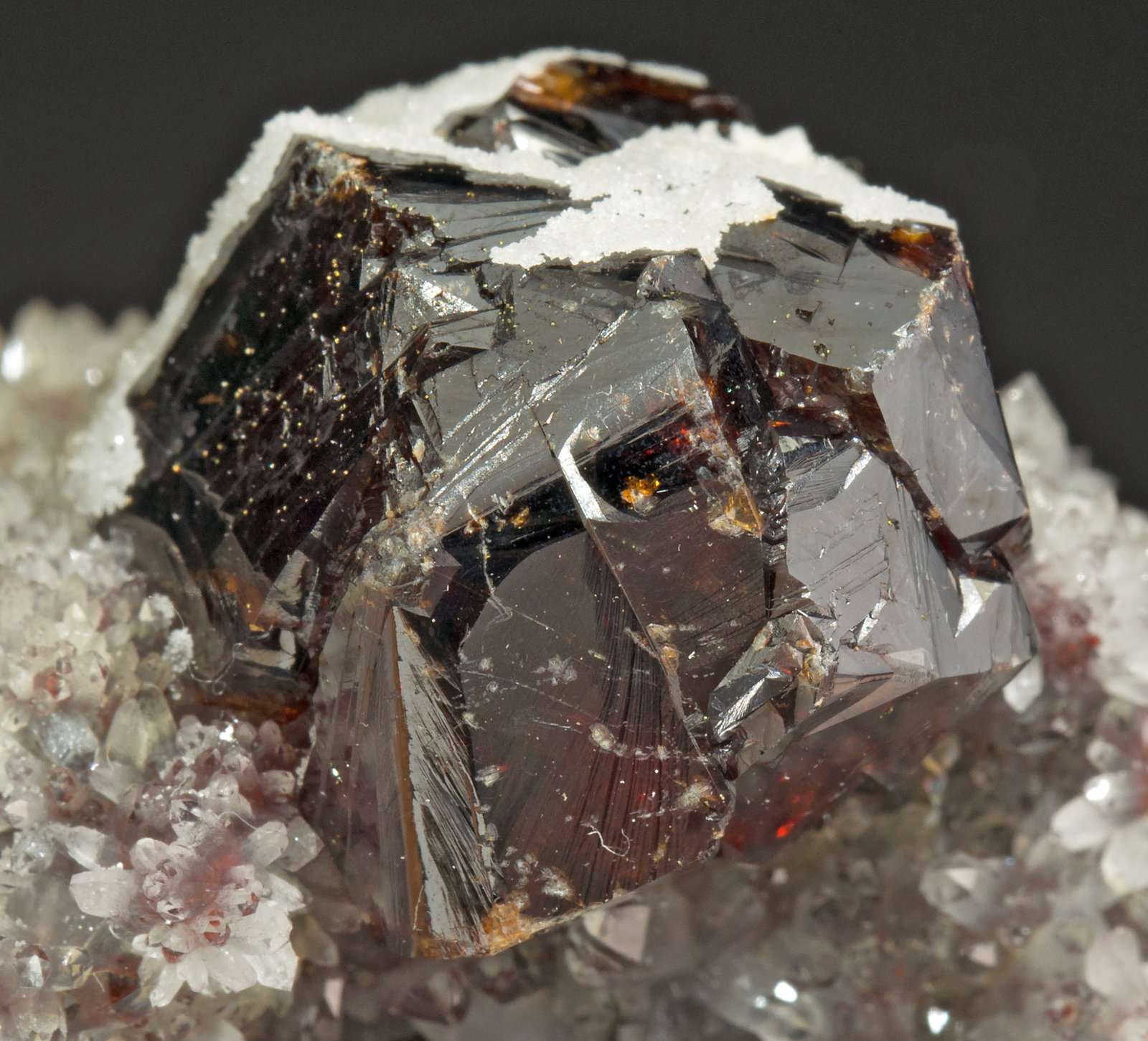
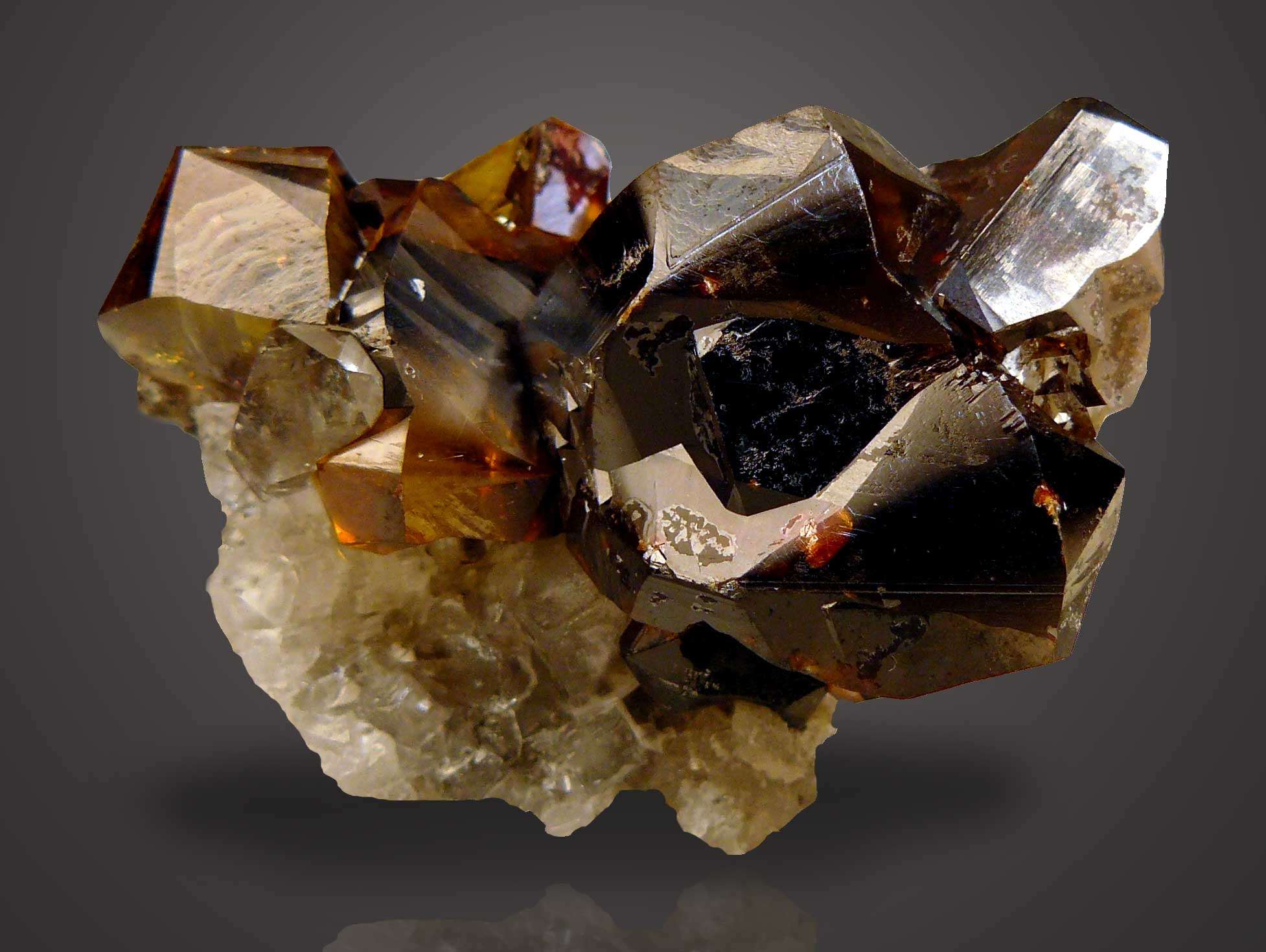
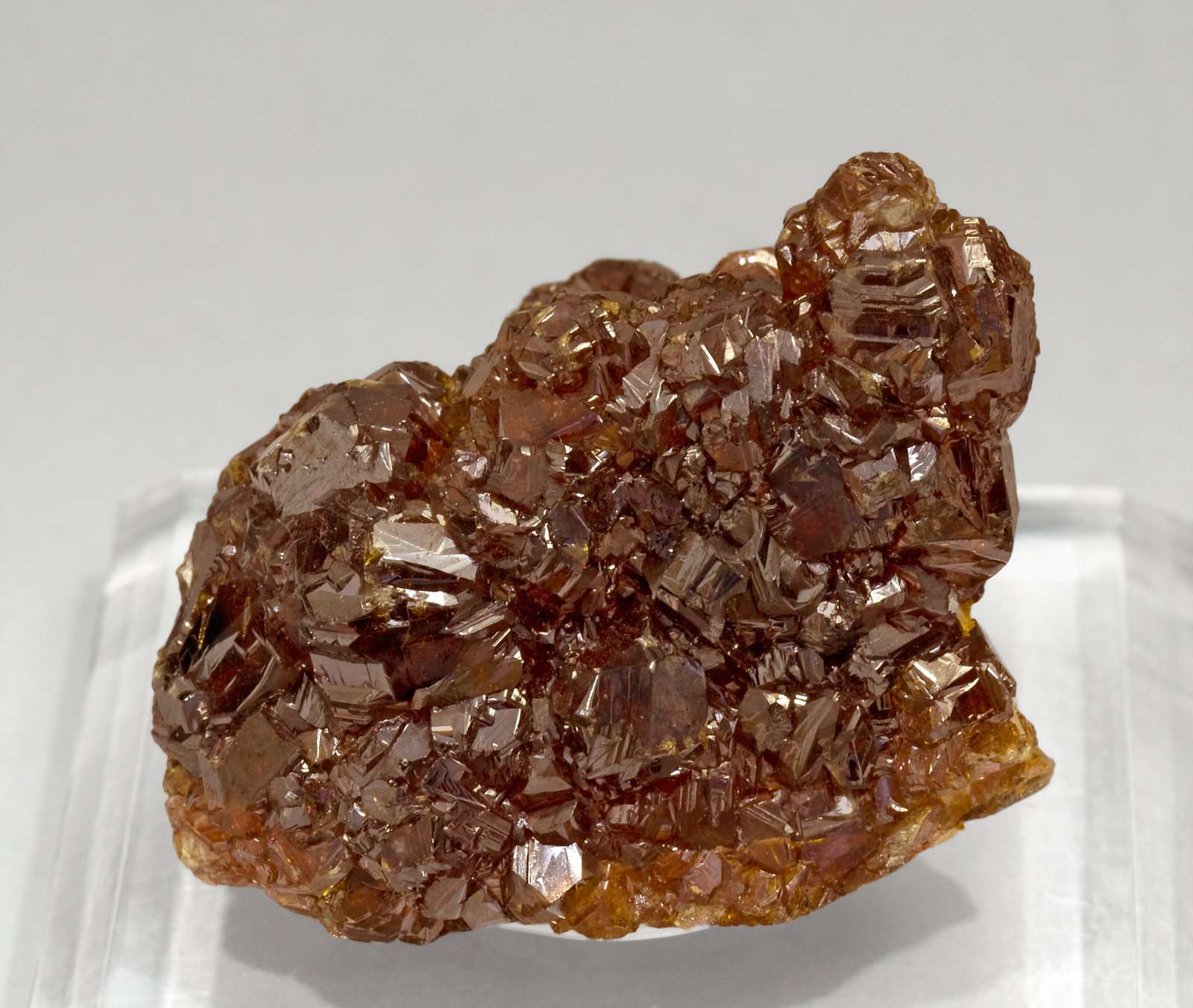
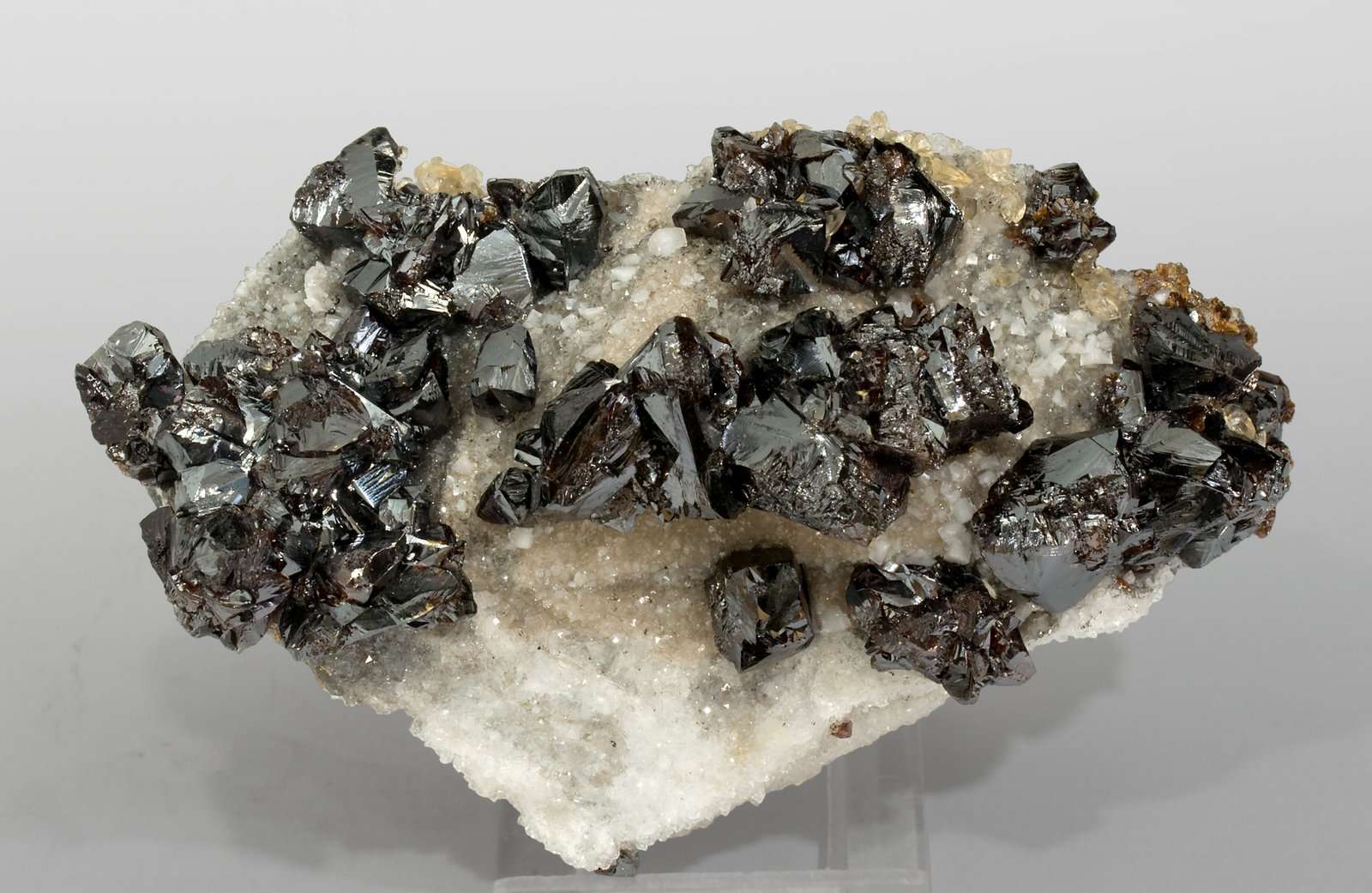
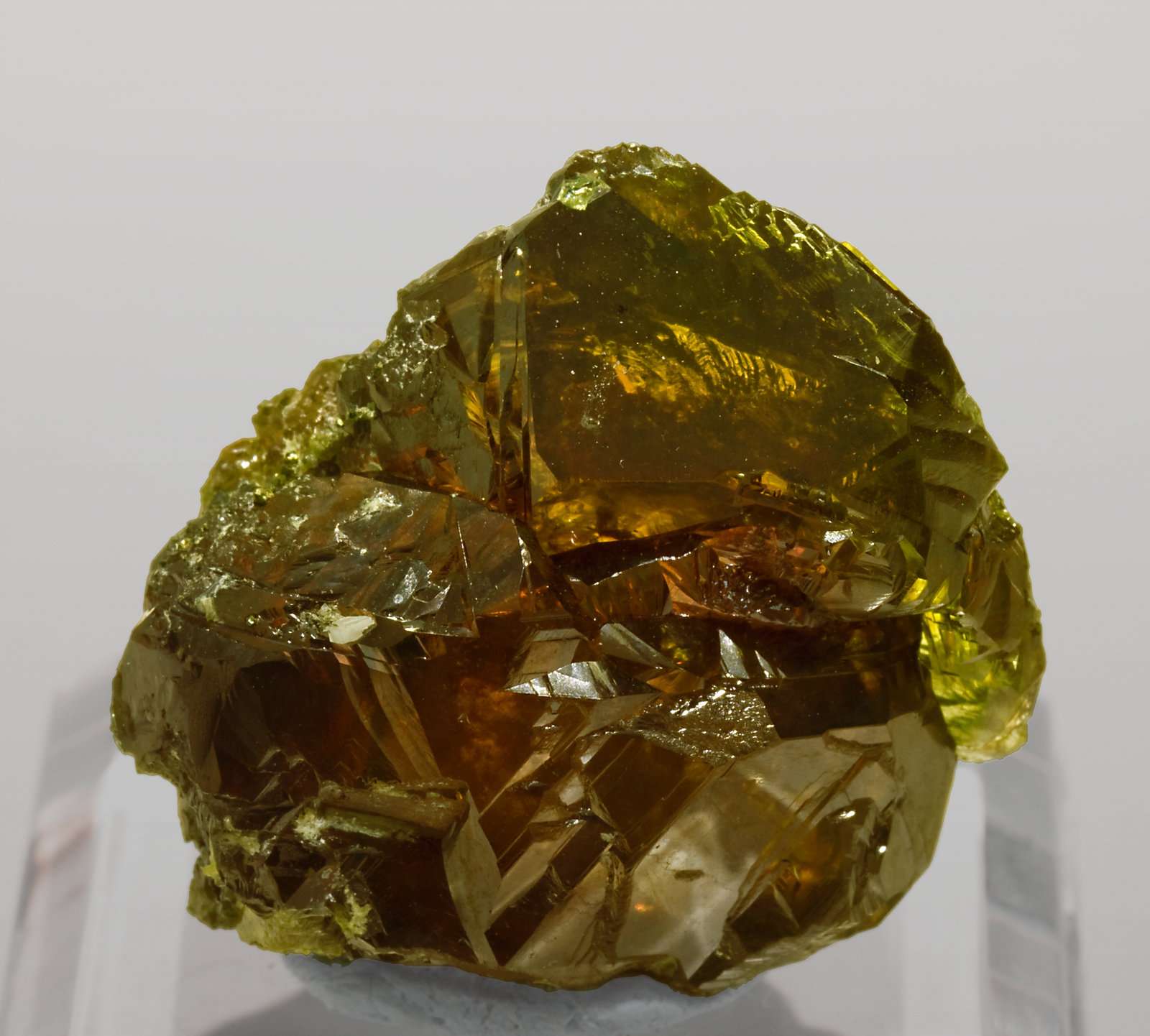
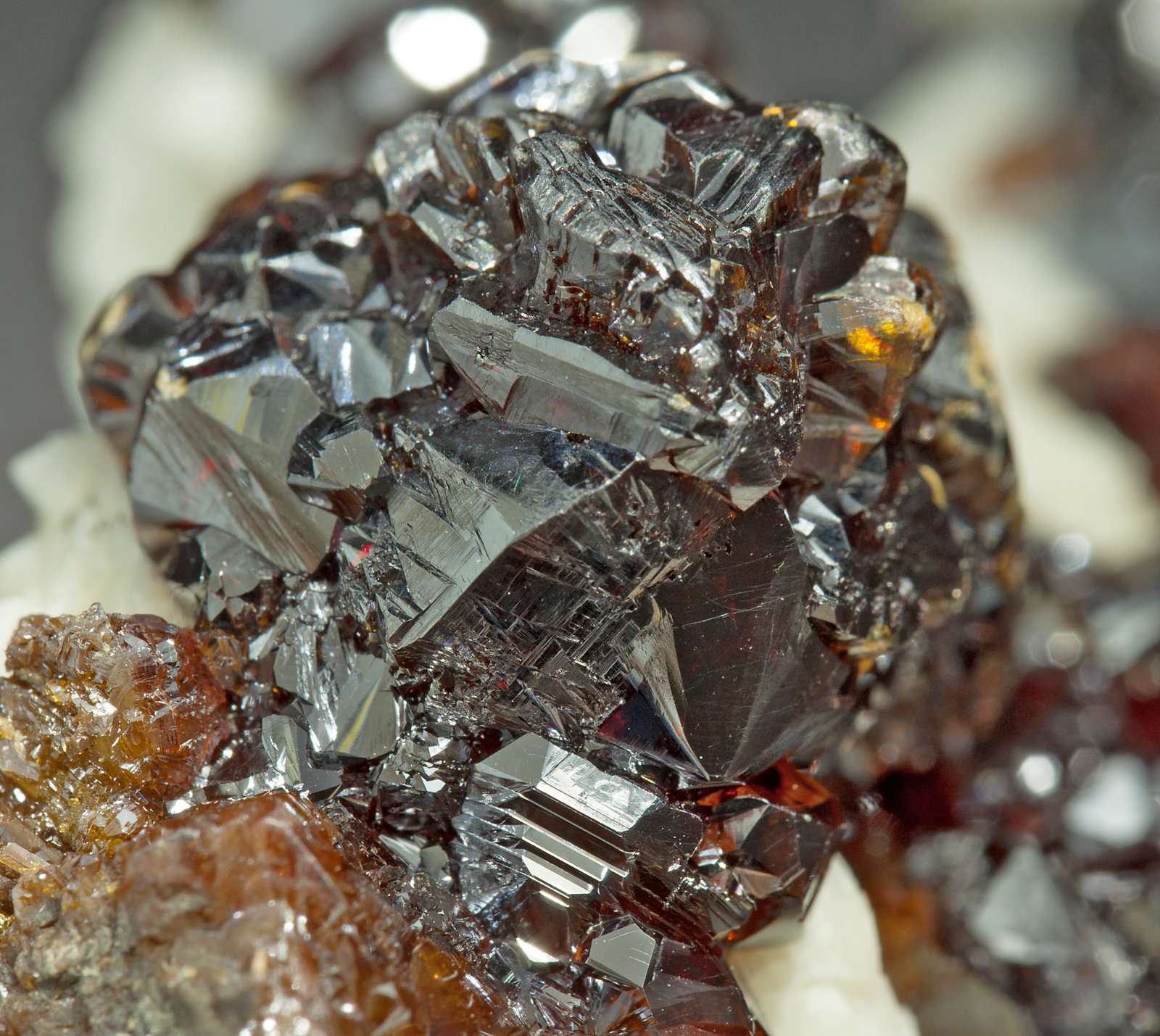
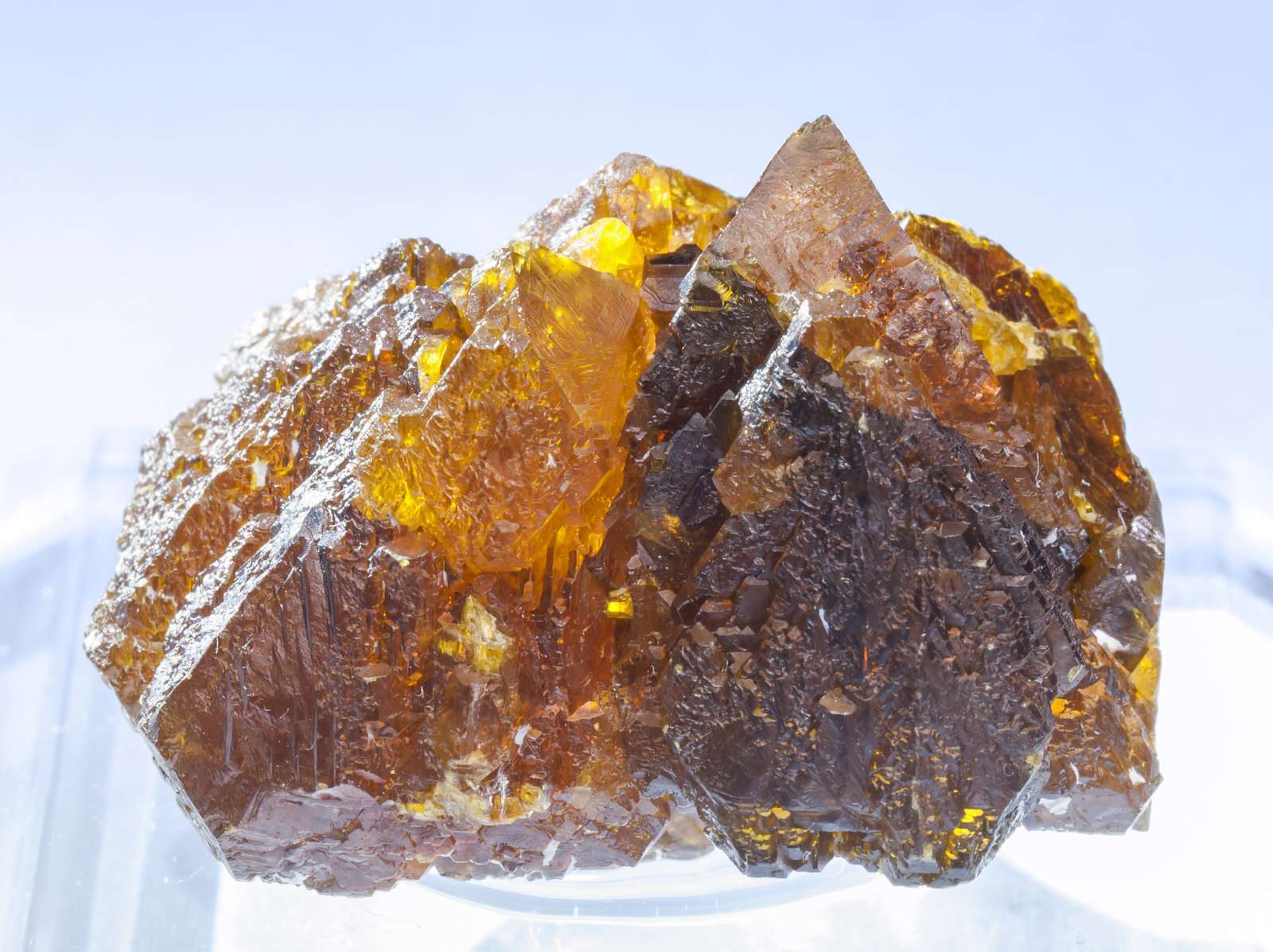
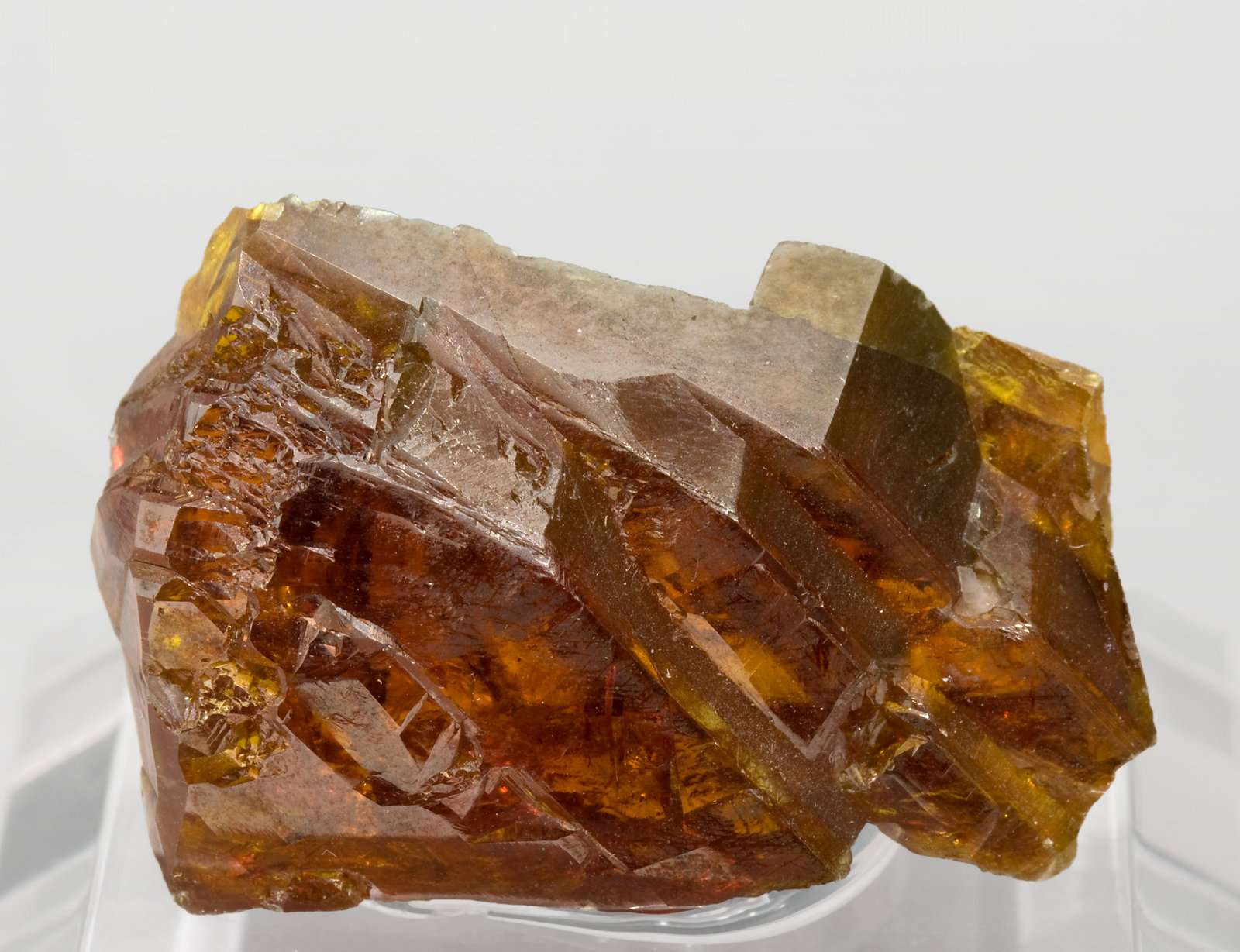
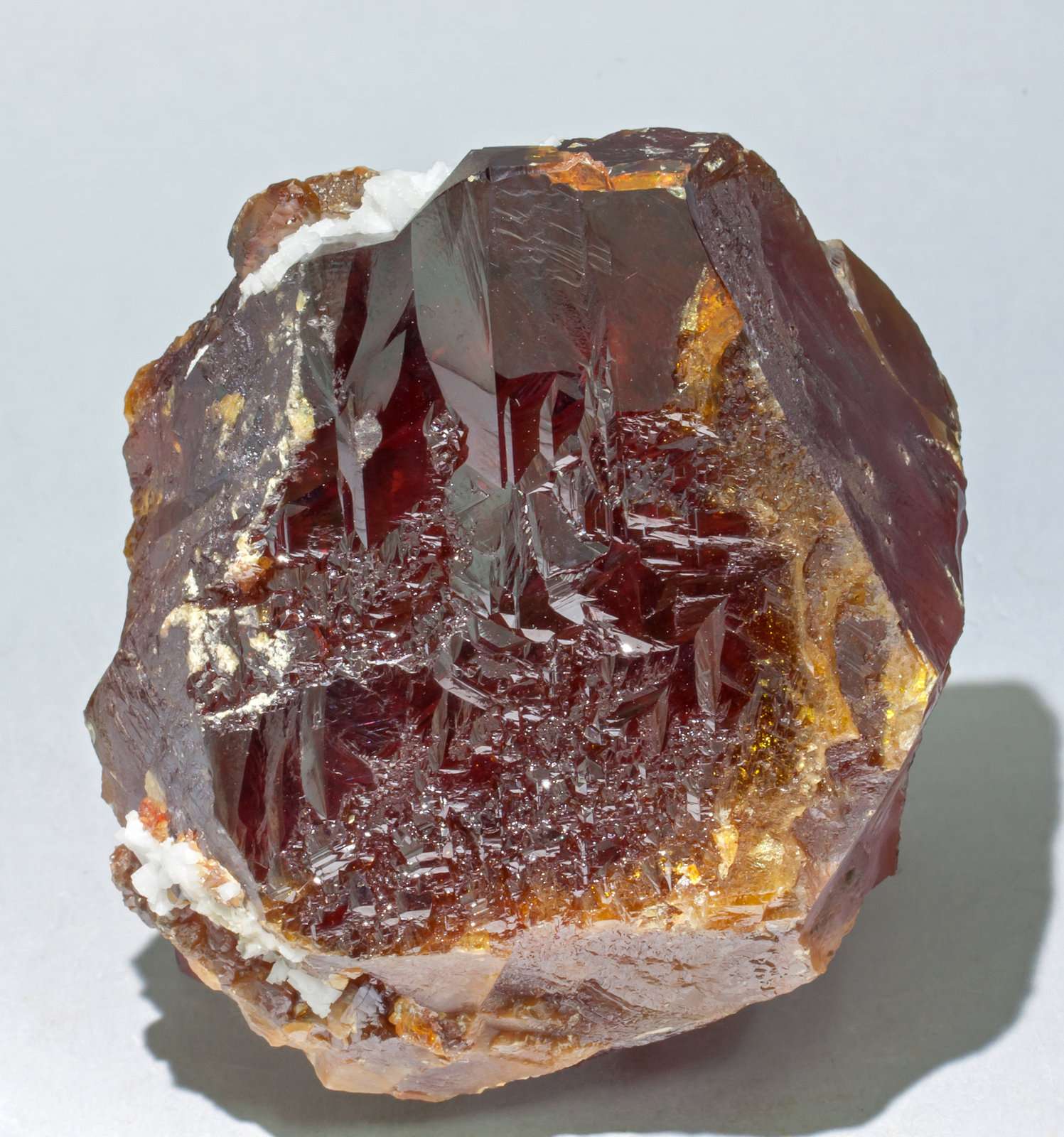
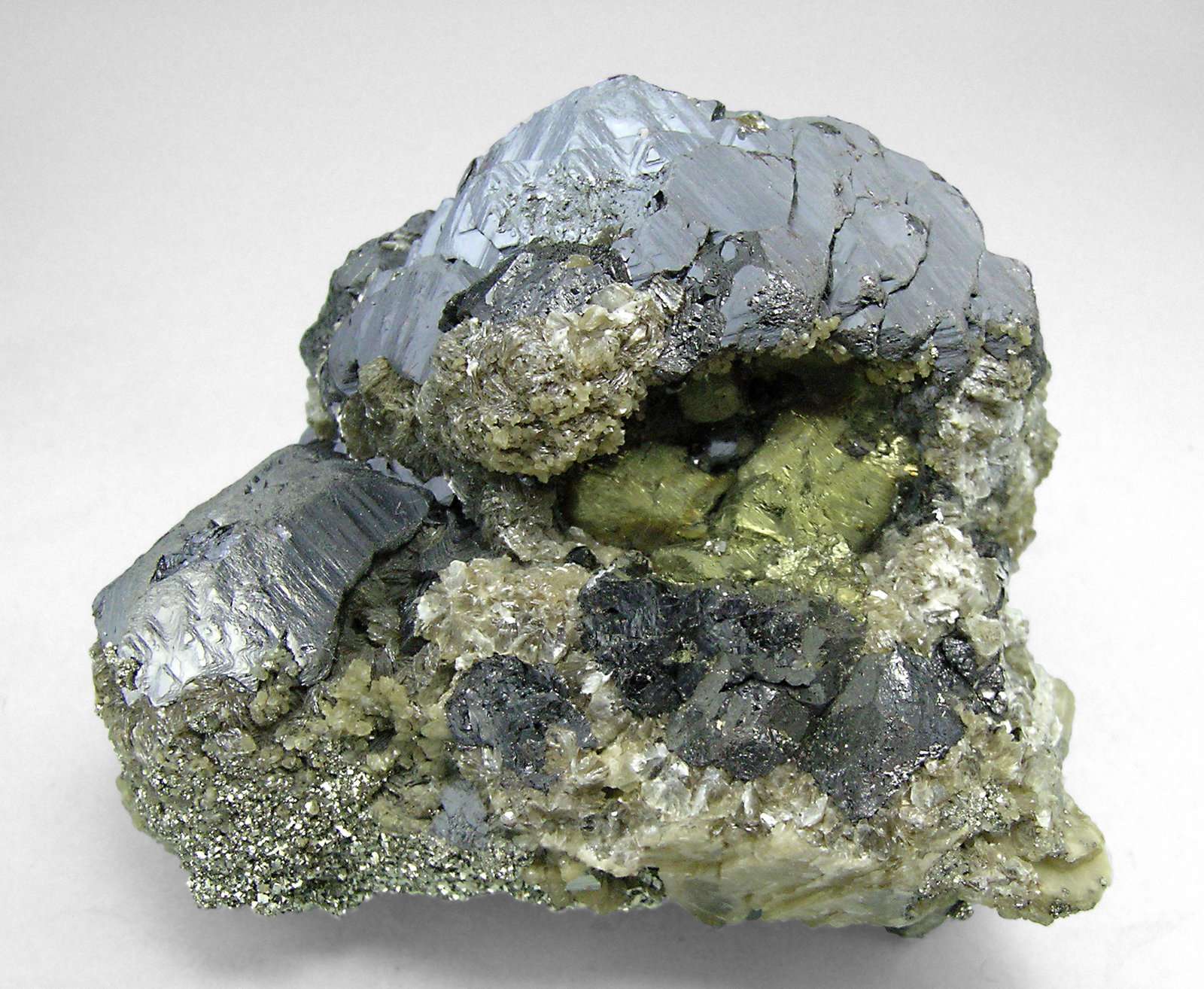
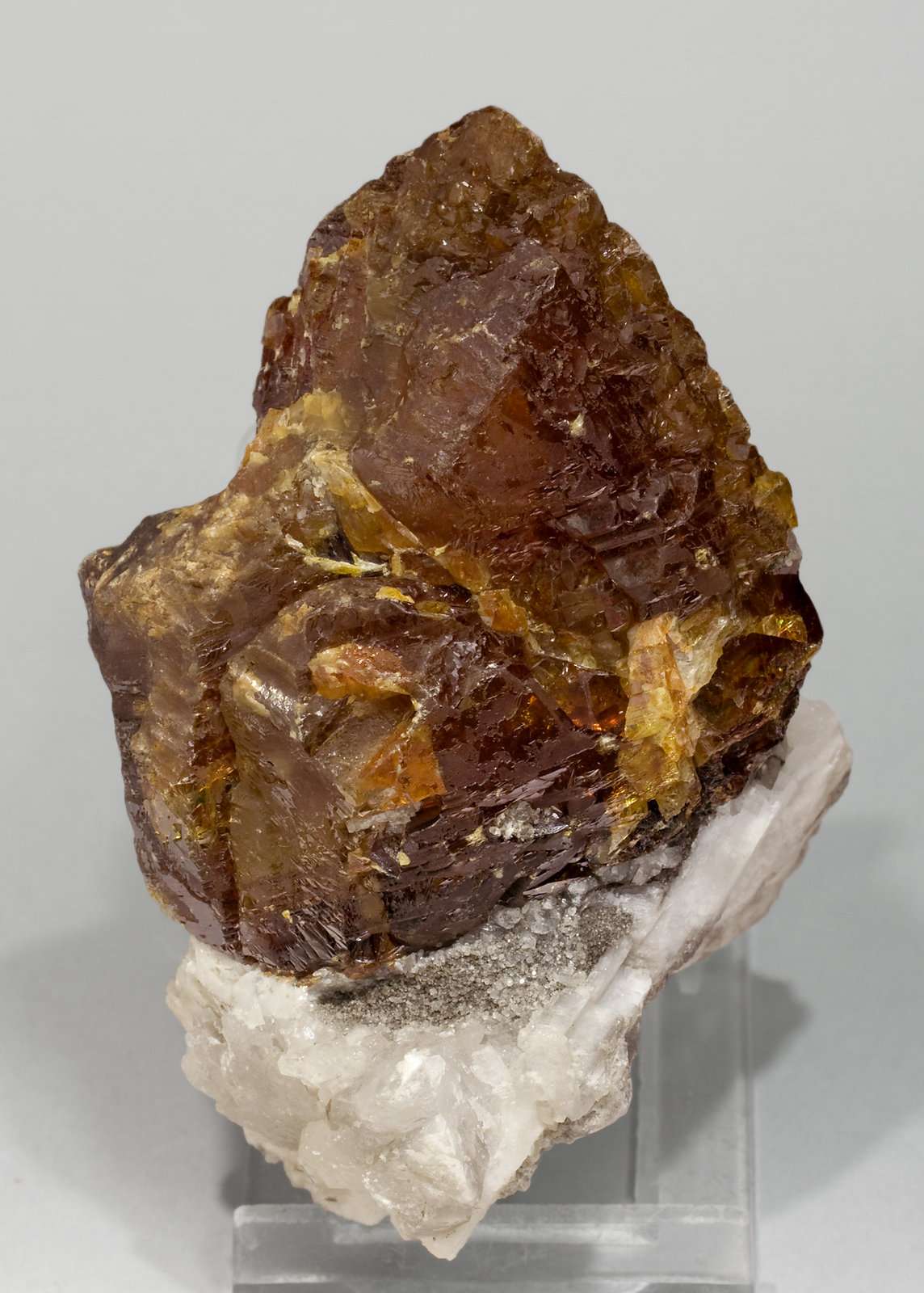
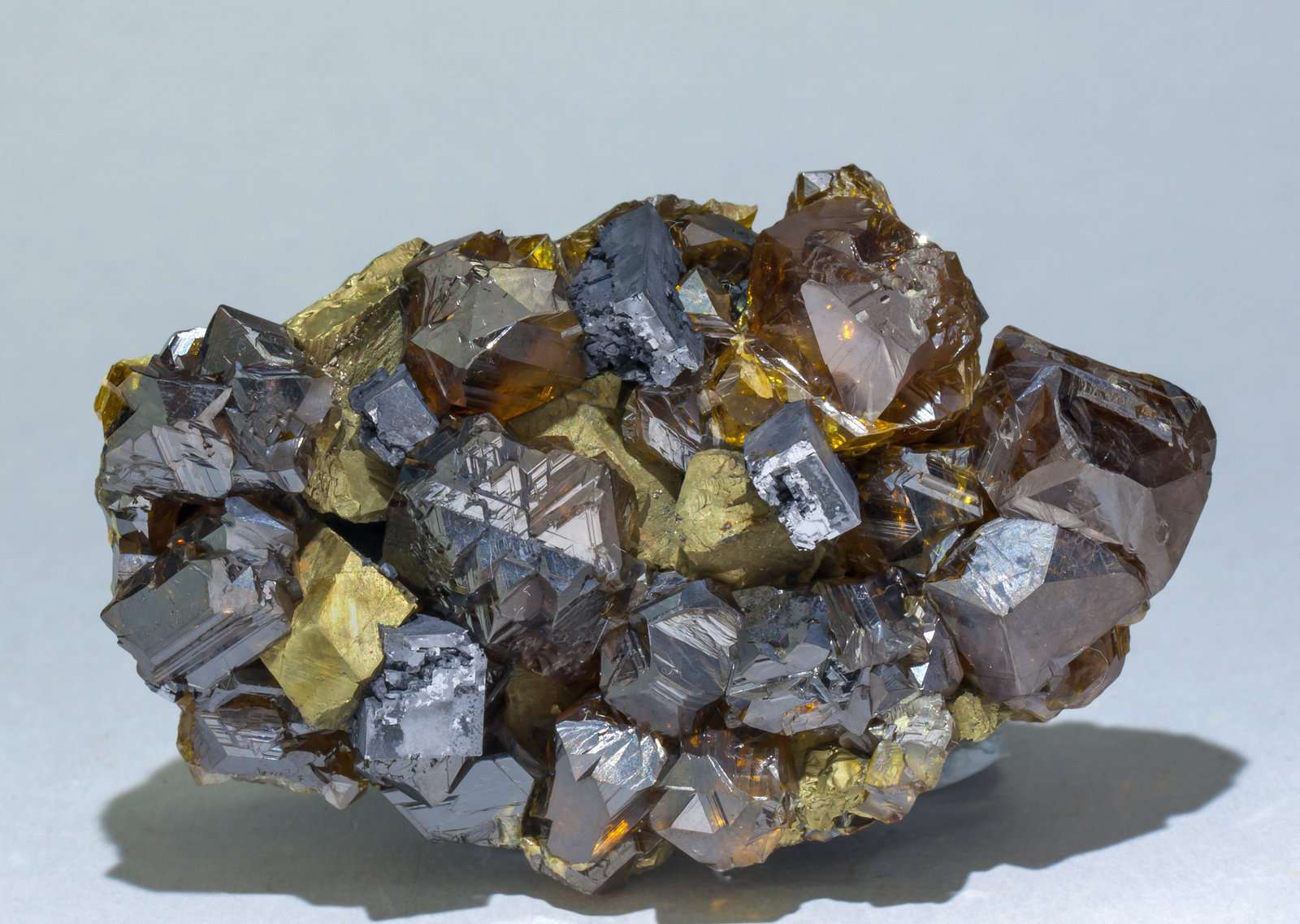
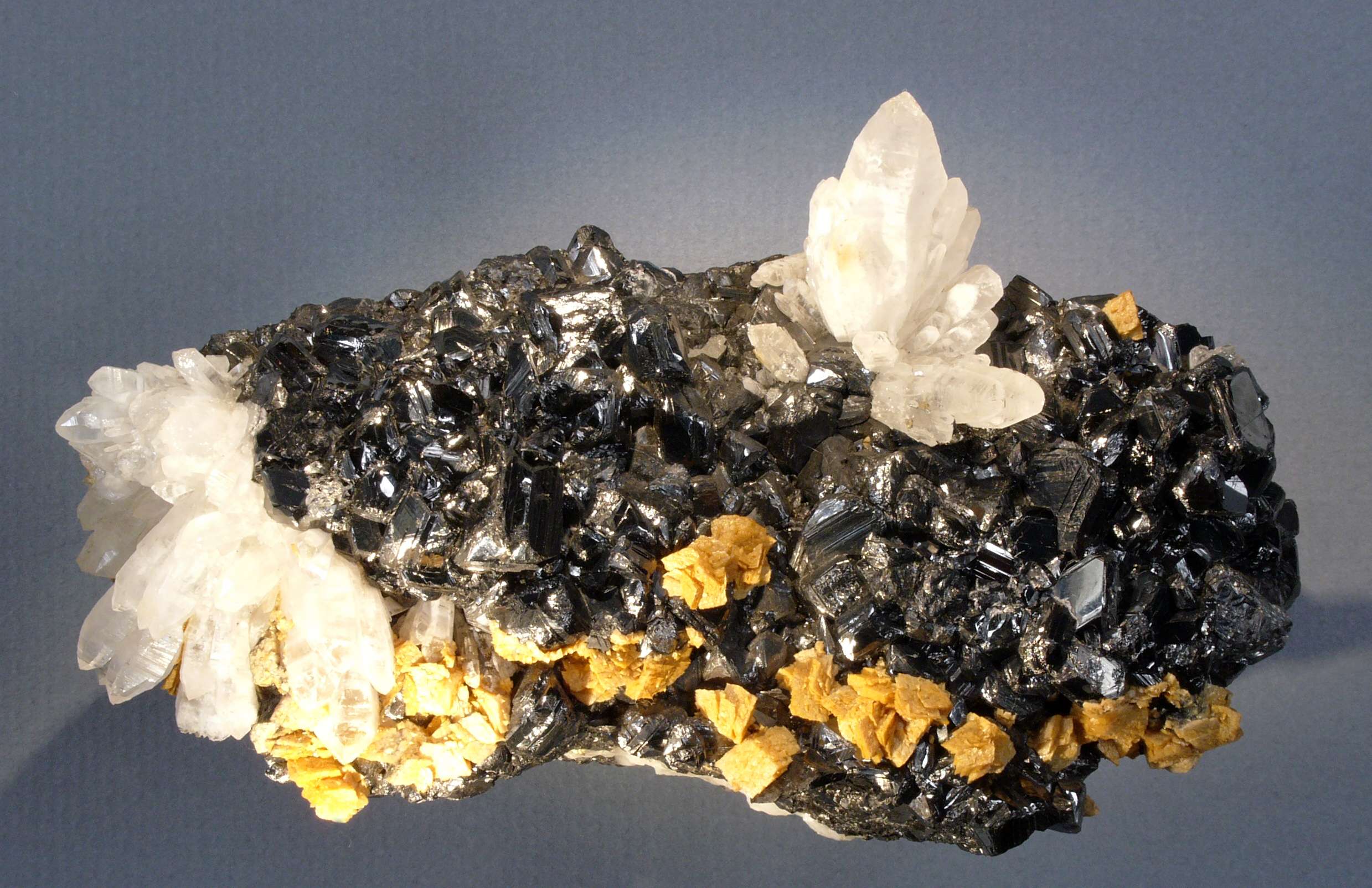
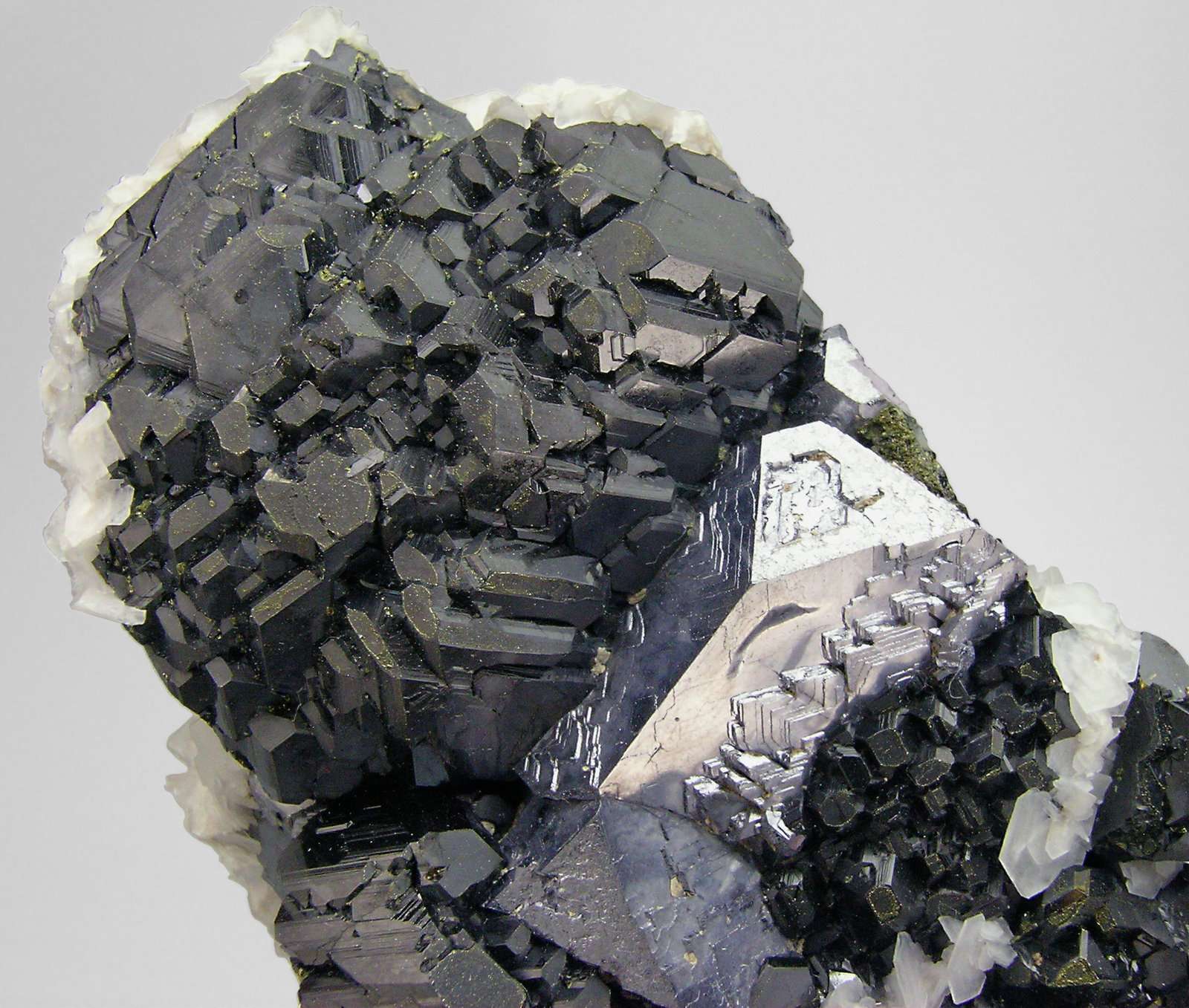
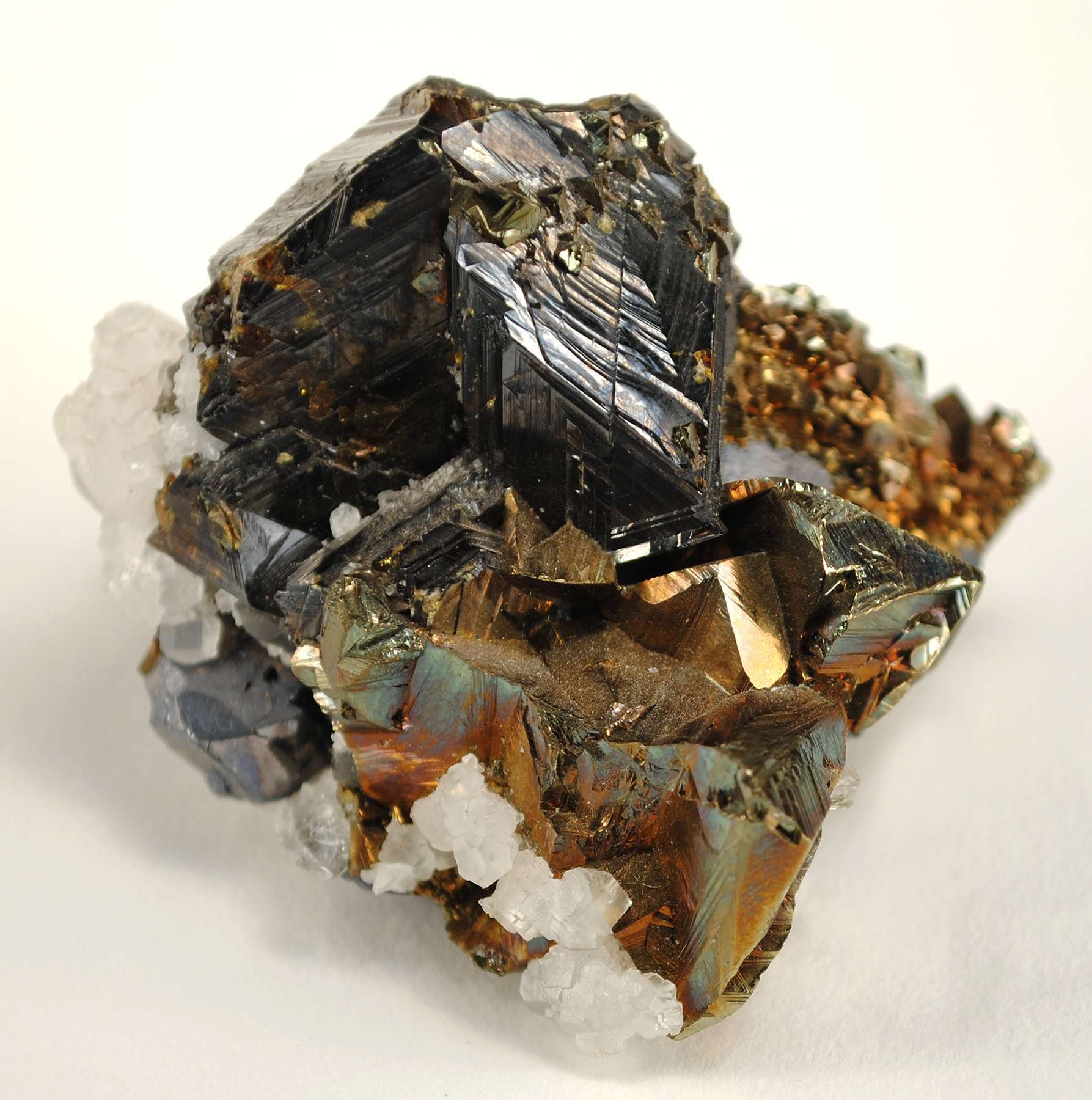
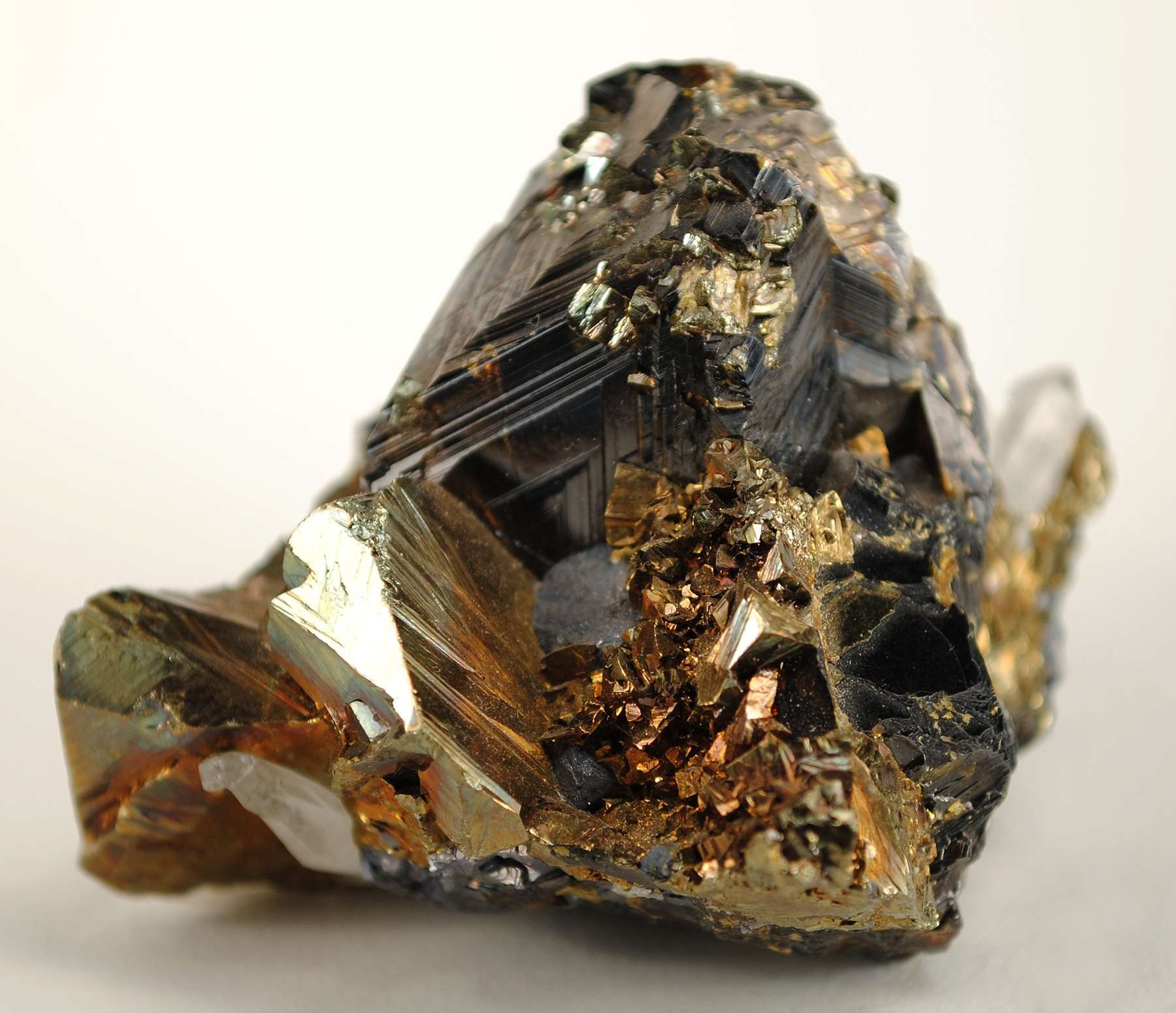
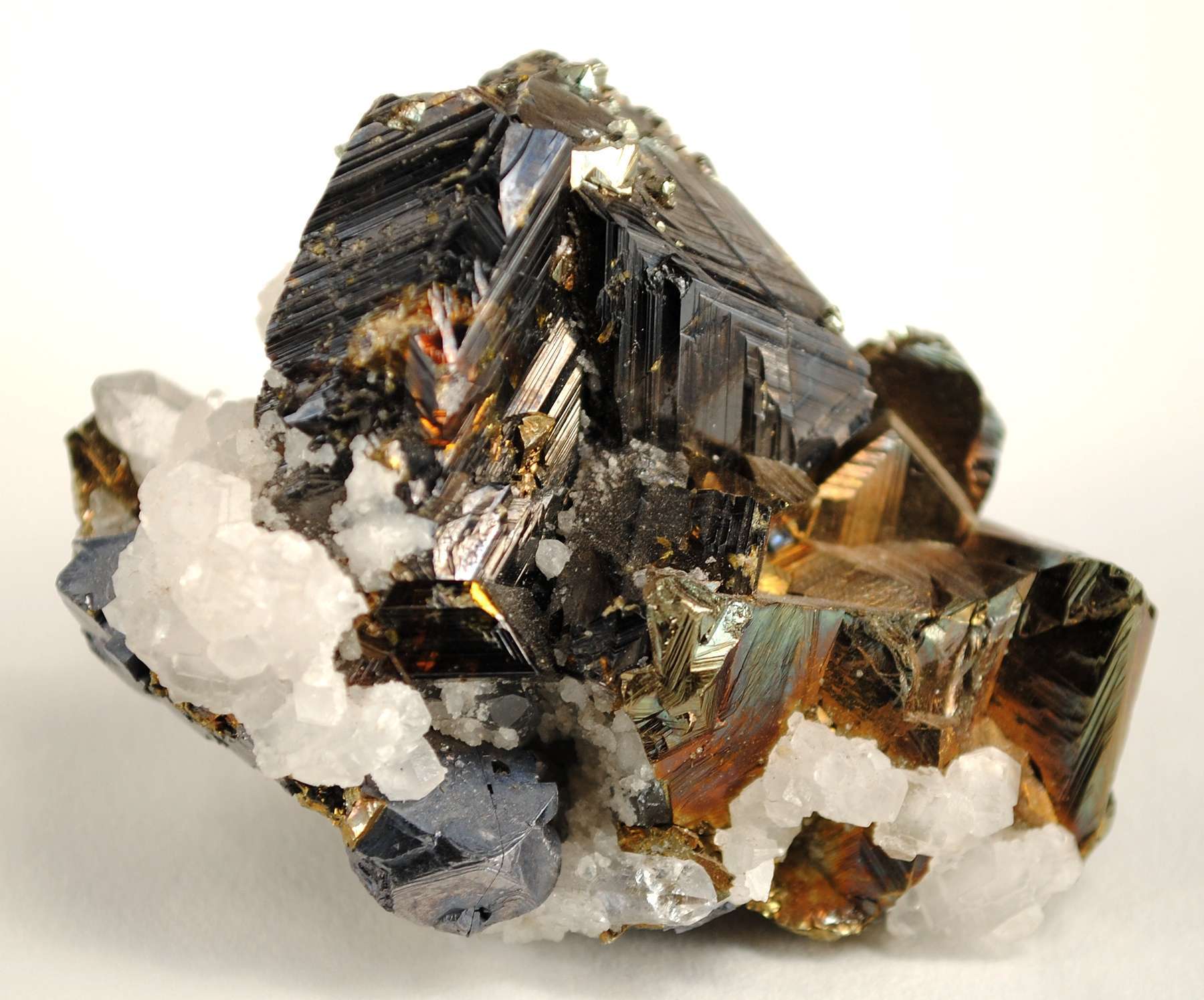
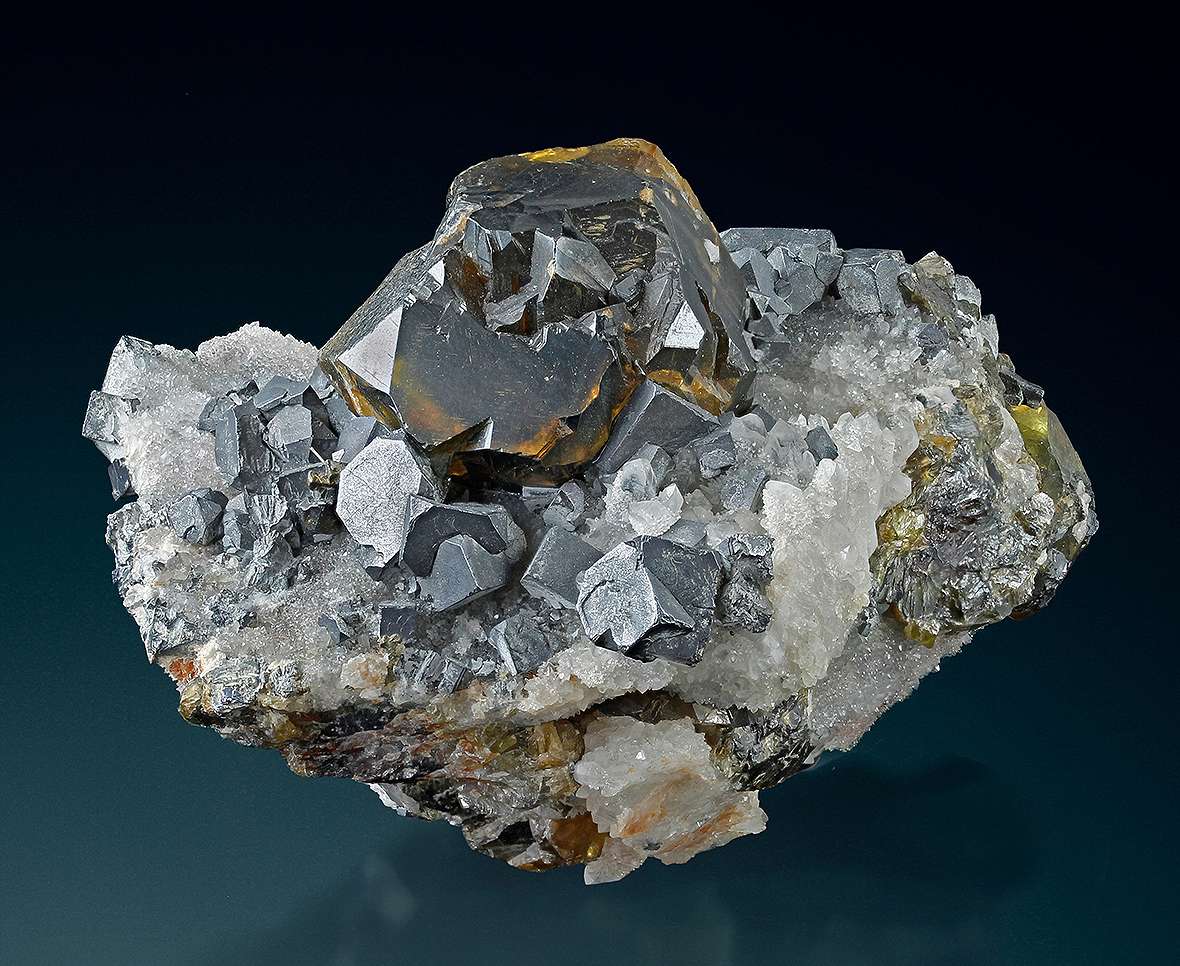
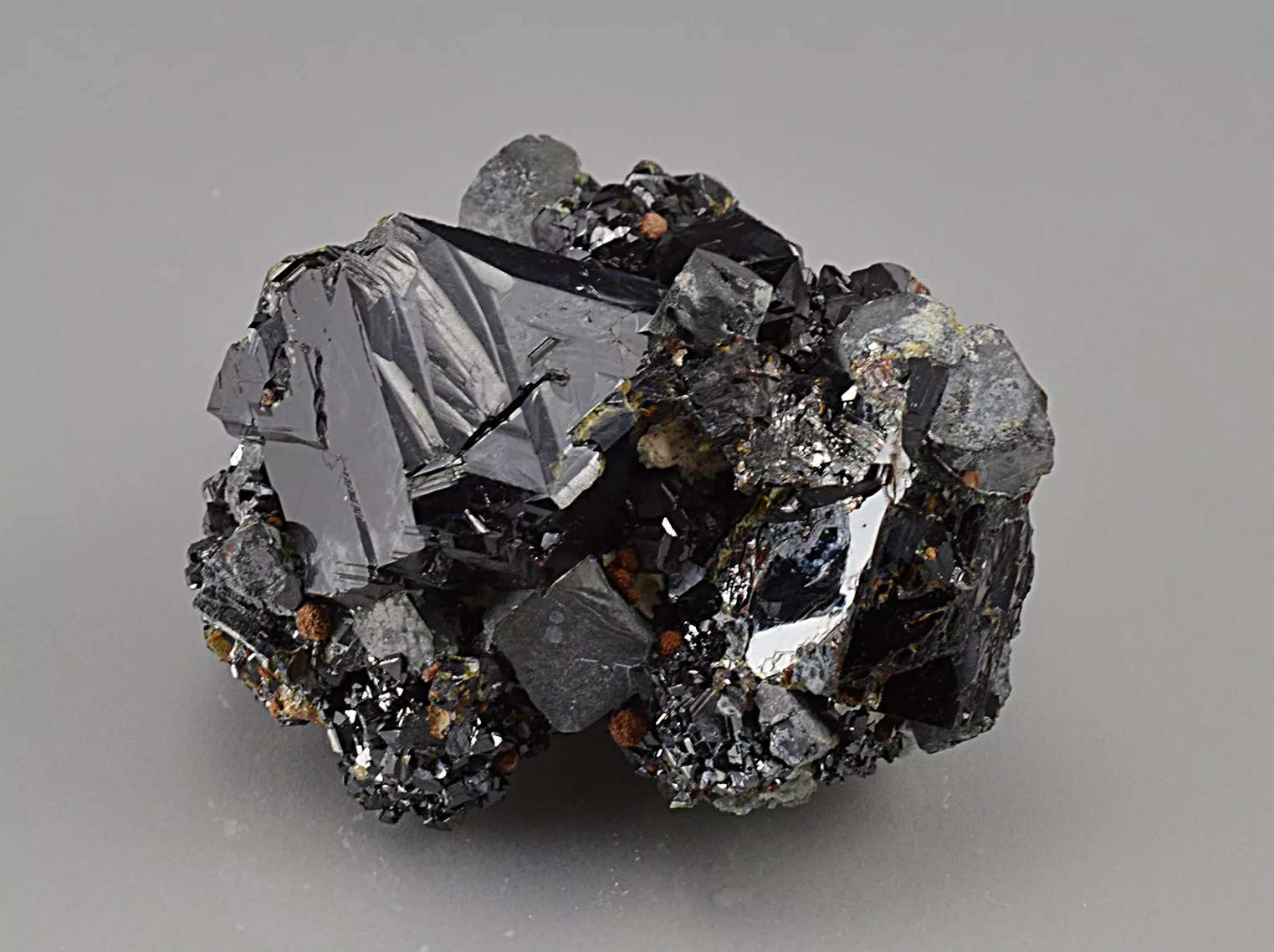
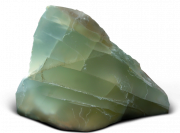
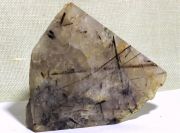
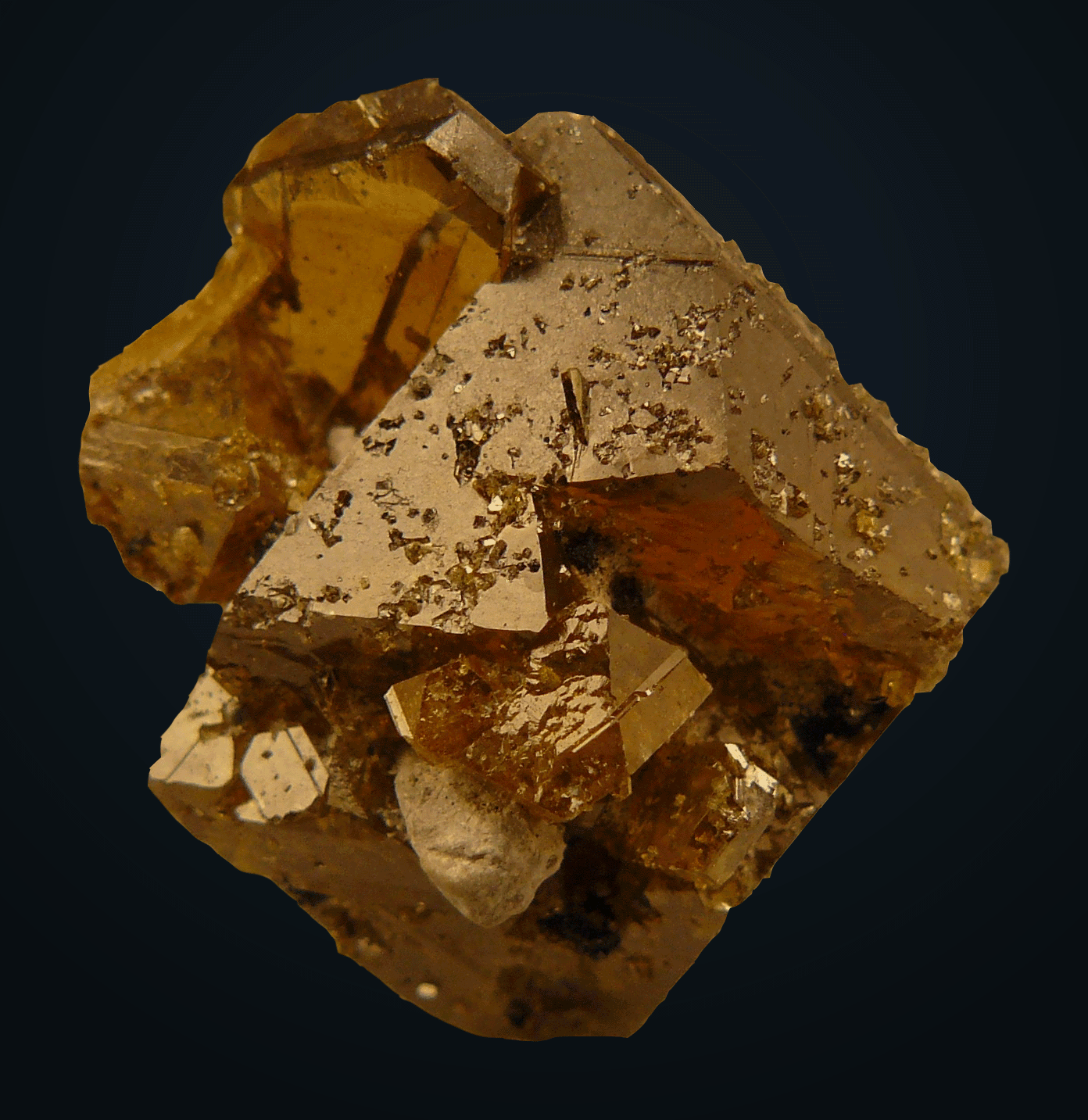
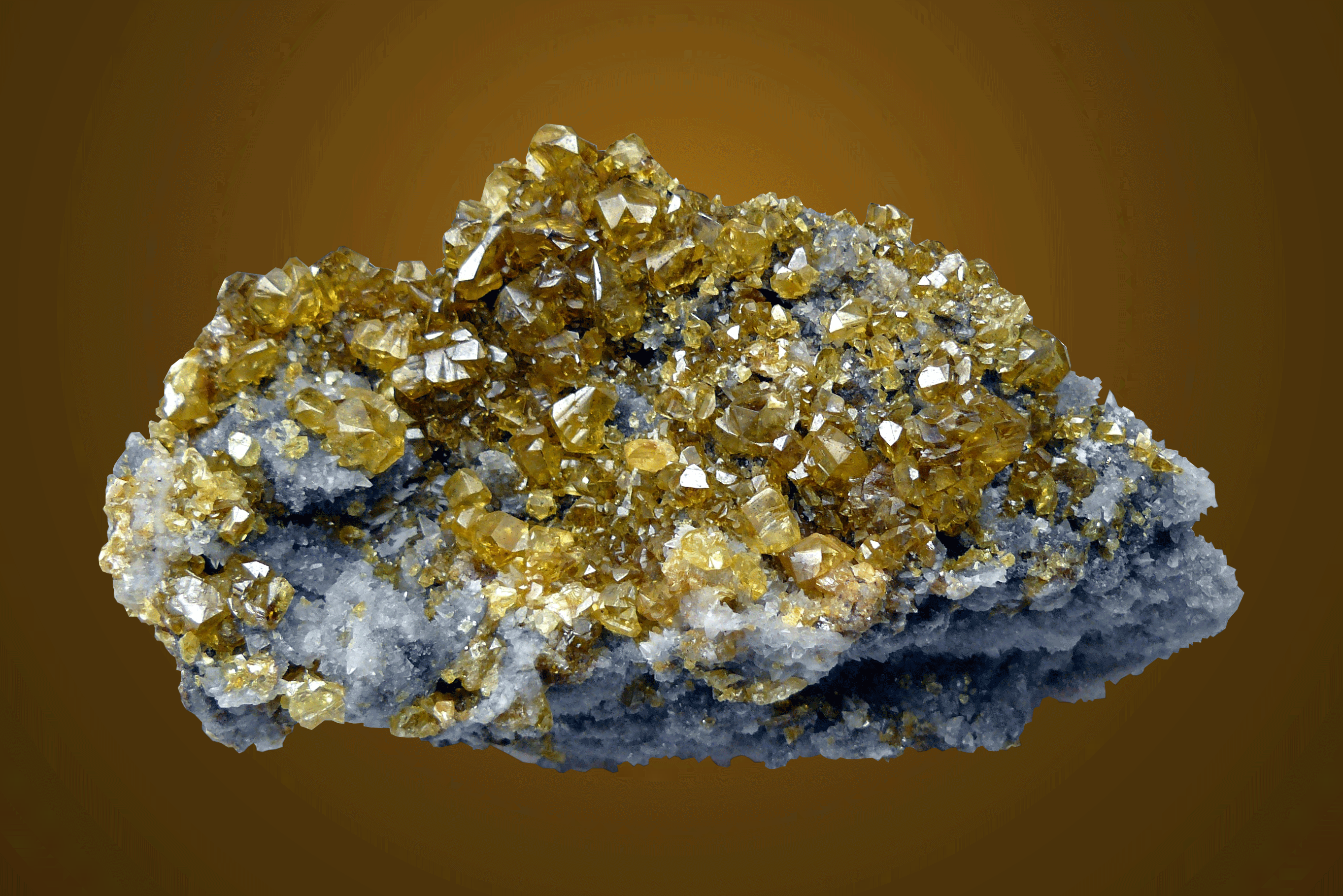
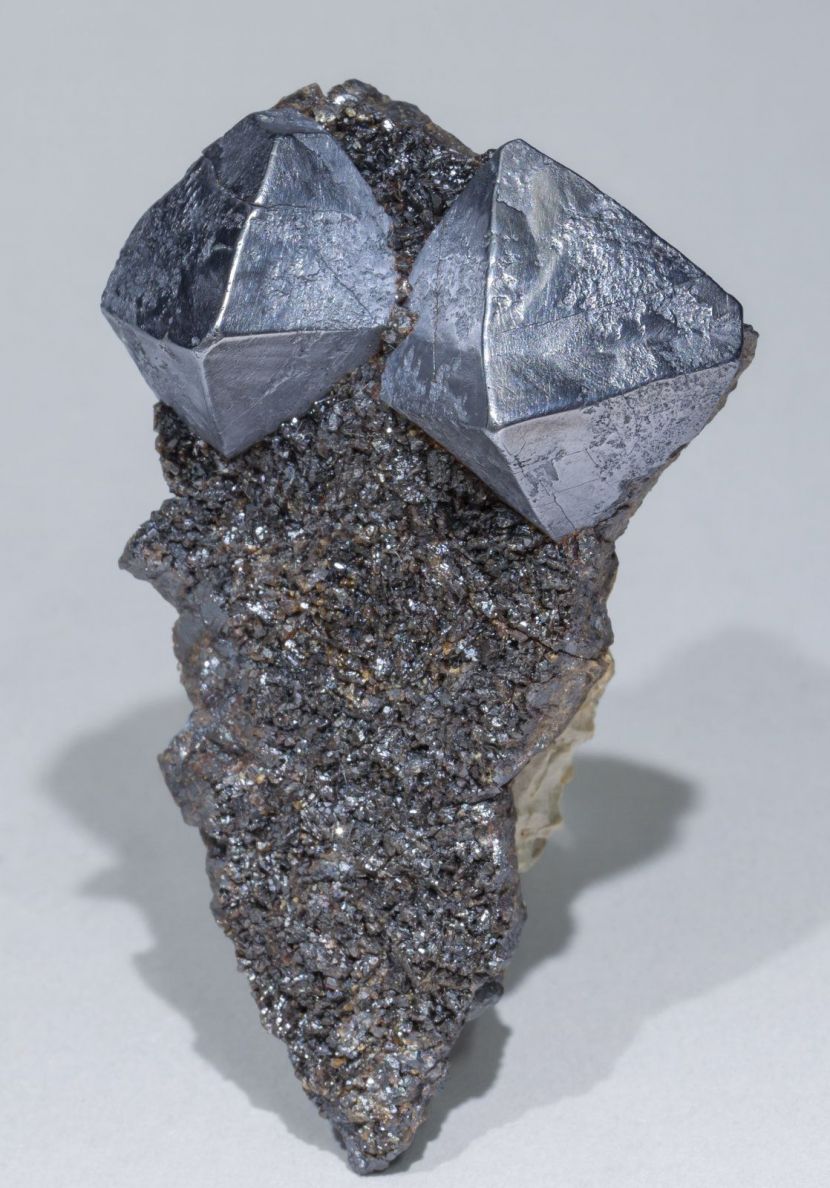
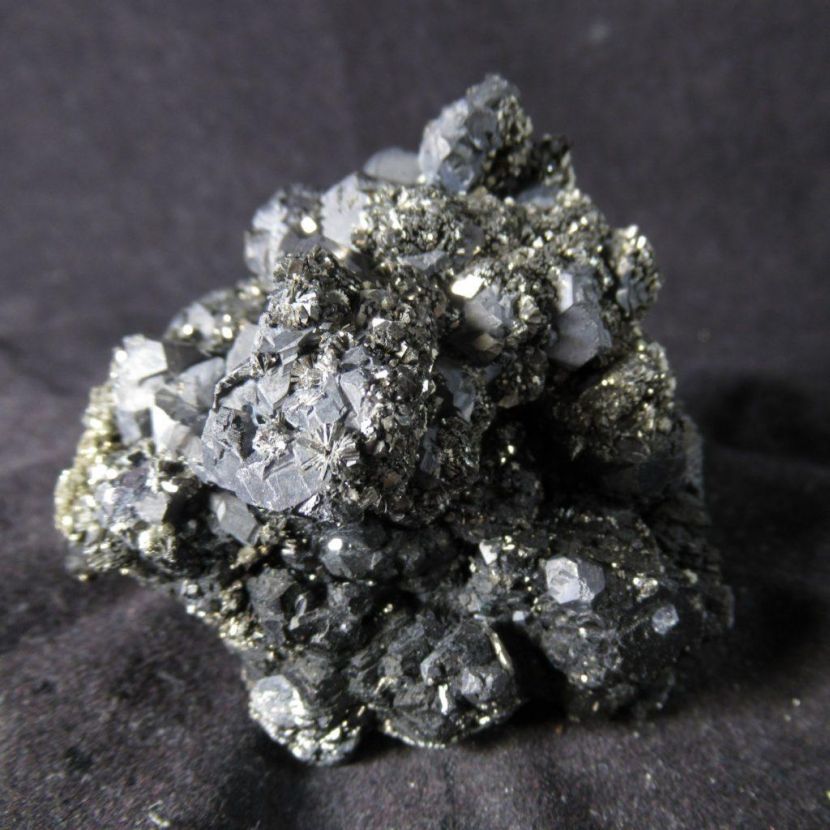
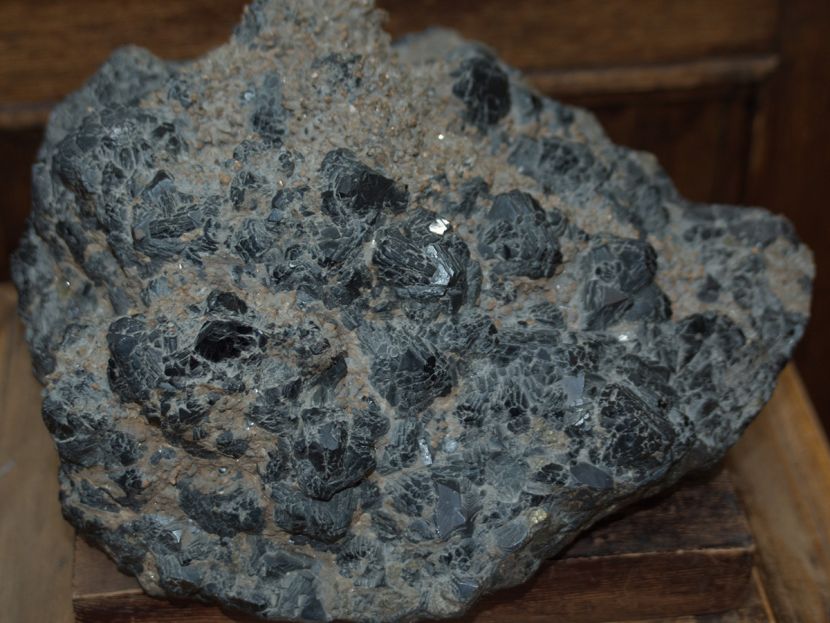
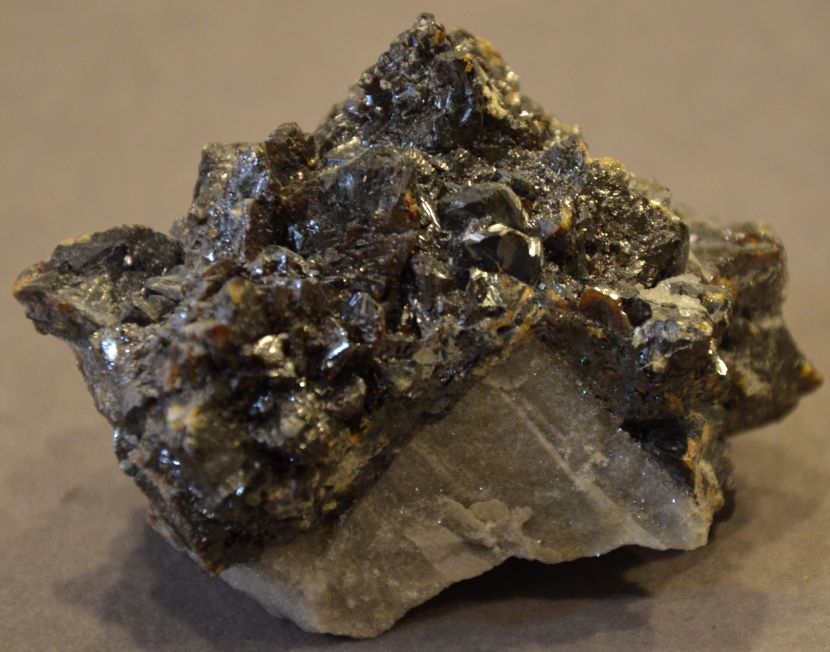
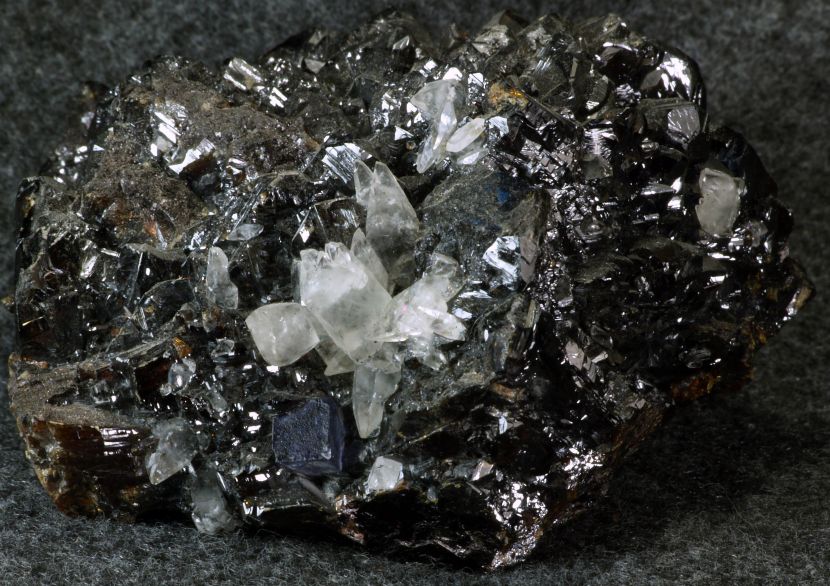
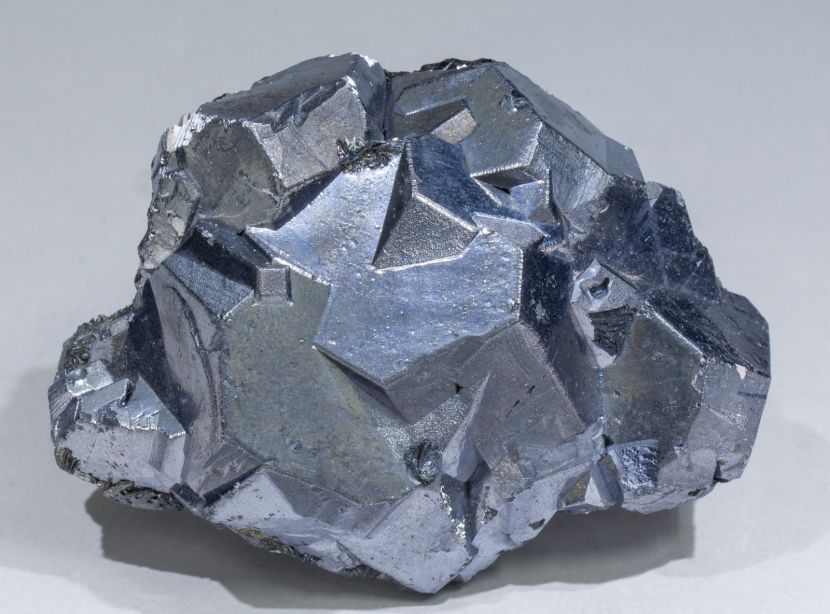
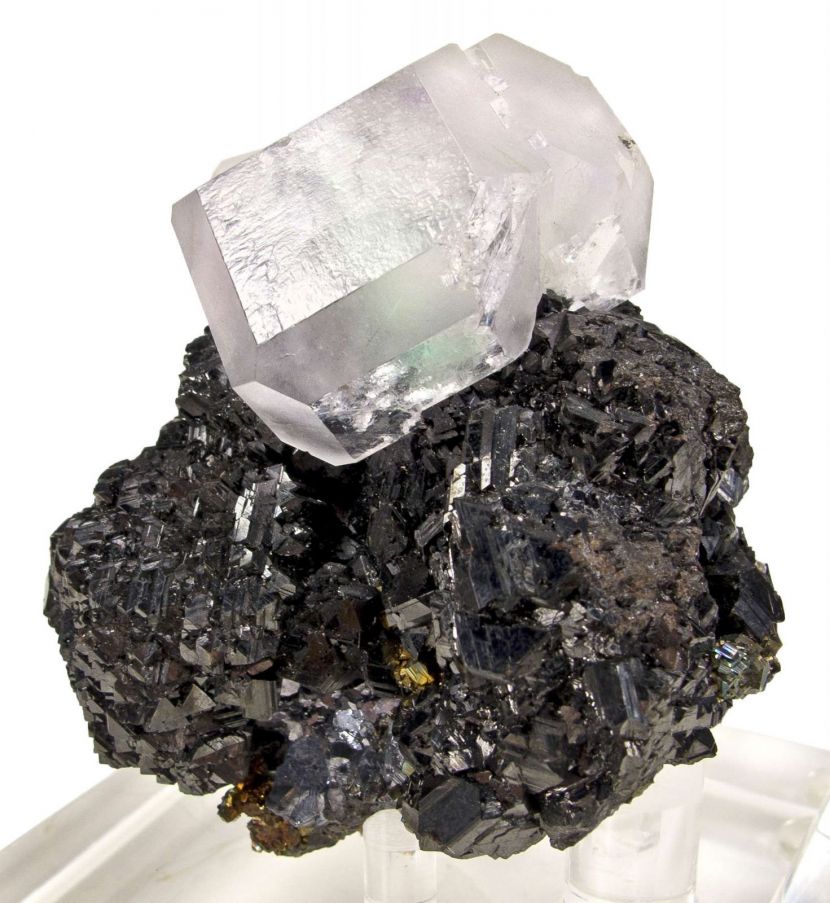
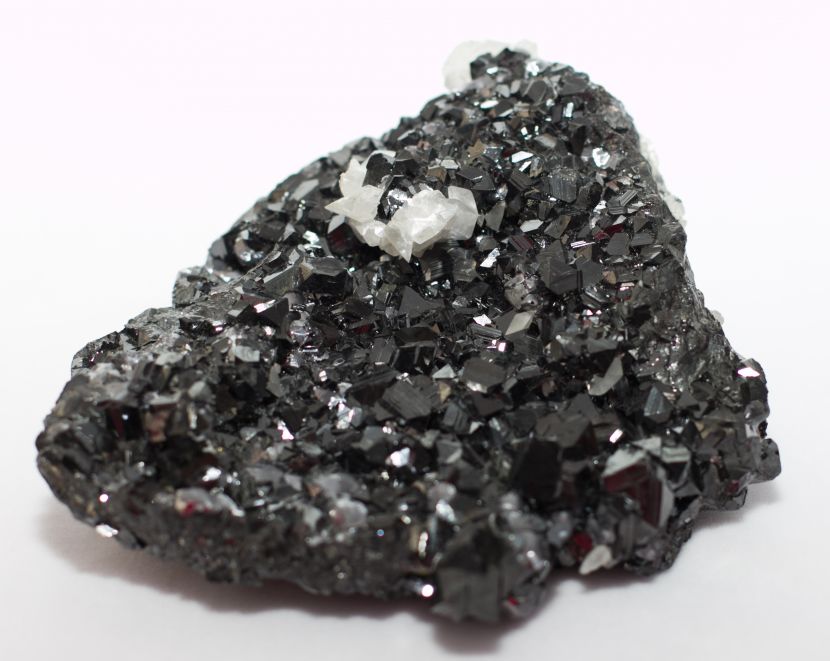
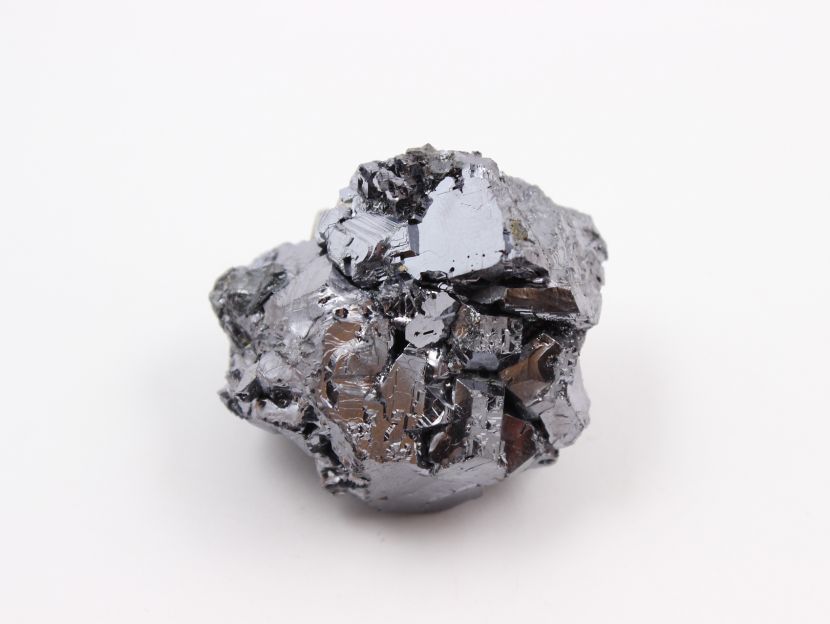
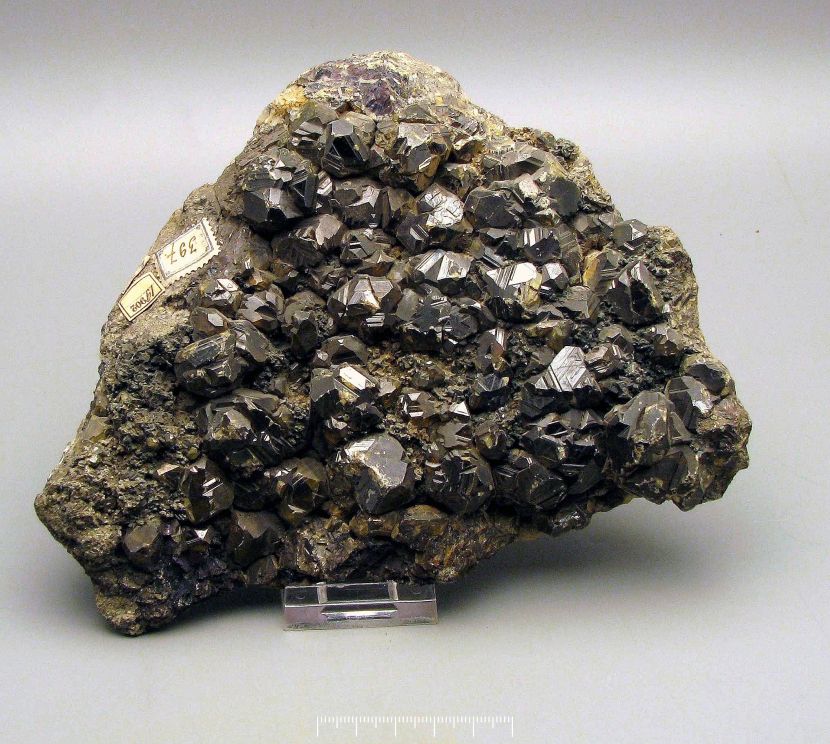
Sphalerite crystals have a well-defined granularity, often translucent. Aggregates with a smooth surface exude a dull sheen, all other samples play in the light with beautiful tints, like a diamond. Pure zinc sulfide is white, but iron impurities give the mineral a yellow, grey-brown, red-brown, or even black color. In the latter case, it is easy to confuse it with galena - lead sulfide.
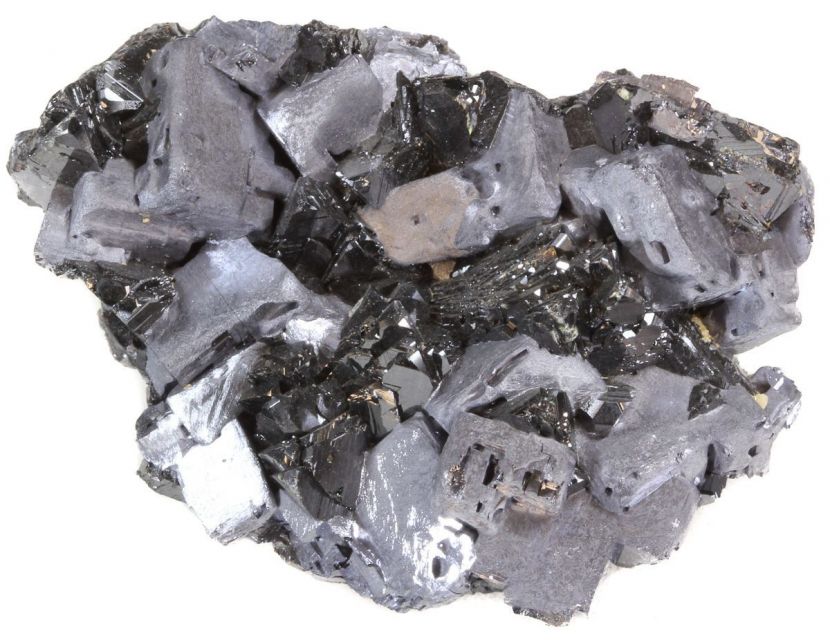
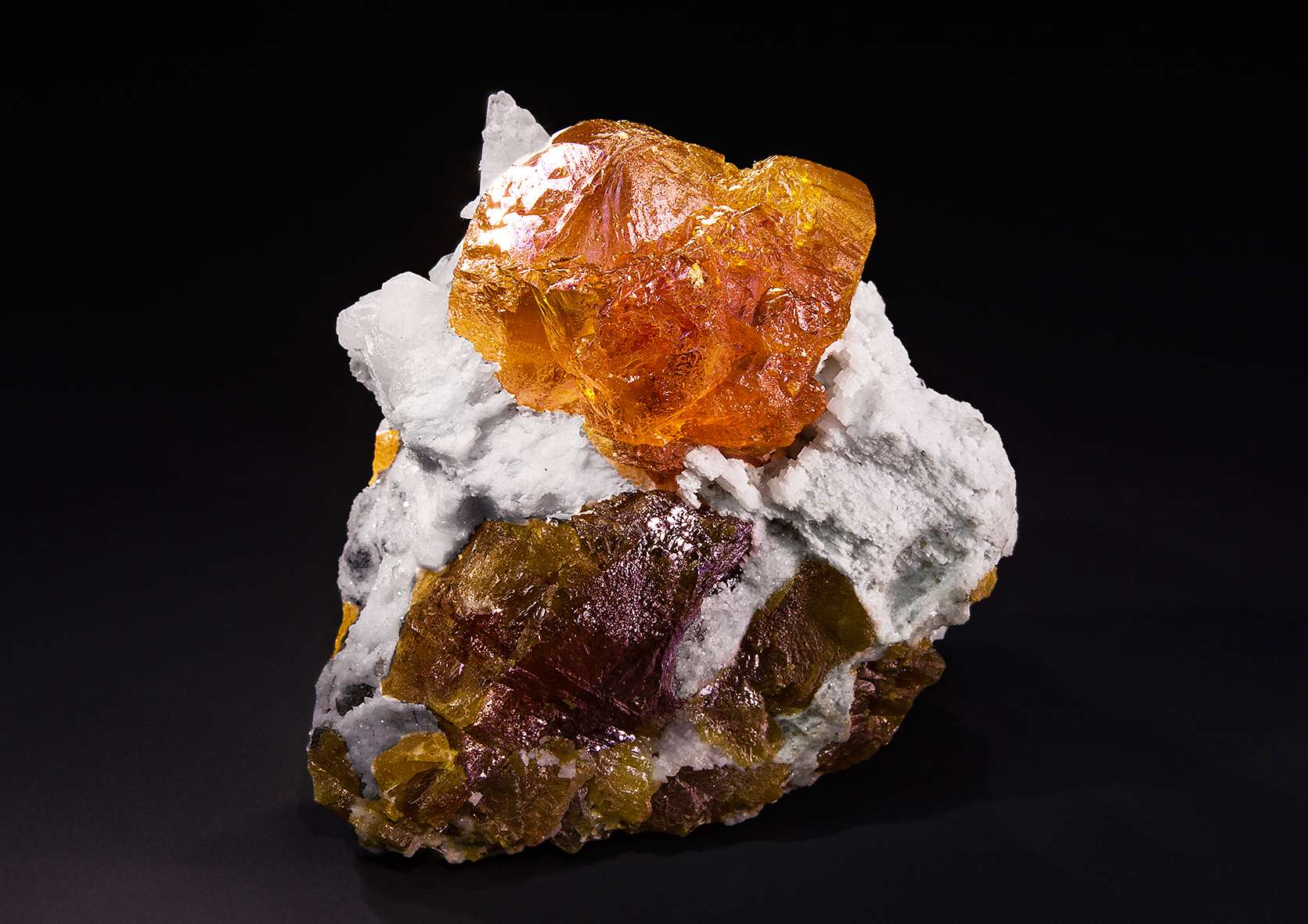
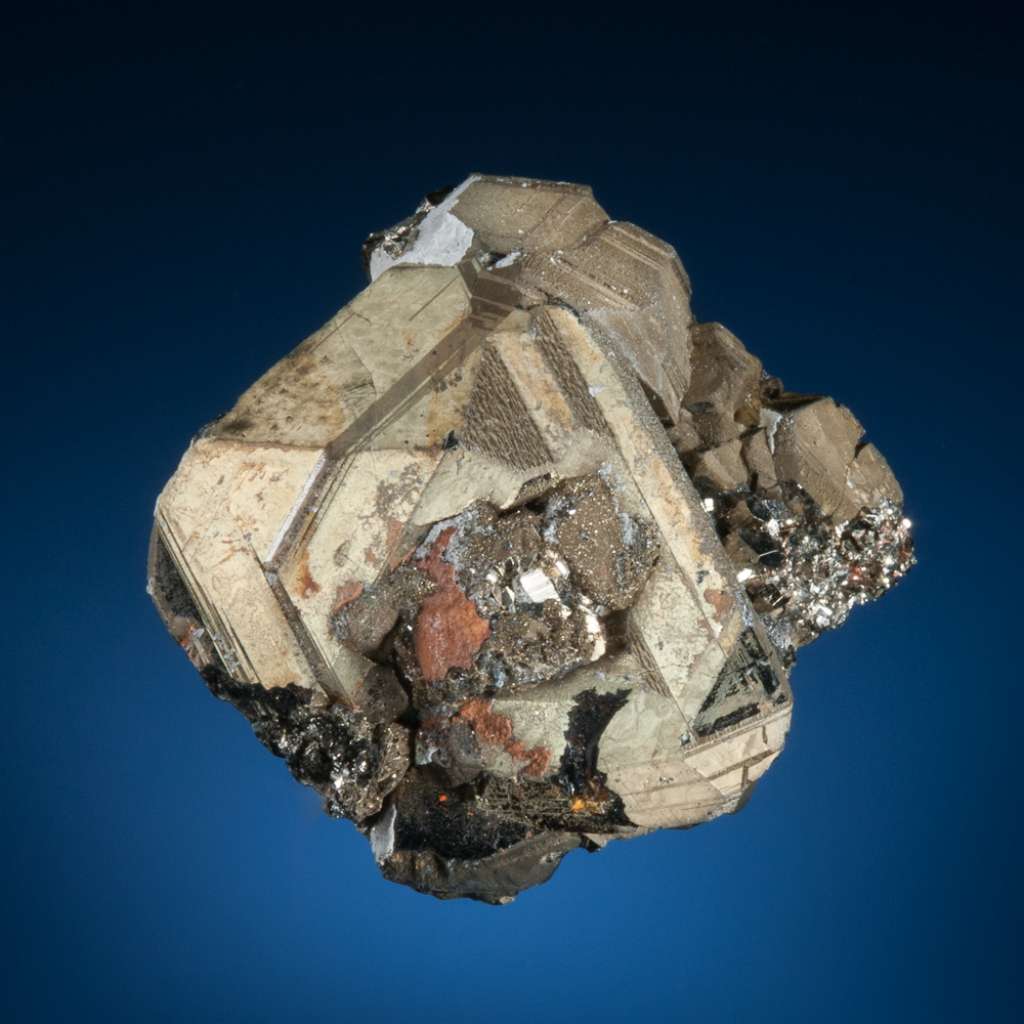
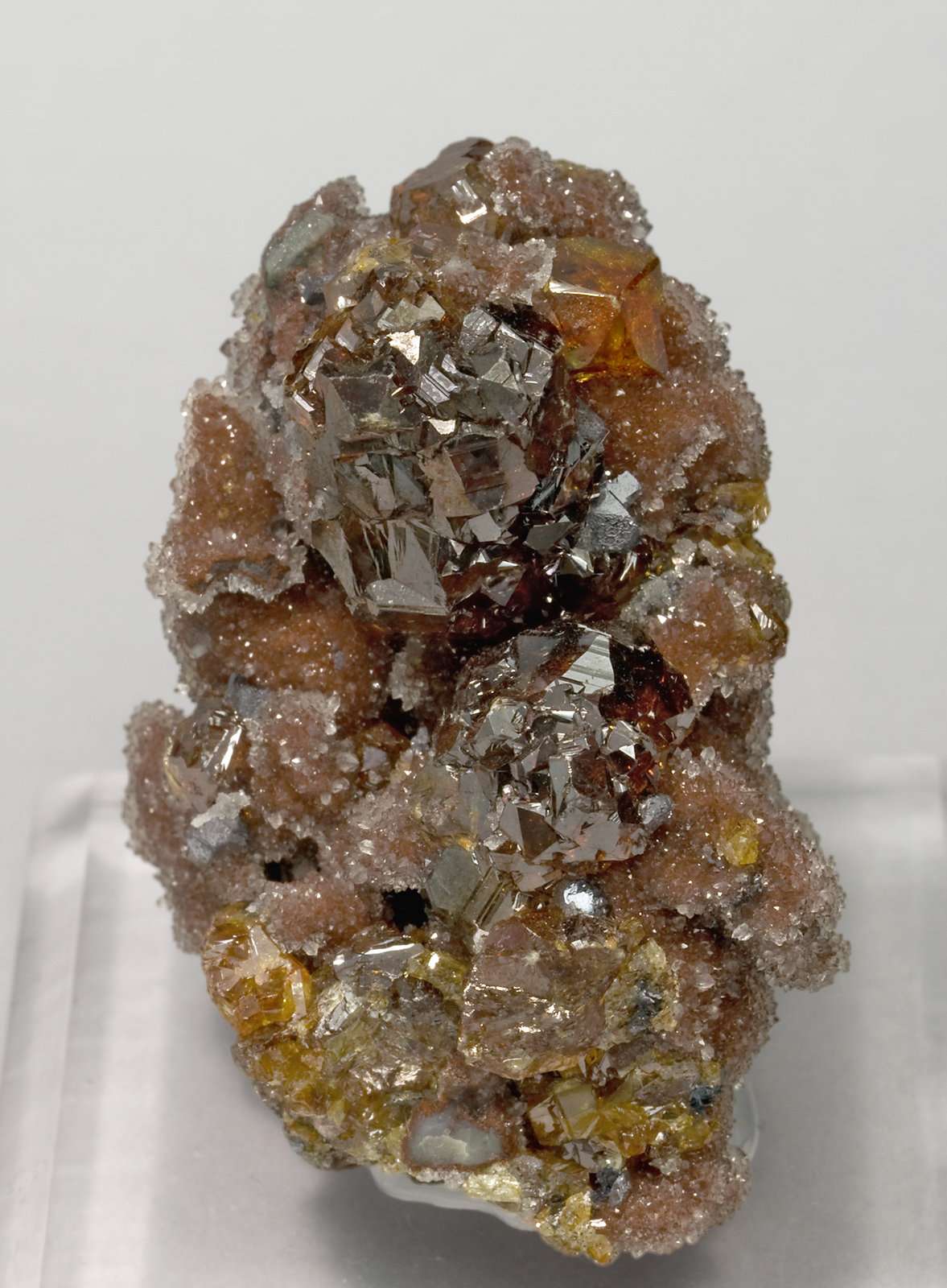
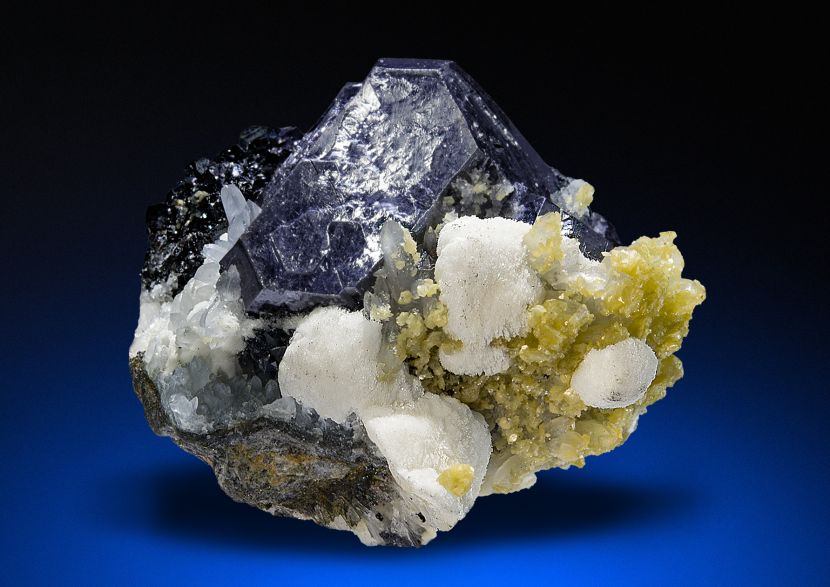
Sphalerite can form light-colored and transparent crystals. They are shaped like tetrahedra or rhombododecahedrons and can be faceted.
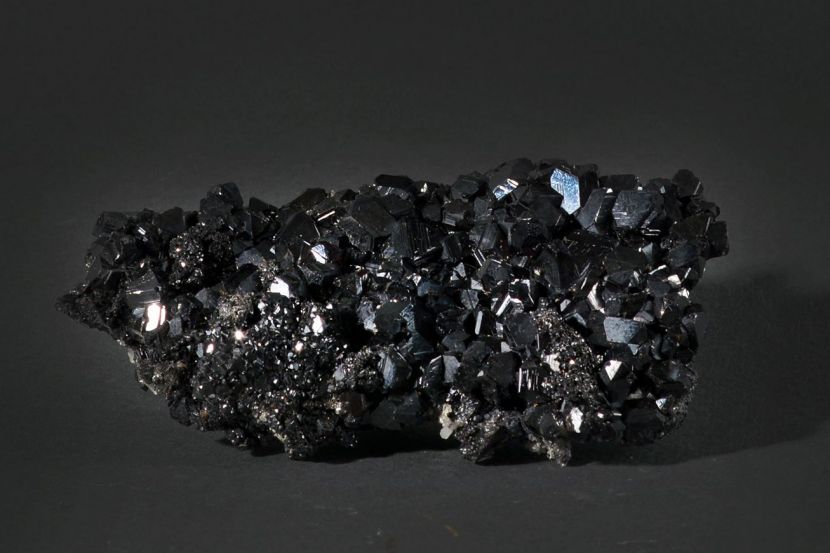
Sphalerite usually has the form of coarse-grained or shell-like aggregates. The latter resemble malachite in their pattern.
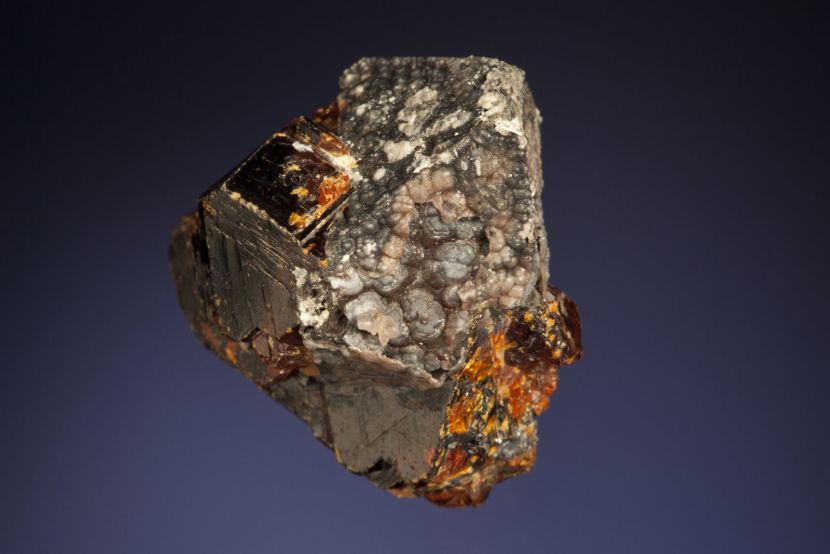
The main physical and chemical properties of sphalerite are:
- The value on the mineralogical scale of hardness is 3.5-4;
- Composition with impurities of iron, cadmium, indium, gallium;
- Shine diamond;
- Color yellow, reddish-orange, brown, dark gray, colorless;
- Transparent, translucent;
- Cleavage is perfect;
- The fracture is uneven;
- Fragile;
- Luminescence, exudes a faint glow when exposed to heat;
- The syngony is cubic;
- Refractive index 2.638;
- Density 3.9;
- Isotropic type;
- The shape of the crystals is a tetrahedron, rarely - a rhombic dodecahedron, when growing together - an octahedron;
- It dissolves in hydrochloric and nitric acid (in the first case, hydrogen sulfide is released, in the second - sulfur).Upon contact with hydrochloric acid, it begins to smell like rotten eggs.
If a piece of sphalerite is scraped in the dark, small sparks will appear.
Varieties
Sphalerite has several subspecies, differing from each other in impurities and shades.
- Kleyofan - transparent crystals of a honey hue or transparent, do not contain iron;
- Marmarite - black opaque samples, contain a high concentration of iron;
- Brunkite - an earthy coating on sphalerite crystals;
- Marasmolite is a dilapidated ferruginous crystal;
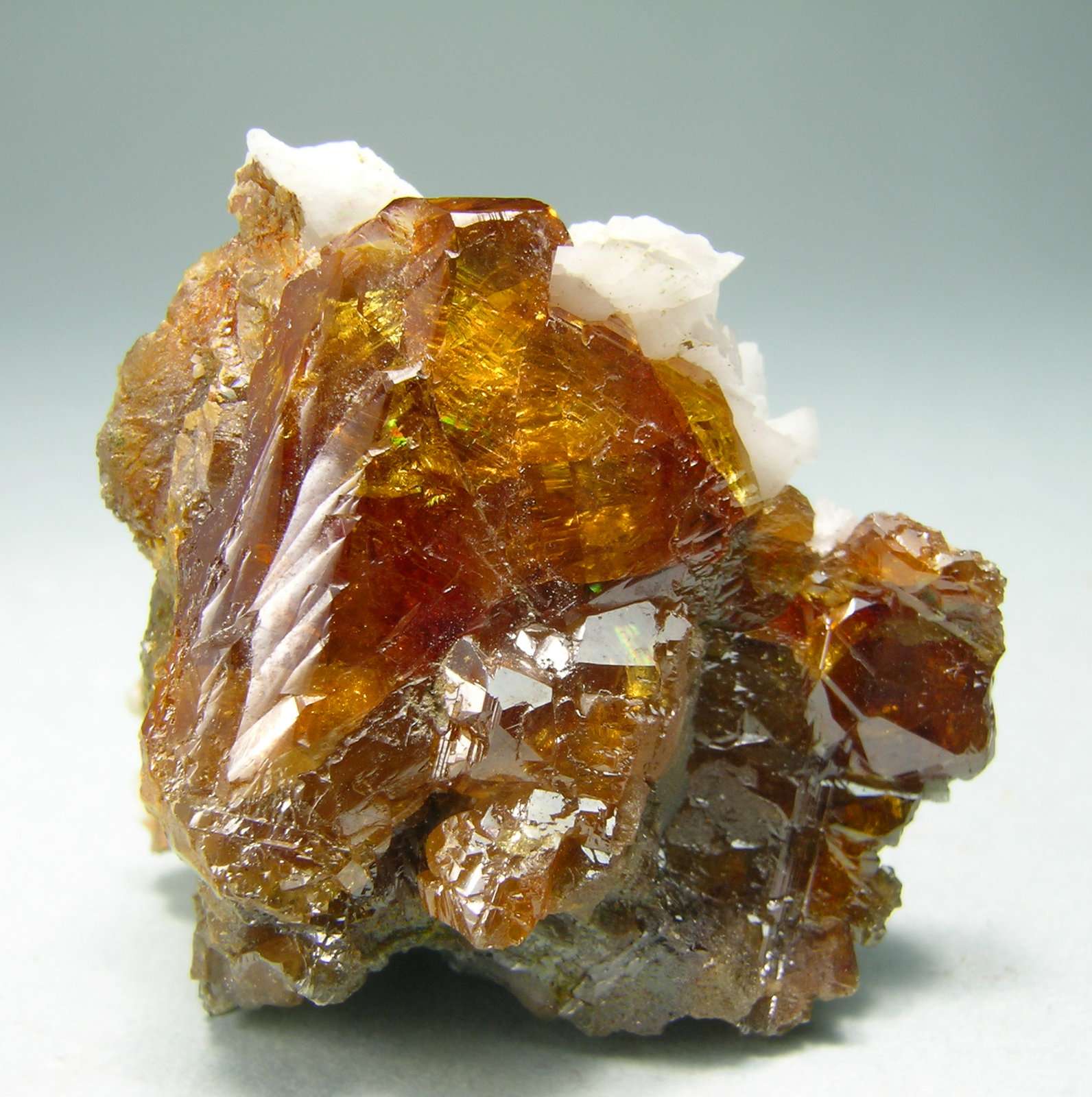
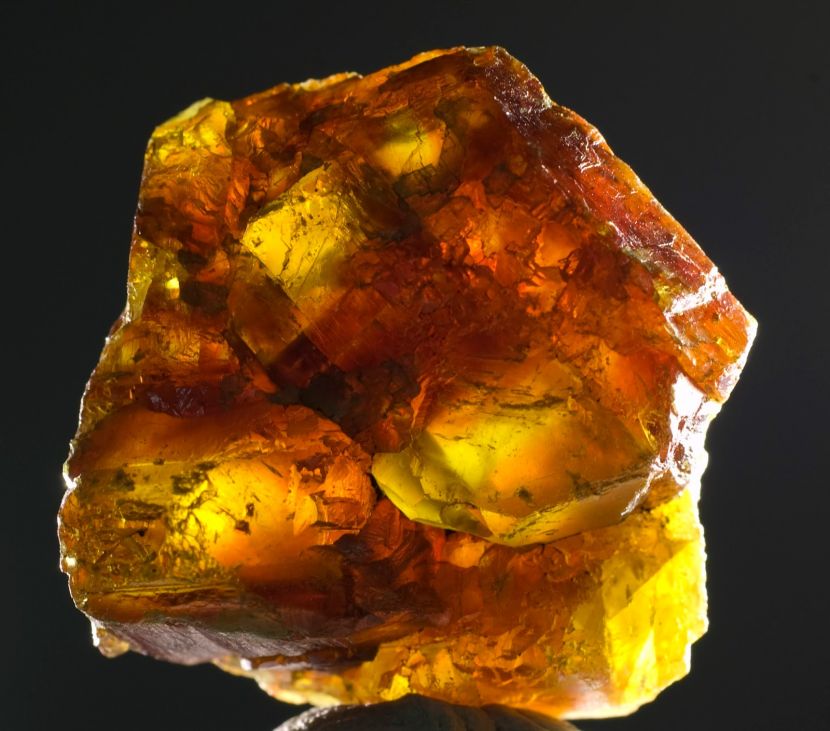
- Honey blende - samples of bright amber color;
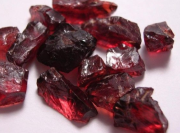
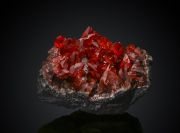
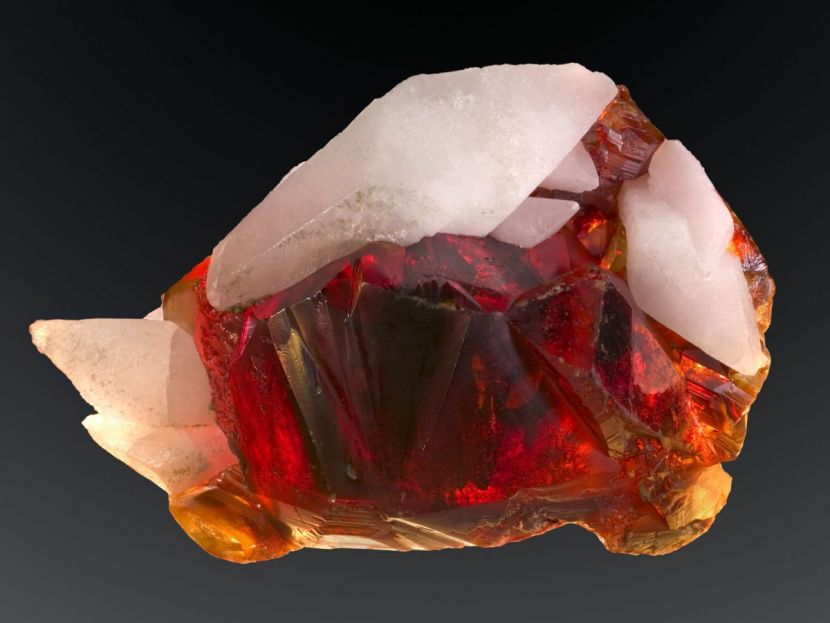
- Ruby blende - a mineral of orange or red hues;
- Pribram - samples with a high content of cadmium, have a yellowish color.
magical properties
Sphalerite without impurities is used for the production of luminous paints. Perhaps that is why experts in the metaphysical properties of minerals believe that this stone fills the human body with golden light, thereby creating a feeling of amazing lightness.
It is believed that jewelry with sphalerite will help its owner to quickly detect deceit or betrayal.
In black magic, a black mineral is actively used as a guide to the other world. But for causing damage, the evil eye or other evil deed against people, it is not used for the reason that it returns negative energy in a triple size as a punisher.
White sphalerite is highly valued as a talisman. Protects from negativity, evil eye, anger, start.
Yellow samples have shown themselves well in calming the nerves, gaining hope and optimism. Restrains from rash acts and bouts of irritation.
What signs of the zodiac suits
Astrologers claim that the effect of the stone on various signs of the zodiac is universal. Only Scorpios are wary, wearing a stone can bring them a lot of trouble.
Medicinal properties
The healing properties of sphalerite are directly dependent on its color. For example, black pebbles help to cure colds. Lithotherapists give such a recipe - put the mineral in a glass of water for a day, then gargle or drink. A pendant with a stone must be worn on the chest.
White and yellow samples are used to restore the nervous system, treat fainting, nervousness, depression, melancholy, insomnia.
Orange crystals mined in Spain are valued for their general strengthening effect on the body.
How to care for jewelry
Natural sphalerite is a very fragile stone in its structure. It is almost never used to create jewelry. But if such a value is still available among the family jewels, then it must be looked after with maximum thrift. From the slightest blow, scratches and chips can appear on the stone, which cannot be restored. The samples are kept in caskets that are tightly buried and have soft inserts inside.
The mineral can be cleaned, but this should be done in cool running water without soapy products. After washing, the products are well wiped and dried thoroughly.
Compliance with simple storage rules will allow you to save the gem and enjoy its beauty for many years.
Curious facts
Sphalerite at all times was considered an assistant to insecure people.
It helps them in strengthening their fortitude, leadership qualities. The effect will be noticed even if you just put the sphalerite on the photo of its owner.Talismans are made from raw samples of any color other than black.
Depending on the concentration of iron, sphalerite reacts differently to high temperatures. With a large admixture of iron, the mineral will melt, and pure sphalerite will remain unchanged.
Application of the mineral
Sphalerite is zinc sulfide, the main ore mineral of this metal. Zinc is smelted from it, along with cadmium and indium. These metals are rare and very expensive and are used in the electronics industry to create innovative technological solutions.
By combining zinc with copper, brass is obtained.
Products obtained from sphalerite are actively used in the paint and varnish and pharmaceutical industries.
Zinc is necessary for the production of paints, luminous enamels.
Sphalerite is a source of elements that are important for the electronics and instrumentation industries. This is the value of the mineral.
Photo of Sphalerite stone