Fascinating stone Hyacinth: unique properties, stone jewelry, care
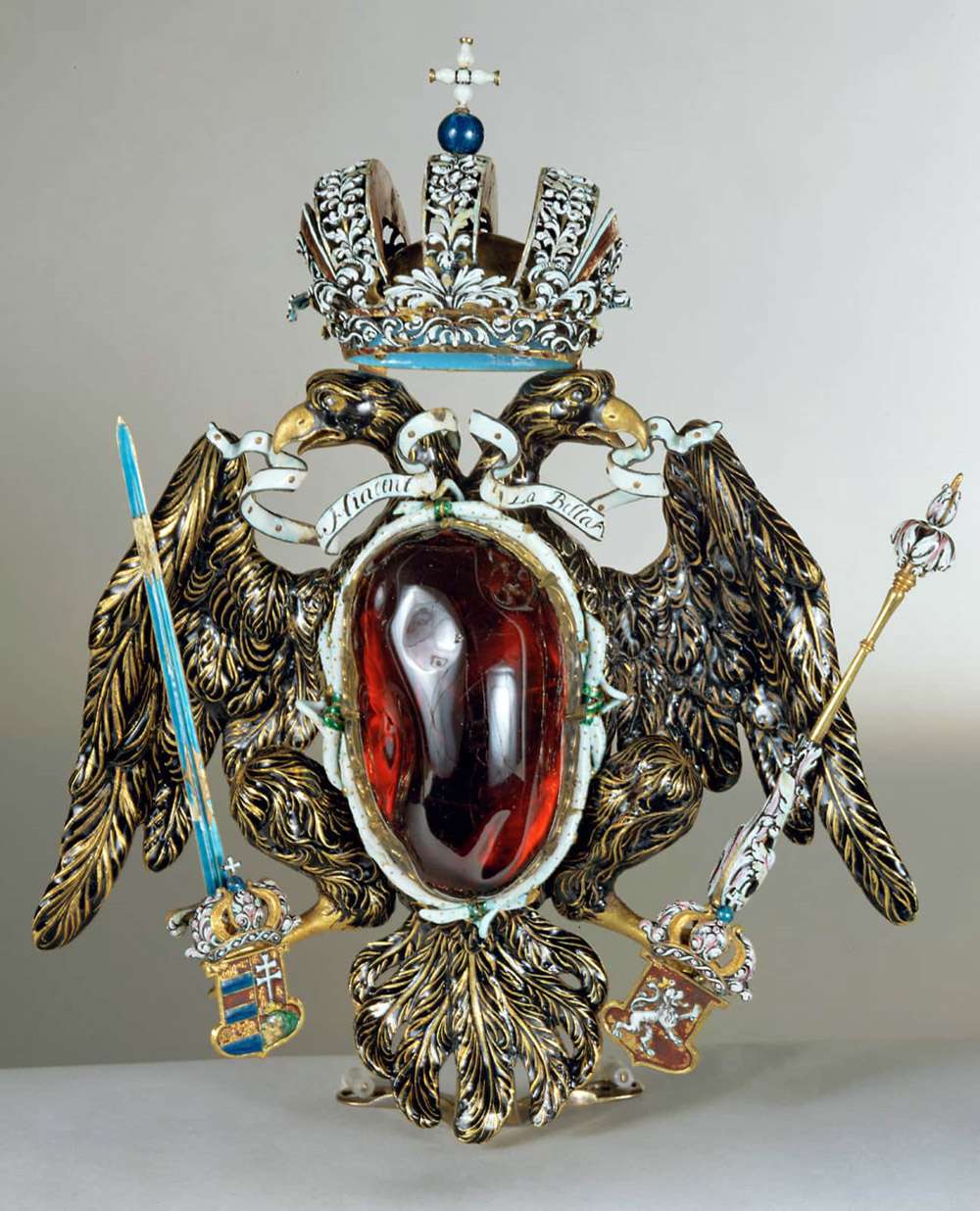
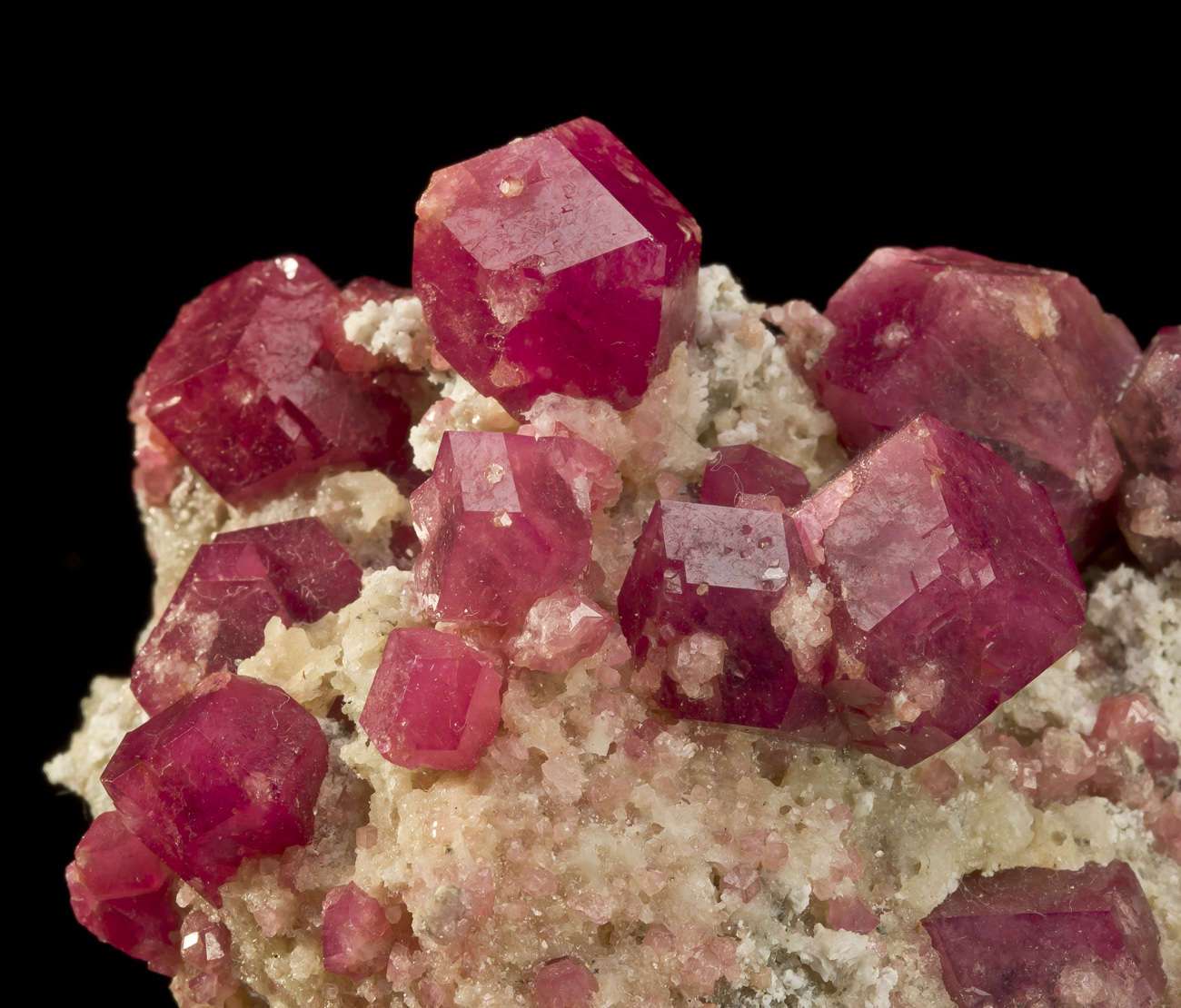
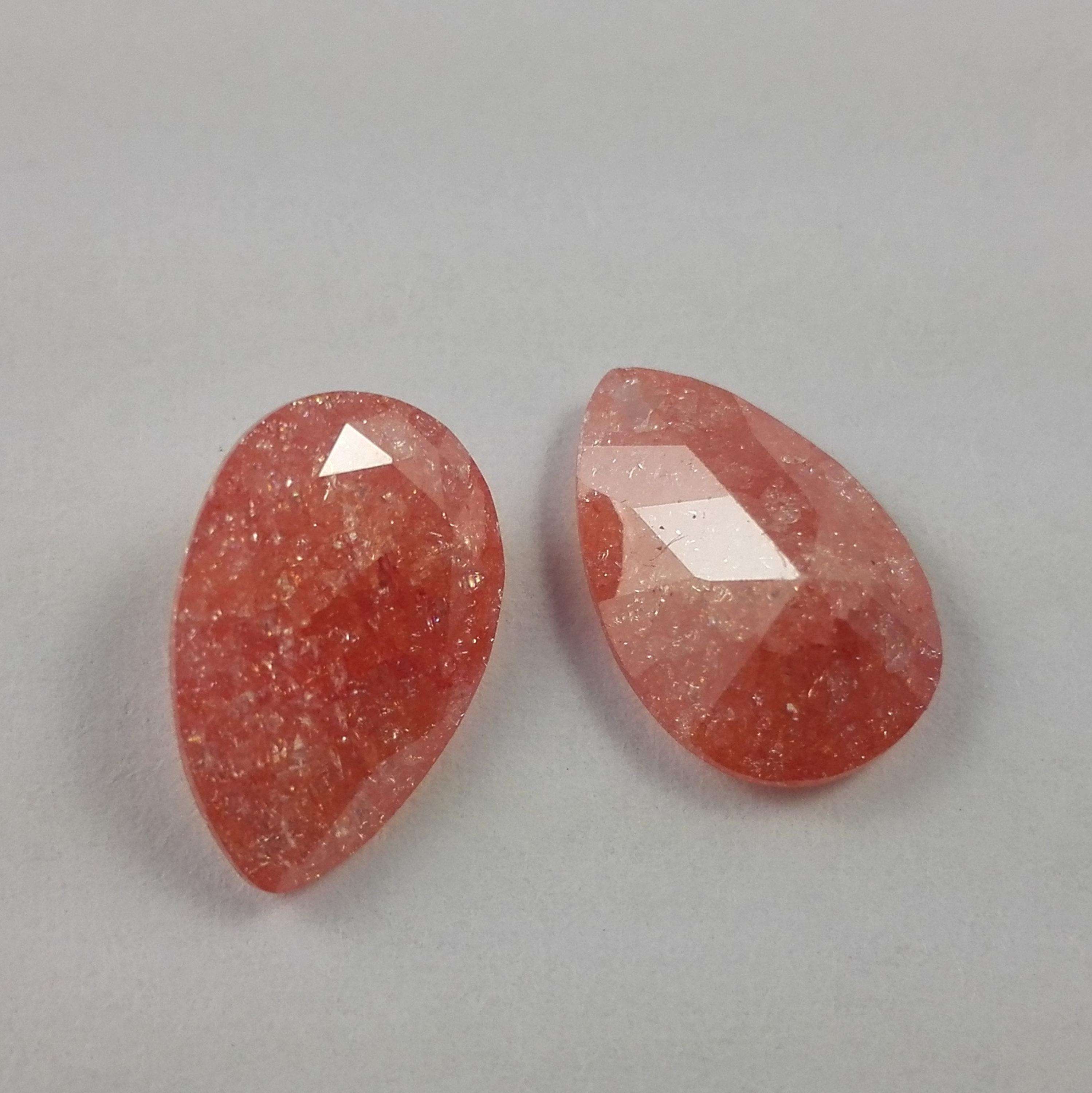
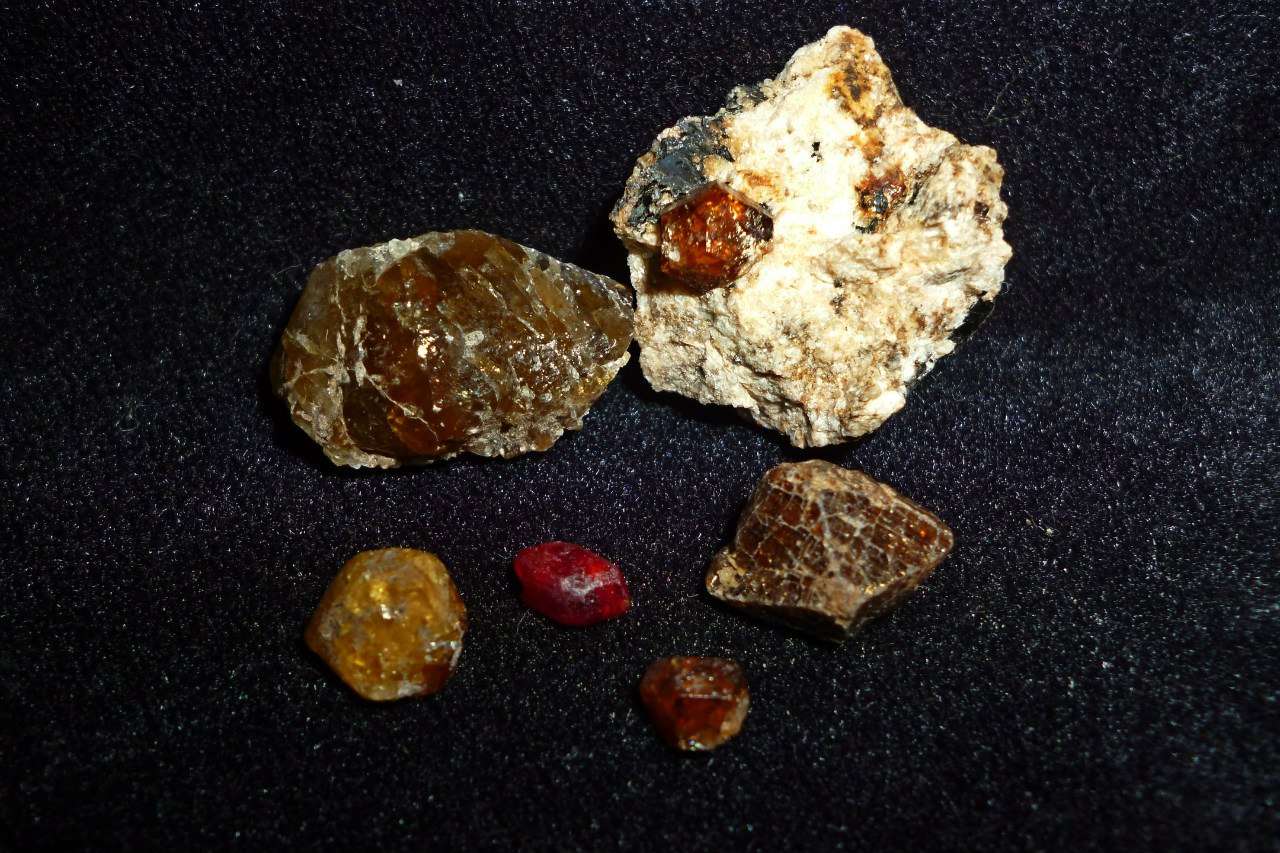
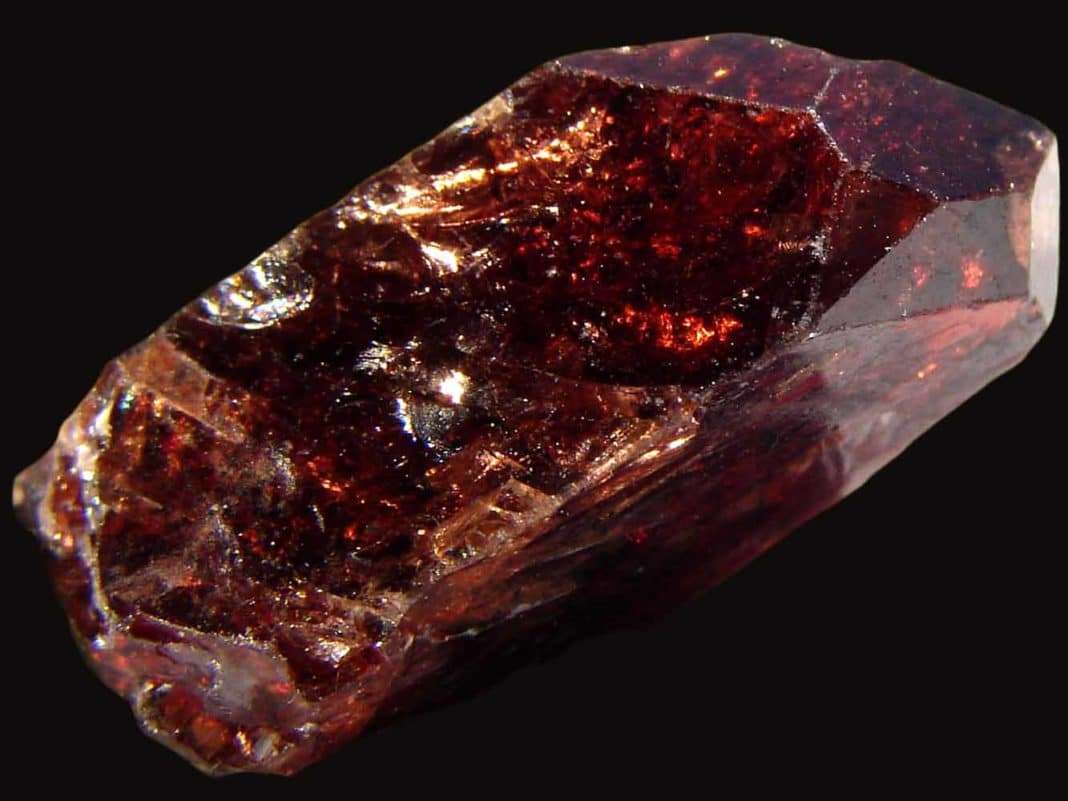
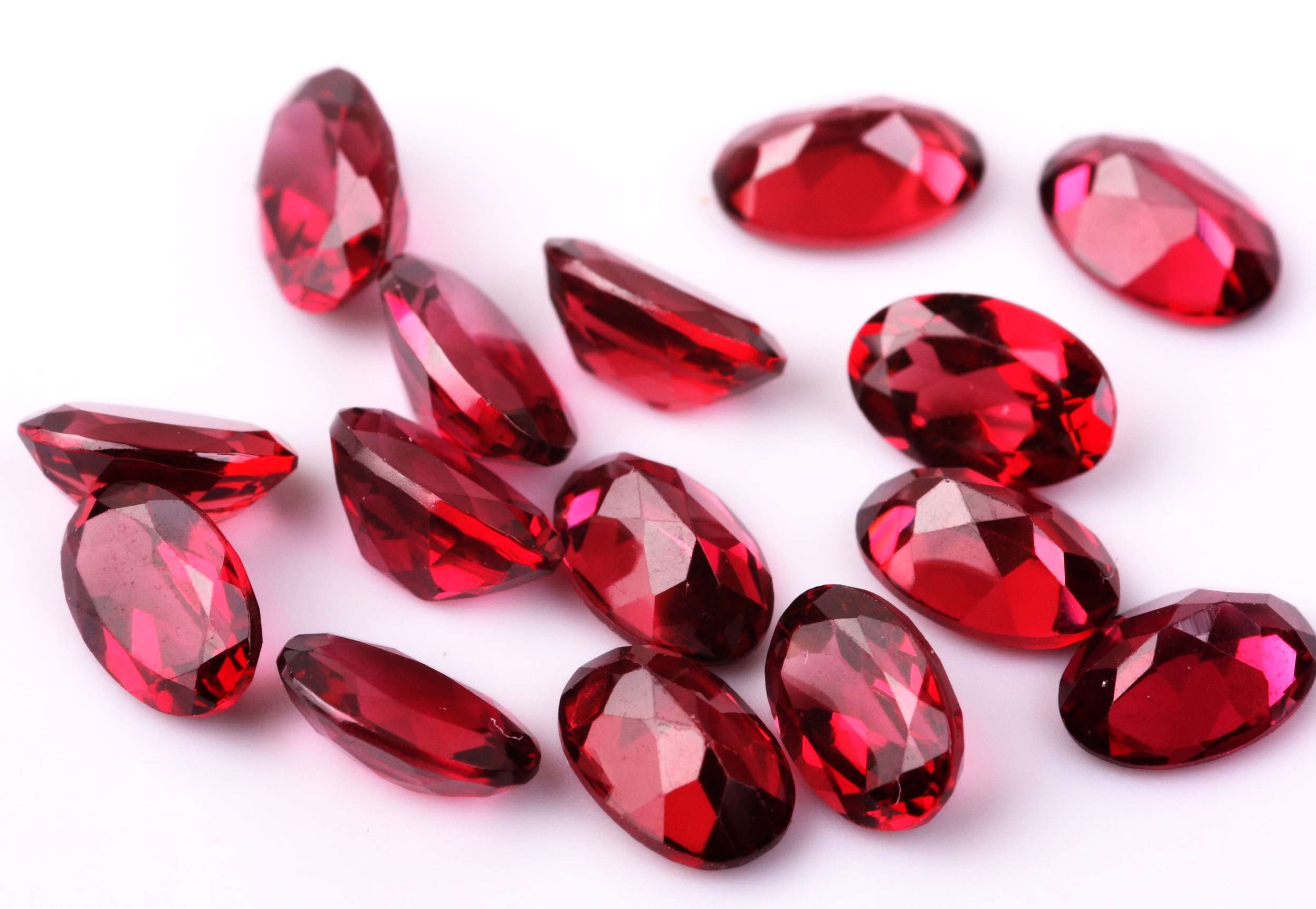
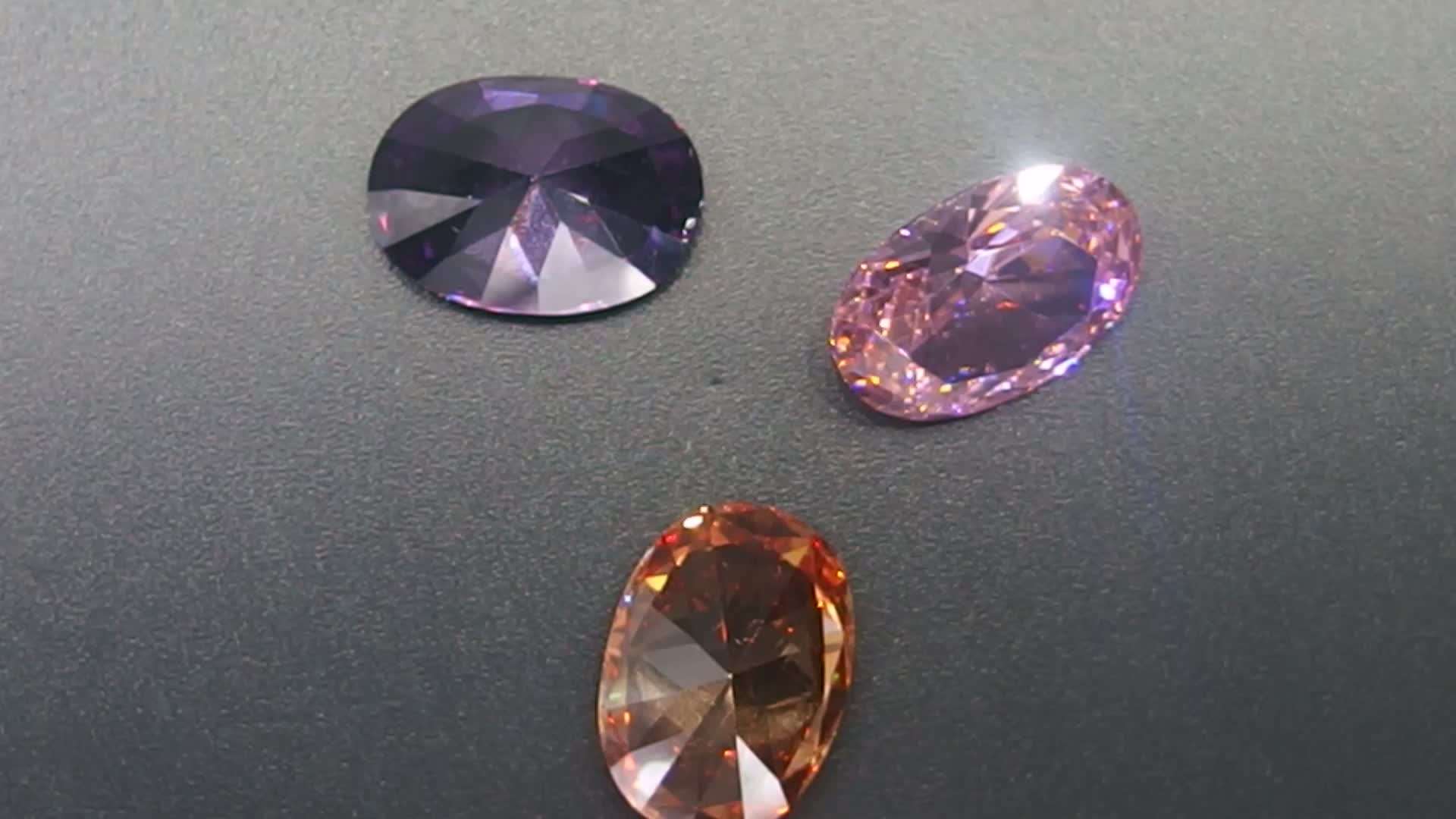
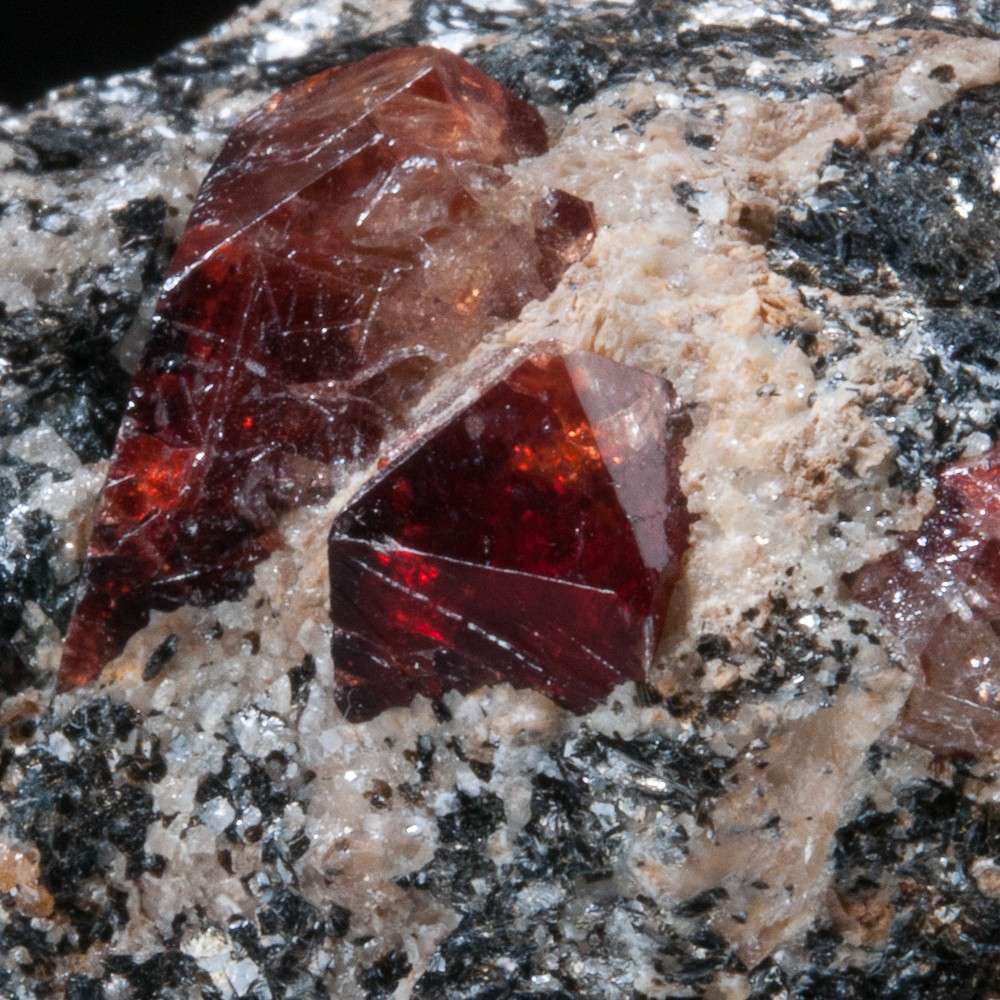
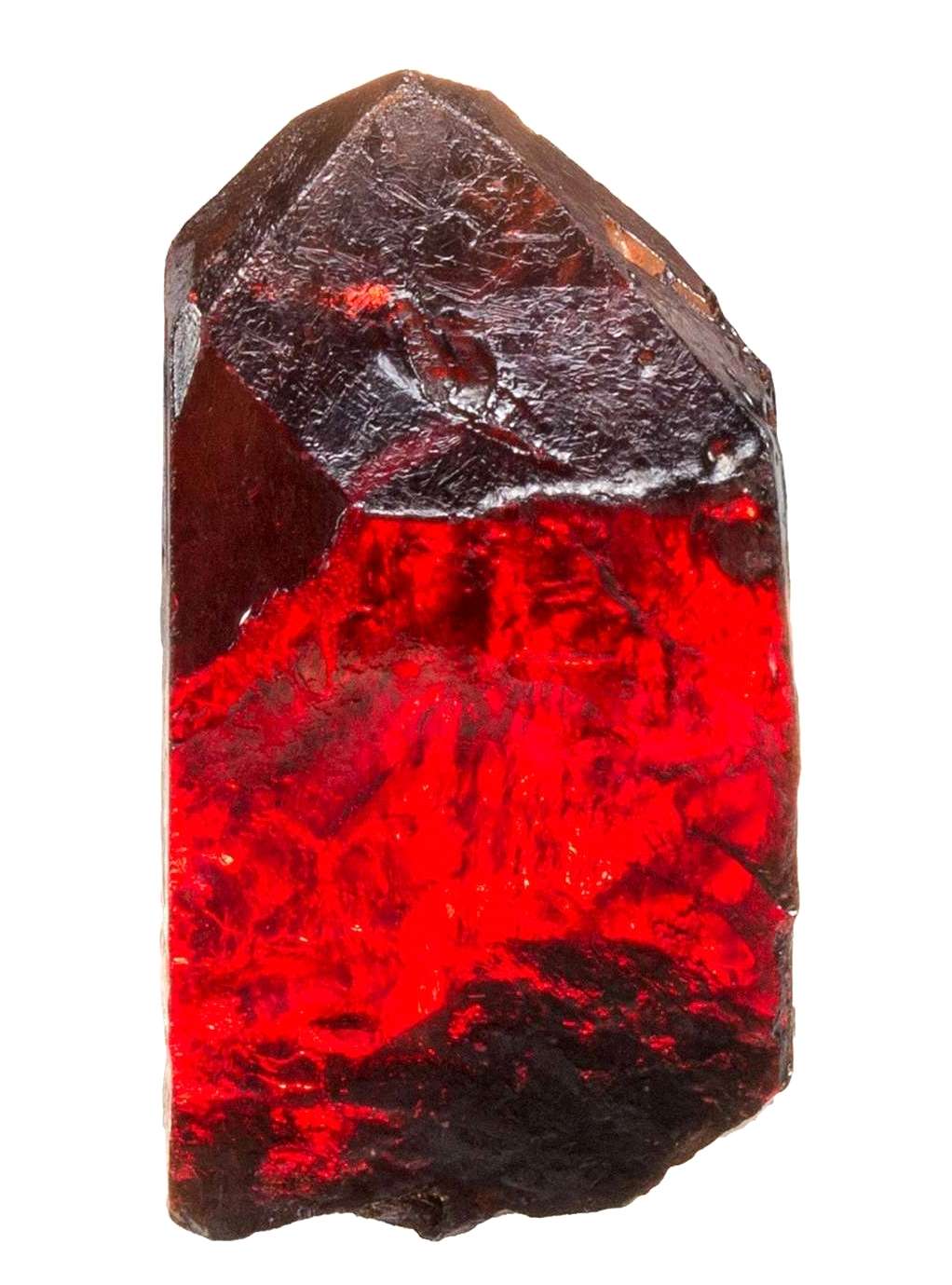
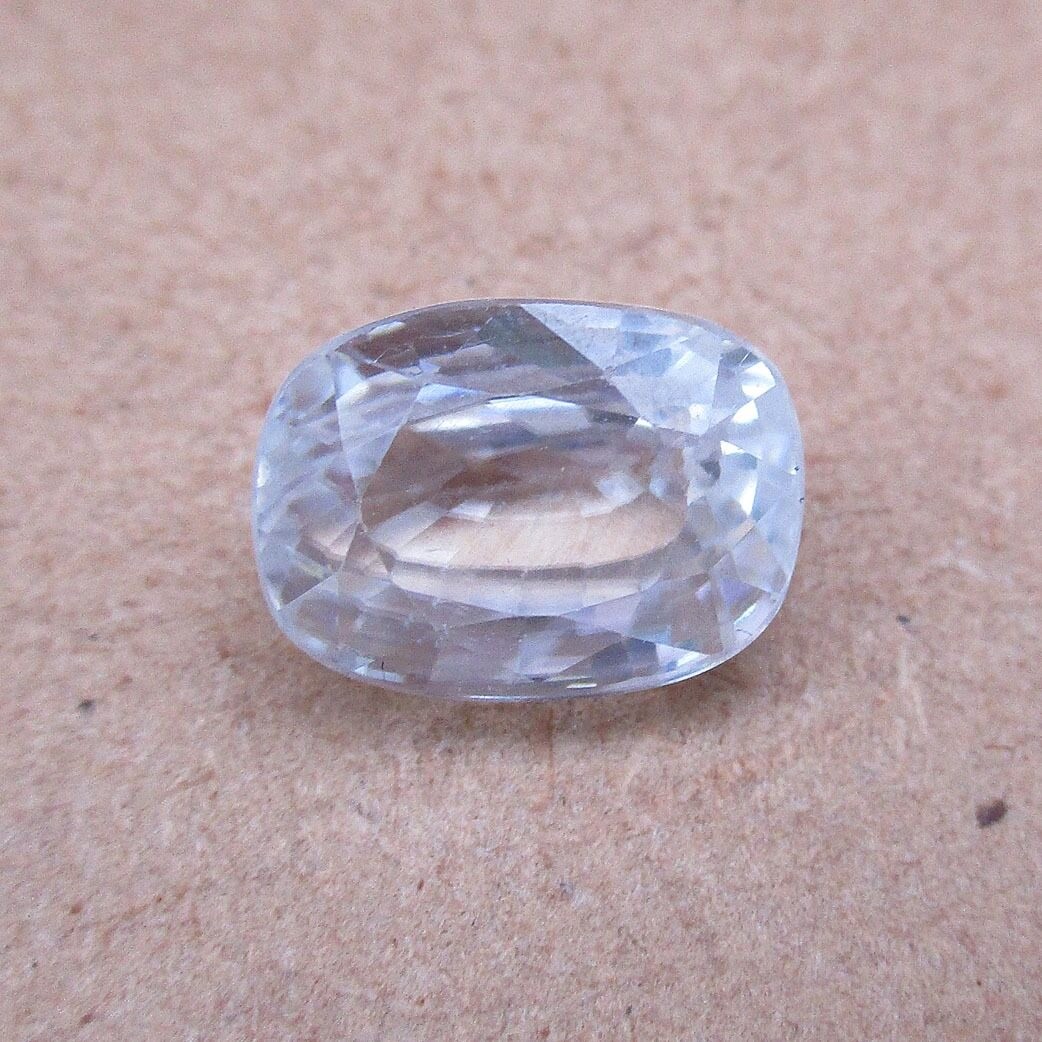
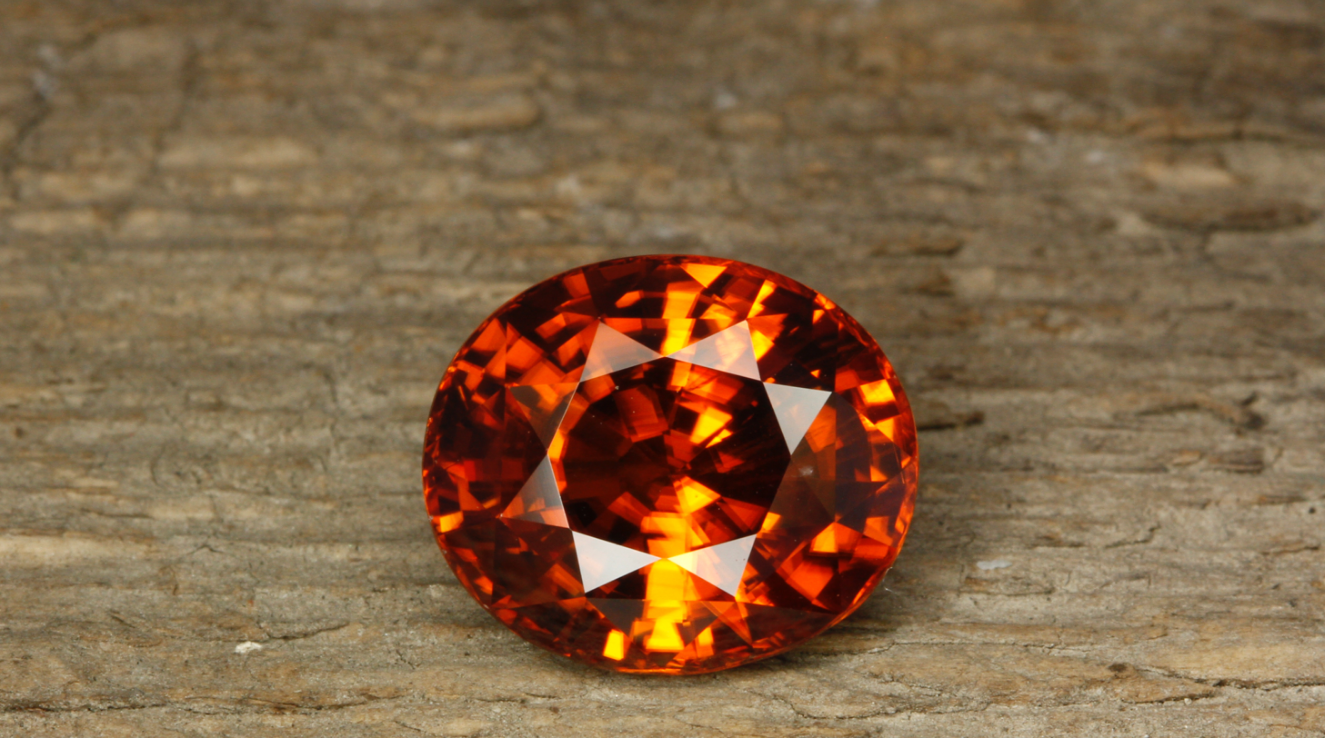
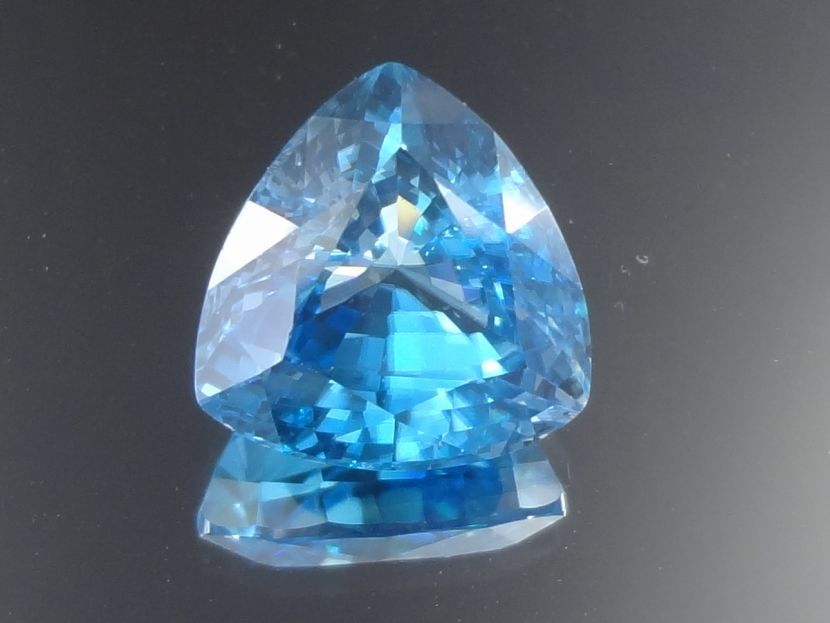
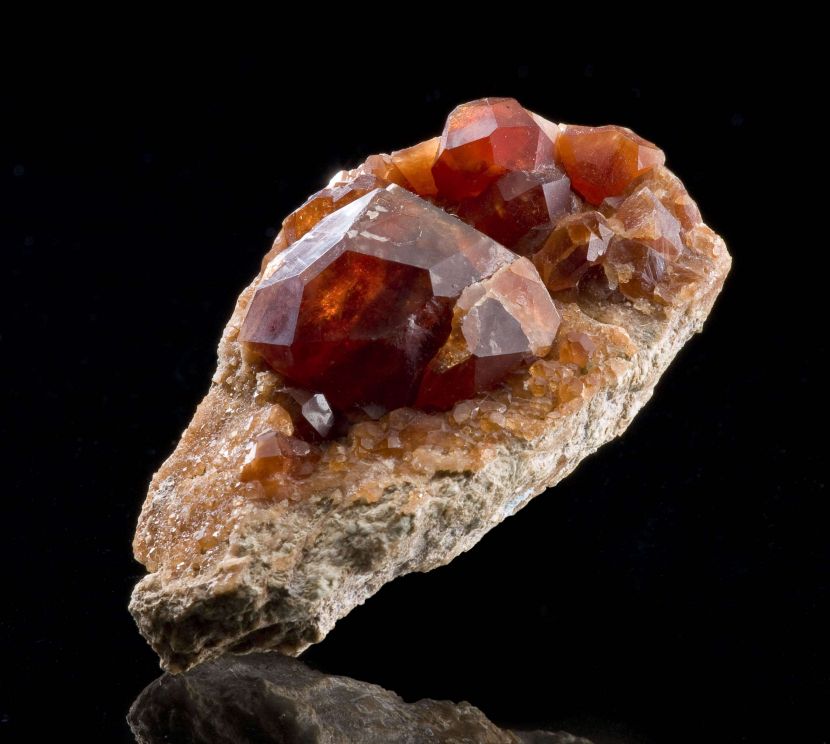
Hyacinth is a stone that fascinates even in the photo with its color and diamond brilliance even in the photo. This rare gem has always attracted those who are not indifferent to the gifts of the underworld, but not everyone can bear its powerful energy.
History and origin of the name
The name "hyacinth" is not only a precious stone, but also a flower. They are united not only by the shade of red, called "hyacinth", but also by the legends that envelop their origin.
The Spartan king Amicles had a son, Hyacinth. For some reason, both mortals and gods fell in love with a handsome young man, but of the same sex with him. Apollo, god of the Sun, also saw him. He fell in love, eliminated the rival poet Famiris, persuading the Muses to deprive him of his voice, and began to spend time with the young man hunting in the Evroth valley. And then one day on a hot afternoon, Apollo and Hyacinth decided to compete in discus throwing. As was customary in ancient Greece, they undressed, anointed themselves with olive oil and began to compete. The young man turned out to be skillful and in no way inferior to his divine patron.
But to the misfortune of Hyacinth, the god of the south wind Zephyr flew past, also not indifferent to the young man.Zephyr deflected the disk thrown by Apollo with a breath so that he would not get the victory, but at the same time the disk hit Hyacinth's head. The young man died in the arms of the inconsolable Apollo. To preserve the memory of his beloved, he created a beautiful hyacinth flower from drops of his blood. Zephyr, too, could not find a place for himself and gently caressed his petals. When autumn came, the fallen petals turned into beautiful gems. According to another version of the legend, the drops of blood first turned to stone, and then a red flower appeared.
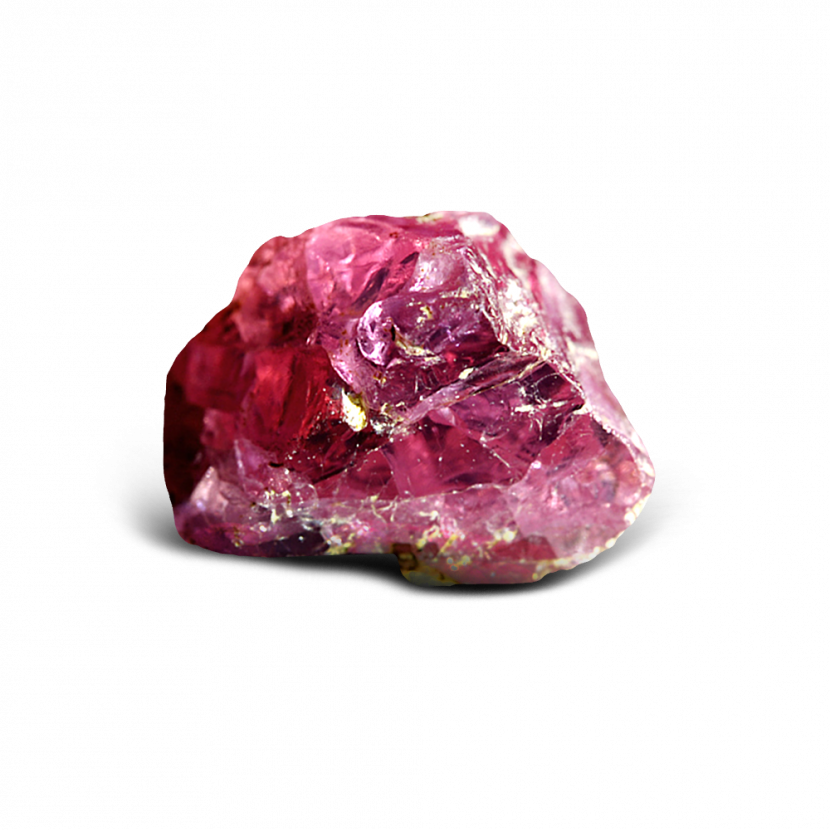
The ancient Indians called the stone "rahuratka" and hoped to appease the dragon swallowing the sun during eclipses with its help. It was believed that the stone came to India from the disappeared continent of Lemuria.
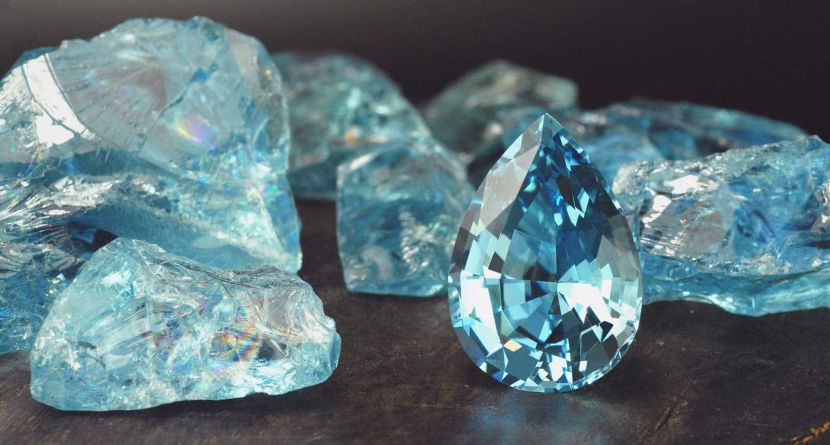
In honor of Hyacinth, hyacinthia were held in Greece - annual holidays, on the first day of which everyone mourned the death of a beautiful young man, and then indulged in fun and arranged competitions.
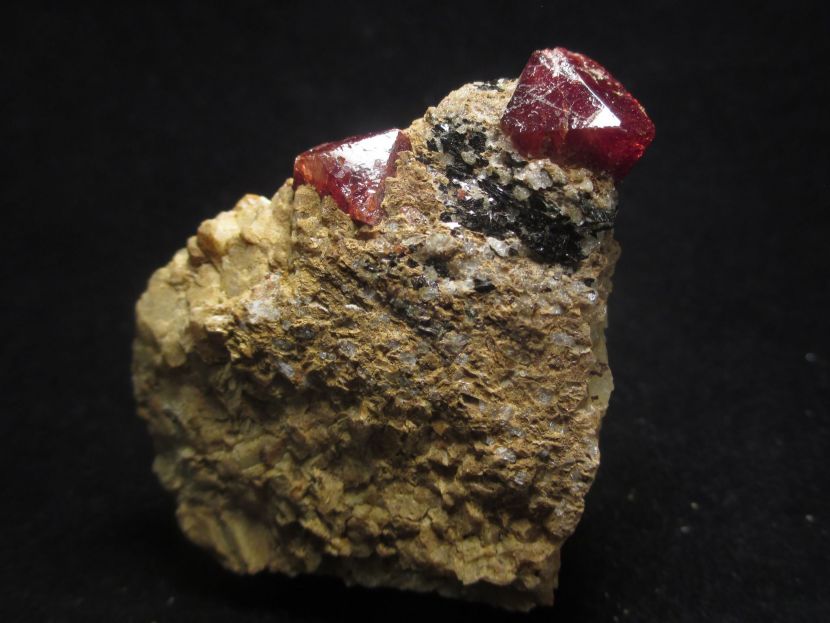
Interesting: Hyacinth is mentioned in the Apocalypse among the stones that will form the foundation of Heavenly Jerusalem.
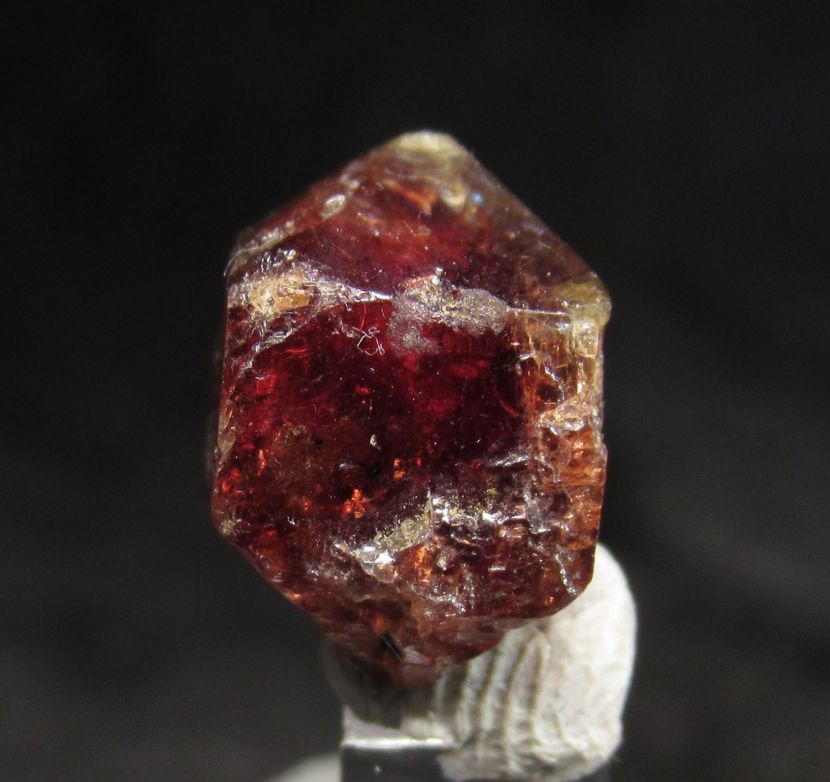
Pliny also mentioned it, but which stone was meant is not always clear, because until the 19th century all orange-colored stones were called hyacinths, just as all red ones were rubies, and blue ones were sapphires.
In Rus', the stone was known under the names "jargon", "ligurium", "jacinth" and "iacinth", but most often it was simply called "topaz".
The word "slang" means "fake stone" because zircon and hyacinth are similar to diamond or ruby.
In 1789, the German chemist Martin Klaproth claimed to have discovered a new "earth" in zircons from Sri Lanka, as metal oxides were then called. Zirconium itself was received not soon. Humphrey Davy did not cope with this task, having electrochemically obtained many previously unknown metals.
It was not until 1824 that zirconium was obtained by Berzellius. And the industrial method of obtaining it appeared only a century later. The need for this metal and its compounds is constantly increasing, since the metal has found applications in the nuclear and space industries, in medicine, dental and joint prostheses are made from it, in pyrotechnics for fireworks and lighting rockets. The metal is exceptionally resistant to corrosion, so dishes and chemical reactors are made from it.
Zirconium dioxide also came in handy for jewelers. It is from it that cubic zirconias are obtained, artificial stones that shine like a diamond. Therefore, they can be considered highly altered zircons, of which the hyacinth is a variety.
Place of Birth
Deposits are found in Thailand, Sri Lanka and other countries of Southeast Asia: Vietnam, India, Cambodia. Found in South Africa and Madagascar. You can find them in Brazil, USA, France. In Russia, hyacinths are found in the Omsk region, in the Middle Urals and in Yakutia.
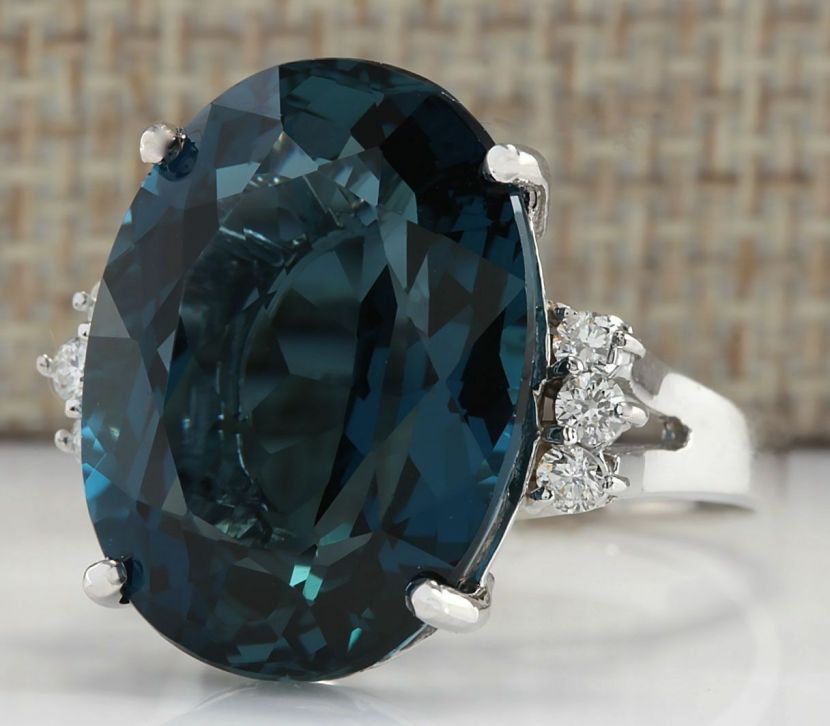
Interesting: The Smithsonian Museum in Washington holds very large hyacinths: brown from Sri Lanka weighs 118.1 carats, and blue from Thailand 102.2 carats.
Physical Properties
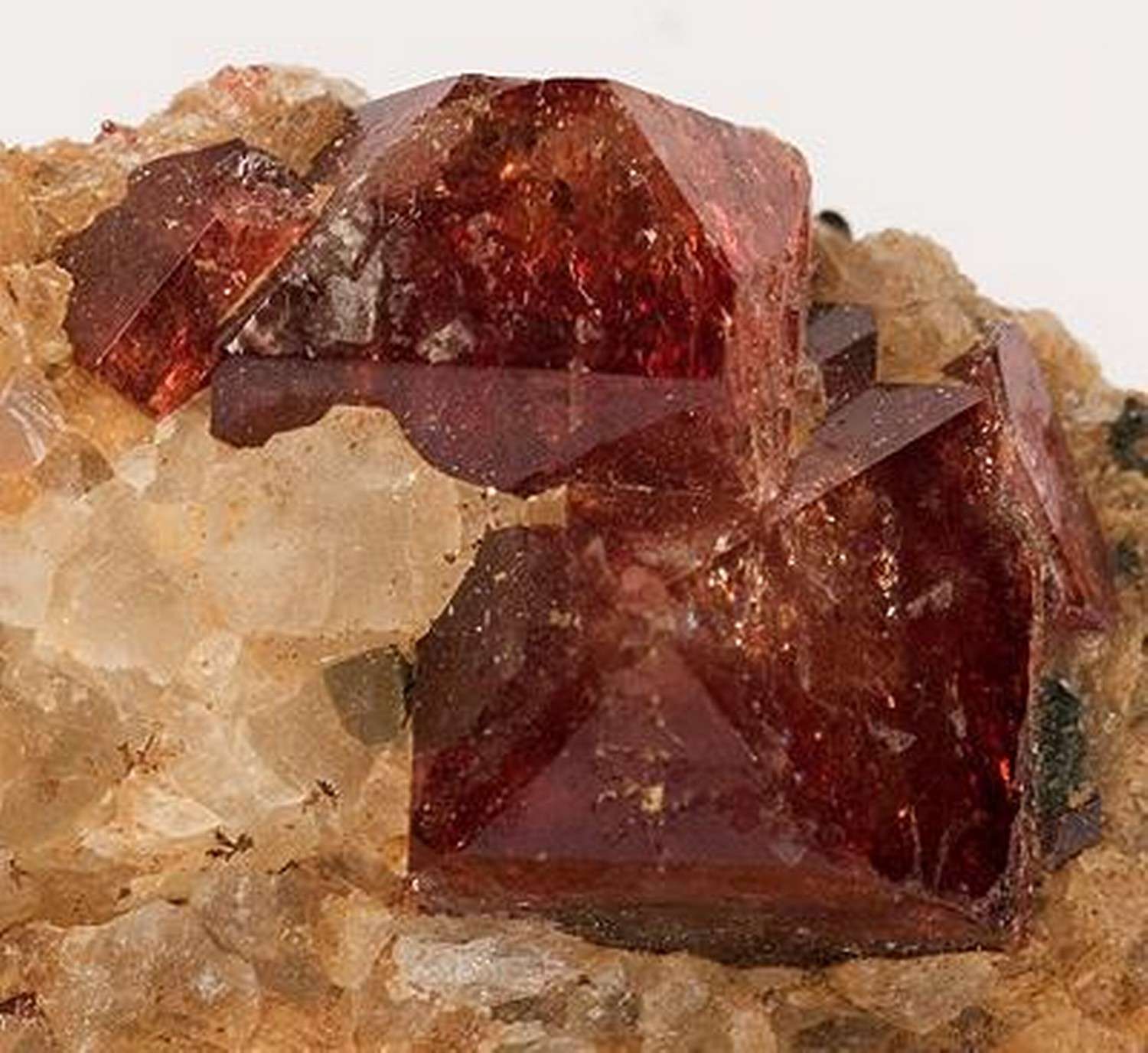
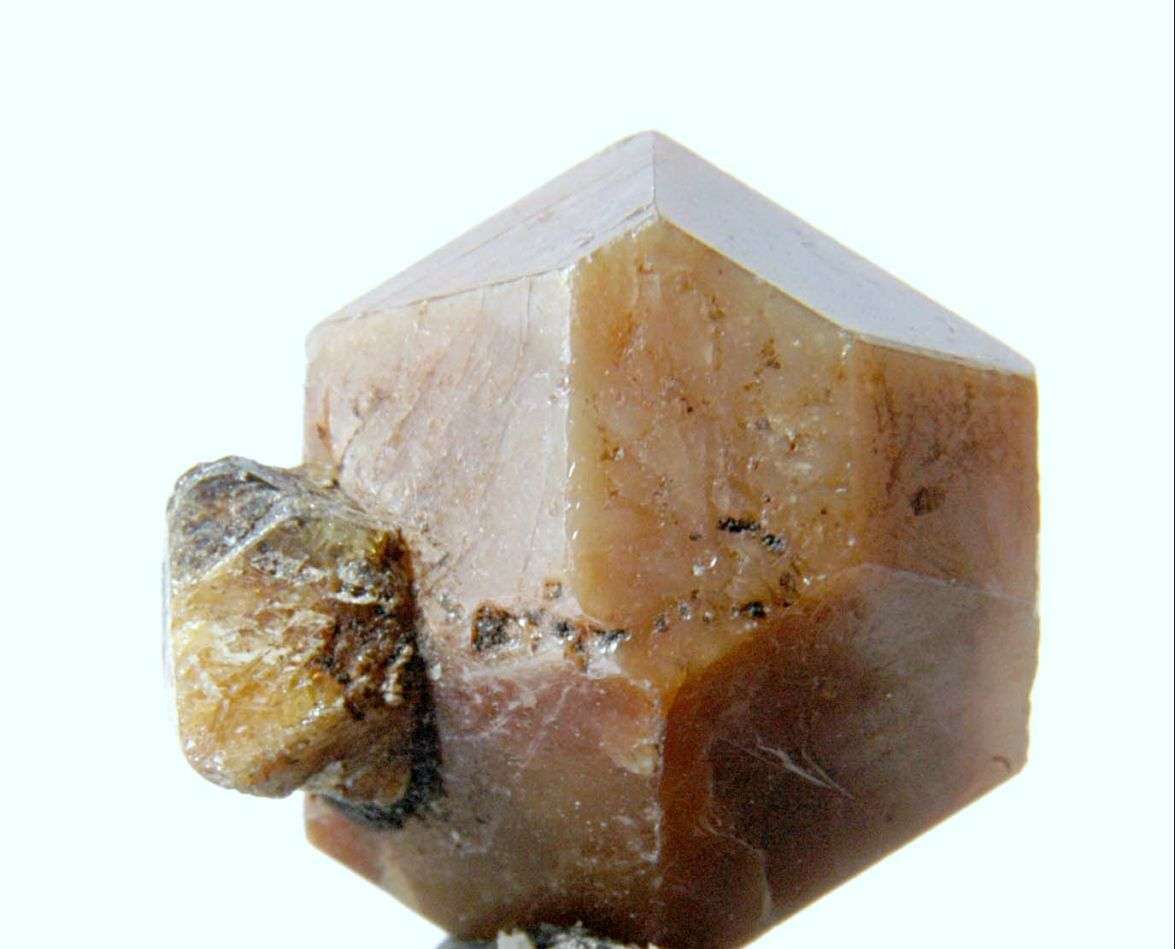
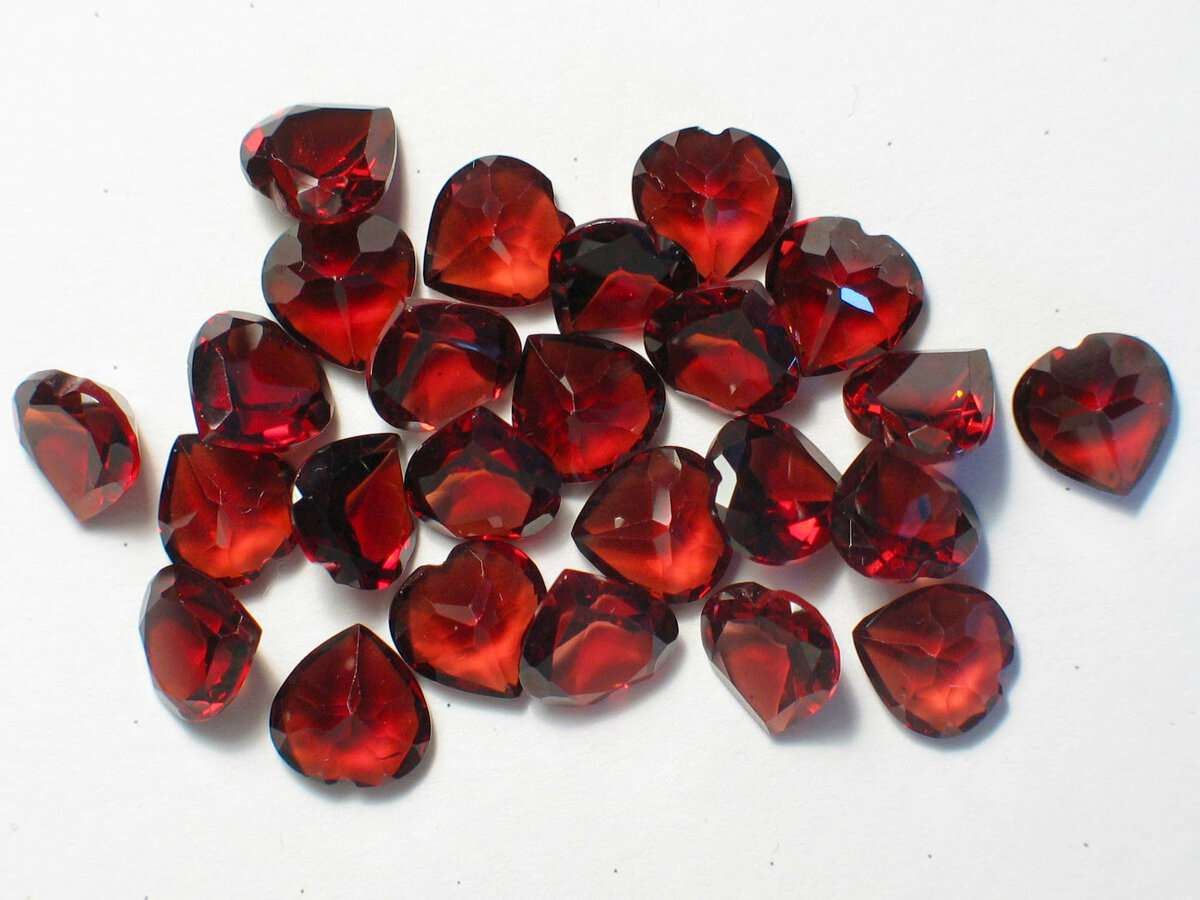
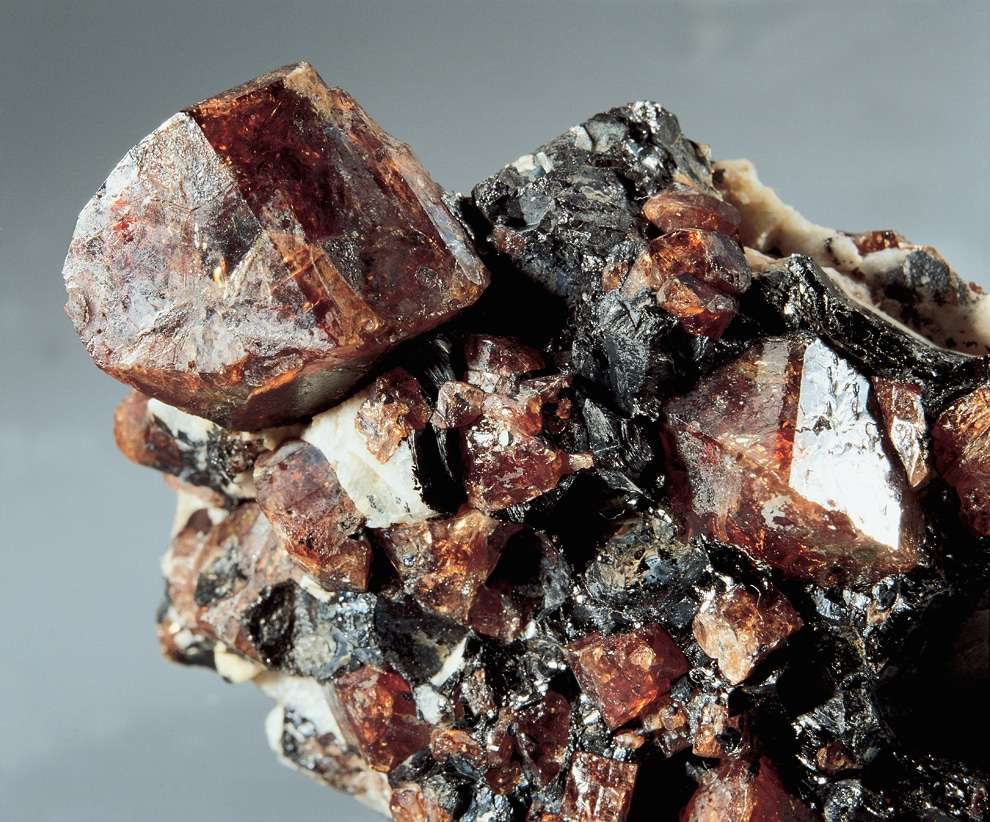
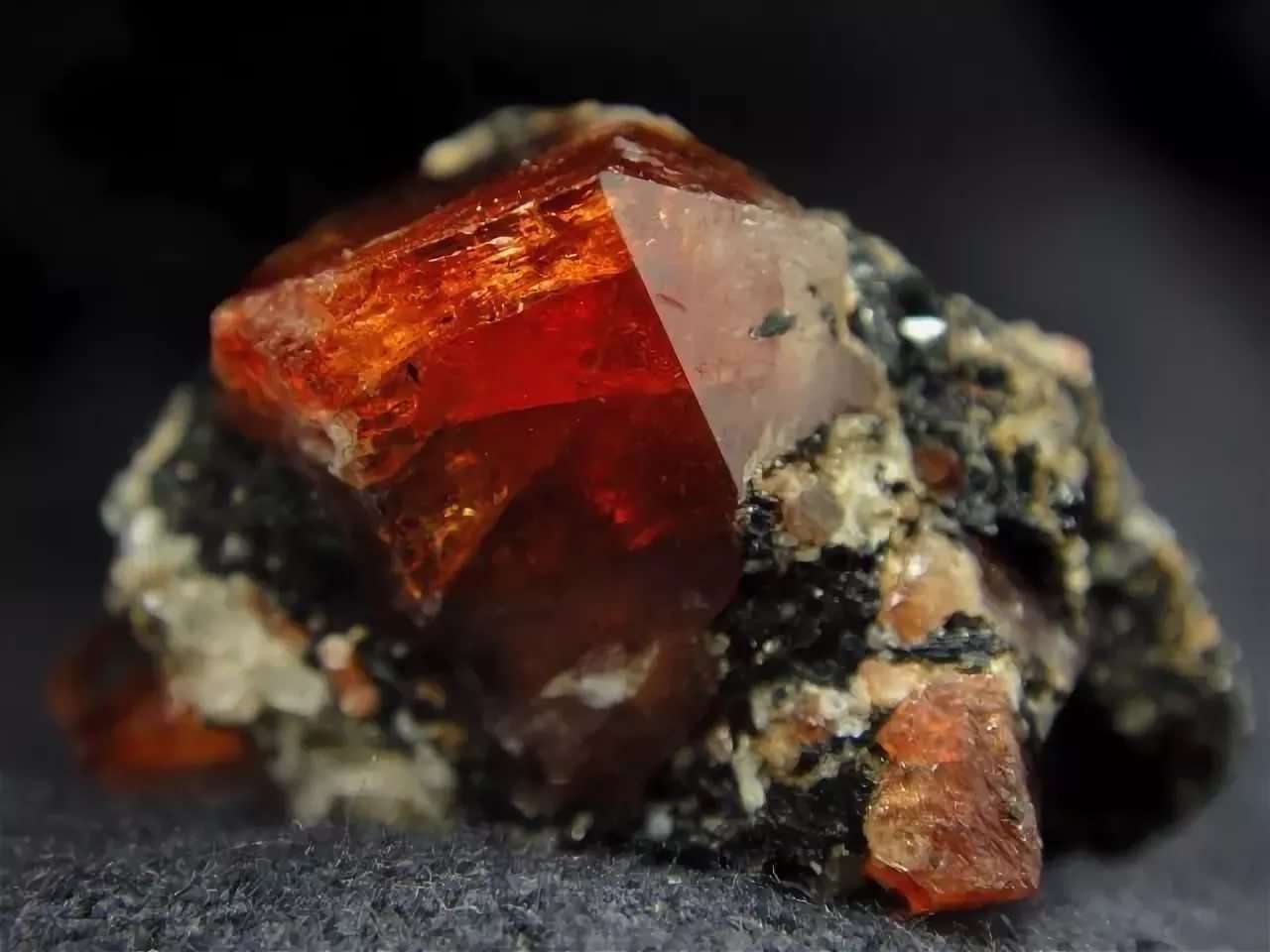
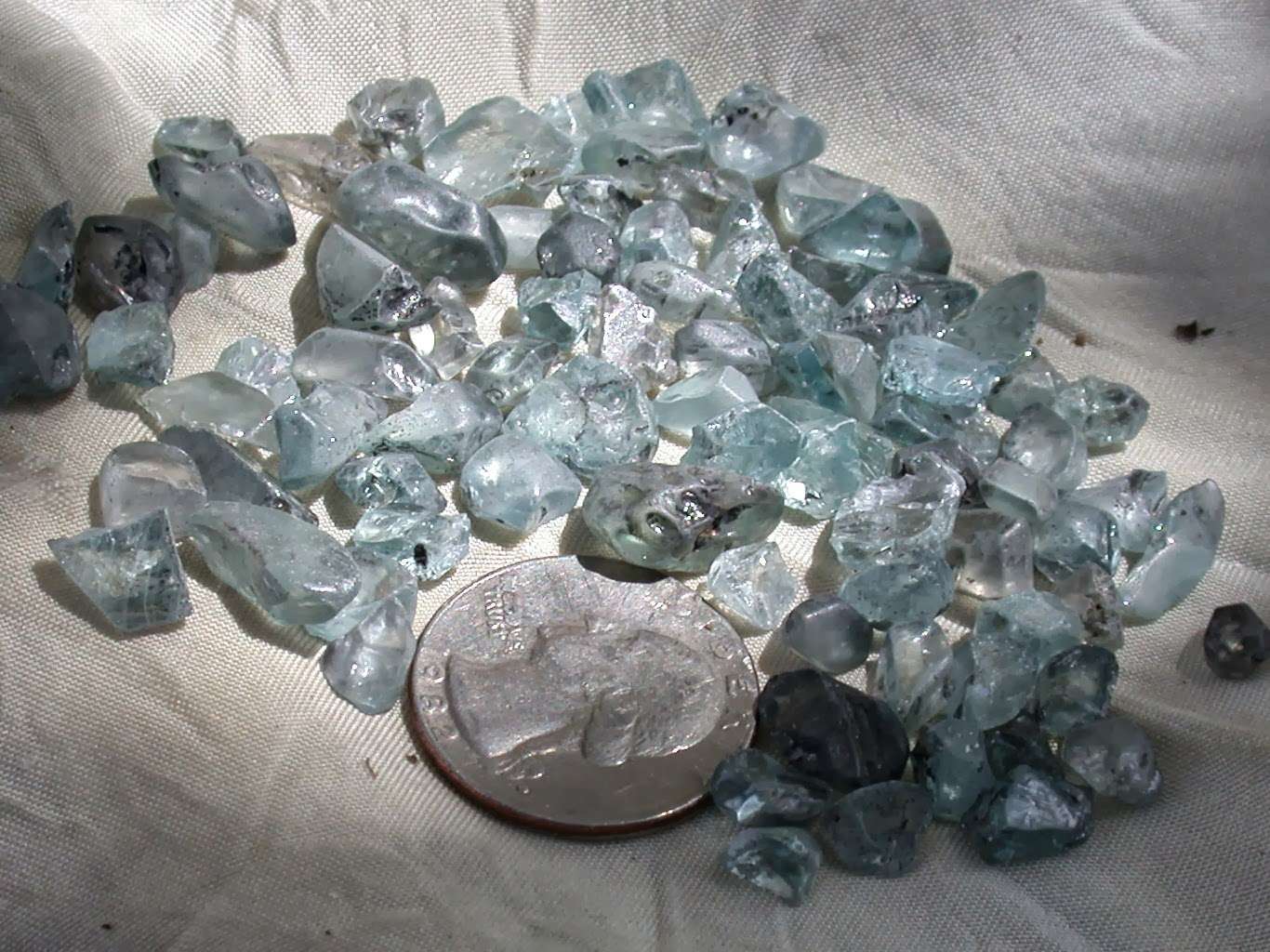
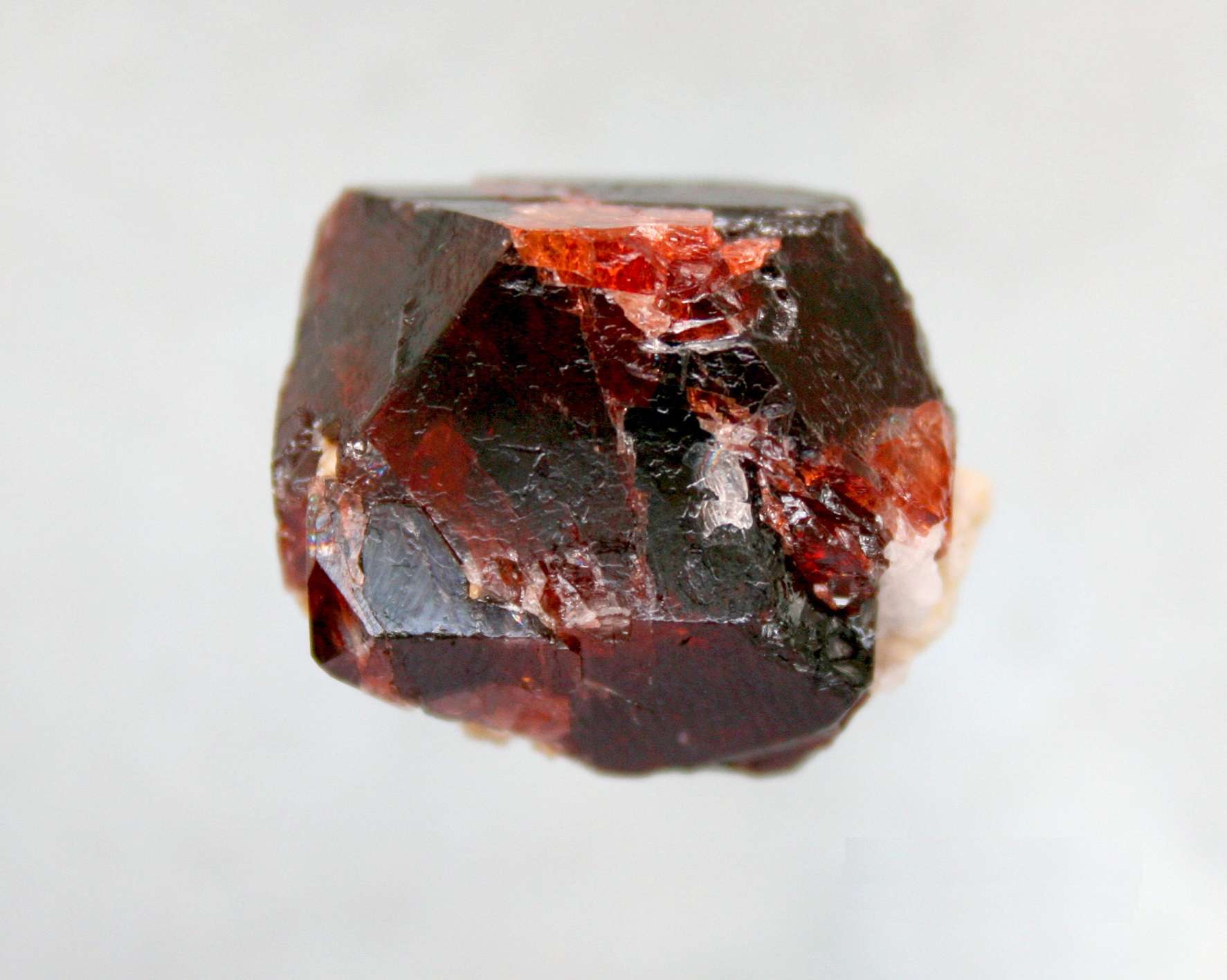
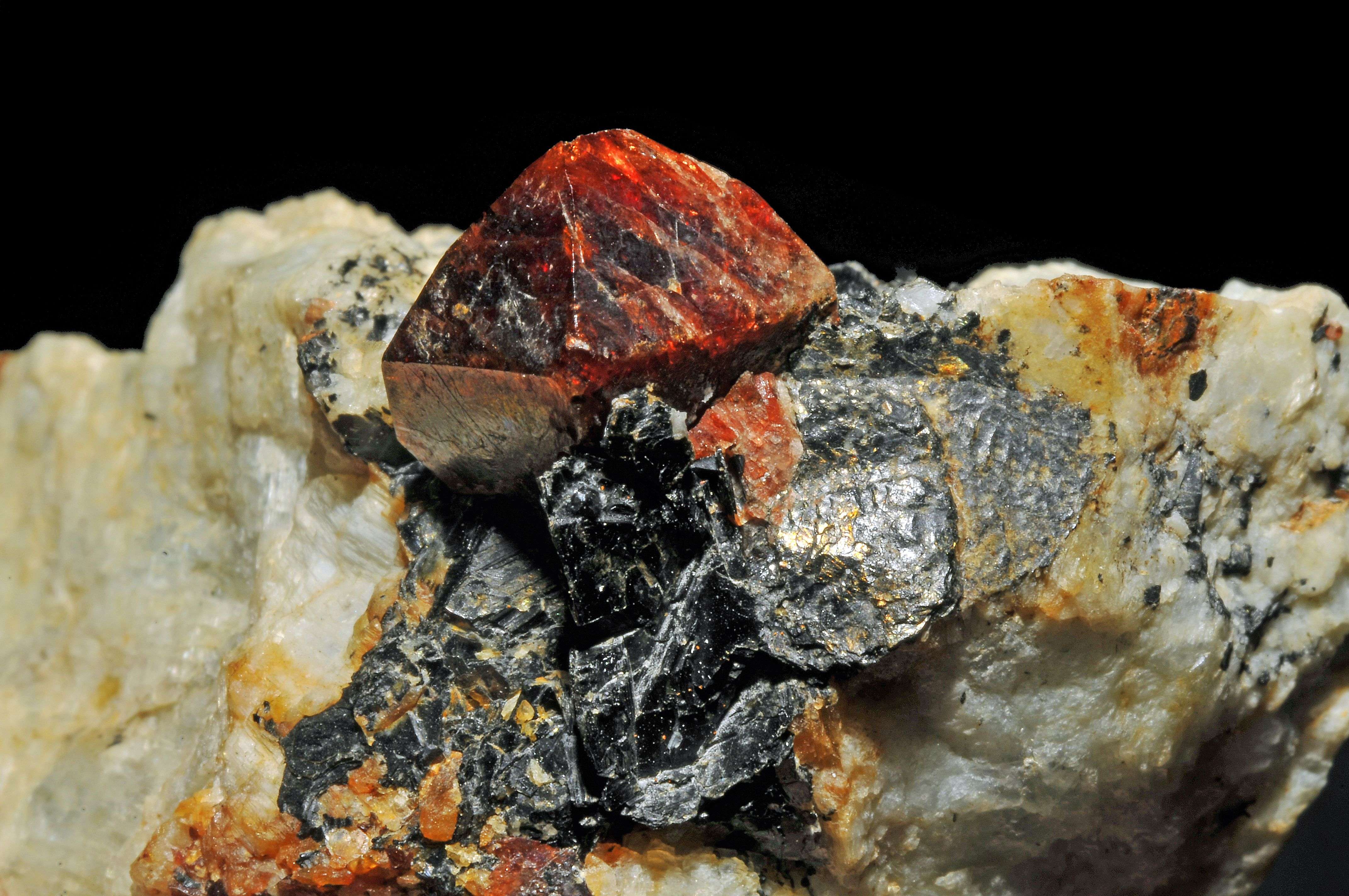
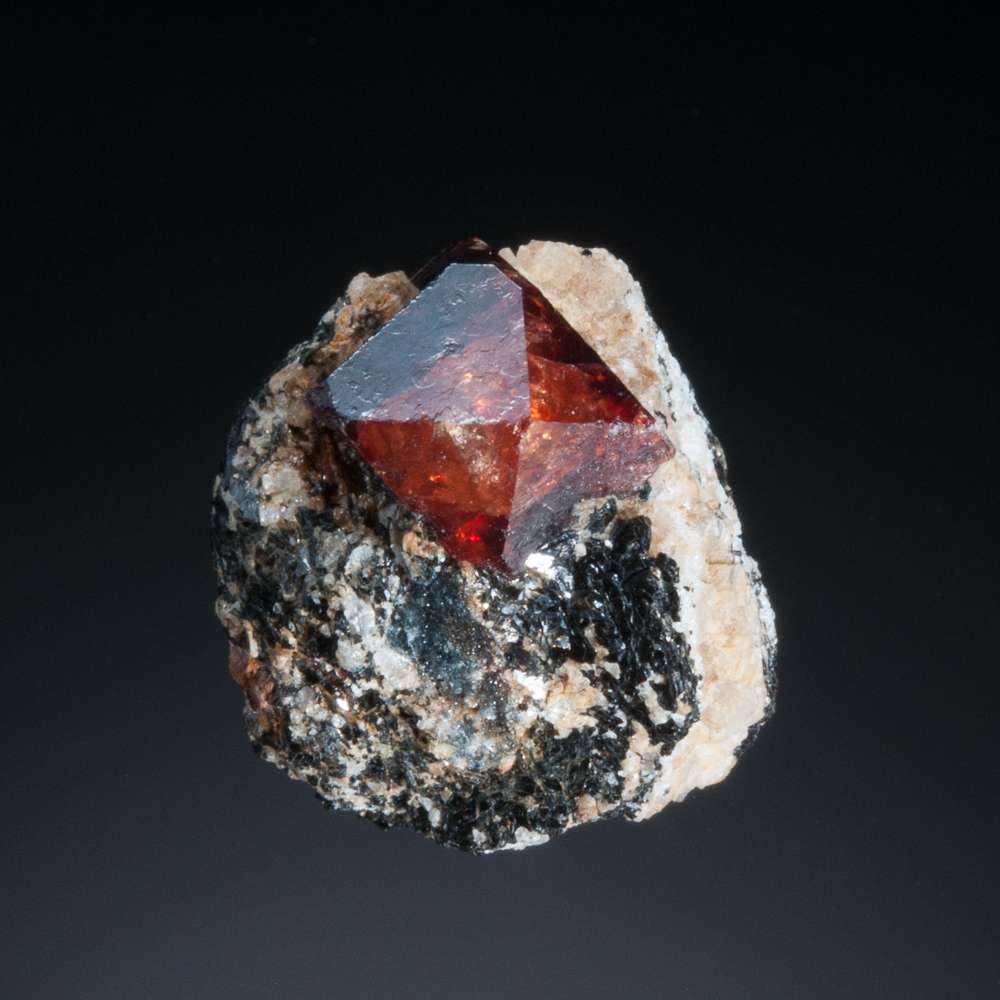
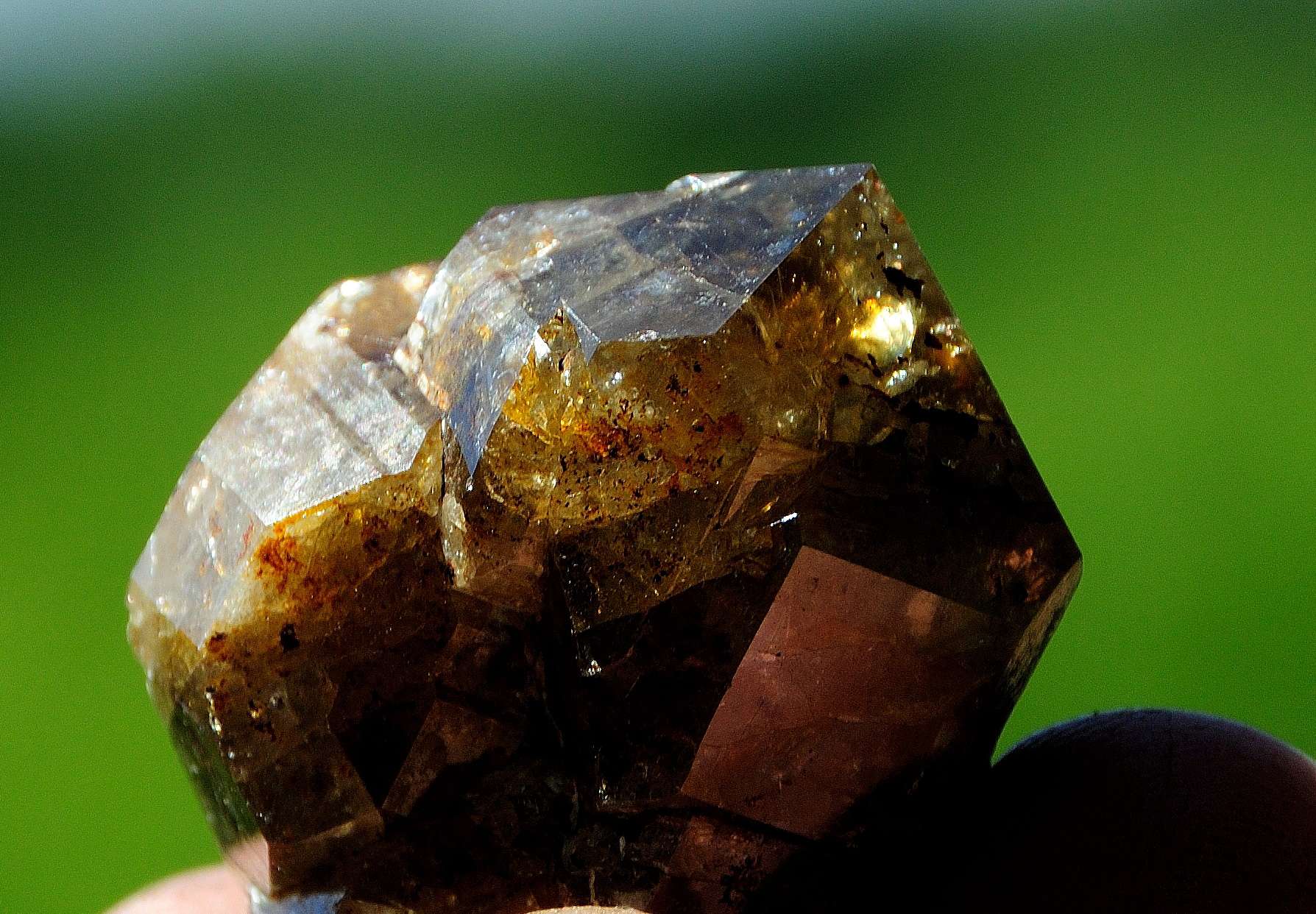
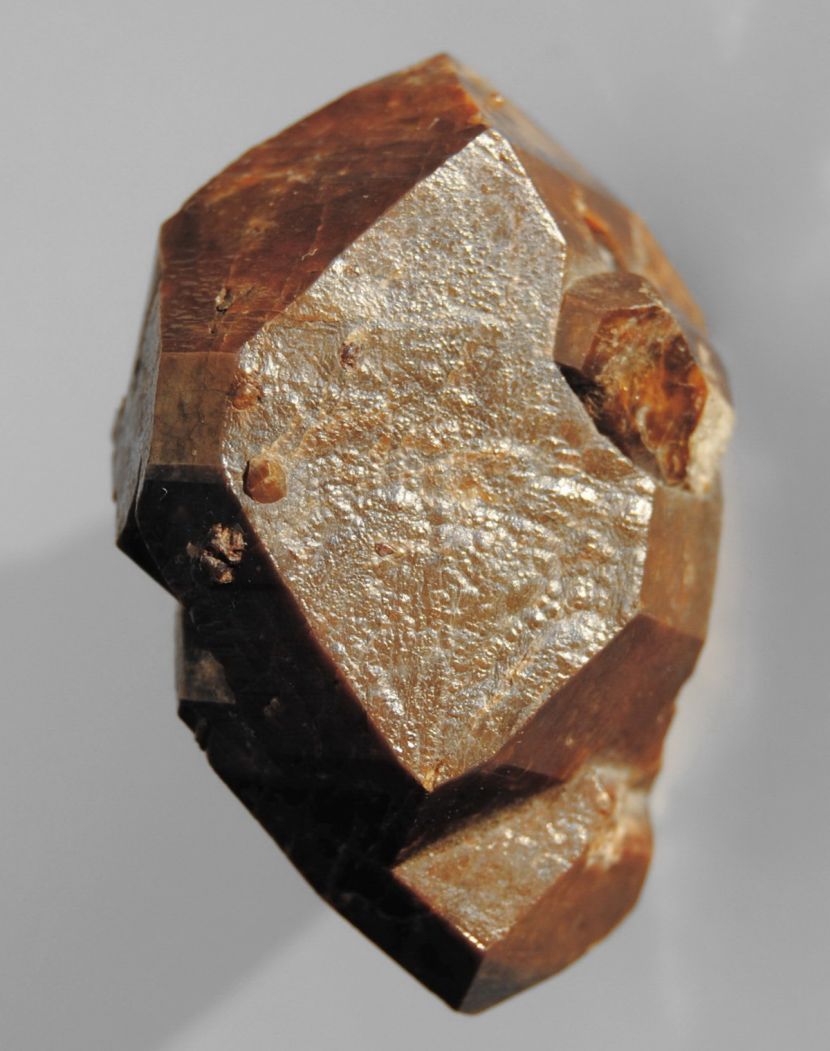
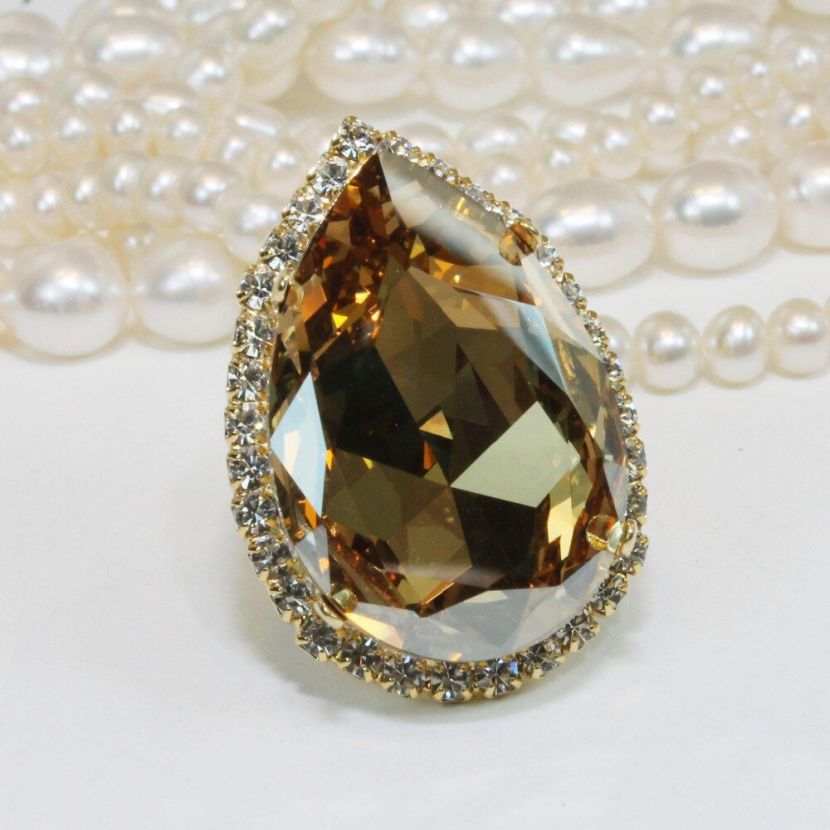
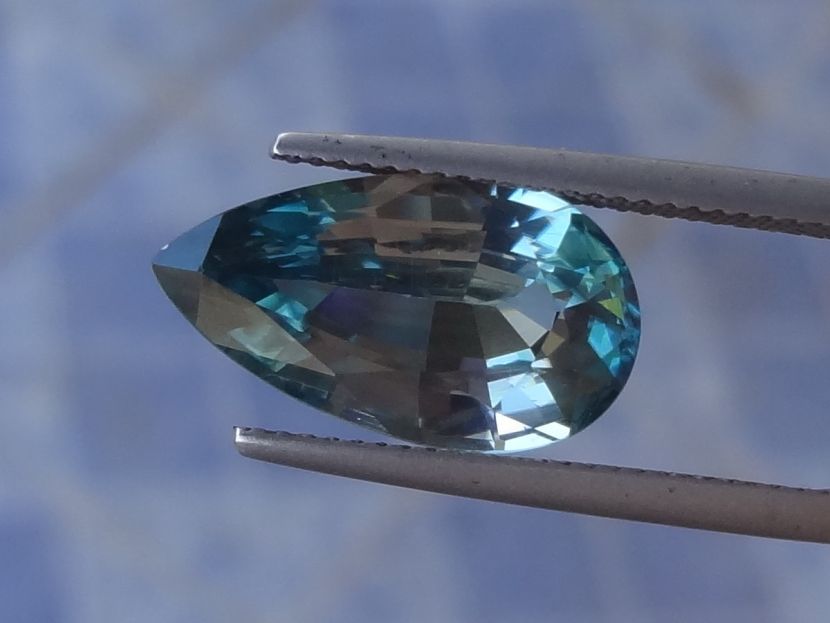
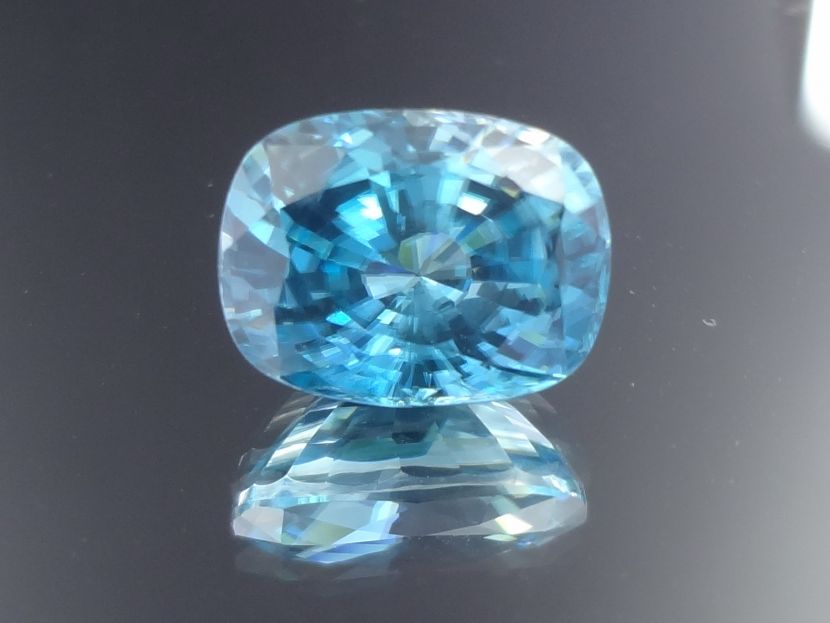
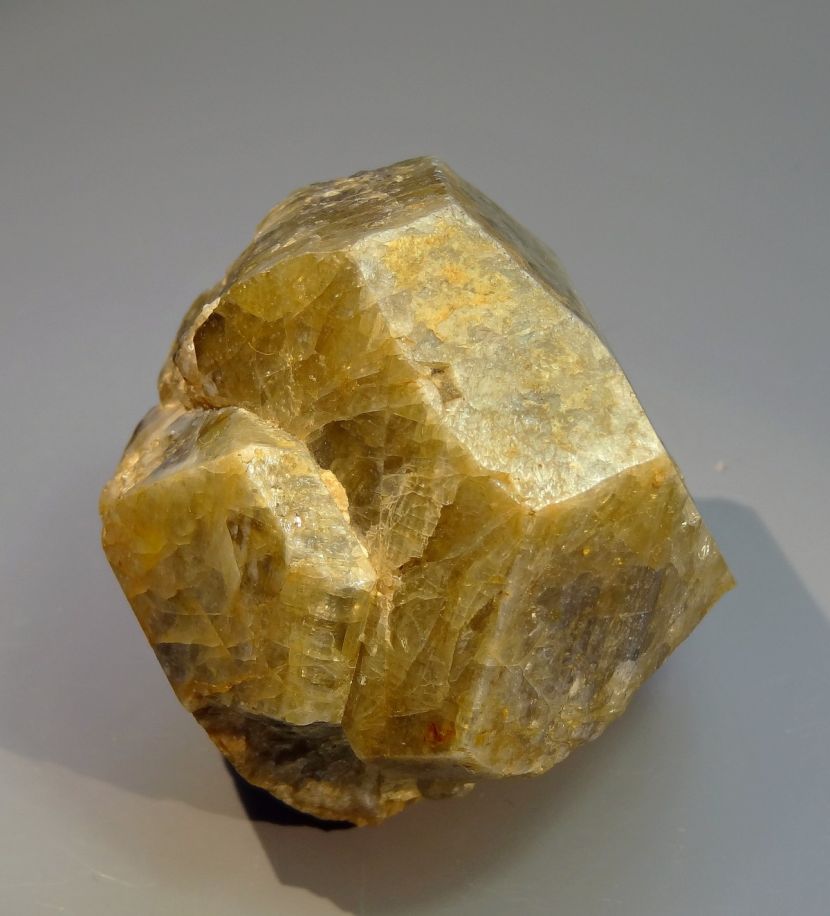
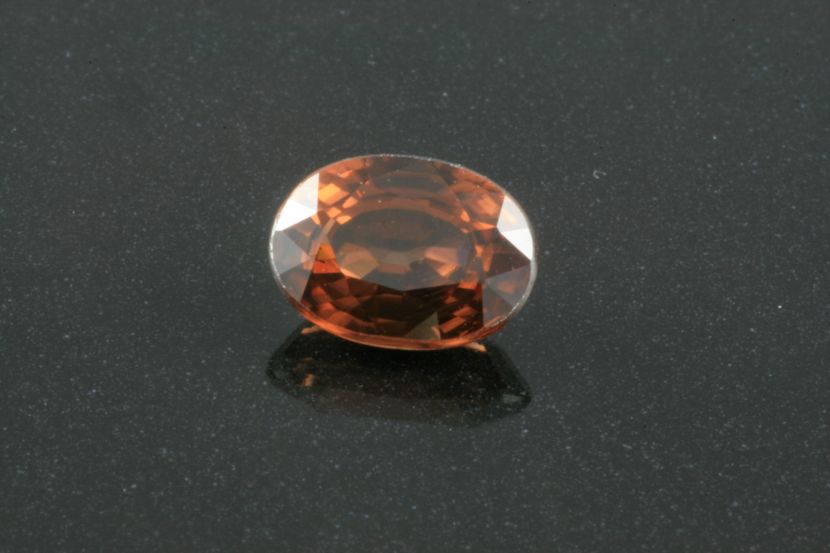
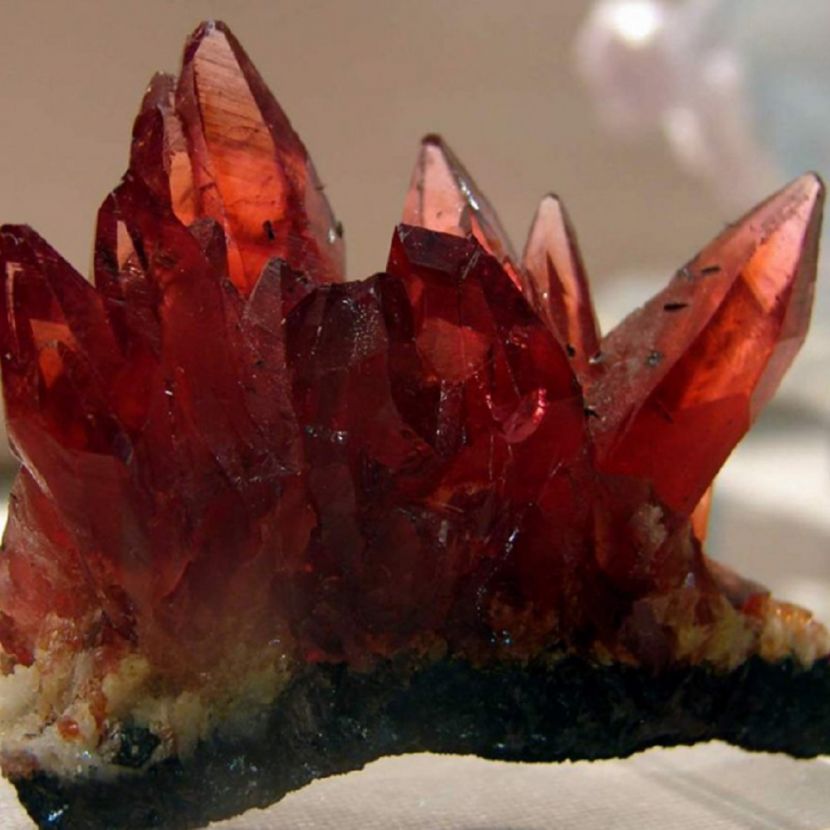
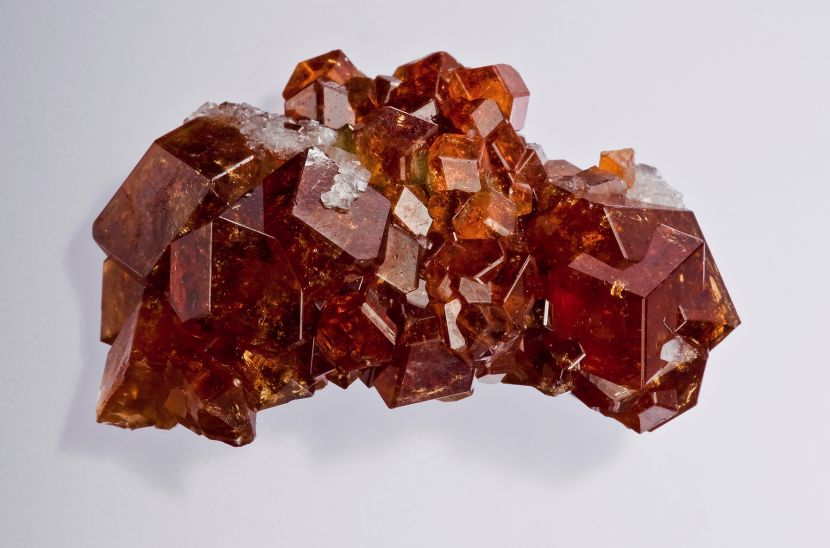
Hyacinth has a hardness of 7-7.5, diamond or strong glass luster. Transparent. The syngony is tetragonal. Cleavage is imperfect. The fracture is conchoidal, the stone is very fragile. The color of the mineral can be from red-brown to orange and yellow. Blue hyacinths are very rare, but they are often obtained by calcining hyacinths with the usual color. Density 3.9-4.8 g/cm3. Refractive index 1.777-1.987.
Chemical properties and composition
Hyacinth is a zirconium silicate. The color of this variety of zircon is due to the impurities of yttrium, lanthanides, uranium and thorium contained in it.Zircons also contain aluminum, zinc, copper, titanium, iron, and the very rare metal hafnium, whose content in zircon can reach up to 3%. Impurities violate the strict symmetry of the zircon crystal lattice, which explains the intense color of red and yellow tones.
The chemical formula is Zr[SiO4].
Varieties
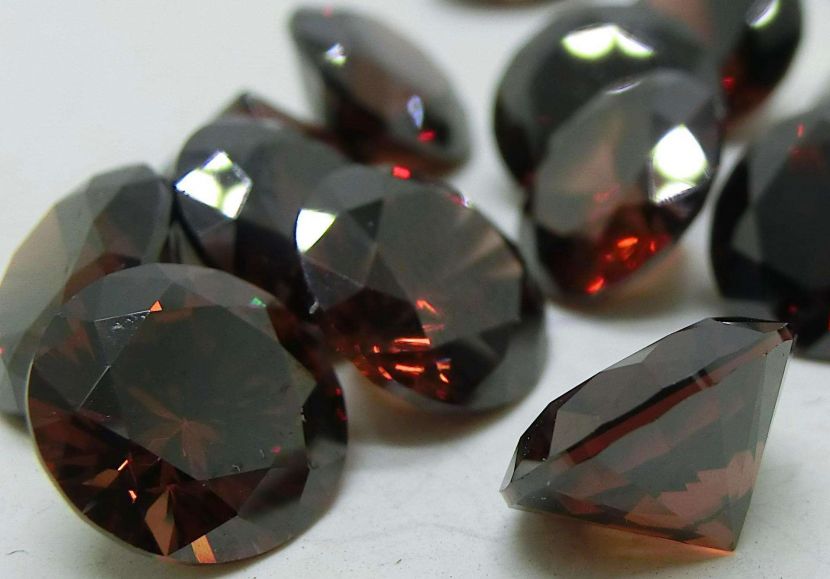
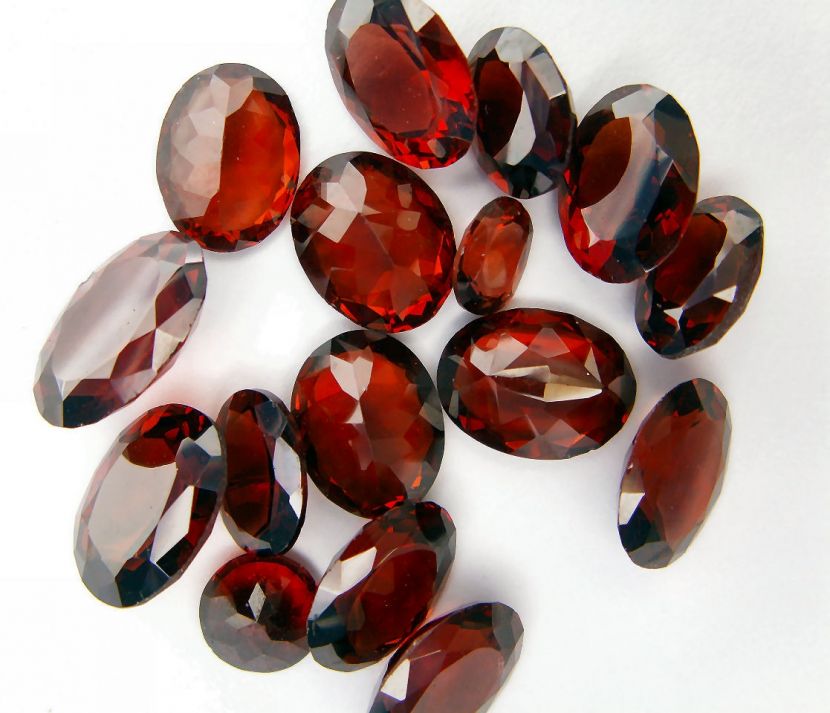
Actually there are no varieties of hyacinth. They differ in intensity and shades of color.
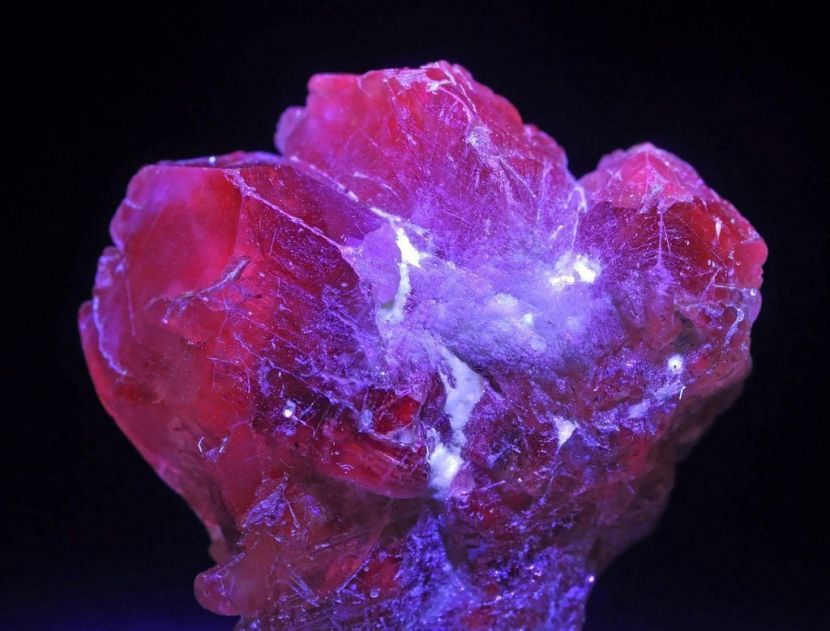
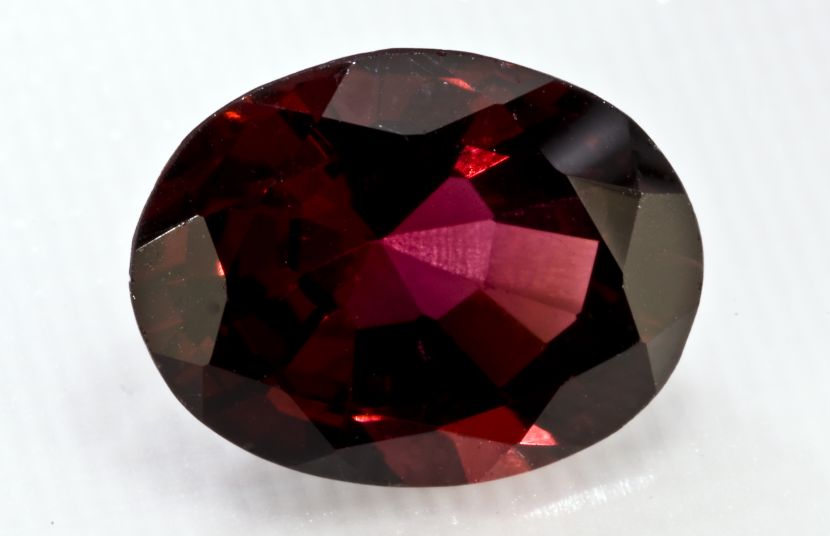
- Red hyacinth is used for heart disease. Strengthens marriage. Discolors when heated.
- Blood red hyacinth relieves fear and anxiety.
- Yellow hyacinth calms, promotes a contemplative mood, improves liver function.
- Orange hyacinth will help bring hope and creative ideas.
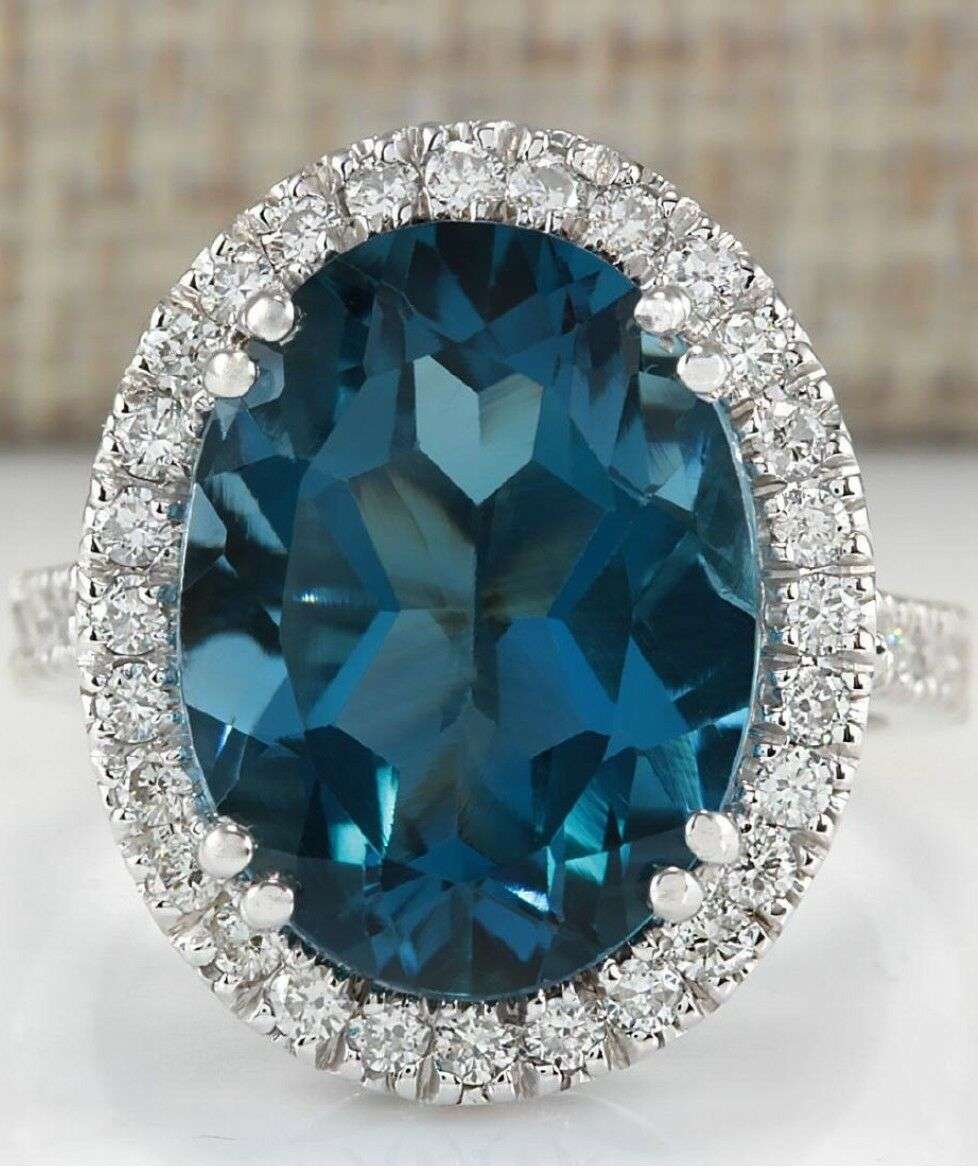
- Blue hyacinth is rare. Often obtained by roasting.
The most expensive gems are red-orange or blue.
fakes
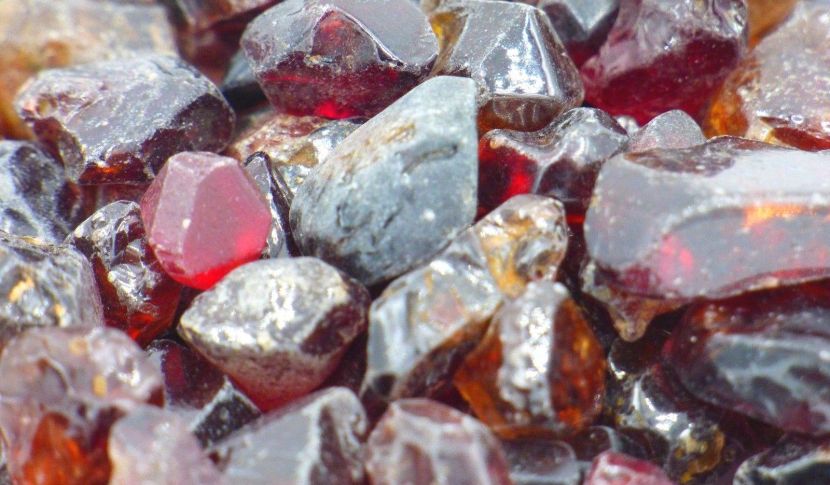
To purchase high-quality natural hyacinth, it is worth arming yourself with a magnifier with a good magnification. The absence of defects in the stone, chips and cracks obtained during cutting, the uniform and rich color of the stone indicate high quality.
It is easy to distinguish a natural stone from a glass fake by temperature. The stone keeps cool, and the glass heats up quickly.
magical properties
Hyacinth should not be worn all the time. It is recommended to cleanse the stone from negative energy from time to time by dipping it in water for several days, which then needs to be drained.
You should not give this gem to a young girl. This stone is considered a symbol of unrequited love. It will help a person endure the loss, but after gaining a new feeling, you should remove it away. Especially applies to blood-red hyacinths.
It was believed that hyacinths protect against fire and are even able to extinguish flames, as well as protect against lightning. To do this, it was worn around the neck in a bag on a string made of plain fabric.
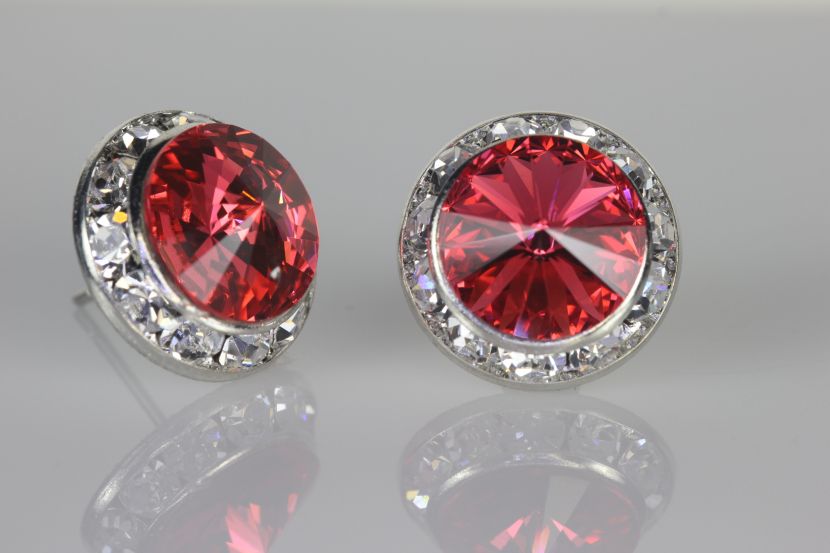
Hyacinth was used by merchants and travelers as an amulet that protects against trouble. Yellow hyacinths attract the sympathy of others, so a traveler with such a talisman will not be left without an overnight stay.
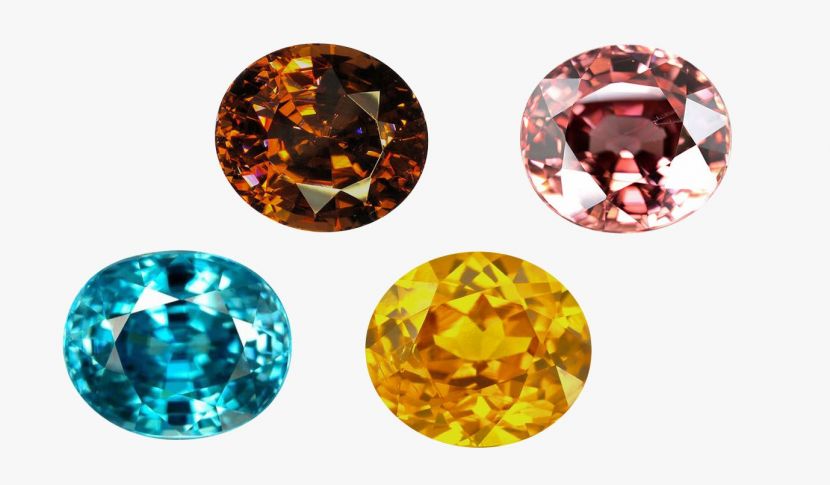
The ancient Greeks recommended wearing hyacinth to philosophers and poets, as it increases the intellect and develops intuition.
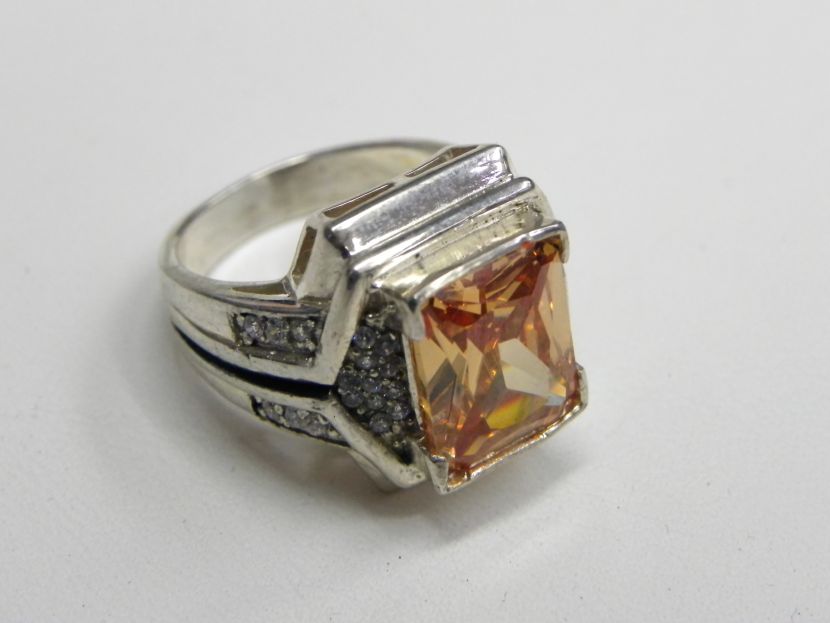
Medicinal properties
Hyacinth is a stone whose healing properties have been valued since antiquity. It was considered an excellent antidote, a protector against infections. Stones were worn during epidemics of plague and cholera. Contemplation of the gem helps to get rid of insomnia and nightmares.
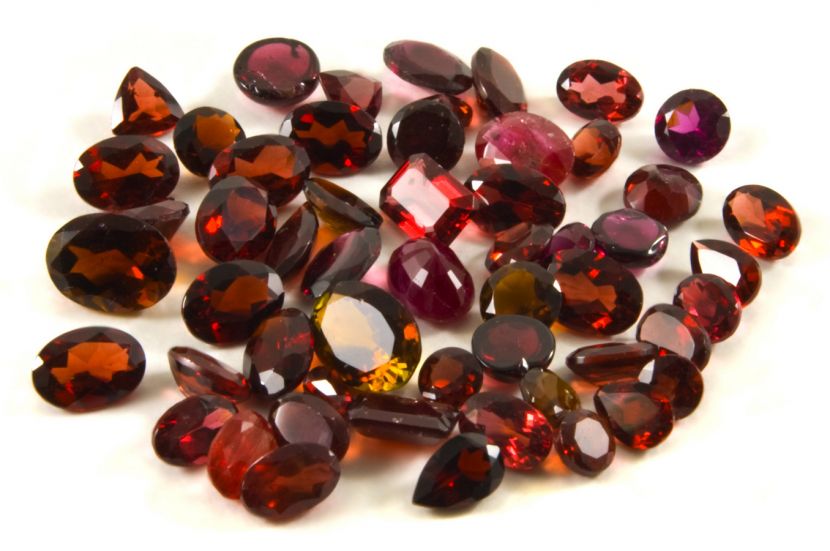
Hyacinth was also used as a wound healing, but only if the wound was not caused by iron or stone.
Hyacinth relieves eye diseases. To do this, it is considered sufficient to attach a stone to the eyes.
Hyacinth helps with epilepsy, neurosis, hysteria and melancholy. To do this, they ate freshly baked bread, on which they spent hyacinth.
It also treats the liver and kidneys, diseases of the skin and thyroid gland, perfectly cleanses the body of toxins.
Zodiac signs
Hyacinth has no contraindications for the signs of the zodiac, but to whom this stone suits the most, it is Capricorn and Aquarius.
Capricorns will be able to fully experience the beneficial properties of this stone. Even the wildest plans can come true.
Aquarians will feel an increase in strength and gain new ideas.
Compatibility
Hyacinth in its magical energy is in harmony with pearls, carnelian, emerald, sapphire, beryl, amethyst, turquoise and coral.
Absolutely incompatible with alexandrite.You should also not wear it with onyx, marcasite, obsidian, malachite.
Hyacinth Jewelry
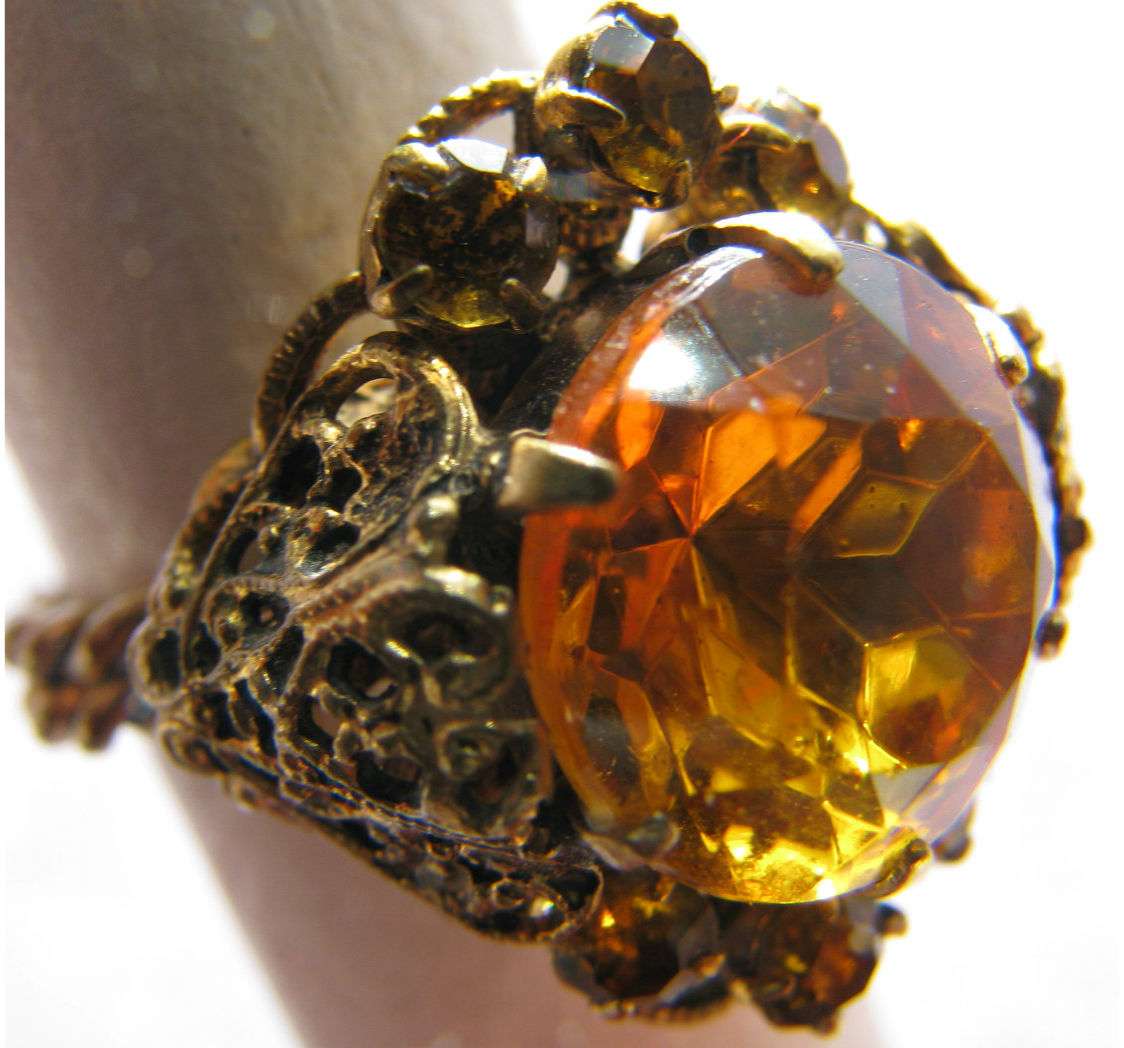
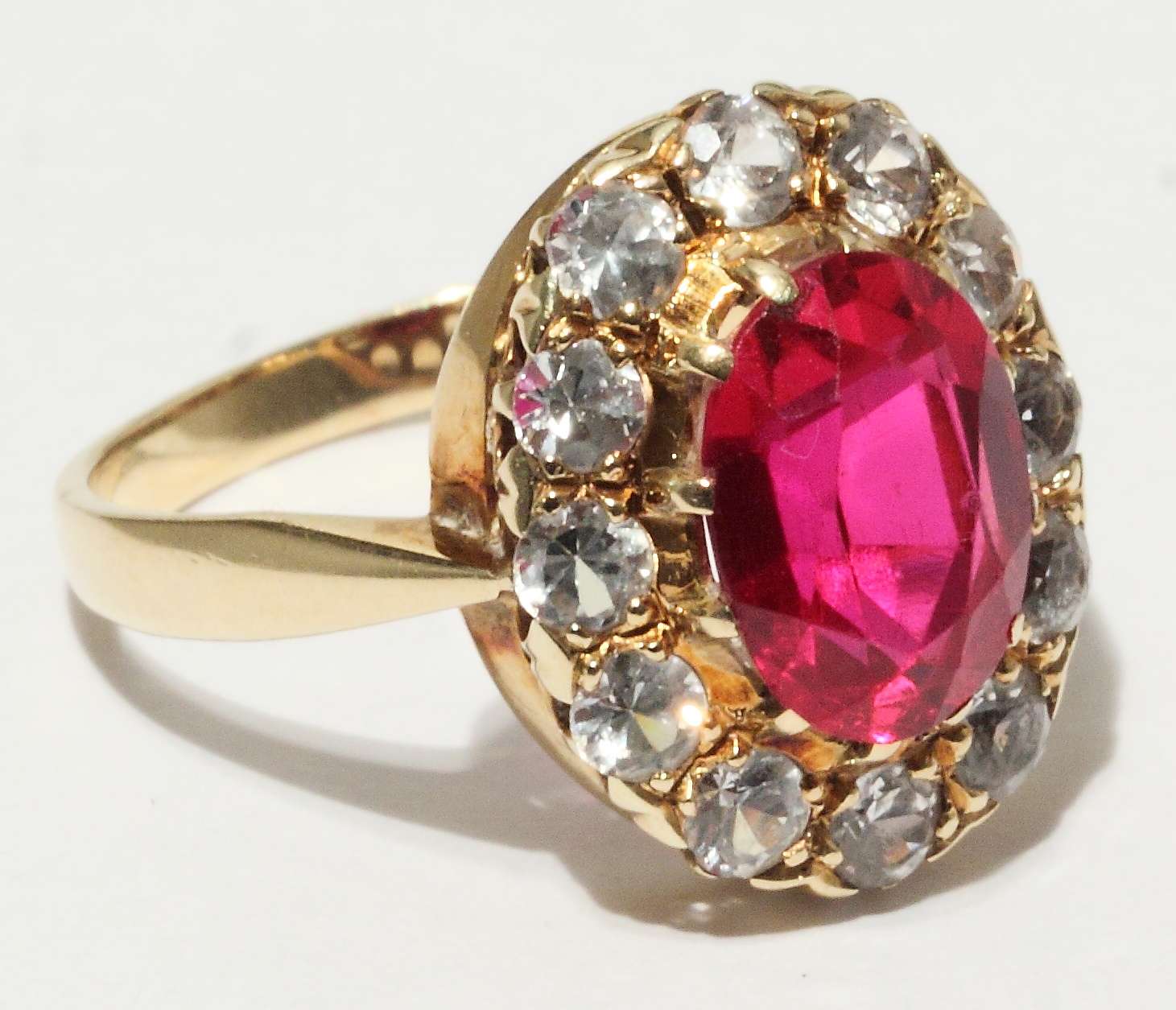
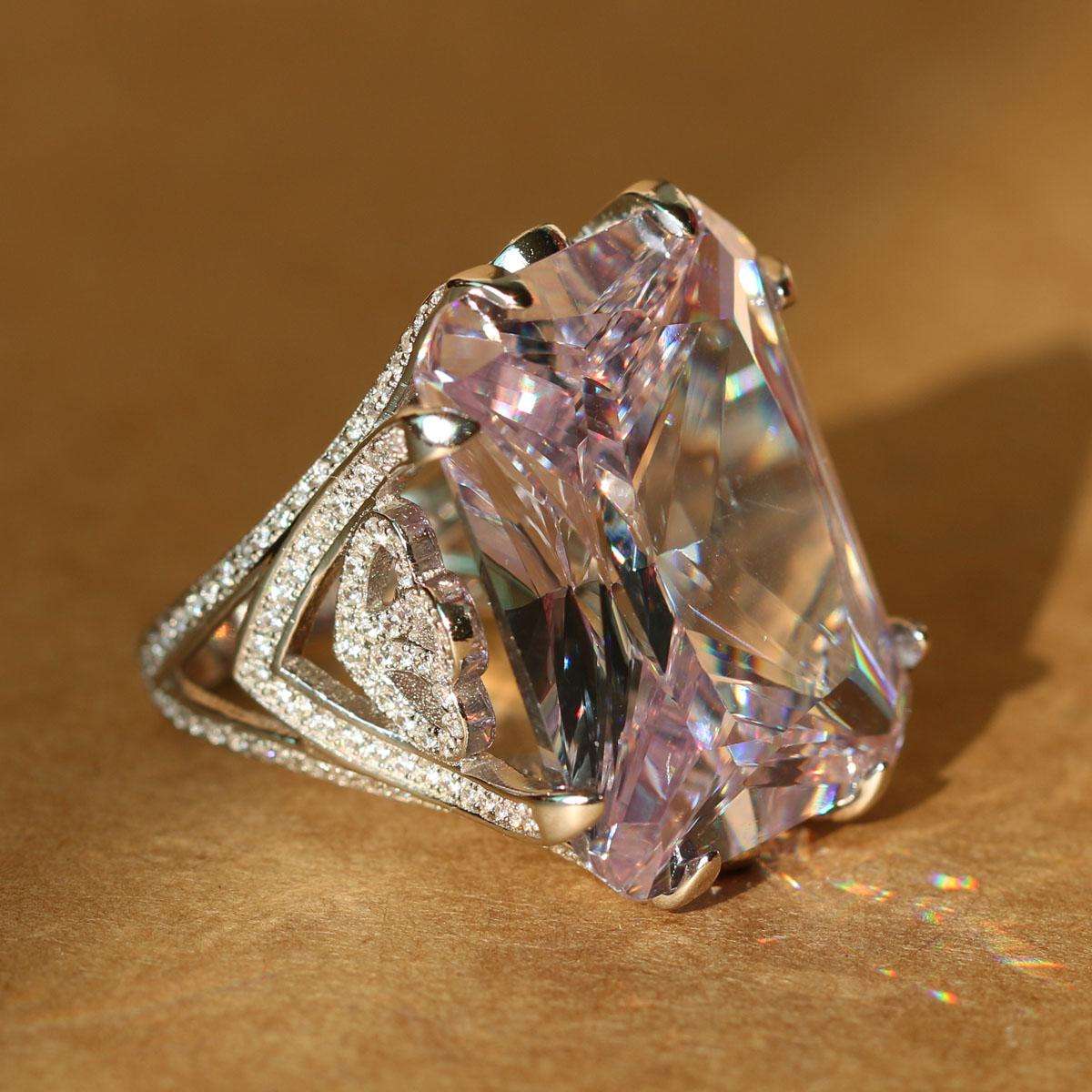
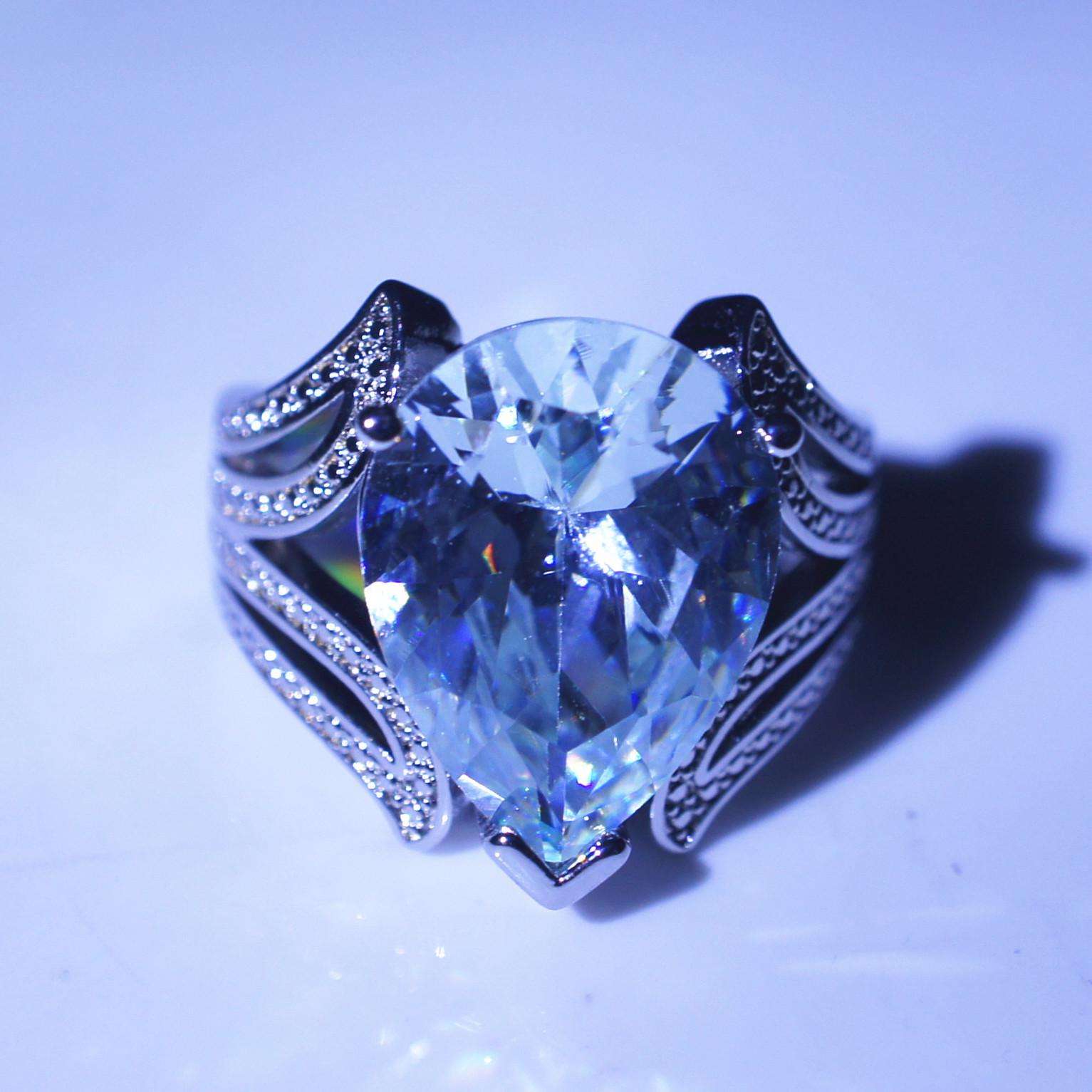
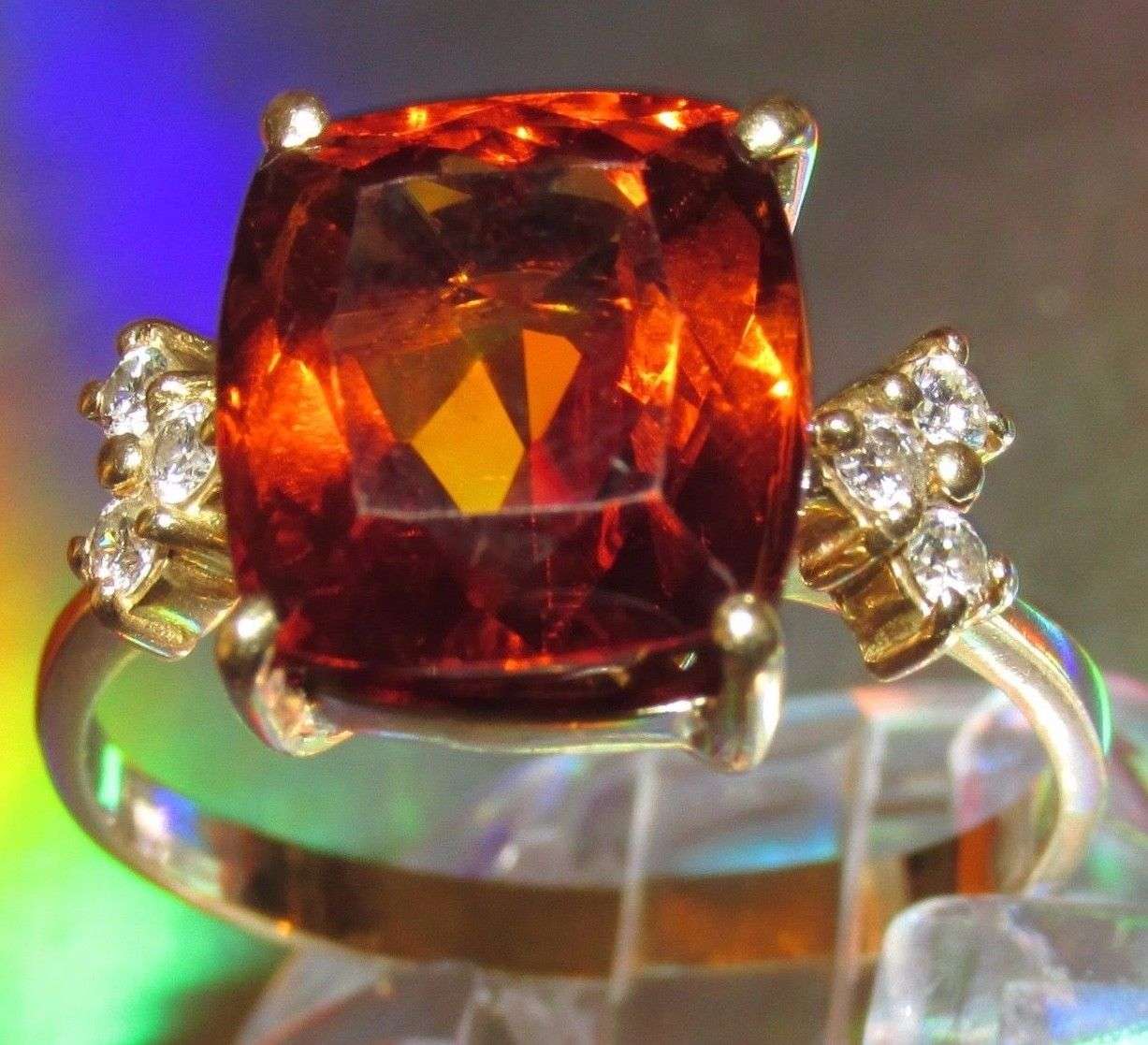
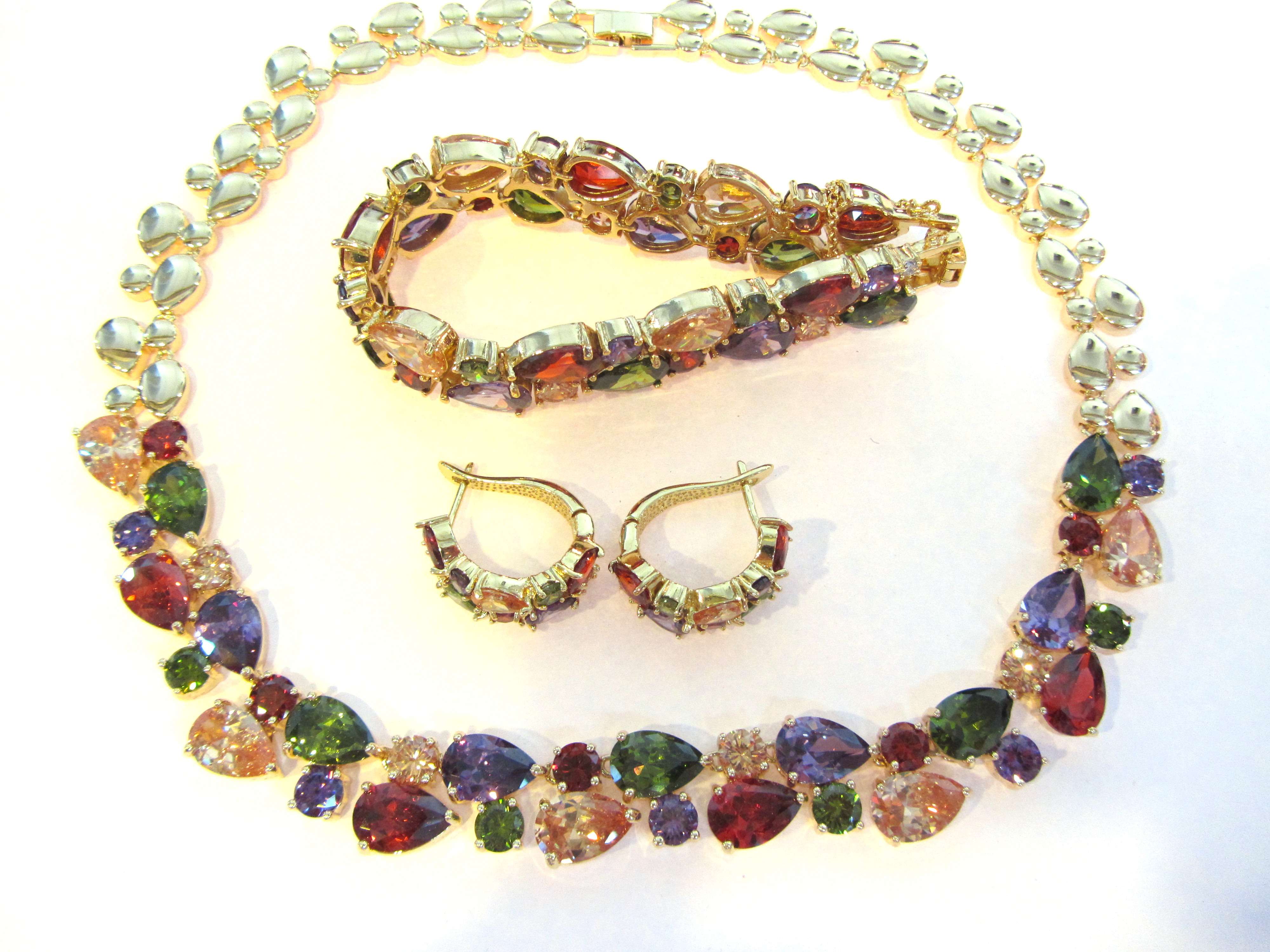
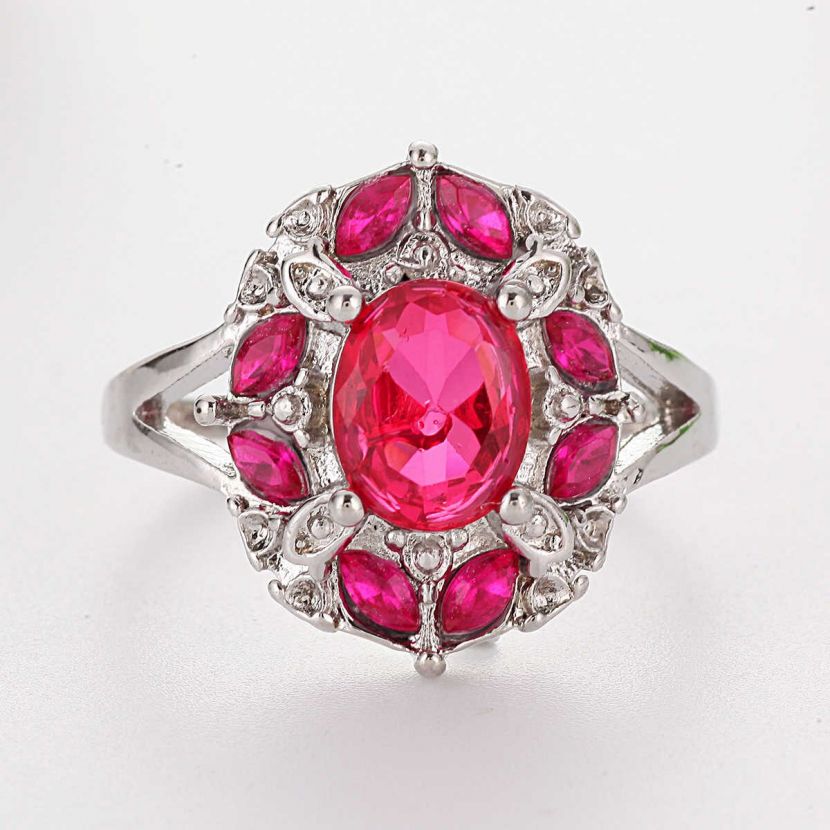
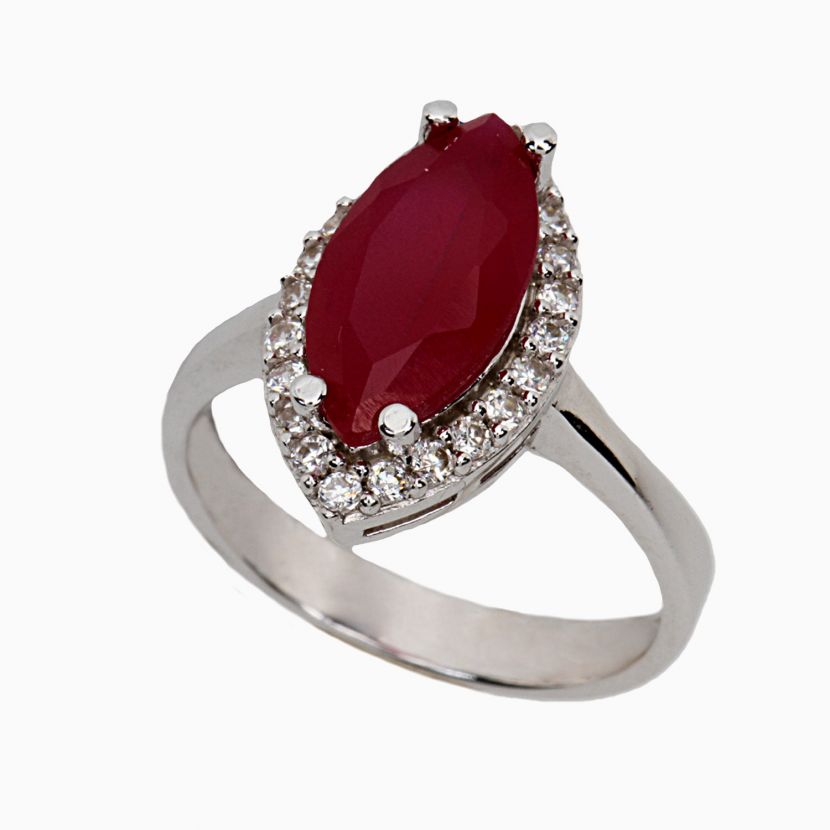
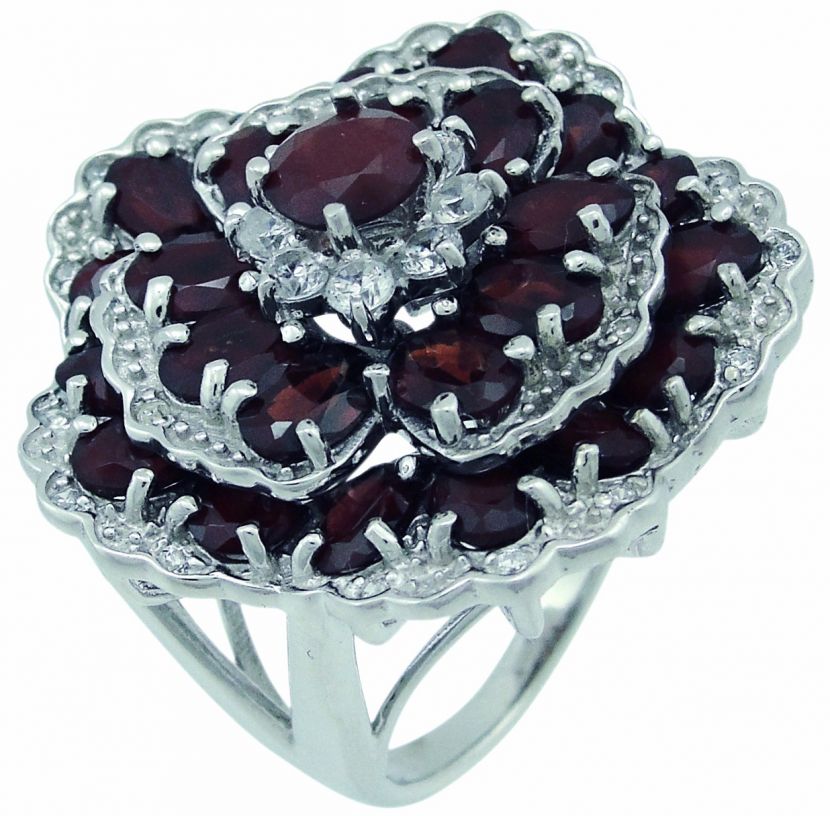
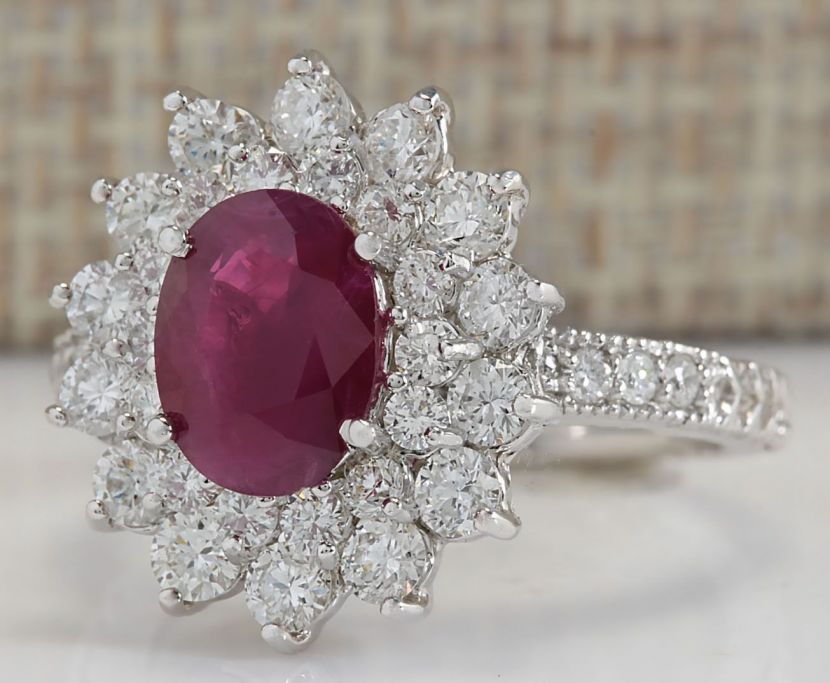
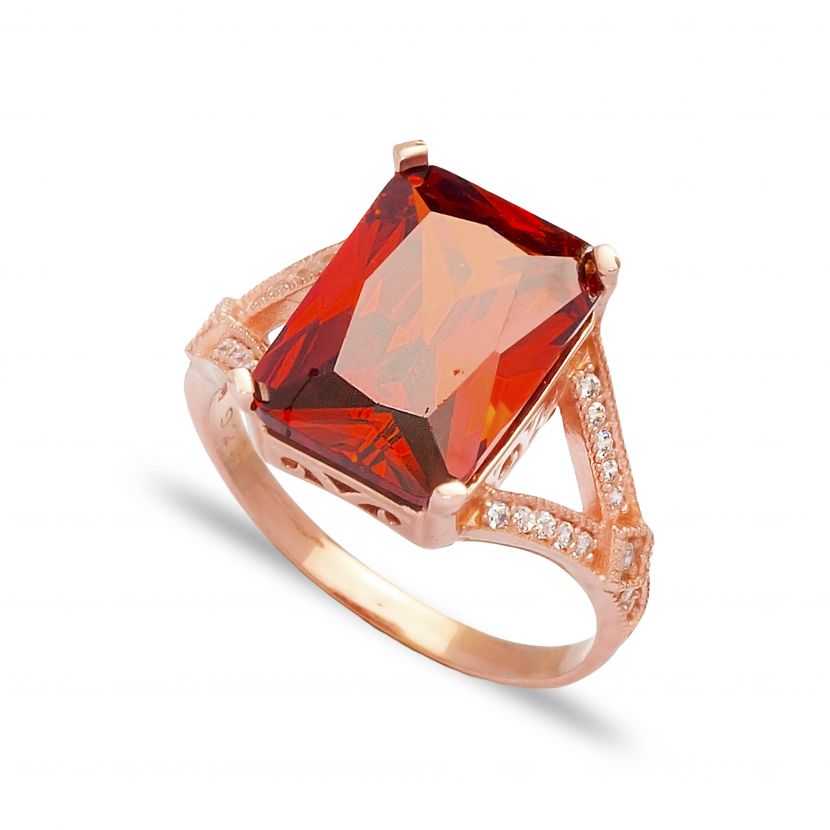
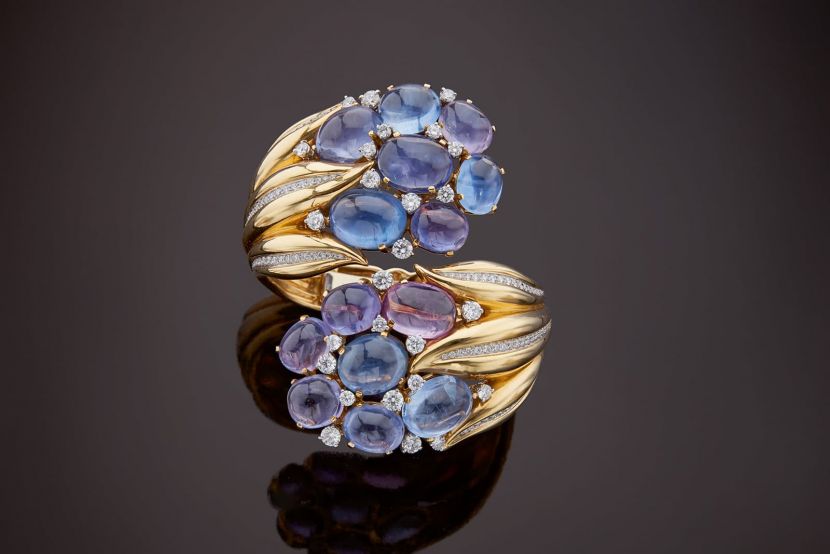
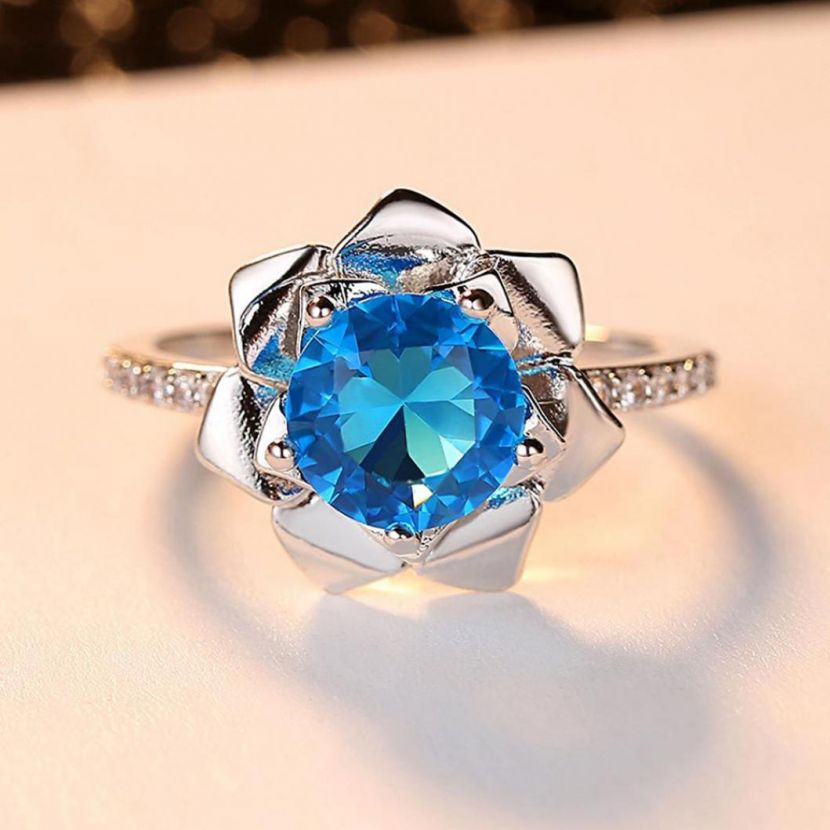
Yellow or brown hyacinths are more often set in gold, while blue and red hyacinths look more beautiful in silver. Most often, hyacinths are inserted into such jewelry as rings and earrings, pendants and necklaces are less common. The cut is brilliant, but more often in the form of a cabochon and uncut beads.
stone care
Hyacinth is very capricious. If it lies for a long time in the sun or close to the fire, then the color of the stone will fade. The color can be restored by heating in the presence of an acid, but the hue may change.
Dislikes this stone and water. Dry cleaning is recommended for him, and if the stone is heavily soiled, then after washing with soapy water and rinsing in clean water, it is necessary to immediately dry the stone with a napkin.
Store hyacinths in a separate box.
Hyacinth is a stone whose play of glare is simply mesmerizing, and the energy is simply amazing.
Photo of Hyacinth stone