Jewelry stone Alexandrite - photo, properties, value
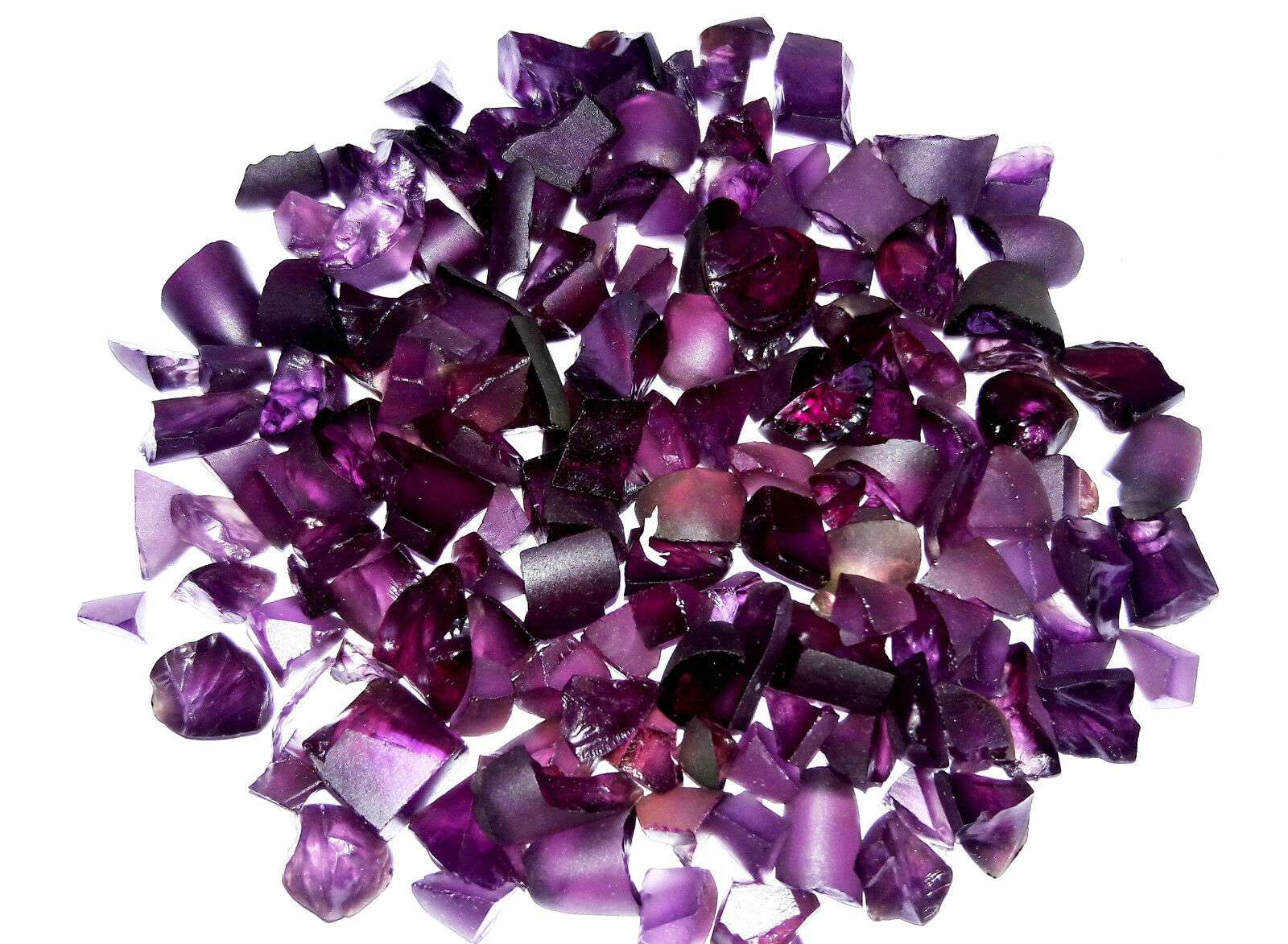
Alexandrite is a stone mysterious, mysterious and discovered recently. No wonder this mineral was named after the king, so it is associated with wealth, power, nobility, and also belongs to the stones of the first order.
Story
Even in ancient times, mankind was familiar with this precious stone. In the ancient Indian epic Mahabharata, he (or ordinary chrysoberyl) was called the "peacock eye".
There are two versions of the discovery of alexandrite that are approximately the same in terms of probability.
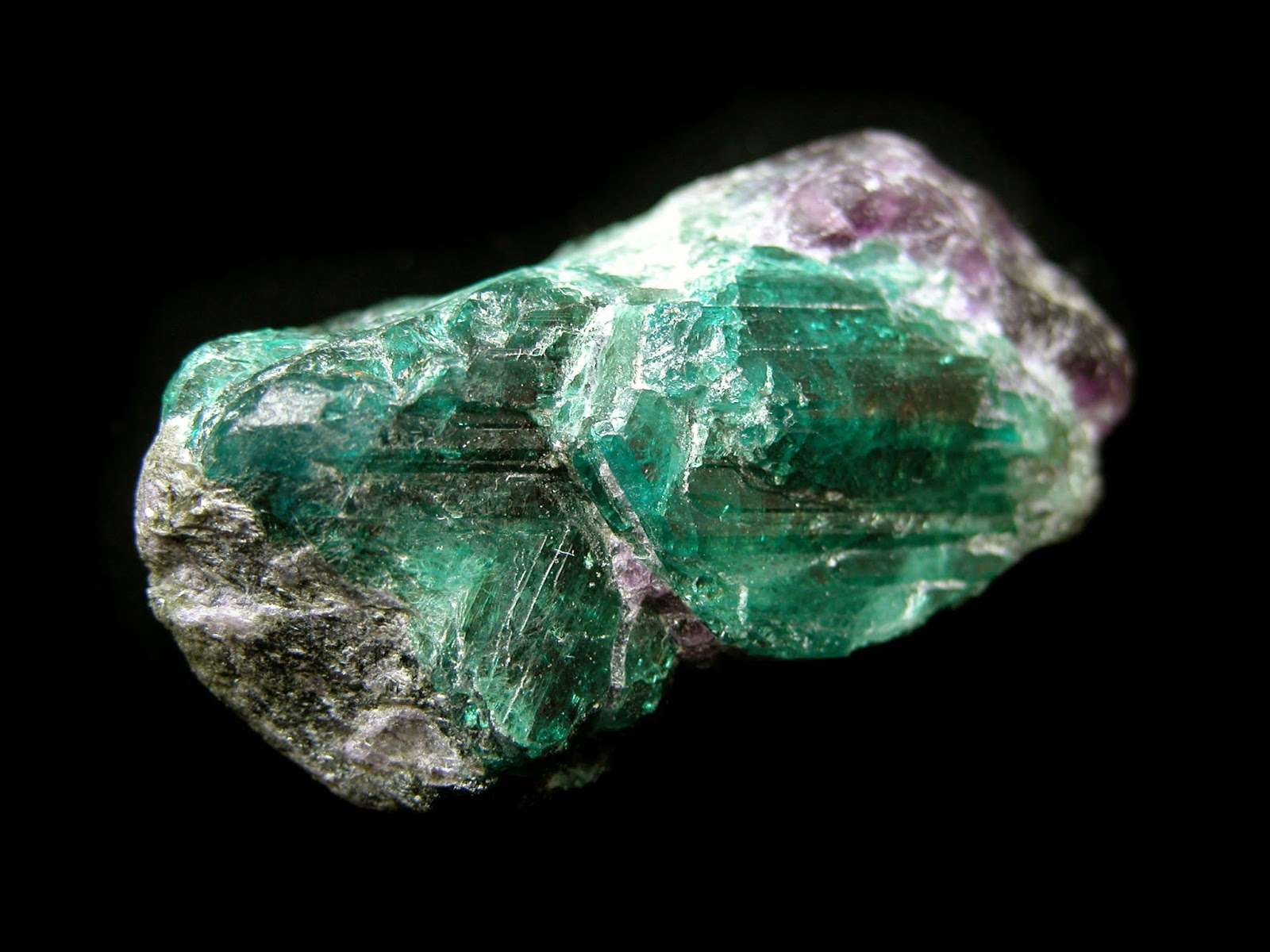
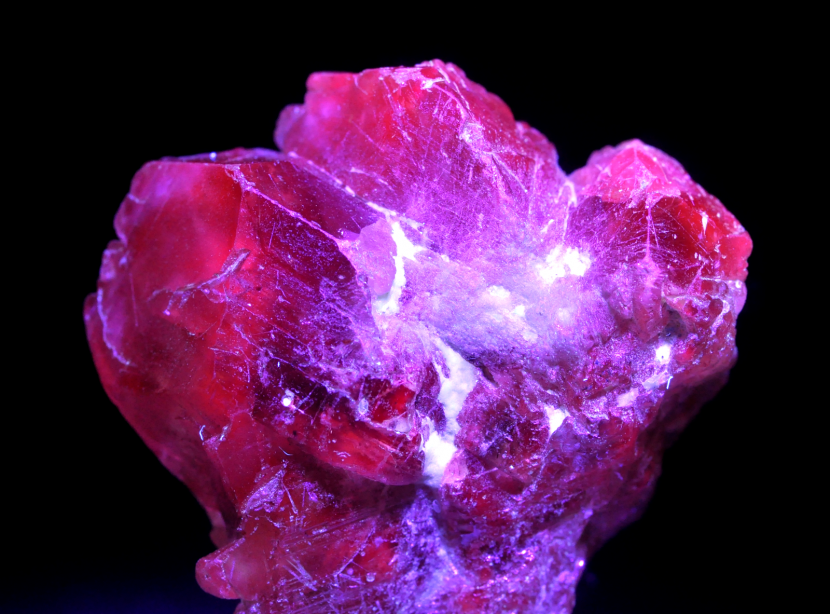
Nils Nordenskiöld, a Finnish mineralogist, discovered a strange stone in the Ural Mountains in 1834. At first, he thought that it was a suspiciously strong emerald of not the first purity, but in the light of the lamp, the green gem turned into a crimson "ruby". Soon, the scientist named the amazing find in honor of Alexander II, who at that time was celebrating his coming of age (at that time, from the age of 16, a person was considered an adult).
There is another discoverer - Yakov Kokovin, who sent a sample of emerald found in 1833 to St. Petersburg.The minister of appanages, Lev Perovsky, took up the study of the specimen, later presenting an unusual find to the future Emperor Alexander II for the age of majority. As a result, the stone named after the tsar became his personal talisman, and, perhaps, it was he who protected him in difficult times for Russia.
In the Russian Empire, the stone was highly valued and worn only by noble people (green and red are the traditional colors of the nobility), so it was more expensive than some diamonds. Only after the First World War, alexandrite gained fame as a "widow's stone", because it was with the noblewomen, whose husbands did not return from the battlefield. Alexandrite then began to be associated with pain and loss.
Starting from the announcement of the discovery of the stone in 1842, for a long time alexandrite was called the "original Russian stone", but towards the end of the 20th century, after the discovery of new foreign deposits, the mineral ceased to have a patriotic connotation.
Etymology
Alexandrite is named after the Russian Emperor Alexander II. It is worth noting that Perovsky, who presented the monarch with a brilliant gift, initially wanted to name the mineral diaphanite (from the ancient Greek "diafanos" - "bright", "sparkling"), but chose a different name for the stone in order to distinguish himself from the royal family.
Mining
The first and one of the largest deposits of alexandrite is the Malyshevskoye deposit, located in the Ural Mountains. In addition, this mineral is mined in Sri Lanka, Madagascar, India and Tanzania. In Brazil, too, there used to be a deposit, but it was soon depleted.
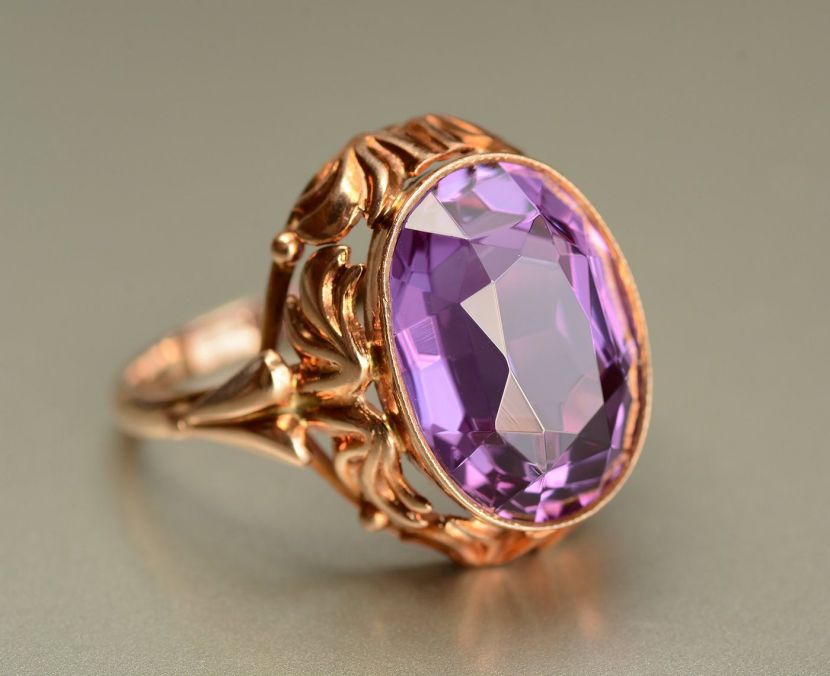
Alexandrite is a rare gem. Even in the large Malyshevskoye deposit, among the tons of processed rock, there is only one hundred grams of the mineral.For this reason, the "imperial stone" is very expensive, and not everyone can afford it.
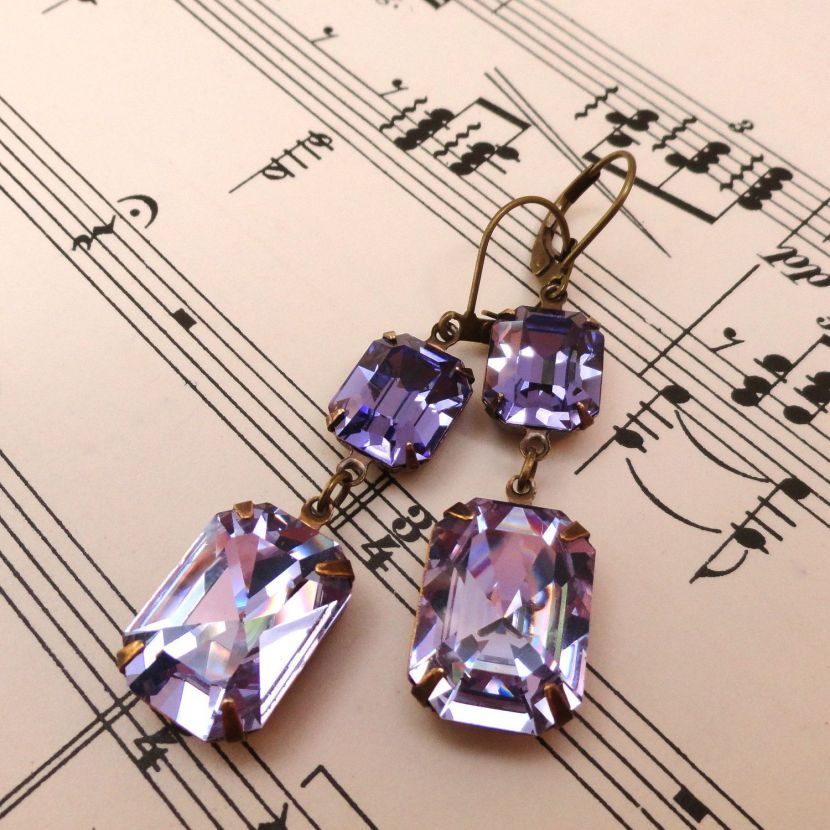
Features of the mineral
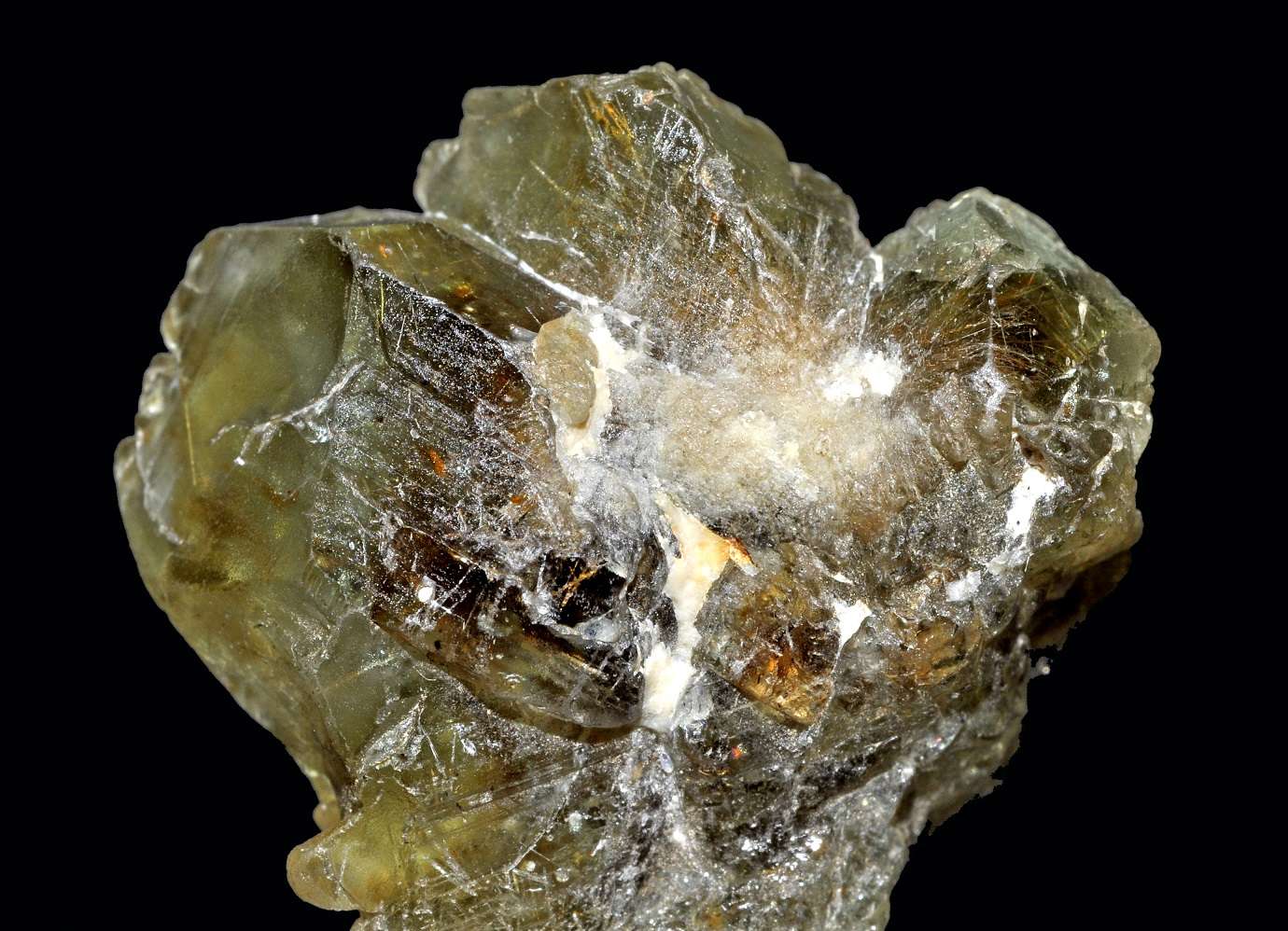
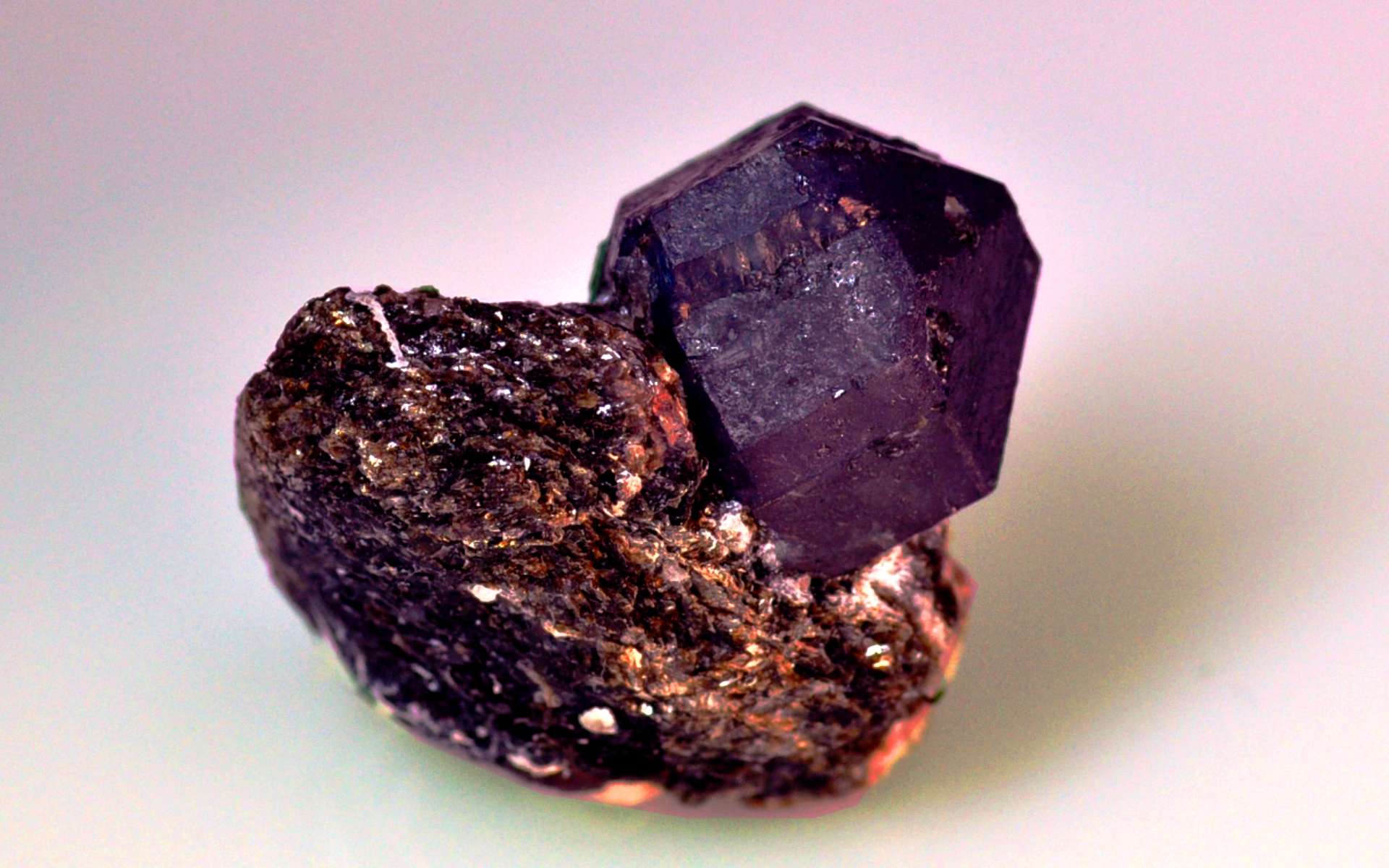
Alexandrite (chemical formula - Al2BeO4) is a variety of chrysoberyl with an admixture of chromium.
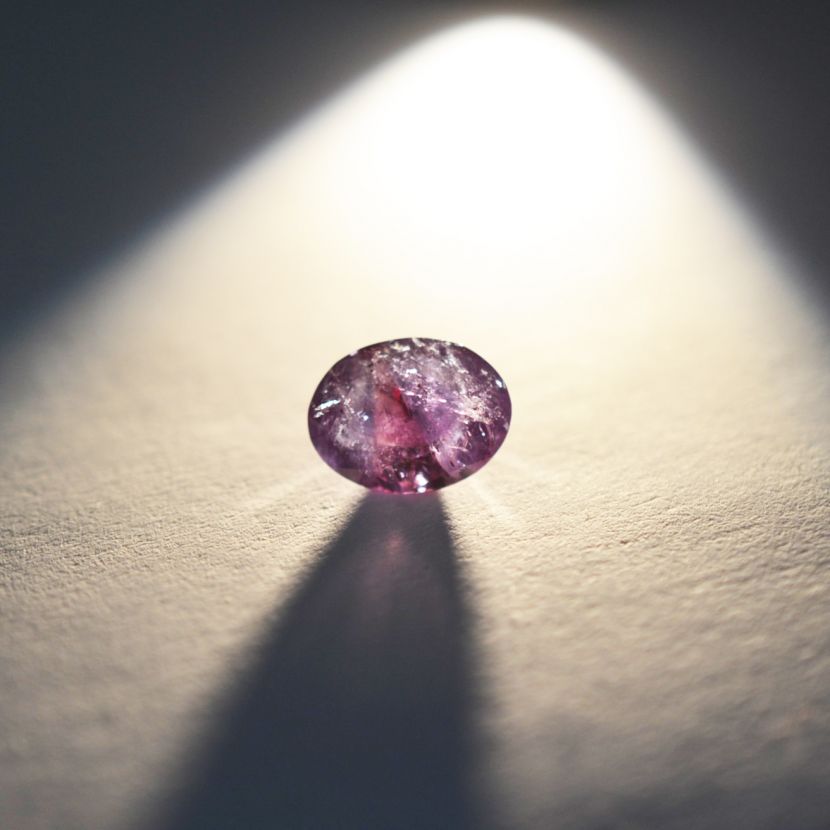
Chrysoberyl, despite the name, is not a variety of beryl, which includes aquamarine, emerald, morganite and others.
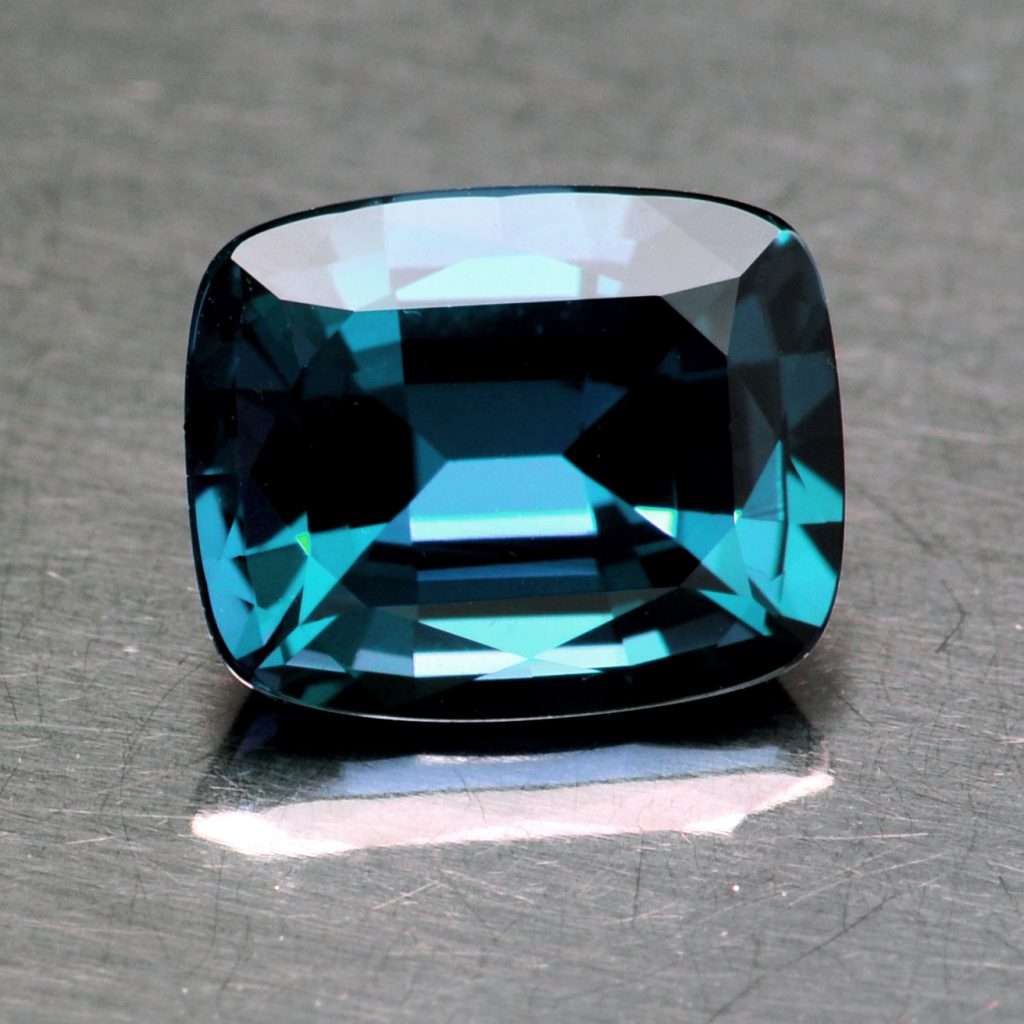
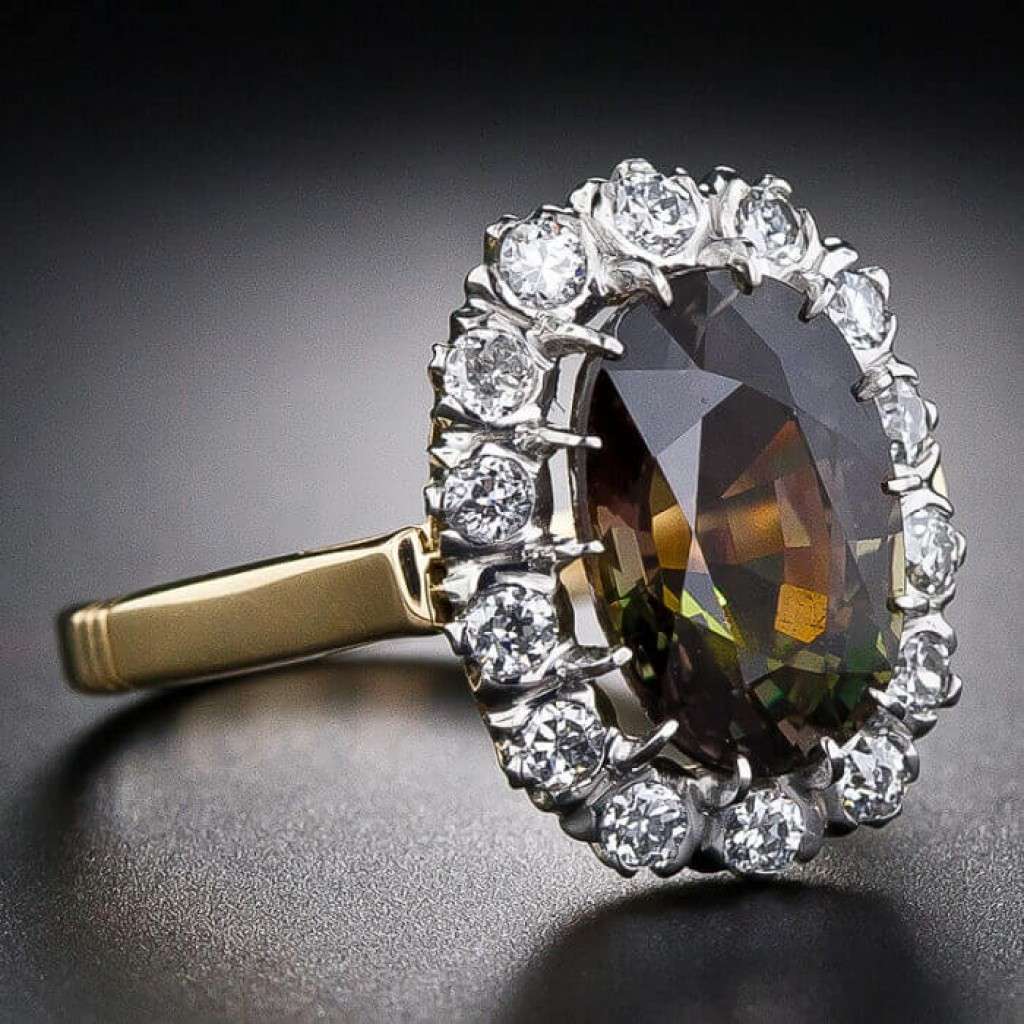
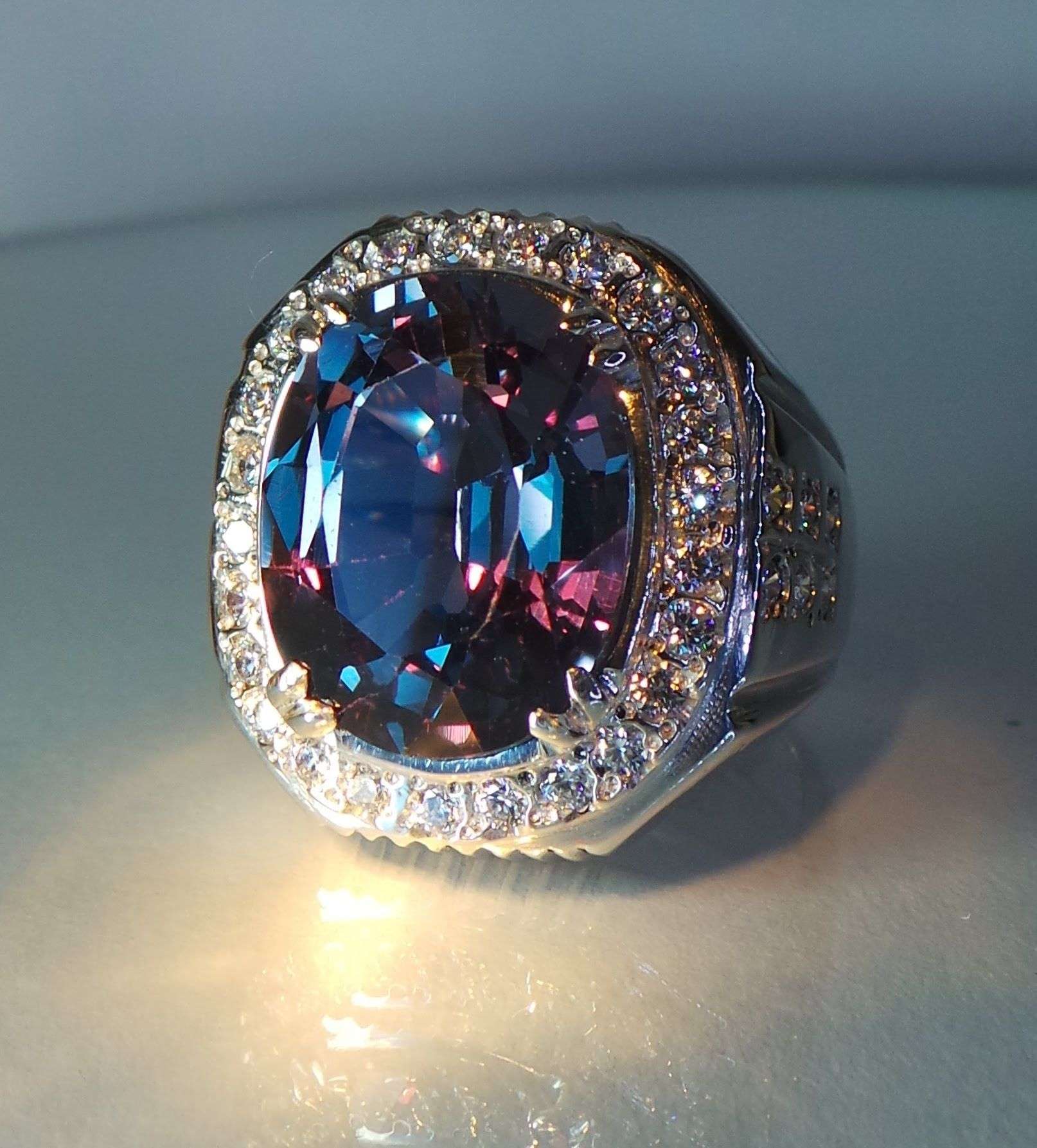
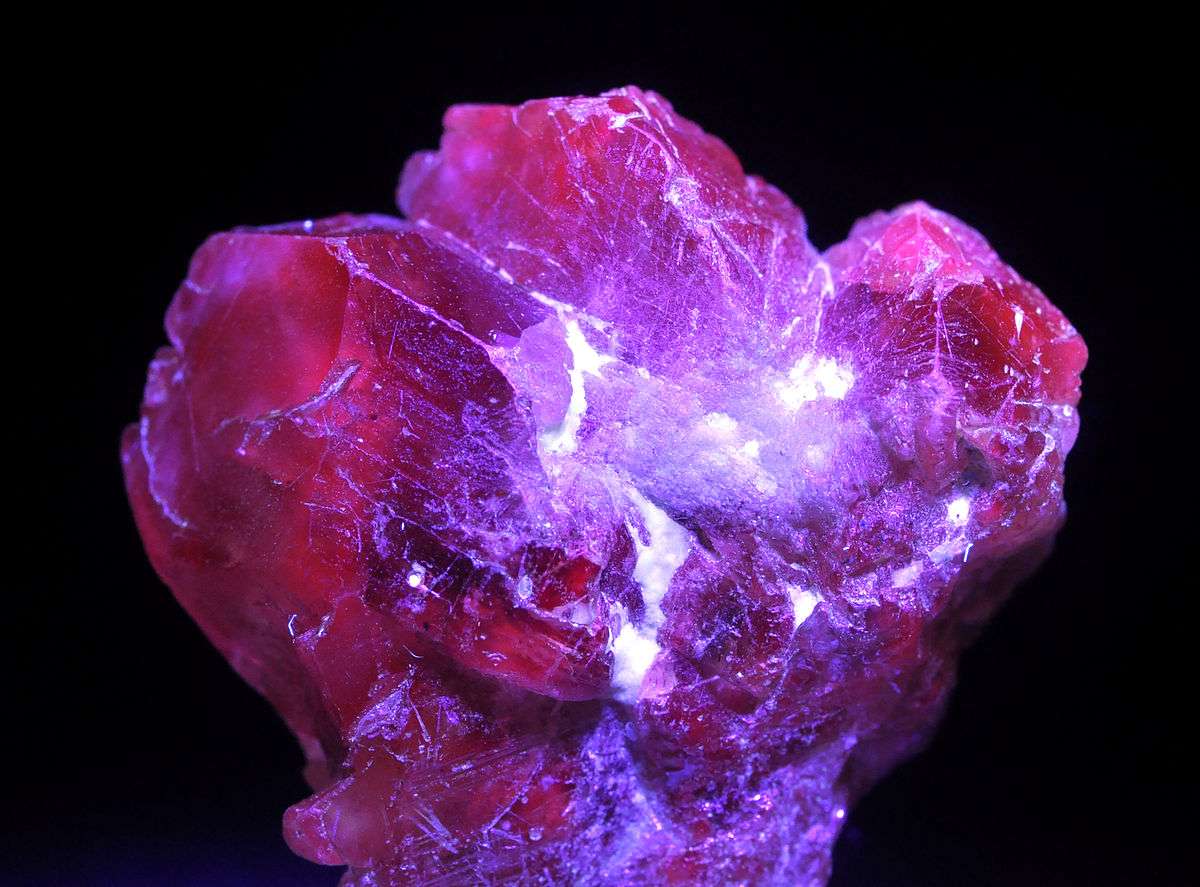
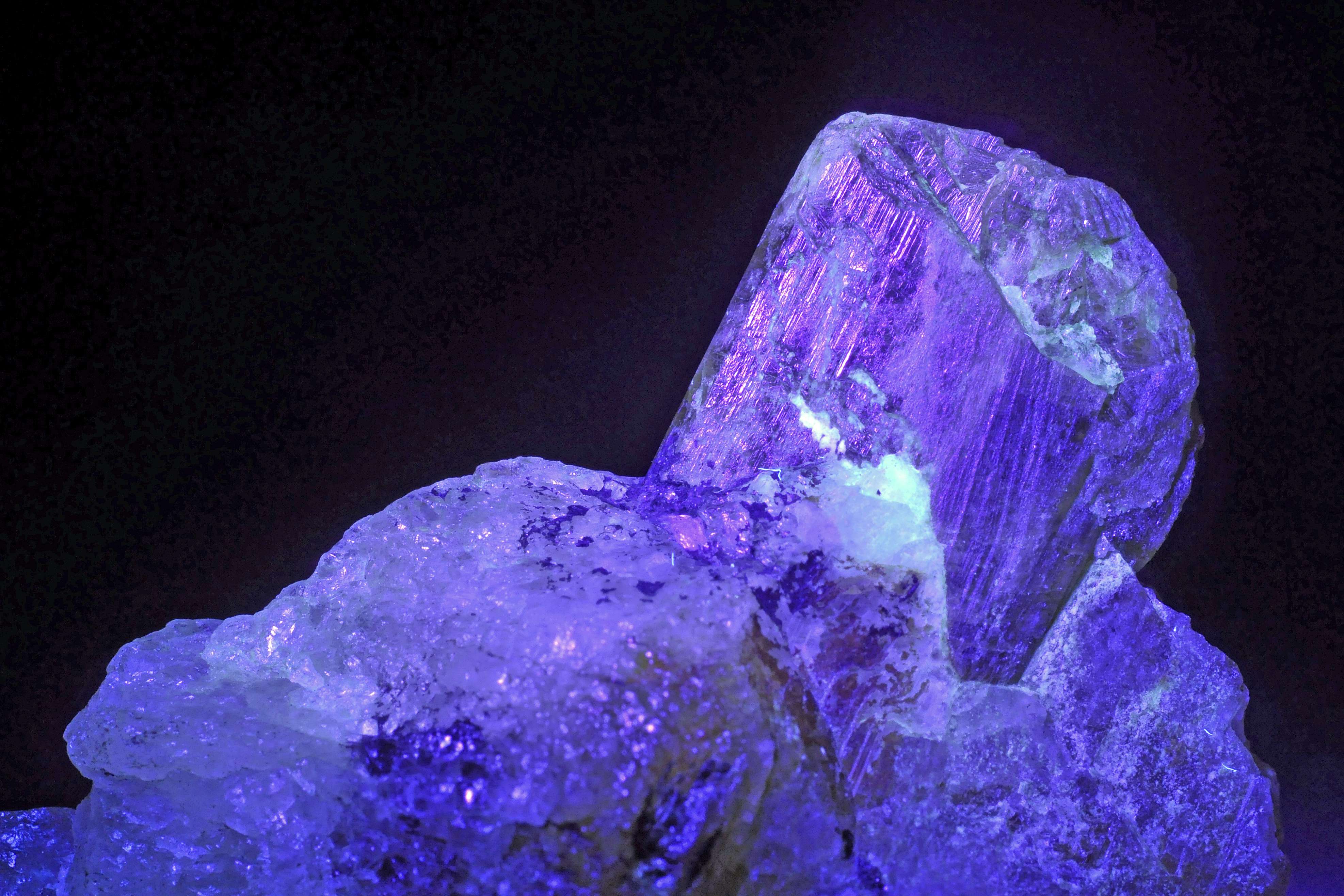
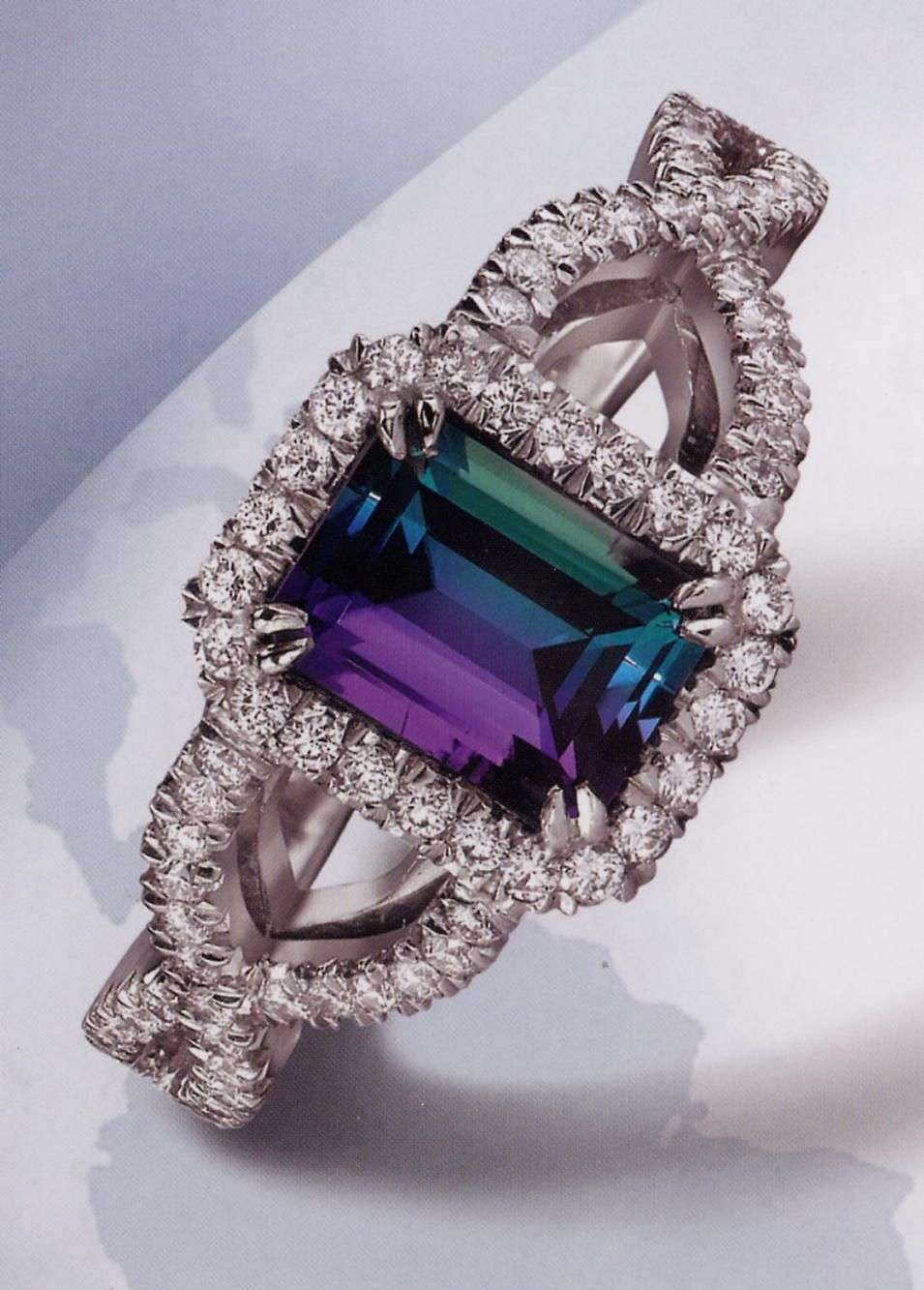
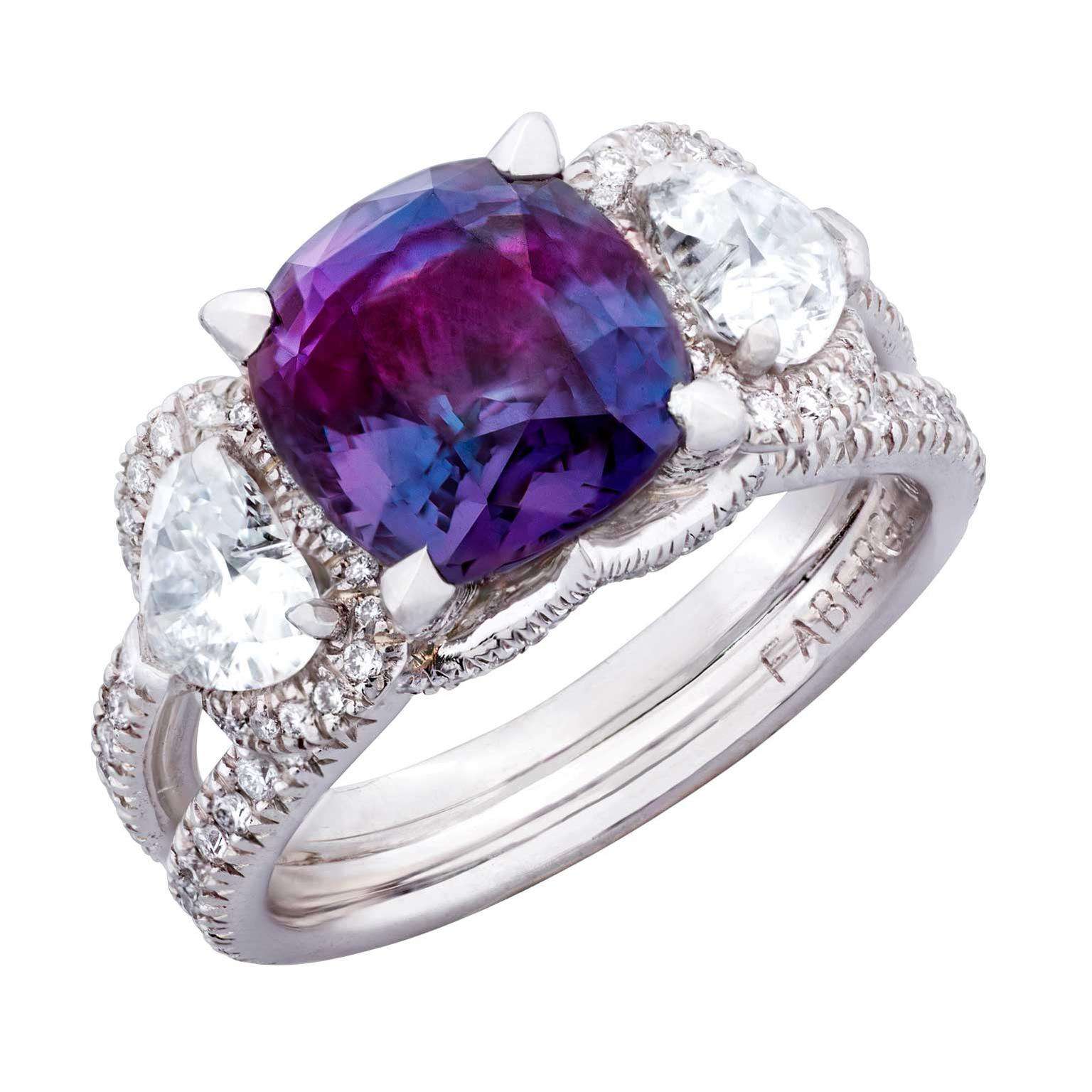
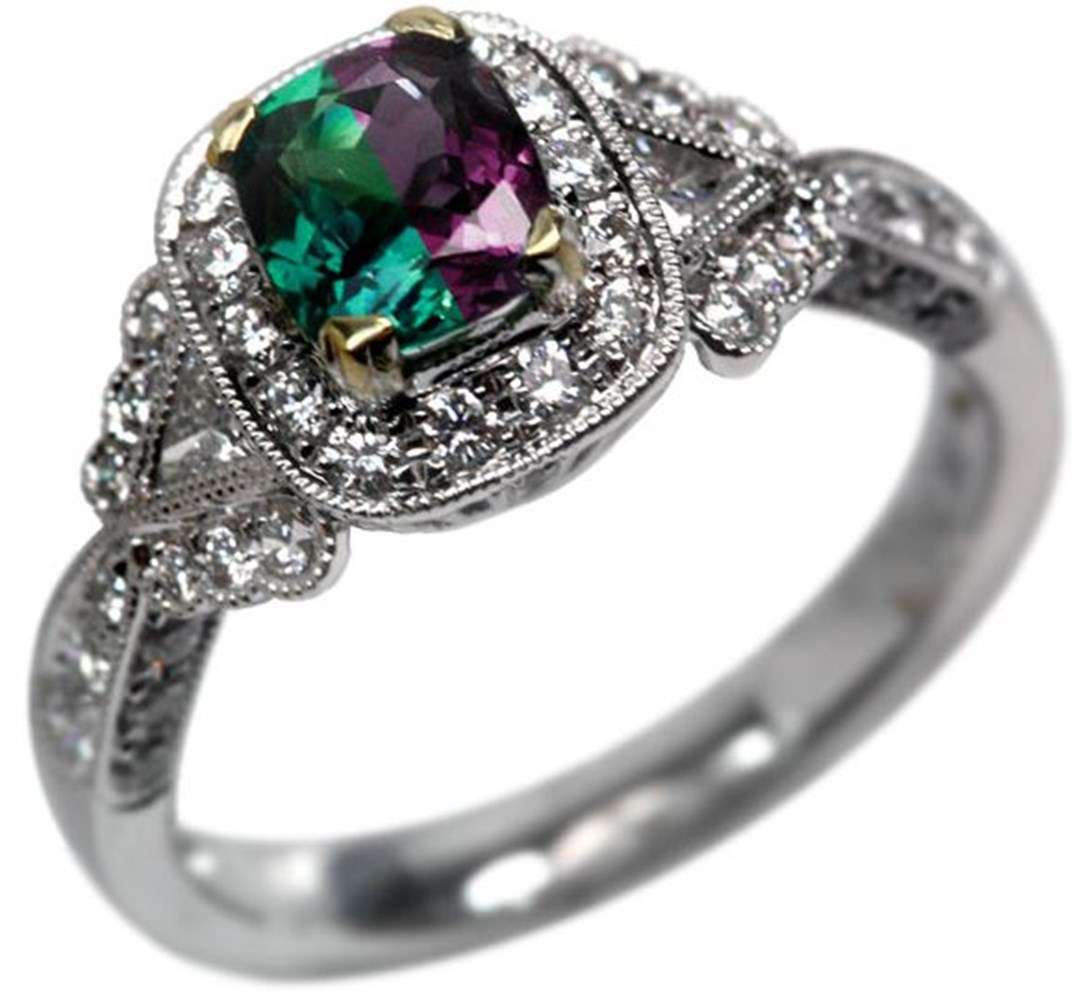
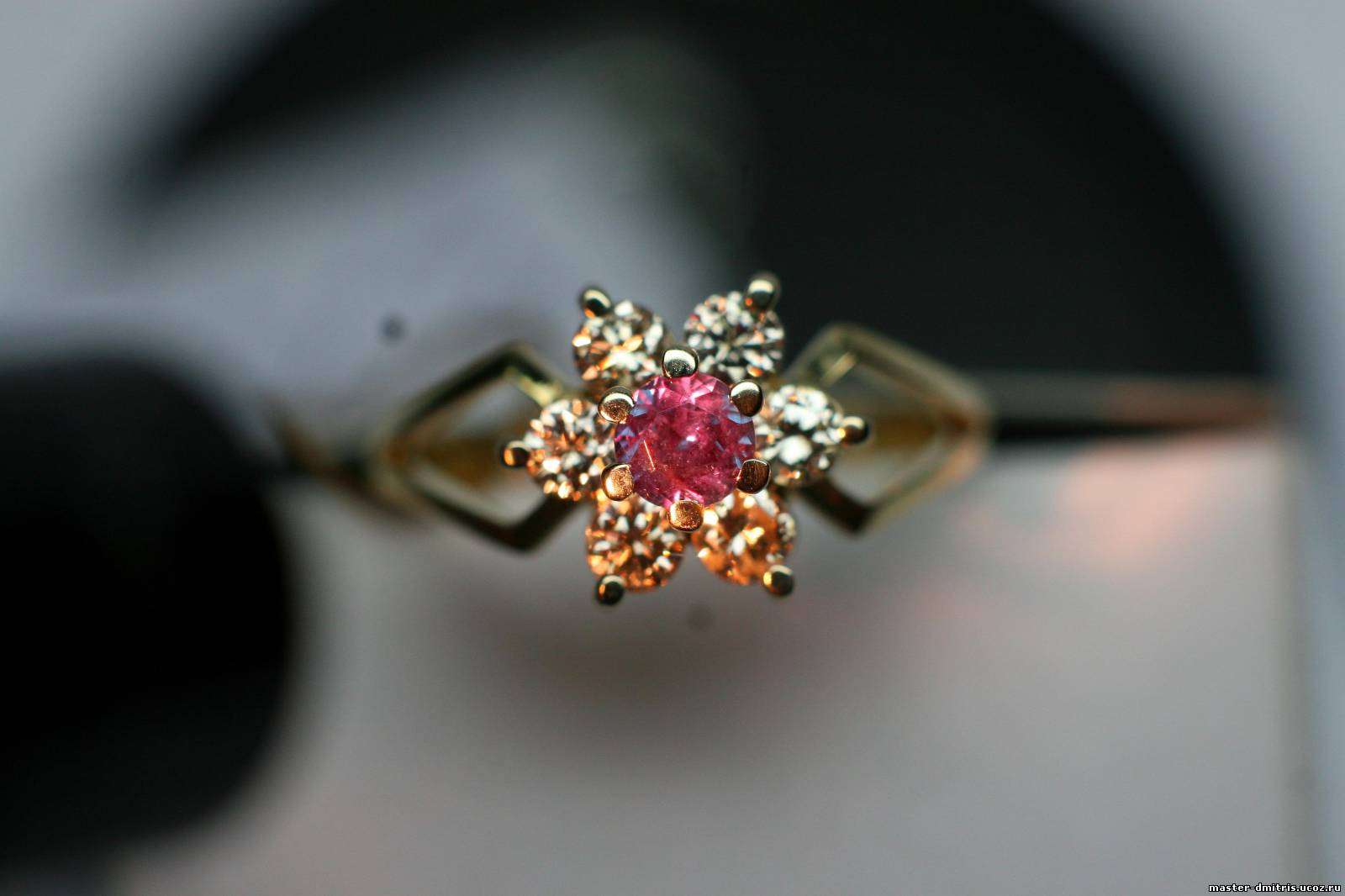
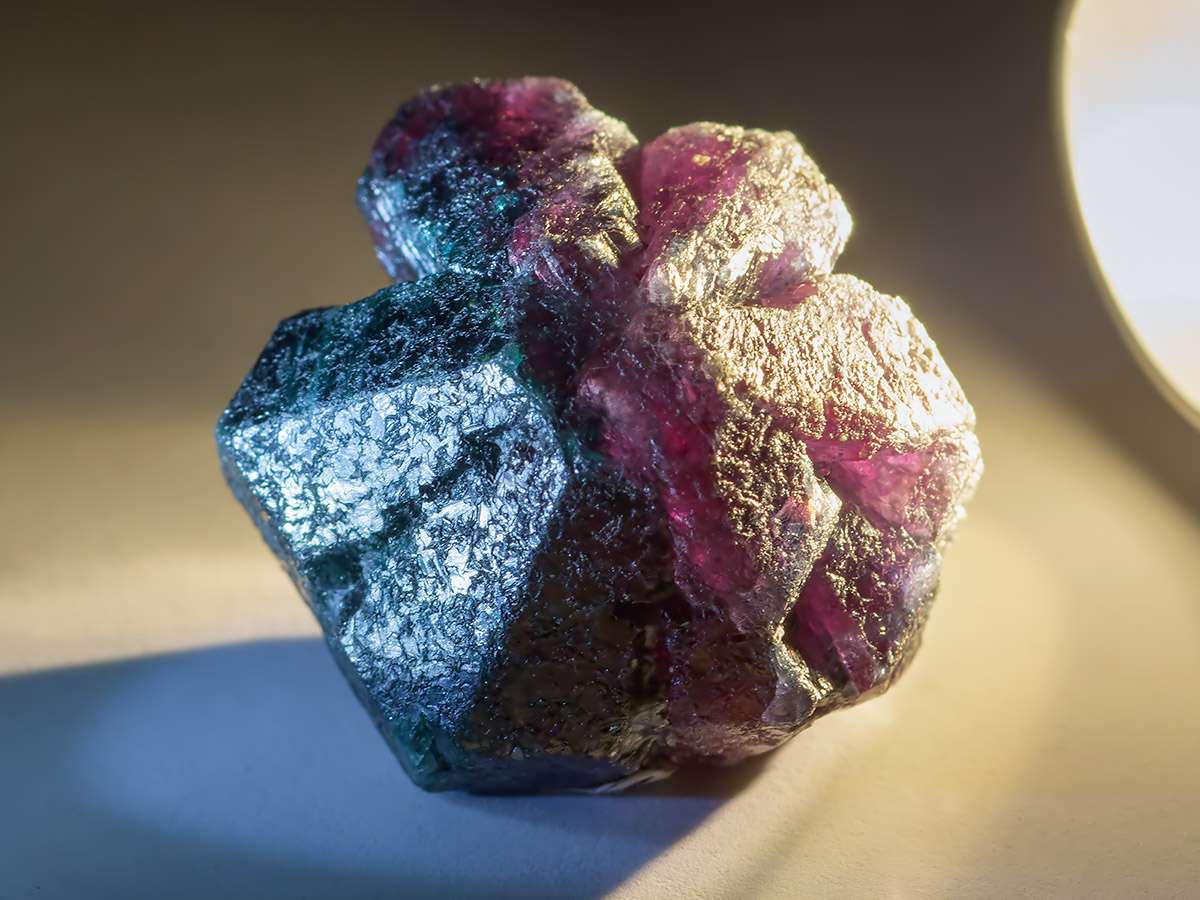
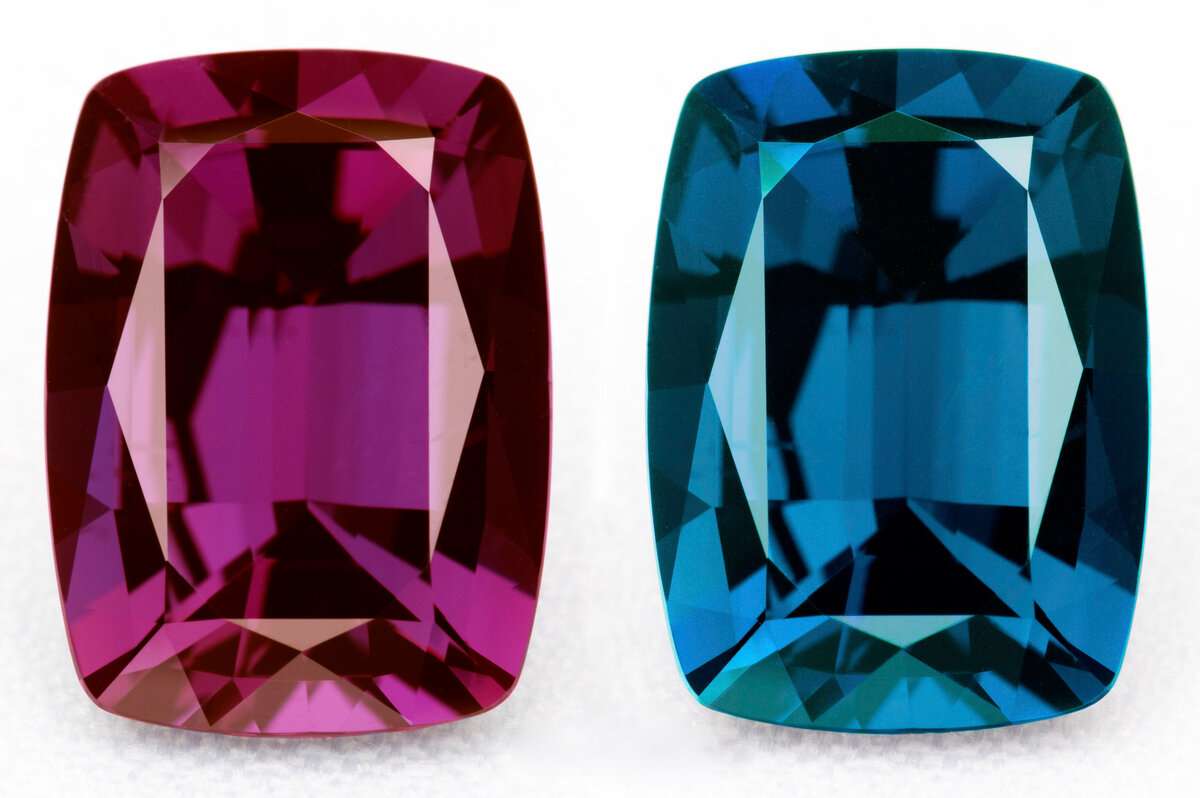
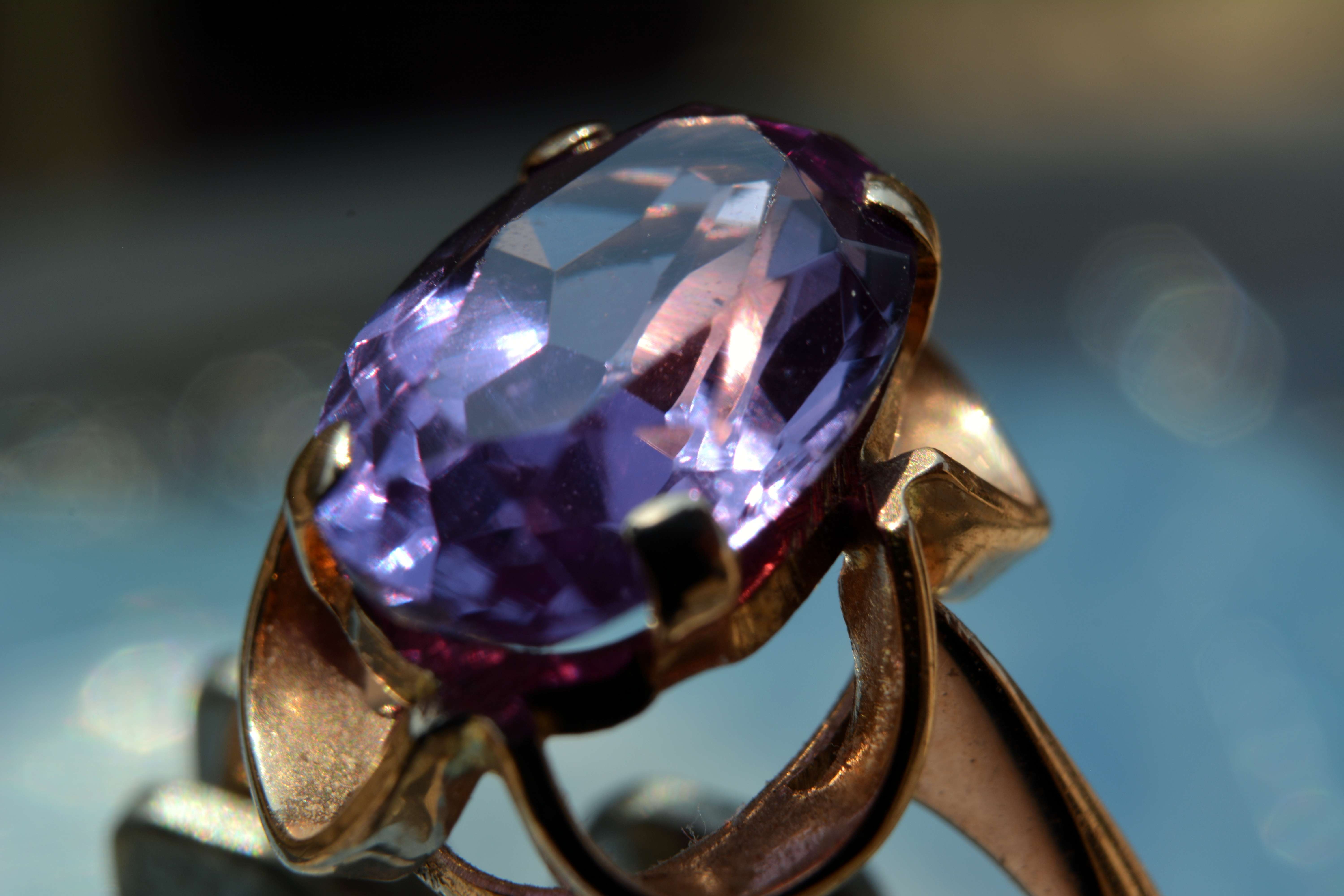
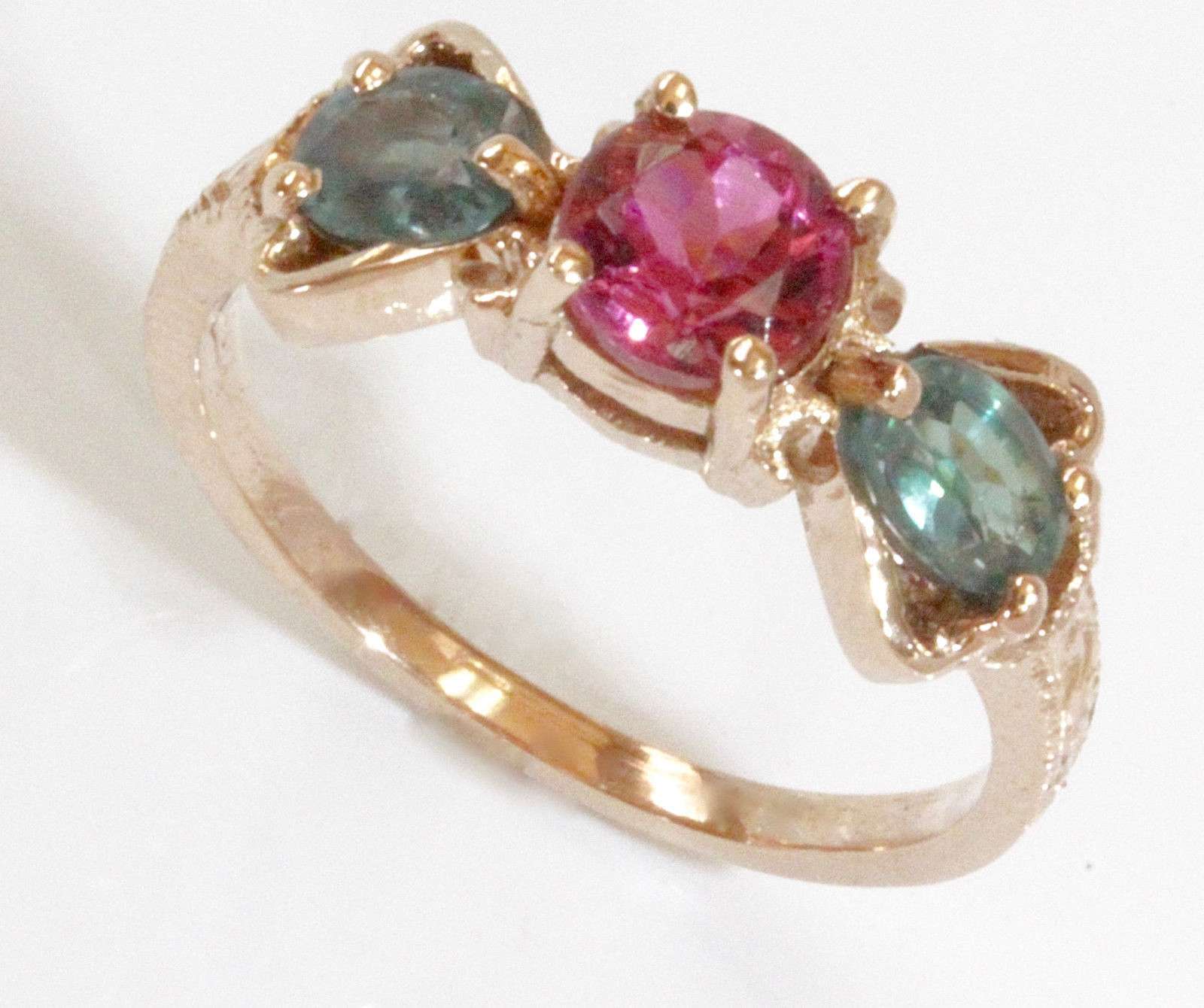
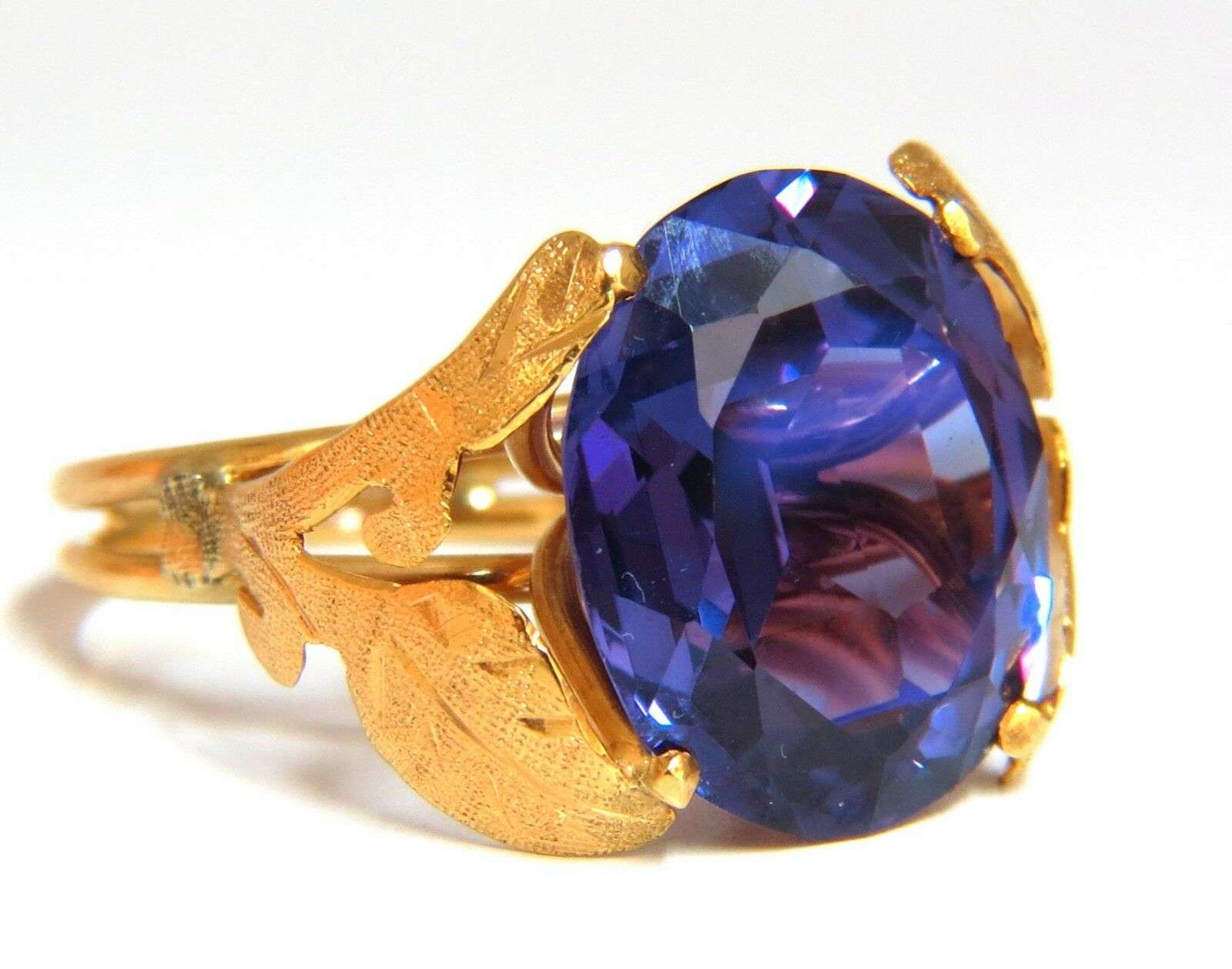
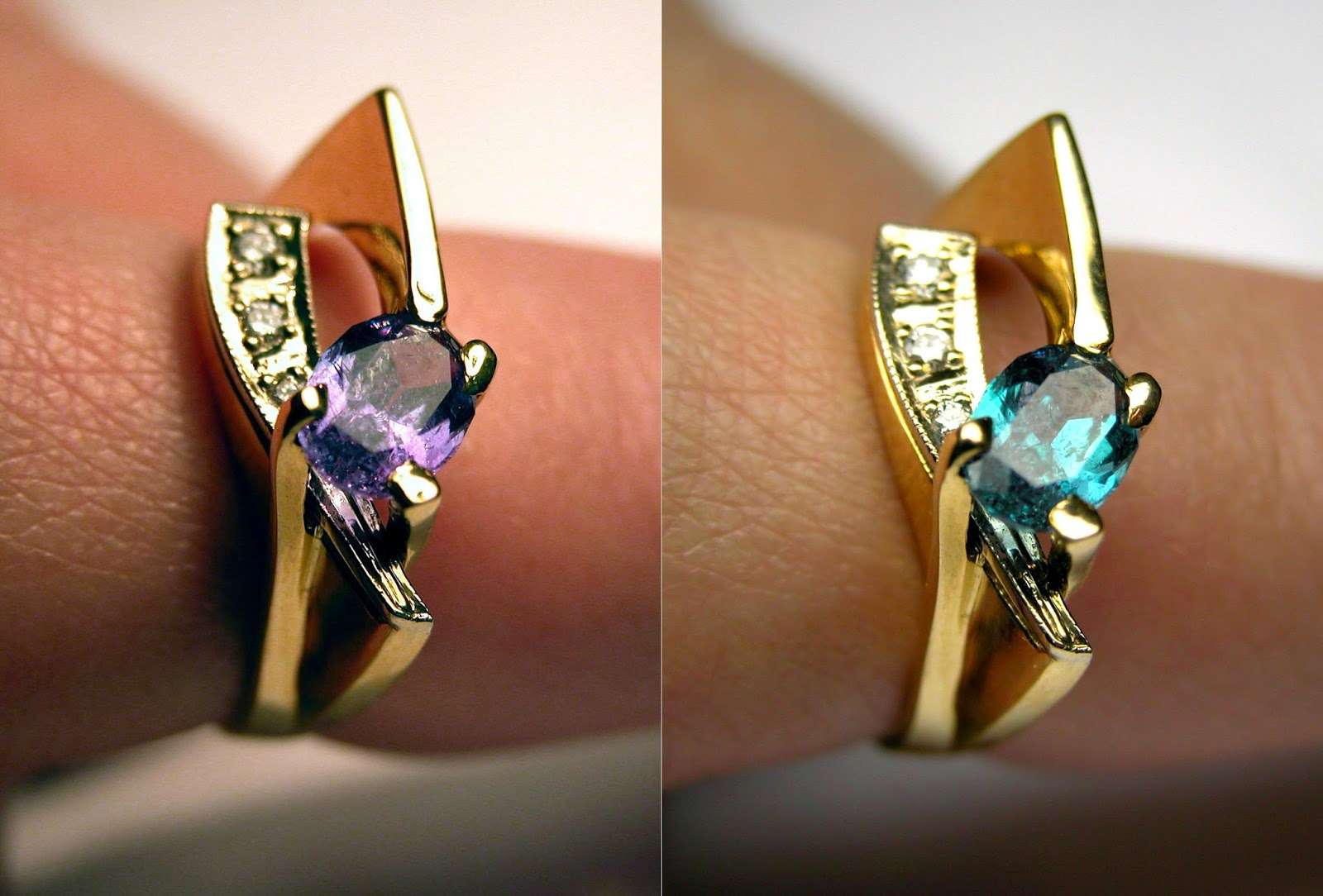
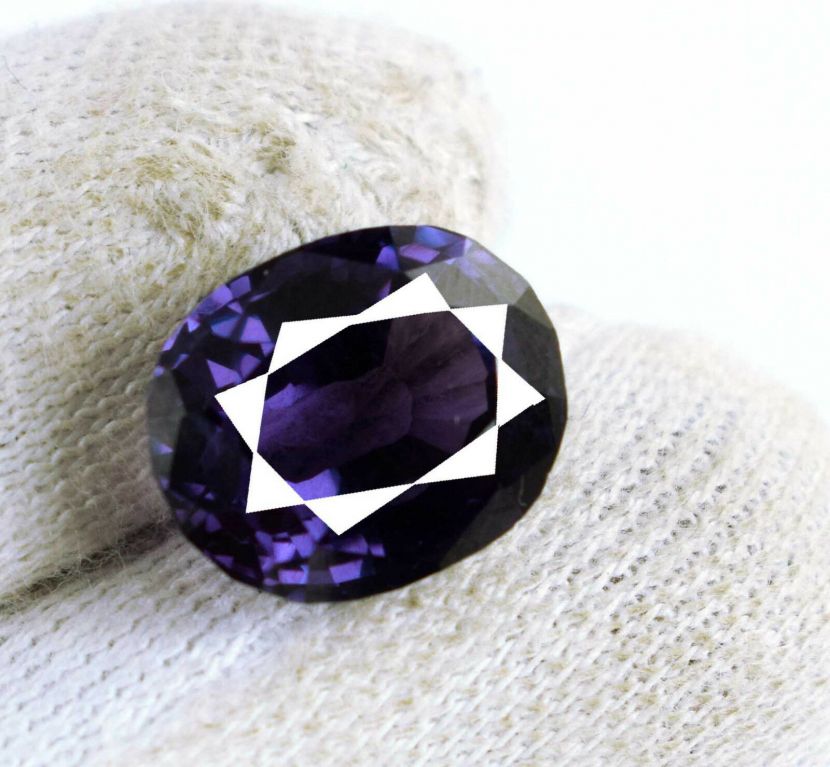
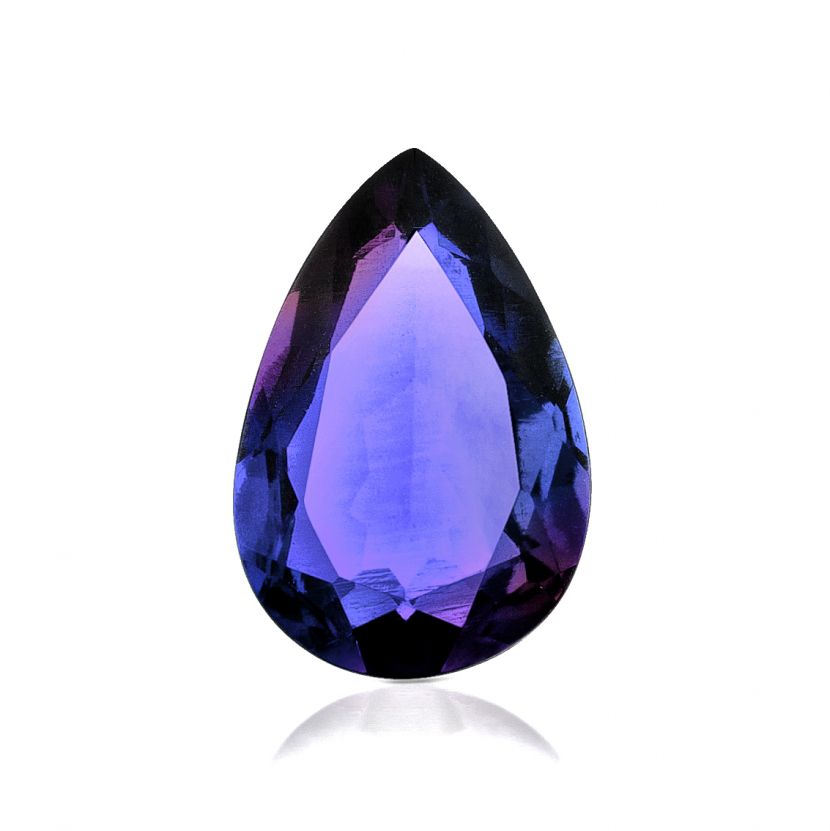
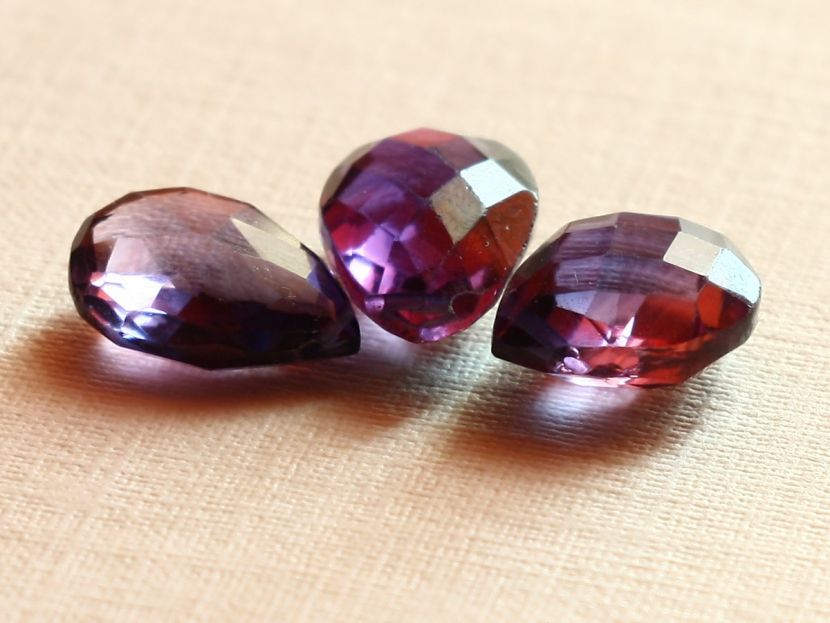
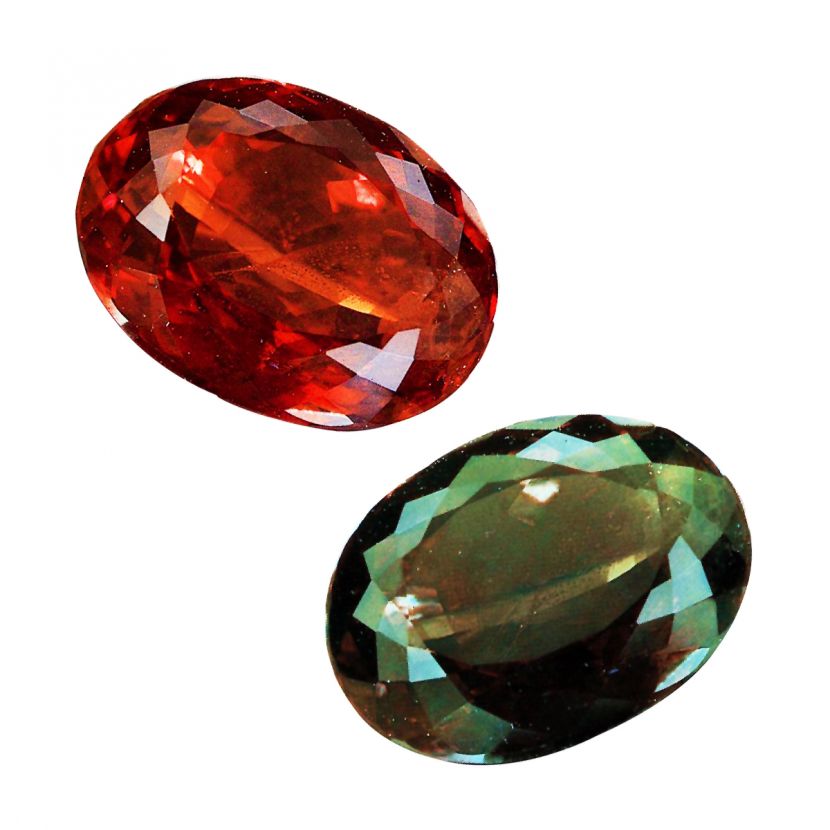
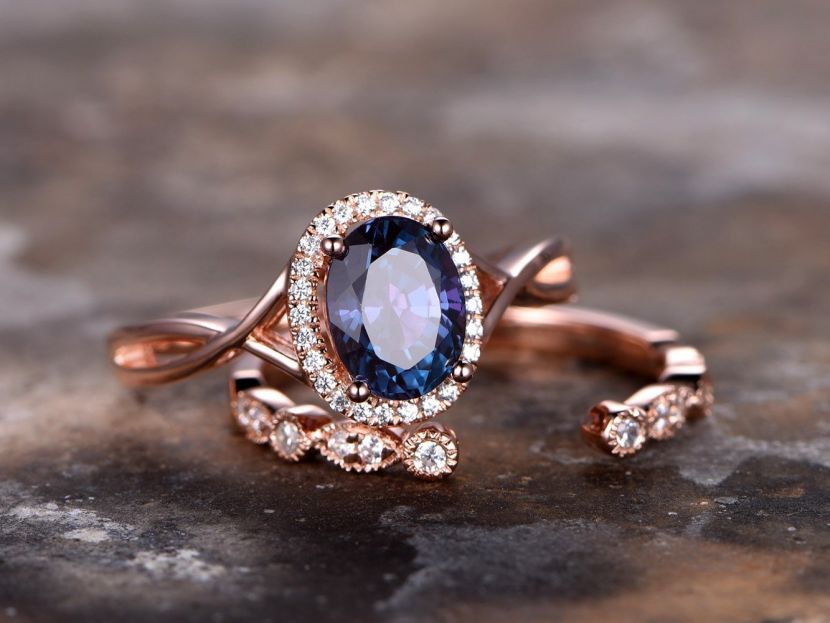
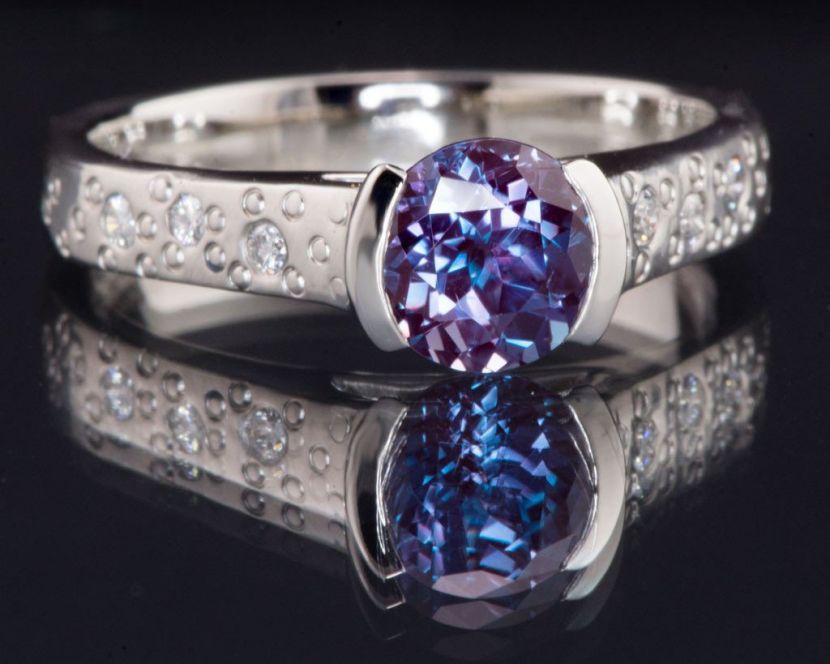
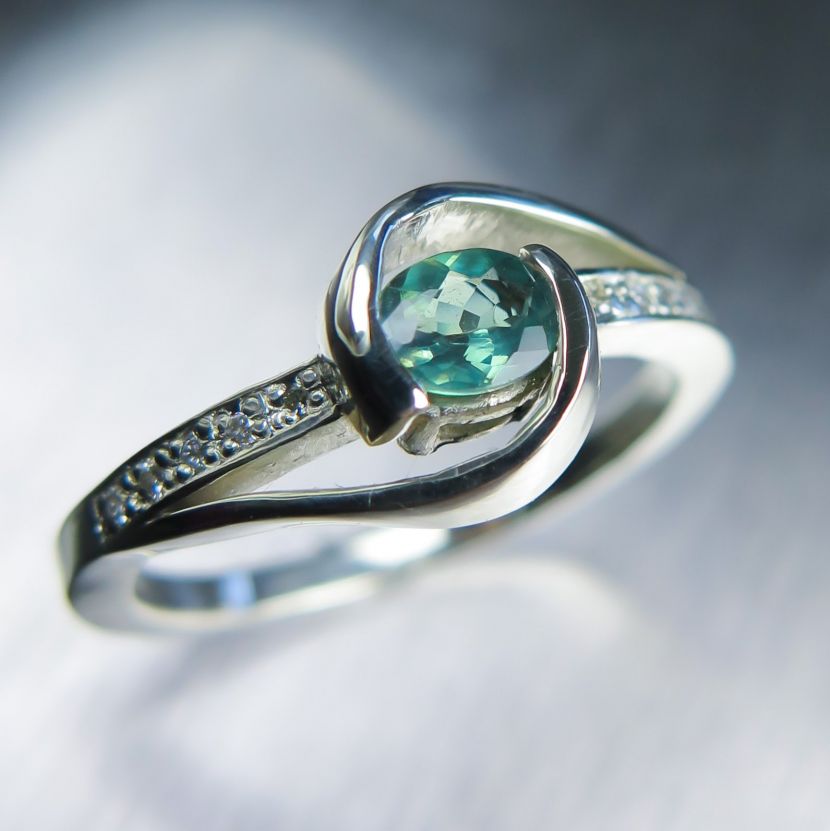
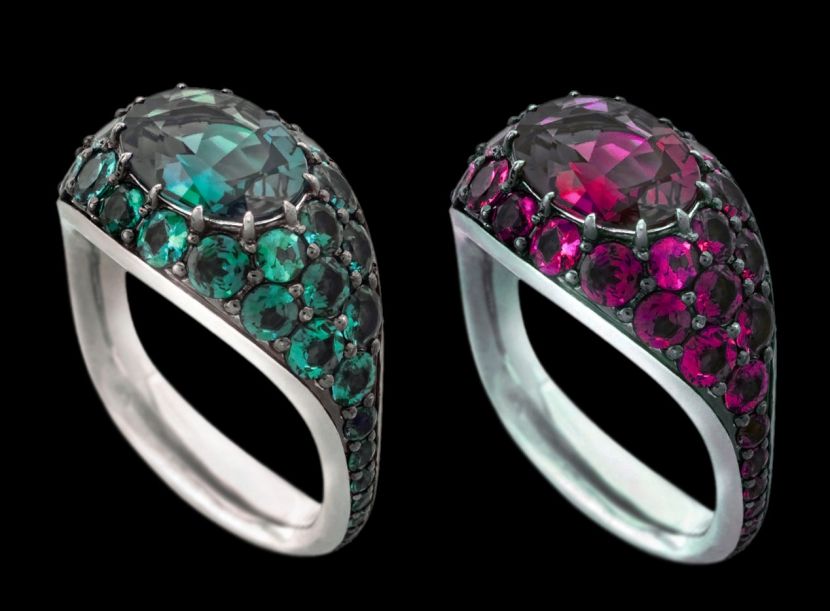
The famous feature of the "widow's stone" is pleochroism (from the ancient Greek "multicolor"). An unusual stone, like a chameleon, changes its color: green under sunlight, purple or red under electric light. Other minerals also have pleochroism (aquamarine, tourmaline, zircon), but it is in alexandrite that this quality is most clearly expressed. This feature is explained by the presence of chromium, the atoms of which are "sewn" into the structure of the mineral.
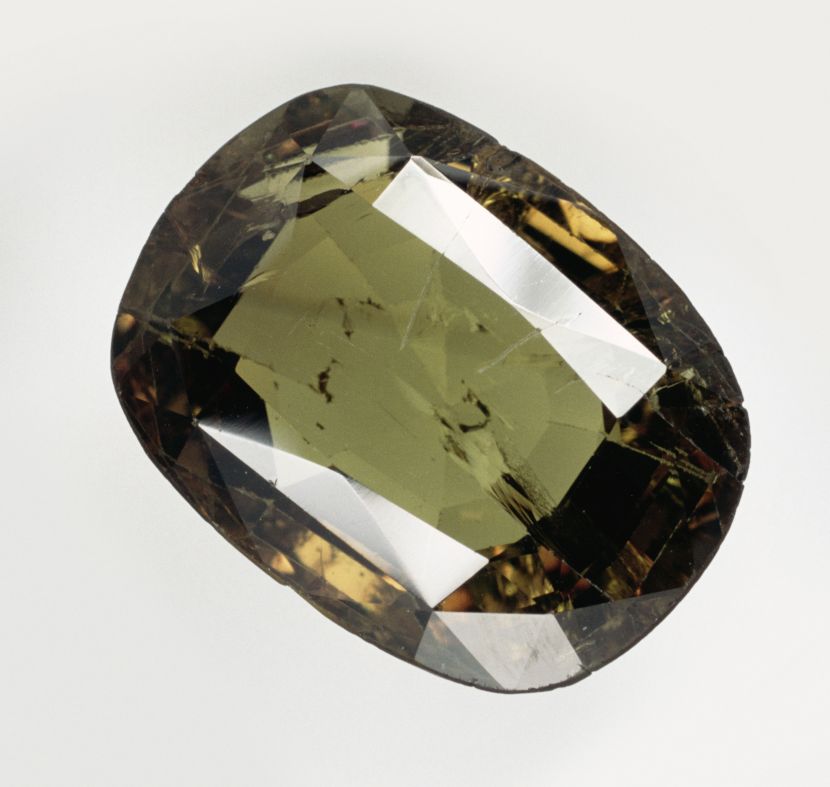
On the color reverse, the amazing properties of the alexandrite stone do not end there:
- Hardness 8.5 on the Mohs scale;
- Glass shine;
- The stone is transparent or translucent;
- The fracture is conchoidal;
- Cleavage imperfect;
- Density 3.5-3.84 g/cm3.
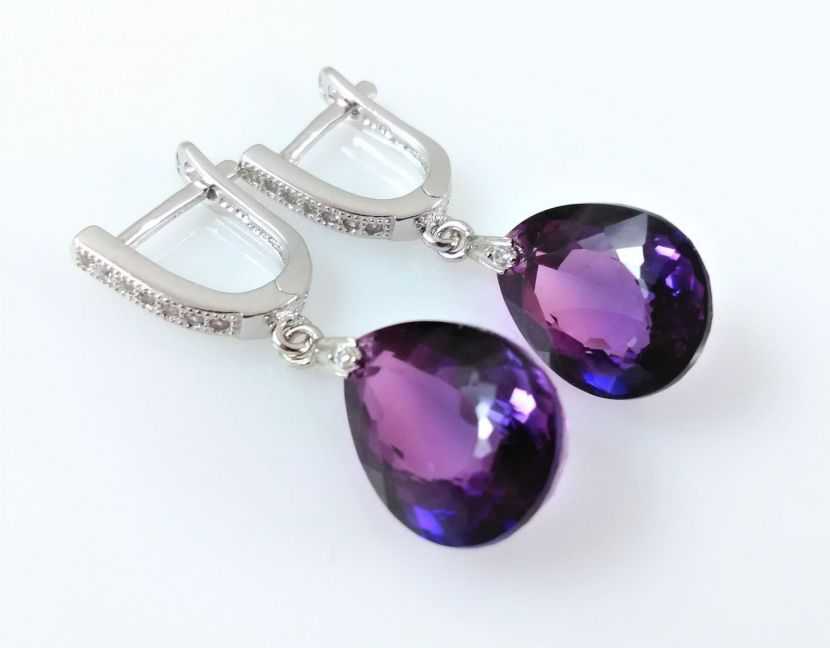
Stone color variations
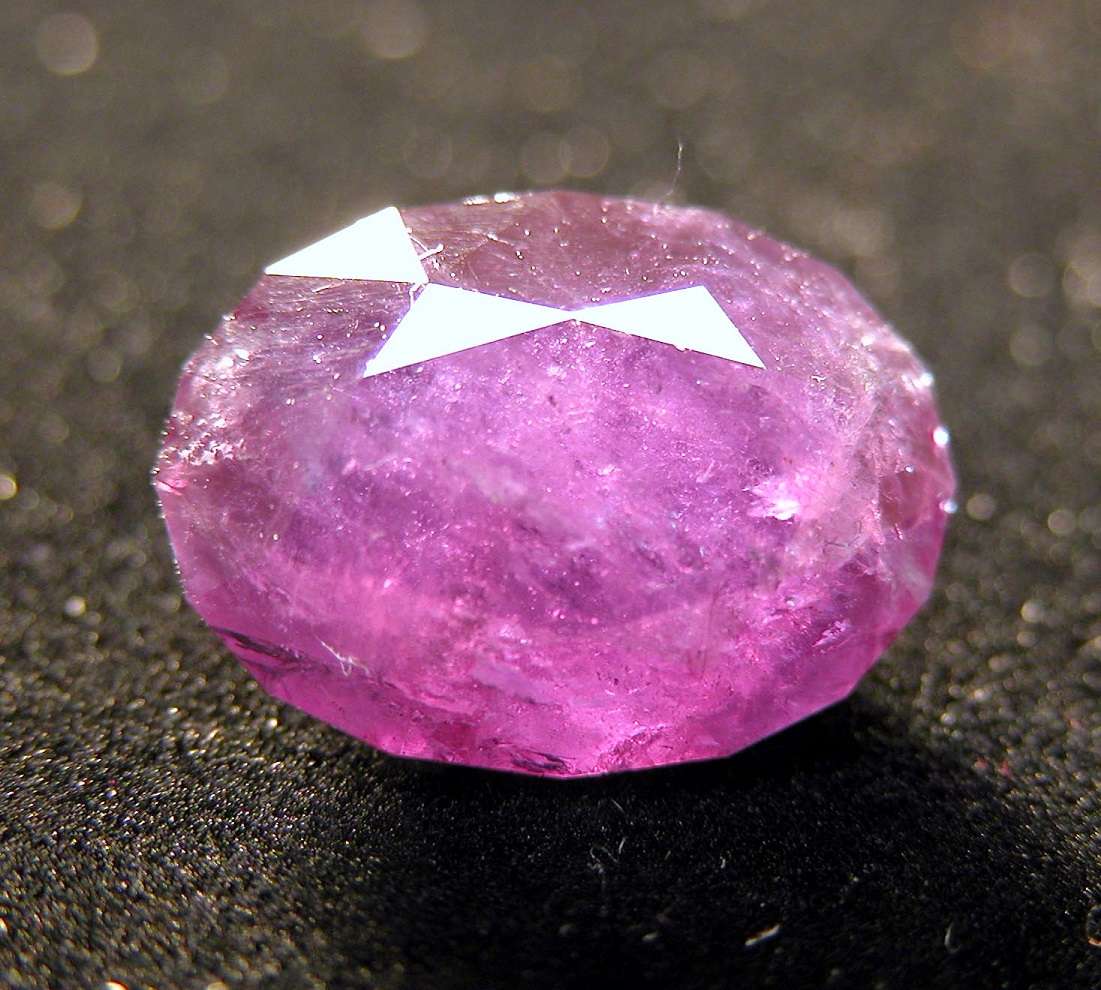
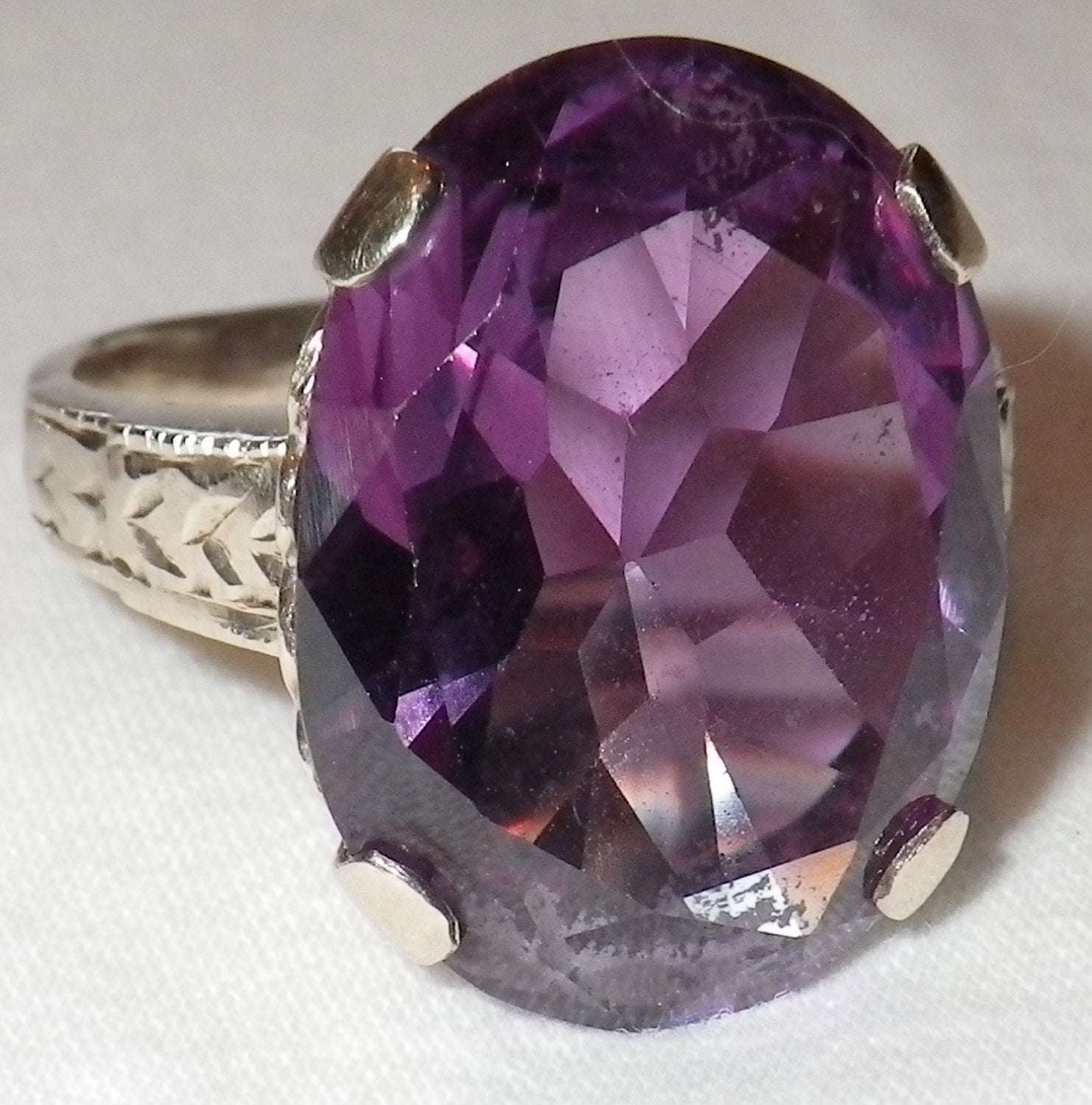
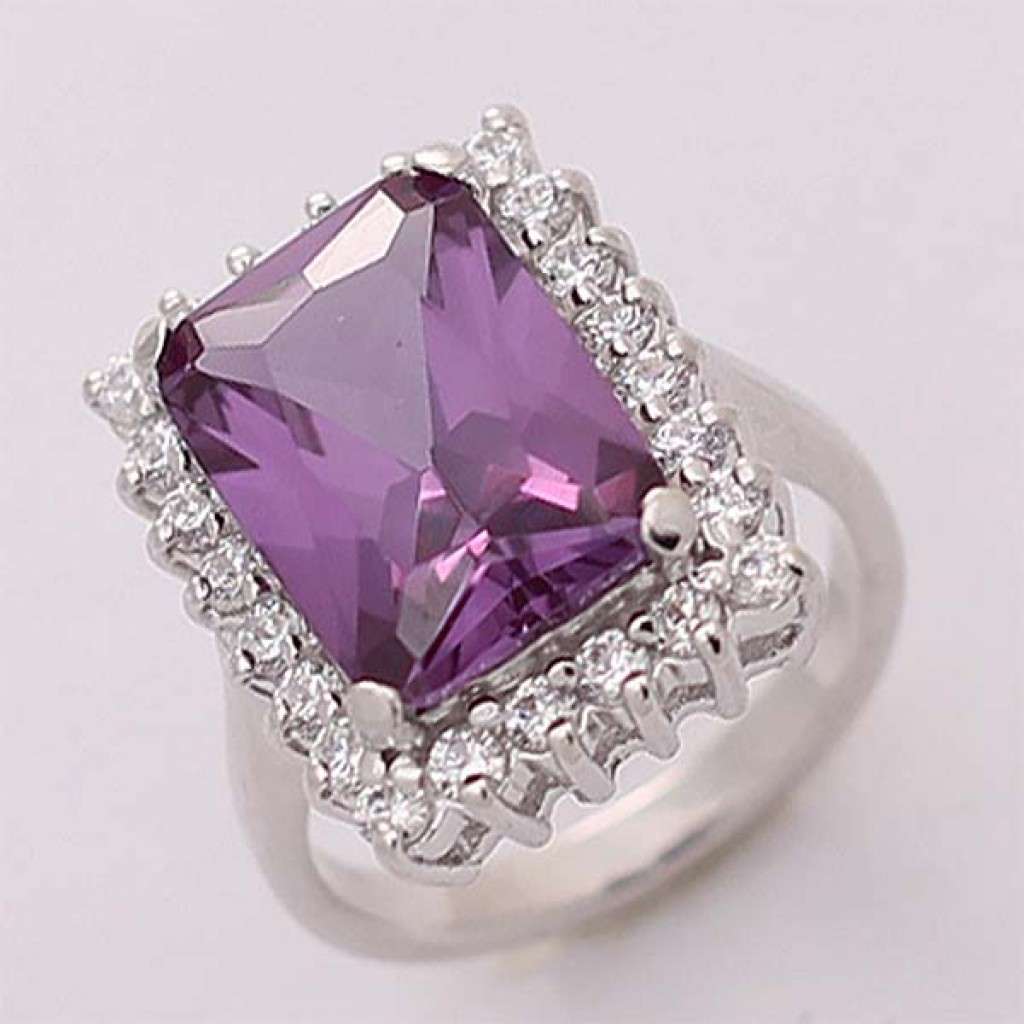
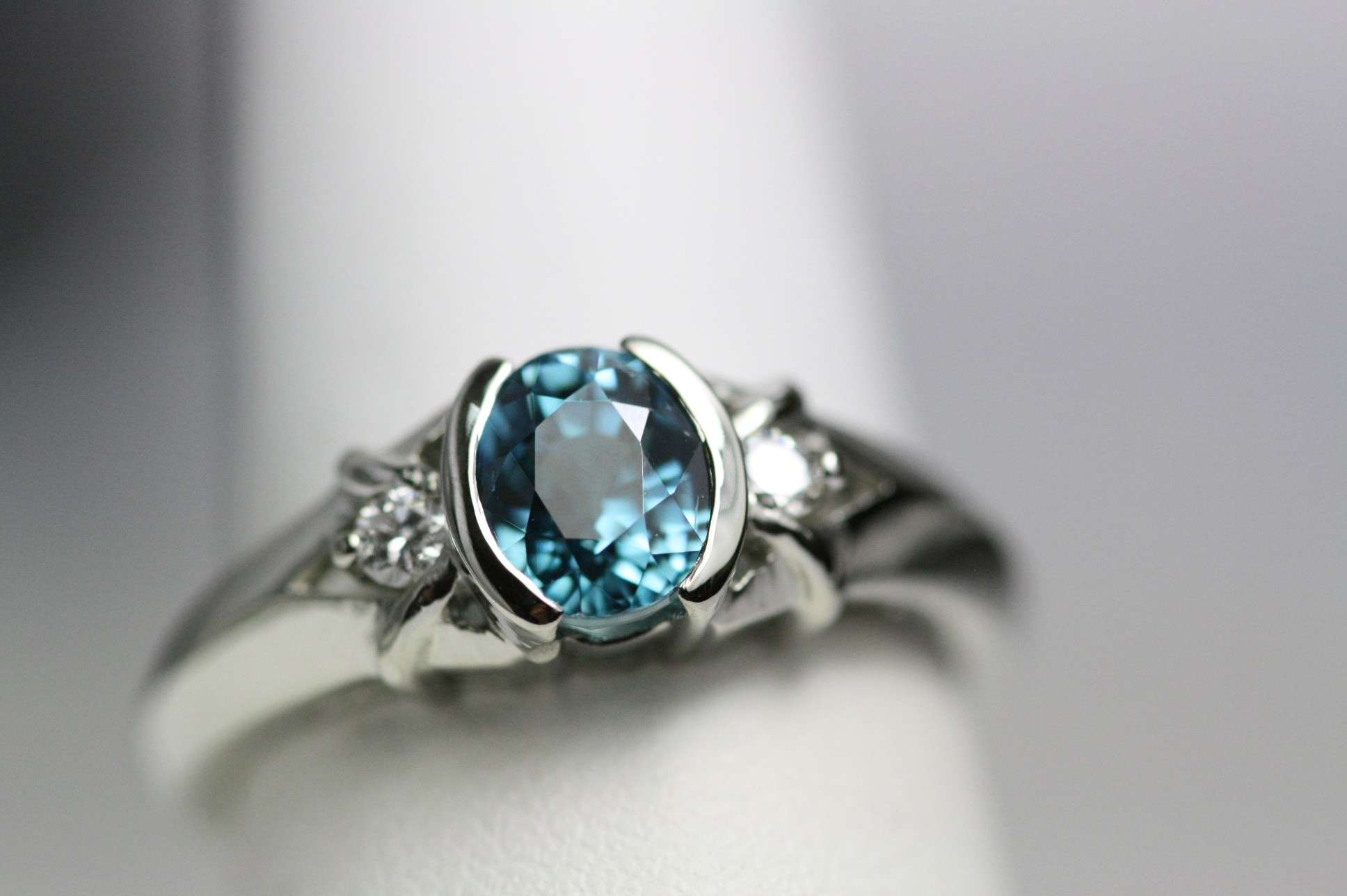
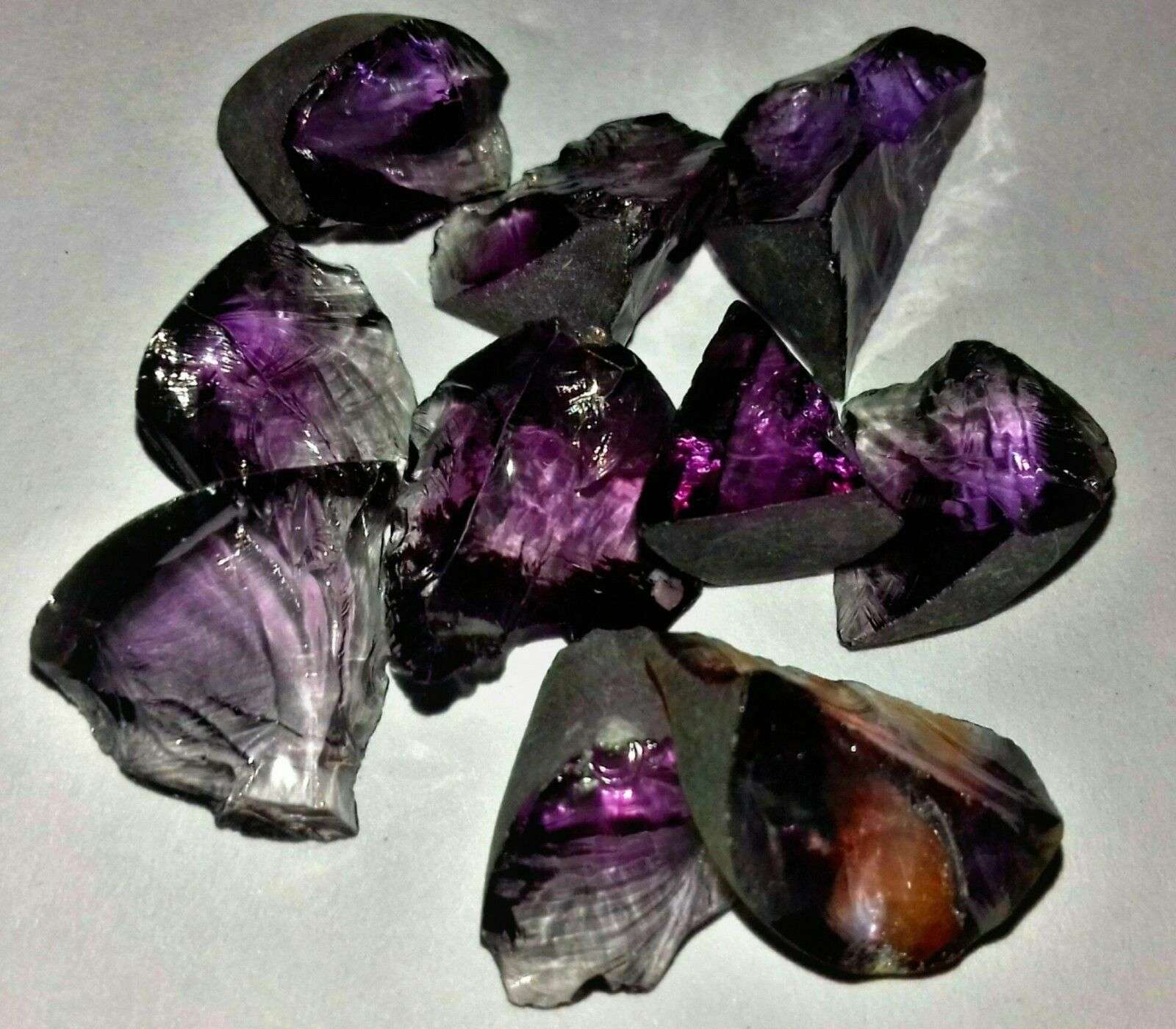
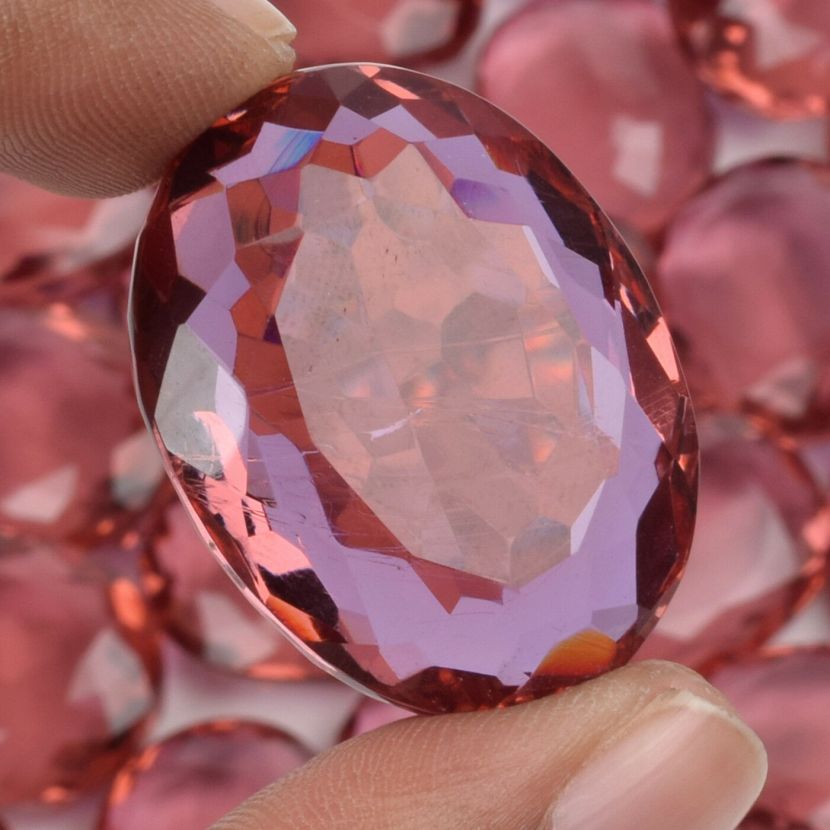
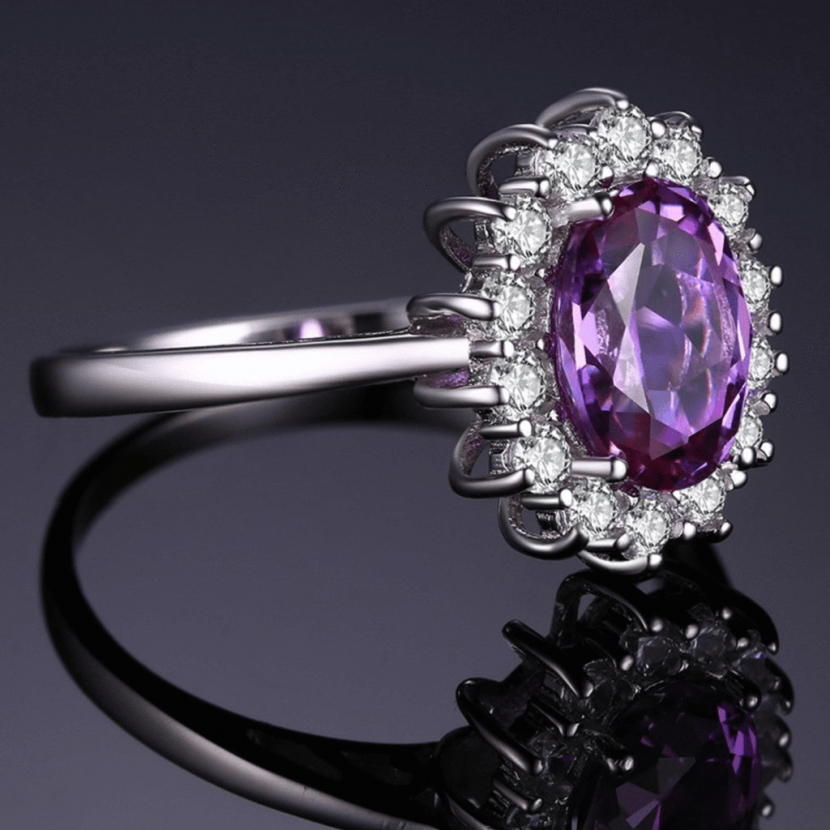
Alexandrite is unique in its ability to change color. Under the rays of the sun, the mineral acquires green, olive or bluish hues, and under artificial lighting it turns into a pink, purple or red stone. Under some other lamps, alexandrite turns yellow at all.
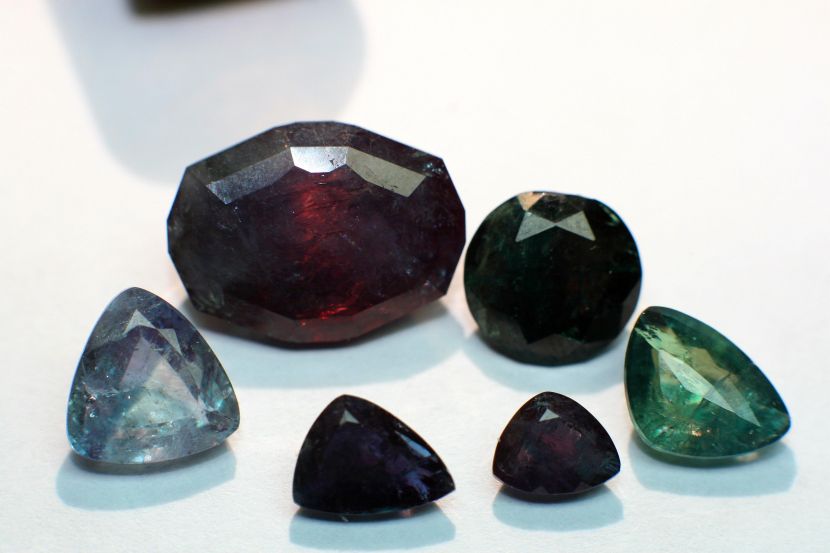
There are three varieties of alexandrite:
- Ural - the highest quality stones with the most pronounced pleochroism;
- African and Brazilian - duller with less pronounced color reverse effect;
- From the island of Sri Lanka - unique alexandrites with opalescence and the "cat's eye" effect.
Properties
magical
Alexandrite is a stone of people who love to change their lives and put them at risk. It attracts good luck, prosperity in love affairs, inspiration. The stone cheers up, enhances the emotions of the owner, increases creativity.
"Widow's Stone" is associated with the other world and has the ability to predict the future. If your decoration suddenly turns red in daylight, this indicates that the owner will experience something related to blood loss, injury or injury. If alexandrite acquires a golden hue, then it warns of a dangerous life situation.
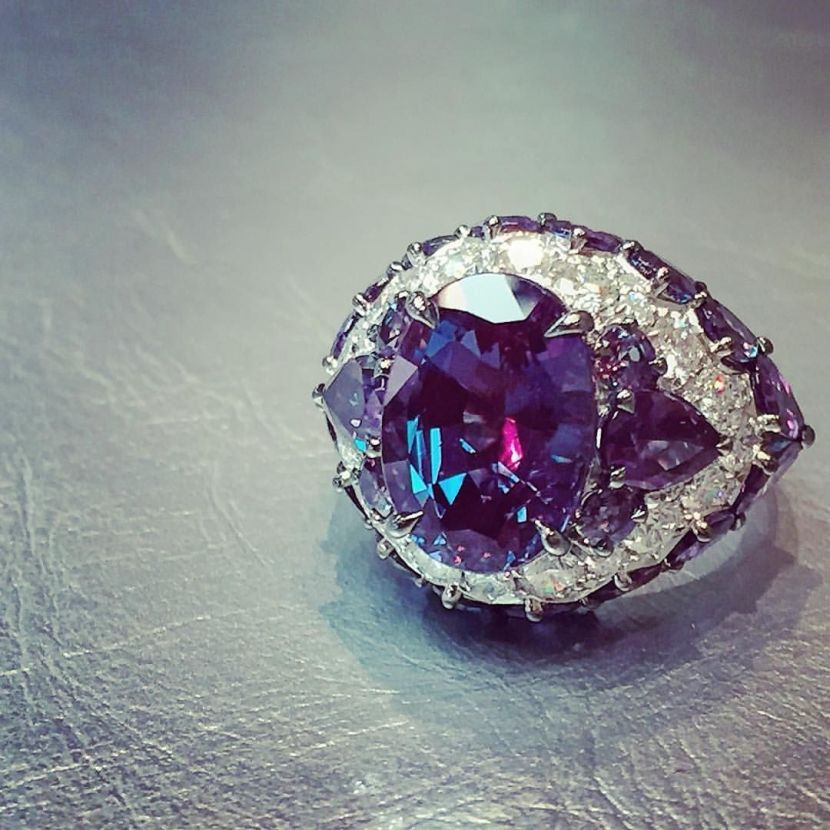
Alexandrite brings a stormy life and risk to its owner, so only a strong and self-controlled person will receive a reward after all the trials. Such a stone is not suitable for peaceful, quiet, calm and not loving people.
Healing
The main "specialization" of alexandrite is the circulatory system. The main colors of alexandrite - green and red - symbolize two types of blood - venous and arterial. This stone strengthens the walls of blood vessels, maintains the heartbeat and normal pressure, treats diseases of the blood vessels, prevents blood clots.
Alexandrite also improves the work of the digestive tract, calms the nervous system. Still water infused with alexandrite helps to treat alcoholism, dulling cravings for alcohol.
Alexandrite is best worn during the day, and at night the gem should rest.
Stone and zodiac circle
Alexandrite is a stone of the water element, embodying the inconstancy of the forms of water with its overflows. It is ruled by Saturn and is recommended for anyone willing to take risks and get more out of life.For most of the signs of the zodiac, the stone brings good luck, inspiration, creative powers, even the stone will be favorable to the meek Pisces.
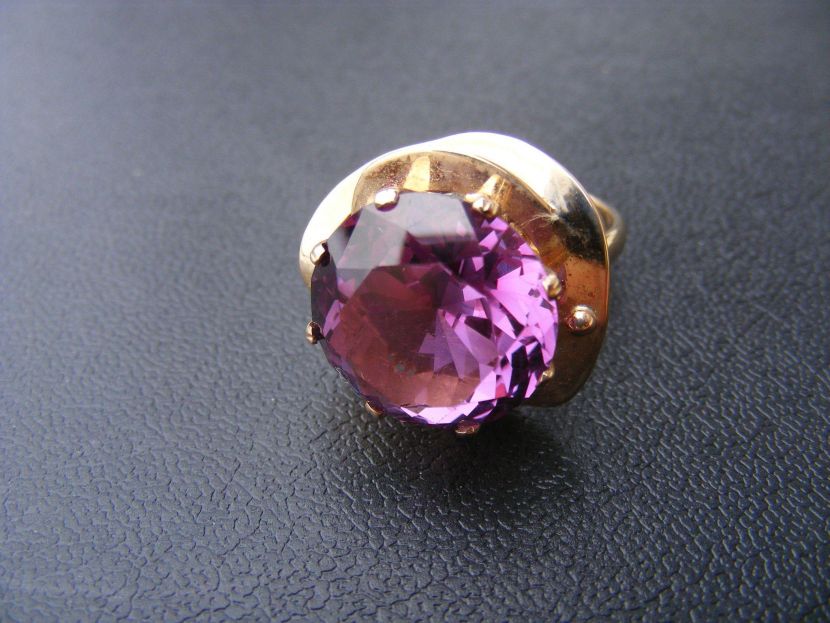
It is not recommended to wear it only to Cancers, Virgos and Taurus, because not every representative of such a sign will withstand the changes caused by the stone. Sagittarius and Aries need to wear alexandrite with care, as it can make the energy of these signs wild and untamed.
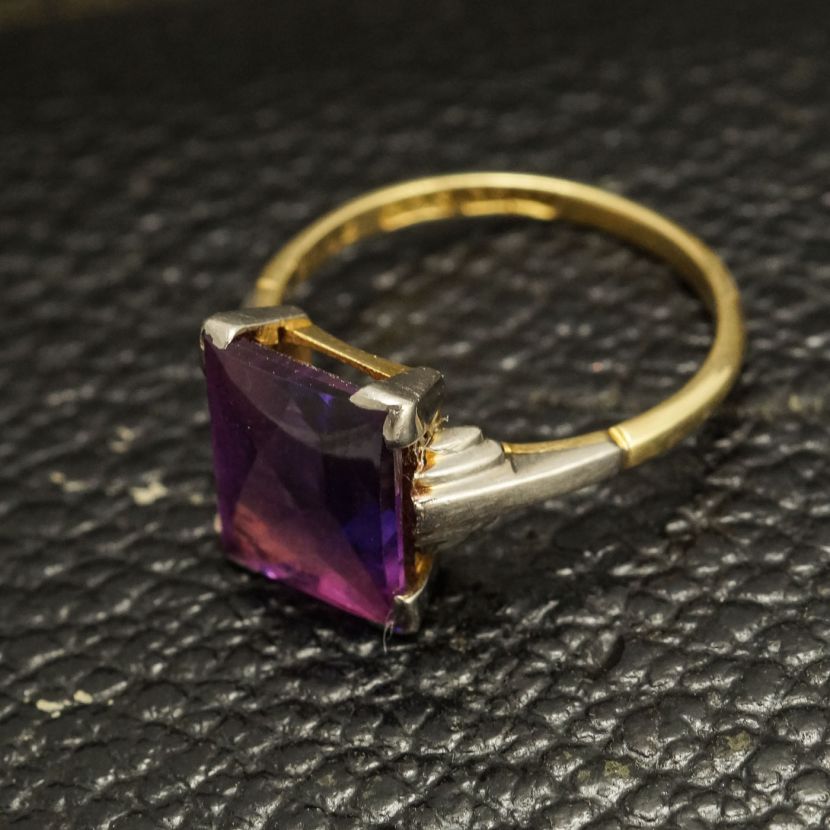
When purchasing alexandrite, it is important to focus on your own feelings. If it fits according to the horoscope, but something inside resists, then it is better not to buy it.
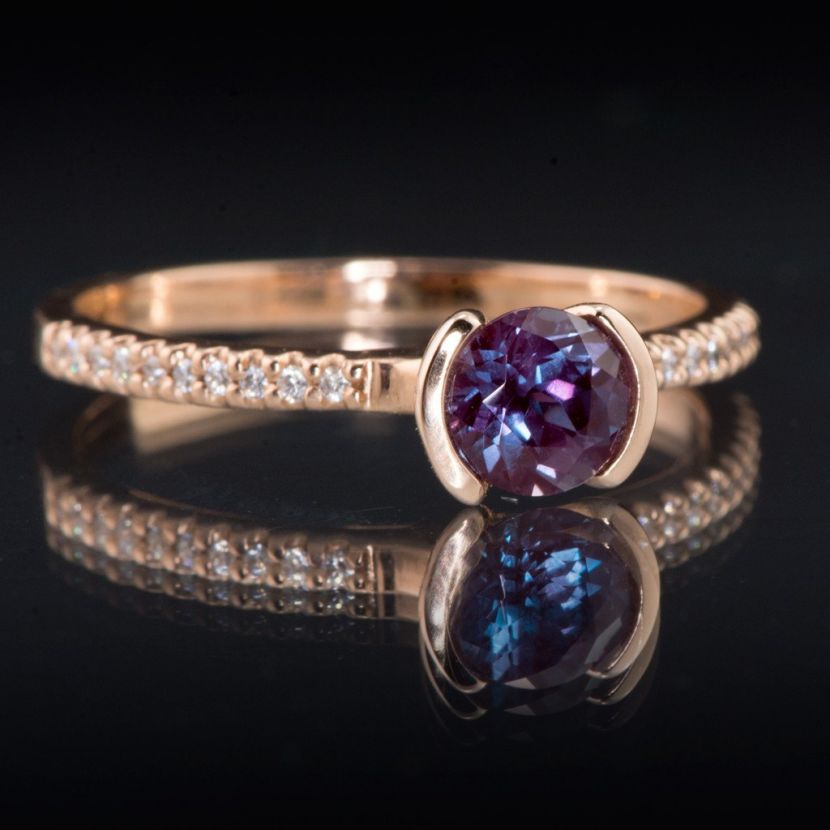
How to distinguish from a fake
It is logical to assume that the magical and healing abilities of the stone will only work if the stone is real, and not falsified. Due to the fact that alexandrite is rarely found in nature, imitations of garnet, corundum or plain glass can often be sold on the market for a lot of money. There is nothing wrong with these minerals (except glass), but if you need alexandrite, then it is better to avoid unnecessary disappointment and financial costs.
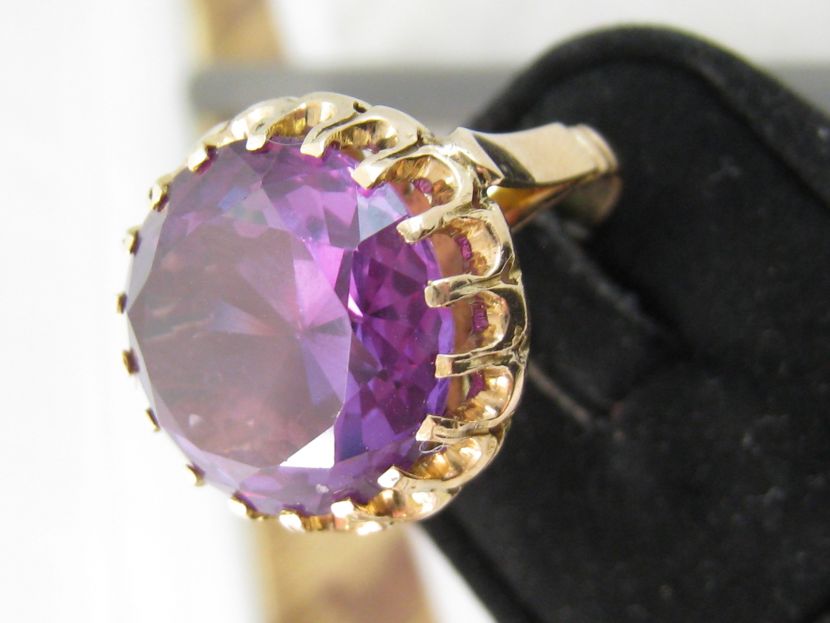
In fact, it is quite difficult to determine which stone is real, so it is better to check it in the laboratory and ask for help from a specialist. You should not order a stone on the Internet yet, because alexandrite stone is difficult to determine from one photo.
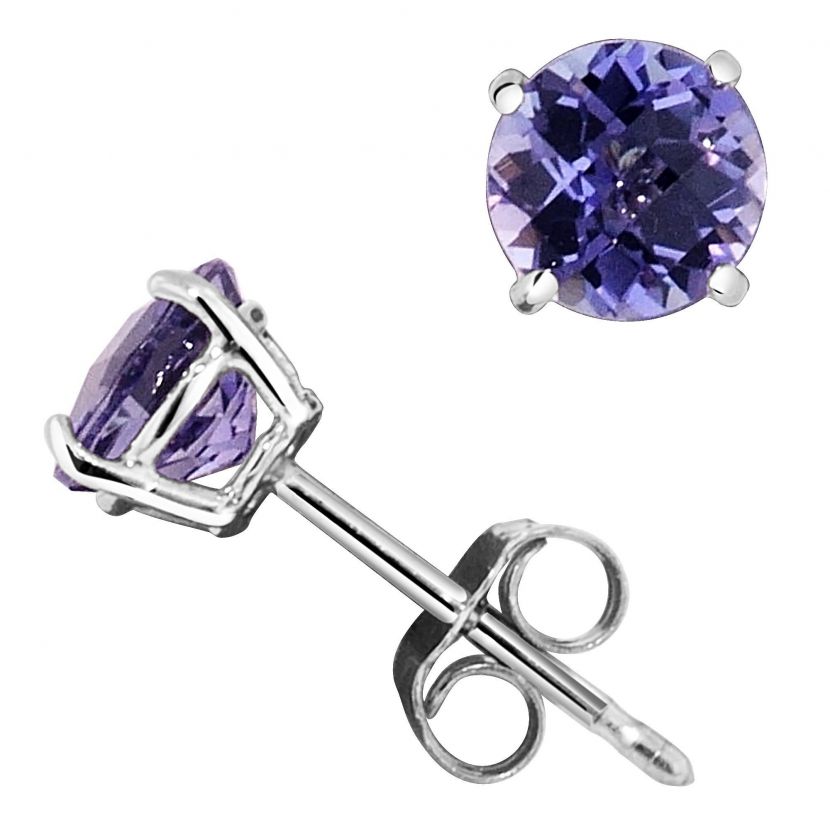
The main signs of a forged stone:
- Too large, because specimens with a diameter of 6 millimeters are extremely rare;
- The seller does not have a certificate of authenticity of the gem;
- There are very few antique jewelry, so if you are slipped an "old" jewelry with alexandrite, then you should be on your guard;
- A glass fake does not have the effect of pleochroism, it just sparkles with an iridescent brilliance, and also does not have the strength inherent in alexandrite;
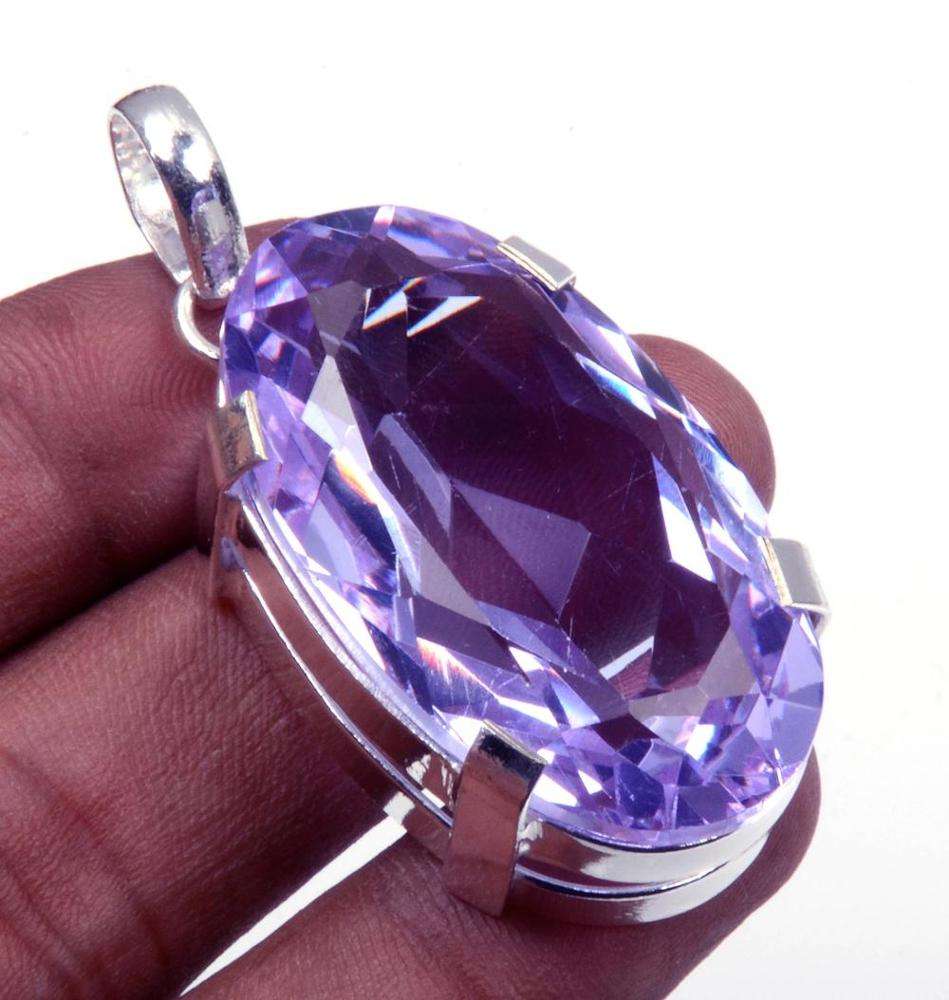
- A synthetic crystal will have crystal transparency and spherical bubbles inside (in alexandrite they are in the form of drops);
- If alexandrite under artificial lighting becomes not red, but yellow, then this is artificial corundum;
- Andalusite also has pleochroism, but under a certain view, an iridescent brilliance appears, which is absent from a real stone;
- Imitation of spinel under artificial lighting will turn not red, but purple.
Application
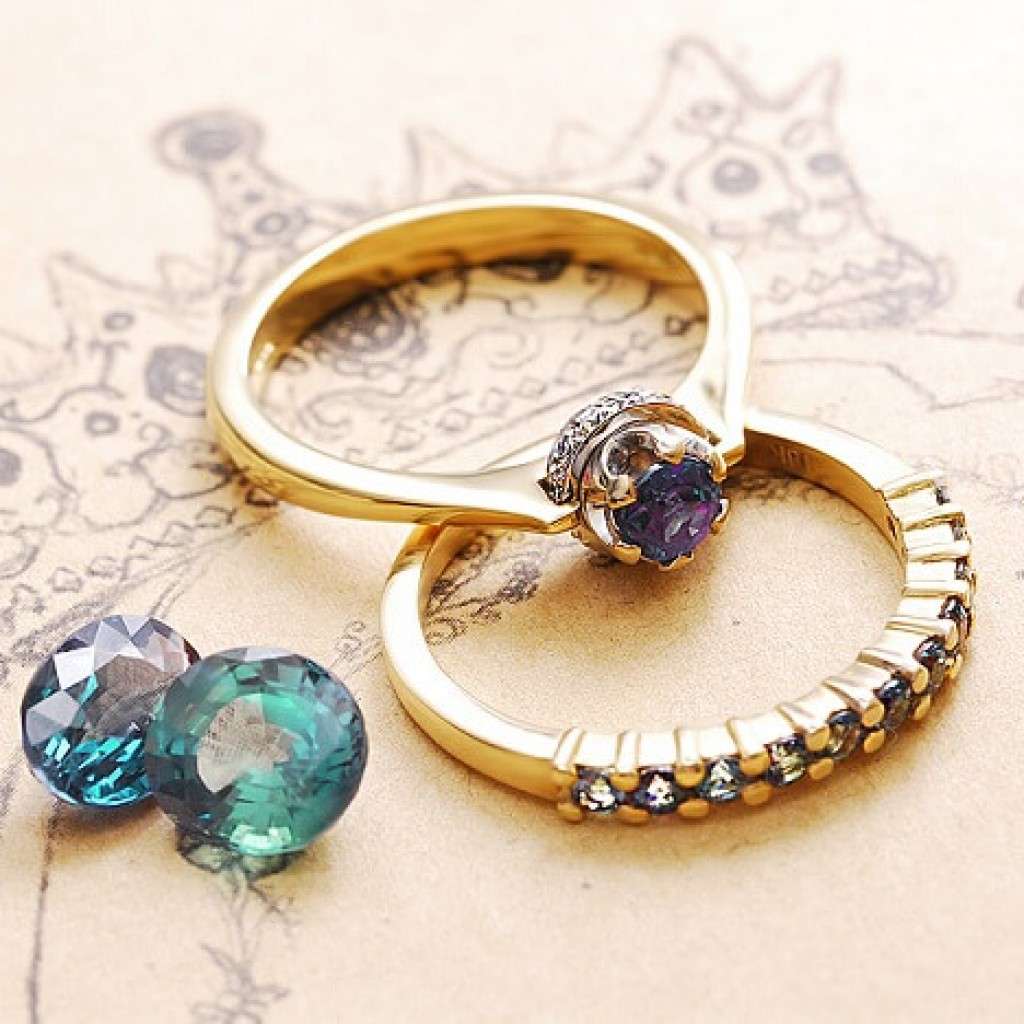
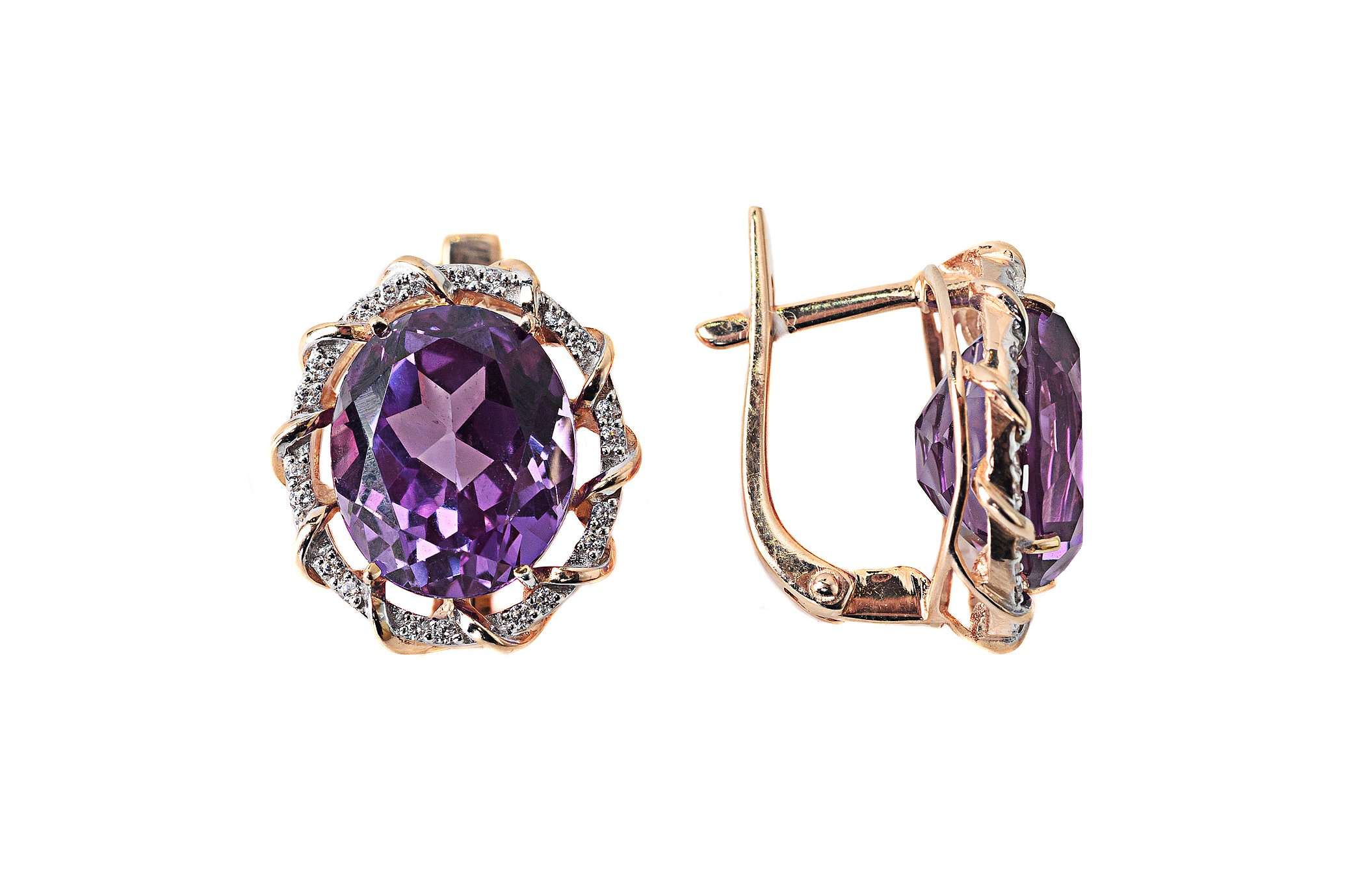
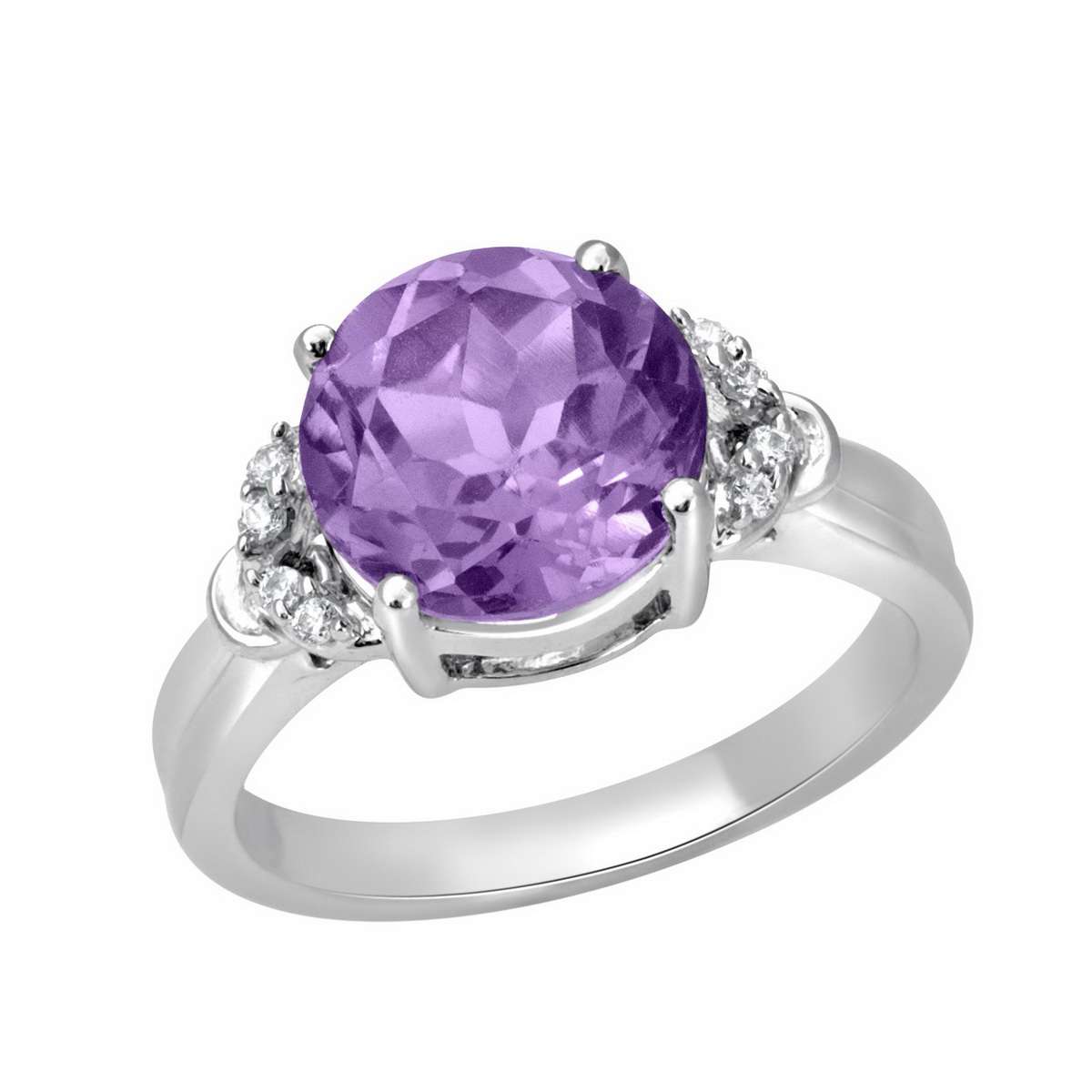
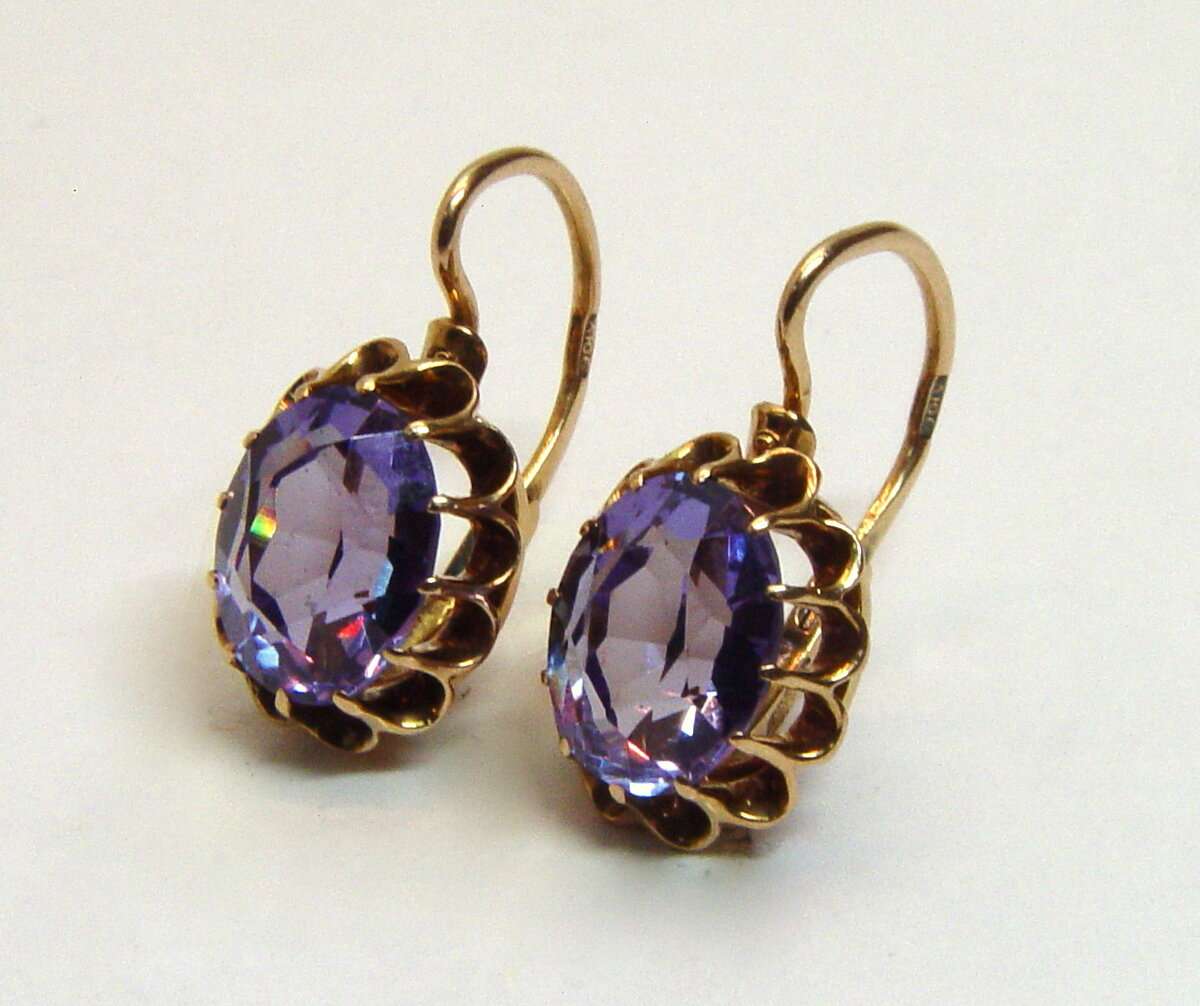
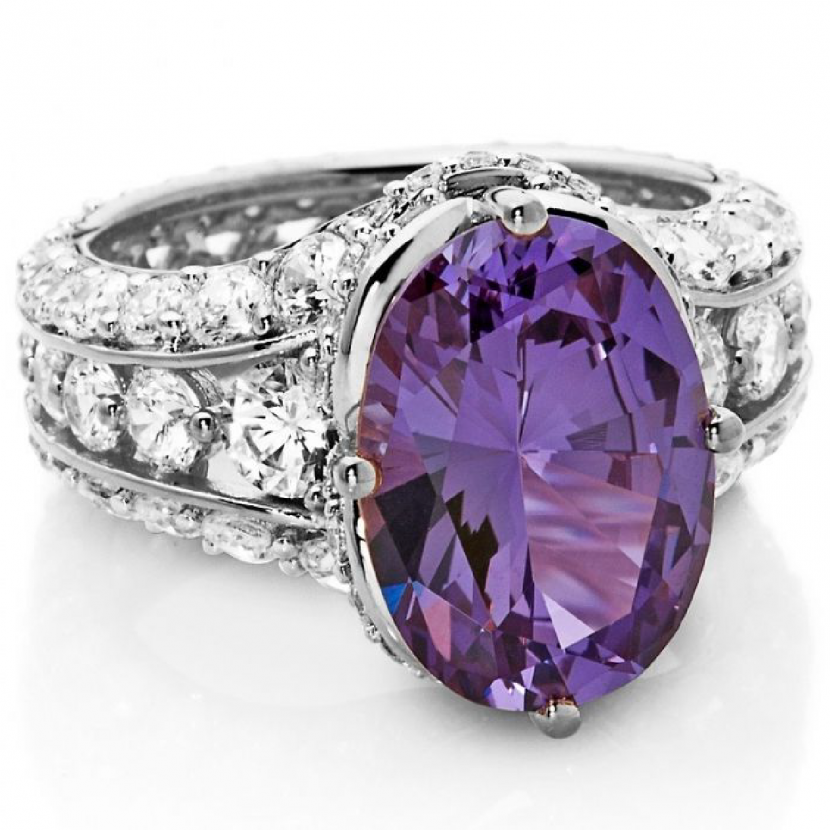
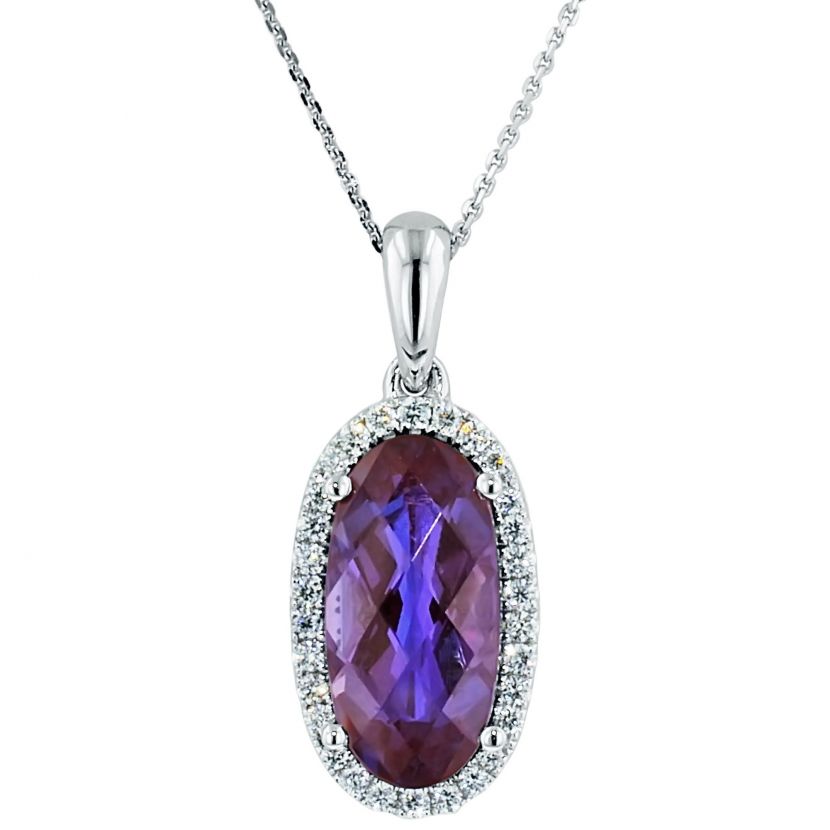
Alexandrite, unlike the universal diamond, is used only in jewelry. The price of alexandrite stone is high, as the mineral is very rare. There are few large specimens, so you can hardly see pebbles larger than one carat in jewelry. Imperial gems are usually set in gold or platinum; silver is not used for this stone.
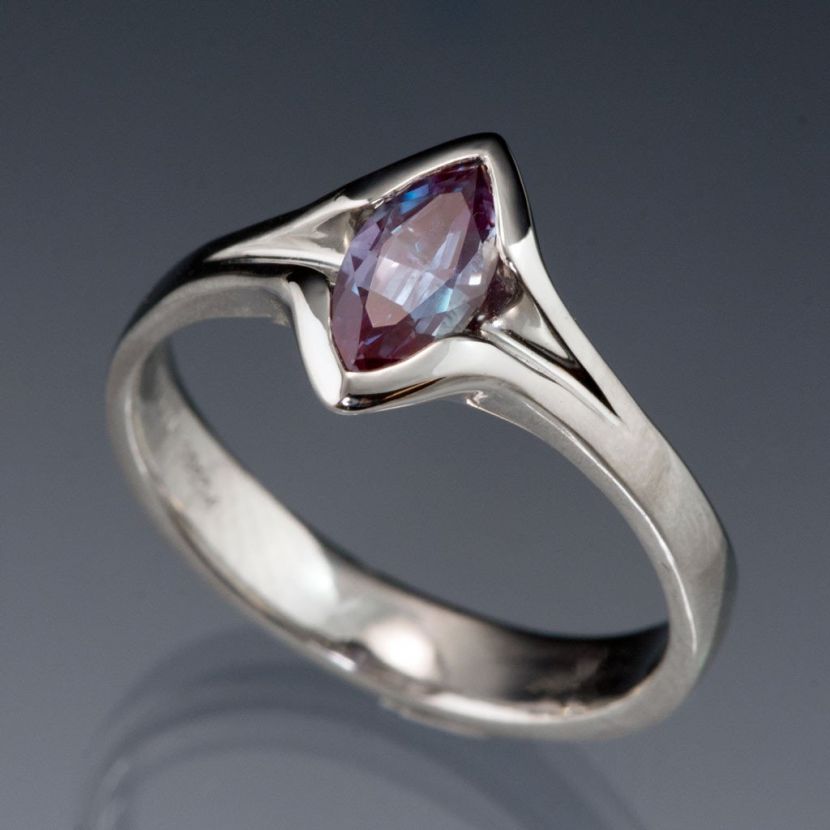
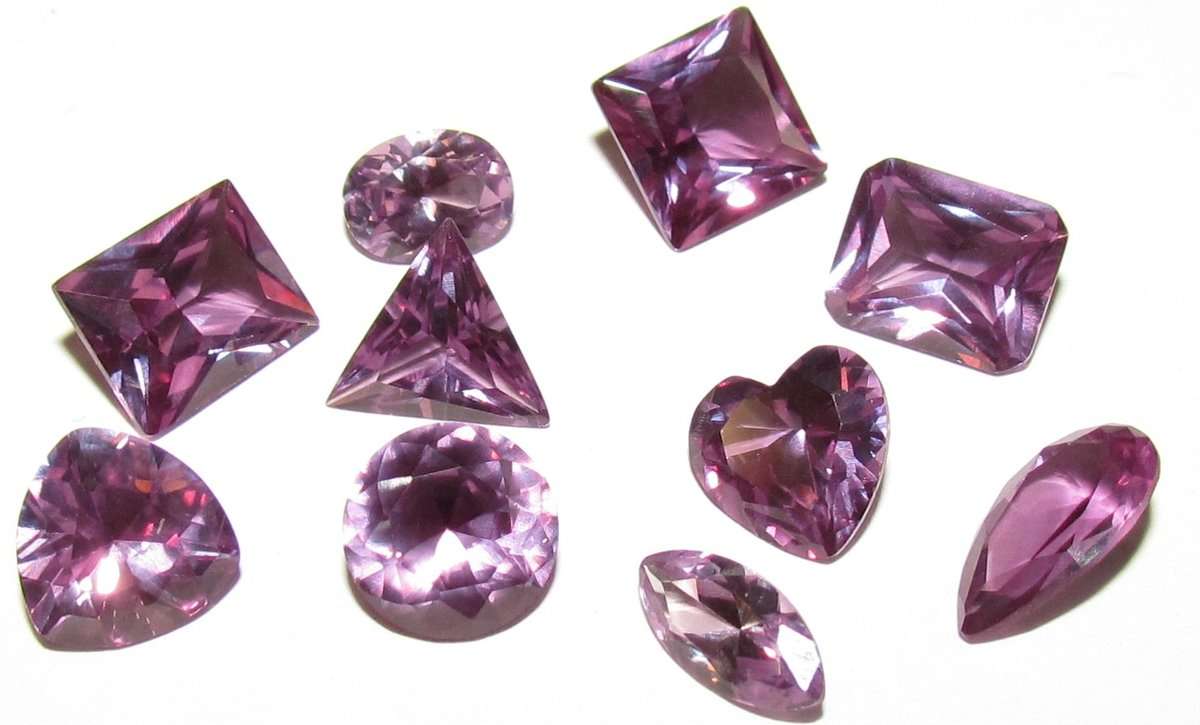
The most common cut is brilliant (57 facets), Ceylon cat-eye alexandrites are cut cabochon.
When to Buy a Stone
The best time to buy is Monday, especially when that day falls on the first Monday of the lunar month.
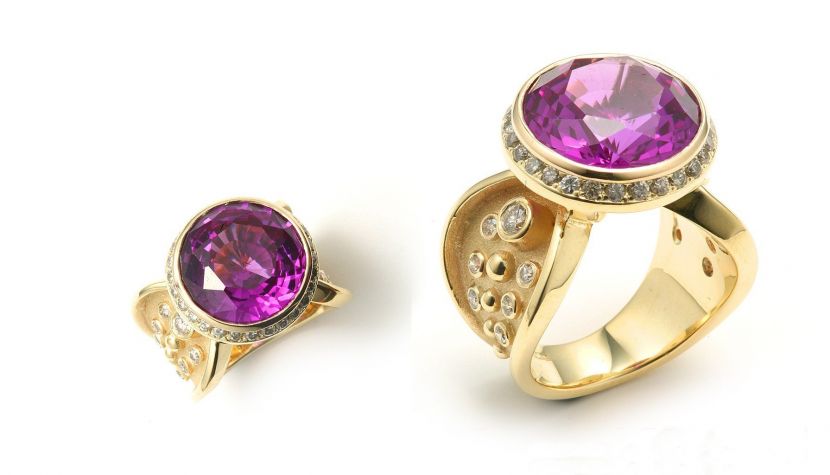
Care and wearing rules
There is a belief that the "widow's stone" is a purely male gem, and it will only bring misfortune to women. However, the fair sex can prevent the stone's evil influence by buying it in pairs (earrings, a set of "ring + pendant", etc.) or with a diamond as a neighbor.
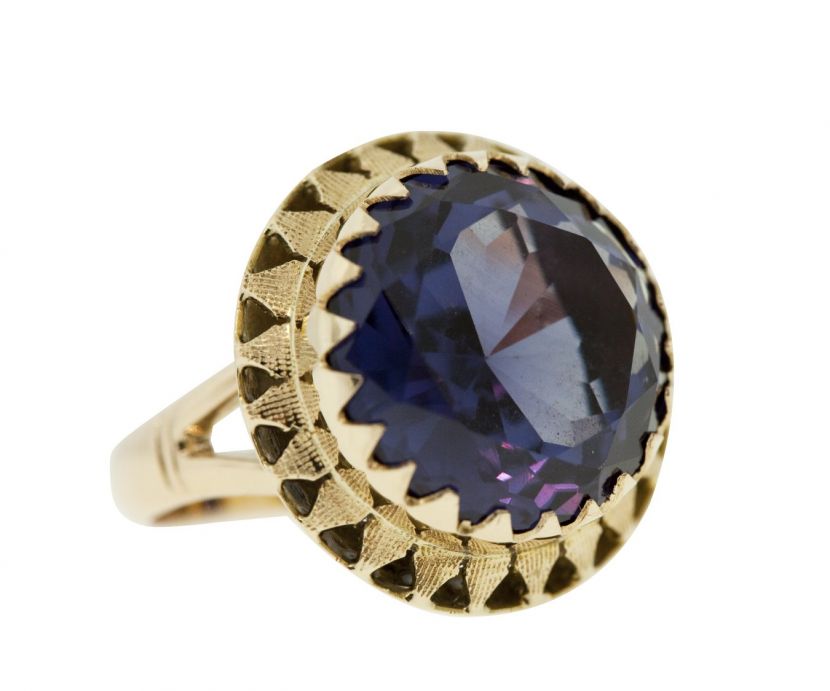
The stone is durable enough to be worn all day long, but it should not be exposed to chemicals when doing household chores, for example. It should also be stored in a separate suede or flannel bag, and not put with other jewelry, since alexandrite, having accumulated negative energy in a day, can “share” it with other gems.
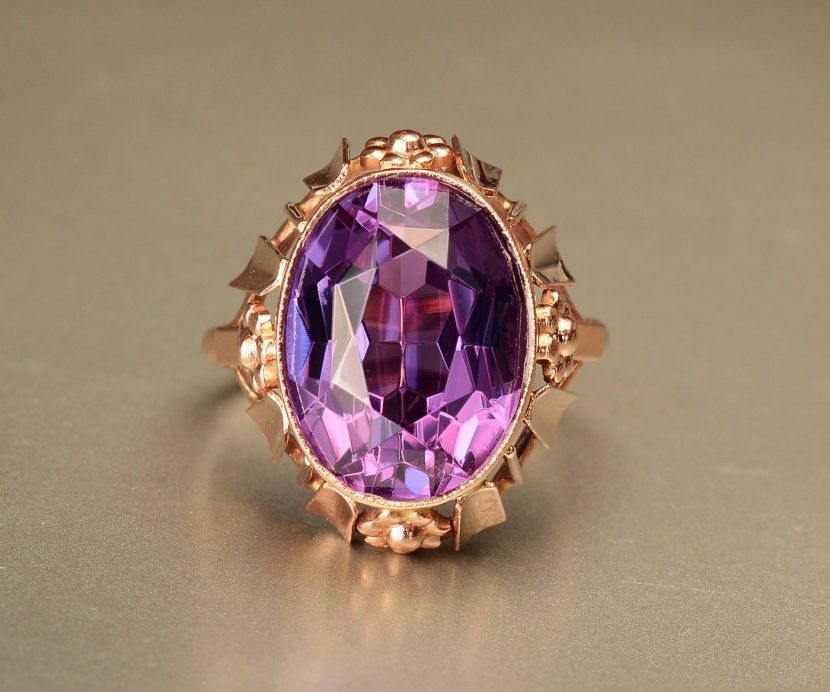
Alexandrite should be washed with warm water and soap, dirt and dust should be removed with a soft brush, and wiped after washing with a soft cloth.
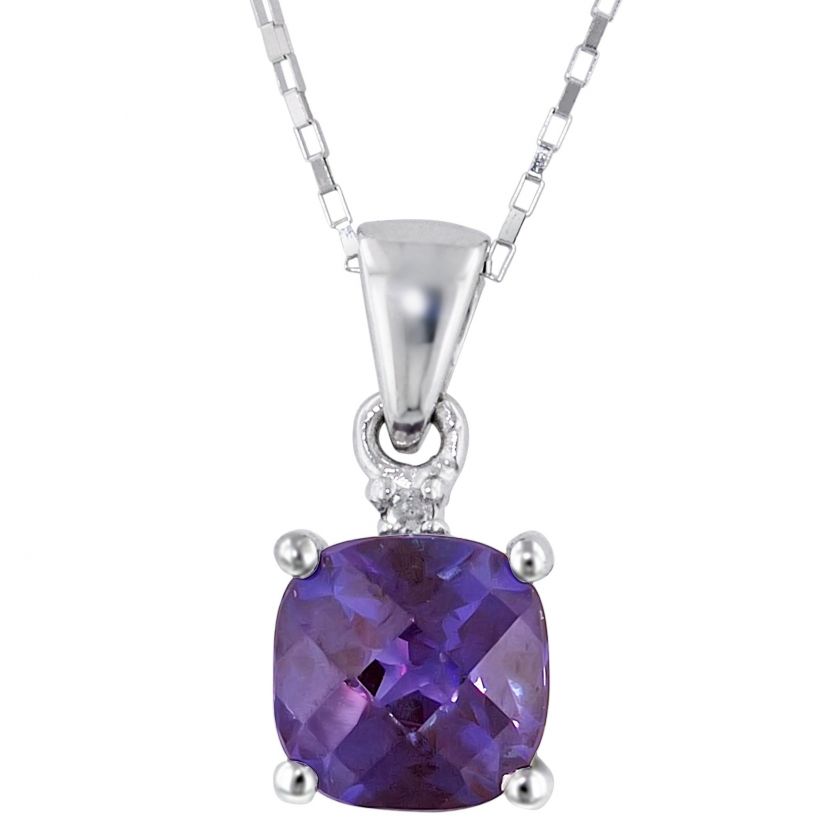
Neighborhood with other stones
Alexandrite is an "imperial" stone, that's why he likes the neighborhood only with expensive stones. This is that rare stone of the element of water, which gets along well with the most fiery gems - ruby and diamond, but does not recognize other minerals of fire. It pairs well with other aquatic gemstones (especially emeralds or pearls). Alexandrite can also coexist with gems of the earth, but only with the most expensive of them (turquoise, the best specimens of chalcedony, onyx and jasper, jadeite). "Widow's stone" is not worn with all air stones.
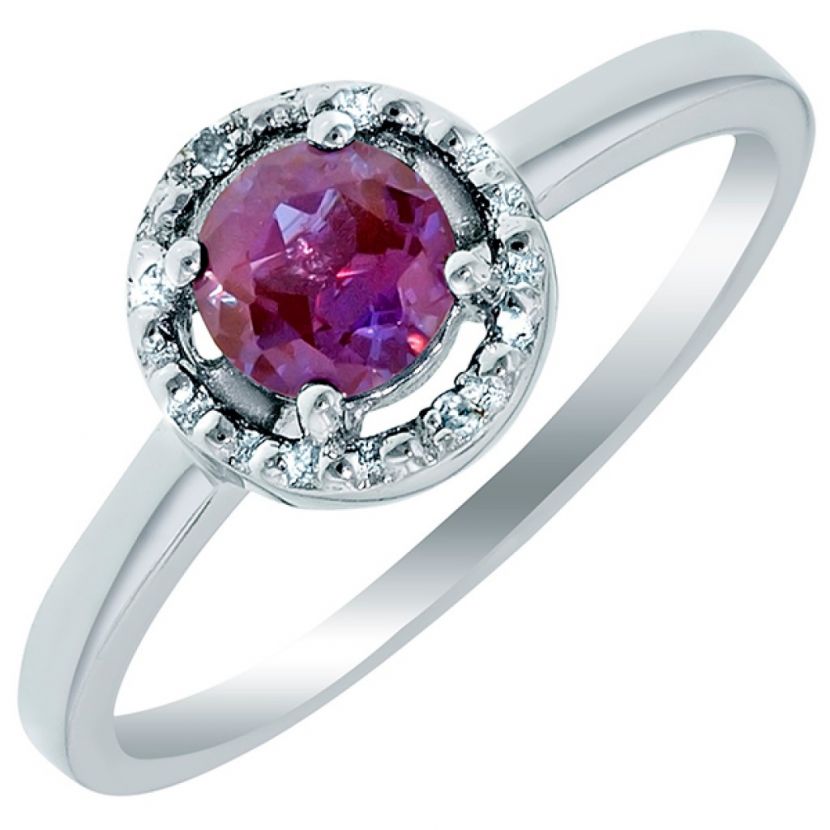
artificial alexandrite
Throughout the 20th century, attempts were made to develop a synthetic analogue of alexandrite, since the natural gem is too rare and expensive. Success was achieved by chemists from the Novosibirsk Academgorodok, who learned how to grow crystals of an artificial mineral up to 12 centimeters long. Experiments were carried out according to the Czochralski method at a temperature of 2500 degrees Kelvin, as a result of which the crystal was stretched.
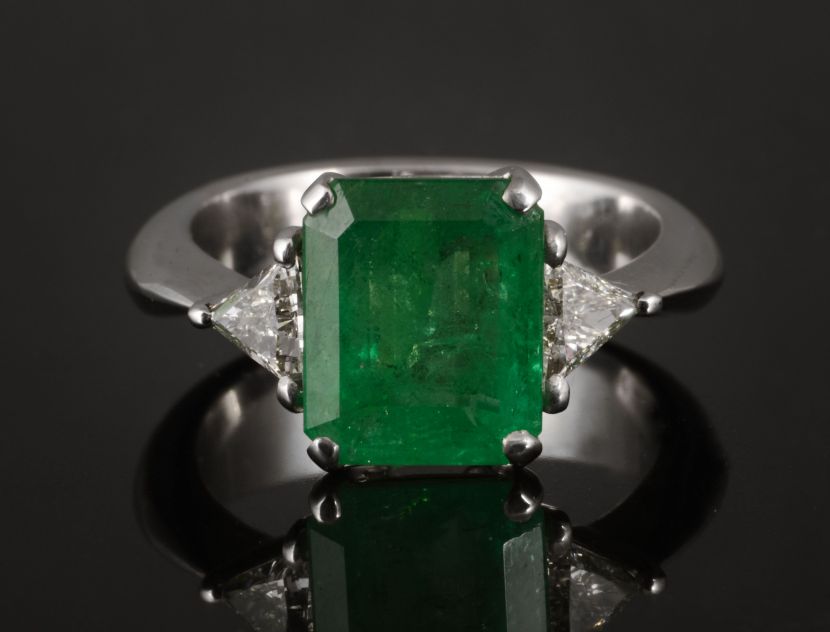
Back in Soviet times, natural alexandrite was replaced on the market with artificial corundum grown in such a way that they eventually acquired the ability to change color like a real "widow's stone".Such imitation was much cheaper than natural alexandrite.
Conclusion
Alexandrite is a magnificent and marvelous gem that lends a royal aura to anyone who wears it. However, it is important to understand that this stone does not like to be bought just for beauty, because it must work for the benefit of its owner. If you ever want to purchase one, you will soon realize that the value of the alexandrite stone will be greater than that of a simple shiny piece of jewelry.
Photo of Alexandrite stone