Stone from antiquity Magnetite - where did the name come from, what does the mineral look like, main characteristics and properties
Magnetite was known even before our era. At a later time, it began to be used to determine the cardinal points. Ancient Chinese sources mention the stone. The ancient philosopher Plato also wrote about magnetite properties.
Name origin
Magnetic iron ore is the old name for the mineral magnetite, used before the revolution. There are two popular versions about the sources of the designation. One is associated with the name of the Greek shepherd Magnes. Allegedly, his shoe soles and the bottom of the stick were finished with iron-containing metal and actively reacted to magnetite particles. The second tells about the territory in Macedonia, the settlement of Magnesia, which allegedly gave the designation.
The name "magnetite" was assigned to him in 1845 and firmly entrenched in him. Used names (colloquial):
- iron ore magnetic;
- siegelstein.
In other countries, the stone has a name:
- Greek - Adamam;
- Chinese - Chu-shi;
- Egyptian - Eagle bone;
- French - Ayman;
- German - Magness.
History of the mineral
In China, another 2 thousand years BC. invented the compass based on magnetite. In the Middle Ages, it began to be used in European states. A piece of mineral was tied to a thread - it always showed a southerly direction.
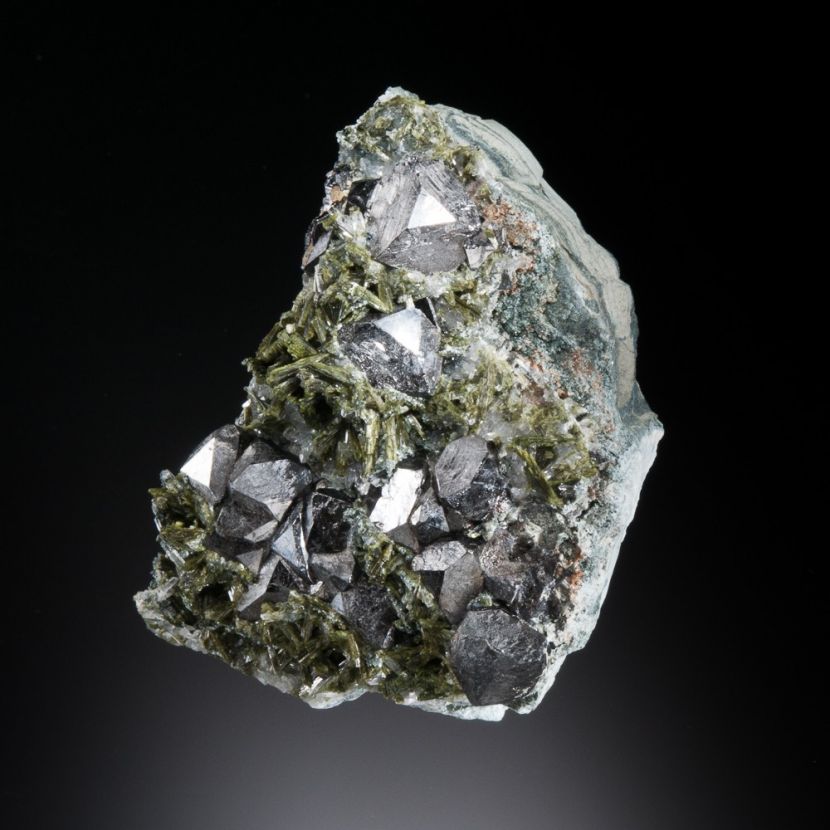
Magnetite at all times was used by shamans, magic healers on all continents.
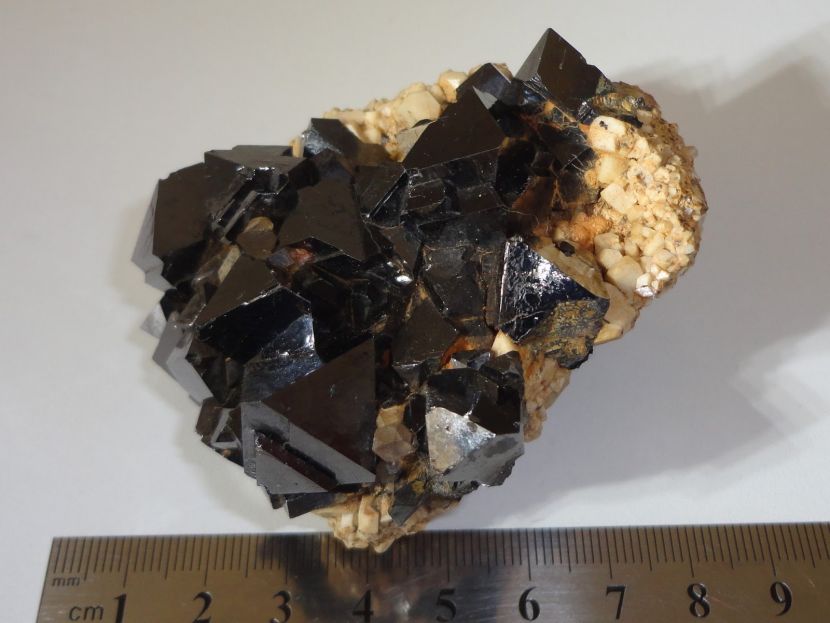
So, in Guatemala there are sculptures made of magnetite, symbolizing prosperity and prosperity. Their age is about 3 thousand years.
Main characteristics
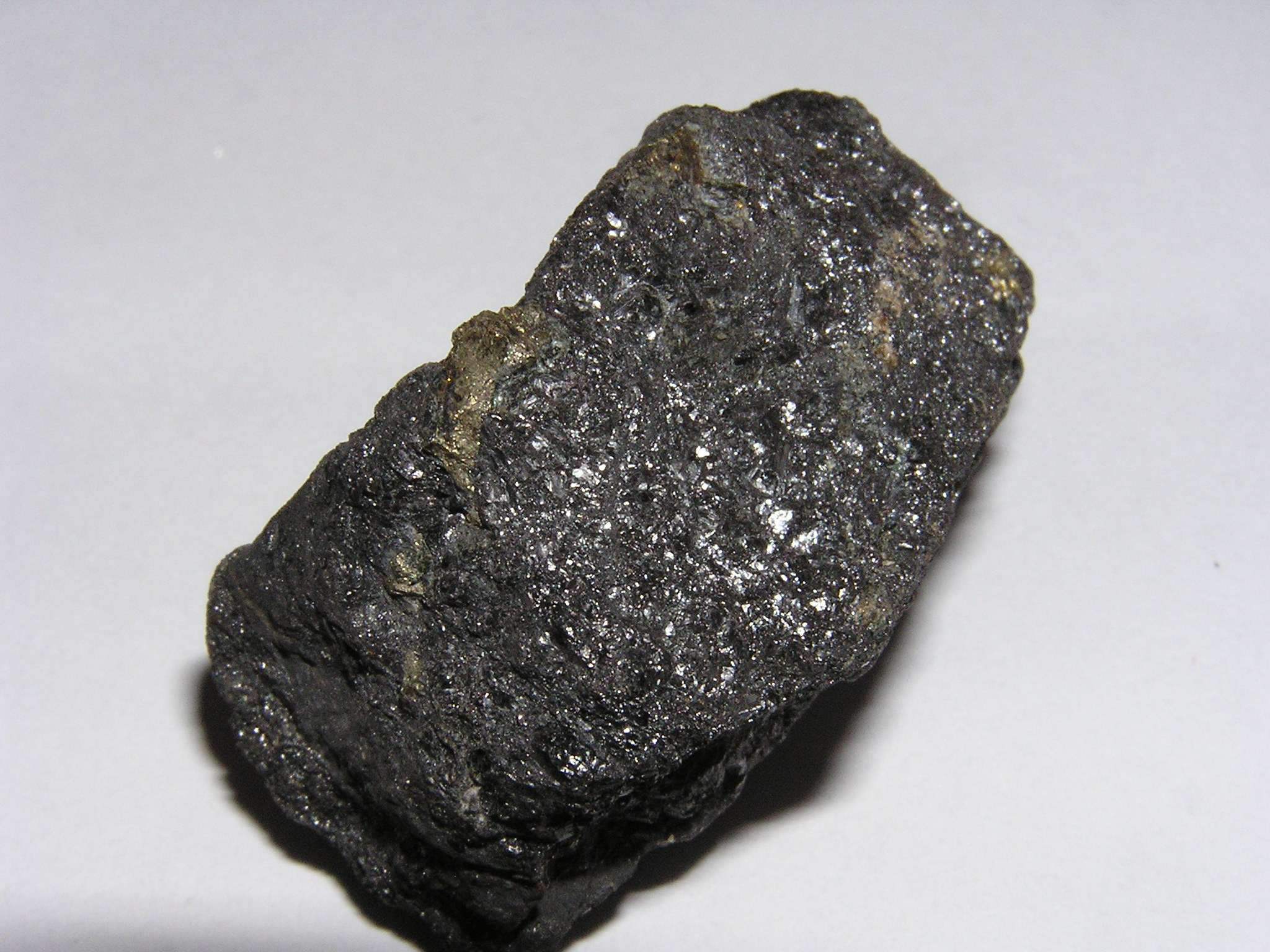
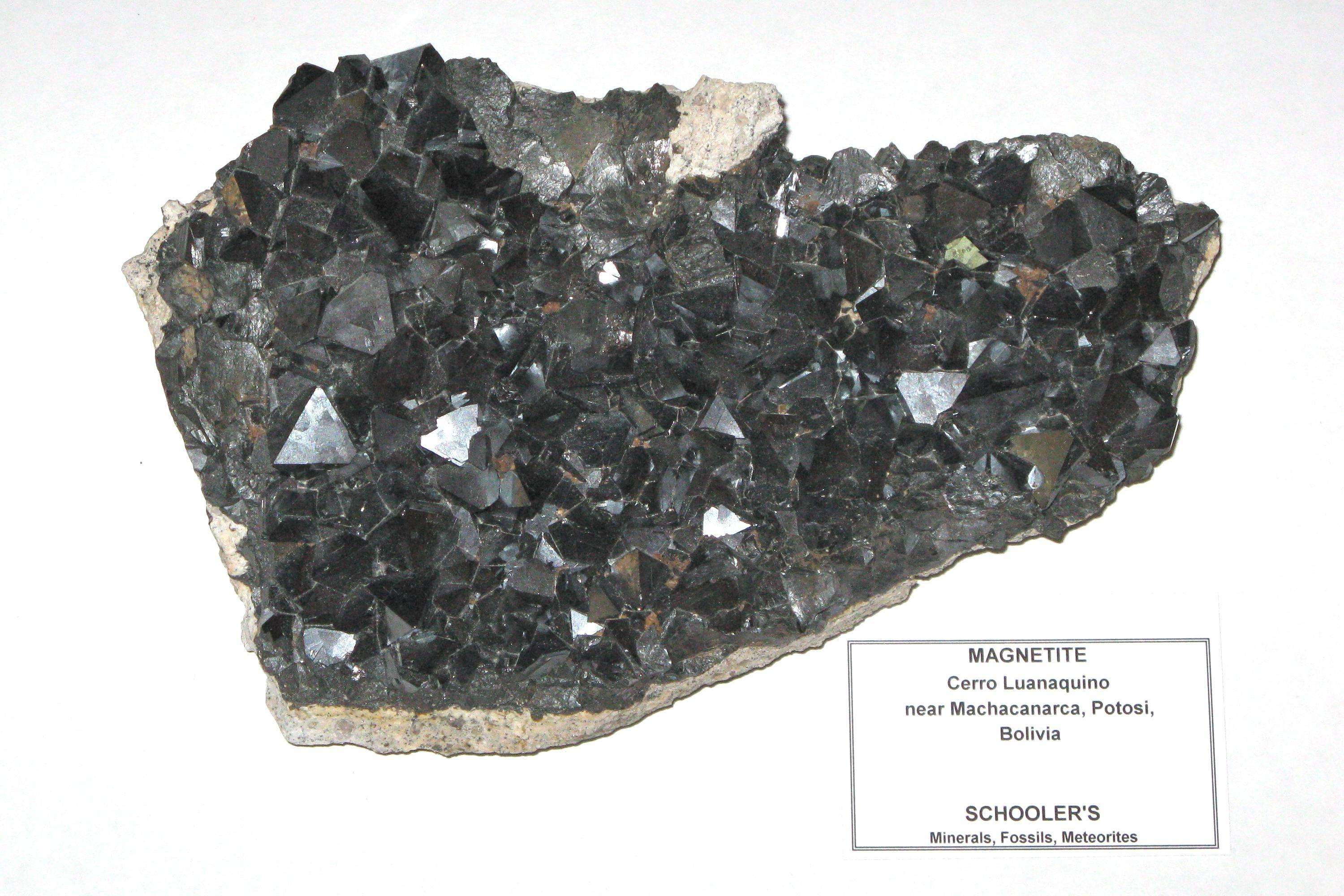
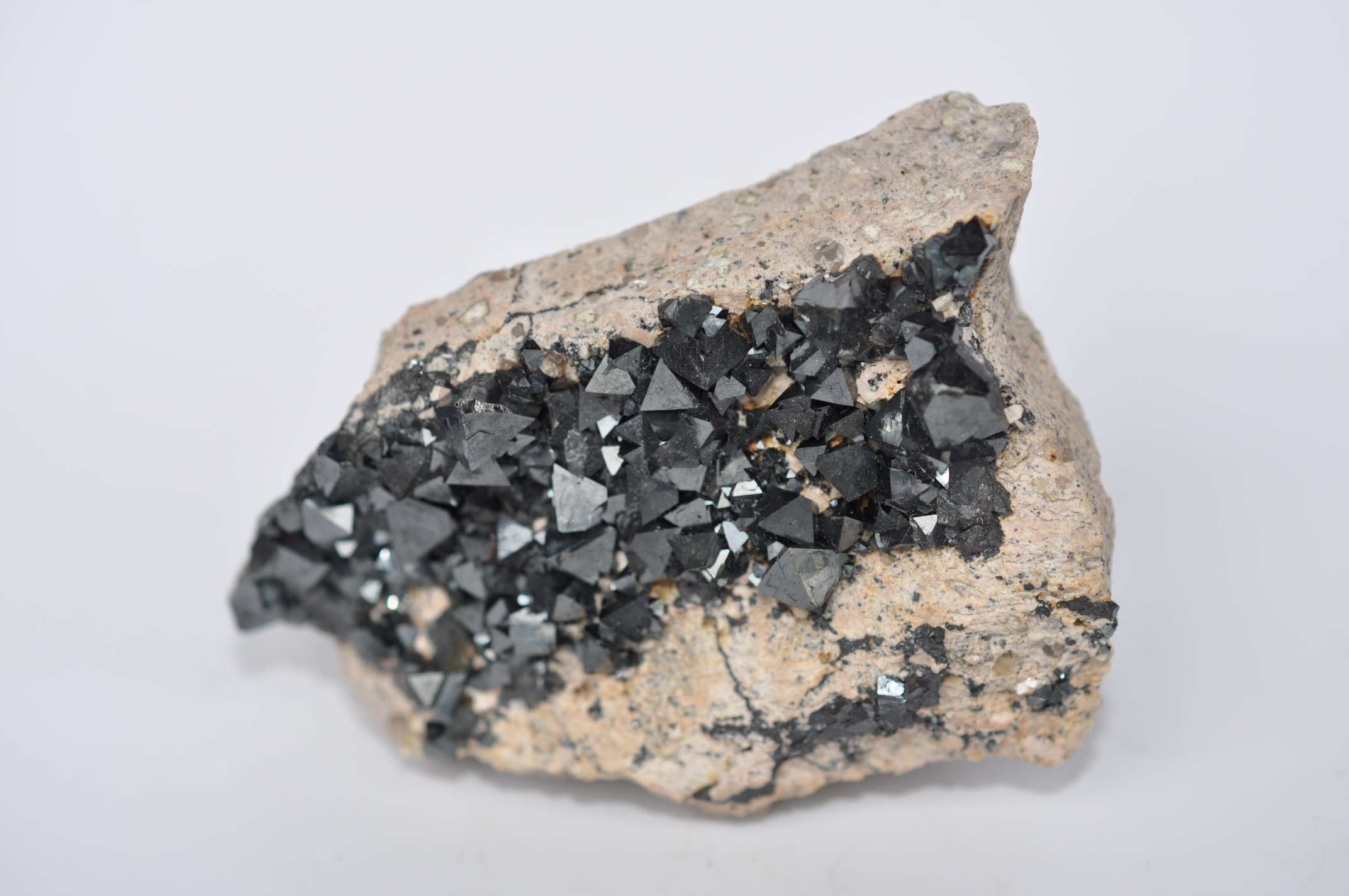
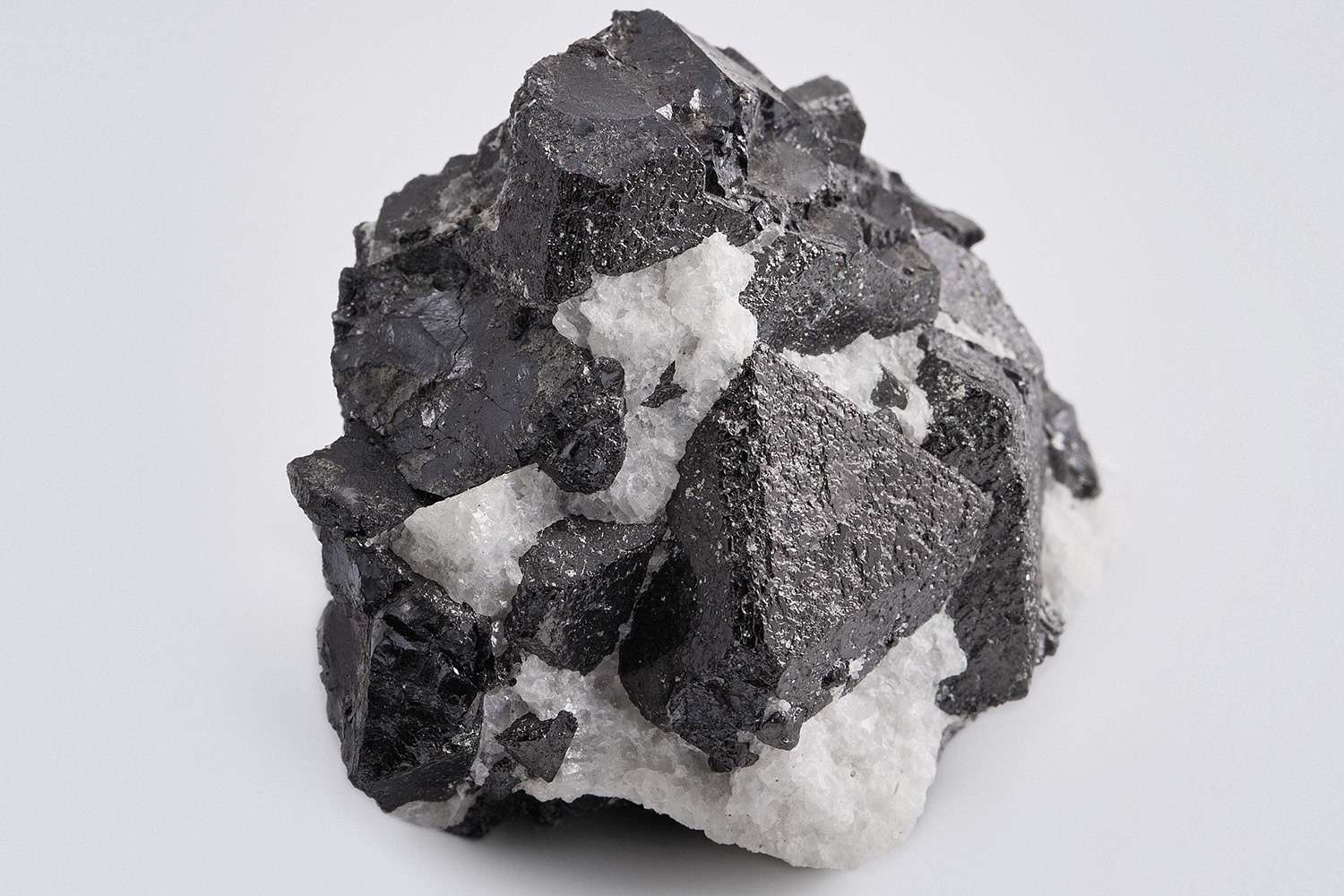
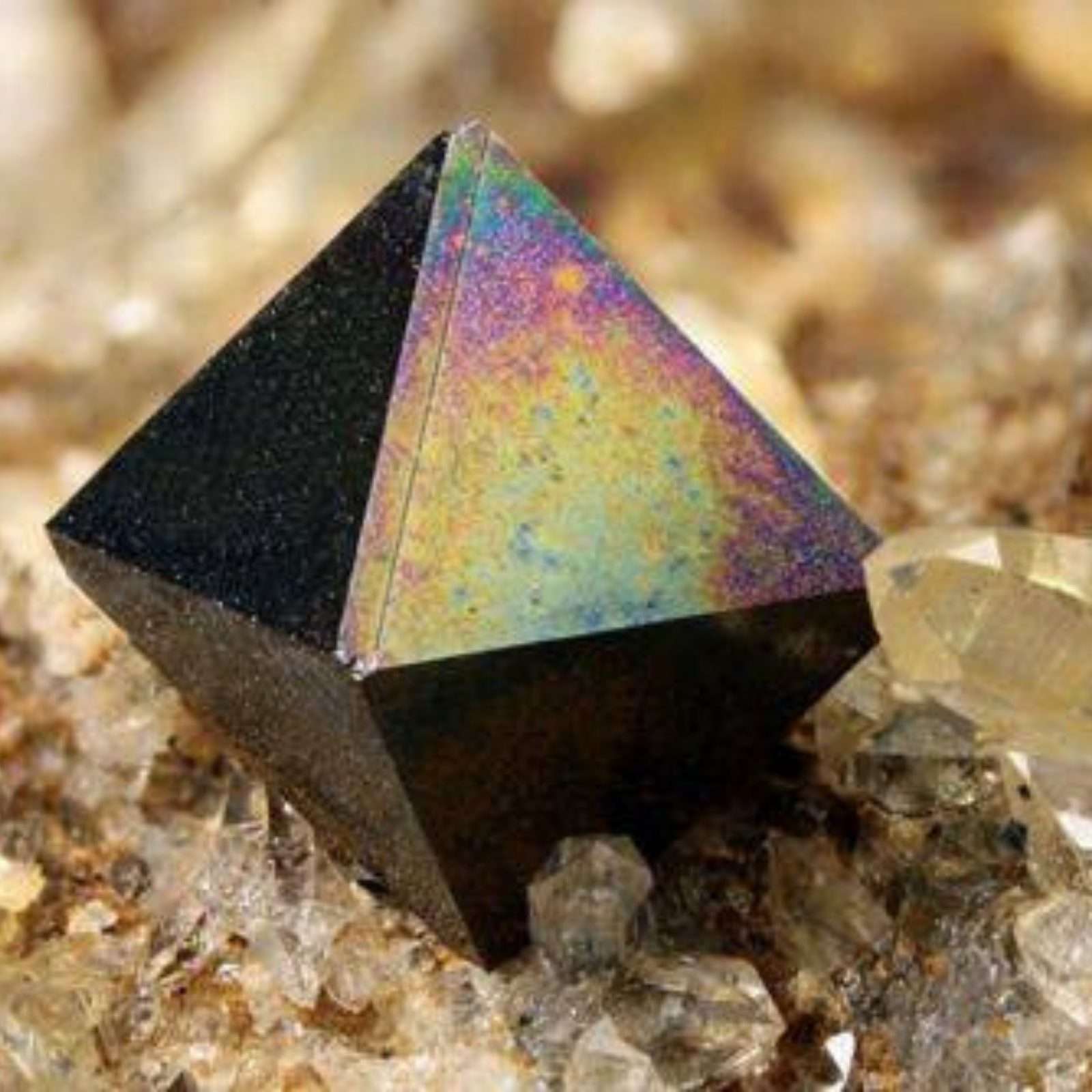
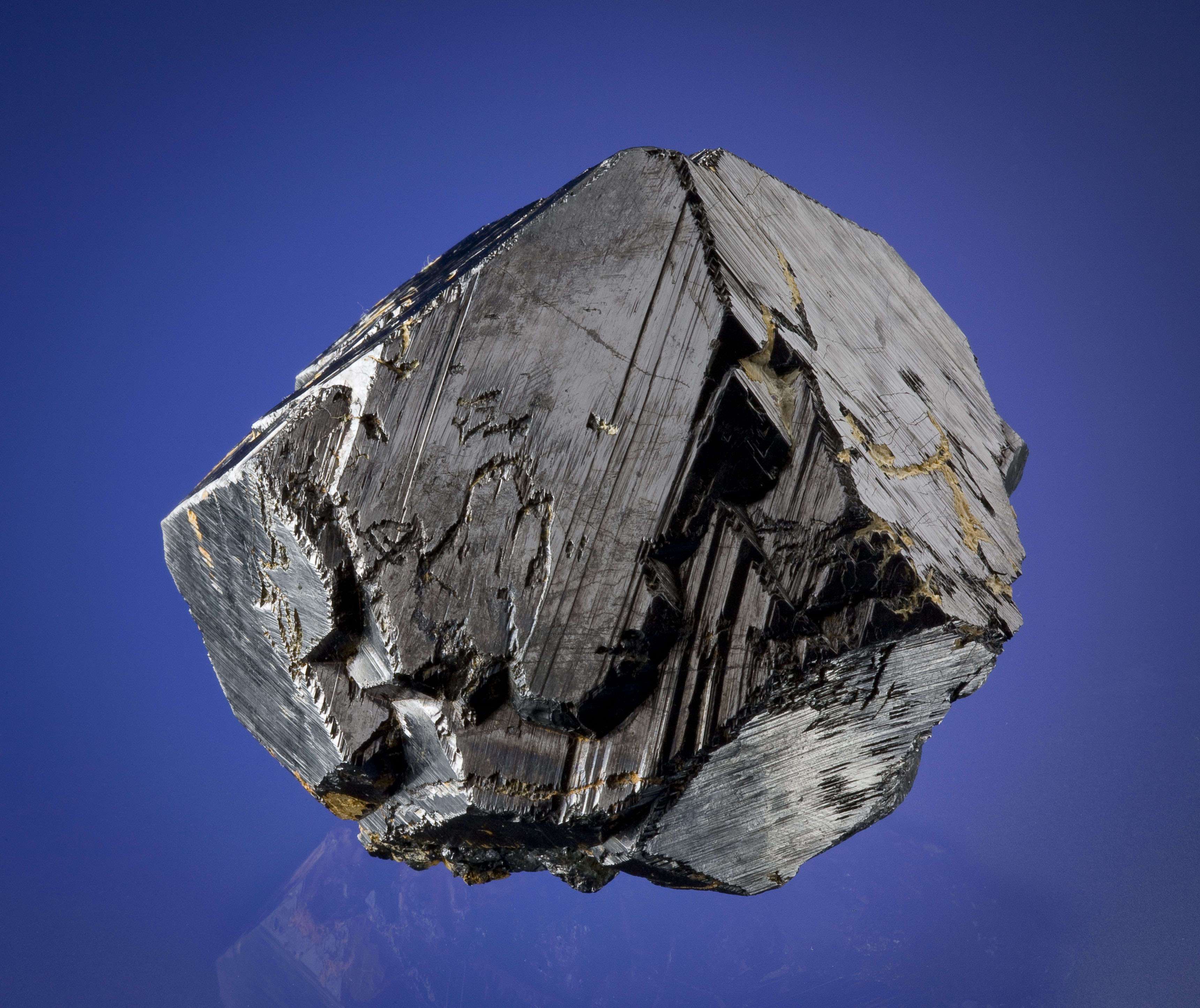
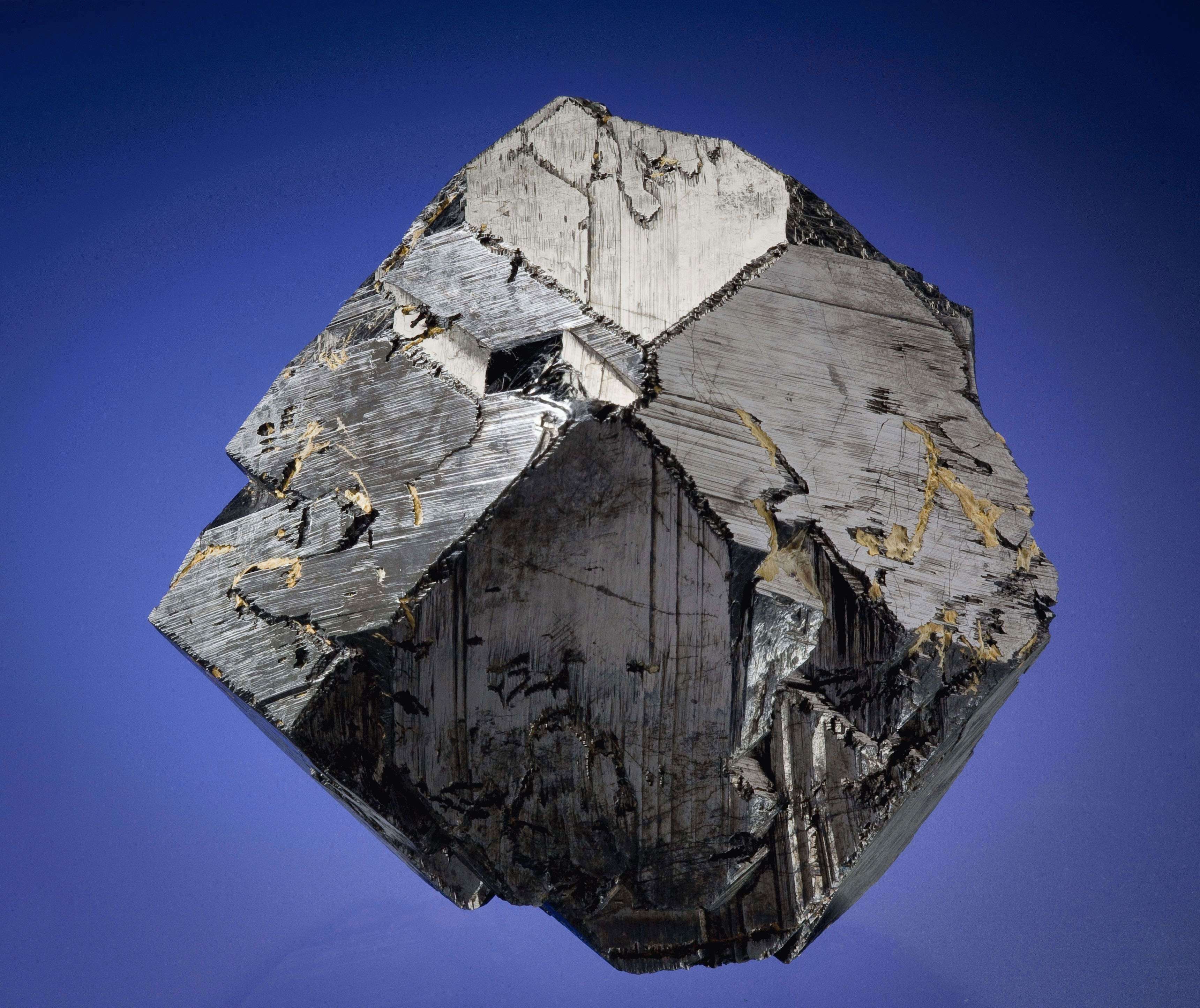
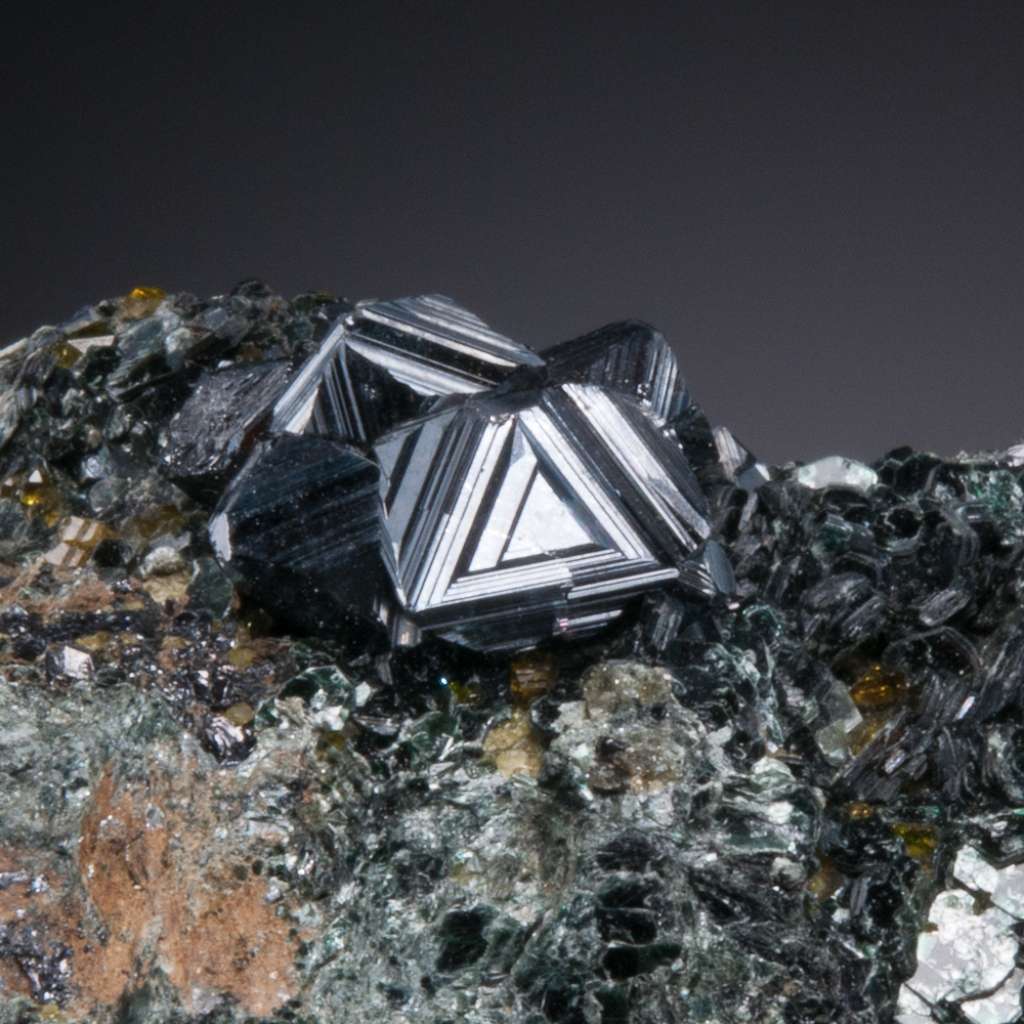
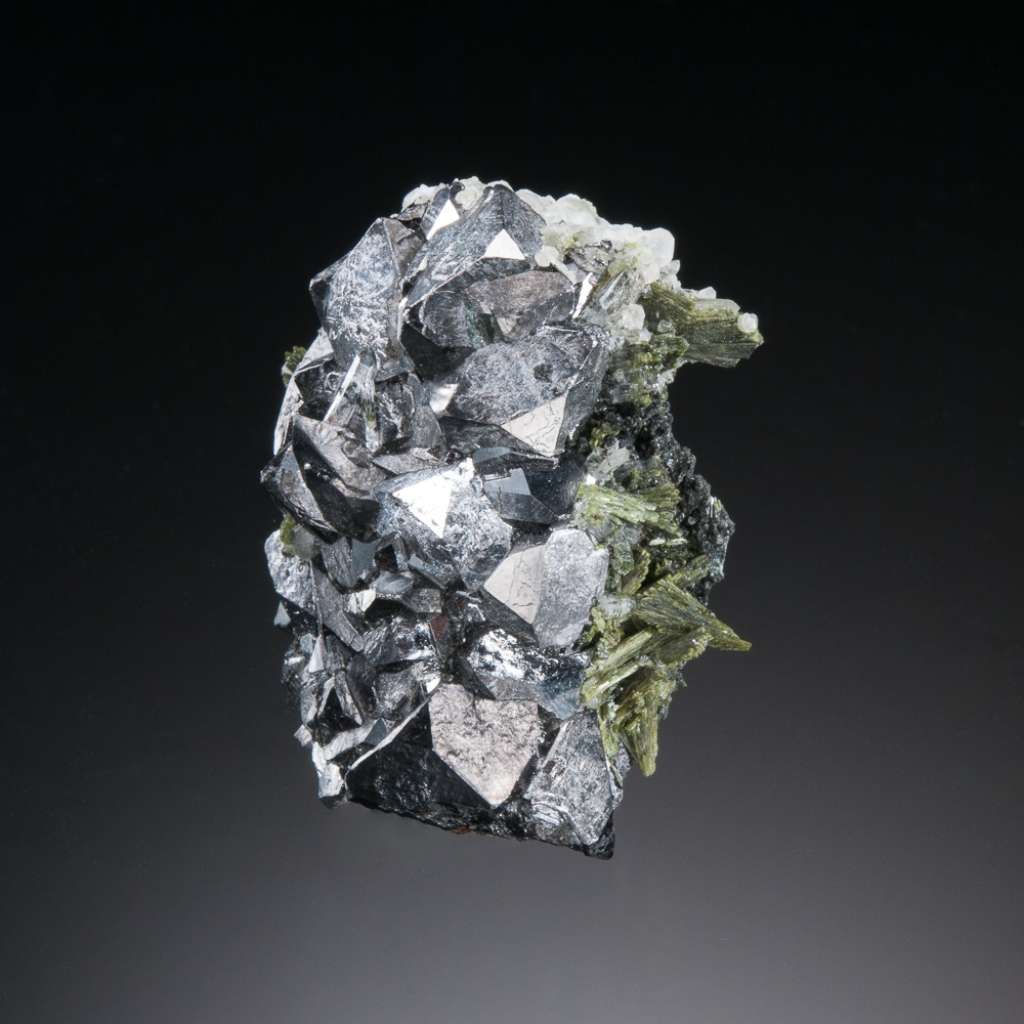
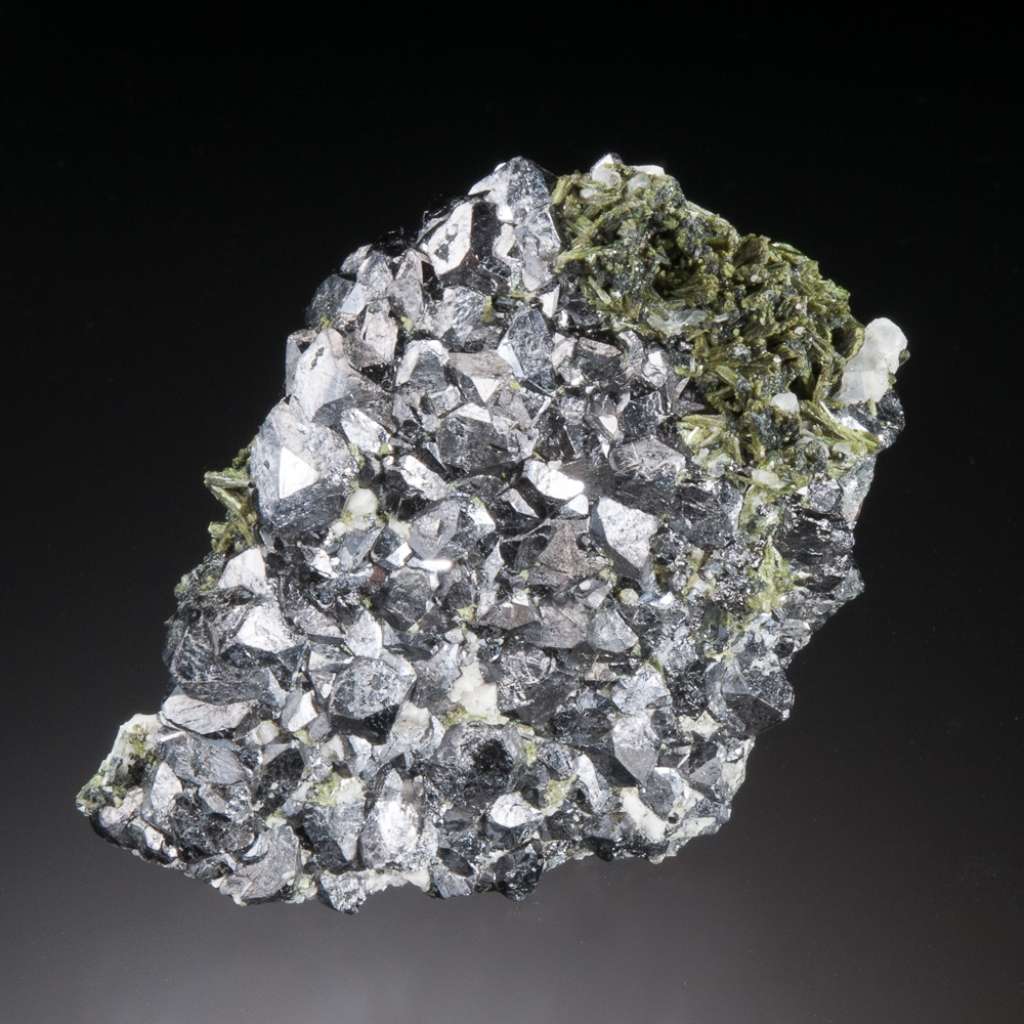
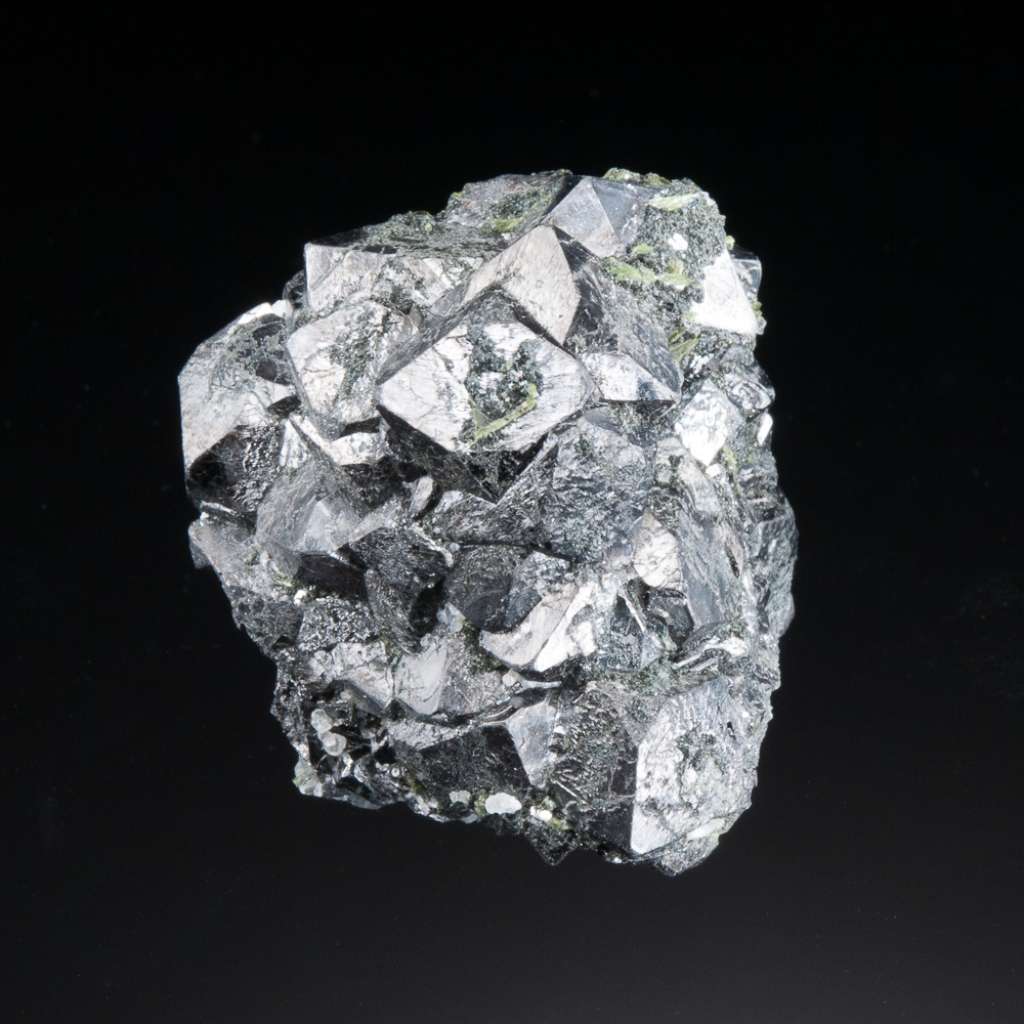
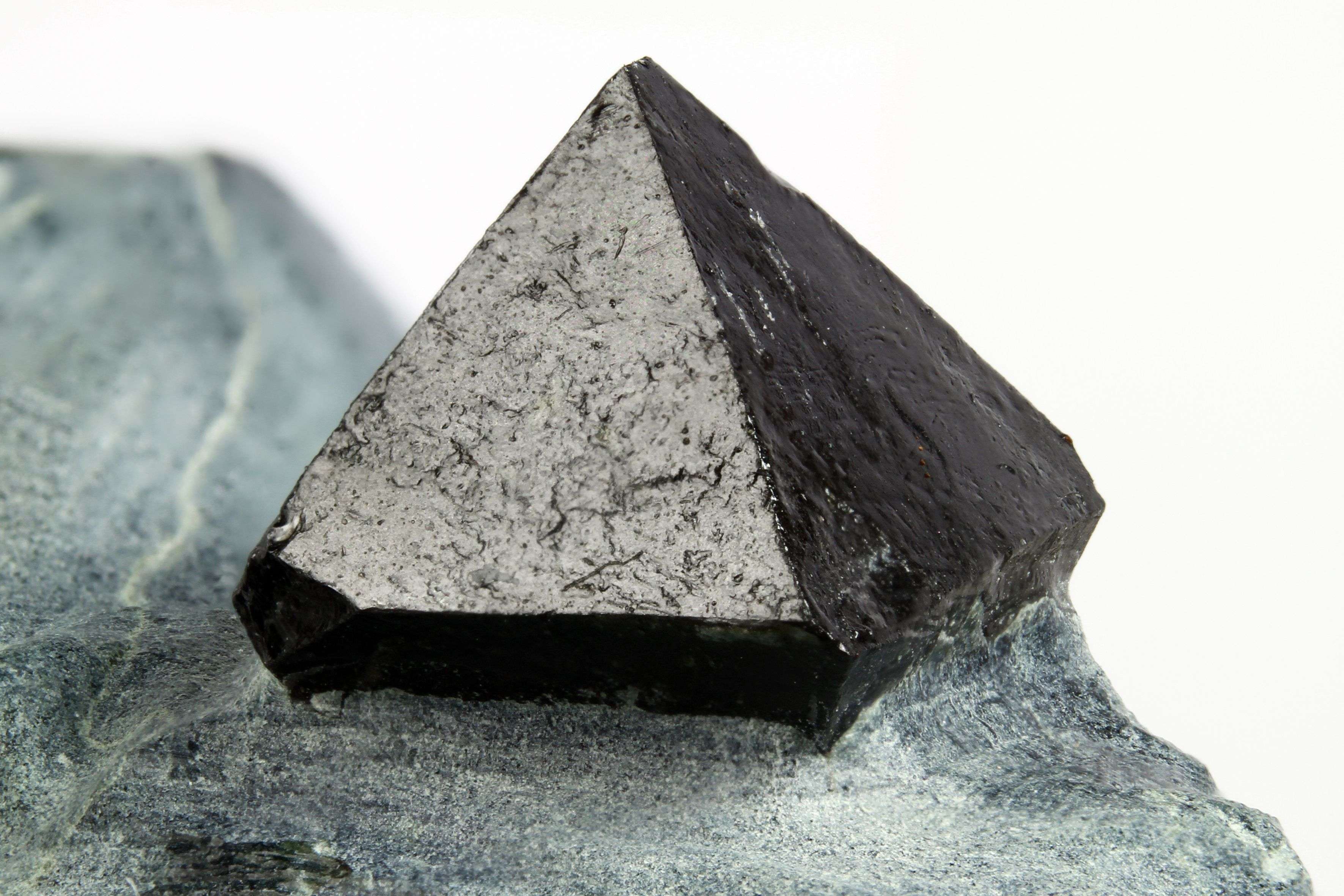
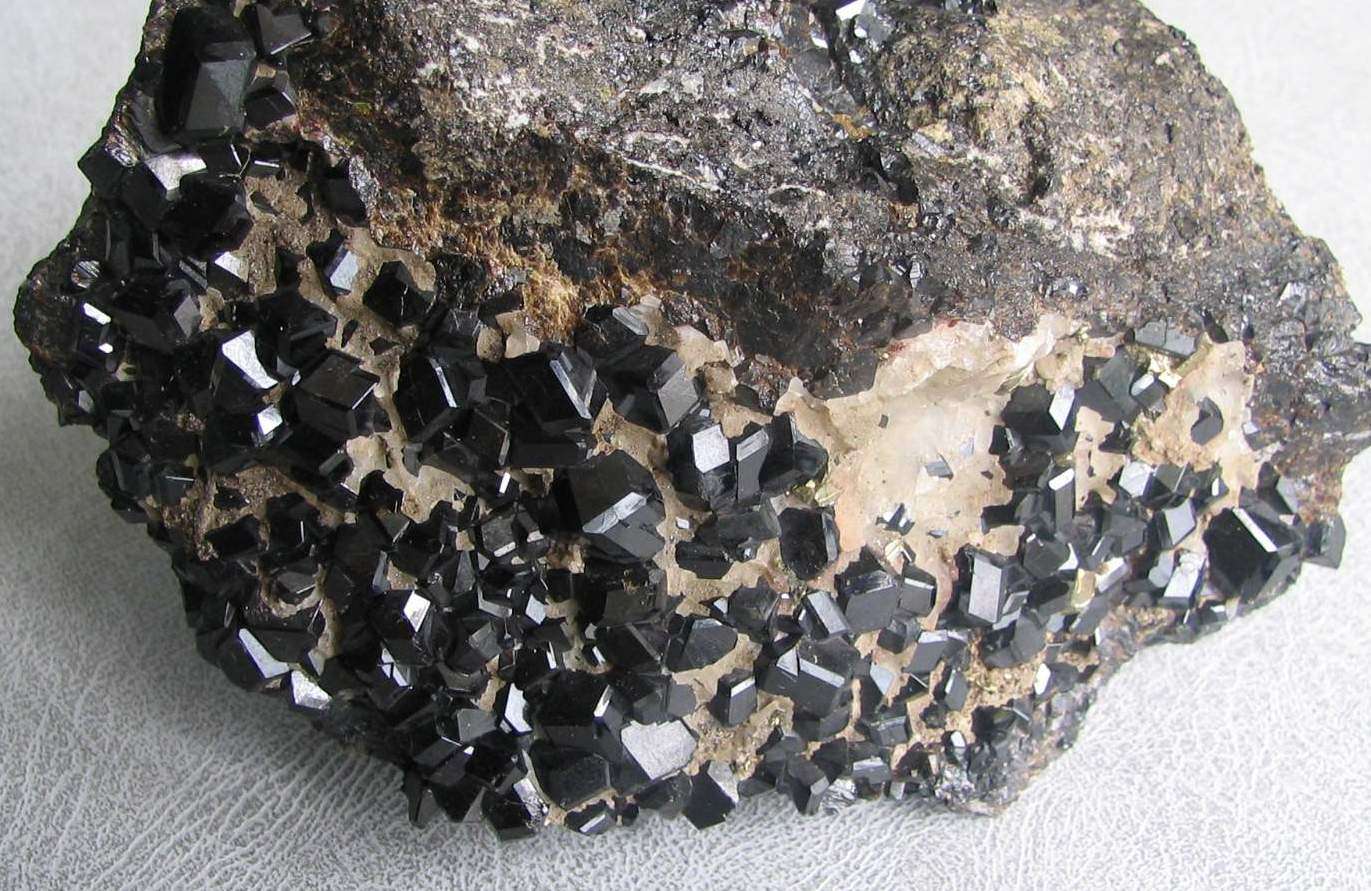
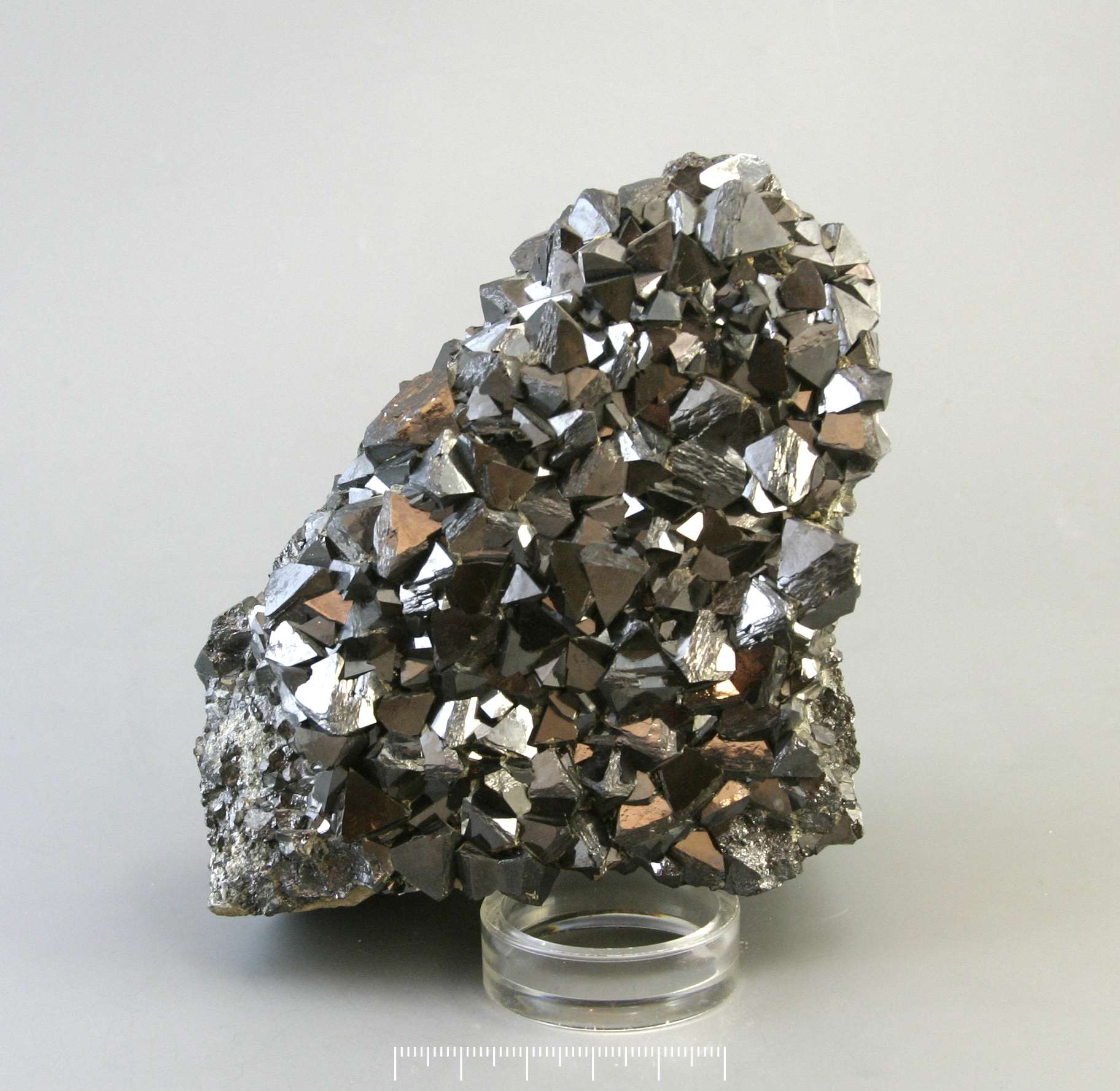
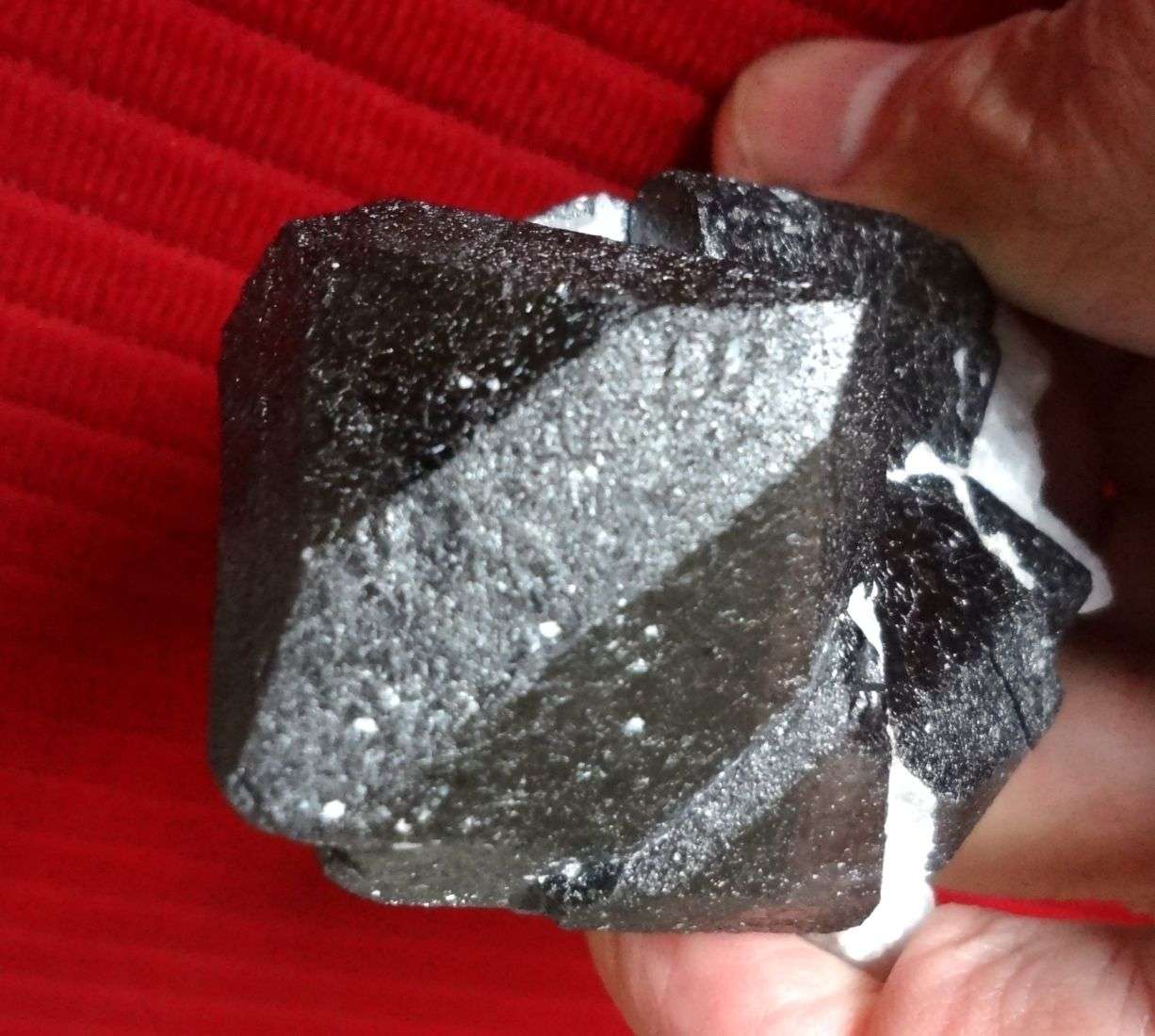
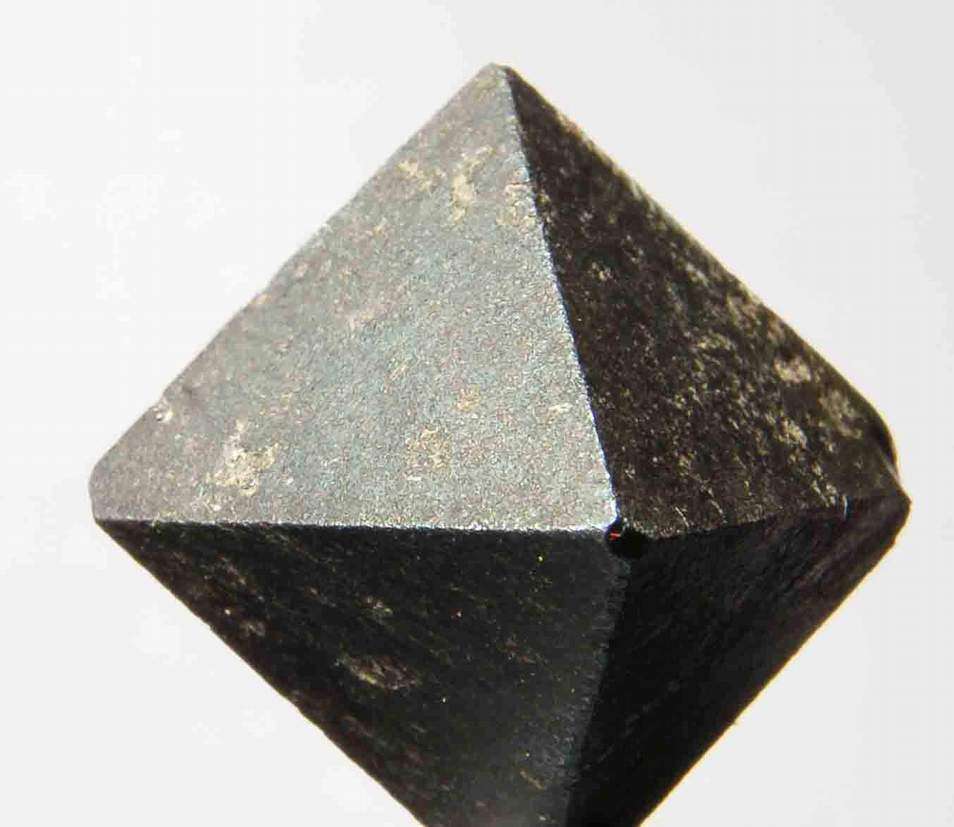
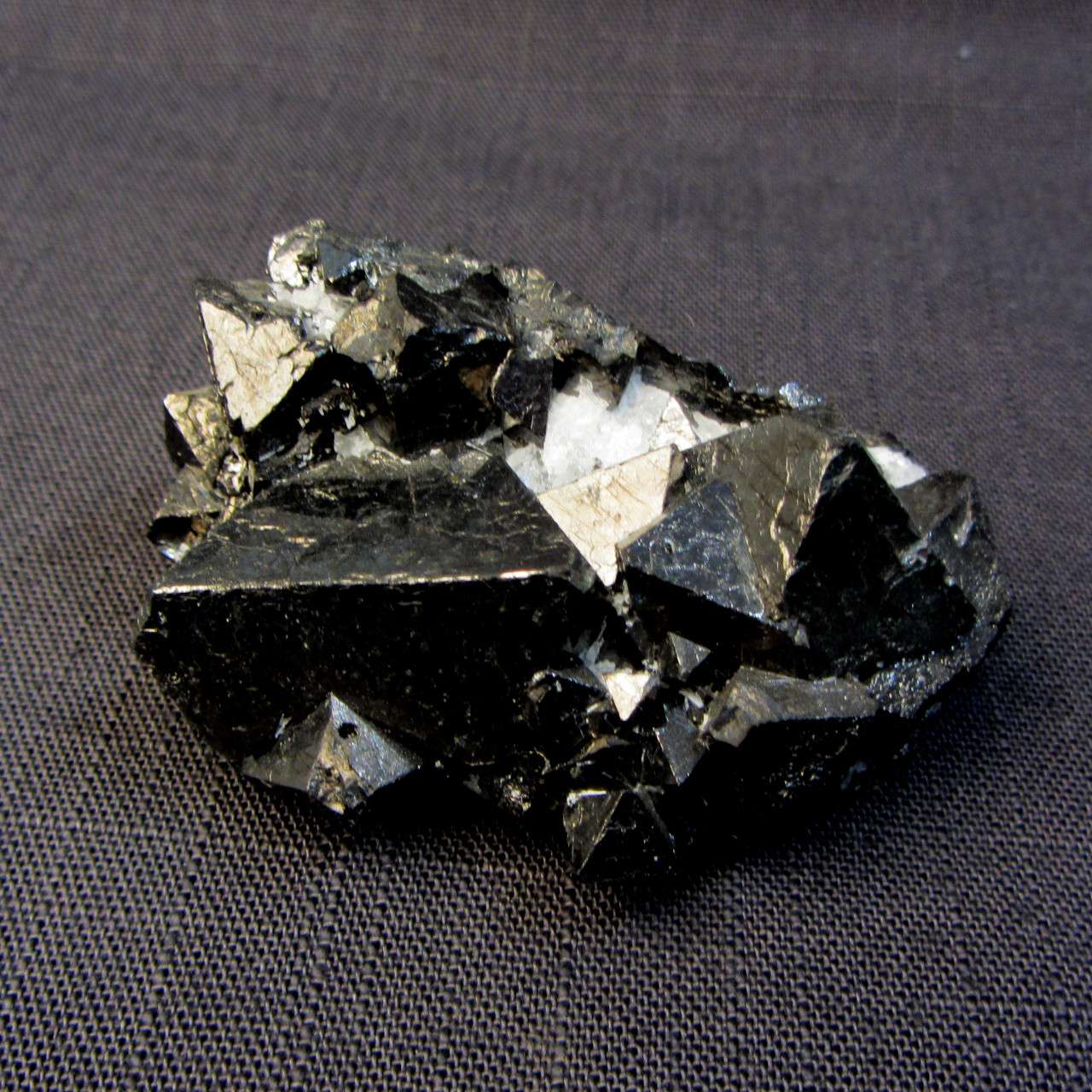
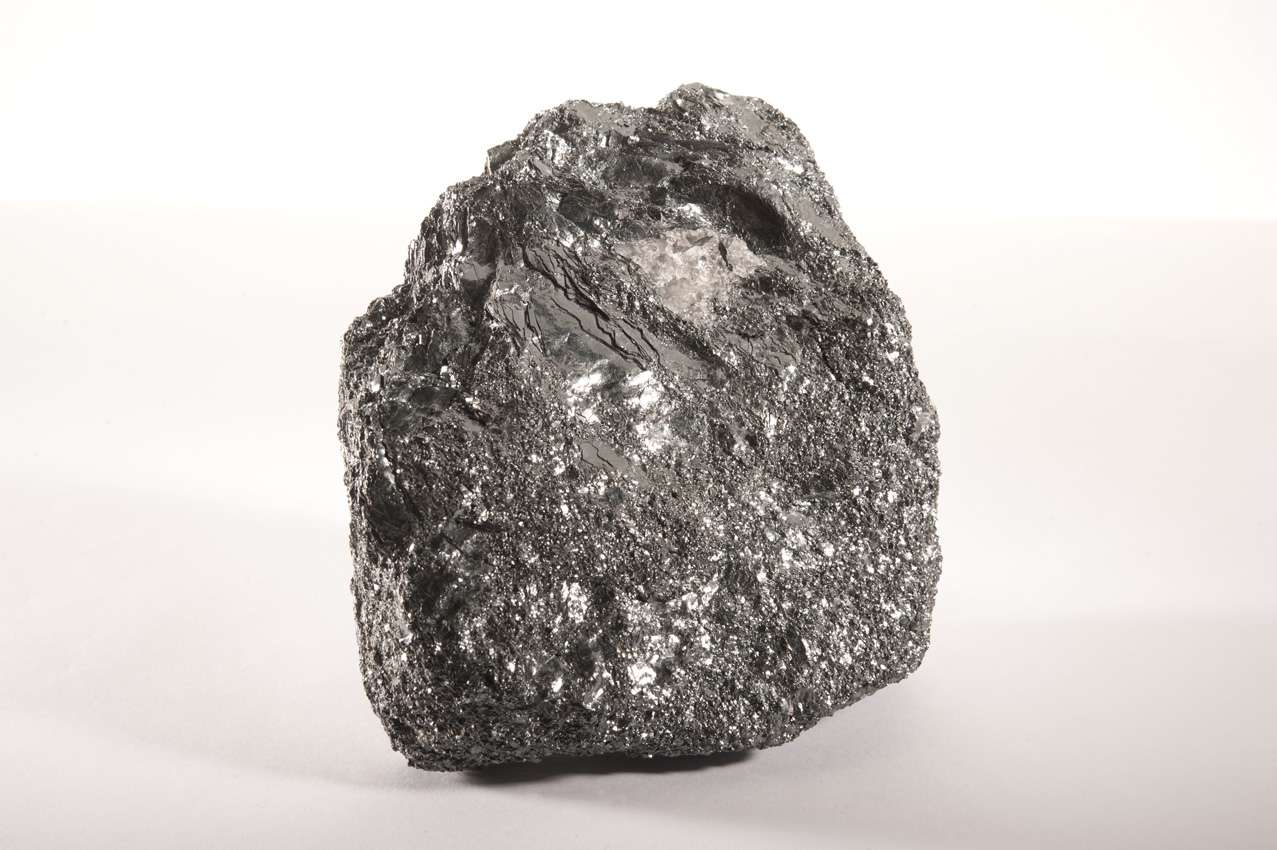
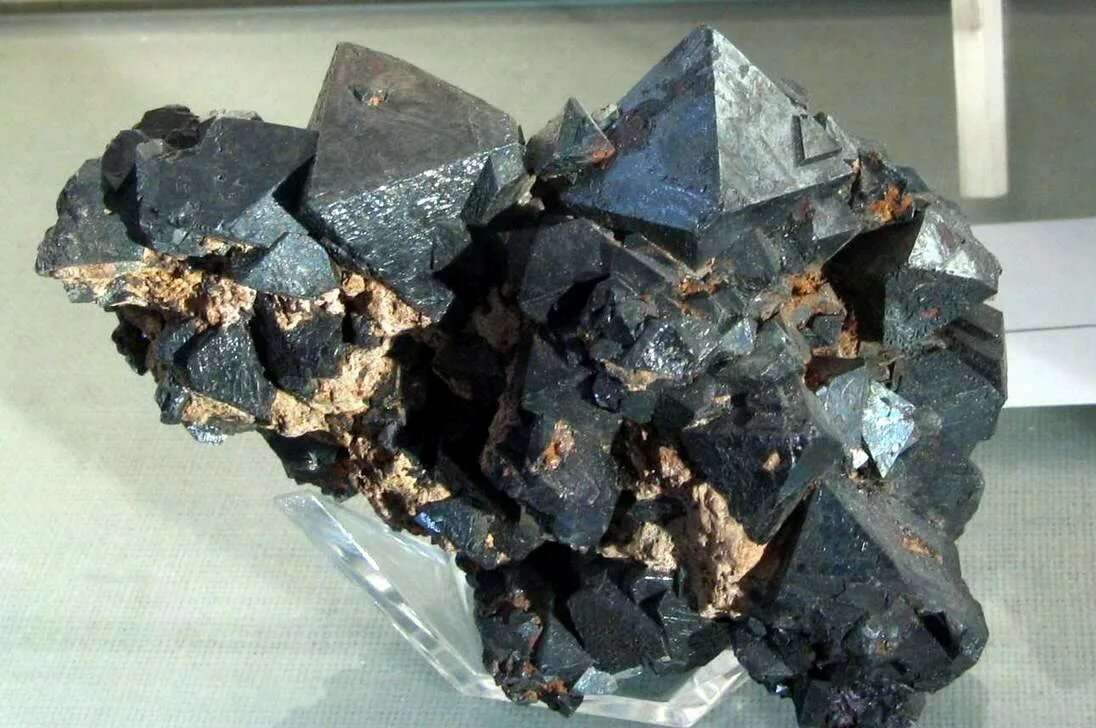
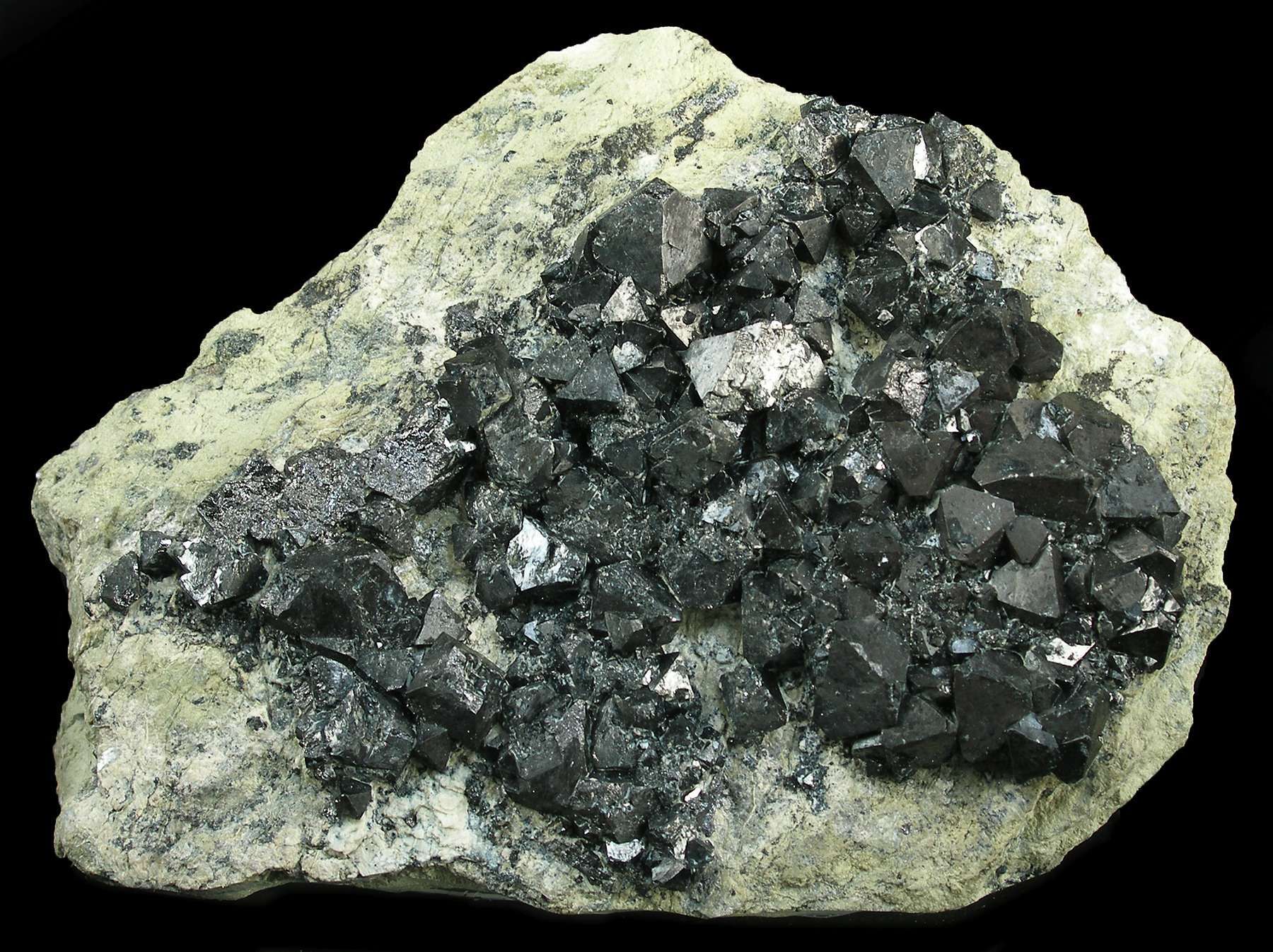
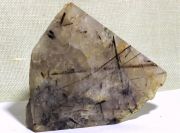
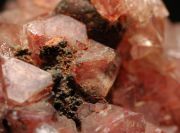
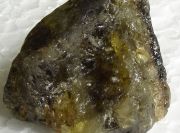
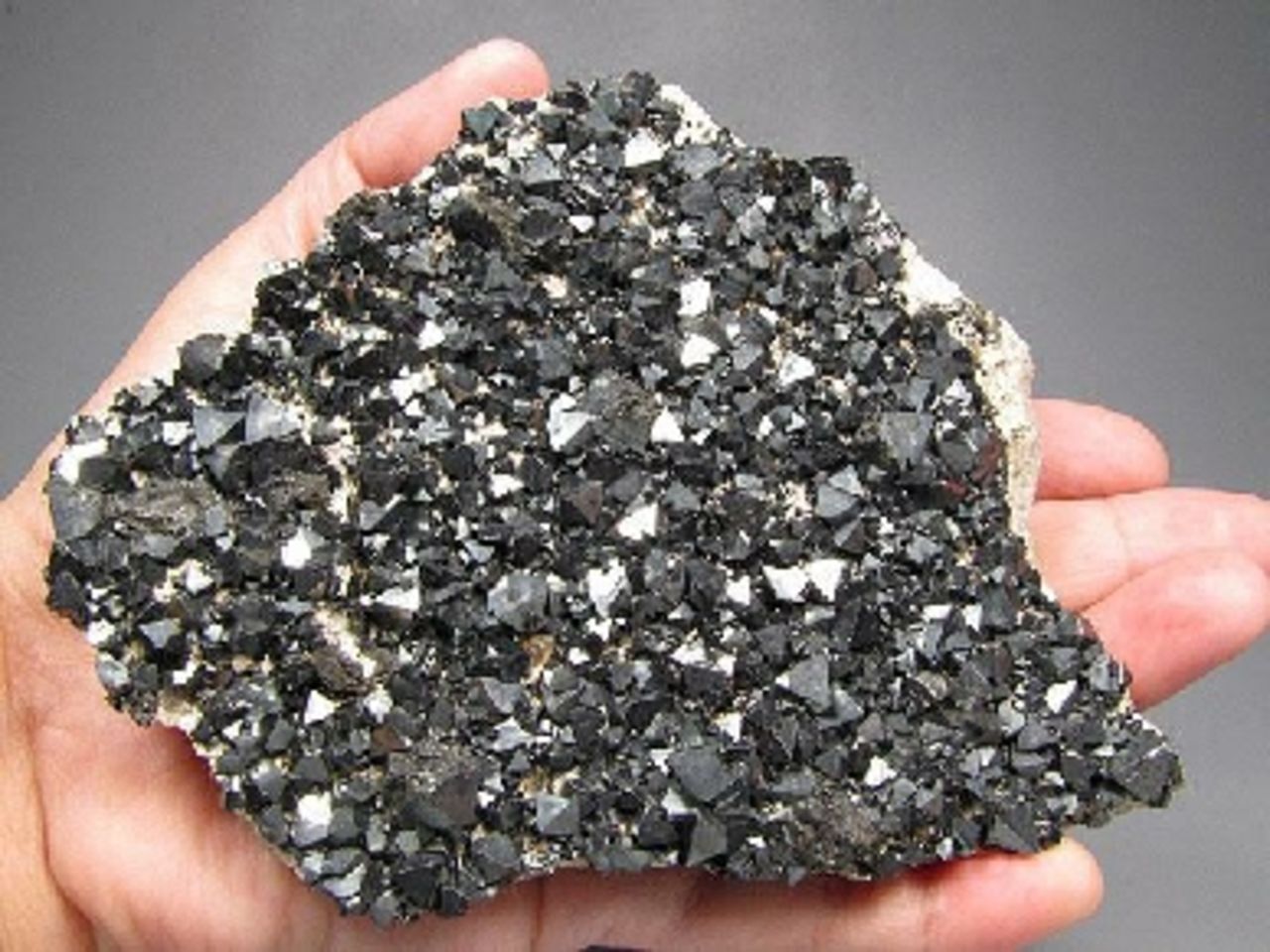
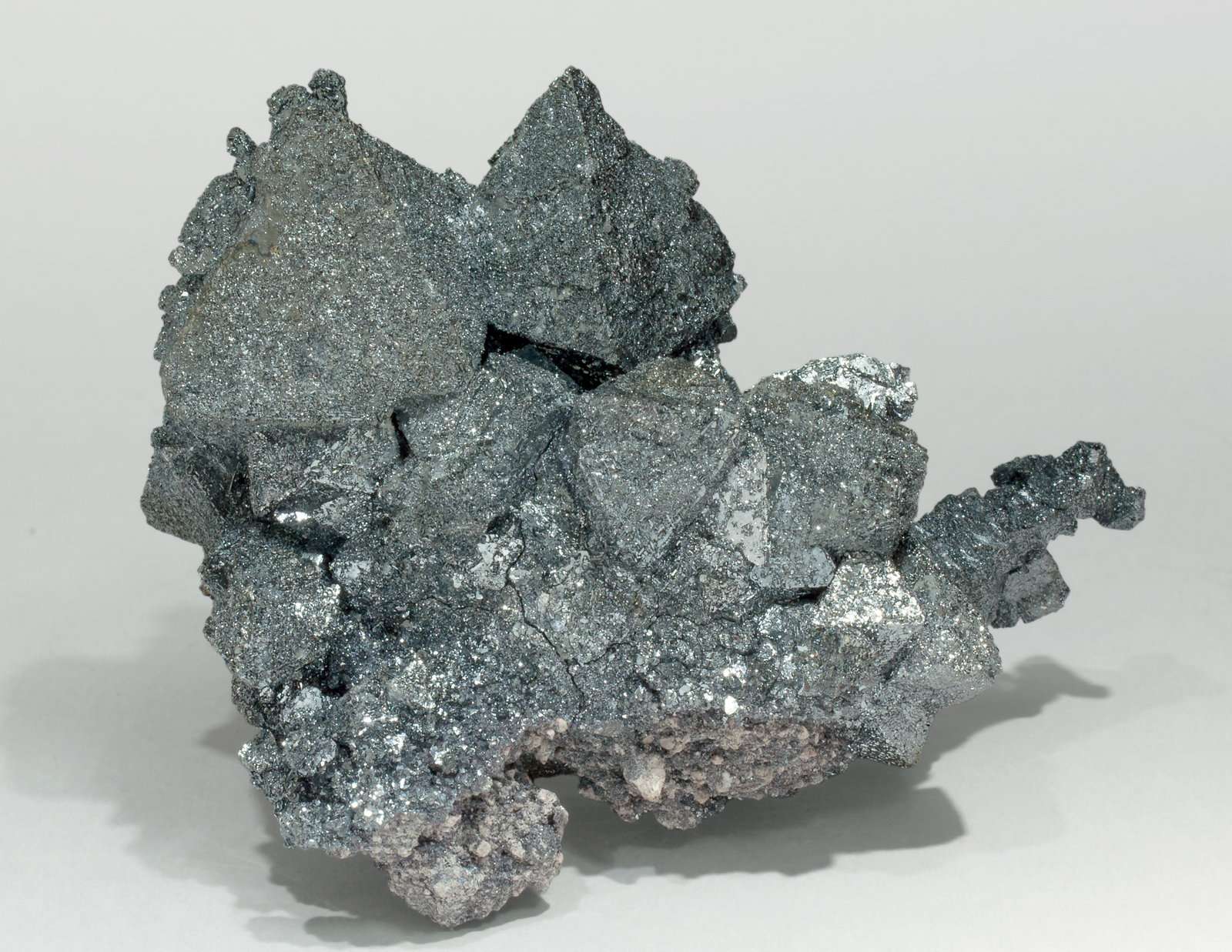
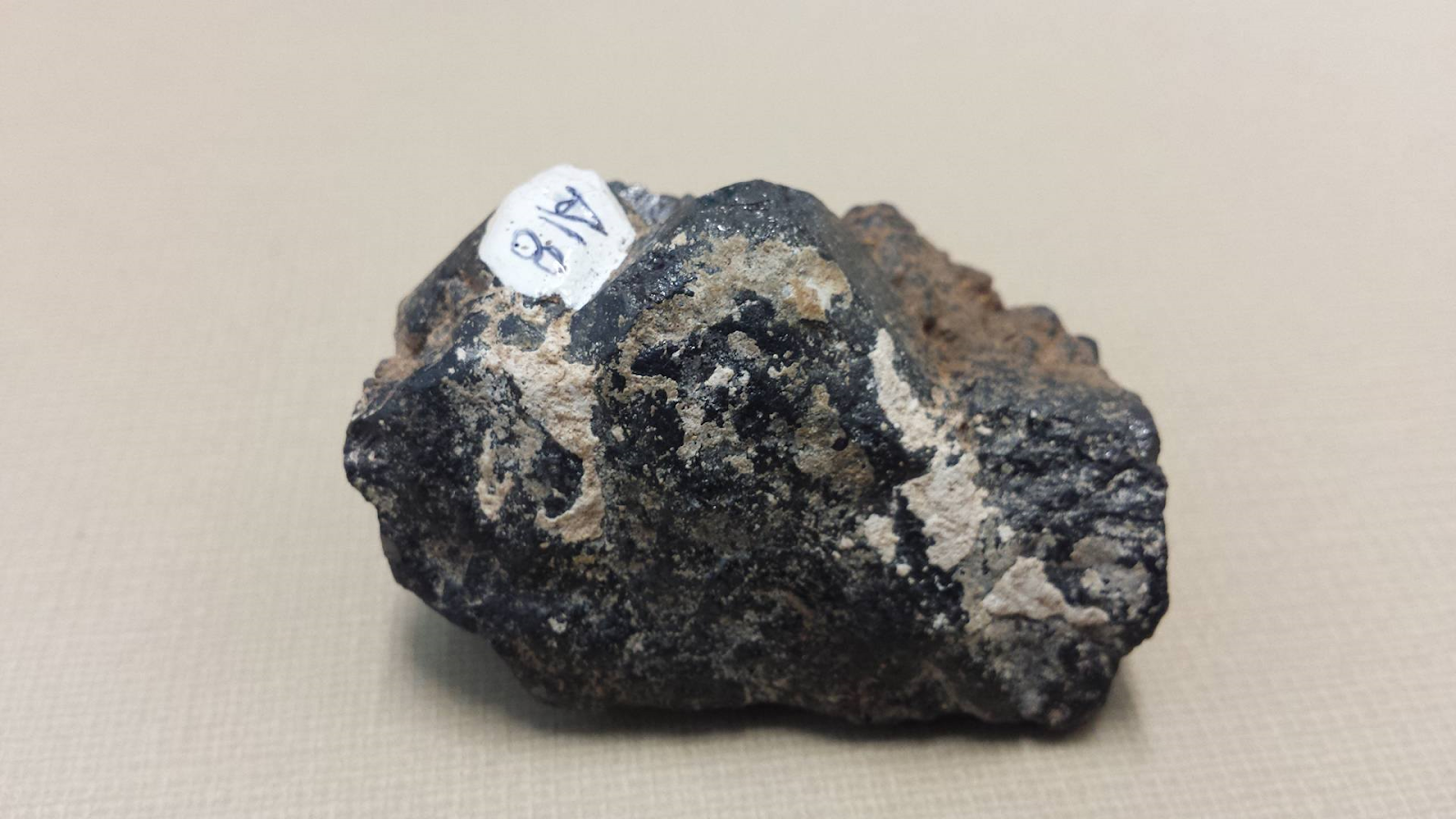
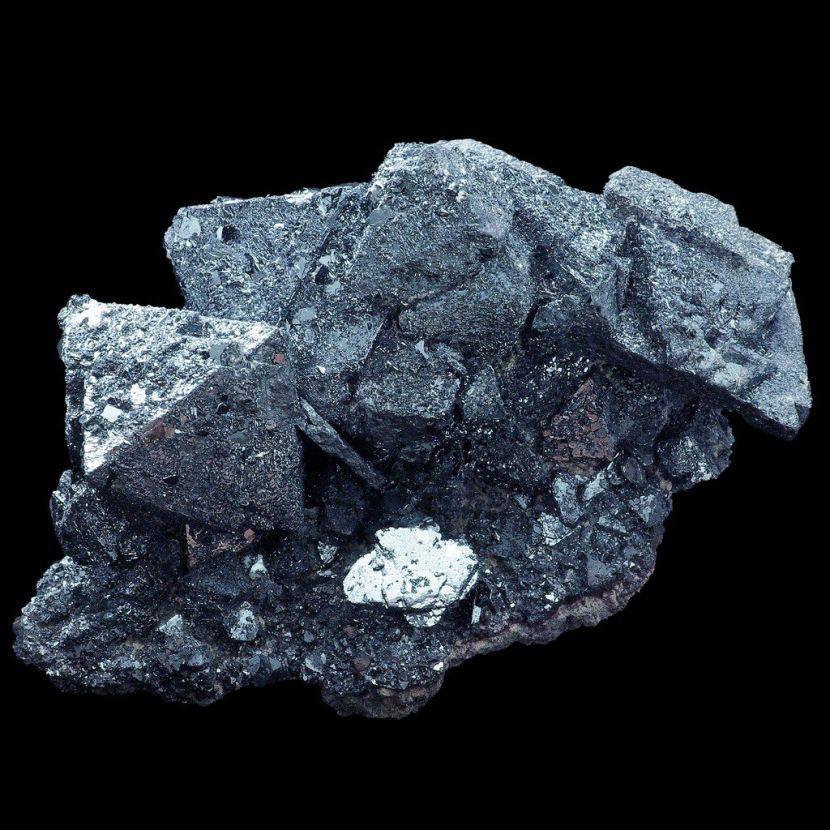
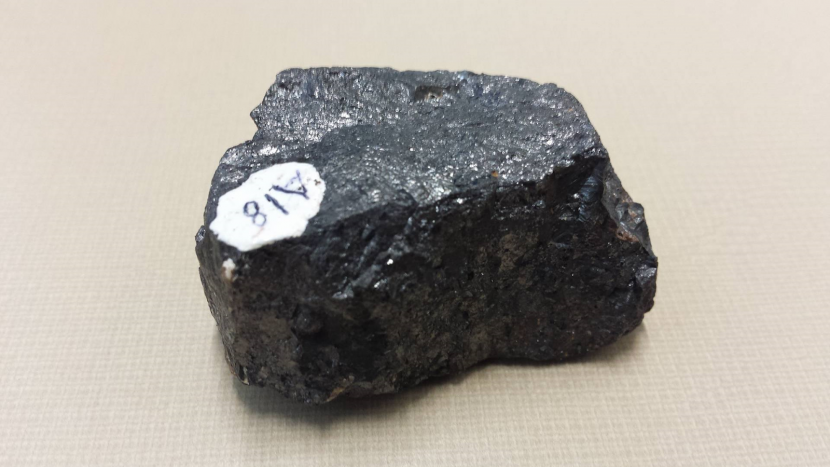
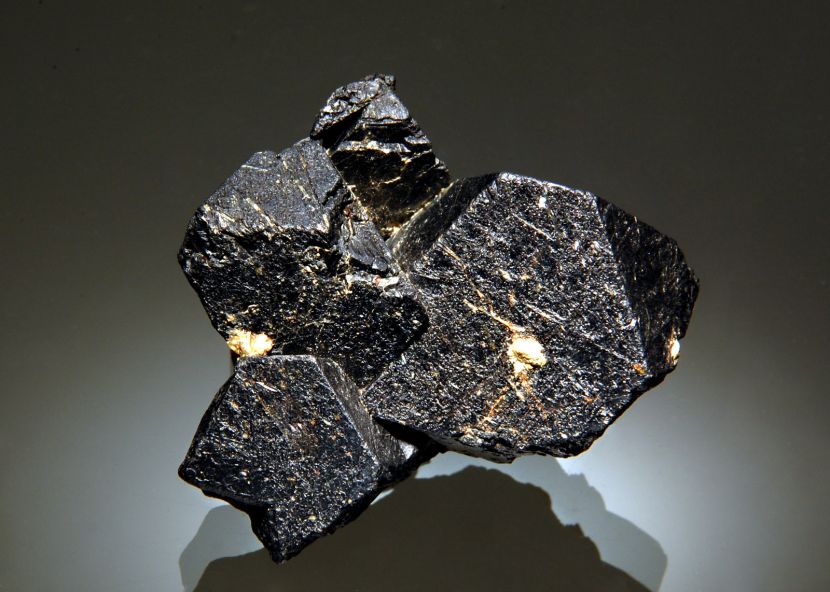
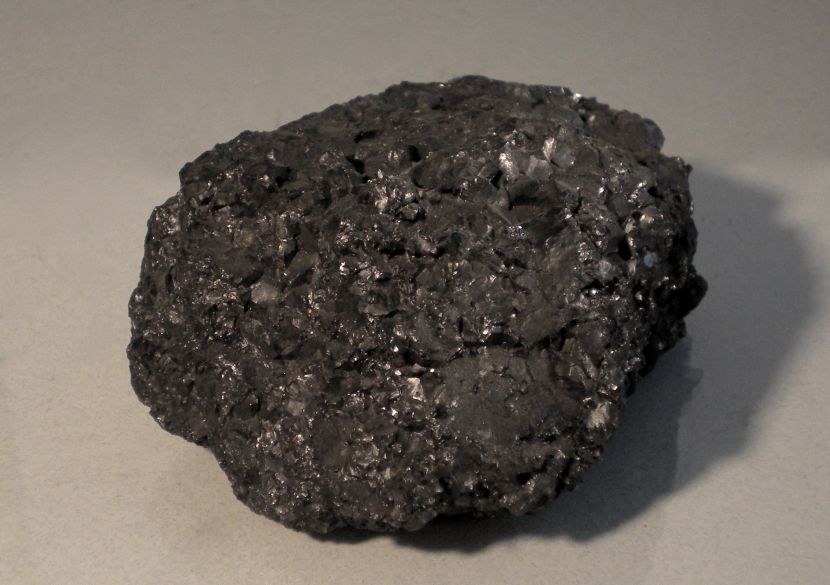
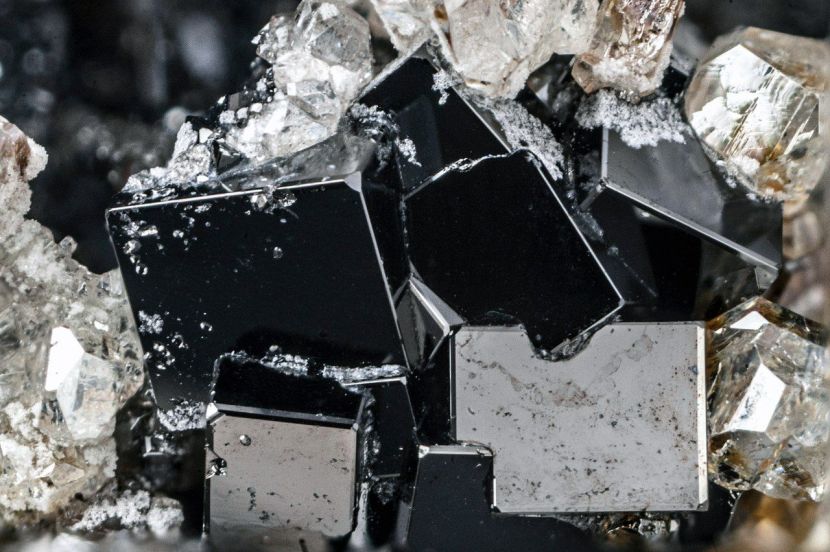
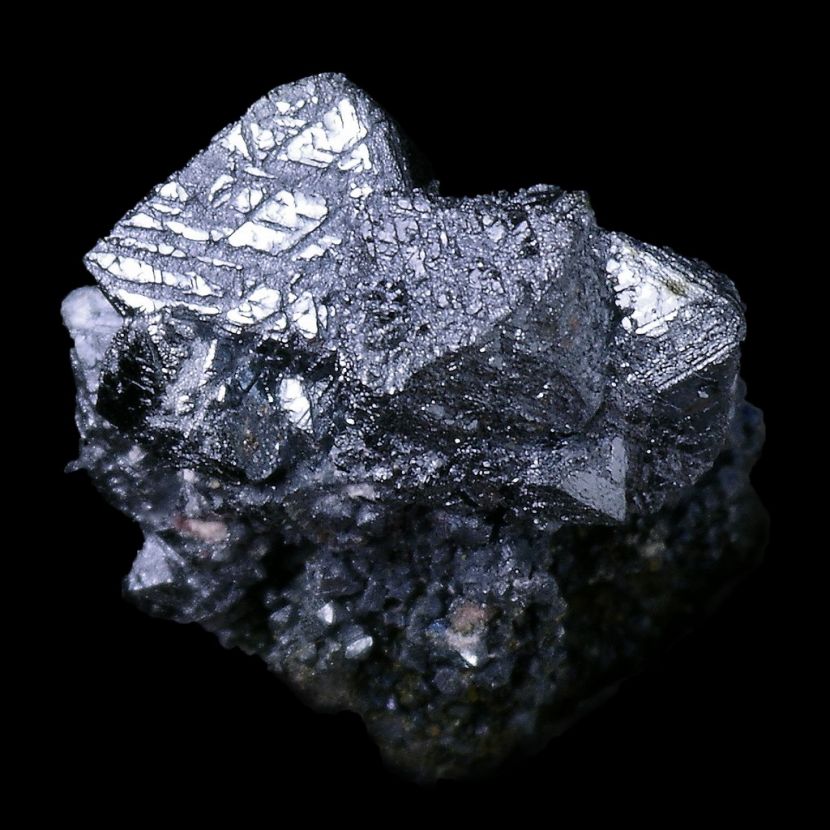
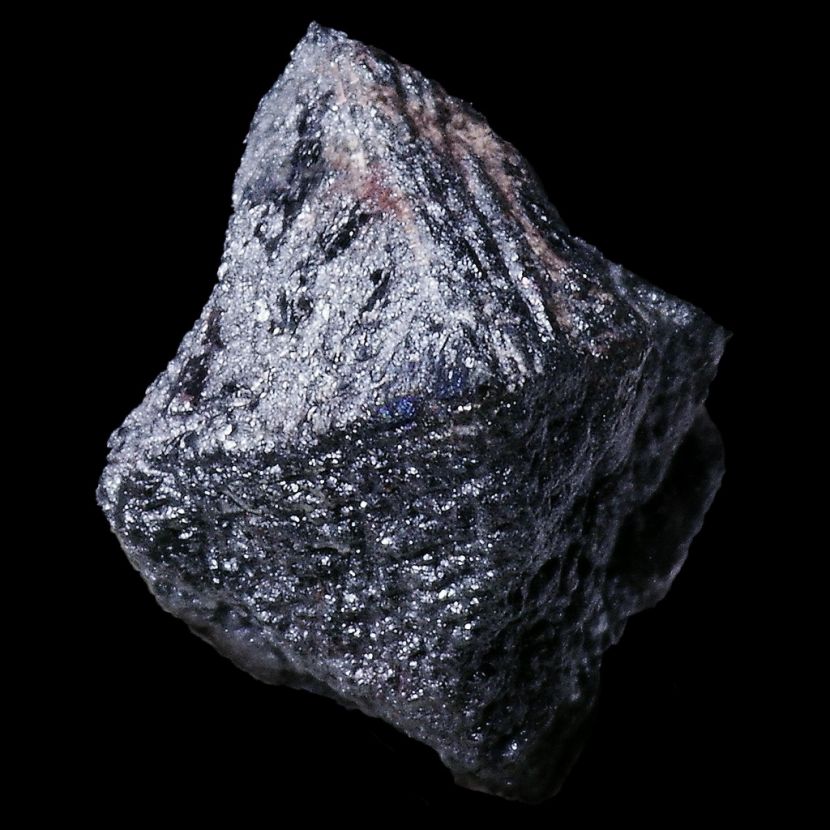
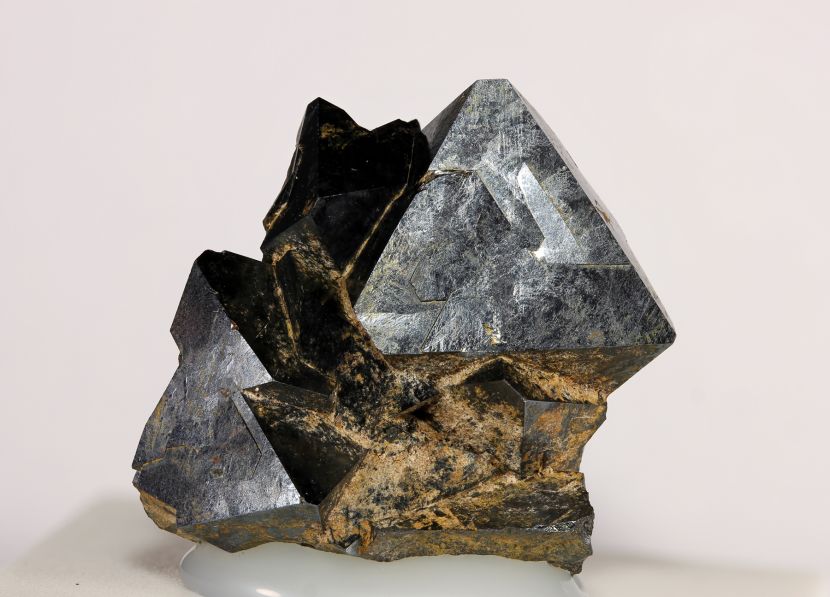
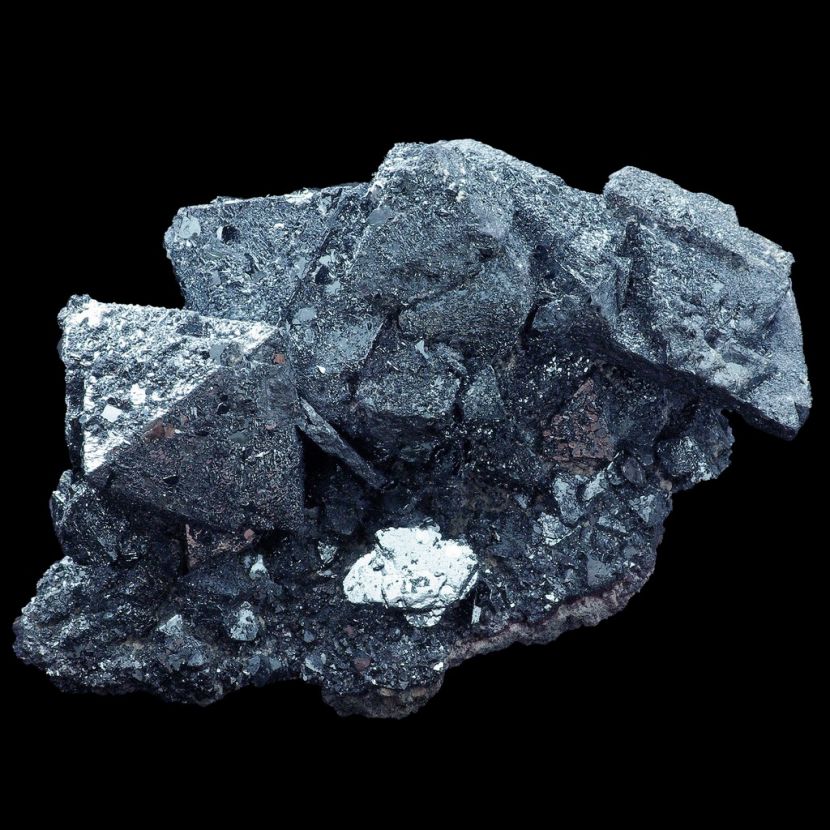
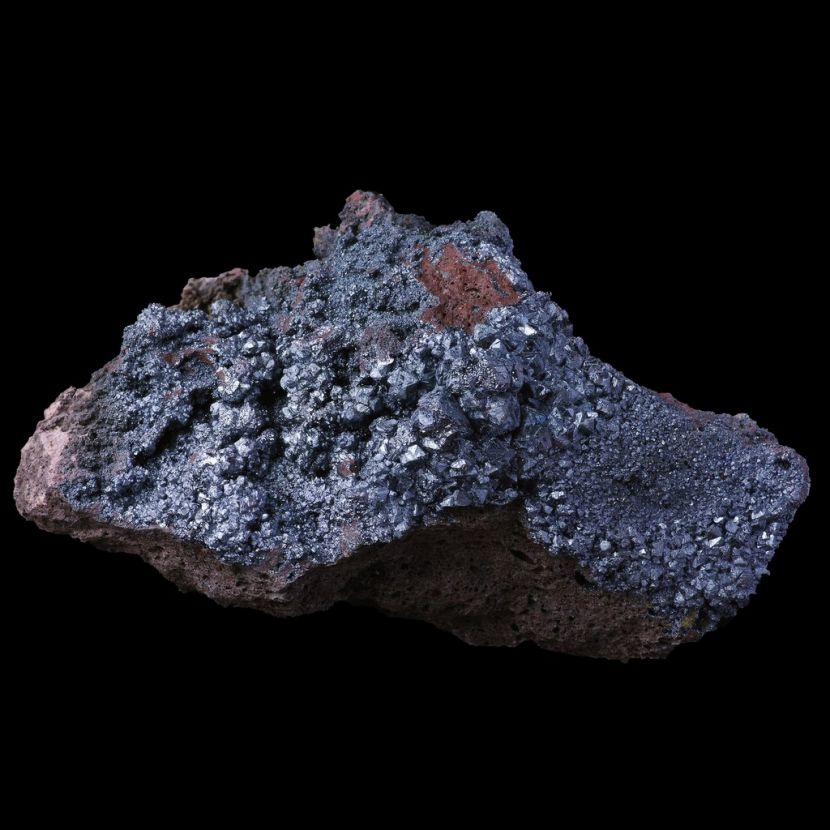
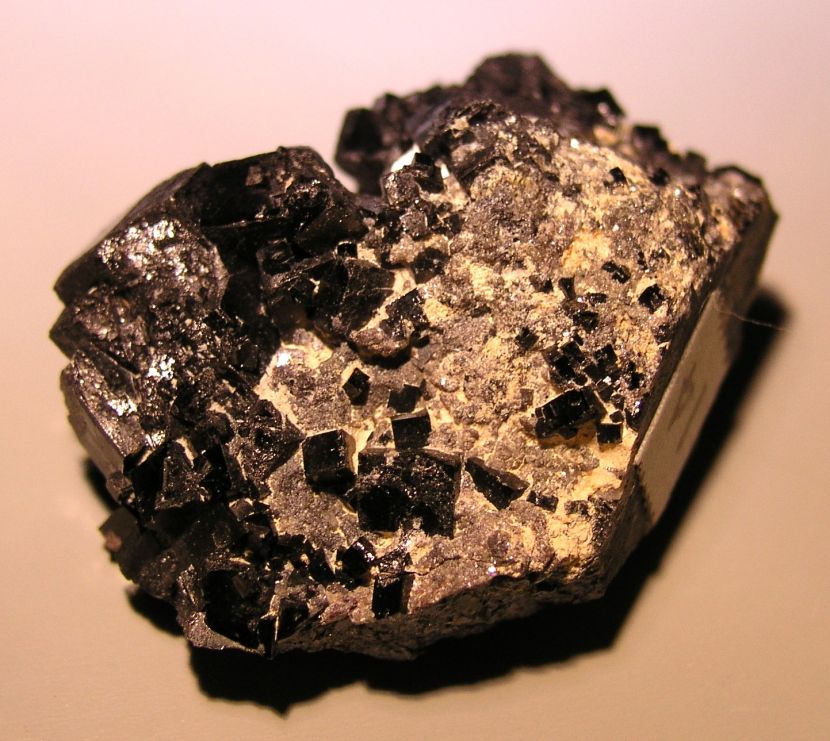
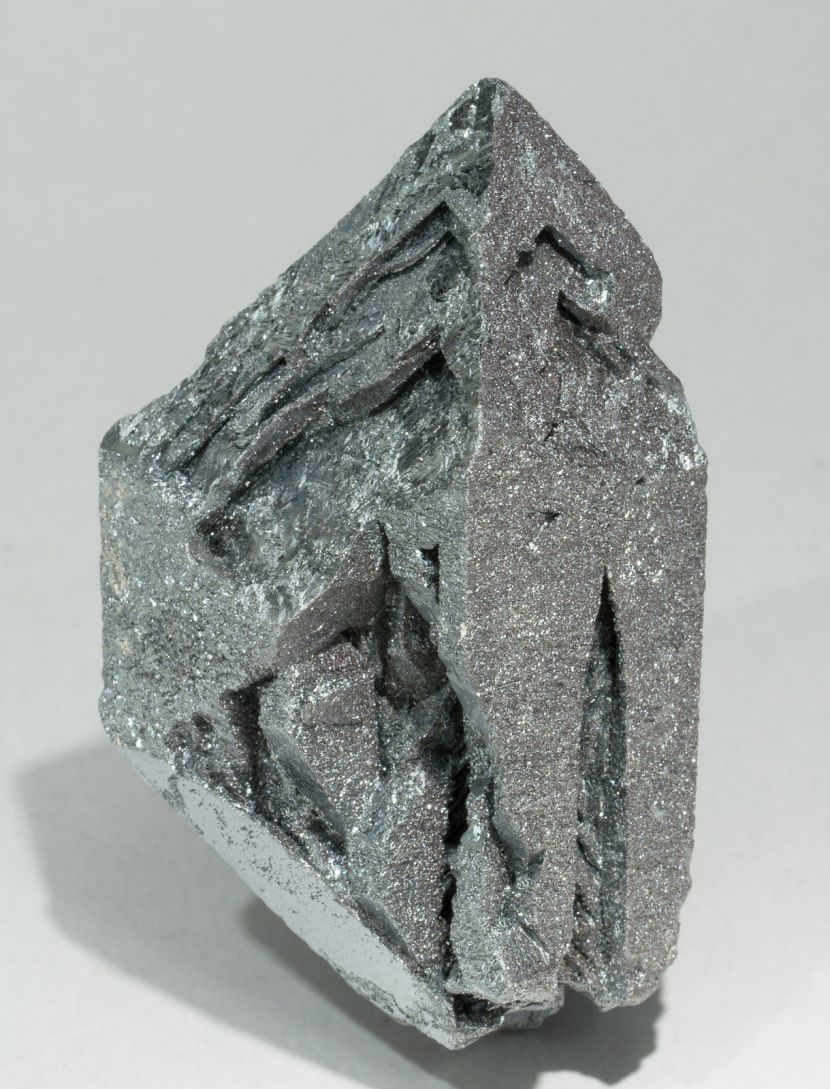
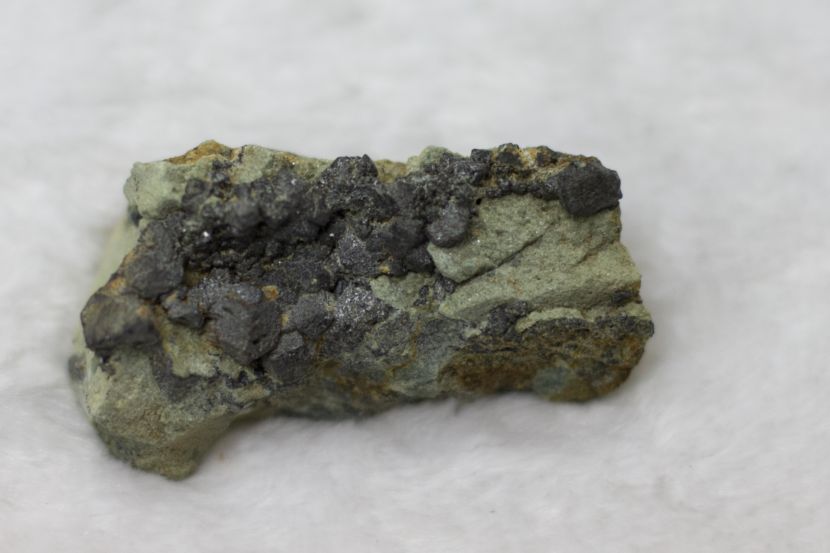
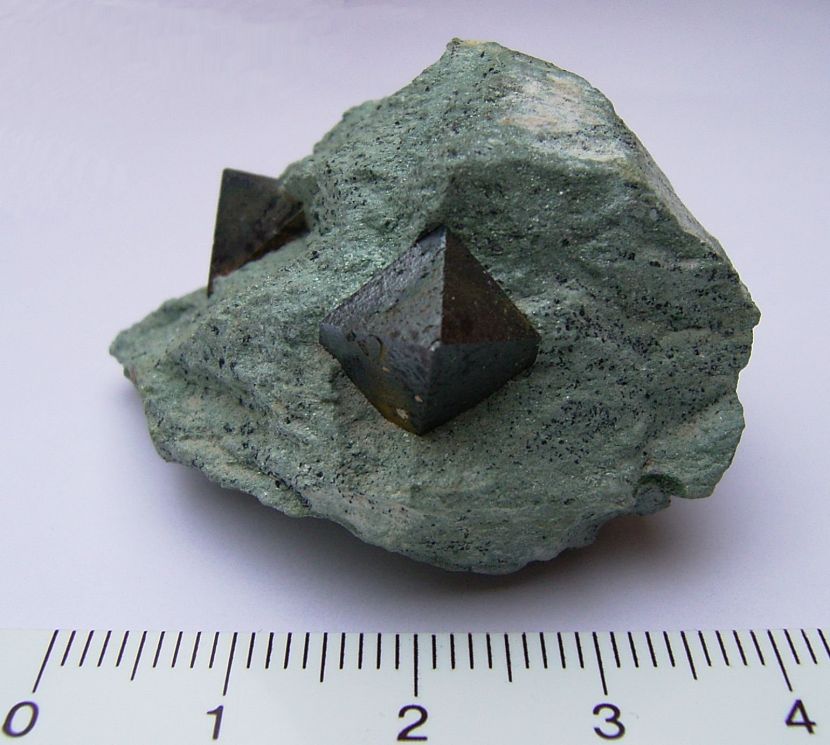
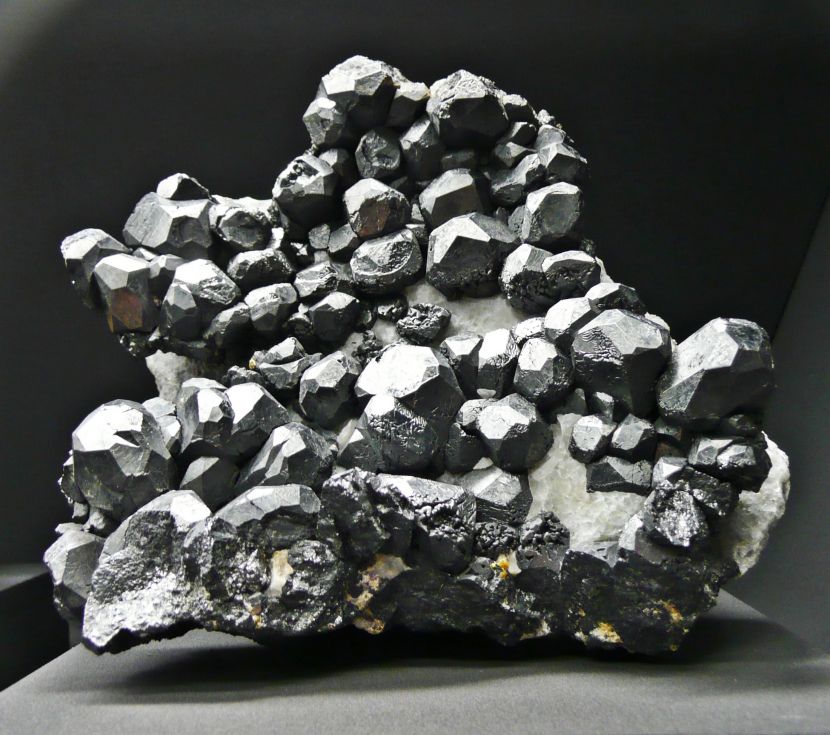
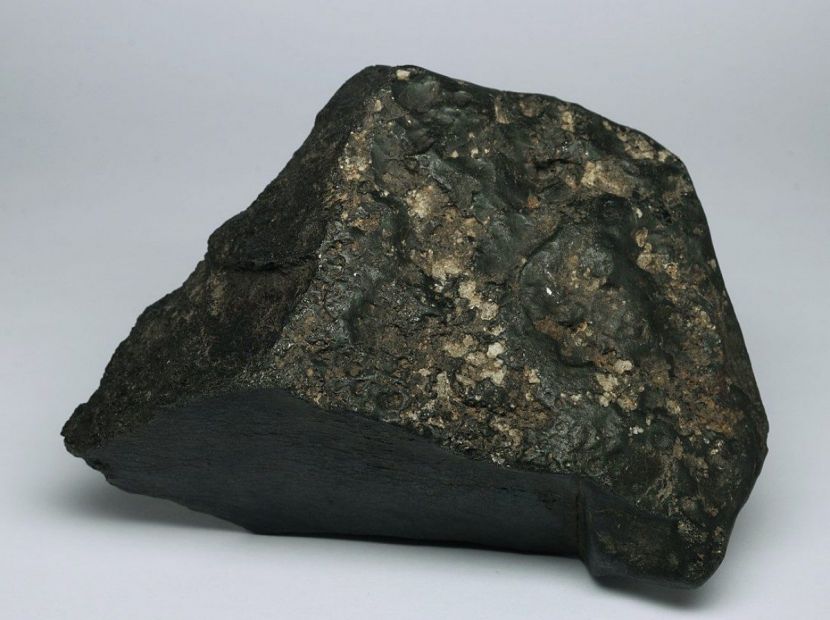
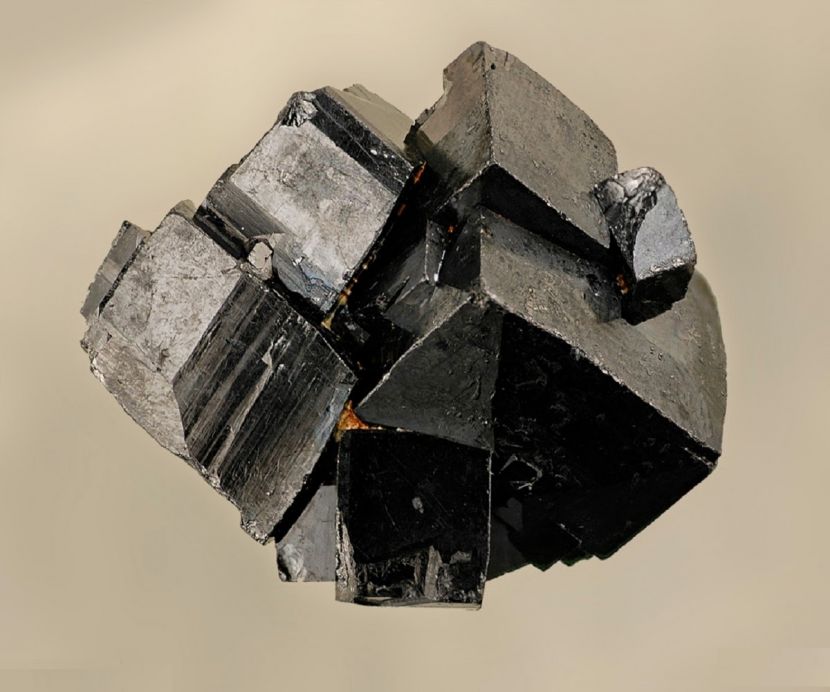
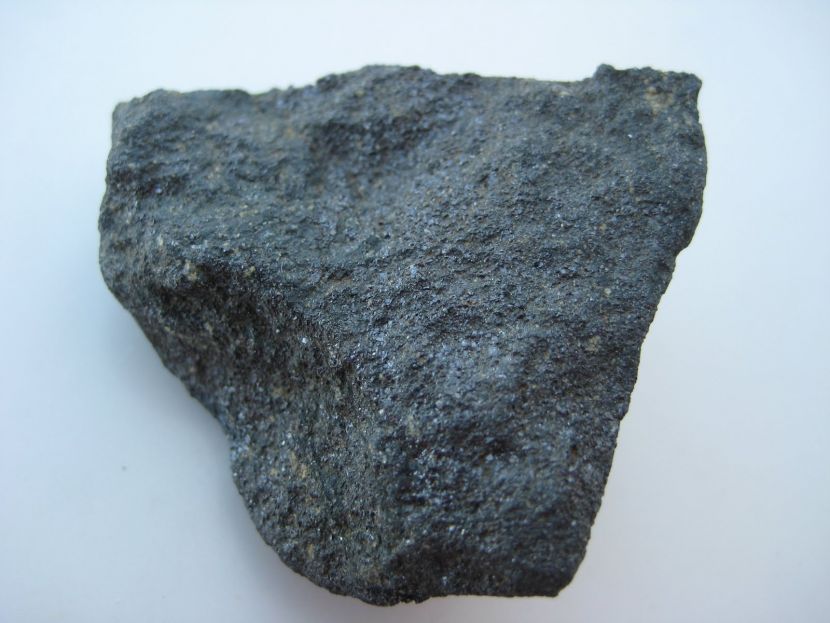
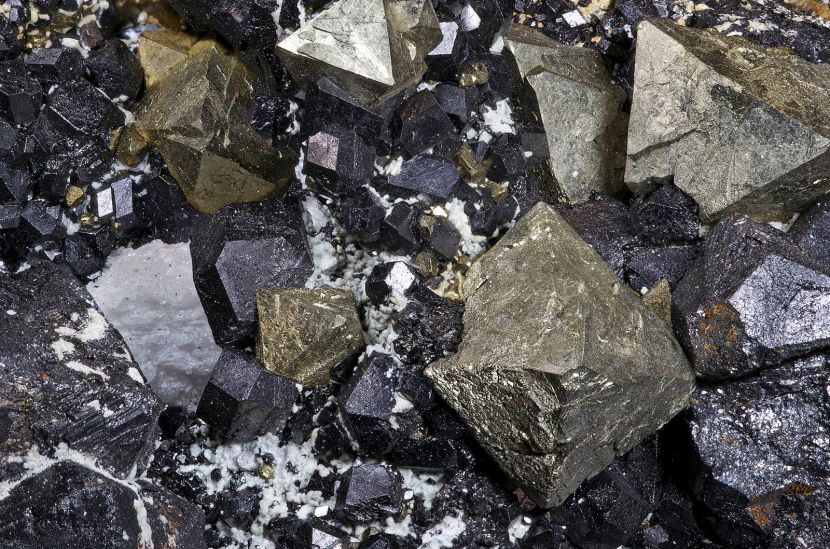
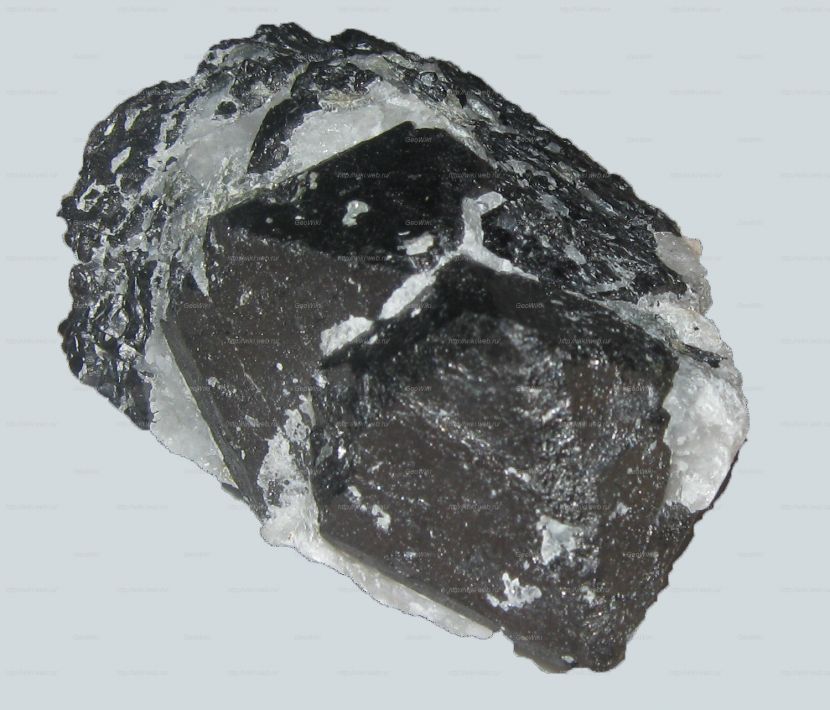
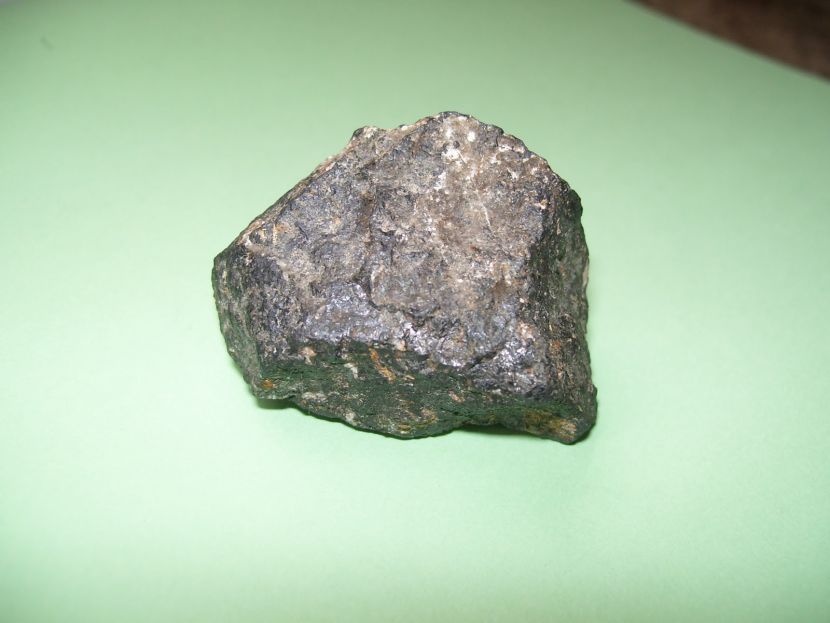
Magnetite - refers to iron oxides, the stone is black or black-gray, may have a brownish tint. Sometimes the photo shows a bluish tinge along the edges of the magnetite. Opaque, with a metallic sheen. Rarely there are instances of a matte or resinous appearance.
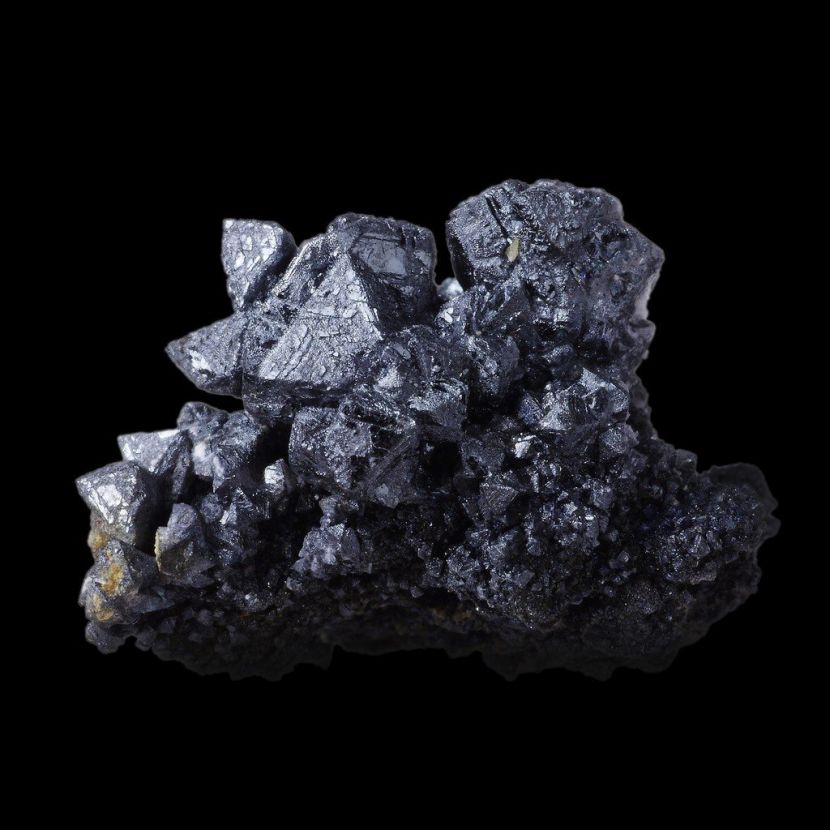
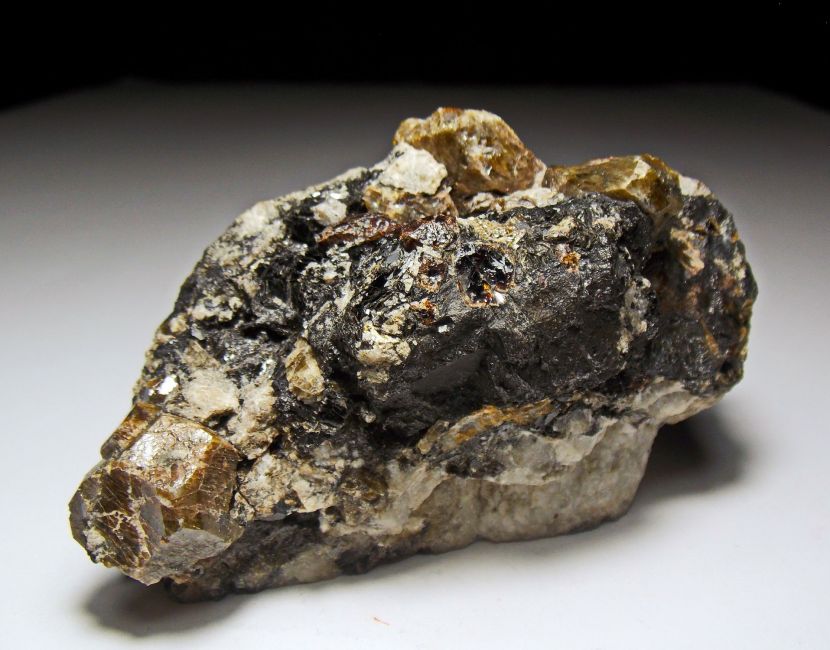
The mineral is found in many geological formations, it is very common. The stone is a component in oxide iron ores (ferruginous quartzites, magnetite skarn, carbonatite). It is found in accumulations of "black sea sands".
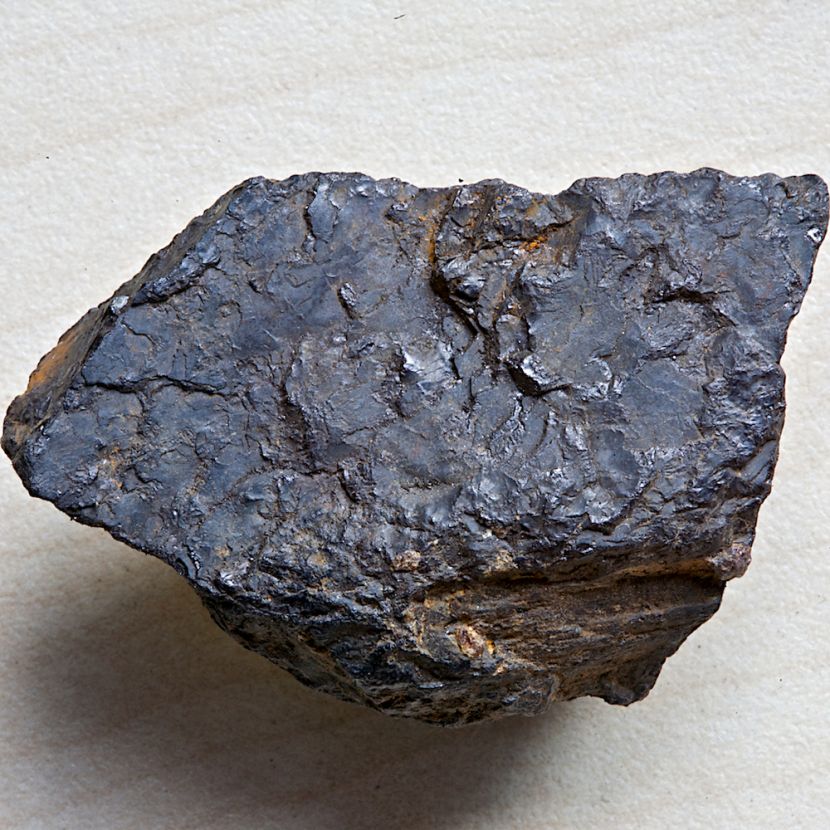
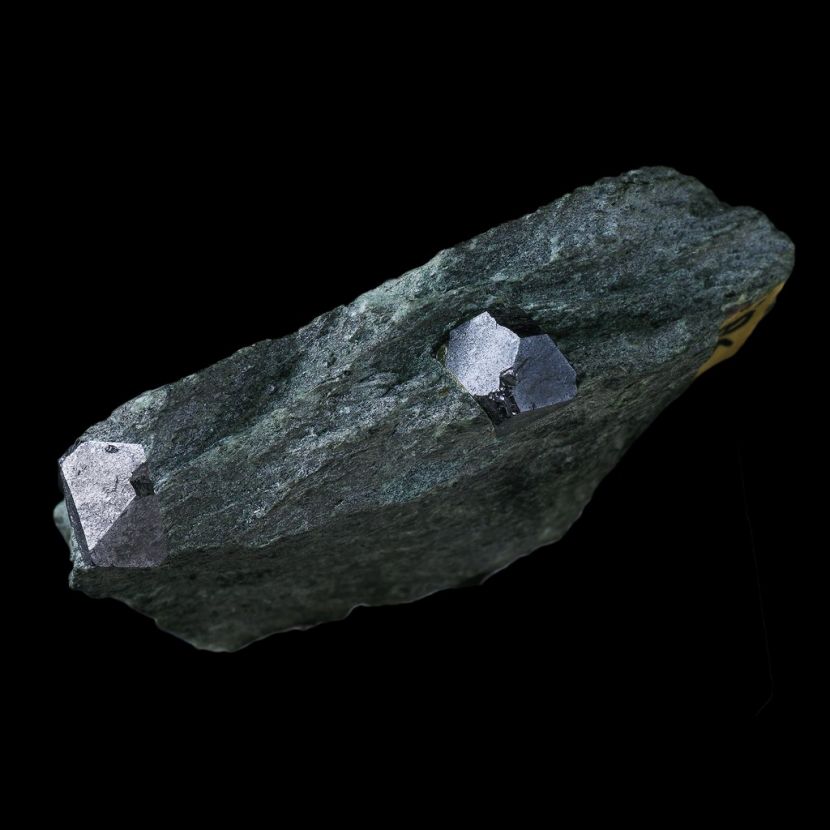
In the mastered developments, magnetite exists in the form of crystals, confluent masses, and granular formations.
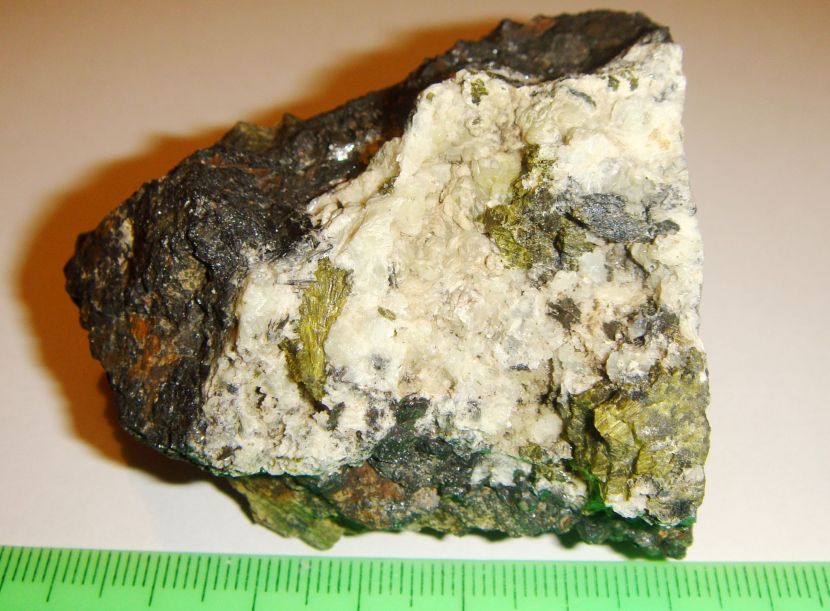
Magnetite is distinguished by the quality of attracting iron-containing alloys. It exhibits polarity with opposite poles. Magnetites react with attraction not only to iron-containing ores and alloys, but also to nickel, cobalt, manganese, platinum, gold, silver and aluminum. Repels stone zinc, lead, sulfur and bismuth.
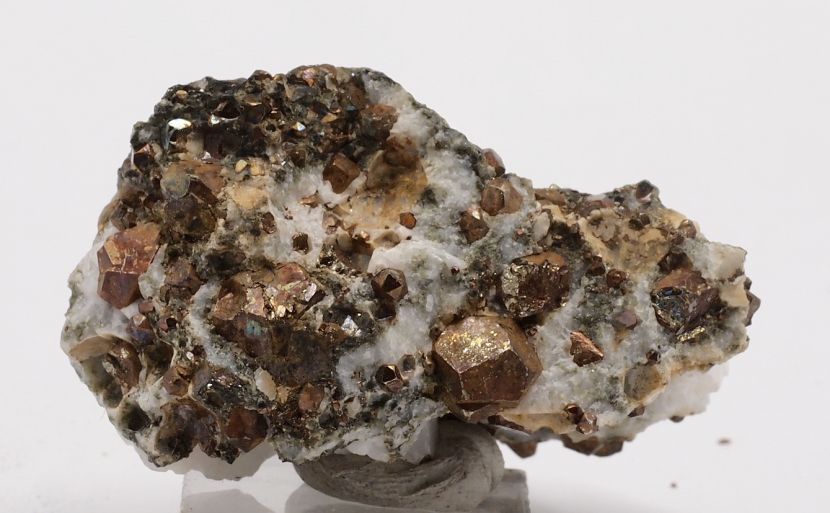
Occasionally found without impurities, it is present with other metals:
- Titanomagnetite - titanium is in sufficient quantity;
- Chrommagnetite - with chromium;
- Vanadium magnetite or coulsonite - contains vanadium in the formula;
- With isomorphic admixture of Mn, Al, Cr, Zn and Ca.
Other varieties of magnentite are also known: magnesioferrites, franklinites, jacobsites, trevorites, ulvospinel.
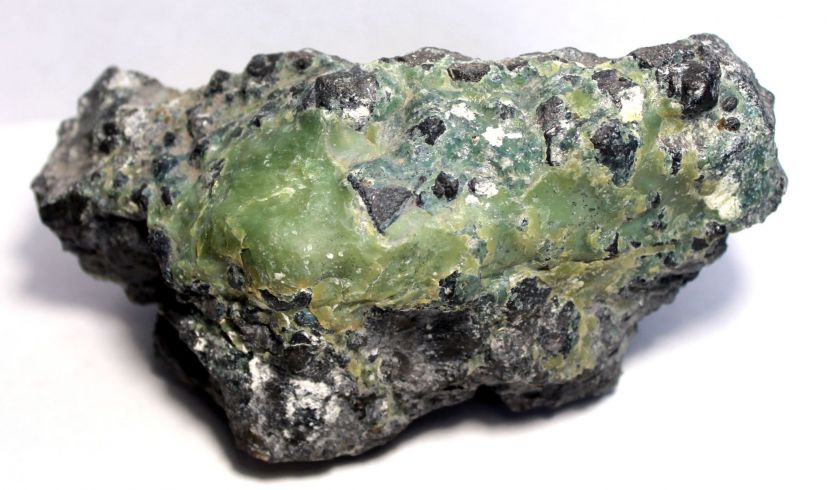
Stone properties
When using the Mohs scale, the hardness coefficient of magnetite is in the range of 5.5-6 points.
When crushed, the stone crumbles into grains. But it does not lose its characteristic properties.
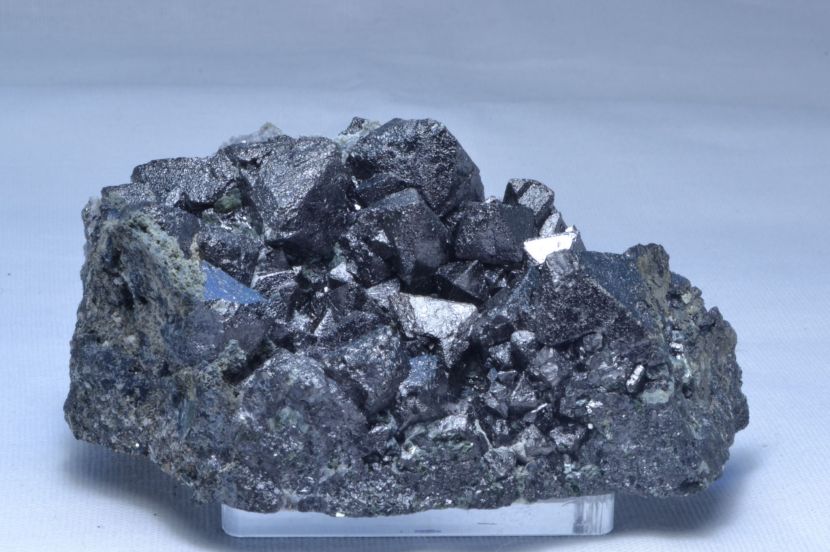
The stone is classified as a semiconductor with a density index of 5.2 g/cm3. Magnetic iron ore melts at 1591°C. Pounded into a powder, magnetite slowly dissolves in water, quickly - in hydrochloric acid with increasing temperature. Under the influence of sulfide compounds, the stone can acquire the properties of hematite or limonite. The stone is moderately brittle, uneven and conchoidal at fracture, showing a cubic structure.
Chemical qualities
Scientists classify it by the class of oxides. It contains iron oxide. There are impurities of other metals, such as manganese, aluminum, zinc, etc.
Chemical magnetite formula: FeOxFe2O3.
When heated to 580 ° C, the magnetic qualities of the stone disappear, and when cooled, they reappear.
Non-traditional practices
The stone is popular in non-traditional spiritual practices and esotericism. Serves as raw material for amulets, things for ritual procedures and meetings.
The stone is considered to be the patron saint of creative personalities.
According to legend, it provides a barrier from the evil eye, from sorcerers and evil spells. It is recommended to wear appropriate accessories in crowded gatherings.
Developments
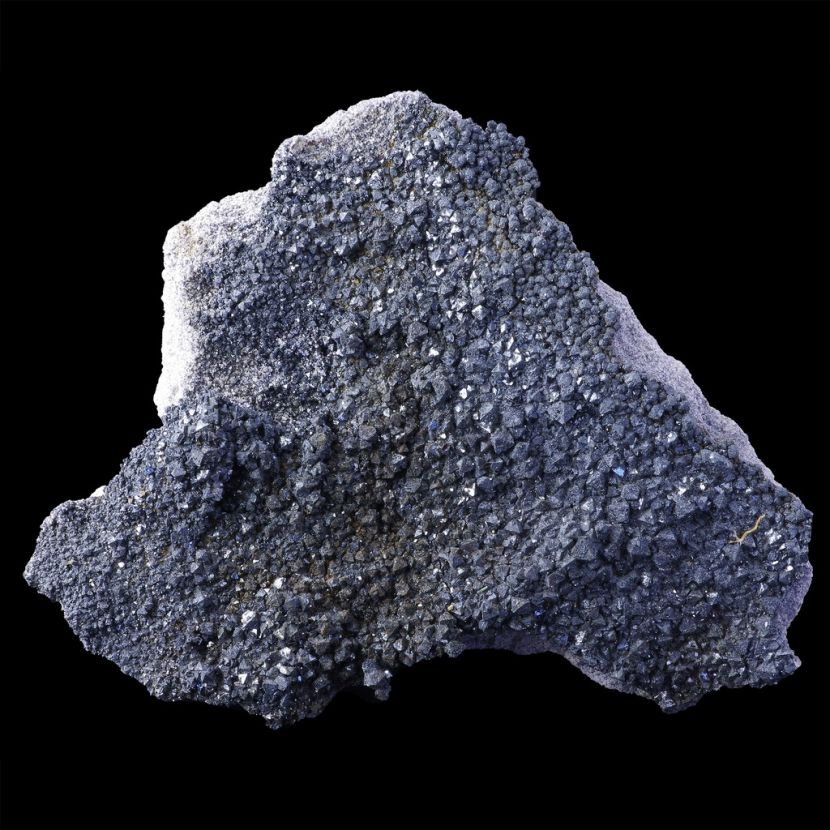
The mineral comes from rocks of the igneous type: granite, diorite, etc. Deposits of large volumes are found in iron ores that attract it. The stone may have the appearance of a homogeneous mass or appear in places in the ore. Grains are rarely found in the sediment of marine silt, arising there as a result of decaying organic residues.
Mining of the mineral is carried out in the Russian Federation (Kusinskoye, Kopanskoye, deposits on the Kola Peninsula, KMA, in Karelia), in Ukrainian Krivoy Rog, in Kazakhstani Kustanai. From far abroad, deposits of Canada, Norway and the USA can be noted.
Usage
In medicine
Medical treatment using magnetic properties was carried out tens of centuries ago. Healed problems of the nervous system, pain in the brain, convulsions and paralysis, depression.
It is currently used in anti-cellulite programs, for massage, and is prescribed as an additional procedure for a number of diseases.
The stone is used for wound healing and for antibacterial purposes. It helps with diseases of the eyes, lungs, problems with veins, with polio, convulsive syndromes, radiculitis pains.
The mineral exhibits anti-aging properties. This property was studied in the laboratory and found its confirmation.
Scientists have developed methods for diagnosing malignant tumors using nanoparticles of magnetite with gold.
Despite the apparent simplicity, it is not recommended to use the mineral on its own for medicinal purposes. A preliminary consultation with a doctor is necessary.
In production
Magnetite in the form of ore is used in industry for:
- iron smelting;
- smelting of alloyed steels;
- manufacturing of electrodes;
- extraction of phosphorus and vanadium.
Magnetite ores contain up to 60% iron; they are the most valuable raw materials for producing iron and steel. The ore contains harmful impurities of phosphorus. Their percentage should not exceed 0.05%, and in high-quality alloys - 0.03%. Phosphorus remains in the slag during smelting and is used as a mineral fertilizer in agriculture (tomasslag).
The impurity is sulfur, the maximum presence of which is 1.5%.
Vanadium extracted from ore is used not only in the smelting of high-quality steels, but also in the chemical industry. Dyes are made from it.
Gold is recovered from the concentrated magnetite remaining after the washing process.
Sports equipment is filled with magnetite to make it heavier.
The mineral is not classified as precious or semi-precious stones due to its availability and low cost. It is rarely used to make jewelry in the jewelry industry. Magnetite jewelry (rosaries, talismans, bracelets) are worn as alternative medicine or magic items to protect against evil.
In the perfume industry, magnetite is used to obtain the aroma of iron. Lipid peroxide mixed with iron ions forms volatile mixtures with the smell of iron.
Magnetite probes in medicine help extract pieces of metal from the wounds and stomachs of patients.
Thus, magnetite is a valuable mineral both for the industrial development of individual states and for the average layman.
Photo of Magnetite stone