Very beautiful stone Sapphirine - deposits, history from ancient times, photos and properties
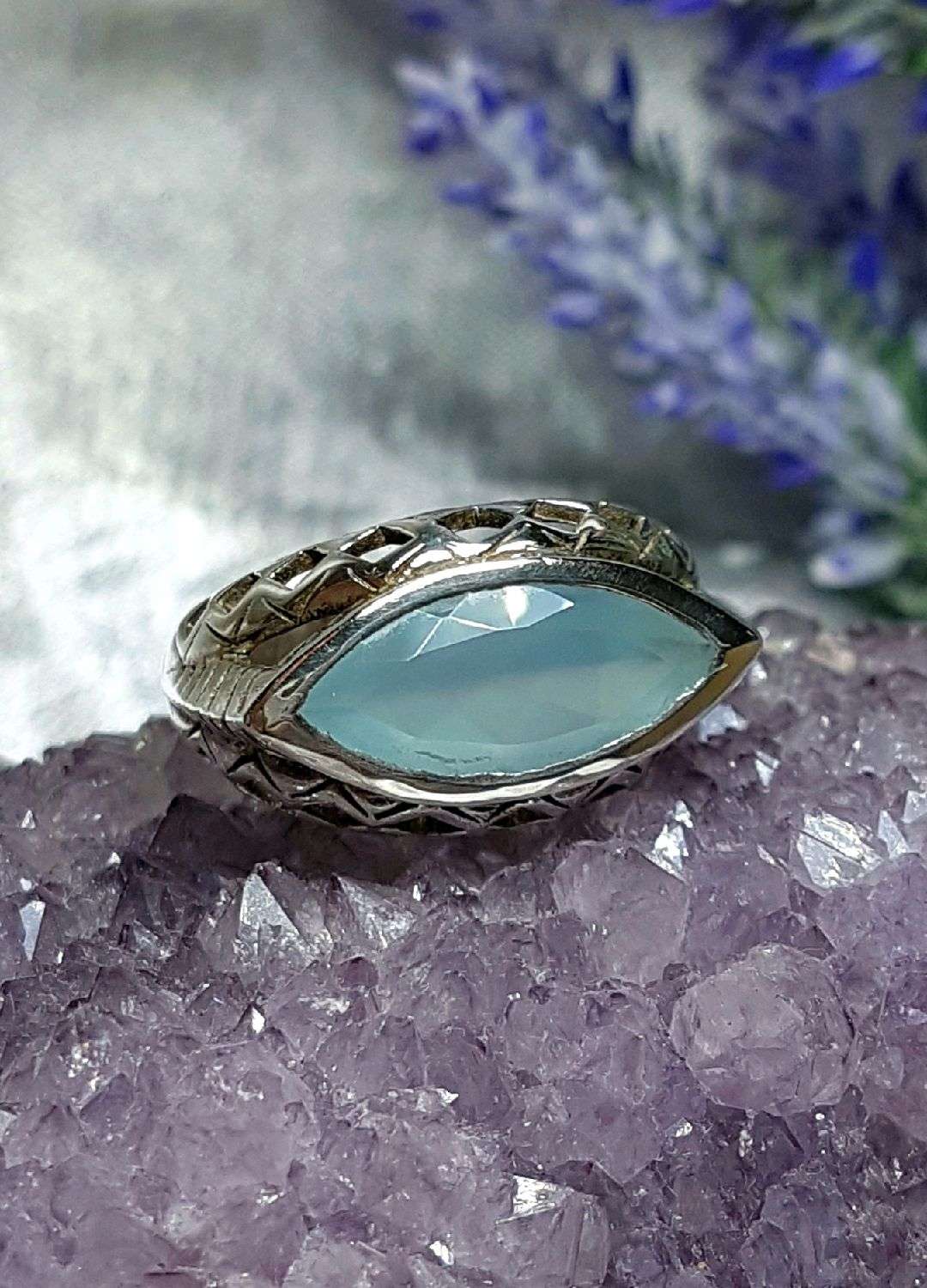
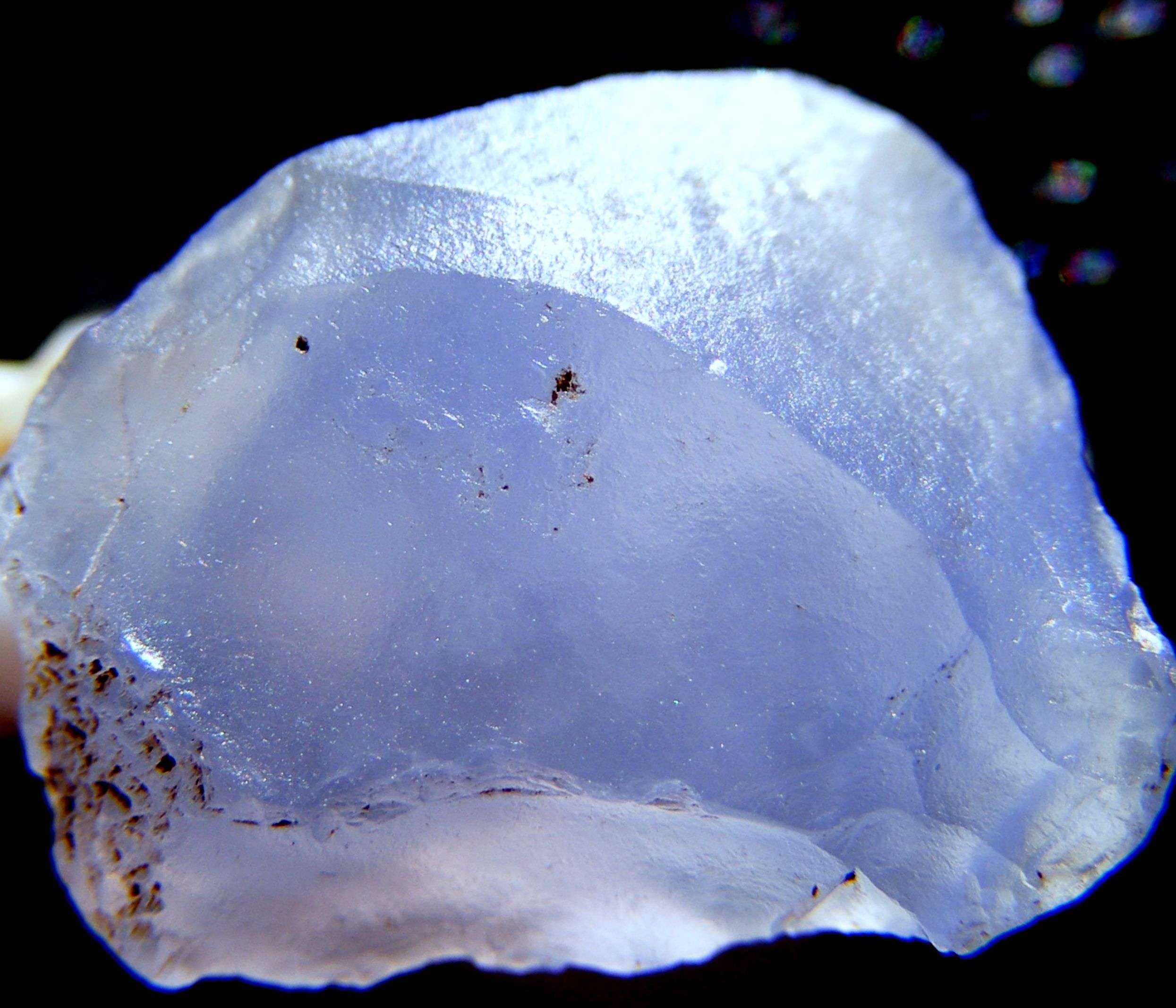
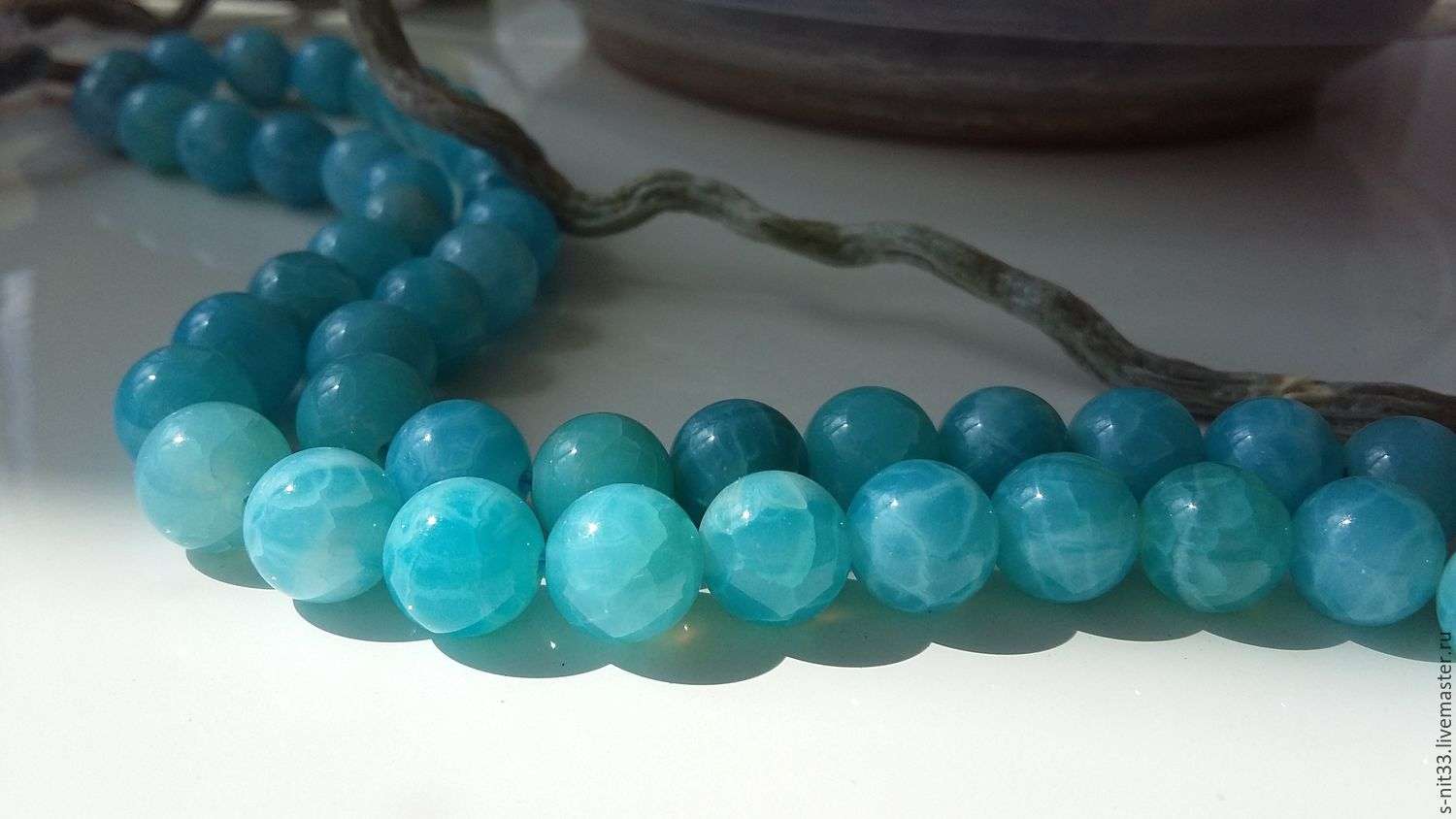
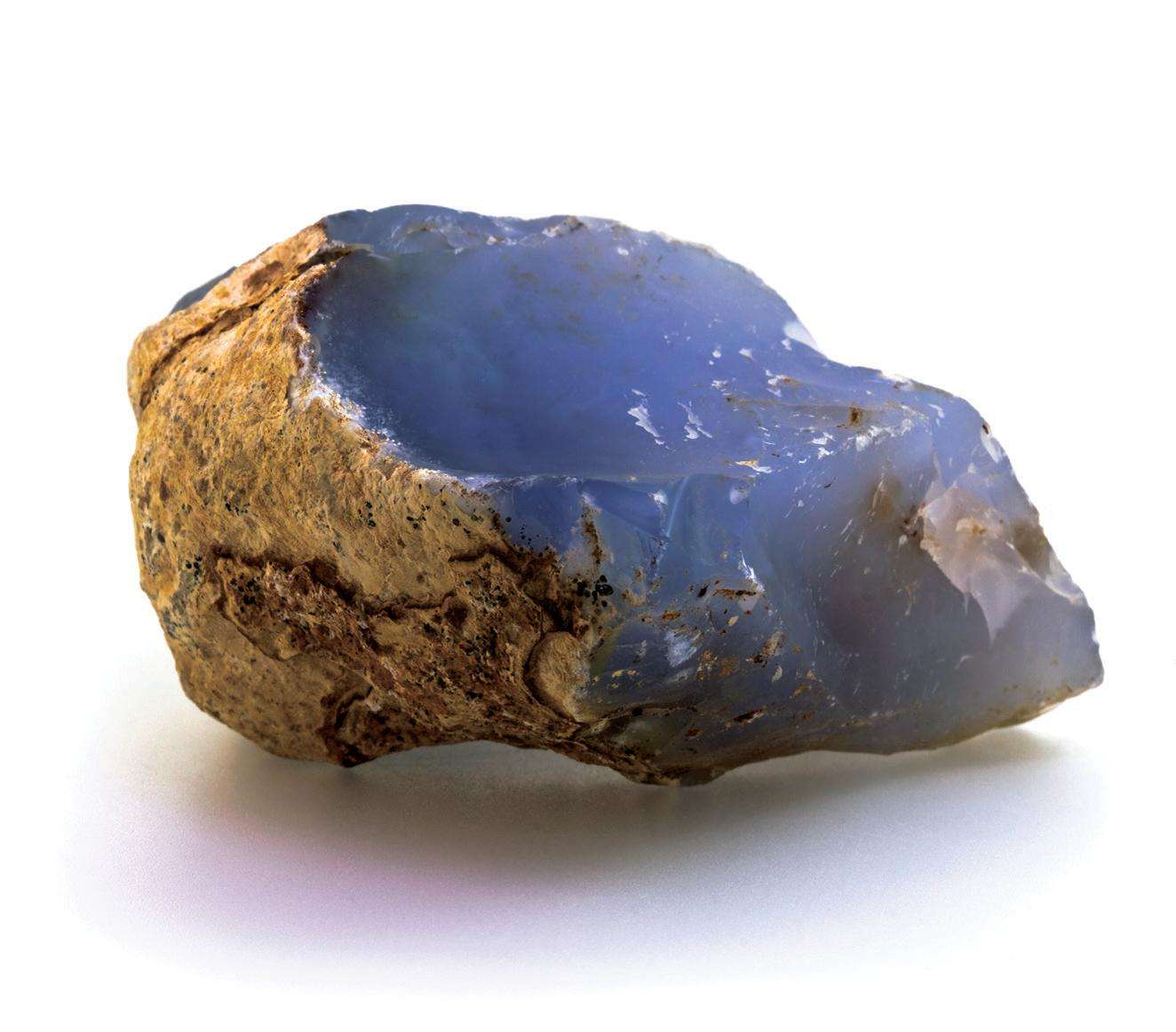
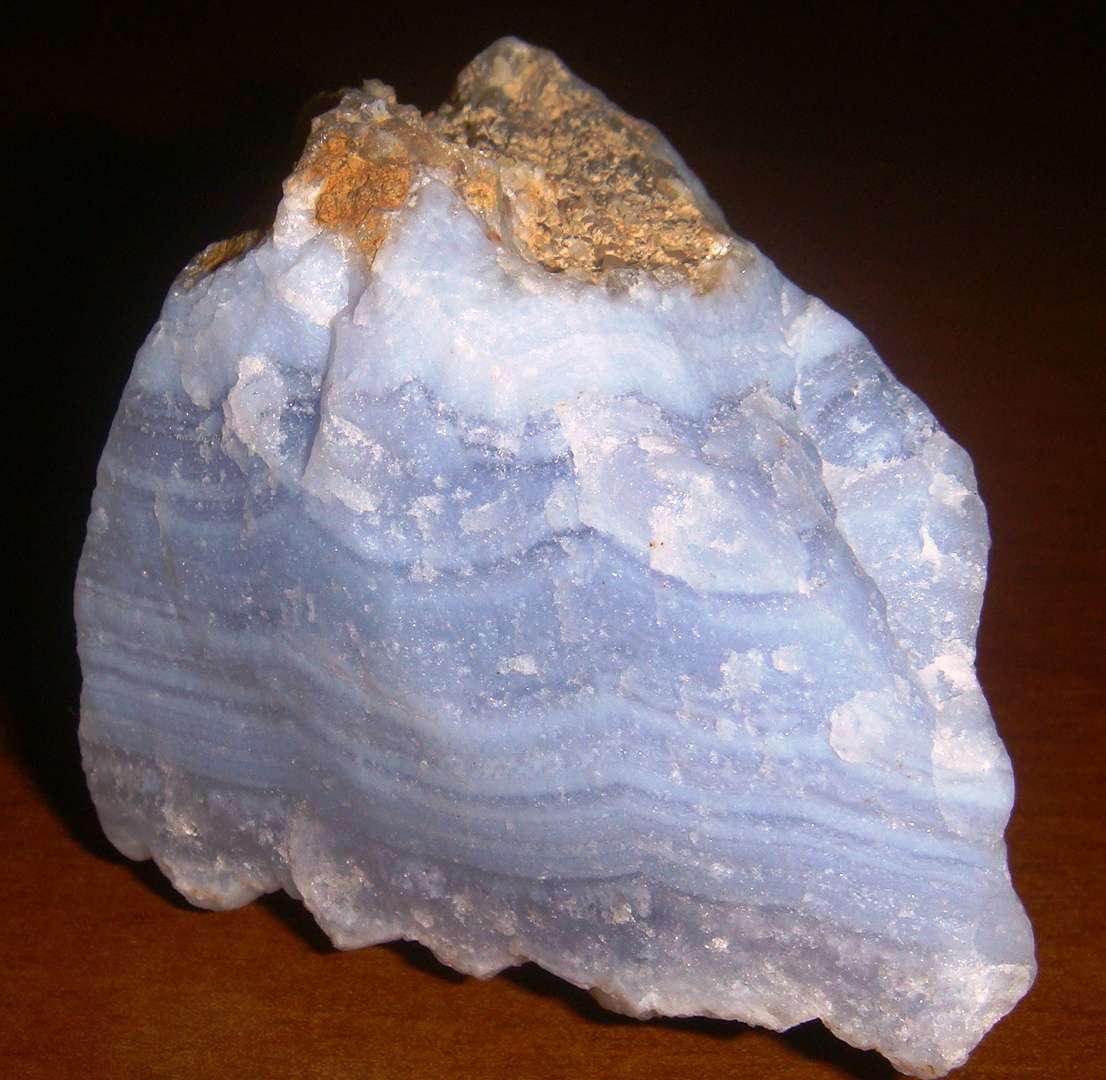
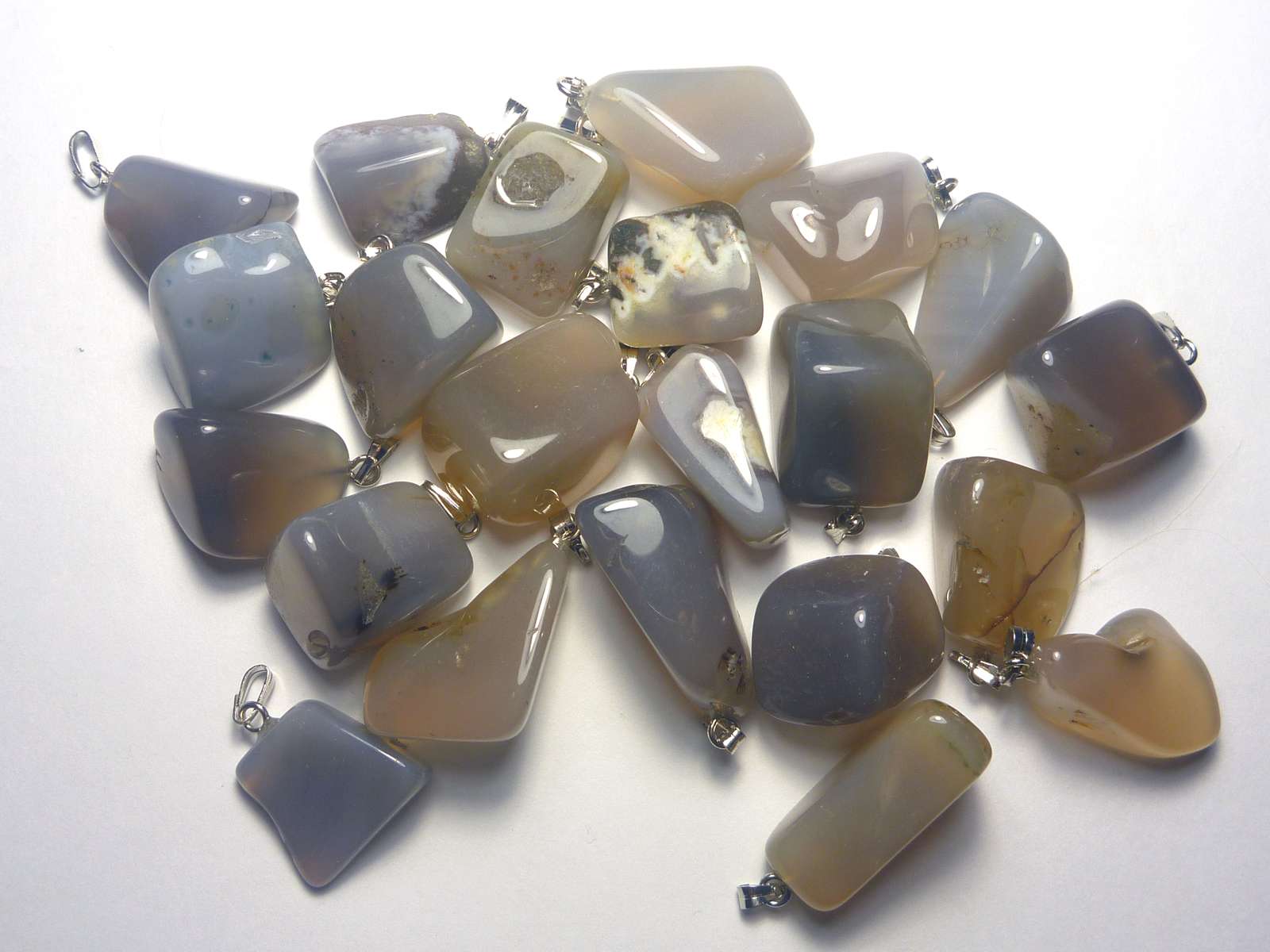
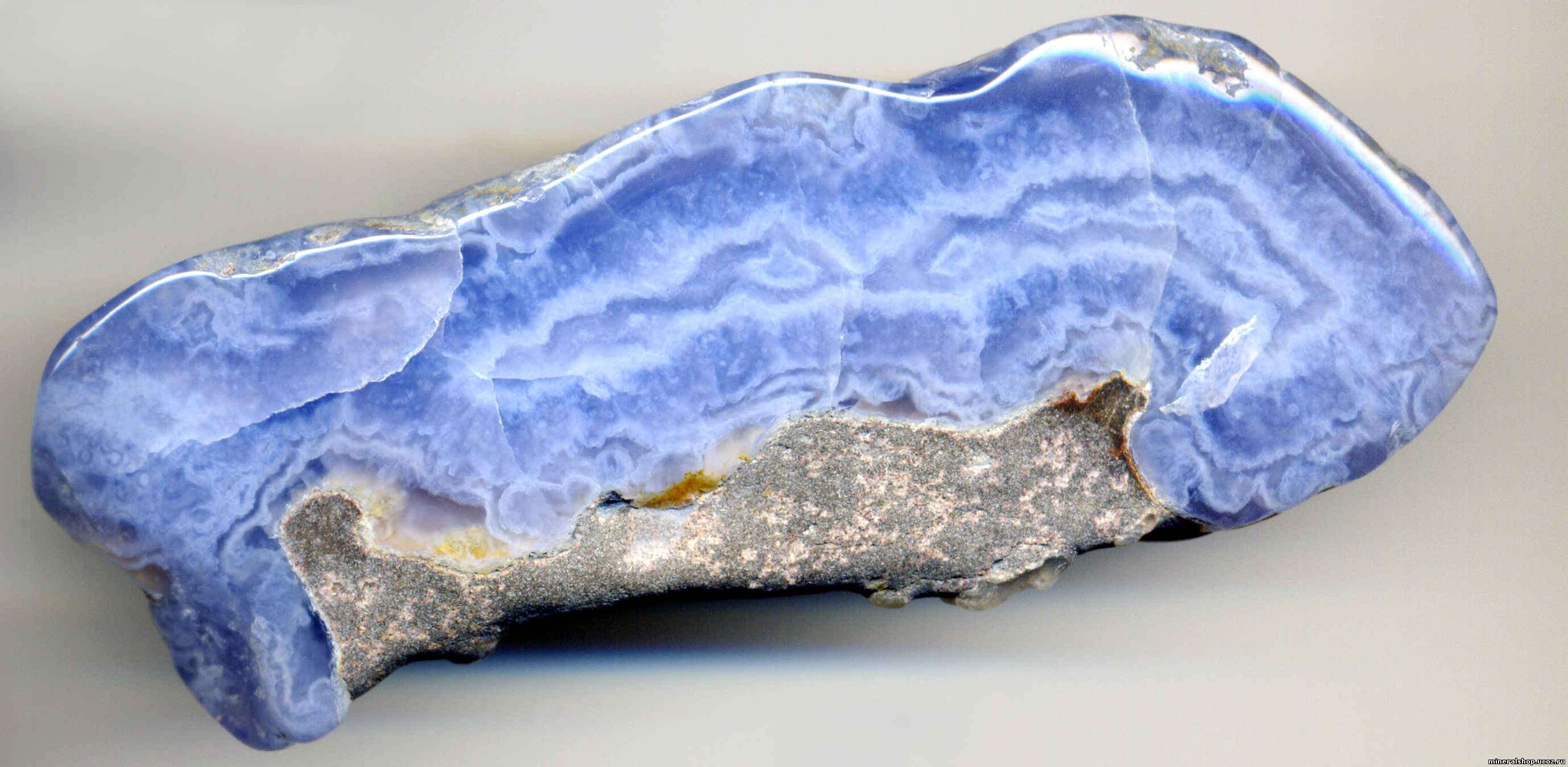
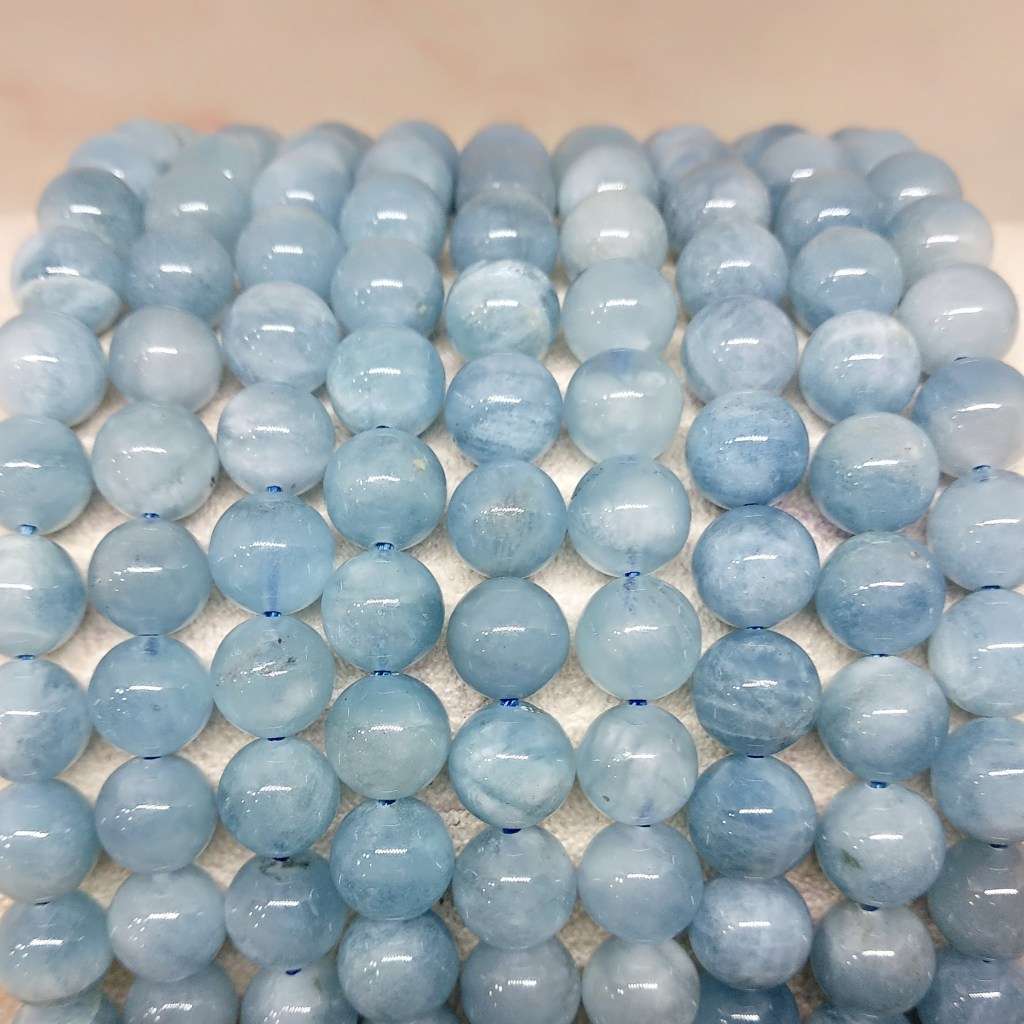
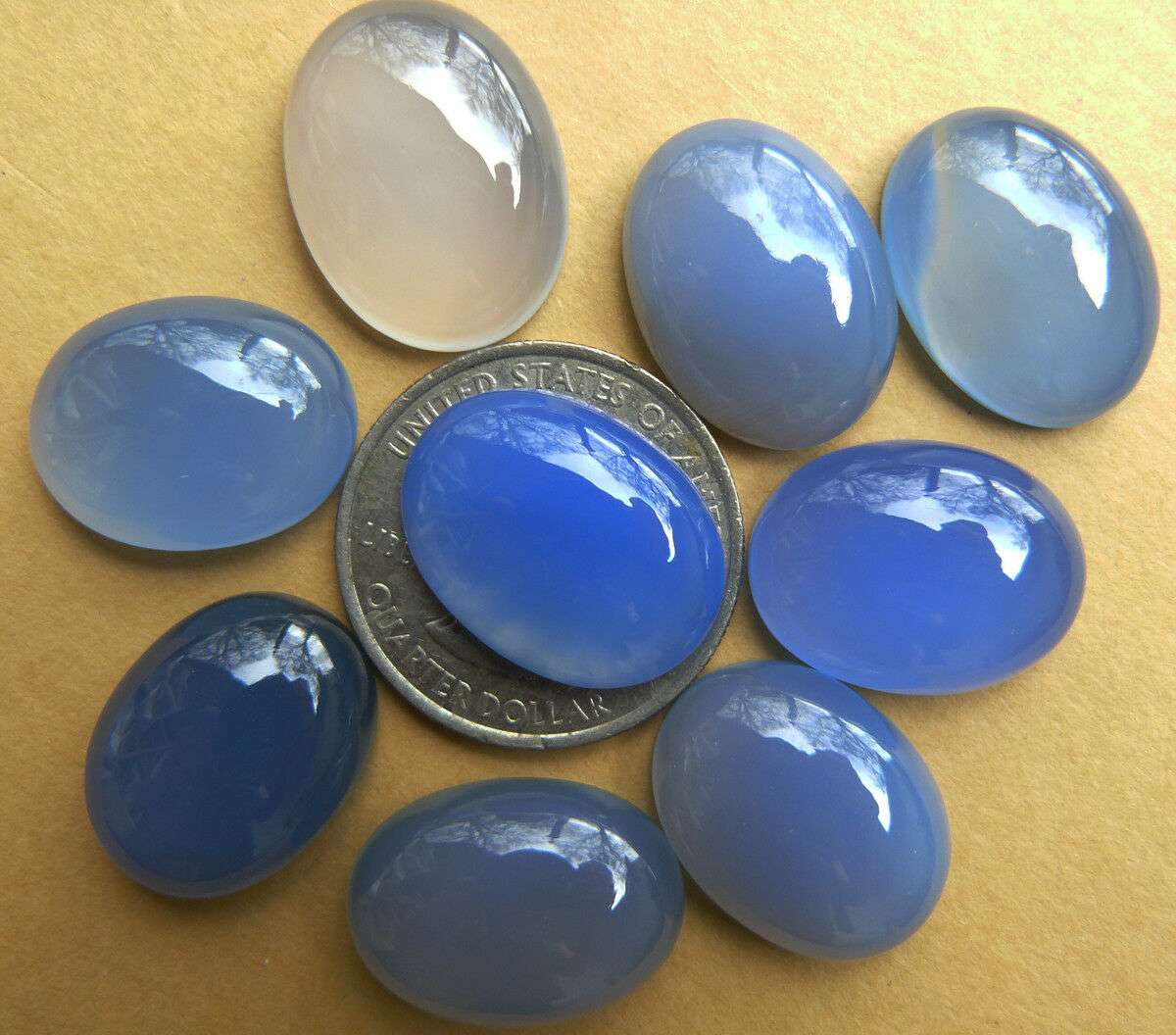
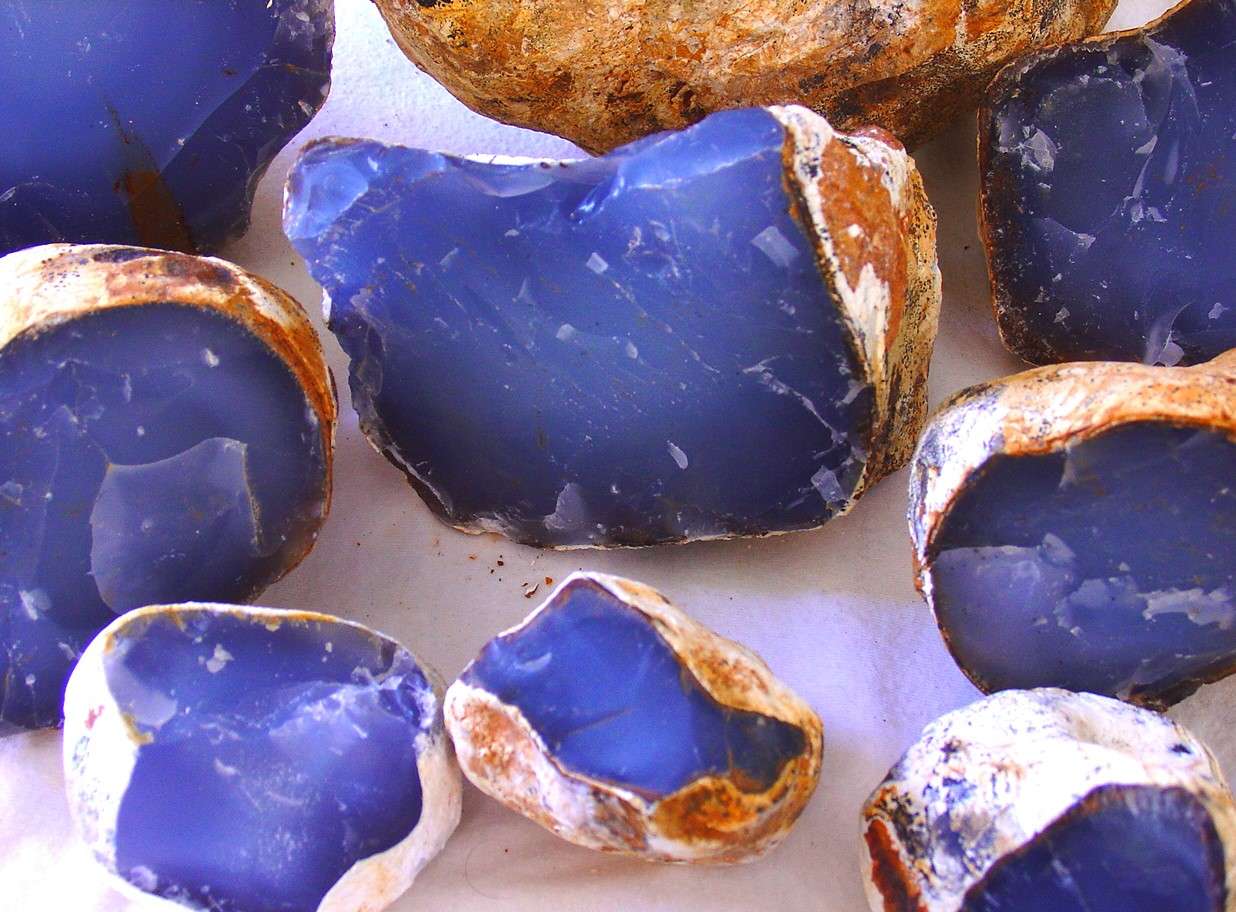
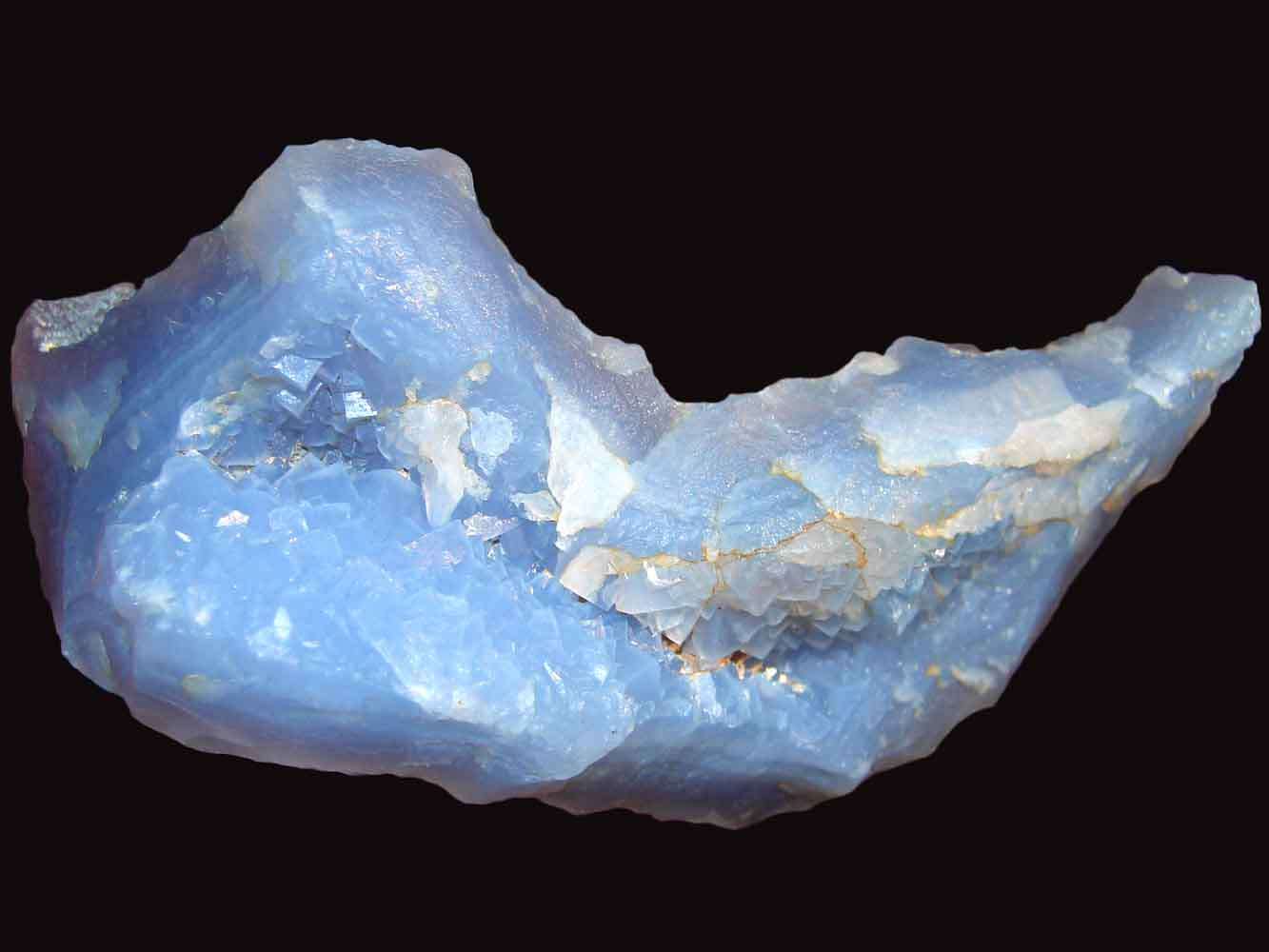
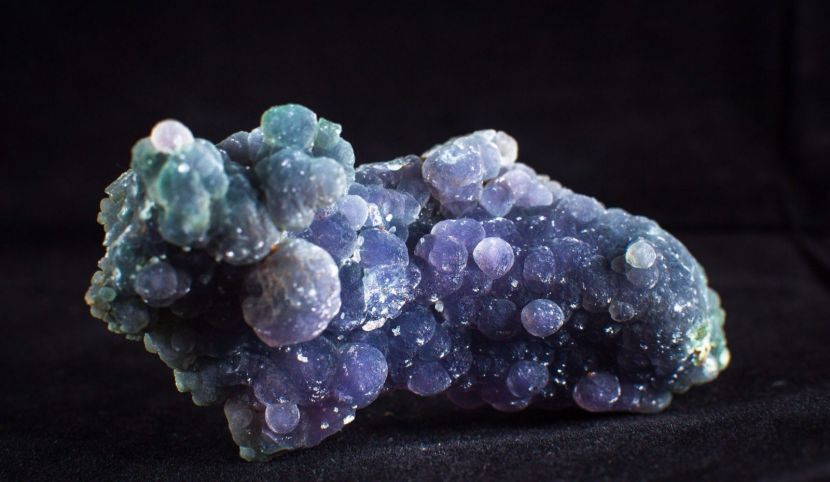
Sapphirine is a milky blue mineral, the patron saint of sailors and a symbol of love. Refers to a variety of chalcedony, translucent quartz. When using the term "sapphirine", jewelers and geologists refer to ornamental bluish specimens of chalcedony, which are widely used in trade. This gem is not an independent mineral type.
Story
Blue sapphirine has been known to the world since ancient times. In the biblical description of the walls of the Heavenly City, this beautiful gem is mentioned.
In ancient manuscripts, blue chalcedony is described as the patron saint of sailors. Every sailor had a charm with this gem.
The mineral has always been revered as a stone for lovers, it attracts men to women's hearts. The Mongols found sapphires in the Gobi desert and called them "stones of joy." Among them was a belief that blue pebbles can drive away a dreary mood and cause joy.
In India and China, sapphires were valued as attributes for magical rites. In one of the ancient Chinese chronicles it is said that the mineral is colored in the color of immaculate consciousness.
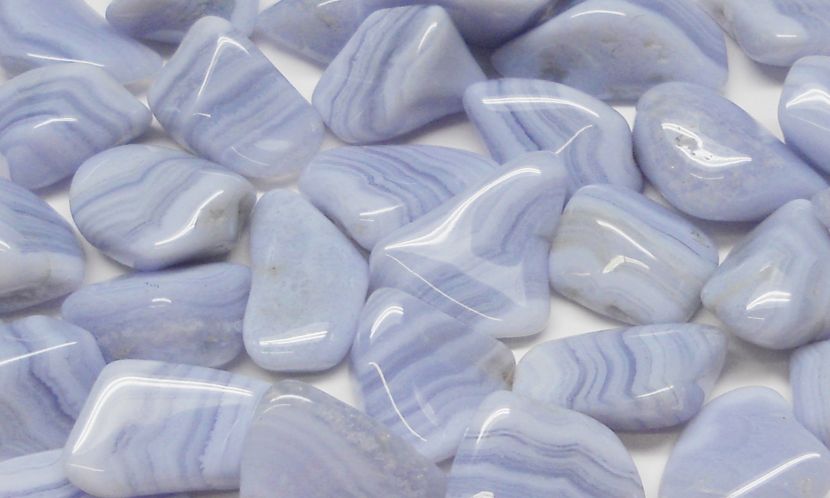
Synonyms of the mineral are blue moonstone, Californian moonstone, St. Stephen's stone, Mecca stone.
Field
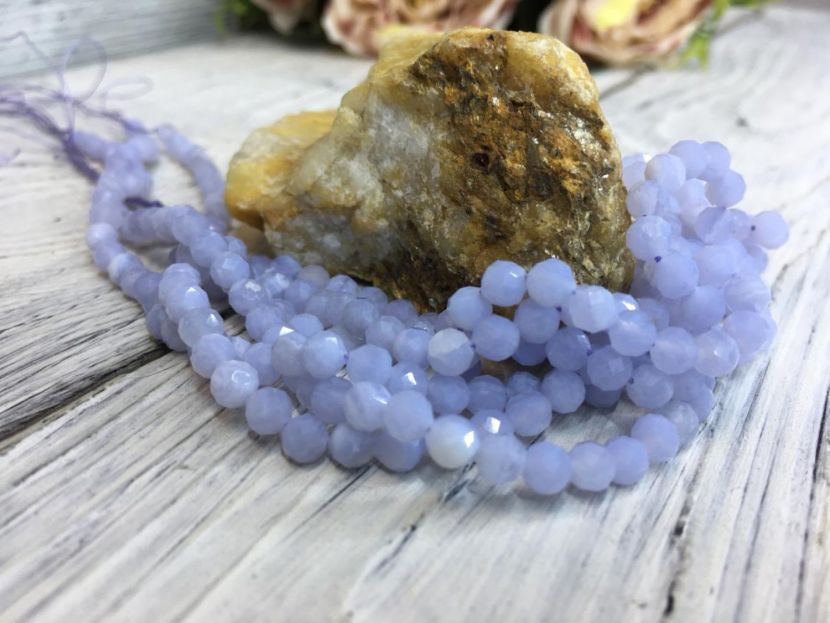
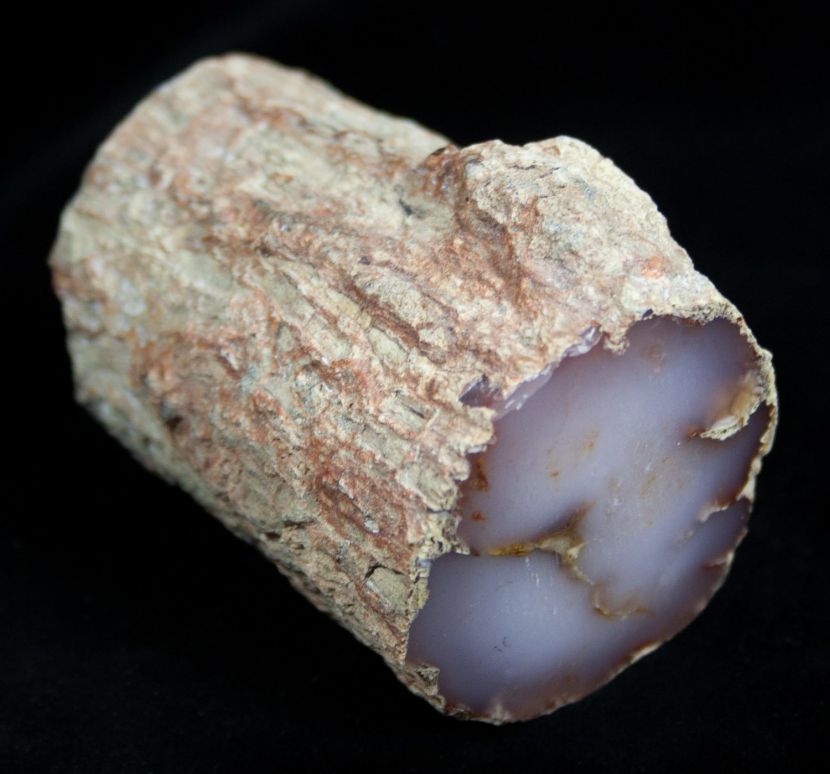
Sapphirine is considered a rare semi-precious gem. Not many mines of this mineral have been developed. The most accessible places where it can be found are alluvial deposits. In Russia, it occurs in the form of grains in placers of loose material along the banks of the rivers (Lena, Yenisei), in the pebbles of the Black Sea coast, it is also mined in eastern Siberia, in the Urals, on the Crimean Peninsula on Mount Kara-Dag. Classical deposits include deposits in China, Madagascar, South Dakota in the USA, the Gobi Desert in Mongolia.
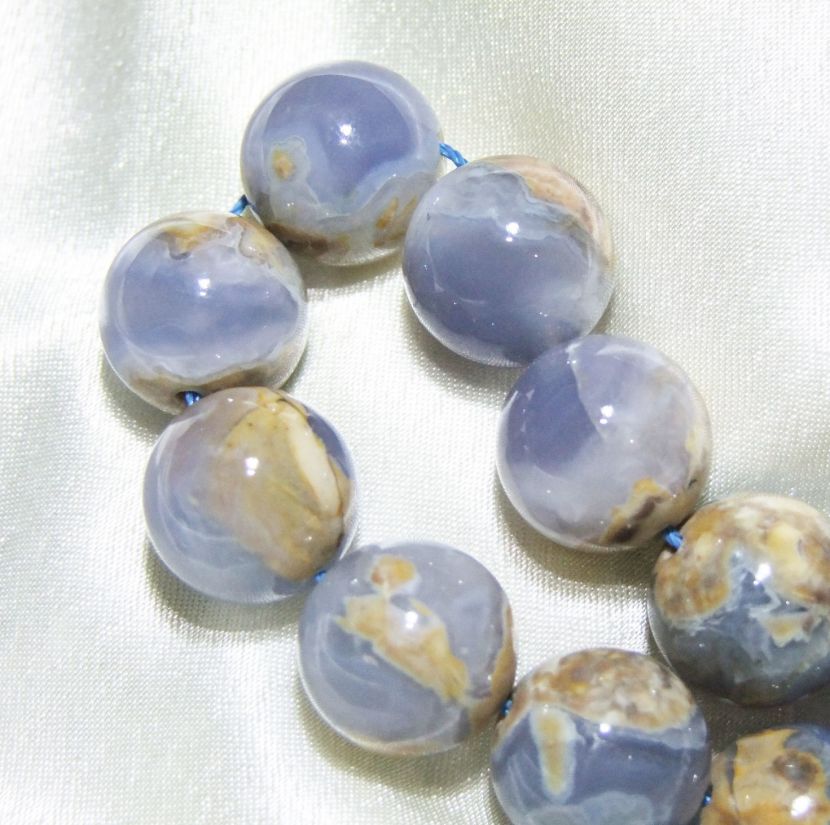
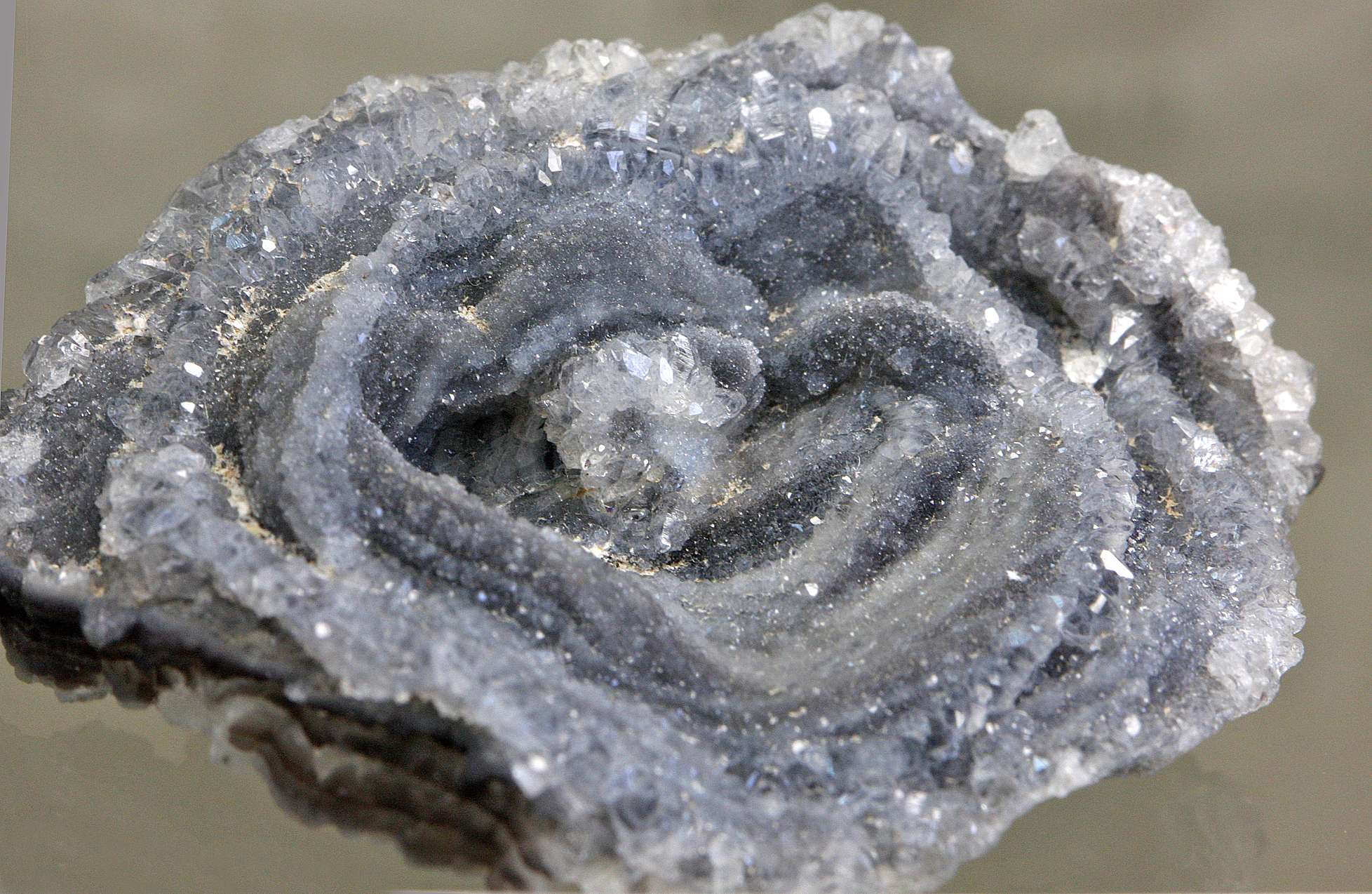
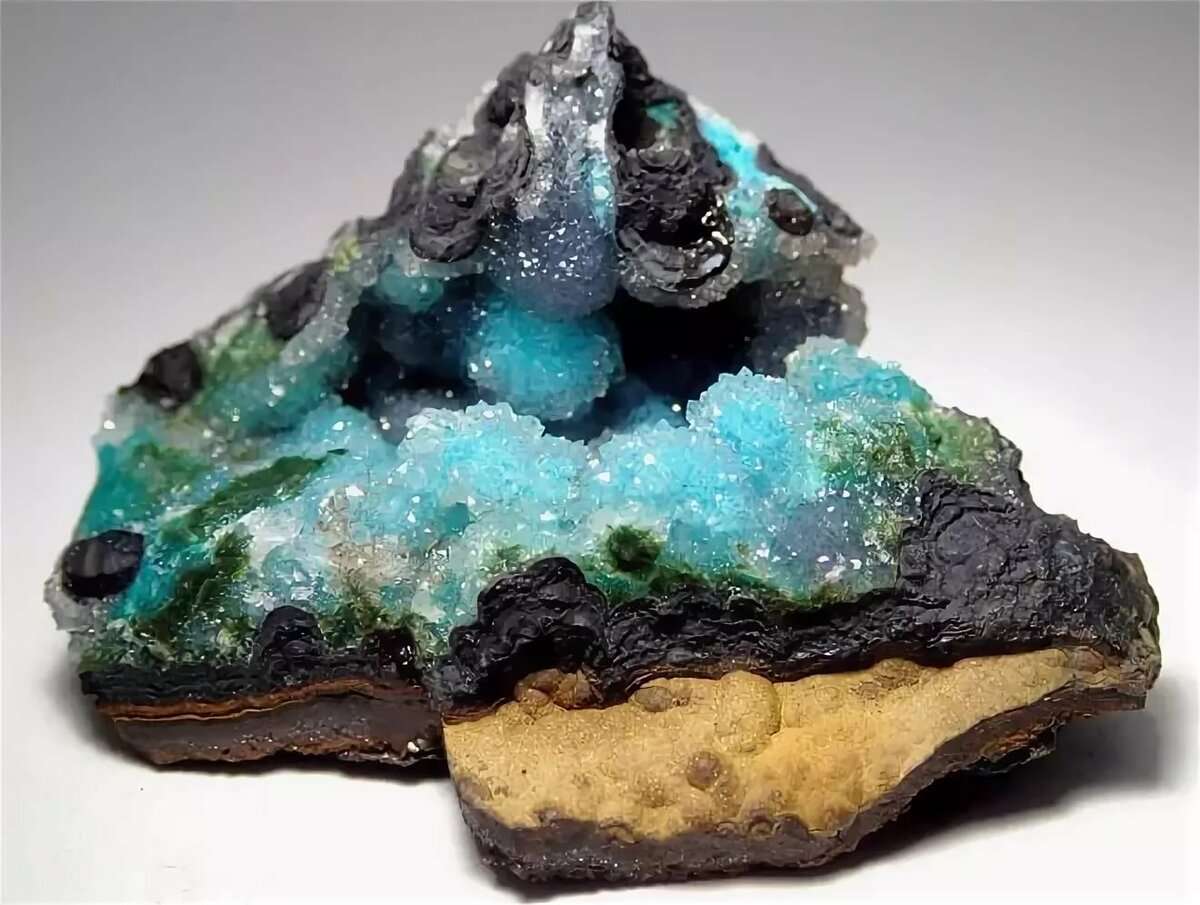
Sapphirine is formed under hydrothermal conditions after volcanic eruptions as a result of the processes occurring during this. Mineral deposits "adjacent" to basalt, andesite, rhyolite and other igneous rocks.
Physical Properties
Speaking about the physical properties of sapphirine, it is worth listing the characteristics of chalcedony, of which it is a variety. Do not forget that sapphirine does not belong to an independent mineral type.
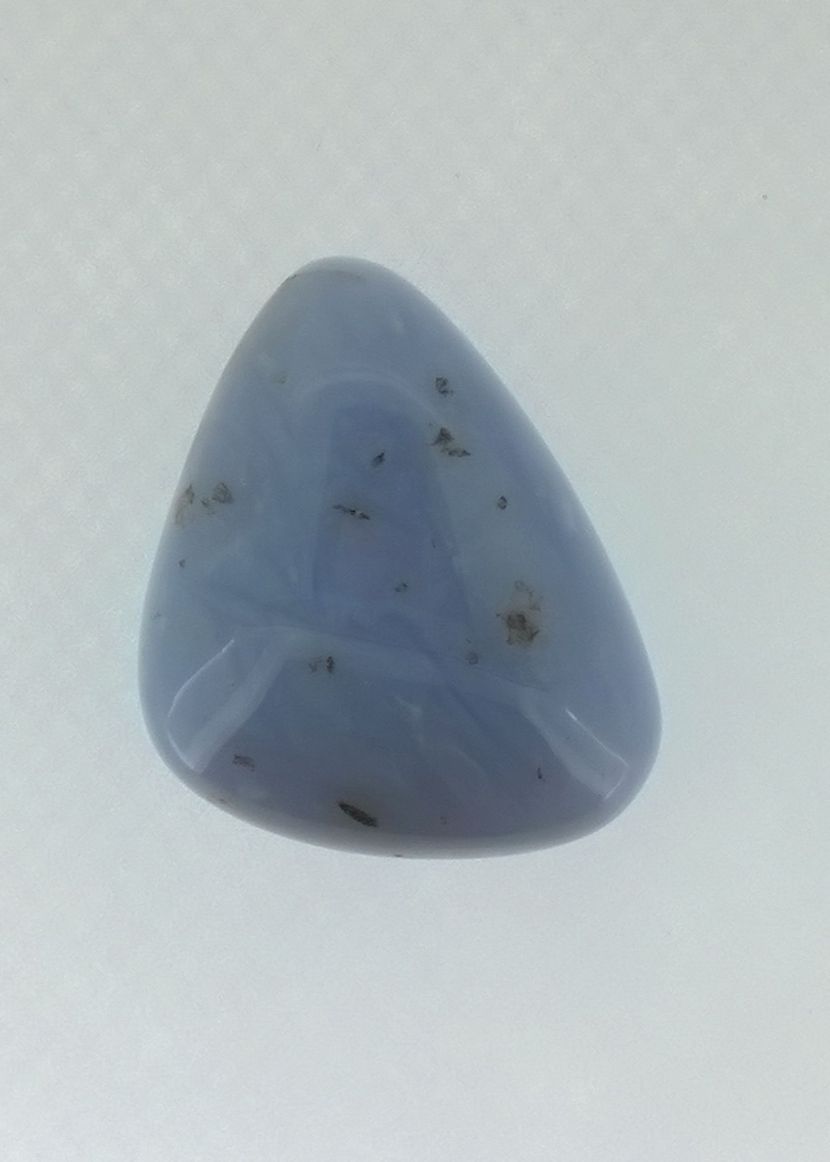
The main physical properties of the mineral are:
- Hardness according to the mineralogical table (Mohs scale) - 7;
- Color milky blue, light blue;
- The dash color is white;
- Gloss matte, glassy;
- Translucent, translucent;
- Cleavage is imperfect, sometimes completely absent;
- The syngony is monoclinic;
- The fracture is uneven;
- Density 2.6;
- The structure is heterogeneous, does not melt at high temperatures;
- Does not dissolve in acid;
- Impurities in microscopic proportions of sodium, magnesium, iron, manganese, neckel.
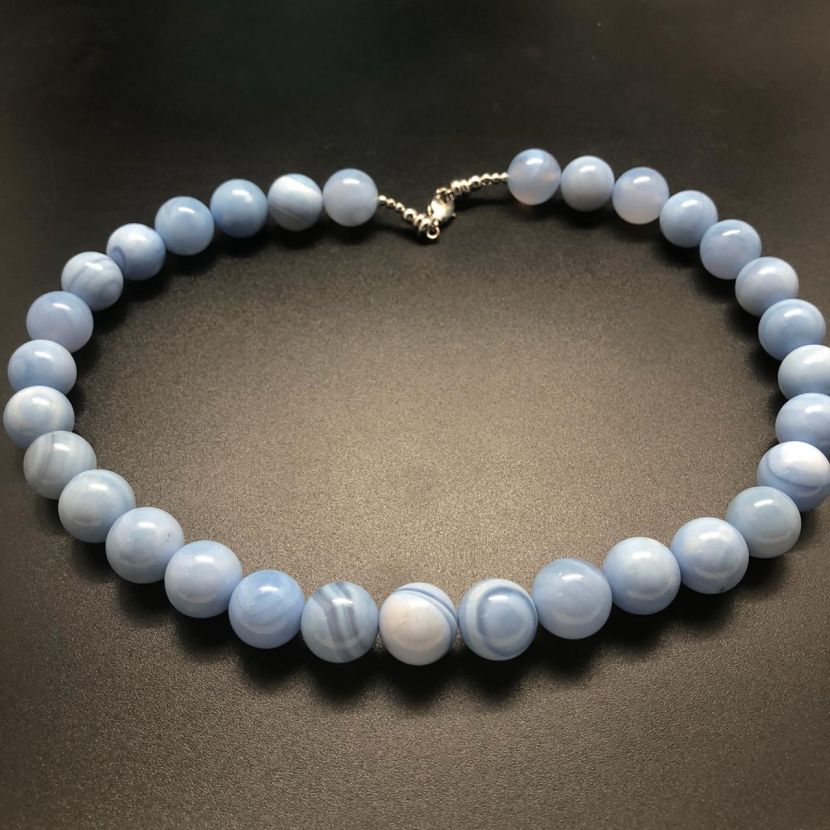
The blue hue is due to the presence of an admixture of zircon. When sapphirine samples are exposed to high temperature, its color turns pale.A high hardness value means that the gem is durable and can only be scratched with a diamond sample. When broken, chips of various shapes and sizes are formed on both surfaces.
magical influence
Talismans with a milky blue gem are able to get rid of fears, angry outbursts, attacks of melancholy, madness. The stone inspires the wearer with faith in their inner strength.
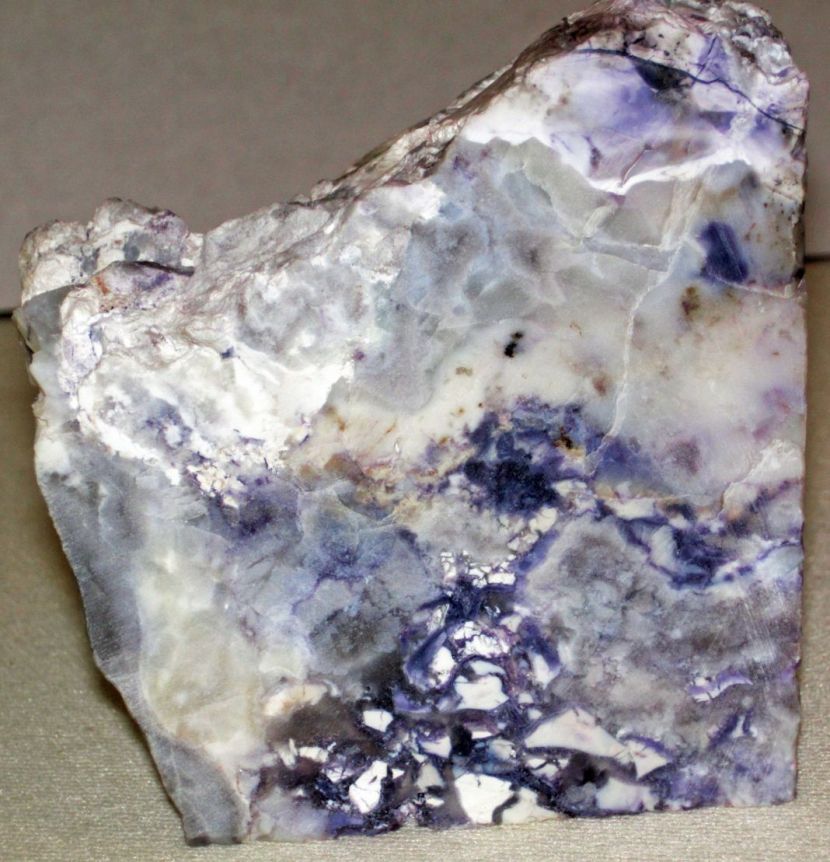
The mineral protects from worries, gives strength and eloquence, gives speech depth of thought, expressive color.
An interesting fact about sapphirine is that in court it helps the plaintiff win the process if he is really right.
The gem is recommended for people who have a quick temper. In ancient Rus', the stone was revered as a symbol of love. If you keep it in the house, then it will bring love and happiness to the family.
Healing features
Sapphirine has a beneficial effect on all chakras, maintaining all body systems in a healthy state:
- Protects its owner from despondency, outbursts of aggression, bouts of melancholy and apathy, fever, mental illness, nervous exhaustion.
- Helps to normalize sleep, relieves nightmares.
- Normalizes cardiac activity.
- Increases blood pressure in hypotension.
- Fights overweight and obesity.
- Improves the functioning of the organs of vision and smell;
- Quickly heals wounds and abrasions, restores after bone fractures.
Sapphirine is good for color therapy. As you know, color is to the brain what food is to the intestines. Looking at the color, certain vibrations occur in the brain, which are reflected in the general state of human health. Looking at a milky blue crystal every day for 10-15 minutes, you can correct your vision and nervous system.
Meaning for the signs of the zodiac
Astrologers mark Sagittarians as favorites of sapphirine. The representatives of this sign best reflect the astrological properties of the mineral. Sagittarians differ from other signs in activity, the desire to move forward. They often have a quick temper, enter into disputes and conflicts, get irritated, suffer from misunderstandings with people around them. Sapphirine seems to be specially created for such restless activists. It softens the character, muffles the temper, adds deliberation to every step.
There is an interesting statement that the gem belongs to universal stones and is equally friendly with all signs. Therefore, you should not think about who suits sapphirine. For example, Aquarius, with their complex nature, the mineral helps to gain confidence in making important decisions, and windy Gemini - to find harmony, to realize themselves at a particular moment in time.
The mineral helps to balance the Yin energy.
Application
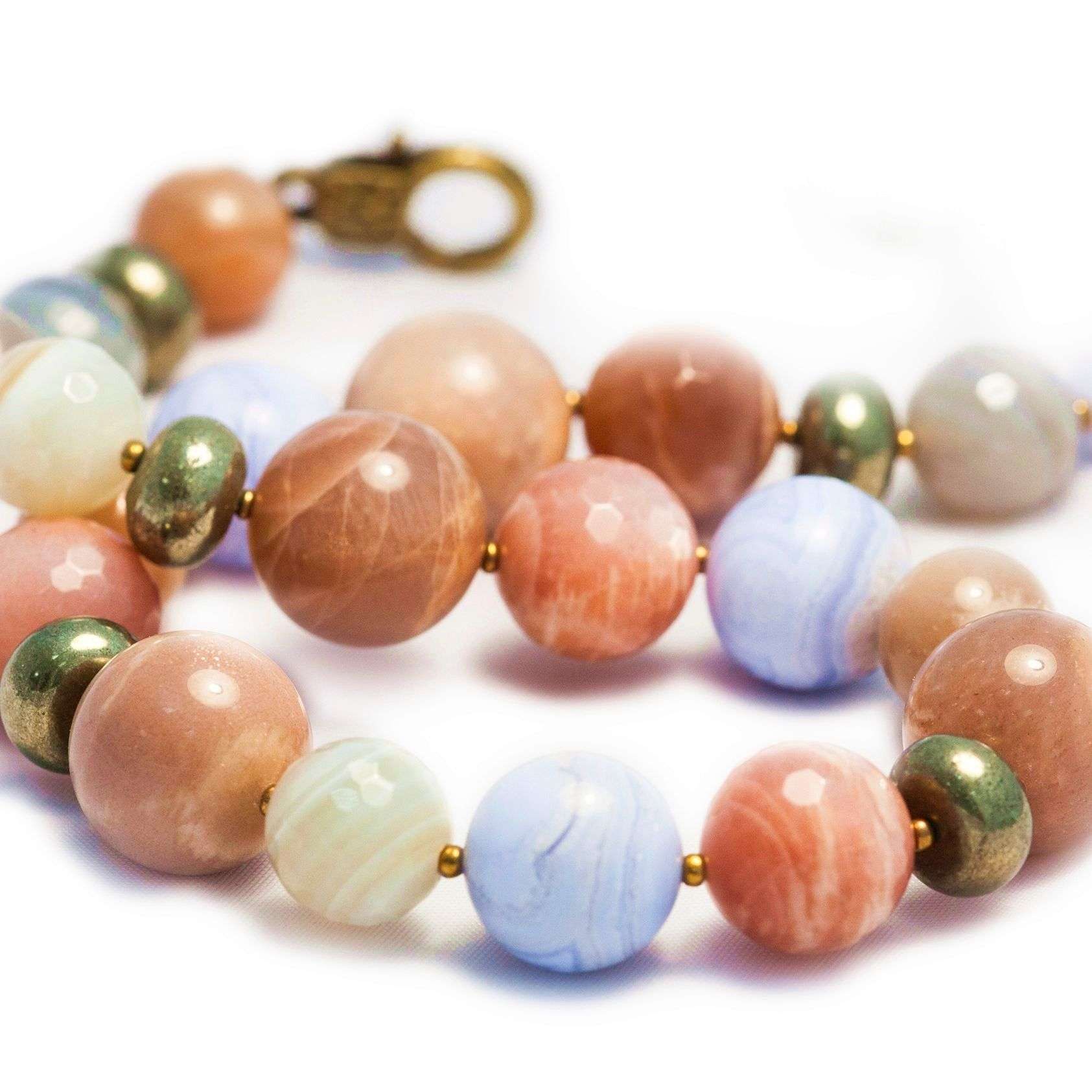
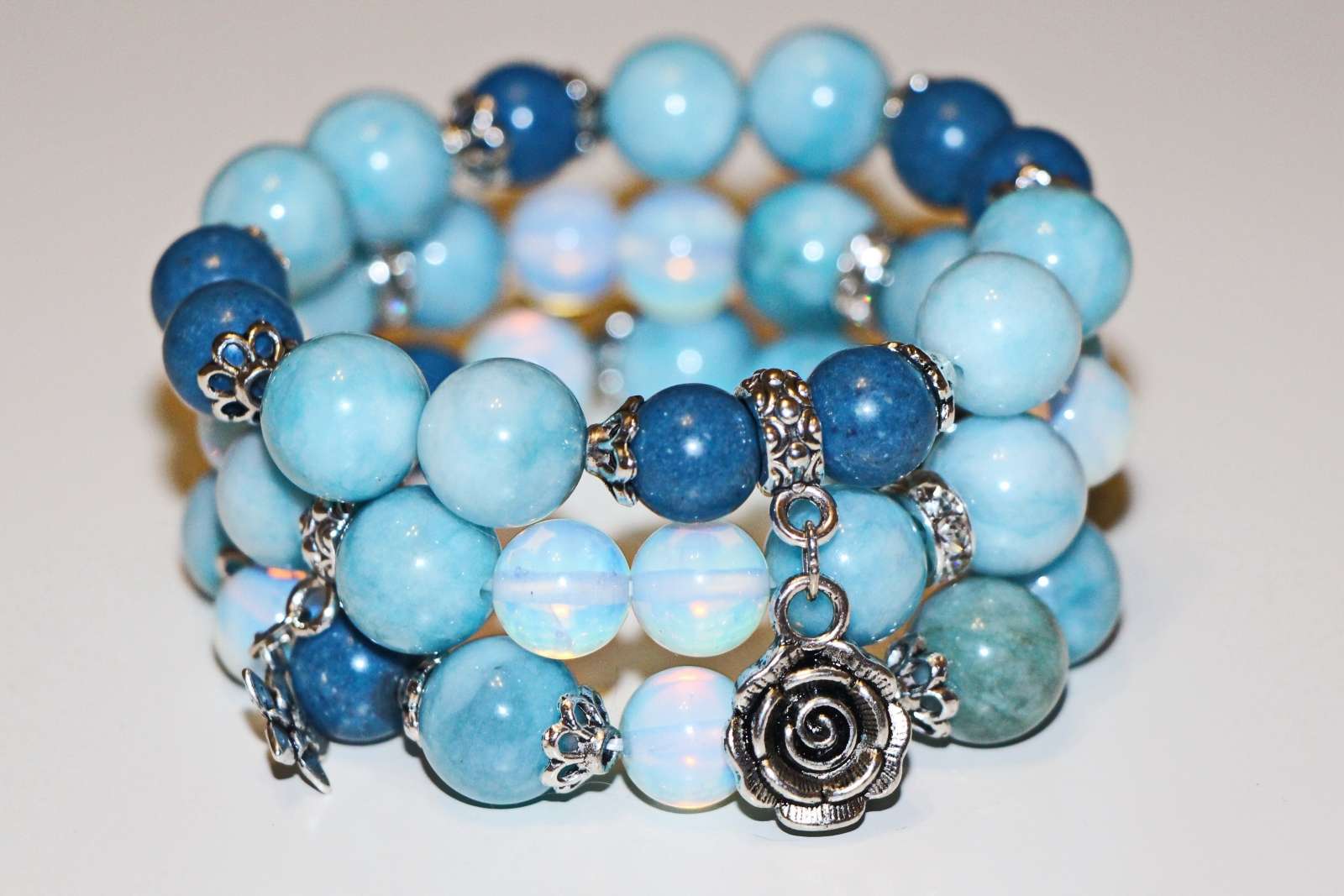
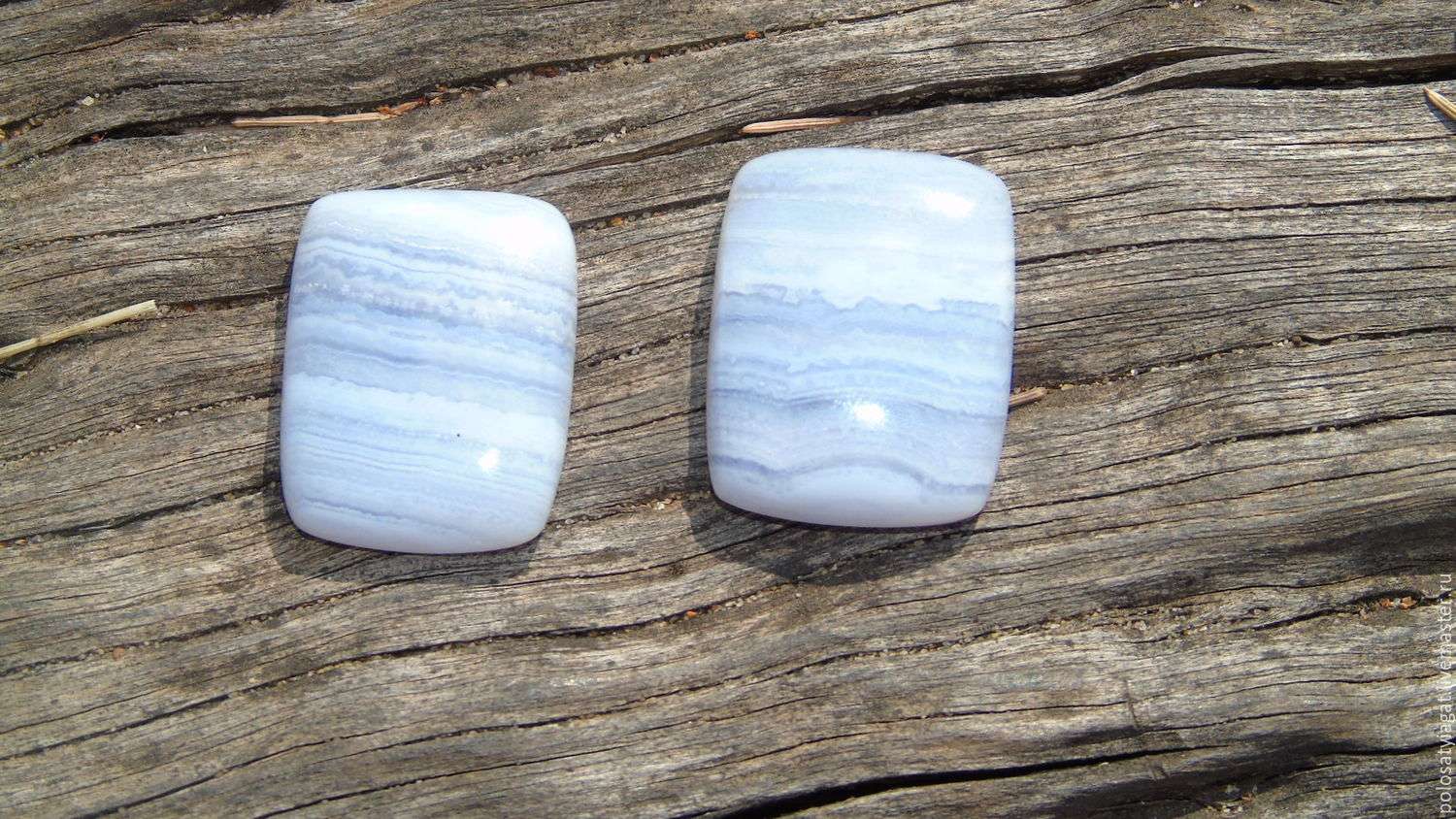
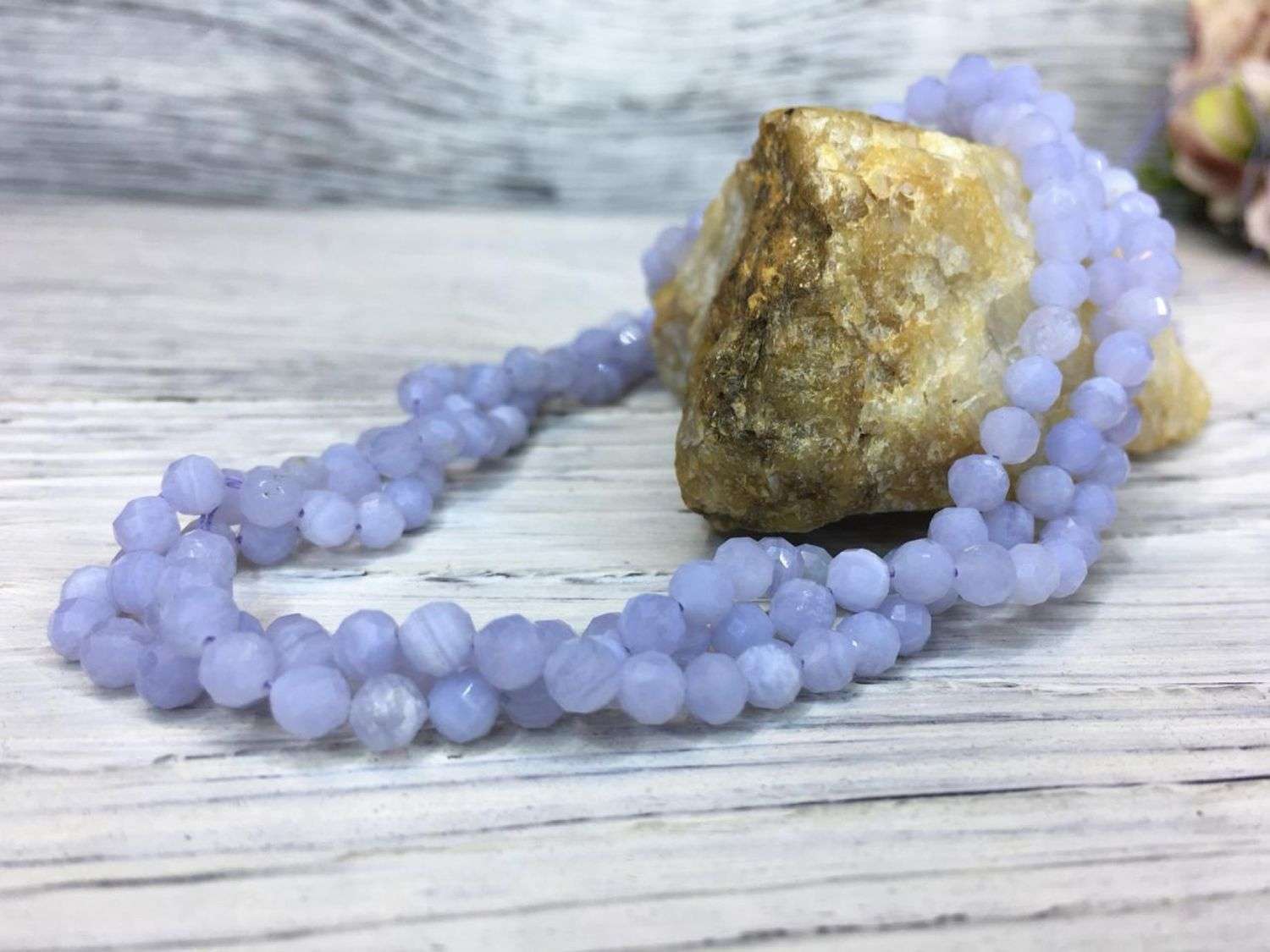
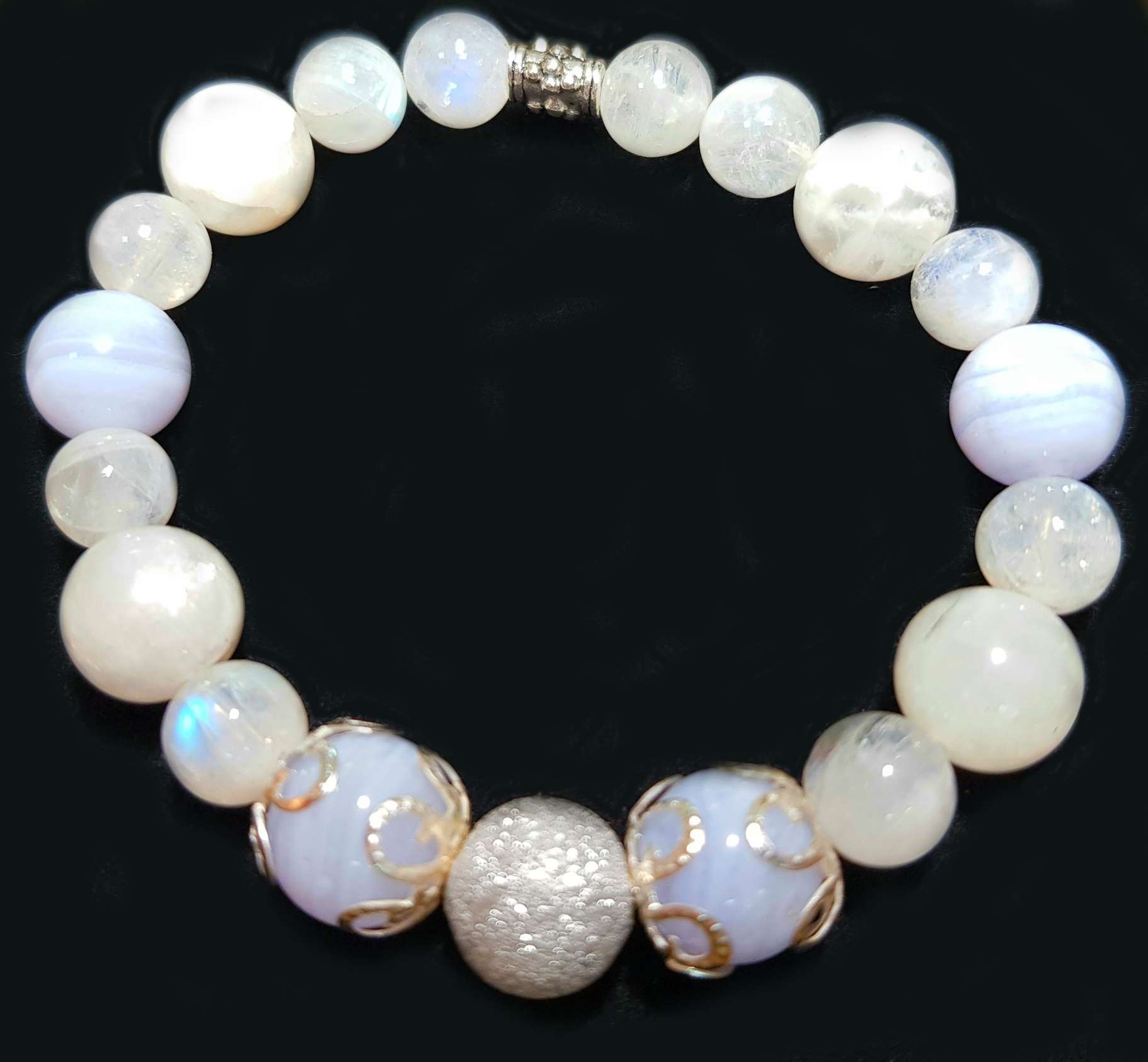
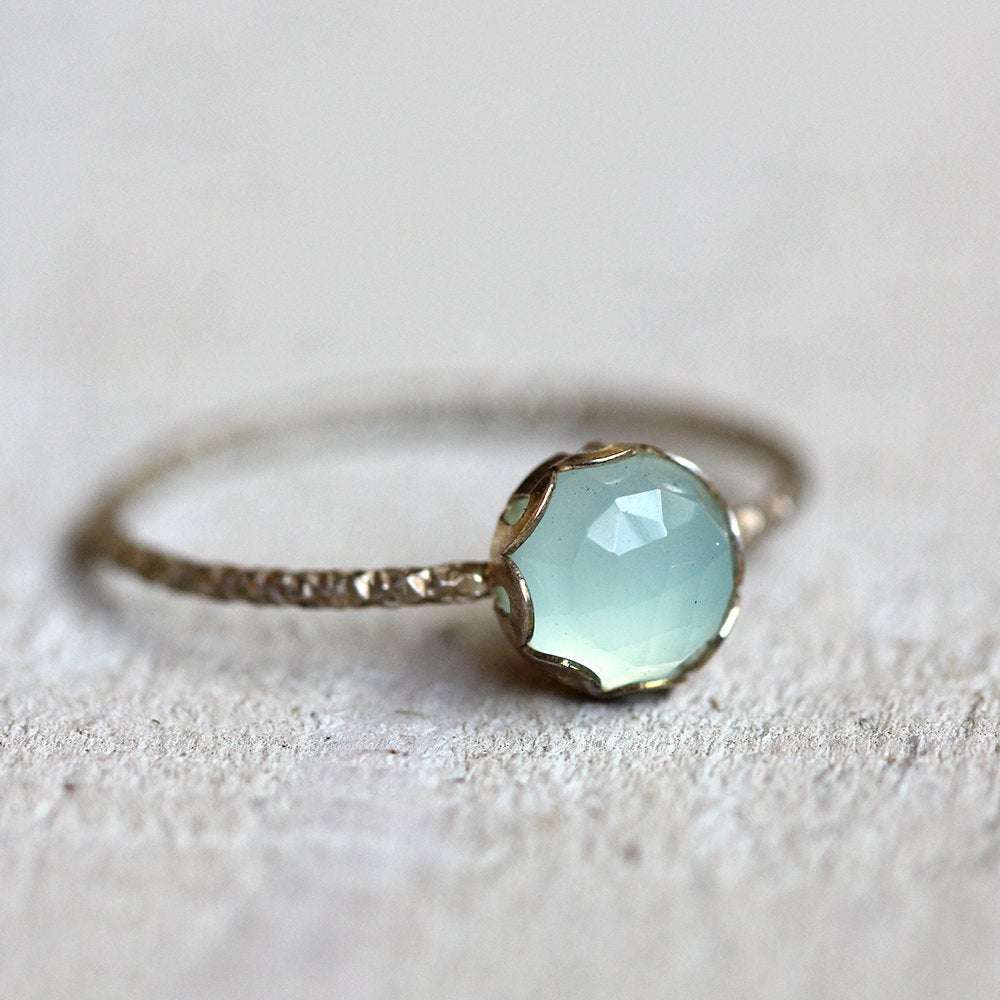
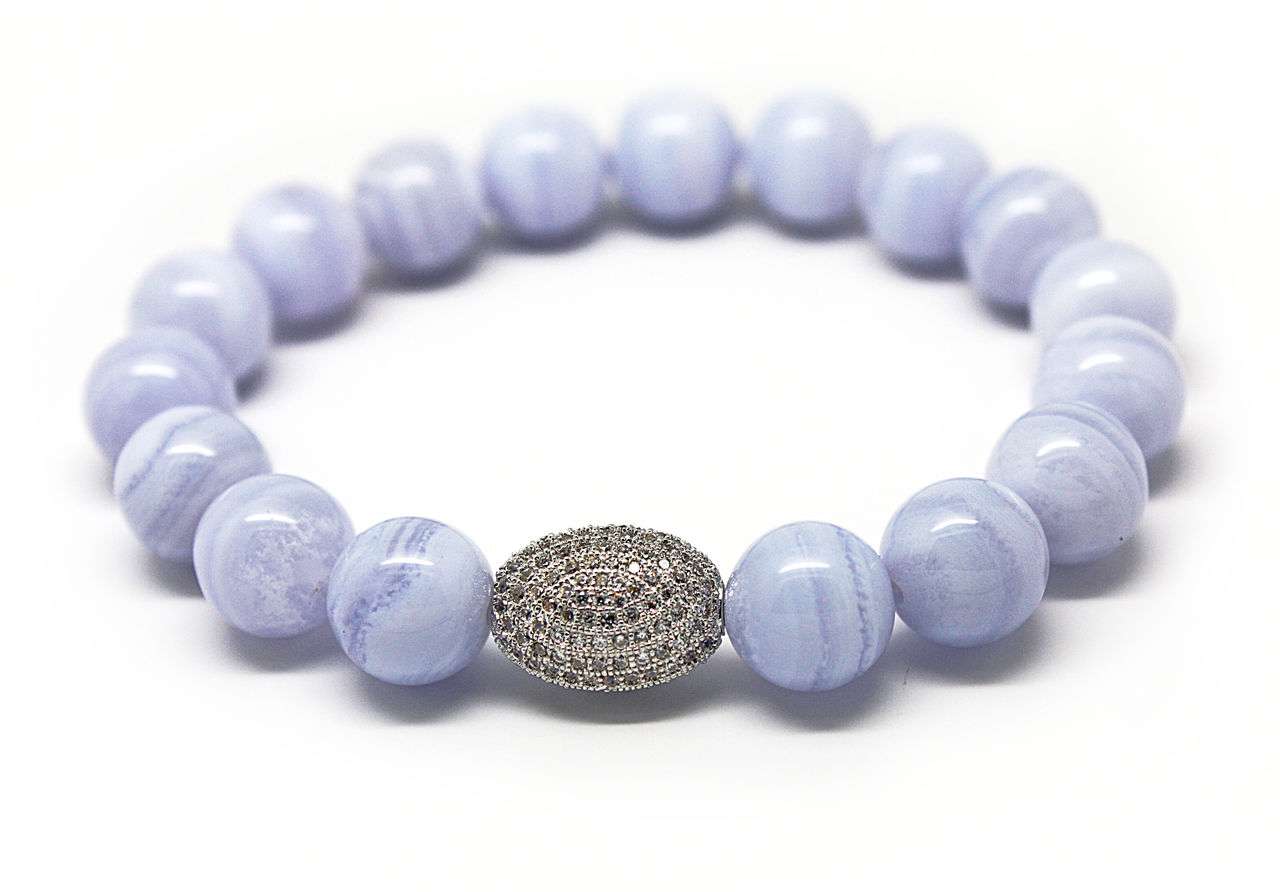
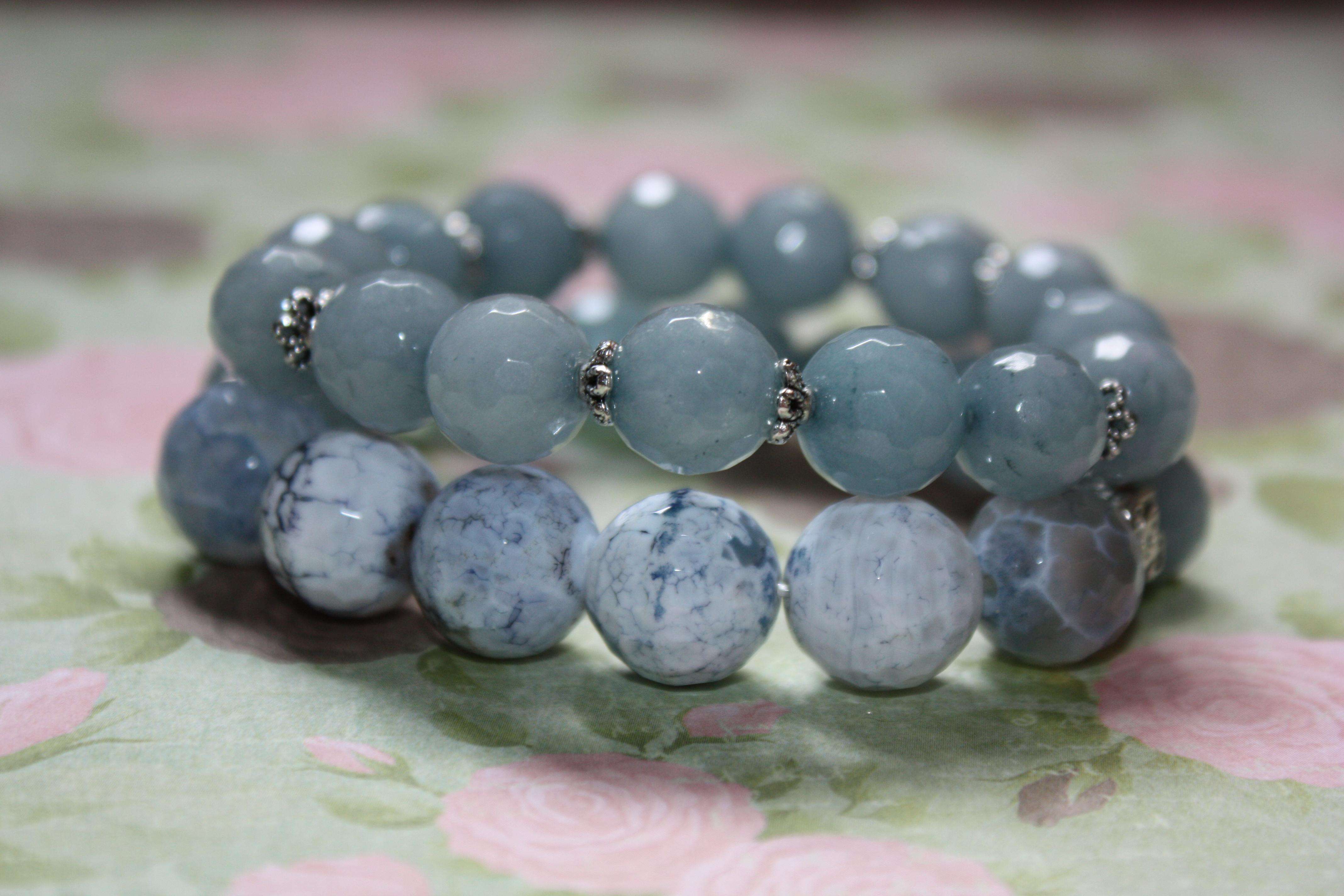
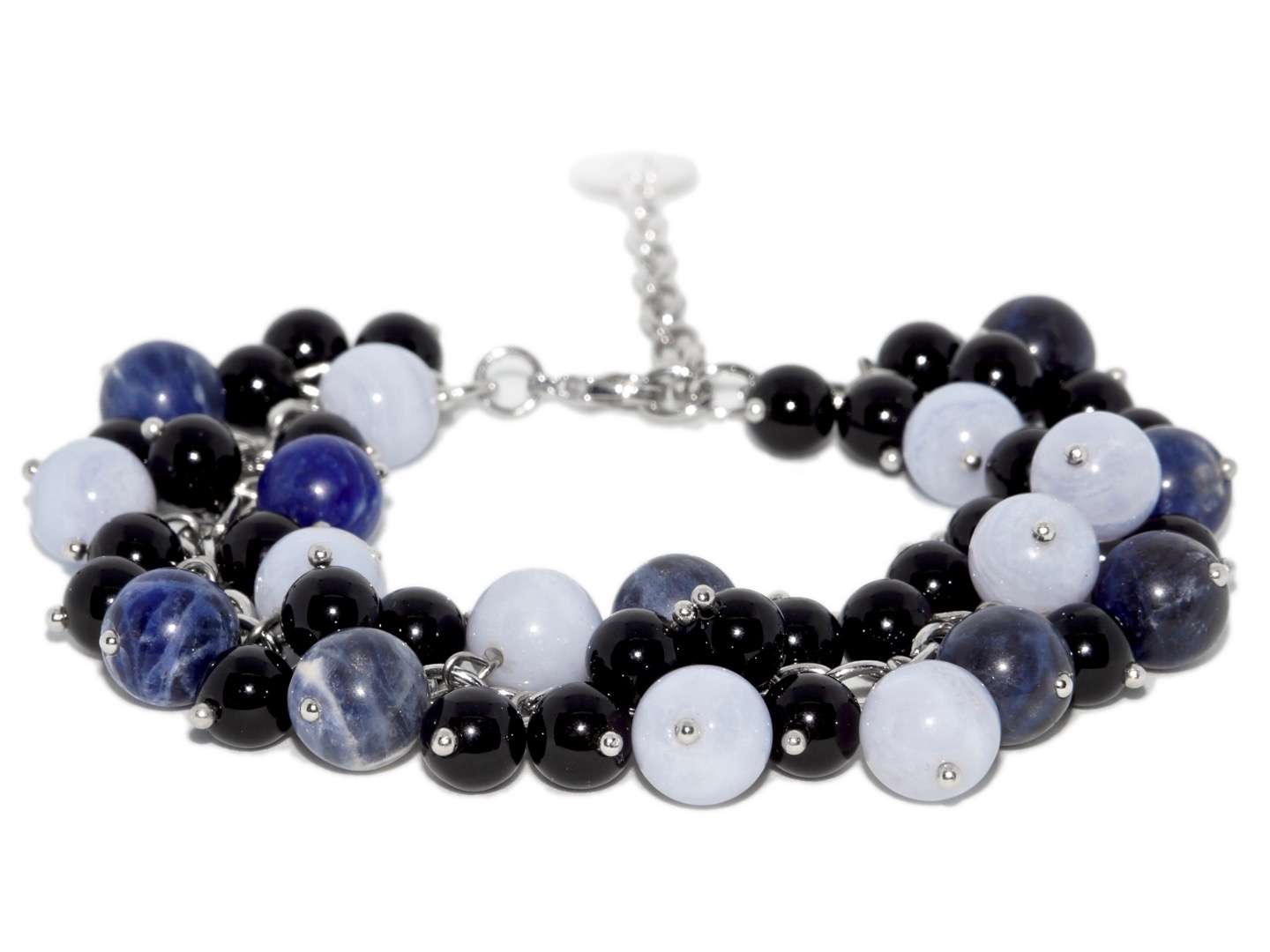
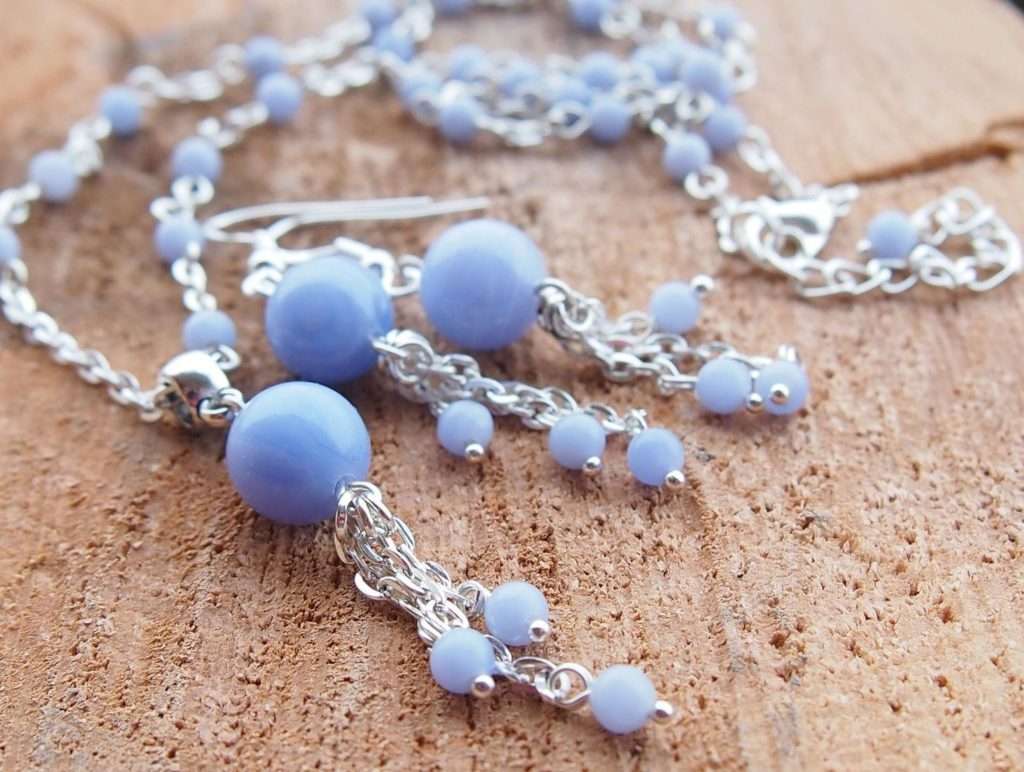
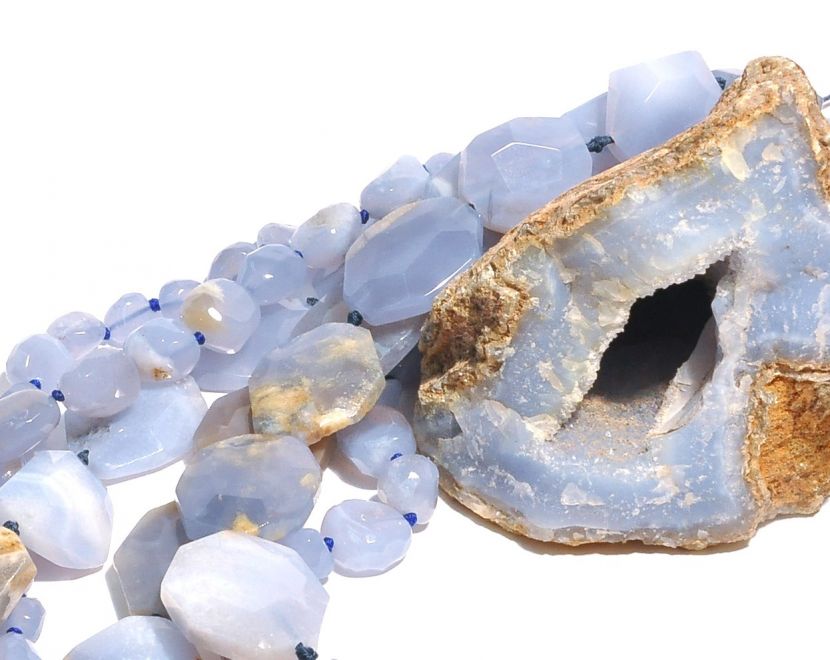
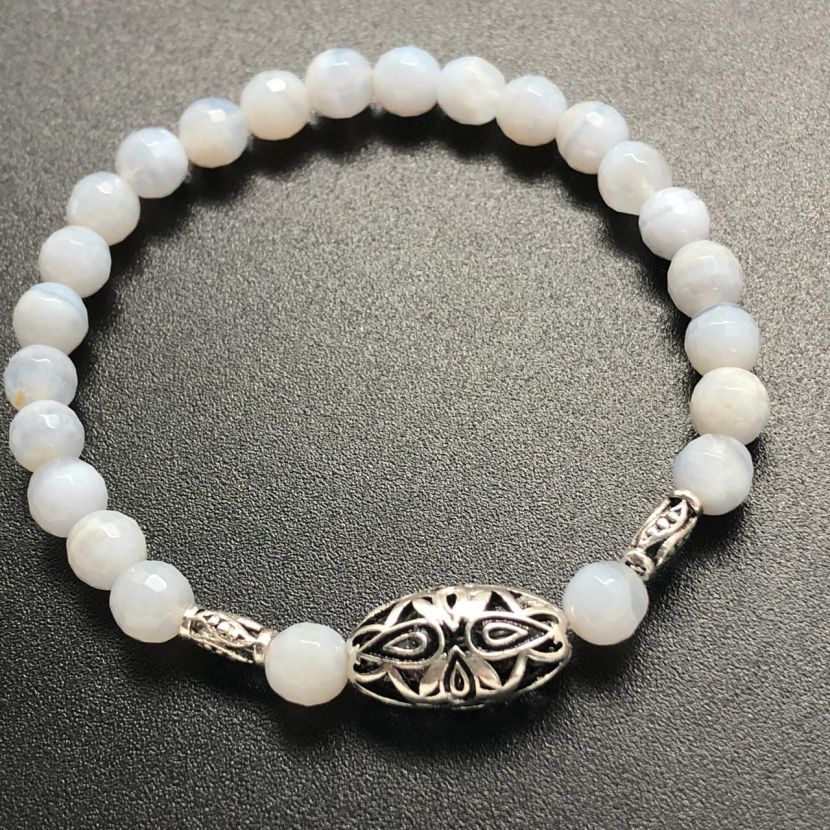
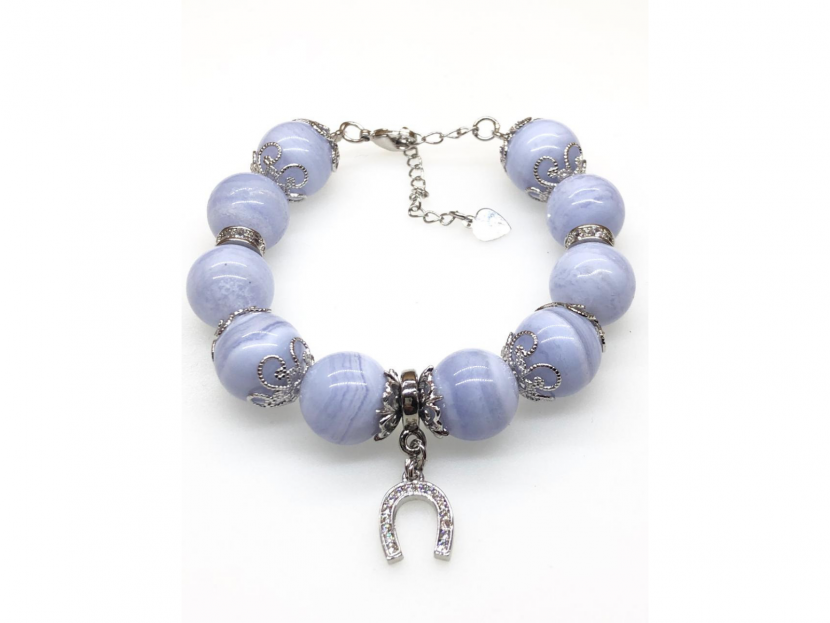
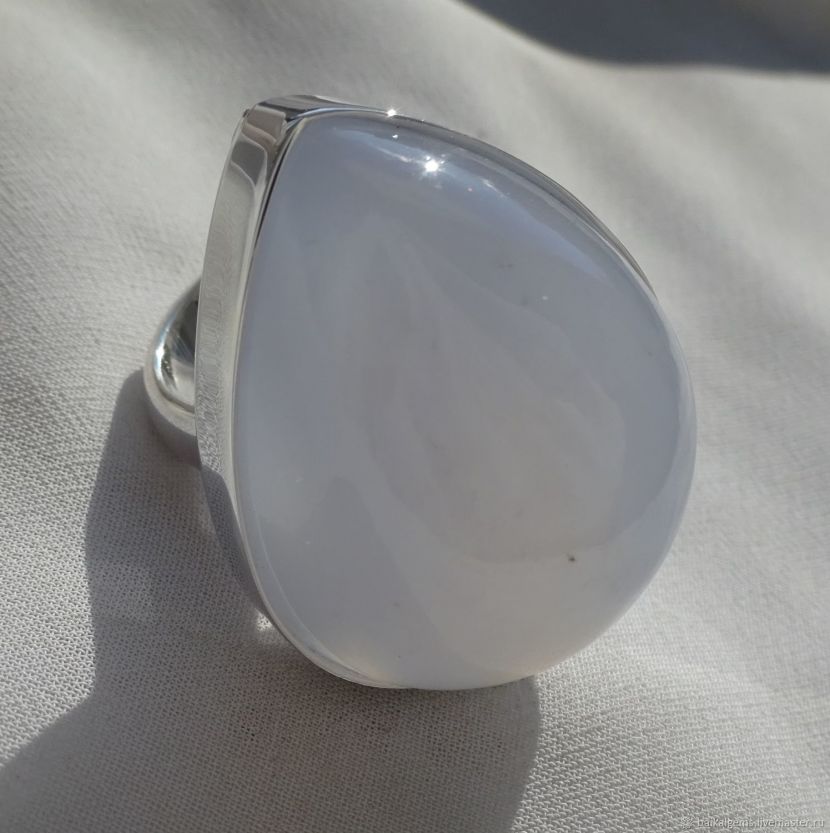
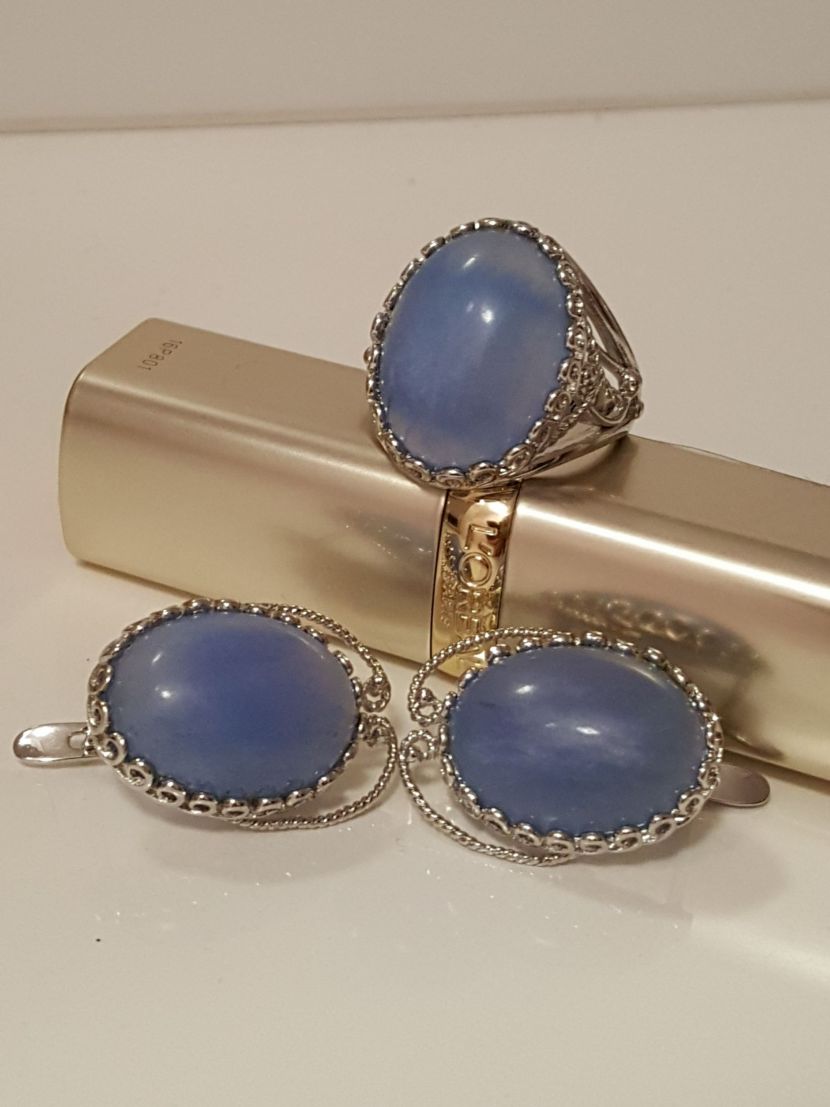
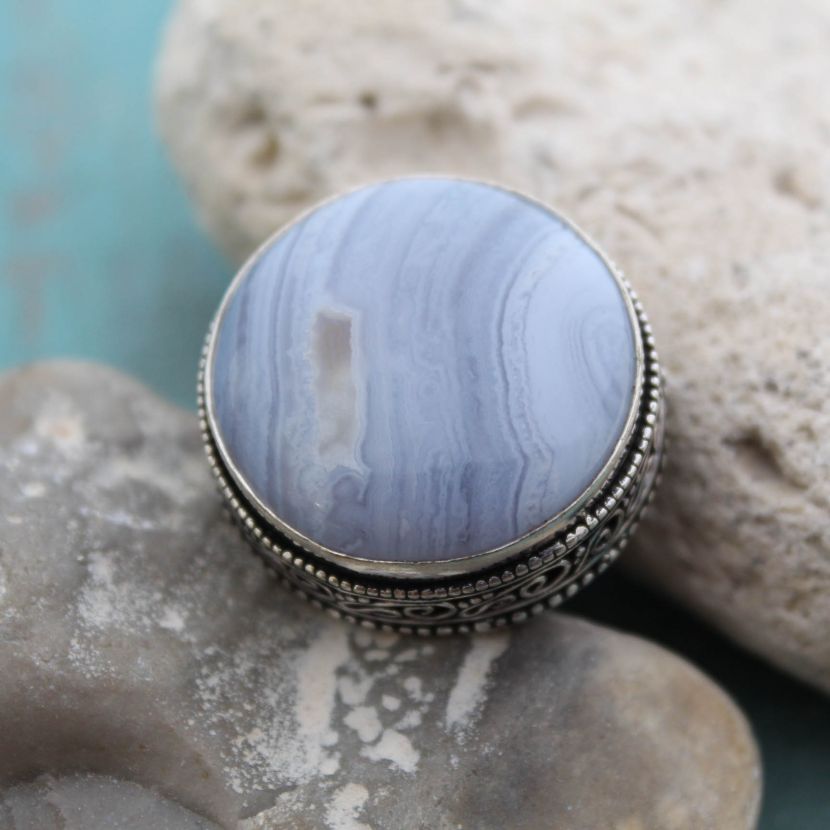
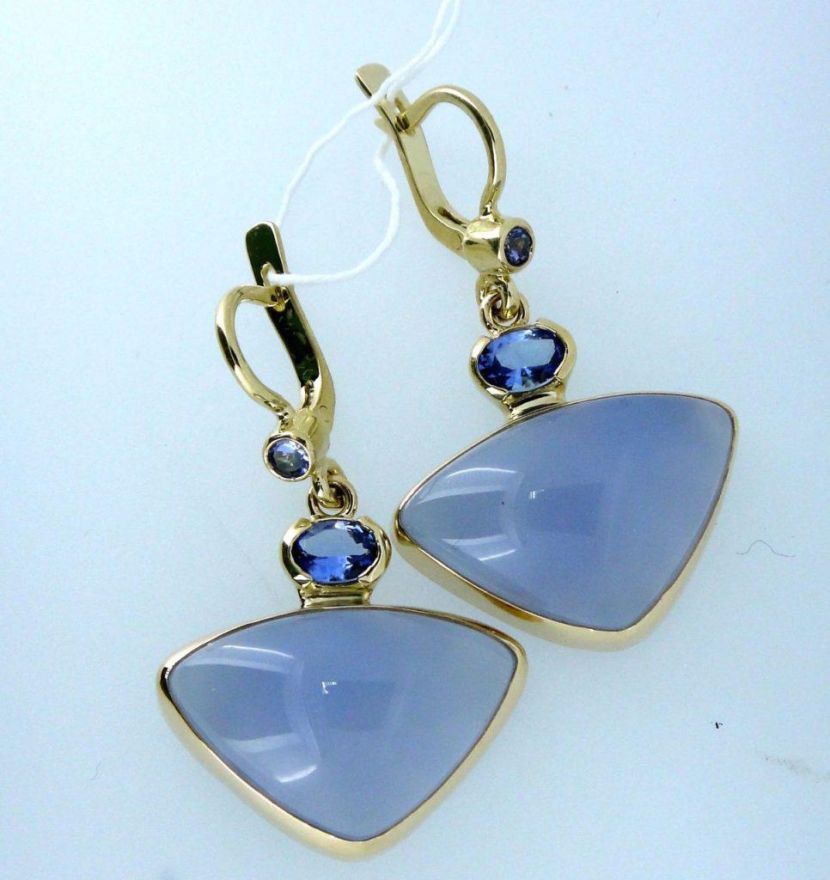
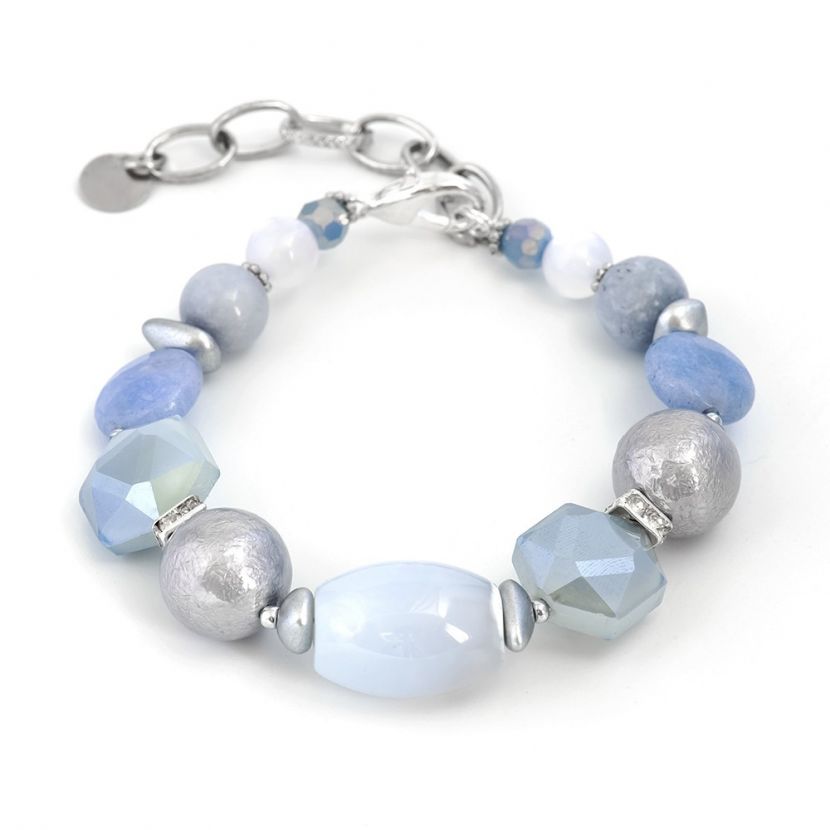
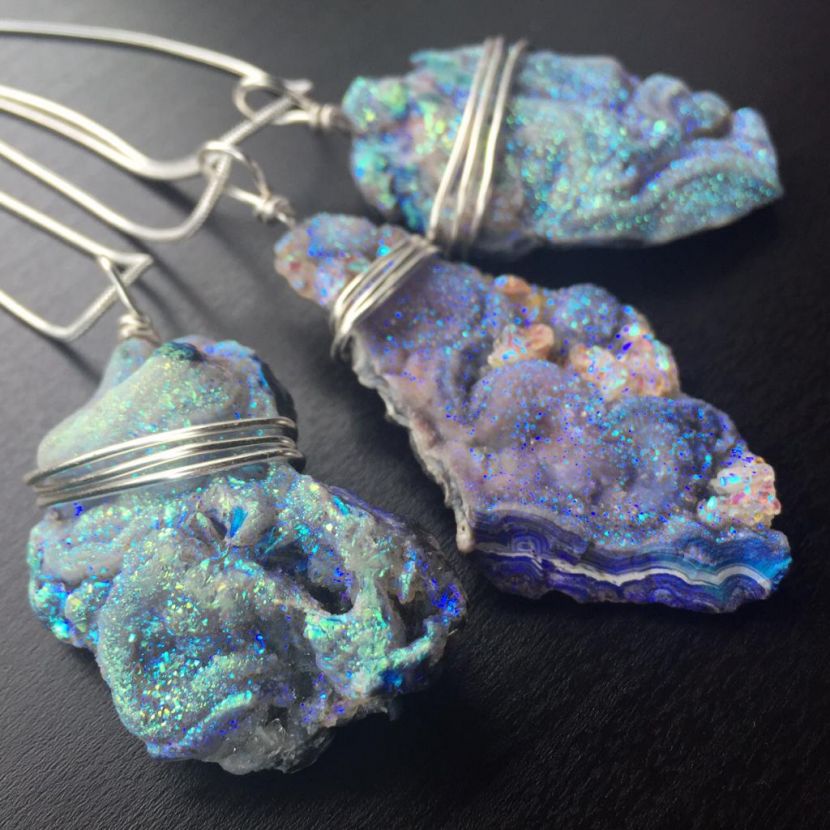
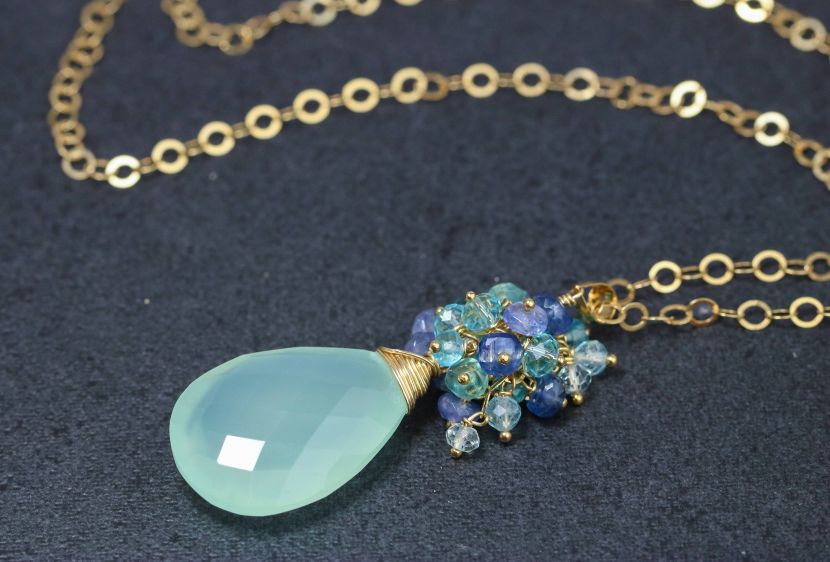
The best examples of blue chalcedony are considered valuable jewelry material. It is processed in the form of a cabochon, used for inserts into jewelry, for carving figurines and souvenirs.
How to care for sapphirine jewelry
Sapphirine is a durable material and unpretentious in care. But if there is a desire to keep the product with this mineral in a decent form, then you need to handle it carefully. For storage, it is better to fit a separate box so that the sapphirine does not damage the "neighbors". It is allowed to wash under running, slightly warm water with a mild soapy solution no more than 1-2 times a year.
How to distinguish a fake
Sapphirine, like other precious minerals, is counterfeited. Unscrupulous sellers try to pass off cheap jewelry for expensive stones to an uninformed buyer.Especially in the age of online trading, when products with sapphirine stone are selected by photo, it is important to remember the main properties of this mineral.
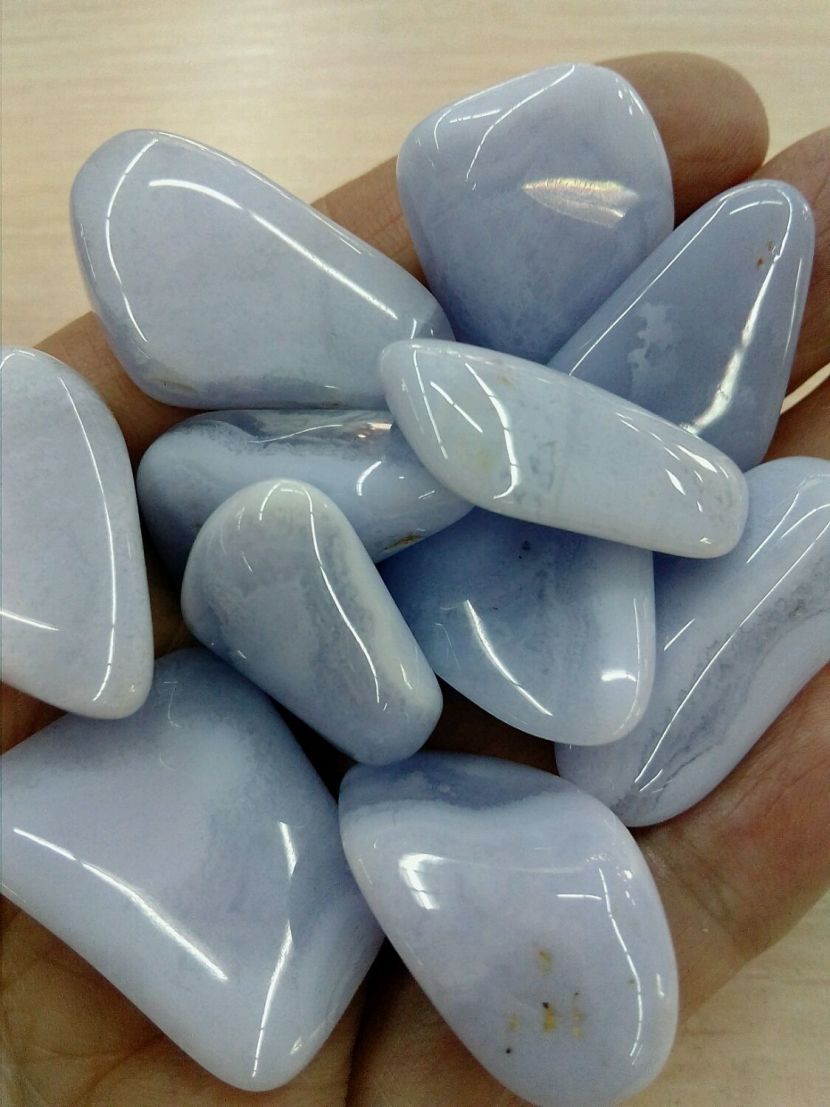
- On the samples it is impossible to meet the same pattern on the surface;
- The stone can change shade when turning in the rays of daylight (property of pleochroism);
- In a natural gem, the shade is not sharp, calm;
- The gem is solid, it should not leave a trace of glass, a knife.
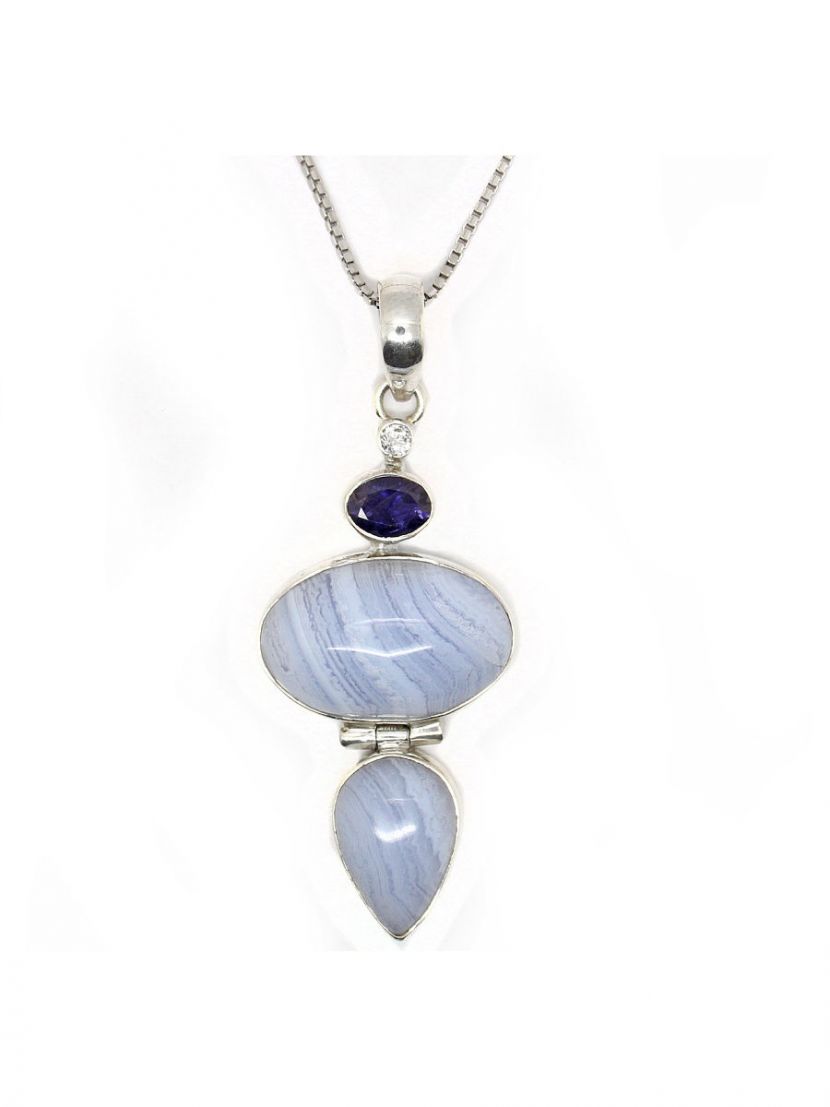
Prices for products with sapphirine vary from 700 to 4000 rubles and more. Buying in reputable jewelry stores guarantees the purchase of a real stone, but a fake one.
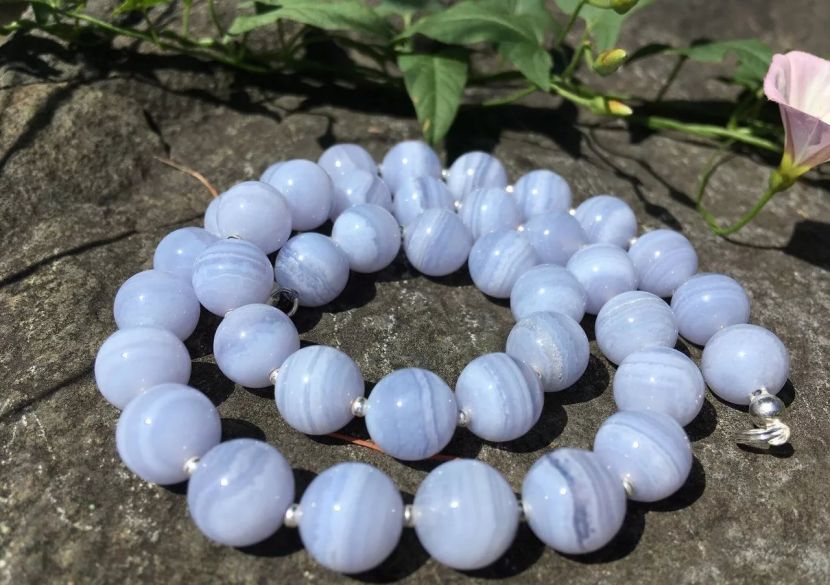
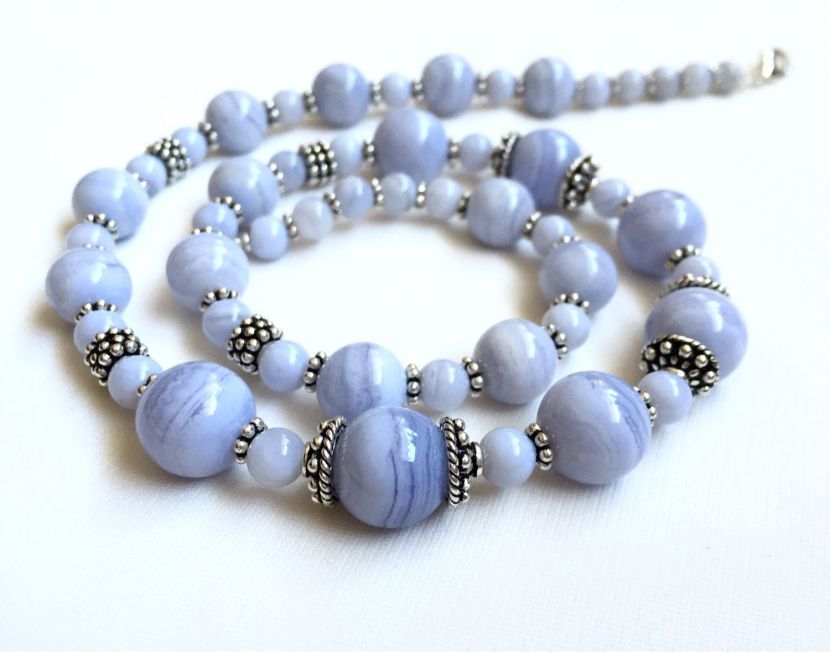
Sapphirine is a very beautiful mineral, with a gray-blue or light blue tint. On its surface there is a unique wavy pattern, and splendor and luxury are captured in the matte sheen. The owners of the stone note its positive healing effect on themselves.
Photo stone Sapphirine