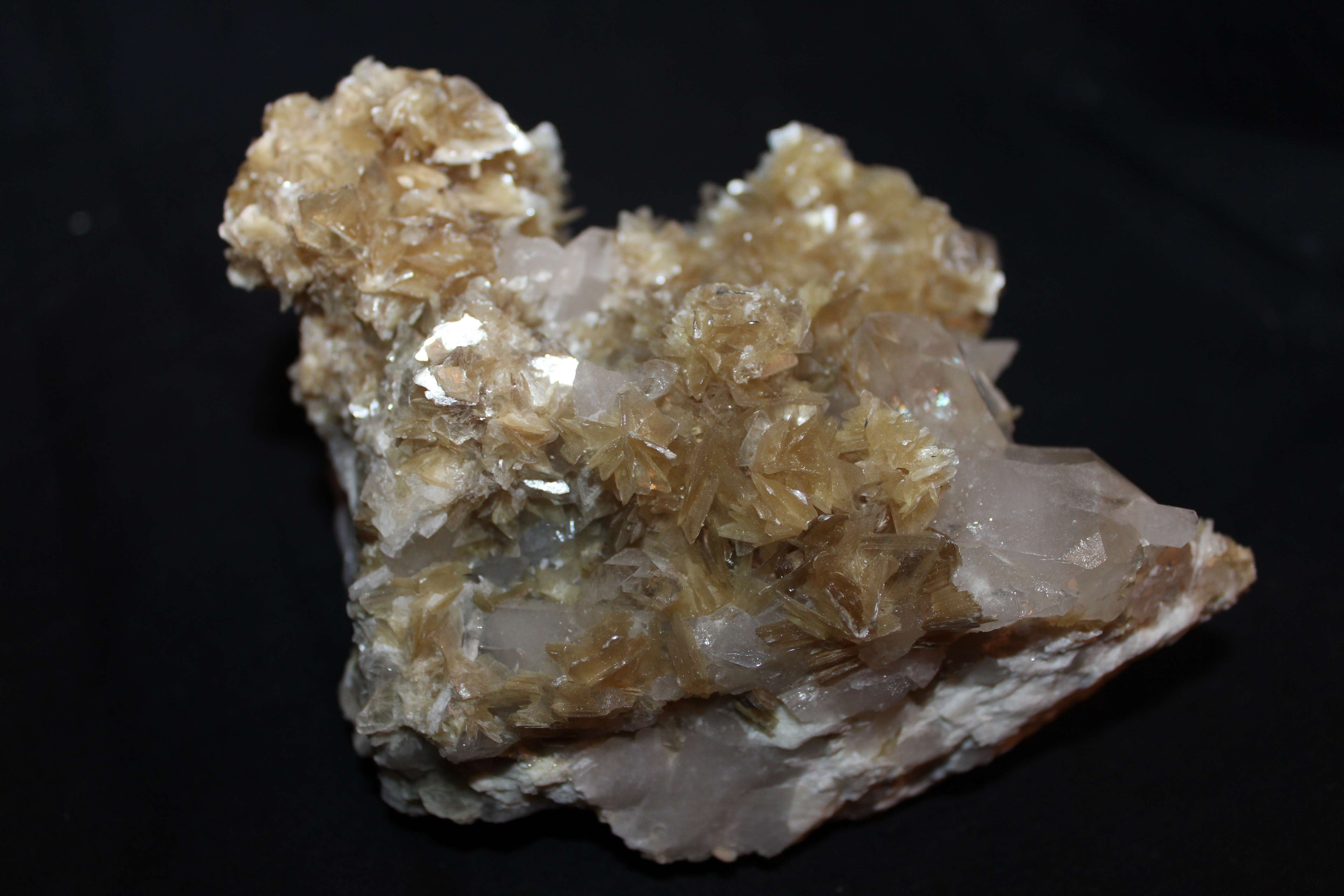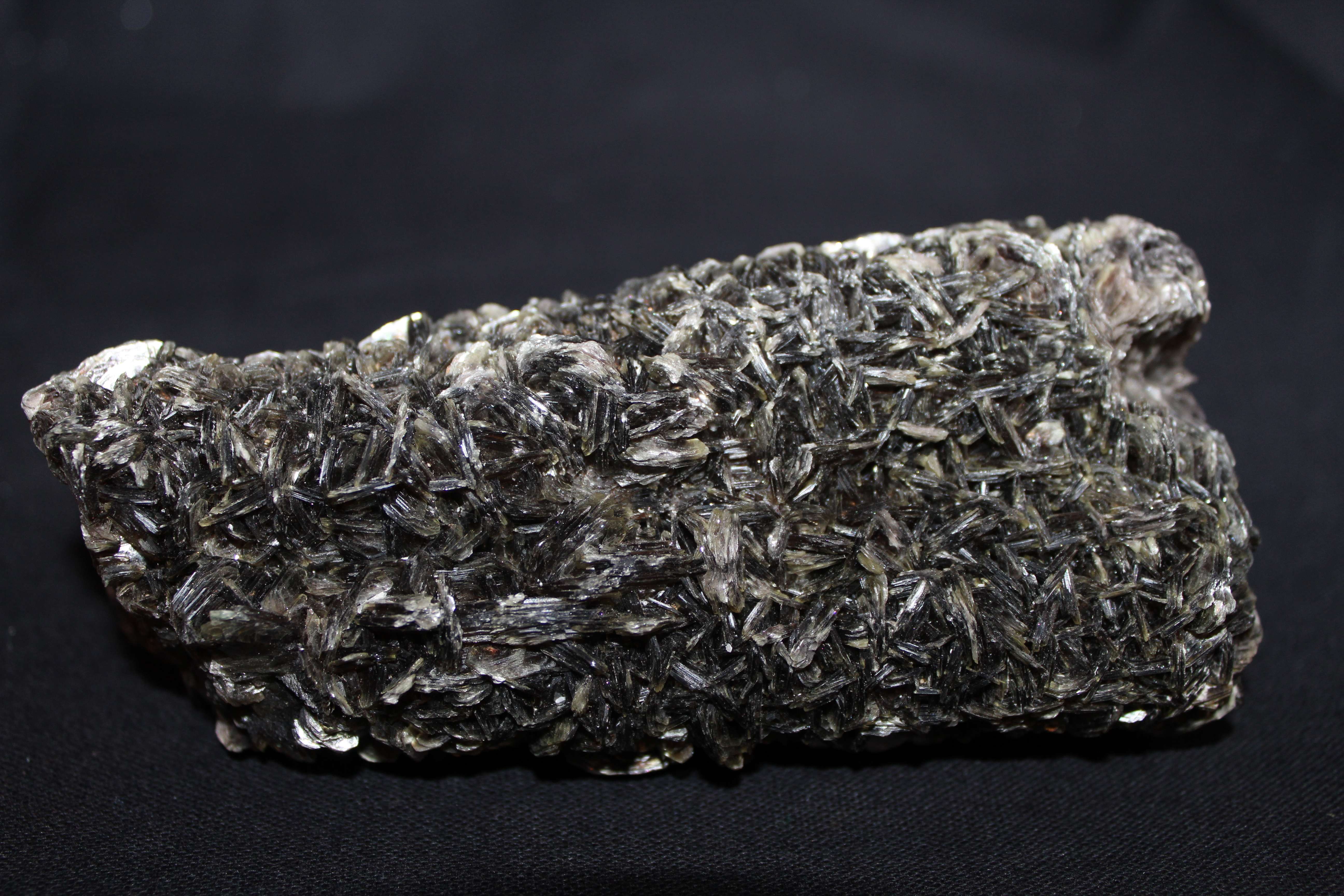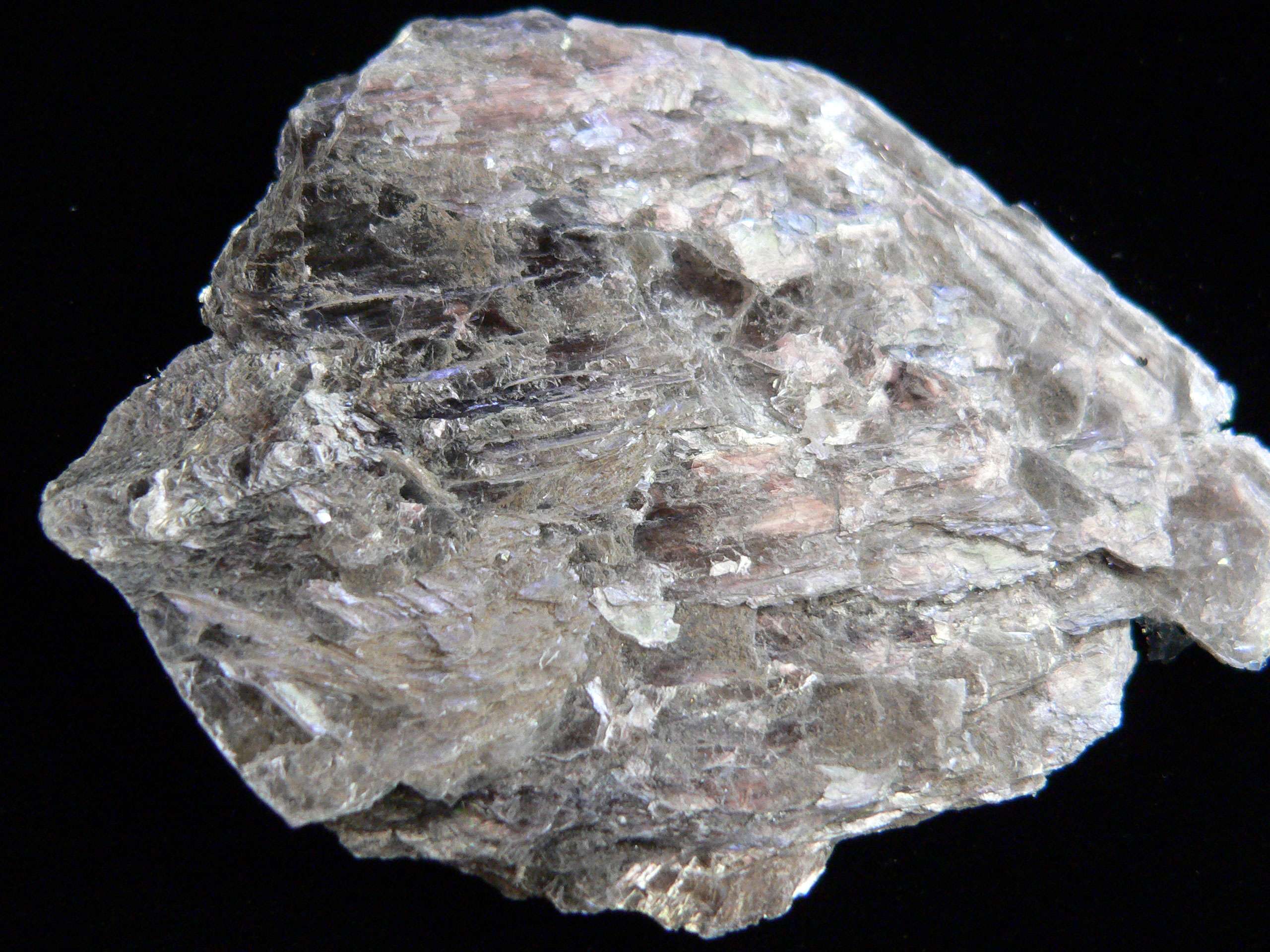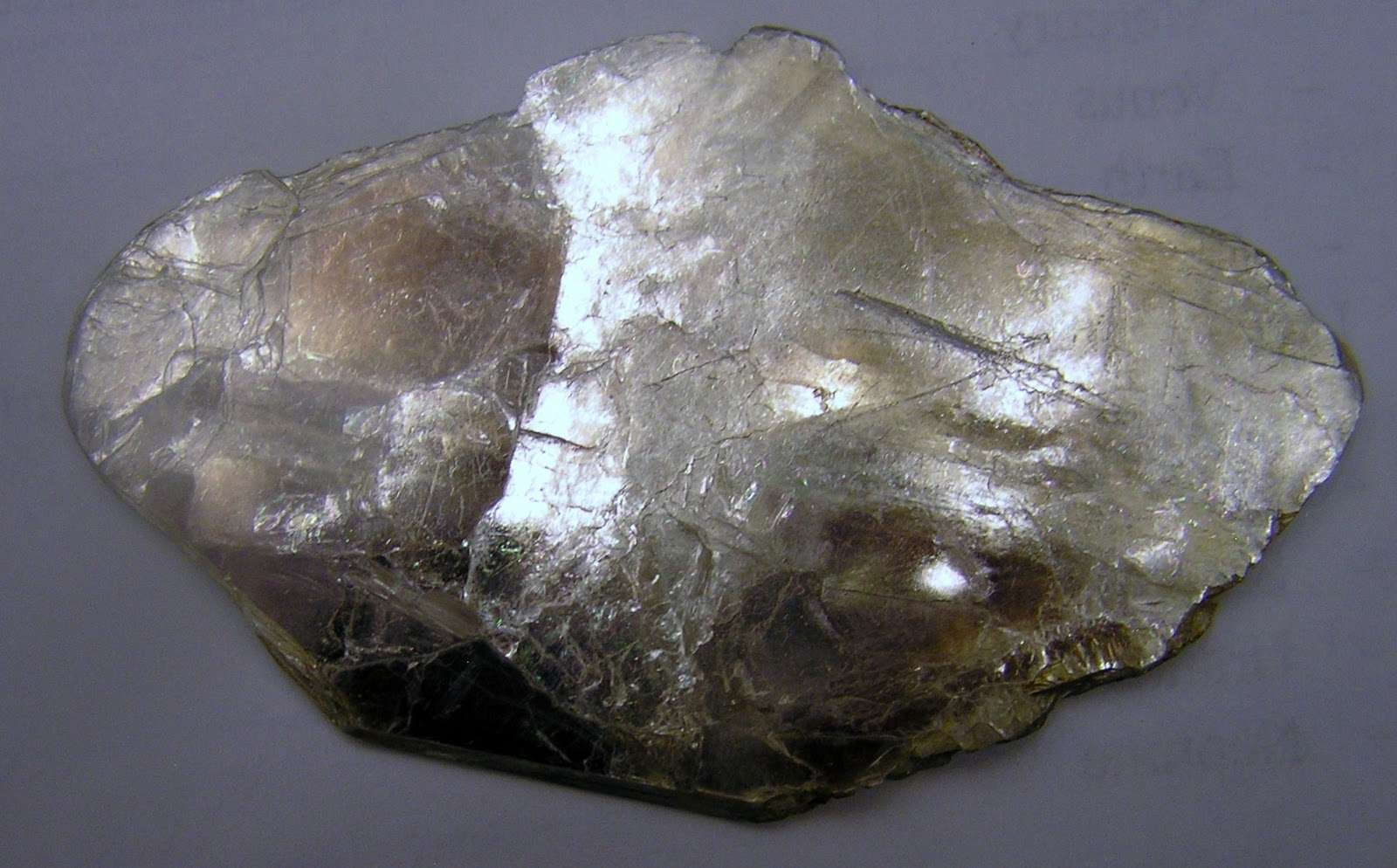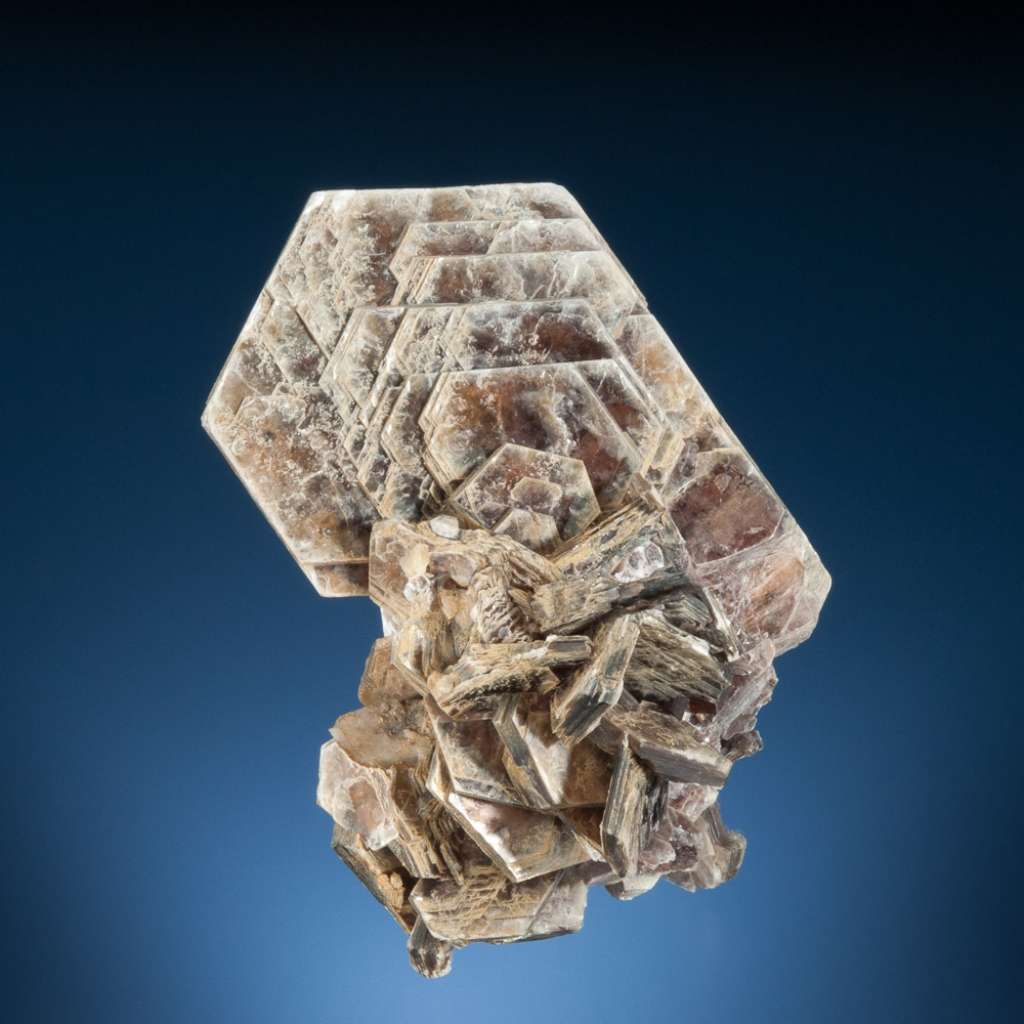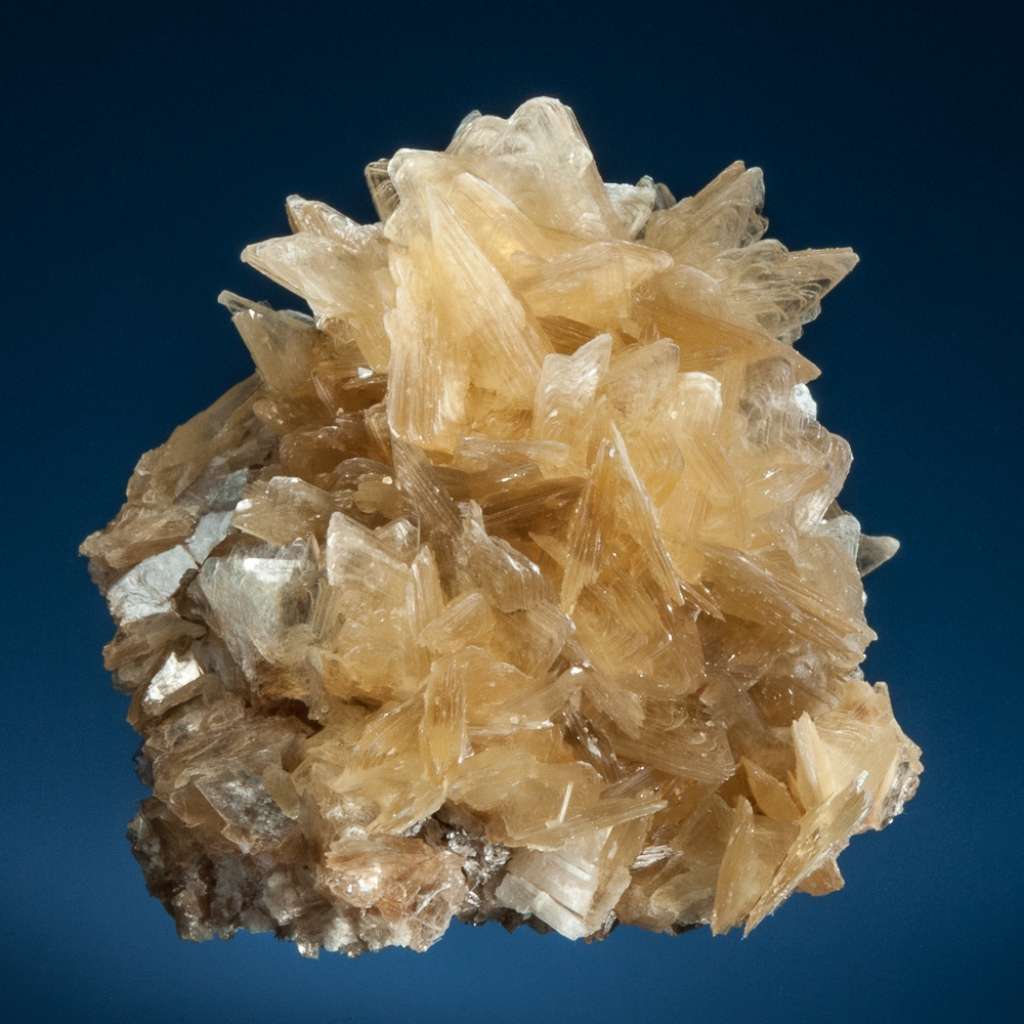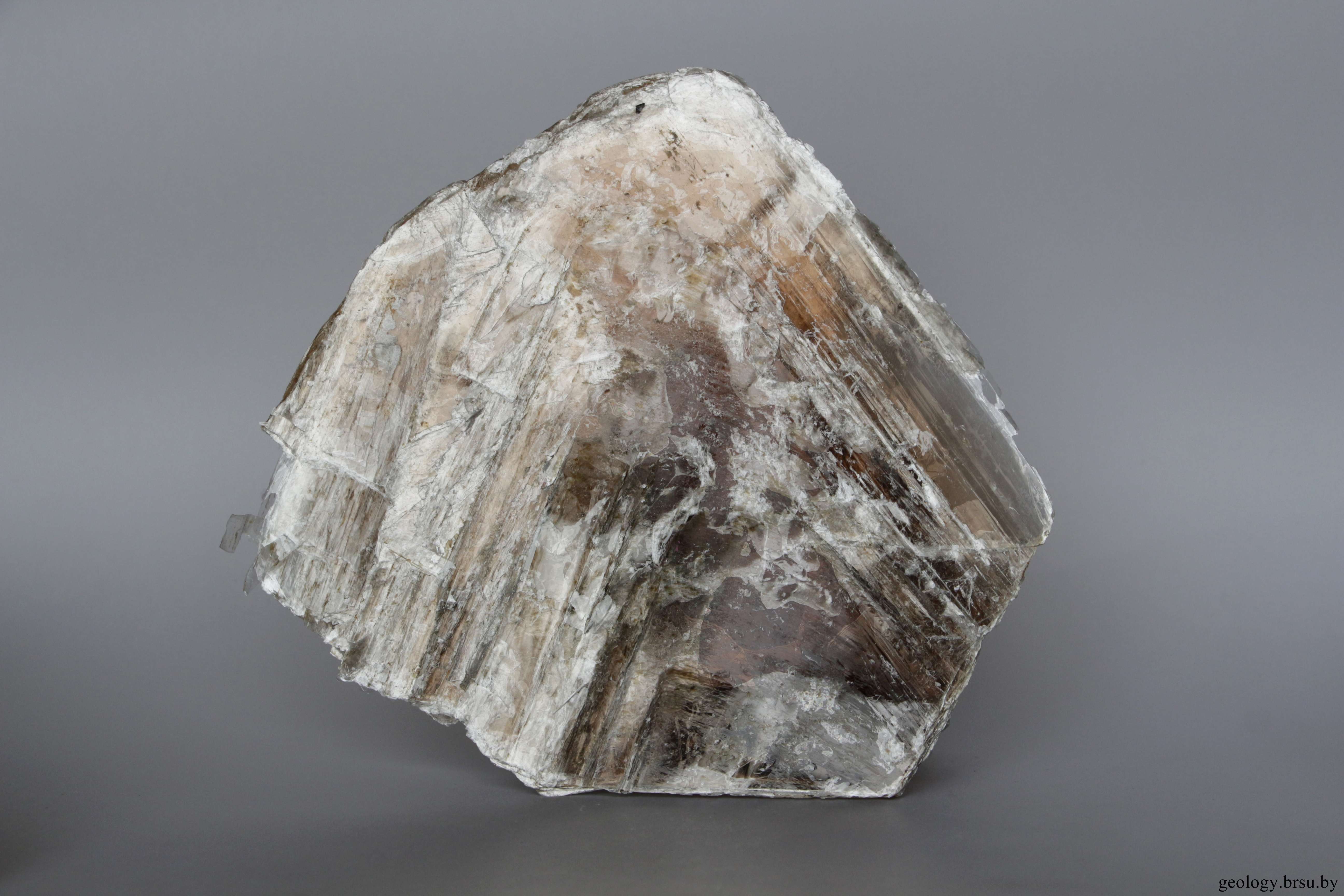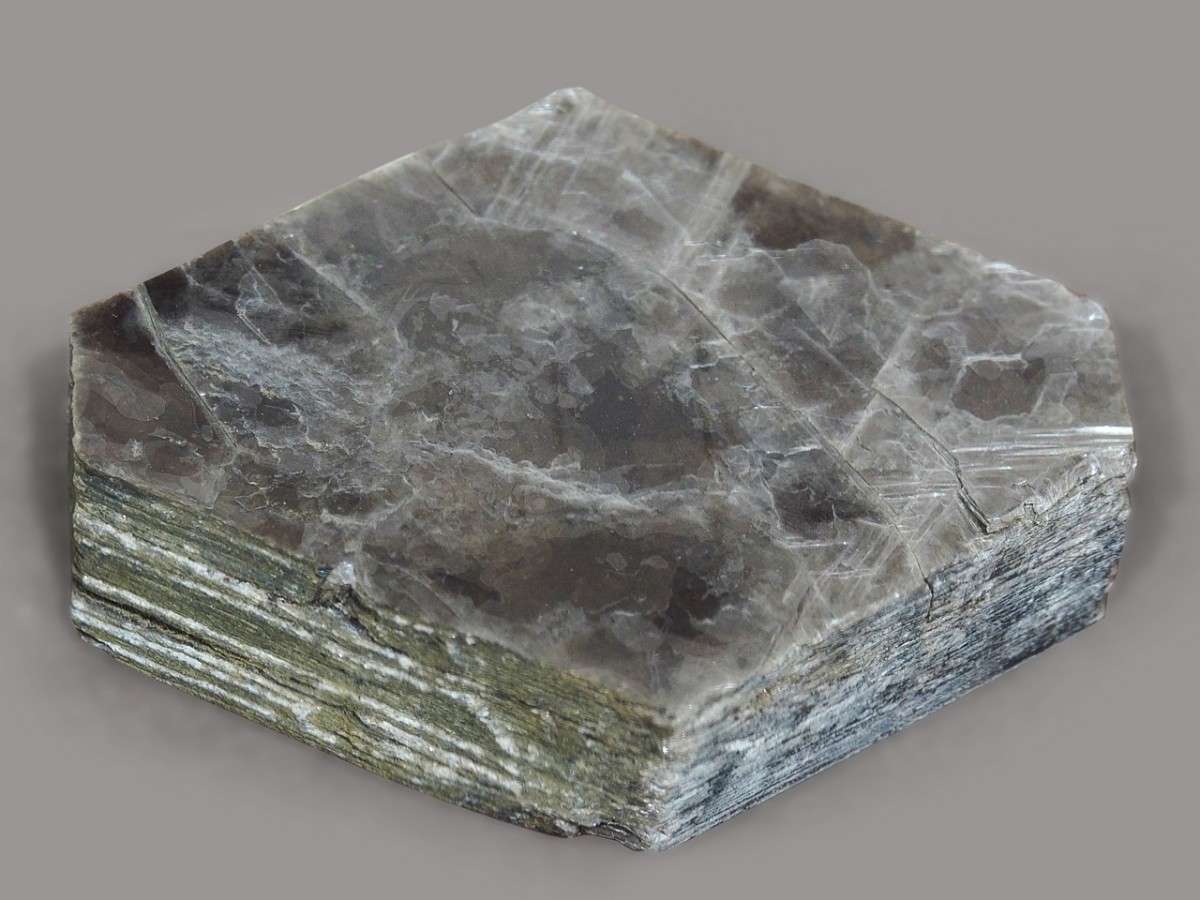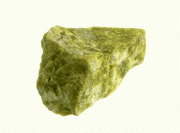
Snow-white or transparent Muscovite stone: description of the mineral, its properties, main deposits, photo
Mica has been popular in Rus' since the X-XII century. Their distribution was from Nizhny Novgorod and the Karelian Peninsula. Then there were the main tests to use it as window glass. In Russia, it arose only after the capture of Nizhny Novgorod by Ivan the Terrible. In the XVII-XVIII centuries, a huge amount of the existing mineral was taken to Europe, where things and glass were made from it.
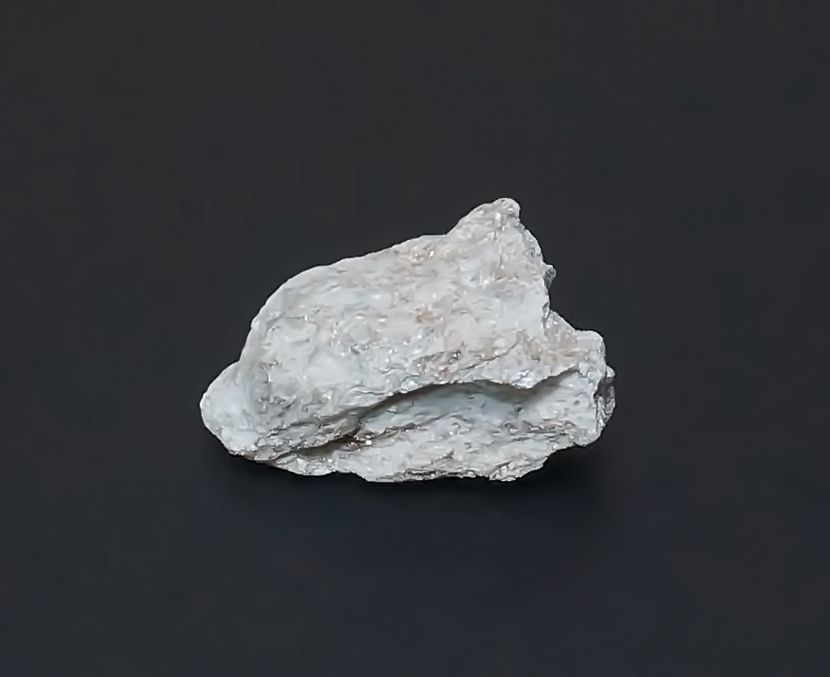
In addition to the name used in our case, the solid body was also called starfish, white mica, sericite, and others.
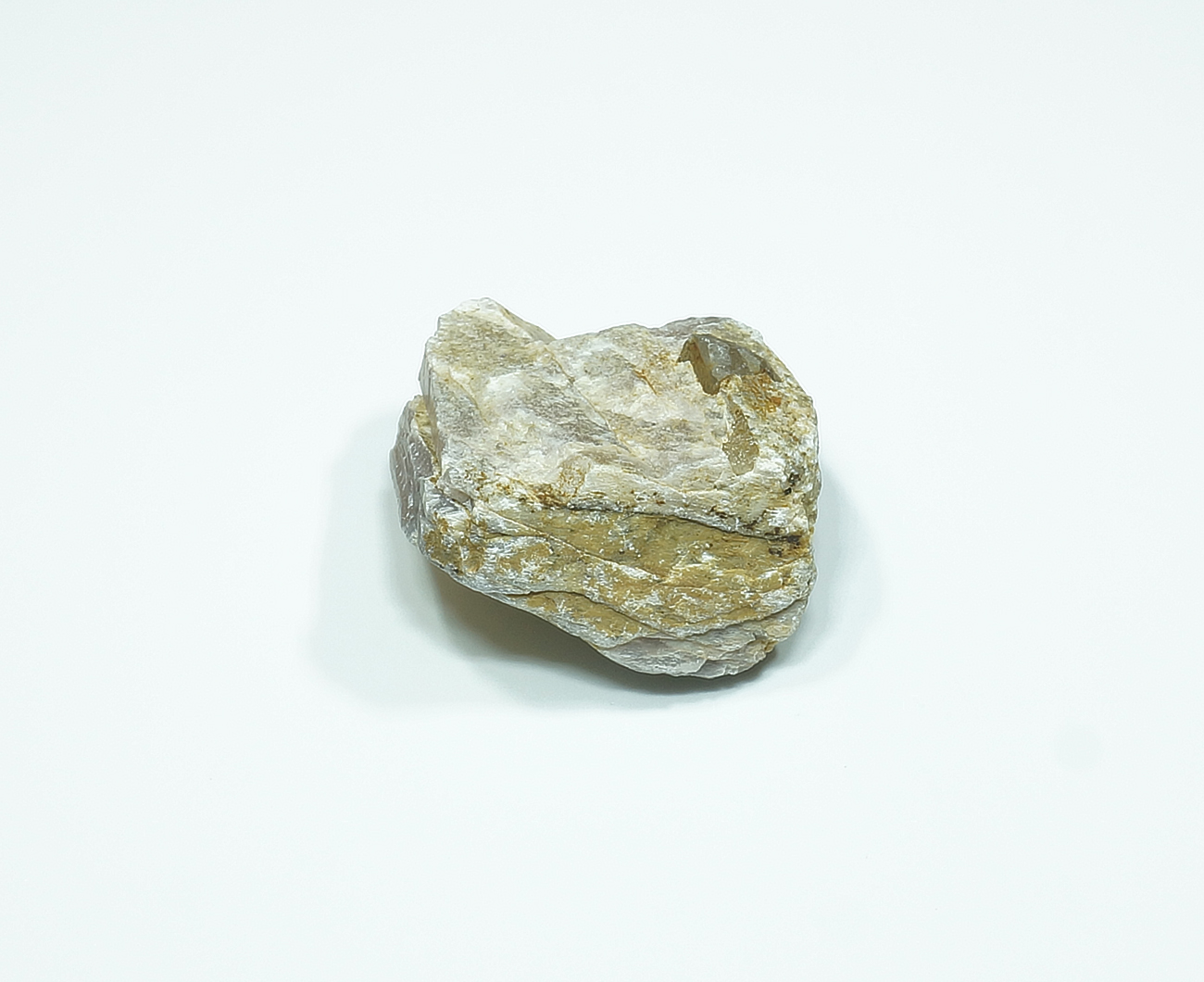
Description
It belongs to the category of these stones, a group of hydropower aluminosilicates.
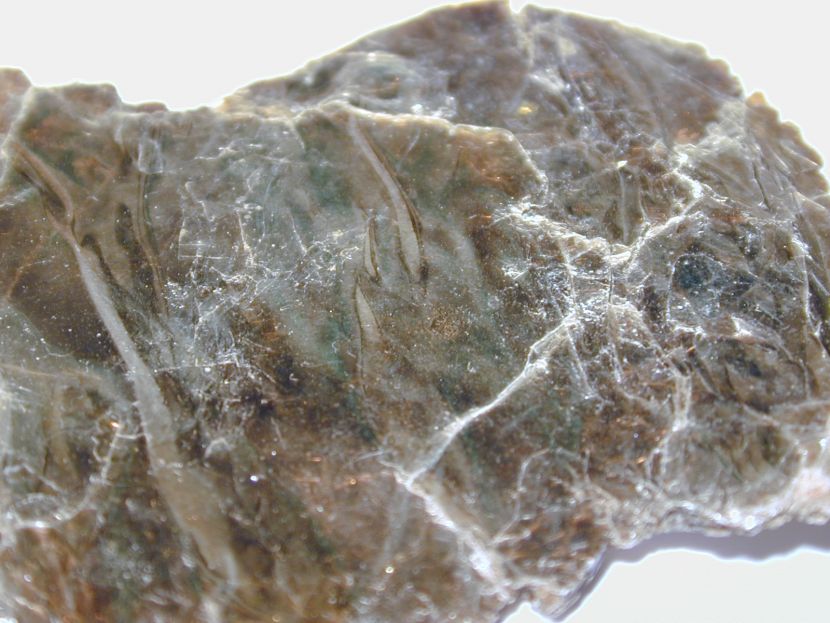
Artificial composition KAl2 [AlSi3O10] (OH, F) 2.
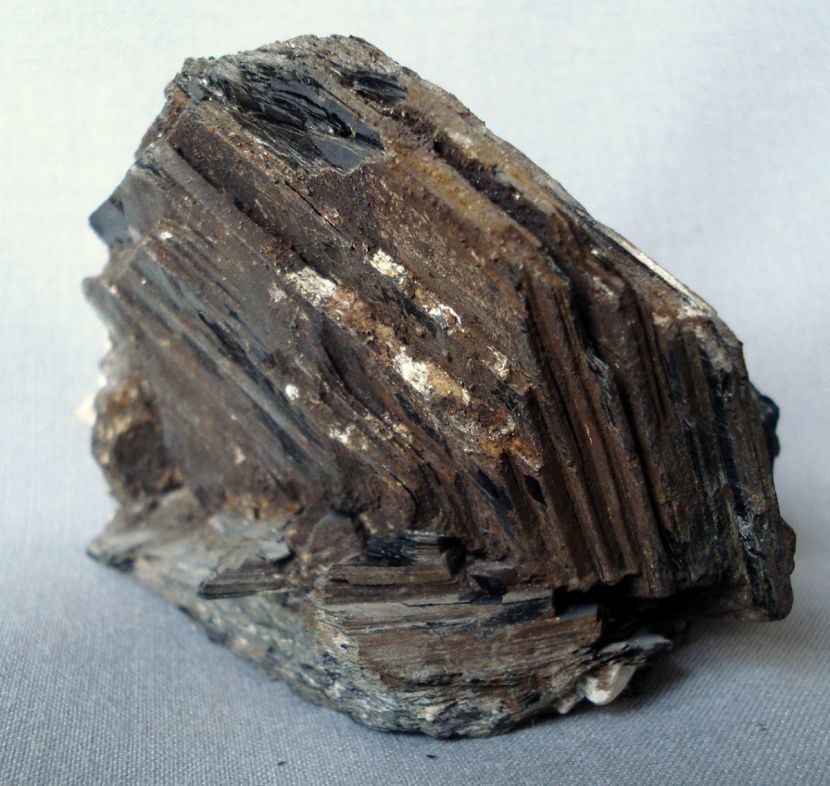
Does not accept used precious workmanship. The main area of consumption is electronics.
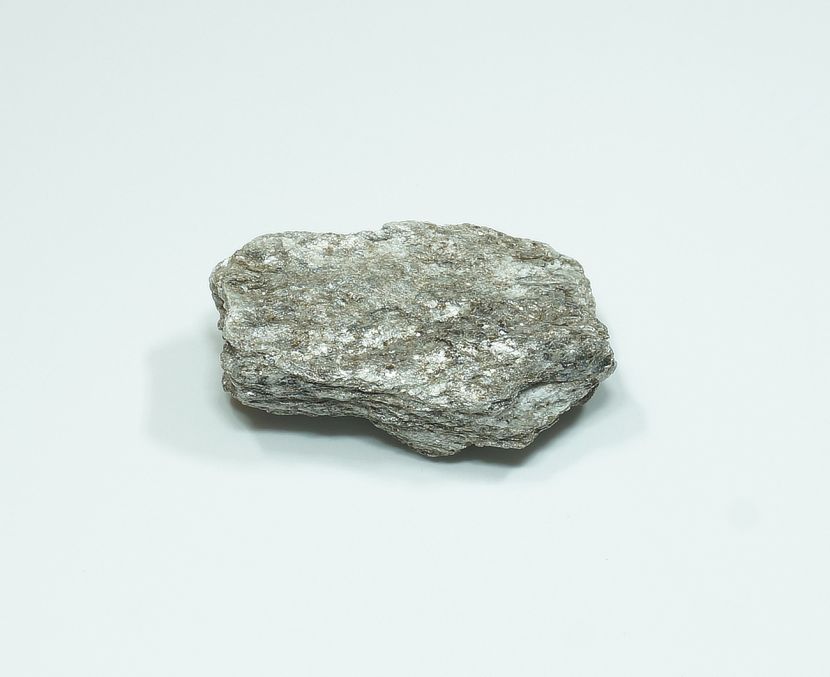
The following structure has:
Silicon - 45.3%;
water - 4.2%;
aluminum - 38.7%;
potassium oxide - 11.8%.
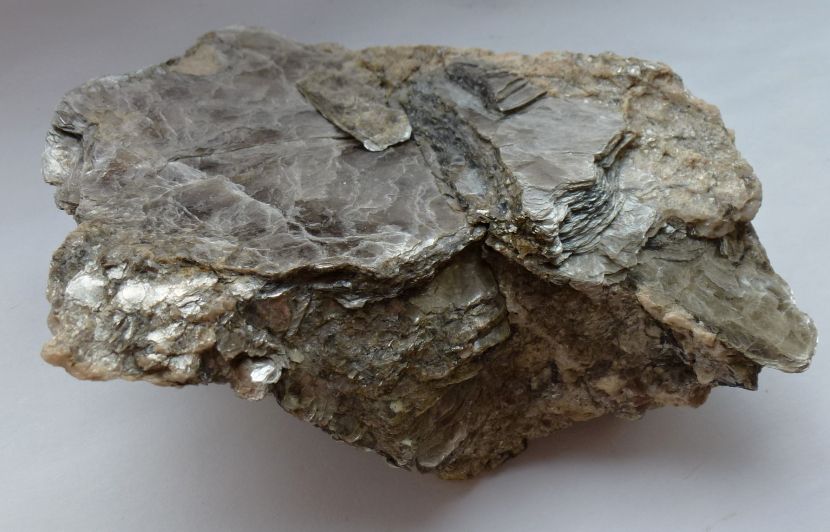
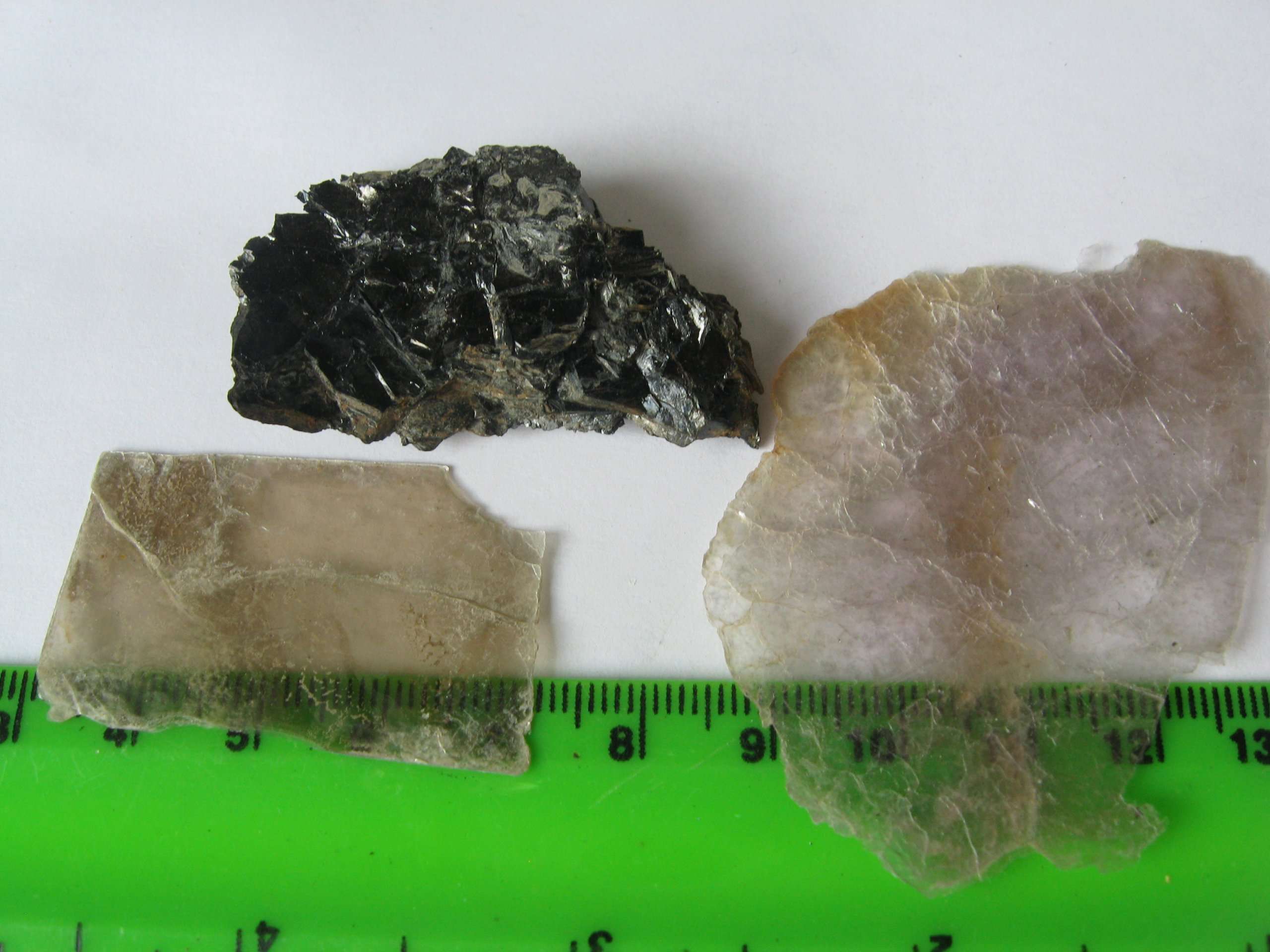
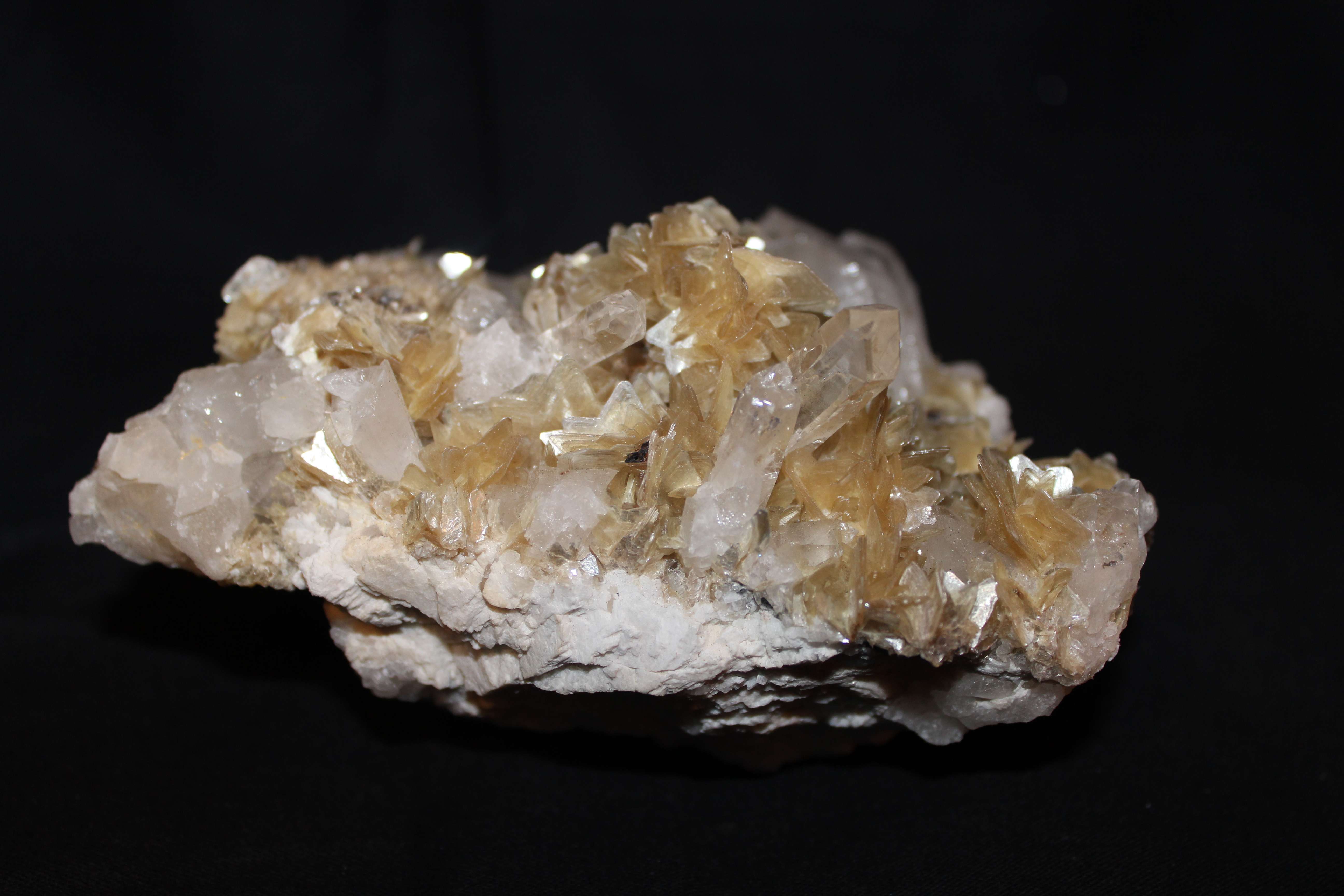
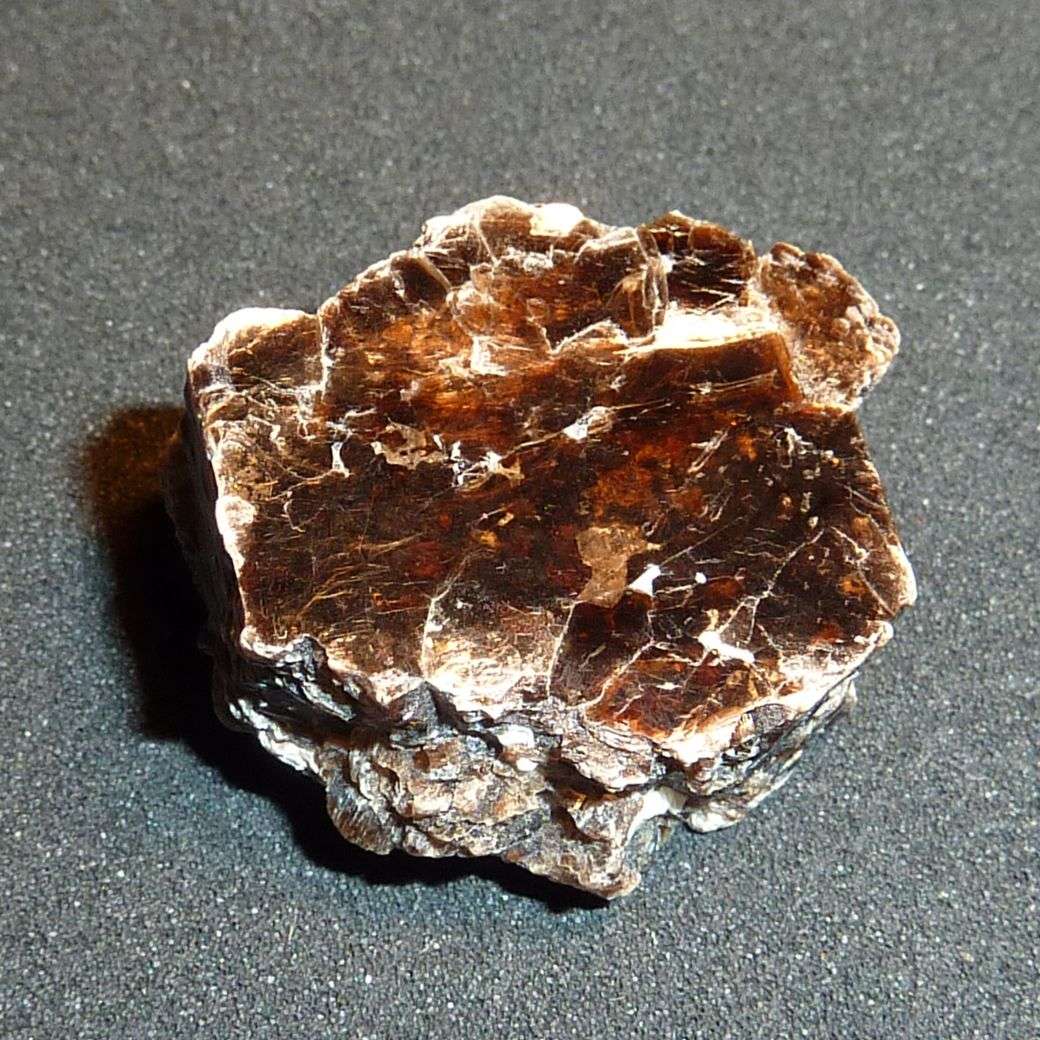
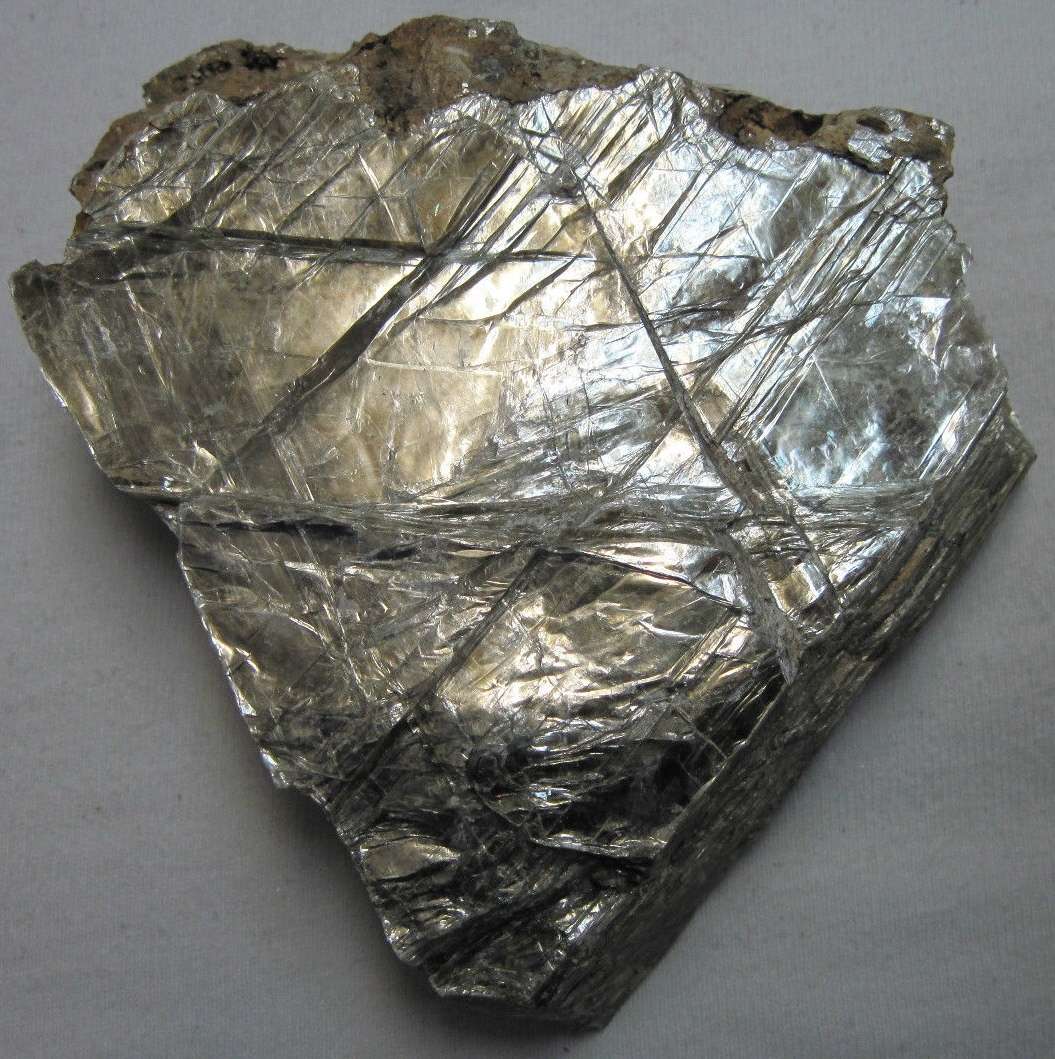
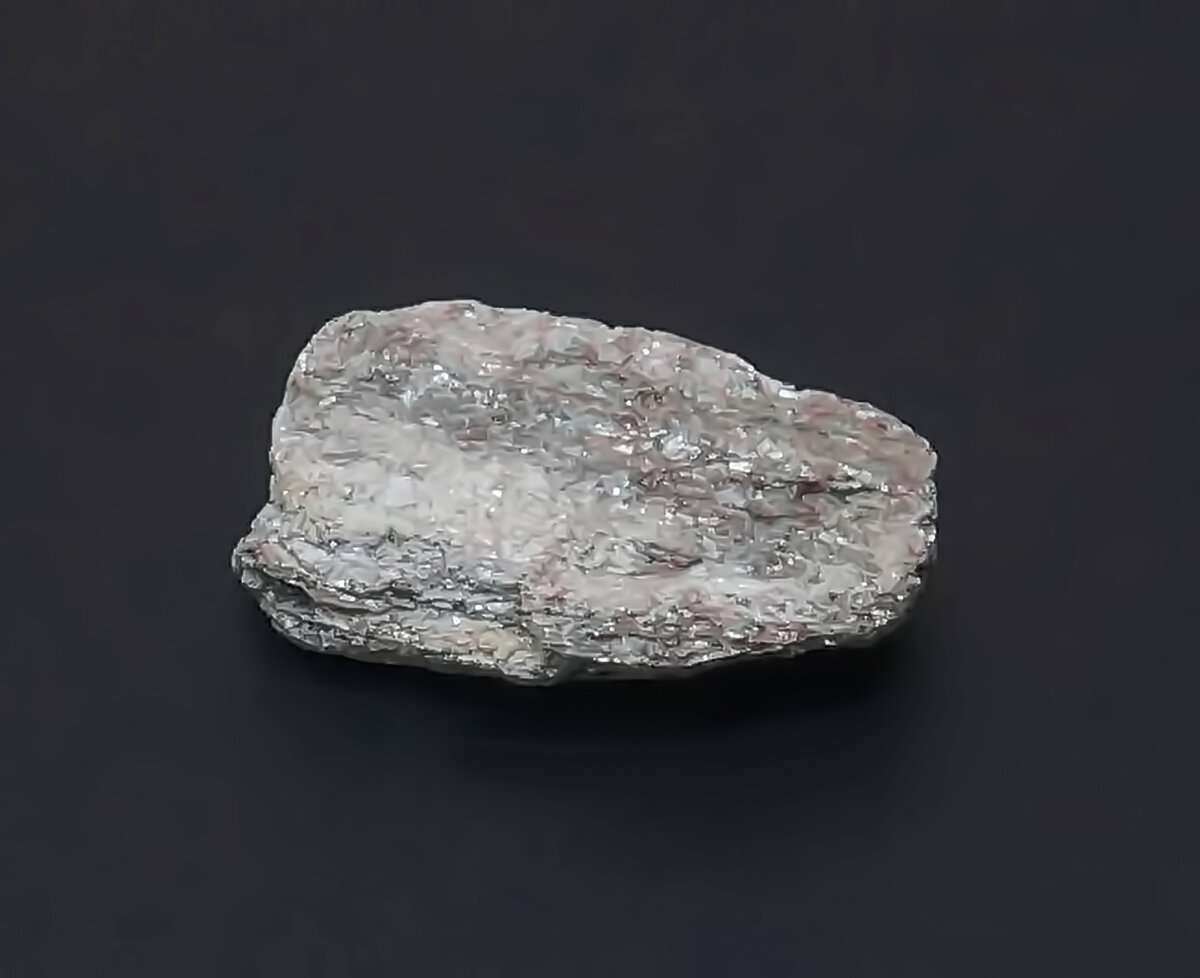
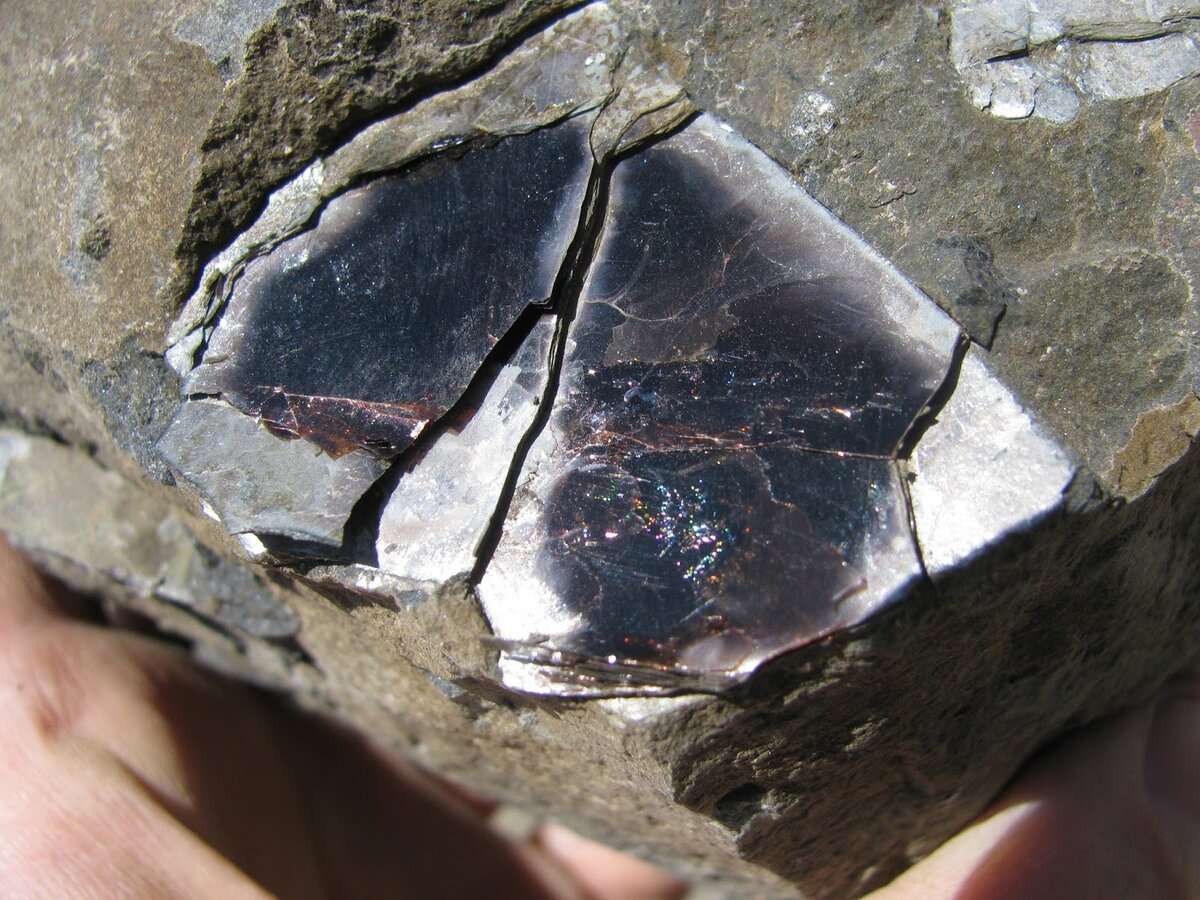
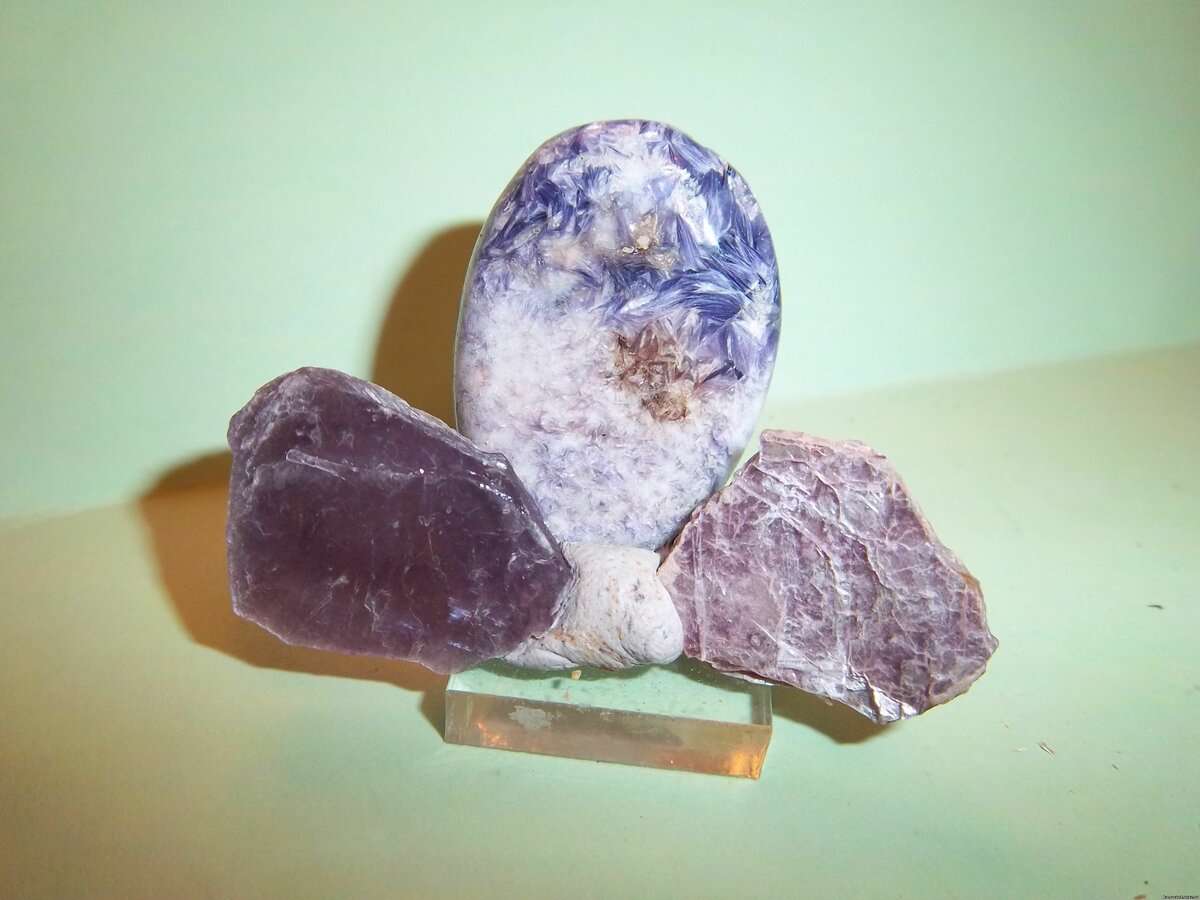
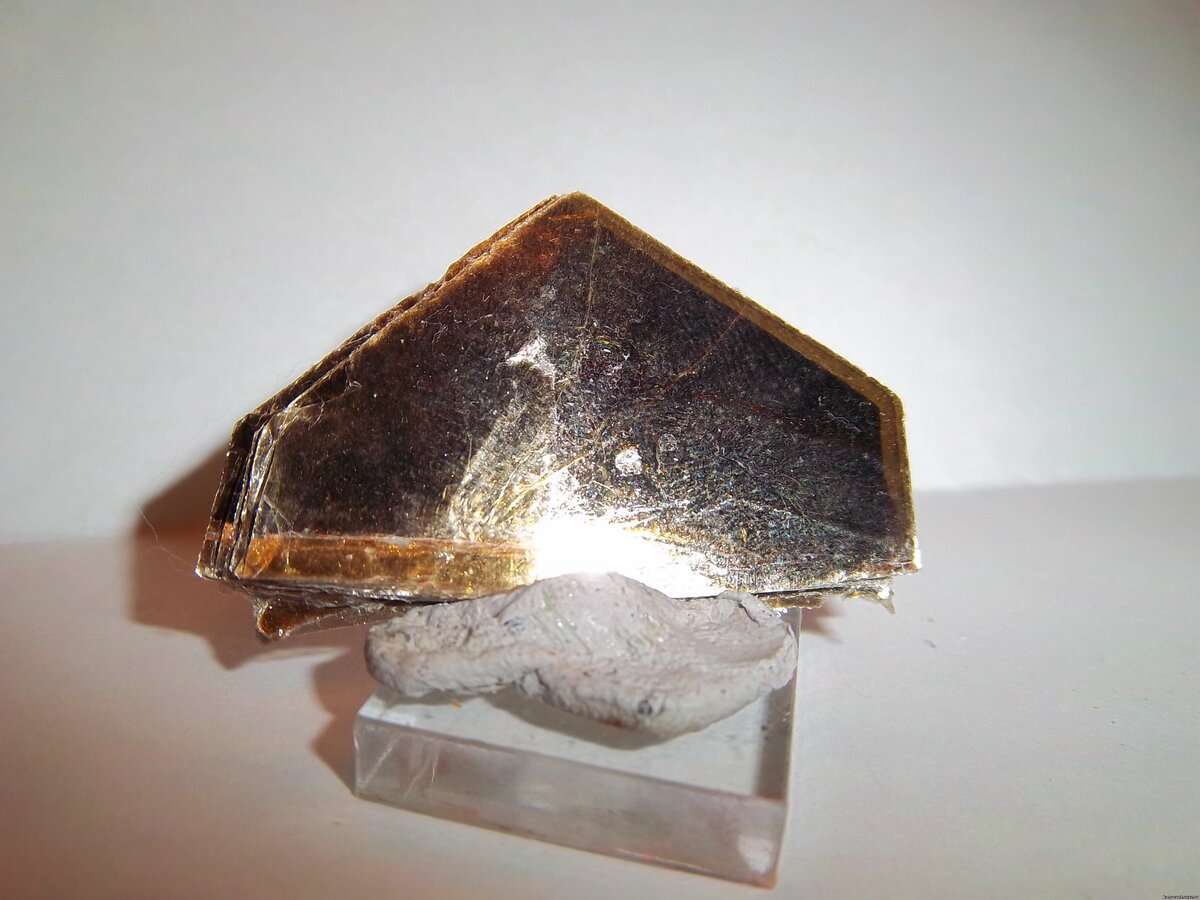
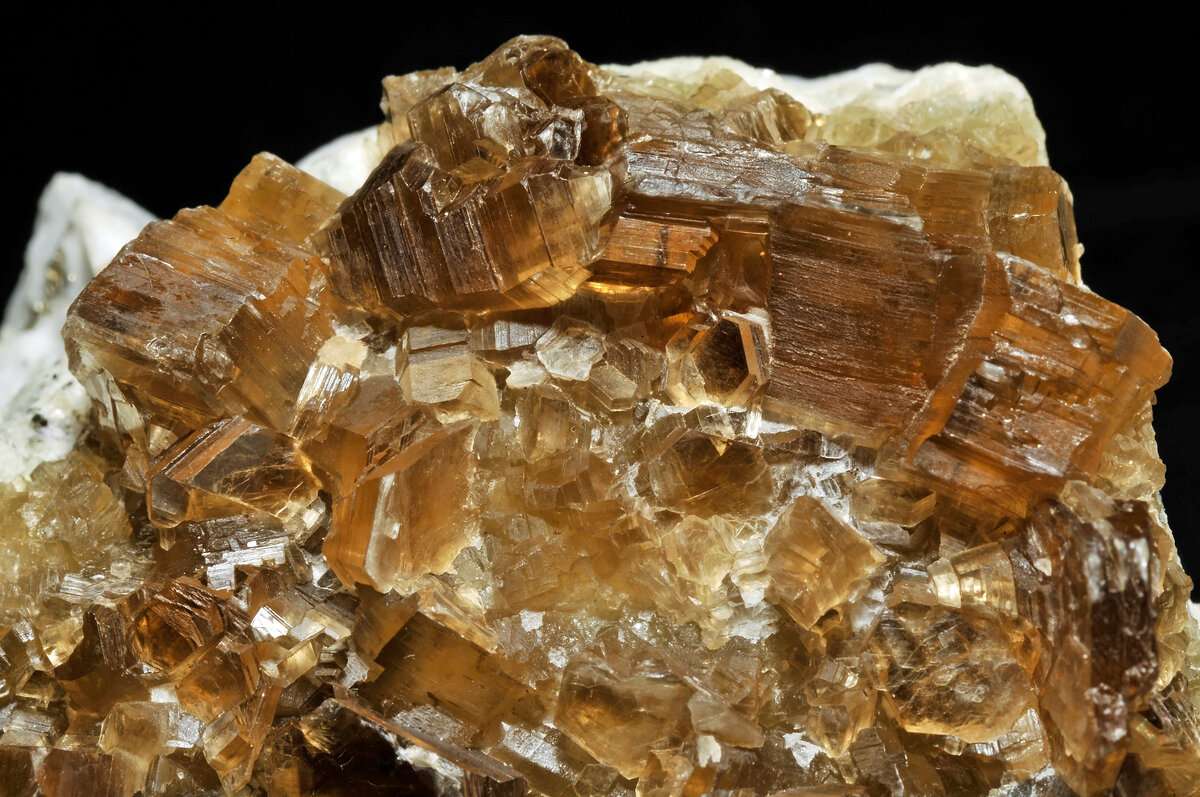
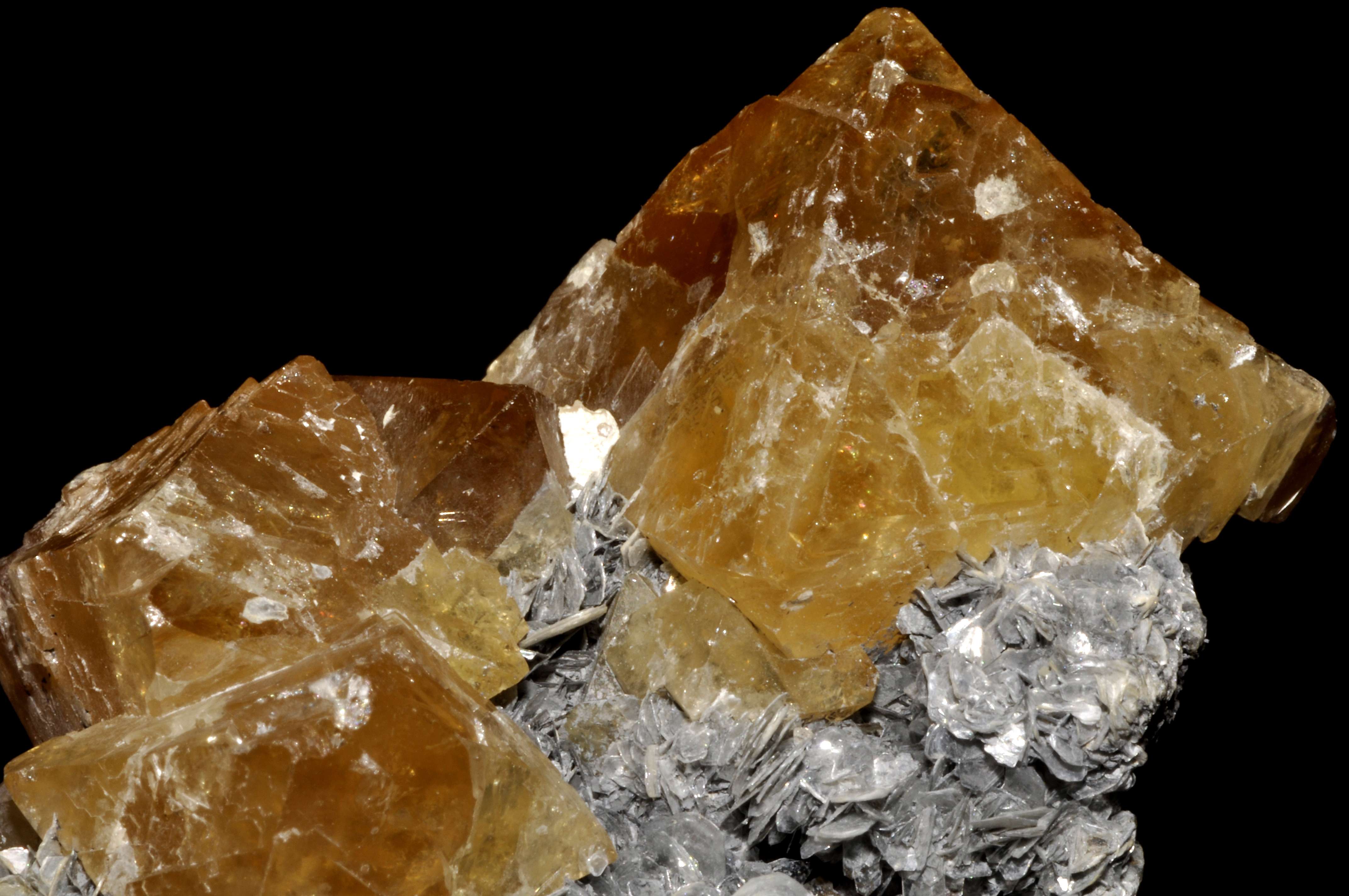
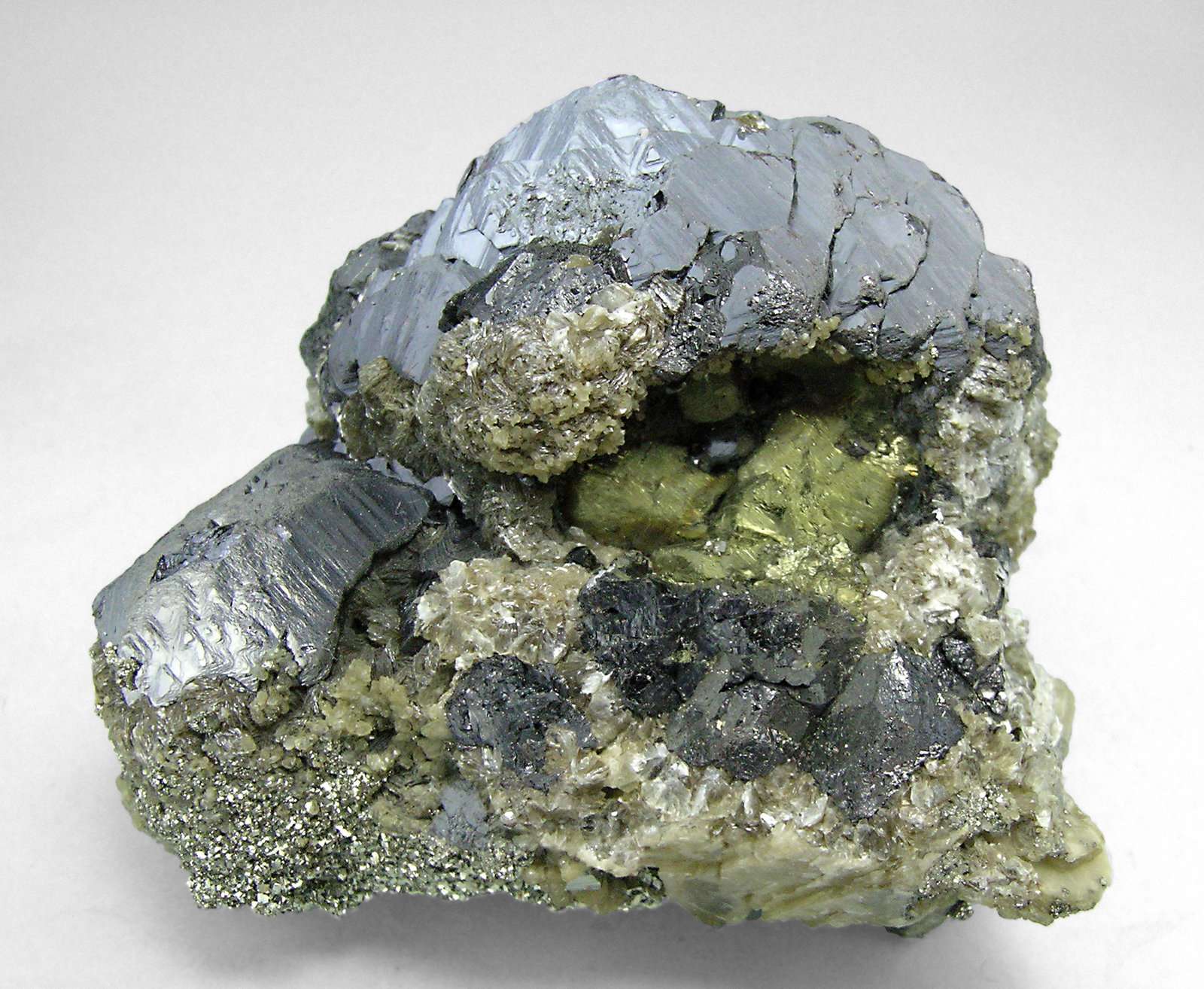
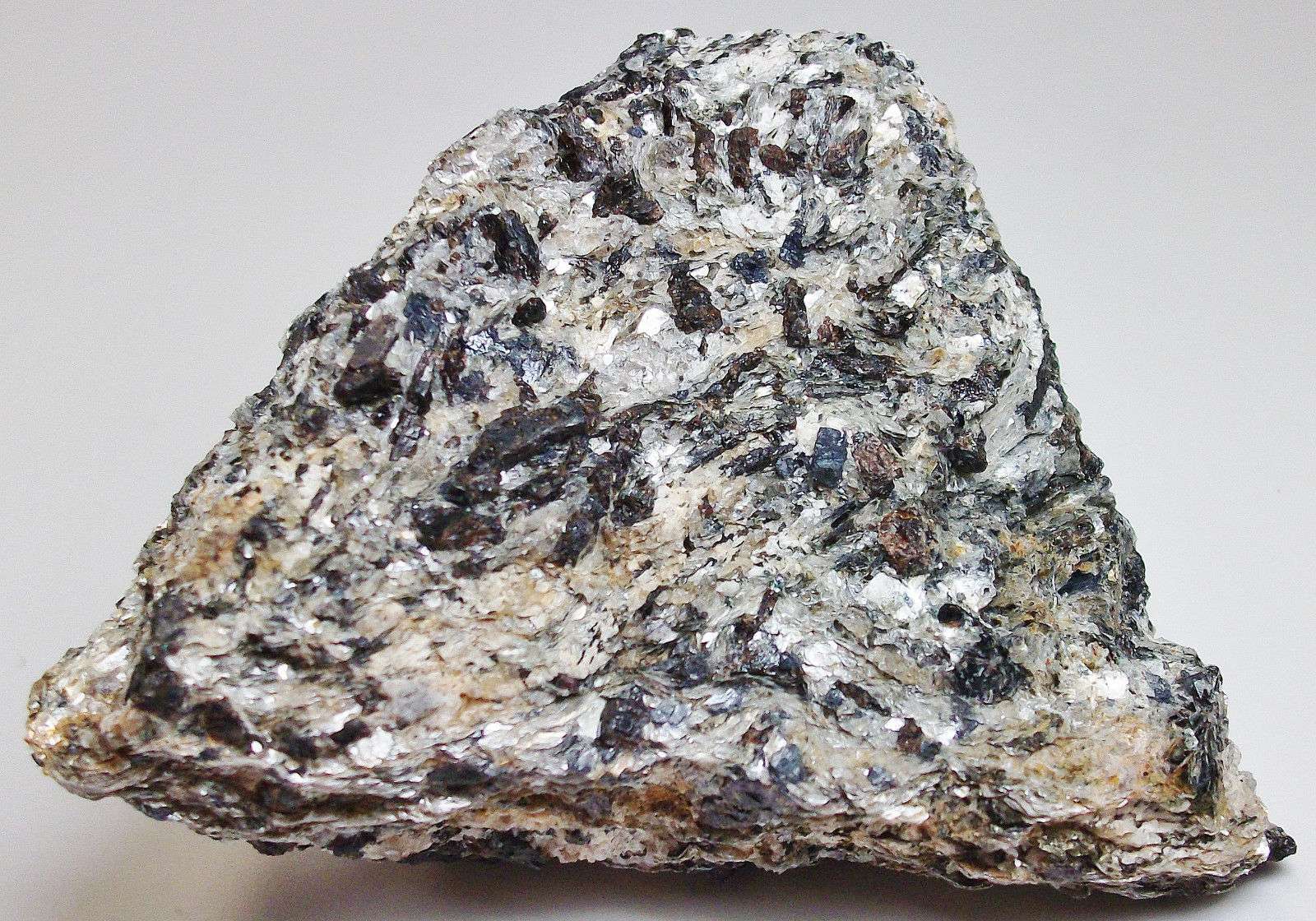
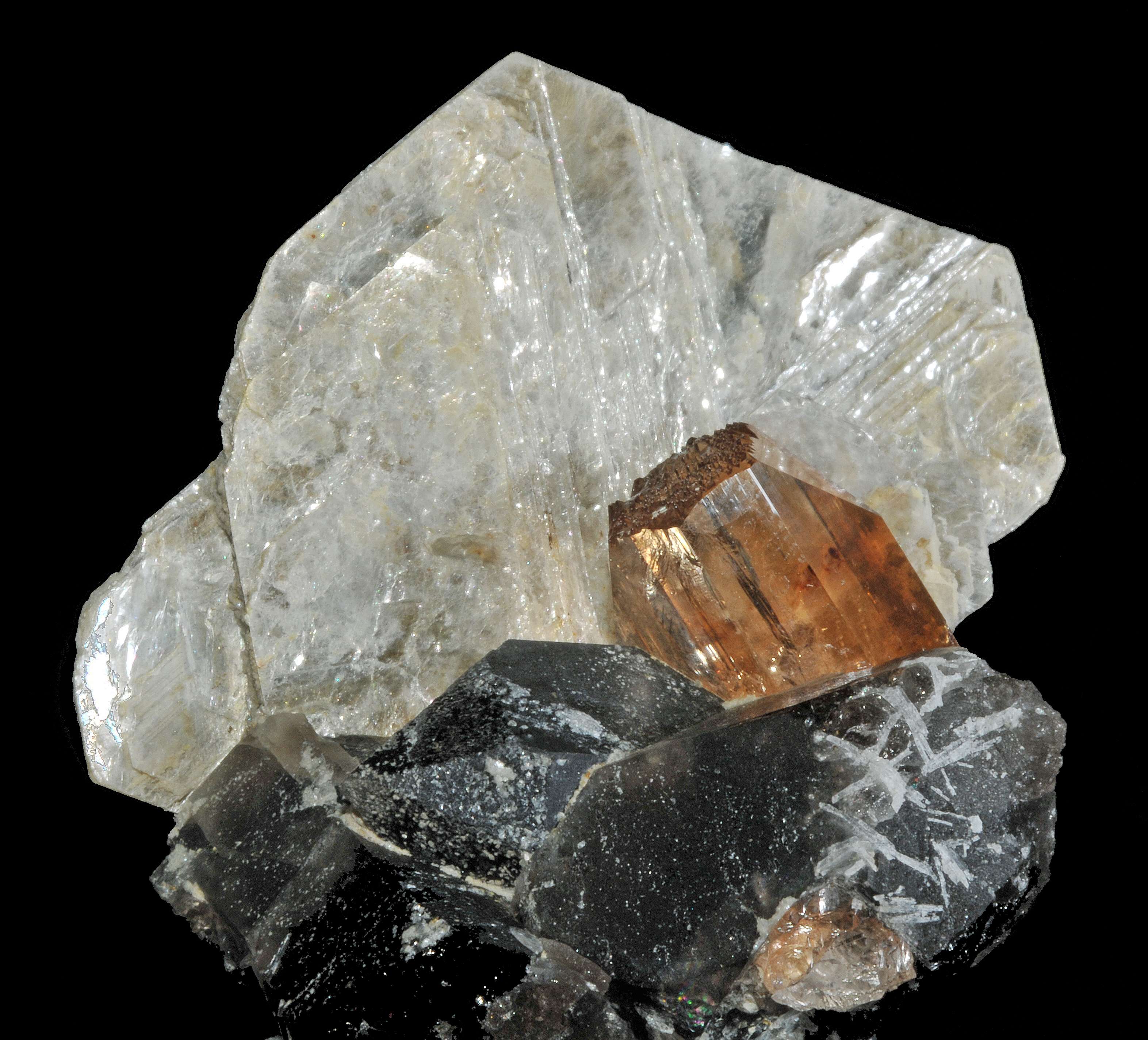
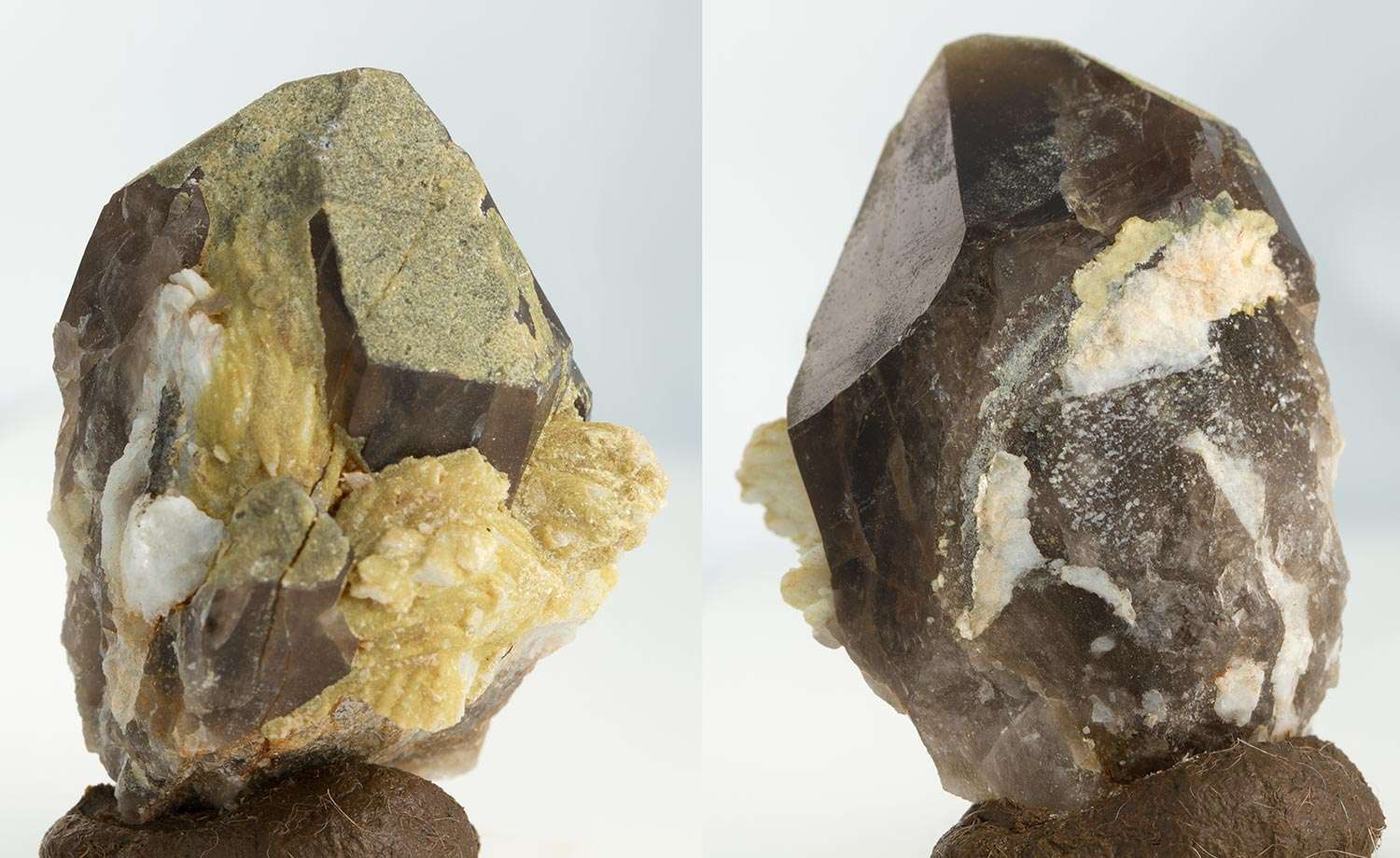
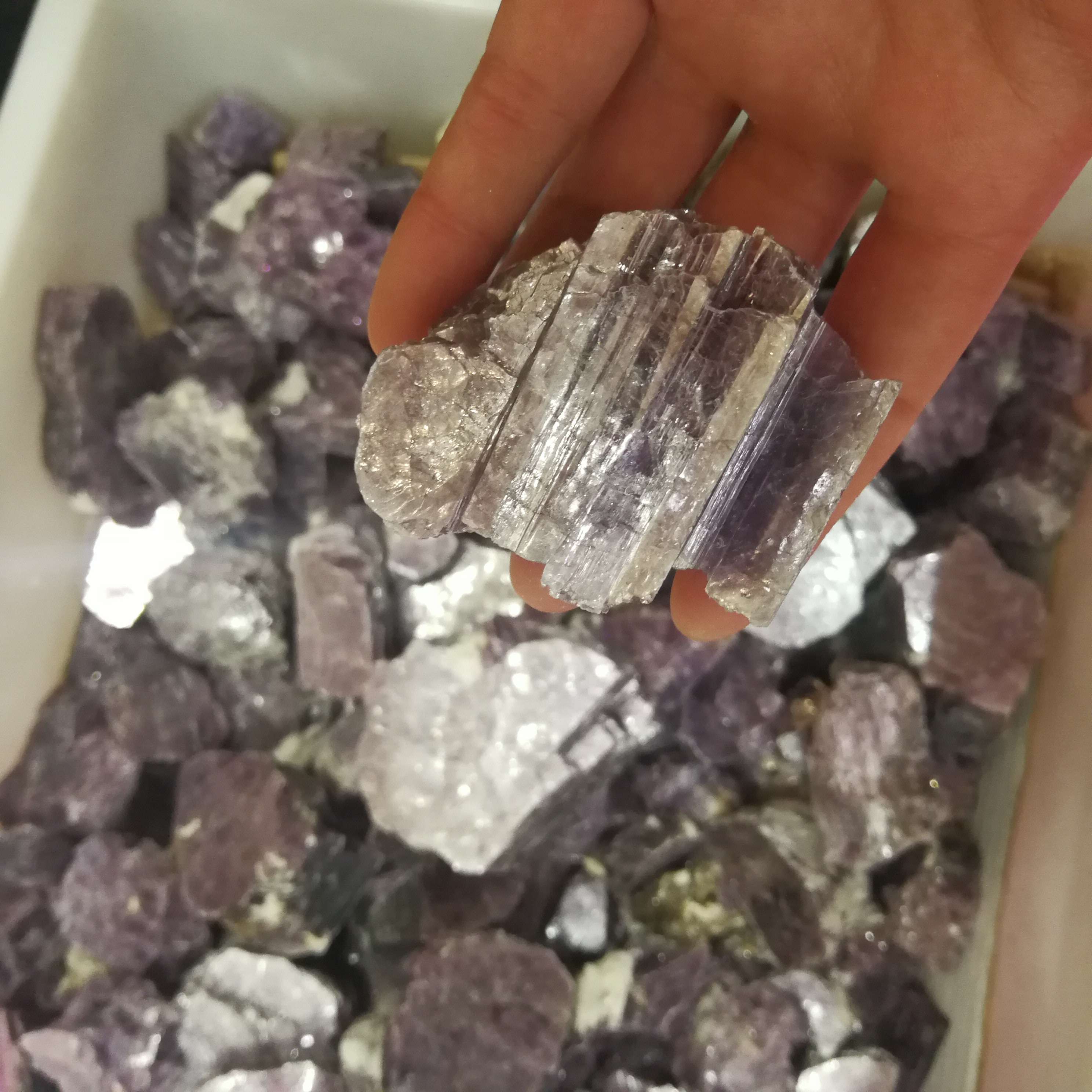
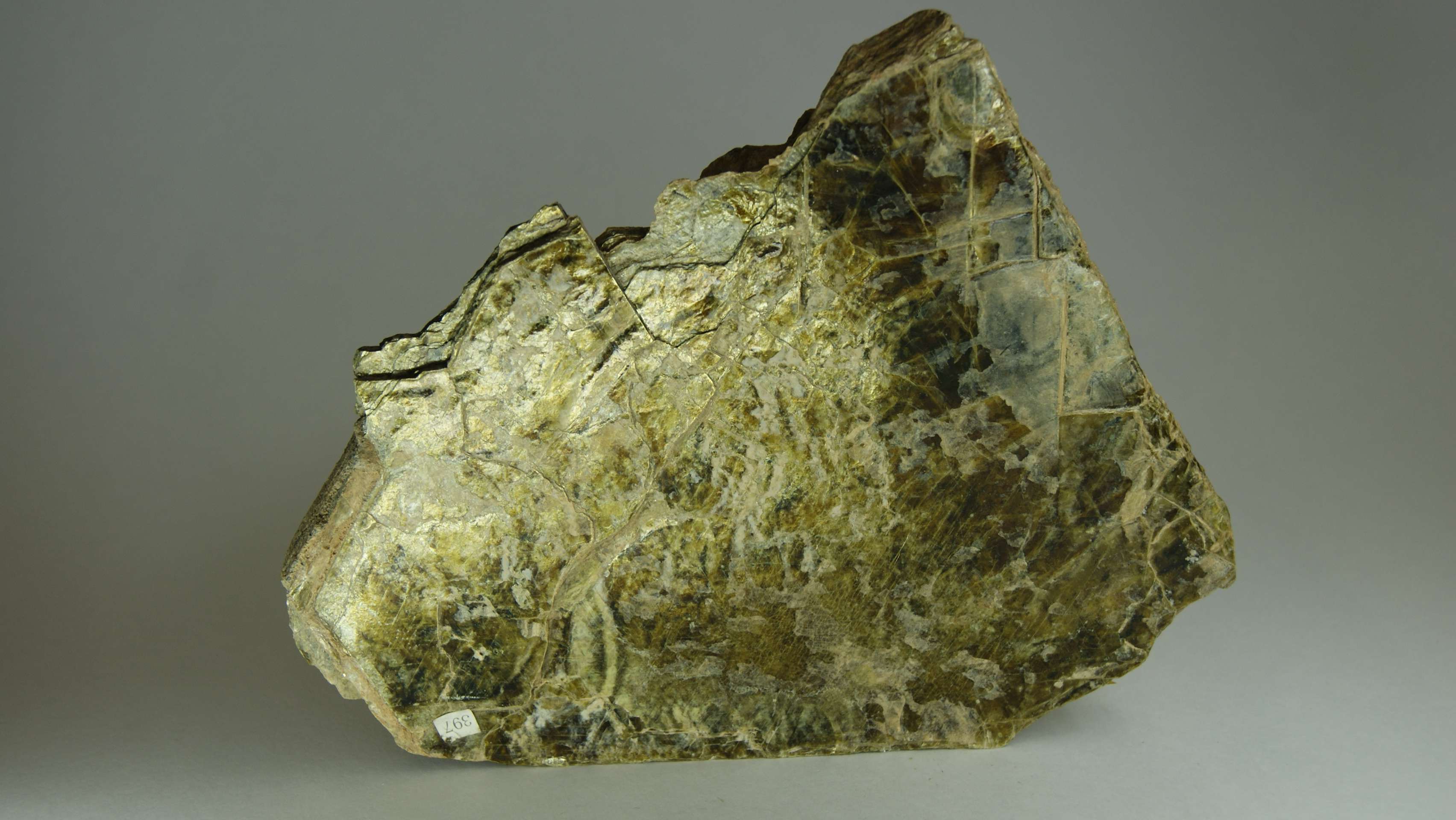
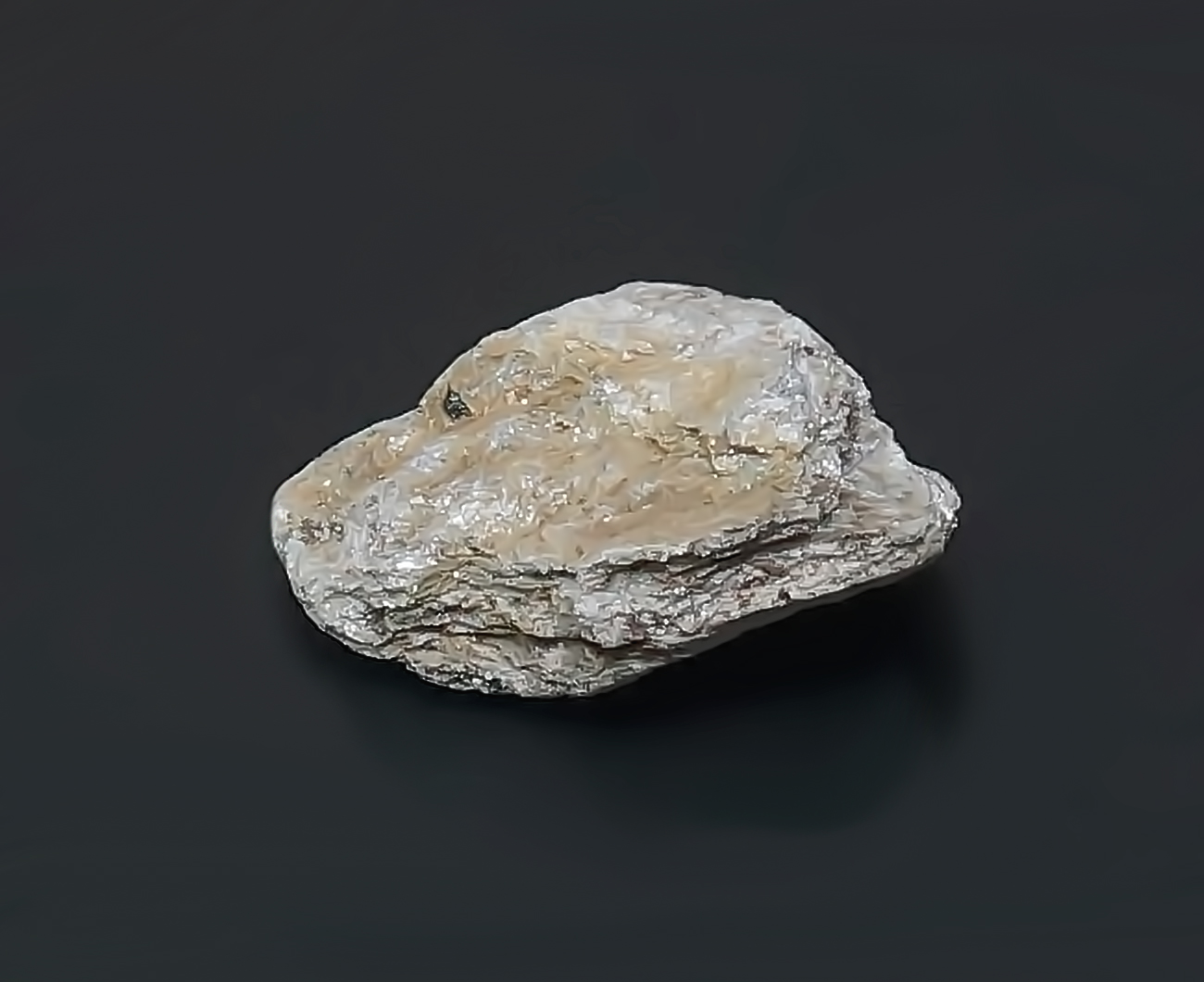
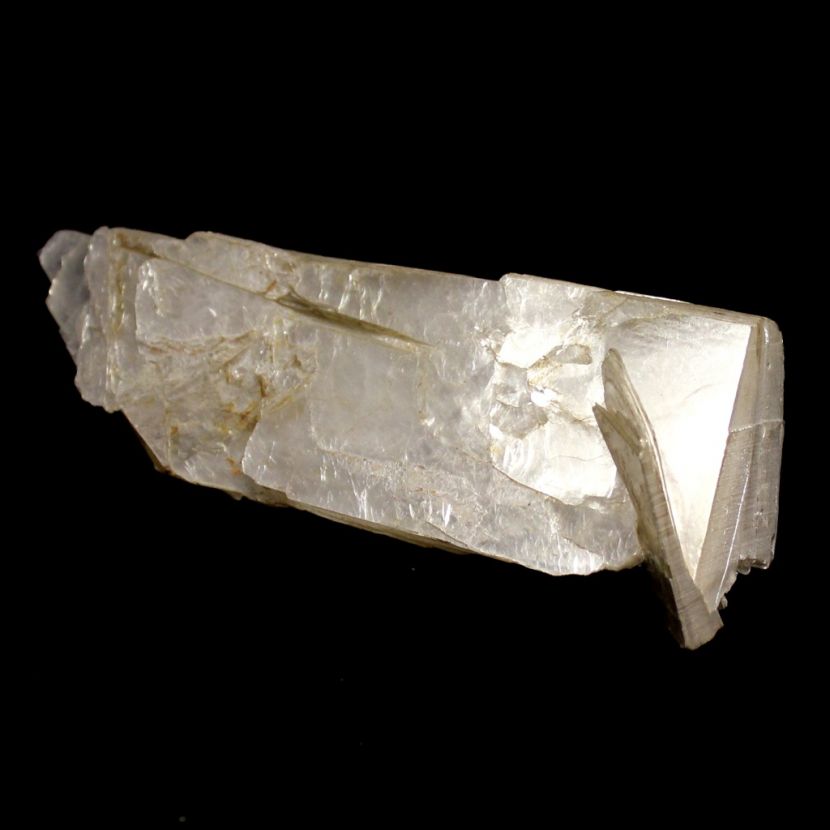
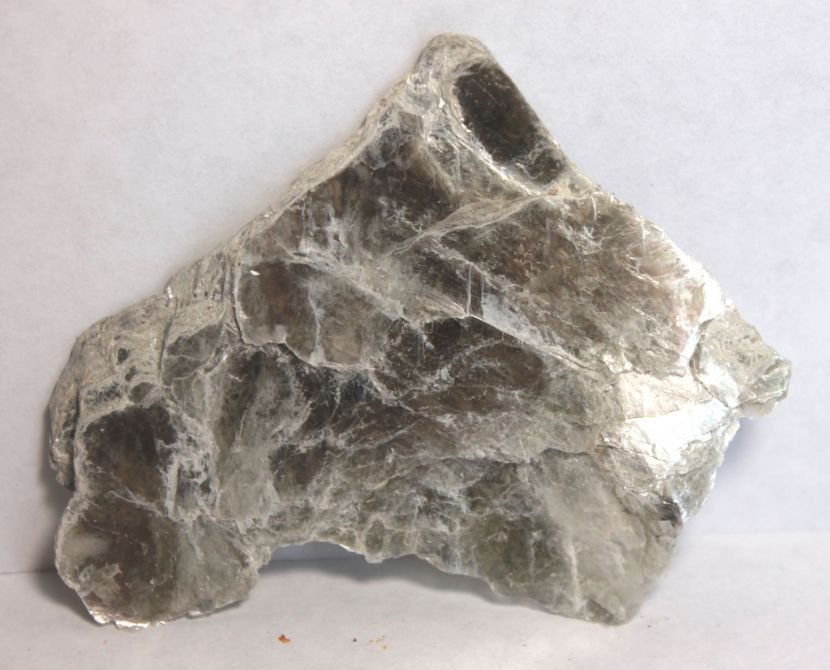
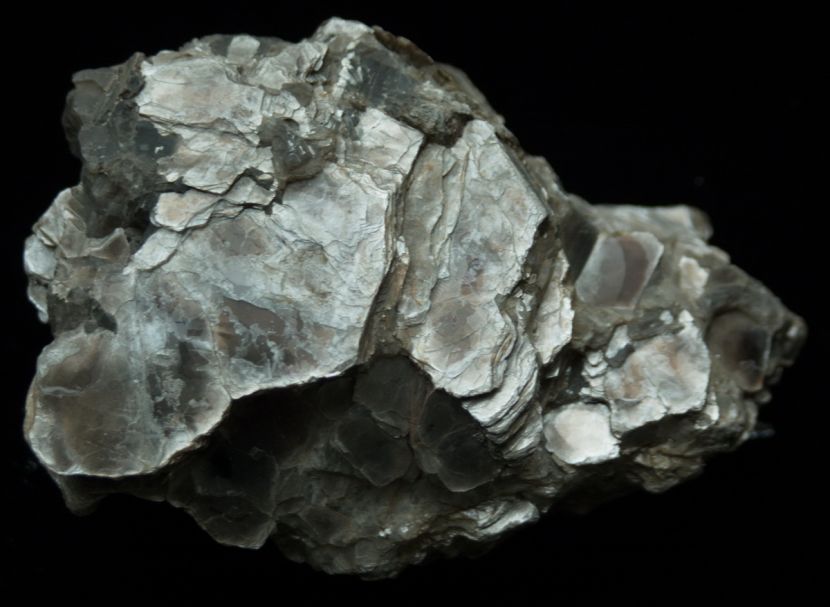
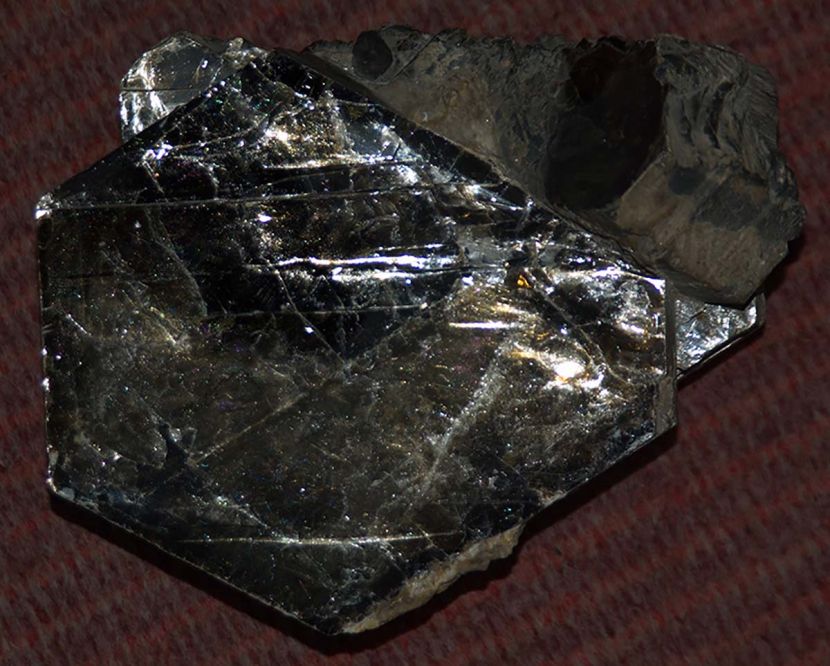
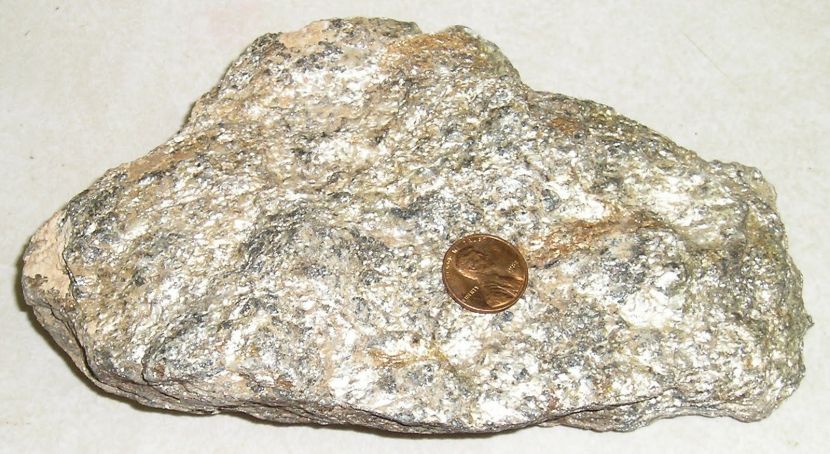
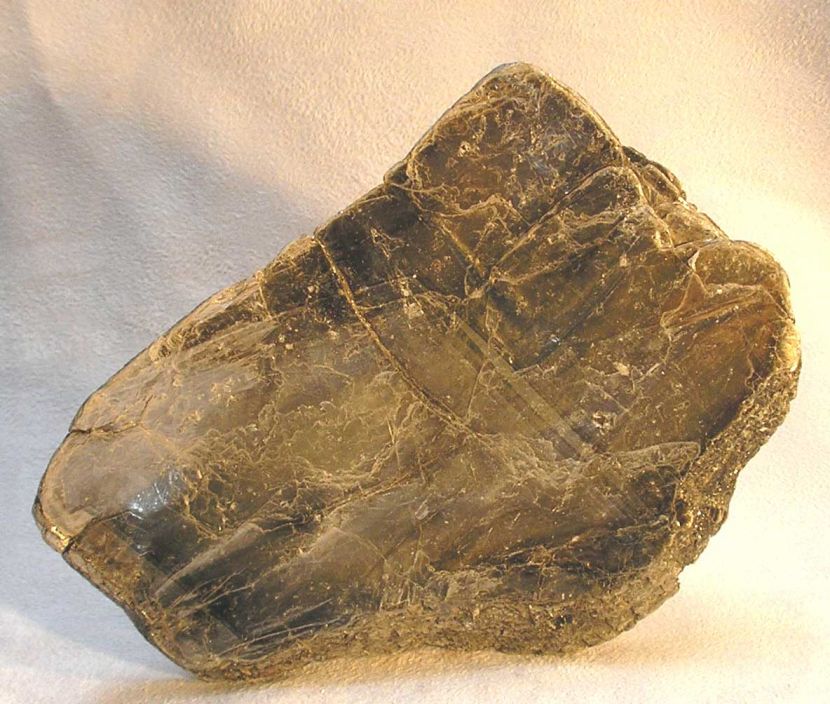
These are snow-white or transparent solids. And in this regard, in which place they are scattered, they have different colors. In general, due to the variety of colors, we find gray, milky white and white minerals. Based on the level of brilliance, accents are: mother-of-pearl, silky or vitreous muscovite.
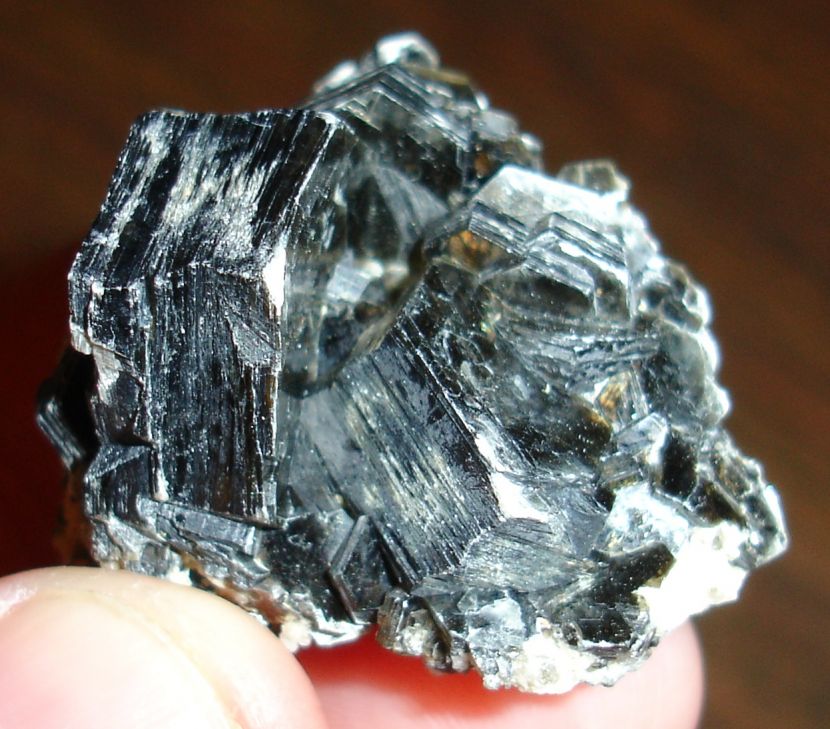
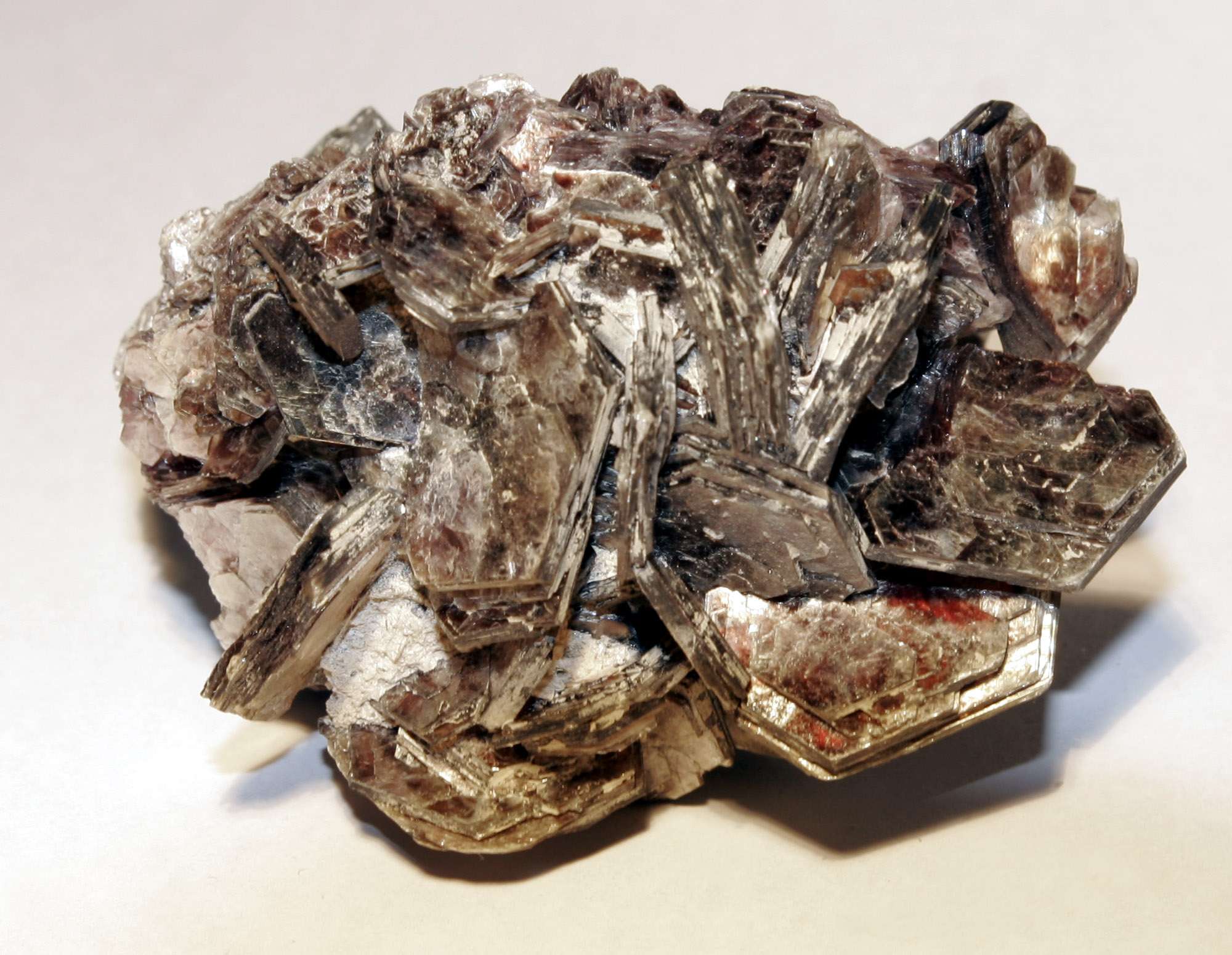
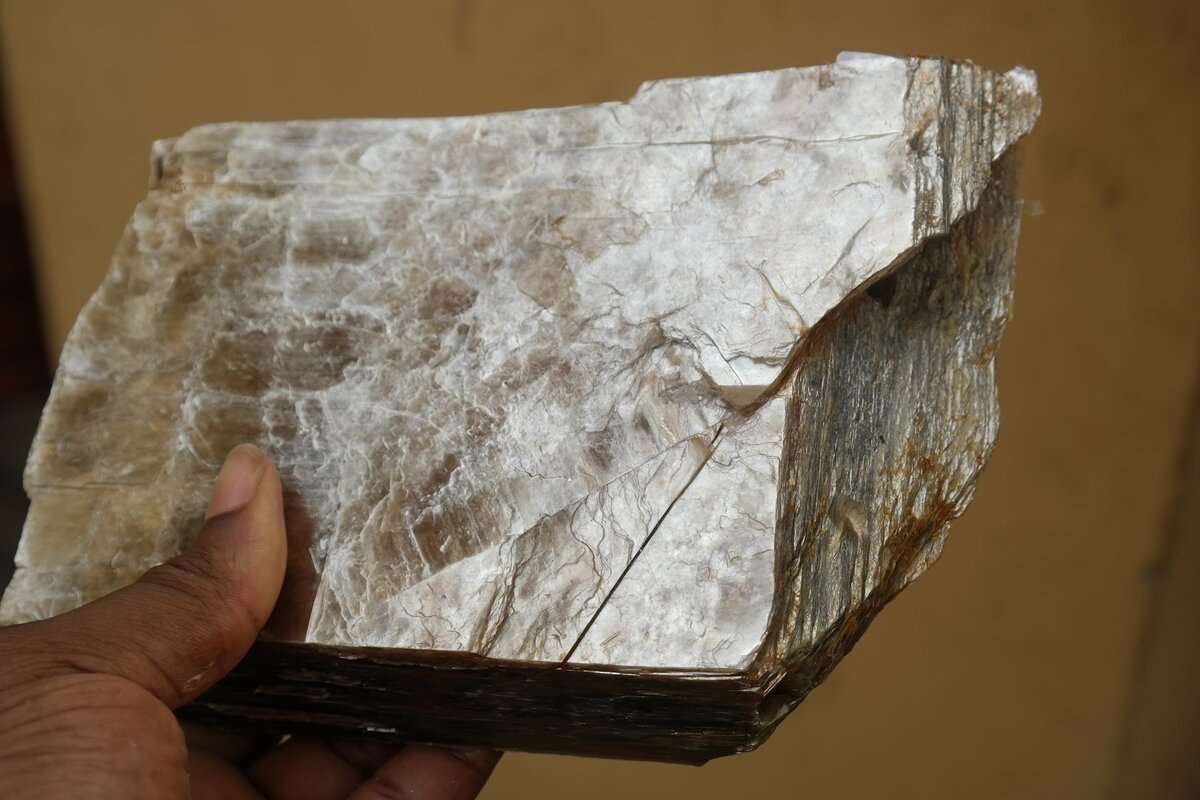
Parts of the species have a gable or tile-like laminar composition.The sides differ in horizontal hues, but the crystals with exclusive and uneven patterns are in different colors.
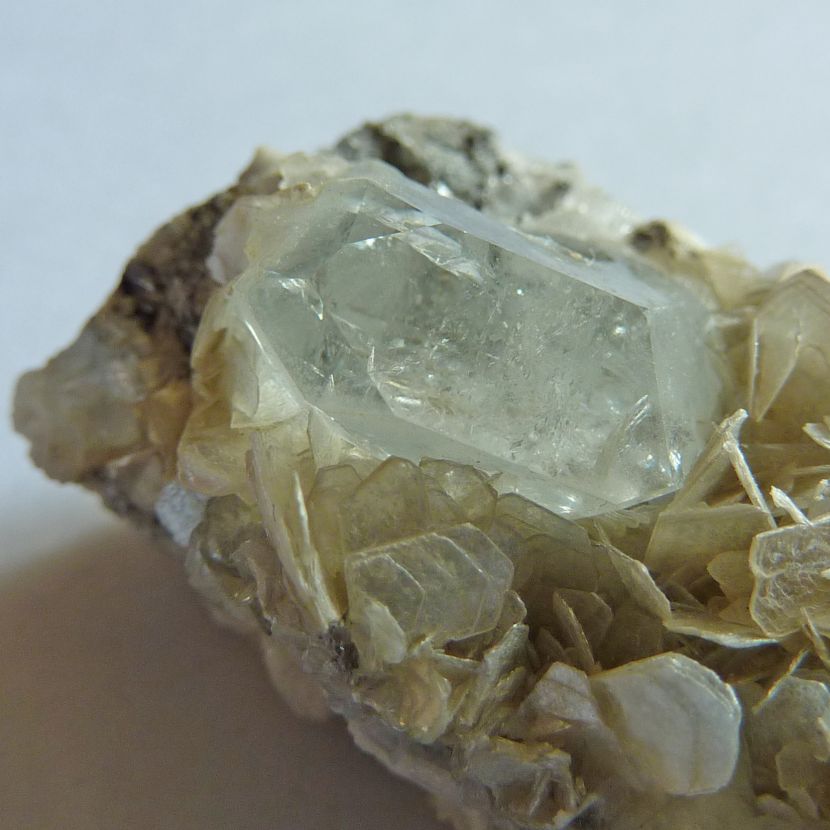
The strength of the mineral ranges from 2-2.5 based on the hardness scale (diamond is taken as the ideal hardness, which is a sign of a hardness of 10).
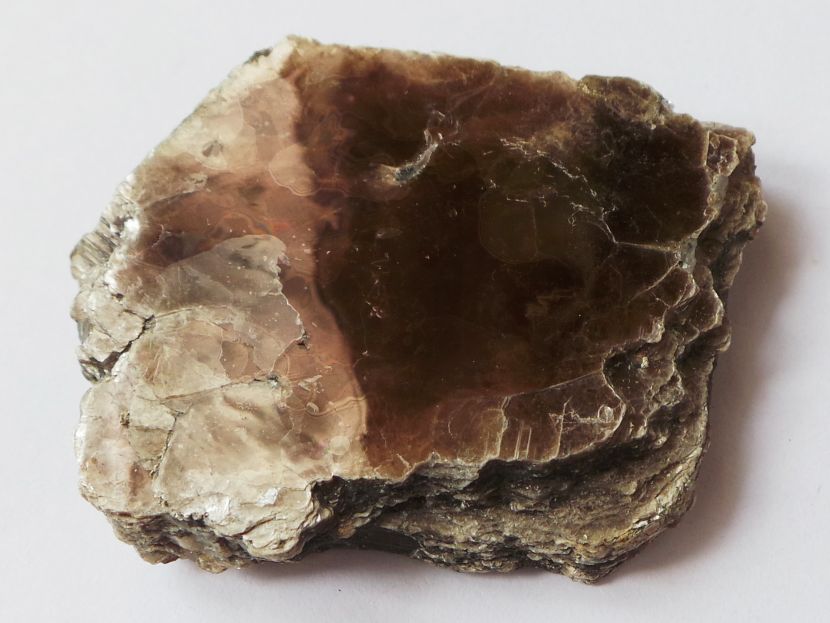
Muscovite is a flexible, strong, but brittle stone. It simply splits into separate plates and has a very optimal division (the result of its crystalline composition). It melts weakly (not below 1600°C), creating along with this a yellow or gray mother-of-pearl. At 850°C it consumes little water. When interacting with acid, it is not destroyed.
Diversity
Sericite is a compact, finely scaled, bright mineral with a delicate sheen. “Sericos” in Greek is smooth, acceptable with the most significant occurrence of silica, under given conditions it can be intermediate in relation to phengite K (Fe, Mg) Al [(Al, Si) Si3O10] (OH, F) 2.
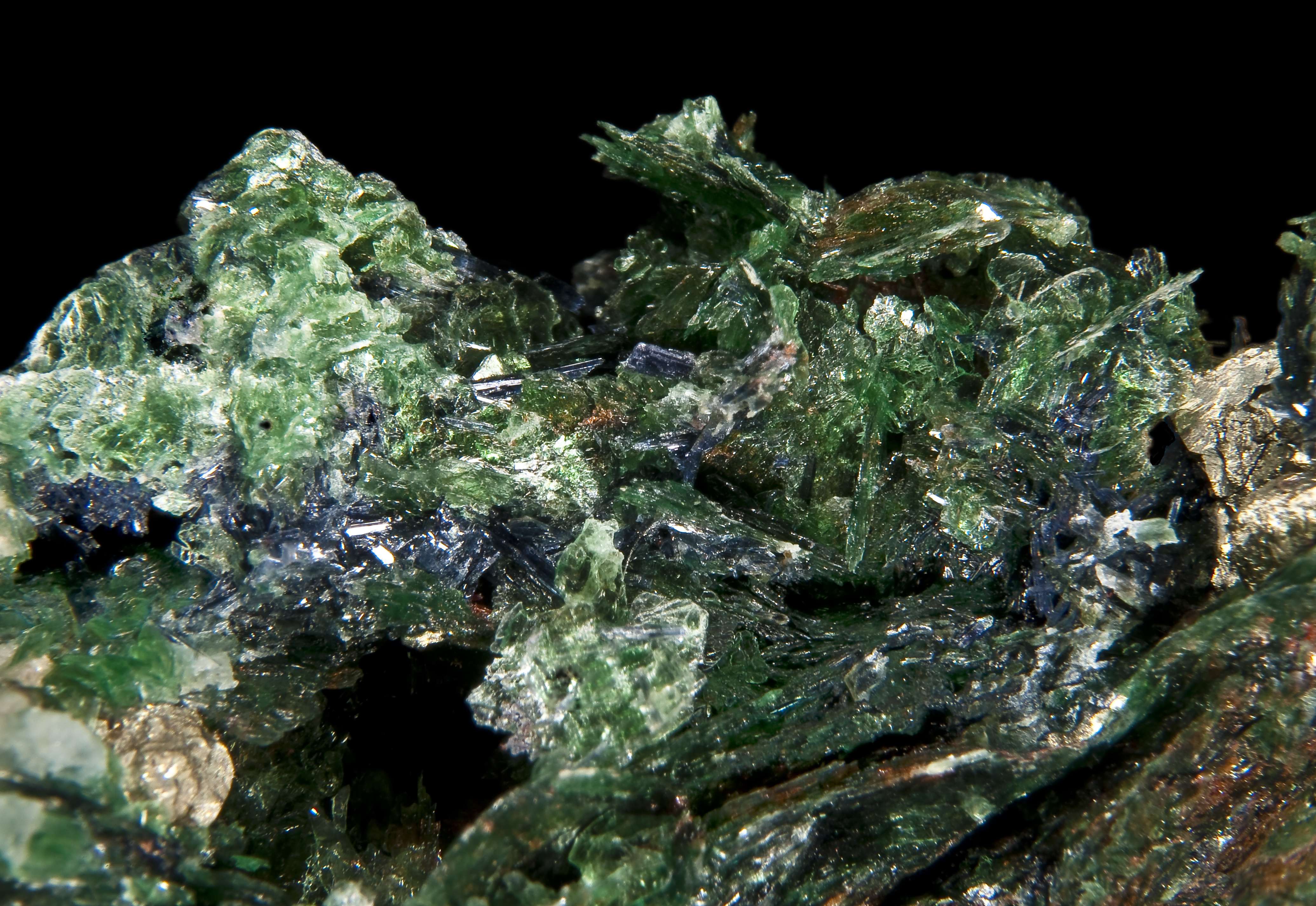
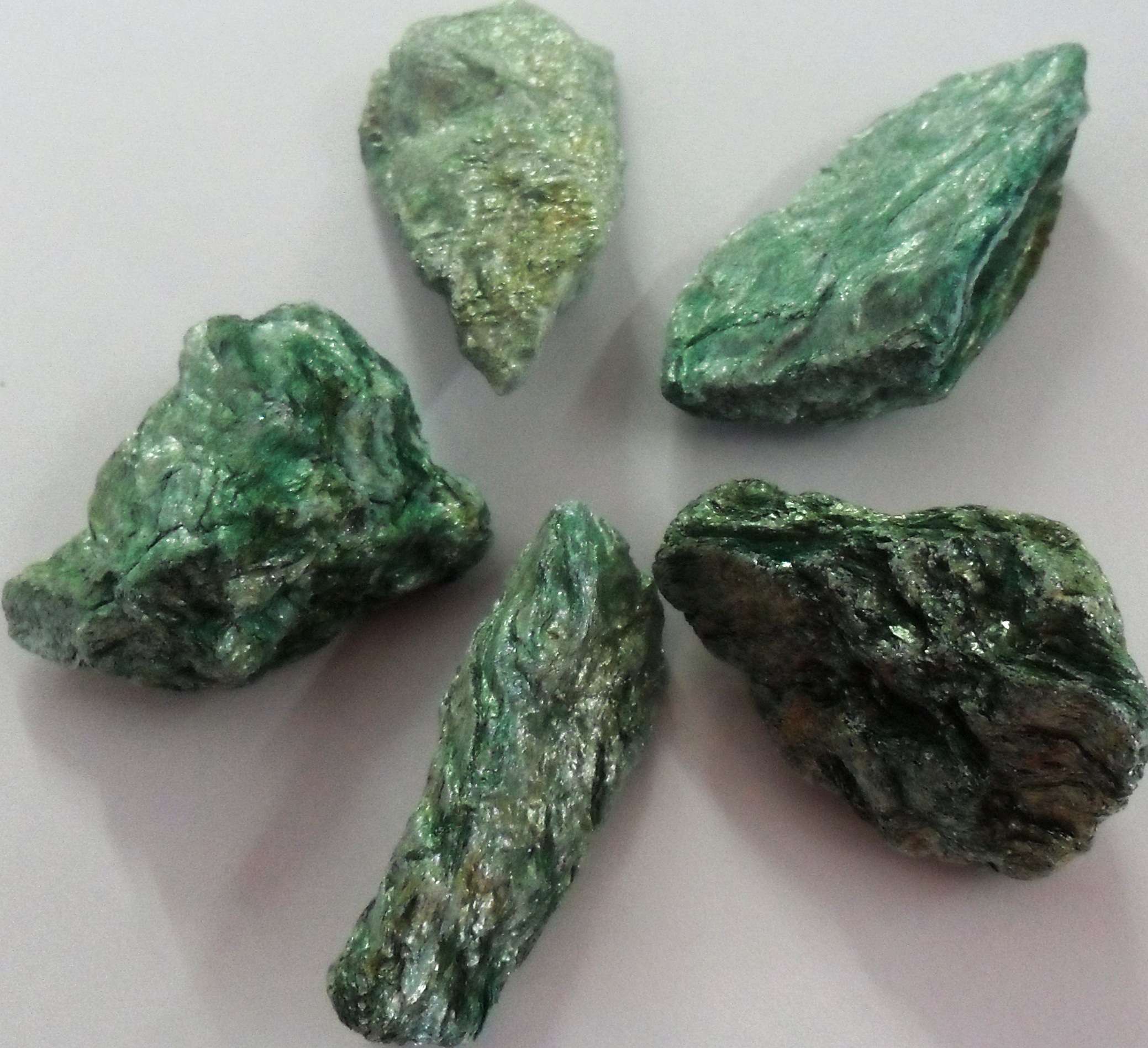
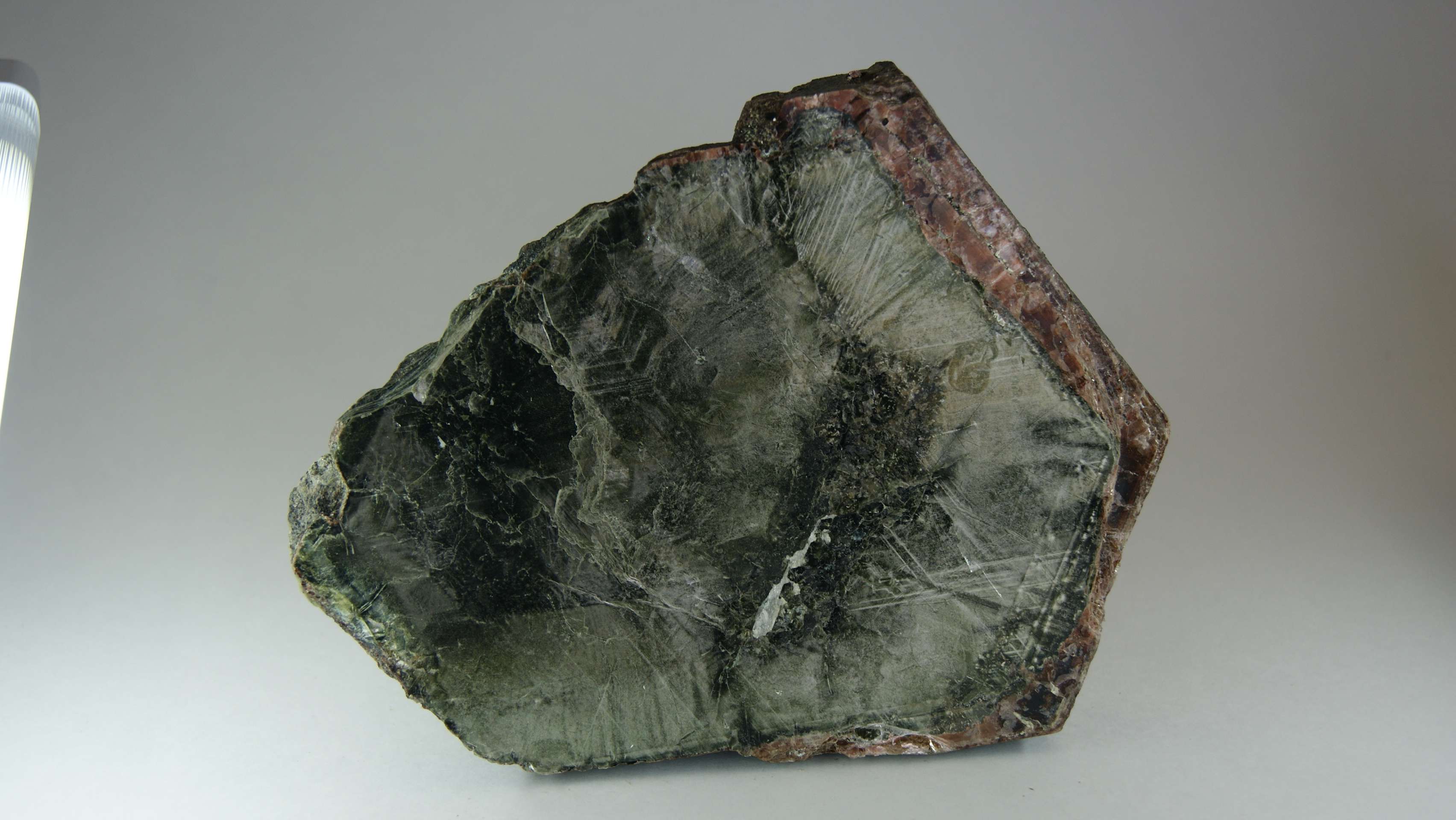
Fuchsite is a finely flaky, bright green (chromium) mineral. Cr2O3 up to 4.8%;
Ellacherite is a barium mineral (Co, Ba) (Al, Mg) 2 [AlSi3O10] (OH, F) 2 Co BaO up to 10%.
Gilbert is a light yellow mineral with small pegmatites and mineral veins.
emergence
There are a number of methods for the appearance of muscovite:
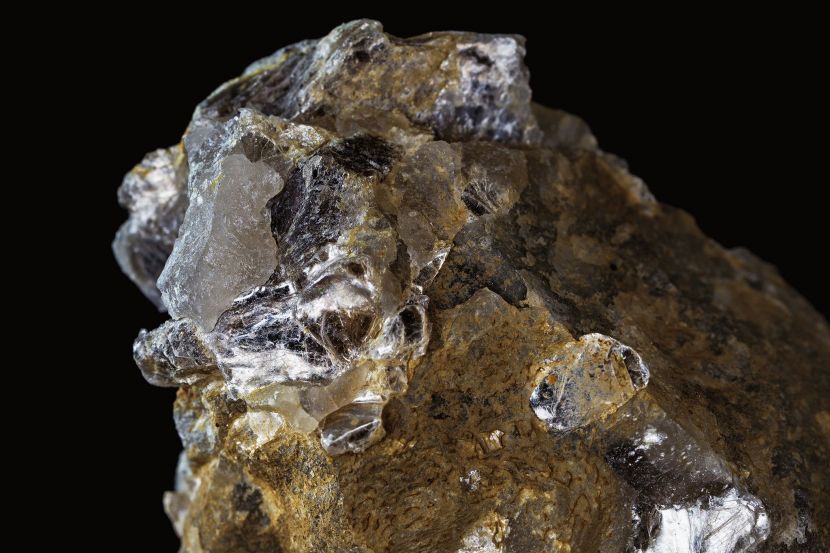
magical occurrence. The mineral is found in vein layers of igneous occurrence. And this is by no means formed in the expiring layers. Subsequently, freezing of medium and acidic magmas, the mineral is accentuated. It is considered a rock-forming component of some of the upper layers (eg granite). Then the mineral begins to spread throughout the space of pegmatite (the sphere of reproduction of the "main" layer) or is folded into a nest (they can reach 1.5-2 m).
metamorphic origin.With an intrusive connection (mineral concentration of high igneous layers formed in the bowels of the earth's thickness) and upper layers.
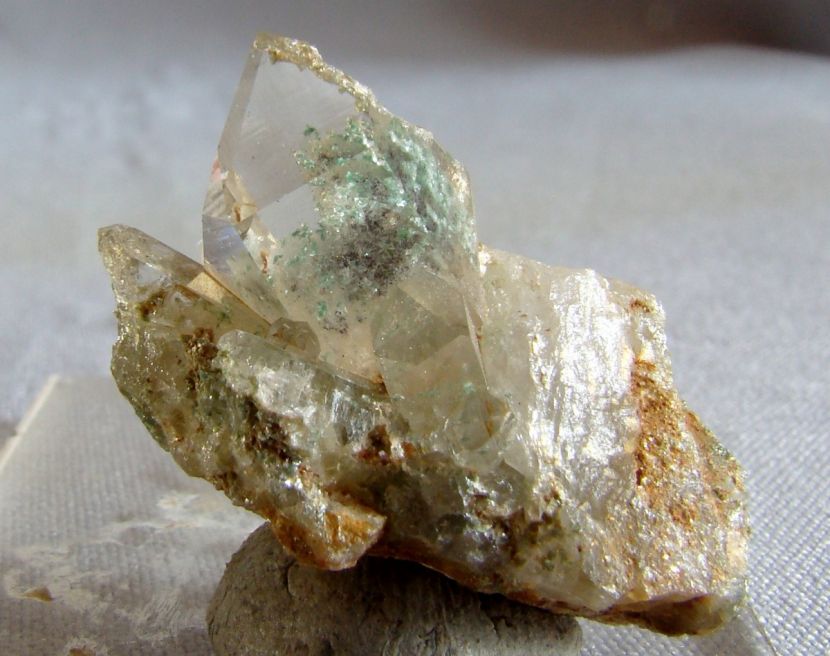
In layered clays and clay sediments. There they come as a result of the formation of extinction. Under windy influence, small inclusions of muscovite in open places exfoliate and break up into small particles. If the disappearance carries a chemical species, then the mineral can switch to other substances.
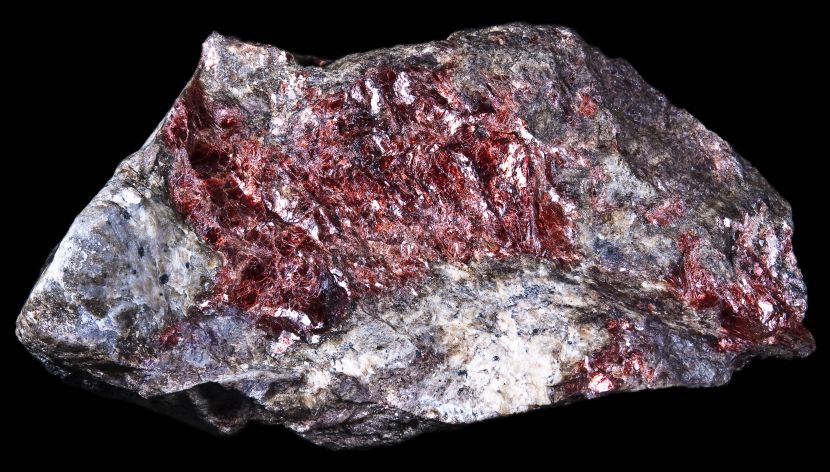
Place of Birth
Every year more than 1 trillion tons of mica gets on the planet.
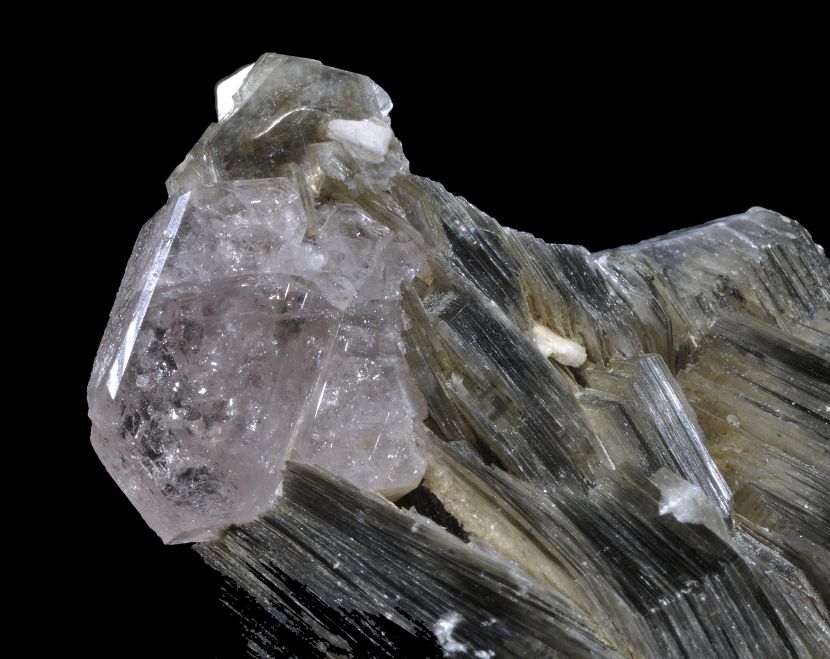
The Russian Federation, China and India were at the top of the list for muscovite production.
In the United States of America, it comes from the natural aggregation of the Octopus Pain. In addition, natural aggregations are developing in North Carolina.
It is produced in Russia Mamsko-Chuysky, Stupinsky and Ensky districts.
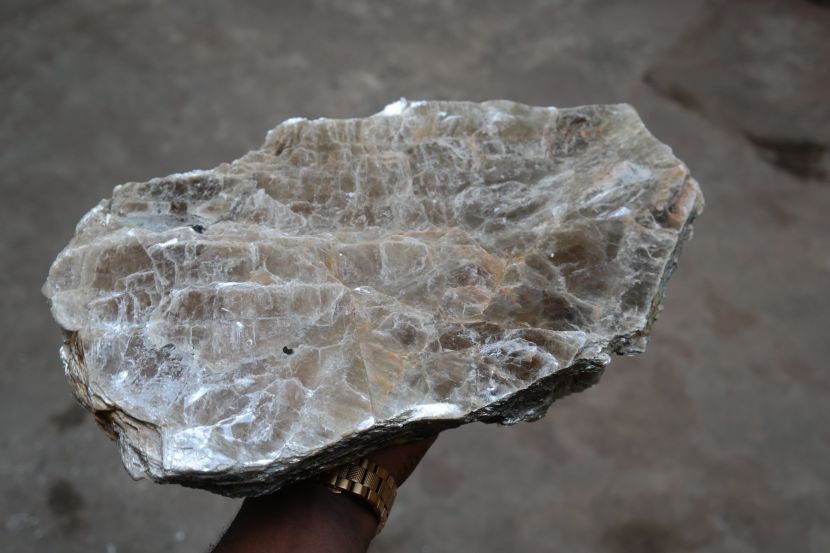
Mamsko-Chuky origin is located in the Irkutsk region, in the Baikal-Patomsk uplands. The rocks are 250 kilometers long and 50 kilometers wide. This is the largest mica natural accumulation of the Russian Federation.
The Stupinsky district is located in Karelia, where they want to make similar natural accumulations, as a dam, Purple-Raspberry Varakka, Tedino. But there are natural clusters of Rubinovoye and Ena in the Ensky district in the Murmansk region.
Properties
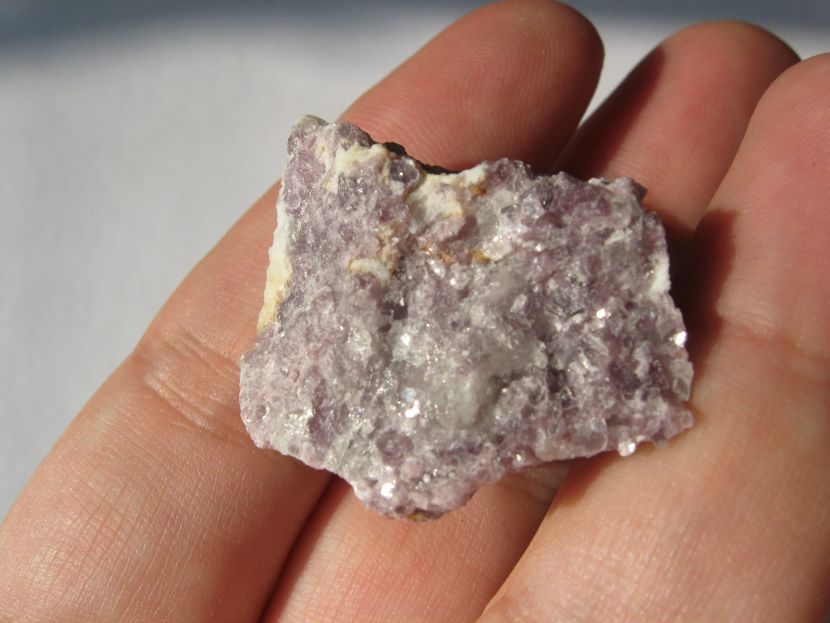
Coloring: white, silvery white, milky white, pink, pale yellow, green, red, gray, green chestnut. In some cases, minerals come in a number of different colors.
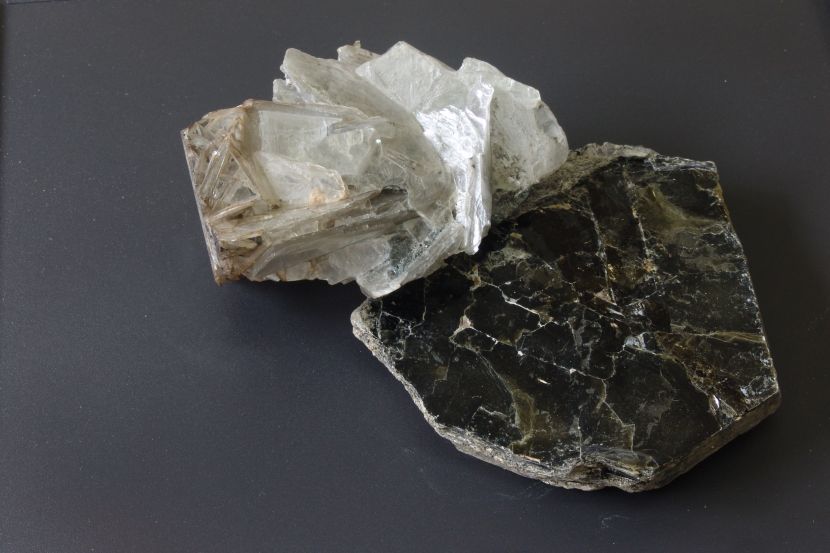
Colorless and elastic mineral plates. Refraction has a reflection of iridescent, silver or delicate color.
Signs of refraction: Np = 1.552-1.572 and Ng = 1.588-1.615.
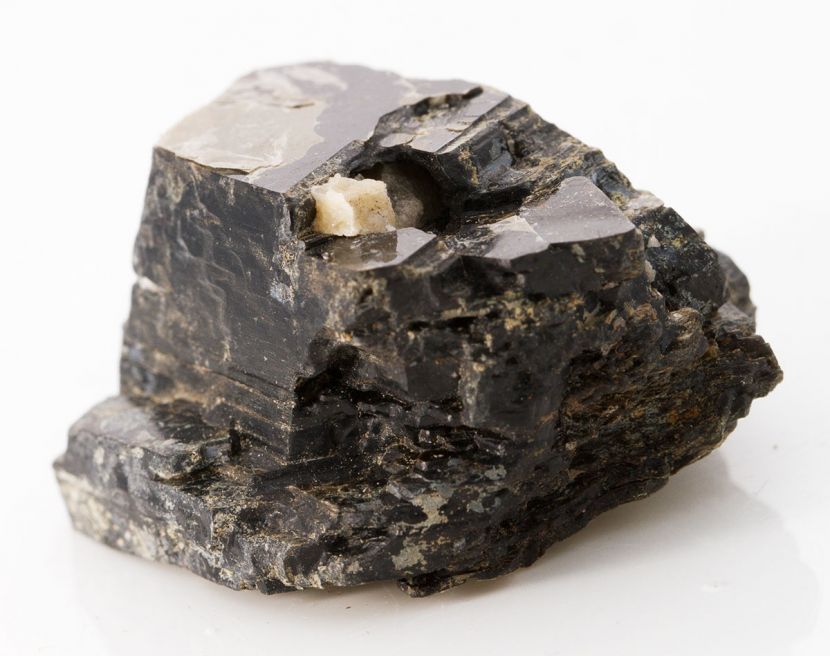
When touched at a favorable temperature, it has a low fat content.Slight stability to extinction. Suitable solids: tourmaline, apatite, quartz, garnet and staurolite.
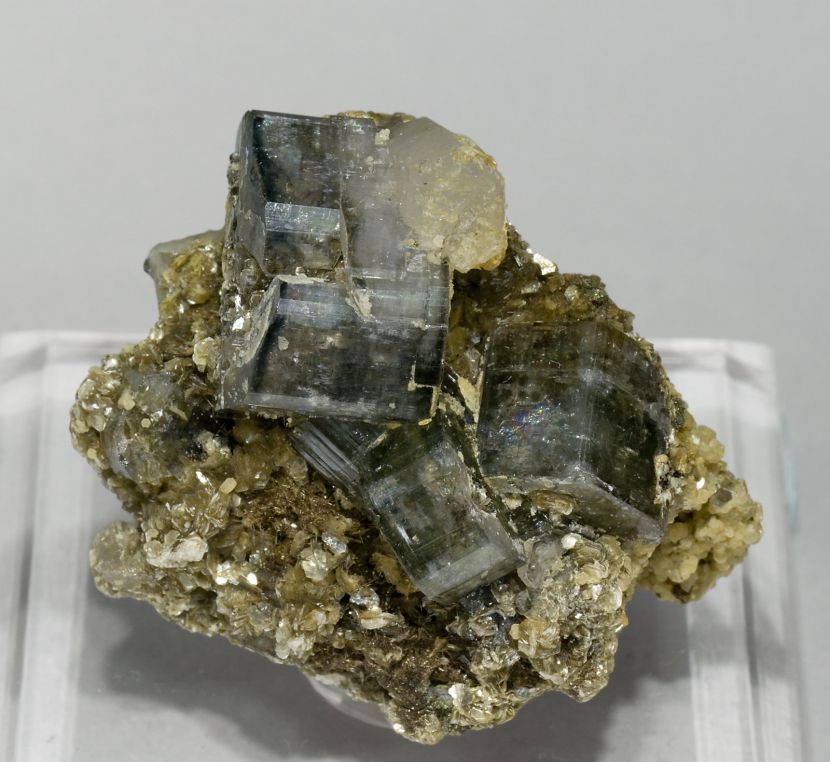
Saturation ranges from 2.5 to 3.2 (due to the percentage of iron). The shape of the outline of the plane is step-by-step. Excellent insulator.
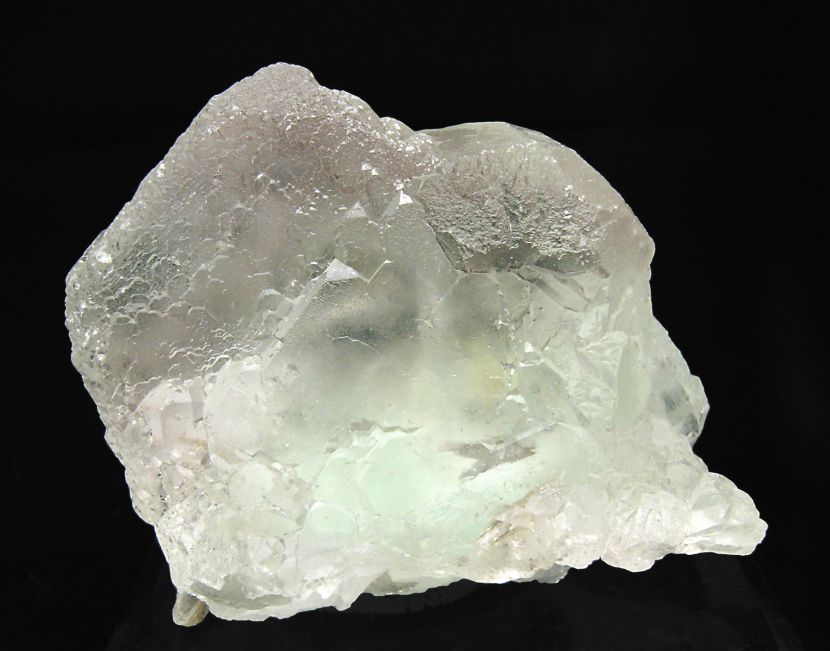
Useful use
The main areas of use for muscovite are mechanical engineering, radio electronics and the electronics industry.
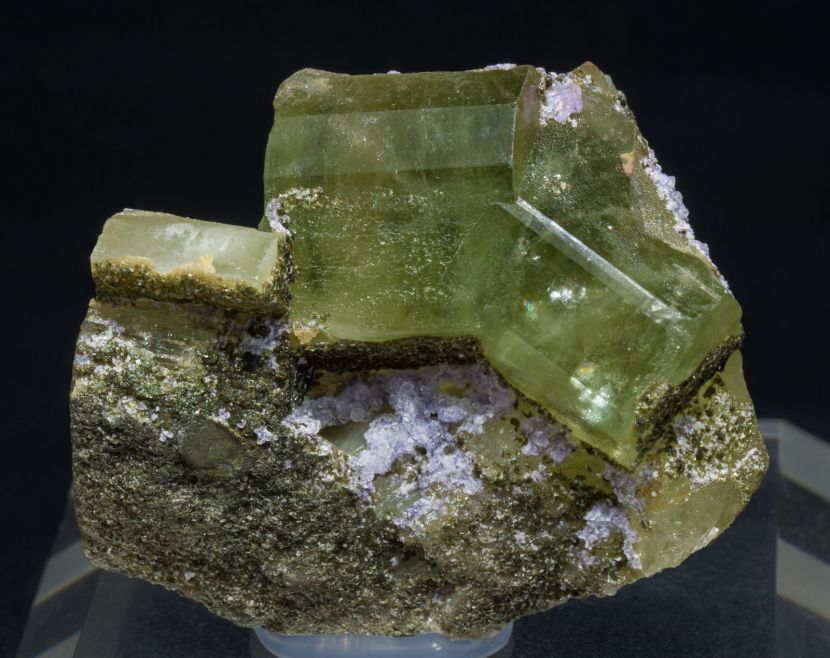
There are a number of important alternatives for using solids.
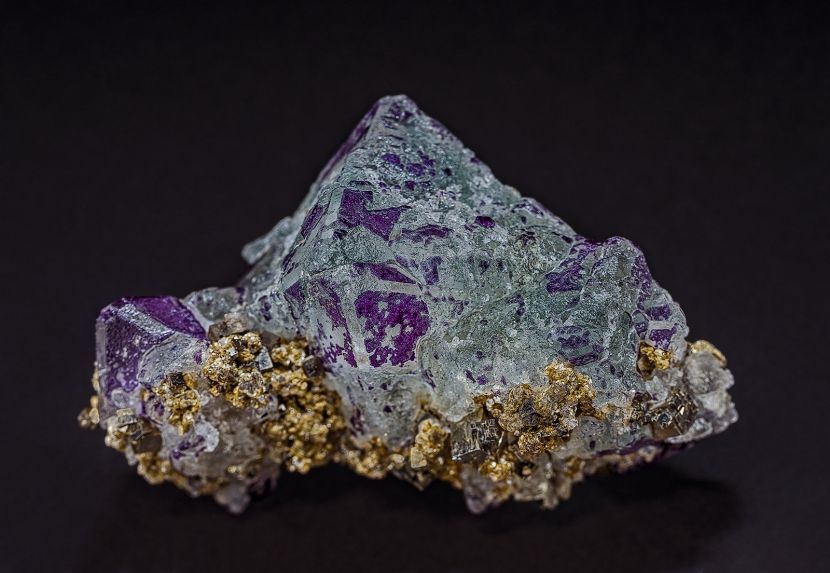
Insulator (the mineral has excellent electrical insulating properties). In this case, flat mica is used. Accordingly, depending on the volume of the plates, their colors and additives in the solid state are used in the formation of electric lamps, kerosene, mica glasses, steam generators or telephone sets.
Mica powder is used to make fire extinguishers, refractory structures, fireproof paints, and clay manufactures. Also, it is used for the production of micaceous cardboard, wallpaper, explosive elements, used transmission products and others. The pigment is made from pieces of flat mica.
Formation of blanks. Like micanite. It is made from crushed remains of flat mica, muscovite items that have already served and other mica residues. The method of making micanite involves joining separate pieces of shellac and compressing them with tremendous pressure.
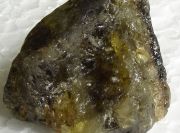
Photo of Muscovite stone