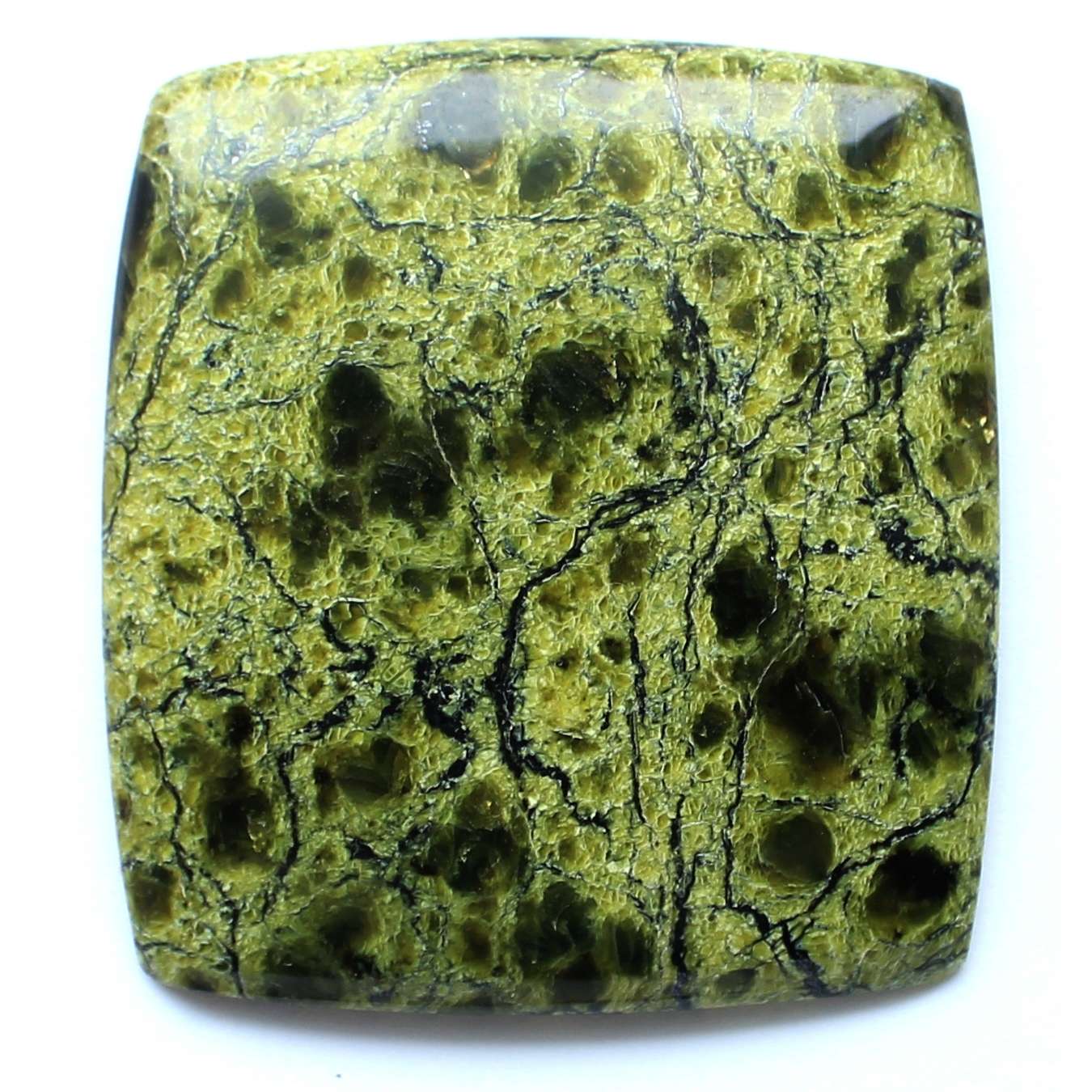
Funny scaly stone Serpentine - location, photo, unique magical and healing properties
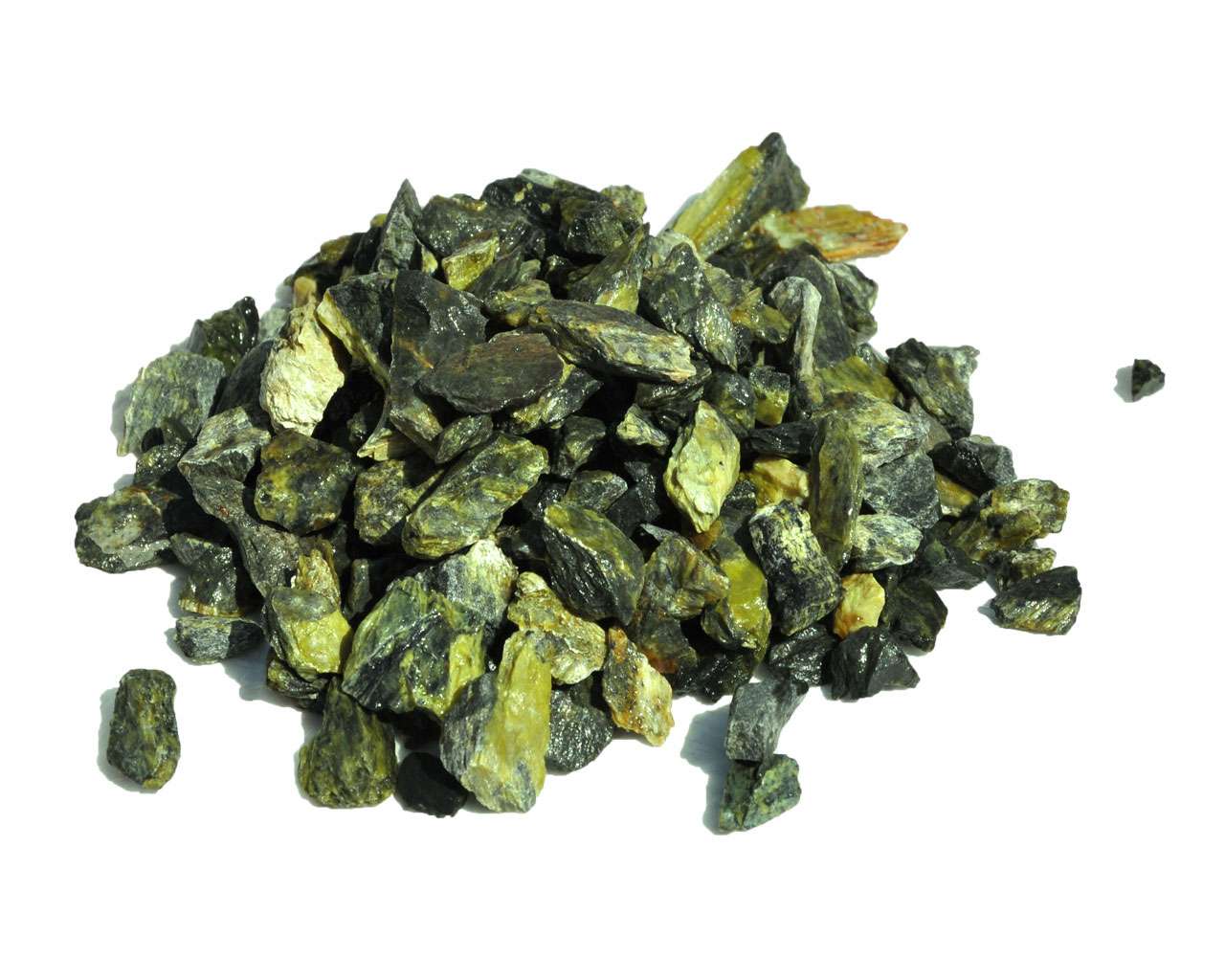
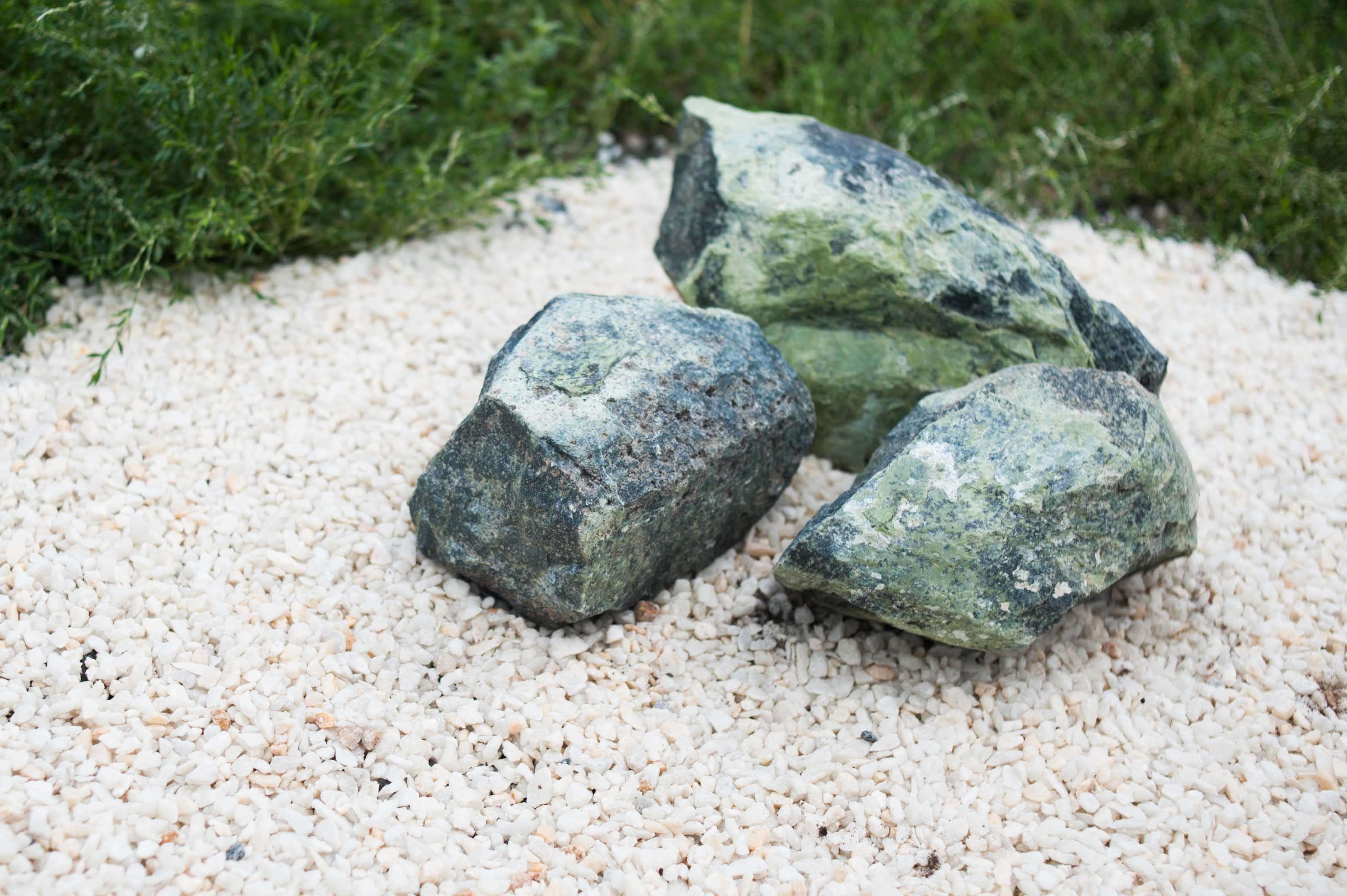
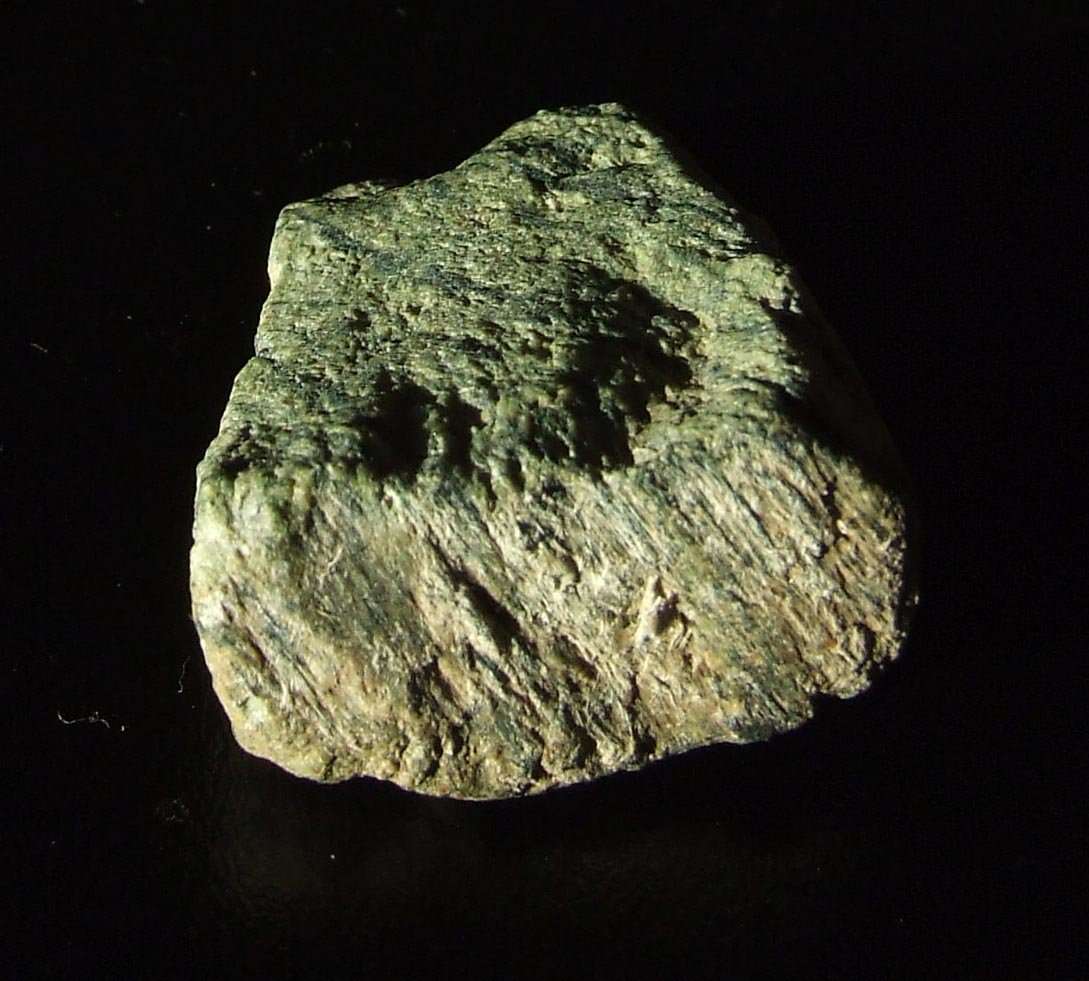
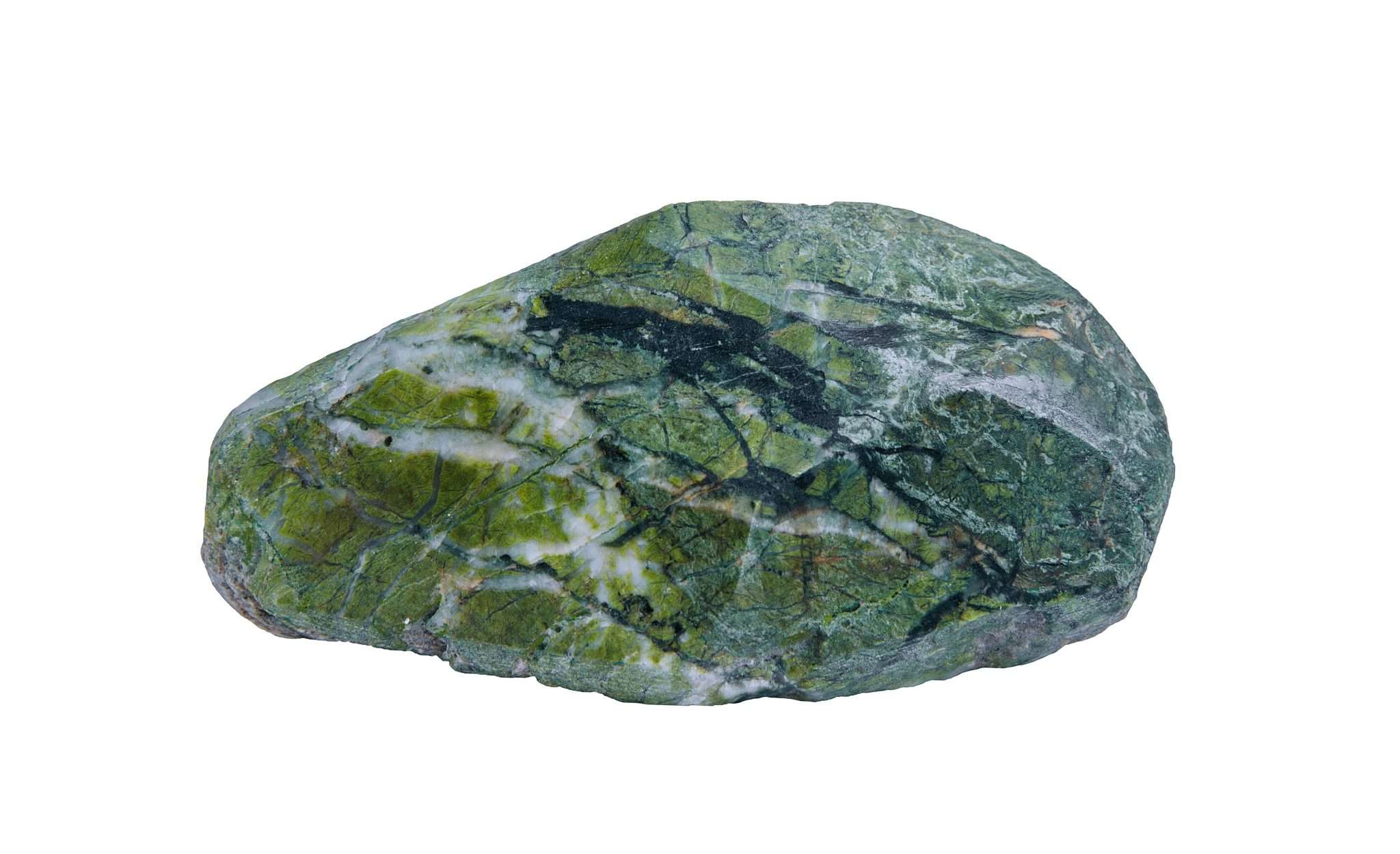
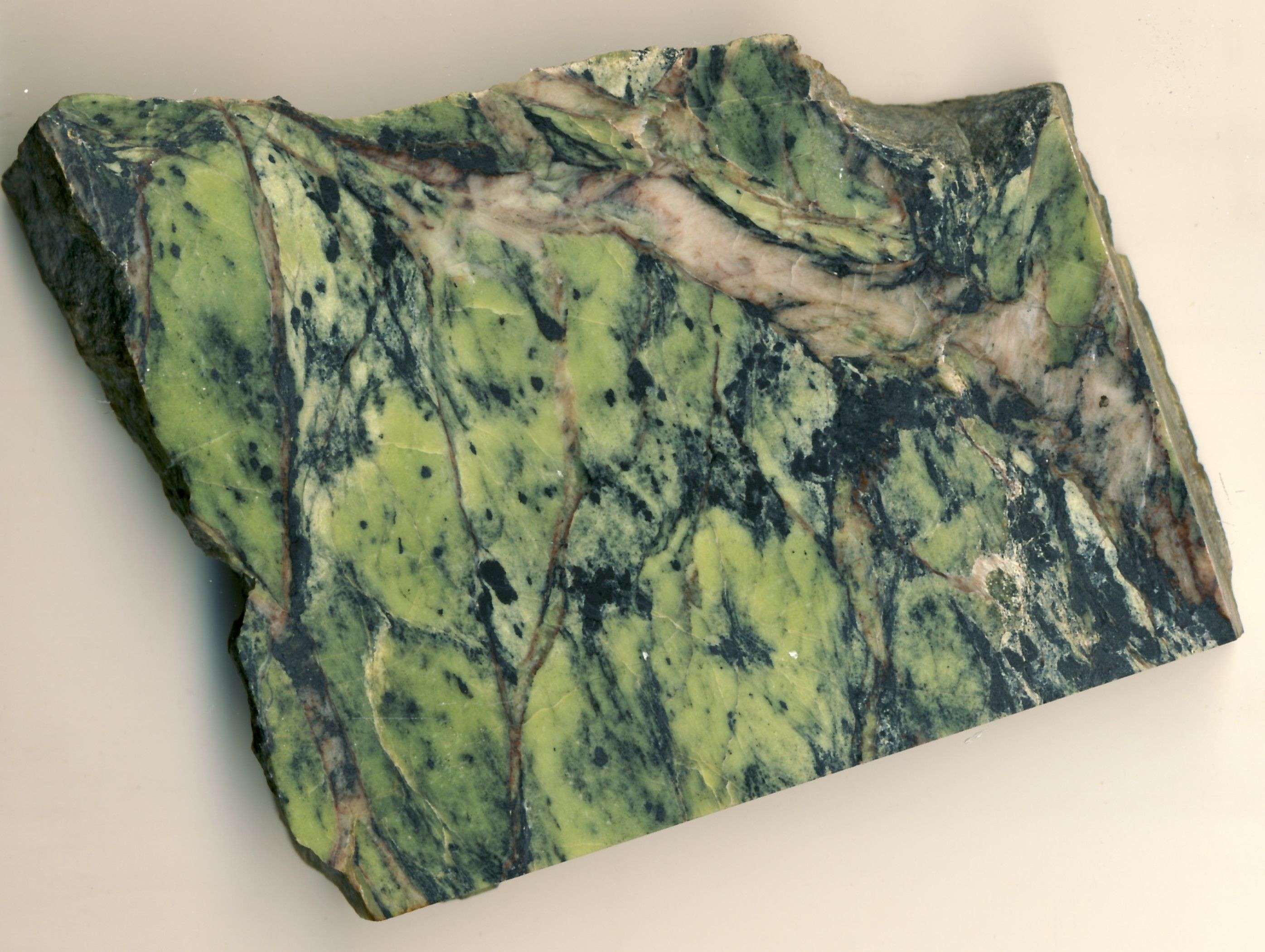
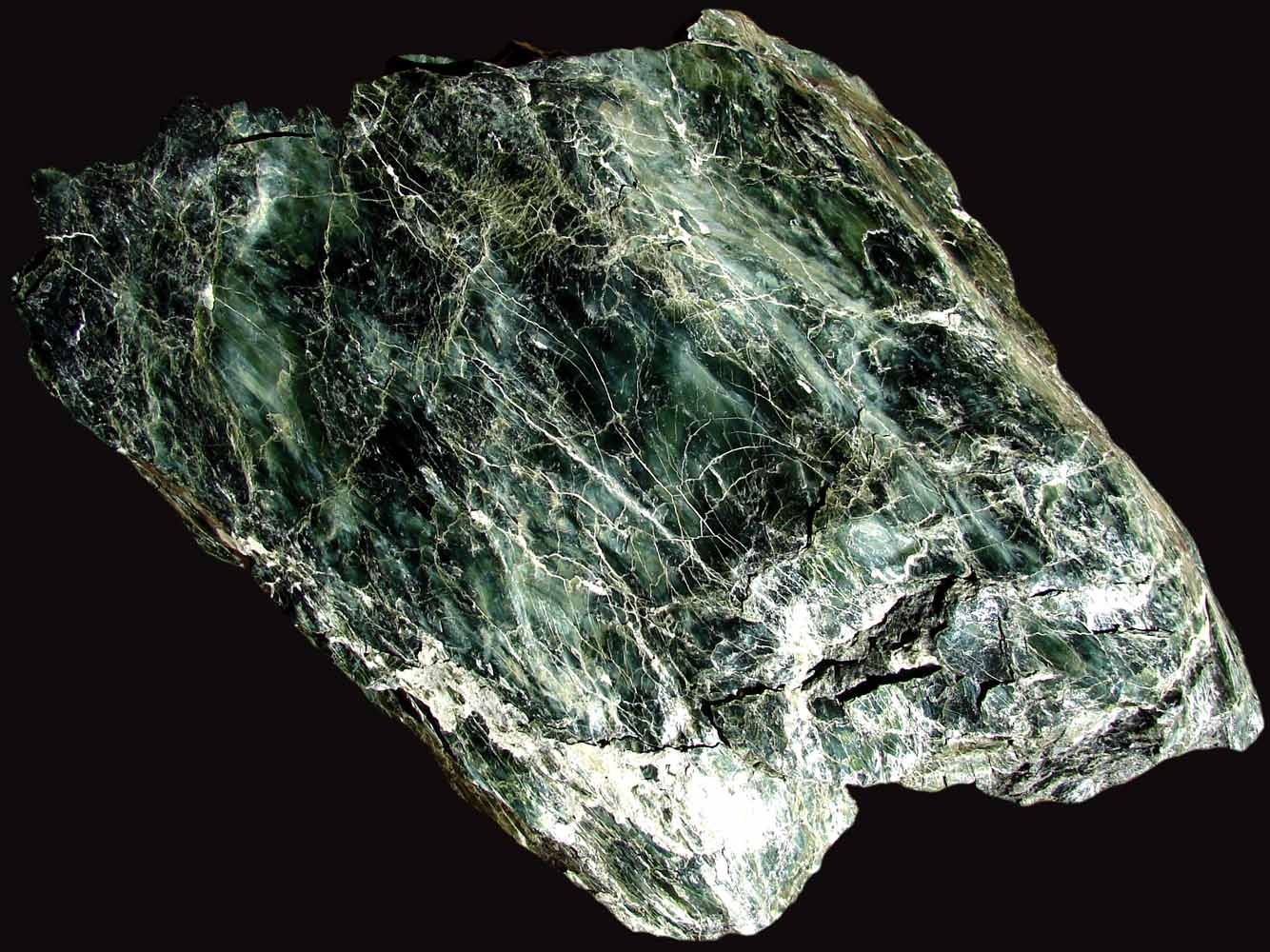
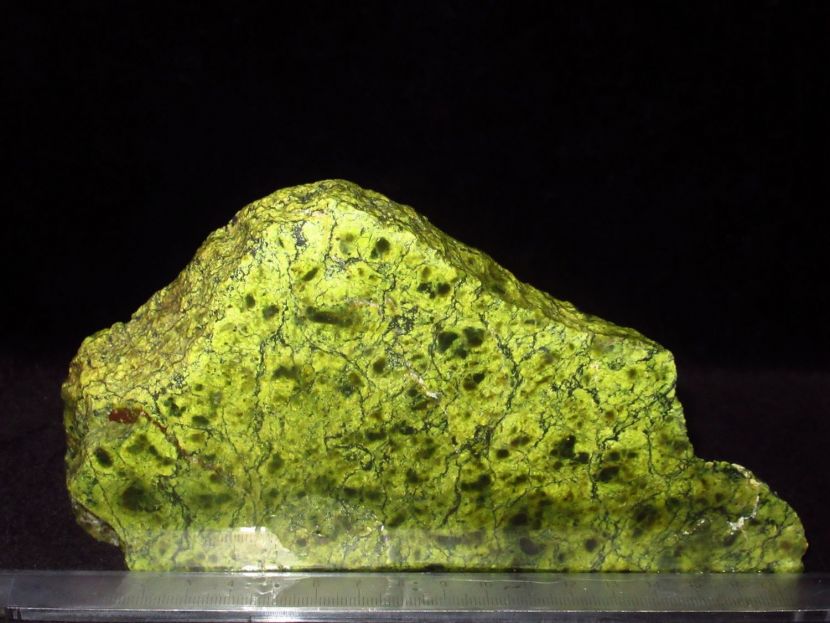
The natural mineral, often found in the Ural mountains, owes its name to its unusual appearance and color. As if a snake, making its way over the stones, threw off its skin, and it turned to stone. Another name for the serpentine is serpentinite, which is the scientific name for the mineral. Translated from Latin, "serpent" means "snake".
Origin story
The Ural region is rich in legends, and serpentinite has not bypassed the people's attention. From mouth to mouth, old people passed on to each other the legend that the Great Poloz, a fiery serpent living in the mountains, guarded a cave with gold, and even threw off his skin. People believed that the one who finds the serpentine stone is lucky - countless treasures will appear to him.
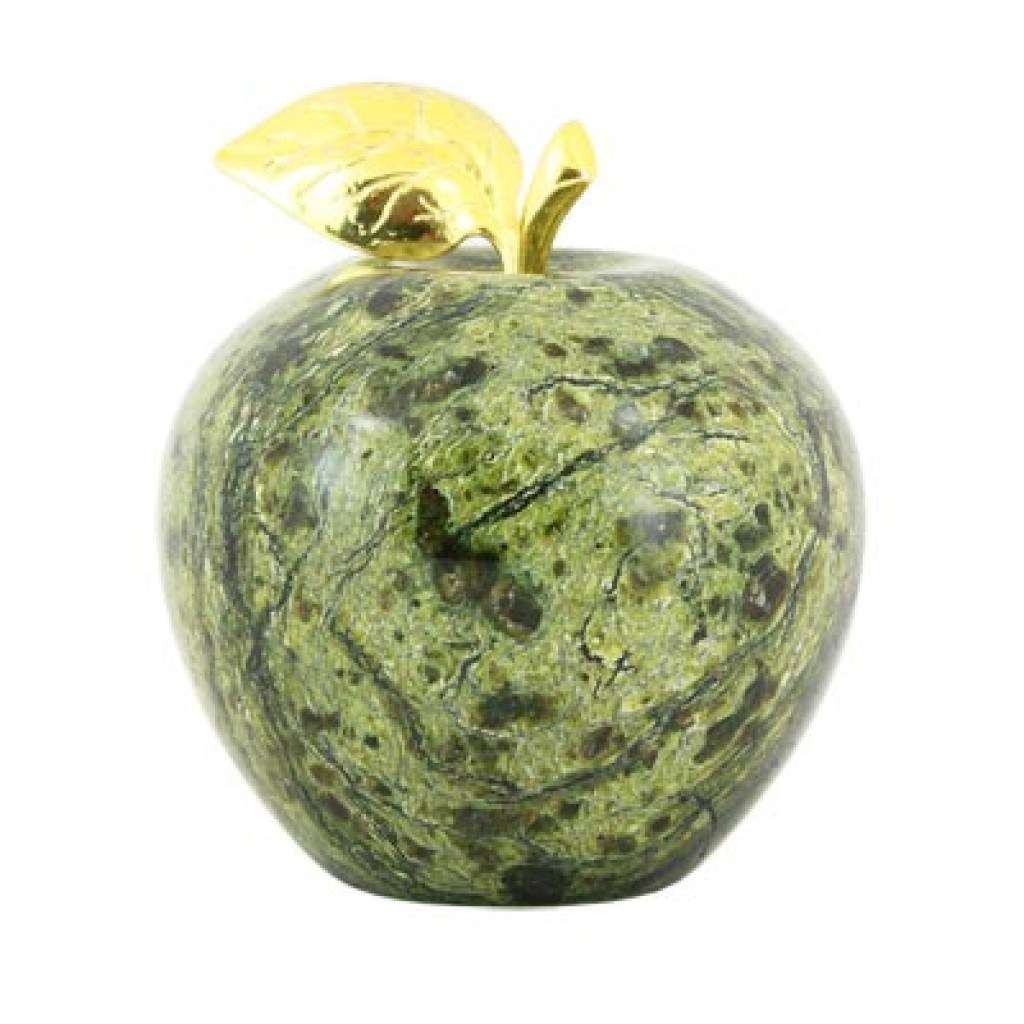
There is another story: when the Serpent-tempter seduced Adam, he bit off a piece from an apple from the Tree of Knowledge and spat it out. Petrified apple, turning into a serpentine. Therefore, some consider it a dangerous stone that can bring trouble.
All these are legends, except to believe in the one that promises wealth to its owner. Craftsmen make delightful things from a malleable mineral, which can enrich a talented stone cutter.
Magical and ordinary properties of serpentinite
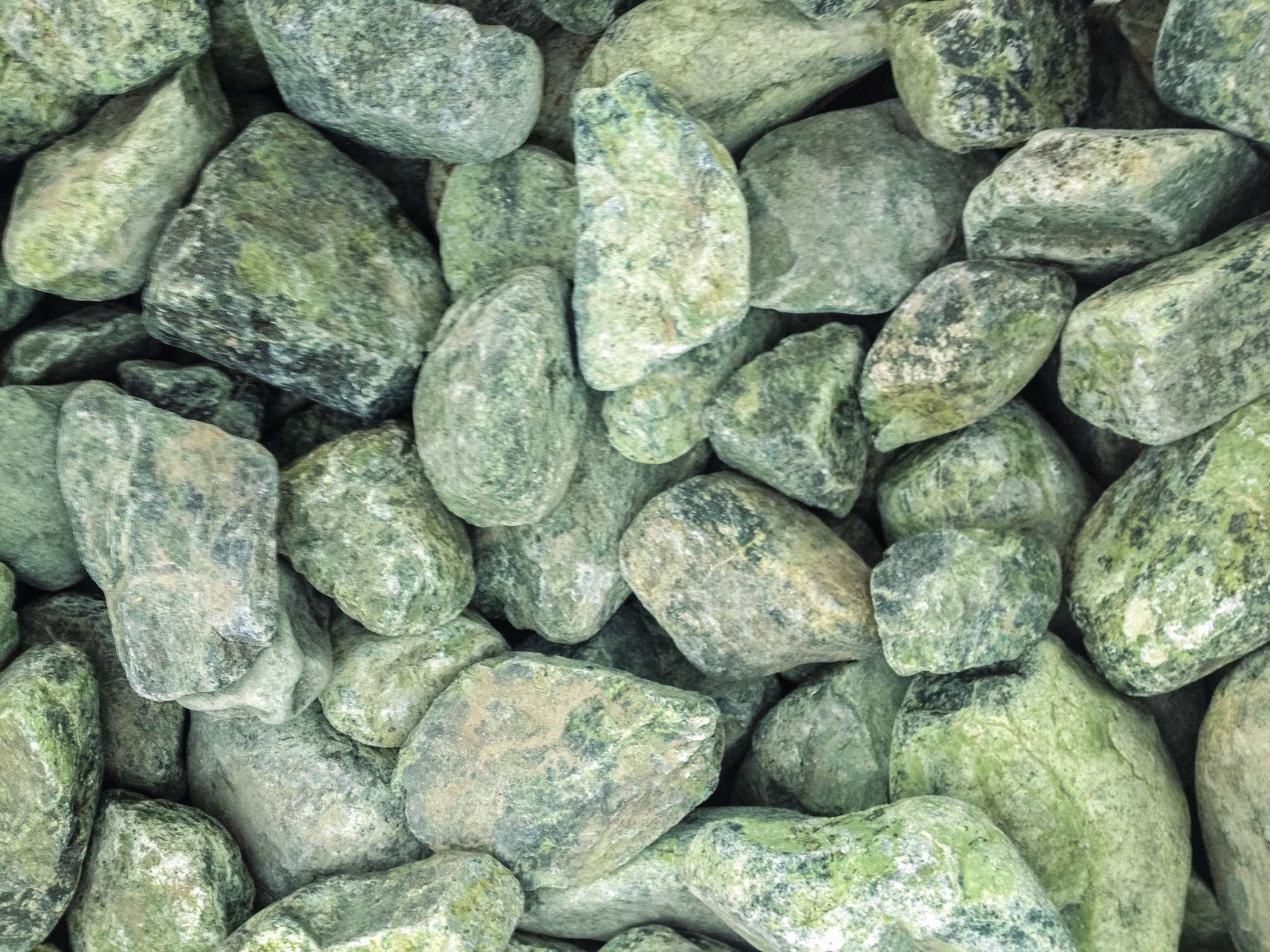
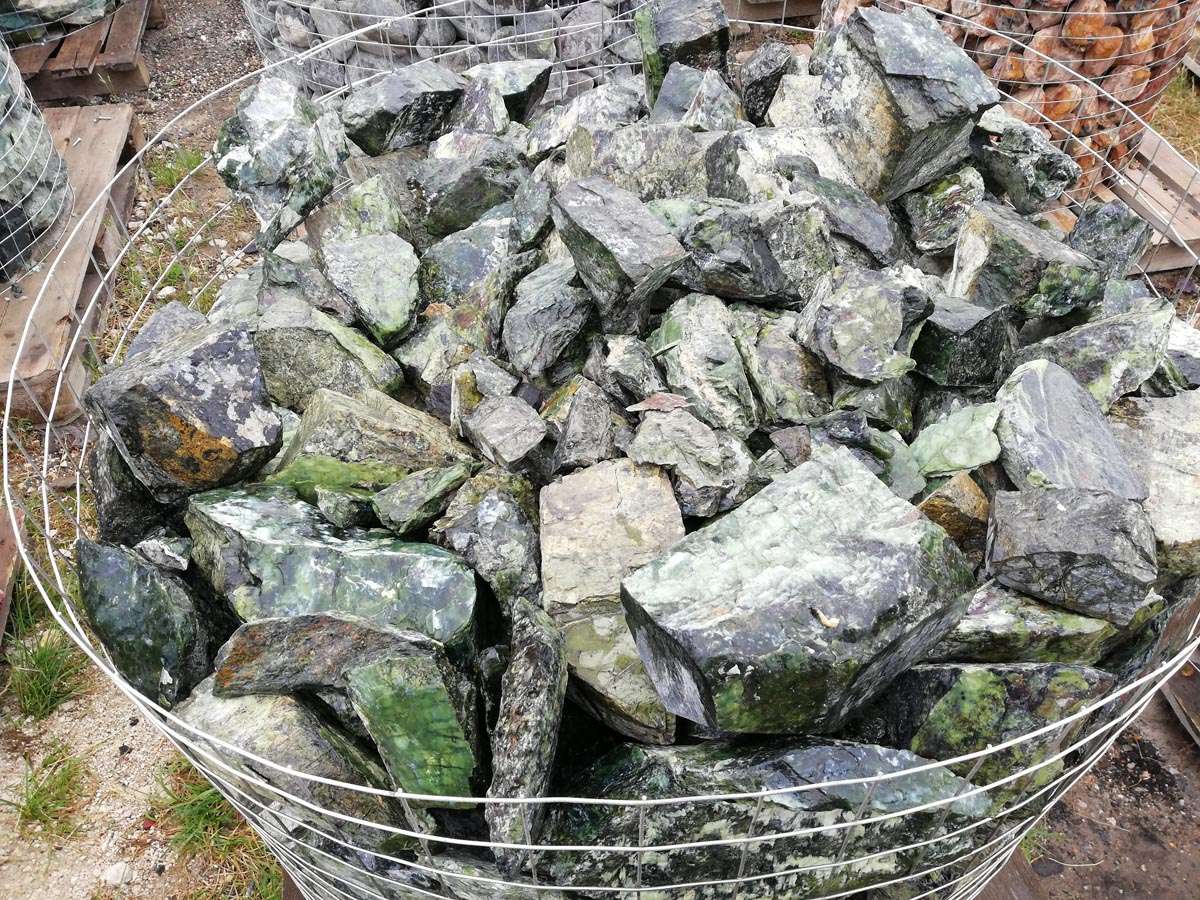
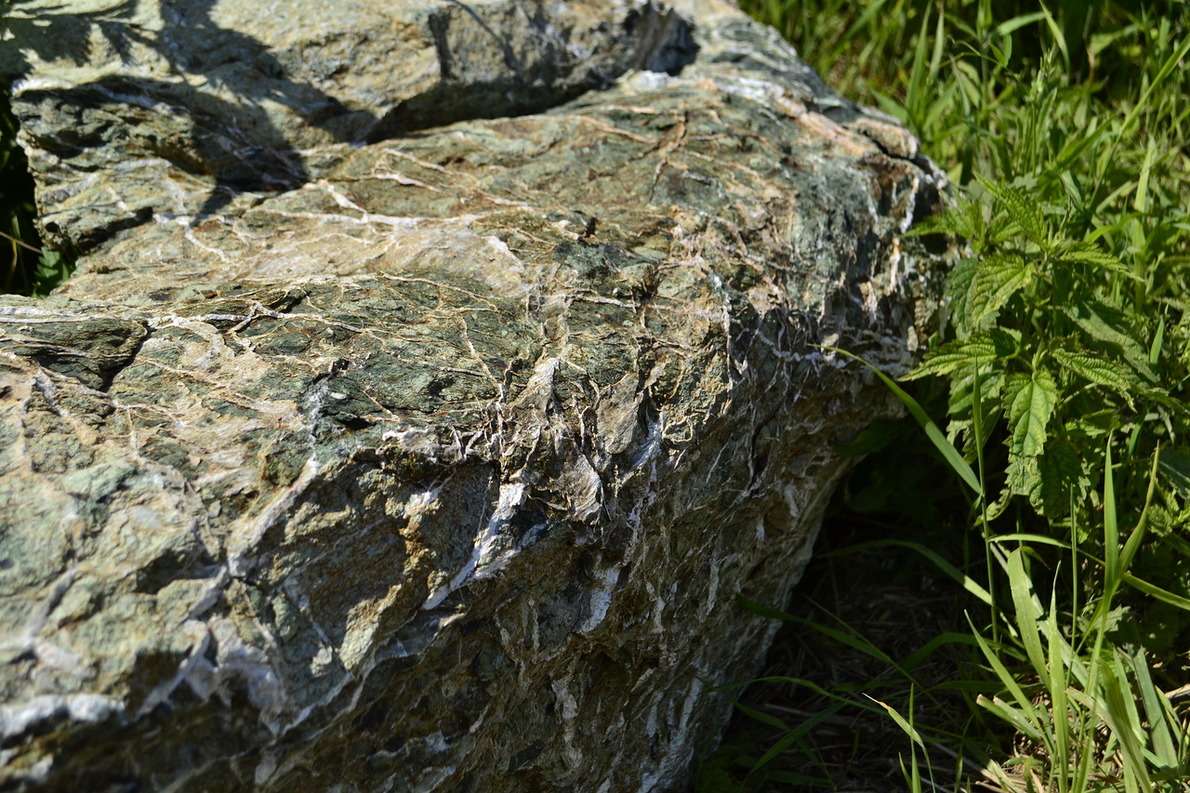
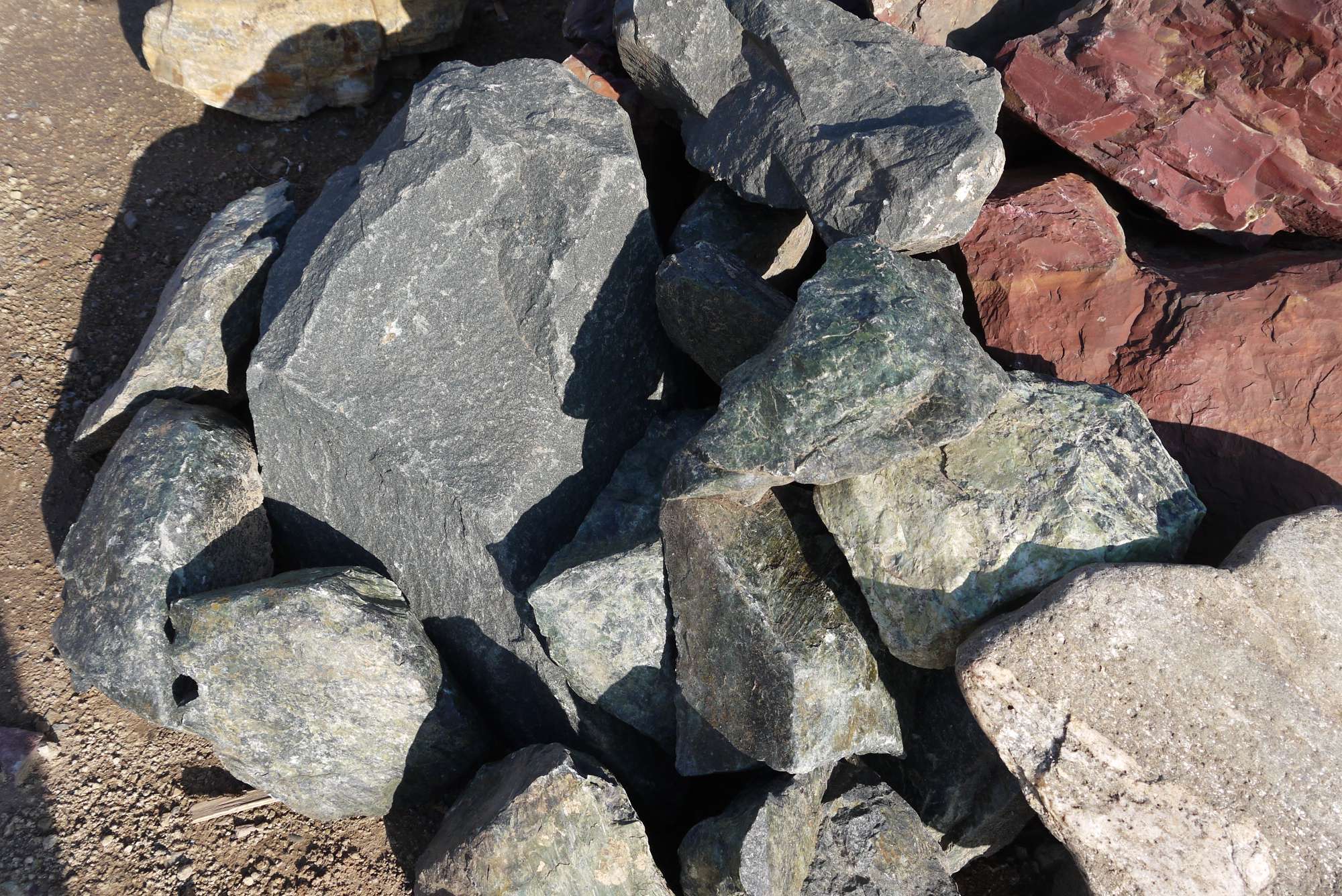
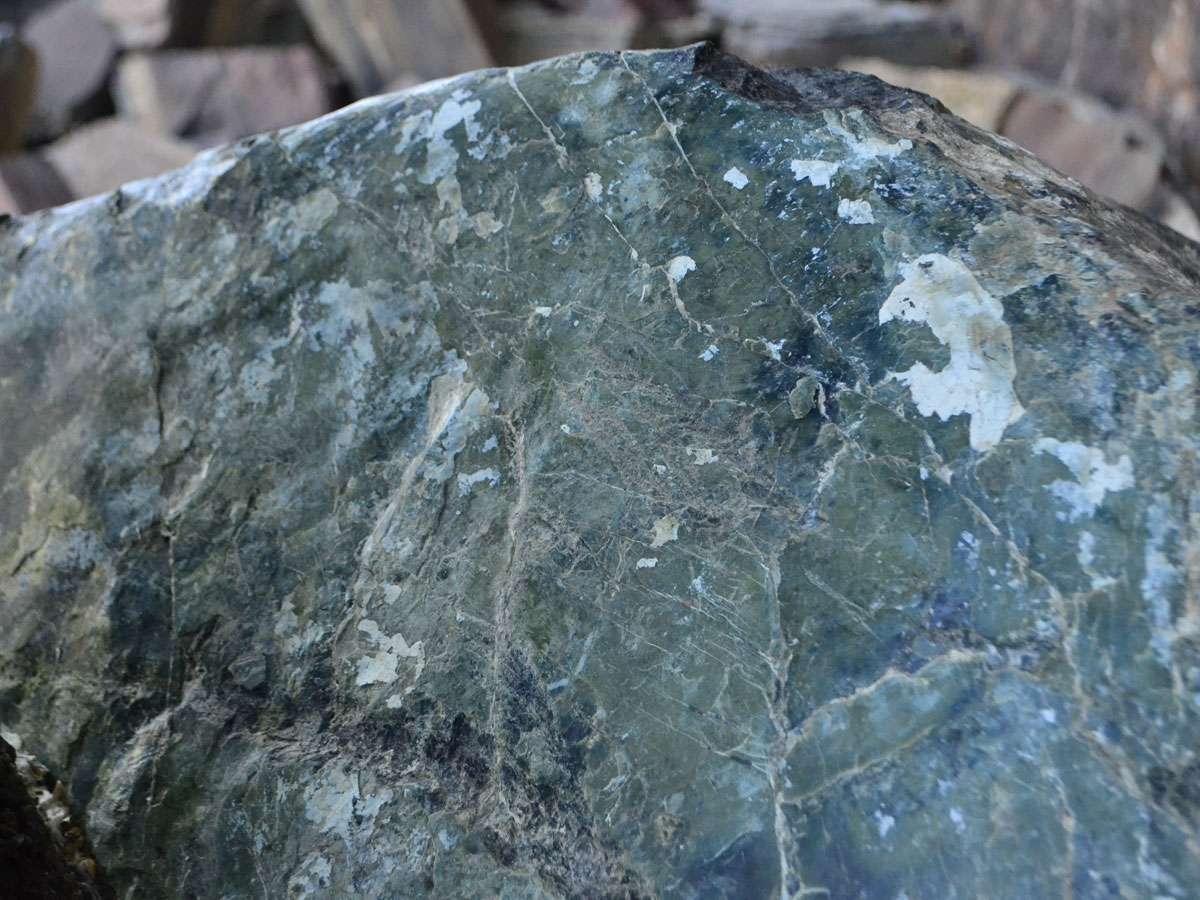
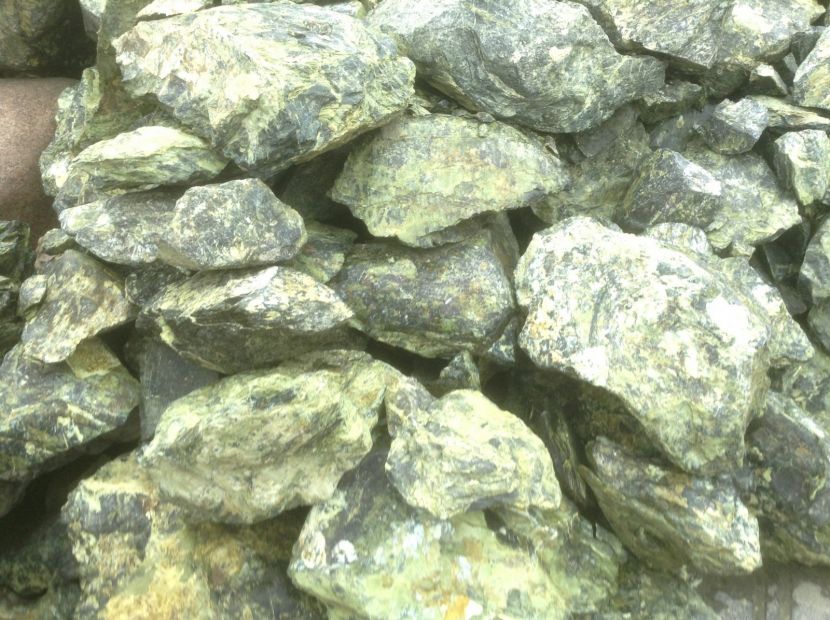
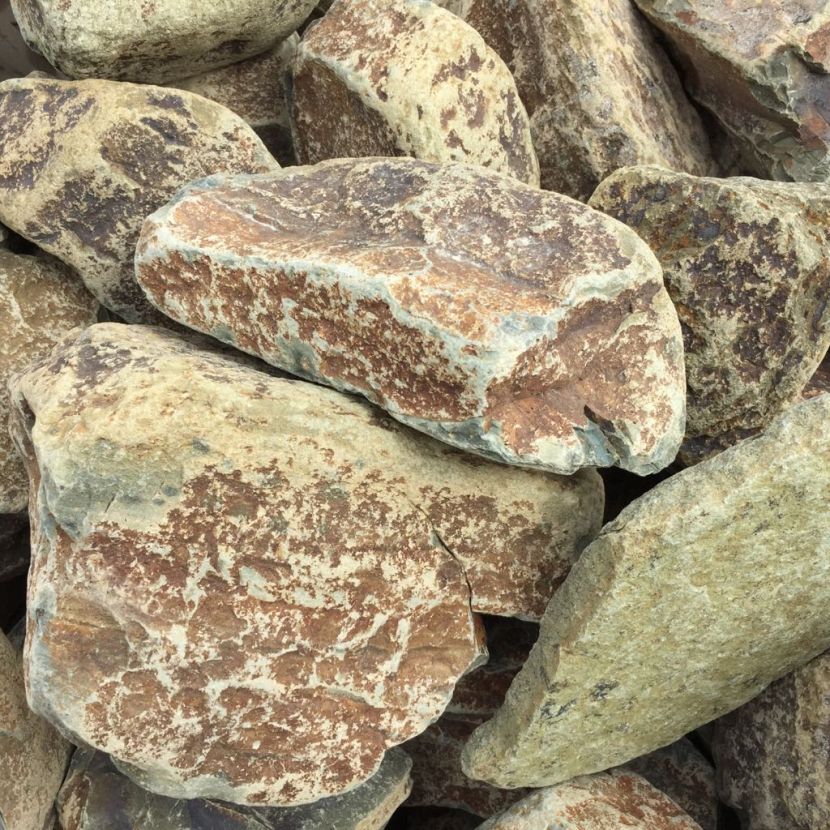
The stone is not rare, it is often found in the Ural Mountains, Altai, mined in the Orenburg Territory and Yakutia. Industrial production of the coil is organized in India, European countries, Tajikistan and Kazakhstan.
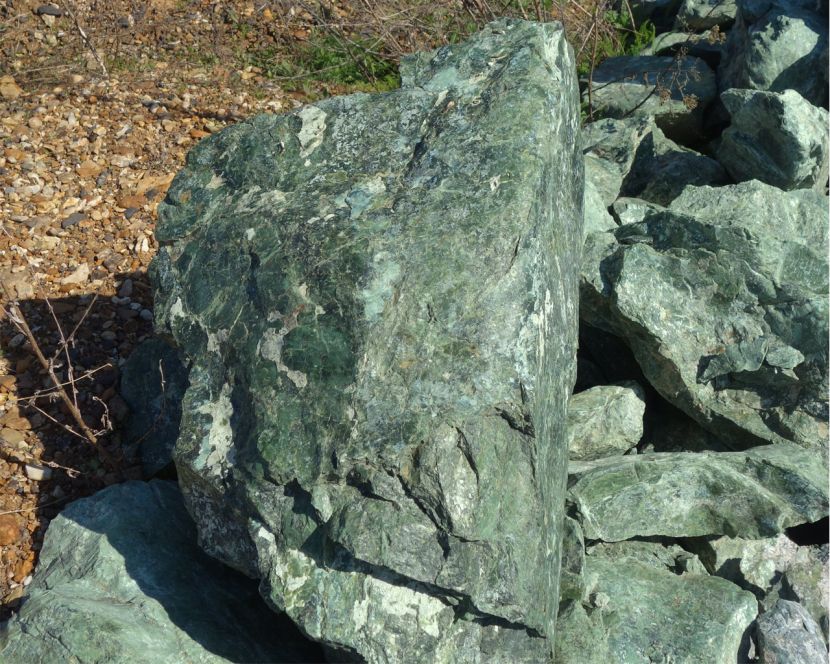
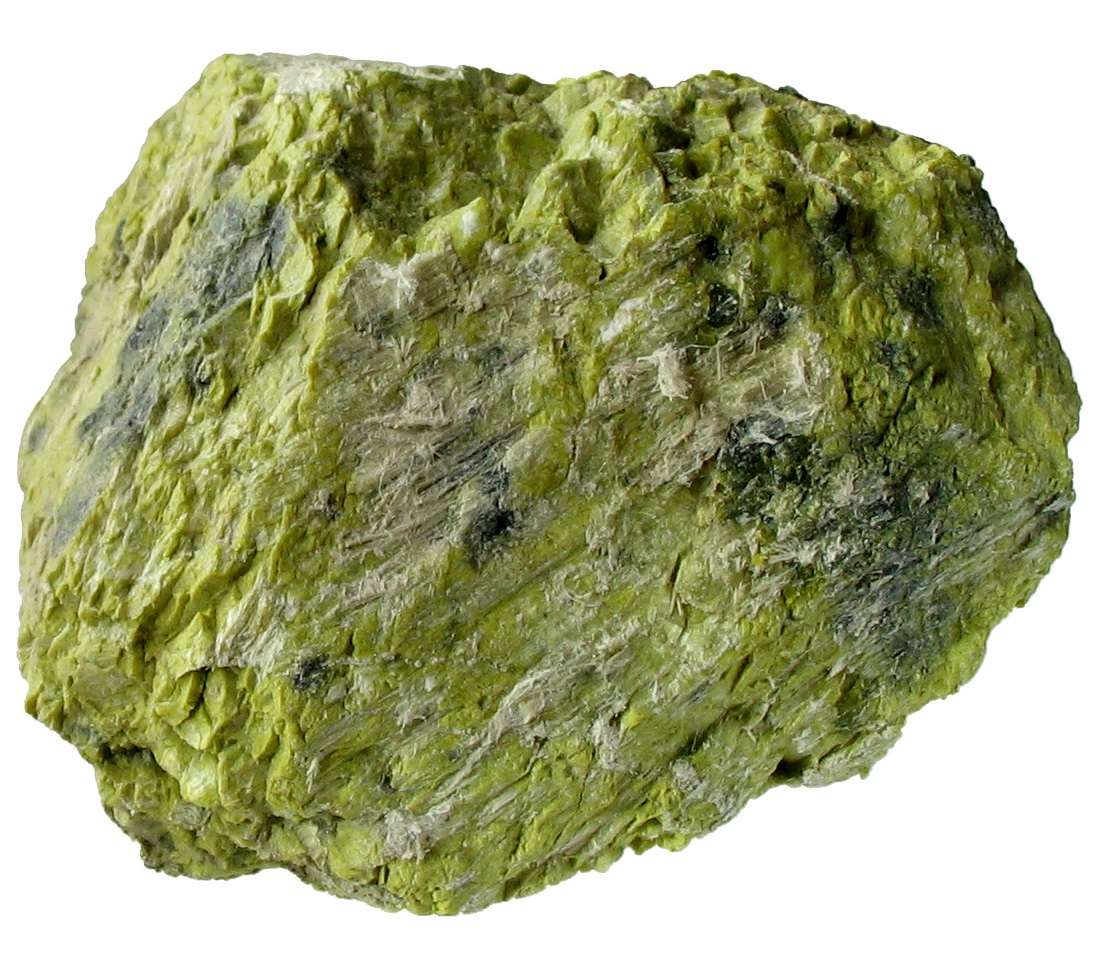
Serpentinite is a rock that has a fibrous structure. During processing, the mineral is split into thin elastic threads. A historical fact: in the time of Peter I, a special fabric was woven from such fibers, which was not afraid of fire. The famous gunsmith Nikita Demidov once demonstrated the amazing properties of the stone cloth to the king: he threw a piece of cloth into the fireplace, and then took it out safe and sound.
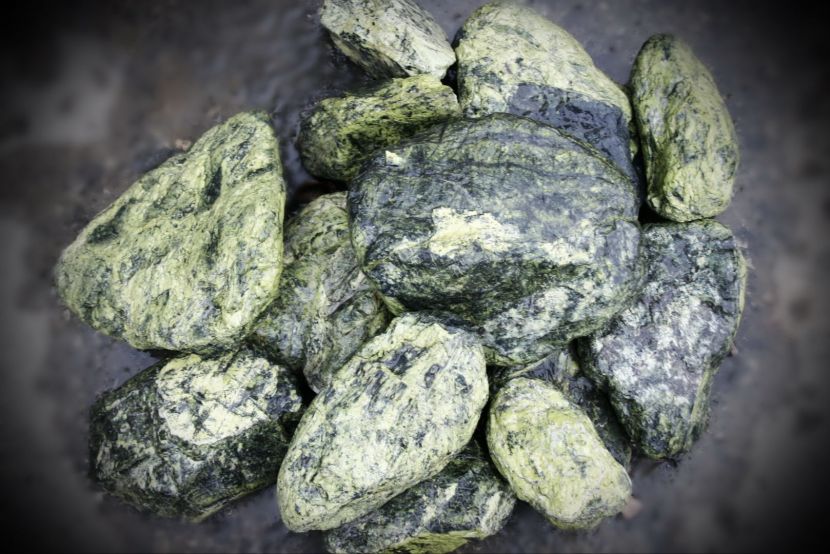
Serpentinite is a dense rock, while the stone is brittle - its hardness on the Mohs scale is 2.5-4, due to which the mineral is easy to process and is used mainly for stone-cutting products. Sometimes it is mistakenly called serpentine, although the latter name refers to the group of minerals that make up serpentinite (serpentine).
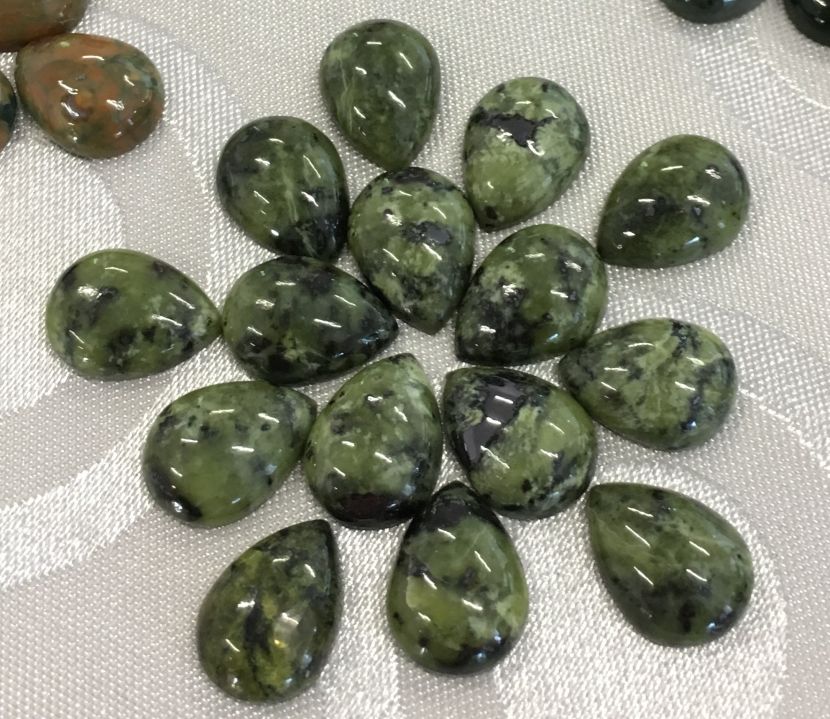
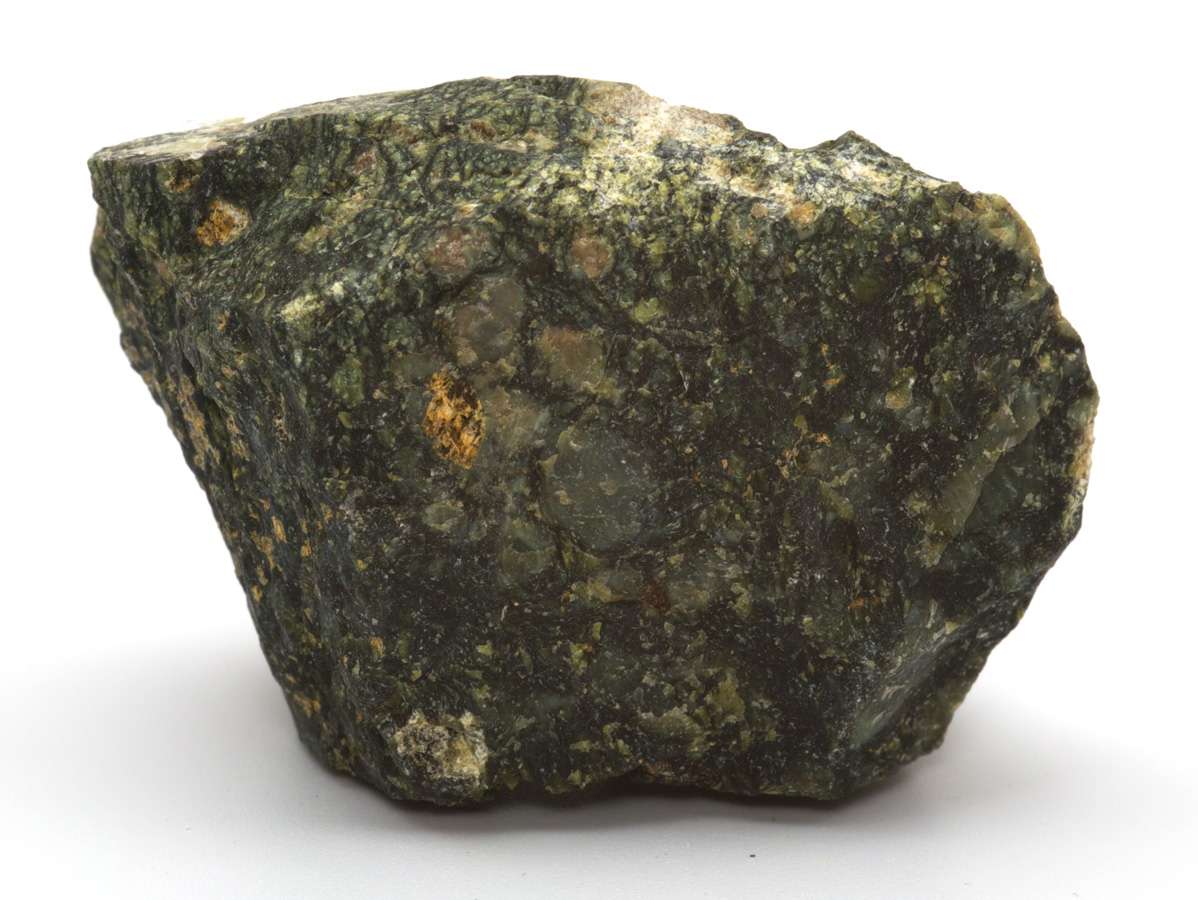
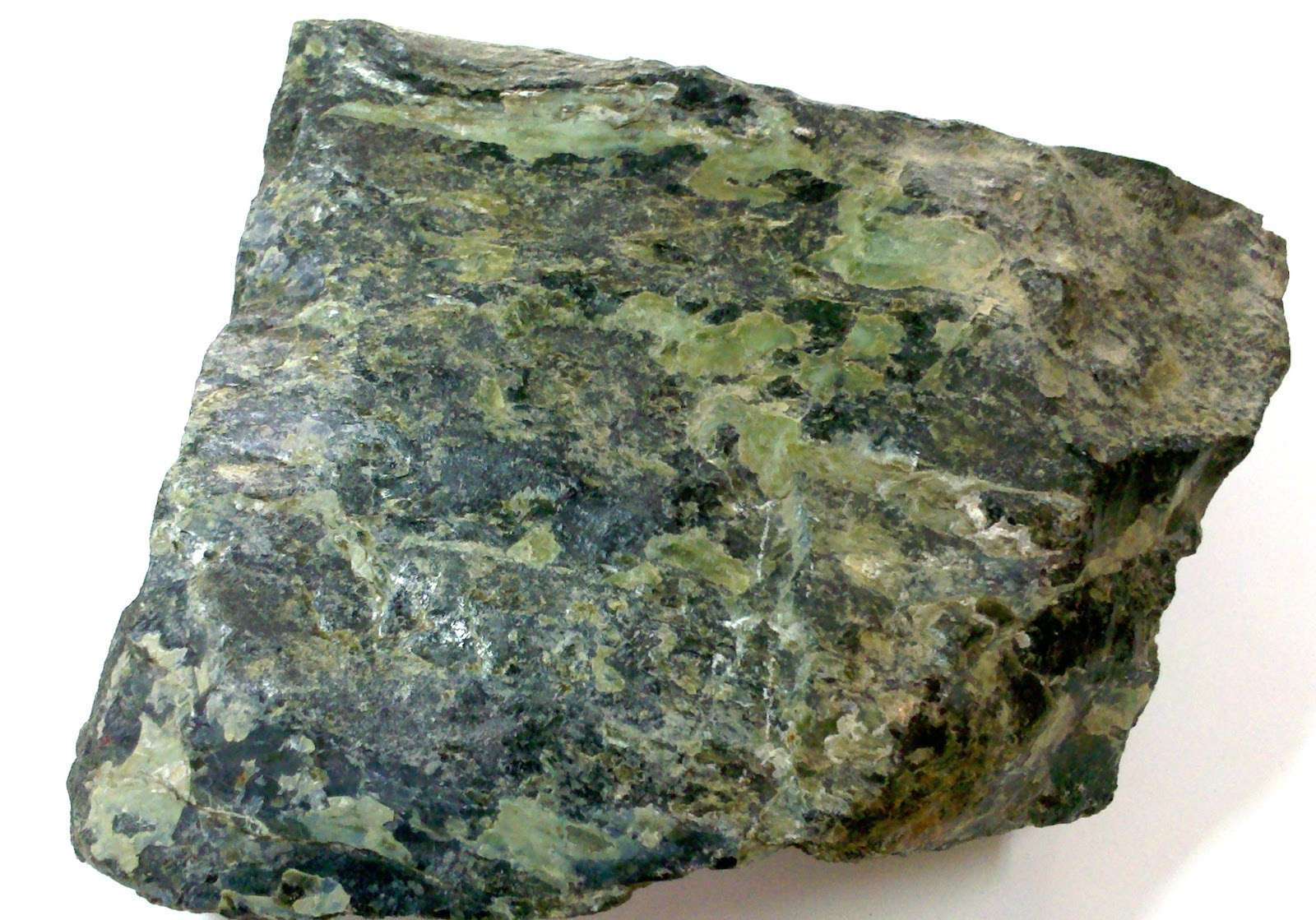
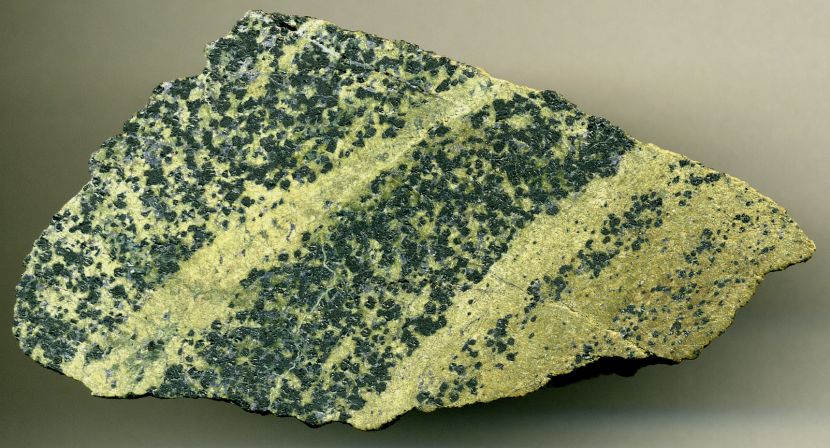
In nature, serpentinite is not found in an ideally pure form, it can contain impurities of other minerals:
- olivine;
- grenade;
- carbonates;
- pyroxene;
- talc and others.
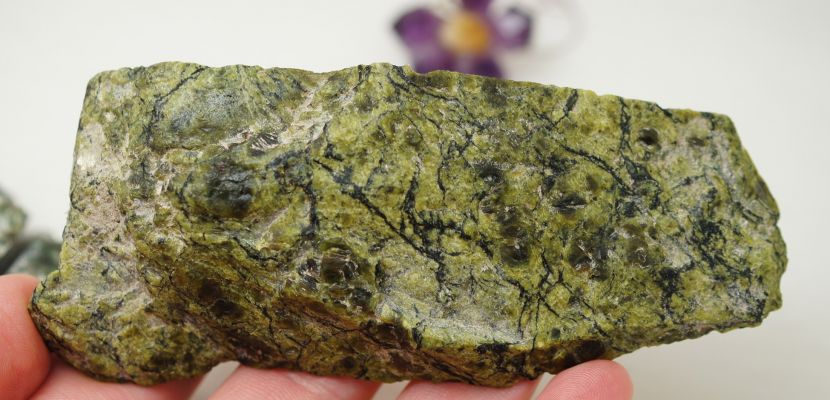
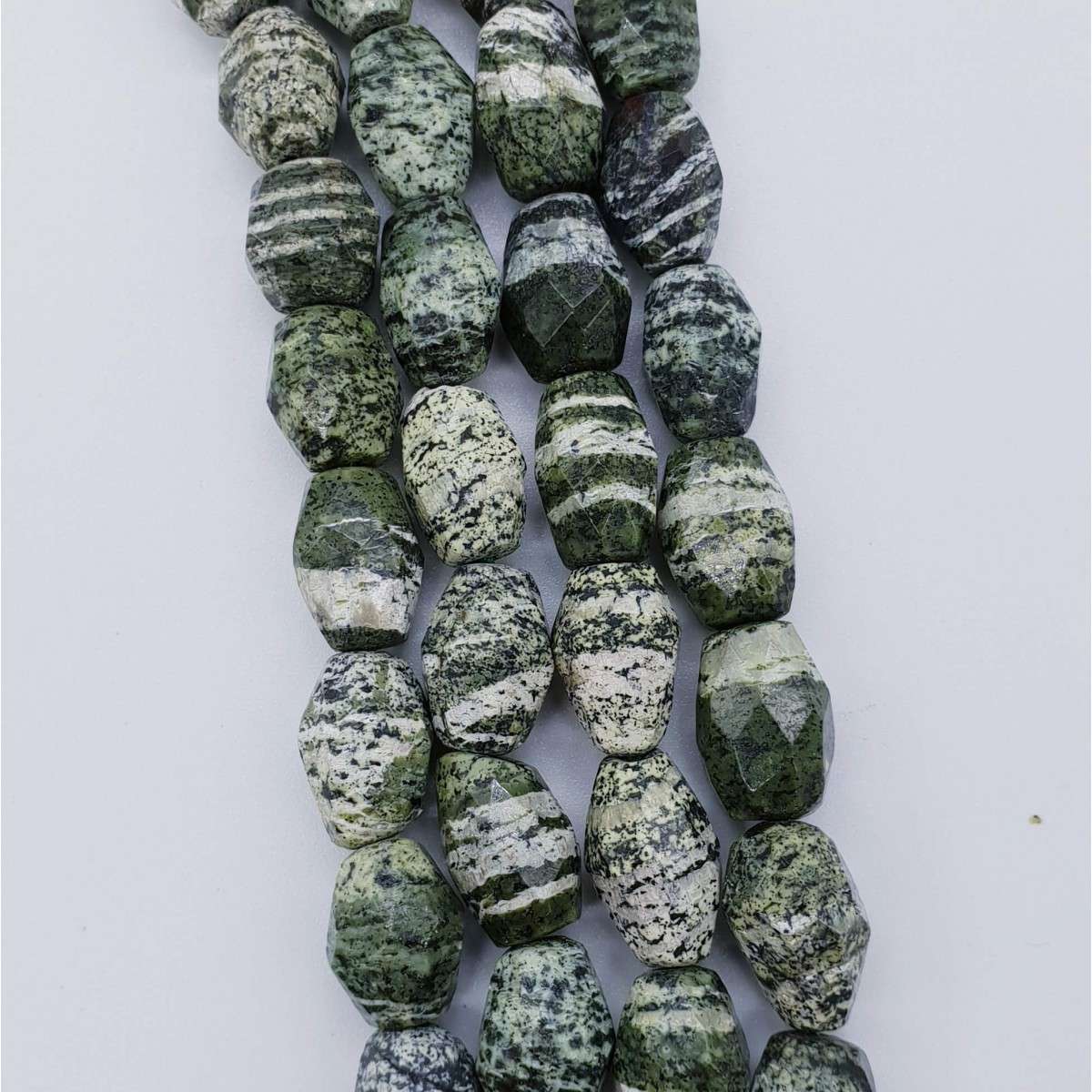
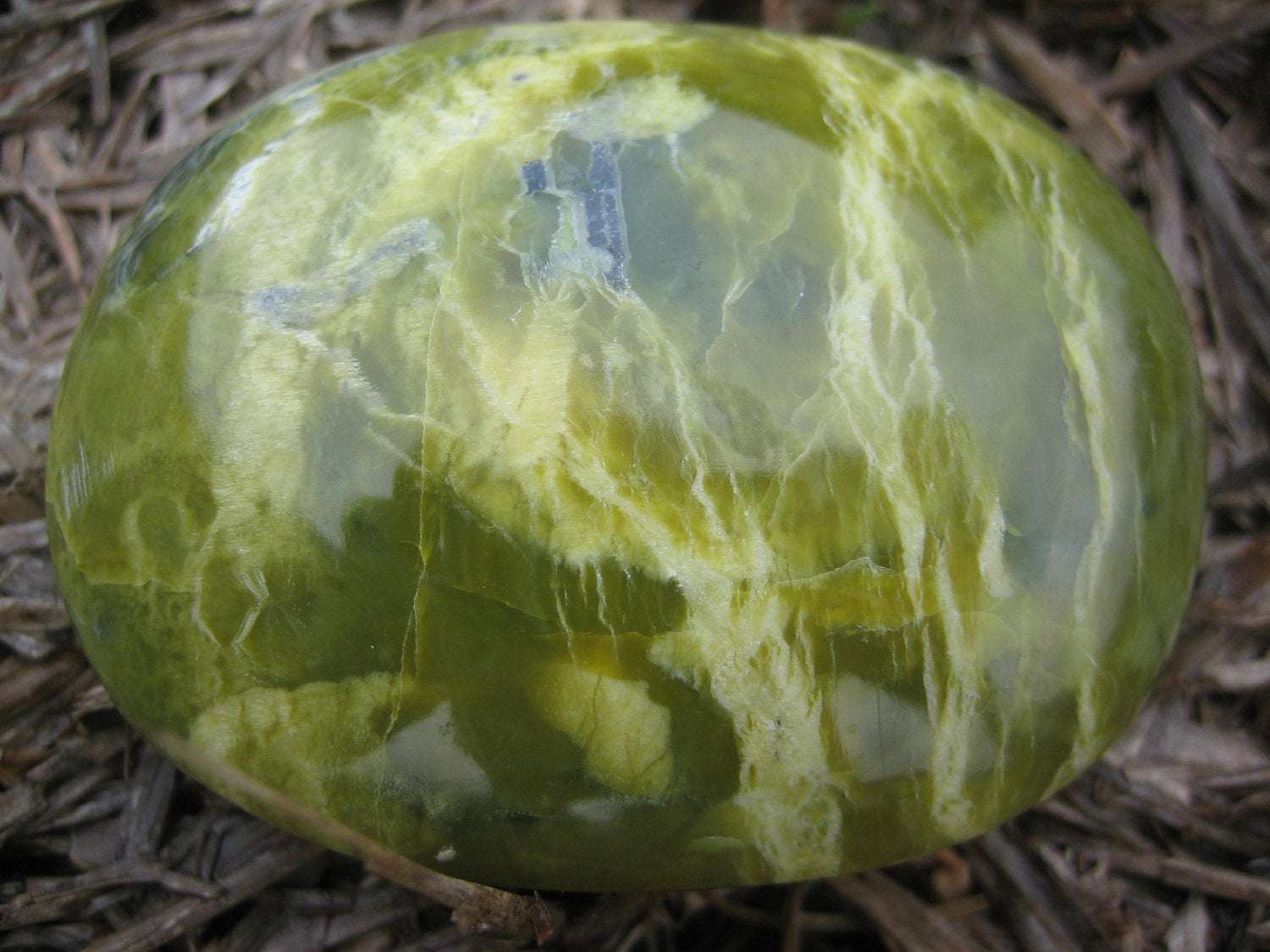
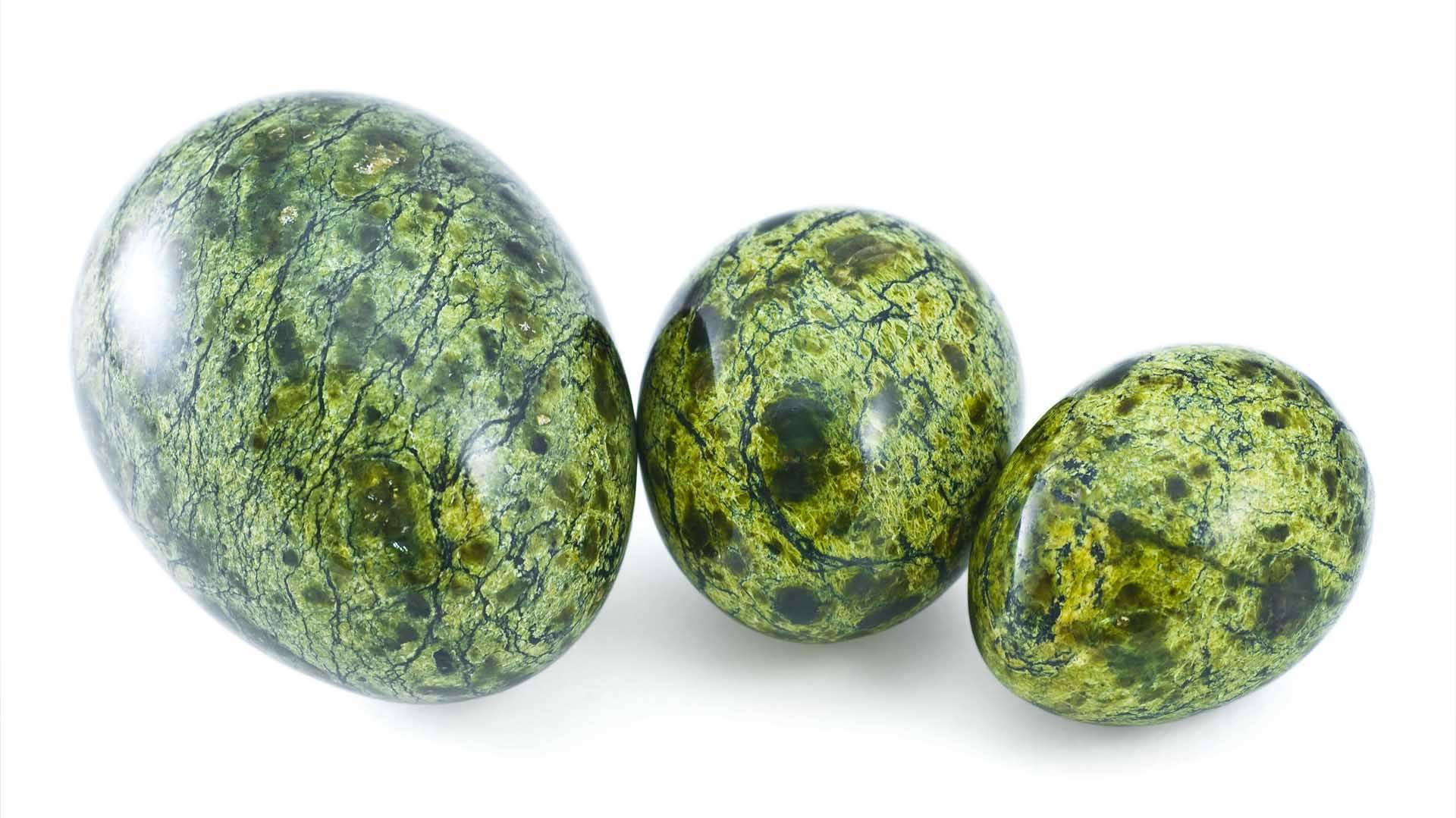
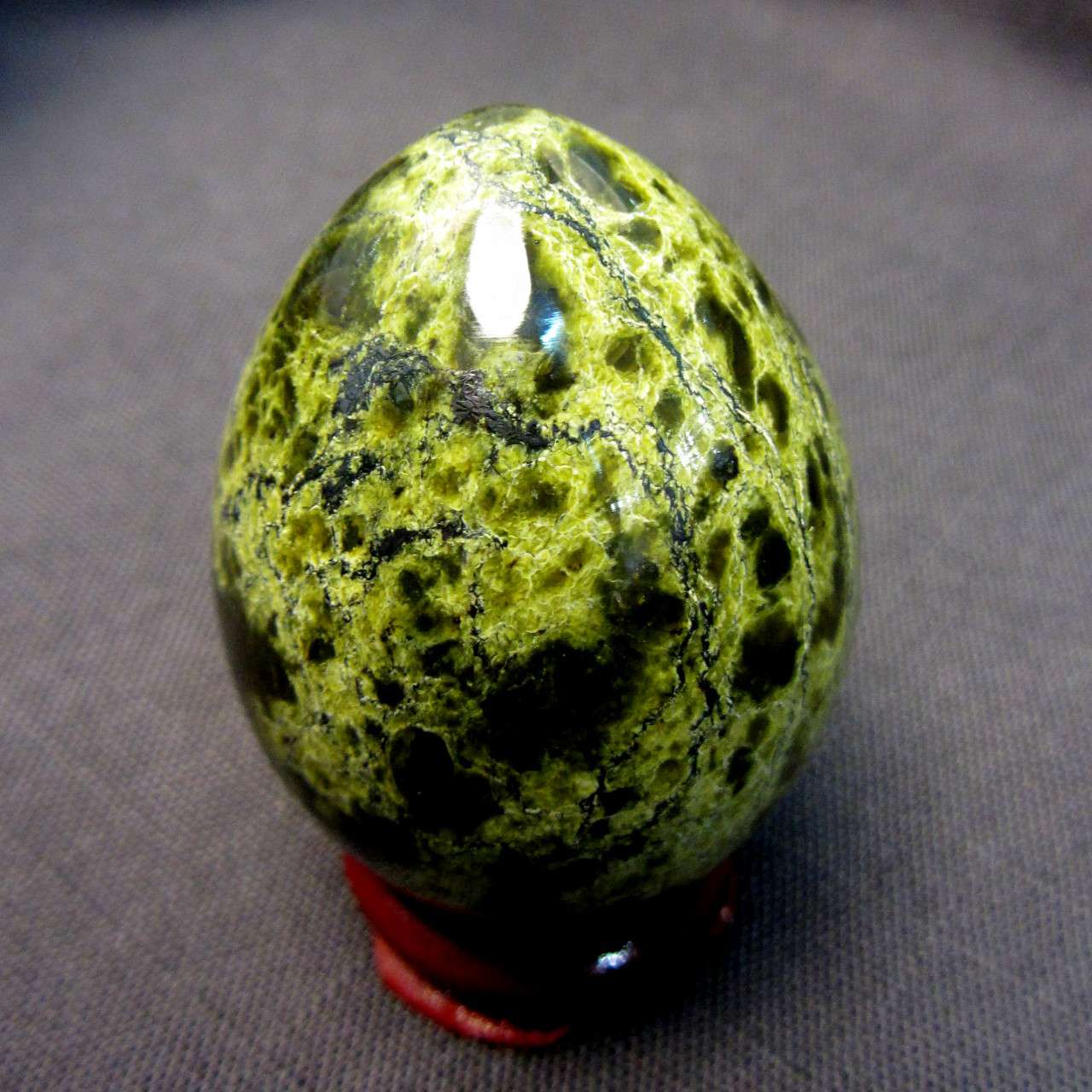
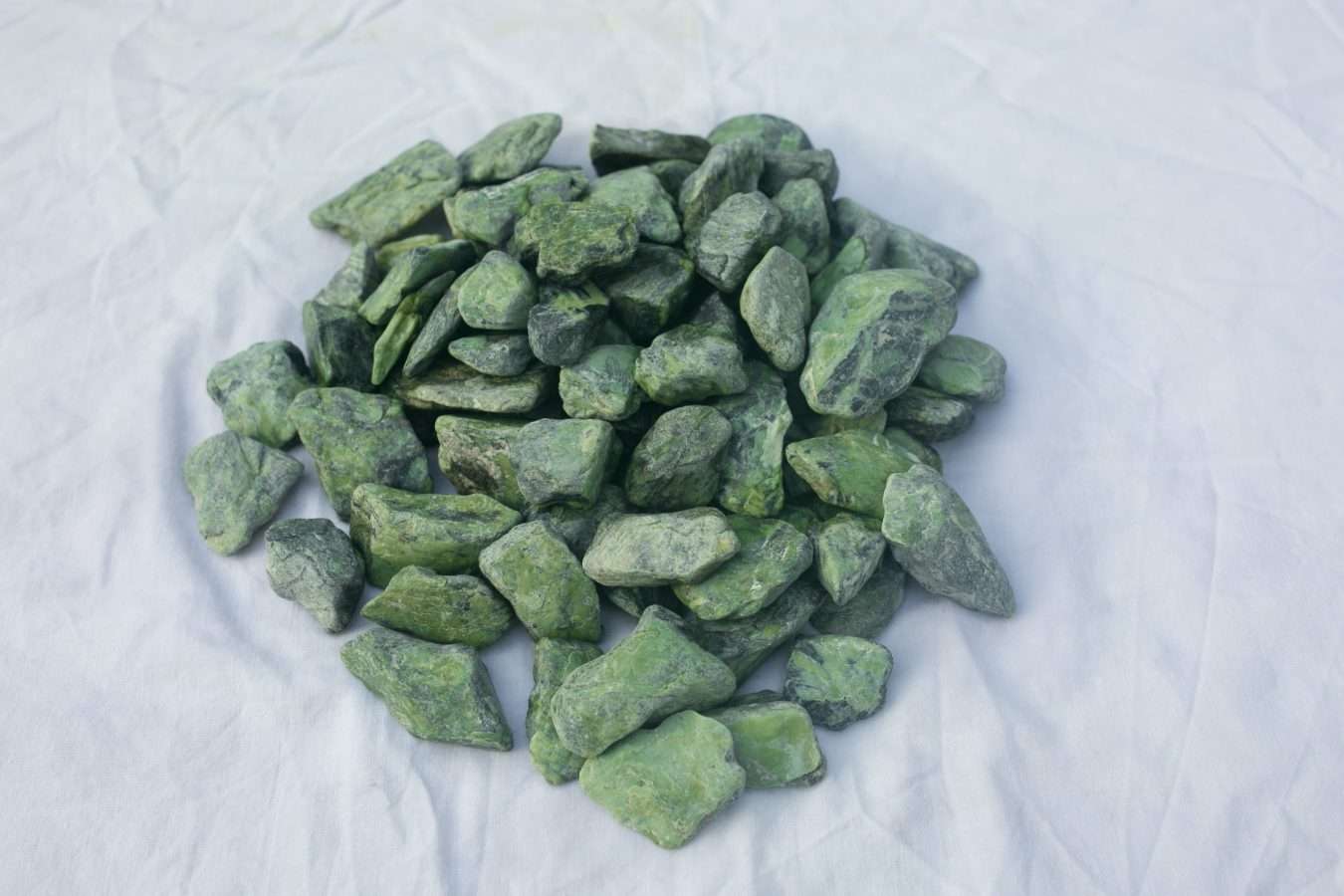
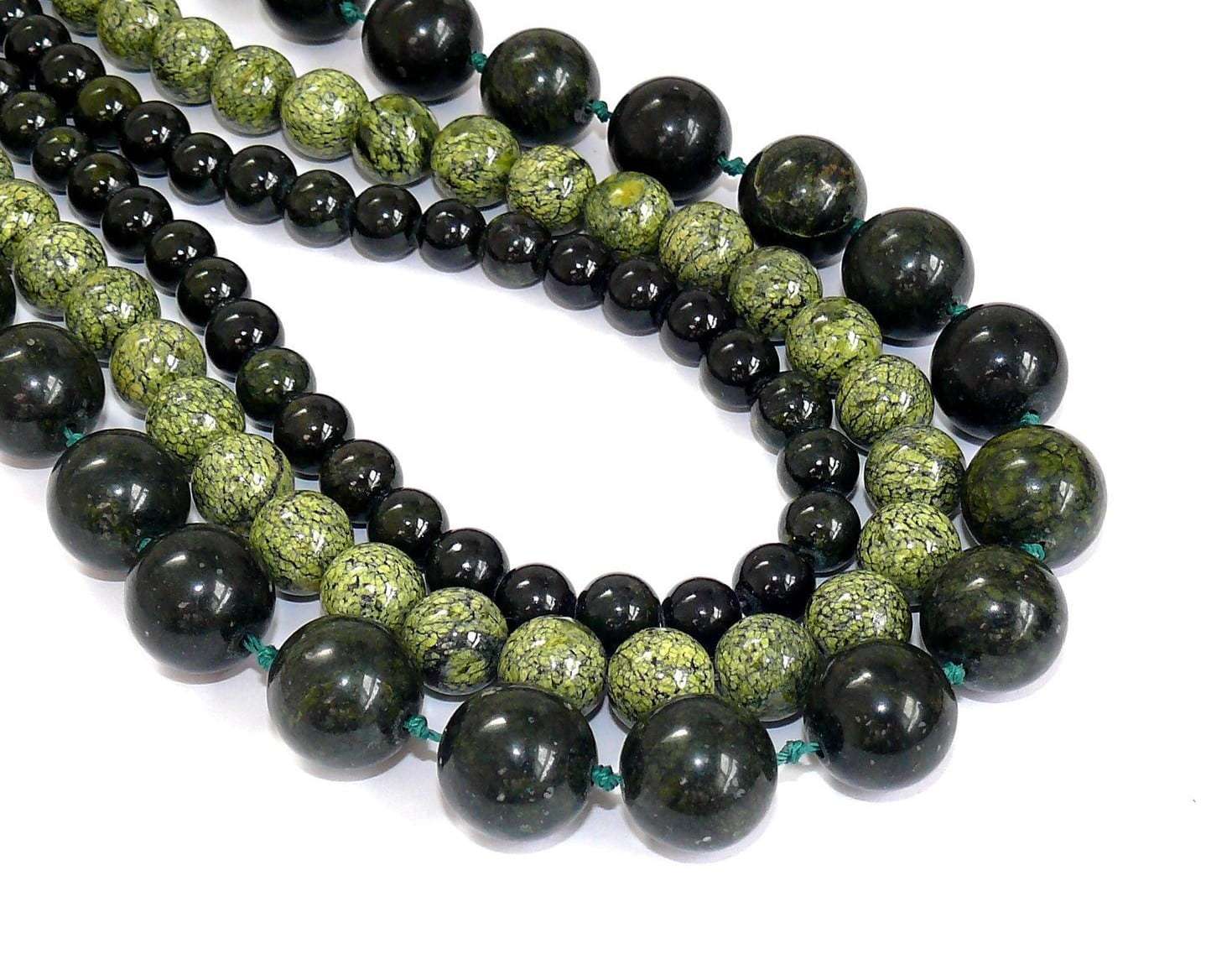
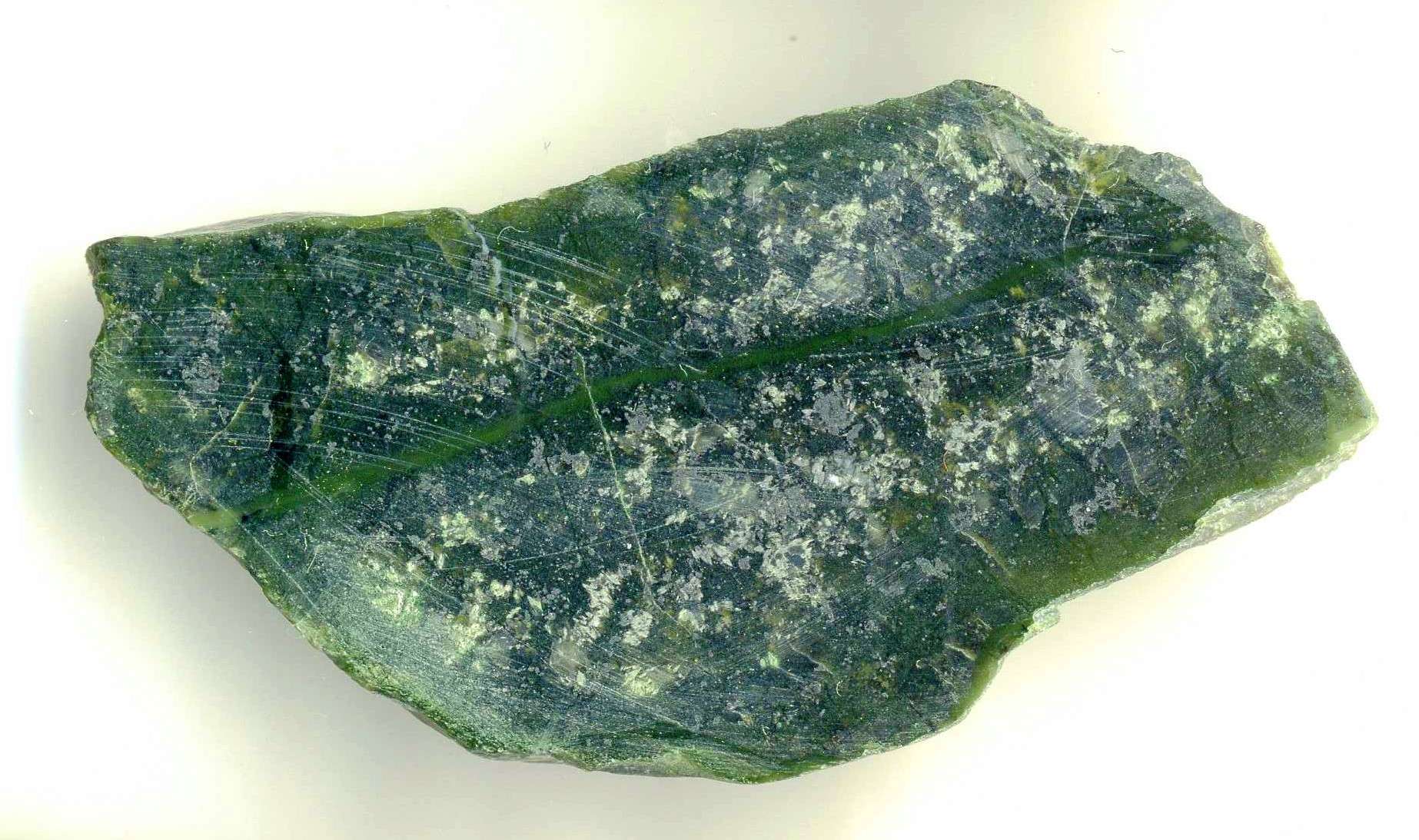
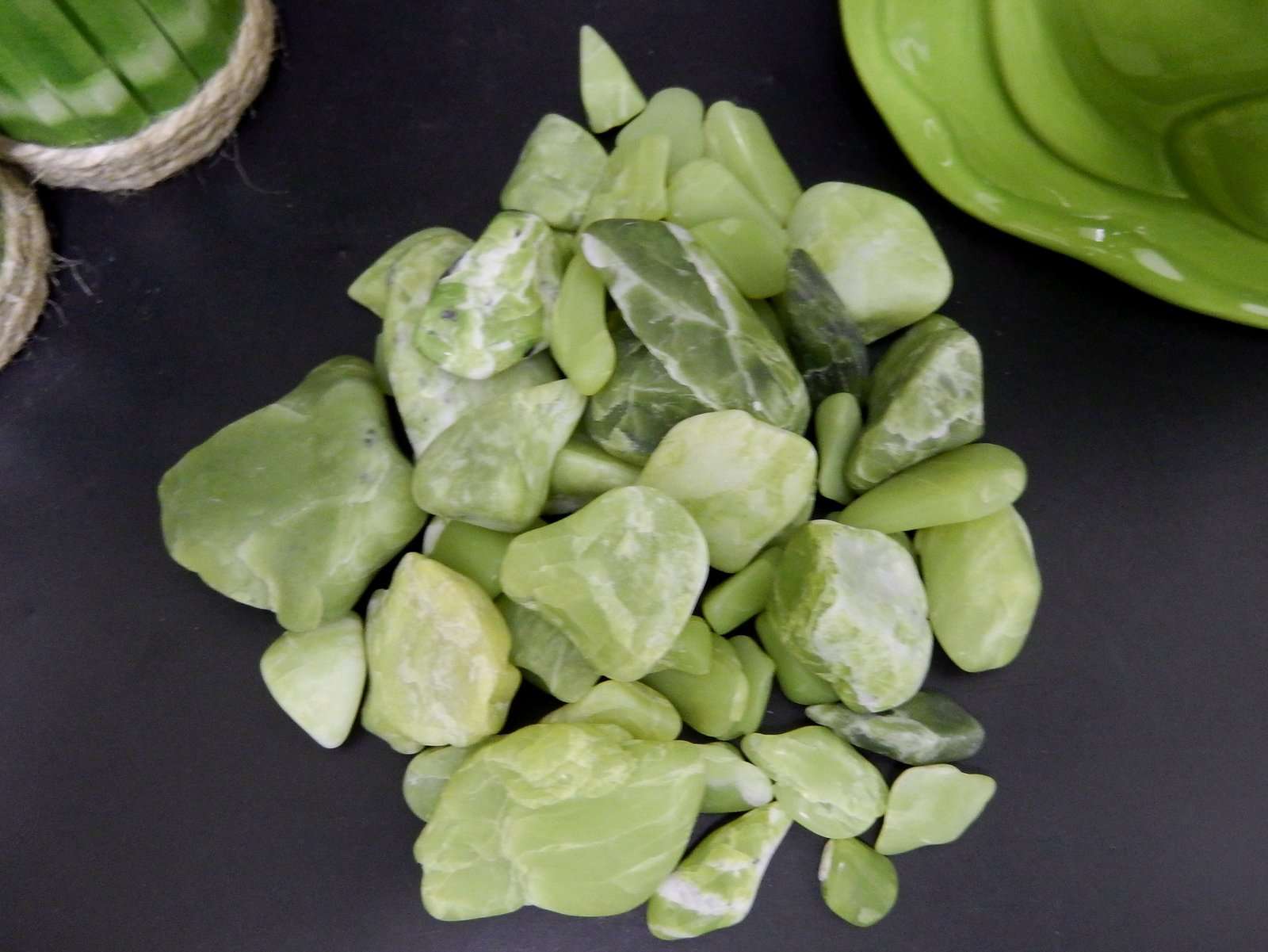
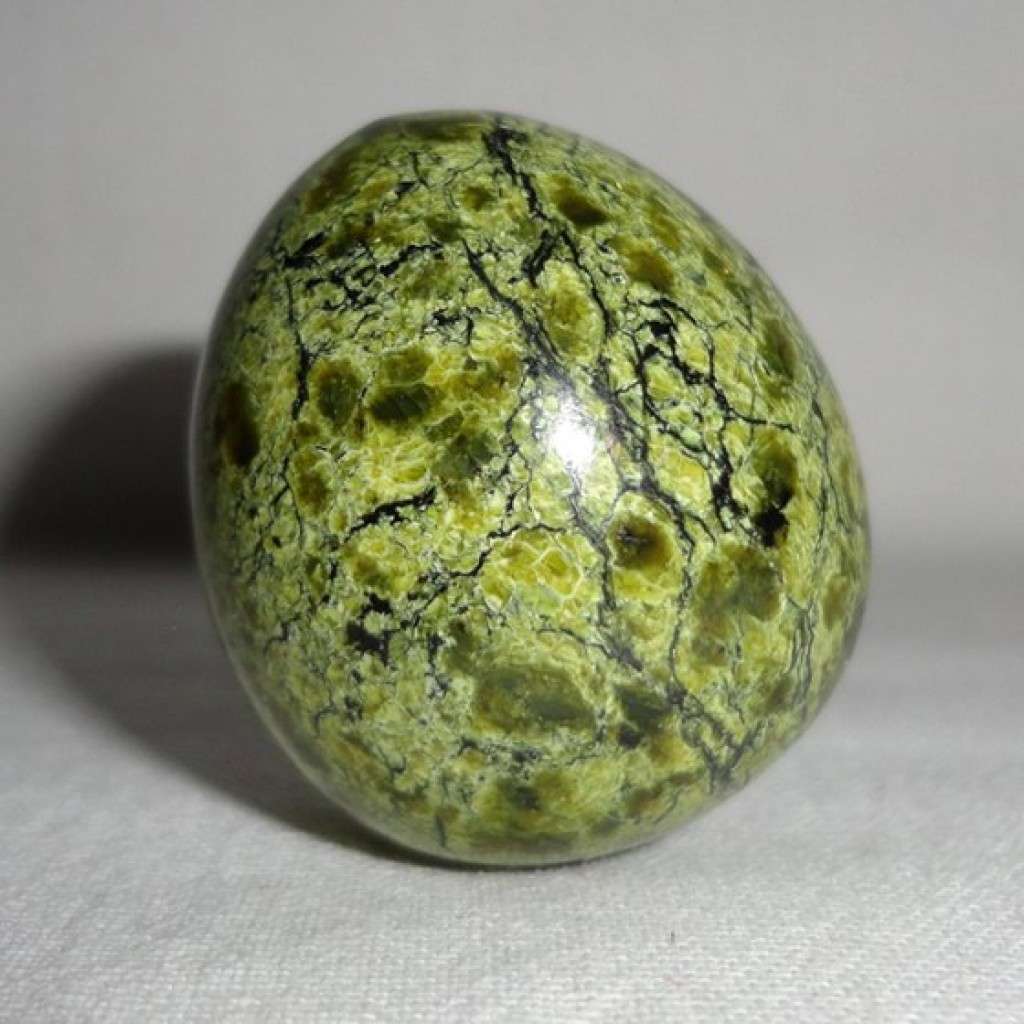
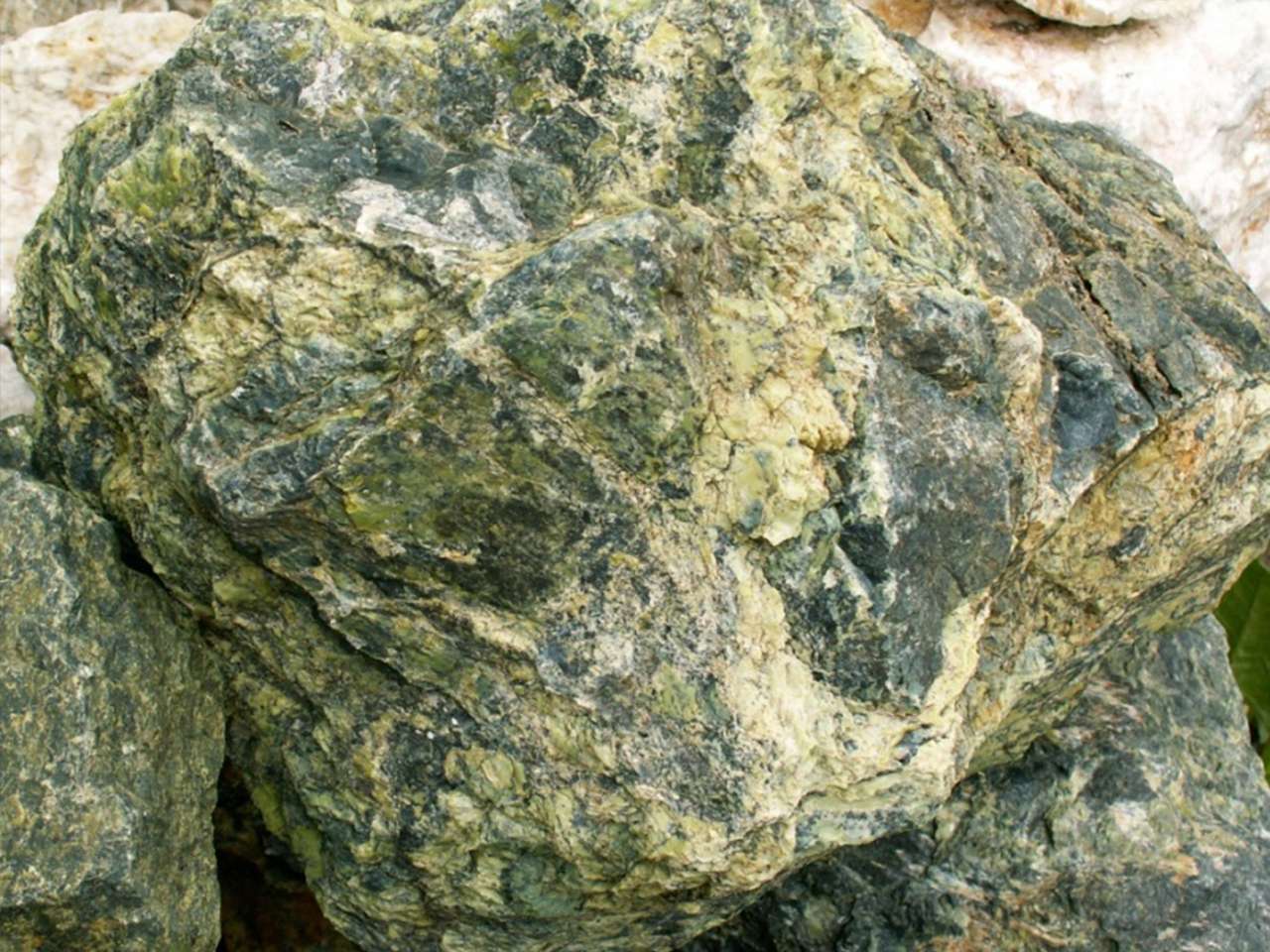
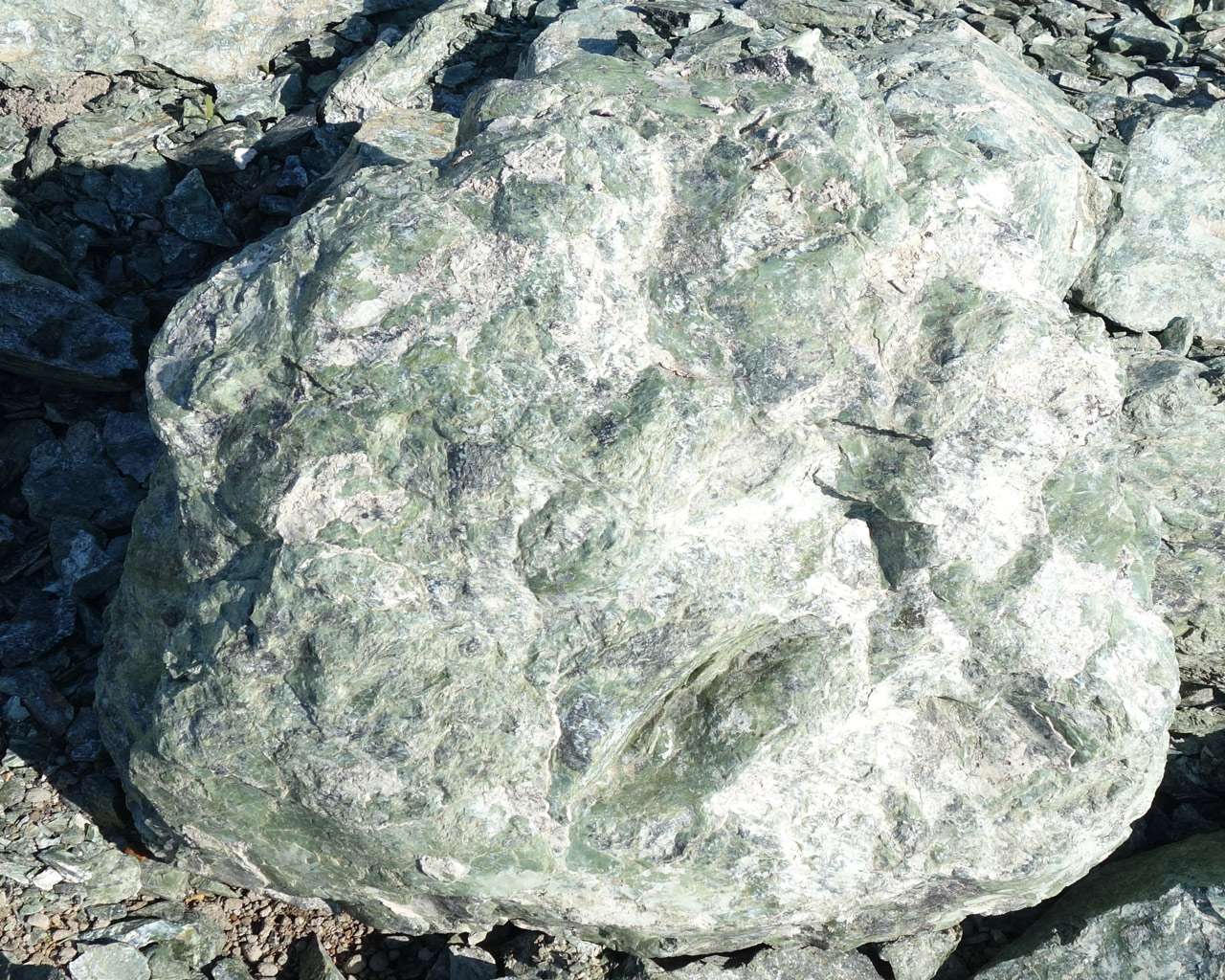
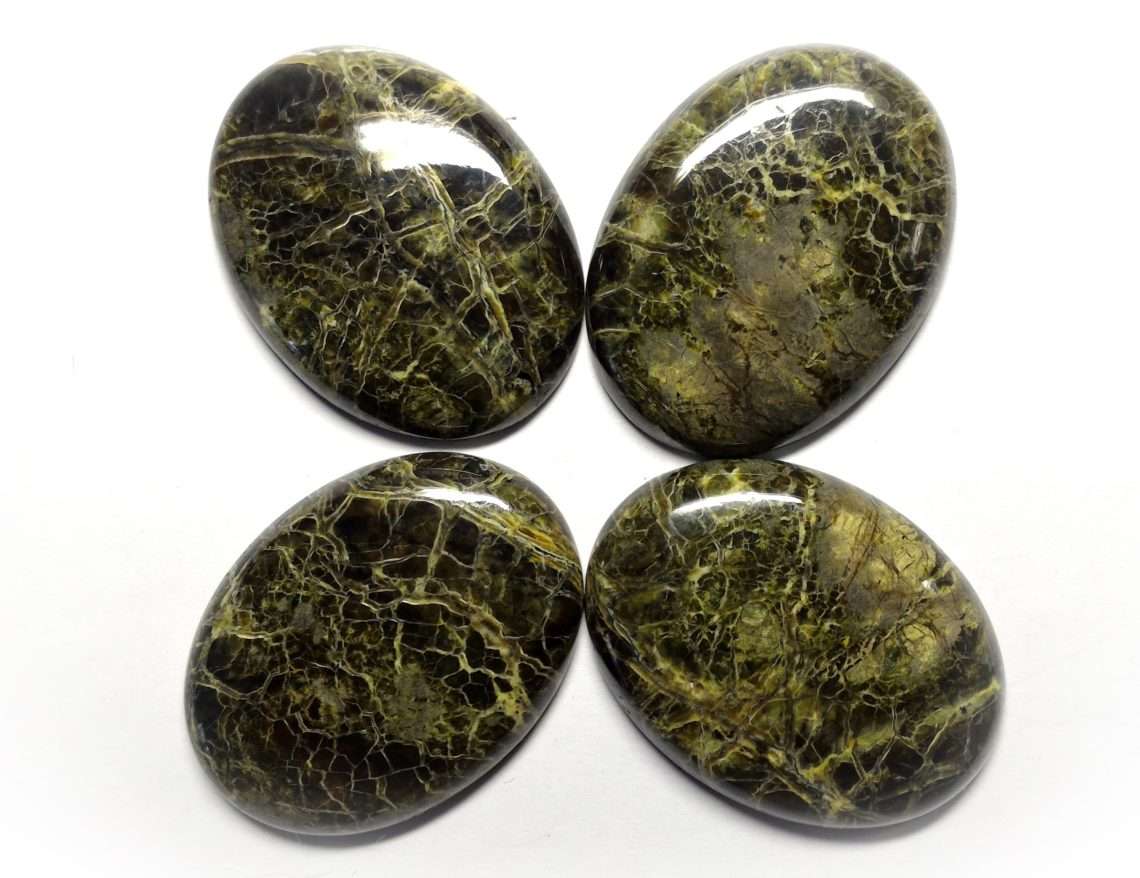
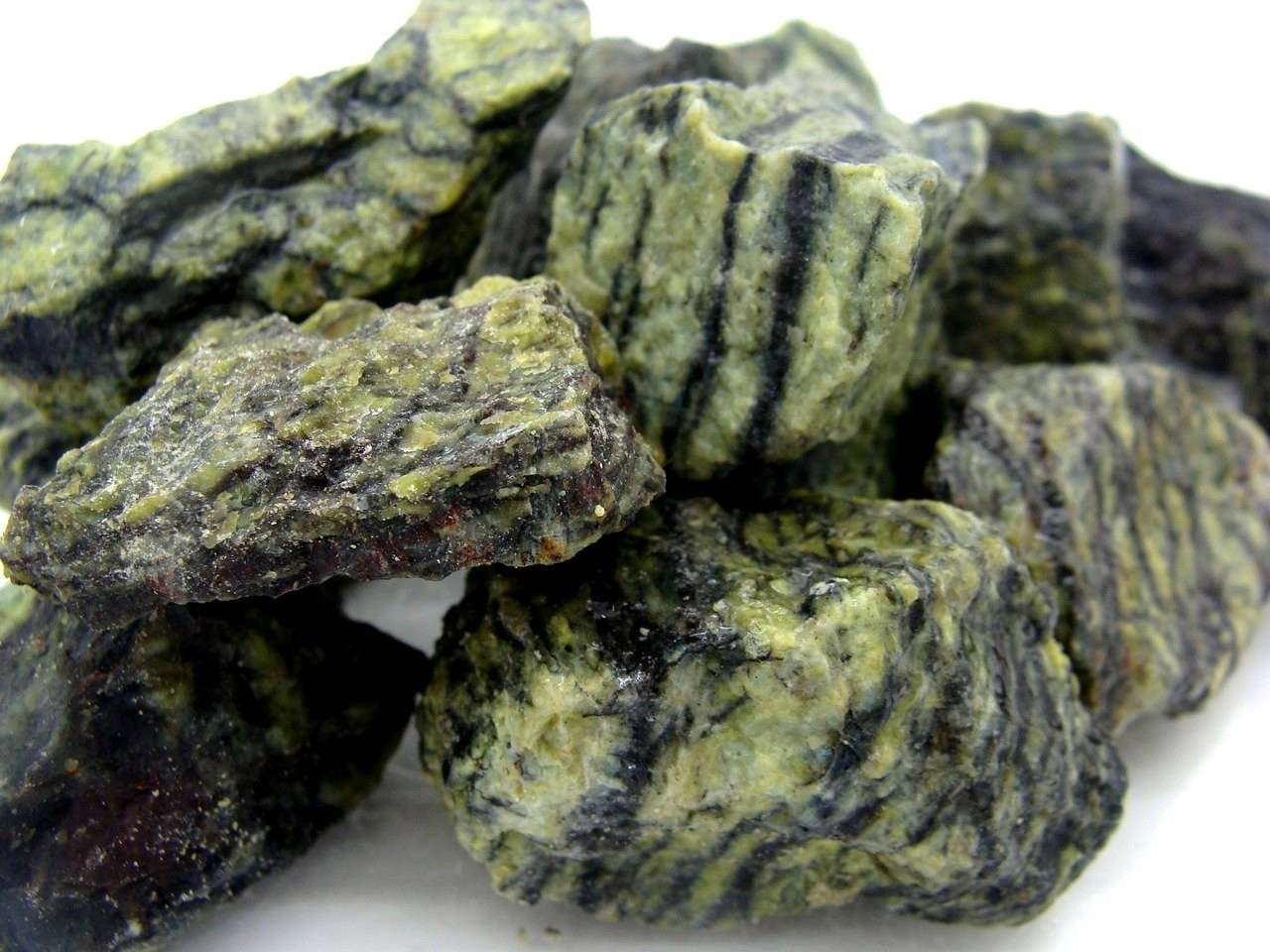
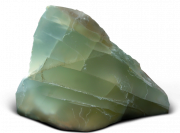
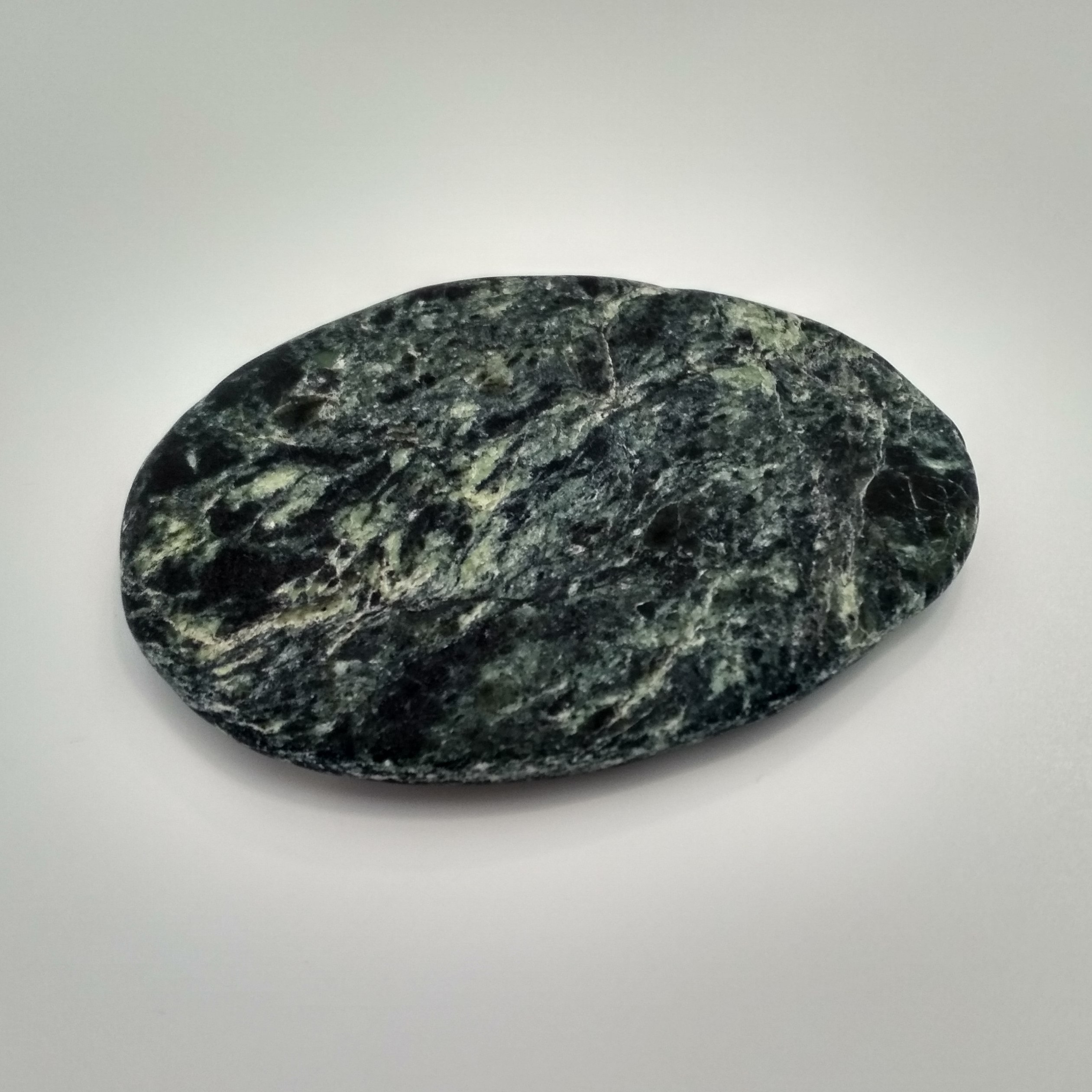
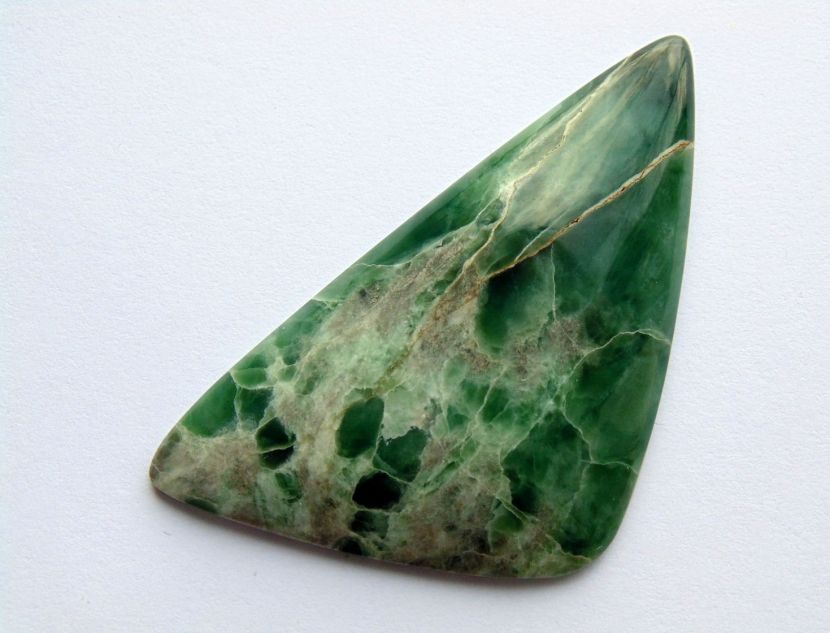
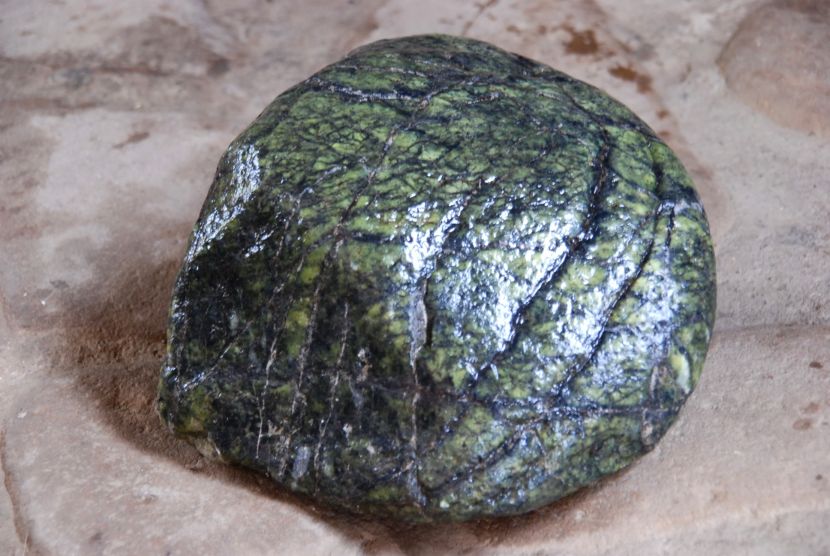
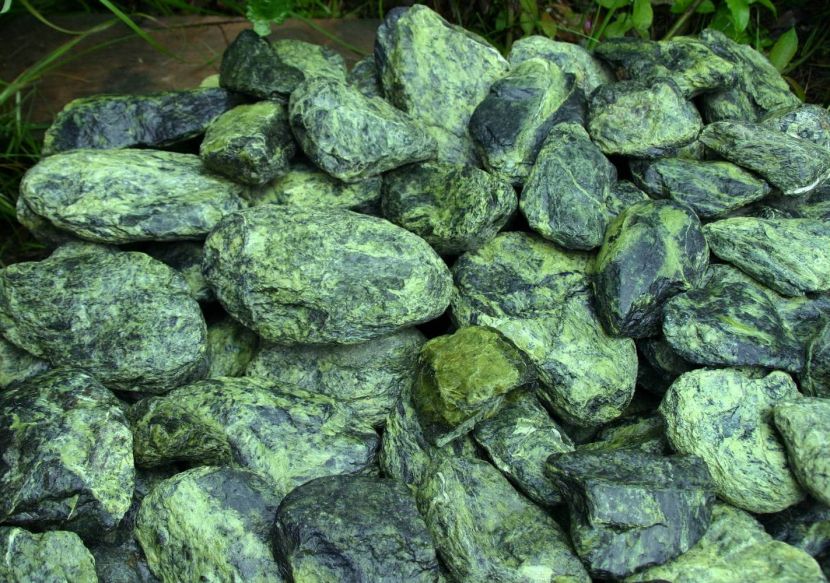
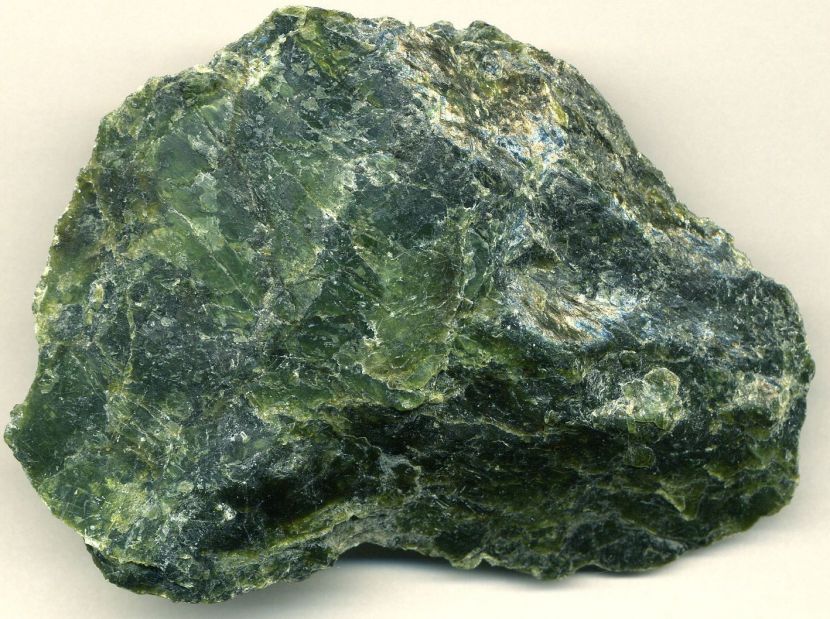
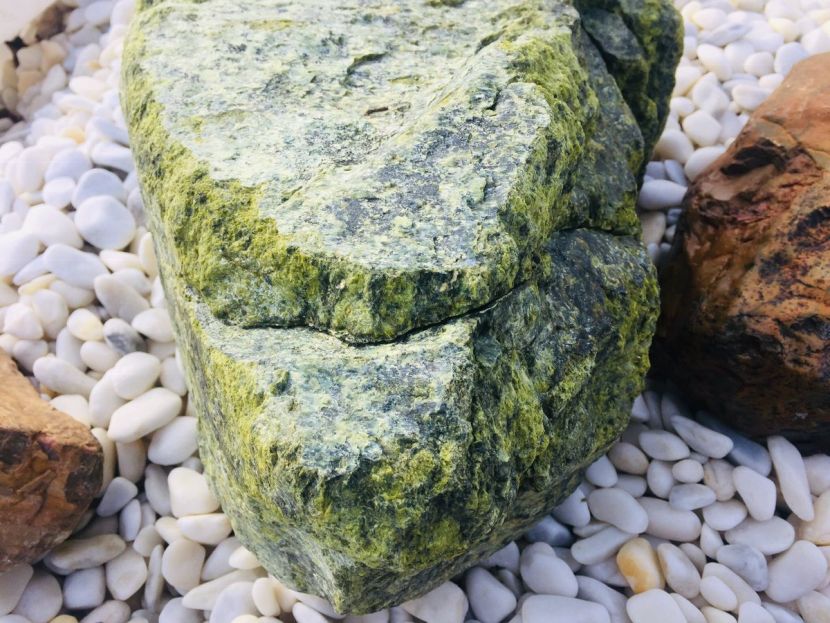
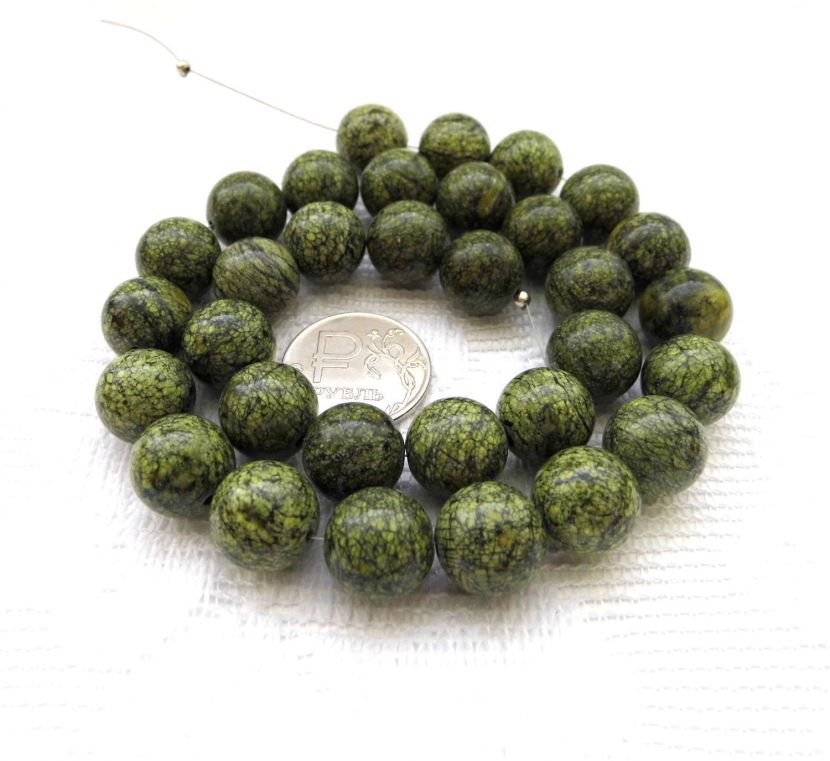
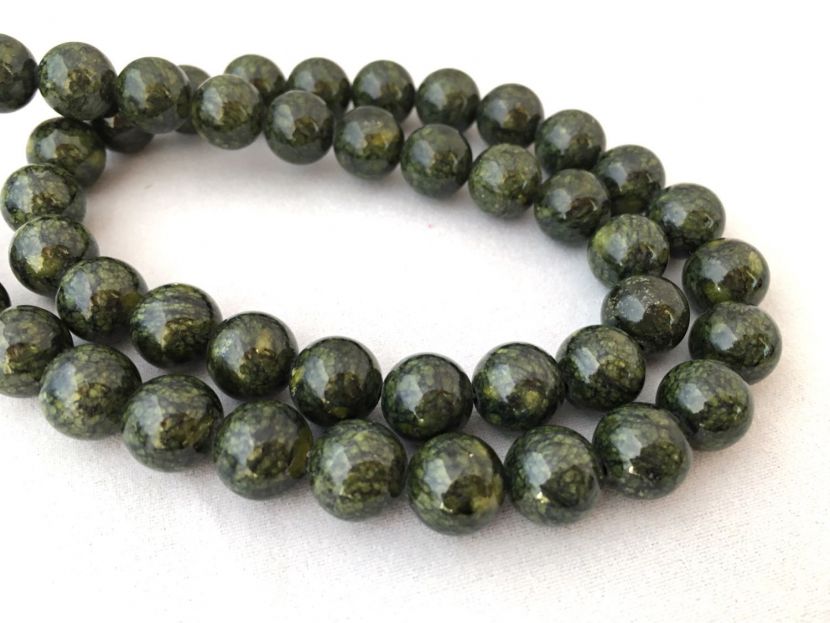
The mineral has a wide range of colors and patterns - from light yellow-green to dark with black veins. Depending on this, the types of serpentinite differ, however, most of the names of these varieties are hardly familiar to the average person:
- verdantite - a stone of a rich green hue with a silvery pattern;
- ophicalcite - otherwise called "serpentine marble" - is a dolomite limestone with a characteristic spotted structure;
- bowenite - a pale green stone, slightly translucent;
- williamsite - a mineral that has a green-blue hue;
- satellite - a stone with iridescence (the effect of "cat's eye");
- retinolite - has a honey-yellow hue and resinous sheen;
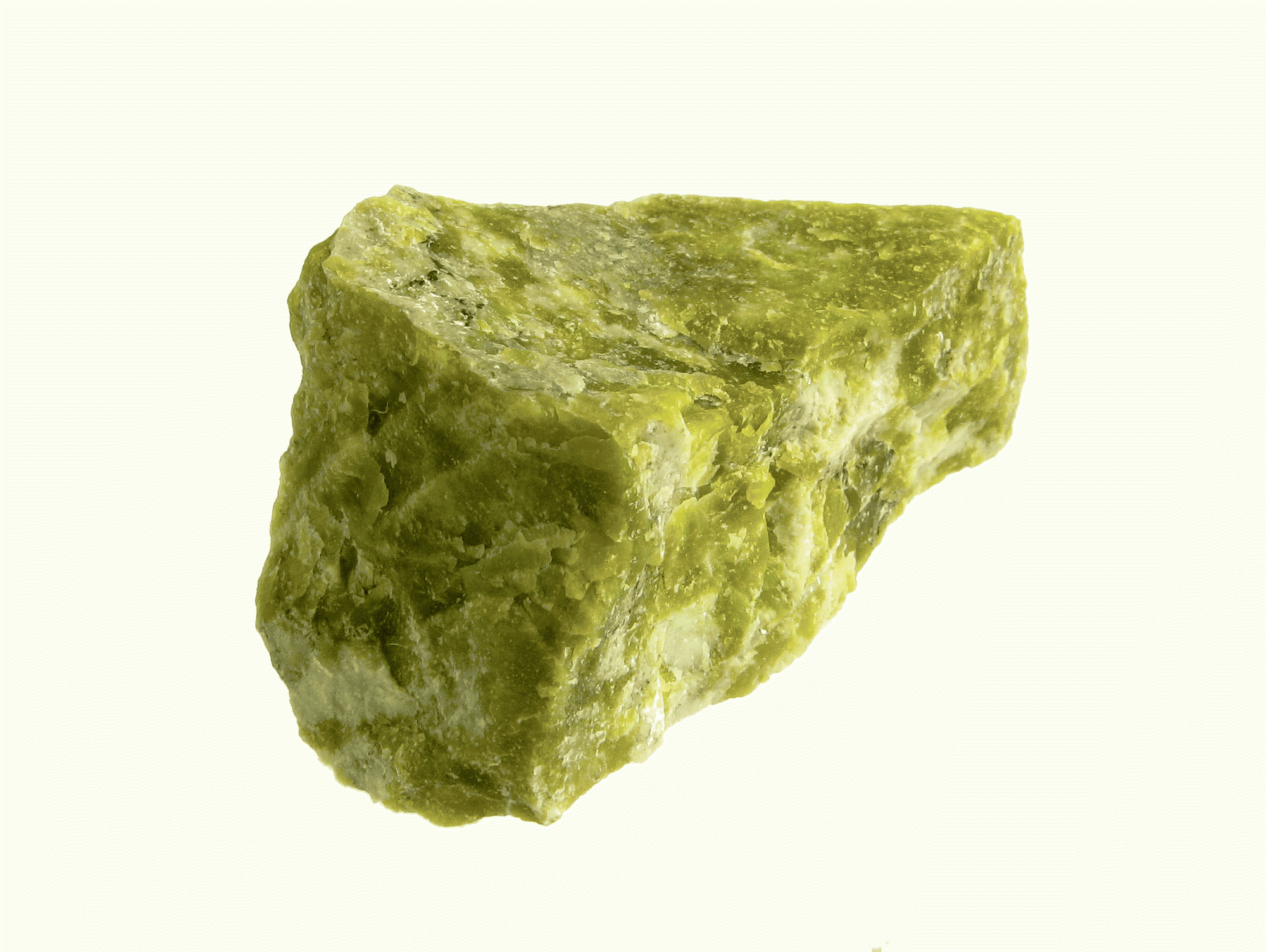
- ricolite is a yellow-green mineral with a striped pattern on the fracture;
- serpentine - a yellow or white-green opaque mineral with black specks, transparent on chips, which resembles jade.

The variety of varieties of the mineral is explained by the presence of different types of inclusions, but they all belong to serpentinites. Some types of light serpentine are mistakenly considered jade, but "serpent stone" is much softer.
Healing and magical properties of "serpent stone"
If the history of the origin of the mineral is rich in secrets and magic, then it is not difficult to assume that healers and sorcerers have long used the stone in their rituals. It was widely believed that with its help you can bewitch a person or bring damage to an enemy. Therefore, only shamans and people involved in witchcraft wore serpentine amulets.
magical properties
Esotericism claims that the serpentine is a strong stone that takes away negative energy, and gives a person intuition and enhances efficiency. If you make yourself an amulet of serpentinite, it will certainly help you achieve your goal, ease the load.
But it was not in vain that the legend about the Serpent-tempter was invented. It is believed that the serpentine is an insidious stone, a stone-tempter. Do not succumb to his influence, otherwise you are not far from trouble.
Due to its strong magical properties, the serpentine stone is often used as a talisman, amulet. It is able to cleanse the karma of a person, but the stone itself needs to be cleansed - it needs to be washed weekly under running water to get rid of the accumulated negativity.The stone will serve not only the person who made the amulet - its useful properties will be enhanced if the stone is passed on by inheritance.
But you can’t give a pebble - he will be “offended” by betrayal and will not serve either the old or the new owner. Therefore, it is recommended to make an amulet on your own or receive it by inheritance. Then he will fill the owner with strength, give him protection from enemies.
Medicinal properties
In ancient times, the serpentine was called an apothecary stone. The easily workable mineral was used to make mortars and vessels in which apothecaries prepared and stored their medicines. It was believed that powders and pills were filled with healing power if stored in such a stone vial. Until now, Mongolians believe that the serpentine is able to save a person from the poison of snakes and insects. Green stone amulets were used to scare away snakes.
Modern lithotherapists no less actively use the healing value of the serpentine stone in the treatment of many diseases, believing that it affects the human body better than other minerals and relieves it of ailments. Wearing jewelry with a coil is recommended for people suffering from:
- headaches;
- hypertension;
- neuroses, insomnia;
- diseases of the digestive system;
- pathologies of the kidneys;
- frequent colds.
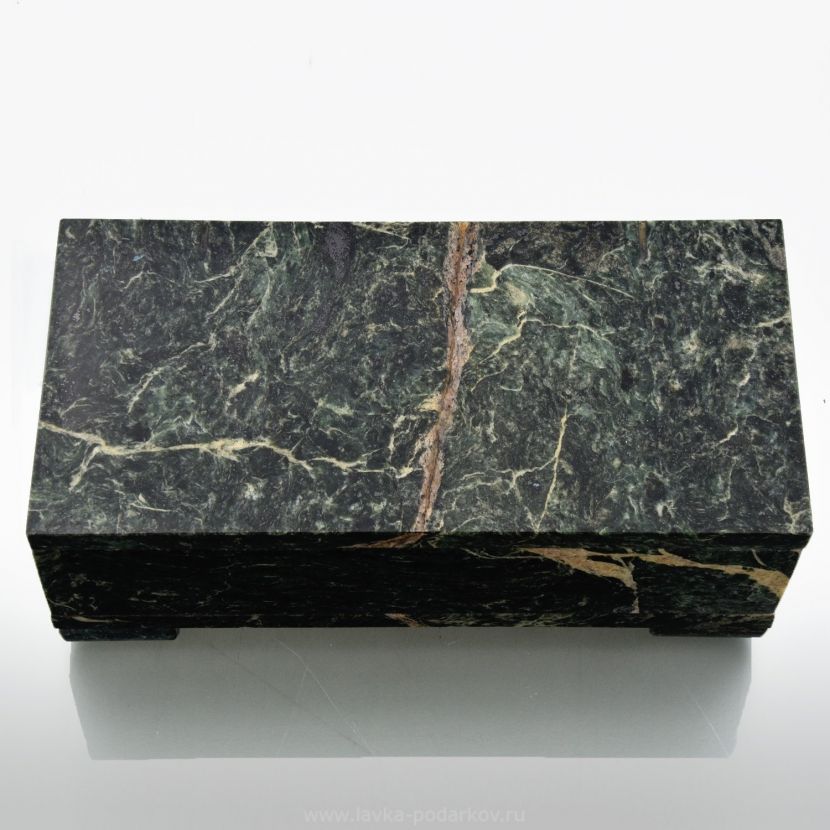
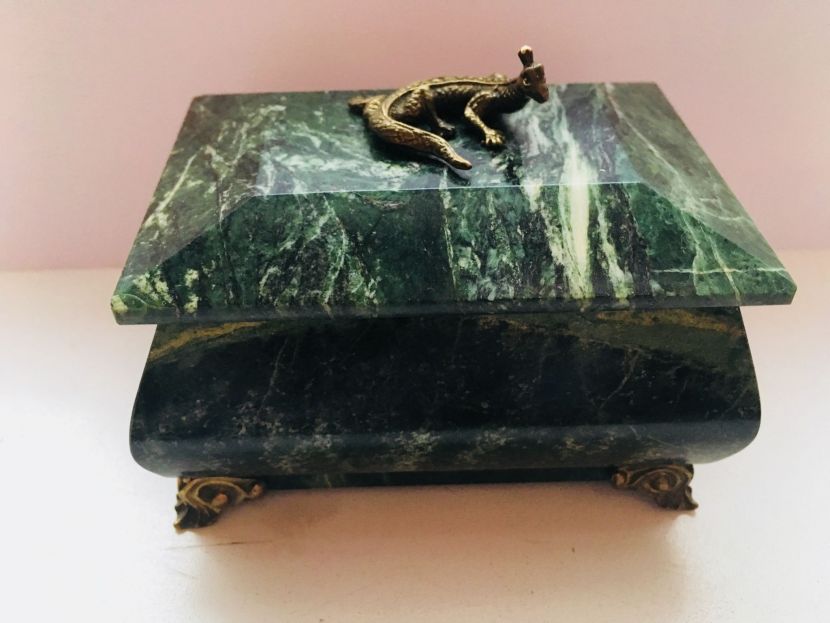
Lithotherapists recommend storing tablets and powders in a serpentine box, which will enhance the therapeutic effect of medicines. And what jewelry to give preference - depends on the type of disease. Earrings will relieve migraines, a bracelet or ring will accelerate the healing of open wounds or fractures. A stone bracelet will help normalize blood pressure.
Who suits the serpentine stone
Serpentinite is considered a universal stone and suits almost all signs of the zodiac, only Pisces and Cancers can be carried away from serious matters into the world of empty entertainment and temptations. And Capricorns and Virgos can consider themselves the real owners of serpentine amulets. Jewelry with a stone will help them achieve their desired goal, no matter in what area: business, creativity, sports.
But you should not get carried away wearing the mineral - even for medicinal purposes, it is recommended to wear jewelry no more than two or three times a week. After removing the beads or bracelet, rinse them in running water - this will remove the negative energy that the stone has accumulated during the day.
Serpentine is a stone both feminine and masculine. He will help girls to show sensuality, teach the art of seduction. Men will help develop memory, improve physical fitness, become more resilient.
Where is the coil used?
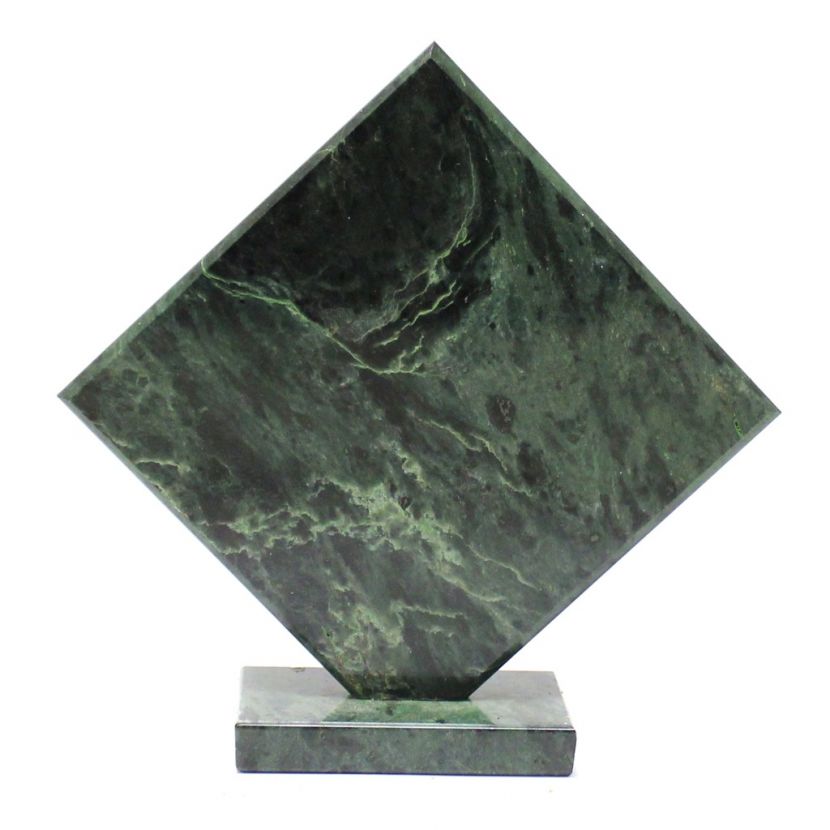
The stone malleable to the cutter is most often used to create interior items and souvenirs. For many centuries, finishing materials for residential and non-residential premises have been made from the mineral. It is known that more than 400 years ago it was used to make countertops. Serpentine slabs were used to line palace interiors; it was used for Florentine mosaics, making dishes and decor items. In the Gatchina and Pavlovsk palaces, sets of delightful beauty, carved from the Ural serpentine, were in use.
Ural serpentinite trimmed the Moscow metro stations - it is lined with the columns of the station "Preobrazhenskaya Square", the interiors of the stations "Profsoyuznaya" and "Alekseevskaya". And in the mosaics on the vaults of the Belorusskaya-Koltsevaya station, gray-green ophiocalcite is used.
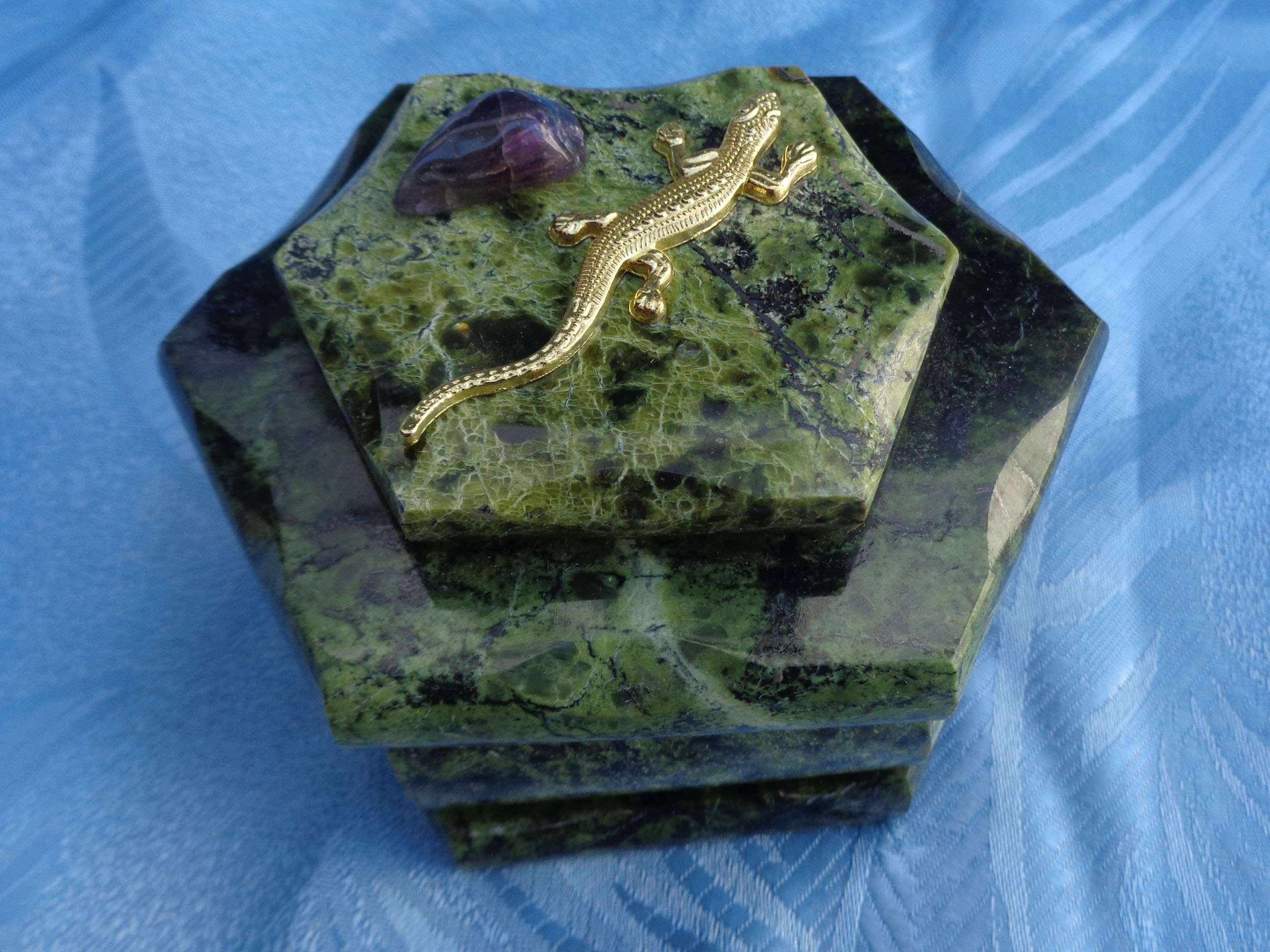
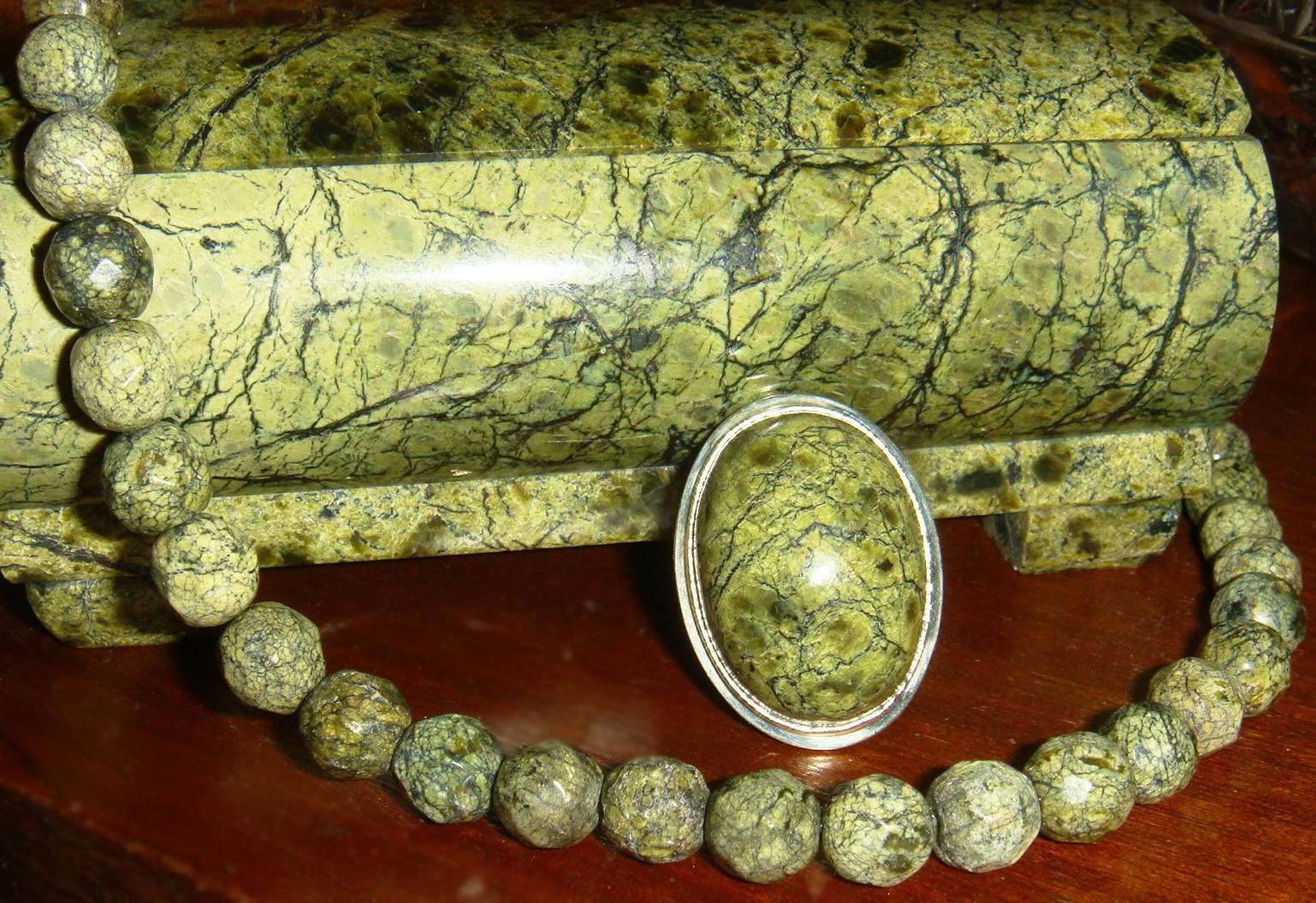
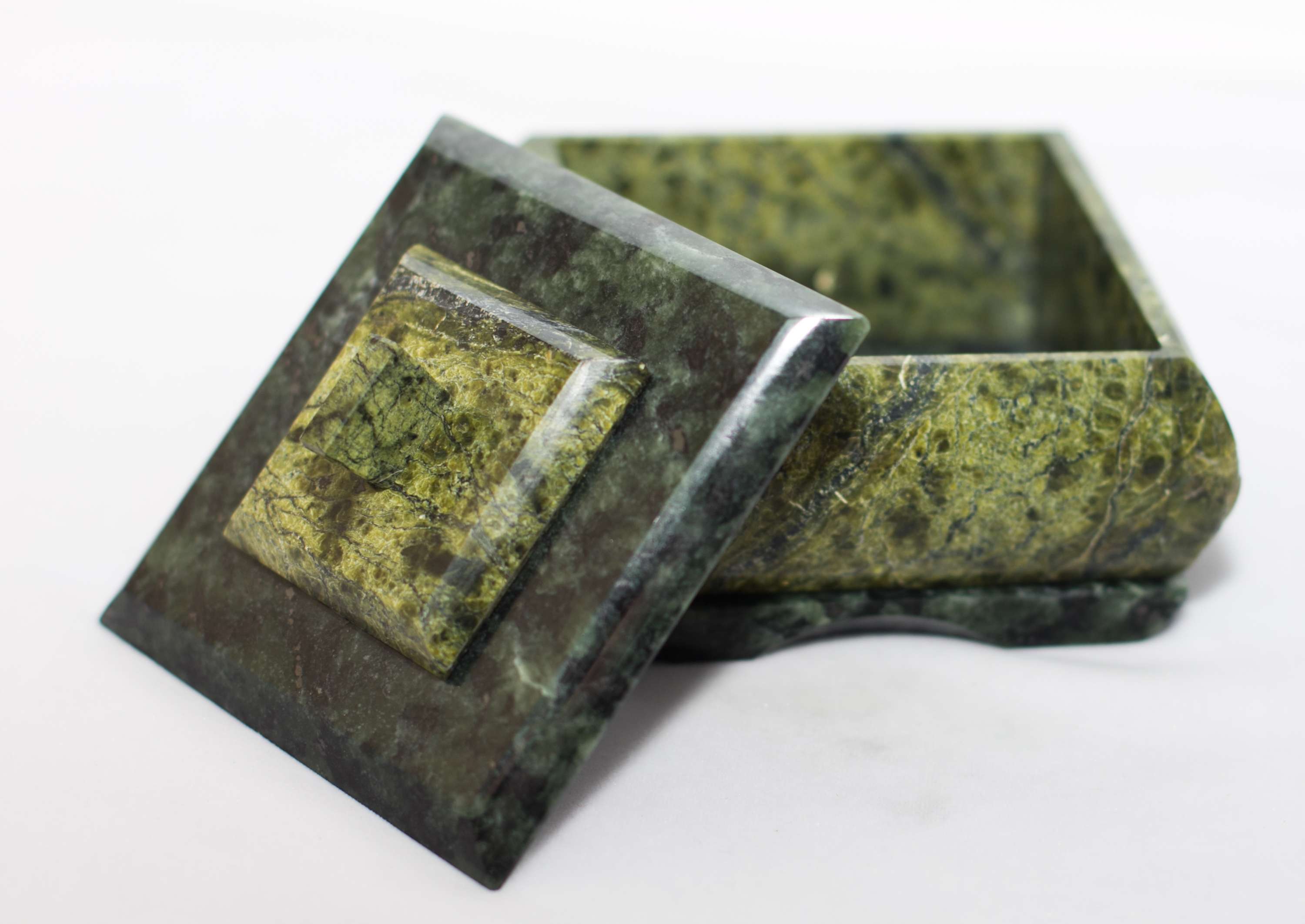
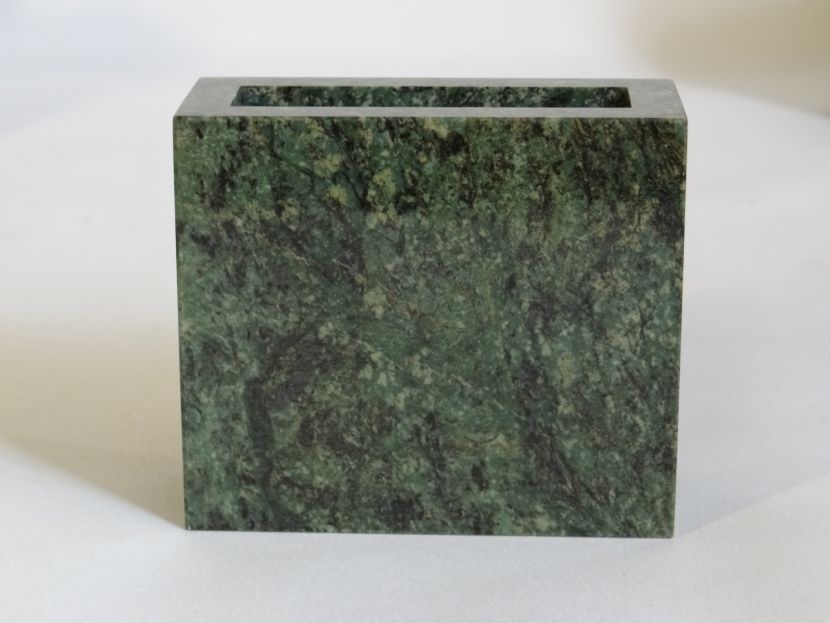
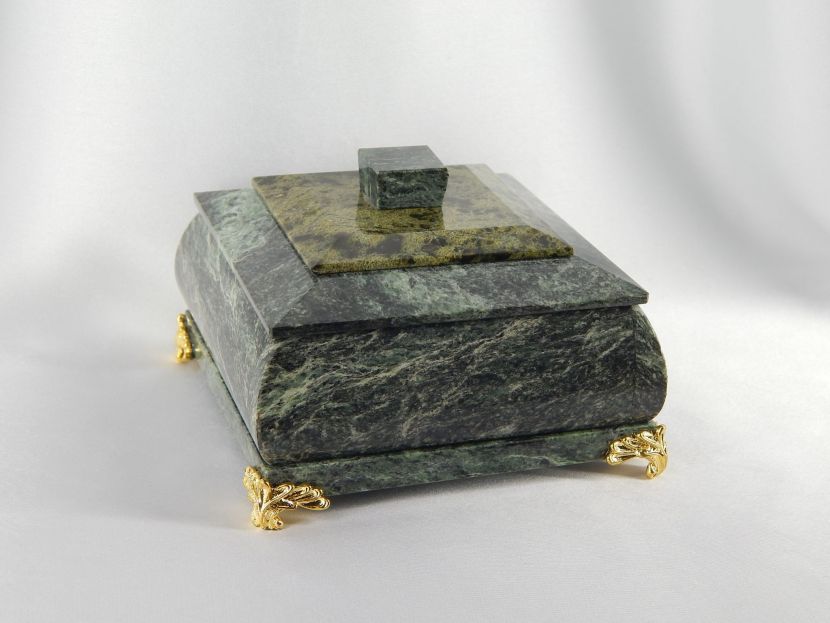
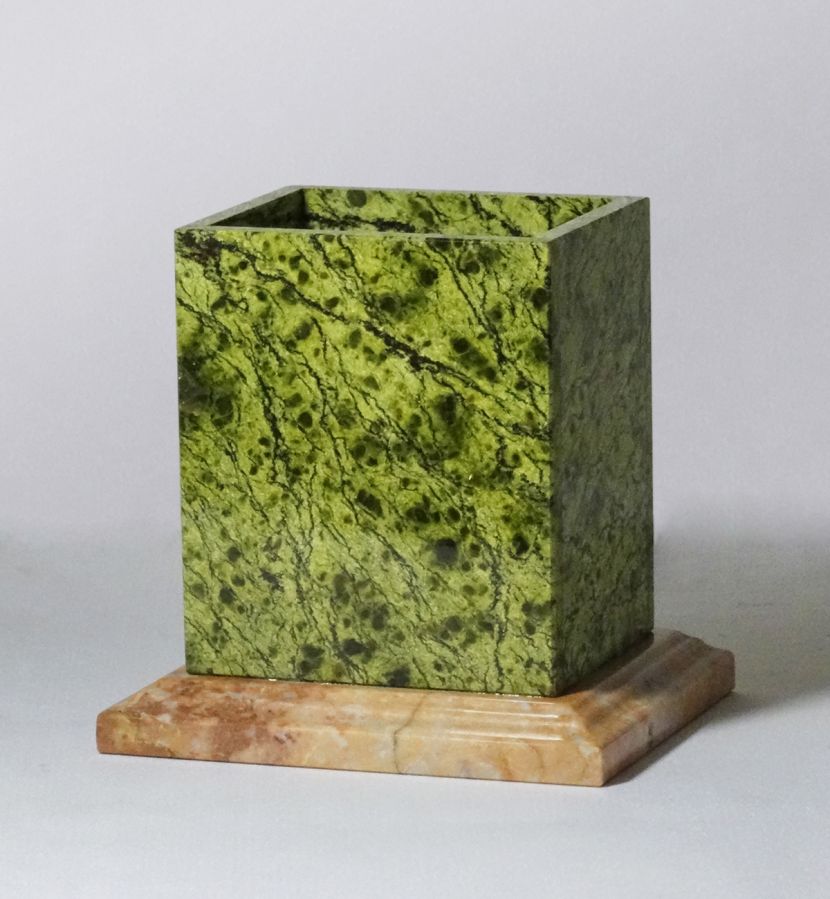
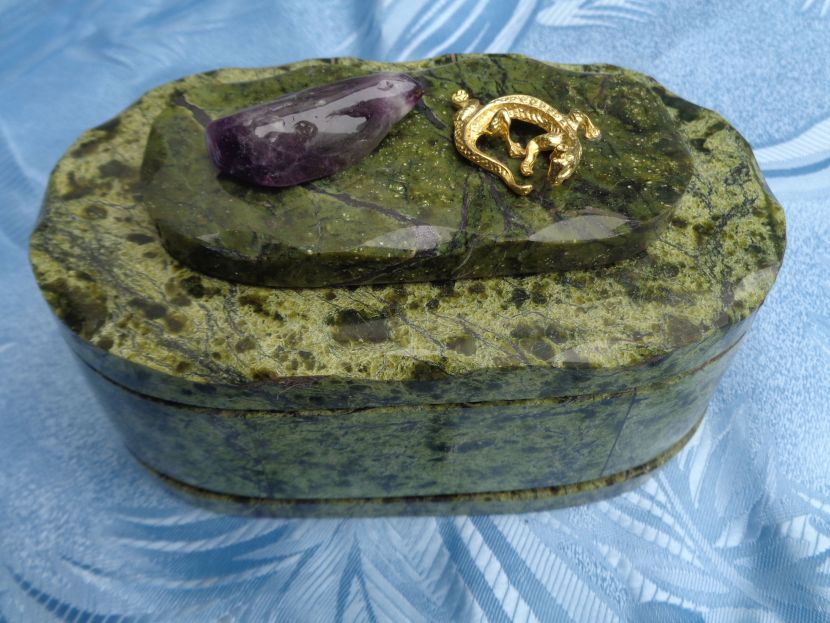
The coil is often used for finishing rooms with high humidity - saunas, bathrooms, baths and showers. Caskets and desk writing instruments, vases and other decorative items are in constant demand and can decorate the most sophisticated interior. Due to the unique pattern of the stone, it is impossible to create two identical items.
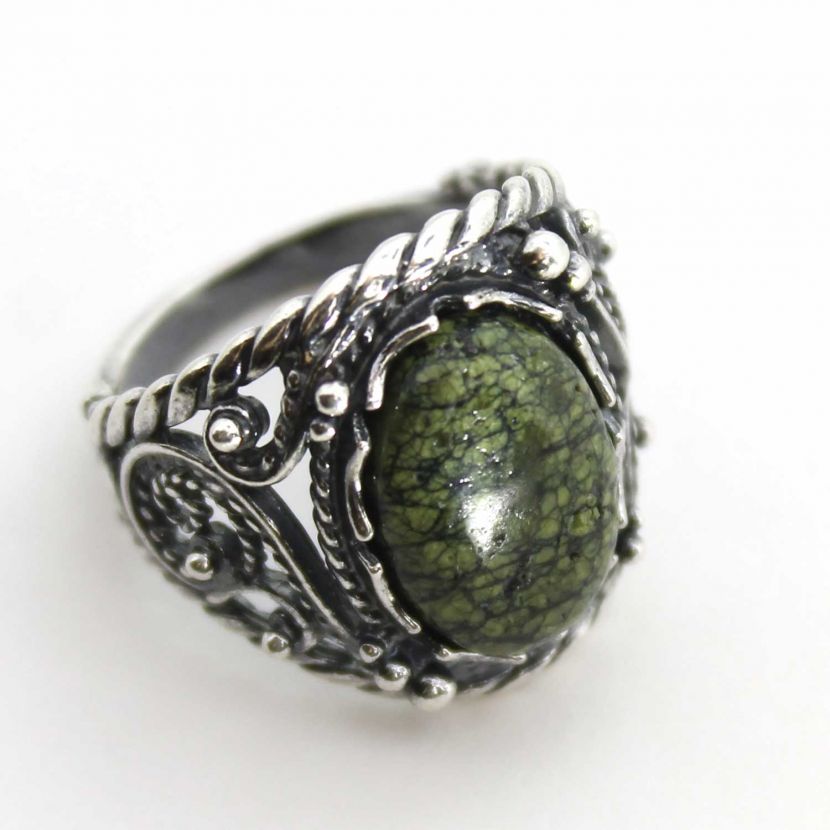
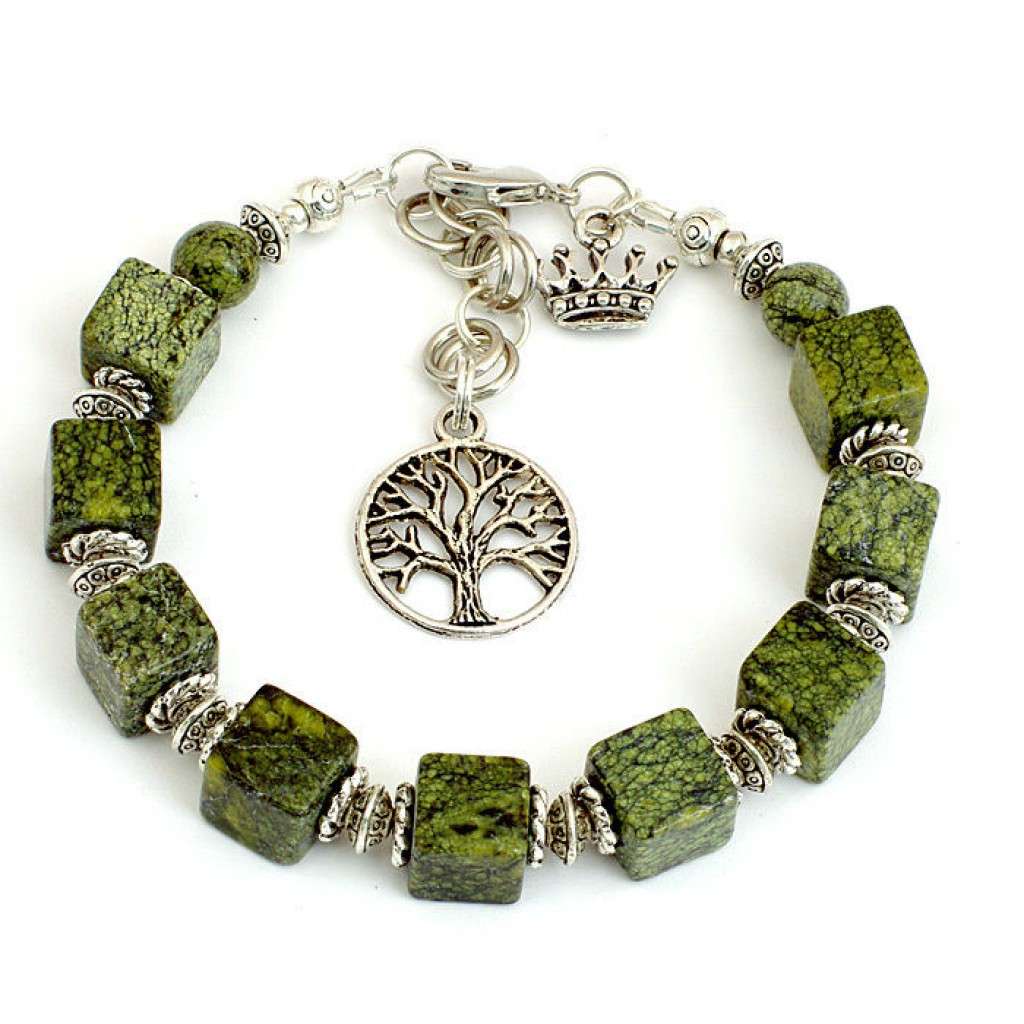
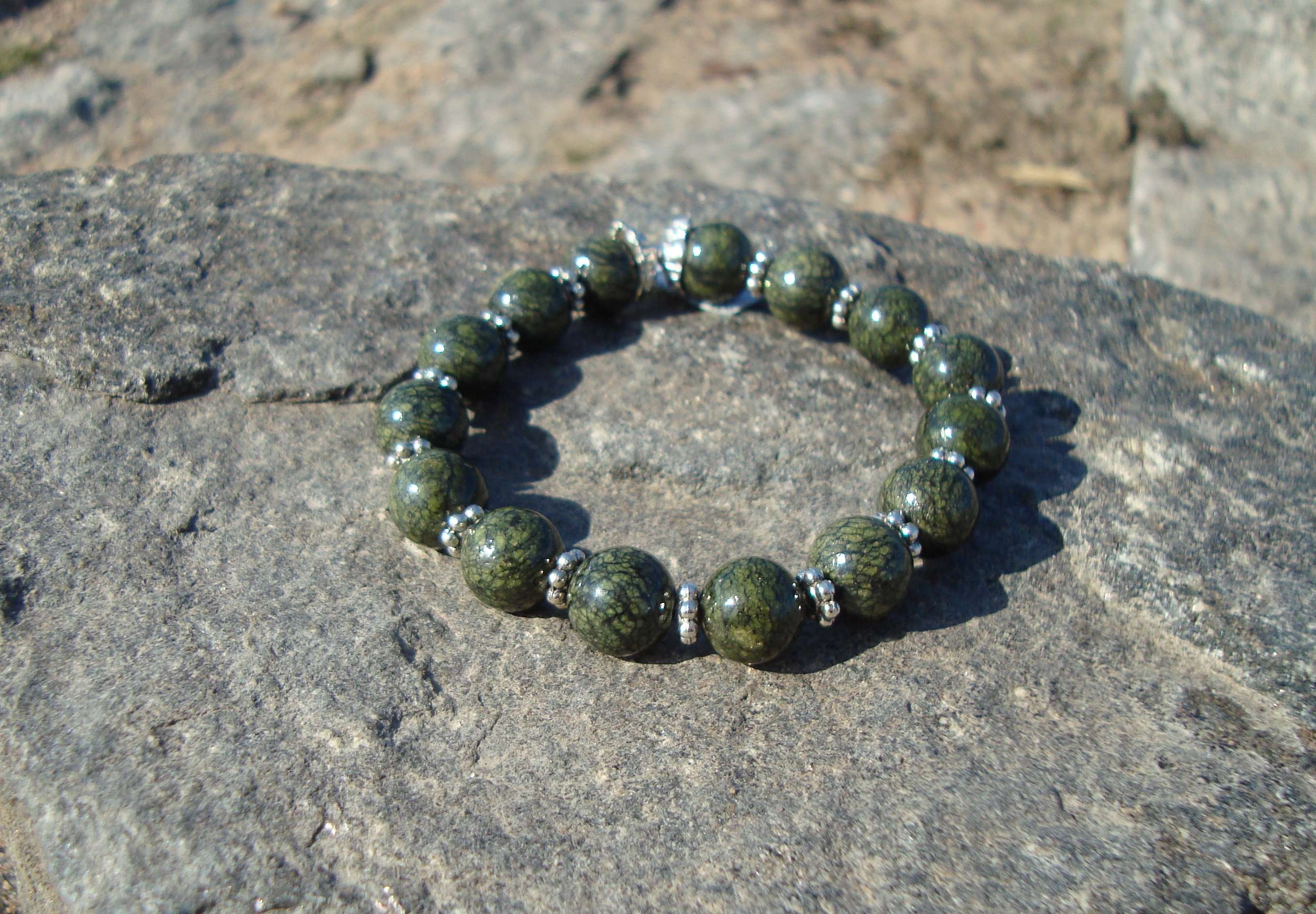
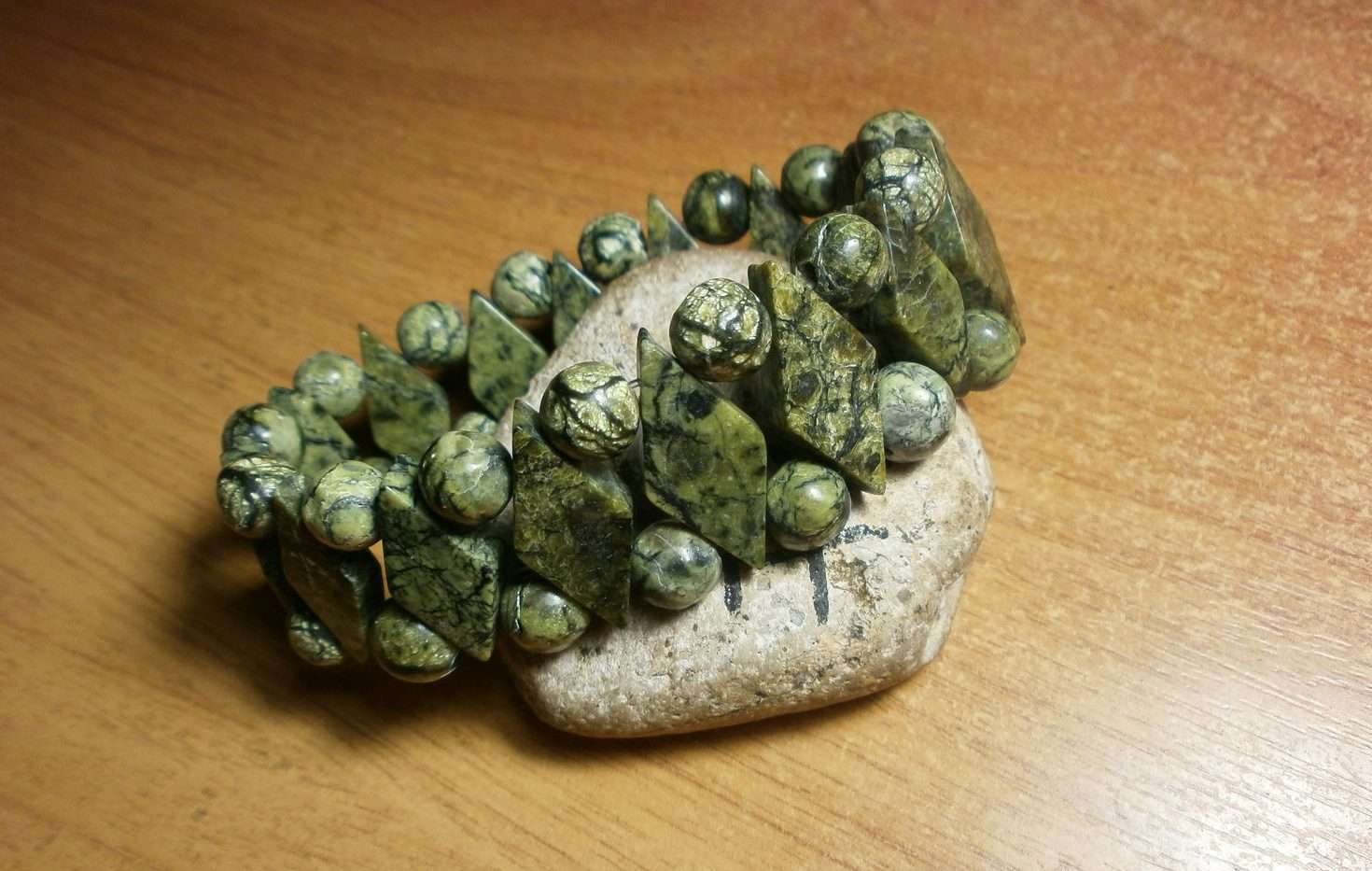
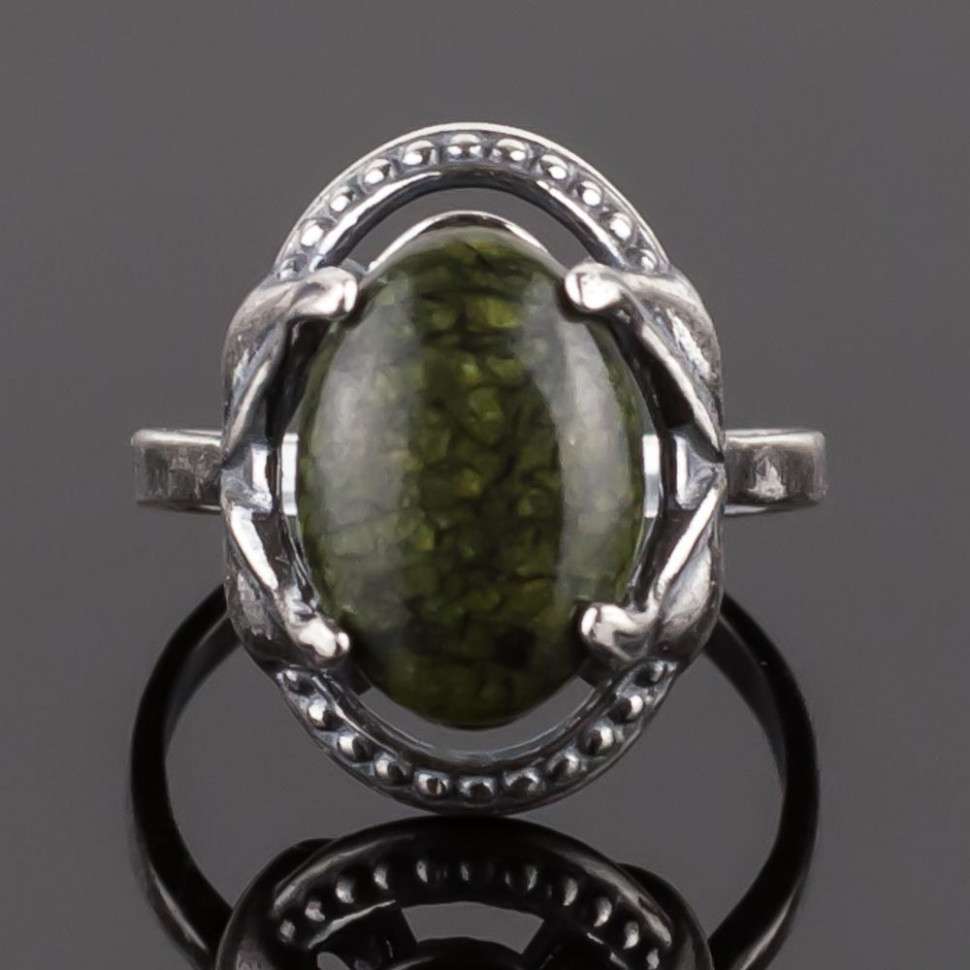
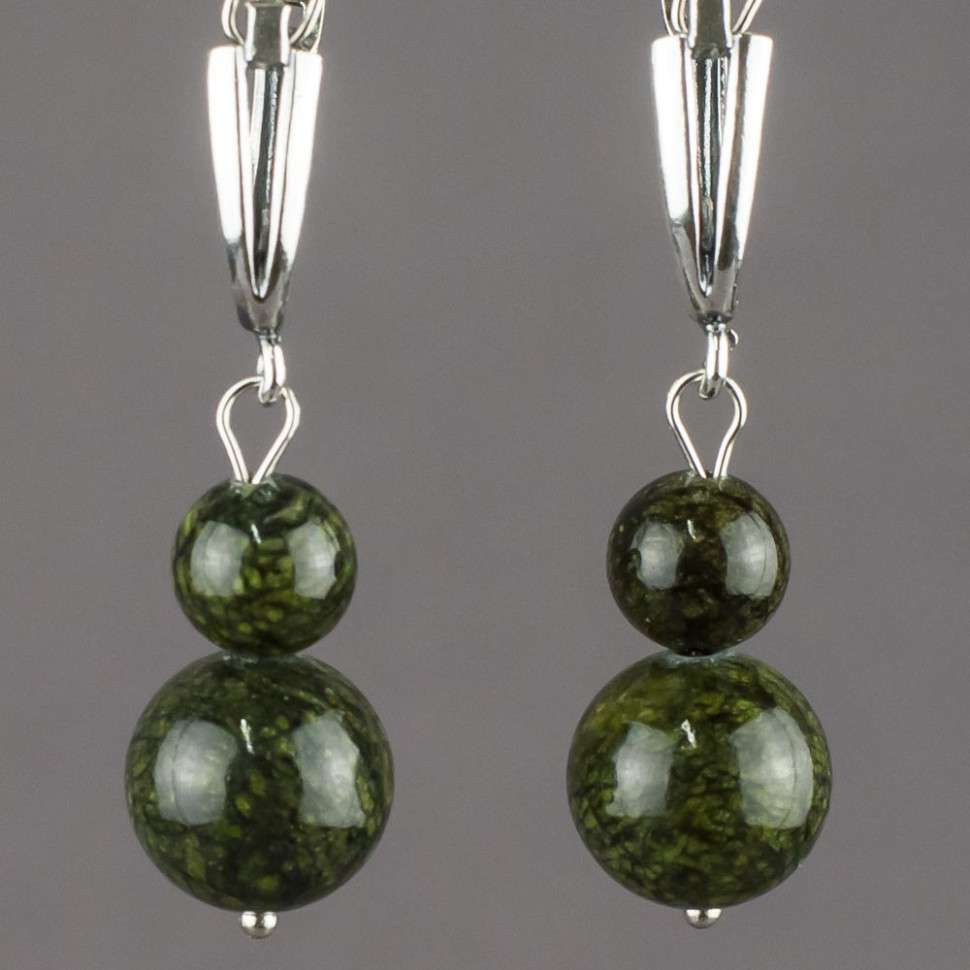
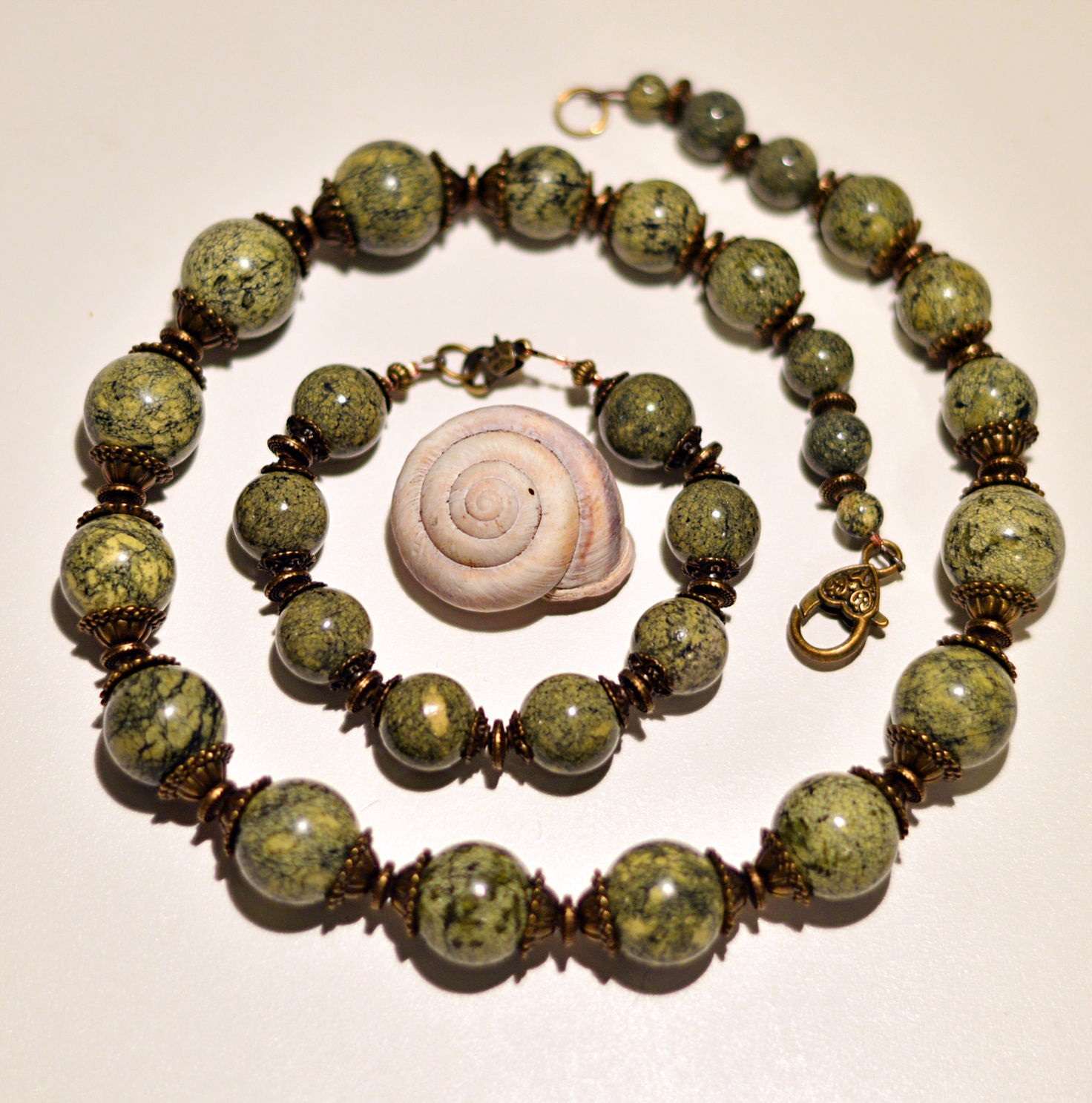
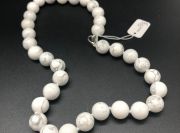
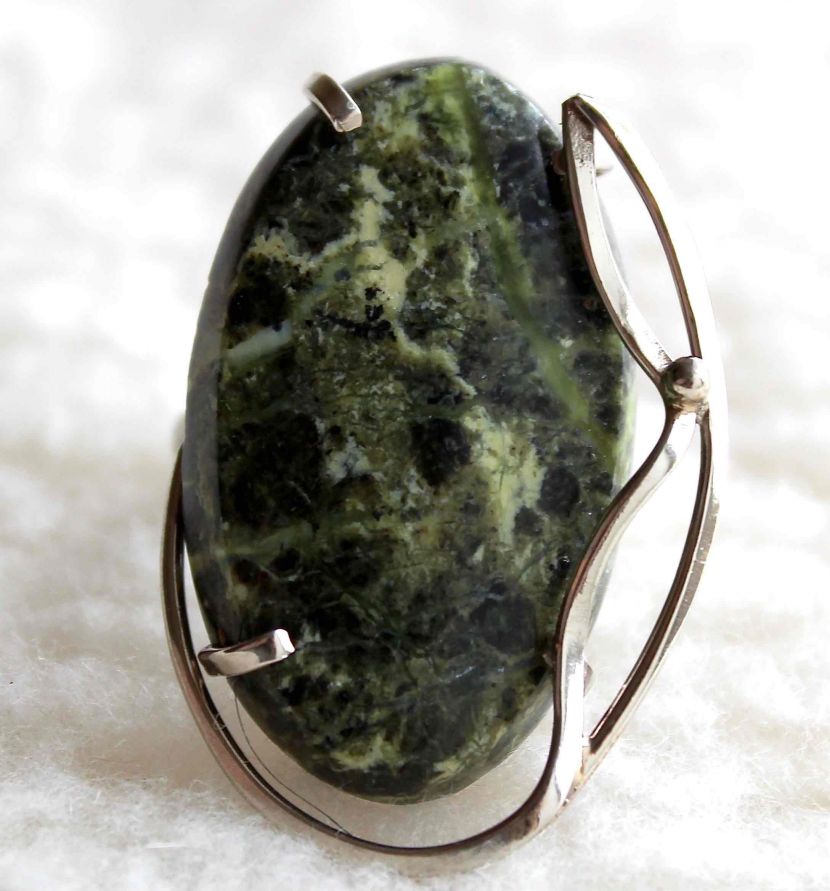
Jewelers love serpentine for its exquisite appearance and ease of processing. Under the cutter, it does not crumble, it is perfectly polished. Serpentinite beads, earrings, rings and bracelets in a silver frame look especially impressive. Cold white metal emphasizes the beauty of the natural mineral.
The original or a fake?
The cost of a natural coil is low, so it is rarely faked, but you can find imitations of plastic in jewelry and jewelry from "craftsmen". It is easy to distinguish a natural mineral from them - the stone is cold to the touch and heavier than a plastic fake.
Mother Nature, rich in invention, worked masterfully and created a mineral that is both inexpensive and not rare, but has a unique beauty. She defined the sphere of use of the “serpent stone” - and she will decorate the house with herself, and heal spiritual wounds, not to mention the fact that she will relieve physical pain. Serpentinite is good for everyone, for which it is appreciated by stone cutters and jewelers. And fashionistas will be pleased to know that not only jade and malachite, but also the precious expensive emerald will not refuse the neighborhood with the Ural pebble.
Collection of photo stone Serpentine