Amazing stones that change color - types, causes of the phenomenon, properties, selection of photos
A stone that changes color is especially popular in the world of magic and in everyday life. It's time to get to know these nuggets.


Terms
Let's try to figure out the name of the stone that changes color. This phenomenon has several official names:
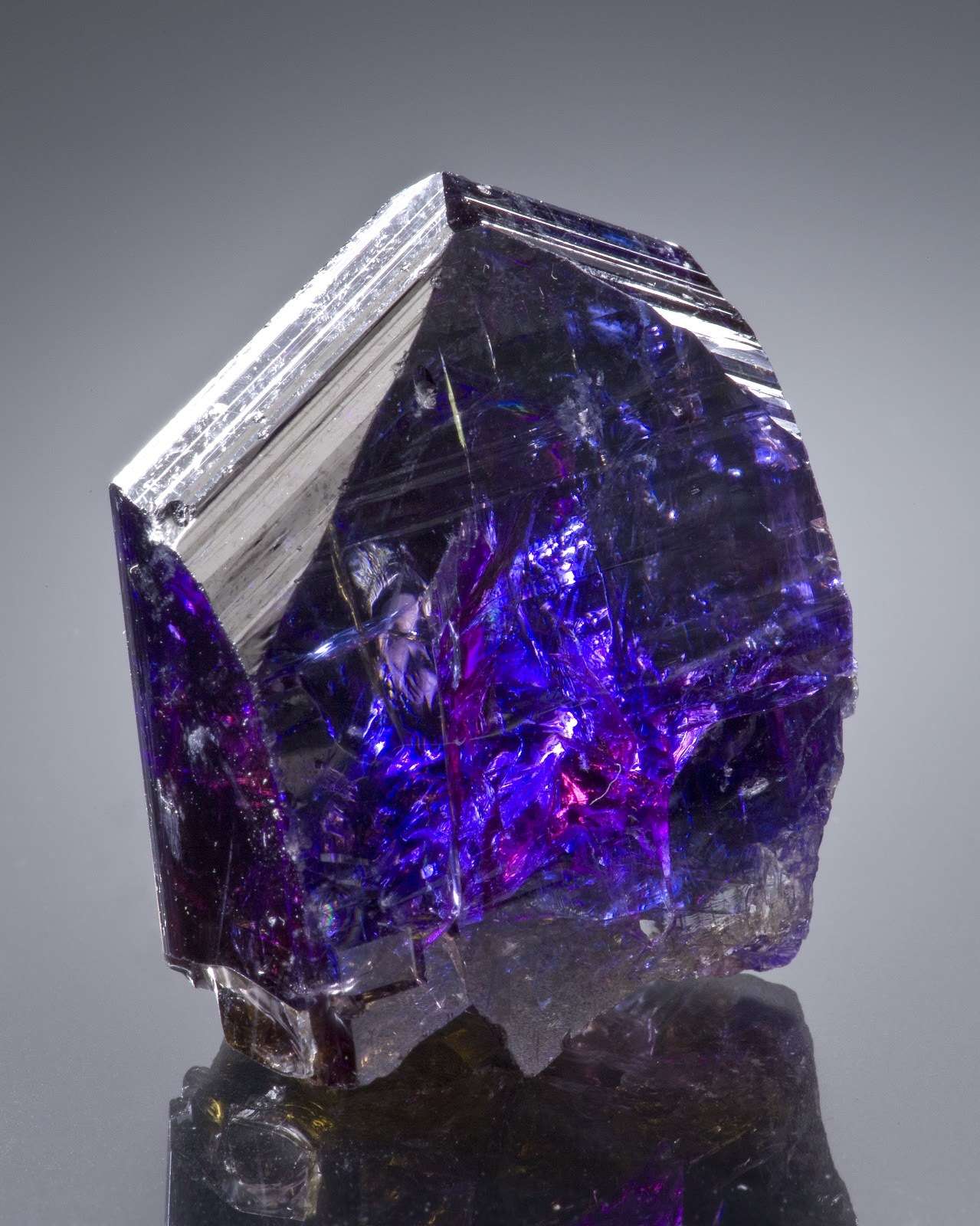
- Plechroism is the ability of a nugget to change color in case of reflection of a stream of light in a different direction.
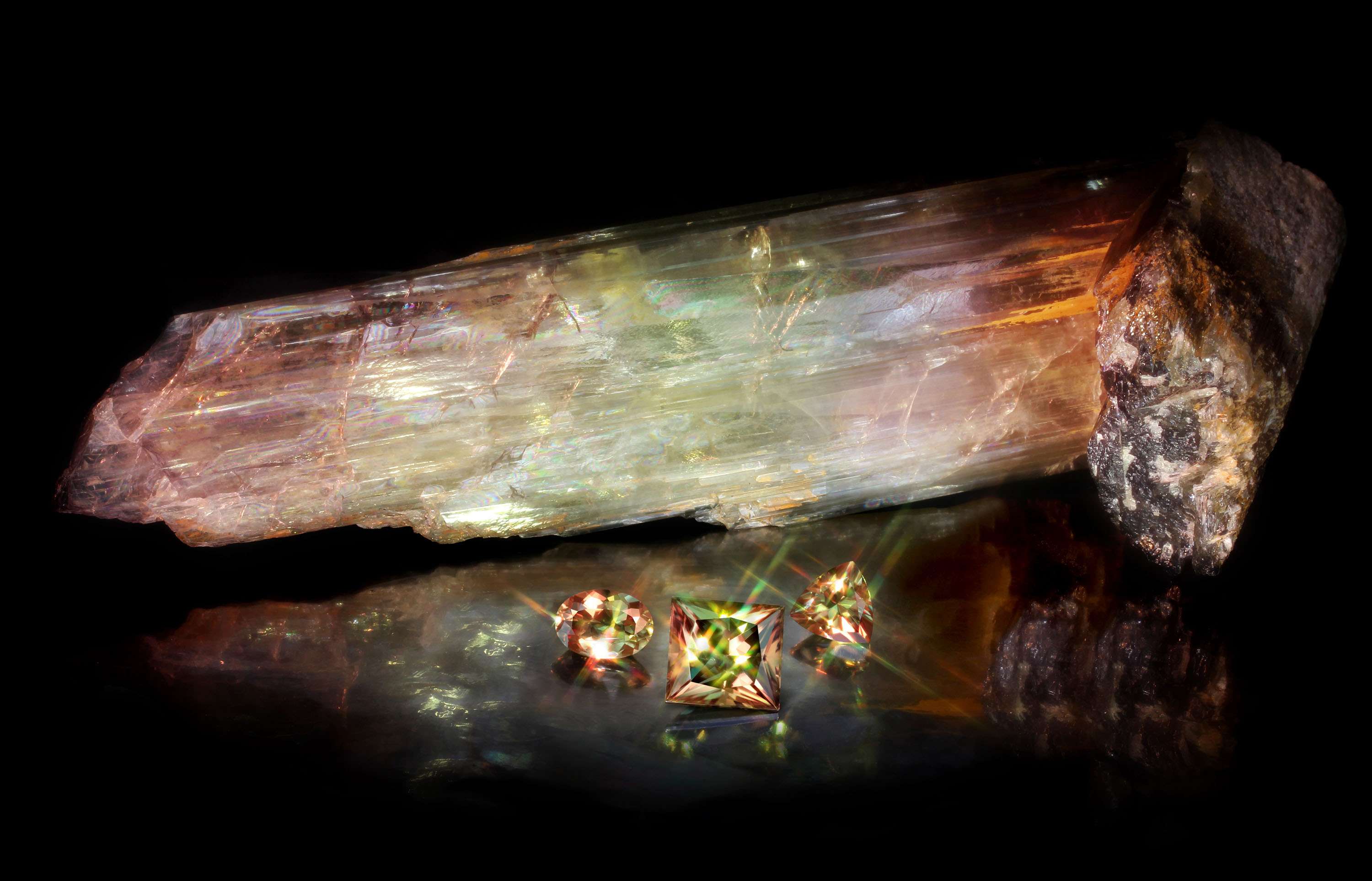
- Alexandrite effect - the transformation of the color of the mineral in the event of a change in lighting. This same phenomenon is called color reversal. The term is popular in the jewelry industry, where the transformation of the color of the stone is possible under artificial lighting conditions. The depth of change is measured as a percentage. The higher the percentage, the more expensive the nugget.

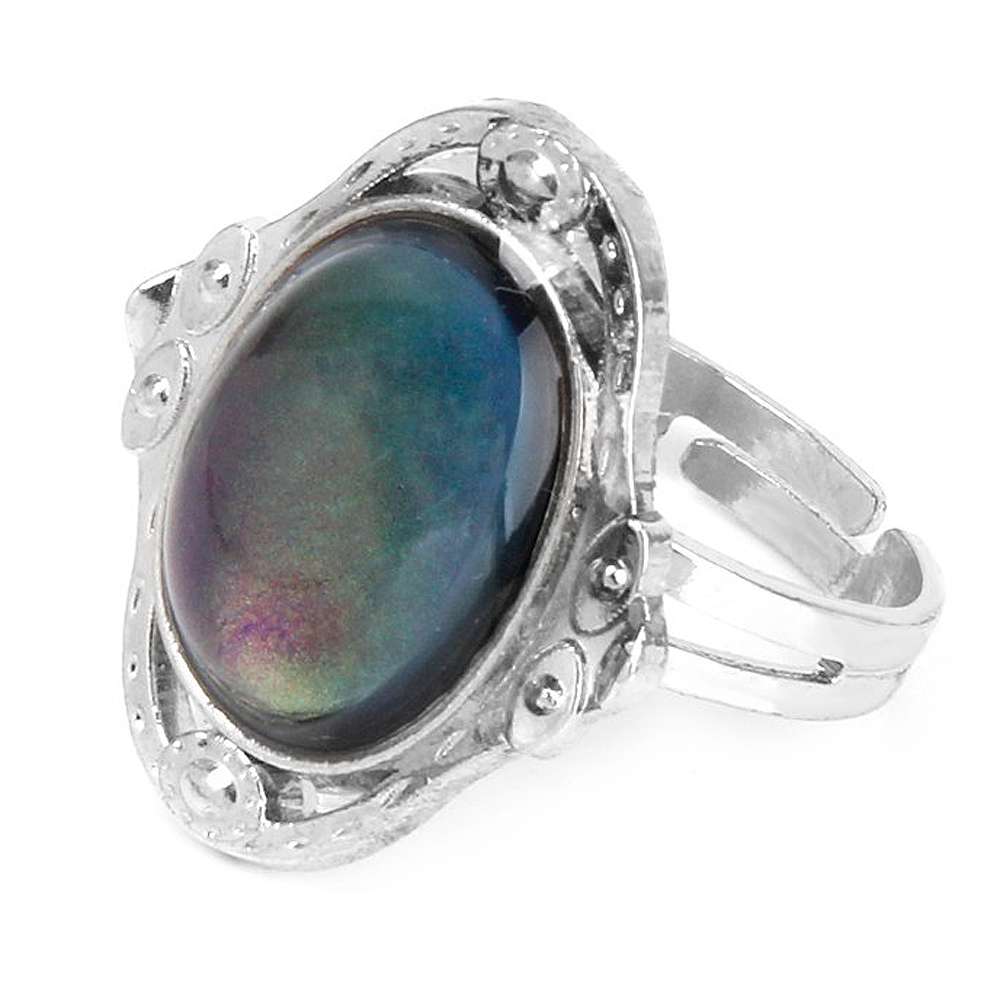
Ordinary people call such stones chameleons.
Causes of color change
Chameleon stones are quite rare in nature. Therefore, they are of particular value. Consider the main reasons for changing the color of the stone:
- Physics. Minerals are substances made up of chemical elements. One or two substances are the base, and the rest are impurities. The type and percentage of these substances determine the color and basic parameters of the nugget. In nature, you can find a stone that changes color depending on the lighting.In addition, transformation can be observed due to humidity or temperature fluctuations.
- Magic. Supporters of the supernatural sciences believe that changing the color of the stone when wearing it is a bad sign. The wearer should be wary of illness, trouble, and possibly death. The mineral can be affected by magic or a negative mood.
Chameleon stones
It's time to get acquainted with precious and semi-precious stones that have the property of color transformation.

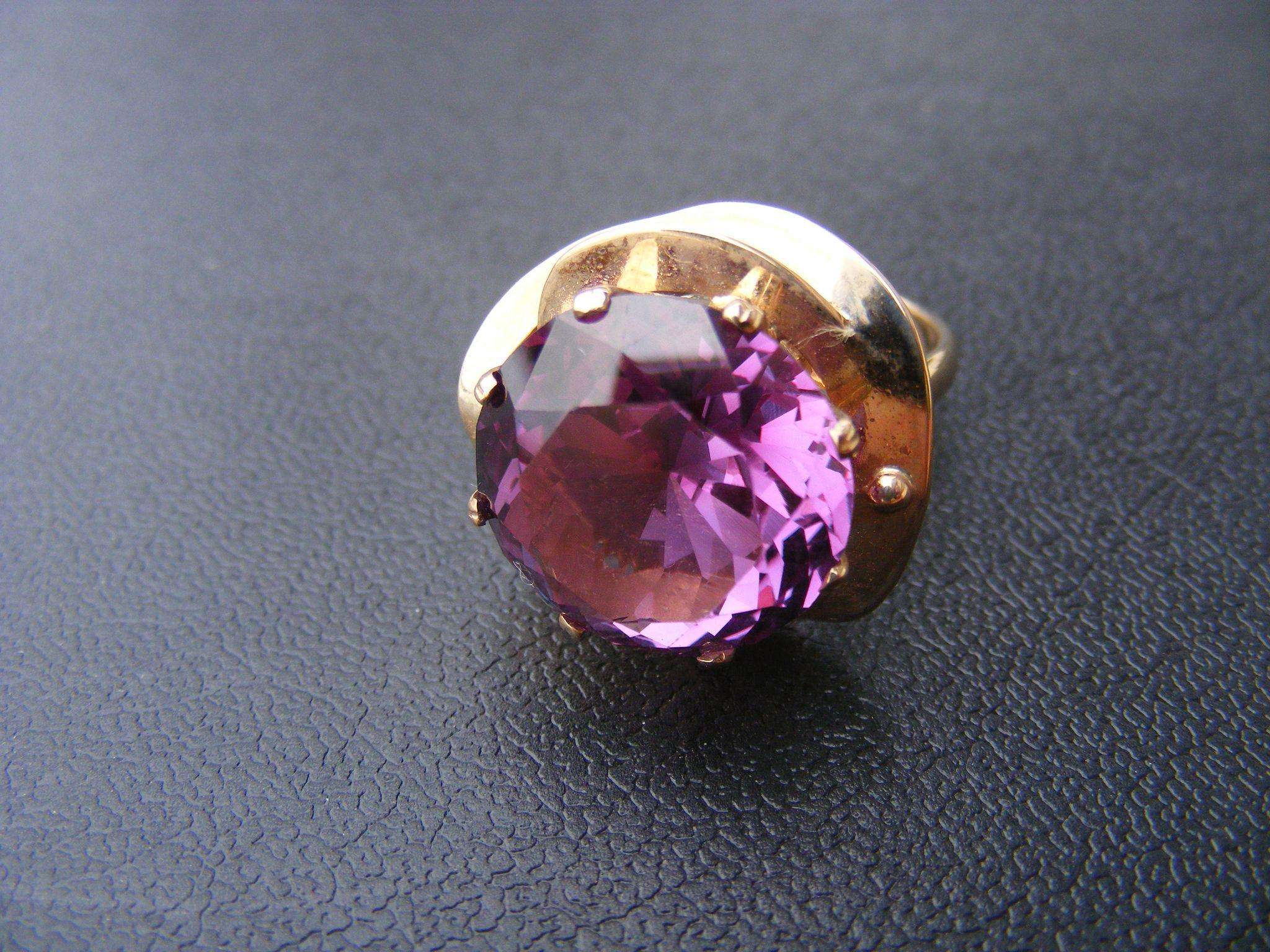
Alexandrite
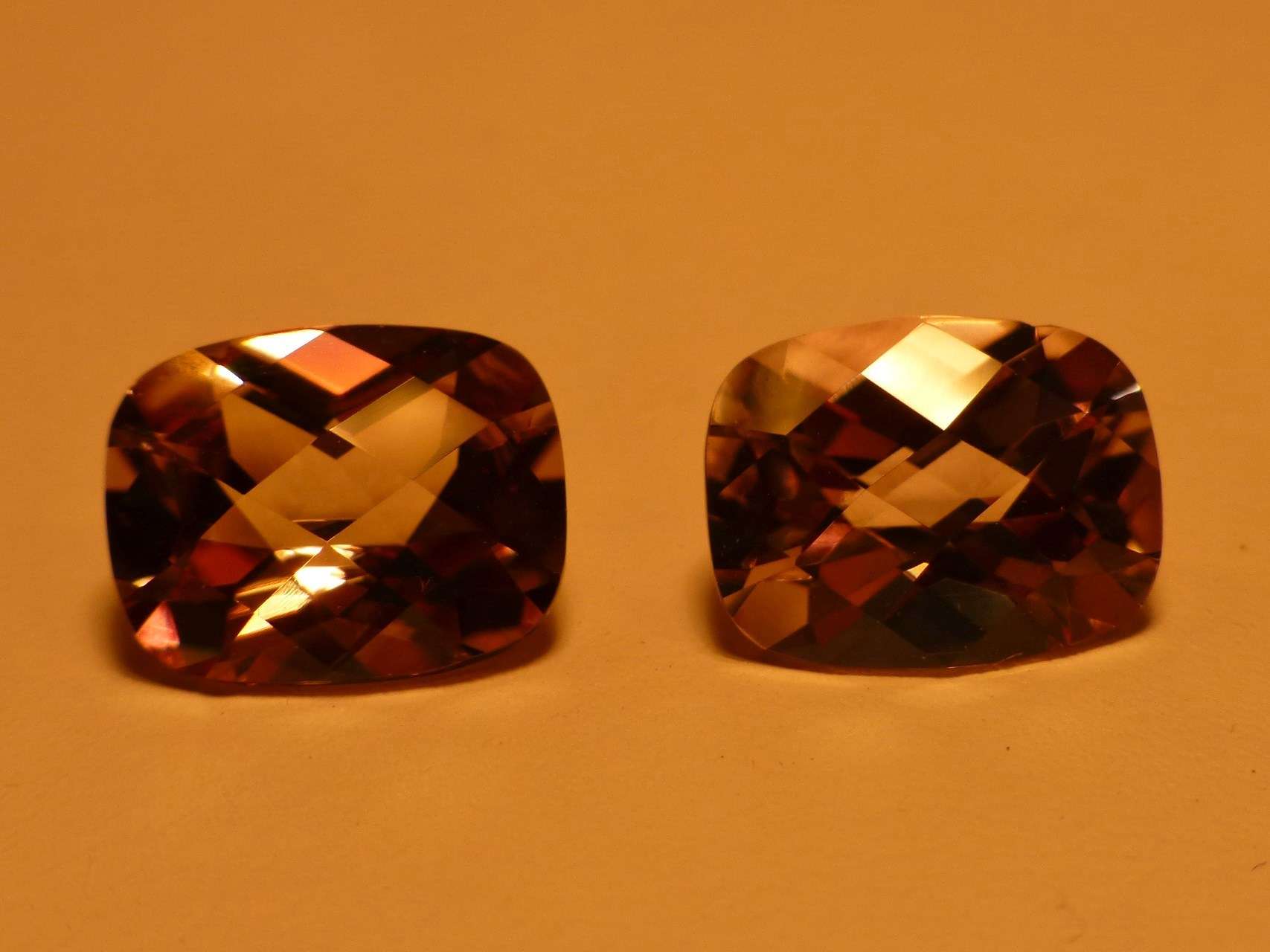
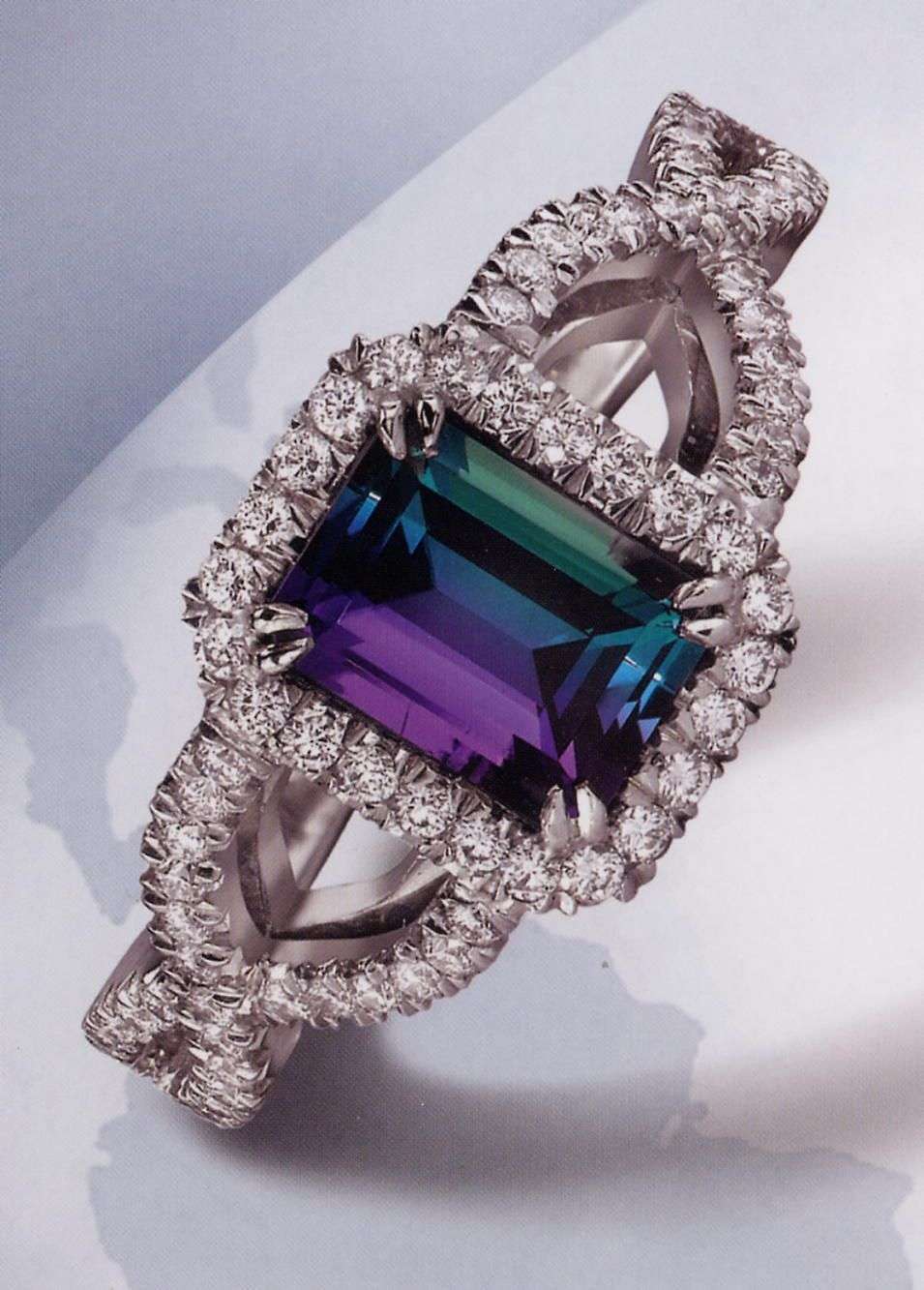
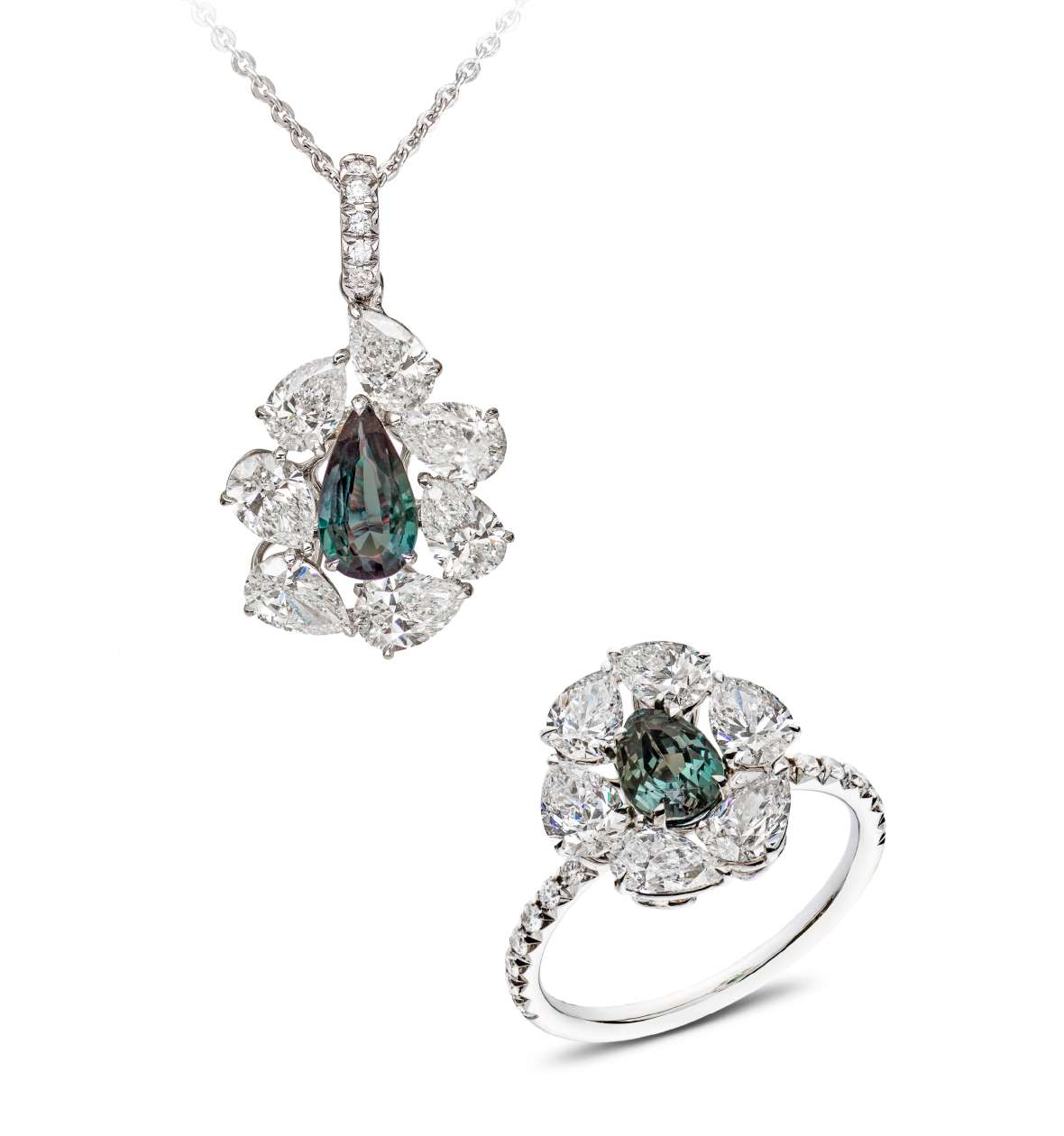
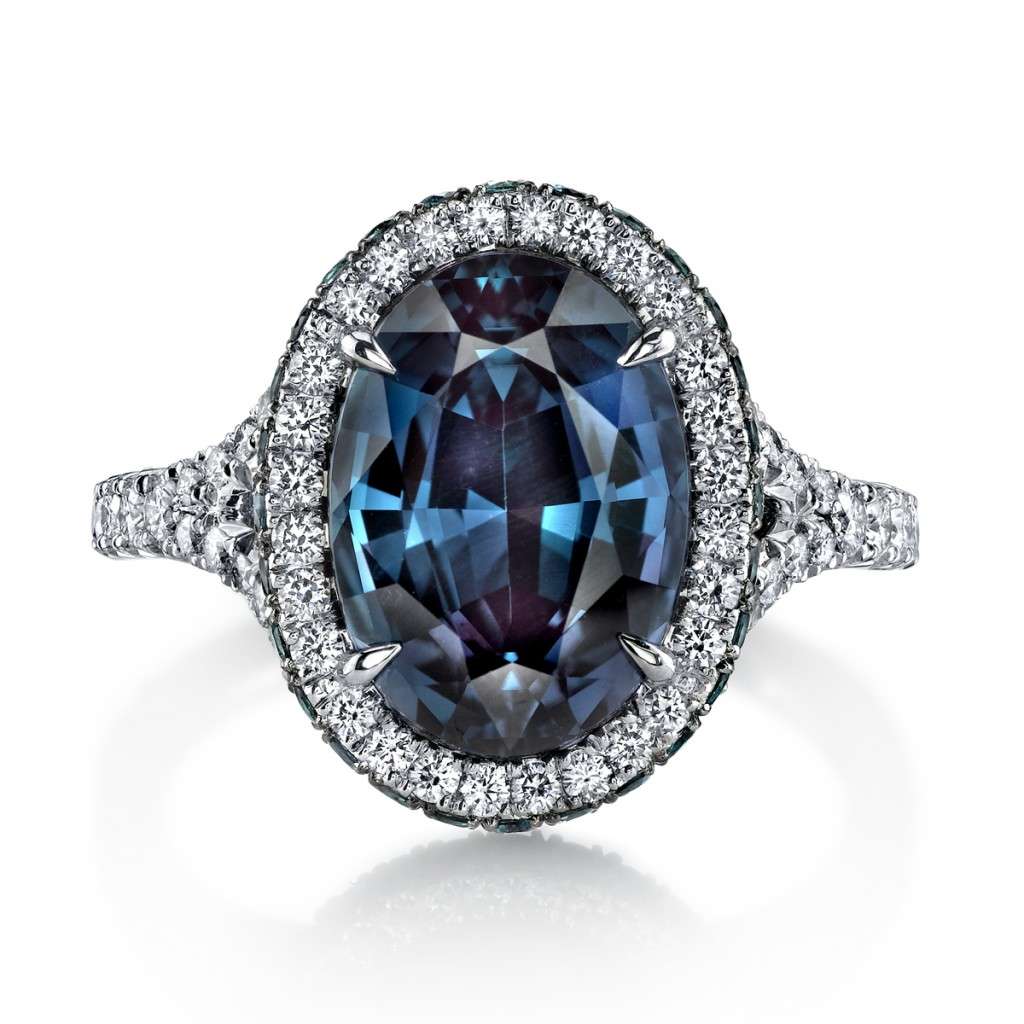
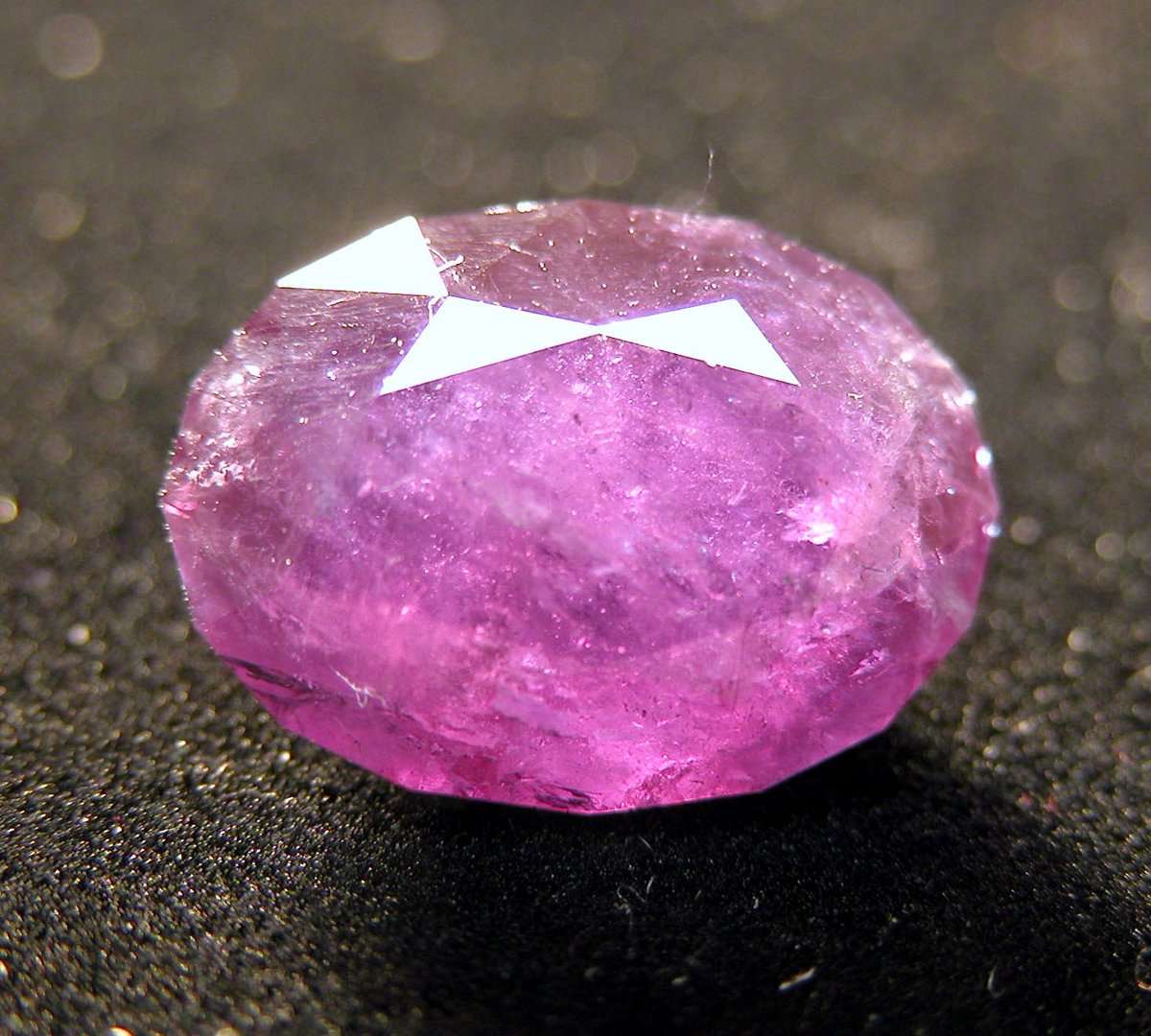
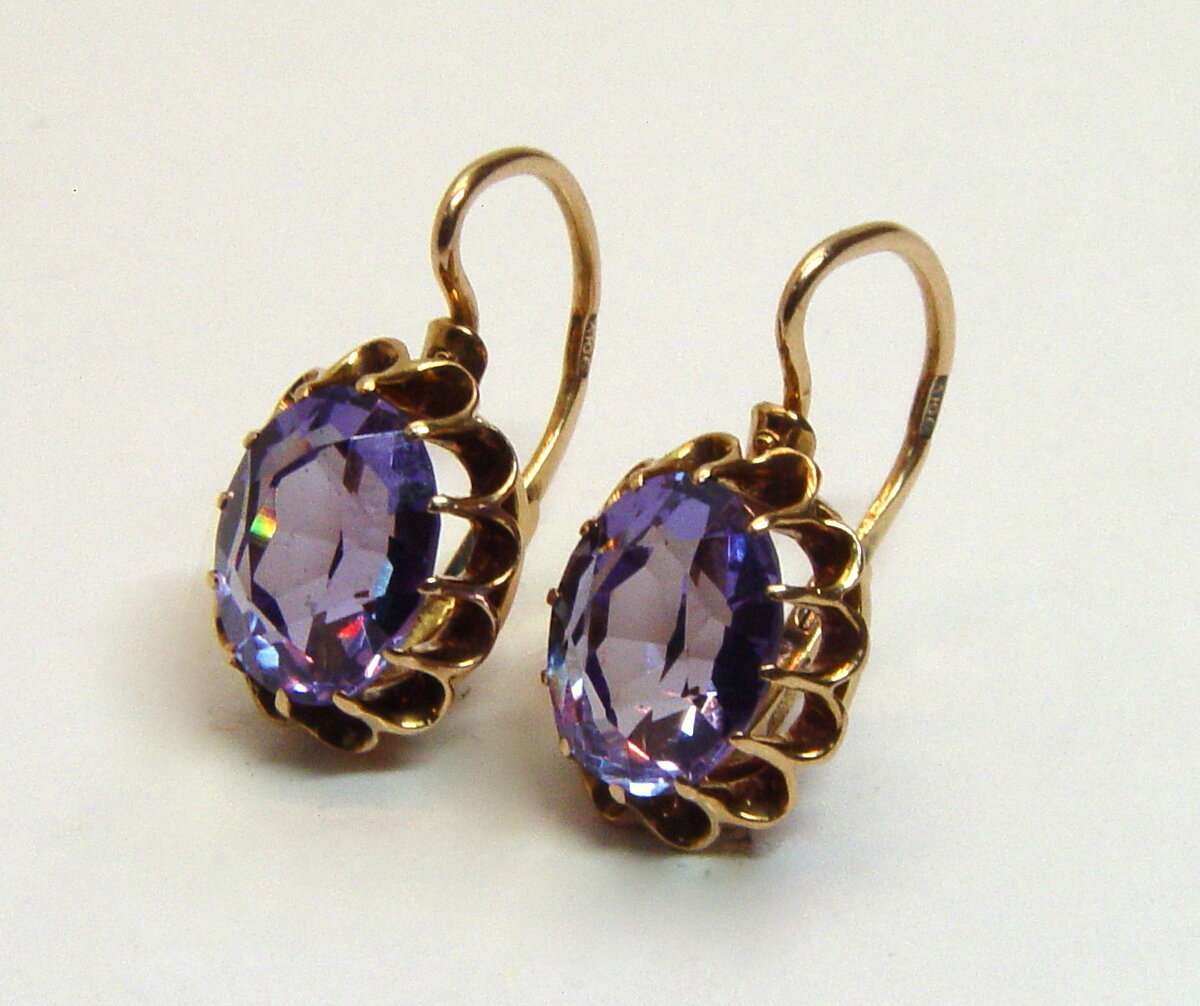
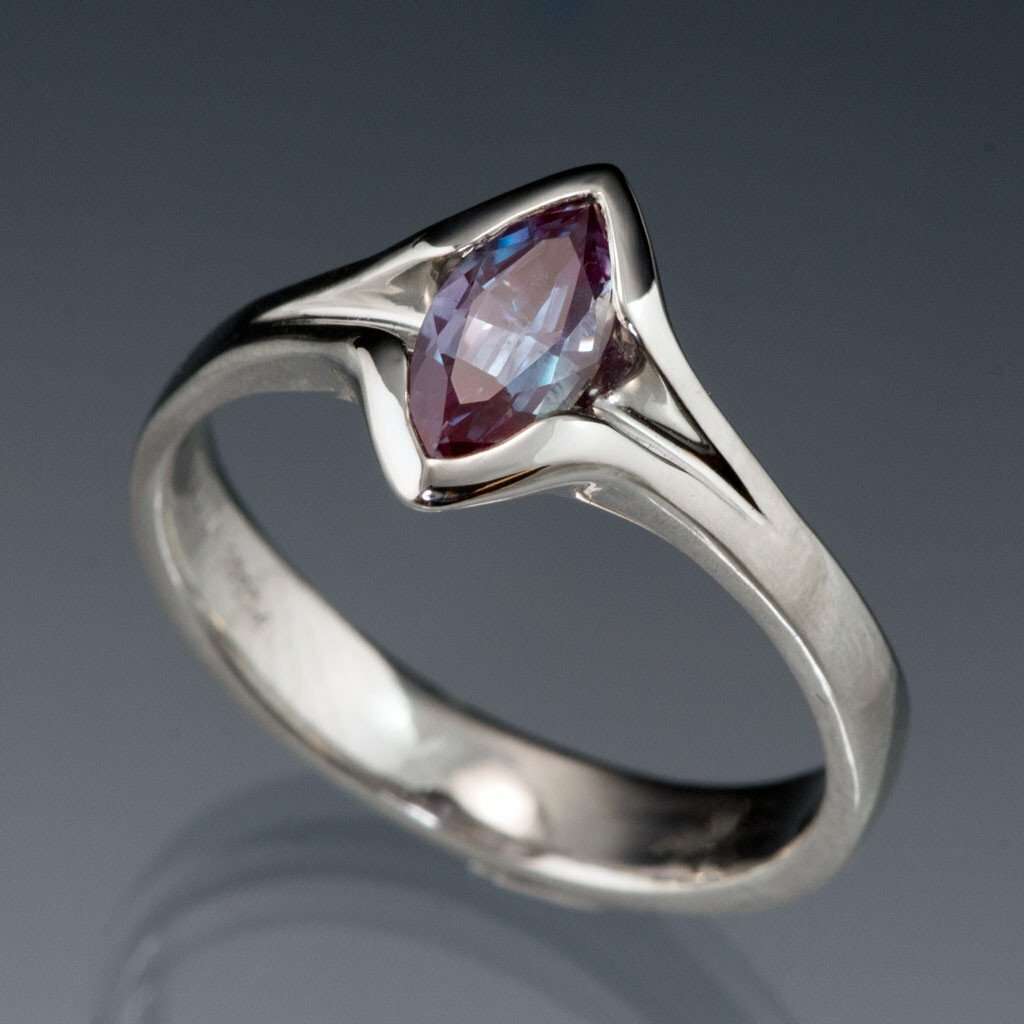
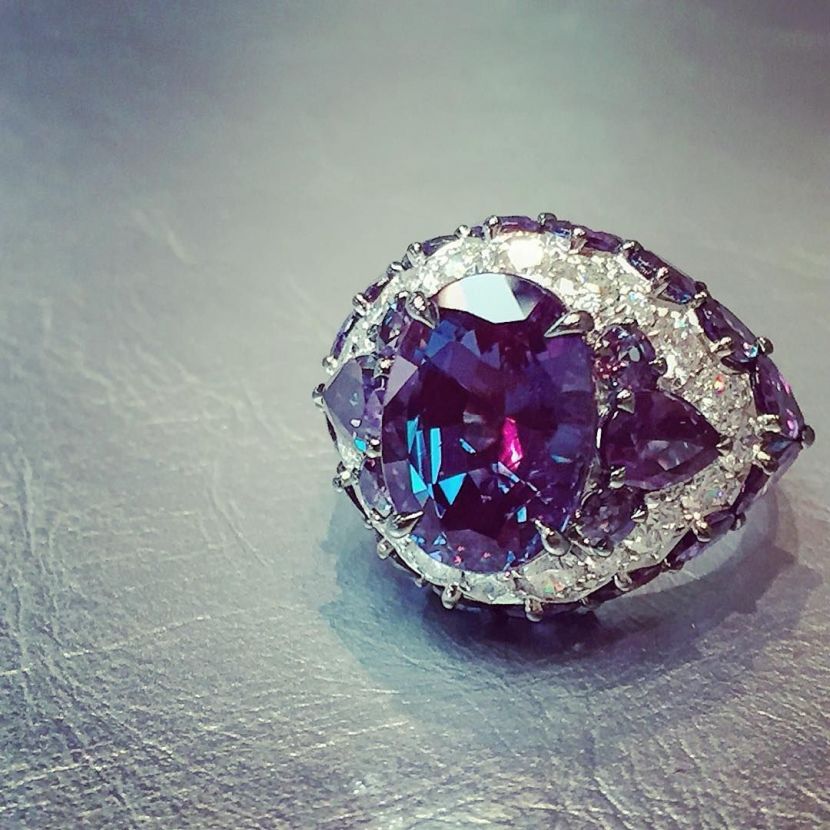
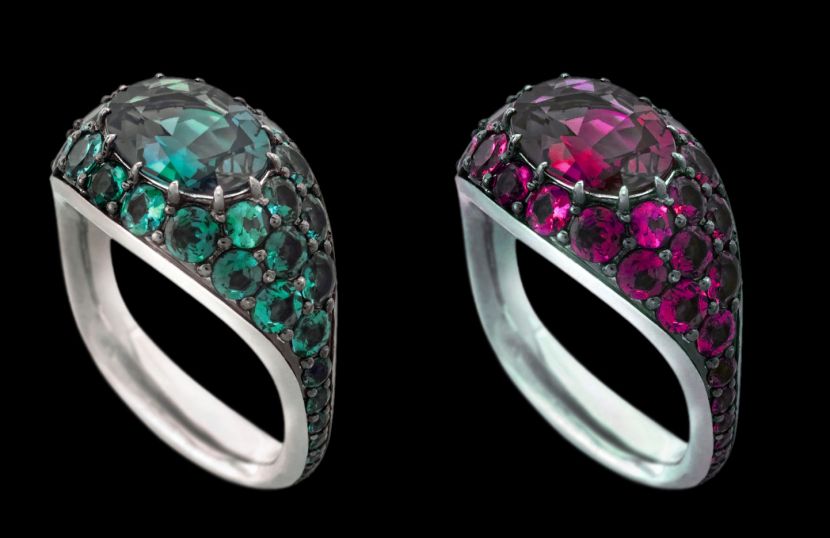
The imperial stone is able to change its color. During the day it looks like an emerald, and in the evening the nugget becomes a ruby. Similar properties of the mineral are explained by the category of its crystal lattice, as well as impurities in the form of titanium, chromium and iron. In the daytime, when the intensity of ultraviolet radiation is at its maximum level, chromium becomes the main one, which leads to a change in color from the traditional purple color to green colors with a blue tint.
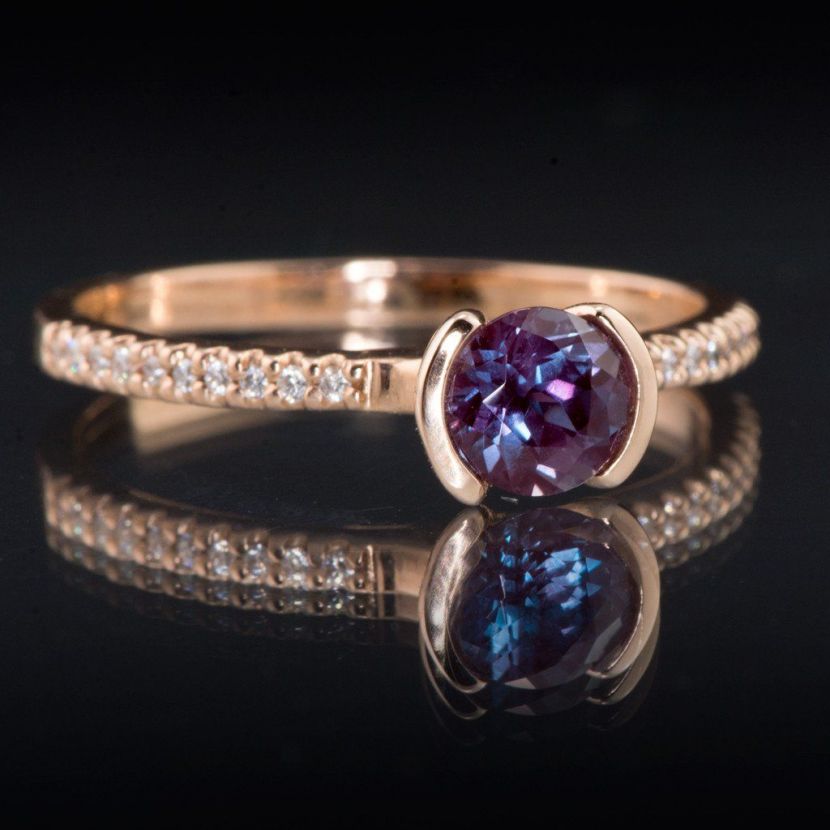
In the evening there is a lot of infrared radiation, which activates the function of iron. Crystals take on a purple hue. Light filters allow you to see alexandrite's orange color with a yellow tint. A more vivid effect can be seen under artificial lighting conditions, when the stone acquires a deep ruby color.
The phenomenon of color change under different lighting is considered a standard, which is why it was called the alexandrite effect.

Agate
The nugget belongs to the category of semi-precious minerals. The stone is able to change color due to changes in well-being and mood on the part of its wearer.

Sultanite
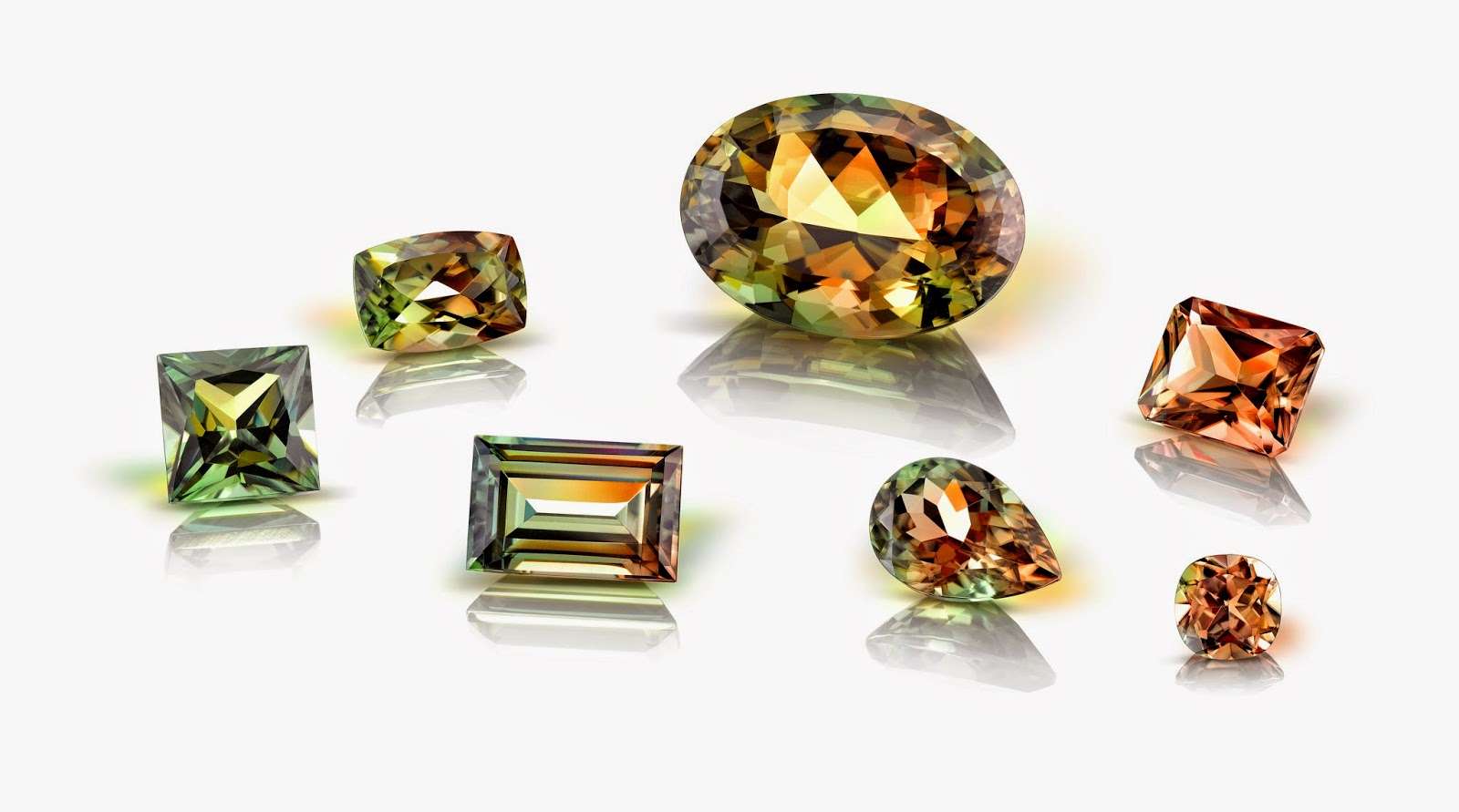
Turkish sultans love this mineral. Jewelry format stone can only be mined in Tertia.There are several factors that affect the color transformation of the sultanite. Let's consider each of them in more detail:
- Lighting. In poor lighting conditions, the stone acquires a grassy green color. In bright sunlight, the crystal takes on any shades of yellow, which can vary to raspberry reflections.
- Inclusion. The color of the mineral is influenced by the percentage of impurities that make up its composition.
- Frame or cut options. The stone is combined with platinum or gold of the highest standard. Other framing options can dull the stone.
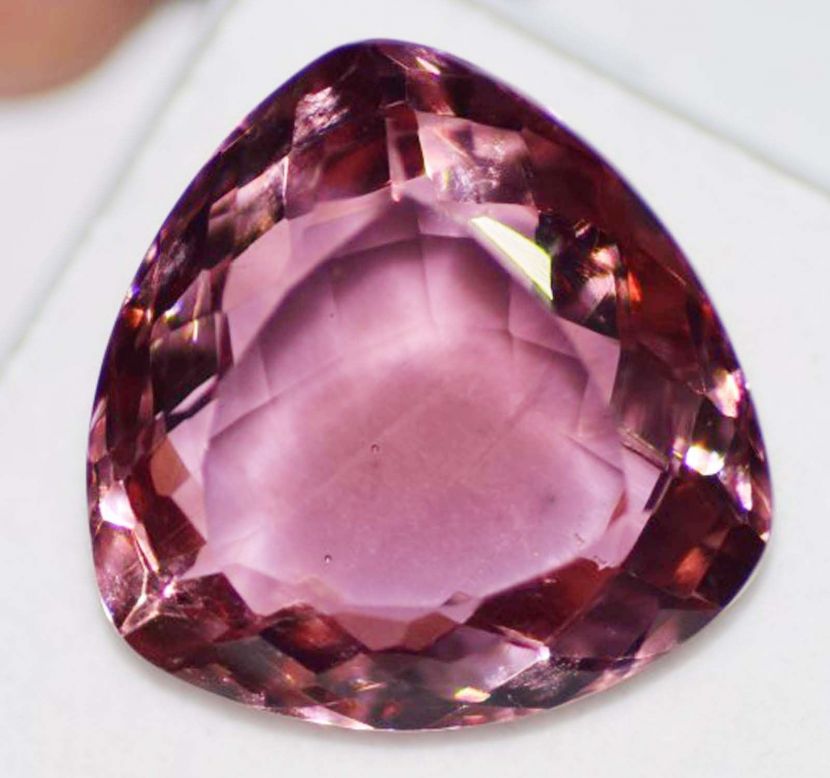
Sultanite has a richer and brighter range of colors than alexandrite.
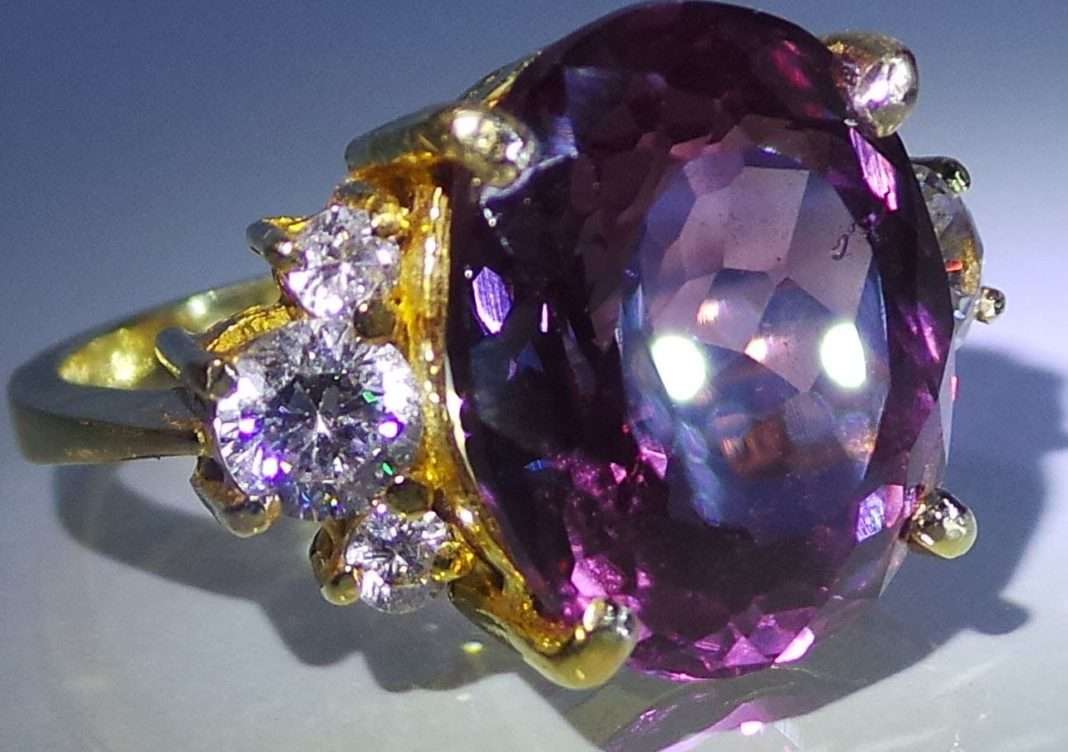
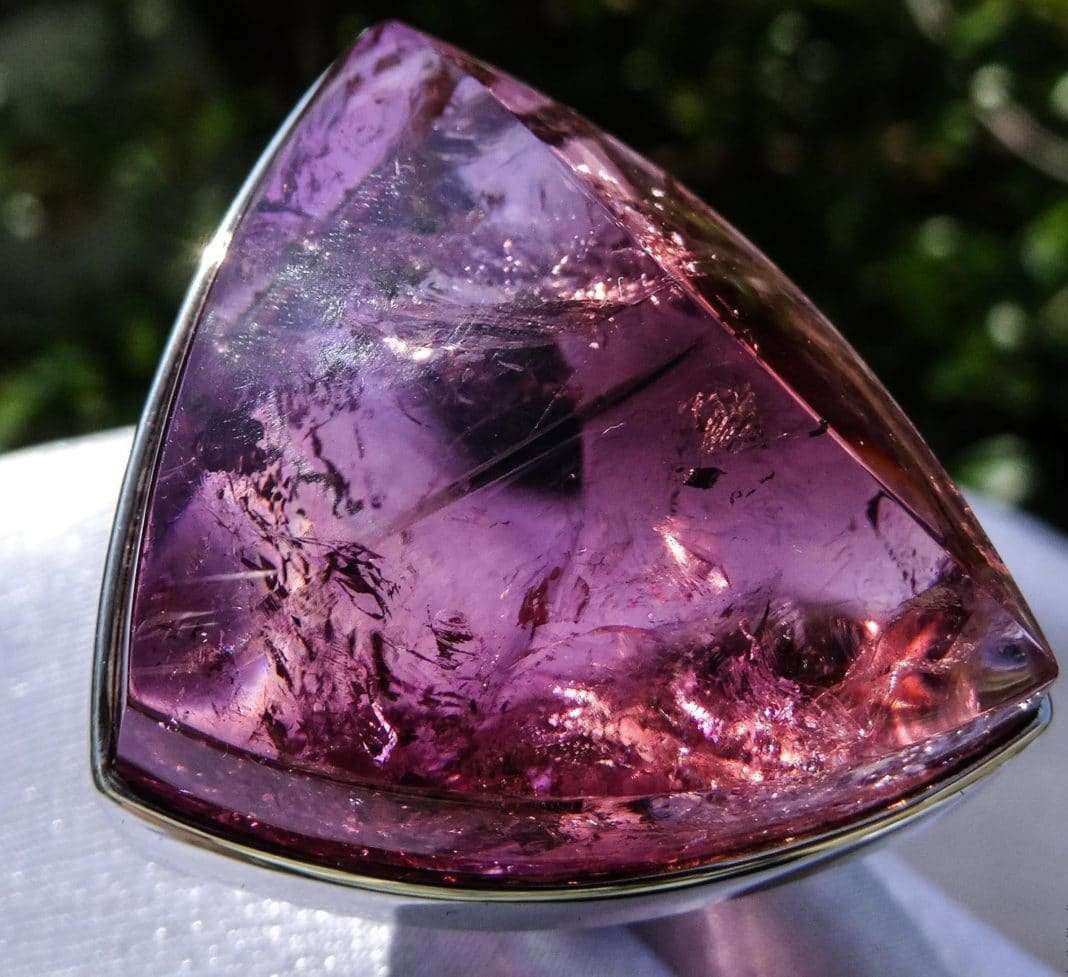
Amethyst
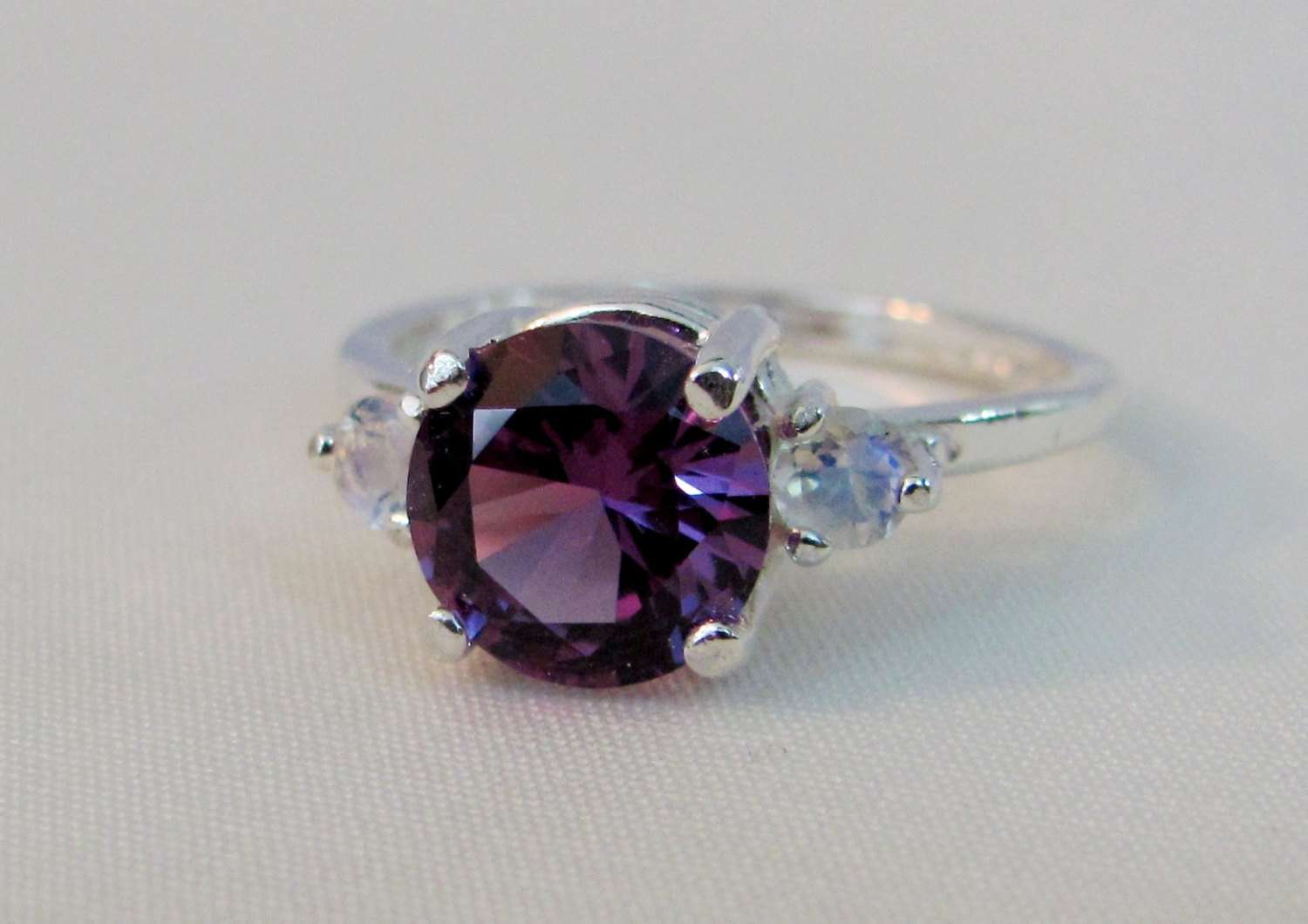
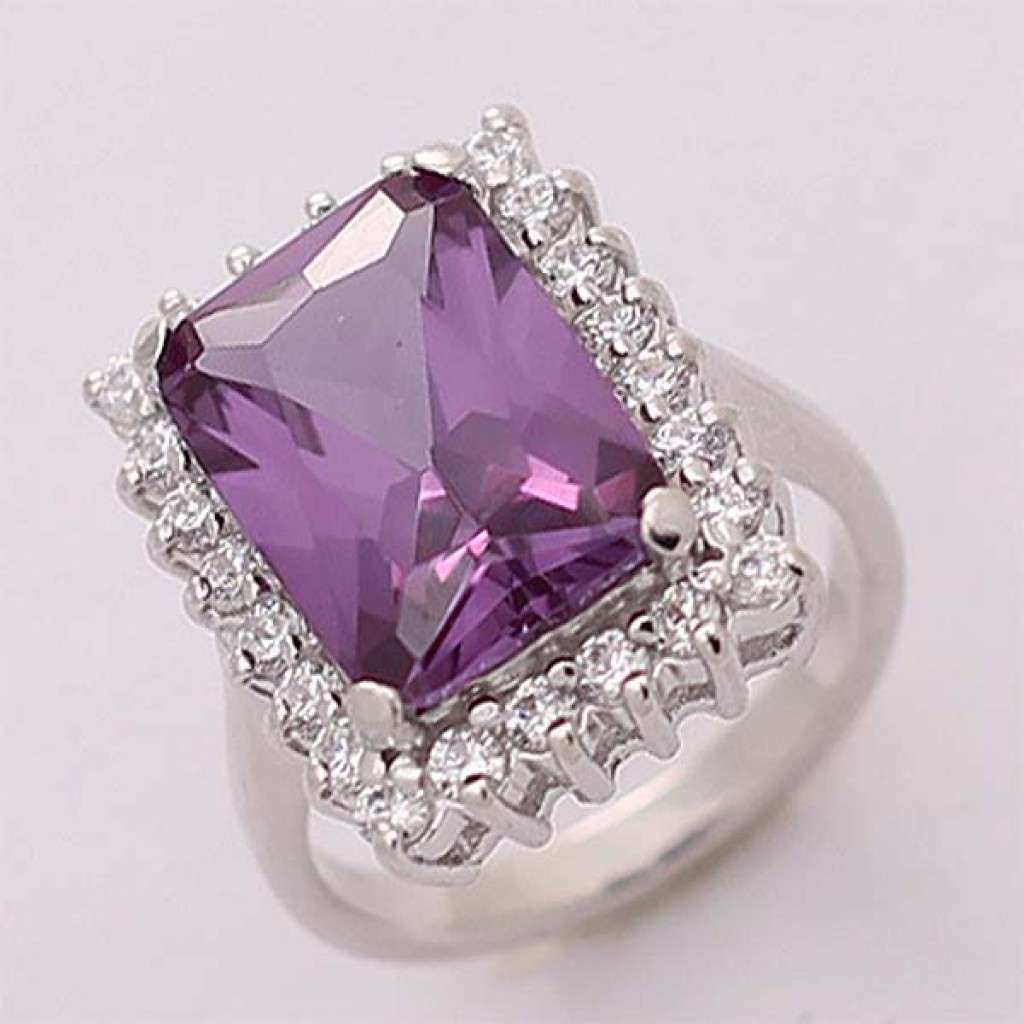
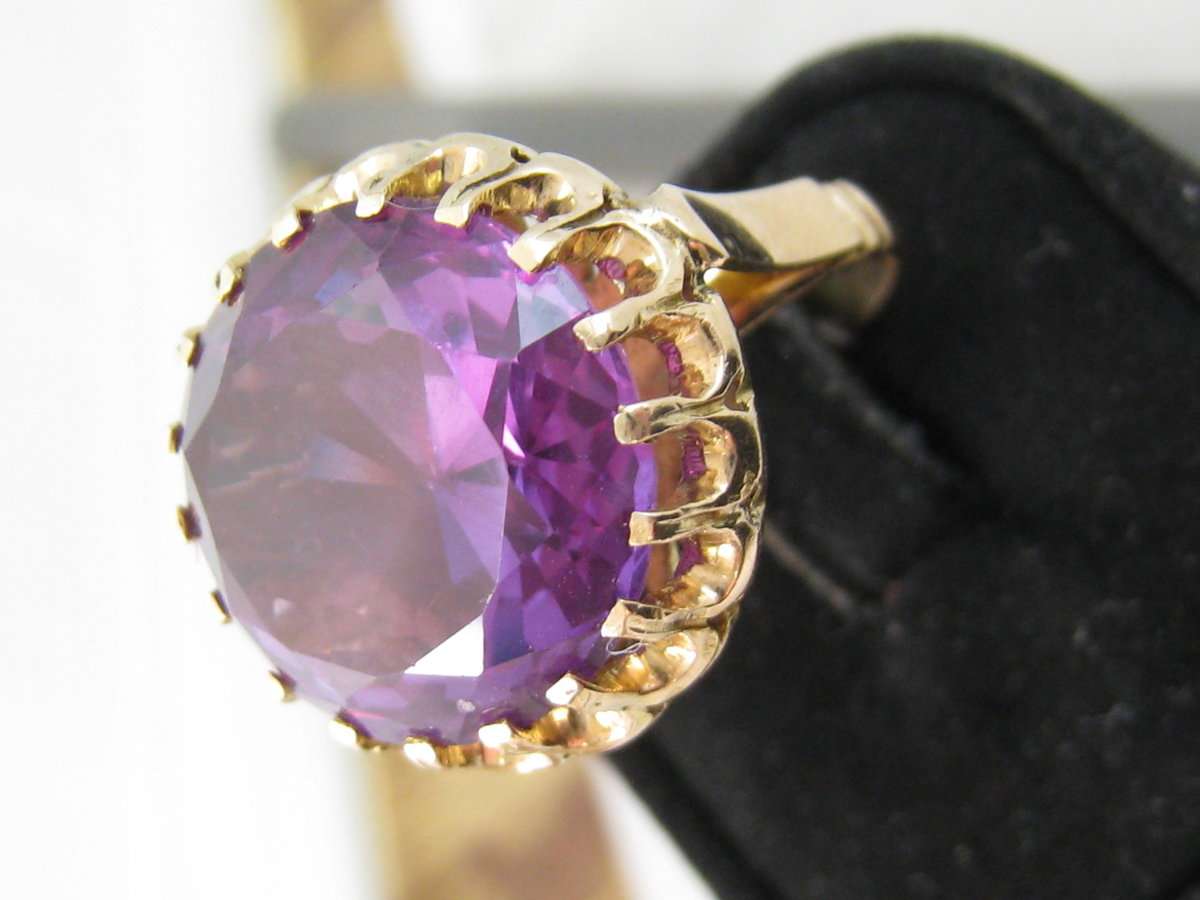
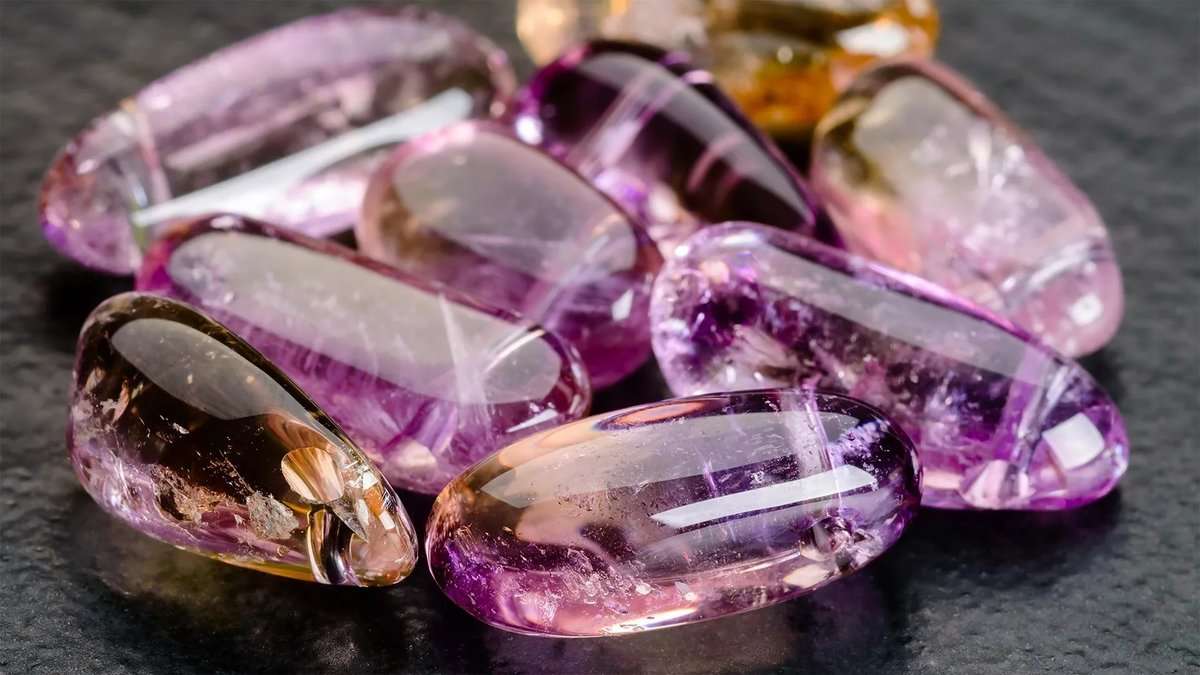
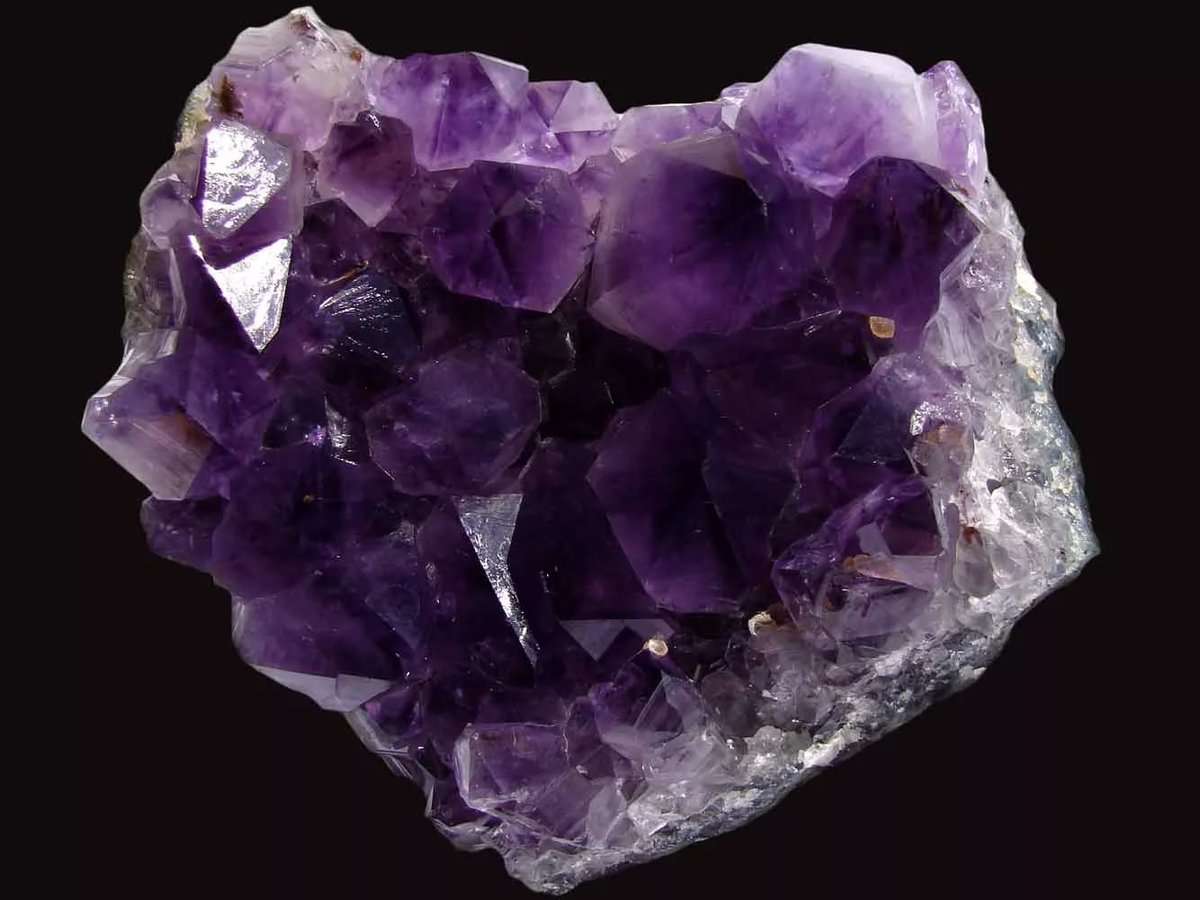
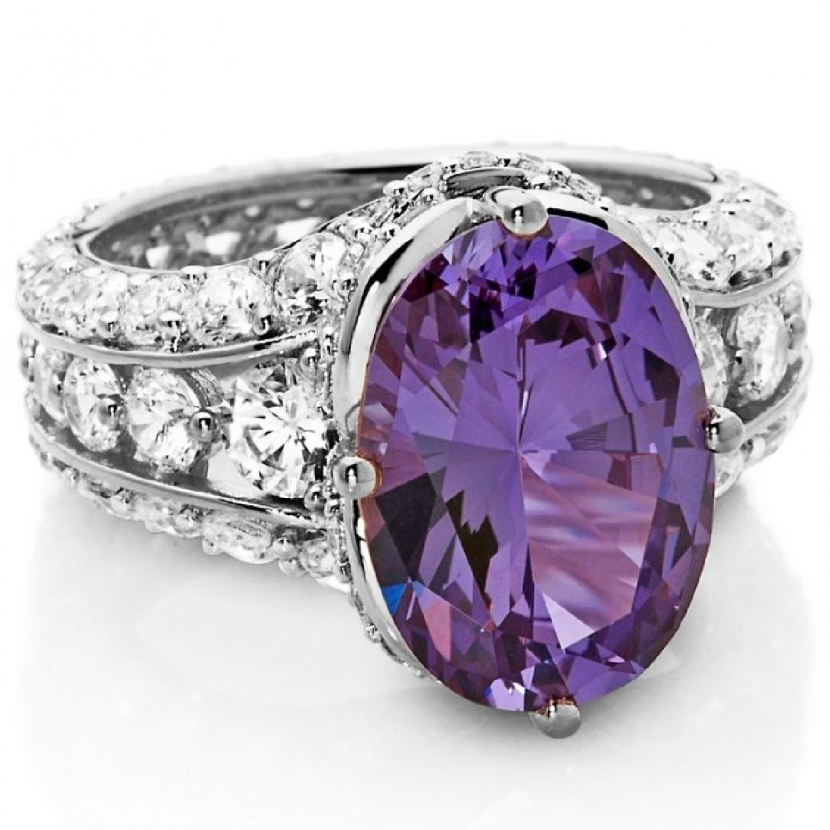
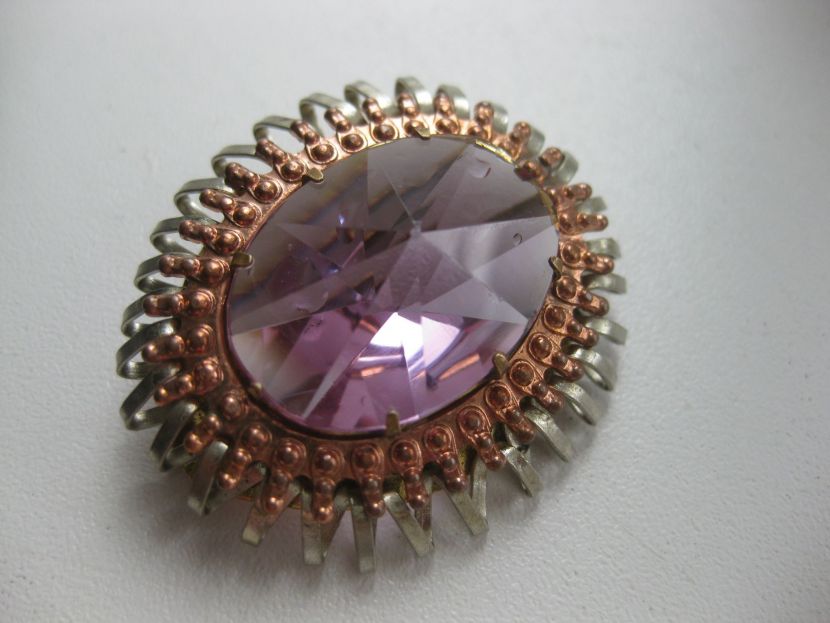
The jewelry look of quartz is also a chameleon. The stone receives similar characteristics due to iron and aluminum or manganese, which are its components. The nugget has a full range of blue shades - from lilac blue to dark purple colors. Amethyst is a stone that changes color with temperature or light:
- If the mineral is heated, it will begin to turn pale. The traditional purple color will be replaced by yellow colors or shades of green. When the temperature reaches more than 250 degrees Celsius, the stone becomes colorless. In addition, the nugget changes color, not reacting to the body temperature of the carrier.
- Day amethyst manifests itself in the presence of natural light. With a lack of light or when replacing it with an artificial similar crystal, it begins to fade and turn pale. At the same time, these phenomena give a mysterious brilliance and overflow to the night amethyst. In nature, night nuggets are quite rare.
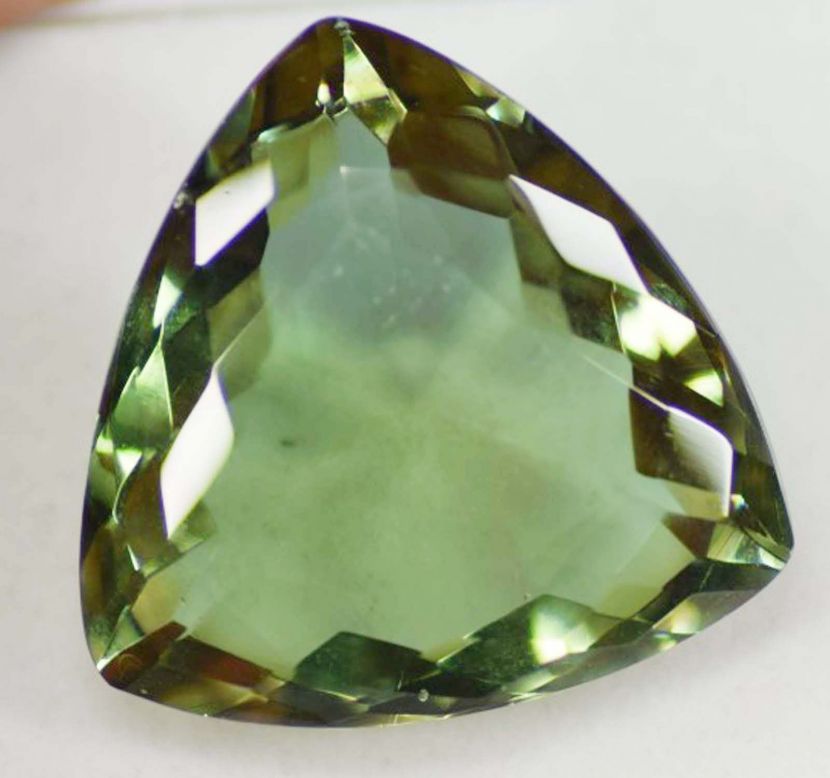
Tourmaline
The stone belongs to the category of aluminosilicates, which contain boron.The effect of alexandrite is observed in any type of mineral, but the most striking representatives of chameleons are two nuggets.
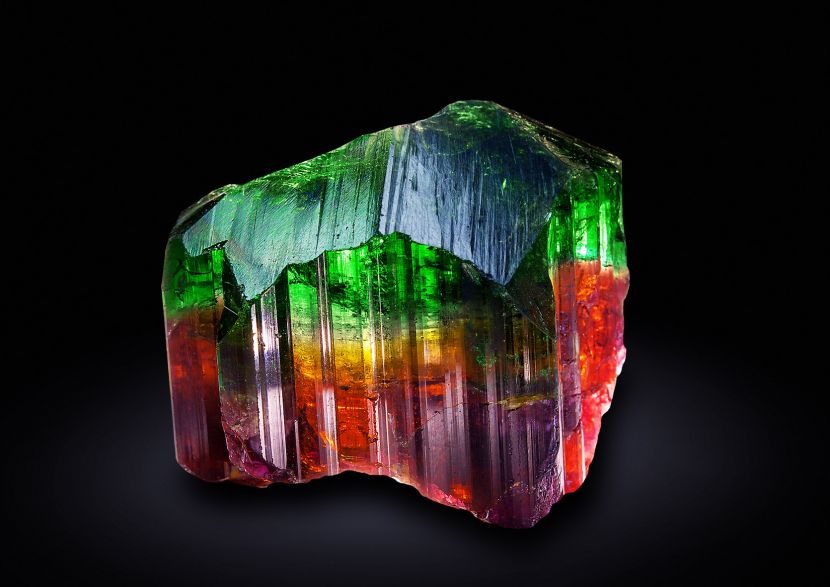
In the case of exposure to artificial light, the pink crystal takes on thick brown hues, as well as dark green colors with brownish-red hues. The gem draws magical energy from the bright sun.
Topaz
Nuggets of yellow, blue and pink color have the ability to change color. Crystals are processed, which allows them to endow them with a rich color. Permanent color will provide natural or electric light, and the transformation occurs due to direct exposure to ultraviolet radiation. Yellow stones take on red tints, while blue and pink specimens show discoloration.

Opal
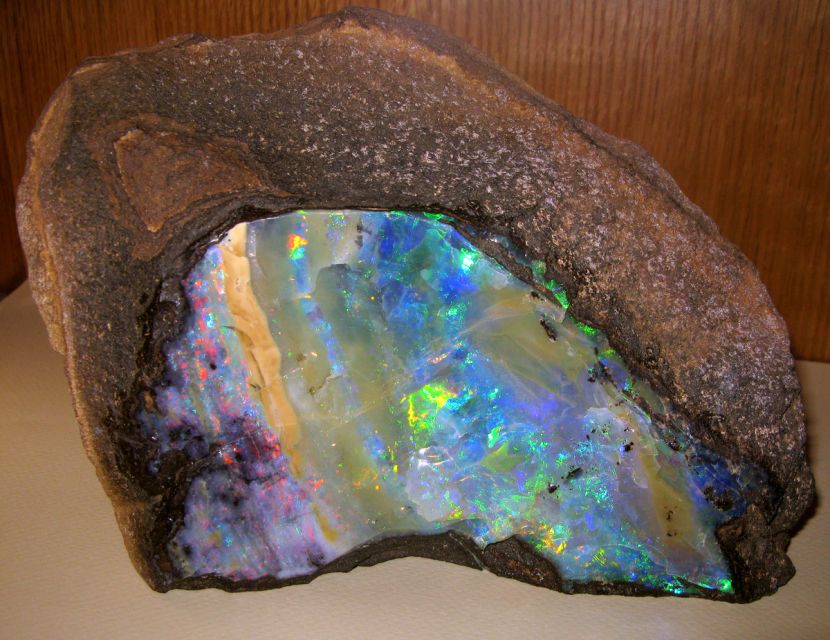
Some types of nuggets are capable of reproducing special optical phenomena - reflections of light of an iridescent format can emanate from their surface. Such transformations are called opalescence. The most famous in this direction are gems mined in Mexico. The play of color in these minerals resembles an inner flame.
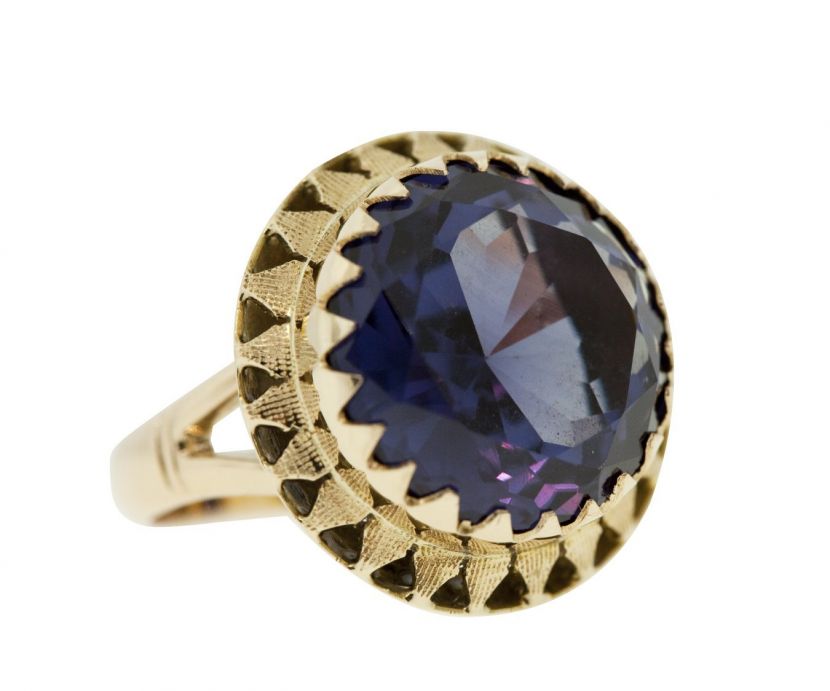
Opal is a stone that changes color with water. In other words, the rains or their anticipation, as well as the immersion of the mineral in water, cause the blue color to turn orange, and the red gem to acquire yellow hues.
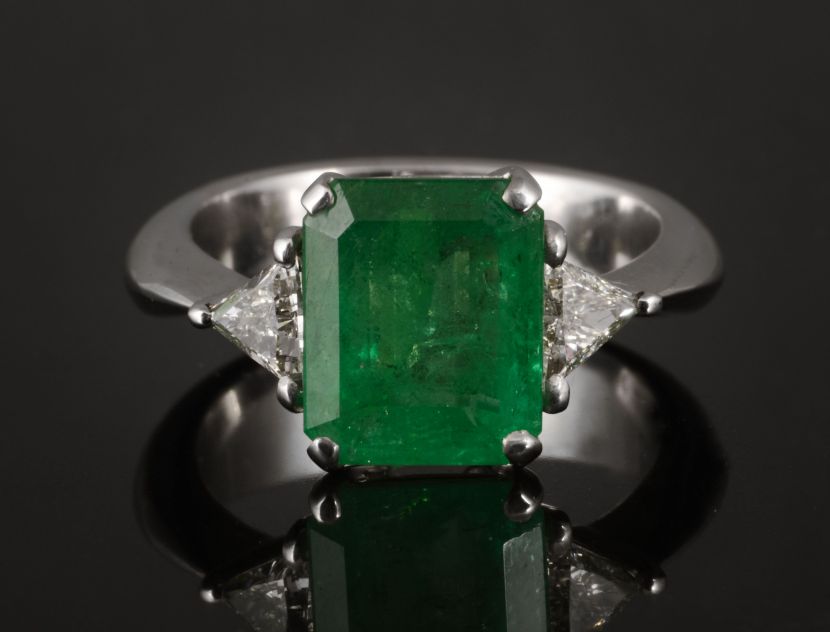
Moonstone
Transformations correspond to the lunar phases:
- The new moon practically deprives the stone of brilliance and overflow of milky color.
- The full moon makes the mineral transparent and gives it the ability to glow.
- The waxing moon can cause a white turbidity of a point character.
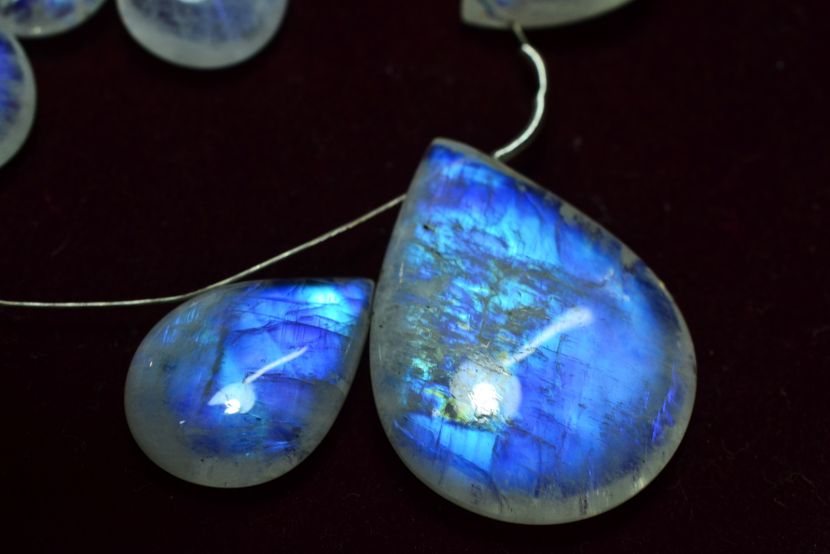
There is no scientific definition of the phenomenon. Magicians consider the phenomenon a manifestation of magical power.An untimely transformation of the color or brilliance of the moonstone notifies the wearer of an approaching danger.
Aquamarine
Beryl with a bluish-green color palette has a special value. Aquamarine is able to change color with physical changes or in case of mood swings in the wearer:
- By rotating the gem, you can observe the silver brilliance emanating from the depths of the crystal. Outwardly, the phenomenon is similar to chrysanthemum flowers.
- Heating the nugget gives it a thicker uneven color.
- Prolonged exposure to ultraviolet radiation gives aquamarine a yellow color with a brown tint or an earthy color.
- X-rays impart a green-blue hue to the mottled specimen.
- The gem interacts with the wearer's physical state and weather conditions. An increase in green colors means the likelihood of a storm developing or an upset on the part of the mineral carrier.
pyrope
The color of one type of pomegranate is formed due to a combination of manganese, iron and chromium in its composition. The proportion of minerals contributes to the formation of a color palette. Often pyrope is called a barometer of energy:
- A wearer with a strong will and determination has a powerful energy that causes the stone to acquire a red tint. A similar phenomenon means the energy charging of the owner.
- A weak and lethargic personality will wear a dull stone, which will only aggravate the negative state.
blue pomegranate
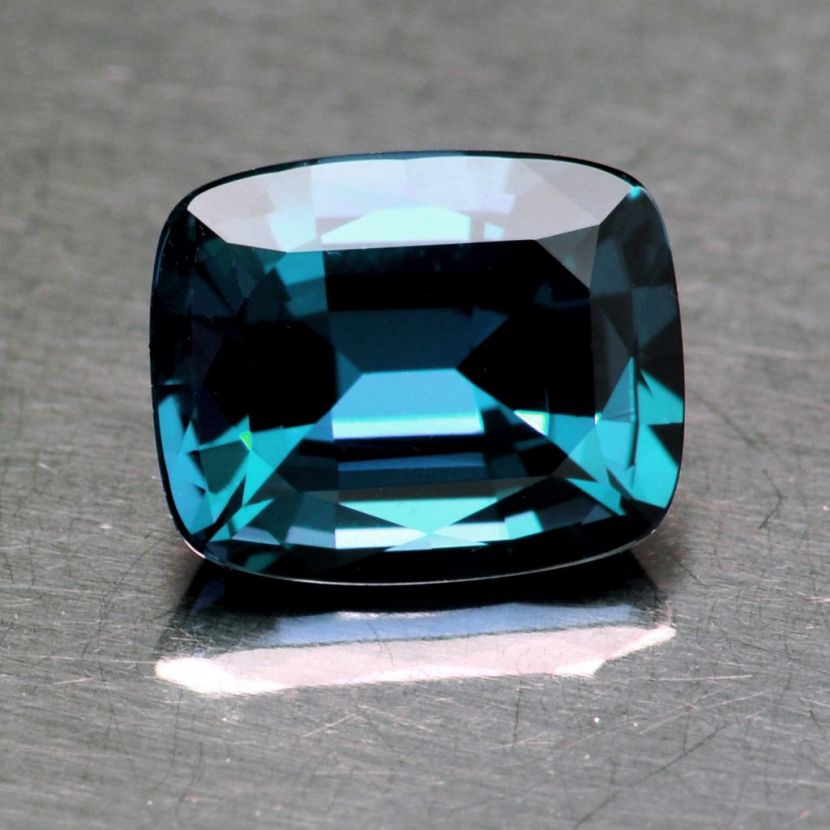
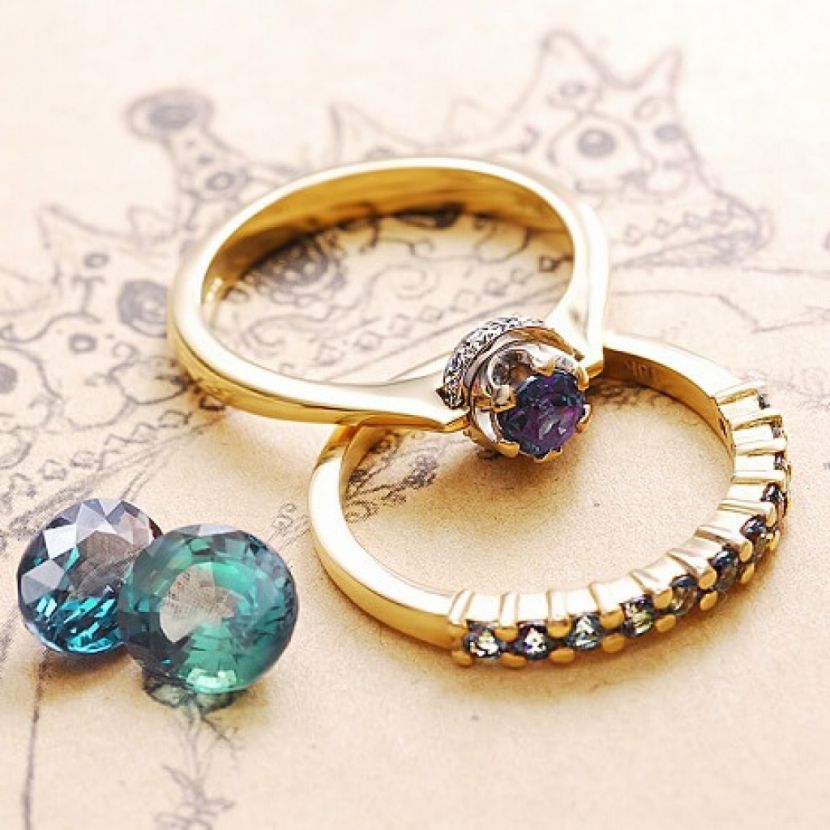
The effect of alexandrite is pronounced in blue garnet, which is mined in Madagascar. During the day, the mineral changes color, so it is called a mood stone:
- Sunlight gives the stone a moderate color in the range of blue with gray hues to a dark green palette.
- Artificial light causes the gem to acquire red or purple hues.
The color palette for blue garnet can be brighter when the stone approaches the equator of the planet.
Rules for caring for a chameleon
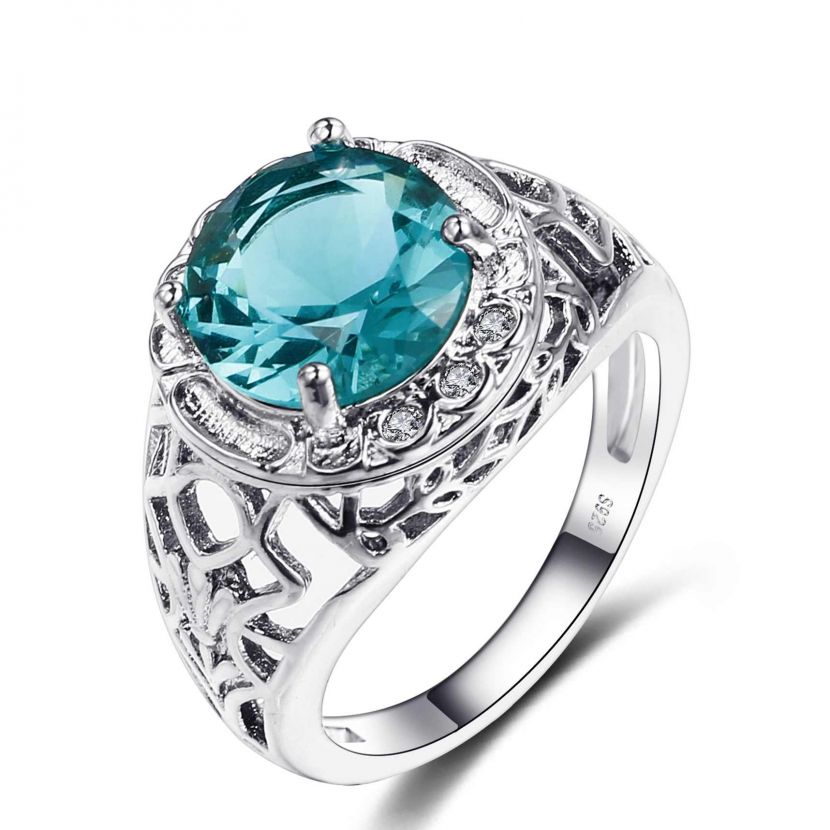
Precious and semi-precious minerals require compliance with the rules of care and wearing:
- Store in a closed box where light does not penetrate.
- Contaminants are removed with soapy water, after which the stone is rinsed and wiped with a napkin.
- Abrasives and chemicals are prohibited.
- It is advisable to avoid intense exposure to ultraviolet radiation (sun).
- You can put on the jewelry after completing the application of makeup and shaping the hairstyle.
- Remove accessories before starting homework.
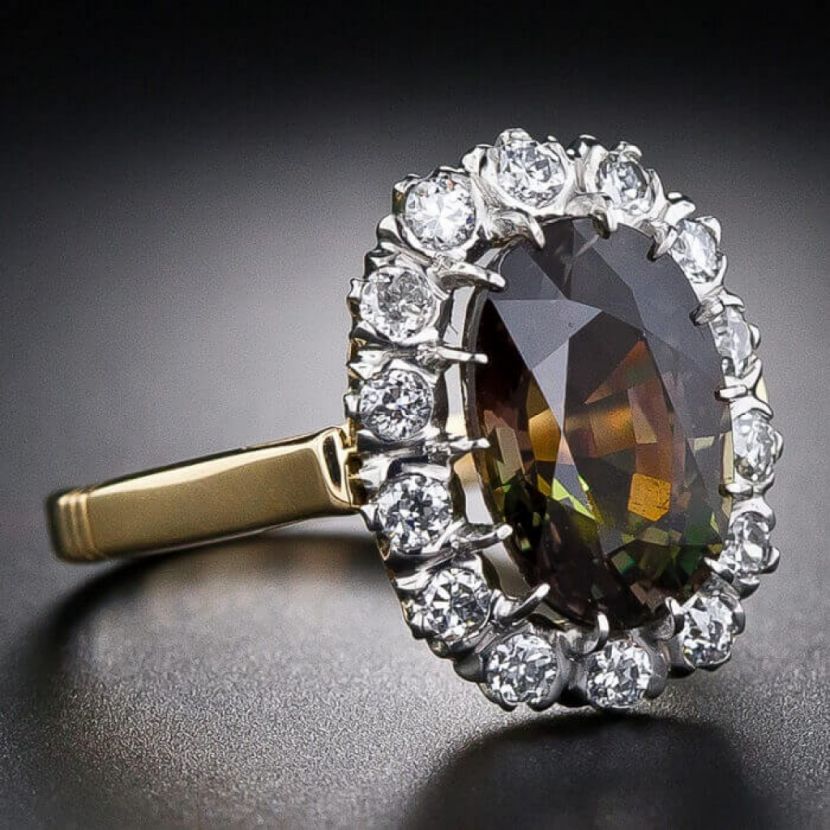
Gems are able to attract various energies to themselves, therefore they should be cleaned in running water for 30 minutes. You can sprinkle them with salt and leave for a quarter of an hour. After that, the stone is rinsed, and the salt is sent for disposal.

Natural chameleon crystals are a subject of interest for a true connoisseur. Such minerals are admired and become unique magical artifacts. The use of such a nugget requires caution. Such stones can be worn by strong personalities. Earrings, brooches or other jewelry with such stones should be in harmony with the selected wardrobe items.
Photo of stones changing color