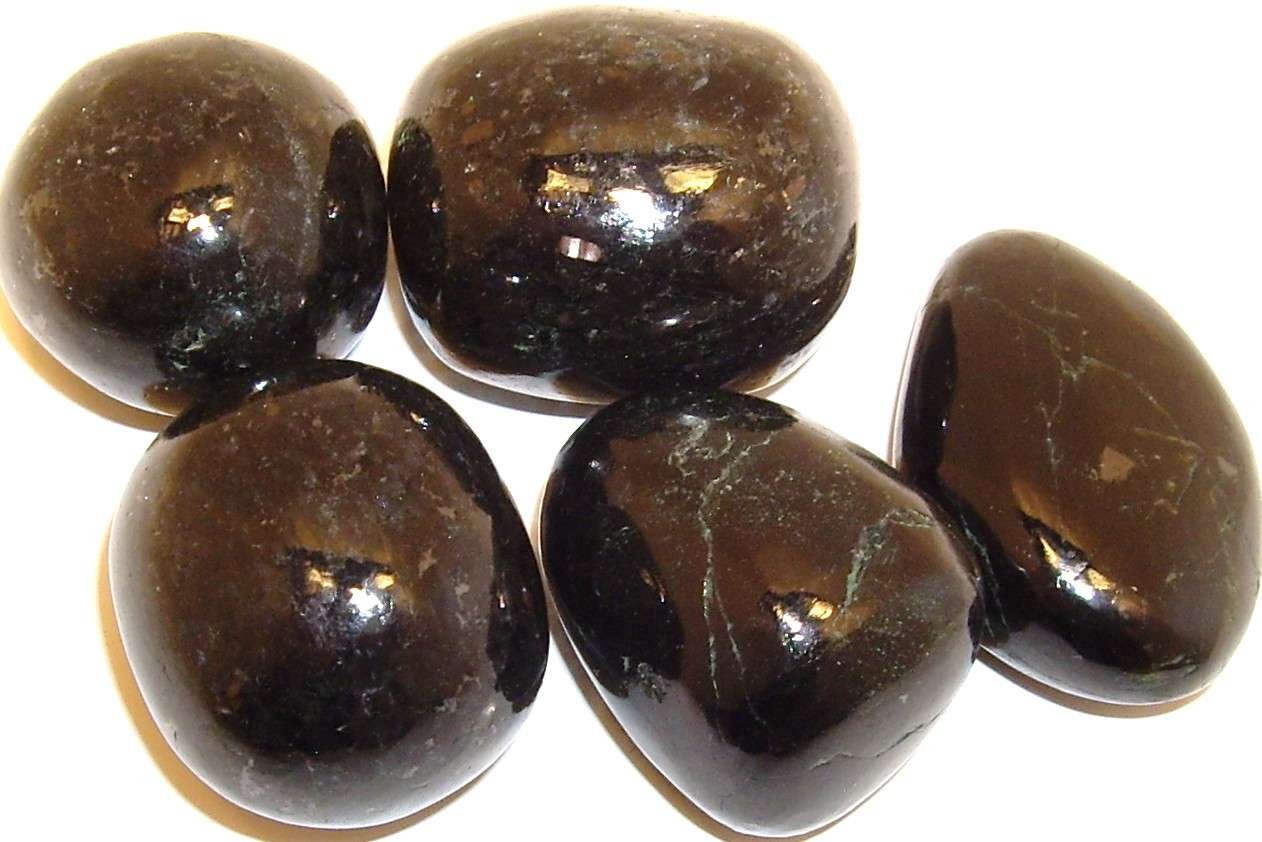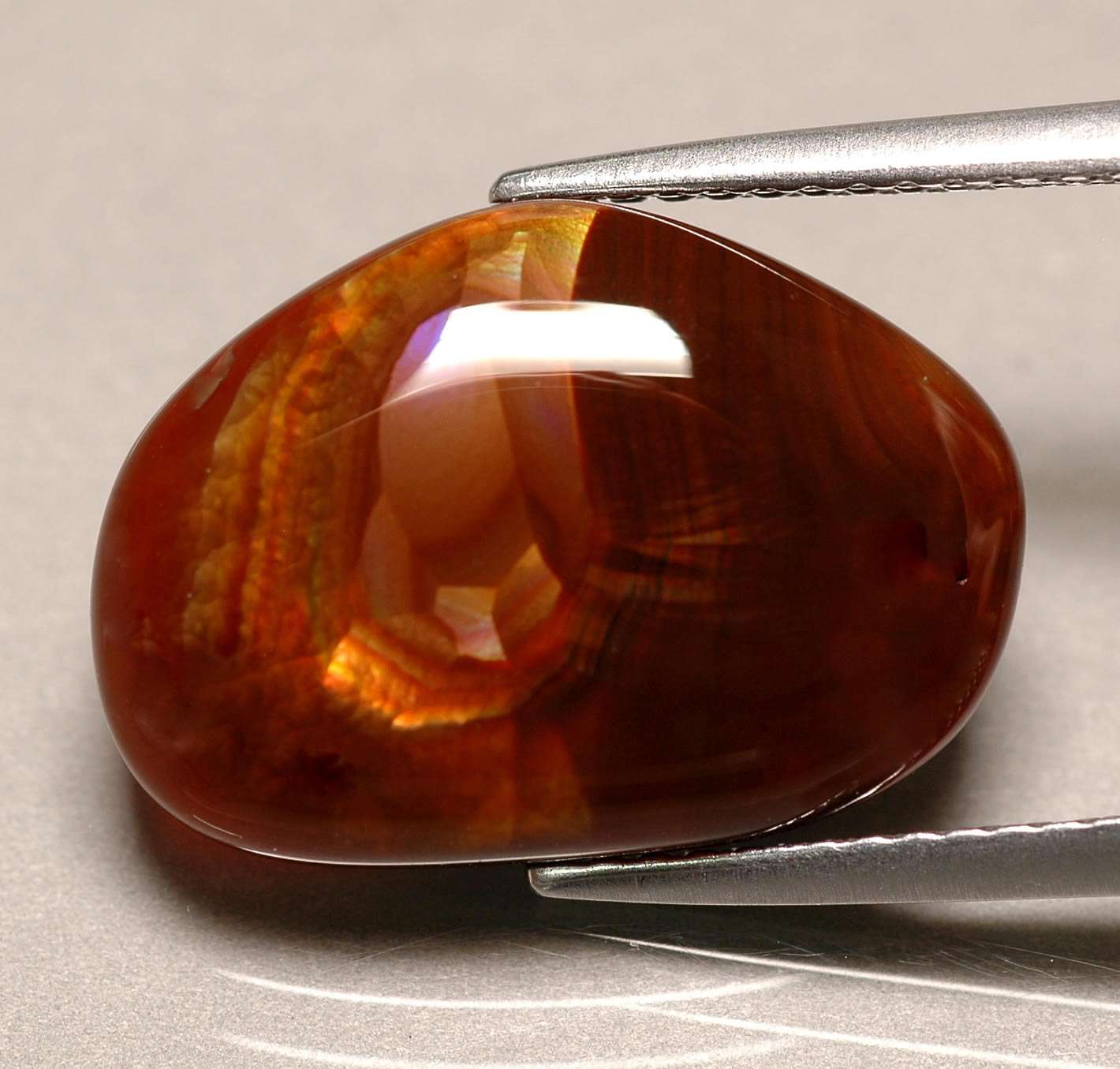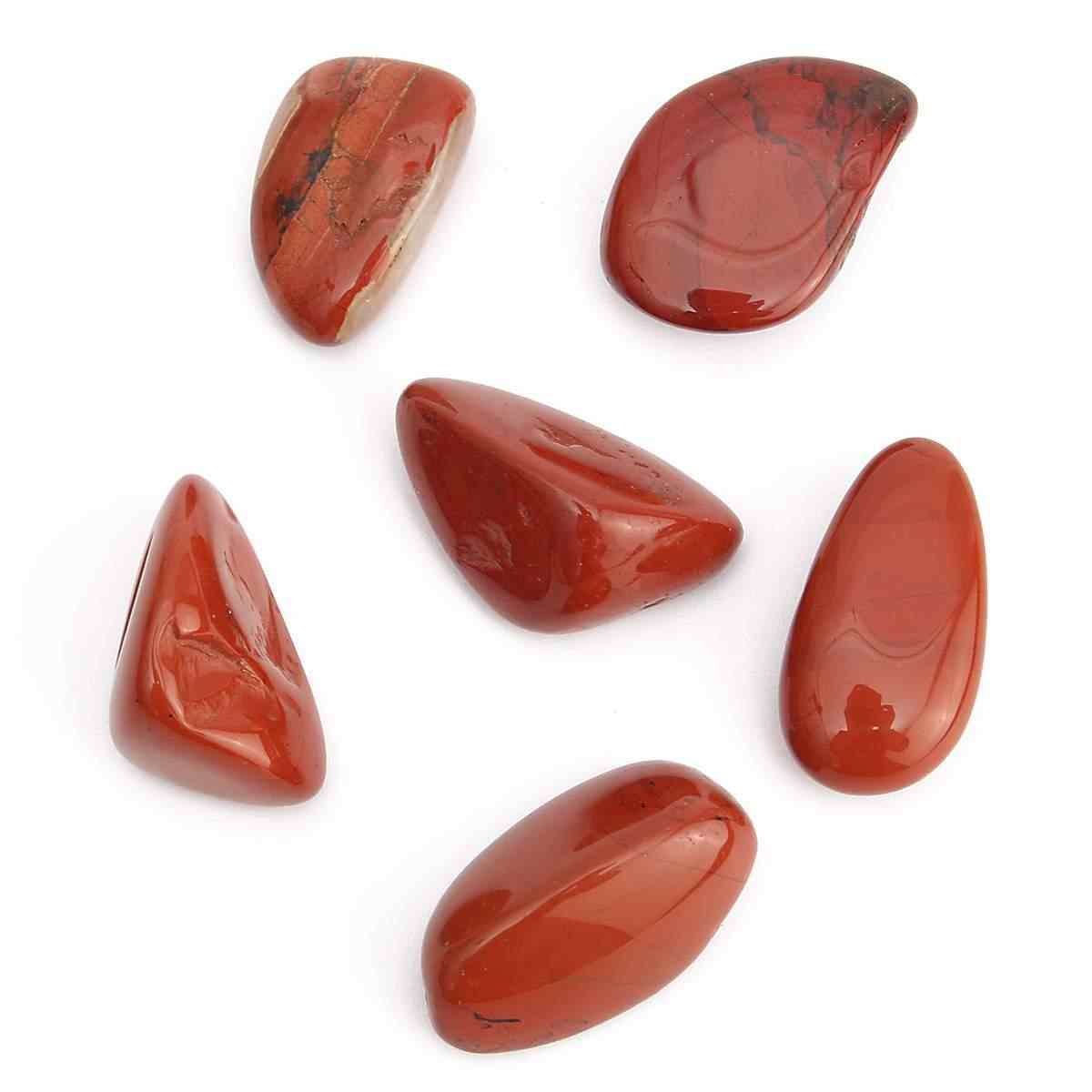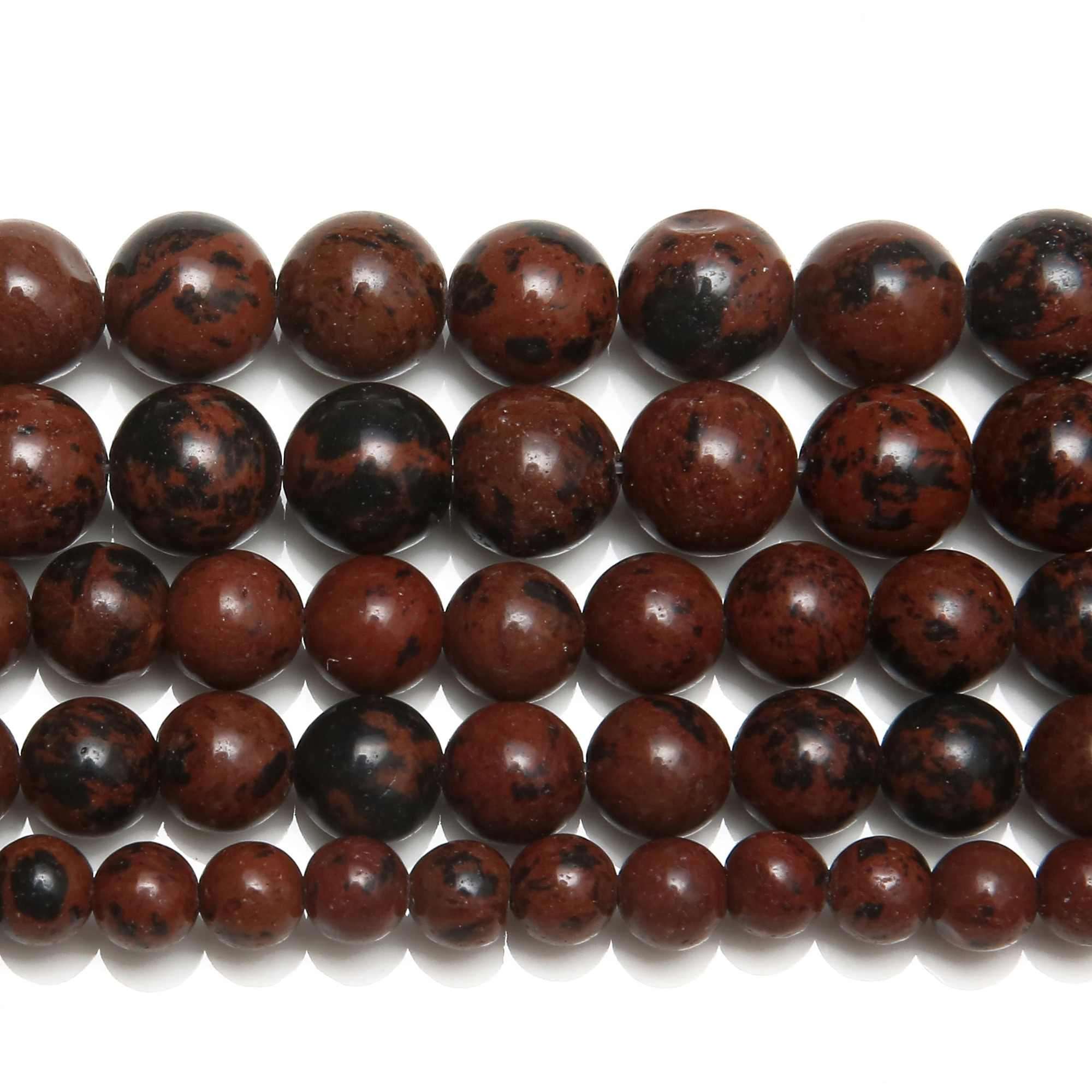
Brown stones - what varieties are known, properties and where they are used
When choosing jewelry with brown stones, a person usually seeks to emphasize his solidity. After all, such a color scheme means calmness, emotional maturity in the pursuit of success. And earlier, minerals of this color reflected the dignity of the nobility. Someone believes in the healing power of these jewelry, and that they give the wearer magical powers.
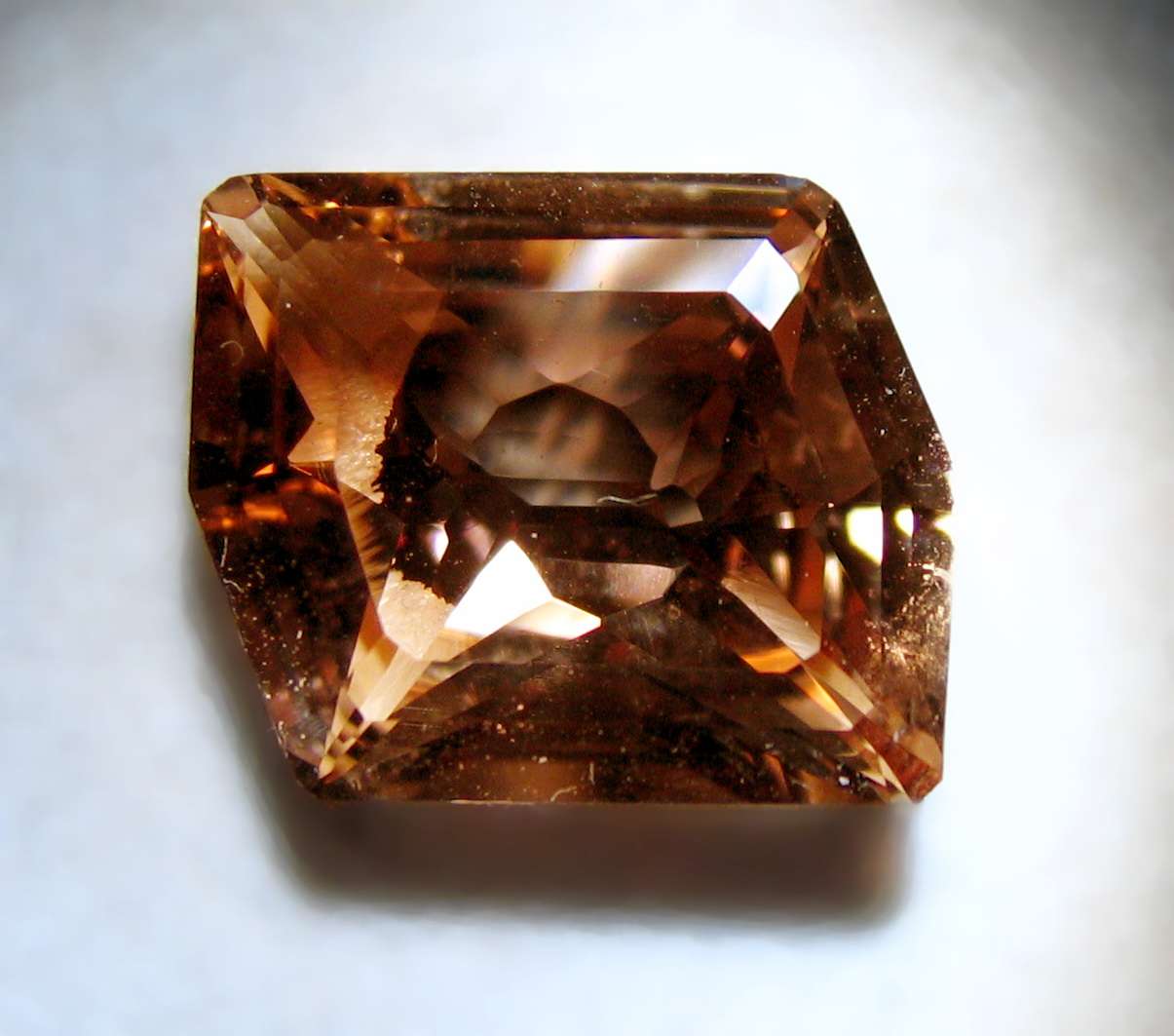
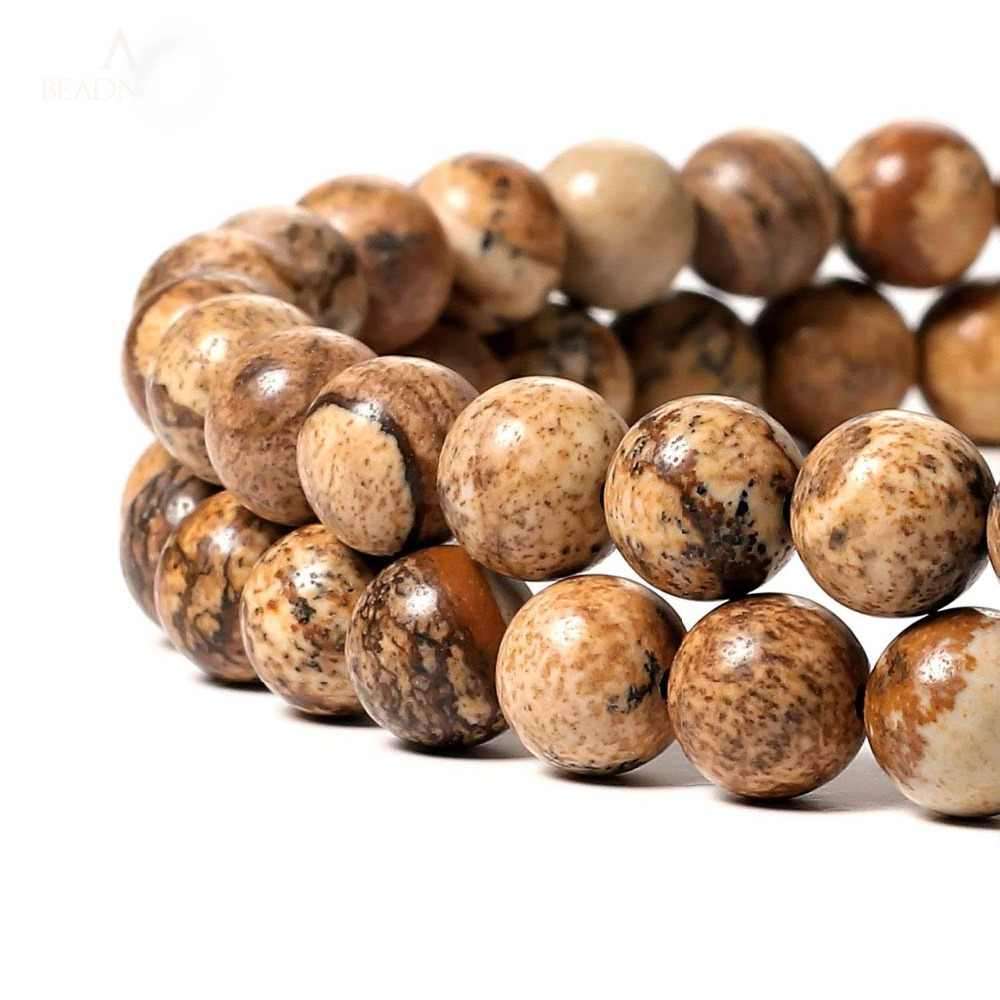
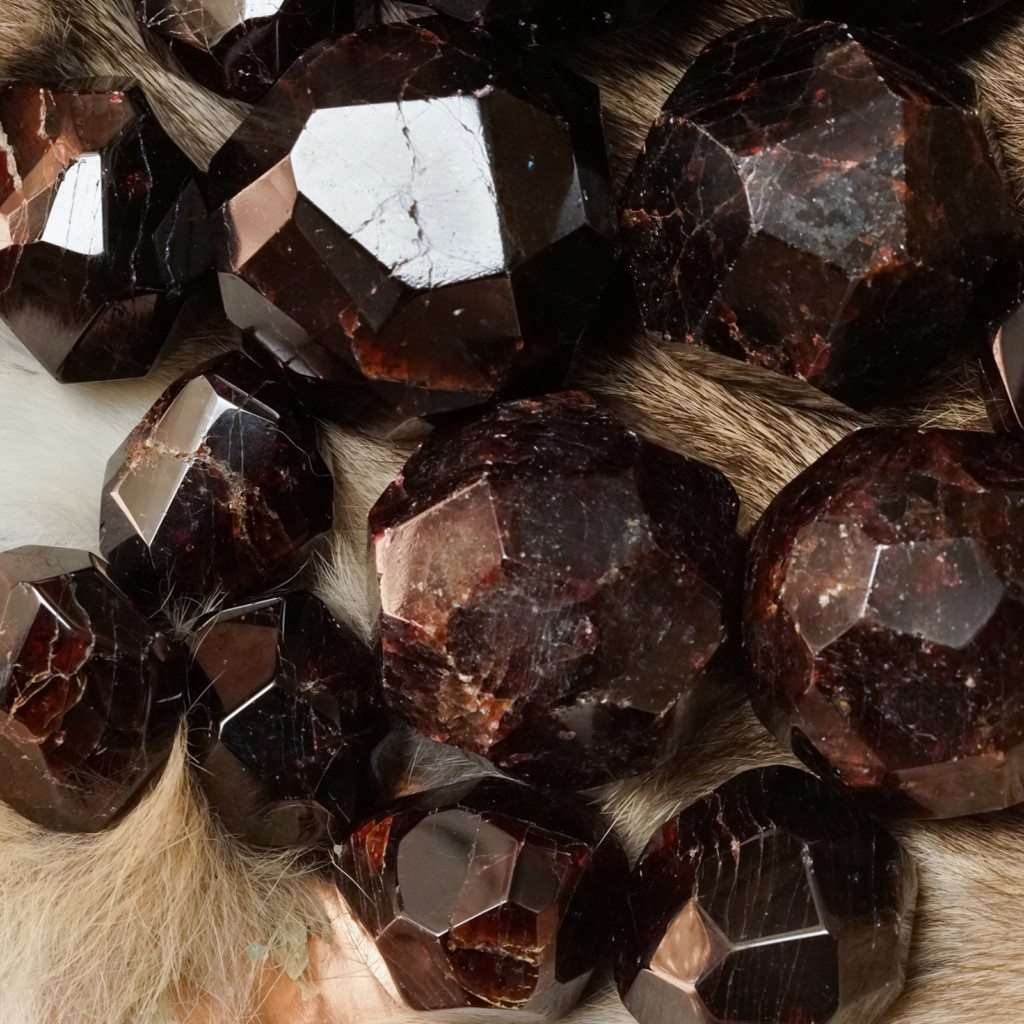
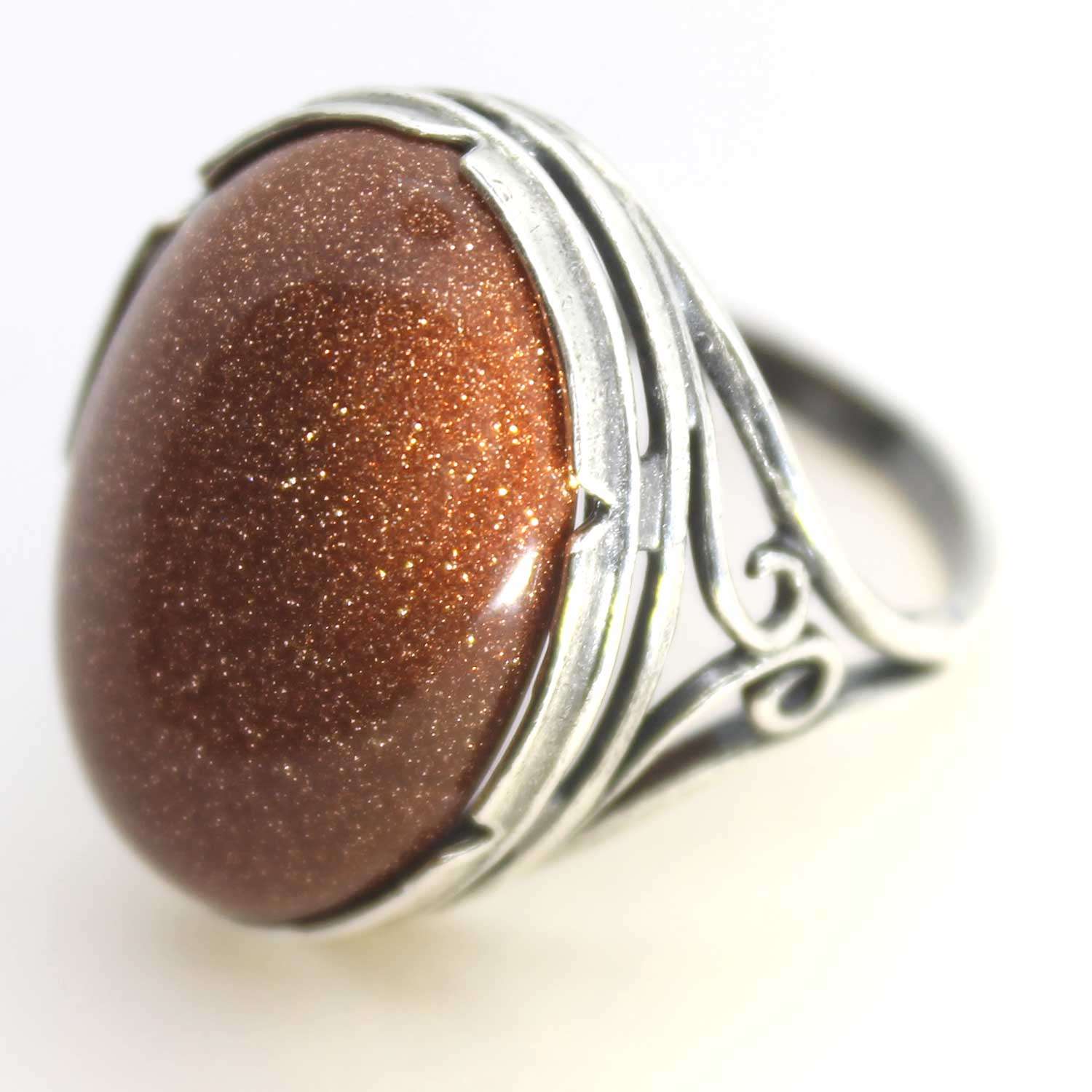
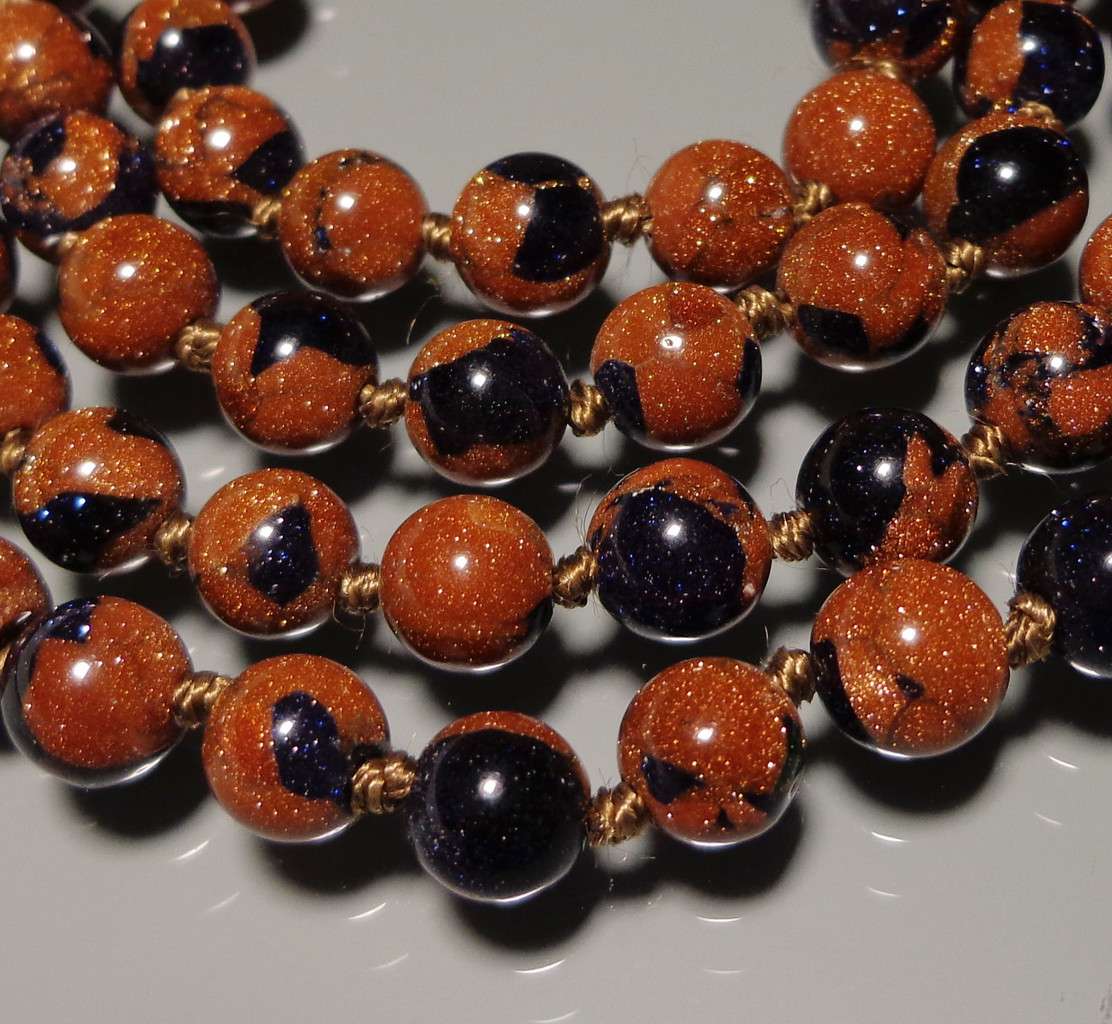
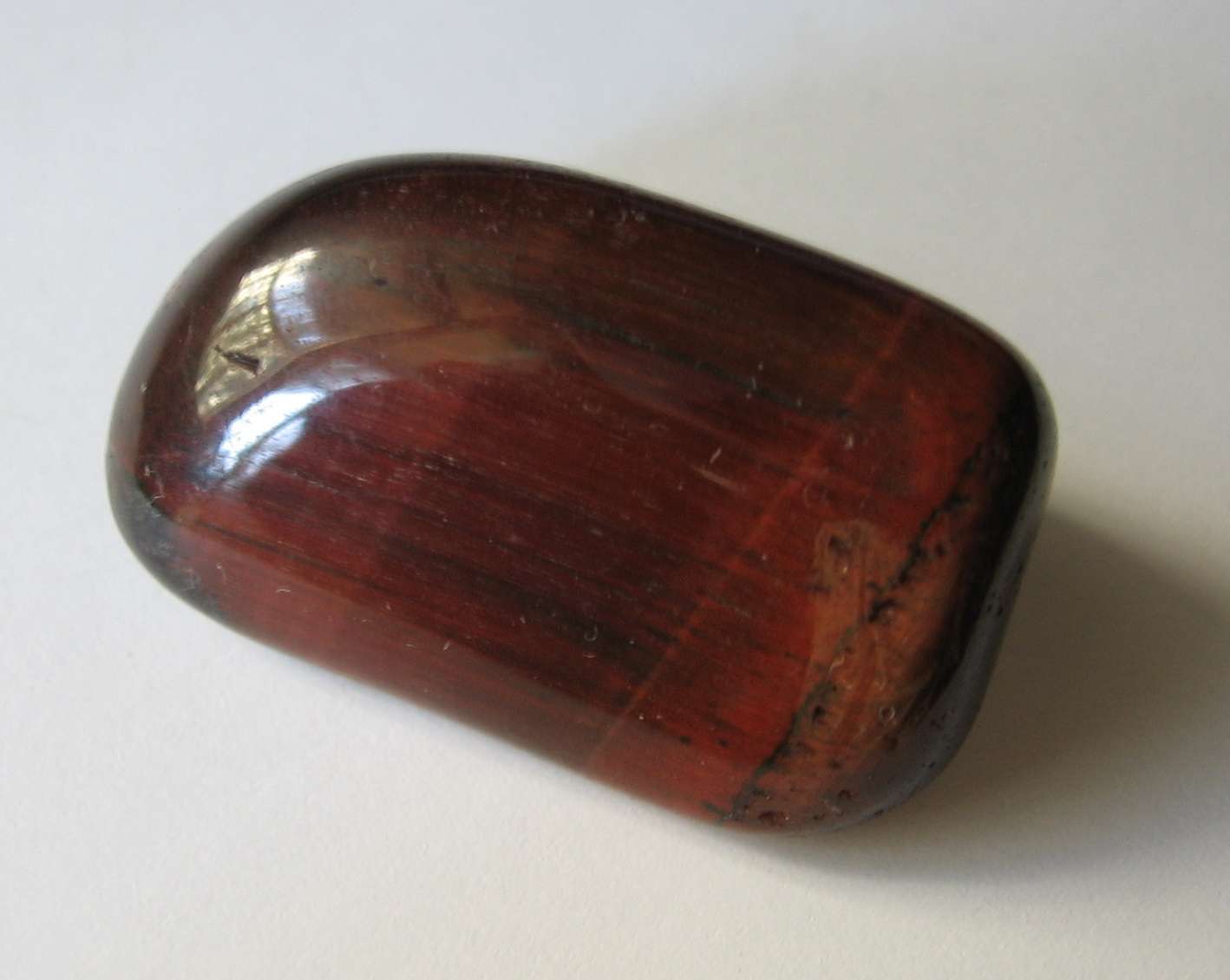
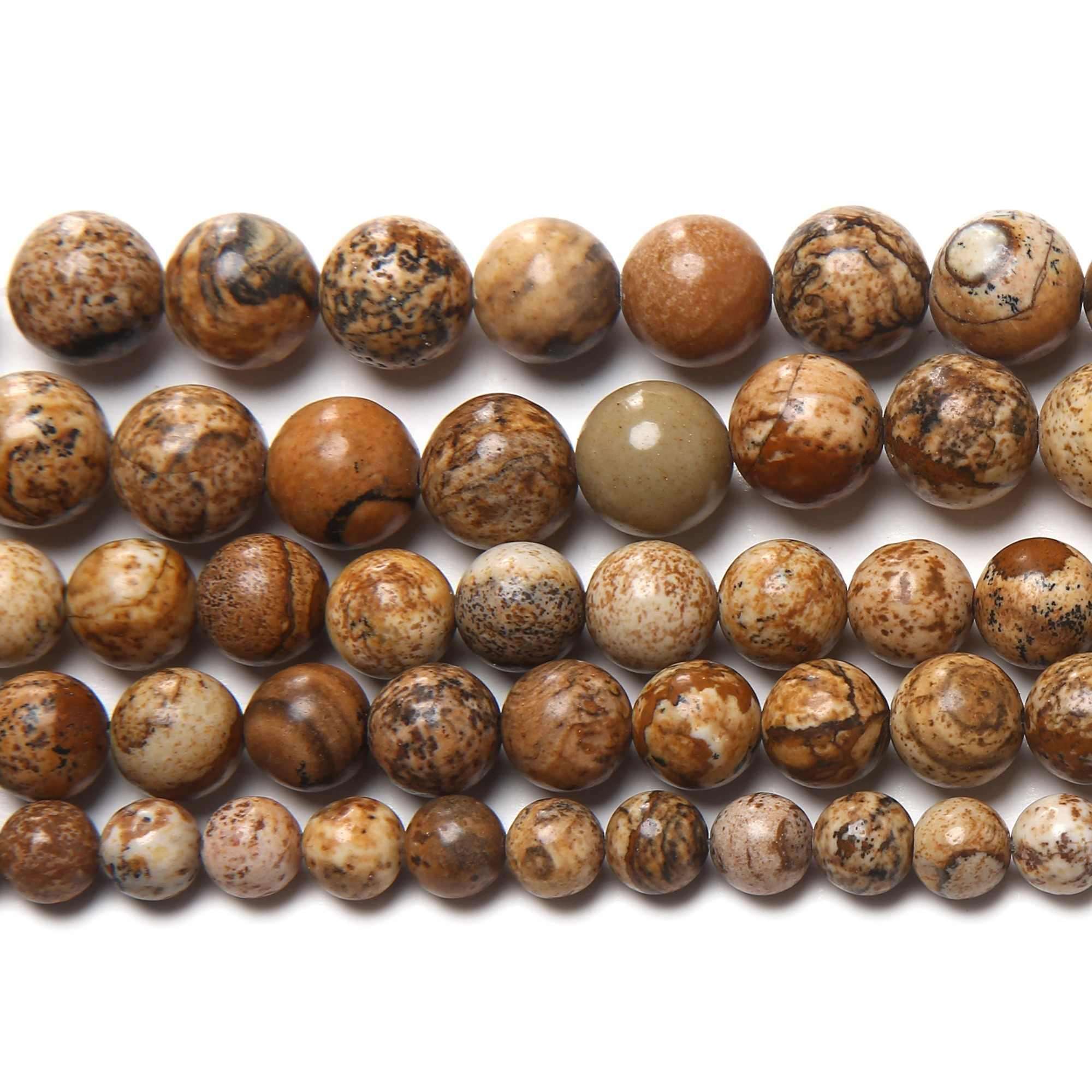
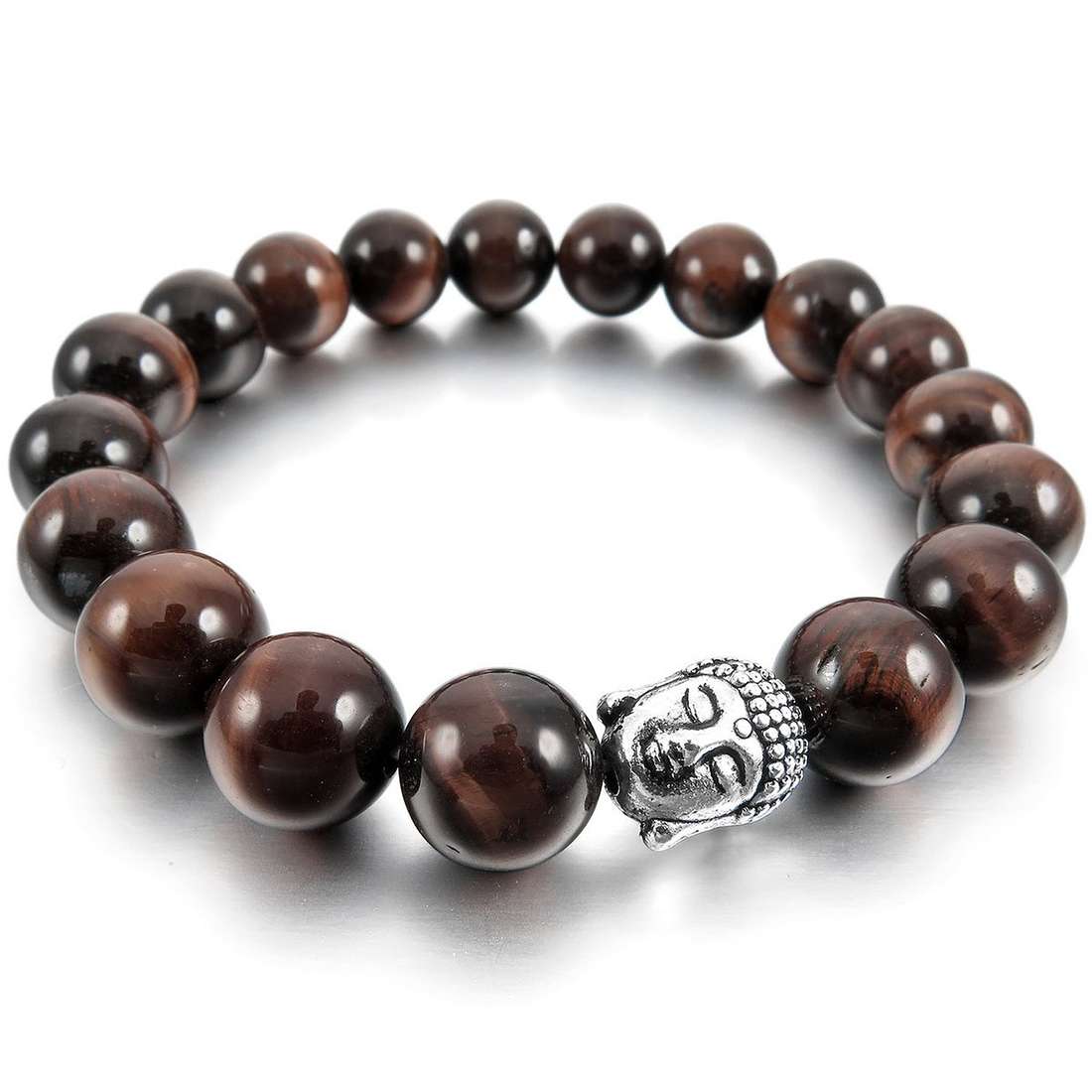
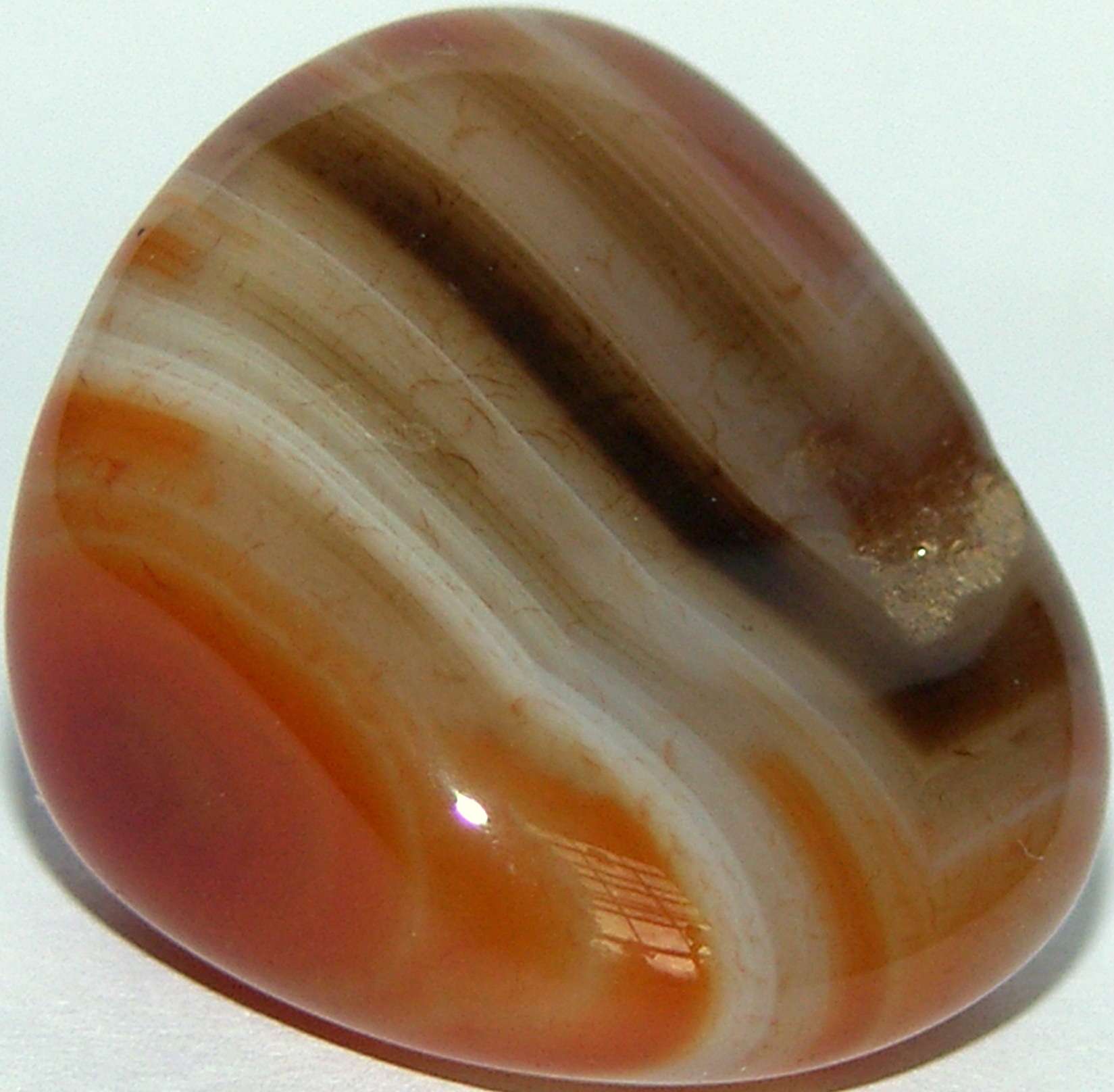
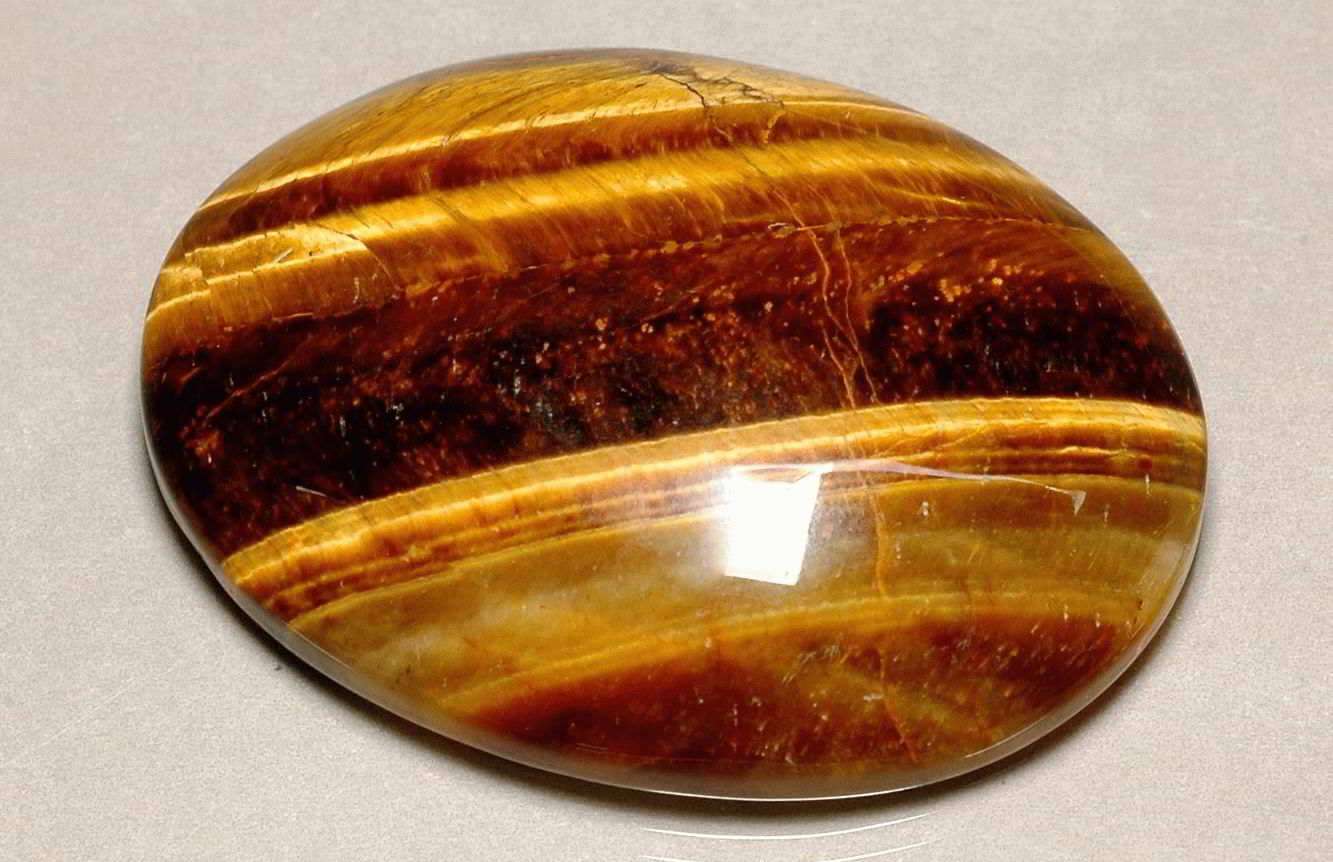
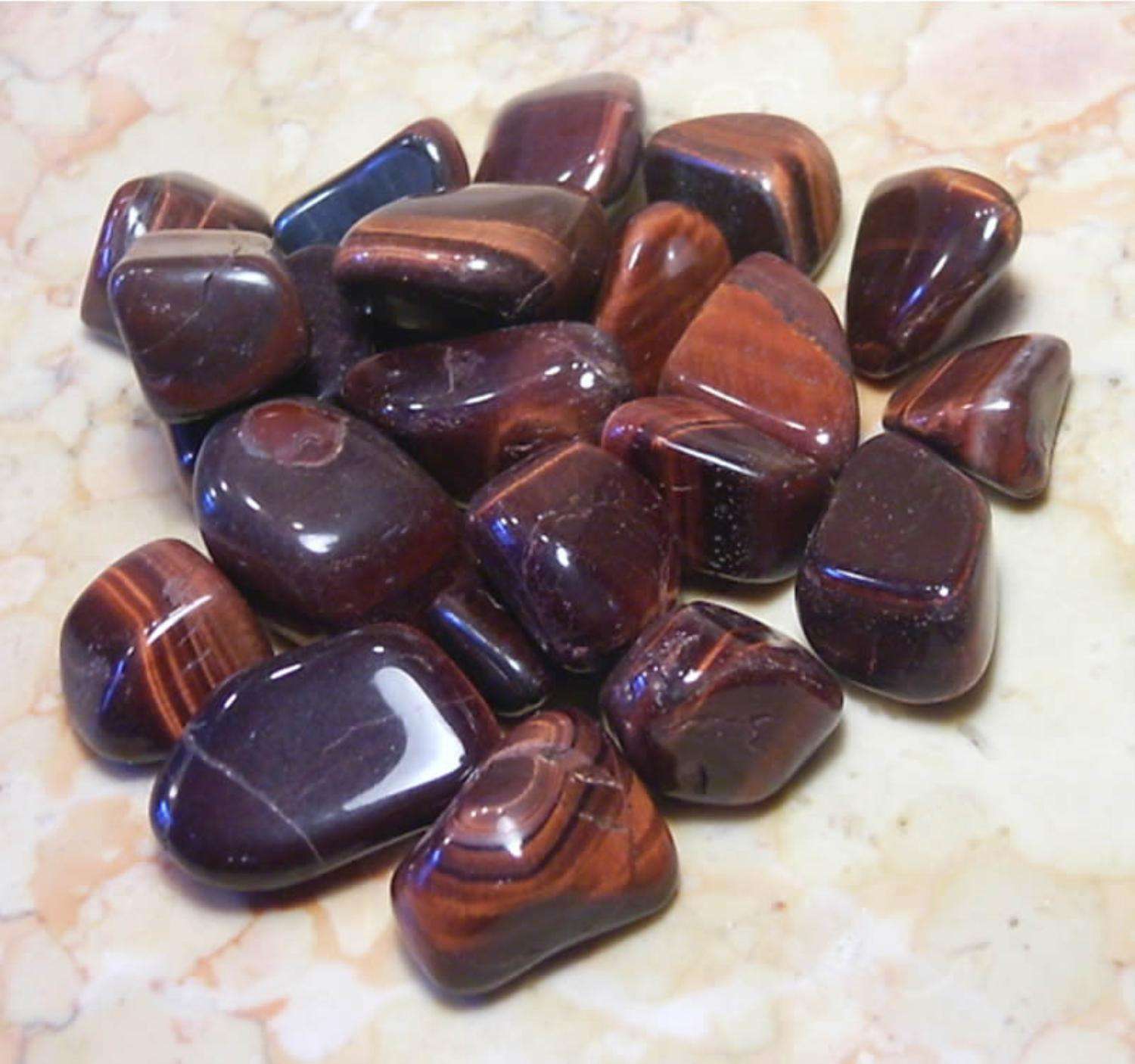
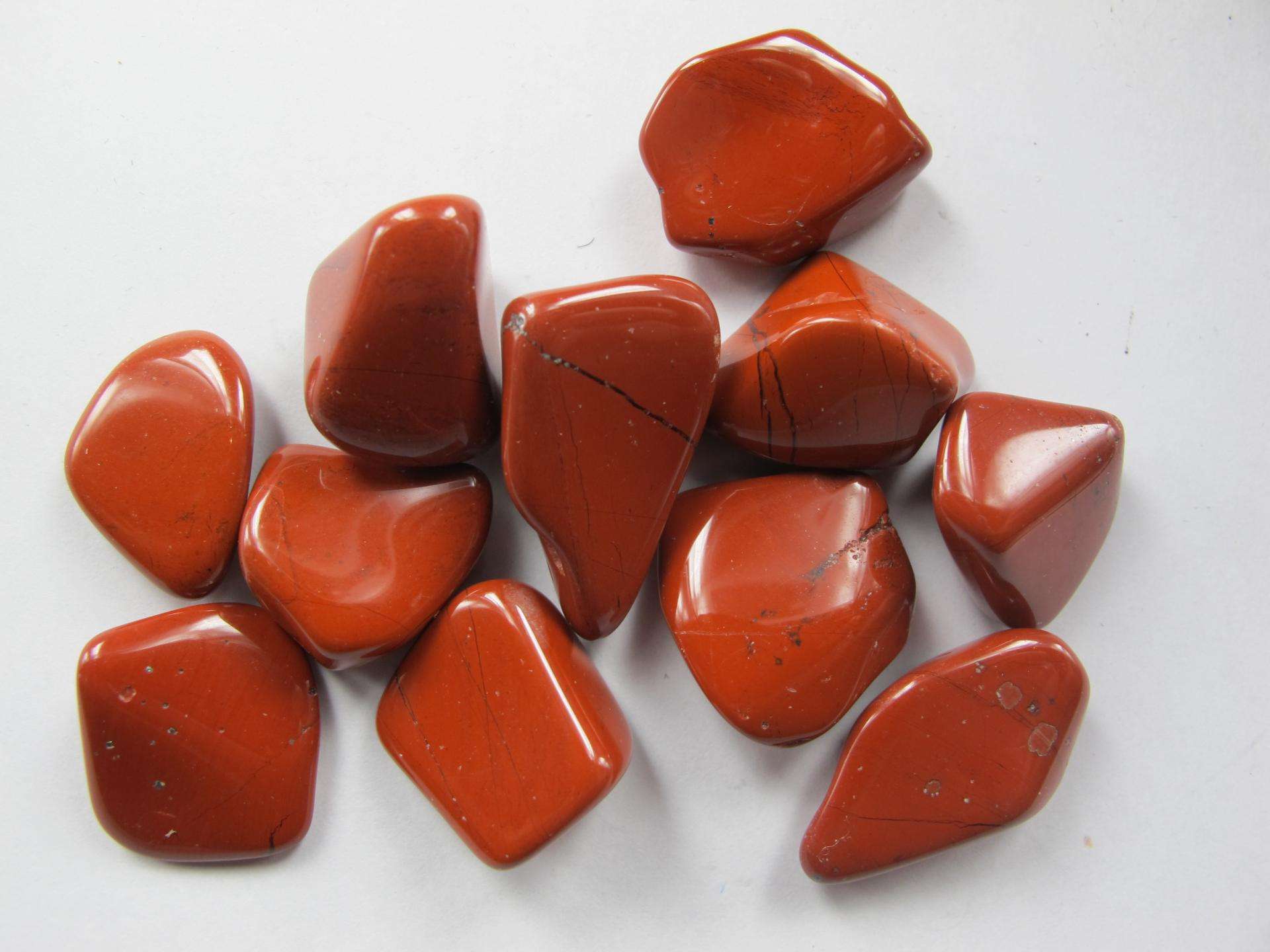
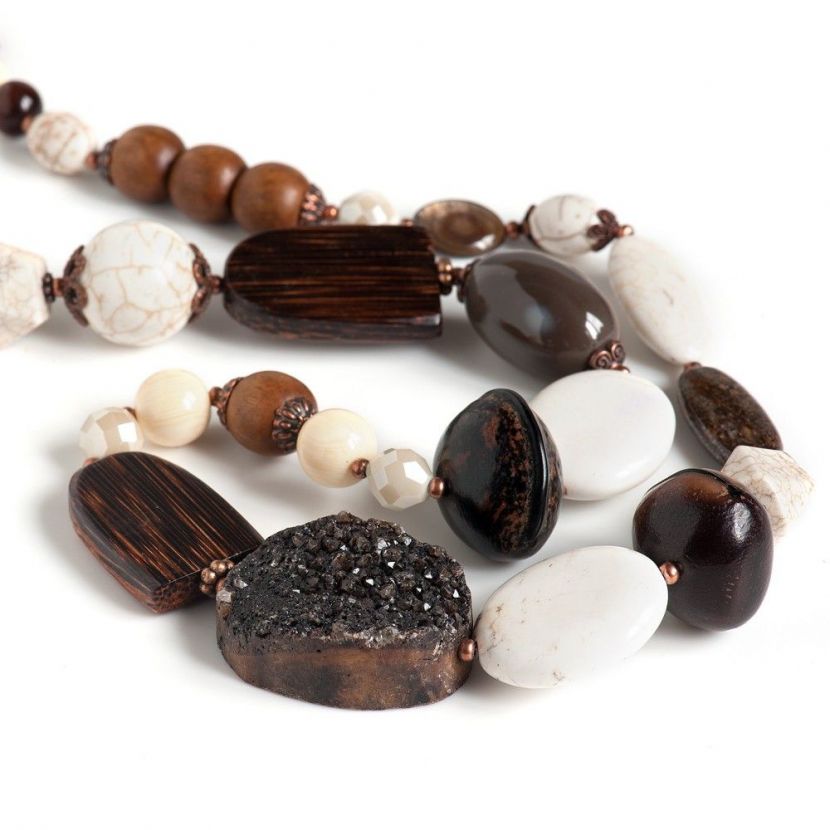
If the color of the stone is brown, the photo can adequately reflect its merits. It is not the most popular, but only knowledgeable people who consider it a symbol of some reliability can evaluate the properties. So the owners emphasize their restraint.
Brownstone and psychology
The meaning of brown will be clear if you use the opinion of psychologists. An association is made with nature, as well as with such concepts as rationality and stability. Those who prefer jewelry with dark brown stones can inspire respect for themselves. People around him consider him a person who knows what he needs and how to achieve it.
Brown can suggest the right decision, as it activates the ability to concentrate, highlight the most important, and also stimulates action. Such an accessory is chosen by those who are tired of the hustle and bustle and appreciate privacy.Light brown shades are more popular, they are often used to decorate home interiors.
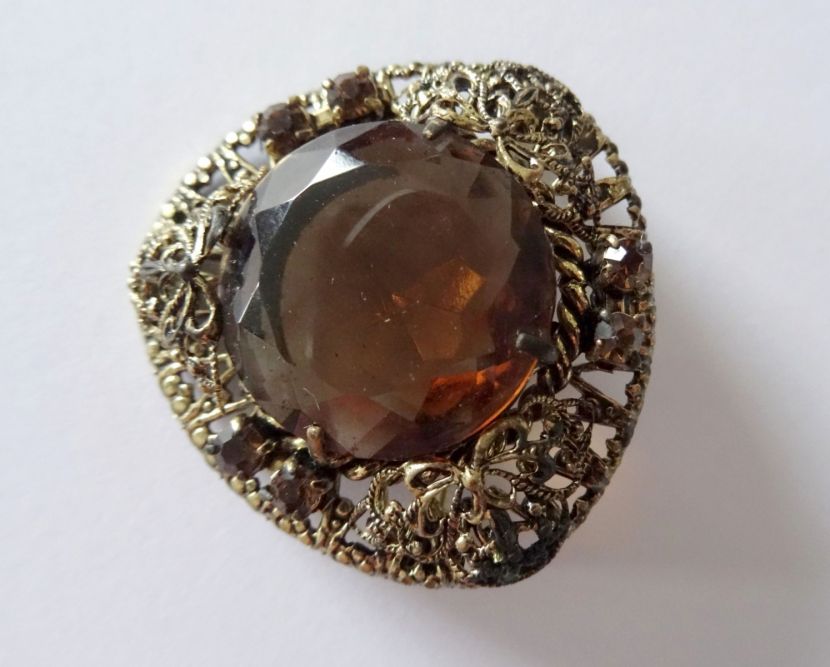
Varieties
The considered color of the mineral is due to the presence of iron in the composition. Either the element is included in the chemical formula, or it is an impurity. There are many shades. Taking into account the degree of transparency and other properties, the cost of stones differs significantly. The list of brown-colored minerals is very large. Next, they will be discussed in detail.
precious species
Gems with a brown color are not so common. Finding them is a great success. And at a cost, specimens can surpass other colors and shades. Brown gemstones will be discussed in detail next.
Diamond
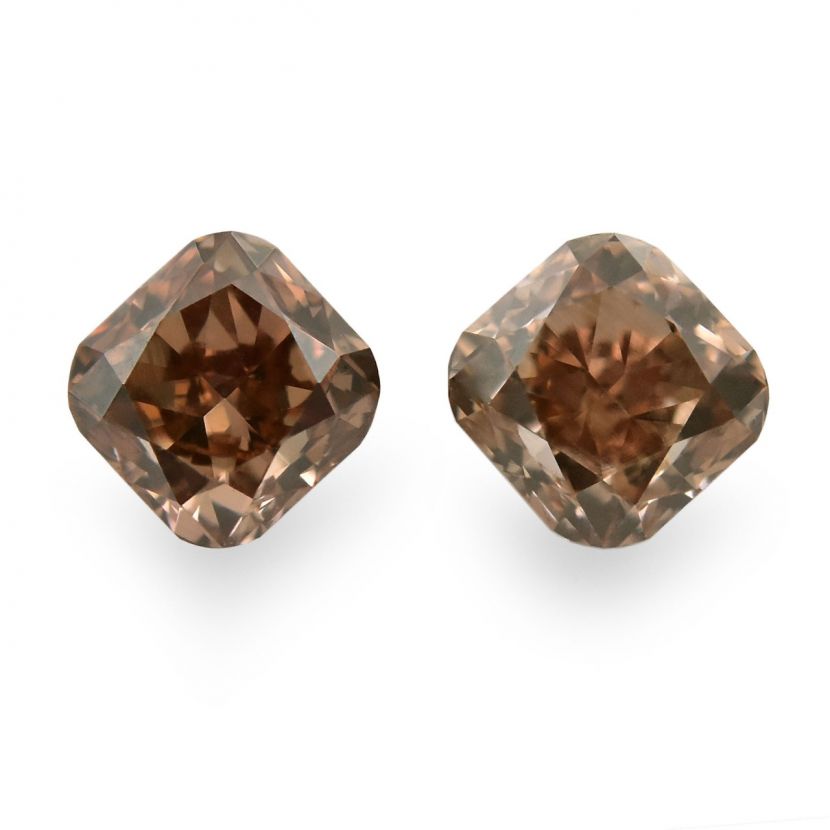
Some people think that diamonds are only transparent, colorless. But this is not so, there are by no means colorless samples. Their brown shade is often found, which is very popular in jewelry. In nature, there are also specimens of brown color. With transparency, they are very rare and highly valued. The best of these diamonds are mined in Australia. Shades of different specimens are different. The cost of the highest quality comes to 8 thousand $.
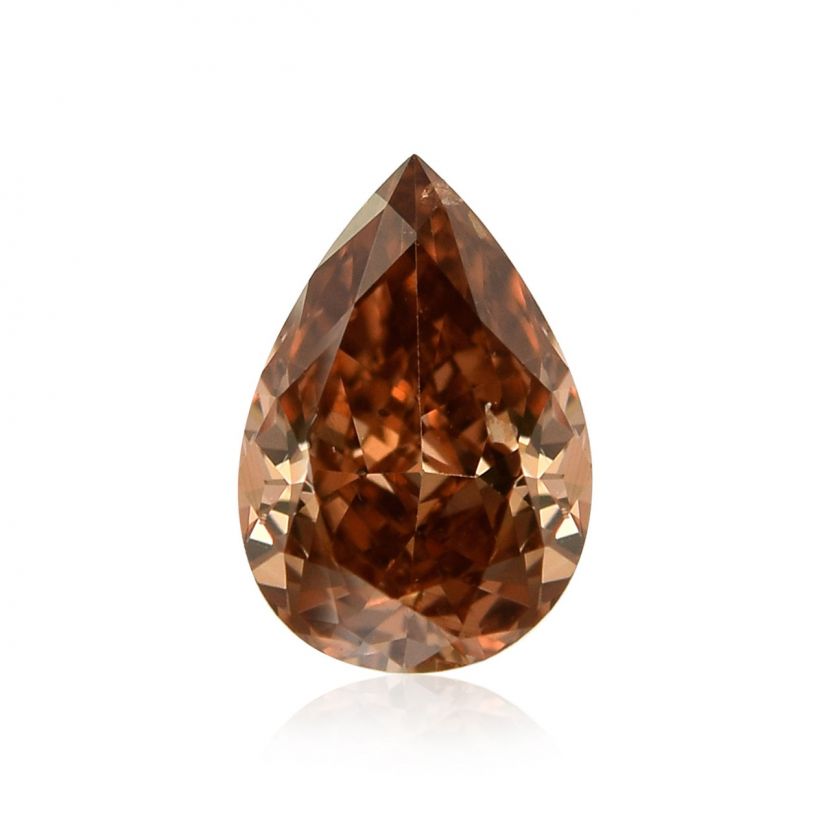
One brown stone comes across hundreds of thousands of colorless diamonds. Shades go through an evaluation scale. Cognac color samples available. One carat costs approximately $4,000. But experts expect prices to rise. The most famous and expensive stone over 500 carats costs $12 million. This is the "Golden Jubilee", a gift to the ruler of Thailand.
Topaz
One of the minerals that are colored brown is named after the island of Topazion, located in the Red Sea.This topaz, which has hardness, is colorless or colored. There are also brown ones. According to the description, the hardness of the stone is 8 points on the Mohs scale, a strong, sometimes matte sheen. The color of topaz is associated with the structure of the stone, and not with impurities.
Chrysoberyl
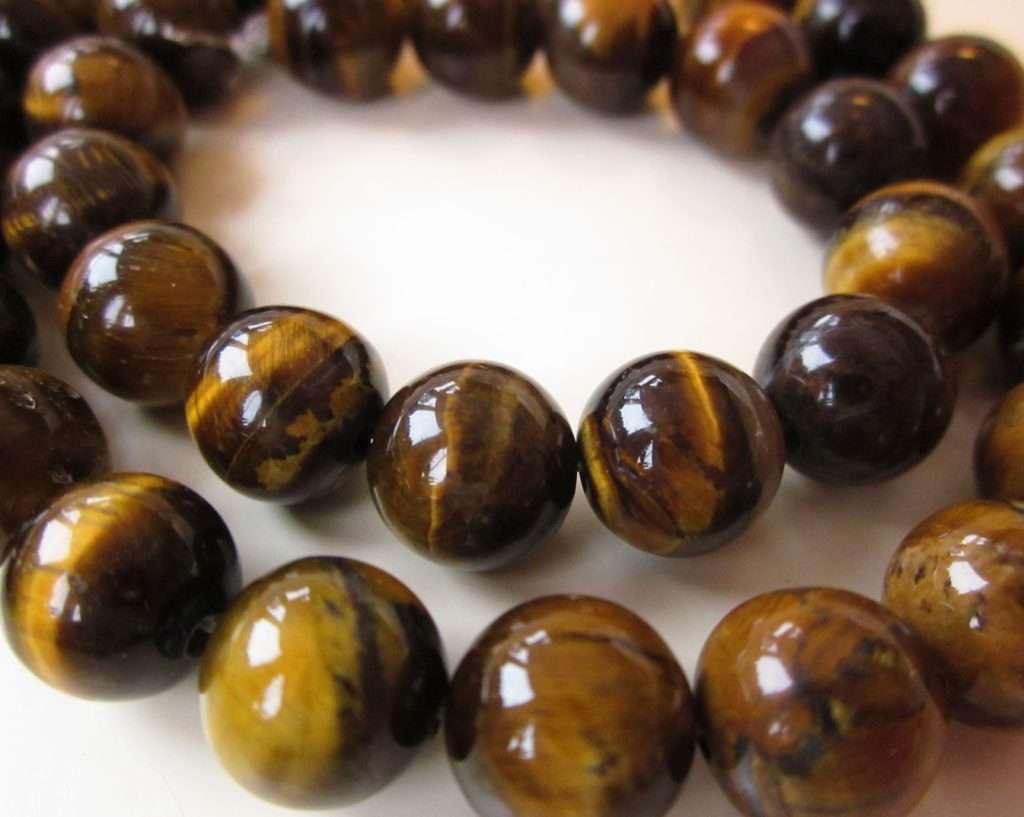
Chrysoberyl is also referred to as a brown colored gem. Natural specimens are rare, and a brown transparent stone can be quite expensive for connoisseur collectors. But hazy cat-eye samples can even outperform.
Opal
There are many varieties of opals that differ in color and other properties. Not all are suitable for use in jewelry, but there are brown samples among them. Bright, clean iridescent specimens are used to make jewelry. But not in everyone they can be applied due to the fragility of the material.
Hyacinth
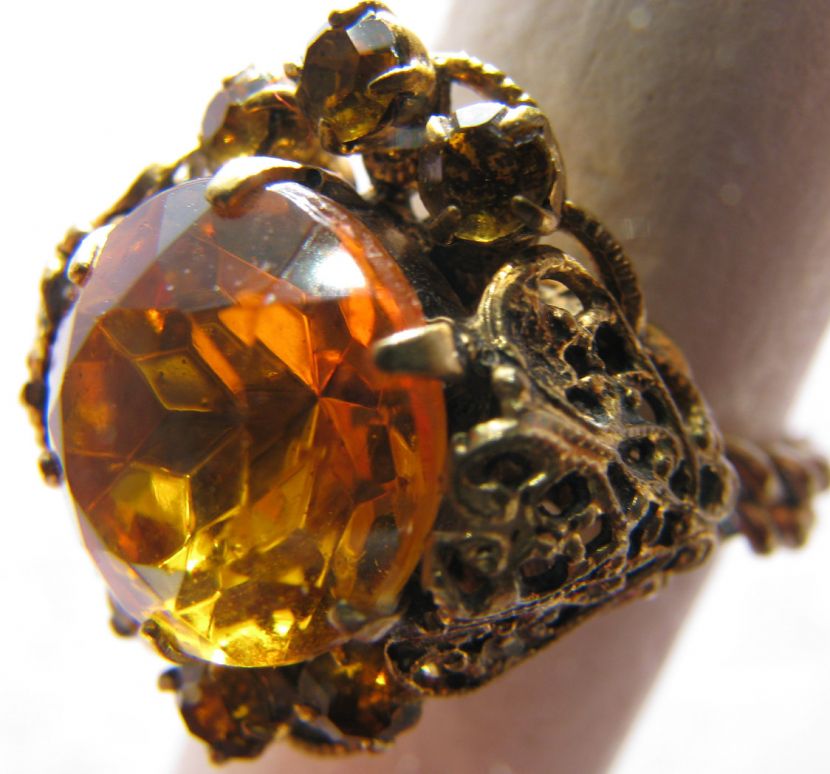
A transparent and shiny mineral that has a brown color with red or yellow tones, looks very beautiful. Especially if he is cut. This is a hyacinth, the color of which is associated with the presence of manganese in it. Being transparent and shining almost like a diamond, the stone darkens in the sun. But the color can be restored by heating in an acid solution. Sometimes the sample includes radioactive elements of impurities.
Pearl
Mother-of-pearl formations obtained from molluscs are also brown. Pearls have a different, both regular and bizarre shape. According to another opinion, such a color does not exist in nature. Chocolate color is obtained by lightening black pearls. Or staining white freshwater species with silver nitrate. You can identify the treatment by its bronze, copper or rusty tint.
Semiprecious stones
This segment is more diverse in terms of names. Brown semi-precious stones are much more commonly found in nature. They are fully or partially painted in the appropriate shades.
Amber
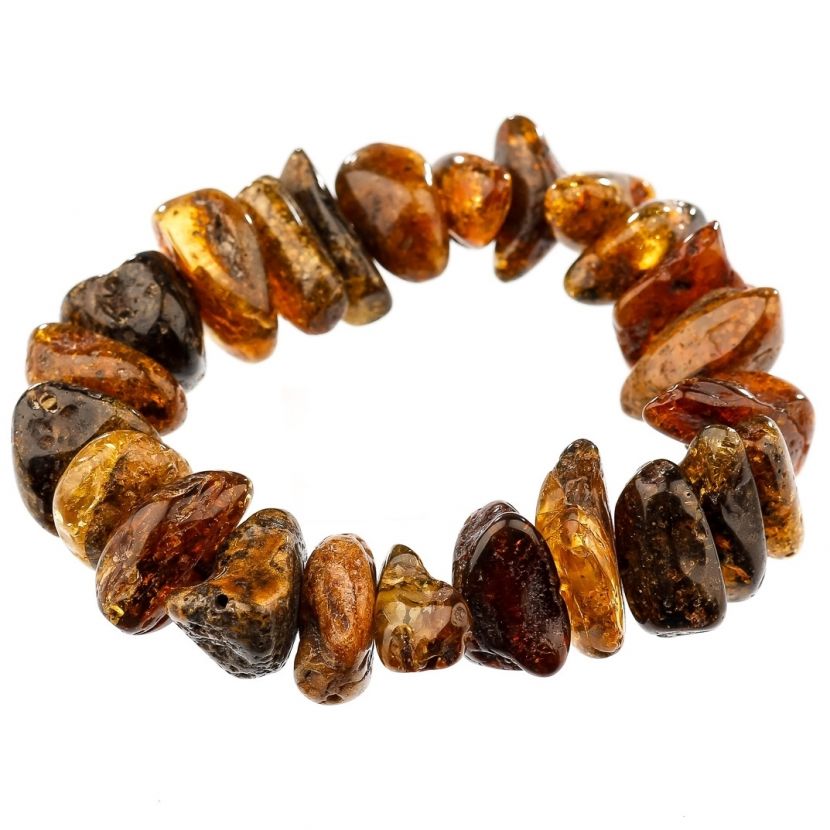
Amber, like pearls, can only conditionally be called a stone, since it is a hardened resin of ancient plants. Shades range from yellow to dark brown, and the samples also vary in transparency. Some of the best quality stones are used in the creation of precious jewelry, combined with gold. Household items and souvenirs are made from large pieces.
Onyx
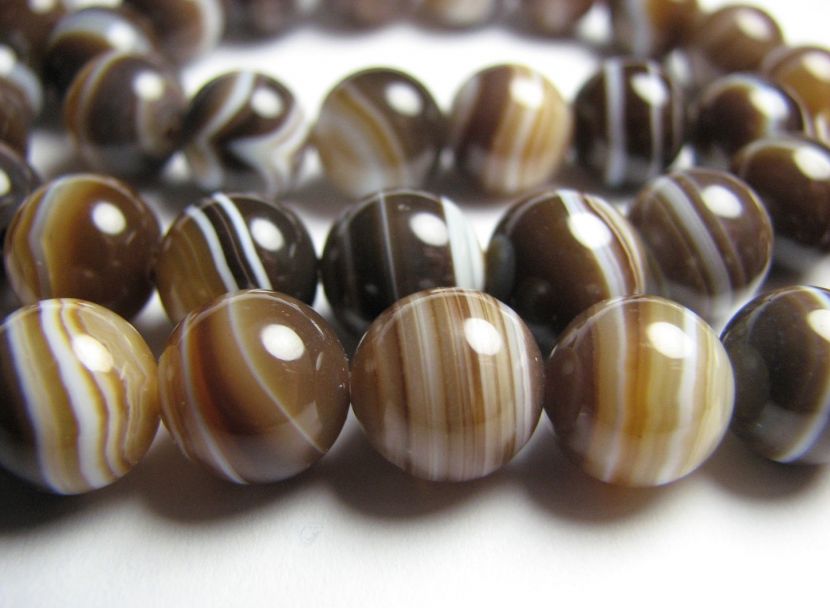
Brown in this mineral is often found, being represented by light or saturated shades. At the same time, stones come with a white or black pattern, and sometimes red, yellow complement the color scheme. Different stripes alternate with each other. Onyx deposits are found in India and South America, the Arabian Peninsula. It is considered a variety of quartz.
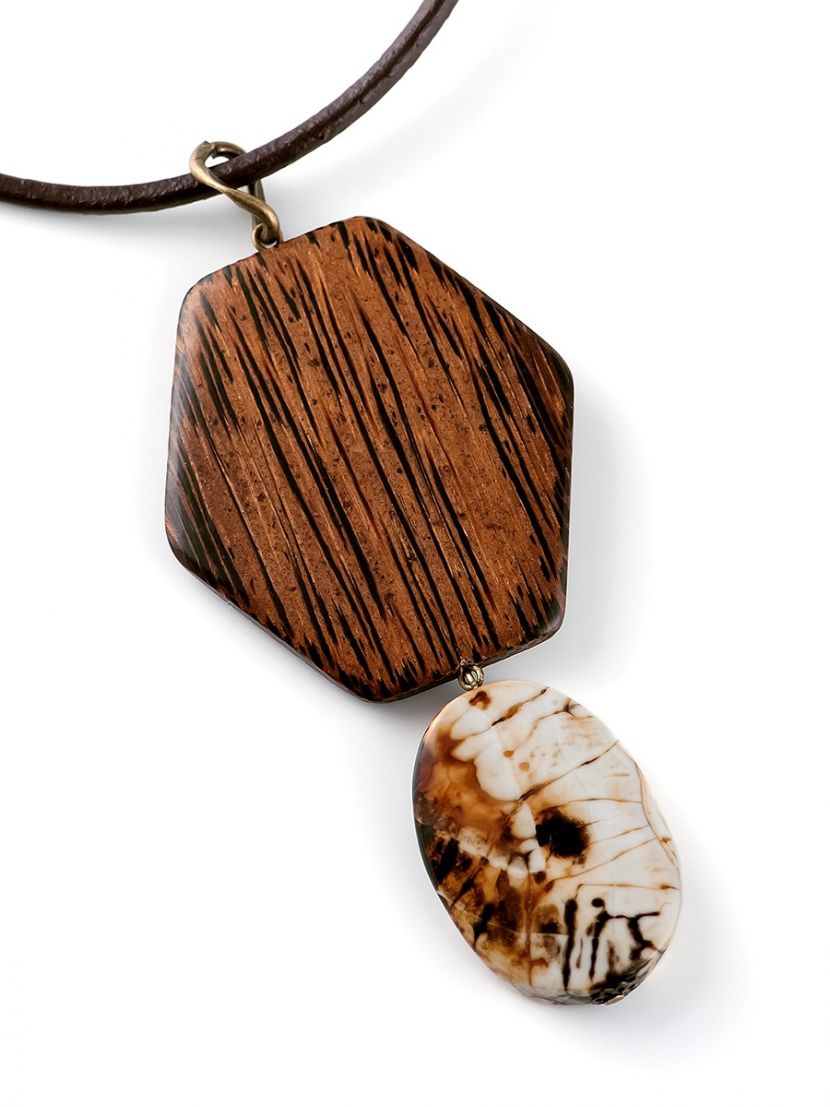
Agate
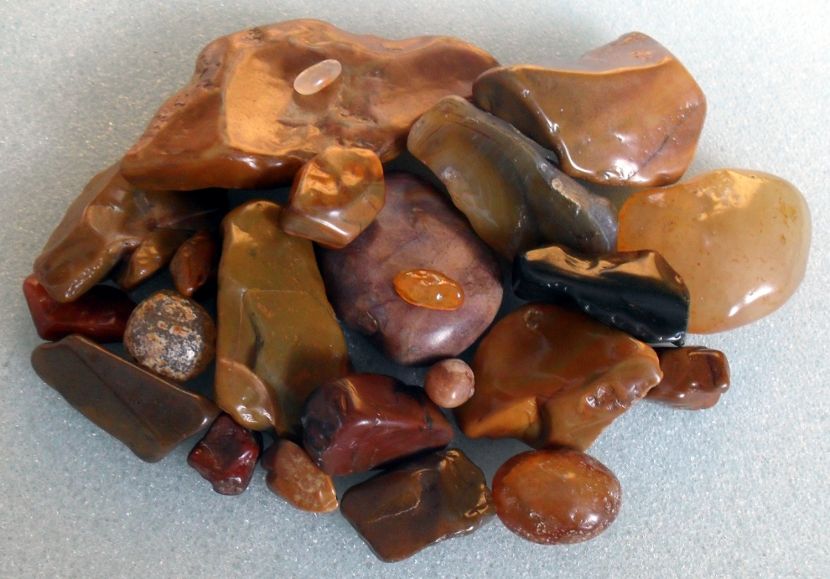
Brown shades of agate are found in South America. The stone is durable. It is used in the jewelry industry, the production of souvenirs, items such as vases and figurines. There is a picture on agate - layers. It is sometimes called the eye because of its resemblance to the eye. Strength - up to 7 points on the Mohs scale, there is a shine that does not differ in brightness. The composition is silica with impurities, there is no transparency.
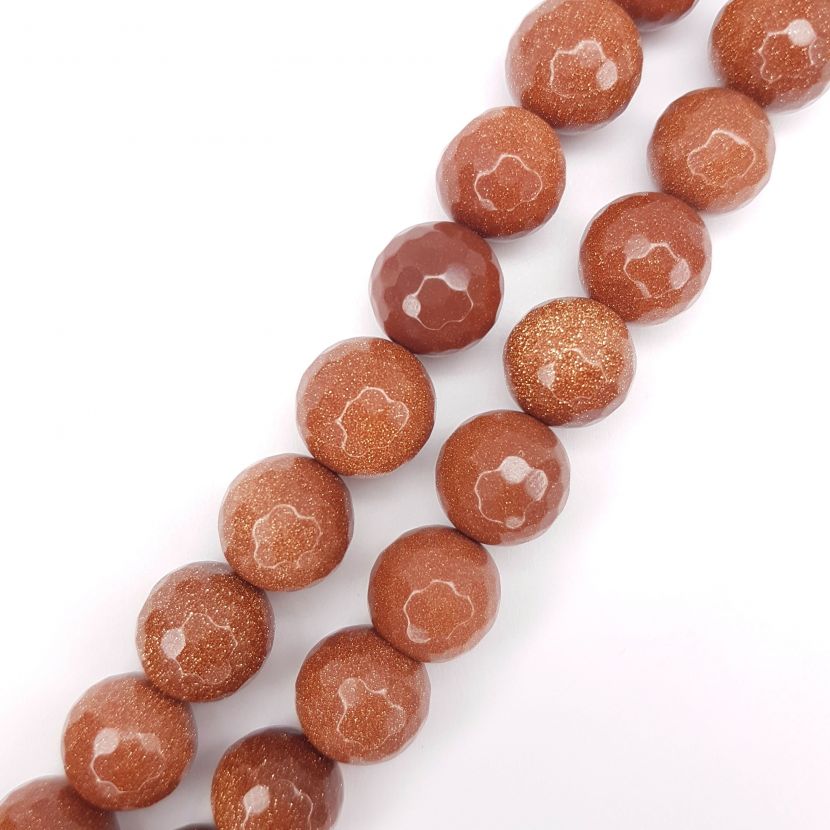
Rauchtopaz
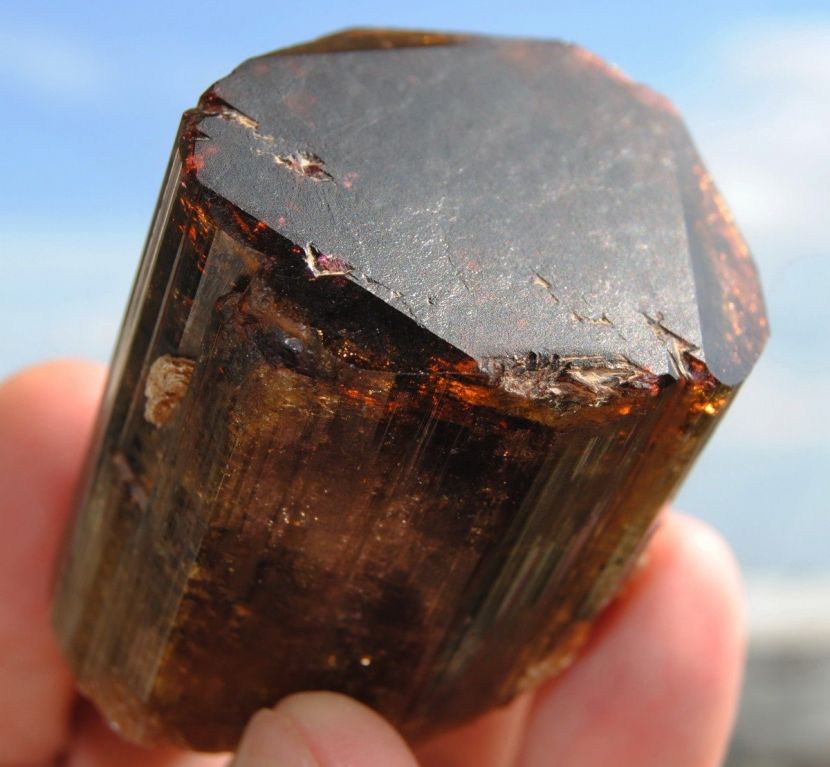
This popular and not so expensive semi-precious stone also has a brown color in variations from faint smoky to dark brown tones. In the crystal, the intensity of the hue increases towards the top. And the color itself is a consequence of the presence of aluminum in the composition.Otherwise called smoky quartz, rauchtopaz has defects in the form of cracks and bubbles, often grouped at the base.
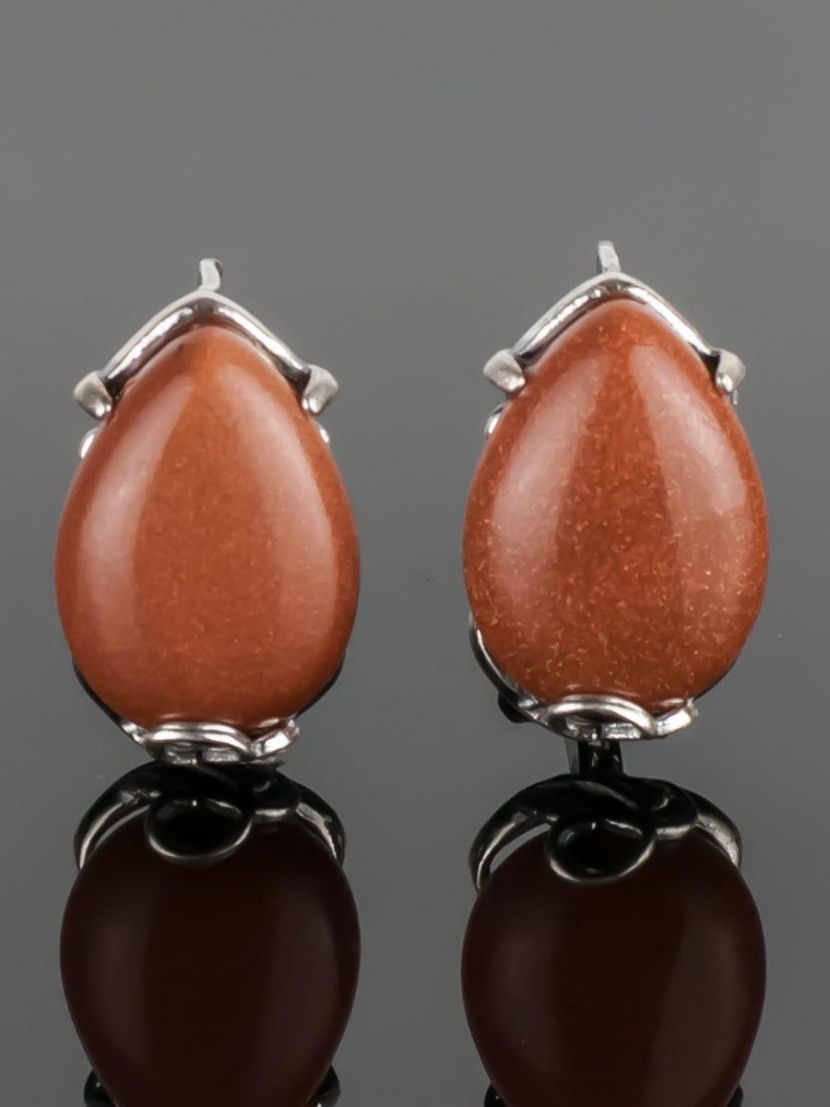
ornamental stones
In such mineral specimens, brown is usually part of a pattern created from several colors. The following list contains examples of such stones.
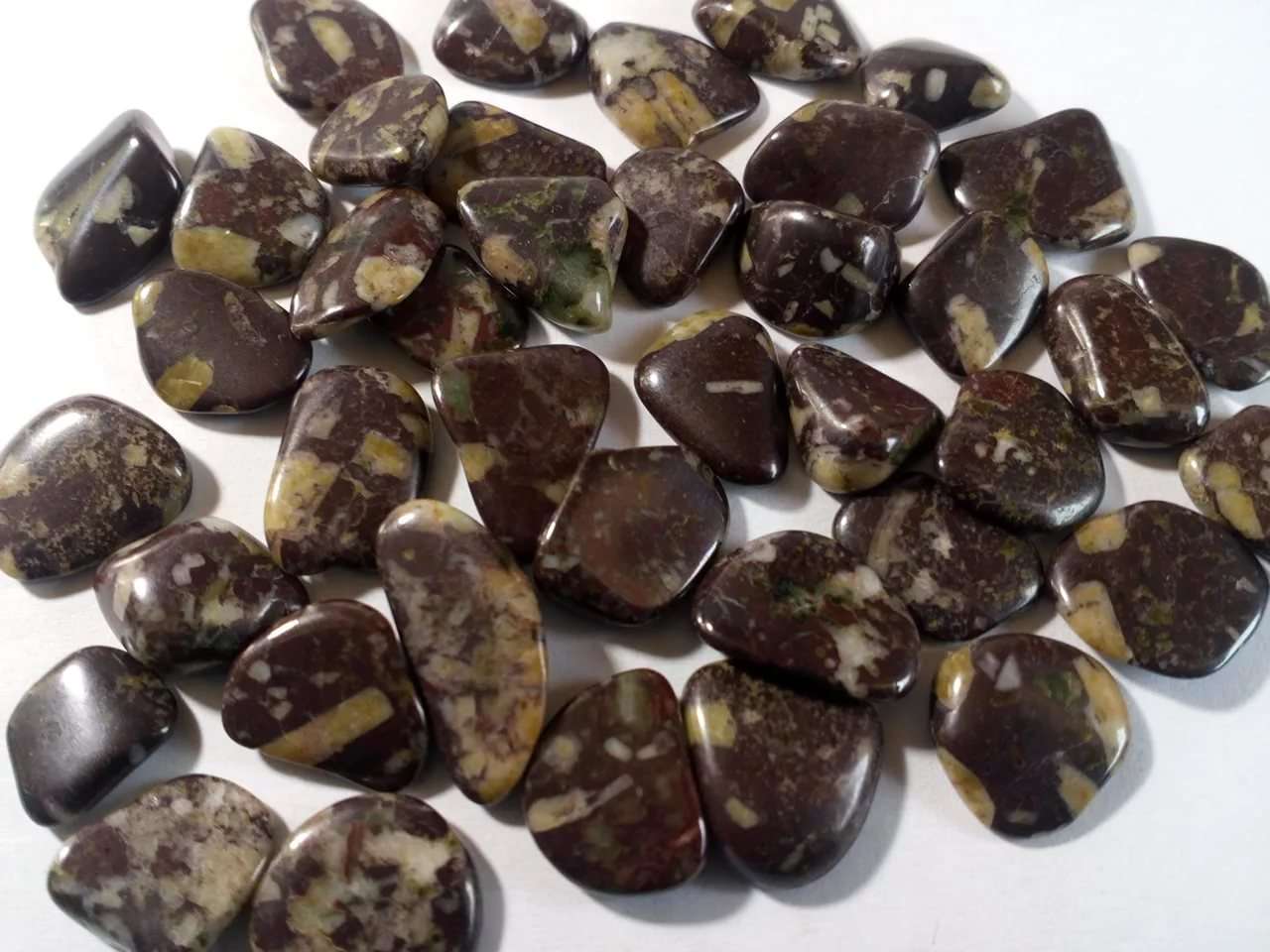
- One of the representatives is jasper, although other colors are more common. In brown specimens, chalcedony, quartz and other impurities predominate. This explains the motley appearance: brown background and spots, stripes, patterns.
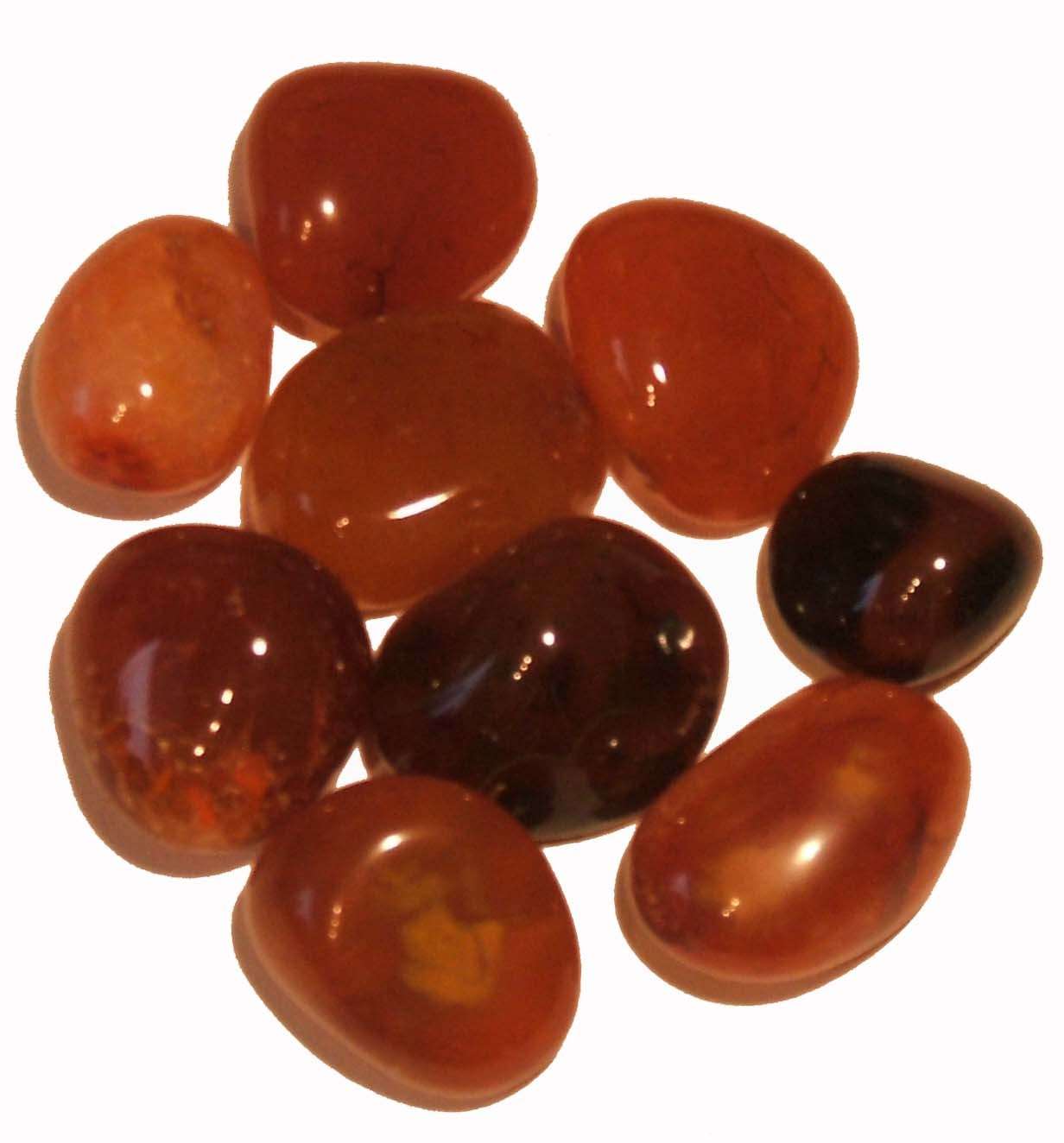
- Sarder is a type of chalcedony. Brown in color, it has a red tint, used for jewelry and other crafts. Basically, it's a carnelian.
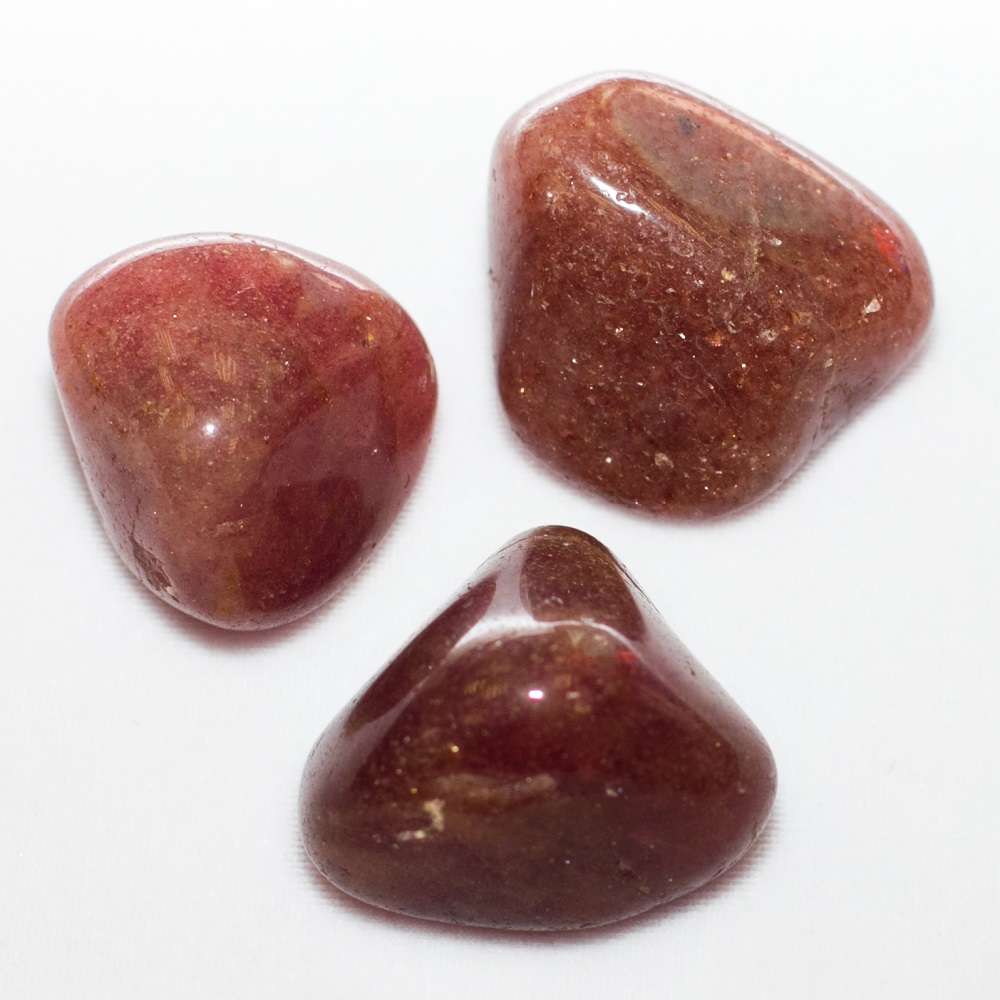
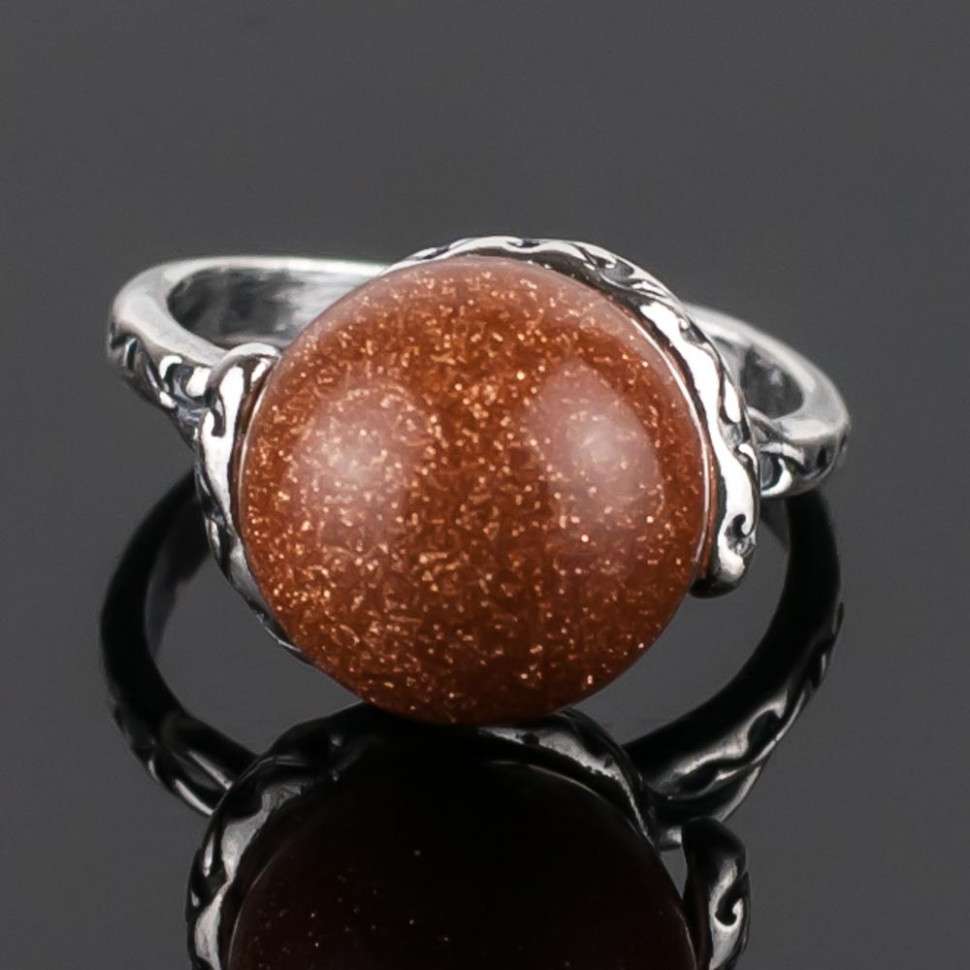
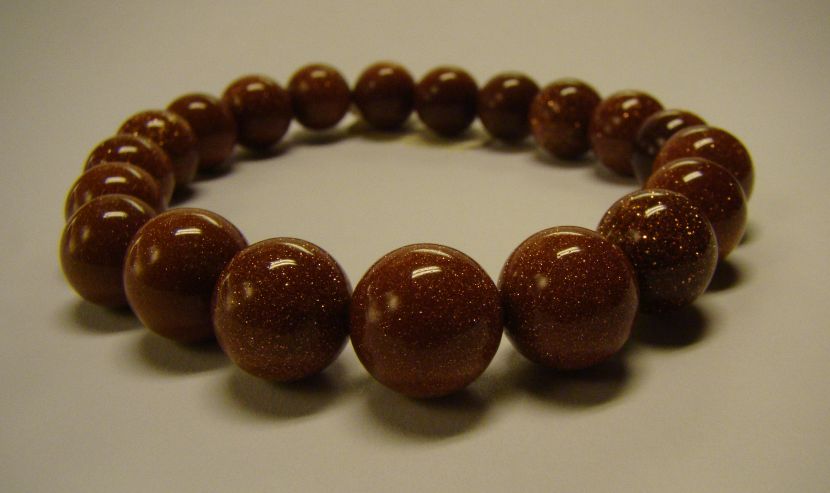
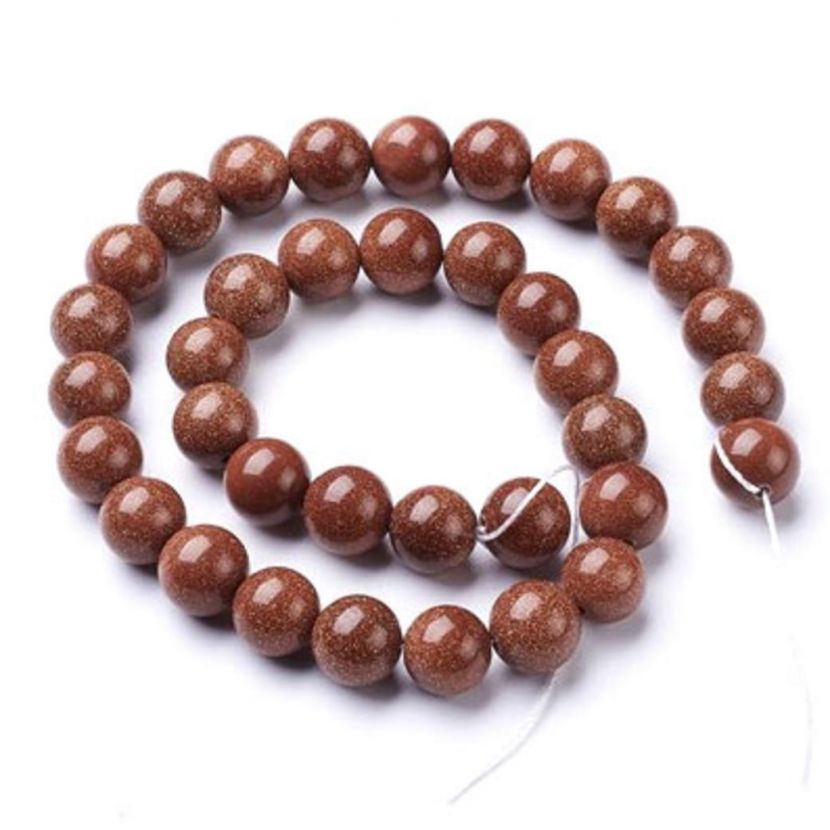
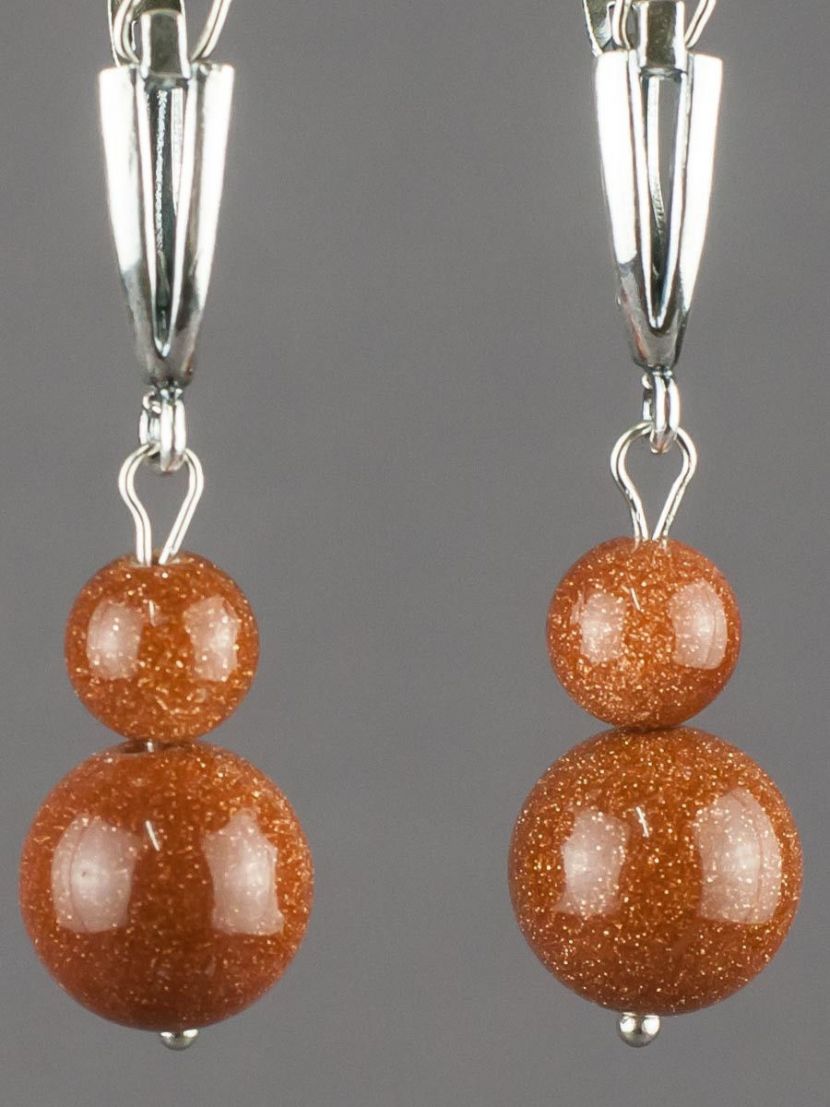
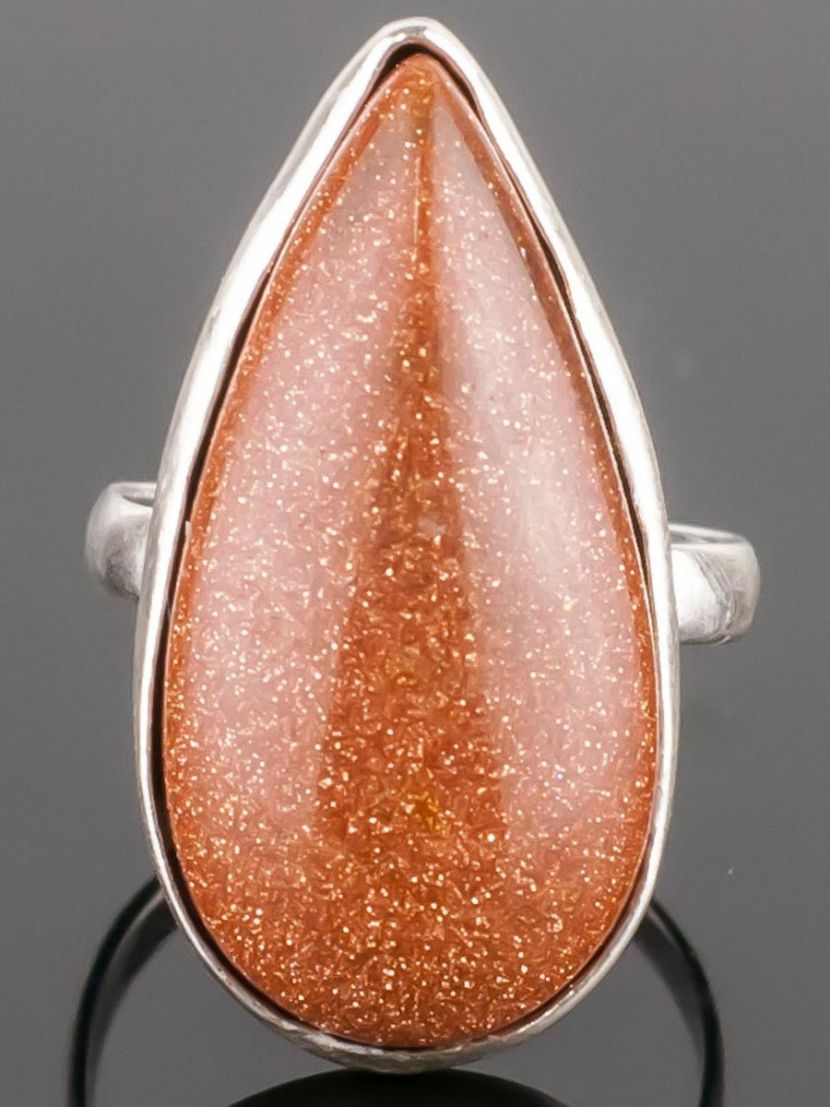
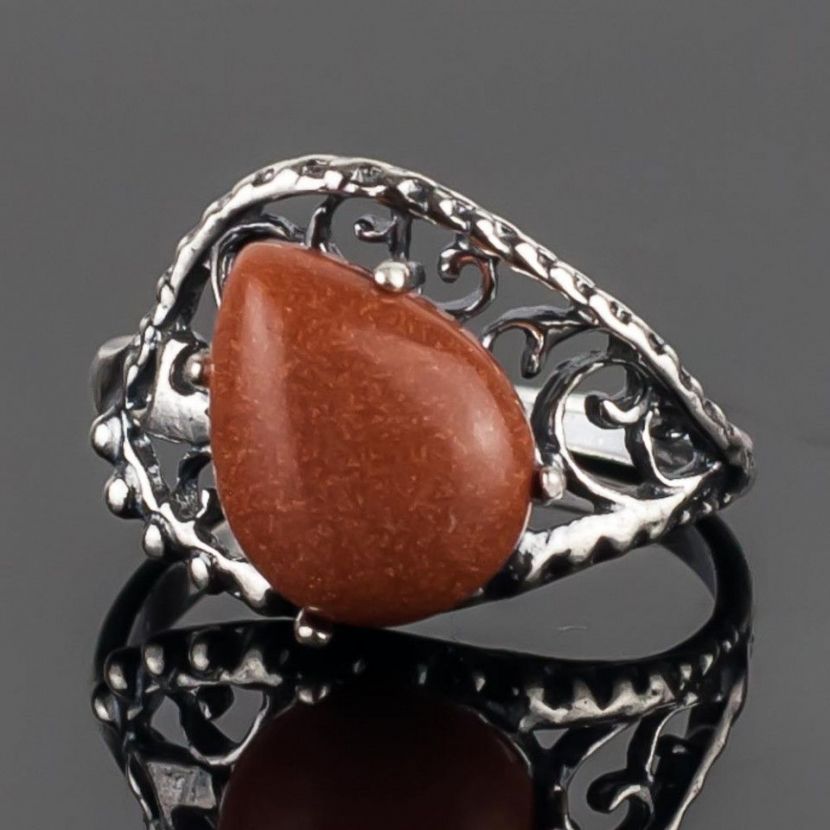
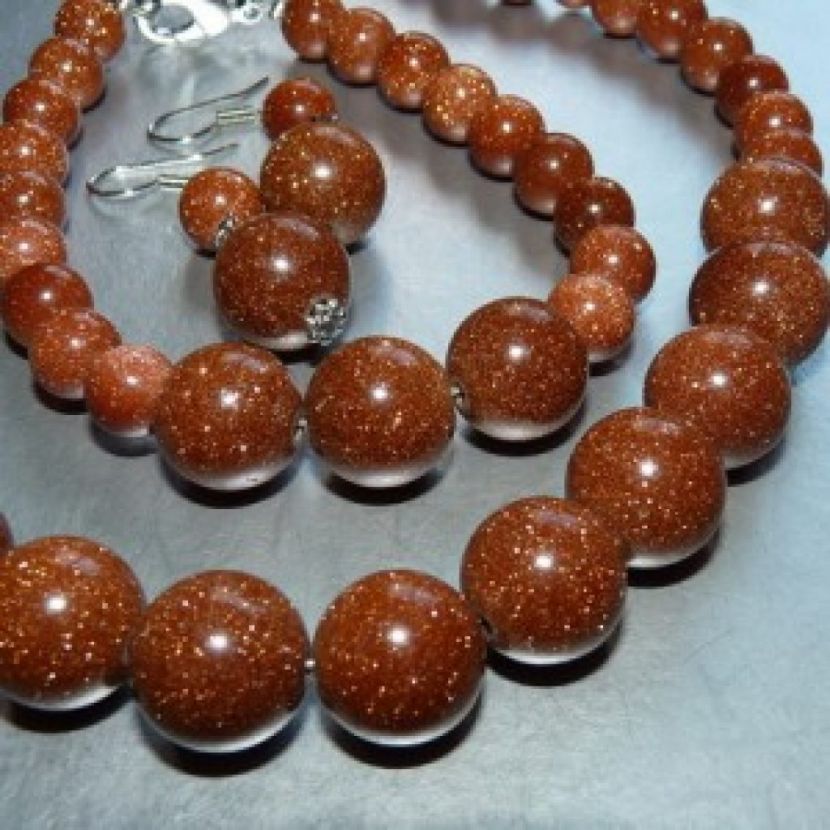
- Aventurine is brown in color. It is a fine-grained rock made up of mica, quartz and other inclusions that give it a luster. There is iron in the cracks. In our country, it was mined in the Urals, although now the volume of development has decreased.
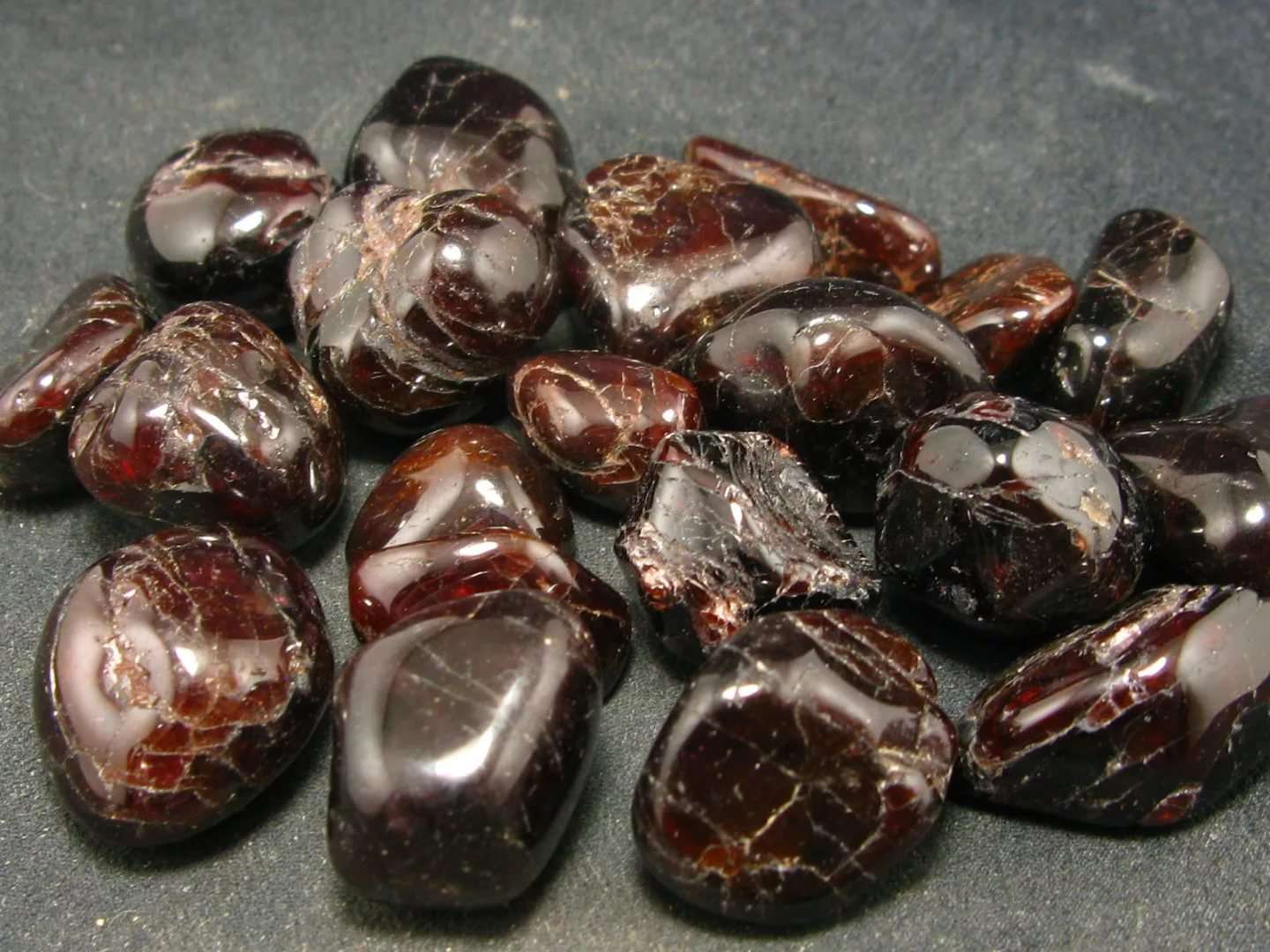
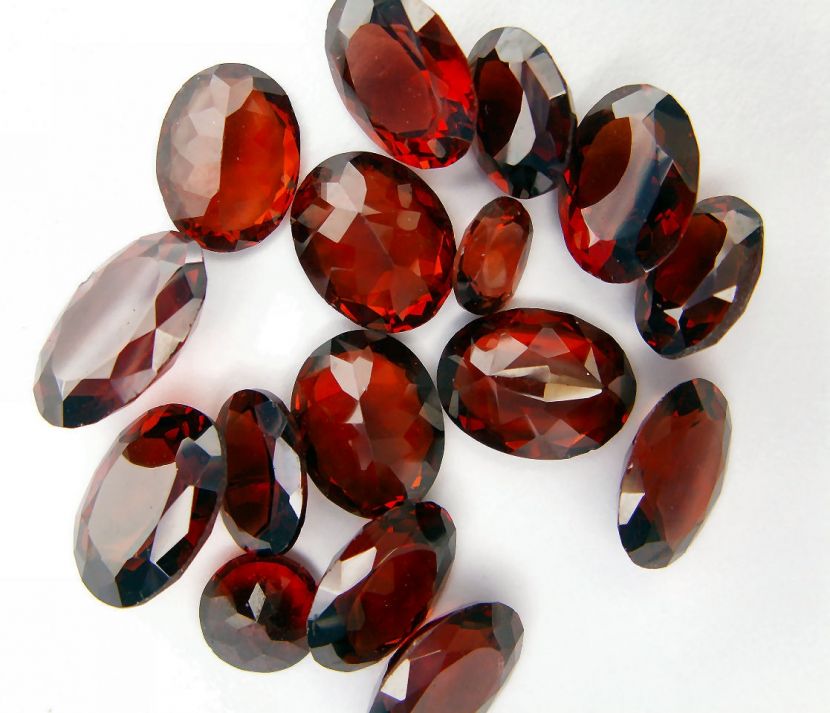
- Allochroite refers to garnets, which are also brown, while the stones have different values. In the case of such a color, the sample is classified as ornamental stones. In Norway, the mineral is associated with trolls, which is why they make things from it for the house, such as candlesticks.
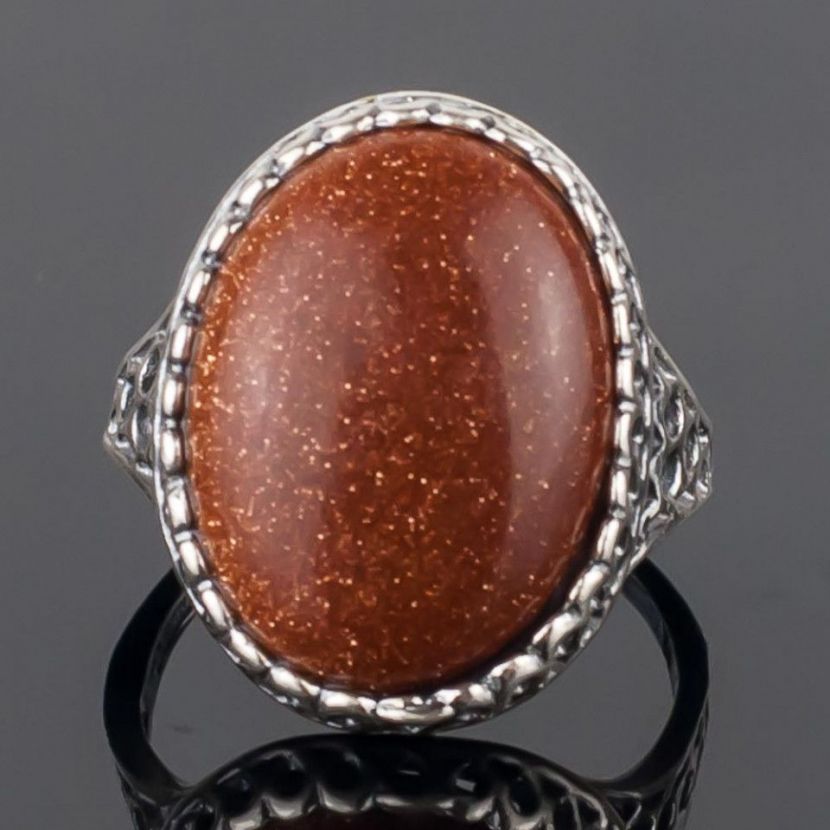
Application
Brown minerals have been used in various fields. First of all, according to tradition, jewelry is made of precious stones. Each species has its own characteristics. For example:
- opal is fragile, as a result of which it needs a protective frame;
- pearls must be carefully handled and stored carefully;
- rauchtopaz is used to make pendants and rings, looks great in silver and gold.
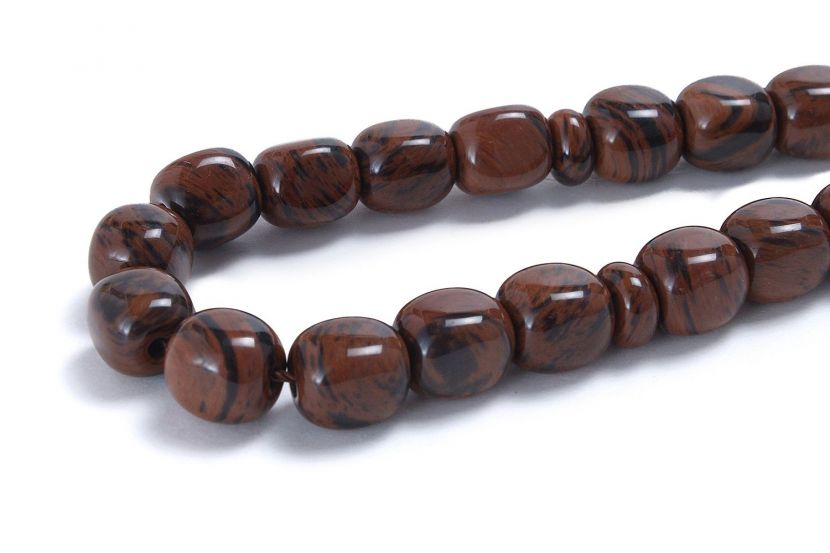
Brown materials are also decorative items: vases, coasters. Some materials are used in construction. Jasper is used for finishing boards for interiors.
Properties
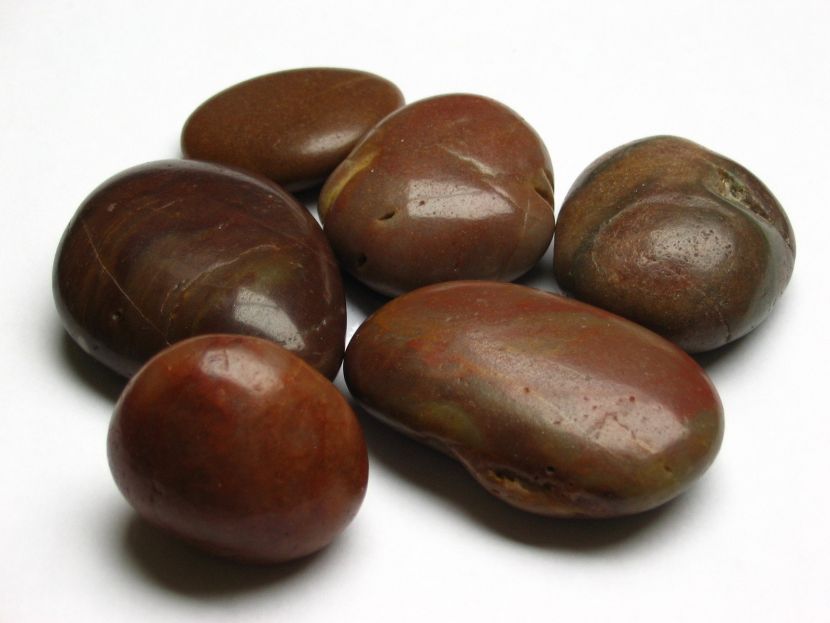
With a variety of chemical and physical parameters, brown stones have been used in magic and healing since historical times. Each person has their own preferences. But it is recommended to choose copies of light shades to get a beneficial effect.
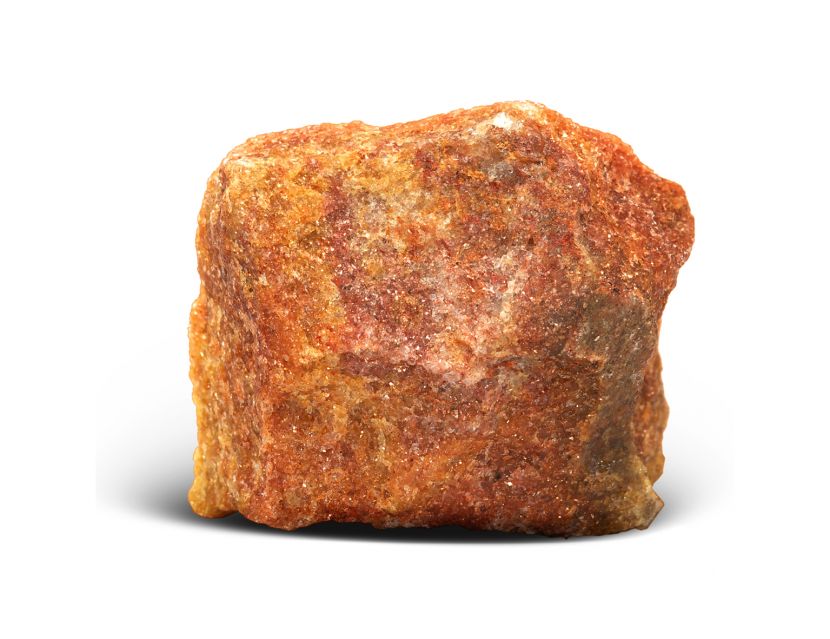
Therapeutic effect
Lithotherapists consider brown gems to have healing qualities. They are able to restore power. Even in ancient times, people believed in it. When used for medicinal purposes, it is important to observe a sense of proportion. After all, a large number of brown stones can have a depressing effect on consciousness. The ability to heal is attributed to both precious and ornamental minerals of this color:
- vision improves;
- the cardiovascular system is strengthened;
- immunity increases;
- a person becomes calm, acquires balance.
Wearing a healing amulet for too long is not recommended. For example, an emotional person can become indifferent to the environment.
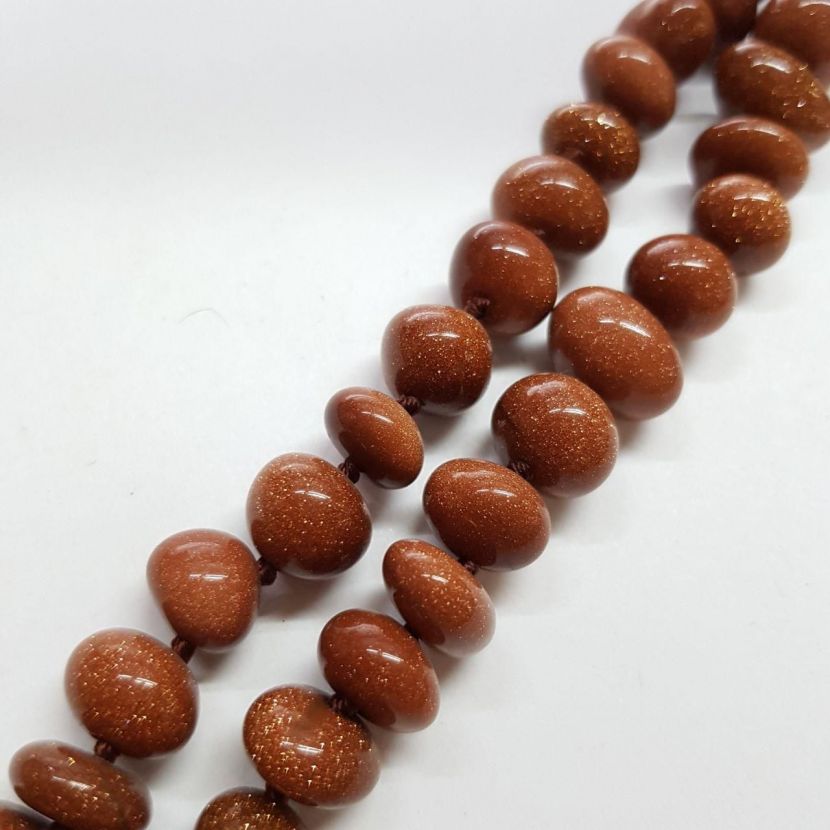
magical properties
The main magical quality of brown stones is that they stimulate the acquisition of knowledge. They also help to learn new things and achieve success in their profession. The owner gets a sense of security. All brown stones can also have the following beneficial effects:
- help to keep a straight face in a number of uncomfortable circumstances;
- encourage promotion.
If we take specific examples of influences, agate is credited with the ability to distinguish between good and evil deeds, even in circumstances where intentions are hidden. Diamond creates a mood, onyx, jasper protect from negativity from the outside. Amber helps to quickly achieve goals.You should not wear such talismans for a long time, this can negatively affect a person’s optimism, gives gloominess.
Eventually
Brown stones as decorations do not look so catchy, but solid, so they make excellent products. The owner counts on success when he acquires such things. It is possible that minerals are associated with this kind of luck.
Photo of brown stones