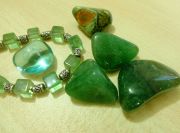
The most famous and popular types of stones: varieties, precious, semi-precious, ornamental minerals, photo
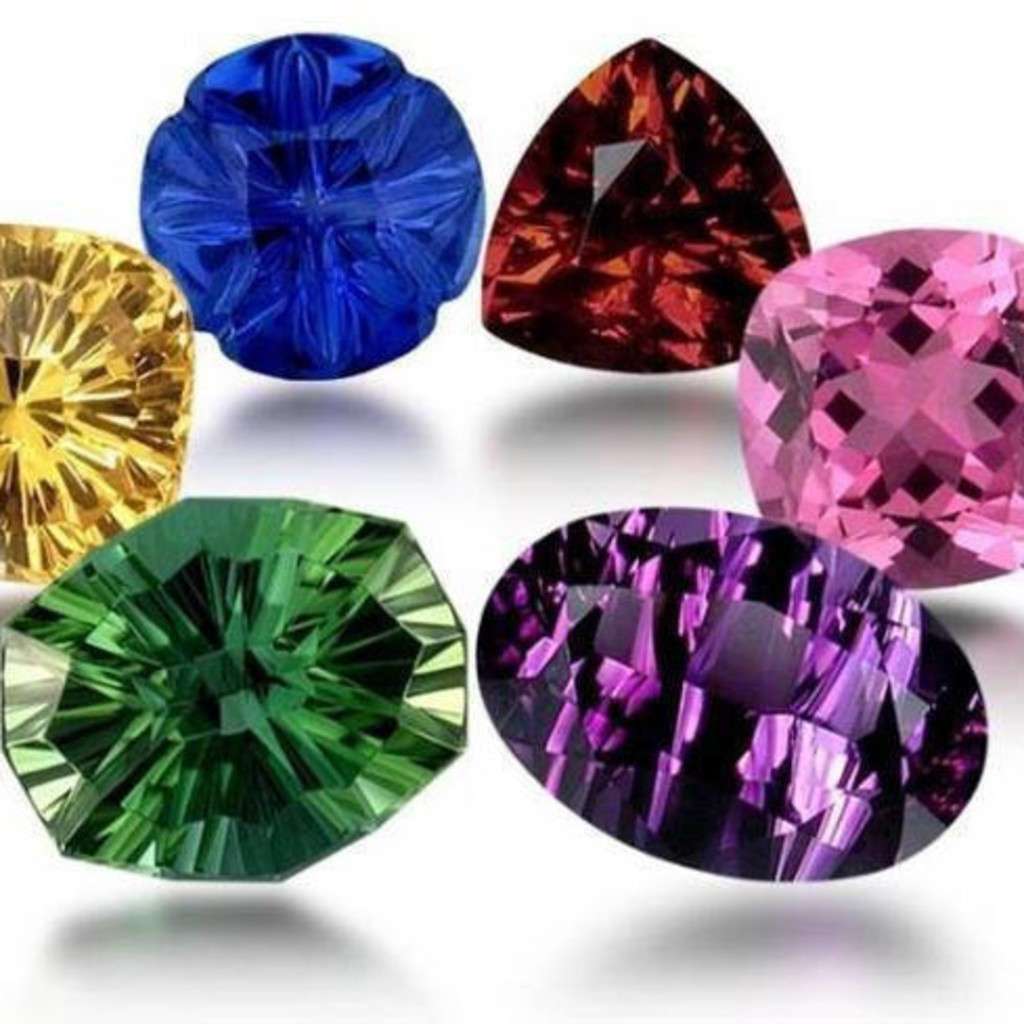
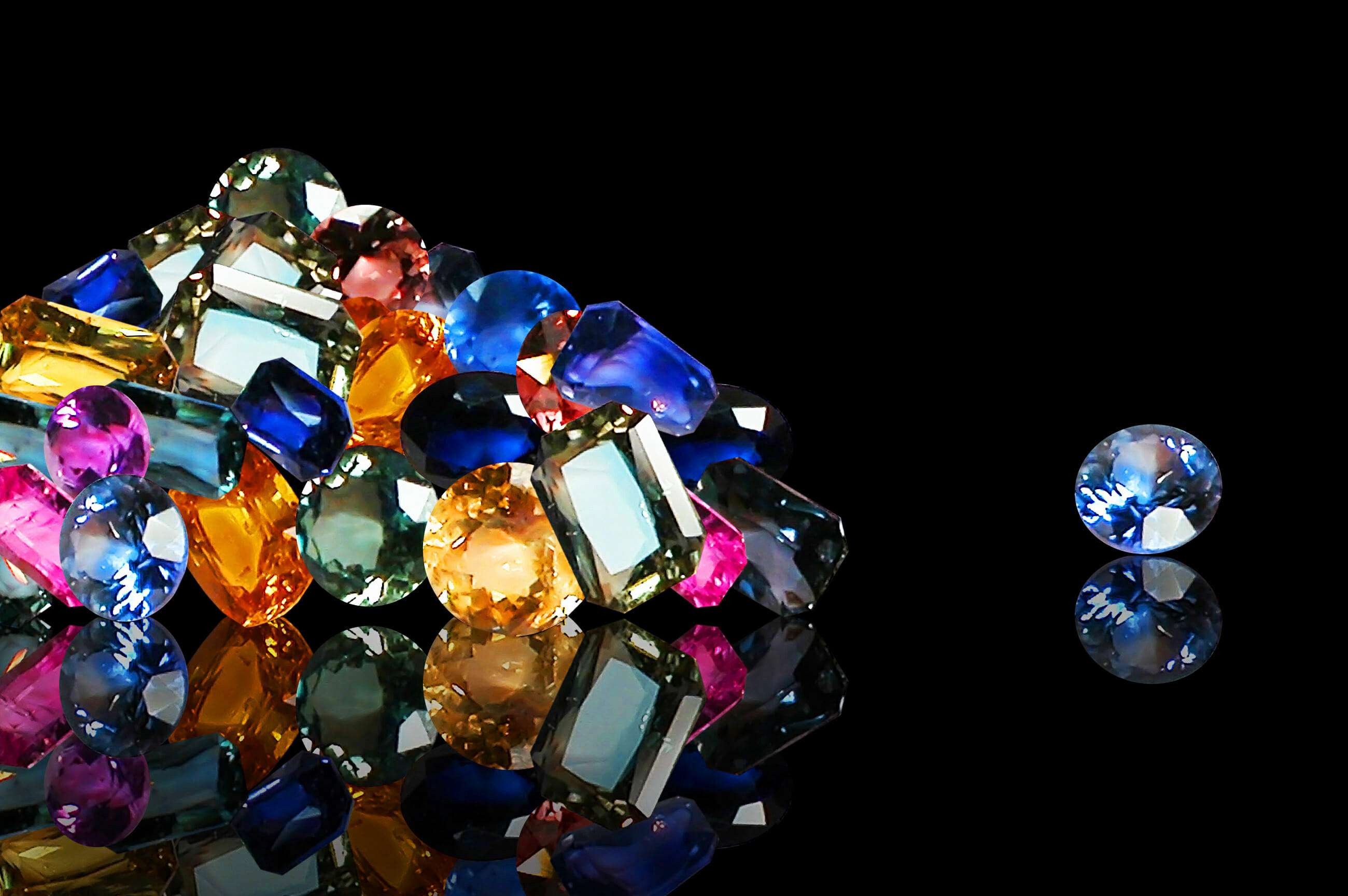
Stones are different - from the ubiquitous limestone to the incredibly expensive and brilliant diamond. The palette of minerals is rich in chemical structure, physical properties and external characteristics, as well as in areas of application. Gems differ in cost, rarity, unique external characteristics. Humanity has attributed healing and magical properties to these stones from the very beginning of time.
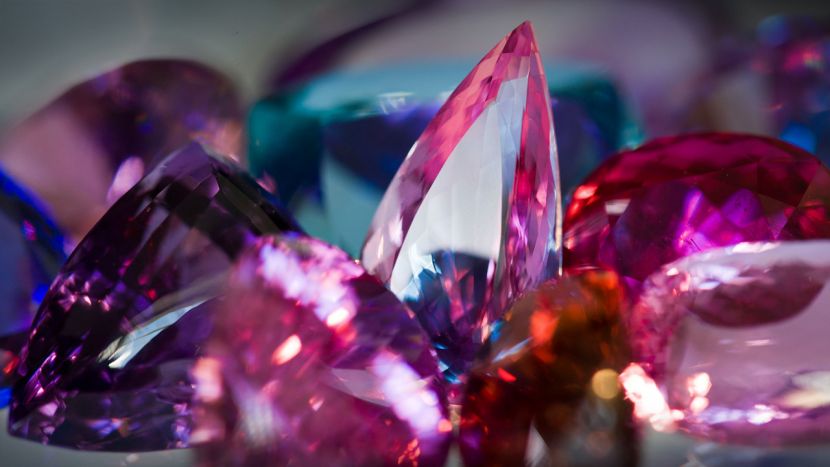
Sooner or later, a person began to create artificial analogues of already existing minerals, which sometimes surpass their prototypes in quality.
Properties of stones
From the point of view of physics
When describing a stone, scientists characterize it according to the following features:
- Color;
- Surface;
- Weight;
- Structure;
- Transparency;
- sustainability;
- Density;
- fragility;
- Shine;
And also many others.
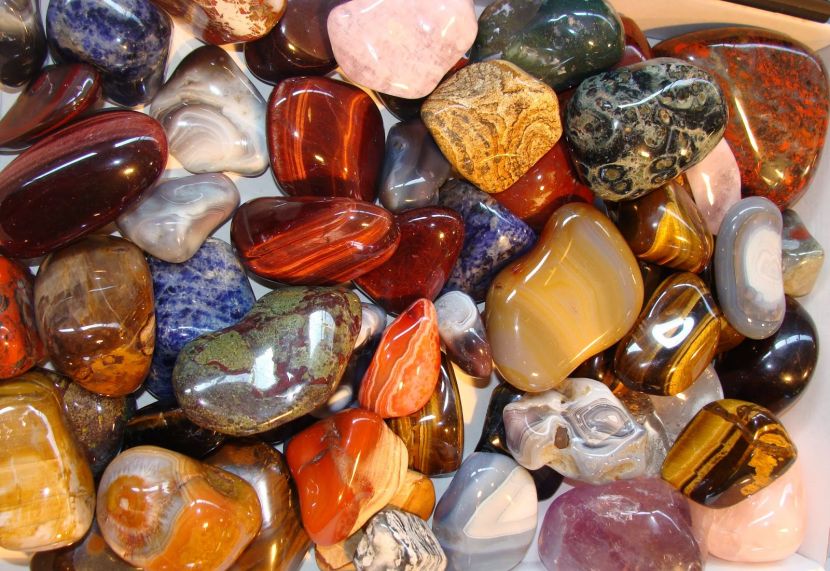
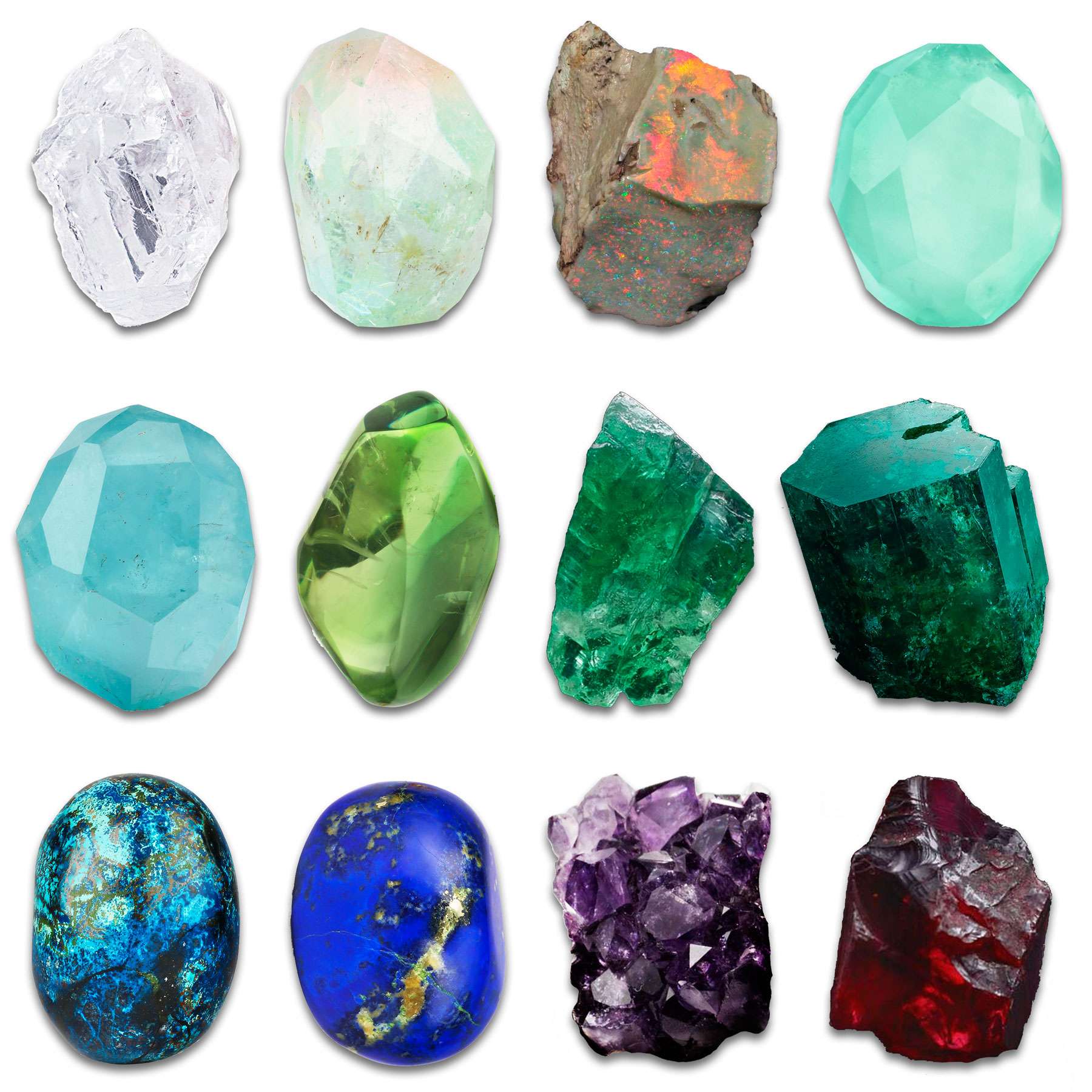
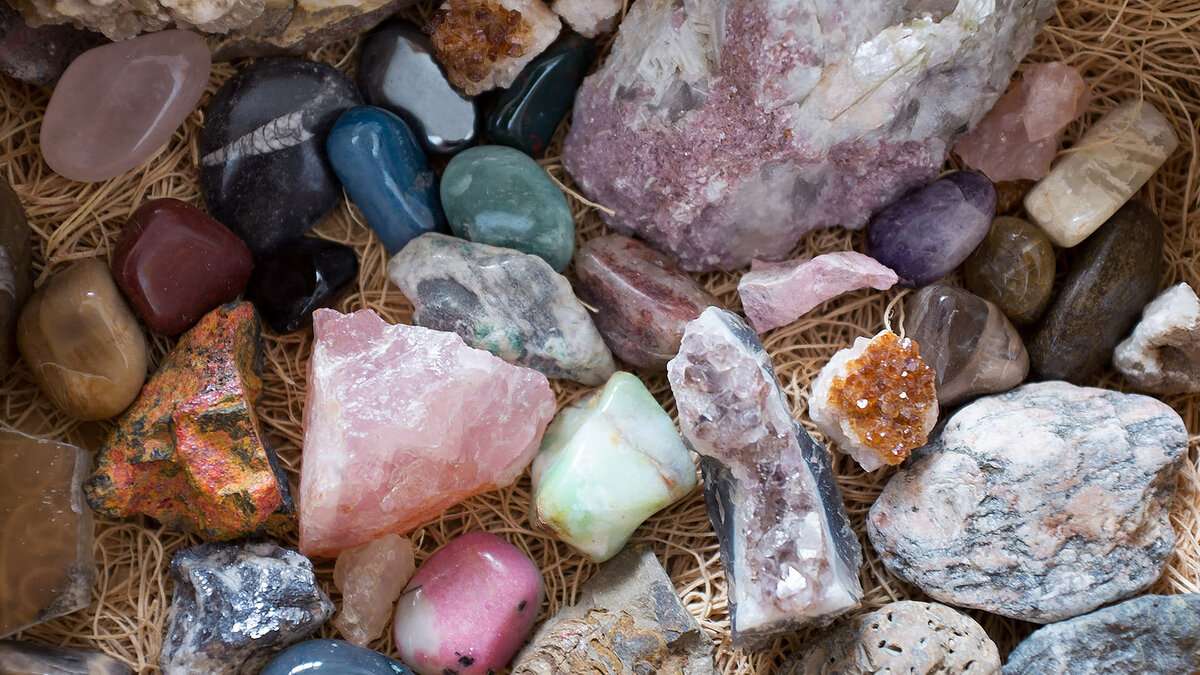
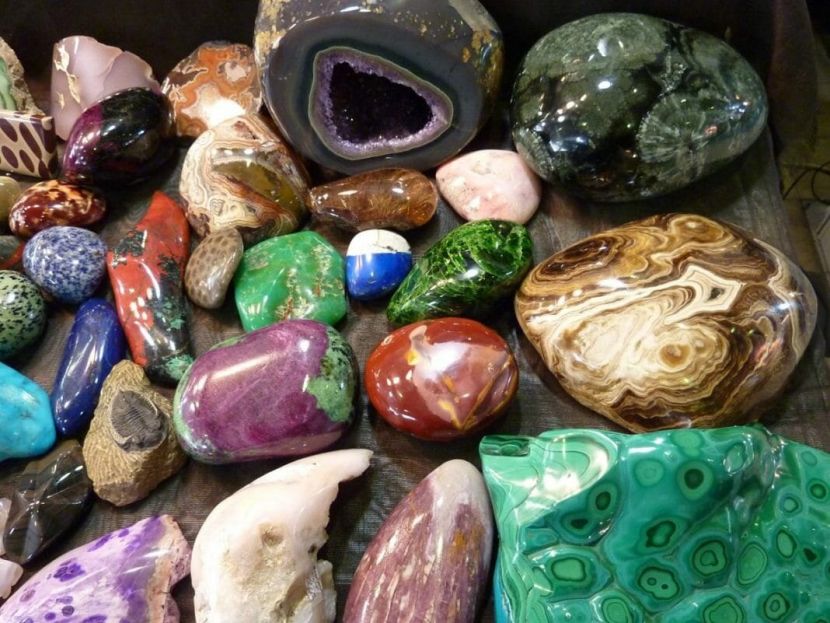
Stones come in all colors and shades, and some even have a unique texture or pattern.
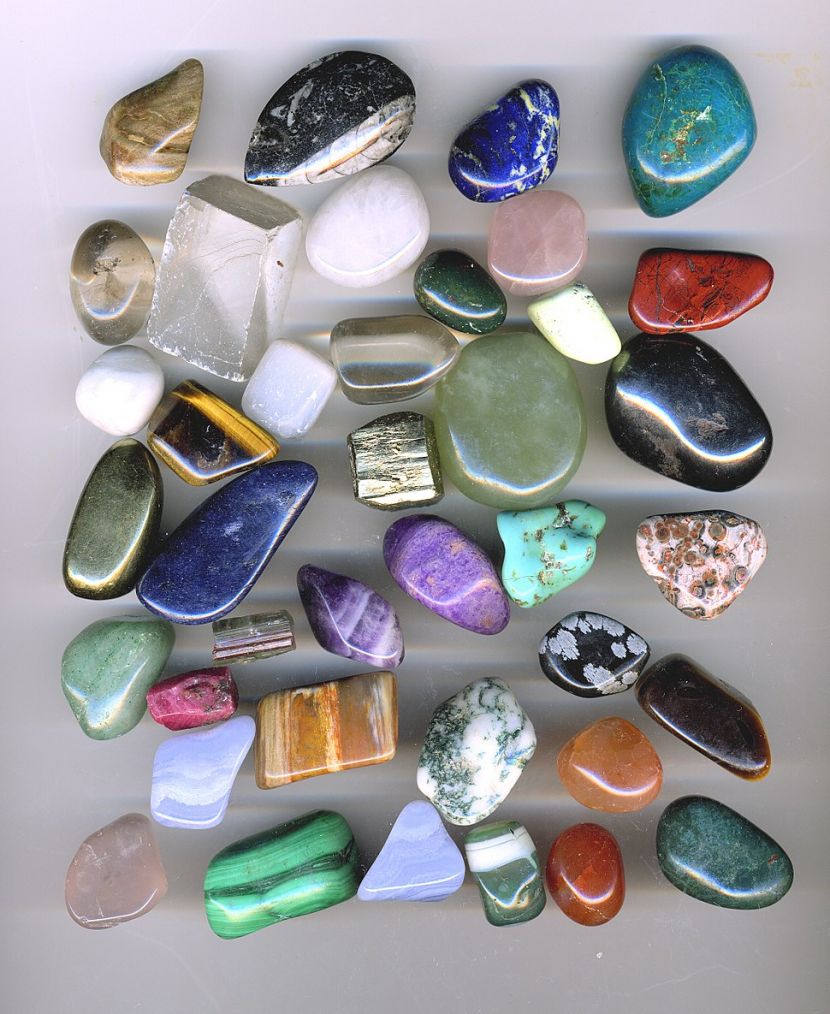
Minerals can be rough or smooth, heavy or brittle, homogeneous or with impurities. Also, stones are used for various purposes, for example, some stones are used for jewelry, and others for construction. So, for example, granite and limestone are very durable and resistant to acids.
In terms of chemistry
Each mineral has a particular chemical composition, but often objects.The phenomenon of allotropy is also possible - different properties of objects with the same elemental composition. The most striking example is diamond and graphite, whose formula is written with only one letter - "C" (carbon). Diamond is transparent, lustrous, and top of the Mohs hardness scale, while graphite is a soft, free-flowing, black material. It's all about the structure and crystal lattice, in diamond it is cubic in shape.
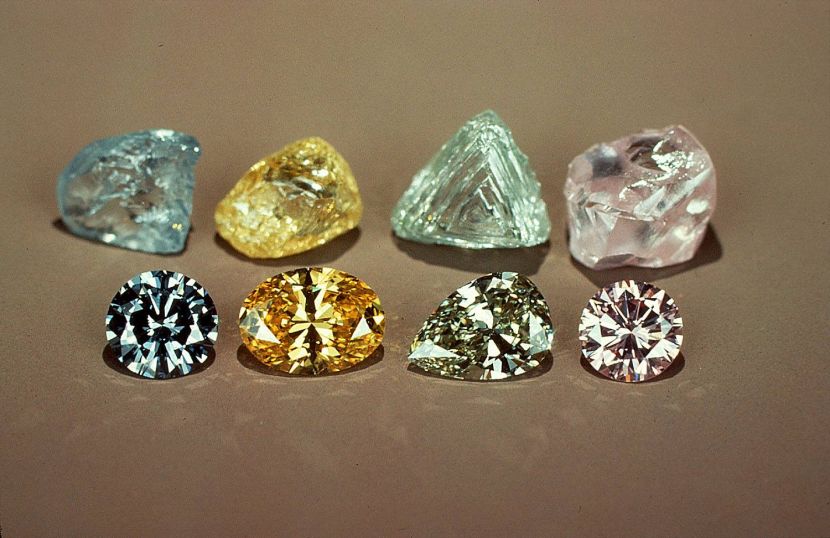
Minerals often consist of metal salts and oxides, but other compounds may occur. Some stones are of organic origin - pearls, ammolite, jet, amber.
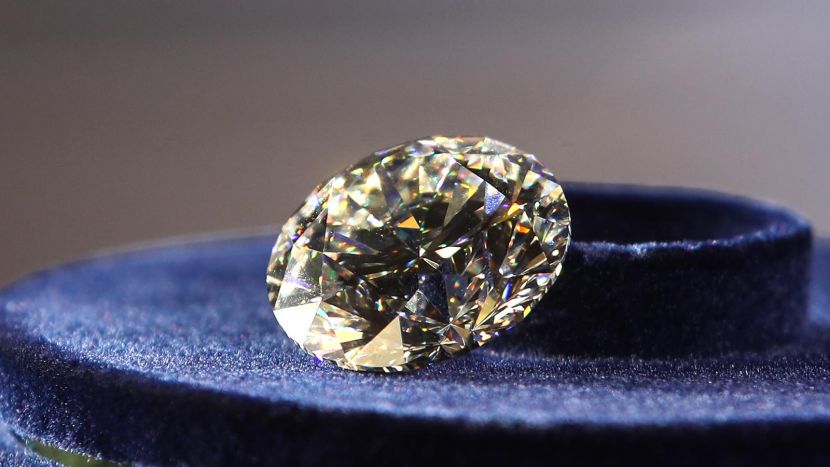
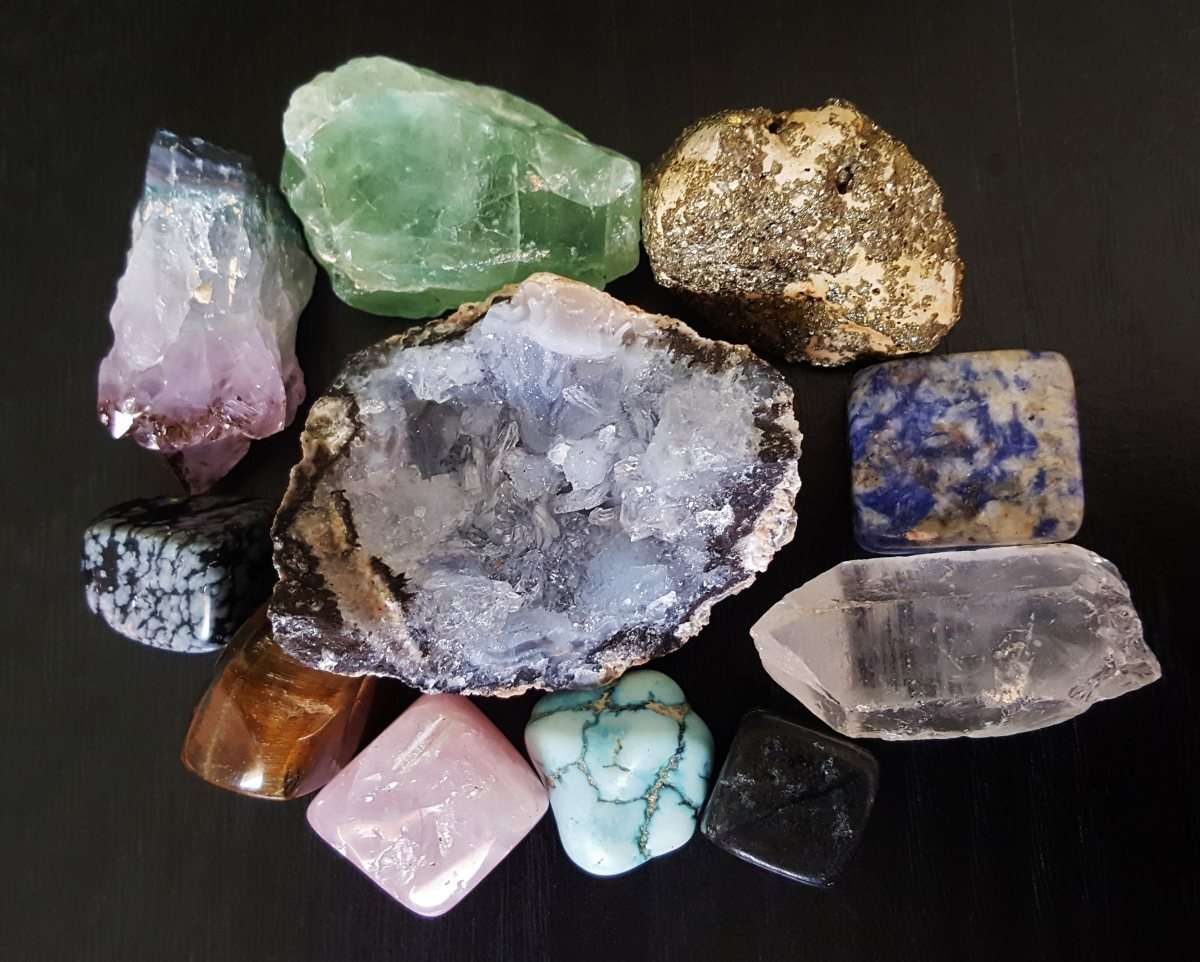
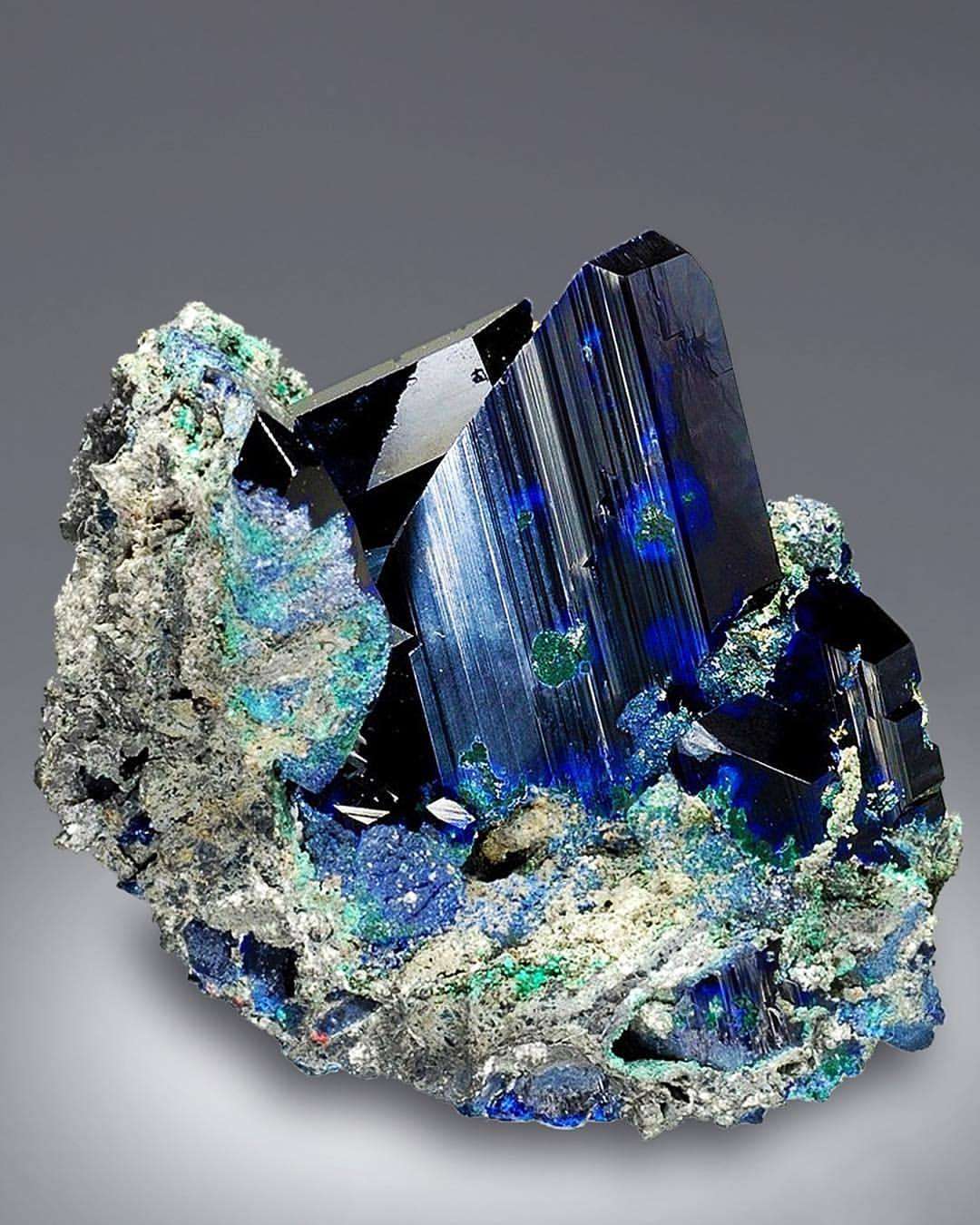
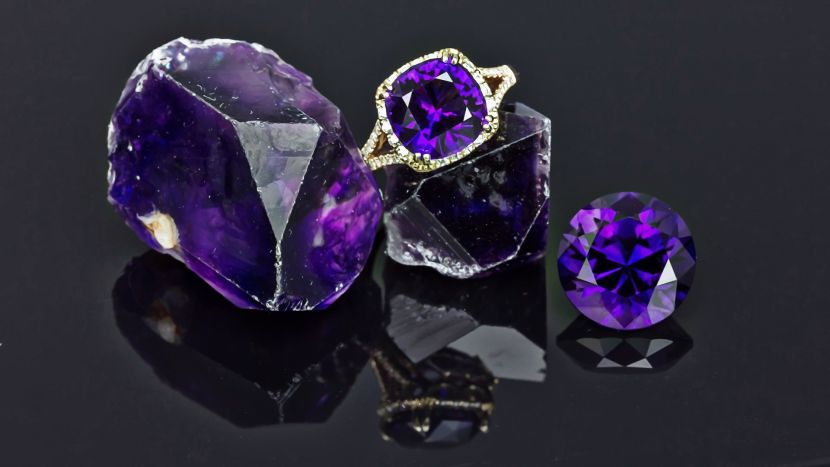
Even though some minerals may have the same basic composition, they will differ due to the presence of different impurities. Suppose quartz is a common polymorph of silicon dioxide. Although unpretentious in appearance, this simple and common stone has a rich palette of varieties, and some of them can be rare and valuable. If all impurities are “removed” from an ordinary piece of quartz, it will be rock crystal. With oxides of ferrous iron, quartz becomes purple amethyst, and with the presence of ferric iron - yellow citrine. In nature, there are even "fusions" of citrine and amethyst - ametrines.
Classifications
Origin
Natural
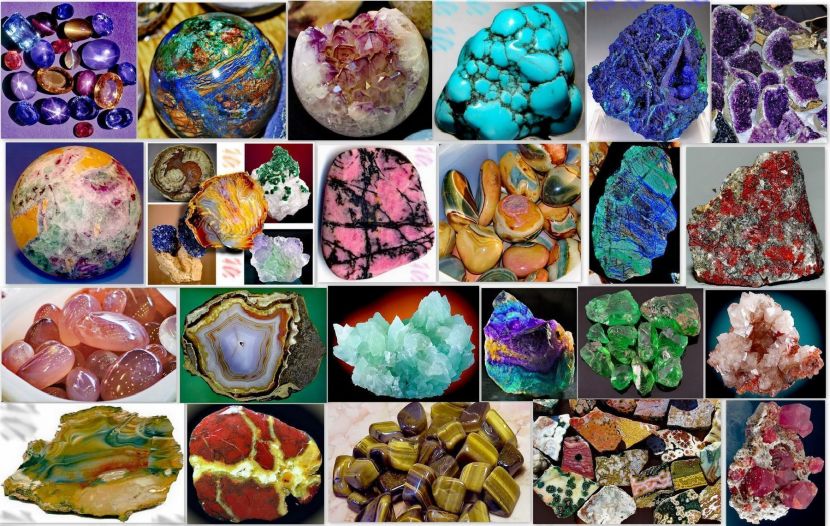
Most minerals are of natural origin, their diversity is amazing. They are used everywhere, and the most common (jasper, basalt, granite, sandstone, marble) are the material for construction and landscape design.
artificial
Synthetic minerals are created in the laboratory, so they cannot be found in nature. Some stones are created from scratch, and some are based on an already existing mineral.They are widely used in construction, where a lot of the same type of material is required.

Synthetic stones fall into the following categories:
- Cast marble;
- polyester;
- Acrylic;
- quartz agglomerates.
By Application
Precious
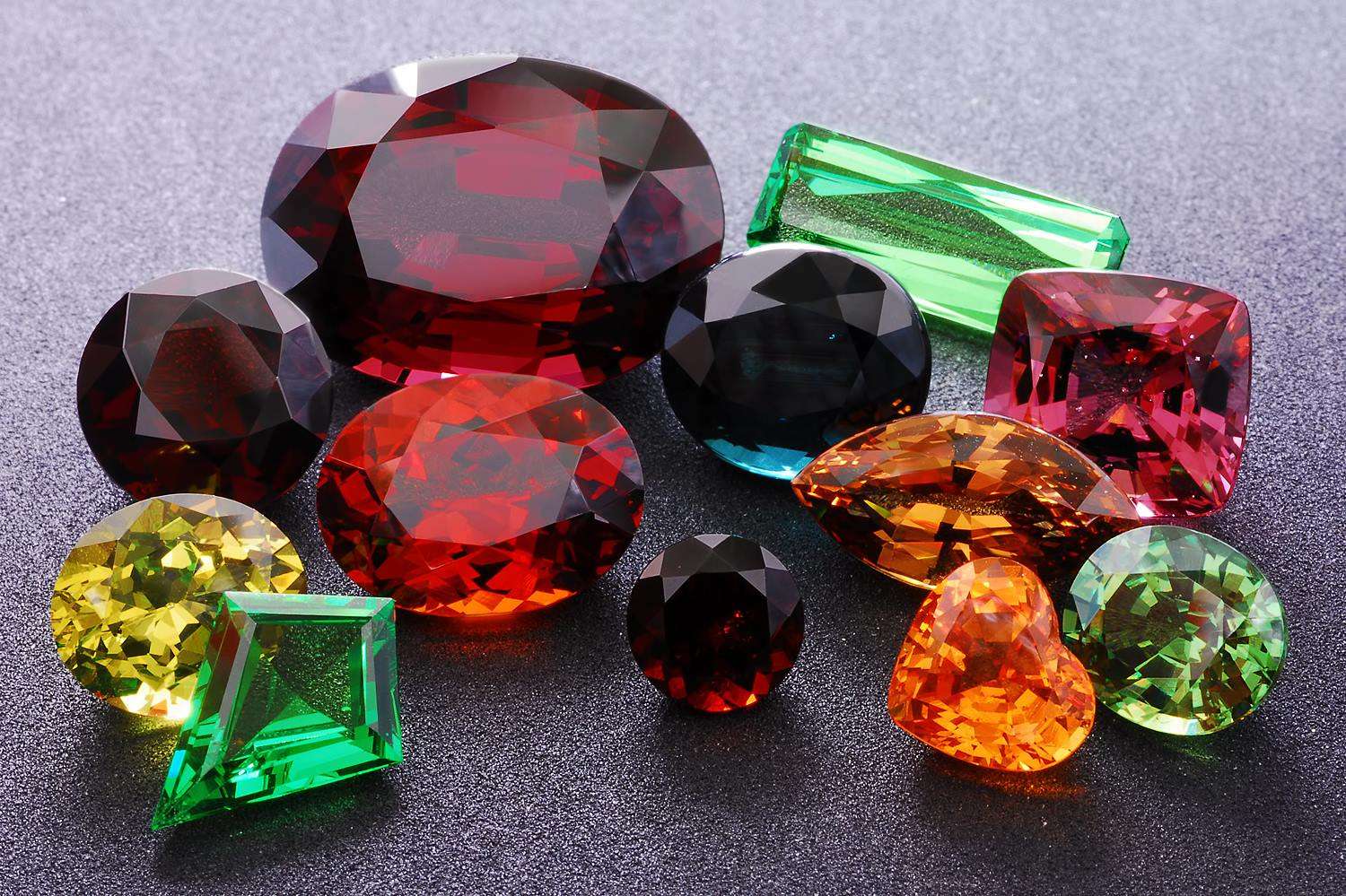
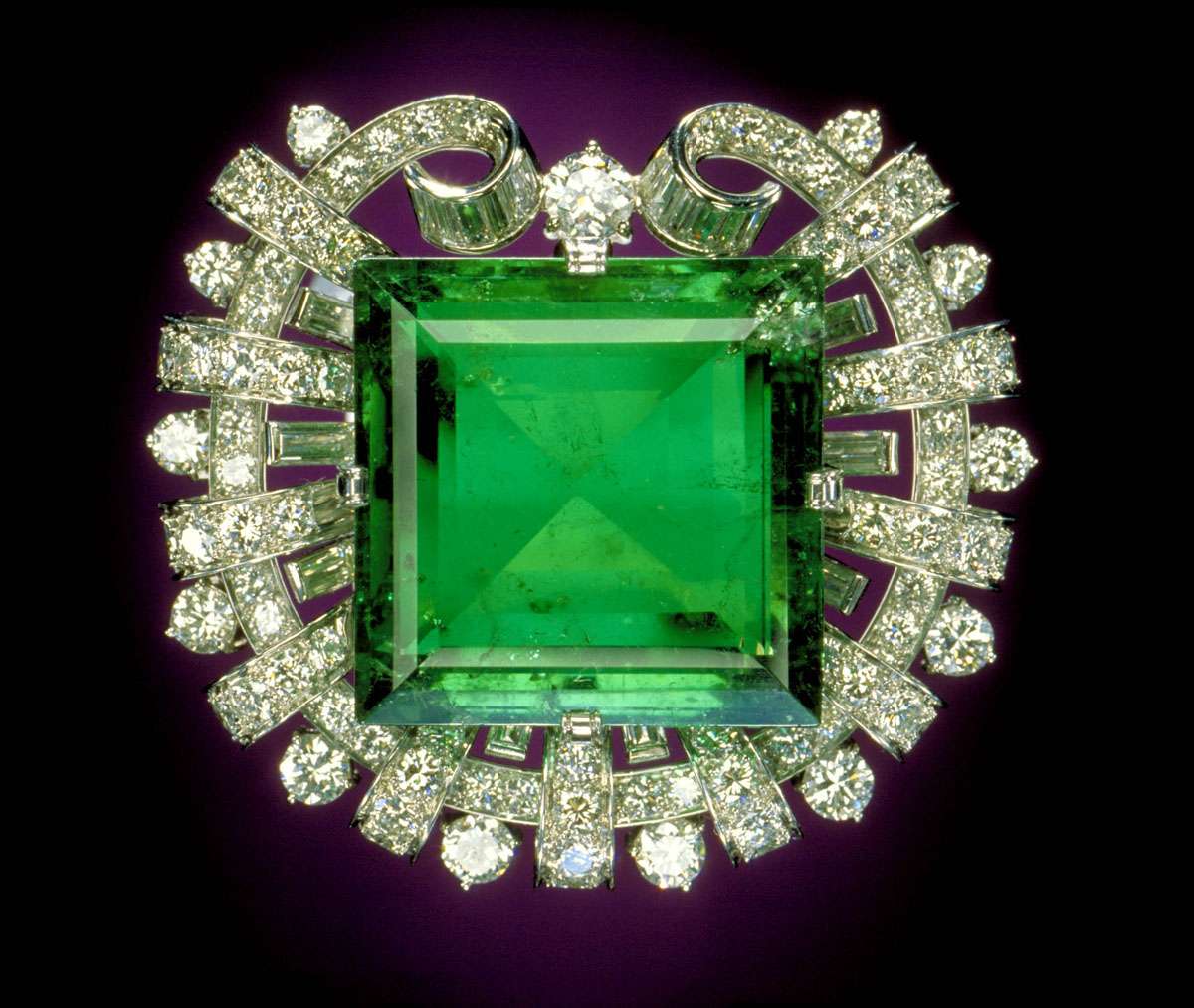
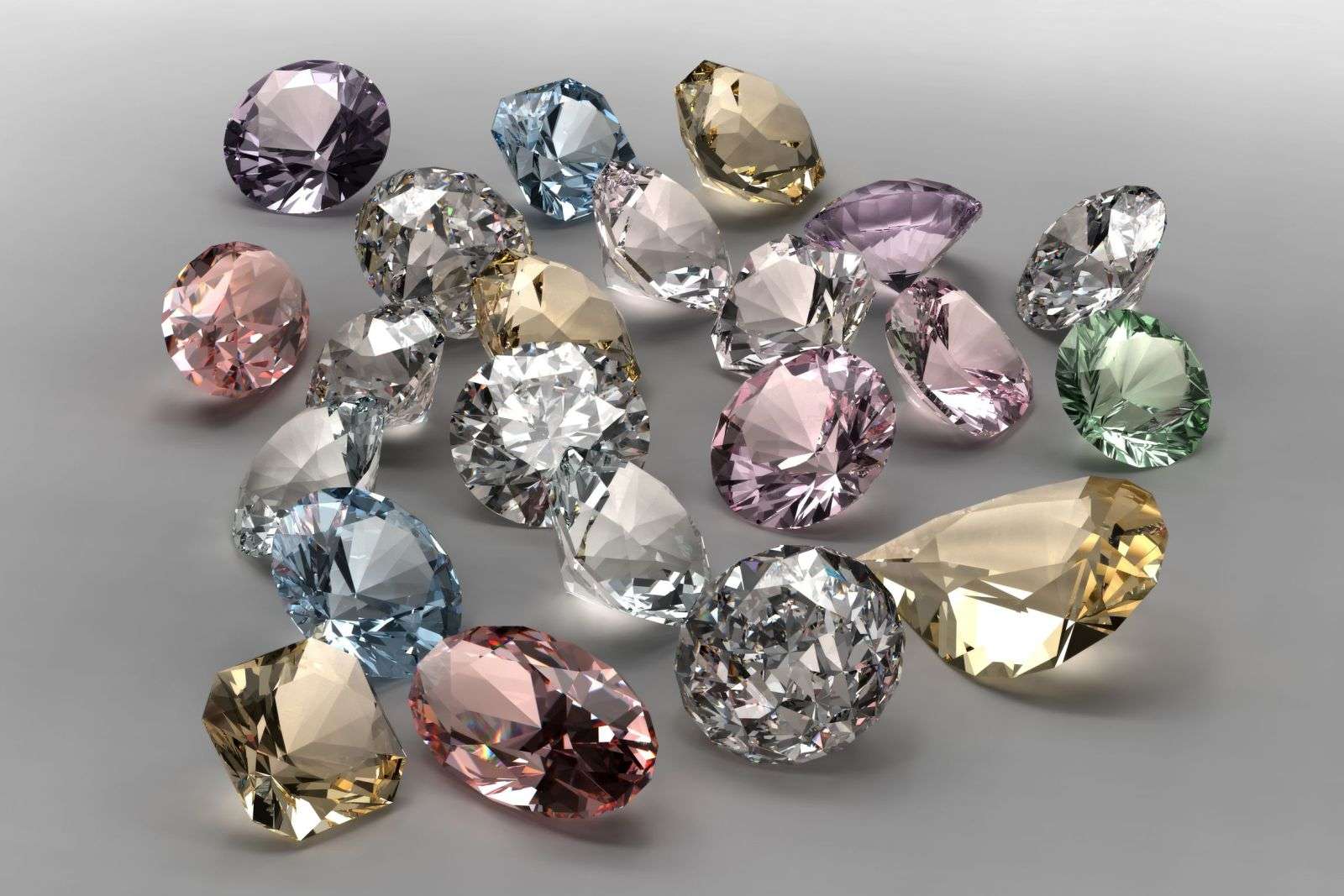
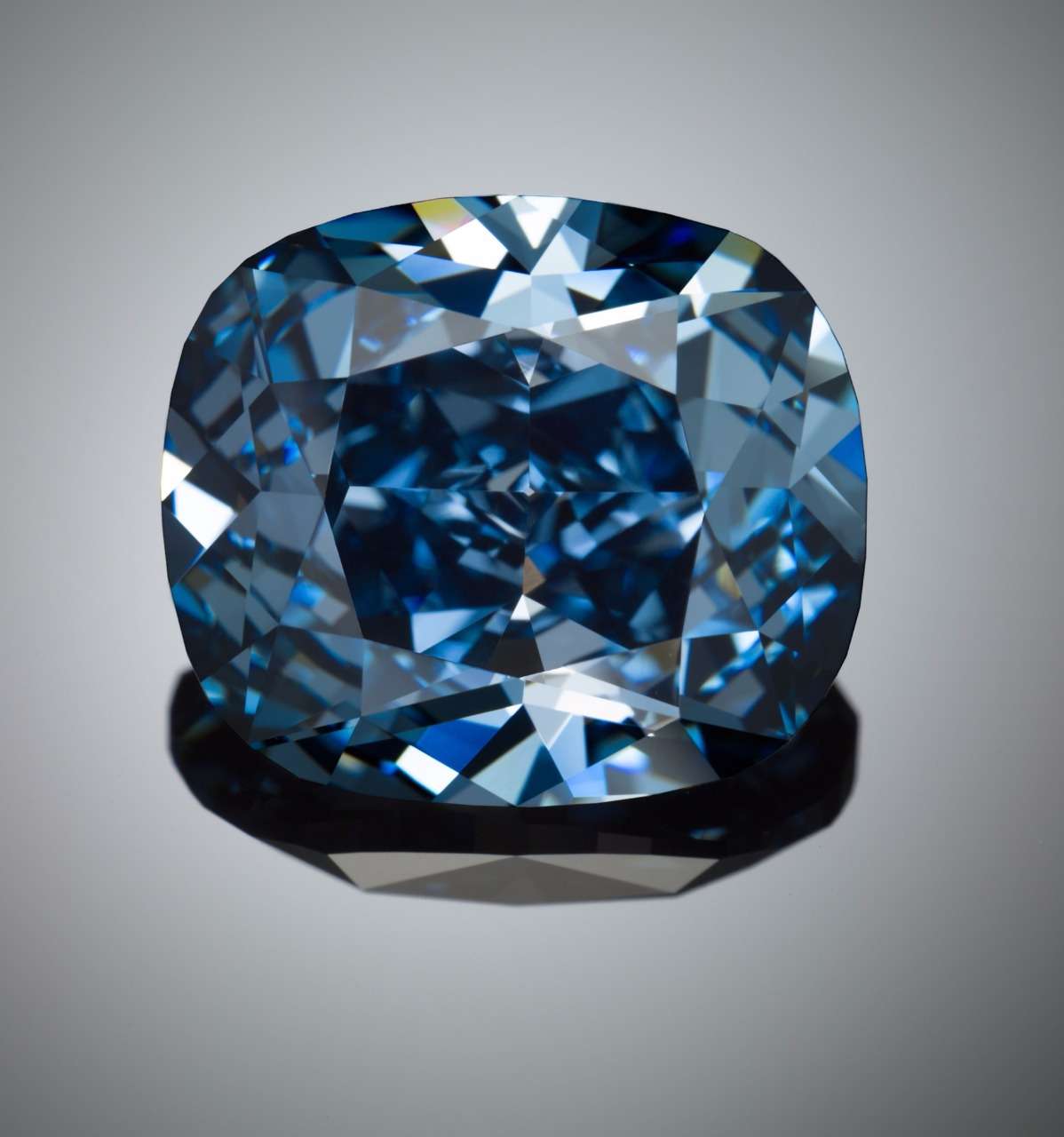
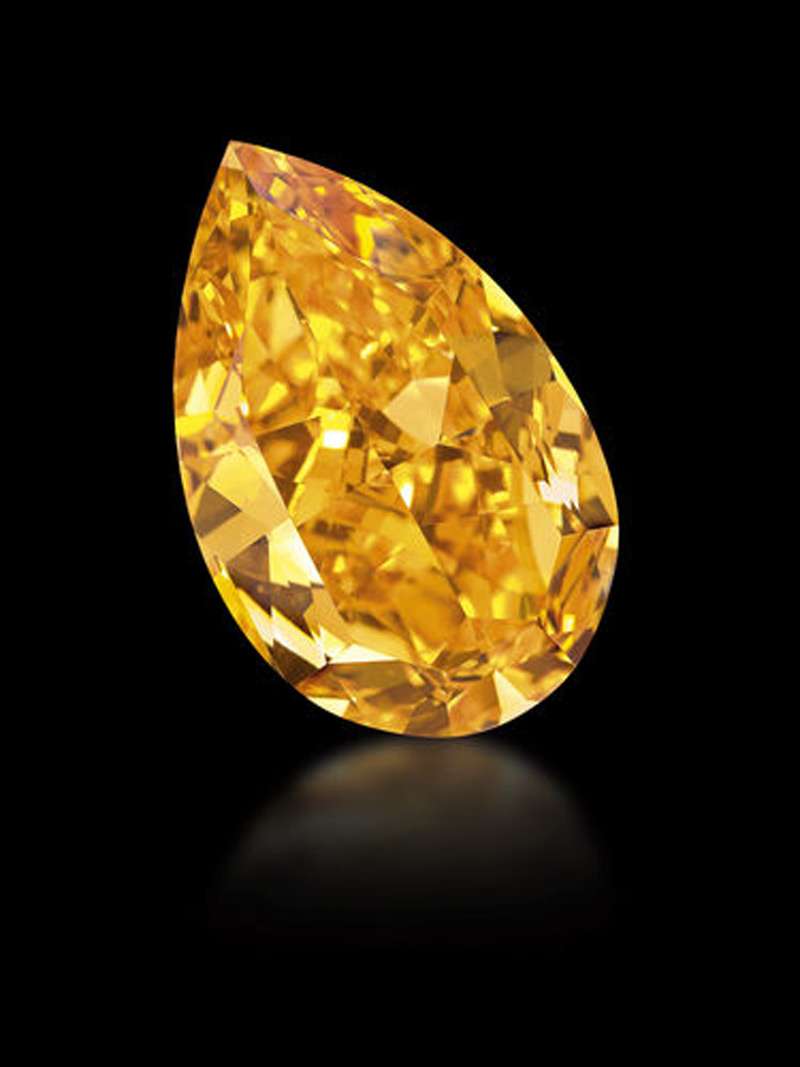
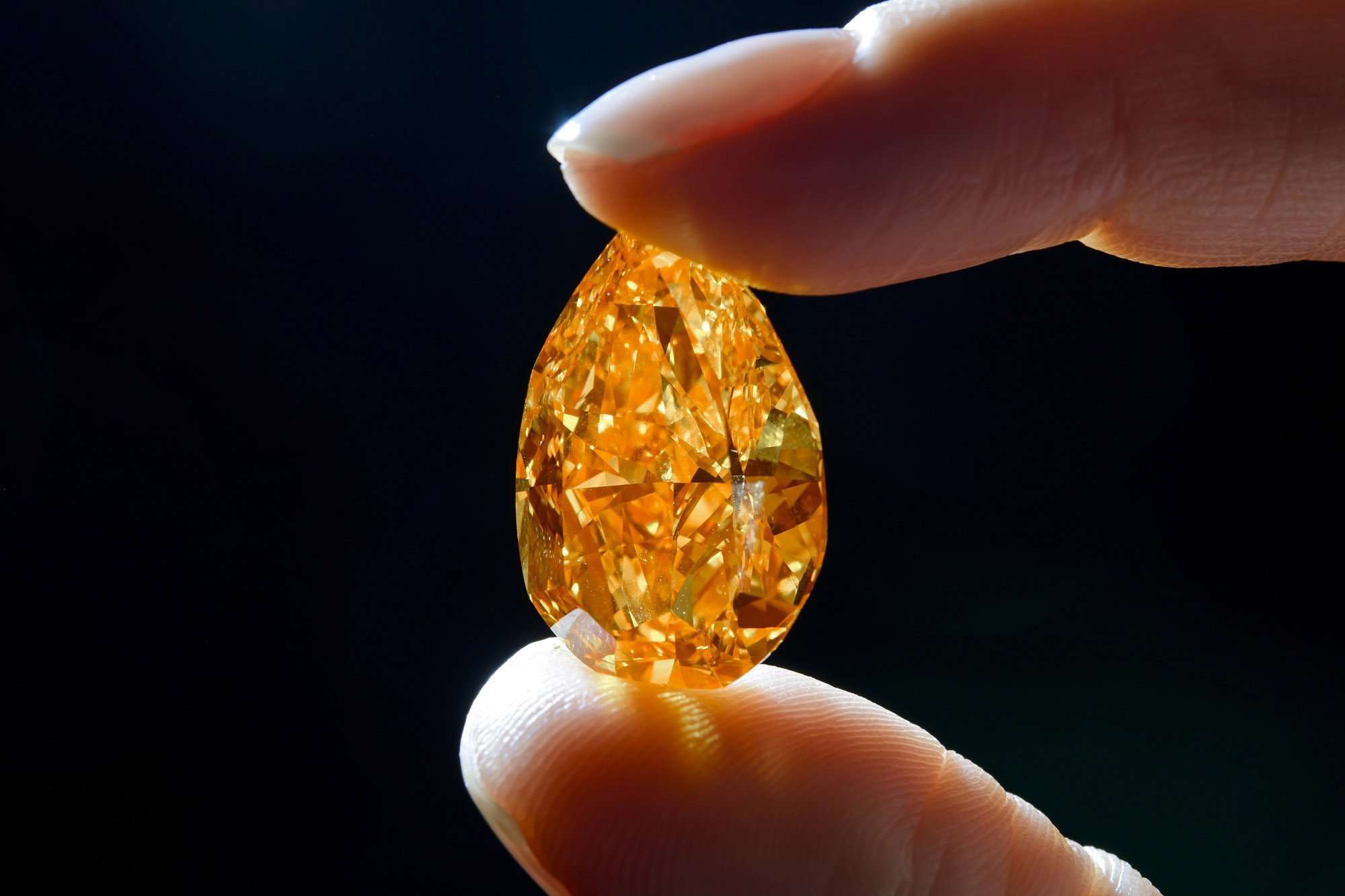
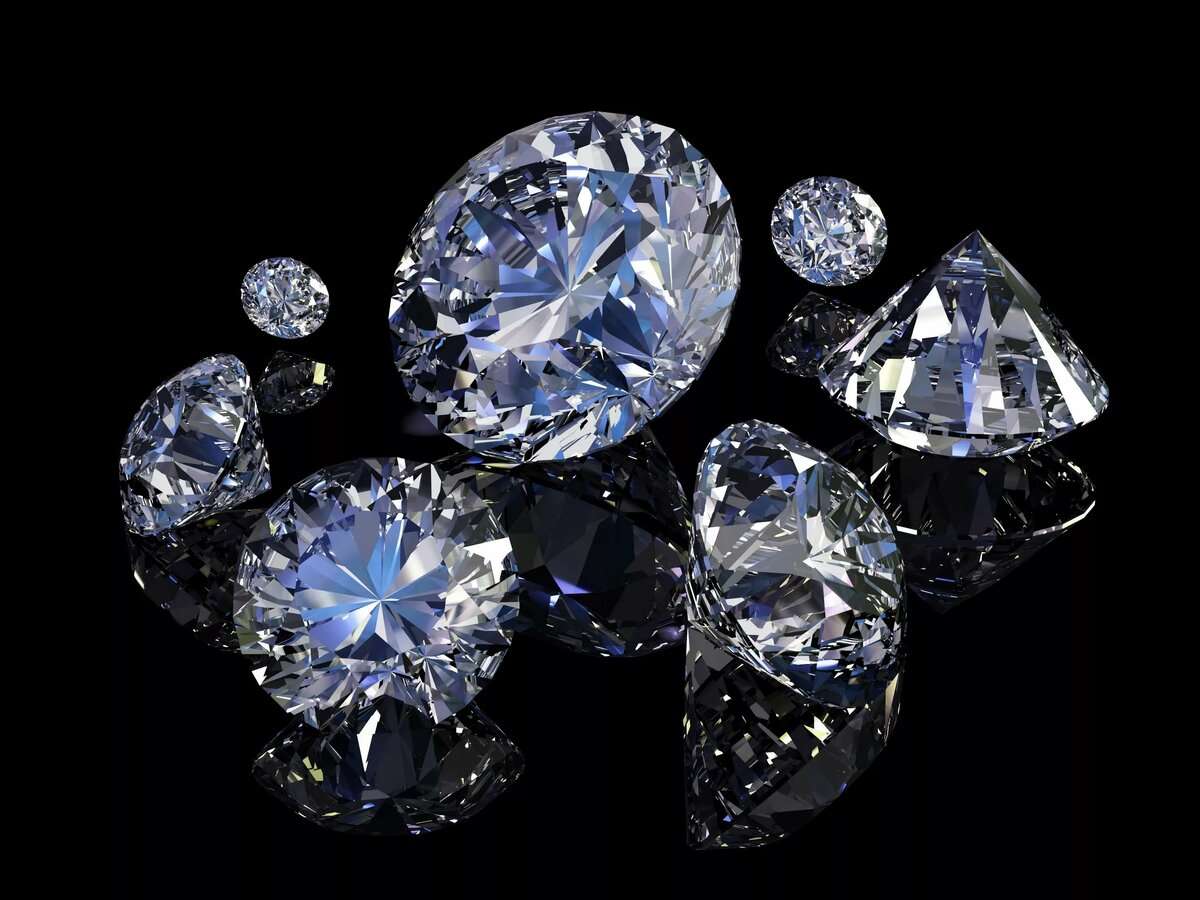
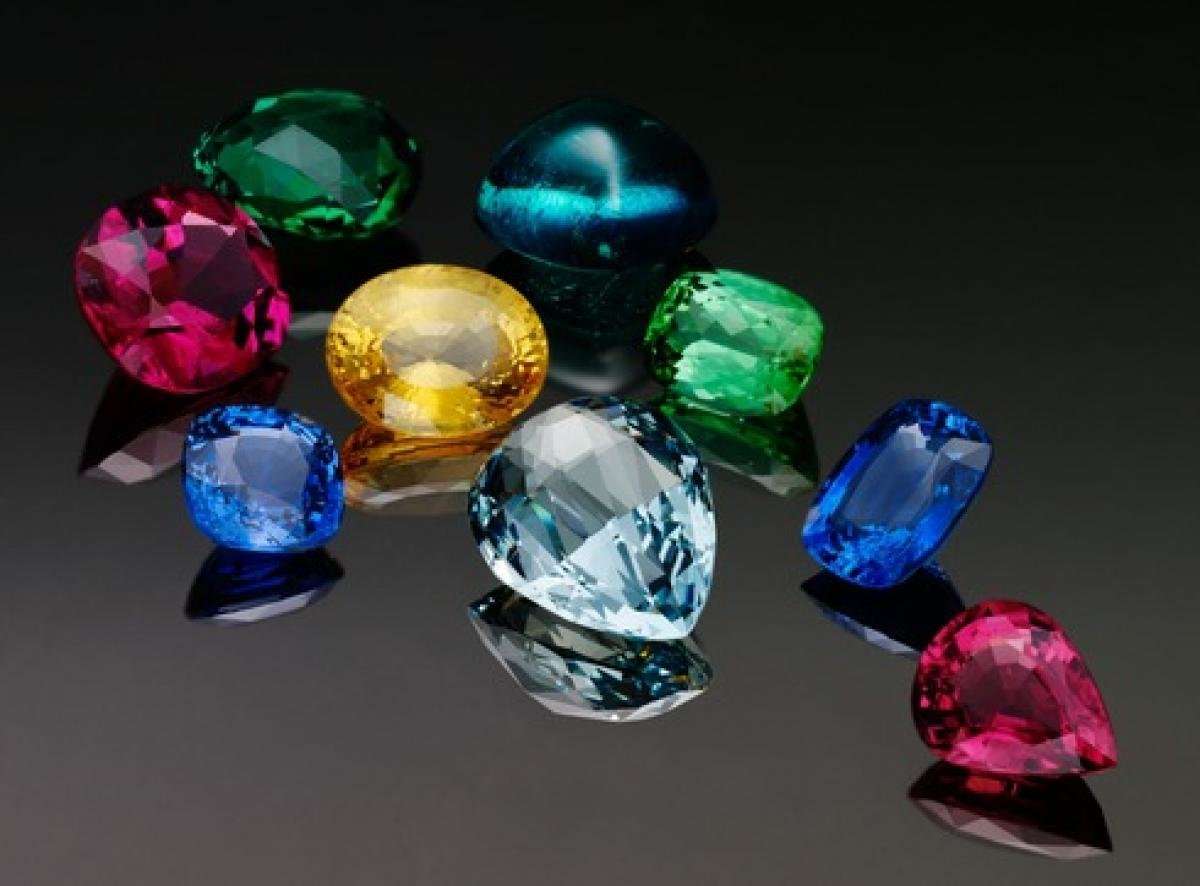
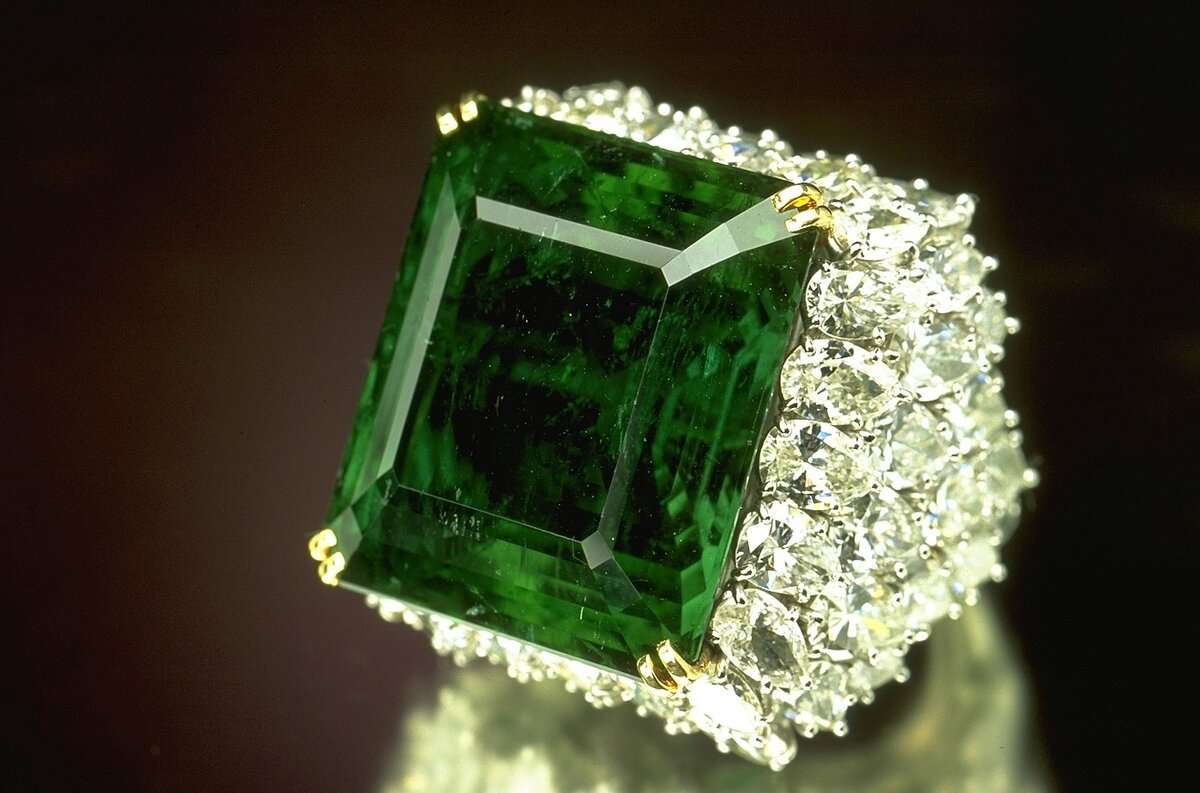
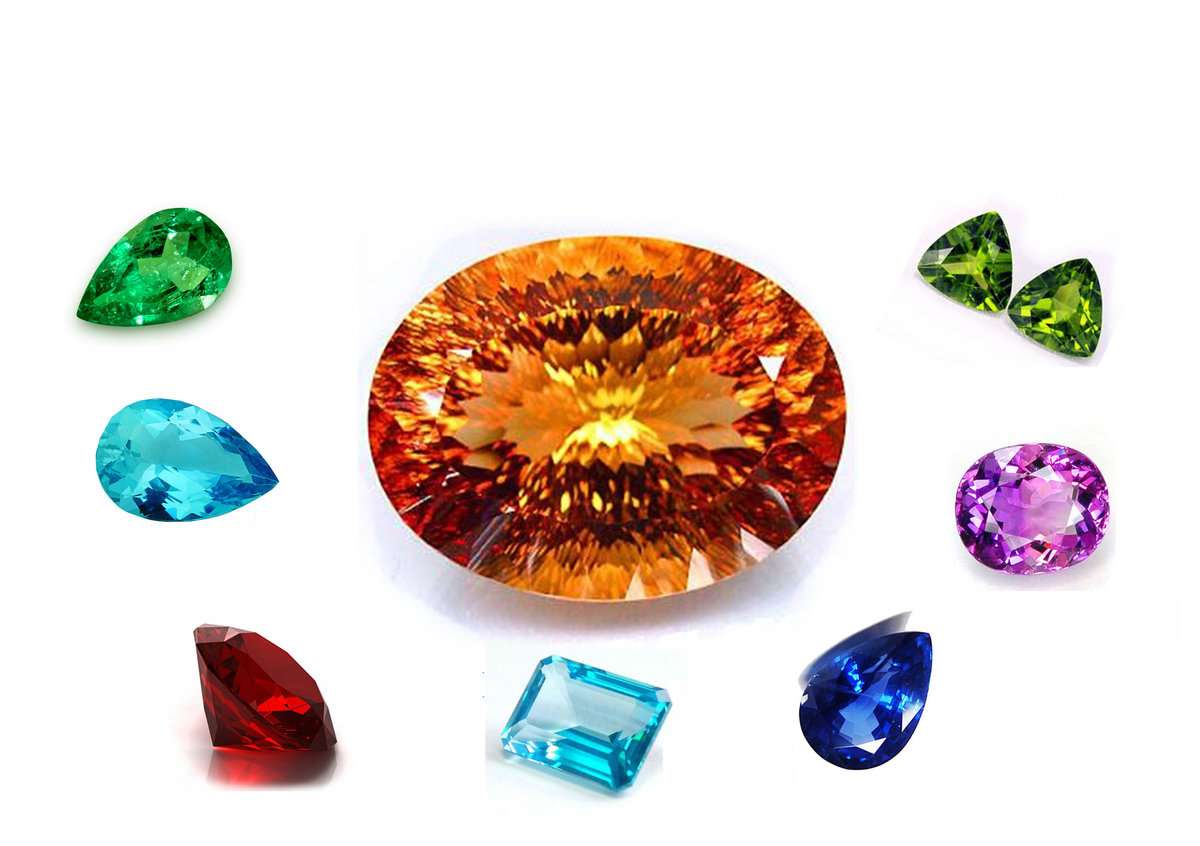
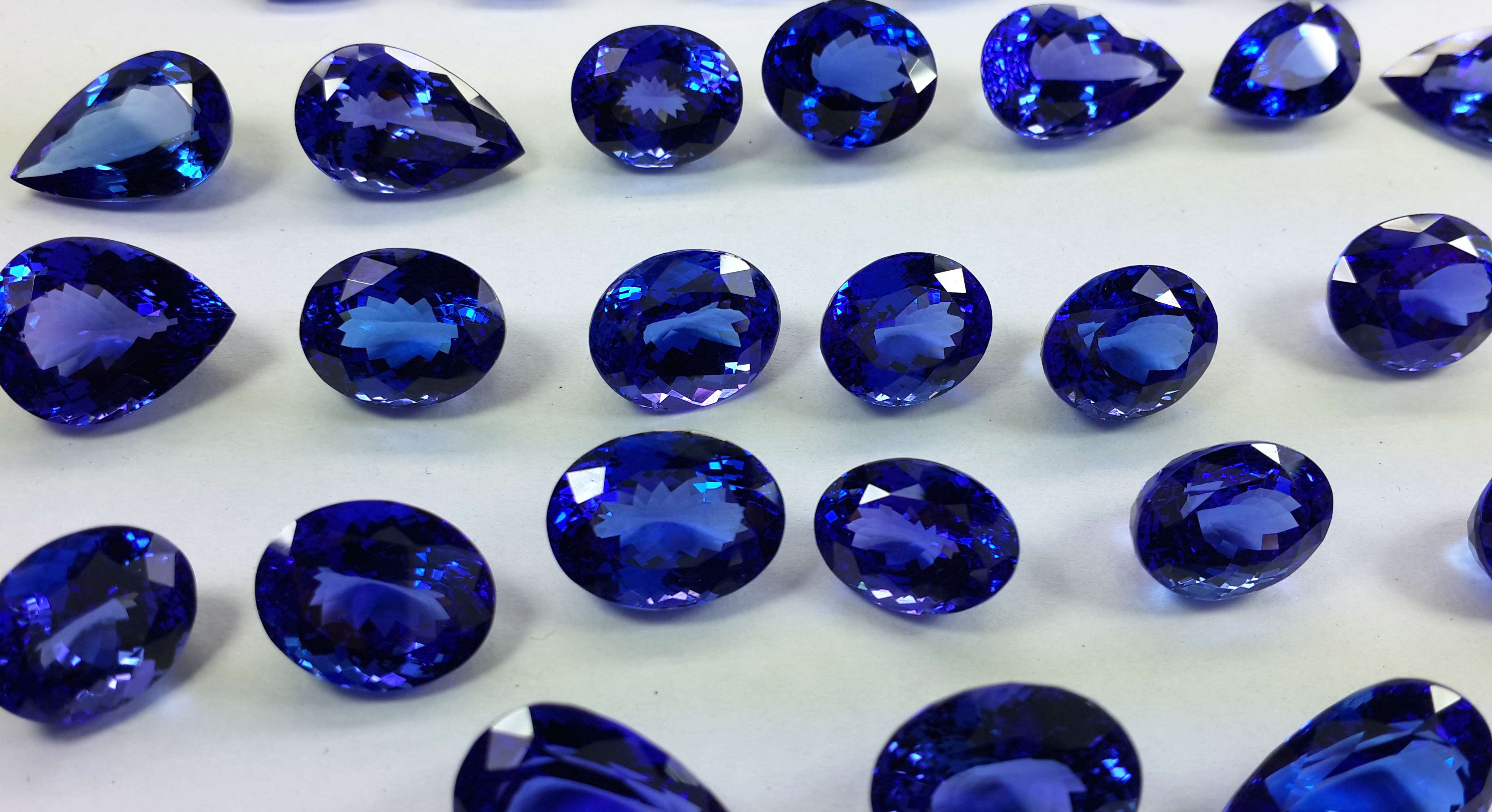
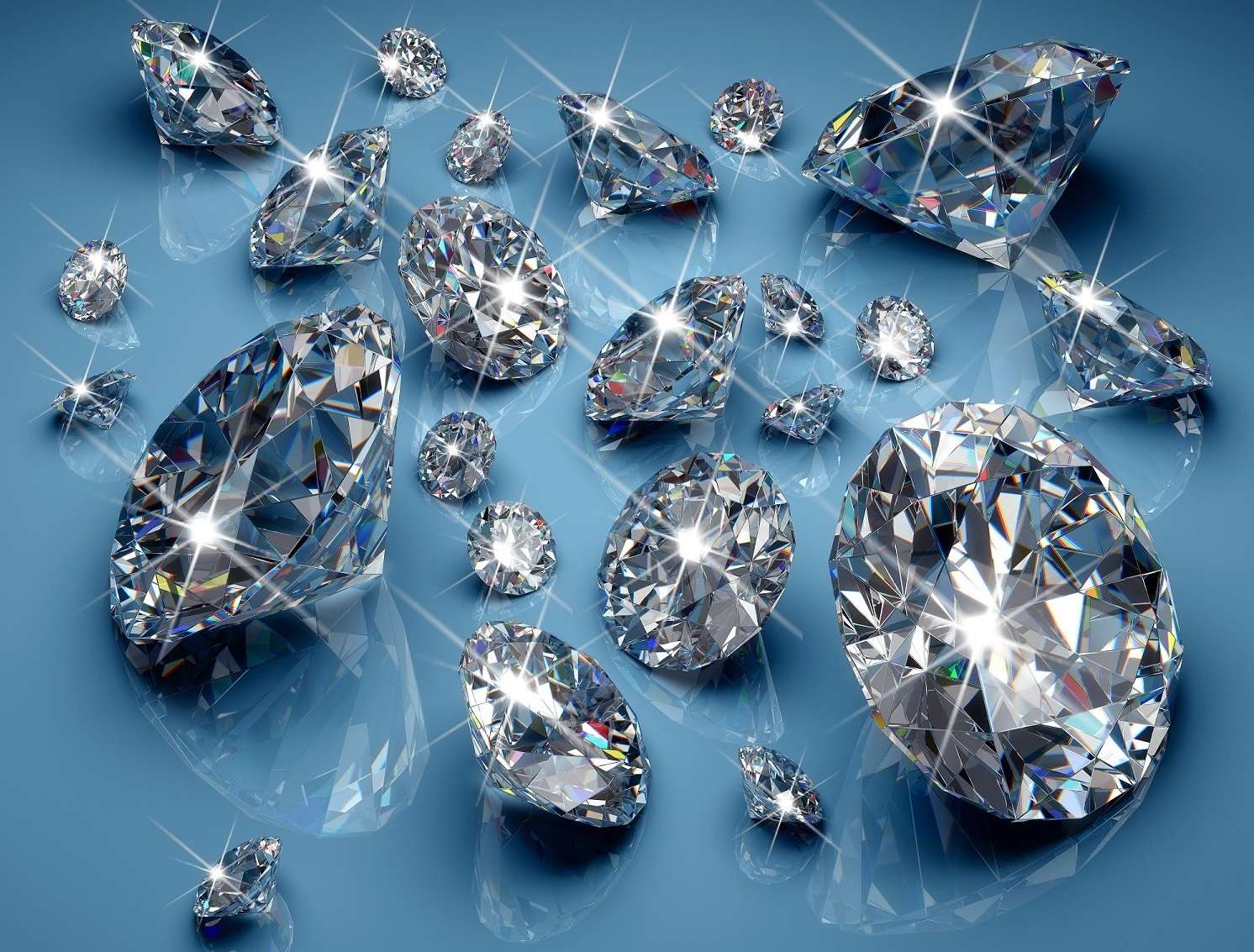
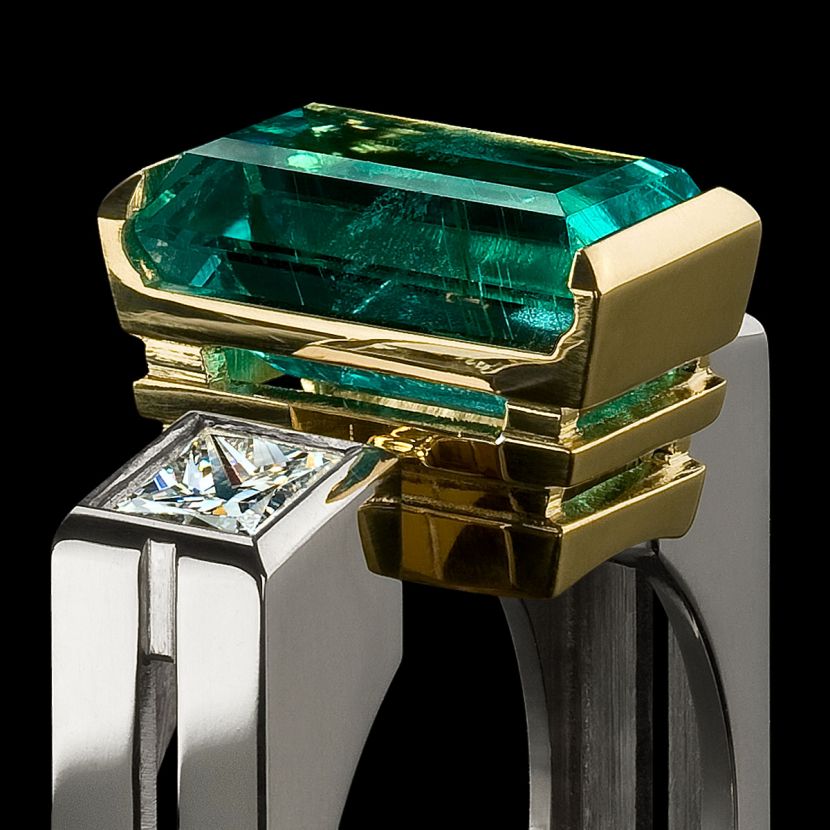
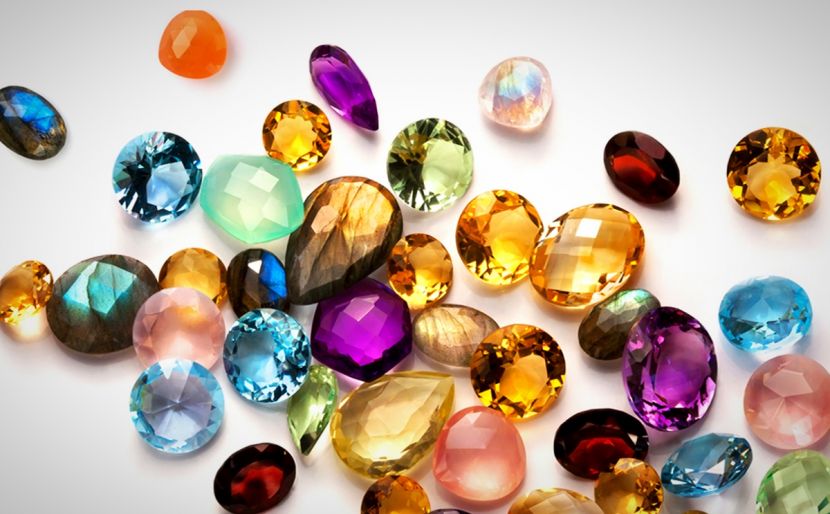
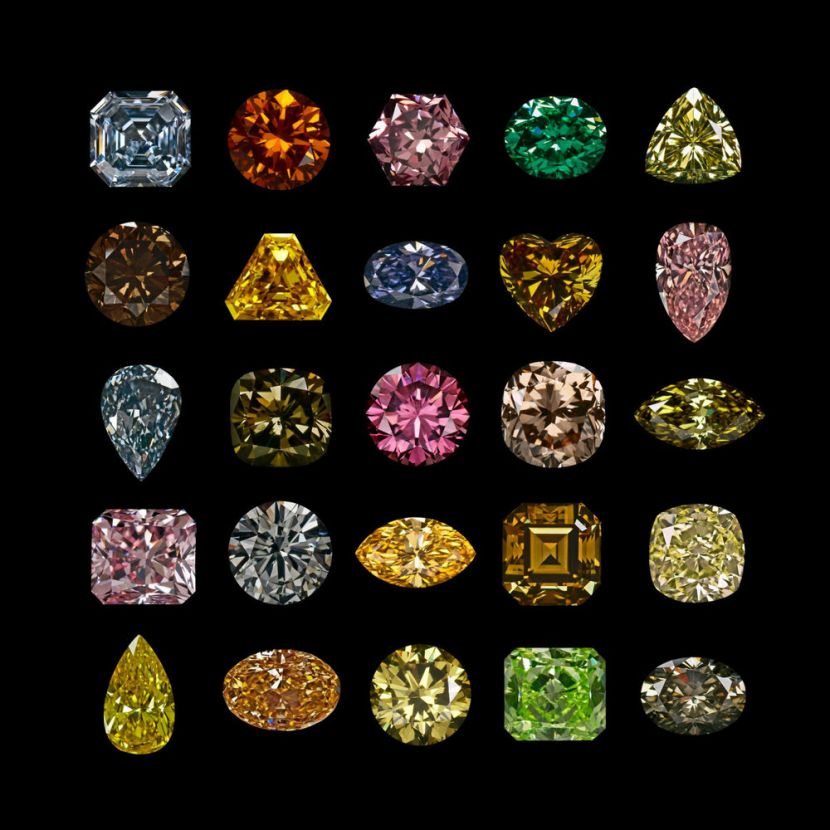
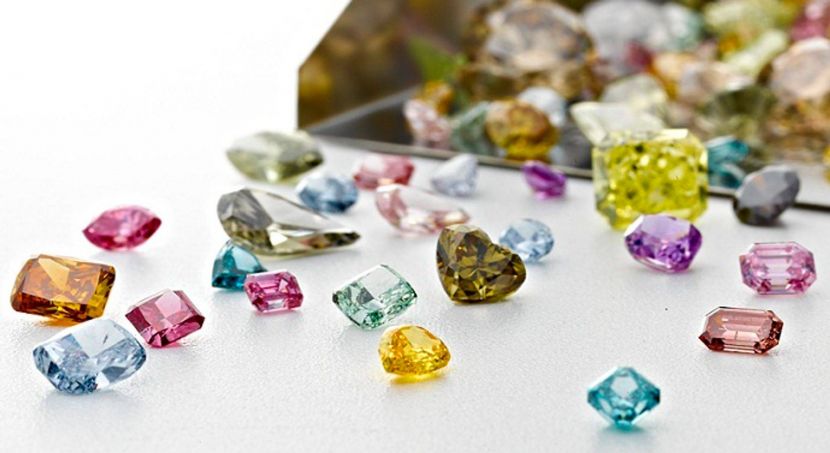
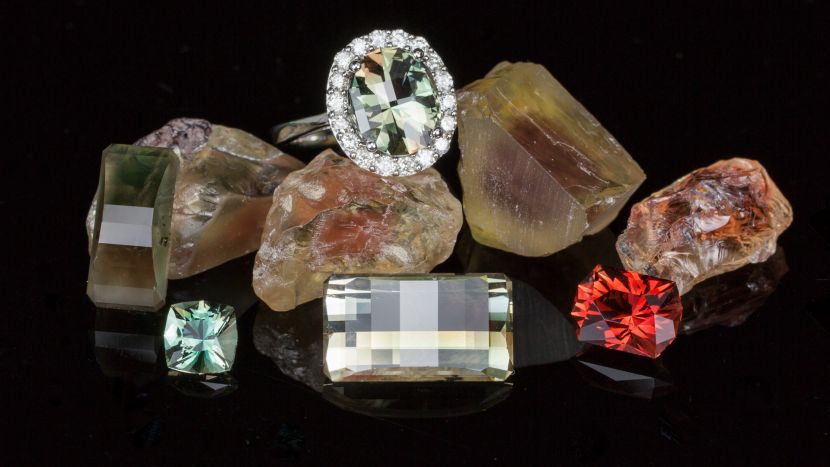
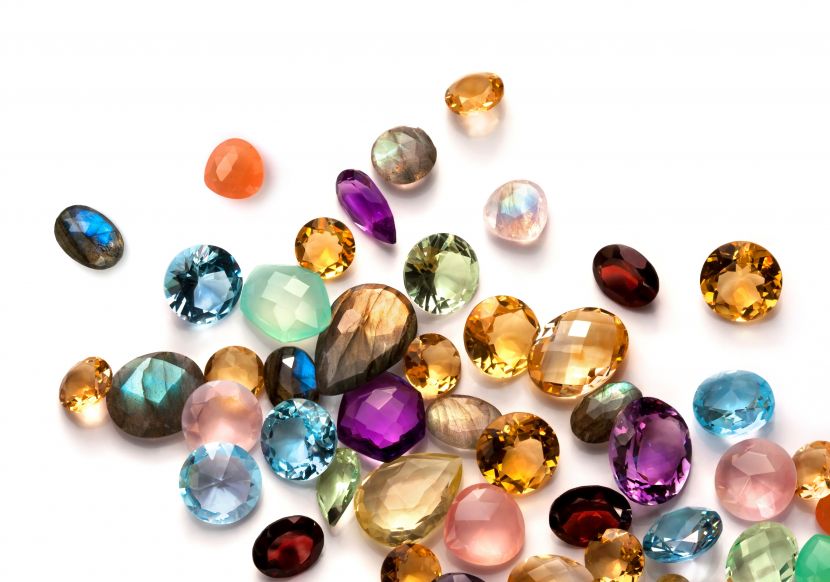
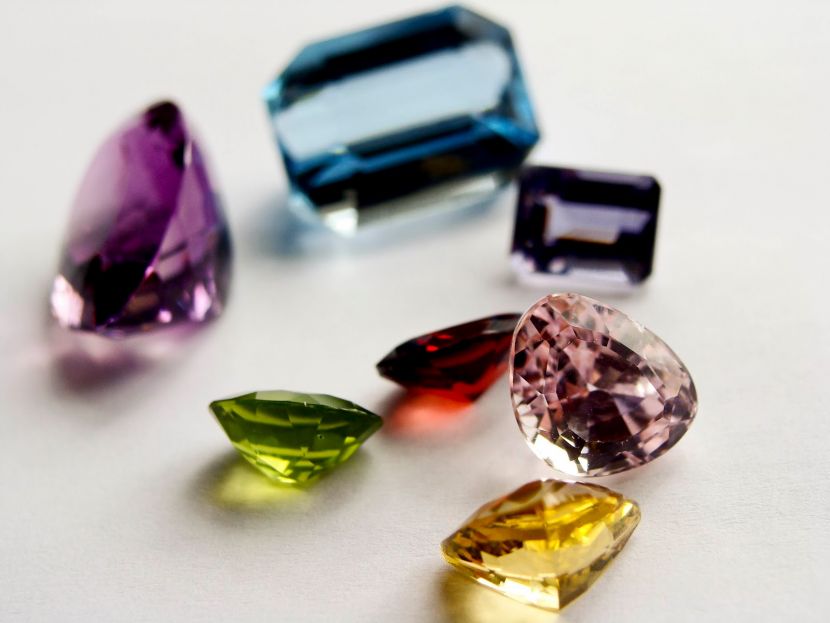
These include the most expensive and rare specimens, which are valued mainly for their attractiveness. They can be seen on the shelves of the jewelry store. The purpose of the correct cut of any gem is to bring all the beauty and attractiveness of the jewelry to the fore, to show its best side. So, for example, the optical effect of asterism (luminous stripes in the form of a star) in some specimens of corundum appears only in cabochon cutting. But the radiance and iridescent brilliance of a diamond is perfectly conveyed with the help of the famous brilliant cut.
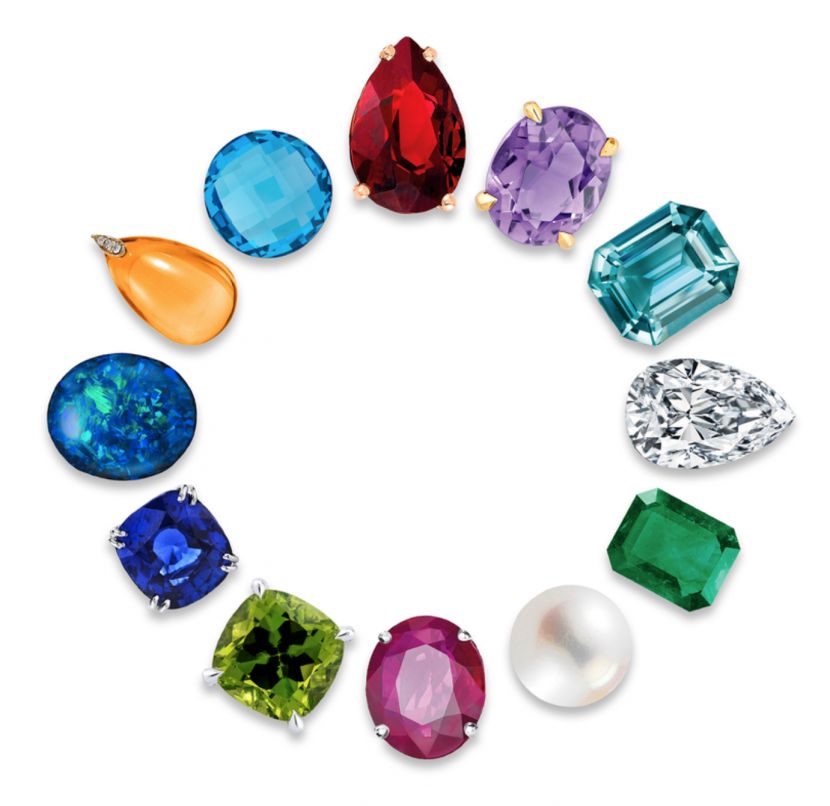
Precious stones are a rather complicated and vague concept, as scientists define in different ways which mineral can be called precious and which is not.
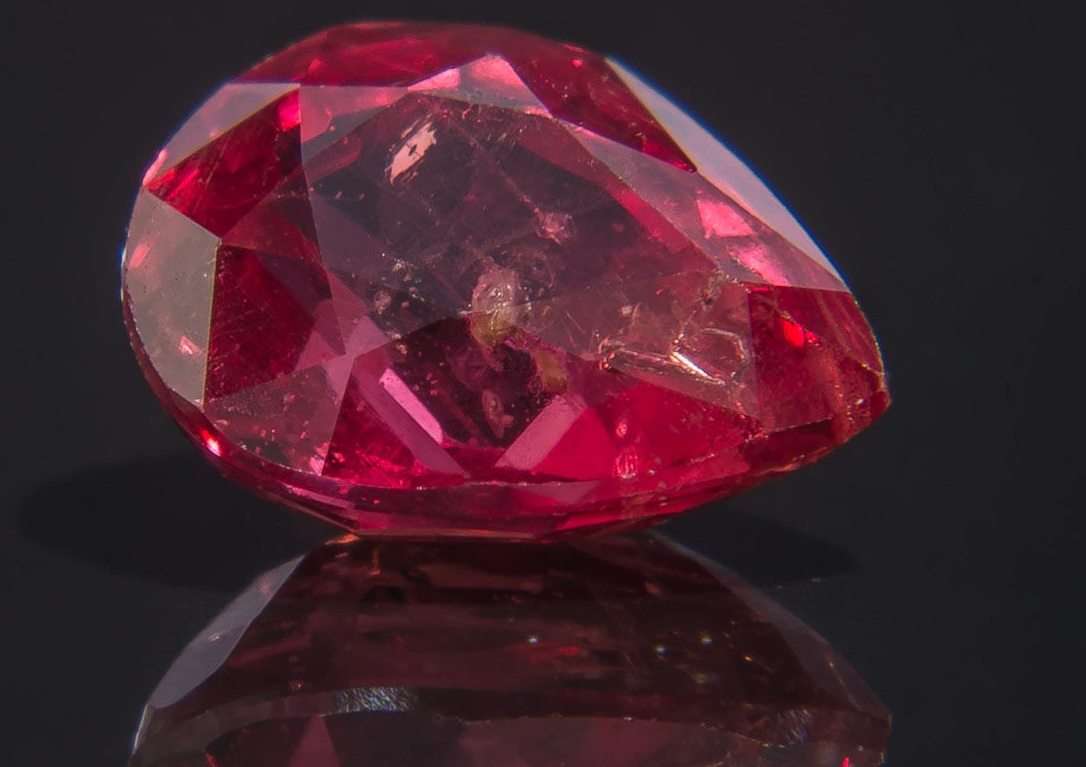
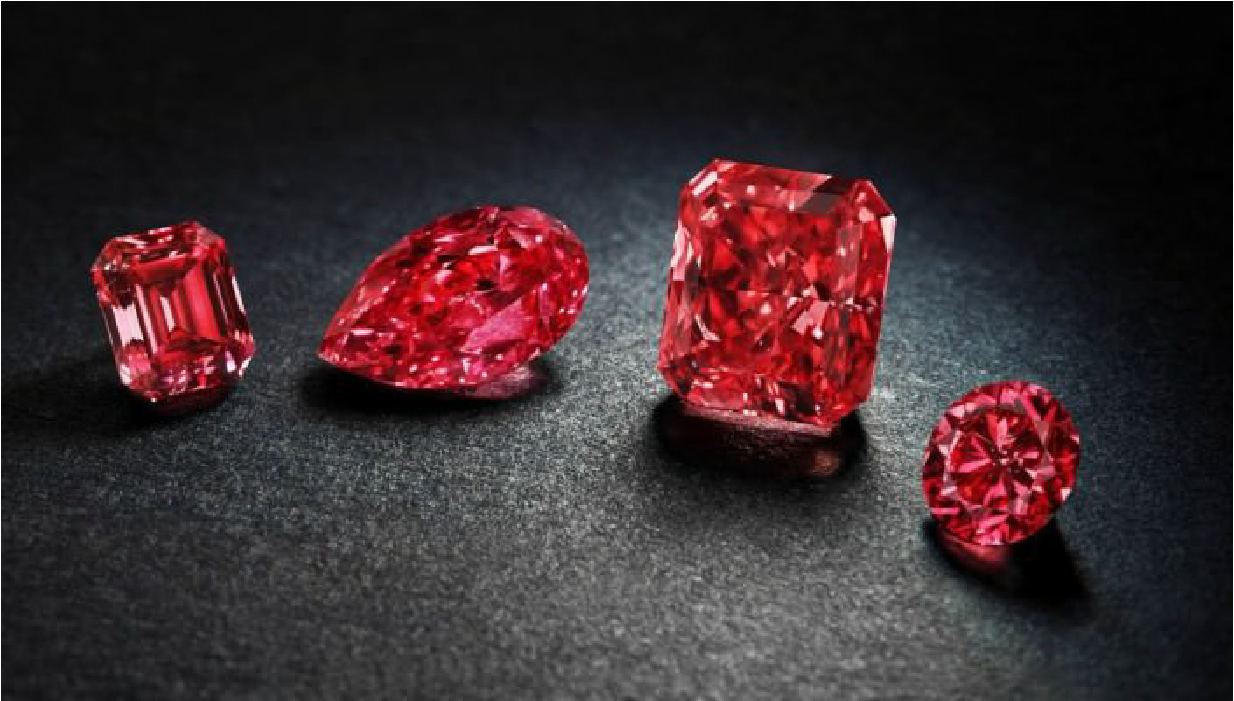
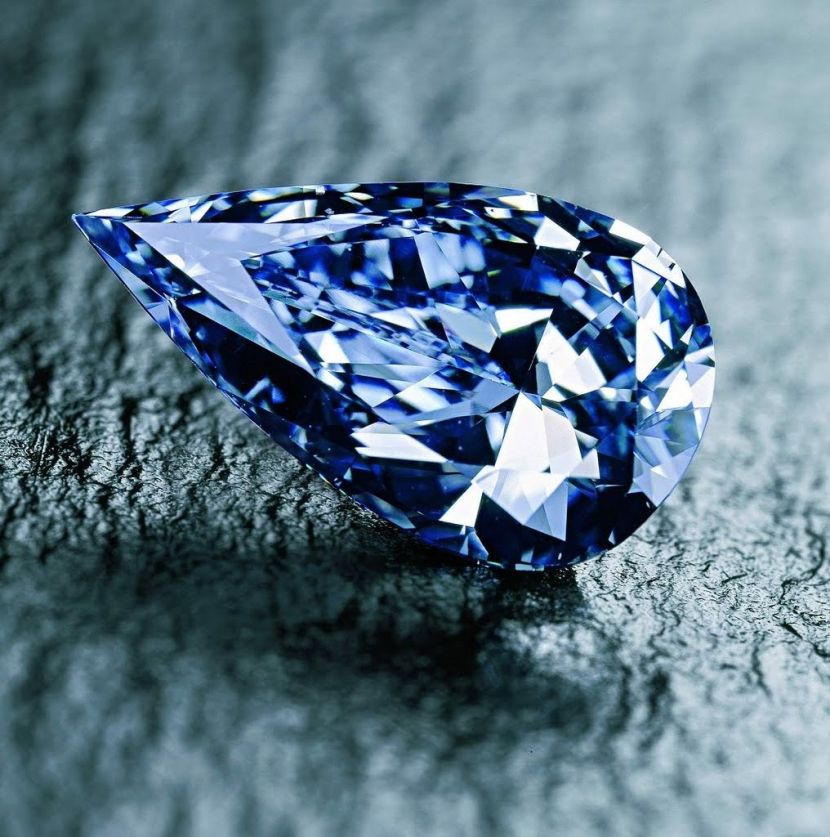
Some precious stones and minerals are so rare in nature (Paraiba tourmaline, taafeite, red variety of beryl and others) that they (or jewelry with them) are a valuable collection material.
According to the classification of Yevgeny Yakovlevich Kiyavlenko, four orders of gems are distinguished, where at the top are diamond, ruby, blue sapphire, alexandrite, pearl and ruby.
Semi-precious
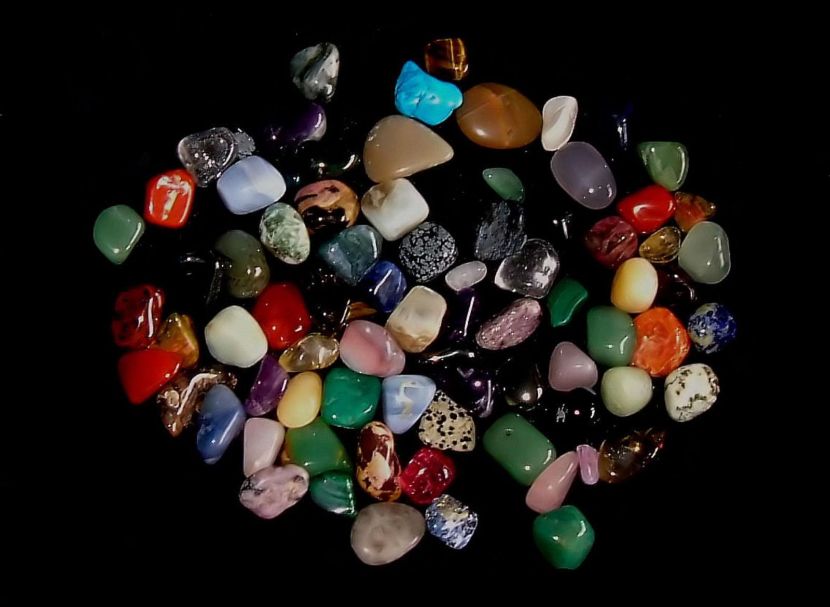
Such stones occupy an intermediate place between ornamental and precious, they are used both to create vases, caskets, figurines, and for jewelry (bracelets, rings, beads, pendants, earrings, cufflinks and much more). According to the classification of Kiyavlenko, jewelry and ornamental (semi-precious) are divided into two orders.
ornamental
Ornamental stones are the most common group, the lion's share of the rocks of which are nondescript and have only practical use (for example, in construction).
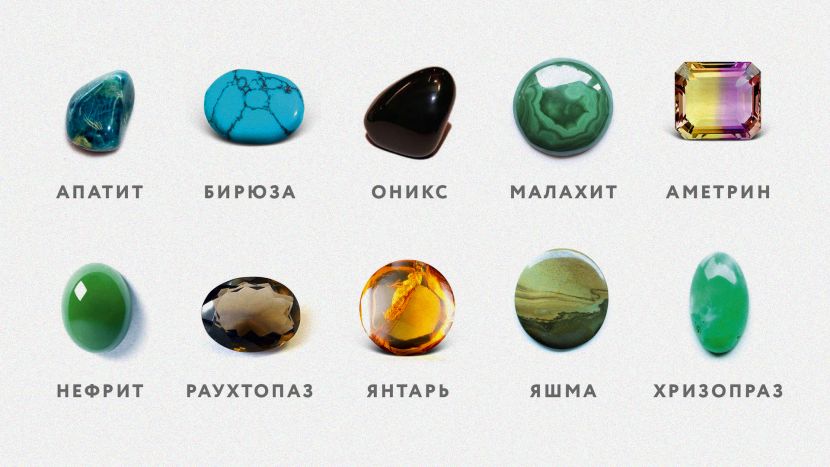
Another part of the ornamental stones has good external characteristics and is used to create decorative elements. Also, some specimens of jade or jasper (also ornamental minerals) can have a cost on a par with decent gems.
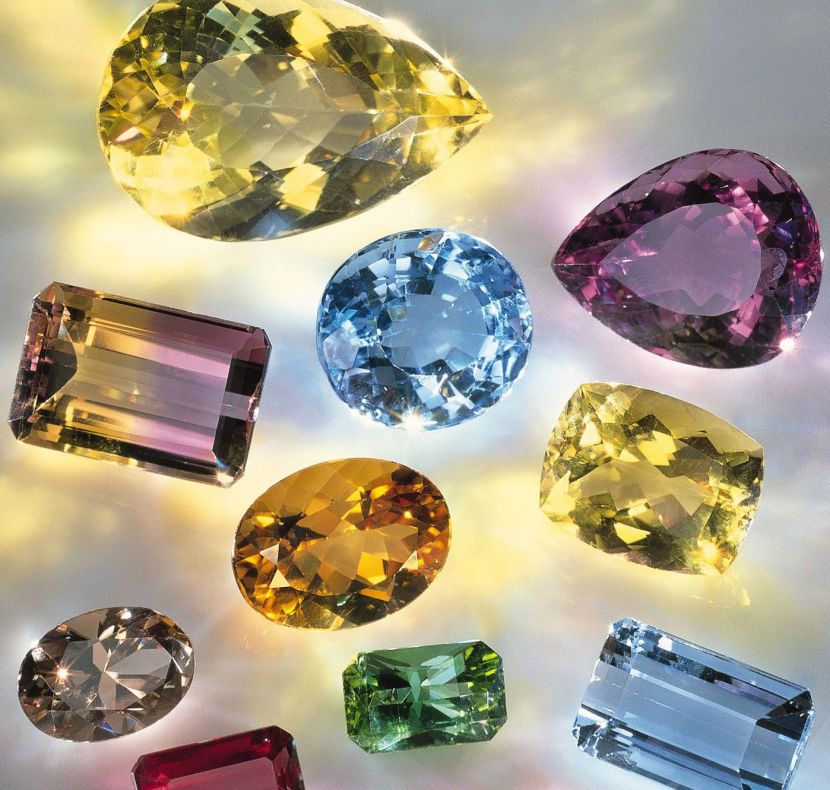
In different sources, not any breed is called ornamental stones, but one that is used both in jewelry and for creating stone-cutting products. The very line that delimits the concepts of “precious” and “simple colored” stone has not yet been determined, so most ornamental stones can also lend themselves to jewelry processing. Also, some of the low-quality jewelry stones can be classified as ornamental, as they are too bad for jewelry.
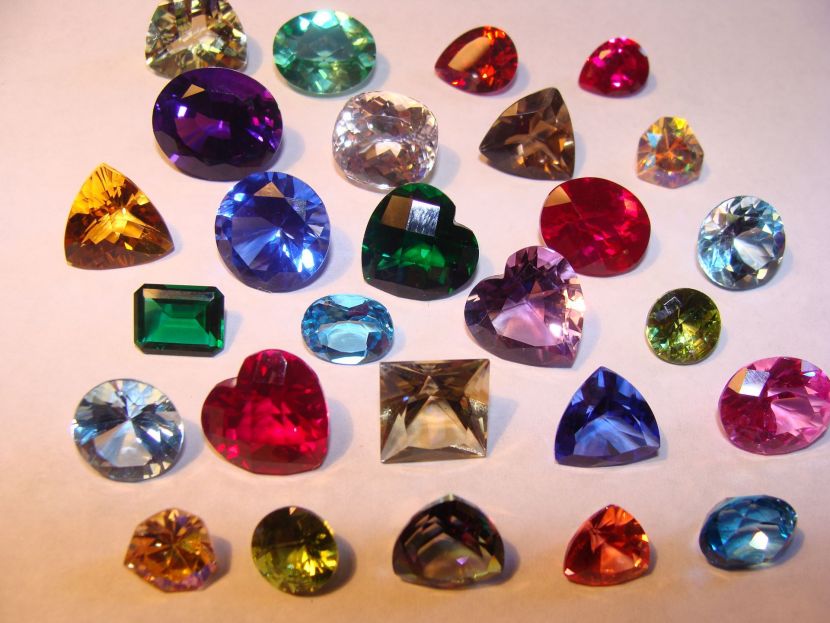
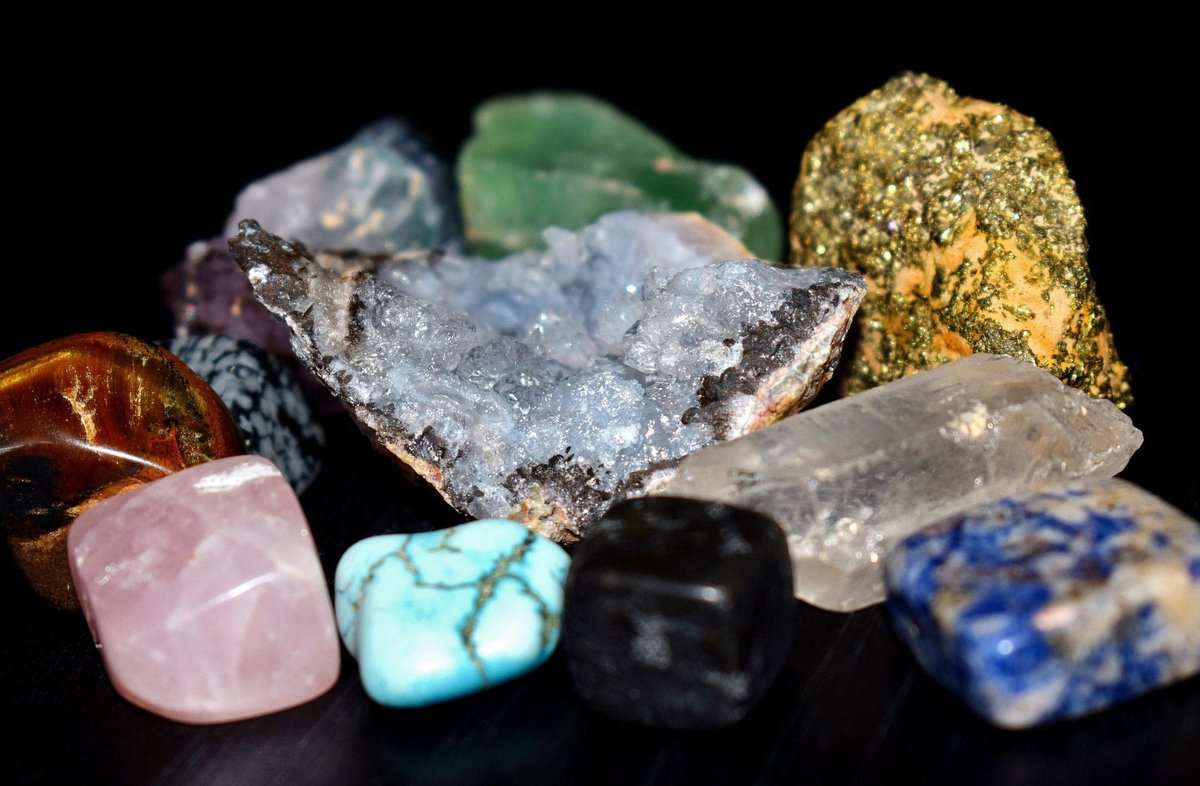
Ornamental stones are considered to be:
- Jasper;
- Jet;
- Obsidian;
- Colored marble;
- Onyx;
- Fluorite;
- Cacholong (the cheapest variety of opal);
And many others.
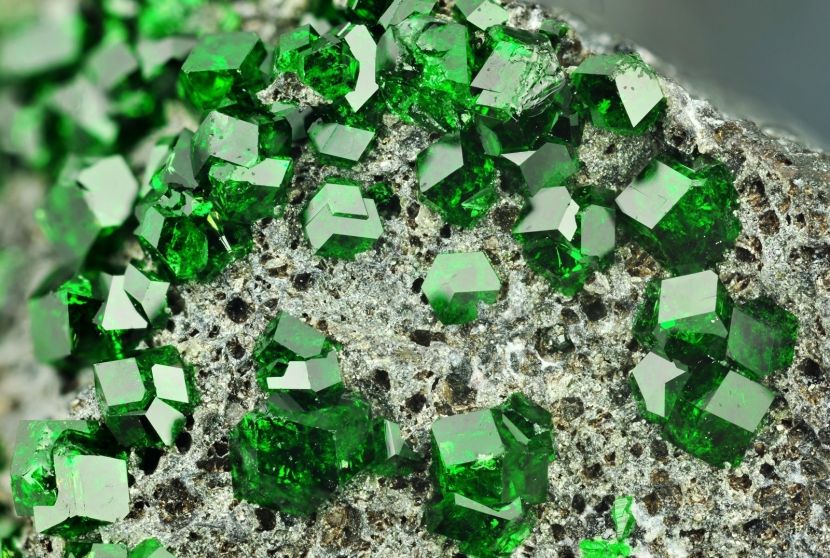
Stones of marine origin
Separately, it is worth mentioning those pebbles that were born under water, in the bottomless abyss of the oceans. These specimens are not minerals, but organic matter, but they are still considered valuable.
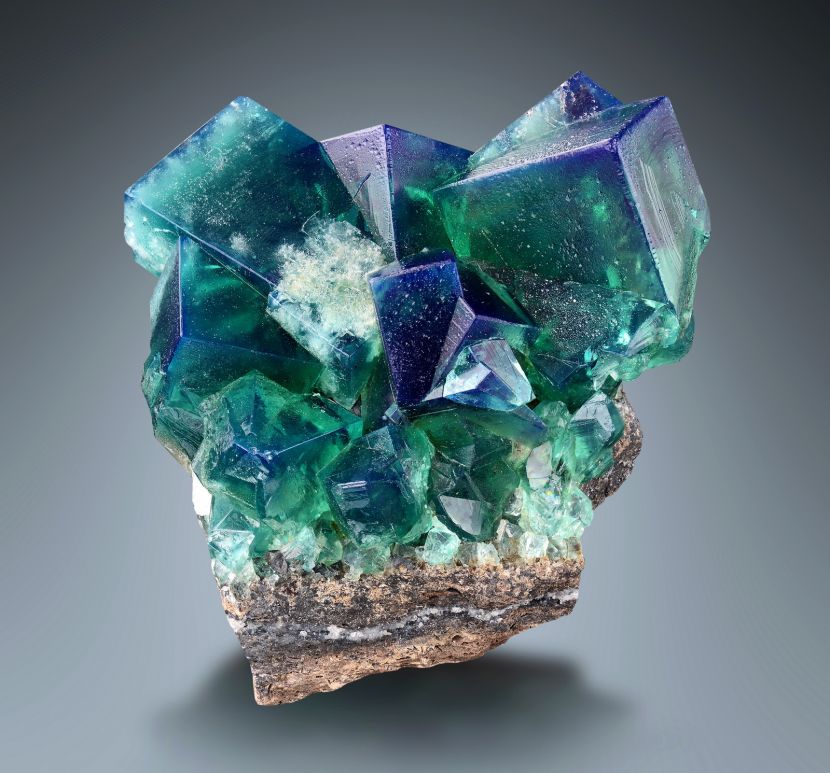
And it’s not in vain that pearls are an amazing phenomenon, which is the result of the vital activity of certain types of sea and river mollusks. When a grain of sand, a small stone or other foreign bodies get into such a shell, over time they are enveloped in a dense layer of mother-of-pearl. The result is a pearl (often irregularly shaped) that plays with all the colors of the rainbow.The variety of pearls is very wide, because it is not only standard white, but also yellow, pink, blue and even black. If earlier our ancestors explored the banks of rivers, lakes and seas in search of pearls, now it is grown, artificially creating the necessary conditions for this. However, even under such circumstances, not all cultured pearls are of decent quality.
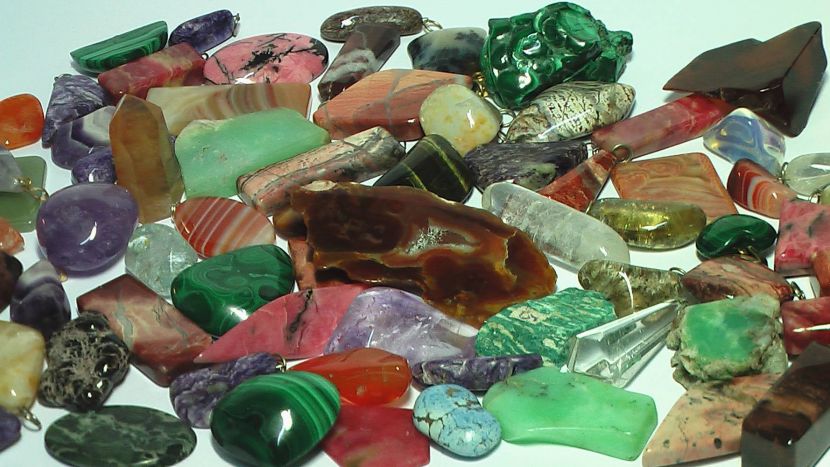
Also, mother-of-pearl can be mined and used separately, because it shimmers beautifully in the light, shimmering with iridescent highlights.
Interestingly, the name "mother of pearl" from German means "mother of pearls".
There is also a unique rare stone - ammolite, which is the frozen mother-of-pearl of ammonites - ancient shells that became extinct at the end of the Cretaceous period. Such a stone resembles scales, and itself has a bright, rich and multi-colored color.
Among marine species, corals can be distinguished - petrified exoskeletons of coral polyps. They are highly valued for their beauty and color variety, although the high cost of natural corals leads to a large number of fakes.
Conclusion
Stones surround us everywhere, and their influence on our lives cannot be denied. All stones have value - even the most nondescript and boring can be of great benefit to humanity, they just have different "specializations". The list of stones described in the article is not complete, because the variety of these creations of nature is much richer. It is not in vain that scientists gemologists, geologists and mineralogists often devote their whole lives to the study of stones.
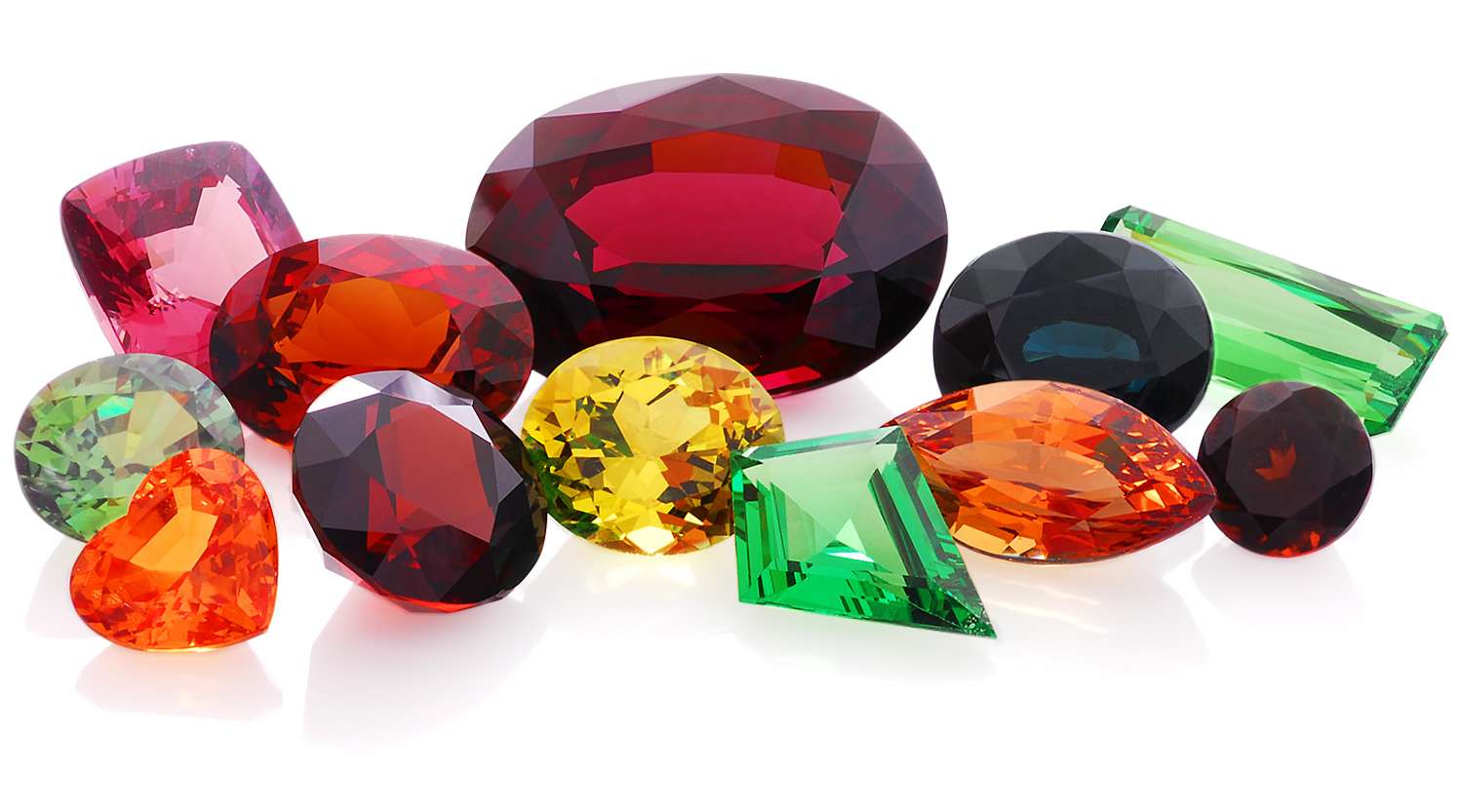
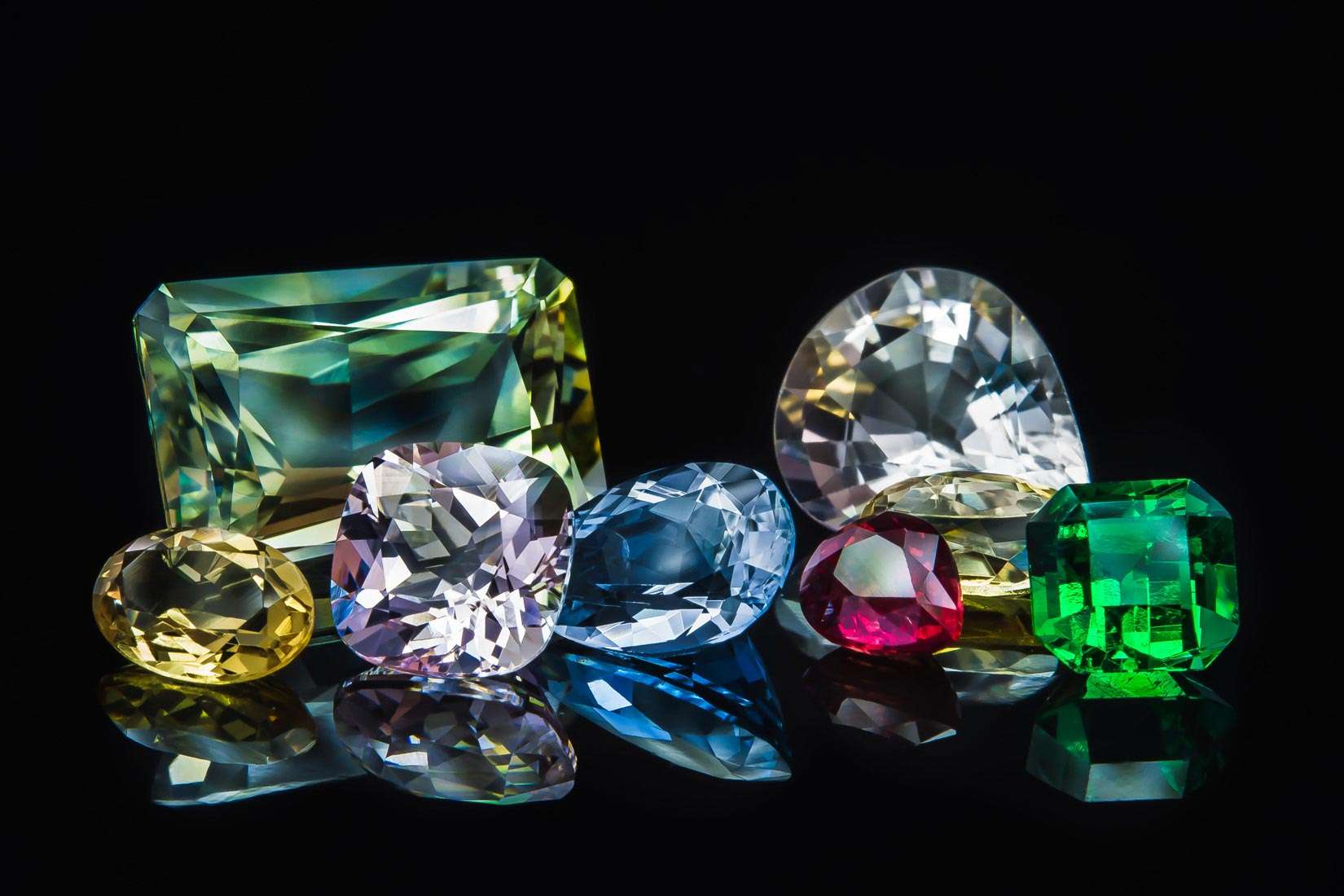
Photo of stones