Unusual stone Aventurine - care tips, properties, photos
Aventurine is an unusual stone not only in appearance, but also in the number of legends about it. Sparkling with thousands of sparks, the gem is credited with extraordinary healing and magical powers.
History and origin of the name
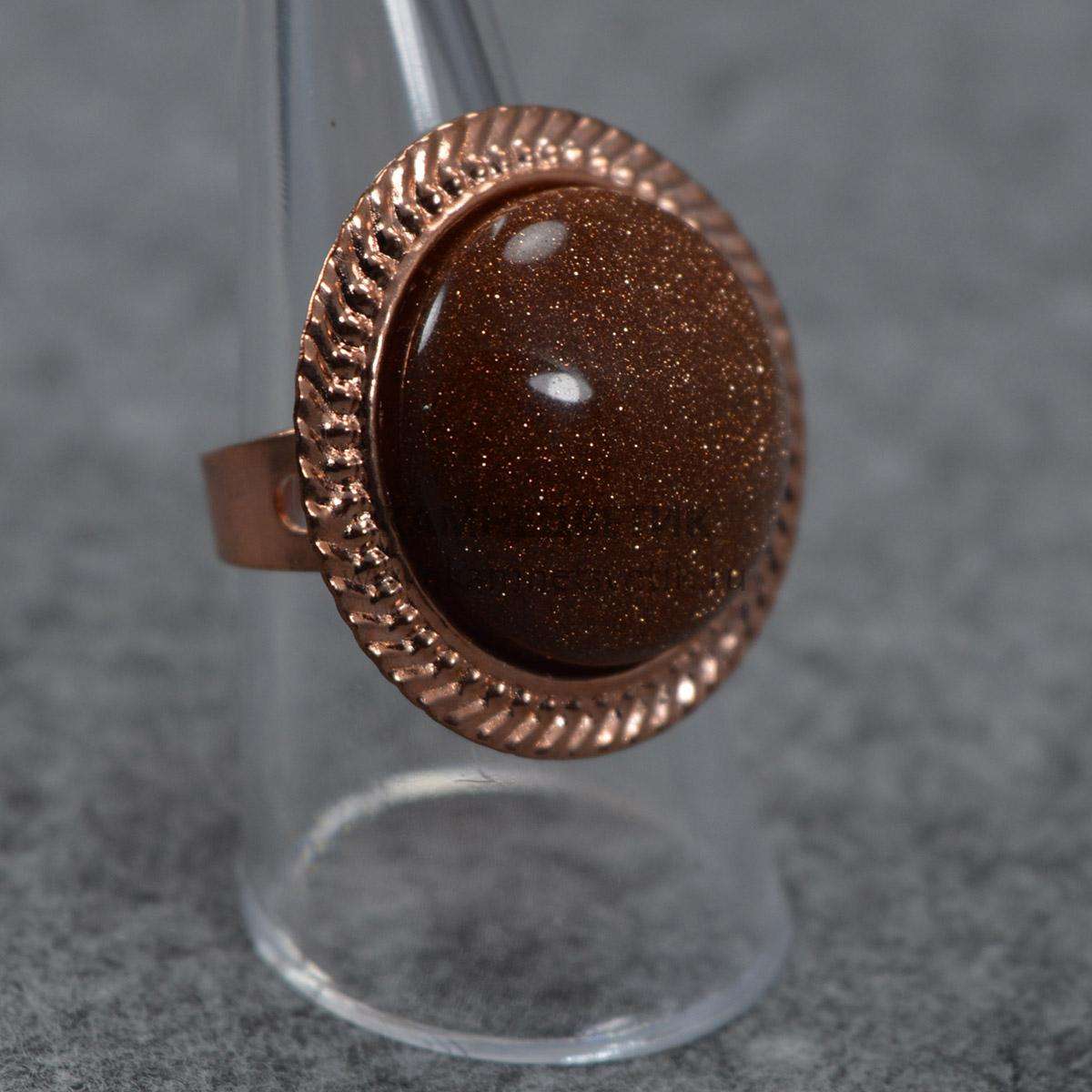
It's funny that even the name of this stone, which comes from the Italian "per l'avventure" - "chance", owes it to the case. At first, the fake was called that, and then the name passed to the stone itself. It was in Murano near Venice in the 16th century. In a glassblower, one of the craftsmen accidentally poured copper filings into the melted glass and was amazed at how similar it turned out to the famous ornamental stone.
No one remembers what aventurine was called before, and the new name spread everywhere already in the 18th century. In Russia, it has long been called "gold spark" or simply "spark", which perfectly reflects its appearance. There was also the name "taganaite" after the name of the Taganay ridge, the peaks of which shine from the abundance of this amazing gem. In Russia, since 1810, it has been used to make not only beads and brooches, but also household items, such as candlesticks, ashtrays, knife and fork handles, and even huge vases.
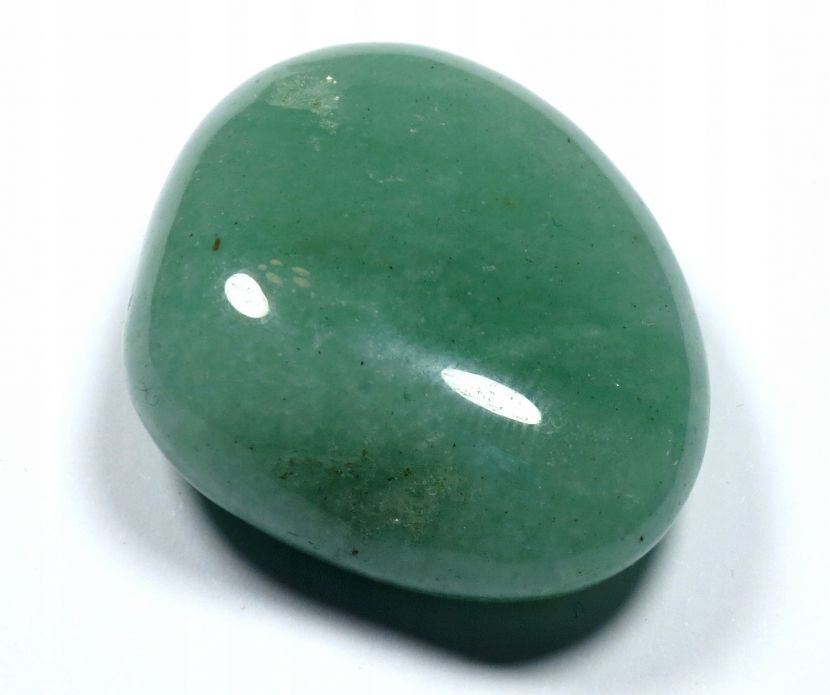
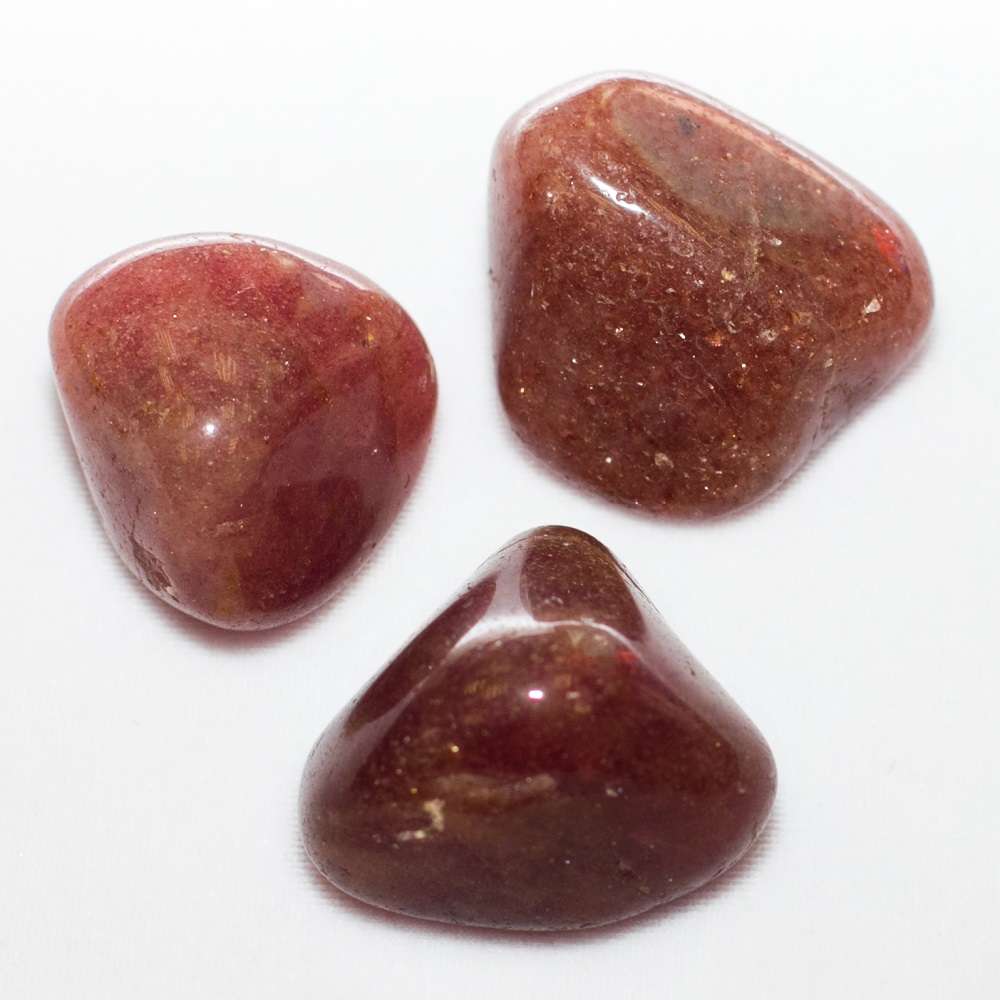
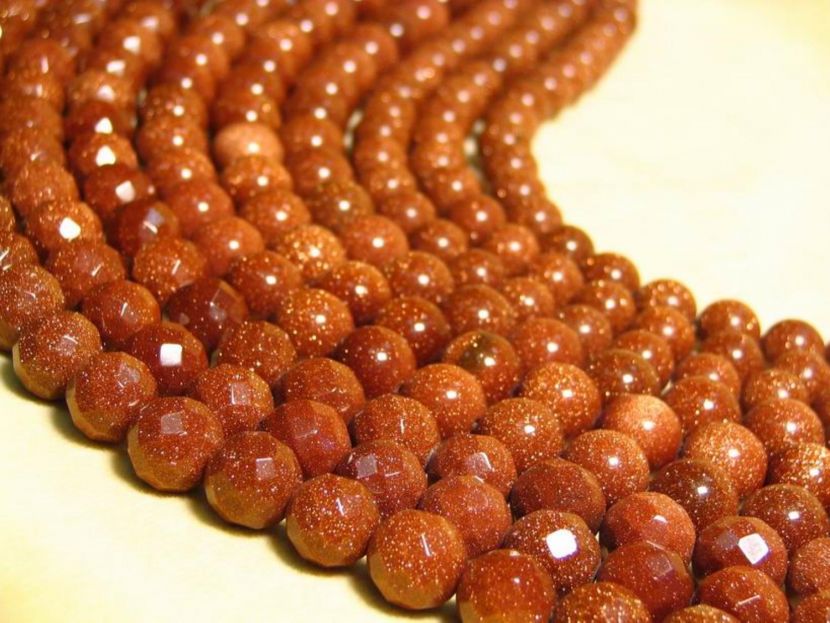
Interesting: On the Taganay ridge you can find stones of various colors: golden, honey, lilac, pink, brown, burgundy and snow-white.
In the Hermitage you can see a vase weighing more than 4 tons. Before installing it in place, with the help of large loads, they tested the strength of the ceilings. Its leg is carved separately from another piece of aventurine, which differs in color. The diameter of the bowl is 246 cm, and the height is 146 cm. The virtuoso stone cutter Gavrila Firsovich Nalimov and his apprentices spent 17 years turning it.
From the Taganay deposit to the Ekaterinburg cutting factory, 80 horses carried an aventurine block, and in 1842 the finished vase went to St. Petersburg by water. The journey took a year. Now it can be seen in the Armorial Hall of the Hermitage. In the Pavlovsk Museum-Palace, a slightly reduced copy of it, 120 cm high, is exhibited.
In ancient China, aventurine was considered sacred and was called the "imperial stone", since the seal of the emperor was made from it. He was well known in ancient Egypt.
In India it is used by snake charmers. It was from India that the stone came to Ancient Greece, where it was called "sandares" and was revered as a stone of masters. Indian merchants again introduced Europeans to sparkling stone already in the Middle Ages. It quickly gained popularity as a stone for making all kinds of crafts and jewelry.
The stone's popularity peaked during the Victorian era. The noble ladies of England hid in it a portrait of a loved one or a lock of his hair, for which they called aventurine "a collection of love."
Unfortunately, not only portraits of loved ones could be hidden in shiny brooches or pendants, but also poisons, because adventurers do not always have pure thoughts.
Place of Birth
In Russia, aventurine is mined not only in the Urals, but also in Altai, Transbaikalia, the Kola Peninsula and the Moscow Region.
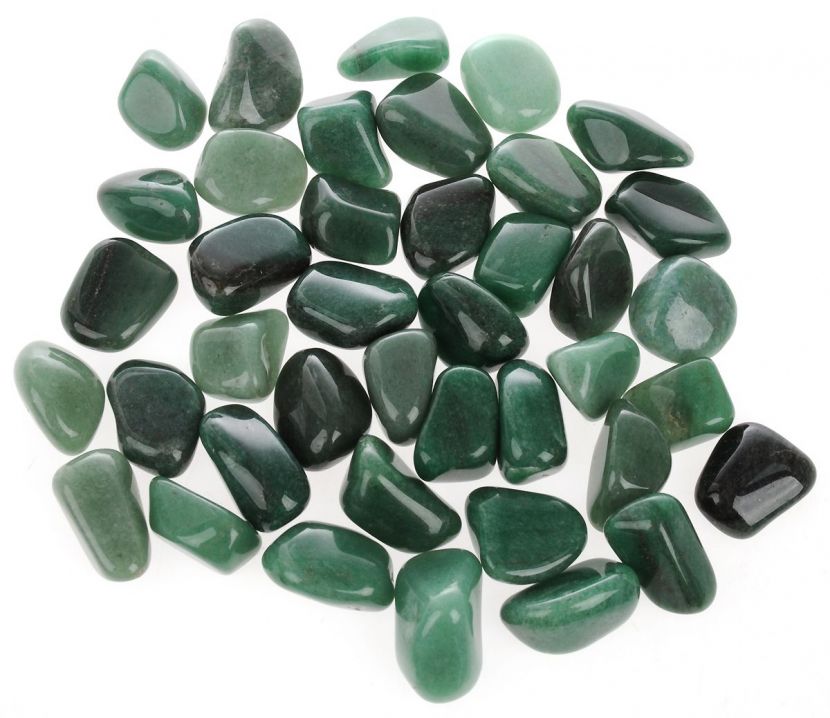
In the USA, "Colorado gold stone" is mined in the state of Colorado. At first, his sequins were considered the smallest grains of gold, which caused a great stir.
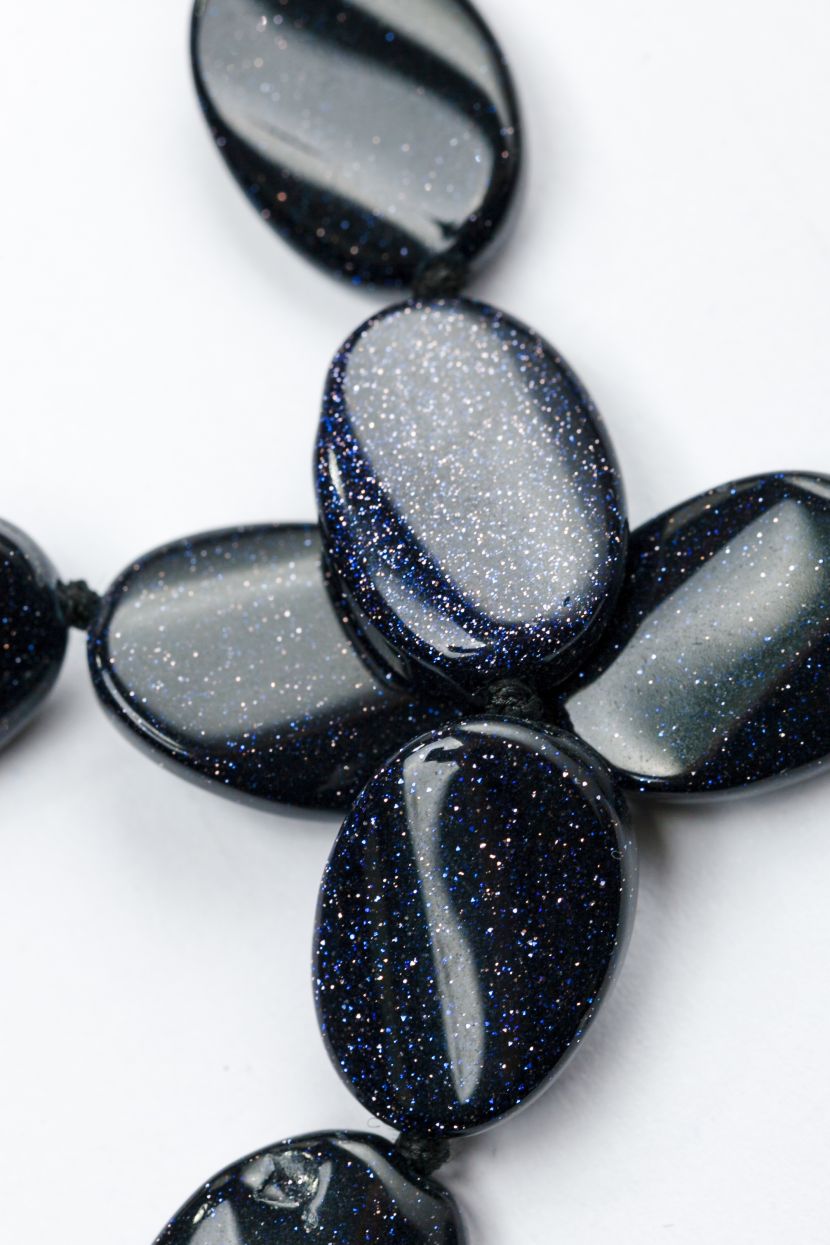
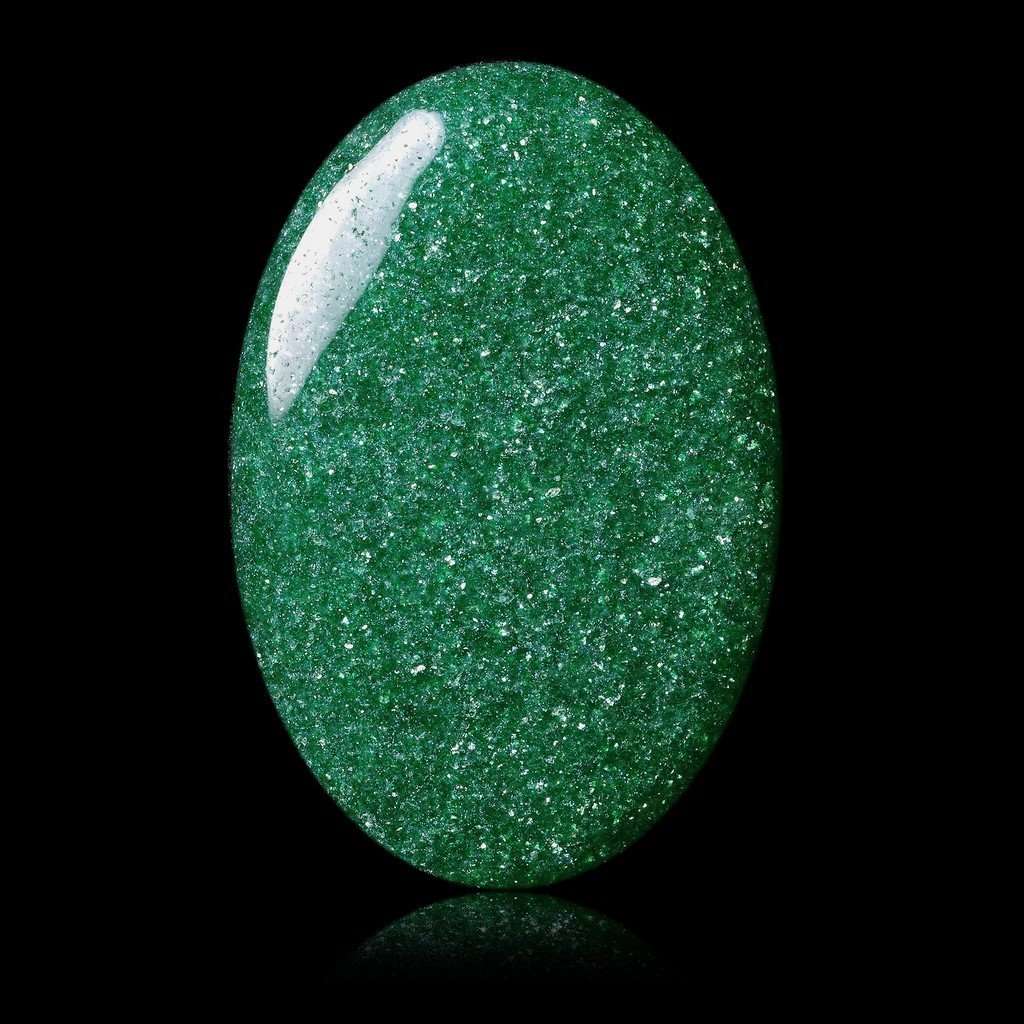
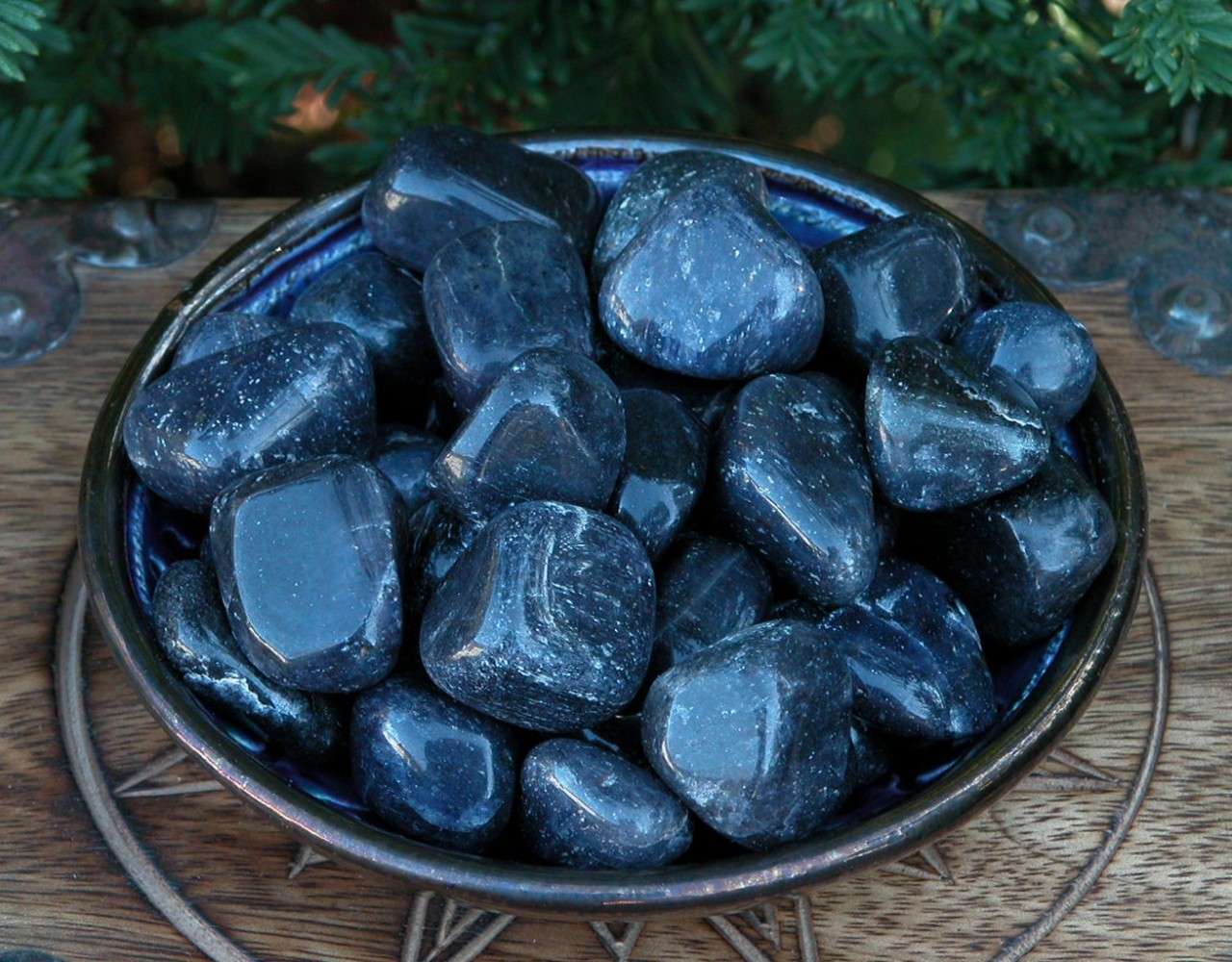
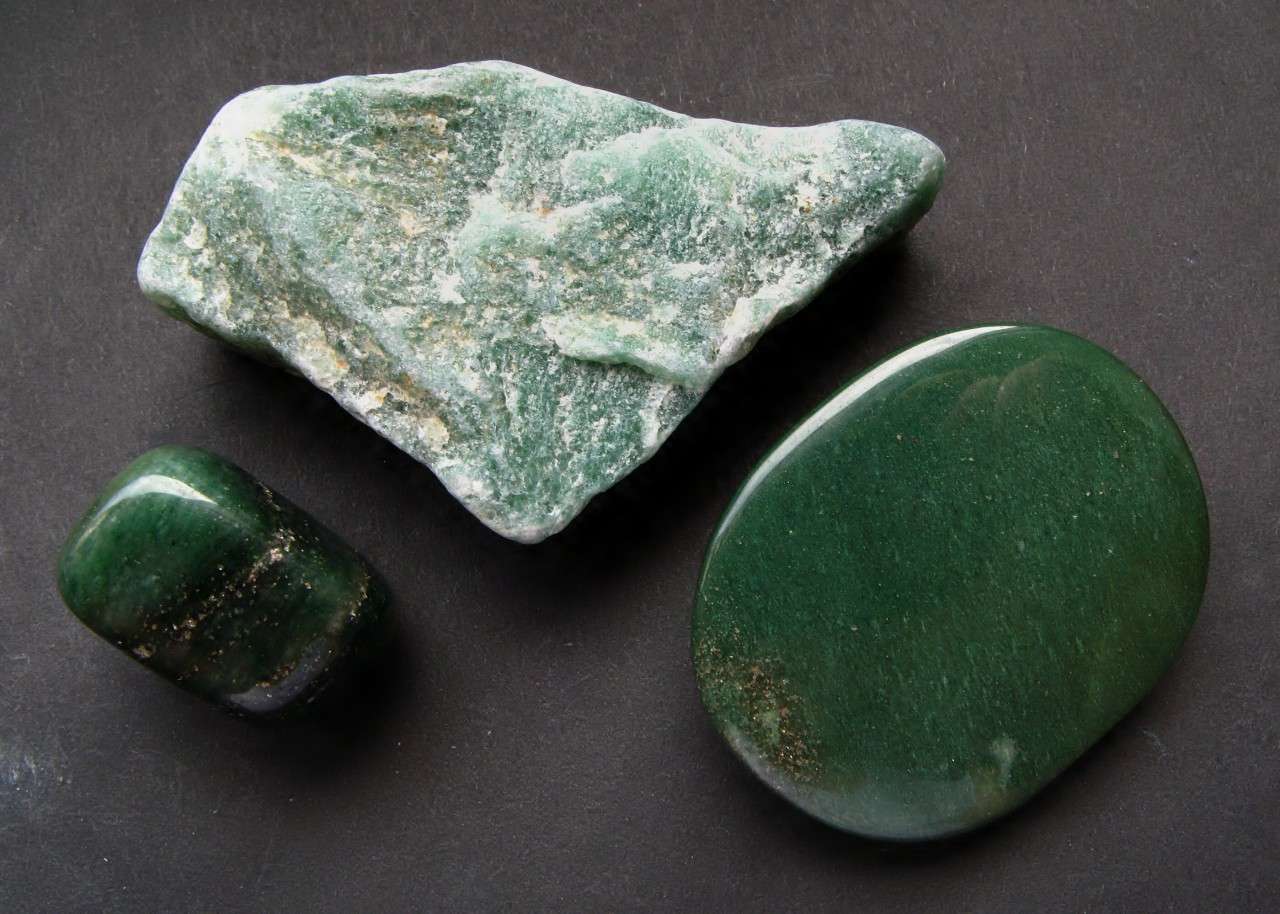
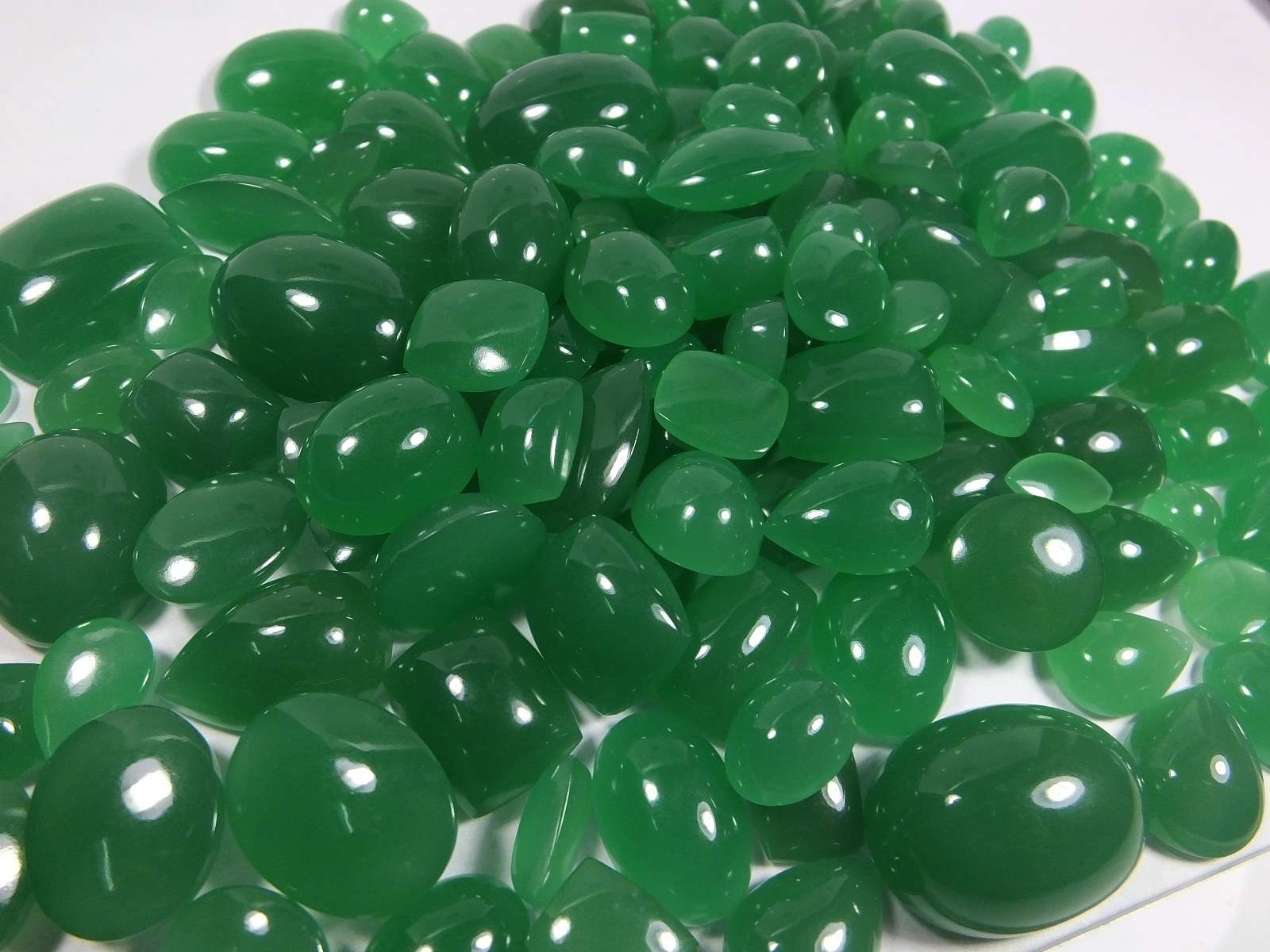
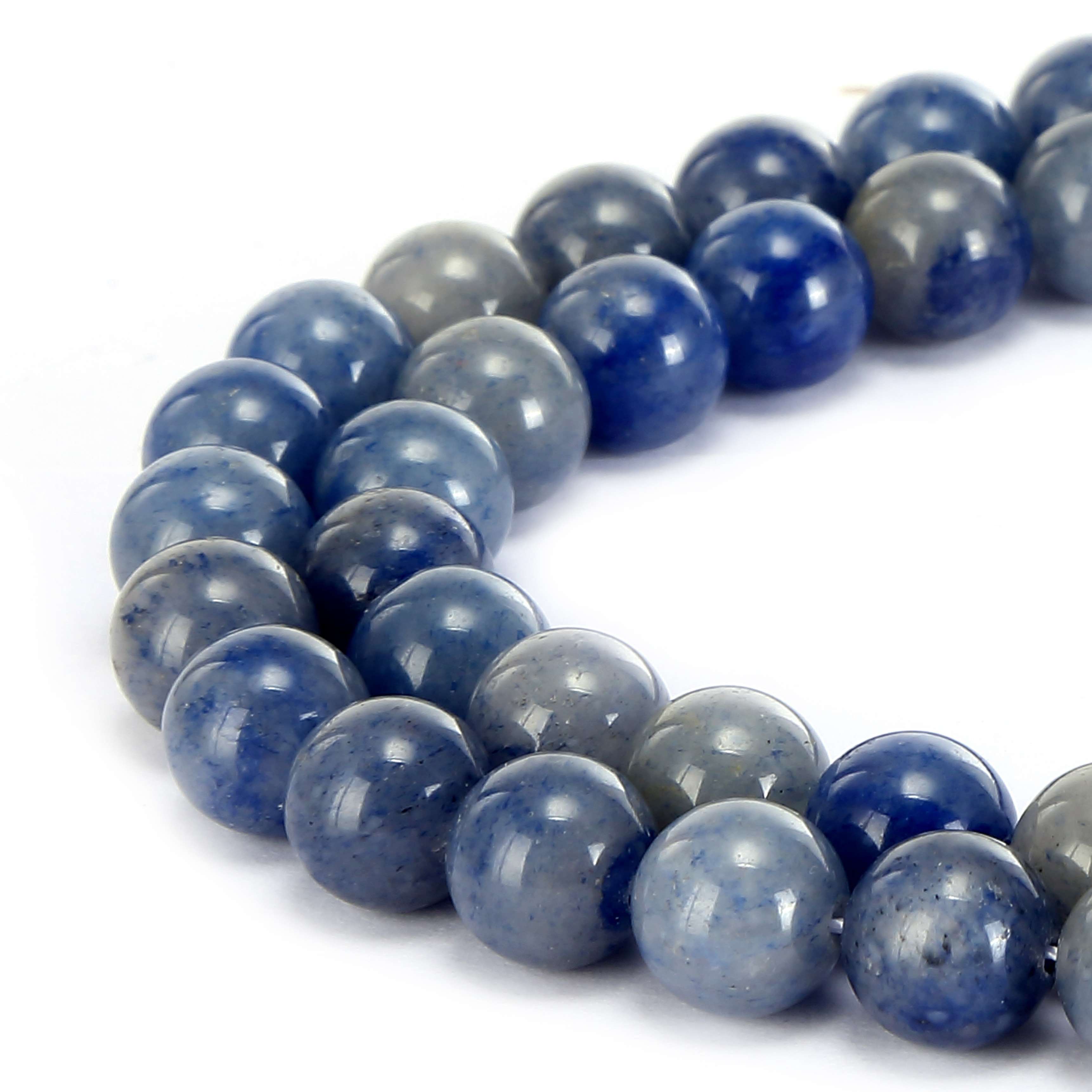
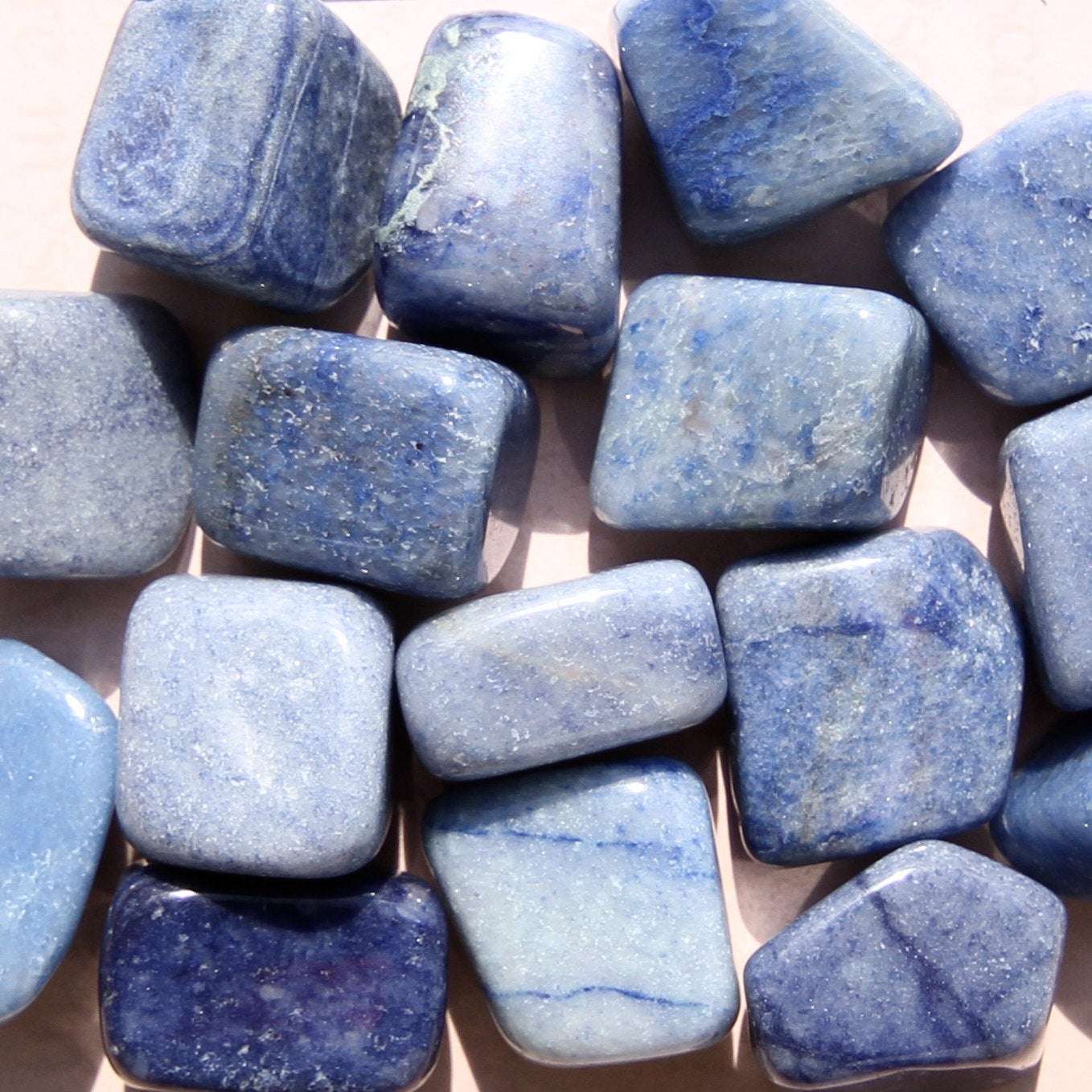
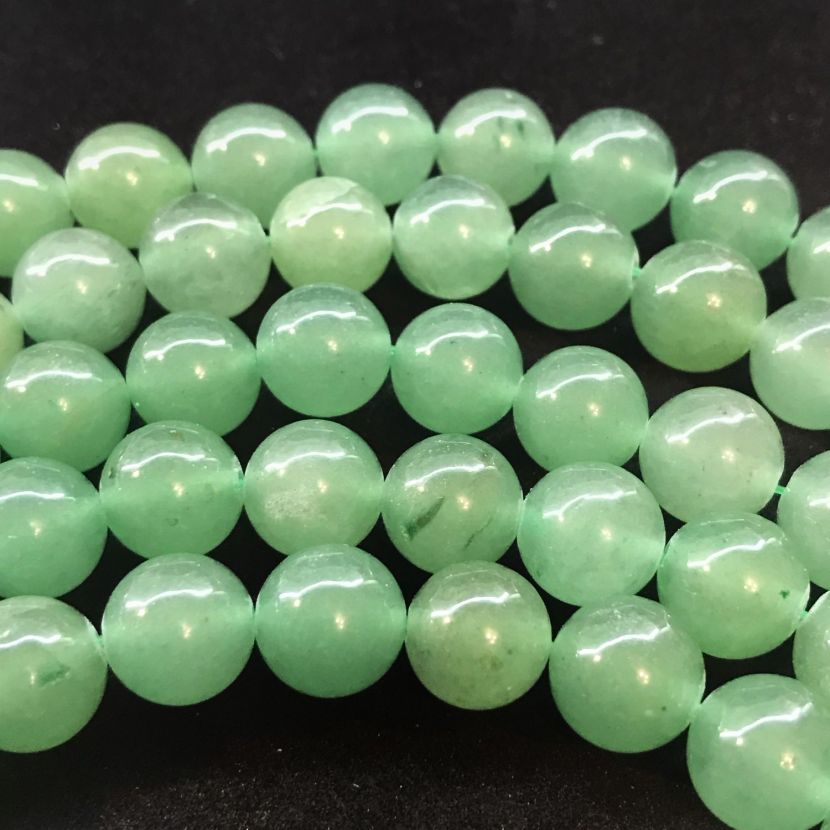
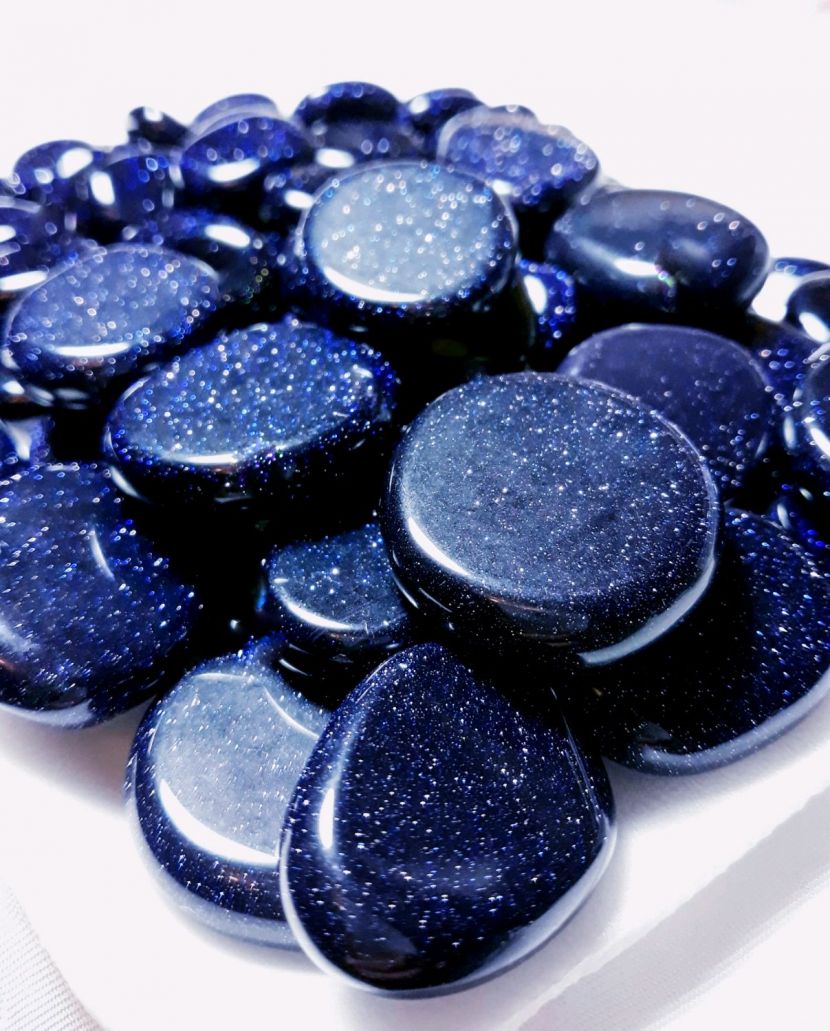
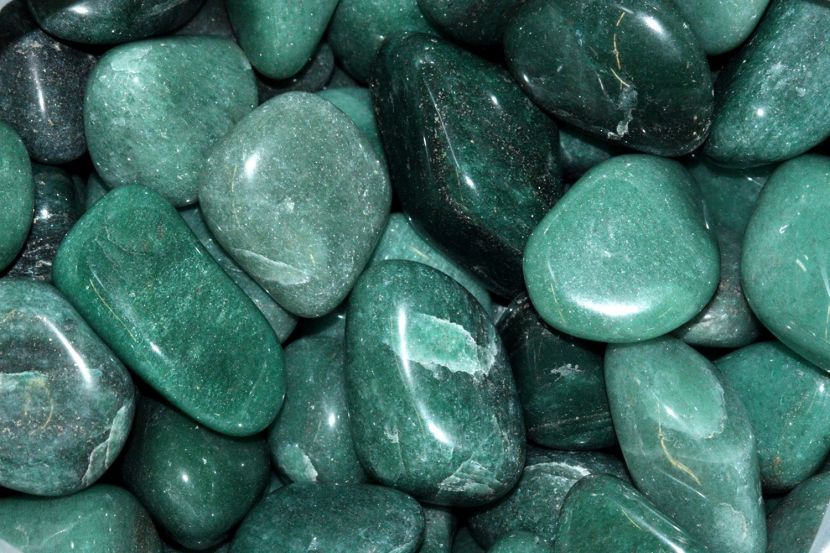
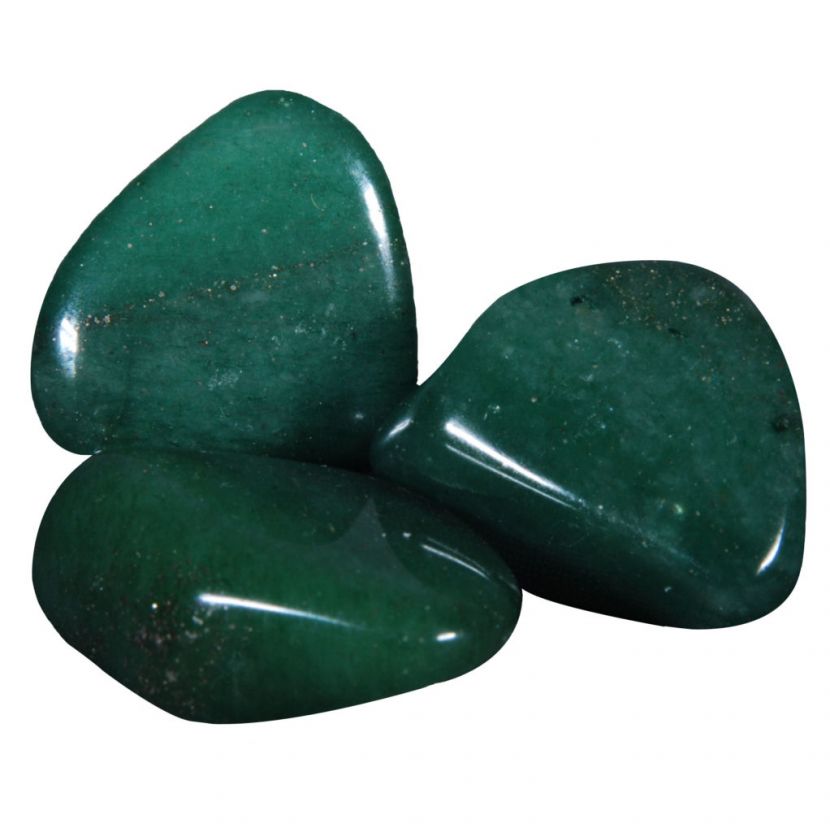
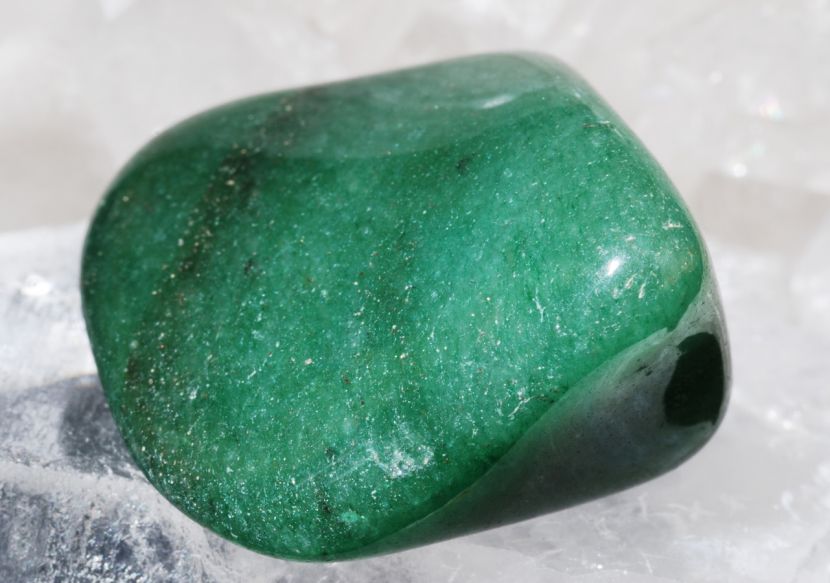
Beautiful blue and green stones are found in India. The greens were called "Indian jade". In Europe, blue aventurines are found in Austria, in Norway they are dark blue to almost black, and in Spain they are red-brown.
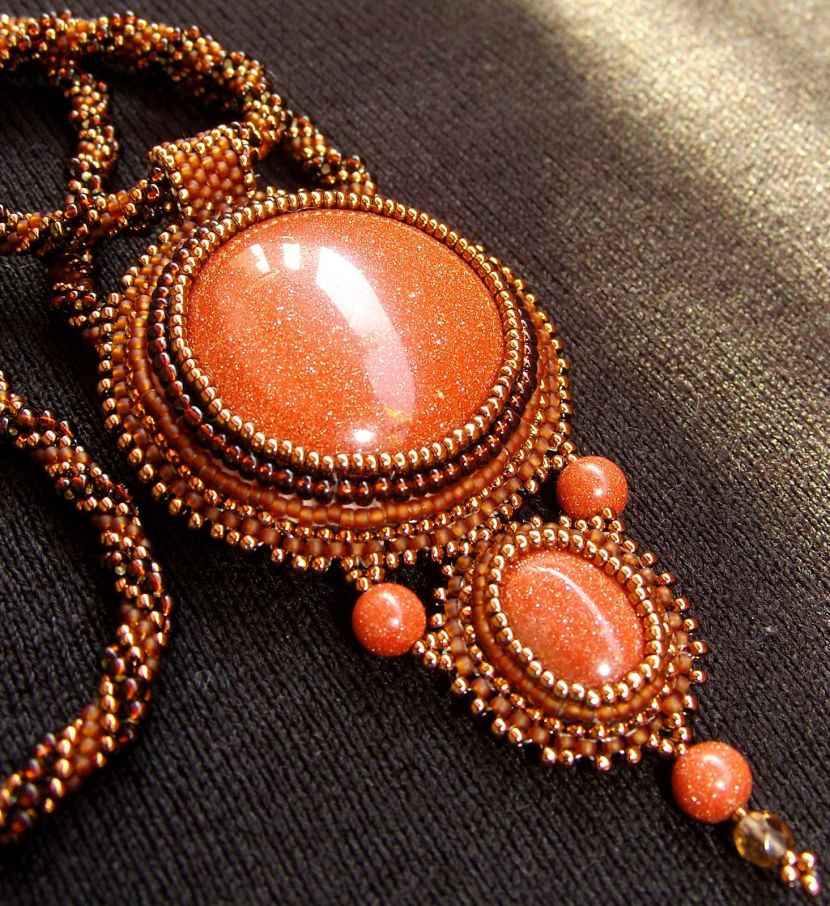
In Australia, the color of stones varies from light green to dark green.

In Chile, stones of different colors are found, up to black, and in Brazil, green ones are most often found.
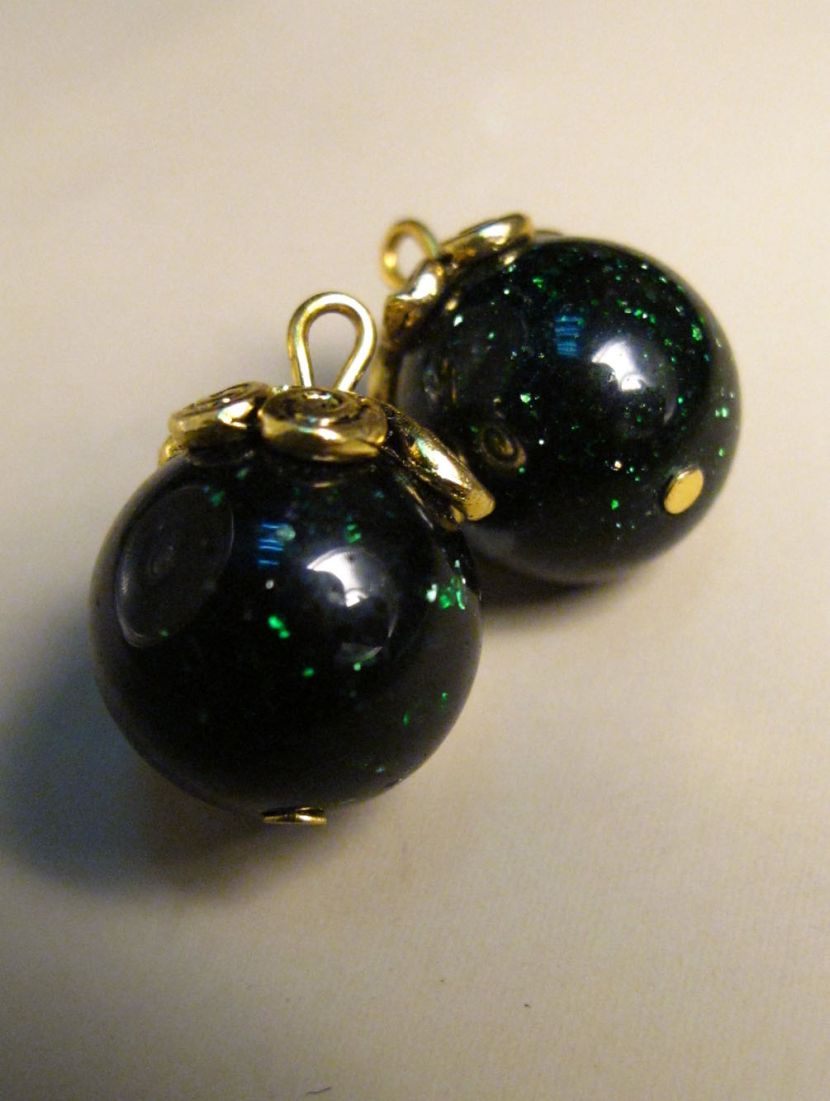
In Africa, large deposits of aventurines are found in Zimbabwe, Tanzania and Madagascar. In China and Tibet, the color of the stone is usually green.

The origin of aventurine is metamorphic. It occurs in rocks belonging to the Paleozoic and Proterozoic eras, in massifs formed during the recrystallization of sandy-argillaceous sedimentary rocks into quartzites and crystalline schists.
Physical Properties
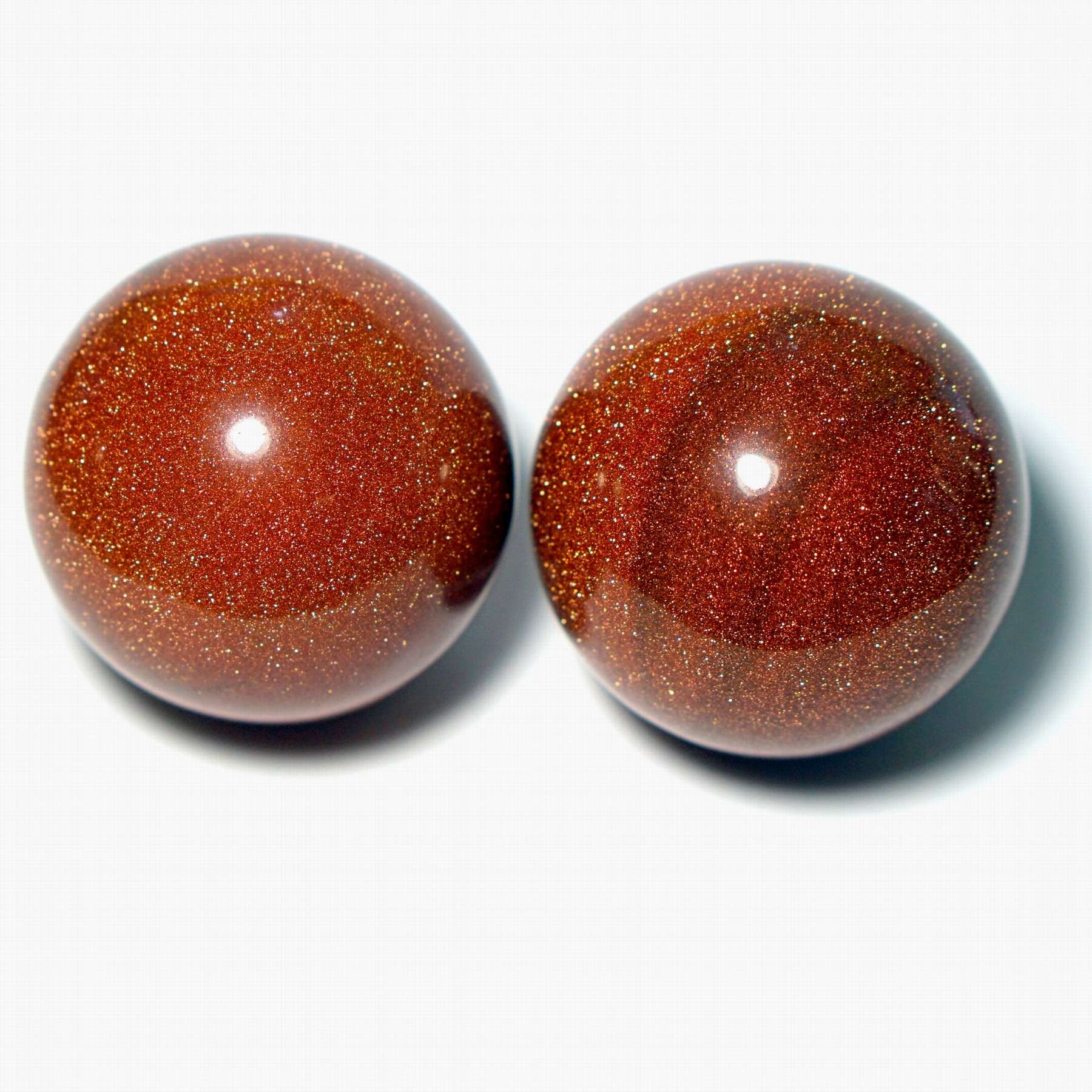
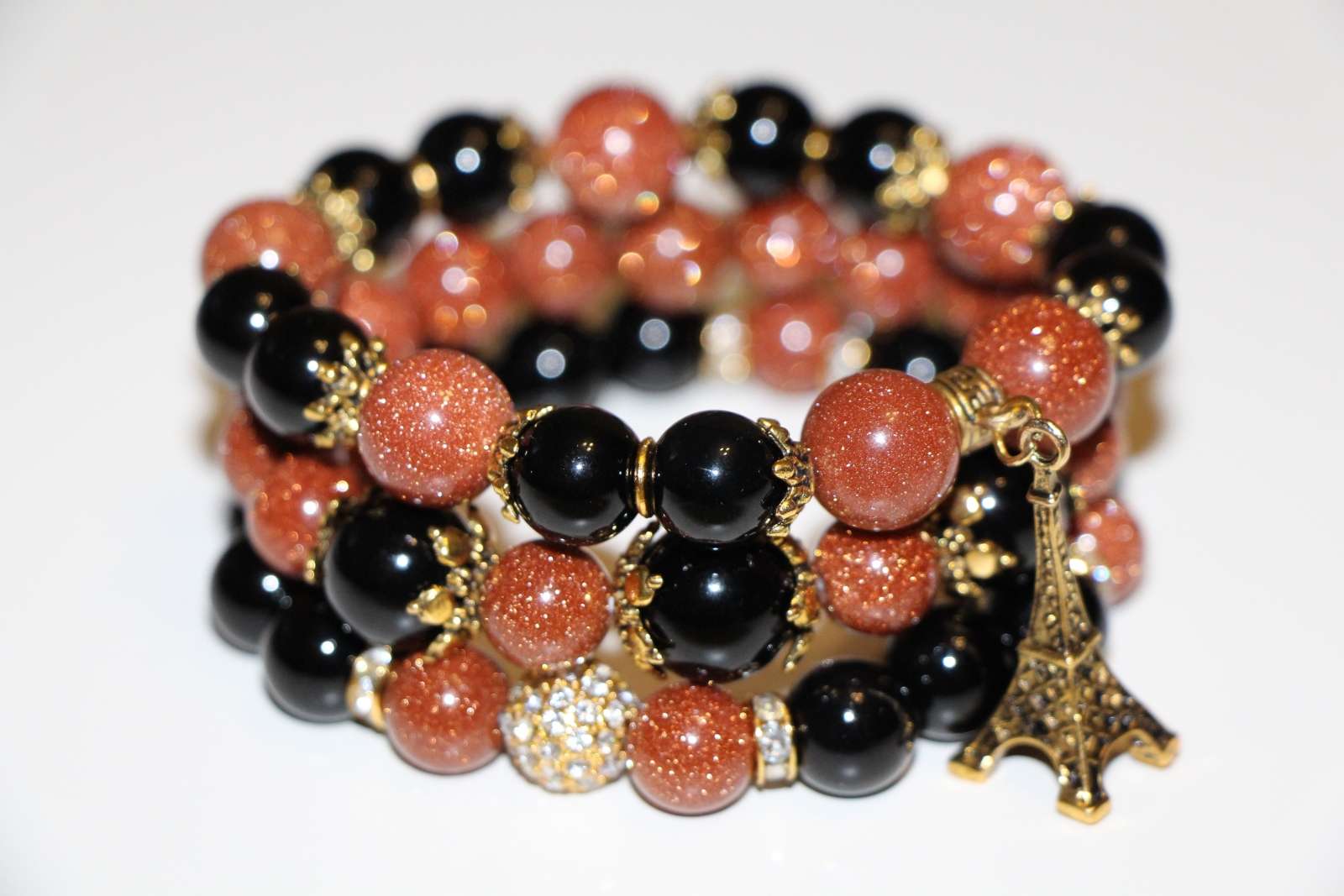
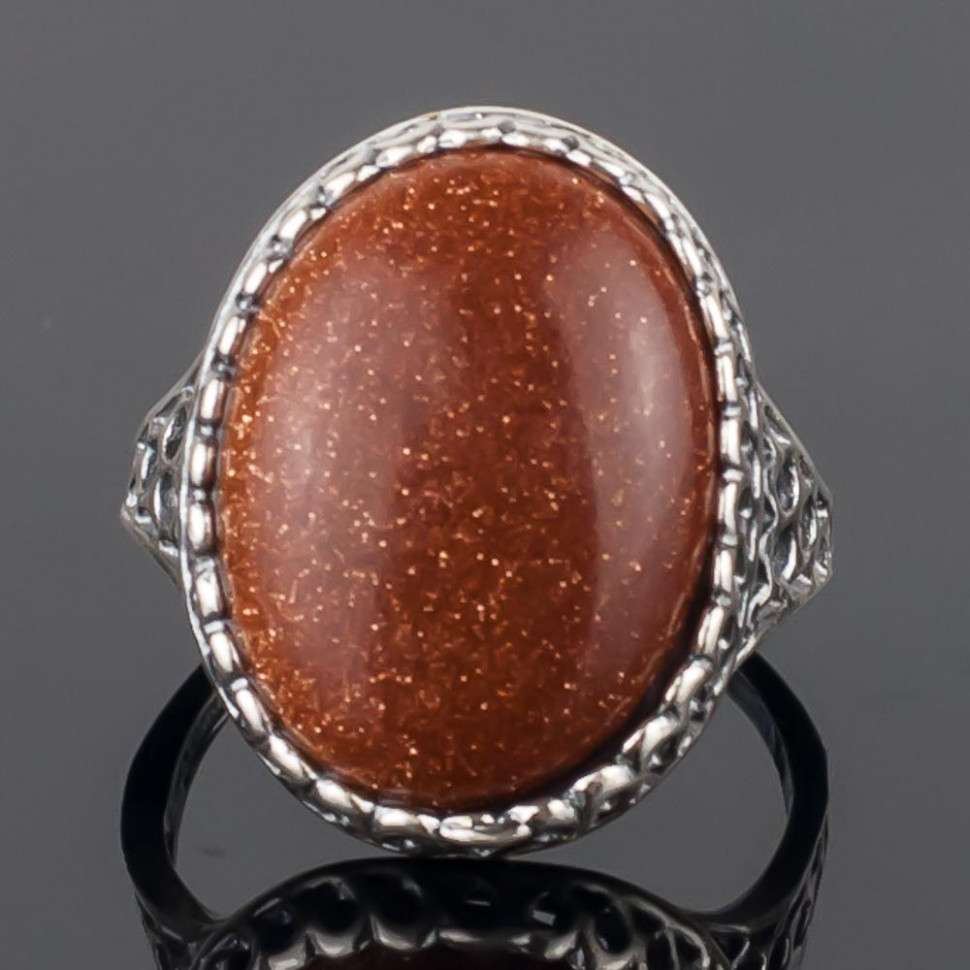
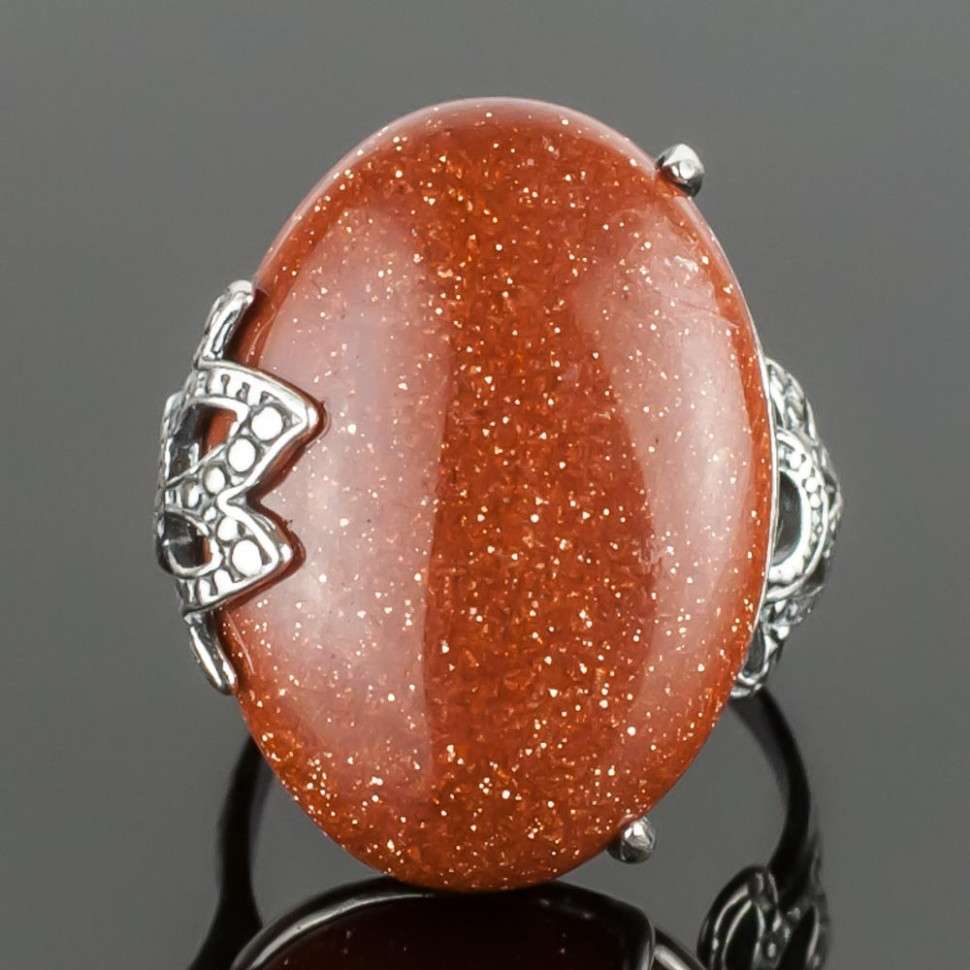
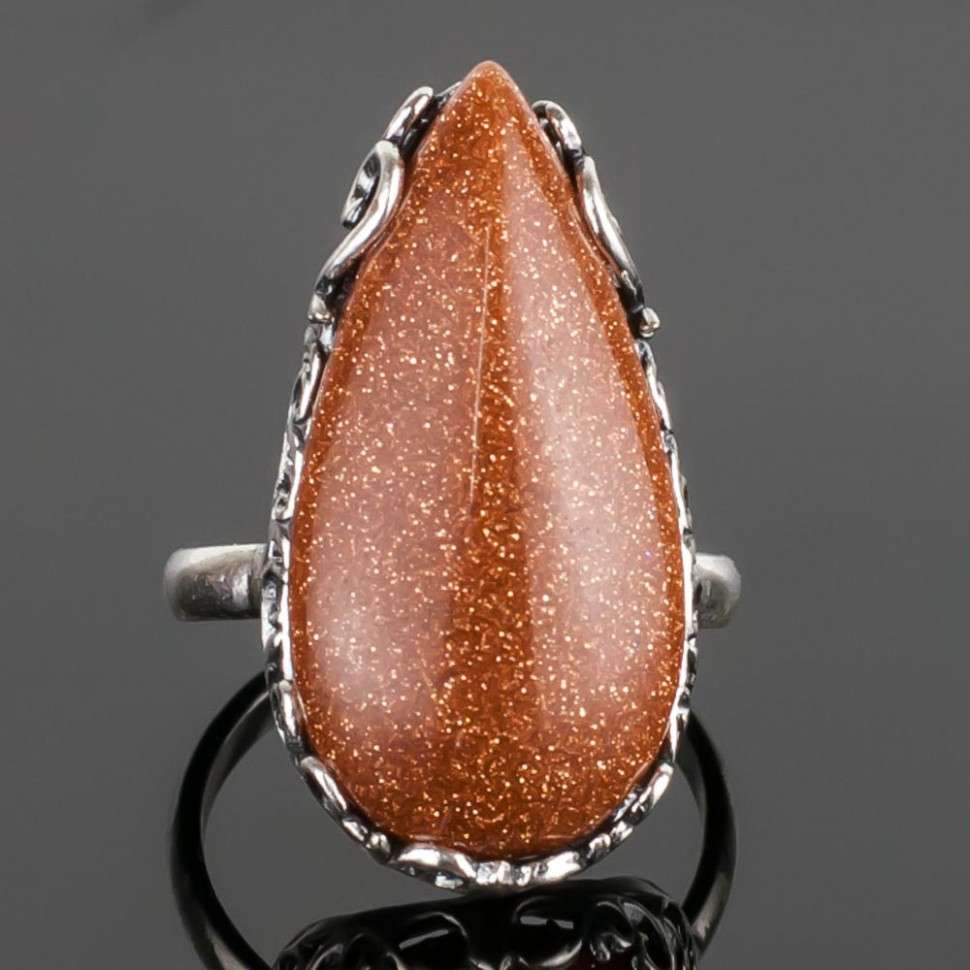
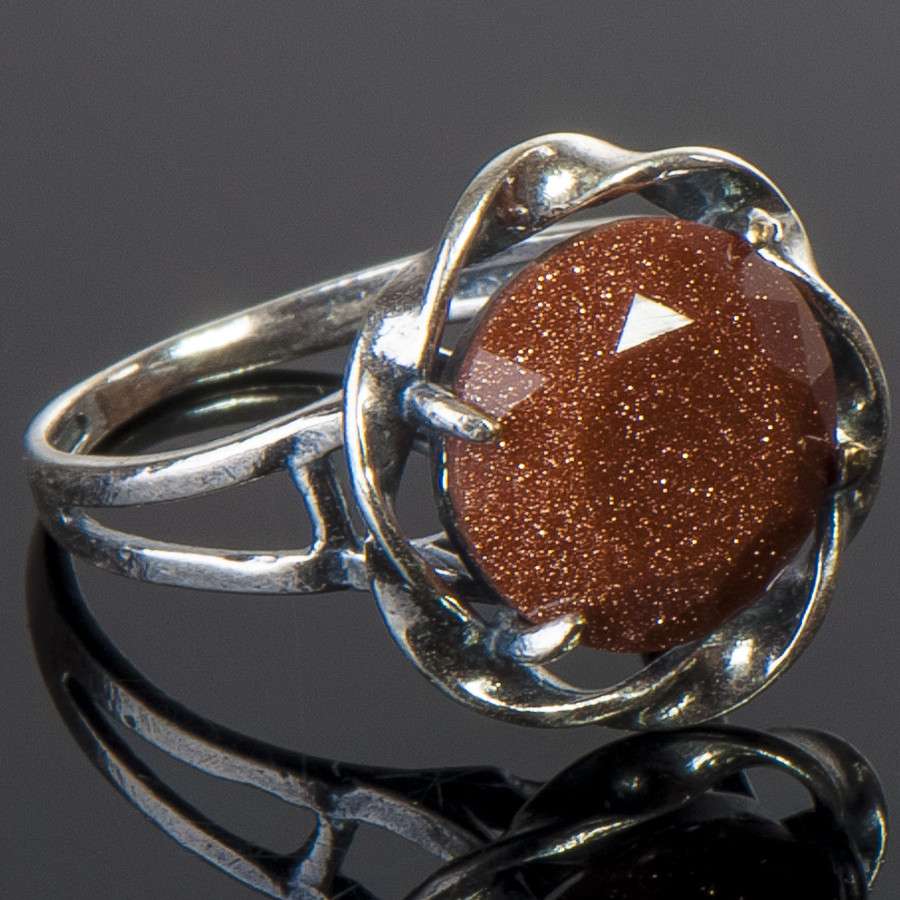
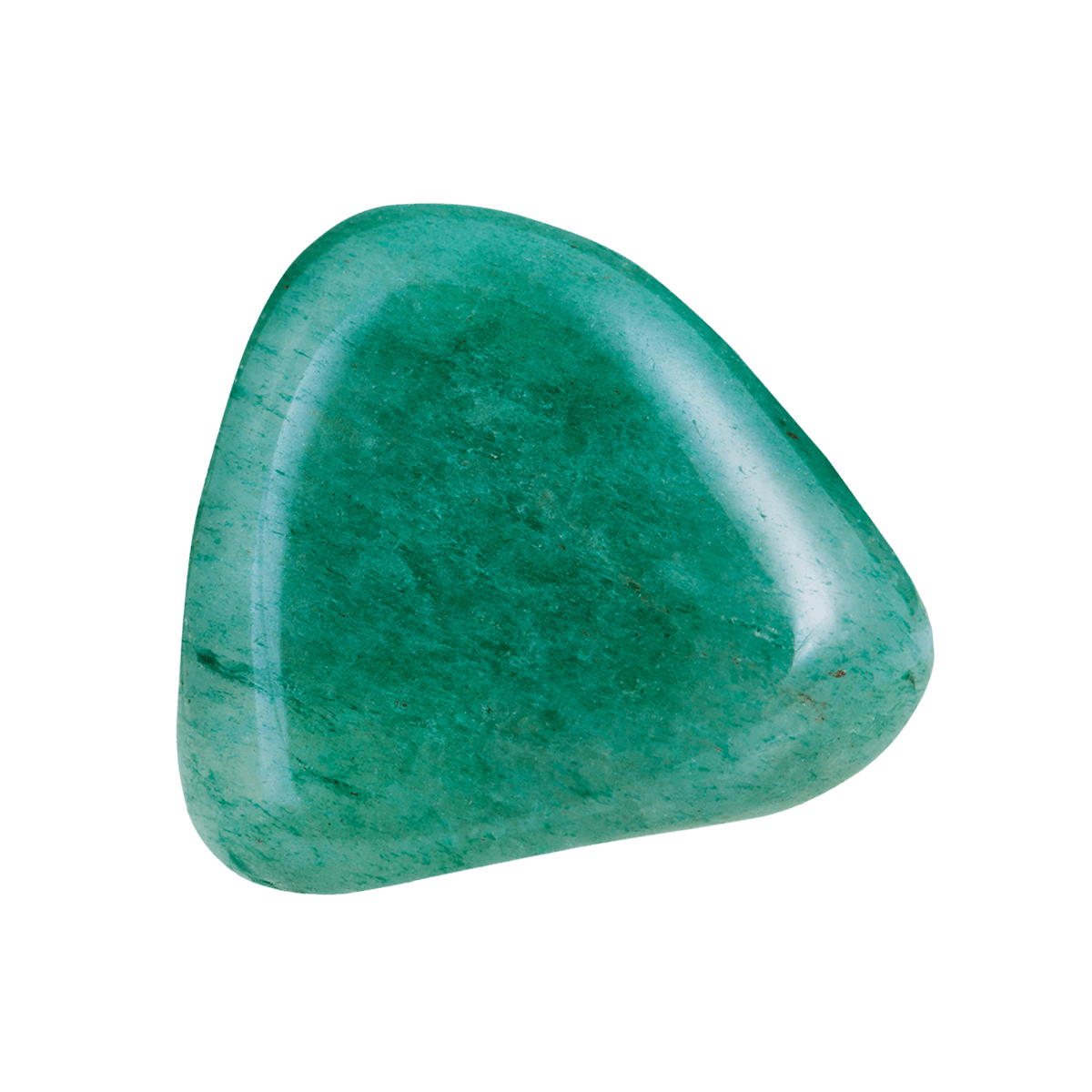
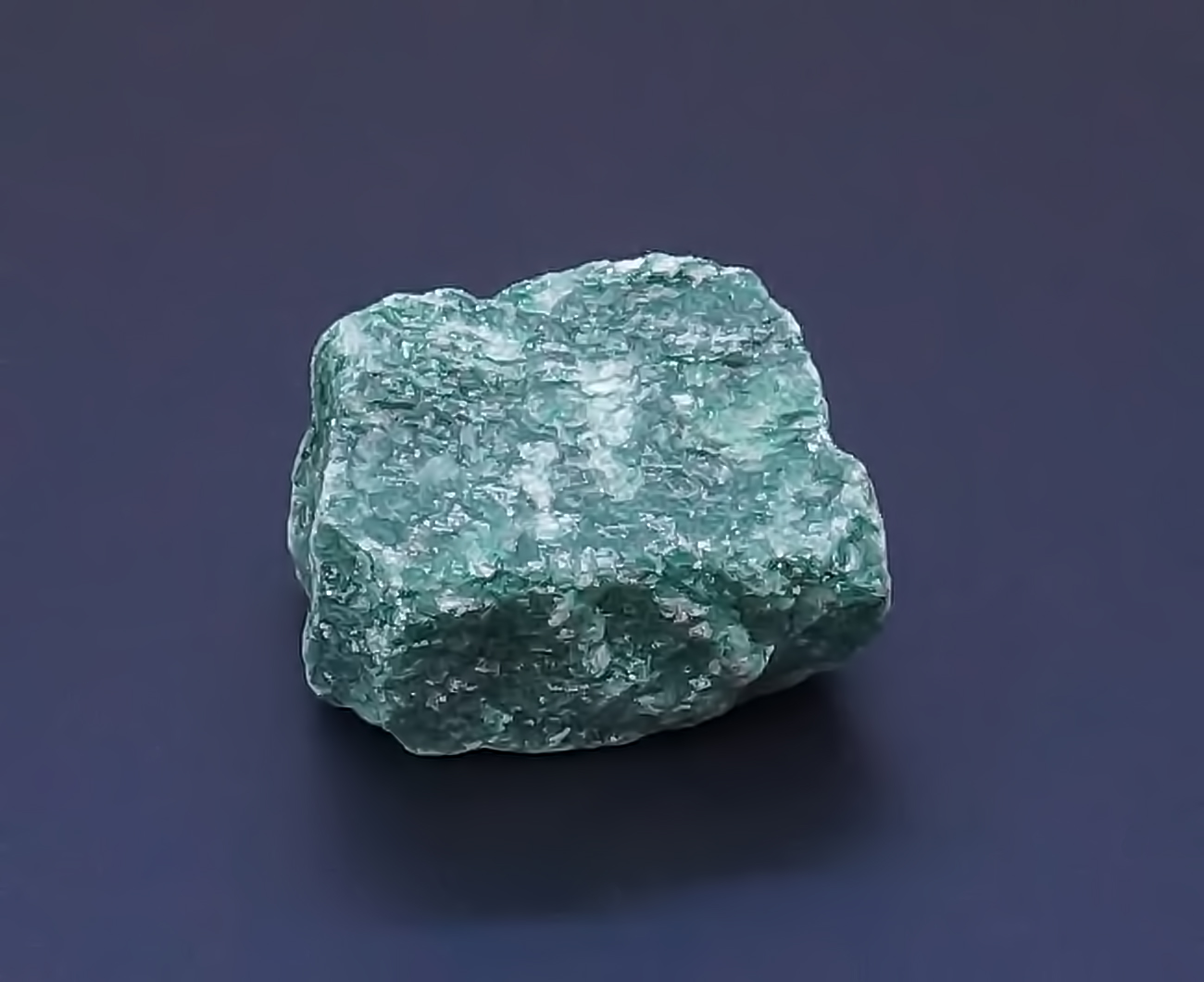
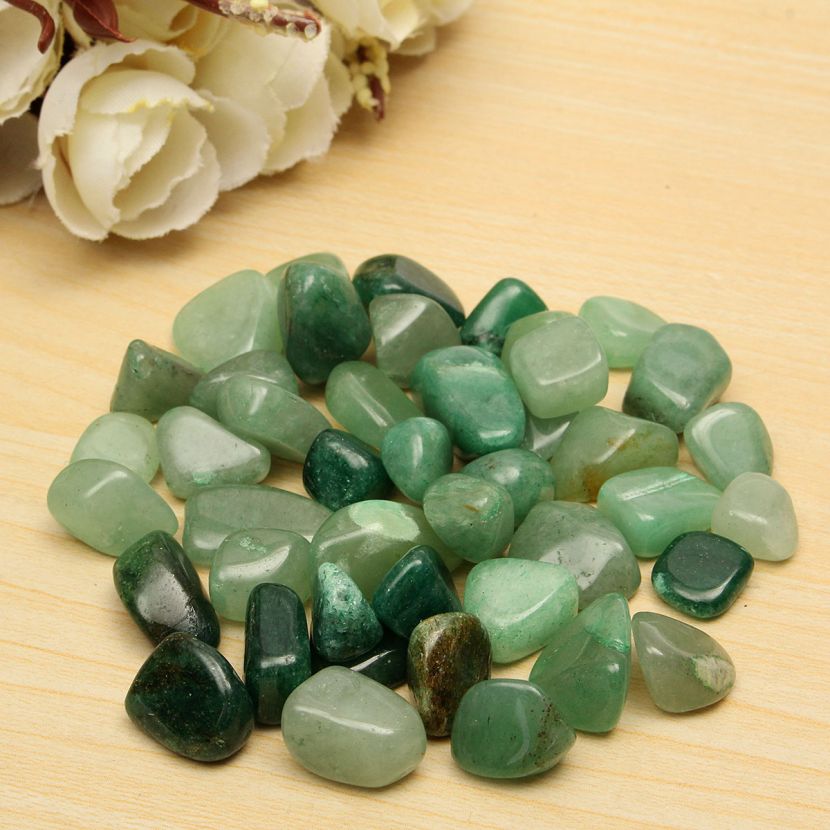
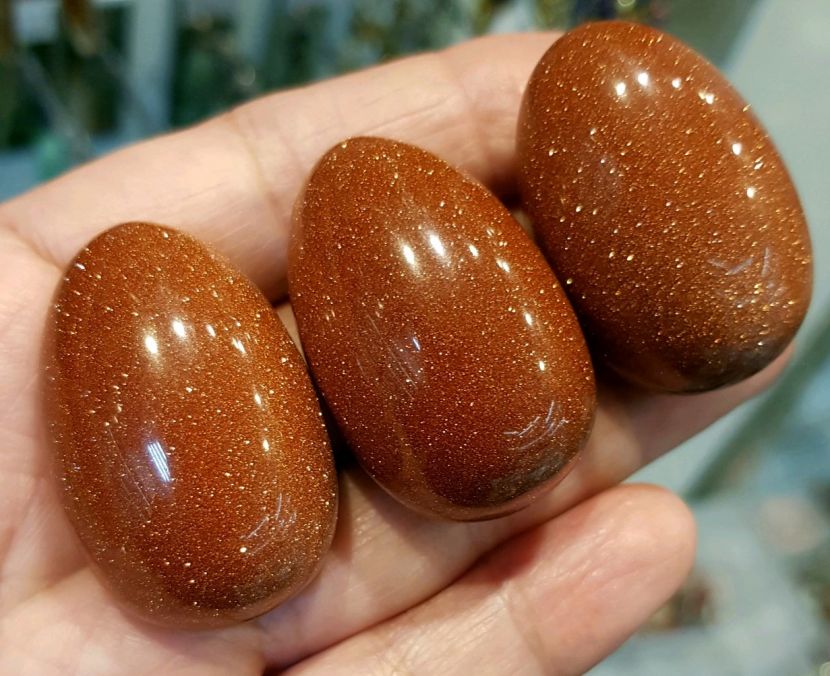
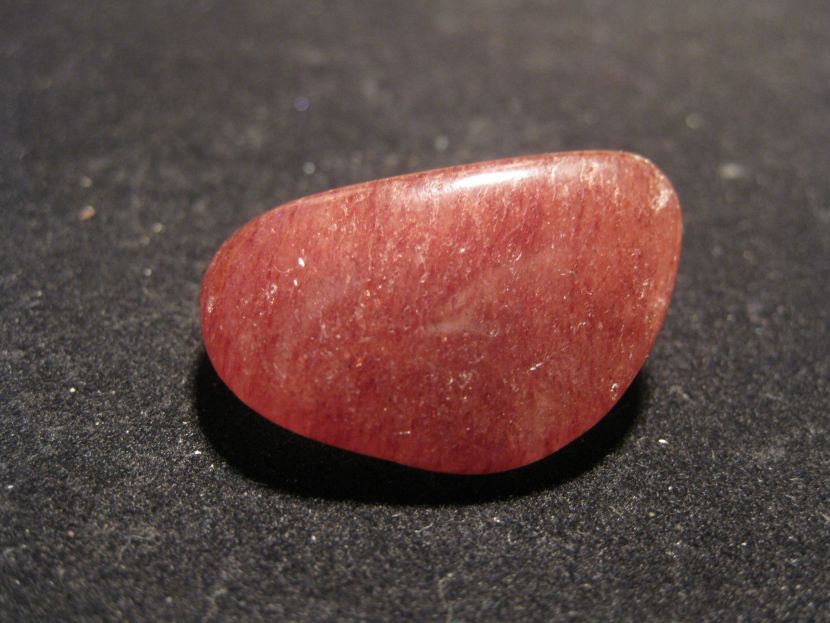
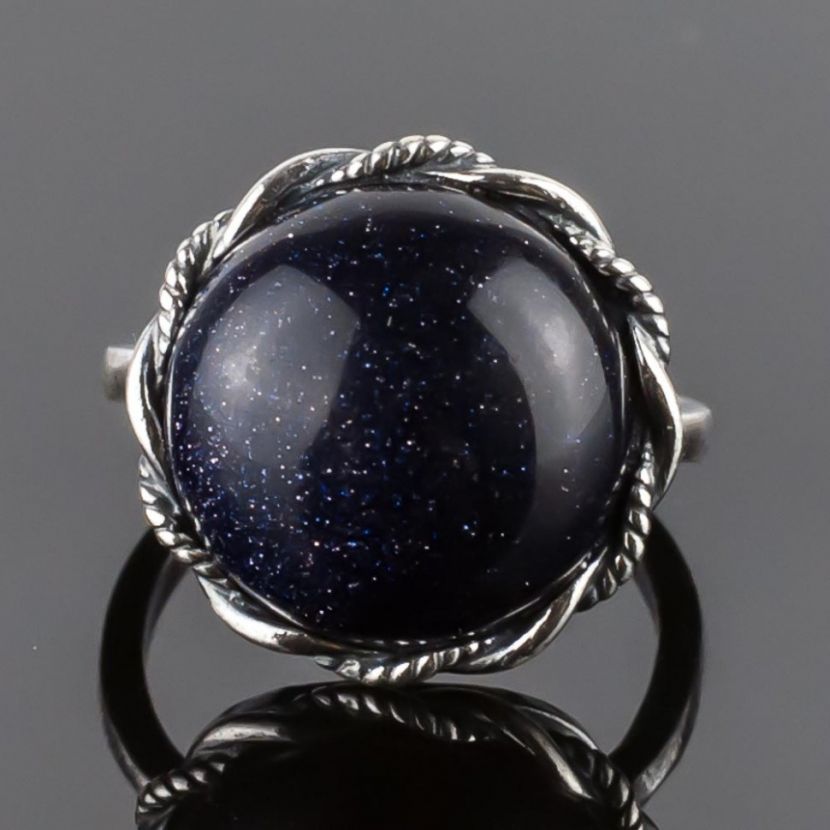
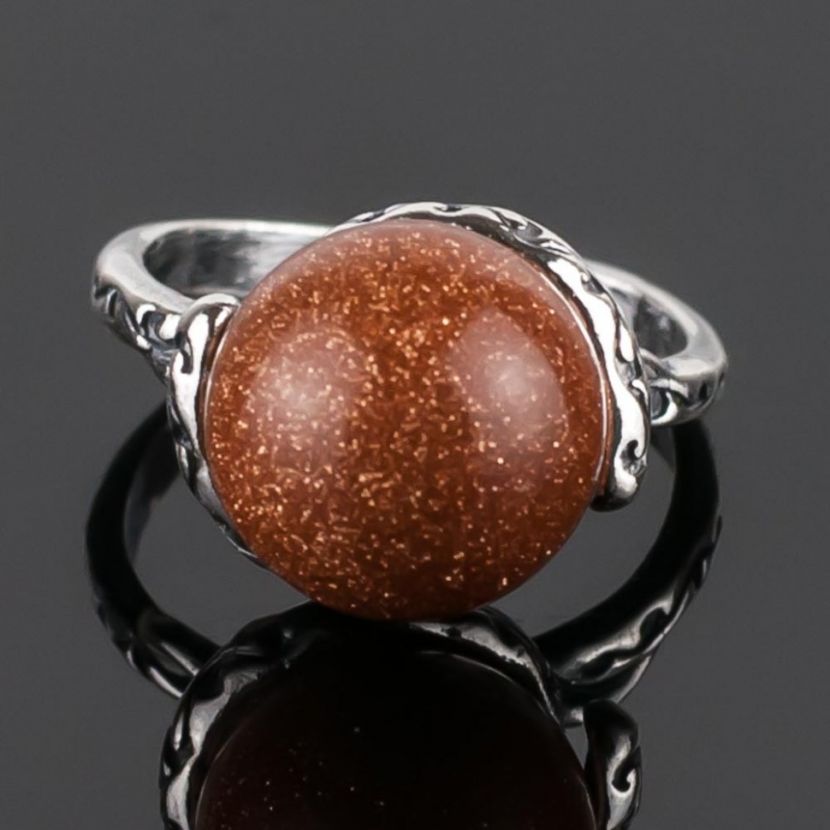
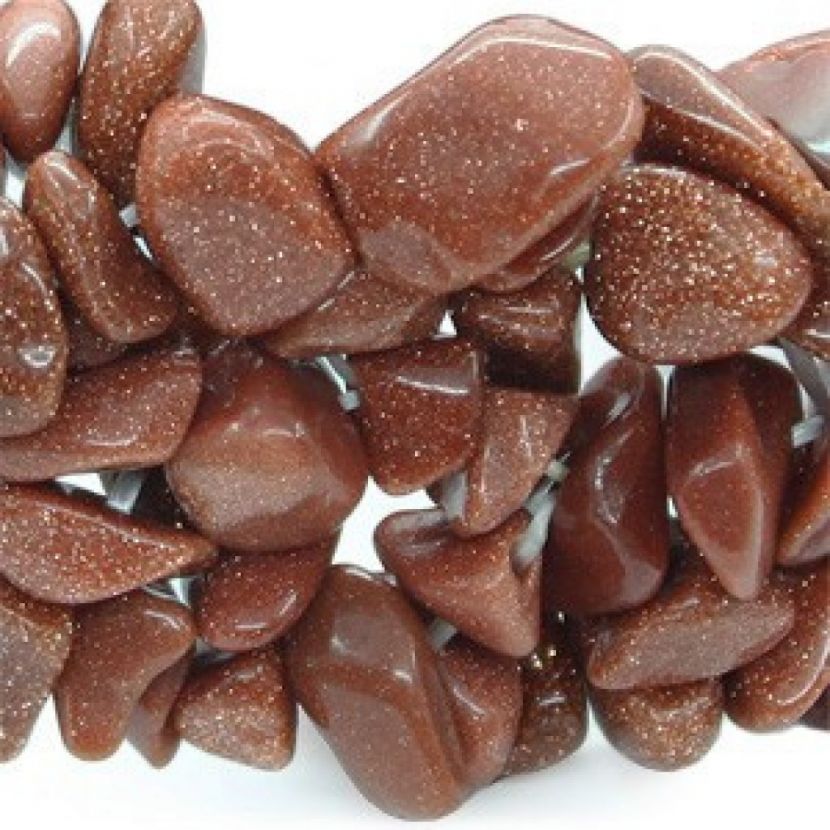
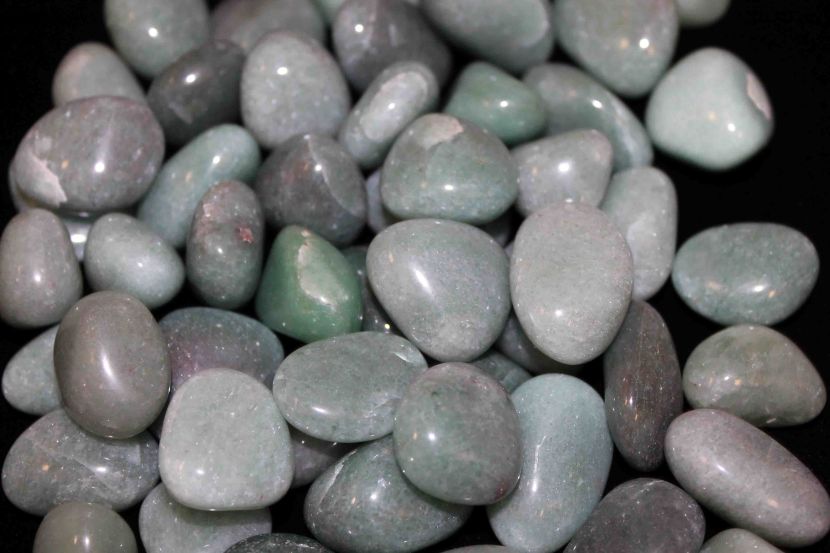
Aventurine has a hardness of 7, oily luster. The color can be white, blue, pink, almost black, but green and red-brown stones are most common. Density 2.6 g/cm3. Well polished.
Chemical properties and composition
Aventurine is quartz with inclusions of fine-grained mica, hematite, muscovite, rutile, goethite and other minerals that determine the color of the stone.
The chemical formula is SiO2.
Varieties
Decorative and ornamental varieties of aventurine:
- Honey yellow.
- Cherry brown.
- Golden cherry.
- Pink.
- Spotted striped cherry white.
- Indistinctly banded white variety.
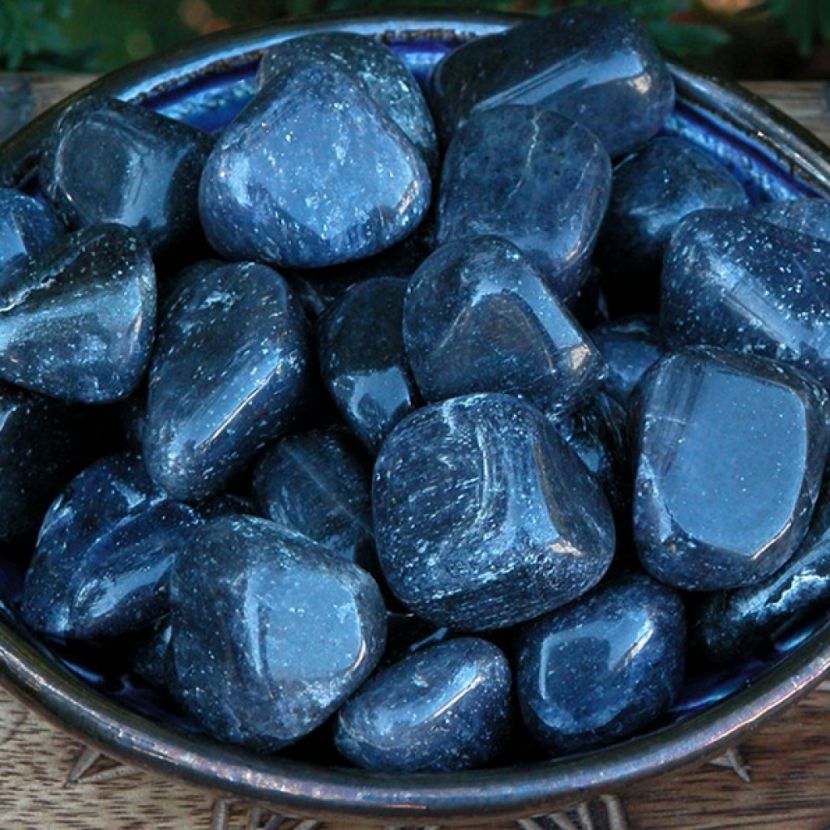
fakes
Unfortunately, almost all stones that are sold under the guise of aventurine are fakes. They can be distinguished by their appearance or hardness.
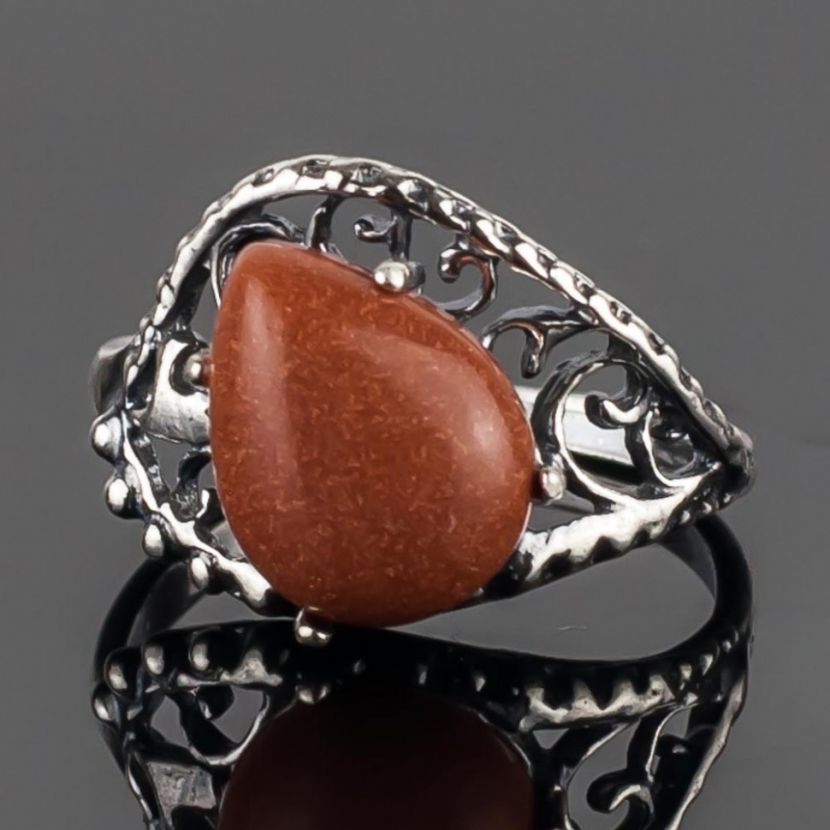
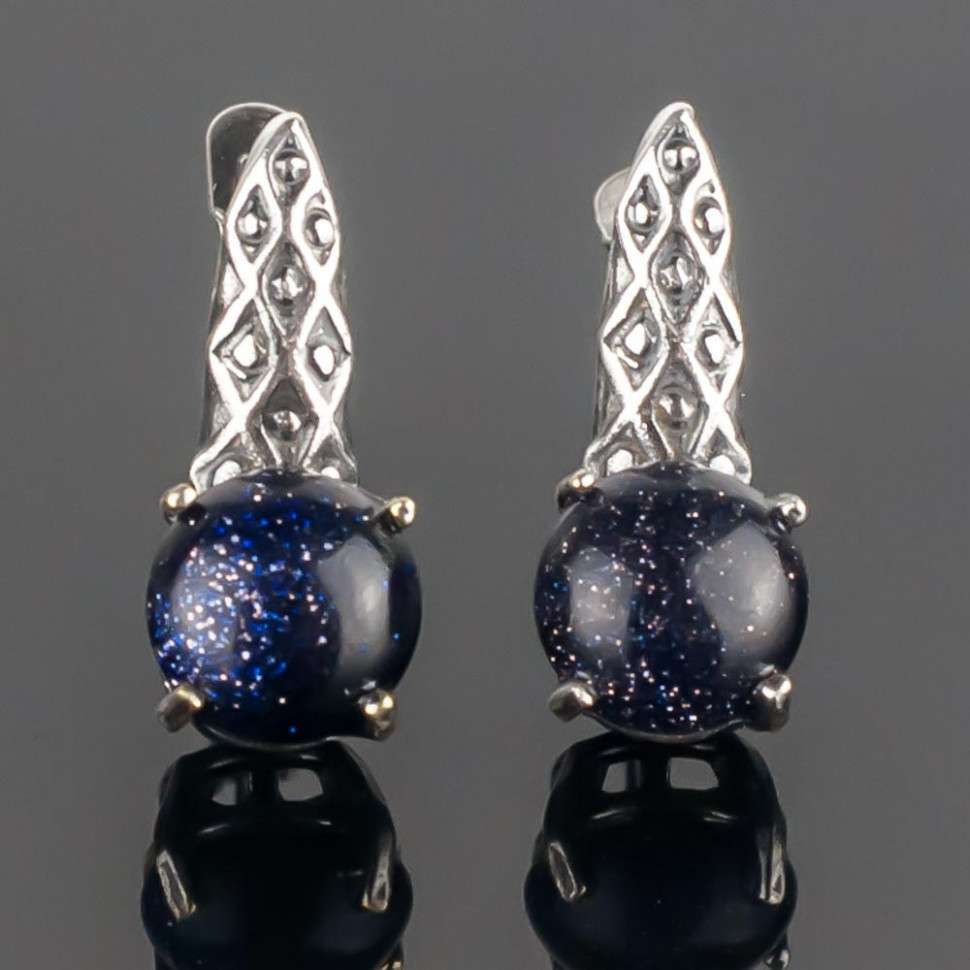
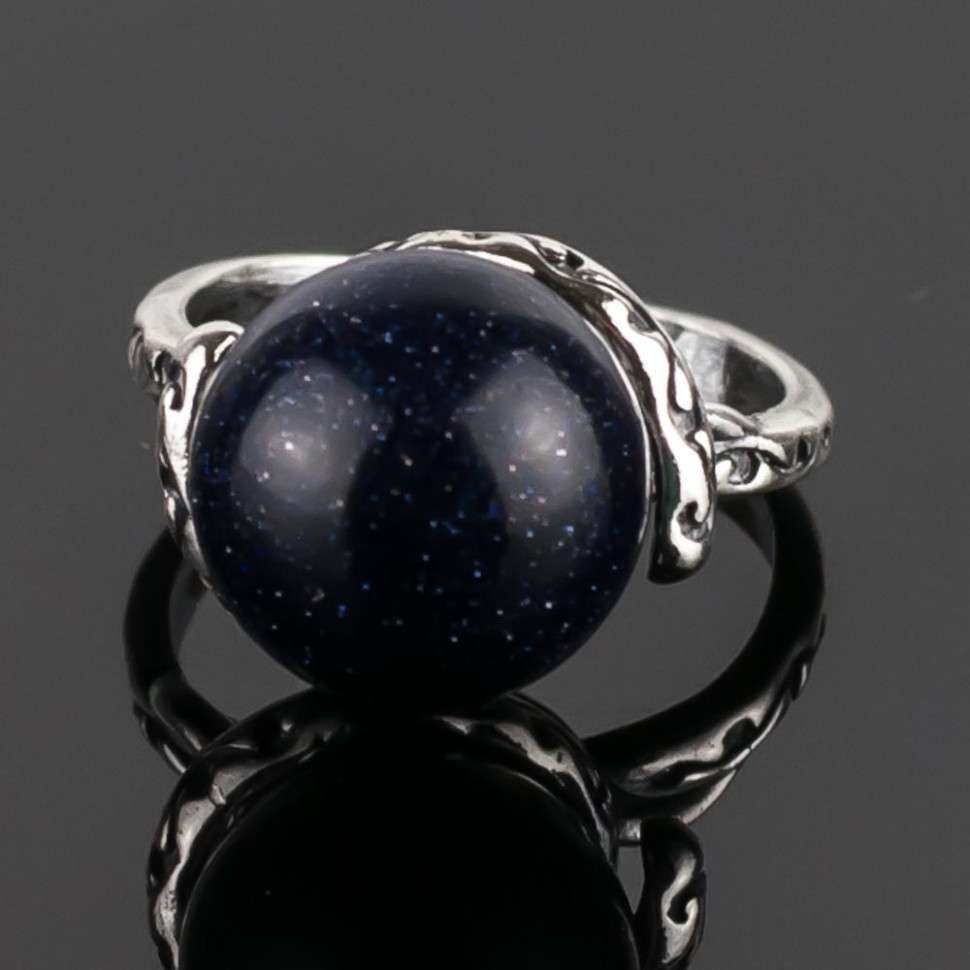
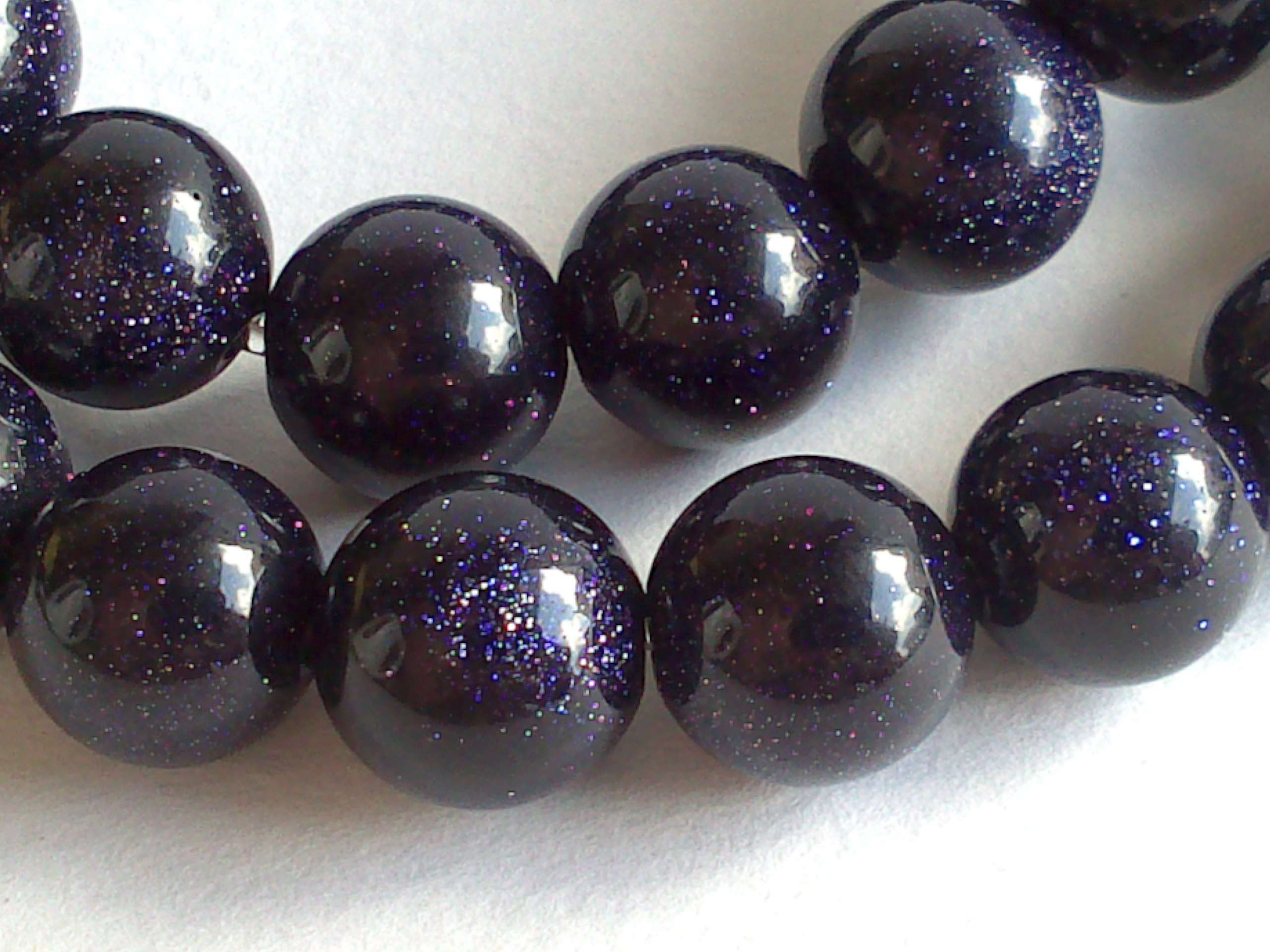
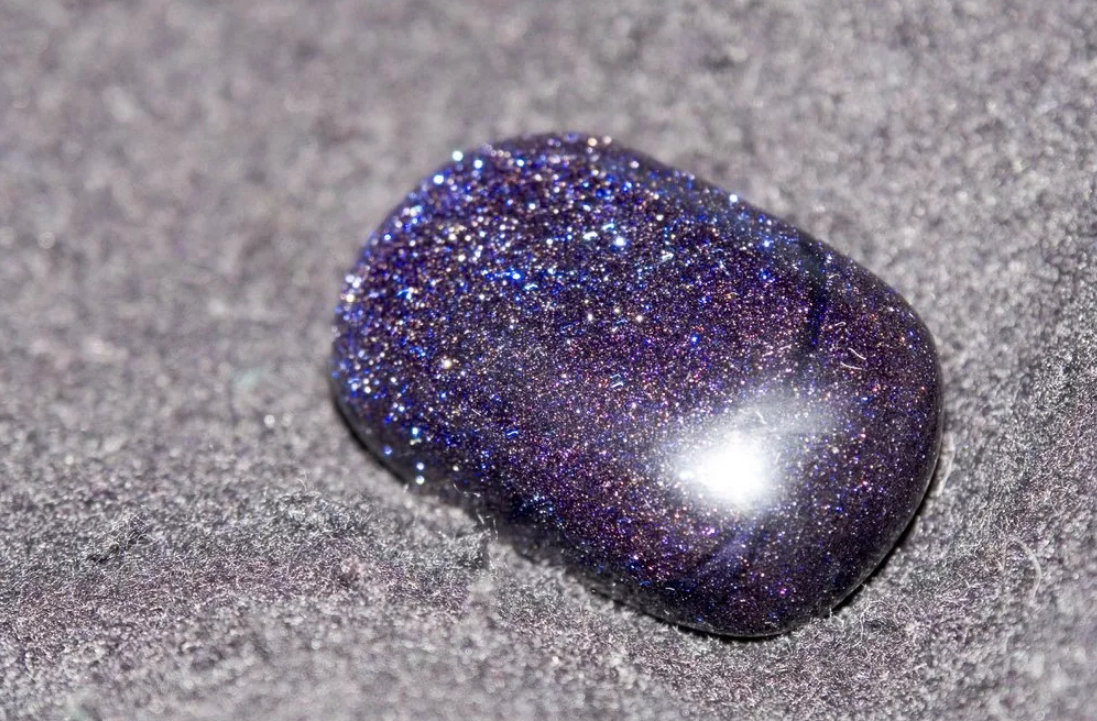
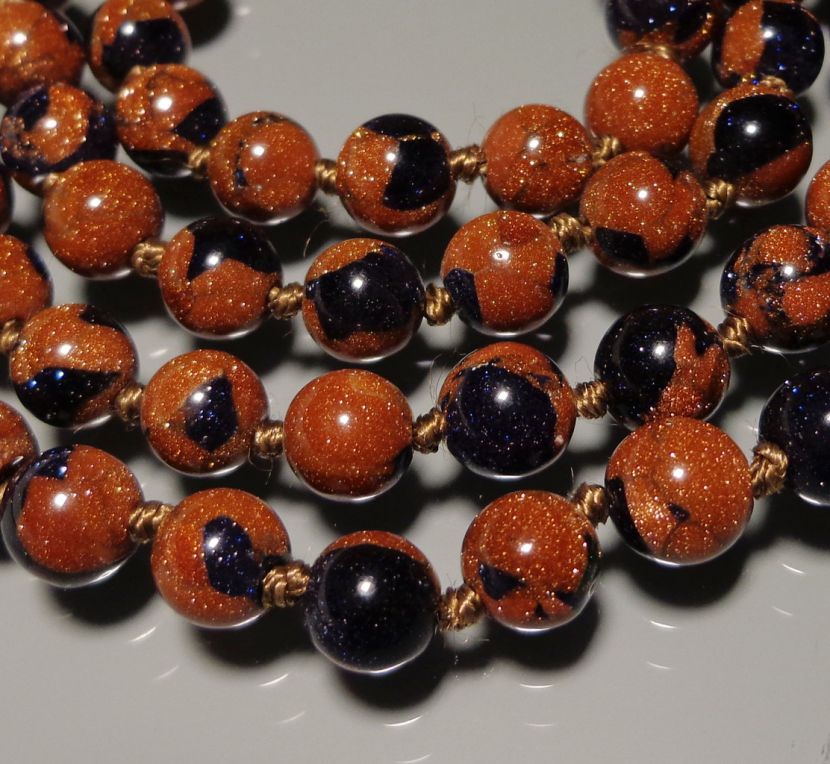
Synthetic fakes look brighter, have more sparkles, and are usually larger. Natural aventurines have a more restrained color and fine sparkles. High-quality fakes can deceive even jewelers.
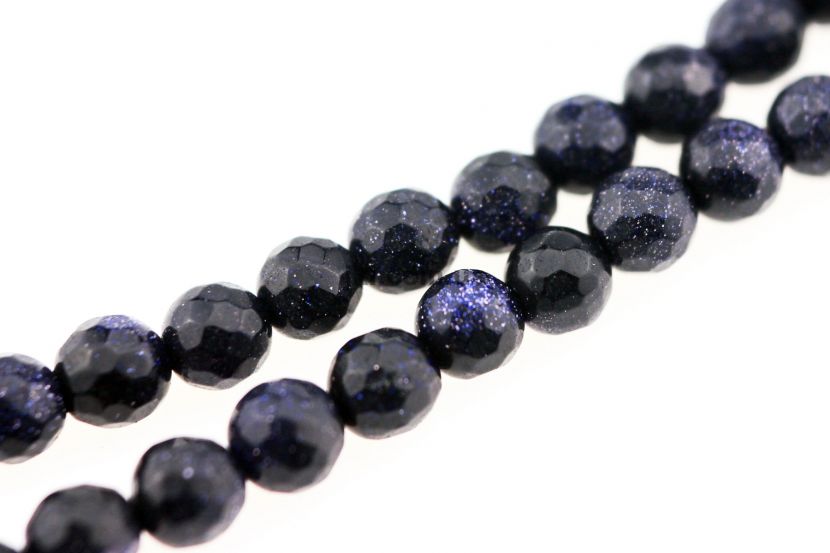
But in terms of hardness, they can be distinguished more easily if you pass quartz over them. This will not harm natural stone, but scratches will remain on the glass fake.
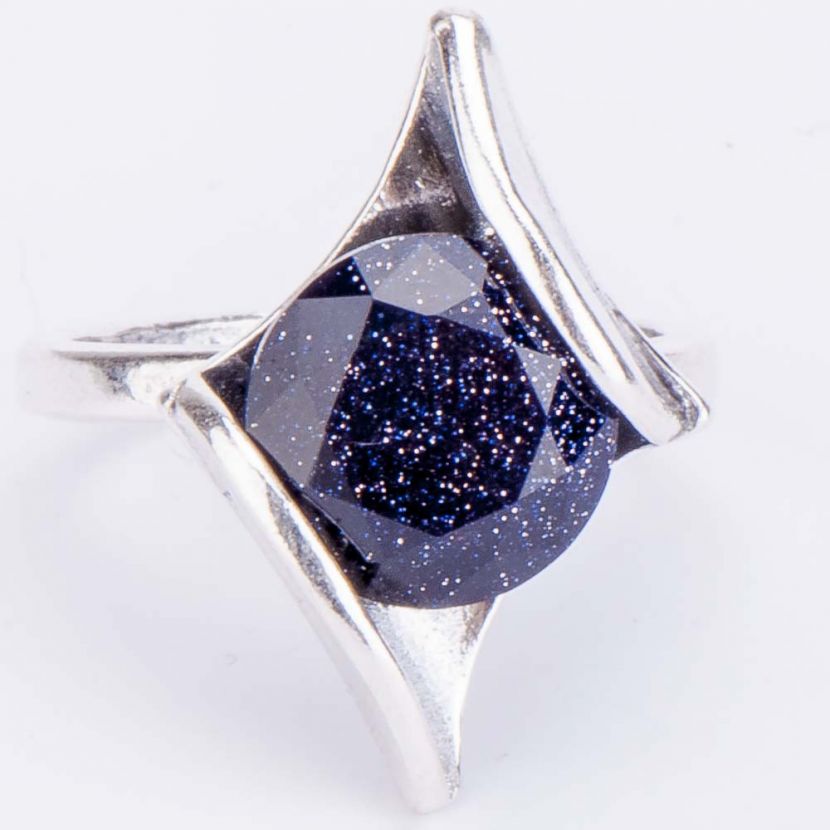
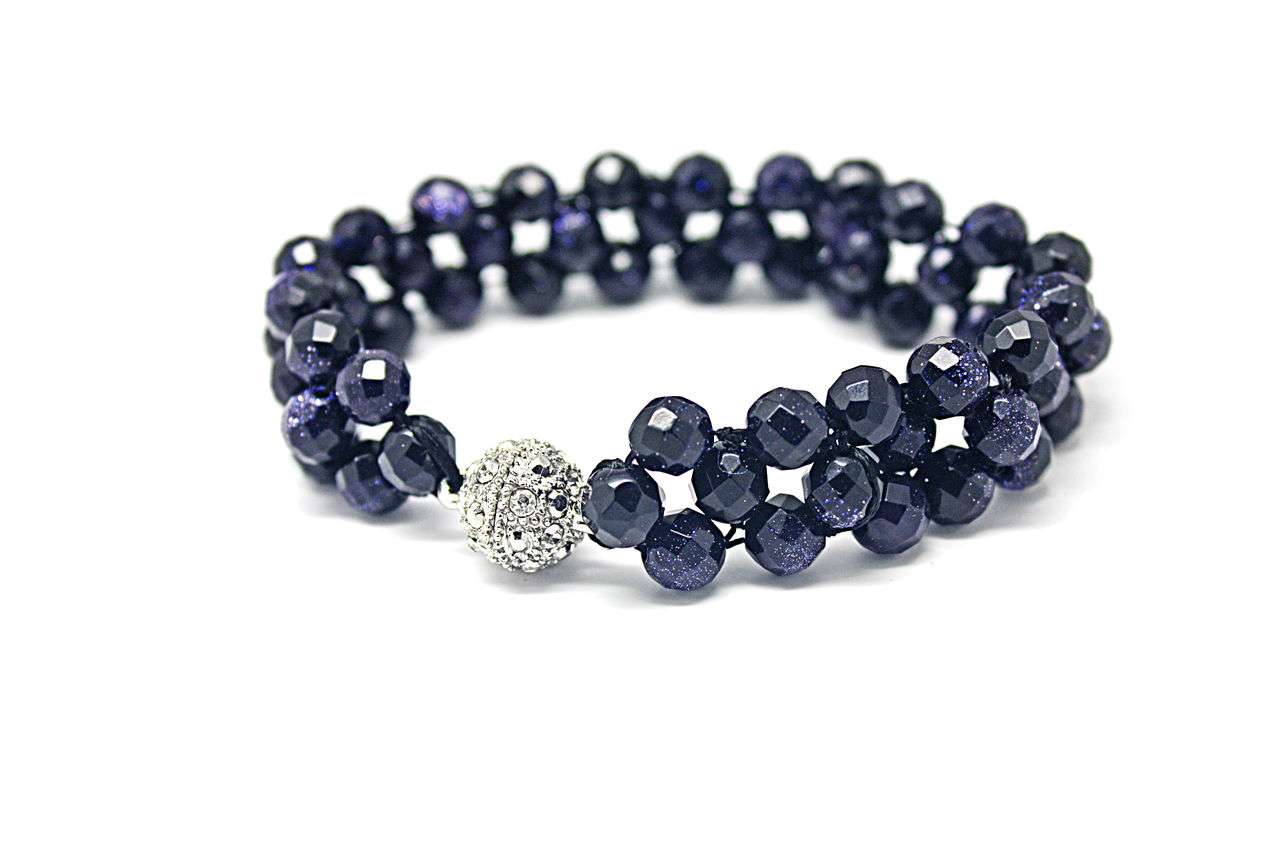
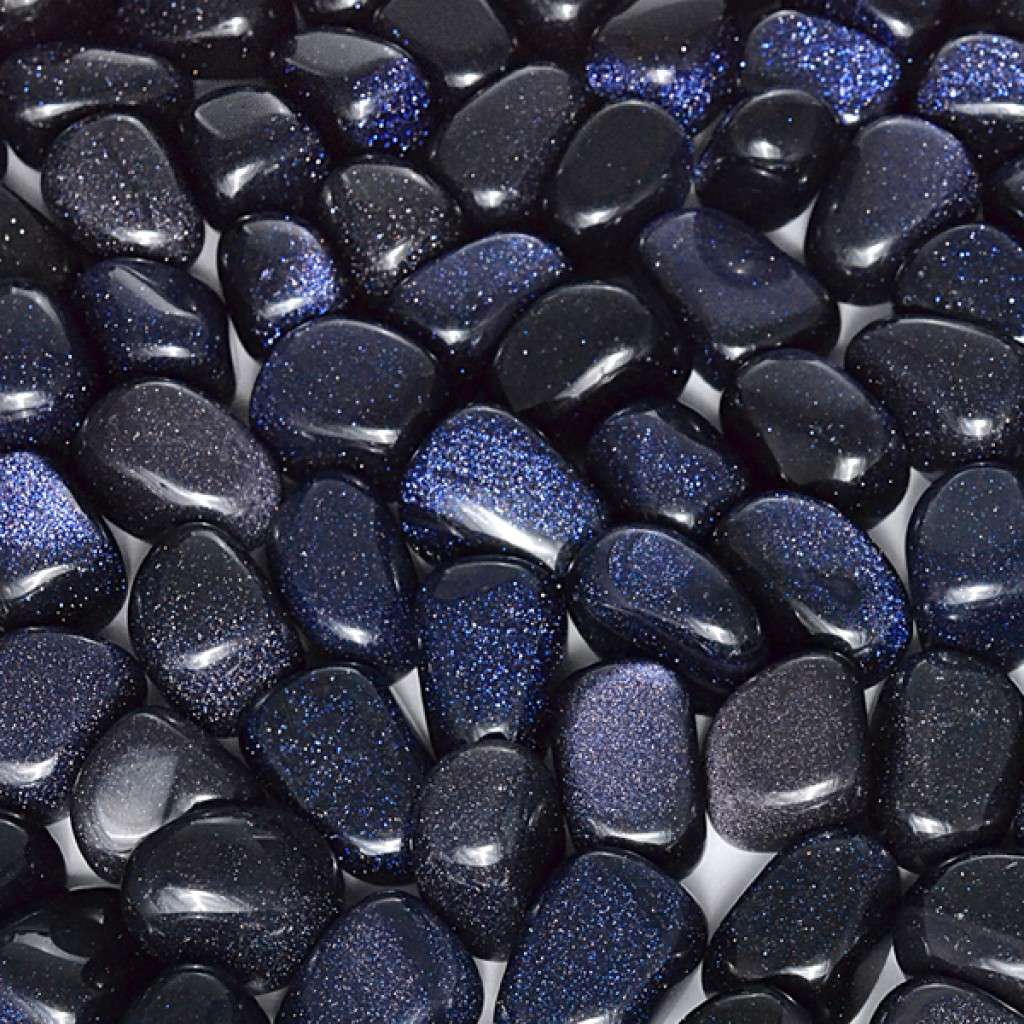
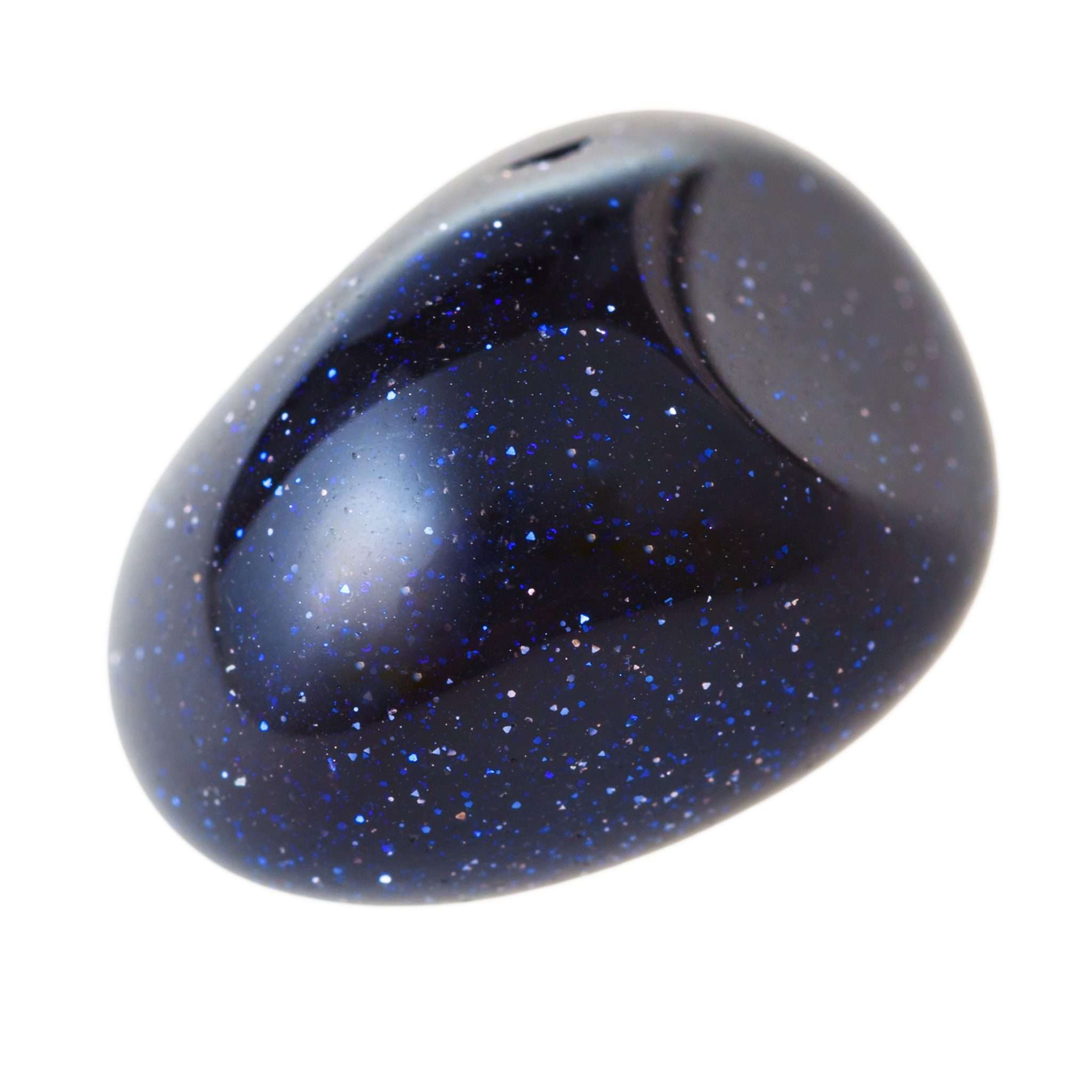
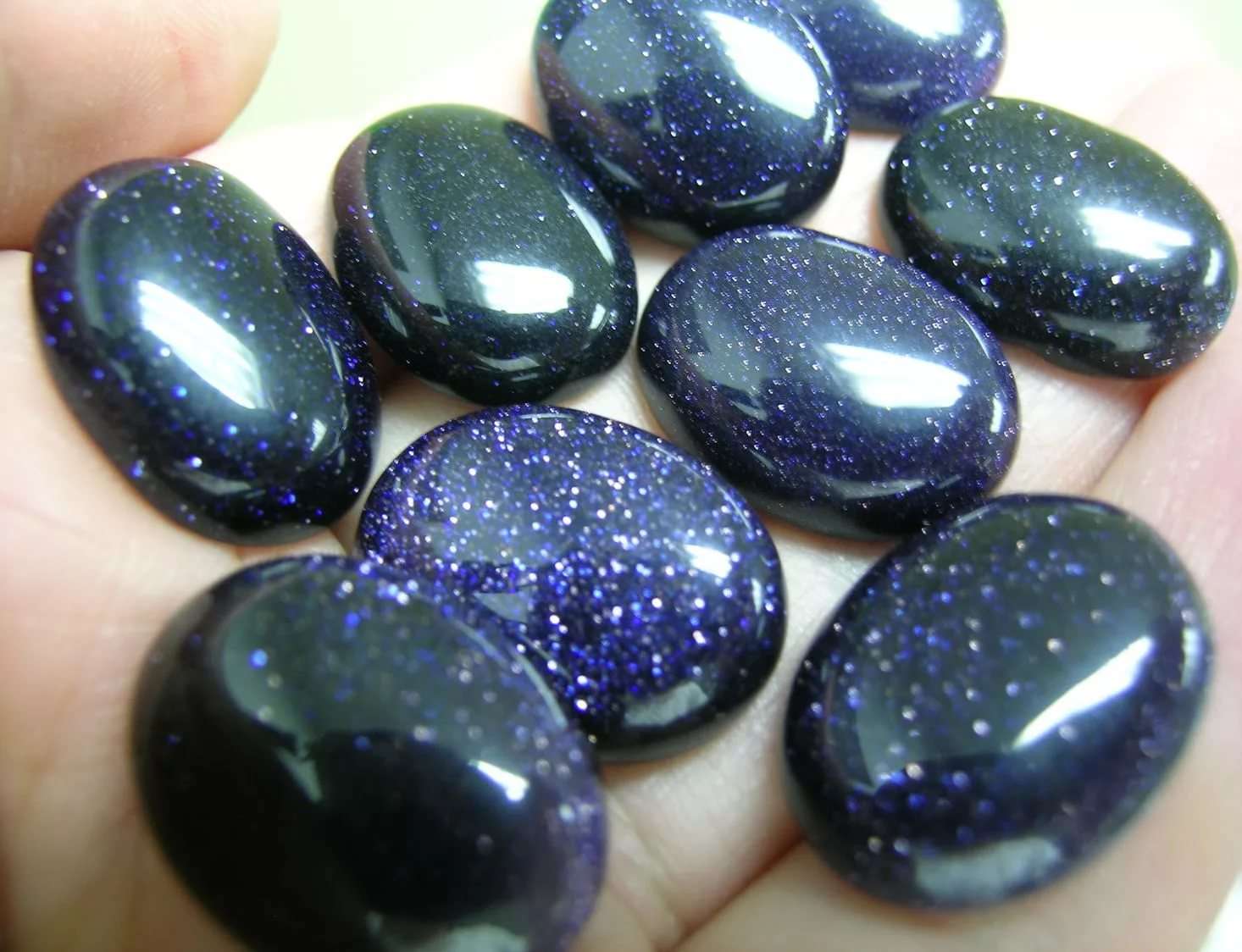
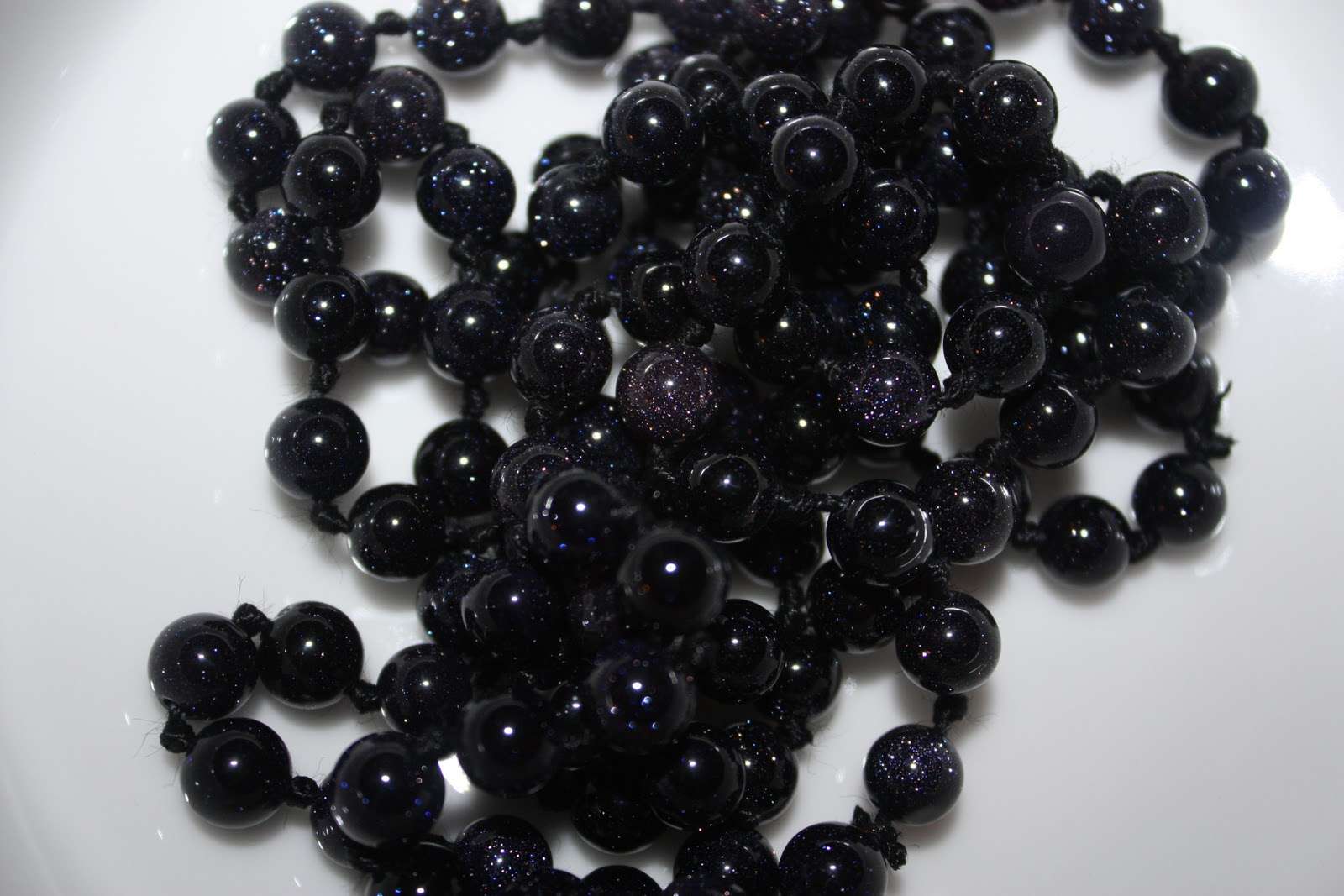
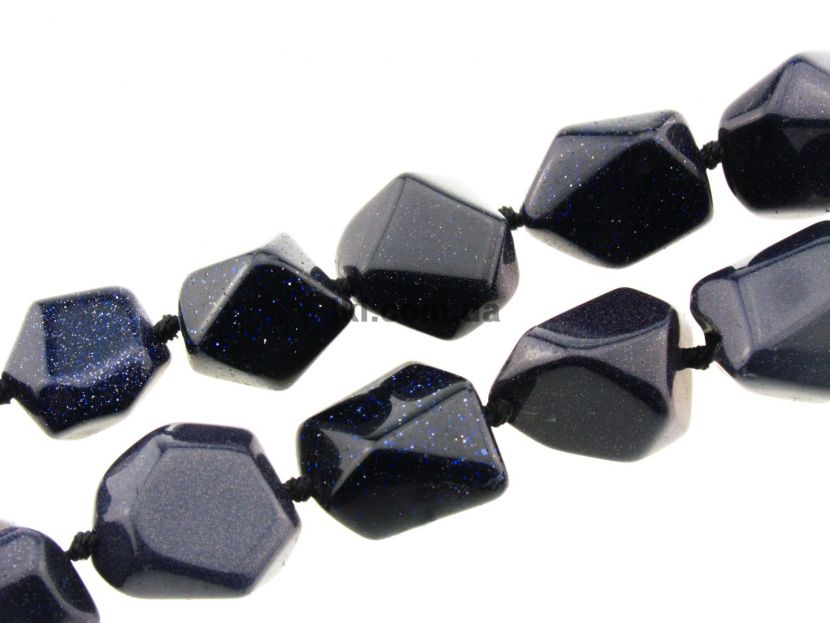
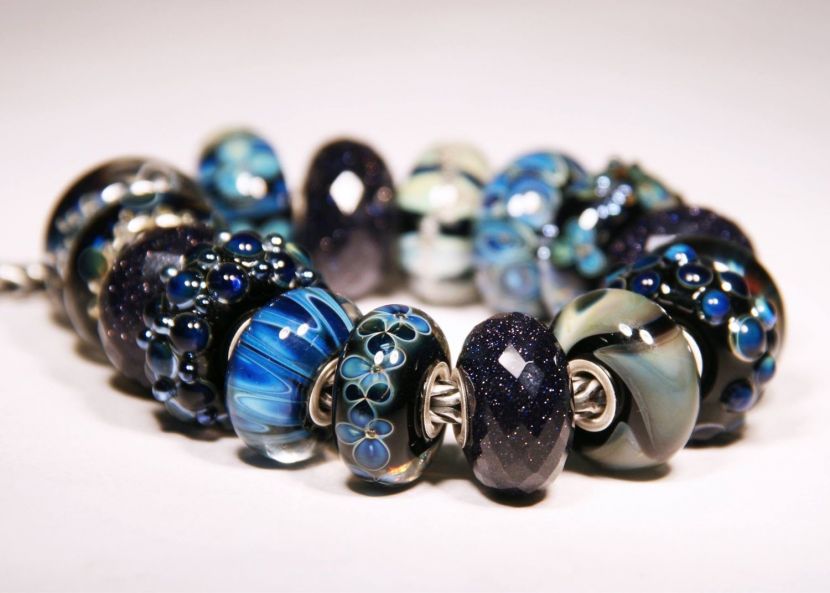
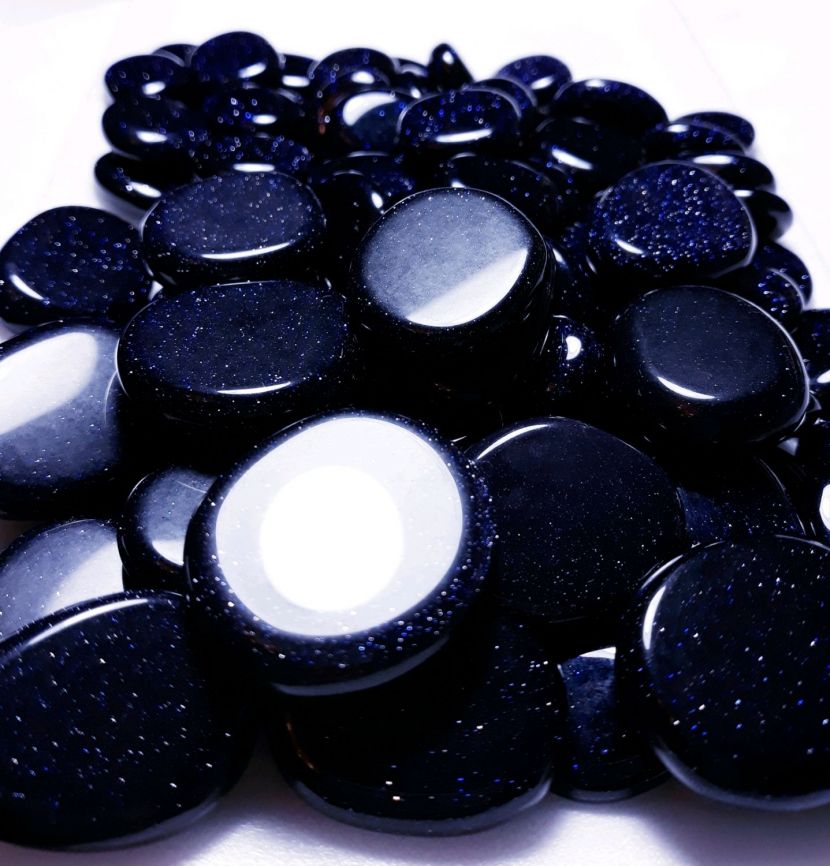
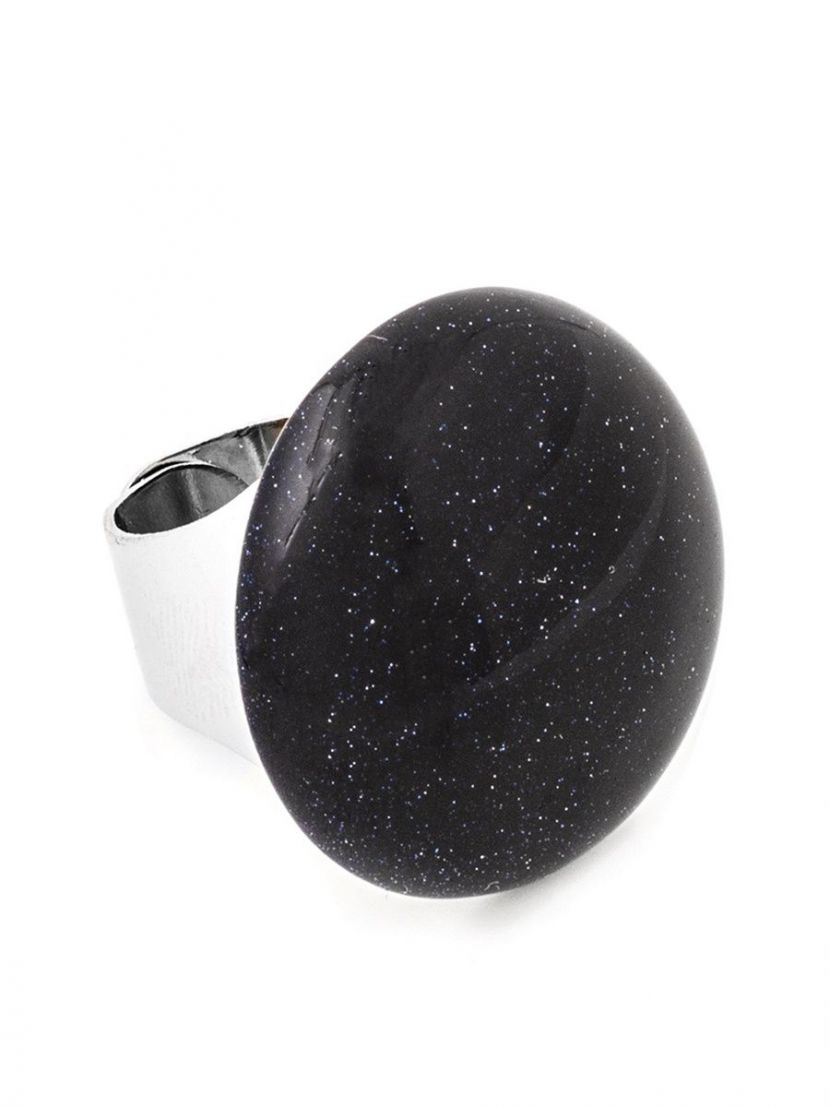
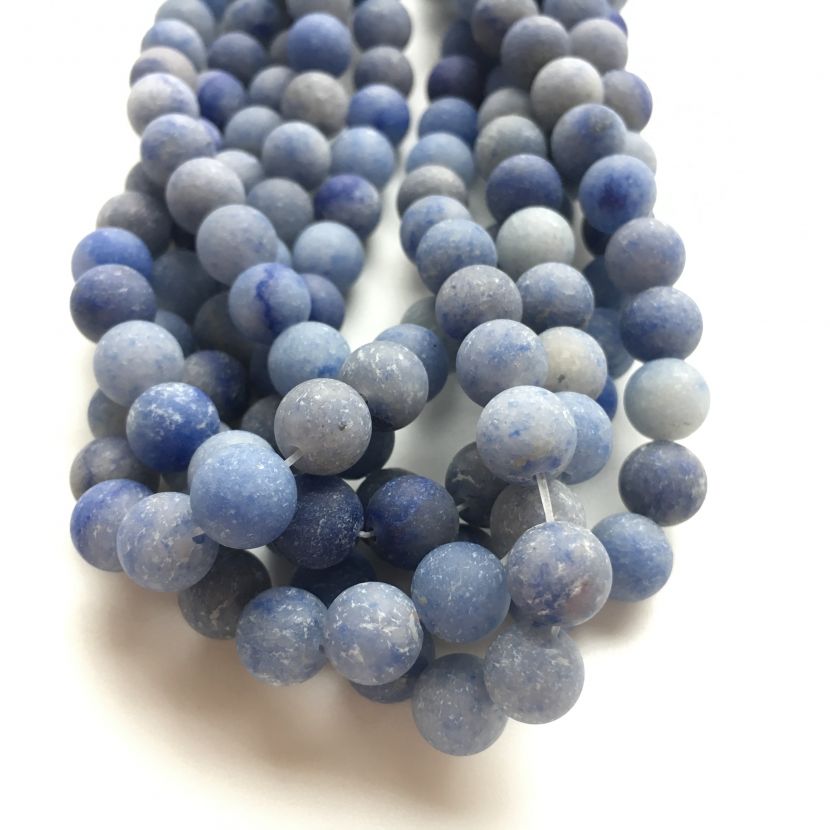
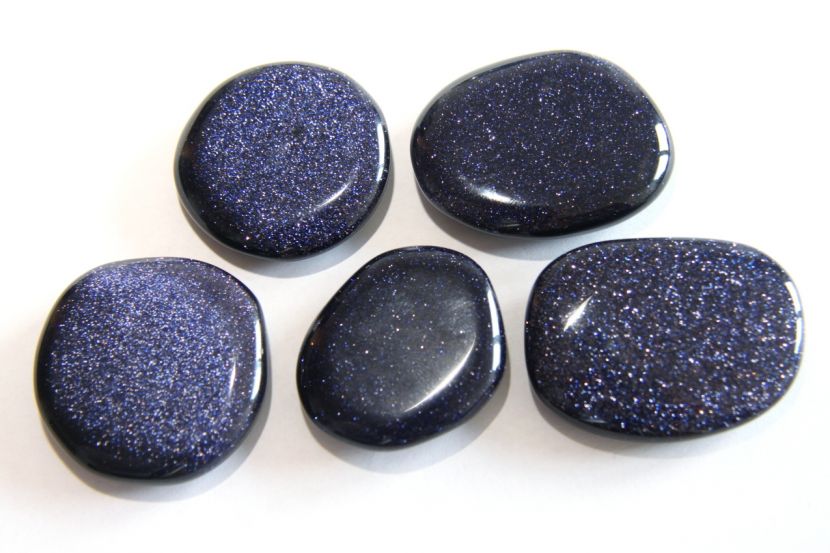
You should be especially careful when buying blue aventurines. The share of fakes among them reaches 95%. The black varieties are almost all imitations, since pure blacks are not found in nature. You can find very dark blue or brown stones, but their price is much higher than that of their lighter counterparts due to their rarity.
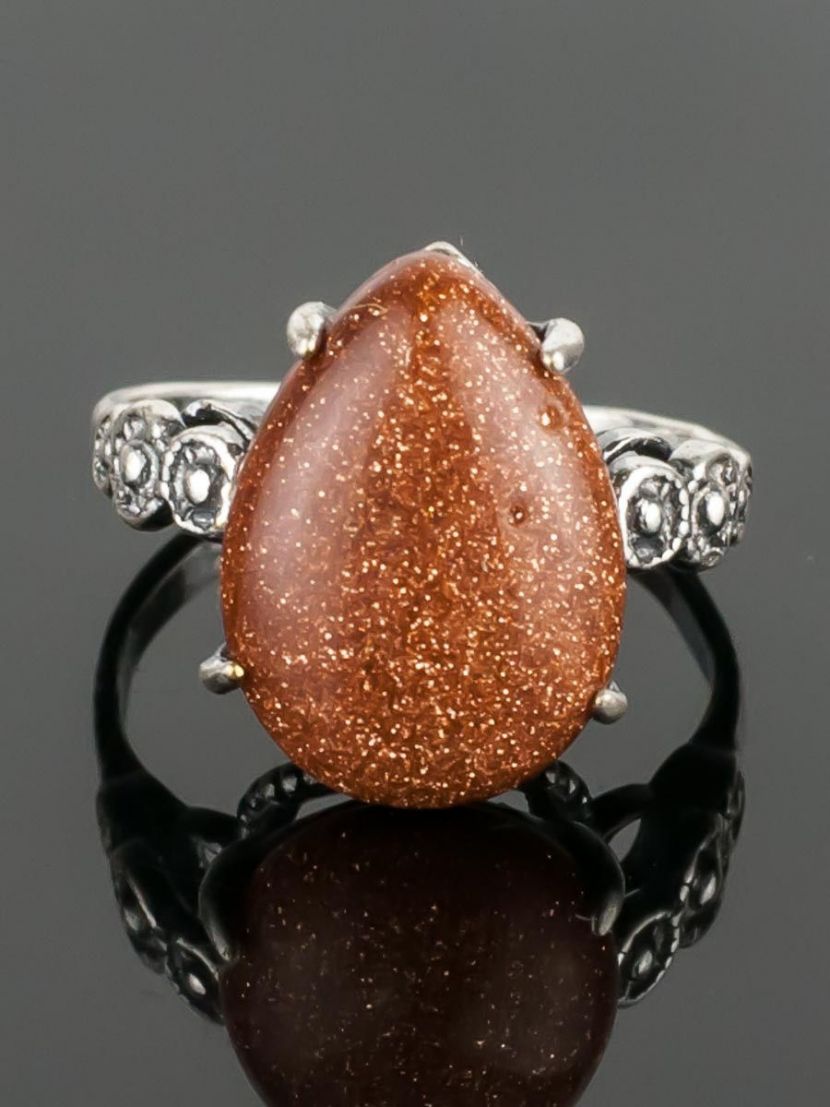
magical properties
Aventurine is a stone about the magical properties of which there are polar views.
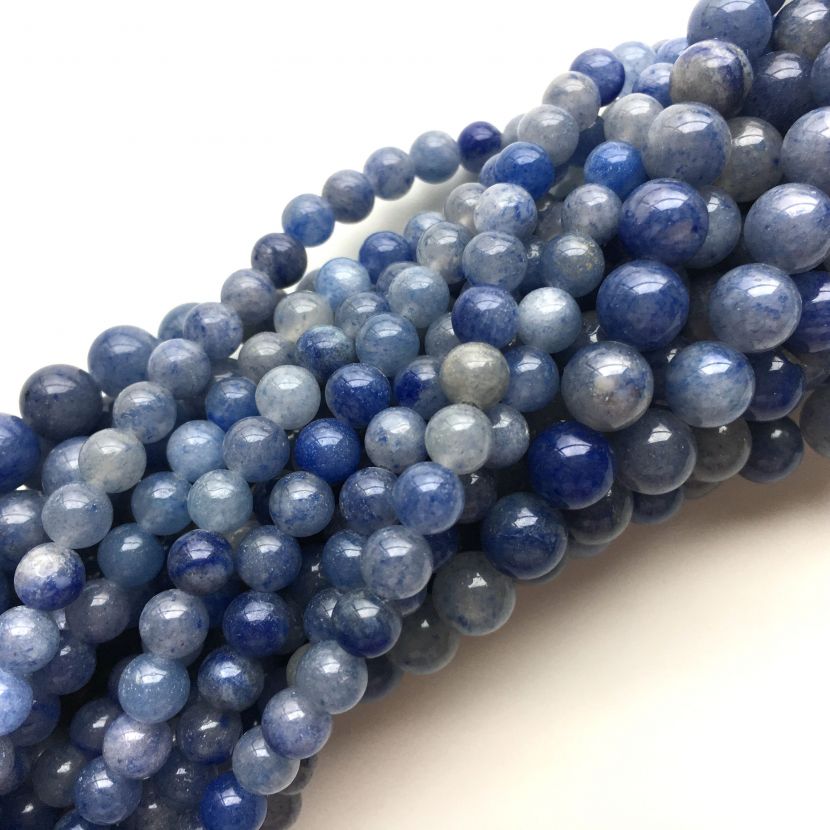
On the one hand, it is a stone of love, strengthening relationships and bringing victories on the love front, at the same time getting rid of rivals.
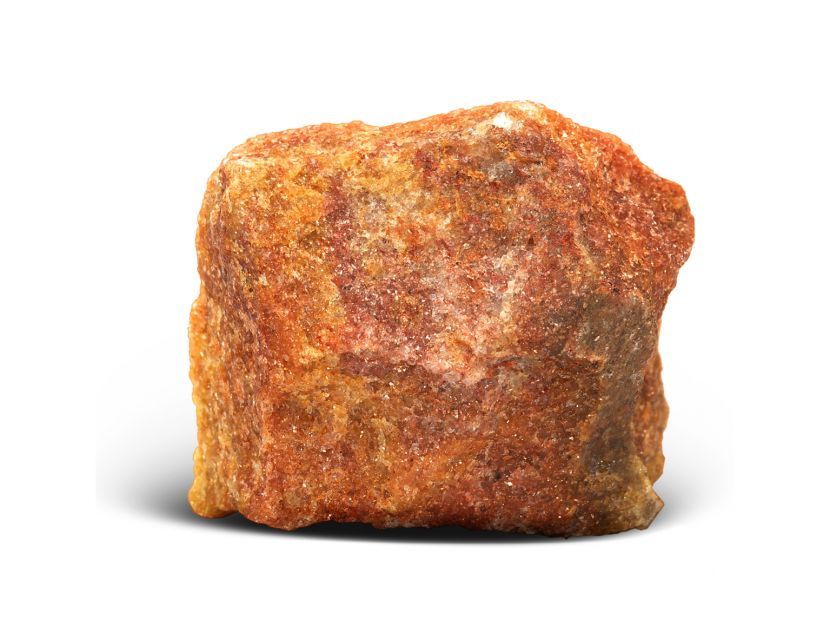
But it is not in vain that adventurers of all stripes, swindlers and gamblers, whose patron they have long been considered, fell in love with this stone. Aventurines bring good luck and intuition, that is, precisely those qualities that play an important role in their business.
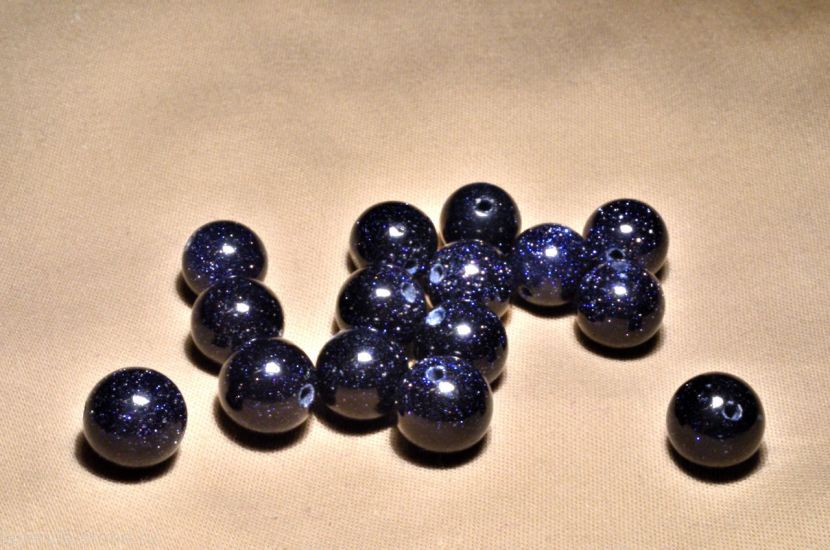
They can also punish if they are worn for too long, because luck is capricious and does not like to rest on one person for a long time. If you wear aventurine for more than two weeks, then a complete collapse is possible. The same applies to its use as a talisman of love. Everything is good in moderation. After two weeks, aventurine jewelry should be put away for a couple of days so as not to tempt the goddess of chance.
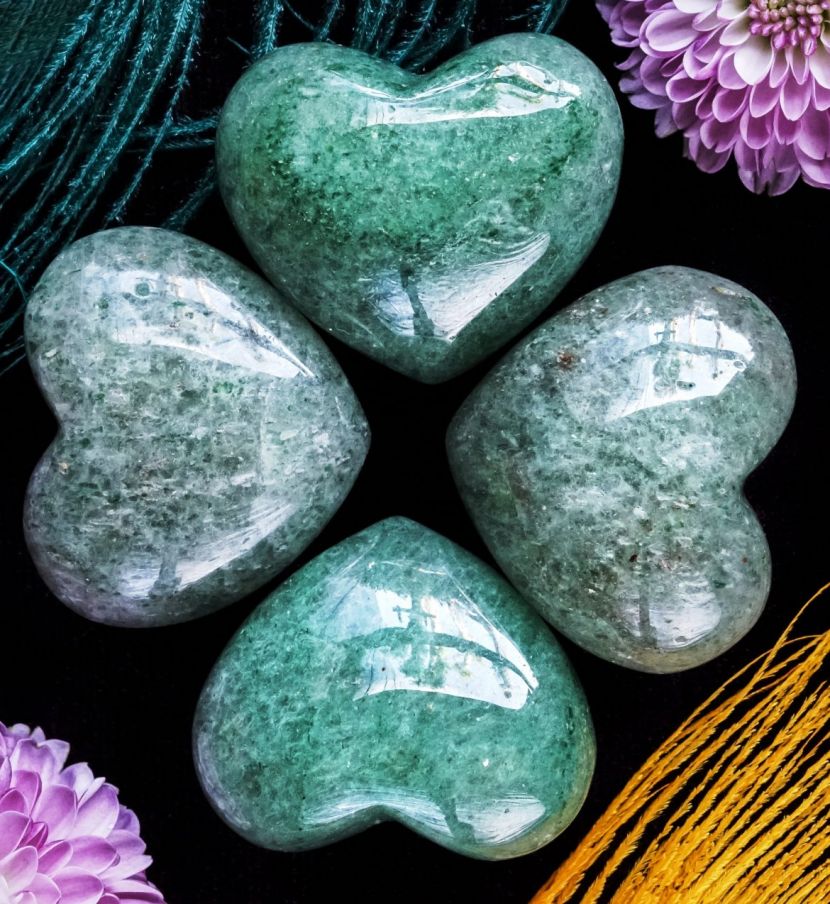
Stones help to find an easy attitude to life, which will help workaholics and people who are burdened by an excessively responsible attitude to any business.
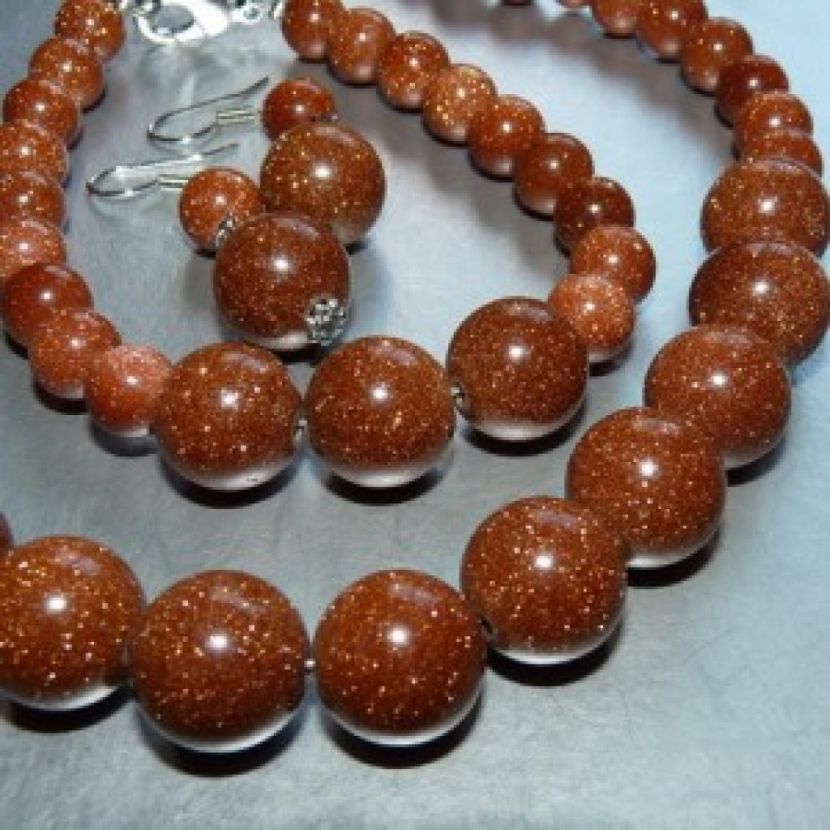
Black and dark blue aventurines bring wealth and good luck in business. They protect against the machinations of ill-wishers, help to find the right solutions. They will also help those who like to meditate.
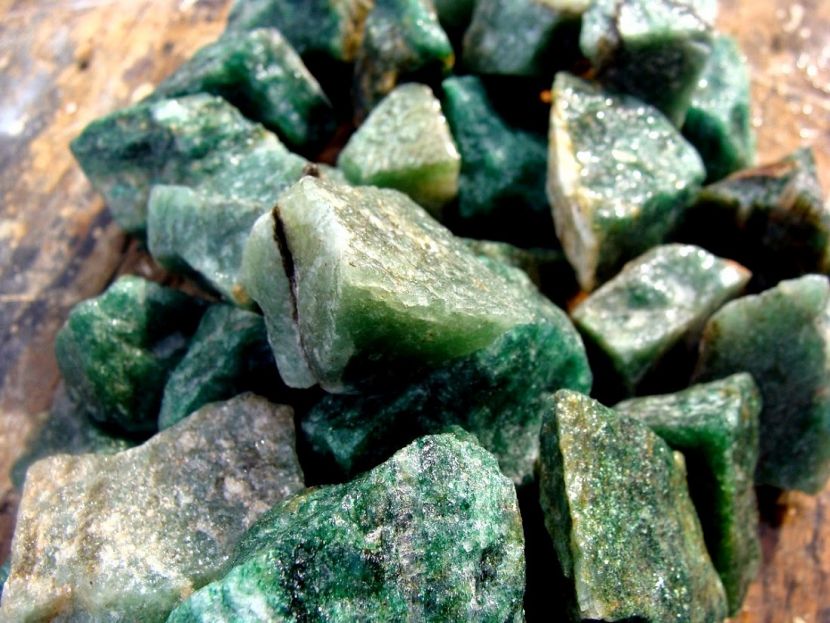
Greens are the best helpers in the love sphere, and also patronize the players. Blue helps in travel, protects against injuries and accidents, improves reaction and sharpens attention.
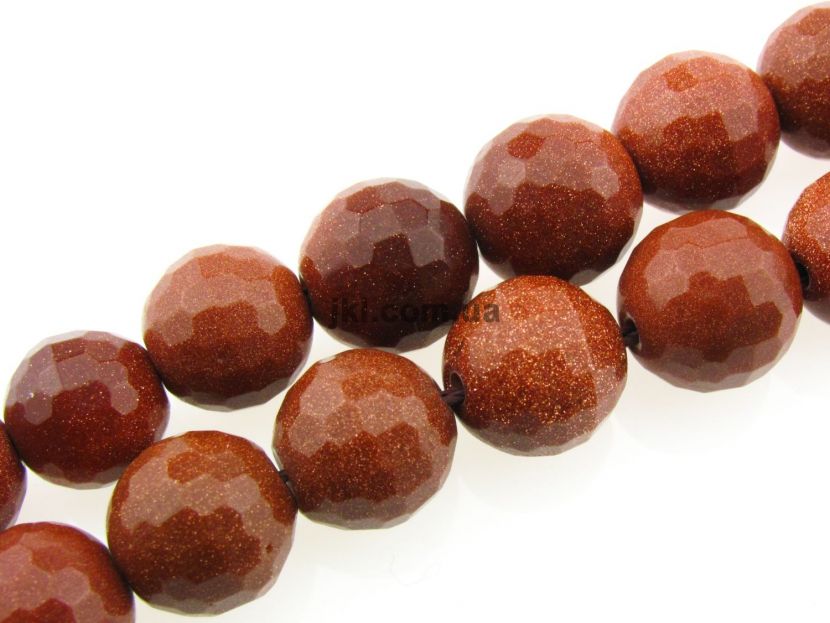
Aventurines of golden-green hues are often hung over a crib to protect children from the evil eye, envy and disease.
Medicinal properties
The medicinal properties of aventurine have been known for a long time. Jewelry with aventurine relieves warts and eczema, hair loss and nervous overexcitation.
Beads are worn to cure diseases of the lungs and throat, and rings and brooches help with diseases of the heart and blood vessels. Aventurine normalizes blood pressure and prevents blood clots.
Healing properties are more pronounced with the waning moon. Wearing a stone or doing a therapeutic massage should also be done with breaks for two days after a week of procedures, and preferably every other day, washing after a day of wearing in running water.
Zodiac signs
Aventurine is suitable for all signs of the zodiac, except for fiery ones, that is, Aries, Leo and Sagittarius. Its energy is especially harmoniously combined with the signs of Taurus, Virgo and Pisces.
Blue aventurines are recommended for Taurus to bring romance and dreams into life and get rid of earthiness.
Dev he makes softer and helps them in difficult situations. Pisces gives courage and perseverance, filling with energy
stone care
- Aventurine should not be worn in severe frost, as it is sensitive to temperature changes.
- It should also be protected from sunlight so that their color does not fade.
- Aventurines do not tolerate any chemicals, so only a light soapy solution is acceptable for cleaning.
- It is better to store it separately from other stones to protect it from scratches and chips.
Surely, you have a desire to experience the full power of this stone for yourself, but remember that not everything that glitters is real aventurine.
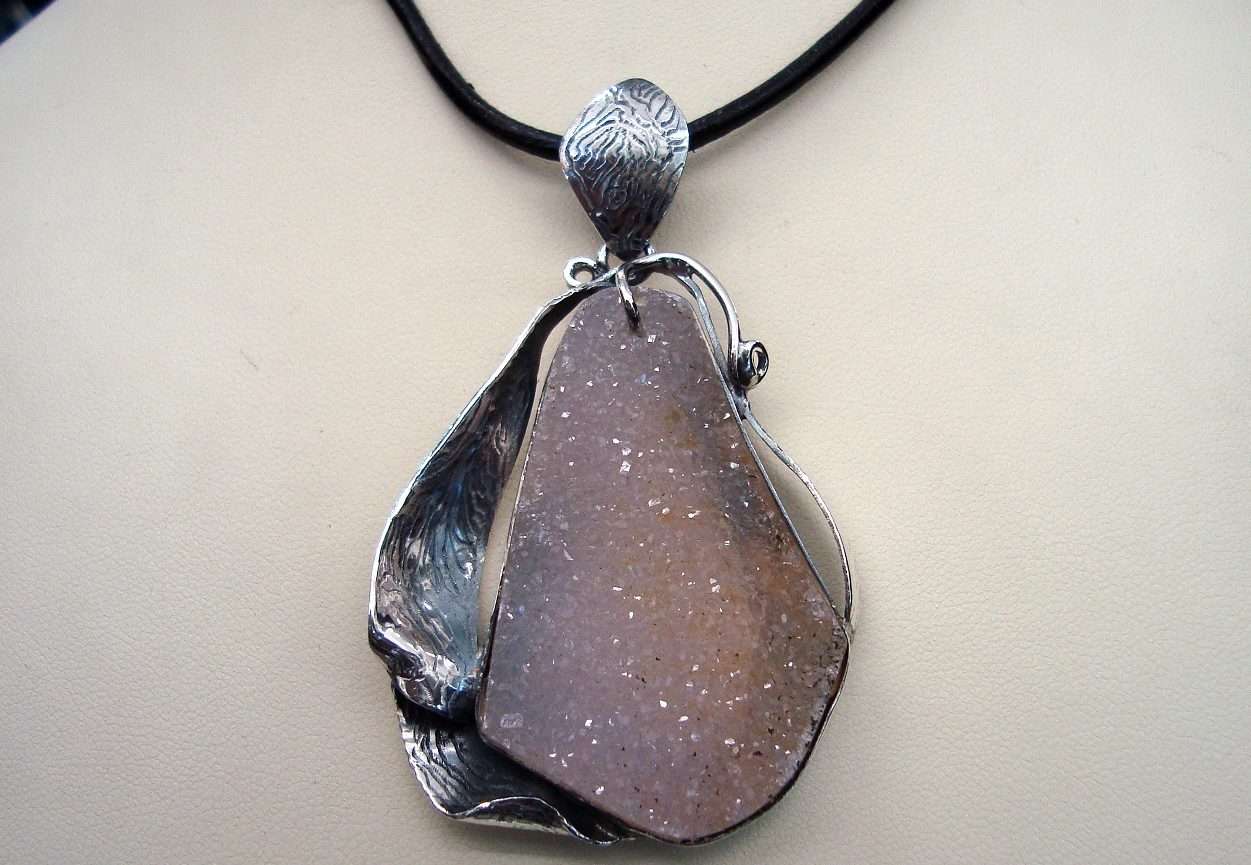
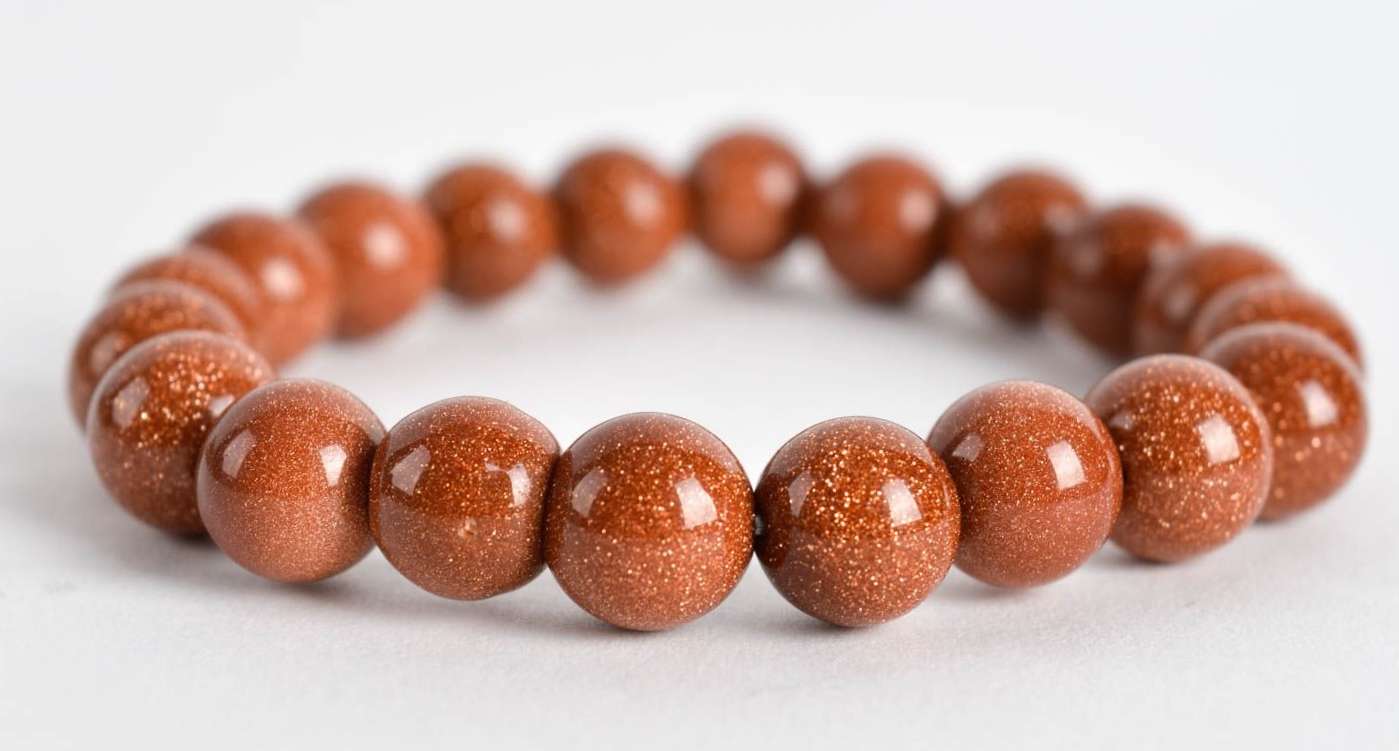
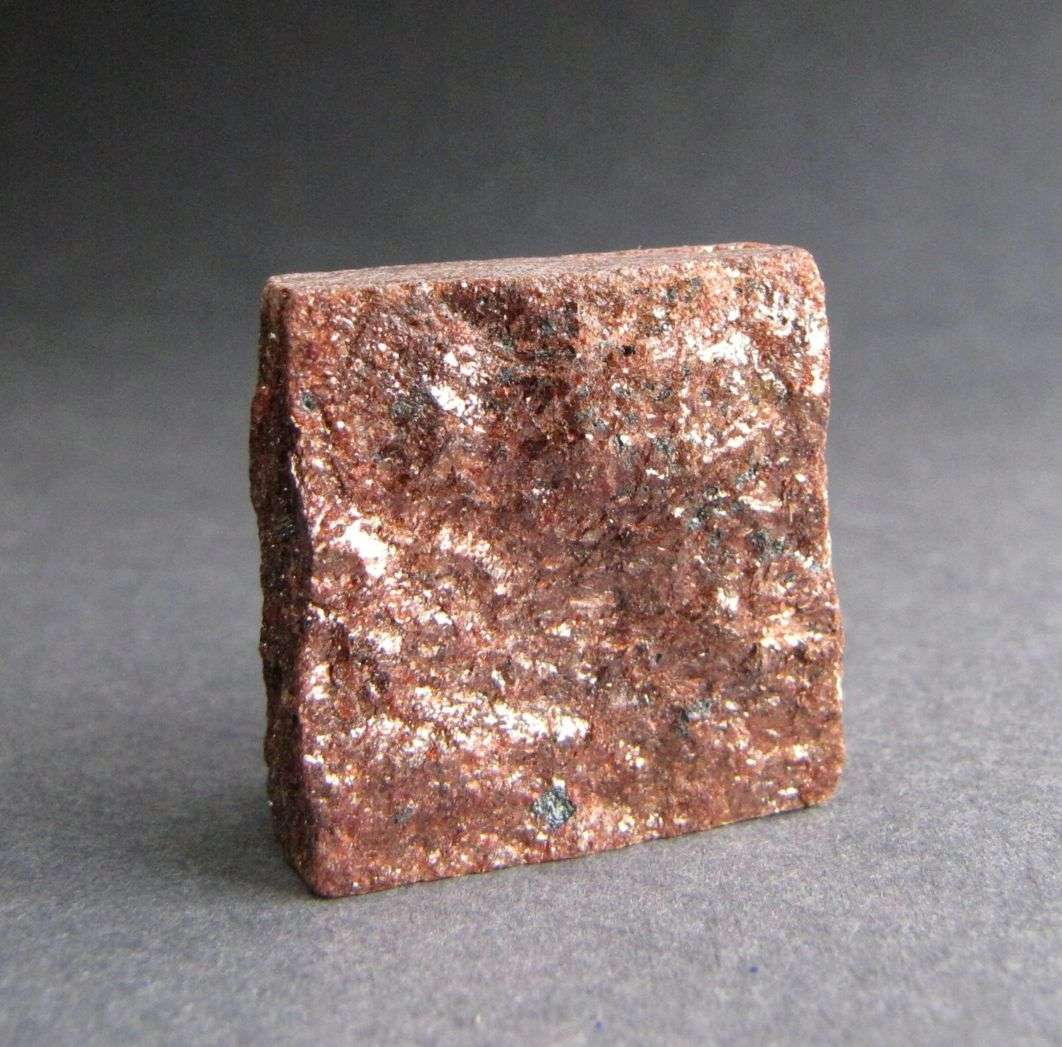
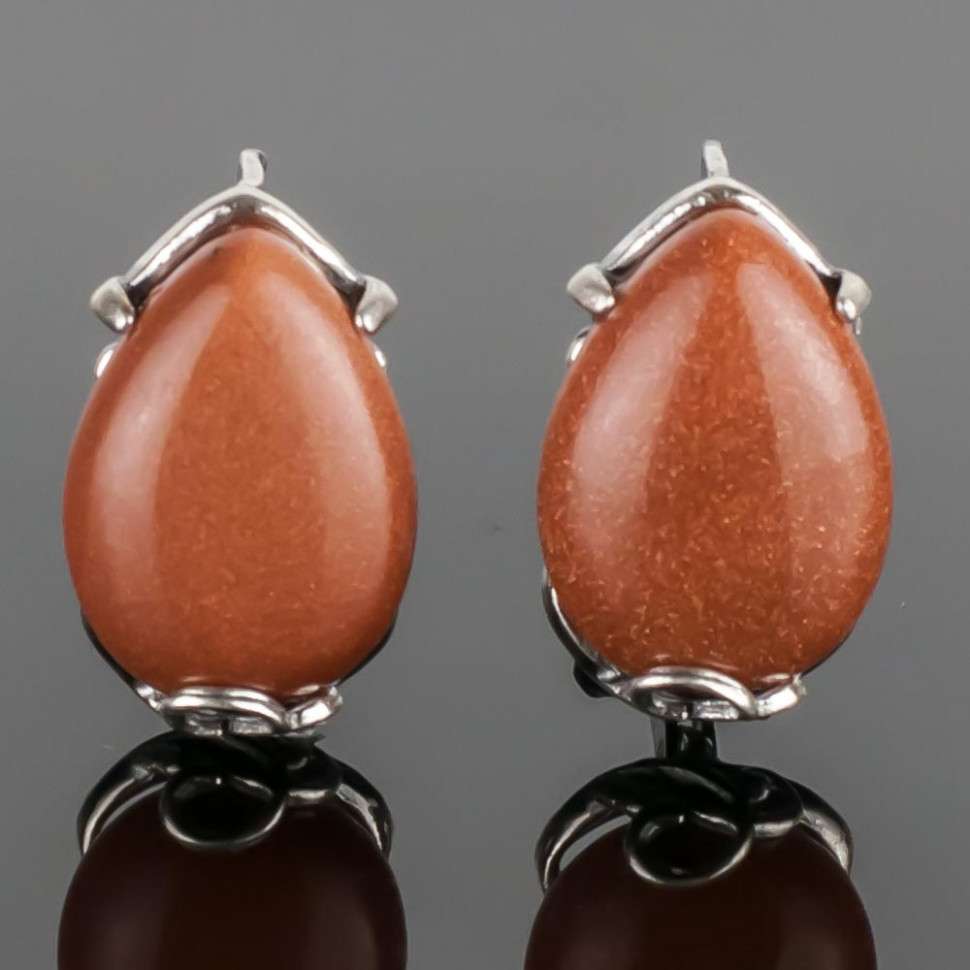
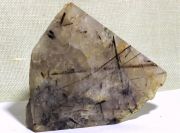
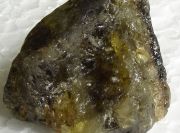
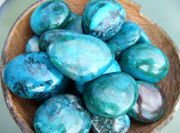
Photo of aventurine stone