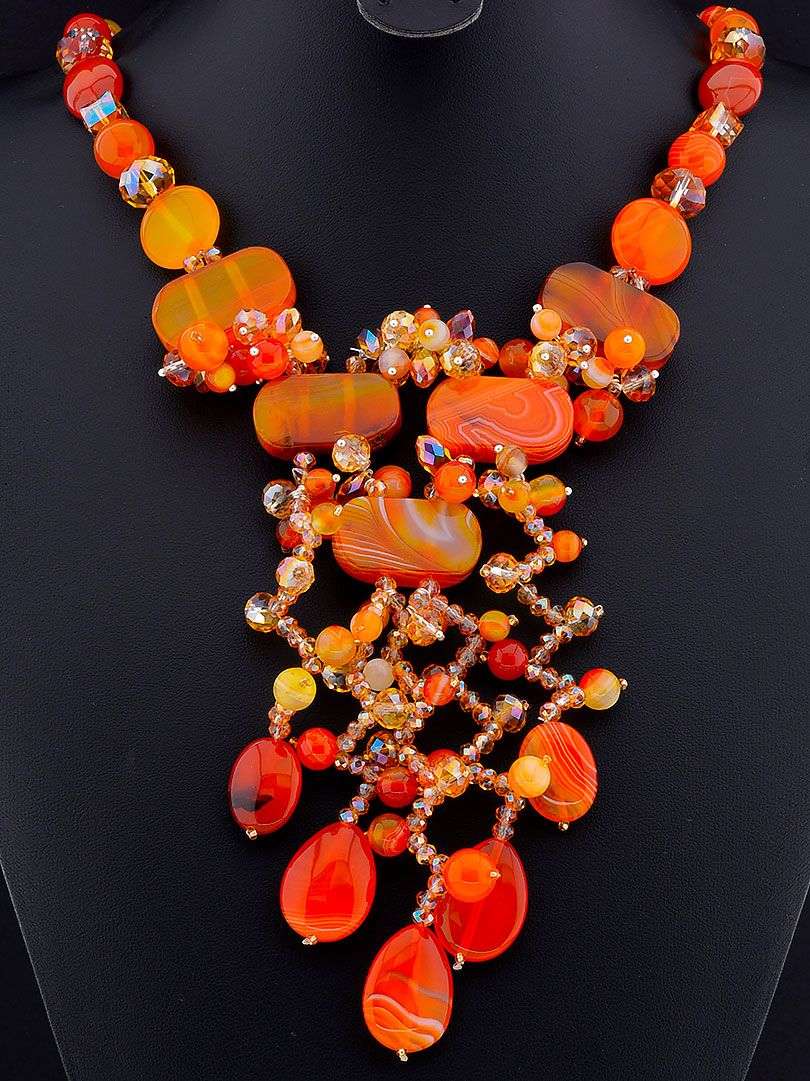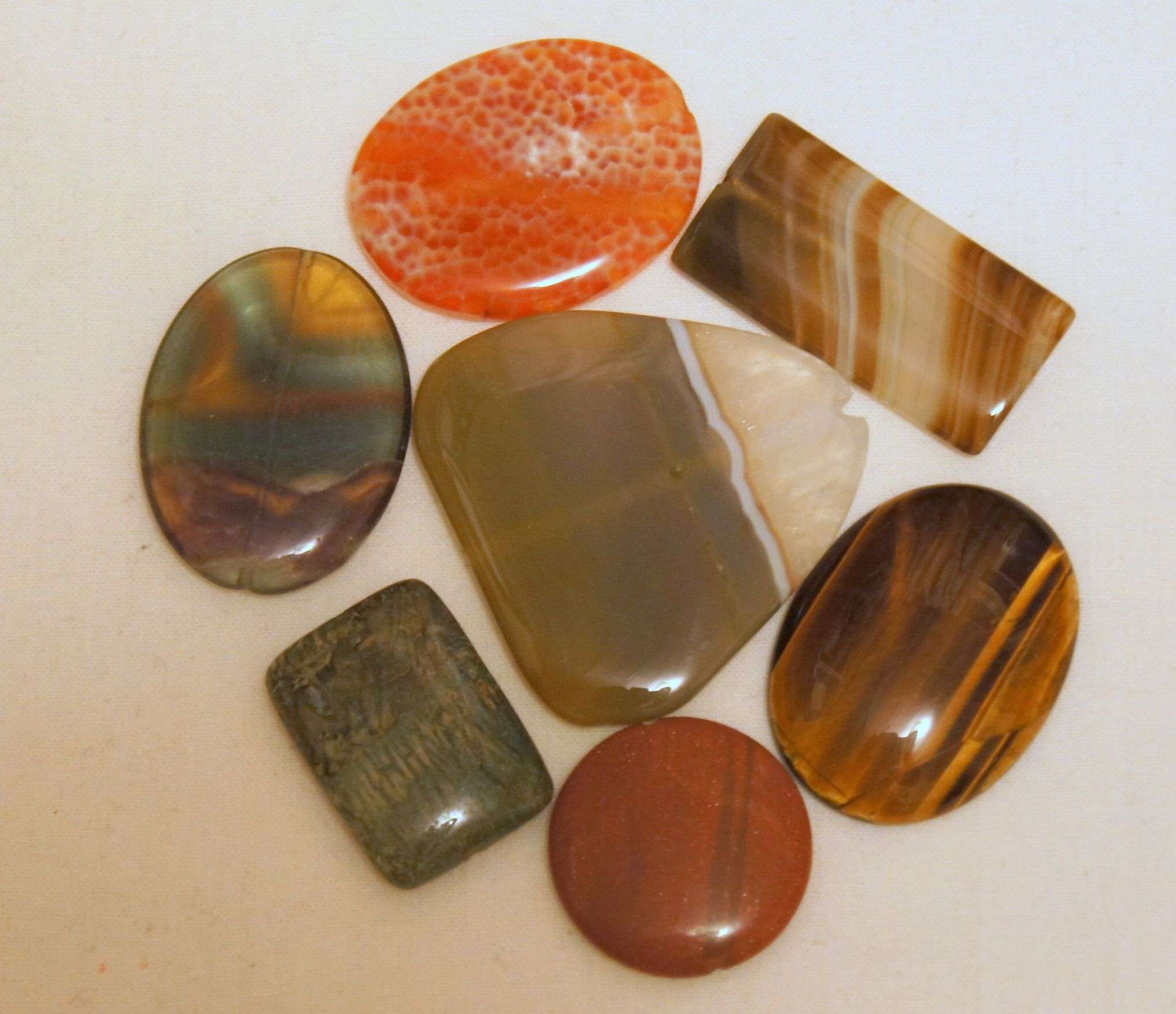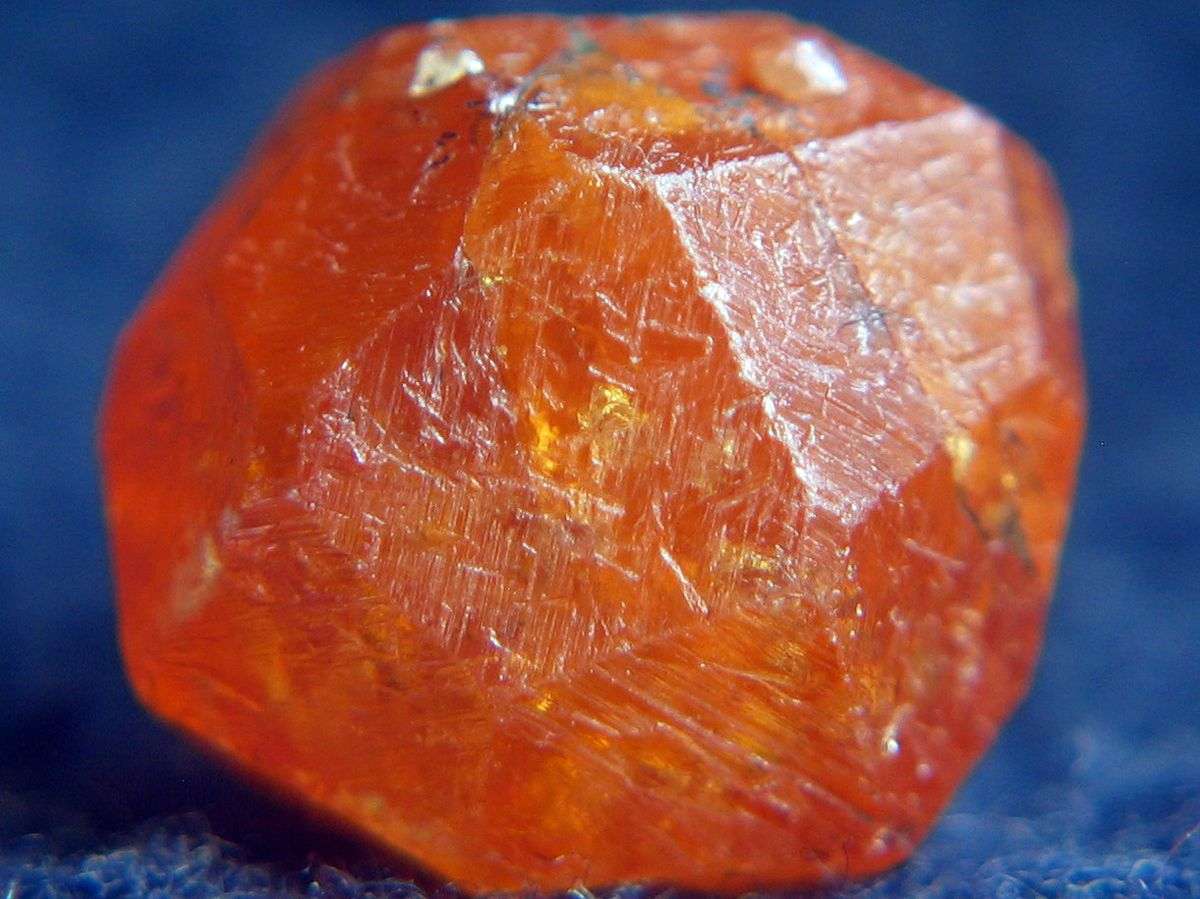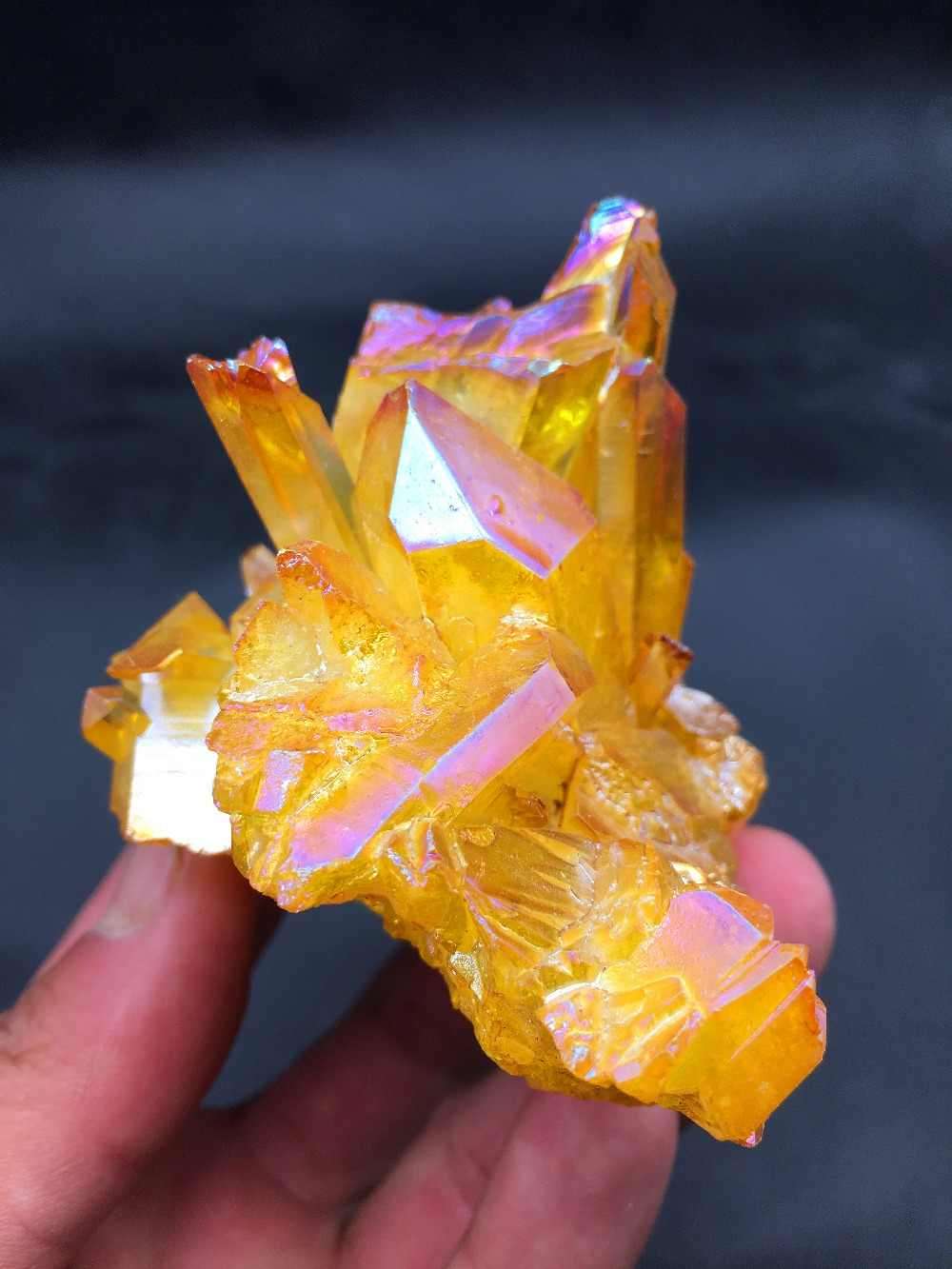
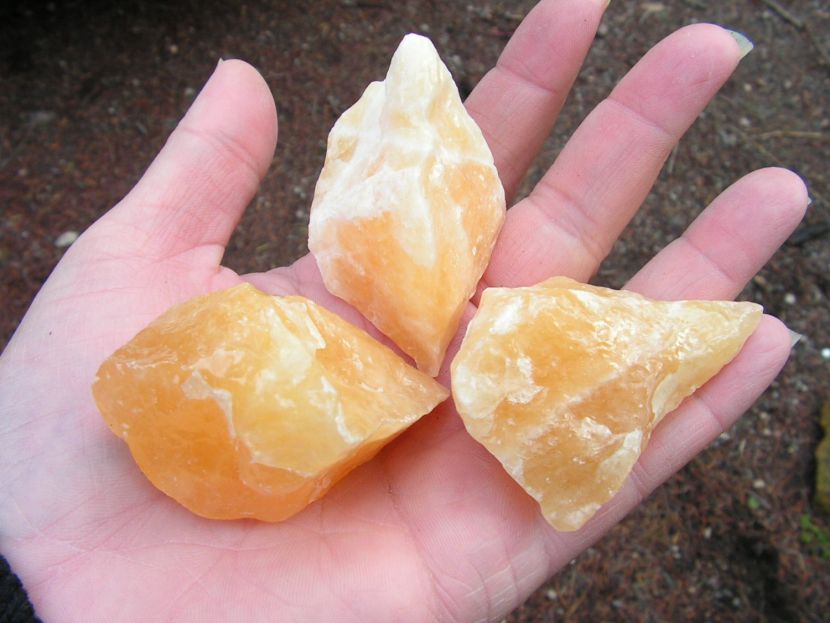
Incredible orange stones - what are the types, photos, historical background, properties
The thousands of years of history of orange stones is an amazing poem created by them.
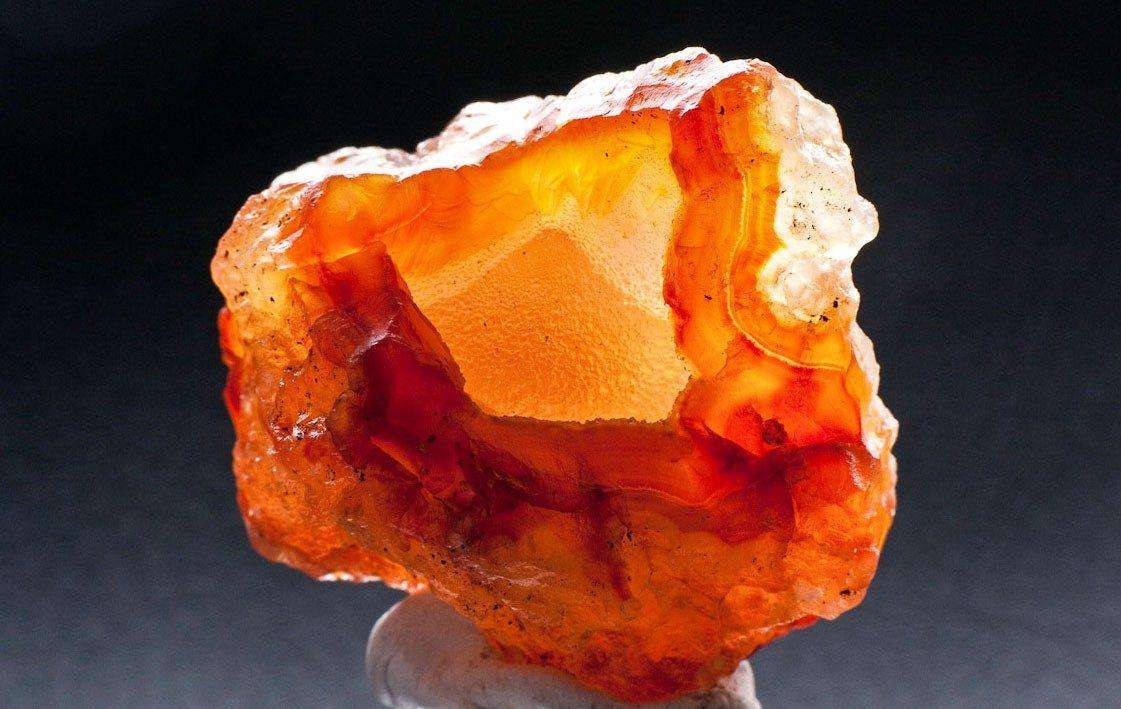
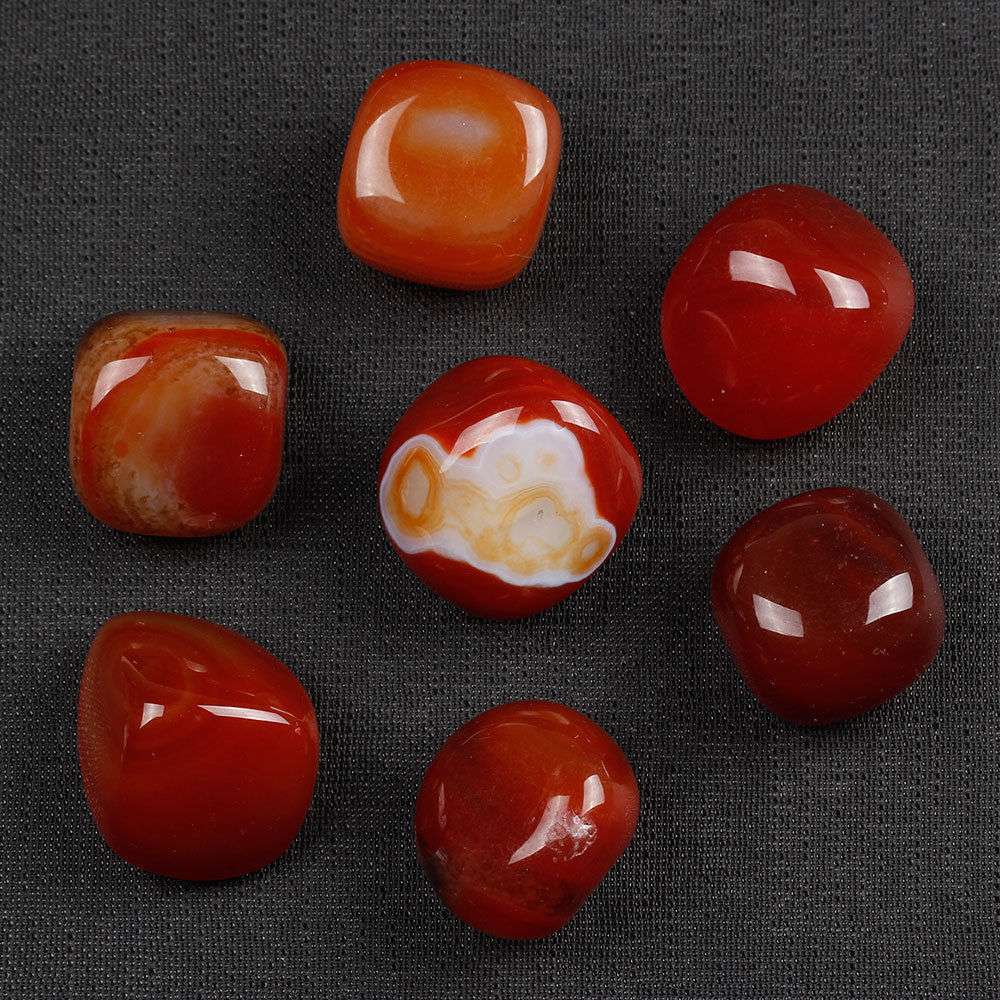
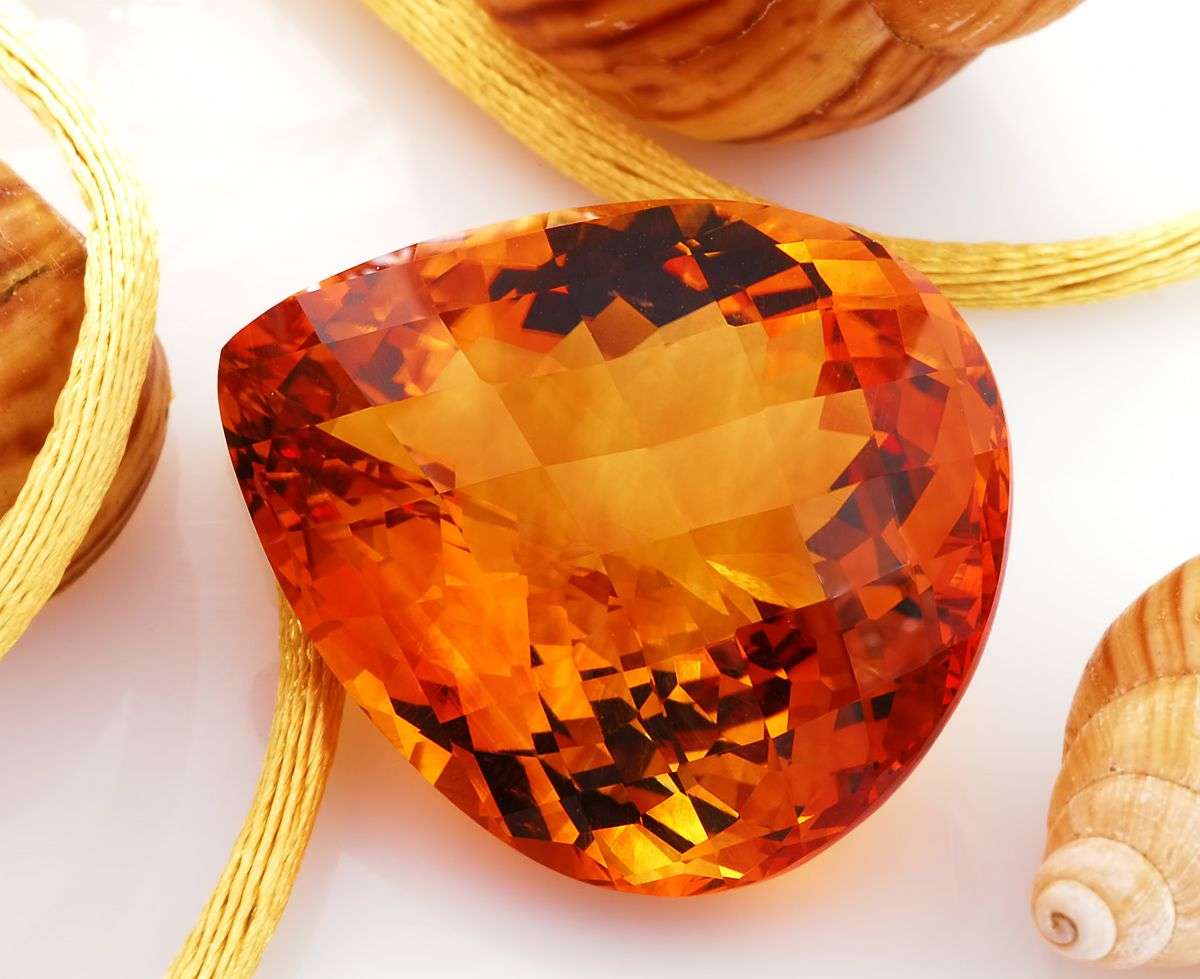
Types of opals by color
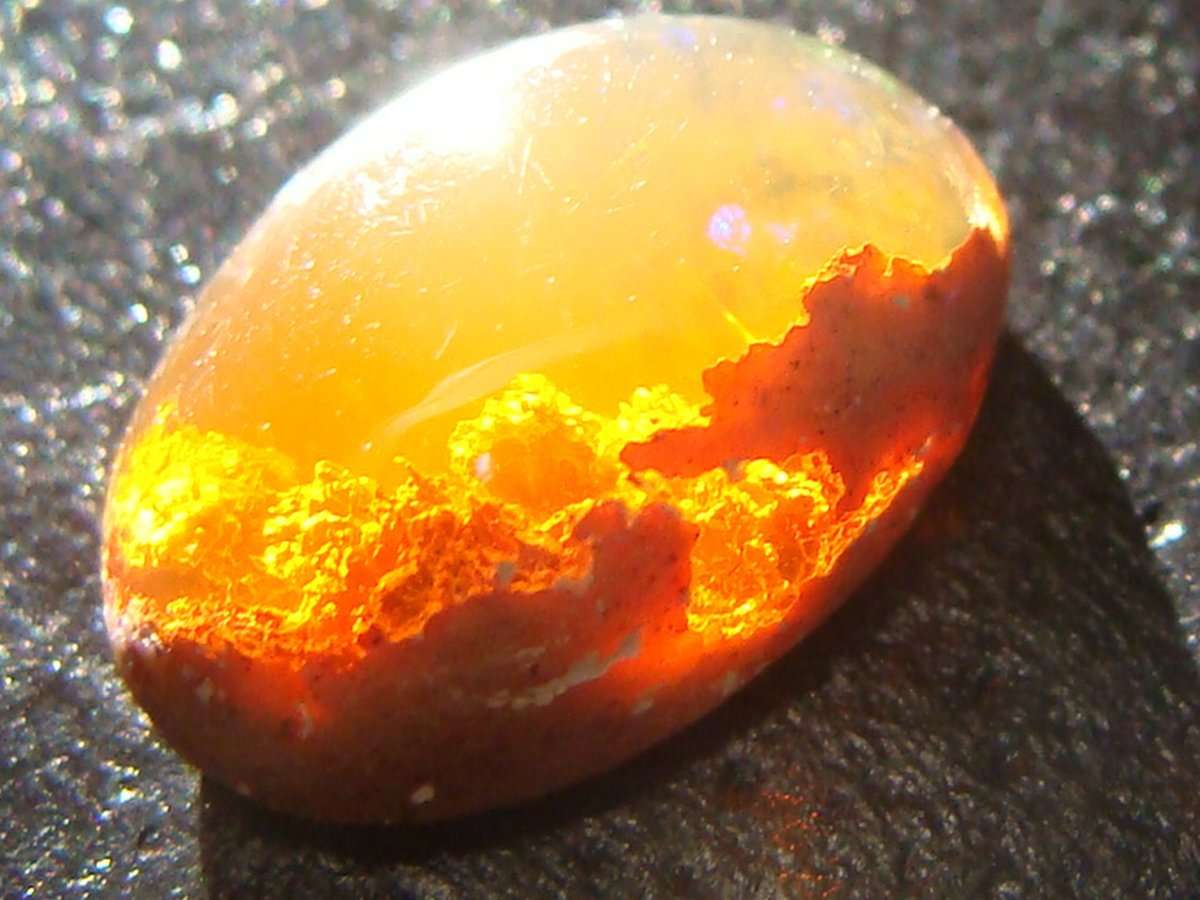
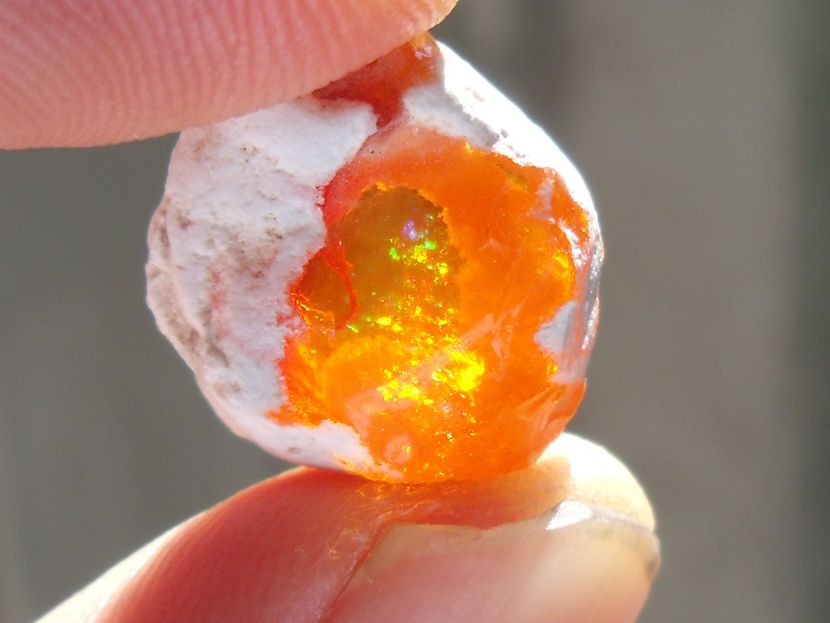
Color: white or colorless (Hialit). As a result of opalescence, it is possible to distinguish the dominant color, on the basis of which the type is determined: opal milk (Lechasos); opal blue, fire opal (red dominant); opal Pawi (peacock, combination of blue, green and purple); Green opal; Golden opal (yellow or orange); Pink opal (one of the most expensive); Black opal (noble variety with base black, brown or dark green, with a fire effect on a dark background).
Story
The history of the use of opal stones dates back several thousand years, the name comes from the Sanskrit “fell”, which means “precious stone”. It has a characteristic gloss, and a wide range of colors is simply magical.
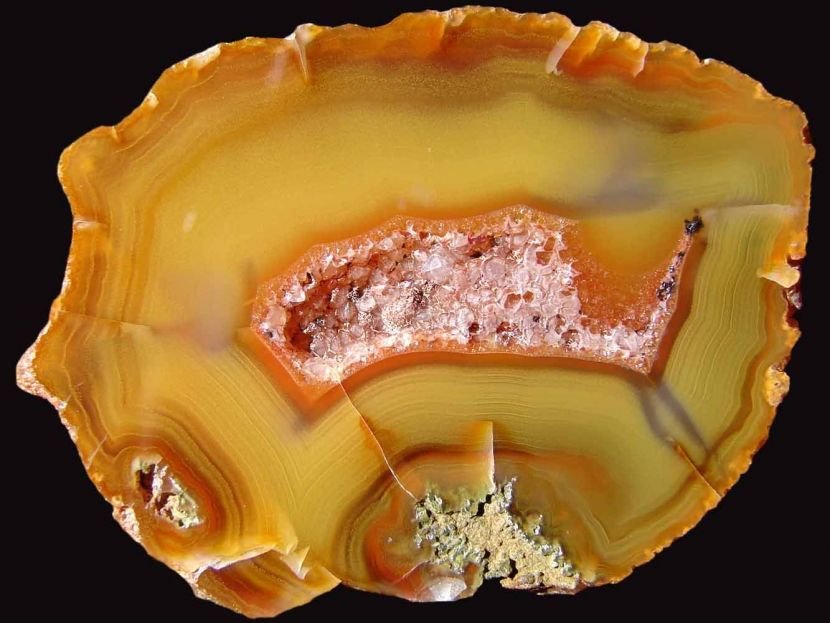
In ancient Rome, it was believed that opal facilitates the closing of certain stages of life, frees from the past, and is a source of energy. Caesar Constantine even spread rumors that opal stones could make their owner invisible, and from that time on, thieves chose him as their talisman.
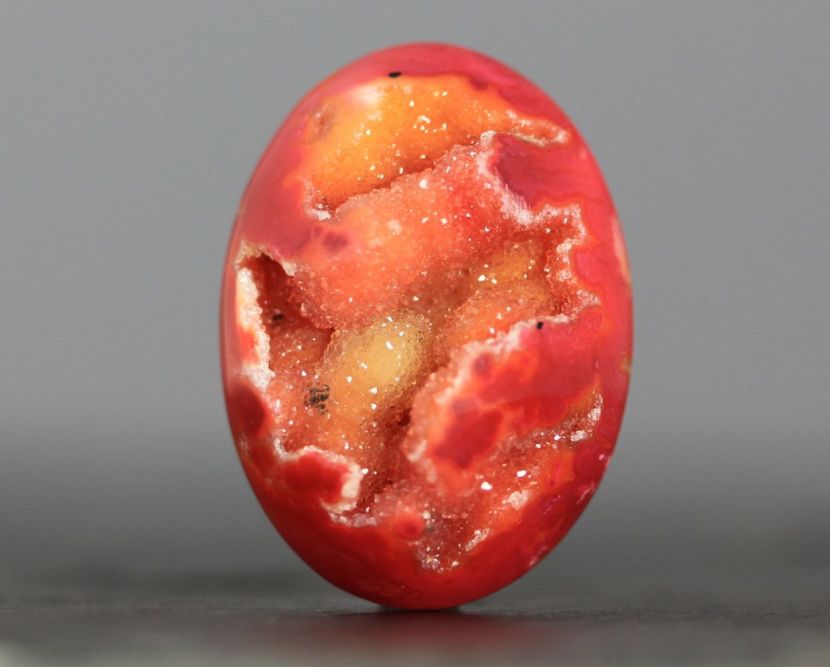
At the end of the 19th century, Australia was discovered, where there is a large deposit of stones. Hence the fashion for opals.People simply could not resist its mysterious magnificence and beauty (but everyone is so beautiful). By the way, it was in South Australia that opal was registered, where about 90% of the stones of this type are located.
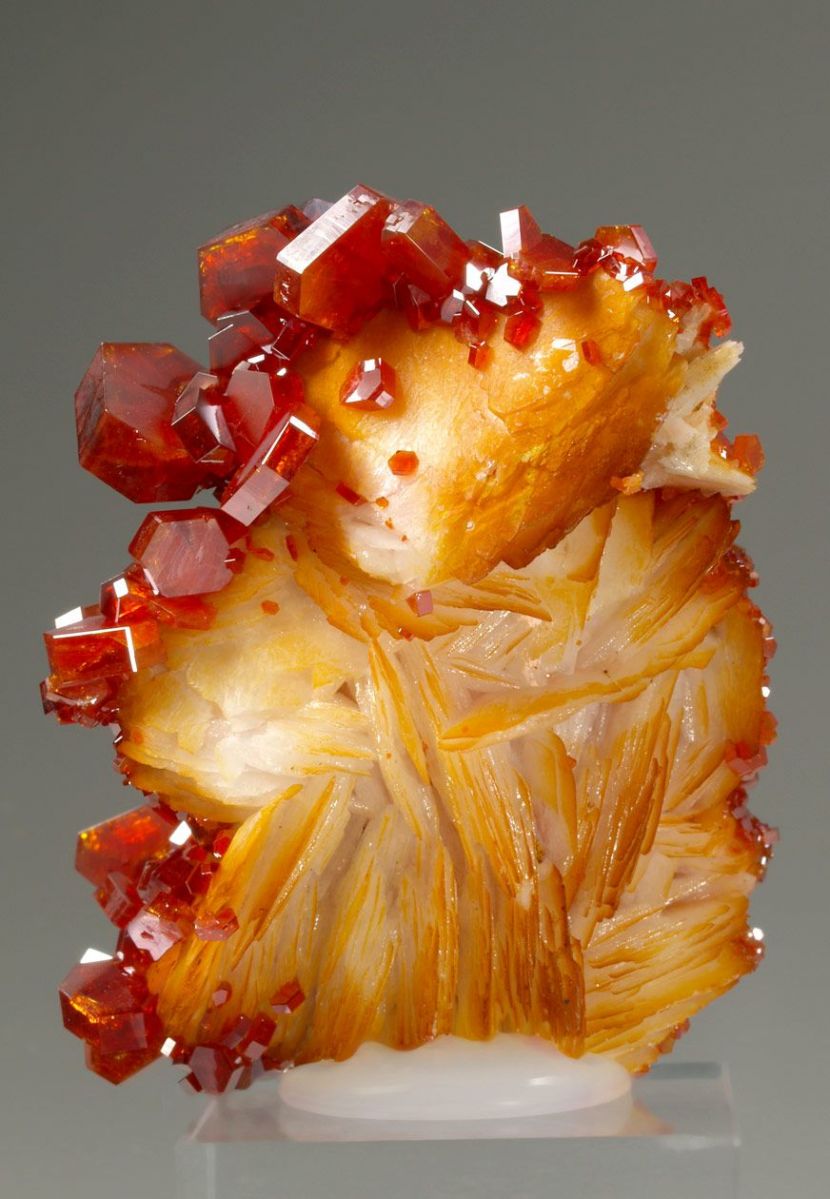
Topaz
Natural topaz in its pure form is a colorless (white) crystal, but impurities give different shades. Yellow, orange, red, brown, pink, purple, even green - the magic of colors is given by impurities of iron and chromium. Formula Al2[SiO4](FOH)2, hardness 8, in Russian there is a synonym for “heavyweight” due to the large weight of this rock: up to 20 kg is not considered rare, and in Norway there were samples from 60 to 80 kg.
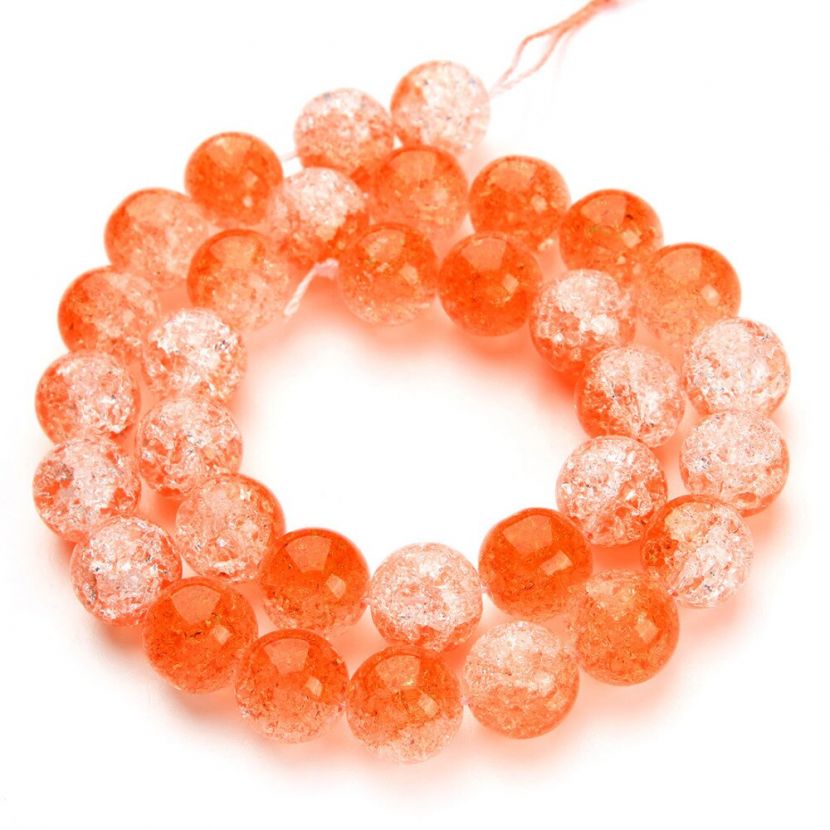
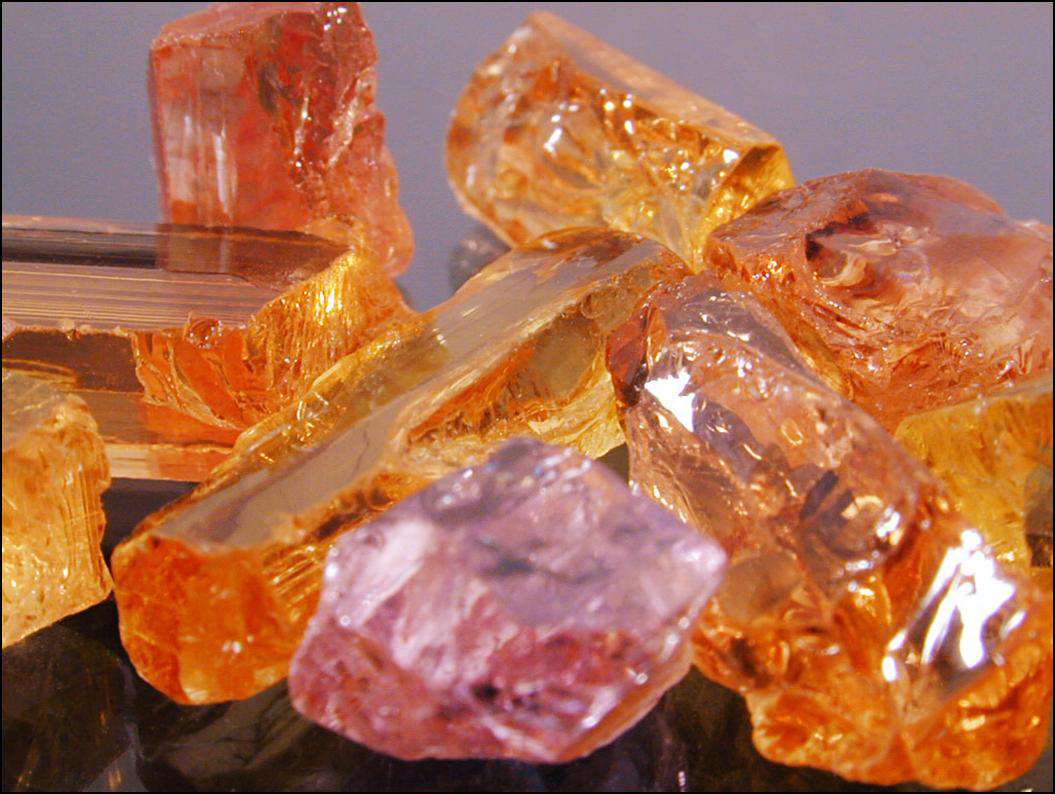
The rarest and most valuable - from yellow or pink to red-orange (Imperial or Noble). A very rare, naturally pink topaz found only in Pakistan. Some yellow-brown topaz crystals may gradually lose their color if they are exposed to sunlight.
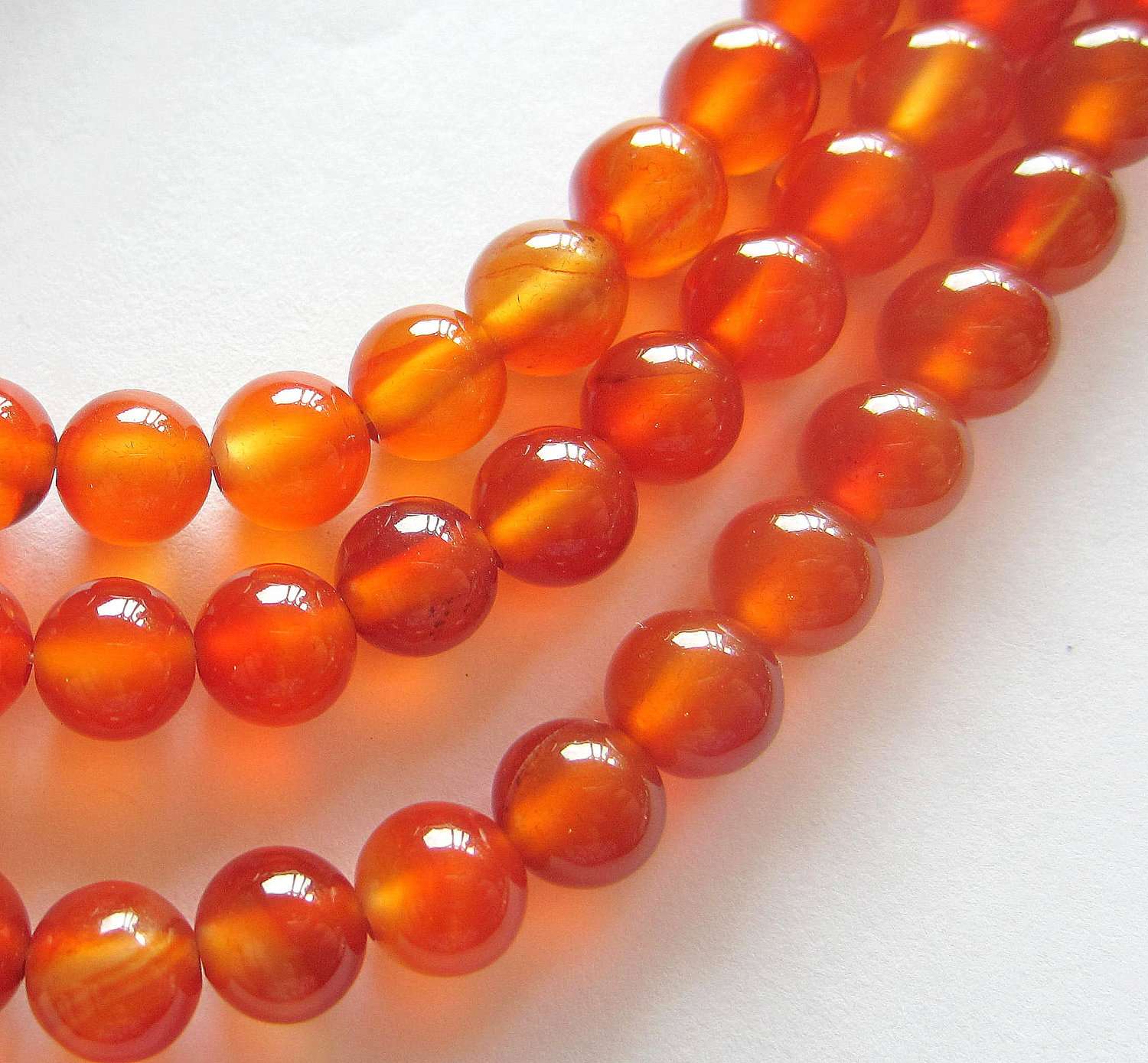
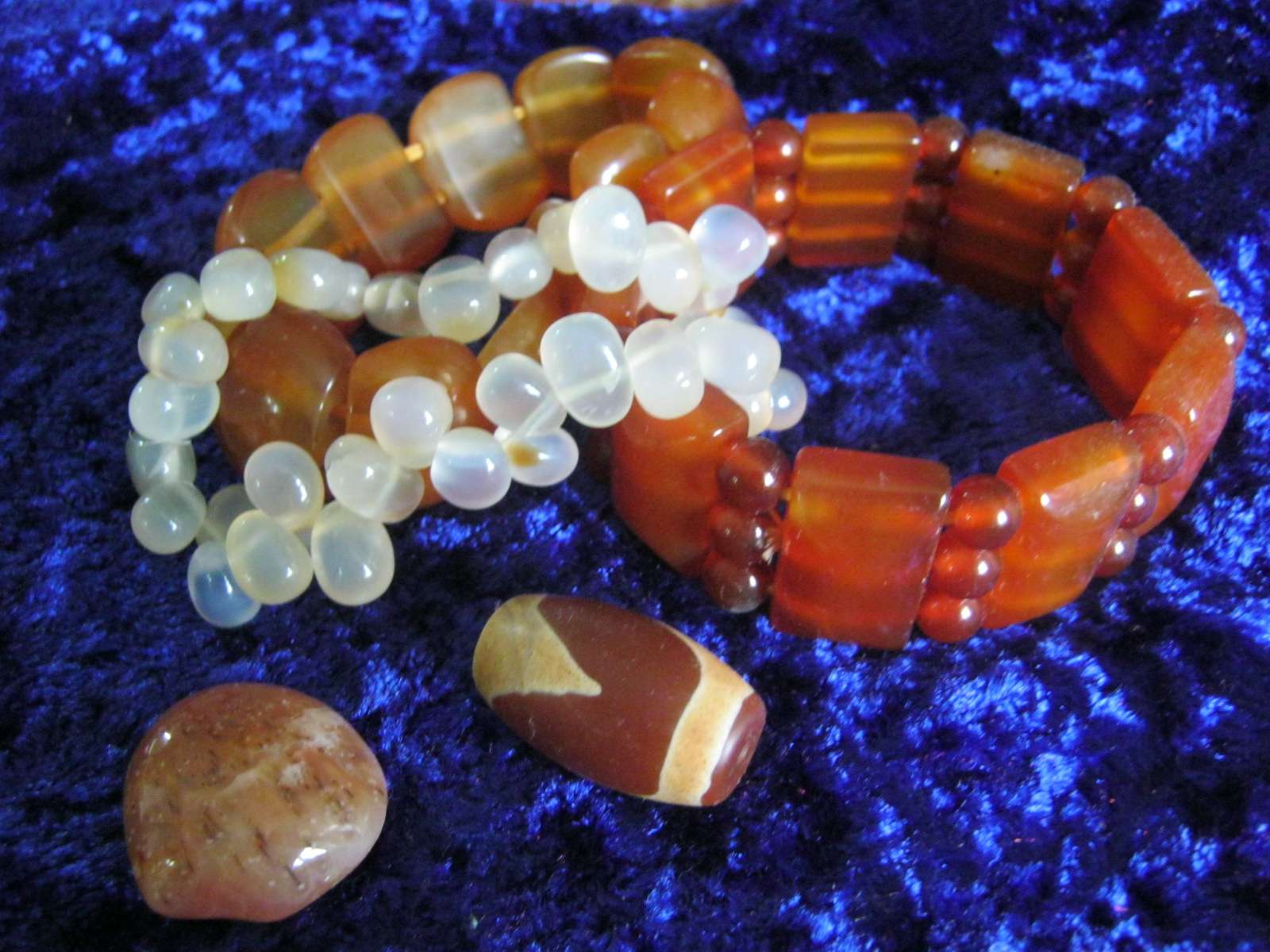
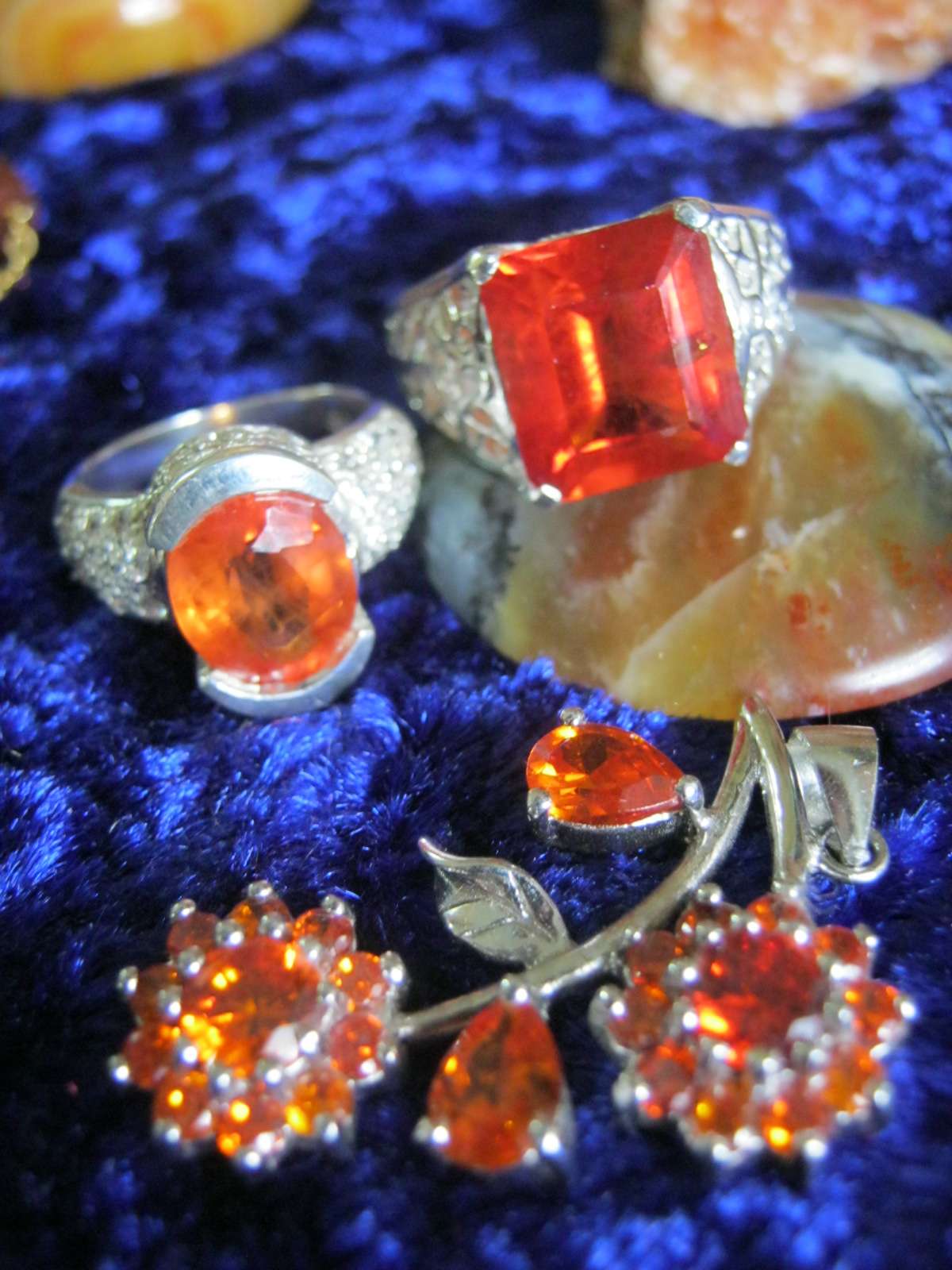
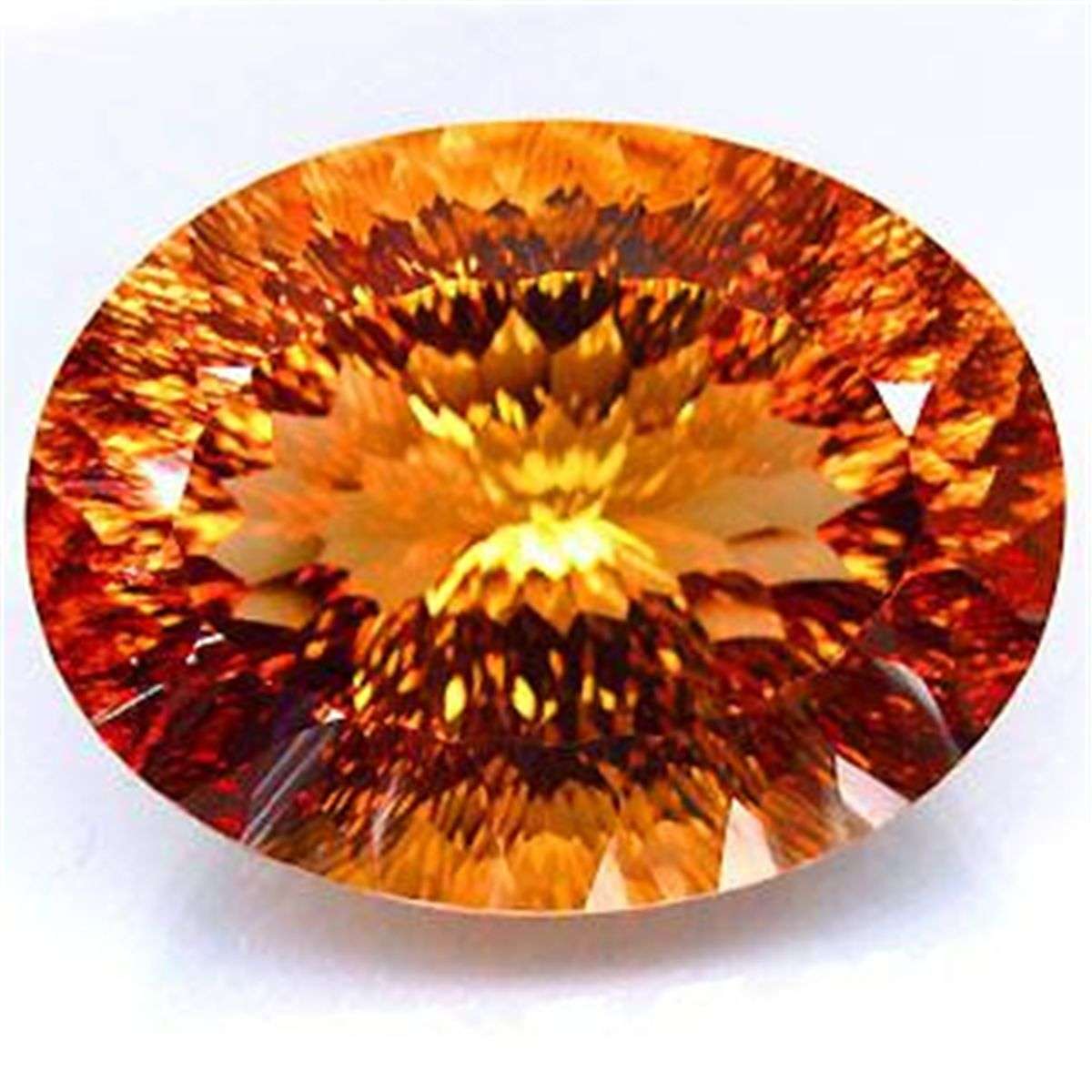
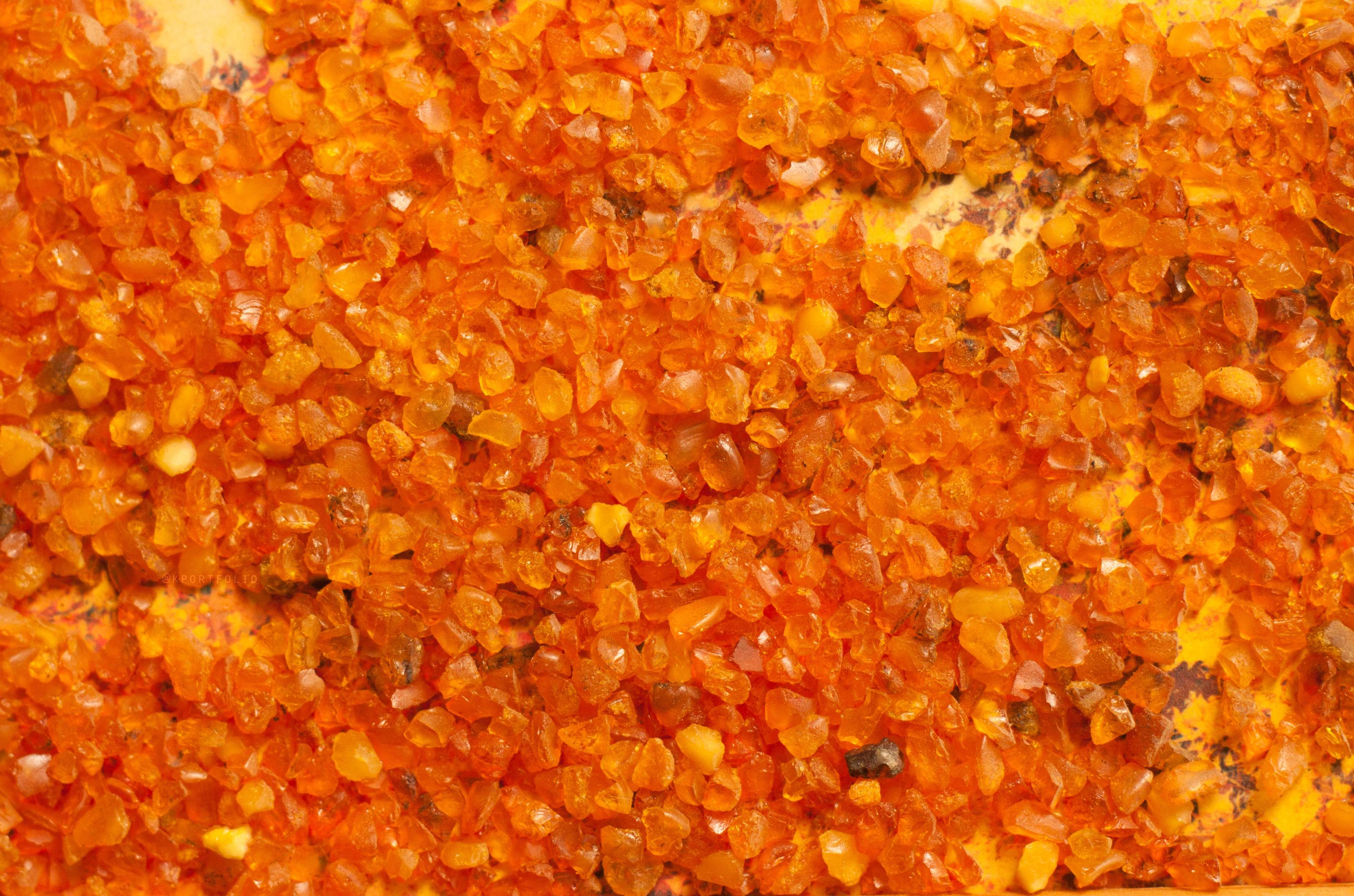
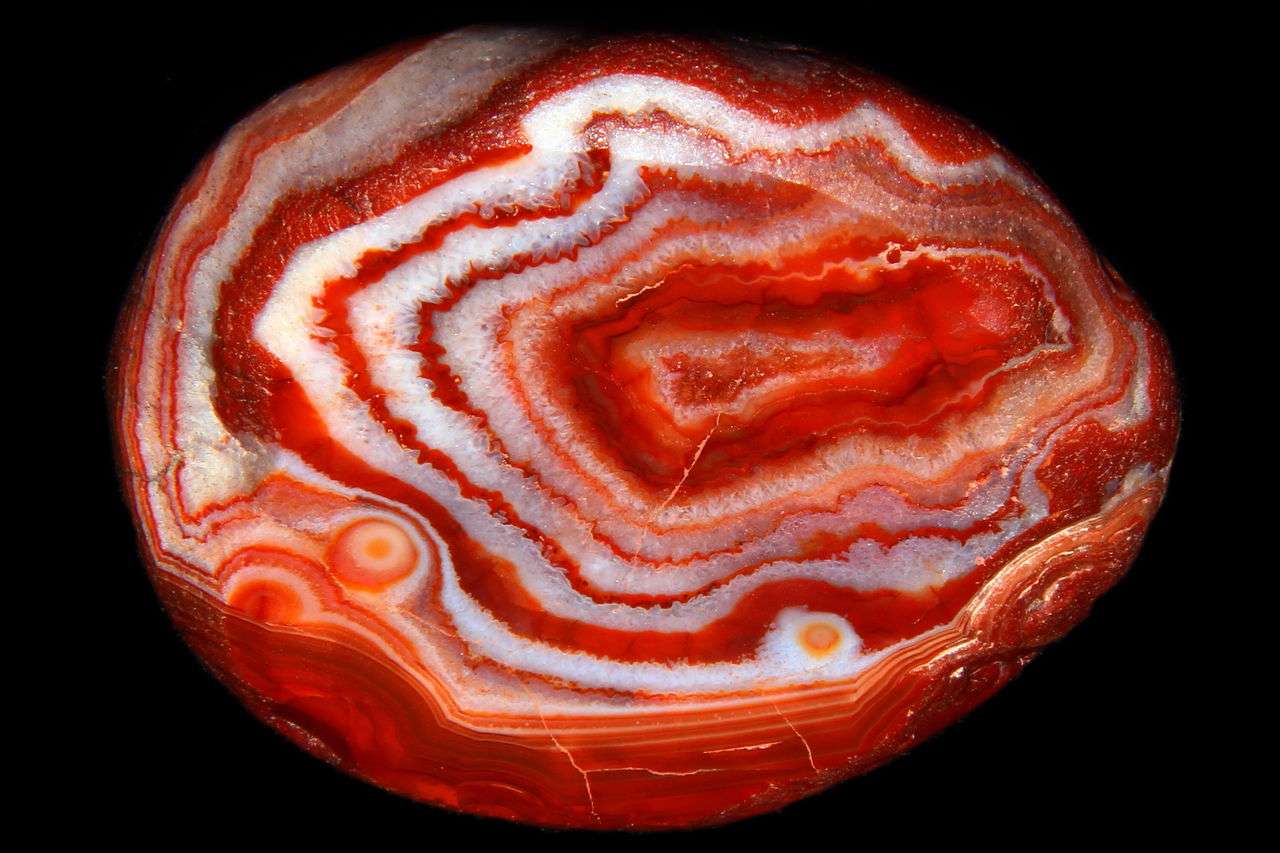
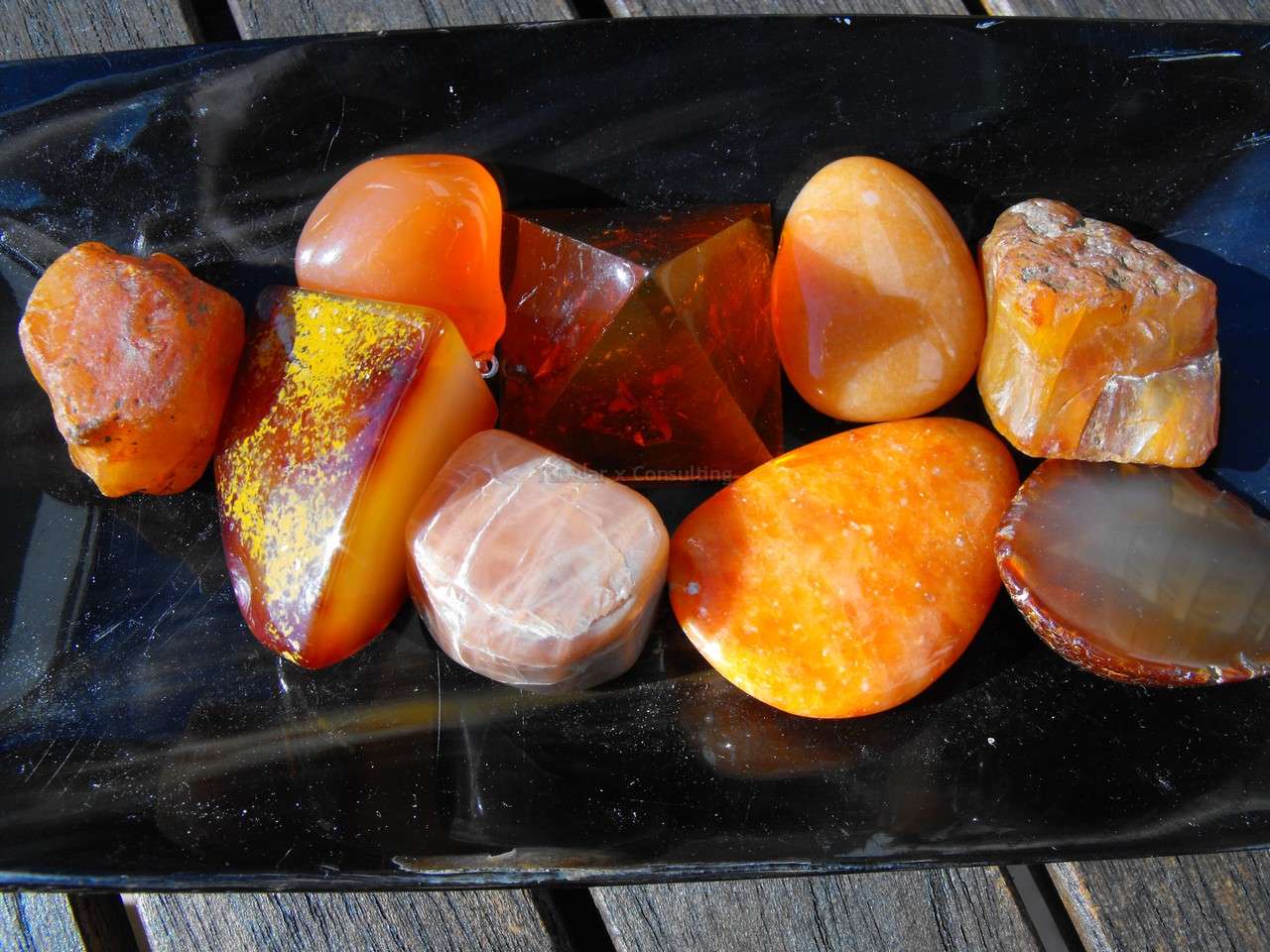
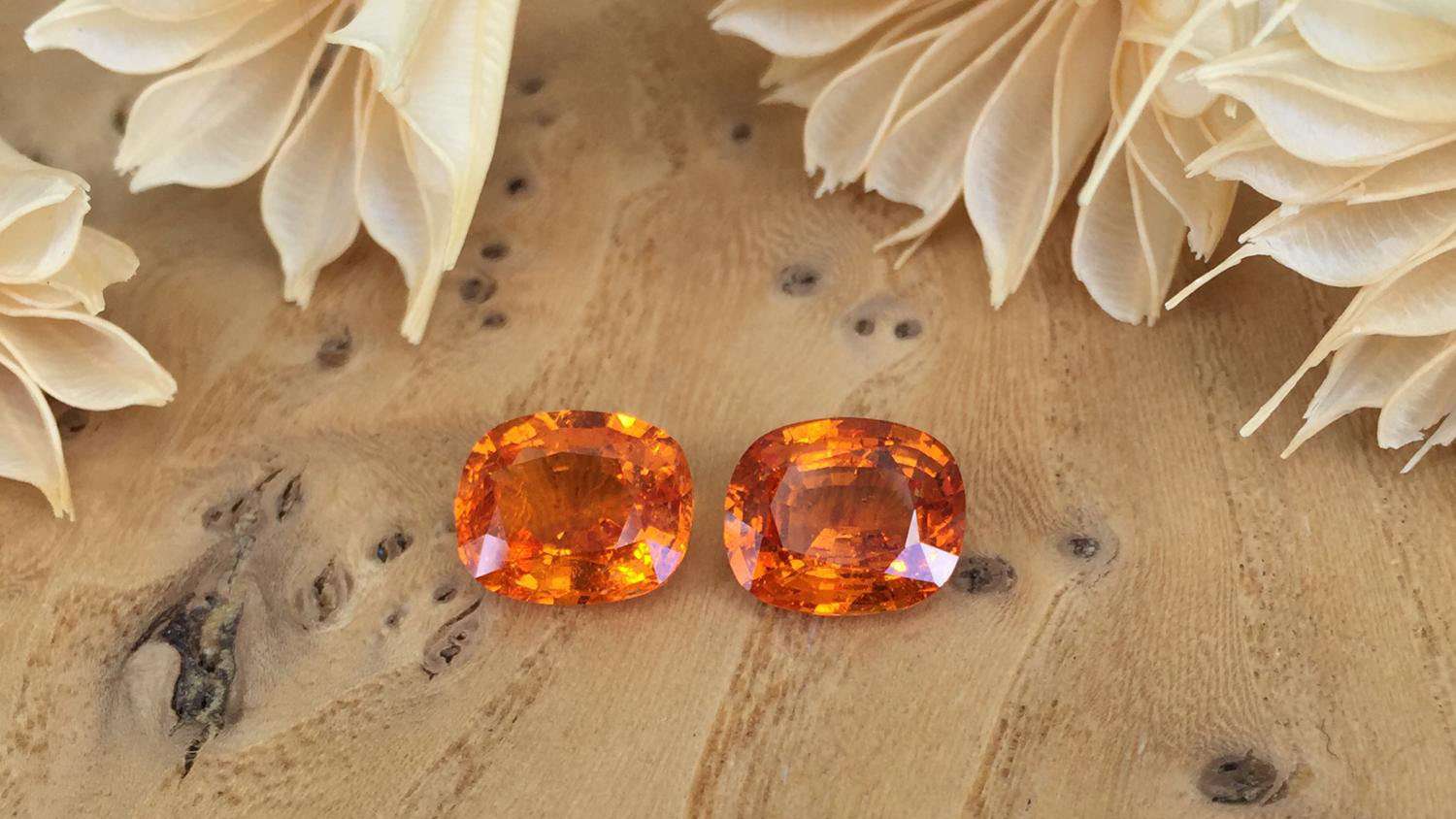
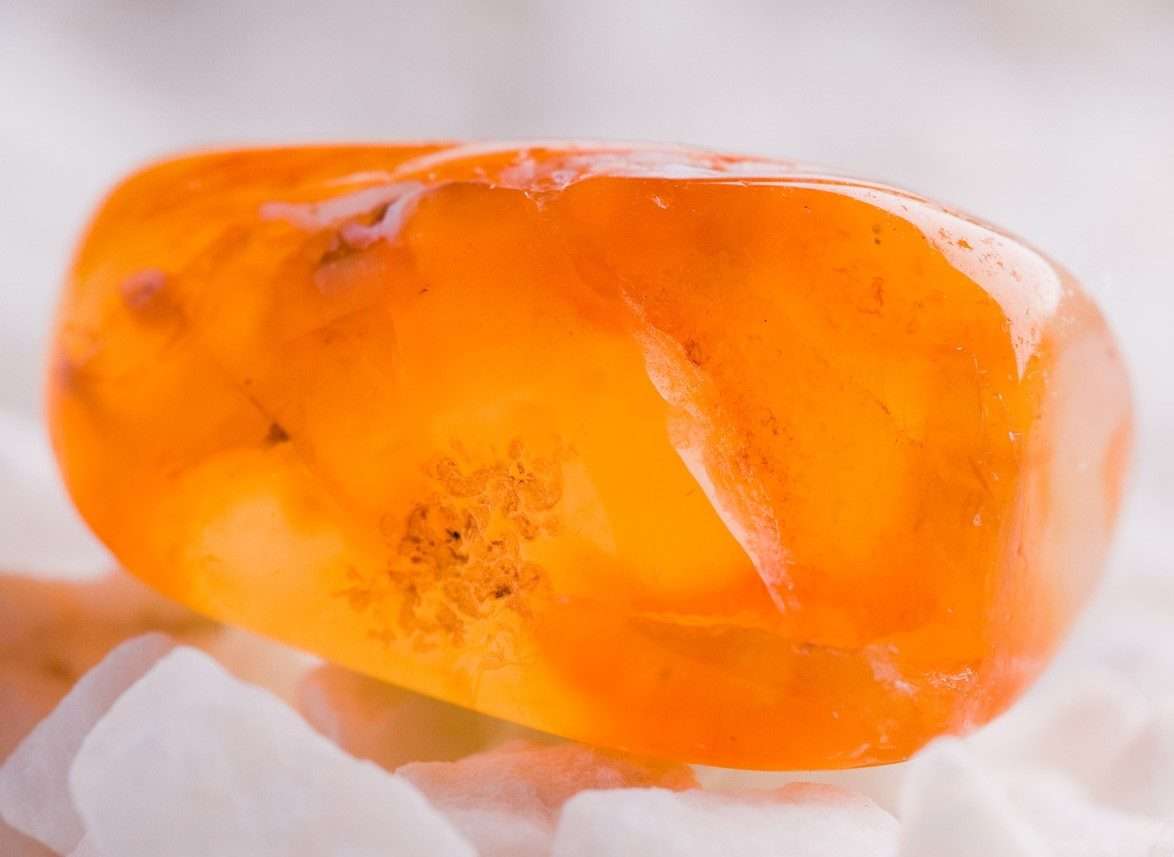
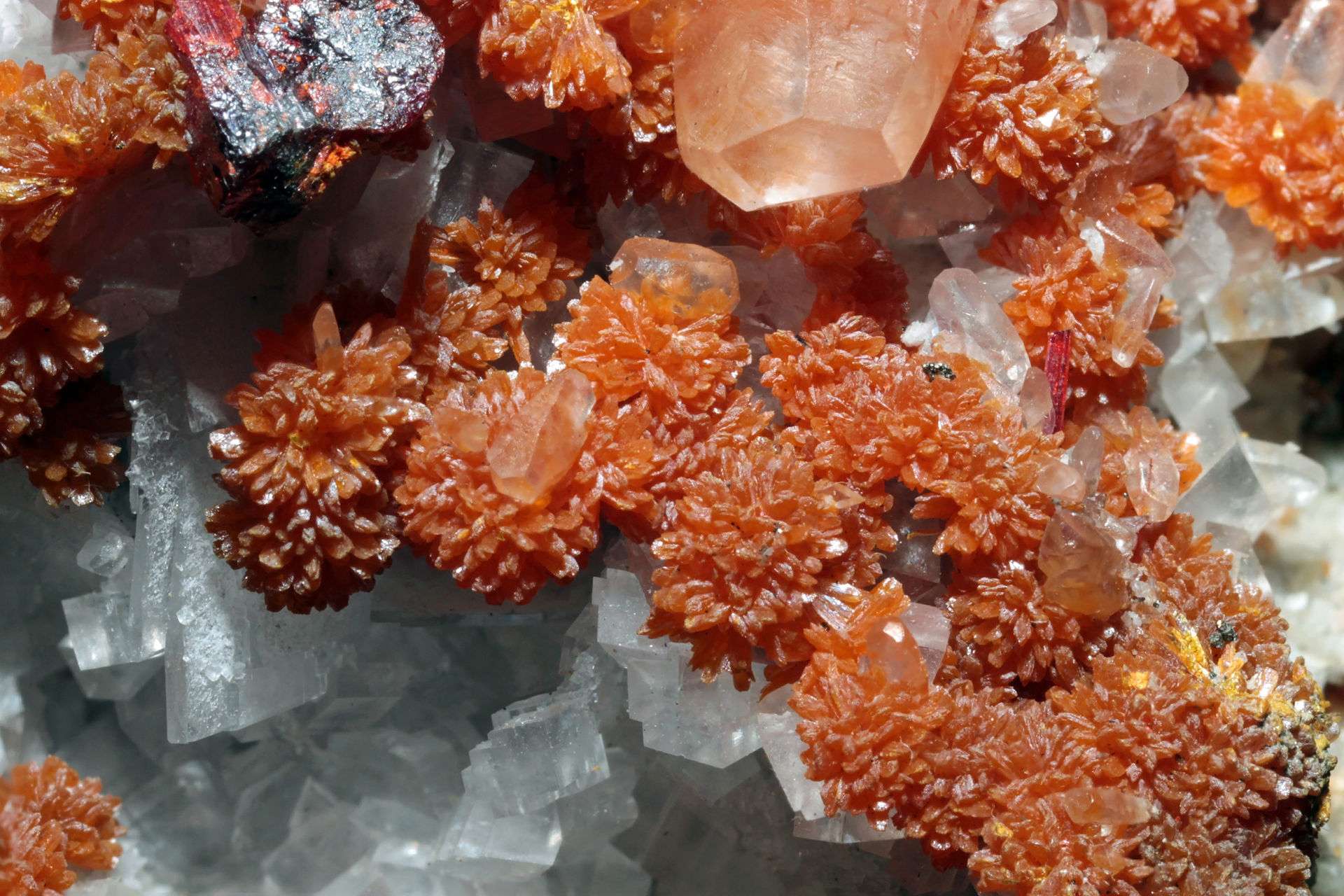
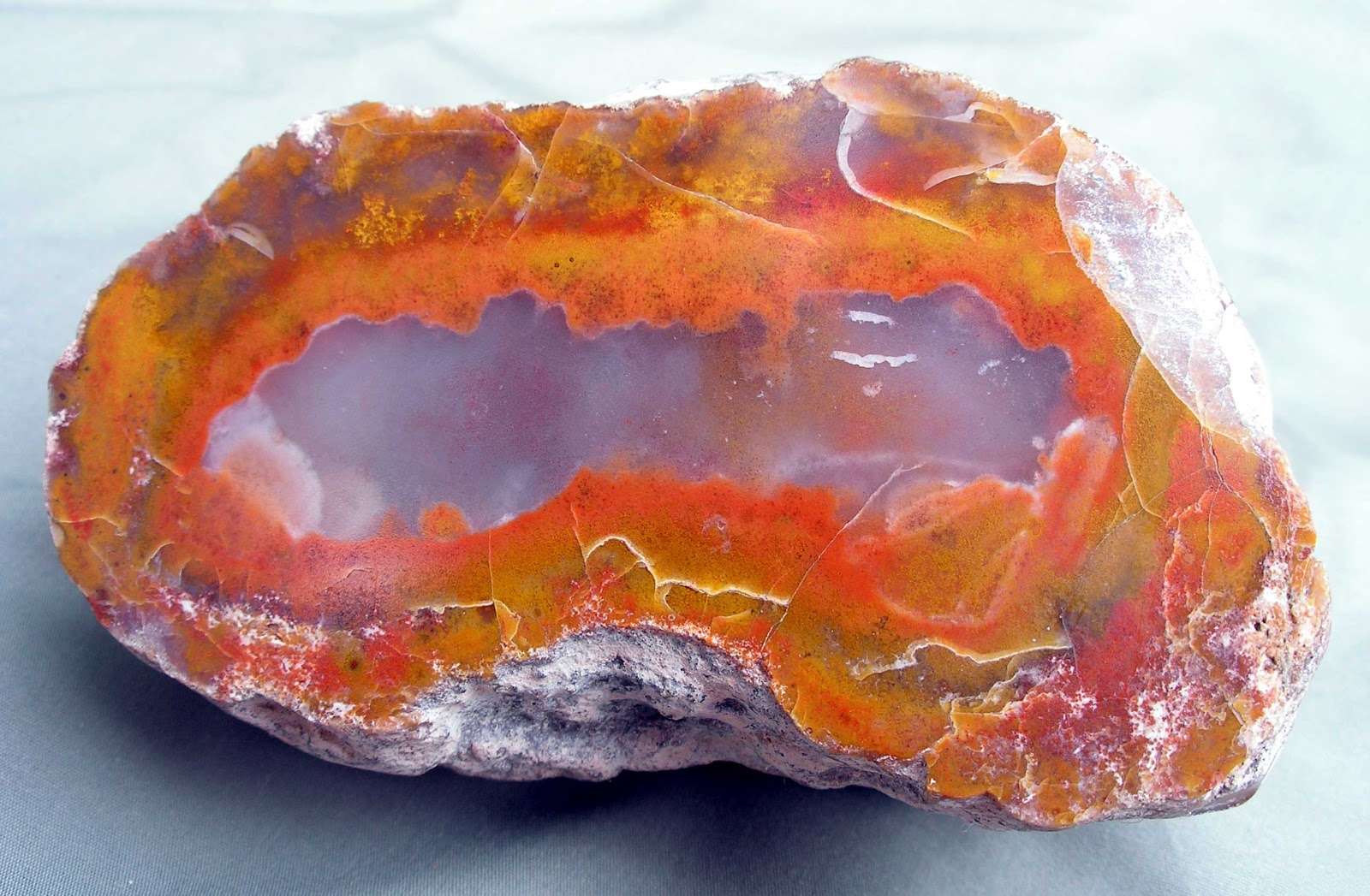
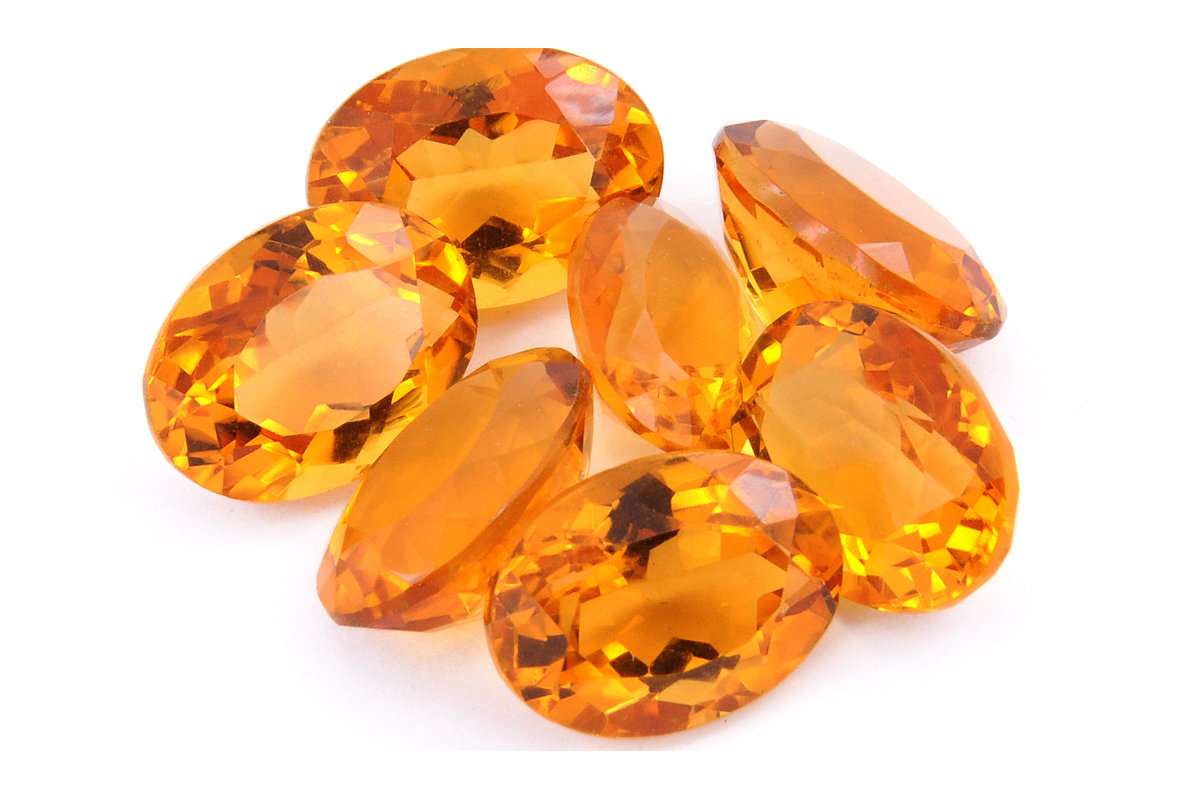
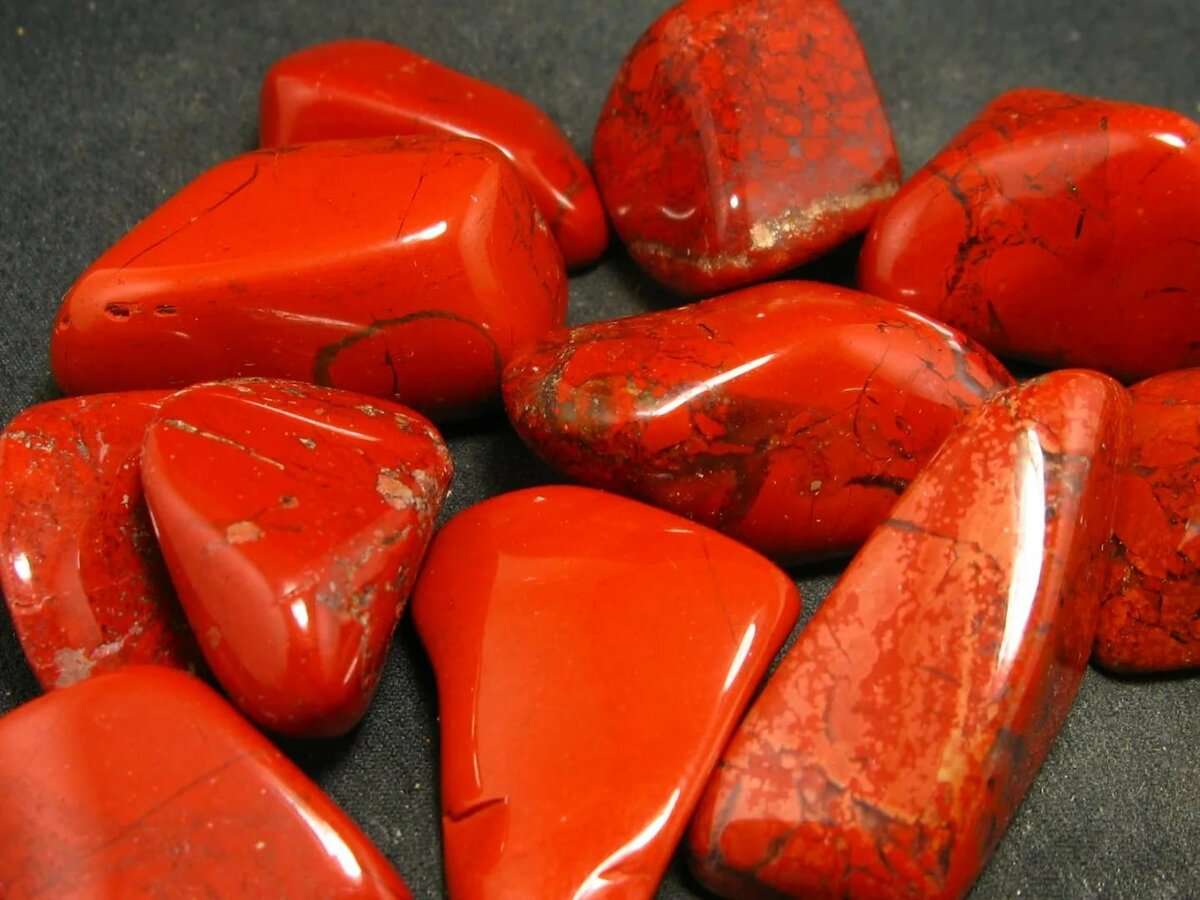
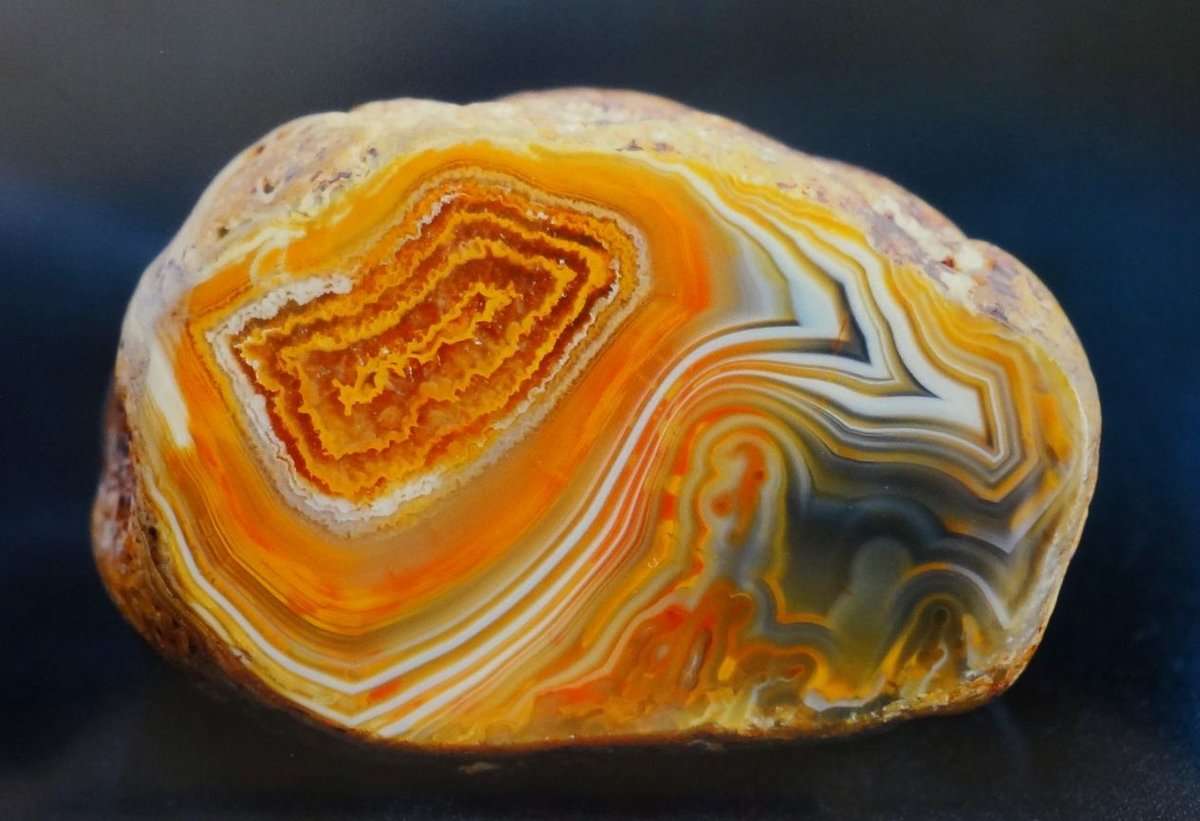
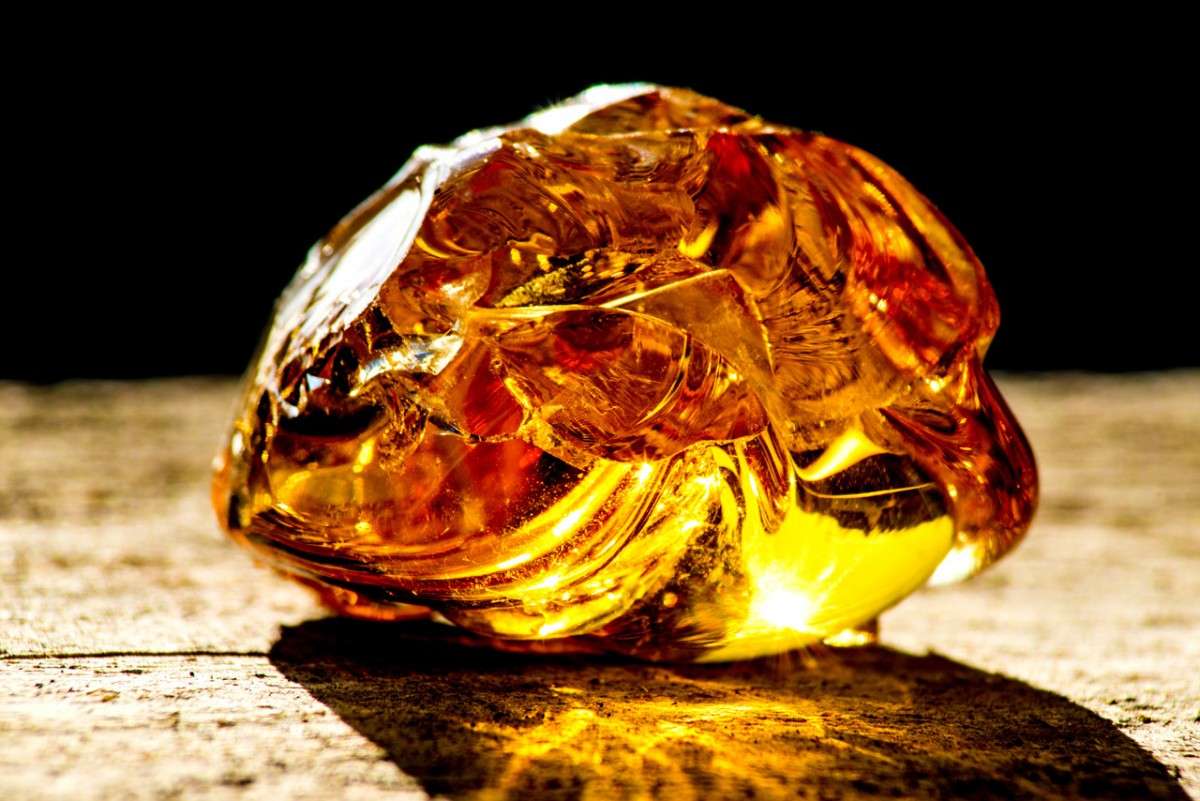
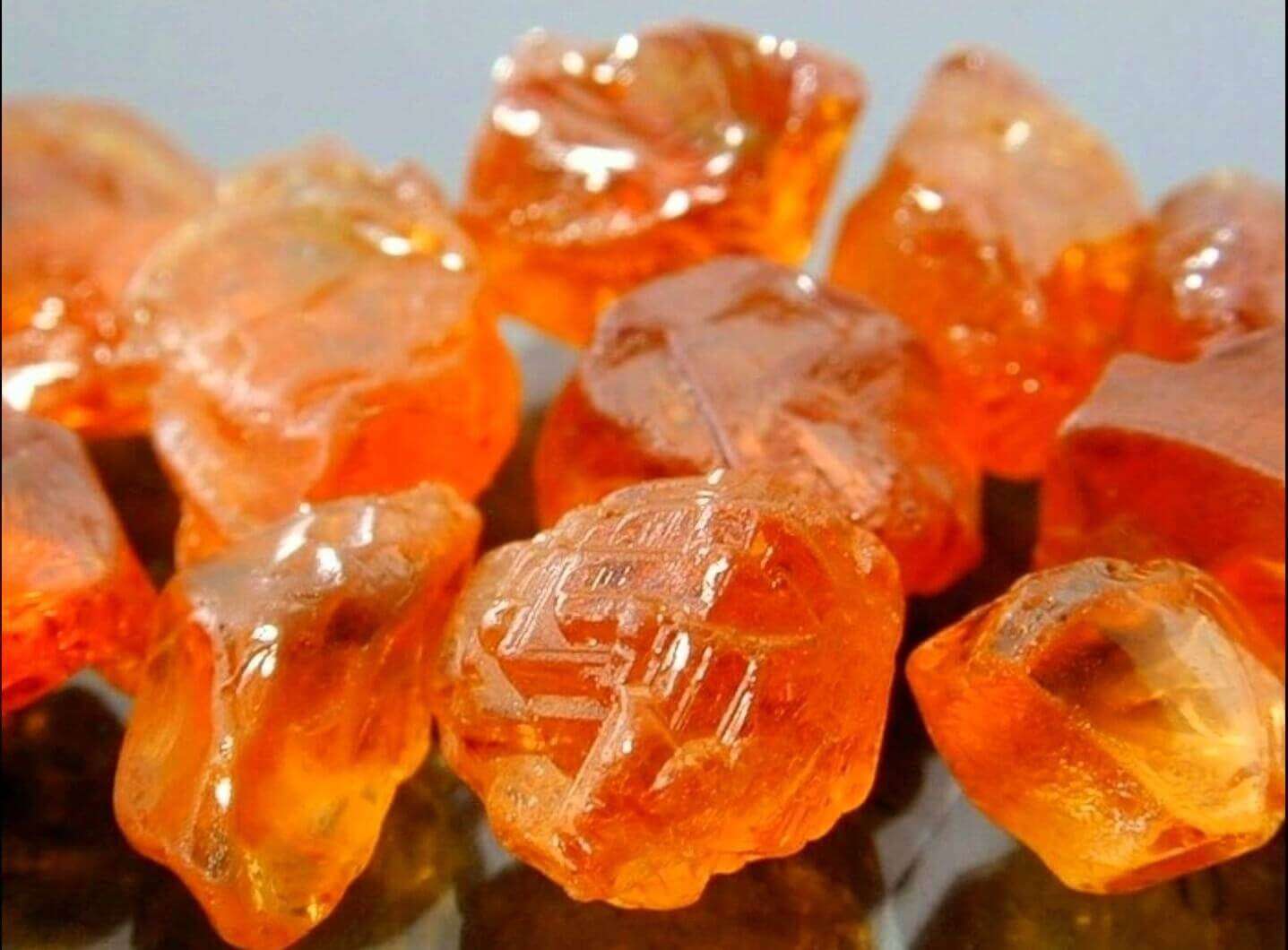
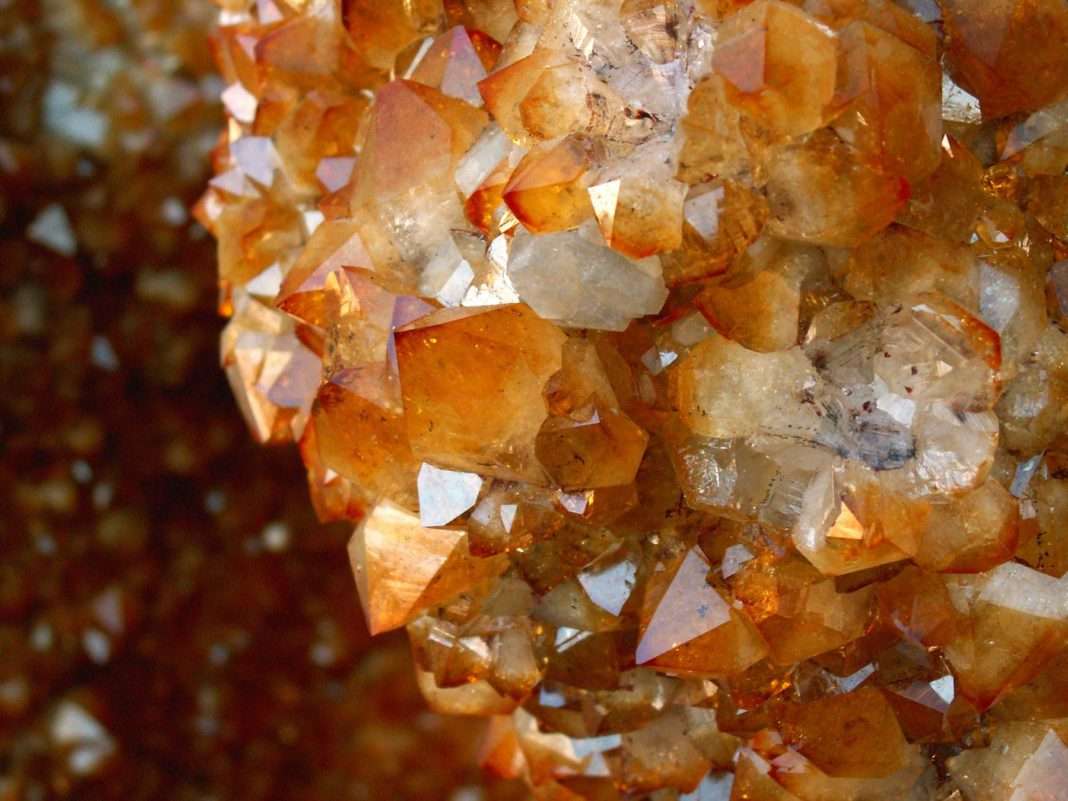
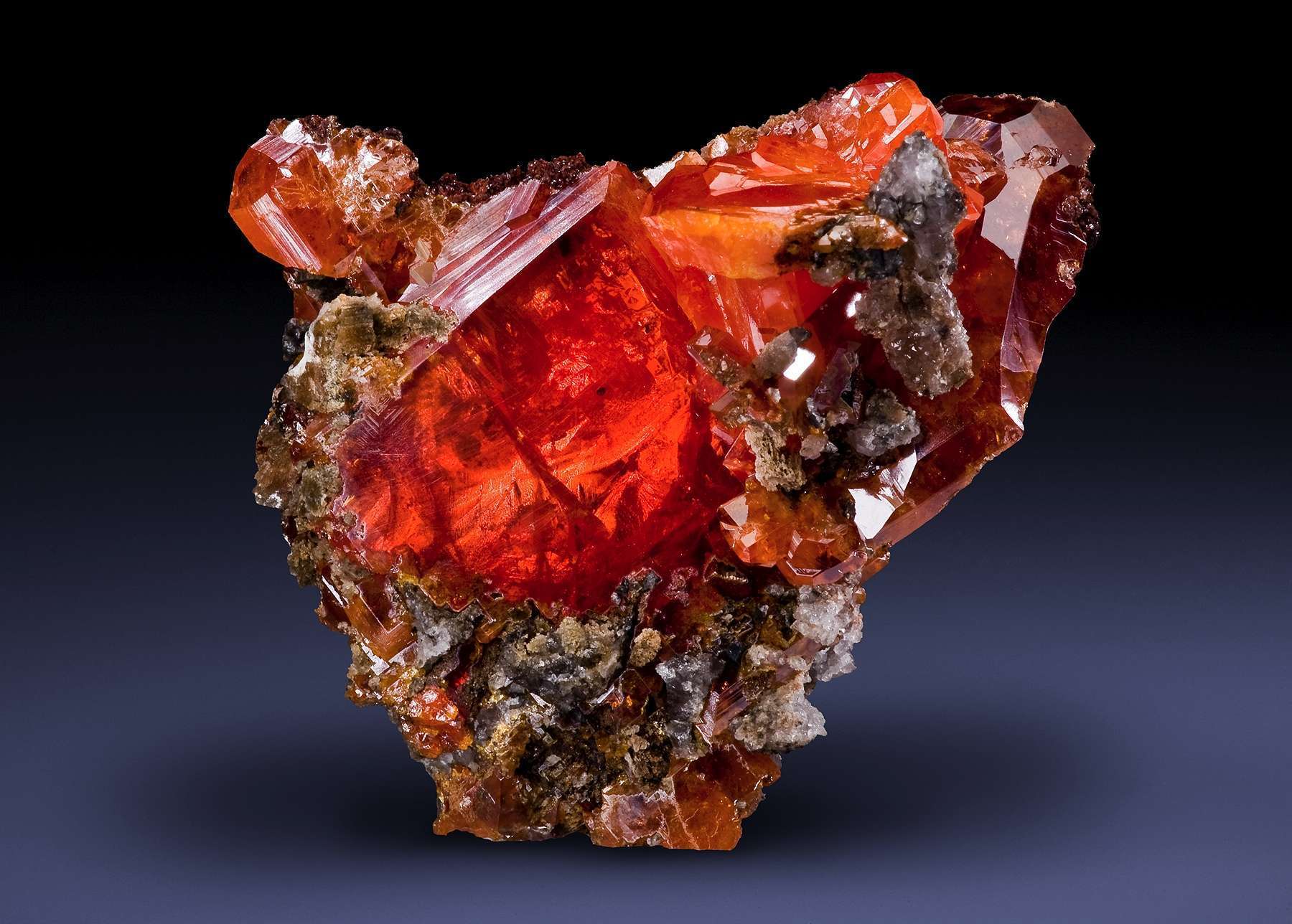
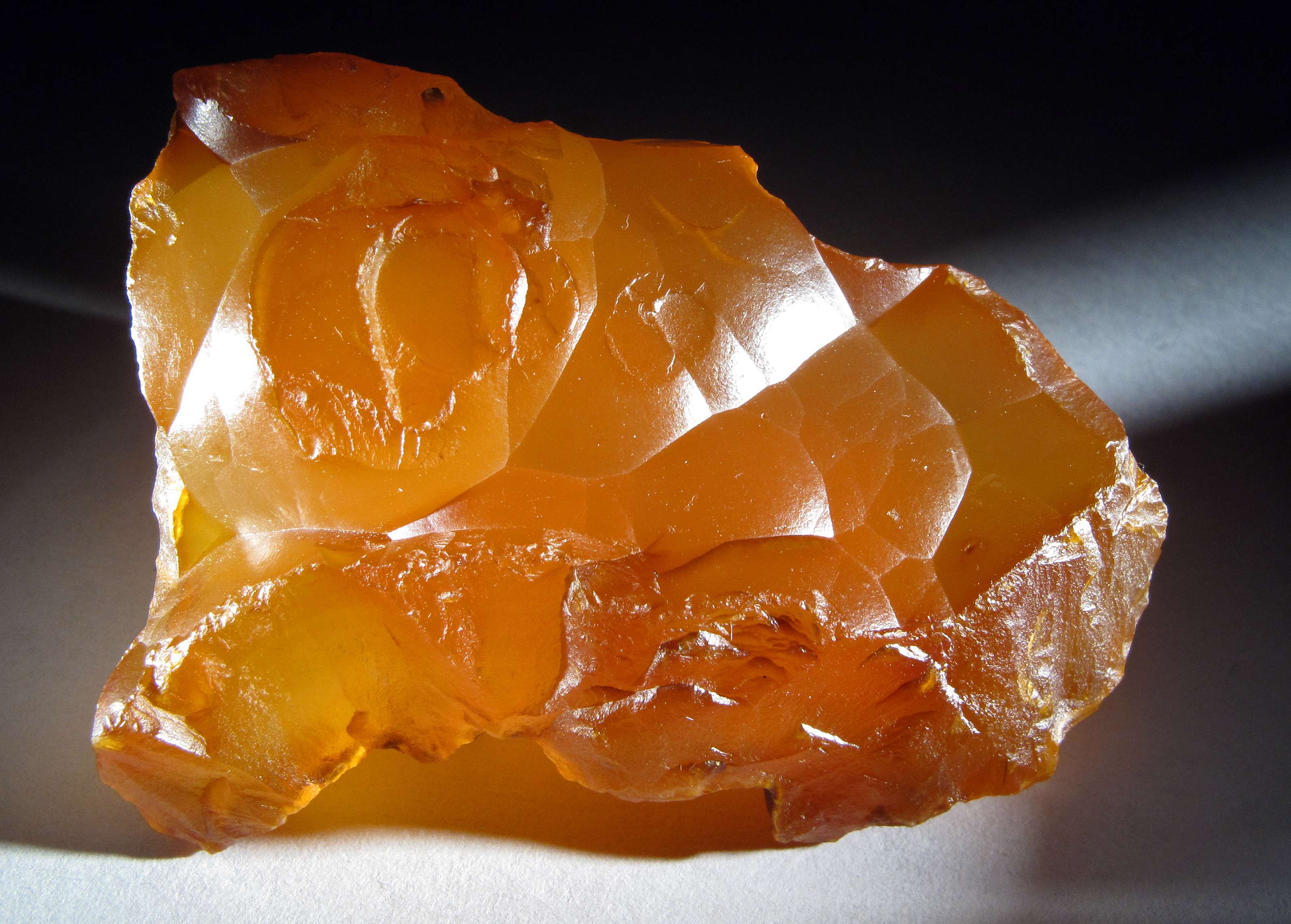
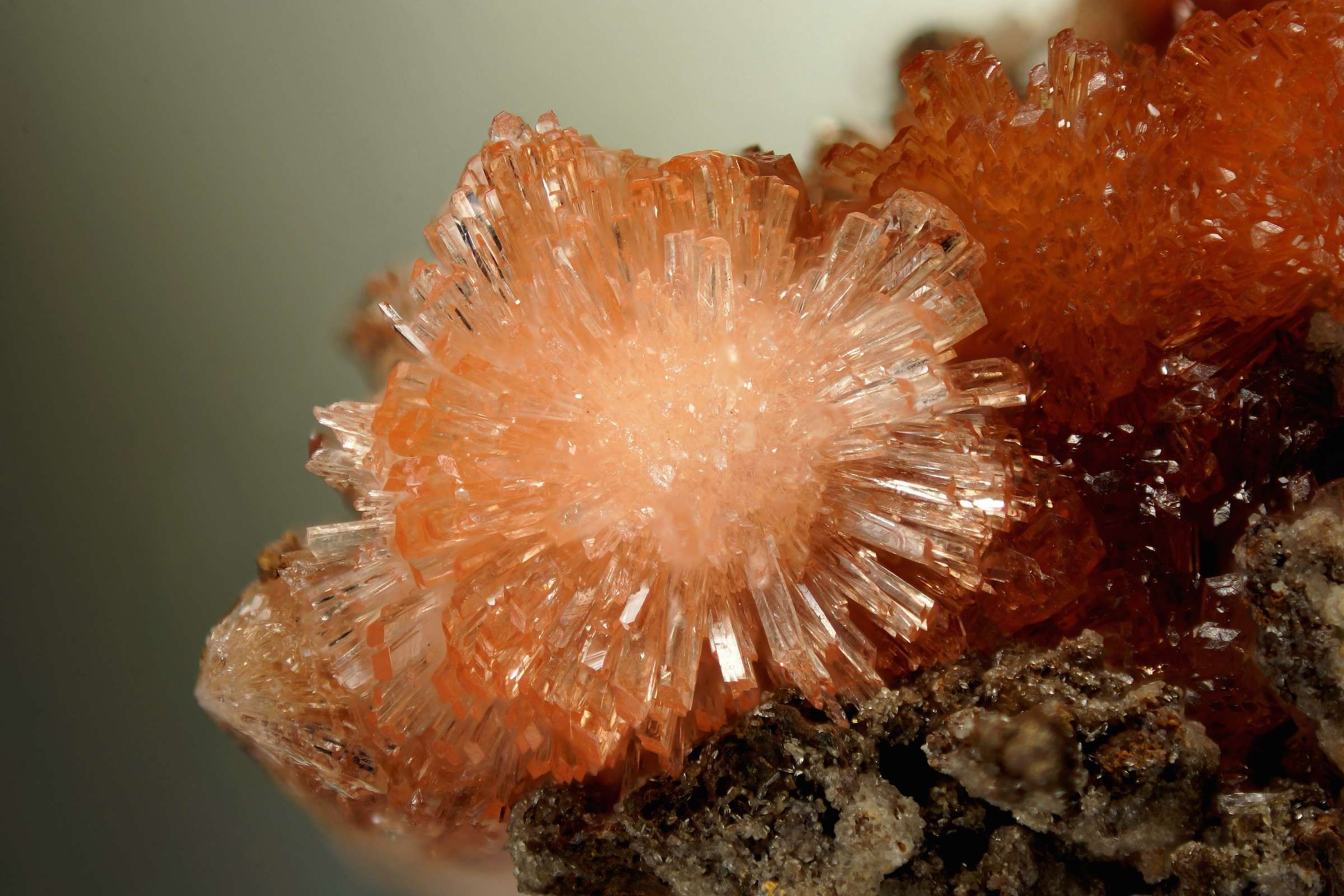
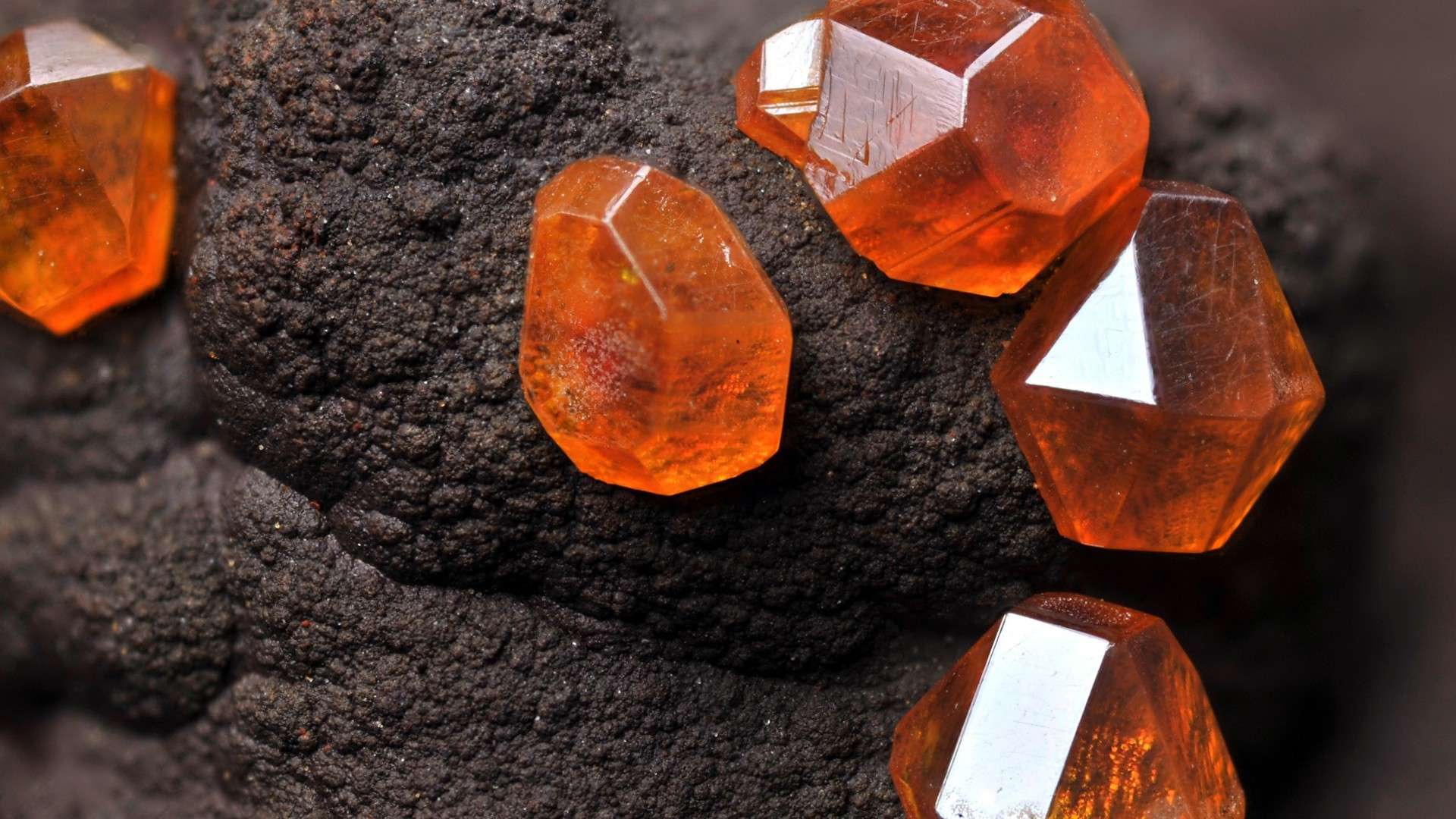
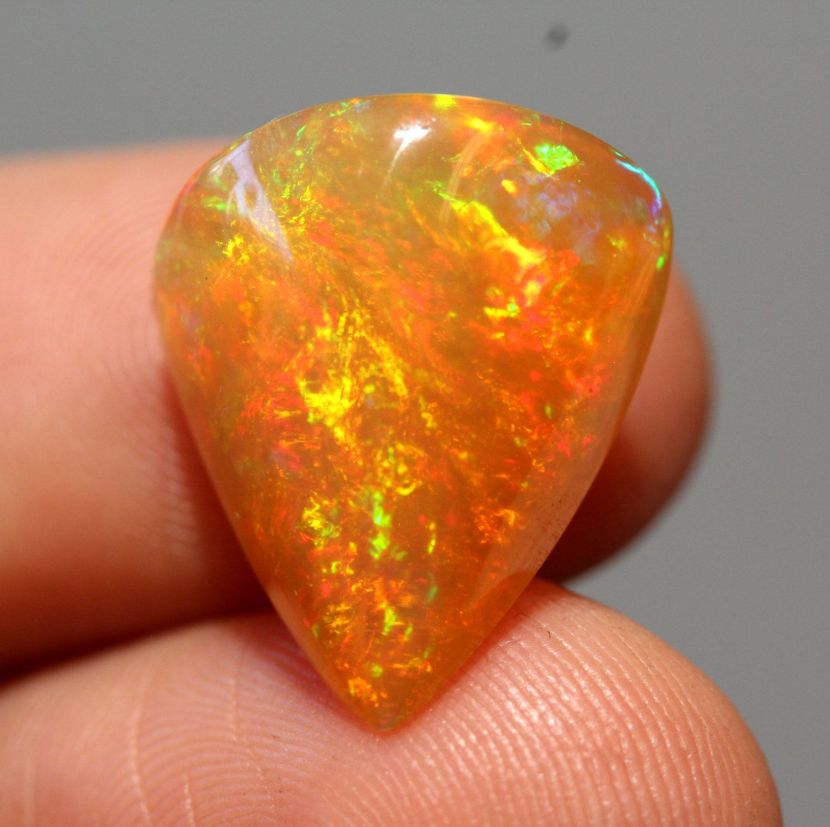
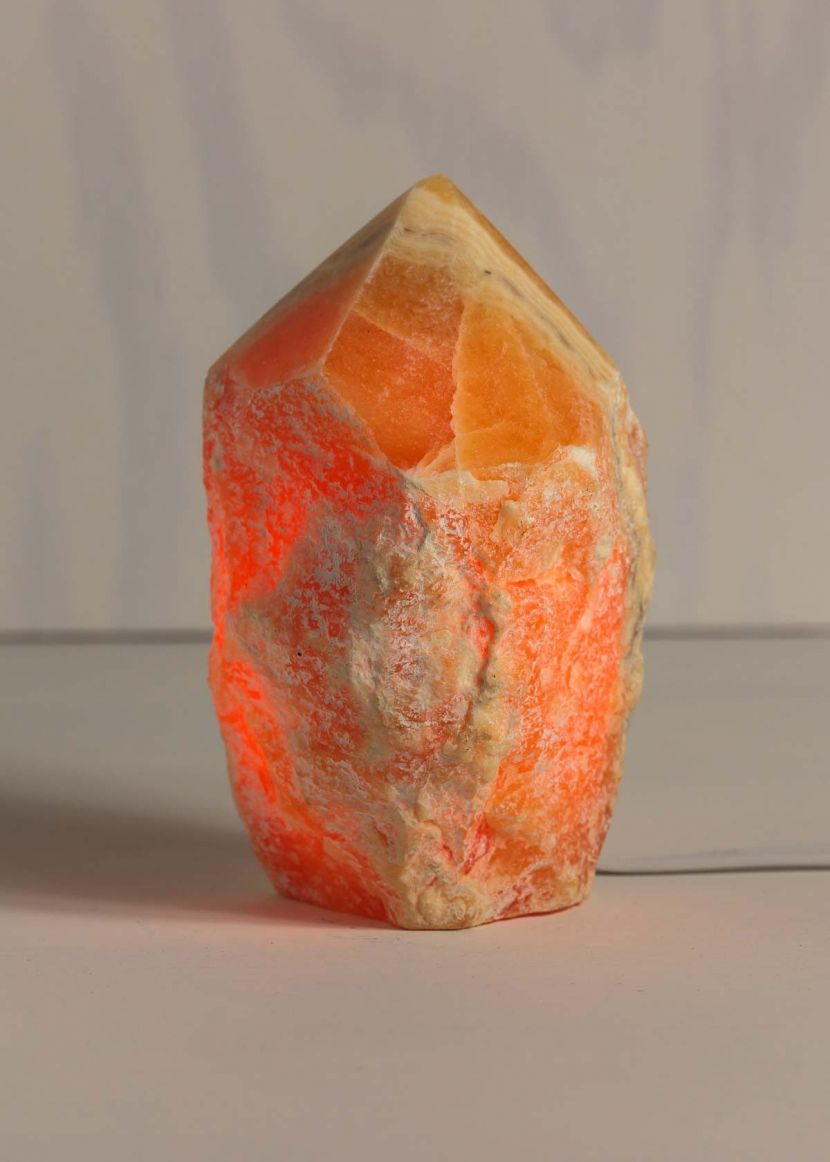
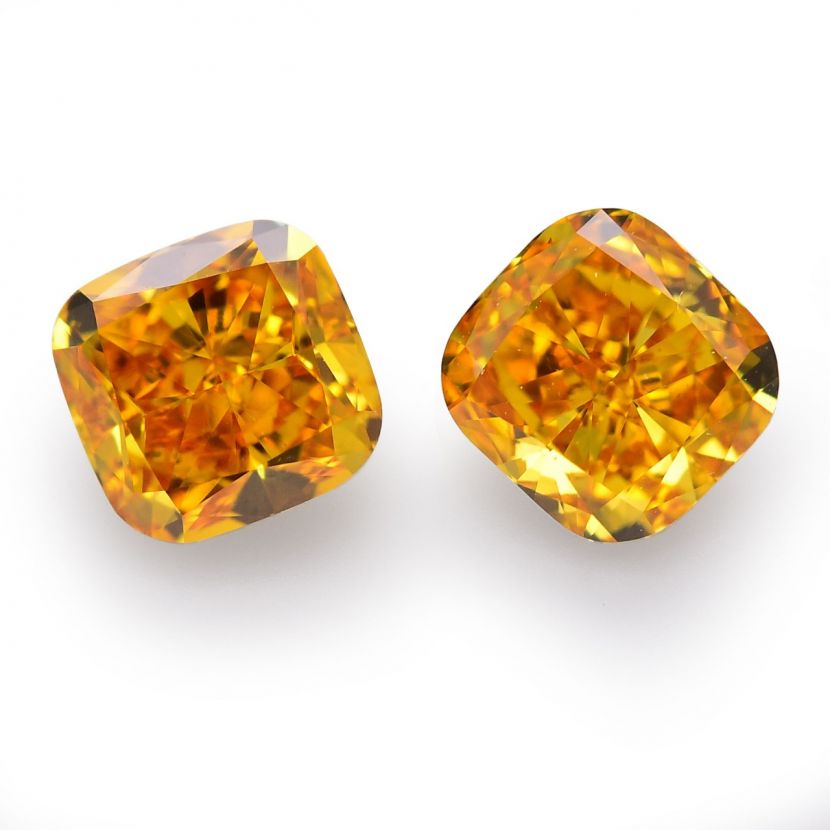
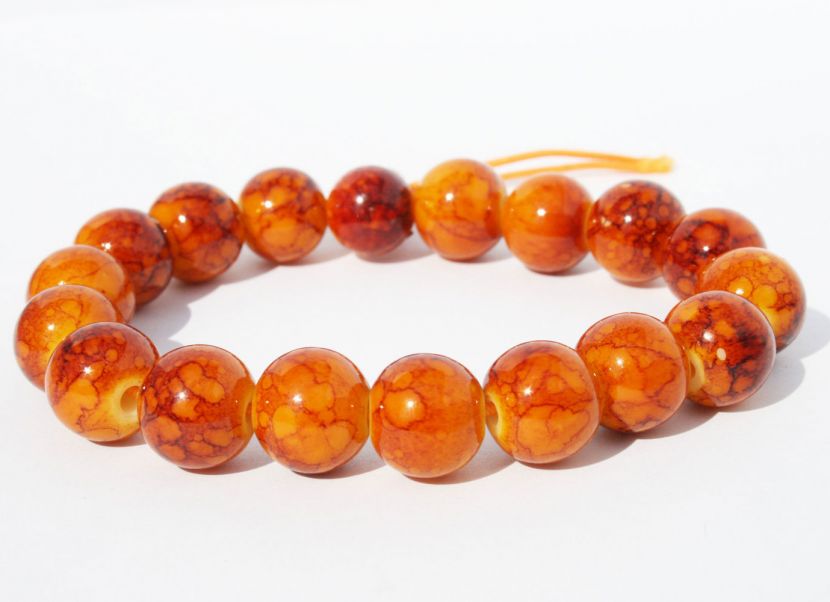
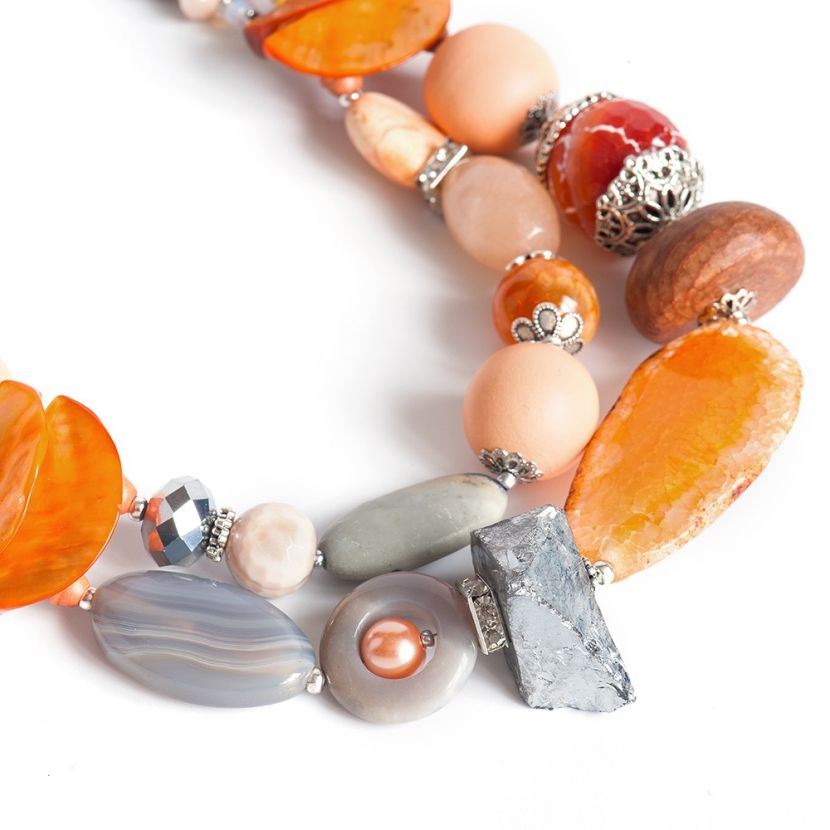
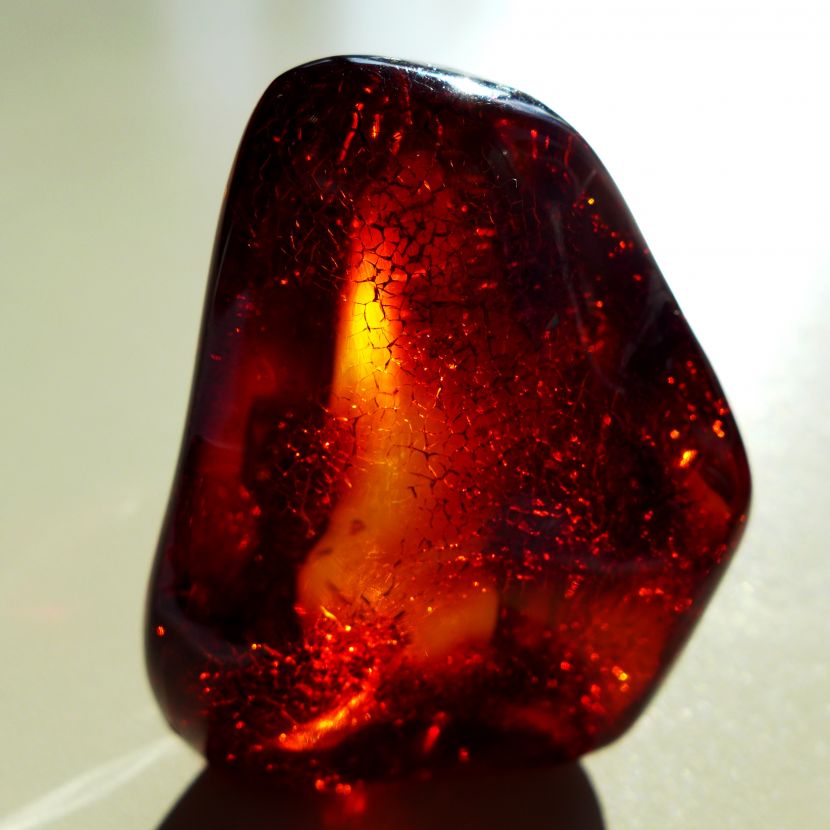
See photo for yellow and orange stones.
History and healing power
Historical information about topaz goes back centuries for 2 millennia.
In ancient Egypt, according to legend, the sun god Ra gave the stone a golden color. The name comes from the French "Topace" and the Latin "Topazus", which, in turn, originates from the Greek "Topazios" - an island in the Red Sea (now Zabargad). At the time, the island's name meant "to seek" in Greek (possibly due to the difficulty of finding the island, which was always shrouded in mist). The Bible also mentions this stone.
The purpose of topaz is special - it is used to solve complicated issues and problems. People who want to develop intuition, to distinguish truth from lies, need to wear a topaz amulet.It improves sleep, gives a good mood, treats infertility, helps to improve metabolism, which means it can prolong youth.
Spinel
Spinel is a glassy stone, aluminum and magnesium oxide, its Mohs hardness is 7.5-8, which makes it durable and scratch resistant. Sometimes includes an asterism or star effect (star spinel), and sometimes a cat's eye effect, creates clear, well-formed crystals.
Spinel has been mined for centuries, but for a long time it was mistaken for a ruby (pink-red spinel), and all the red stones that were obtained from the earth were simply called rubies. It is easy to make a mistake, since the spinel was in the same rock formations and in the same geological conditions as the ruby and sapphire. The ancient gem dealers had no way to distinguish the stones, so they thought these multicolored spinels were rubies and sapphires.
The most important deposits are found in Burma, Laos, Cambodia, Tajikistan and Sri Lanka, where the most sought-after specimens are mined, mostly bright colors. Spinel is also mined in Vietnam, Afghanistan, Brazil, Nepal, Tanzania, Thailand and the USA.
Wealth of forms
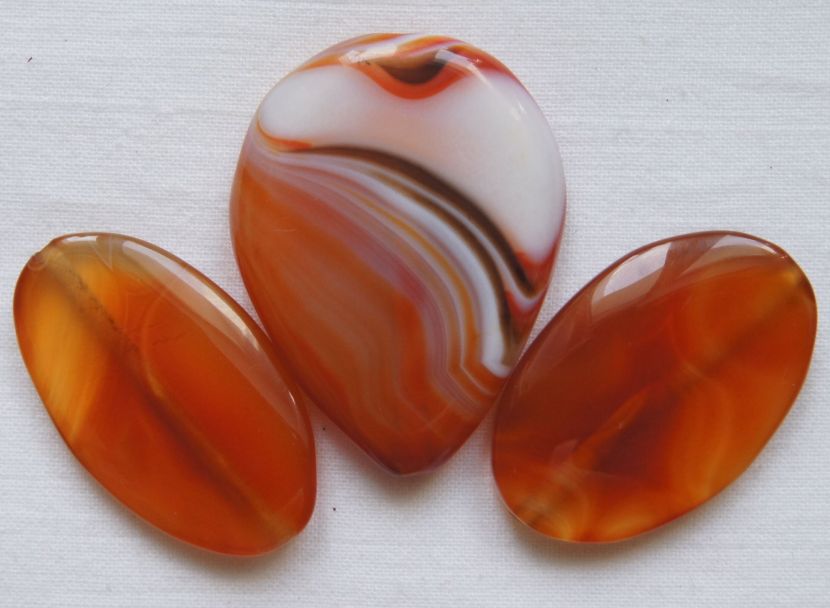
Spinel has the form of drops, tears, bulbs, pillows, balls and cabochons. The decorative thin cut on the surface of the stone enhances the glow effect, making them look great in elegant and evening decorations. Black spinel has amazing, mysterious depth, radiant brilliance and can resemble black diamond.
Tourmaline
This is a representative of a significant group of jewelry stones with a complex composition. The name comes from the Ceylonese phrase turmala (colorful stone).The spectrum of colors in which it occurs makes it unique in the realm of precious stones. Most red, pink, brown or yellow tourmalines owe this to magnesium, while iron and titanium give a greenish or blue-black color.
Variety of species
The huge variety of paints can sometimes be misleading as to identification. For example, many stones in 17th-century Russian crown jewelery were thought to be rubies, which actually turned out to be tourmalines. Tourmaline has high purity and few inclusions. It is also fairly stable (7-7.5 on the Mohs scale). All this makes it a very attractive product. Even larger sizes are available at an affordable price.
The main types of tourmaline are dravite, uitite, schorl, liddicoatite and elbaite. Schorl is the most popular variety, accounting for almost 95% of all tourmaline deposits. Most tourmalines are varieties of the elbaite family. Due to the fact that there are so many varieties within the group, most are traded under a specific name of their own. Some of the most popular are pink-red rubellite, blue-green paraiba and colorful watermelon. Pink and yellow are interchangeable in the name.
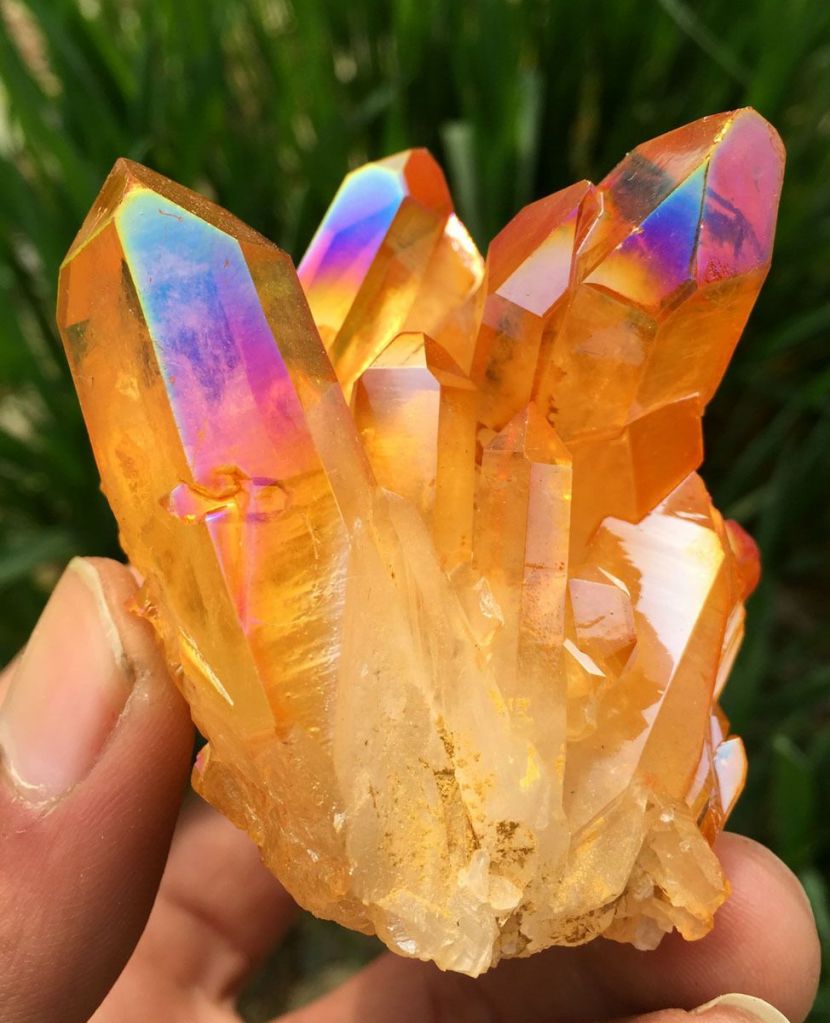
An extremely characteristic feature of tourmaline is the fact that it can be electrically charged by extreme heating and cooling or by friction.
Mookait
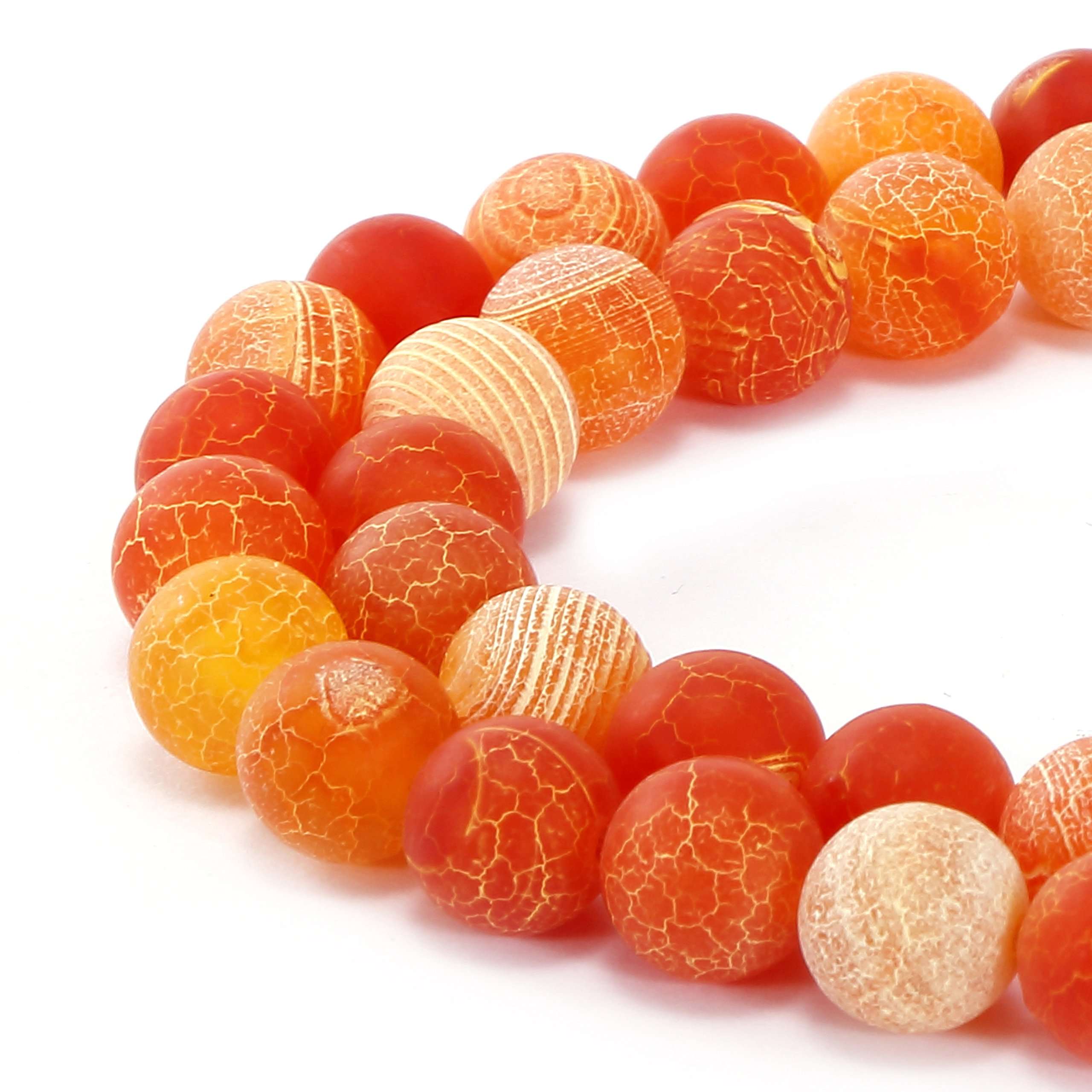
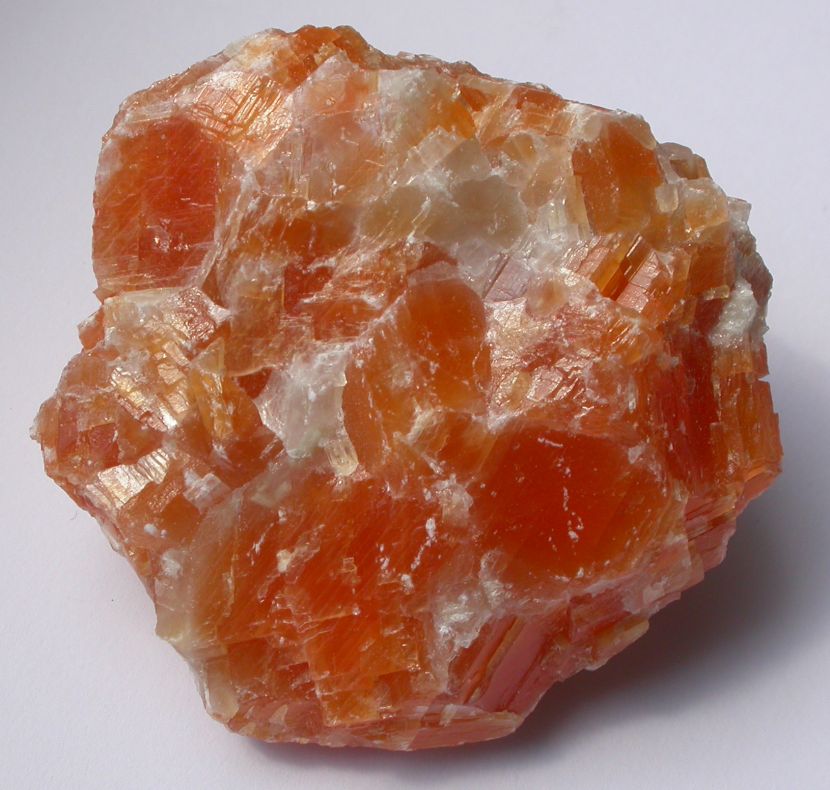
Mukait - Australian jasper, was discovered not so long ago, so not everyone recognized it as a separate semi-precious stone. Described as "dominant massive ultrafine silica". The stone got its name from the place of discovery (Mooka Bay), which in the language of the natives means “flowing waters”.Colour: beige, brown, green, orange, white and yellow, or combinations thereof. Manganese gives a pink tint, while chromium and iron give orange, yellow and chocolate color. Looks great in cabochons, sometimes reminiscent of caramel.
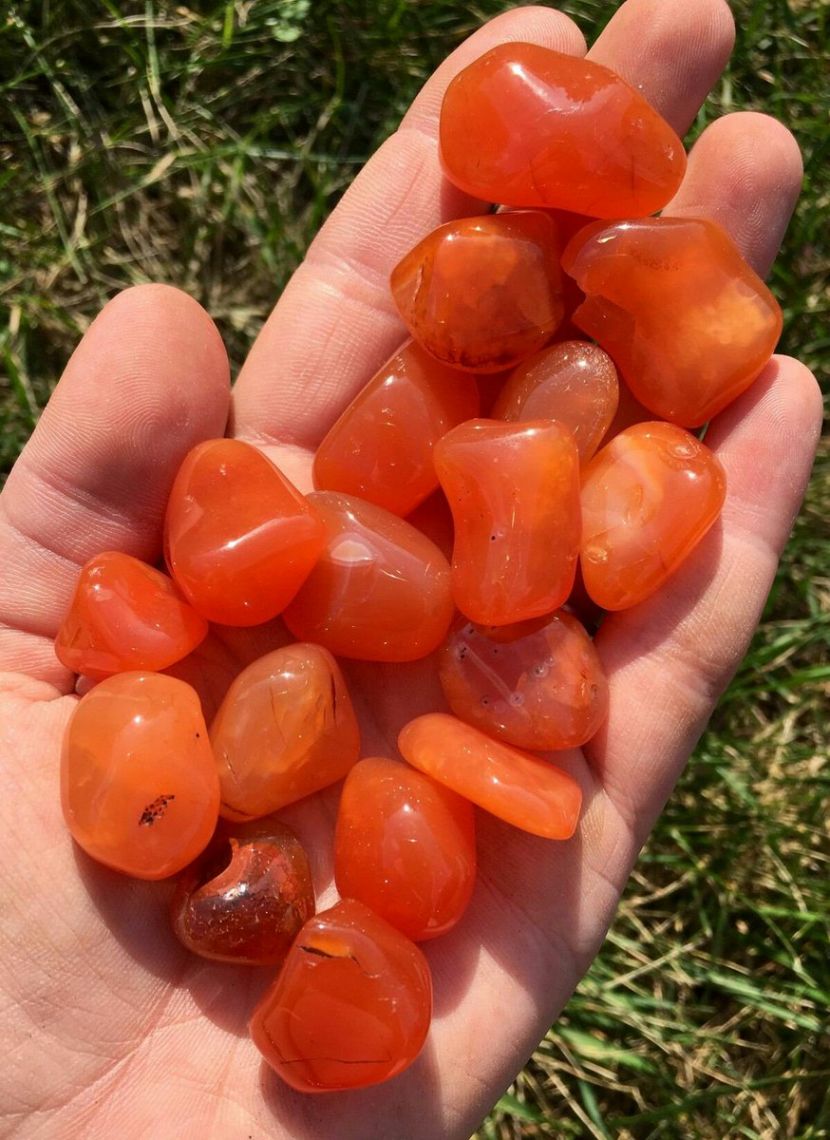
The extraction of mookaite is very small, so it is difficult to obtain products from it.
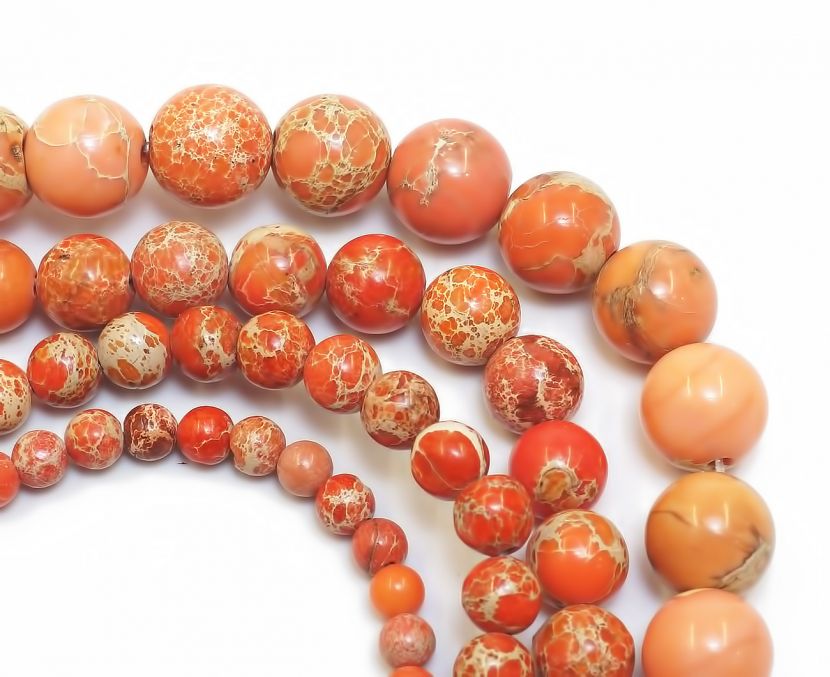
The market offers fakes from jasper and agate. But mookaite rarely comes with green patches, like jasper and agate.
magical properties
The energy of this stone opens up variety and new experiences. The person wearing it is more active, dynamic and at the same time flexible. He is not afraid of new trends, he can cope well with what the world brings. Combines two seemingly opposite features - openness to adventure and change. It is said to protect the user from difficult situations and to connect with deceased loved ones.
Hessonite
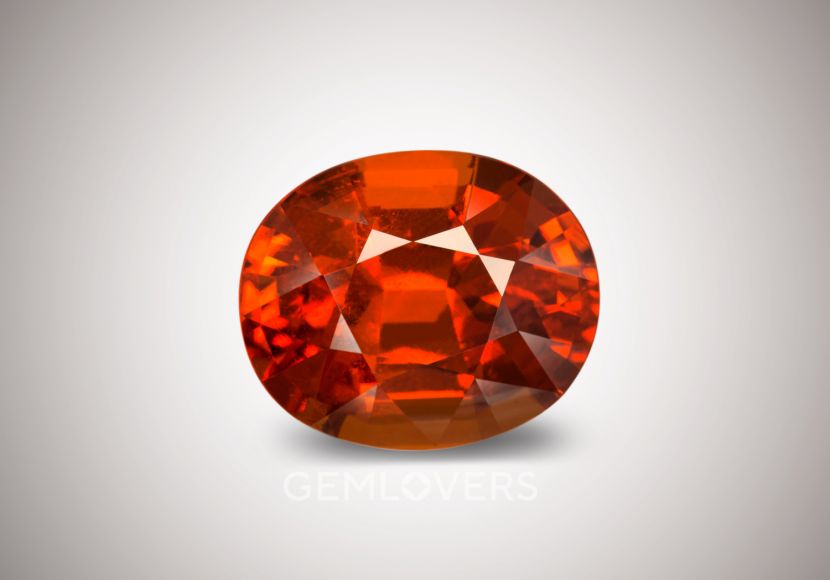
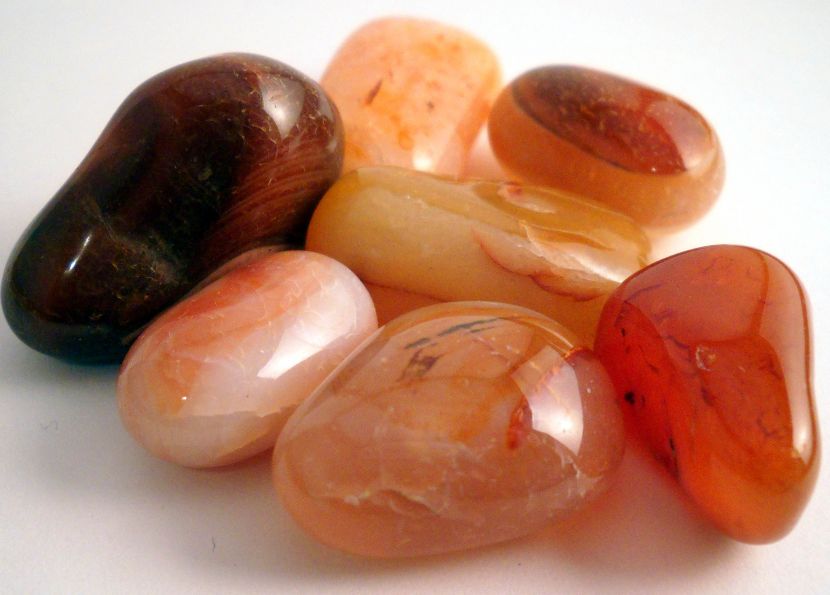
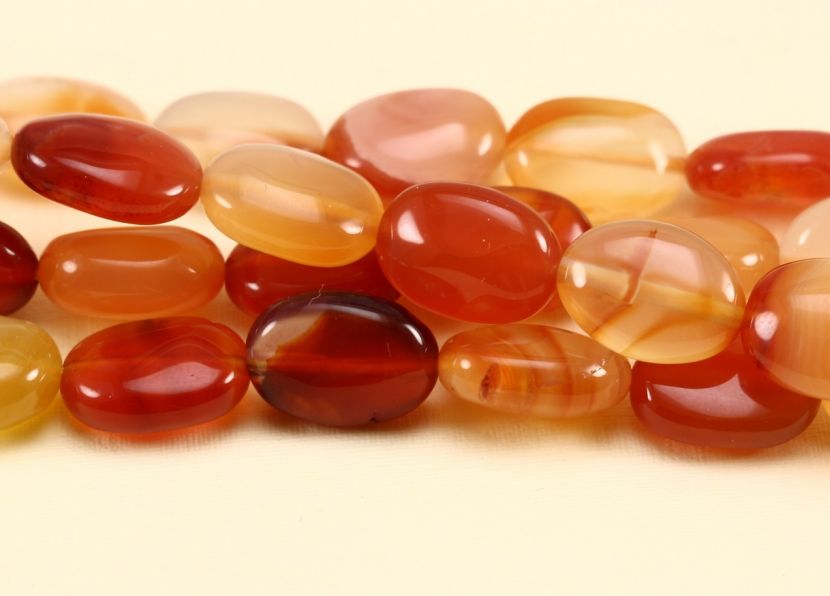
This is a quality variety of grossular, a rare silicate from the garnet group, a calcium-aluminum representative of this species. Most varieties of grossular are green, but hessonite is more typically honey-yellow or brown-red in color.
It owes its name to the Greek word "Hesson", which means "weaker, less" - because its density and hardness are lower than other garnet varieties. The chemical formula Ca3Al2 (SiO4) 3 is calcium and aluminum silicate, hardness: 6.5-7.5.
Difference from grenades
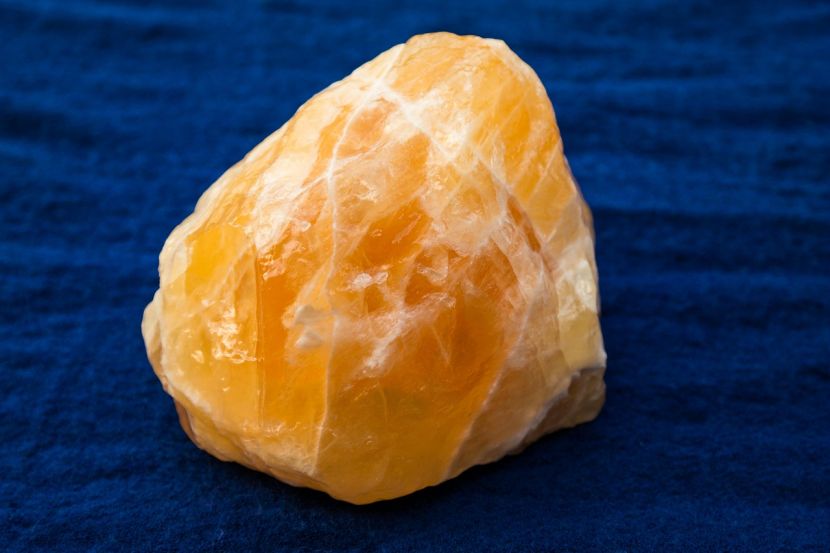
Hessonite is easily distinguished from other garnets due to its characteristic color and manganese content, as well as its lower specific gravity. When expanded, it exhibits waviness and characteristically twisted centers of lesser transparency, which often helps to identify it from other similarly colored garnets.It is also distinguished by the absence of pleochroism and splitting, which, combined with the shade, hardness and extremely high refractive index, makes it much easier to identify it flawlessly. In addition, it often has tiny honey-colored inclusions, which, however, do not affect its value.
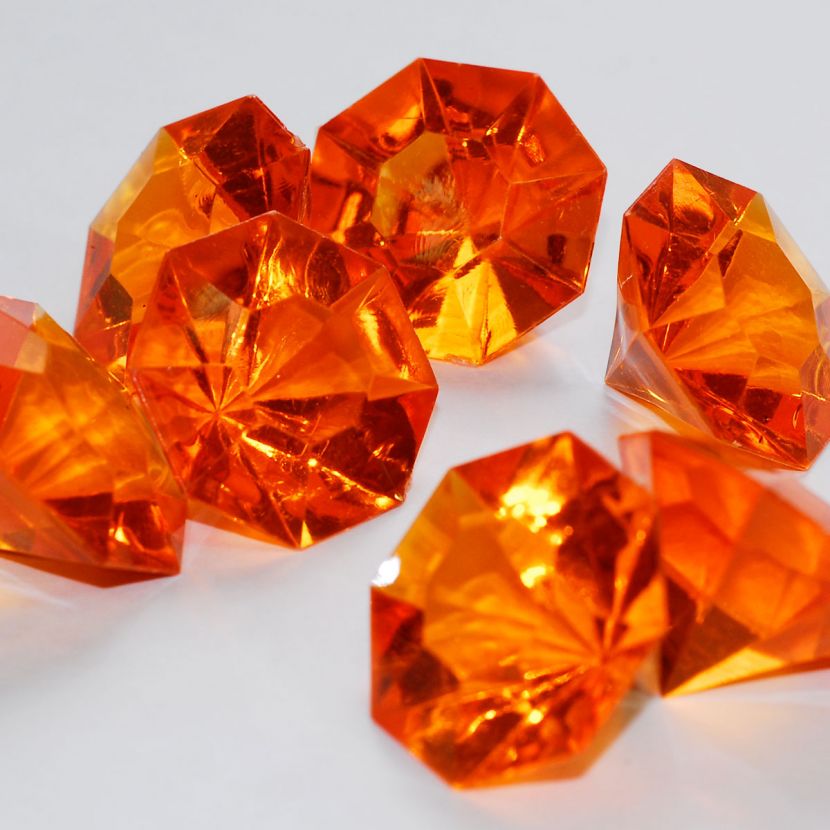
Gemstones that are orange and light gold are most desirable (lighter crystals exhibit more brilliance). High-quality hessonite is transparent, low-quality hessonite is dull. The most famous deposits of this stone are in Sri Lanka, but it is also mined in many other places in the world (Brazil, India, Canada-Quebec, Madagascar, Burma, Tanzania and USA-California).
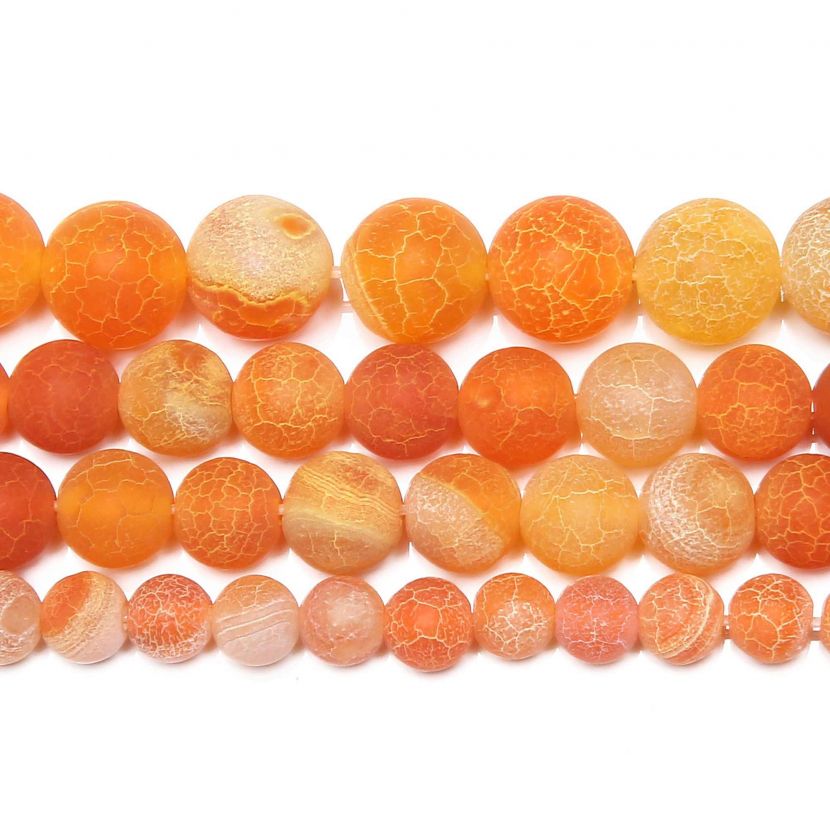
It is recommended to store in a separate box so that other stones do not scratch. Easy care: wash with warm soapy water, wipe with a soft cloth. Jewelry should not be worn during training, so that drops of sweat do not fall and do not injure by mechanical action.
With the widespread use of the jewelry market, semi-precious stones have gained a wider audience. These are not only minerals, but also rocks, and natural formations of organic origin. People are fascinated by the magical play of light shining on the facets of a crystal, or the soft glow of opaque stones. And their story is an amazing poem written by themselves.
Photo of Orange stones