The oldest stone Beryl: properties, a selection of photos, a ring with beryl
This is one of the most ancient gems, which was already known in Egypt, India and the Middle East 6 thousand years ago. The name can refer both to the yellow-golden beryl itself, and to varieties similar in composition to it in a wide variety of colors and shades, some of the beryls can be compared with diamonds in price or even cost fabulously expensive.
History and origin of the name
It is believed that the name of the stone comes from India from the city of Belur. From the Dravidian languages, it passed into the Sanskrit "vaidurya", in Prakrit the word already sounded like "verulia", and then passed to Ancient Greece, where all transparent stones of green or blue color were called "beryllos". The Romans borrowed the name from the Greeks, and from them it got into all European languages, where it sounds the same.
Interesting: the words "beryl" and "brilliant" have the same root, since the name of the latter comes from the Italian verb brillare - "to shine".
The tombs of the ancient Egyptian pharaohs were decorated with beryl, but it is not clear where they came from to Egypt, because the nearest deposits on the African continent are located in the south, in Namibia. It is possible that there were still beryl mines in Egypt itself, at least there were rumors that Cleopatra owned them.
Beryl was also already well known to the Greeks at the time of Theophrastus, who left many works on minerals and gems. However, the Greeks could call chrysolites and chrysoprase beryl, while transparent beryl was considered quartz.
The decoration of the breastplate of the Jewish high priest included 12 precious stones, including beryl.
Now, beryl is understood only as yellow-green gems of a strictly defined composition, while opaque stones are used as ore to produce a rare, very light beryllium metal.
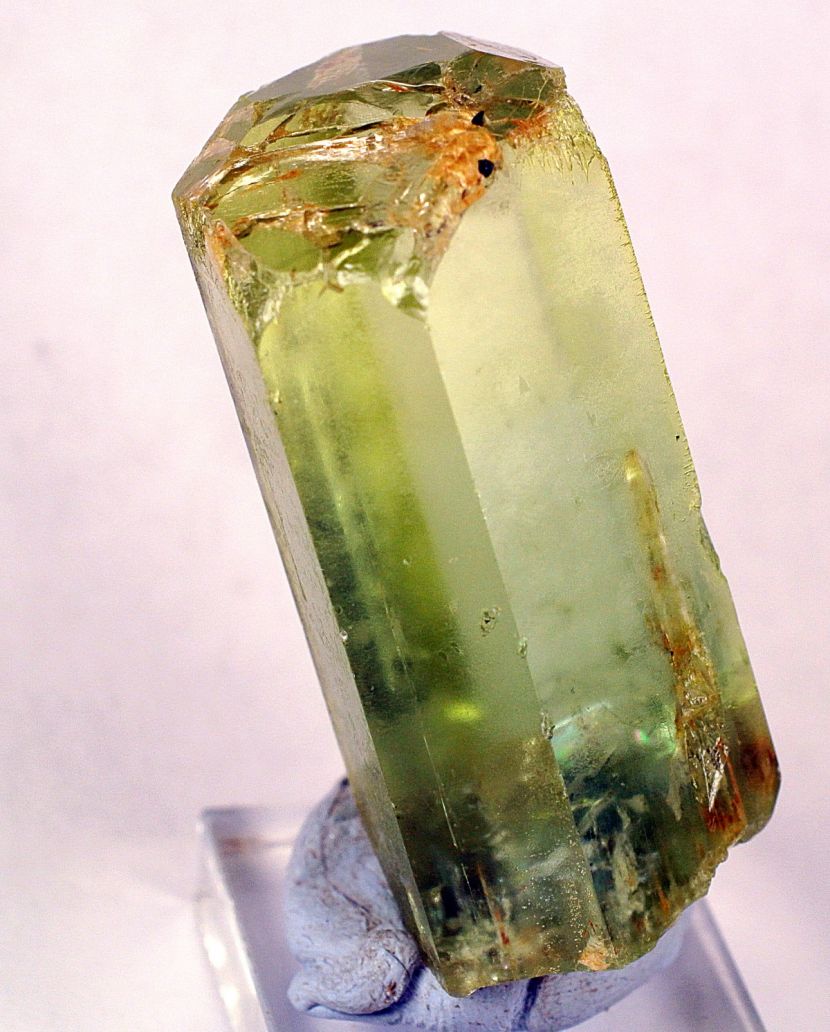
Place of Birth
In Russia, the best beryls were mined in the Urals. In the Chelyabinsk region, near Miass on the Ilmensky ridge, there were deposits of beryl, emeralds and sparrowite known since the 18th century. Now they are almost exhausted, finds here are extremely rare. In the Sverdlovsk region, the Murzinka and Shaitanka deposits are also practically depleted. Transparent and yellow varieties of the gem are mined on the Kola Peninsula, and the Adun-Chelon deposit in Transbaikalia is rich in large, well-colored aquamarines.
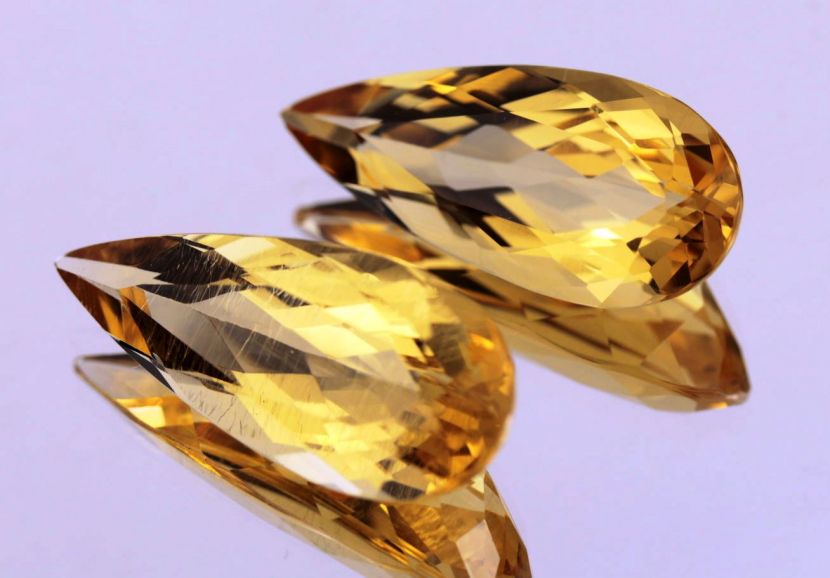
Abroad, precious beryls are mined in Colombia, Brazil, India and Greenland.
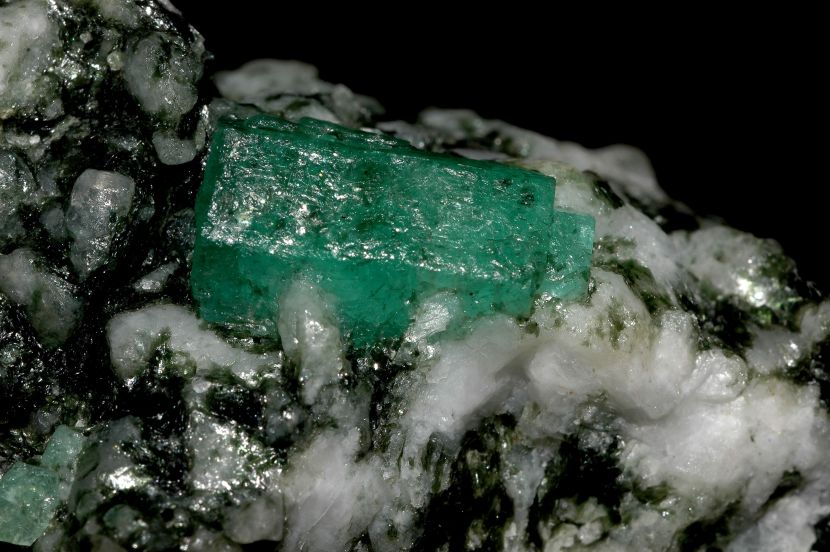
Interesting: The largest crystal of green beryl weighing 380 tons was found in Mozambique. Its length was 18 meters. In 1983, a nugget weighing 32 kilograms was found at the Minas Zhirais deposit in Brazil.
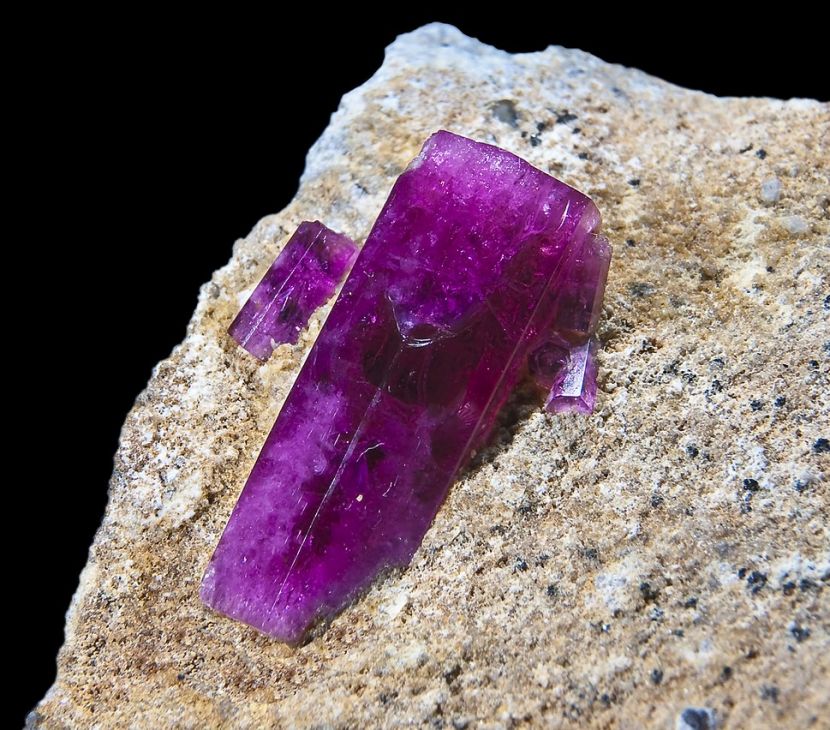
Yellow heliodors are mined in the Zhytomyr region of Ukraine.In Europe, beryls are found in Bavaria, France and Sweden.
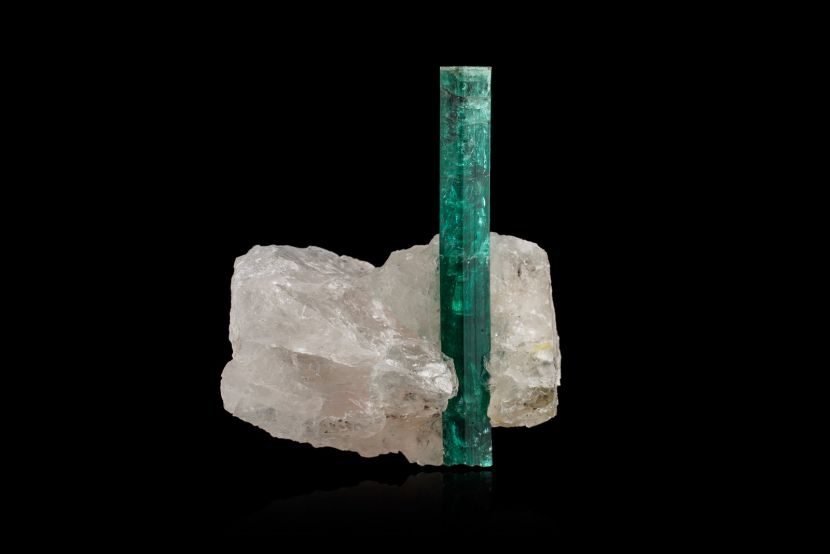
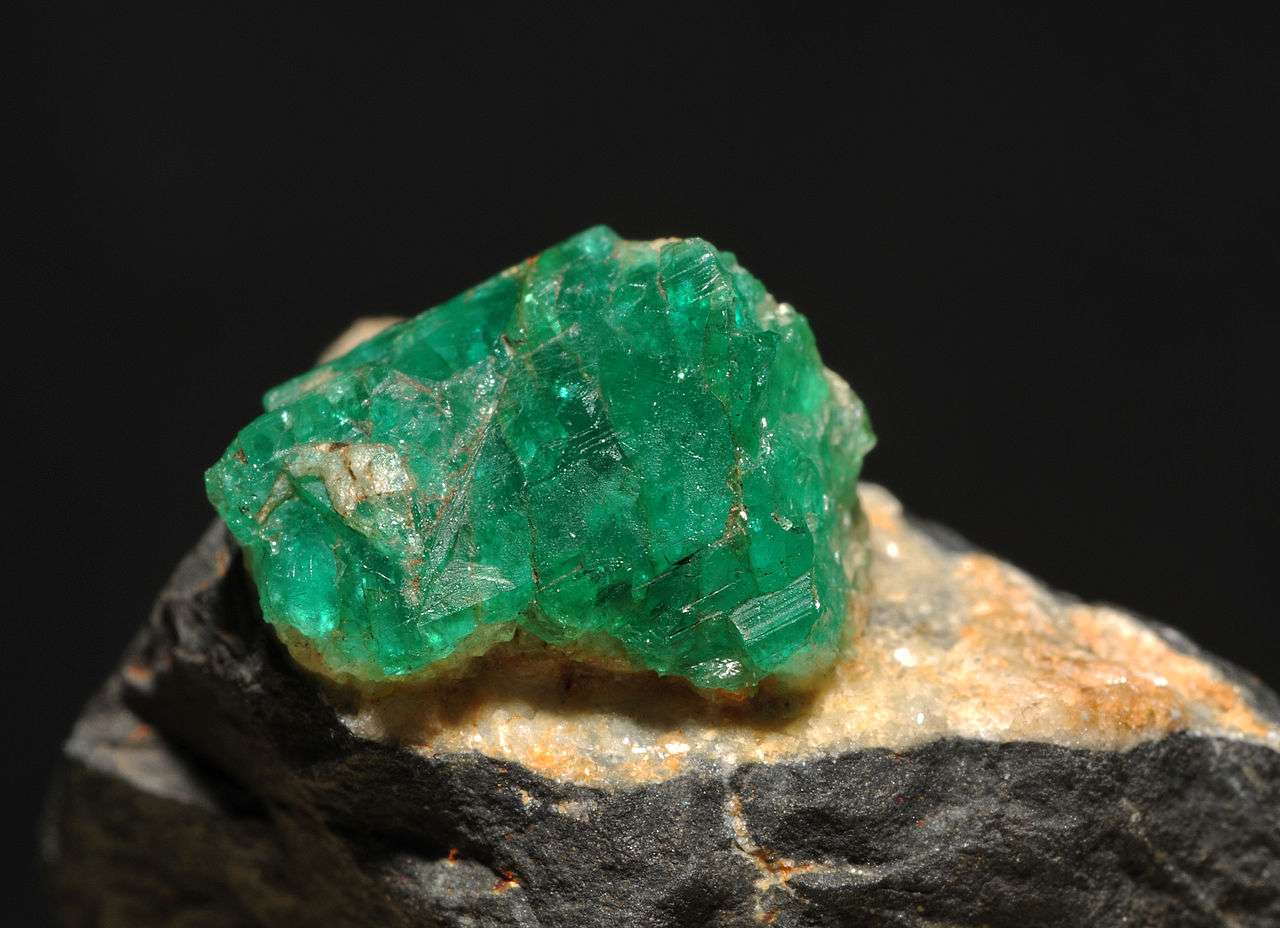
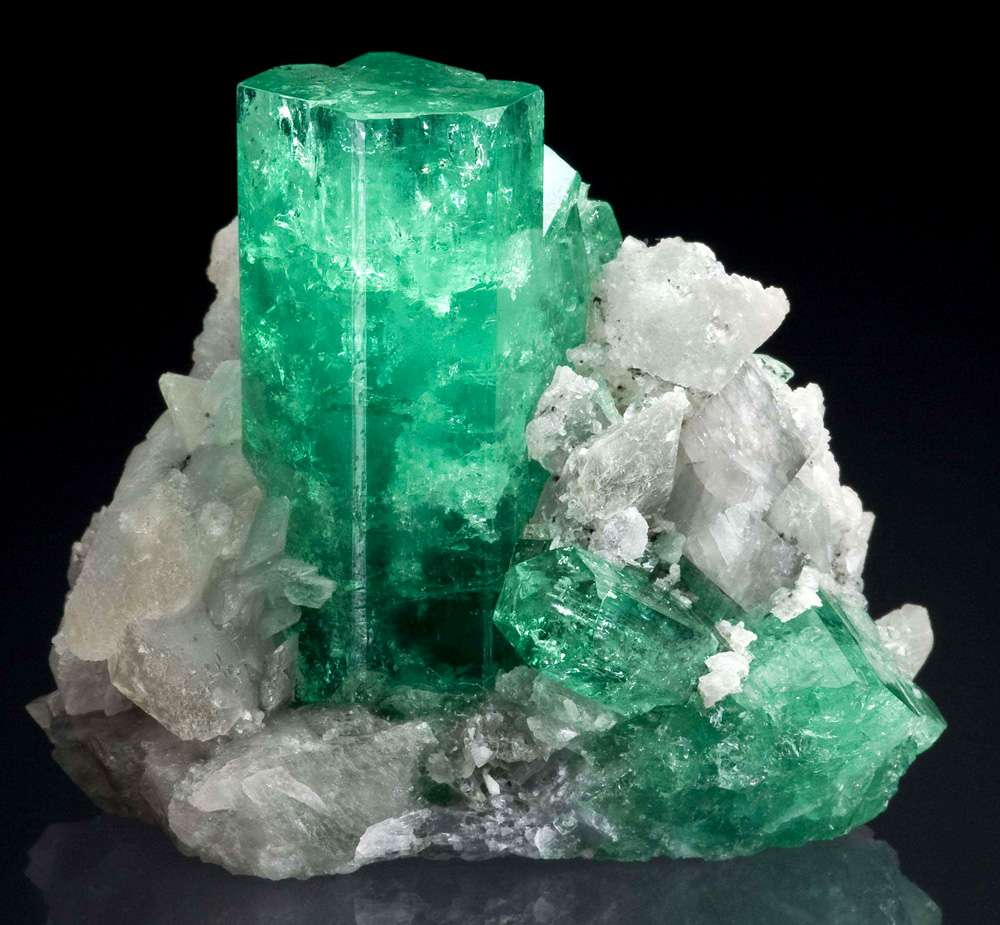
Usually found in narrow crevices in granitic pegmatites and associated quartz veins. Topazes, morions and rock crystal are frequent companions of beryl. Often found in the form of drusen, consisting of dozens of intergrown crystals.
Physical Properties
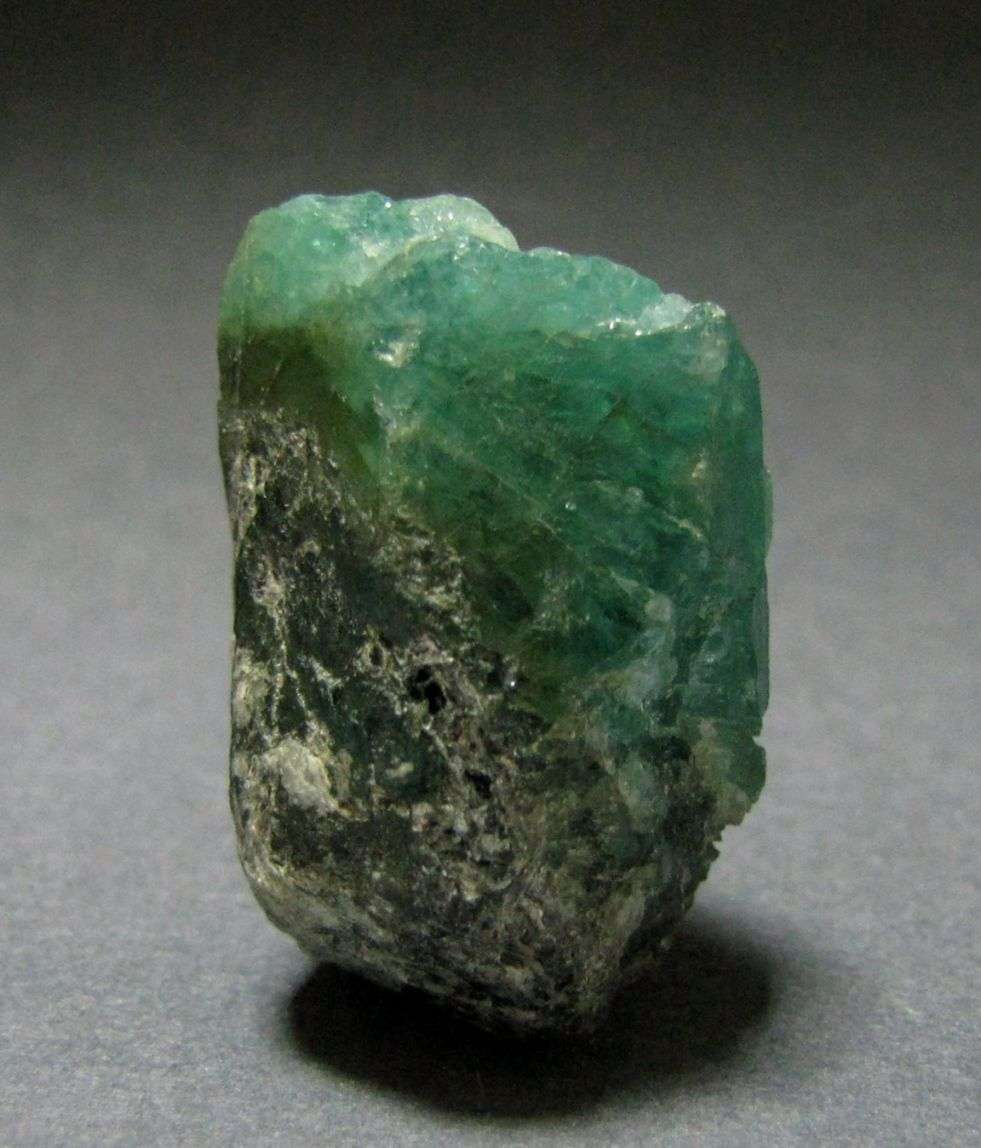
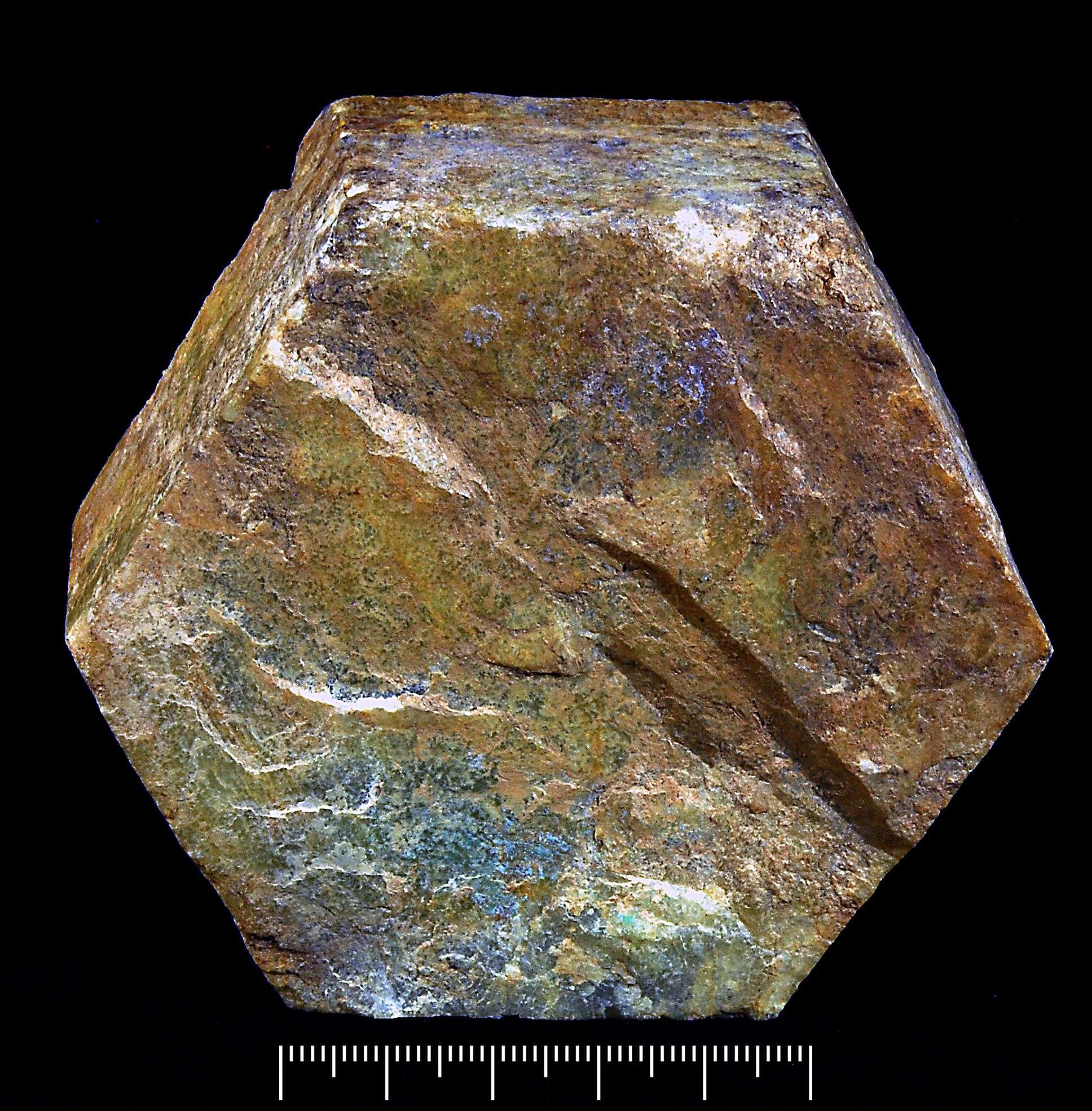
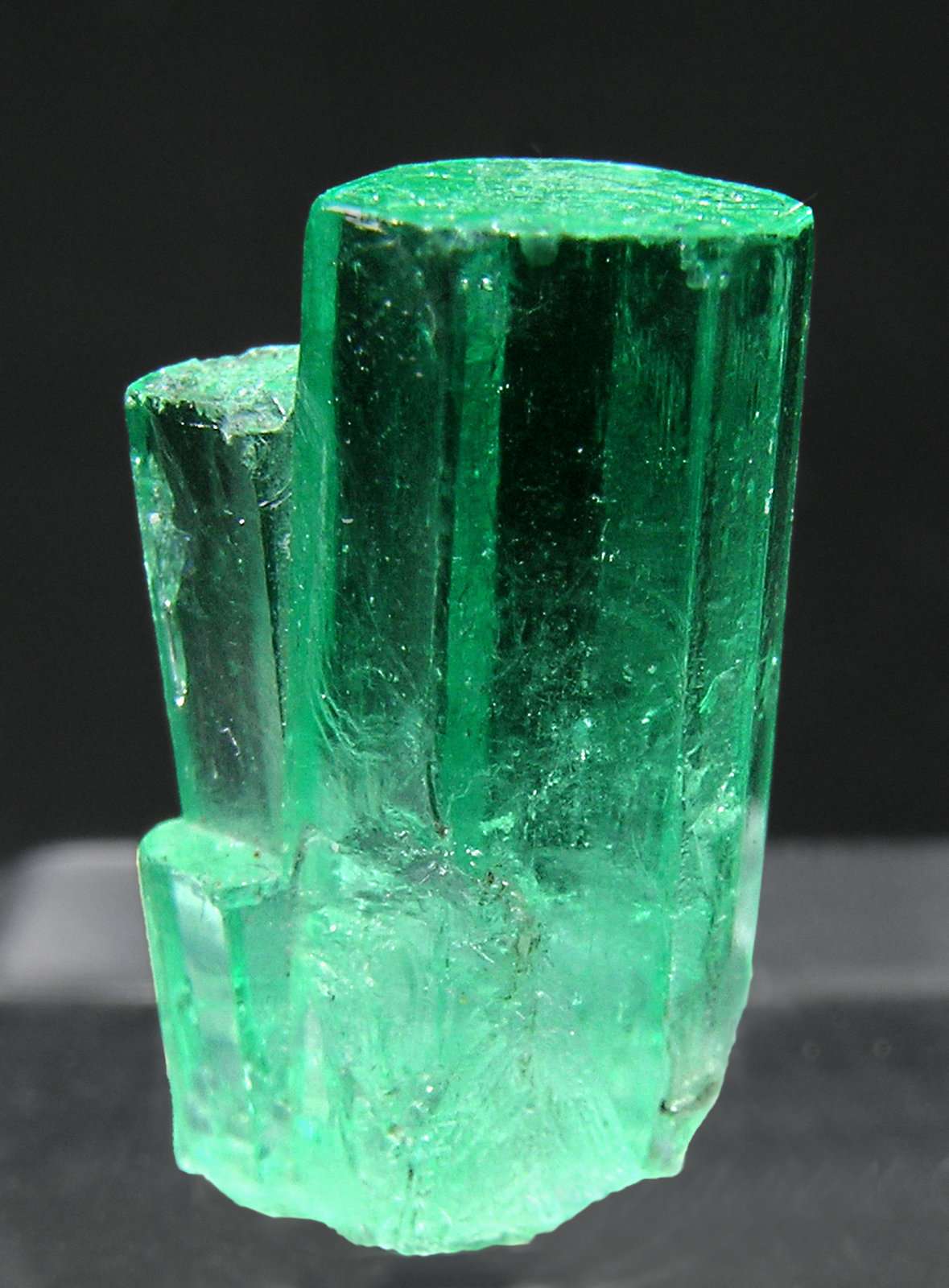
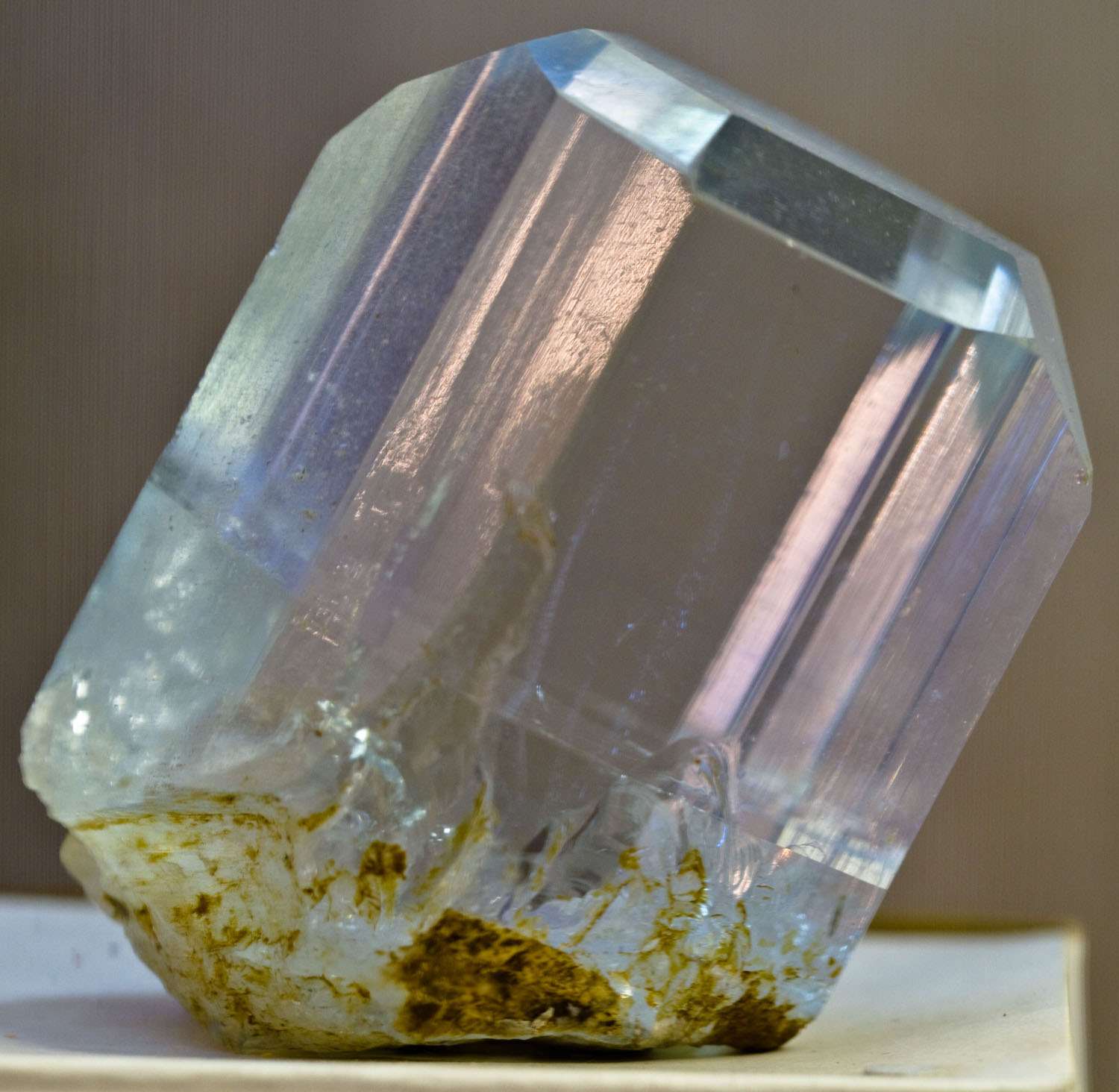
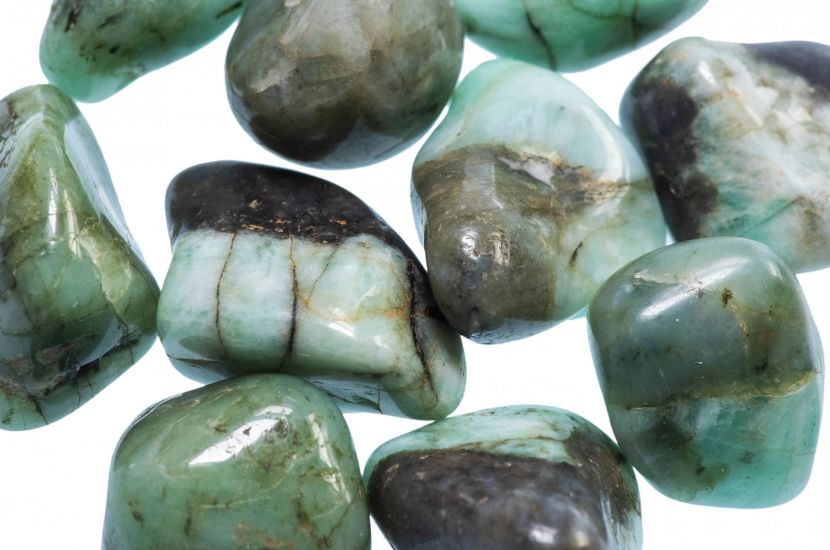
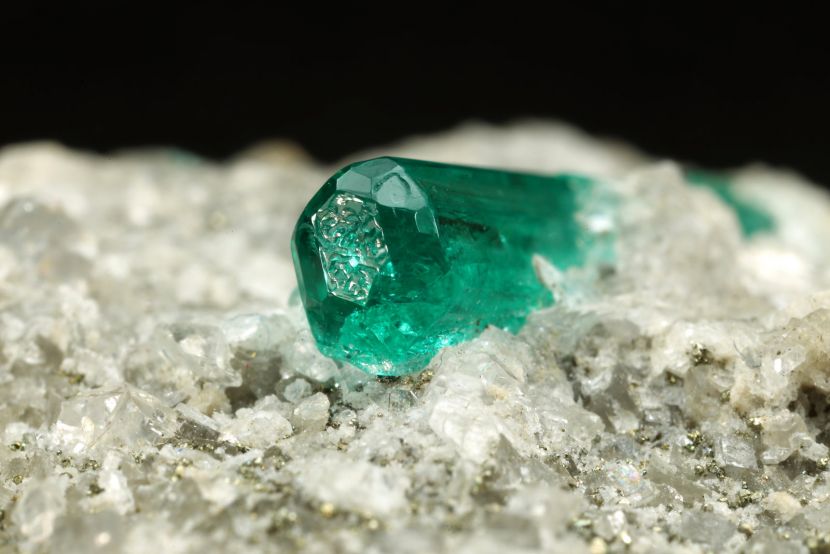
The beryl crystal is shaped like a hexagon, often with streaks around the edges. Its hardness is from 7.5 to 8, according to this indicator it is second only to diamond and corundum. Density -- 2.65-2.8 g/cm3. Glass luster. The color can be green in a wide variety of shades, red, pink, yellow, blue, blue, depending on the variety. There are also colorless stones.
Chemical properties and composition
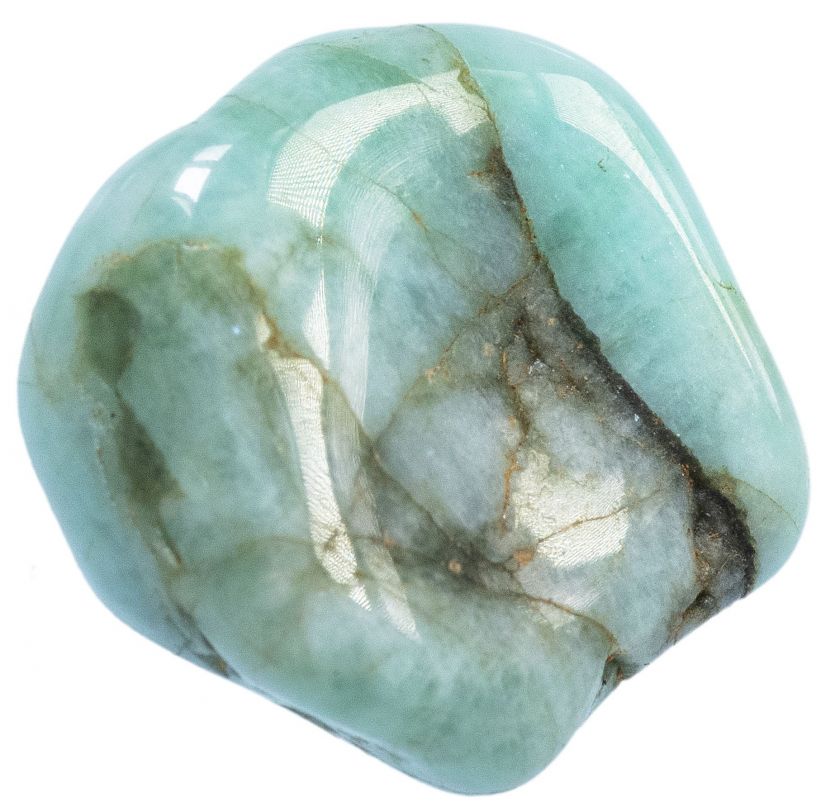
The chemical formula of beryl is Al2[Be3(Si6O18)].
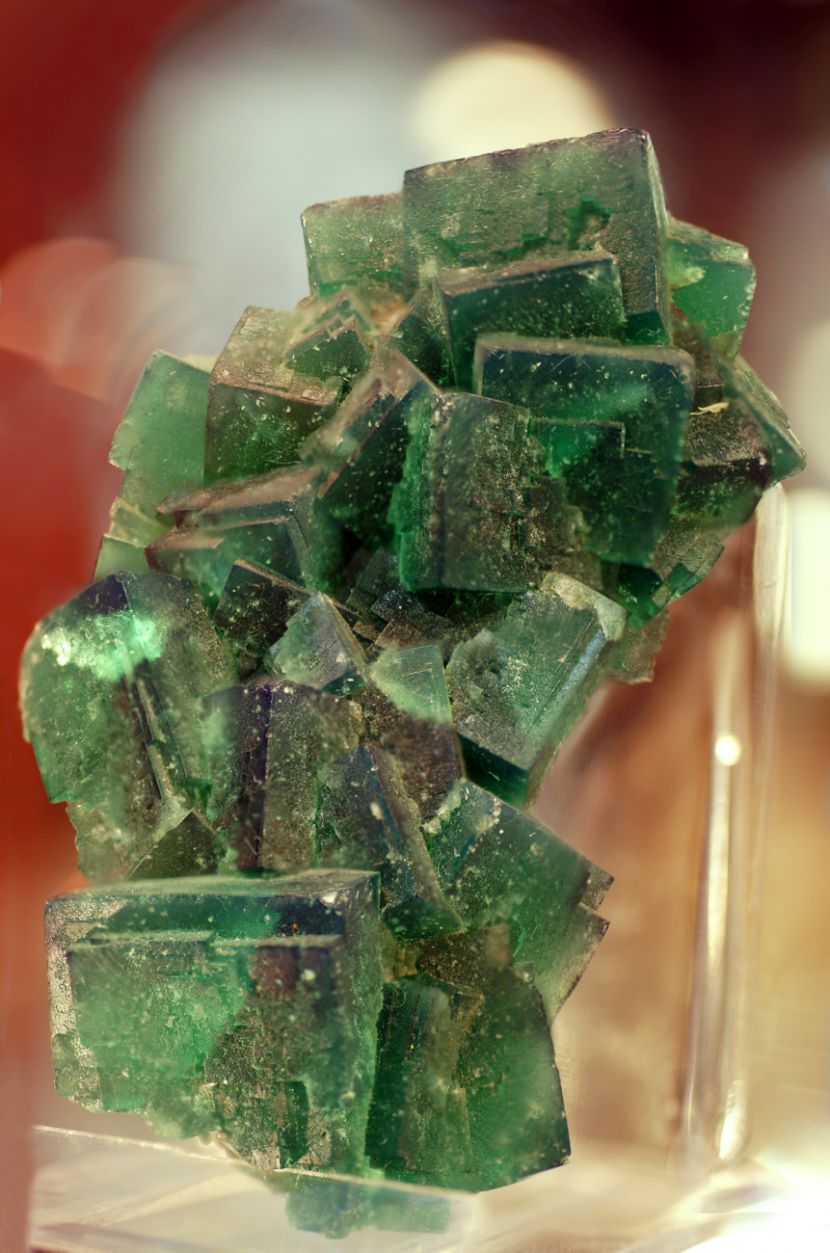
The color is due to the presence of impurities, including iron, chromium, lithium, manganese, vanadium, sodium, cesium, rubidium, magnesium.
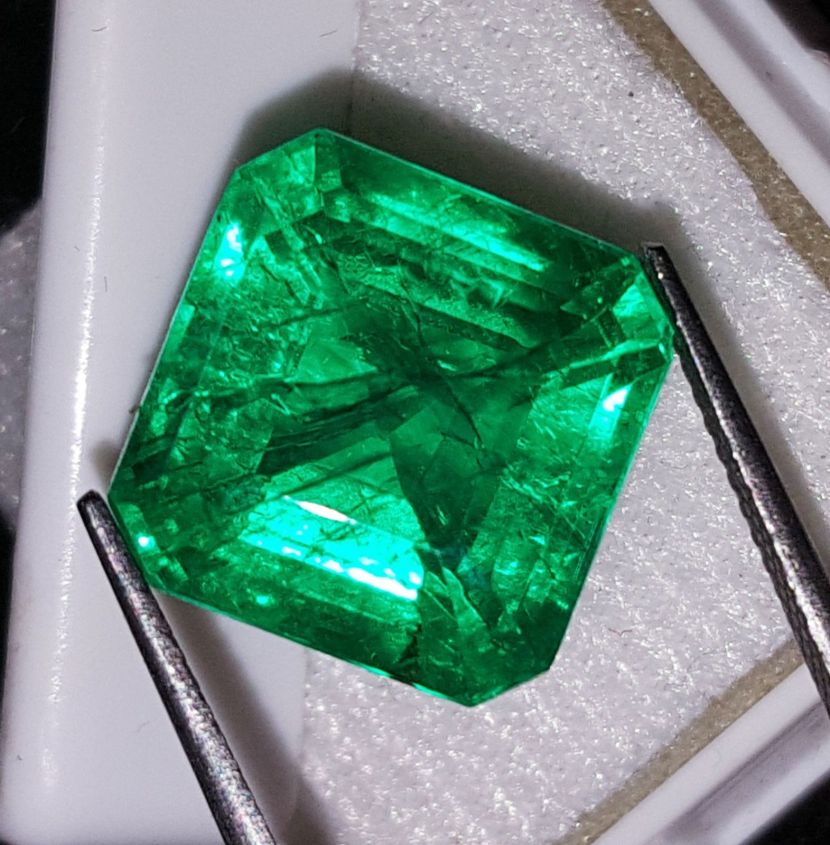
Beryl has properties to resist alkalis and acids.
Varieties
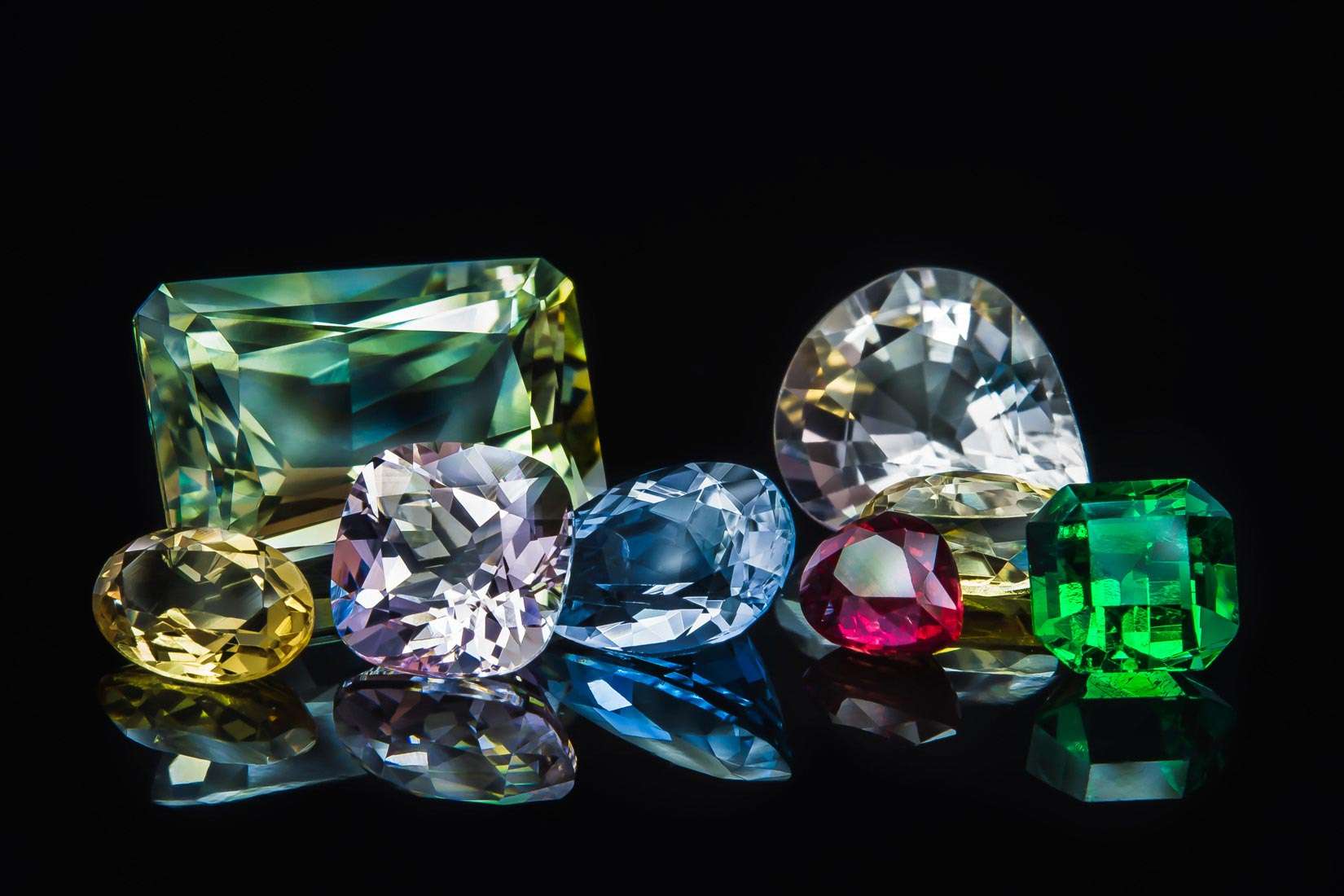
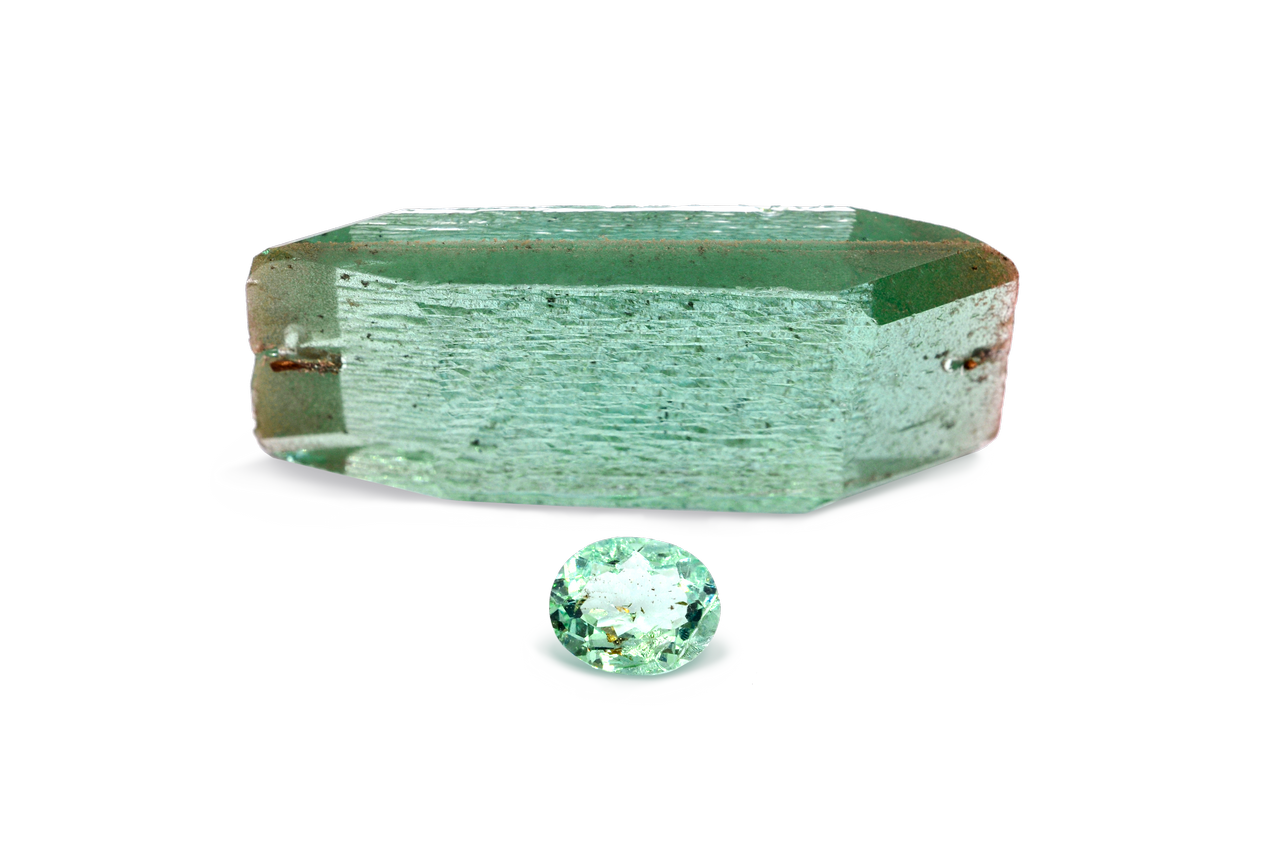
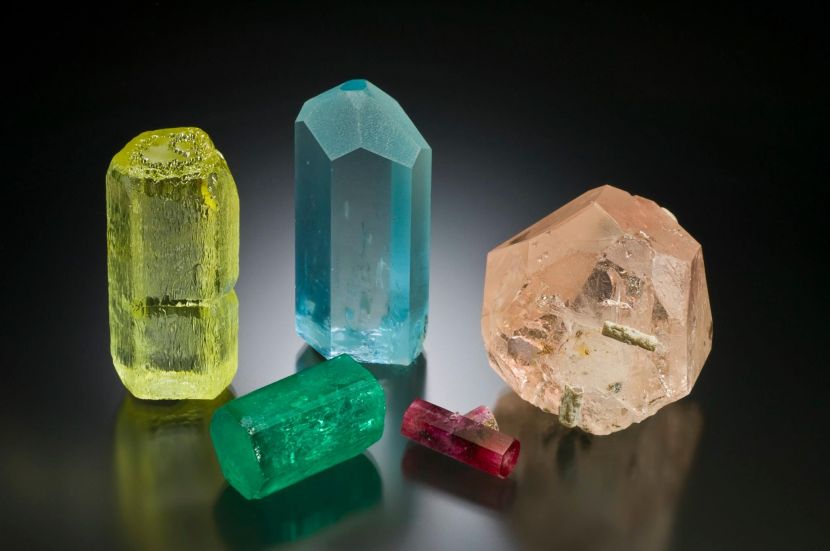
Beryl is one of the richest in "derivative" gems. About a dozen stones are known that have the same composition, but are colored with impurities in different colors.
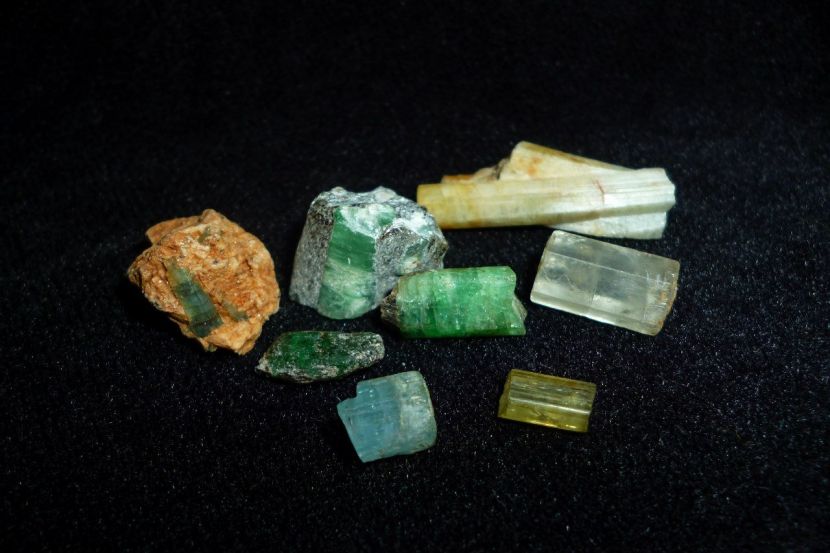
Chromium and vanadium give beryl a green color, iron blue, yellow or bluish-green, manganese pink, violet-red or peach, cesium and lithium raspberry or orange-red.
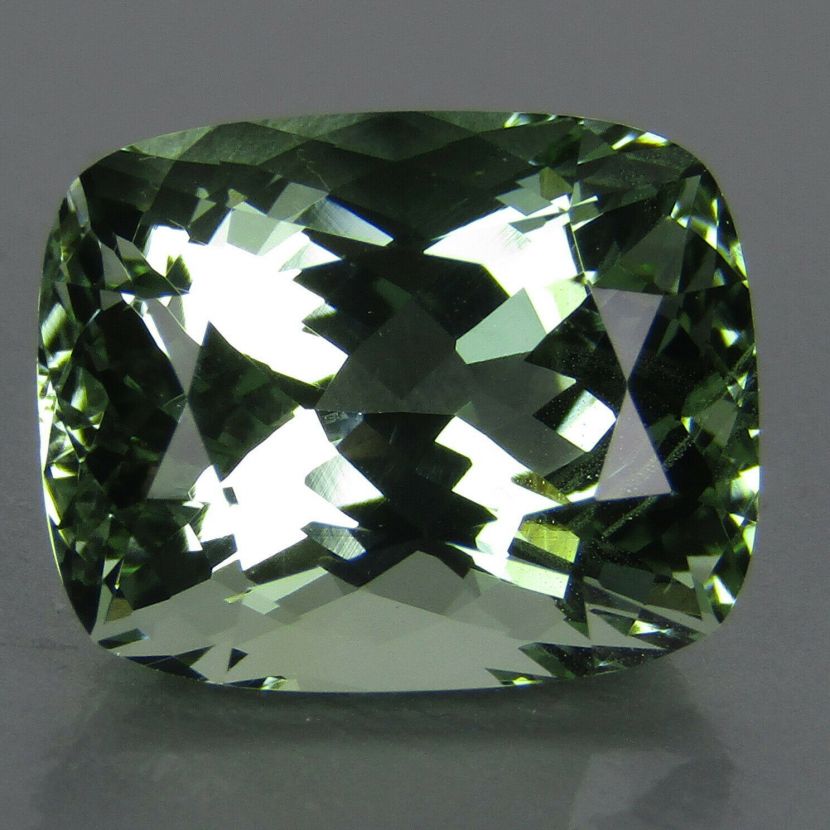
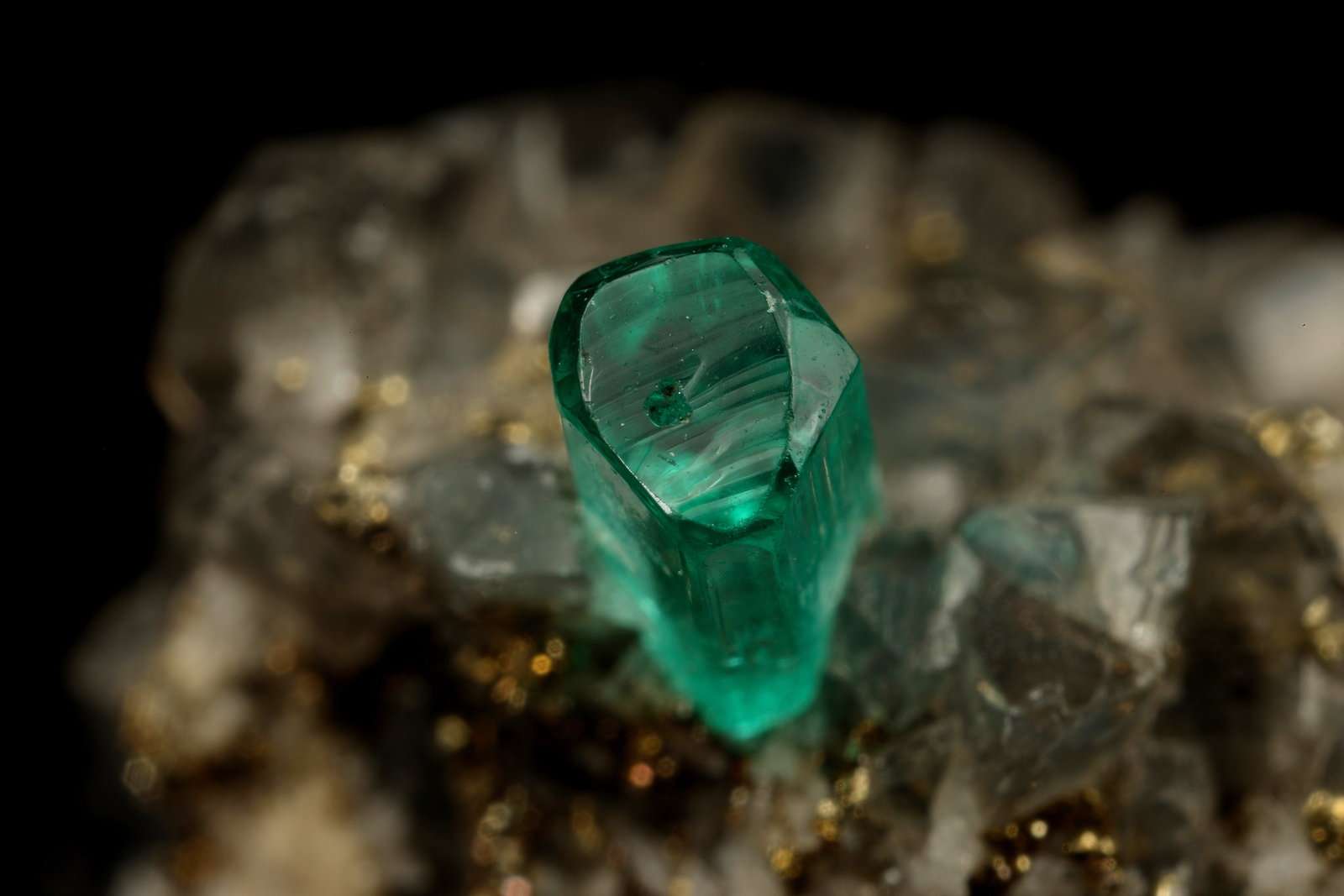
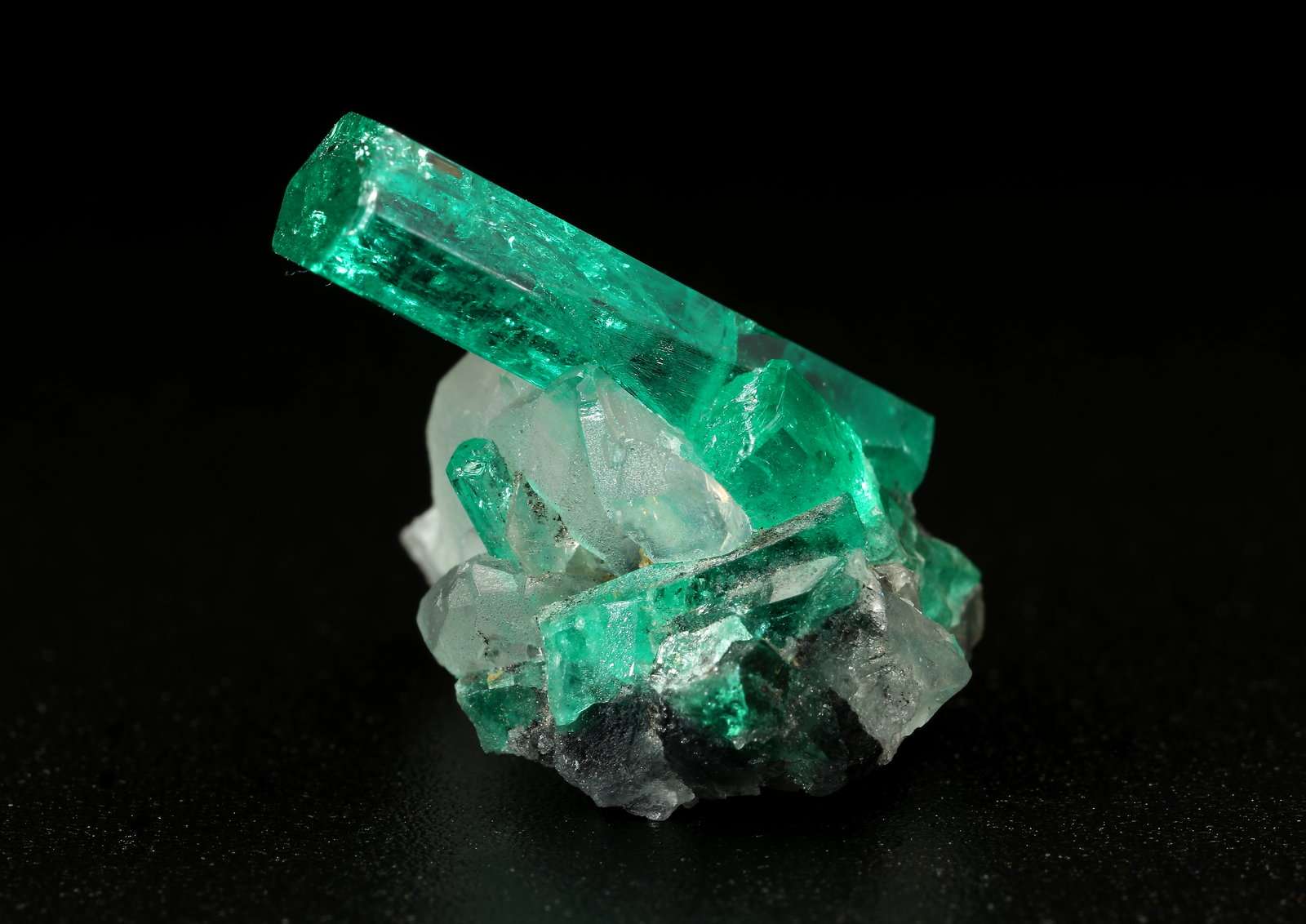
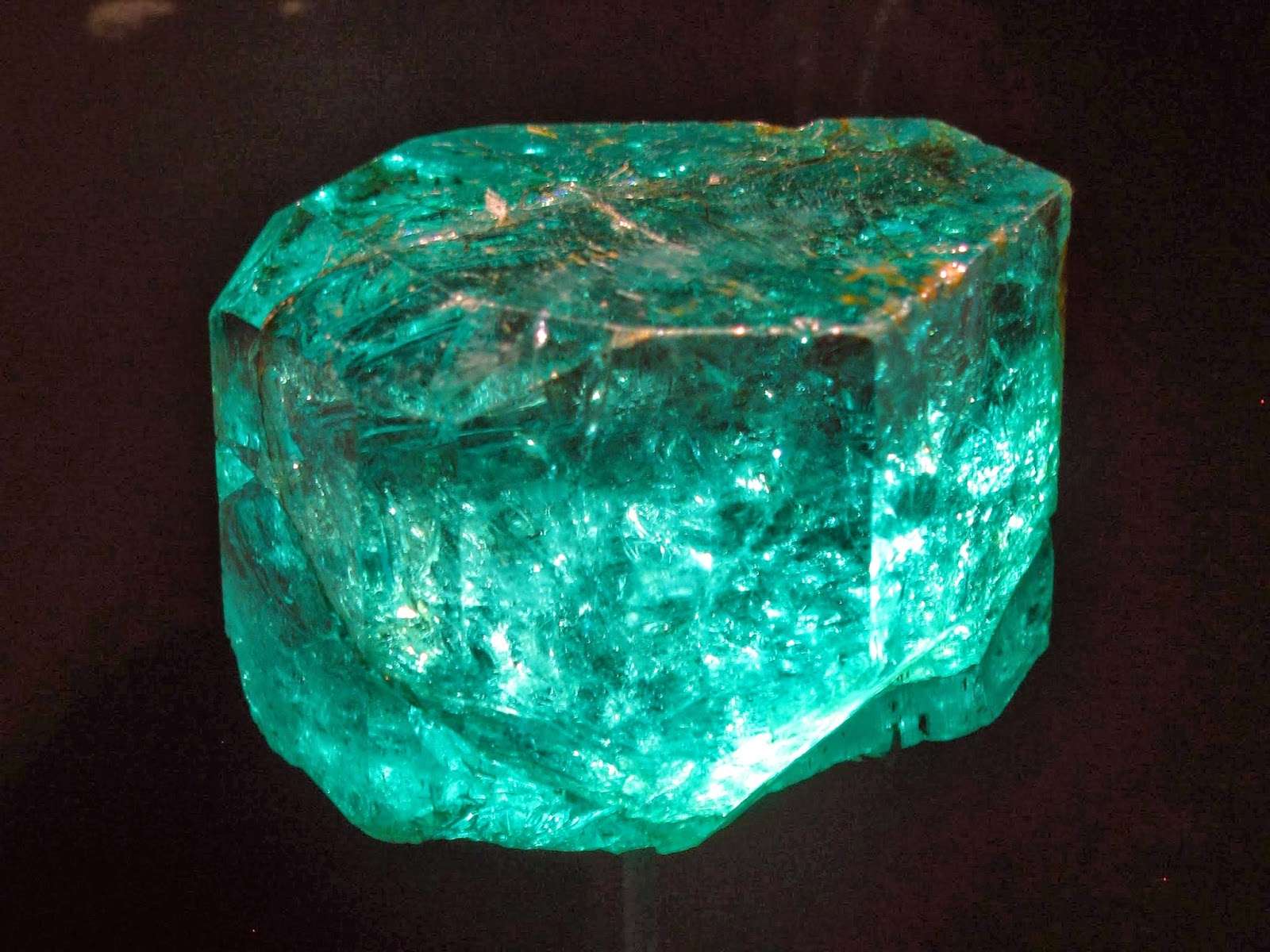
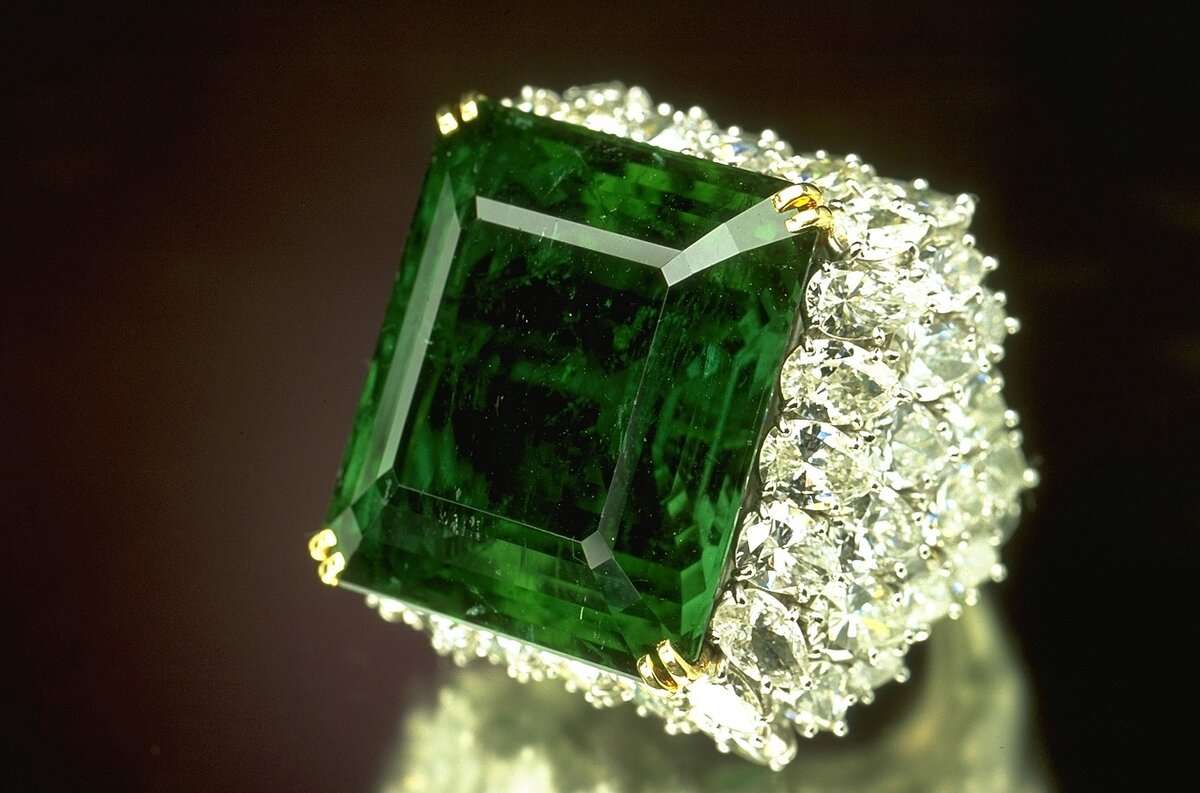
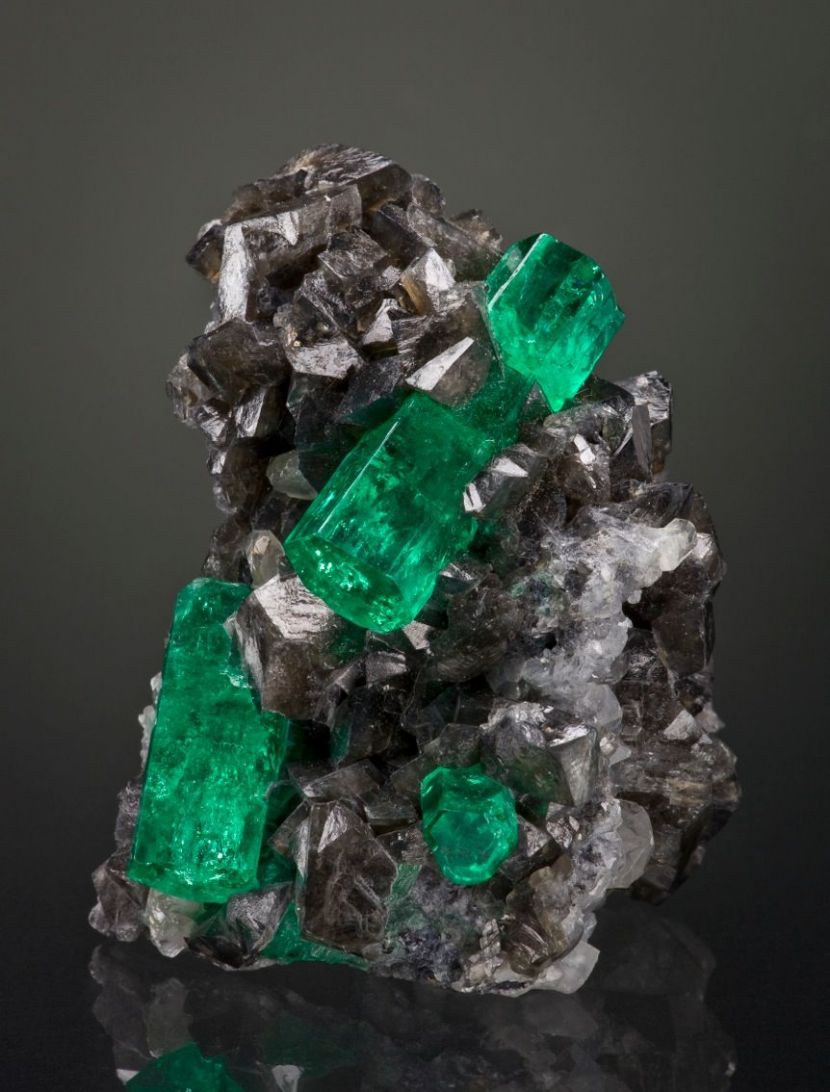
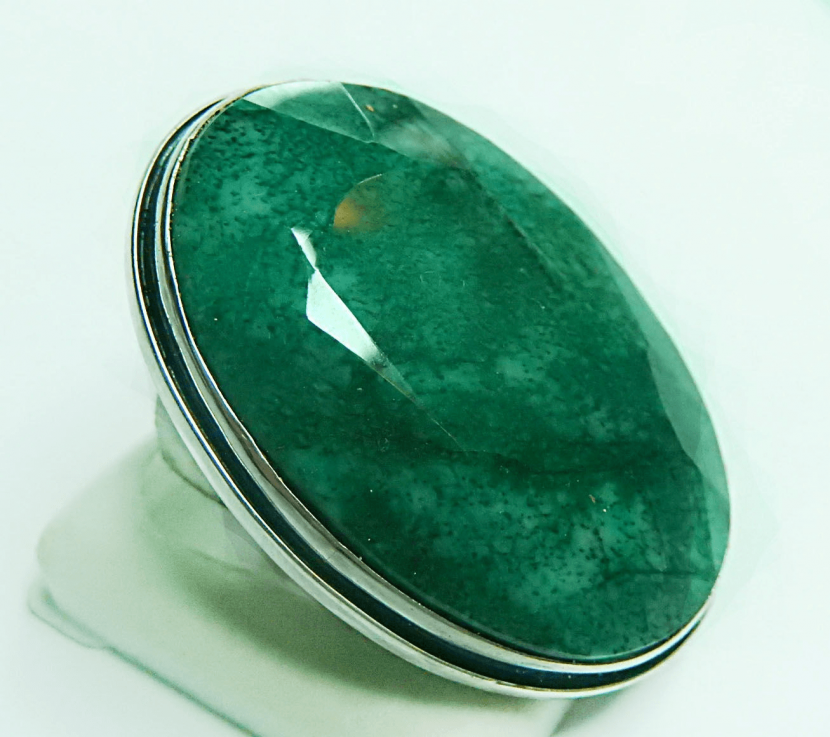
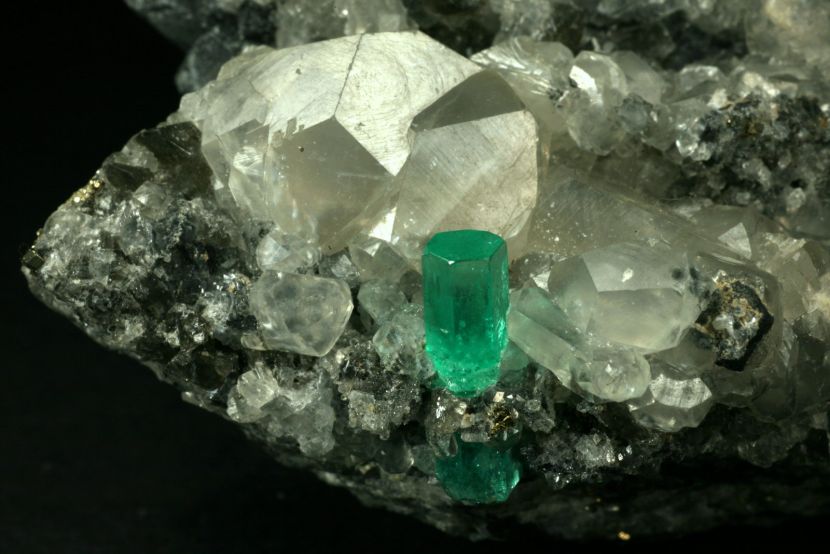
Emerald
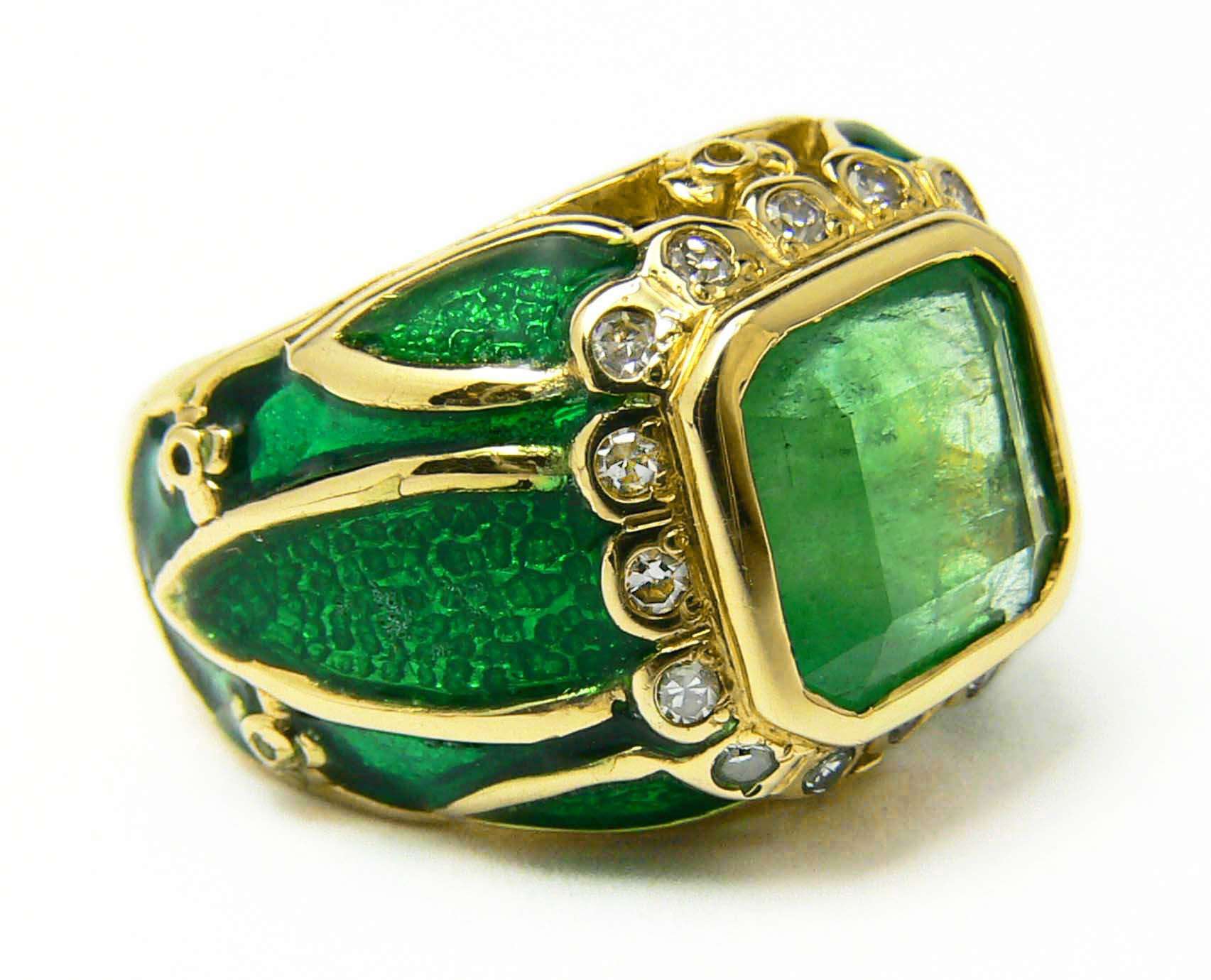
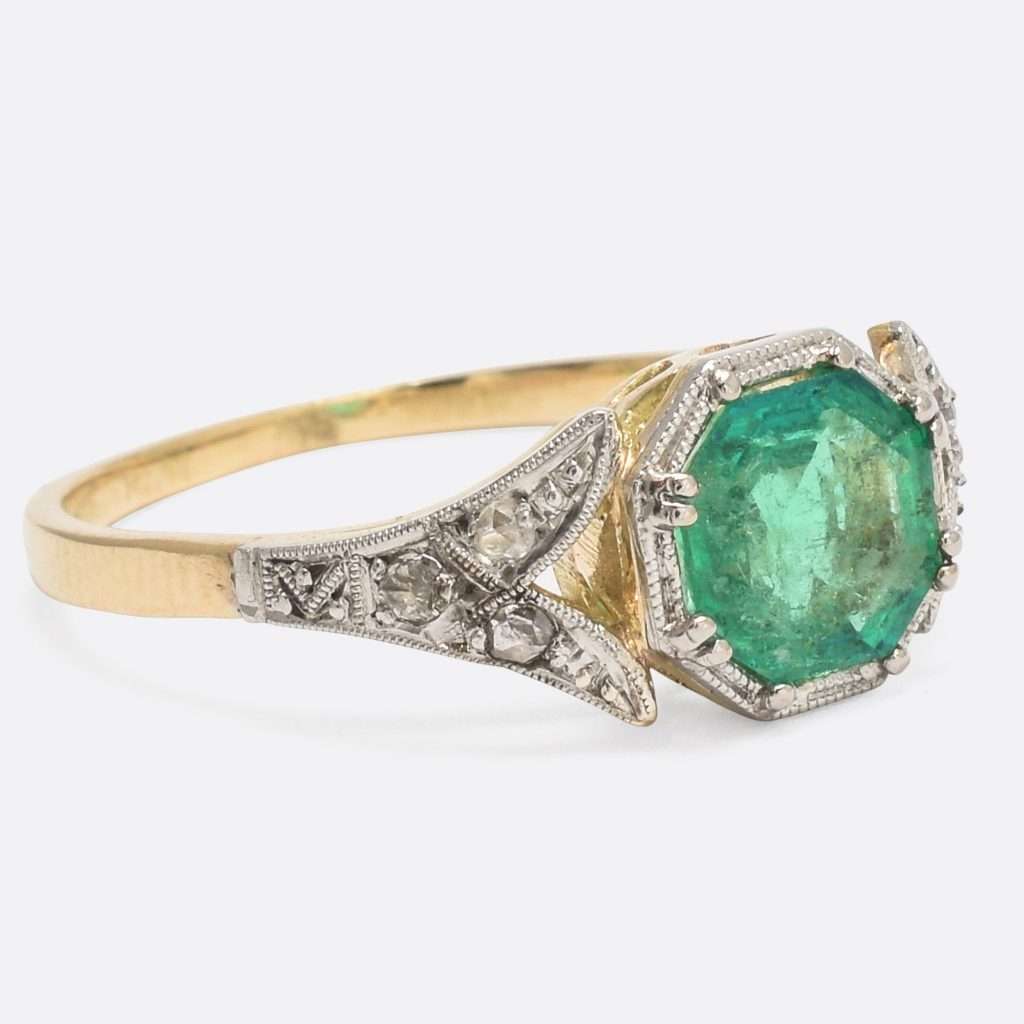
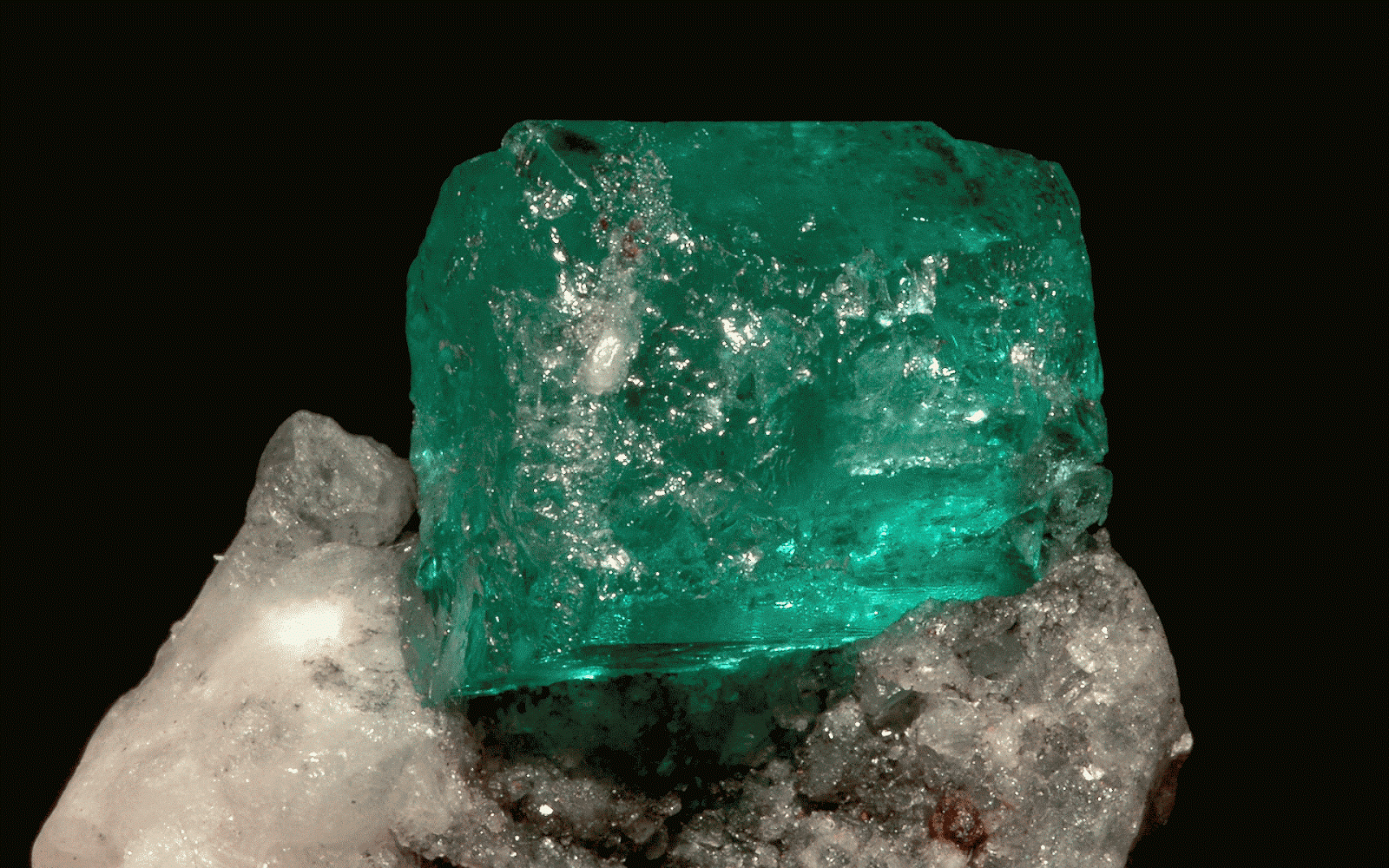
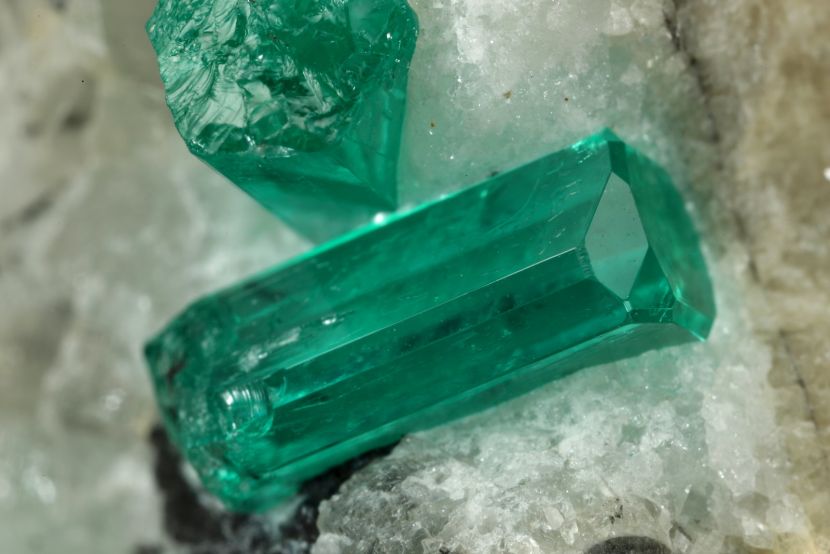
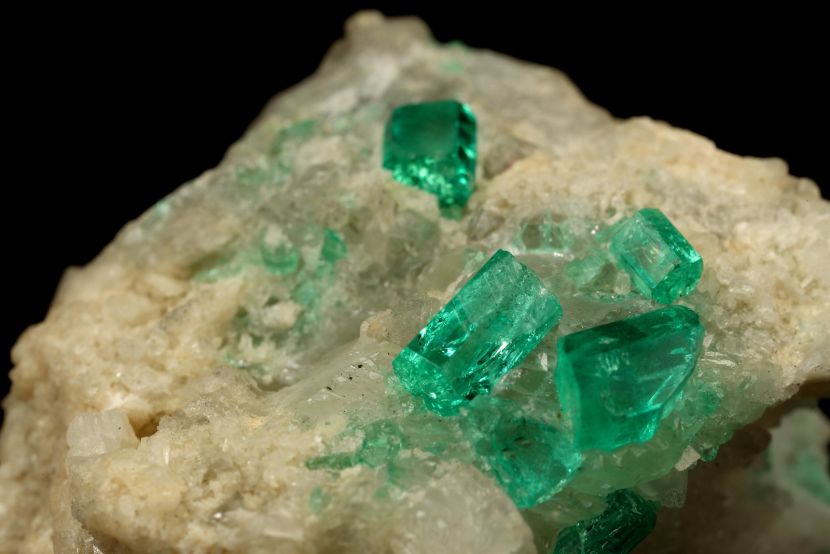
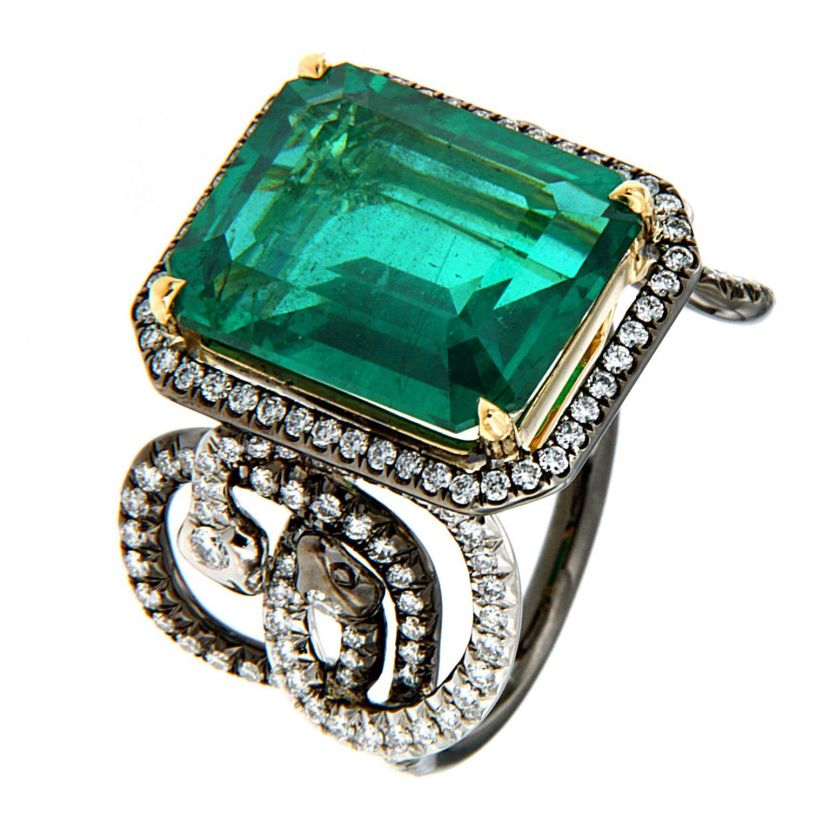
One of the most expensive varieties of beryl in various shades of green. The color is due to the admixture of chromium or vanadium, less often iron. Large intensely colored emeralds are valued on a par with diamonds, sapphires and alexandrites and belong to the gems of the first order. Stones over 5 carats can cost more than diamonds.
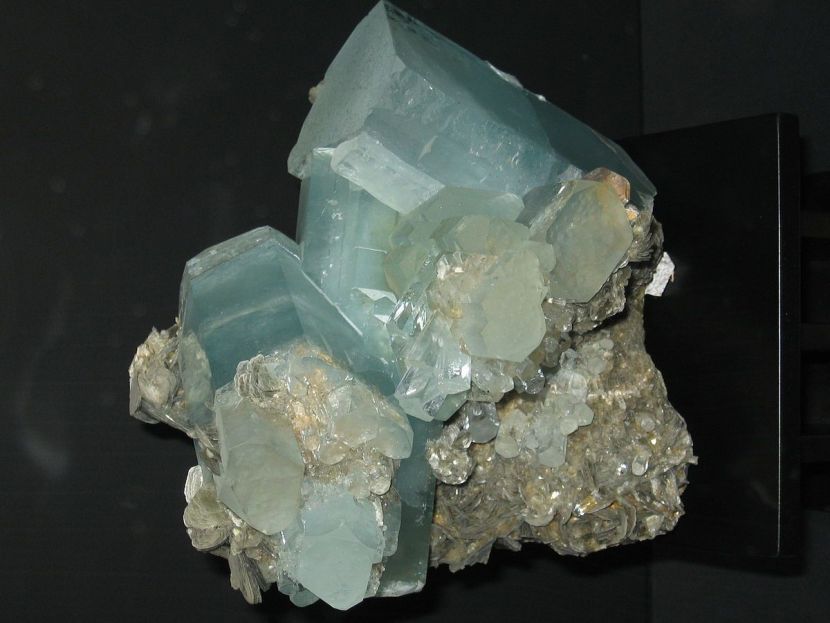
Aquamarine
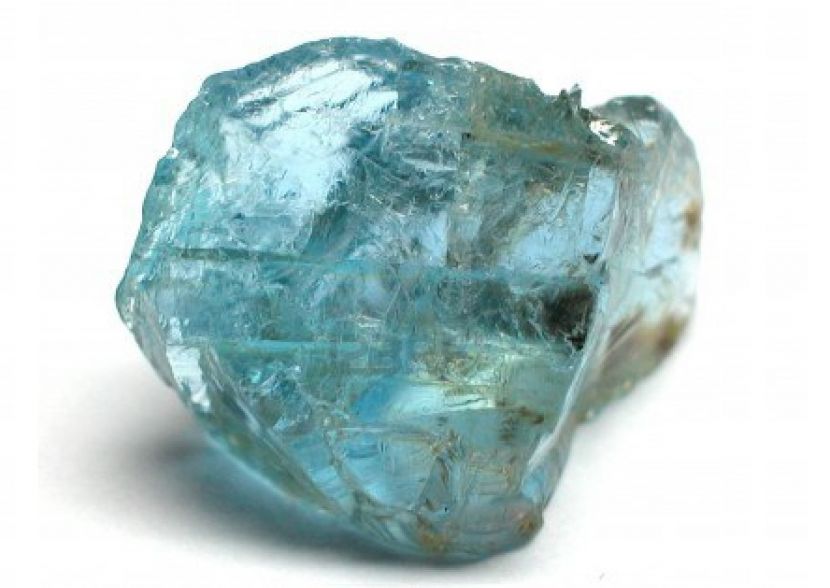
The sky-blue or bluish-green color of this stone is given by iron ions. It belongs to the gems of the second order along with zircon and noble opal. Often includes stars, snowflakes, gas bubbles, there are stones with the effect of "cat's eye". Aquamarines should be protected from sunlight, from which its color fades. In the Middle Ages, lenses for glasses were made from it. Aquamarines can be found in the crowns of the monarchs of different countries, including Britain.
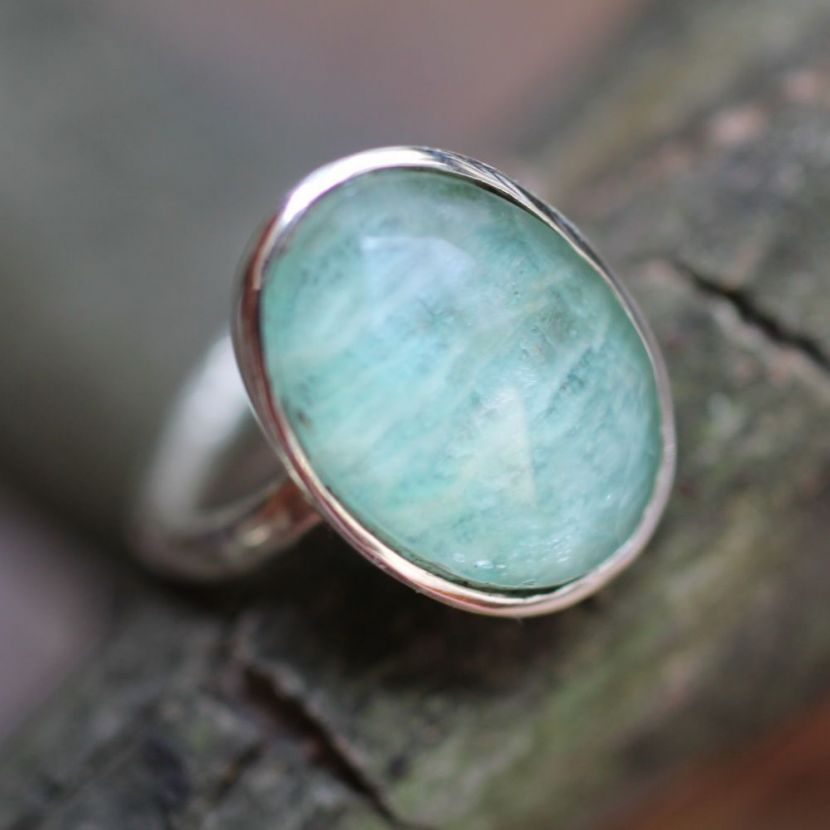
Interesting: The largest aquamarine weighing 110 kg was mined in 1910 in Brazil. Its dimensions were 48x4 cm. It turned out 220 thousand carats of faceted stones.
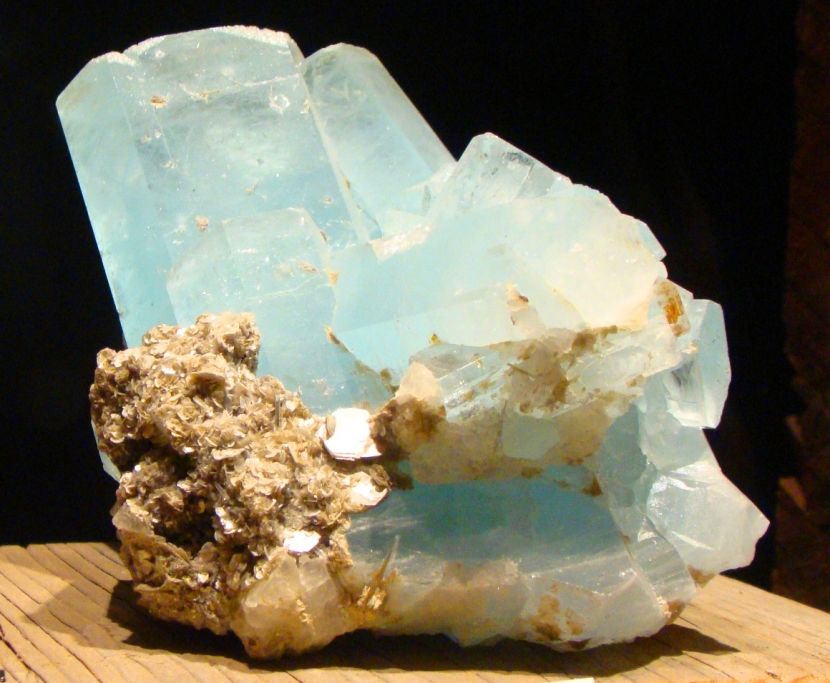
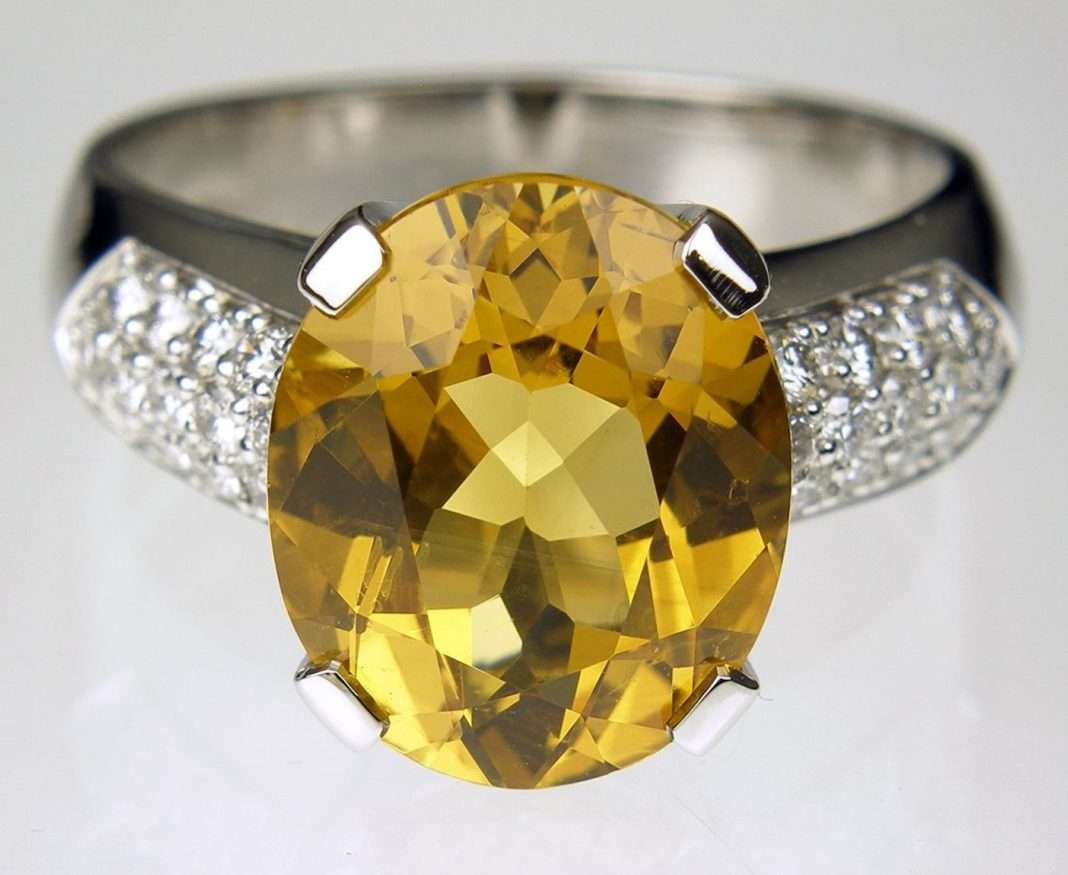
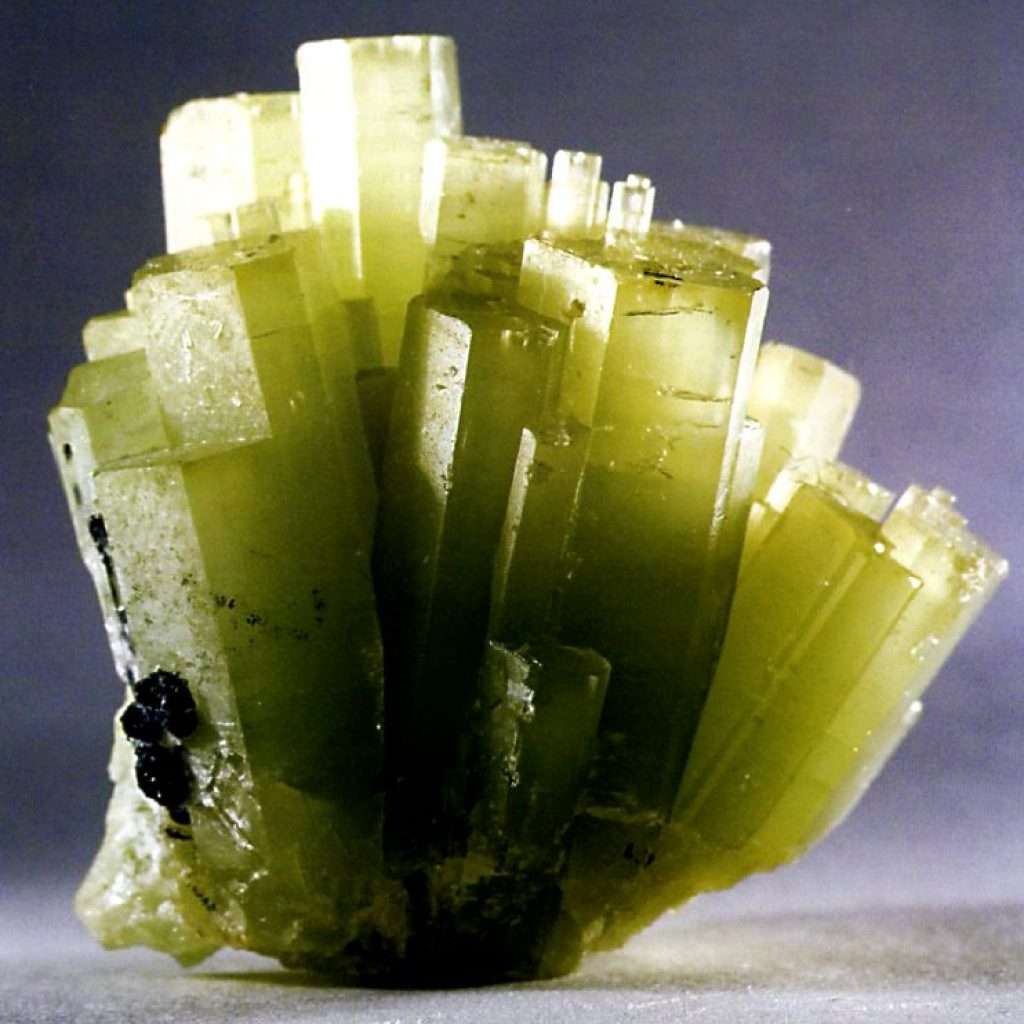
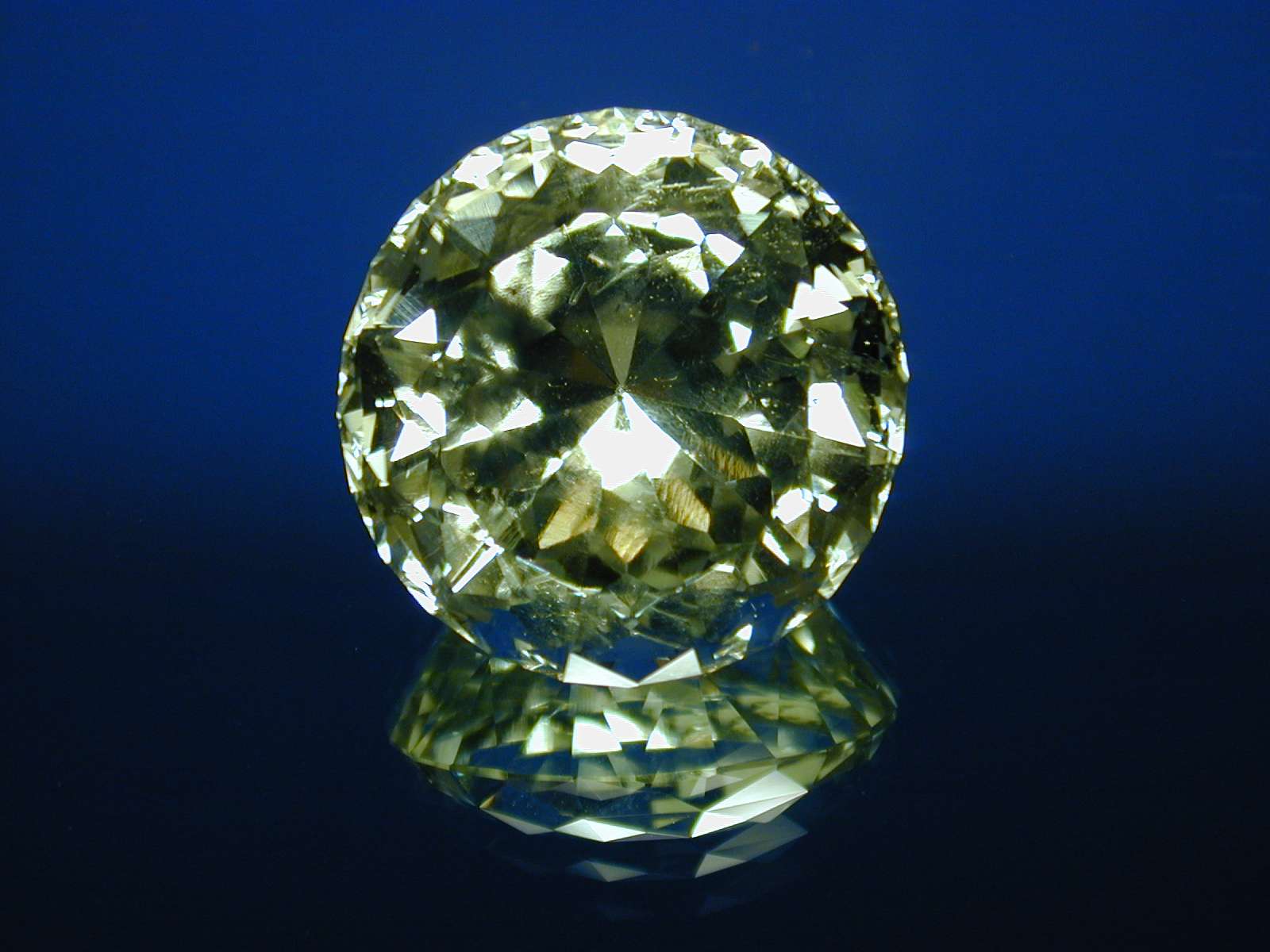
Heliodor
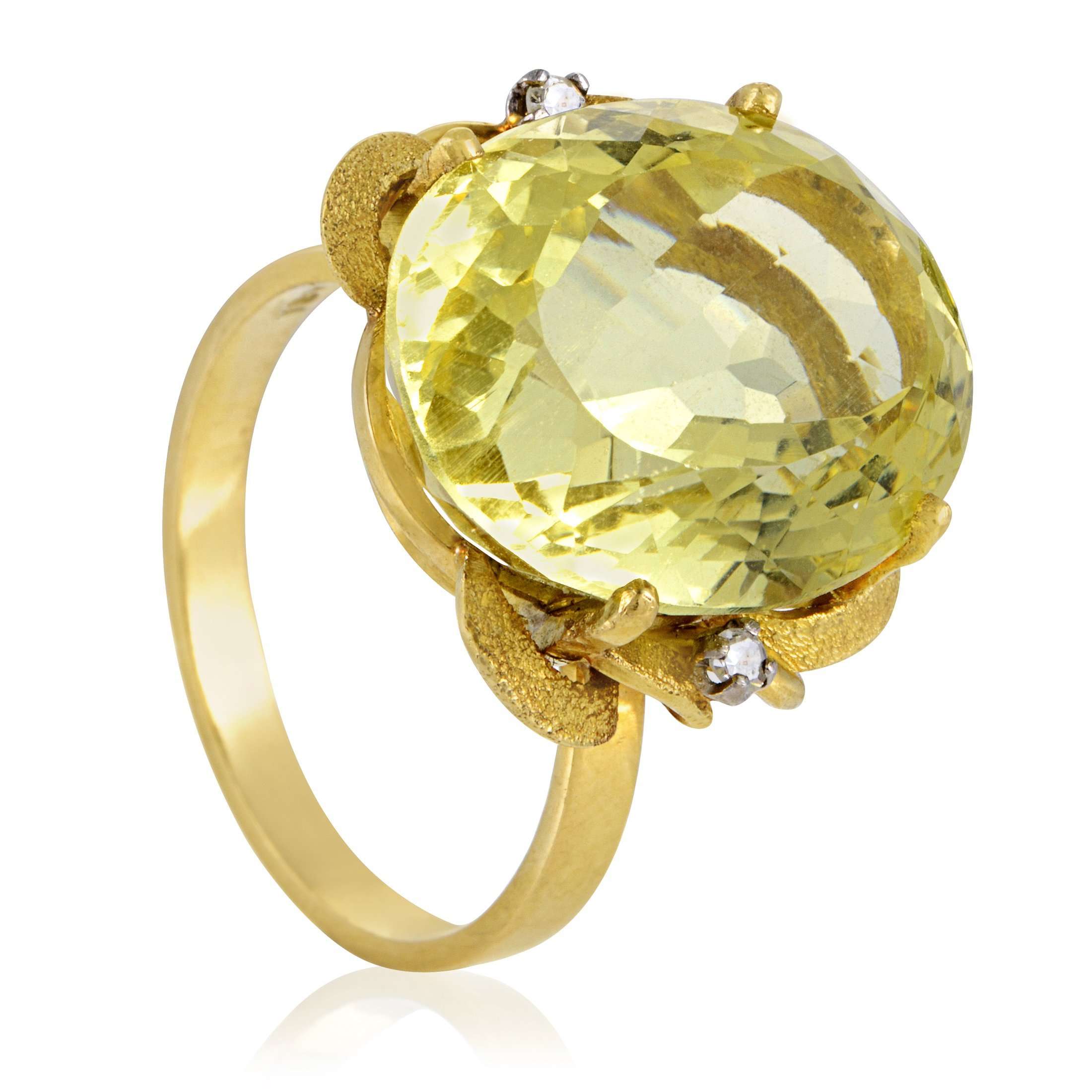
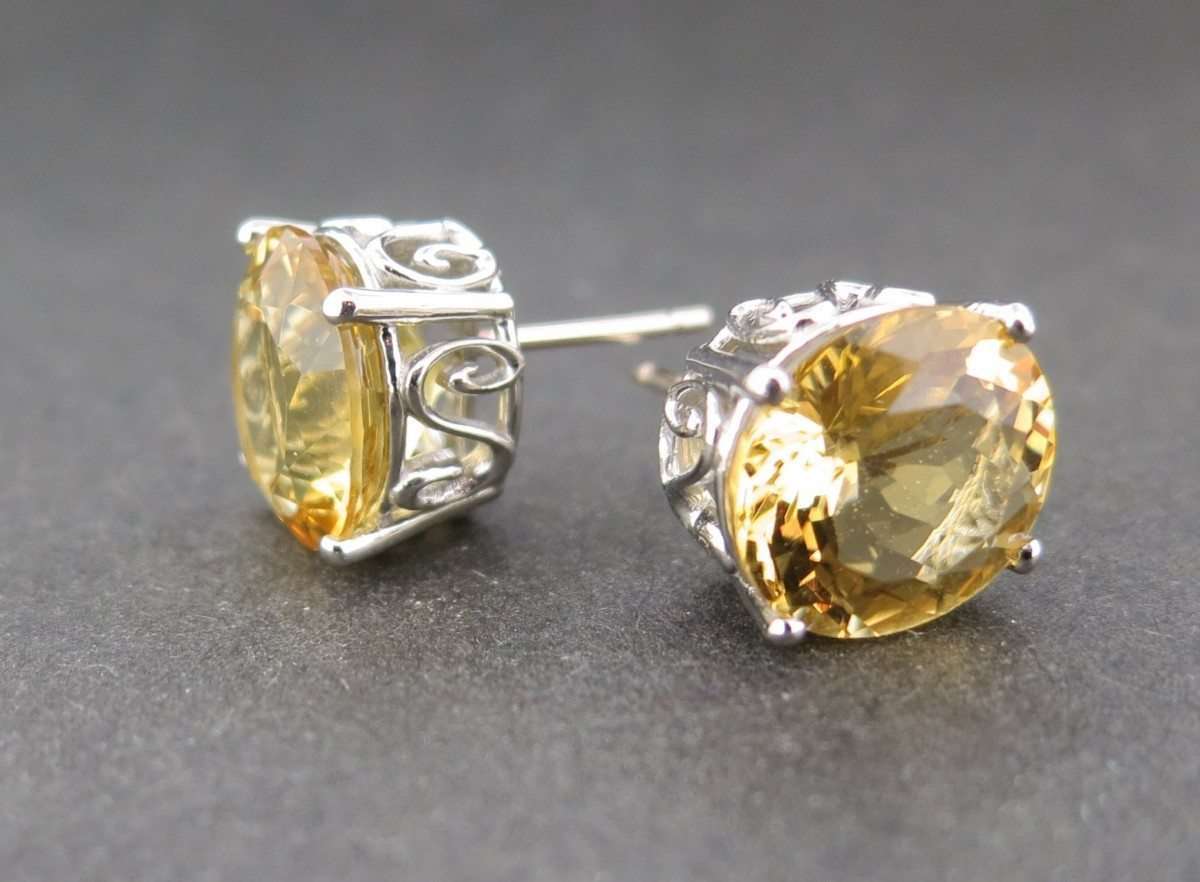
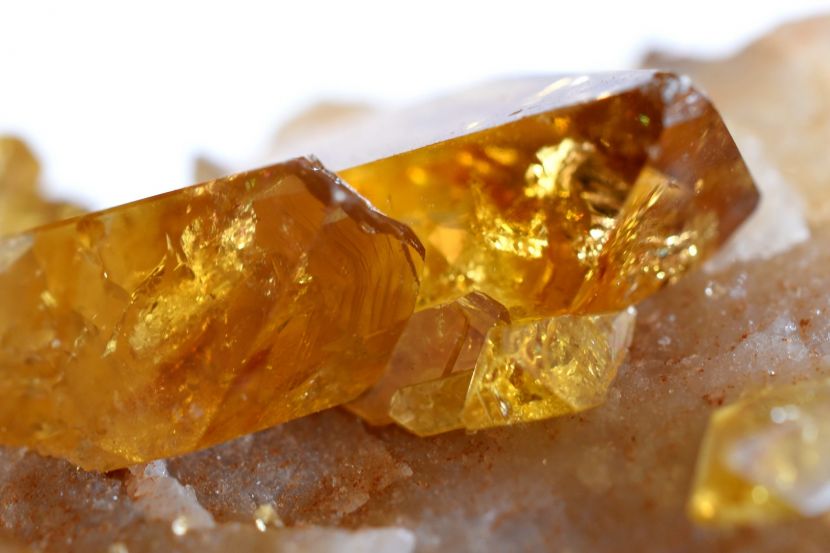
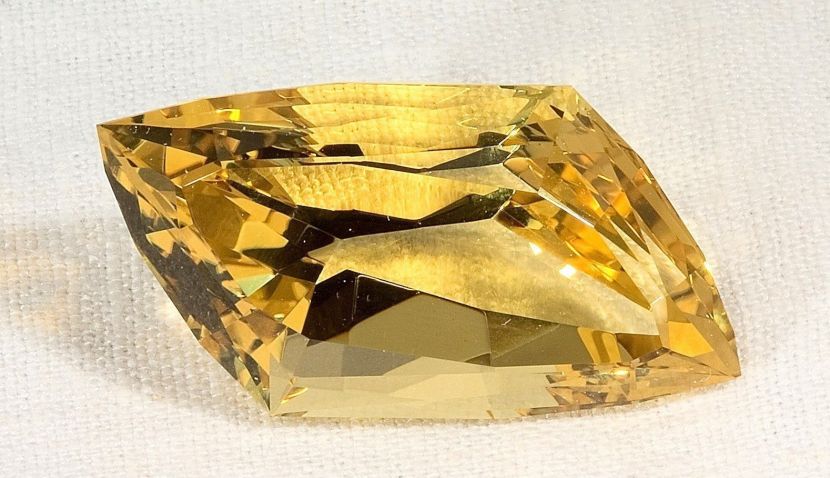
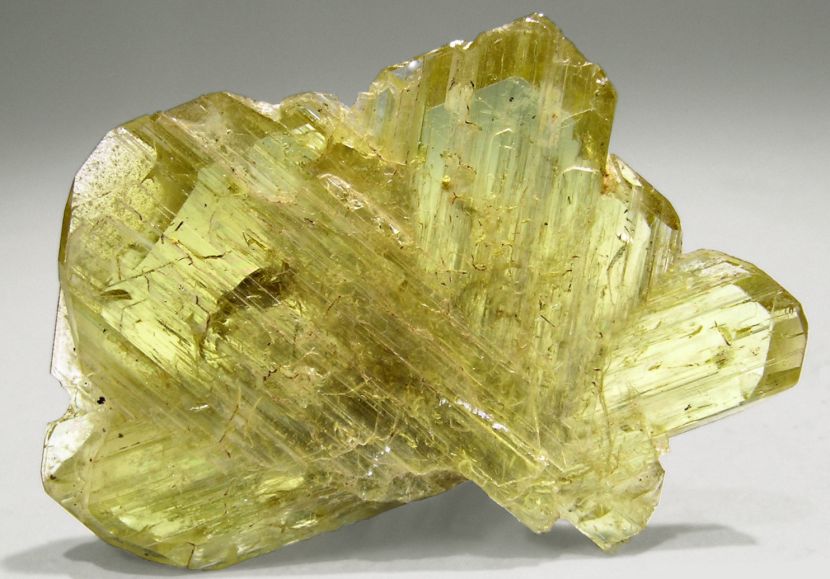
The name is translated from Greek as "gift of the sun". The color varies from golden yellow, honey, lettuce to almost orange and is due to iron impurities. When heated to 400 degrees, it becomes blue.
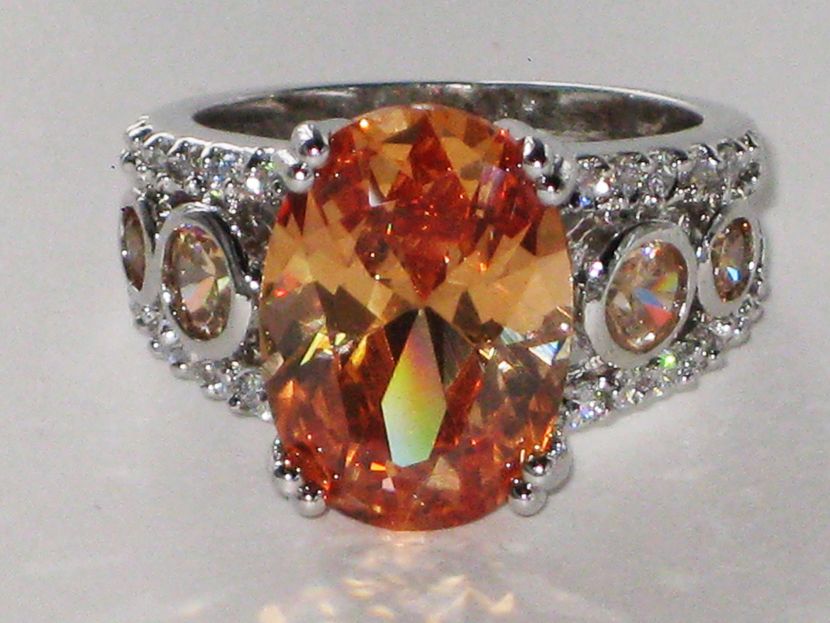
Vorobevit (morganite)
The name was given in honor of the geologist Vorobyov, who died in the mountains of the North Caucasus in 1906, and he was named morganite in honor of the banker John Morgan, who was very fond of gems and amassed a huge collection. It is colored by trivalent manganese. It can be pale pink, crimson, purple, orange-red or peach. It is rare and highly valued.
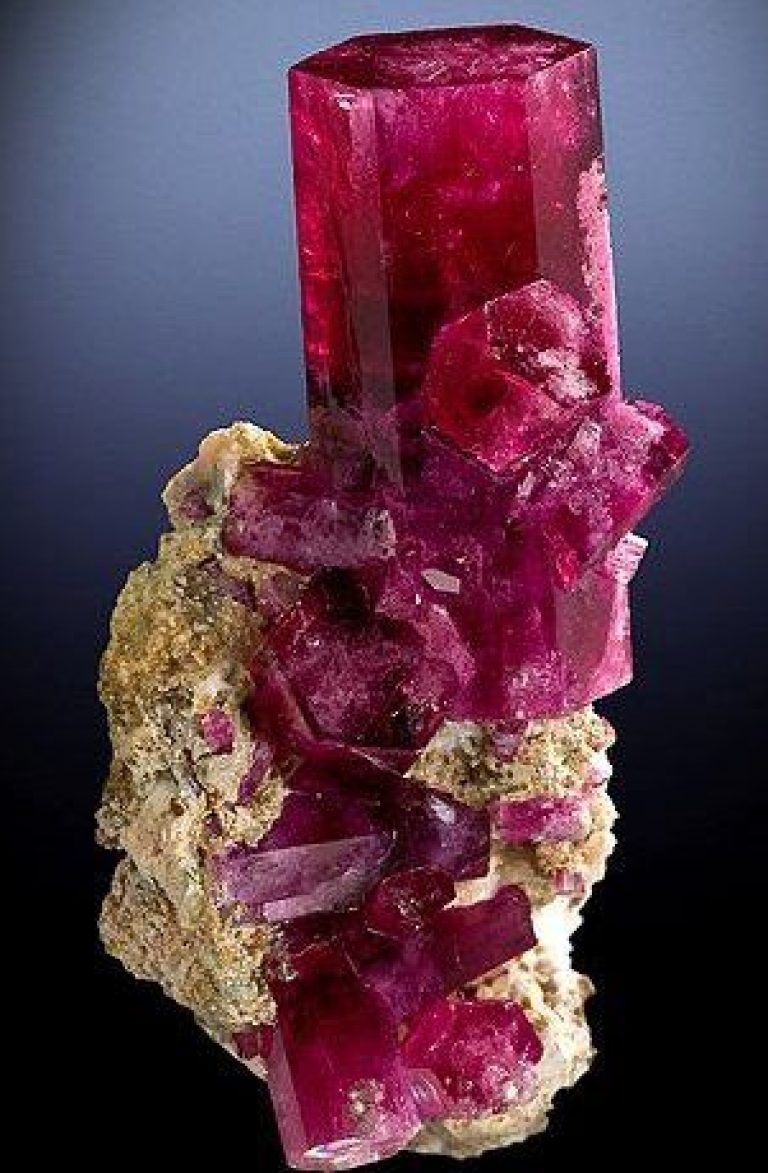
Pezzotaite
A rare variety of morganite containing cesium and lithium. Found in Madagascar and Afghanistan. It can have various shades of red from raspberry to orange-red. Named after the Italian geologist Federico Pezzotta.
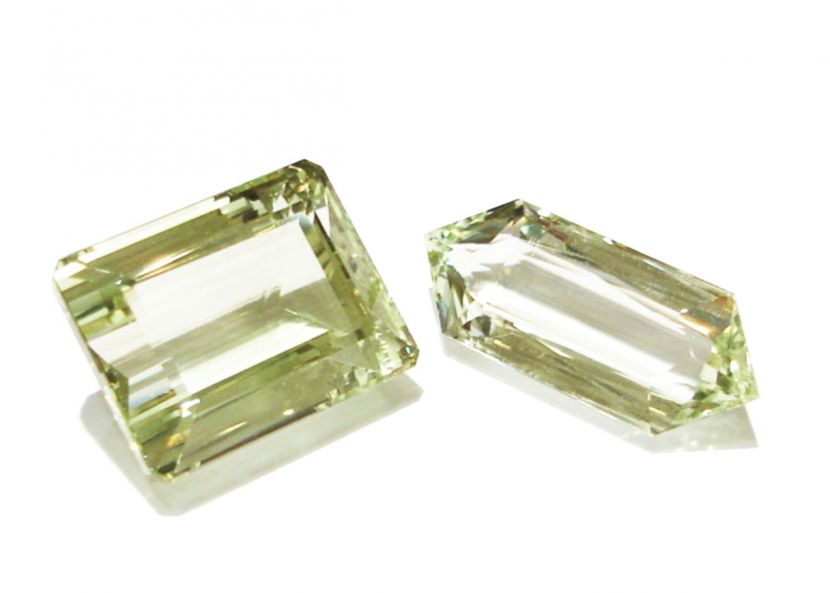
Rosterite
The colorless or pale pink gem also contains cesium and lithium, as well as sodium. It is found in Brazil, USA, Mexico, Canada and Transbaikalia. It is a type of goshenite.
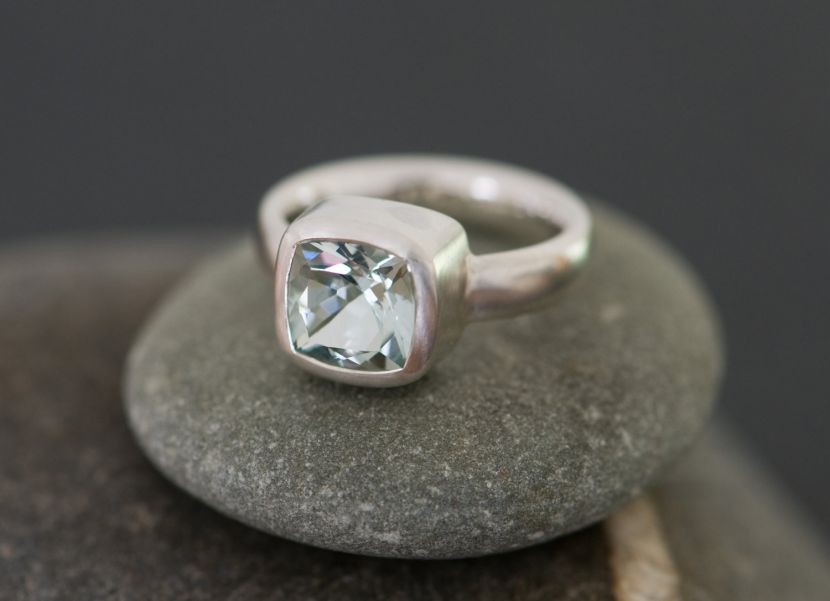
goshenite
Goshenite refers to any colorless beryls.This variety is valued less than its colored counterparts, but attracts many fans with a discreet brilliance. It takes its name from the Goshen area in the United States. It is believed that goshenite gives the wearer intelligence and the ability to recognize deceit.
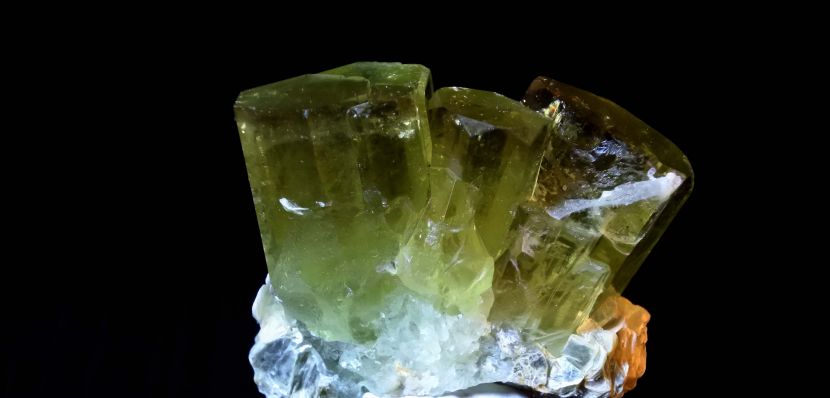
Bazzite
A pale blue beryl containing the rare metal scandium, as well as iron, sodium, and magnesium. It is found on the Kola Peninsula, in Kazakhstan, Japan, USA, Austria, Germany, Norway. Highly prized by collectors.
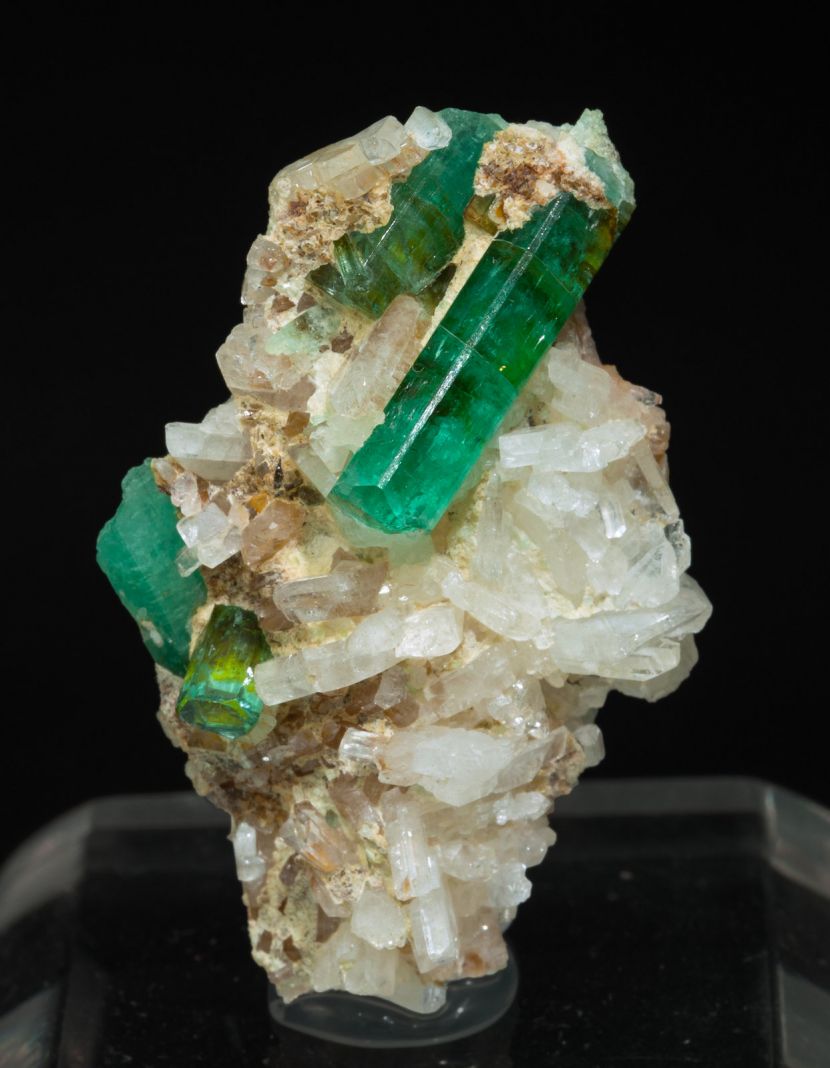
Augustite
It has a deep blue color. It can cost up to $150 per carat. Burns out in sunlight.
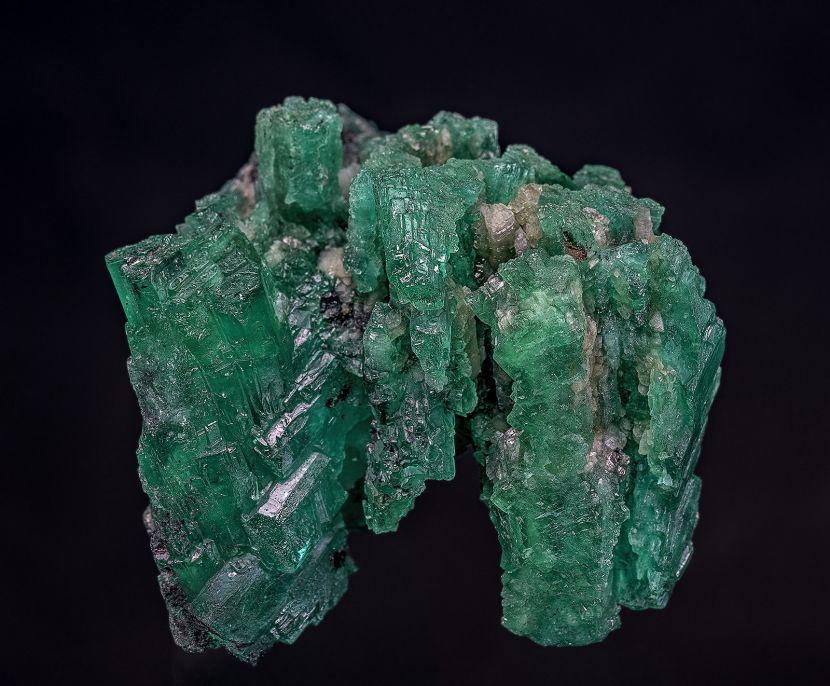
Bixbit
Named after discoverer Maynard Bixby. Found only in the USA. After the mine flooded, bixbite mining ceased. Collectors have only 3.5 thousand samples of this gem, the largest of which weighs 10 carats. This stone is truly priceless, because you can buy it very rarely, and even then only at auctions.
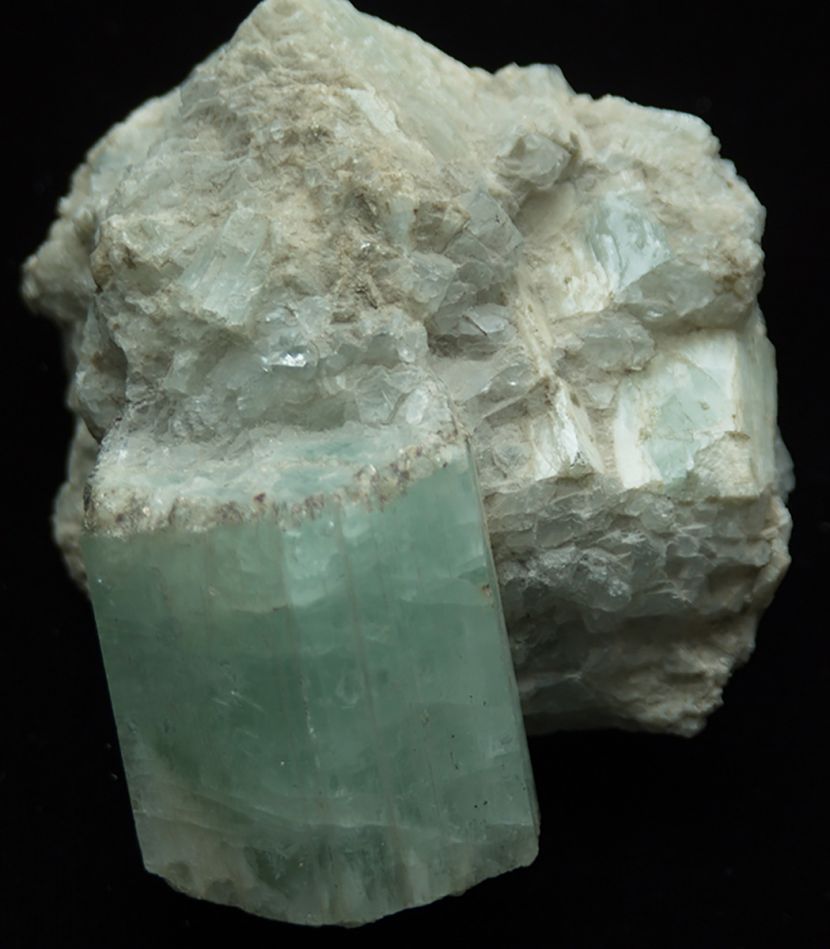
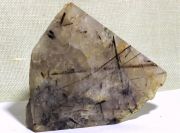
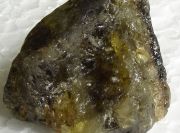
Now that we have studied the varieties of beryl and saw them in the photo, it is worth figuring out how not to fall for a fake.
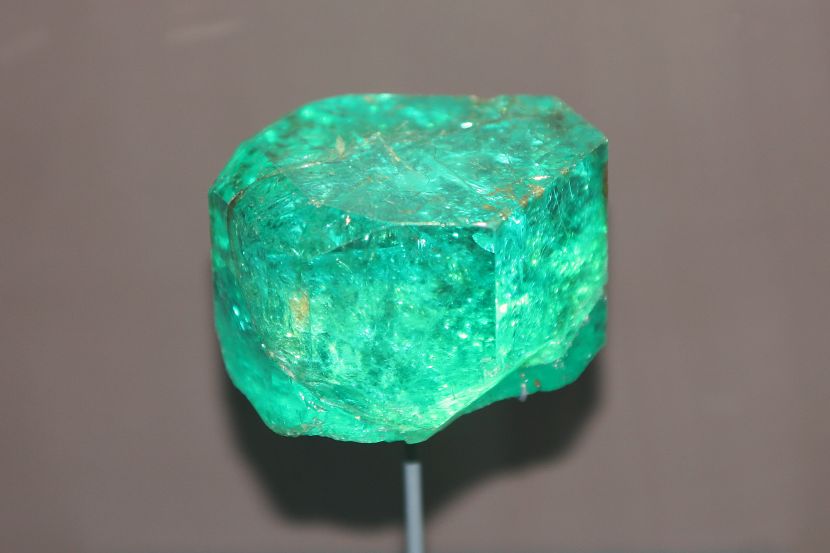
artificial beryls
Unlike many other gemstones, artificial beryl has never been made. The most successful attempt was made in Austria in 1960. Sometimes there are experimenters, but they can only deceive ignorant buyers.
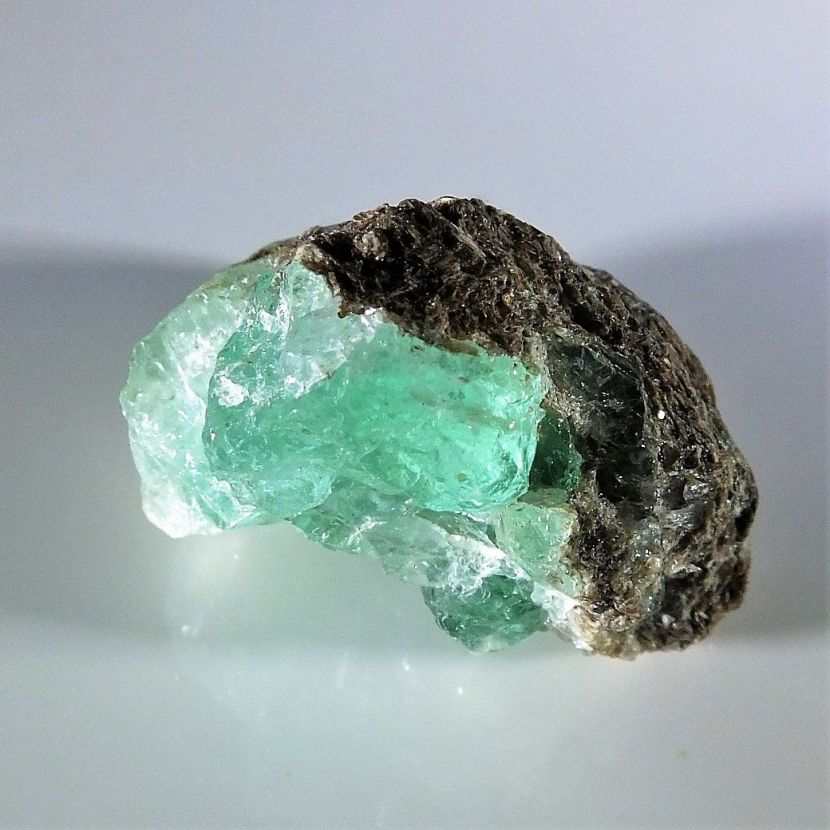
How to recognize a fake
Sometimes a thin layer of a noble gem is simply glued onto a cheap mineral. If such a fake is made very skillfully, then it can only be recognized in the laboratory. Sometimes they try to pass off colored glass as beryl. In this case, it is enough to hold such a "gem" on the glass. Real beryl will leave a deep mark on it.
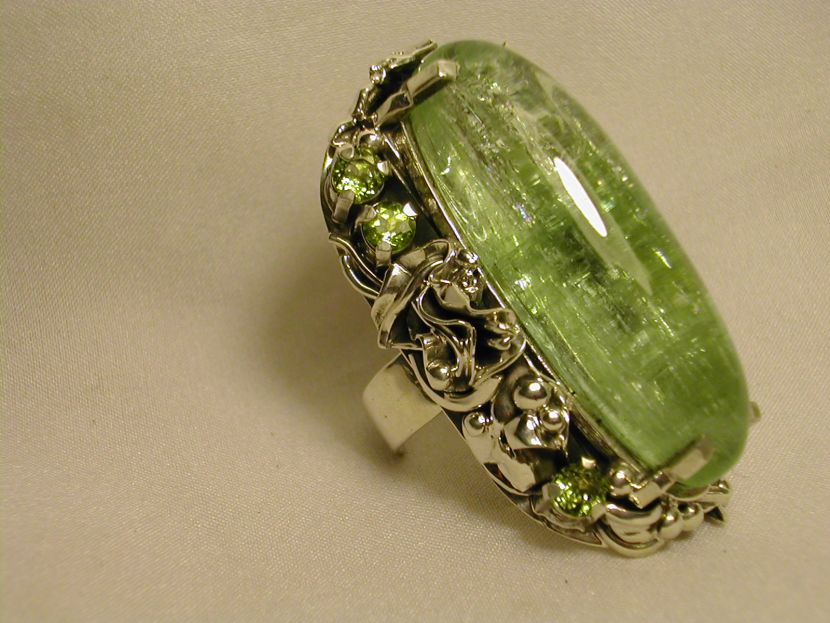
It cannot be scratched with a key or other metal object.Knowing this, ask the seller to carry out such a hardness test. If he refuses, then you also refuse to buy, because real beryl will not suffer from this at all.
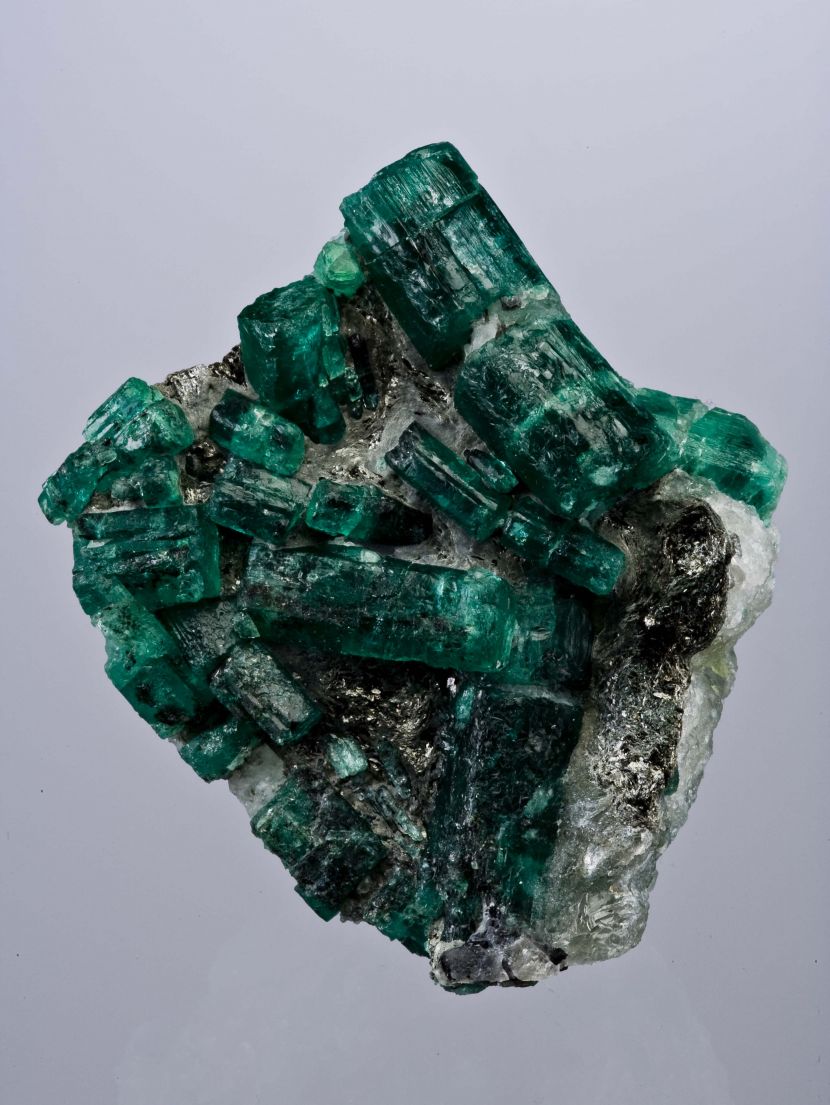
Finally, it is worth carefully examining the stone under a magnifying glass. Various chips, inclusions and air bubbles testify to the natural origin of the stone. But fakes are most often perfect.
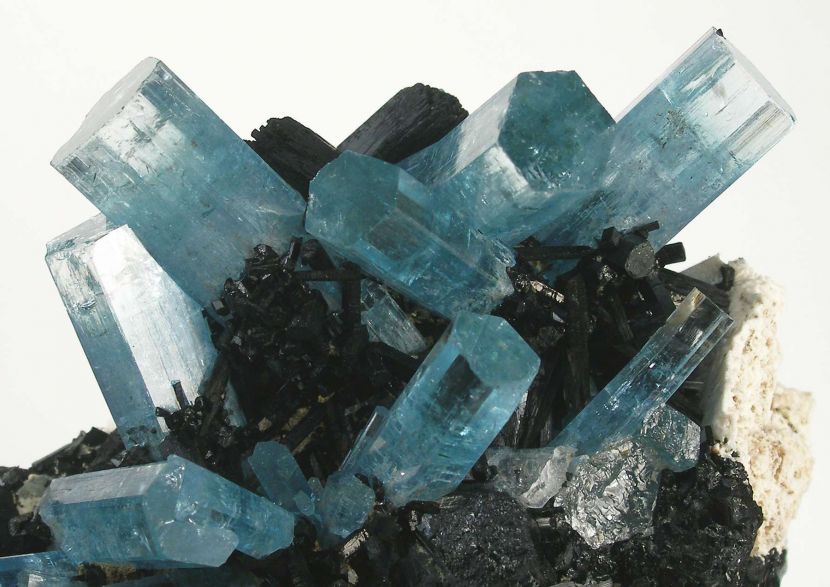
magical properties
Beryls are credited with giving the owners a sharp mind and the ability to accurately complete the most difficult work on time. It drives away fatigue and clears the mind. Contributes to victories in judicial strife, which is why it is considered a stone of lawyers.
Also, this gem keeps the family from quarrels and infidelity, because it does not tolerate any deception.
Medicinal properties
It is believed that beryls can heal:
- lung diseases;
- arrhythmia;
- hypertension;
- Metabolic disorders;
- Diseases of the stomach, liver and pancreas.
Zodiac signs
Beryl is most often attributed to the sign of Gemini and other signs of the air element. He gives success to cancers in all endeavors, brings happiness to fish, and luck to scorpions. Taurus will help find true friends, Gemini is useful for career growth, and Sagittarius will be kept from outbursts of anger. Libra and Aquarius receive wisdom and reliable protection from him.
Beryl is not suitable for Aries, Leo, Virgo and Capricorn.
Compatibility
Beryls are combined with other stones of the element of air:
- rock crystal;
- Amethyst;
- Topaz;
- Demantoid;
- citrine;
It goes well with stones of the elements of fire (diamond, ruby, garnet).
Incompatible with:
- Opal;
- Moonstone;
- Pearls;
- Alexandrite.
Stone selection
- Owners of green and brown eyes with red hair are most suitable for emeralds and goshenite.
- Fair-haired girls should take a closer look at heliodor jewelry.
- Blondes are best decorated with bazzite or aquamarine.
- Brunettes should choose brightly colored stones.
Products with beryl
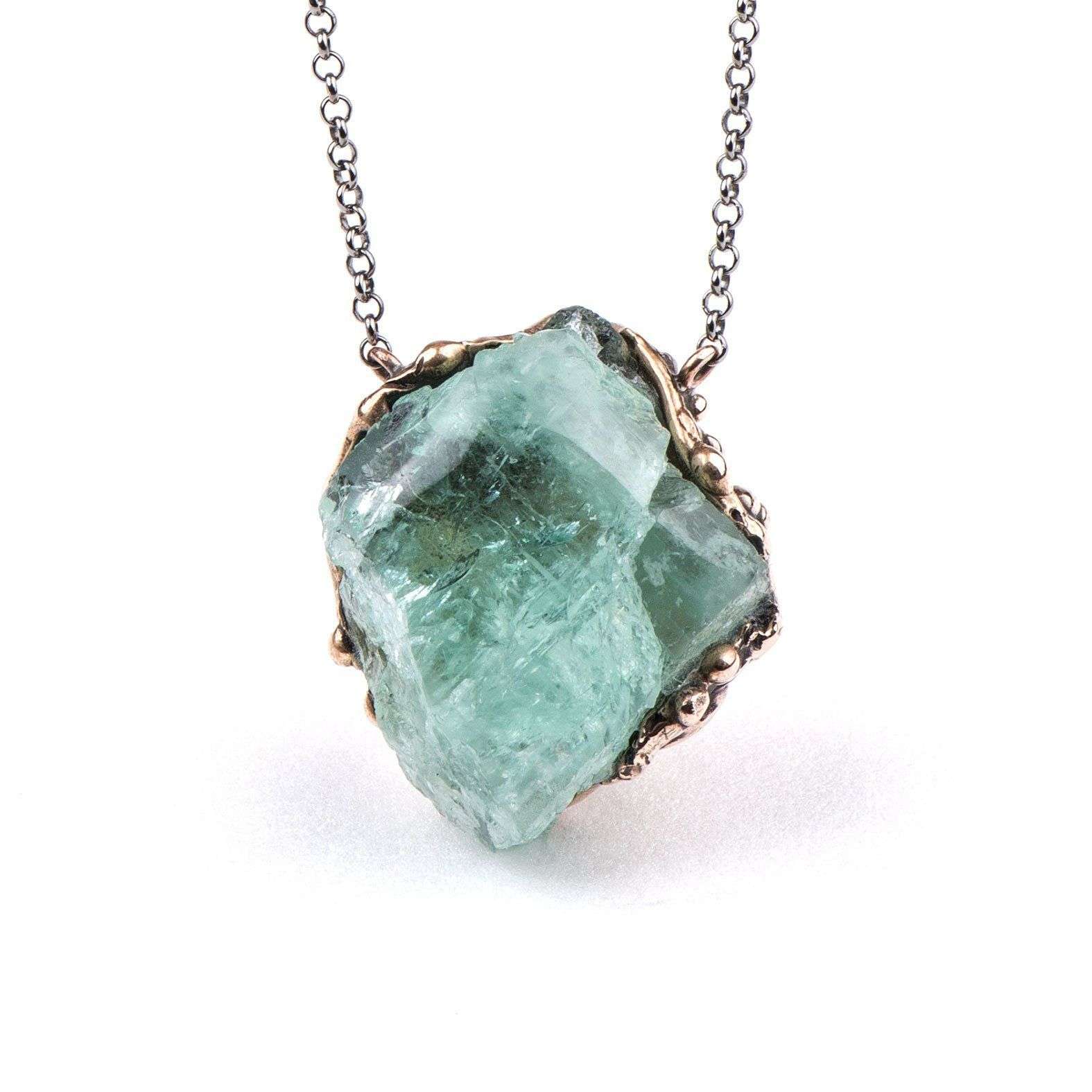
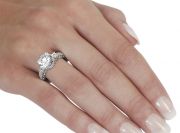
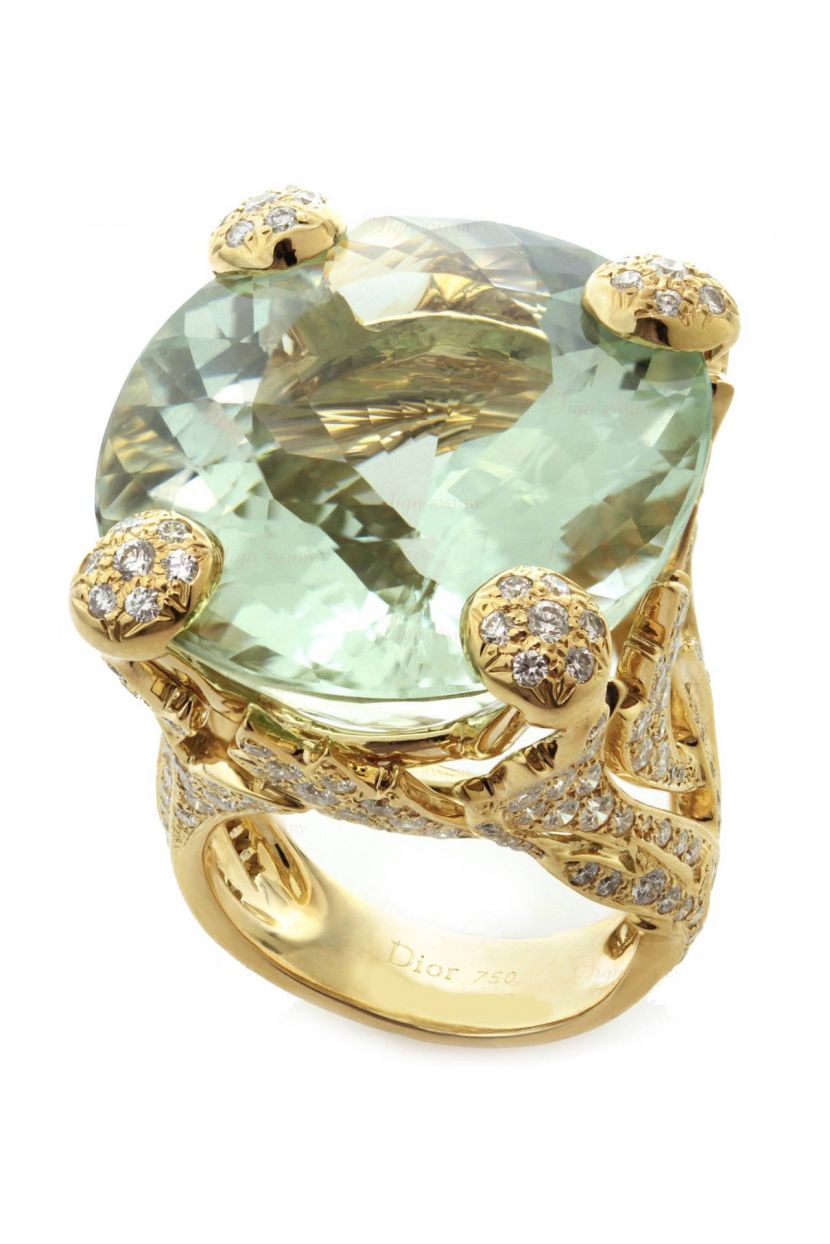
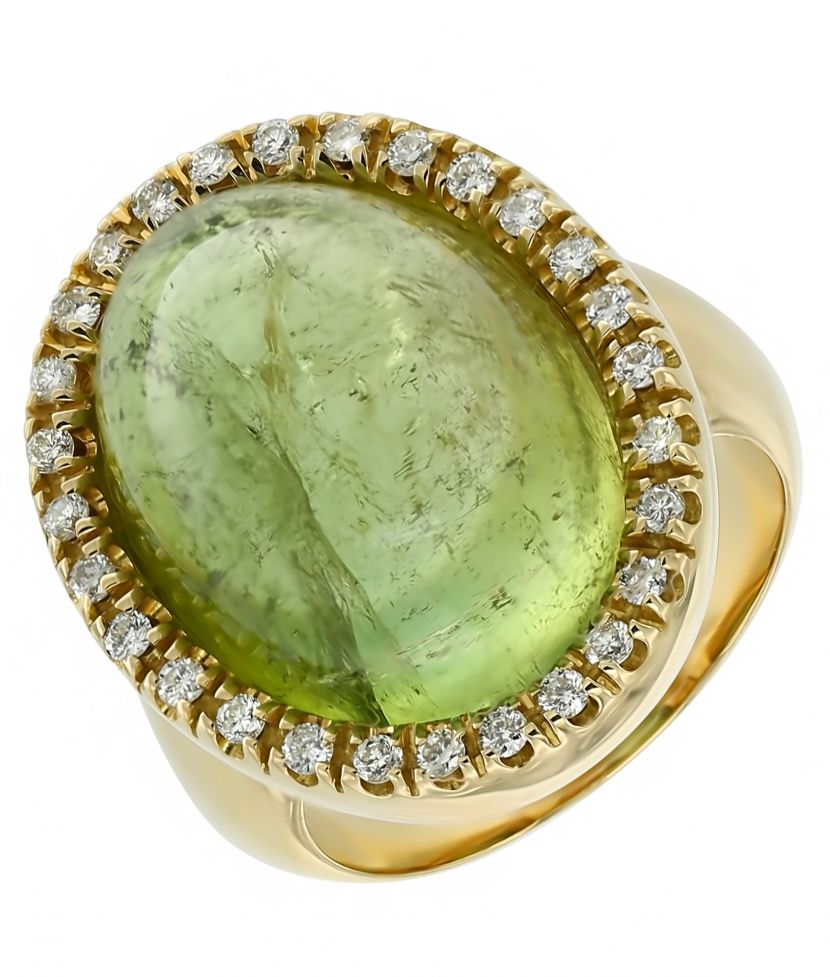
Beryls are inserted into rings, pendants and earrings. Beads are also made from them, including together with other minerals.
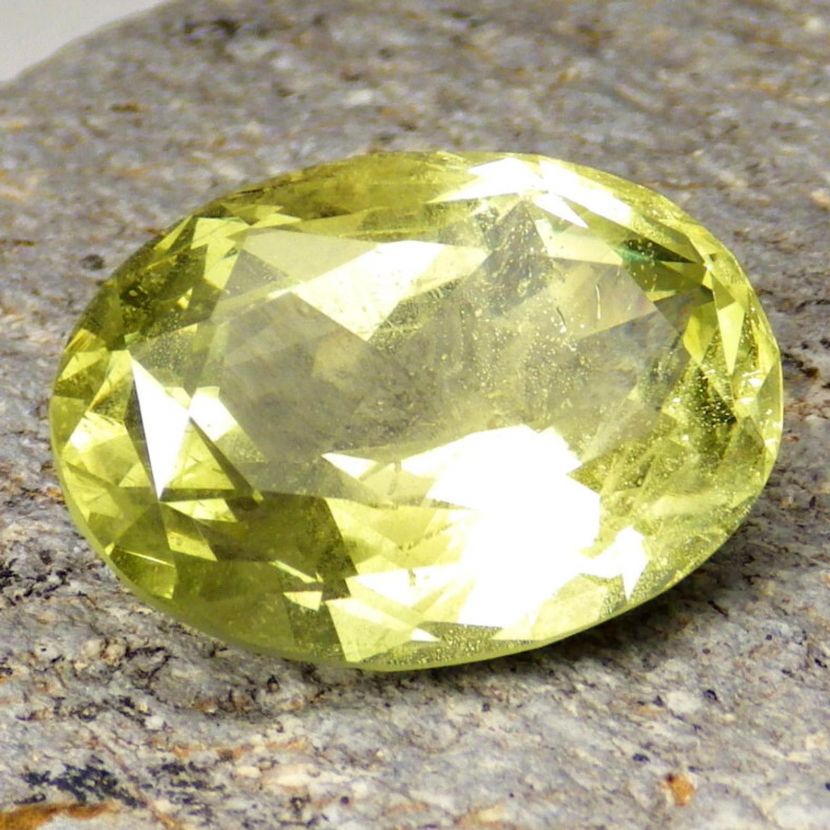
The more expensive the stone, the more expensive the frame is chosen for it. So, emeralds and augustites are inserted into gold rings and earrings made of high-grade gold, as well as in platinum settings. Less expensive stones are often set in silver or gold 585.
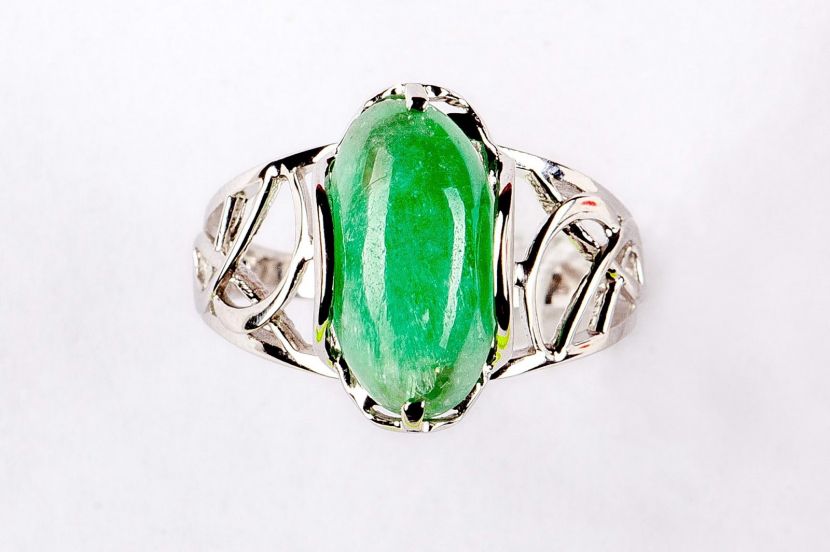
The cost of a silver ring with beryl is from 30 thousand rubles, beads or pendants can be found for 20 thousand.
Purchase time
According to the calendar of stones of Marbrod of the Rhine, beryl acquires the greatest strength in October-November. This is the best time to buy it.
stone care
For cleaning, a soapy solution with the addition of a few drops of ammonia will be quite enough. But hitting the stone with silver cleaning compounds should be avoided.
Regardless of whether you believe in the magical and healing properties of stones, beryl will not only be a great addition to your wardrobe, but will also give you an incomparable aesthetic pleasure from contemplating this amazing gem.
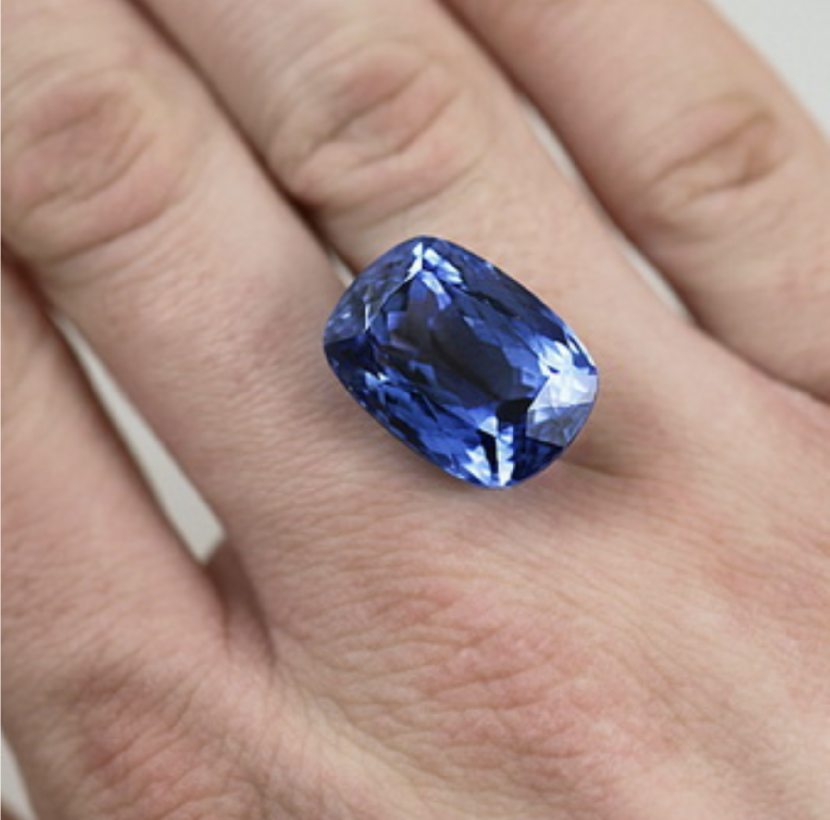
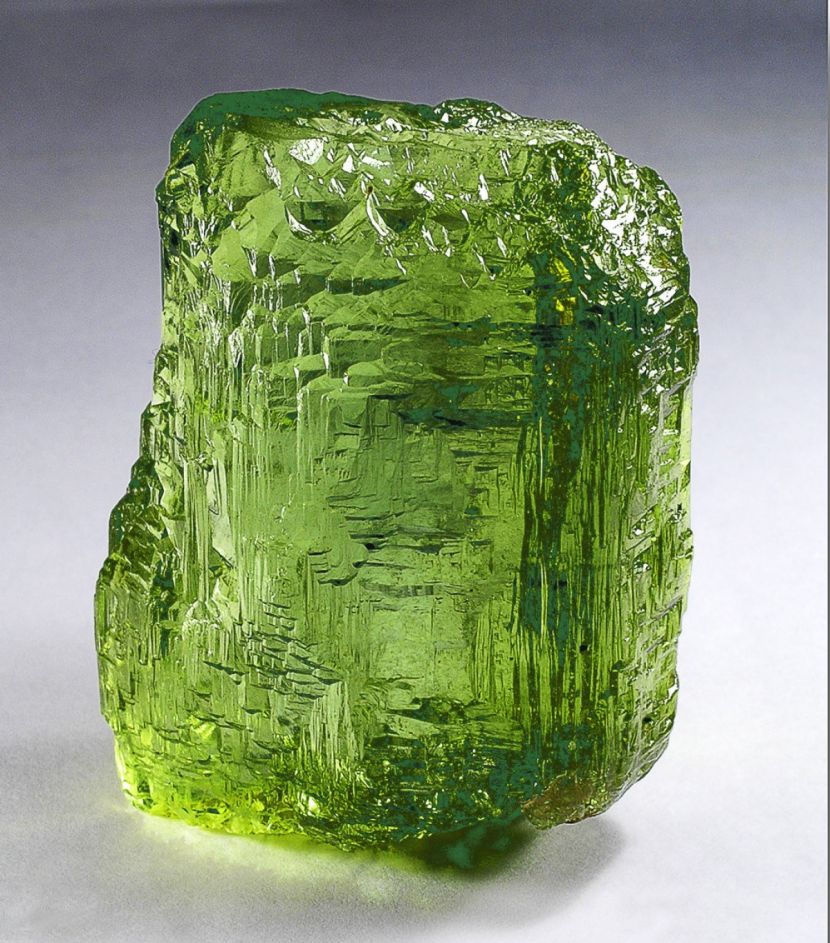
Beryl stone photo