Incredibly rare Petersite stone: healing properties, zodiac compatibility, jewelry, photo selection
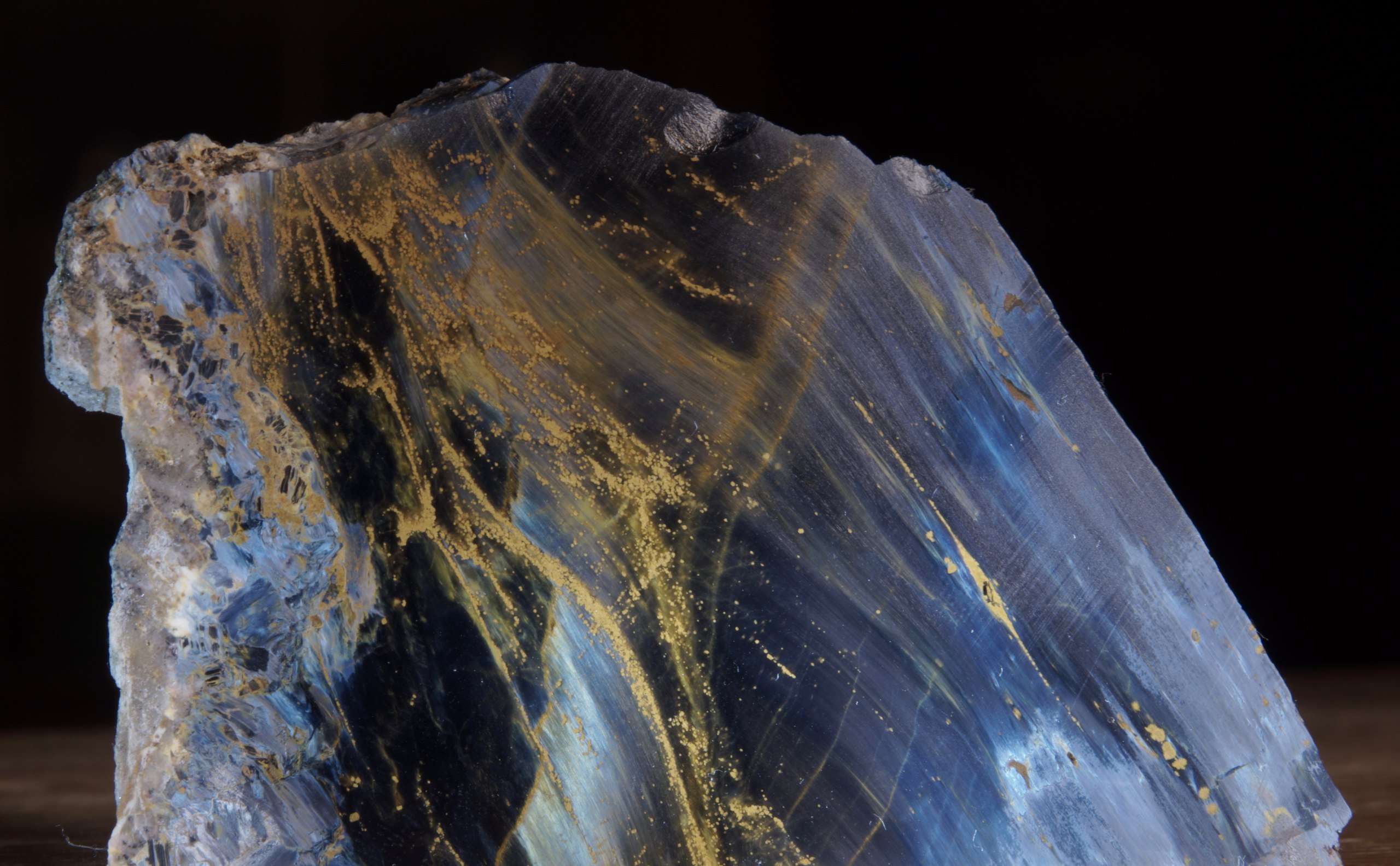
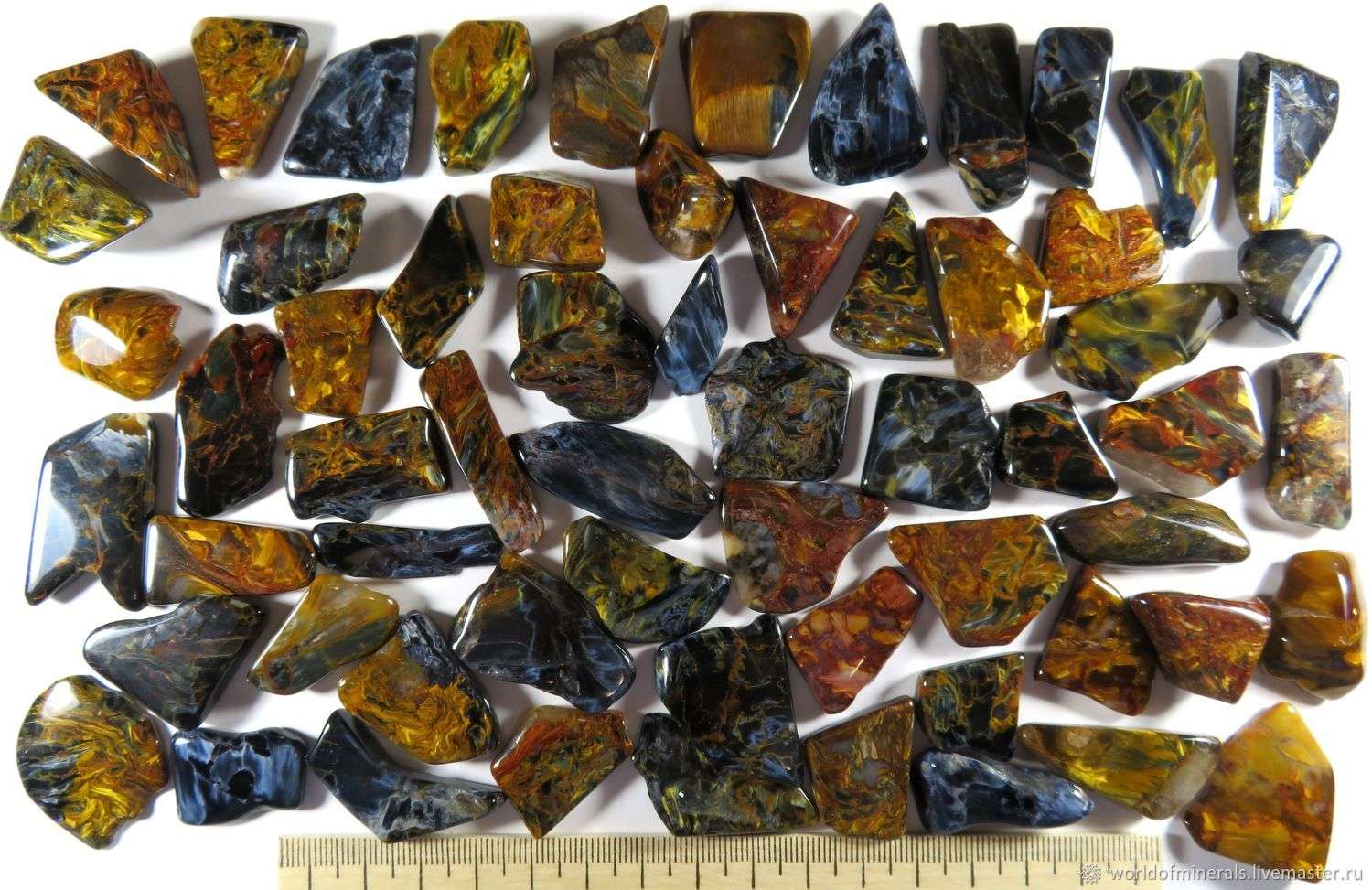
Petersite is a stone of amazing beauty and incredibly rare. There are only two deposits in the whole world, one of which was discovered only a little more than a quarter of a century, and the other was also discovered quite recently, in 1962. There has been a lot of confusion about this stone. Some websites claim that it is radioactive. Well, let's take a look.
History and origin of the name
If you look into any search engine, you can find this stone by searching for "peetersite" or "peetersite". The stones will be the same, but the name of the discoverer will be different. Some will call him Sydney Peters, others Sydney Peters or even Peterson. But that's not all. There are also references to the brothers Thomas and Joseph Peters, who described in 1982 a new mineral "petersite", which is very rare in Germany, the USA and Japan.
If you try to find its chemical formula, you will find out that it is the basic copper and yttrium phosphate Cu6Y(PO4)3(OH)6•3H2O.
Many sources will indicate that this rare mineral is highly radioactive due to yttrium.
But yttrium is completely non-radioactive, at least the one that occurs in nature. What is the matter and who to believe?
The fact is that the brothers really described "petersite", the formula of which is given above. The mineral does contain yttrium, which is not radioactive. But if you remember the periodic table from school, then below it there are two lines with elements called lanthanides and actinides.
So, these elements have such similar chemical properties that it is very difficult to separate them. Yes, and such a problem rarely arose until the lanthanides found application in modern electronics. In nature, they are often found in the same minerals along with yttrium and lanthanum. This is exactly the case with petersite. It contains cerium, gadolinium, neodymium and other lanthanides.
Petersite is not suitable as a raw material for obtaining rare earth elements, since it is extremely rare. Jewelers are also not interested in this yellow-green mineral, because it occurs in the form of small crystals, rarely exceeding 1-2 mm in size. Petersite is indeed radioactive, but not because of yttrium, but because of uranium and thorium, located in the periodic table under the lanthanides.
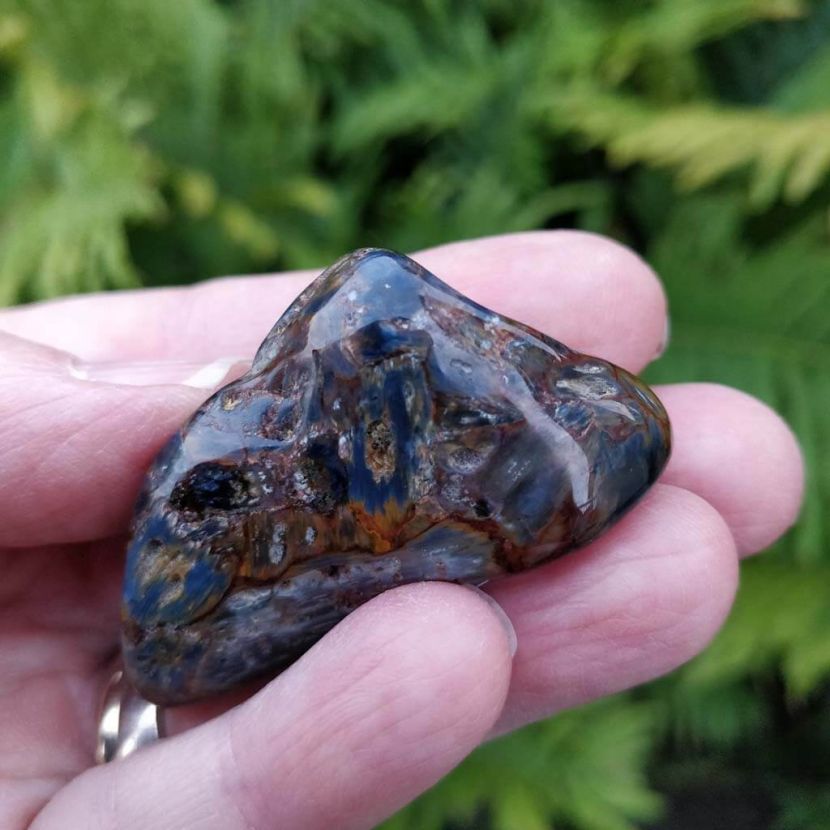
Petersite was discovered in Namibia in southern Africa by Sydney Peiters, who, while searching for agricultural land in this semi-desert country, came across stones that shimmered with all the colors of the rainbow. It happened in 1962.
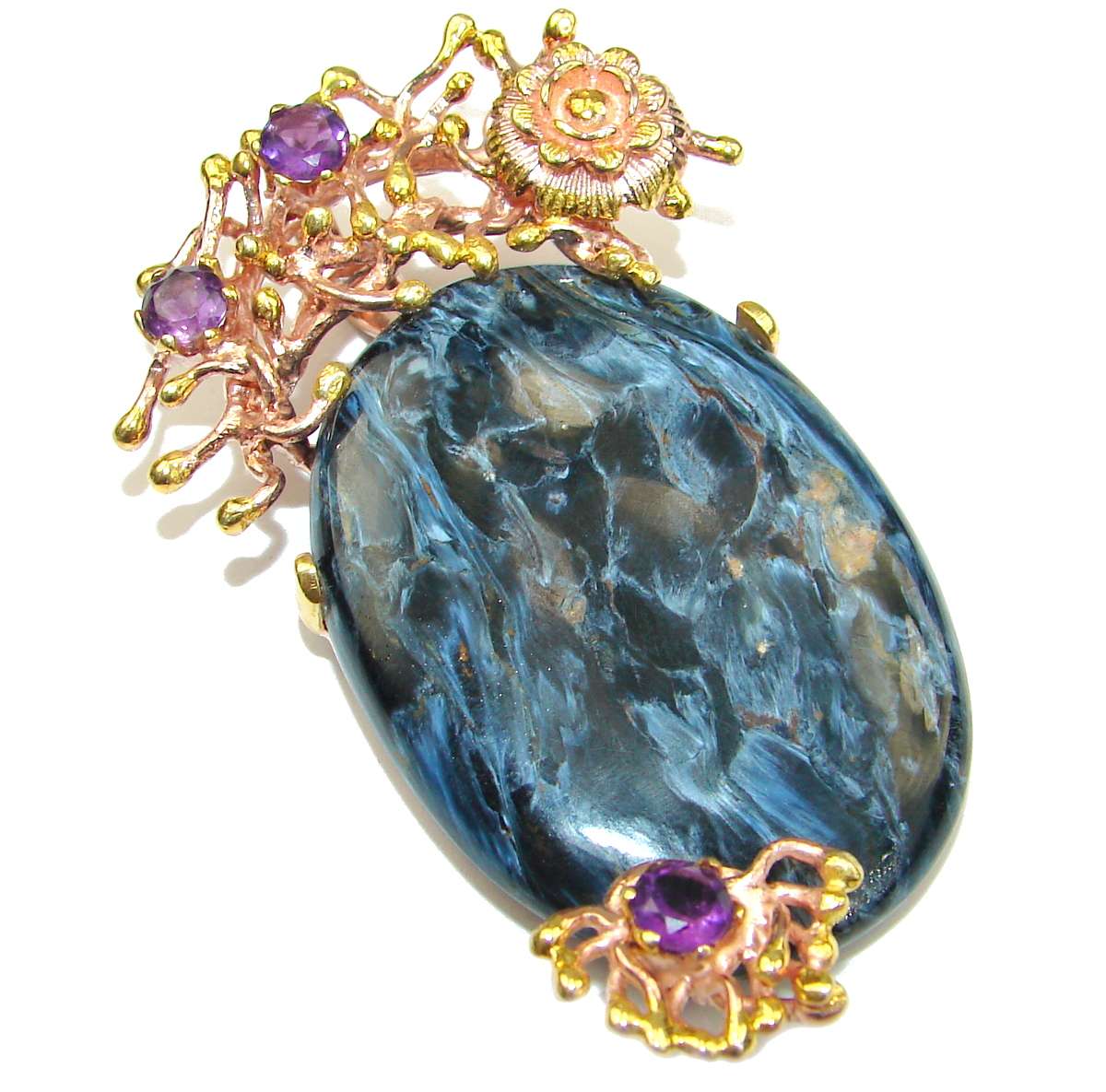
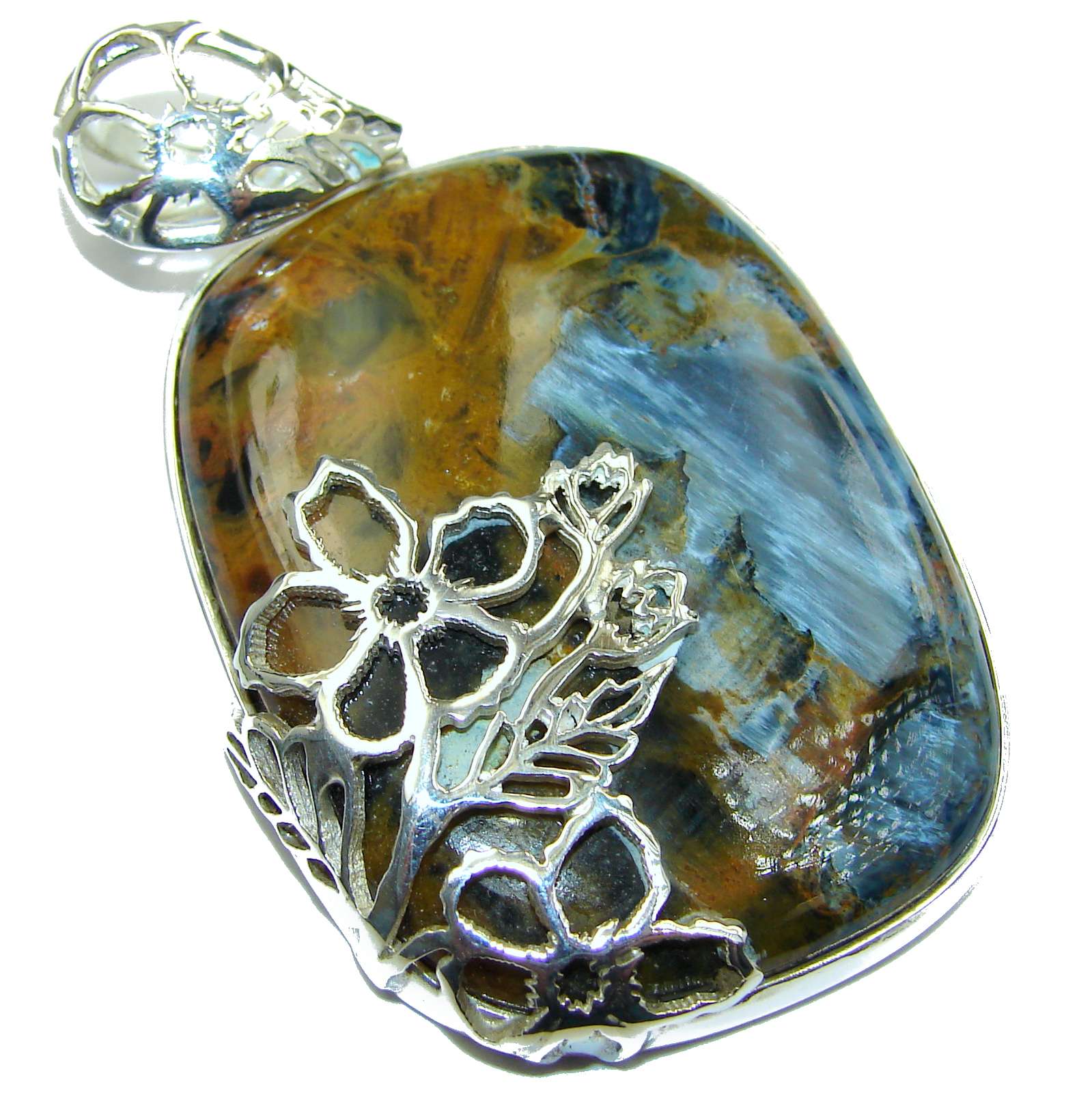
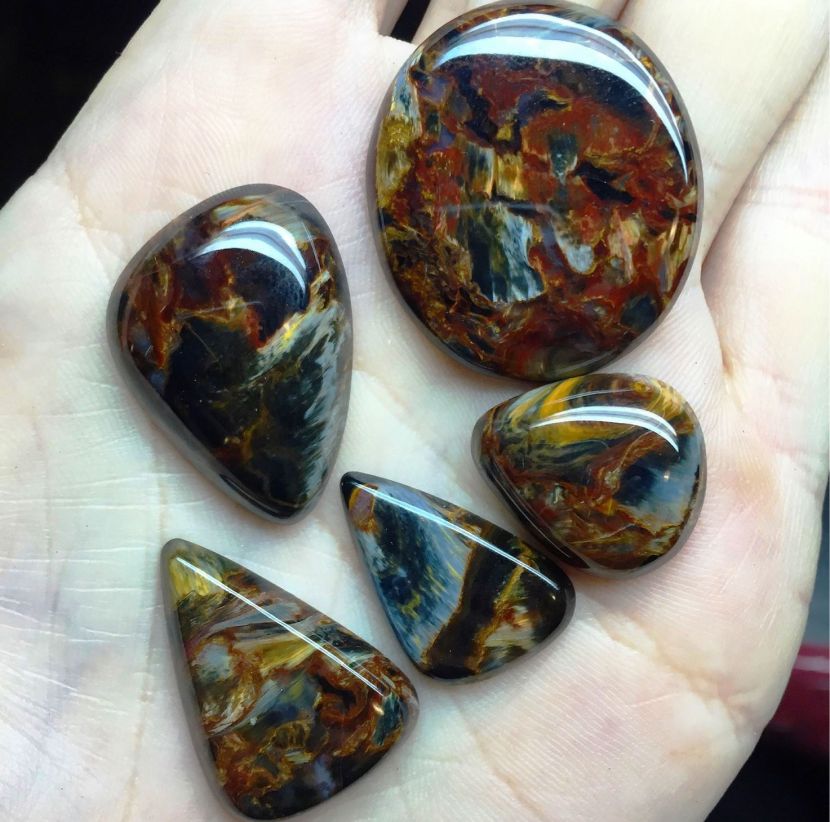
The gem attracted the attention of collectors and jewelers. They began to make jewelry out of it, but their price was sky-high. The price of a pendant with pitersite of a decent size could reach several tens of thousands of dollars.
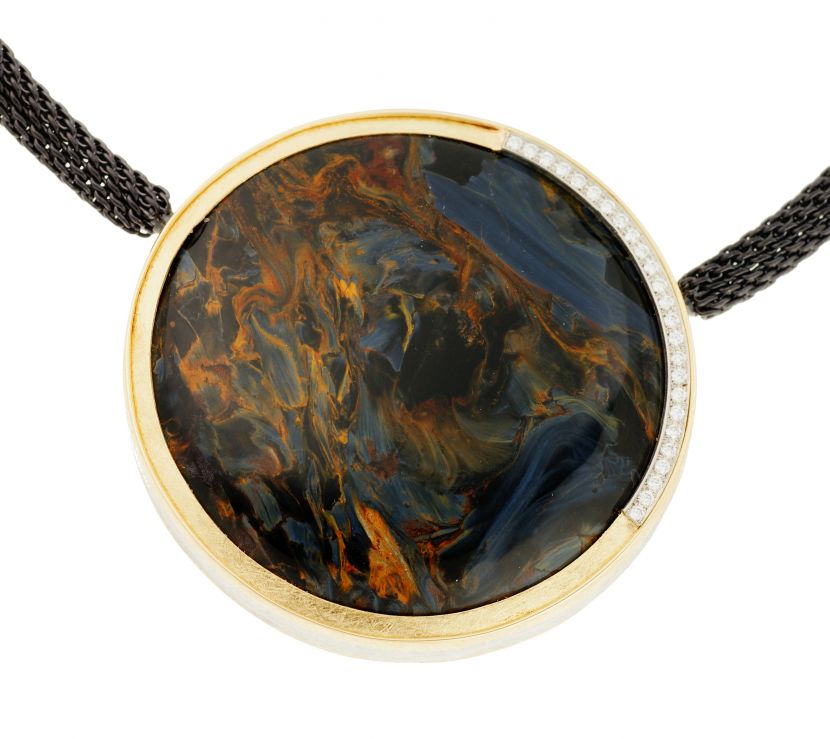
It decreased quite a bit after the start of development in 1997 of the second deposit, which was found in China in 1993.The fact is that Chinese gems are significantly inferior in quality to Namibian ones.
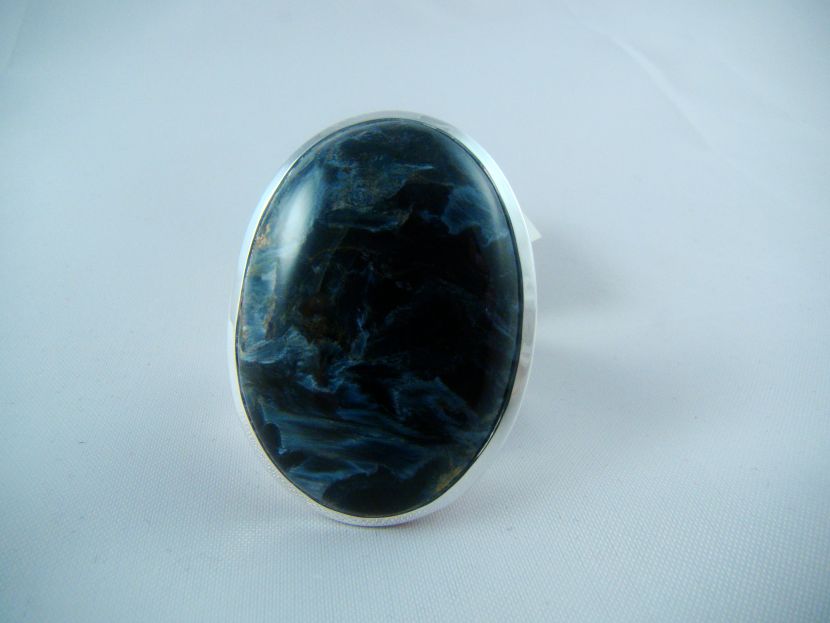
In Russia, this unusual stone became known under the trade name "petersite", although it has nothing to do with its radioactive namesake.
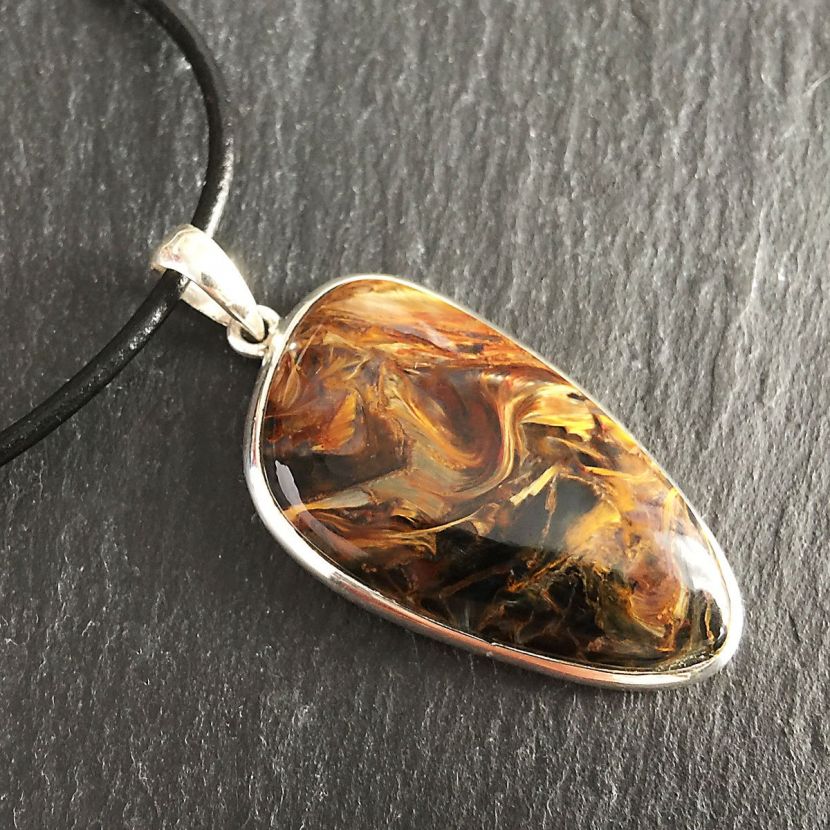
It is also called "hawk's eye" or "hawk's eye", but this introduces additional confusion, since earlier it was already assigned to riebeckite and crocidolite, the play of colors of which is much more modest.
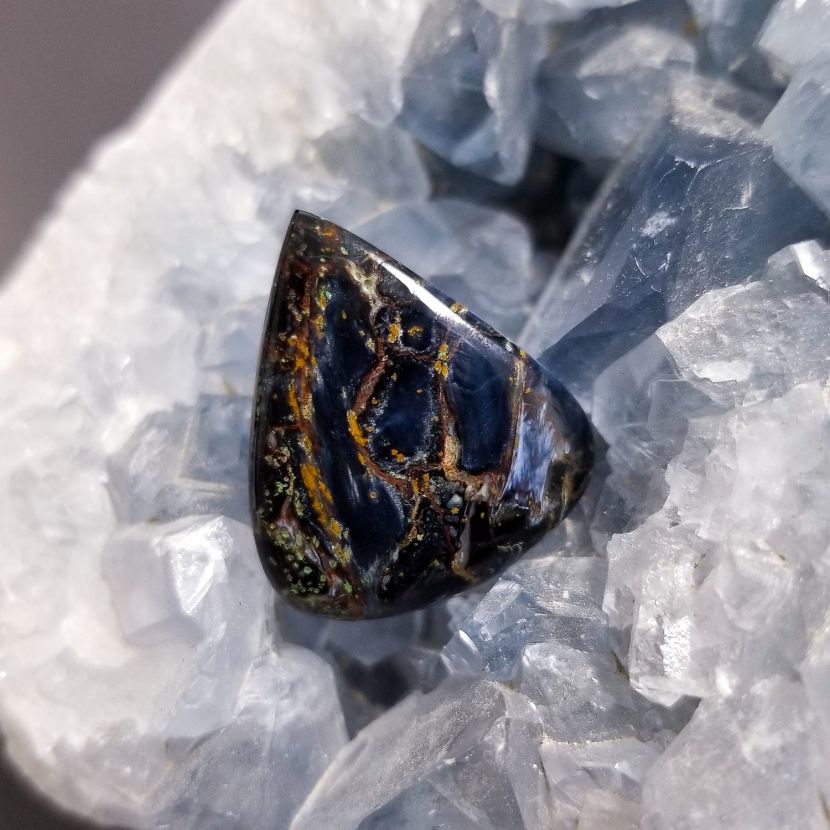
In Africa, it has been known since ancient times and bore the poetic name "Stone of Storms". So the discoverer of Pieters (or according to another transcription of Pieters) can be called a stretch. History has not preserved the name of the African, who was the first to give his beauty beads from this marvelous stone.
Such are the African passions!
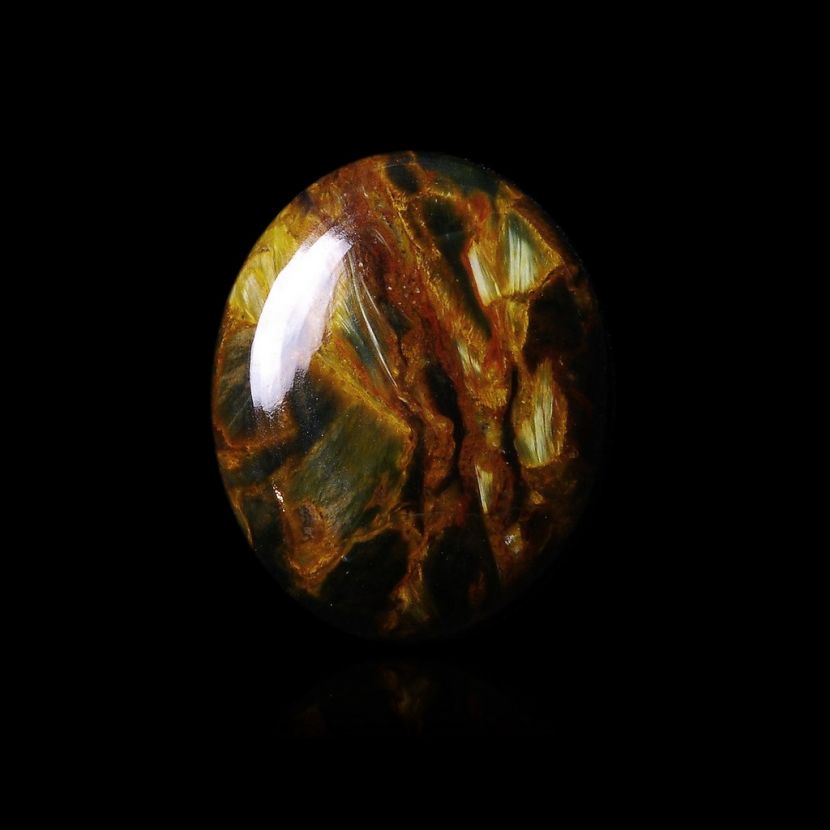
Place of Birth
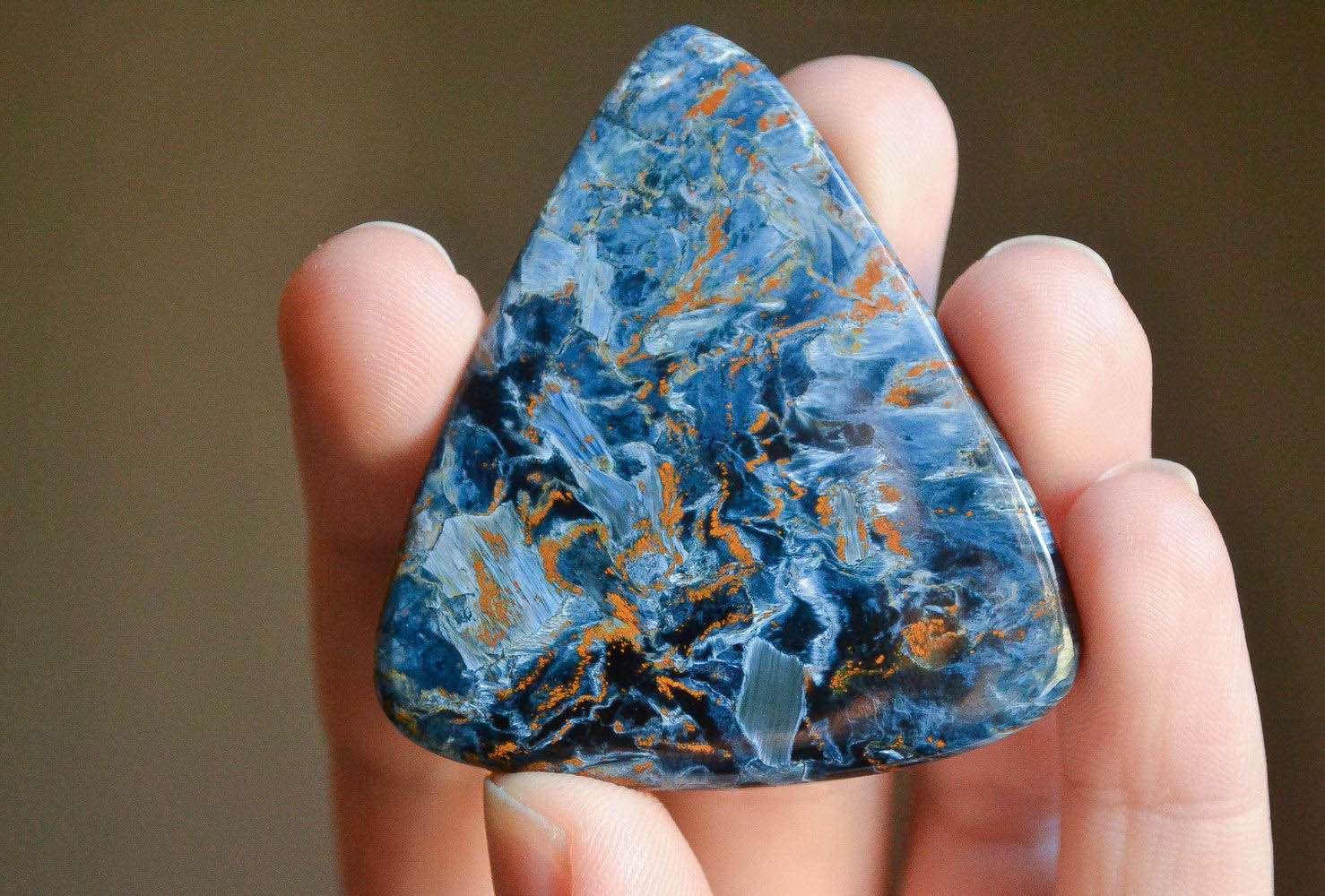
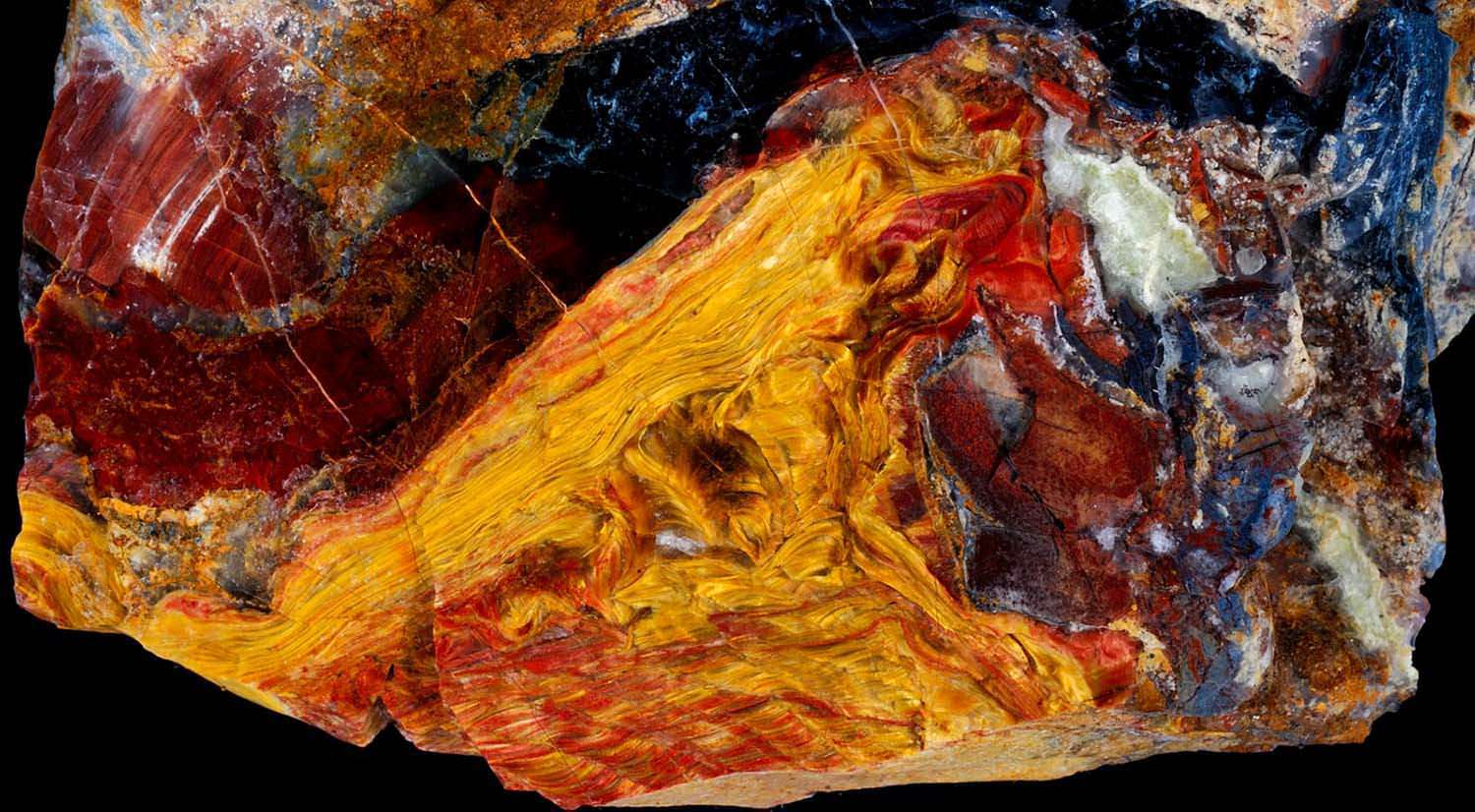
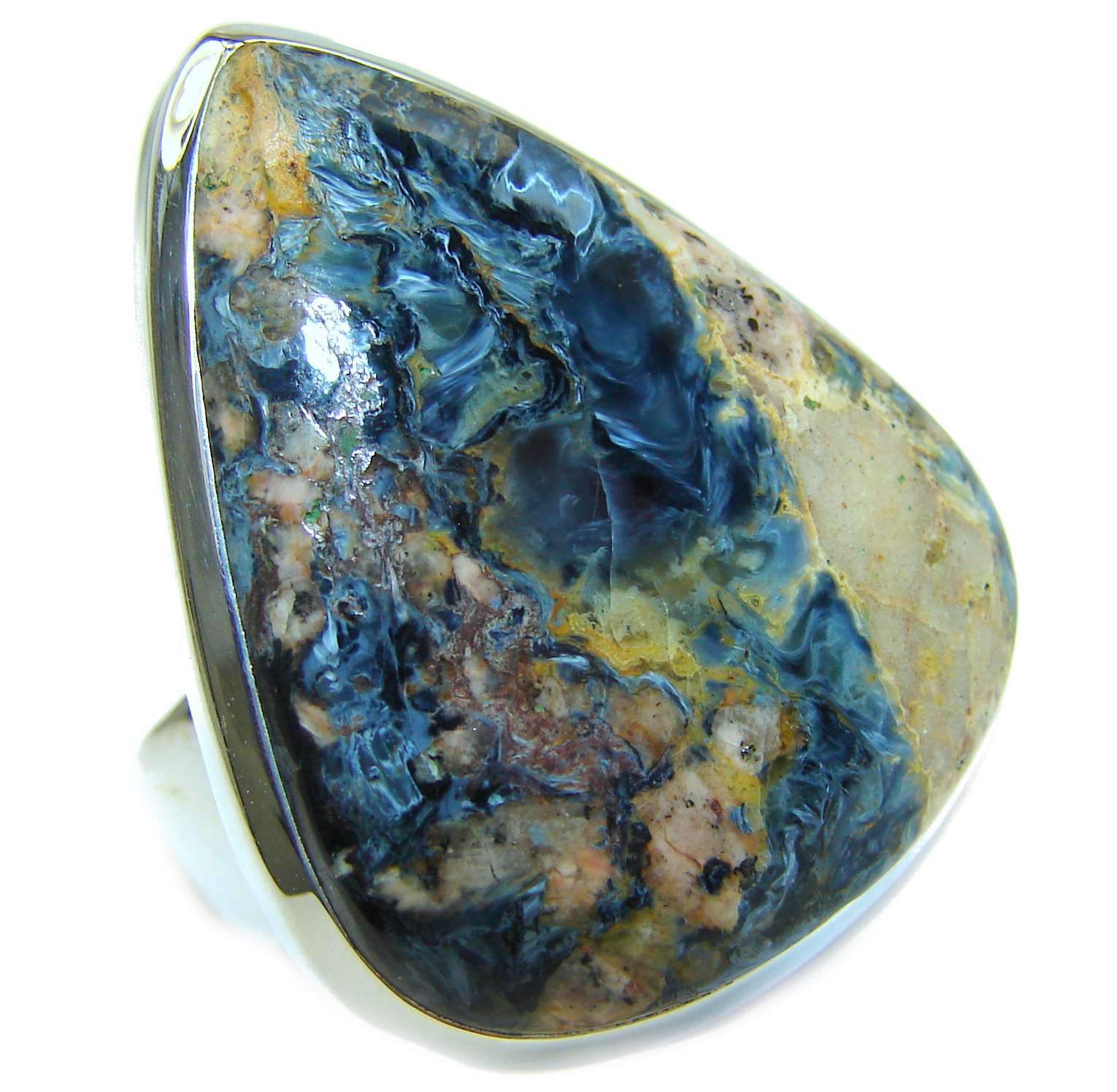
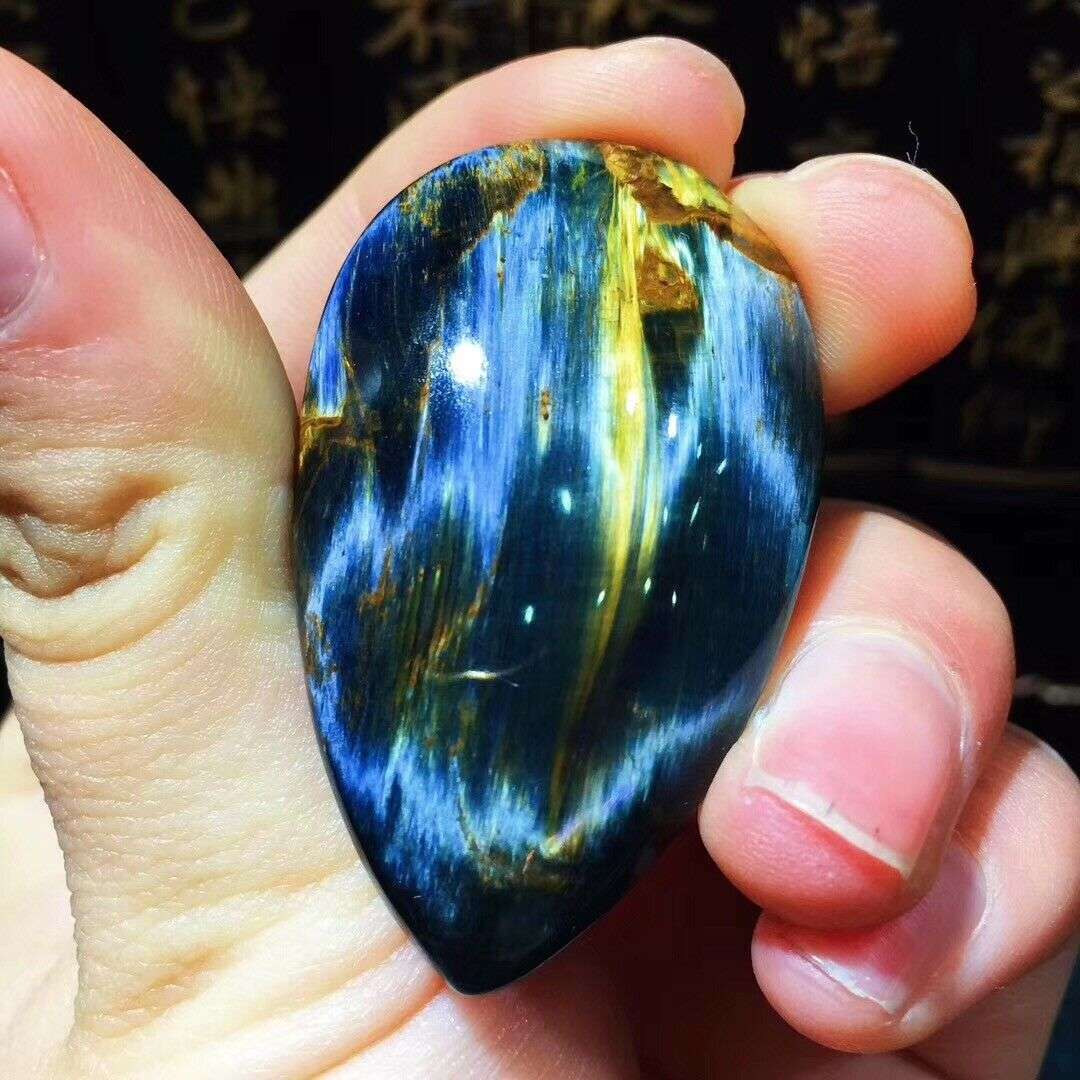
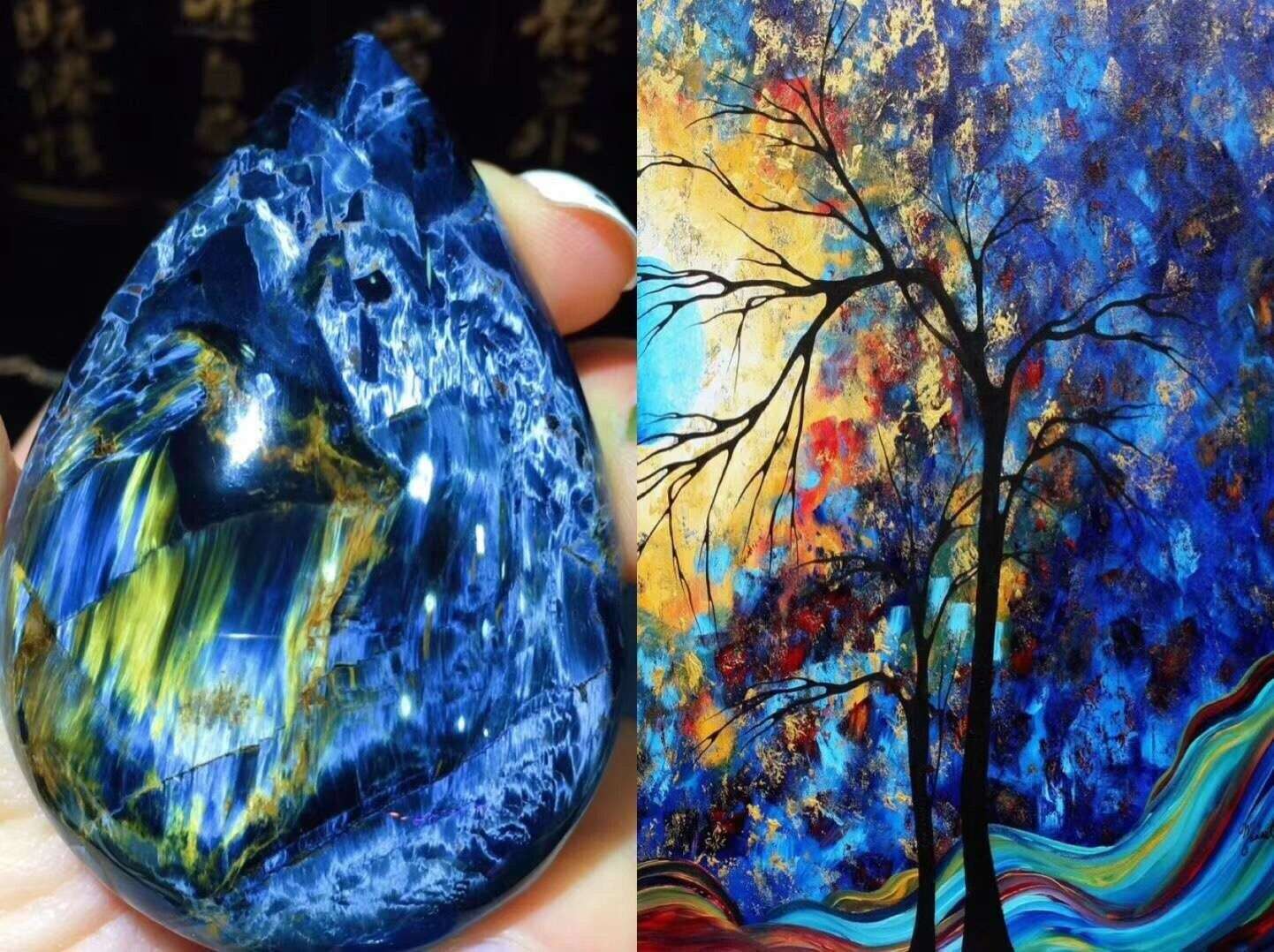
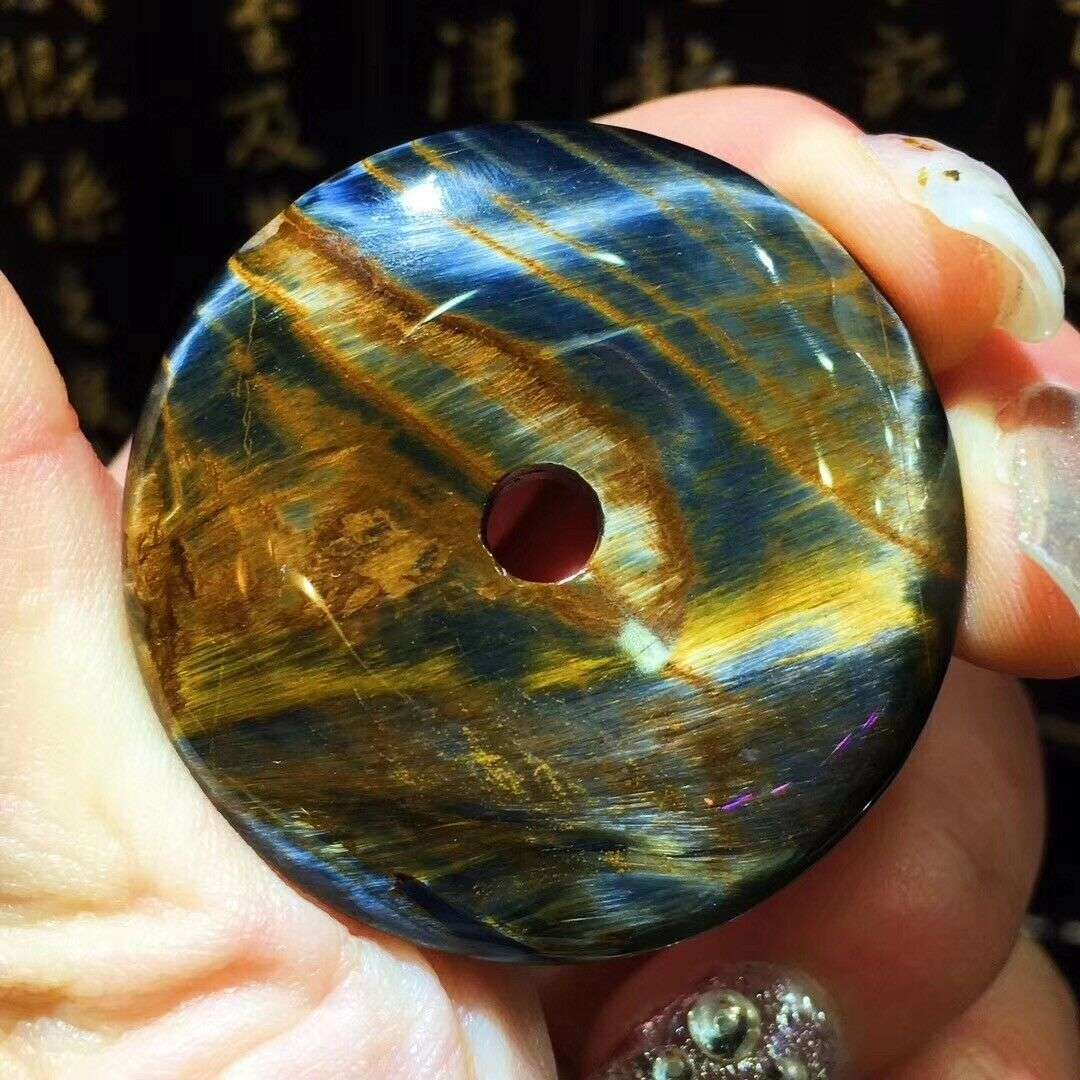
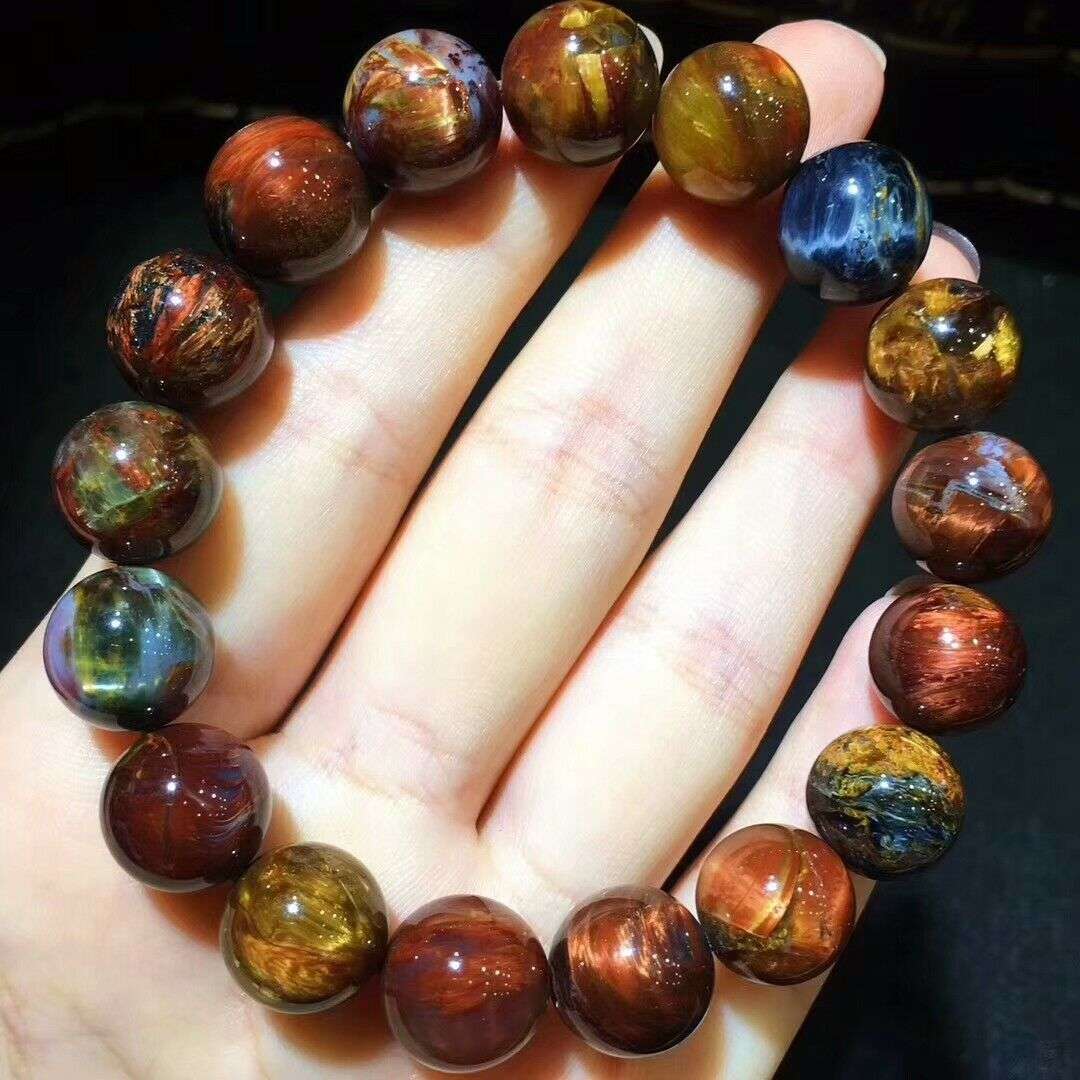
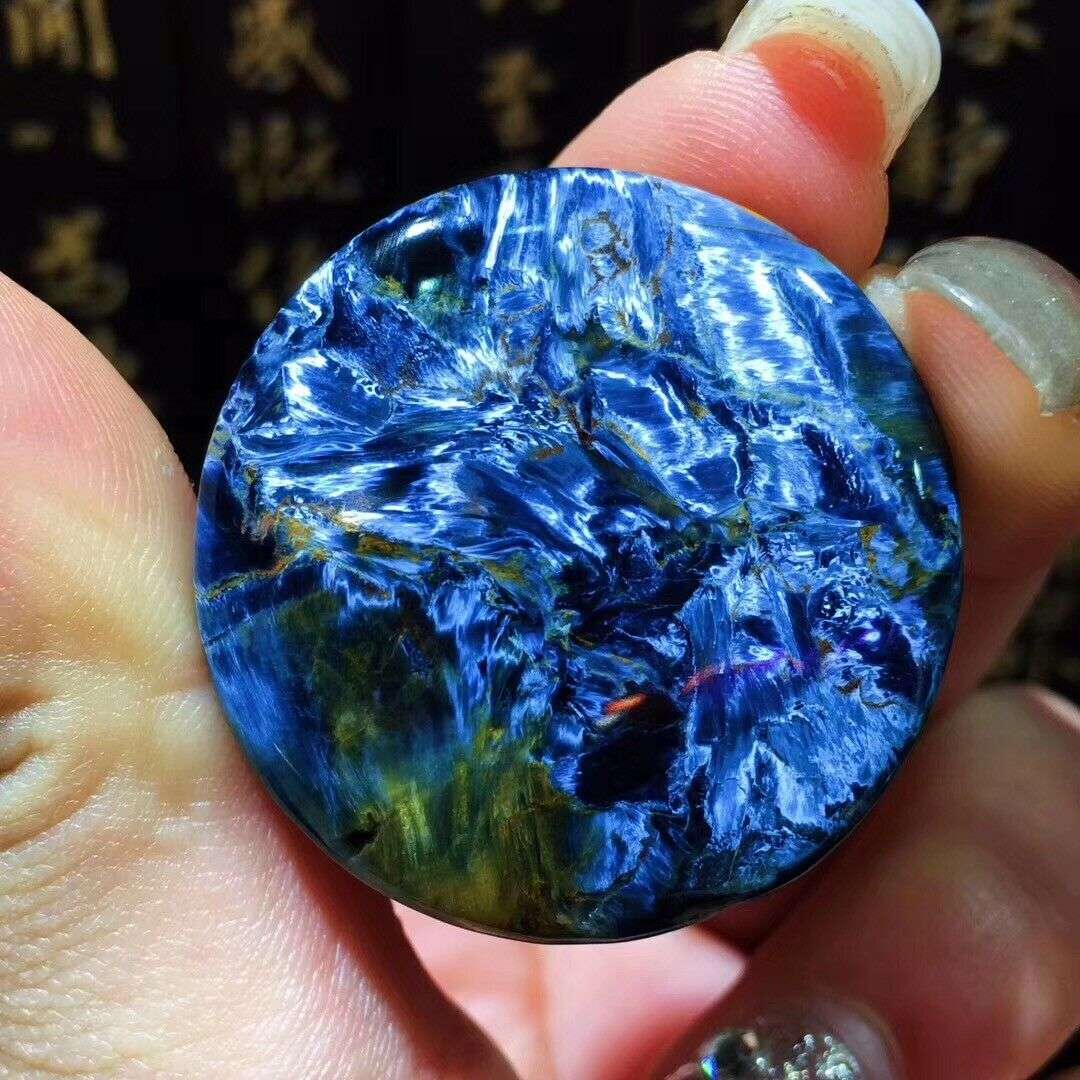
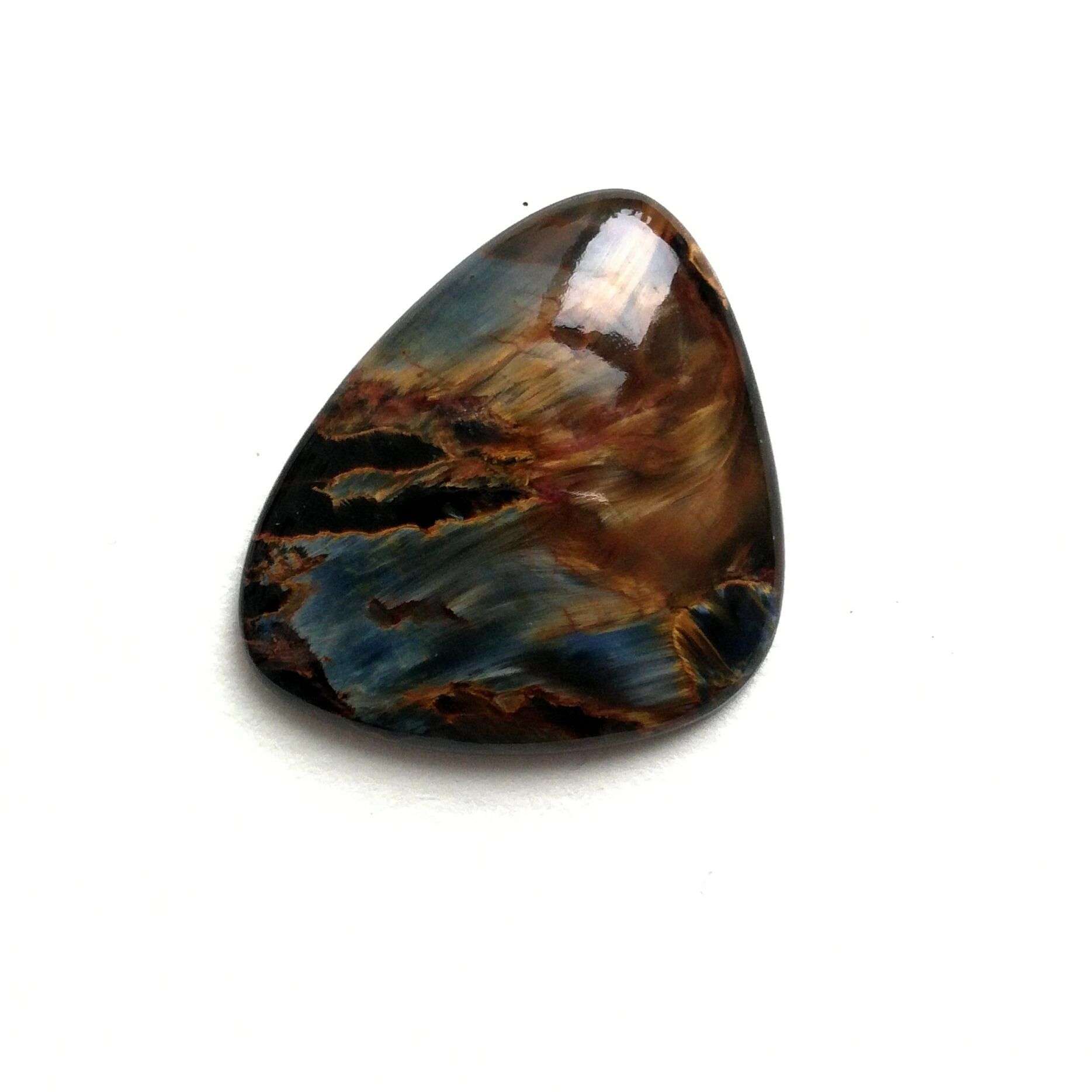
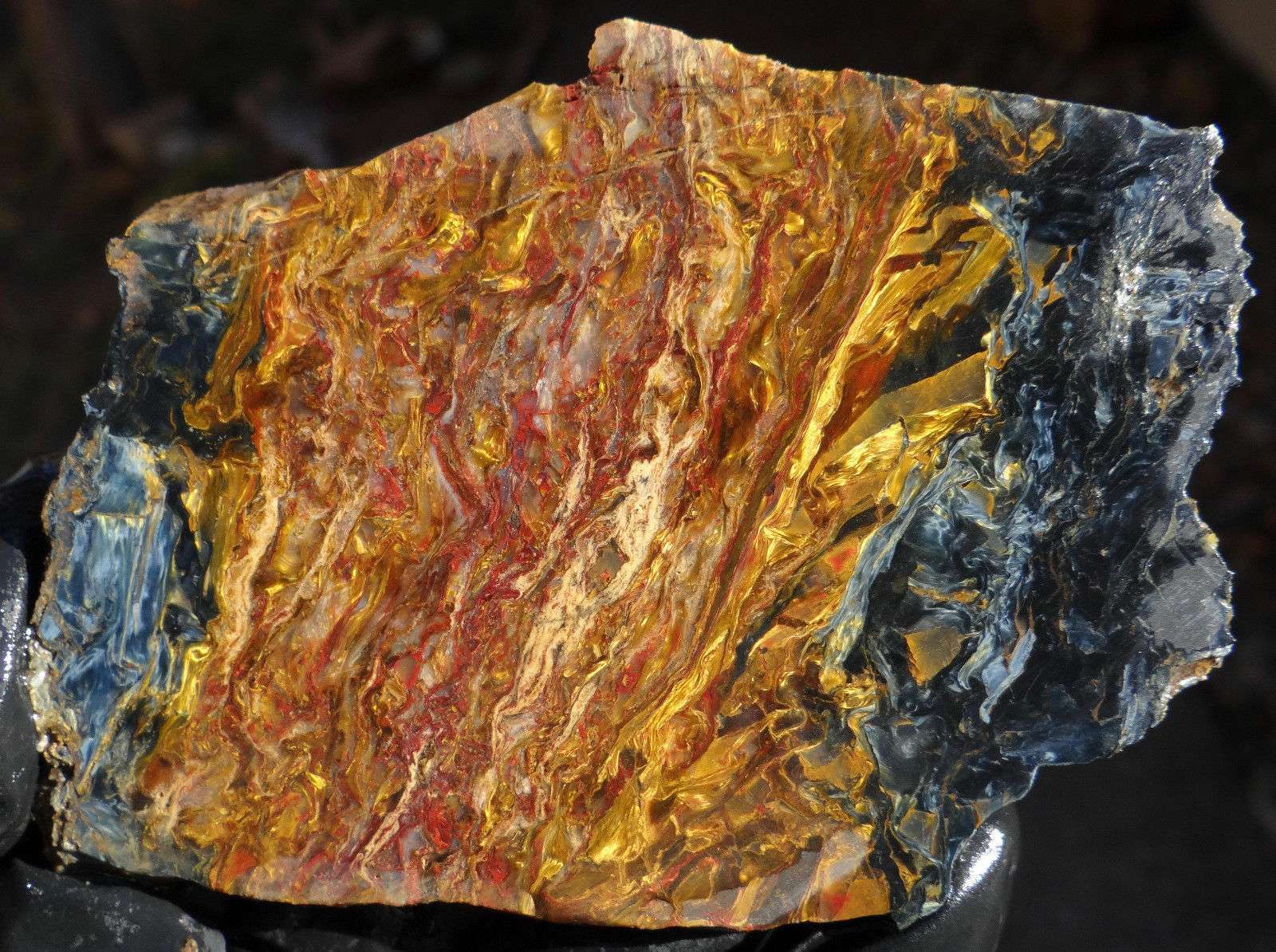
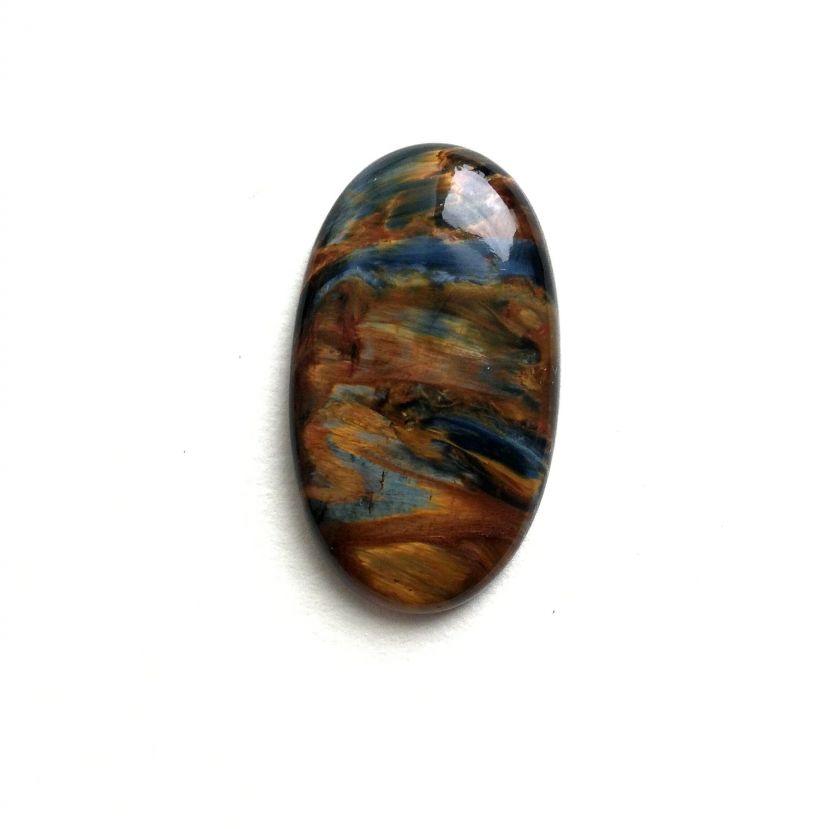
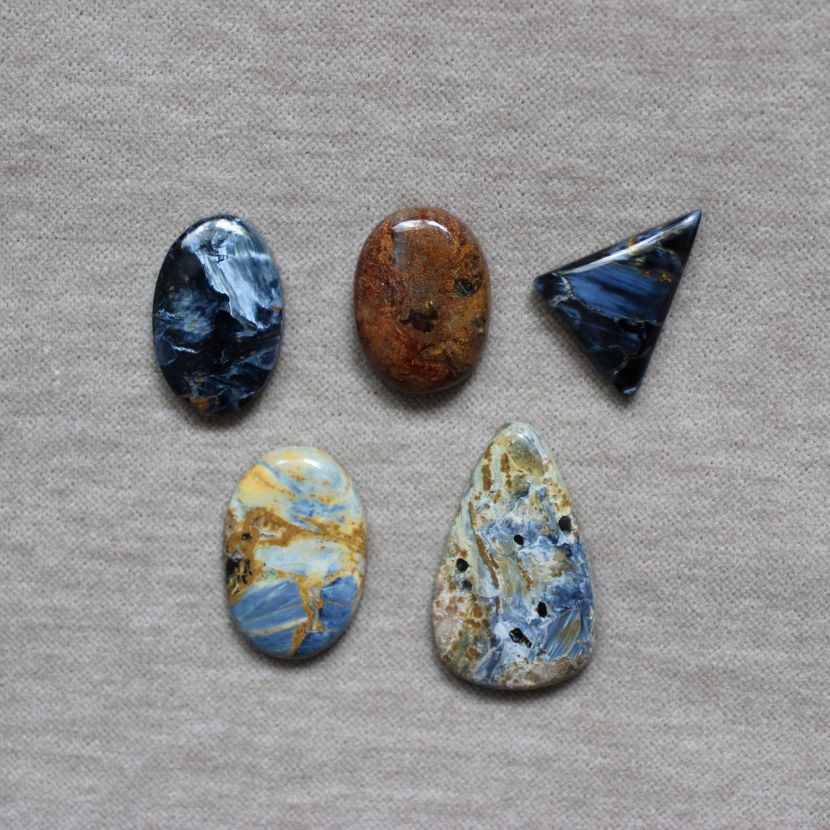
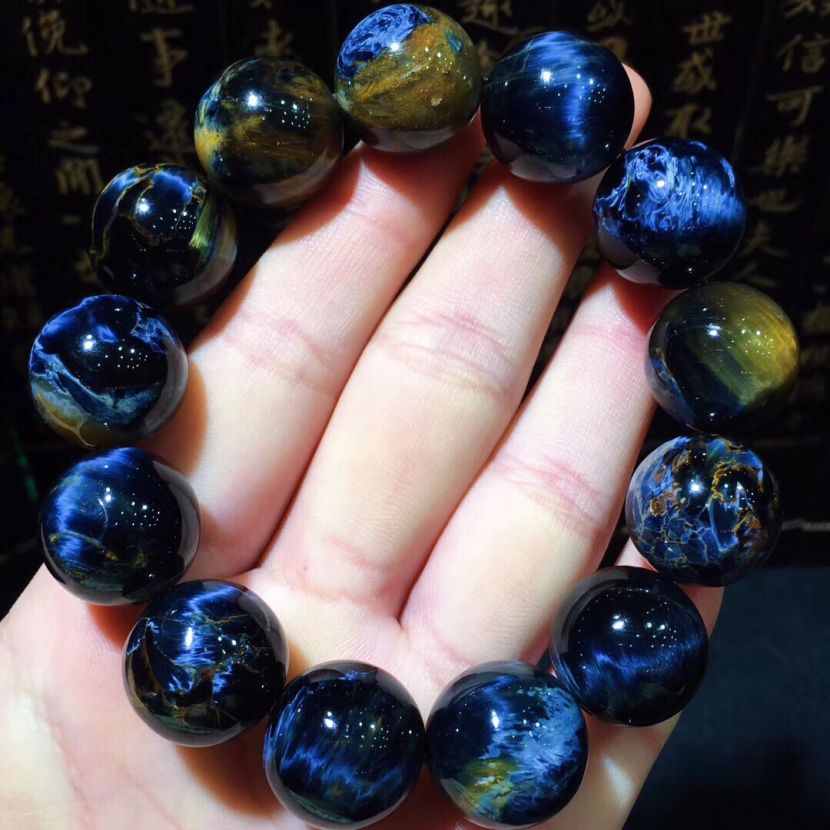
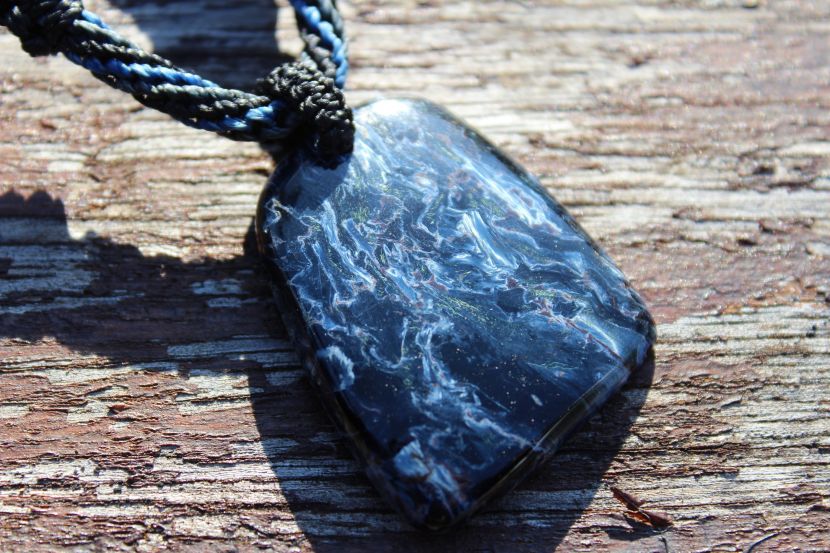
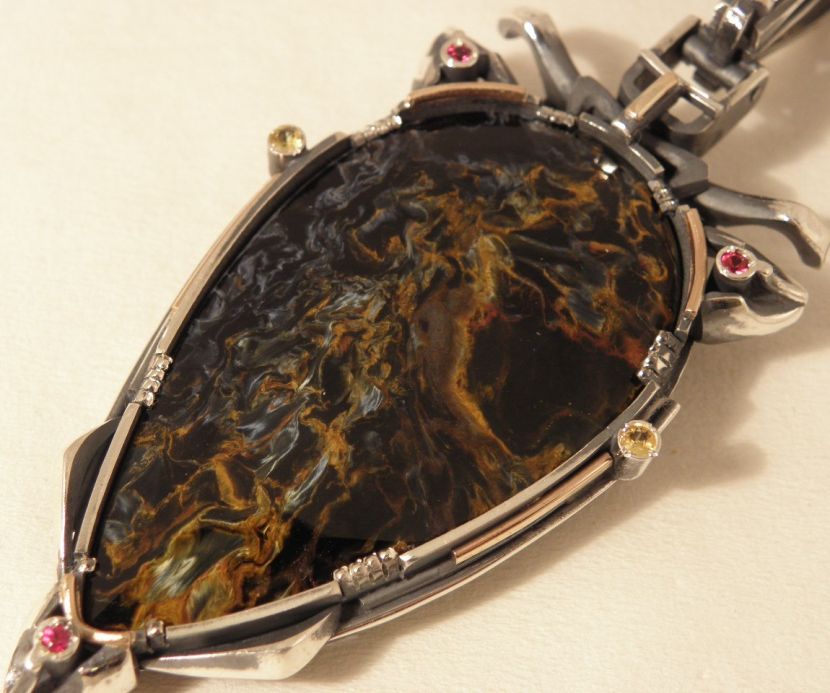
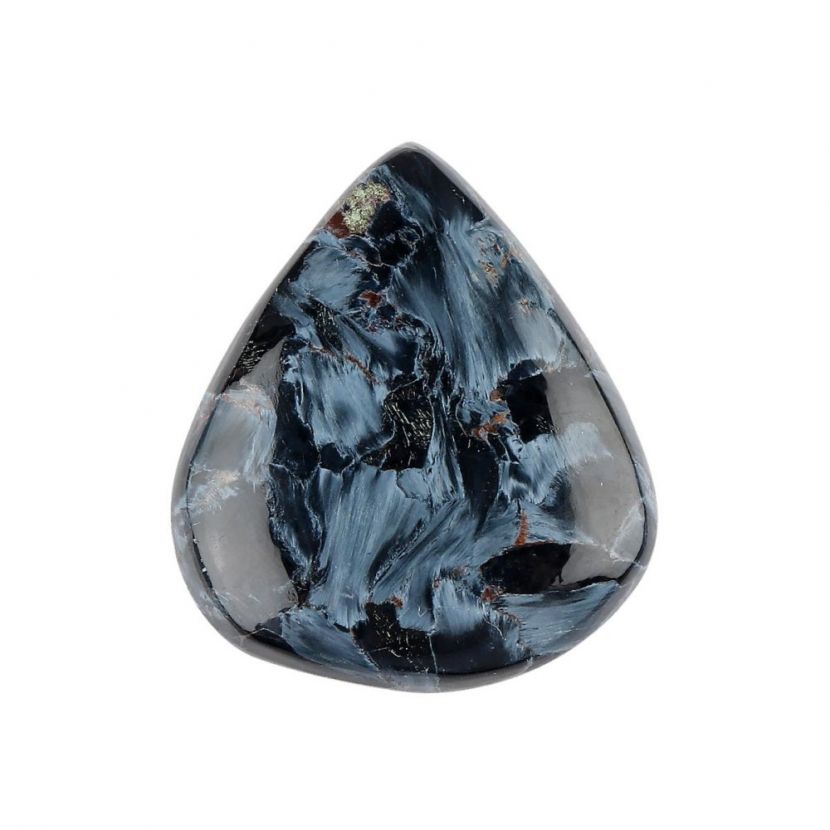
The deposit in Namibia has already been pretty developed, only in this African country you can find stones with deep blue and red tints, which are especially highly valued by jewelers and fashionistas.
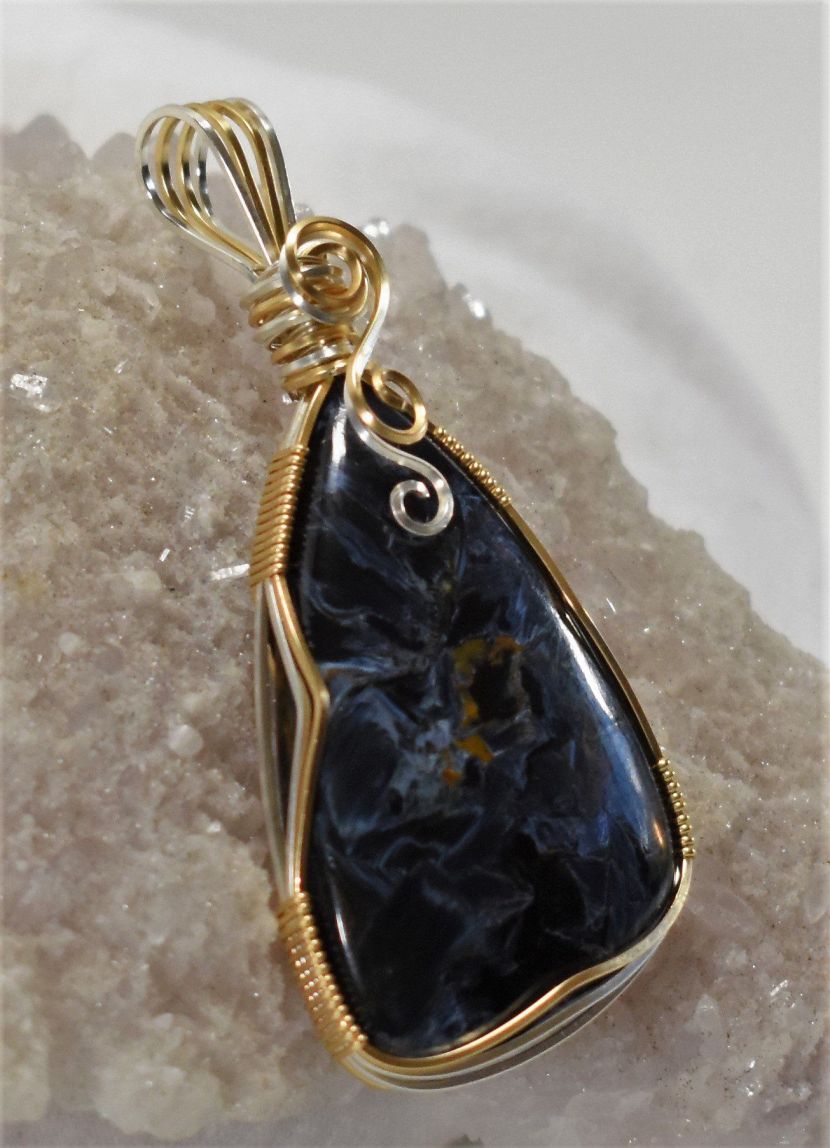
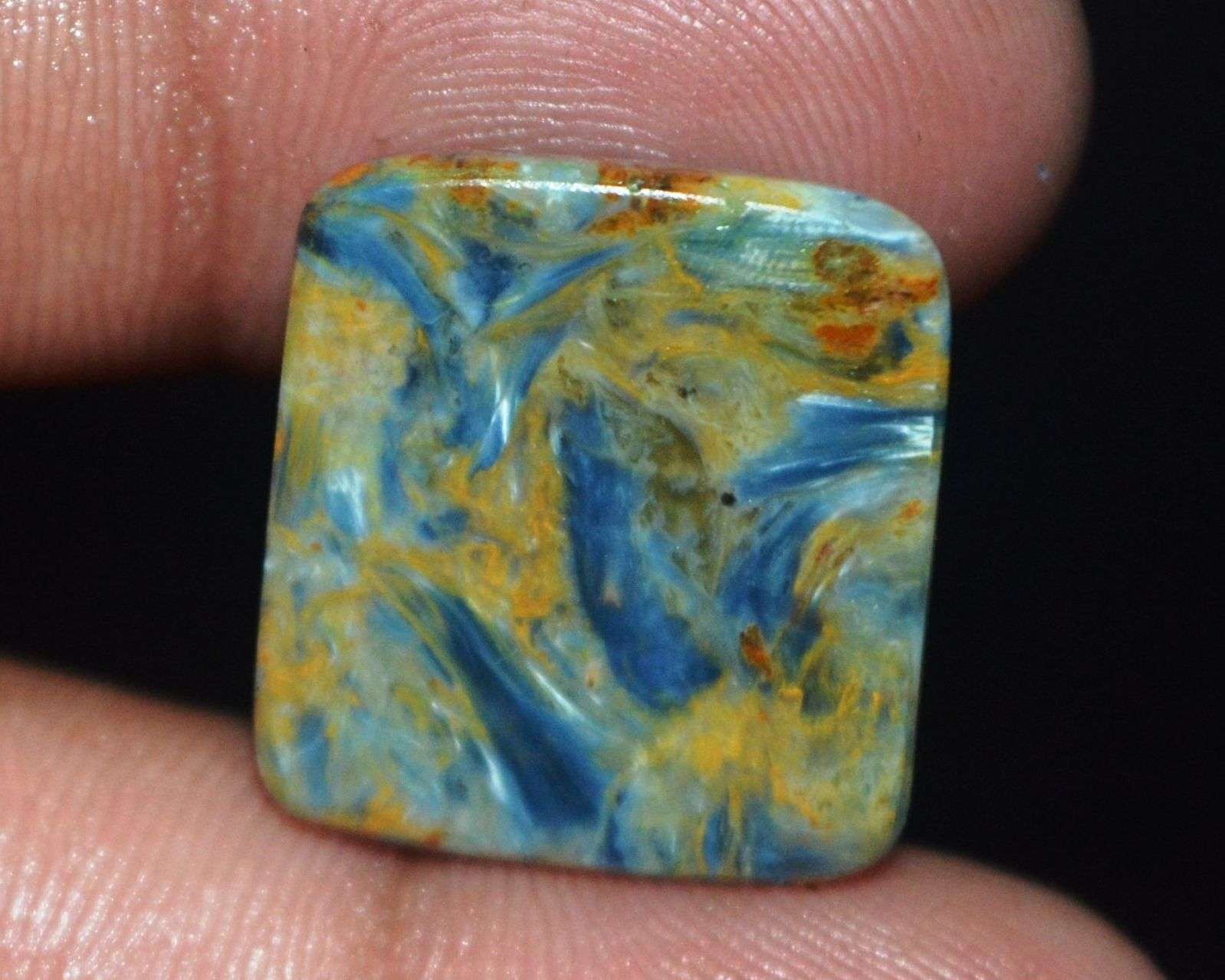
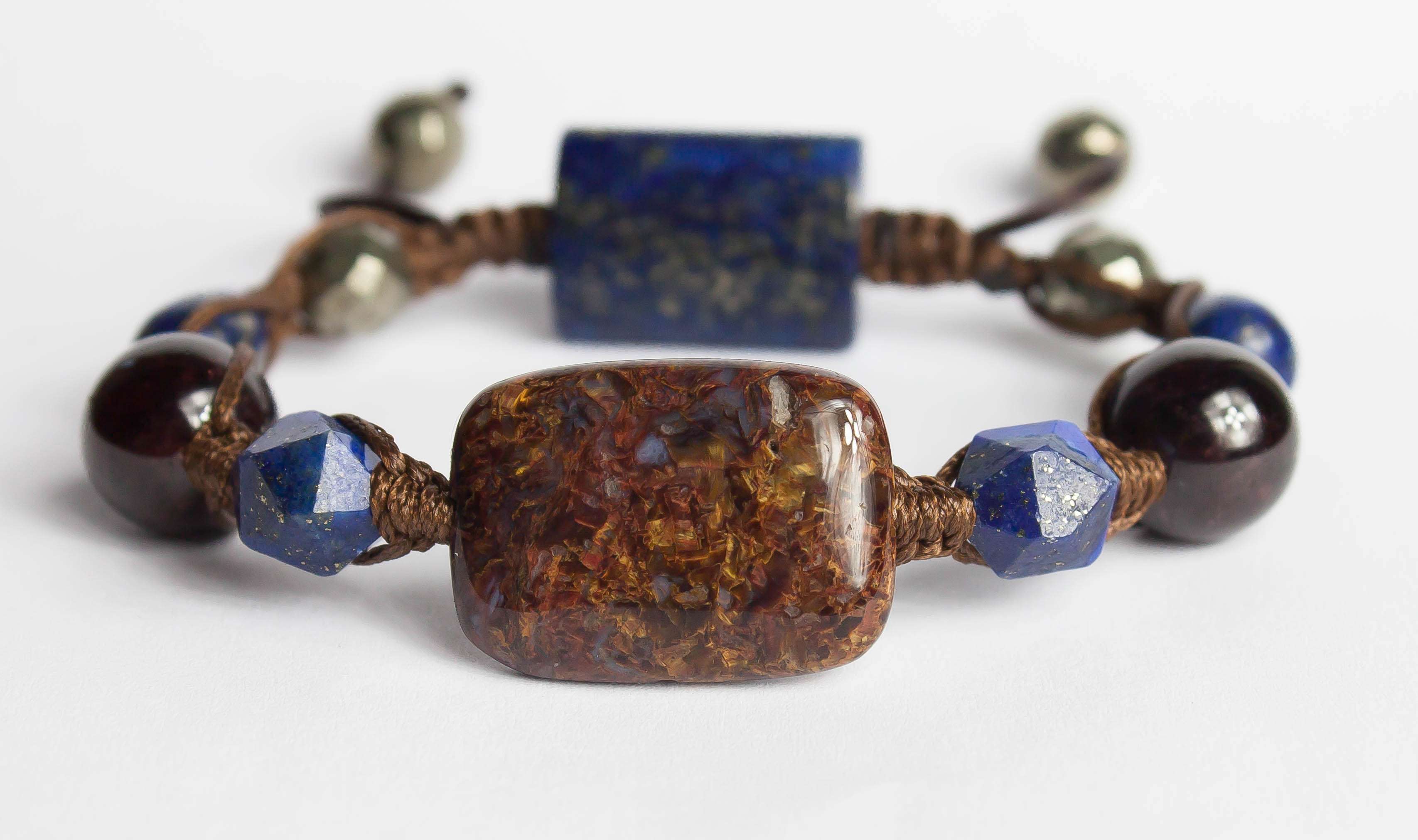
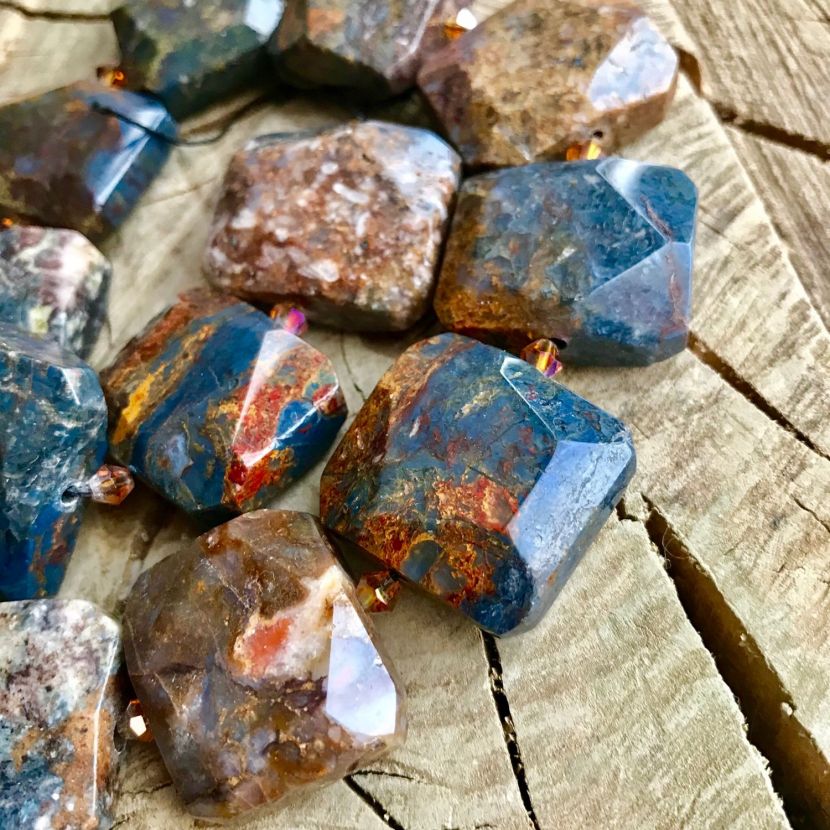
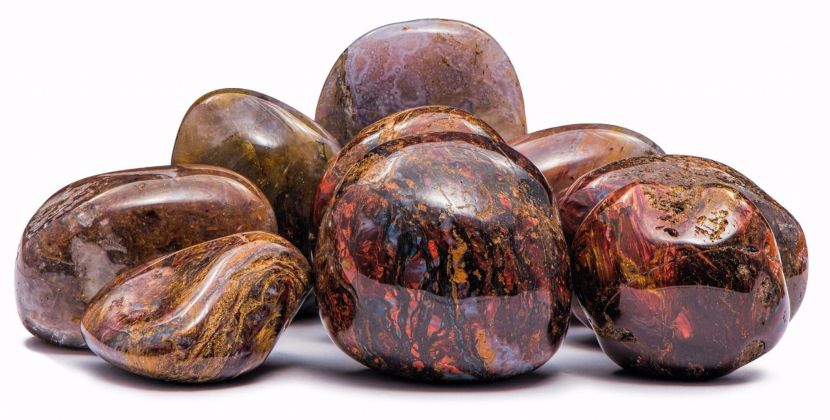
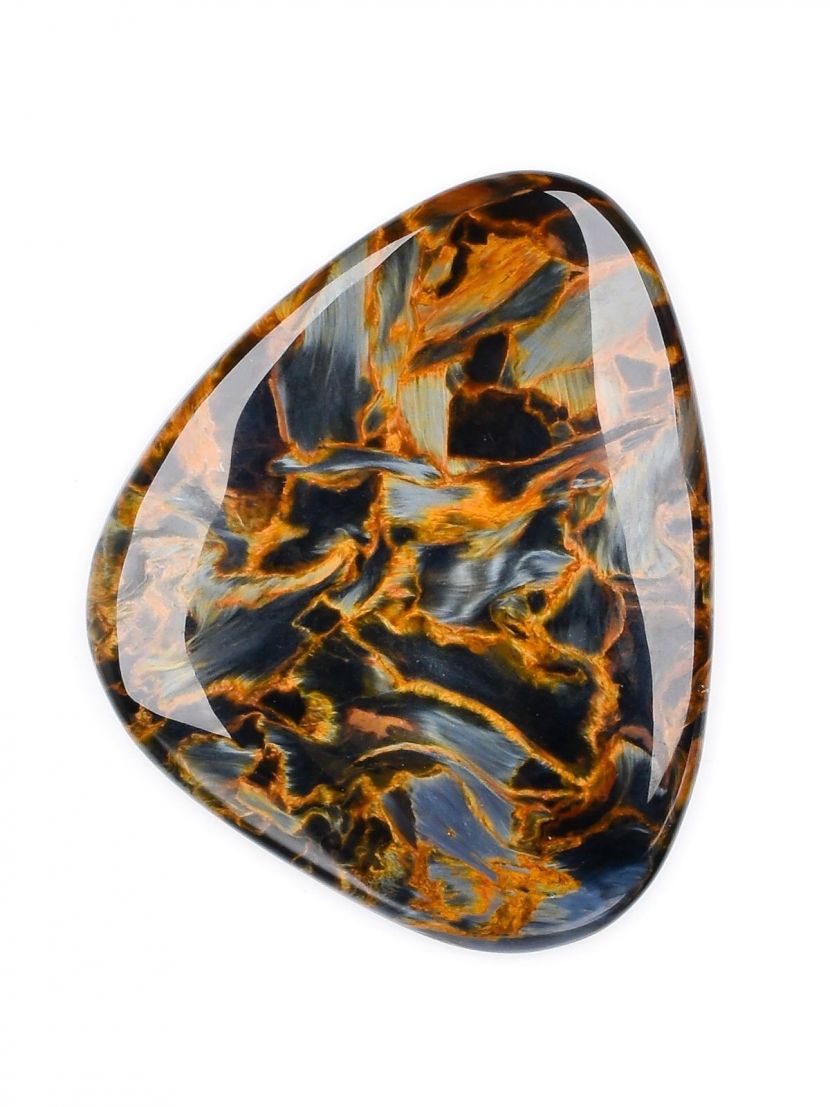
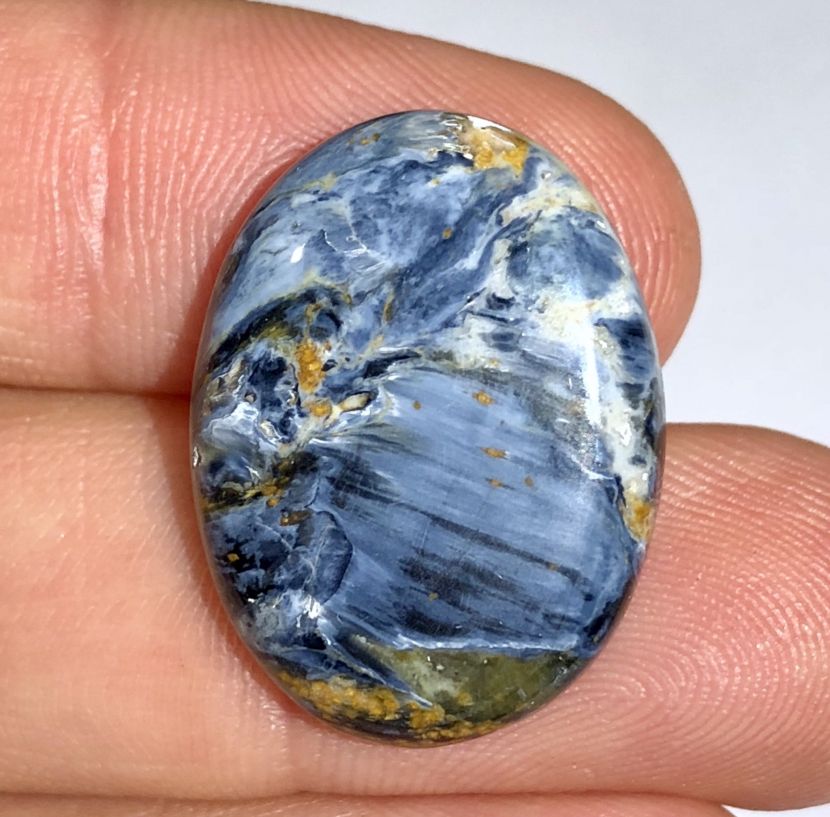
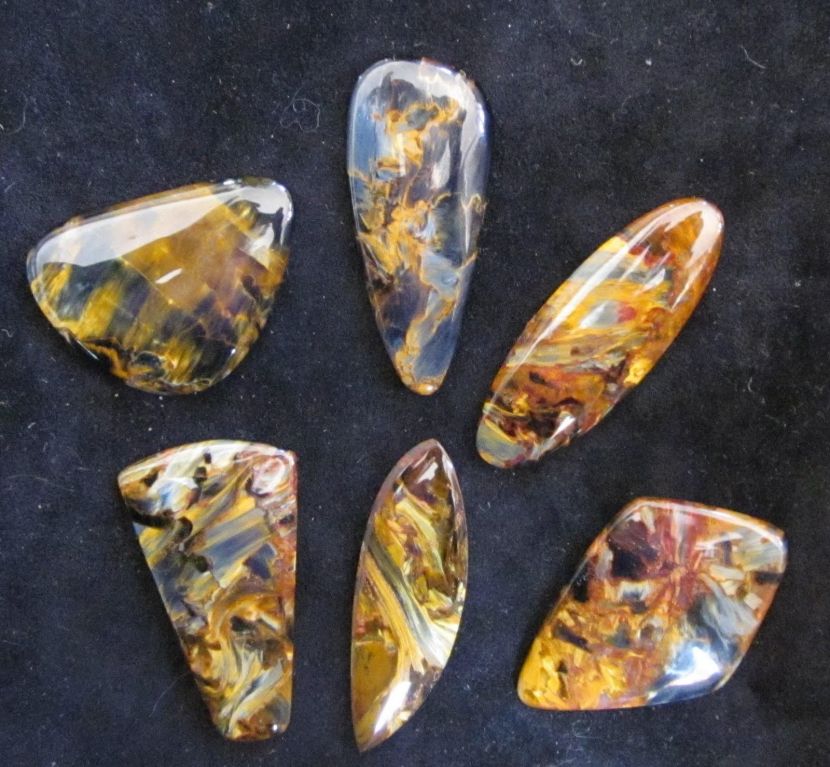
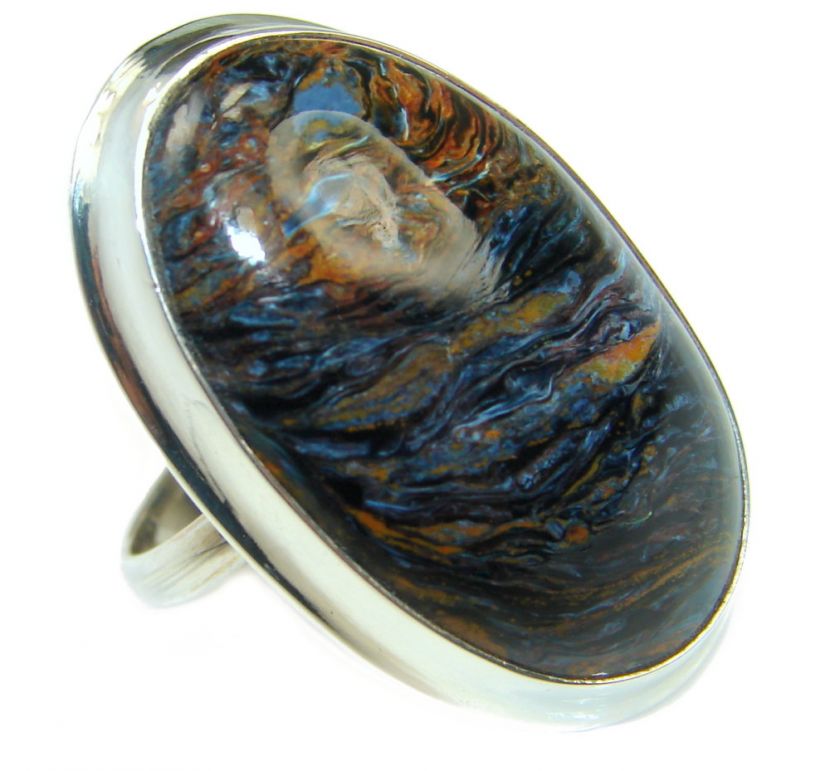
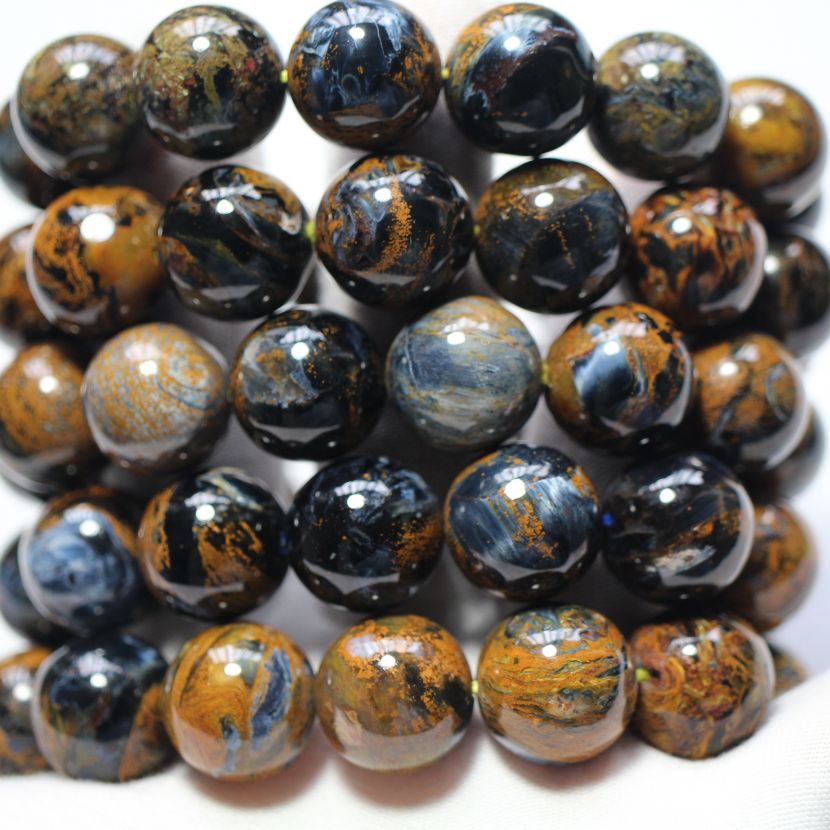
Chinese petersites are mostly golden-bronze hues and occasionally blue and blue, and the pattern is noticeably simpler, but now petersites can be bought even in bulk at a relatively modest price.
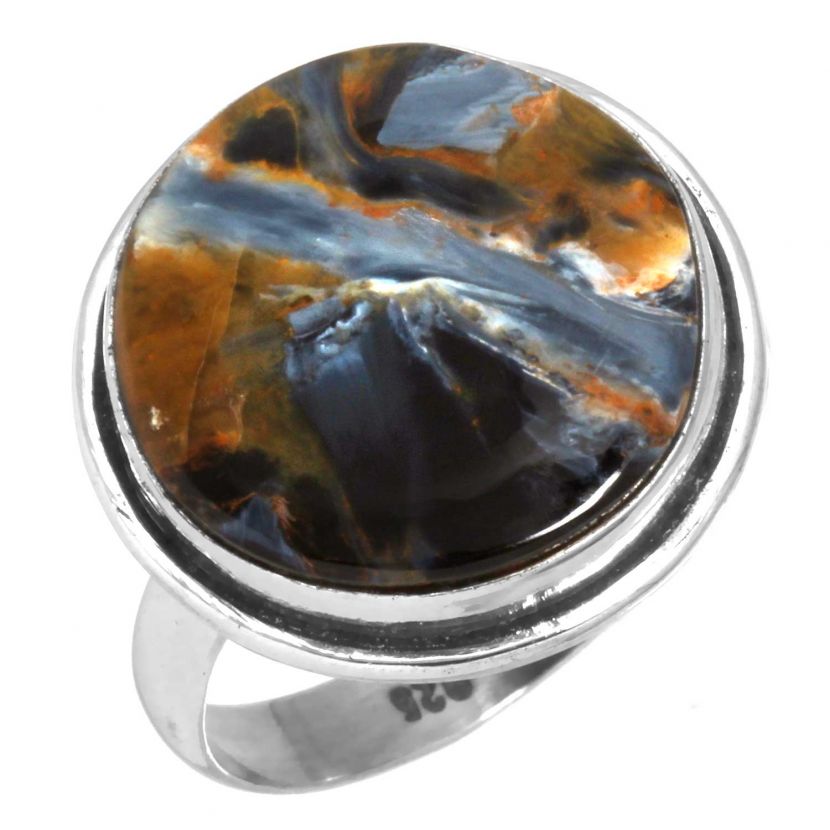
You can boast that you have jewelry made from this expensive stone, and with almost no risk of being accused of having acquired a Chinese fake, because the risk of running into someone who has seen real petersite is not so great. Yes, and you can’t call such a fake a stone. It is real, but not as expensive as the African one.
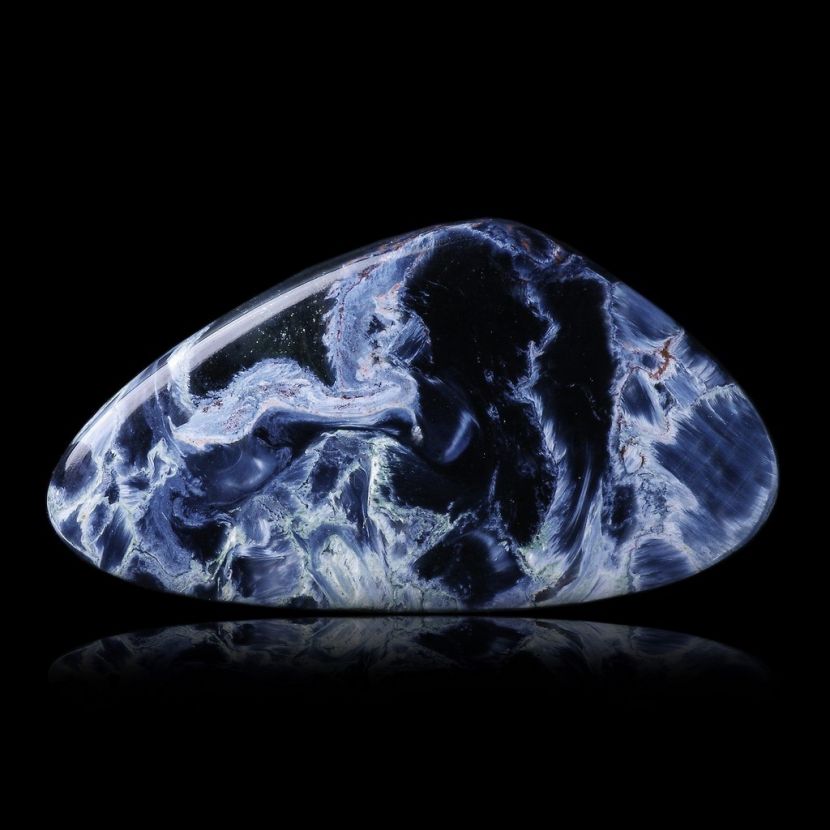
Physical Properties
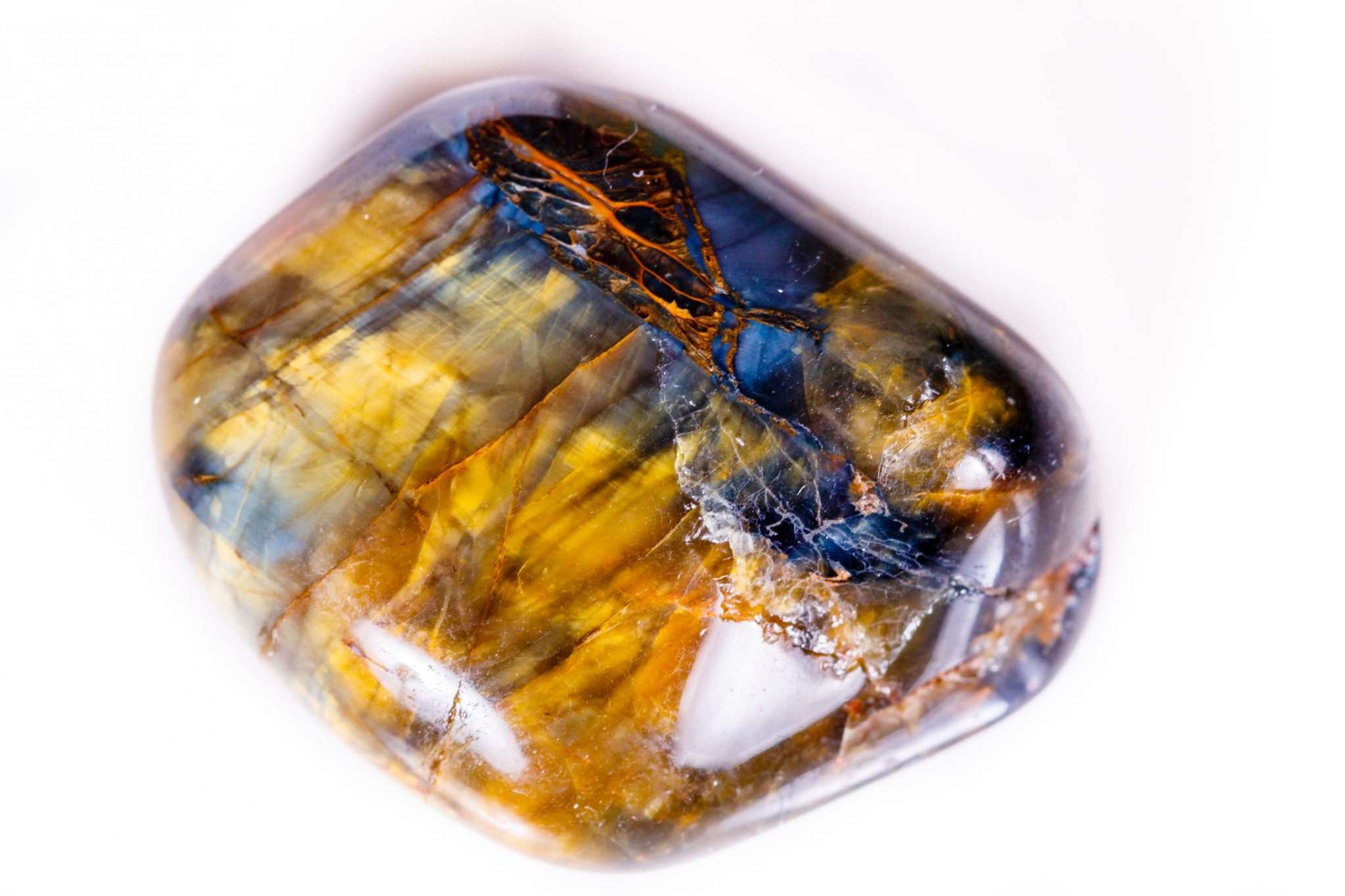
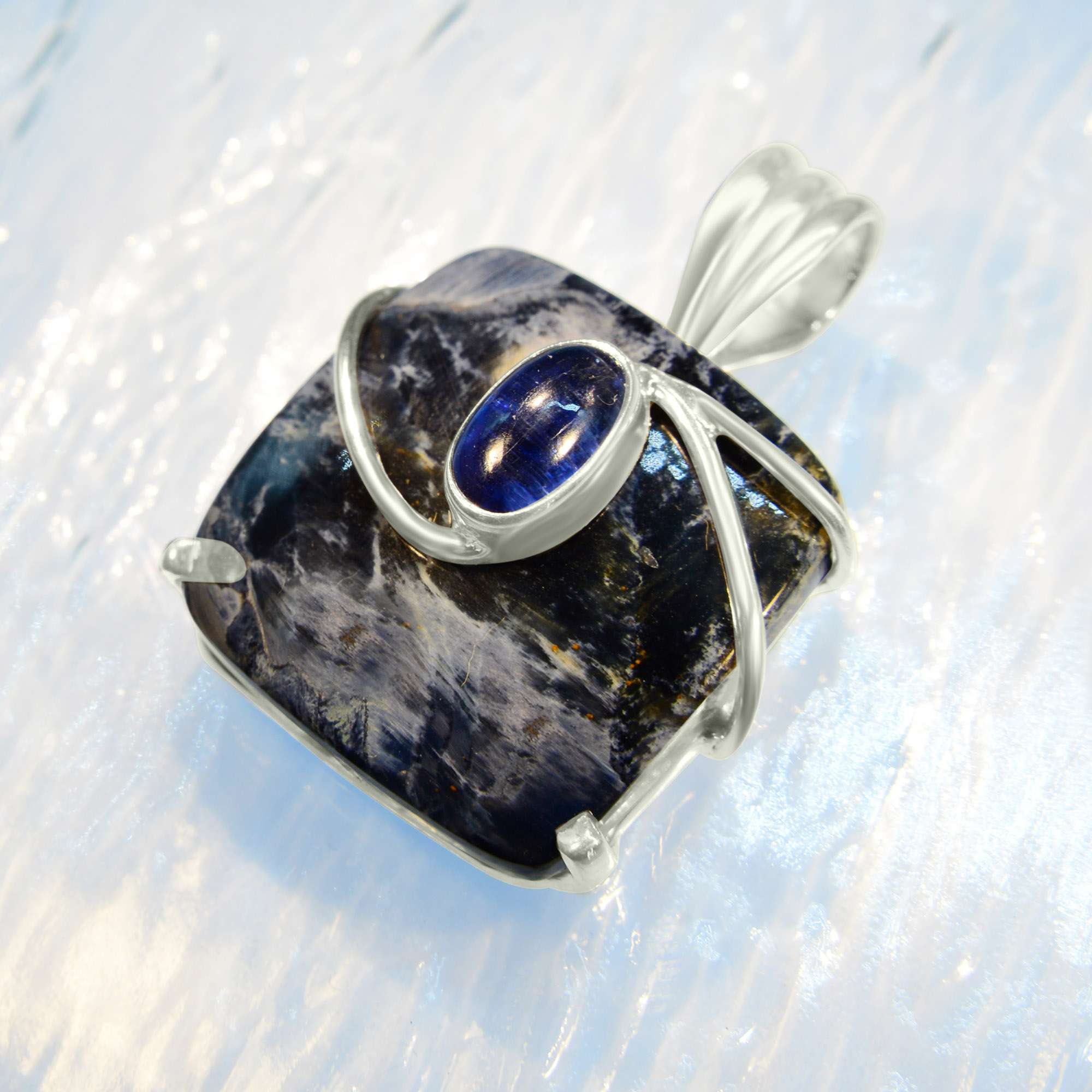
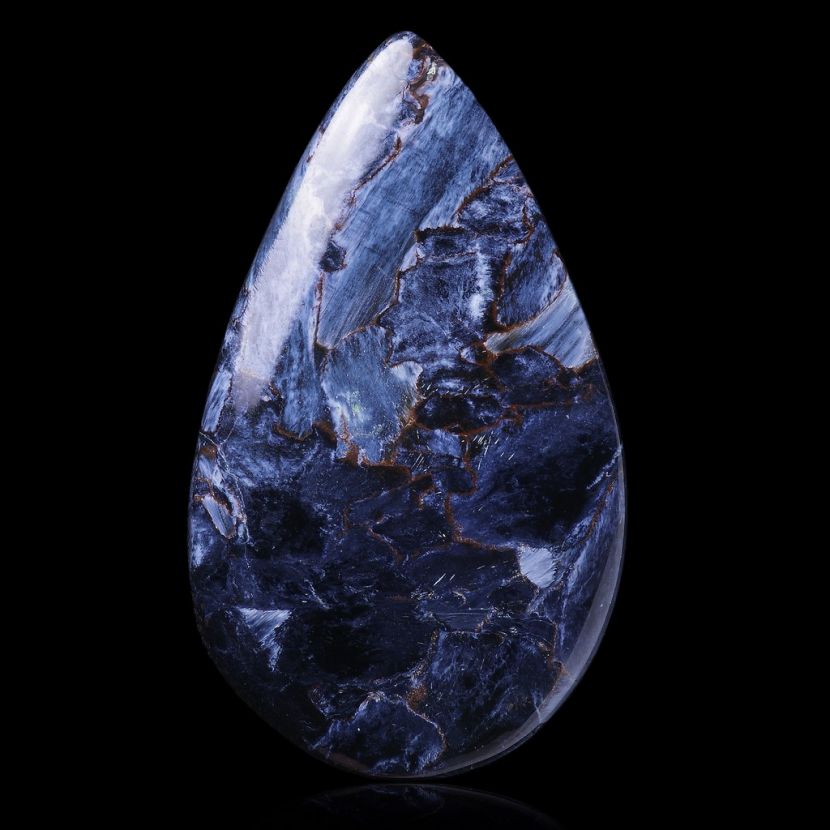
With the physical properties of petersite, again, confusion often arises, since you can find the exact data of the yttrium-containing namesake, as if related to jewelry "petersite".In fact, the "petersite" we are interested in is a breccia. This is the name of rocks cemented from fragments of various minerals.
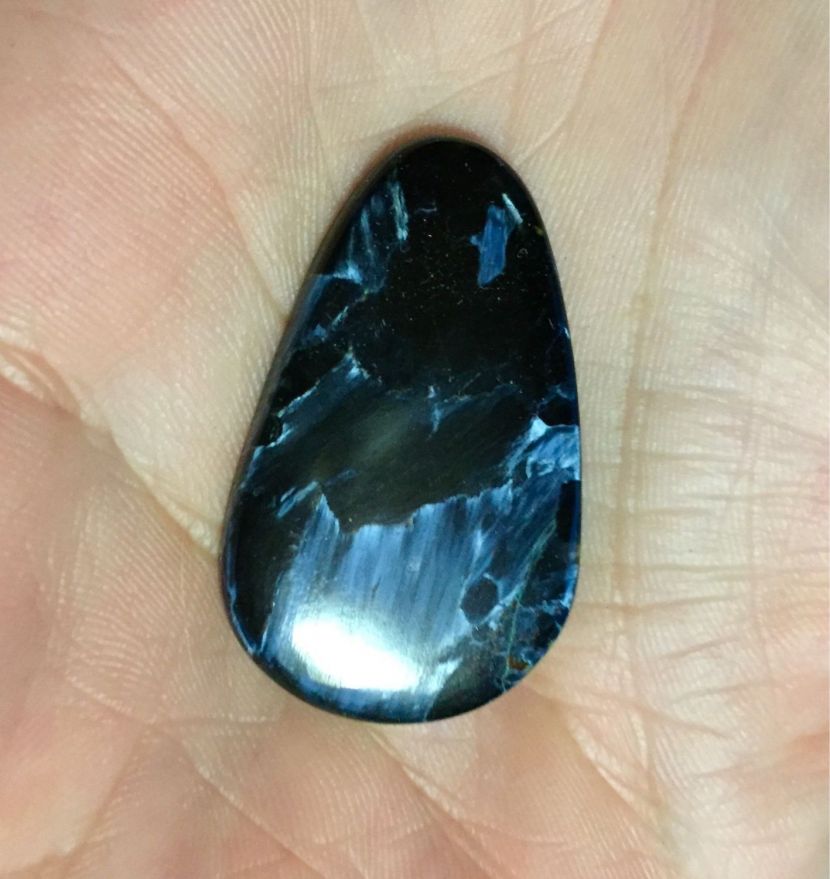
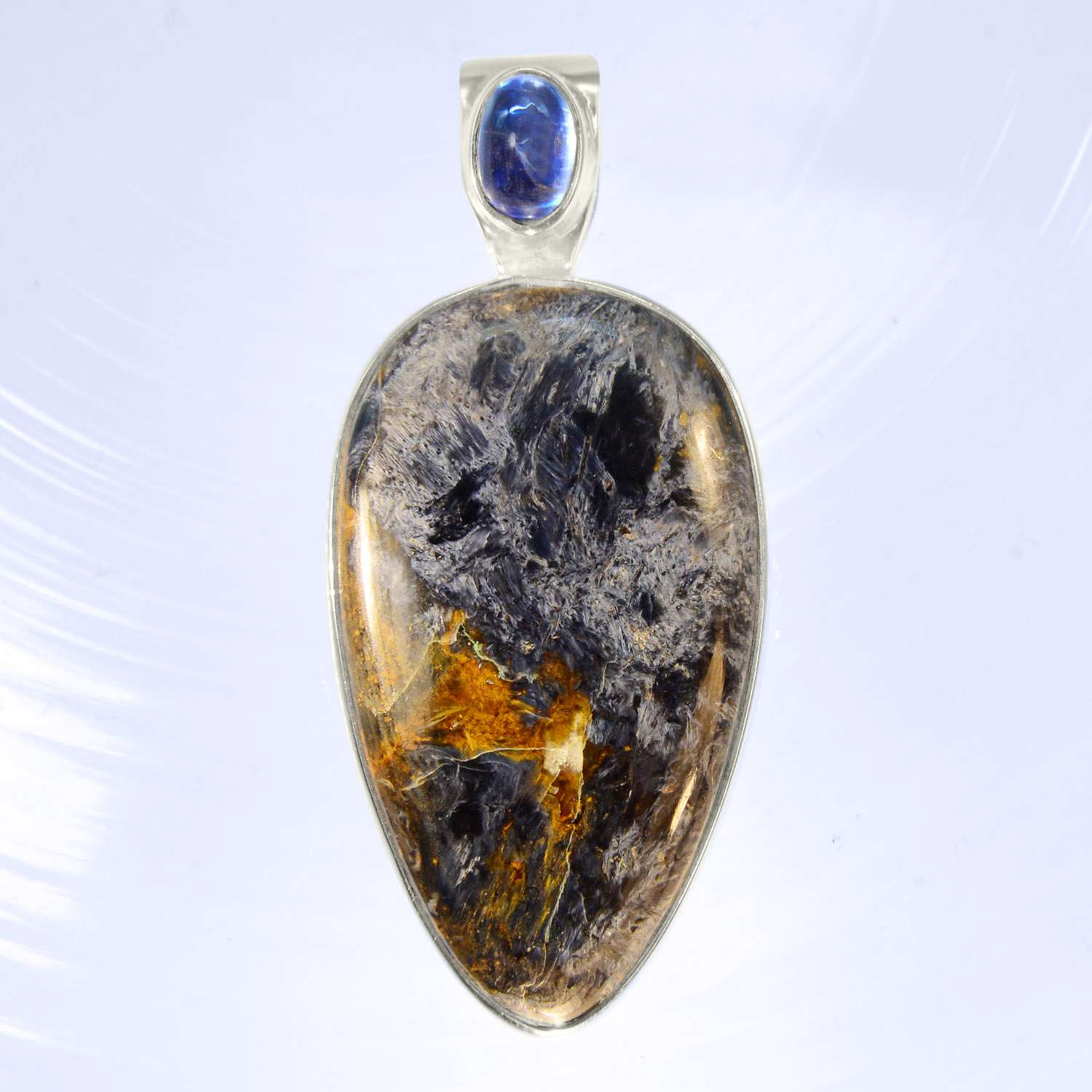
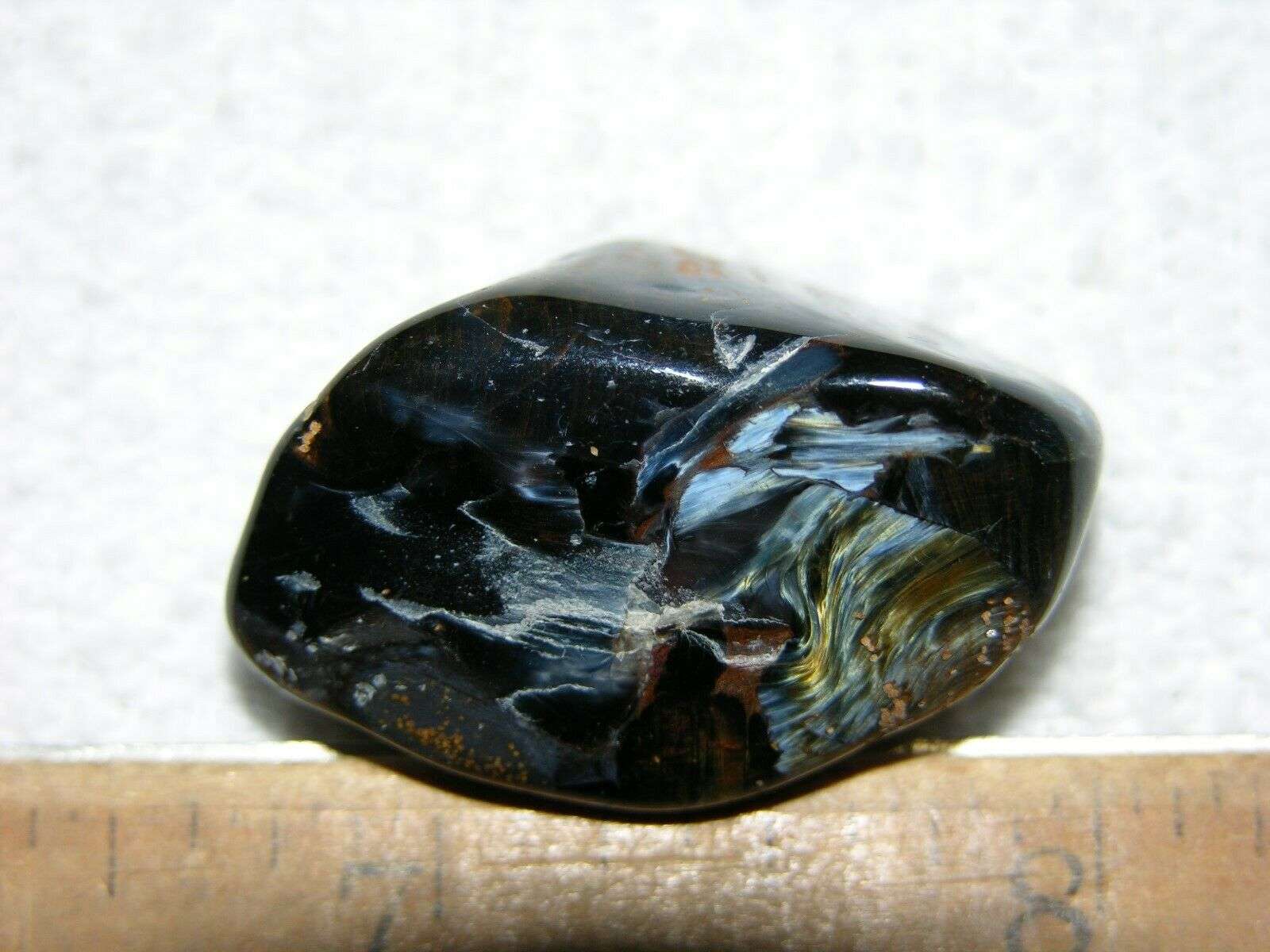
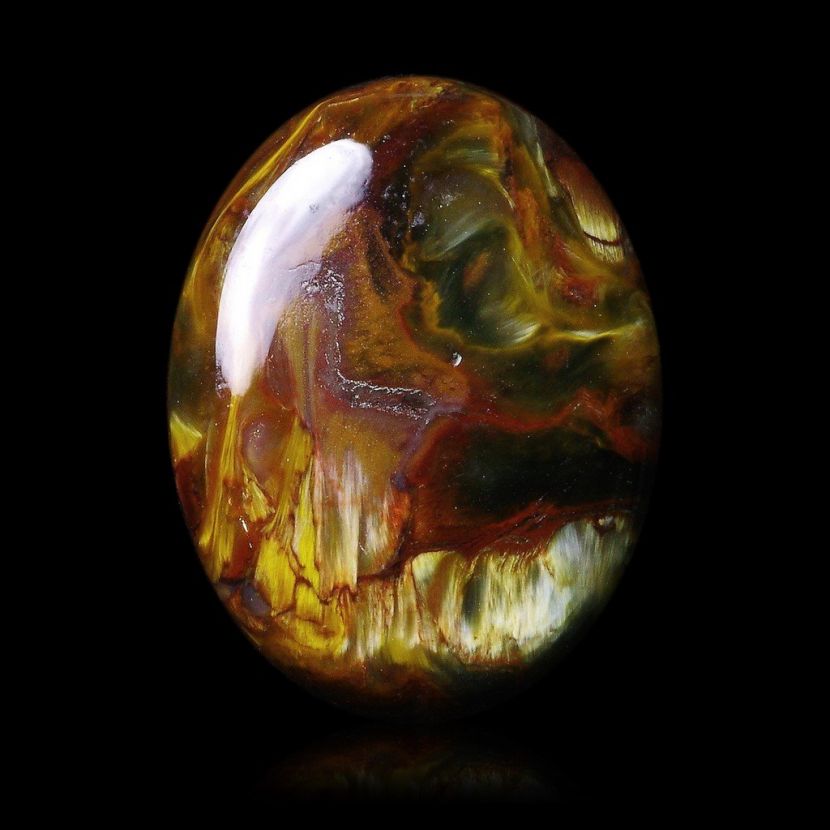
In the case of petersite, the breccia formed from quartz and blue amphibole asbestos. Iron ore hematite and goethite are present as impurities, which are responsible for the yellow, red, brown and black shades of the stone. Asbestos is partially replaced by chalcedony, which determines the additional tones and overflows of the stone.
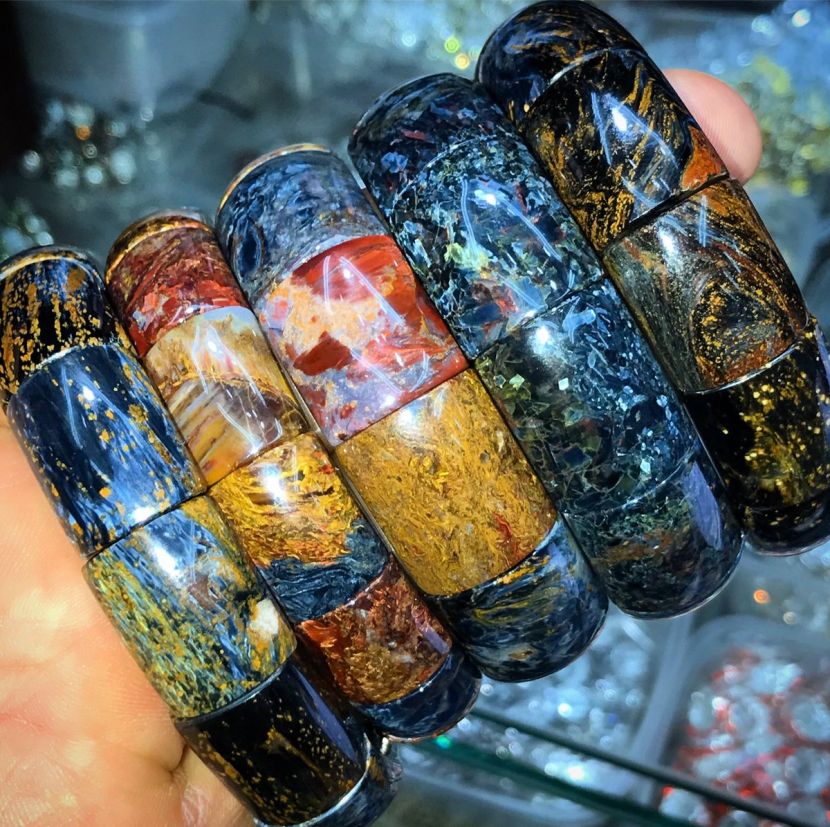
On the scale of hardness, petersite occupies a high place, it has 6.5-7, its luster is glassy or greasy. Density 2.5 g/cm3, refractive index 1.55.
Chemical properties and composition
It is impossible to give the chemical formula of petersite, since together with quartz SiO2 it contains at least a dozen chemical elements.
Of the chemical properties, it is worth noting the low resistance to alkalis.
Varieties
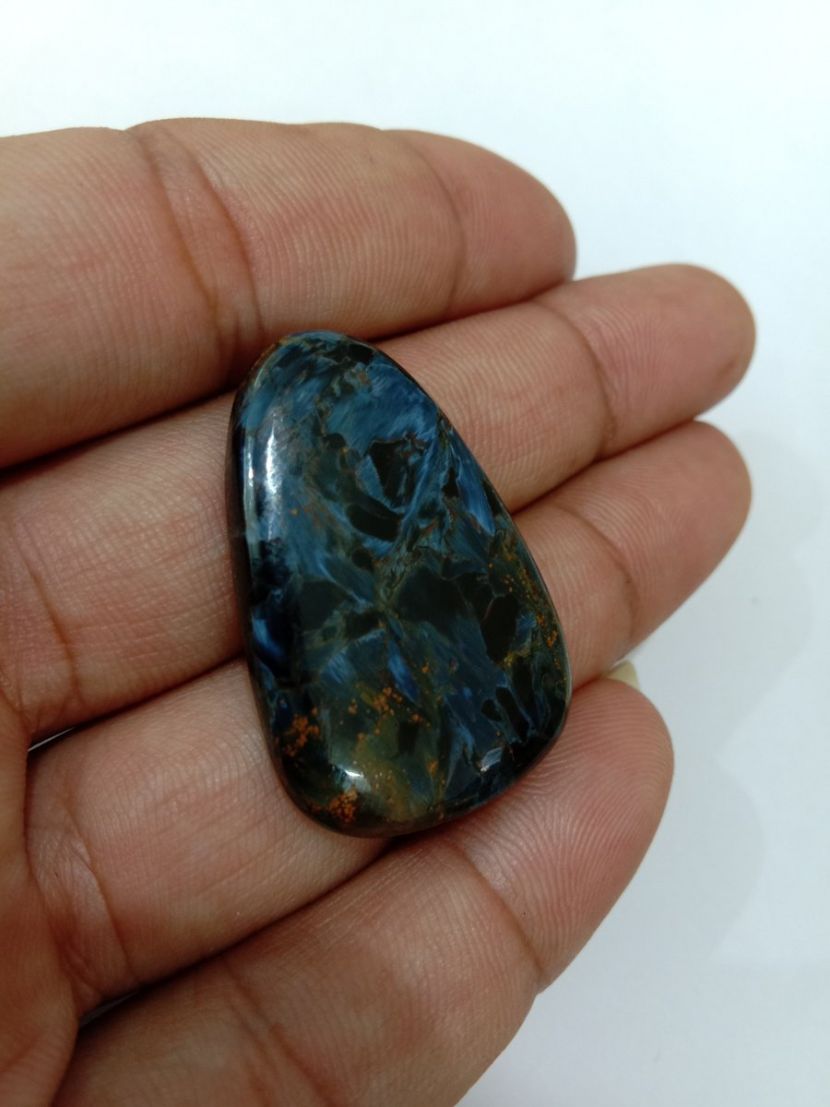
Actually there are only two varieties: African and Chinese. Jewelers distinguish petersites by pattern and colors present in them, but there is no single classification.
fakes
At such a high price, it would be strange if scammers did not try to fake it. True, they are not very successful at it. Even if it is possible to stir different dyes in glass or plastic, it is impossible to achieve the overflow of colors characteristic of petersite.
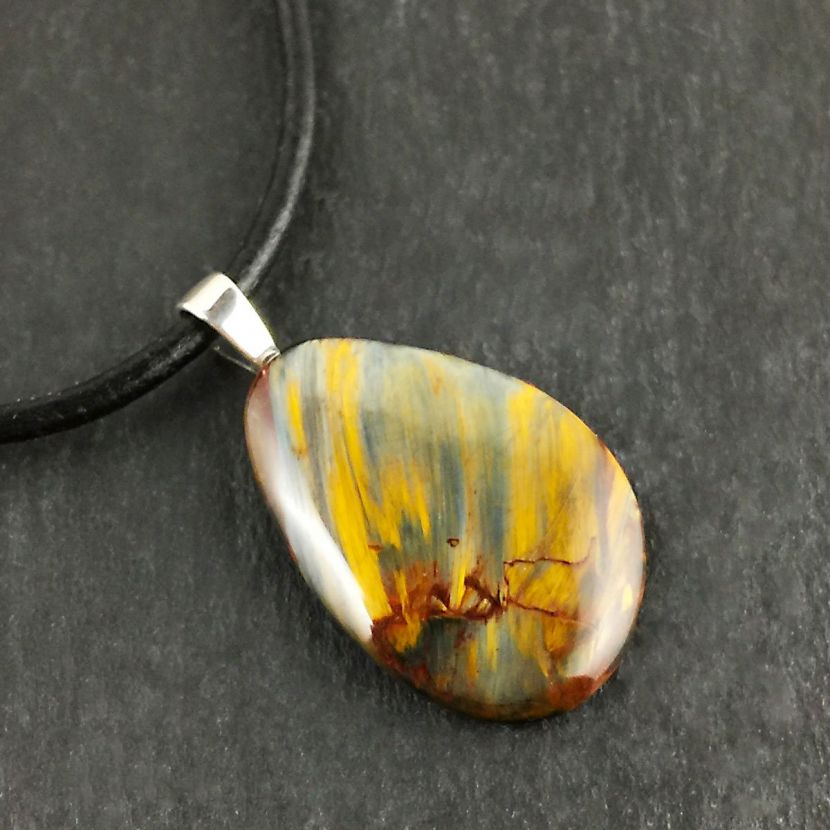
It is very easy to distinguish any stone from a plastic fake. It will feel warm to the touch, unlike natural stone, which remains cold for a long time. And, of course, it's lighter in weight. In addition, plastic is easily scratched with a needle. If the seller does not allow you to put such an experiment on such an expensive gem, then this should alert you. Nothing will come of it for a real stone.
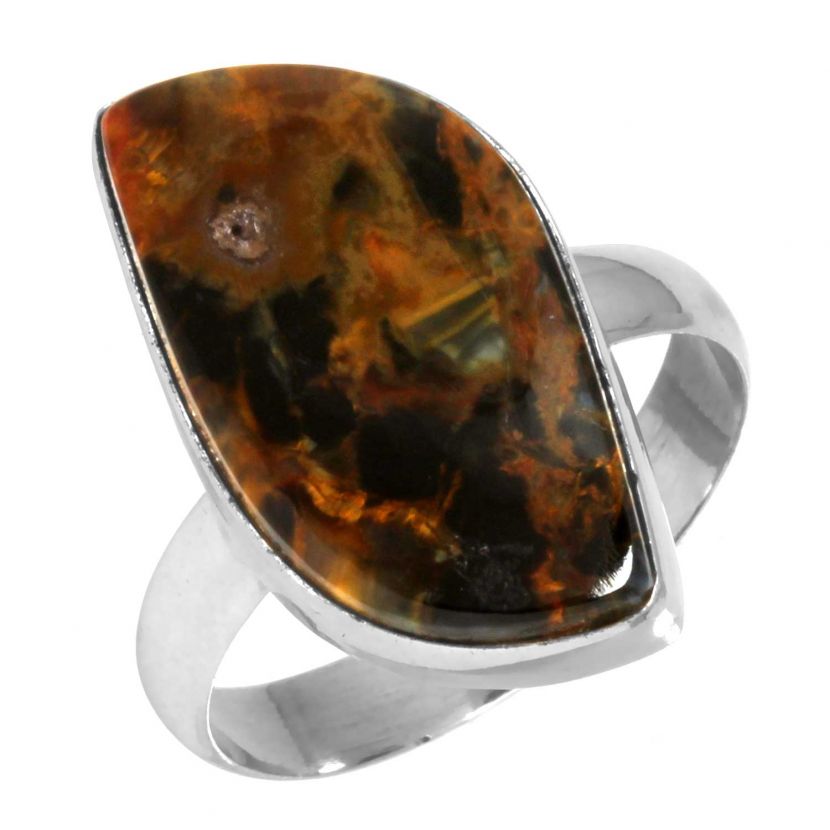
A glass fake can be recognized by the presence of air bubbles in it and by too even colors.
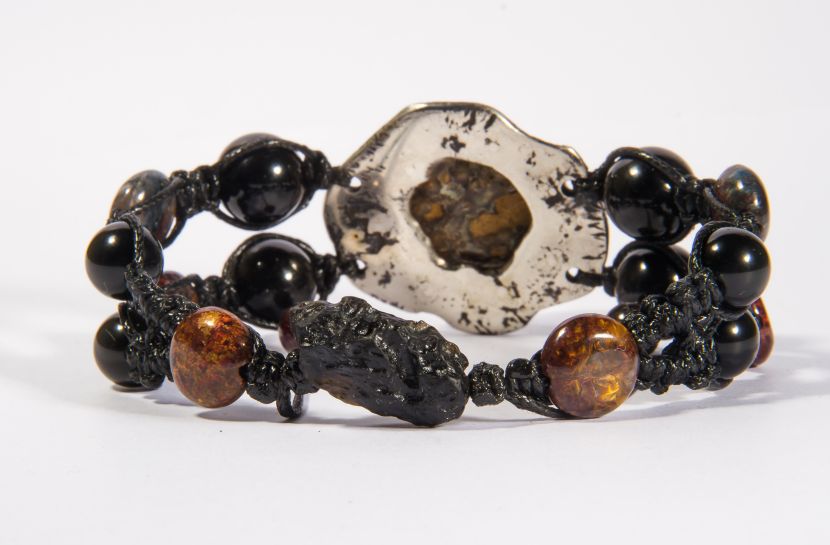
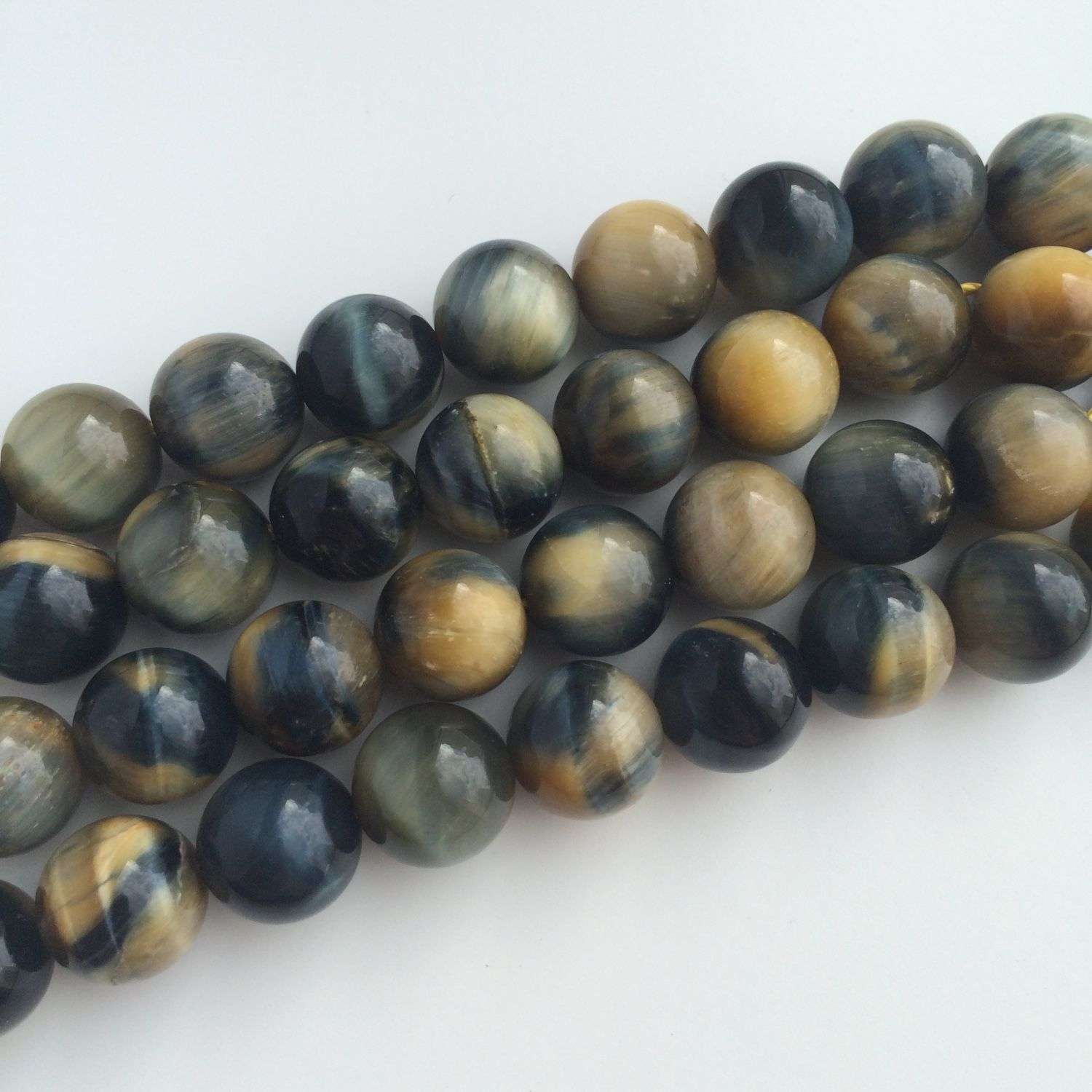
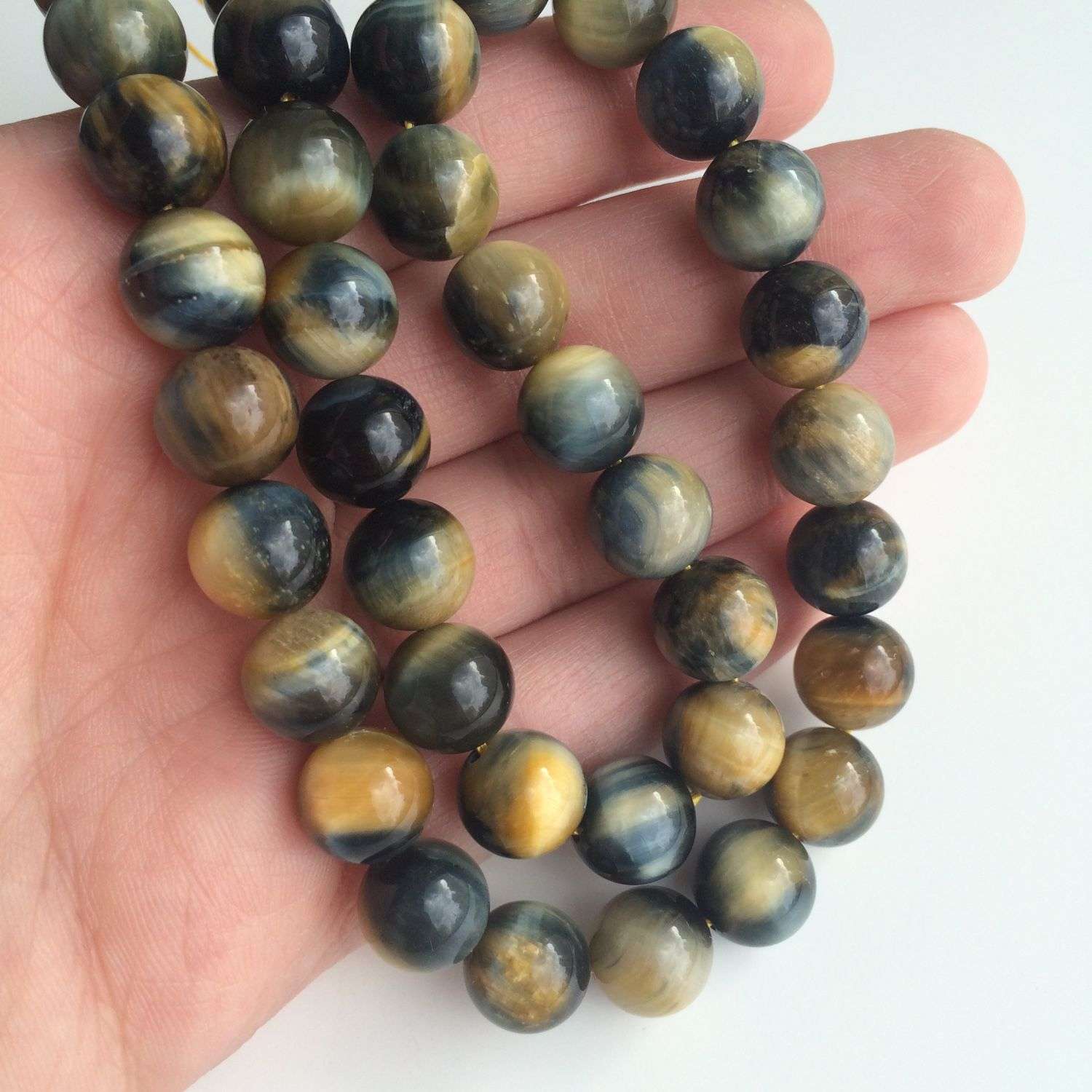
It is not uncommon to give out a tiger's eye for petersite, but it differs in color and pattern.
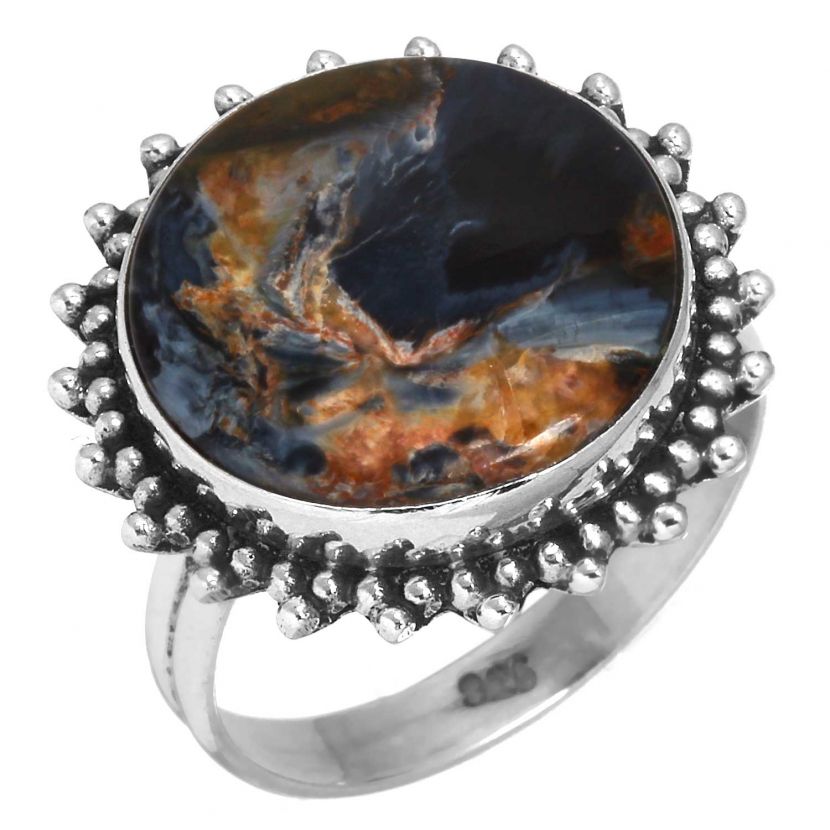
magical properties
With magical properties, the situation is also not easy. It is said that a person wearing petersite is not bitten by dogs and even mosquitoes, and that this stone averts the wearer from masturbation. But even British scientists are unlikely to have had time to collect convincing statistics on this case, especially given the exceptional rarity of this stone.
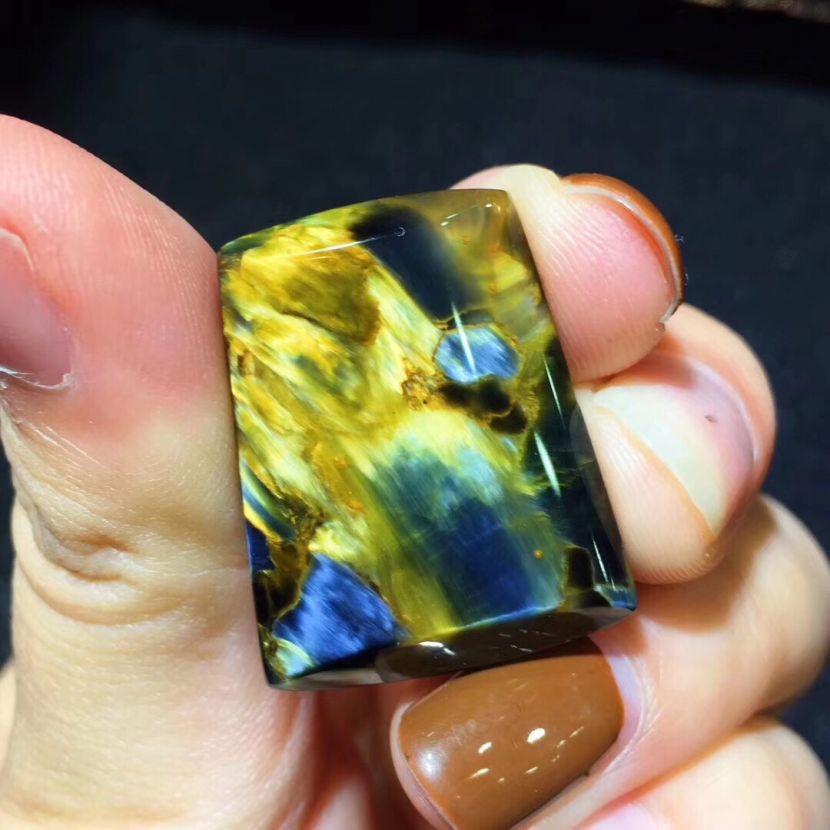
On the other hand, information about the magical properties of minerals is not based on statistics, but on centuries of experience, but Europeans have known him for a little more than half a century. You will not find African sorcerers on the Internet. So we will have to rely on the stories of the Namibians and the testimonies of rare lucky ones who happened to receive such a talisman in their jewelry collections.
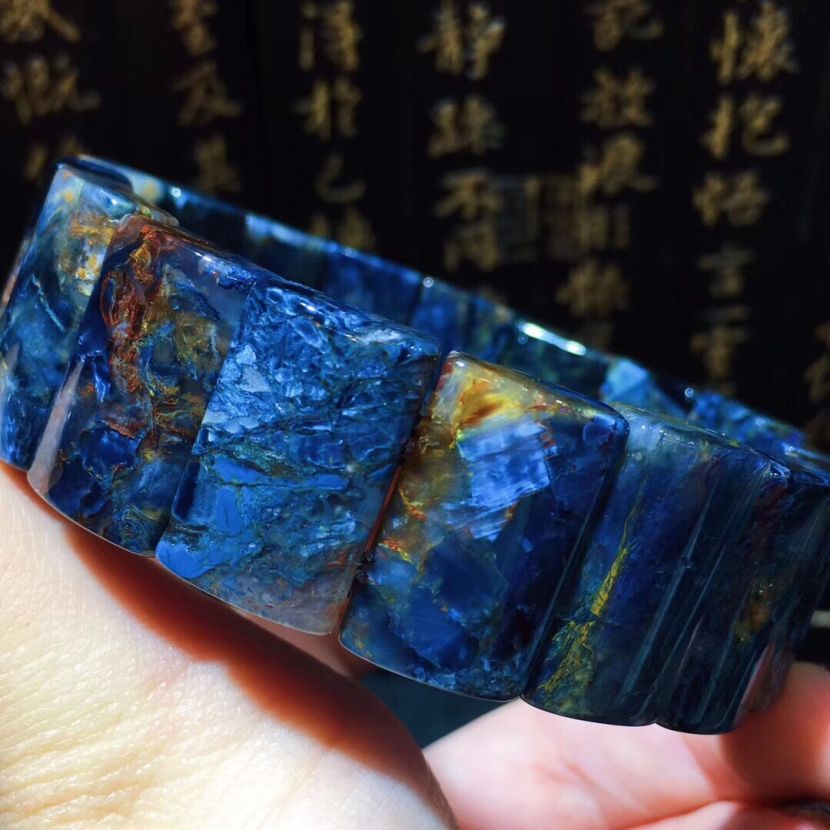
Residents of Namibia say that their sorcerers use petersite to find a common language with their ancestors, and African women claim that they feel irresistible with it. He also saves them from the evil eye.
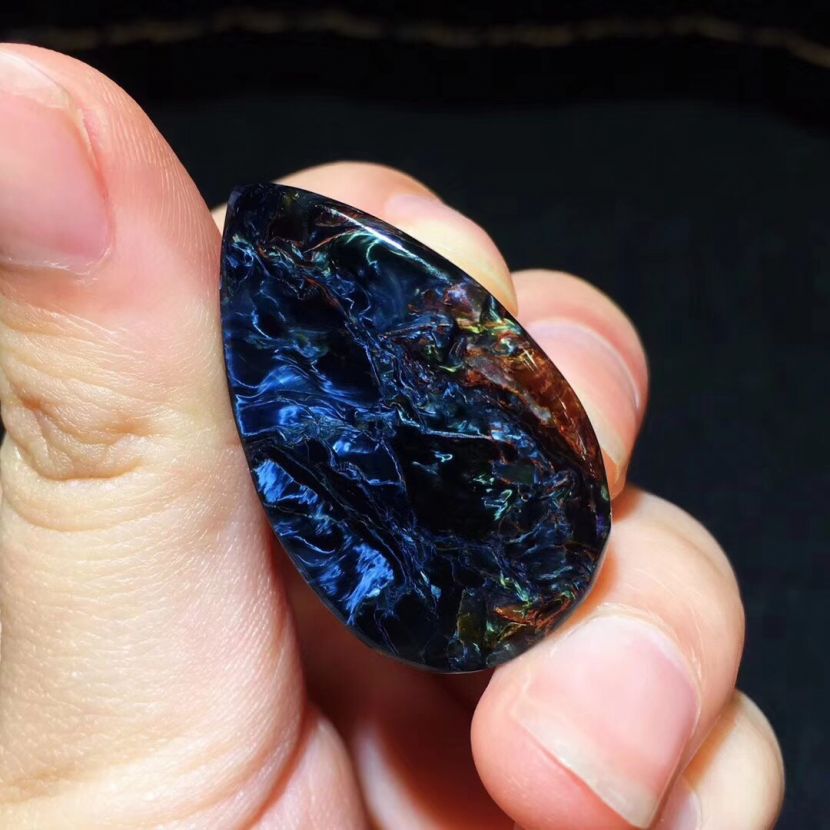
Those who wear this gem have noticed that it helps in public speaking, gives success and recognition from others, and also makes a person true to his principles.
Medicinal properties
With the healing properties of Petersite is much easier. Lithotherapists immediately after its appearance on the market in 1977 drew attention to it and tried to use it to treat various diseases.
They found that petersite:
- improves memory;
- knocks down high temperature;
- normalizes pressure;
- improves hearing;
- rejuvenates the skin;
- treats lung diseases;
- extinguishes too violent emotions;
- helps to enter into a state of meditation.
Zodiac signs
Petersite suits almost all signs of the zodiac.
It is especially useful to the Lions, who noticed that this stone hears their requests.
Aries, Cancers, Libra and Capricorns also noted its favorable effect, noticing that the stone warns of dangers and relieves them of all troubles, if you squeeze it in your hand in difficult times.
Gemini, Pisces and Sagittarius under its influence become more balanced, pay less attention to insignificant trifles, as a result of which they achieve success in their careers faster and gain prosperity.
It helps Taurus and Virgo to notice the hypocrisy, envy and impure thoughts of others, and also helps to enjoy a loved one.
Only Aquarians sometimes noted that it was difficult for them to find a common language with this stone. But it might be worth a try. If you feel heaviness, then give the stone to someone for whom it suits.
stone care
- Petersite should be washed no more than once every six months.
- It should be stored in a box lined with a soft cloth inside.
- When taking a bath, jewelry with petersite is best removed. The same applies to visiting a bathhouse or a gym.
If you can afford petersite, this incredibly beautiful stone, and you are lucky enough to find it, you will surely find new magical and healing properties. Very recently, people have met him, except for the Namibians.
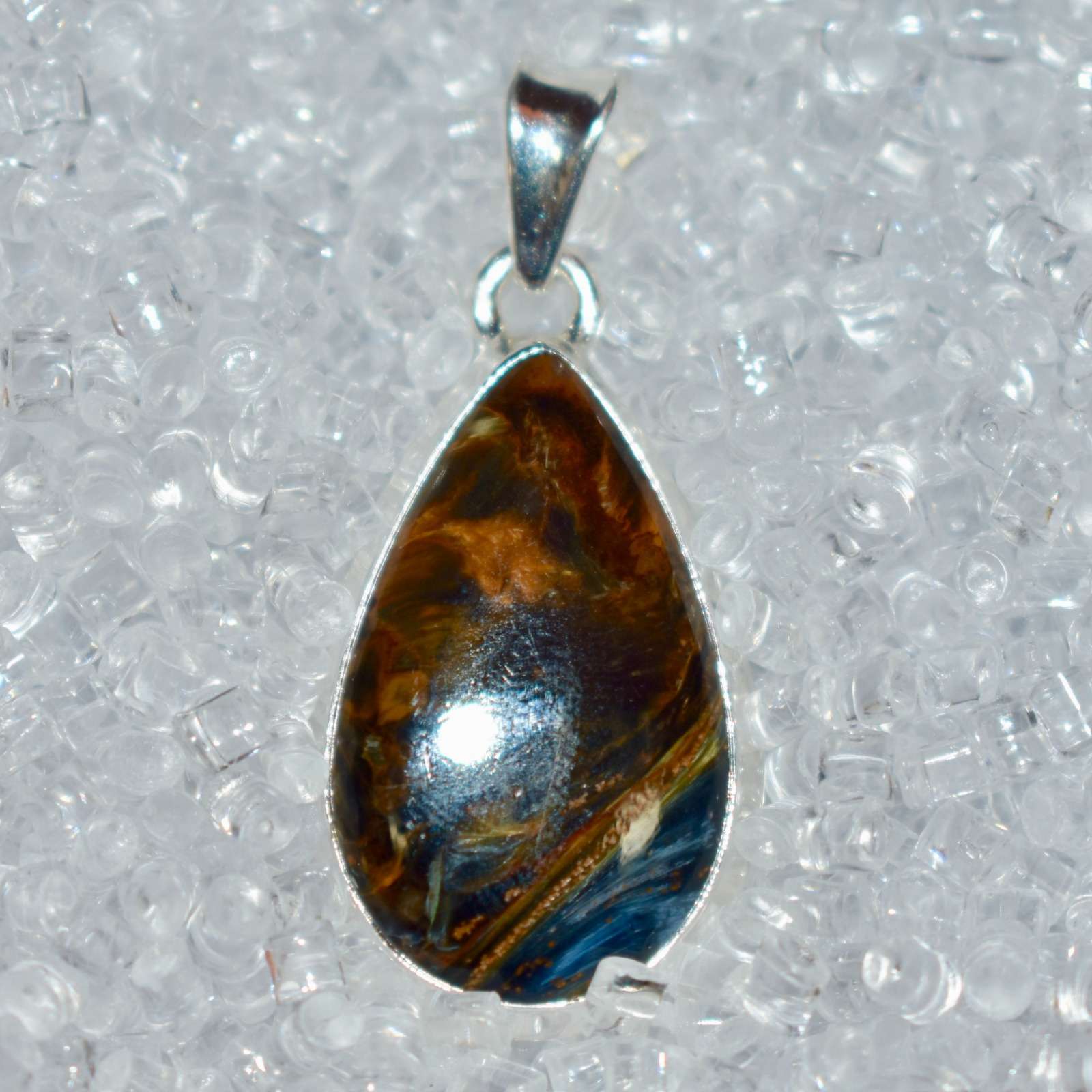
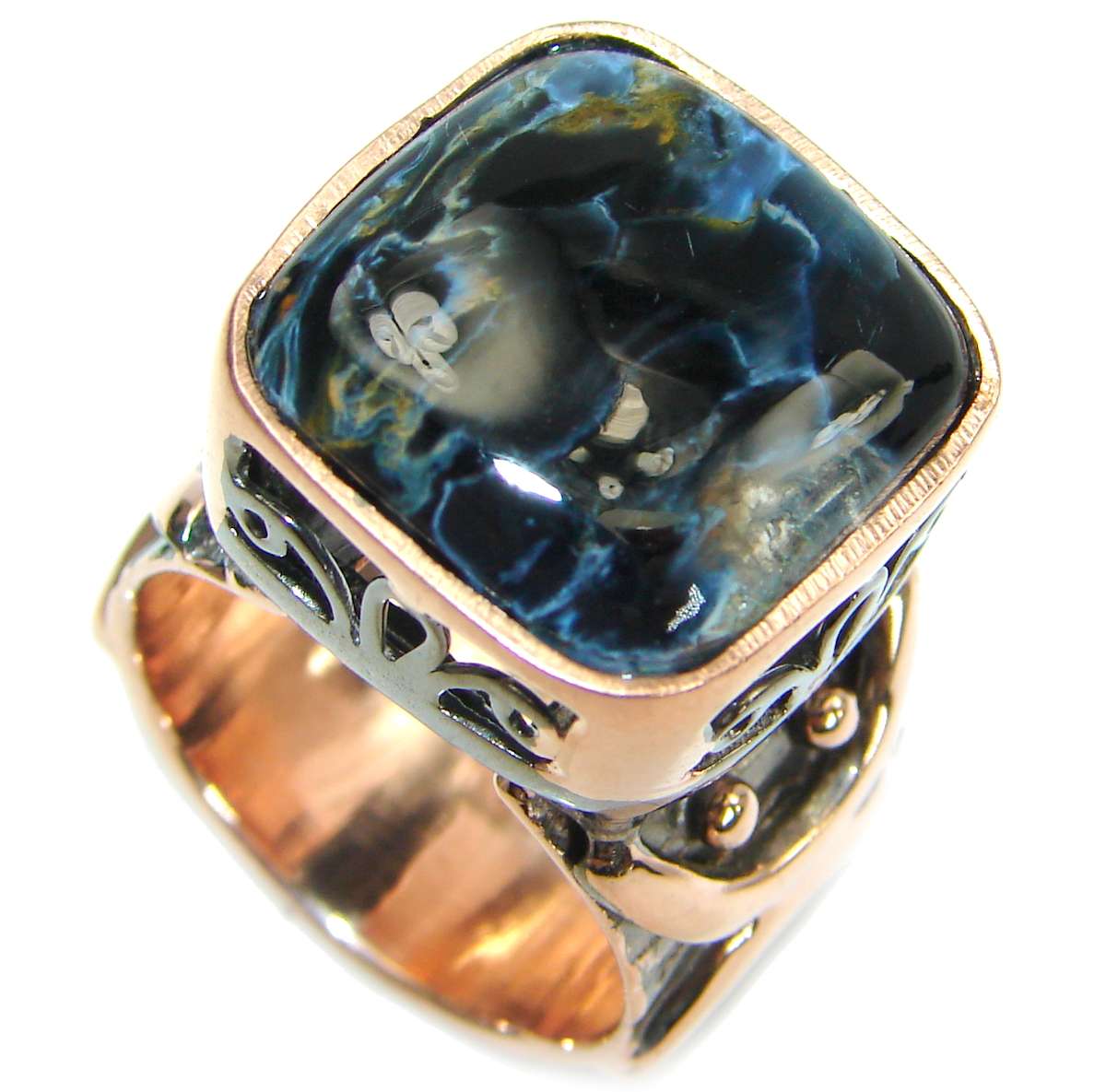
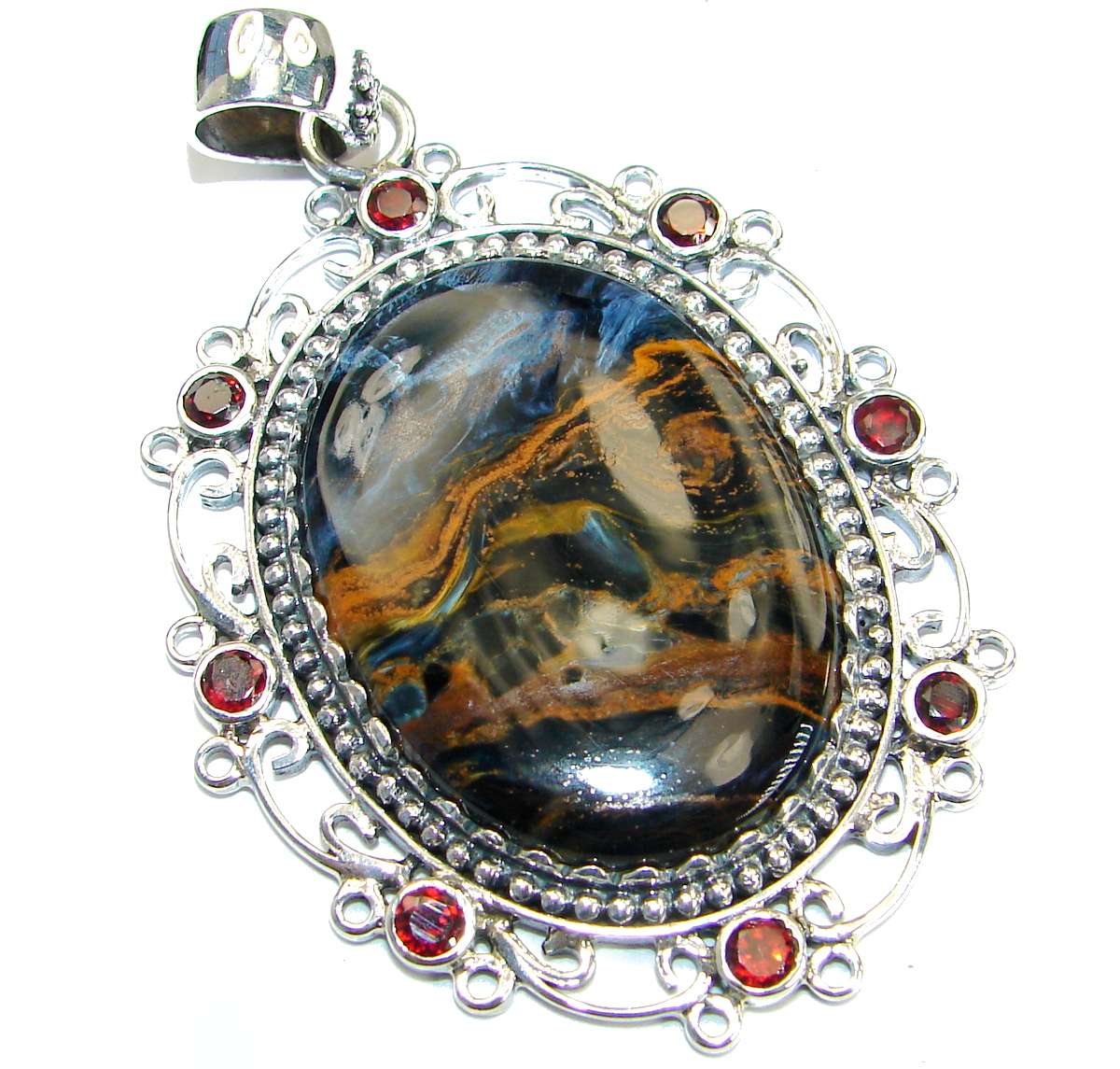
Photo stone Petersite