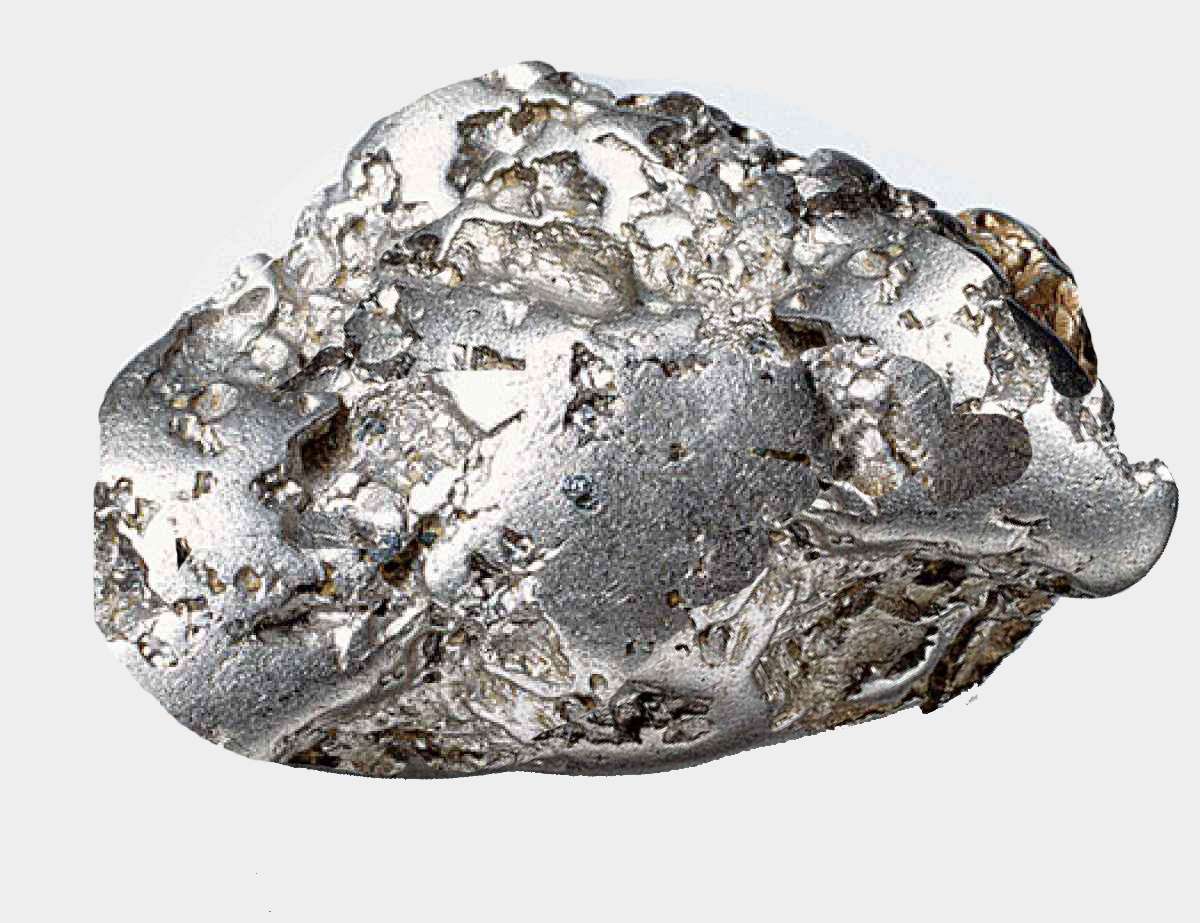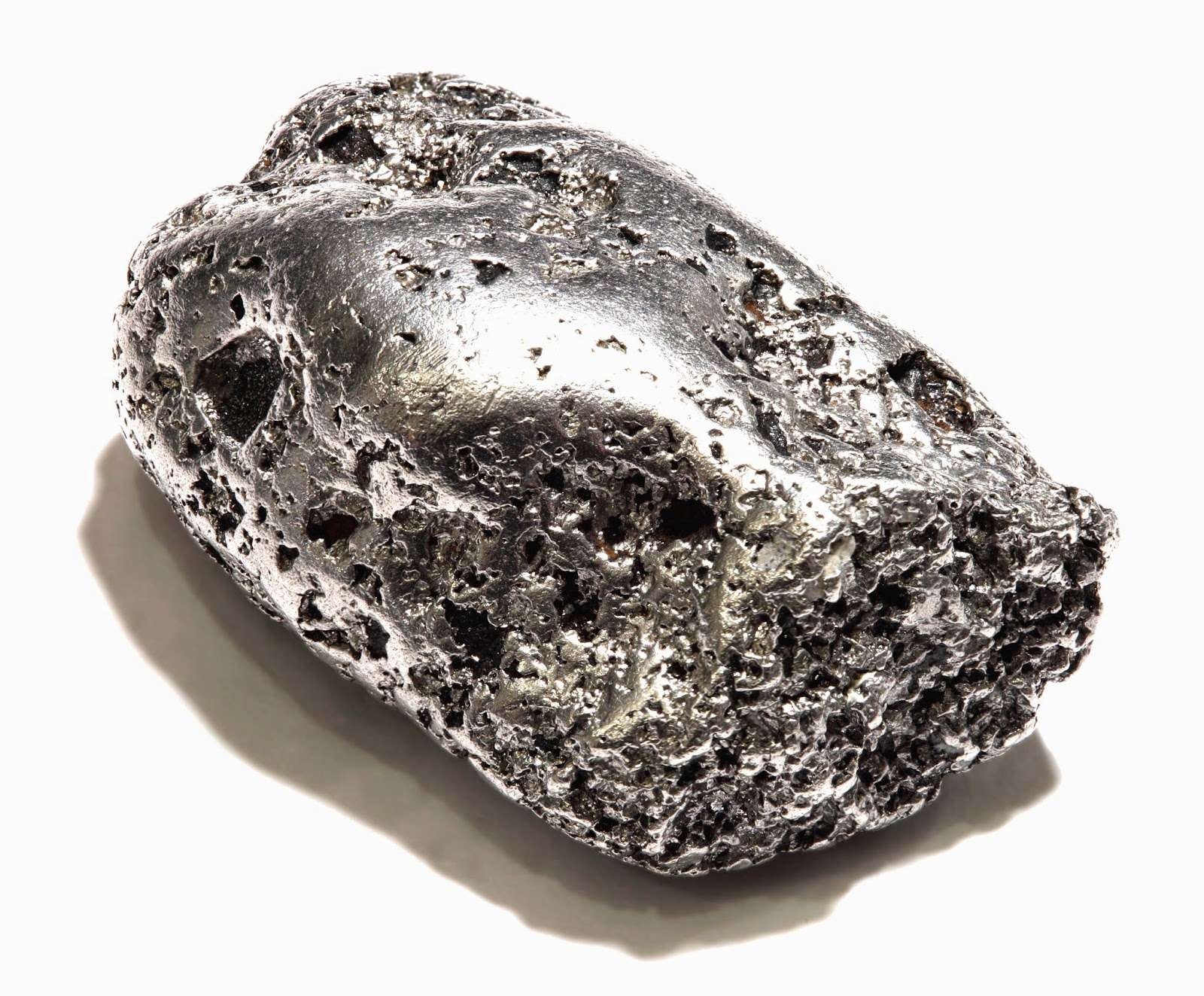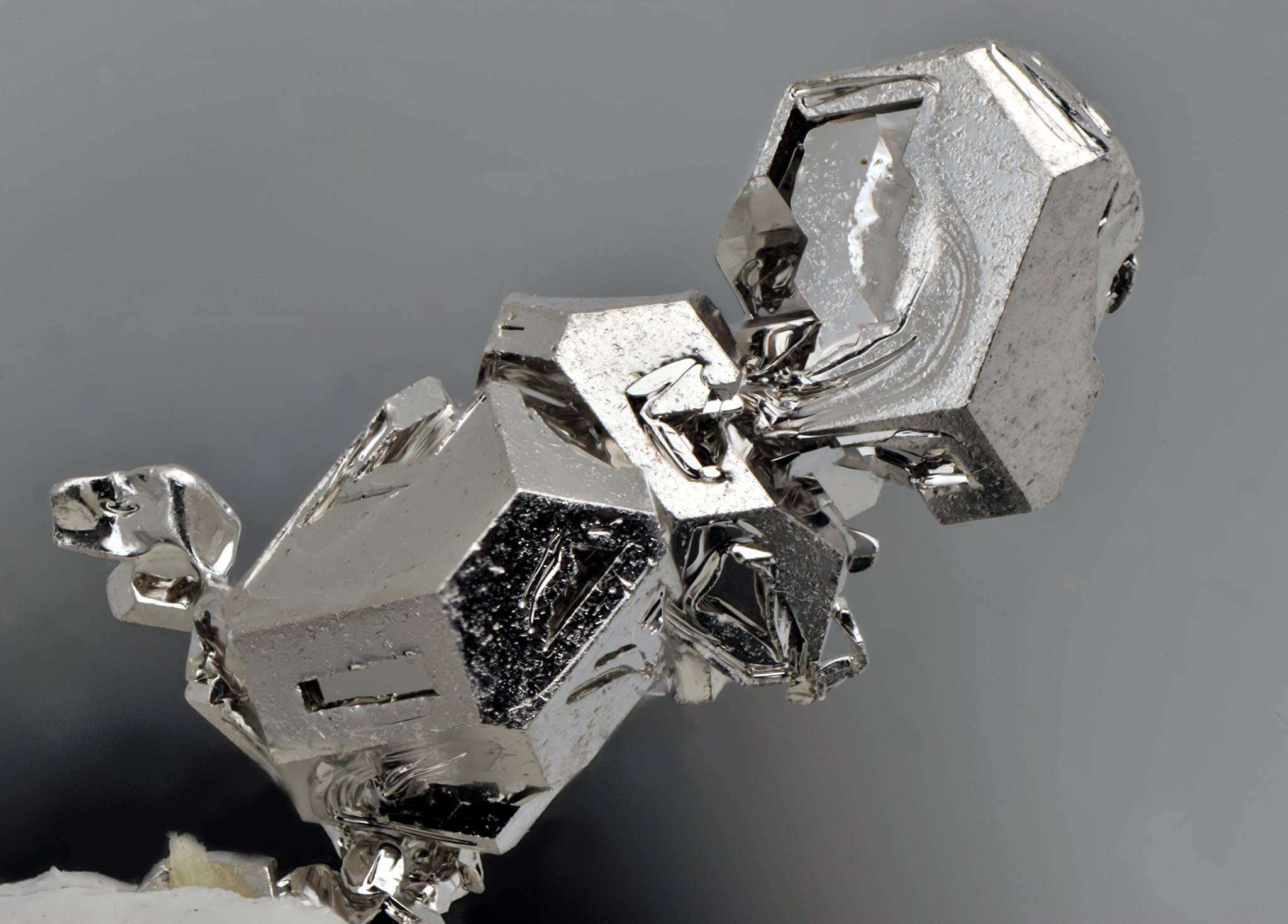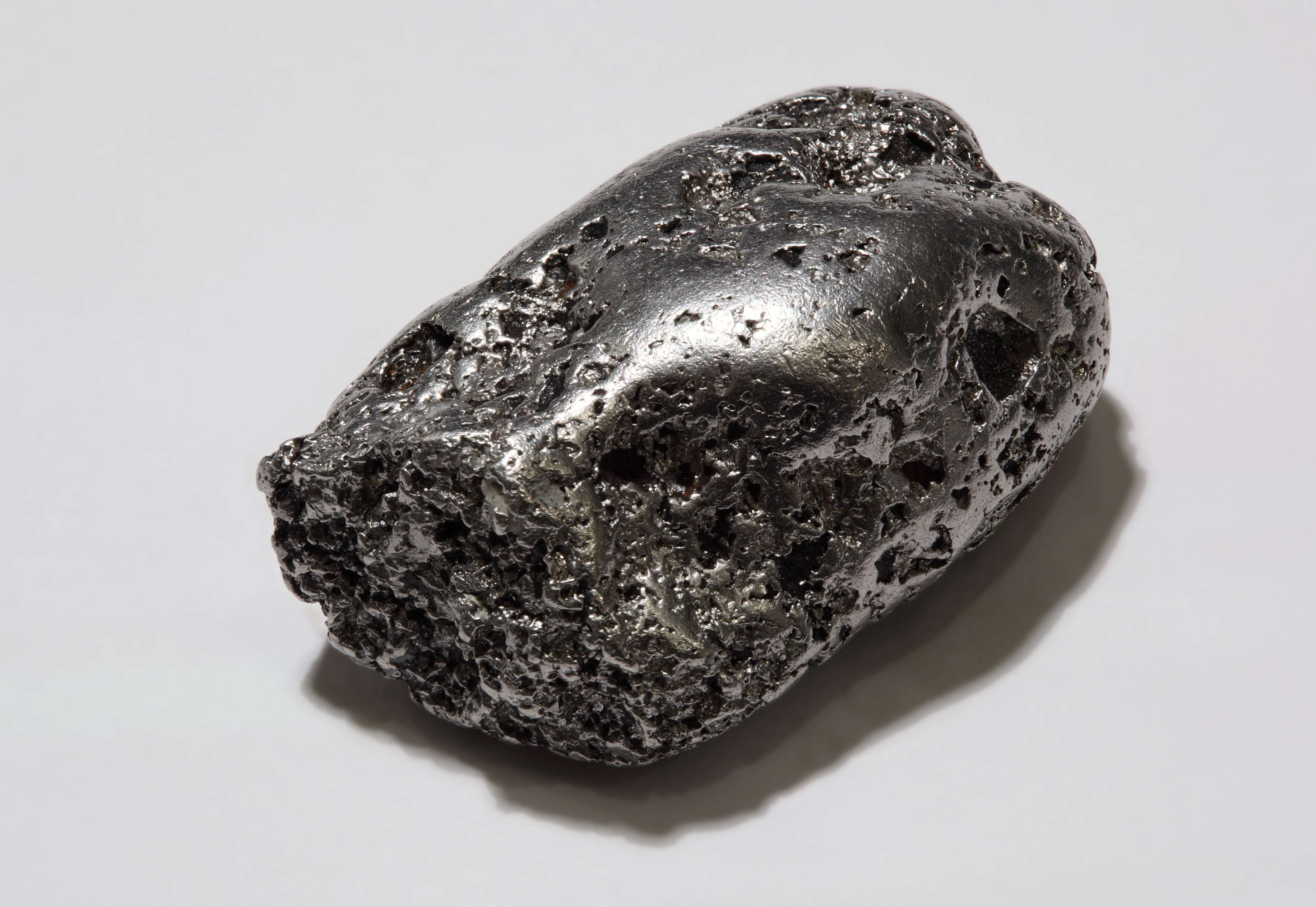
Silver samples - history, properties, how to determine the authenticity of the metal
It is difficult to find a person who is indifferent to the discreet but noble beauty of silver. Women are attracted by the anti-aging properties of this metal, widely used in modern cosmetology, men are happy to wear brutal and exquisite jewelry made from argentum. Silver not only occupies a leading position in the production of jewelry. The truly unique qualities inherent in this metal have made it an indispensable assistant in industry, medicine and chemistry.
History of silver
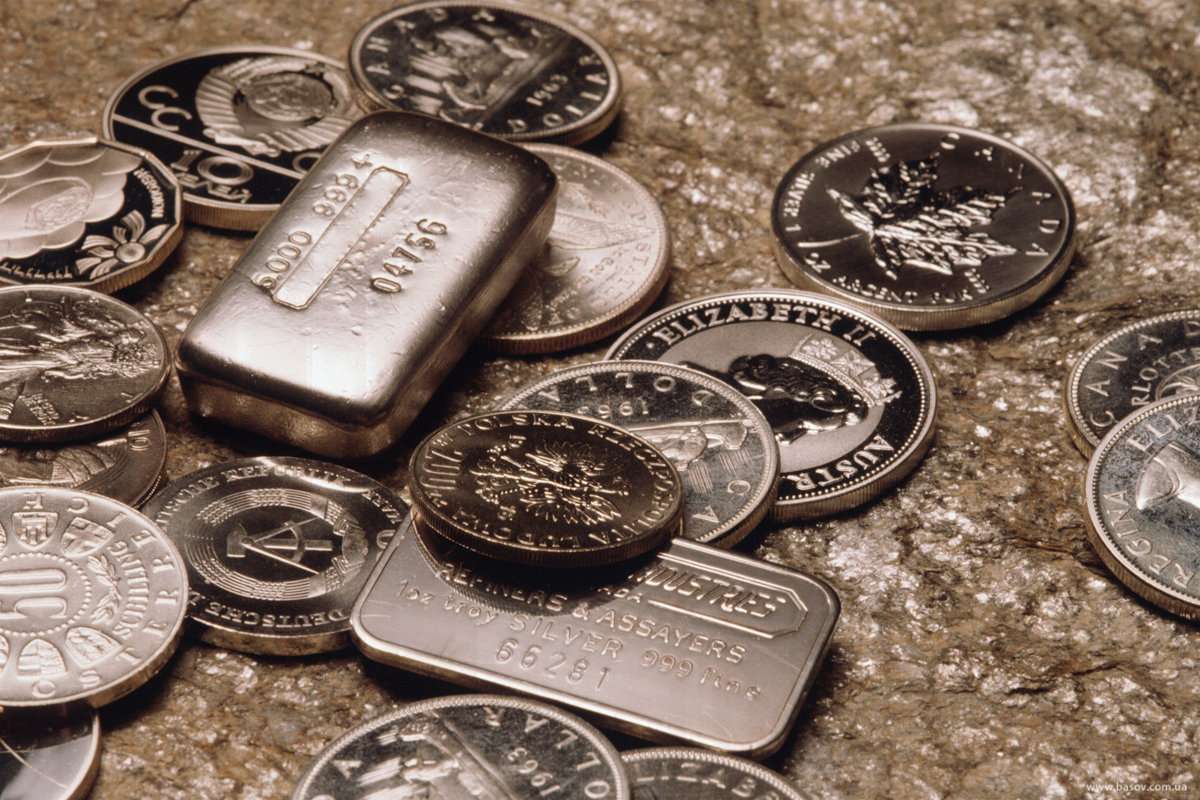
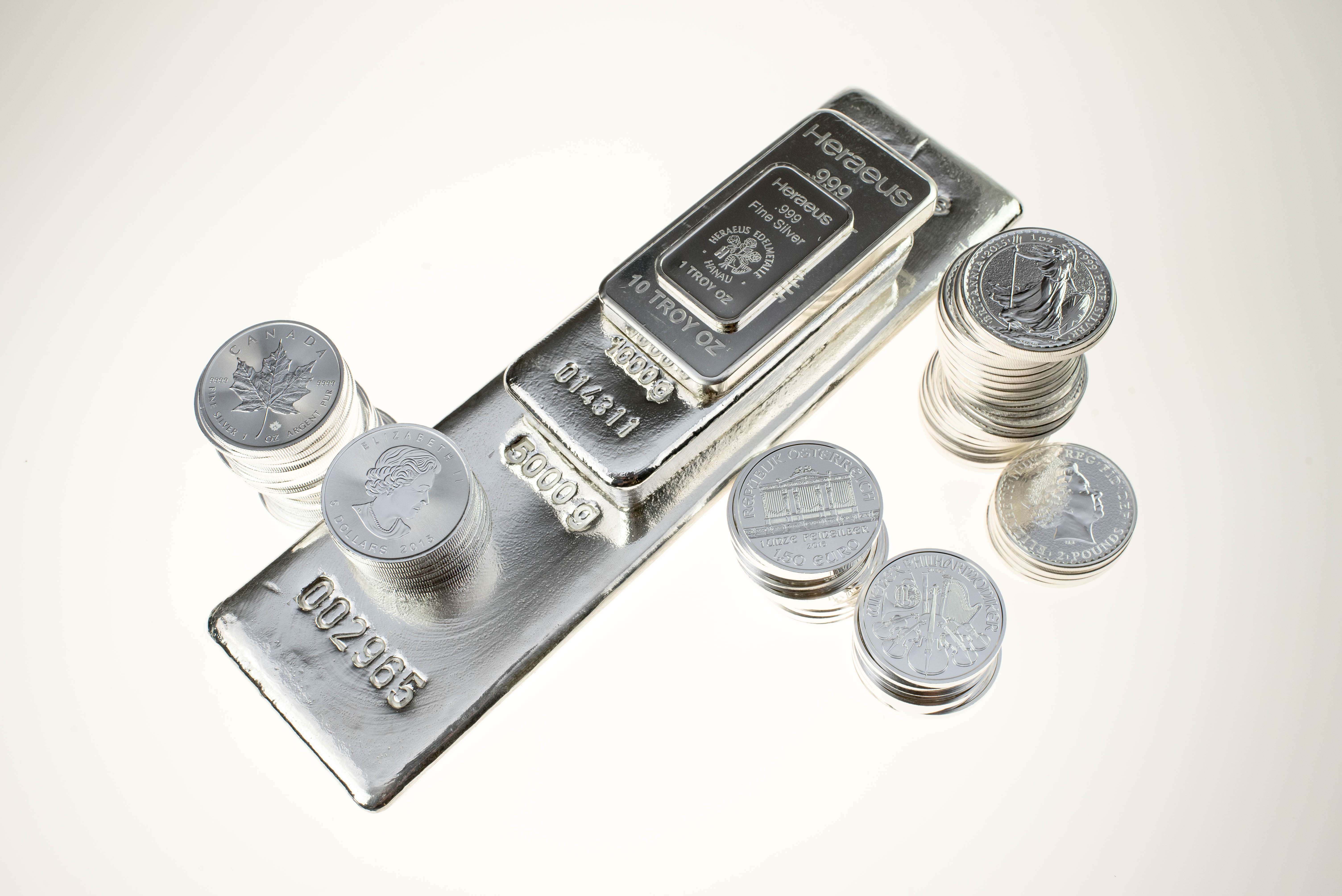
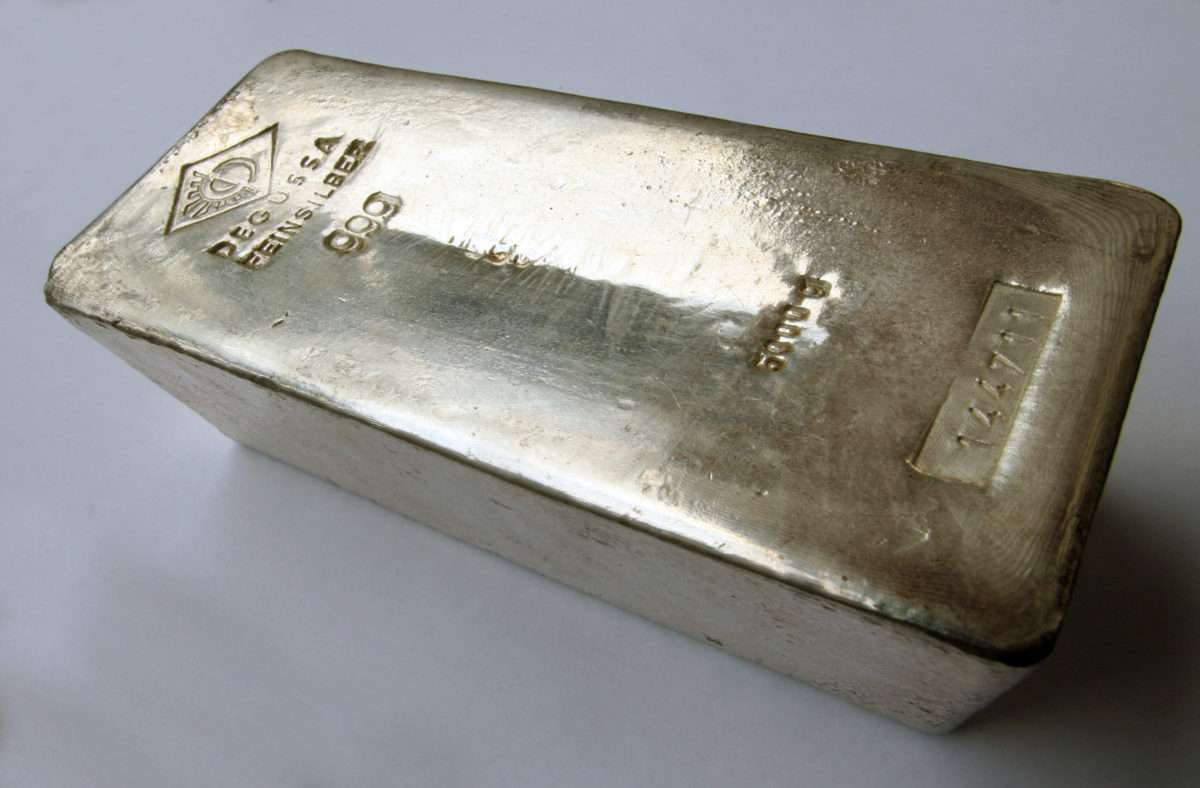
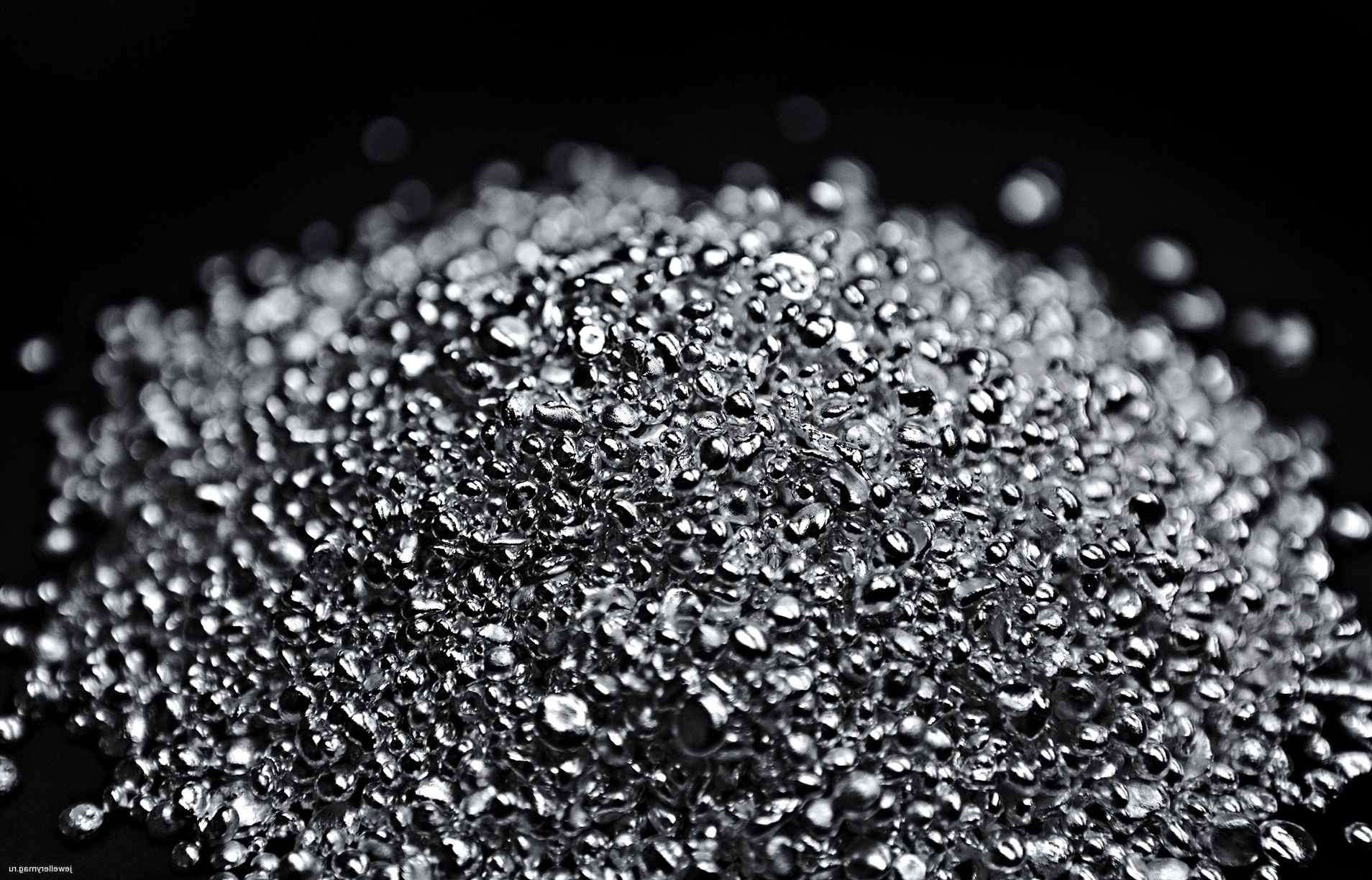
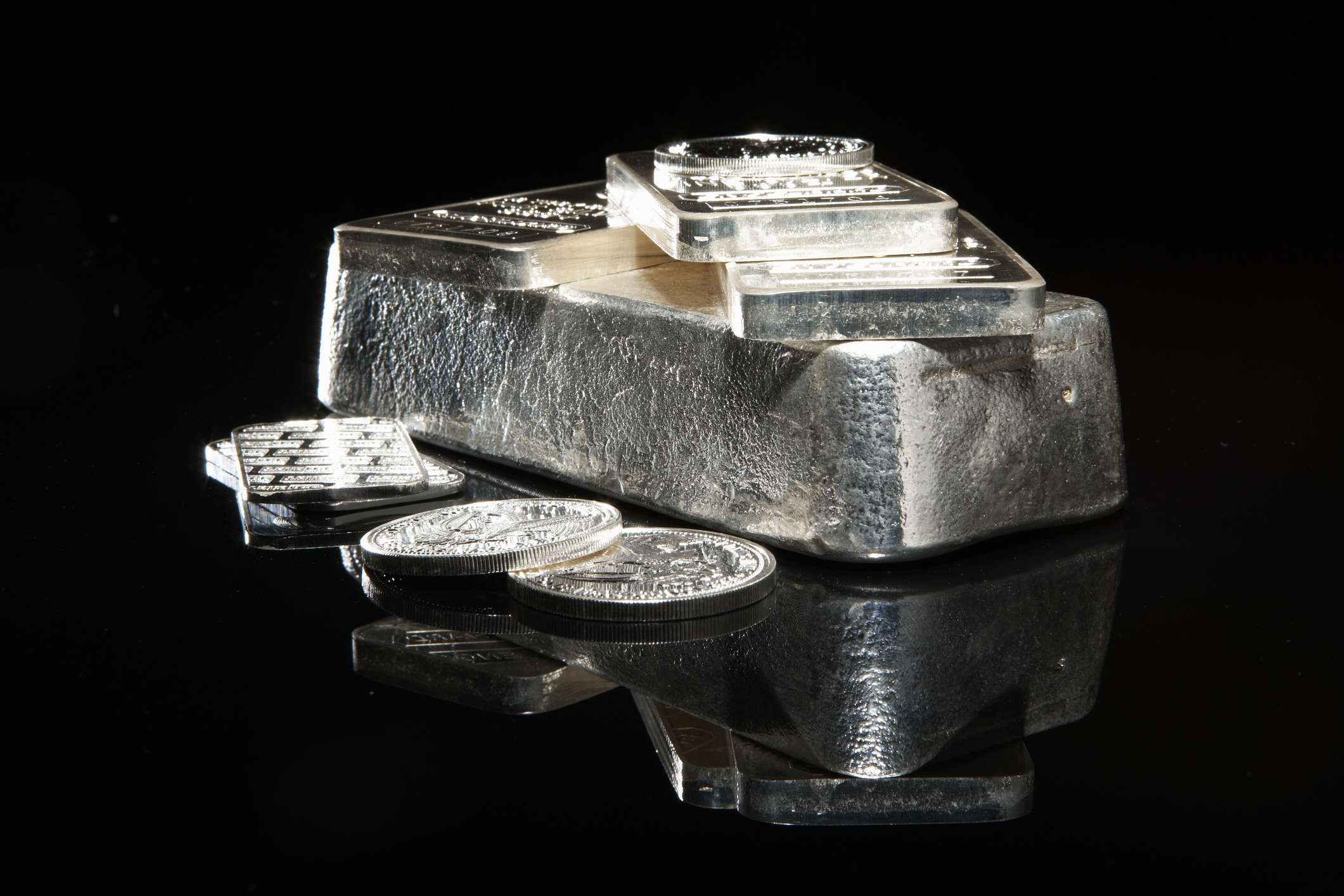
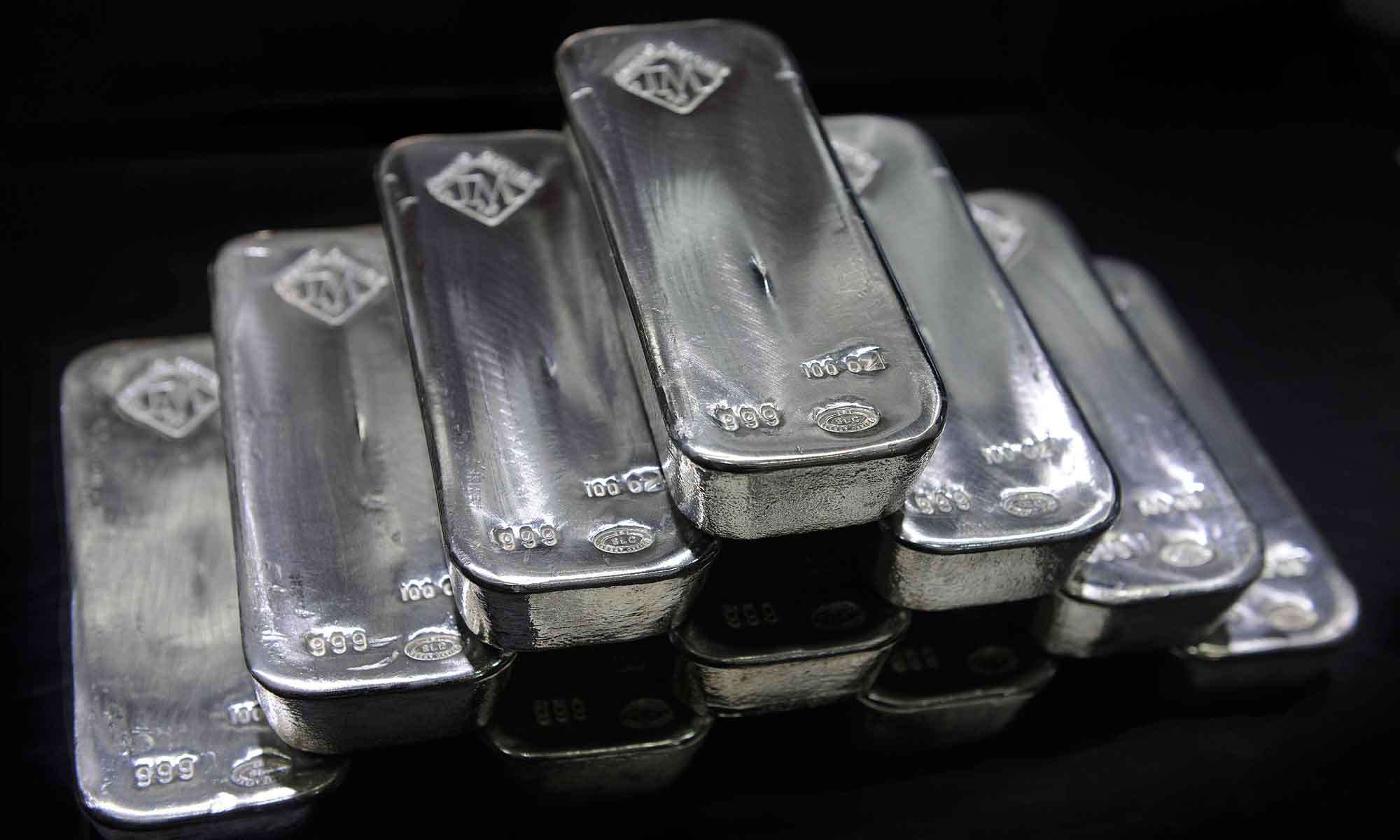
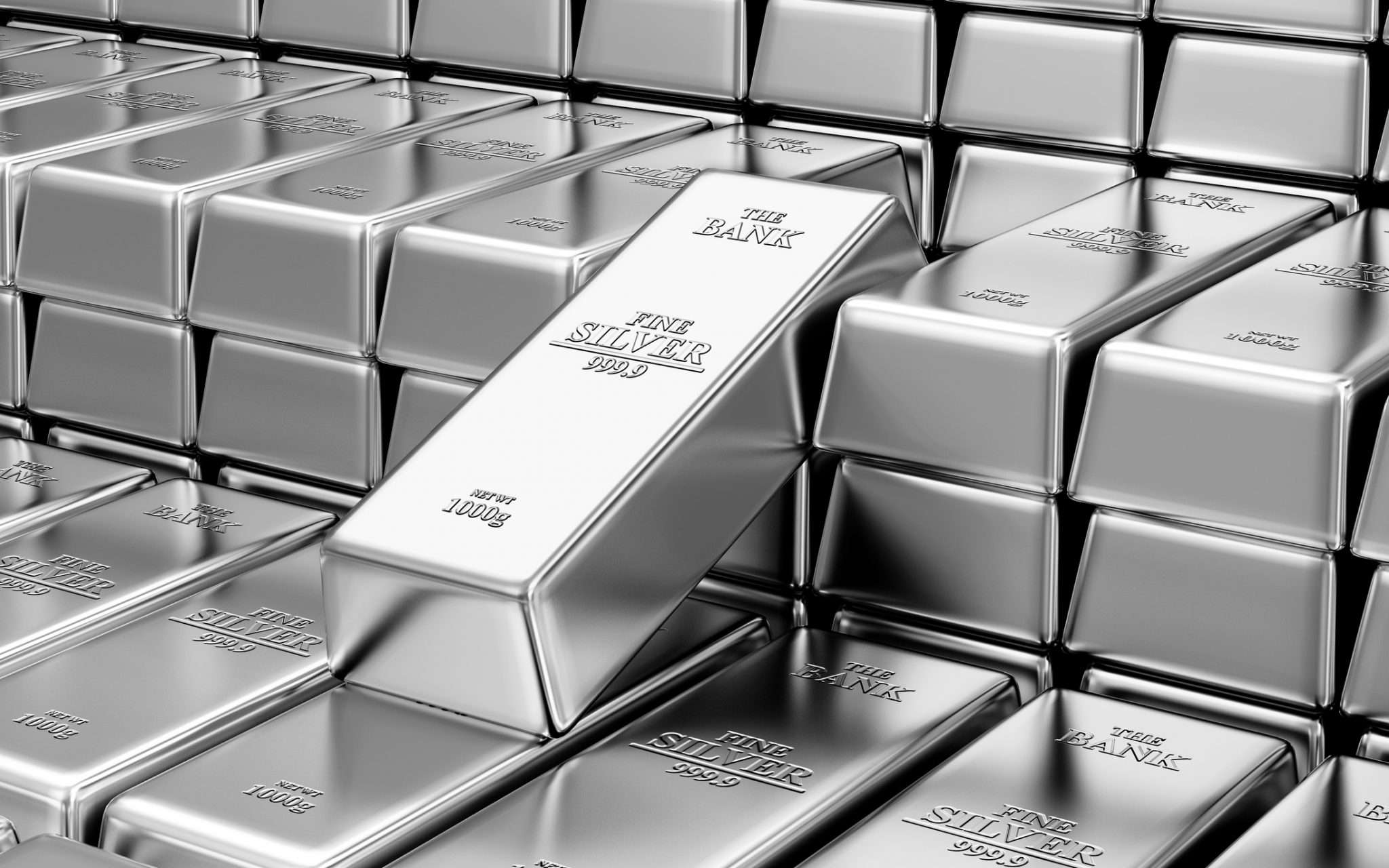
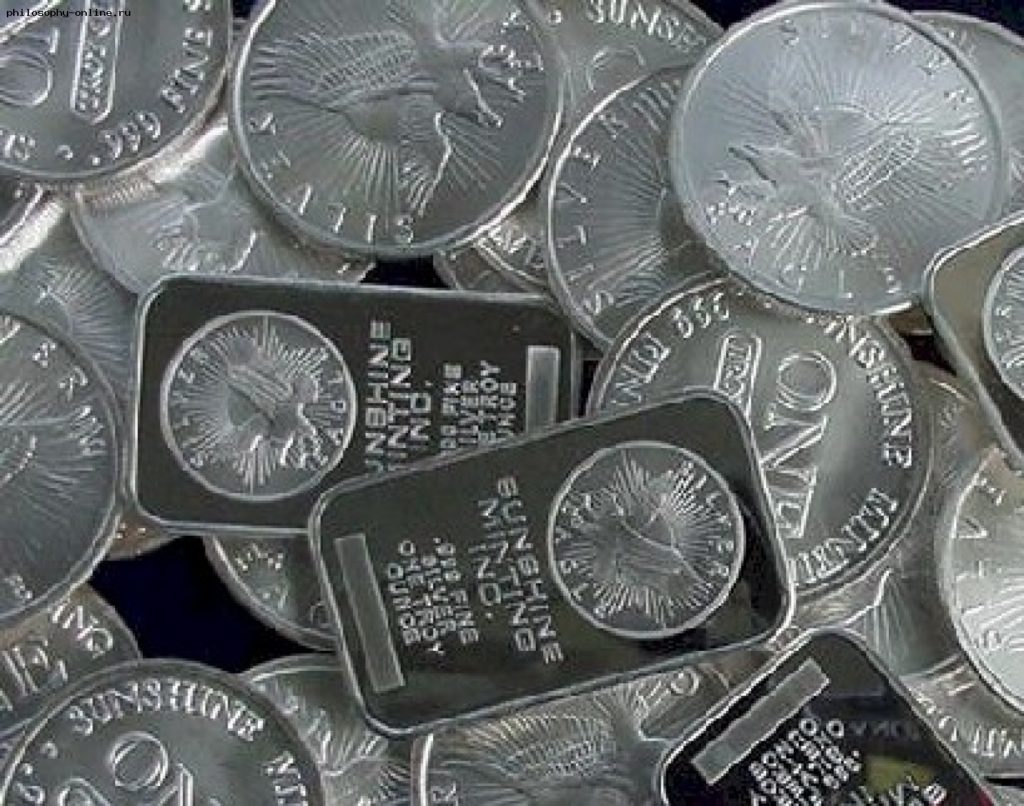
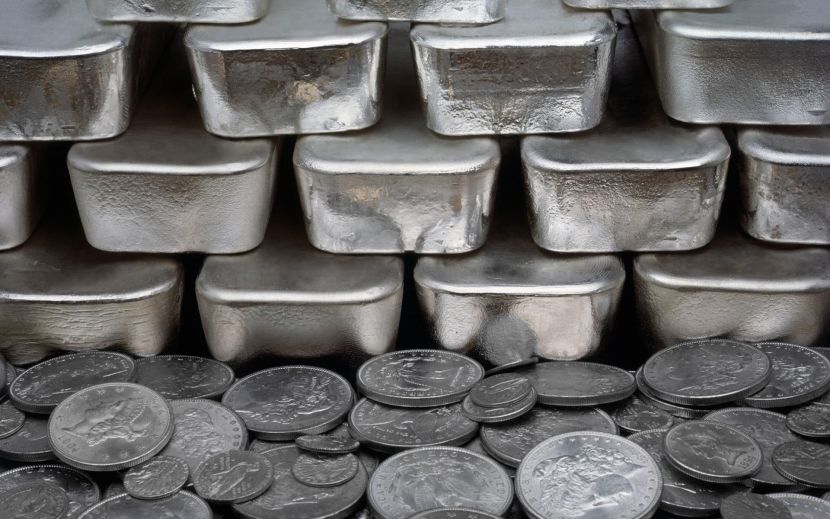
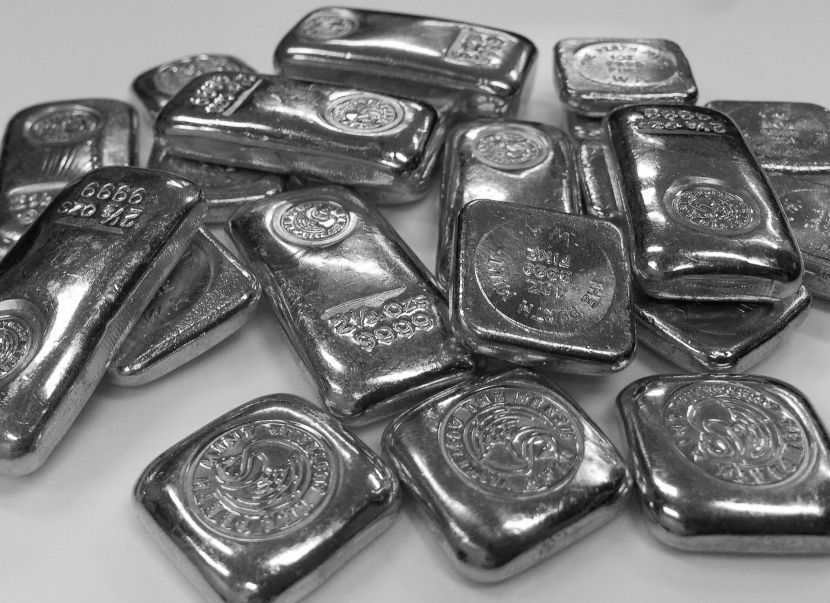
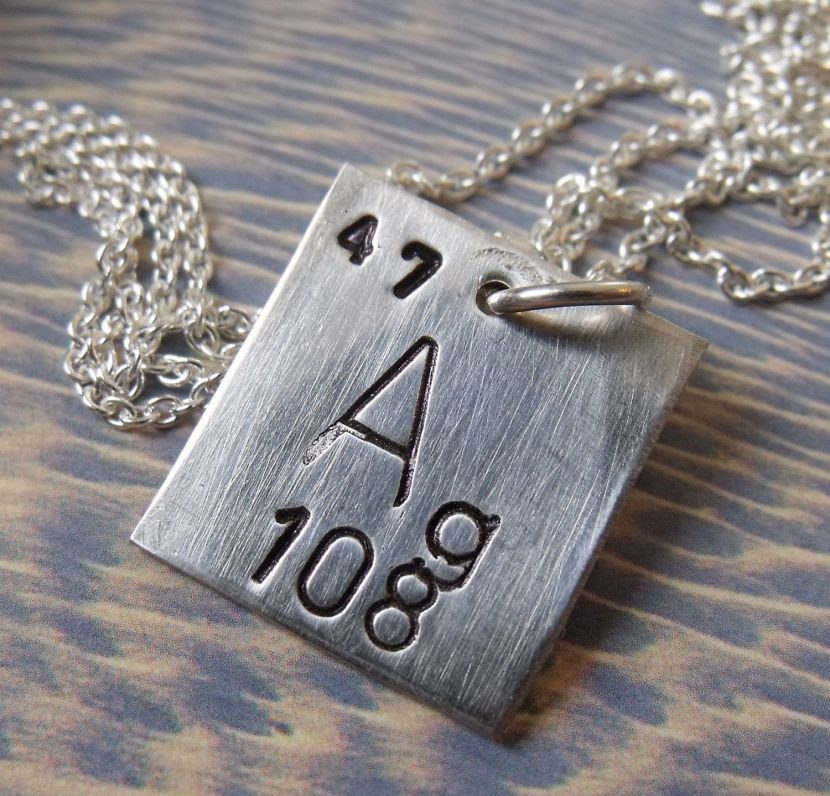
Along with gold and copper, silver was one of the first metals that mankind met. The first mention of it dates back to the 5th millennium BC. In ancient times, people were sure that there were only seven metals, each of which is responsible for the influence of a particular planet. Silver bars attracted our ancestors with their perfect beauty and brilliance. They were associated with the Moon and were designated with a special icon that resembled it in shape.
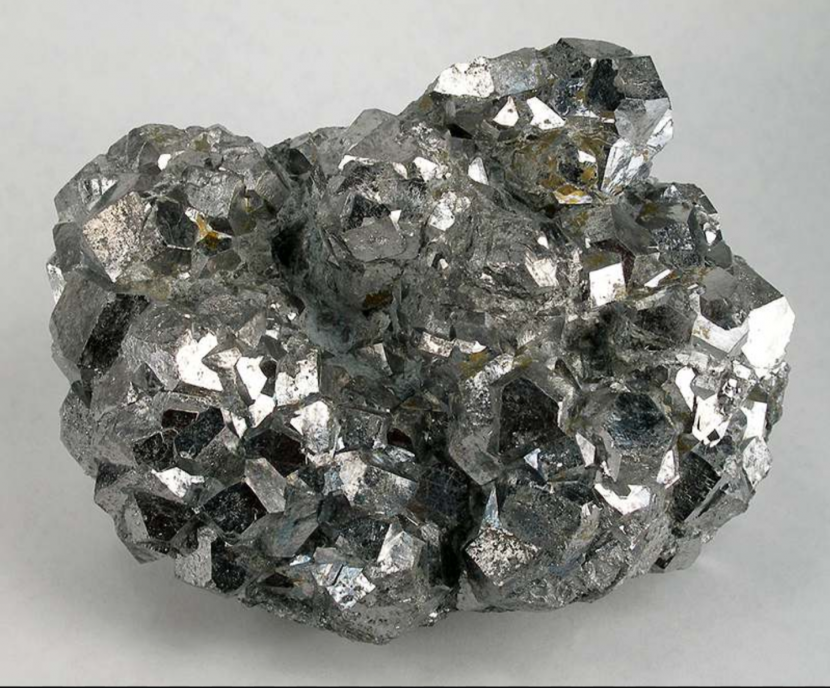
In Russia, silver became widespread during the time of Peter the Great, when rich deposits were discovered in Transbaikalia and Altai.
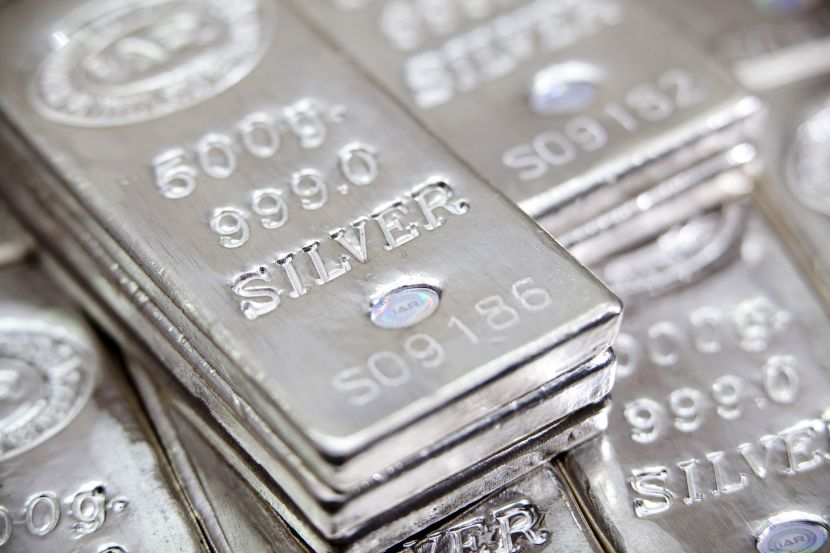
What properties does silver have?
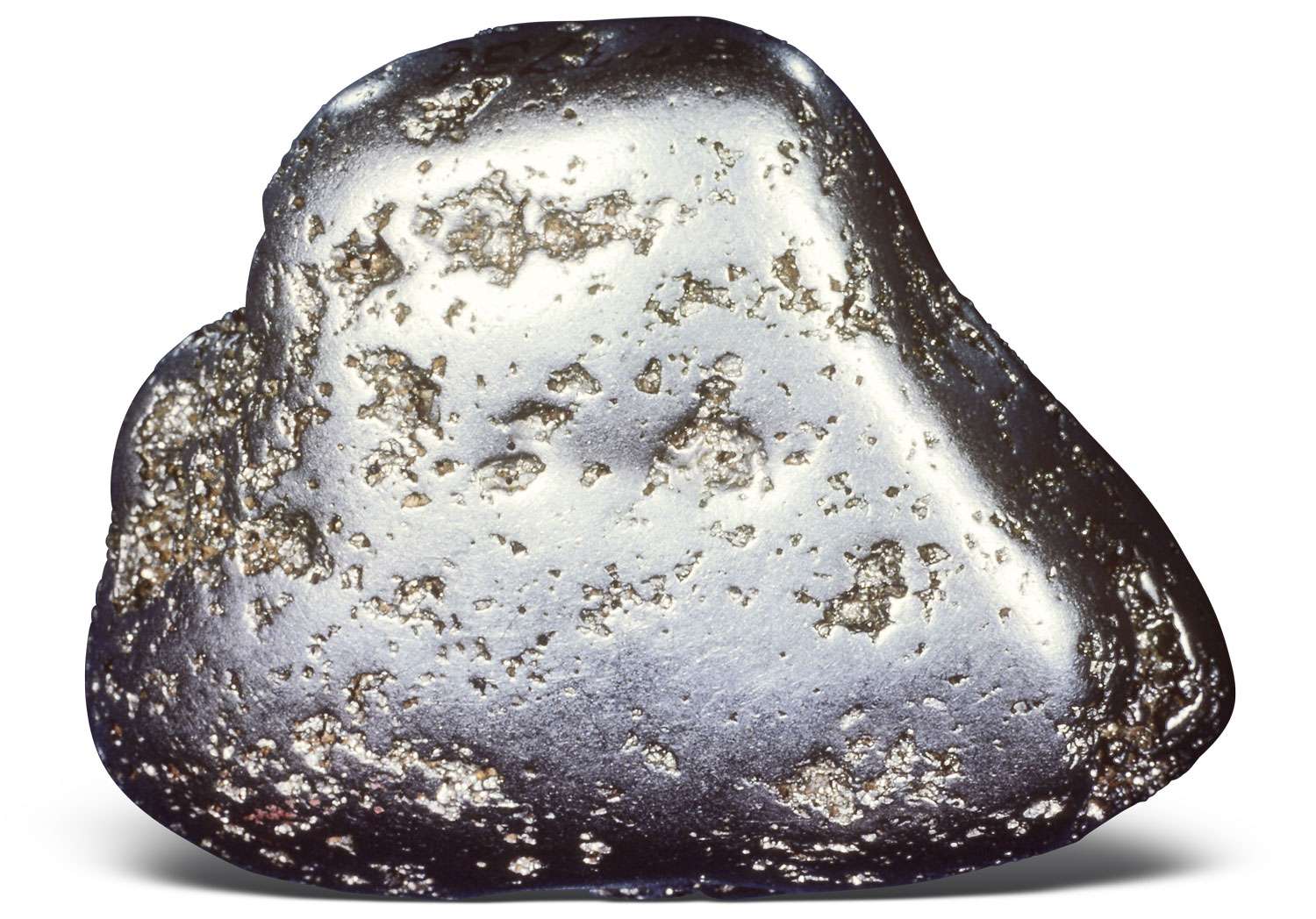
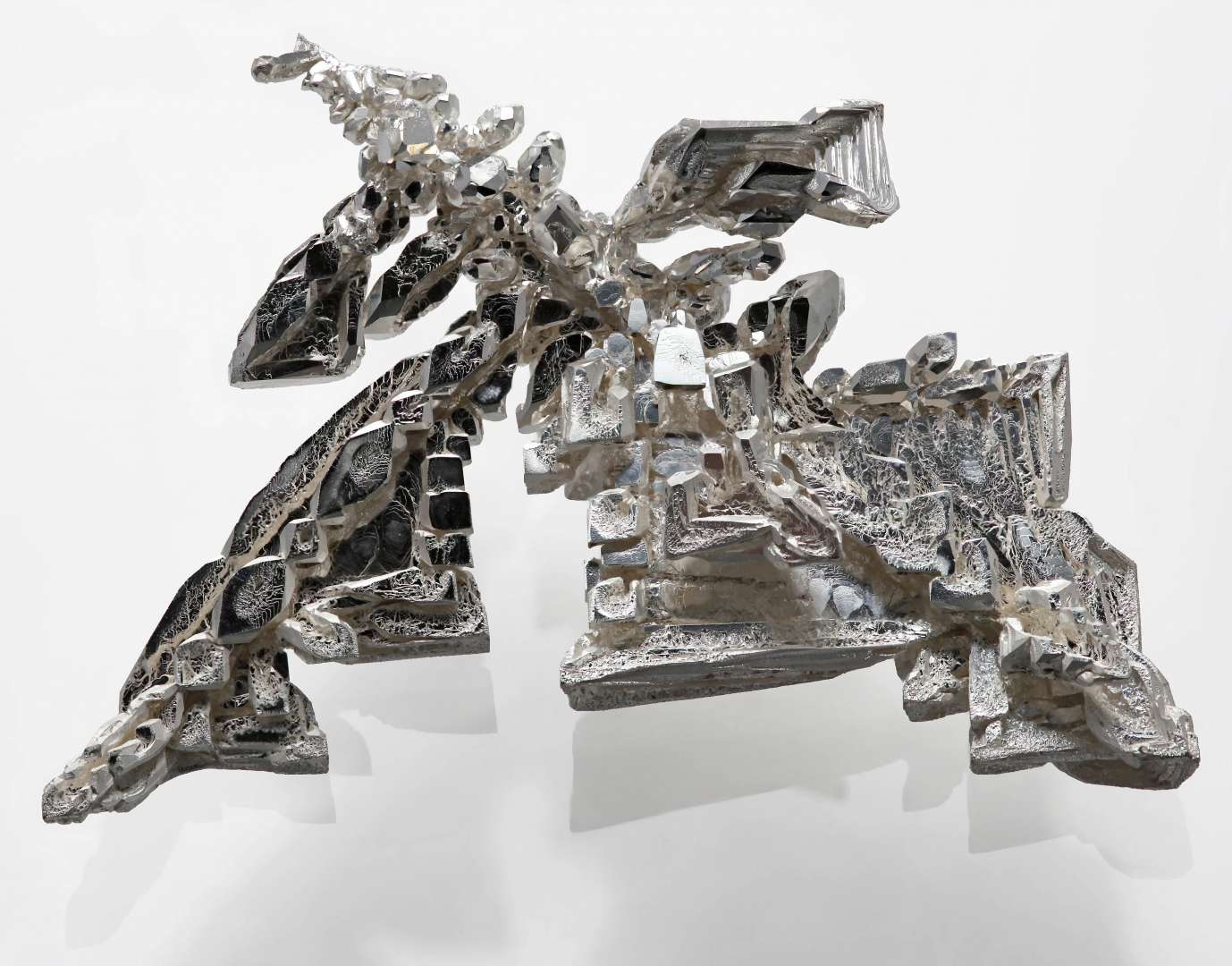
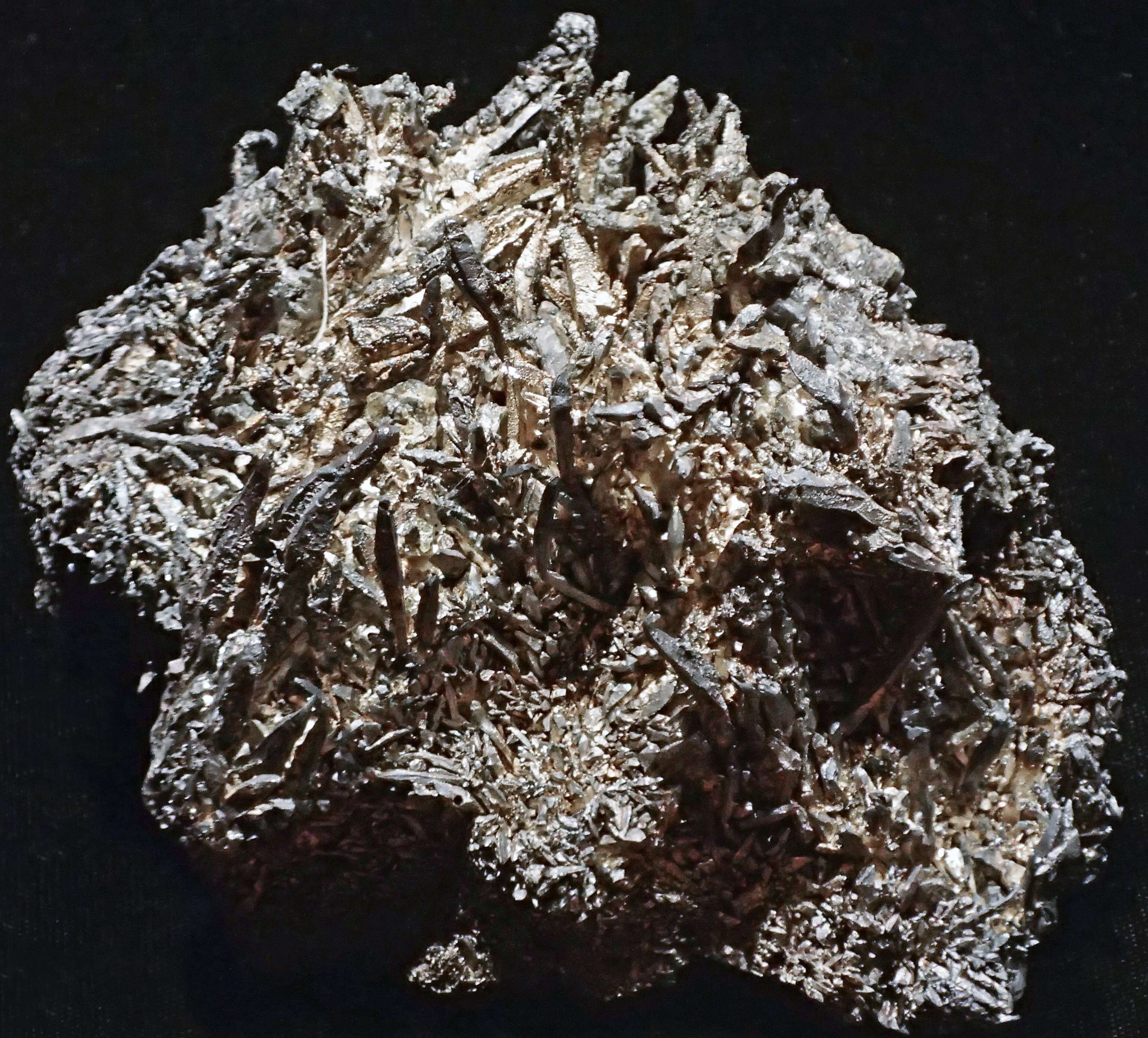
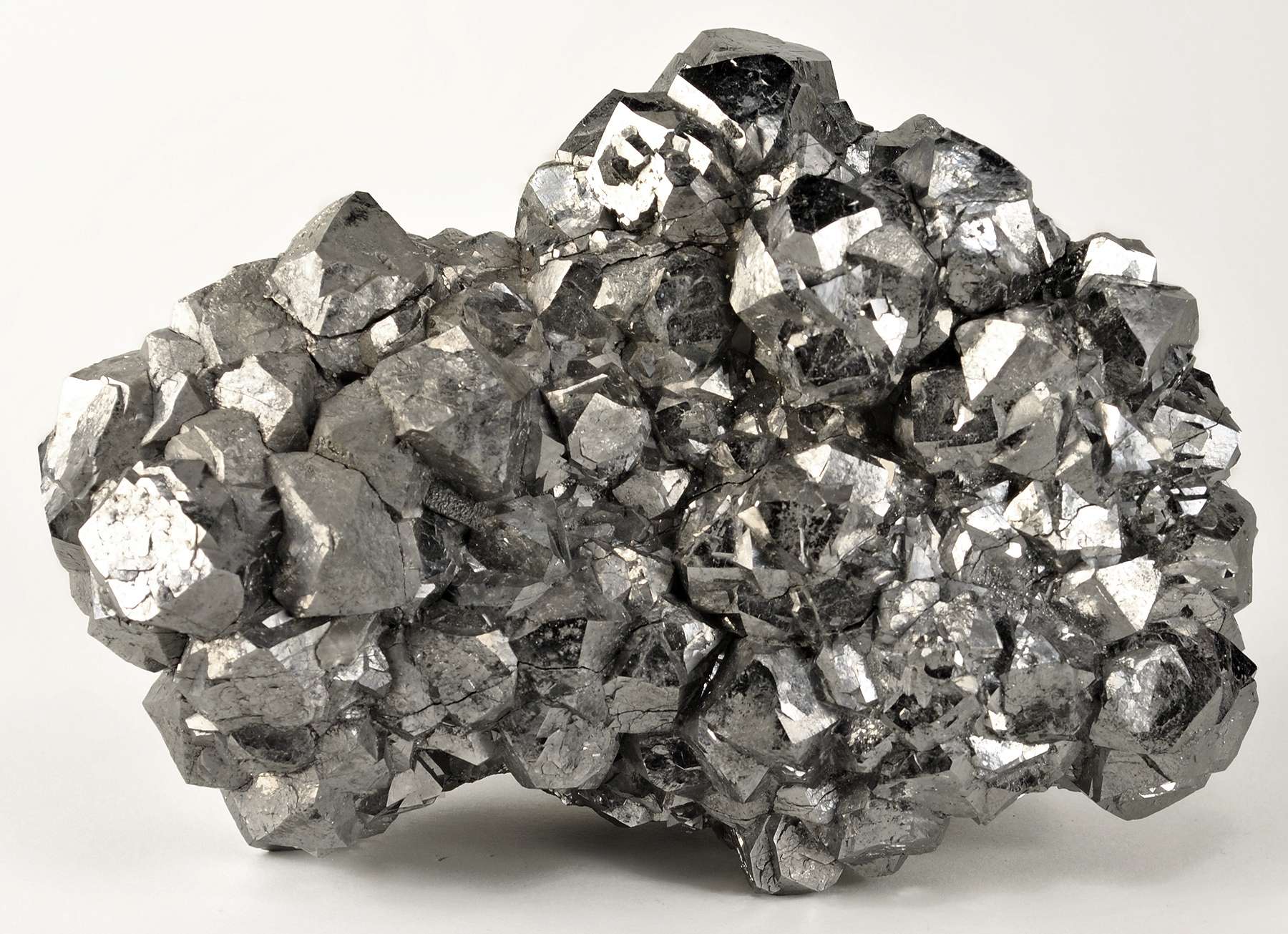
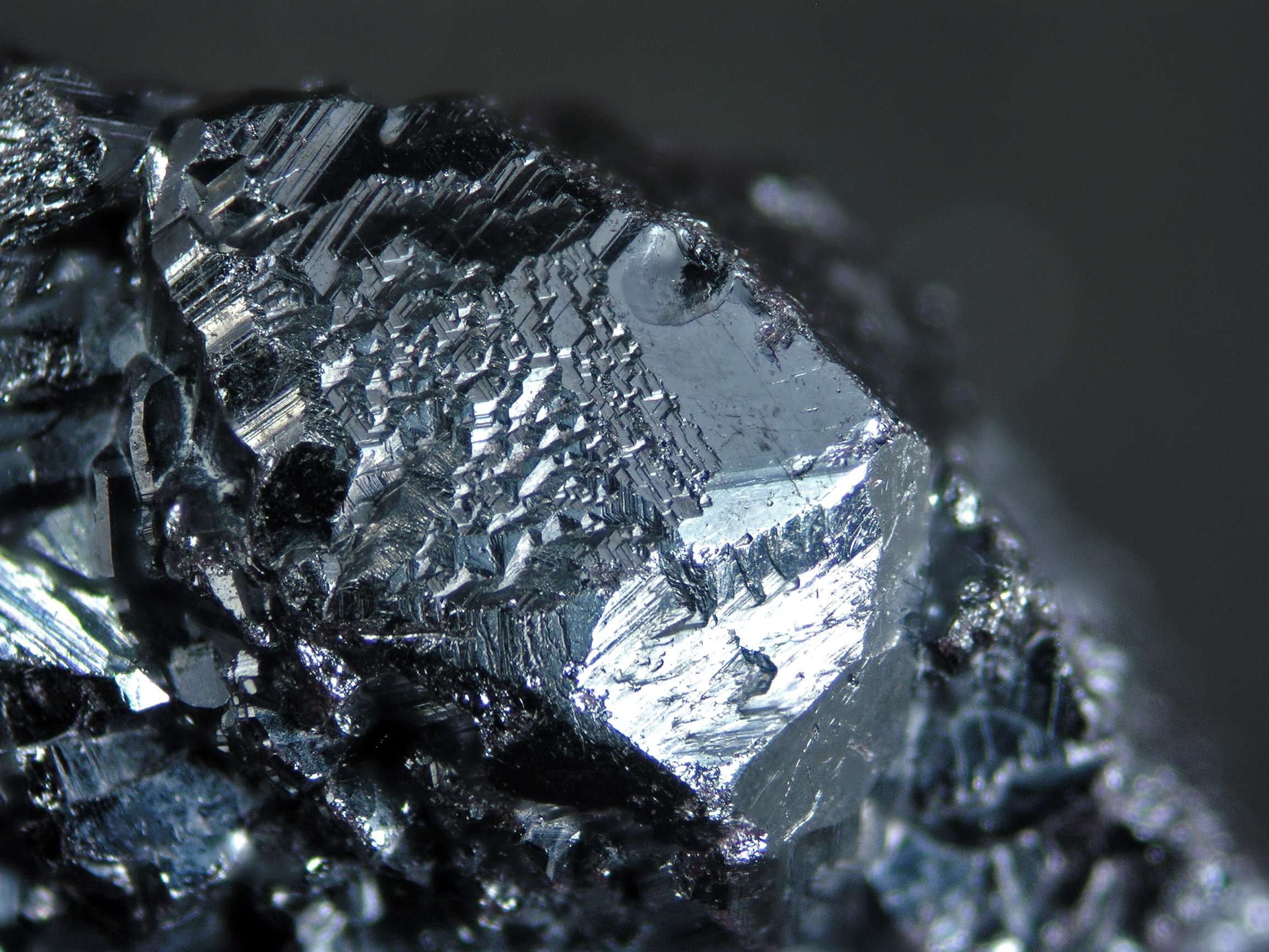
Silver is a noble metal of pearly white color, which has the name "Argentum" in Latin.
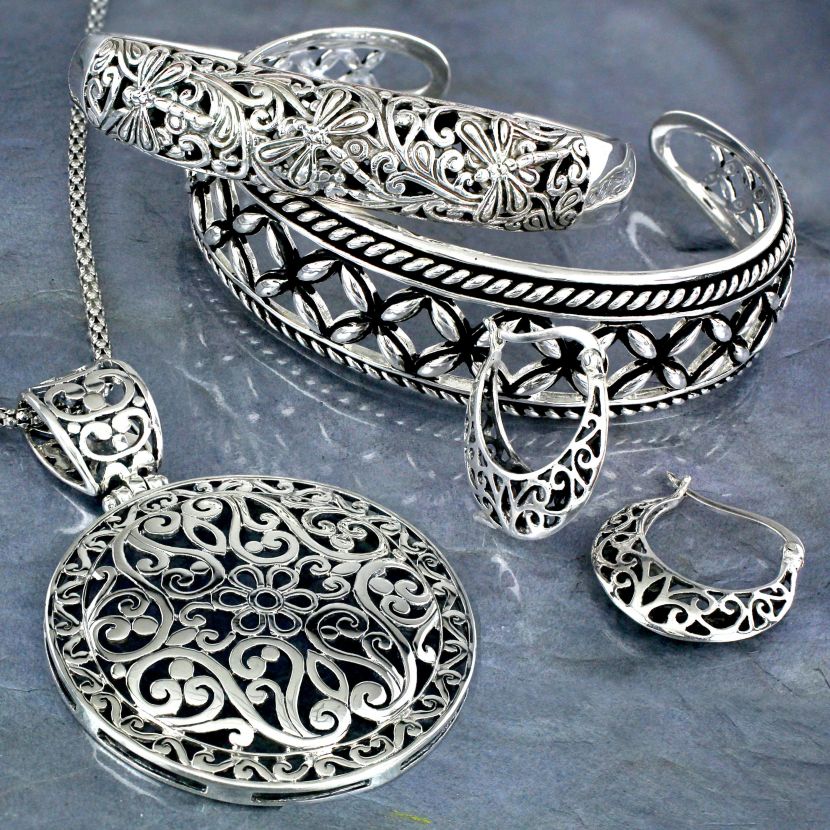
Distinctive features of silver as a chemical compound are softness, ductility and malleability.
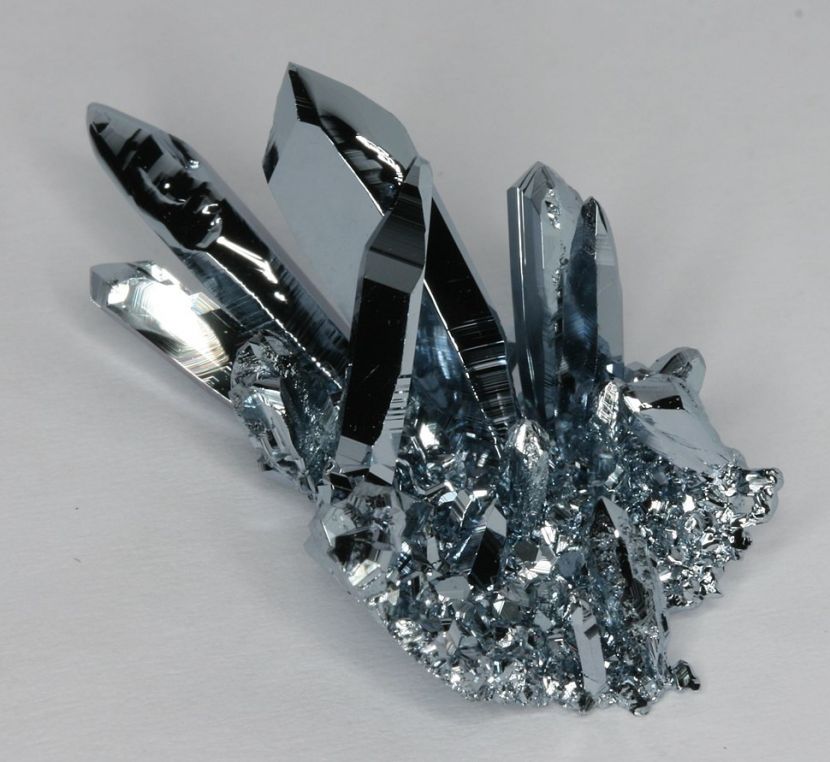
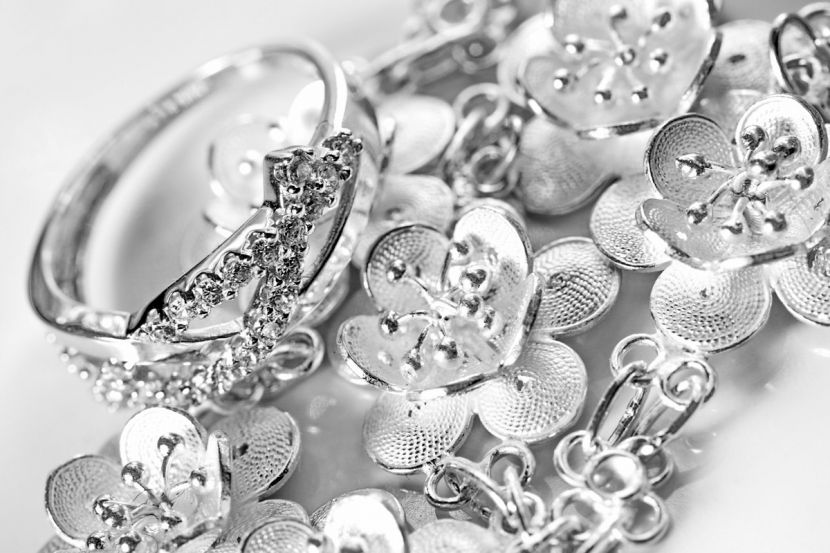
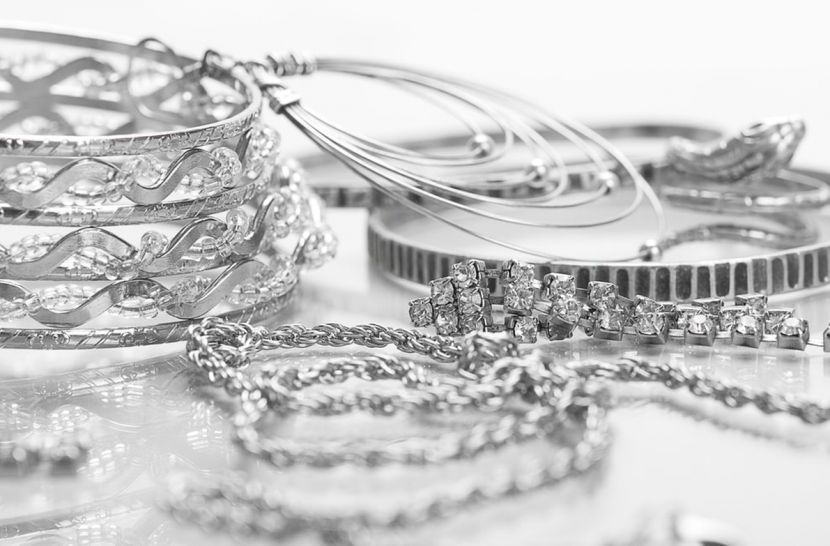
These properties, complemented by an attractive appearance, have made silver one of the recognized leaders in the production of jewelry.
Silver has excellent thermal conductivity, and the degree of its electrical conductivity has no analogues at all. This ensured the widespread use of silver in the electronic and electrical industries.
In addition, due to the unique antiseptic properties, silver is successfully used in medicine.
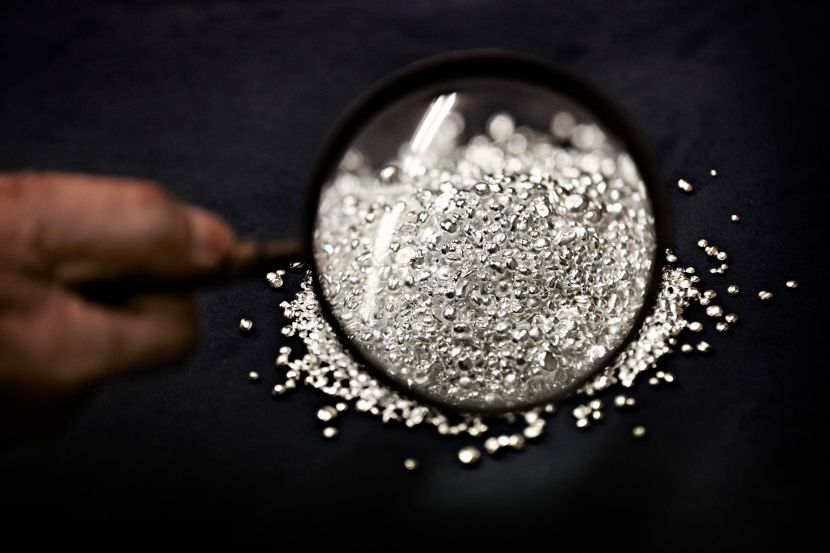
Silver samples
Pure silver is a rather soft material, so its use in this form is impractical. Products made of pure silver easily lose their shape and luster, scratch and, as a result, lose their presentation. In order to prevent deformation of silver products and improve their quality, pure silver is mixed with other metals. The result of this process is an alloy in which a certain amount of pure argentum is combined with various impurities of base metals.
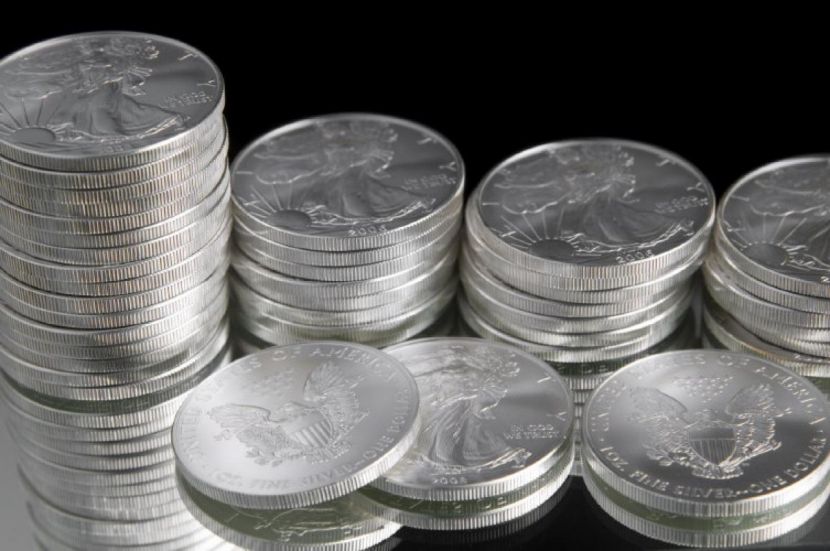
The generally accepted jewelry standard is considered to be an alloy of silver and copper.
These metals are perfectly mixed during melting, transferring a lot of positive properties to each other.
The content of the precious metal in the alloy is determined by samples that are legally approved by the state. All products made of precious metals are subject to mandatory assay control. After checking, each product is given special imprints of three numbers, which are called samples.
Silver screening system in Russia
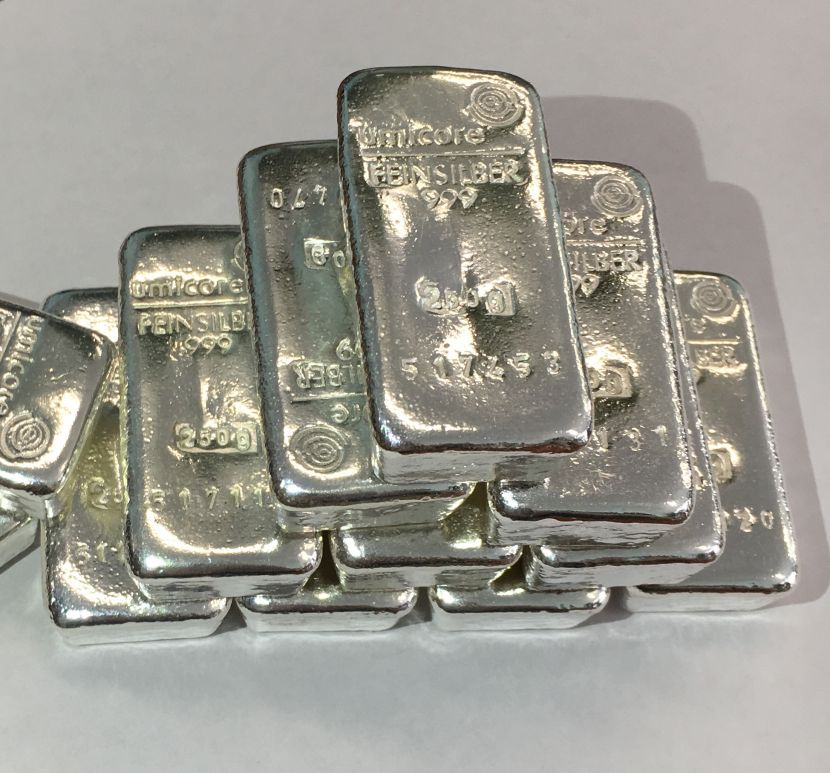
The Russian system of silver samples is easy to use and logical: the three-digit numbers that indicate the samples are the percentage of precious metal content in 1000 grams of a silver-containing alloy. Thus, 925 sterling silver is an alloy containing 92.5% of the precious metal and 7.5 impurities.
To date, we can talk about six samples of silver approved in our country:
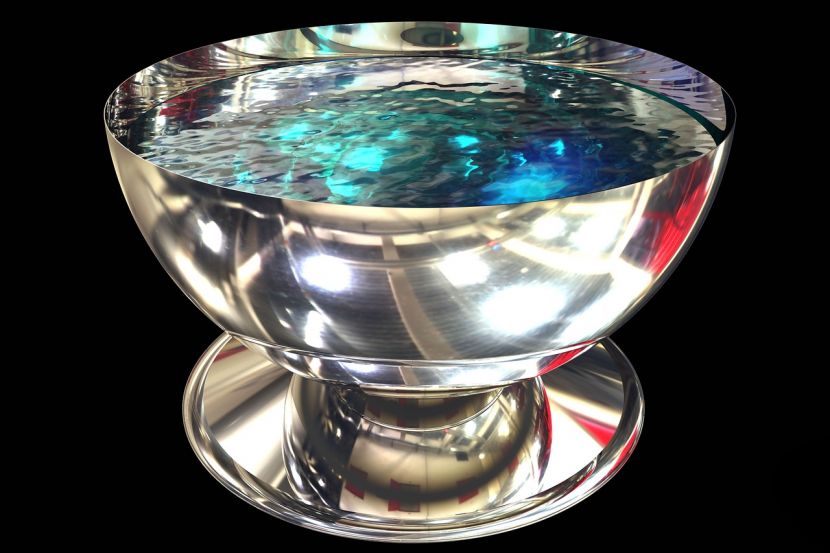
800 test. Peculiarities:
- High degree of strength.
- Yellowish tint.
- democratic value.
- The main disadvantage is the rapid darkening of products. This is due to the high content of copper in the alloy, which accelerates the oxidation process.
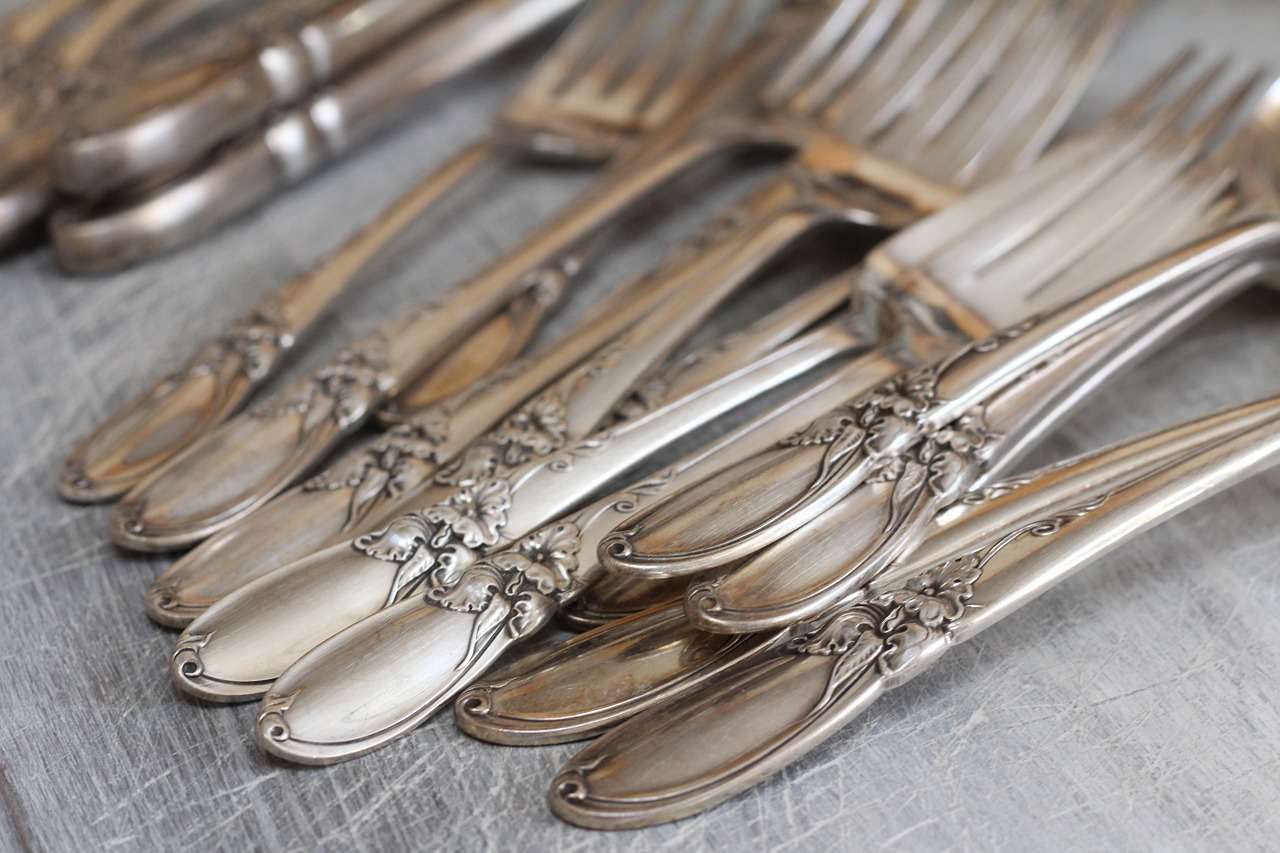
- It is used for the manufacture of dishes, cutlery.
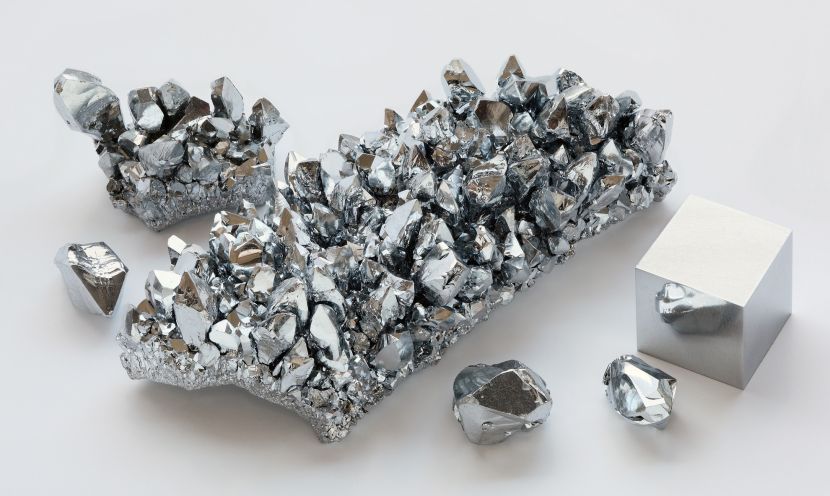
830 sample. Peculiarities.
- It is used only in Russia, having no analogues in the international sampling system.
- Low grade alloy with high copper content.
- It is used, as a rule, by production of decorative ornaments.
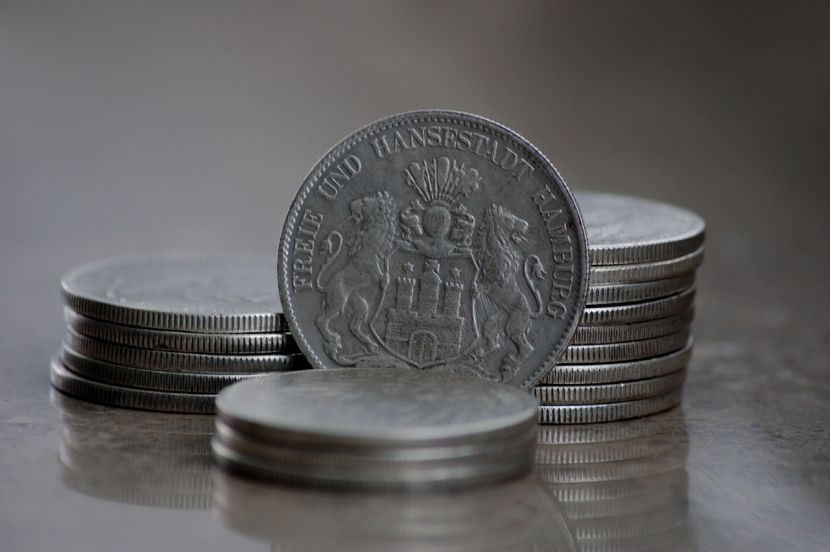
875 sample. Peculiarities.
- Relatively strong and wear-resistant alloy.
- The degree of softness and plasticity is relatively low.
- Qualitative characteristics are largely determined by what impurities the alloy has.
- It is the only silver-containing alloy in which germanium and silicon are added as impurities.
- Used in the manufacture of kitchen utensils and inexpensive jewelry.
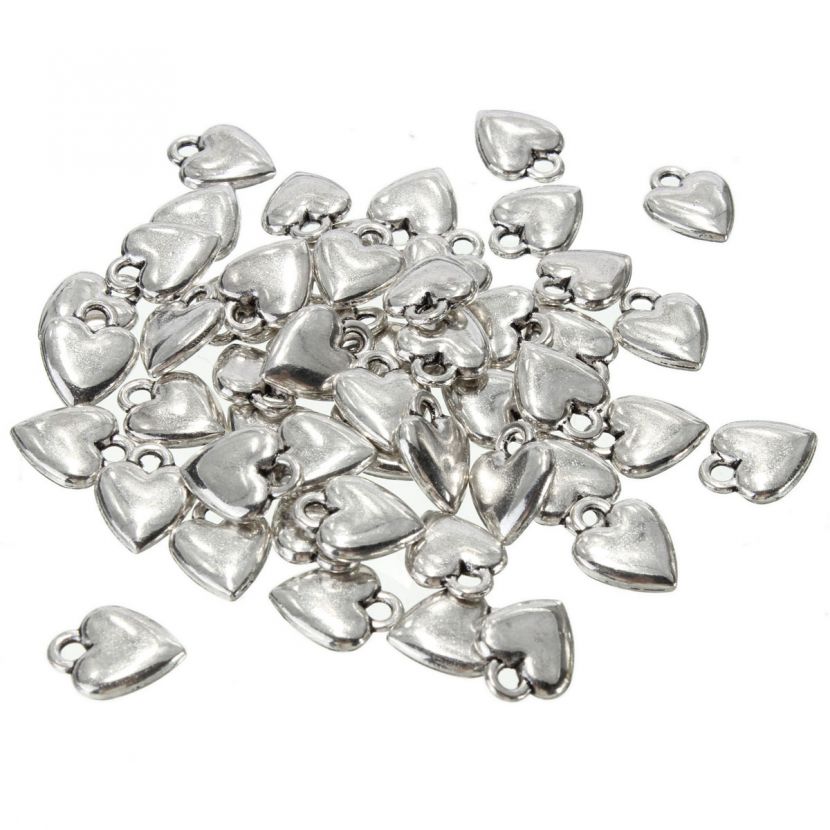
925 test. Peculiarities.
- High quality alloy.
- Perfectly melts, plastic.
- Good resistance to corrosion and oxidation.
- Due to its subdued white tint, it harmoniously emphasizes the beauty of precious stones, which is why it is often used as a setting material.
- An ideal material for creating the most exquisite jewelry.
960 test. Peculiarities.
- Flawless appearance.
- High cost of products.
- According to its characteristics, the alloy is as close as possible to pure silver.
- Significant degree of softness.
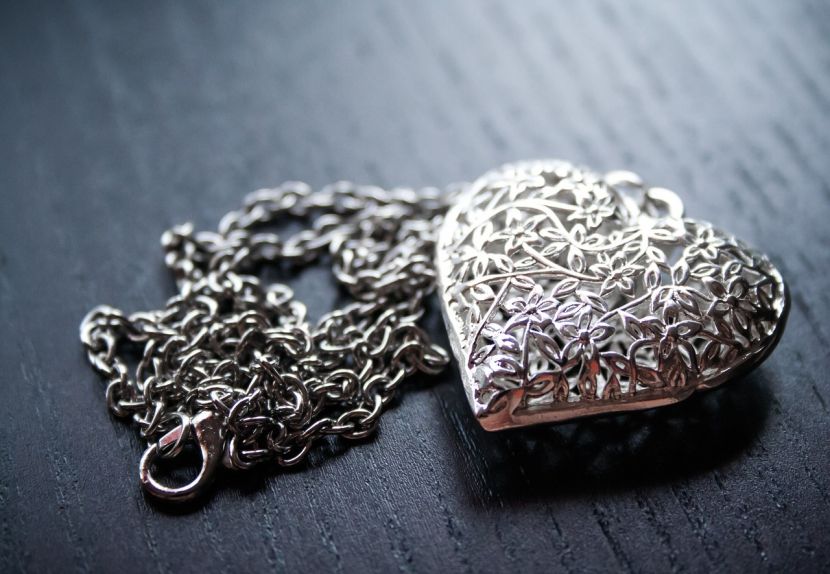
- Found application in the creation of filigree masterpieces of jewelry craft, which require special skill.
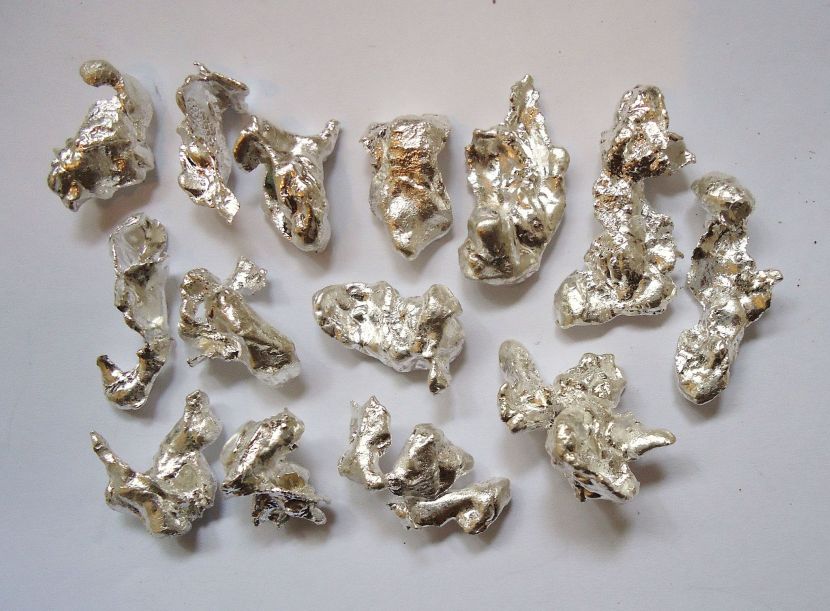
999 proof. Peculiarities.
- It is placed on products with a permissible content of impurities in them - no more than 0.1 percent.
- An extremely soft and malleable alloy, almost unsuitable for jewelry work.
Silver processing methods
Even products marked with the same sample often have a completely different appearance. The reason is different ways of processing silver. Each method gives the product a special, unique look, having characteristic features and its admirers.
Depending on the processing method, silver can be:
- Blackened. It is obtained as a result of applying black (an alloy of silver, copper and lead sulfides) to the product, followed by exposure to high temperatures.
- Oxidized. The essence of the method is to apply a thin protective film to silver objects. This chemical process is called oxidation. This processing method is popular, as it not only allows you to protect jewelry from the adverse effects of the external environment, but also gives them a special vintage charm.
- Matt. One of the methods of decorative finishing of silver alloys is matting, which has become widespread and popular only in recent years. Previously, the bright brilliance of jewelry was valued, now their muffled radiance is preferable. A similar effect can be achieved by creating roughness on the surface of the metal. Various methods are used for this.Unfortunately, matte silver products, which are so popular today, require special treatment and careful care. To clean jewelry, special jewelry cosmetics and ultrasound are used.
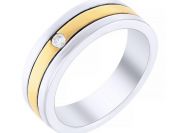
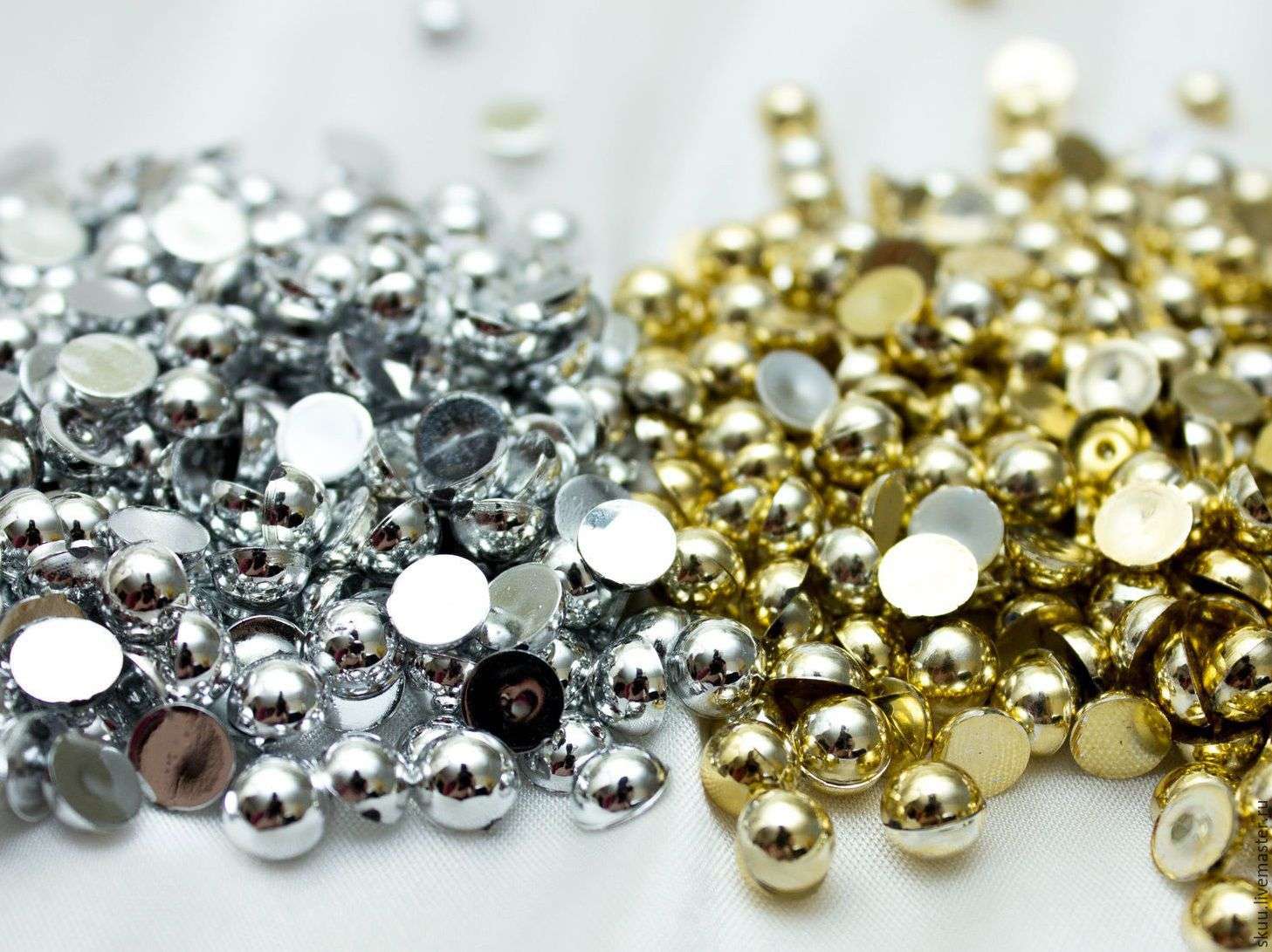
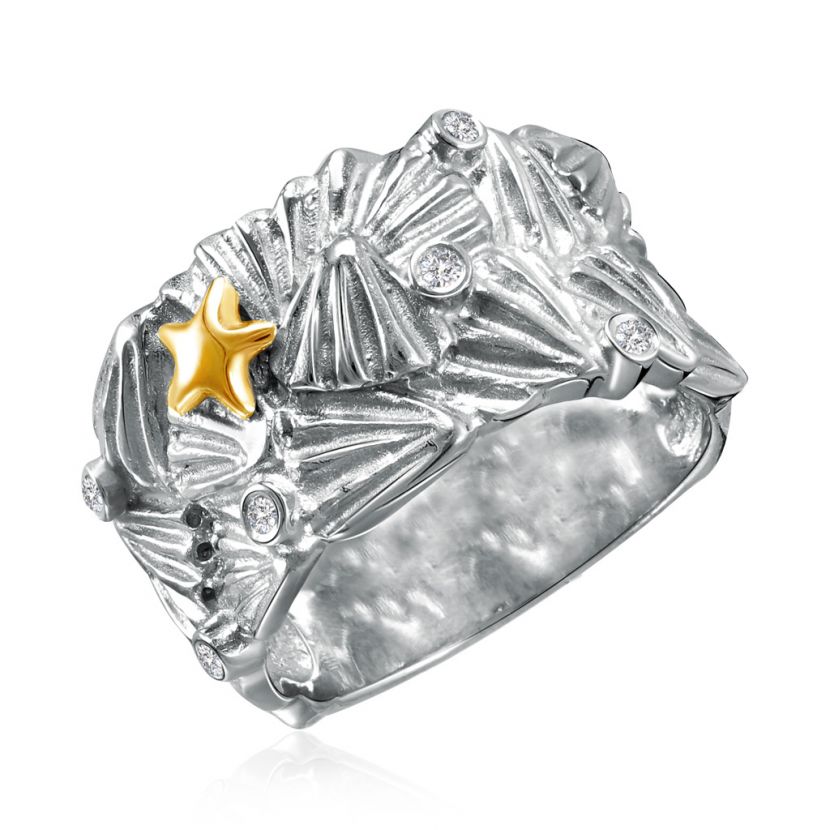
- Gilded. In appearance and tactile perception, it is almost indistinguishable from gold. Gilded silver is obtained by coating 925 sterling silver with a layer of gold plating. This process can be carried out by electrolysis, by immersing a piece of silver and a piece of gold in an electrolytic liquid, followed by conducting an electric current. The final stage of work on the product is polishing with agate to give shine and brightness.
Determination of the authenticity of silver products
The acquisition of any product made of precious metals requires a thorough and pedantic approach, otherwise there is a high risk of getting a fake. Most buyers are firmly convinced that the presence of a sample is a guarantee of the authenticity of the product. However, even samples are fake.
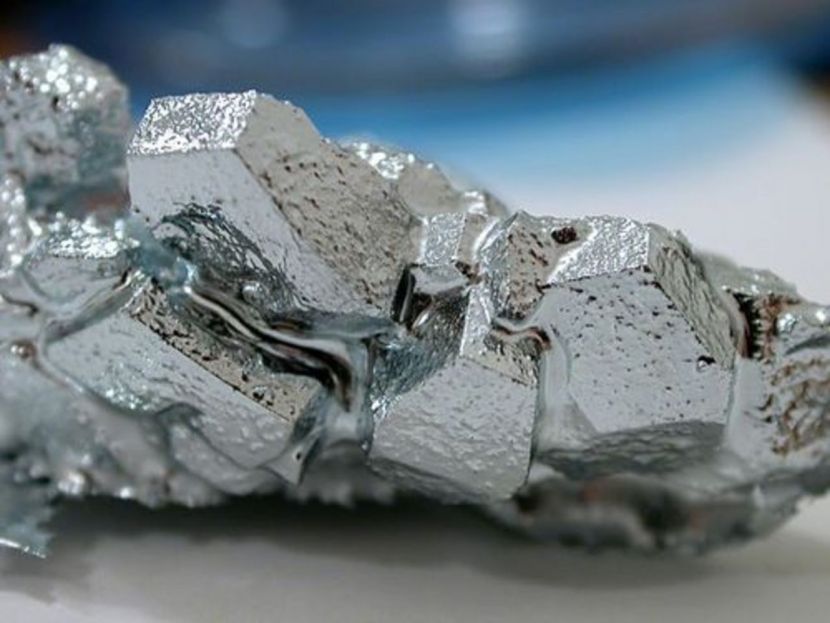
High-quality fakes can only be seen by experienced professionals, using specialized equipment for this. Therefore, despite the abundance of home methods to determine the authenticity of silver products, it will be most rational to turn to experts in this field if there is the slightest doubt. Bringing a silver item to a magnet, heating, using iodine or chalk - all these and many other methods that are used to identify the authenticity of silver at home cannot give a guaranteed result.
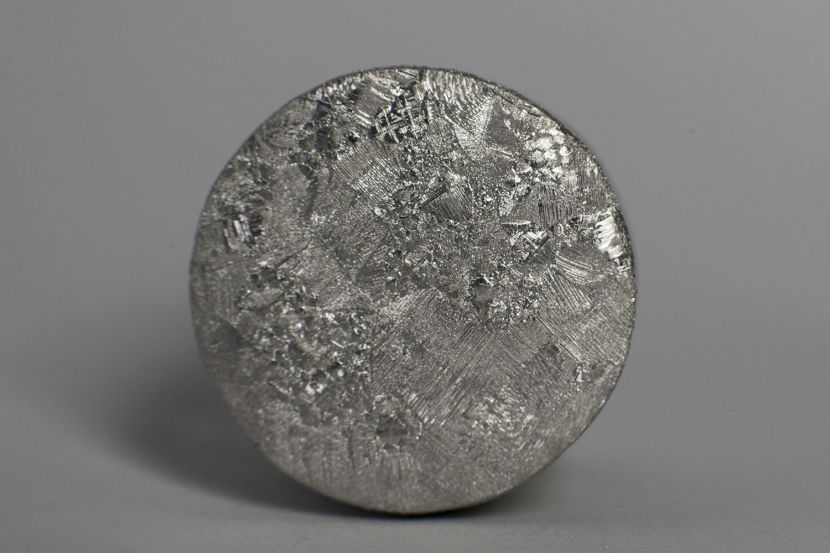
Of course, you can suspect a fake jewelry or antiques using these methods, but only a professional can fix and prove this.
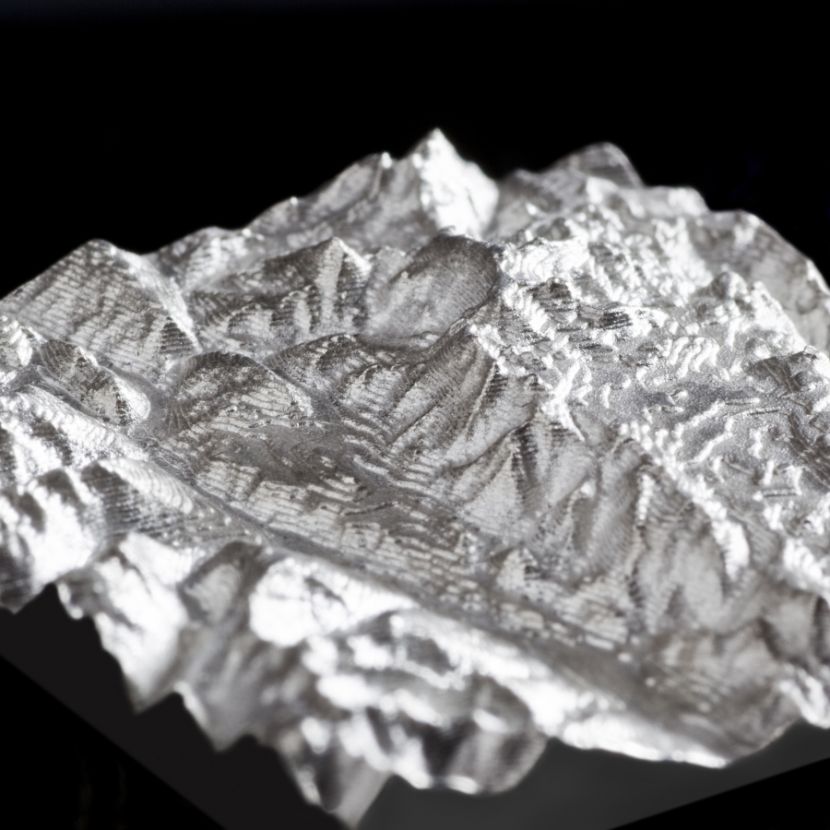
Silver does not need special advertising, because for many centuries it has faithfully served a person.
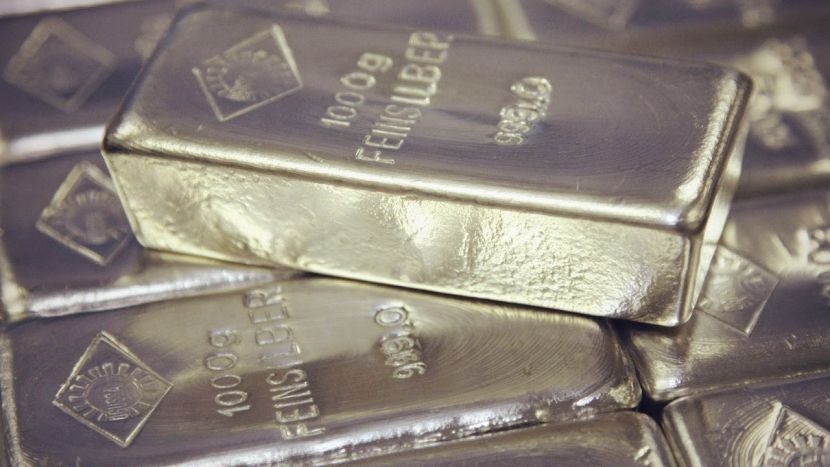
The amazing and useful qualities of this noble metal often attract not only connoisseurs of beauty, but also enterprising businessmen who want to cash in on fake silver items.
Knowing the basic principles of testing argentum and how to process it will help you make the right choice when buying silverware and avoid becoming a victim of scammers.
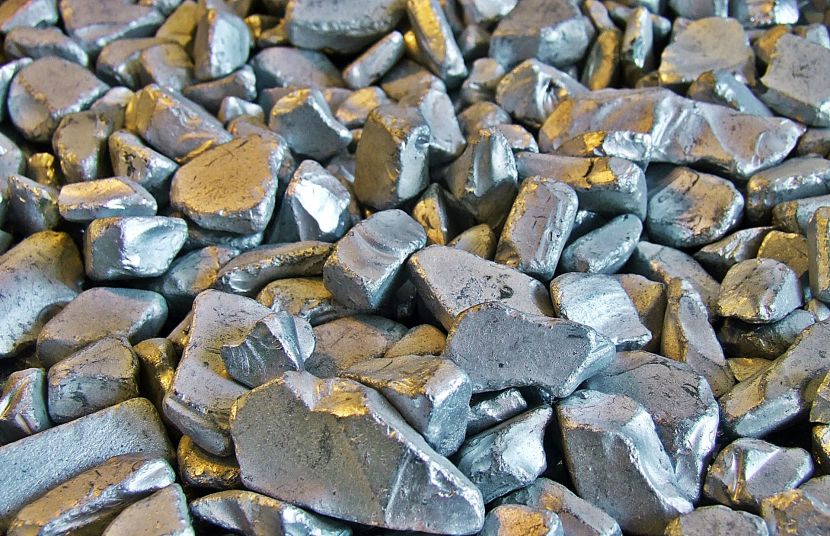
Silver photo