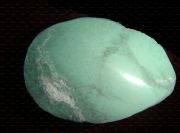
Very rare Paraiba stone - discovery history, deposits, unique photos
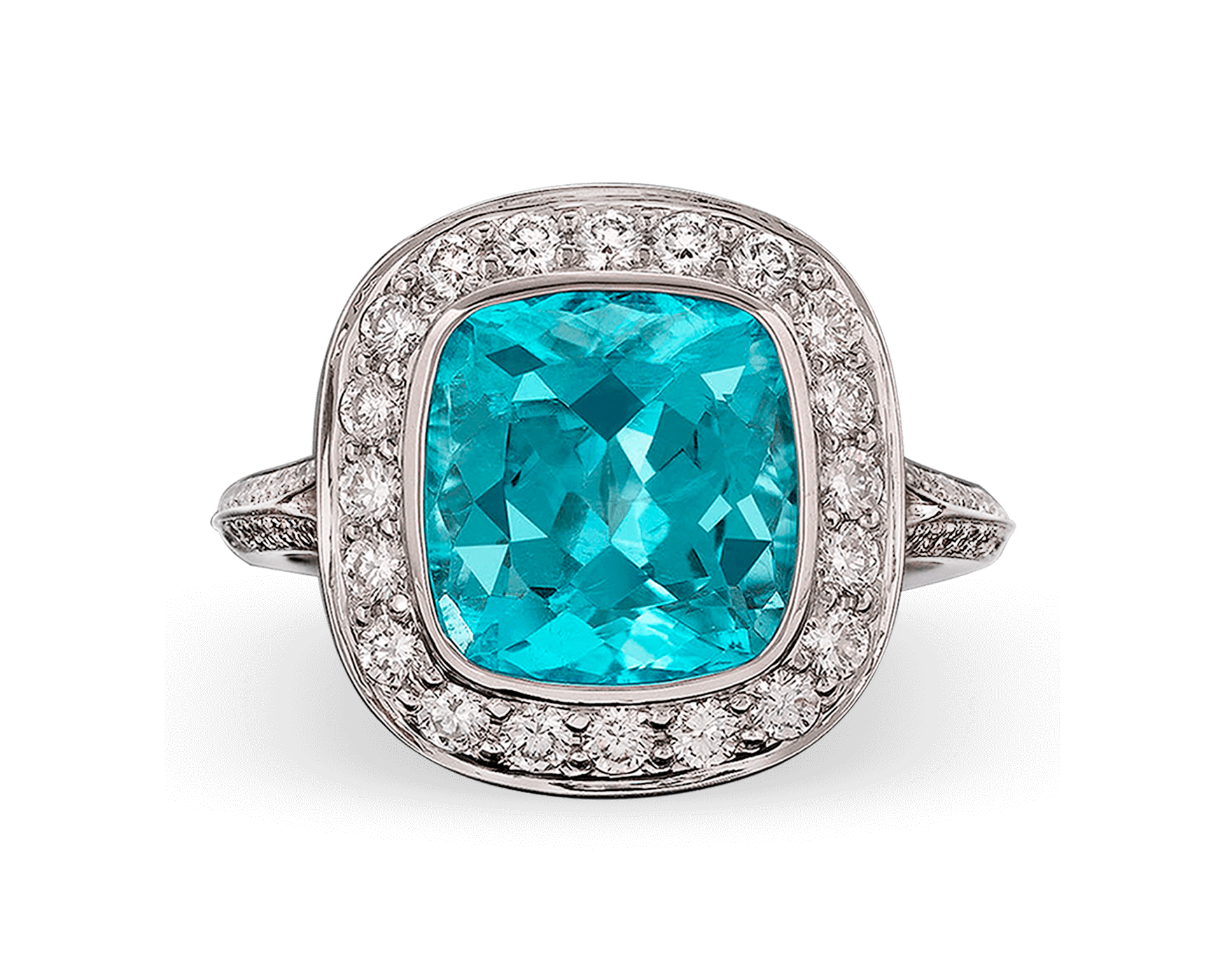
This amazingly beautiful and very rare gem was discovered only in 1987. Paraiba is a truly precious stone, because one carat costs at least 10 thousand dollars.
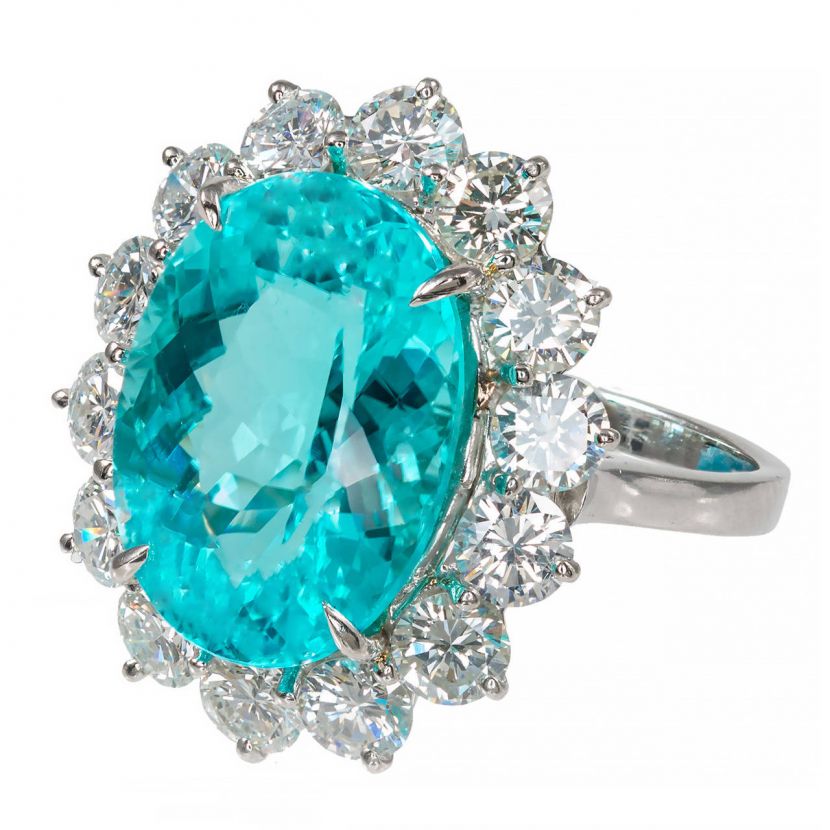
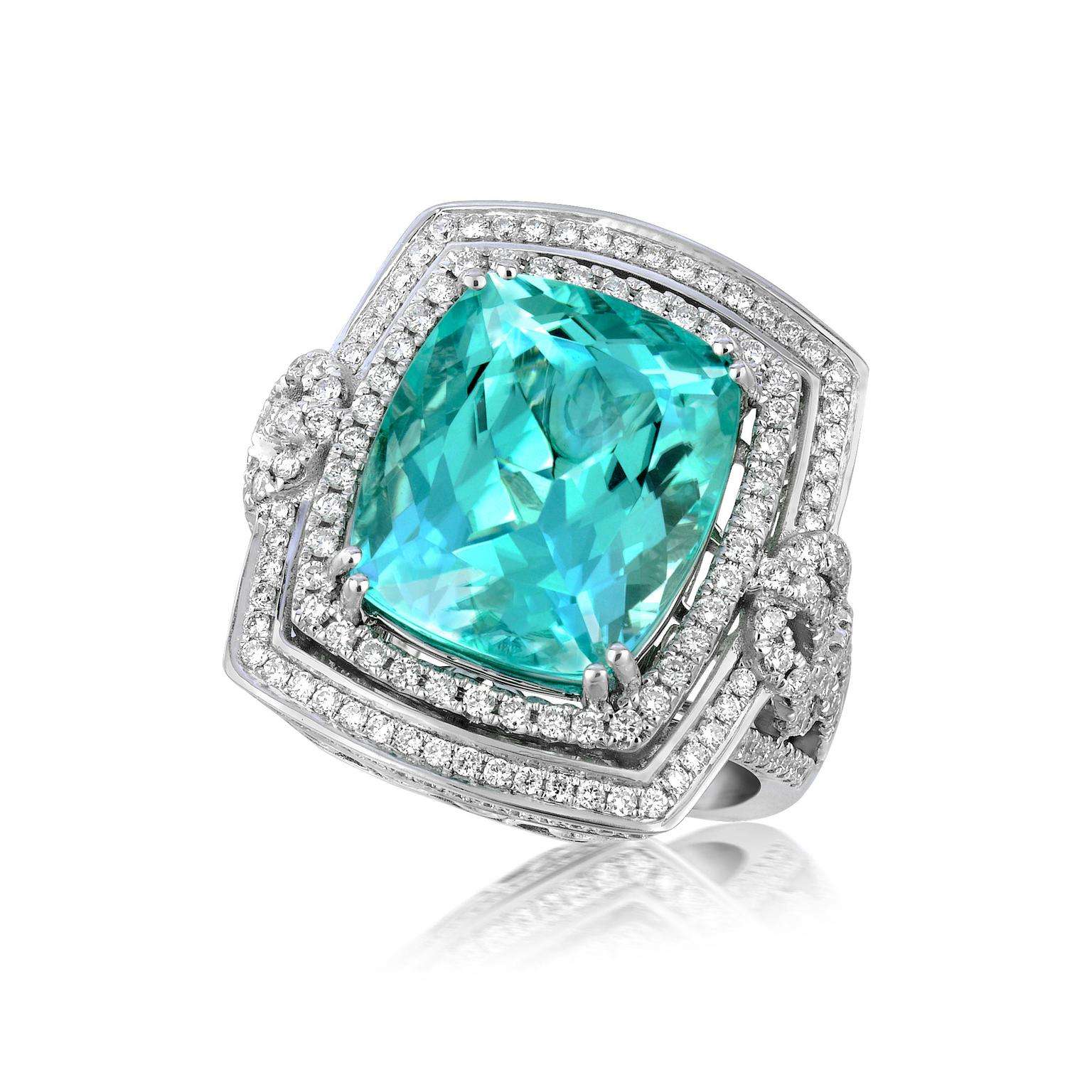
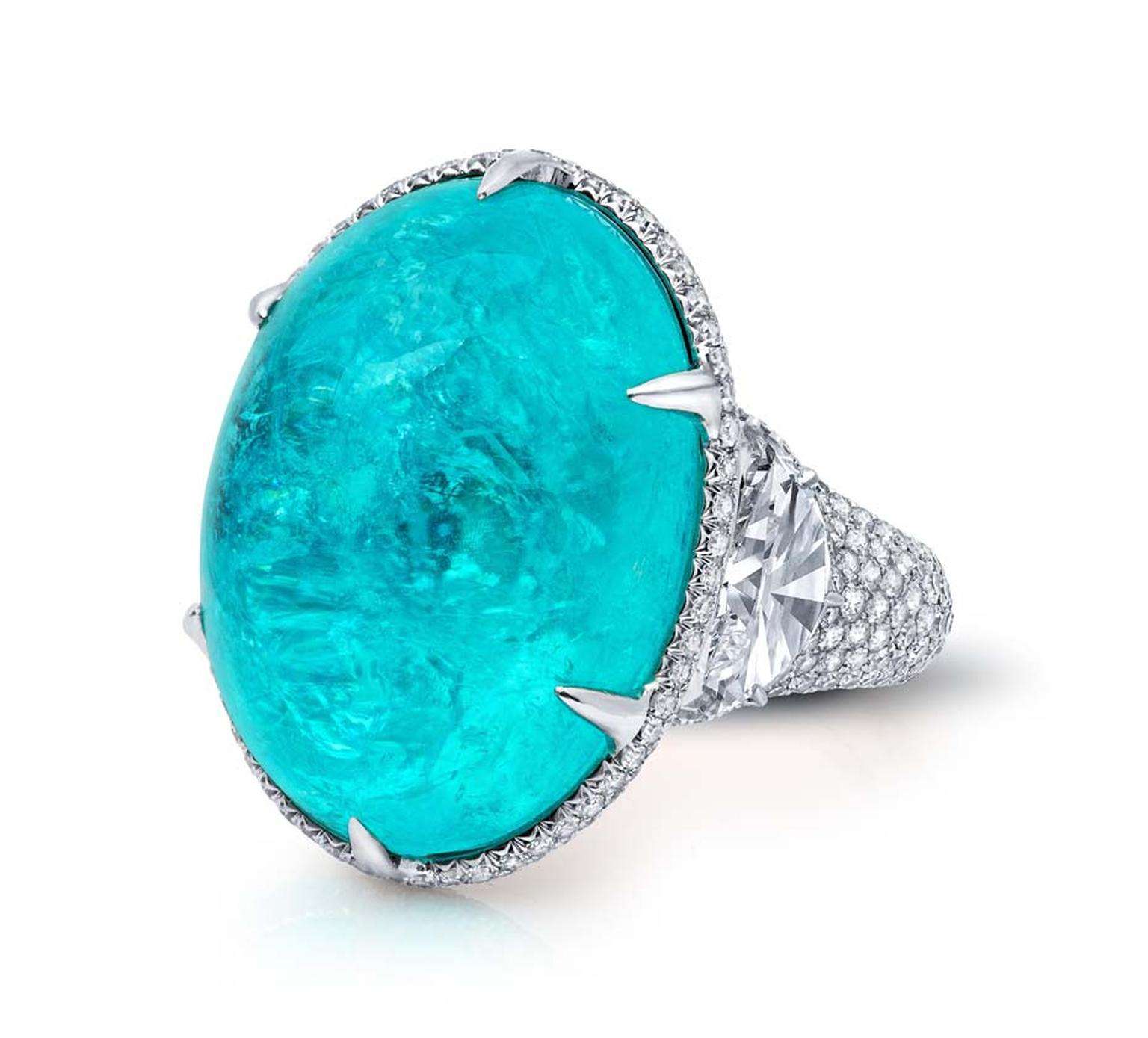
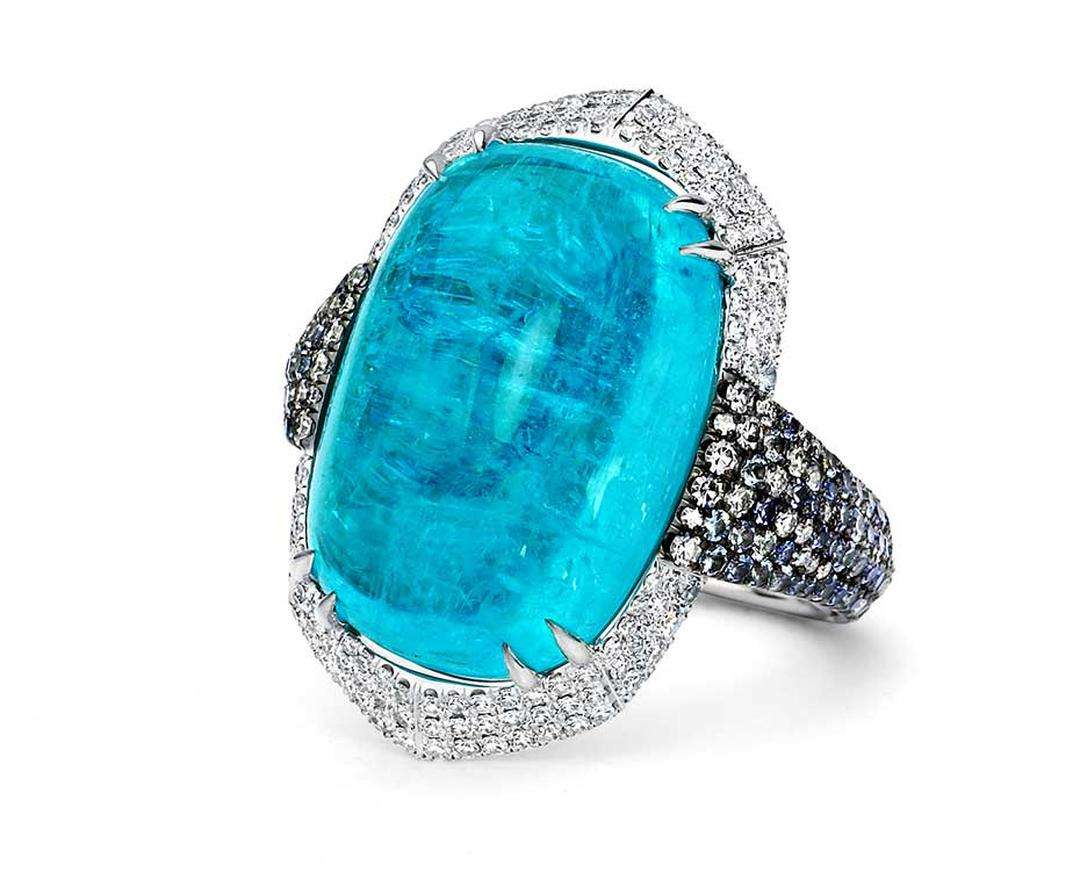
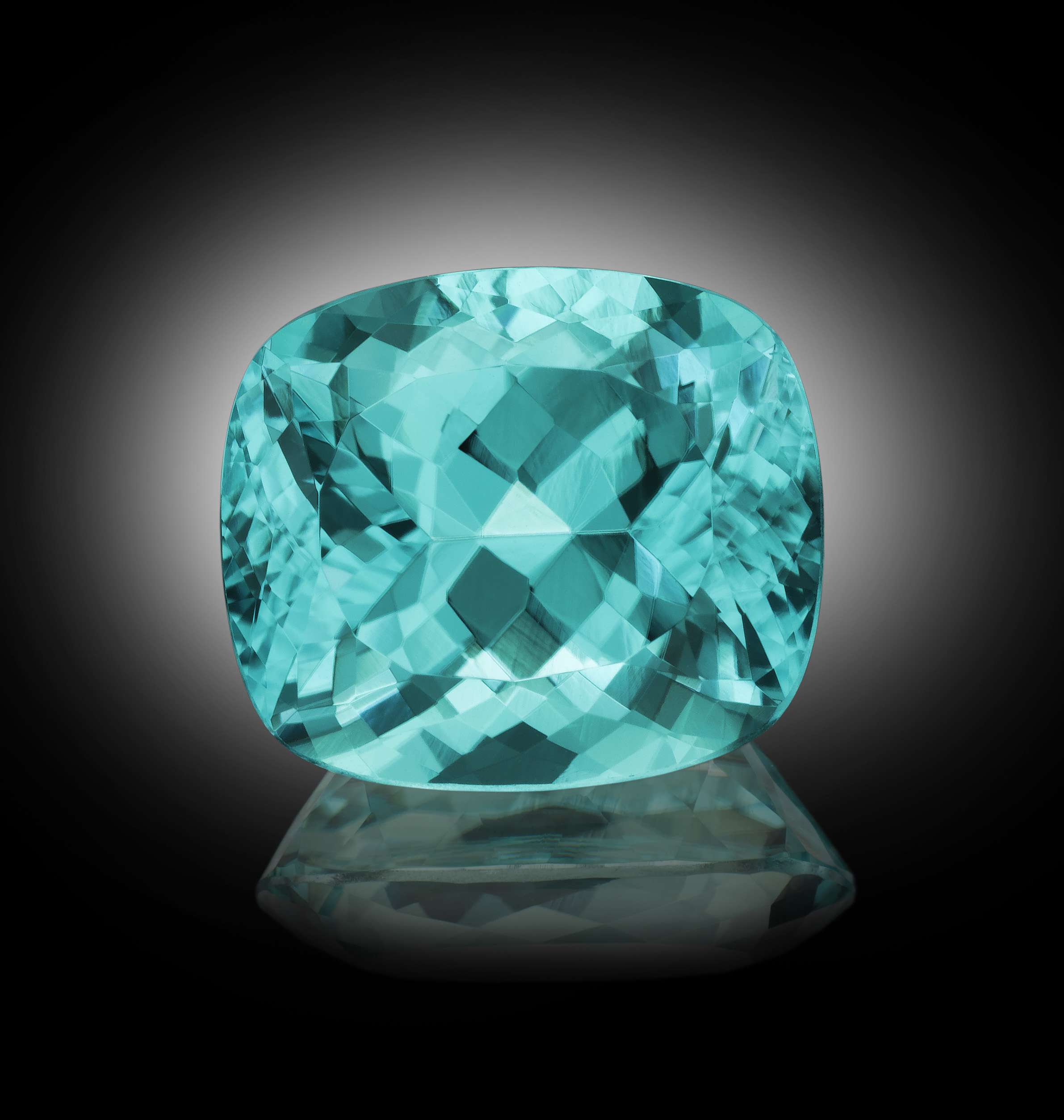
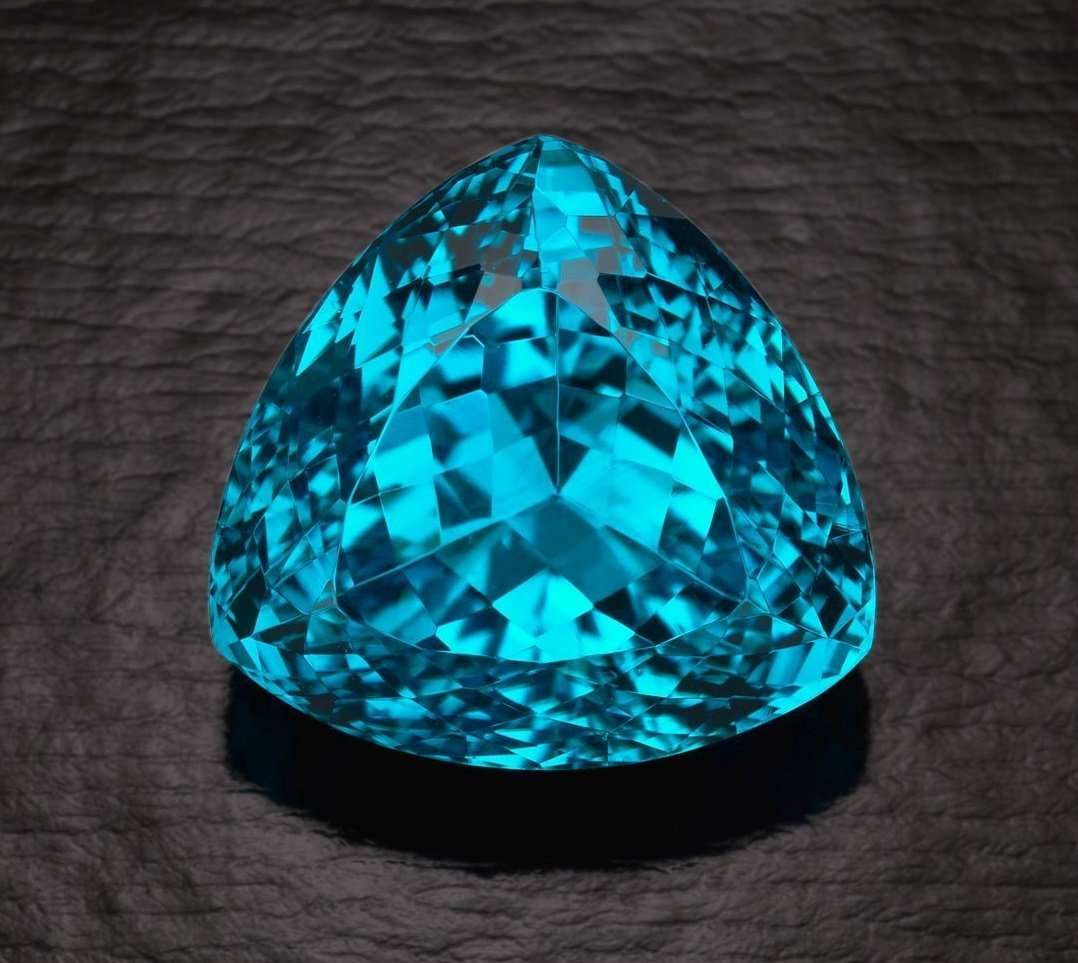
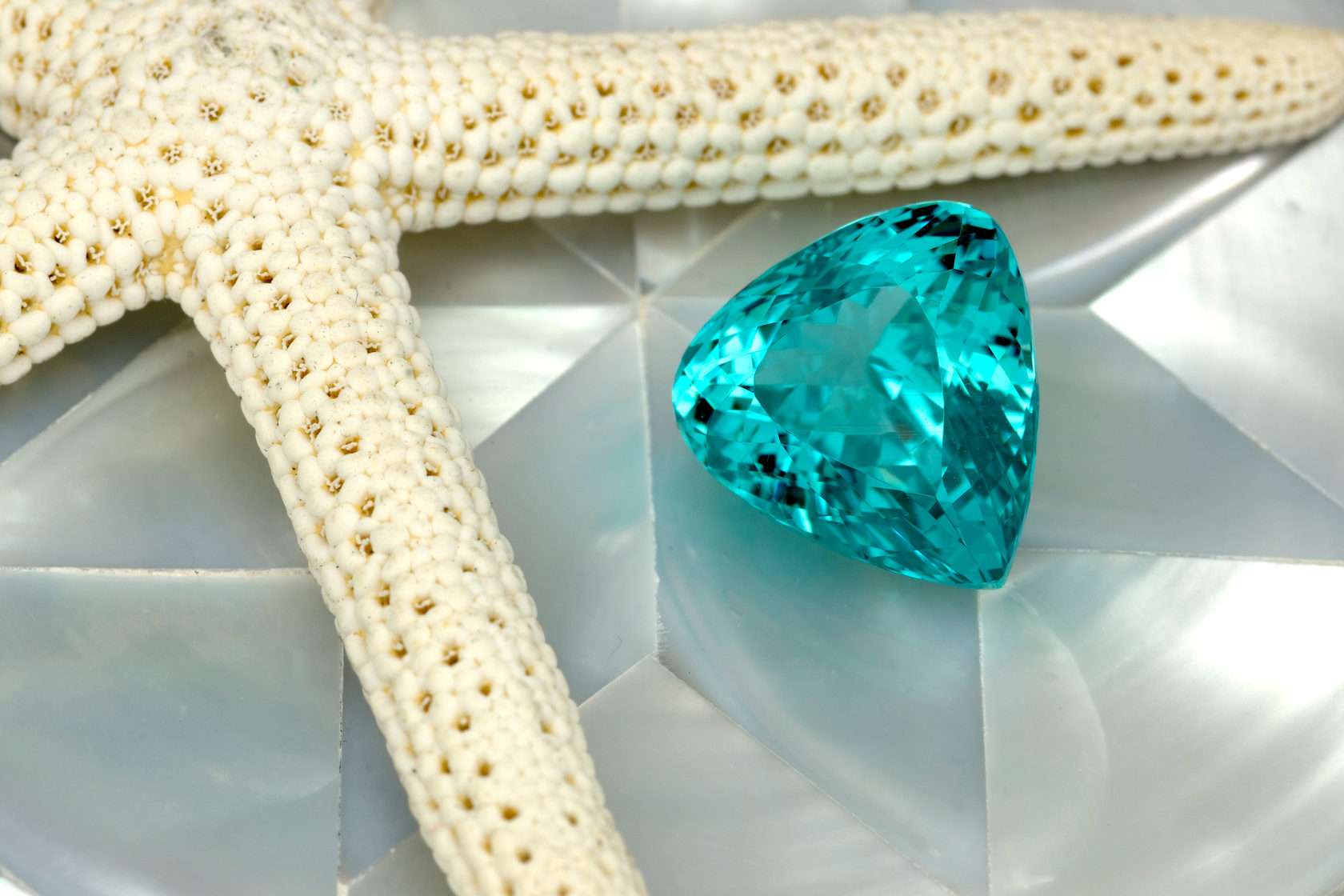
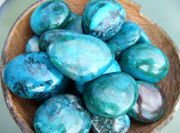
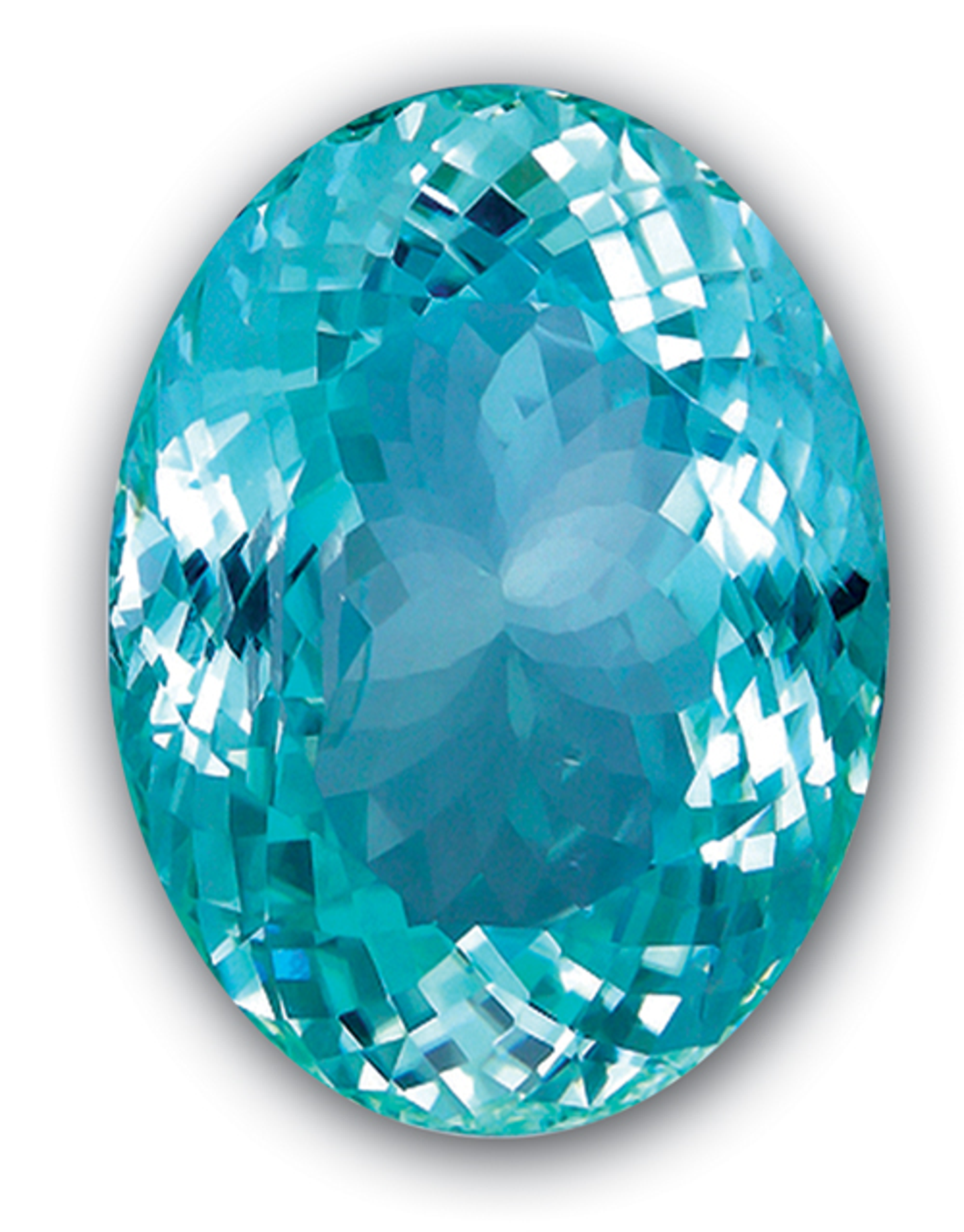
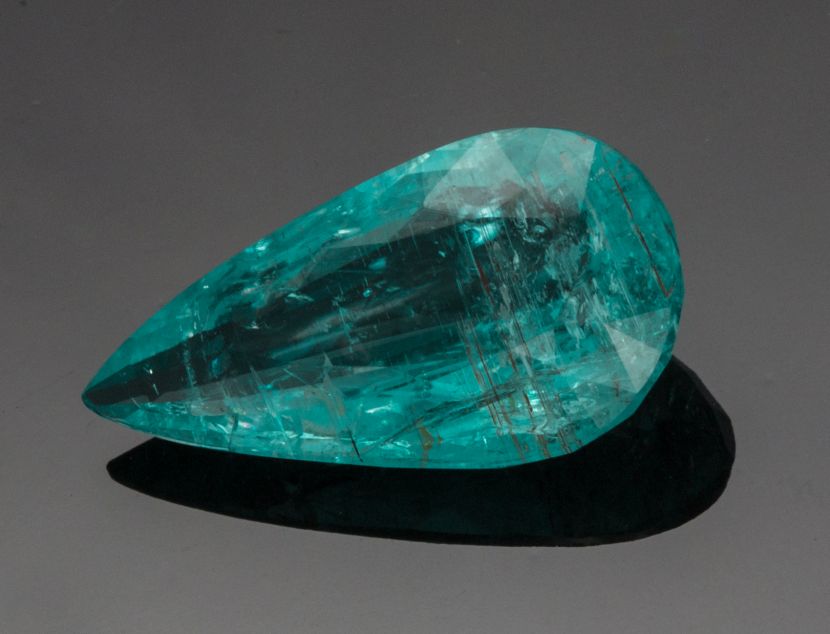
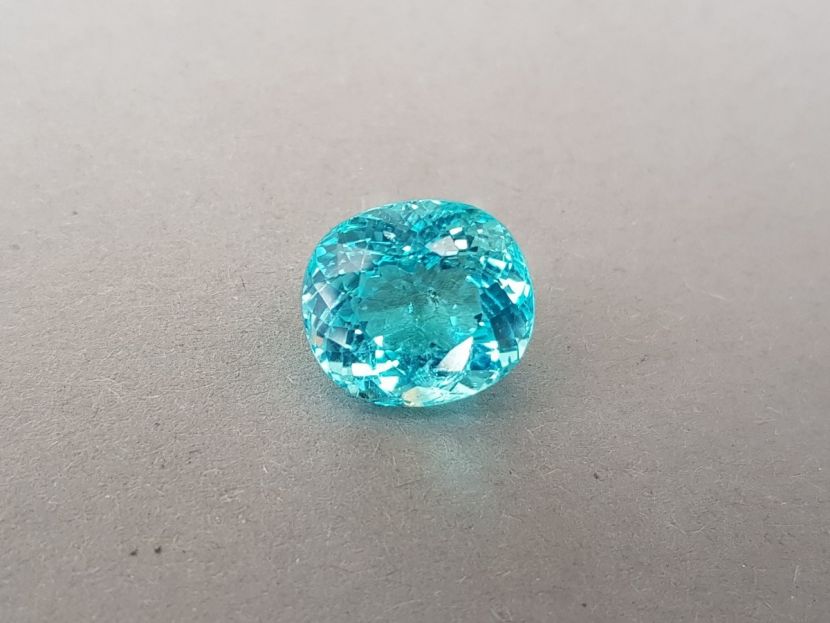
The greenish-blue gem casts no shadow even on a sunny day. Instead, a neon glow appears, emanating from the stone.
History and origin of the name
Initially, the stone was called hayterite in honor of the discoverer.
In Brazil, illegal treasure hunters are called "garimpeiros". One of them, Hater Barbosa, had the honor of finding a new gem. It was not an ordinary garimpeiros. He craved not profit, like everyone else. He was driven by a dream to find something that would glorify Brazil.
Having bought a license to search for precious stones in the easternmost Brazilian state of Paraibo, he, along with a group of similar prospectors, practically did not get out of the adits of an abandoned mine near the village of San José da Batalha for five years, sifting through tens of tons of rocks in the hope of finding something quite unusual.
His dream came true in 1987, when Barbosa himself was already terminally ill.During the excavation of a hill 60 meters high, amazingly beautiful tourmaline was discovered, glowing from the inside with a blue neon light. Hayter himself did not find the triumphant exhibition in the Arizona city of Tucson, where the price of a new gem increased tenfold in a matter of days.
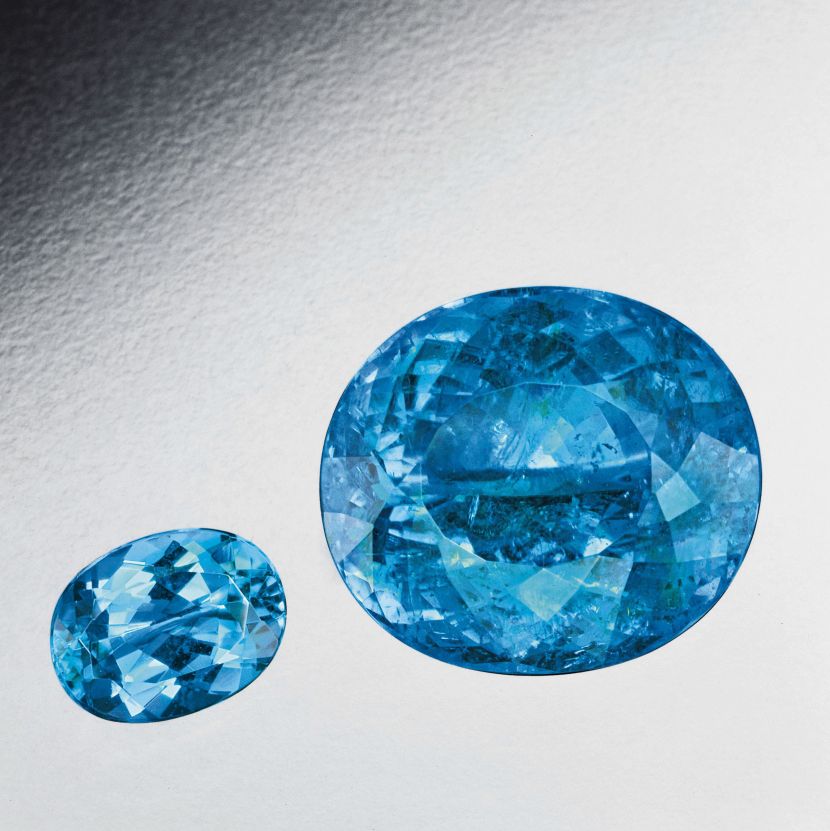
And yet, the name "hayterite" for some reason did not take root, and the stone was called "Paraiba" after the name of the Brazilian state where it was first found. In general, this is how it turned out, as Hayter dreamed, who glorified his country with his find.
Place of Birth
The hill, where the unusual mineral was found, was torn down very quickly, since the price per carat was ten times higher than that of diamonds. Quite a few stones were mined, but the largest of them did not exceed 8 carats.
After the depletion of the first deposit in 2001, similar gems were found in Nigeria, and then in Mozambique, Tanzania and Madagascar. But African gems were significantly inferior to Brazilian ones in terms of jewelry qualities, differing from them in shades and intensity of luminescence. Until now, jewelers do not recognize them as real Paraiba, and their price is ten times less.
Despite this difference, the composition of stones from different shores of the Atlantic is almost identical, and the age of the gems is the same, since they were formed about 500 million years ago in the depths of the ancient continent of Pangea. Later, Pangea broke up into several parts, now separated by thousands of kilometers of ocean.
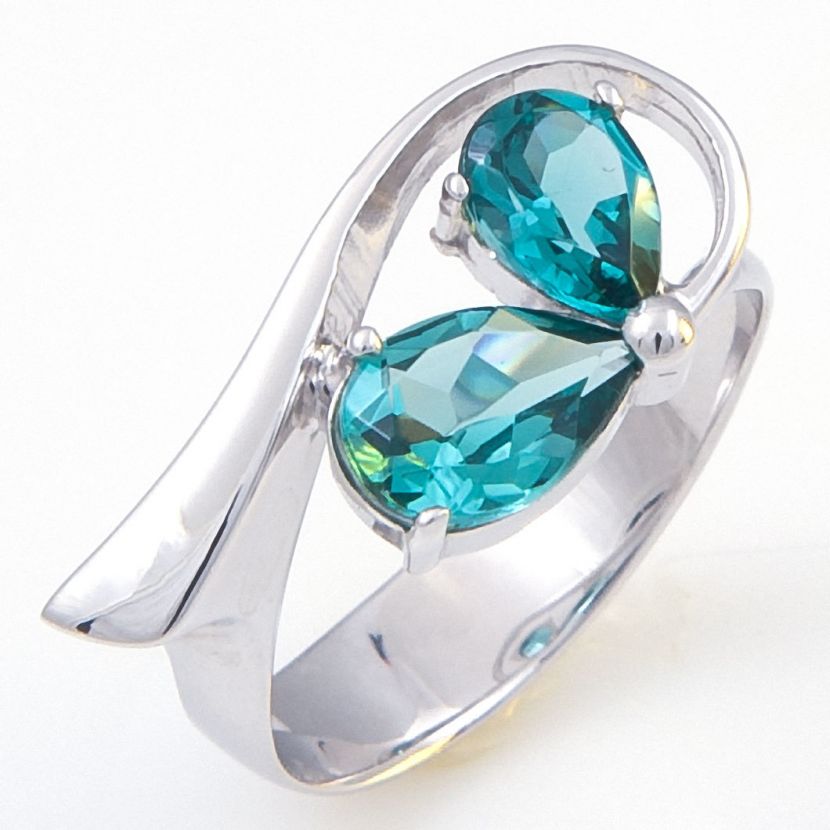
But recently, already in the 21st century, it was possible to find another deposit in Brazil, but in another state of Rio Grande do Norte. Their quality was the same as those opened by Hayter. Since then, only the Brazilians are called "Paraiba", while the African ones are just "Paraiba type".
Physical Properties
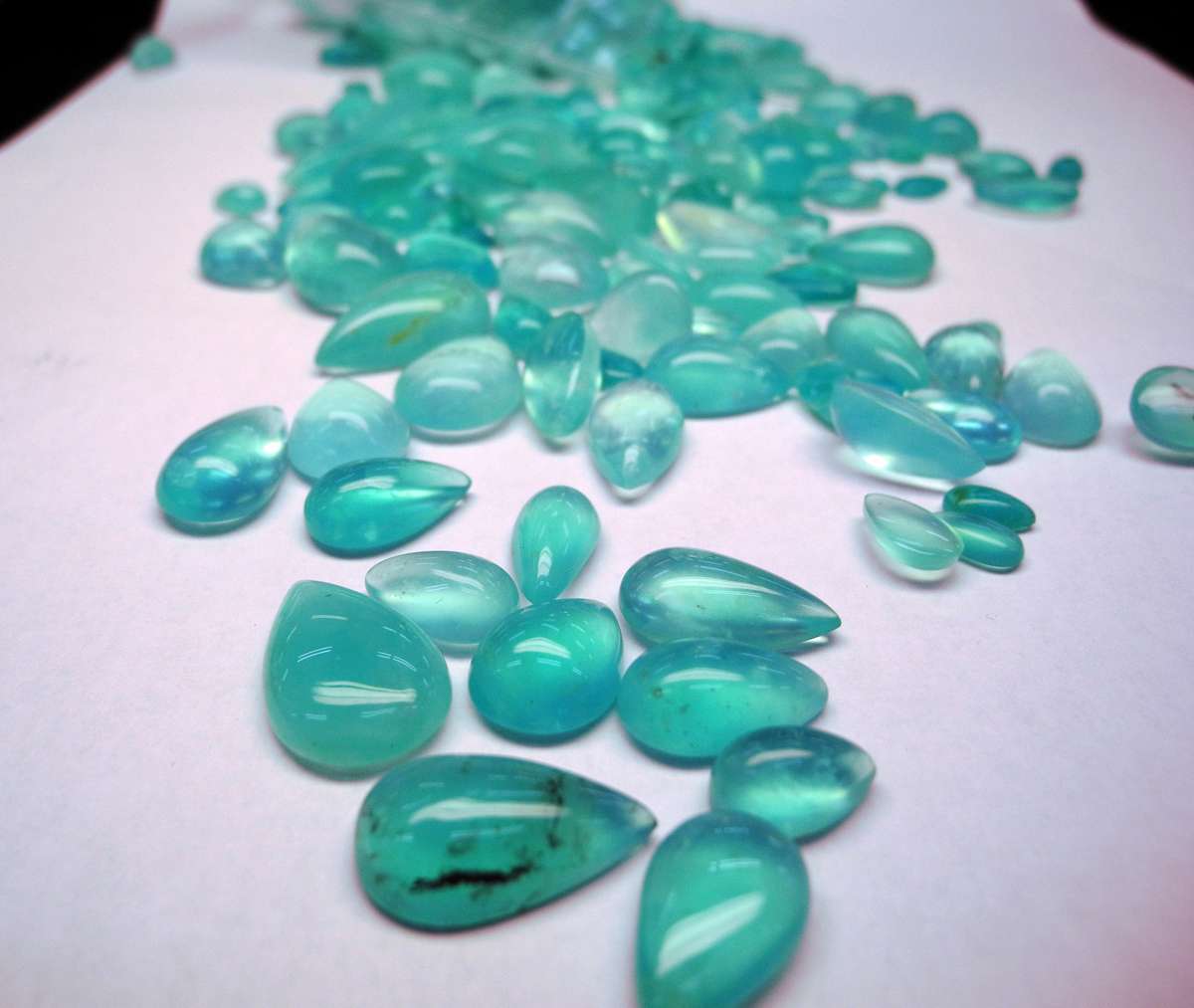
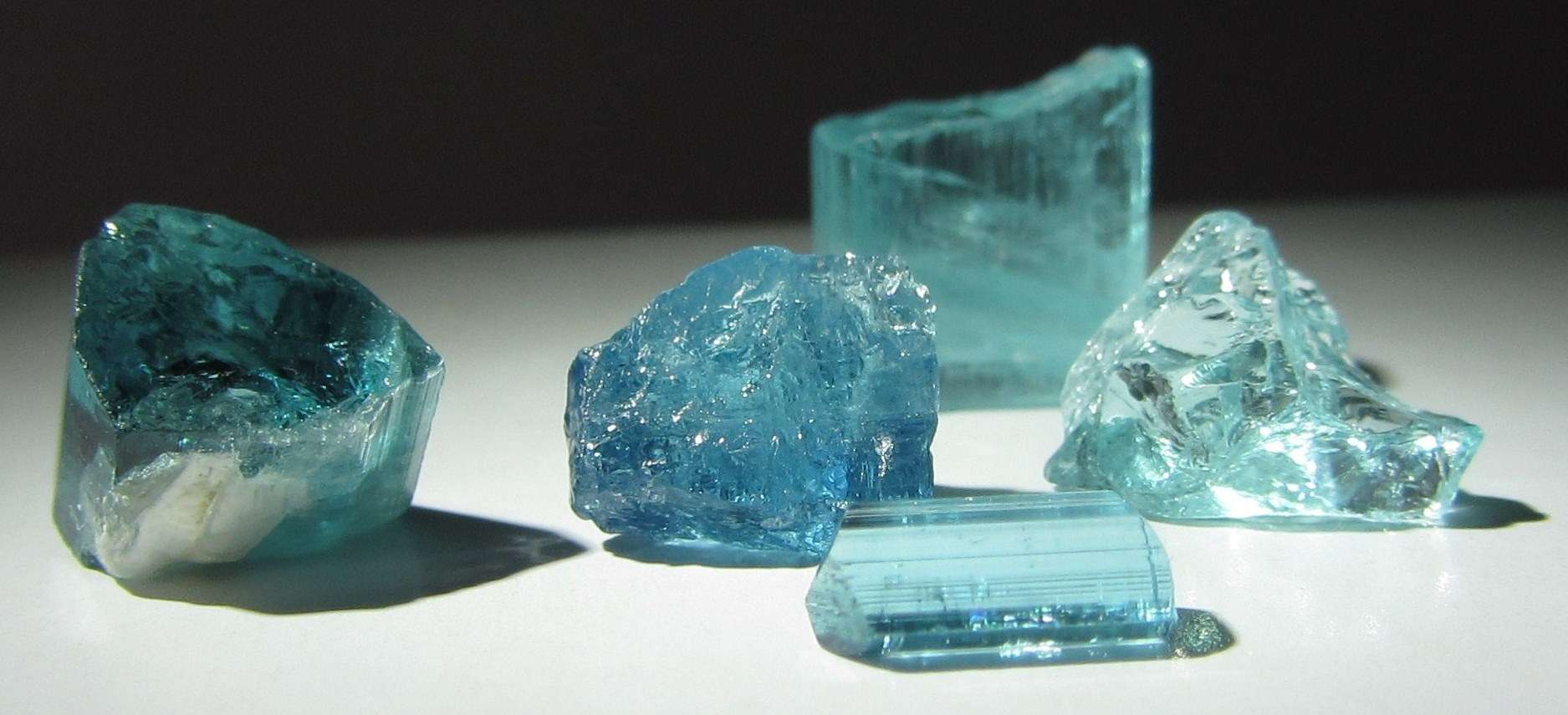
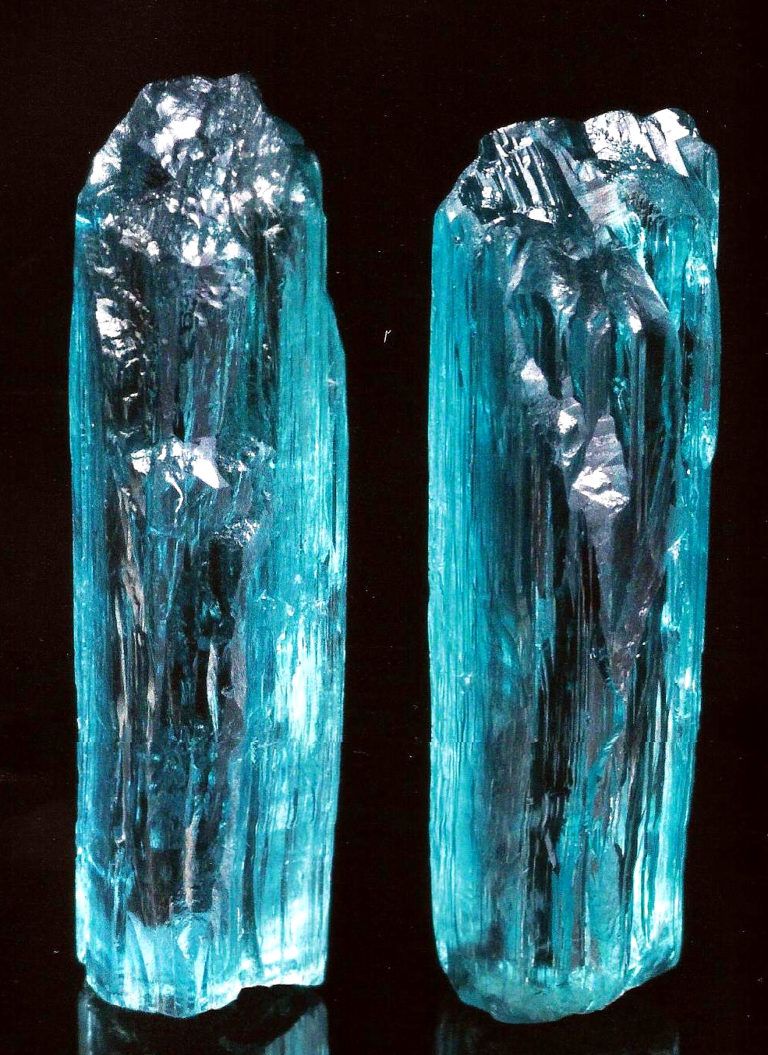
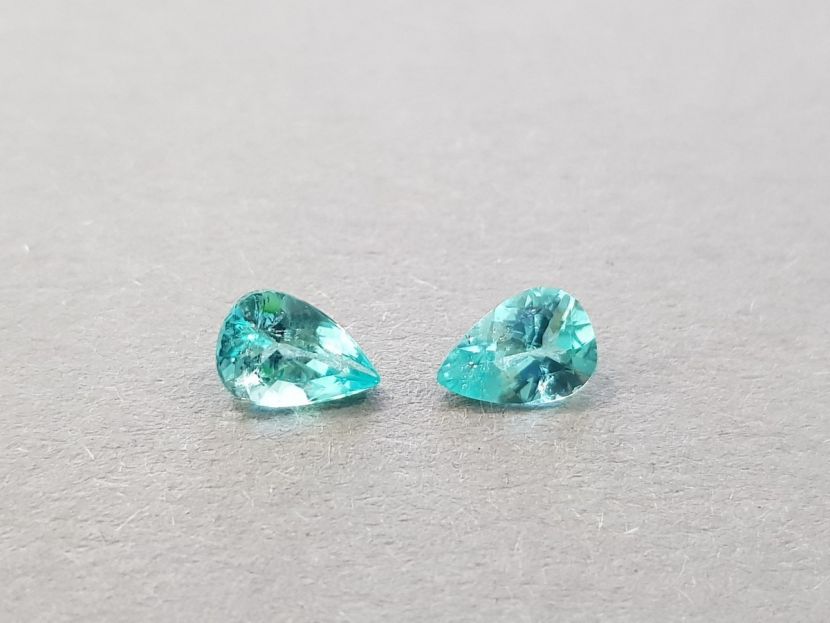
Paraiba is one of the varieties of tourmaline and has the same physical properties. They have a glassy sheen. The refractive index is close to glass (1.62-1.65), and the density is 3.2 g/cm3. The hardness is quite high and ranges from 7 to 7.5. The color can be sky blue or greenish blue. In African stones, a green tint is much more common, as is pink or purple.
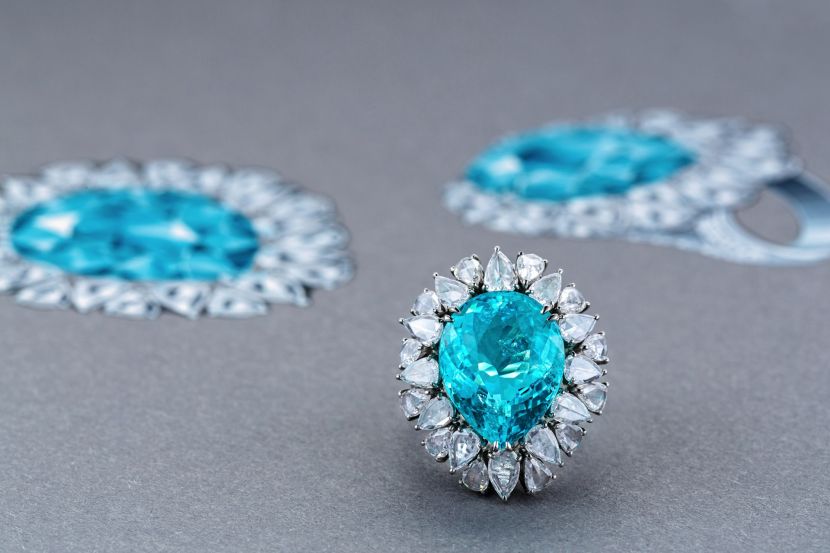
The glow of Paraiba is due to the property of tourmalines to polarize transmitted light. As a result of repeated reflection of polarized rays, a magical glow is born.
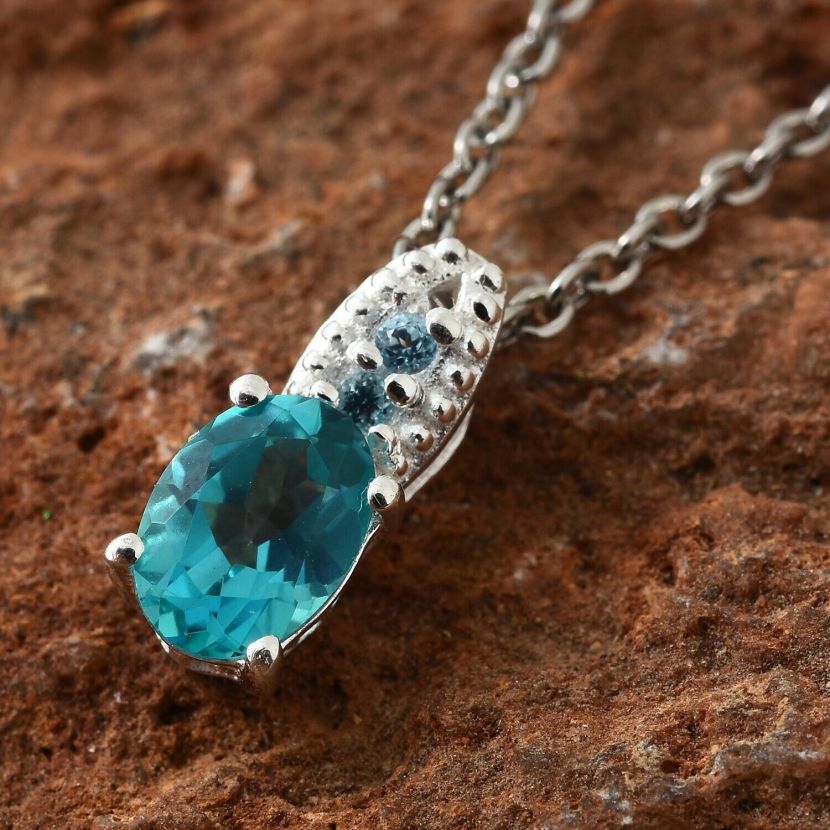
Interesting: Paraiba, like other tourmalines, has piezo- and pyroelectric effects, that is, the ability to acquire a potential difference at the ends of the crystal under the influence of deformation and heating.
Chemical properties and composition
According to the chemical composition, Paraiba is a boron- and fluorine-containing aluminosilicate. Numerous impurities, primarily copper and manganese, give it color, and it is copper that provides the sky-blue color of the stone, and manganese spoils it, giving pink and purple tones, as in the African “Paraiba type”. Copper in a quality stone should be at least 1.2%. In total, about 50 elements were found in Paraiba. This is one of the richest gems in terms of composition.
Paraiba is quite resistant to acids and alkalis. Only molten alkalis can dissolve it, and even then very slowly. But the color and glow from contact with chemicals may change. They are determined by very subtle ratios of the components included in the stone.

artificial paraiba
As soon as the Paraiba price exceeded $ 10,000 per carat, attempts to fake the gem became many times more frequent. This turned out to be a very difficult task.To get a neon glow in the entire volume of a transparent stone is possible only with a sufficient content of copper inside it. They tried to saturate the surface layer with copper, but such fakes were immediately noticeable by the nature of the glow.
There have been attempts to produce a sky blue color from purple or pink Africans by heating. The color came out, but the radiance disappeared. Great results were achieved by those who combined the heating of indicolites in acids with hard gamma irradiation. Such stones can only be distinguished by chemical analysis.
The only way to get an analogue was to shell copper atoms at the accelerator, but this is already exotic, although if the price rises a little more, it will pay off.
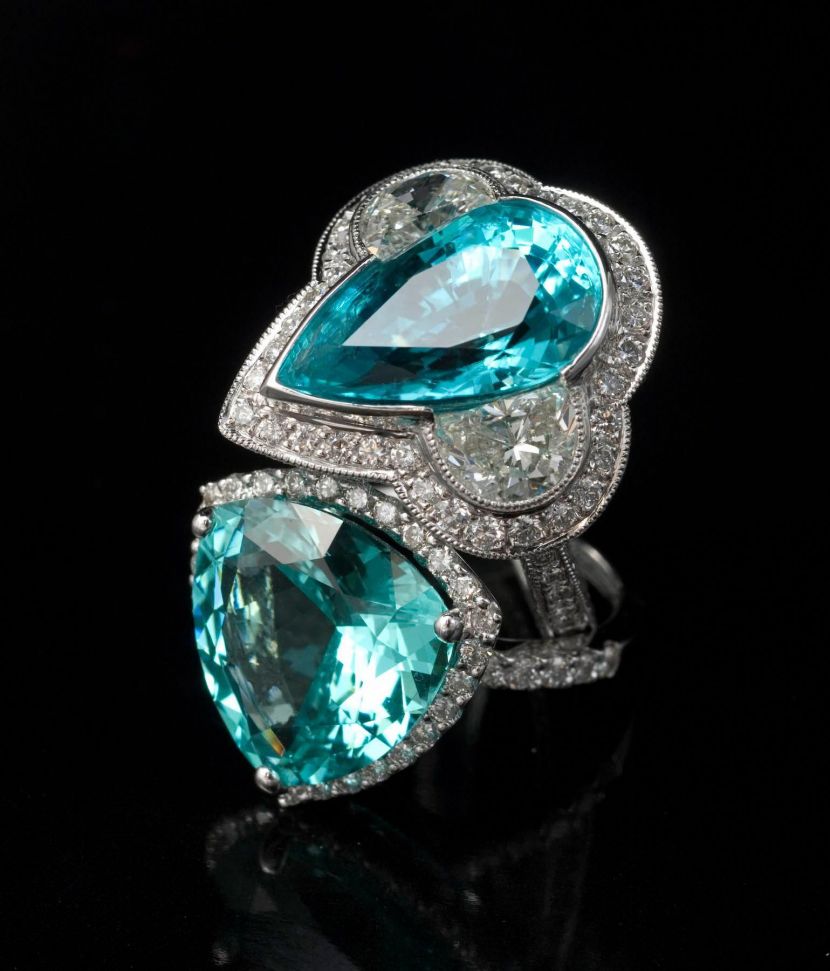
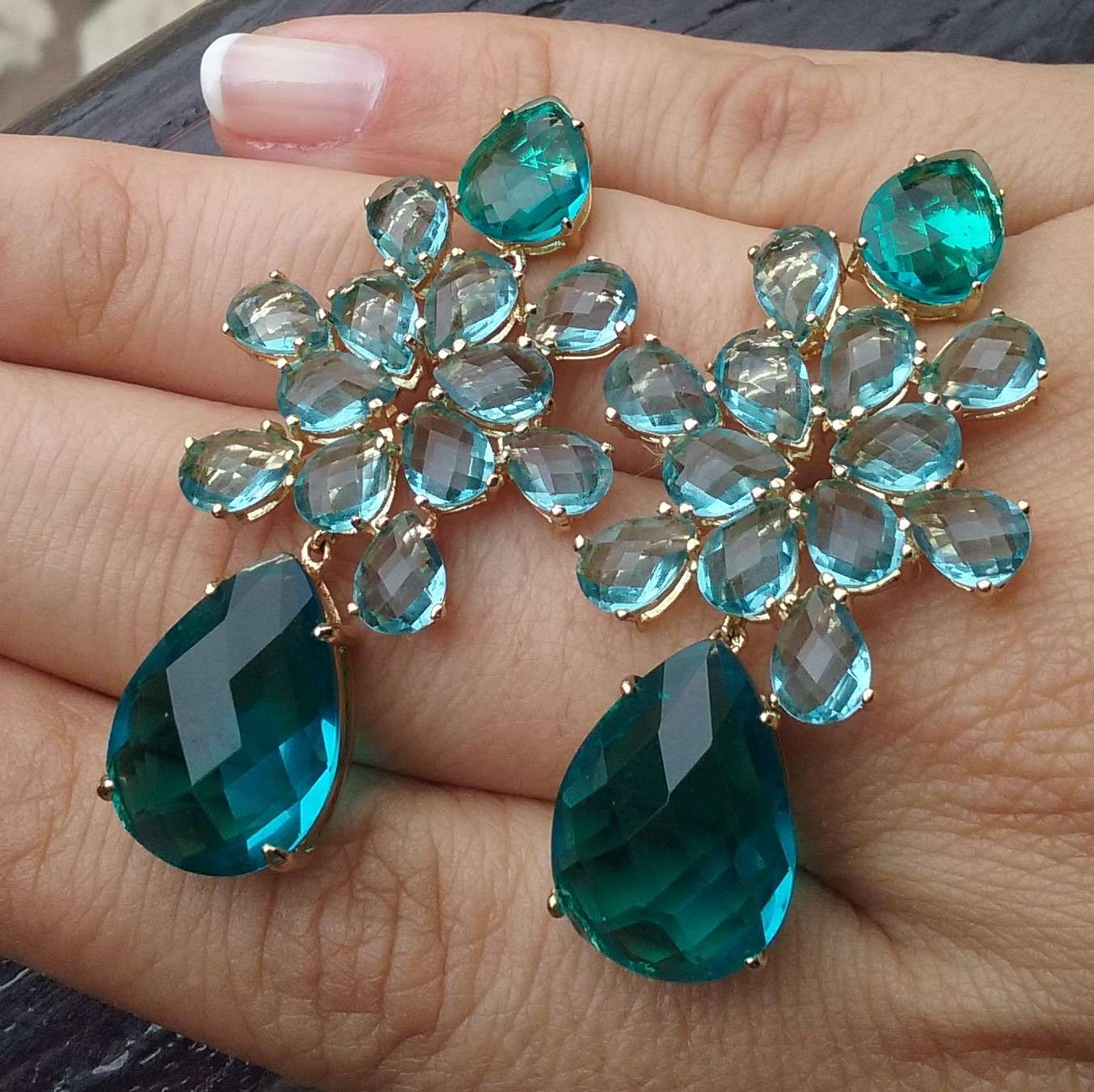
They also make similar to Paraiba in the Swarovski company, but the composition of the crystals is completely different, they are sitalls. Despite the great resemblance to natural paraiba, according to esotericists, such fakes do not possess magical and healing properties.
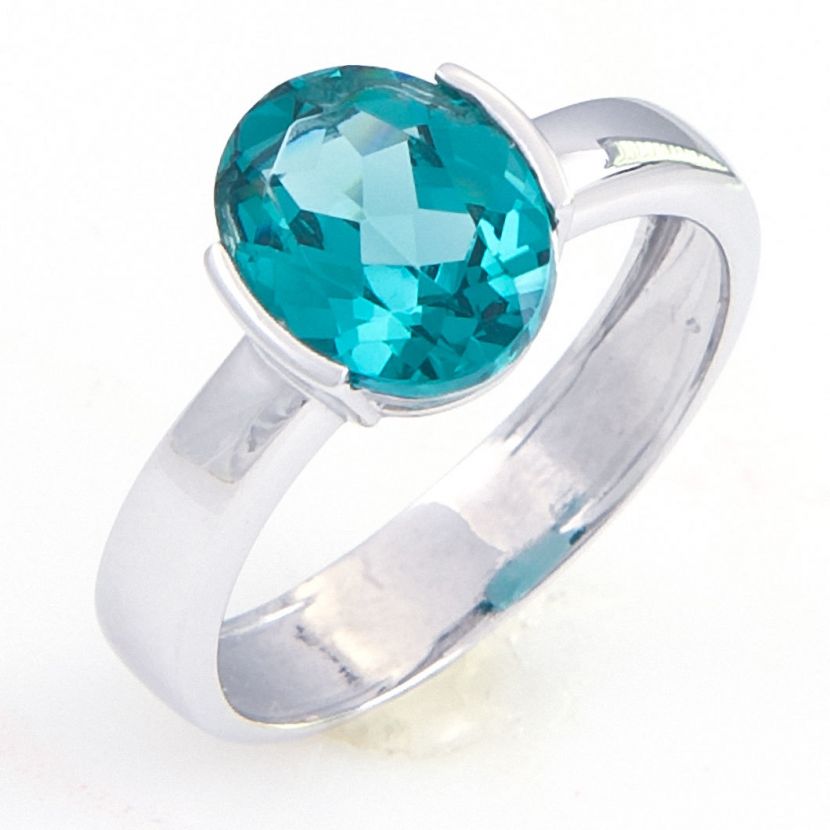
How to distinguish a fake
A particularly high-quality fake can hardly be distinguished even by an experienced jeweler. There are also Swarovski crystals with the right neon glow. They are as hard as natural stone and do not scratch with a key. But cheap glass fakes you can try to scratch. If the jeweler was afraid of such a procedure, then this is a sure sign that he is trying to pass off one for the other.
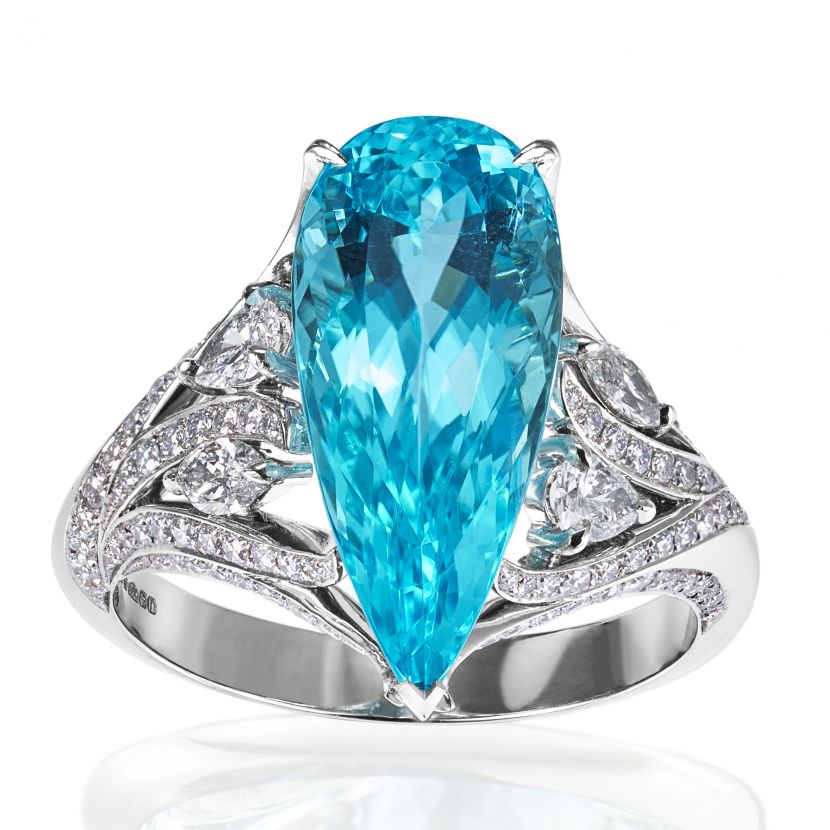
With a needle, you can also check the gem, which was heated in acid, along a greenish trail.
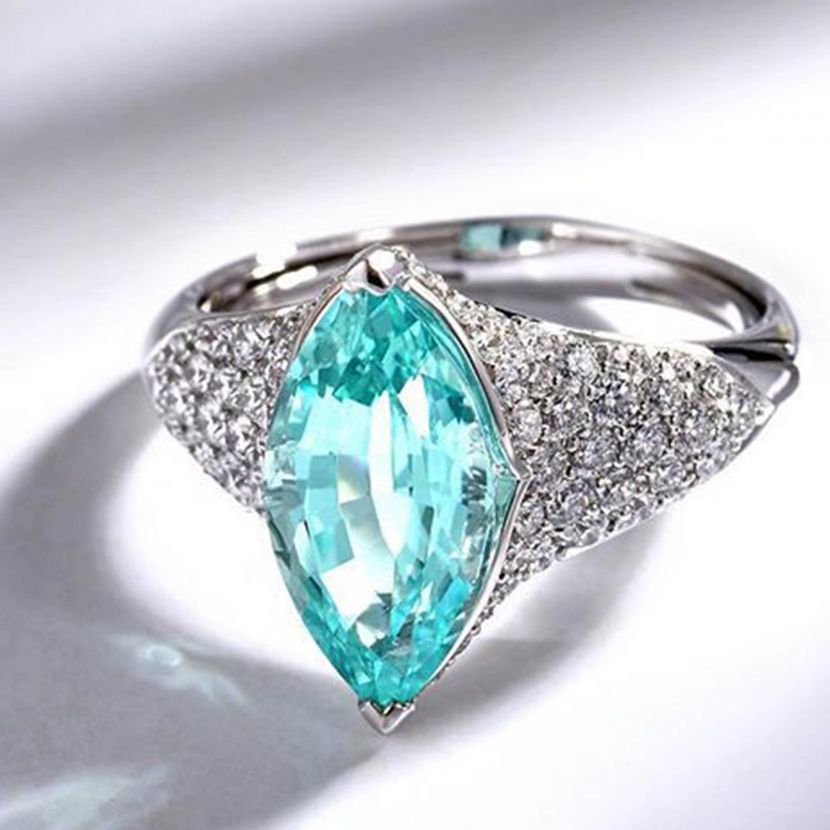
magical properties
Paraiba is credited with the magical property of relieving feelings of melancholy and anxiety. This stone helps to find your soul mate, protects from negative energy, gives interesting ideas to creative people. It relieves fatigue and gives self-confidence.
Paraiba is useful to all those who experience constant stress and nervous overload, suffer from turmoil in the family, because it has a calming effect.
Medicinal properties
It is believed that this glowing neon stone:
- Normalizes pressure;
- Improves the functioning of the endocrine system;
- Heals women's diseases;
- Calms the nervous system;
- Protects against SARS;
- Slows down aging.

ATTENTION: The stone is contraindicated in diseases of the thyroid gland. It should be worn with caution by pregnant and lactating women, as well as at a temperature. Signs of incompatibility are sudden weakness and spleen when wearing a stone.
Zodiac signs
Paraiba suits all signs of the zodiac, except for Capricorns and Virgos, born in the first half of September. He can bring confusion into their lives. Especially beneficial effect on Cancer, Aquarius and Libra. For Cancers and Aquarius, it gives peace and joy, while for Libra it drives away anxiety and uncertainty.
Compatibility
Paraiba is compatible with:
- emeralds;
- beryls;
- diamonds;
- rock crystal;
- sapphires;
- topazes;
- grenades;
- hyacinths.
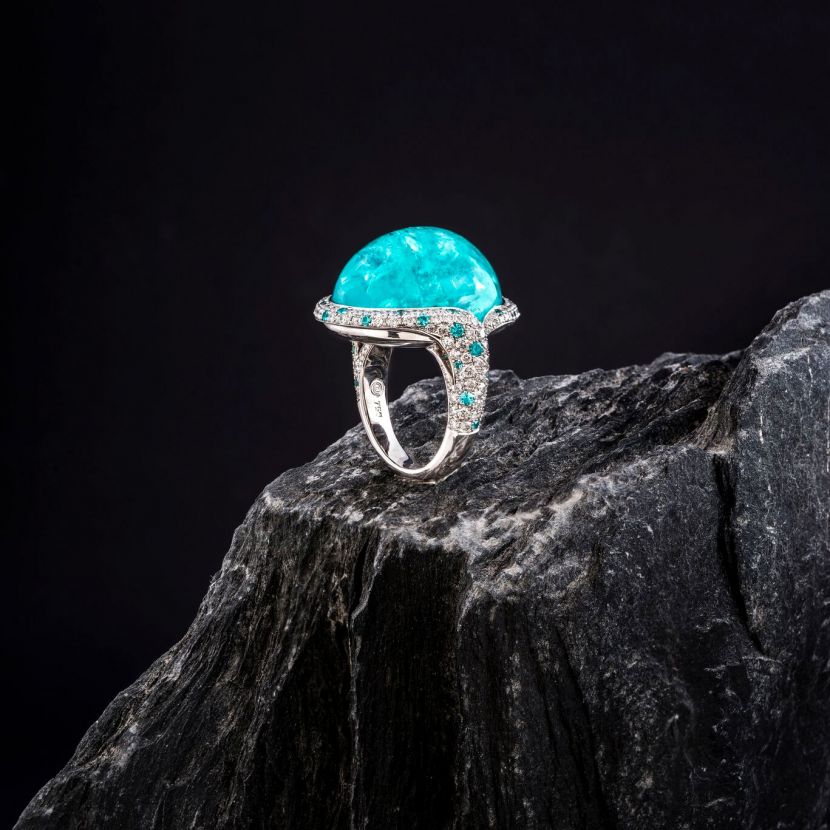
Items from Paraiba
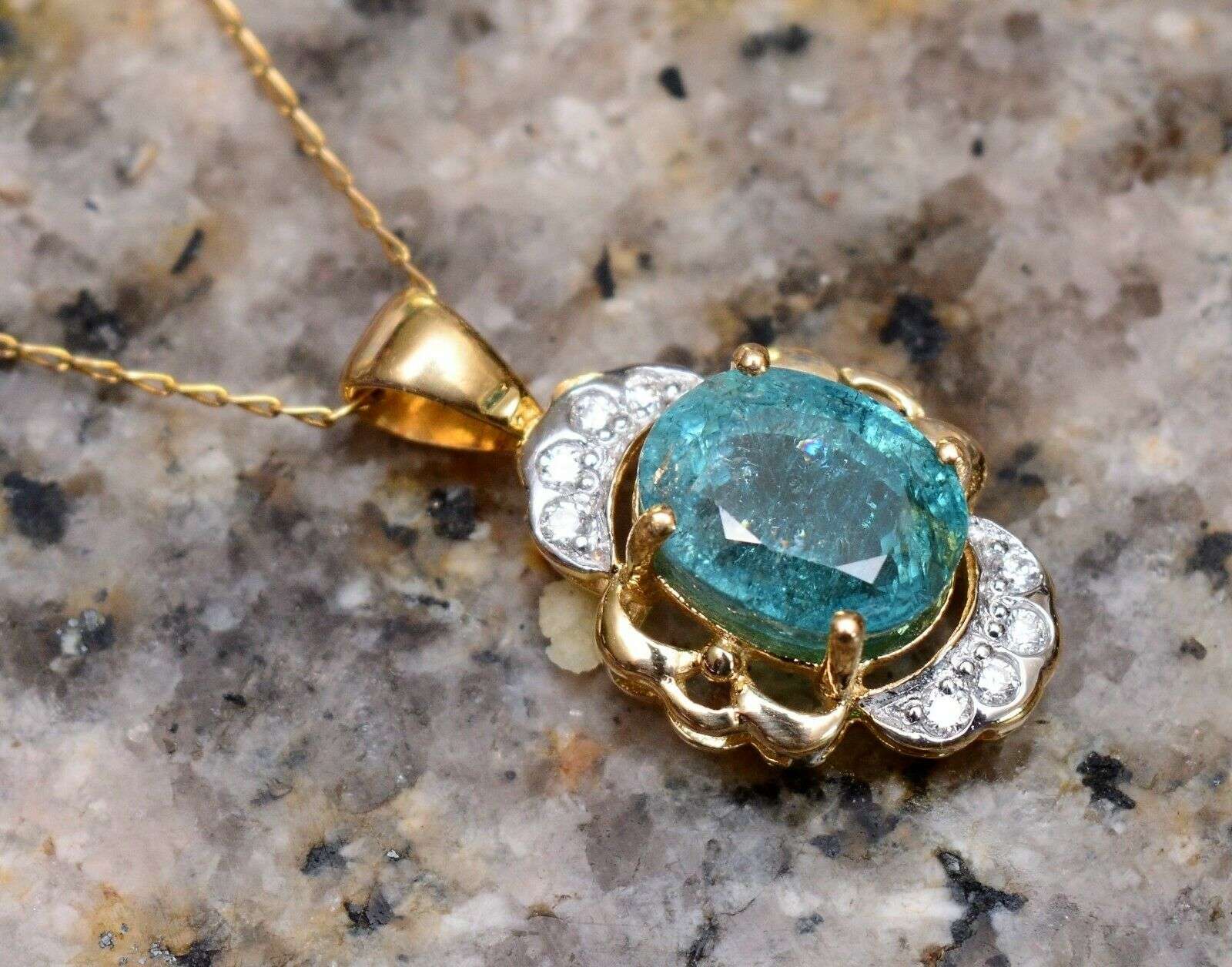
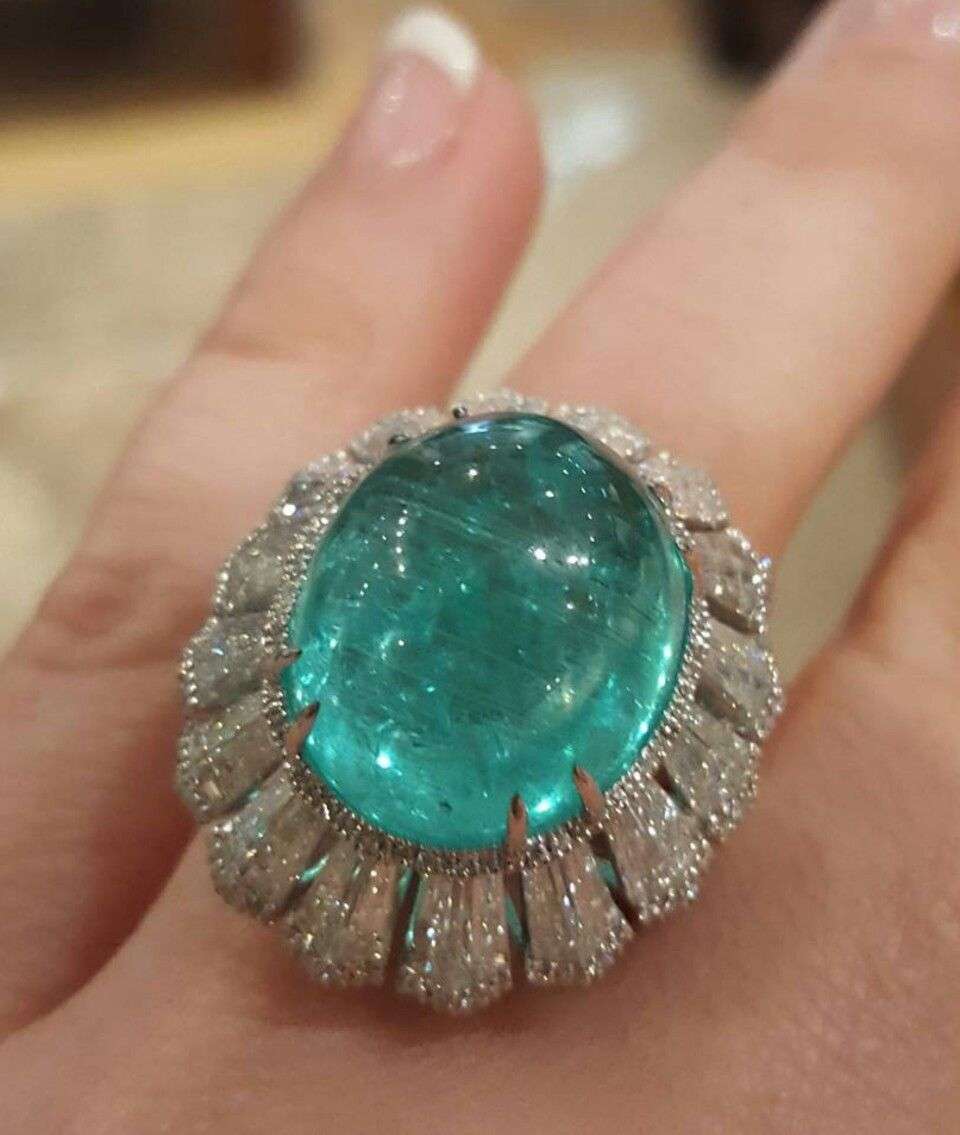
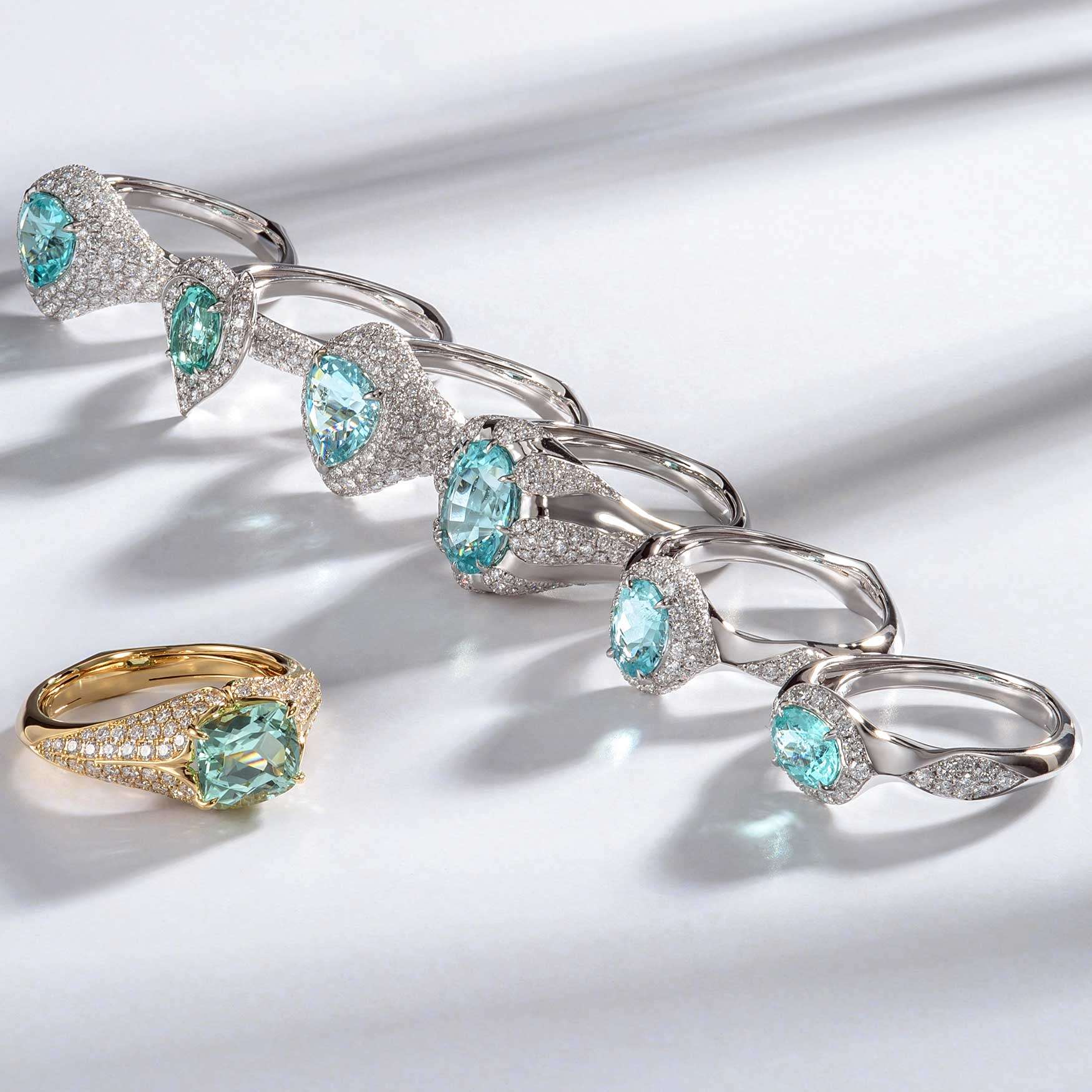
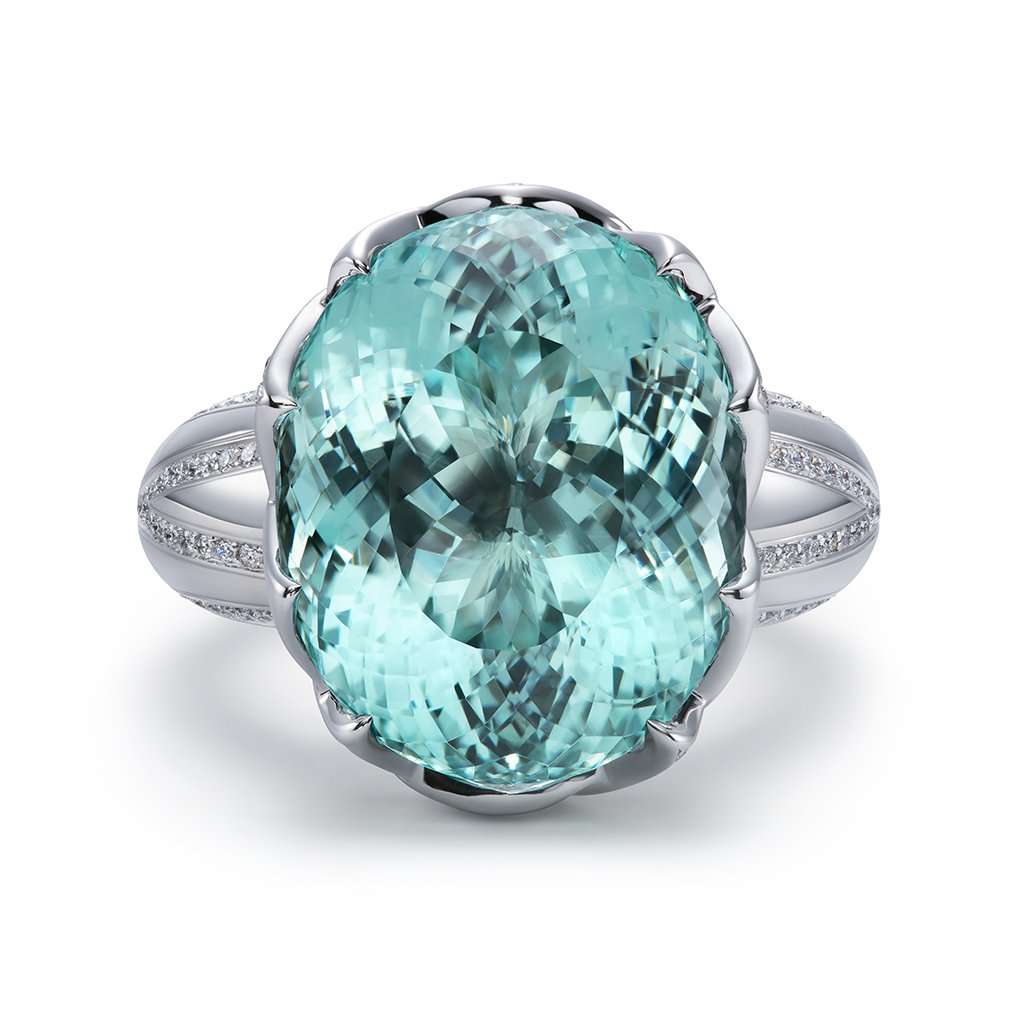
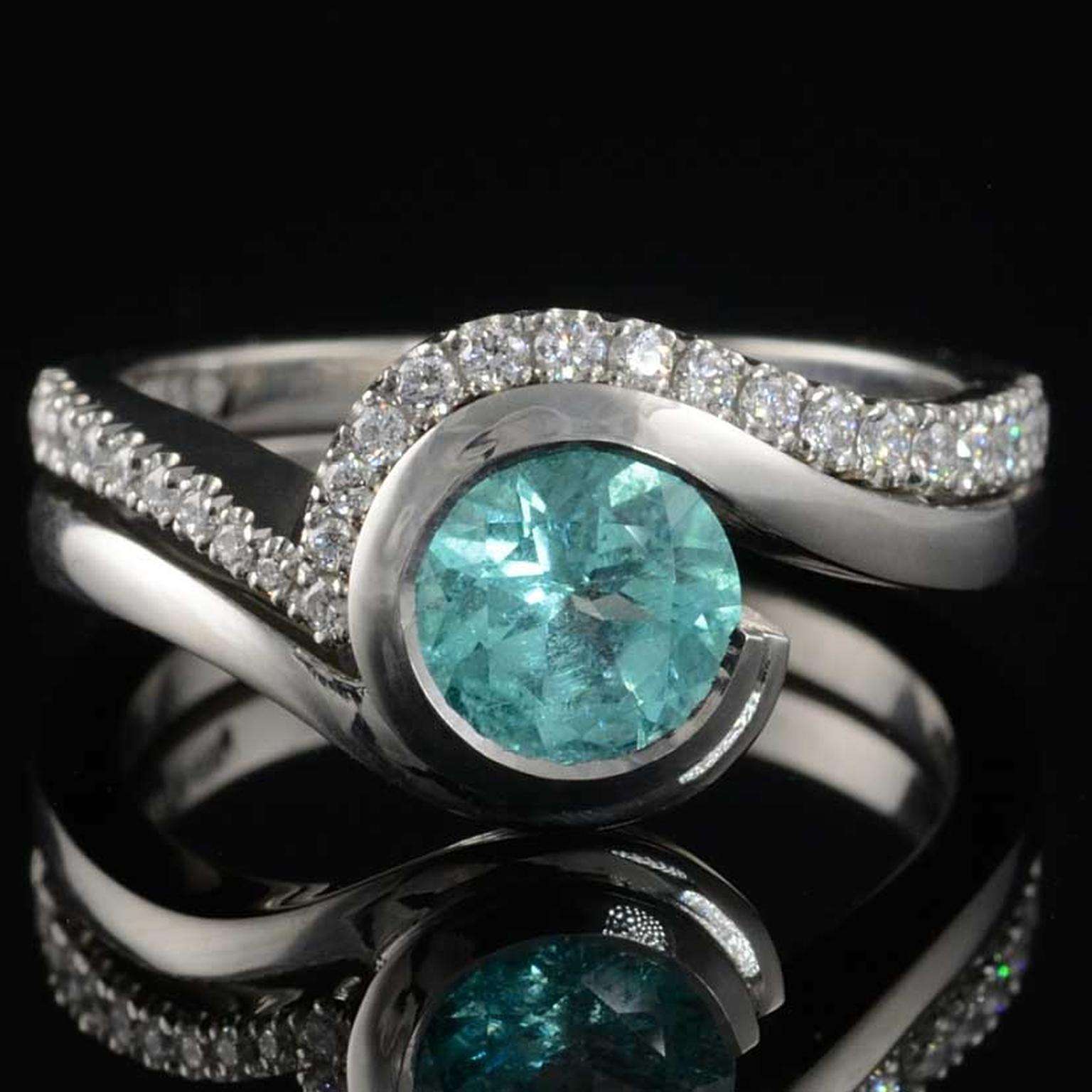
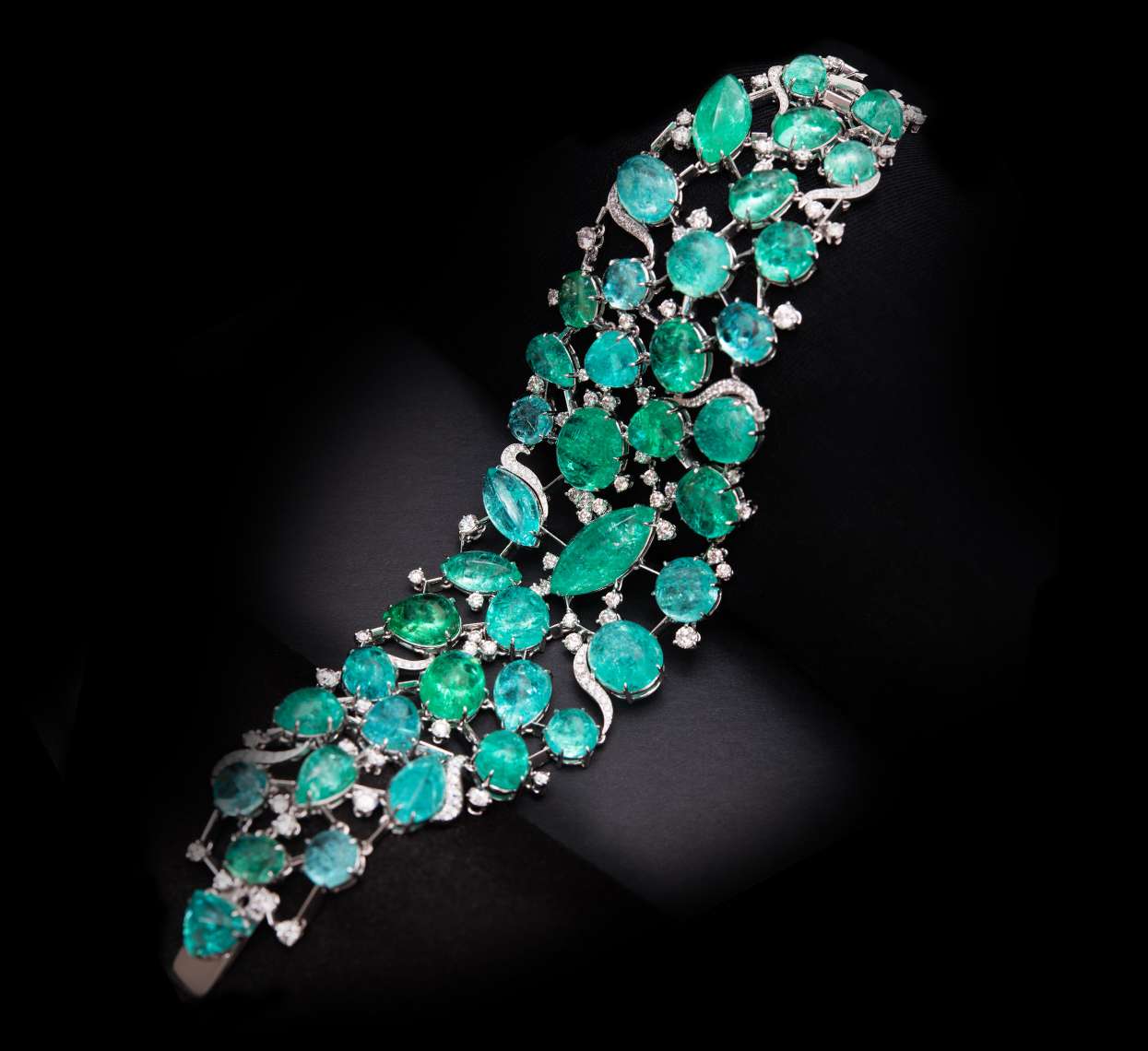
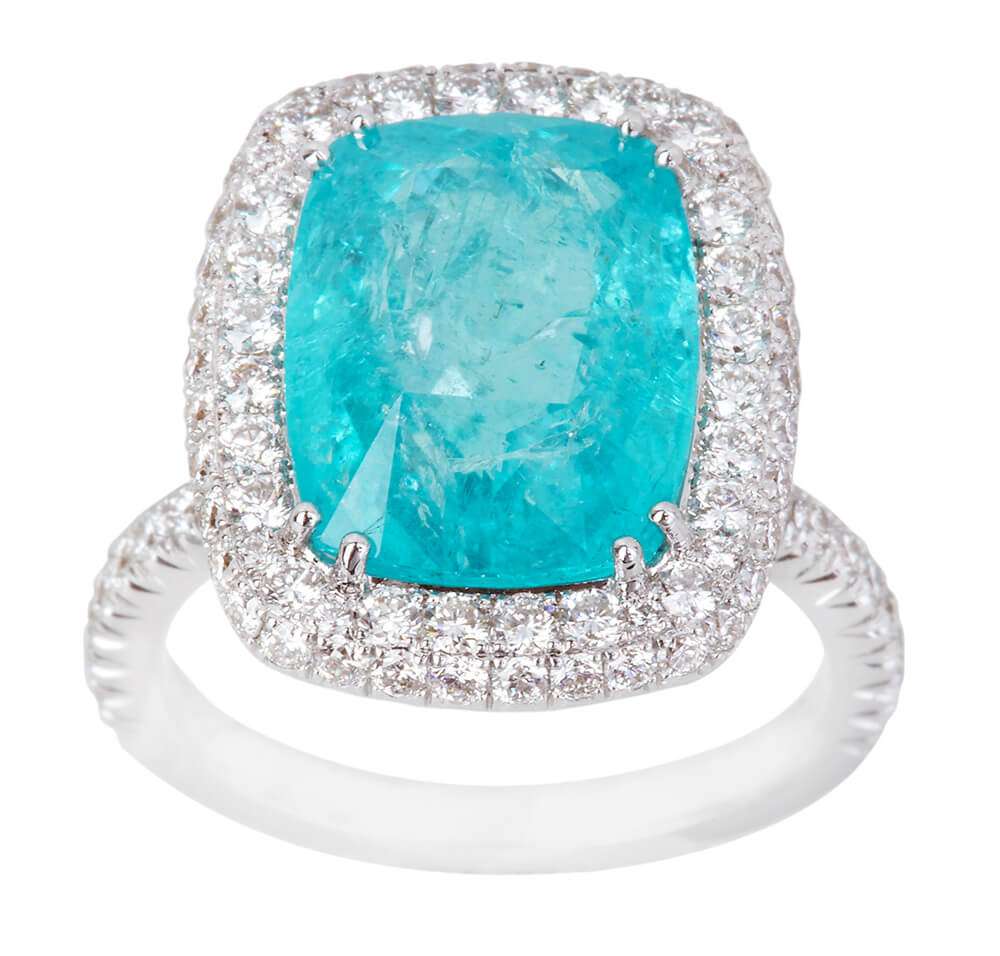
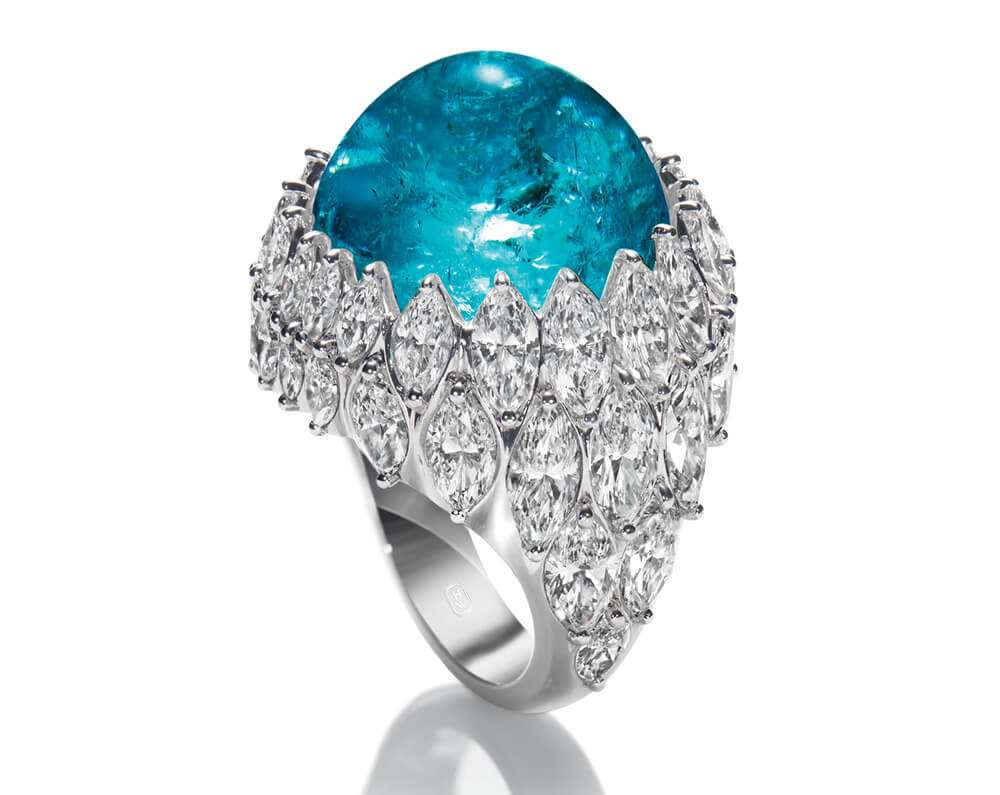
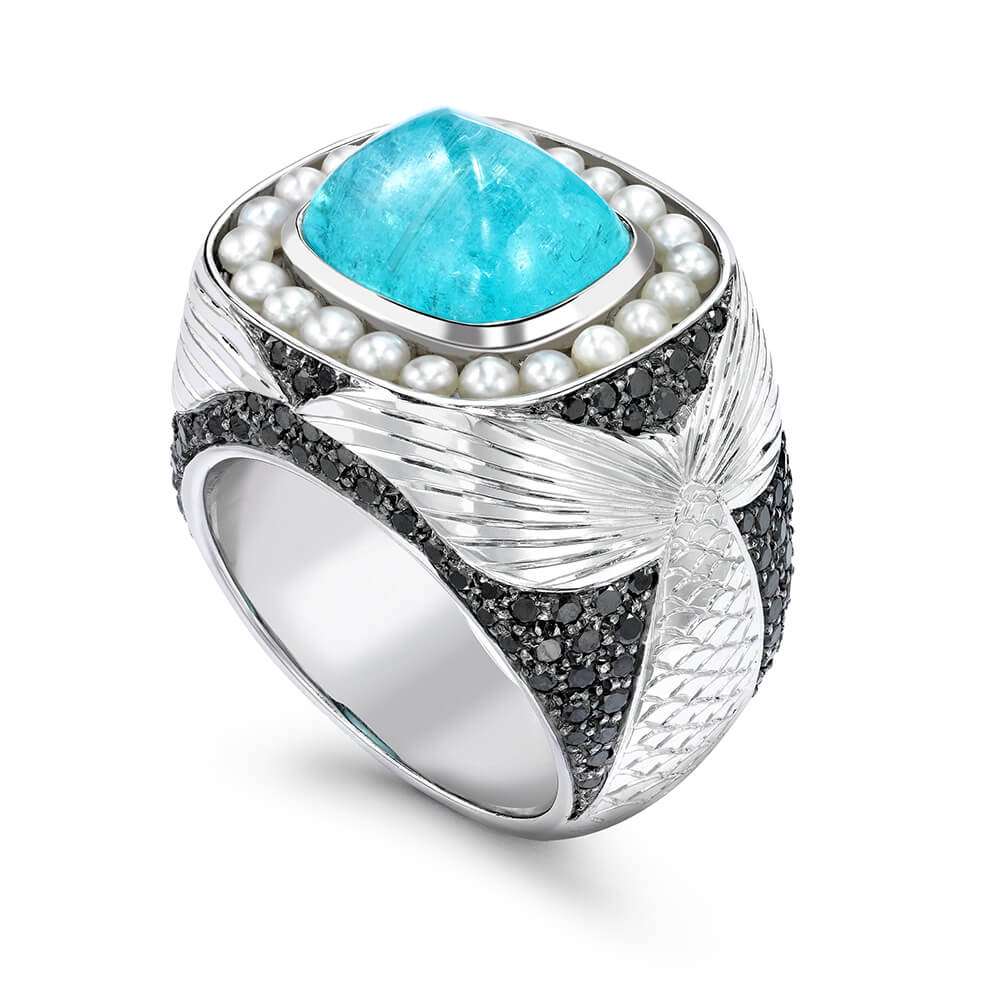
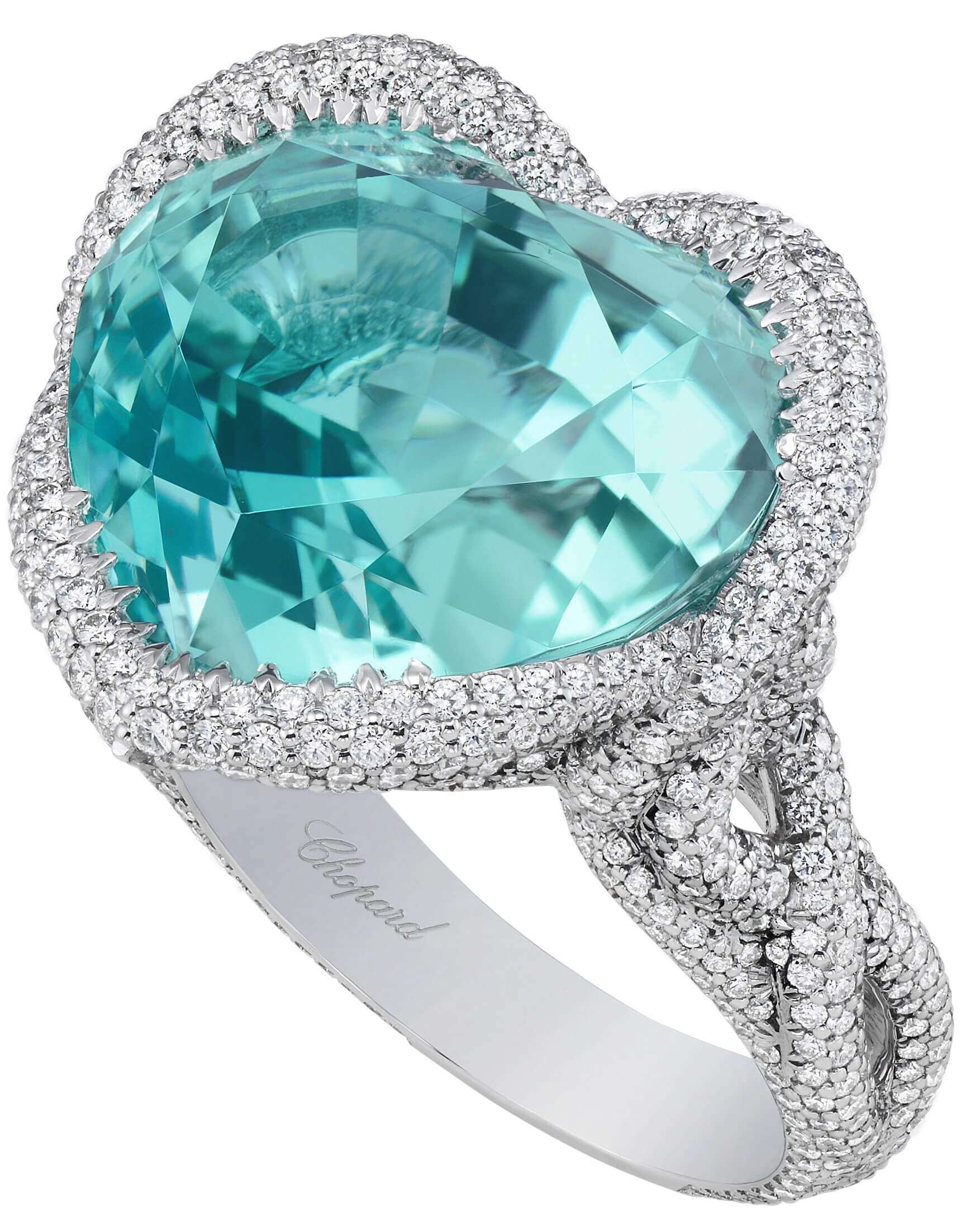
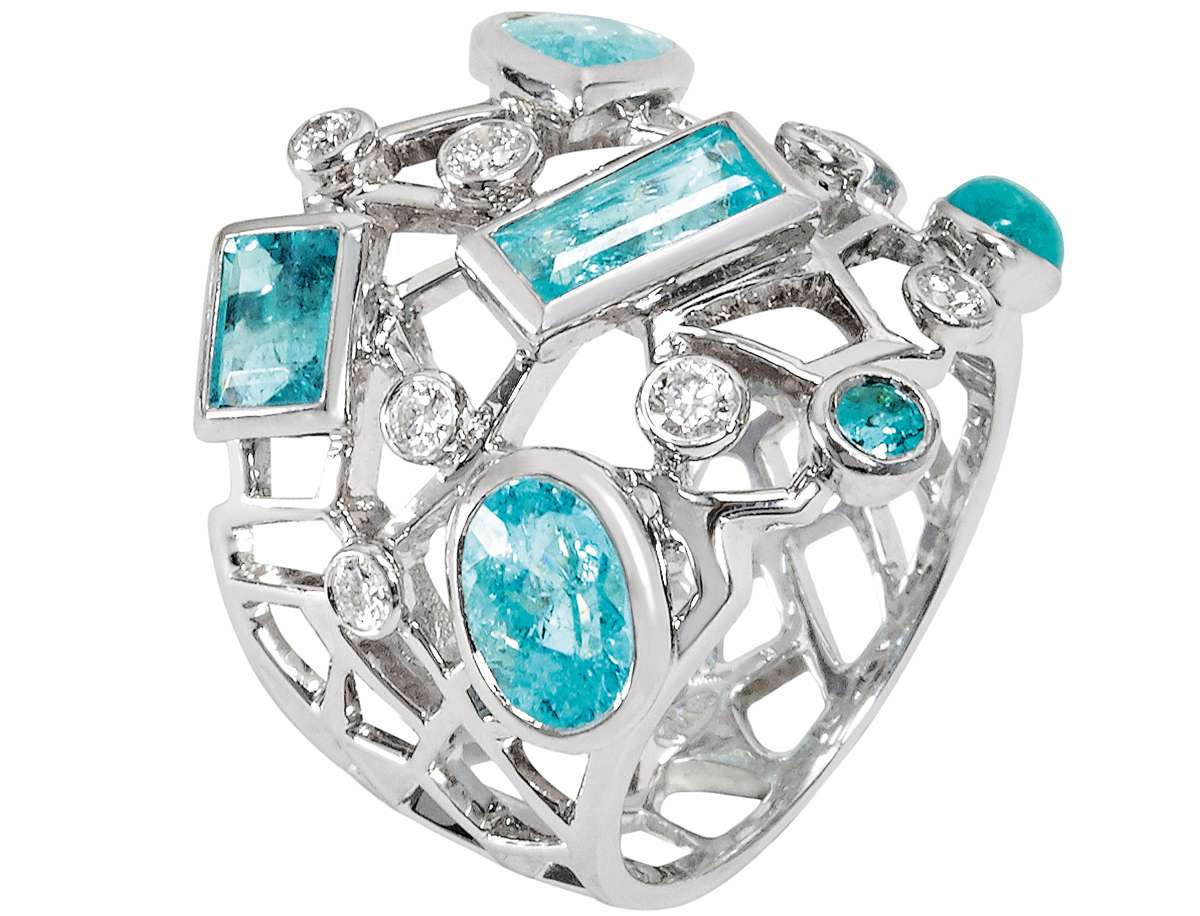
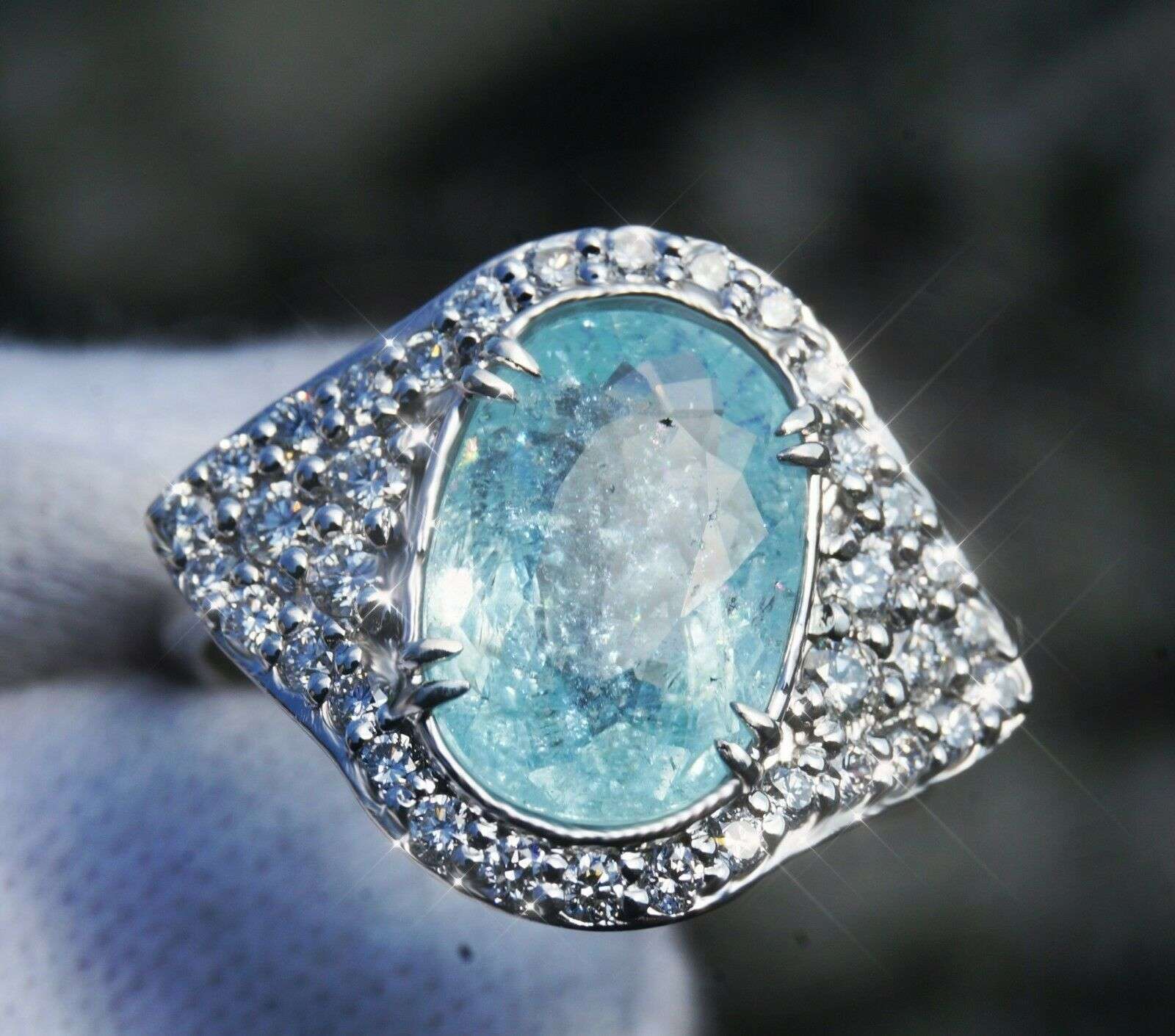
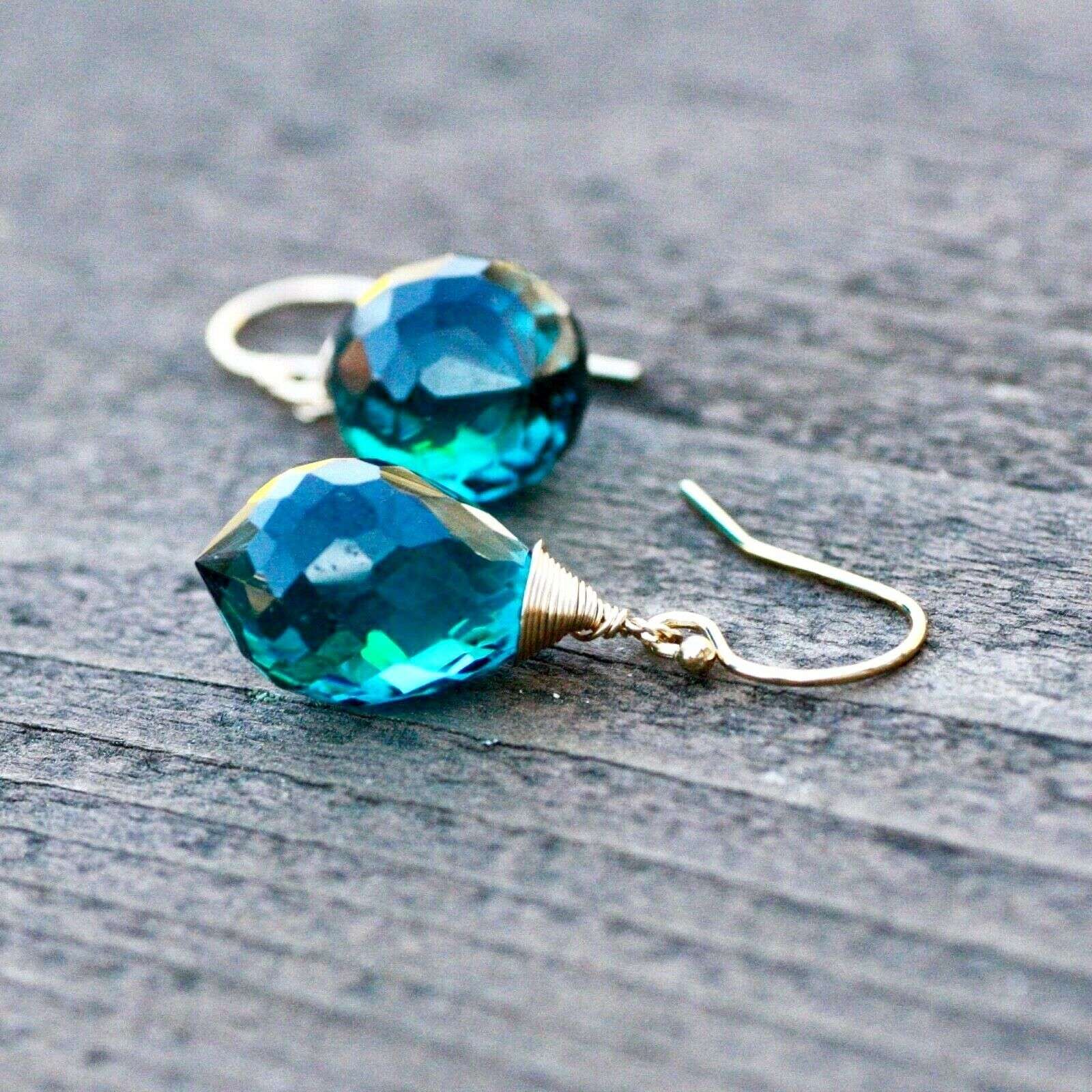
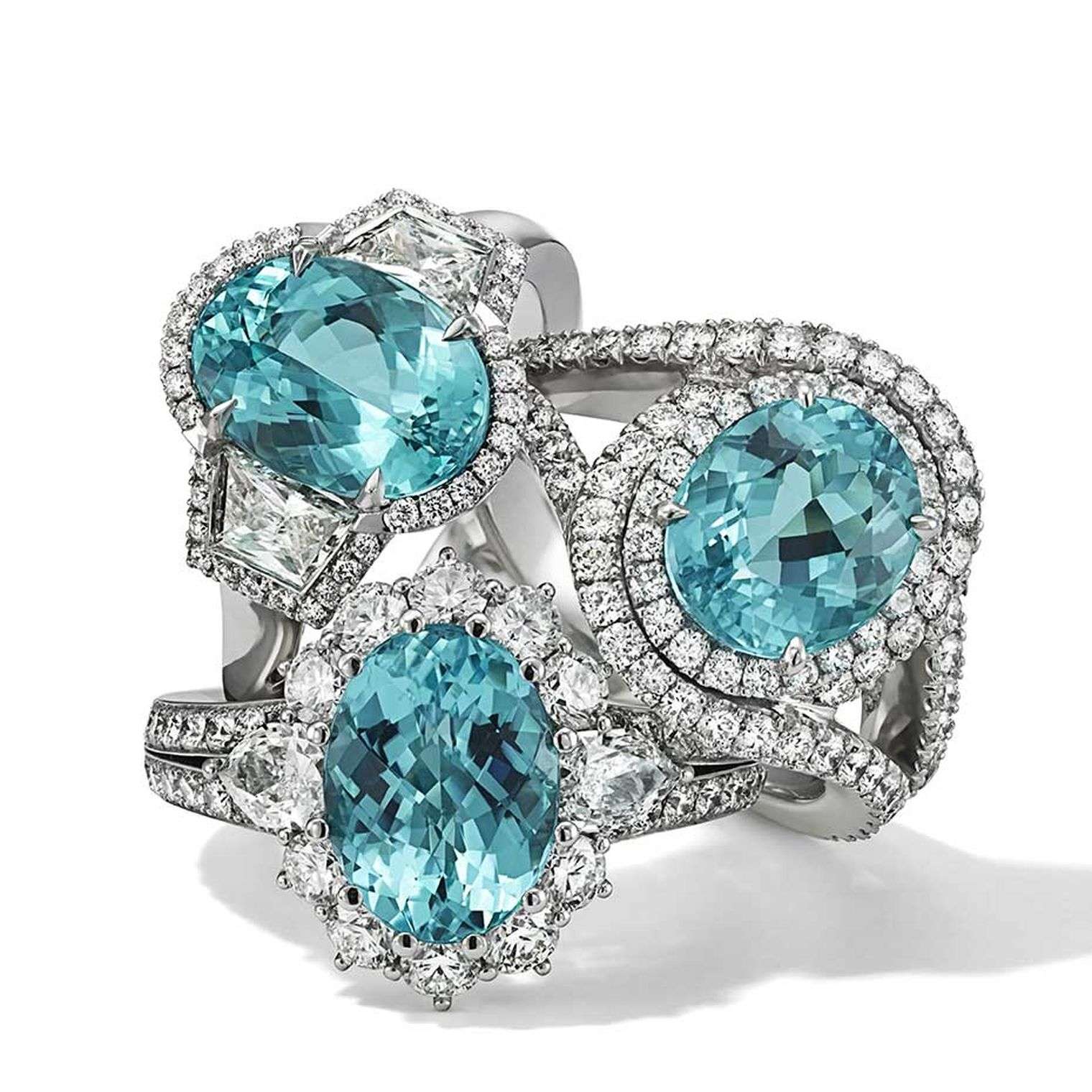
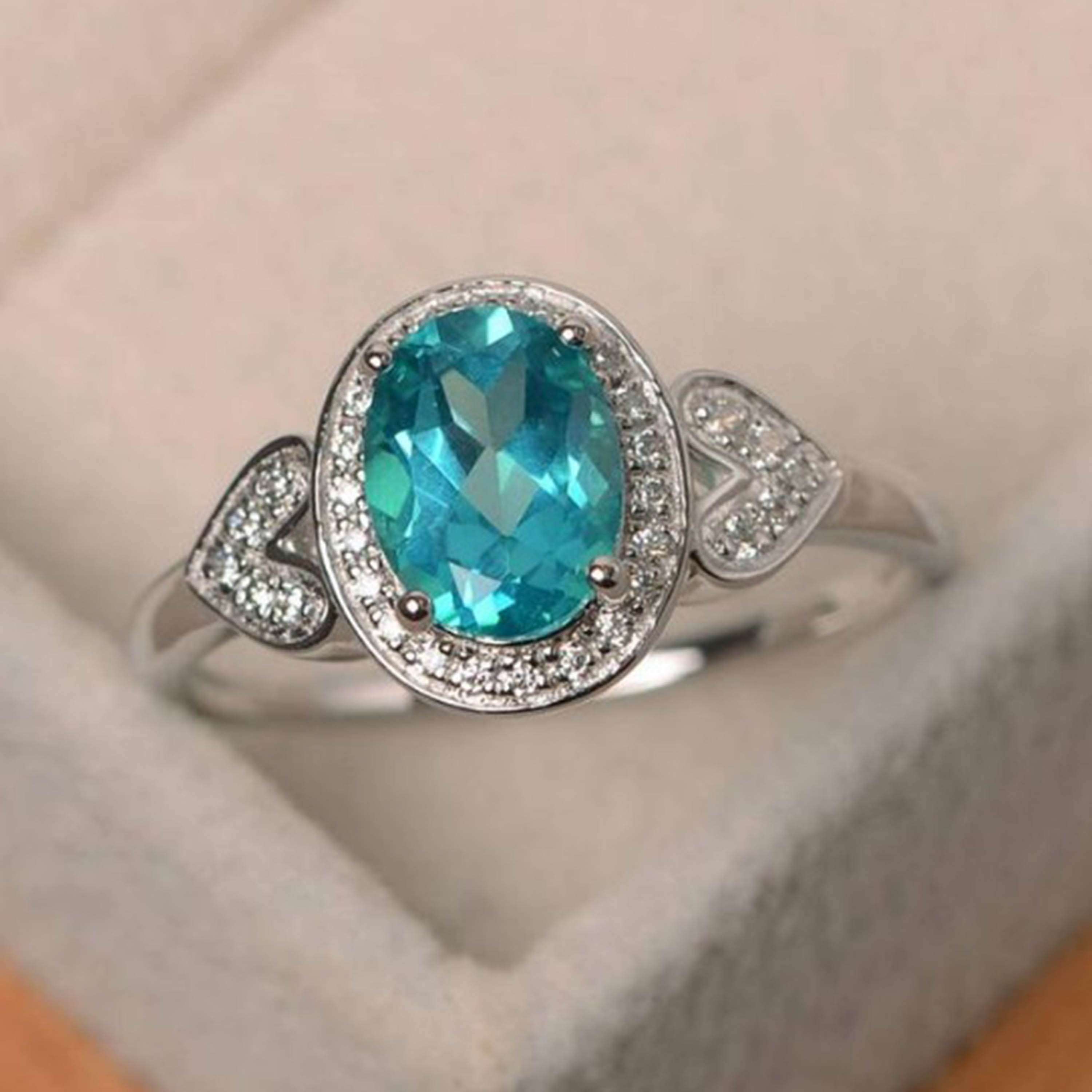
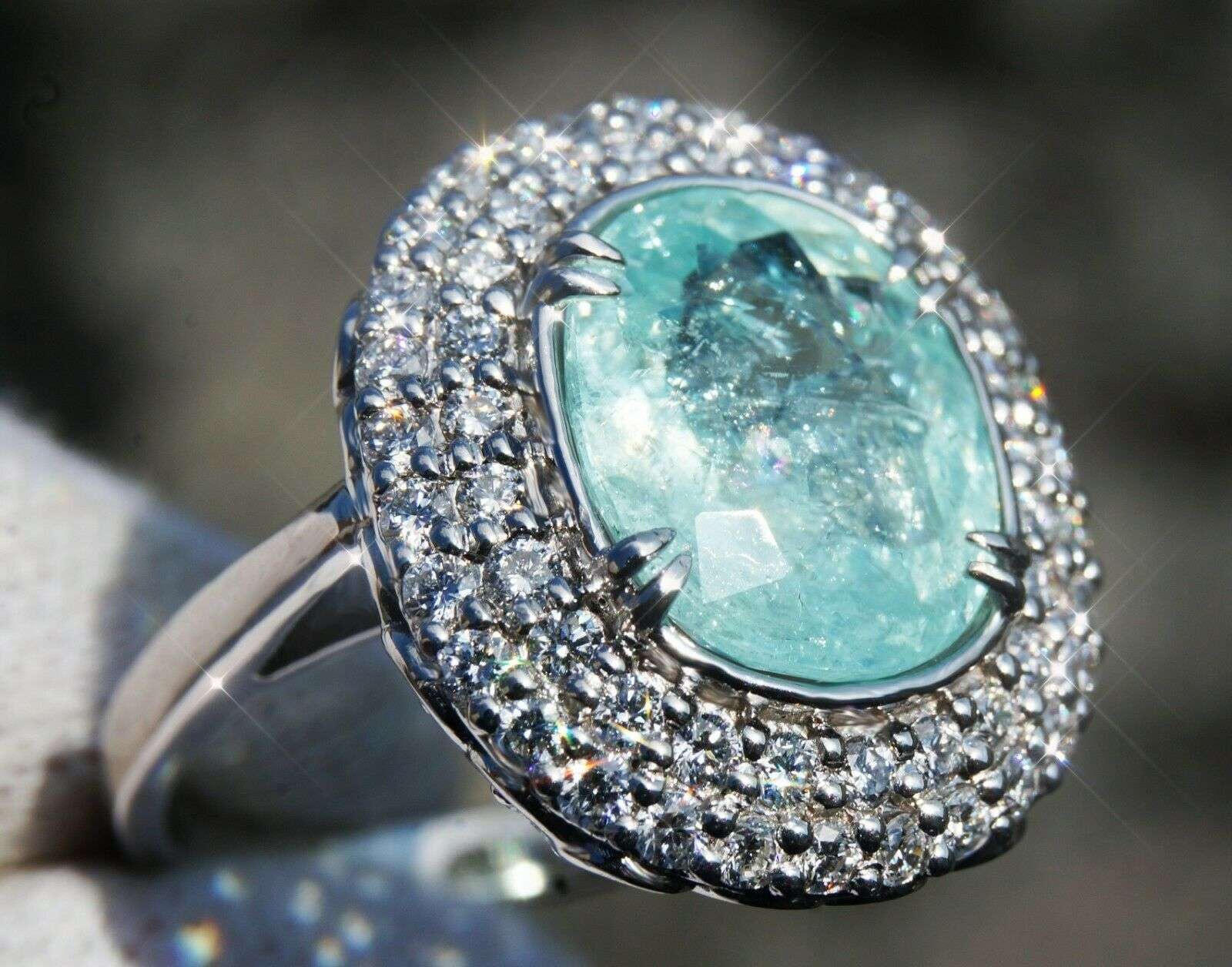
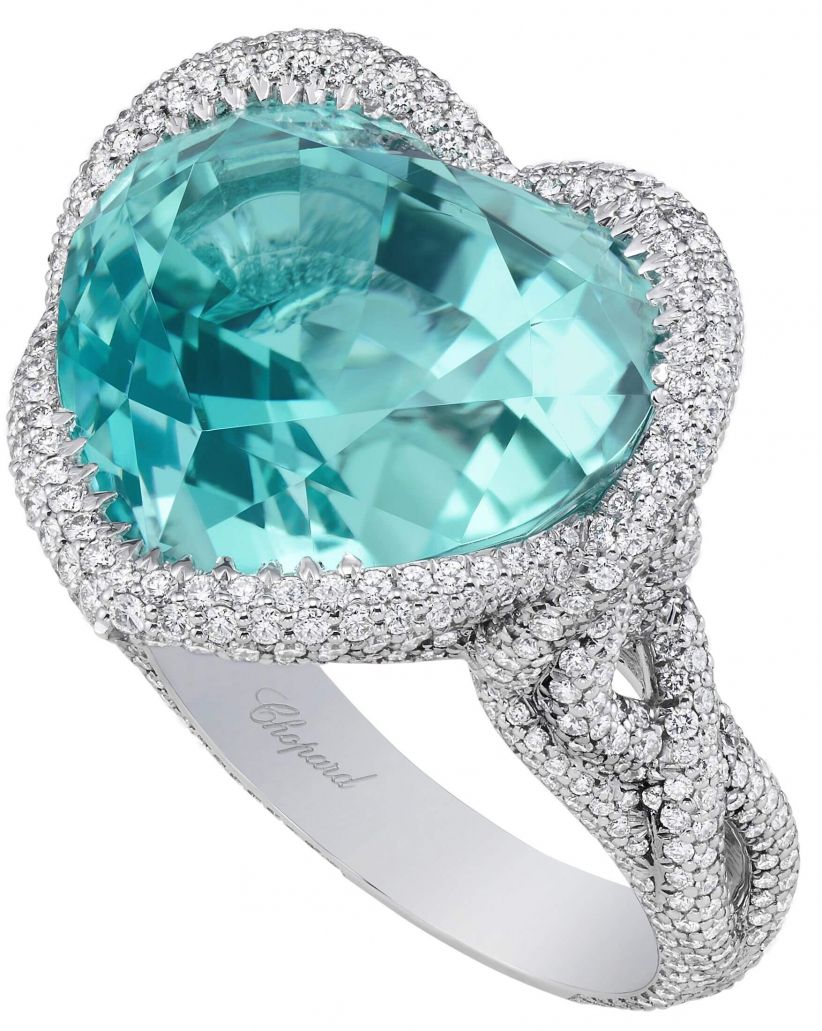
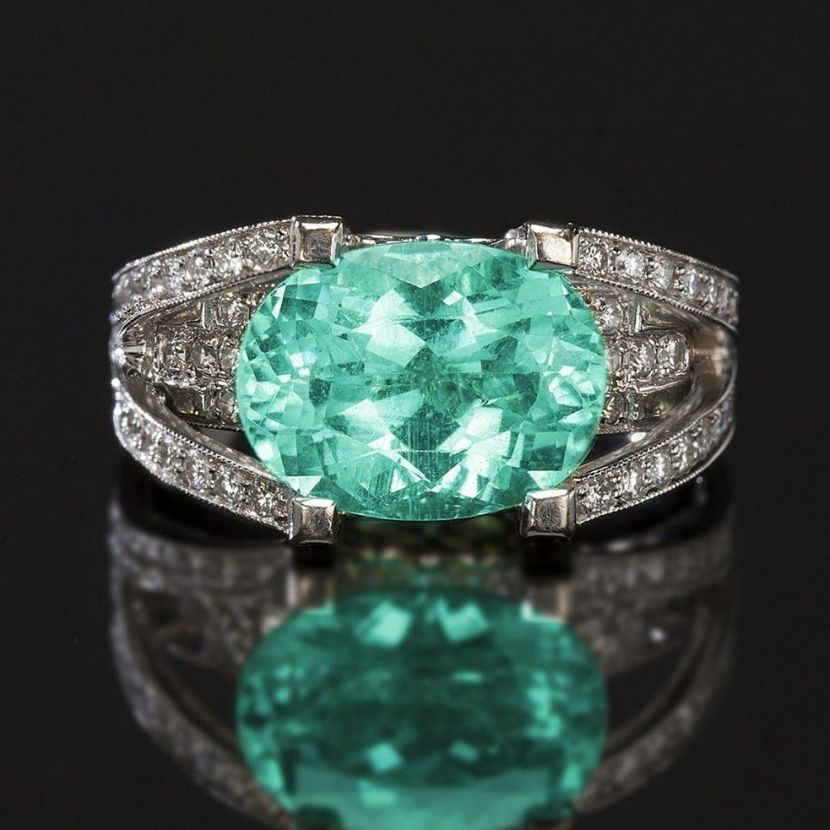
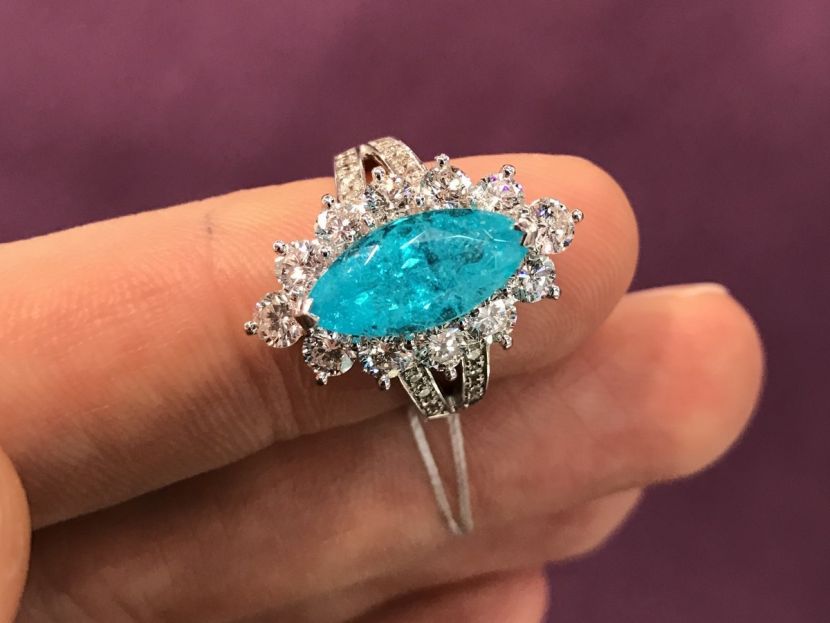
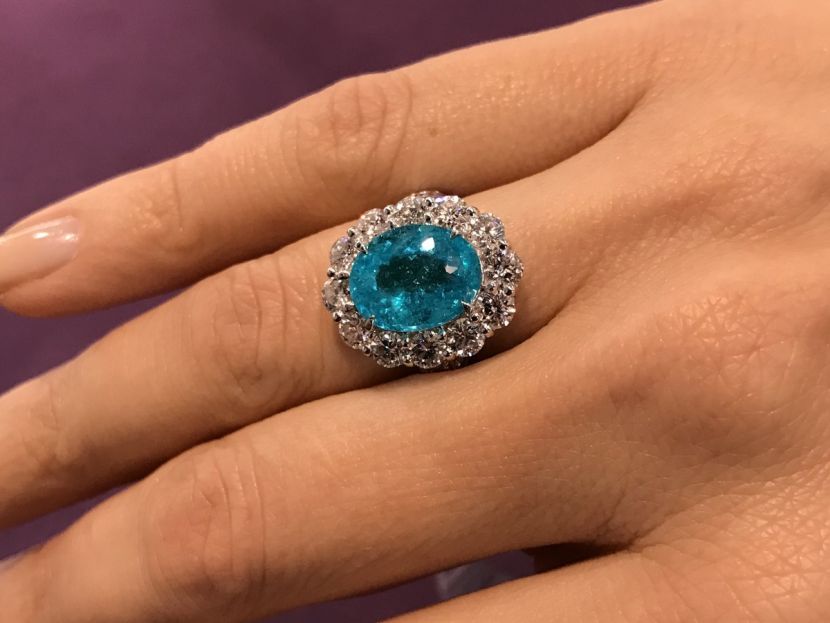
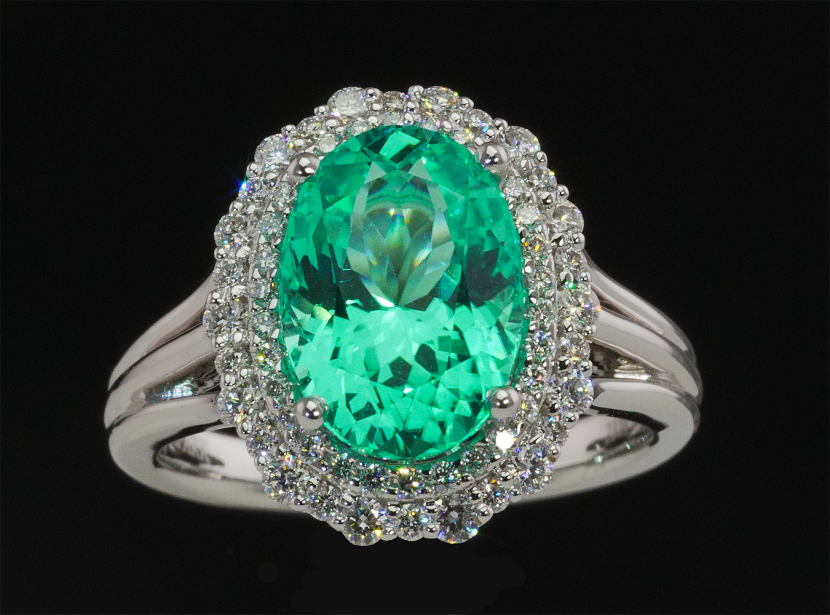
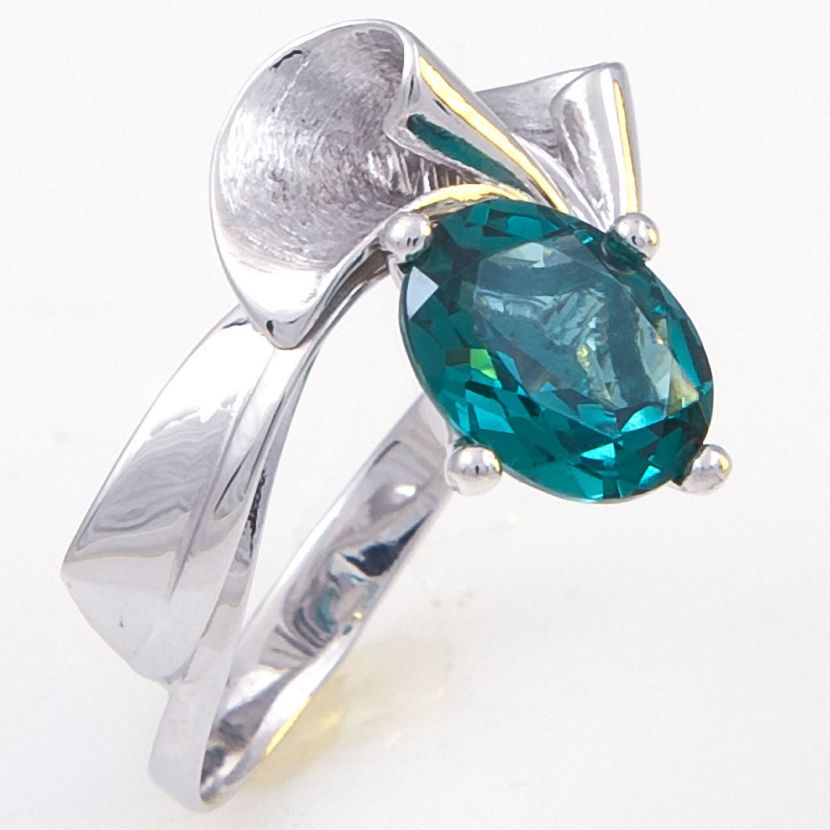
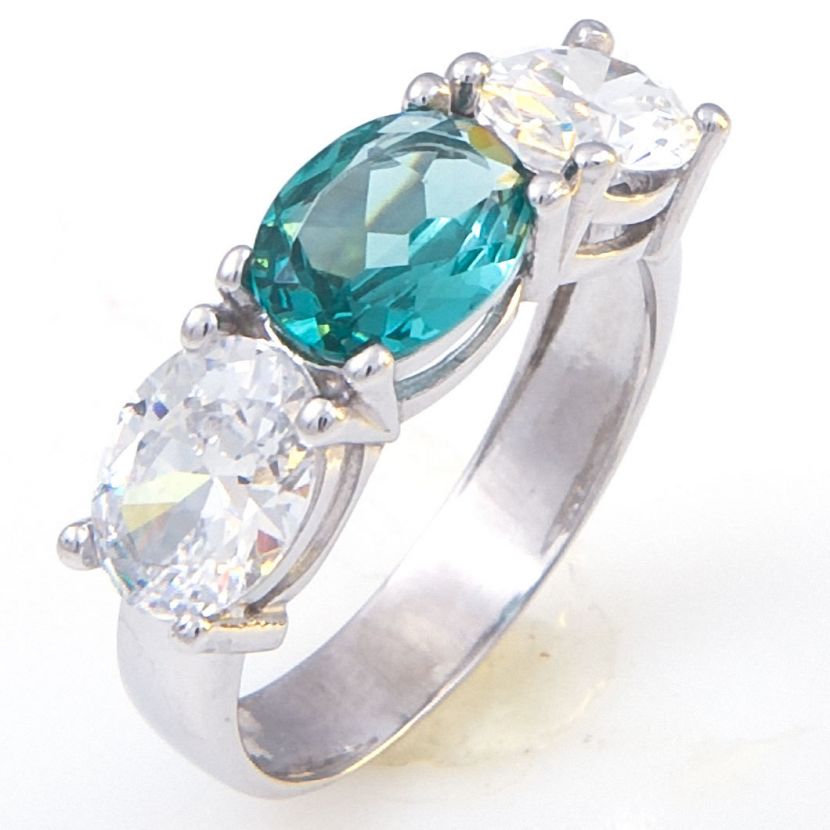
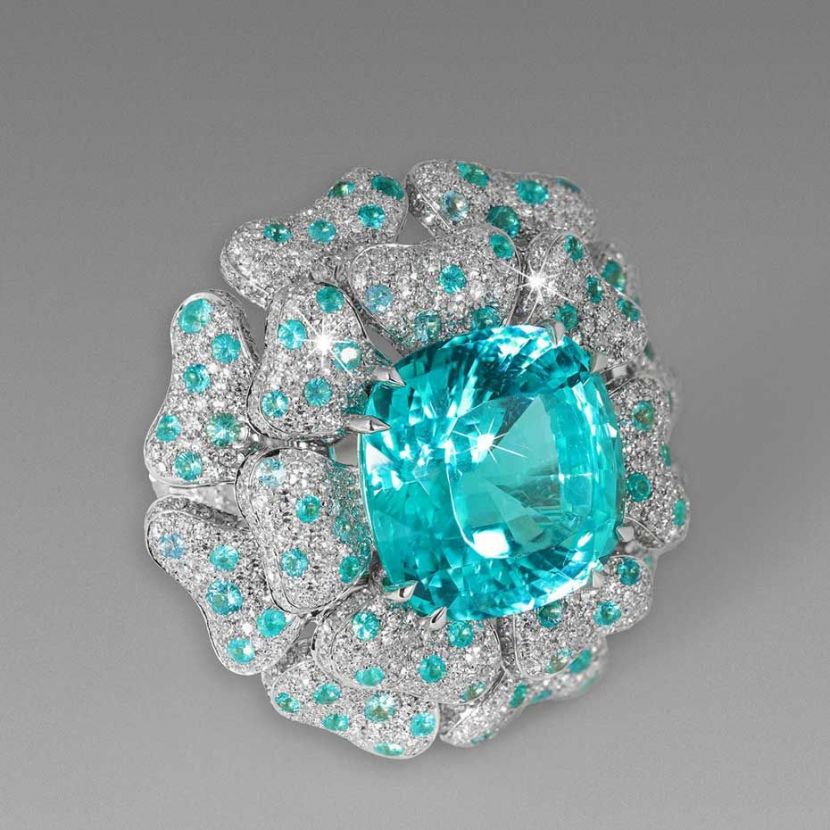
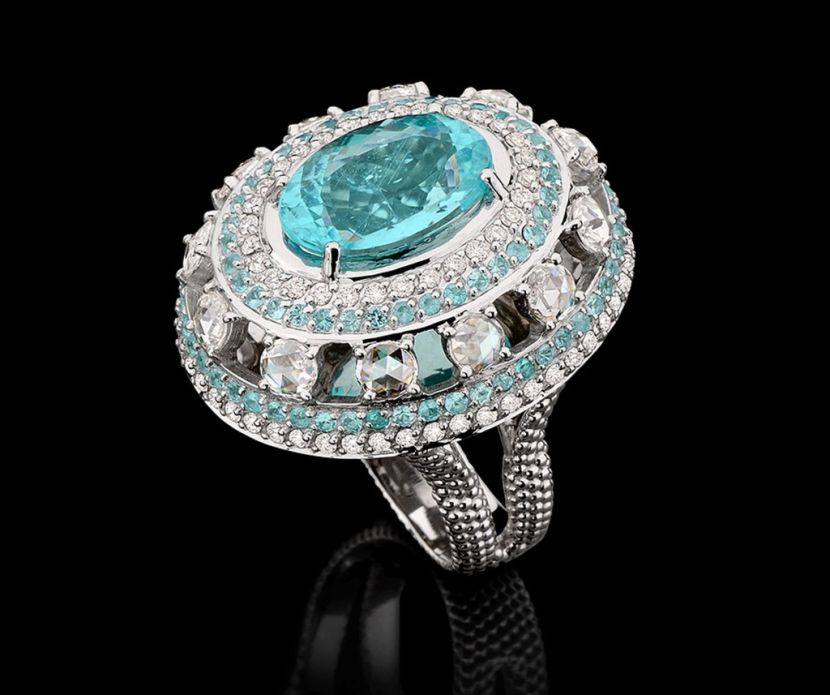
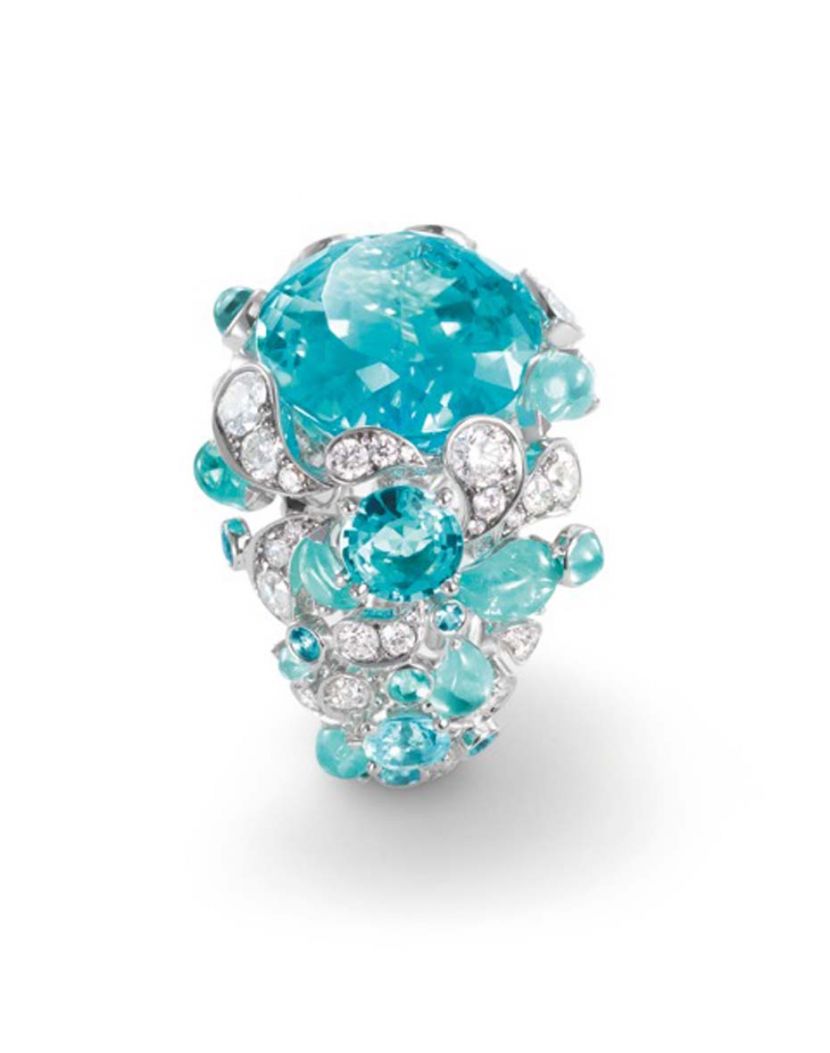
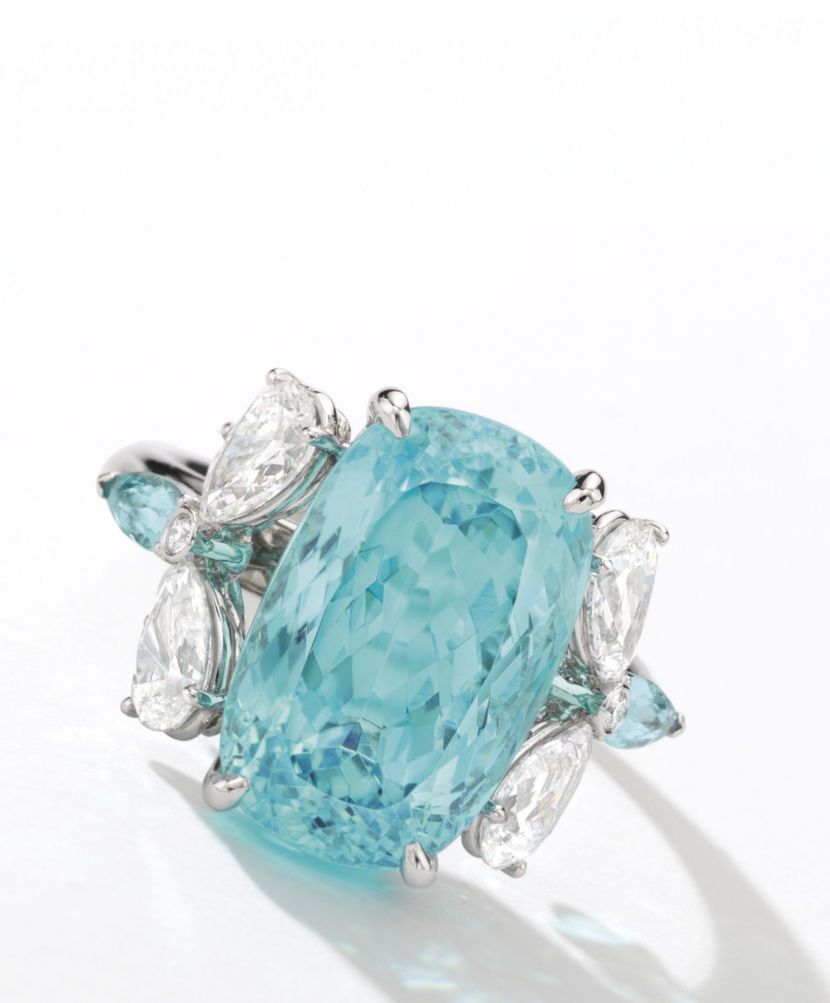
The Paraiba is set into brooches, pendants and earrings, often surrounded by diamonds to accentuate its blue radiance. All the richness of the glow can be seen in white gold rings.
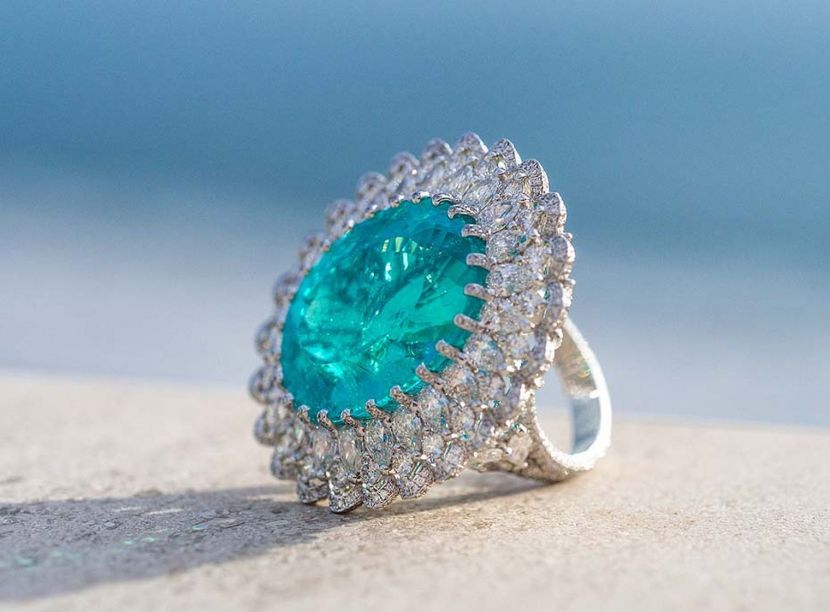
Such a ring can cost up to hundreds of thousands of dollars and even more.
Interesting: The most expensive Paraiba was sold for $125 million and entered the Guinness Book of Records.
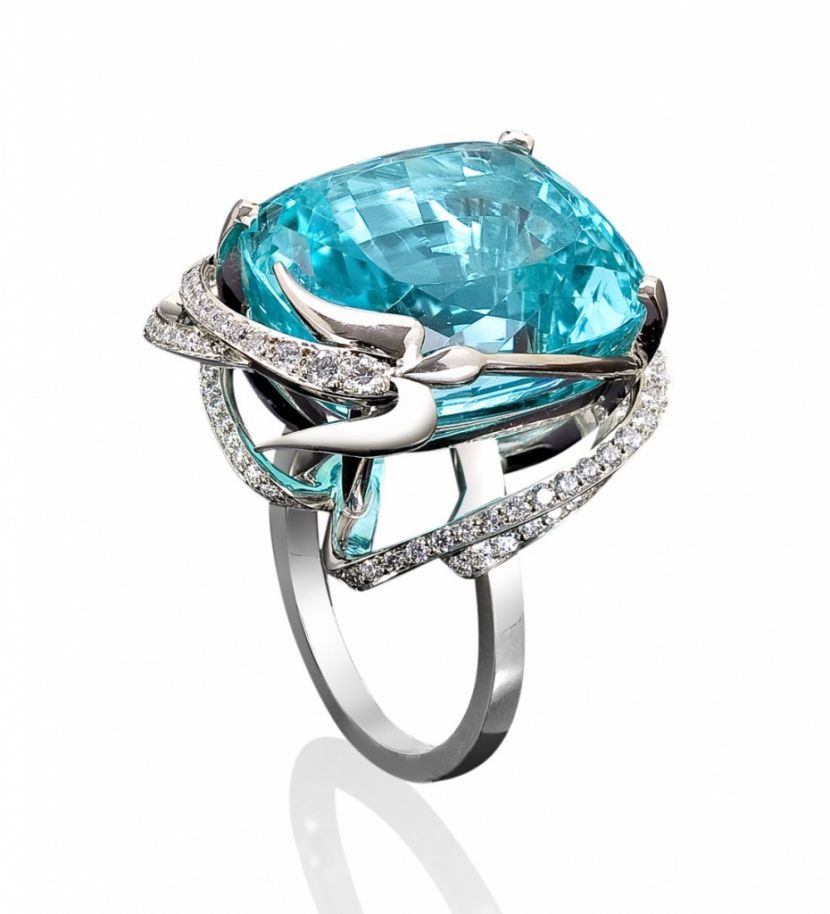
stone care
Paraiba is washed only with warm running clean water. The use of any chemicals is unacceptable.

Stored separately from diamonds, rubies and sapphires that can scratch the Paraiba.
Staying in sunlight becomes a diminishing glow.
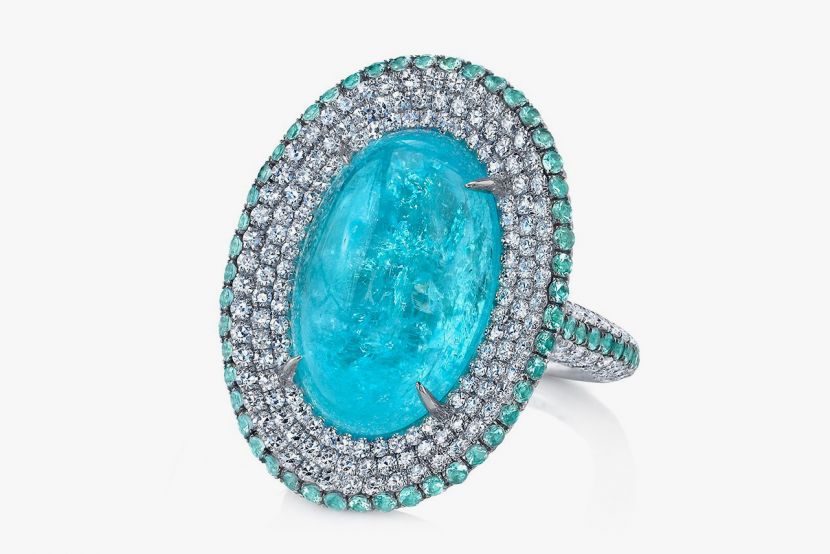
This stone is not available to every fashionista; it is not for nothing that the paparazzi sometimes hunt for stars just to look at Paraiba jewelry. Those who are able to afford the purchase of diamonds can already buy an African “Paraiba type”. But the stone is worth it!
Photo of Paraiba stone