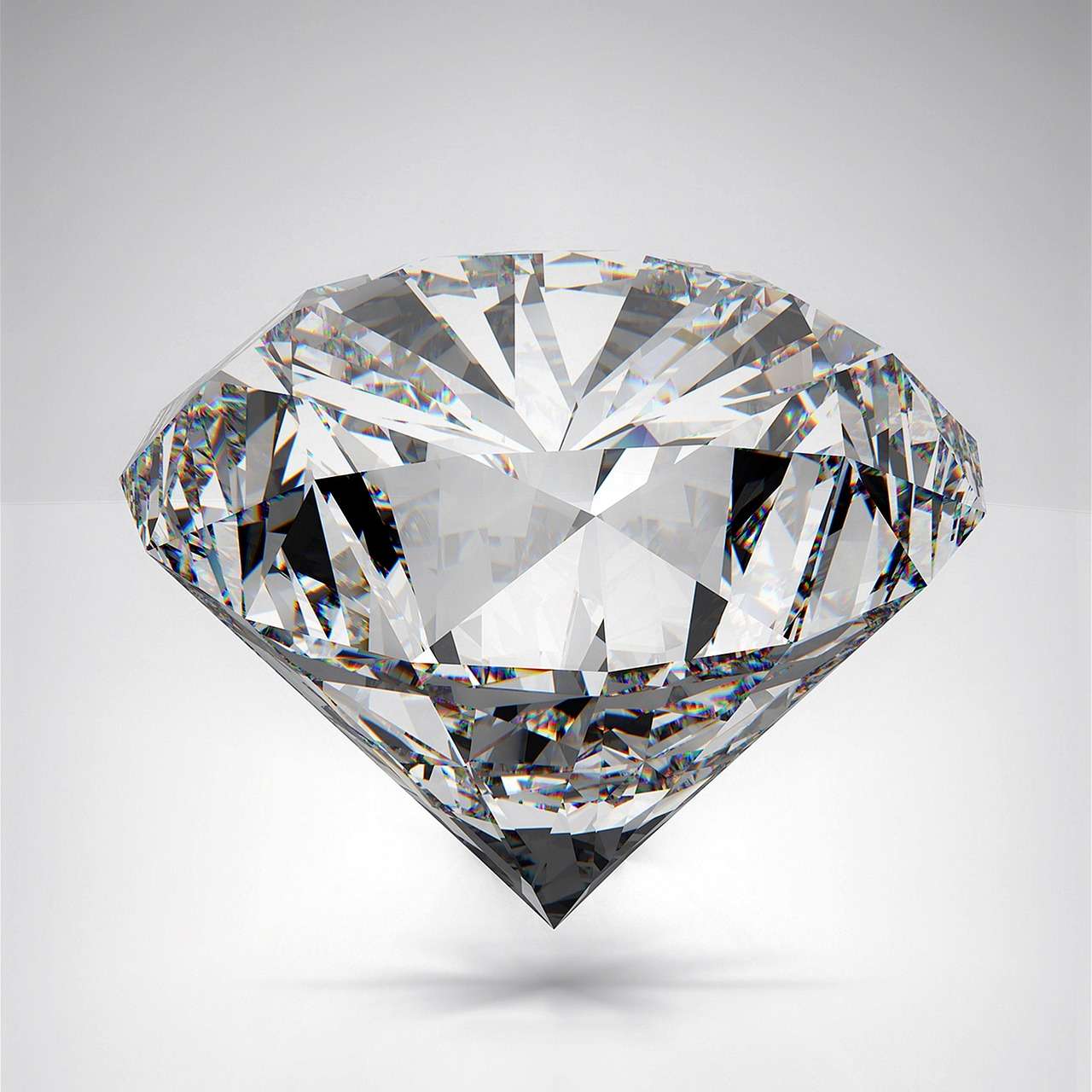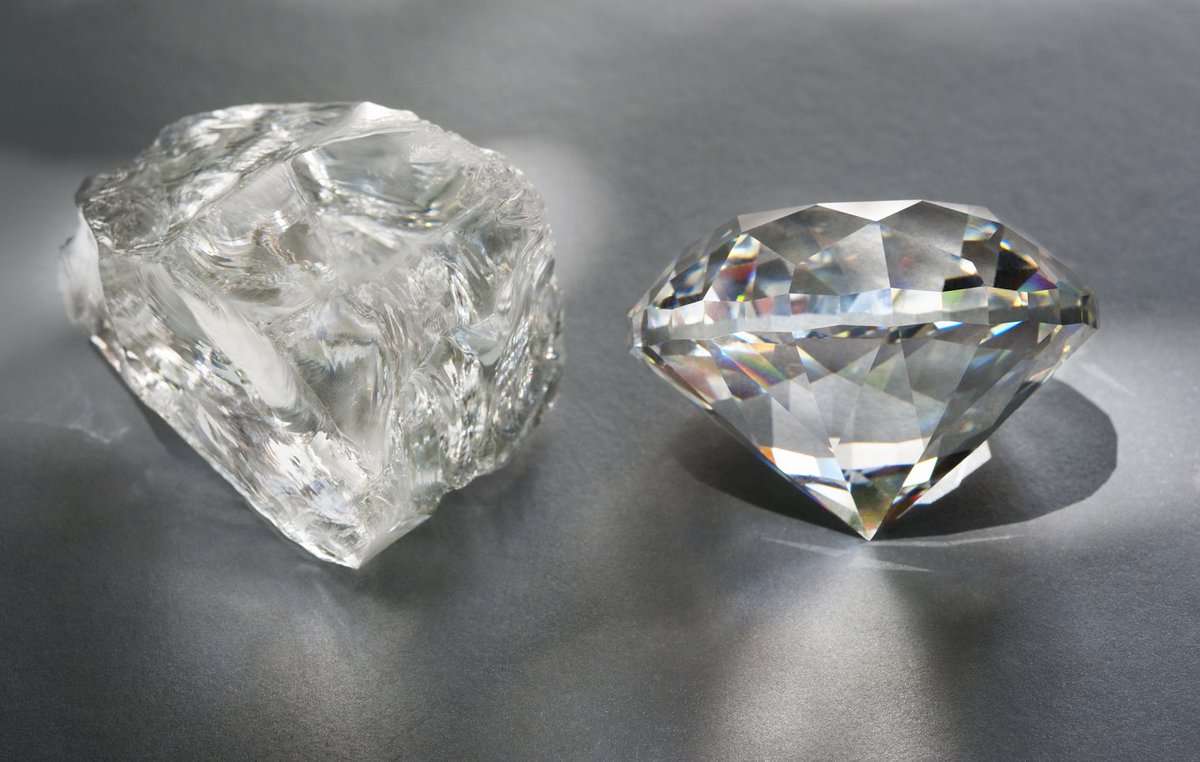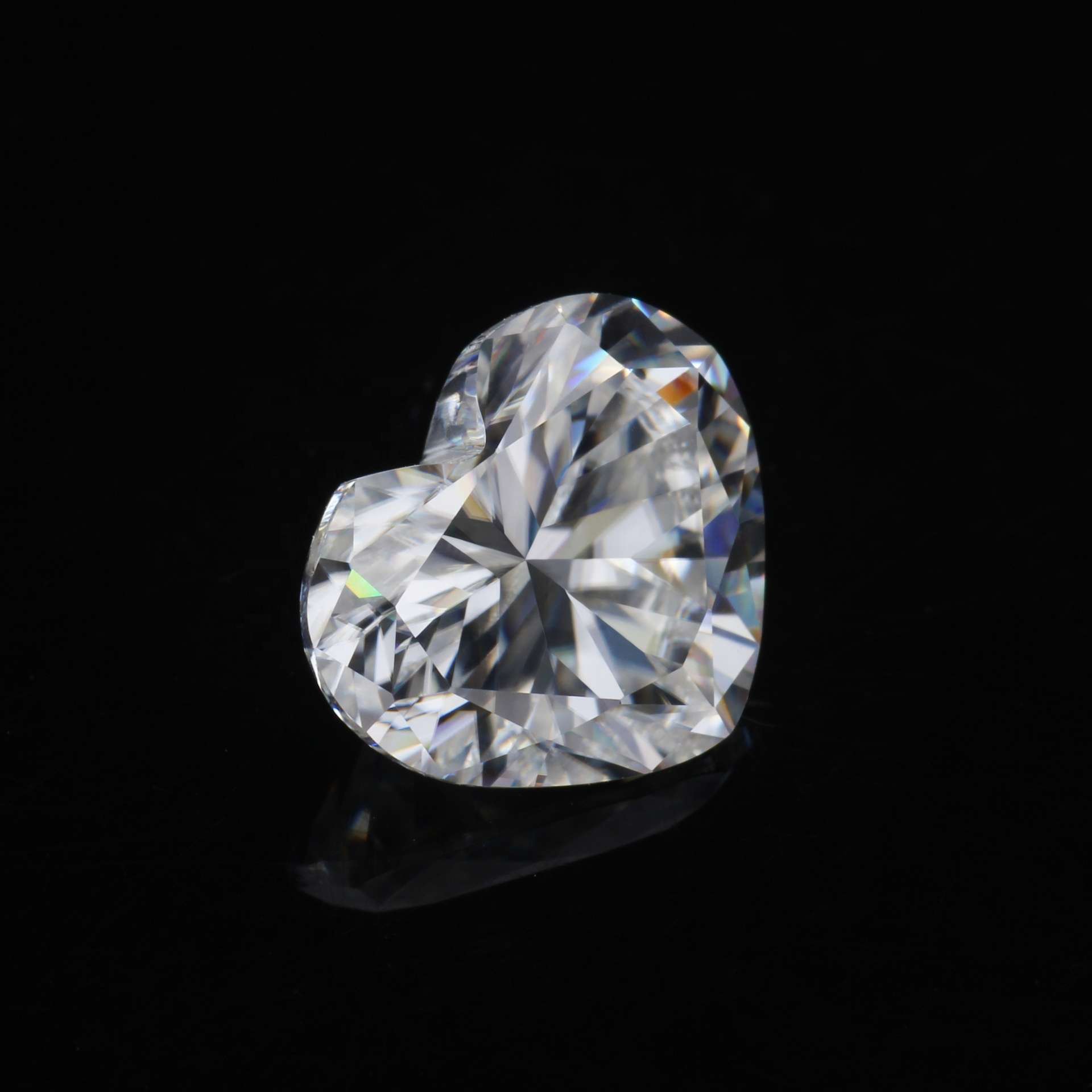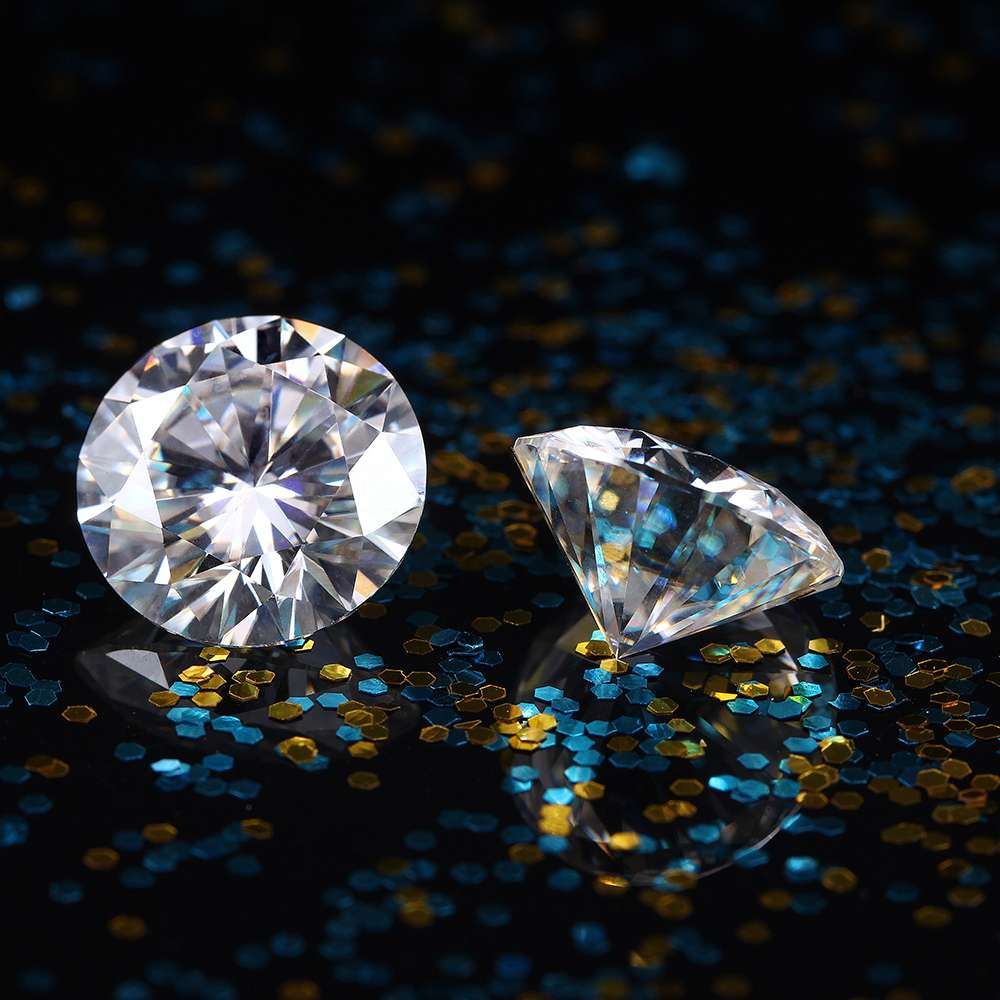
High-quality Artificial diamond: the history of the mineral, what properties it has, where it is used, how to distinguish it from a real stone, photo
The diamond has been known to mankind for a very long time (more than three billion years). Why is he so famous? This stone has always been in great demand. It is known for its durability, extraordinary brilliance and is used to make jewelry of very high value. It is no coincidence that scientists around the world have long been working on the creation of artificial diamonds that are as similar as possible to the original and even surpass it in certain parameters.
For a period of time, a fashionable trend in dentistry was the insertion of a small diamond pebble into the front teeth. High-quality dentistry services can be obtained at the Dental treatment in Russia clinic. Modern technologies, high-quality materials and high-level specialists - all this is presented in this dentistry.
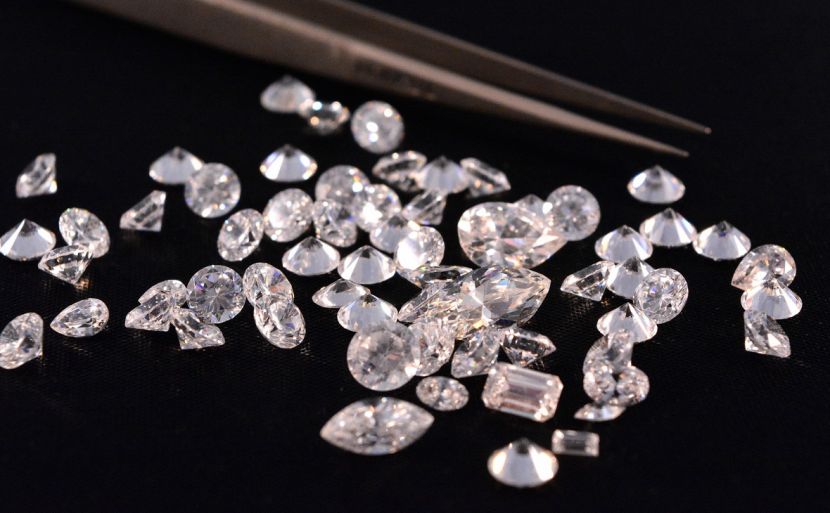
Today, the creation of an artificial diamond has become a successful business, satisfying the demand for this mineral.
From the history of artificial diamonds
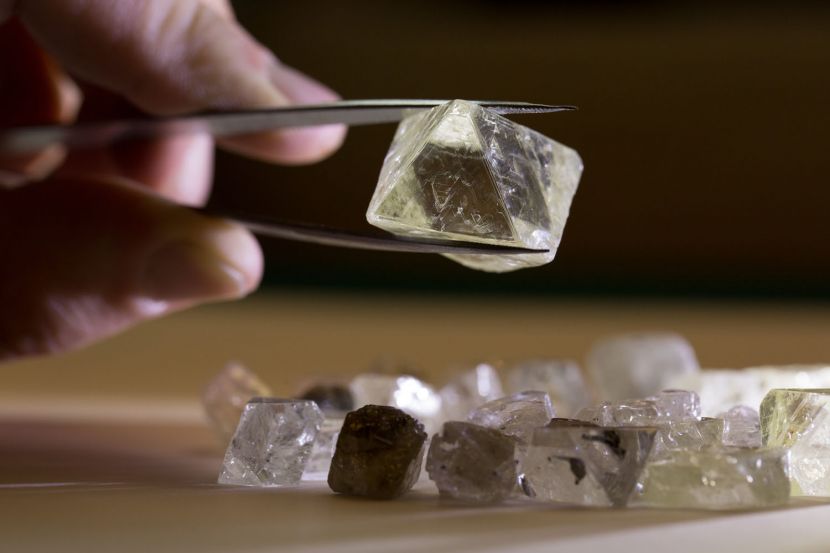
Natural diamonds can be found on all continents of the globe, but artificial diamonds were created not so long ago.
For the first time, the possibility of obtaining a synthetic diamond was discussed in 1797, when they came to the conclusion about the carbon composition of the mineral. At the end of the 19th century, chemists from Scotland and France tried to make diamonds from carbon, matte black graphite.
At the beginning of the 20th century, the English scientist William Crookes conducted a similar experiment, and in 1926 the first artificial diamond was created, but such a stone could not be put into production because of its characteristics. Now it is in the Museum of the United States of America (in the state of Kansas) as an exhibit.
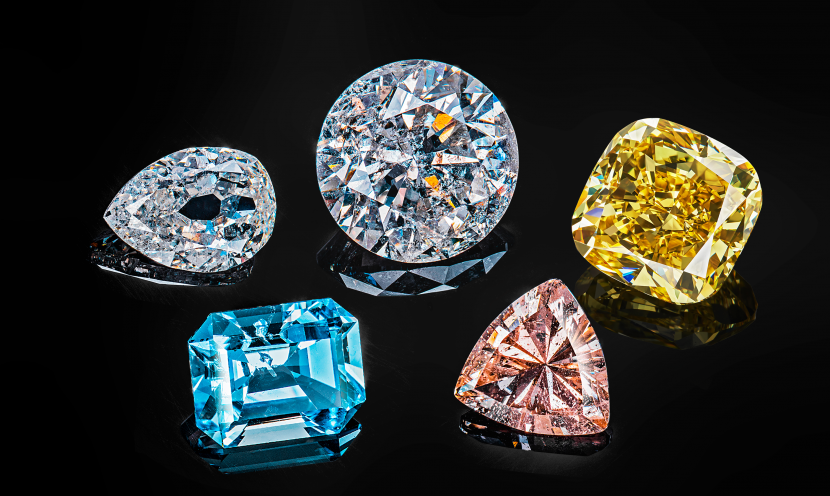
A little later (in the thirties of the twentieth century), our physicists made all the proper calculations to obtain a diamond, but they were tested in practice by the American scientist Tracy Hall, who used a high-pressure apparatus that turned graphite into a diamond. This momentous event took place in December 1954.
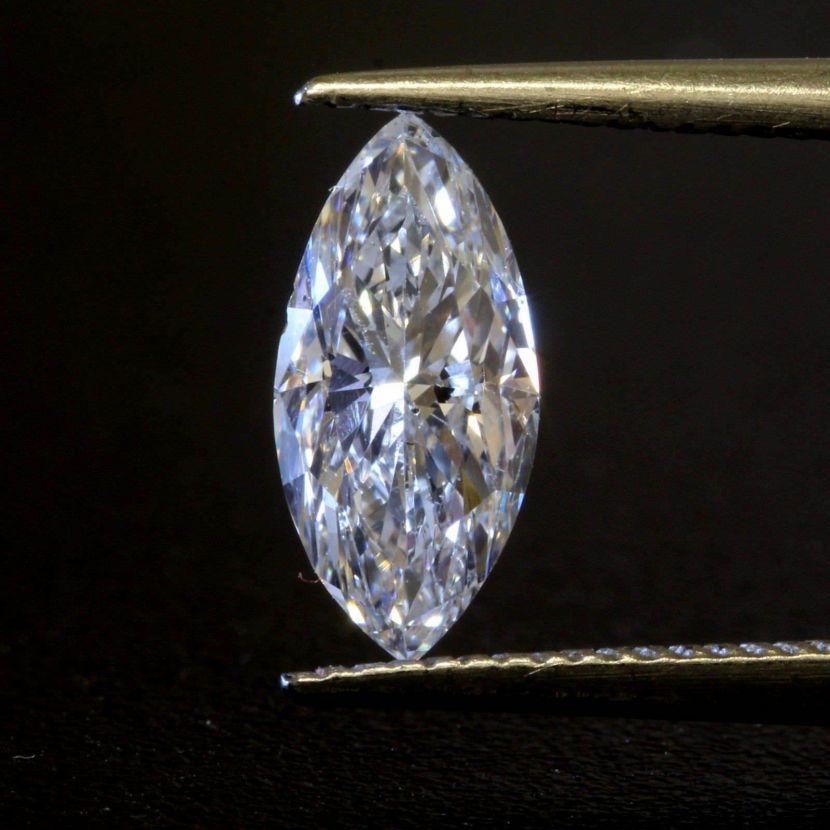
Shades of laboratory minerals
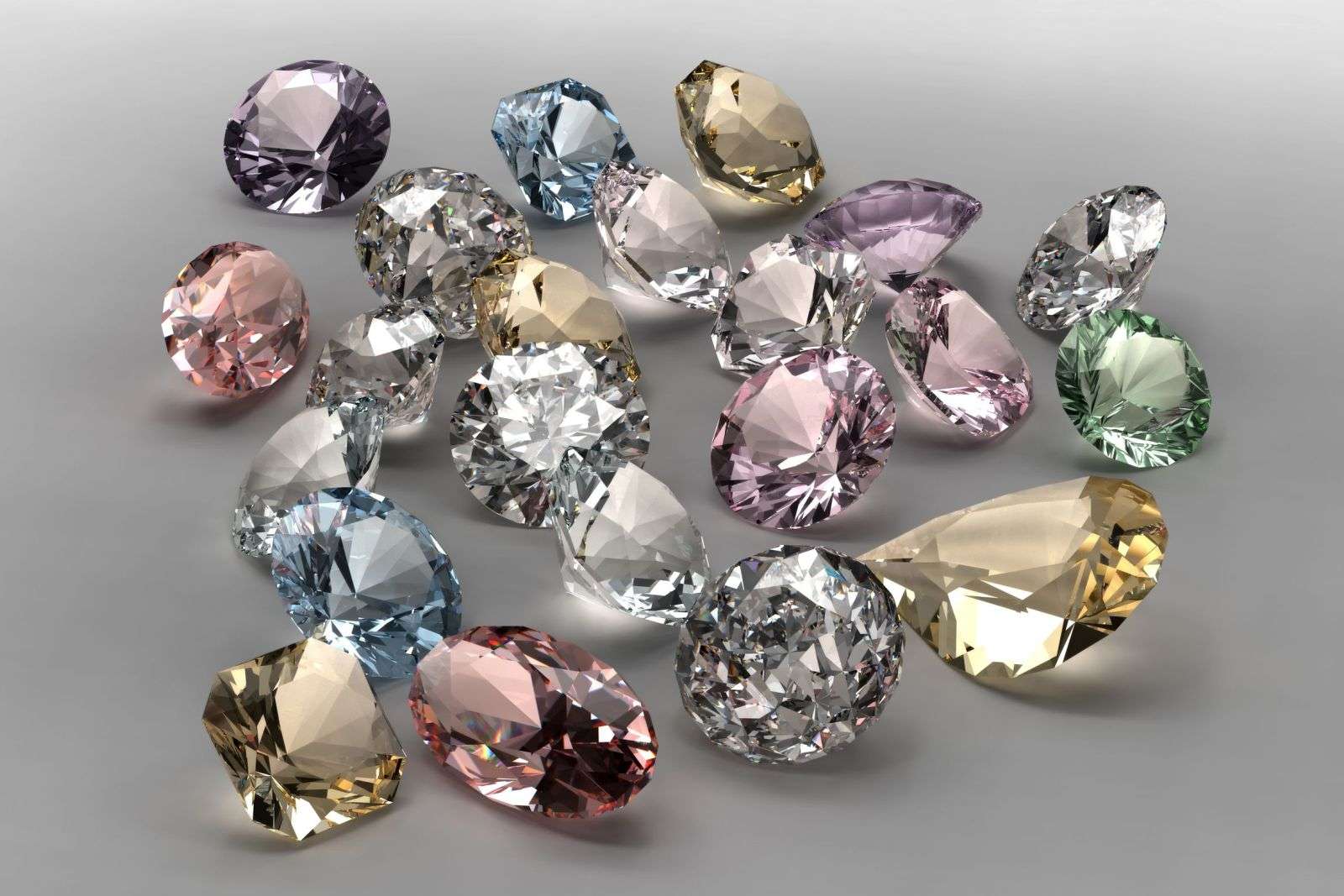
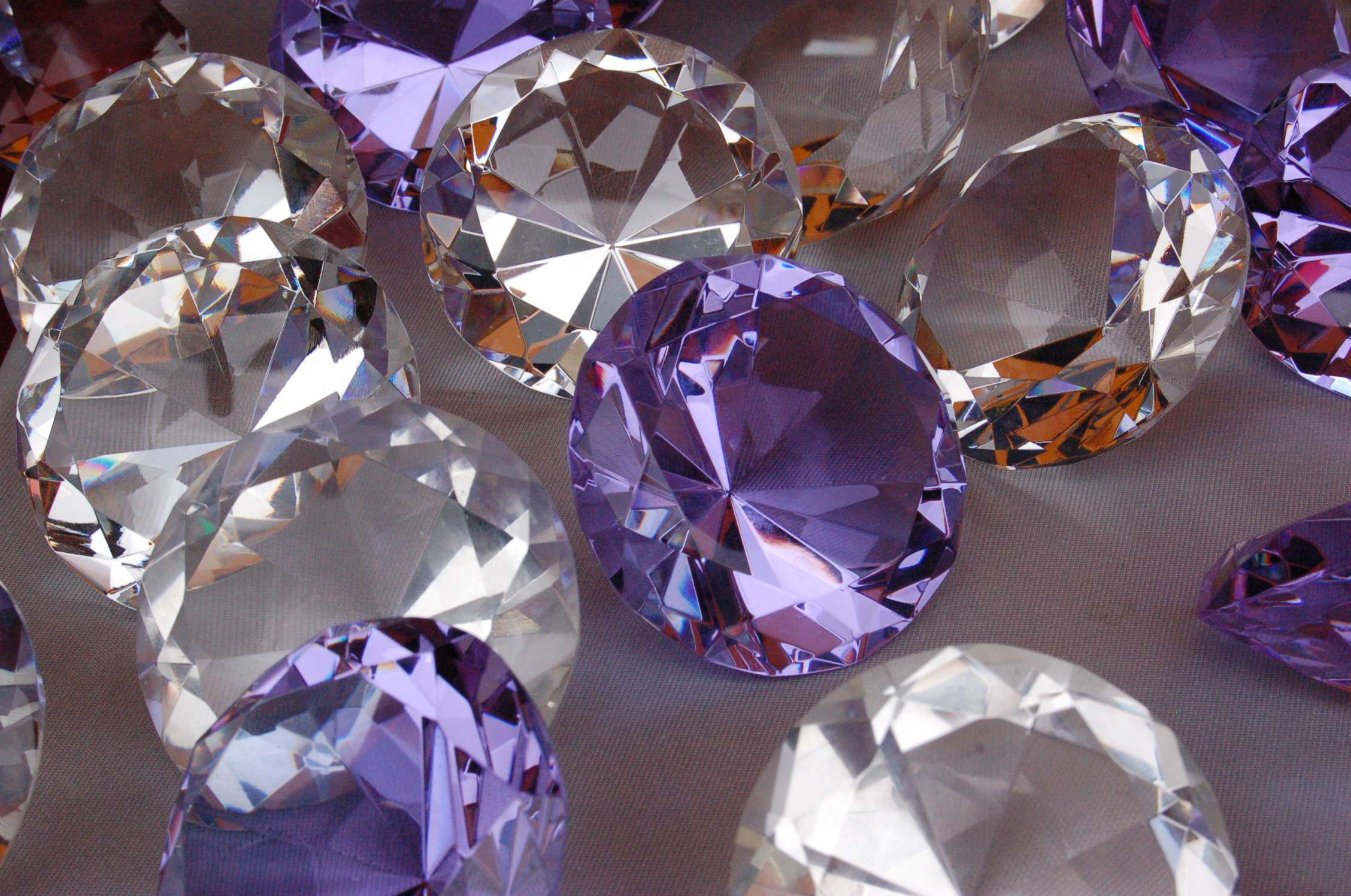
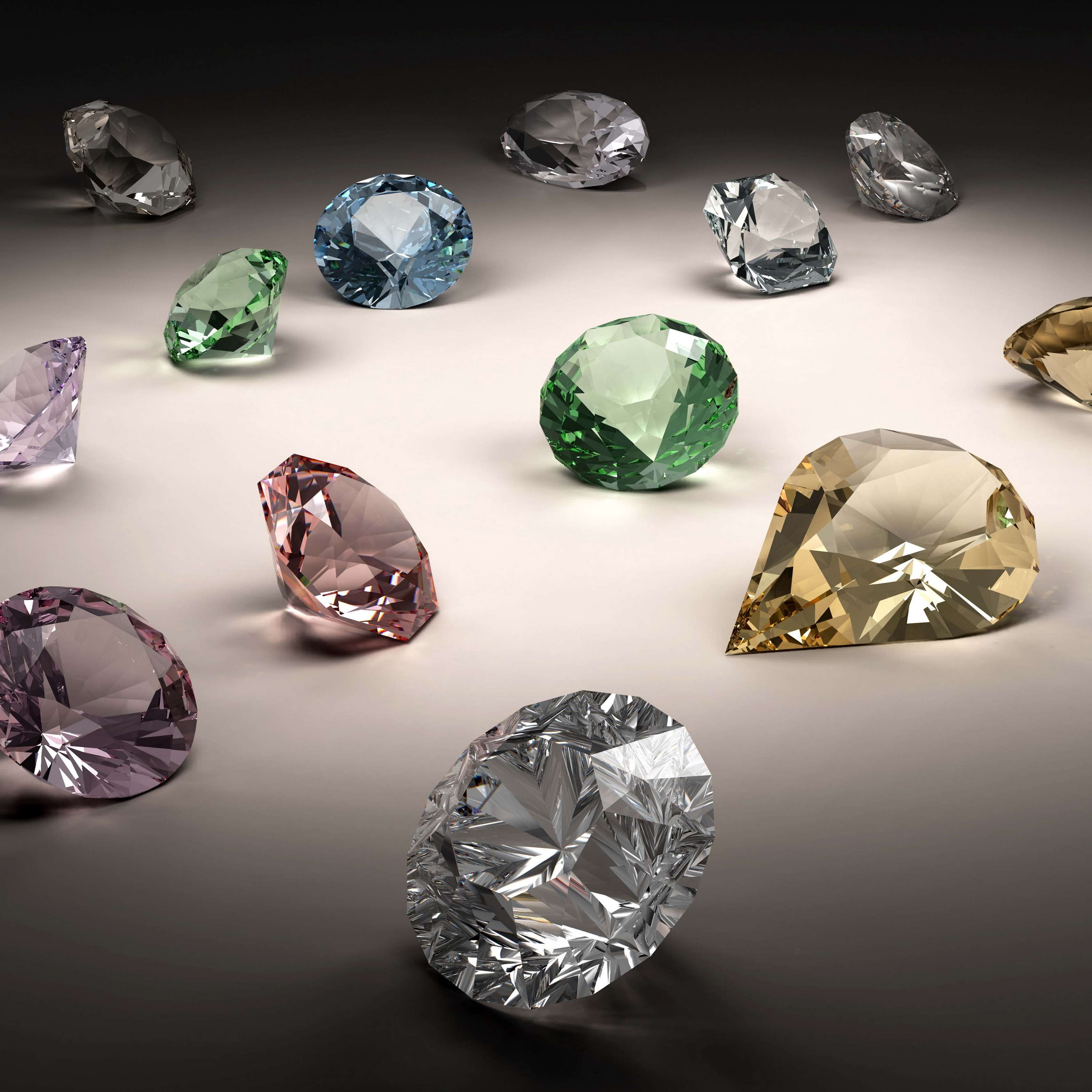
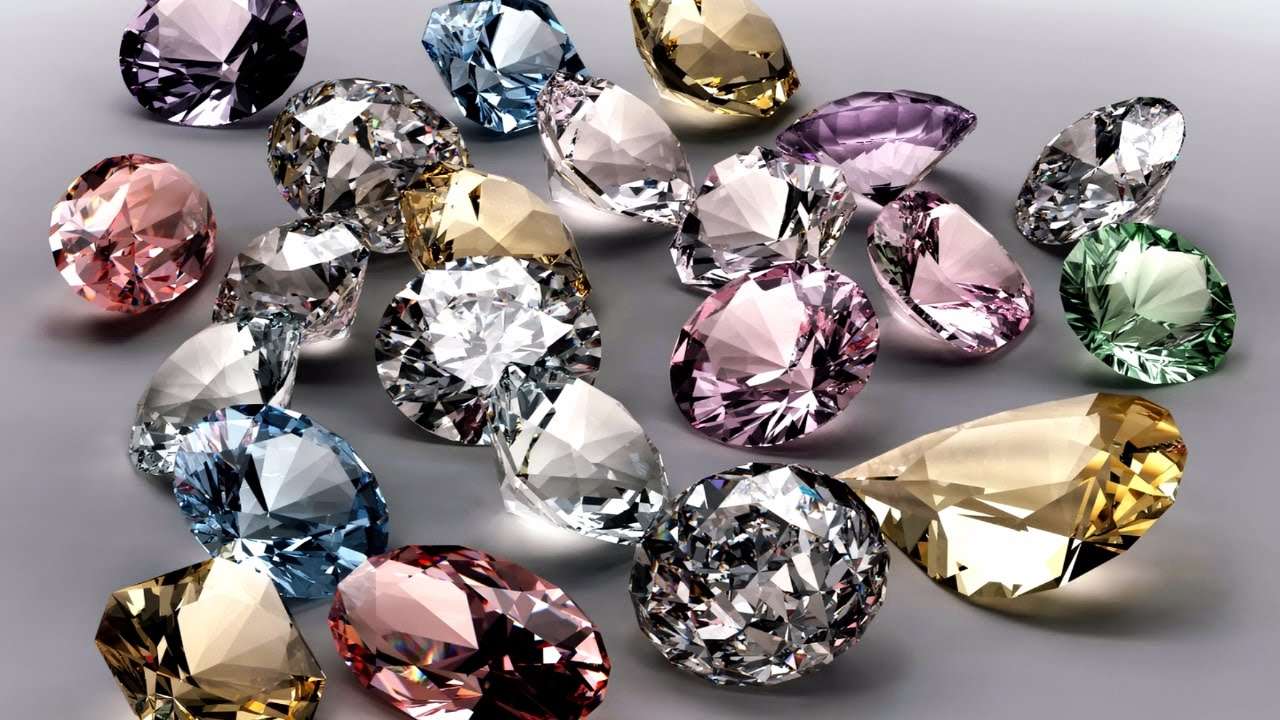
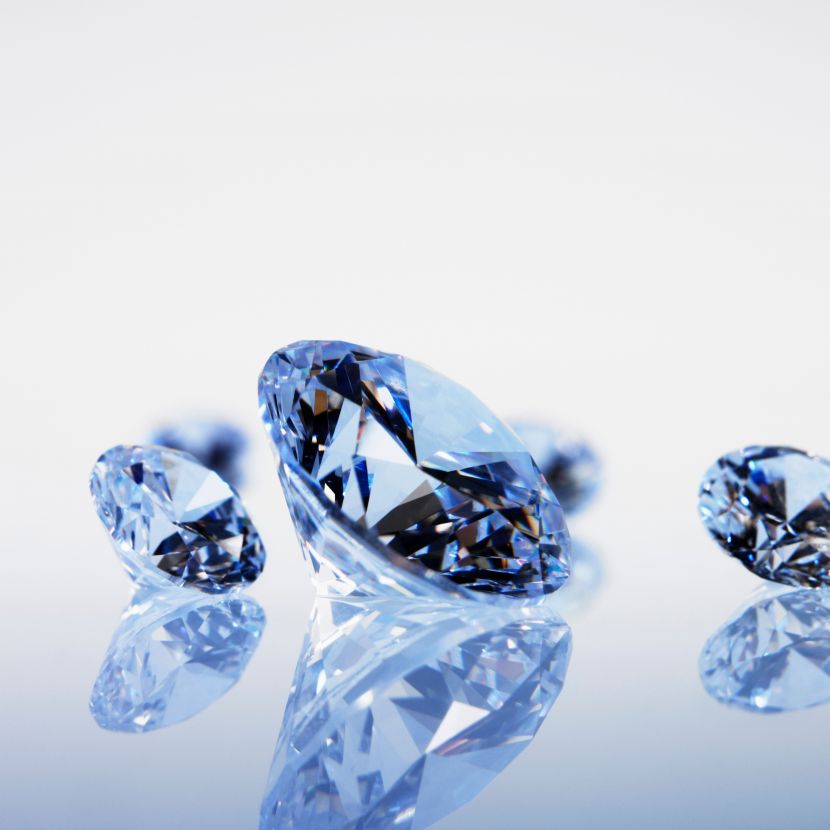
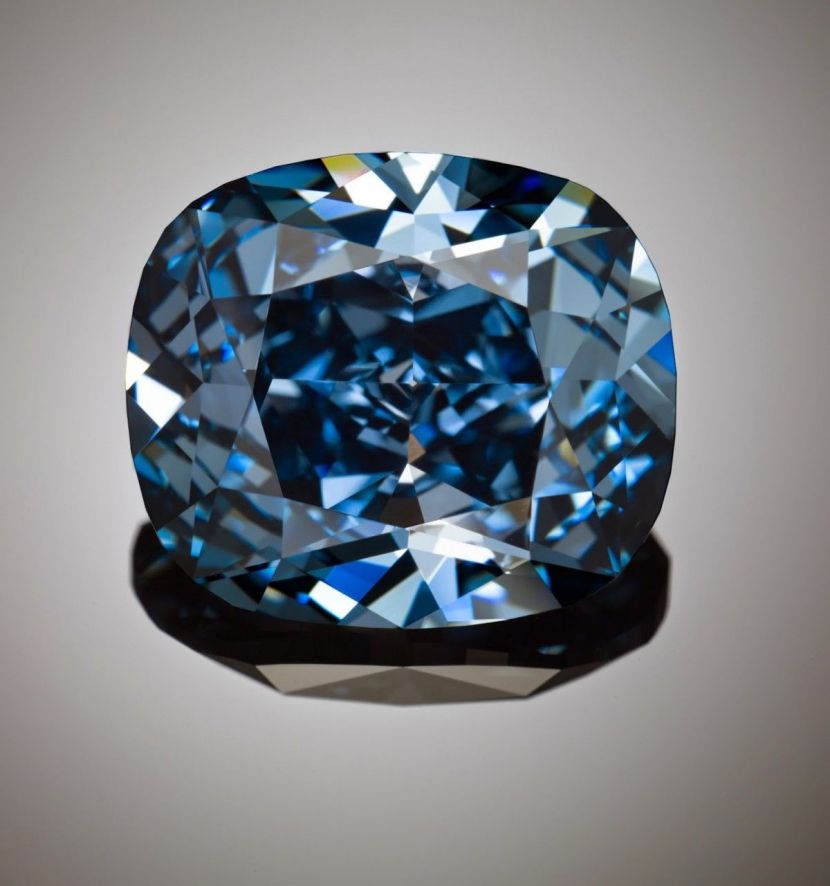
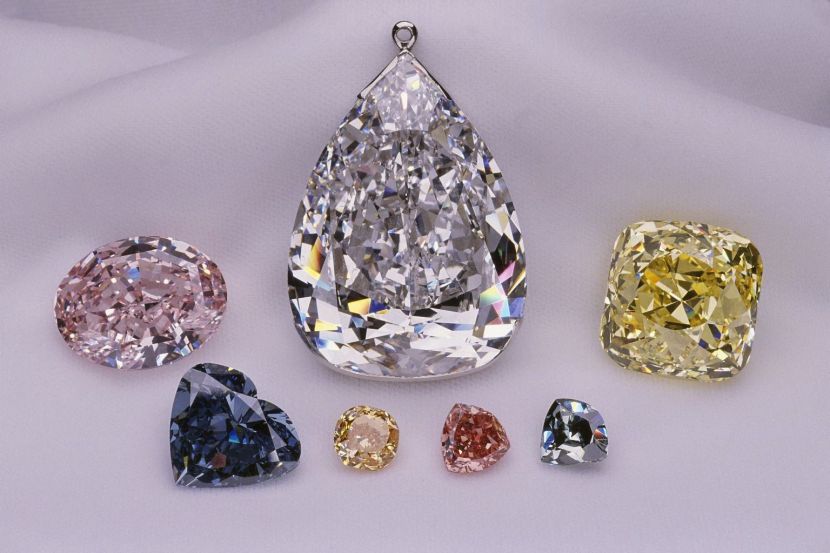
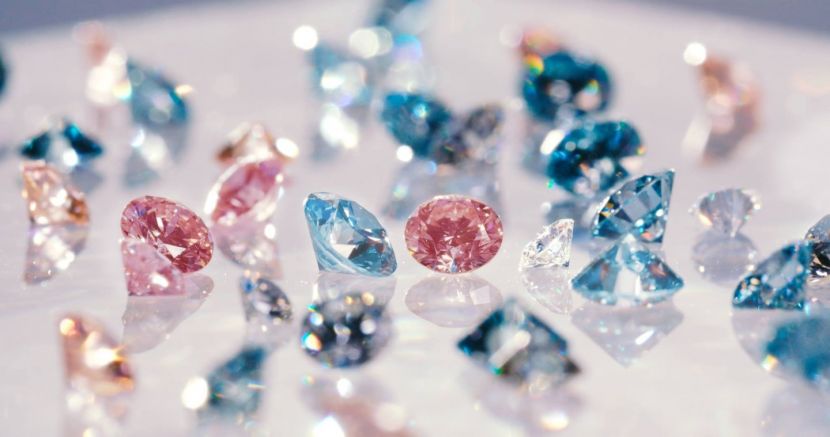
Many people are interested in knowing what color lab-grown diamonds can be. Today, artificial pebbles can take on various shades, but blue, yellow and black are more common than others. Of course, colorless diamonds are much more valuable, and they can also be grown, but it will take much more time to create such a diamond, as this is a very laborious process.
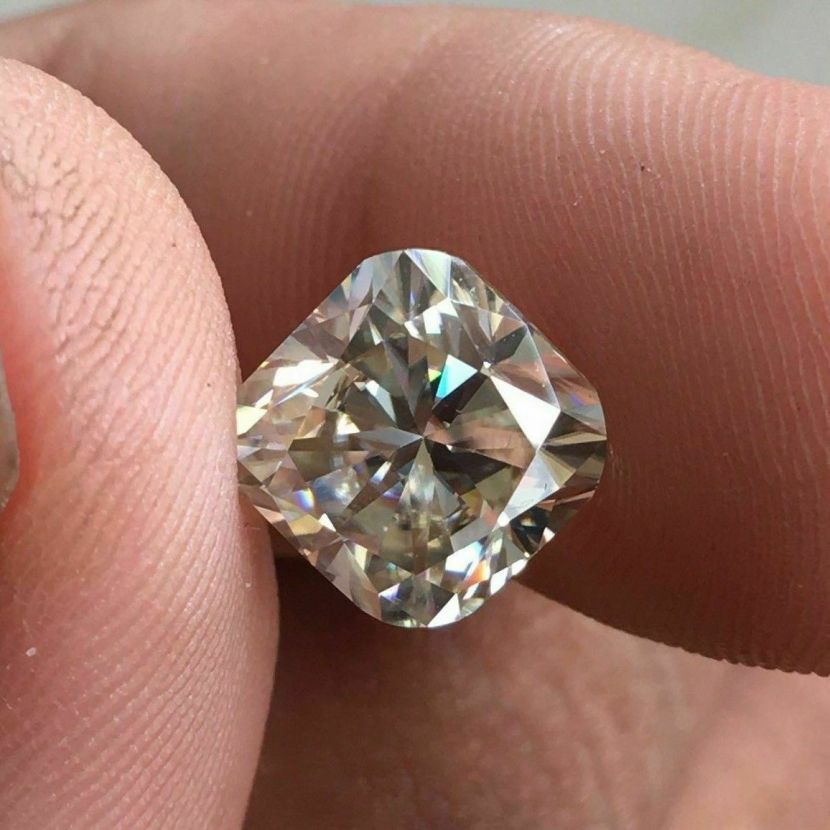
The blue color of the stone is obtained by mixing carbon with bromine. To make a yellow diamond, chemists use nitrogen, and nickel is added to make a diamond black.
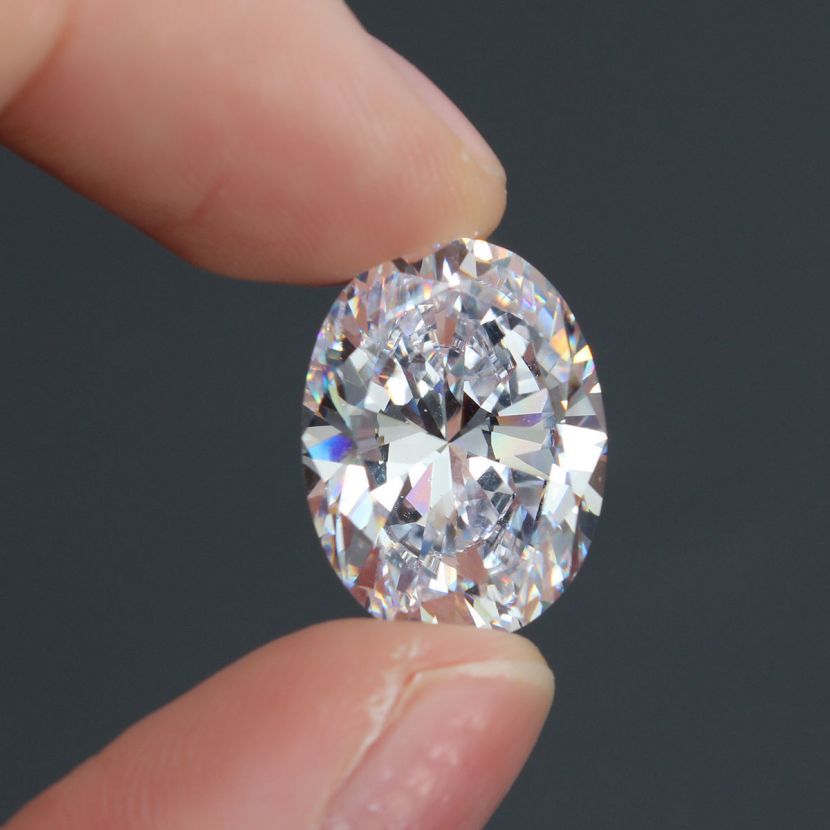
The main advantages of synthetic diamond
Artificial diamonds have properties that make them so popular all over the world.We list the main important qualities of such diamonds:
- absence of crystalline defects;
- shine of the stone;
- purity;
- transparency;
- the greatest hardness;
- the highest thermal conductivity;
- the presence of impurities to obtain any additional properties.
The most common technologies for growing artificial stone
Several methods have been developed in laboratories for growing a synthetic diamond, but two of them are the most recognized:
- HPHT technology, in which a diamond is grown in a special chamber at very high pressure and a temperature of 1400-1600 degrees. This method allows you to grow a diamond in five to seven days.
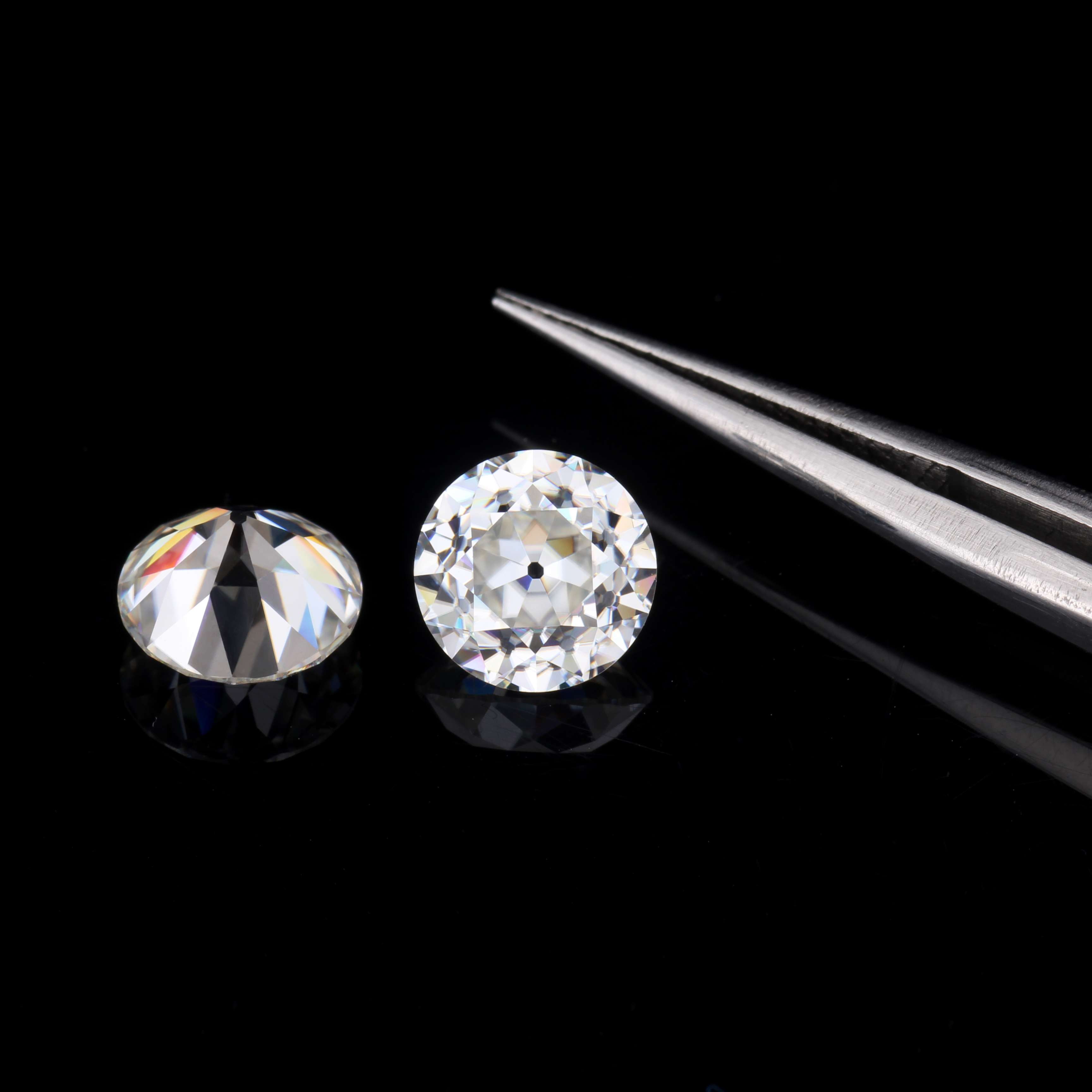
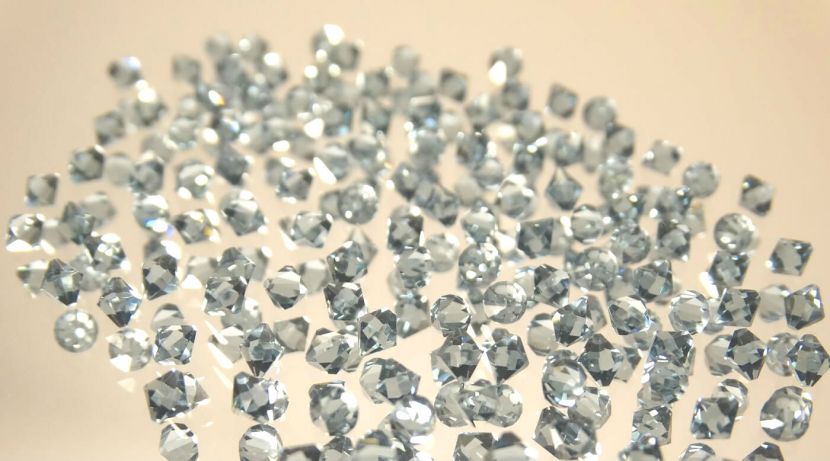
- CVD technology (based on the use of a gas medium): vaporized carbon and oxygen are superimposed on a diamond seed placed in a low-pressure chamber. With this method, very high quality artificial diamonds are obtained, which are difficult to distinguish from real stones. It takes about two days to make such diamonds.
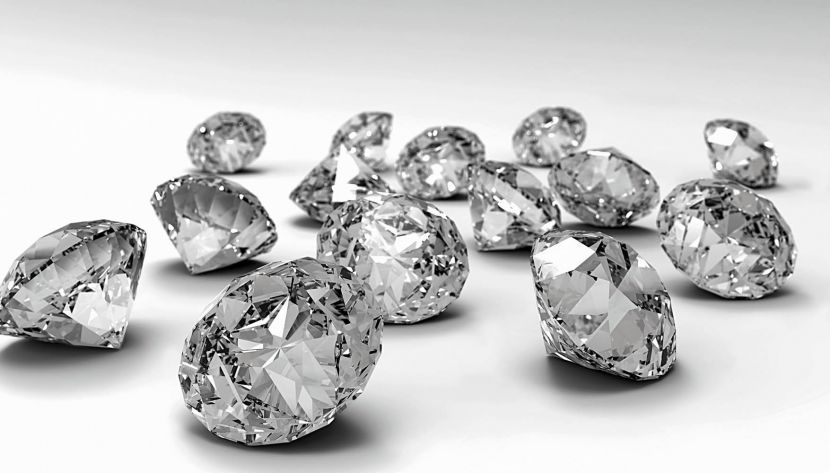
The most common types of synthetic diamonds
It cannot be argued that artificial diamonds are an exact copy of the king of stones.
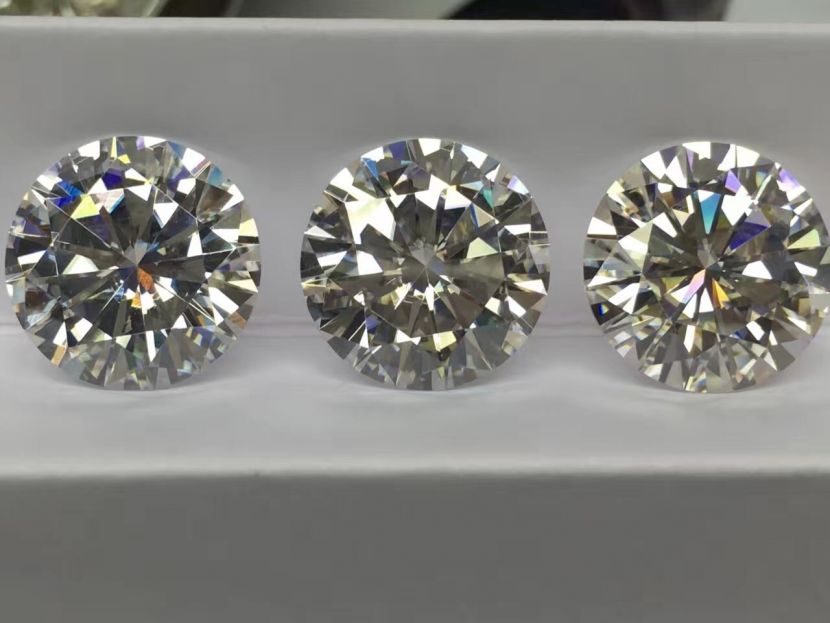
The most famous is the nexus, obtained by chemical splicing with other compounds and having high strength.
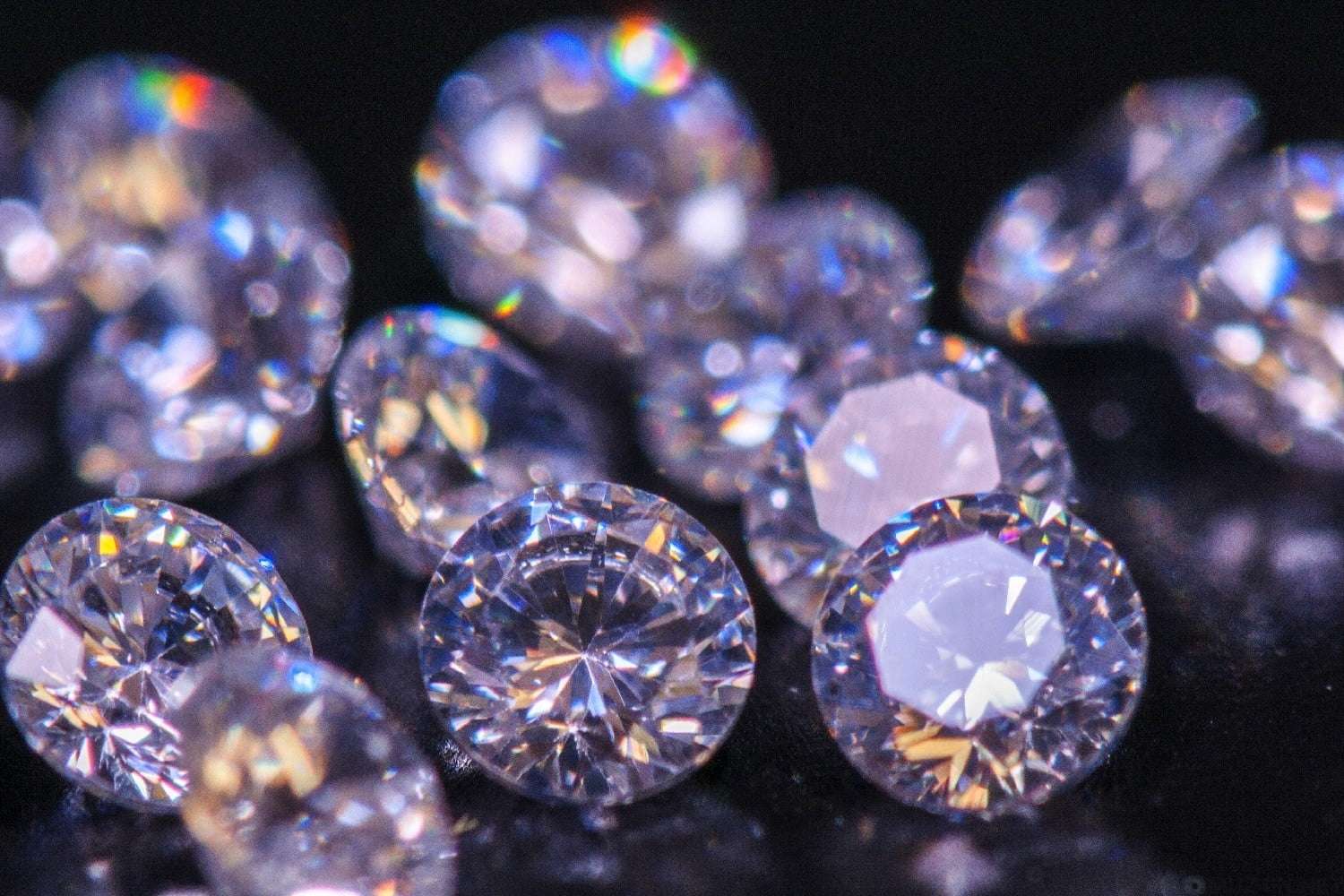
Fianite is made from zirconium and oxide. It is very beautiful and not so expensive, but it has a drawback - it is not a very durable stone (it is easy to scratch).
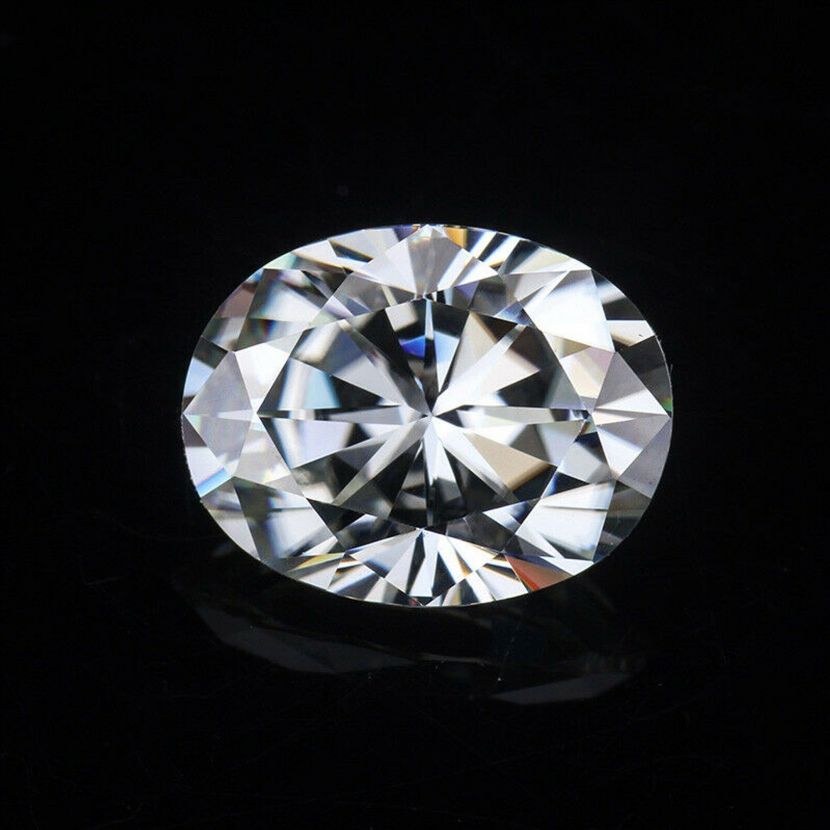
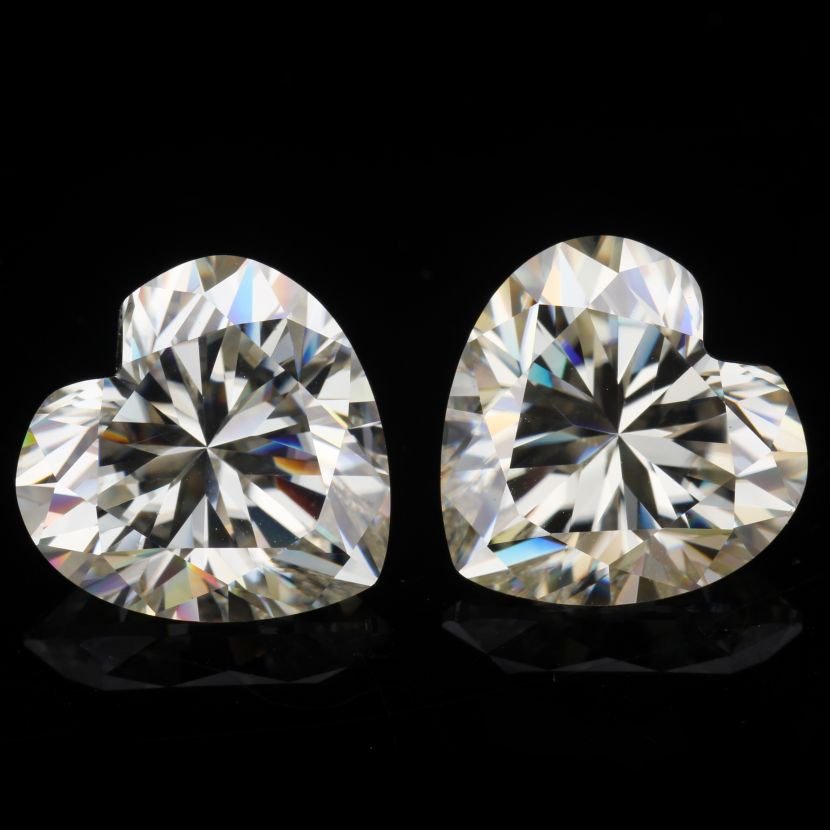
The most beautiful grown diamond is moissanite, which is characterized by incredible brilliance and high strength. It is difficult to distinguish it from a real diamond, so its price is appropriate.
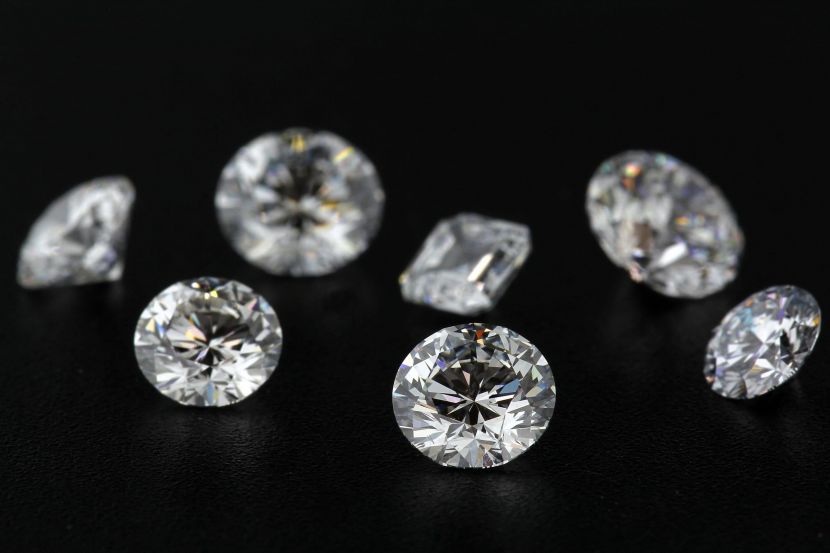
It should be noted that stones made in laboratories can cost no less than real ones, especially transparent white diamonds, and for some, the price will be even higher due to the absence of defects that natural diamonds sometimes have.
The main differences between an artificial diamond and a real one
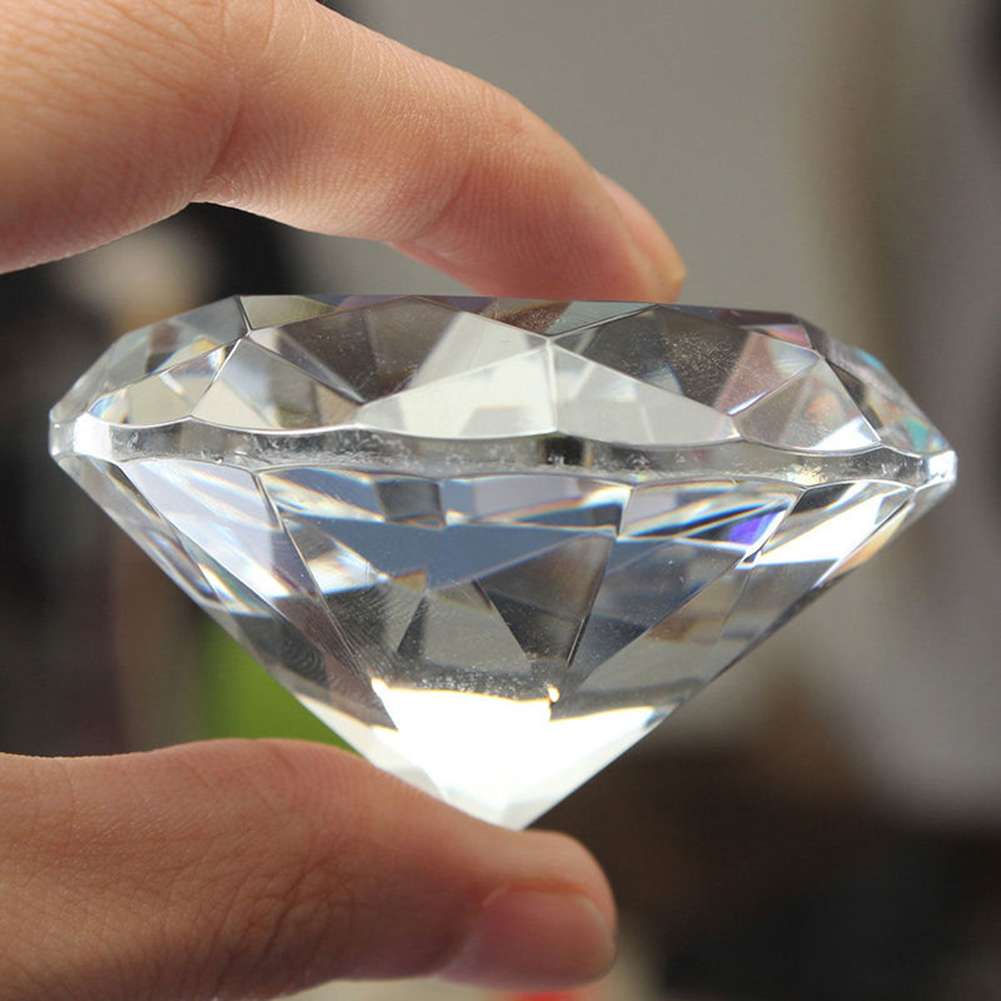
How to understand which stone is in front of you: real or artificial? Artificially grown mineral has some features:
- reacts to a magnet;
- transparent, but in water it can be seen (unlike a real stone);
- does not shine very brightly in the sun;
- the border separating the bottom and top of the stone (rudnist), very smooth, and not rough, like a real mineral.
Application area
Man-made diamonds (approximately 80 percent) are widely used in industry (glass cutters, drill bits, bearings, coating of grinding tools and knives), electronics (for the manufacture of interlayers in microcircuits), medicine (using laser technologies, in dentistry ).
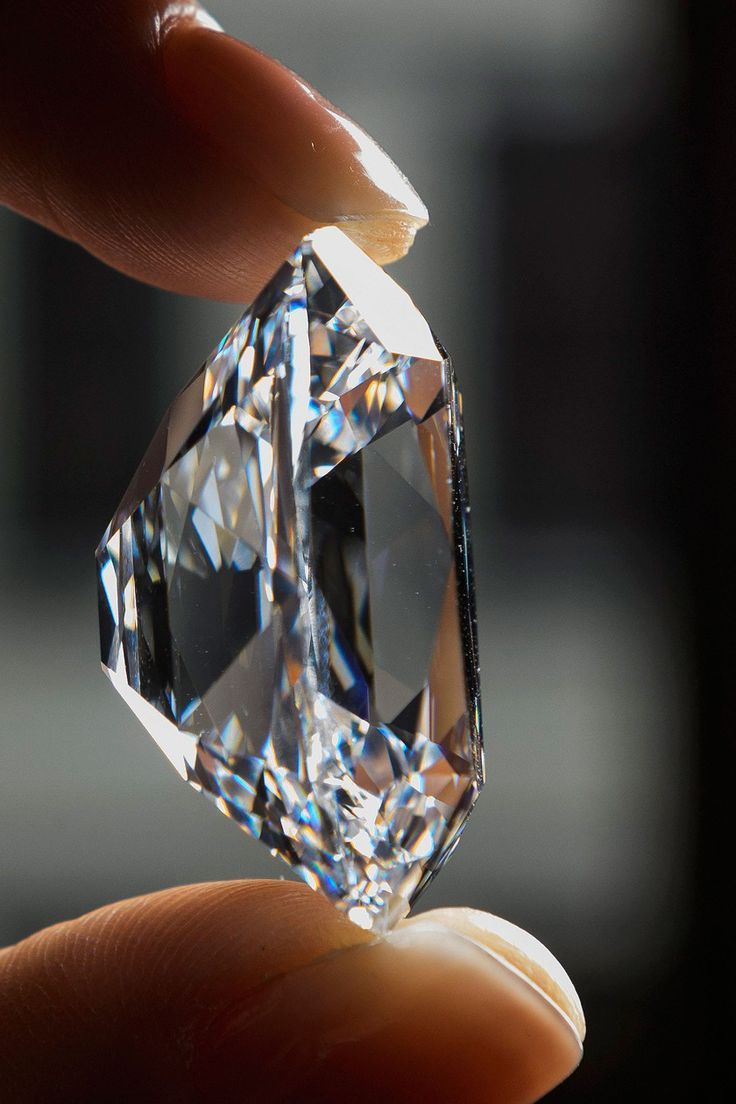
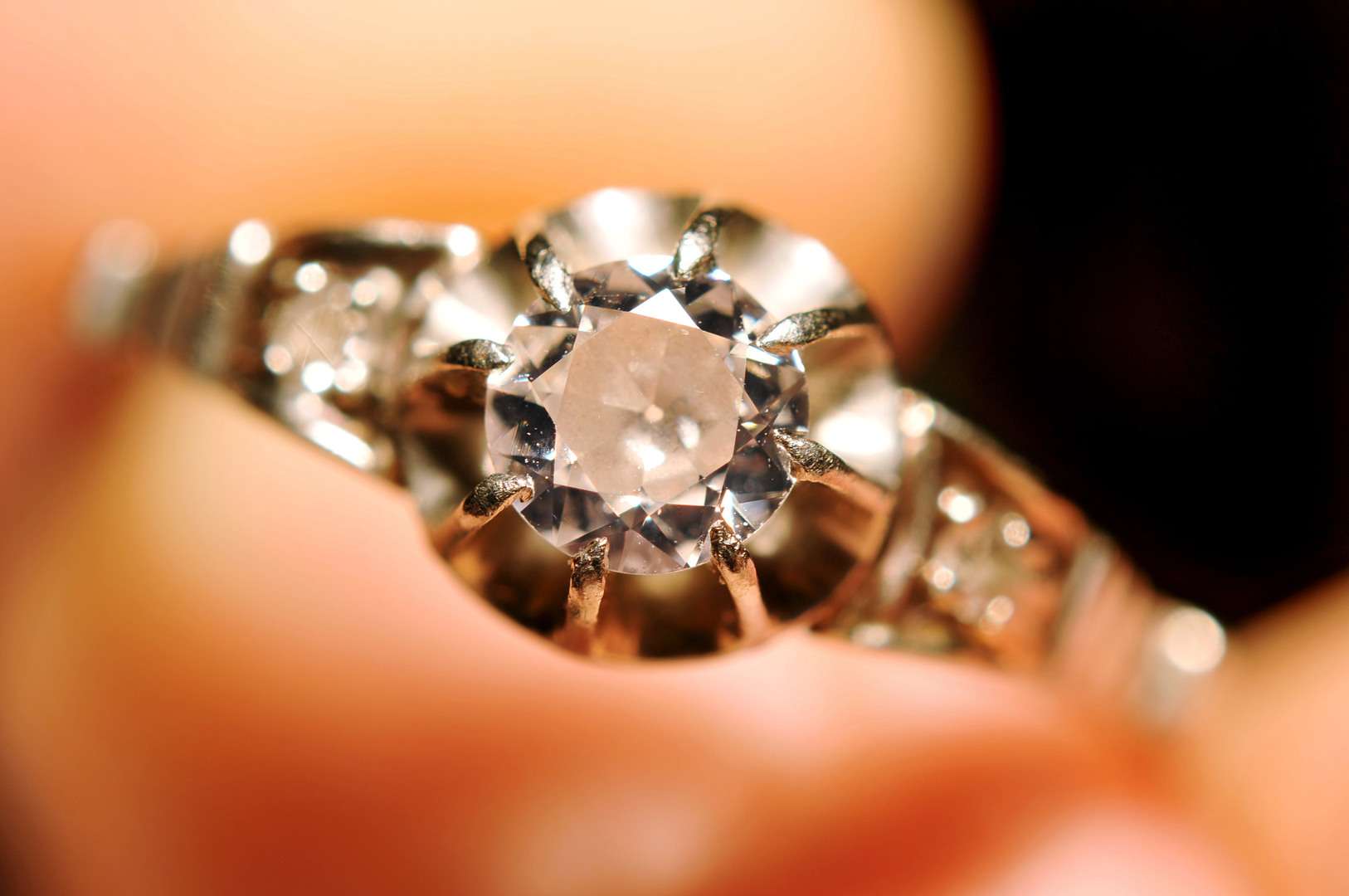
The need for this mineral is also explained by the high demand for jewelry (rings, earrings, pendants, bracelets).
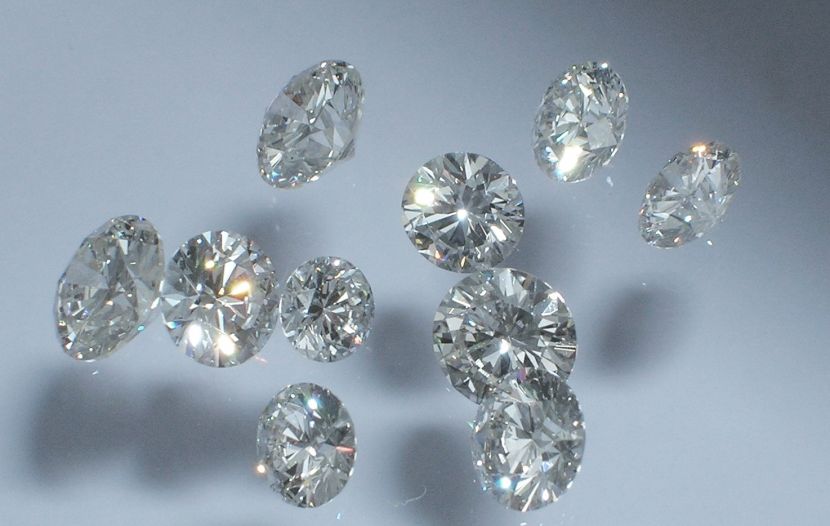
Every year the scope of the use of this stone is expanding.
Interesting Facts
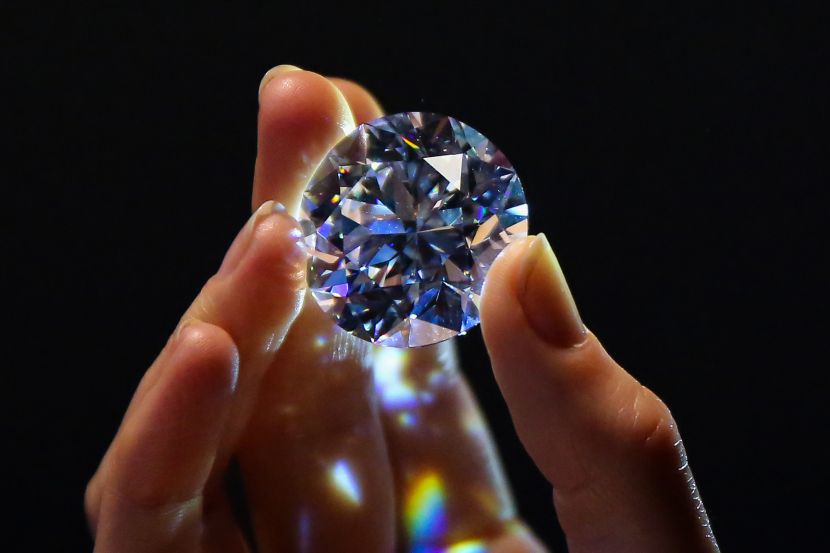
The Guinness Book of Records has information about the largest diamond created by man. Its size is 34 carats.
At the very end of the twentieth century, chemists obtained a diamond from human and animal remains. After learning about this technology, many wealthy people keep the memory of deceased relatives in diamonds. Thus a very profitable business arose.
The largest market for diamonds is the United States of America (residents of the country purchase more than half of the diamond jewelry in the world).
Scientists in Germany have created artificial crystals from peanut butter, and Mexican chemists have obtained a steam containing diamonds from tequila, which can be used in the deposition of a diamond film.
The minerals closest in structure are graphite and diamond. Graphite can turn into diamond and vice versa, but diamond is one of the hardest minerals, and graphite is the softest.
Summing up
It would be wrong to consider artificial diamonds as a copy, because in all respects they are the same mineral, the only difference is in the way they appear. If a natural diamond is created by nature itself, then an artificial one is grown by a person. The laboratory mineral not only acquires all the properties of natural stone, but even surpasses it in some ways.
Today, more than two dozen countries are engaged in the production of artificial diamonds, more than half of the world's diamonds are synthetic.
According to many analysts, the production of such minerals will only grow over time due to the needs of not only the jewelry industry, but also other areas of high technology.
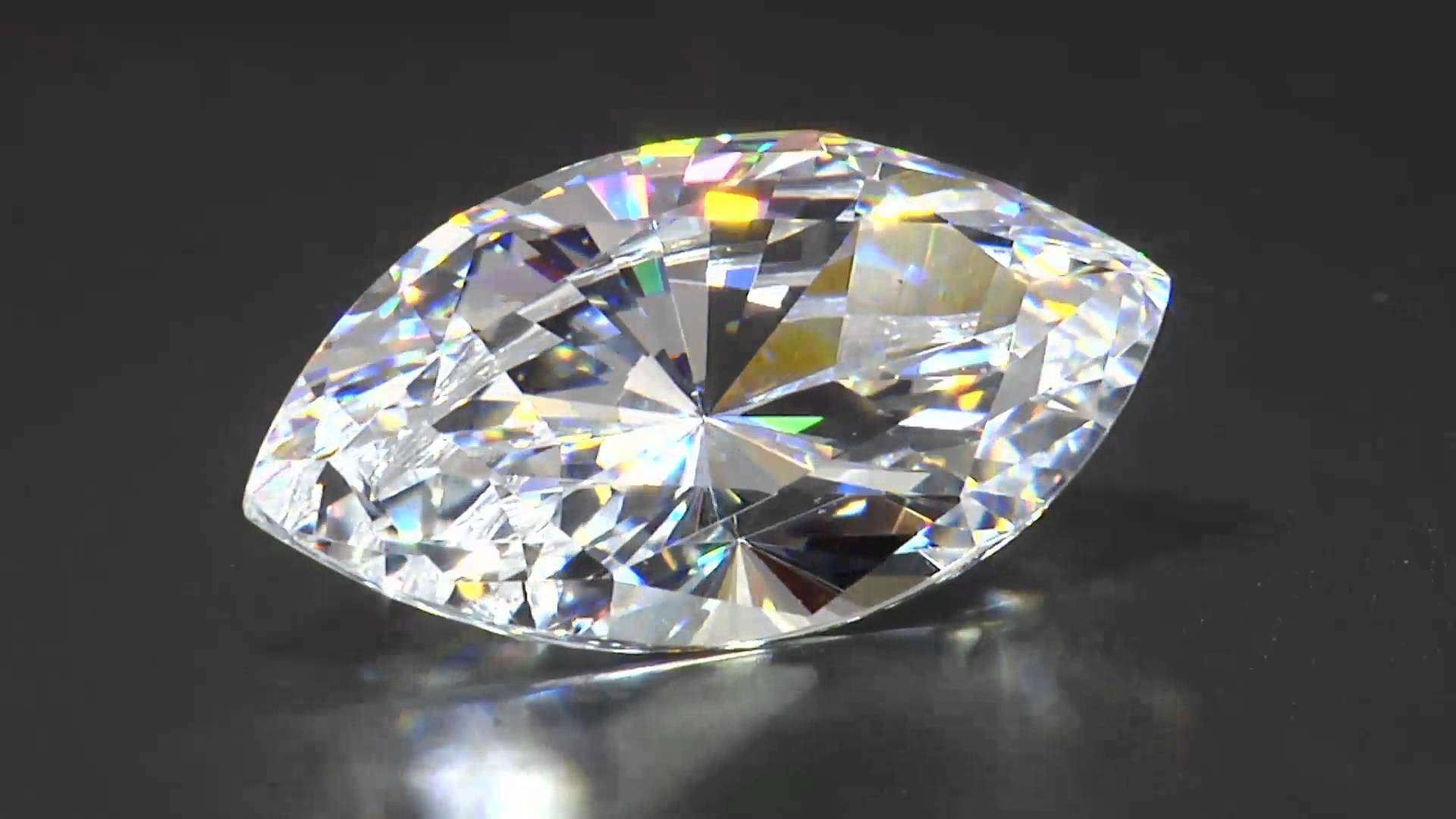
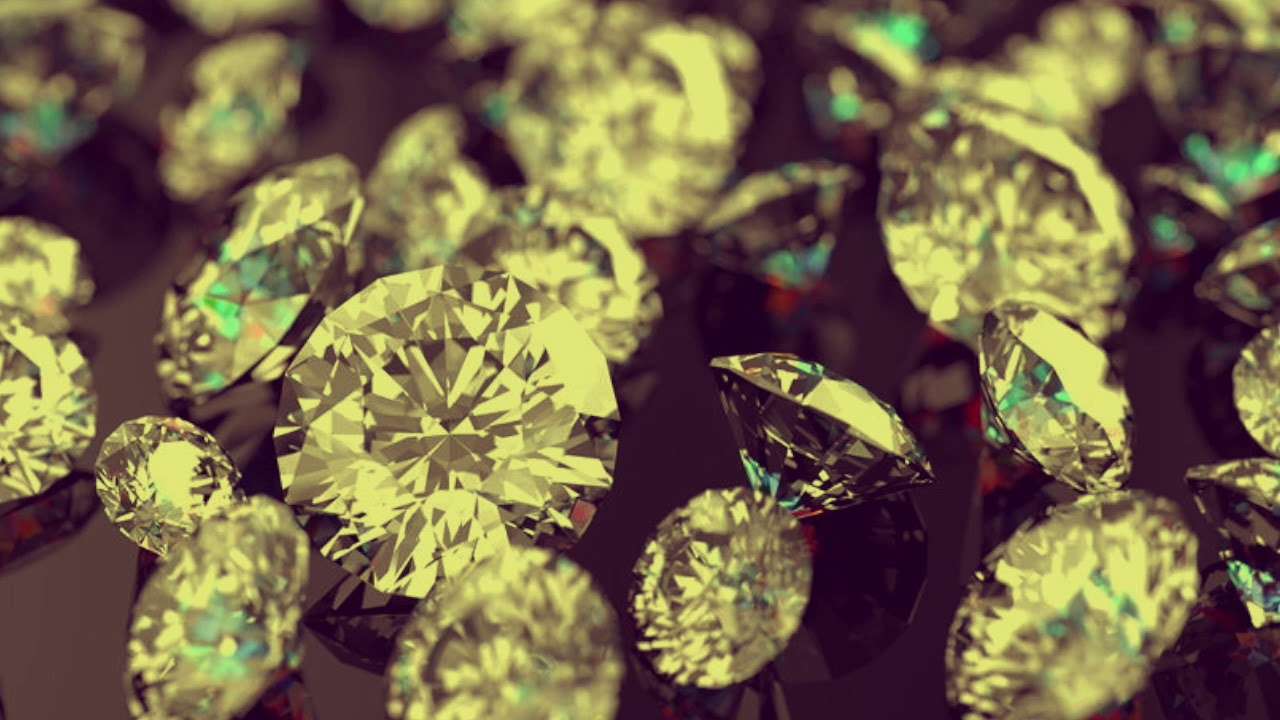
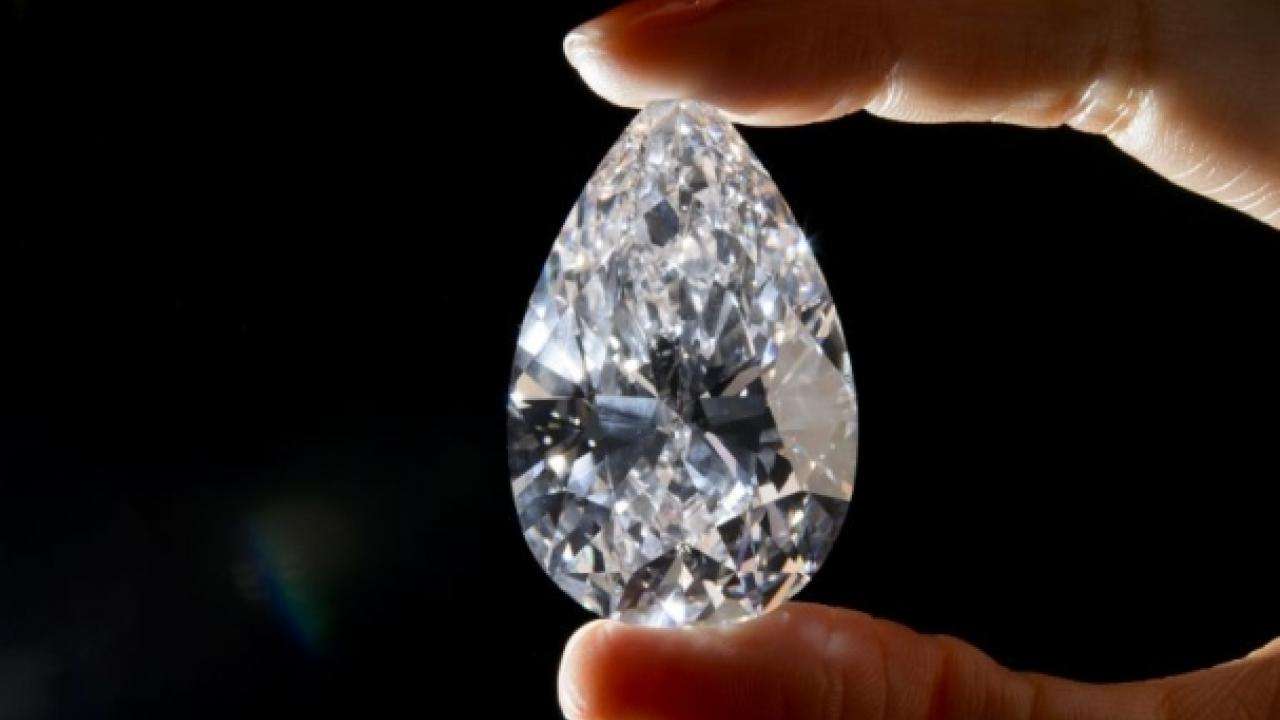
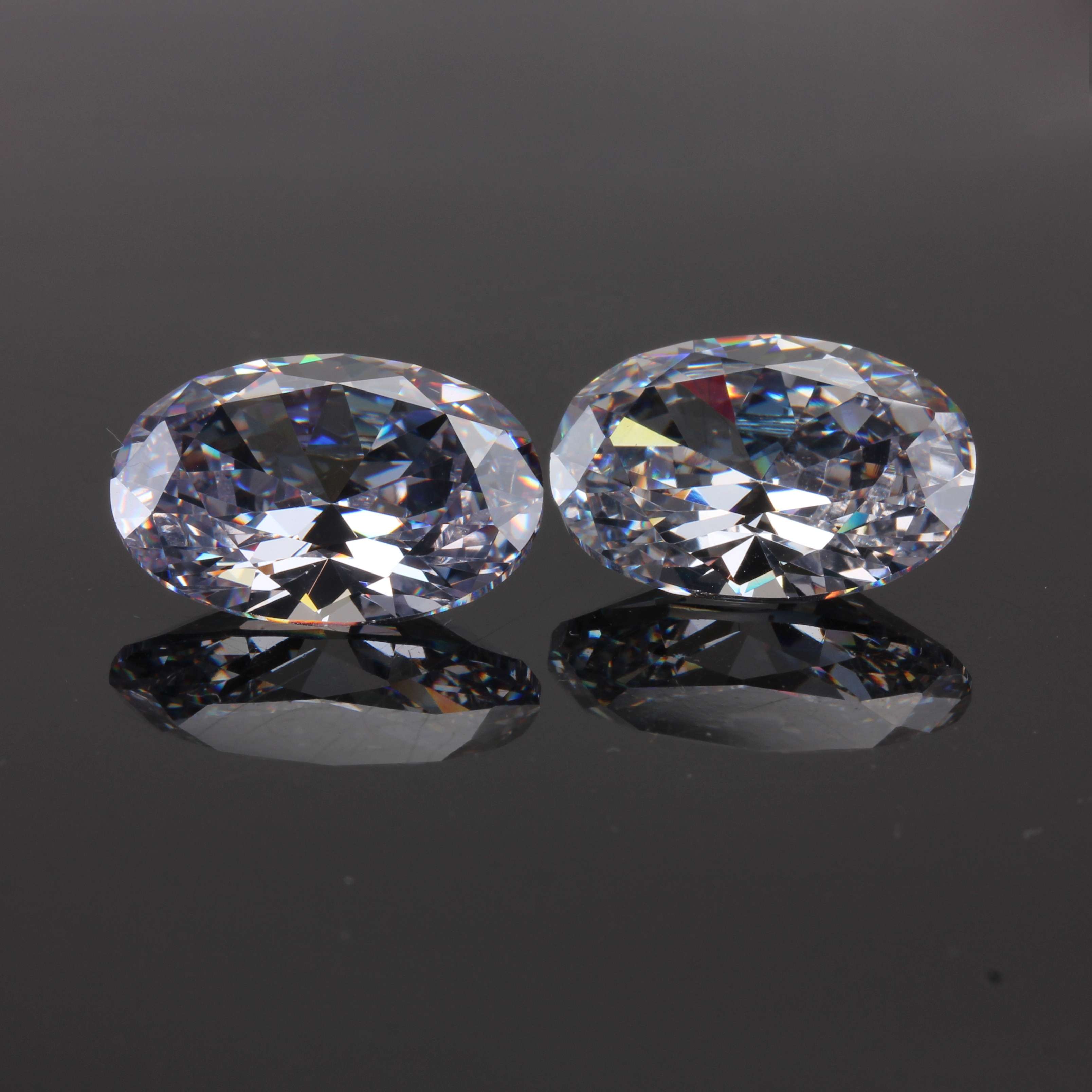
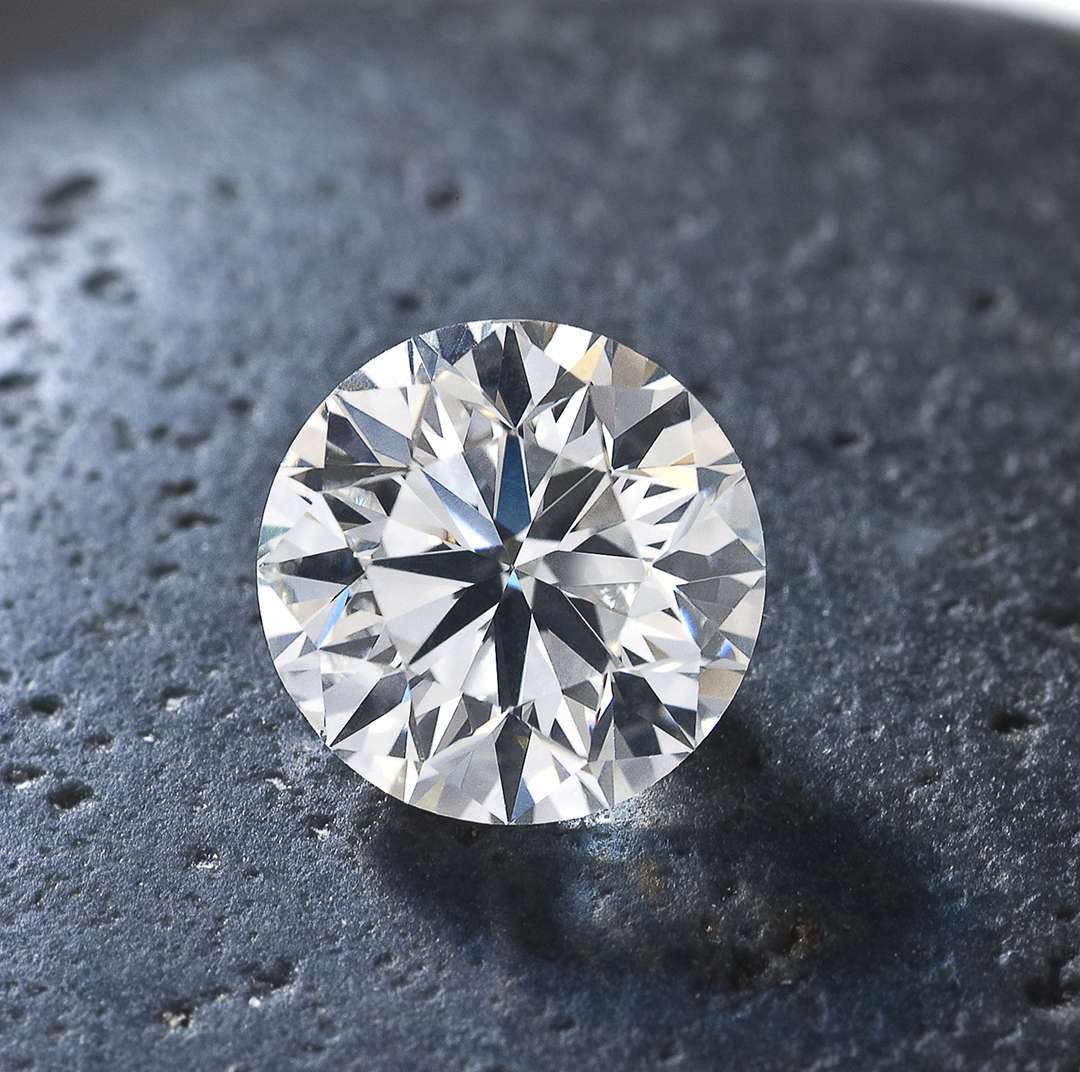
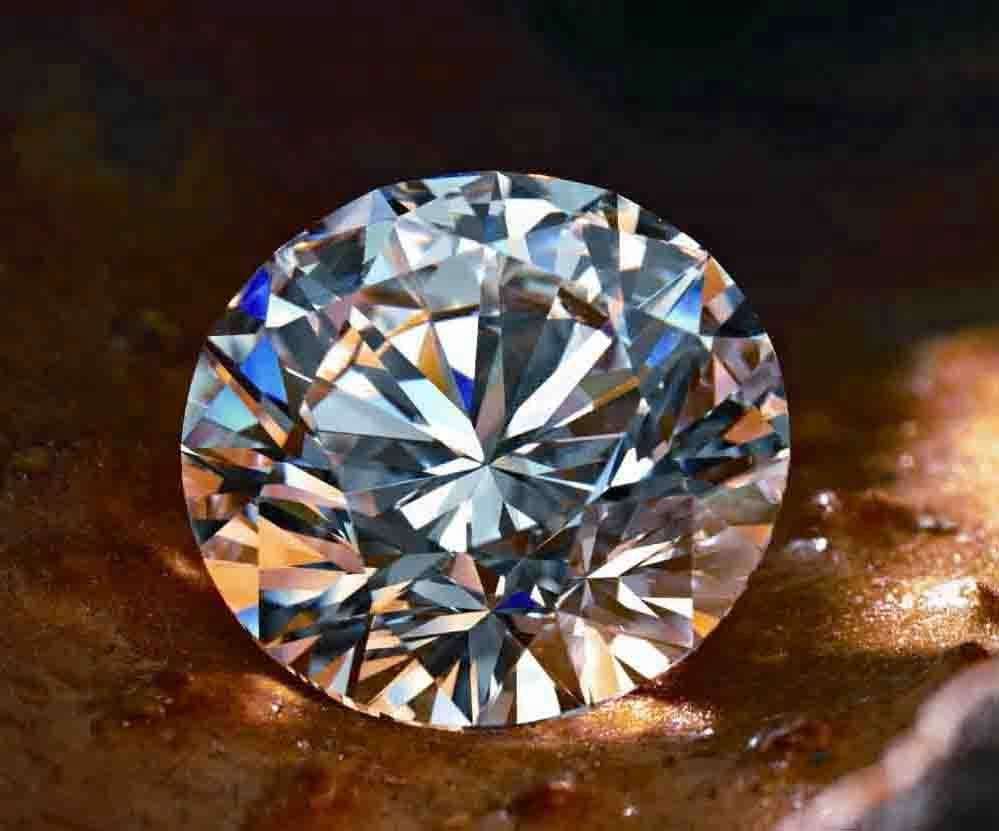
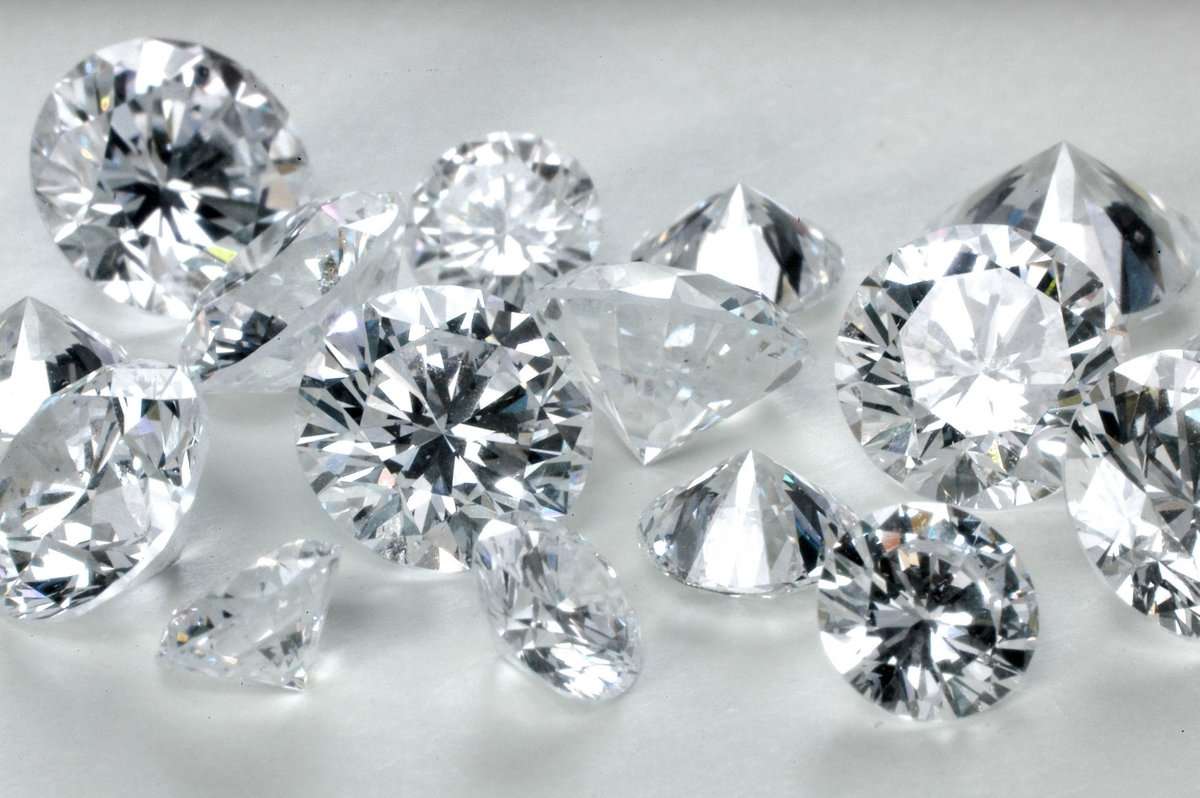
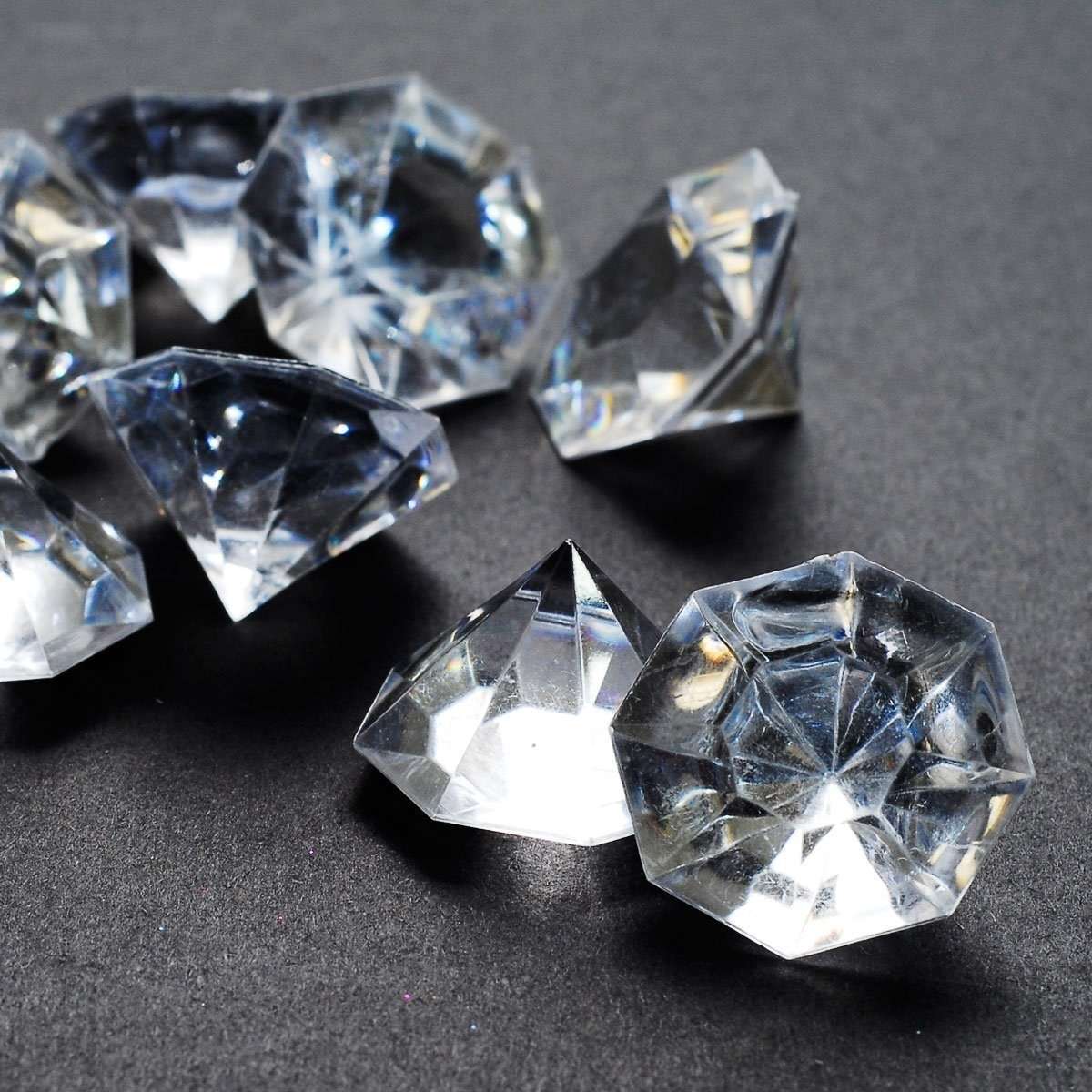
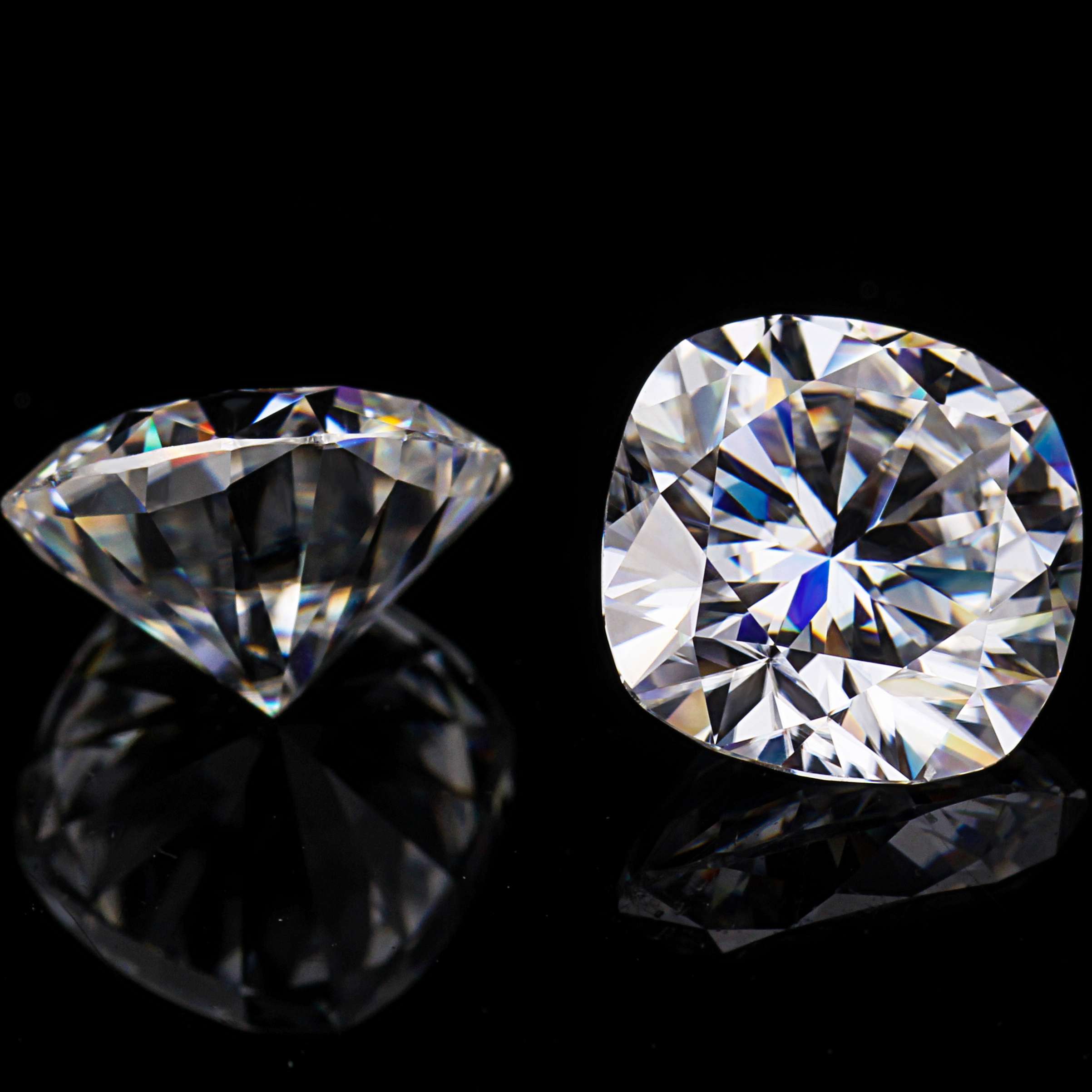
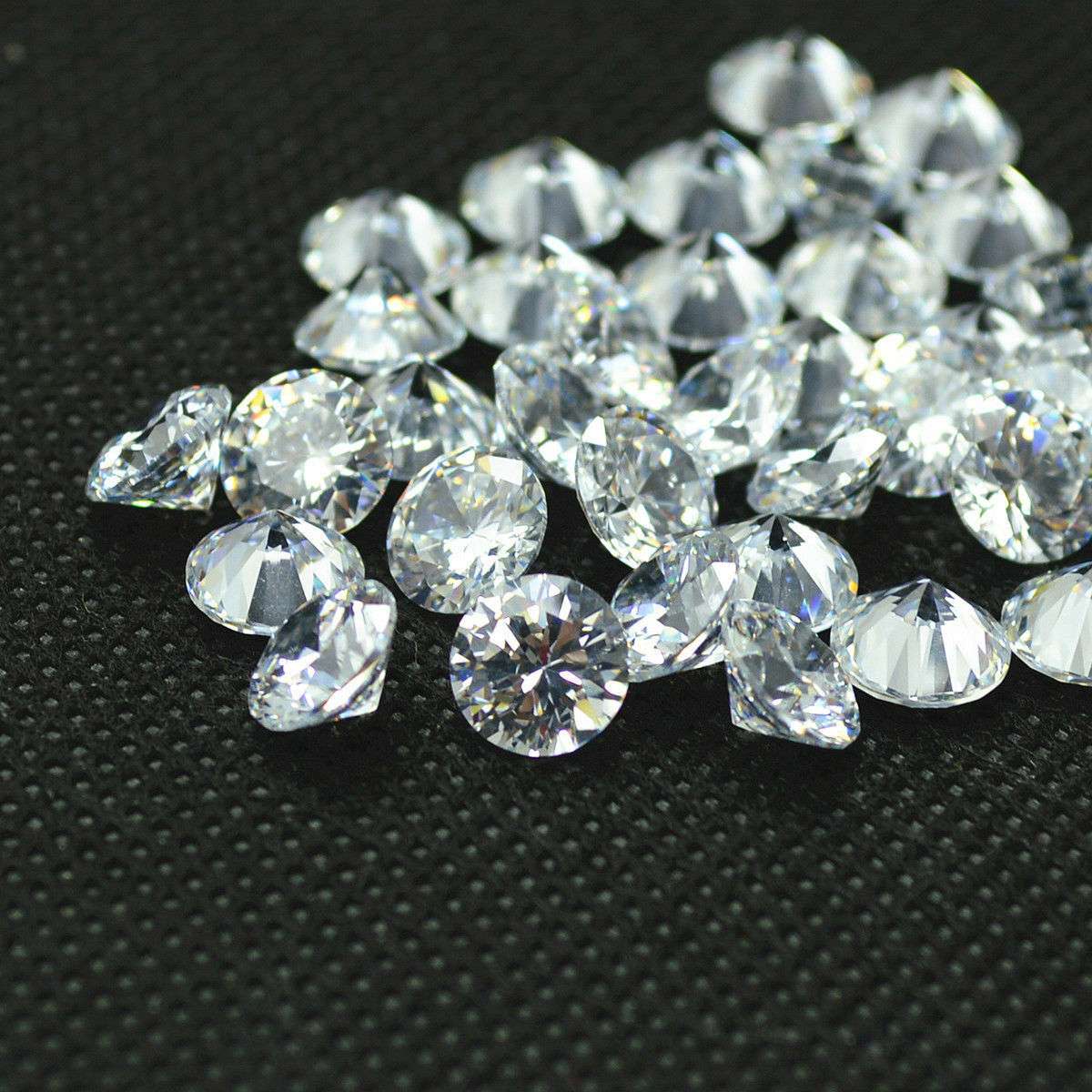
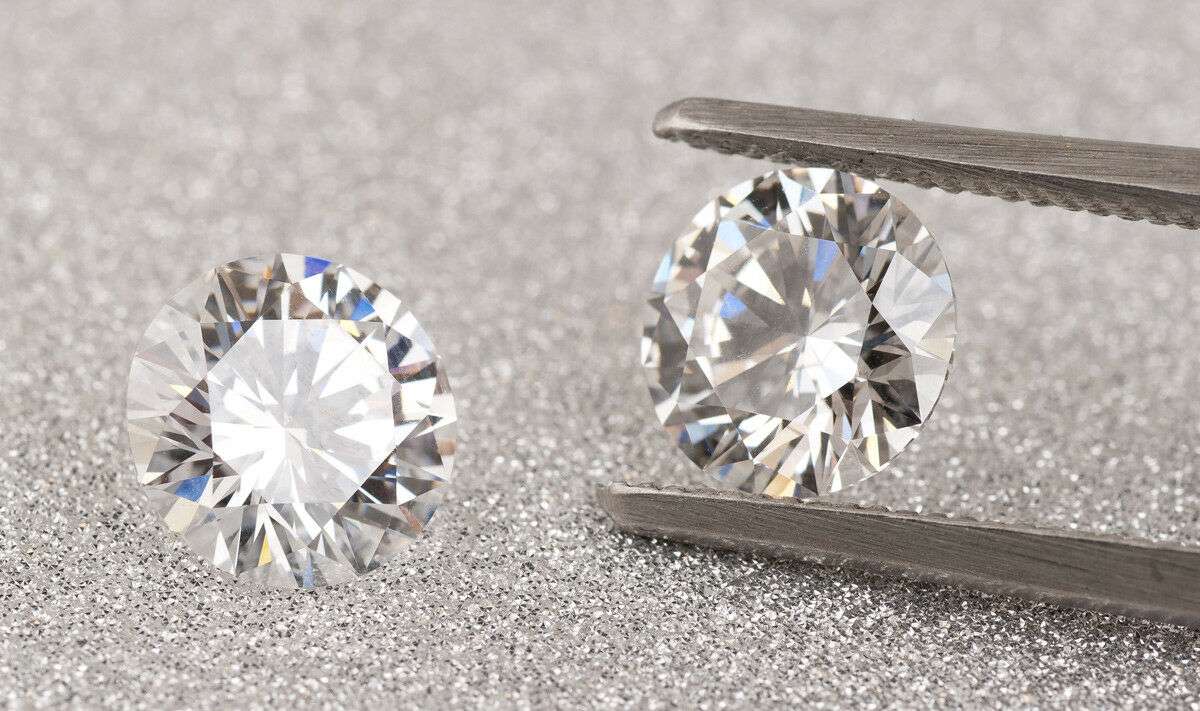
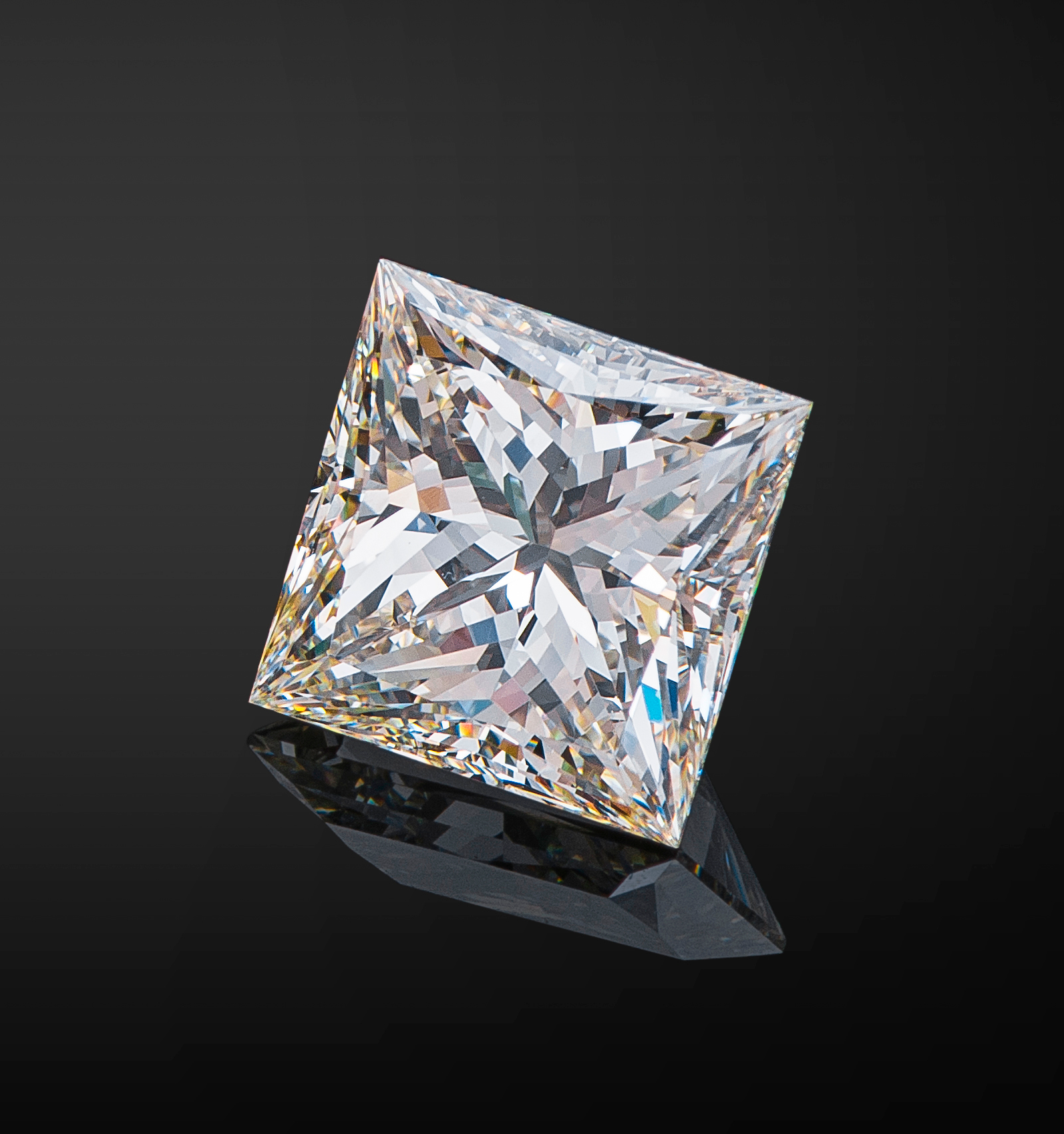
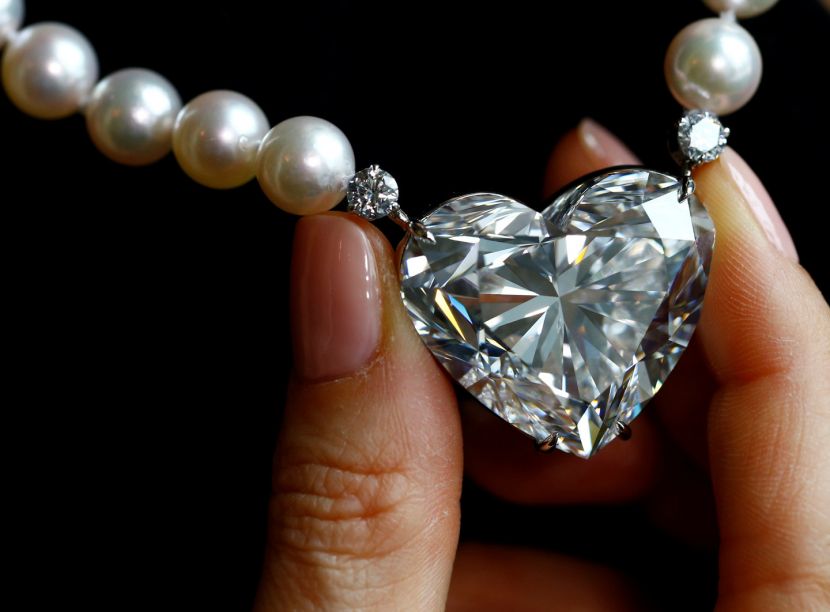
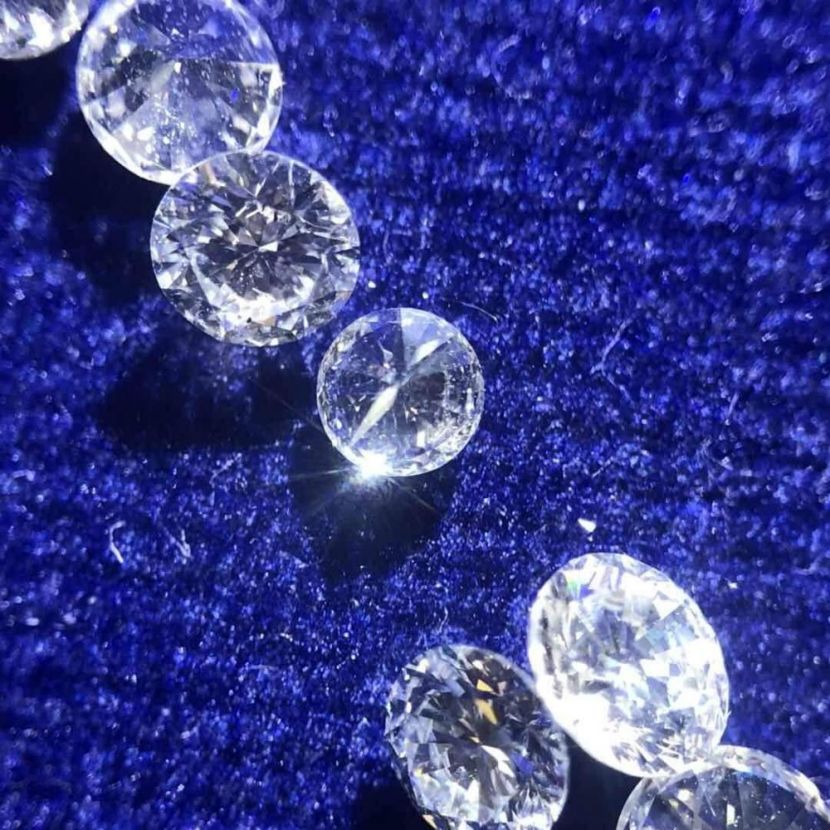
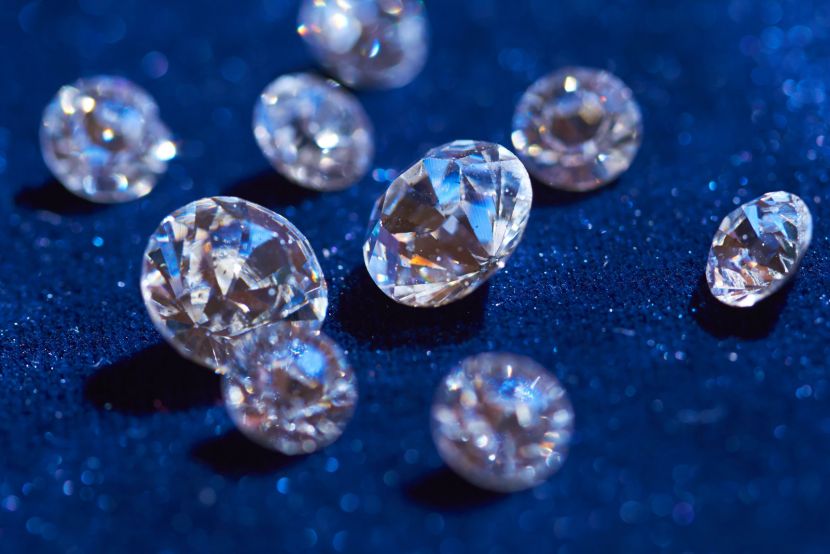
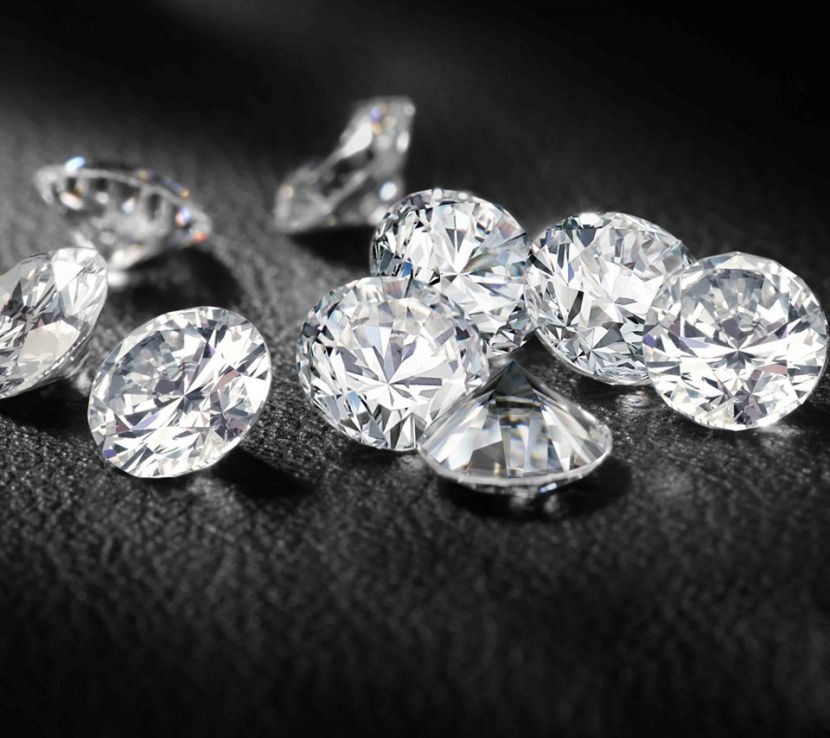
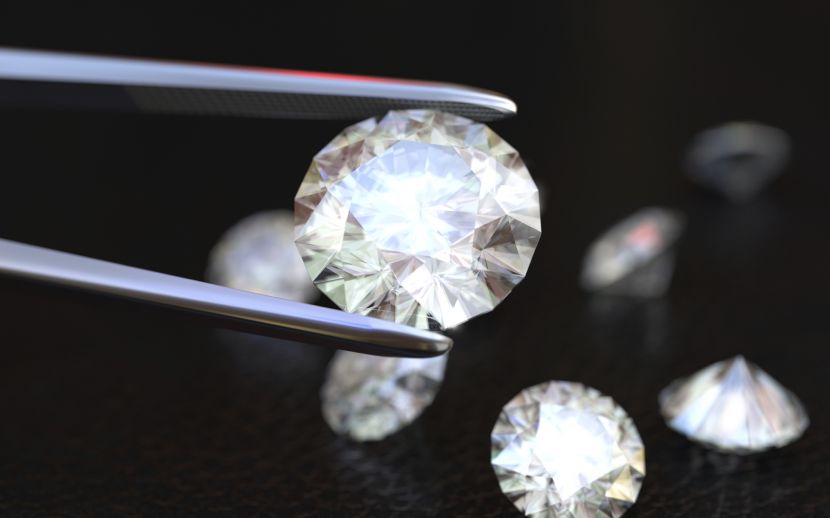
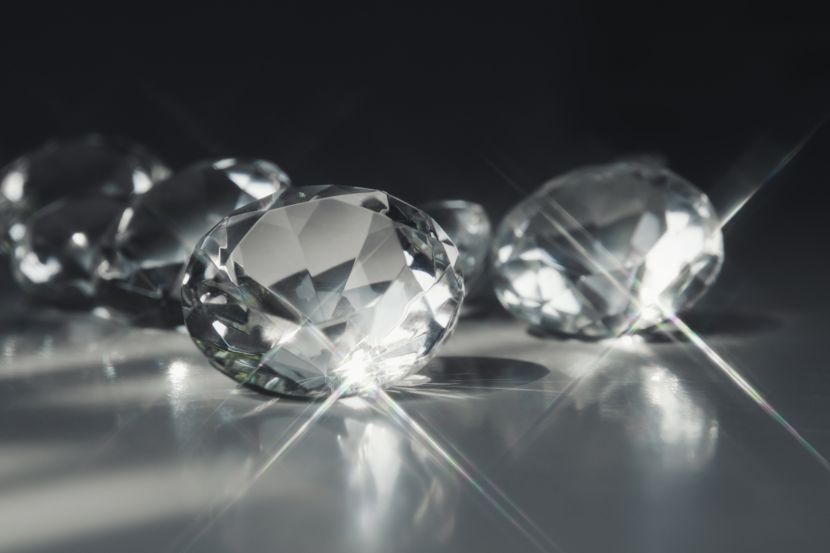
Photo of an artificial diamond