Effective methods for identifying a diamond: properties of a stone, a list of all effective methods, photos
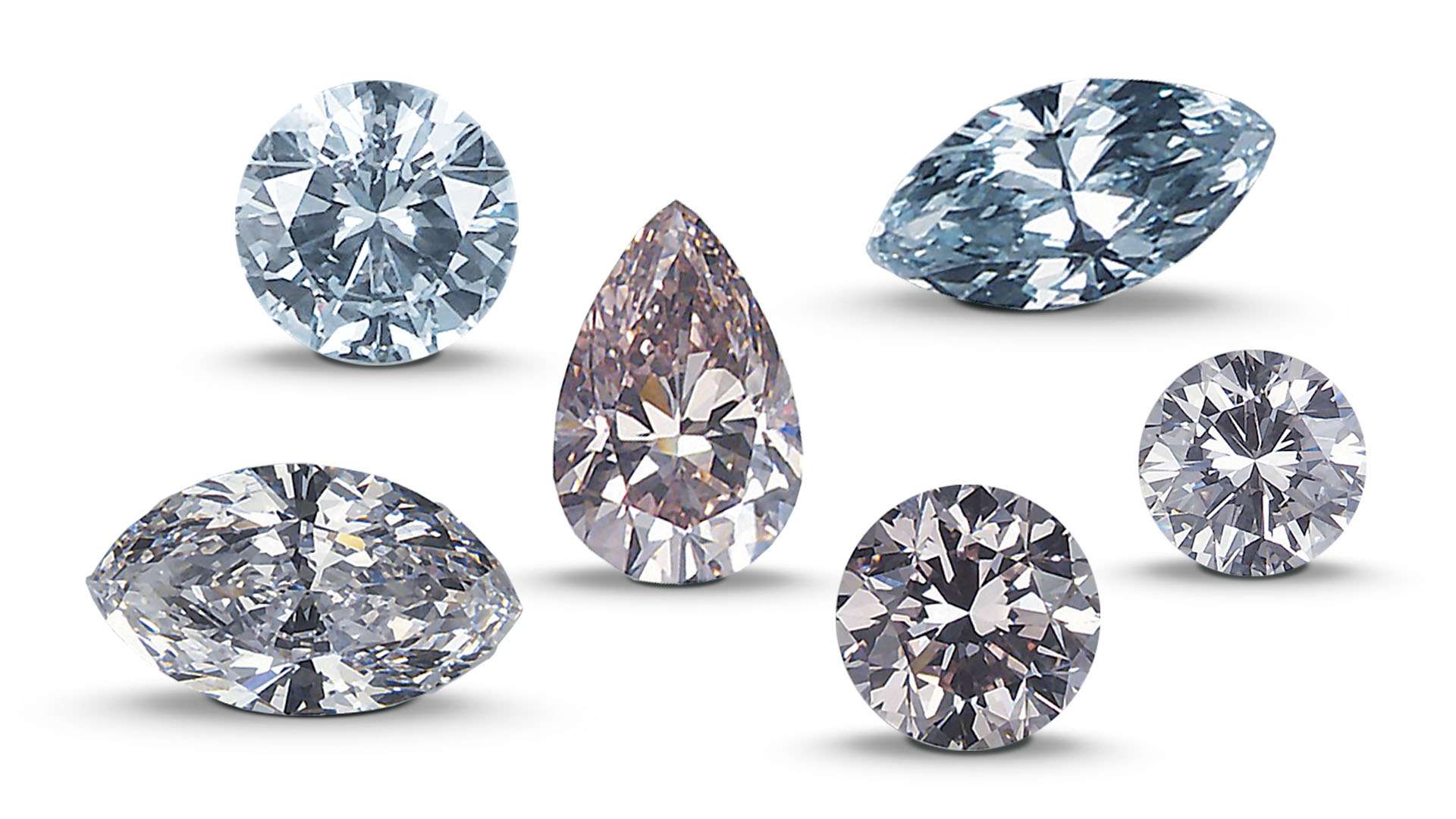
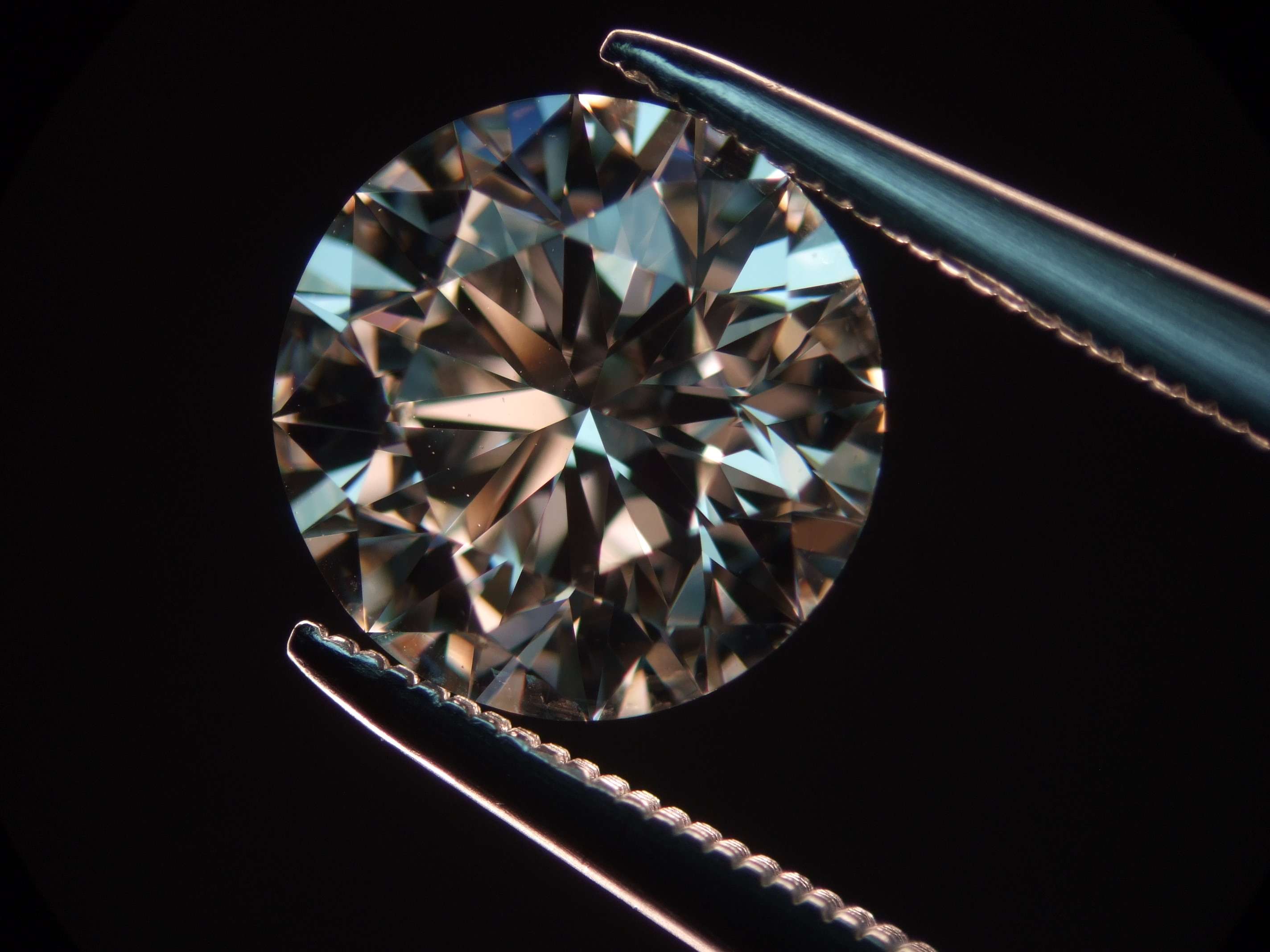
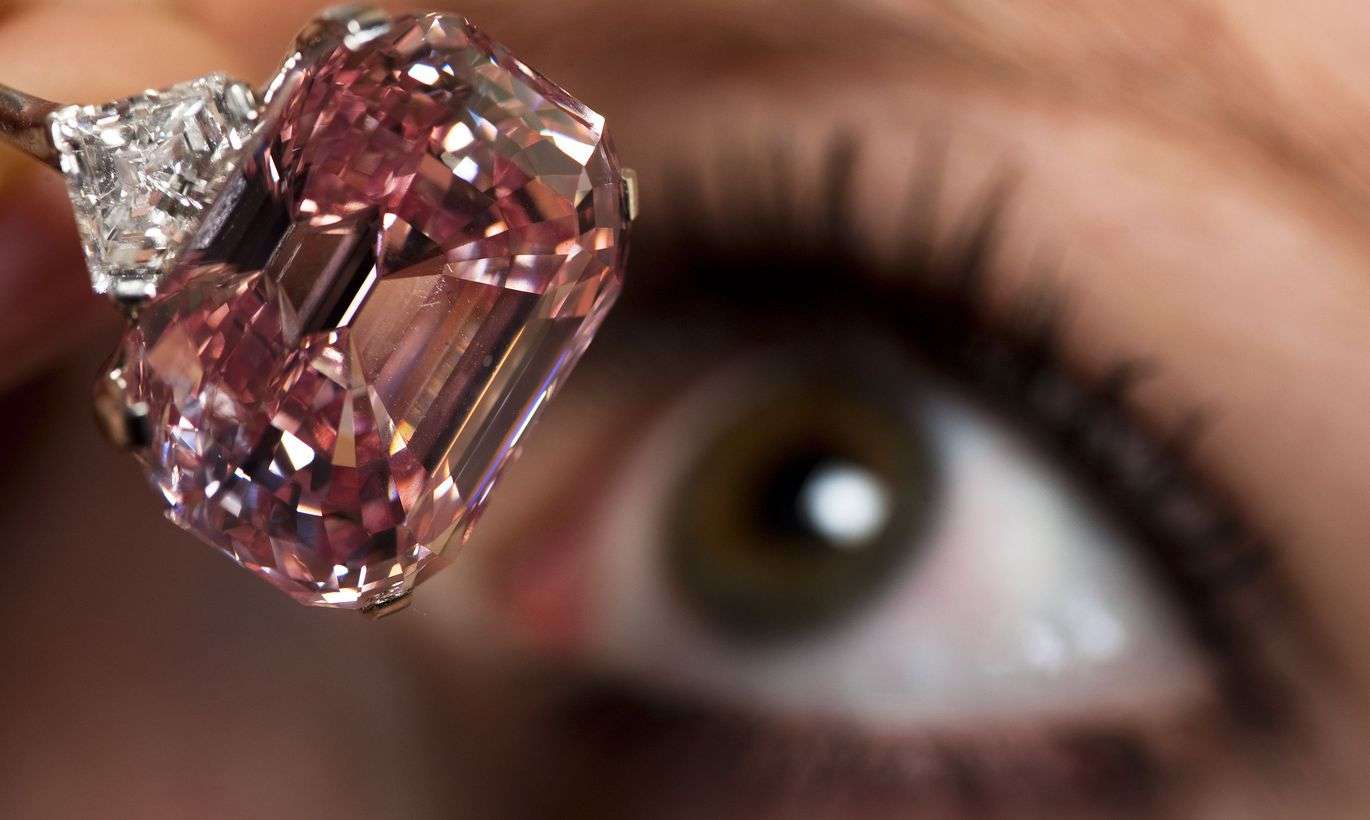
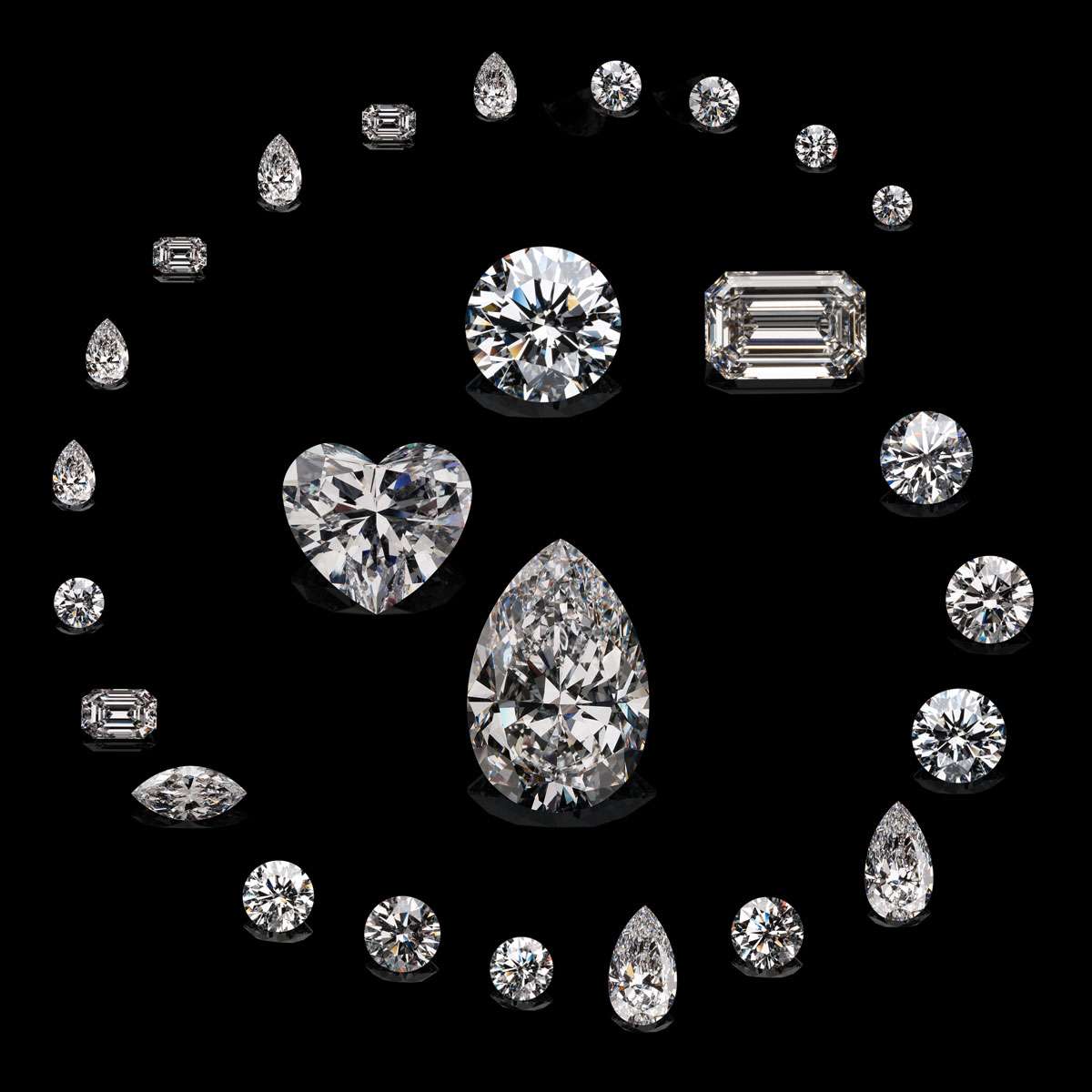
A diamond is a diamond cut in a special way. This crystal has the property of strong dispersion of light, and the cut reveals its natural brilliance to the maximum. Diamonds are graded according to four components - cut, color, clarity, and carat weight. A brilliant-cut gemstone has an incredibly high cost, so the jewelry market is flooded with imitations. Some initial knowledge and skills allow you to recognize a fake, protect yourself from acquiring a cheap product at a huge price.
Materials used to make imitation diamonds
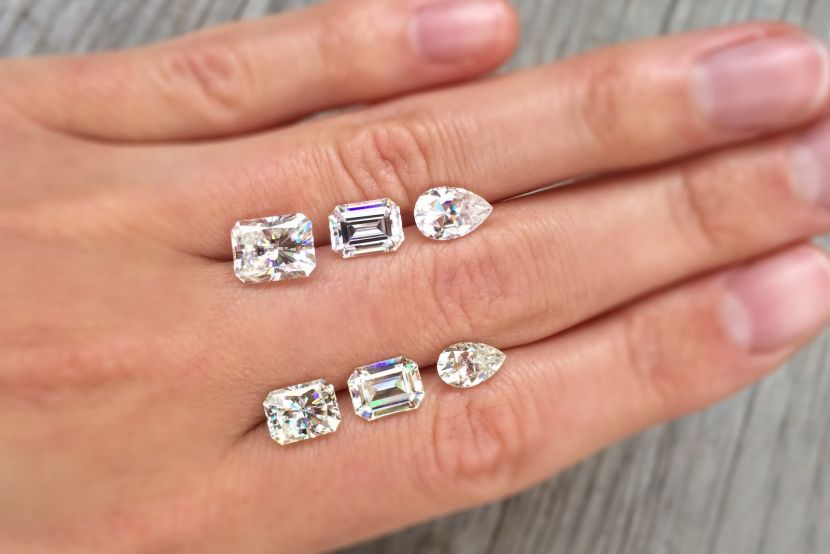
In nature, there are many precious and semi-precious stones, which may well resemble a diamond in appearance, but are much cheaper. An inexperienced buyer, considering the beauty and brilliance of jewelry in poor lighting, may well trust an unscrupulous seller and buy supposedly diamond jewelry for a lot of money.
For the manufacture of imitation diamonds I use materials:
- cubic zirconia, an artificial material with impurities of manganese oxide and calcium, is close to diamond in refractive index;
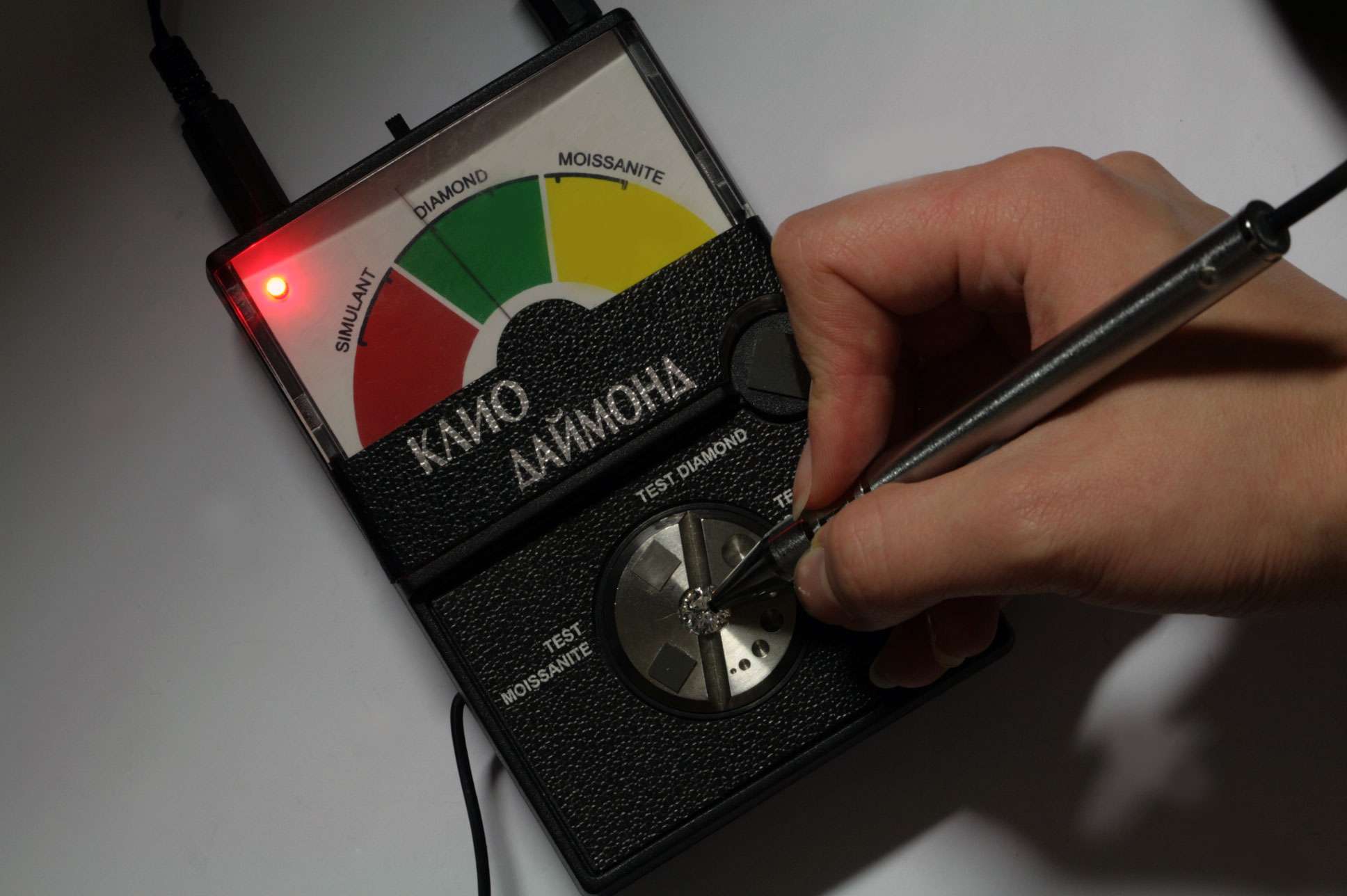
- moissanite, a colorless mineral of the carbide class, has crystals of diamond luster;
- leucosapphires, white sapphire with high hardness and strong play of light;
- white topaz, a semi-precious stone, it is called an "affordable diamond";
- transparent spinel, a rare mineral, transparent to translucent;
- white beryl, a relative of emerald;
- zircon, silicate with diamond shine;
- rock crystal, a transparent subspecies of quartz;
- as well as synthesized diamonds and combinations of the listed minerals.
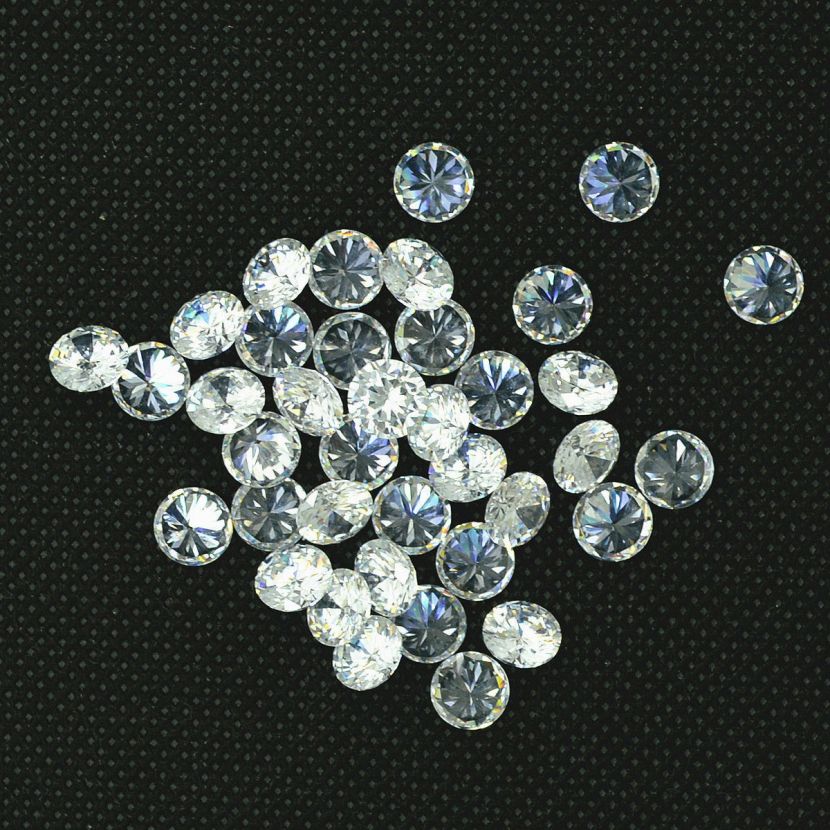
Glass as a variety of quartz has external properties identical to diamond. It is transparent, colorless, high hardness. Glass is more often than other materials used to fake diamonds. Framed in gold, the “glass diamond” looks magical, the buyer does not recognize the deception, especially in poor lighting.
Diamond Properties
The name "diamond" in translation from Arabic literally means "indestructible".
This adjective describes the true essence of the mineral. Its hardness has the highest value on the Mohs scale (10), so the diamond acts as a benchmark when comparing other materials.
The high hardness value means that no material in the world can scratch the diamond surface.
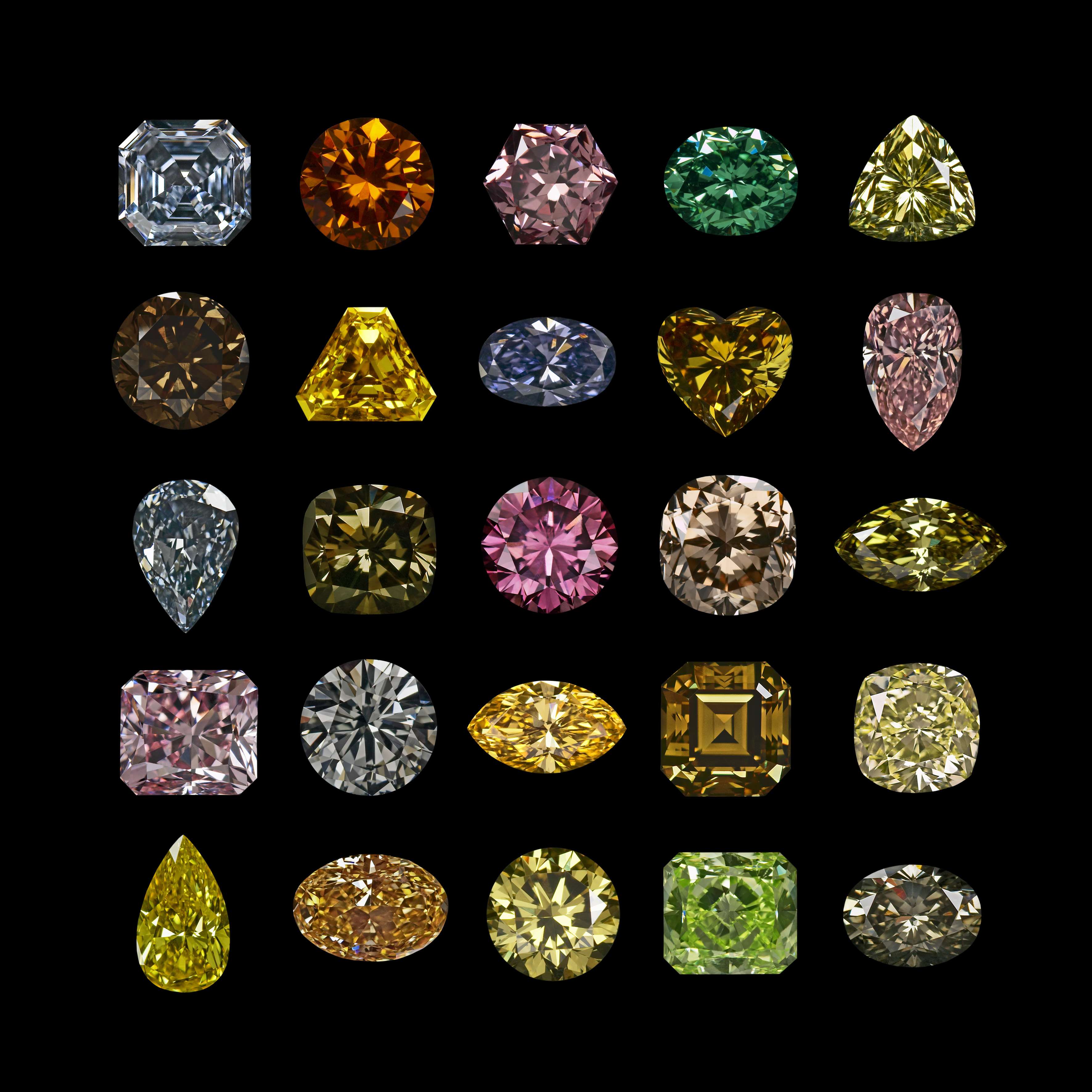
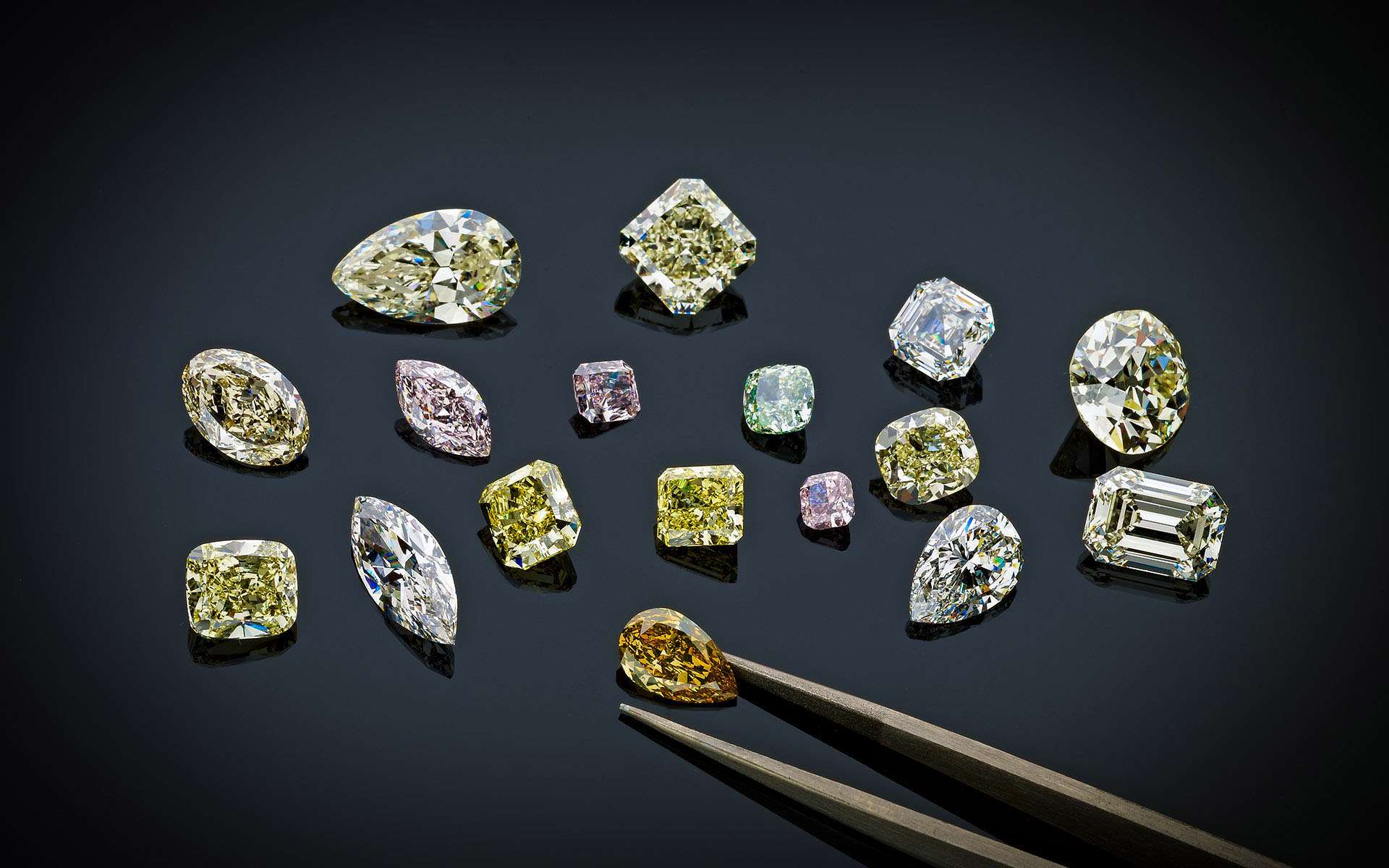
Mineral samples have a color range from colorless to pink, from brown to black. It is noteworthy that the color of the line is missing.
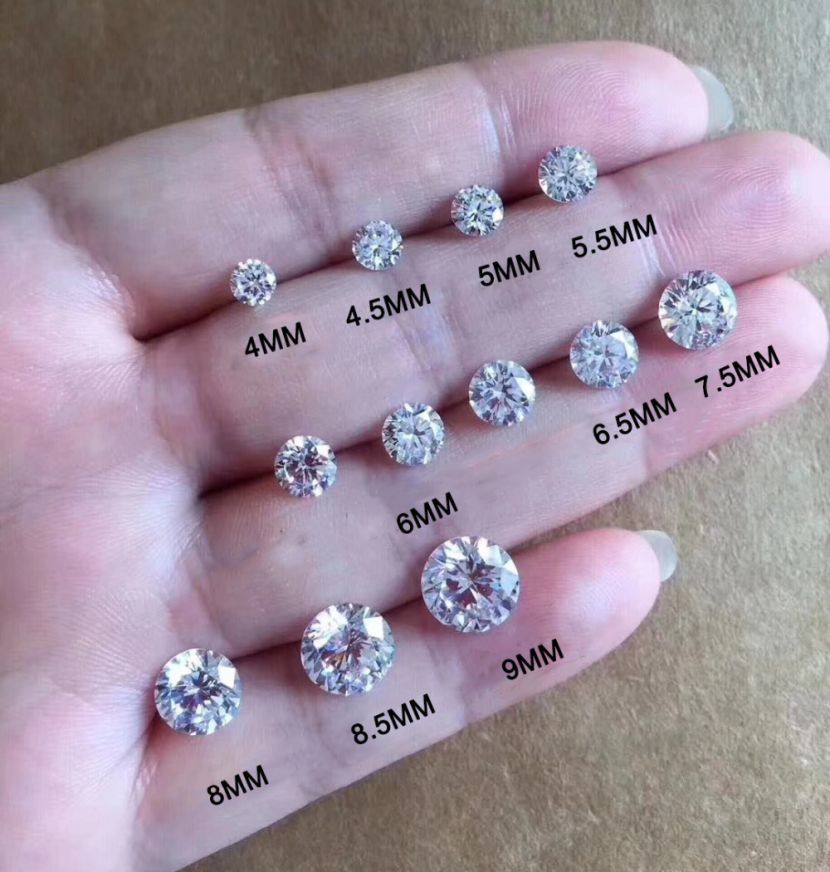
This mineral is the only one of all gemstones that has the property of a monomer, it consists of one element - carbon. Has an admixture of nitrogen.
With serious hardness parameters, the stone has high fragility. It has a low coefficient of friction when in contact with a metal surface.
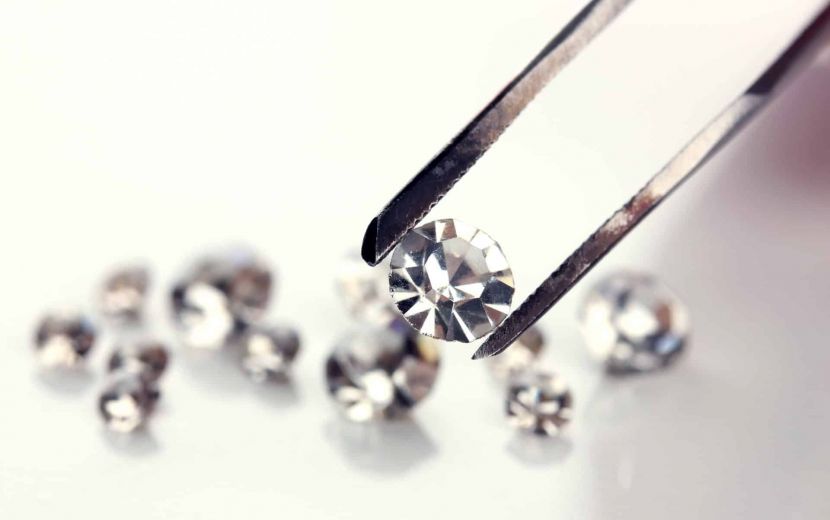
In the rays of the sun and under the influence of an ultraviolet lamp, mineral samples begin to glow with a variety of color sparks.Luminescence also appears under the action of X-rays.
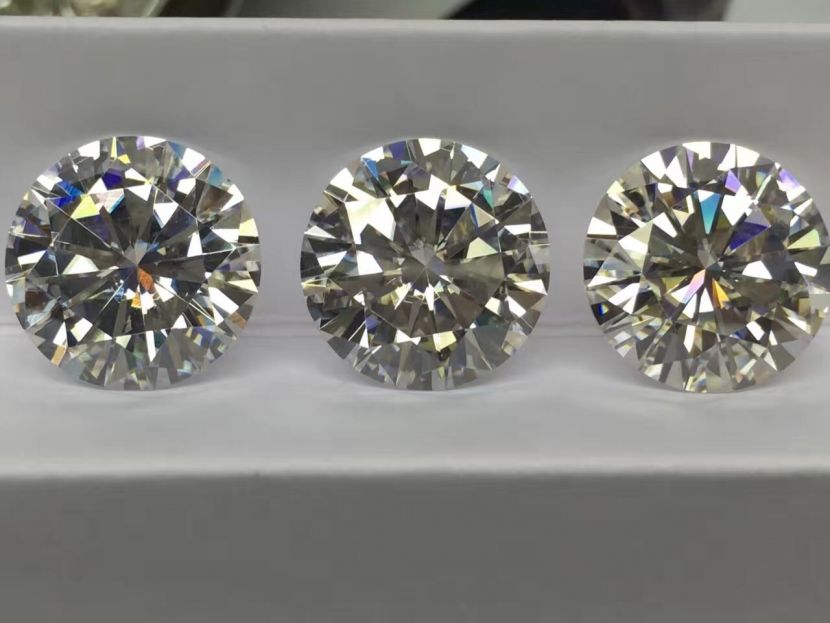
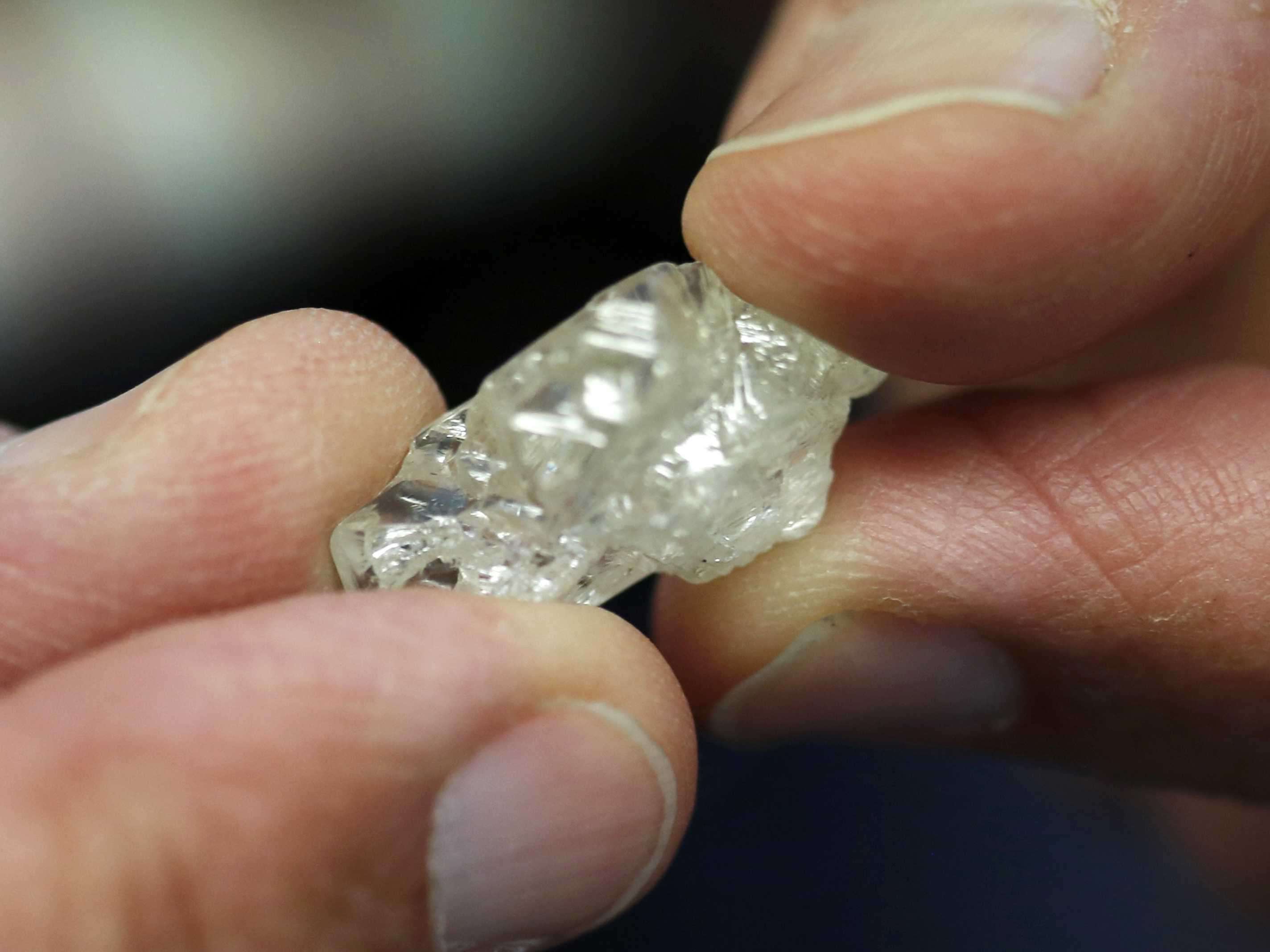
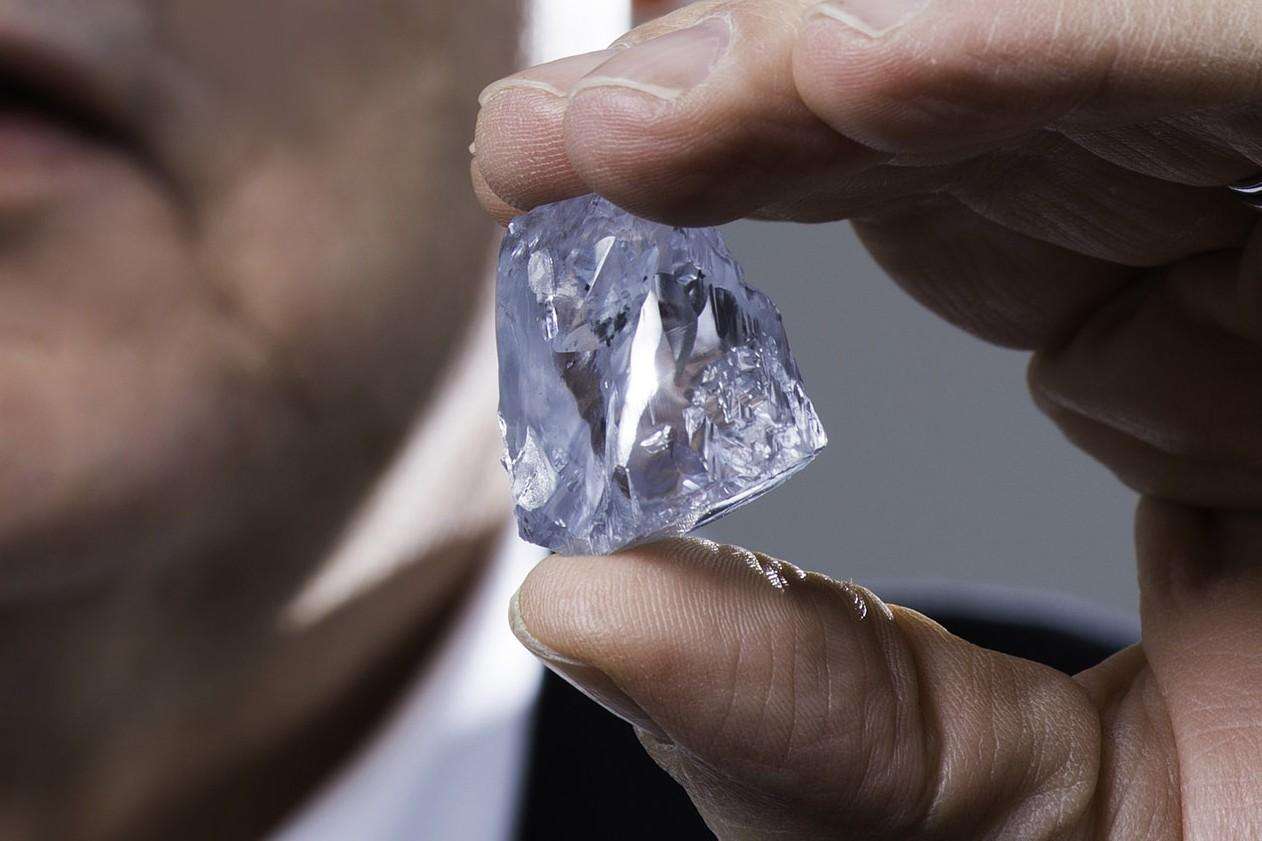
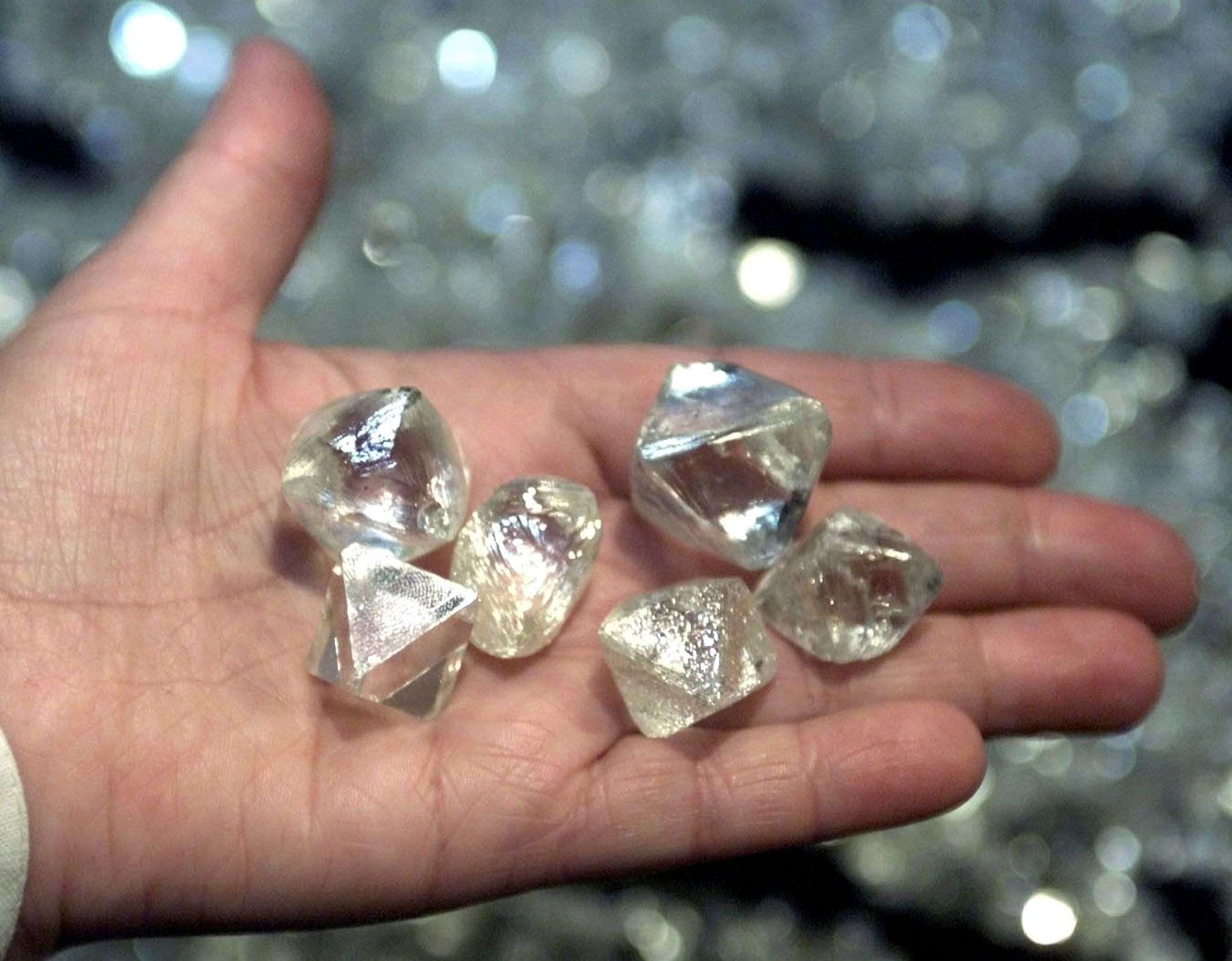
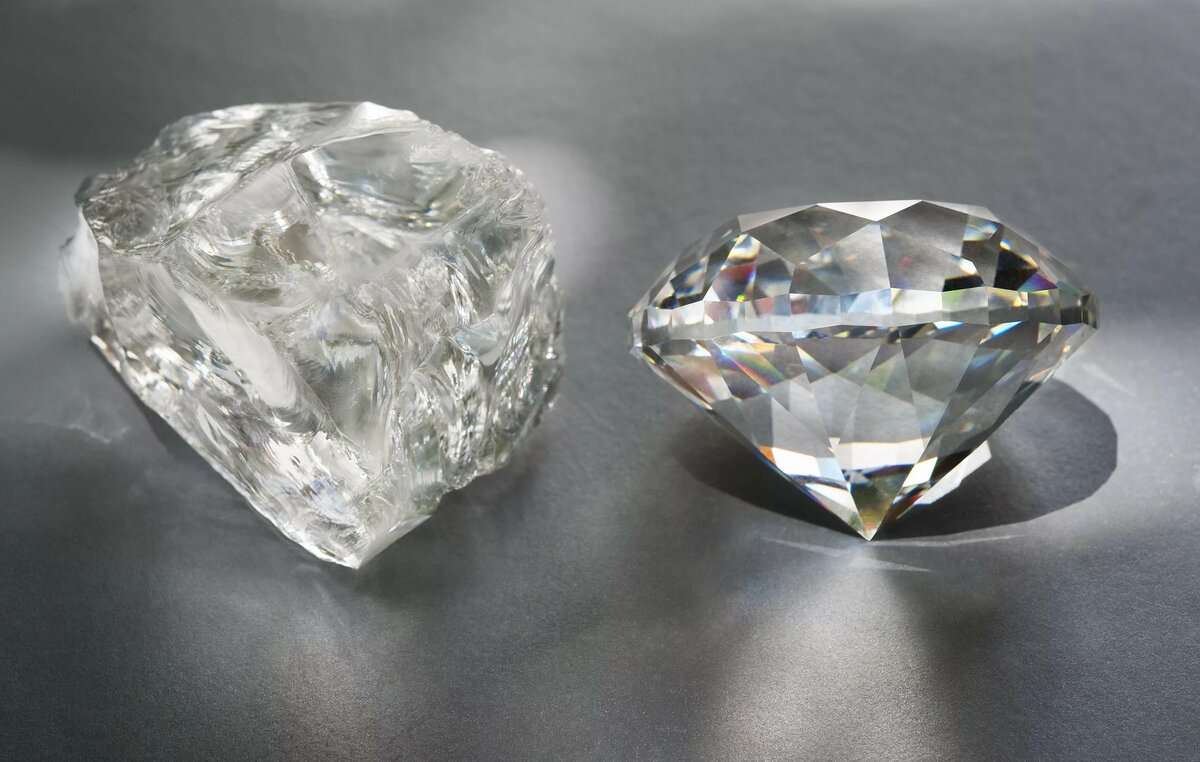
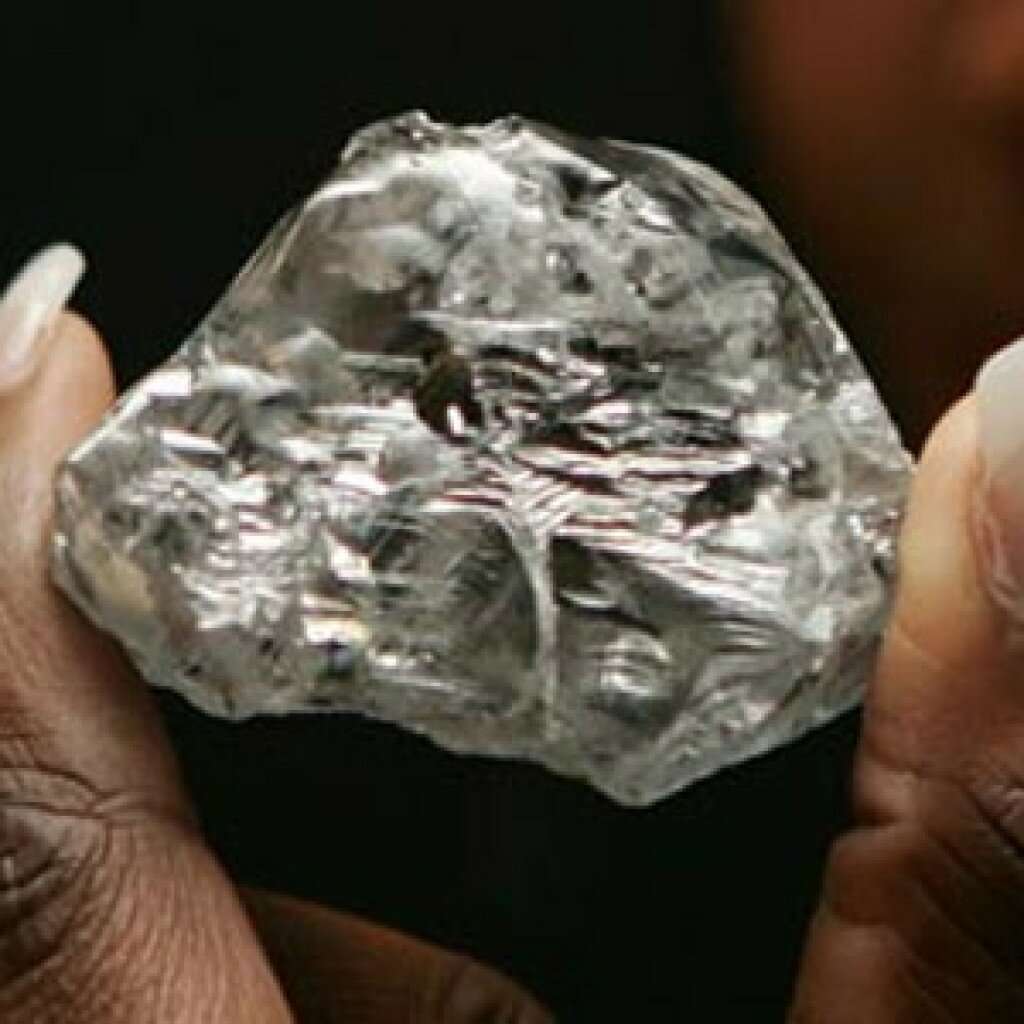
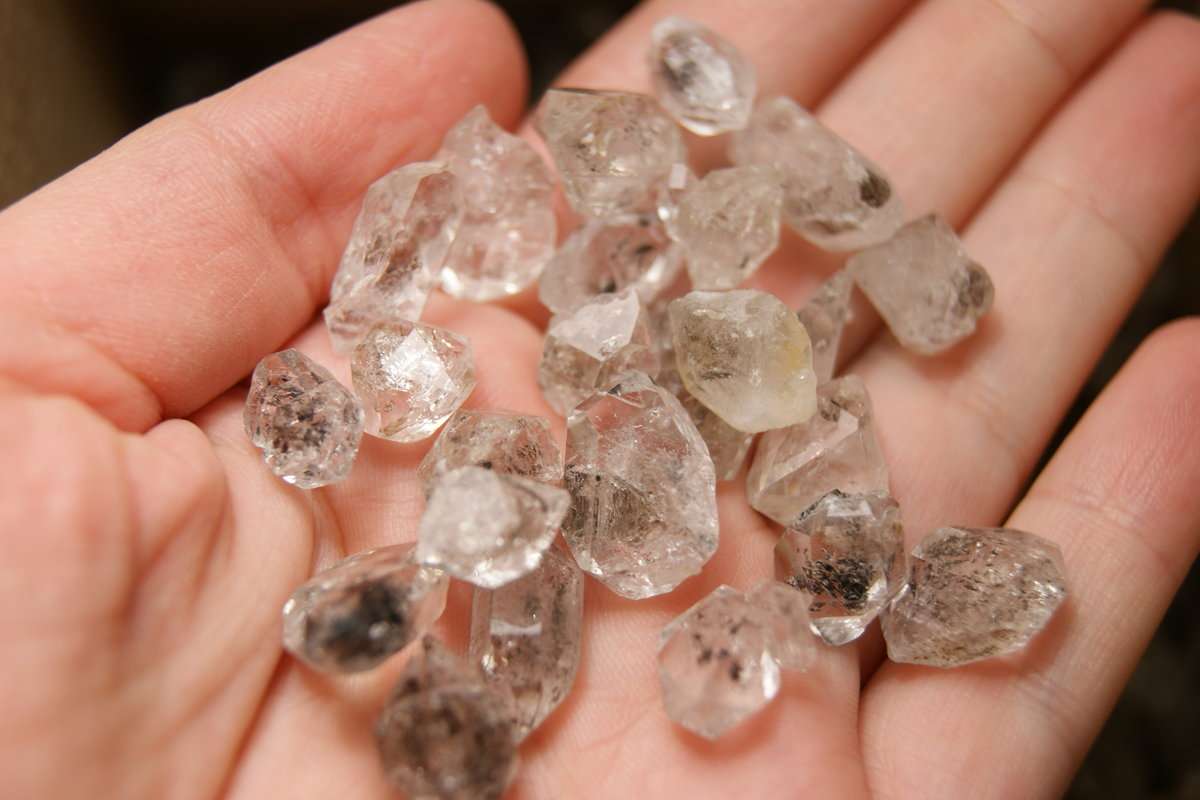
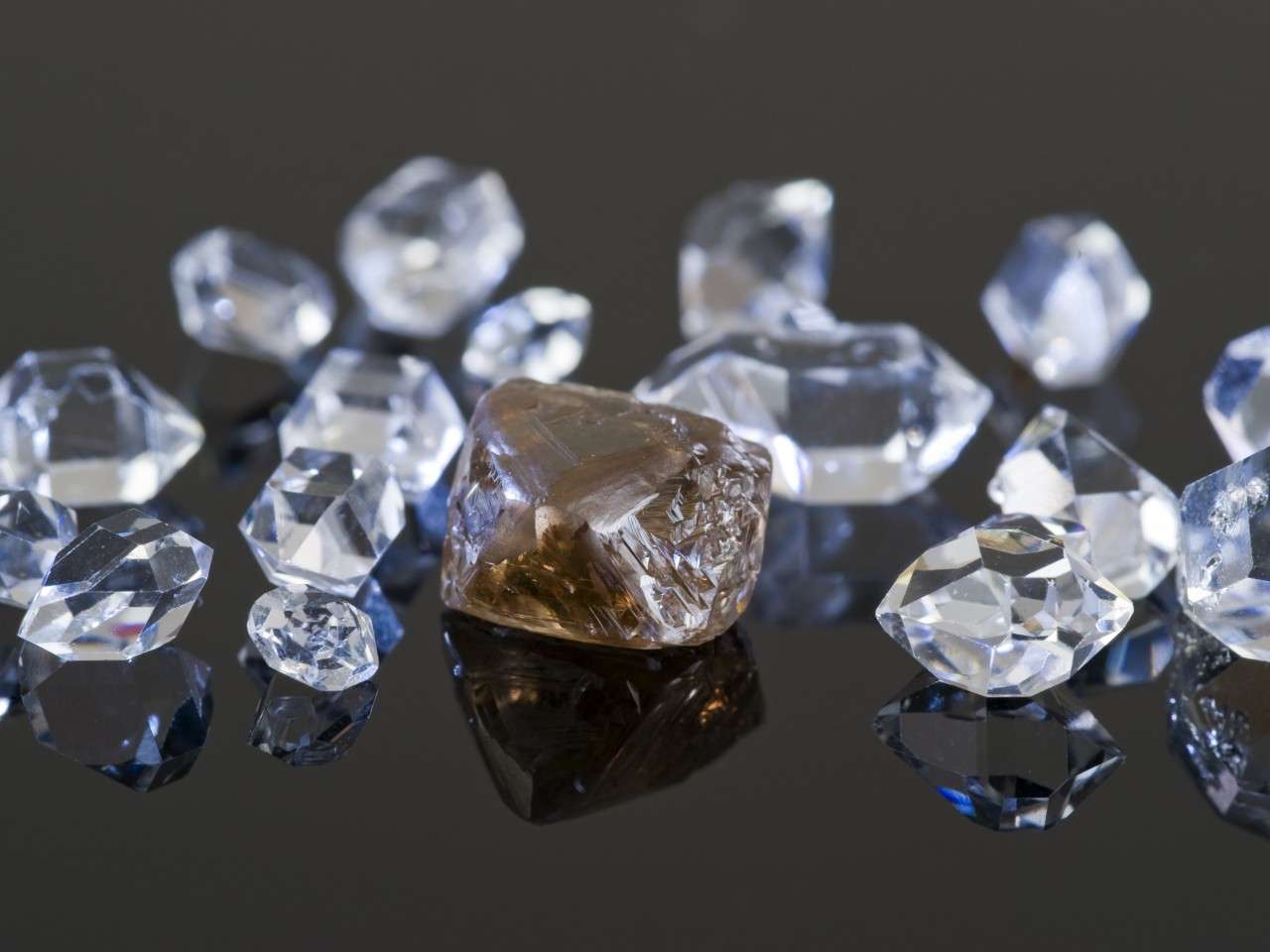
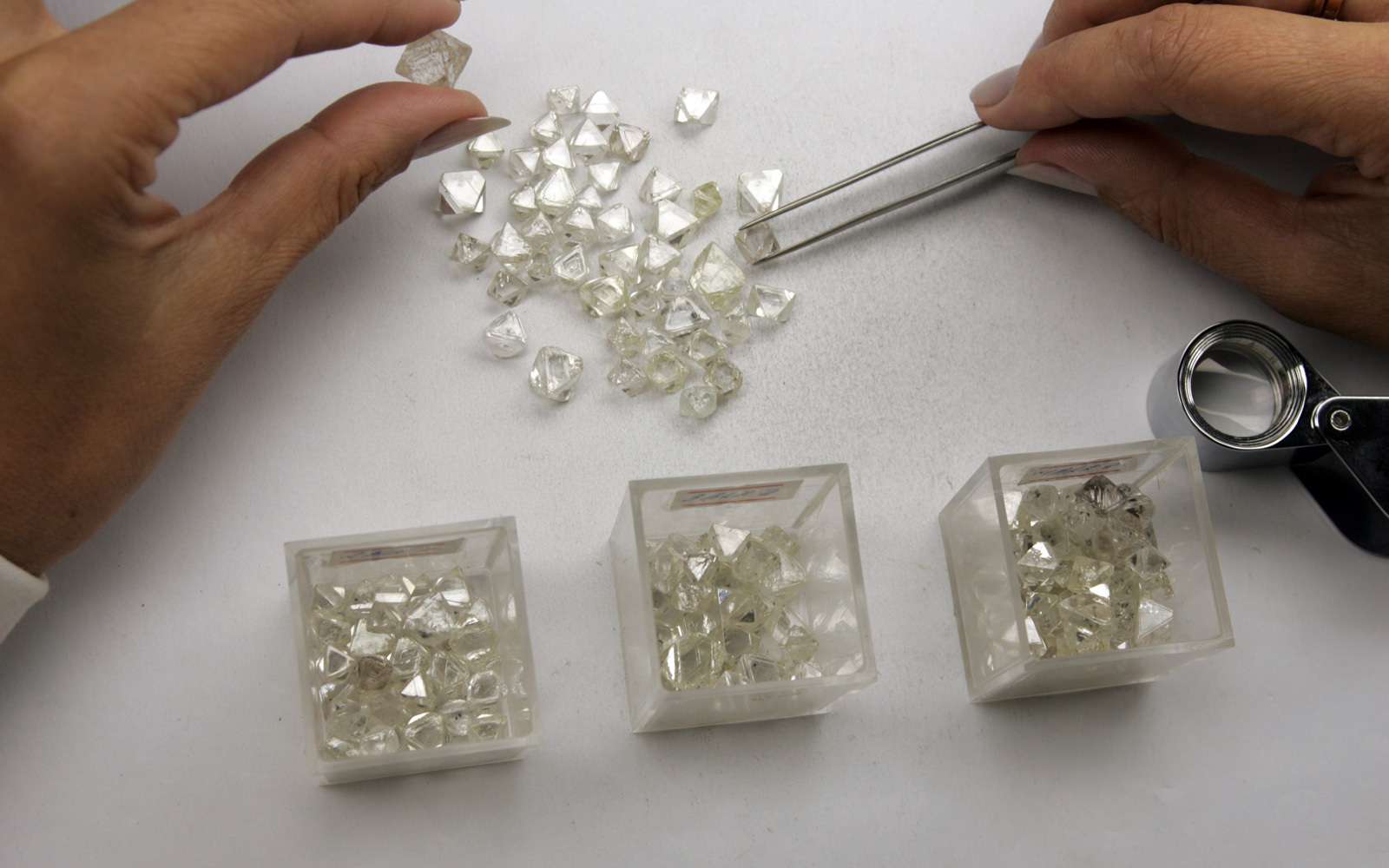
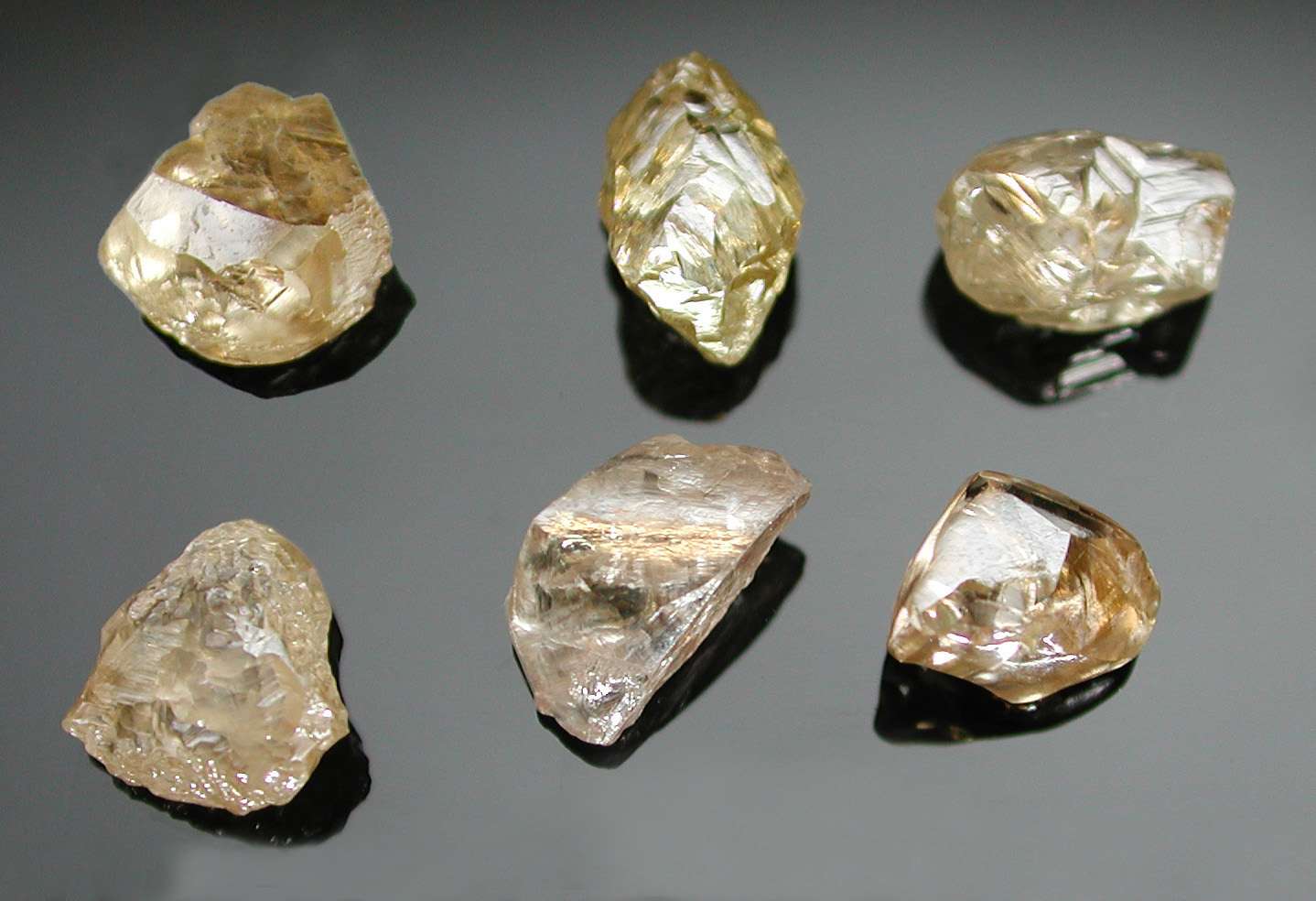
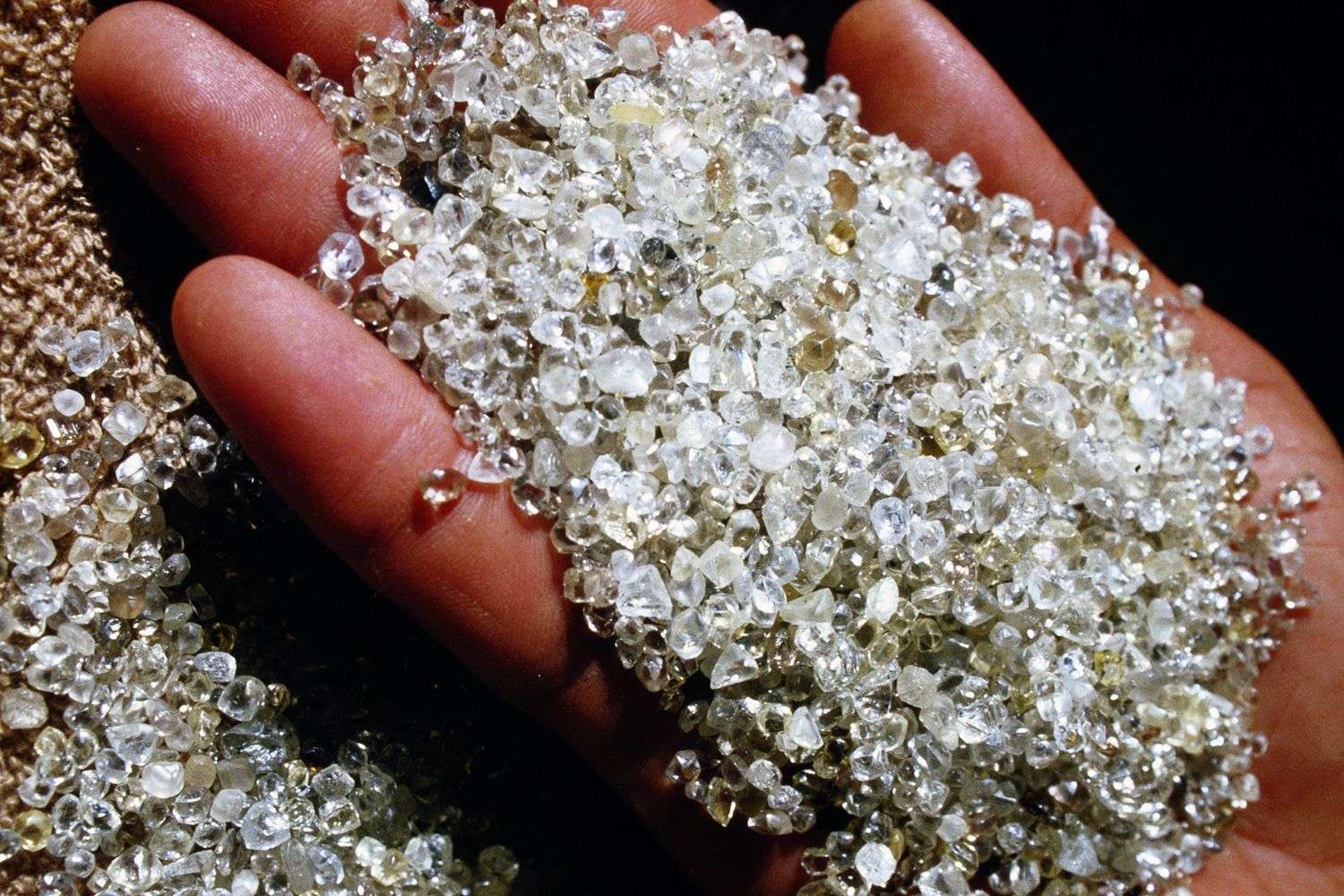
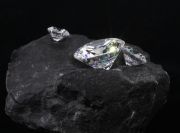
In the form of a natural piece of rock, a diamond is not considered beautiful. Refined brilliance and a luxurious look are given to it by a special cut, which creates conditions for numerous internal reflections.
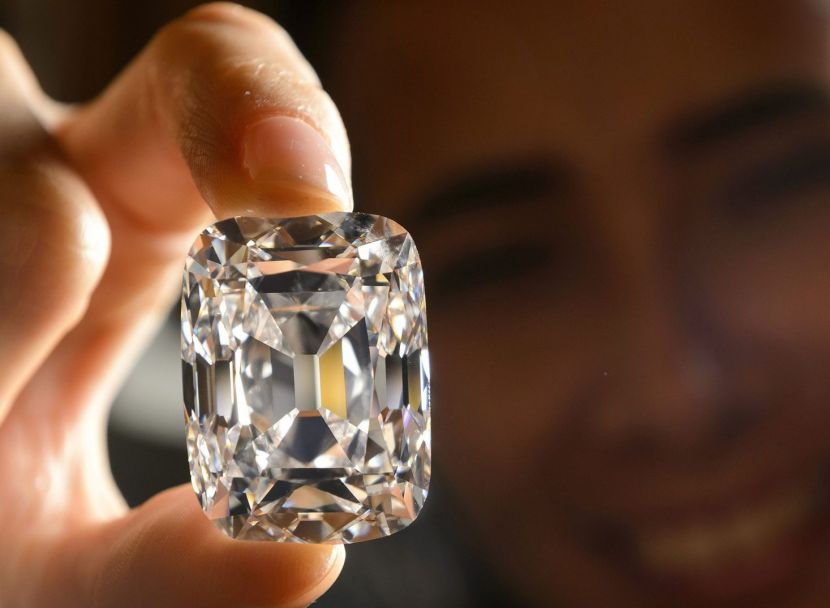
Diamond does not have pleochroism, does not change color under changed external conditions.
The refractive indices of light are incredibly high. This property is used for express authentication.
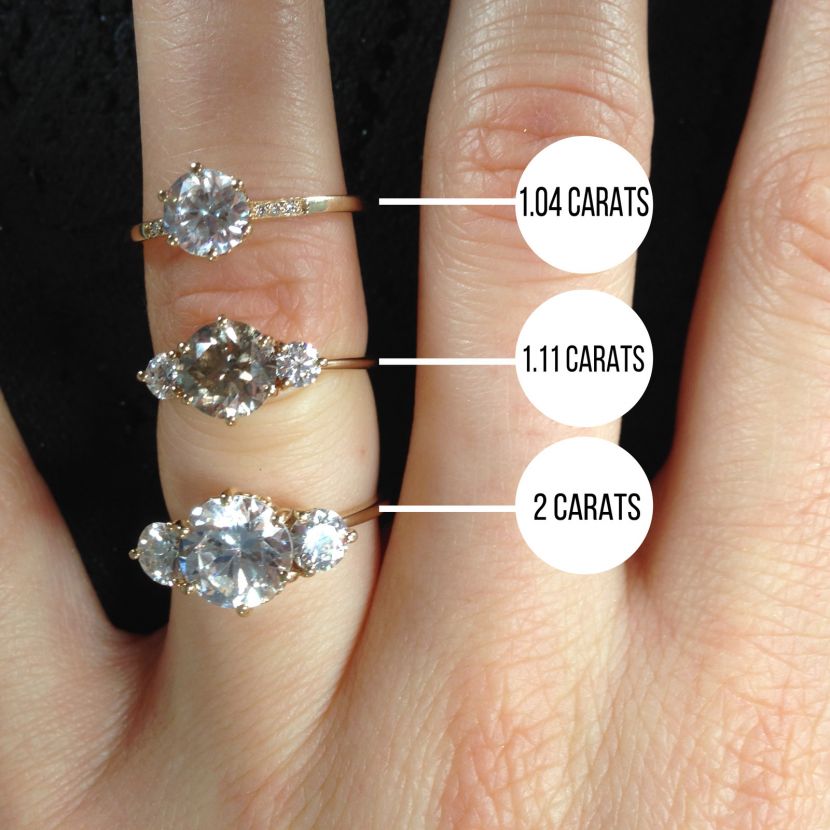
A natural mineral shows a pronounced dispersion, it splits the light beam into spectral components. The diamond does not glow with the brilliance of different shades, it has a classic silvery glow.
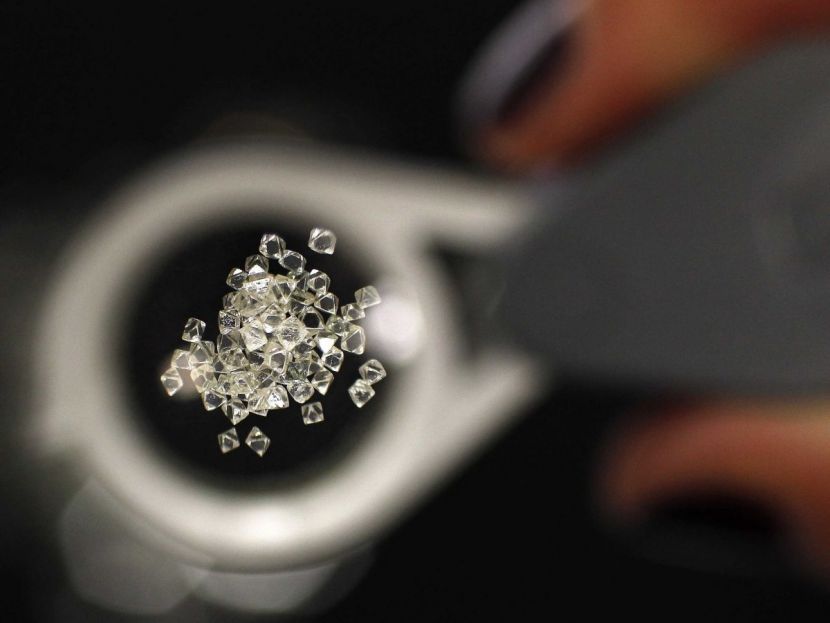
How to identify a real diamond
Knowing about the properties of a precious mineral, several checks can be made. They do not require complex technical equipment and special chemicals. But having received dubious results, you can safely go for a consultation with a professional jeweler. In a positive scenario, there is a reason to calm down and carefully store family jewels, knowing about their high value.
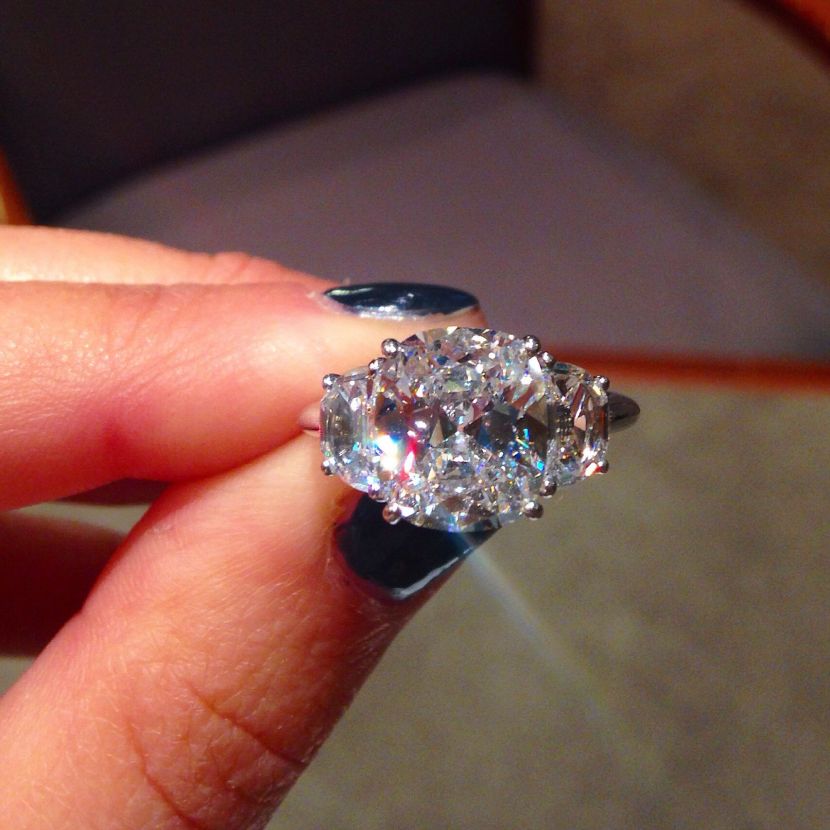
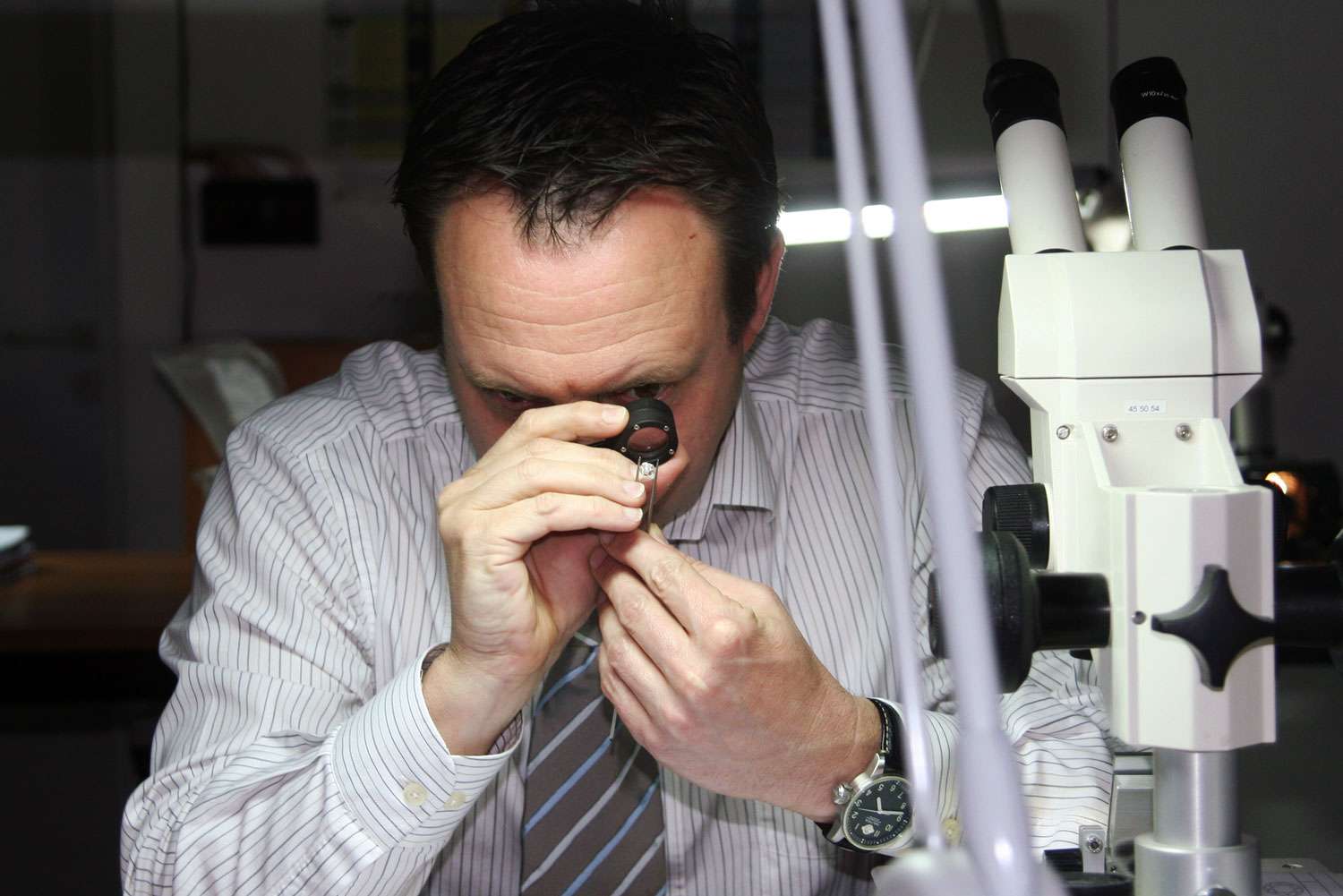
visual inspection
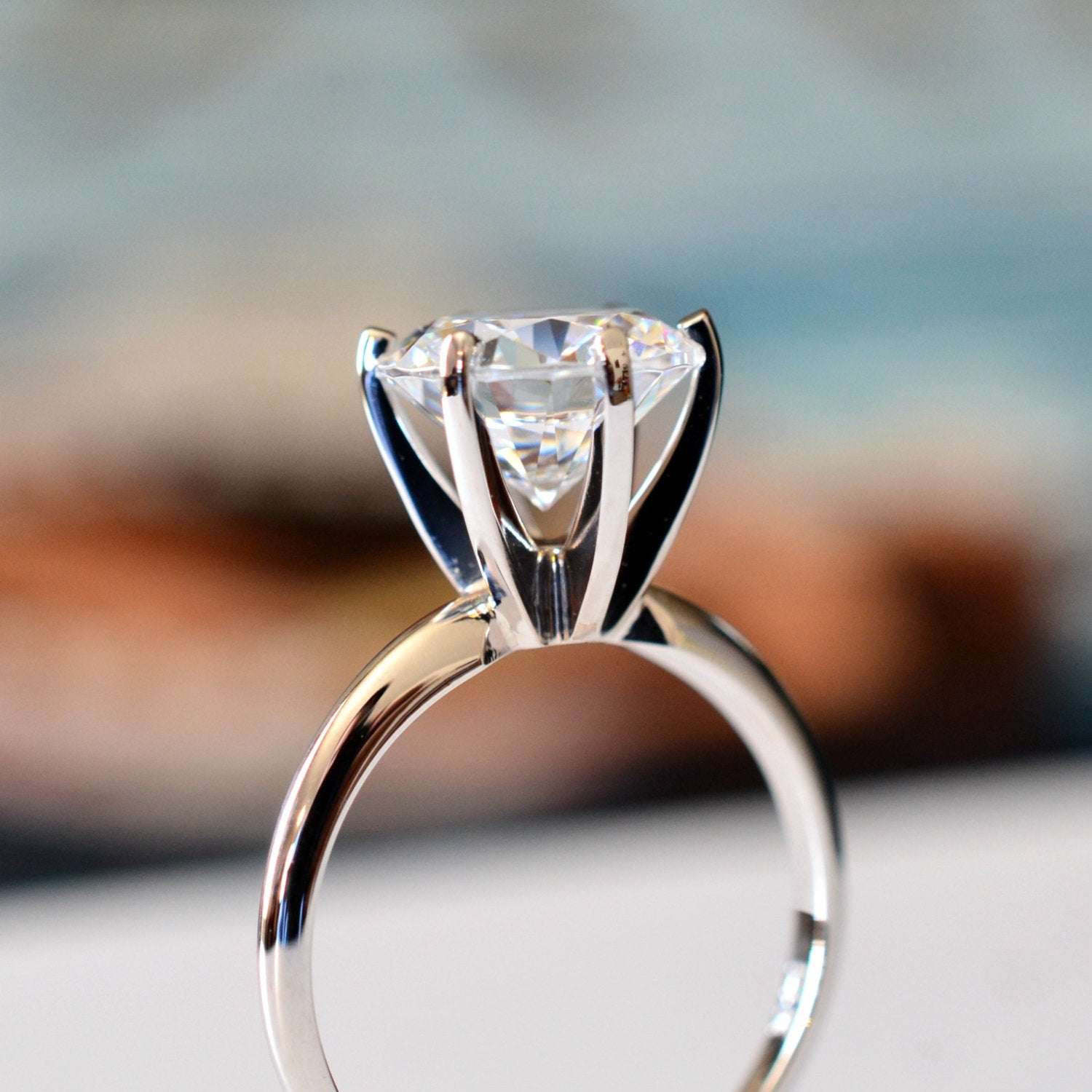
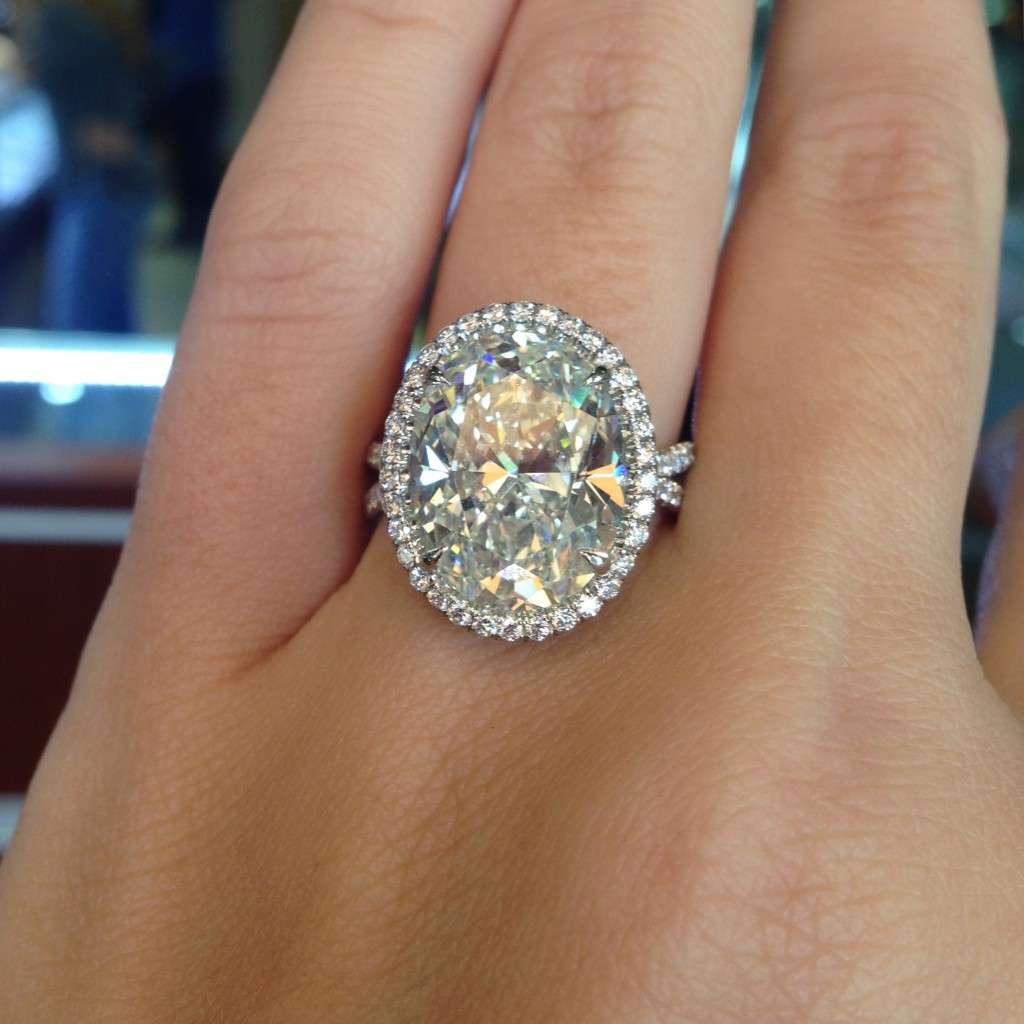
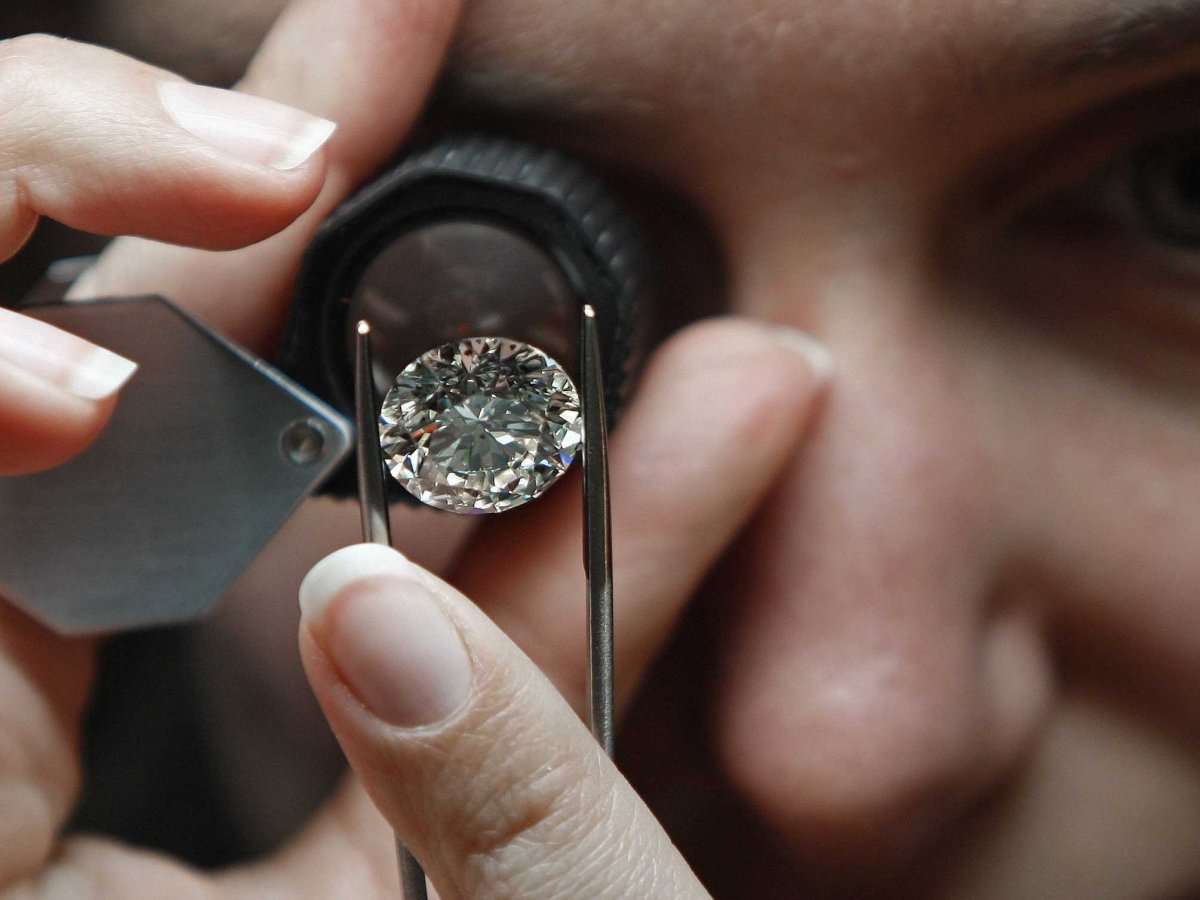
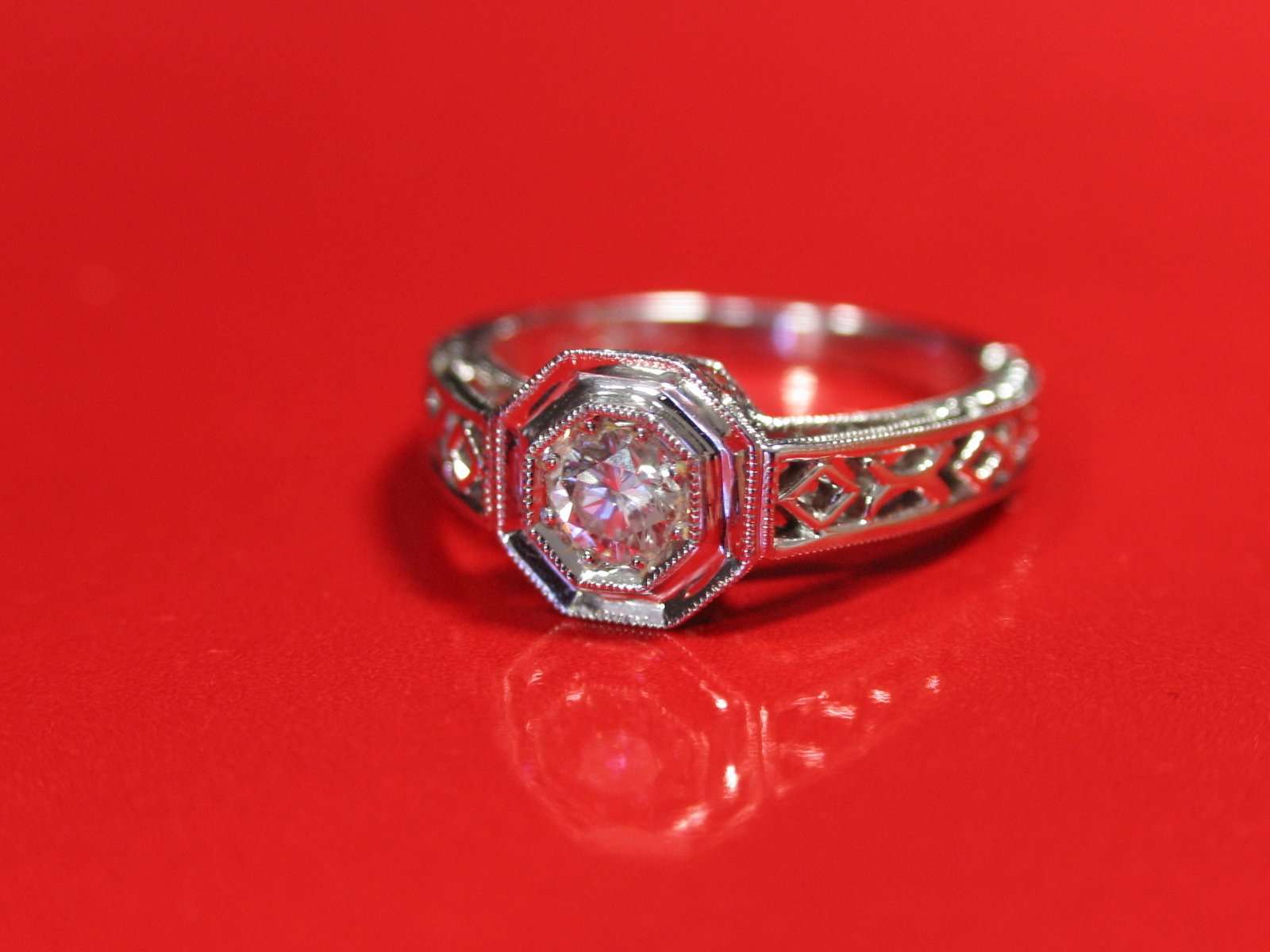
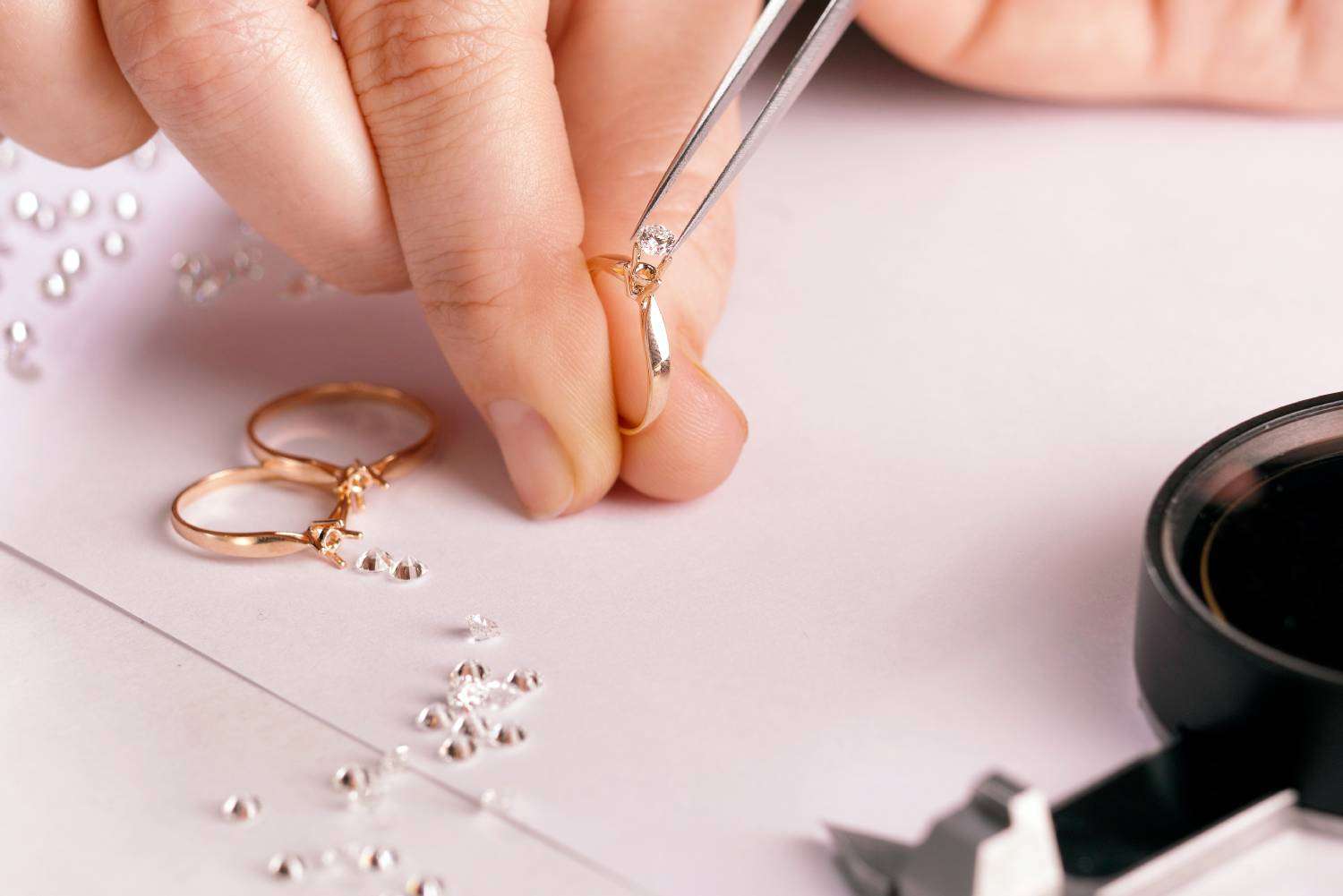
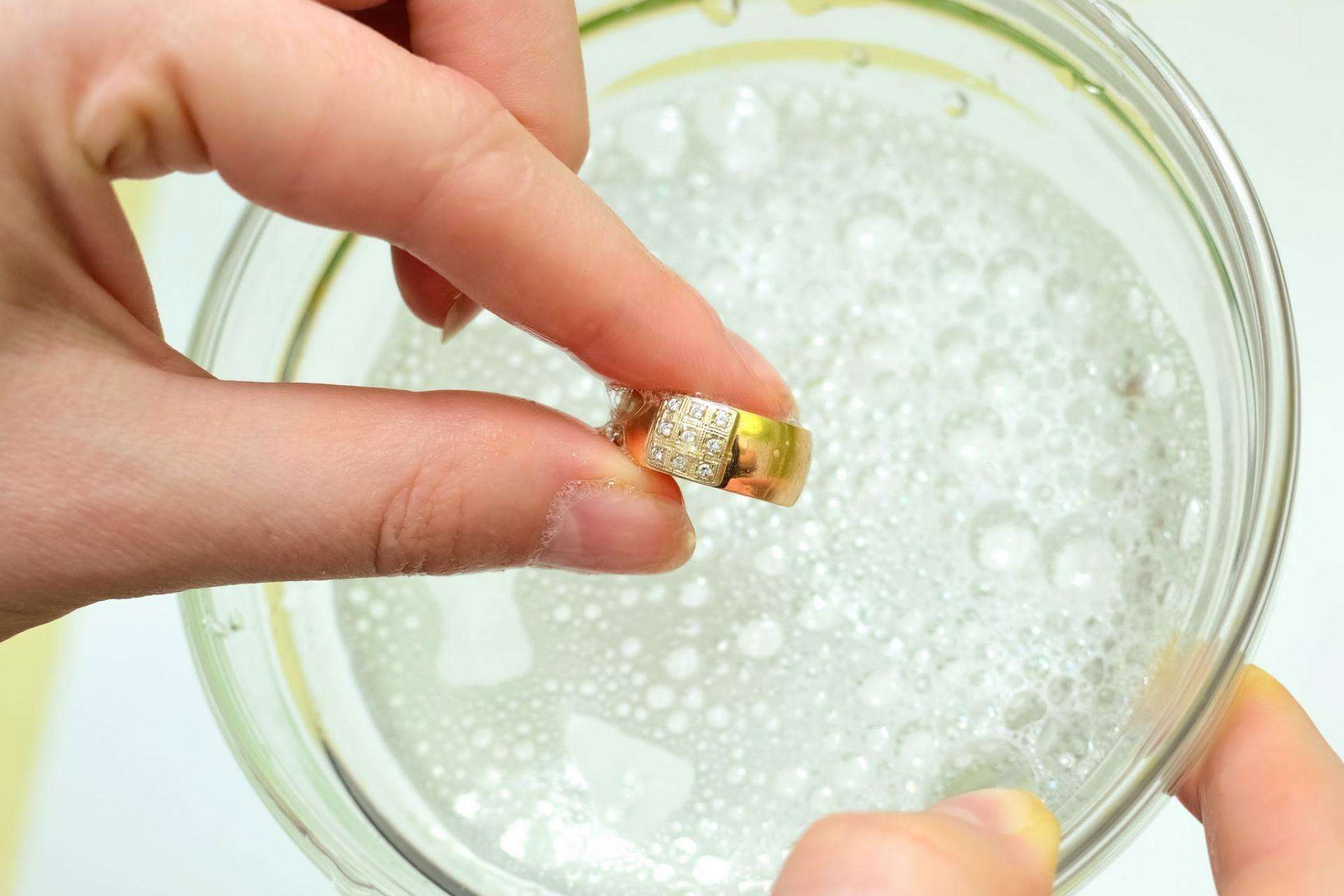
Carefully examining the jewelry, you should pay attention to the frame. Diamonds are always set in gold or platinum. A precious stone is a precious metal. Gold has shades of yellow, red, or white. The color depends on the sample, but it should not be lower than 585. The low-grade metal framing the alleged diamond very specifically hints at the fake of the latter.
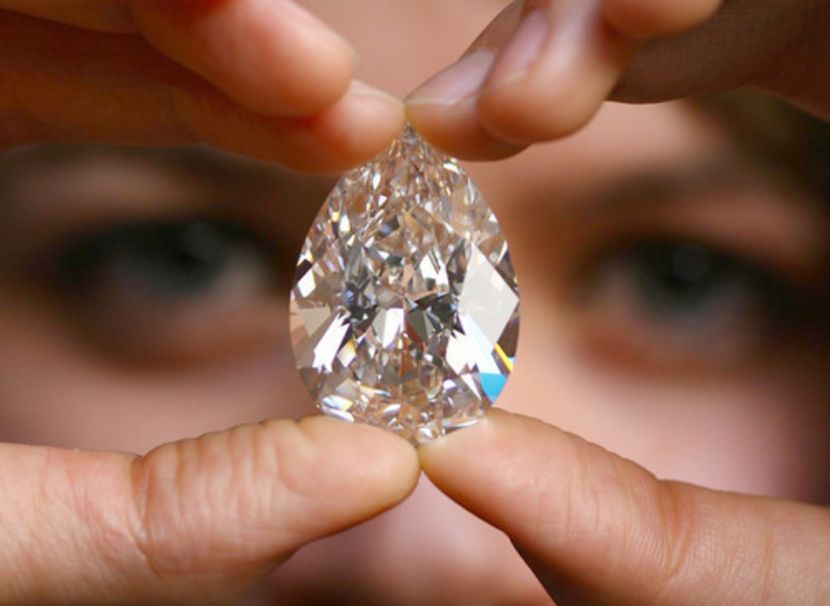
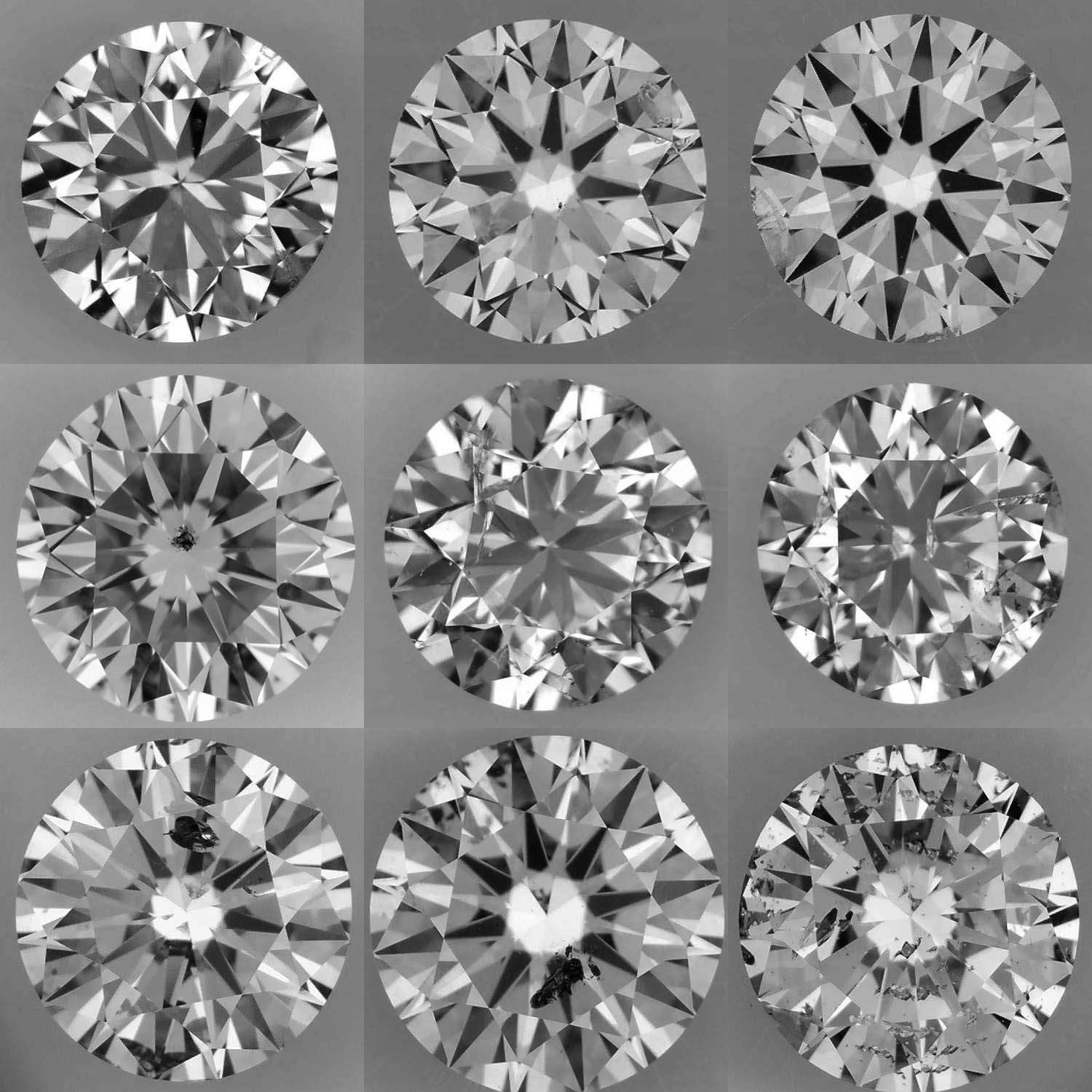
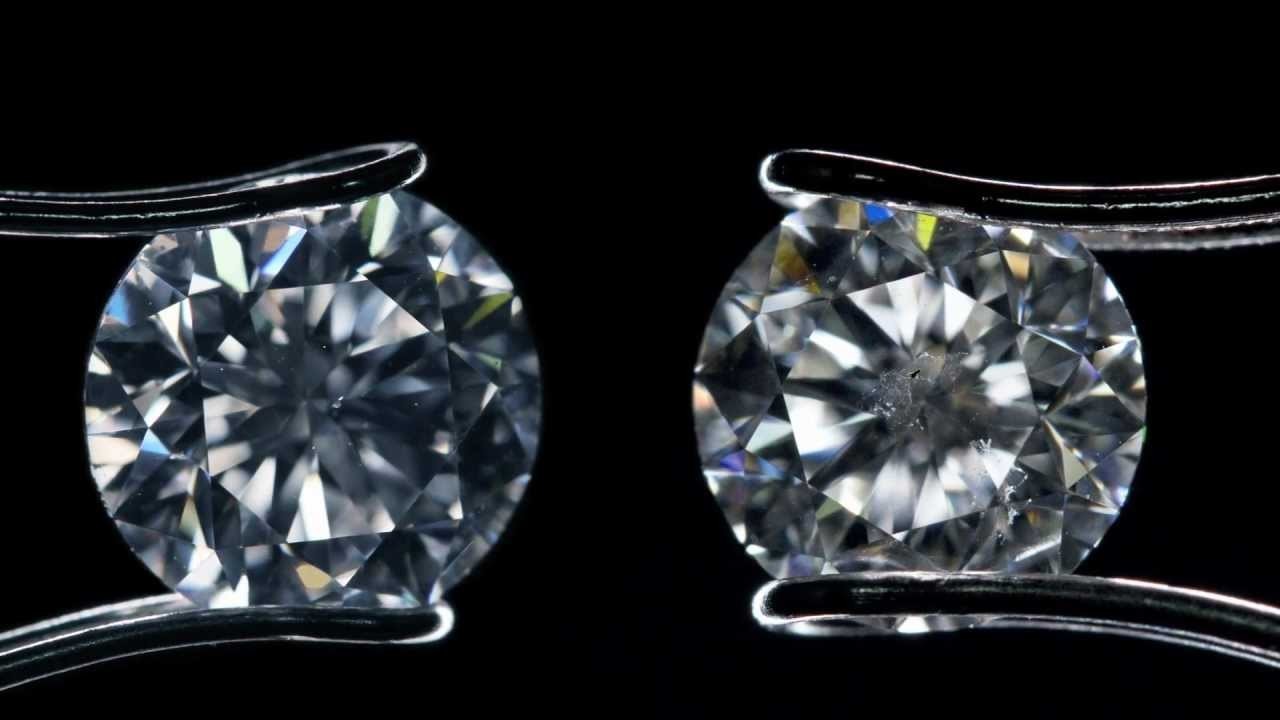
If small cracks, dots, strokes are visible inside the stone, then most likely it is a natural stone. The ideal appearance speaks of the artificial origin of the crystal.
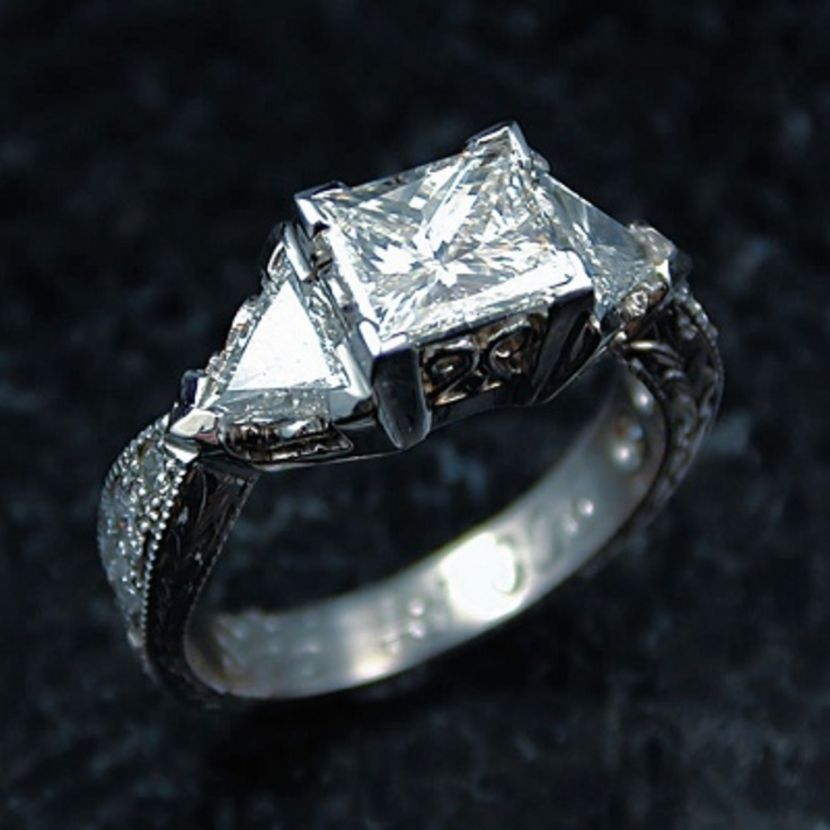
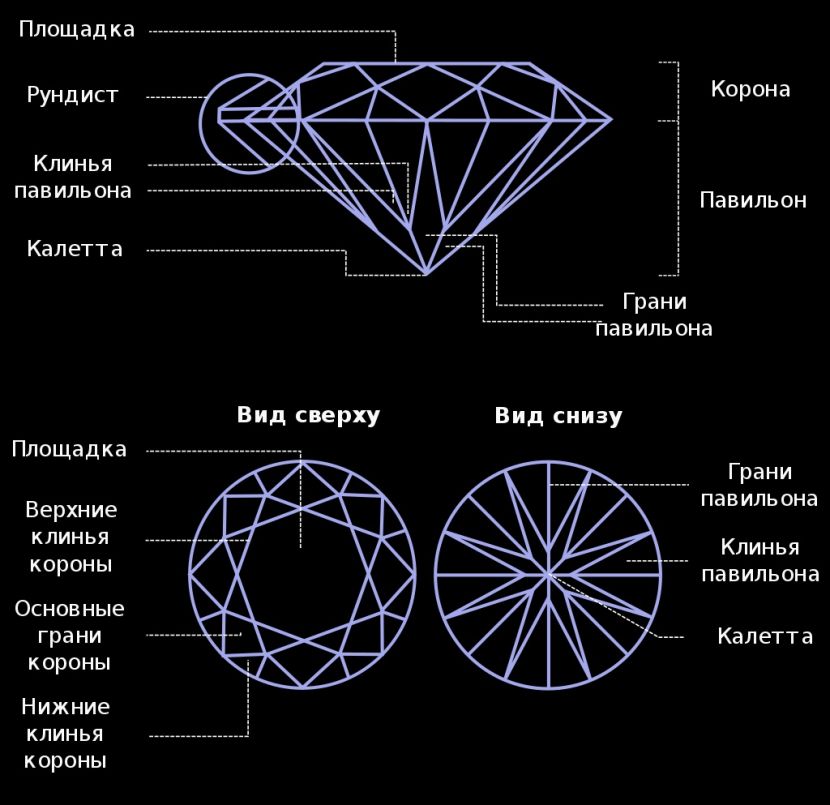
The facets of the cut should have a clear outline, and the girdle (the border between the upper and lower parts) should be slightly rough.
The diamond plays in the light with a silvery sheen. Multi-color highlights speak of a fake stone.
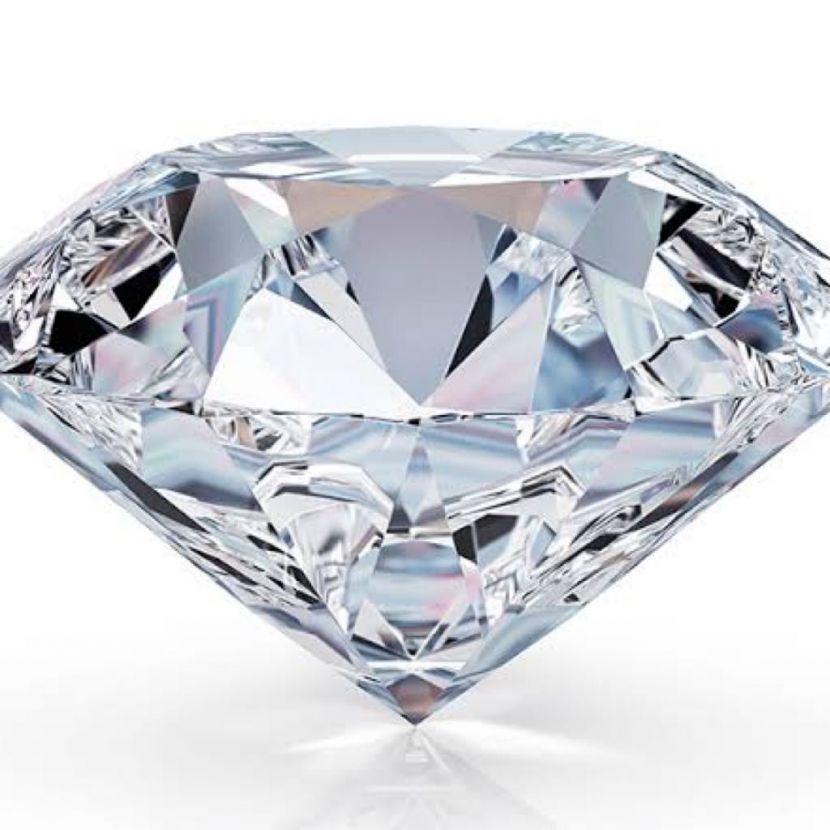
A visual inspection clearly shows the difference between a real diamond and a fake. If you have a guaranteed true diamond at your disposal, then you can put it next to a sample whose authenticity is in doubt. If the sample is fake, then outwardly it will noticeably lose to the real one.
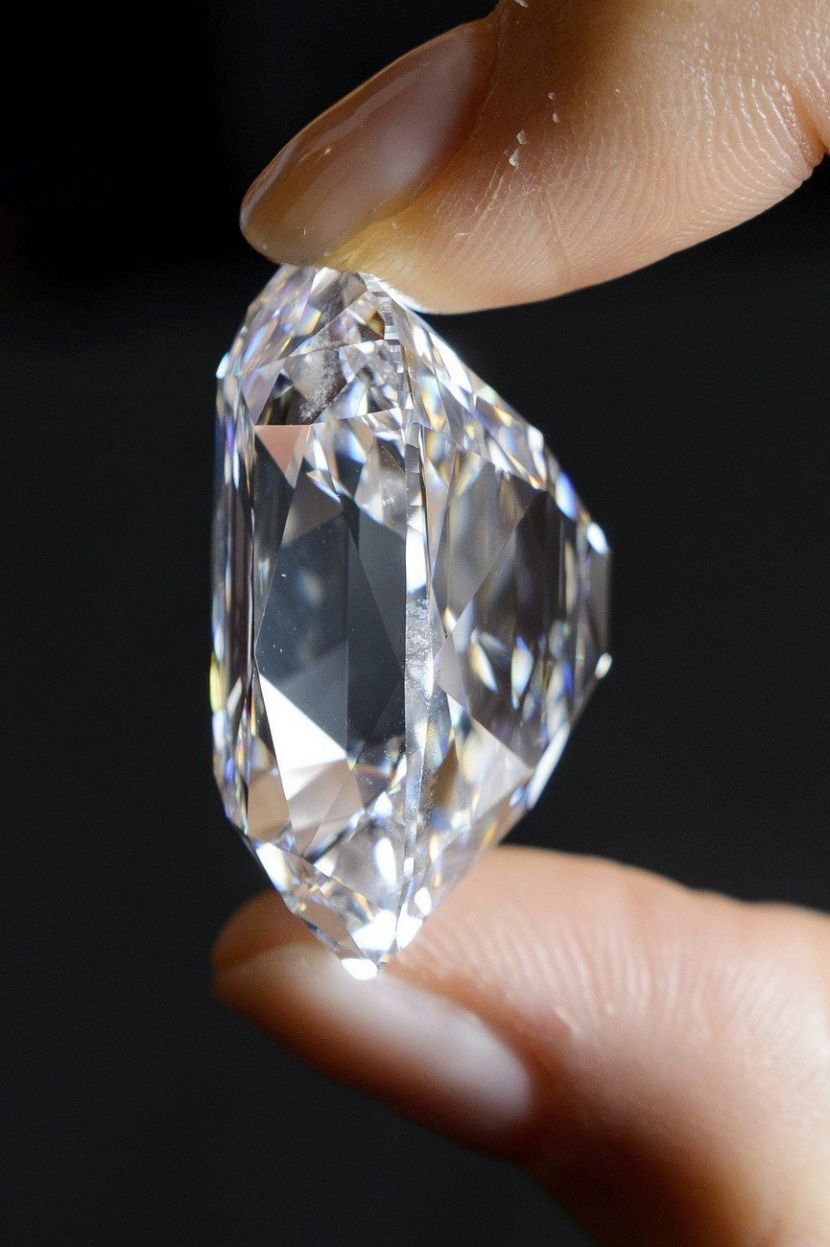
You can do a simple quick test:
- Wipe the test sample dry;
- Breathe on it for a few seconds;
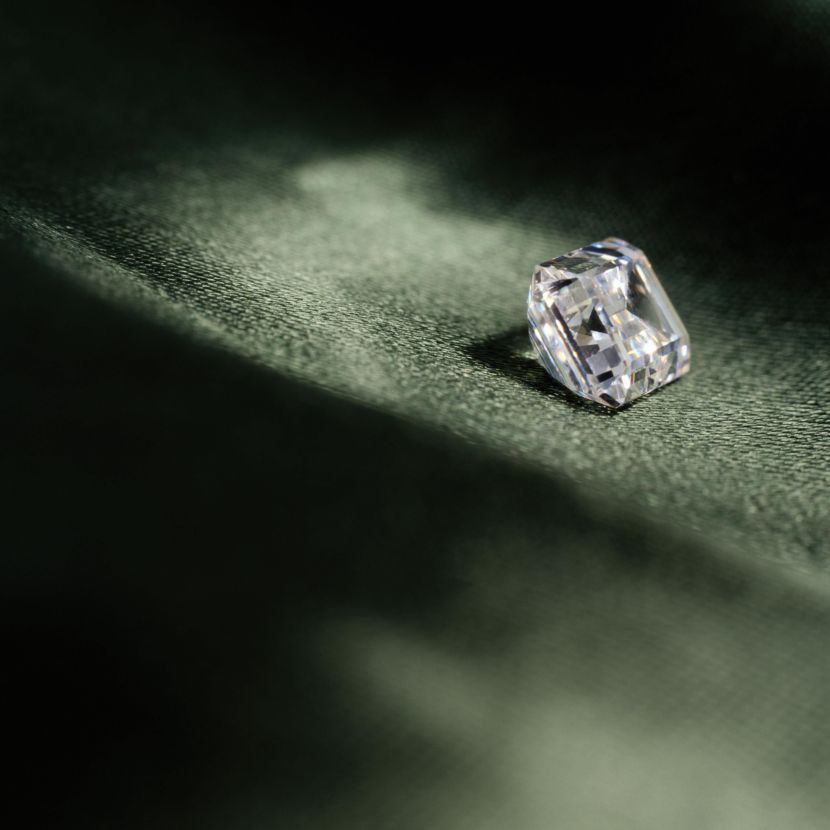
A real diamond will not fog up; traces of evaporation will remain on a fake.
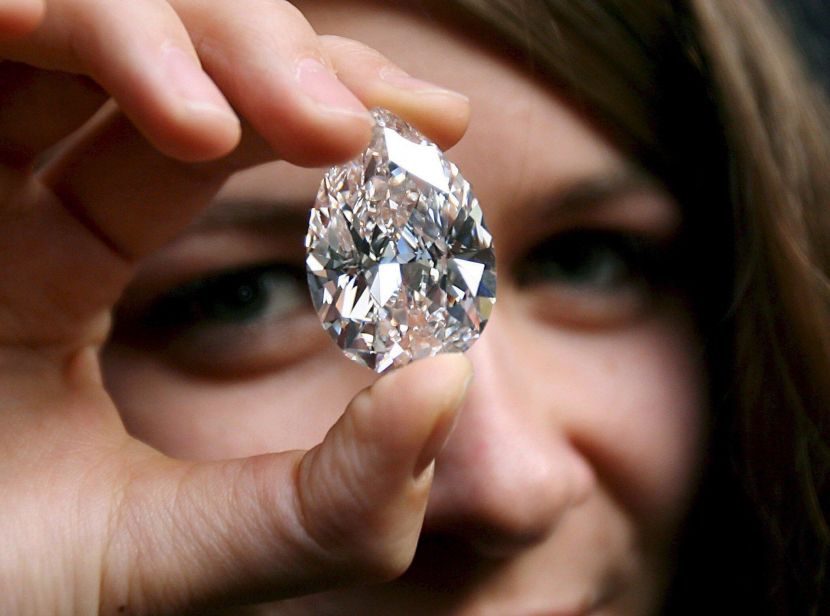
Another simple test is based on the property of light refraction. If you manage to read the text in the newspaper, looking at it through a diamond, then you have a fake stone in your hands. In a real diamond, light, falling on the upper platform, gets inside and is reflected from many faces. All that can be seen when looking through a true diamond is a luminous dot in the center (thorn).
Water test
There is a legend that a diamond is invisible in water. Allegedly, in the era of the diamond rush, smugglers transported stolen crystals in barrels of water. From the point of view of physical properties, this is not true. The density and refractive index of the stone are higher than the corresponding properties of water, so the diamond does not "dissolve" in it.
But you can still check for authenticity with water. To do this, a thin long needle is lowered into the liquid. Take out so that a drop of water is kept at the end of the needle. This drop is carefully transferred to the stone sample. If it remains on the surface unchanged, like a pea, then the diamond is real.If the drop spreads into a puddle, then the crystal is fake.
Test of strength
Diamond is on the pedestal of the Mohs scale, it has the highest hardness value in the world. Its surface cannot be scratched by anything other than another diamond. This property is based on the test with sandpaper. If the test sample is lightly rubbed with sandpaper, then in case of a fake, a visible mark will remain on it.
The method is not suitable for jewelry that has been pollinated with diamond chips. The product will be categorically damaged.
Checking on the scales
A diamond free from a setting can be weighed and compared with the mass norm of identical stones. For example, a gemstone with a diameter of 3 mm according to the standard weighs 0.1 carats. If the weight value differs from the norm, then in the hands of a fake.
UV test
Professionals use the method of thermal radiation to detect fakes. A true diamond glows with a faint blue glow.
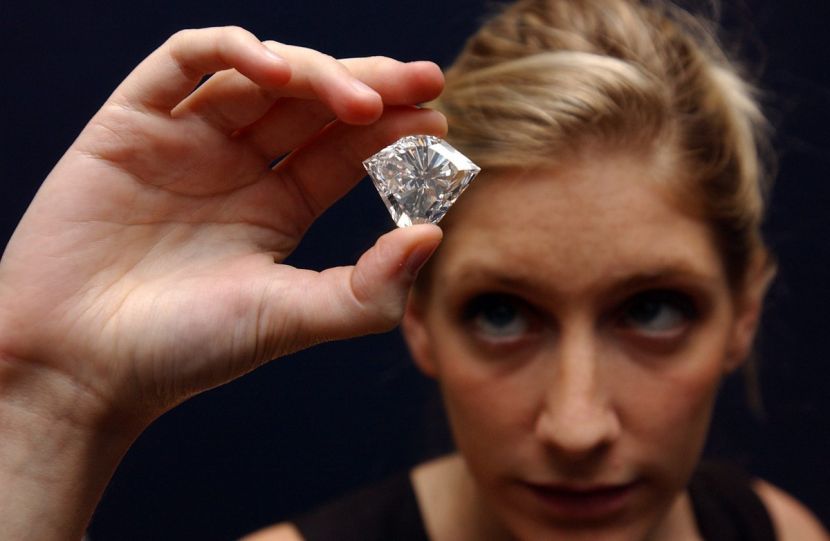
The diamond is considered the most expensive gemstone, emphasizing the status and standard of living. Hunters for dishonest profits pass off cheap imitations for natural stone. Knowledge of the basic properties of the mineral, and a good jeweler as a friend, will help in acquiring a true diamond.
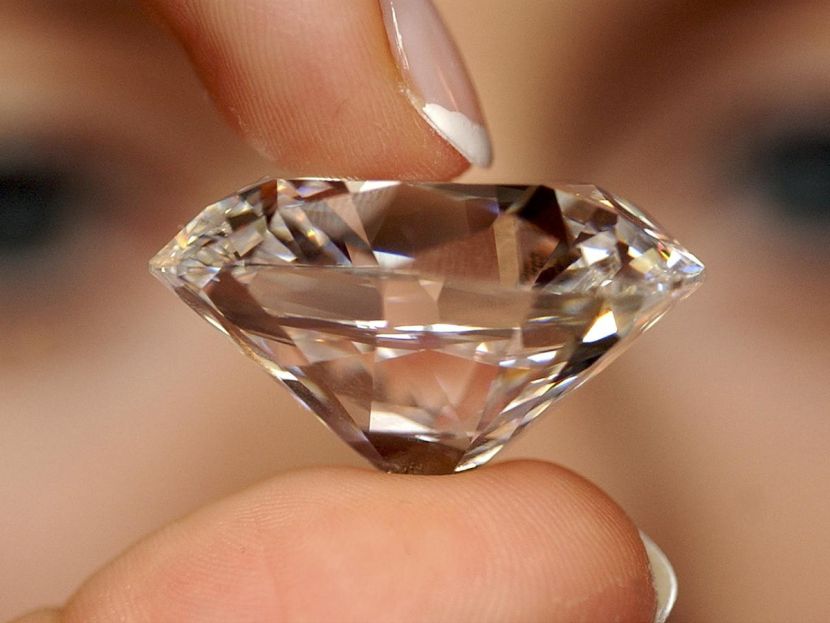
Photo of a stone