Gemstone Diamond - photo, properties, application
Diamond is a unique mineral, the amazing properties of which were revered by mankind even before our era, associating it with something divine and omnipotent. In modern times, the diamond has become closer to man and has begun to be used in many areas, but it still remains the most recognizable and desired stone.
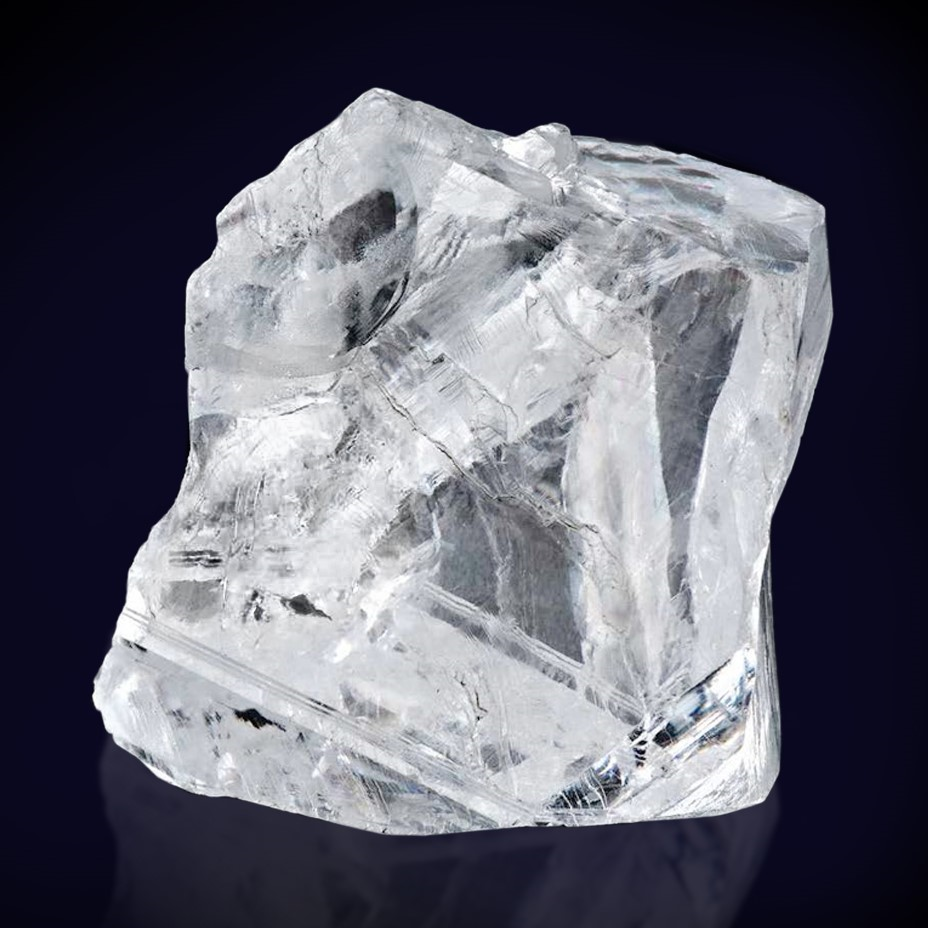
Etymology
The most ancient name for the mineral is "fariy" - this is how the Hindus called it, in which the diamond showed itself to mankind.
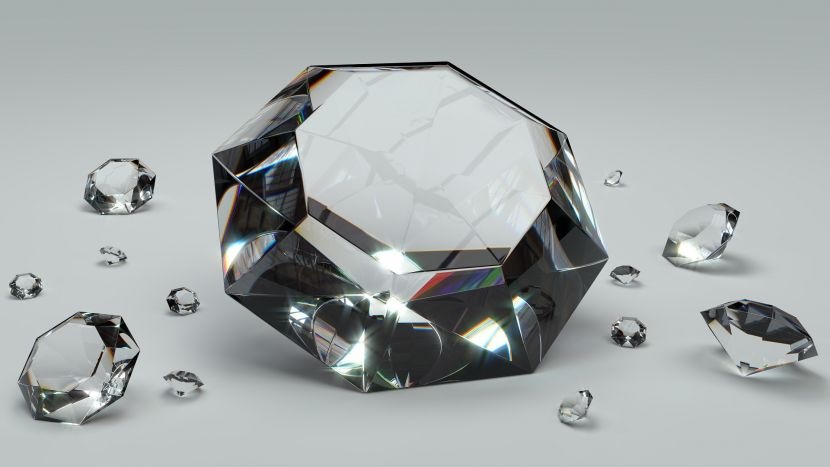
In different European languages, the word has two origins: Latin "adamantem" (English "diamond", French "diamant") and Arabic "almas" (Russian "diamond"). In both cases, it is translated as "indestructible", "unshakable", which emphasizes the main quality of this stone.
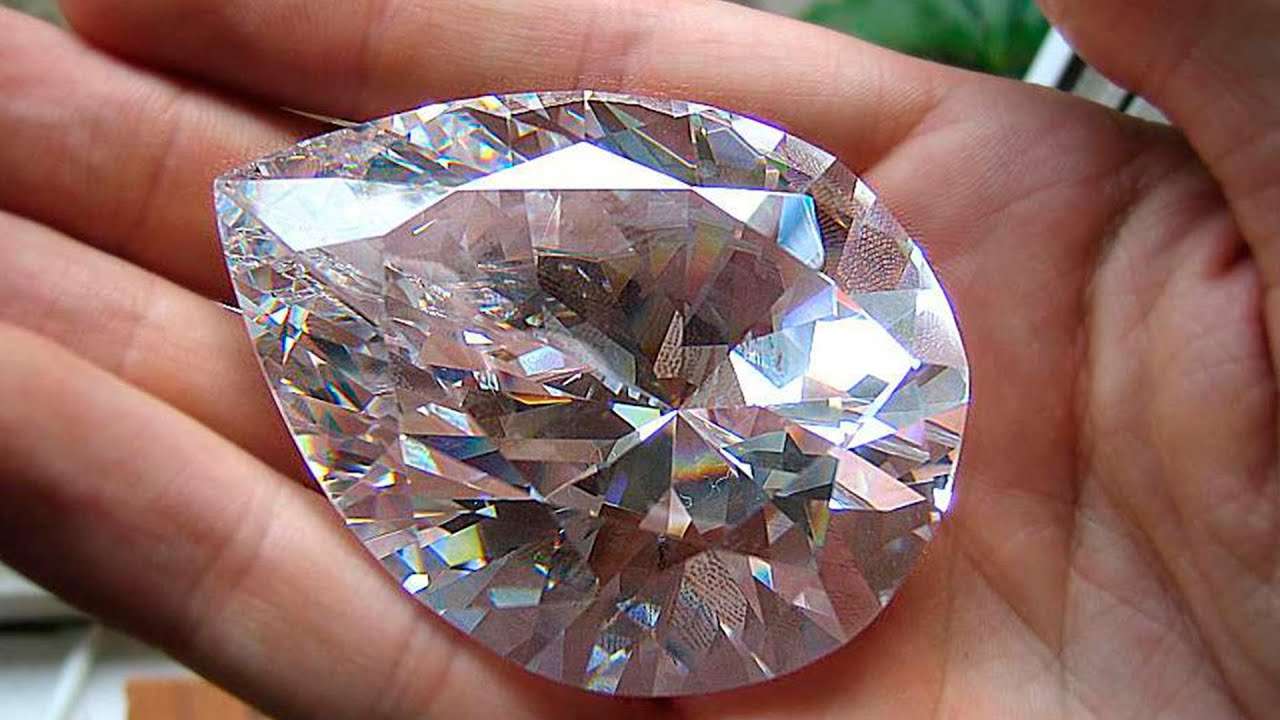
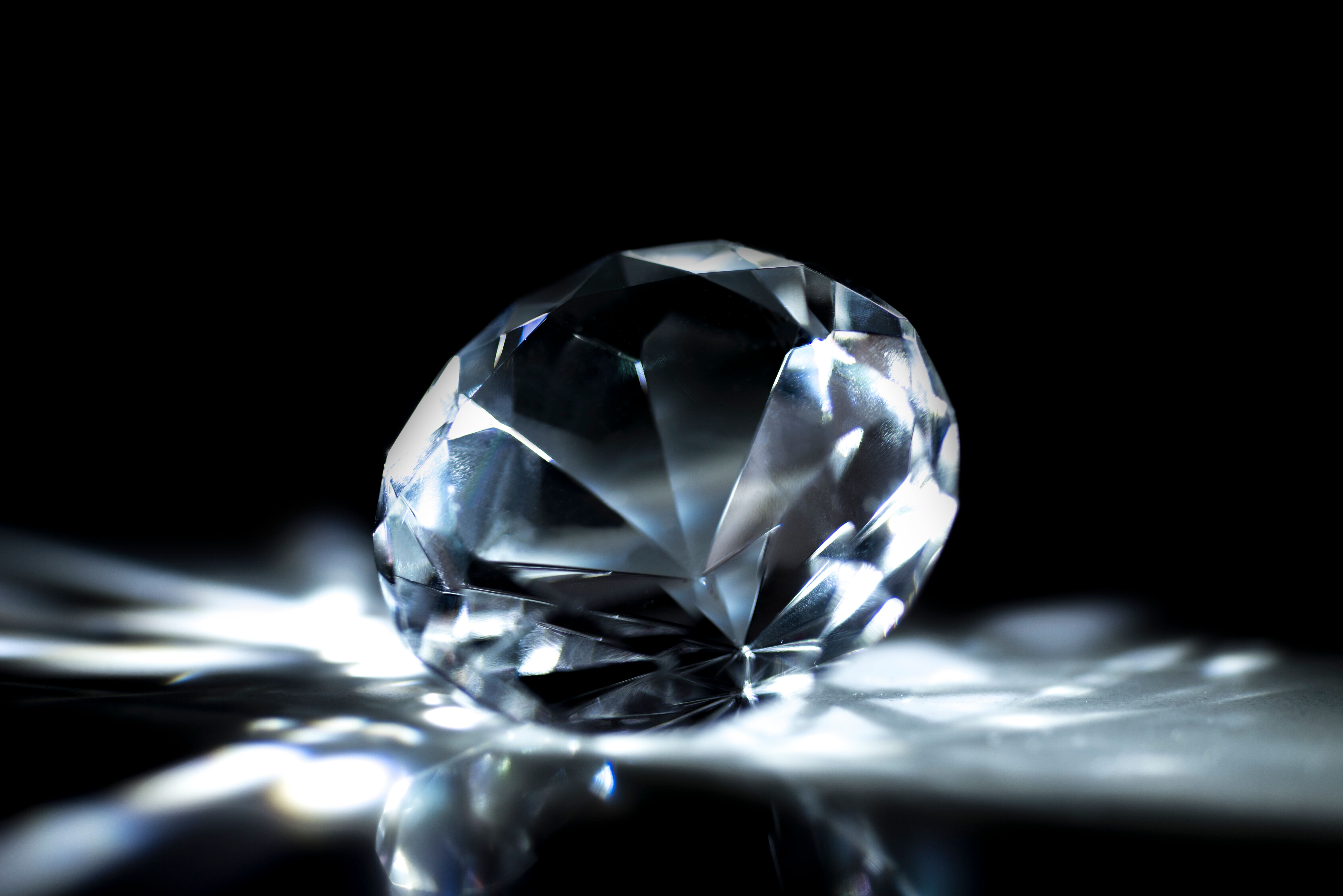
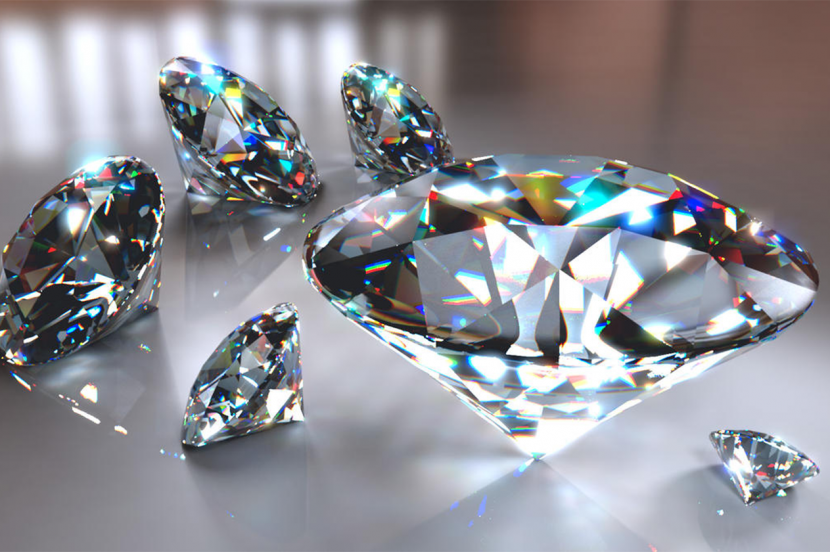
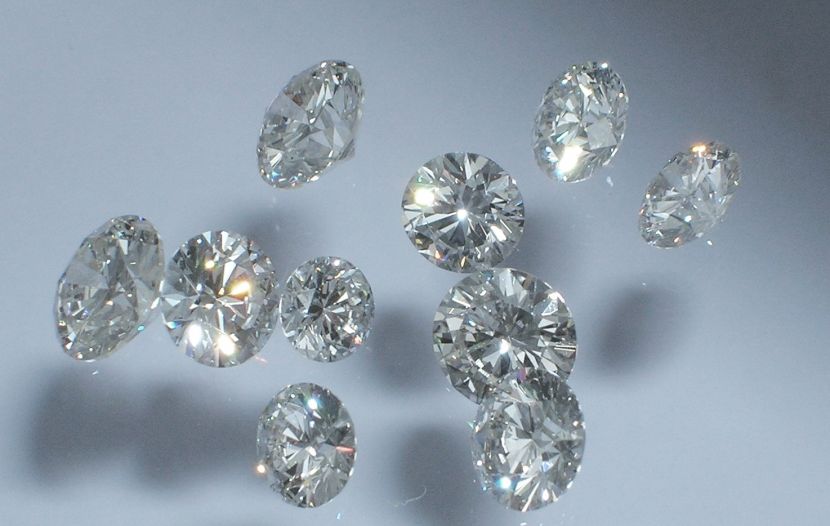
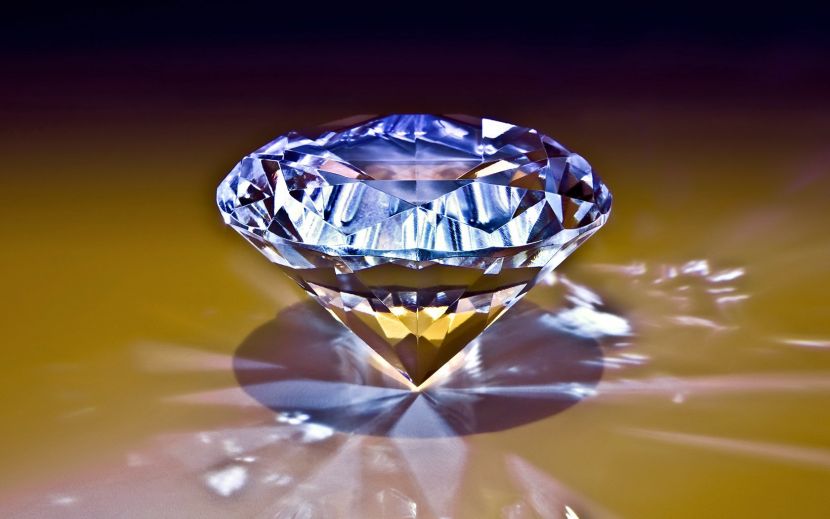
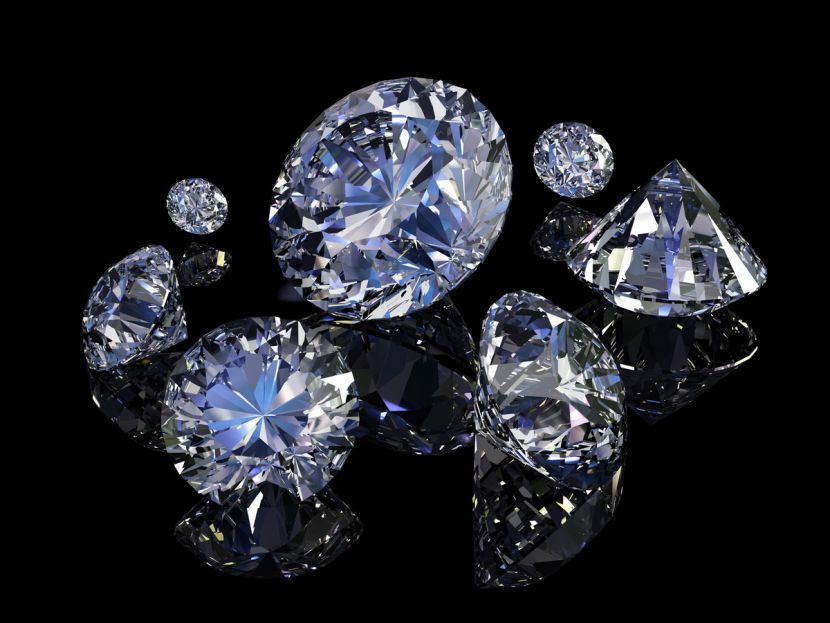
All cut diamonds are called brilliants. This word came from Belgium and it means "shining", "sparkling".
Story
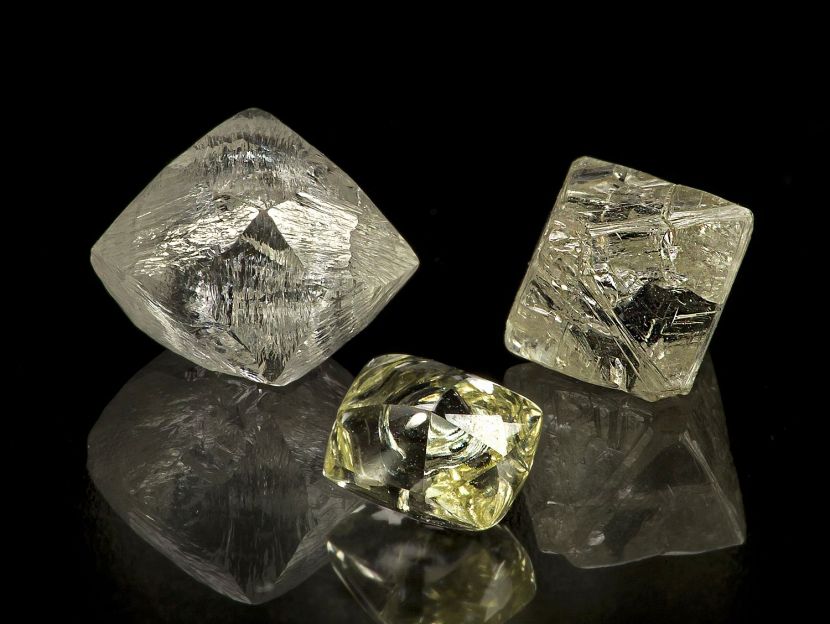
For the first time, mankind got acquainted with the precious stone diamond in India, where it was inserted into silver and gold jewelry in its raw (due to lack of technological development) form.
Many centuries later, Alexander the Great came to India, who introduced the European part of the continent to the mineral. It is believed that the great commander had heard about the treasures lurking in India and followed them.
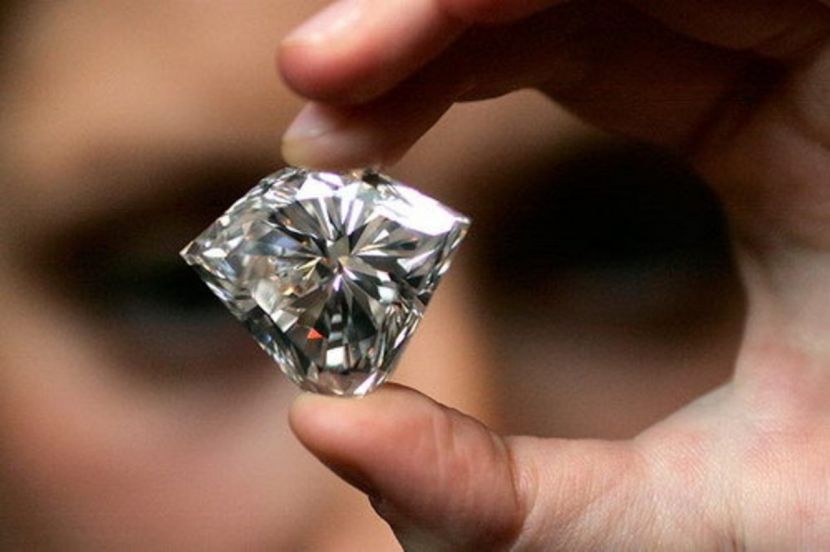
In those days, the stone could not be cut, but during the Renaissance, in the city of Bruges (located on the territory of modern Belgium), a cutting method was discovered. Thanks to this, the stone began to shine even brighter, so the prices for it became even higher. Over time, these same Belgian craftsmen were able to develop the famous 57-facet cut.
But the ancient Indian deposits, from where the stone came to Europe, were depleted.
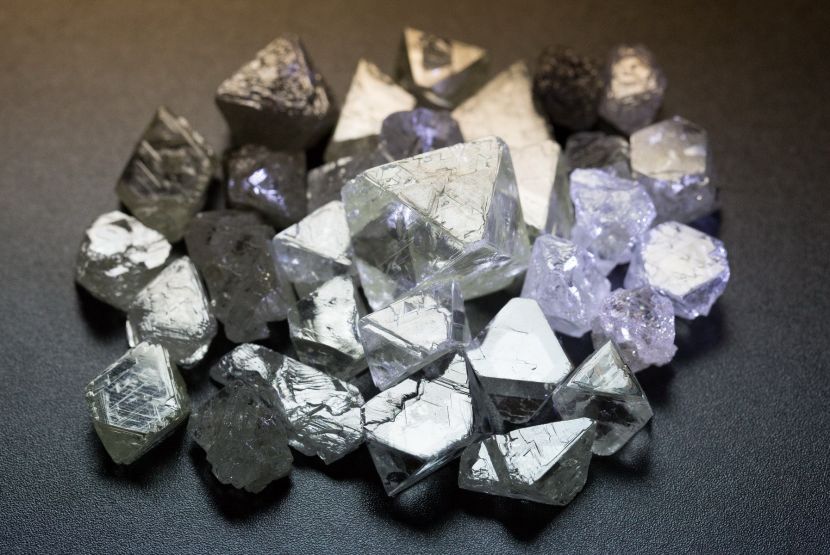
In Russia, the first diamond was found in 1829 in the Urals, where an ordinary serf teenager Pavel Popov, washing gold, found an unusual mineral. Soon Pavel was given a free trial for an interesting find.
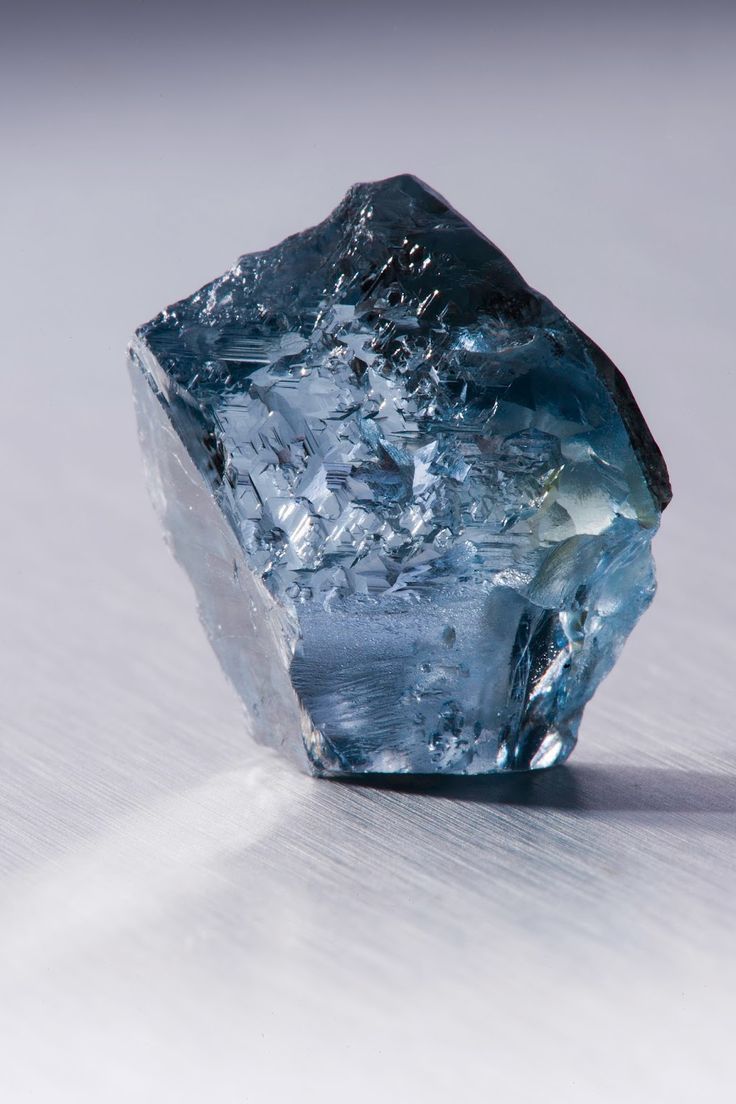
Birth of the diamond
Origin
Diamonds are formed in the Earth's mantle, where they experience tremendous pressure of about 50,000 atmospheres and colossal temperatures. Mining is carried out in kimberlite pipes - natural "conveyors". These geological formations appear due to underground volcanic eruptions, as a result of which various minerals rise into the earth's crust. Approximately 10% of every fifth pipe in the world is diamond-bearing rocks. The first such pipe was found in the village of Kimberley in South Africa, and the name of the pipe was given in his honor.
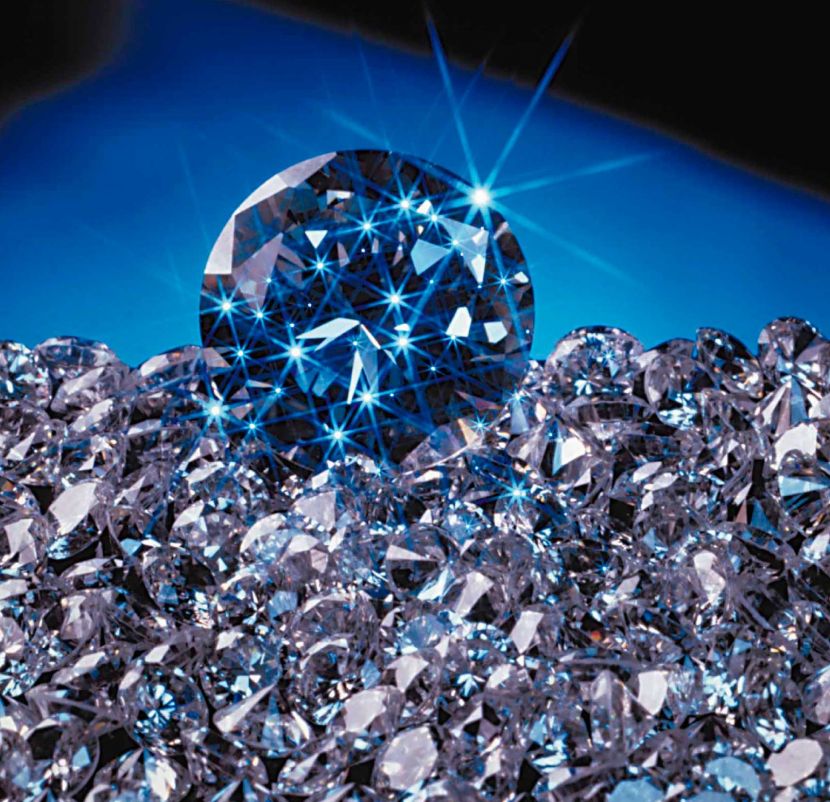
Also, some diamonds in the earth's crust are guests from other parts of space, brought by meteorites. Such diamonds may be older than the Sun.
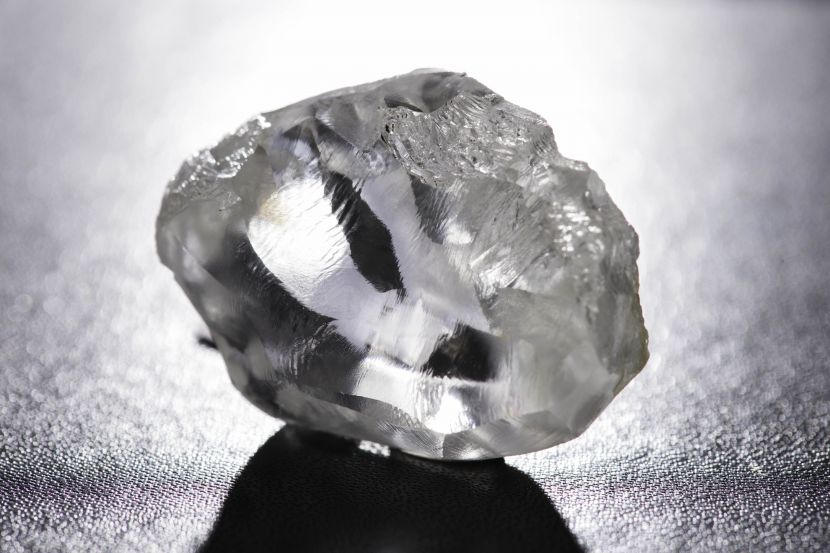
Place of Birth
Diamond is a rare stone, but it is mined everywhere, with the exception of the South Pole.
The largest diamond deposits:
- "Anniversary";
- "Successful";
- "World".
All of them are located on the territory of Russia. They are followed by Argyle (Australia), Katoka (Angola), Venice (South Africa) and so on. It is worth noting that the quantity of the mined mineral is not so important as its quality.
The main centers of extraction and processing: the Republic of Yakutia (Sakha) in Russia, some countries of South Africa and South Africa. There is still mining in Australia, the USA, Brazil, Kazakhstan and India (where all the deposits are almost depleted).
Mining
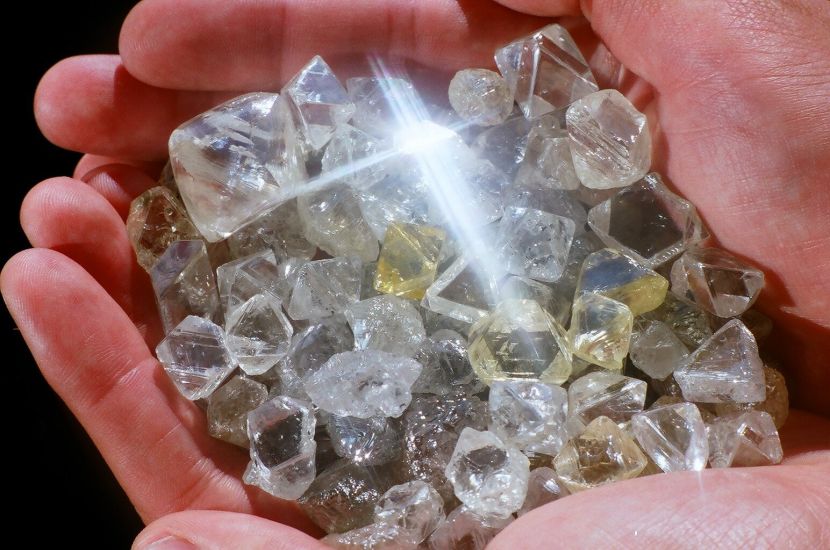
Before kimberlite pipes were discovered, diamonds were mined by hand in placers and mines along with other minerals, as well as on the banks of rivers. It was only in the middle of the 19th century that the first kimberlite pipes were discovered, and mining gained an industrial scale.
Approximately three-quarters of the diamond industry is controlled by the following corporations:
- ALROSA;
- De Beers;
- Rio Tinto.
Features of the mineral
The structure of diamond is simple: only carbon, but at the same time it is the top of the Mohs hardness scale, while graphite, consisting of the same carbon, is soft and easily destroyed. The difference lies in the crystal lattice, in diamond it resembles a cube. Diamond cannot be scratched.
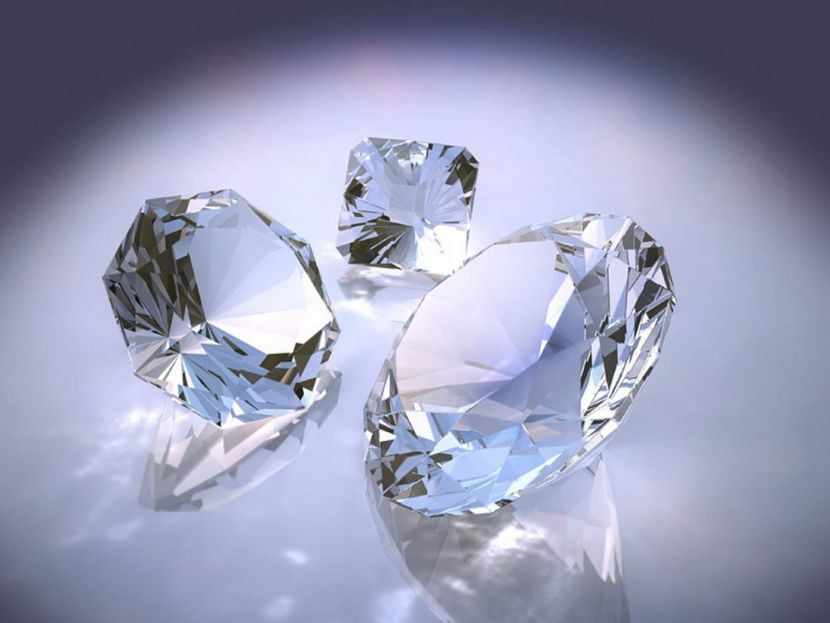
This stone is hard, but very brittle. It is enough to hit him hard to break him into many pieces. For this reason, in ancient times, it was not used to make weapons like jade (which is more resistant to splitting due to its high impact strength).
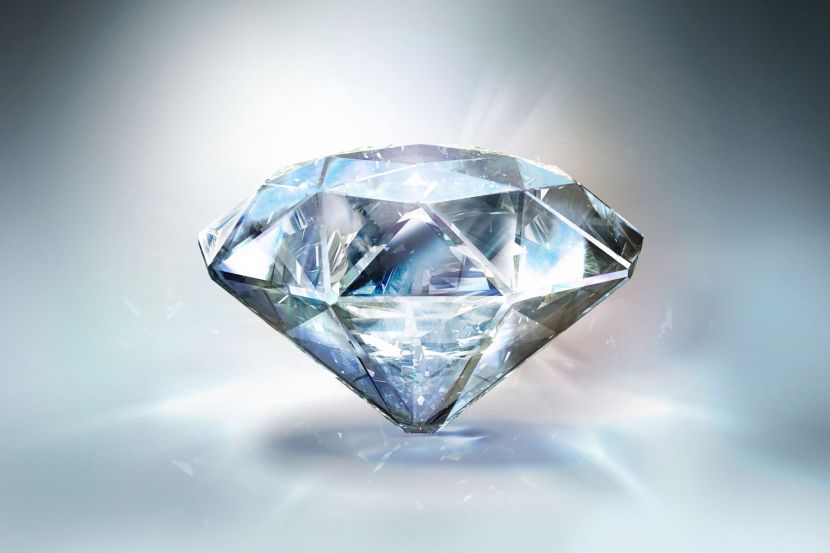
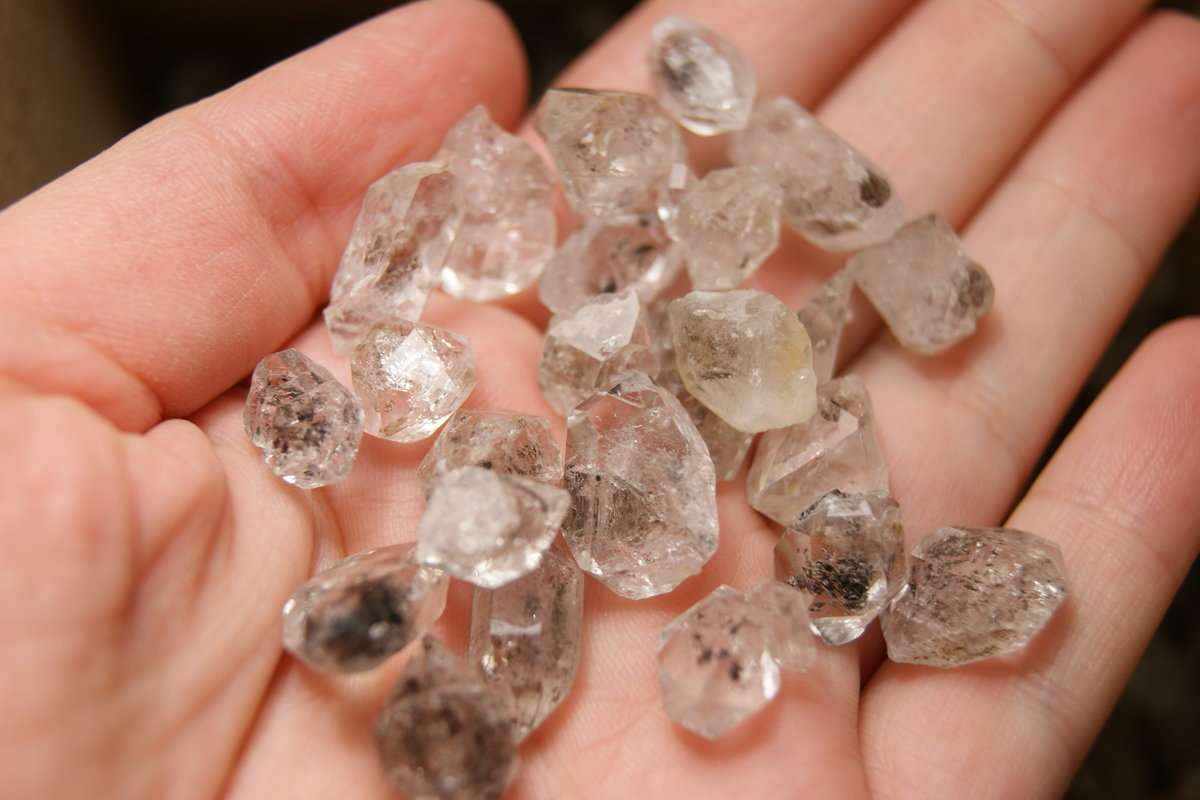
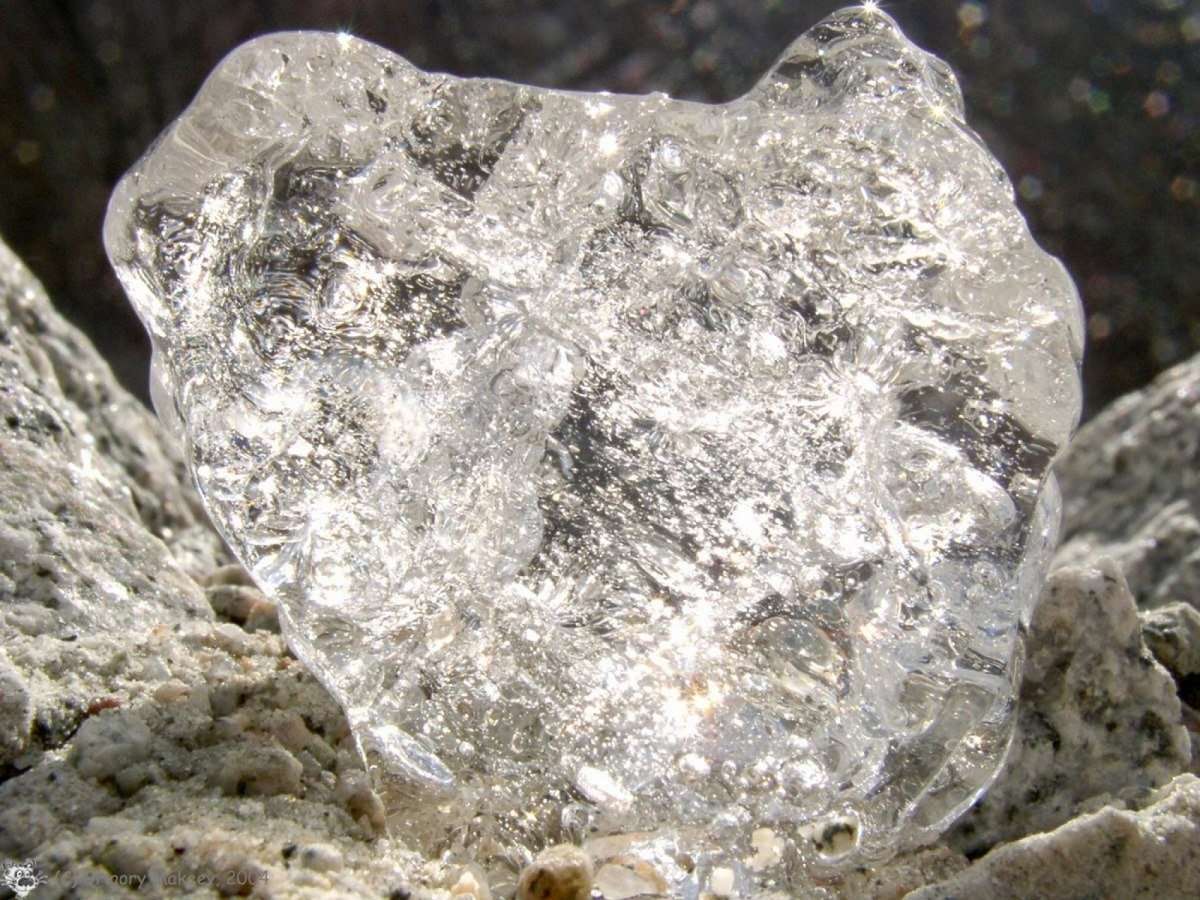
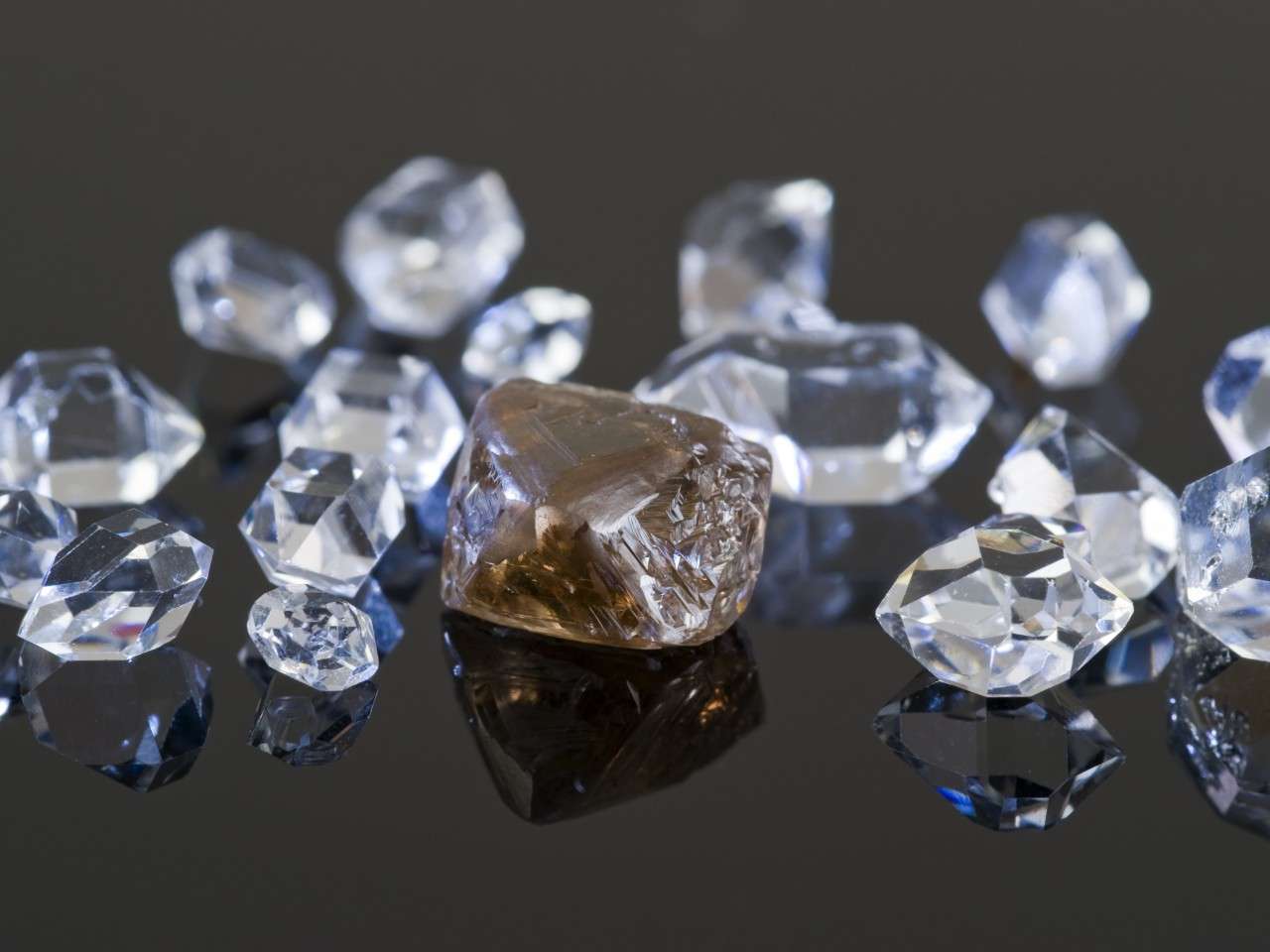
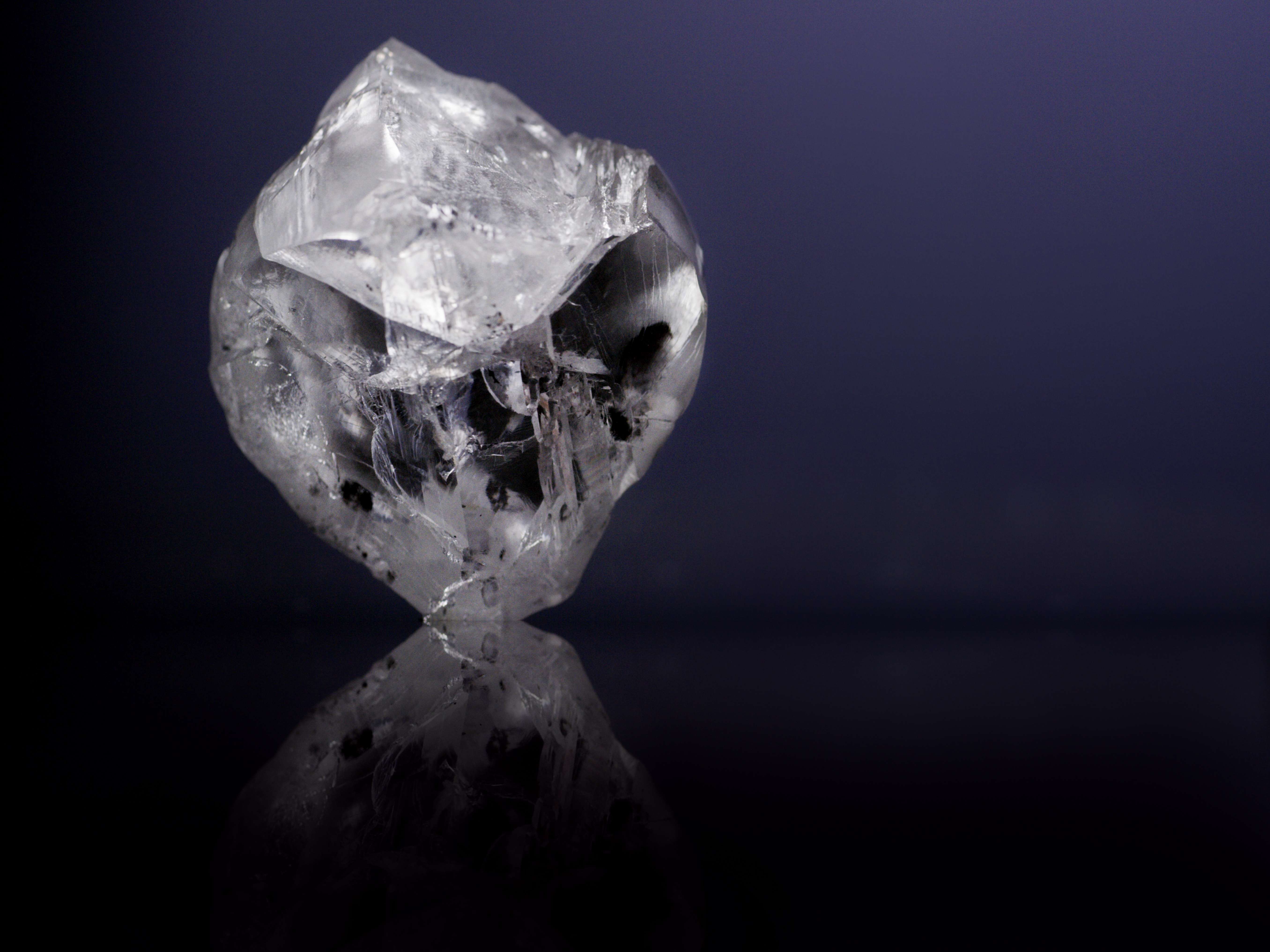
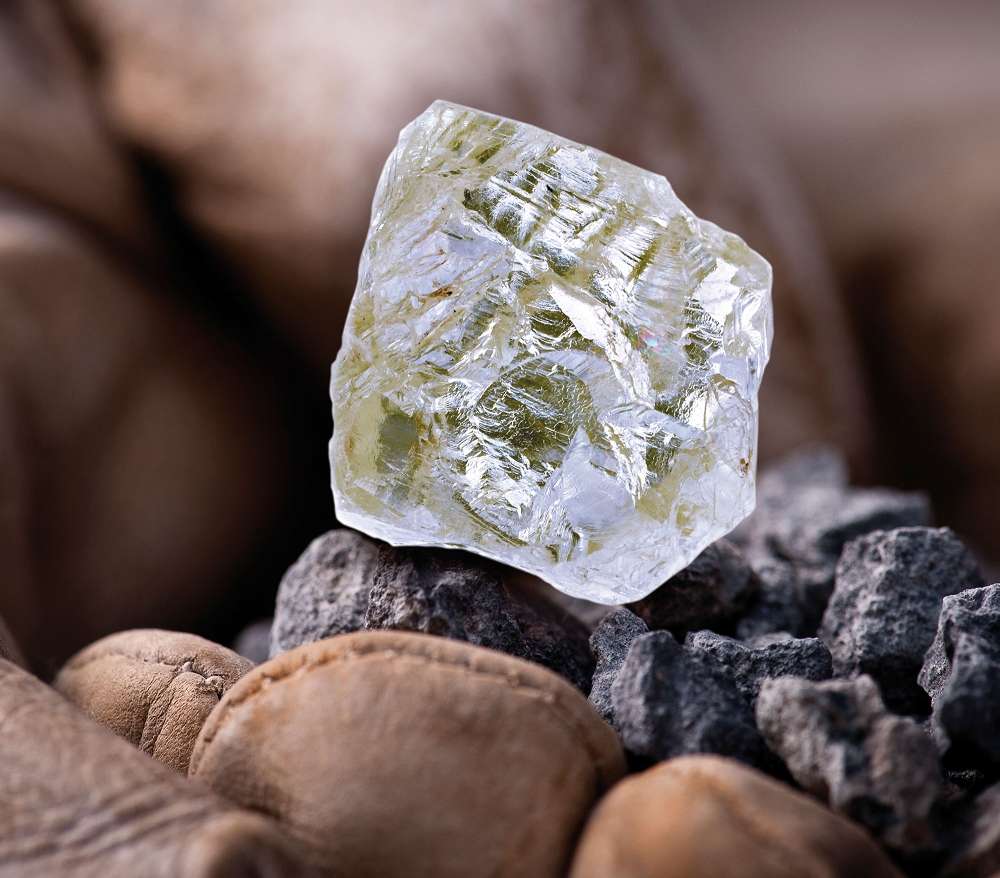
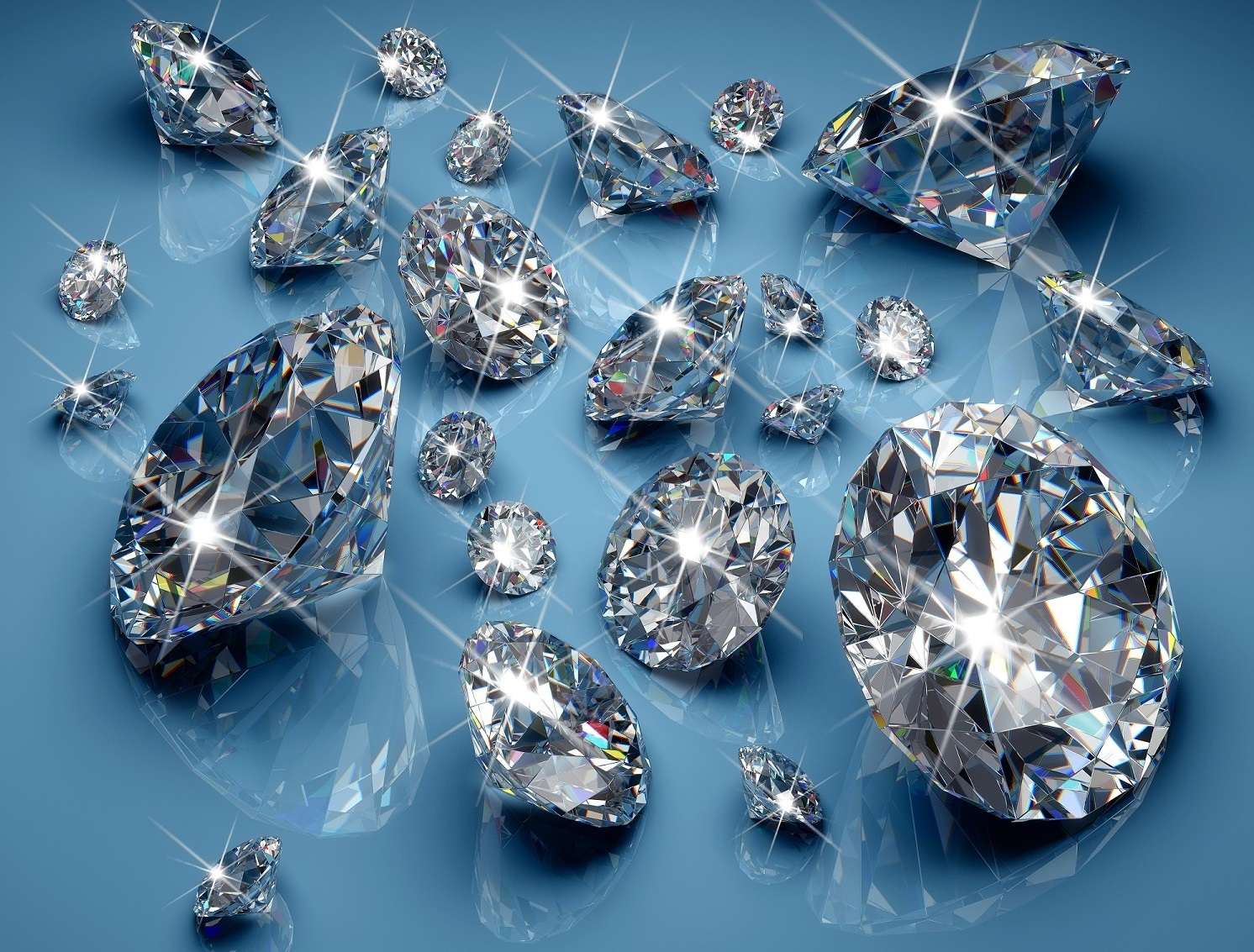
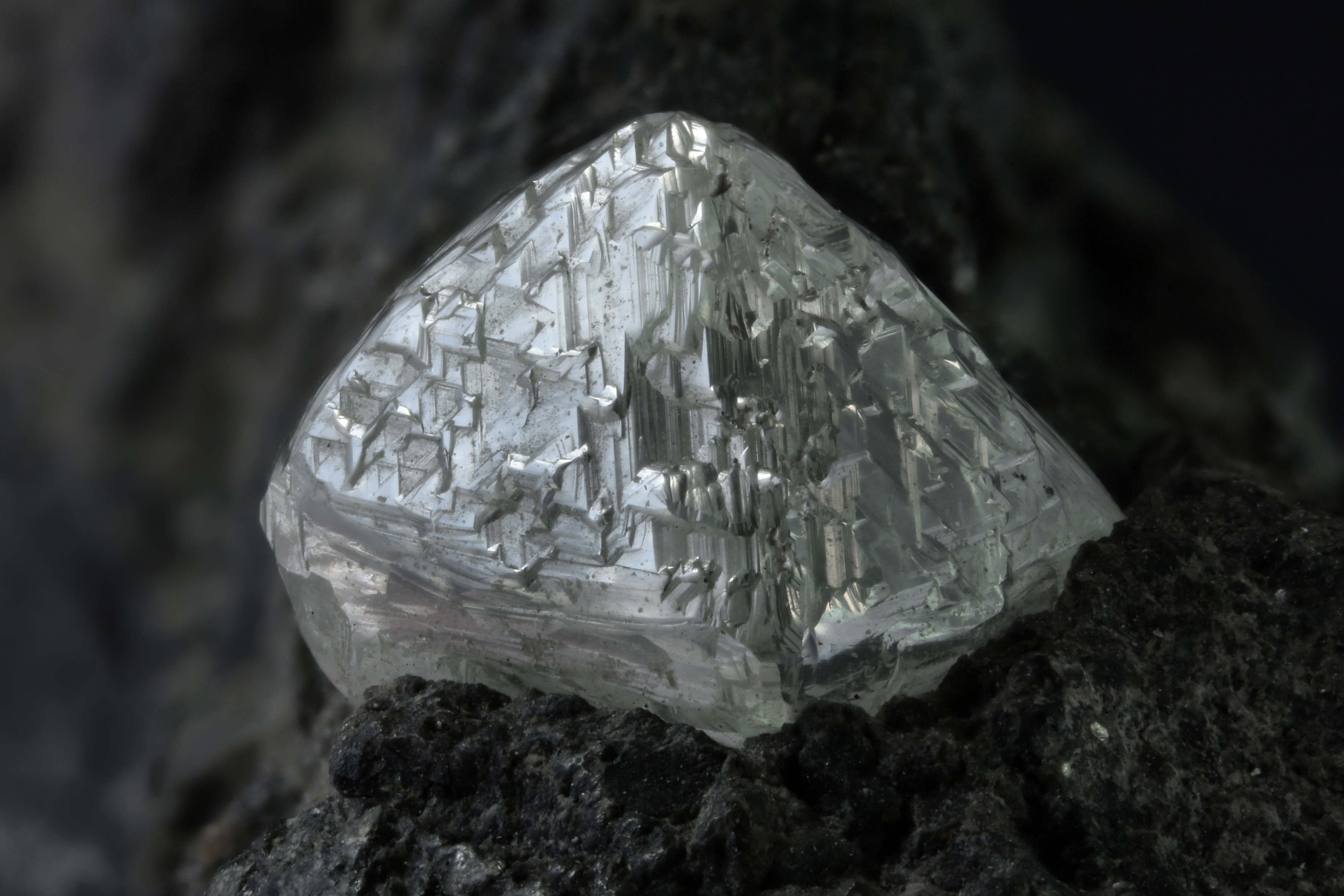
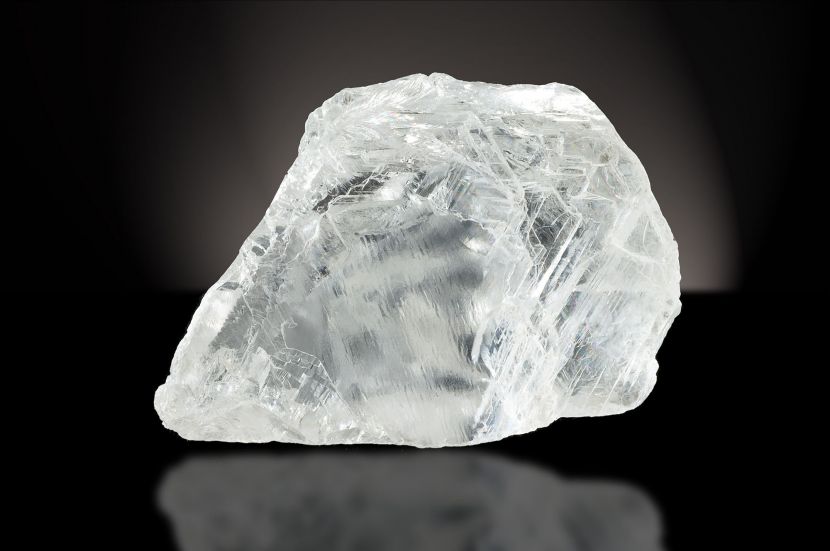
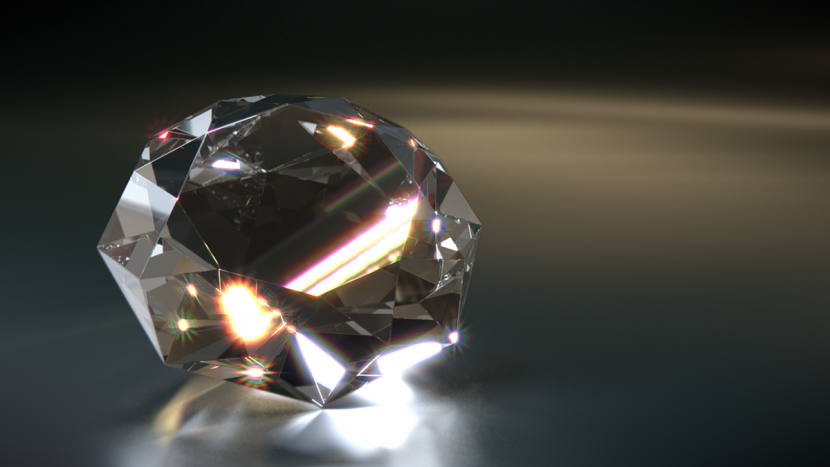
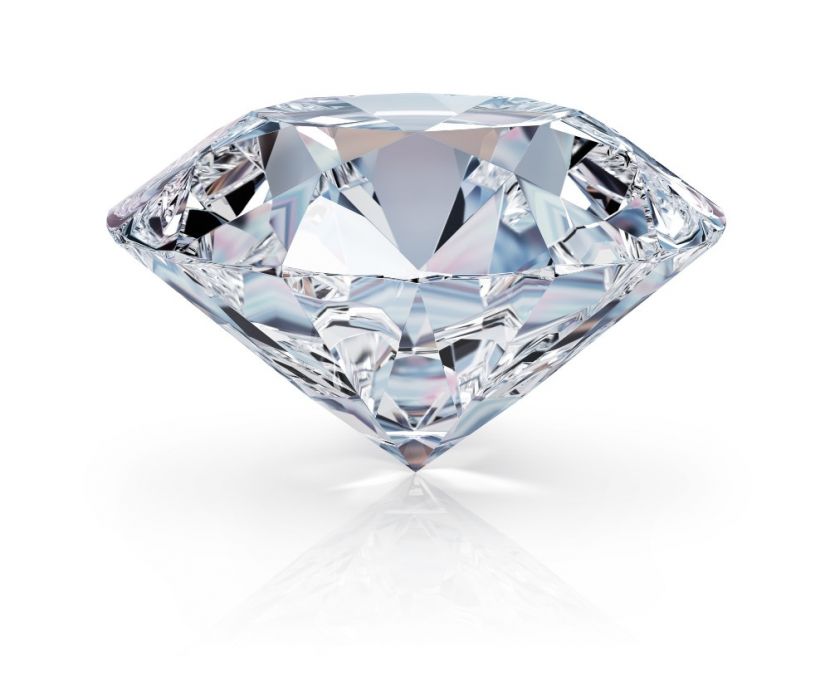
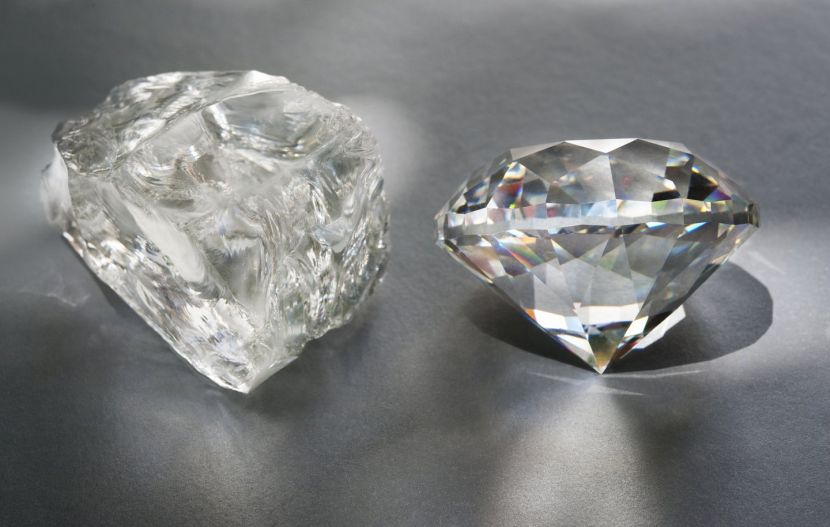
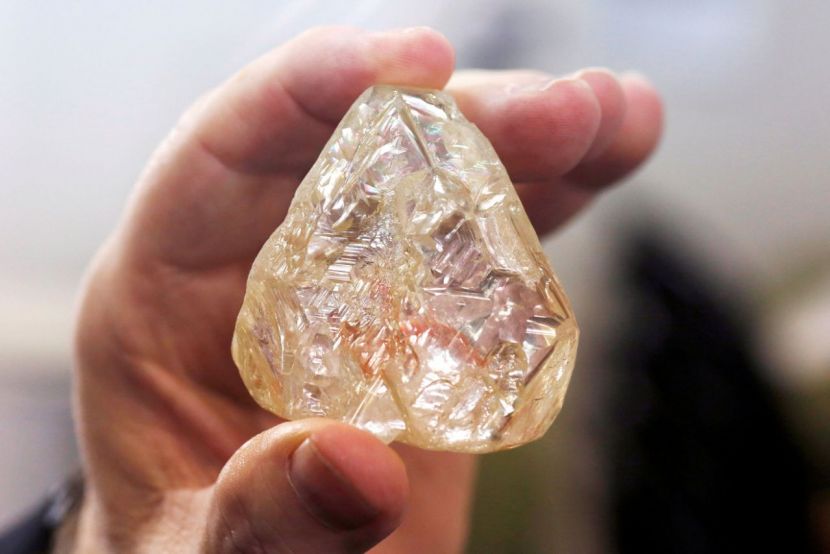
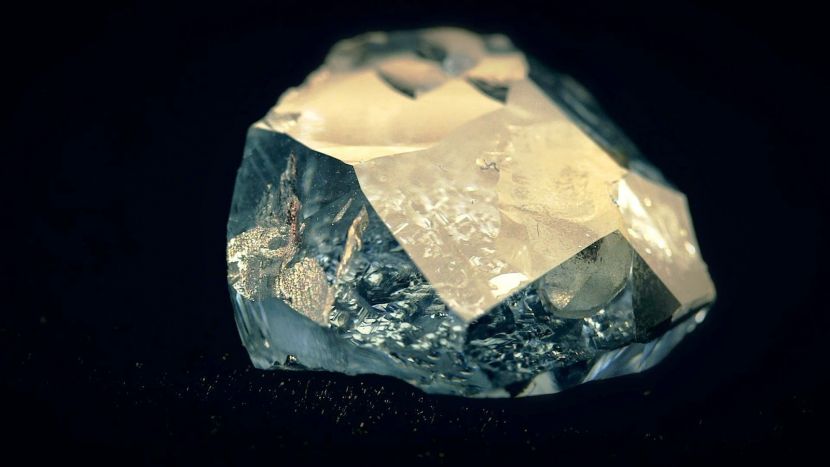
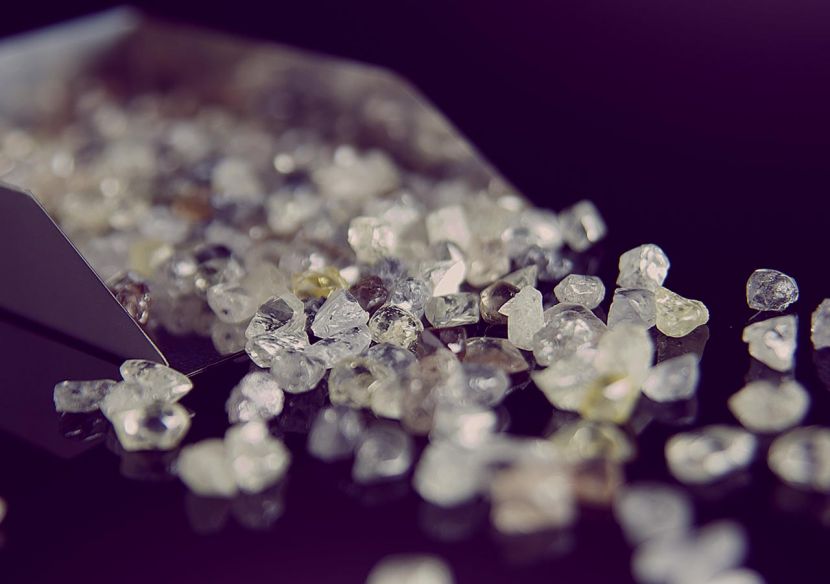
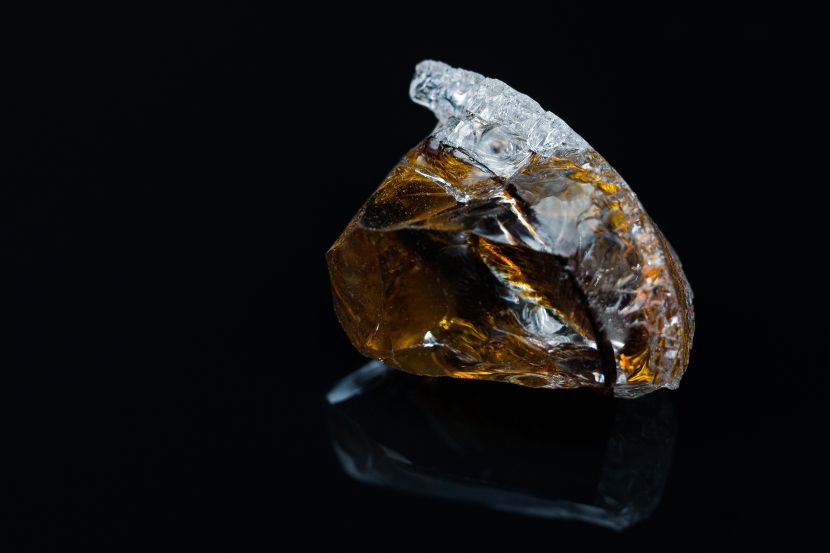
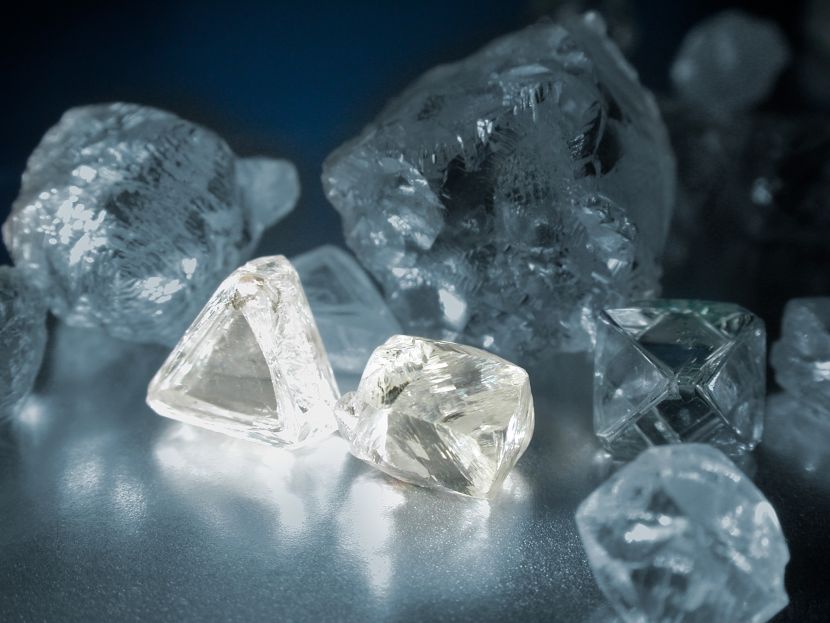
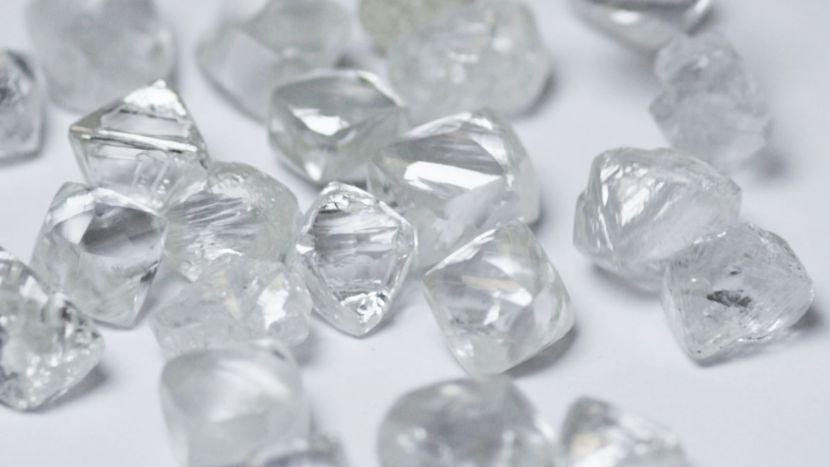
A diamond has high rates of light refraction and dispersion (scattering) of light, so even a colorless rough diamond shimmers with all the colors of the rainbow (let alone cut diamonds).
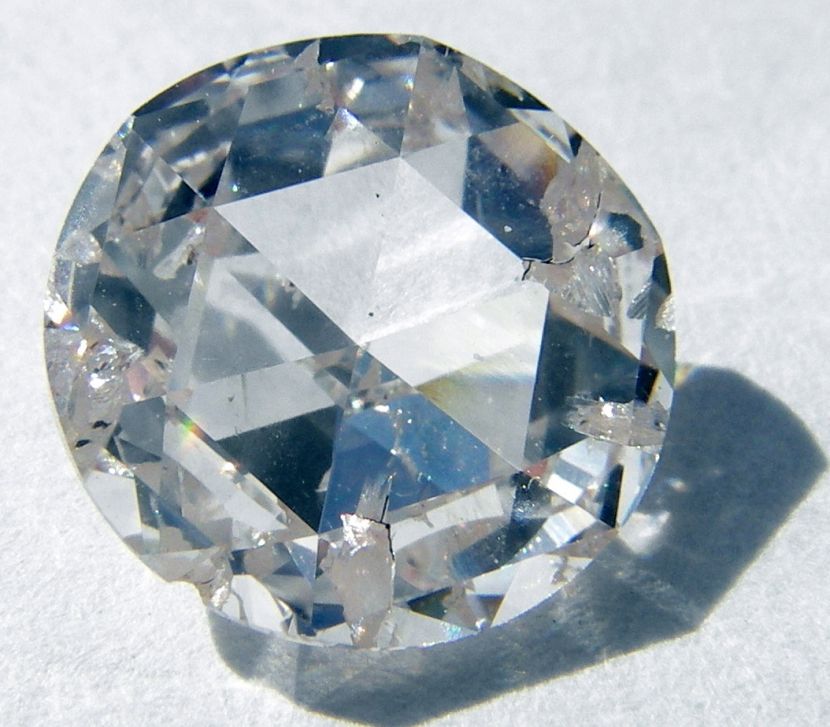
Diamond is resistant to high temperatures (burns at 850-1000 degrees Celsius), strong acids and high pressure.
A unique property is luminescence. Also, this stone cannot be seen on x-rays, but it glows bright blue under ultraviolet radiation.
Color varieties of stone
Pure white diamond is quite rare, in most cases the blue luminescence whitens the gem, even if it has a yellowish tint. The nature of the color of a diamond is unknown, since if in other minerals the content of various elements determined the color (corundum with chromium - ruby, and with titanium and iron - sapphire), then impurities are rare in diamonds. It is believed that the color is affected by violations of the natural structure.
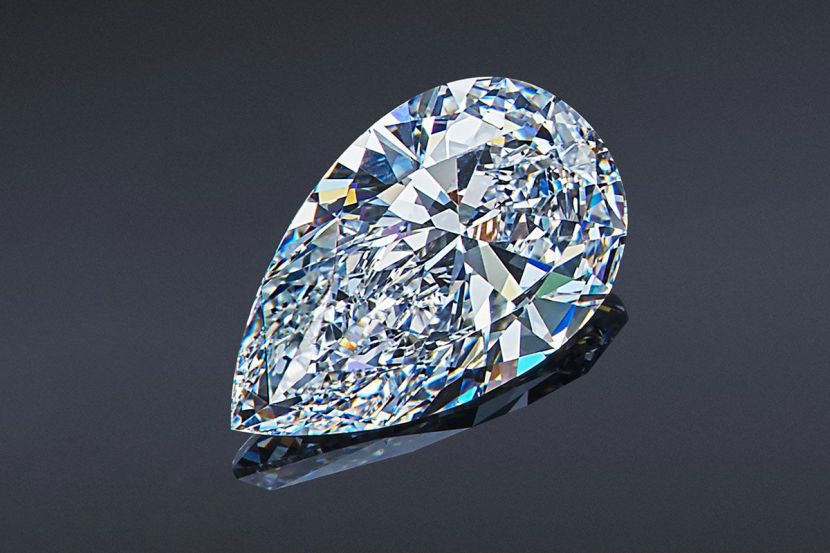
The presence of a rare and rich color significantly increases the price of a diamond. Nevertheless, a person has learned to ennoble a diamond, giving it one or another (most often blue) color under chemical and physical influence.
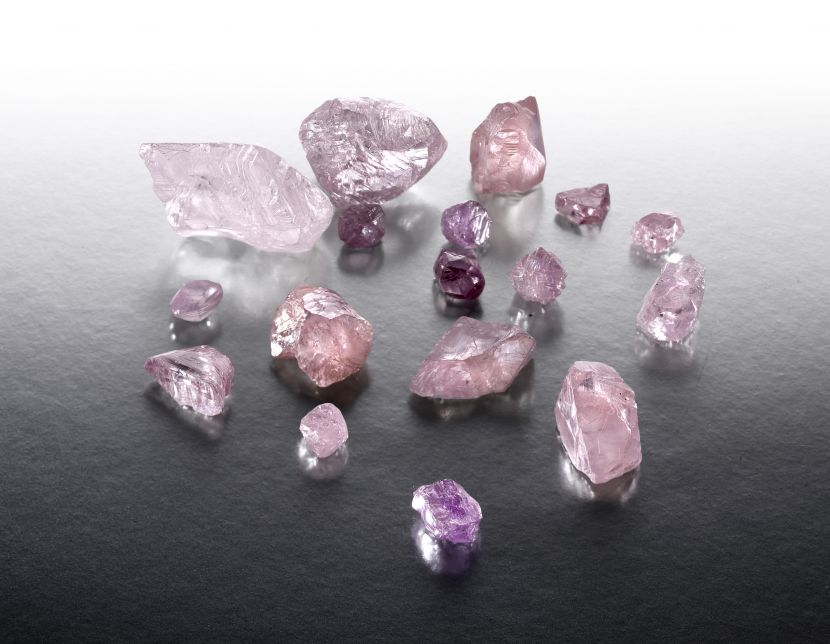
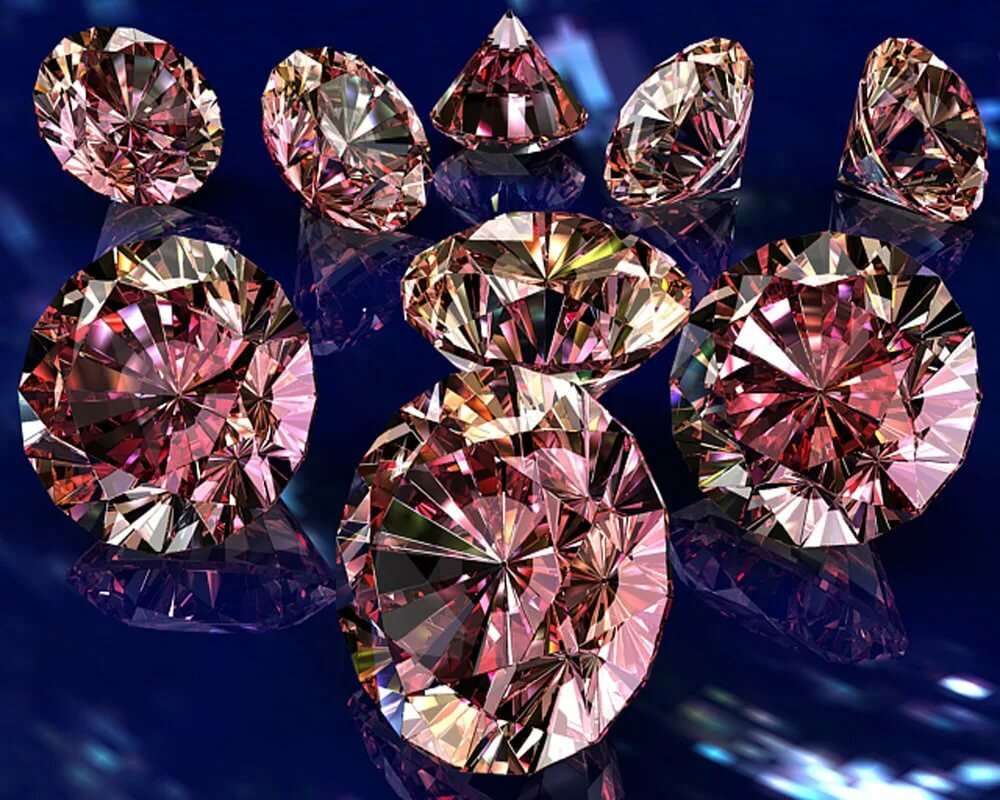
There are so-called fancy diamonds - diamonds of bright saturated color. Often such a stone is more expensive than an ordinary diamond.
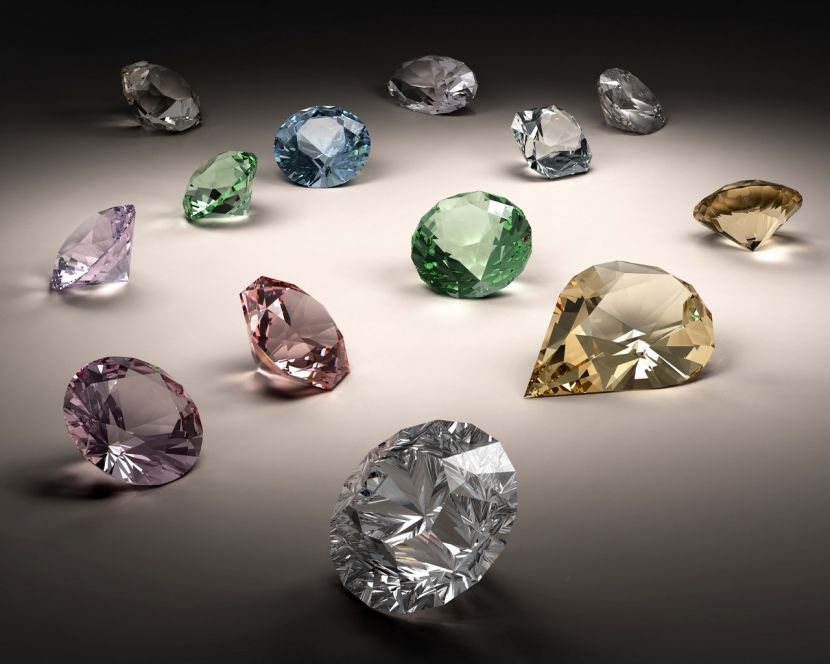
Diamond color palette:
Red is the rarest type of colored diamond, found in small quantities in Australia, South Africa and Brazil.
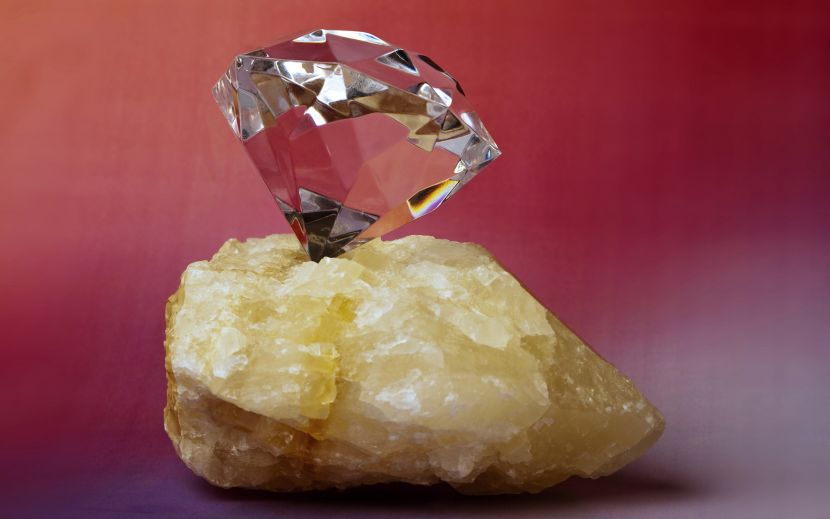
Orange is a rare type of diamond. This shade appears due to the presence of nitrogen atoms in the diamond structure.
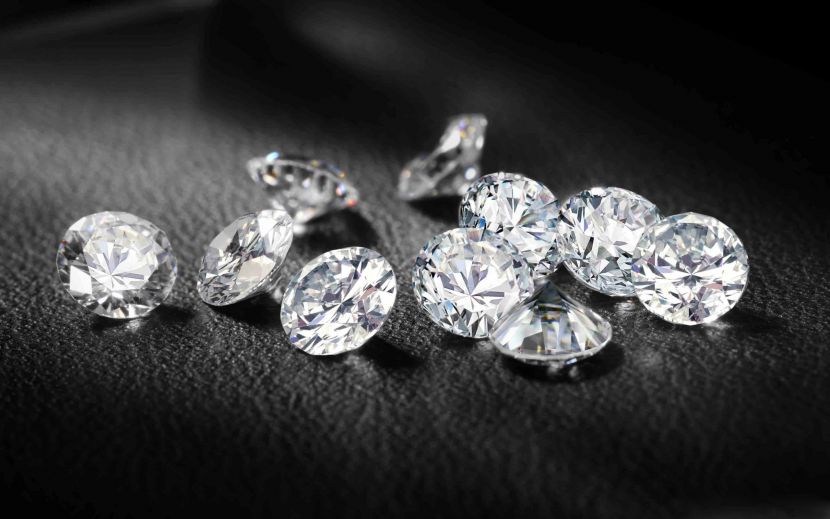
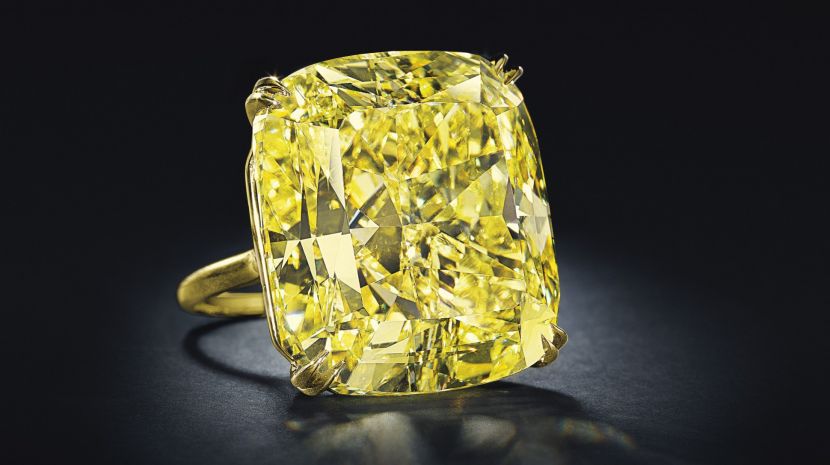
Yellow - such a diamond with a small presence of nitrogen in the lattice is quite common, therefore it is often used for industrial purposes, but the price of fancy yellow stones is much higher.
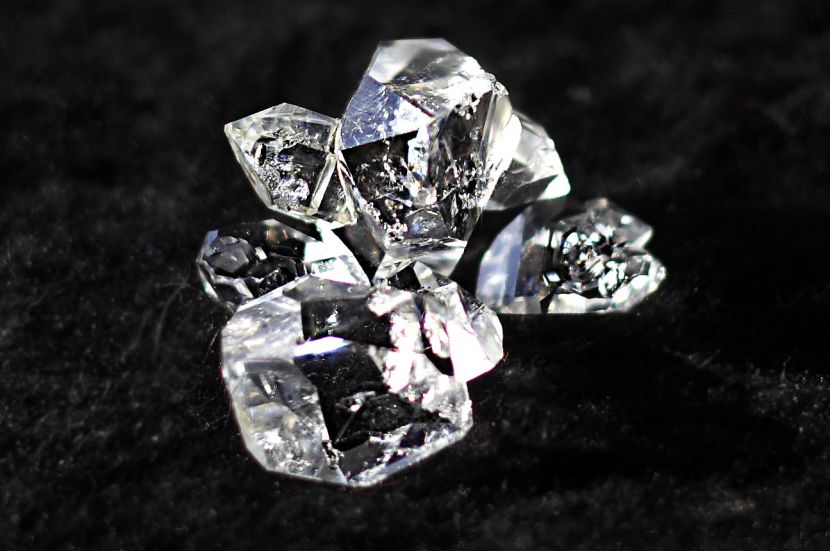
Green - unique diamonds that got their color due to exposure to natural radiation, but they are completely safe.
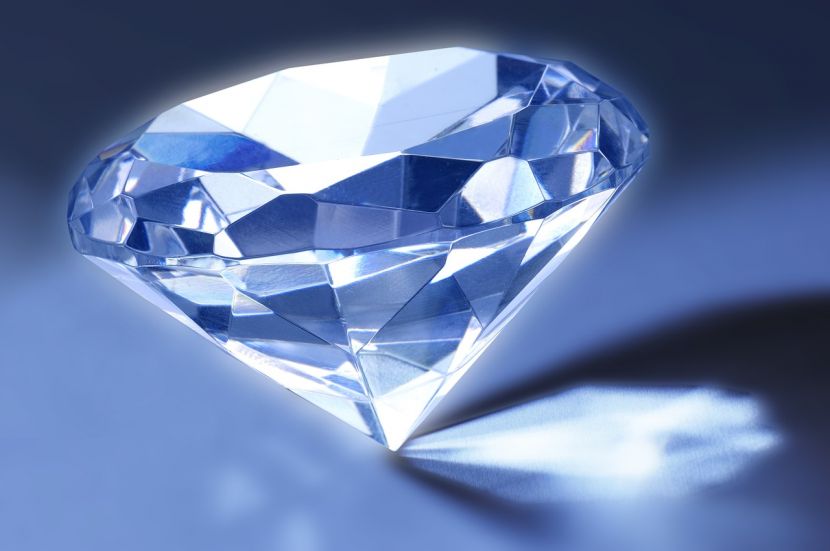
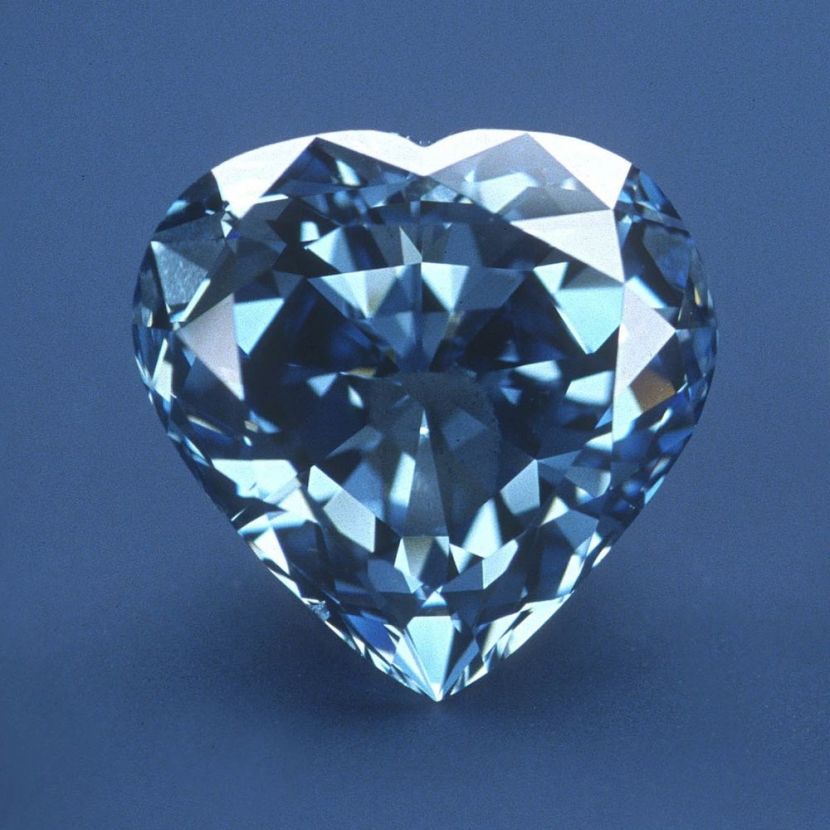
Blue is a beautiful diamond, but since you can often find azure diamonds in jewelry stores that have received this color by refining in the laboratory, it is not highly valued.
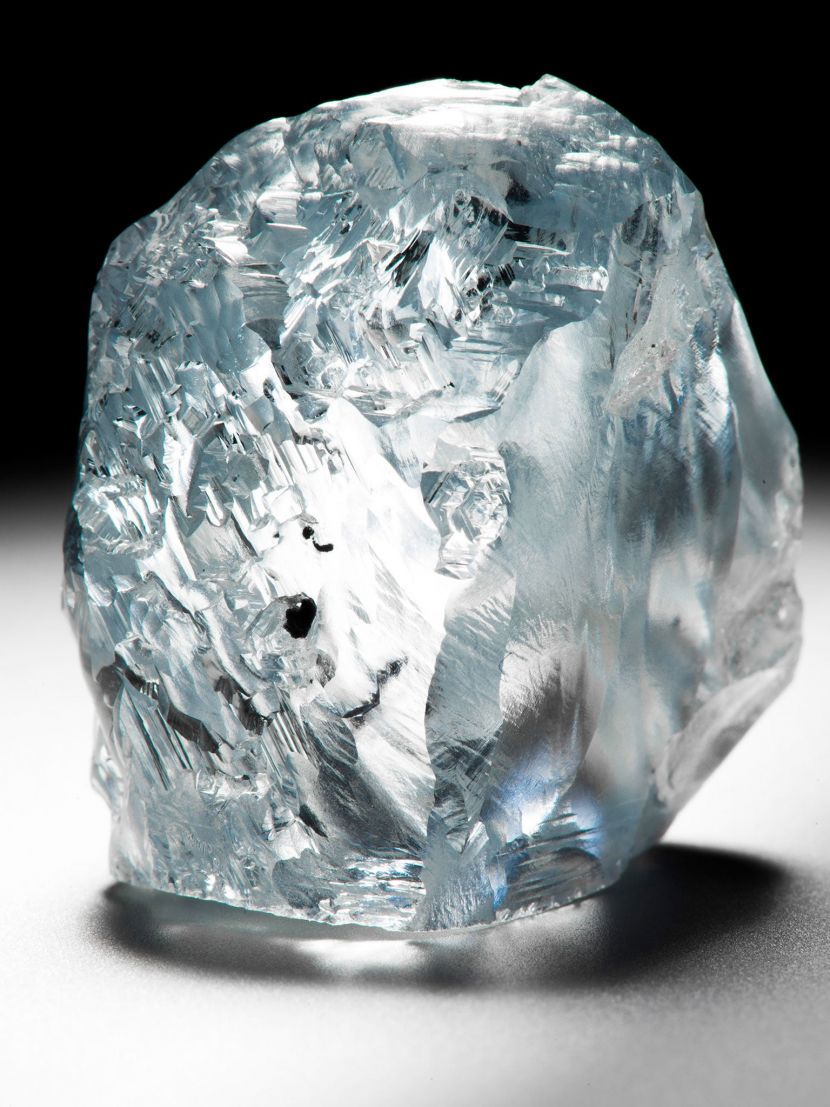
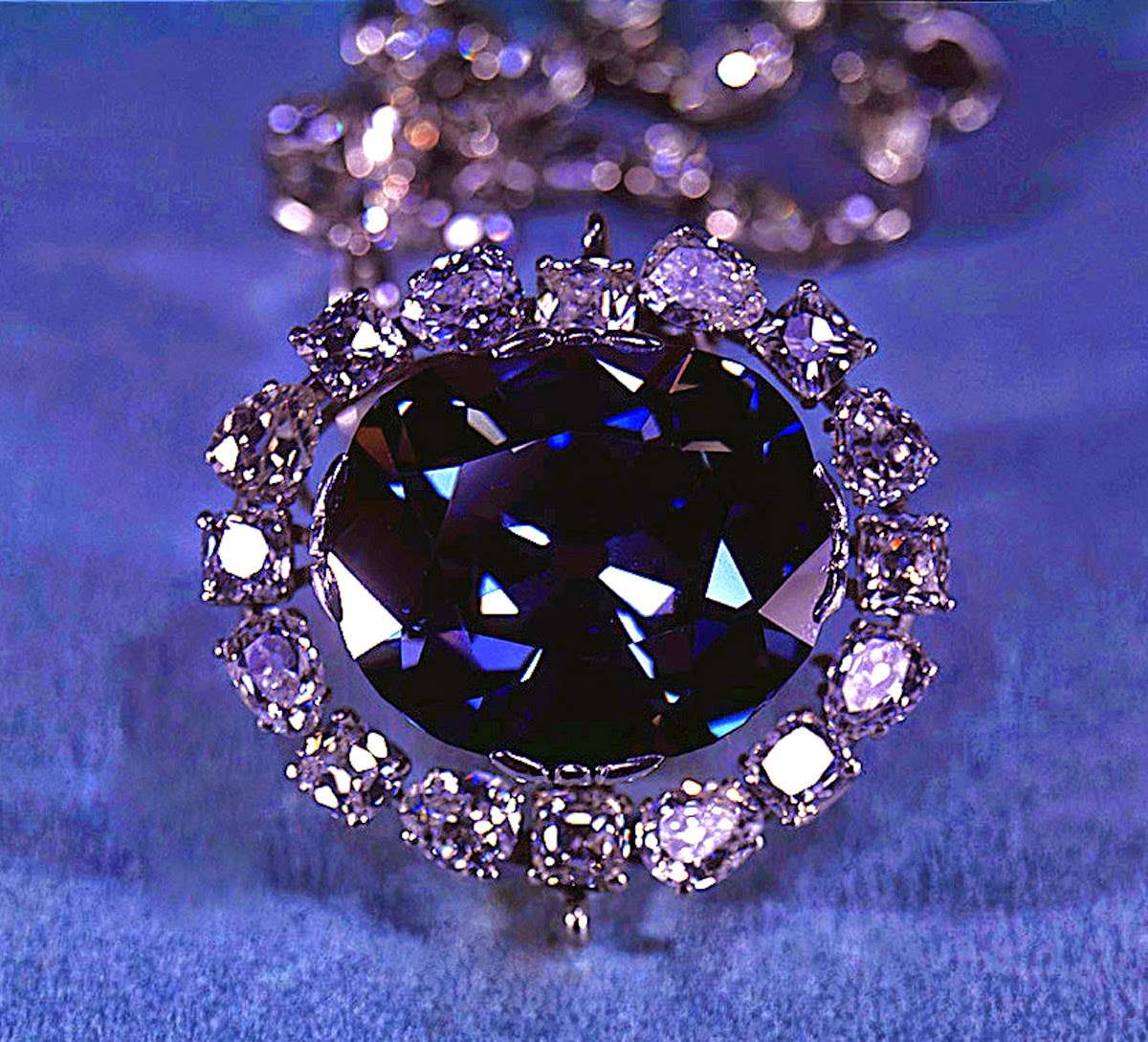
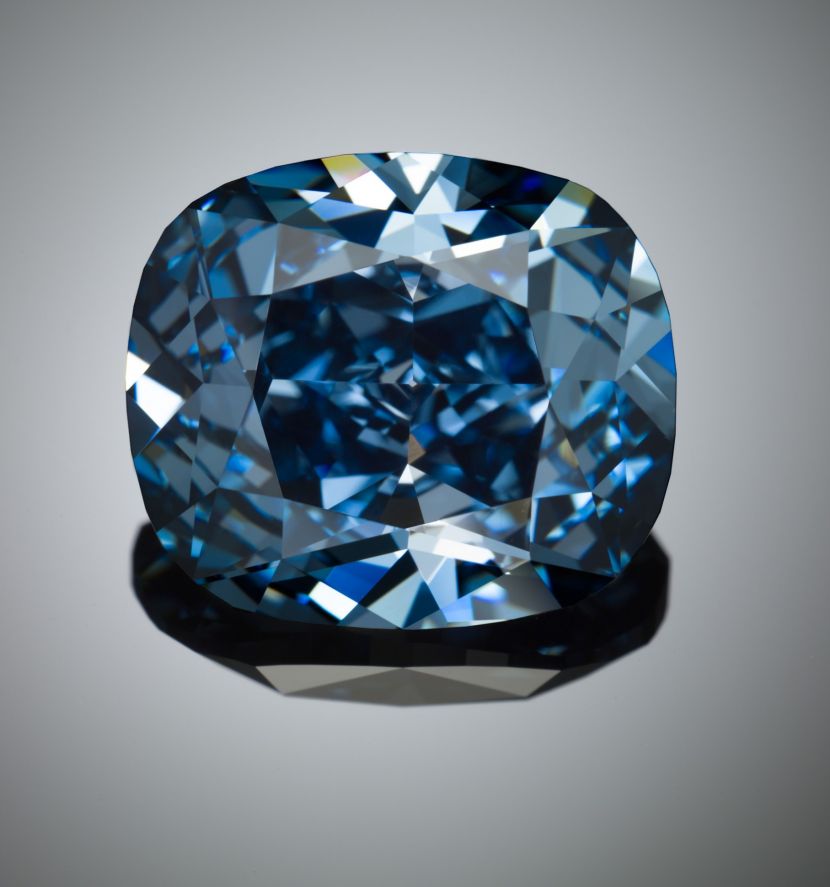
Blue - the reason for the blueness of such a rare stone is the presence of boron in the composition of the rock.
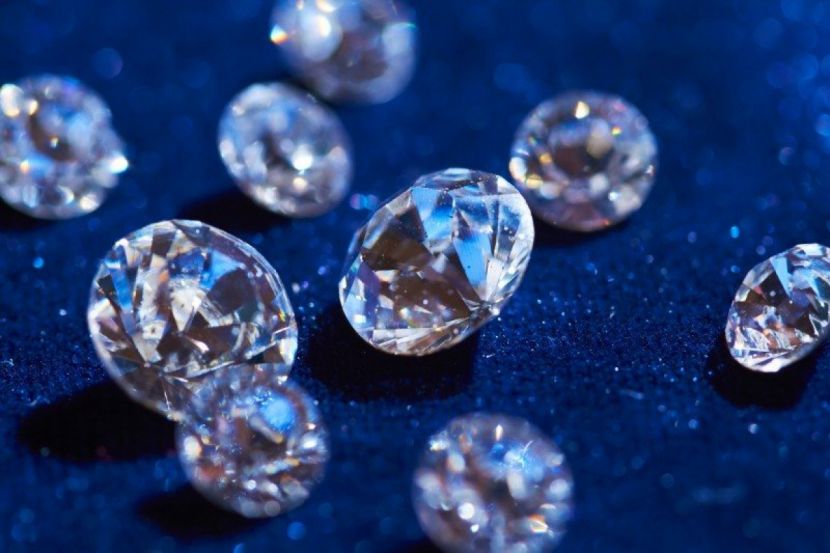
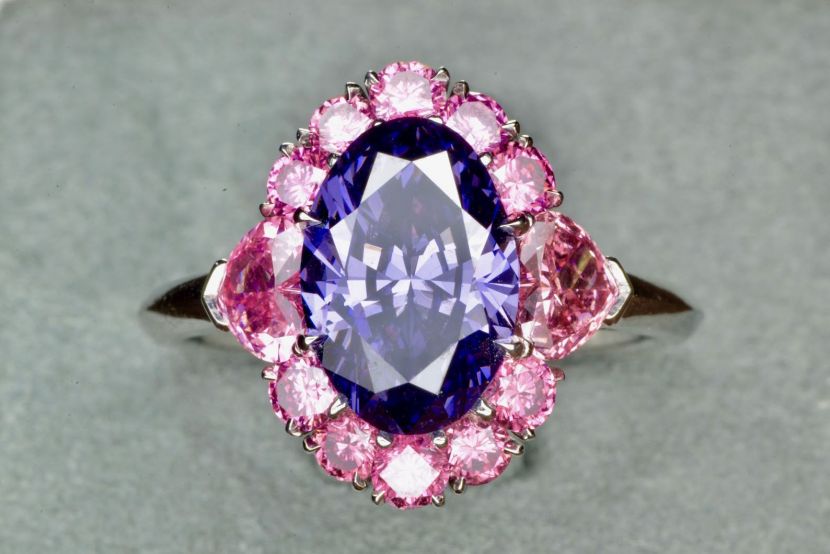
Purple is an extremely rare and expensive variety, of which there are very few representatives.The last such diamond was found in Australia in 2015.
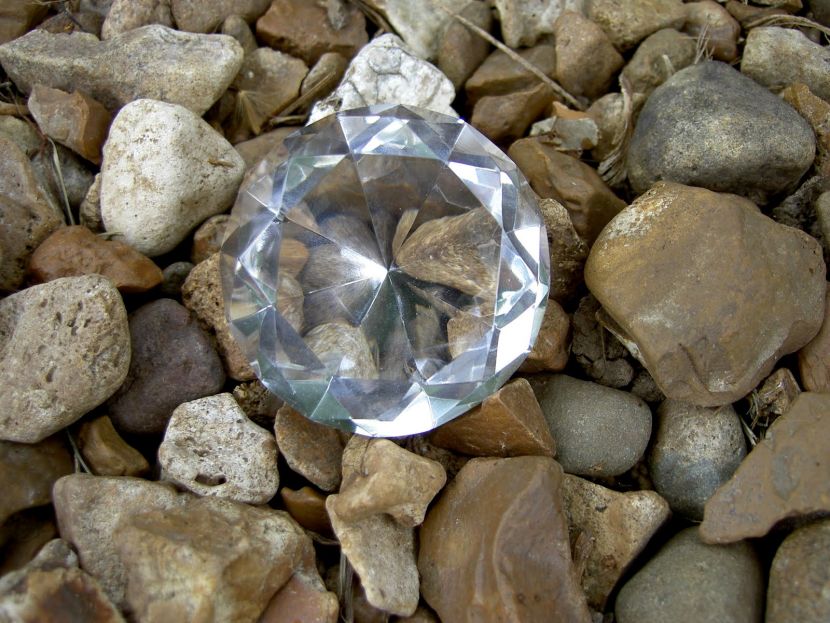
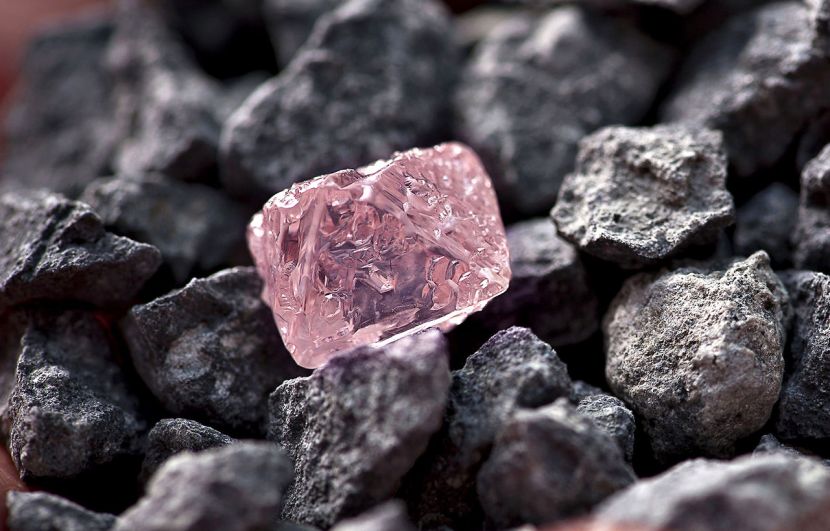
Pink is the second rarest type of colored diamond that is mined in Australia. There are suggestions that the diamond becomes so due to "seismic shock".
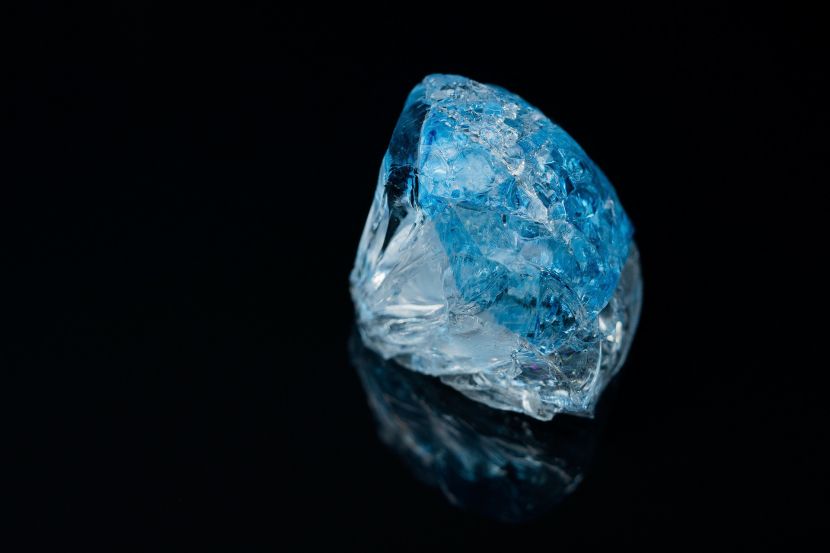
Black - can have two origins: either it is a carbonado (diamond with a polycrystalline structure), or a stone with such a huge presence of impurities that under jewelry treatment it gets a deep and rich black color.
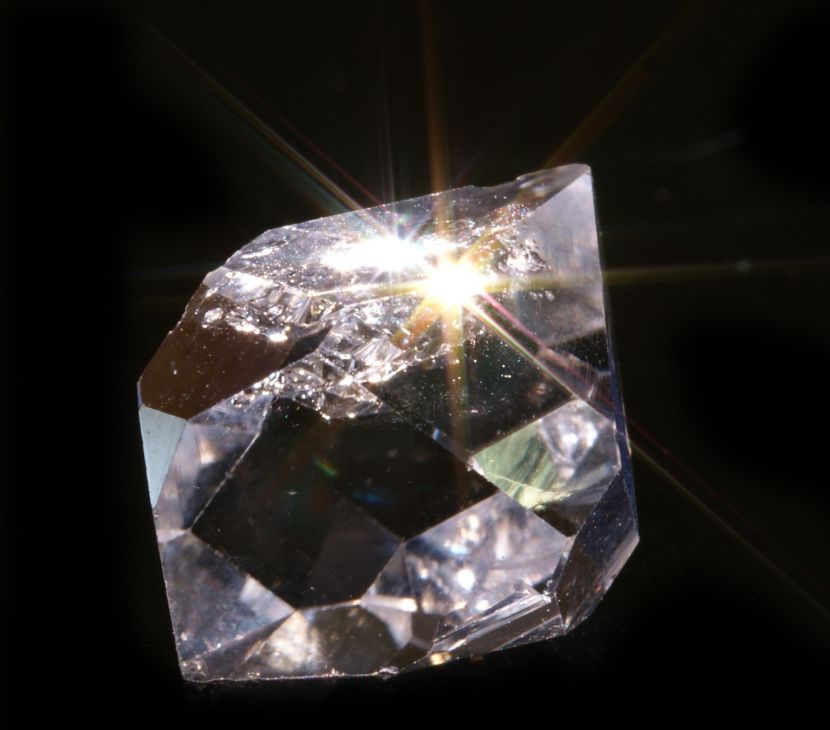
Brown is a very common variety, but specimens with a deep and rich color are highly valued. Brown diamond becomes due to the presence of impurities and inclusions.
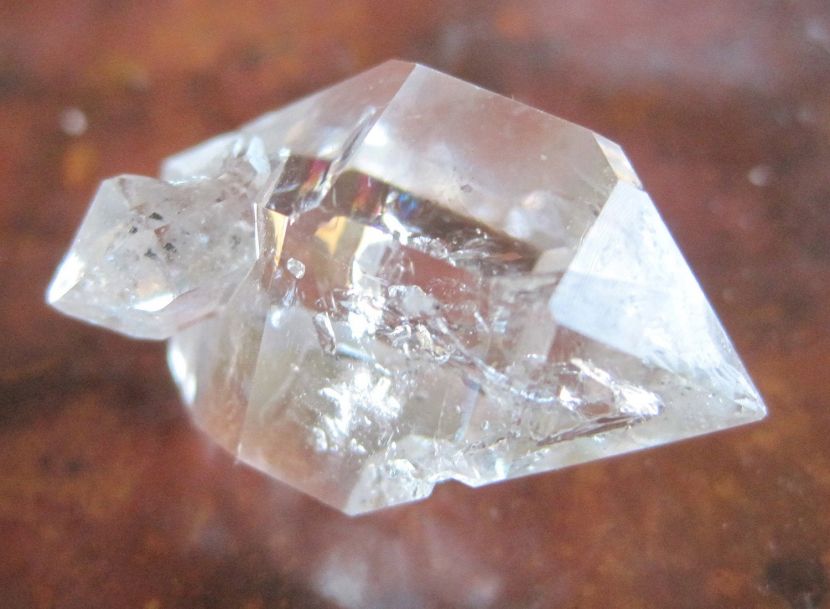
Properties
magical
A diamond is a proud and wayward stone. First, it must be given as a gift, not purchased for yourself, otherwise its magical properties will not work. Secondly, a diamond obtained by theft or in the course of another crime will only bring misfortune. Thirdly, strong, confident and decisive individuals will receive the help of the king of minerals, but the diamond will punish for weakness, softness and wrong deeds. Diamond loves those who are ready to be firm and persistent, like himself.
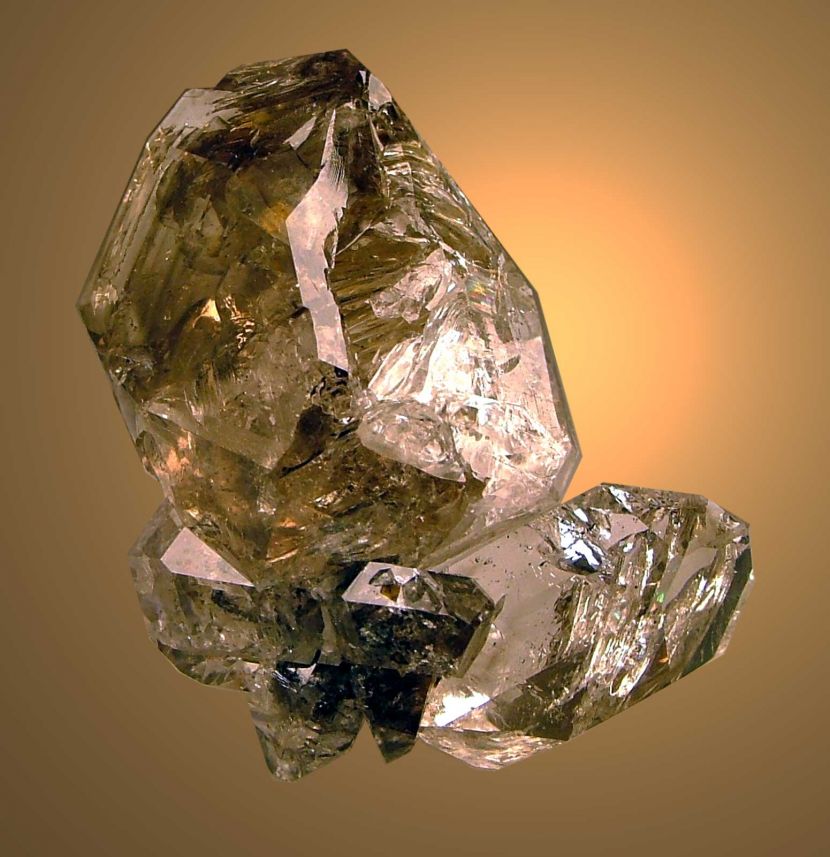
It is believed that a diamond can make a person bolder and more resilient, brighten the radiance of his aura, and also protect against black magic, being a powerful amulet. Also, if a diamond ring is worn on the left hand, then the gem will help a lonely person find a soul mate and make the marriage strong and happy.
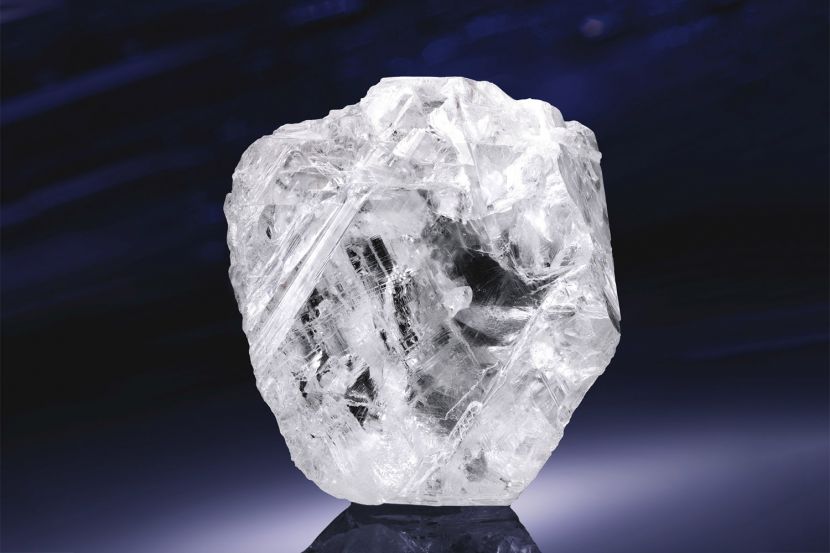
It is worth noting that fantasy diamonds have wild energy, so not every wearer will be able to curb it.
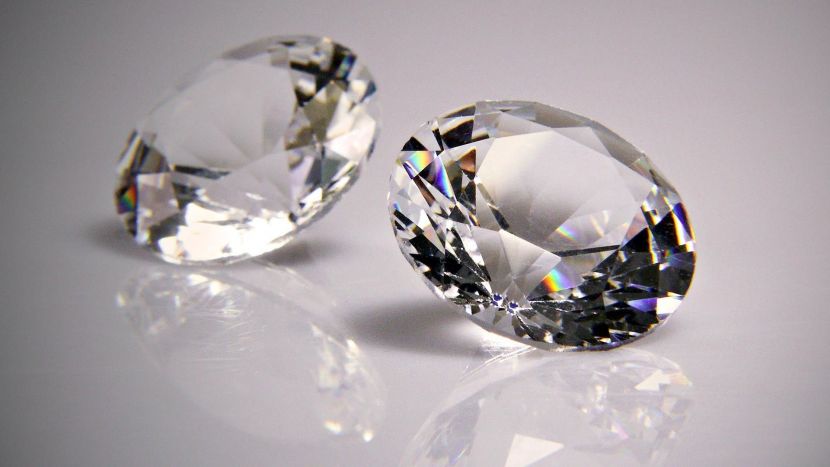
Healing
Diamond is highly valued by lithotherapists because of its versatility in medicine.This stone generally strengthens the body, helps with diseases of the kidneys, lungs, liver, stomach and heart, and also relieves any inflammatory process and normalizes blood pressure.
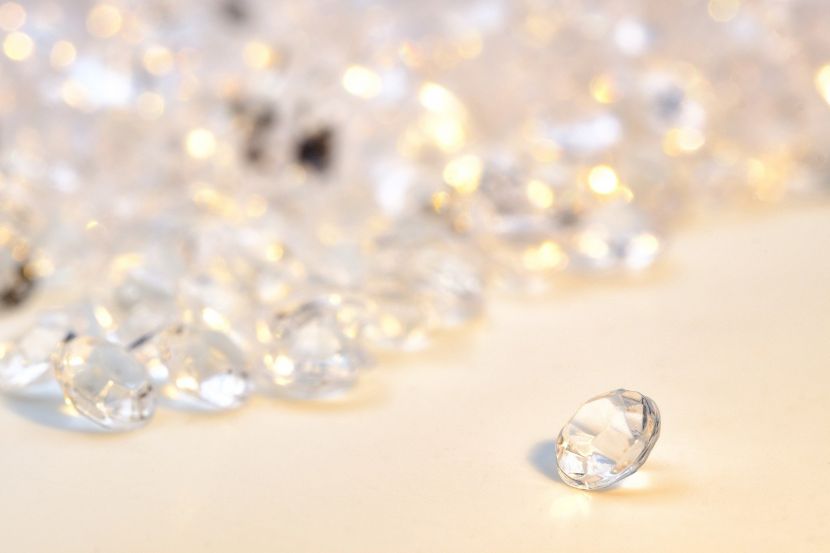
Diamond has a calming effect on the psyche, softening attacks of schizophrenia and other mental illnesses, relieving irritation, helping with insomnia, etc.
The properties of diamond also help to reduce the likelihood of complications and congenital diseases of the fetus during pregnancy and birth.
Stone and zodiac circle
Diamond's favorites are representatives of fire signs (Aries, Leo, Sagittarius), but he does not really respect water signs. It is neutral to air and earth.
Ideal stone Aries and Libra. Diamond will enhance the natural assertiveness and endurance of Aries, and Libra will help to become more determined and self-confident. Fish are the most unsuitable carrier of diamond, as they are too soft and delicate for a hard mineral.
It is best to wear white stones as they are the most versatile. Such specimens are suitable for everyone except Pisces.
How to distinguish from a fake
Diamond is the most coveted stone, so it is not surprising that you can accidentally buy jewelry with a fake stone in the market. Most often, under the guise of a diamond, rock crystal, cubic zirconia (synthetic gemstone) or just a cut piece of glass are sold. For the sake of beauty, you can buy such a thing, but if the buyer needs a real stone, then it is worth checking it for authenticity.
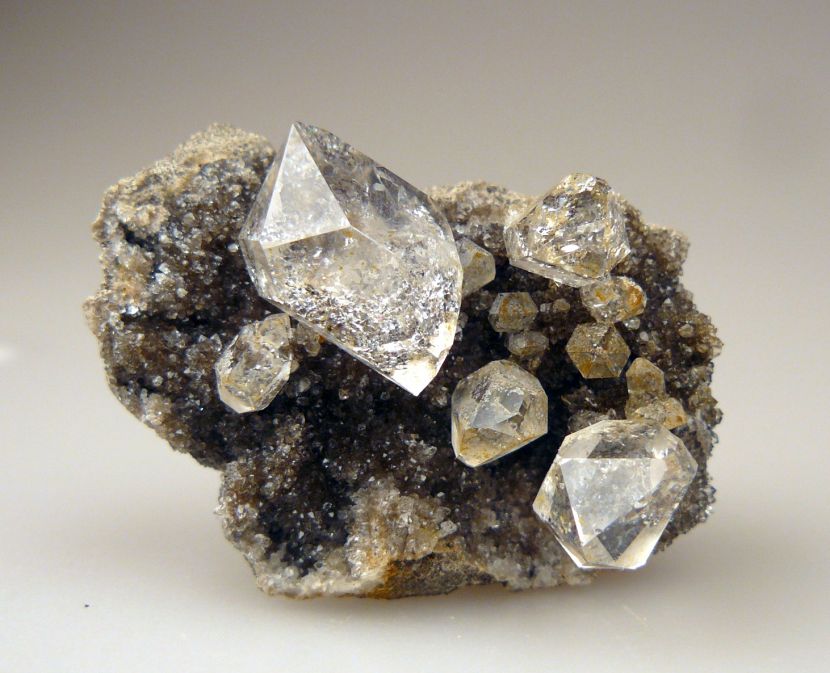
There are laboratory methods, for example, a special tool for testing the thermal conductivity of a mineral. And yet, after the purchase, it is not always possible to return a diamond if it turns out to be a fake, so there are easier ways to determine a natural stone.
Here are examples of how you can identify a natural gem:
- Diamond glows under ultraviolet light, unlike glass imitation;
- The stone will not sweat if you breathe on it;
- There are special fat felt-tip pens that, when applied to a real diamond, leave a straight line, and a dotted line on another mineral;
- If, under bright lighting, you look at a cubic zirconia crystal through a magnifying glass with a twelvefold increase, then the effect of doubling the faces will appear, which is absent in a natural gem.
Application
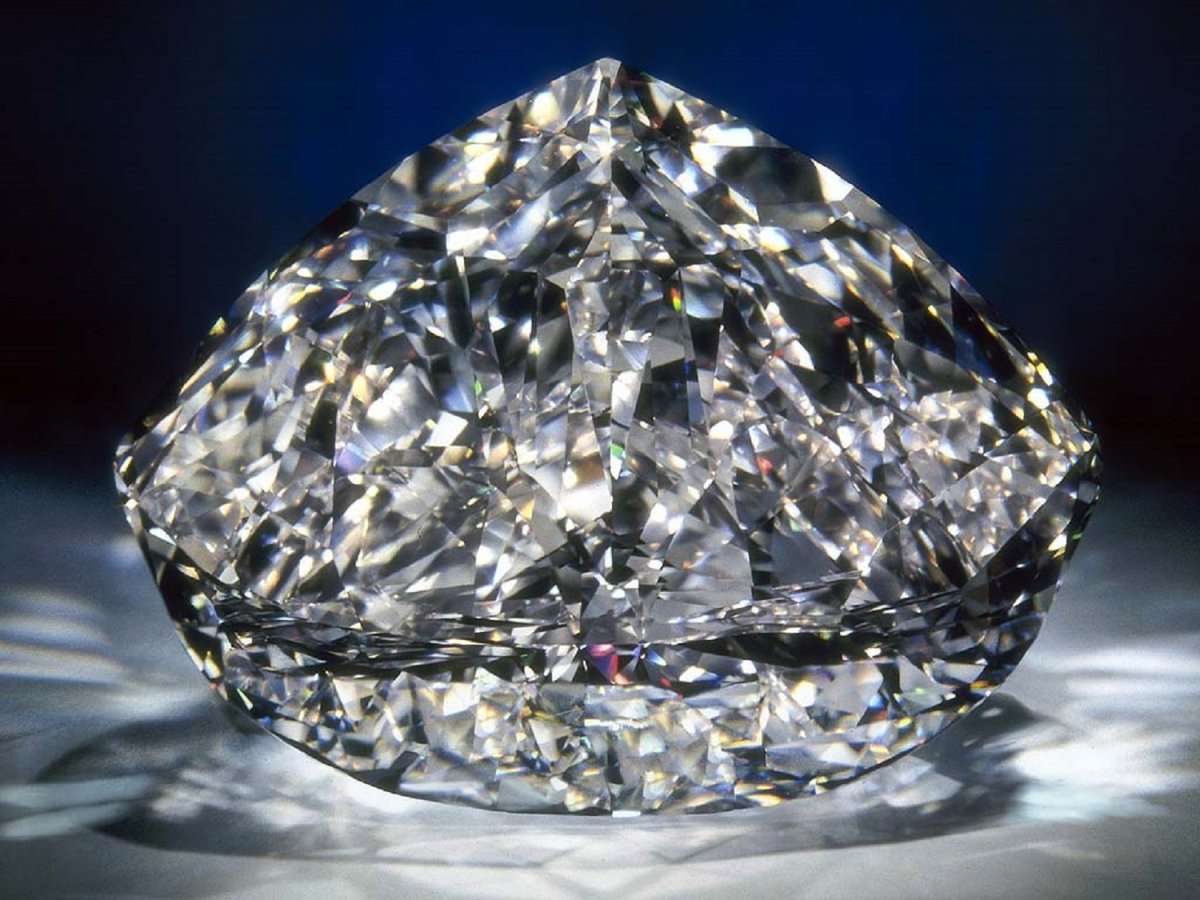
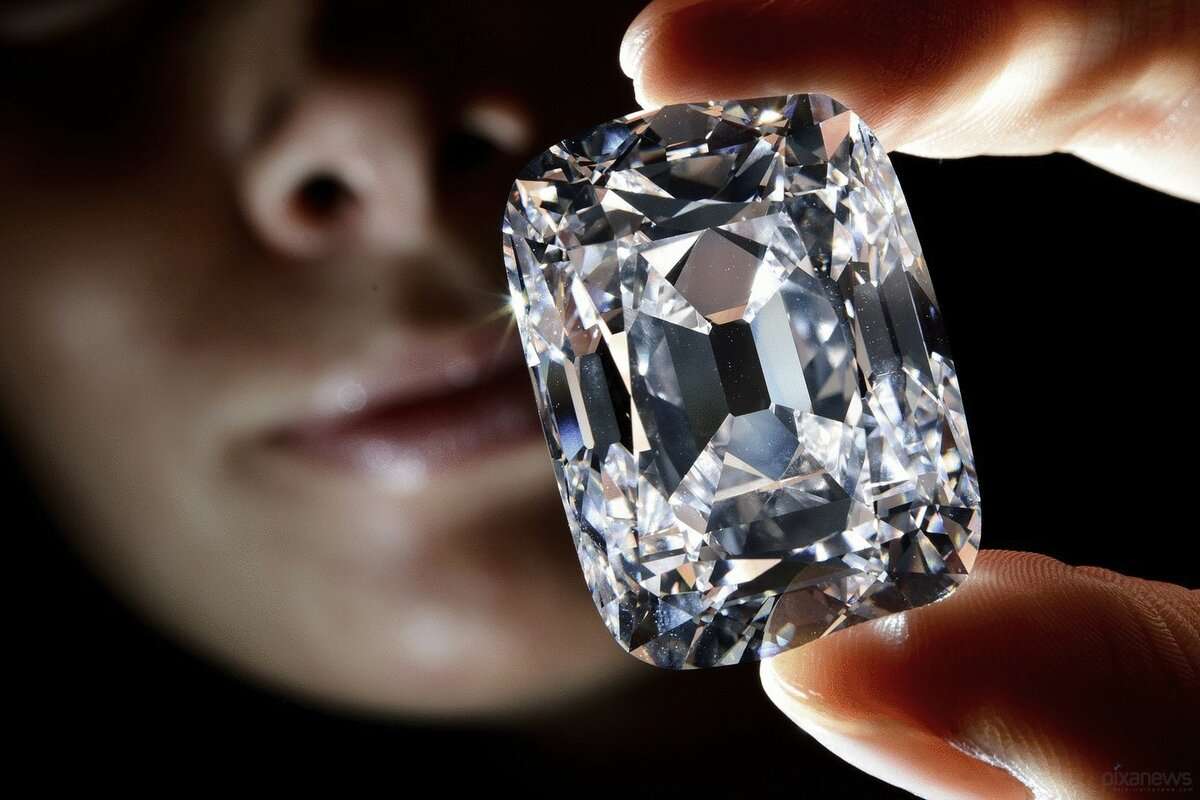
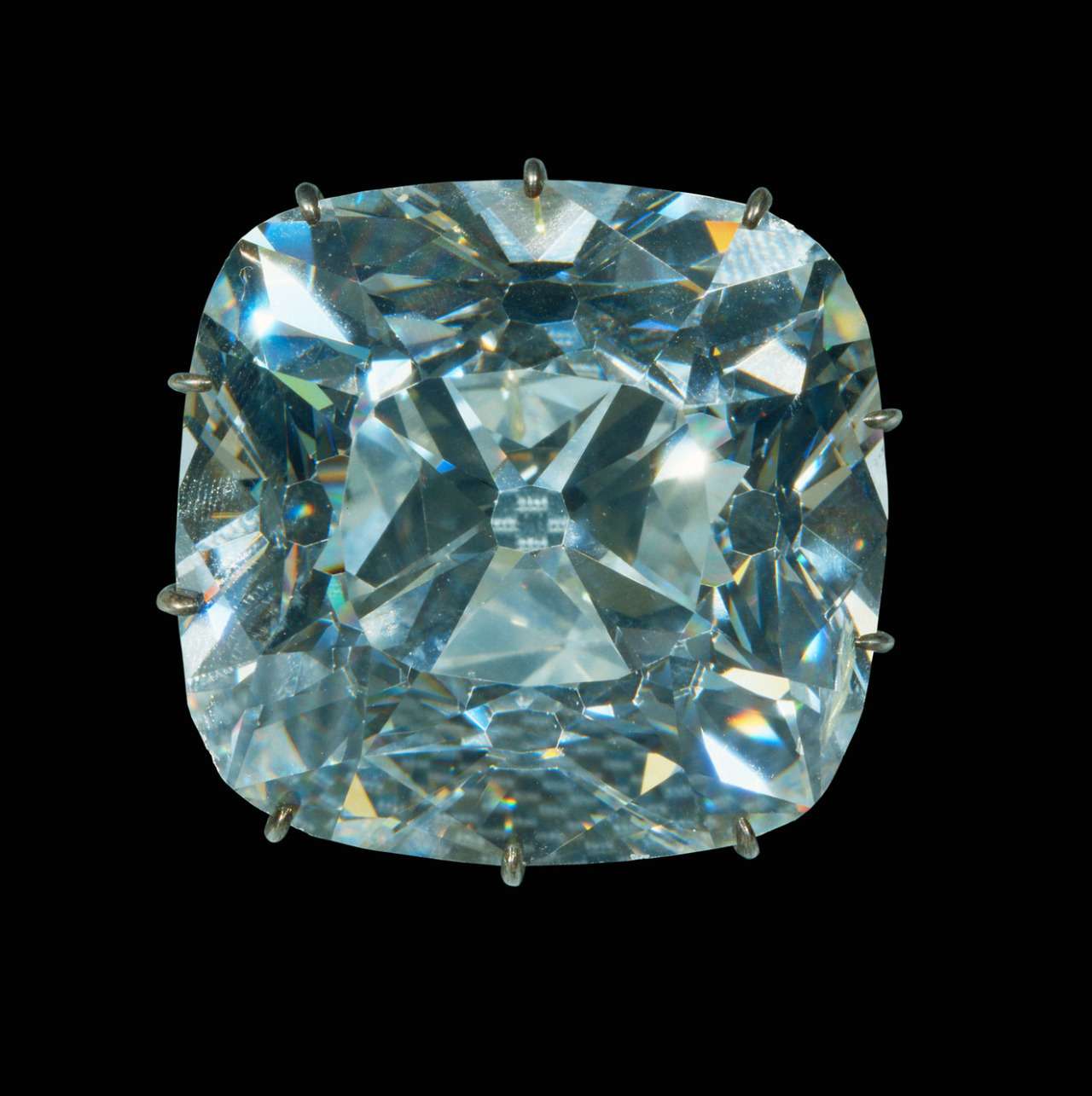
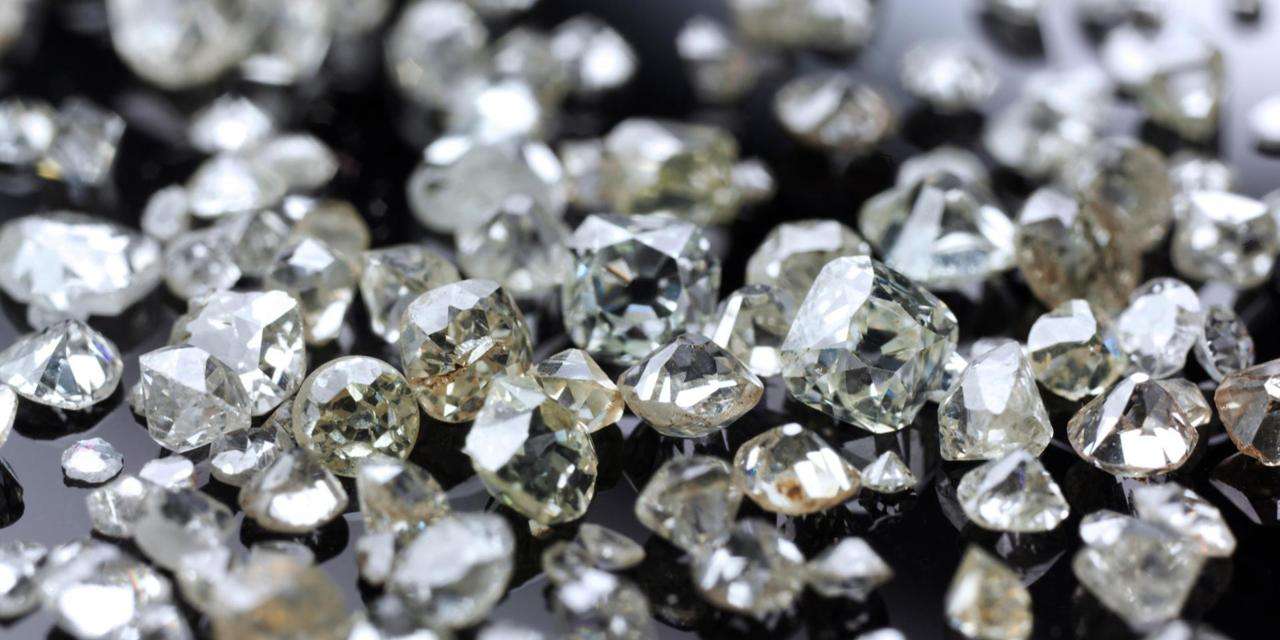
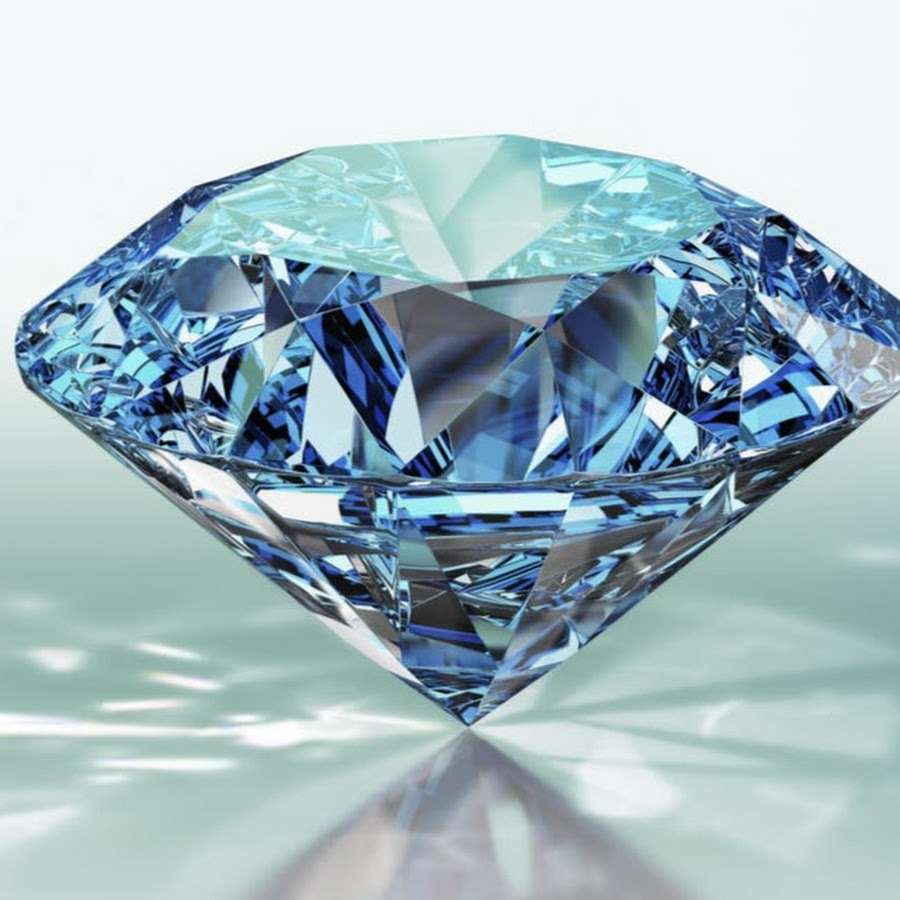
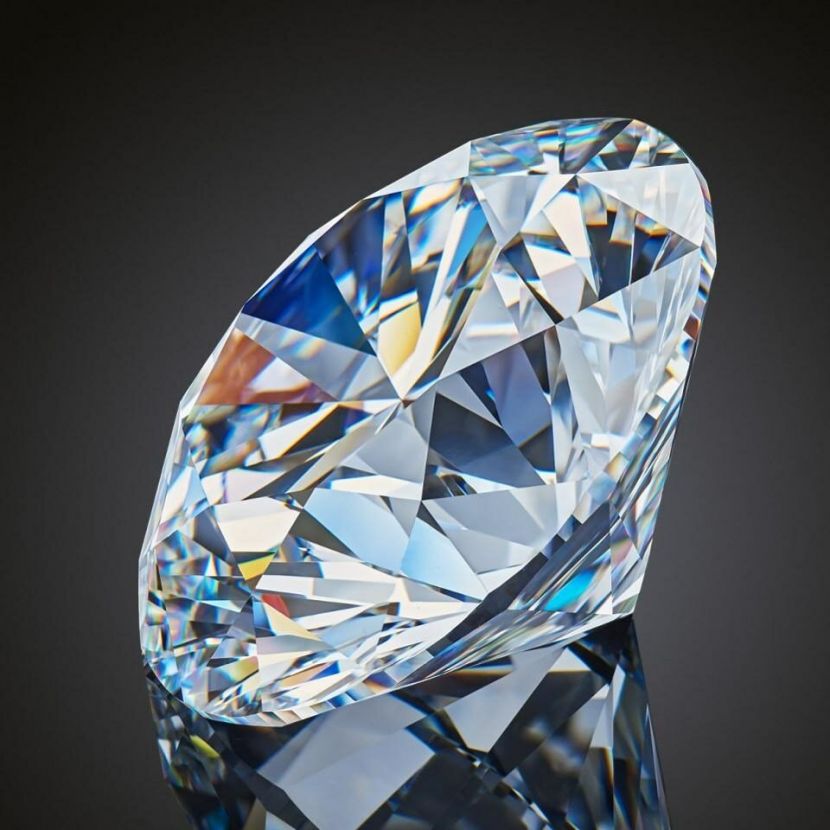
Not every mined diamond becomes part of a piece of jewelry, but it is still widely used. Therefore, when you look at a photo of a diamond stone, you might think about how many other such stones have not been set in jewelry. Diamond dust and small pieces of pebbles remaining after processing are used in many areas. Naturally, the use of diamonds in industry is expensive, so for these purposes in the 20th century a method was invented to create an artificial material, which consists in applying high pressure and temperatures to graphite. True, jewelry from such a synthetic mineral can no longer be made.
In surgery or mining, diamond dust is mainly used for cutting. In the first case, a scalpel with such an addition leaves thin and even cuts. In the second case, for cutting rocks. More diamond chips are used to cut other diamonds.
Also, this stone is used in the construction of various complex devices, reducing the risk of overheating and increasing strength and stability.
Conclusion
This mineral is unique, so it was not in vain that from ancient times it was revered and glorified, because a diamond is probably the most perfect thing that nature has created. No wonder he is called the king of all gems.
Photo stone Diamond