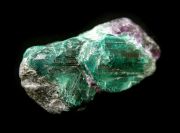
Gemstone Brilliant - photo, properties, compatibility with other stones, fakes
Of all the precious stones, diamonds stand out not only for their price, but also for their special properties. Diamond is the hardest of natural gems, its refractive index is higher than that of any other stone used in jewelry.
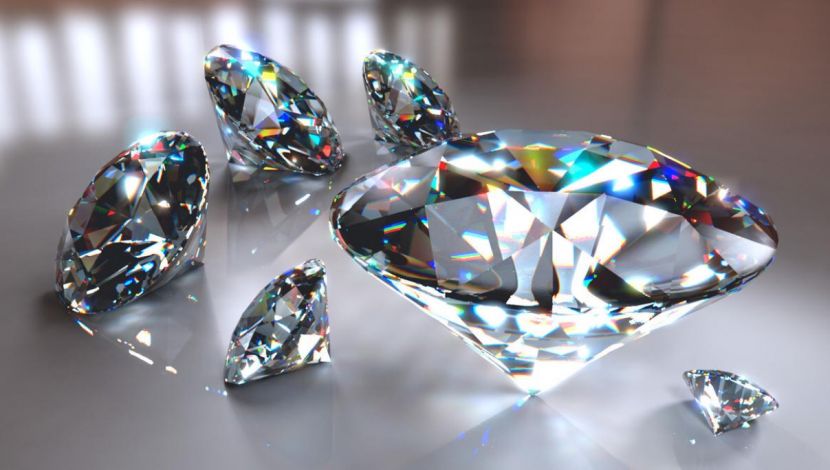
This gem testifies to the high social status of its owner.
History and origin of the name
The name "Brilliant" comes from the French brillant - brilliant, sparkling.
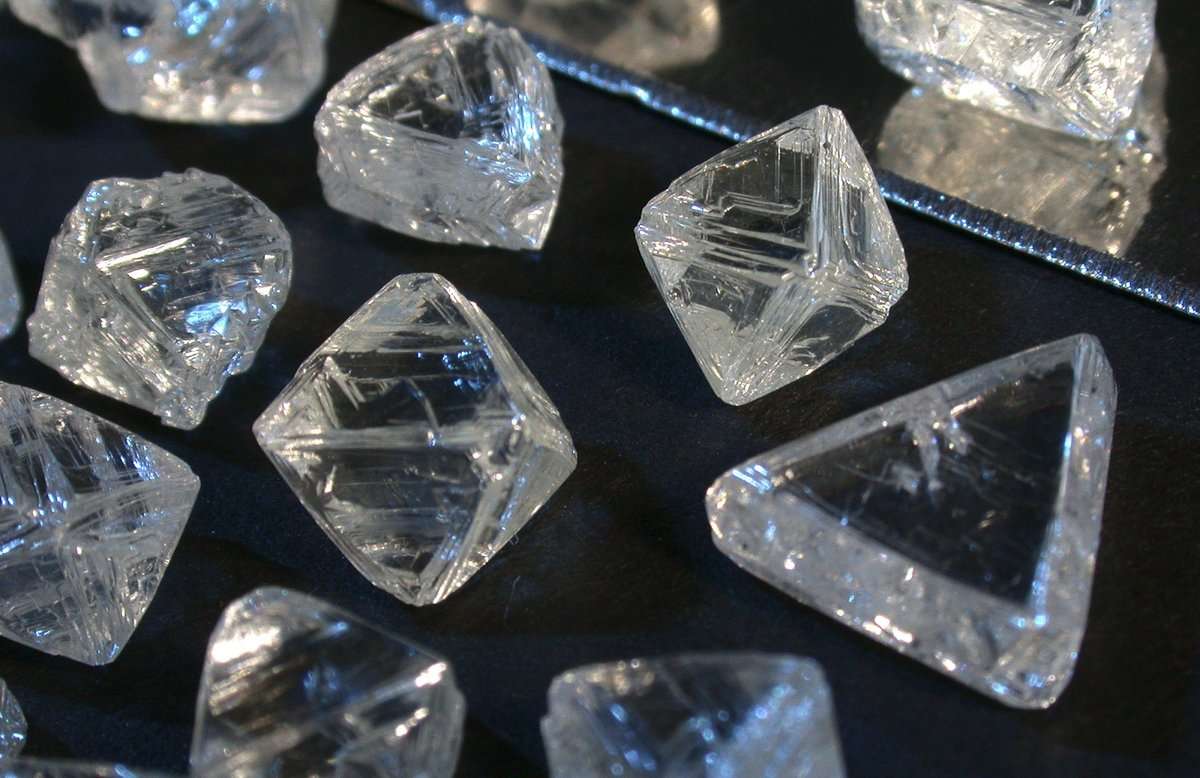
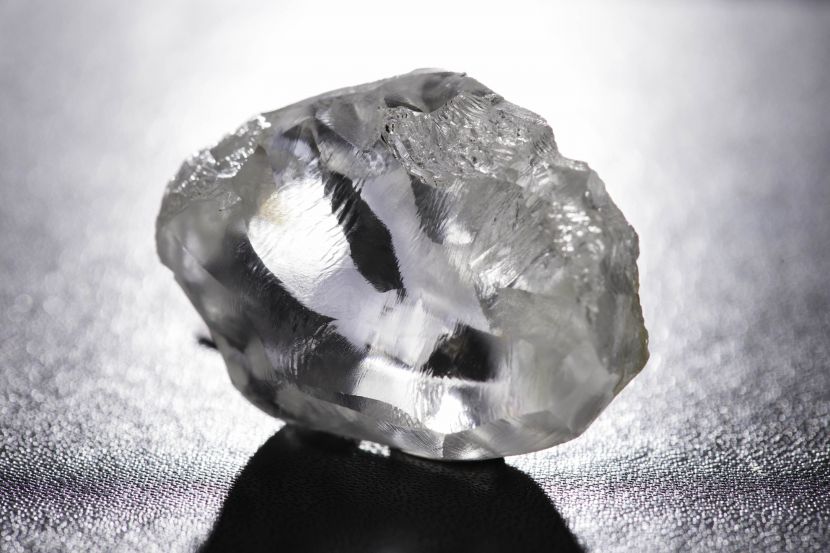
Diamonds have been known for 6,000 years. In the east of the Deccan Plateau in India, it was found in ancient times, but the stone was little valued. The fact is that diamond has the highest hardness among minerals. There was simply nothing to cut him off. Therefore, only one face was polished, which did not allow us to see the play of glare.
It was not until 1465 that Ludwig van Berkem, a jeweler from Burgundy, was able to cut a rose-shaped diamond. The gem was very liked by Charles the Bold, who ruled Burgundy, and even more so by his favorite Agnes Sorel. Since then, the hype around diamonds has begun.
Place of Birth
There are diamond deposits on all continents. They have not yet been found only in Antarctica, but kimberlite pipes have been found there as well.By the end of the 19th century, the Indian deposit was completely depleted, but as early as 1727, excellent diamonds were found in Brazil in the Minas Gerais deposit, and then in the Bahia River basin.
Currently, most of the diamonds are mined in southern Africa. The first precious stones were found in 1867, and already in 1871, the development of a kimberlite pipe began on the farm of the De Beers brothers. The brothers themselves did not take part in the extraction, but in a few years the value of the farm increased a thousand times. By the end of the century, the number of miners who mined diamonds in the Big Hole reached 30 thousand people.
In Russia, the first diamond was found by 14-year-old serf prospector Nikita Popov. It happened in July 1829 at a gold mine in the Perm region. The Humboldt expedition that arrived here was able to find two more stones. But things did not go beyond extremely rare finds. In 28 years of searching, only 131 stones were found.
In 1897, a 2/3 carat diamond was found in Yeniseisk, but the next discovery of a diamond in Siberia had to wait another half a century. In 1954, the first kimberlite pipe outside of South Africa was discovered in Yakutia.
The depth of the Mir quarry is 535 meters, and the diameter is 1.2 km. To deliver the rock to the top, dump trucks rolled 8 km in a spiral. After working out in 2001, the quarry was closed, and in 2009 the Mir mine began to work to extract diamonds located to a depth of one kilometer. In 2014, 1.46 million carats of diamonds were mined here, but after a water breakthrough in 2017, work at the mine was stopped for several years.
In addition to Yakutia in Russia, diamonds are found in the Arkhangelsk Region and the Perm Territory. Diamond mining in the Arkhangelsk kimberlite pipe.Now only half a million carats are mined a year at this quarry.
Russia produces one third of all diamonds mined in the world. Botswana, South Africa and Angola produce another third, while Canada, Australia, Namibia, Zimbabwe, Congo, Tanzania, Central African Republic, Ghana, Guinea, Liberia, Sierra Leone, Brazil, Venezuela and the USA account for the rest.
Interesting: The largest diamond found in Russia "XXVI Congress of the CPSU" weighing 342.5 carats was mined in the "Mir" quarry on December 23, 1980.
Diamond mining, even by open pit mining, is a very difficult and expensive task. First, 50 meters of soil are opened, and then the rock is taken to the mining and processing complex, where diamonds are separated from the rock. On average, there are 0.5 tons of waste rock per 1 carat of diamonds.
At the current rate of production, explored diamond reserves will last for decades. Most of the mined stones are used for industrial needs. But you don’t have to worry about the fact that there will definitely be enough diamonds for our lifetime. Diamonds have learned to receive artificially.
In 2012, information about the Popigayskoye field in Yakutia was declassified. 36 million years ago, an asteroid fell into this place, leaving a crater with a diameter of 200 km. It was here that impact diamonds were discovered, the reserves of which are estimated at several trillion tons. They will last for millennia.
Physical Properties
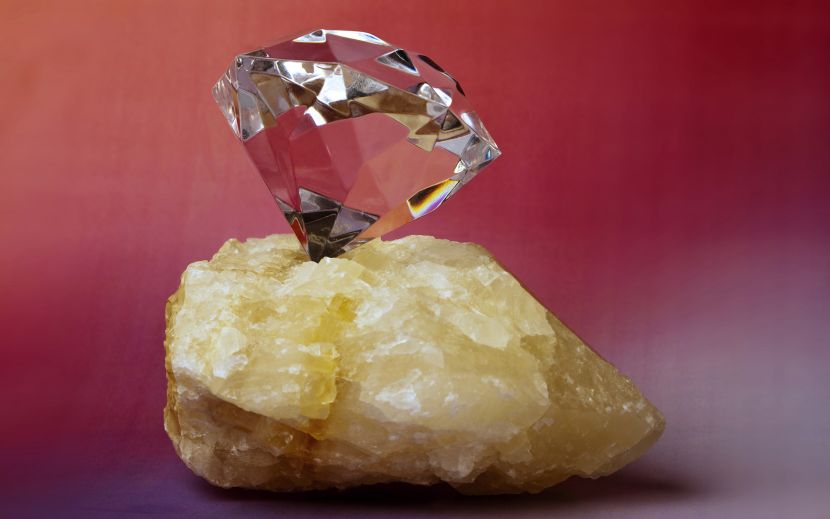
The diamond has a hardness of 10, diamond brilliance. Transparent. Syngony is cubic. The fracture is conchoidal to splintery. The stone is fragile. The color can be white, yellow, brown, red, blue, blue, pink and black. Density 3.47-3.55 g/cm3. Refractive index 2.417-2.419.
Chemical properties and composition
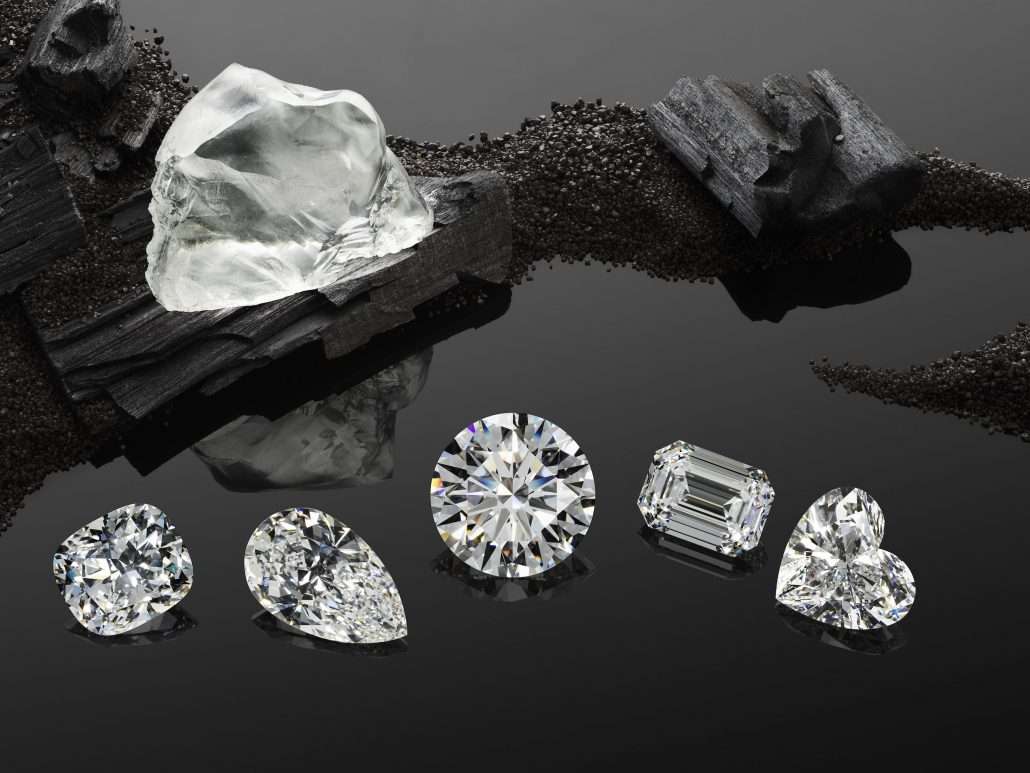
A diamond is a cut diamond that is pure carbon.Unlike graphite and coal, diamonds are formed at pressures of more than 70,000 atmospheres and temperatures above 1300°C.
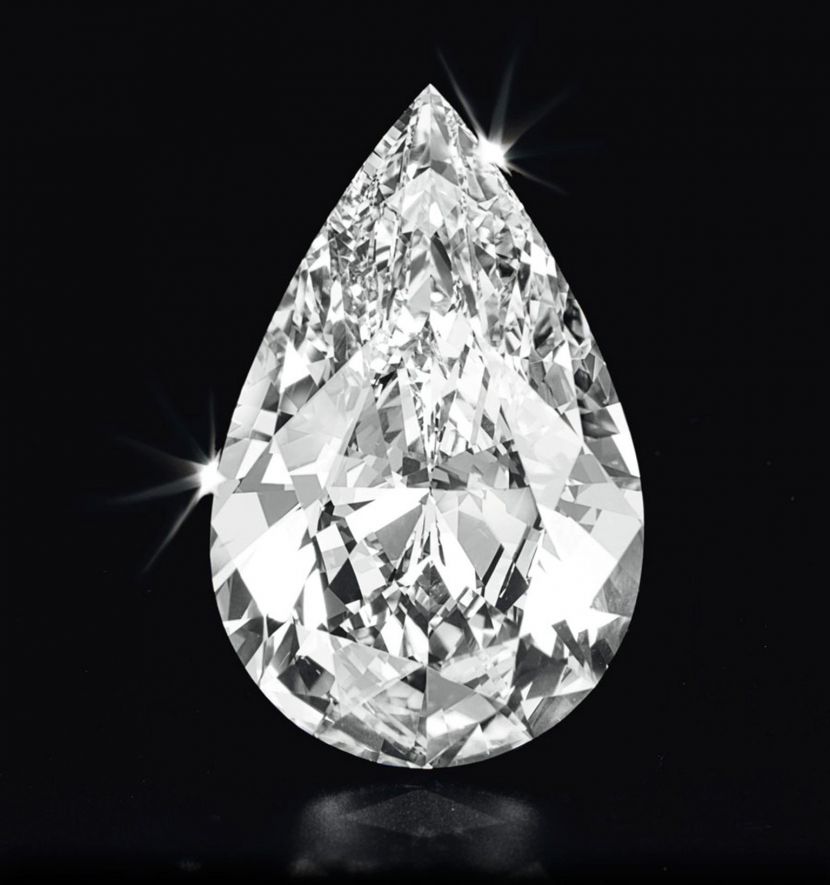
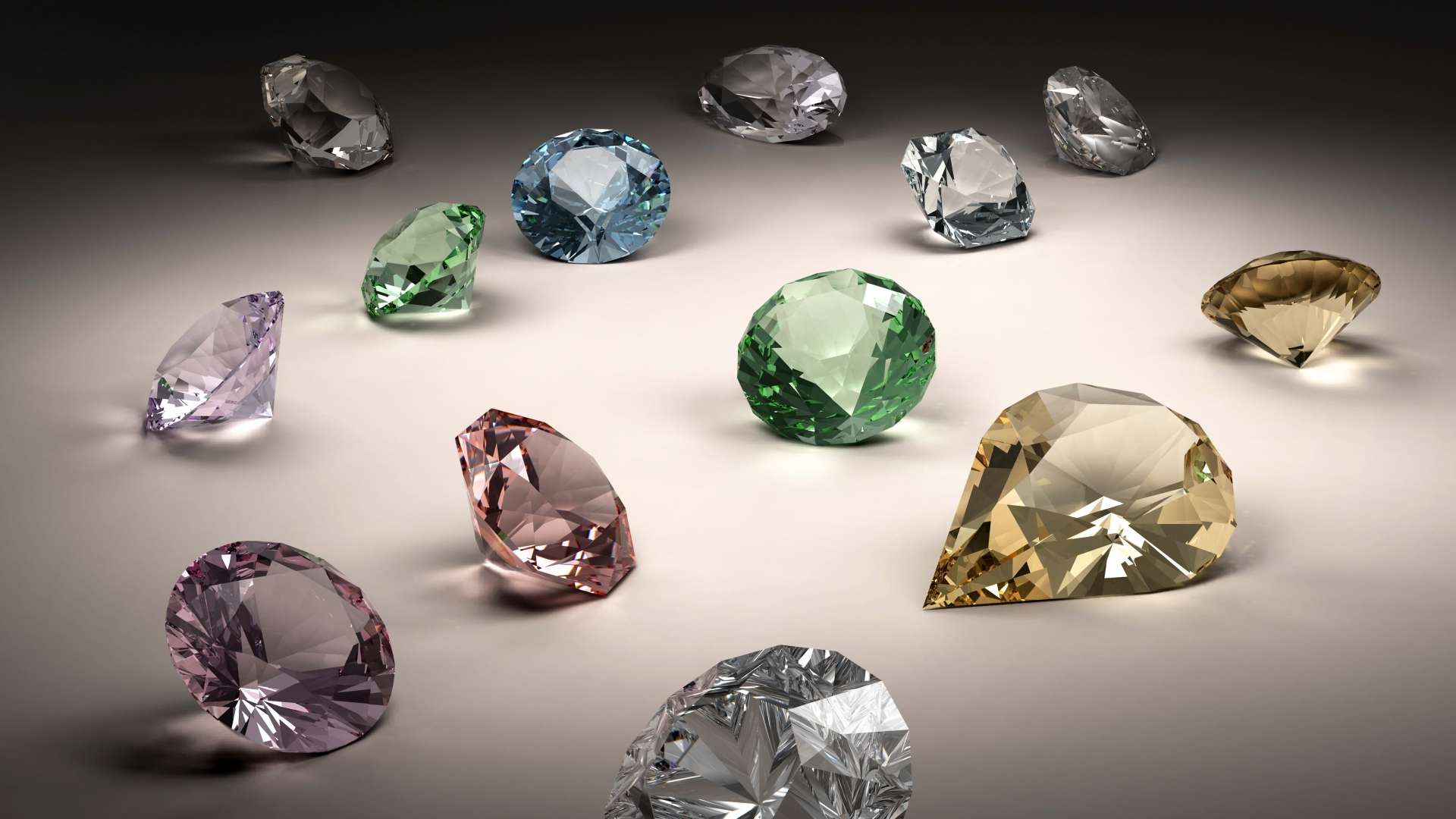
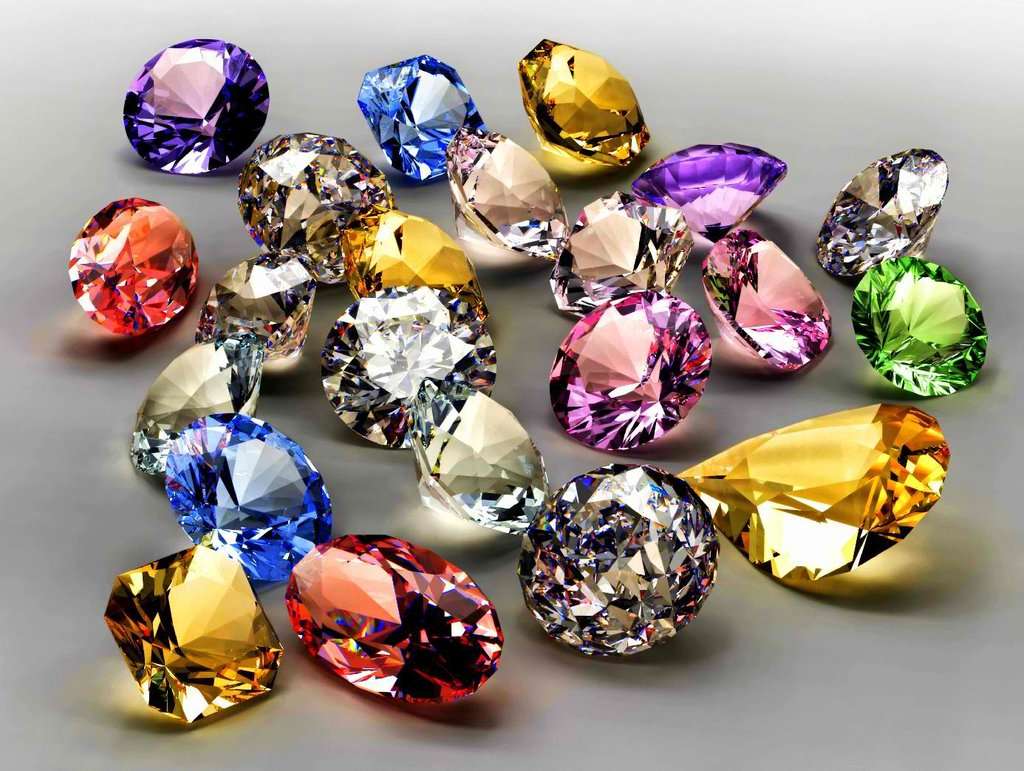
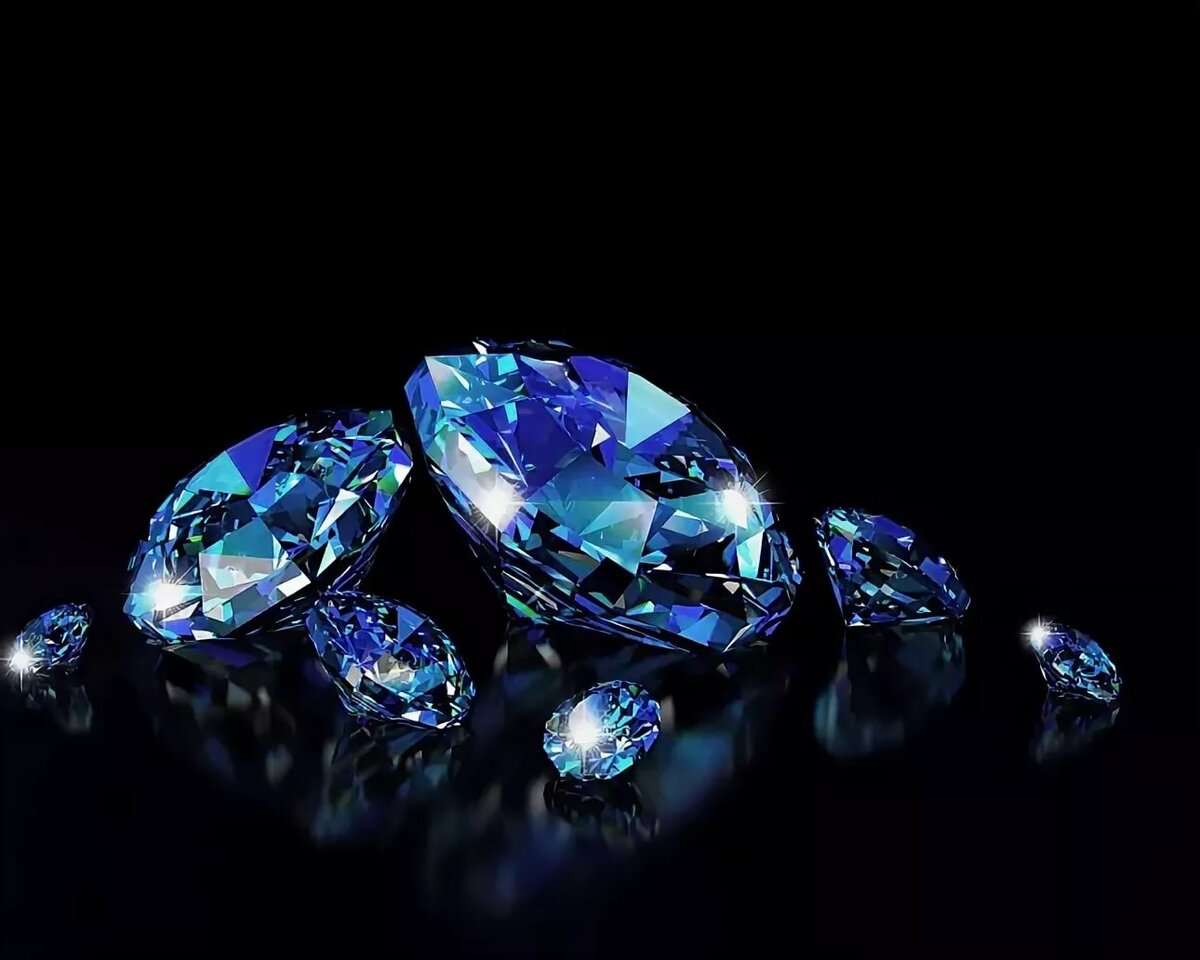
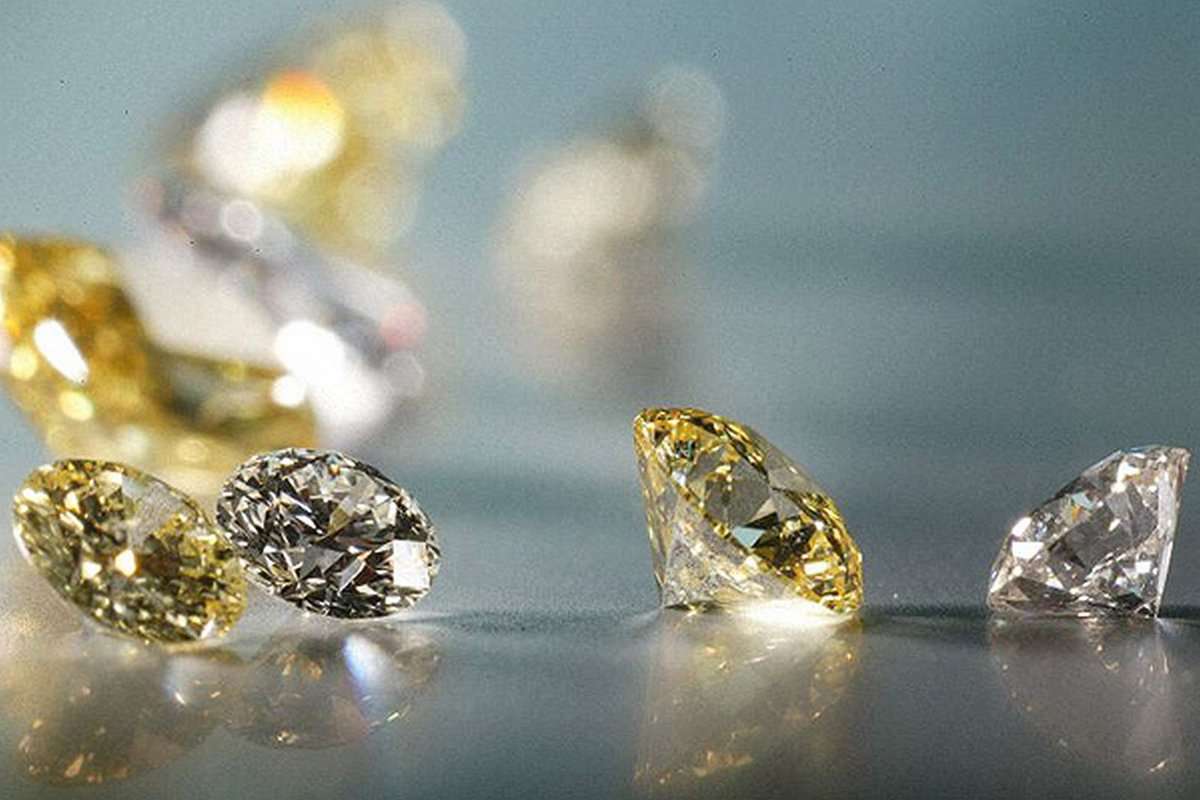
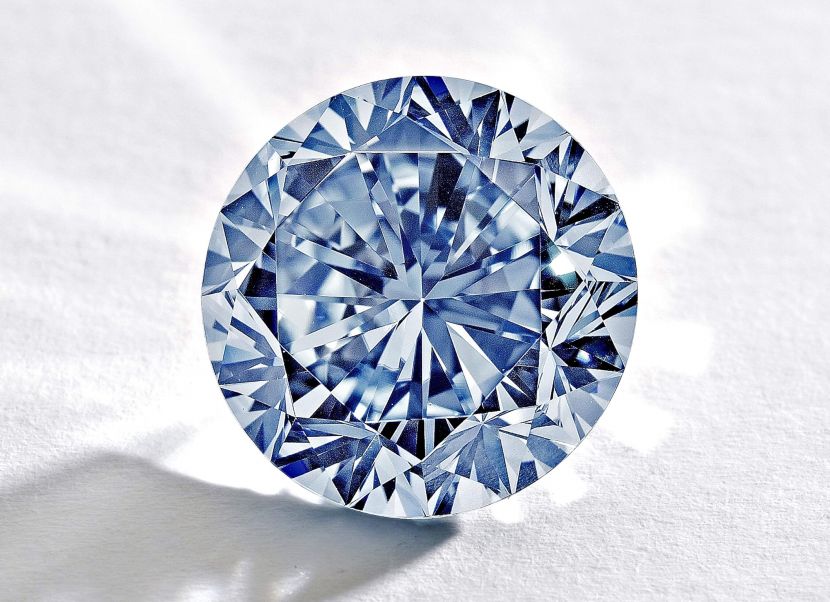
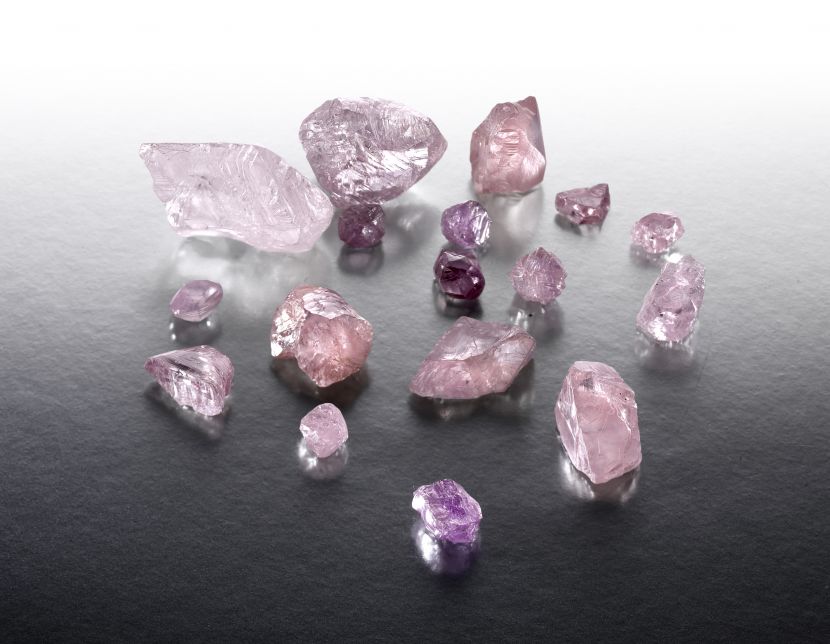
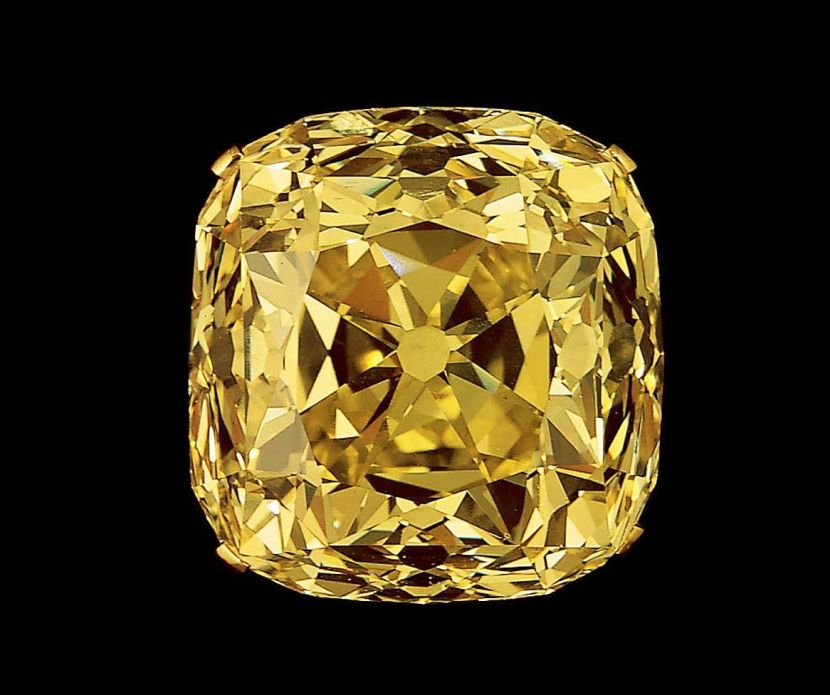
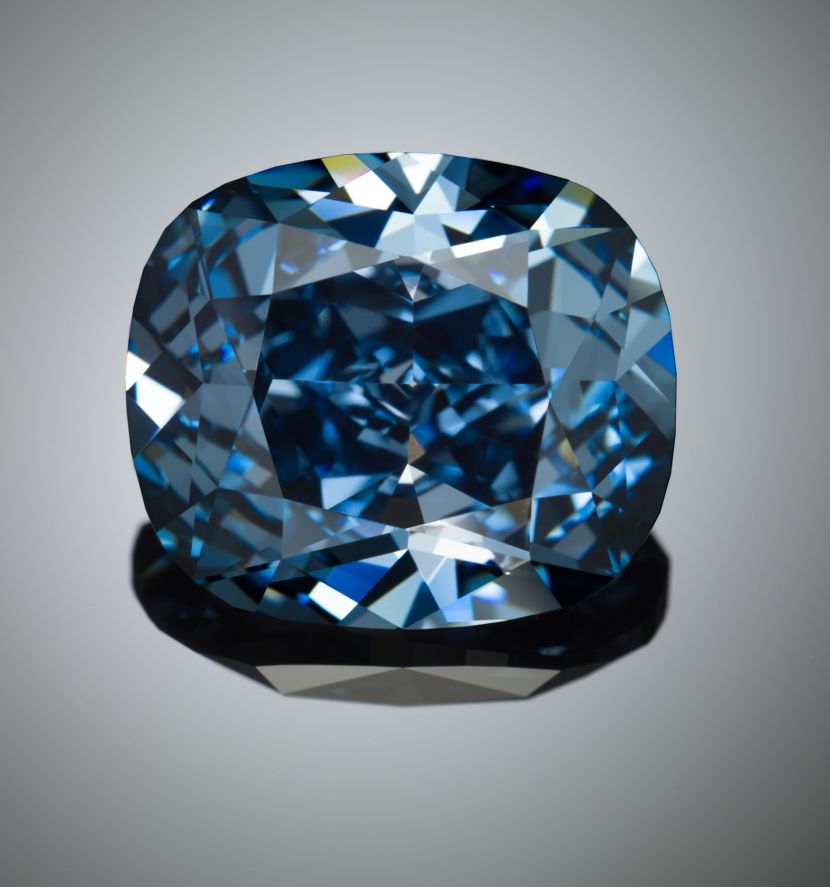
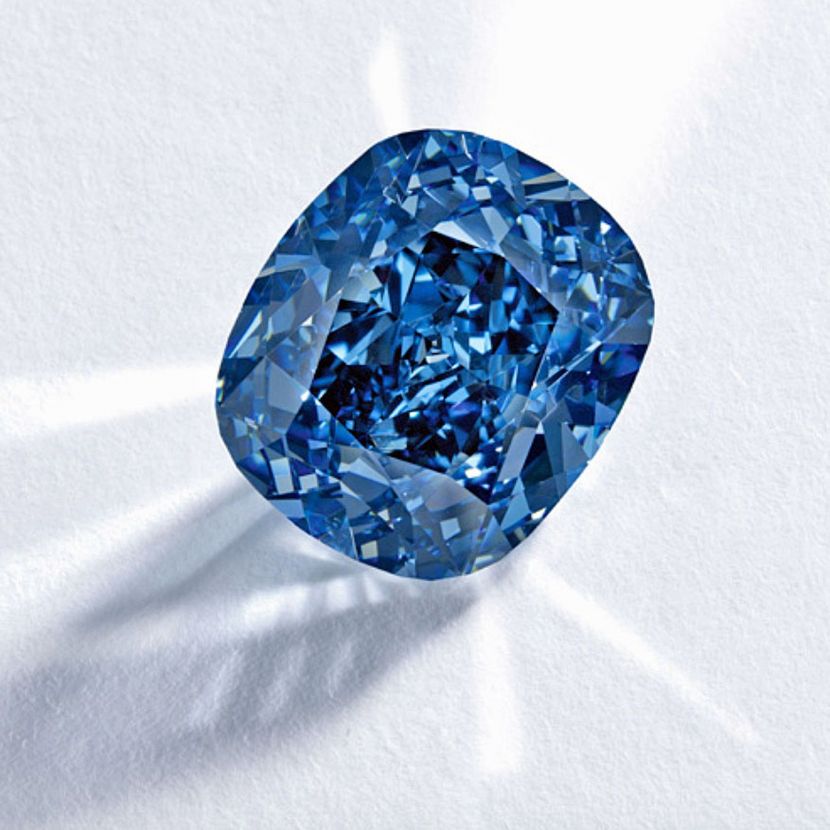
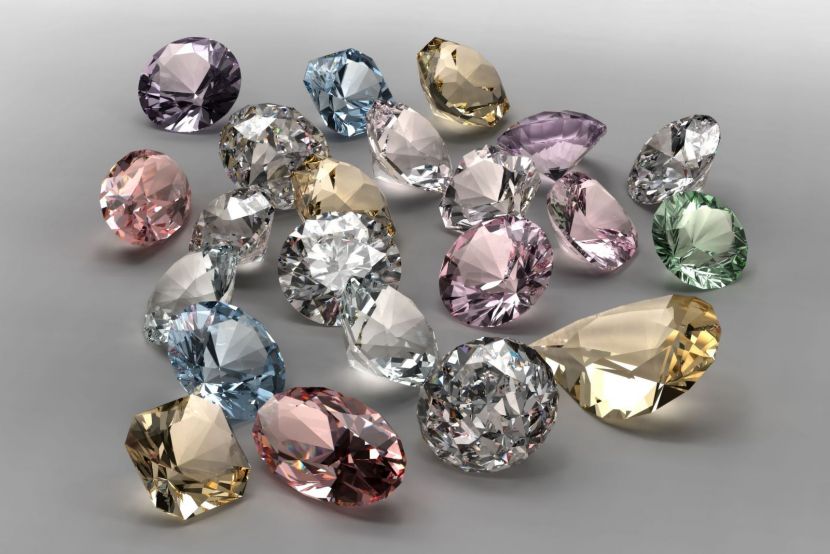
The color of diamonds is due to impurities of nitrogen or boron. Only 0.01% nitrogen gives the diamond a yellow color, with more nitrogen, the color can turn brown, red or pink. Boron is responsible for the blue and cyan tones in the color of diamonds. One boron atom per million carbon atoms is enough for their appearance. Green diamonds contain an admixture of uranium and thorium. Also, a green color is obtained by irradiating some natural diamonds. In the appearance of brown, cherry red and pink tones in color, crystal lattice defects that appear during deformation under the influence of pressure changes play a significant role. The black color comes from numerous particles of graphite.
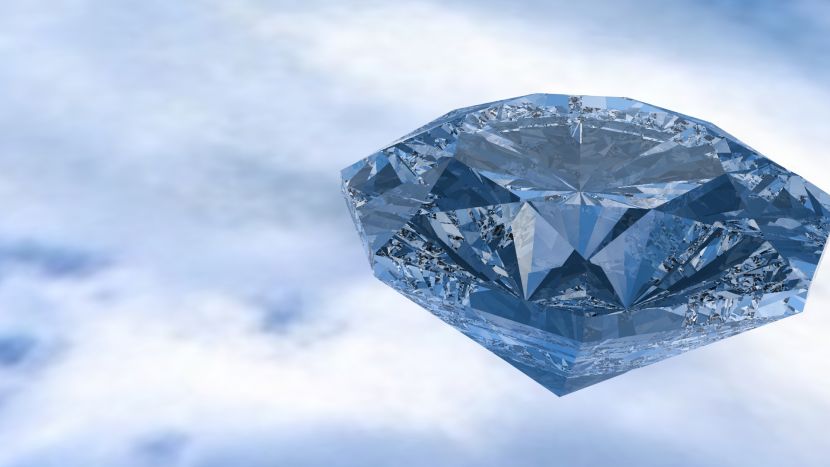
Interesting: Blue and blue diamonds, unlike all others, conduct electricity.
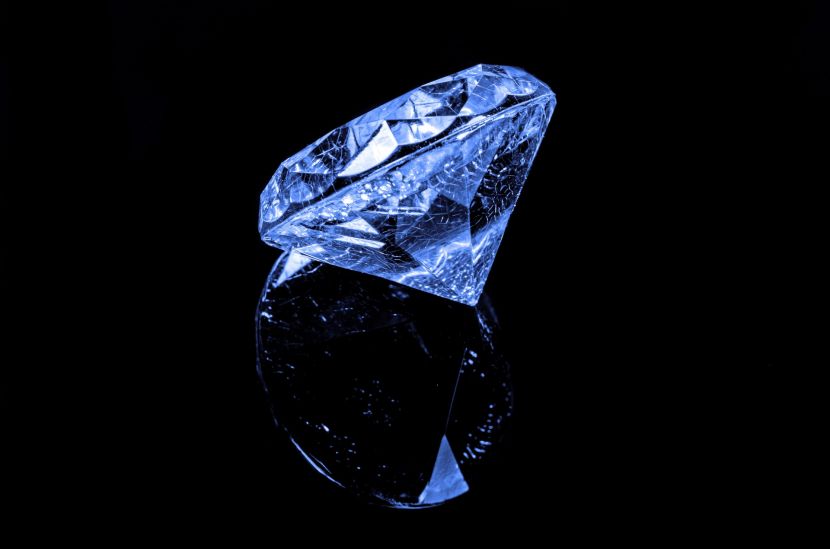
Chemical formula - C.
Diamonds are flammable. This was known even by medieval craftsmen, who noticed that if rubies and diamonds were heated, the rubies were preserved, and the diamonds disappeared. They saw mysticism in this, and the first scientific experiment on burning a diamond was accidentally set up by the physicists Averani and Targioni from Florence. They were going to fuse several small diamonds into one large one using huge mirrors and lenses. The diamonds are gone.
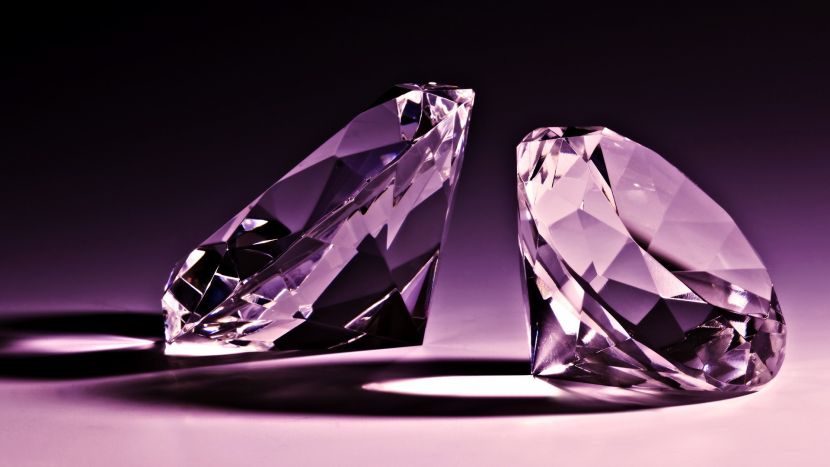
The next diamond burner was Lavoisier in 1772. It was the experience of burning a diamond that became the triumph of his oxygen theory of combustion and completely debunked the phlogiston theory. A lot of people have gathered. The imposing diamond was placed in a vessel filled with oxygen. A huge lens directed a beam of sunlight onto the crystal and it burned with a blue flame without smoke.The weight of the flask has not changed, which means that there is no phlogiston that escapes during combustion.
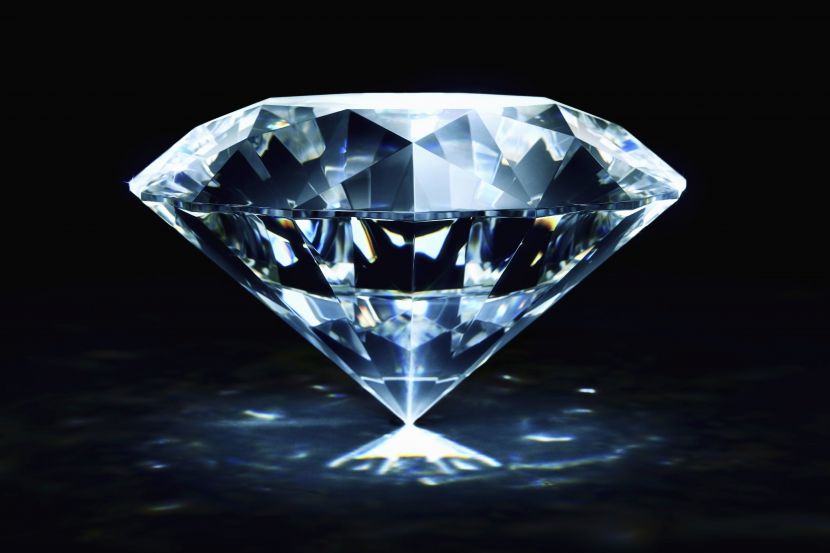
When diamond burns, ordinary carbon dioxide is formed. You can get rid of the diamond and heat it up to 1300°C in an inert gas environment. In doing so, it turns into graphite.
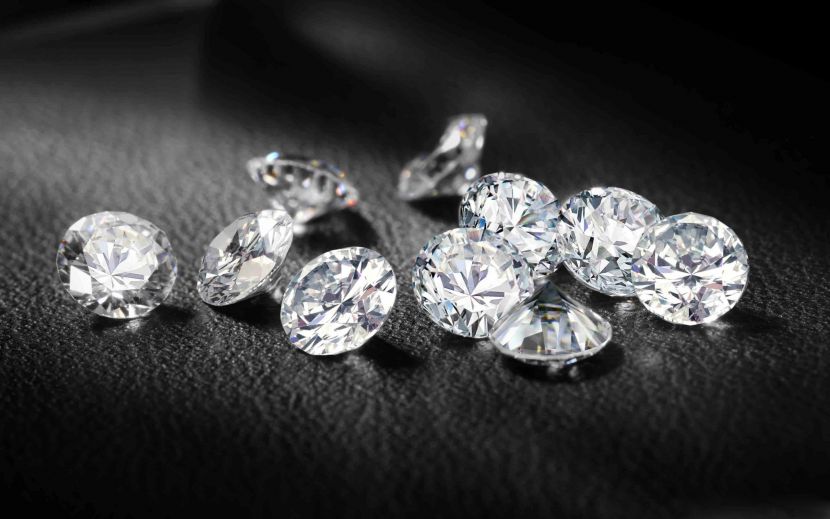
fakes
To purchase a high-quality natural diamond, it is worth arming yourself with a magnifier with a good magnification. The absence of defects in the stone, chips and cracks obtained during cutting, the uniform and rich color of the stone indicate high quality.
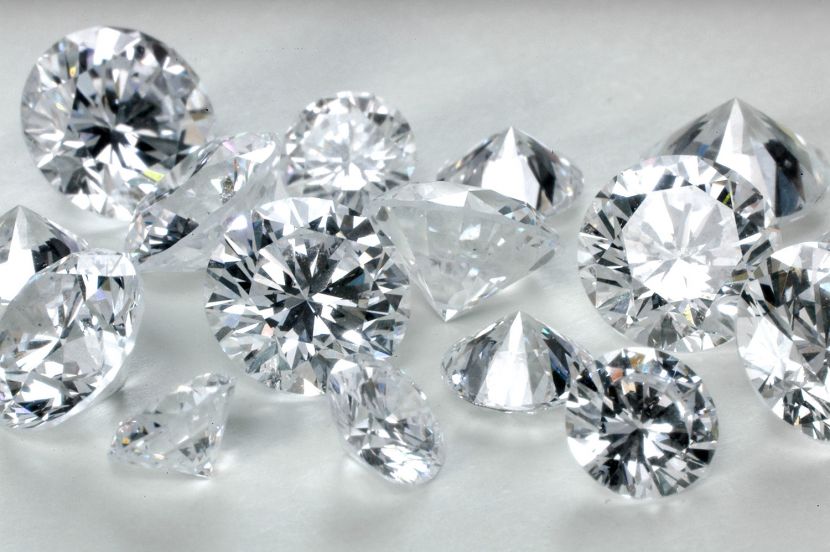
Not only artificial cubic zirkonia, strontium titanate, lithium niobate, silicon carbide, but also such natural stones similar to diamonds as white zircon, white beryl and even rock crystal can be passed off as a natural diamond.
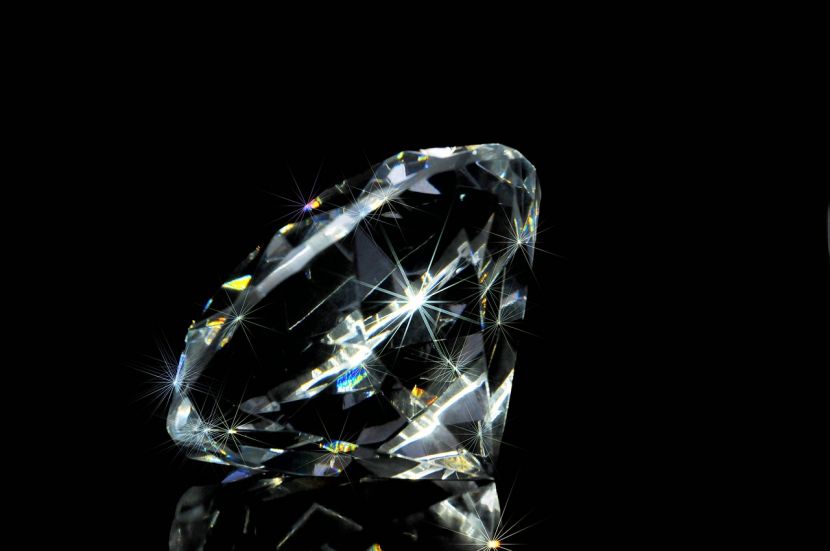
The question arises, how to distinguish a diamond from a similar stone. There is a very cardinal way: to hold it with corundum. The diamond will not be damaged, but the rest of the stones will be scratched. An exception will be natural or artificial moissanite, which is not inferior to diamond in hardness and refractive index.
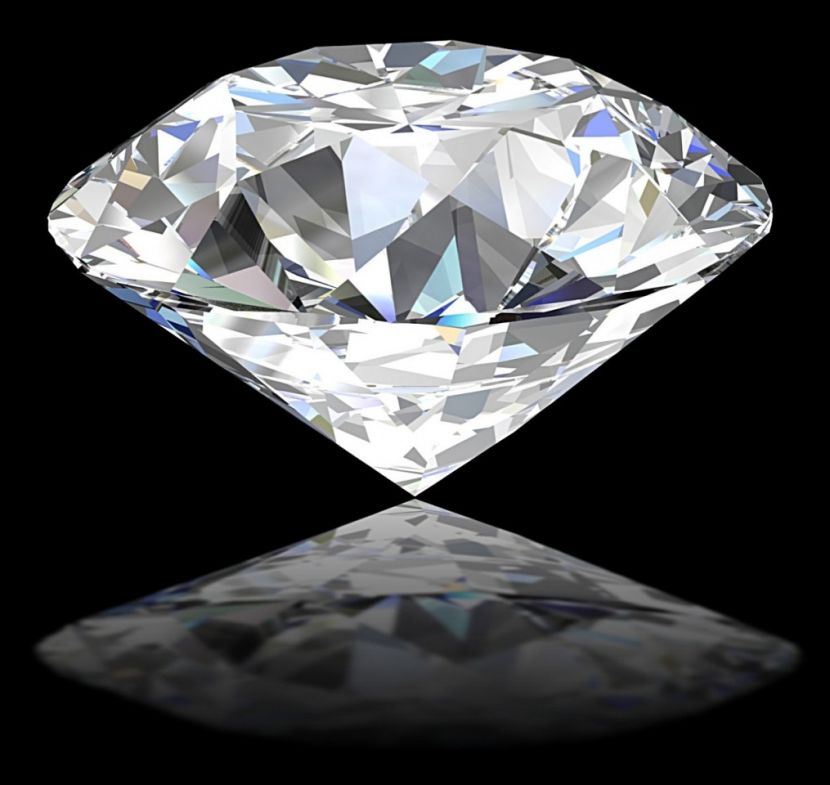
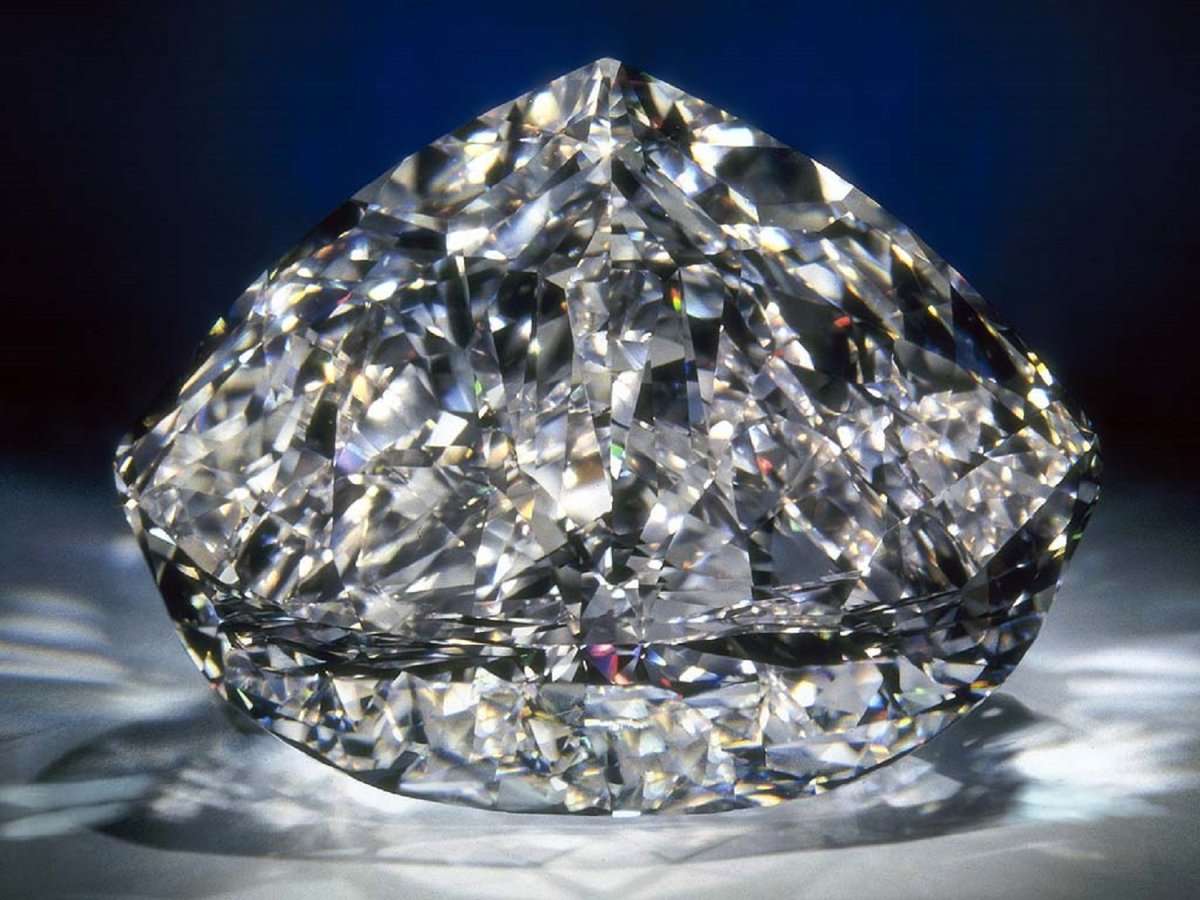
First of all, you should pay attention to the cut. For diamonds, there are several basic cuts with the number of facets from 17 to 132. The classic cut is usually found with 57 facets.
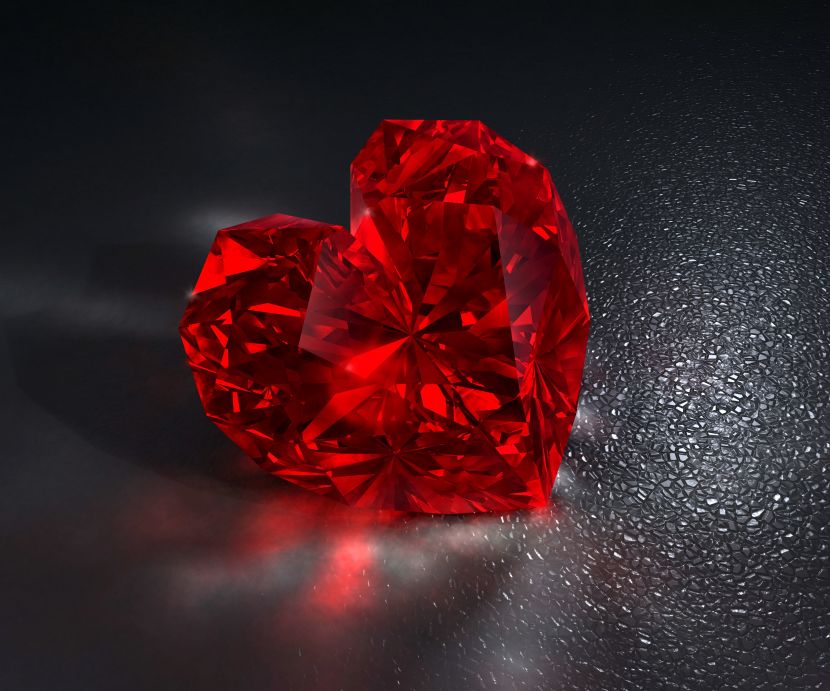
In the case of colored diamonds, you need to make sure that the color is natural by examining the certificate of the stone. Often the color is changed to a more expensive one by heating or irradiating. You cannot call such stones a fake, but the properties have changed.
magical properties
You should not buy a diamond yourself, otherwise it will not show magical properties for 7 years. This stone greatly enhances the positive qualities of a person, but for dishonest deeds and lies, retribution will be quick.It can show the owner all his mistakes and help to remember the lessons, but the training can take place in a rigid form. The diamond will not harm the strong and honest, but it will give self-confidence to the weak.
Lonely people are advised to wear a diamond ring on their left hand. It will help you find your soul mate.
The stone gives self-confidence, courage and determination.
Medicinal properties
The healing properties of a diamond are explained by the most powerful energy of this stone.
It is used to treat nervous and cardiovascular diseases, diseases of the lungs, kidneys, stomach, liver. Diamonds save from insomnia and relieve nervous tension. Helps to maintain sobriety of mind in the most difficult situations.
It is believed that diamonds neutralize poisons and remove toxins. They help with women's diseases, and green ones help to conceive a child.
Zodiac signs
Among the signs of the zodiac, there are almost no such for whom this stone does not suit, except that a diamond can be harmful to Pisces.
The diamond is most suitable for fire signs and Libra.
- Aries is in complete harmony with the diamond, becoming even bolder and even more successful.
- Lions will become more balanced and feel harmony in the soul and around.
- Sagittarius will help to succeed.
- Libra will get rid of indecision and learn to take responsibility.
Compatibility
The energy of a diamond is in harmony with ruby, pyrope, spinel.
Absolutely not combined with topaz. You should also not wear it with opaque stones.
stone care
Diamonds cannot be scratched, but this does not mean that they can be treated casually.
After washing with soapy water and rinsing in clean water, immediately dry the stone with a napkin.
Store diamonds in a separate box.
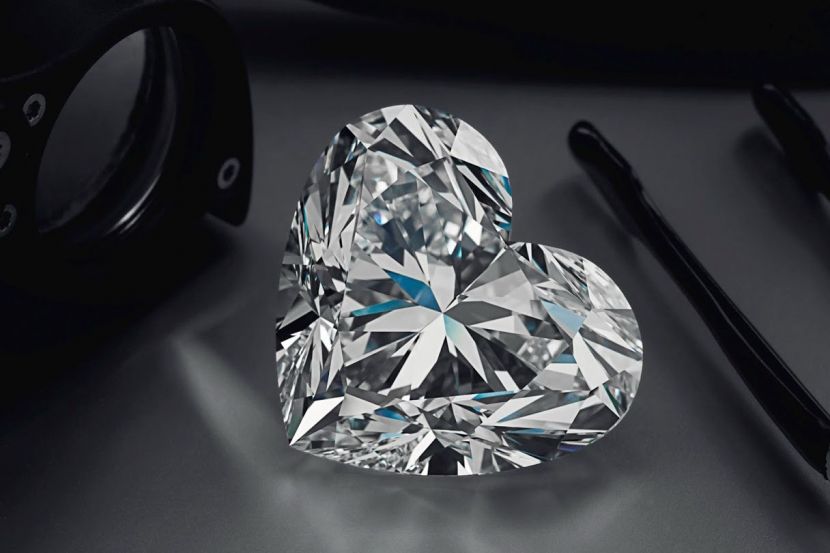
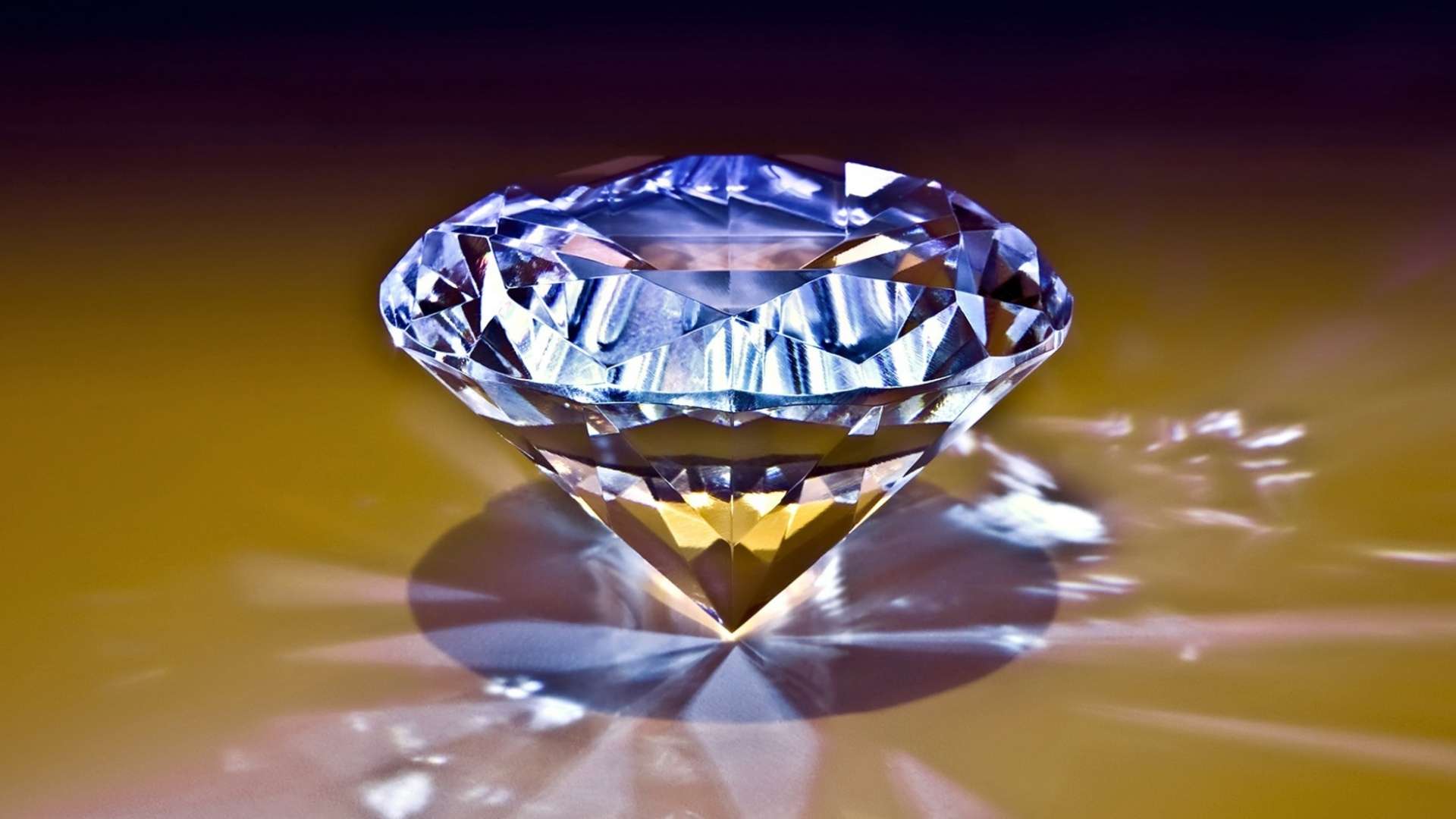
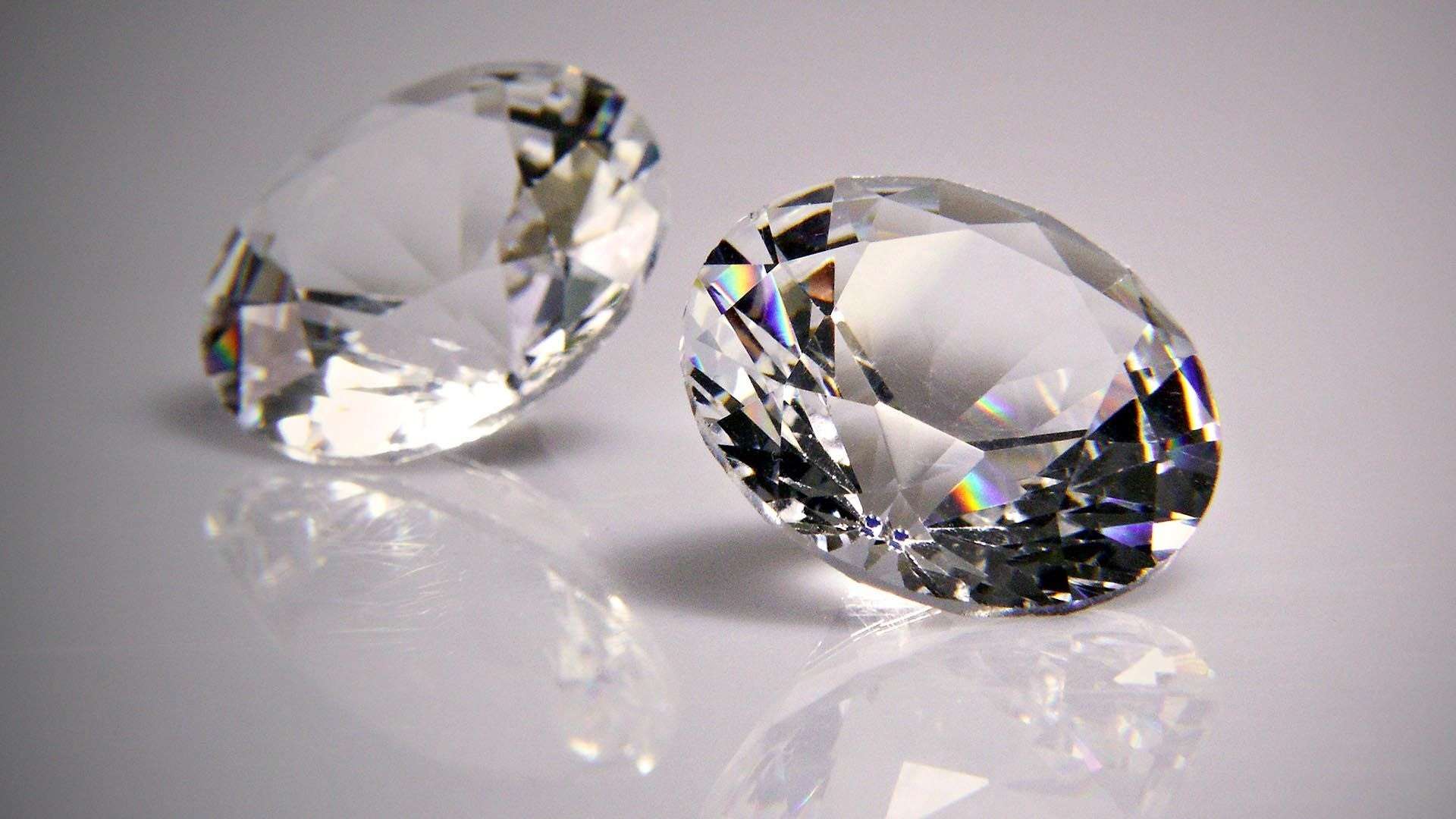
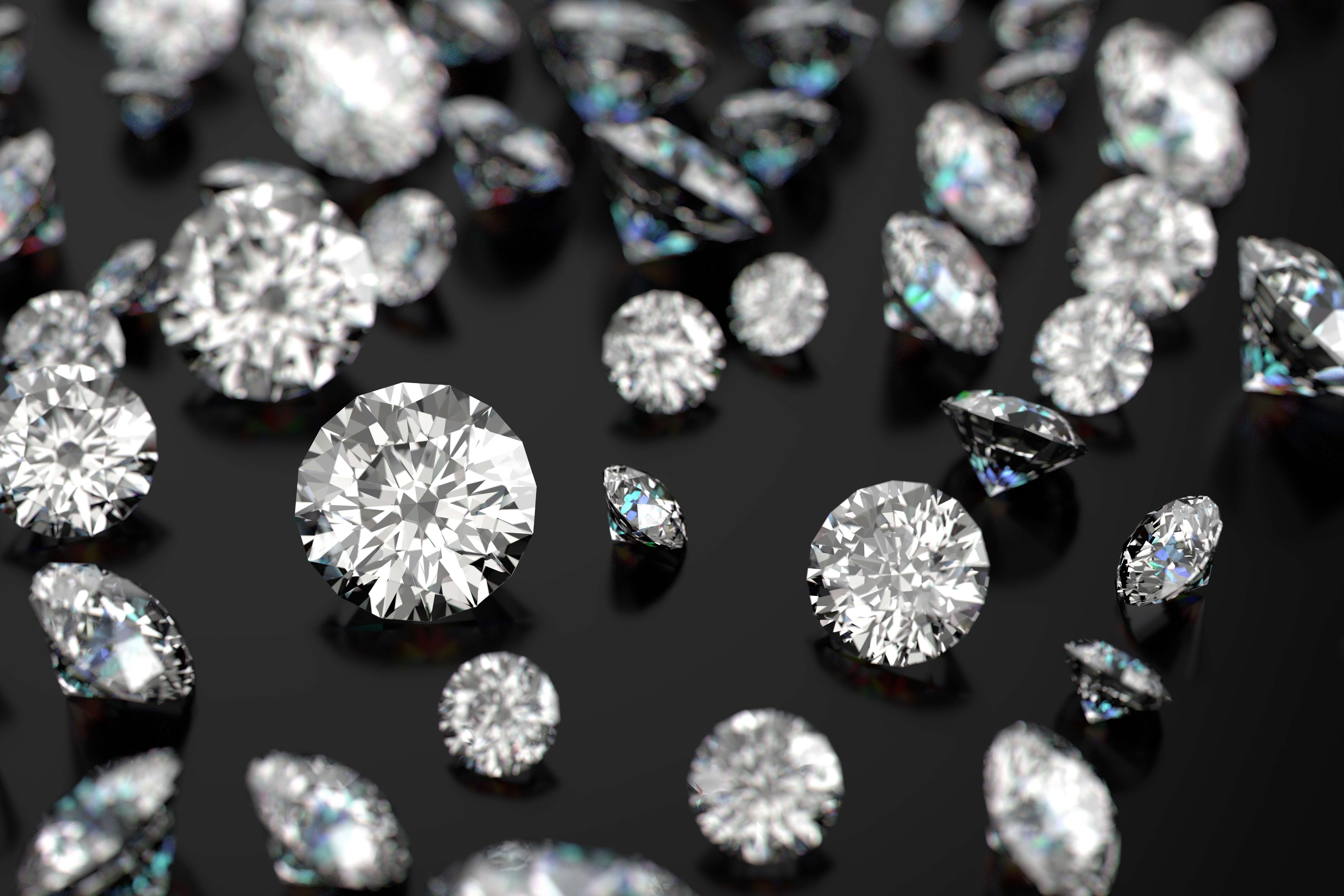
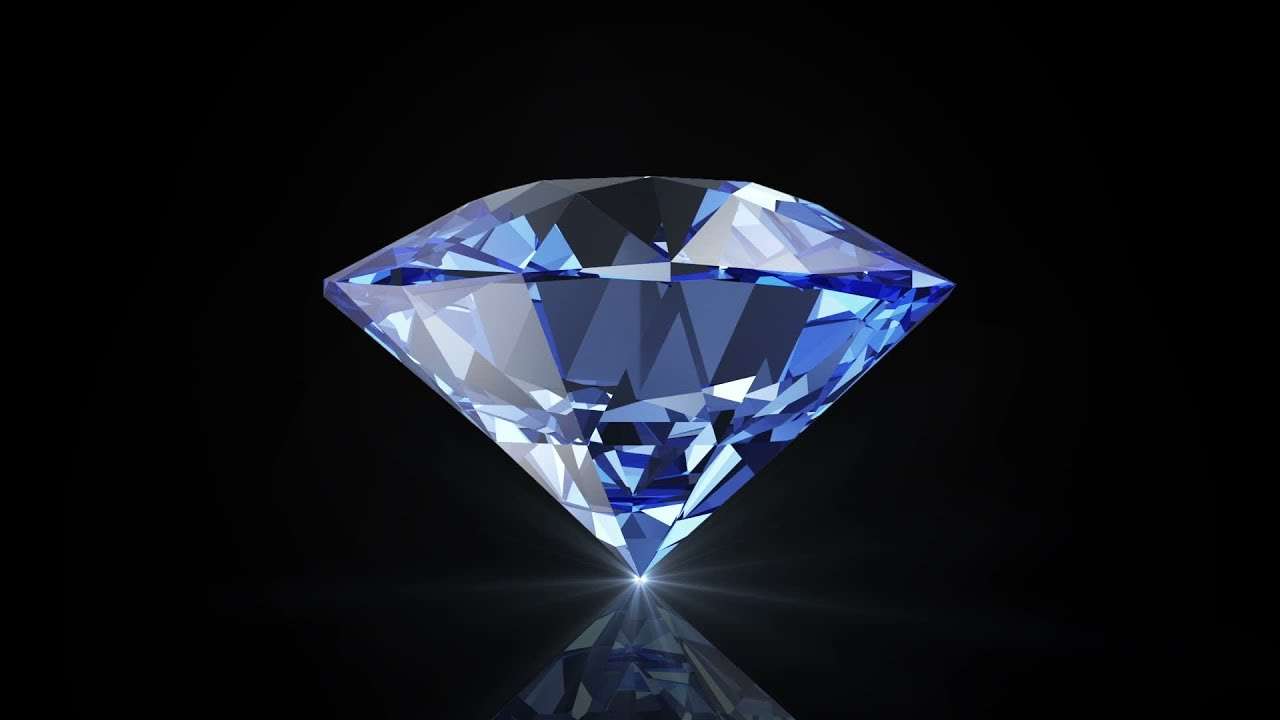
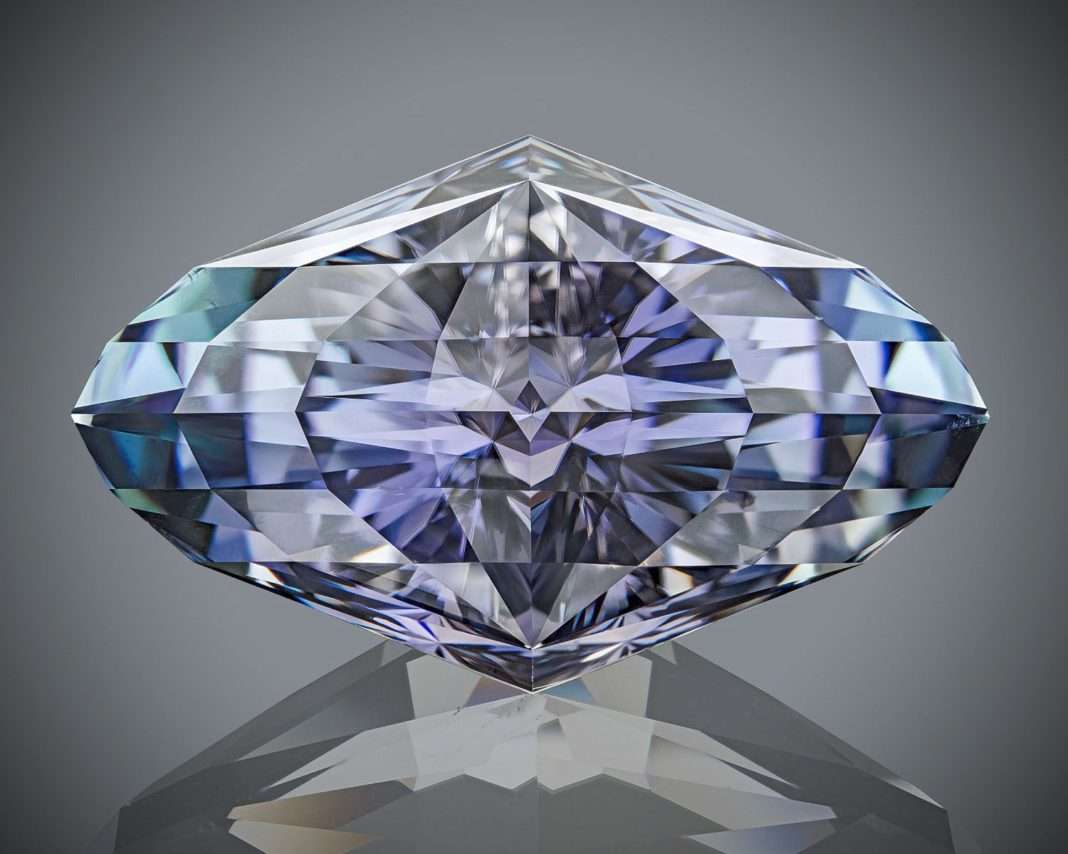

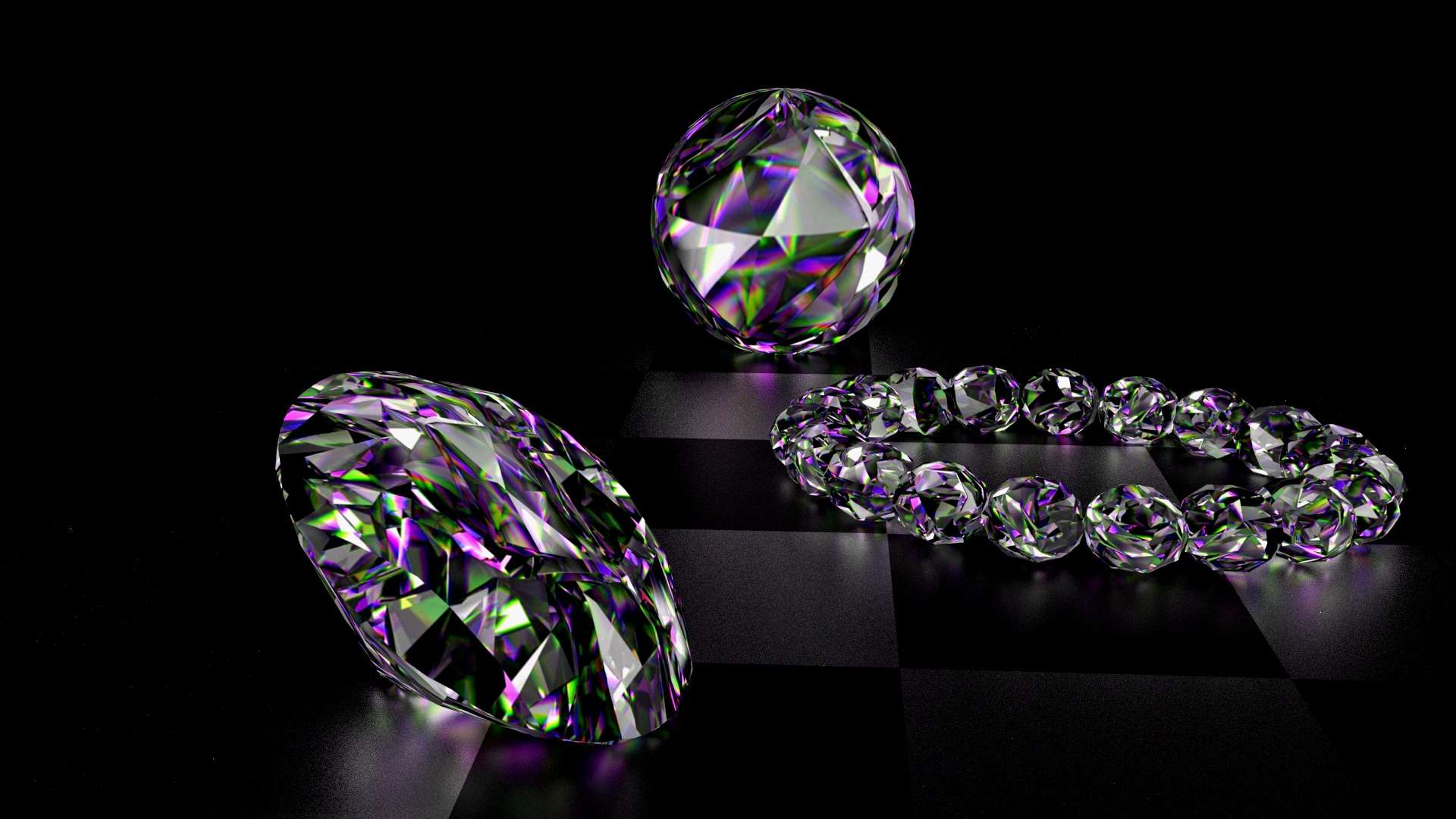
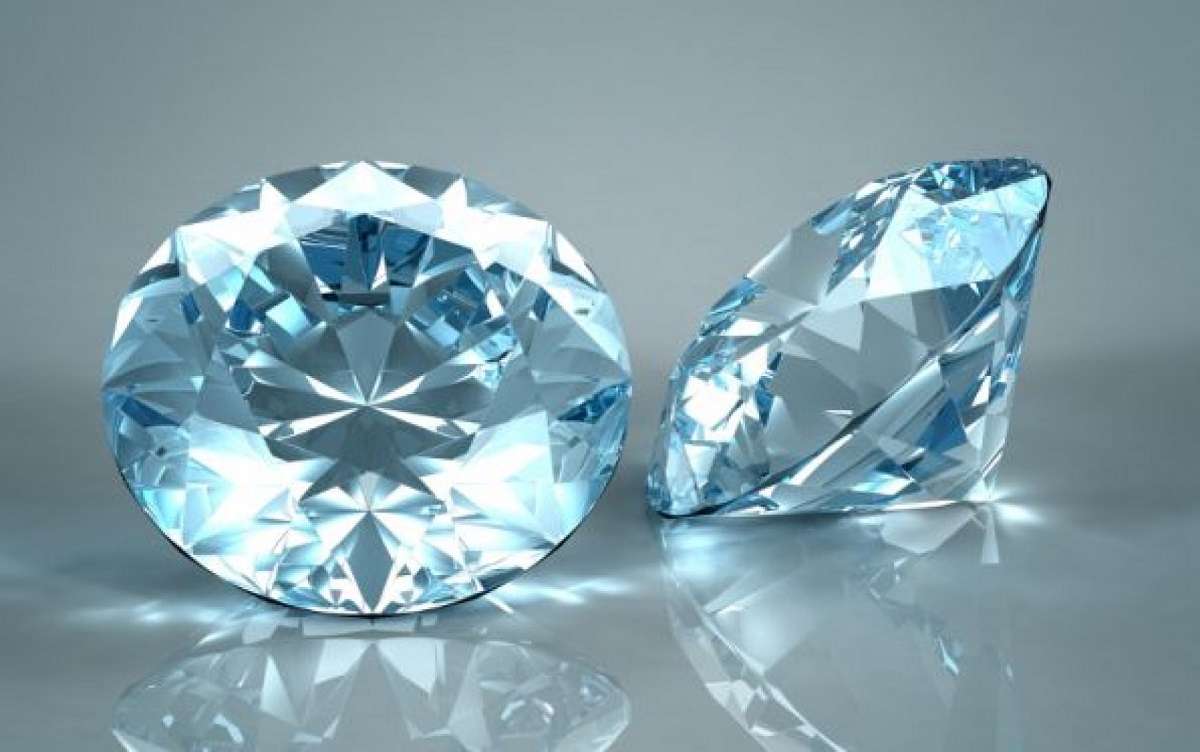
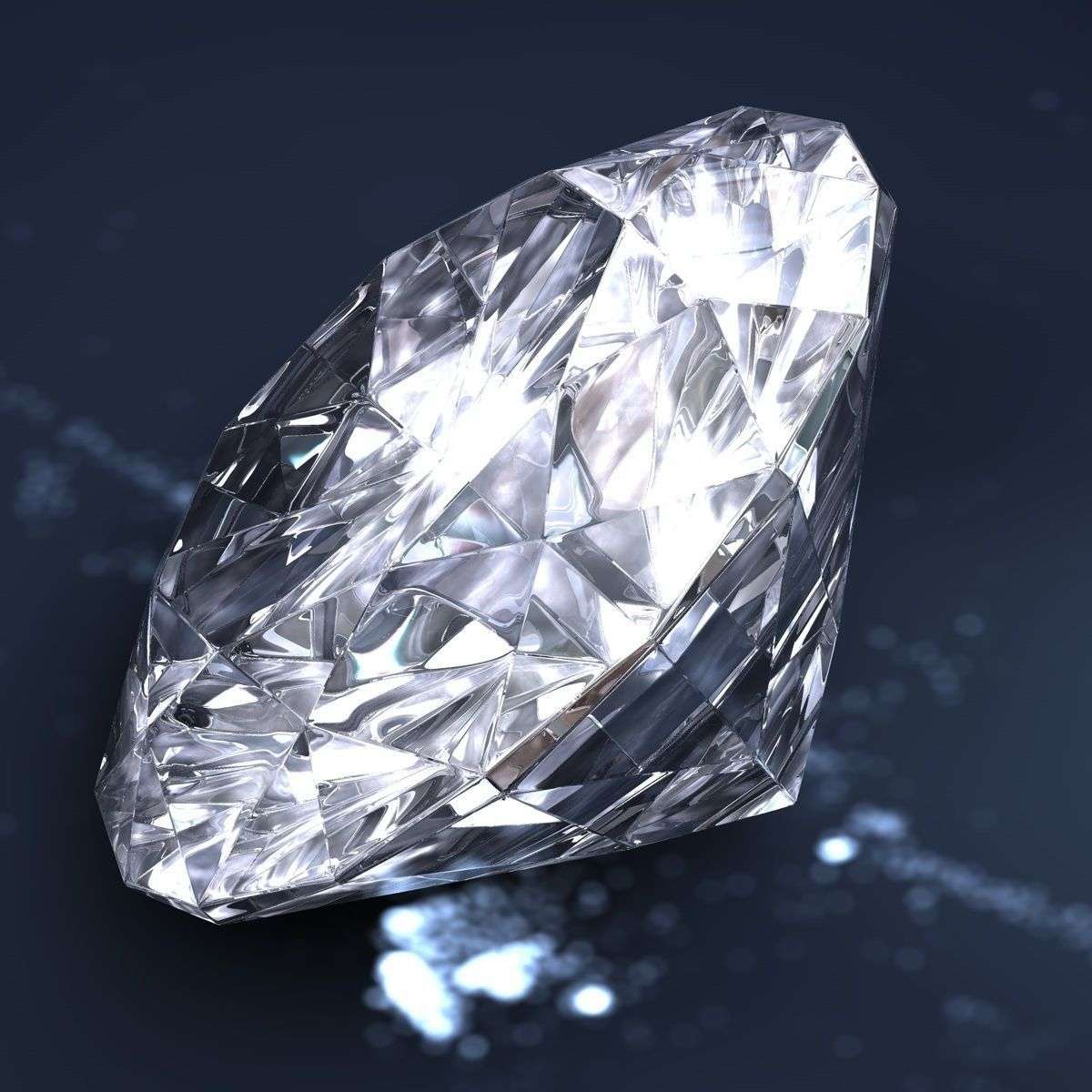
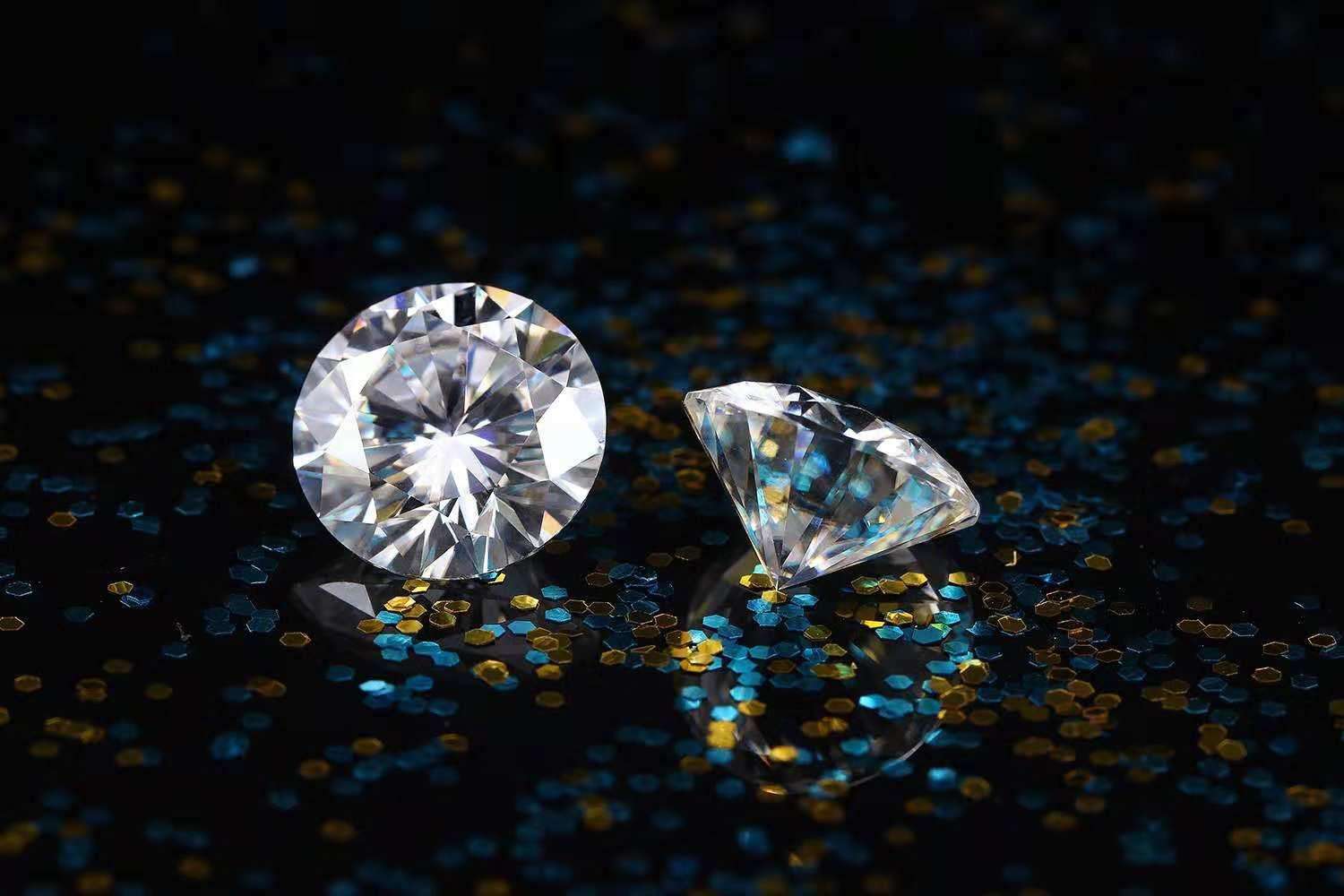
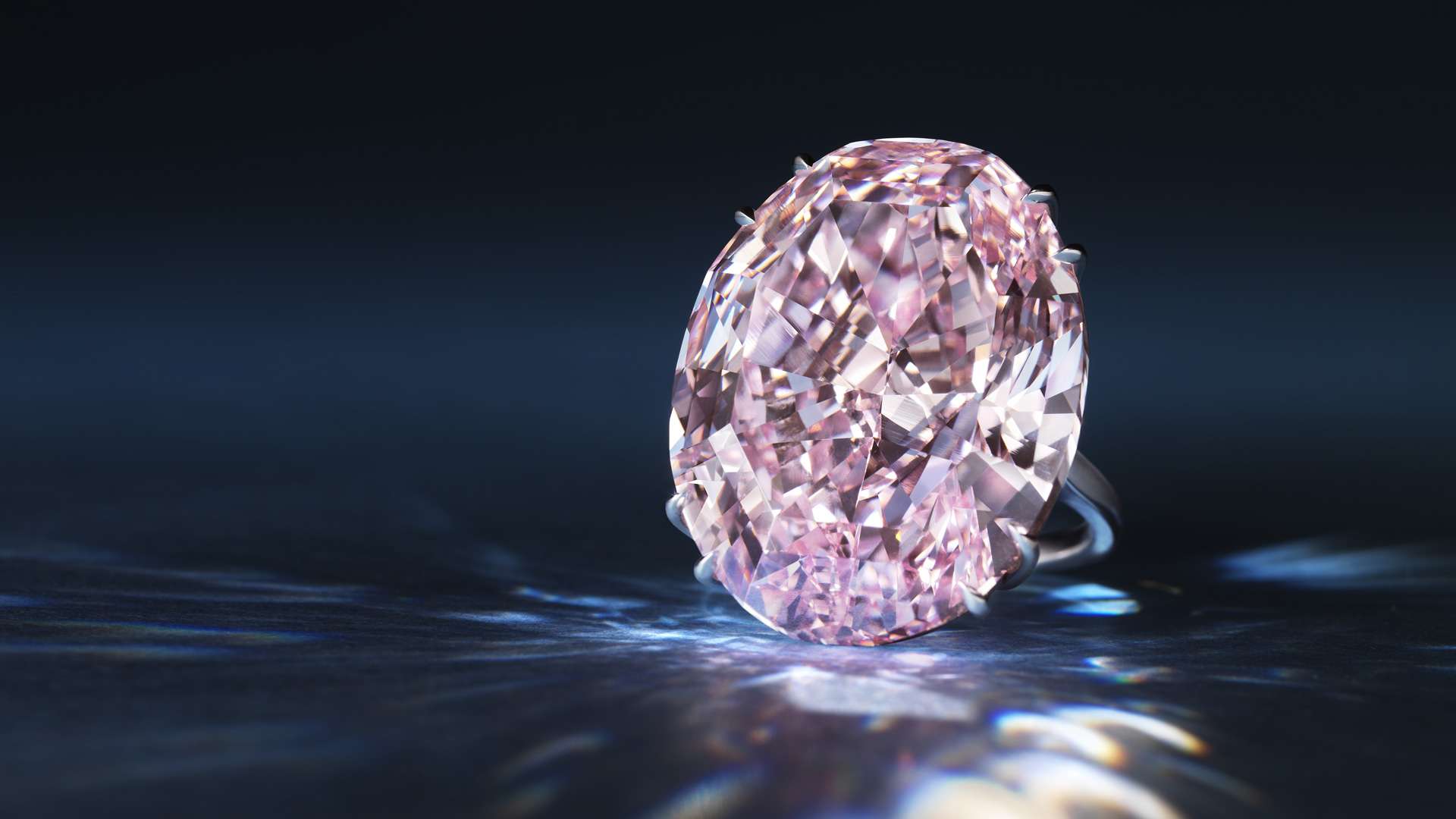
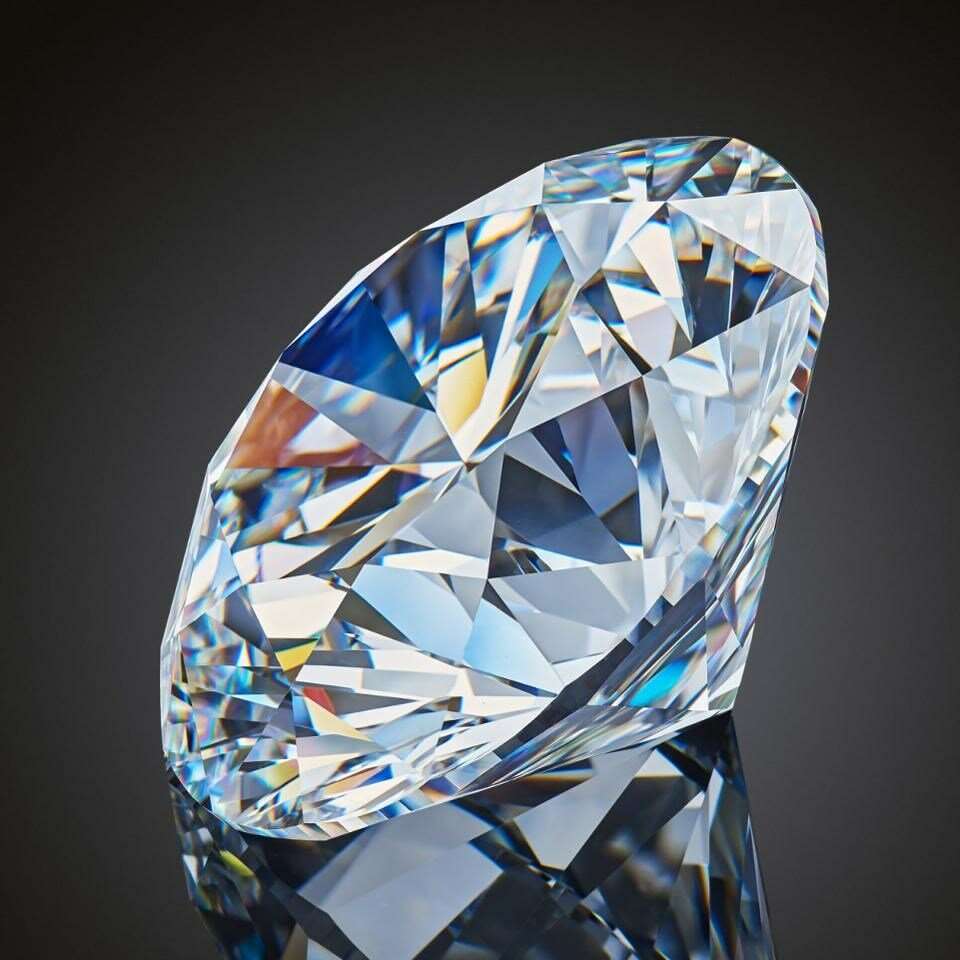
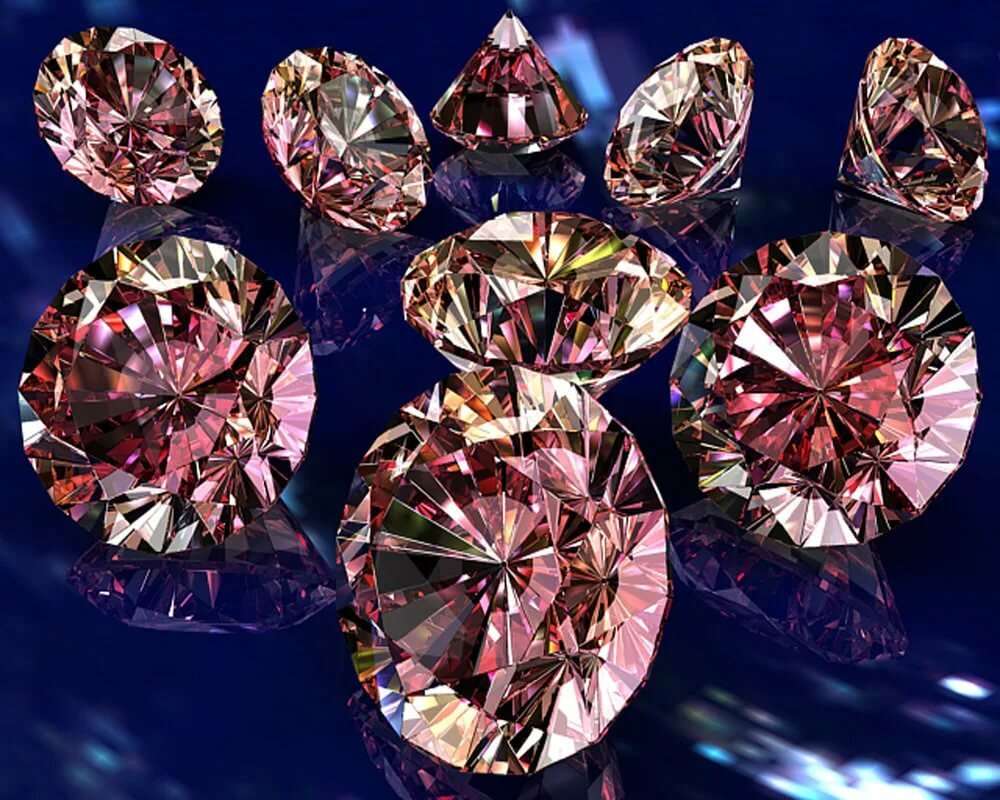
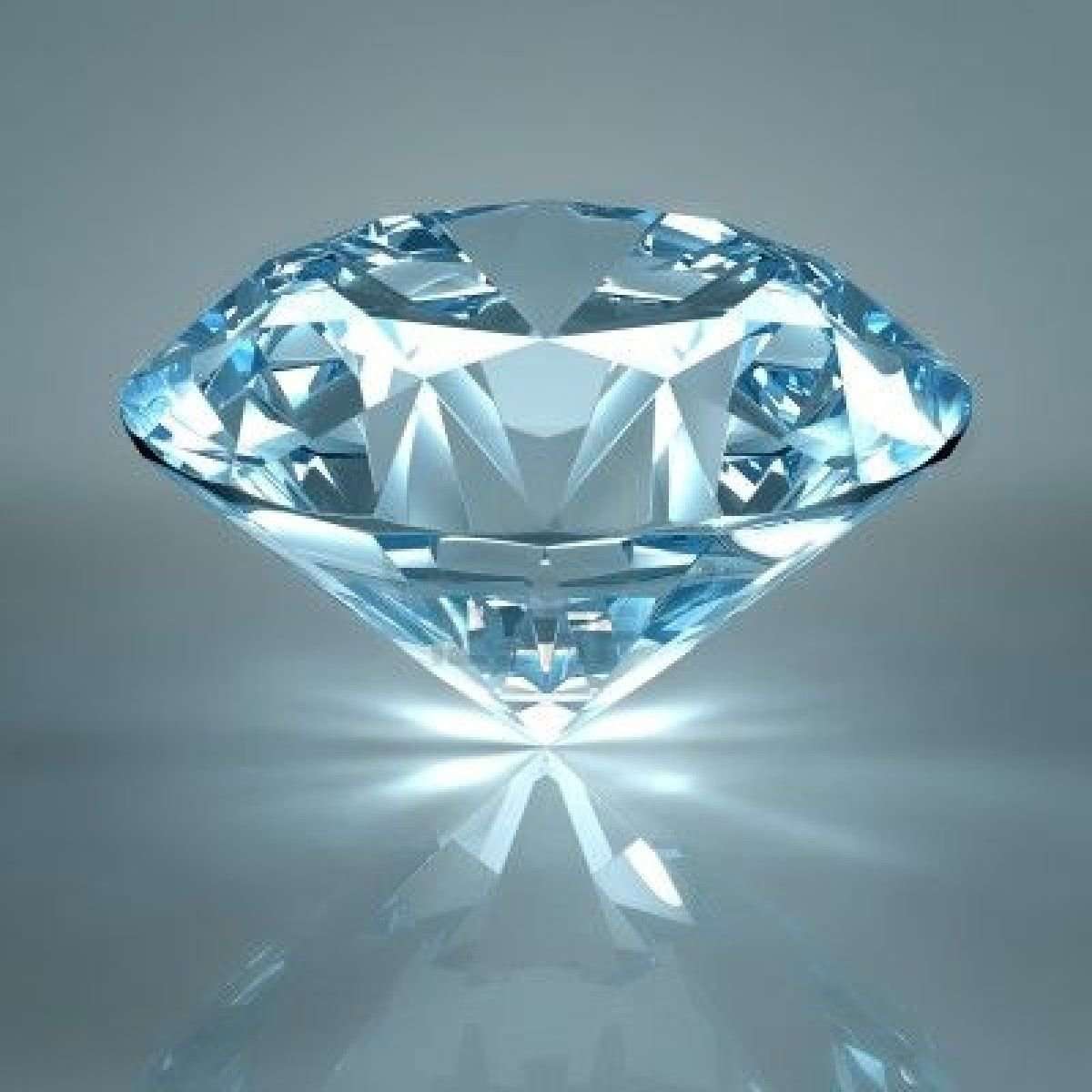
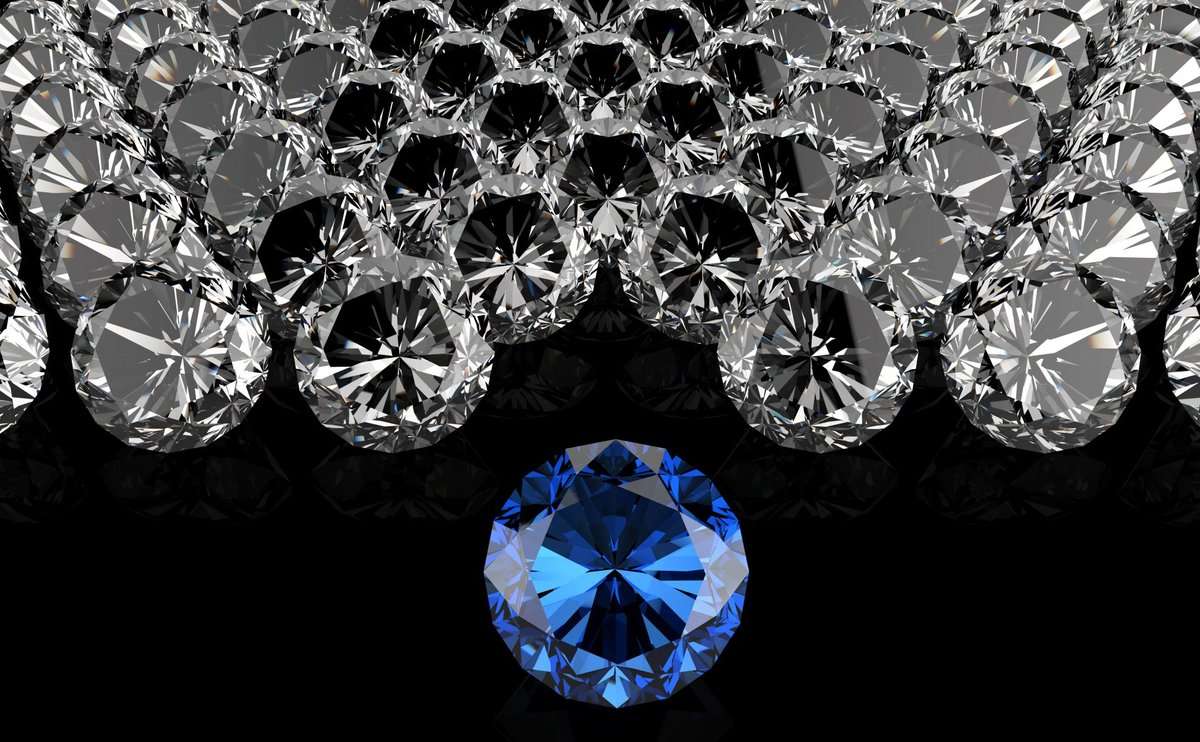
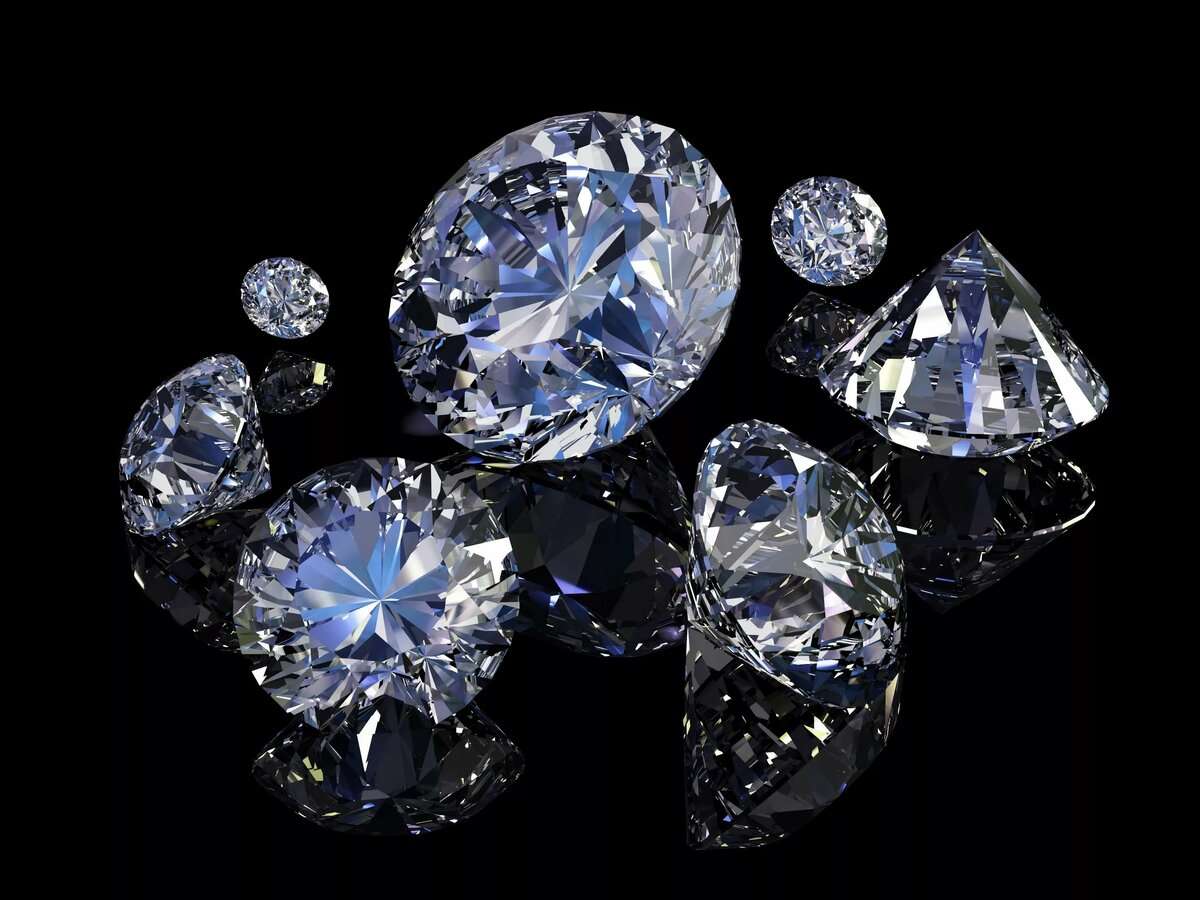
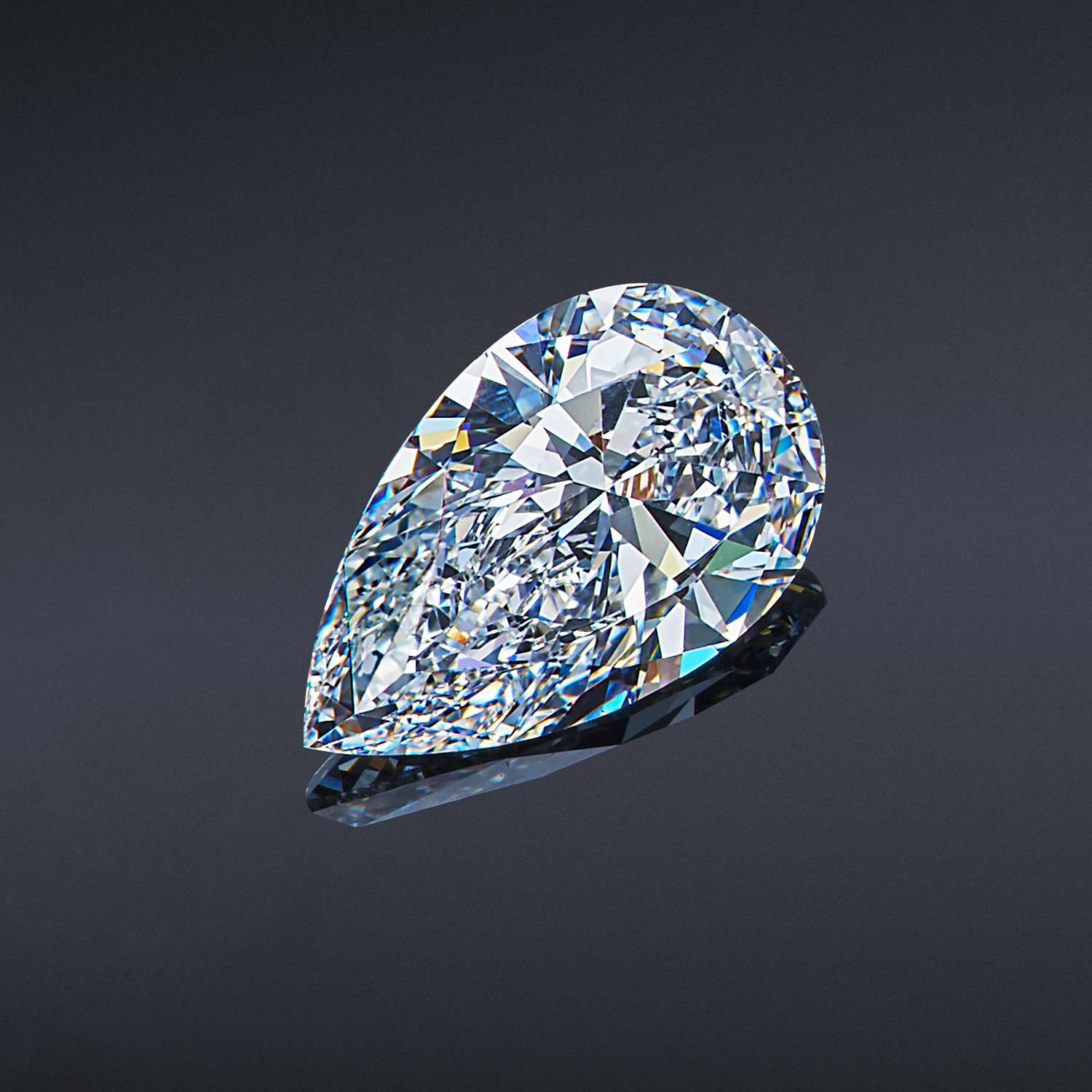
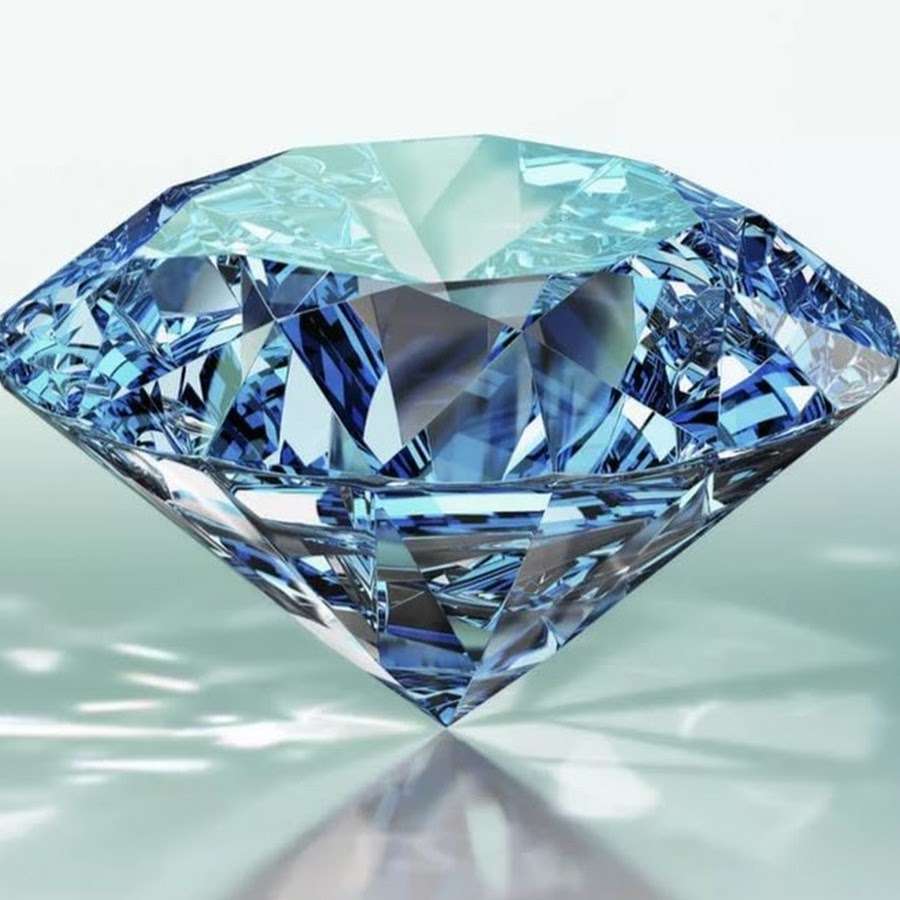
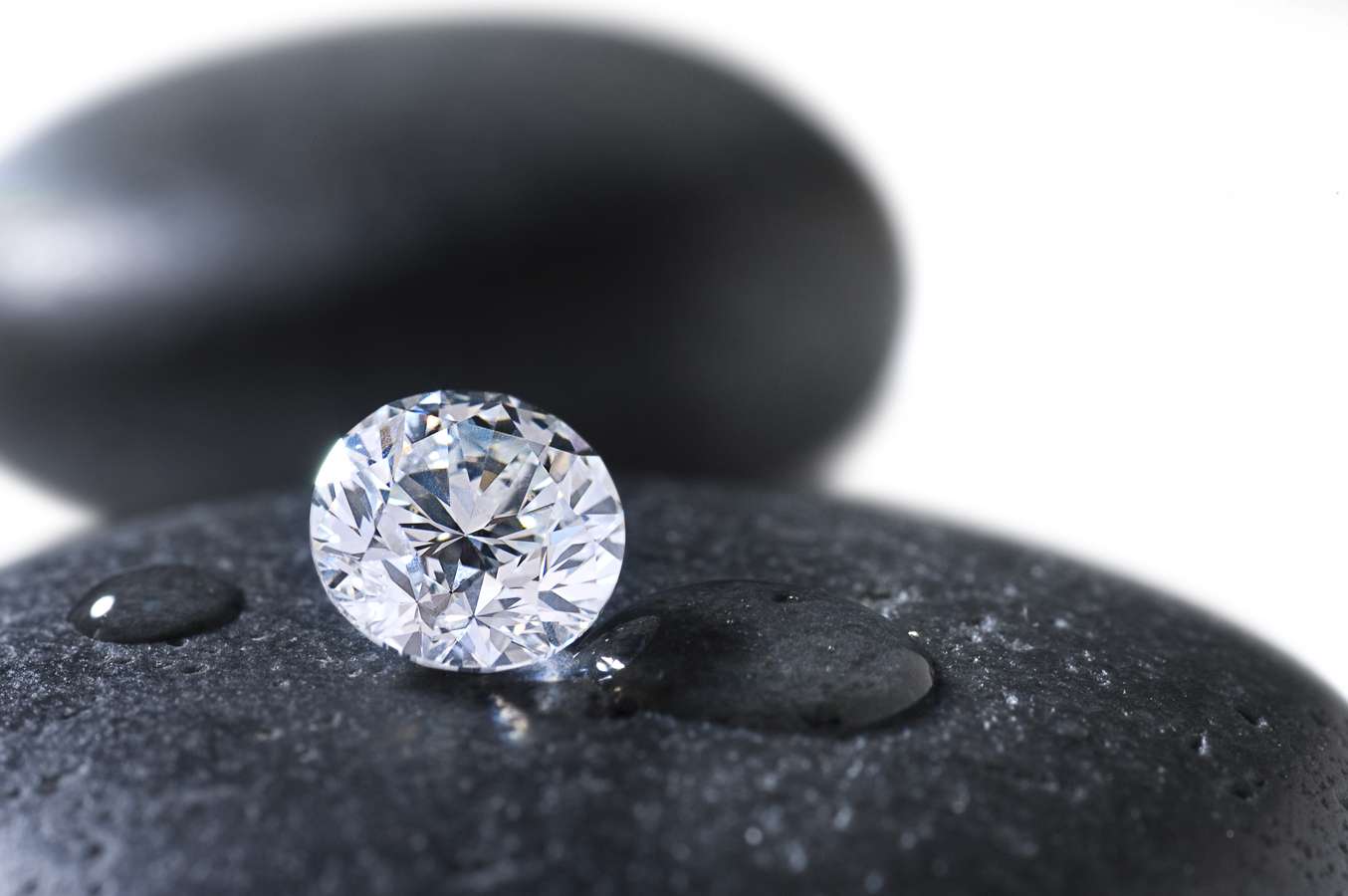
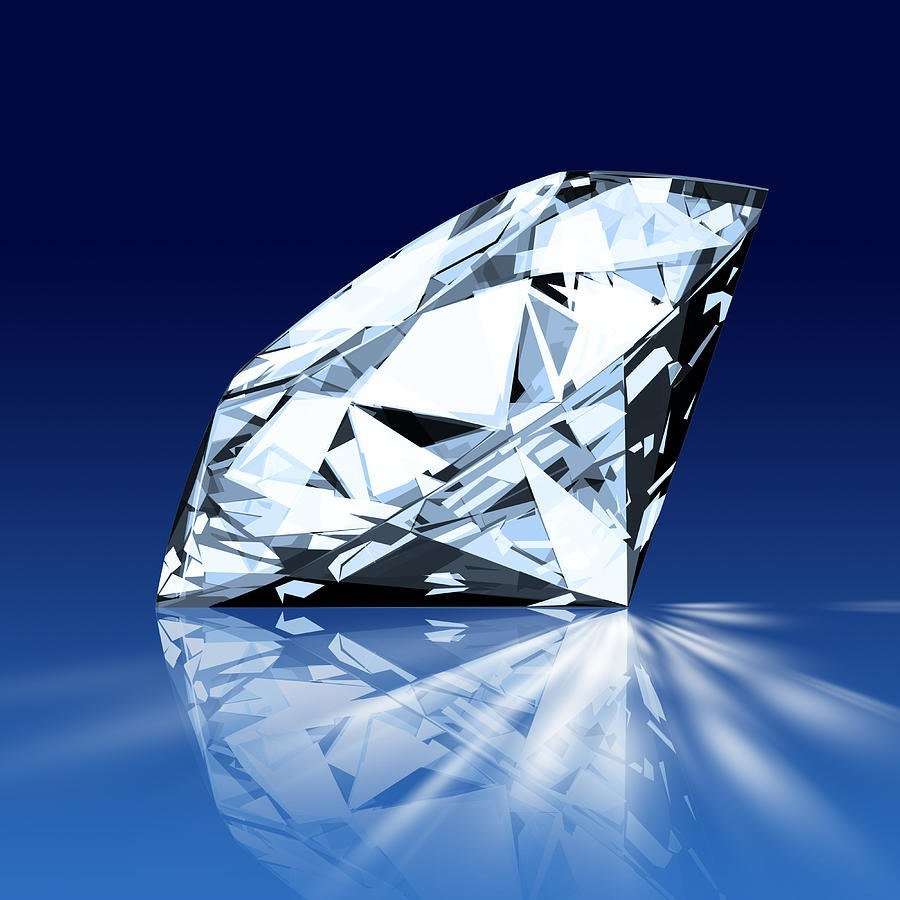
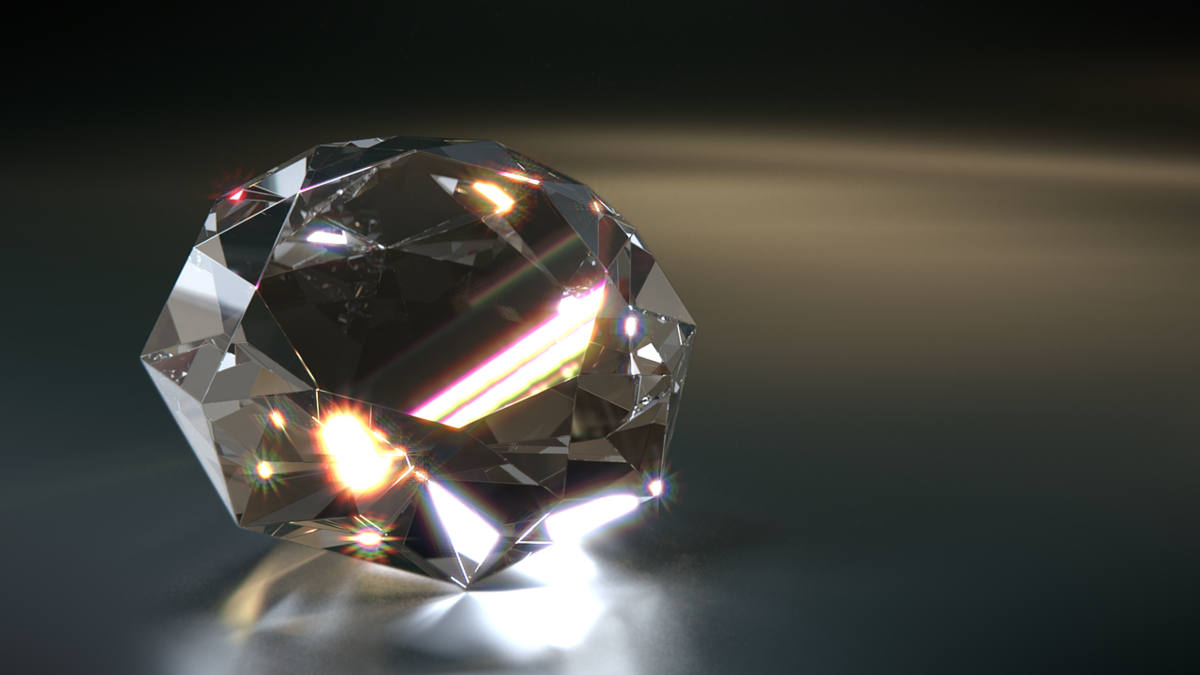
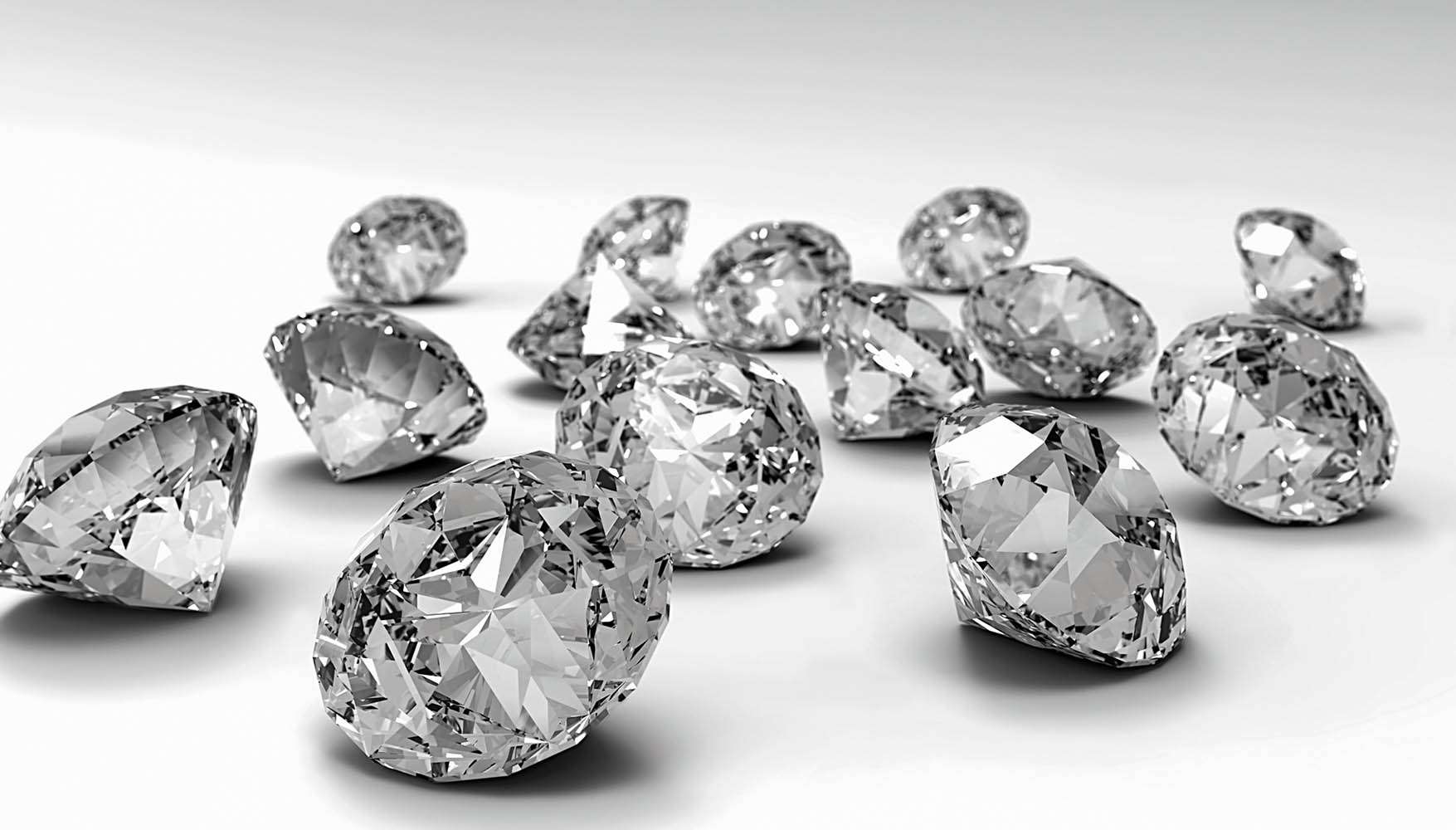
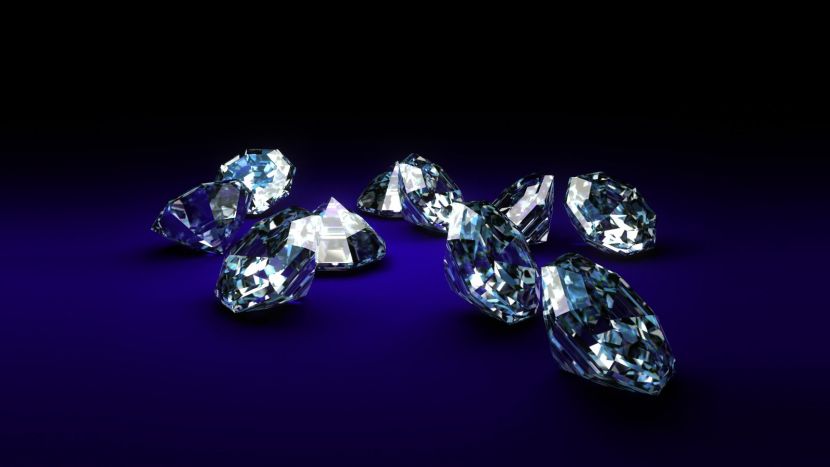
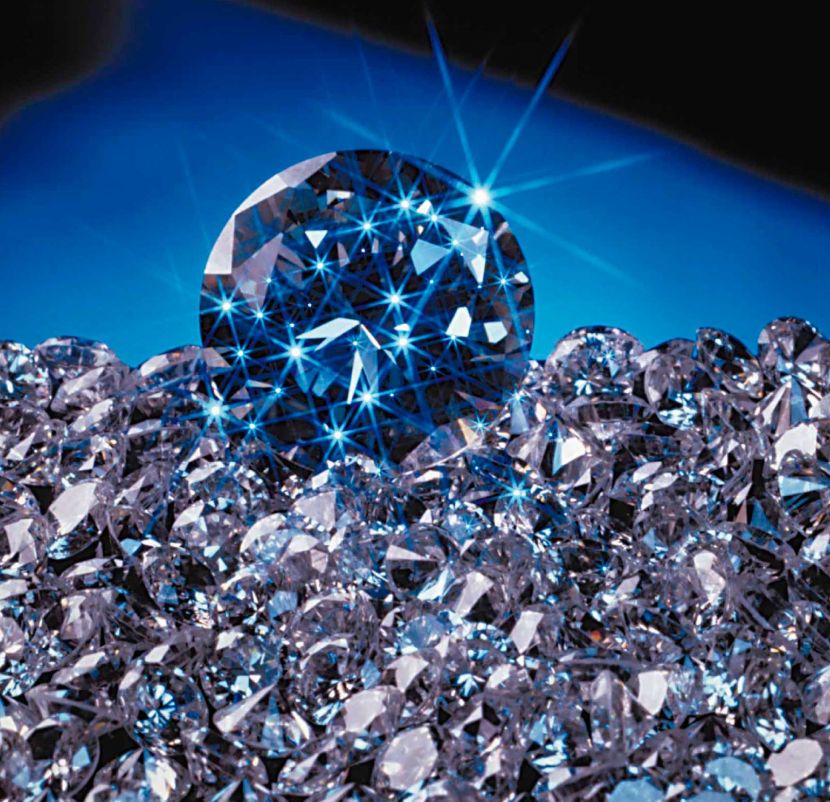
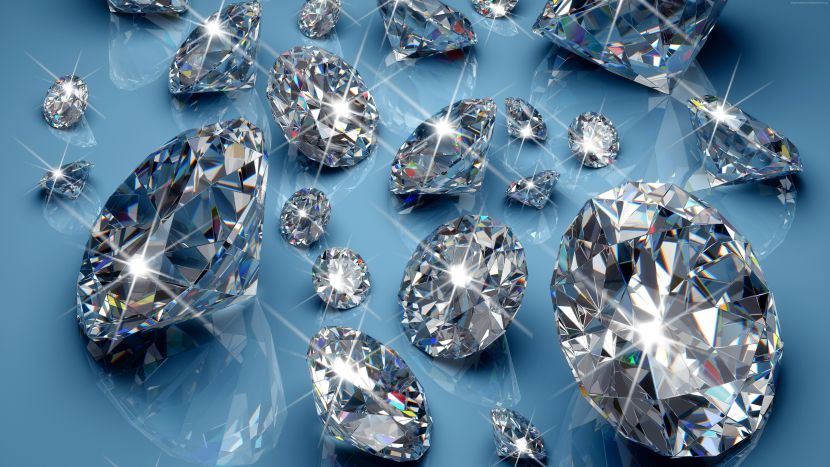
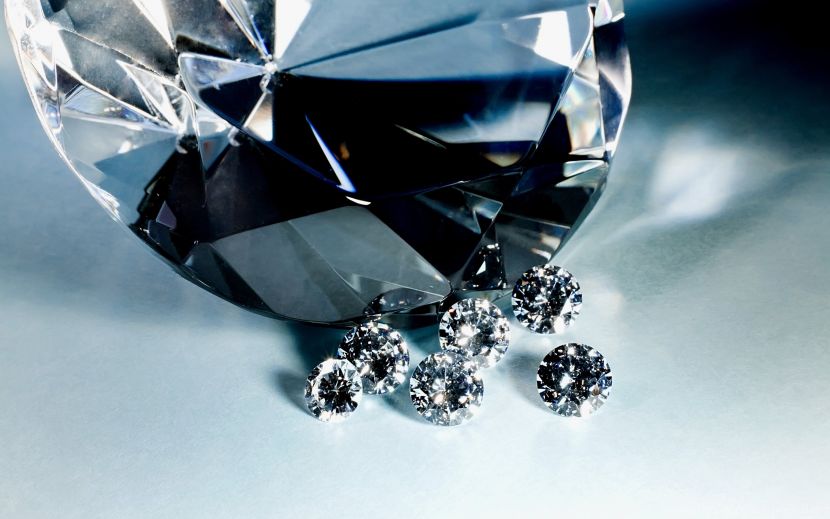
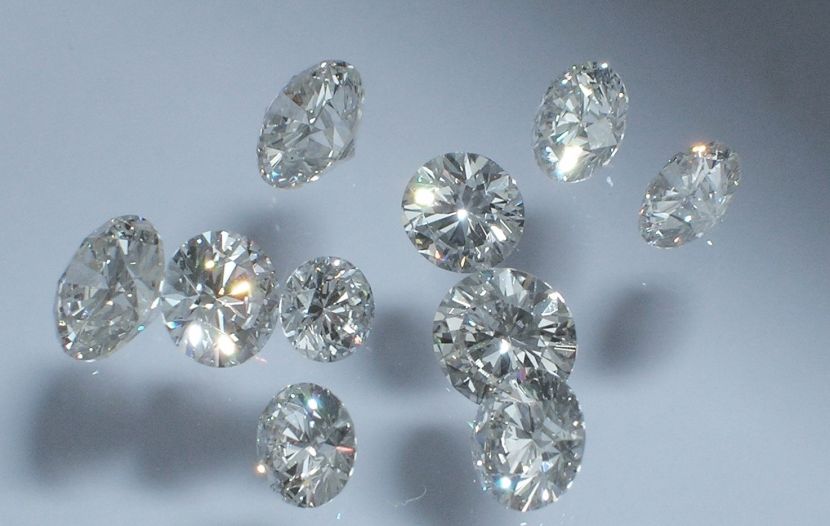
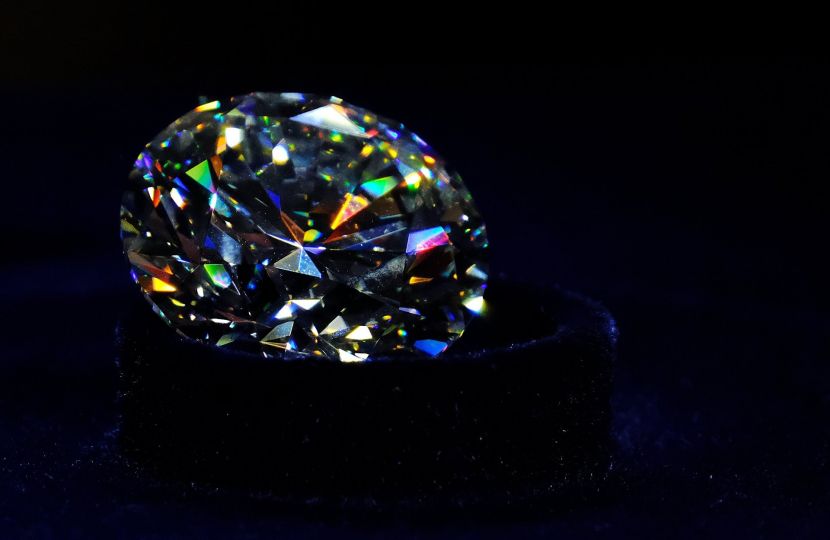
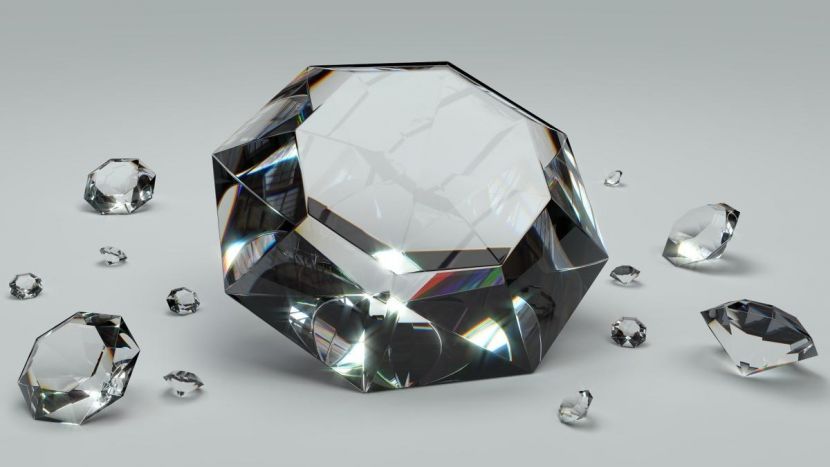
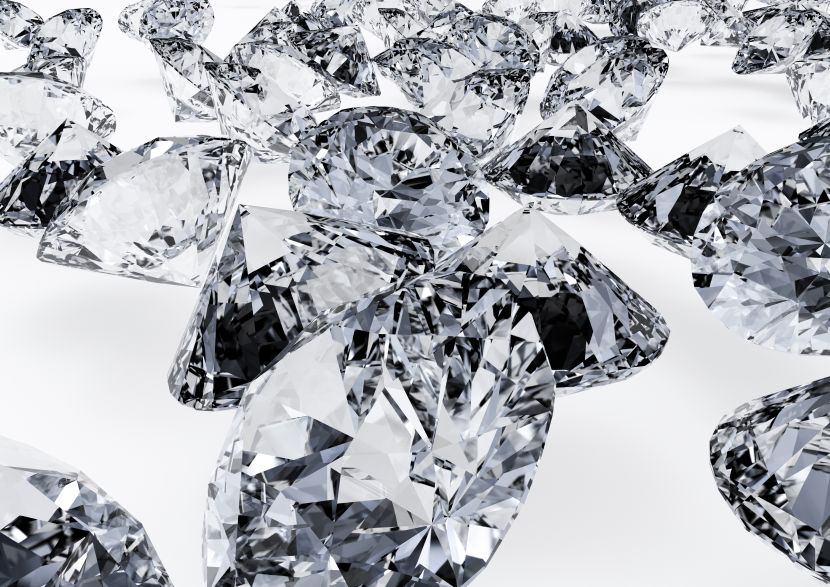
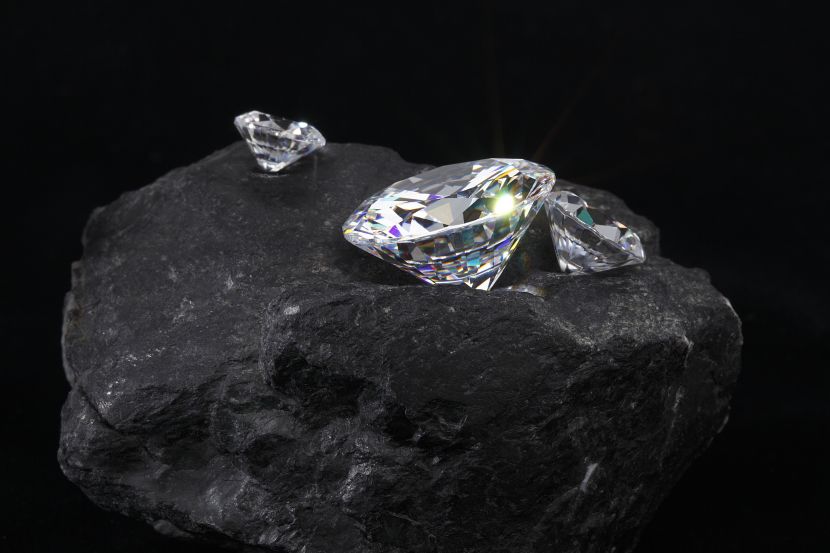
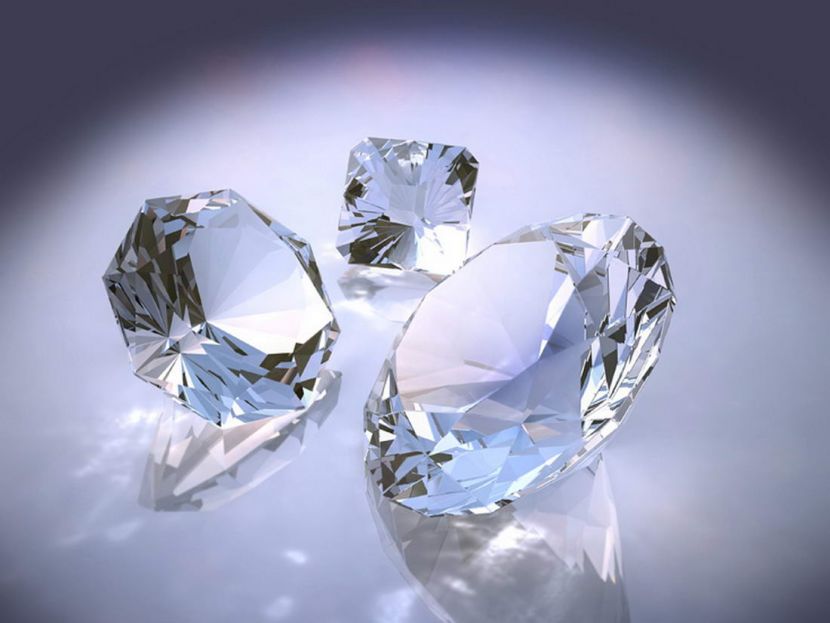
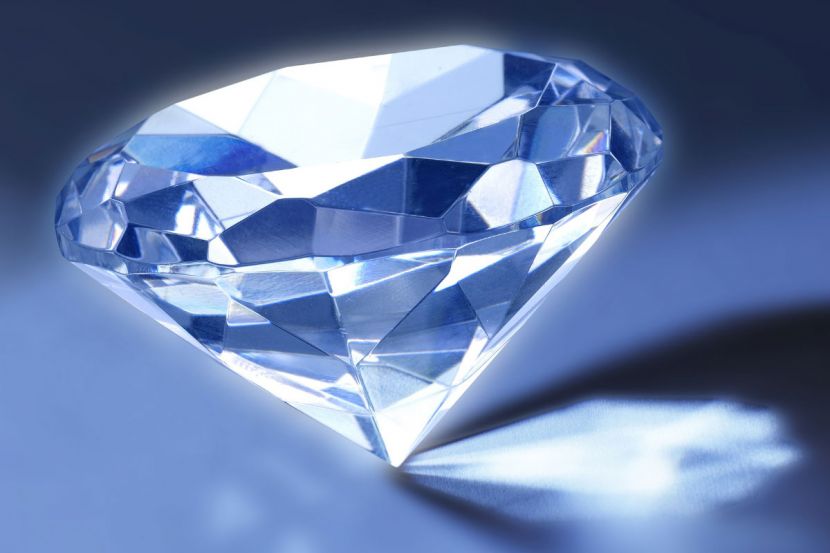
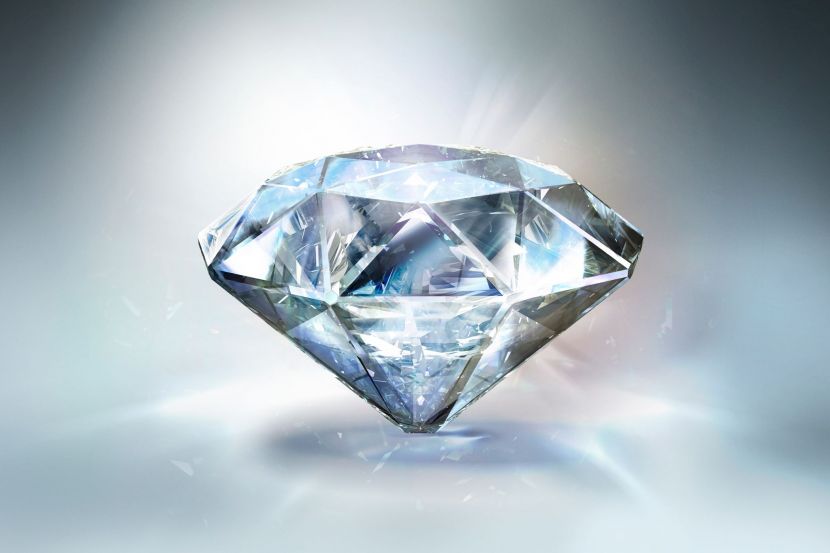
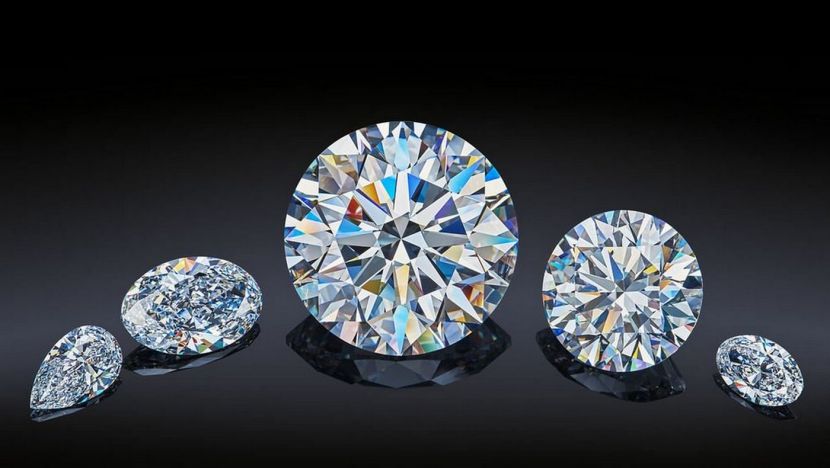
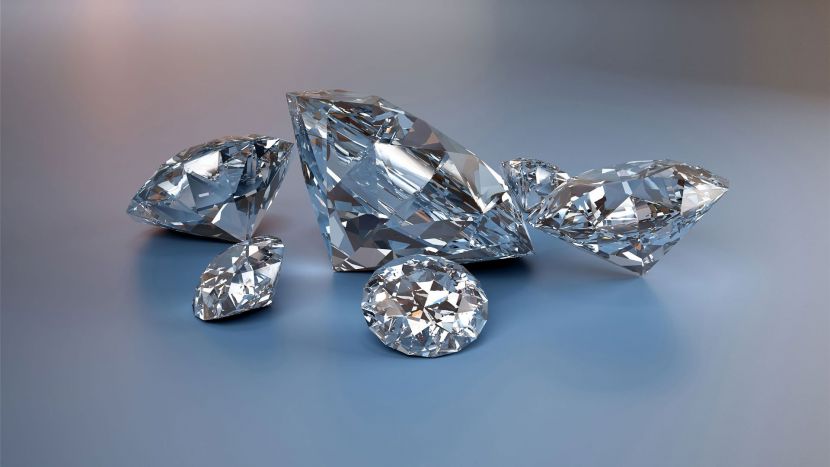
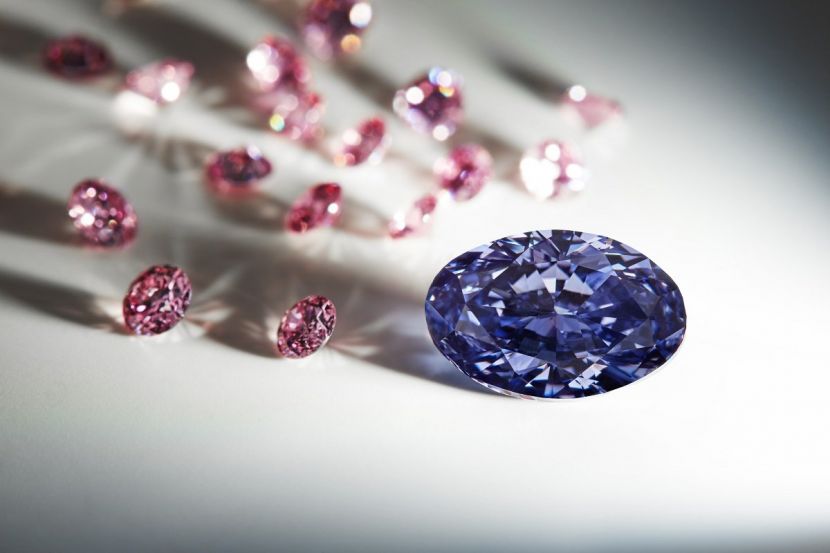
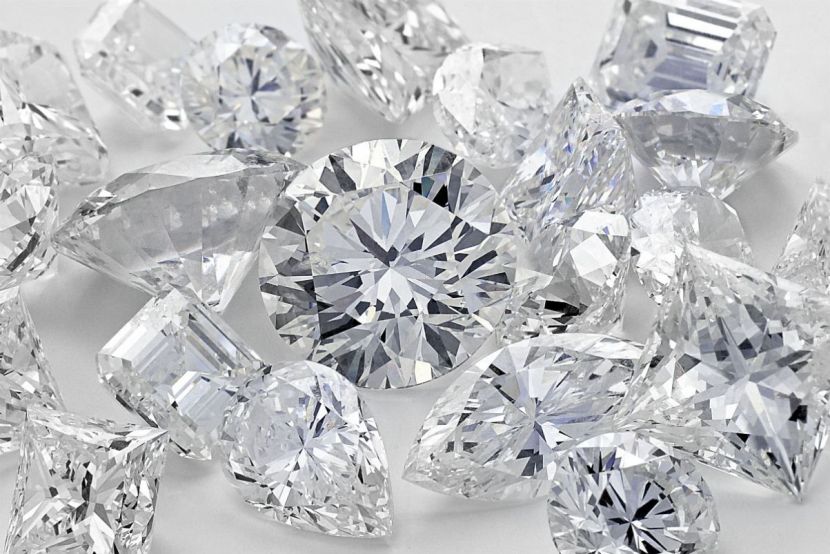
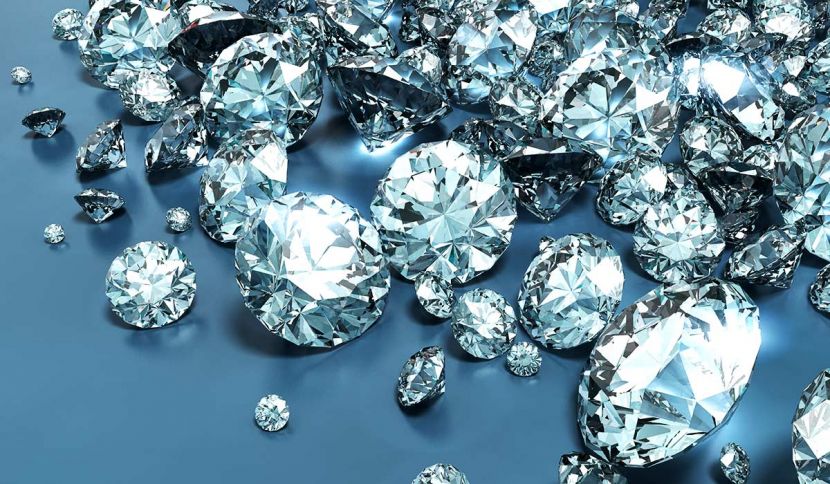
The beauty of highlights in a diamond cannot be conveyed in a photo of a stone, but even from them it is clear why a diamond is considered the king of gems.
Photo stone Diamond