Extraordinarily beautiful Rare stones - a list of the main representatives, interesting facts, photos of rare stones
The whole history of mankind is connected with the extraction of stones. In the Mesozoic era, a tool was required, so people were looking for the hardest samples. In the settlements of the X-V millennium BC. e. items made of jasper, crystal, agate were found. With the development of civilization, the attitude towards minerals has changed. Aesthetic characteristics come to the fore. Crowns, works of art, household items, weapons and personal adornments were decorated with jewels.
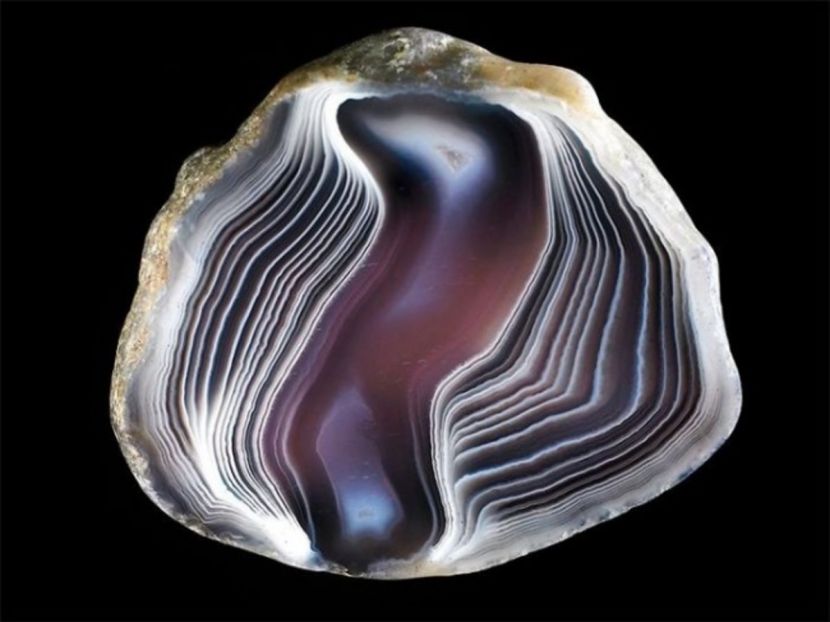
Beautiful expensive stones are closely connected with mythology: people believed in their magical properties and divine origin. In modern society, the possession of rare gems, like thousands of years ago, symbolizes wealth and status. They are a reliable investment and a source of pleasure for connoisseurs of beauty.
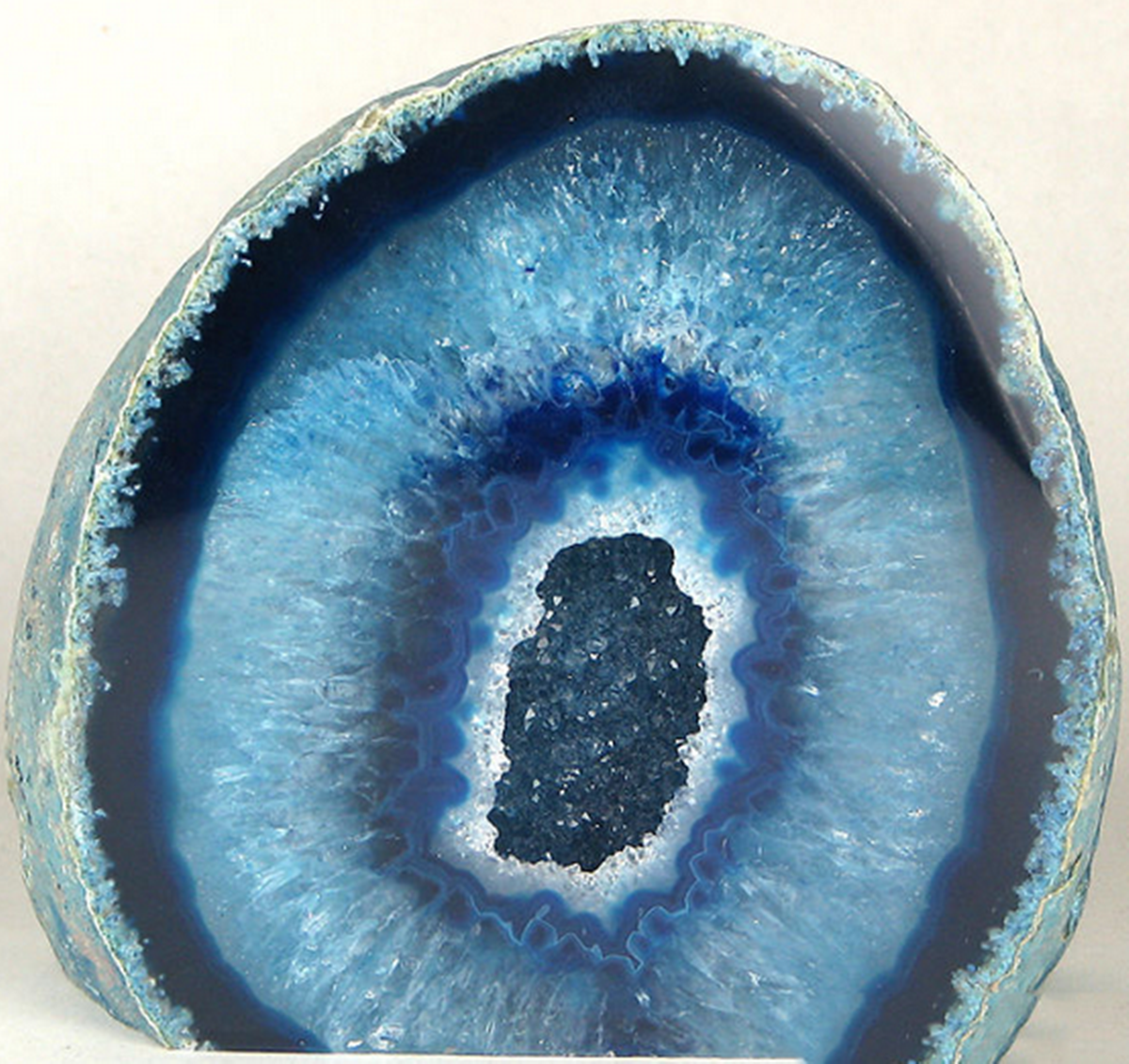
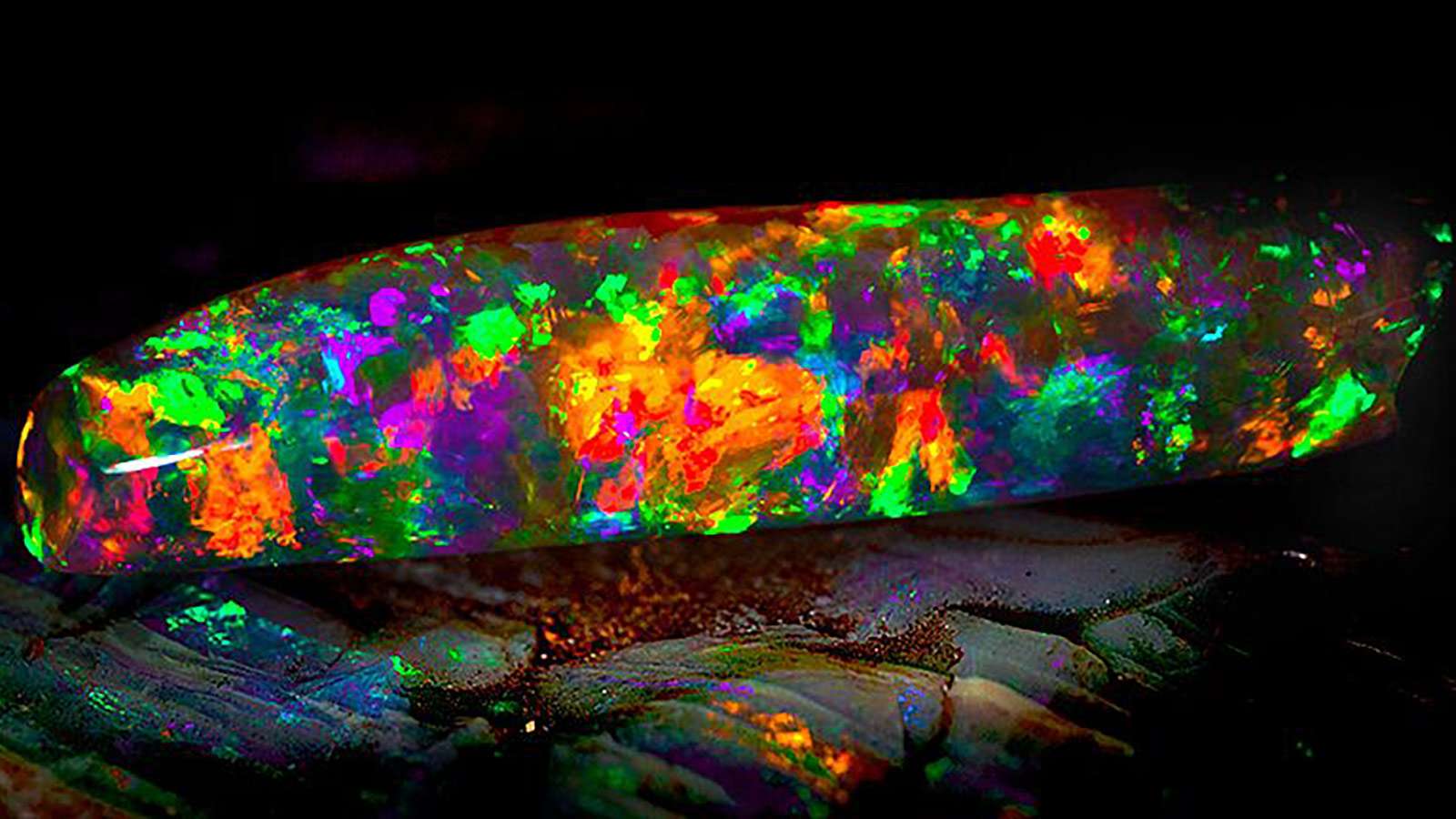
Types of stones
There are many characteristics and classifications of minerals. Often the price is determined by the rarity and limited nature of the deposits. All stones are divided into:
- precious
- semi-precious
- ornamental
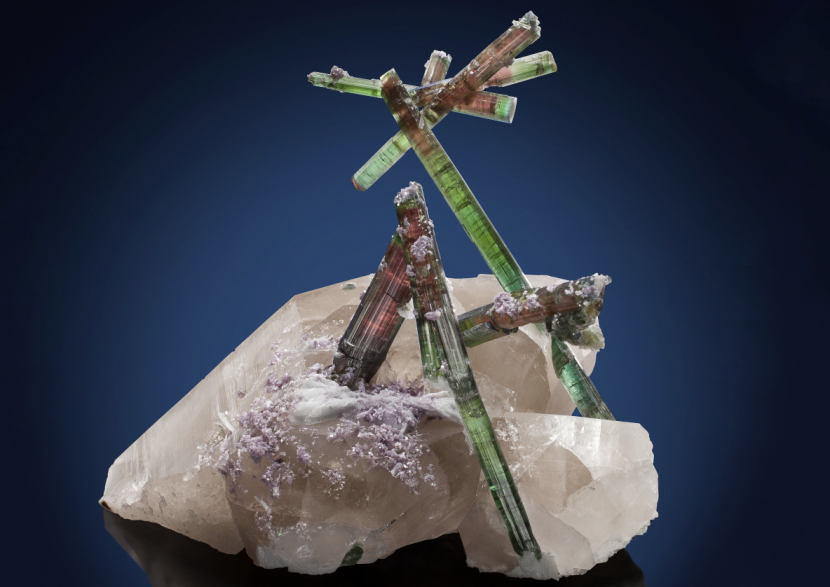
This classification is conditional and not always objective. So, jadeite imperial belongs to semi-precious (jewelry and ornamental) stones, but it can be more expensive than emeralds. The price of any mineral is affected by:
- transparency
- hardness
- uniqueness
- the size
- purity
- cut quality
- application area
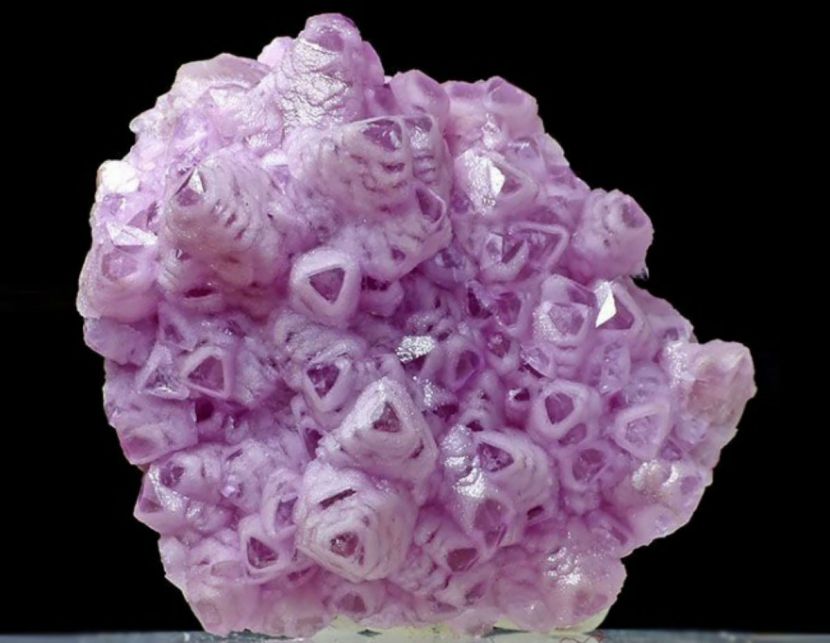
Jewelers divide all minerals into:
- transparent (diamond, topaz, ruby, sapphire, emerald, etc.)
- opaque or translucent (agate, opal, onyx, jadeite, morion, charoite, etc.)
The rarest types of popular gems
red diamond
Colored diamonds are very rare. More than two-thirds of fancy diamonds come from just one deposit in the Argyle mine in Australia. Only one percent of the mined colored diamonds are red. According to forecasts, the deposit will be exhausted within the next few years.
In 2001, the price of a 1.92 carat round red diamond was $1.65 million. After 7 years, it increased by 80% to $1.5 million per carat. According to analysts, prices for colored diamonds are increasing by 12% annually.
In second place in terms of rarity are blue and green diamonds. In Russia, colored diamonds are mostly yellow and brown. But in 2017, a 14-carat pink specimen was found in the village of Ebelyakh in Yakutia.
Separately, it must be said about black diamonds. According to gemologists, they cannot be classified as fancy diamonds, as they are opaque and reflect light only superficially. The most valuable are those specimens in which the natural color is evenly distributed. Today there are many different technologies for ennoblement. Sometimes, under the guise of a black diamond, they sell "blackened" defective samples, or even artificial moissanite.
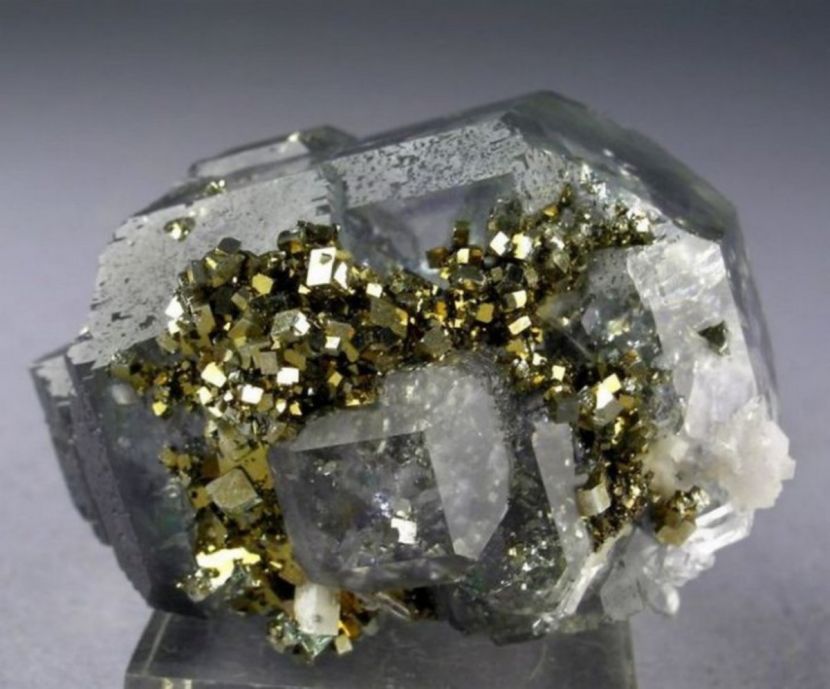
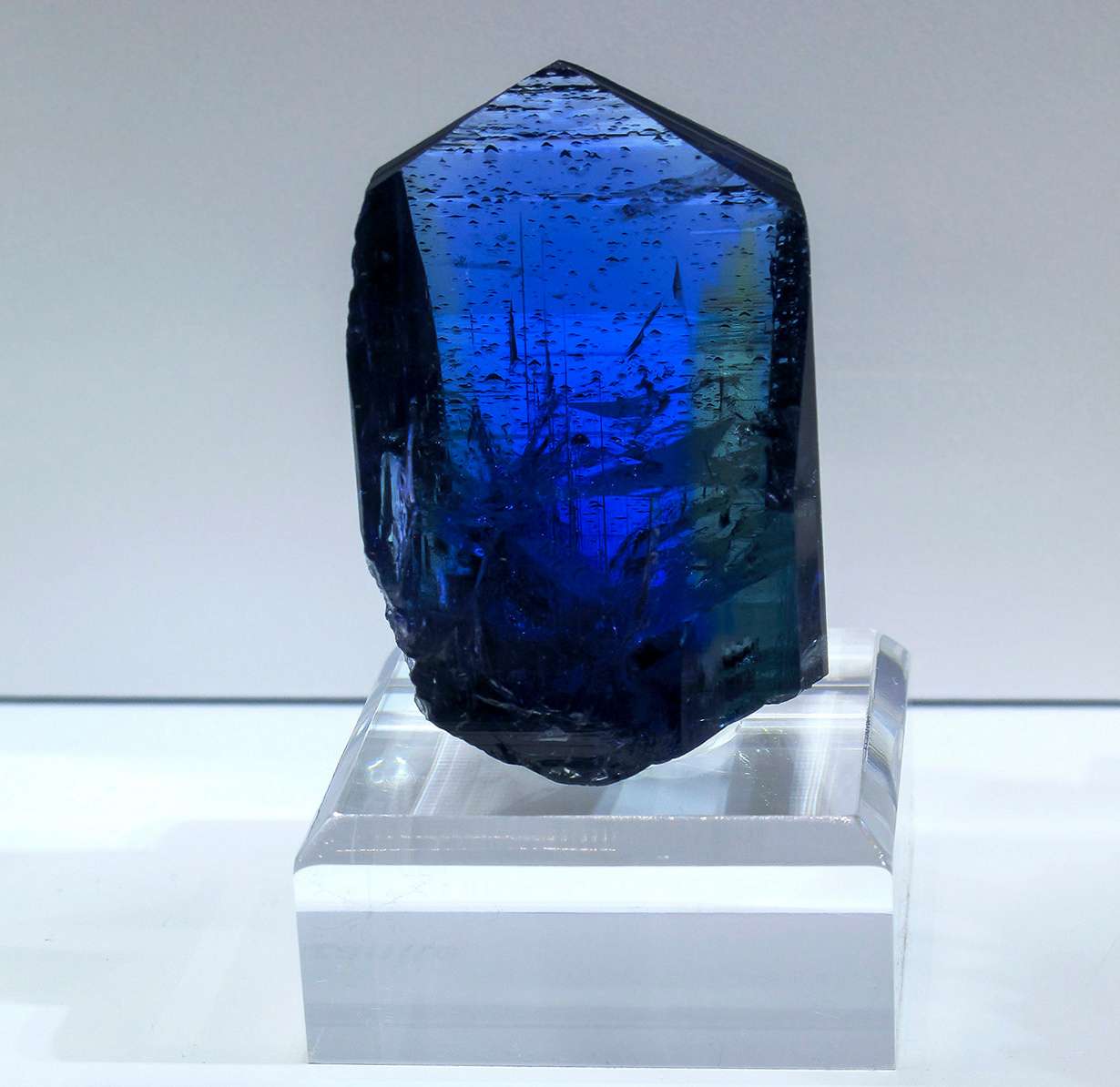
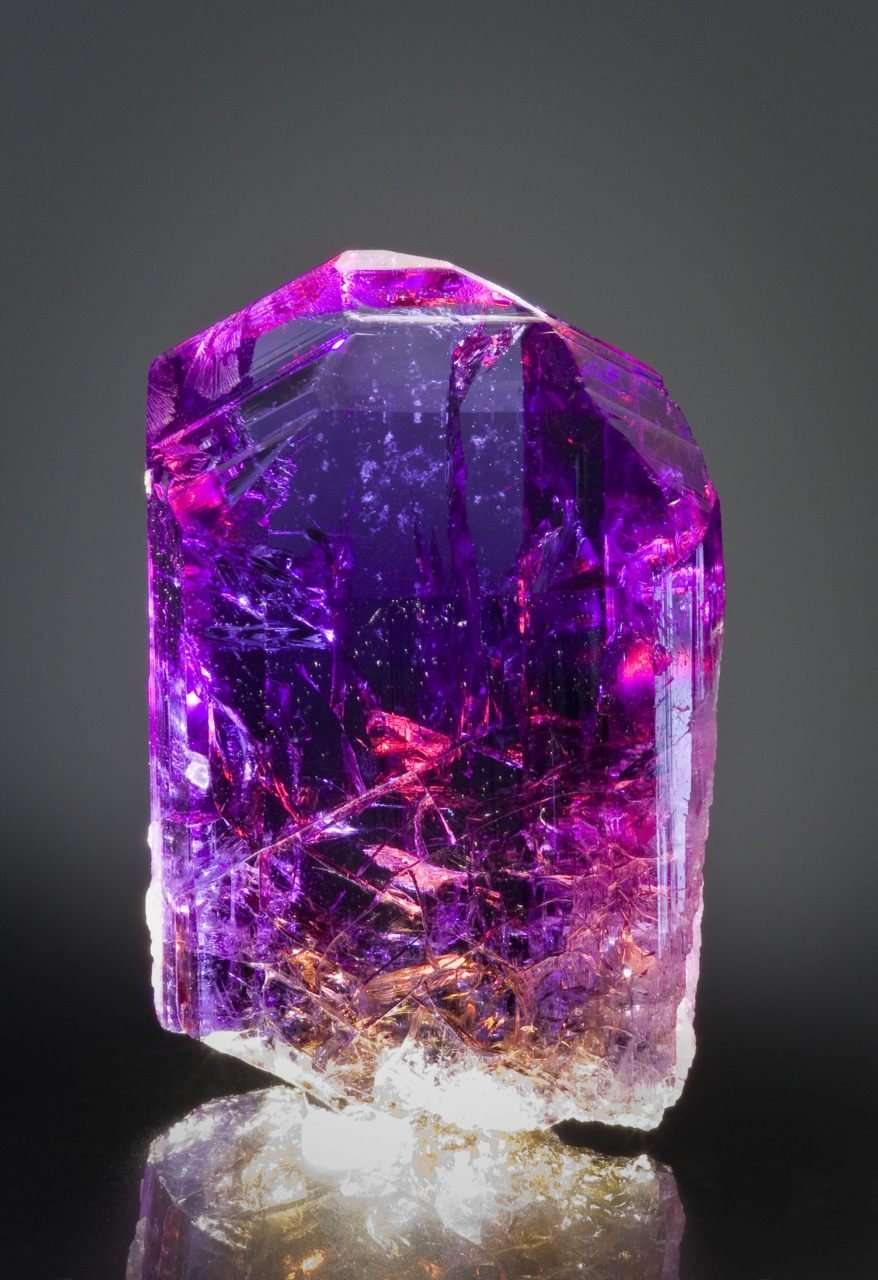
Tanzanite
A very rare type of zoisite.
Ultramarine or blue in electric light takes on an amethyst hue, royal tanzanites cast purple in artificial light.
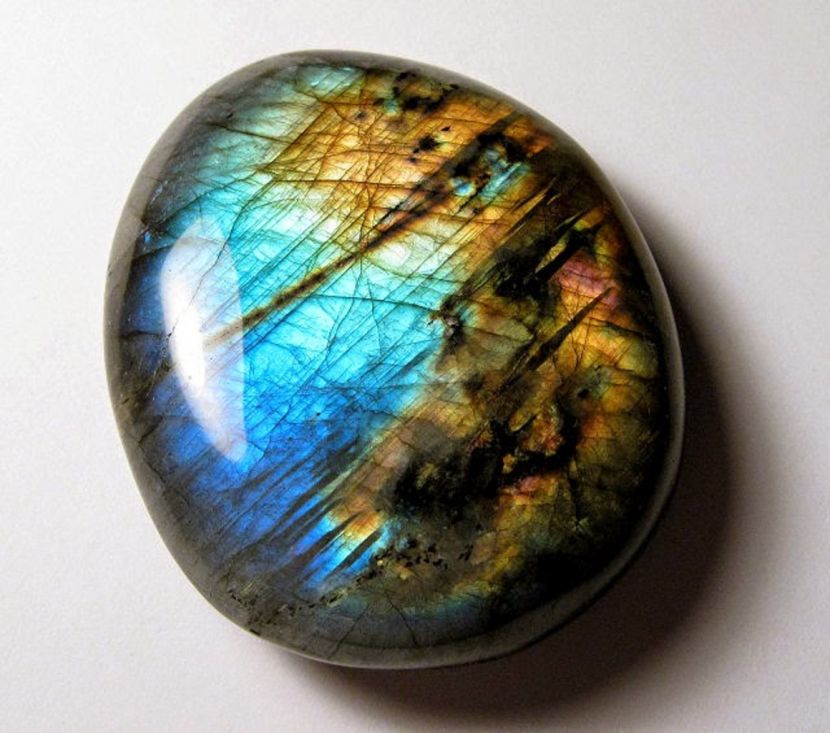
It is named after the only deposit where this mineral is mined - Tanzania. In the movie Titanic, tanzanite was used in the necklace because of the richer color compared to blue diamond. Jewelry from this bright stone was loved by Elizabeth Taylor.
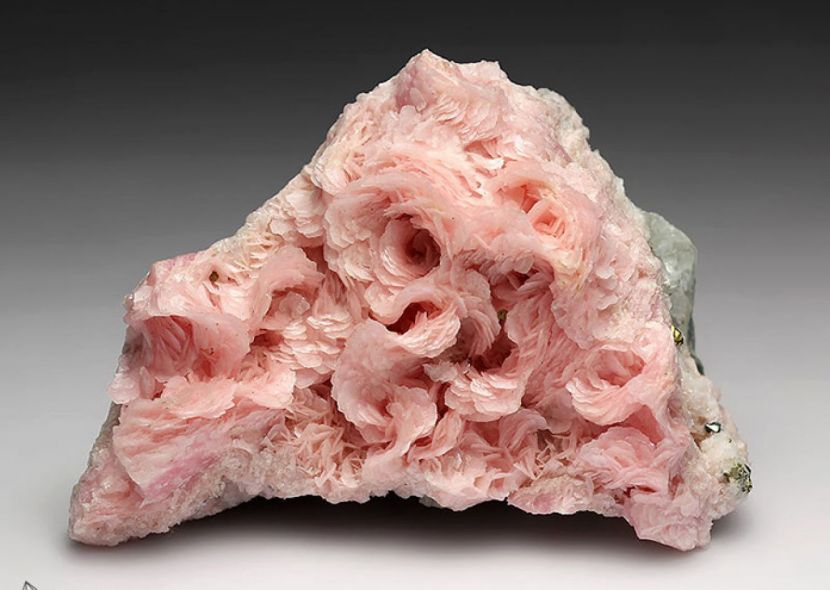
Majorite
Purple pomegranate.
It is formed at very high pressure at a great depth of at least 400 km. For comparison, most of the mined diamonds are formed at a depth of 100-200 km. High pressure also appears when exposed to an explosion or impact of a celestial body on the Earth. The first sample of majorite was found at a meteorite impact site in Western Australia in the early 70s. Named after A. Major, who studied the formation of minerals under high pressure.
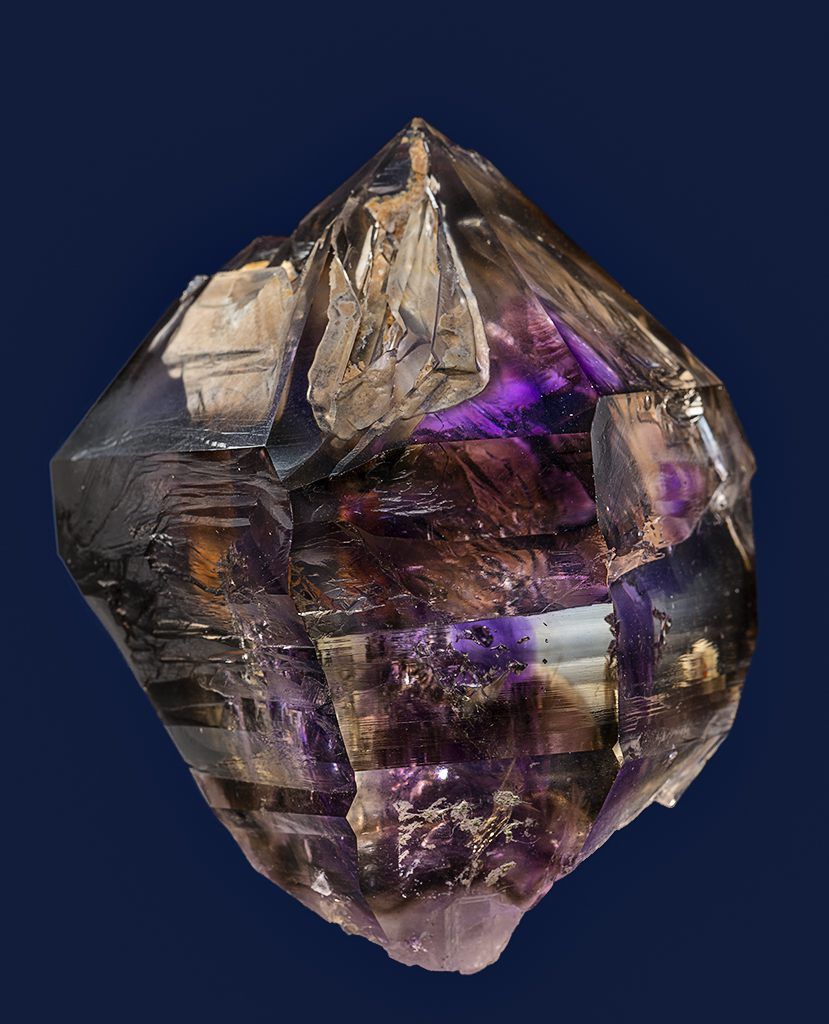
In August 2019, an unknown mineral of extraterrestrial origin, edscottite, was found in the same meteorite that fell in Australia.
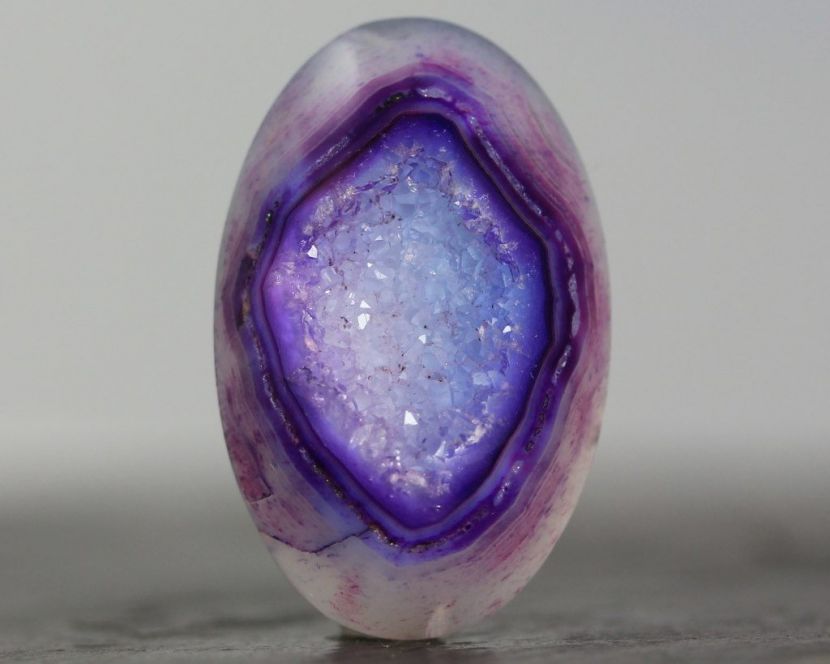
Bikbit
Red beryl.
Transparent stone of pronounced red and dark red color.
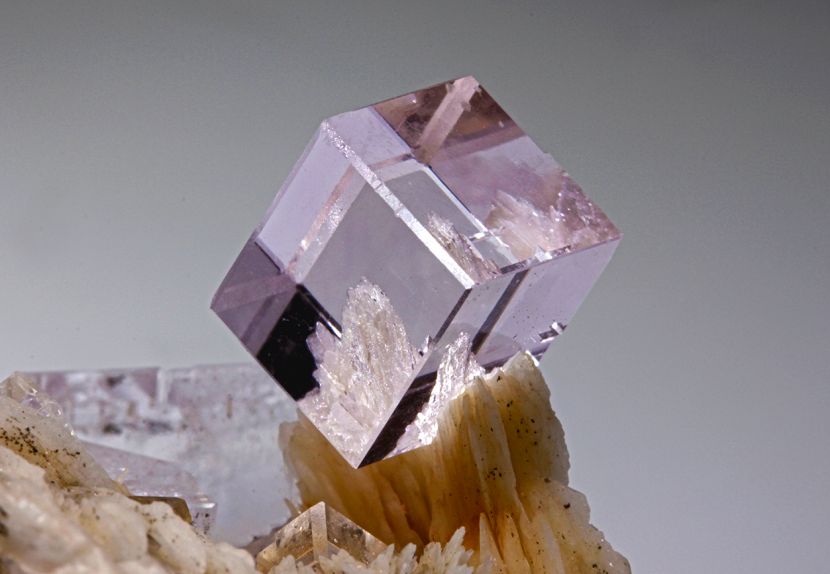
Discovered in Utah, USA by Maynard Bixie. Rare, most specimens are small. Samples of 2 carats are considered large. A gem-quality beakbit has been found in New Mexico and Beaver.
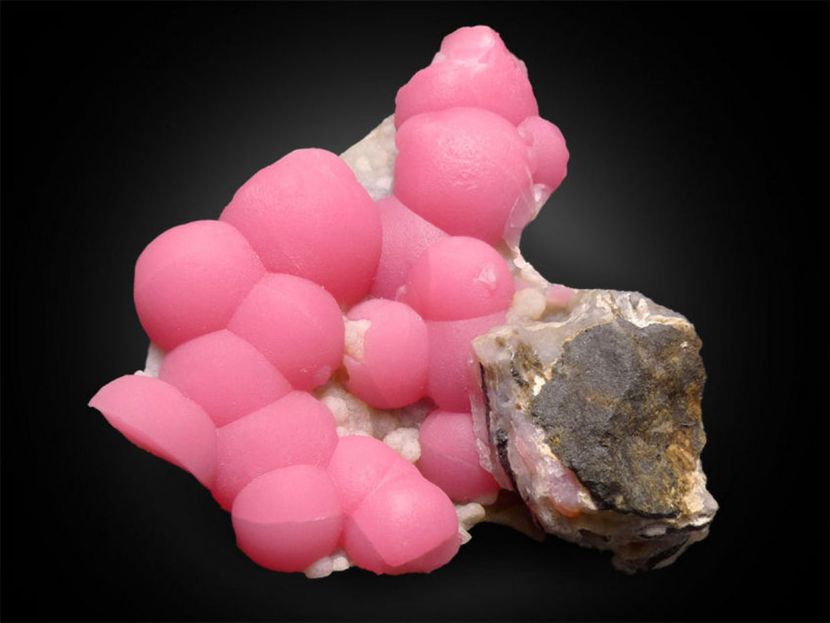
padparadscha
Sapphire dyed in rich pinks, yellows and oranges.
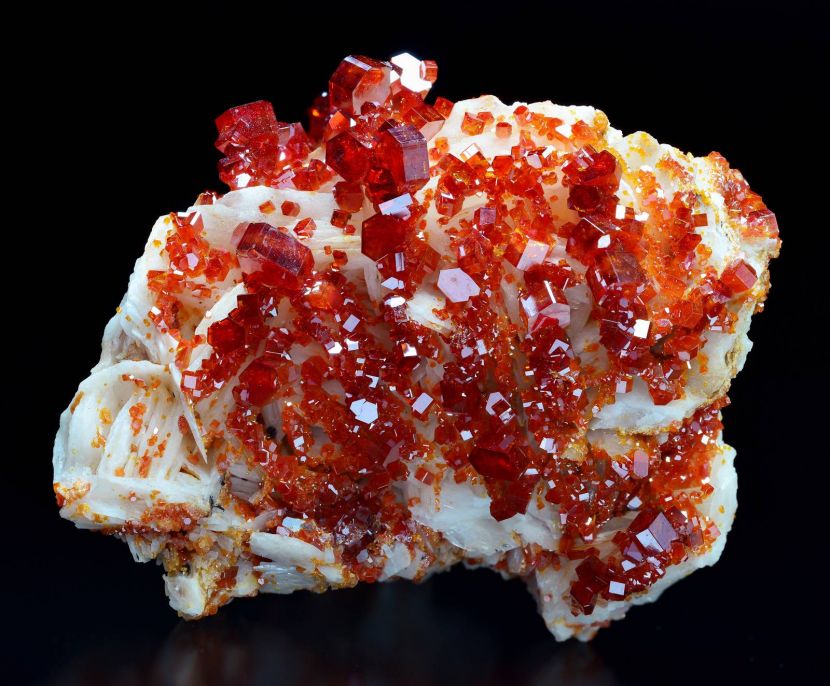
First discovered in Sri Lanka. Later it was found in Vietnam and Madagascar. There are several ways to "ennoble" colorless transparent corundum, making it look like padparadscha. But real fancy sapphires are rare, their cost is very high. Copies of only 5 carats are considered collectible.
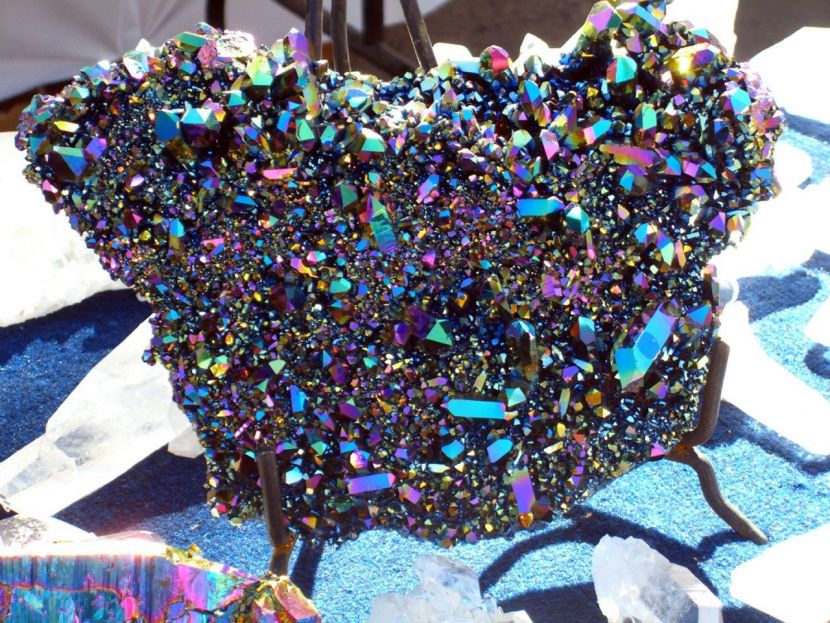
The rarest independent minerals
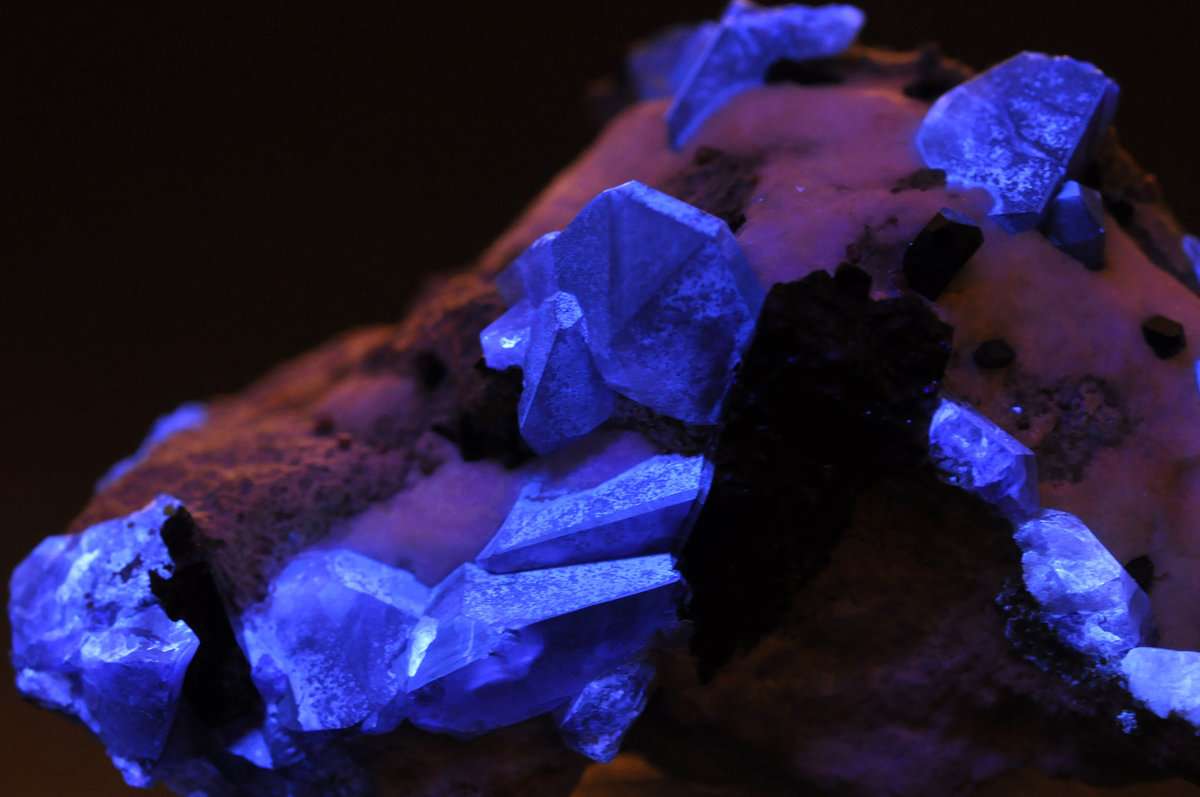
Benitoite
Transparent or translucent stone of blue and blue shades. There are also colorless specimens. Glows under ultraviolet light. The mineral has pleochroism - the ability to change color depending on the direction of the light.
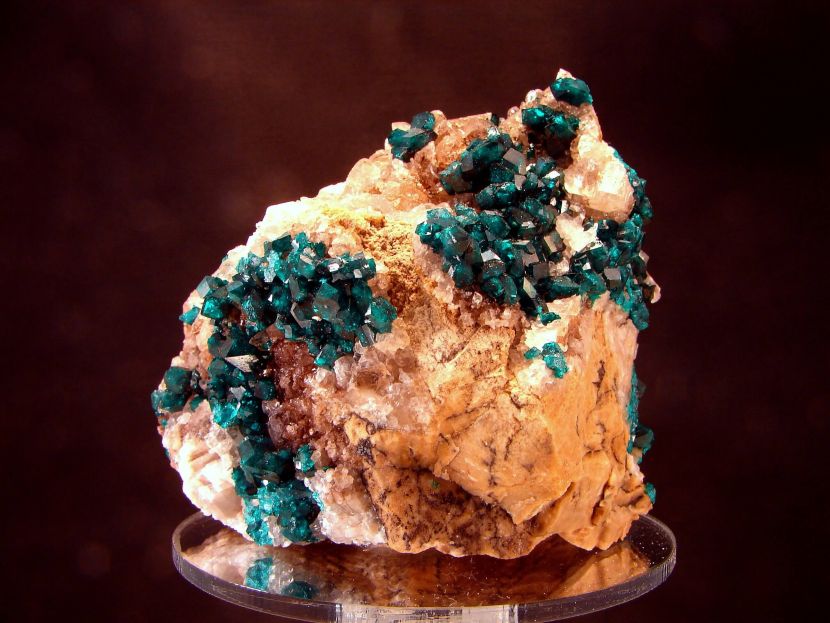
Benitoite was discovered in 1907 by George Lounderbuck, when he studied in detail unusual, in his opinion, sapphires. It is the state stone of California, as significant deposits are located there.There were single finds in the states of Texas, Montana and Arkansas. Benitoite is found in Belgium, Japan and New Zealand. The US museums have two copies weighing about 7 carats. But on the market, cuts no more than 2 carats are more common. The largest benitoite weighed 15.5 carats.
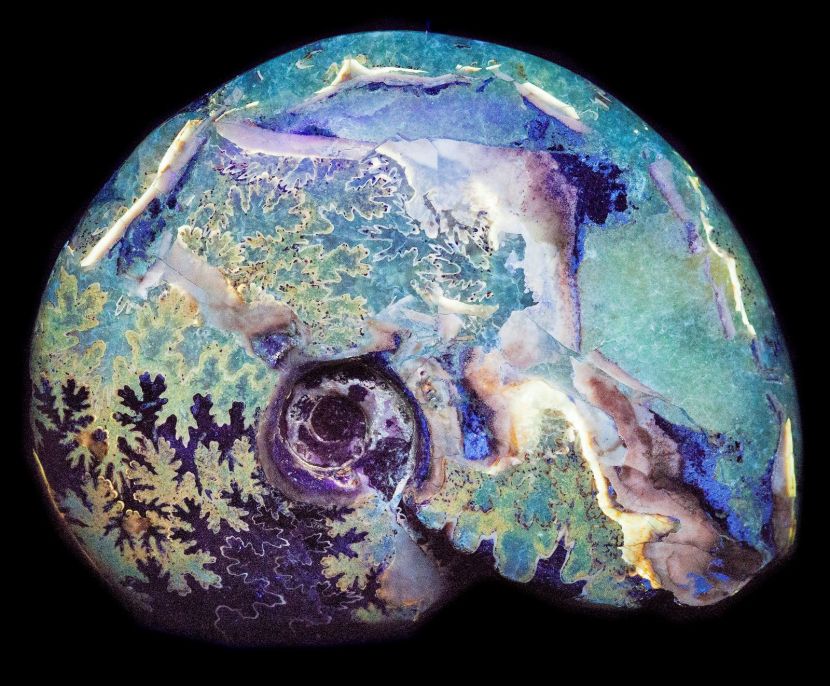
Painite
Transparent or translucent red stone with shades from orange to brown.
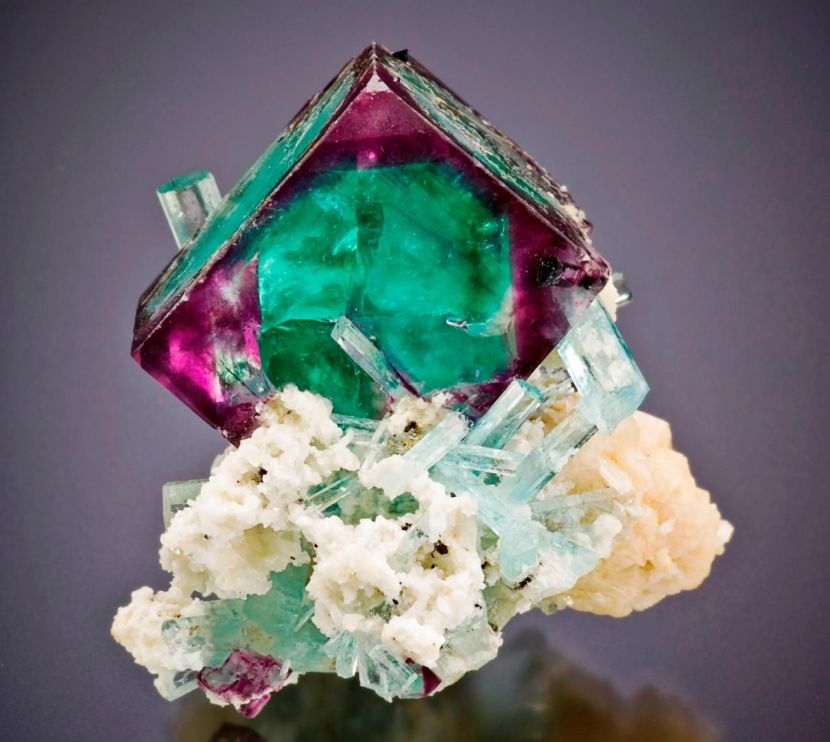
First found in Burma (now Myanmar) in 1956 by explorer Arthur Payne. In 2005, it was included in the Guinness Book of Records as the rarest mineral. In 2006, a new deposit was discovered in Myanmar, which brought about five hundred painites, but of lower quality.
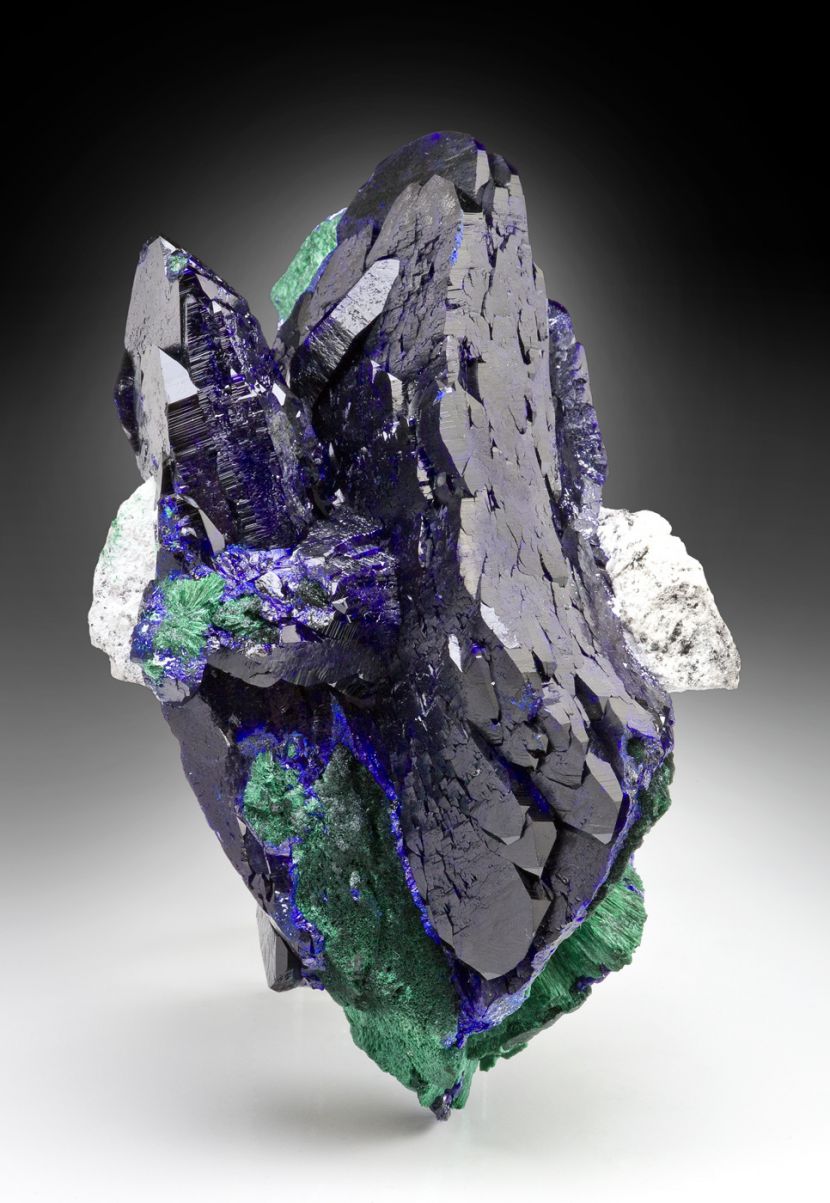
Taafeit
Transparent or translucent stone from pinkish to lilac. There are crystals with greenish and bluish hues, as well as colorless specimens.
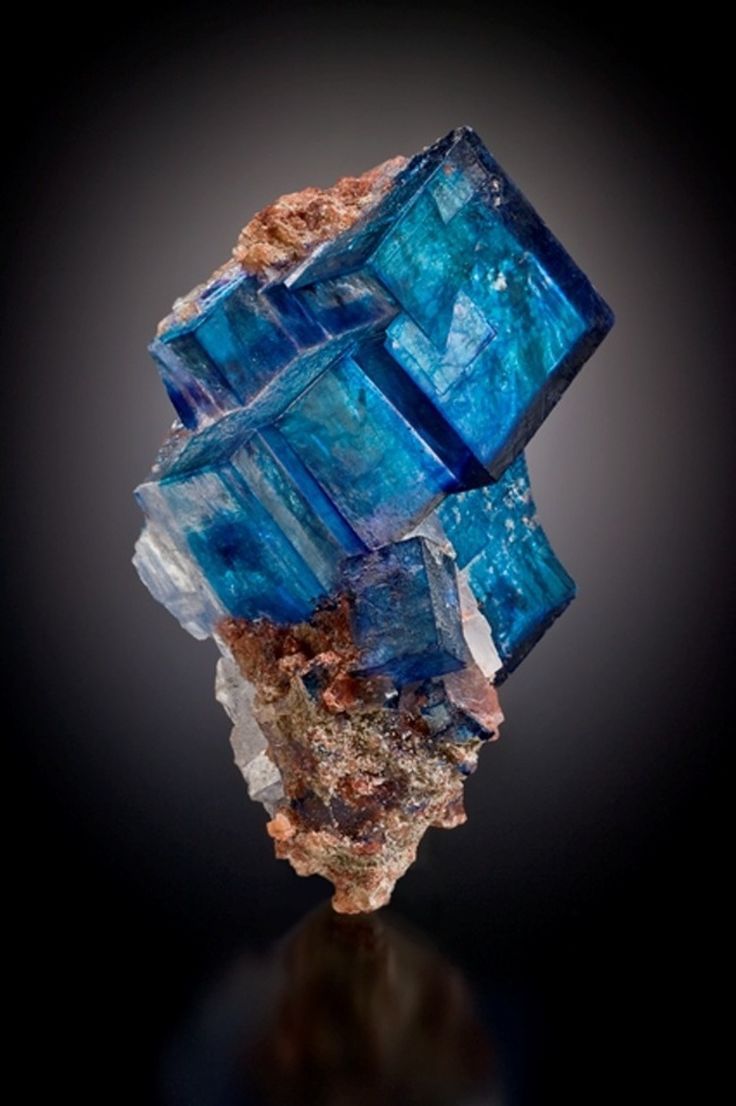
In 1945, one of the samples of spinel attracted the attention of Earl Tuff with an unusual reflection. The analysis showed a composition close to spinel and chrysoberyl. Found in Sri Lanka, China and Myanmar. With the advent of modern equipment, taafeite has been discovered in Russia and Tanzania.
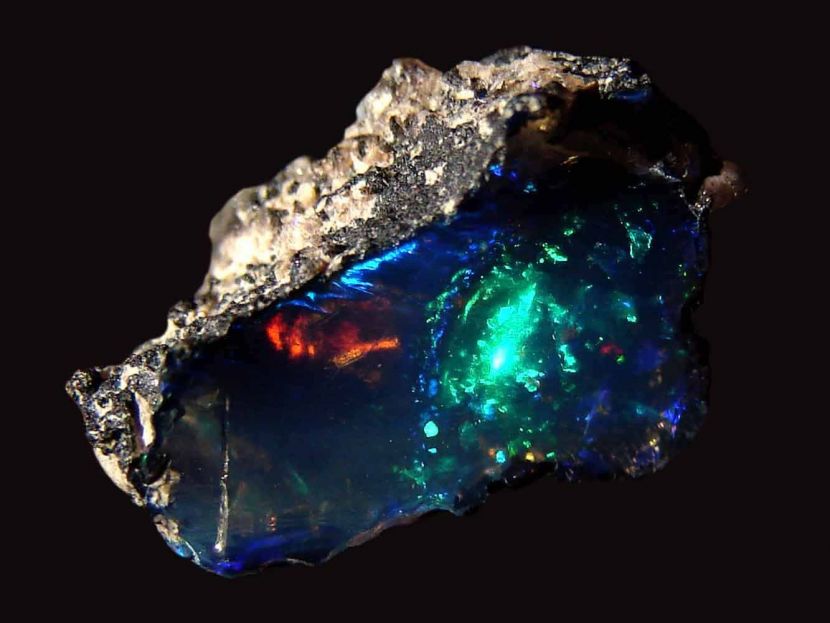
Powdertit
Transparent mineral of light pink and light purple hue. Sometimes it is colorless.
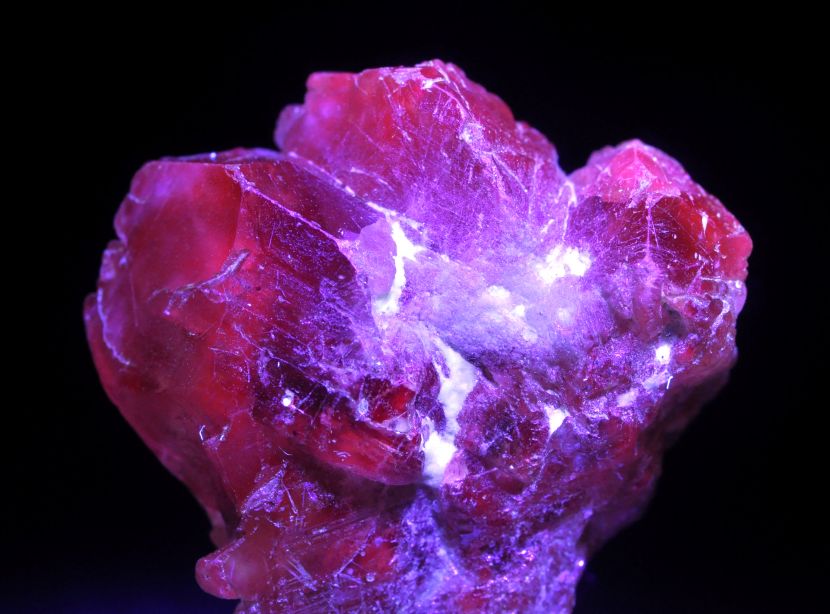
It was discovered in the mountains of Canada by the Pudrett family in 1965, but was recognized as an independent mineral only 22 years later. Powdertit was described in 2003. In addition to the Canadian deposit in Quebec, isolated finds have been made in Myanmar. In general, the samples are not large in size. The largest faceted pudrettite has a weight of 9.41 carats.
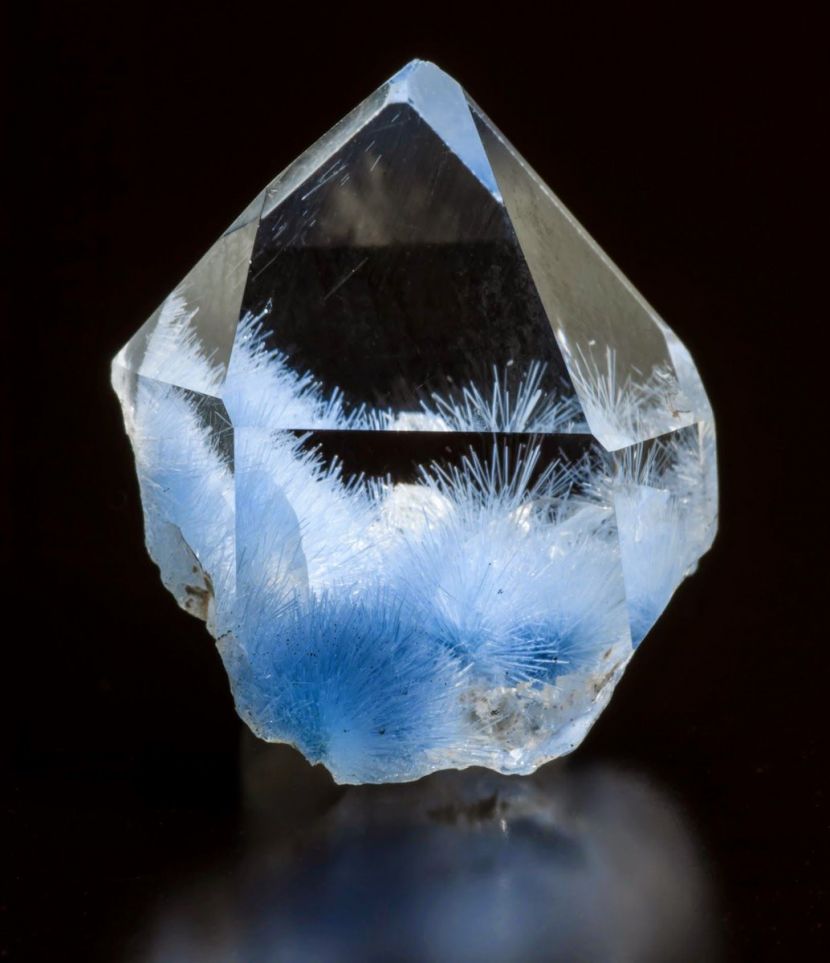
Musgravit
Transparent or translucent stone. There are combinations of light shades of gray, lilac, green and purple.
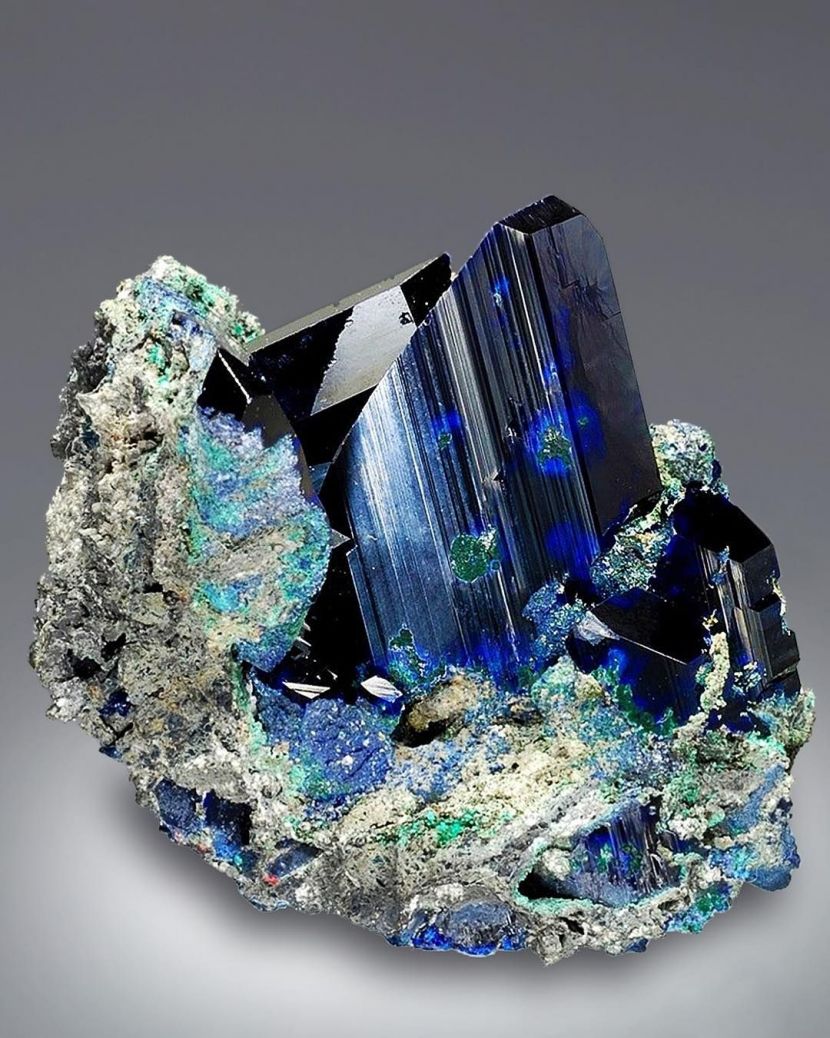
Discovered in Australia in 1967.It is possible to distinguish musgravite from taafeite similar in characteristics only in laboratory conditions. The first is considered rarer, therefore it has a higher cost. It is found in Tanzania, Madagascar and Greenland, but jewelry specimens are mined in Sri Lanka and Australia.
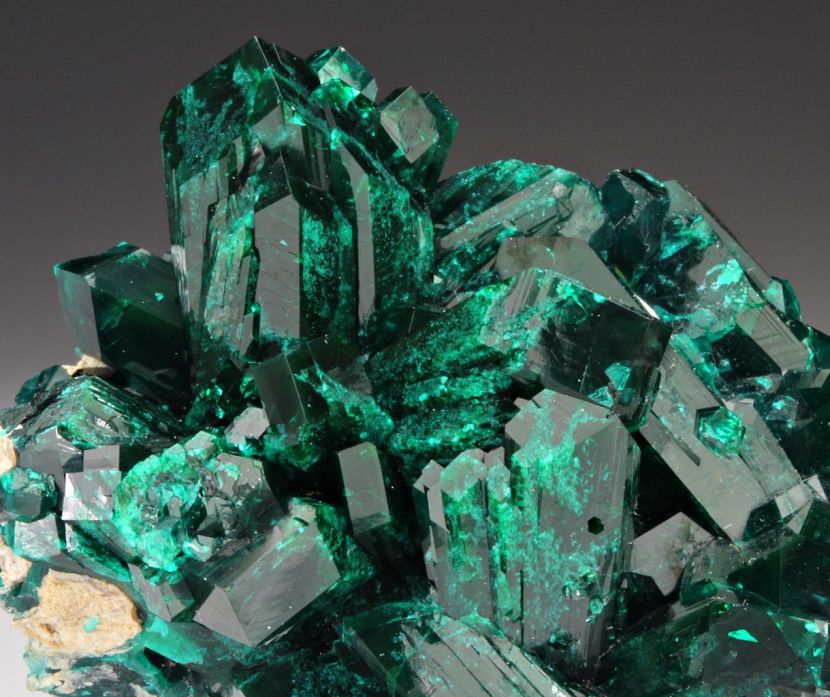
grandidierite
A blue stone with a greenish tint and milky inclusions. It is transparent and translucent.
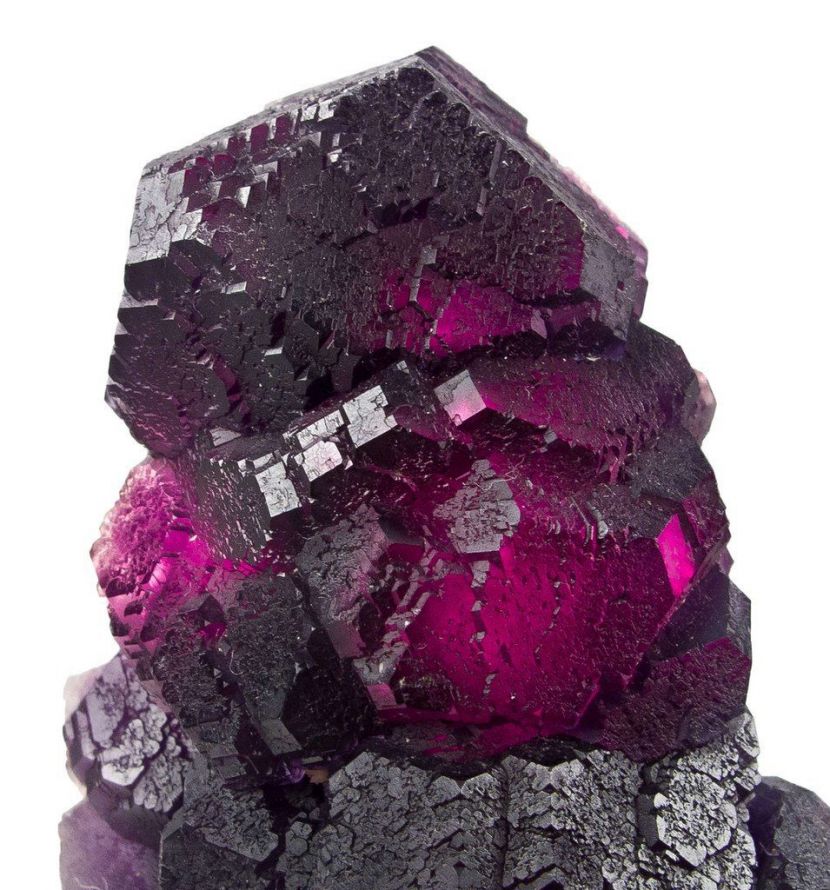
The discoverer was Alfred Lacroix in 1902, who decided to name it in honor of the explorer A. Grandidier. Only a part of the found minerals is of value. Jewelry samples are found only in Madagascar and Sri Lanka. Only 8 samples of the total number of minerals mined in the world are grandidierites, and 10 finds claim this.
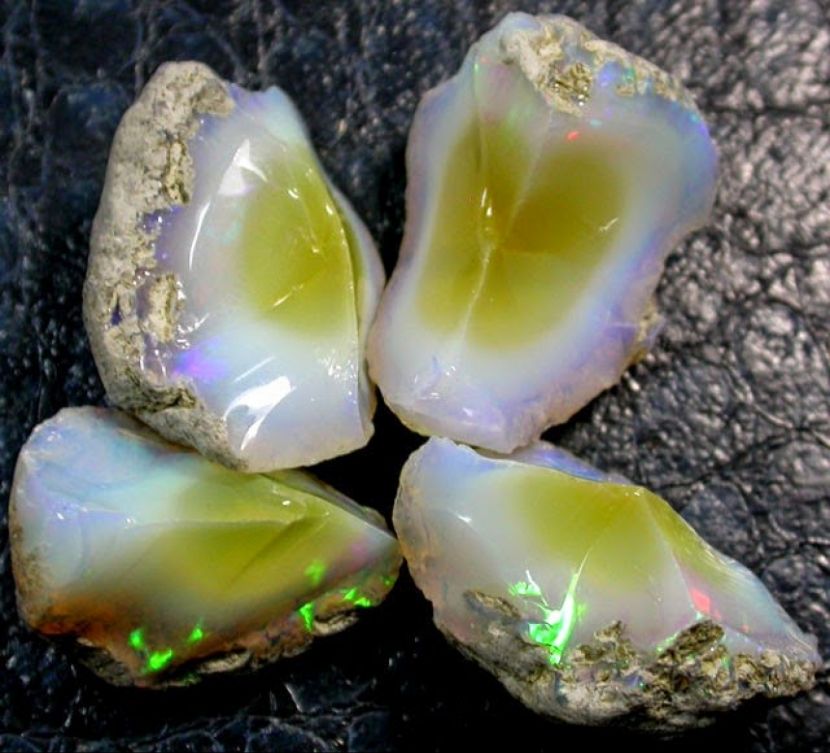
blue serendebit
Opaque or translucent stone. Serendibit can have different shades of cyan, green and blue. The most valuable species has a deep dark blue or blue color.
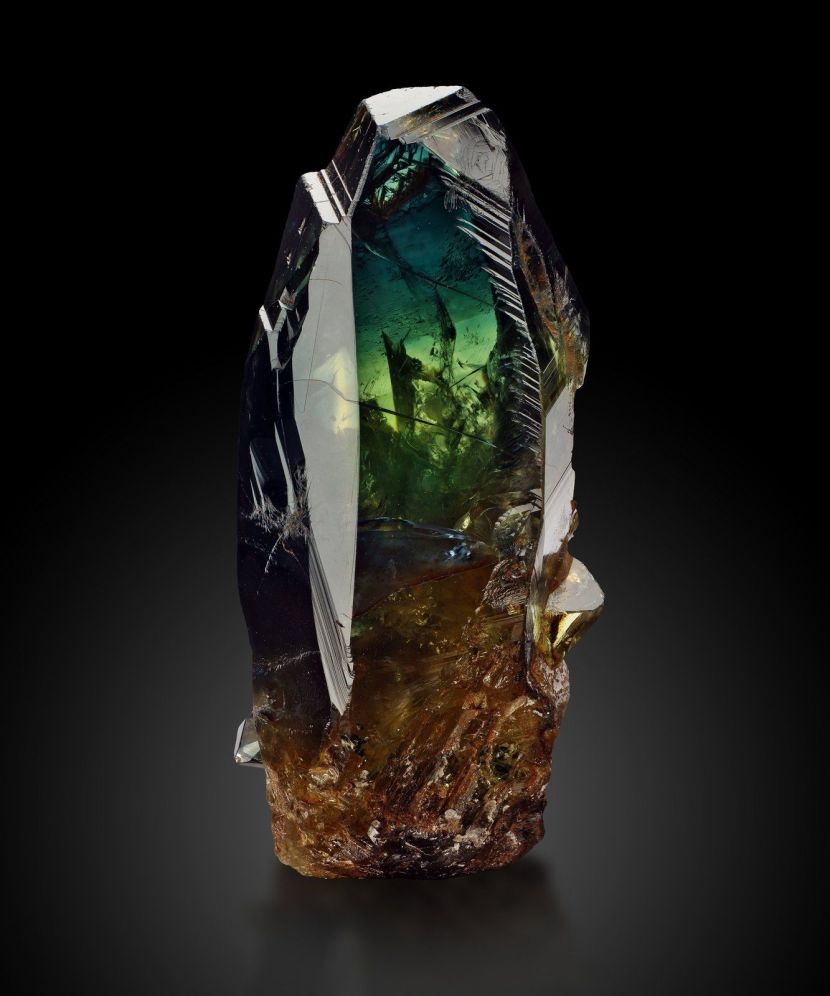
It is named after the ancient name Serendib, which was used to designate Fr. Ceylon. The mineral is mined in Myanmar and Sri Lanka.
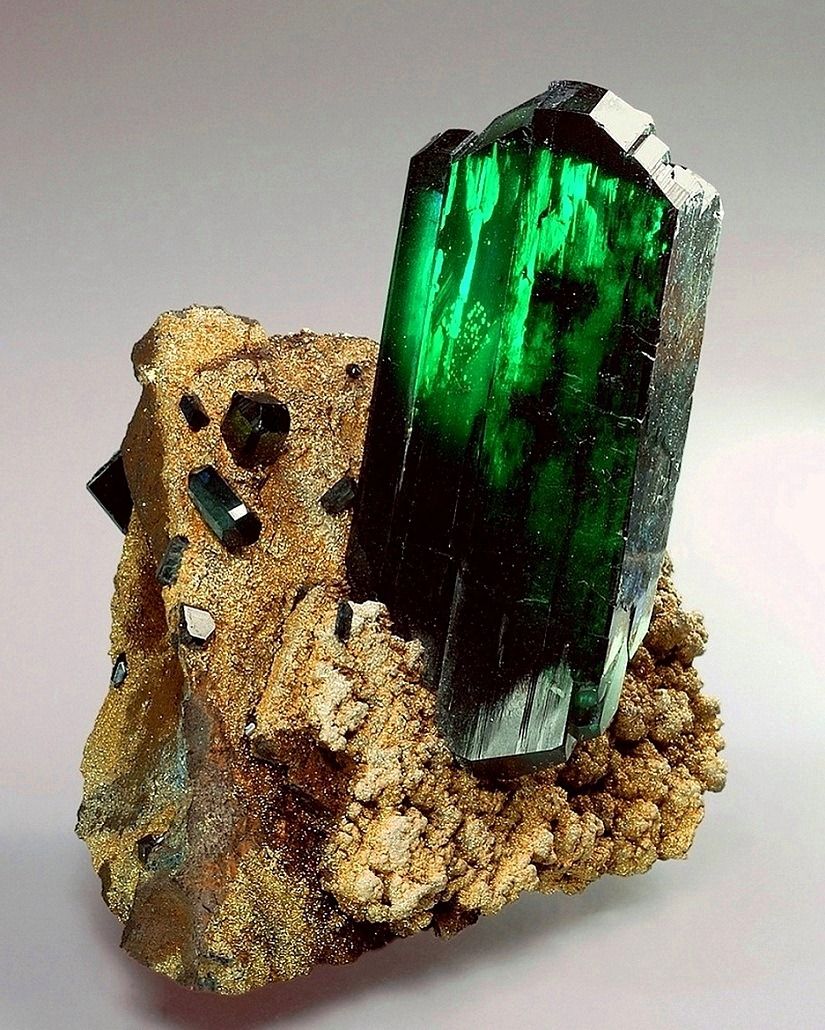
Yeremevit
Discovered in 1883 in the Trans-Baikal Territory by the Frenchman A. Damour. Named after Professor of Mineralogy P.V. Eremeev. The color includes pale shades of blue and blue, occasionally yellow-brown inclusions are also found. Eremeevite is found in Russia, Germany, Tajikistan, Namibia, Madagascar and Myanmar. The largest crystals found reach 8 cm.
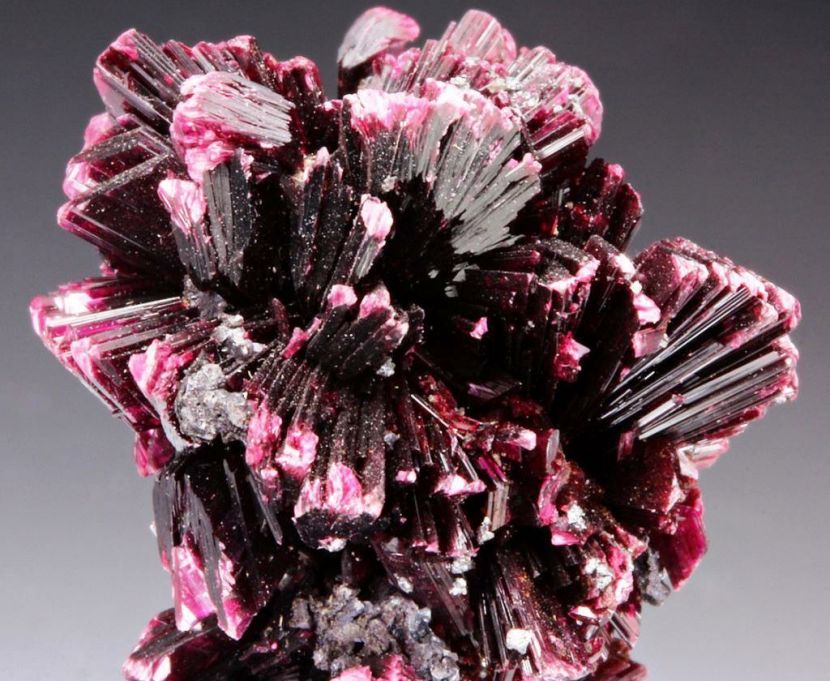
Technologies make it possible to ennoble or obtain under artificial conditions a product that looks very similar to any rare stone. But the more analogues, the higher the value and interest in unique minerals - the wonders of nature.
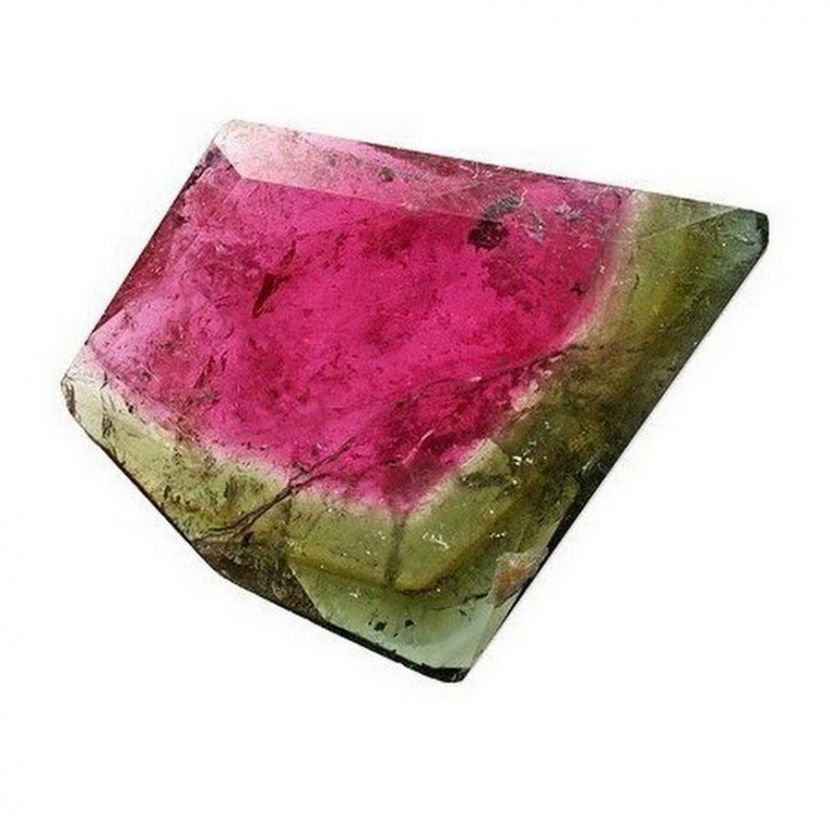
Unique gems have a high cost.
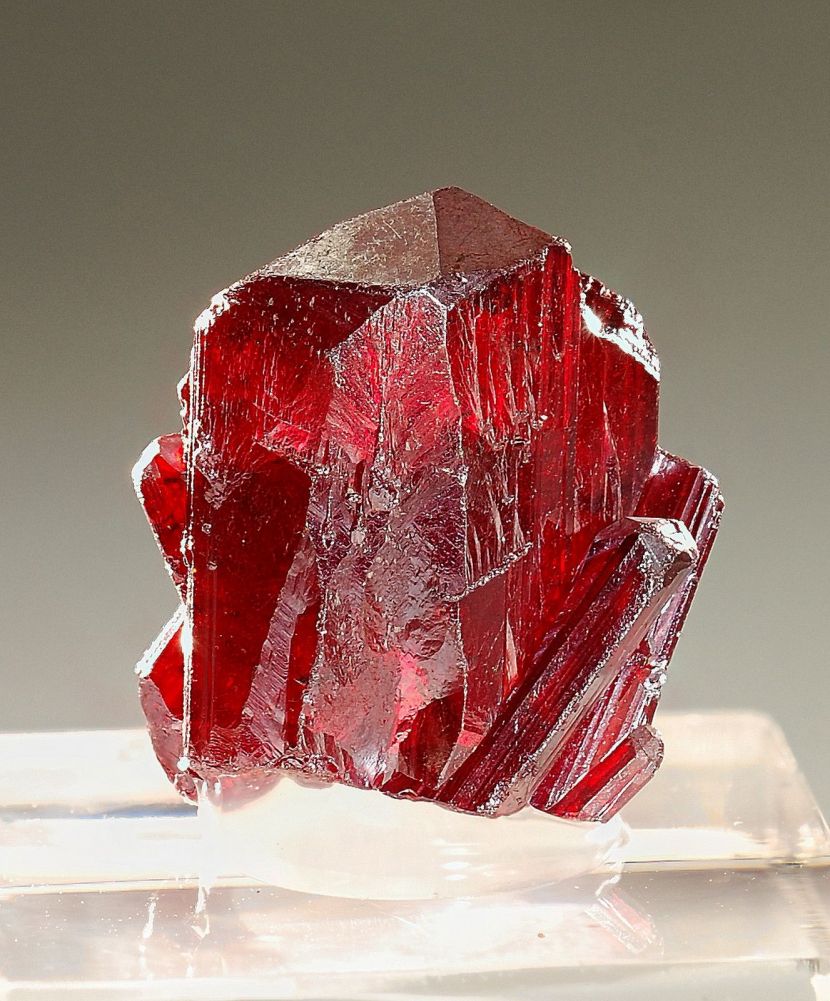
They are not put up for sale, but declared a national treasure and kept in museums. Some are sold at auctions, where collectors are ready to purchase a rare copy for a fabulous sum. Deposits are depleted, and the formation of new deposits requires millions of years and specific conditions.
Photo of rare stones