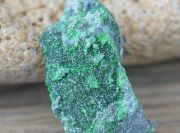
Antique stone Fluorite - where did it come from, varieties and photos of the mineral, amazing properties, we recognize the imitation on the original
Fluorite stone was known to the ancient Greeks and Romans. In ancient times, dishes and various magical utensils, such as talismans, were made from it. It was believed that amulets made of this stone endow their owner with superpowers.
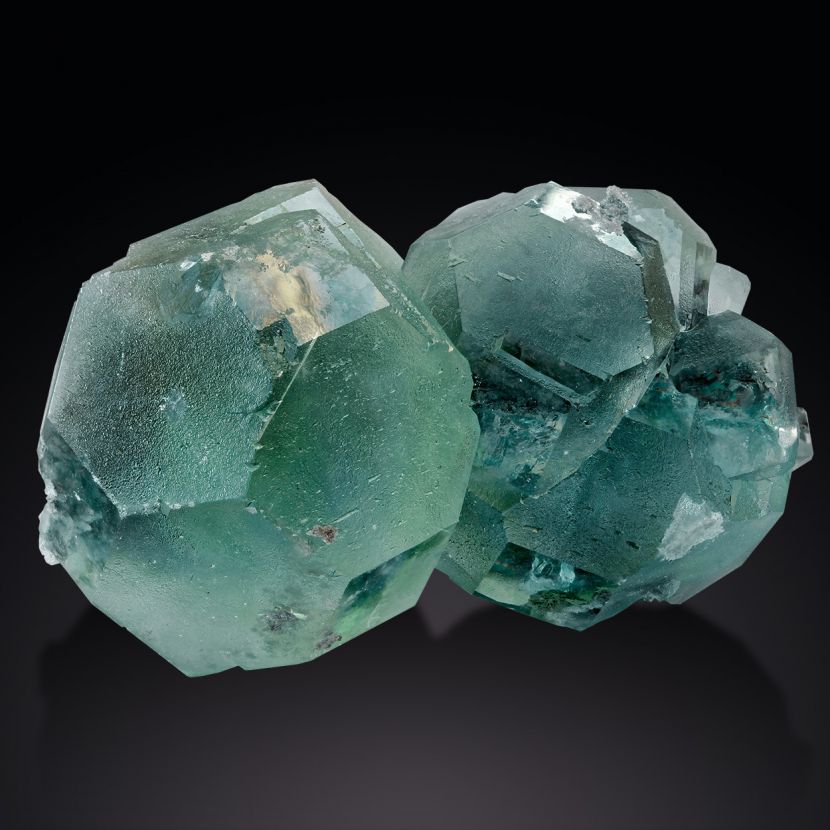
Our ancestors were fascinated by the fantastic color range of this mineral, its ability to shimmer from red to purple.
Origin of the name
The name "fluorite" was awarded to this gem by the German chemist G. Agricola, who first described the mineral and discovered that it can be melted. The word "fluorite" refers us to the Latin lexeme "fluere", which translates as "flow", "shimmer". Some, by the way, believe that the name is associated precisely with iridescence, and not the ability to melt.
Actually, the scientific name of this mineral is fluorspar. In some Romance languages, the stone still appears with the name that the non-ancient Romans used for it - “murin”. Fluorite was also called "ore flower" and "Transvaal emerald". And medieval alchemists called the mineral "devil's stone."This is due to the "behavior" of fluorite when heated: at first it emitted a bright glow, and then exploded, releasing toxic gases that poisoned would-be experimenters.
Place of Birth
Fluorspar deposits are distributed almost everywhere. The largest deposits are located in Germany, England, Canada, USA, China, Mongolia and Mexico. There is also a lot of fluorite in Russia: the main mining sites are in the Subpolar Urals, as well as in Transbaikalia and Primorsky Krai.
What Science Says
Murine is calcium fluoride (the formula is as follows: CaF). In its pure form, the mineral has no color and is almost transparent. Shades are due to various metallic impurities: iron, nickel, and occasionally uranium. A radioactive impurity gives the stone a cosmic beauty, however, such gems are not commercially available.
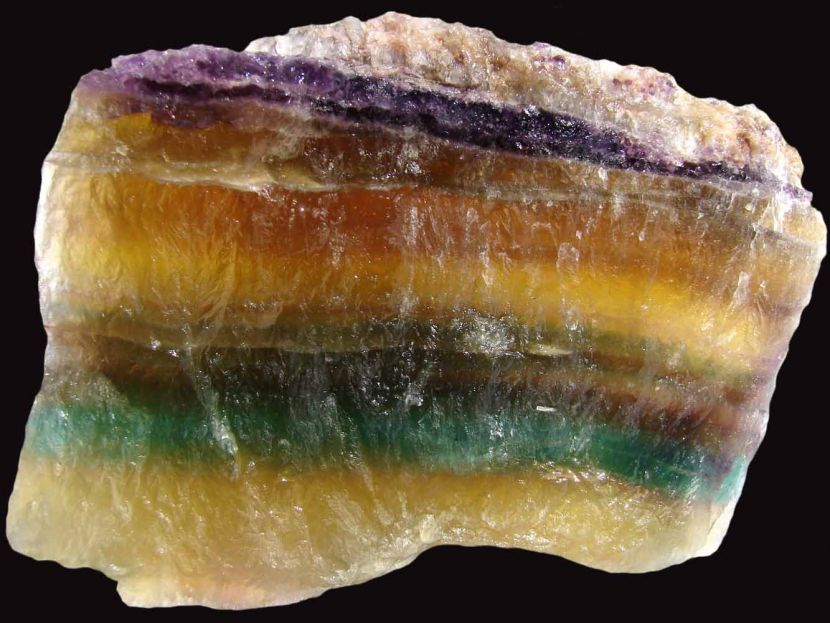
Fluorite is characterized by the following physical properties:
- Fragility. Fluorite is only 4 on the Mohs hardness scale.
- Density. Despite the fragility, the mineral has a high density and a melting point of 1360C.
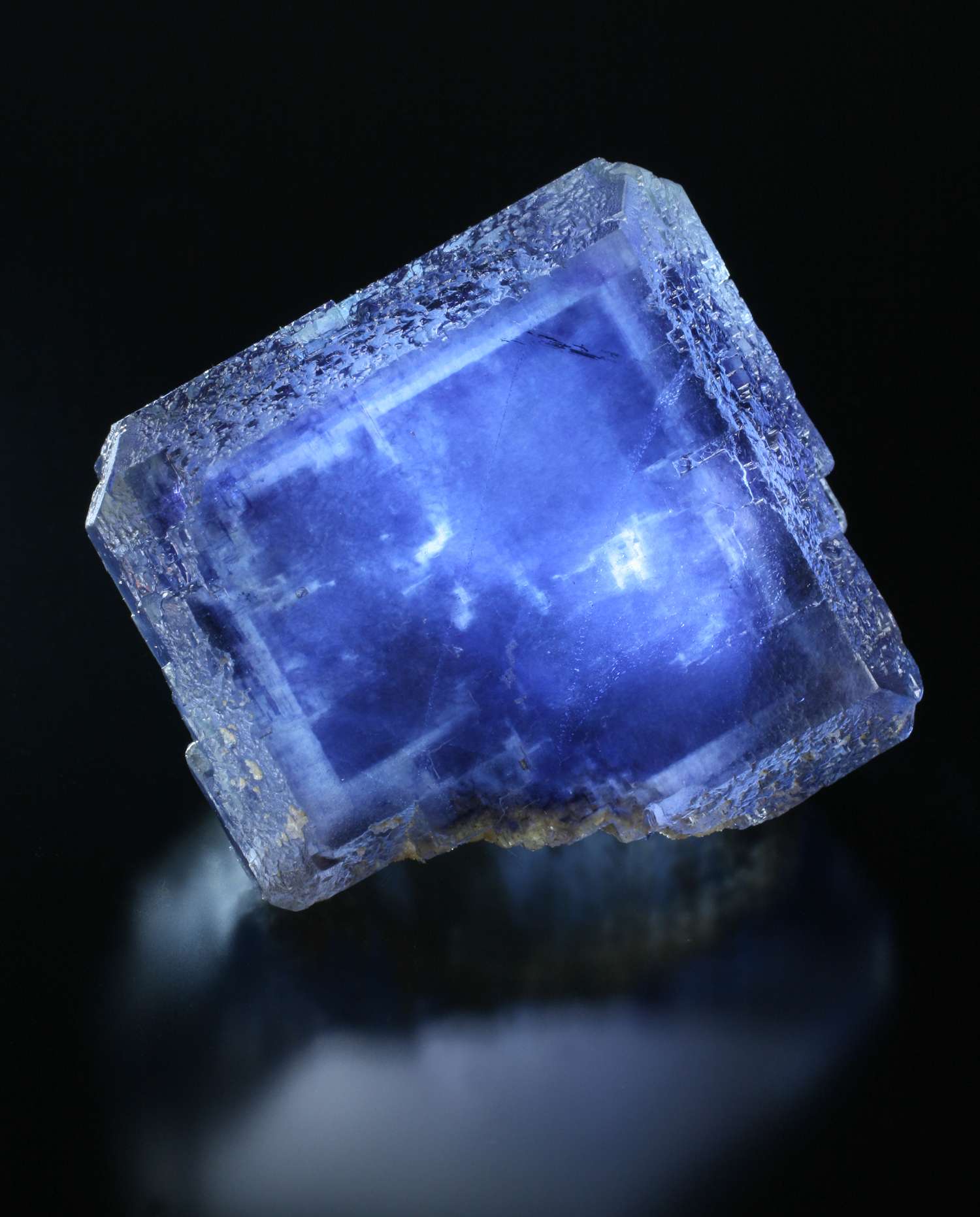
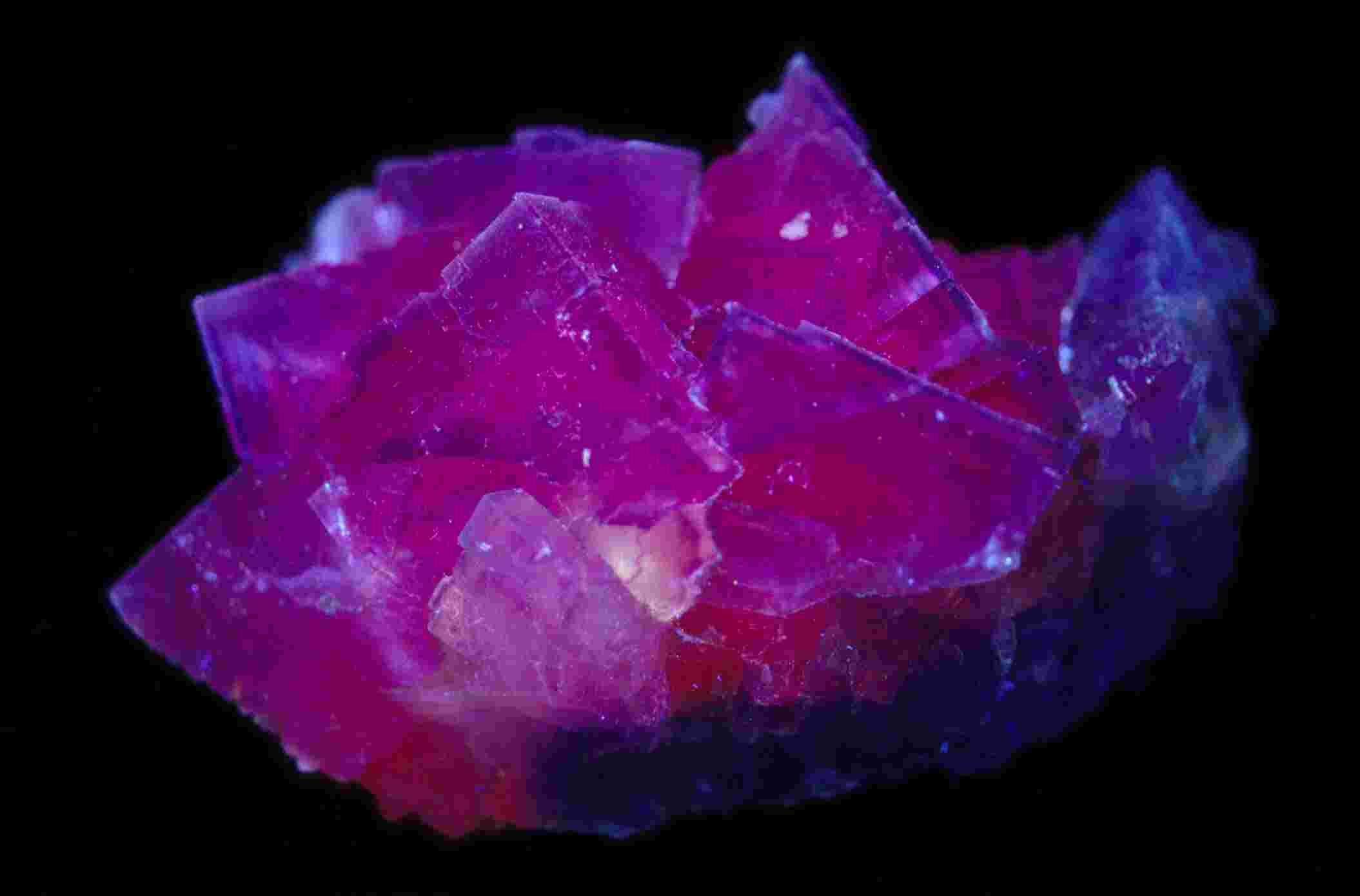
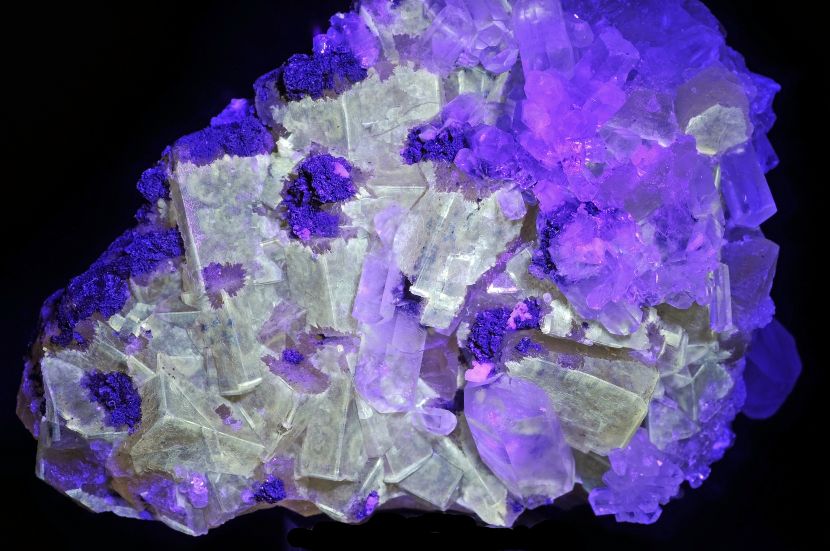
- Thermo-, fluoro-, and photoluminescence. This means that the stone exudes radiance, respectively, when heated, in the dark, and when ultraviolet radiation hits the surface. However, these reactions may not be observed if the crystal has some structural defect. Sometimes stones fade or lose their color when exposed to heat. However, it is restored when interacting with X-rays.
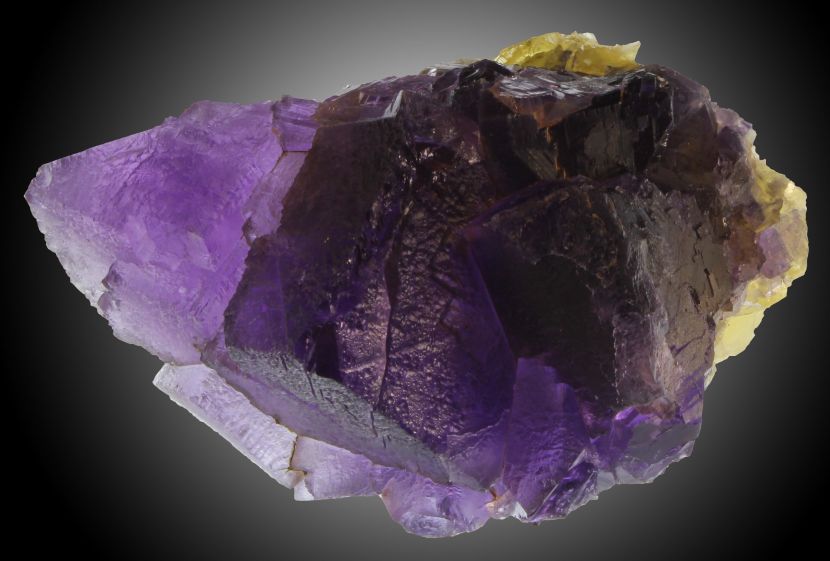
Variety according to color
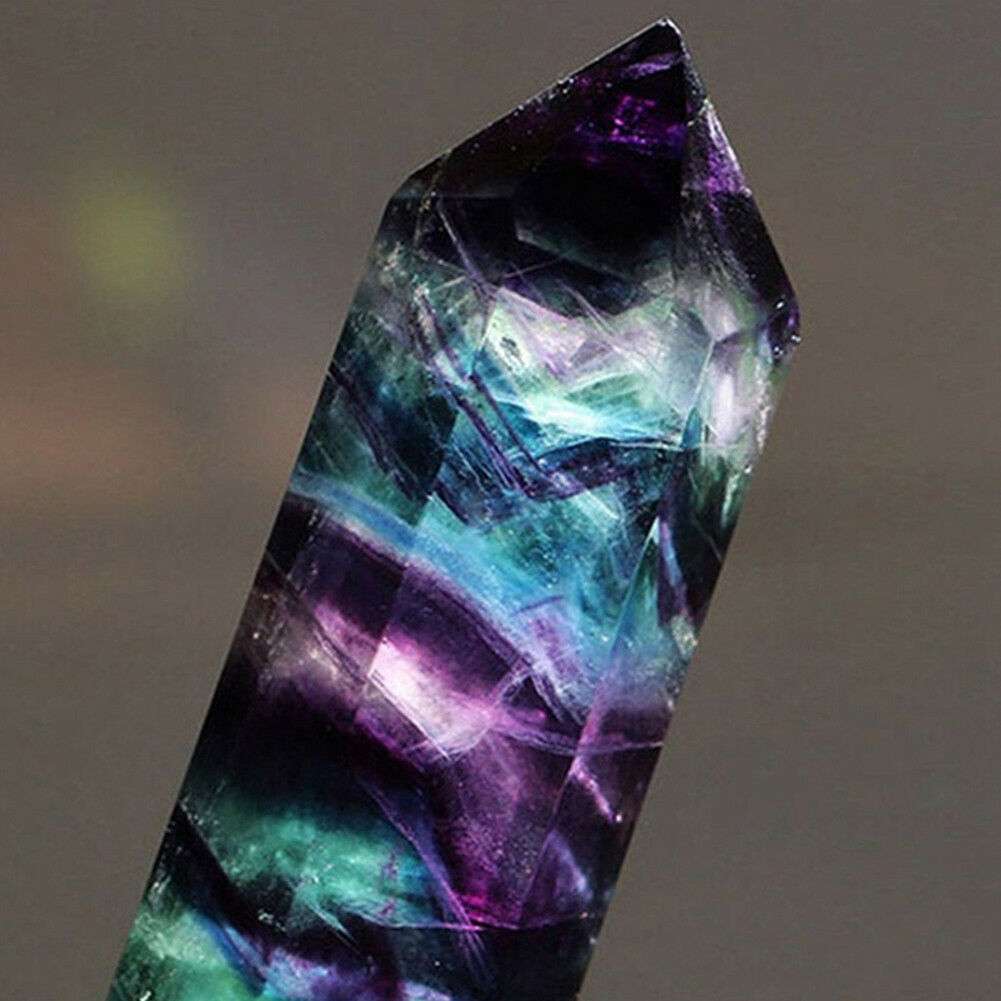
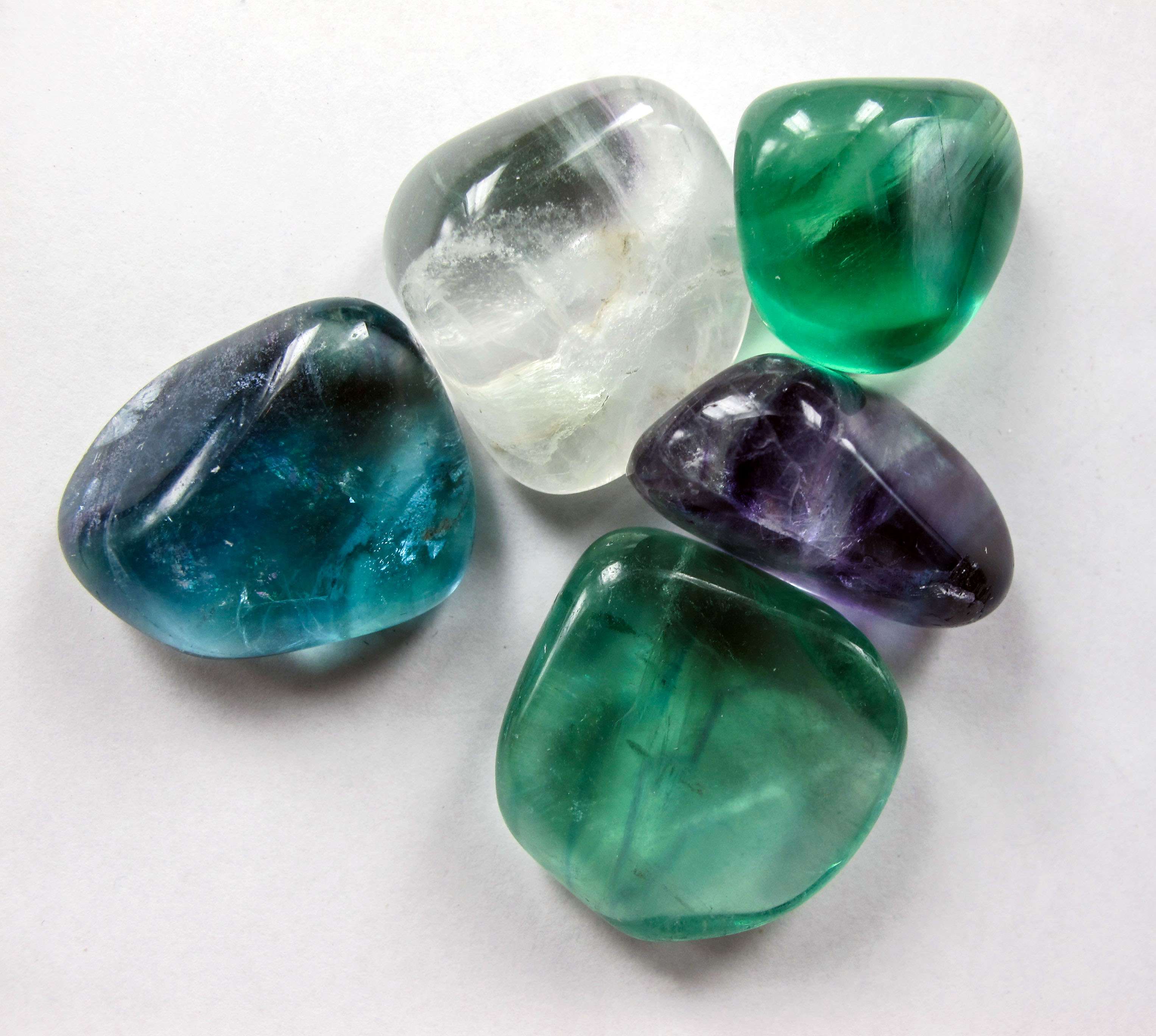
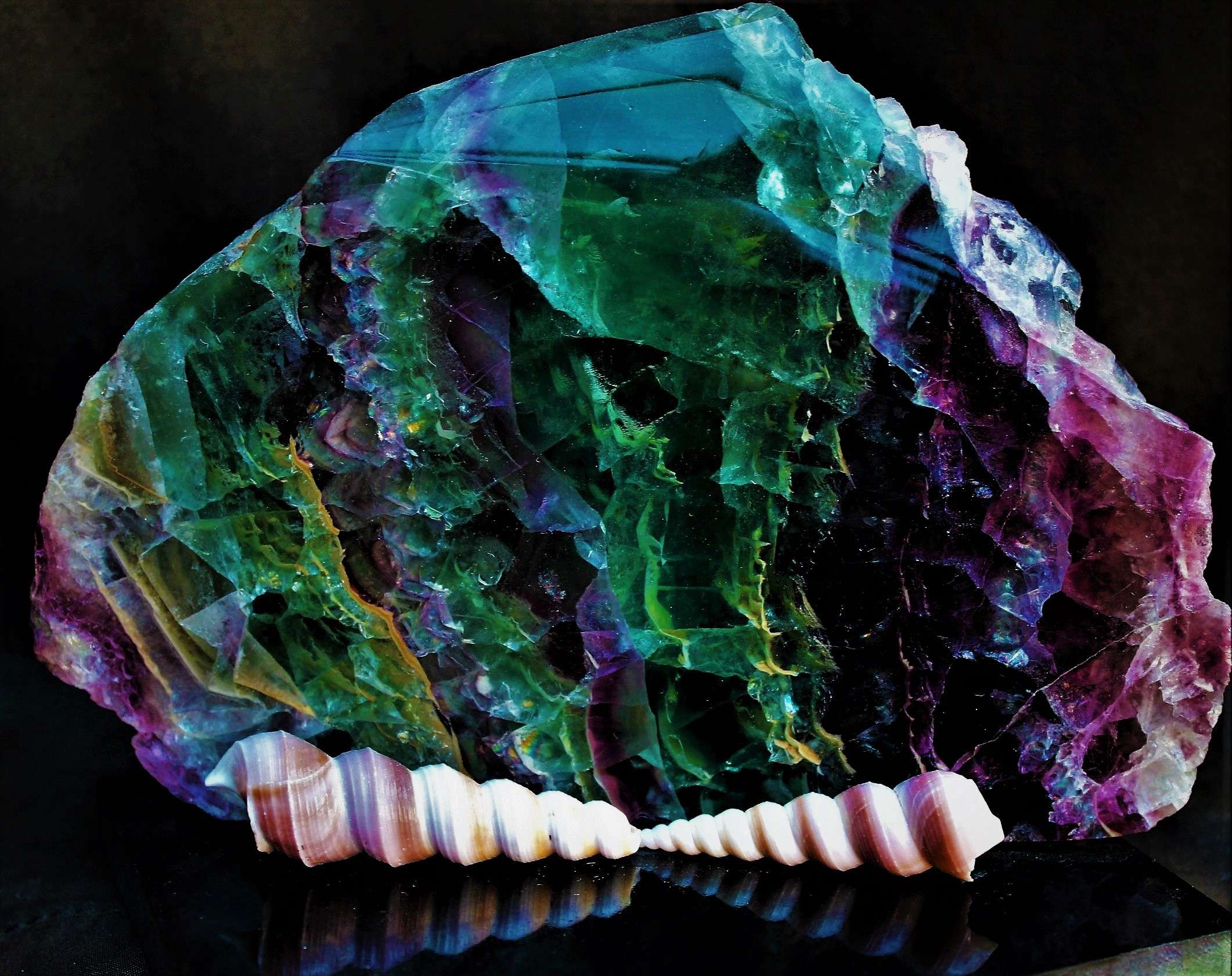
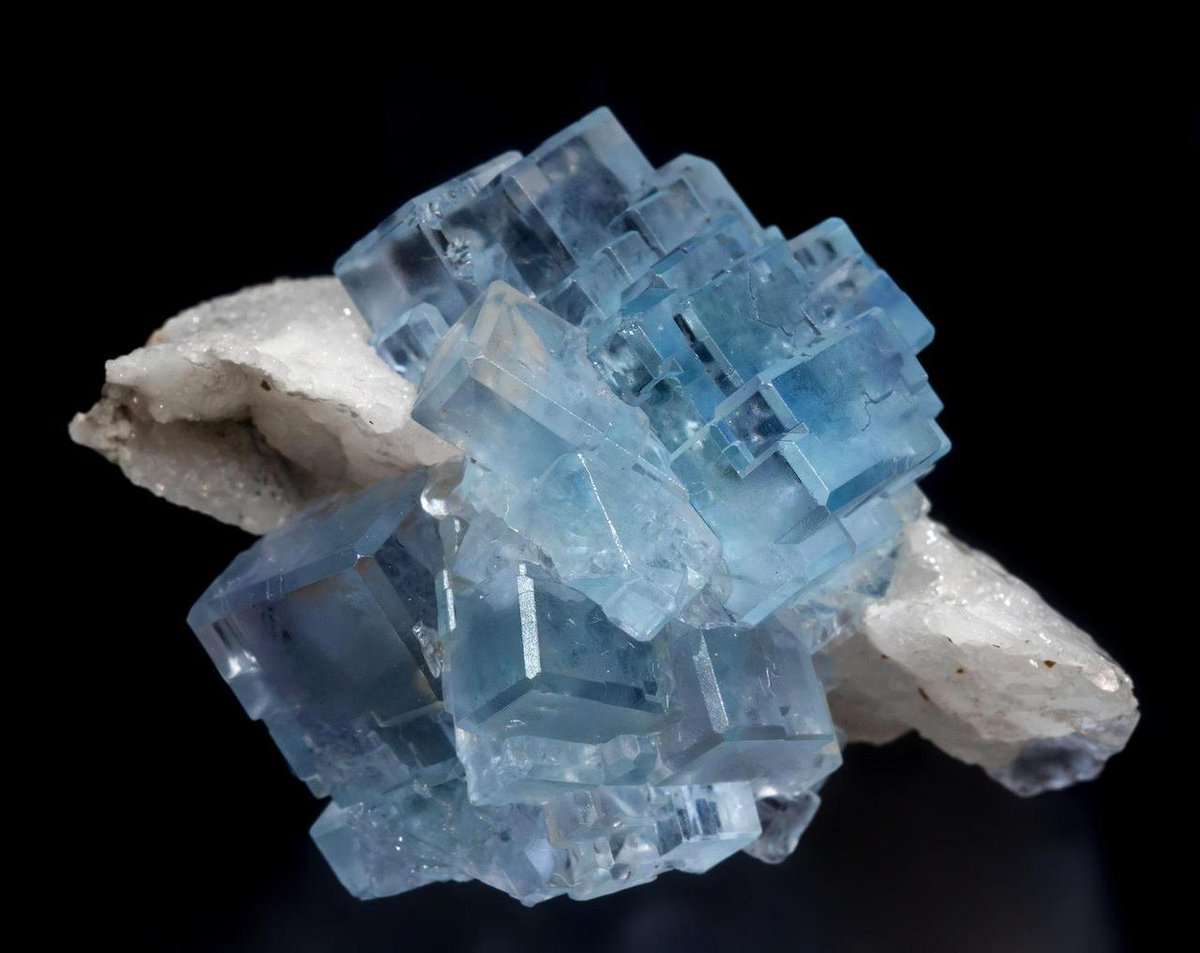
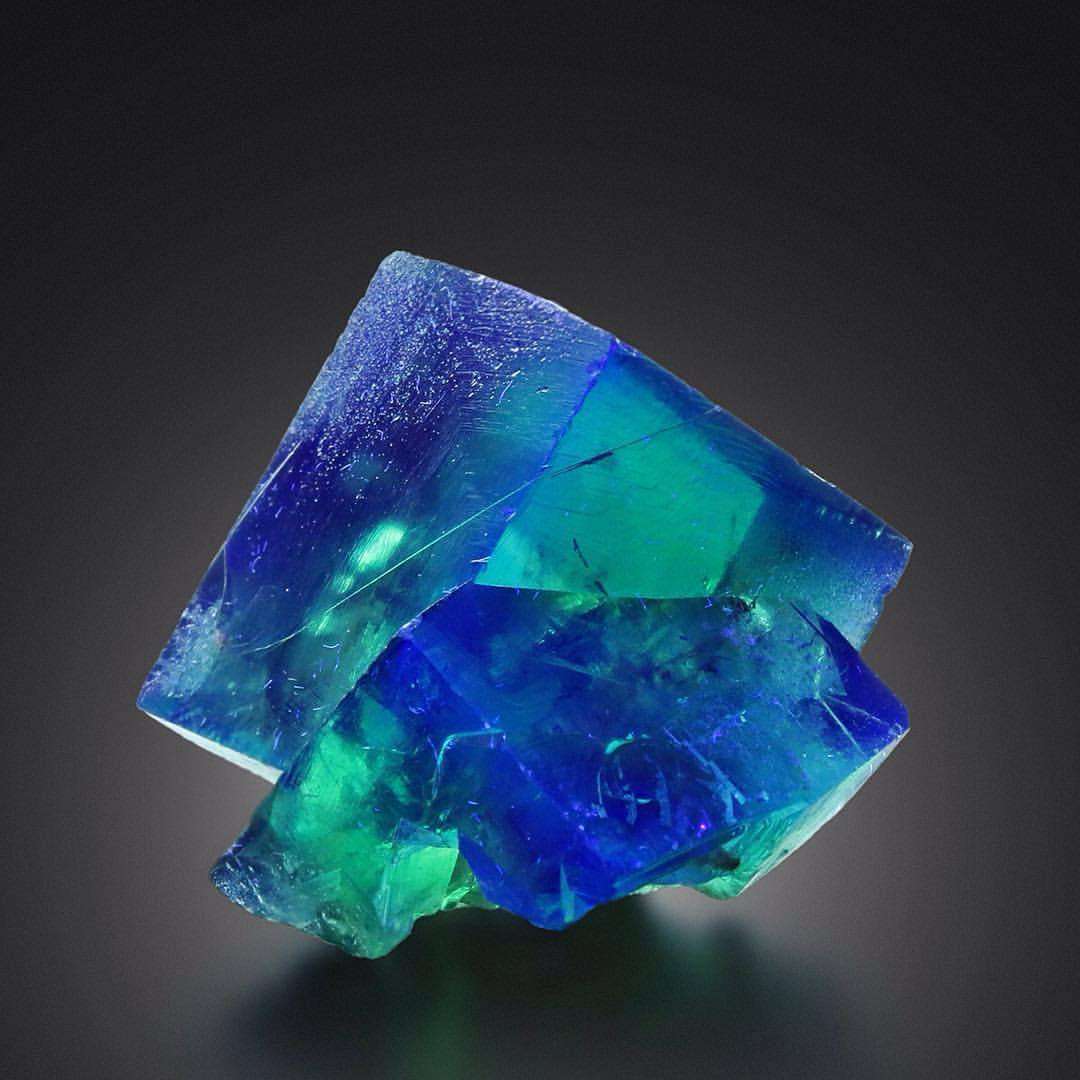
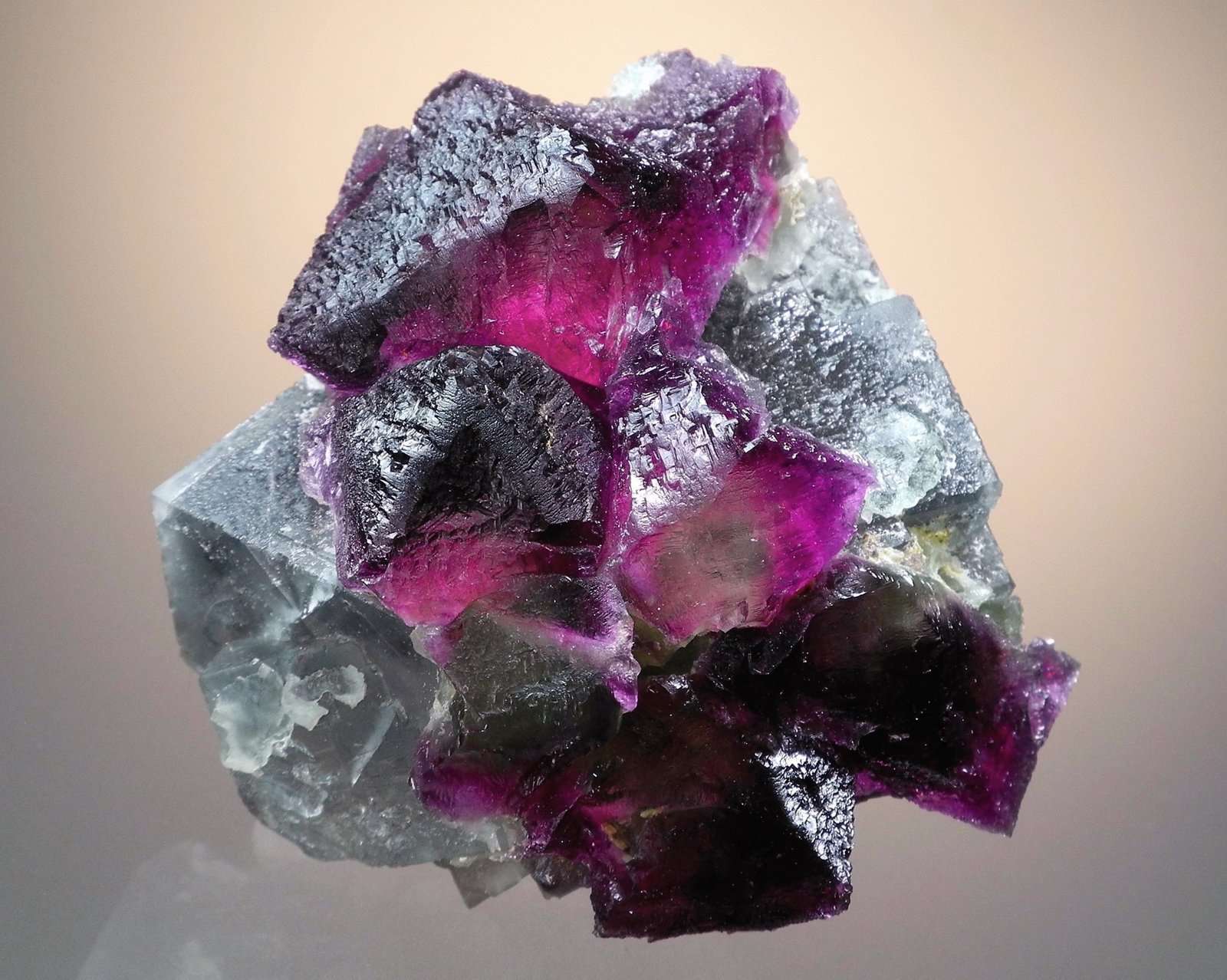
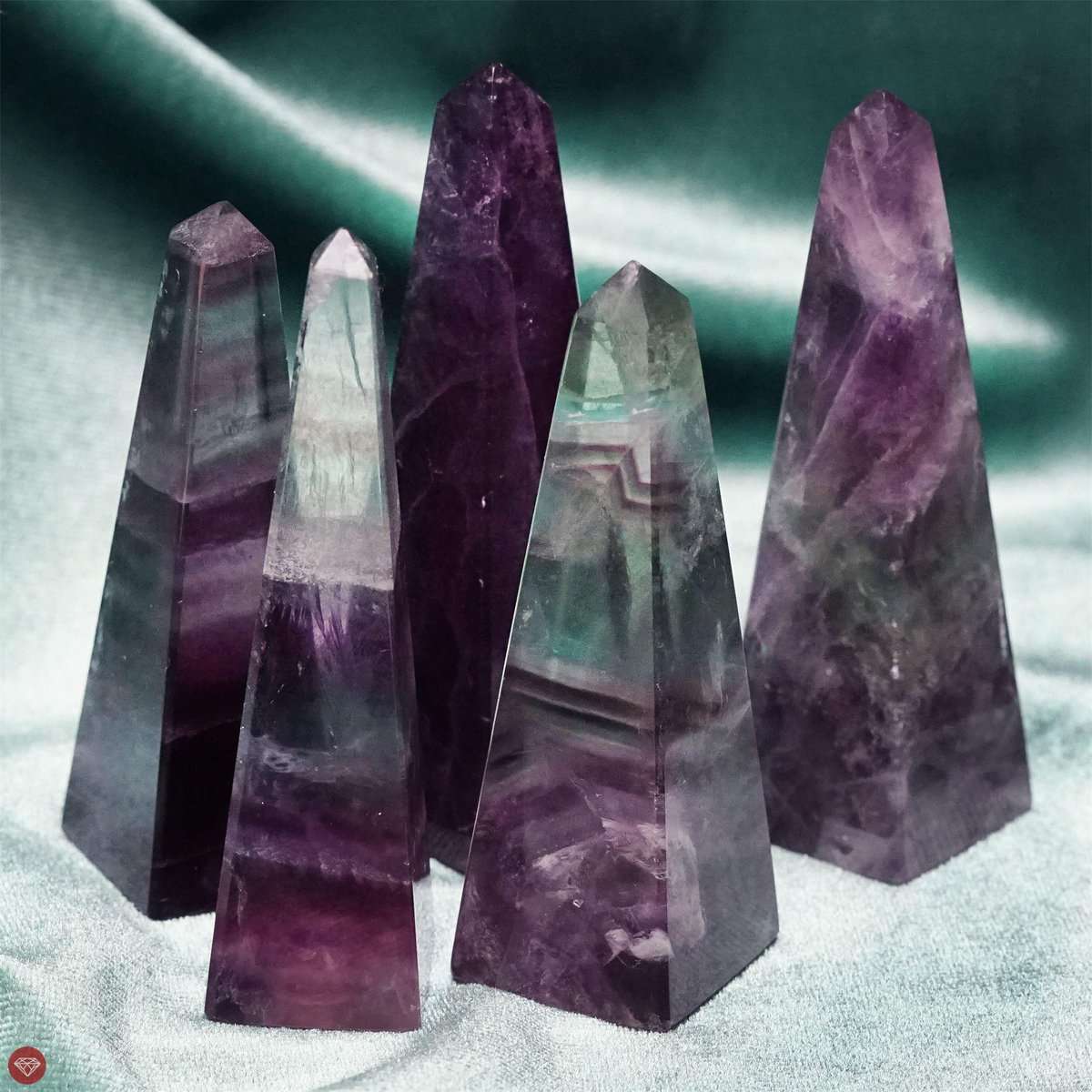
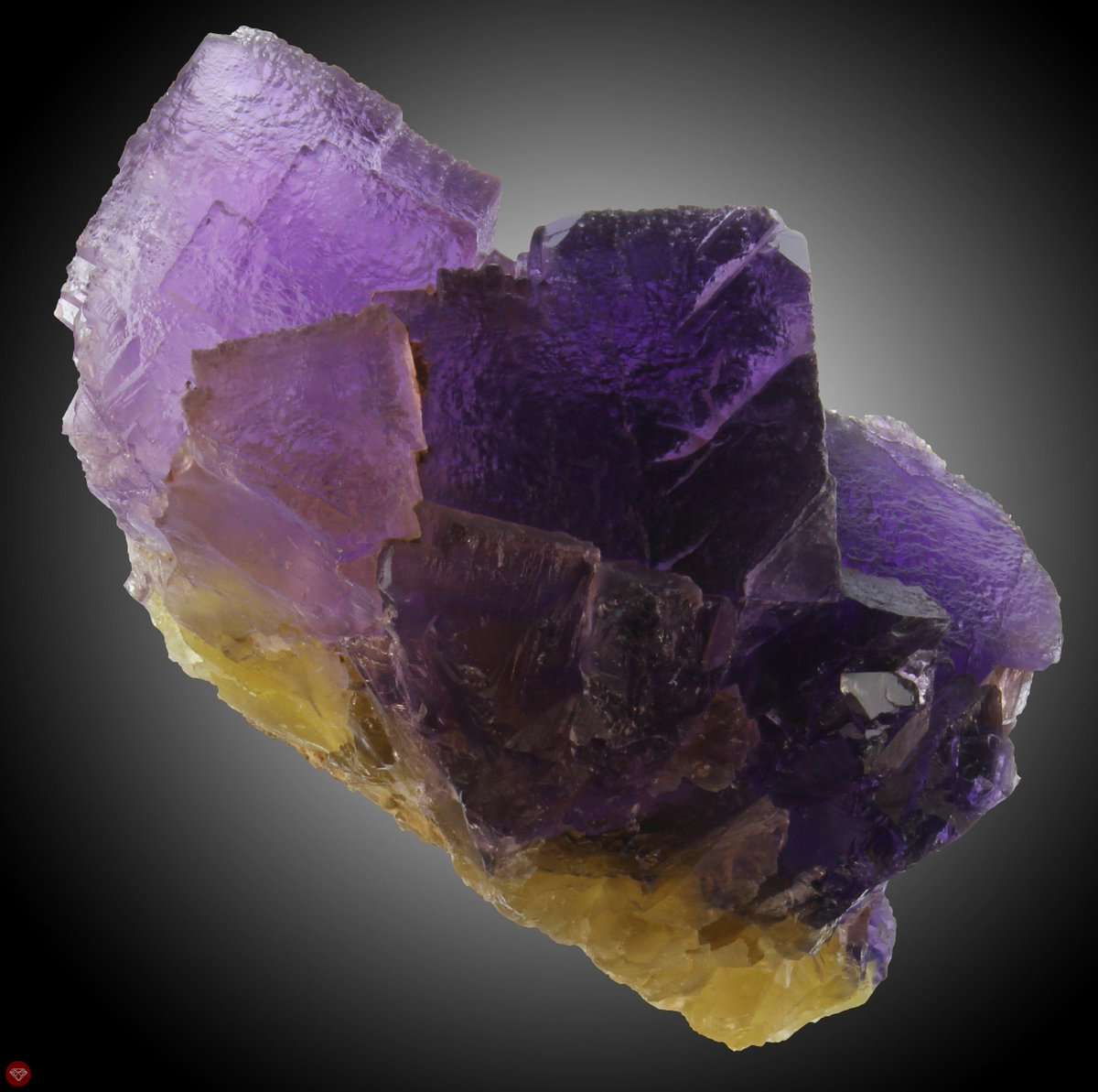
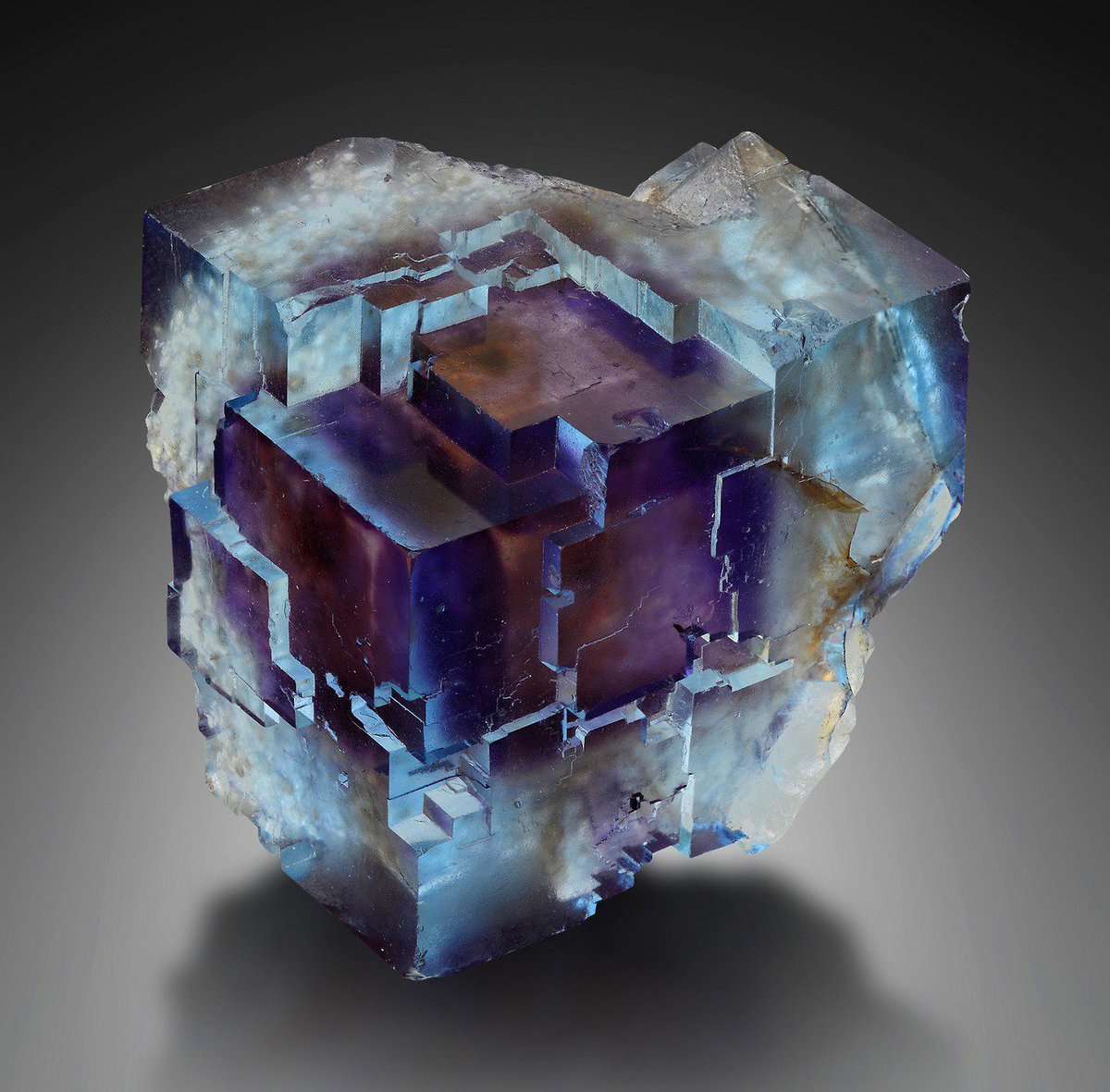
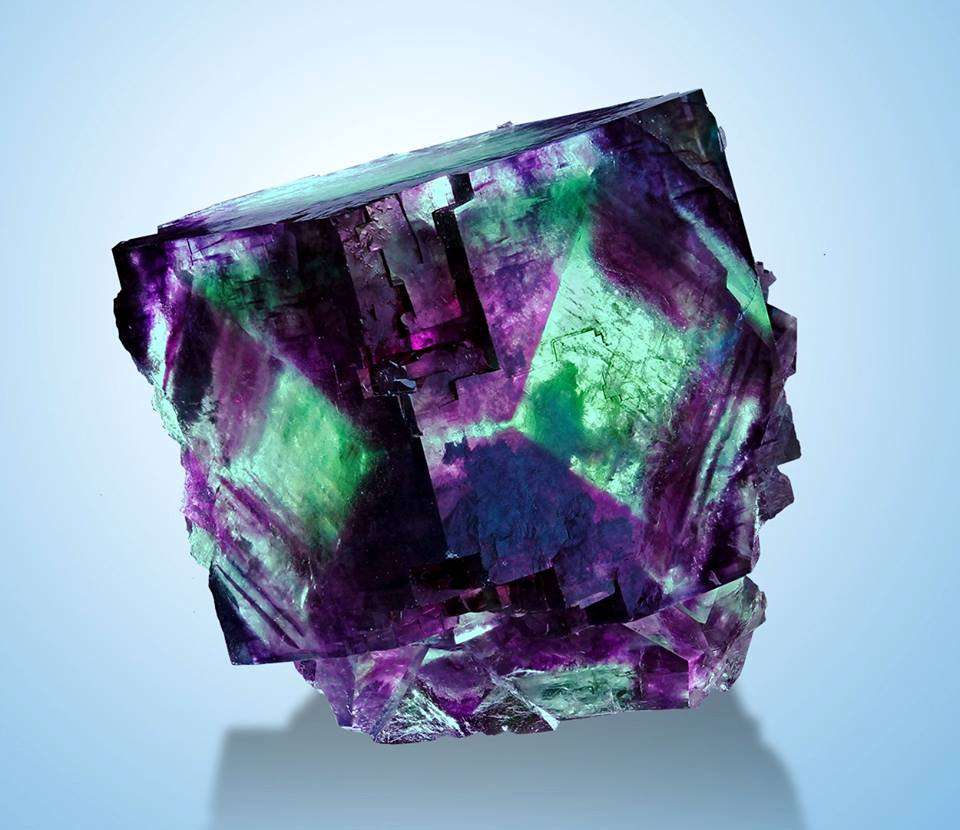
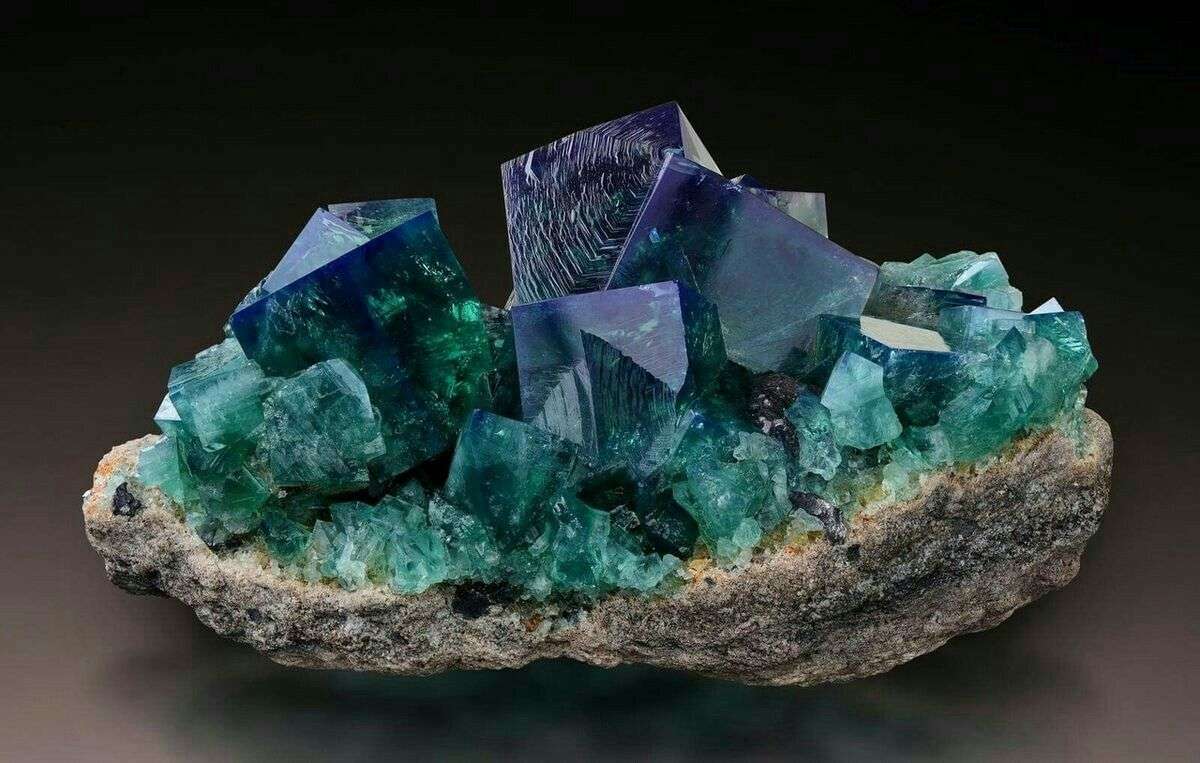
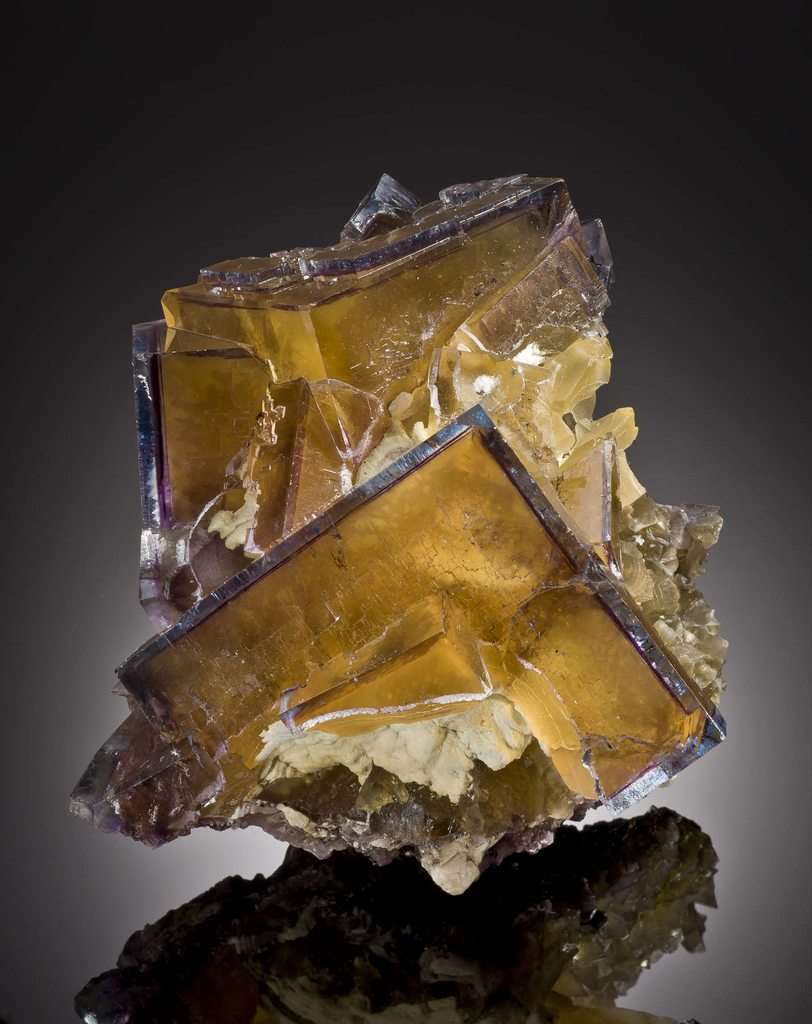
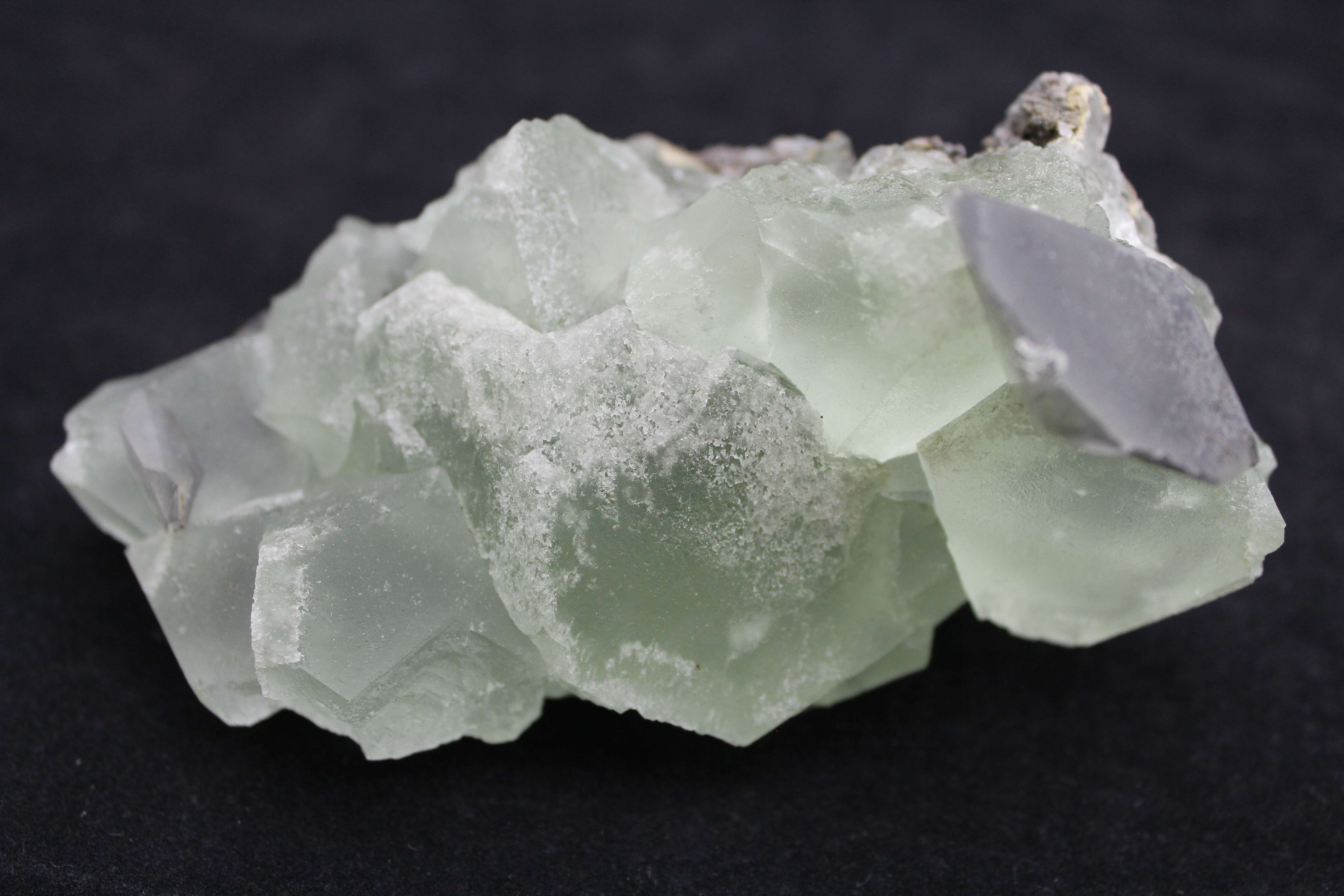
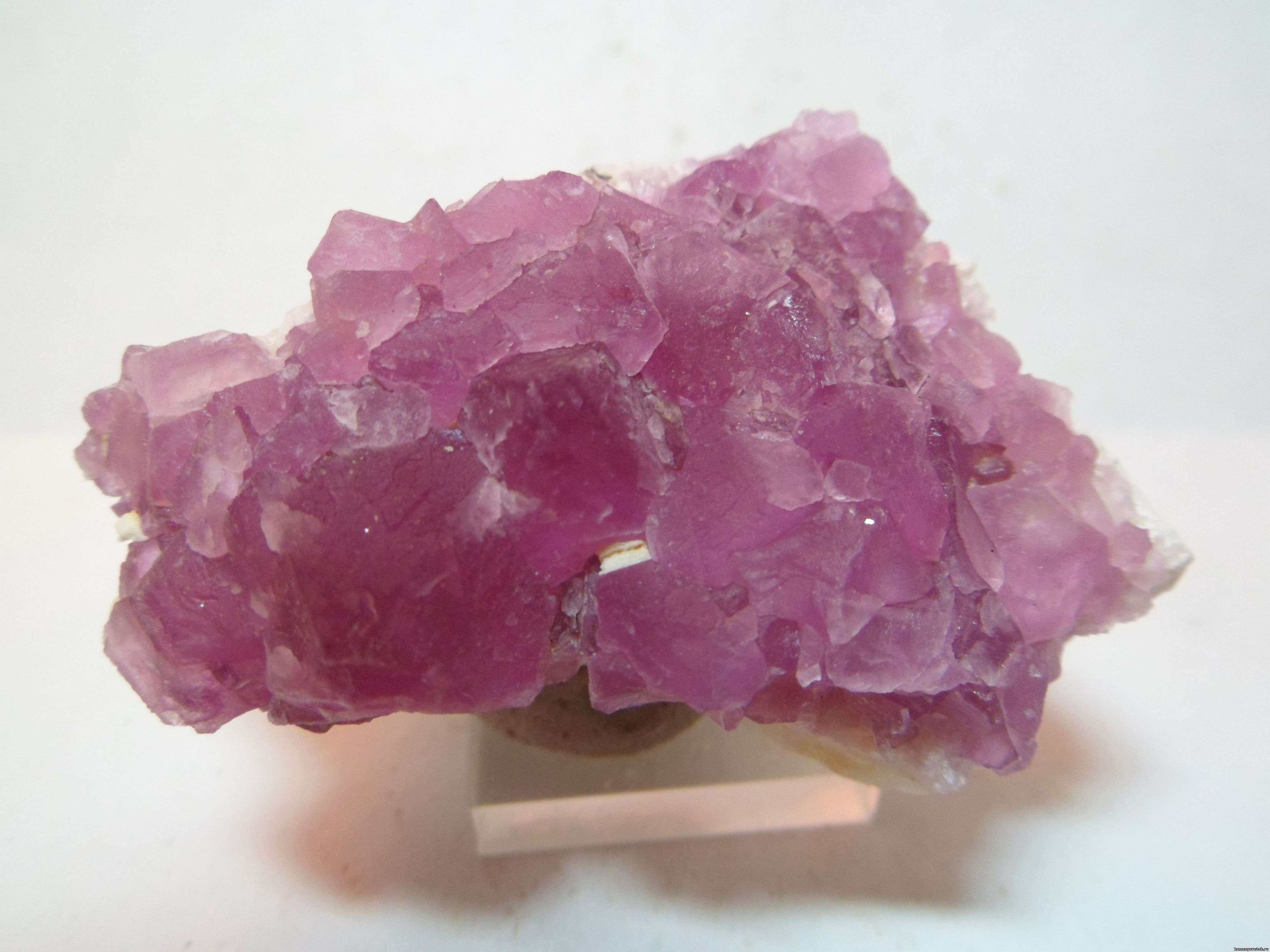
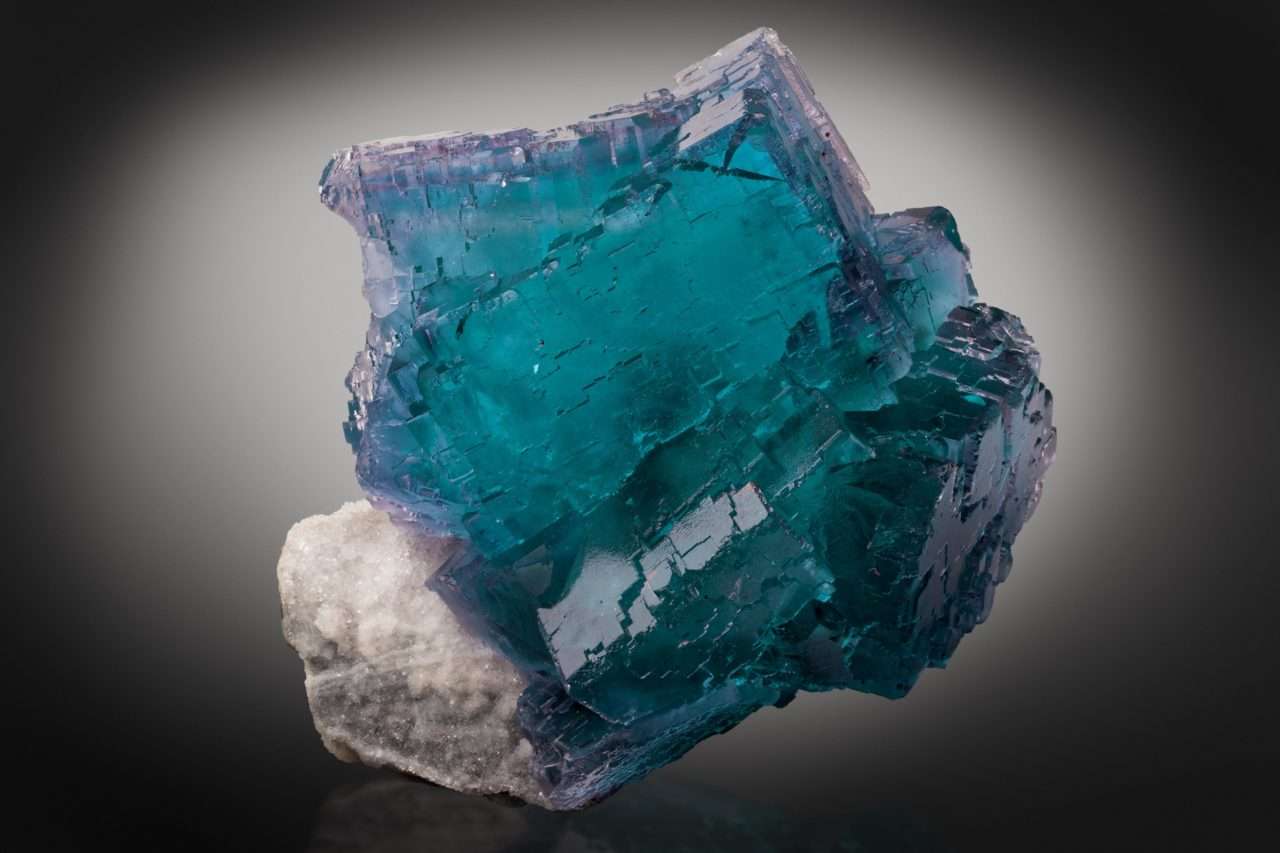
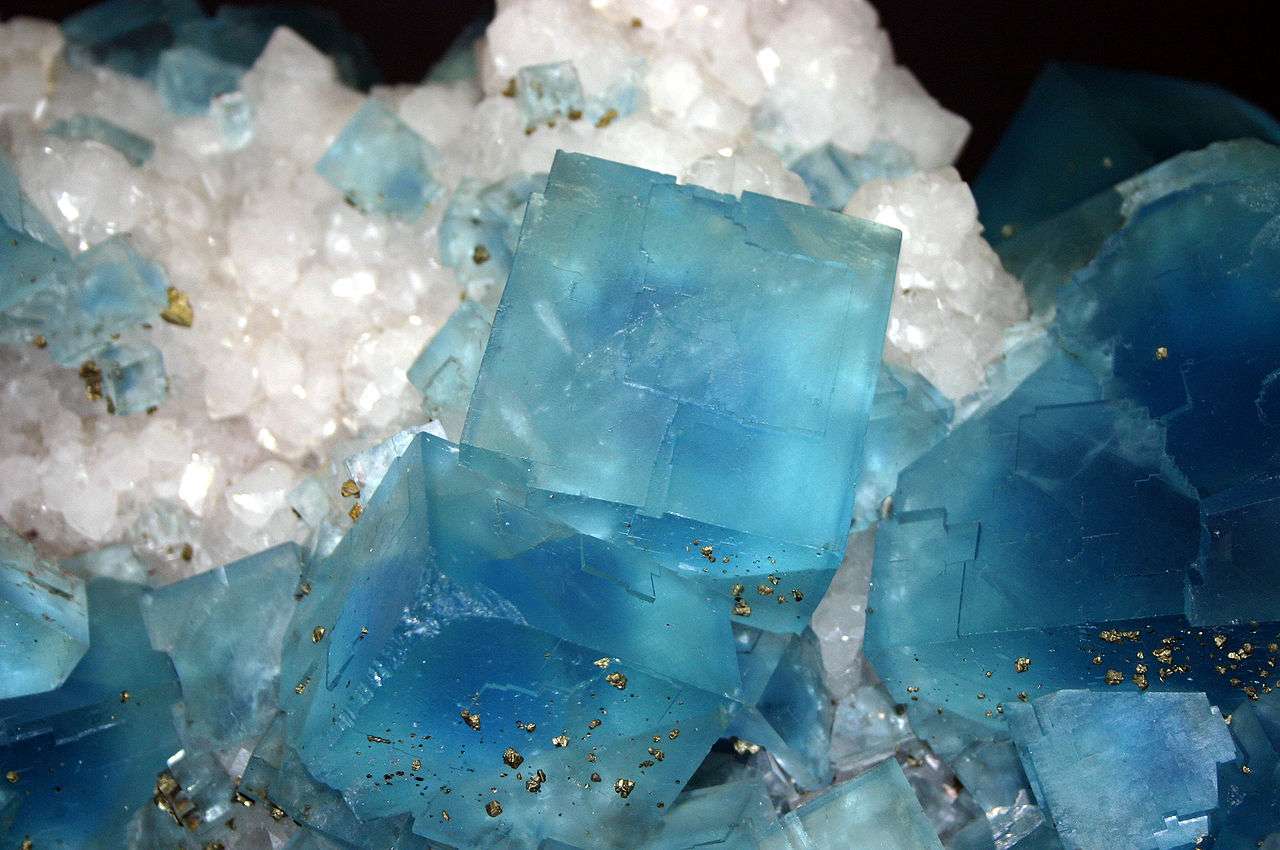
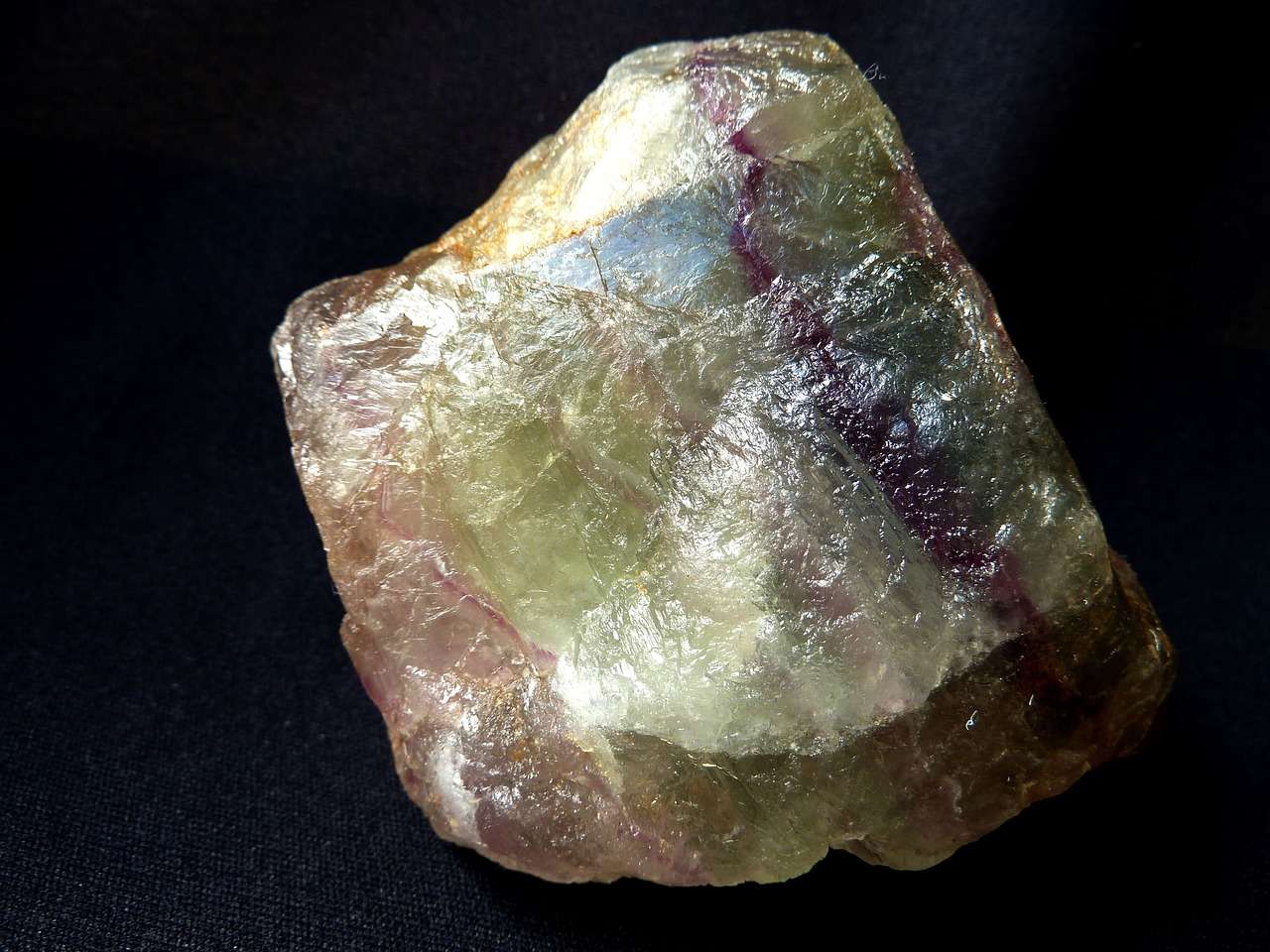
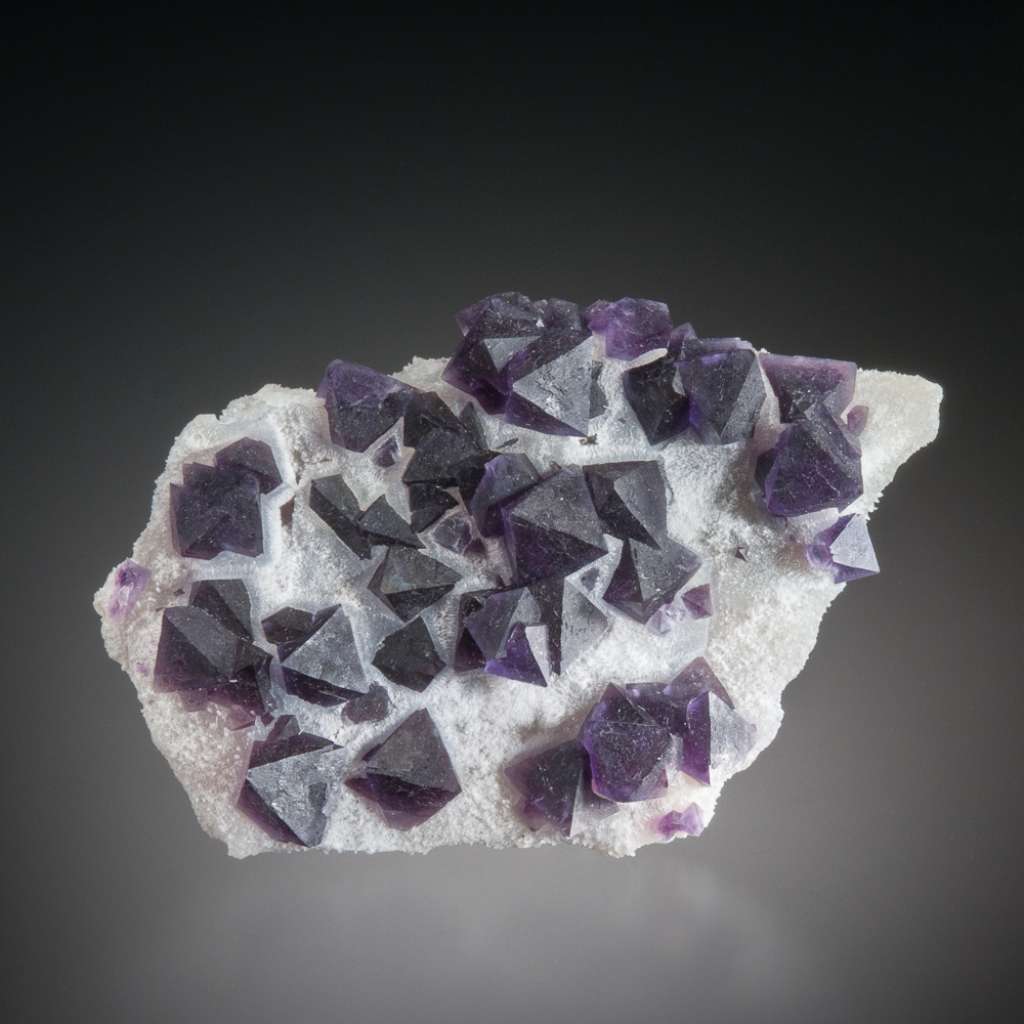
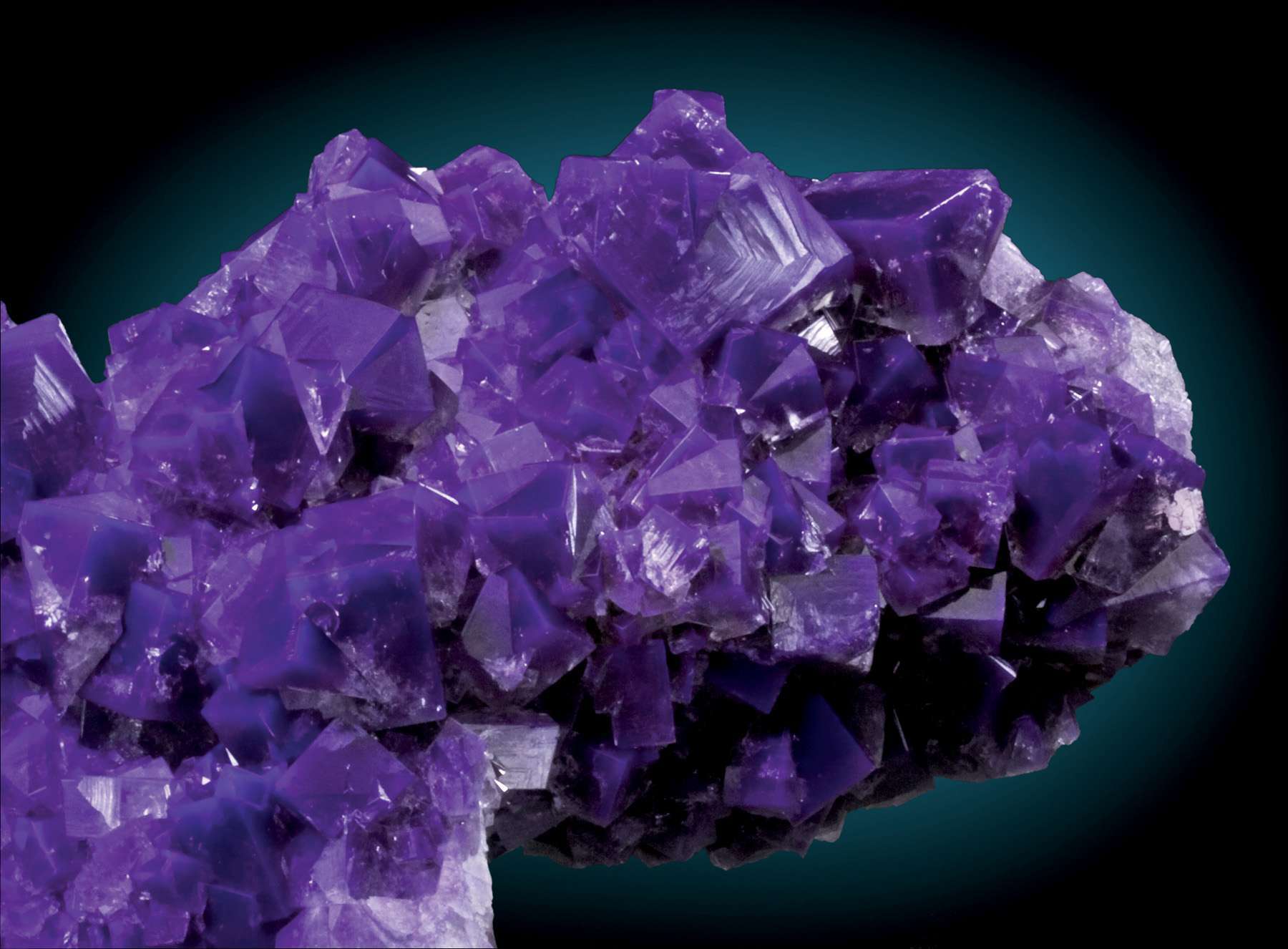
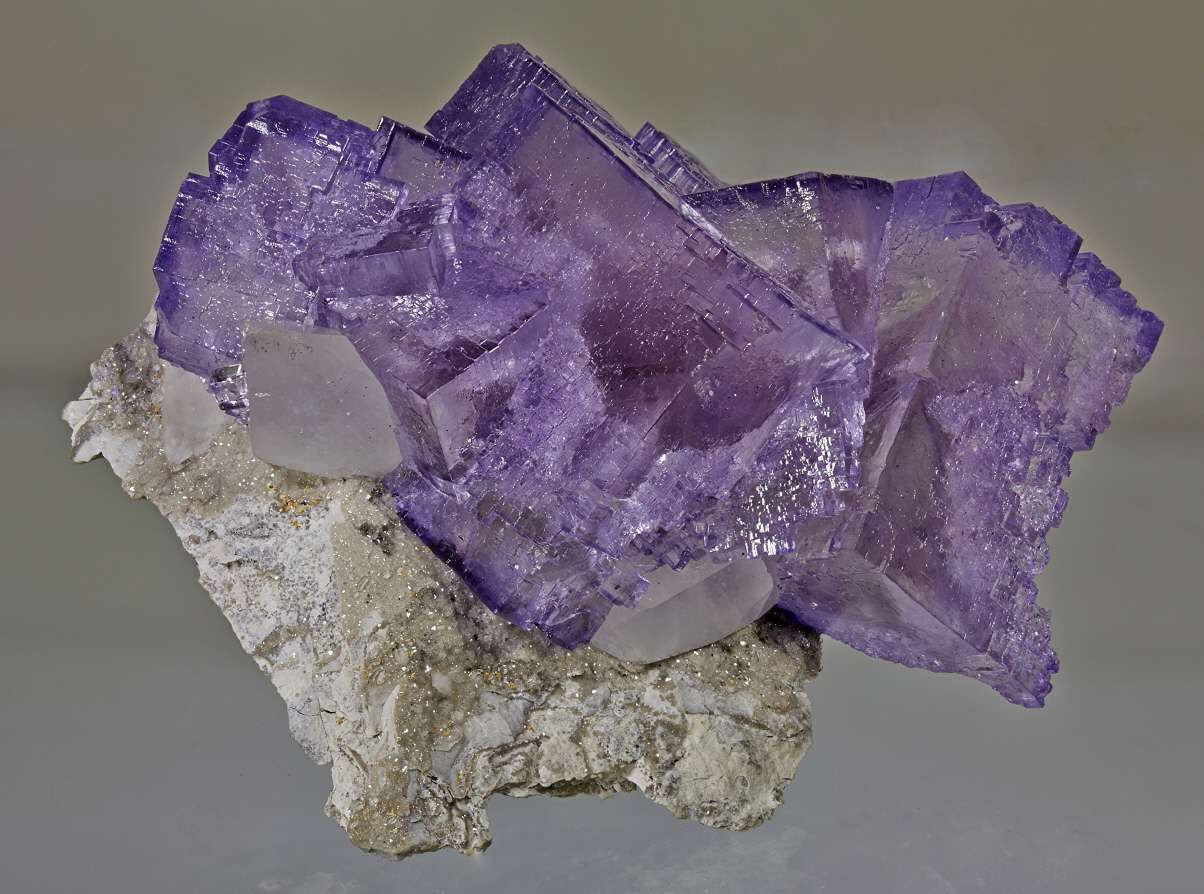
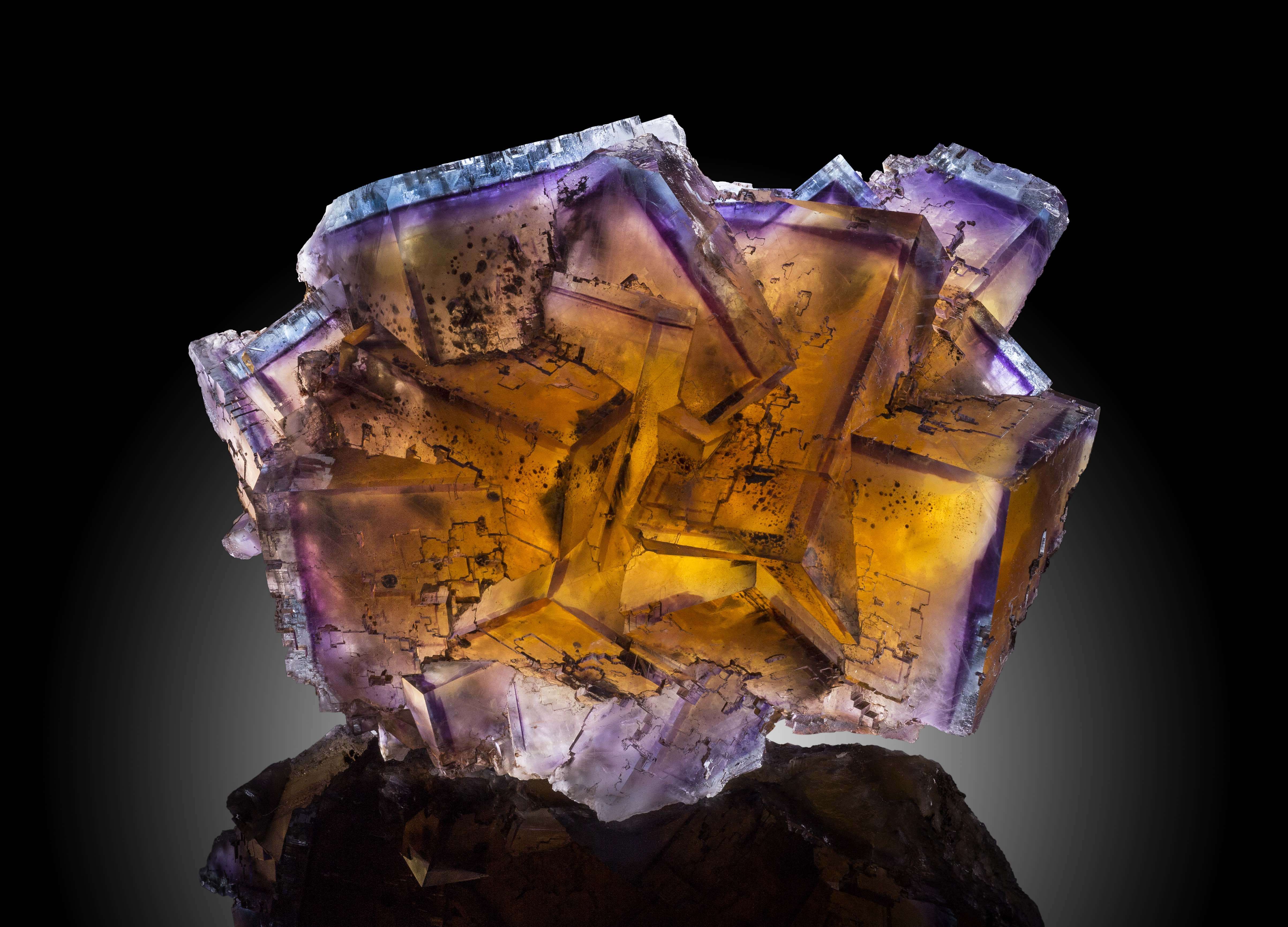
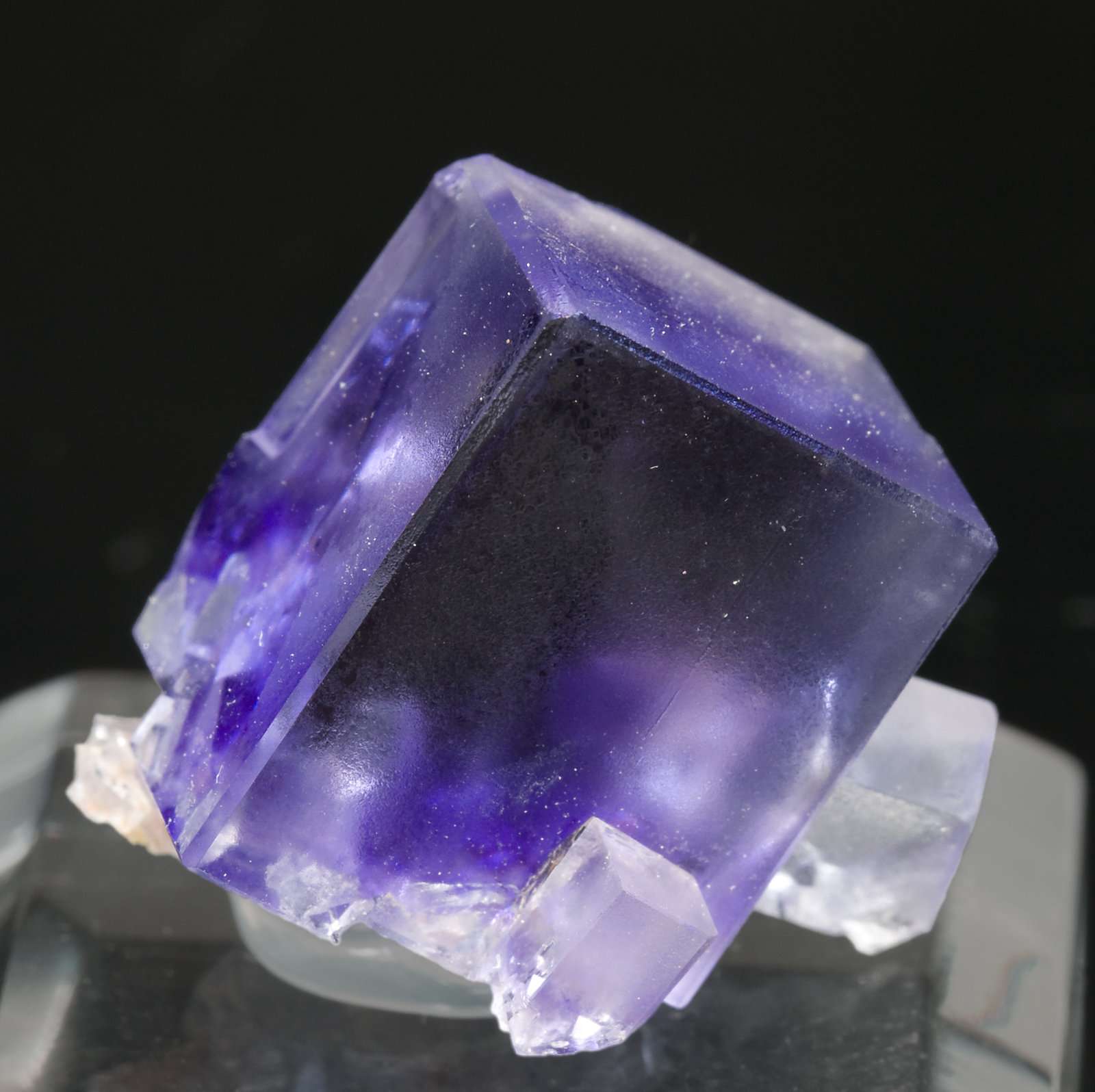
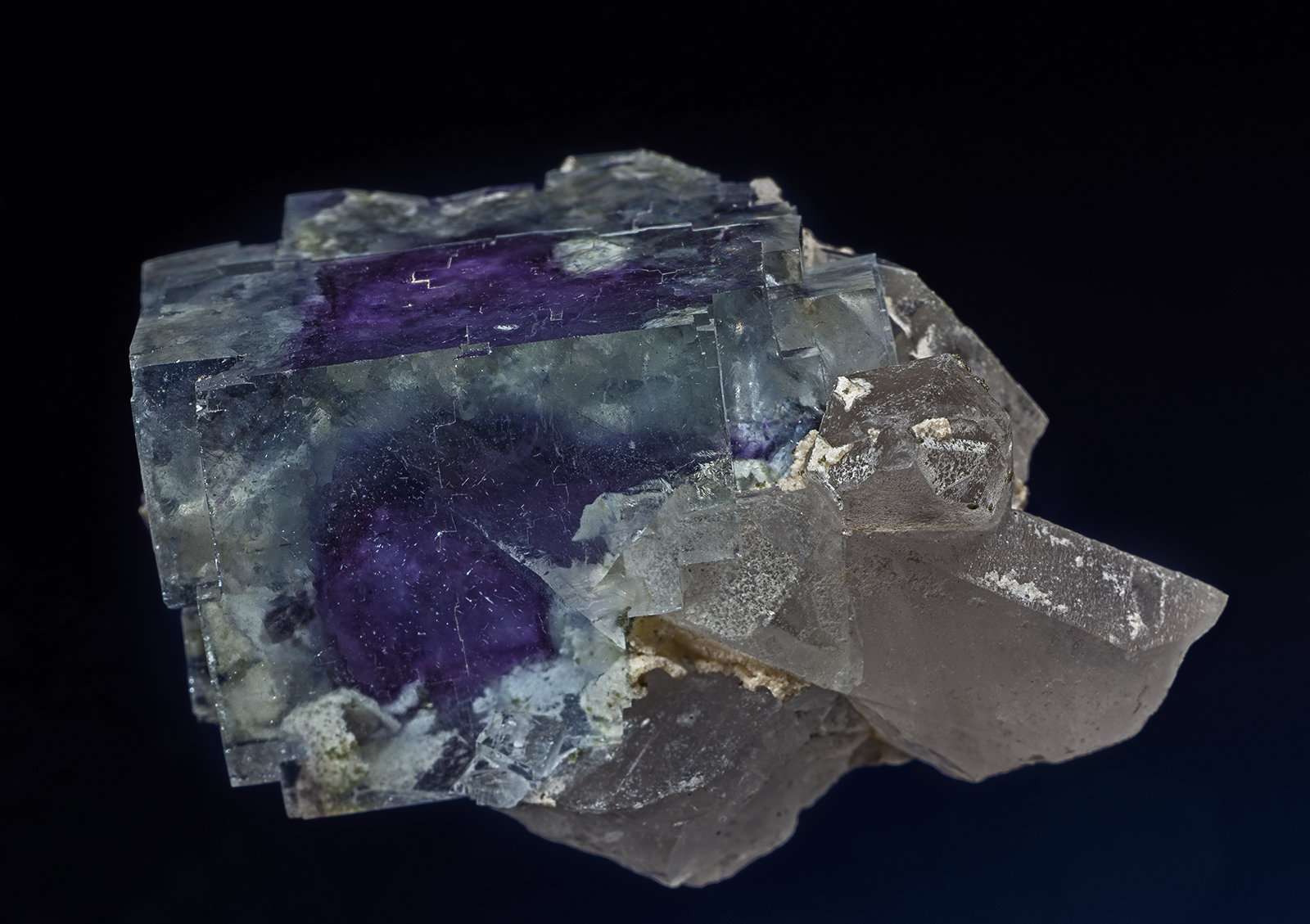
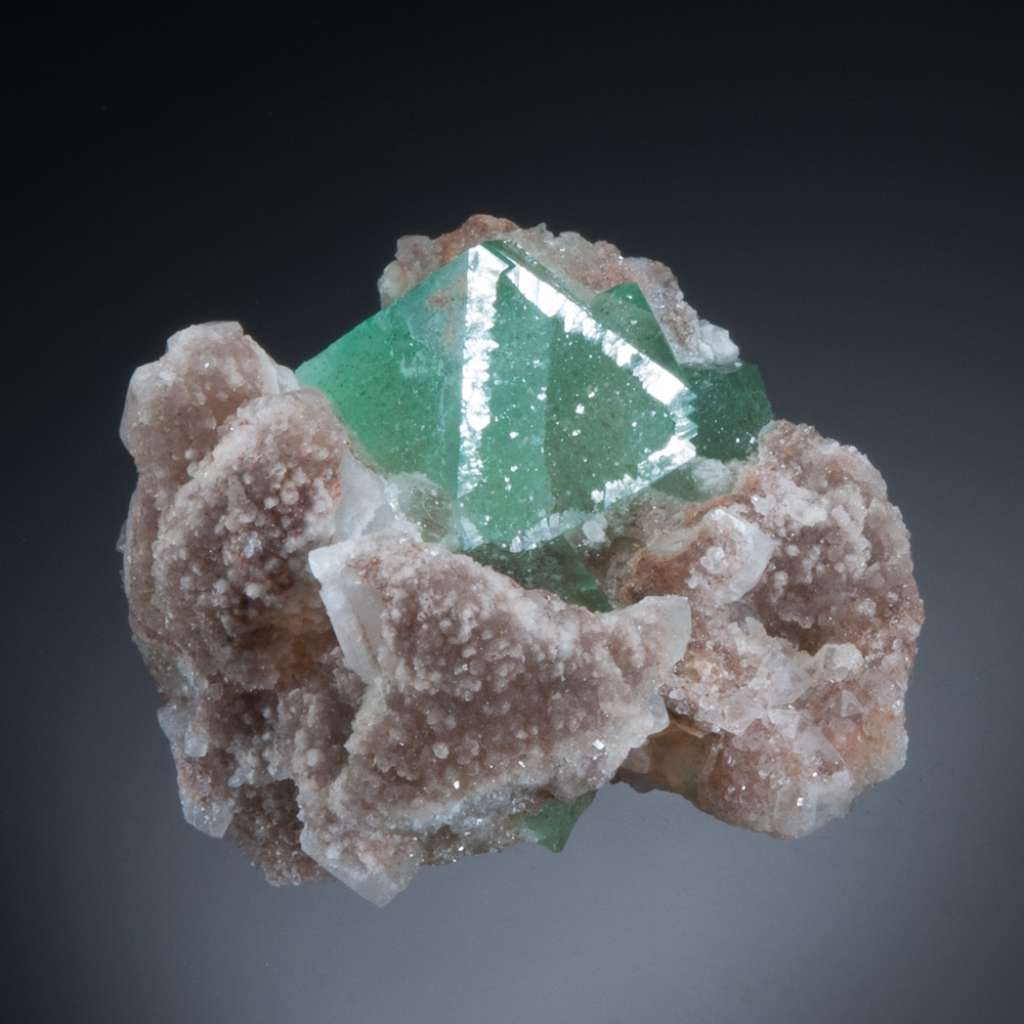
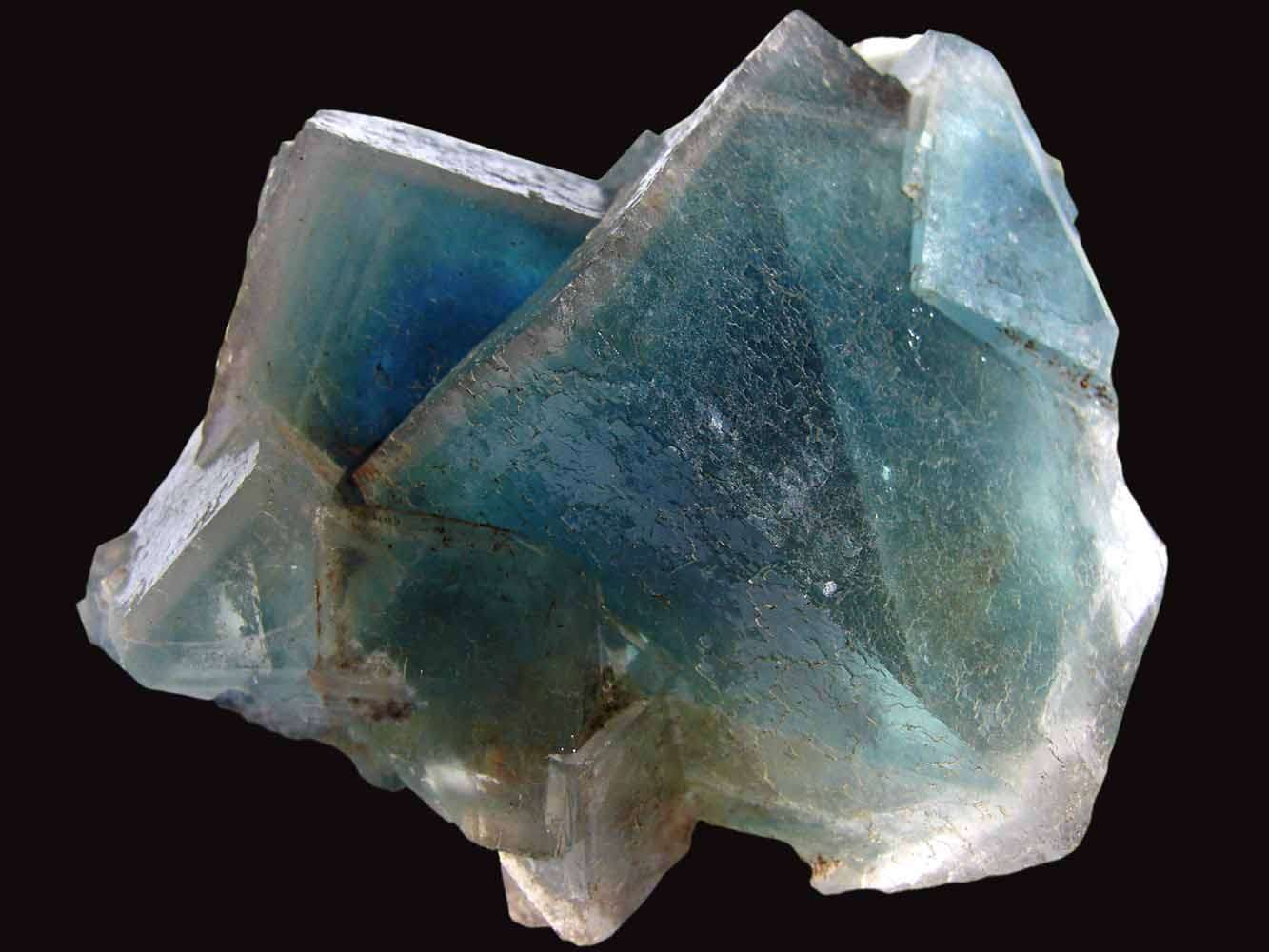
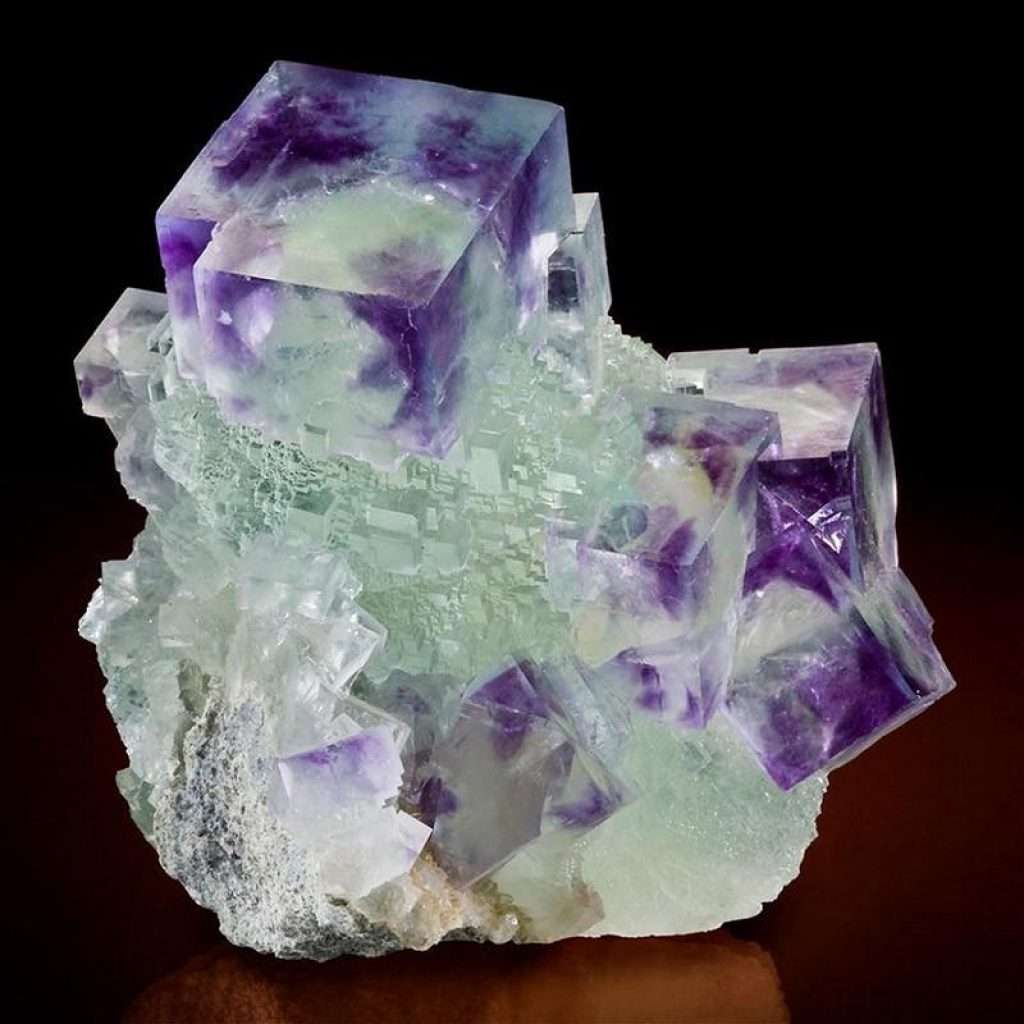
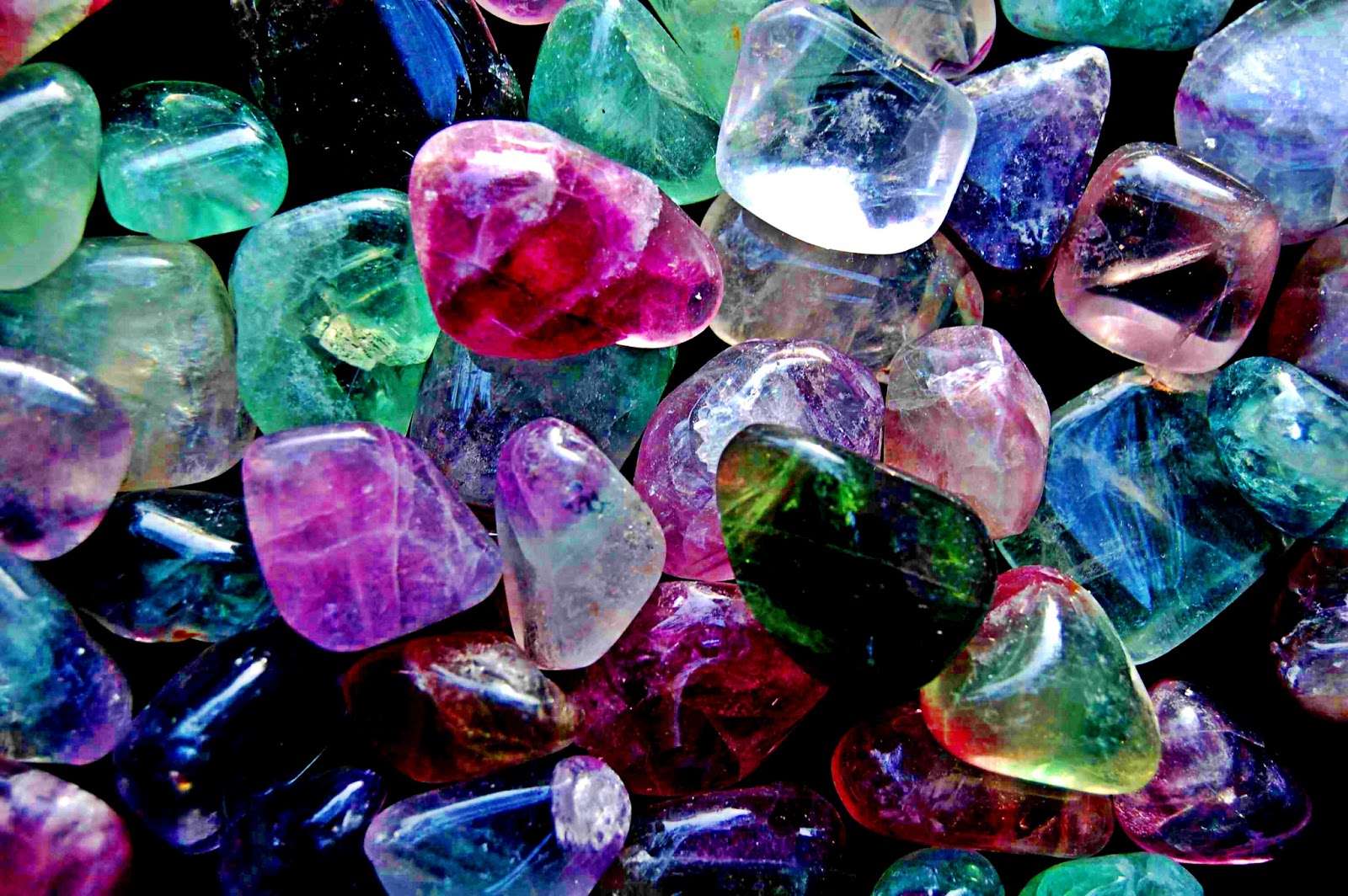
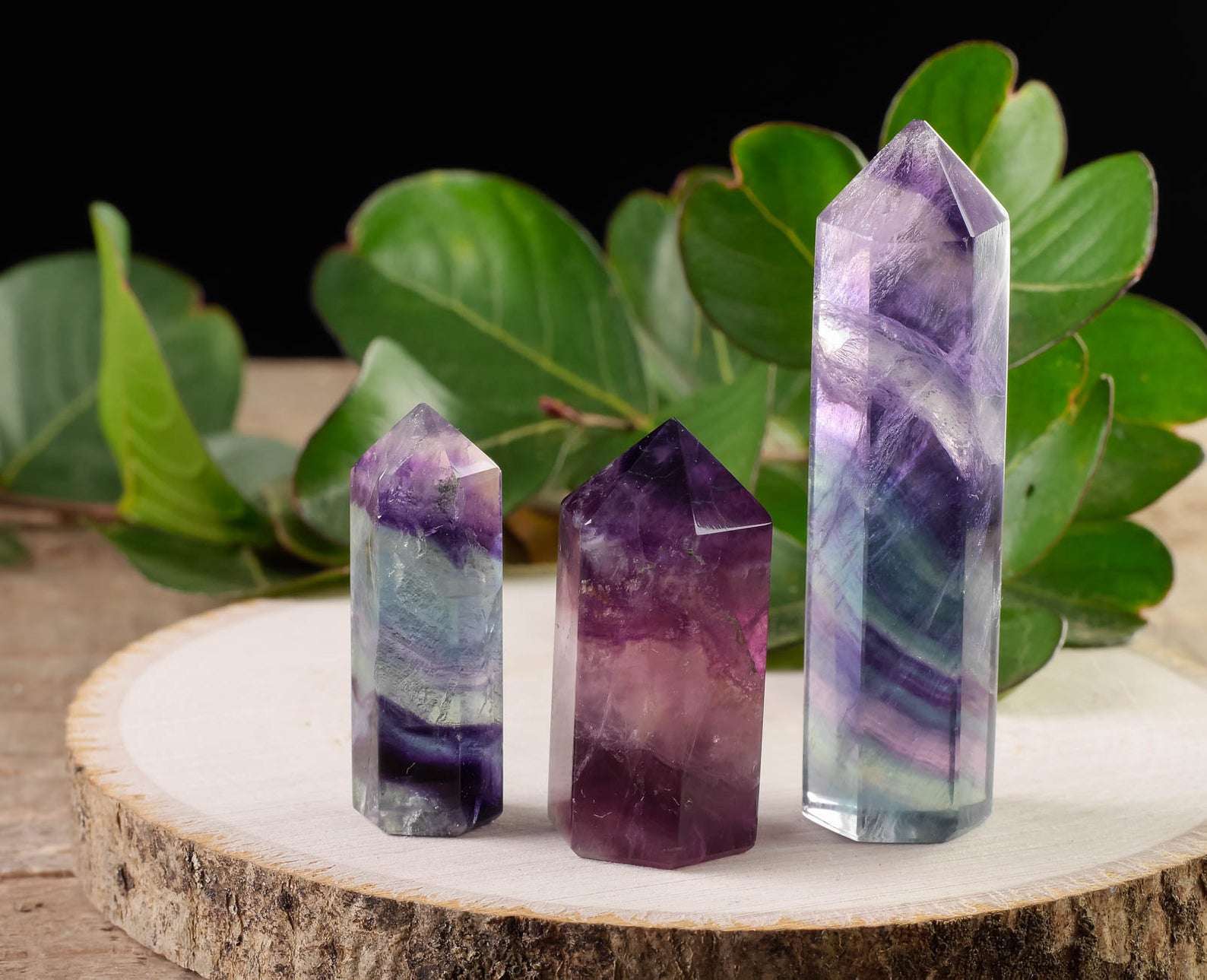
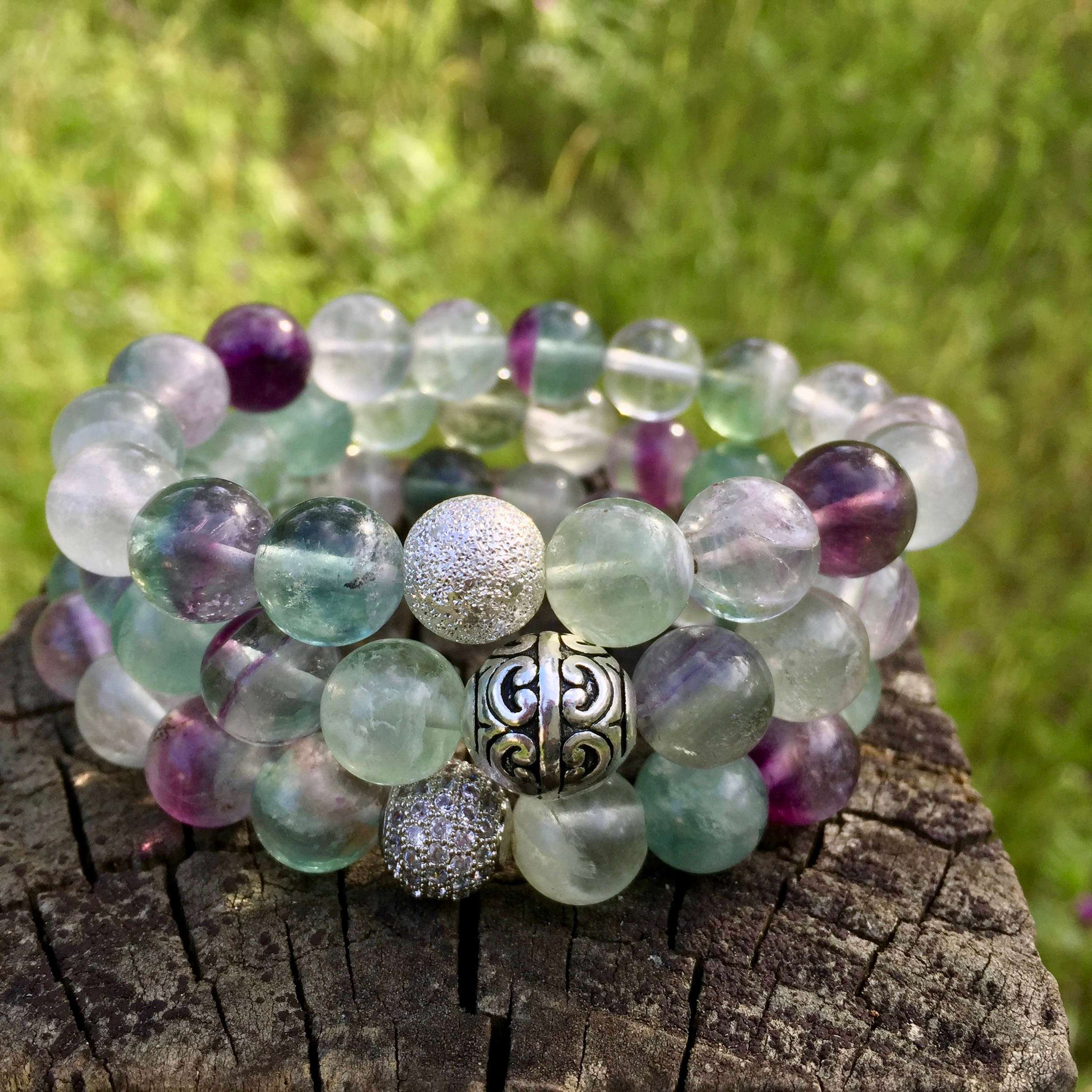
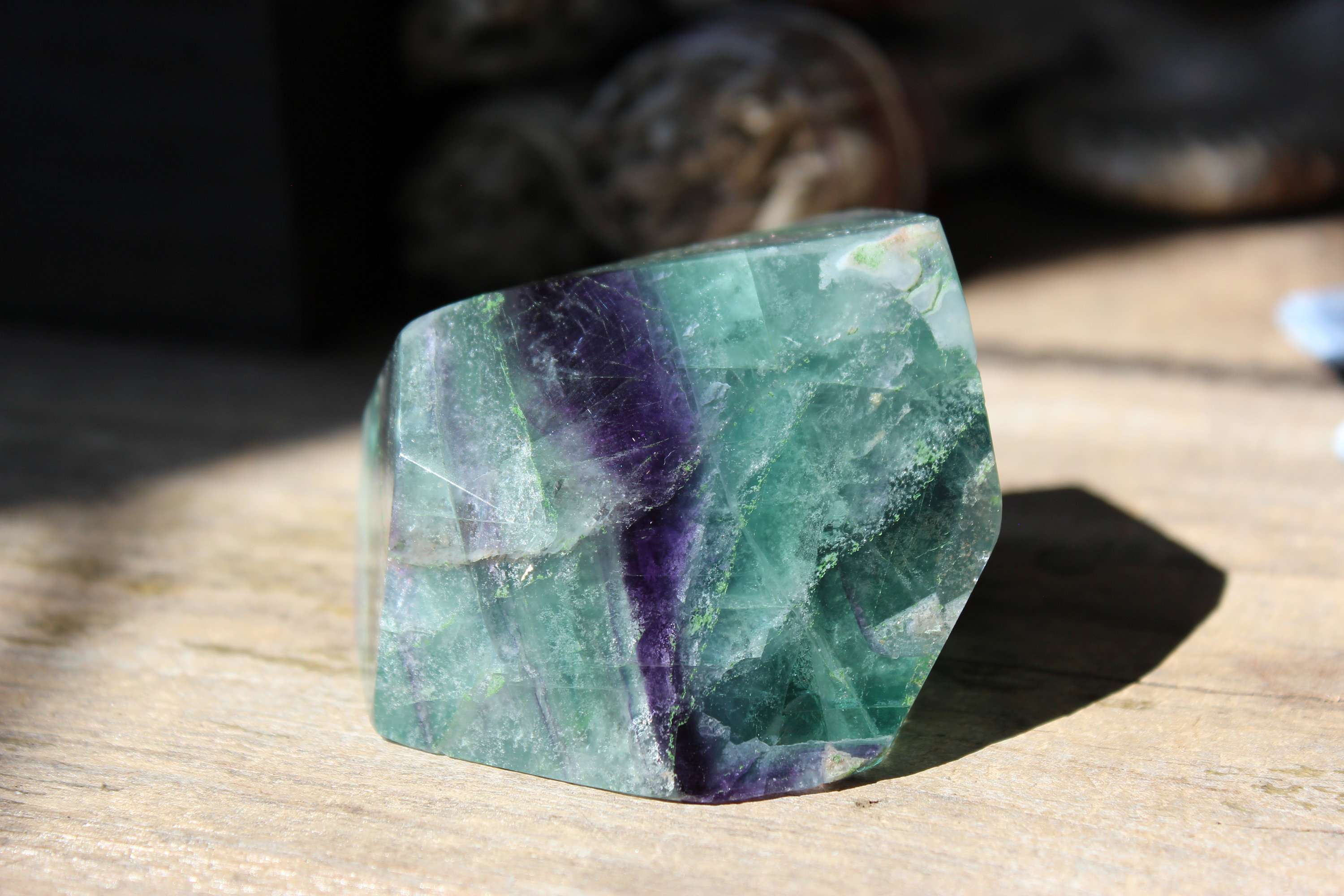
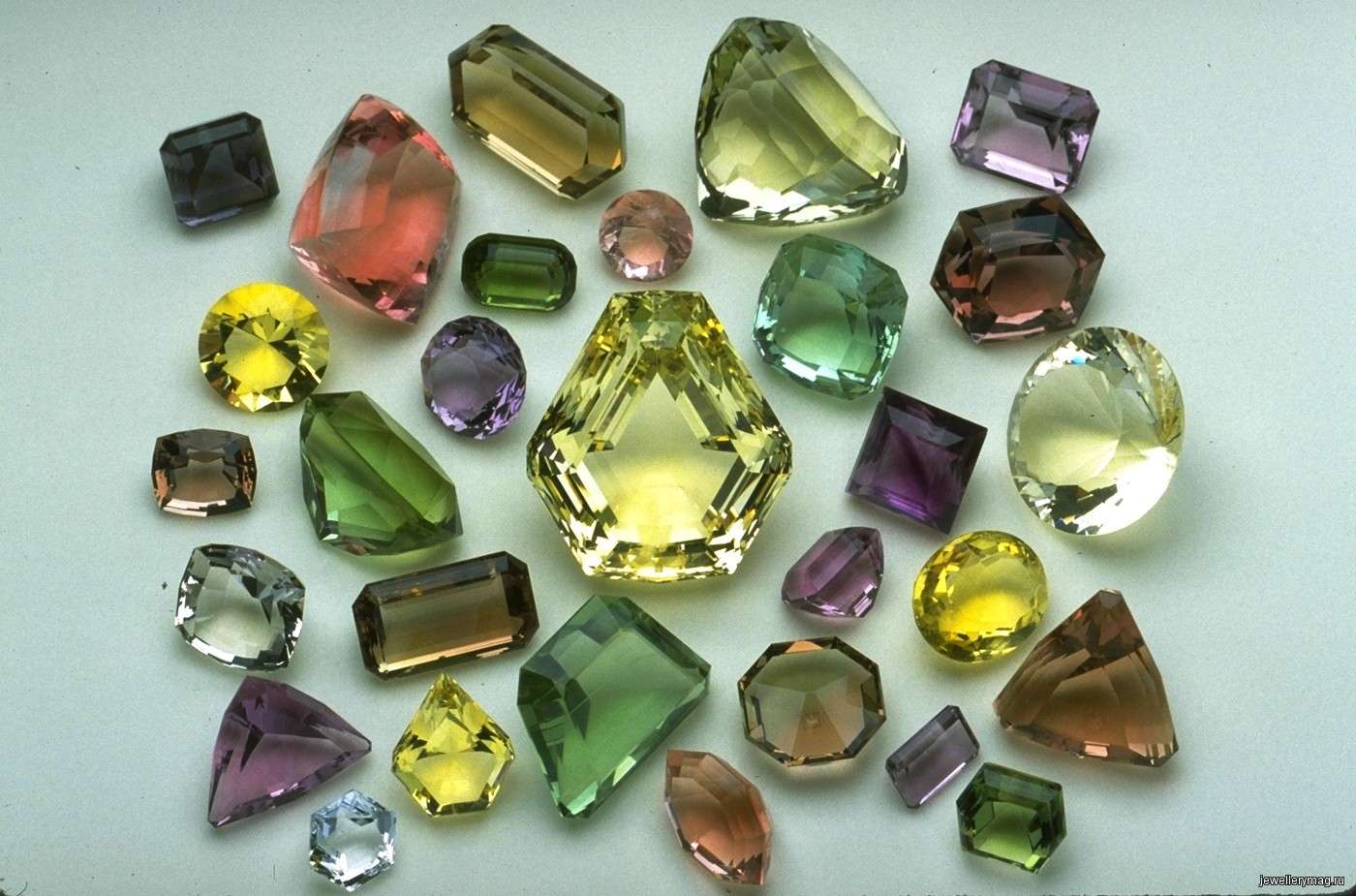
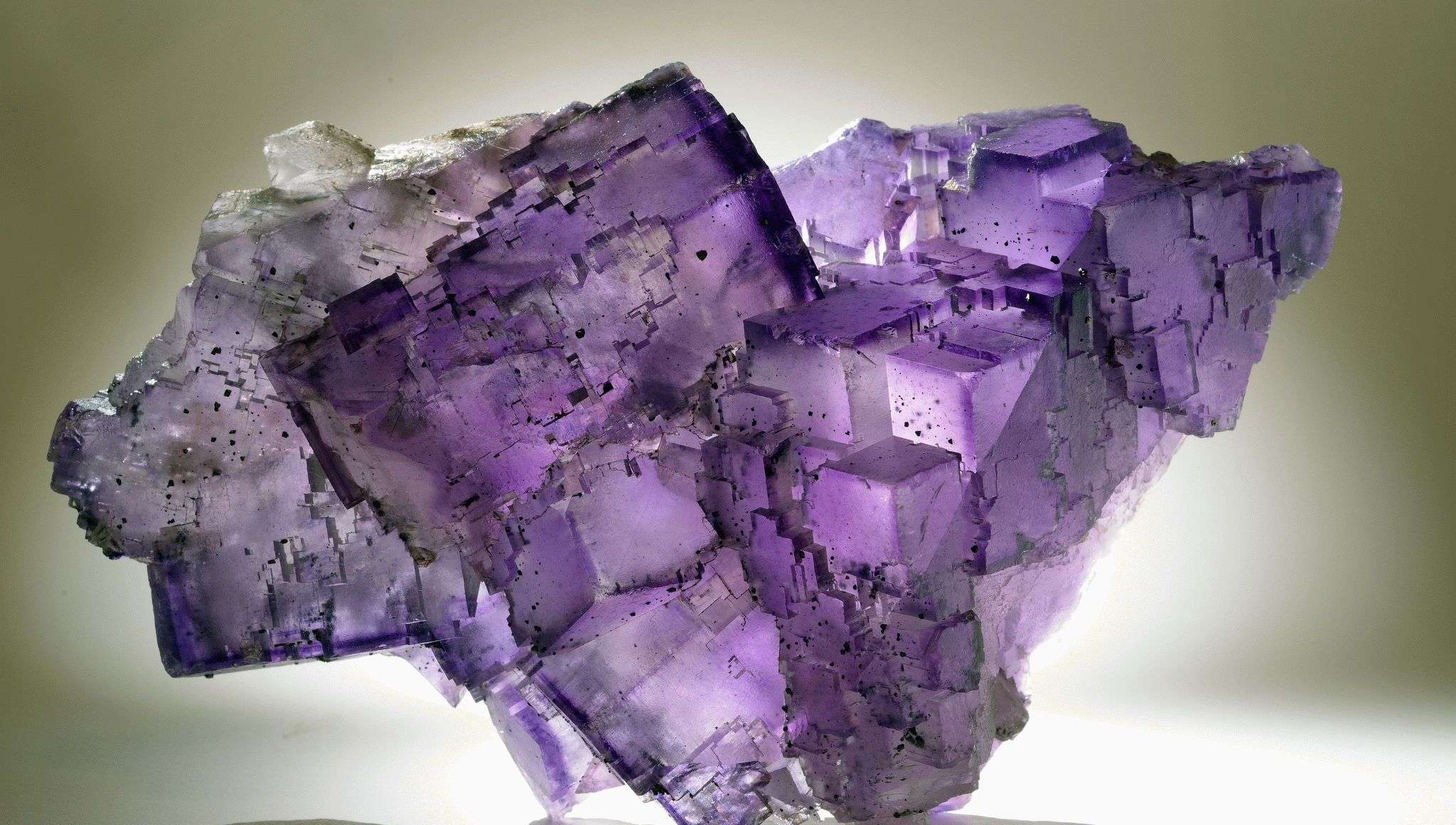
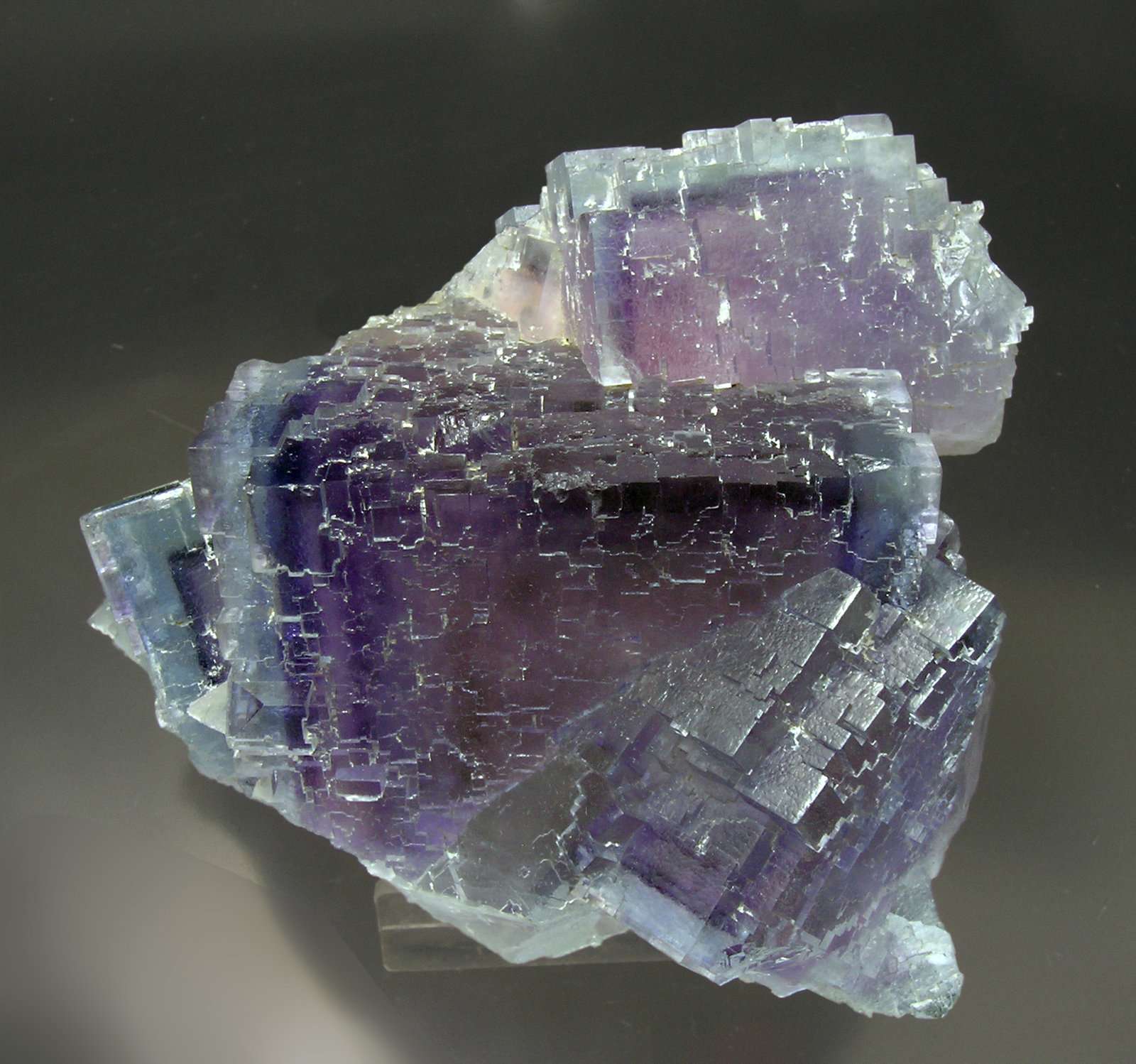
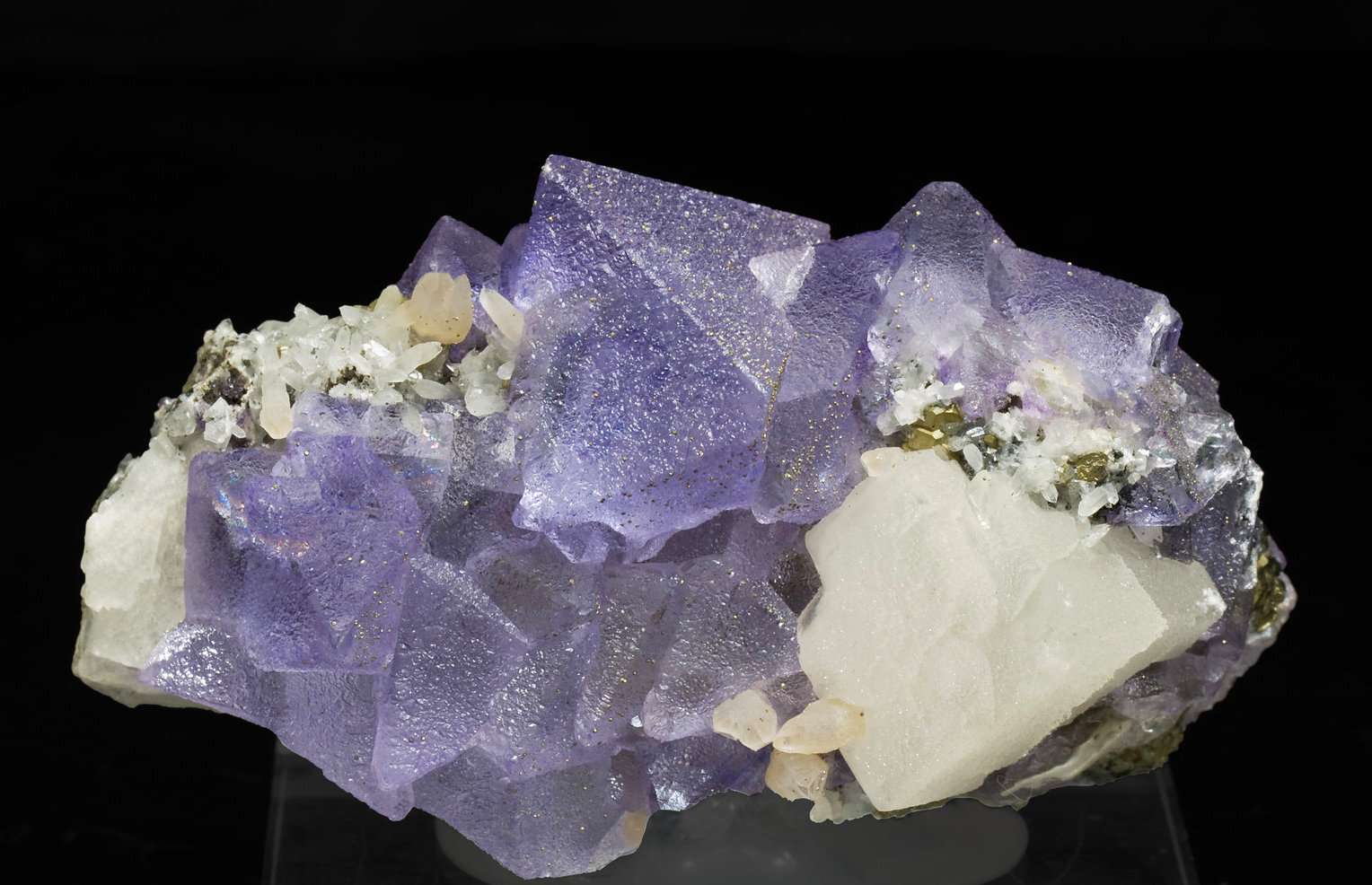
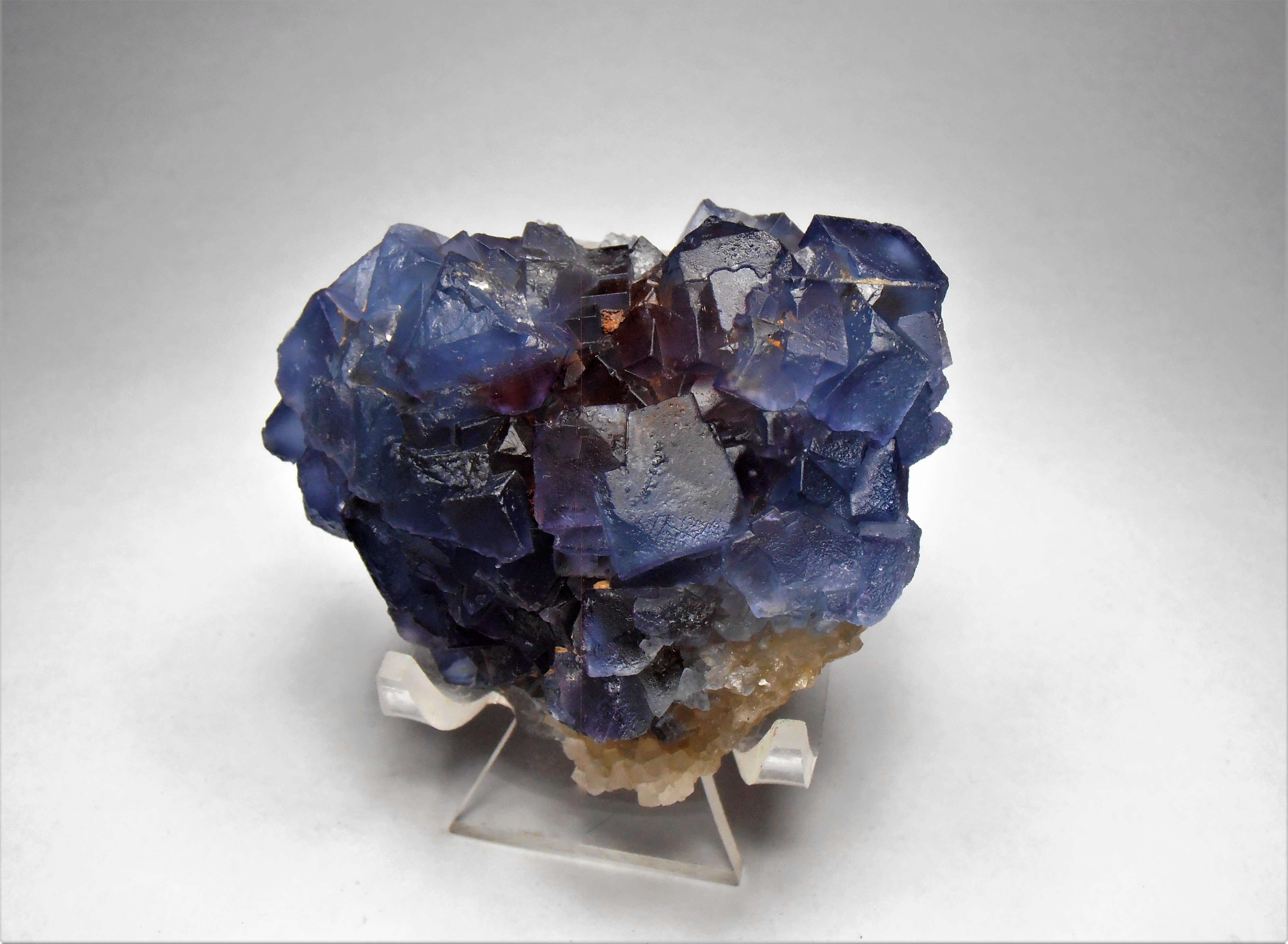
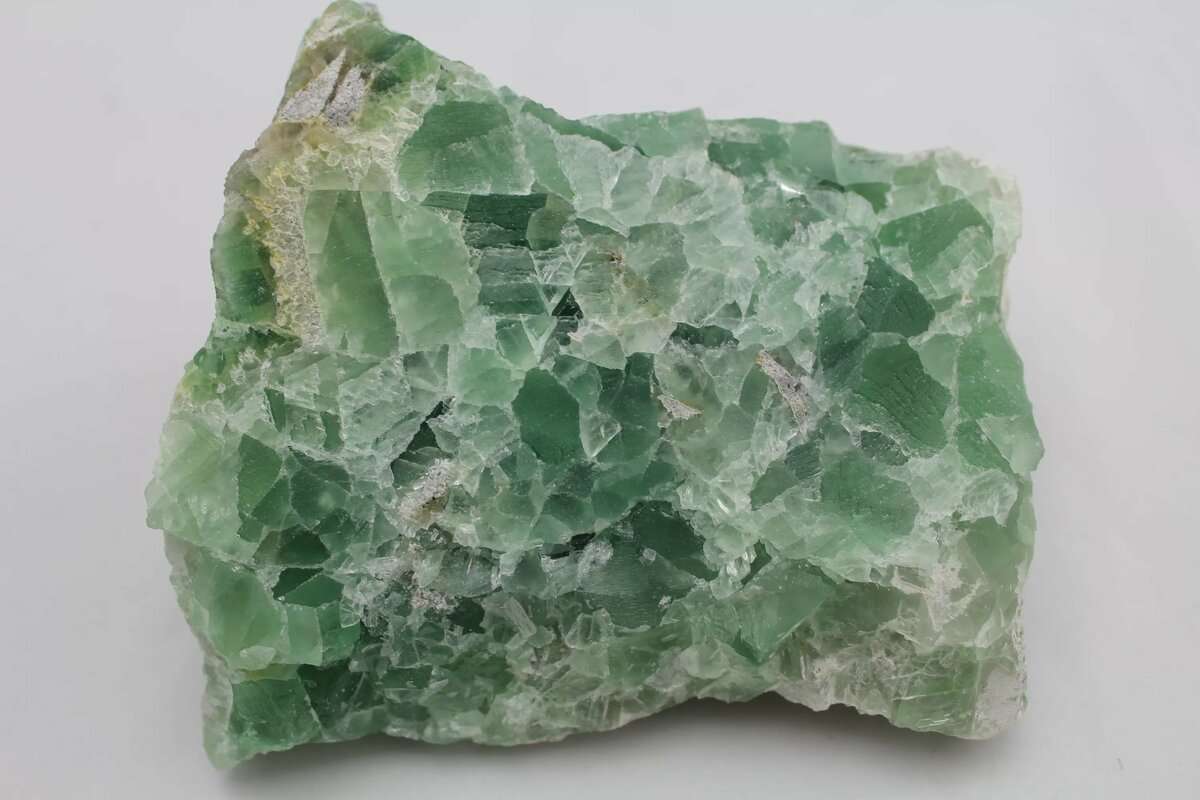
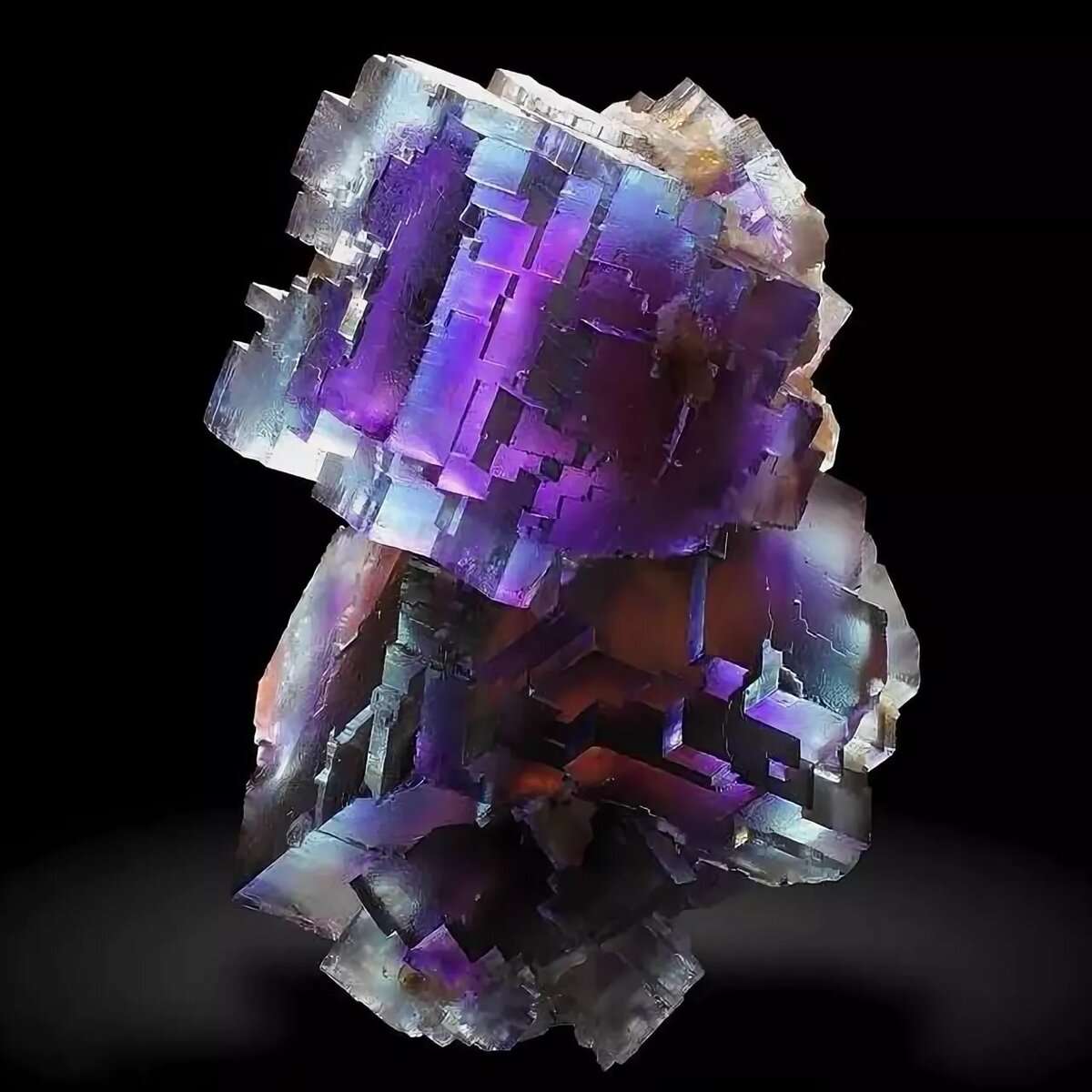
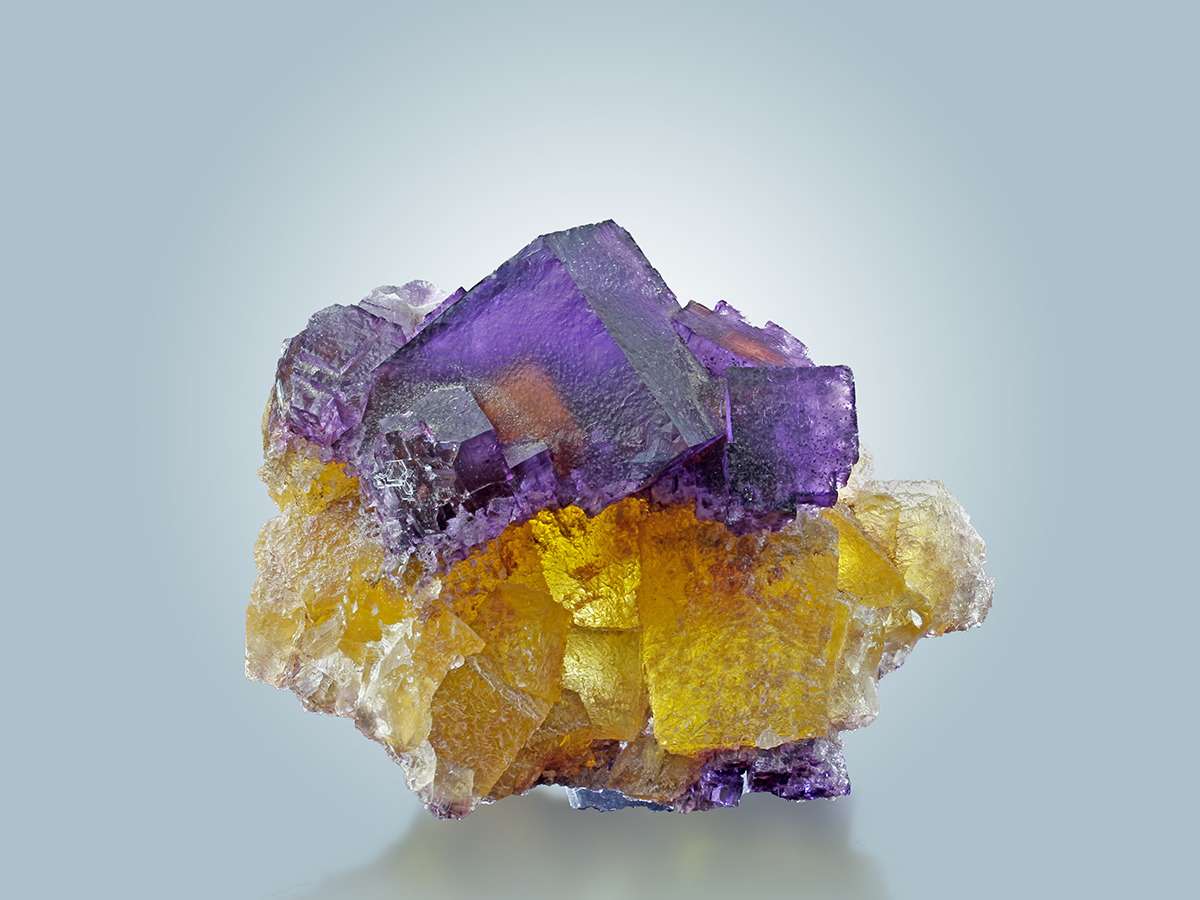
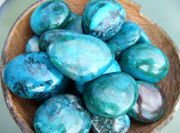
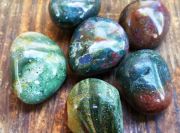
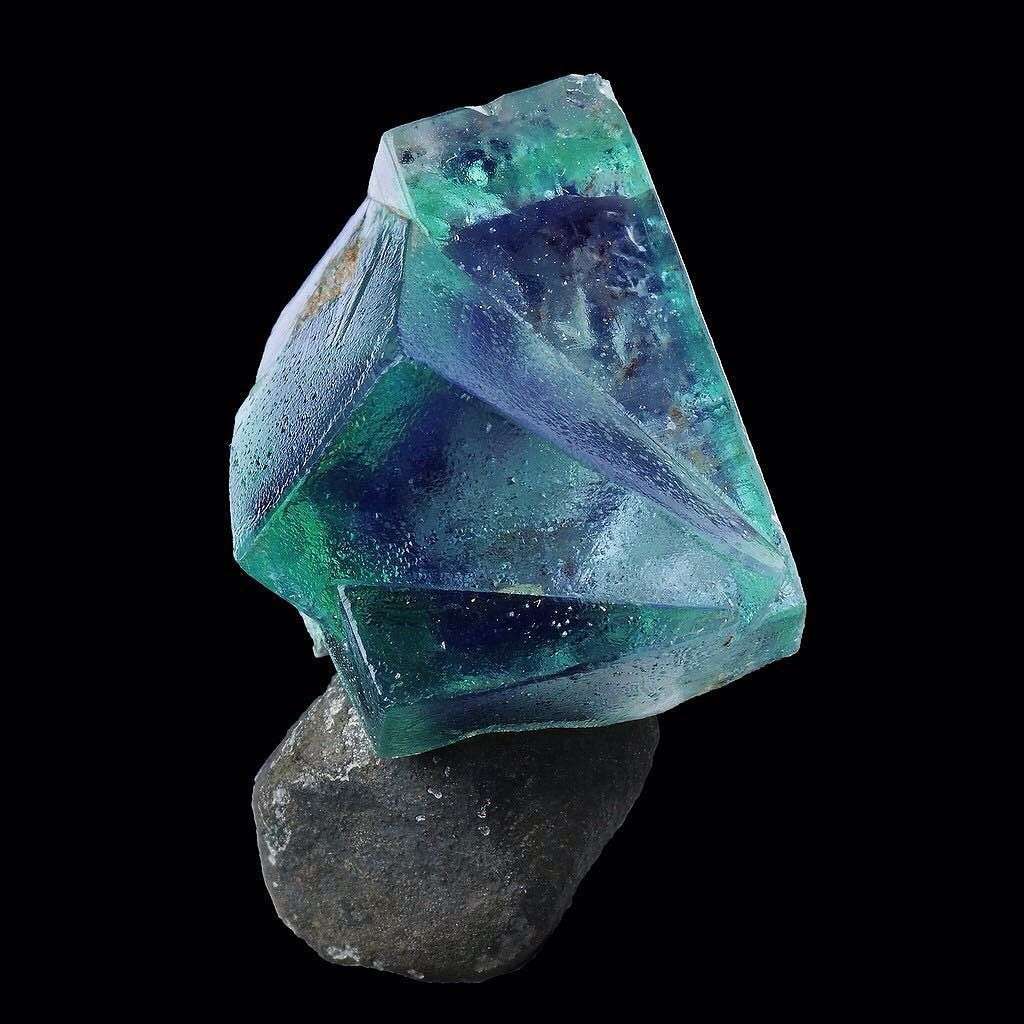
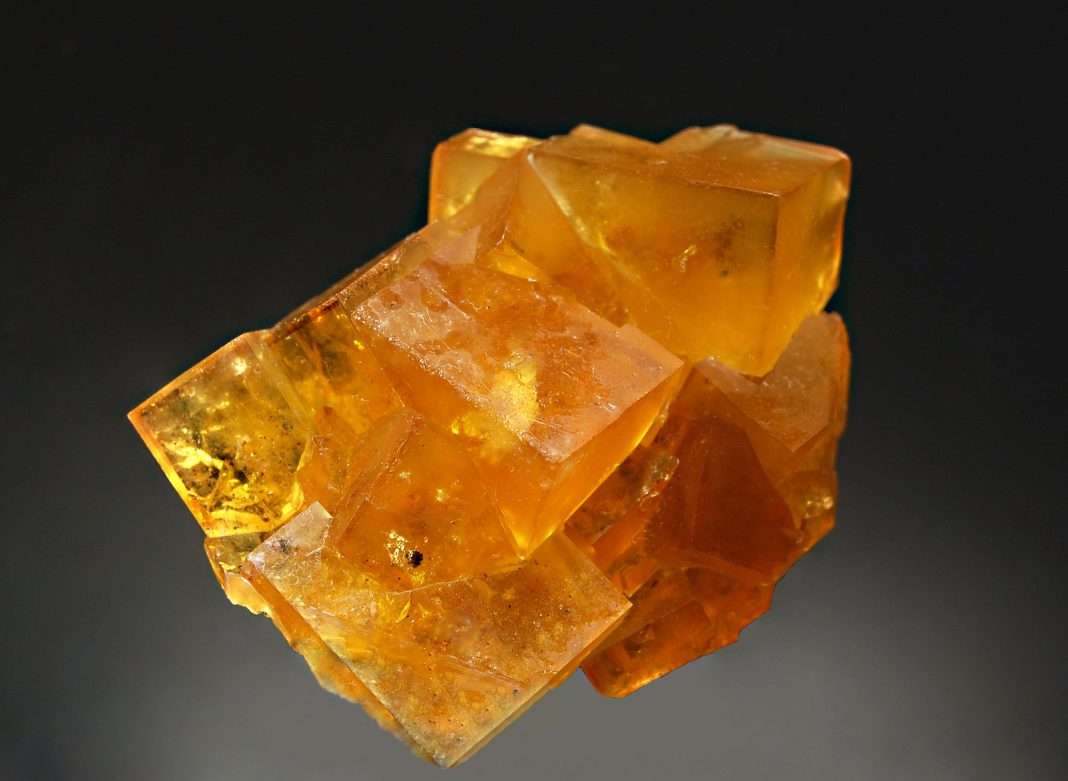
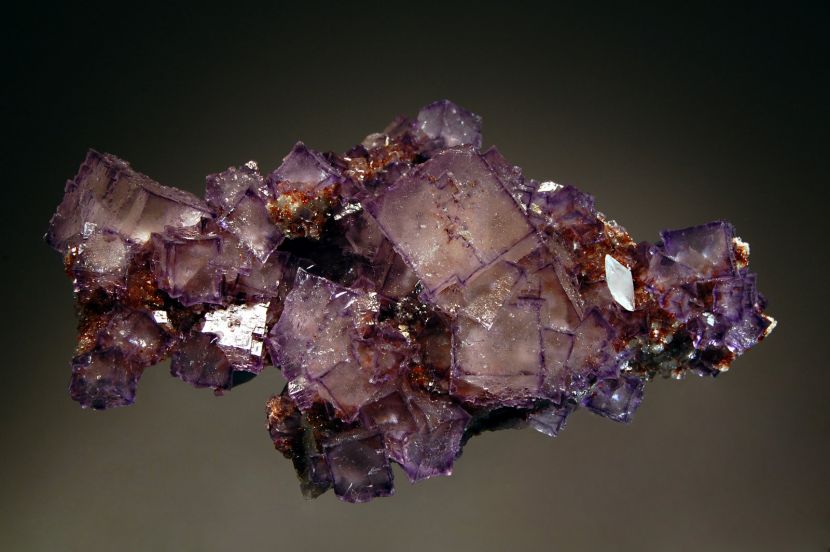
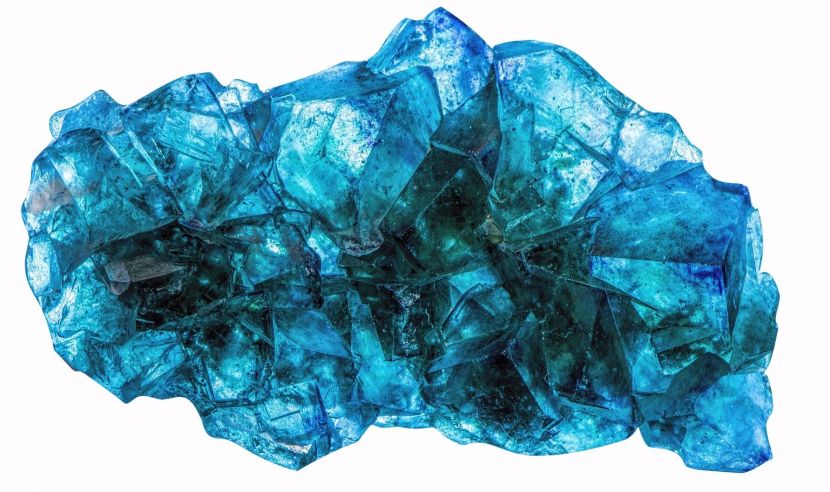
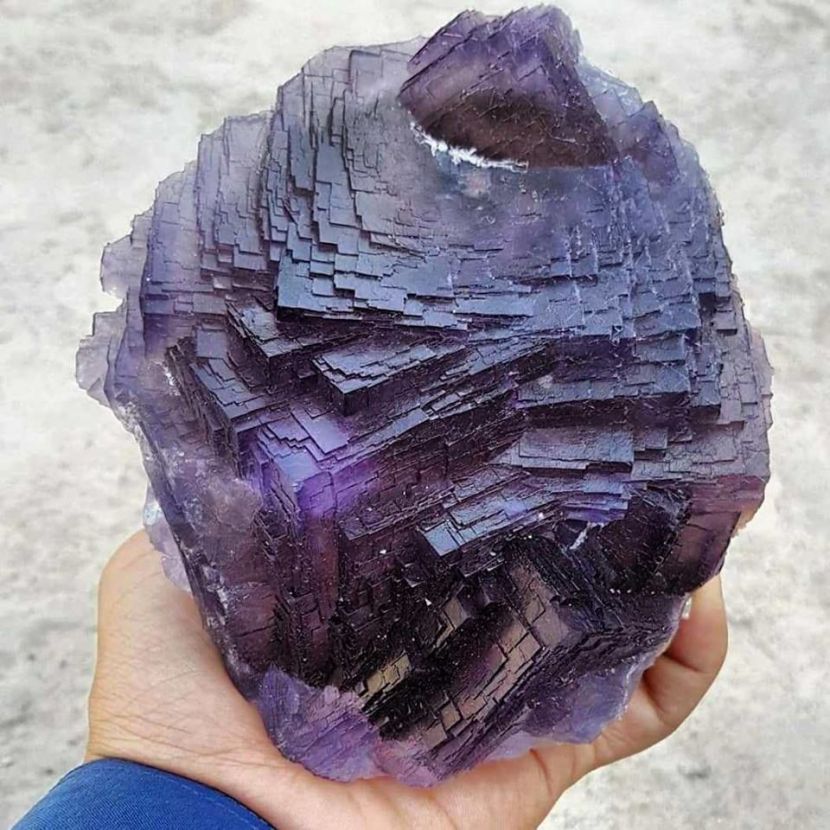
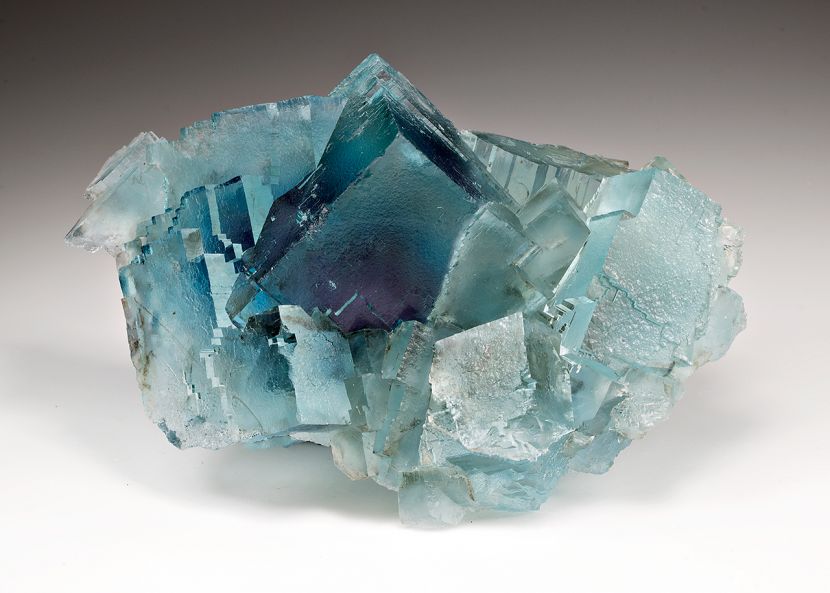
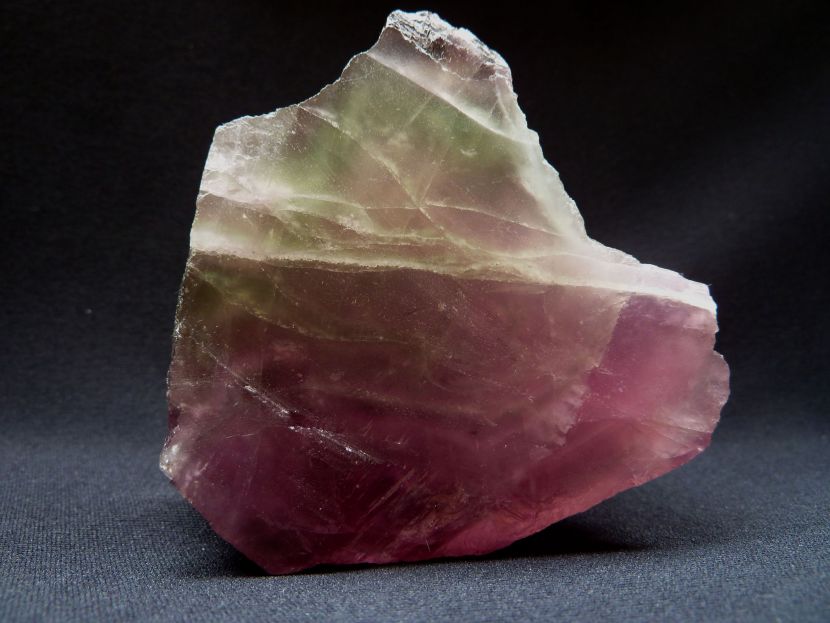
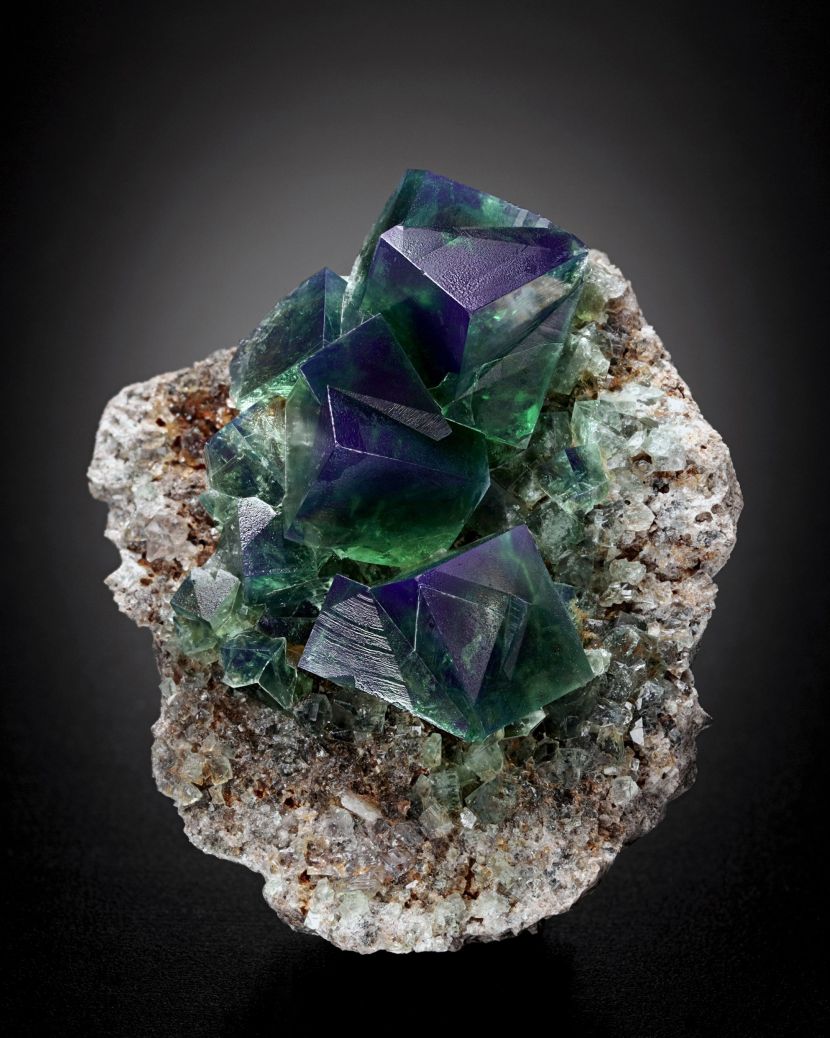
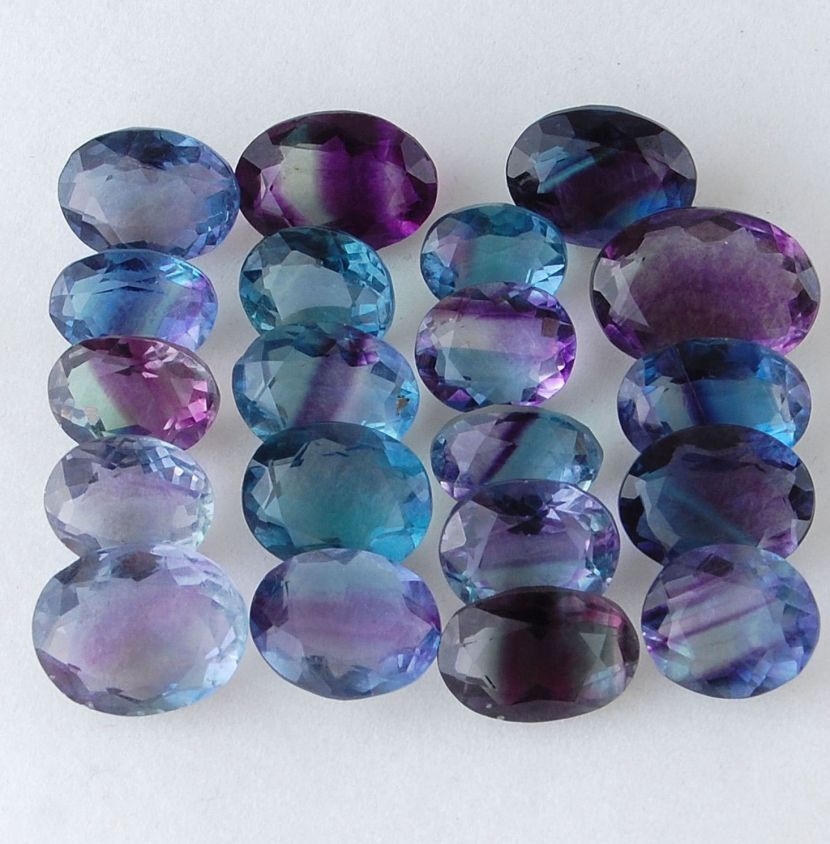
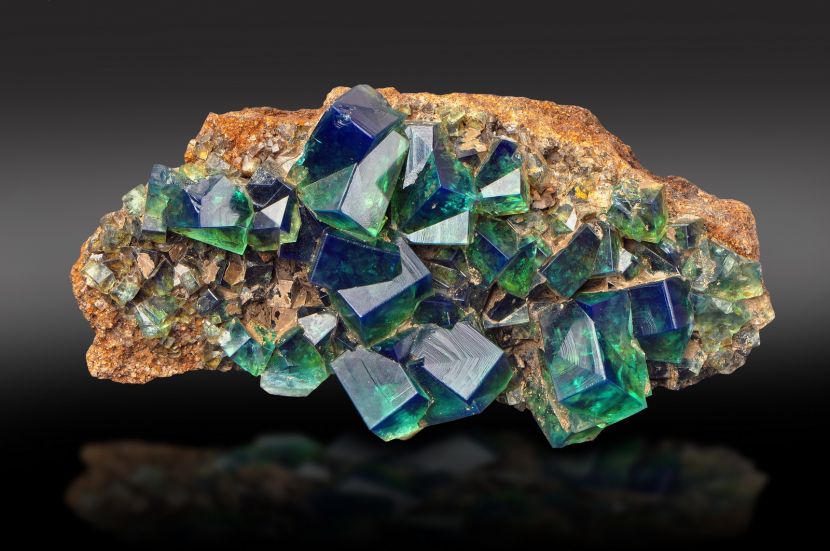
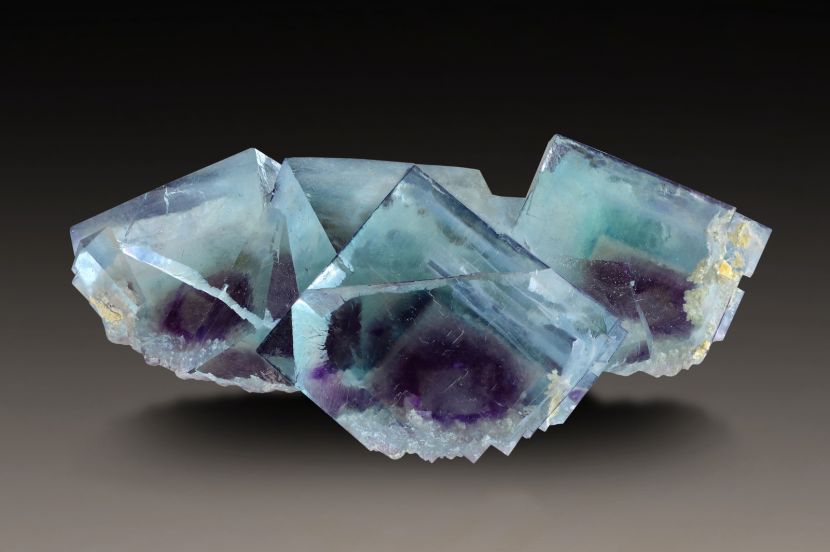
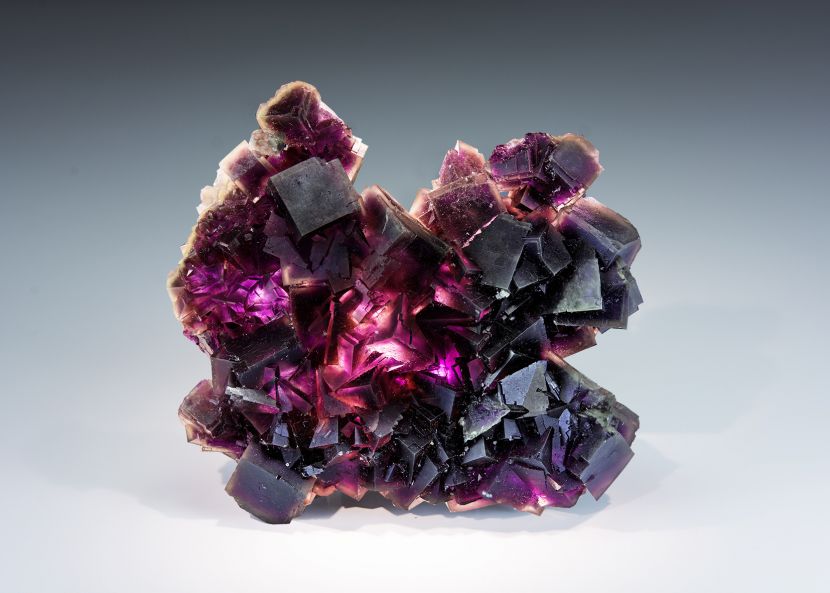
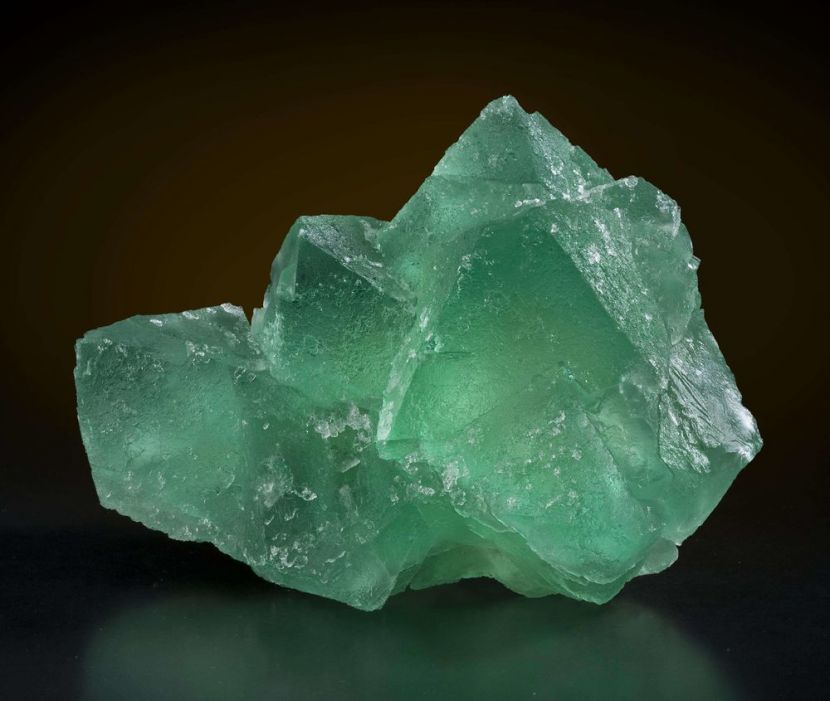
Looking at a photo of fluorite, you are involuntarily amazed at the richness of the stone's palette, which makes it so attractive to jewelers, collectors and just aesthetes. Minerologists and gemologists identify the following subspecies of the "ore flower":

Anthozonite. Jewelry craftsmen do not use it, since the stone is radioactive, and, in addition, it has a specific unpleasant odor that is released when the crystal collides with a solid object. This is due to the chemical reaction of the released oxygen molecules with fluorine taking place inside the antozonite.
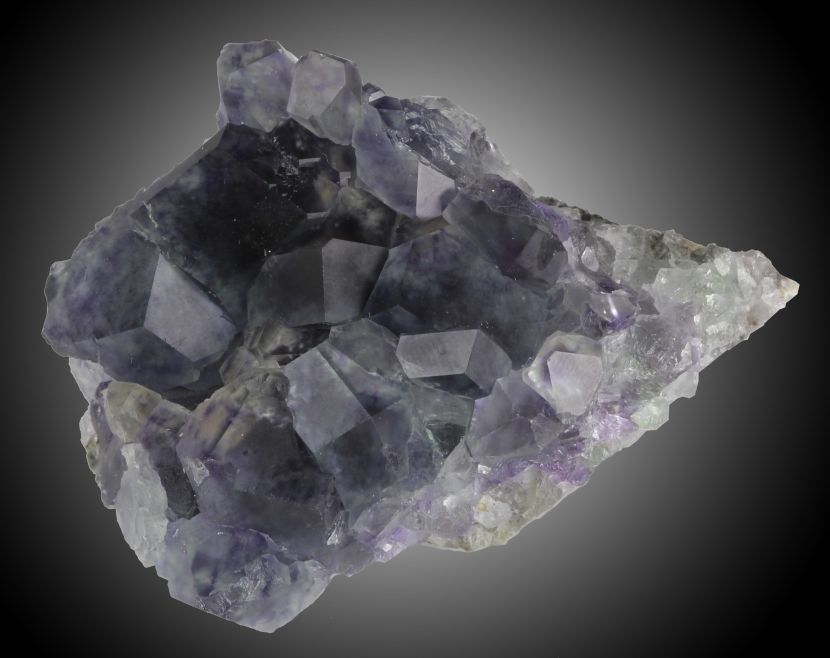
Ratovkit. One of the most inexpensive varieties of "devil's stone". It has a pinkish or earthy color, less often with a purple undertone.
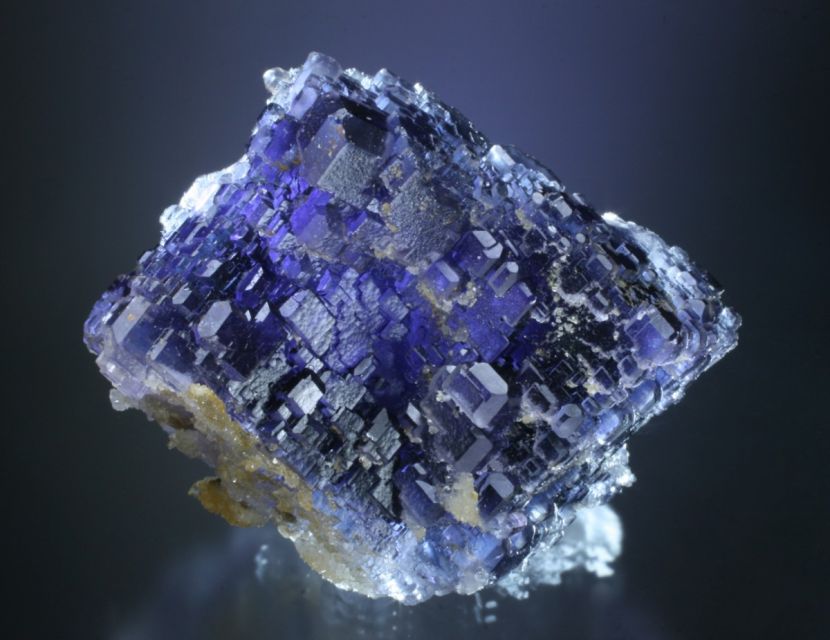
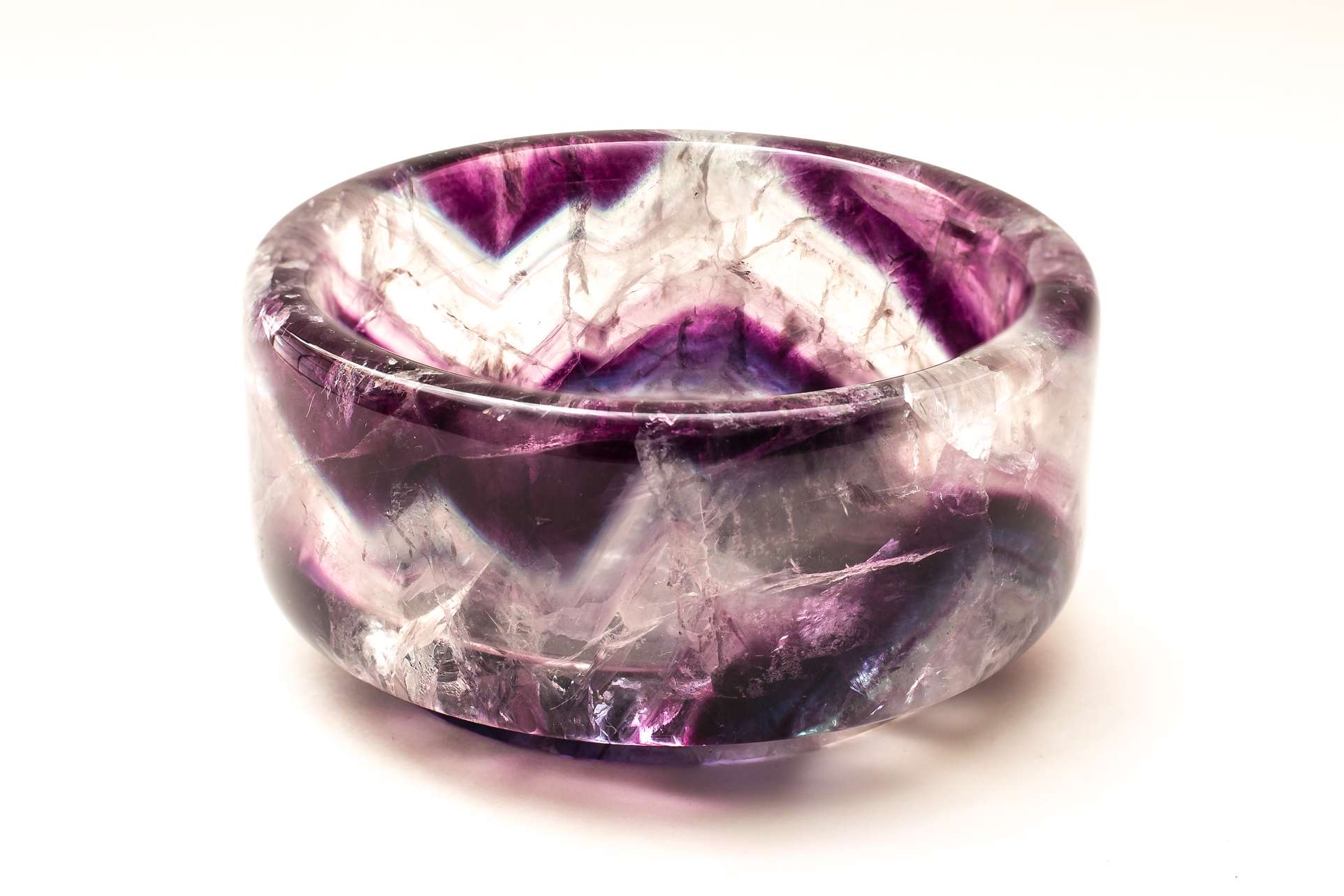
Blue John / Blue John is a purely American variety, now worth a lot of money, because due to the huge demand for blue-white or gray-violet crystals, its deposit has been almost completely exhausted.
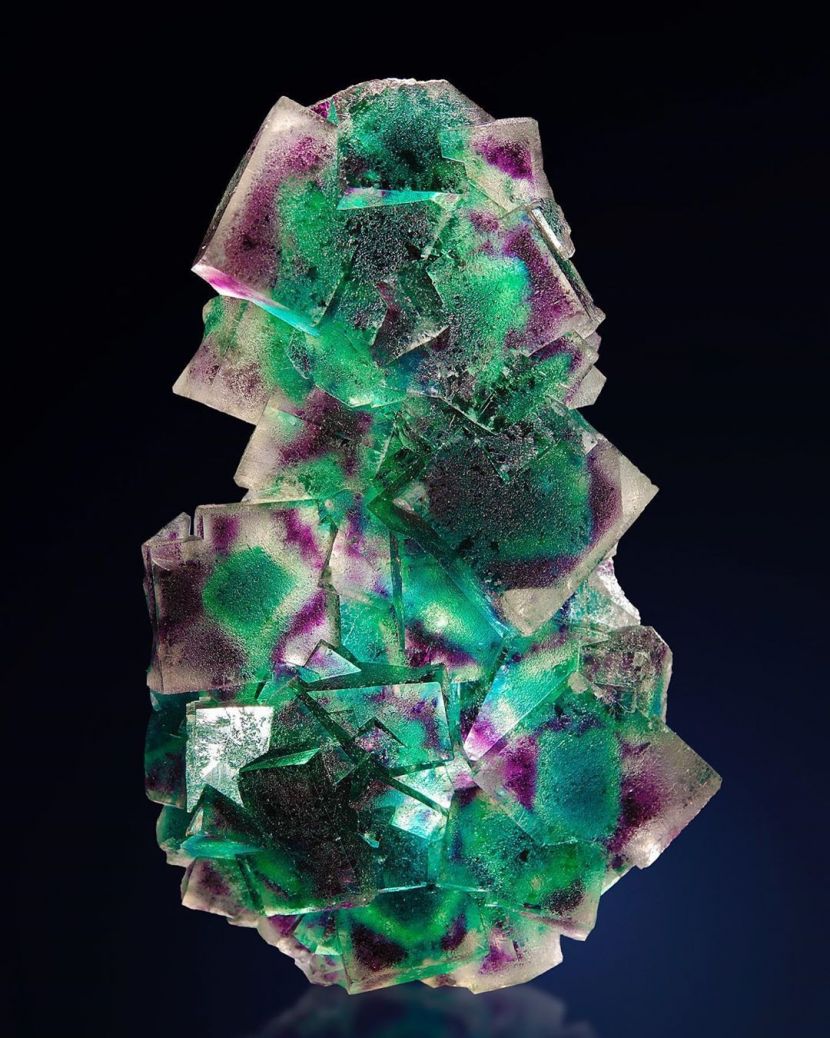
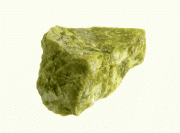
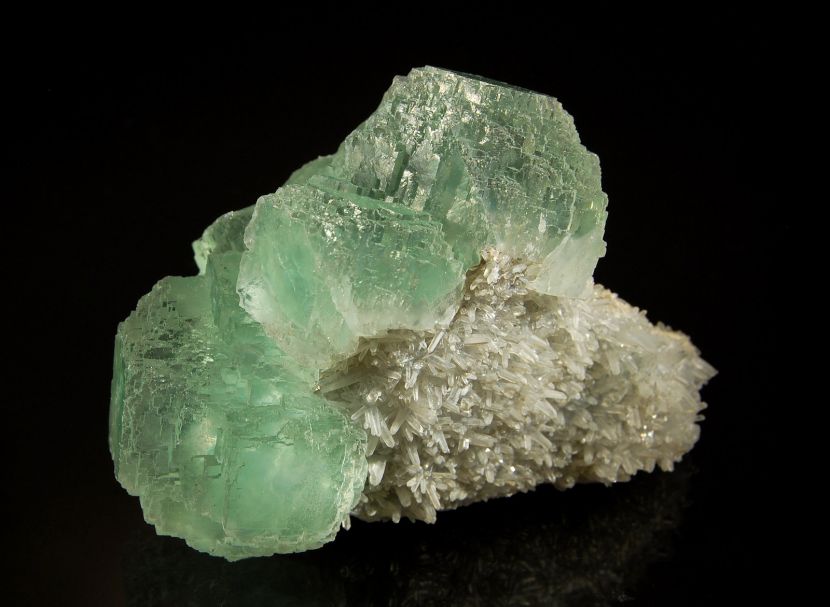
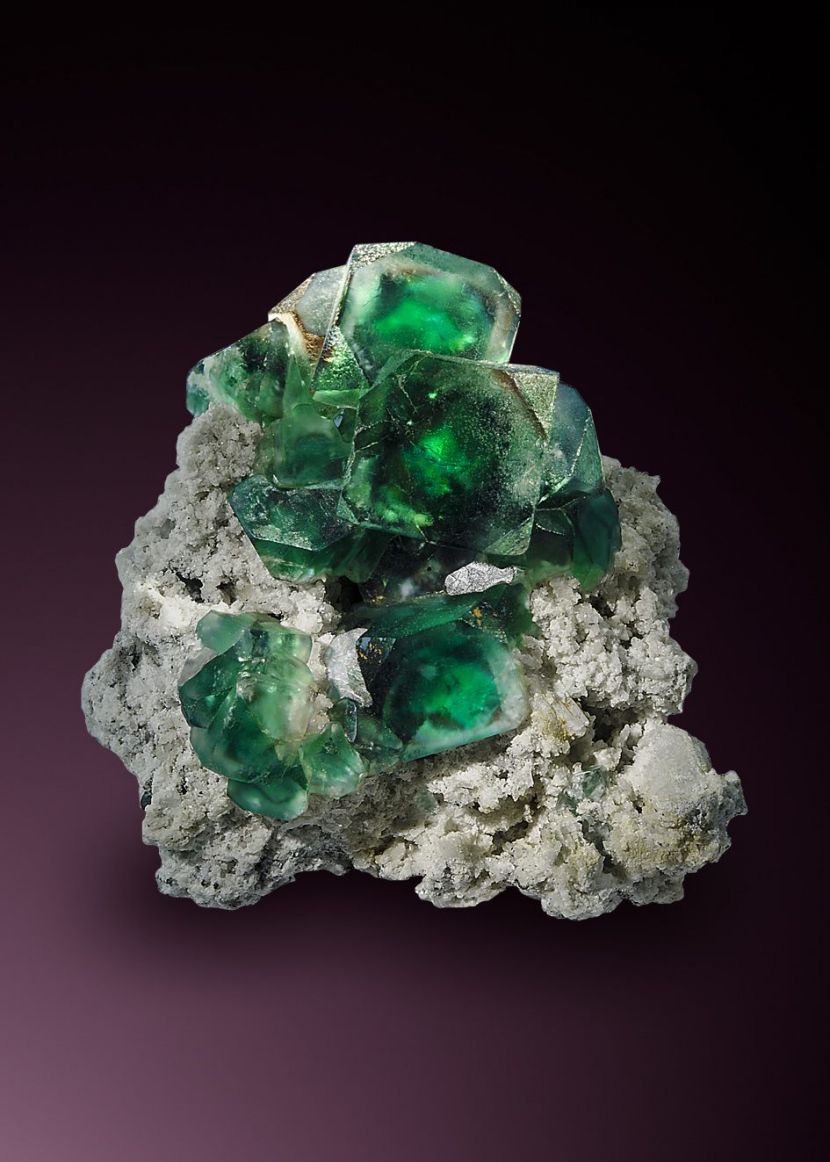
Chlorophtan. Fluorspar green. It has a pronounced thermoluminescence, growing in proportion to the increase in air temperature.
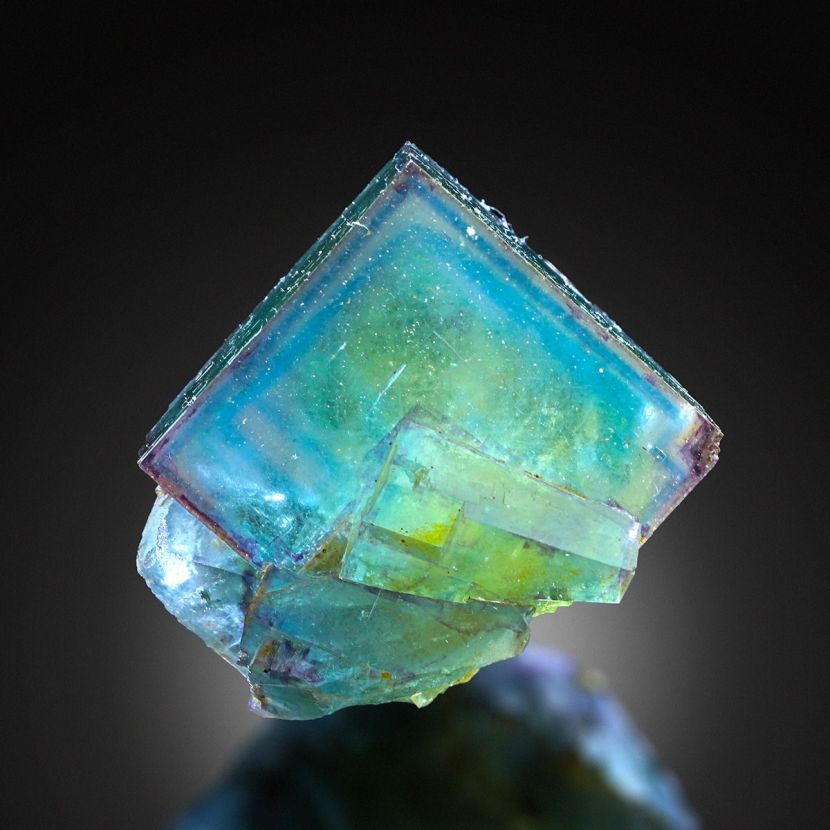
A transparent, colorless fluorite, also known as "optical" fluorite, is the purest calcium fluoride.
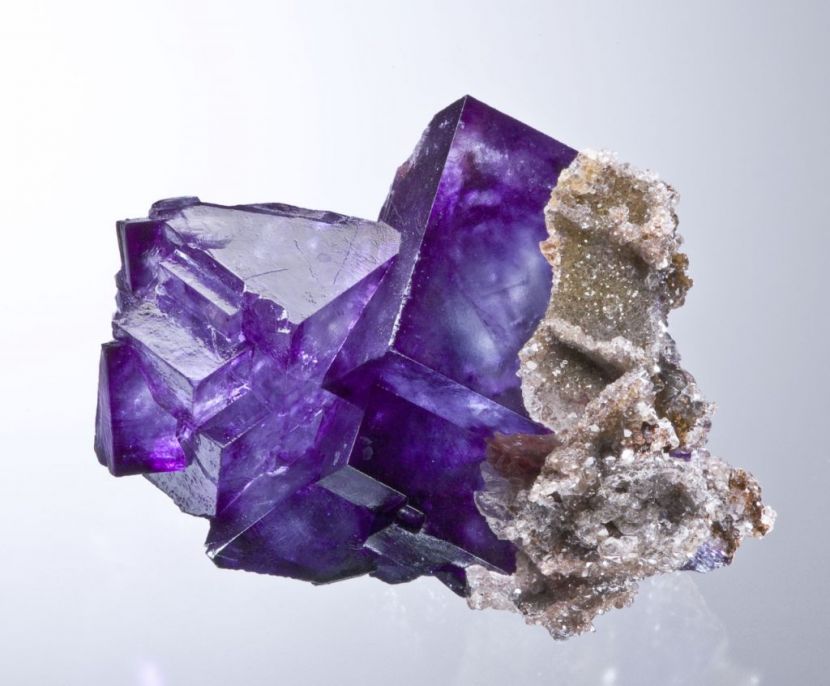
In fact, the division of “rainbow spar”, as the mineral is sometimes called, into varieties is nothing more than a convention, since each instance is strictly individual and endowed with a unique pattern and color.
Application industries
Due to the simplicity of the processing process and its physical and chemical properties, fluorite is used in a variety of areas, including:
- Production of optical systems for photo and video equipment. The degree of transparency of pure CaF exceeds that of glass. In addition, fluorite is stronger.
- Synthesis of hydrofluoric acid.It is obtained from anthosonites. The specified substance is used in the smelting of aluminum and the manufacture of plastics, and is also an essential ingredient in the composition of various polishes and lubricants.
- Ferrous and non-ferrous metallurgy. From fluorspar, reagents are produced that are necessary for etching glass, some metals and alloys.
- Production of refractory polymers;
- Decorative-applied and jewelry art.
Esoteric status
For its magical properties, fluorite has been revered since the very times it became known to the human race. He was credited with a divine origin: supposedly the stone was presented to humanity from above, and its earthly purpose was to help those who chose the creation of good as their path.
Alchemists considered the radiance inherent in the stone to be a kind of test for inner strength and ability to magic: if a person was strong enough, then when interacting with fluorite, he acquired sacred mystical knowledge, otherwise the stone could destroy his soul.
Magicians of all stripes supported this belief, making fluorspar crystals an indispensable attribute of their rituals and the interior in which they were performed. This could increase their authority in the eyes of the townsfolk. In addition, the fluorescent crystal created a special atmosphere.
Current esotericists believe that the “devil stone” is able to give its owner enlightenment, due to the fact that it makes the purple color dominant in the aura of its owner, which means that the latter will gain wisdom and harmony with himself and the Universe. Fluorite will be extremely useful for those who practice astral travel, as well as spiritualists and mediums.The stone helps to develop intuition and dormant talents, learn to "read" people, open a "second wind" in a crisis period. Unleashing the potential immediately changes the life of anyone for the better.
The fluorescent crystal resists any negativity that its owner faces.
Fluorite is especially useful in the everyday life of those whose field of activity is related to the need to recognize non-verbal signals: psychologists, investigators, nurses, etc. Well, of course, it will come in handy for a young mother - understanding the needs of a baby is not as easy as it seems.
In stone treatment
Lithotherapists claim that fluorspar products relieve headaches of any origin, and also contribute to the speedy recovery from a number of nervous disorders: insomnia, nightmares, depressive states.
The mineral also has a beneficial effect on the state of the cardiovascular system. Wearing fluorite jewelry will greatly alleviate the symptoms of atherosclerosis, arrhythmia and tachycardia, and also help maintain normal blood pressure.
Zodiac Compatibility
The energy of fluorite goes well with the energy of Capricorn, Gemini, Pisces, Aquarius and Libra. However, representatives of all signs, with the exception of Sagittarius, can wear a crystal as a talisman, since their aura, as it were, annuls the energy of the stone. Thus, a fluorspar talisman is simply useless for Sagittarius. Although there is a loophole here: it is believed that an amulet donated by a loving person will protect its owner, regardless of horoscopic "contraindications".
How to recognize an imitation
Fluorite belongs to the group of semi-precious stones, however, its value is high and falsifications are widespread.It can be like synthetic crystals made from other rocks, processed and painted to look like fluorspar, or it can be the most ordinary glass / plastic. Fortunately, it is not so difficult to recognize a fake, since the “ore flower” has a number of qualities that cannot be imitated. So, for example, plastic and glass do not luminesce.
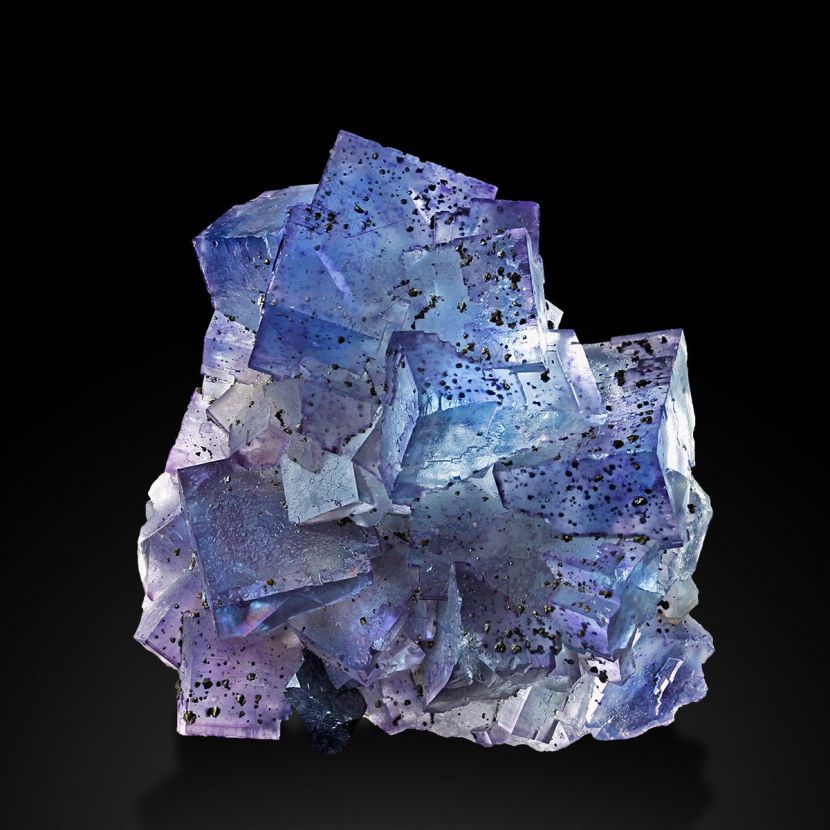
In addition, true fluorite, due to its softness and fragility, almost always lets air in, and these bubbles can be seen with the naked eye. The absence of such is a sign of a fake. The stone does not heat up when in contact with the skin, and glass and plastic instantly become warm.
Photo of a stone Fluorite