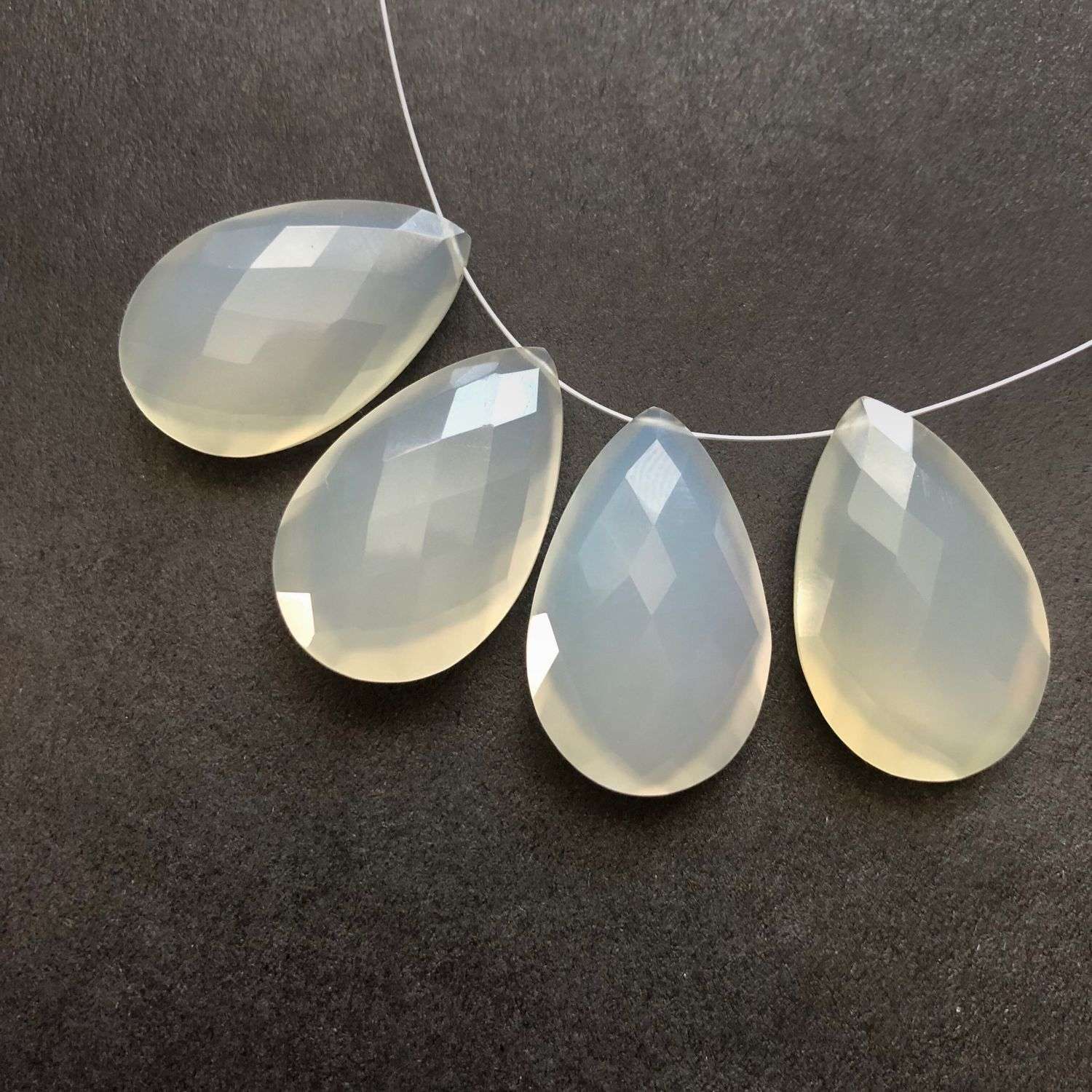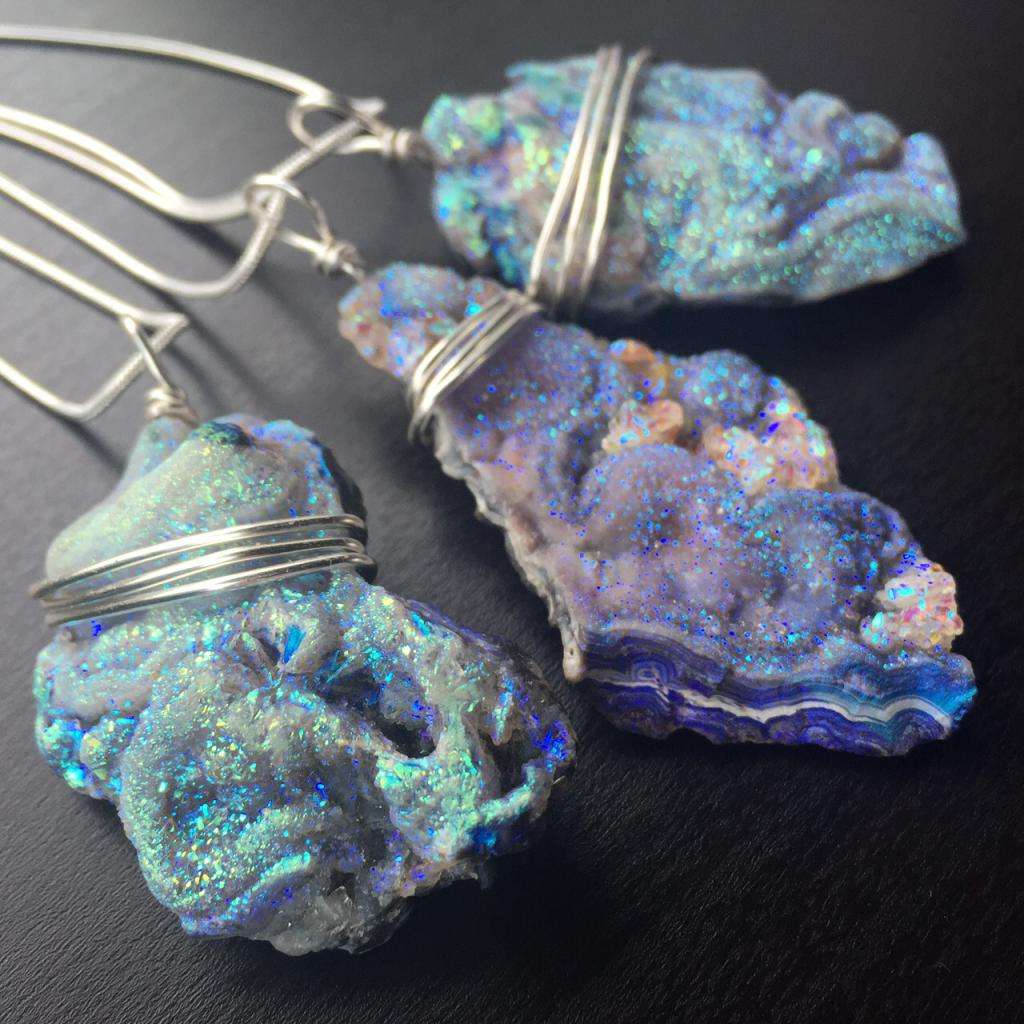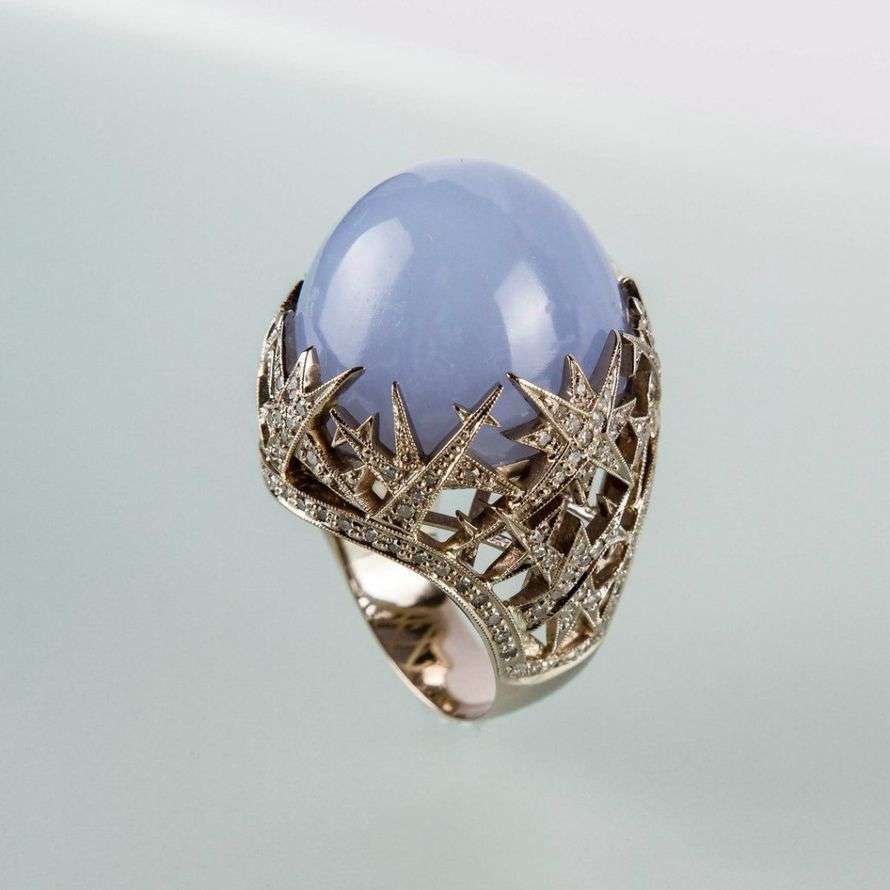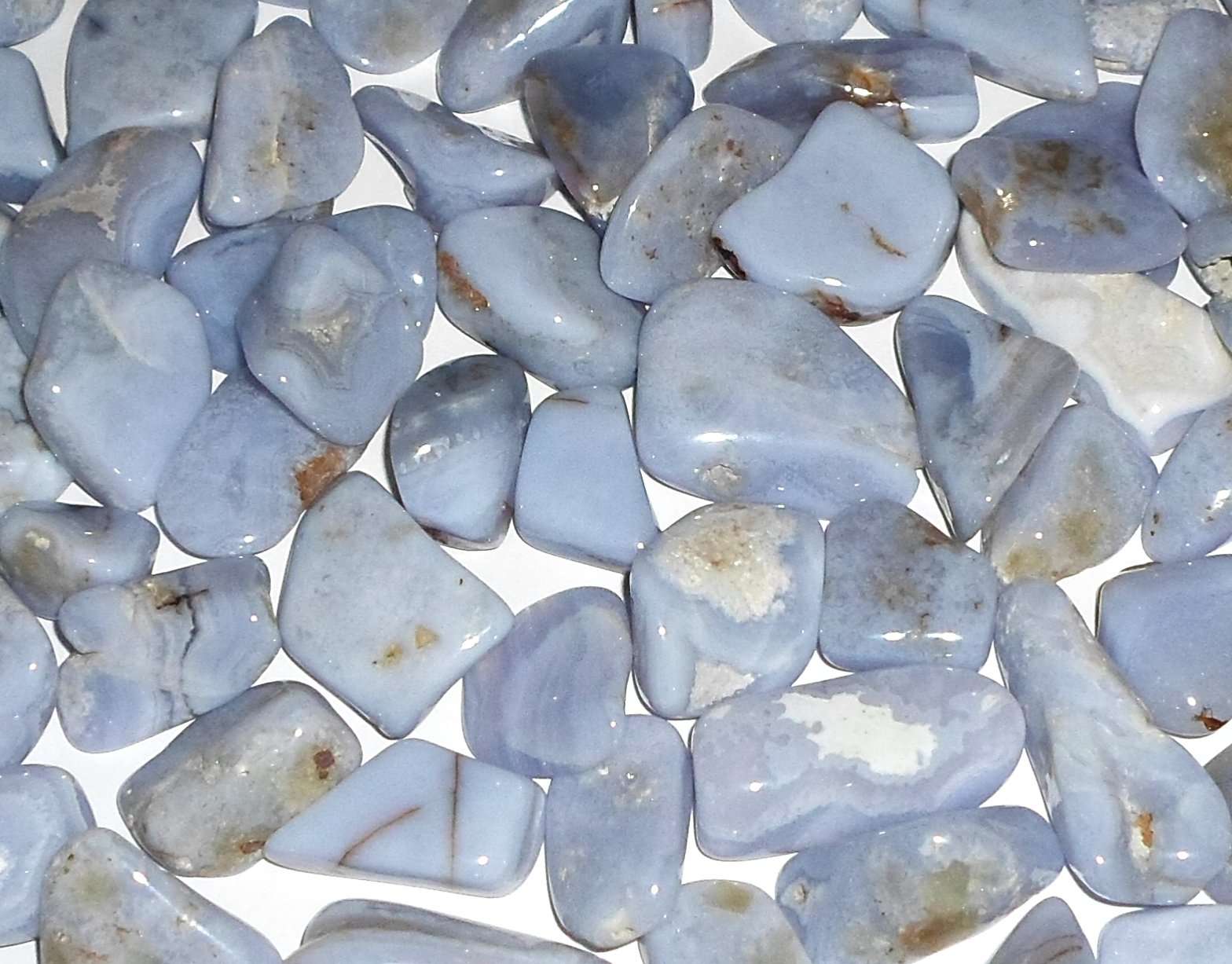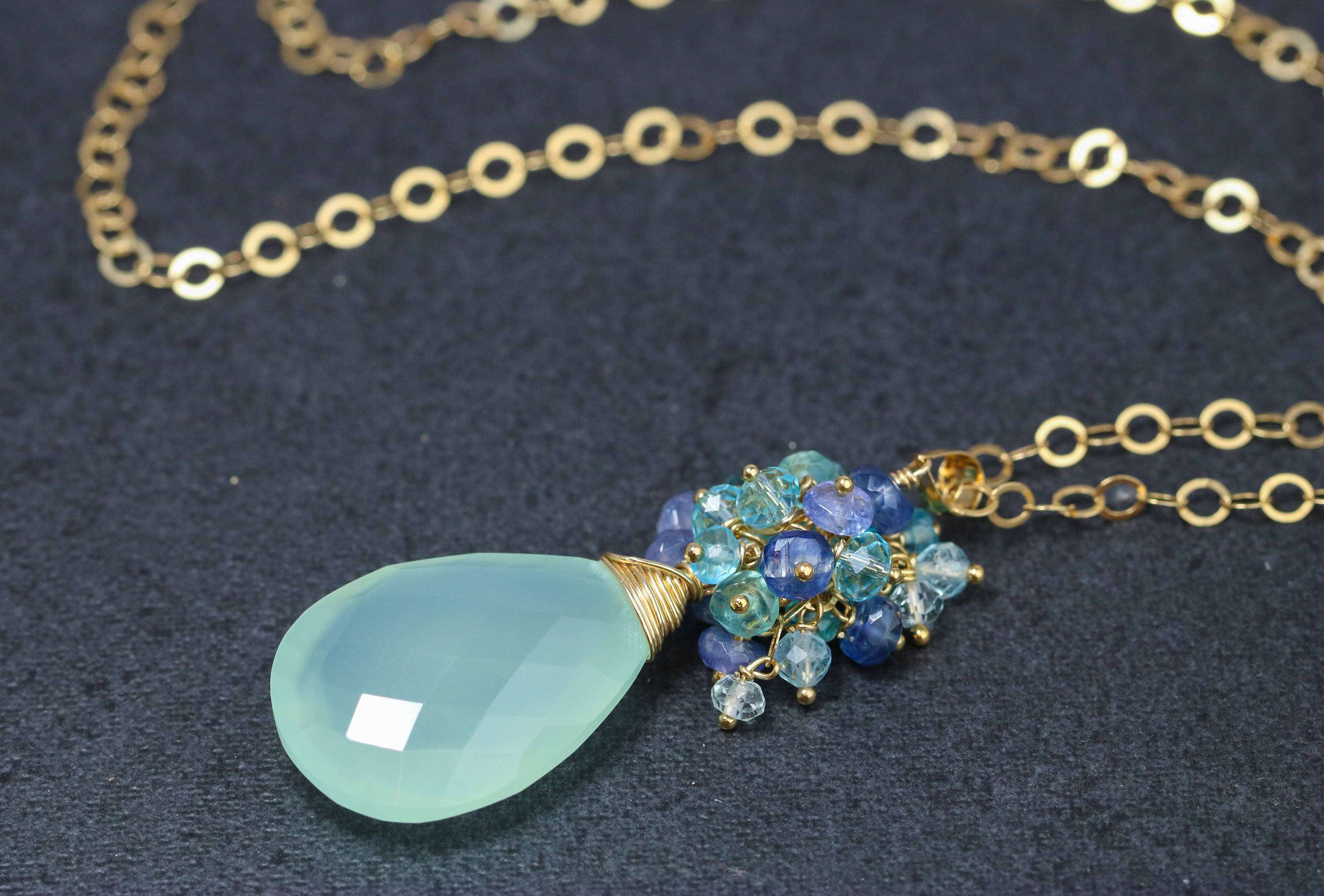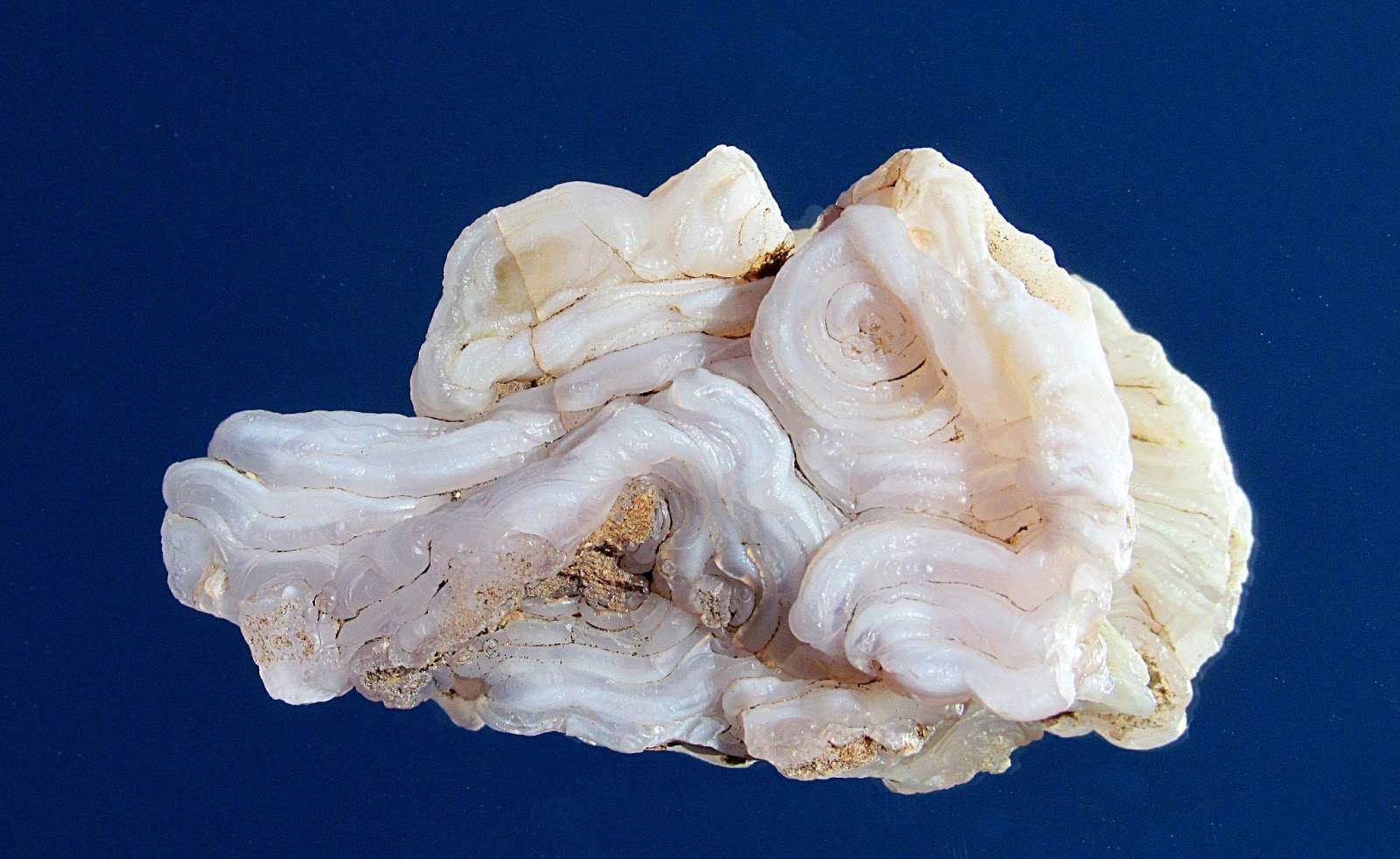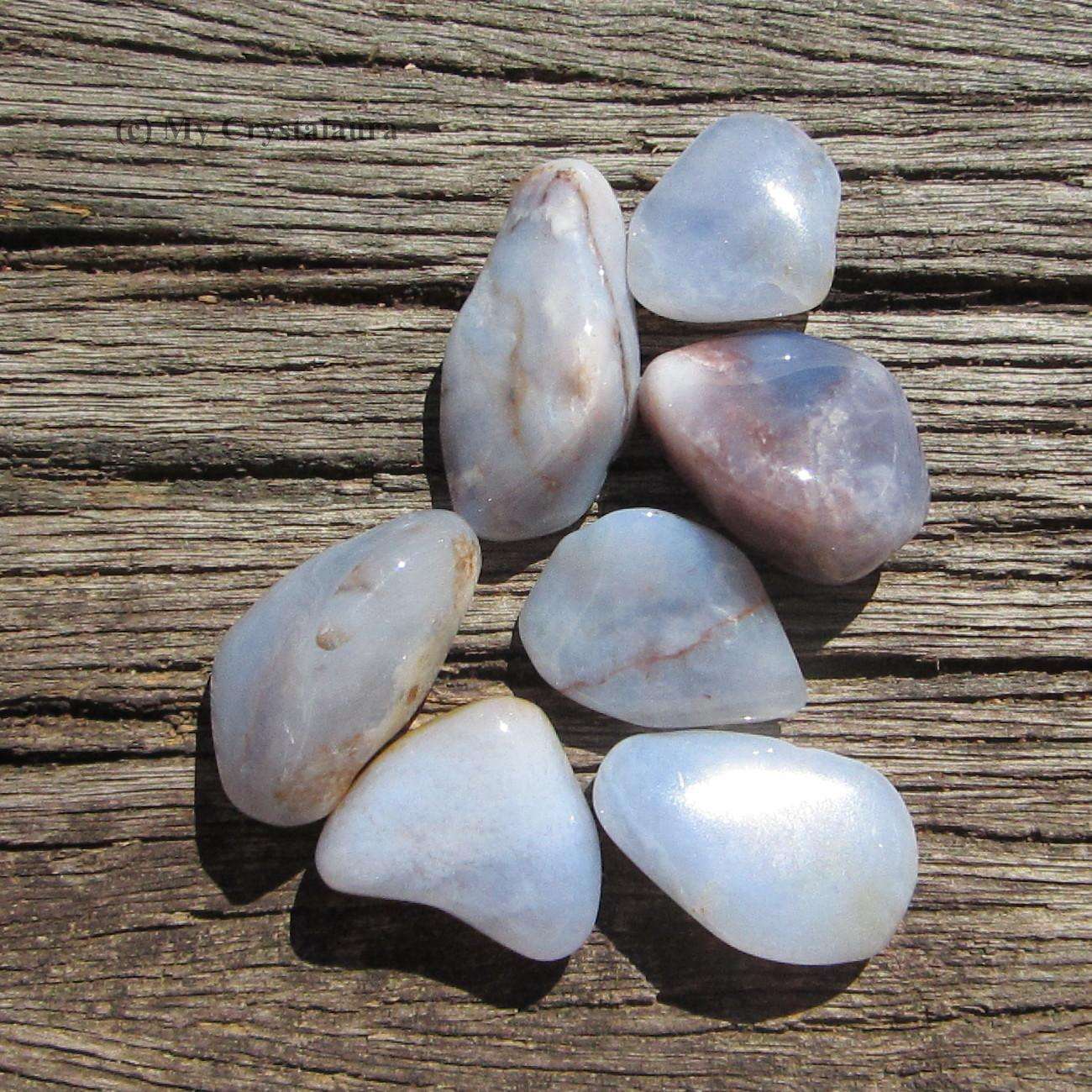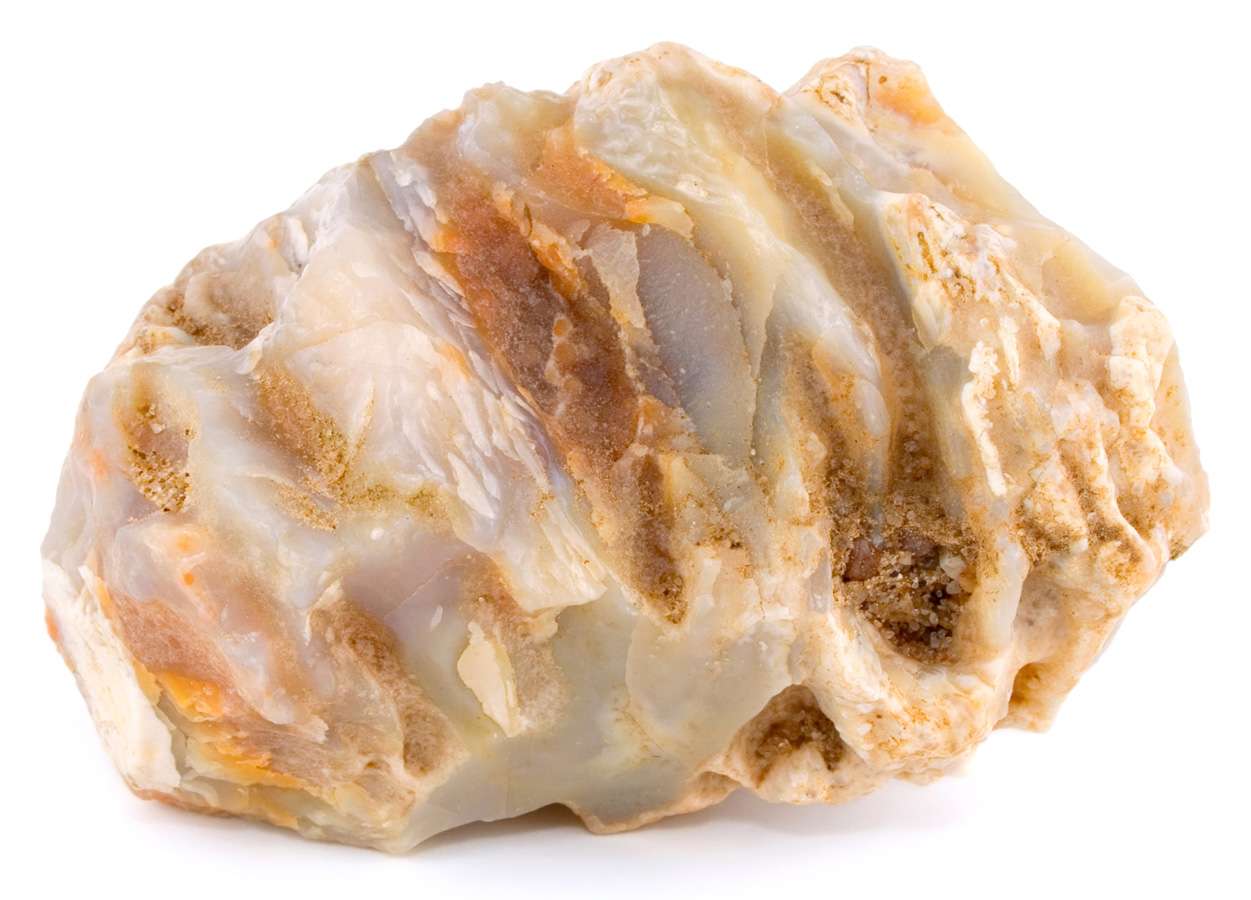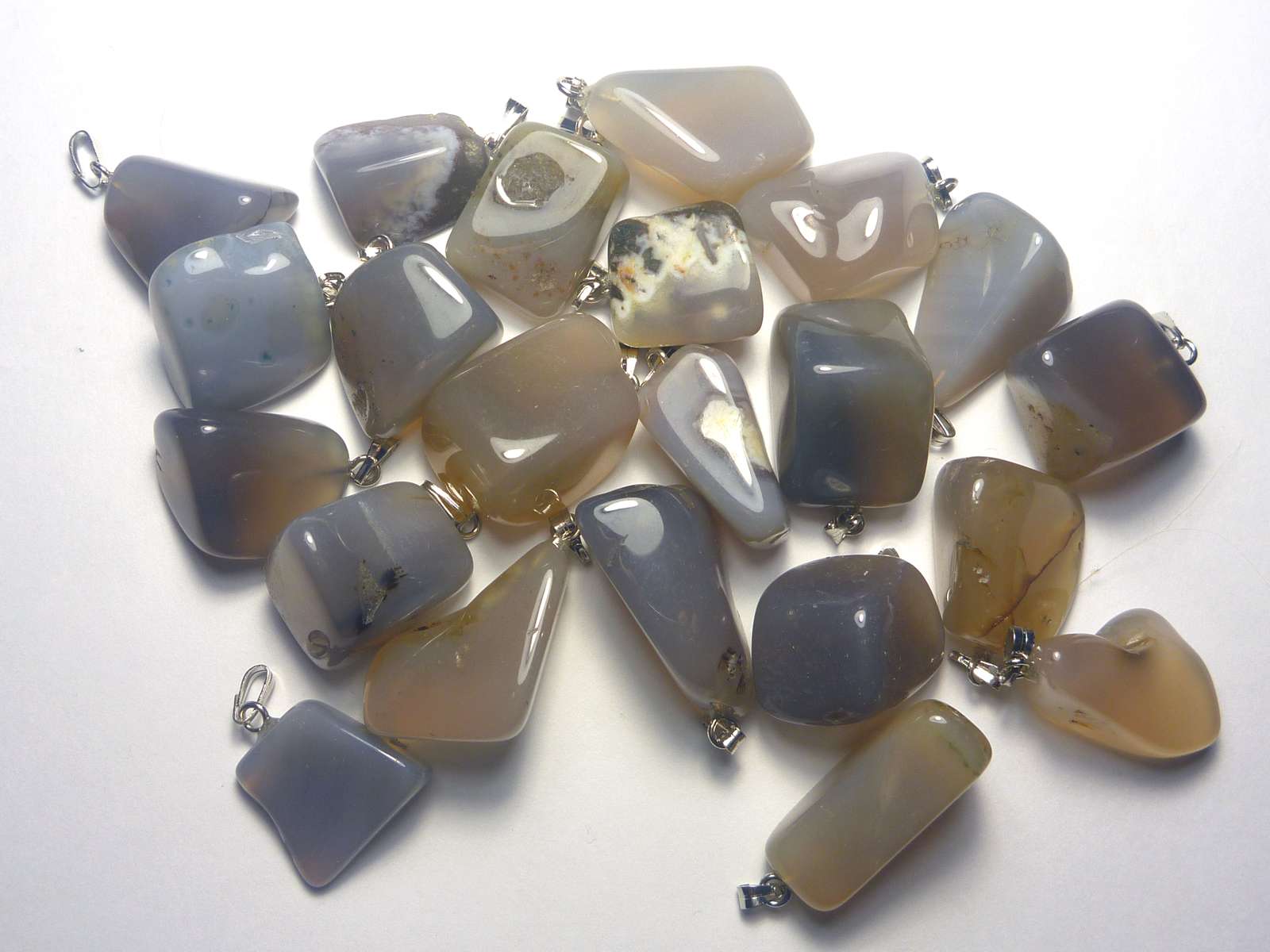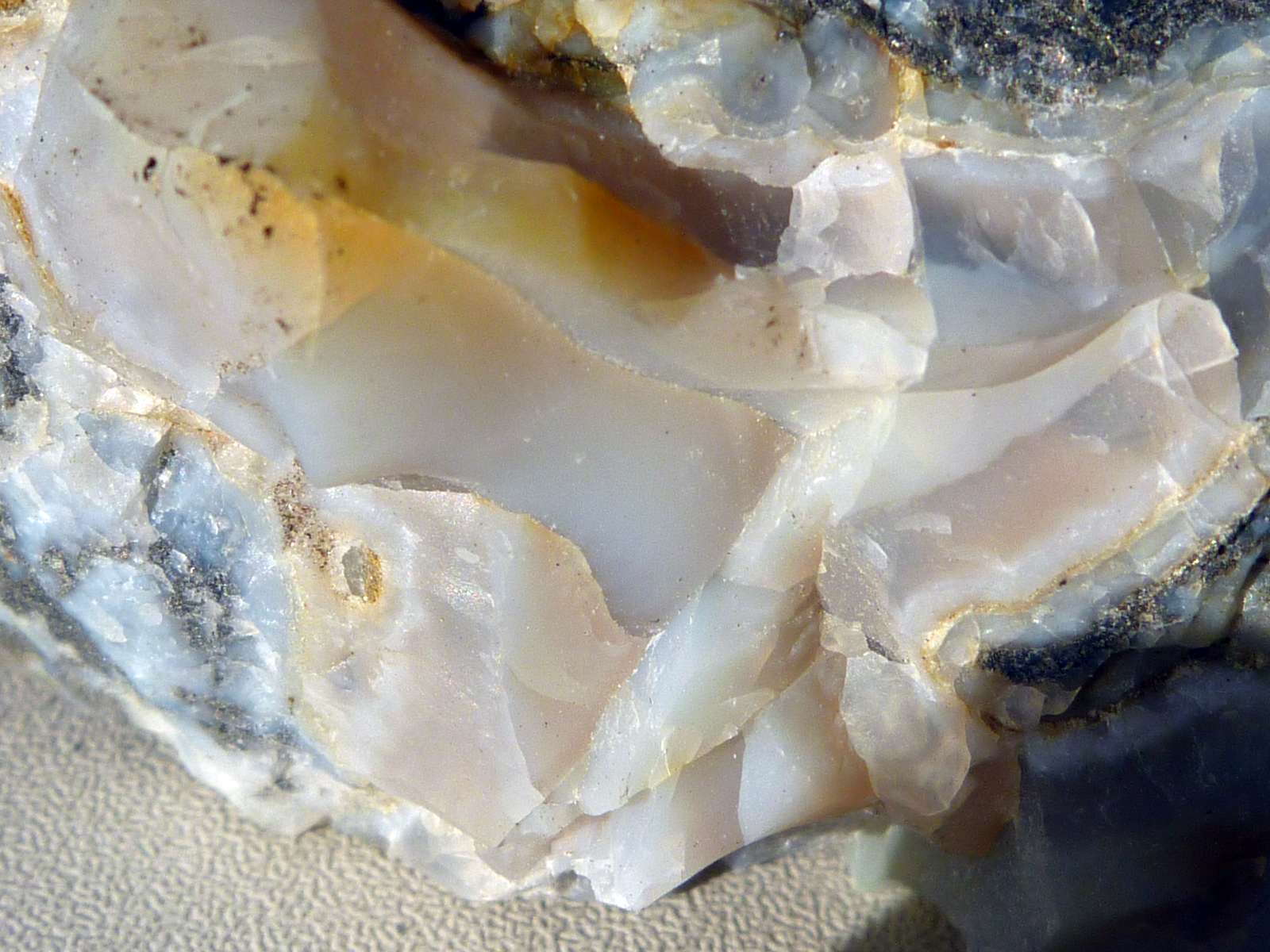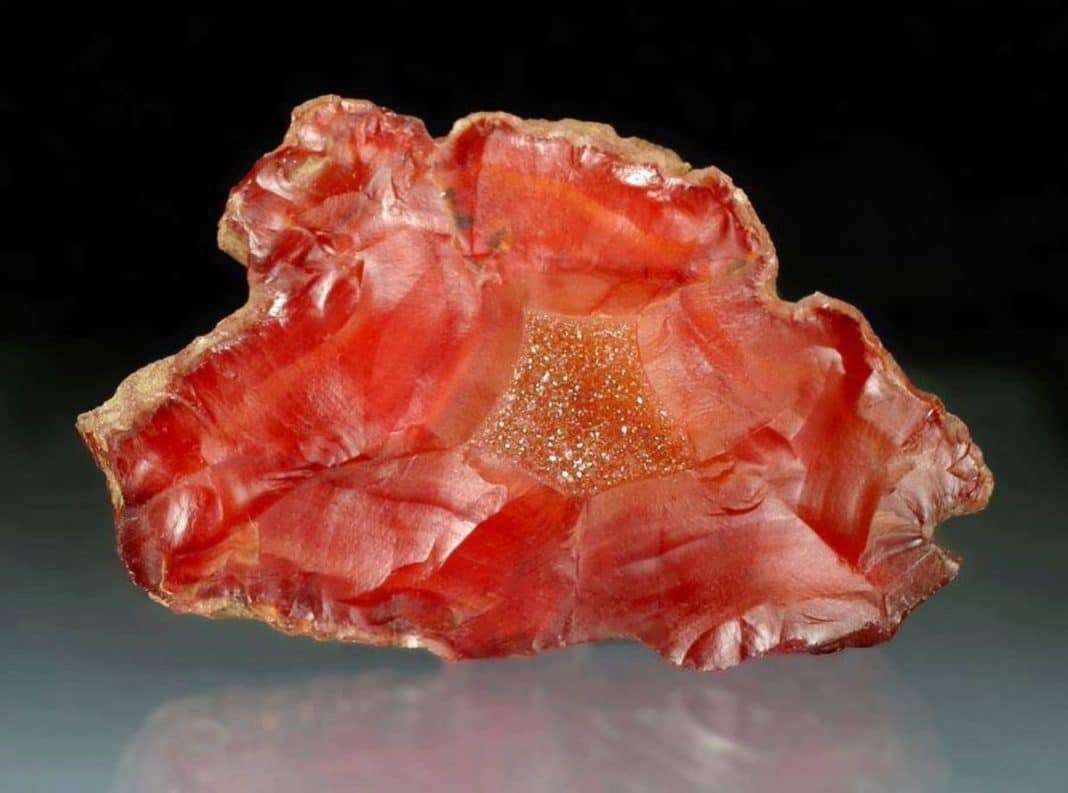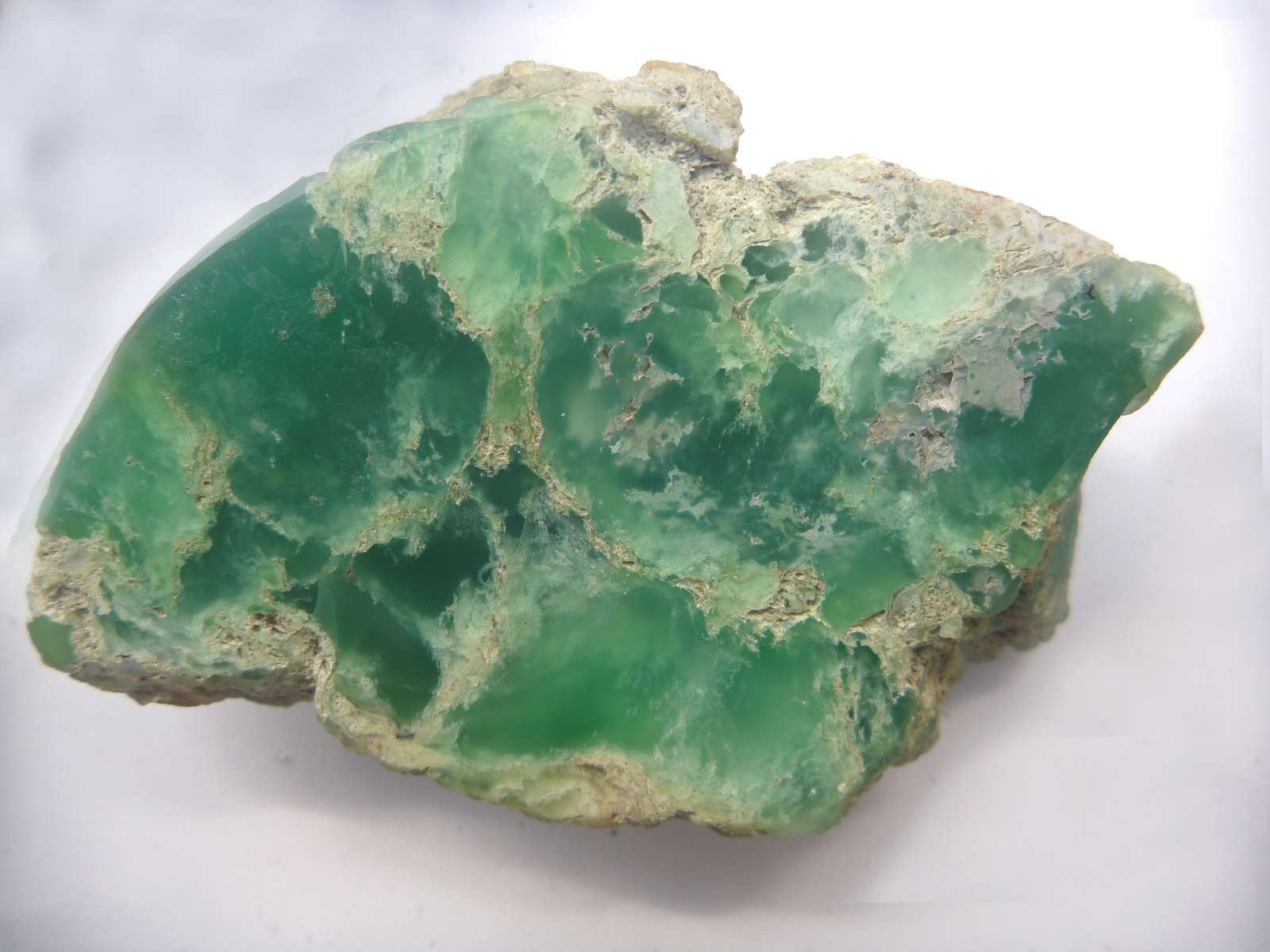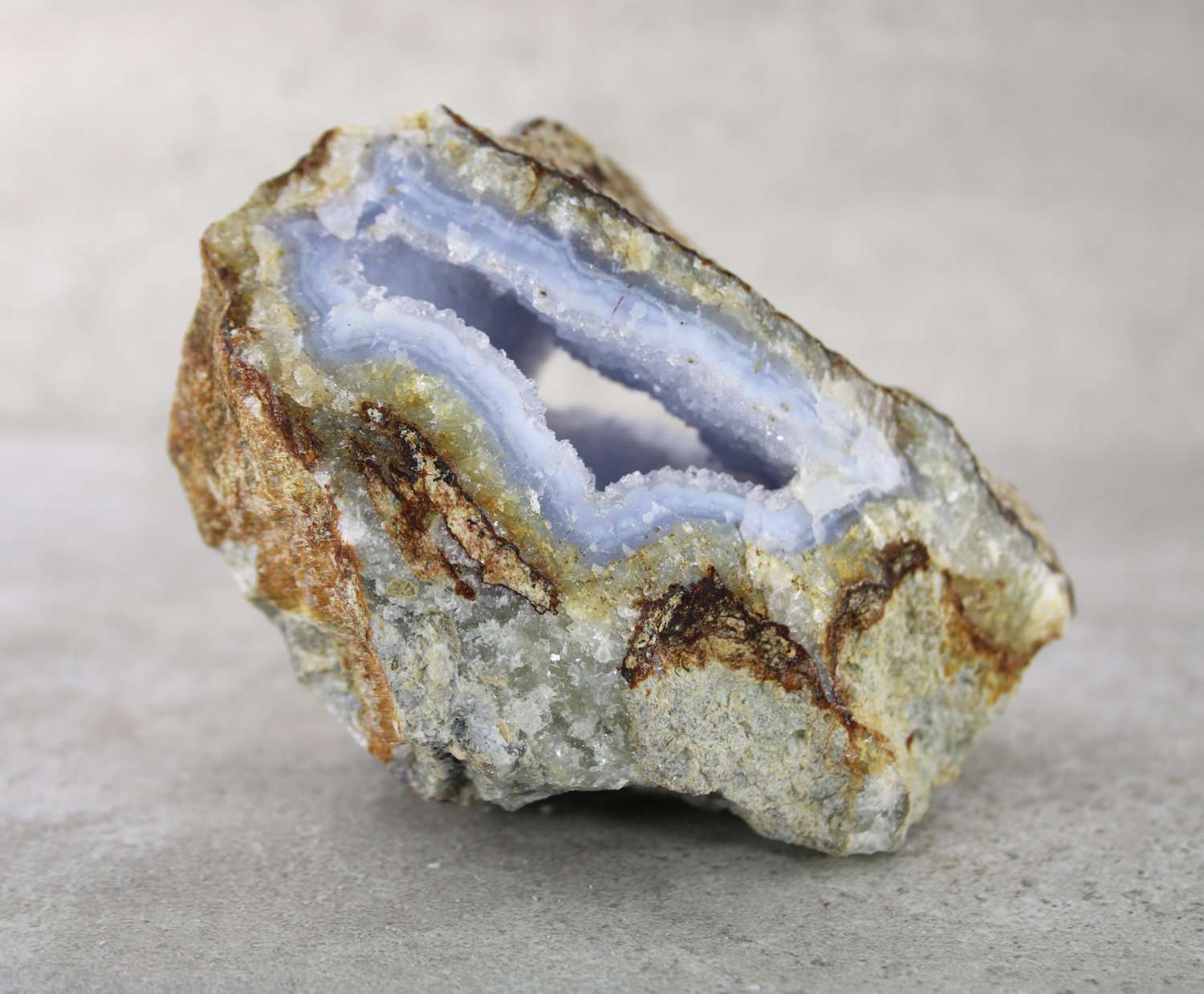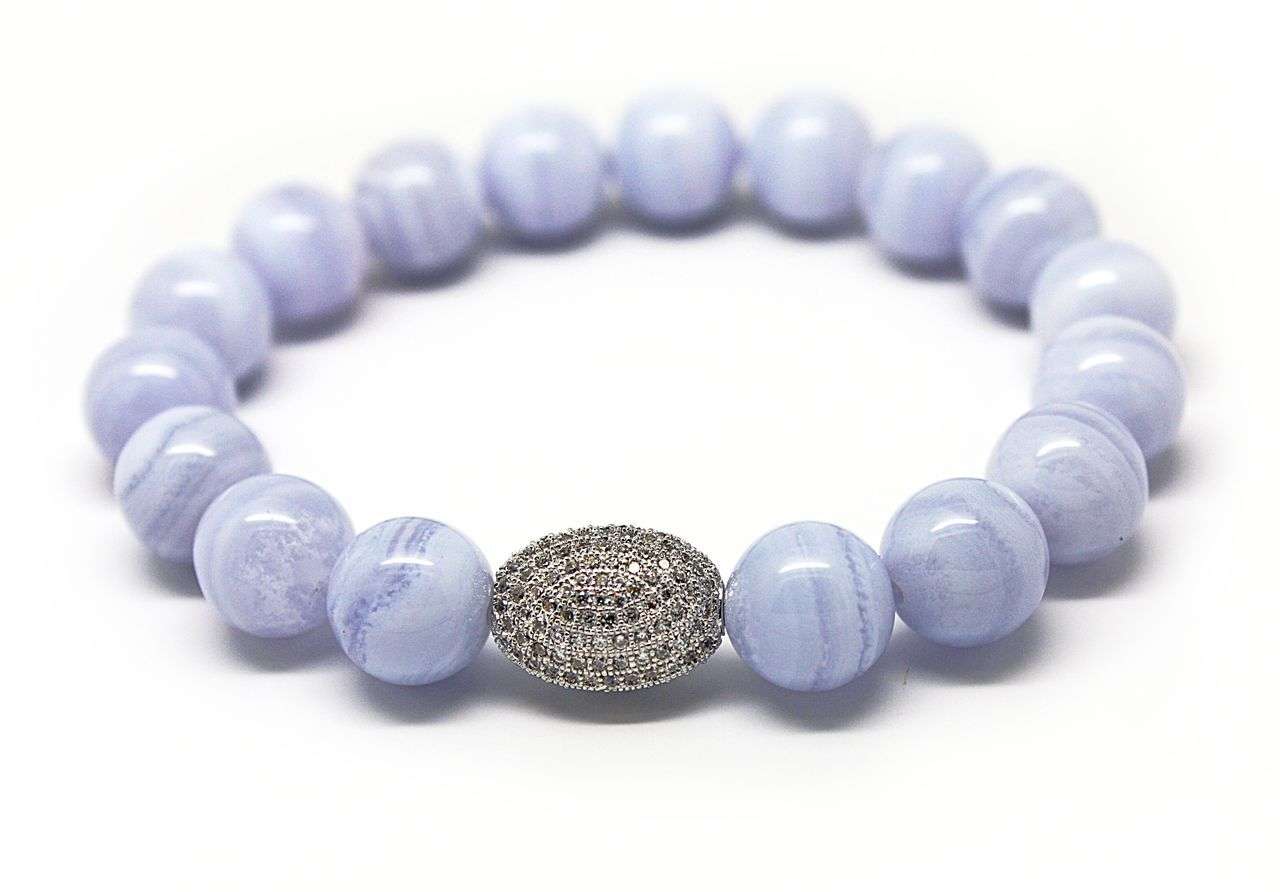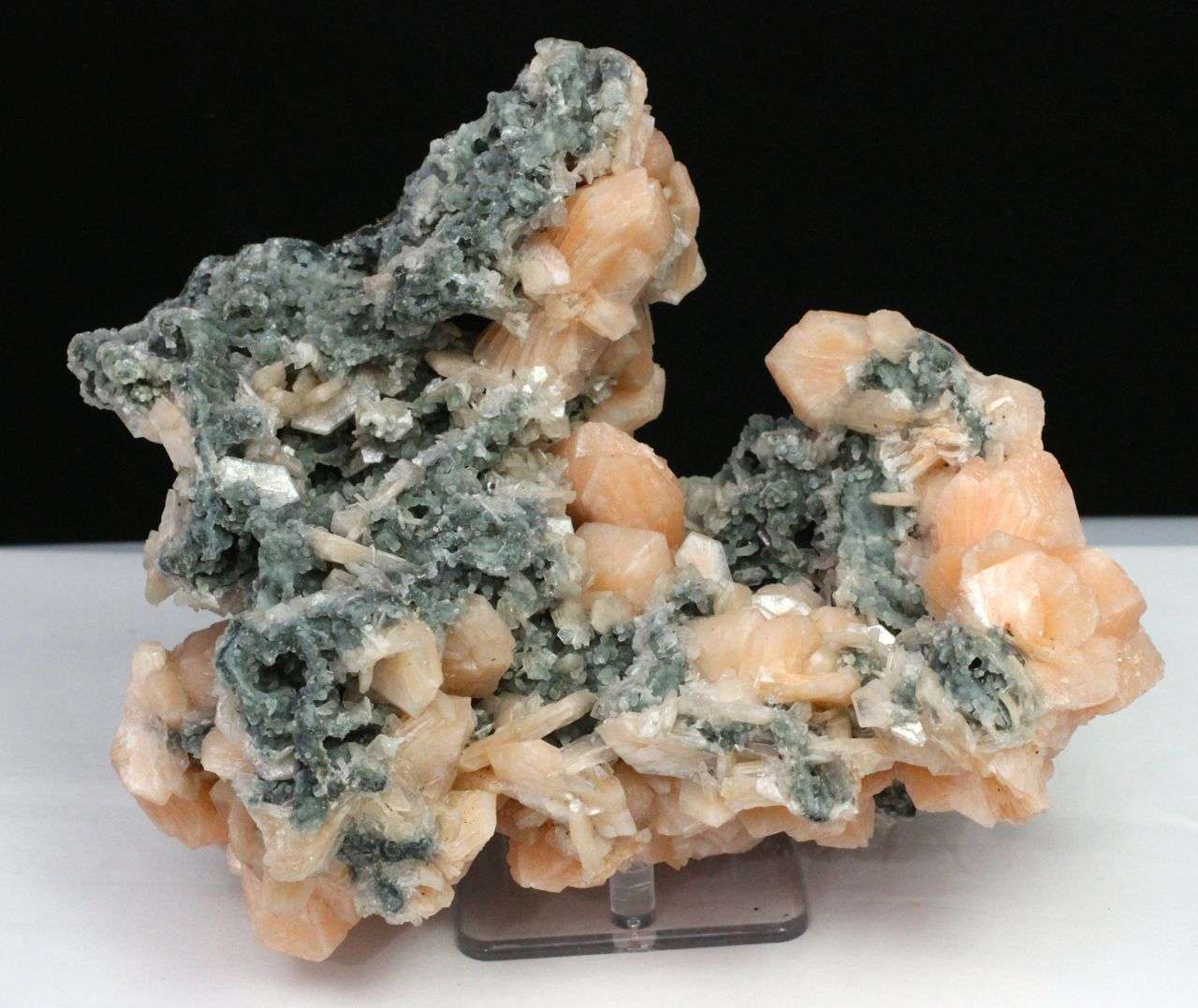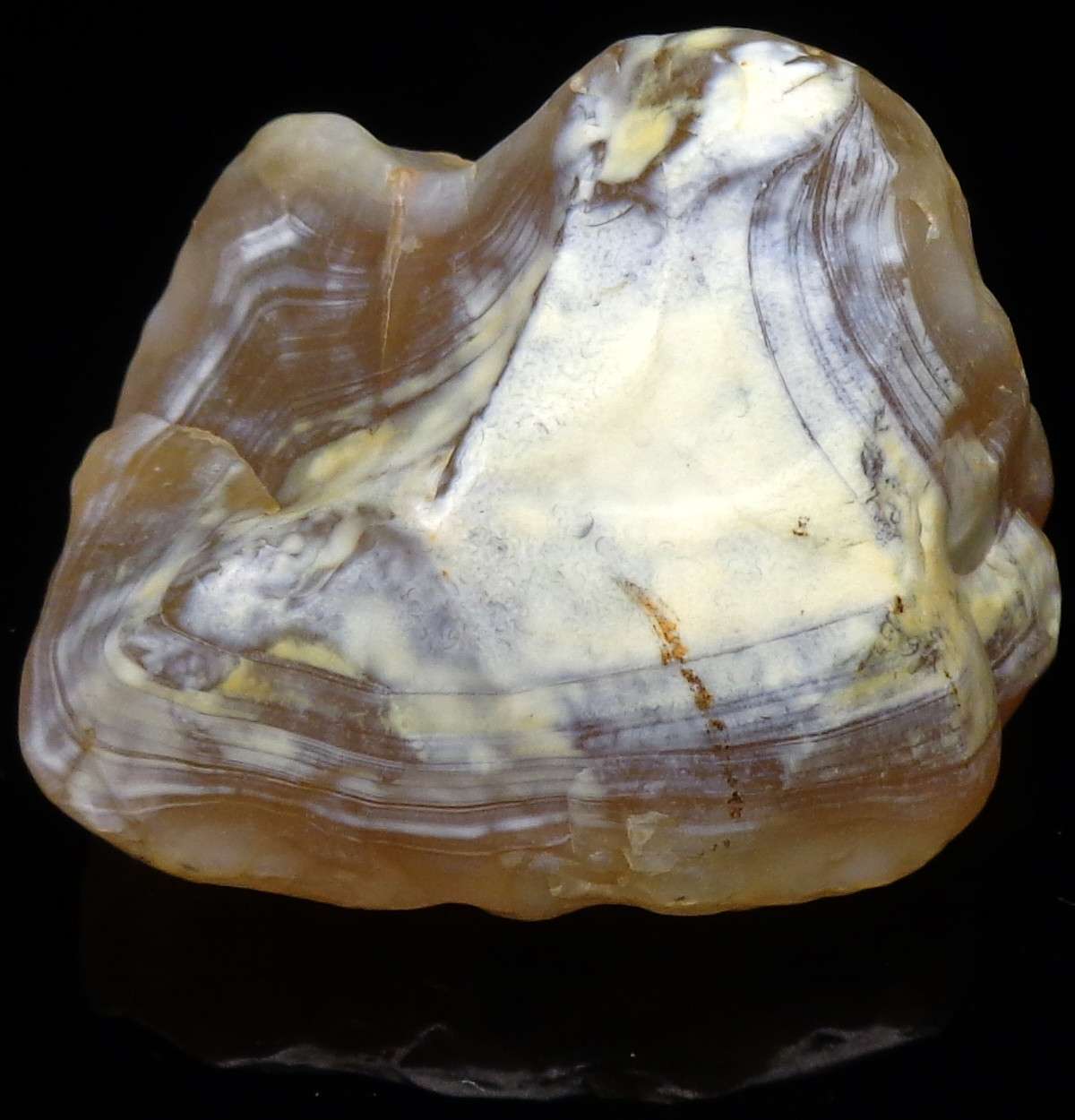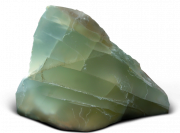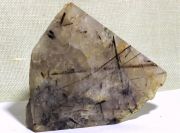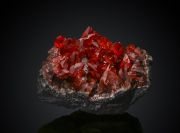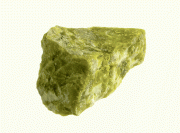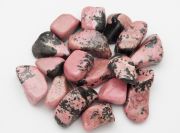
Bright and colorful Chalcedony stone - photo of the stone, many varieties, unique properties, astrological aspect
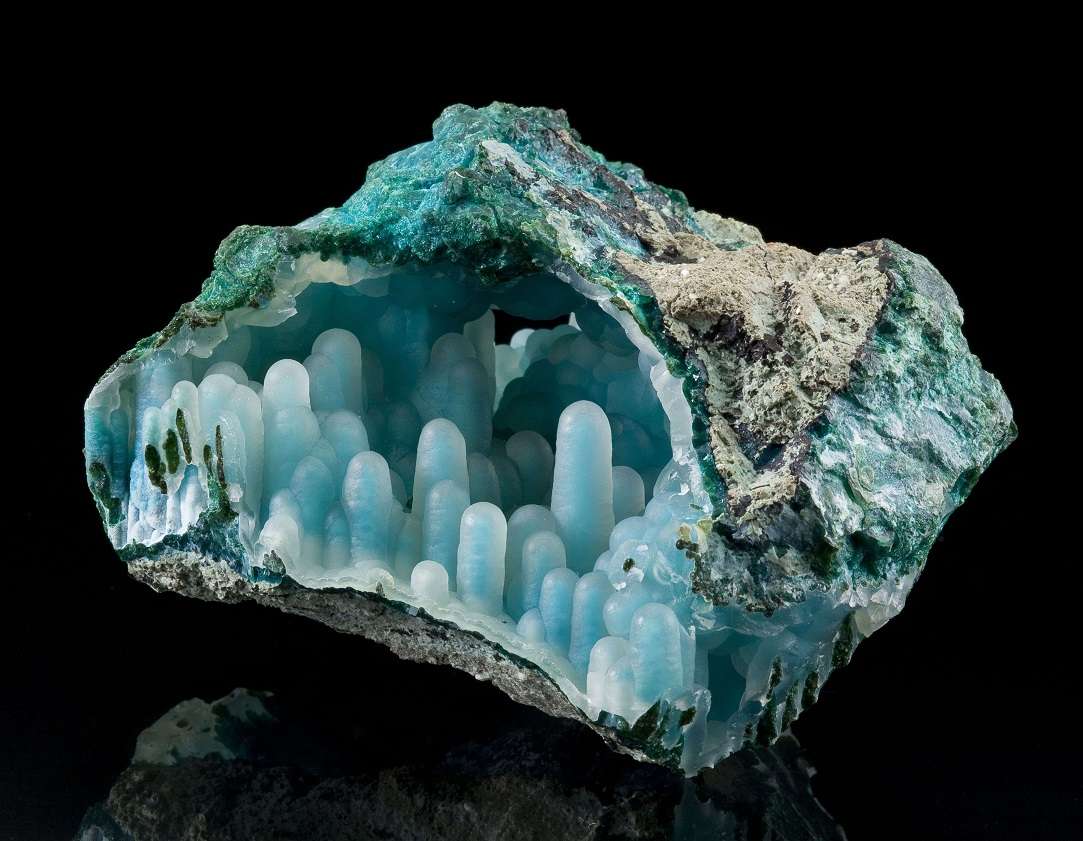
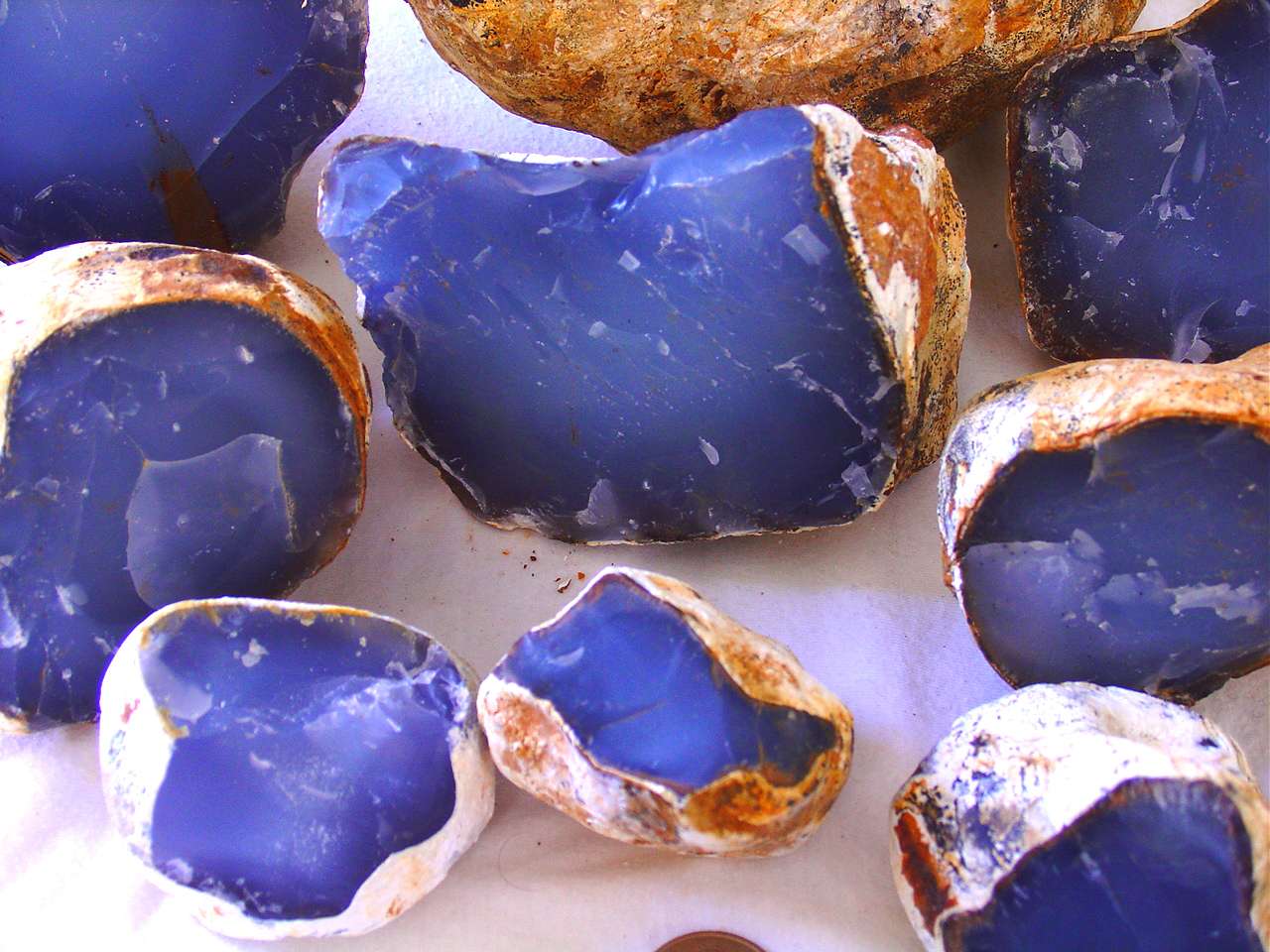
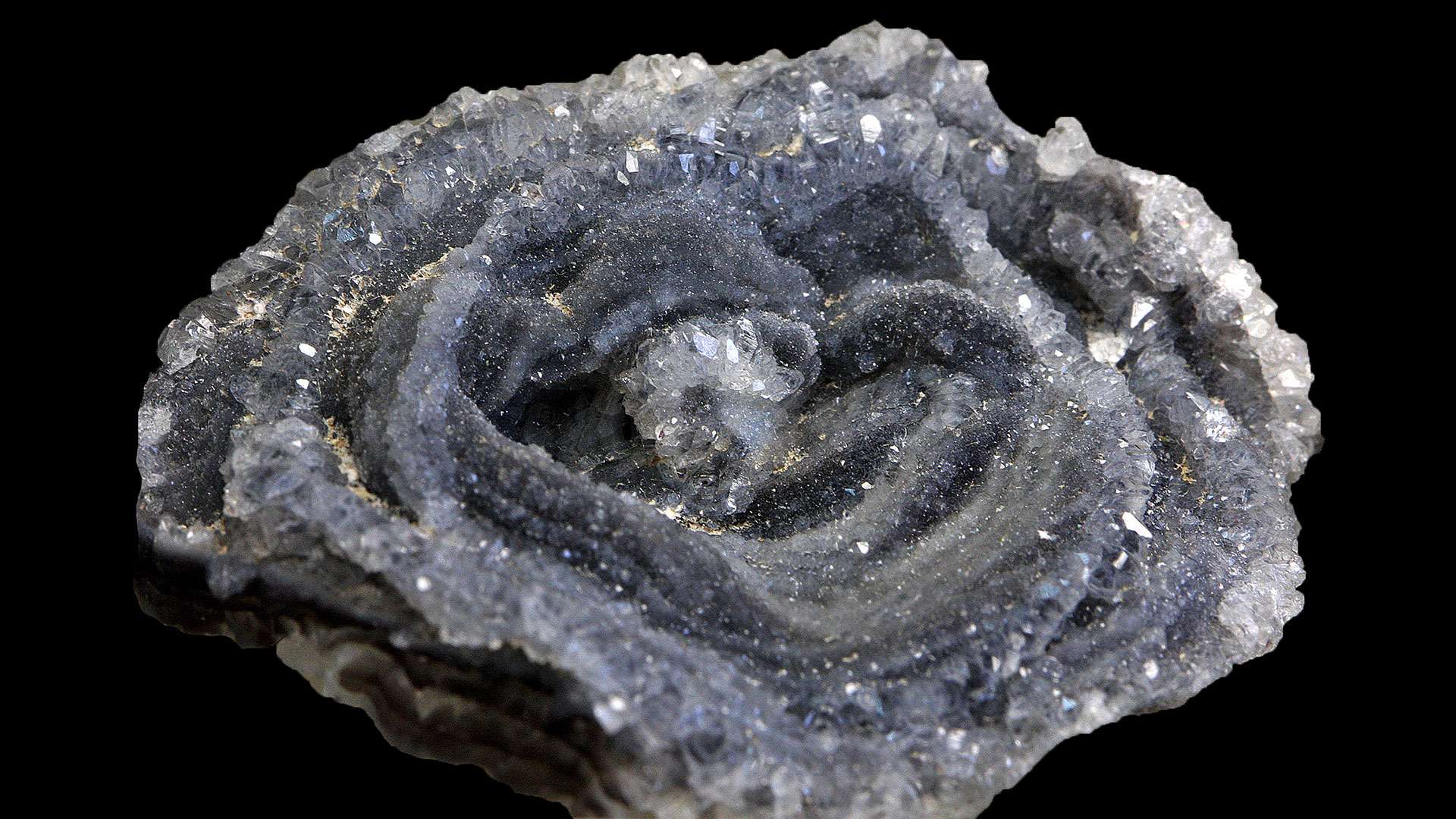
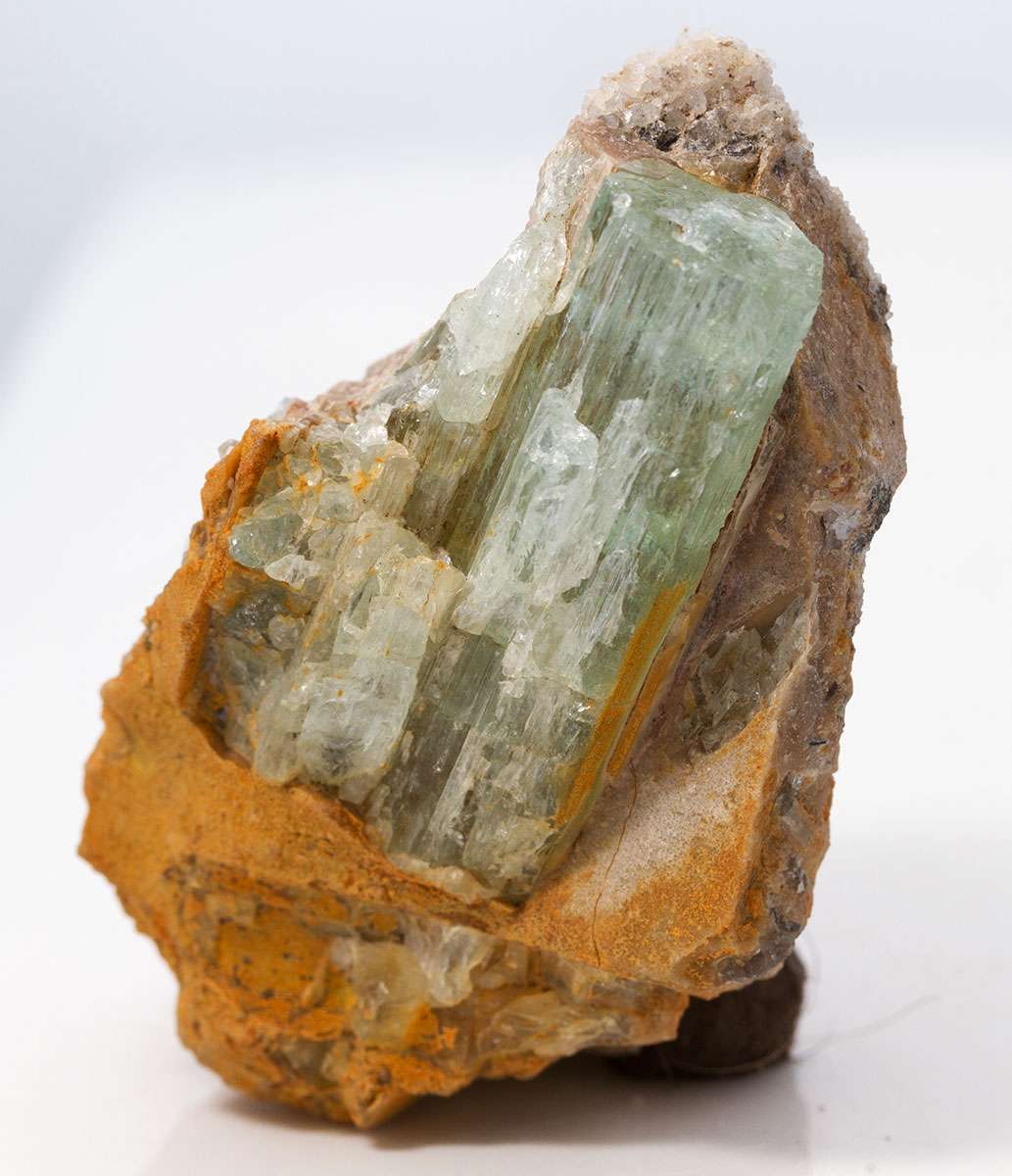
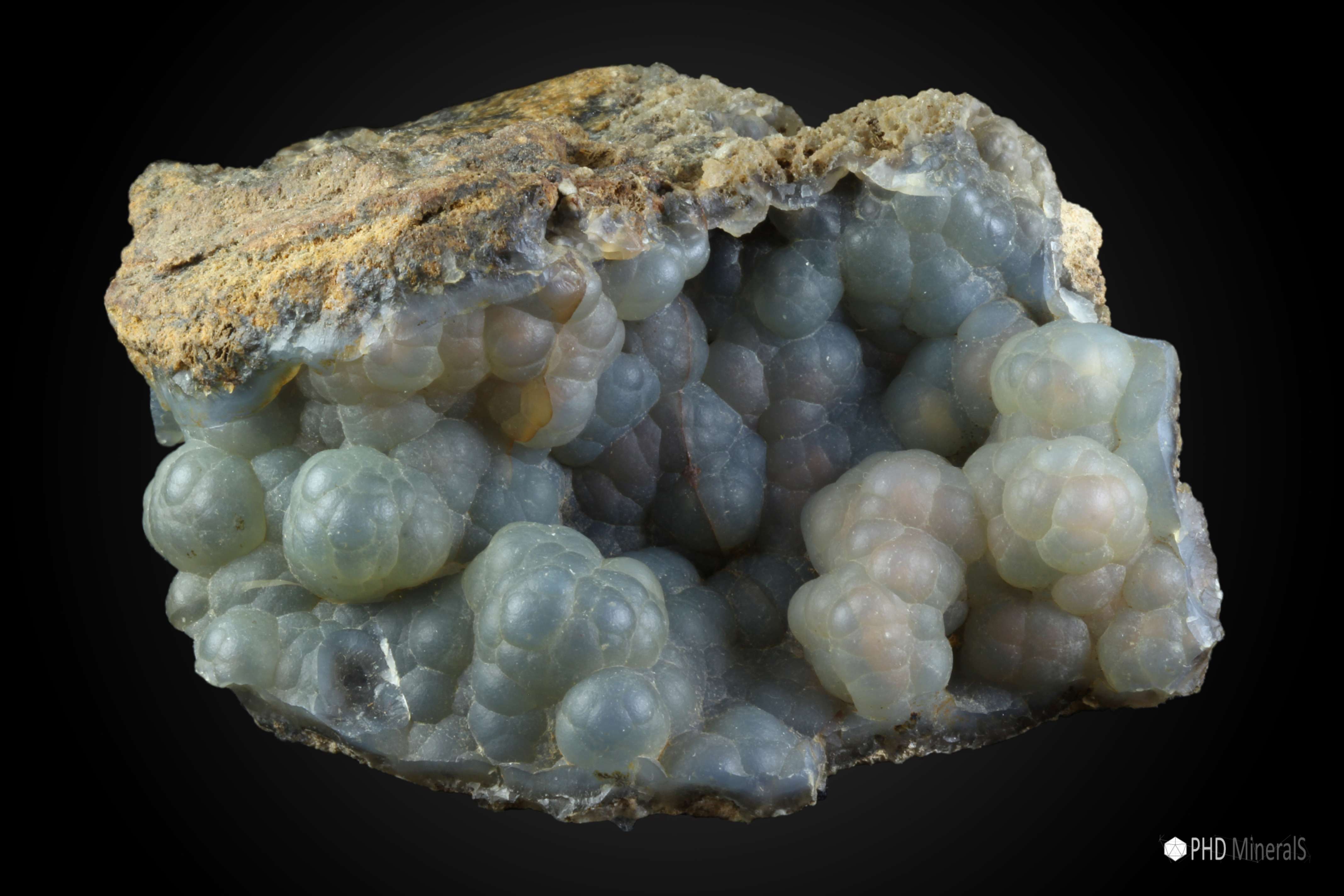
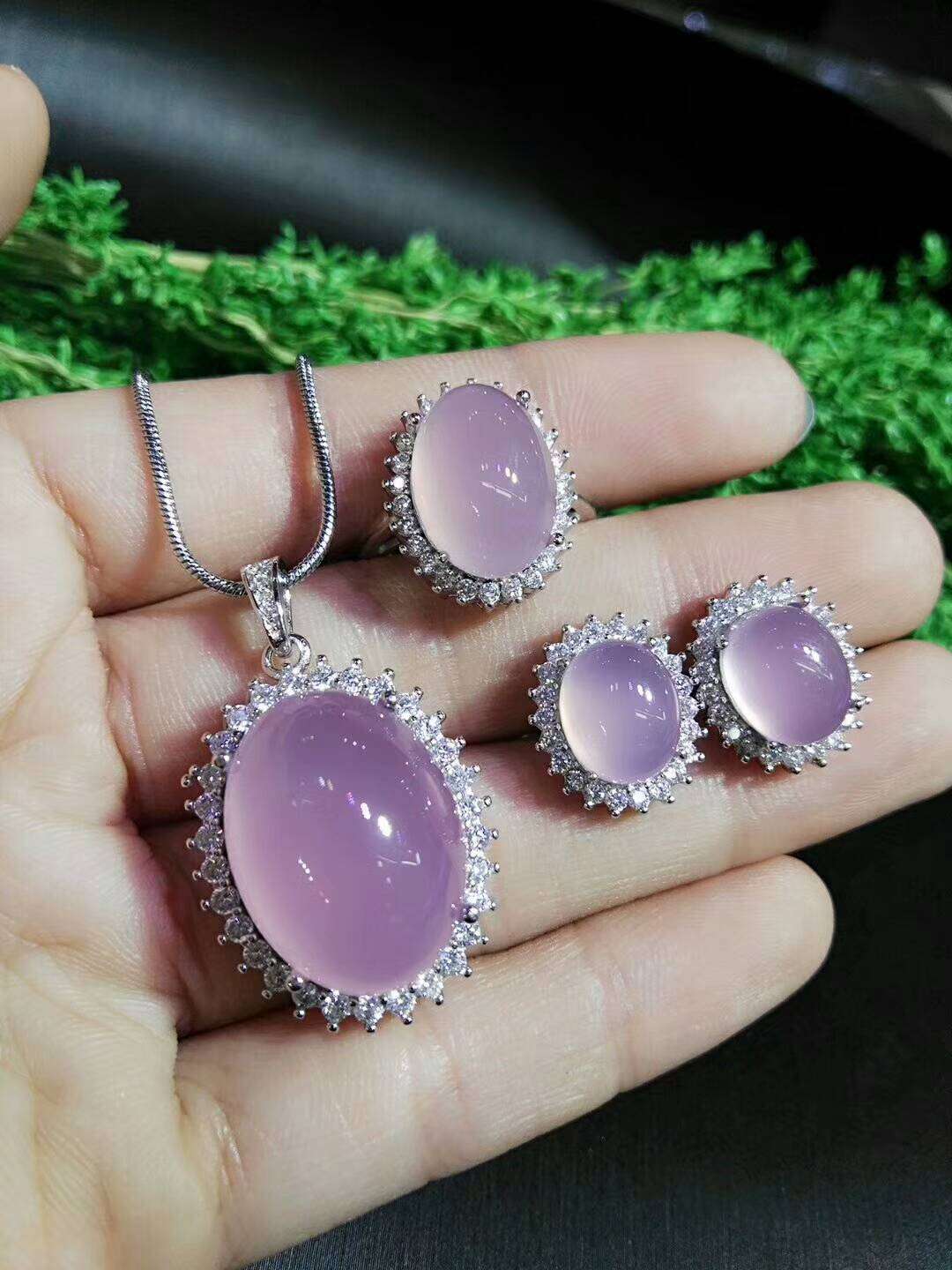
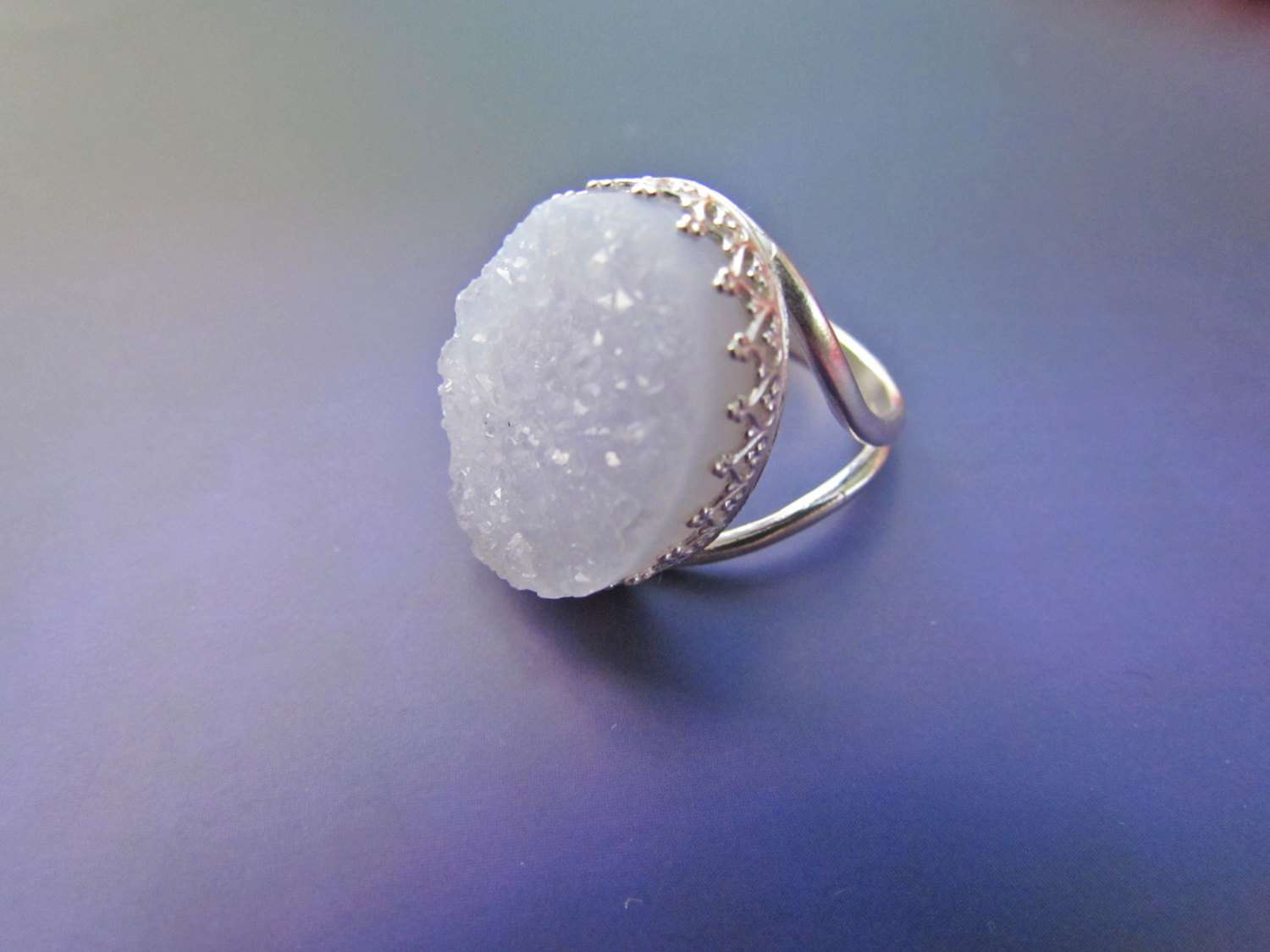
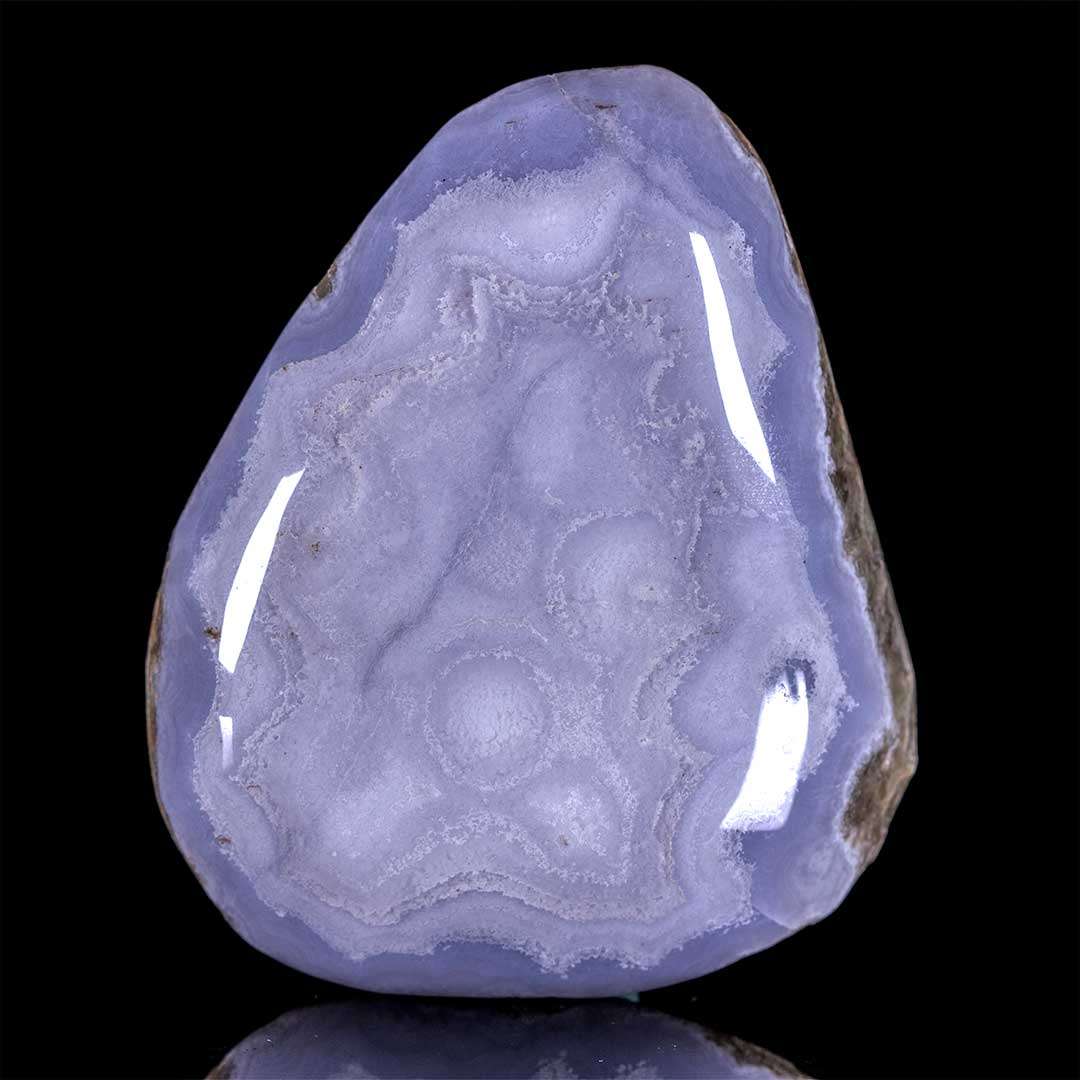
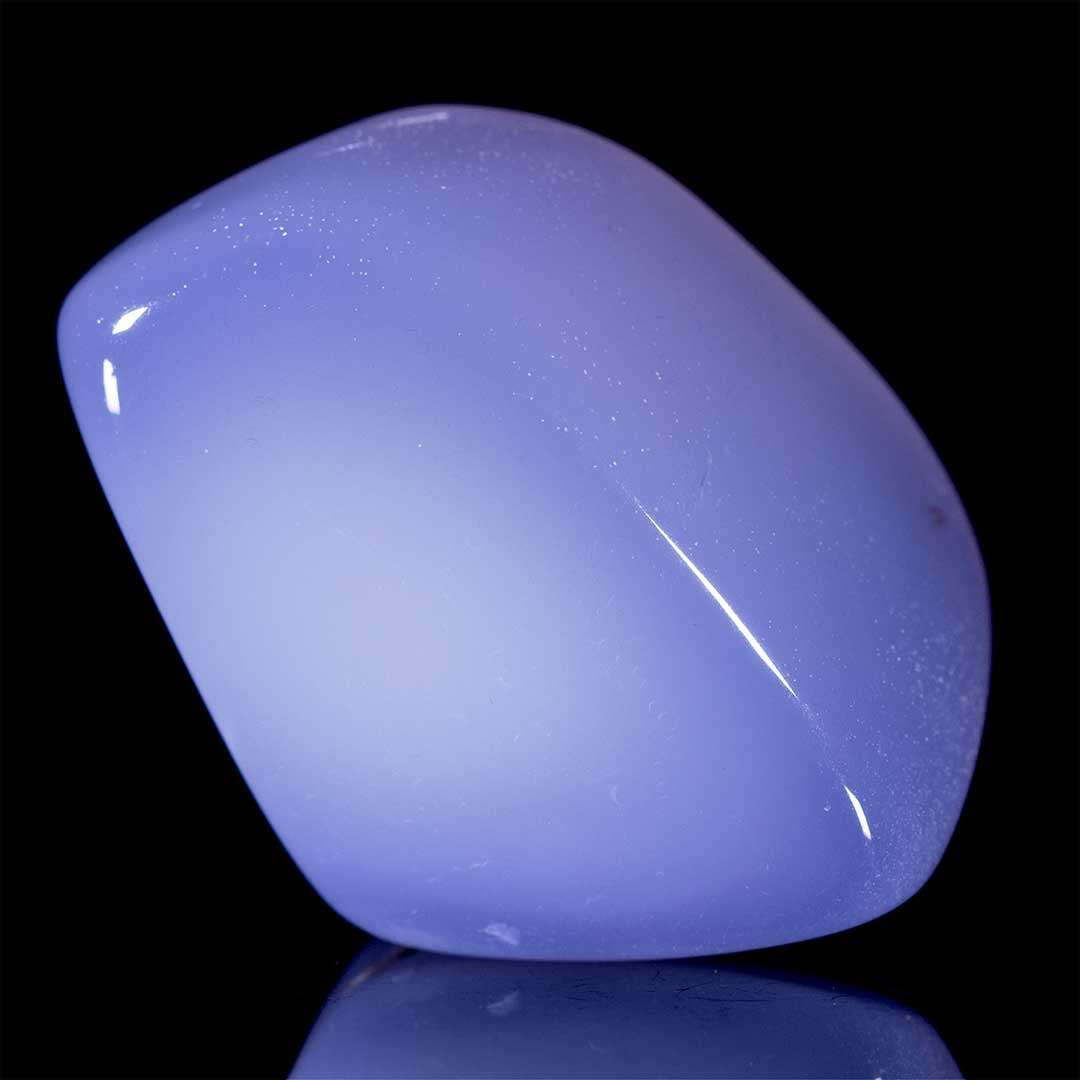
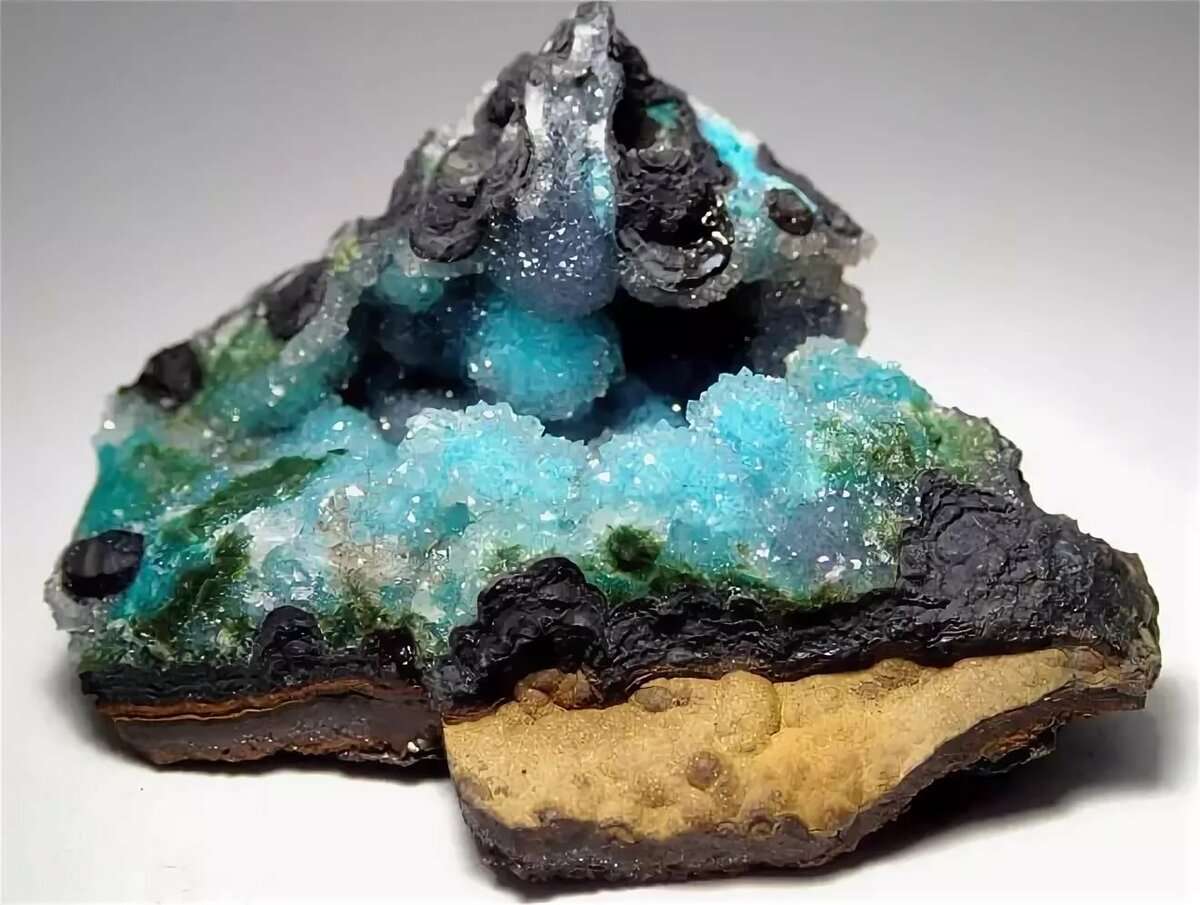
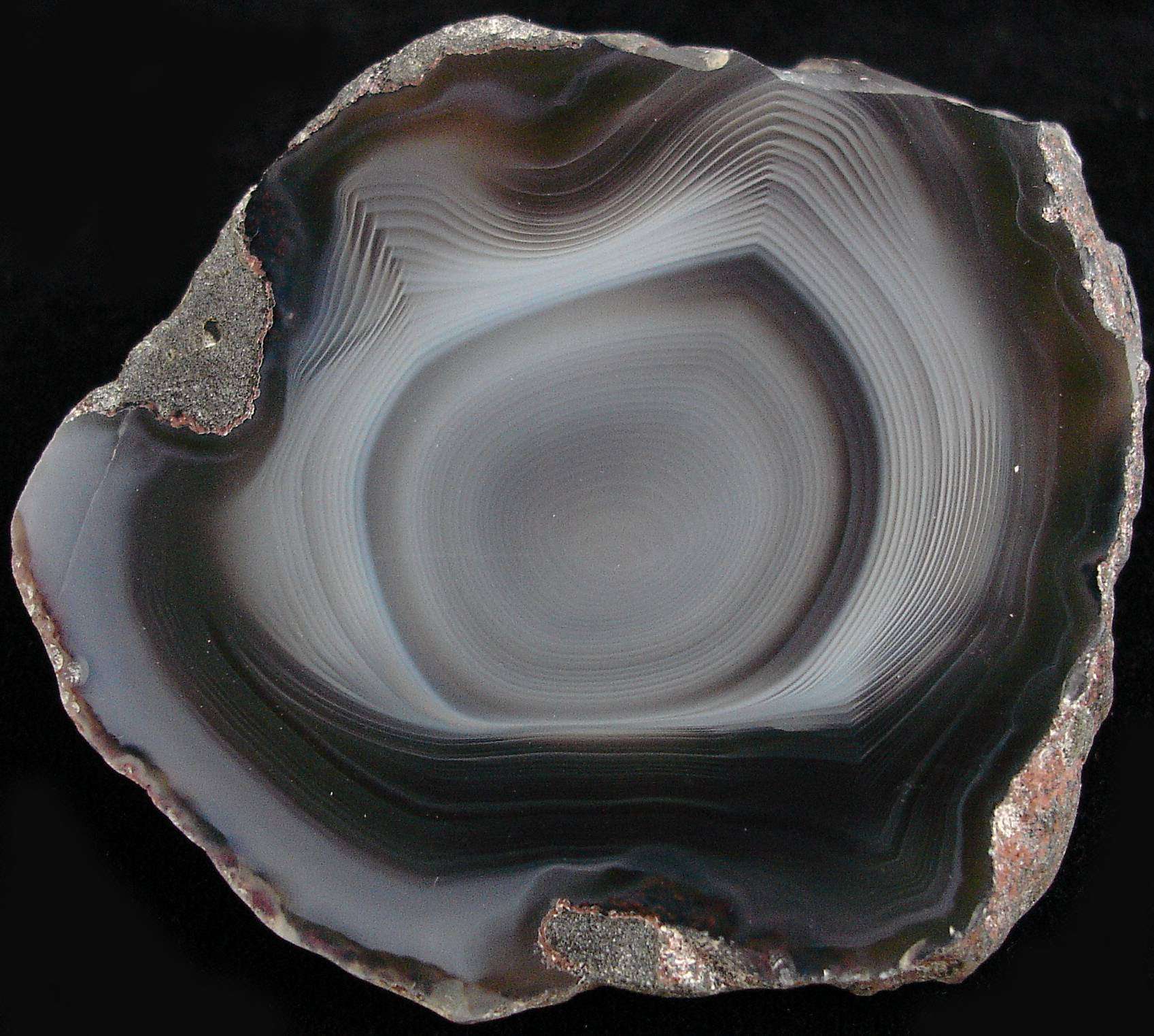
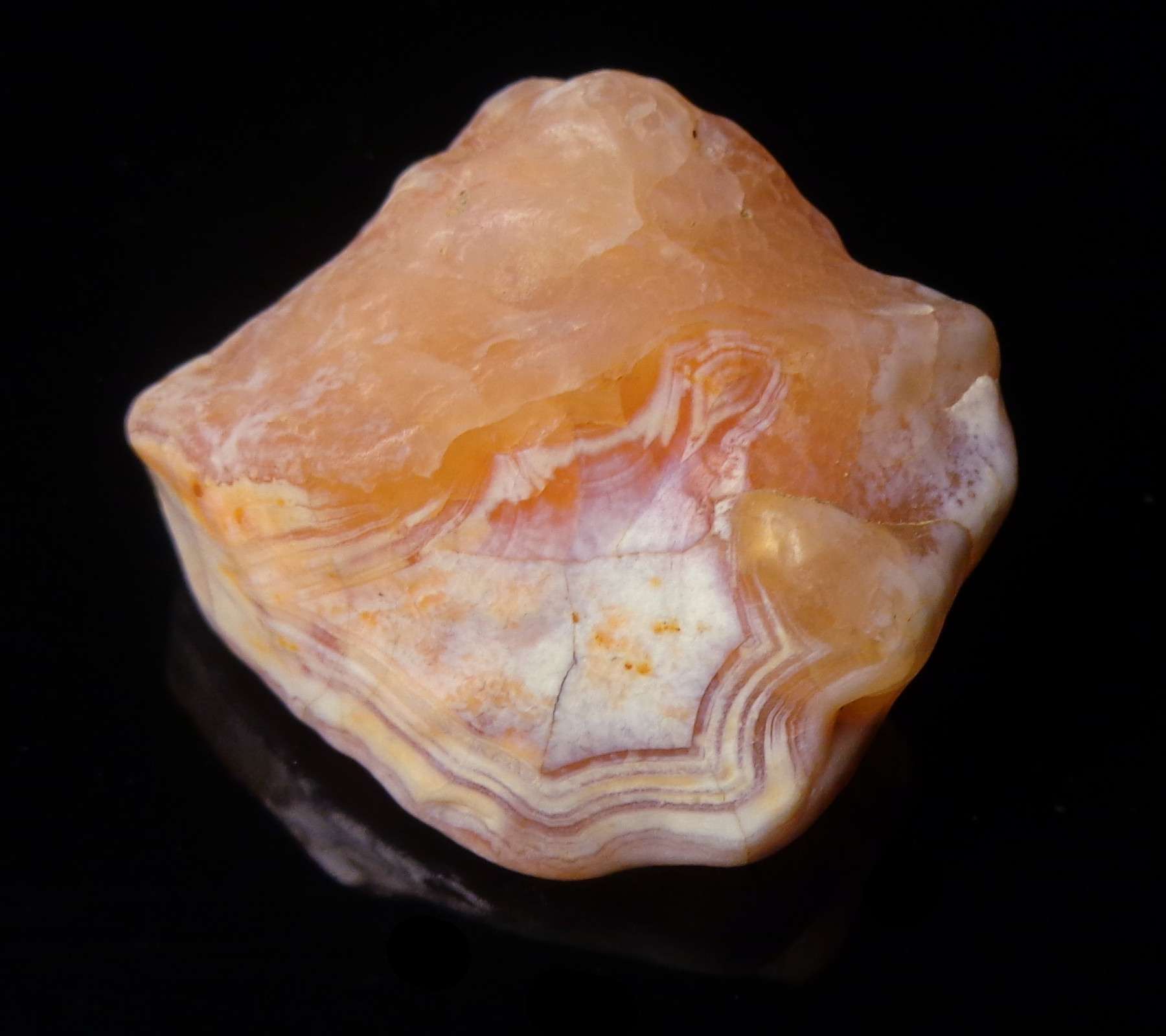
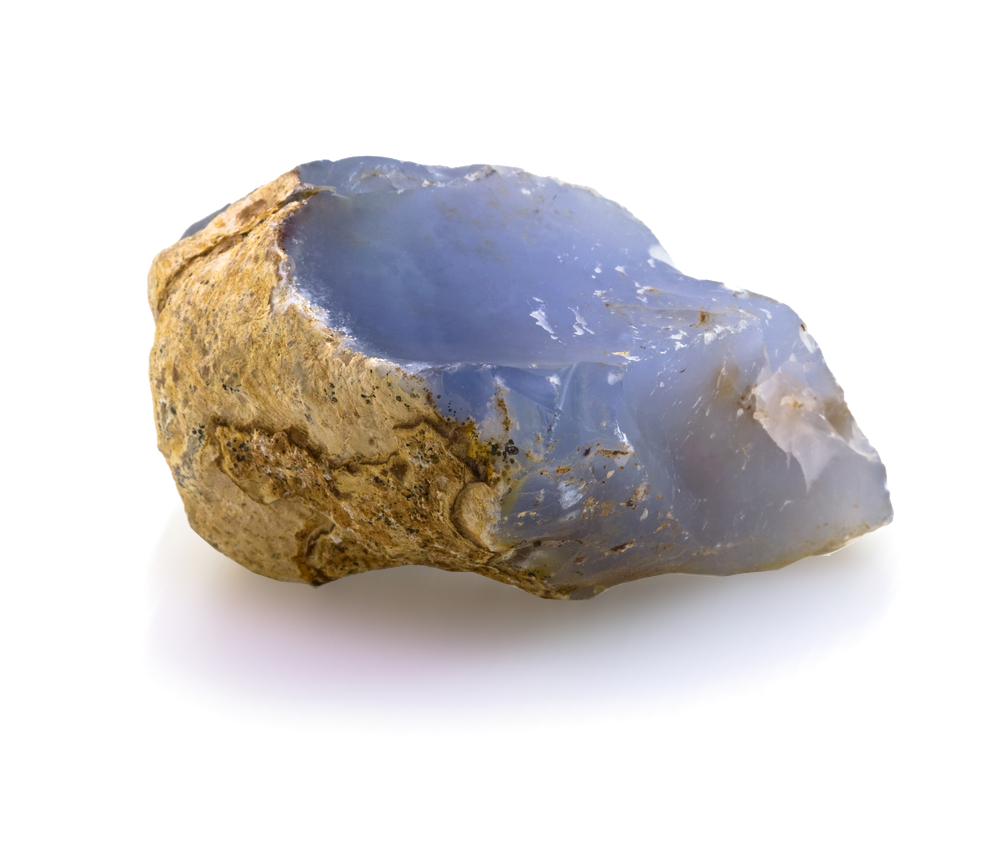
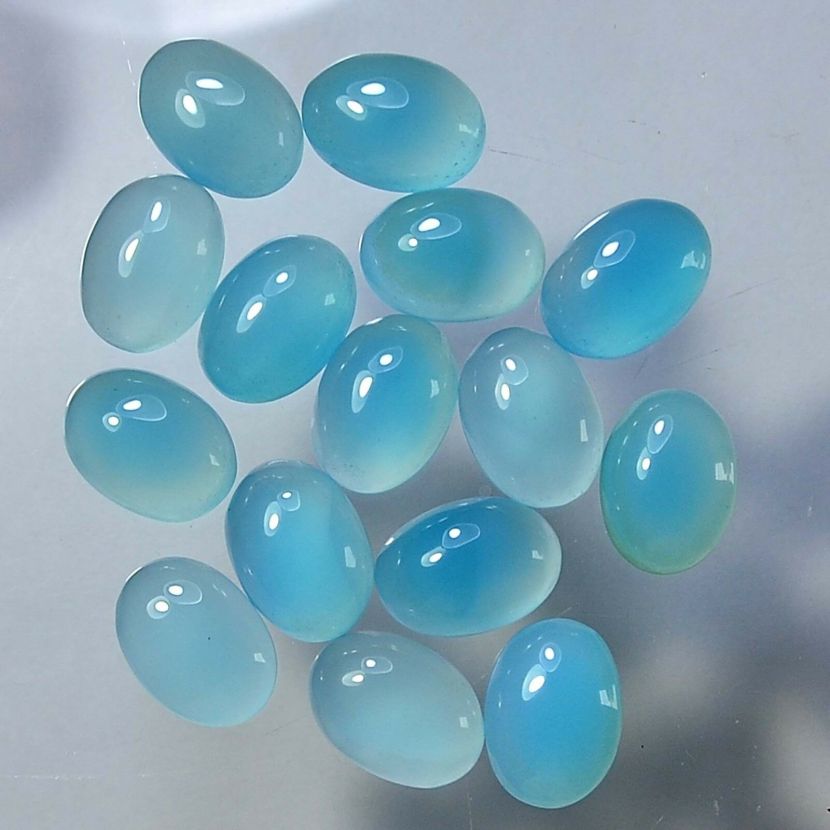
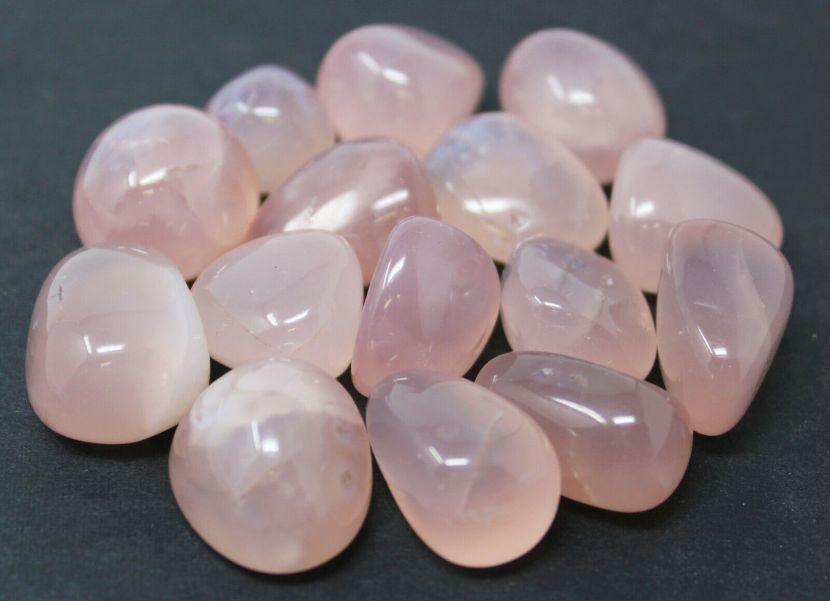
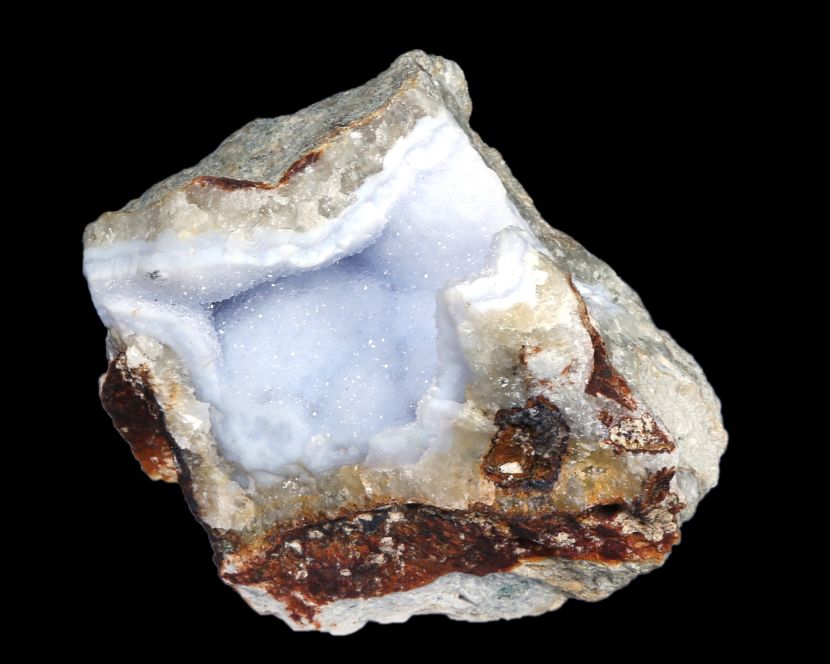
Chalcedony is a type of quartz. The palette of its shades is very diverse: under the name “chalcedony”, specimens of a delicate yellow-white color scheme, turquoise, reddish-brown, honey and ocher specimens have combined, having a fibrous transparent or translucent structure with various impurities and patterns. The chemical composition of the mineral is identical to that of quartz, as are the physical characteristics.
History of the stone
The stone got its name from Chalcedon, an ancient Greek city on the coast of the Marmara Sea, located on the territory of modern Turkey, where, in fact, they began to extract it, using it as a material for making jewelry, as well as dishes, all kinds of small plastics, glyptics (carving on stone) and mosaics back in the era of antiquity. At the same time, its healing properties were first discovered.
The first mention of the use of chalcedony appears in the Bible, which says that the mineral was actively used in the construction of the Jerusalem fortress.
Over time, the “aesthetic” interest in the stone only increased: in the Middle Ages, it was the sacred duty of every fashionista to get jewelry from it, and in the 20th century, chalcedony became a kind of fashionable squeak among the Russian intelligentsia.
A large collection of samples of ancient glyptics from this mineral is in the Hermitage. It is known that the chalcedony ring was worn by Bonaparte, as well as Byron and Pushkin. Continuing the theme of bohemia, one cannot fail to mention the poet M. Voloshin. During periods of rest in his country house in Koktebel, he liked to collect chalcedony stones during walks, and later presented them as souvenirs to his friends and colleagues who often visited him: Gumilyov and Akhmatova, Mandelstam, Bely, Alexander Grin and other stars of silver century.
Prevalence
As described above, chalcedony refers to quartz, which are rock-forming minerals in the earth's crust. Their mass fraction in free is 12%, in other rocks - 60%. They are formed during the crystallization of igneous rocks, or hydrothermal influences.
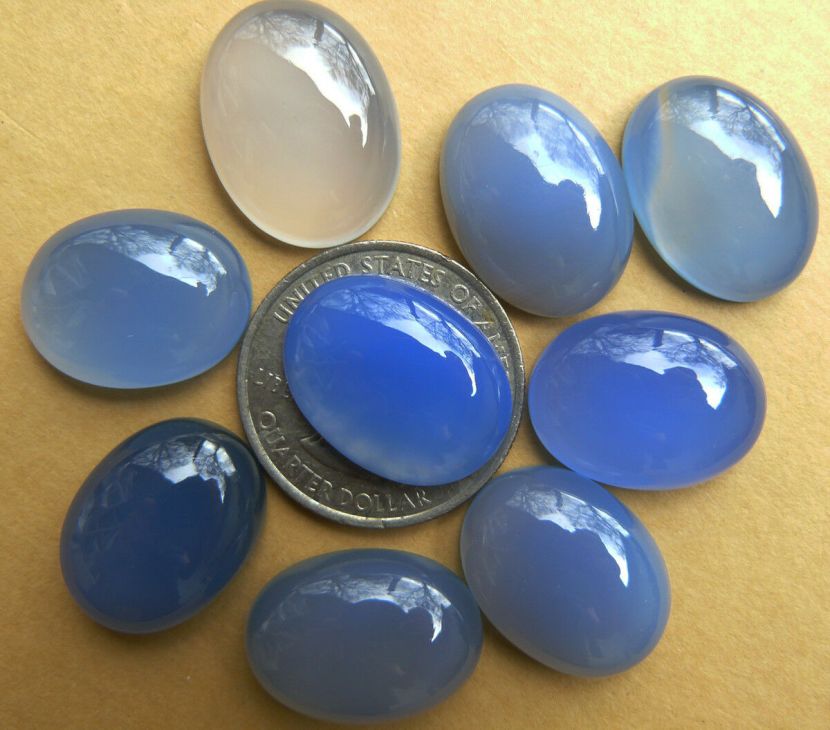
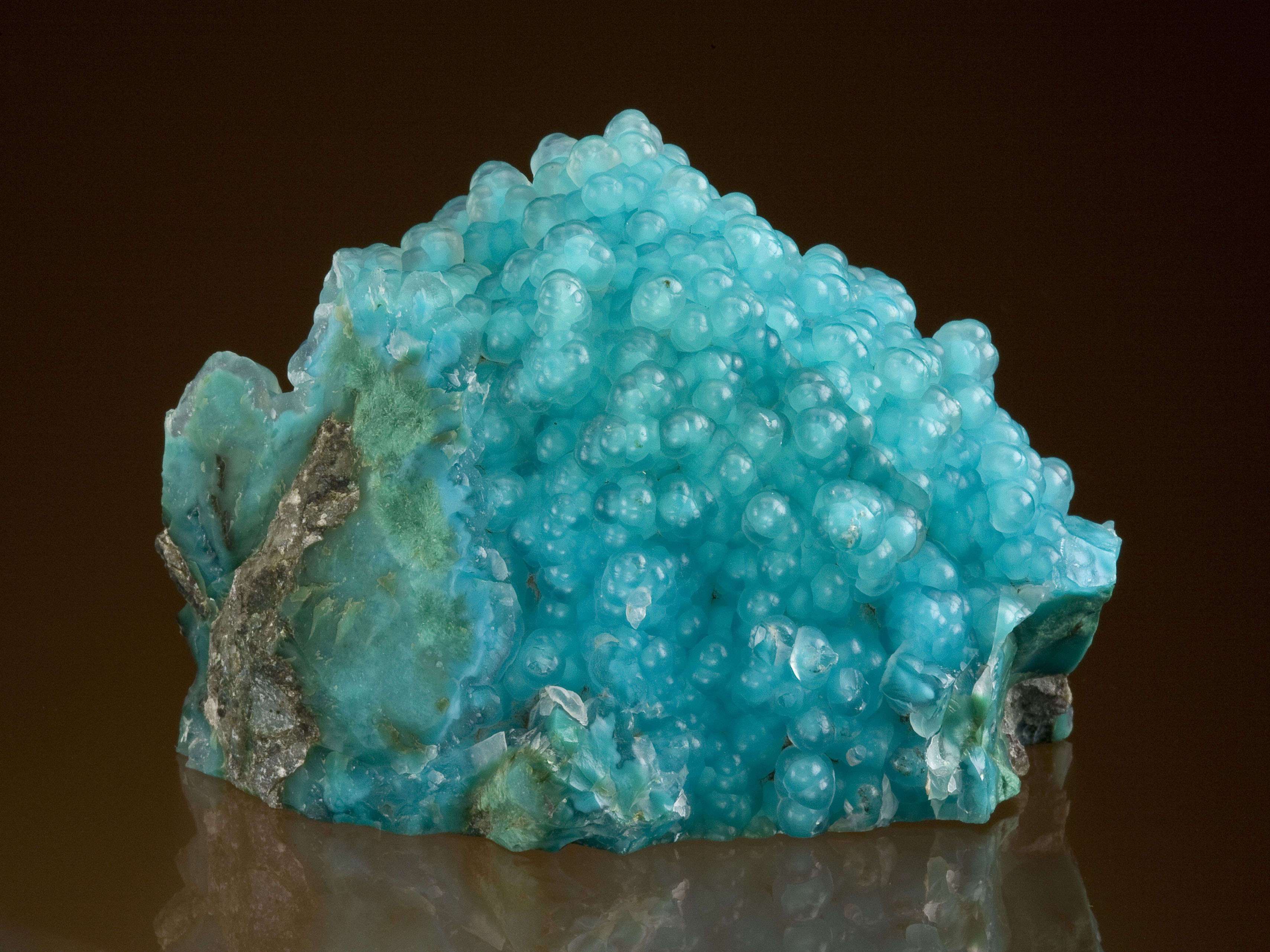
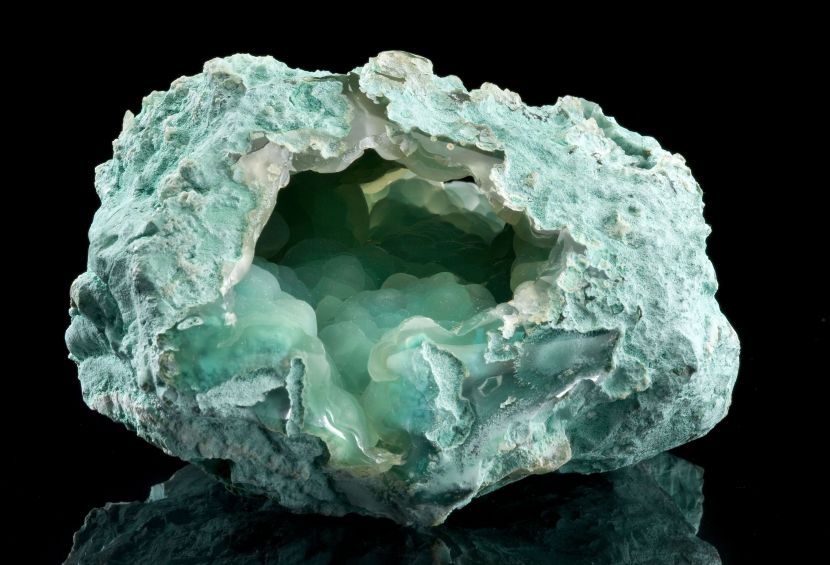
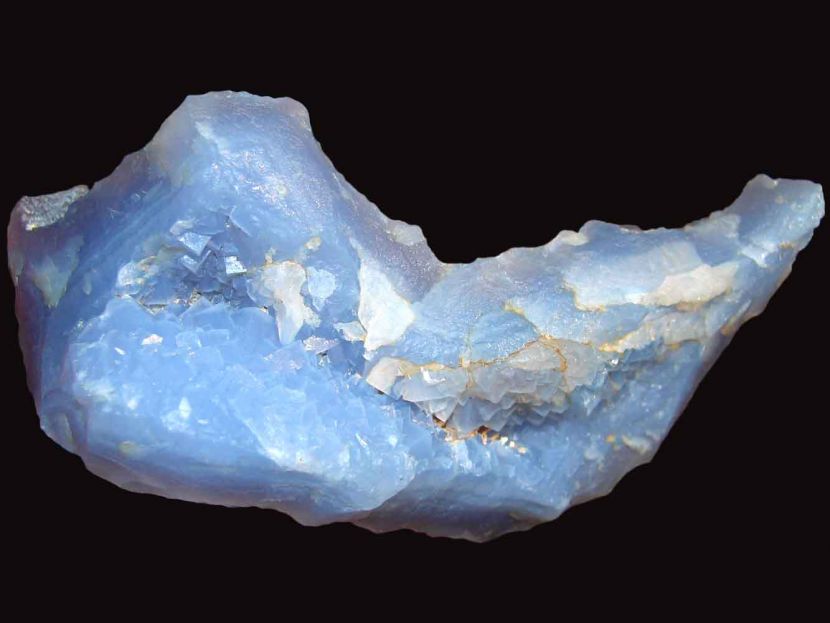
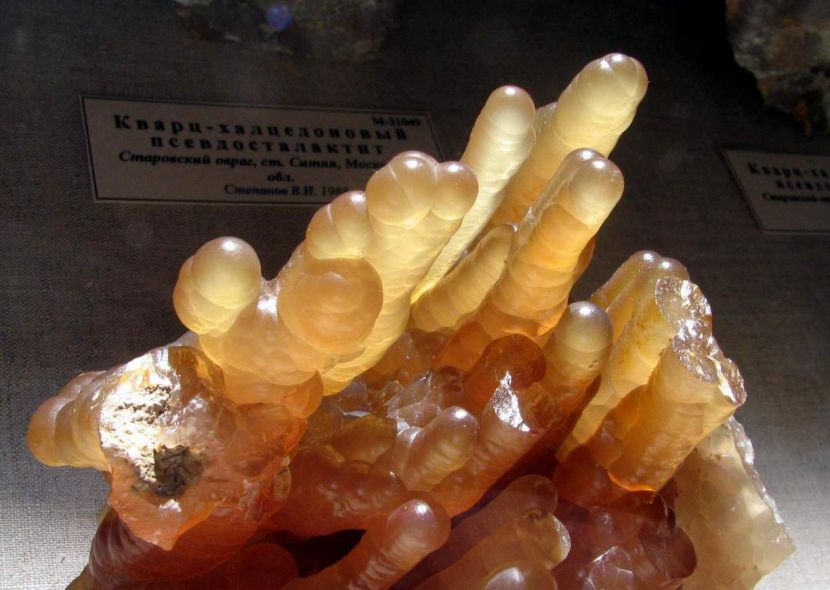
In nature, the mineral is presented in the form of spherulites and spherulitic crusts. Chalcedony veins, pseudostalactites, as well as solid massifs are ubiquitous. The largest deposits are in Brazil, India, Australia, Germany, Scotland. In our vast homeland there are also plenty of places where chalcedony is developed: the Crimea, Transcaucasia, the Urals, the basins of the Yenisei, Lena and Kolyma, Primorye.
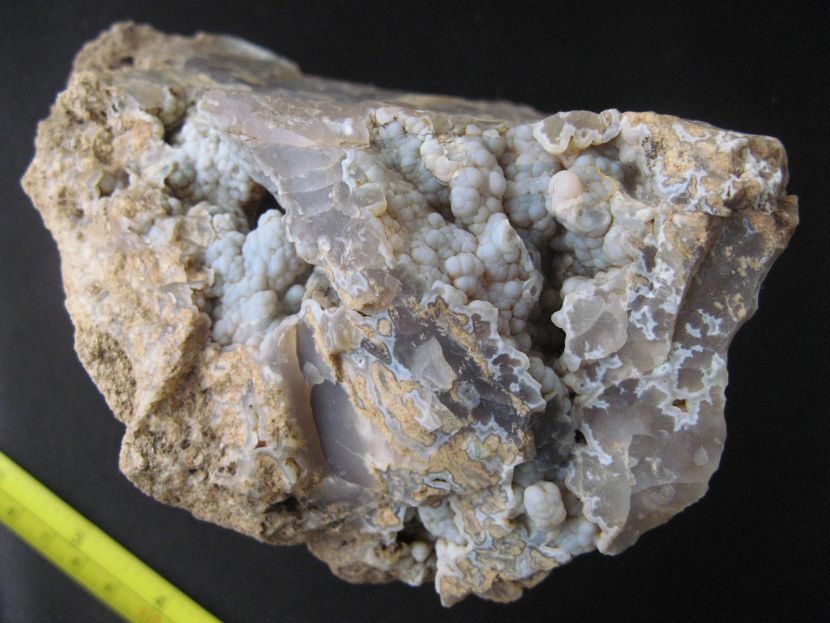
Variety of varieties
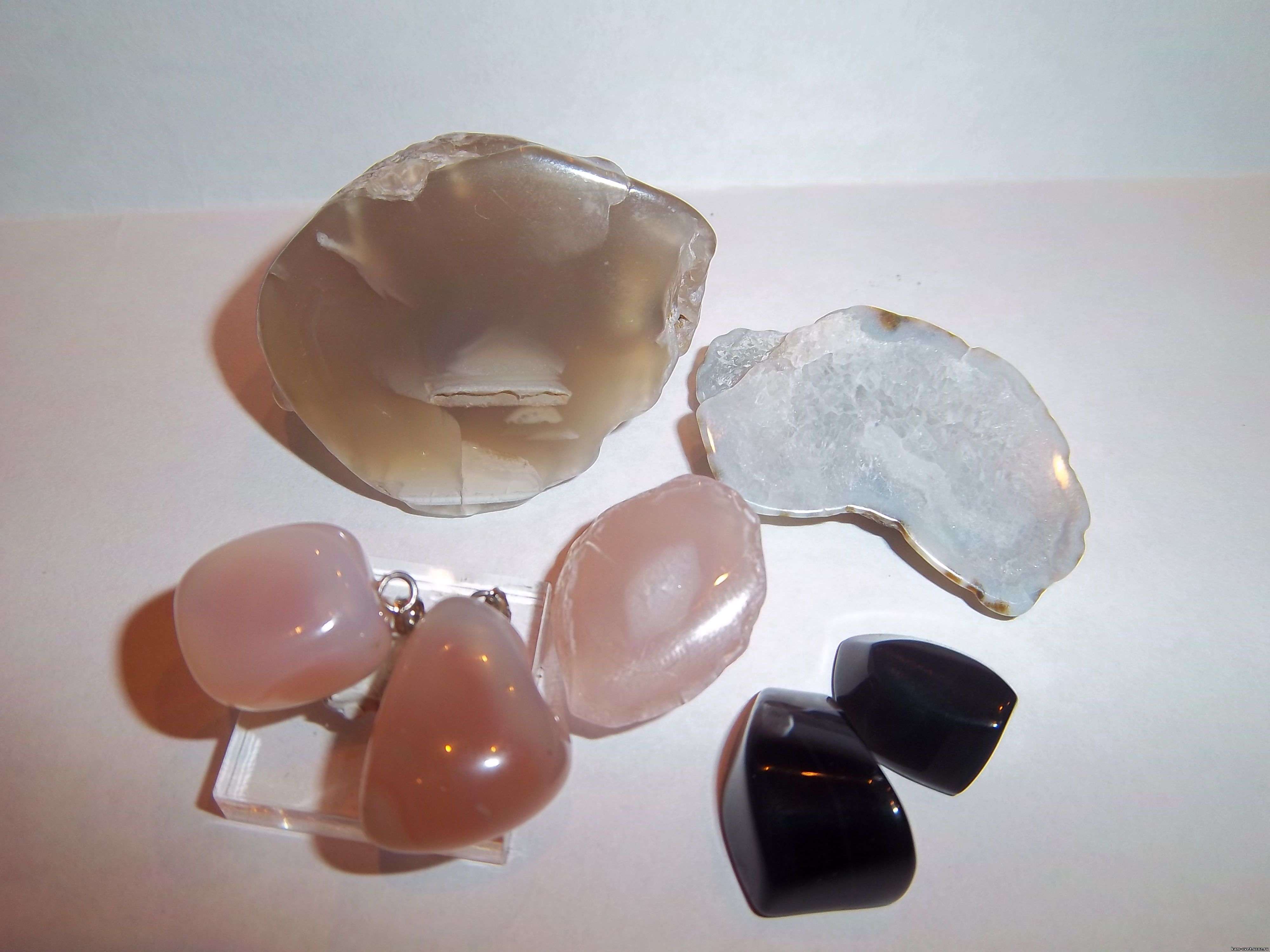
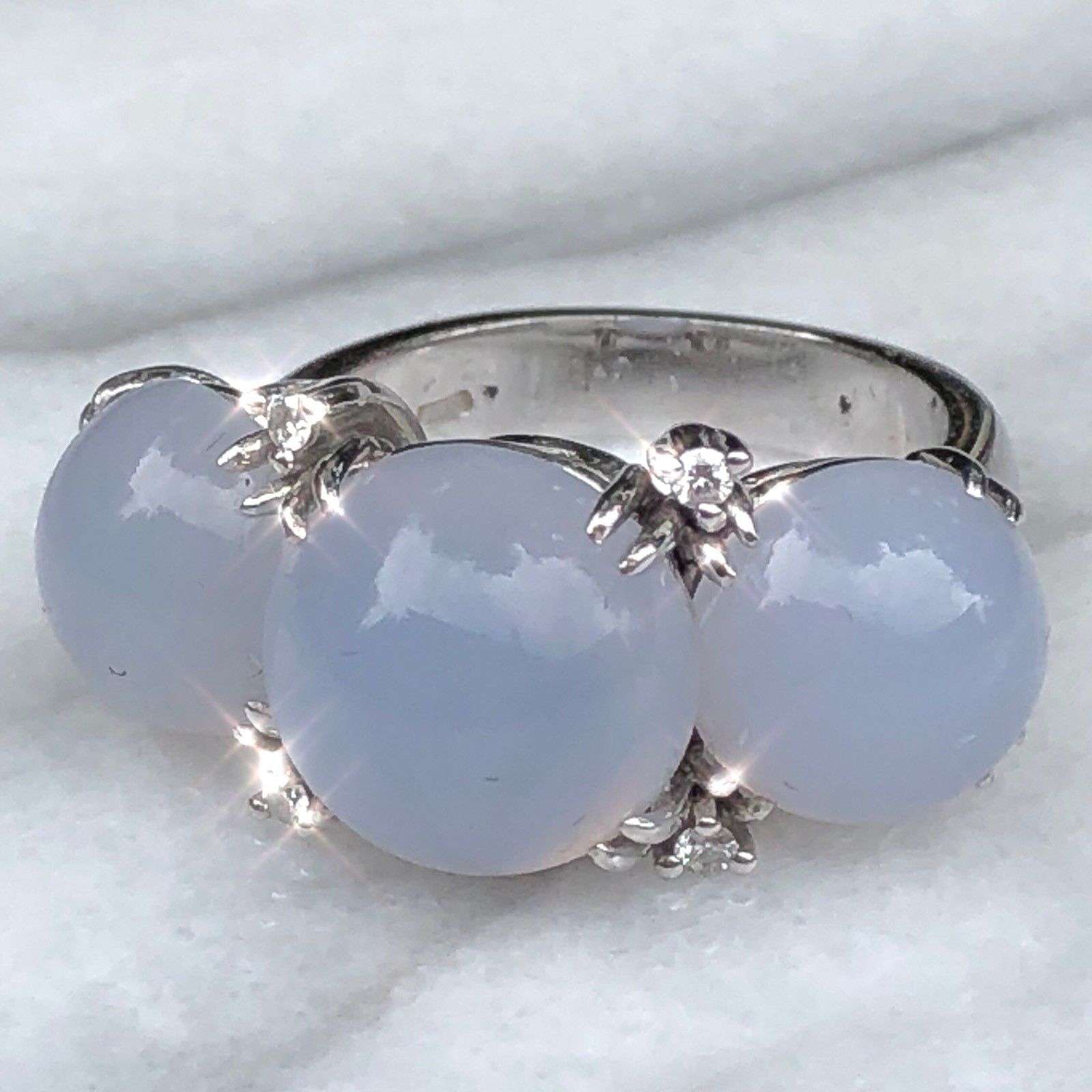
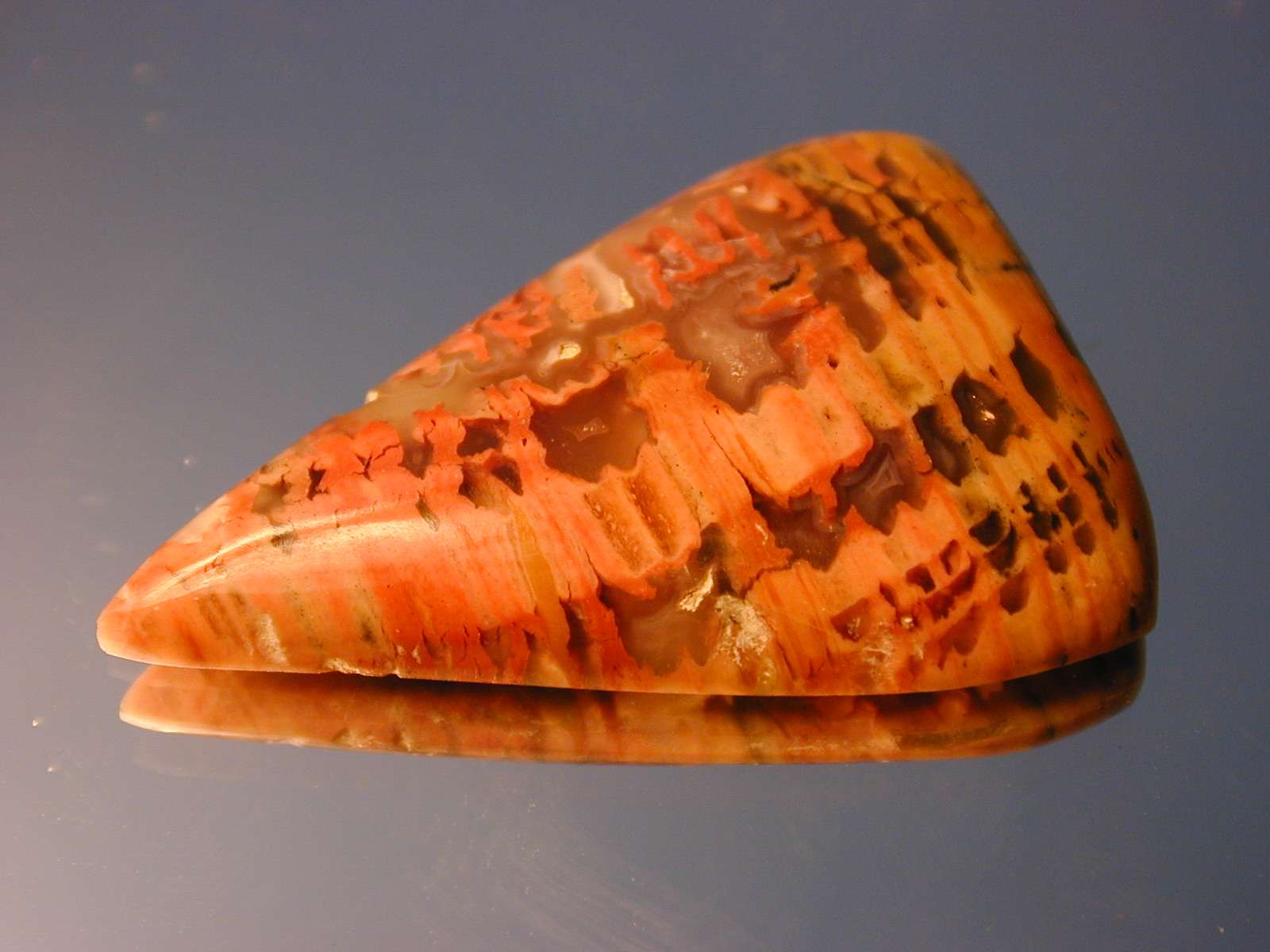
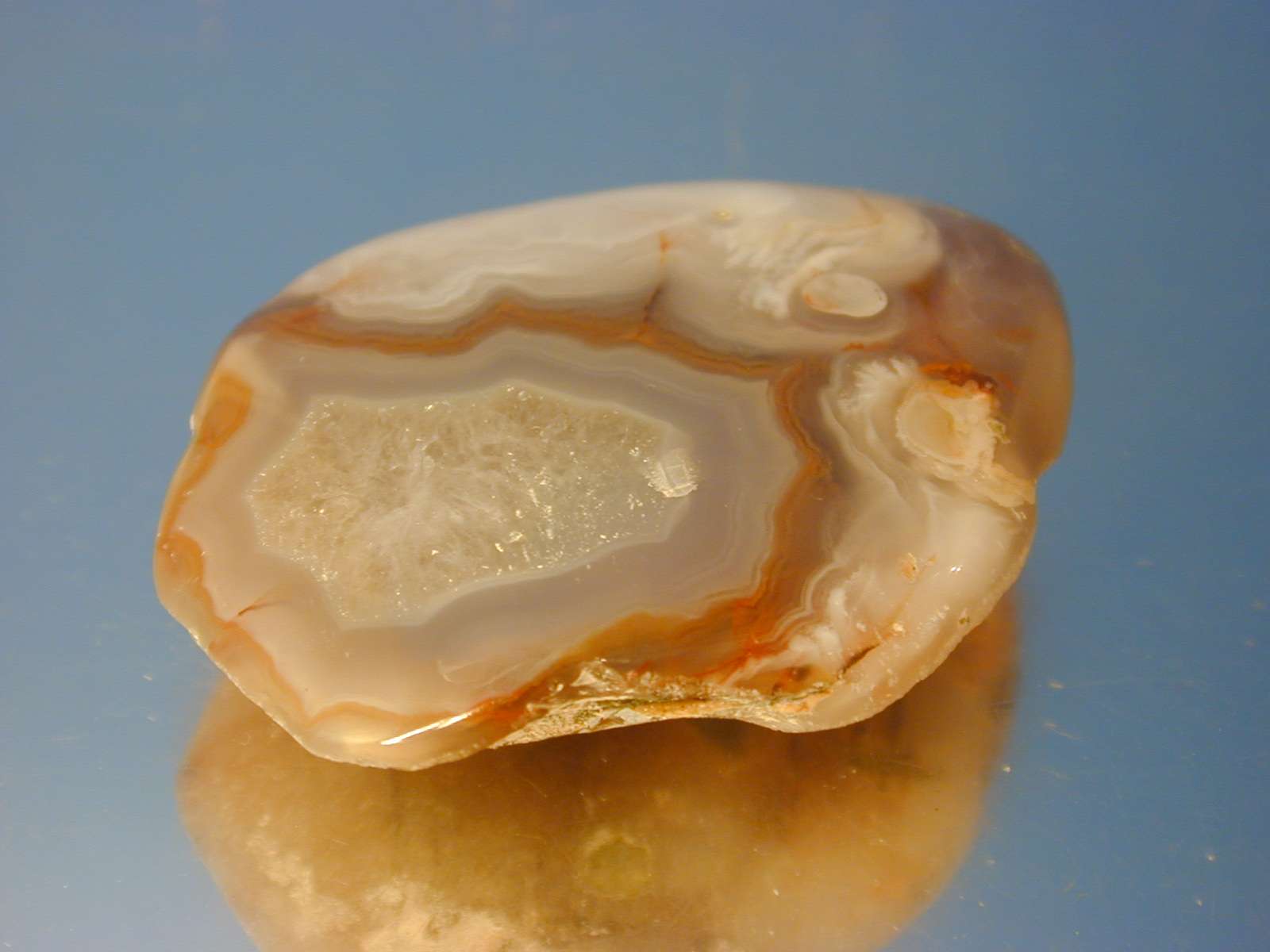
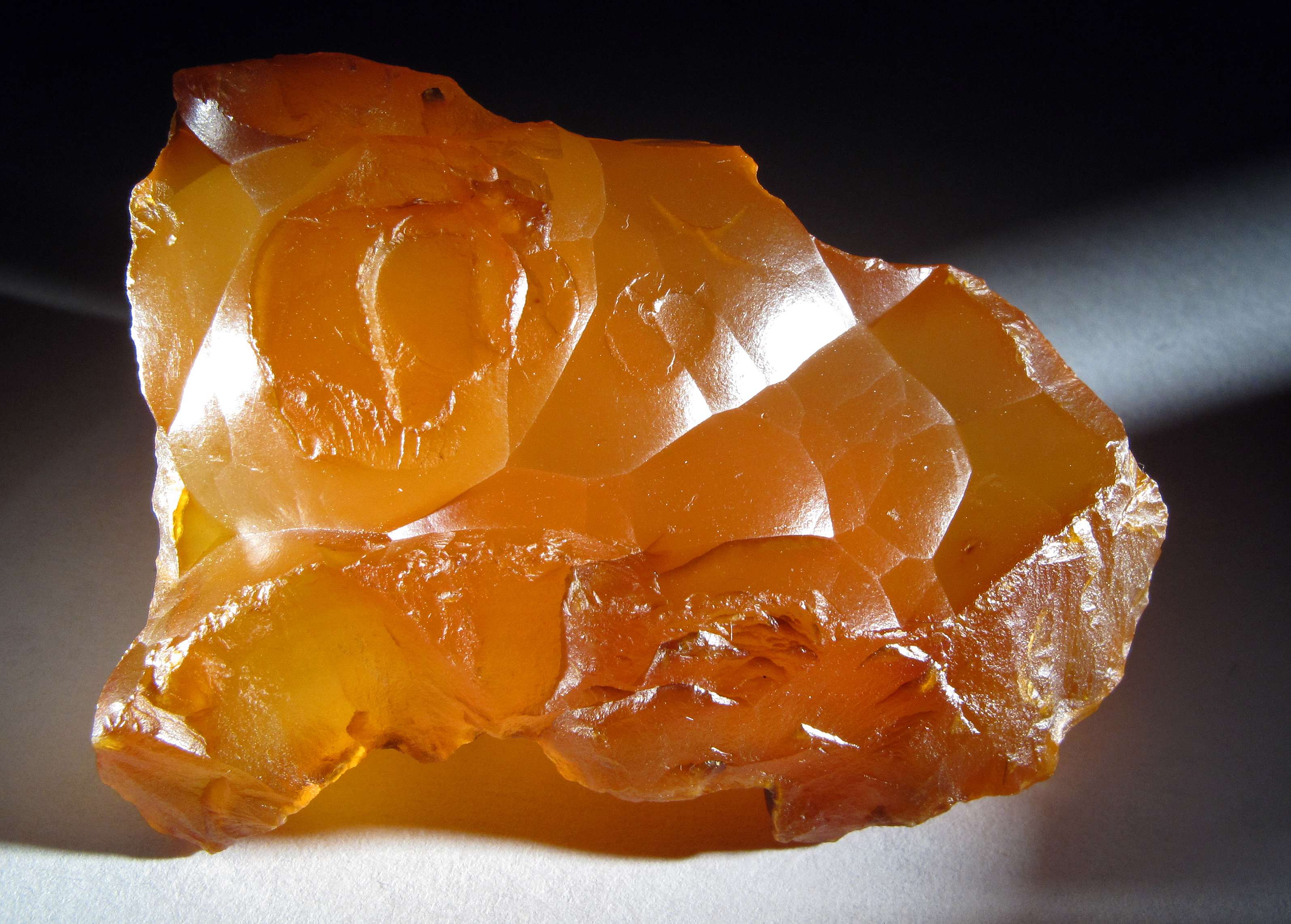
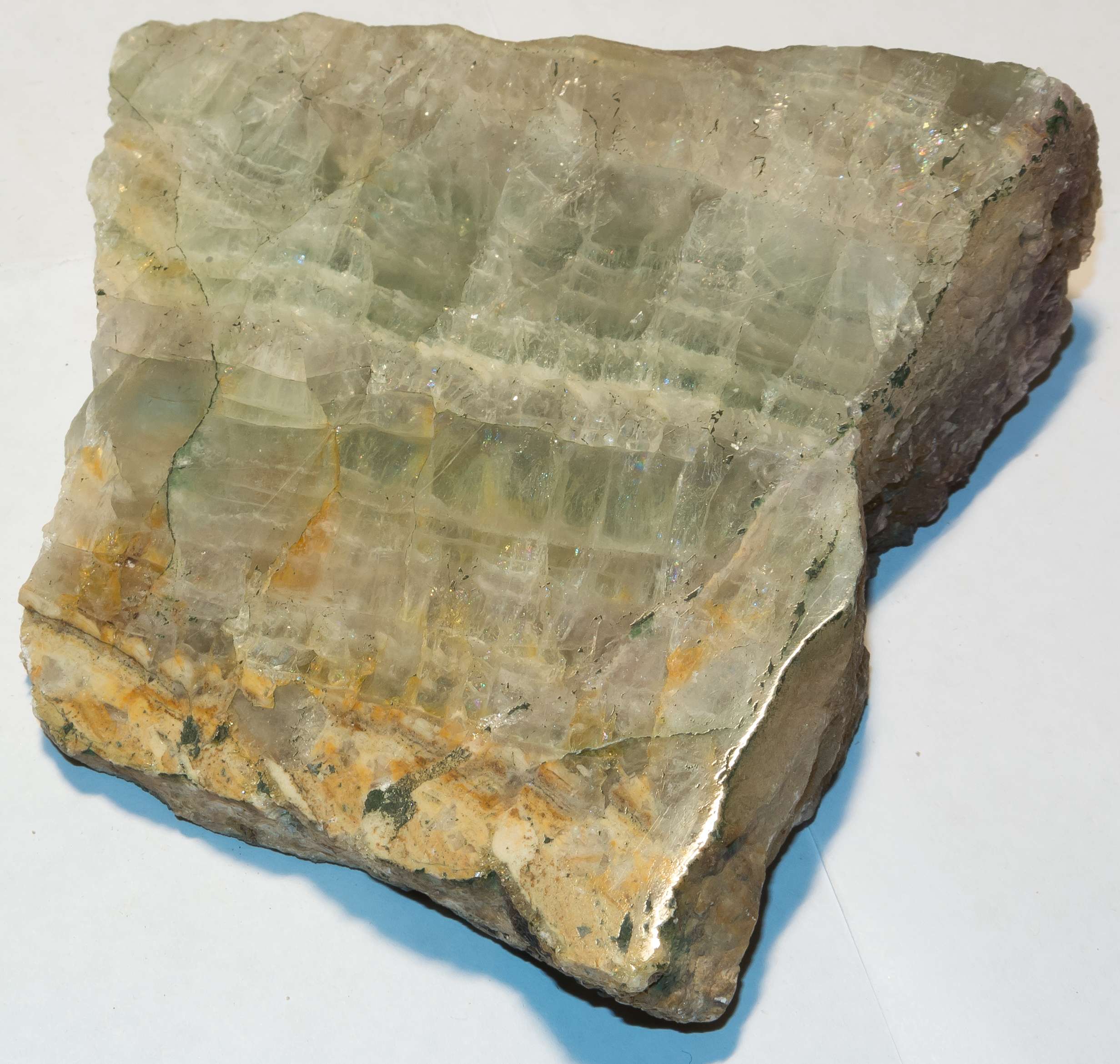
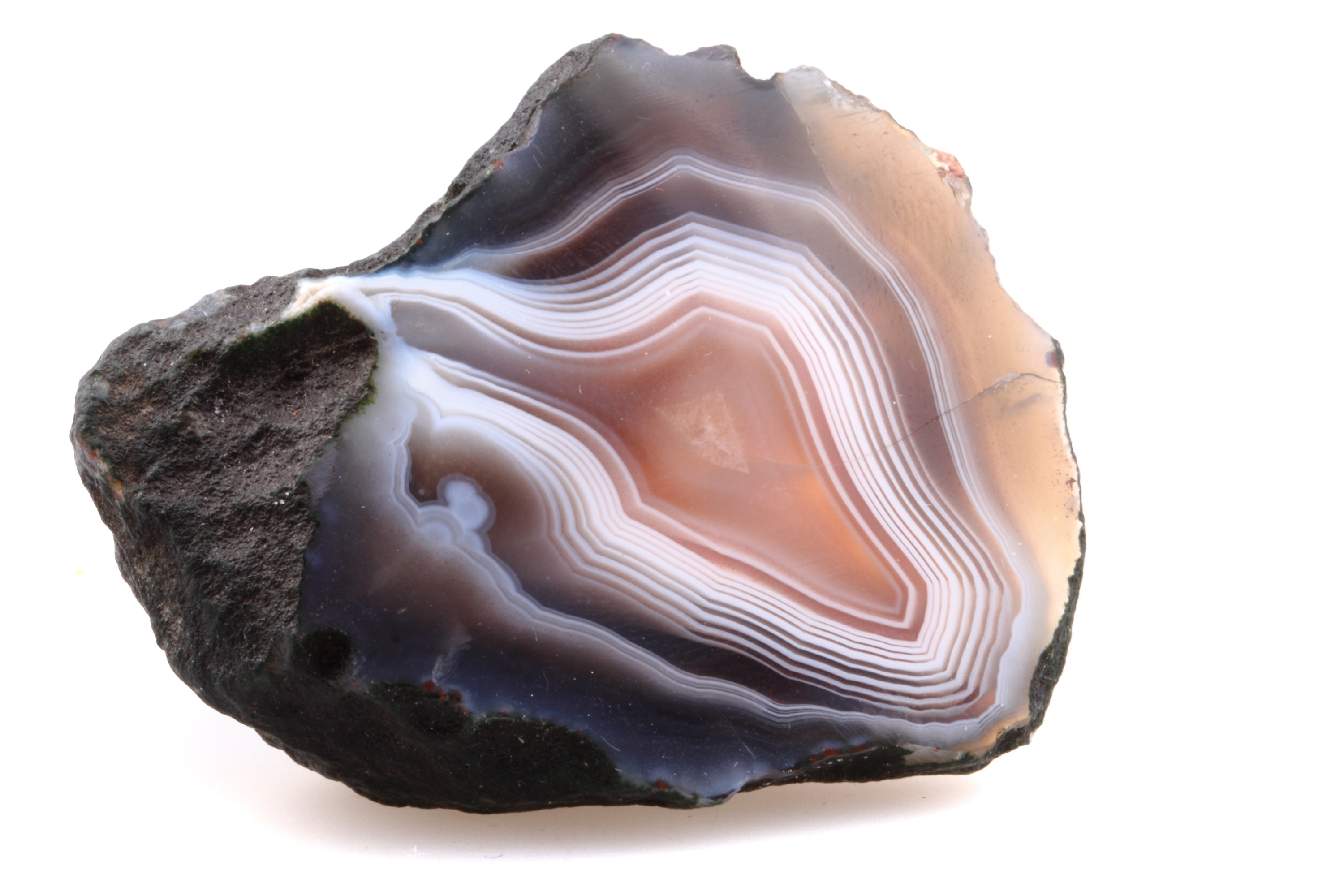
The basis of the composition of chalcedony is silicon oxide. It also includes various metallic impurities, the ratio of which determines the color of a particular specimen.Looking at a photo of chalcedony, everyone can be convinced of how one sample can differ from another. Based on an external factor, minerologists have identified the following varieties of the mineral:
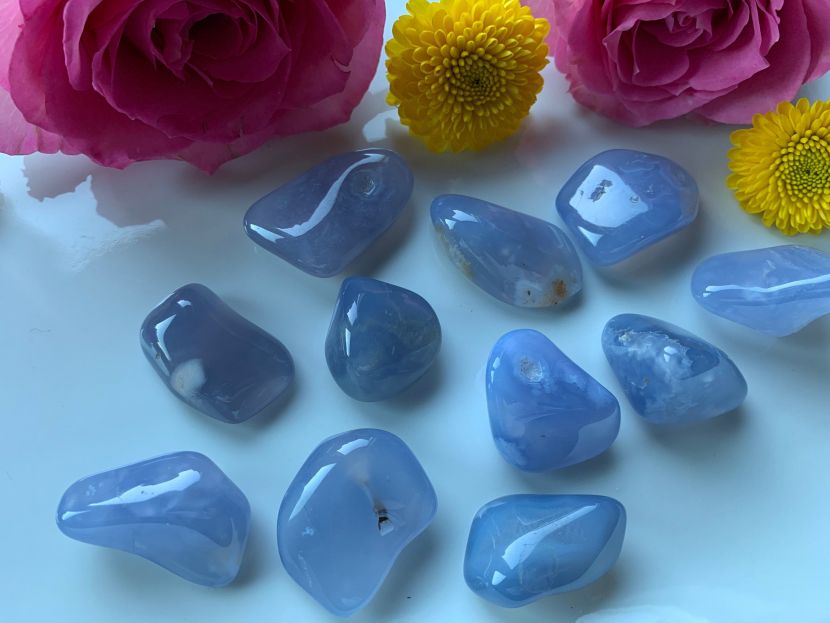
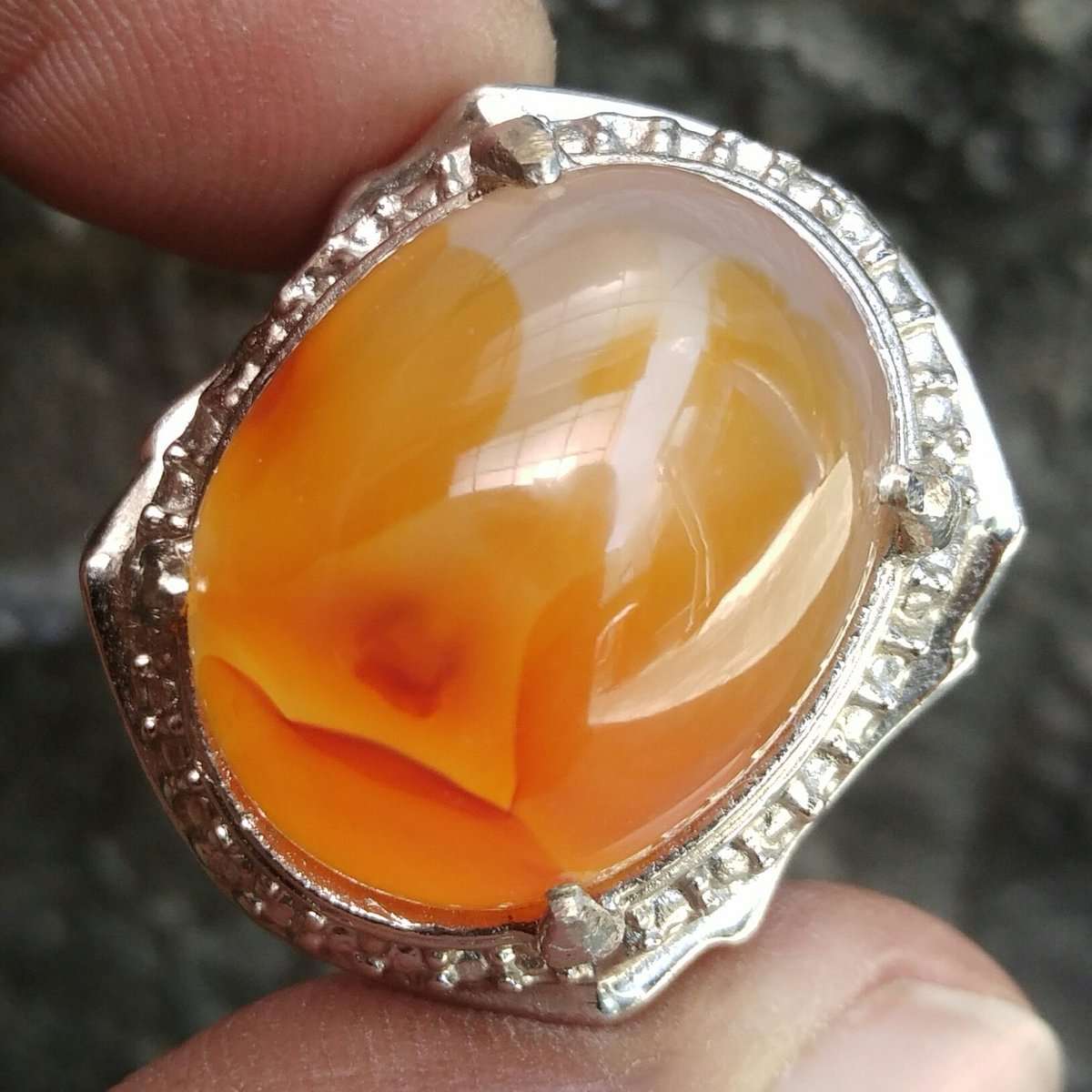
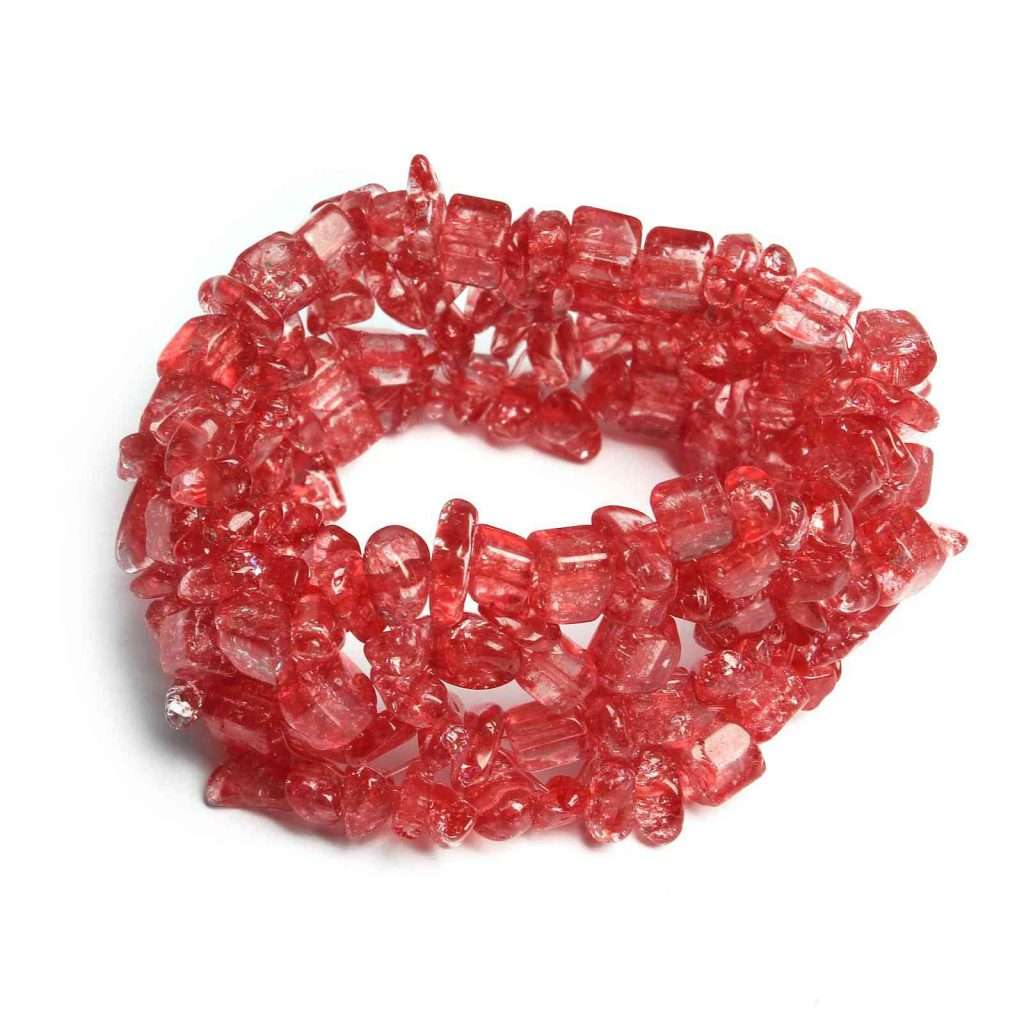
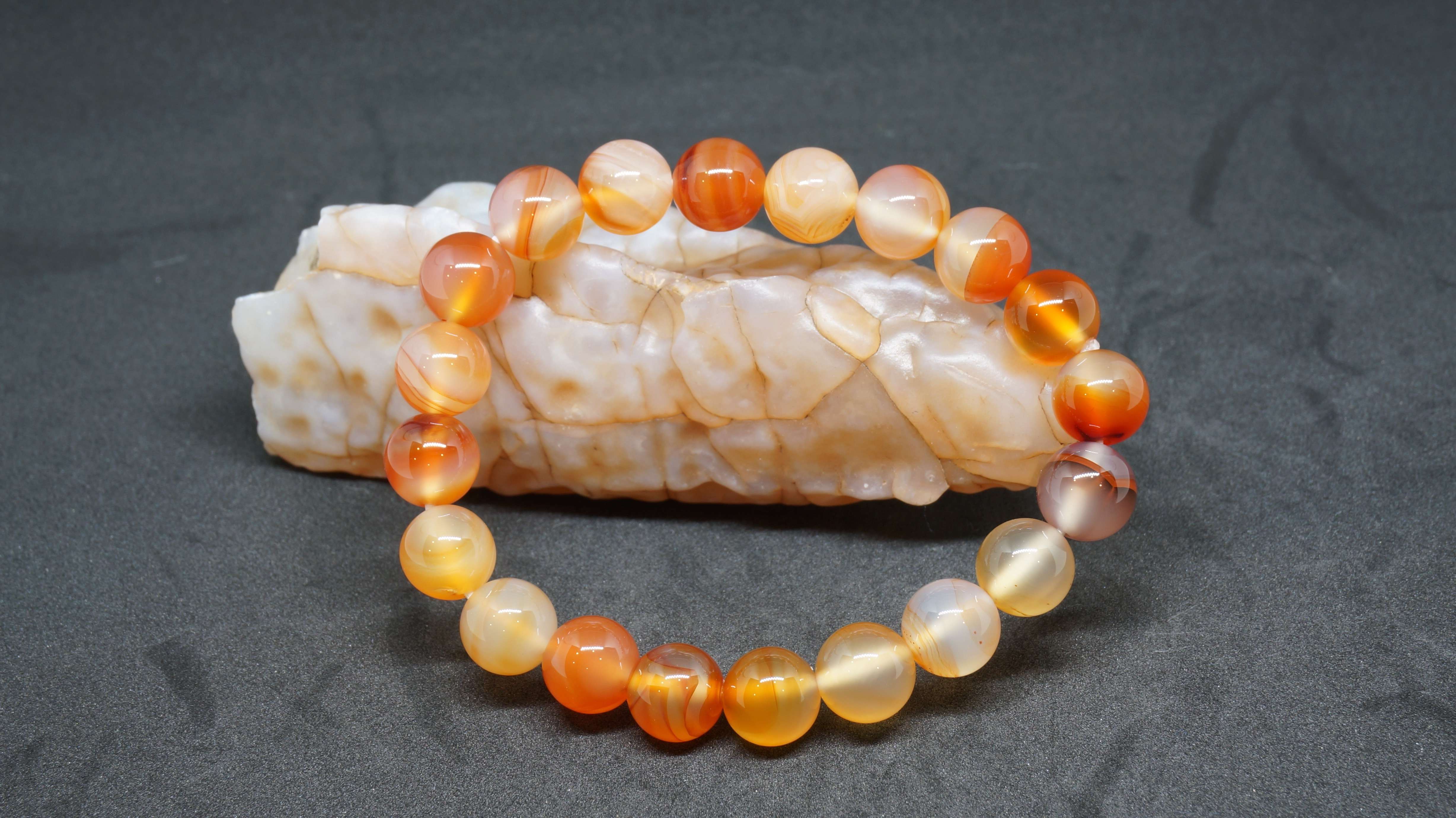
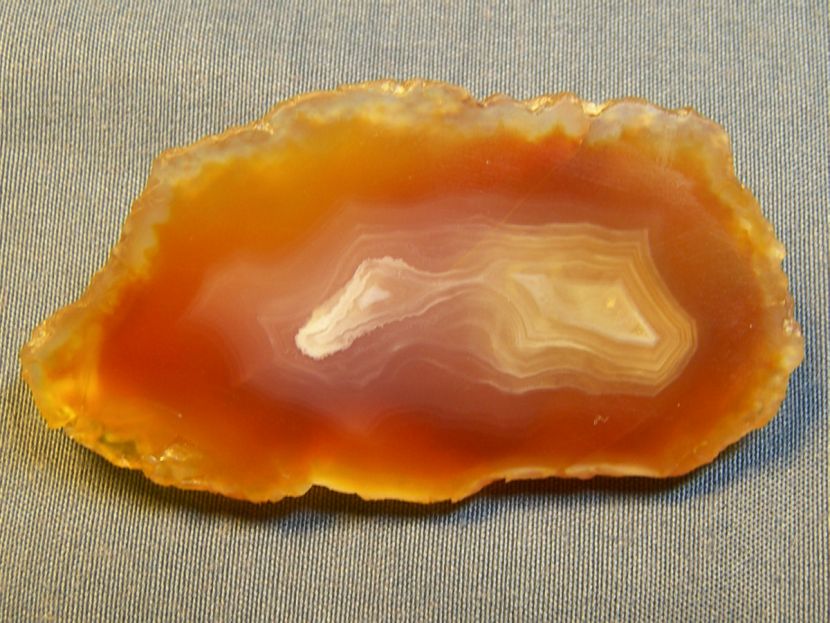
Carnelian, aka carnelian (from Latin - "cornel berry"). This subspecies of the stone got its name due to the bright reddish or, rather, orange tint due to the iron impurity. In different specimens, a yellow, red or brown undertone predominates - this depends on the amount of time that one or another specimen has spent in the open sun: exposure to ultraviolet rays causes the stone to brighten.
Sardonyx, a darker and richer variety of carnelian, shaped like a shamrock. Ancient Egyptian symbol of Isis, mother of the gods. It was believed that the amulet of this mineral helps to stop bleeding as soon as possible and protects from the rage of enemies.
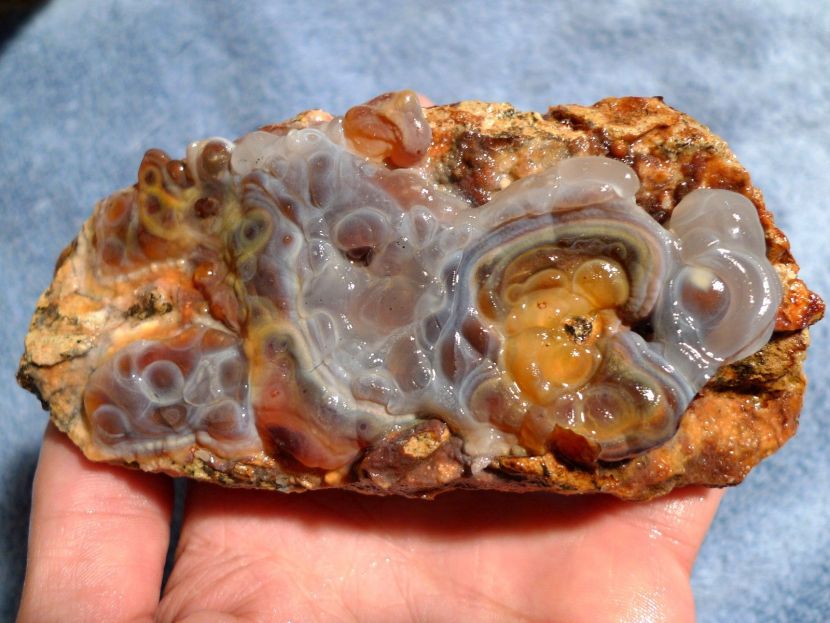
Sarder. In fact, the same carnelian, with a bias in brown shades. The ancient technology of its manufacture was described in the 1st century. BC Pliny: sarder was obtained by boiling light chalcedony in a honey solution or roasting.
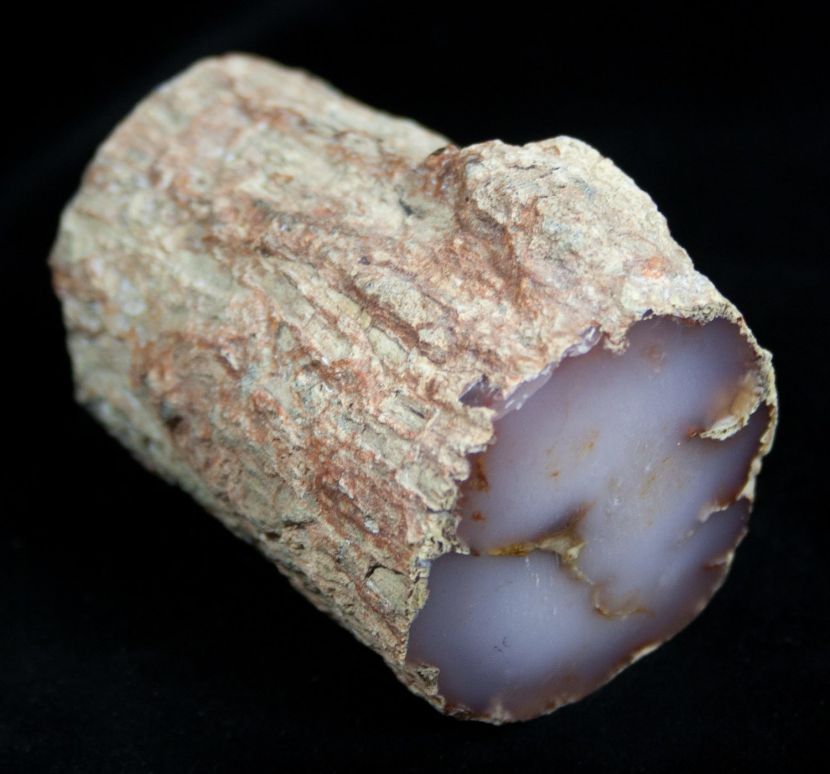
Onyx is a variant of chalcedony with a ribbon structure and pronounced layering. It usually has a red or white base with yellow, pink or brown stripes. Developed in Saudi Arabia and India, also available in the US, South America and the Russian Far East.
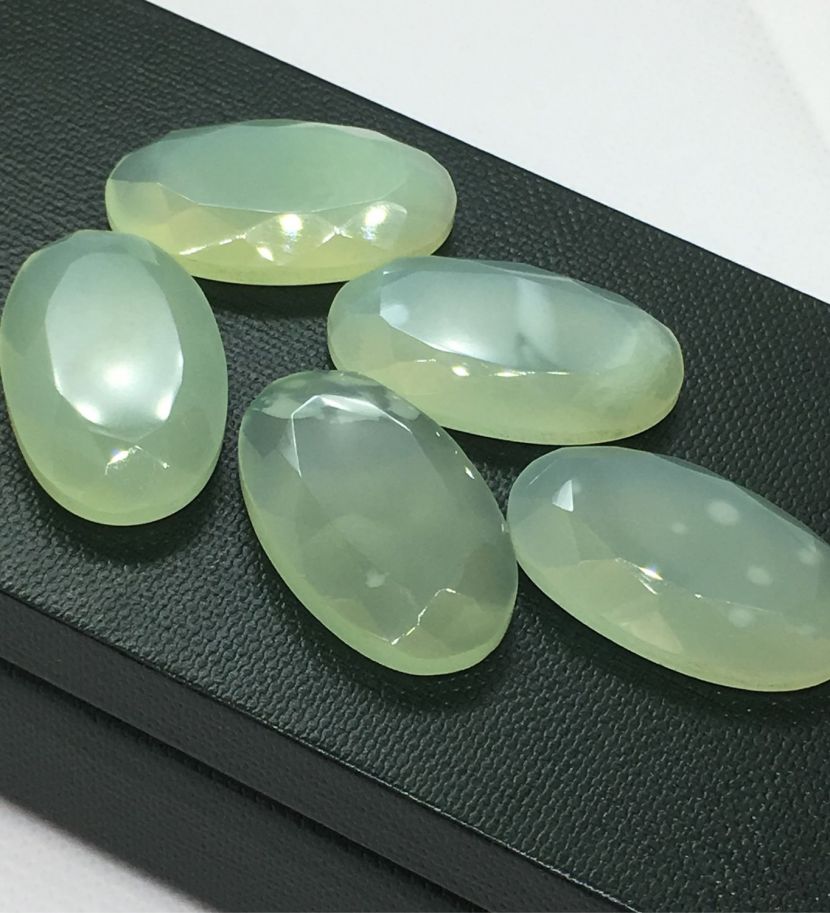
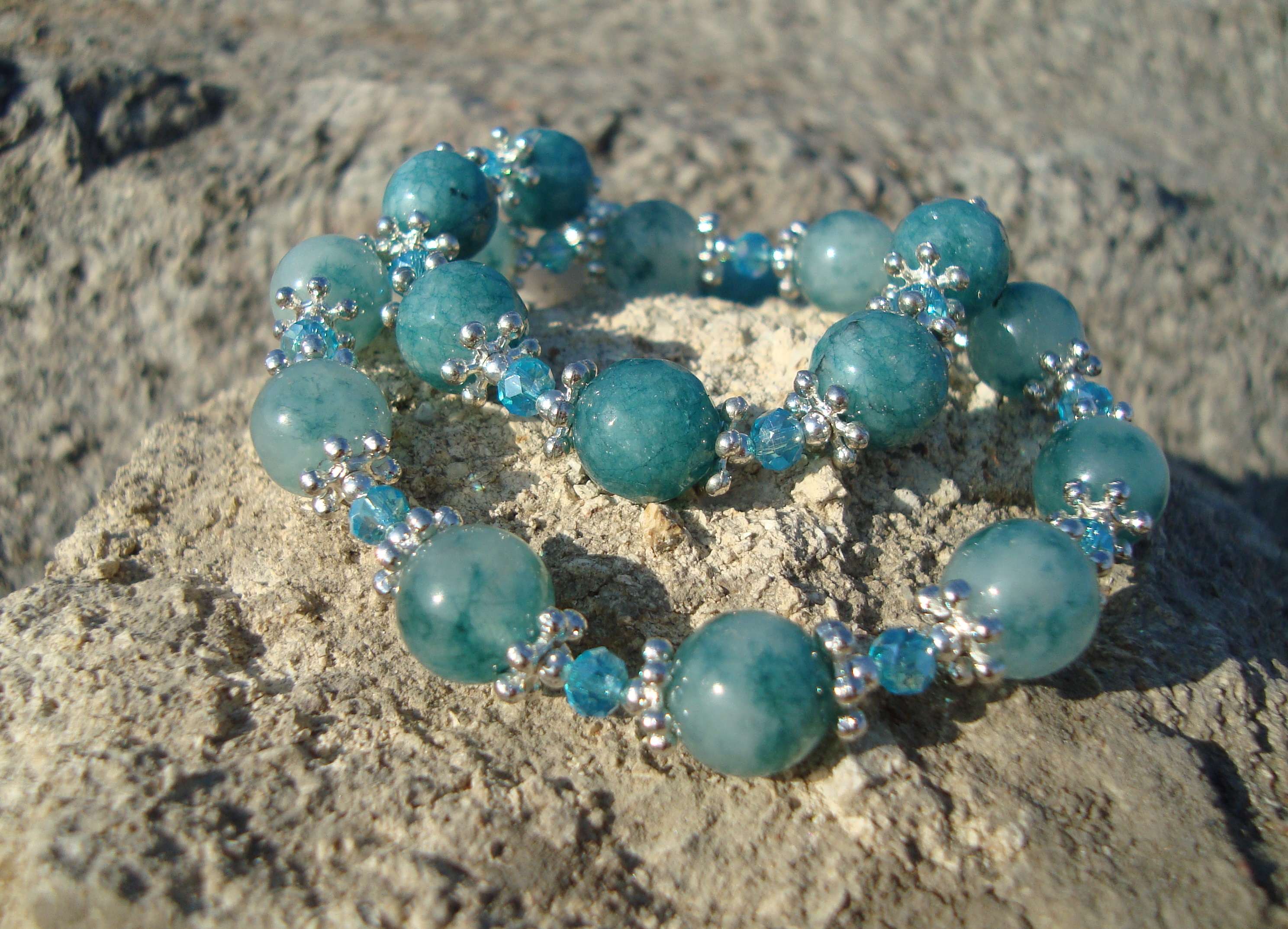
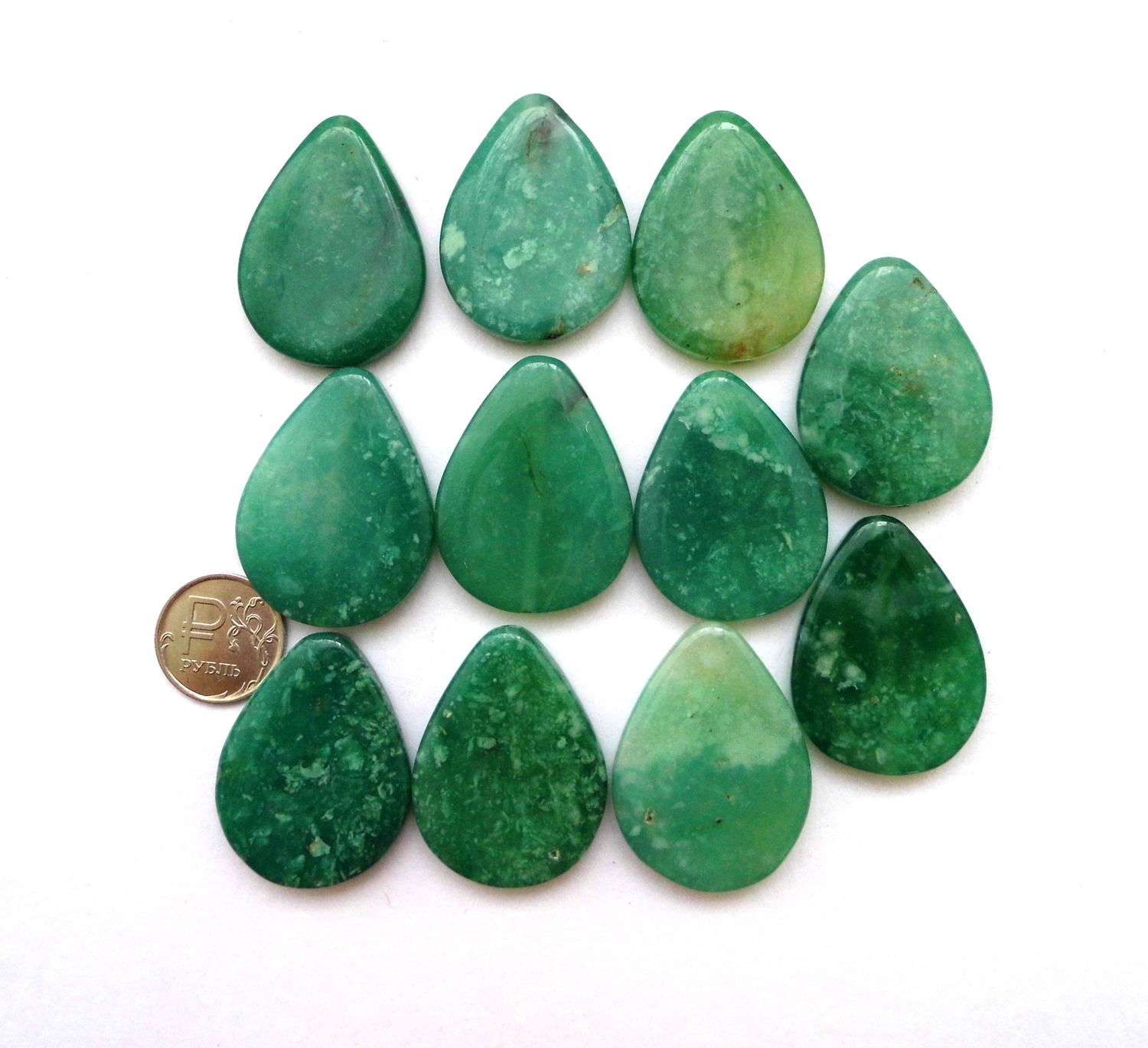
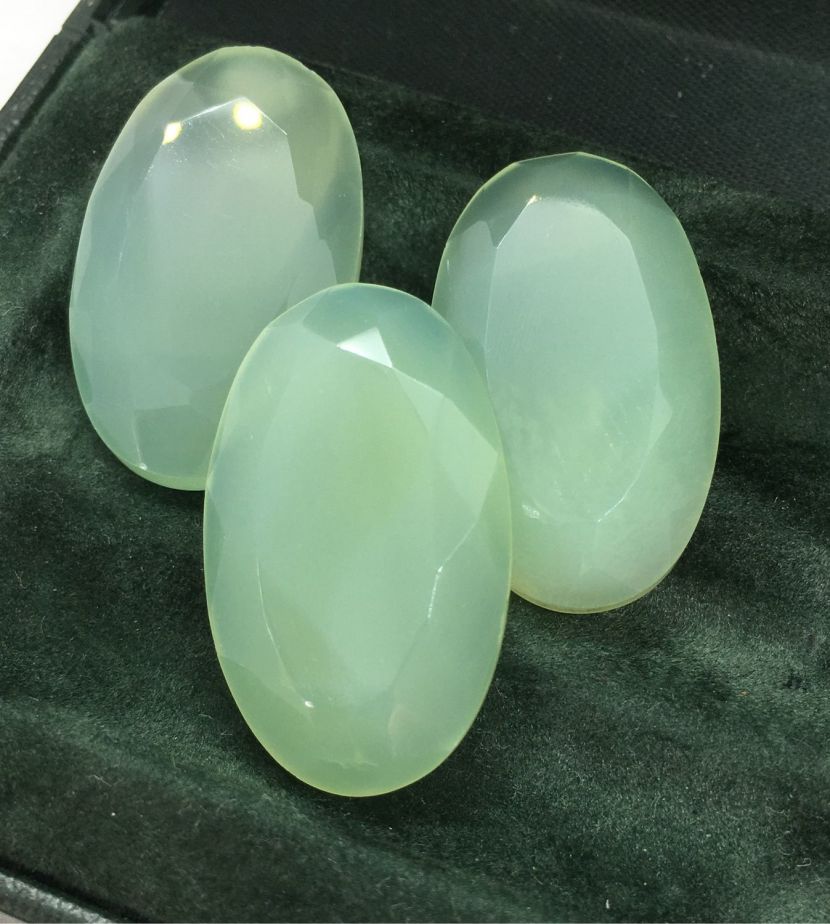
Chrysoprase, a variety of chalcedony especially valued by jewelers for its color, is in turn divided into three subspecies: emerald green, apple green, and pale turquoise or yellowish green varieties.
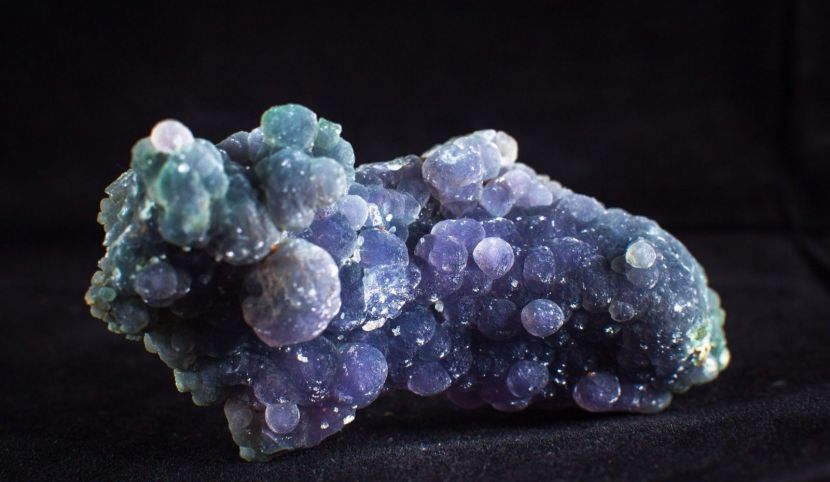
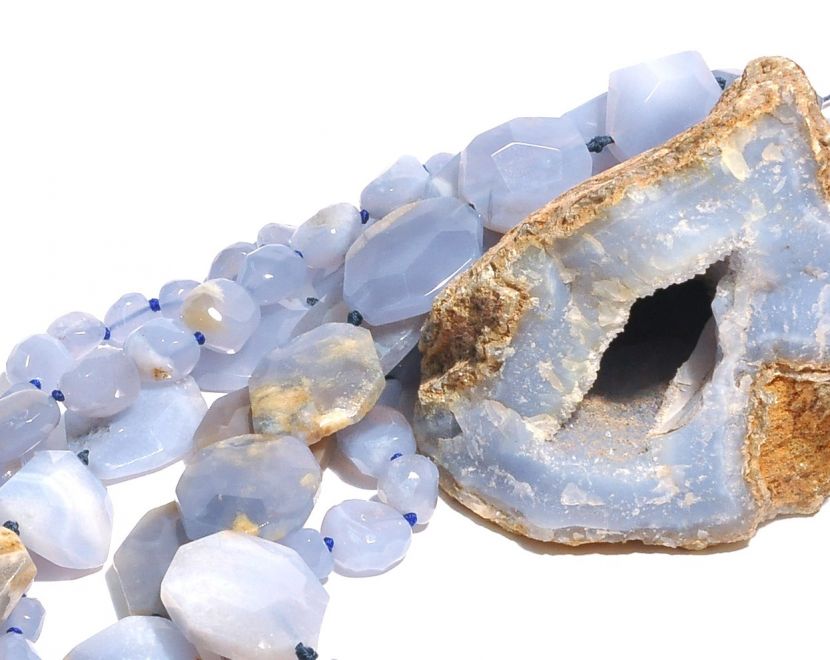
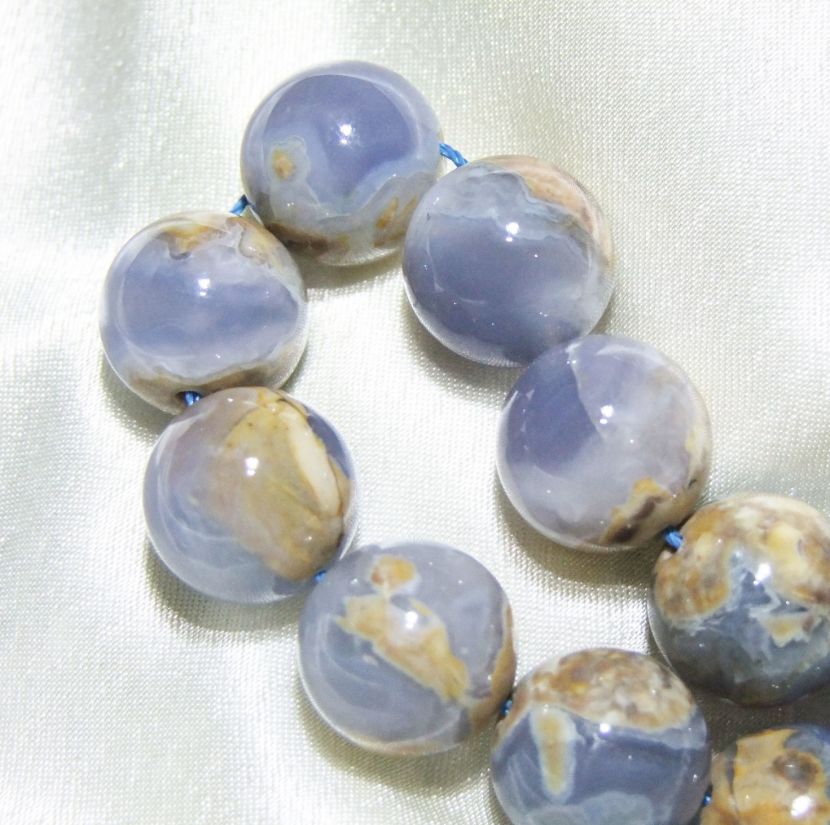
Sapphirine. A bluish chalcedony that fades when exposed to heat.
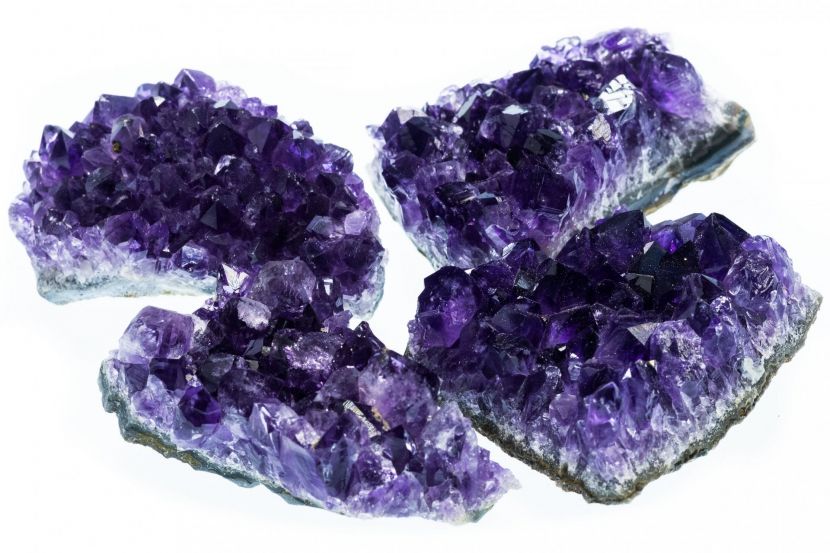
Heliotrope.An exotic-looking variety of chalcedony, often also referred to as bloodstone or blood jasper. It has a green base intersected by bright red stripes. Heliotrope is very fond of collectors and jewelers. Most often, this stone is used as an insert in men's rings. In the Middle Ages, church items were made of stone, the mineral had a sacred meaning, since red inclusions on its surface were associated with the blood of Christ.
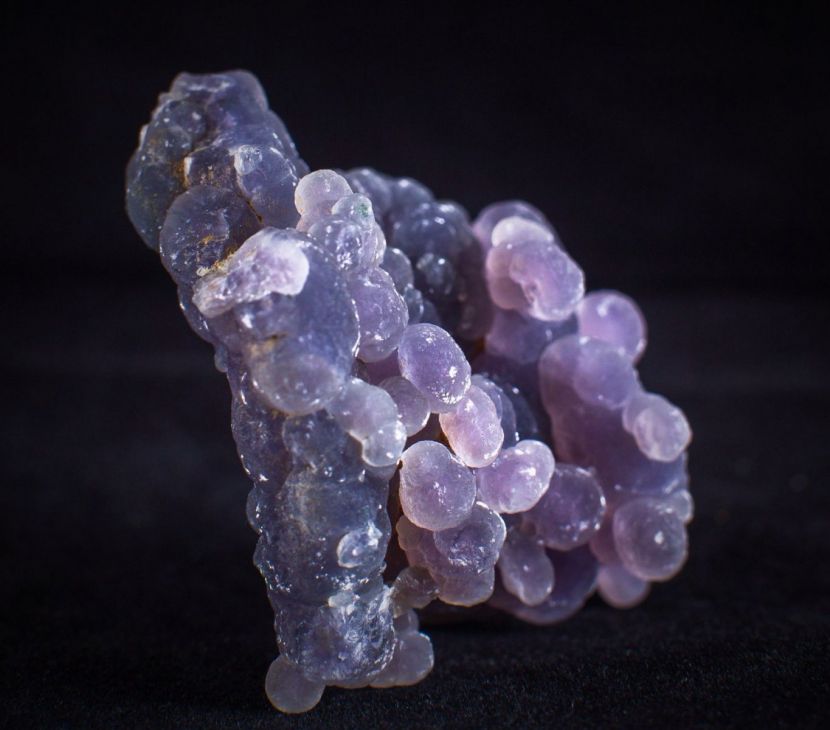
Agate. Layered mineral of various colors. Jewelers often classify as agate stones that do not have a layered structure, but a star-shaped or mossy. An ancient legend says that agate is lost by the White Eagle during the battle with the Black Eye Sorcerer. It is also called the Eye of the Creator, observing human deeds and dividing them into good and evil.
Lithotherapy notes
The properties of chalcedony were appreciated not only by jewelers and stone-cutting artists, but also by lithotherapists. The latter distinguish the following healing qualities of the stone:
- sedative action. Amulets and jewelry from any variety of chalcedony are useful for people with increased excitability of the nervous system;
- Carnelian has a general tonic effect on the body, improves mood, increases blood clotting, improves the condition of the skin;
- Sarder accelerates regenerative processes, has a beneficial effect on fertility;
- Onyx normalizes the functioning of the abdominal organs, in particular, the liver and kidneys;
- Chrysoprase helps to level the symptoms of weather dependence. It is especially useful to drink water infused on a stone for 5 hours;
- Sapphirine is extremely useful for hypotensive patients. In addition, products made from this stone contribute to the debugging of the heart rhythm;
- Heliotrope is also effective in the treatment of cardiovascular diseases;
- Agate will save you from toothache and colds.
However, healers do not recommend wearing chalcedony products all the time.
Esoteric and astrological aspects
The energy of chalcedony is associated with the earth element. That is why seafarers took it as a talisman with them on every journey in order to safely return home.
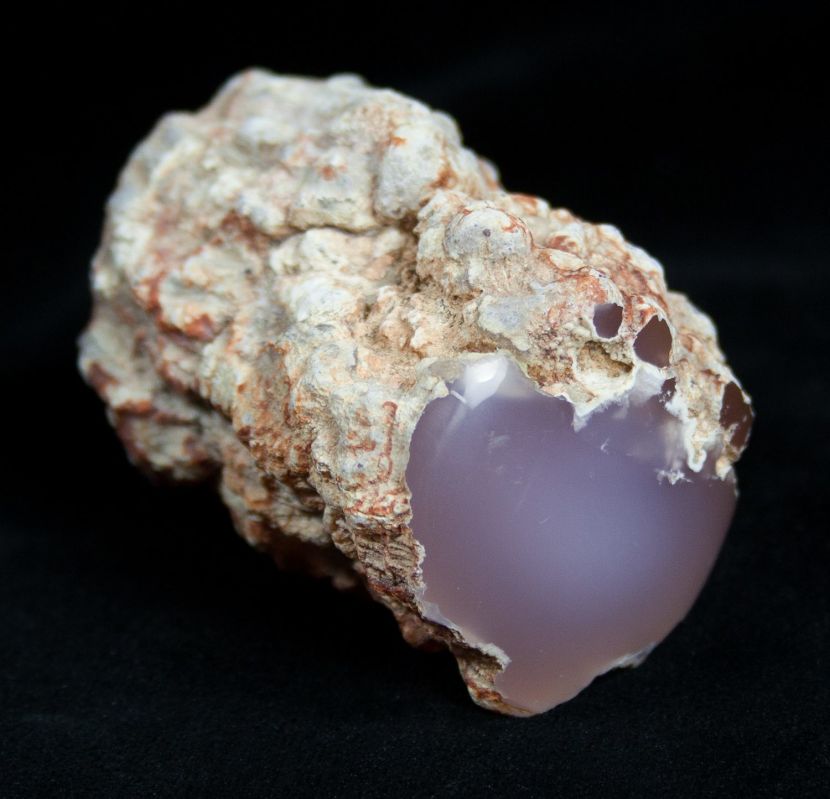
The magical properties of chalcedony were also used by women: the mineral helped them become more attractive to the opposite sex. In ancient times, chalcedony was called the "stone of love", sometimes the "stone of joy", since even then its effectiveness in the fight against blues and depression was noticed.
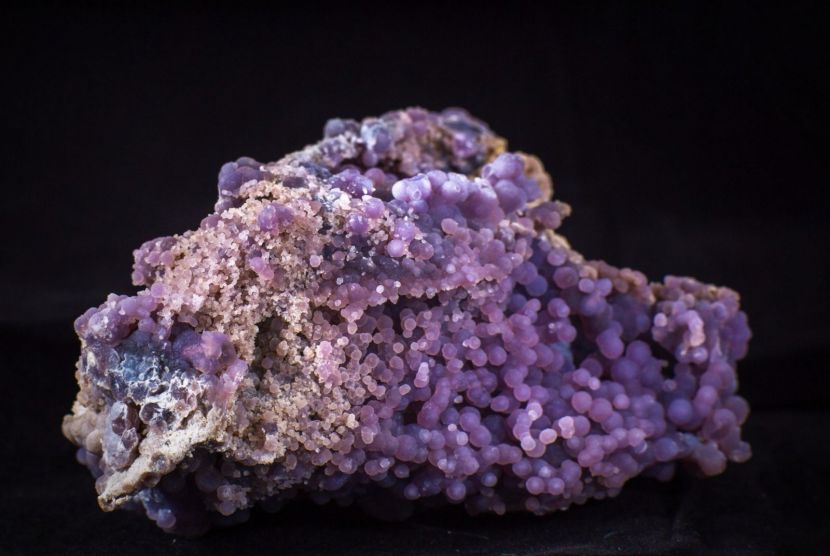
The magic of chalcedony is associated for the most part with its healing qualities, however, they manifest themselves only if the person does not have evil thoughts.
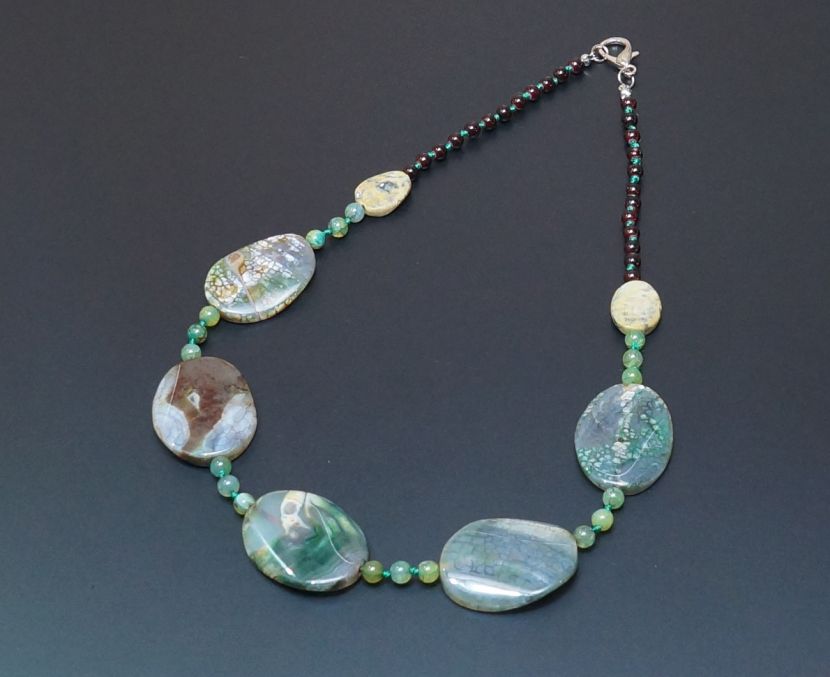
Who suits chalcedony and what requests it satisfies depends on the color of the mineral. So, for example, red gems are best combined with the energy of active and enterprising people, providing the latter with reliable protection in any of their endeavors. Orange stones love creative individuals. Blue - help to cope with emotions, structure thinking. Purple - contribute to the development of willpower. Green helps to gain endurance and self-sufficiency. Someone who wants to become more balanced needs a brown mineral product, and someone who wants to acquire or develop magical abilities should look at a purple gem. The black stone is considered a symbol of birth and death.
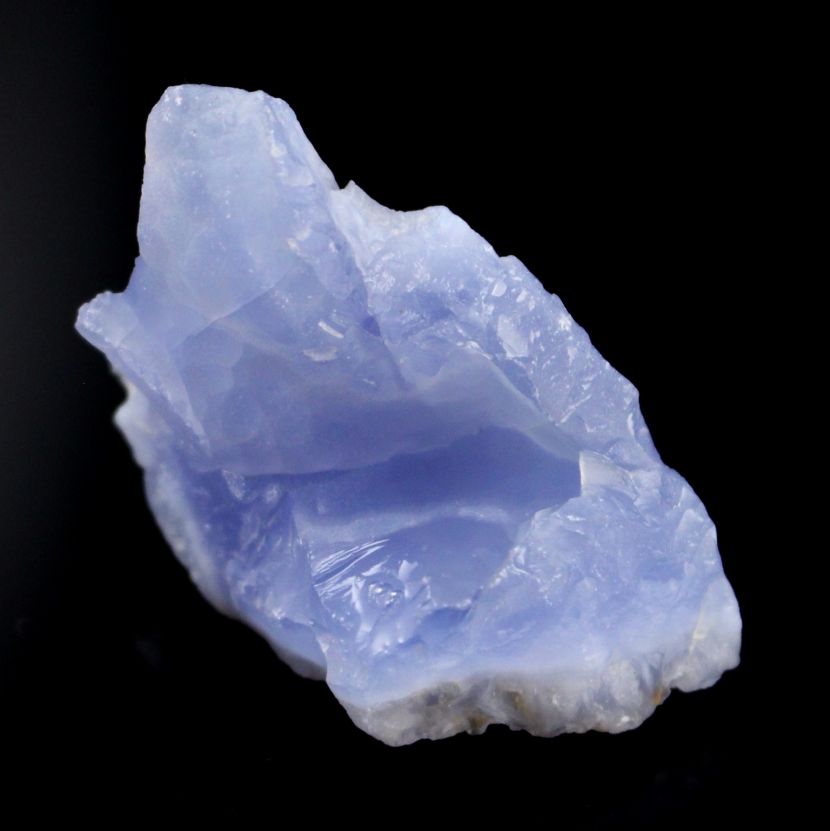
In general, chalcedony of any color, especially unprocessed, is a very effective amulet, it helps to keep love and peace in the family, find harmony with your body, and get more pleasure from intimate life.
In astrological terms, the stone is universal and perfectly compatible with any sign of the zodiac. What should be considered when wearing chalcedony products is its compatibility with jewelry made from other stones. It is necessary to make sure that other stones worn on you are either related to the elements of the Earth, like the hero of the story himself, or to the Air. "Water" and "fire" minerals confront chalcedony.
How to recognize an imitation
Well, and finally, the signs by which it is very easy to distinguish a fake:
- Natural stone is denser and heavier than imitations;
- True chalcedony, unlike glass, does not heat up when in contact with the human body;
- Frauds always look unnatural. It is artificially almost impossible to achieve a natural uneven color of a mineral with its calmness of tones and arbitrariness of blotches.
Care rules
As for the care of chalcedony, the rules for its maintenance are standard and differ little from the instructions for storing other stones: avoid mechanical and chemical damage, as well as temperature changes. In addition, steam and ultrasonic cleaning of this mineral is strictly prohibited.
Chrysoprase and sapphirines should be kept away from the sun, as the stones, as mentioned above, fade.
Photo of Chalcedony stone