Unique in color Labrador stone - history, application, varieties, photos of the mineral and unique properties
The world of minerals is huge and diverse. Each of them has a unique appearance, properties and history. Each one is associated with many myths and legends. One of them is a Labrador.
general information
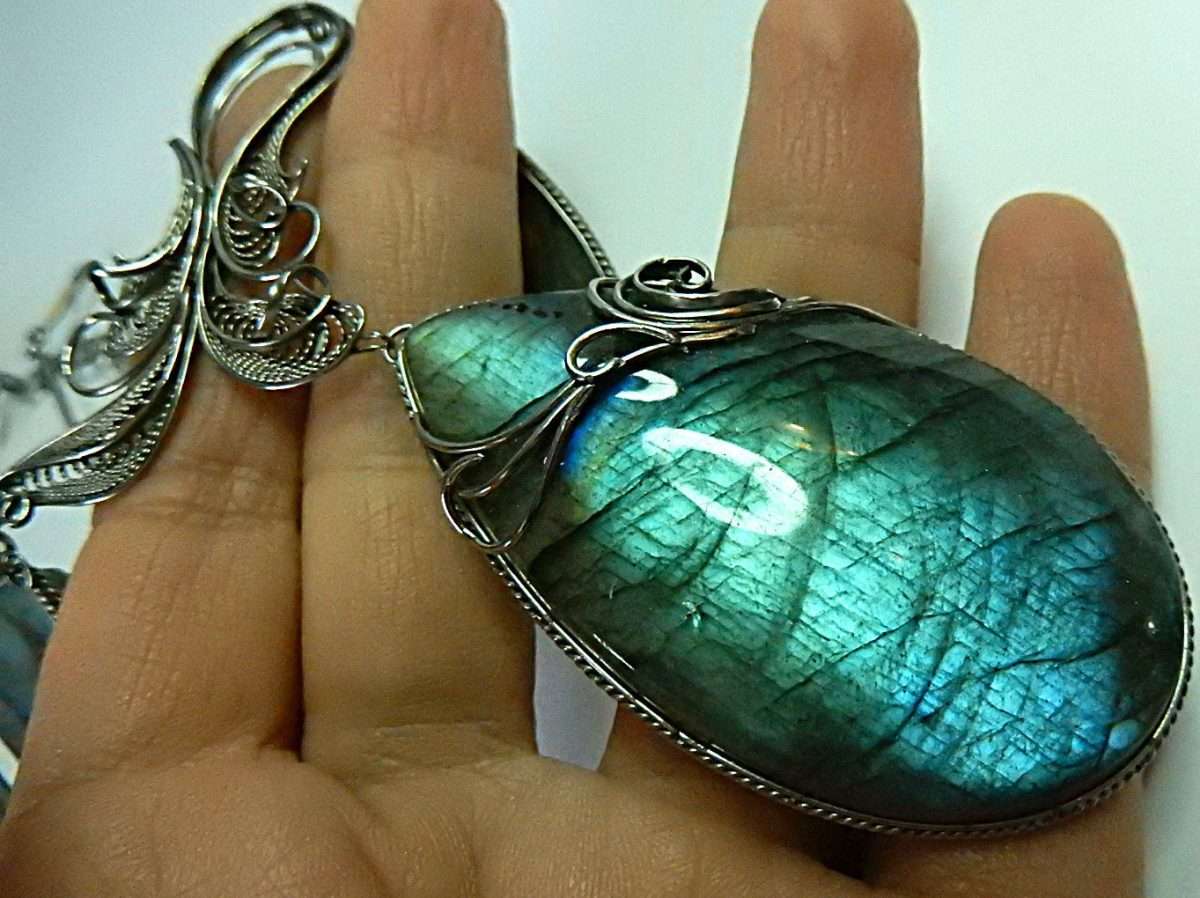
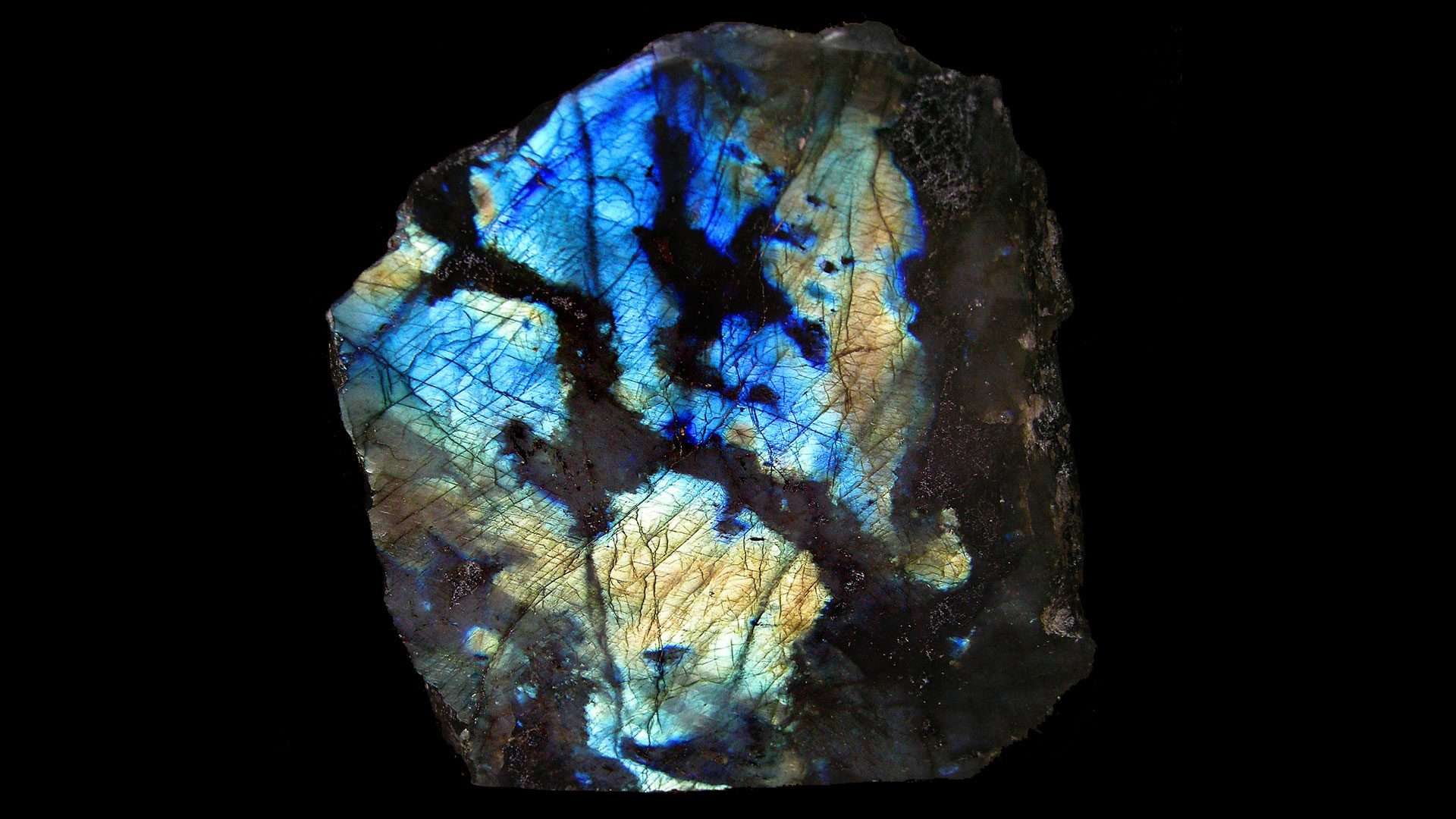
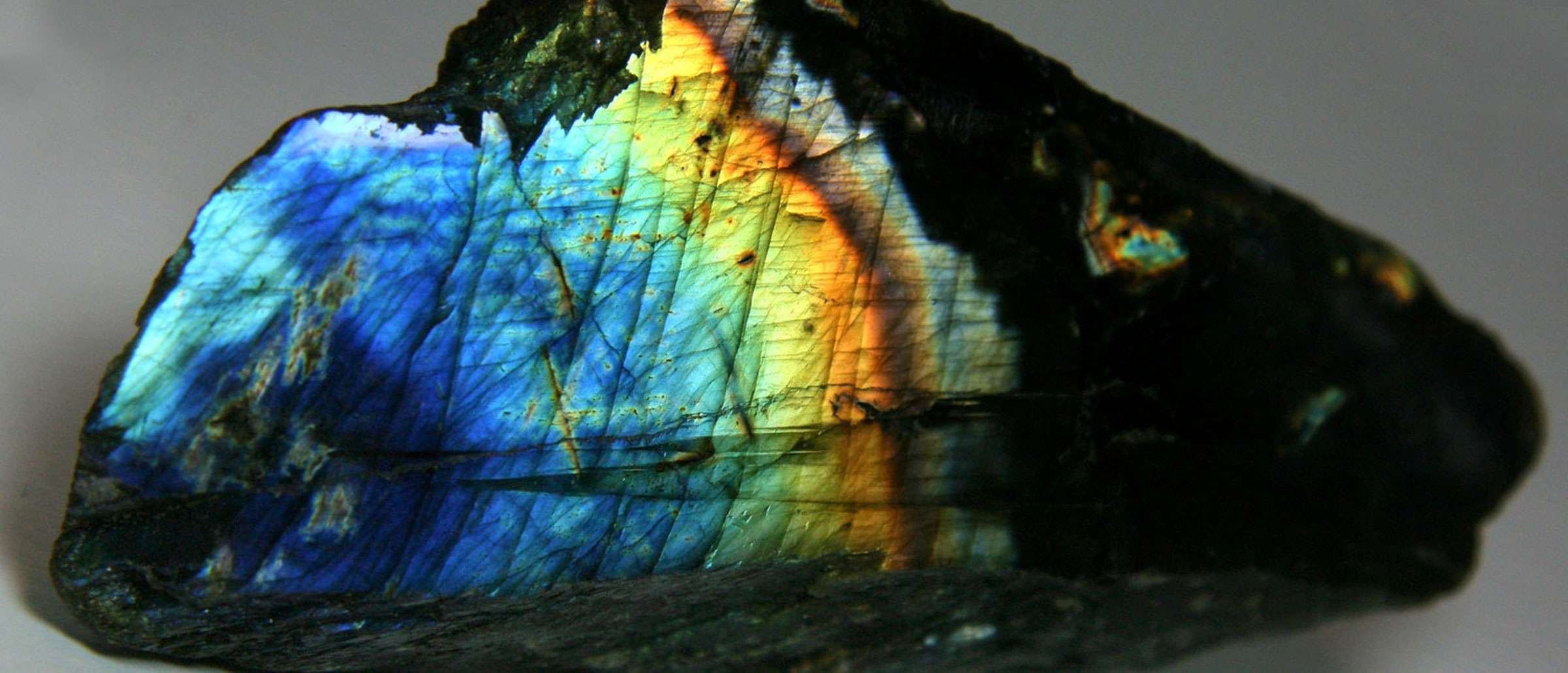
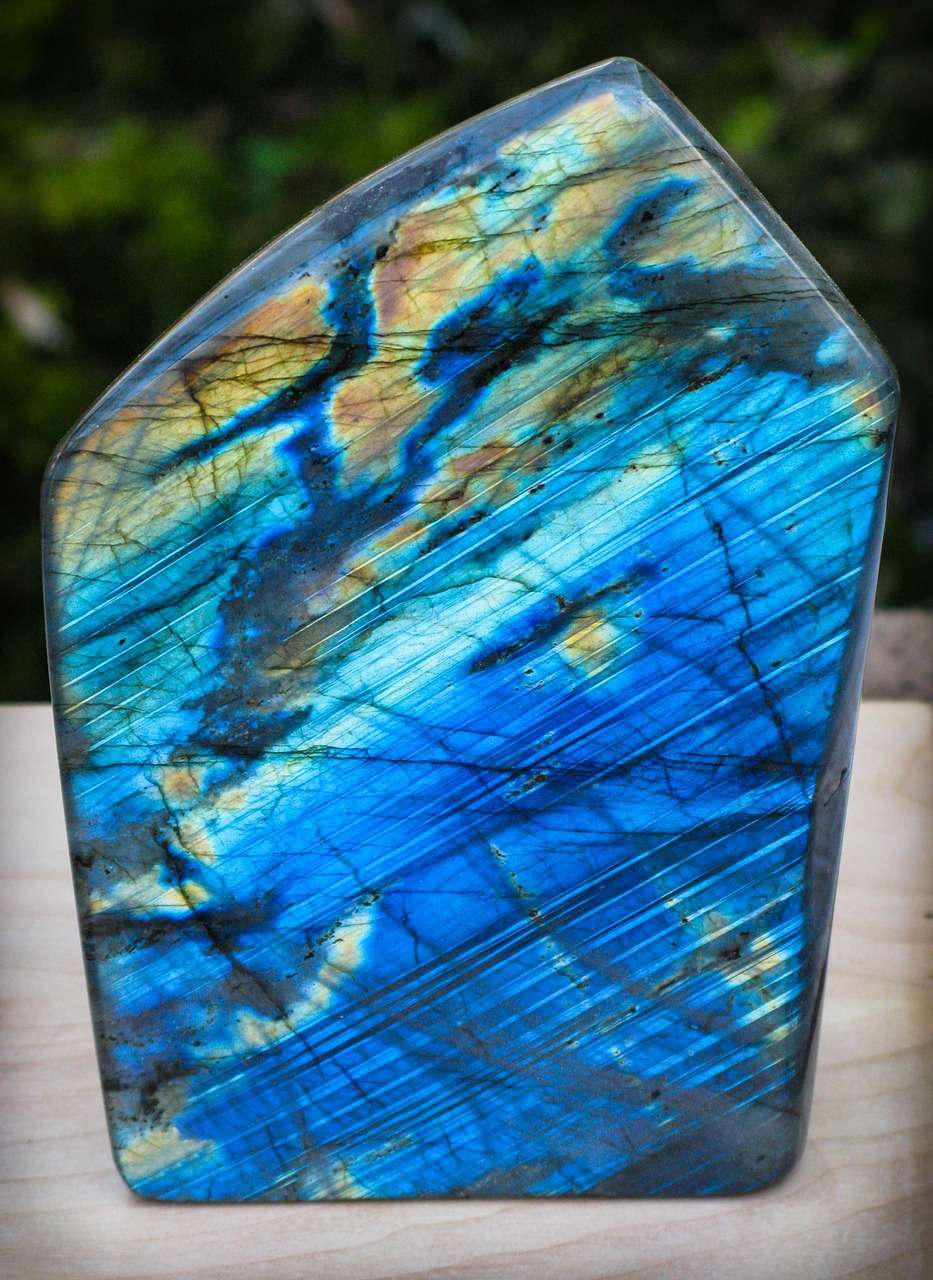
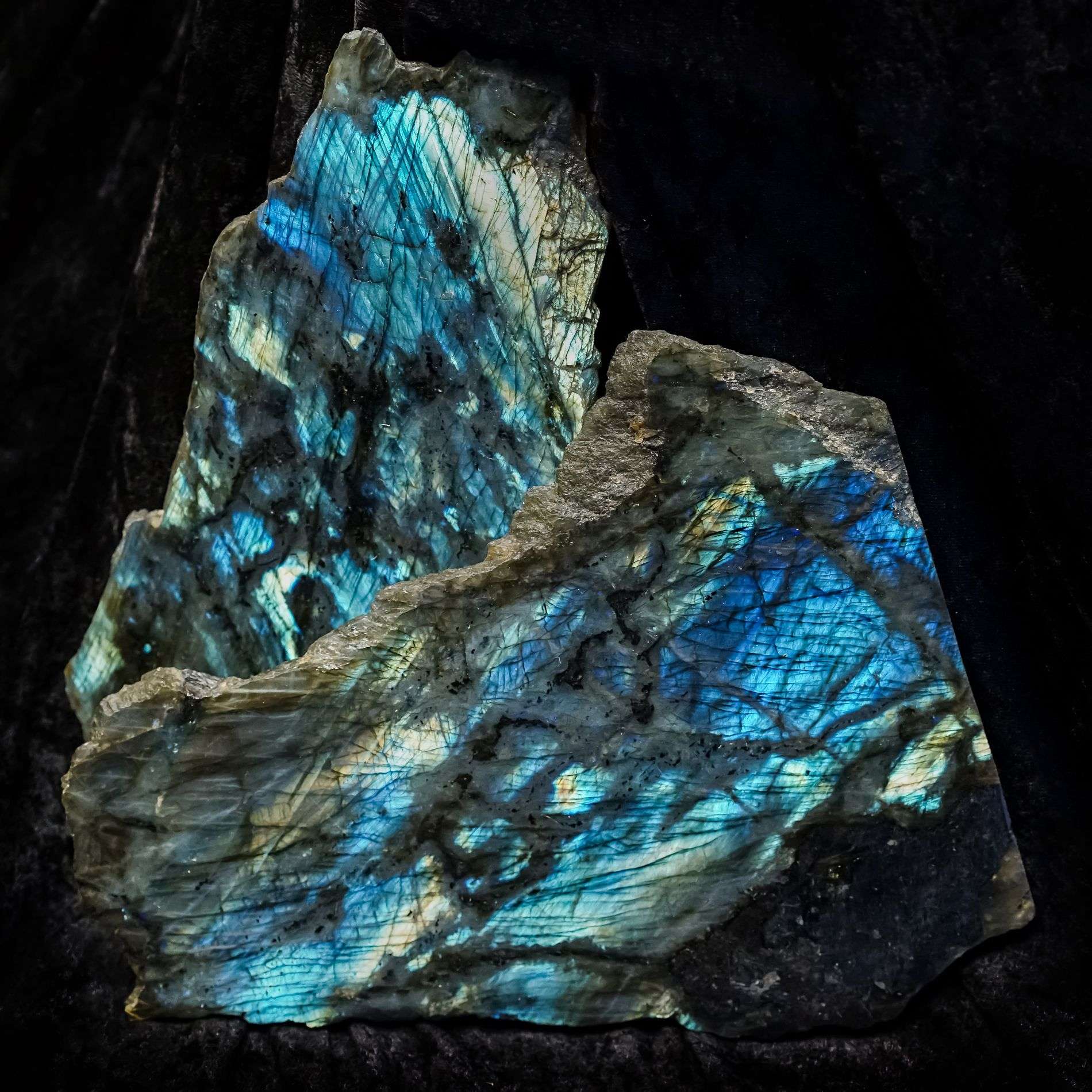
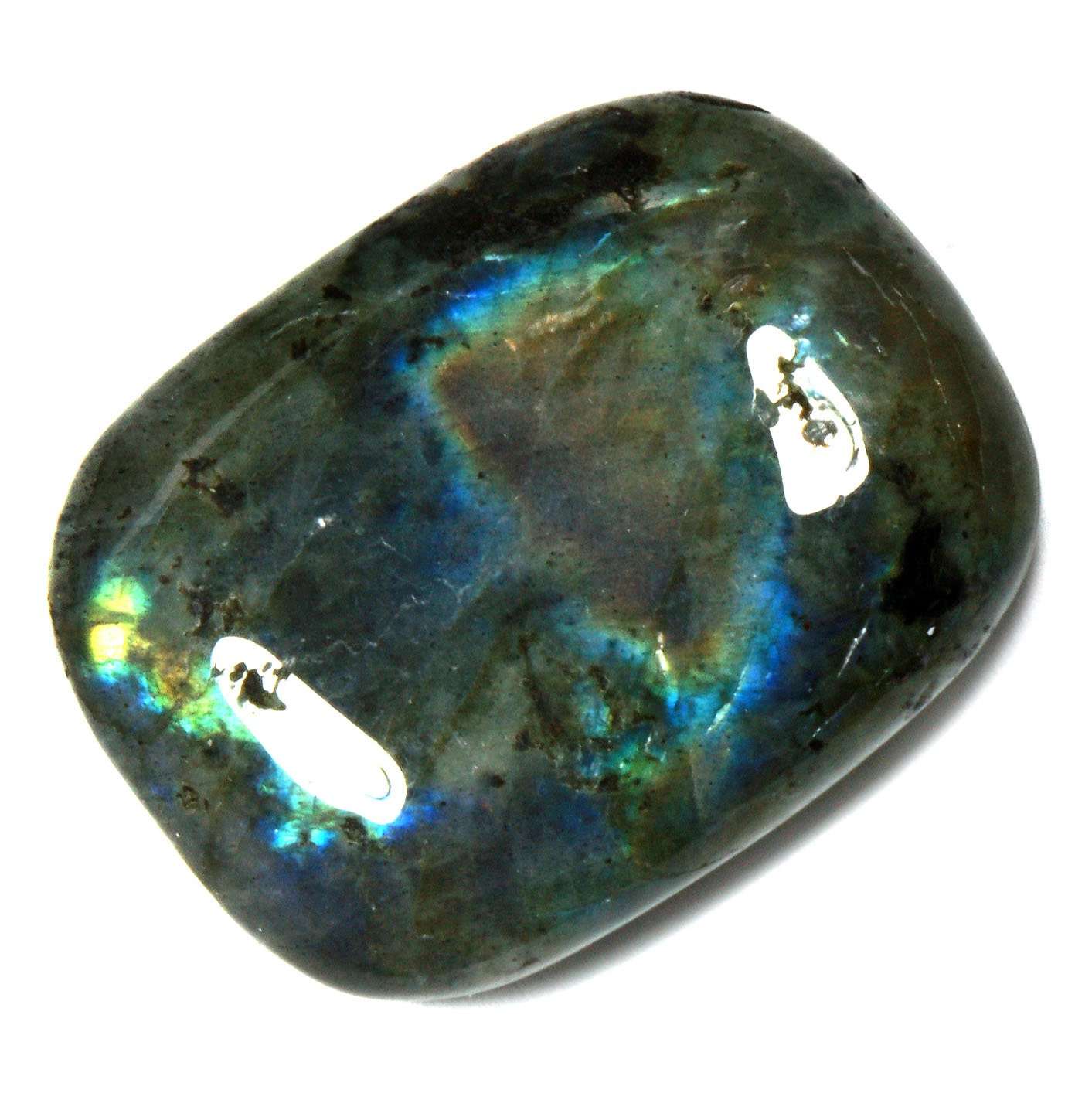
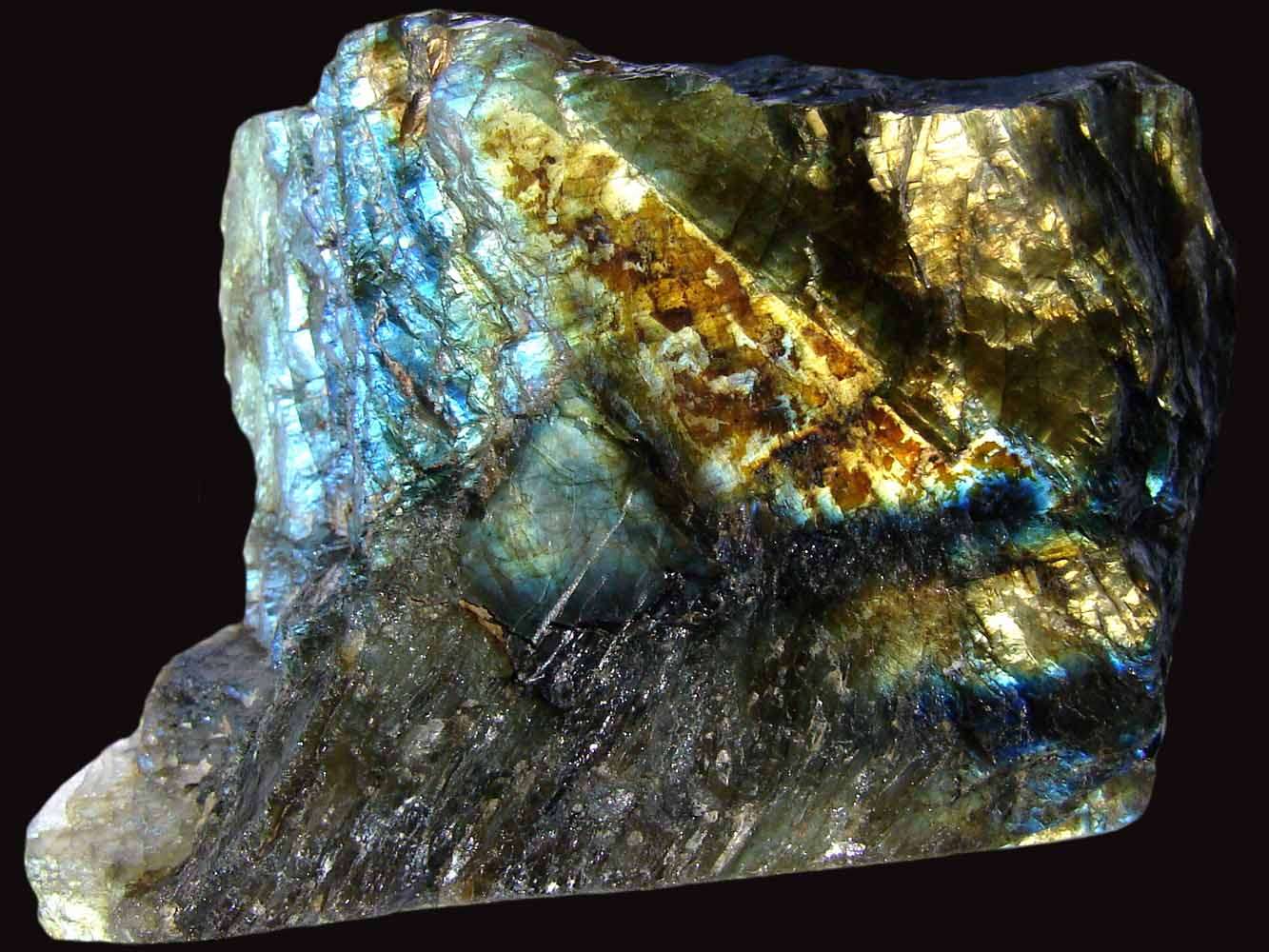
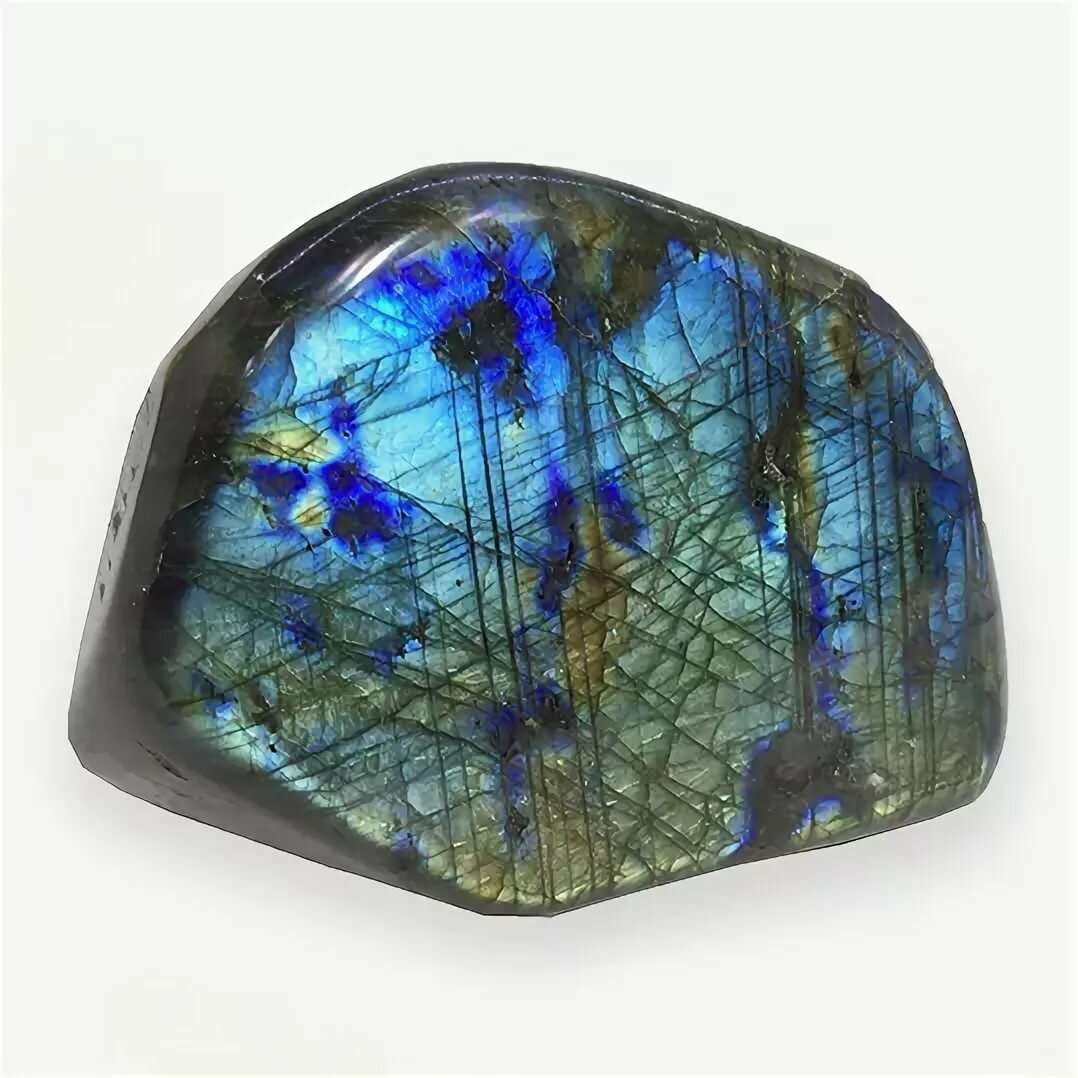
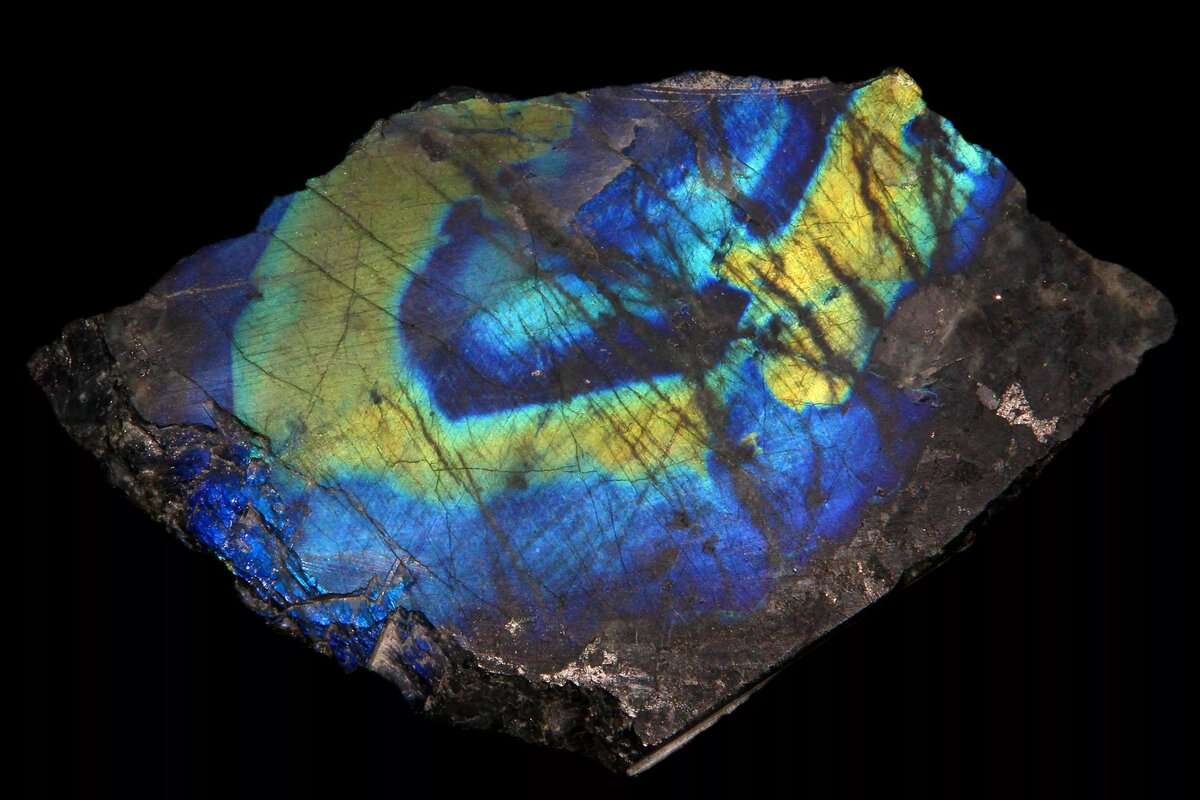
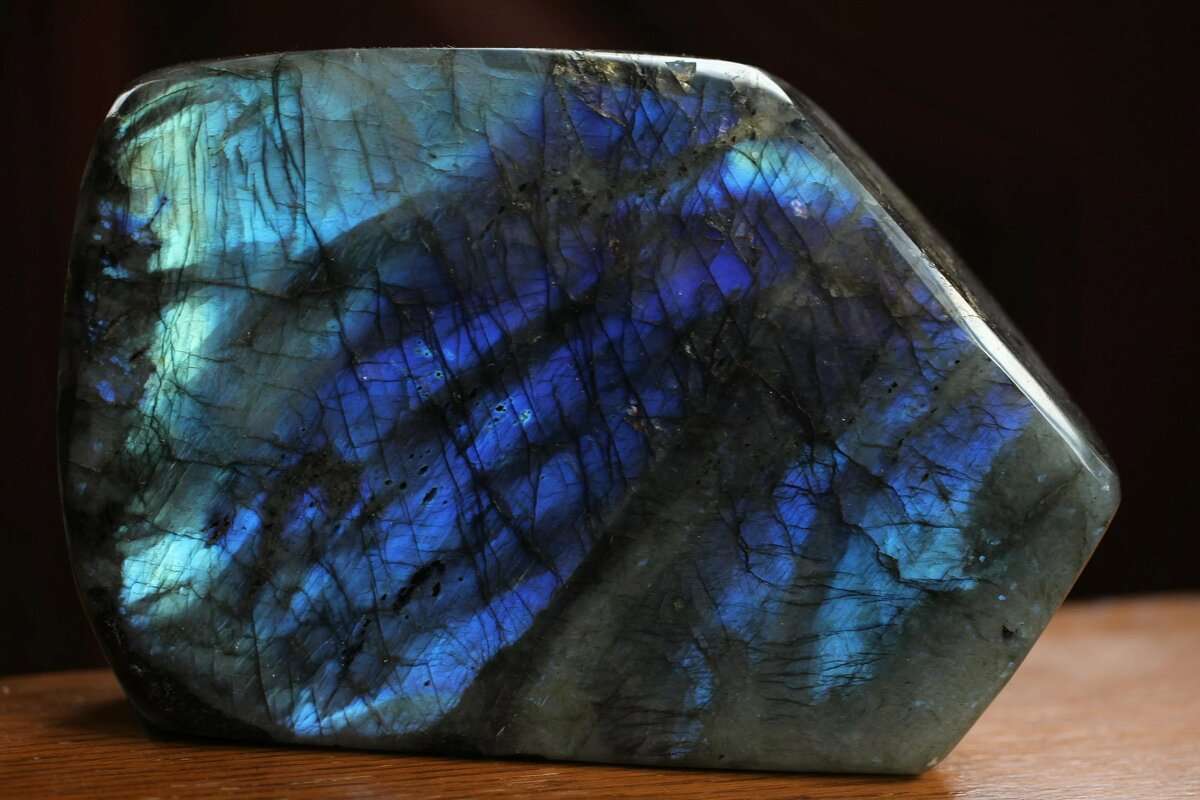
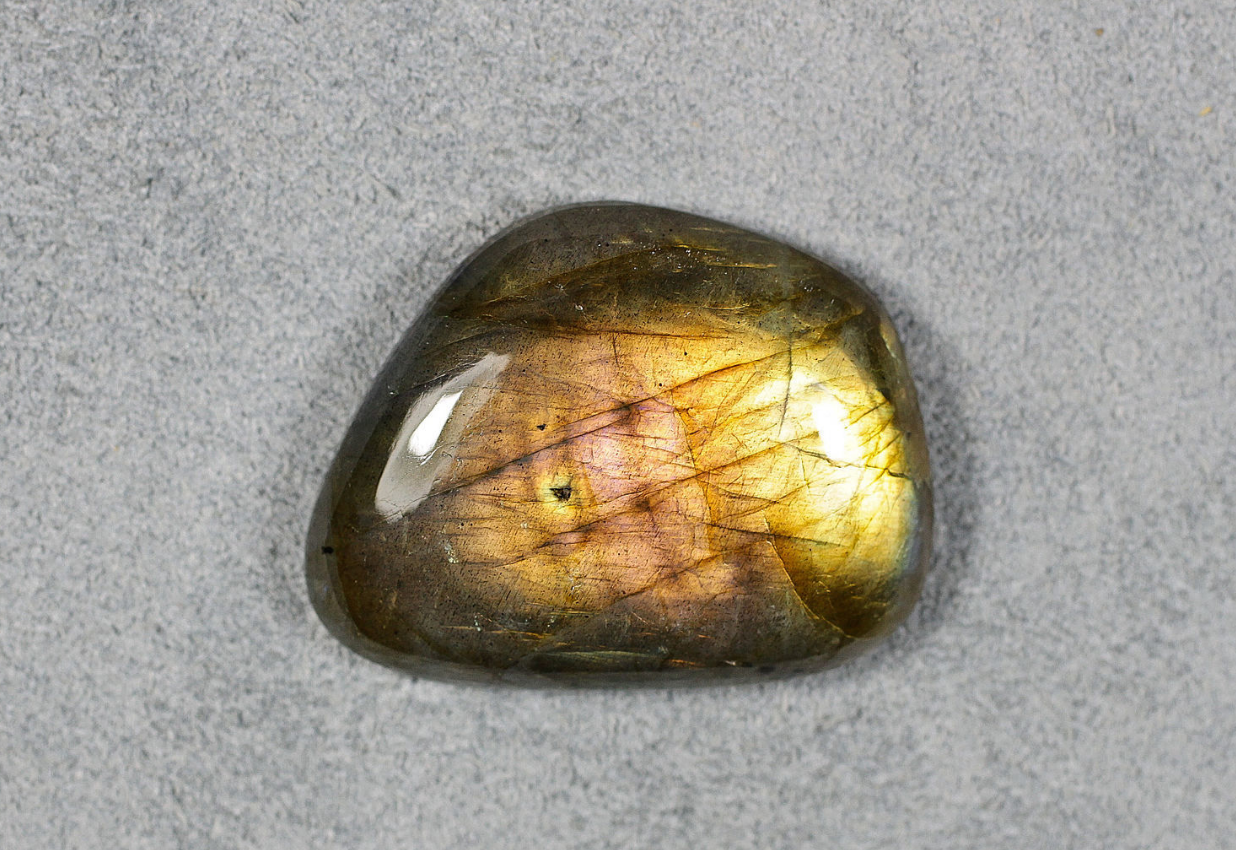
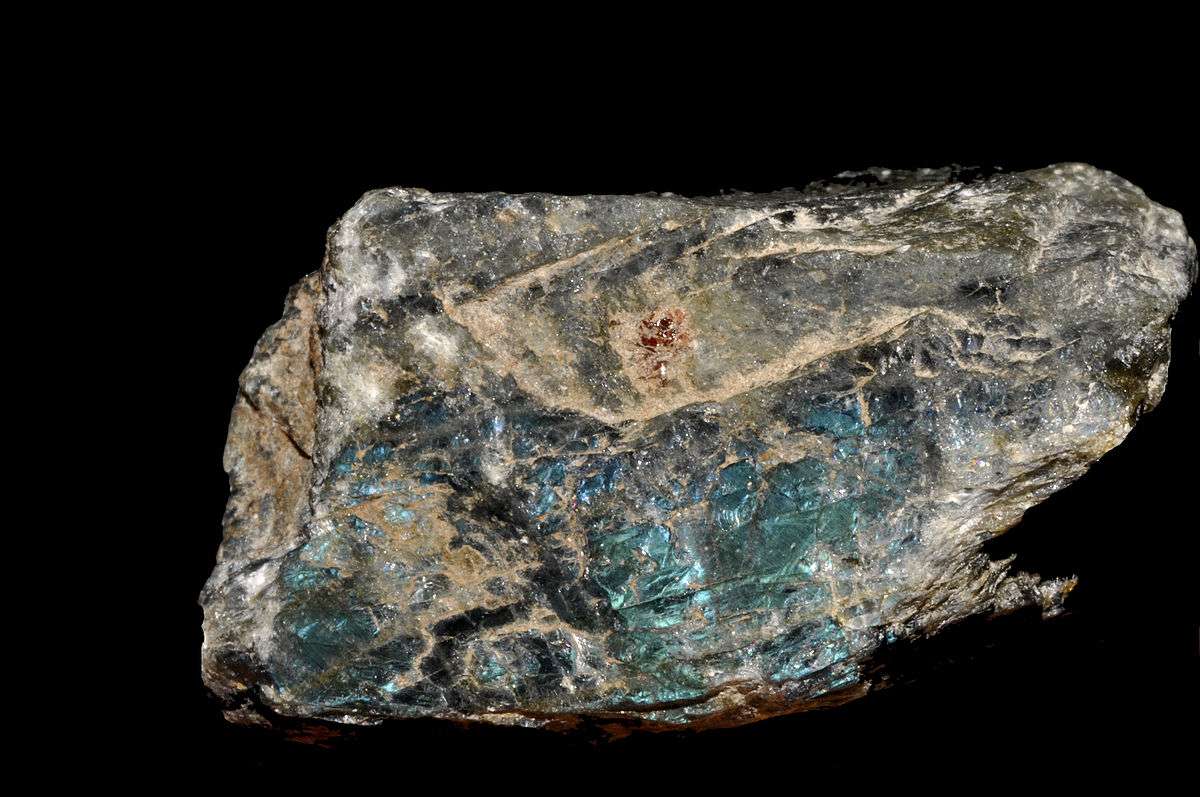
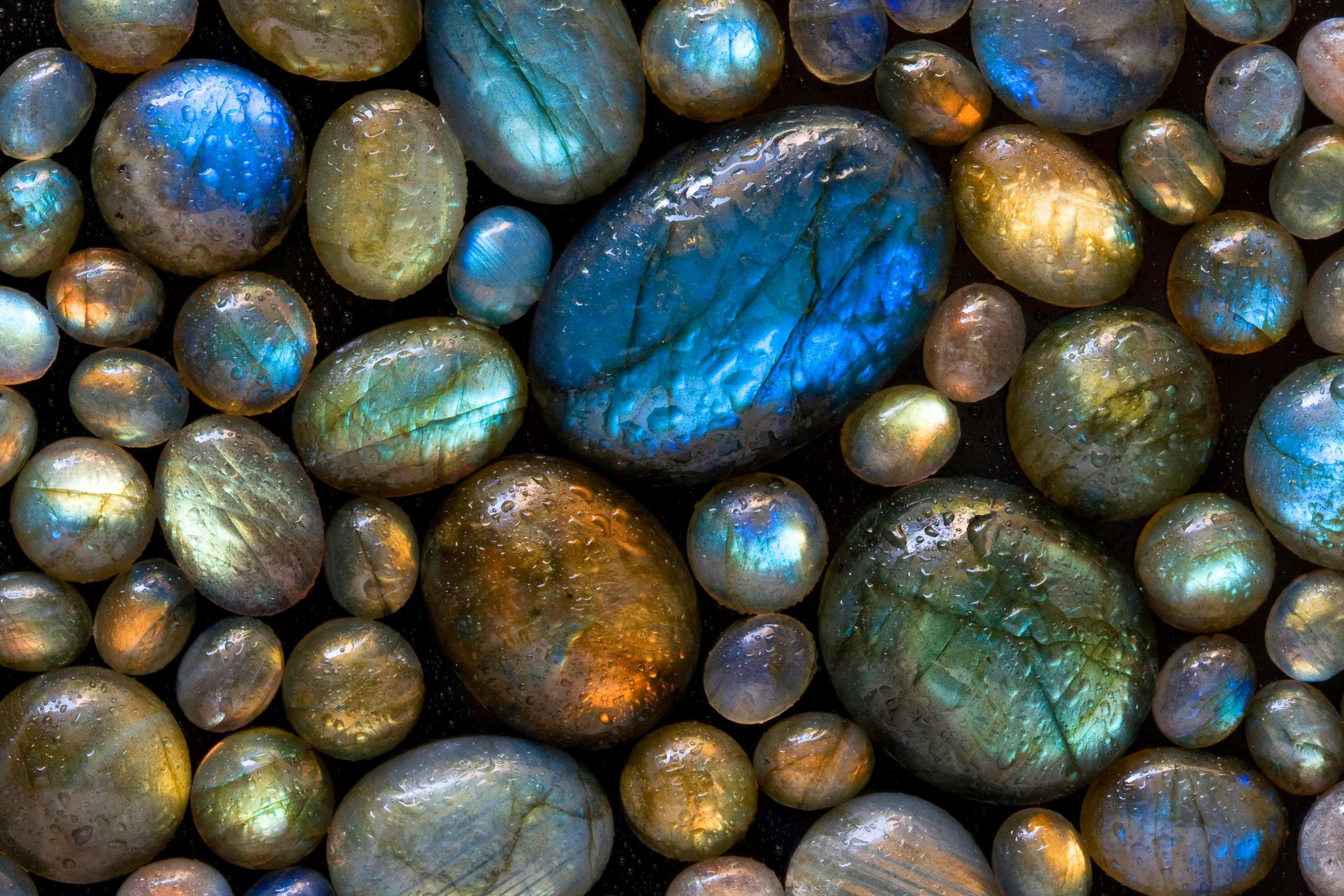
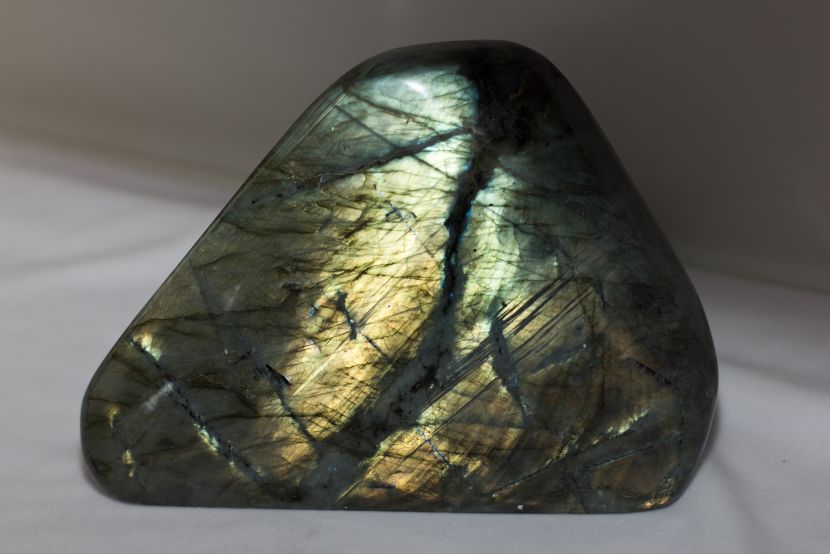
Labrador is a unique gem. Its iridescent overflows, similar to the Northern Lights, fascinate the eye. Occultists claim that it has strong magical properties that are unparalleled. The stone also found its use in lithotherapy - the direction of alternative medicine, which heals ailments with the help of minerals. Due to its natural beauty, it has been used to make jewelry.
Story
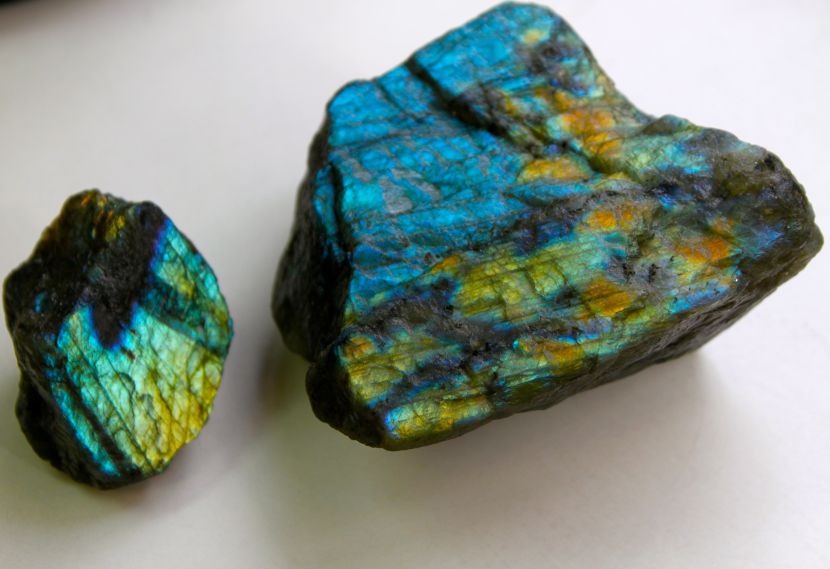
Scientists and researchers of mineralogy associate the unusual mineral with the mysterious ancestors of modern Europeans - the northern people of the Hyperboreans. There is another point of view according to which this mineral and its properties were discovered by the inhabitants of Ancient Greece. From there came the legend that only a person whose thoughts are pure and unchanging is able to use this stone.
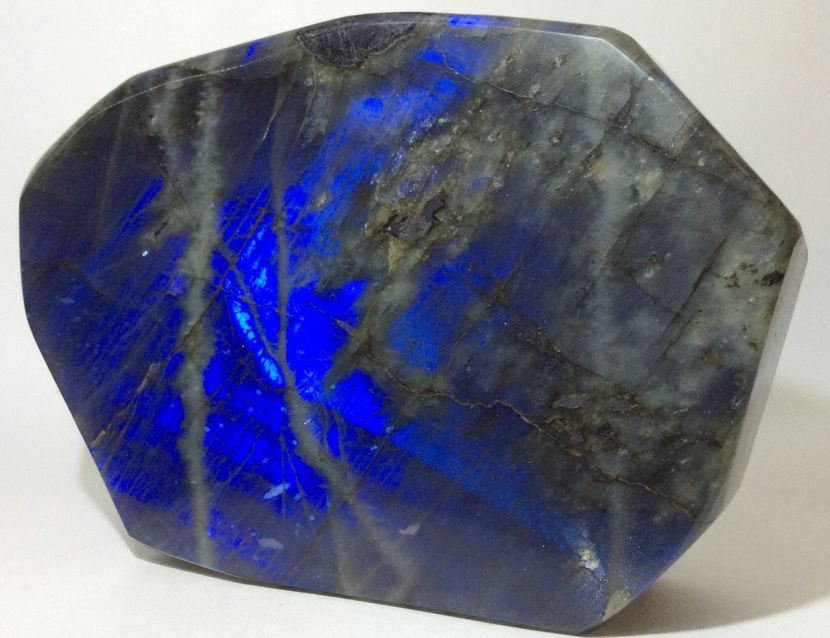
In Mesopotamia, the Labrador was considered the eye of God.The priests said prayers and held divine services, holding a gem in their hands. People believed that it can only have a single owner, and in the wrong hands loses its properties. It was worn in a separate bag near the heart.
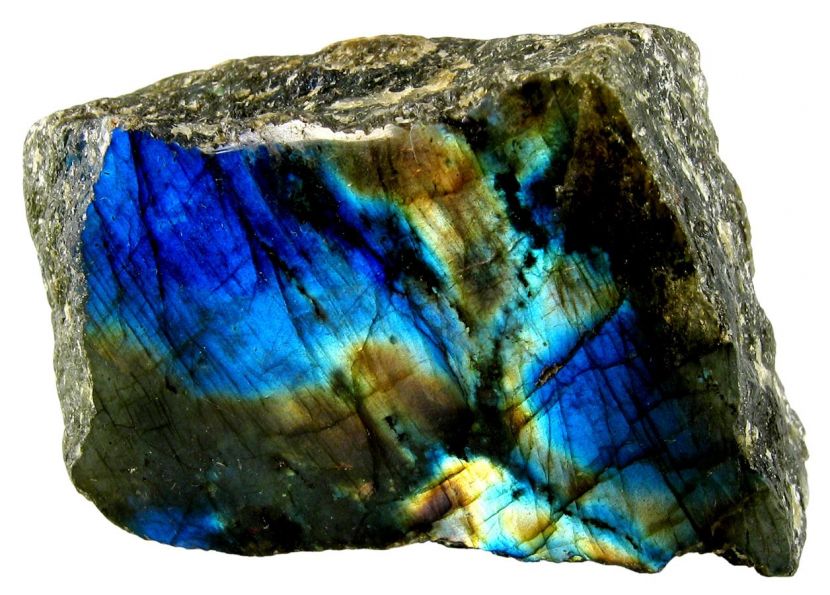
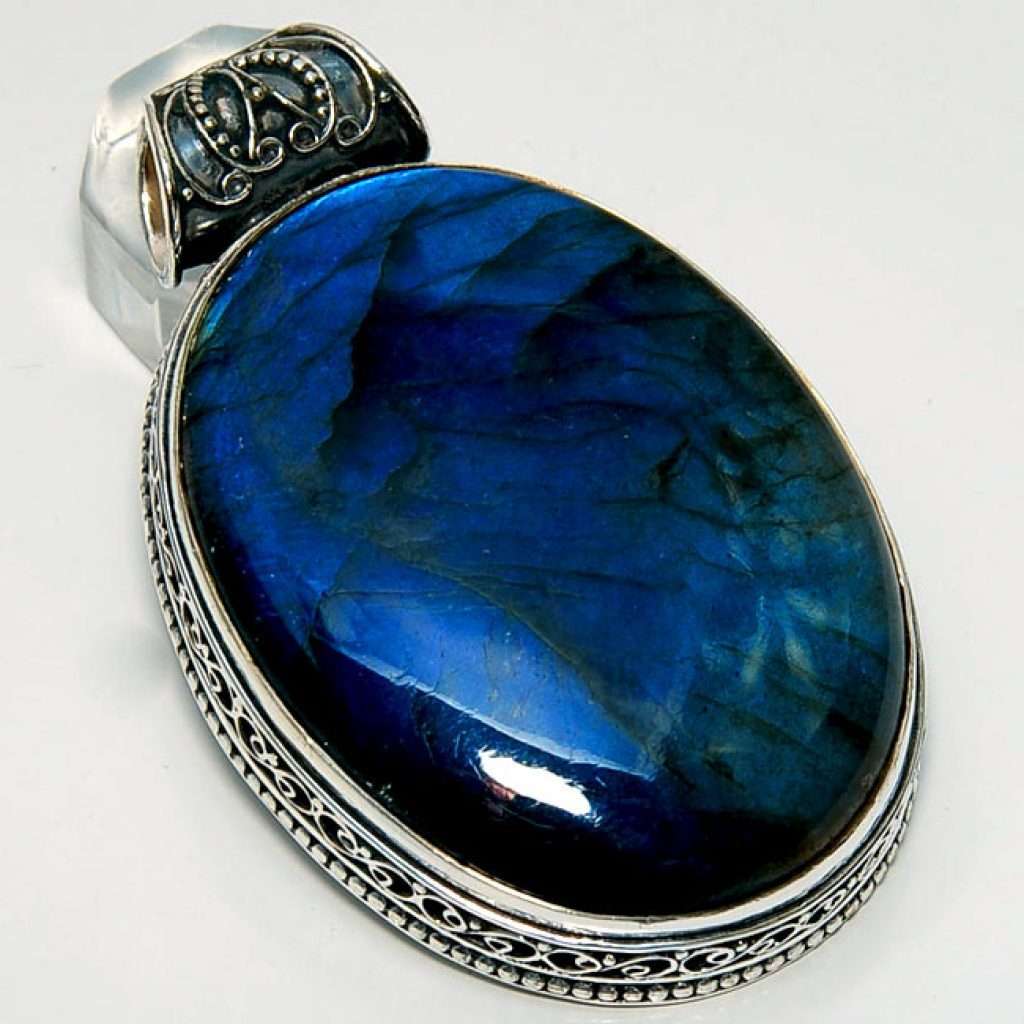
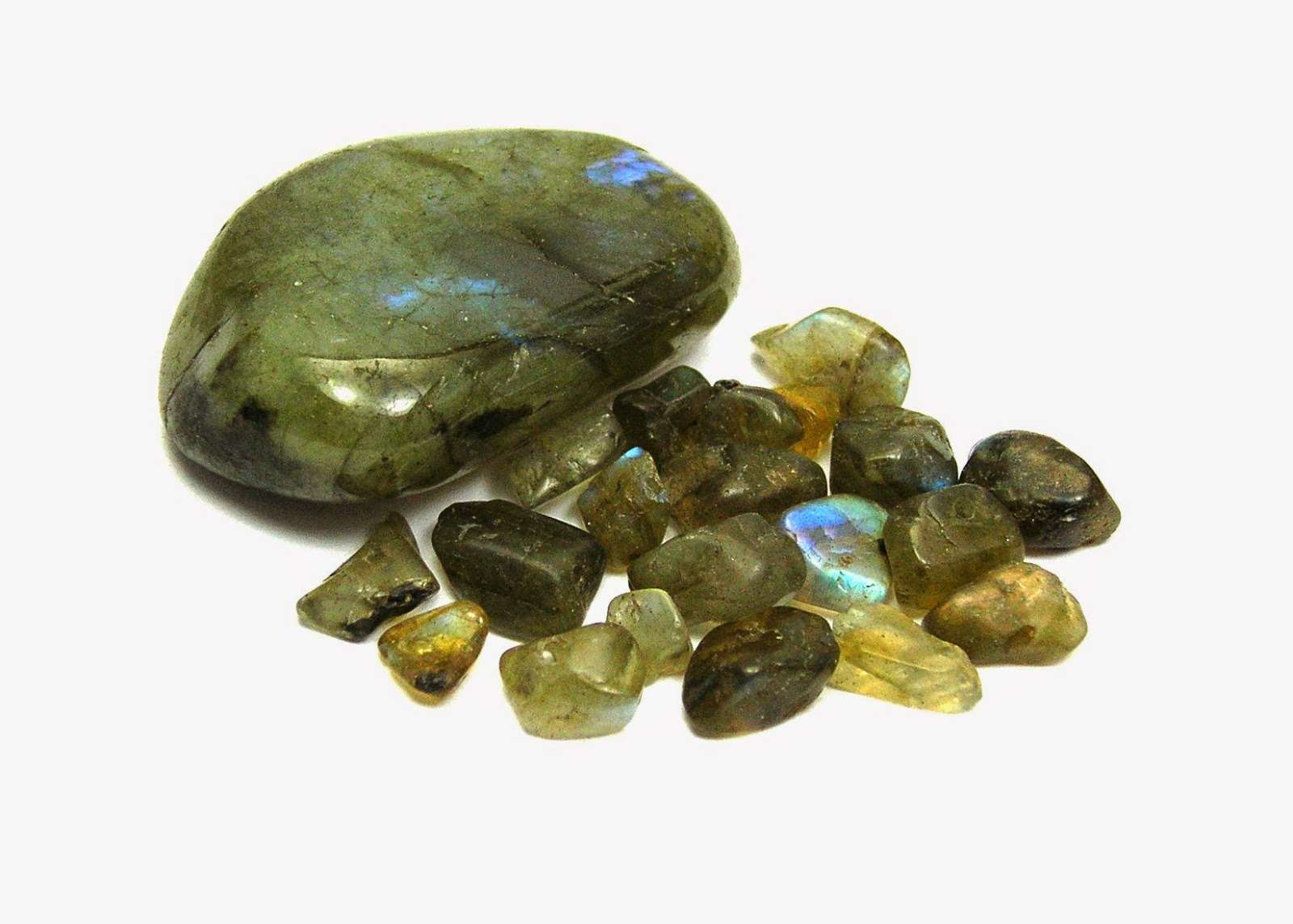
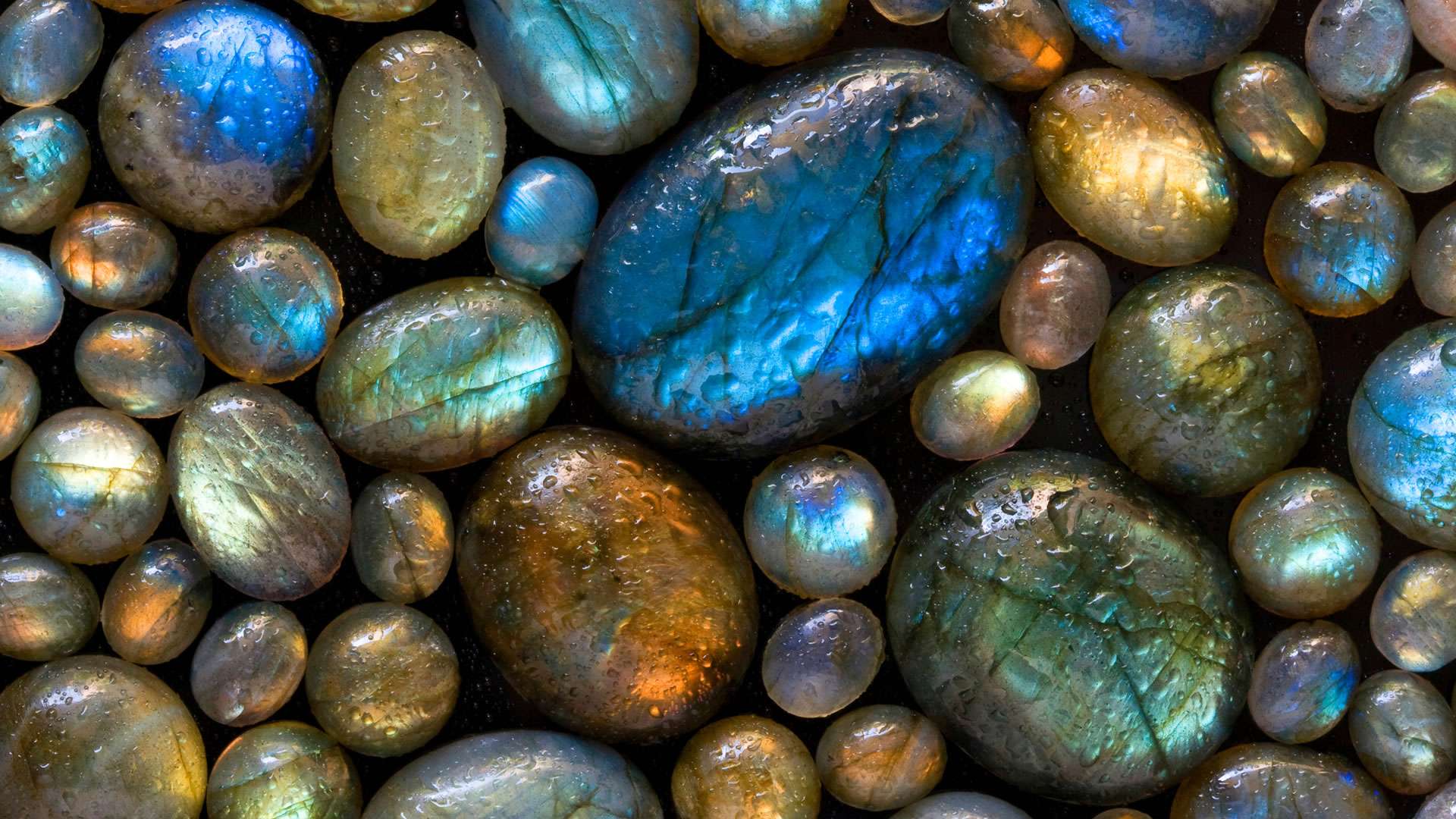
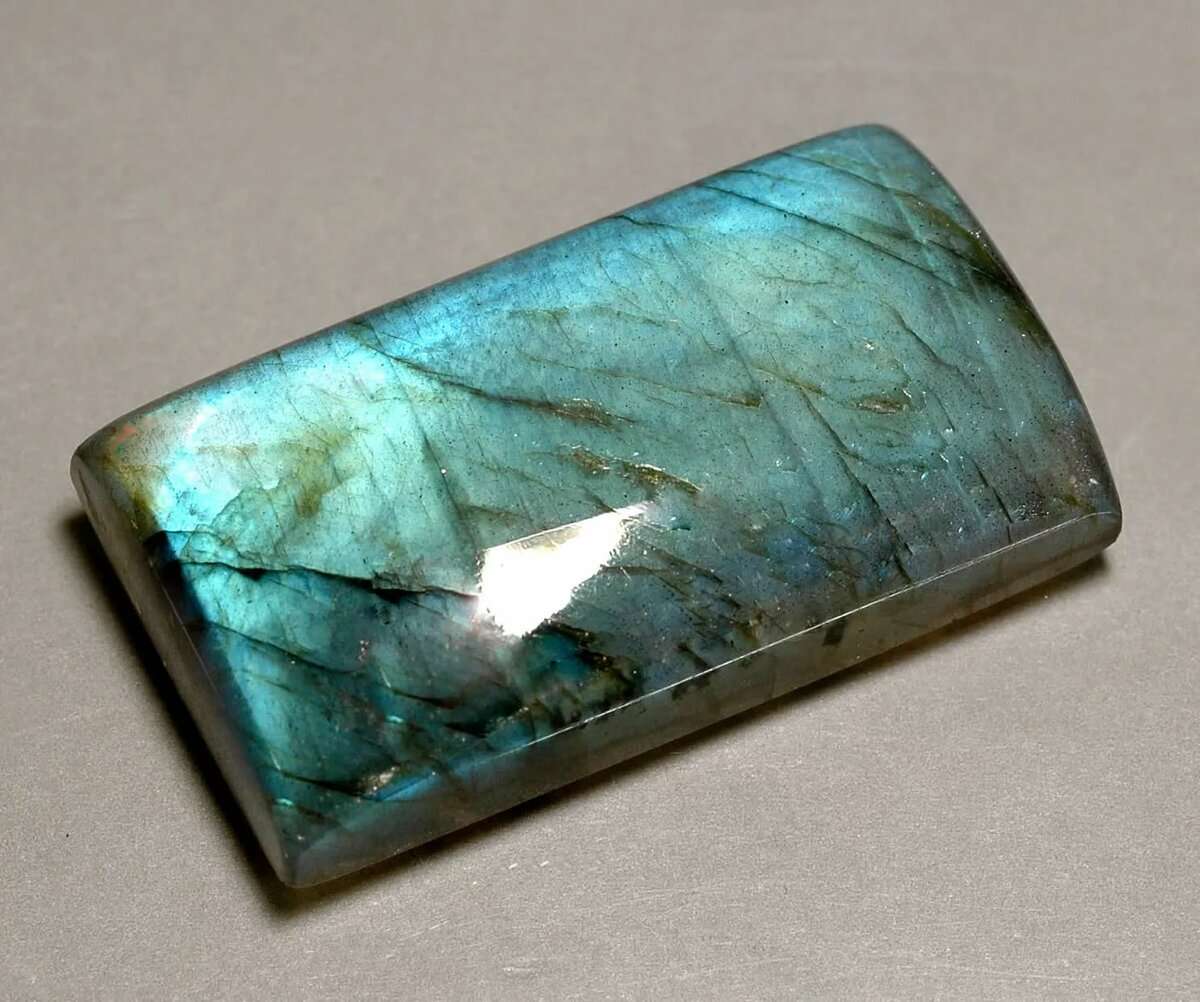
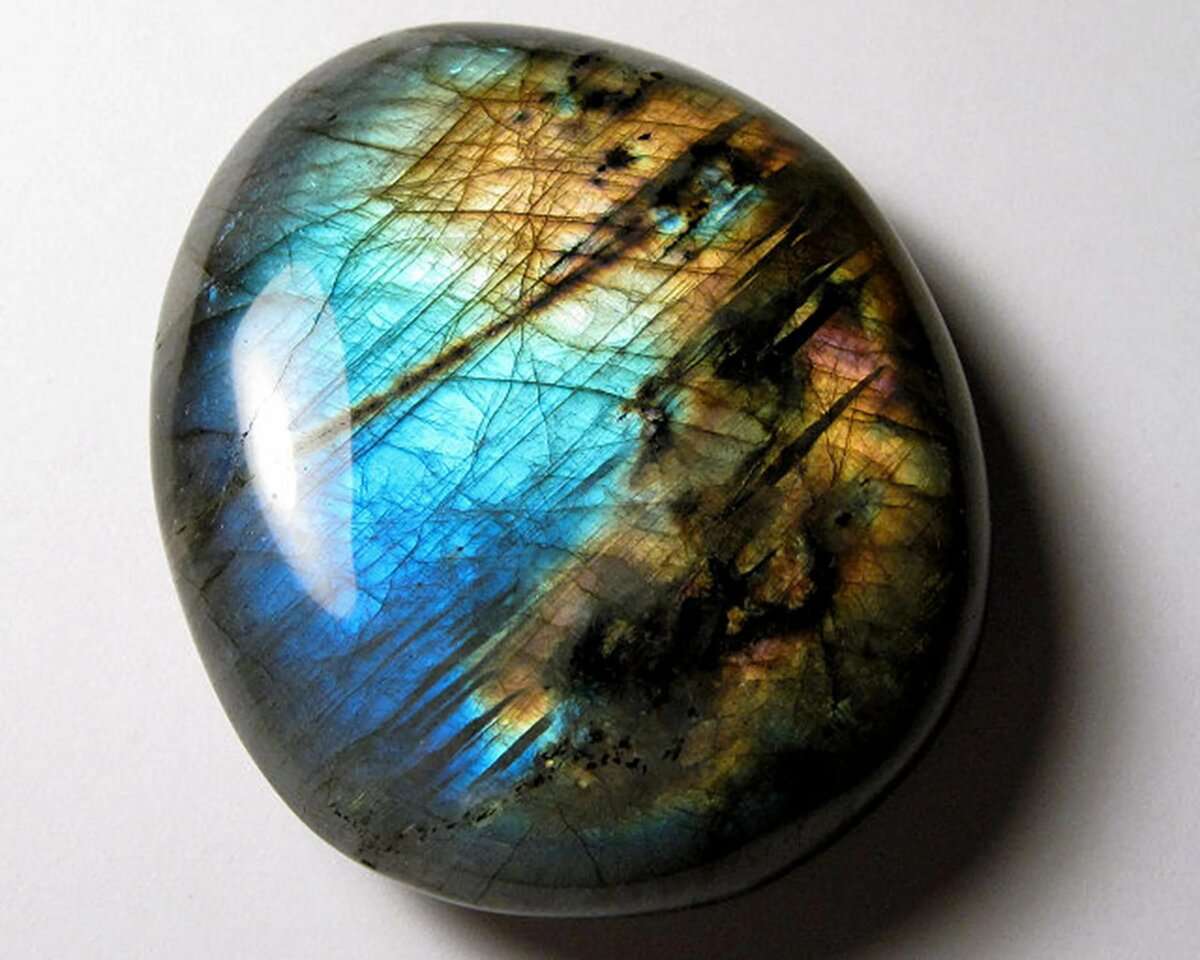
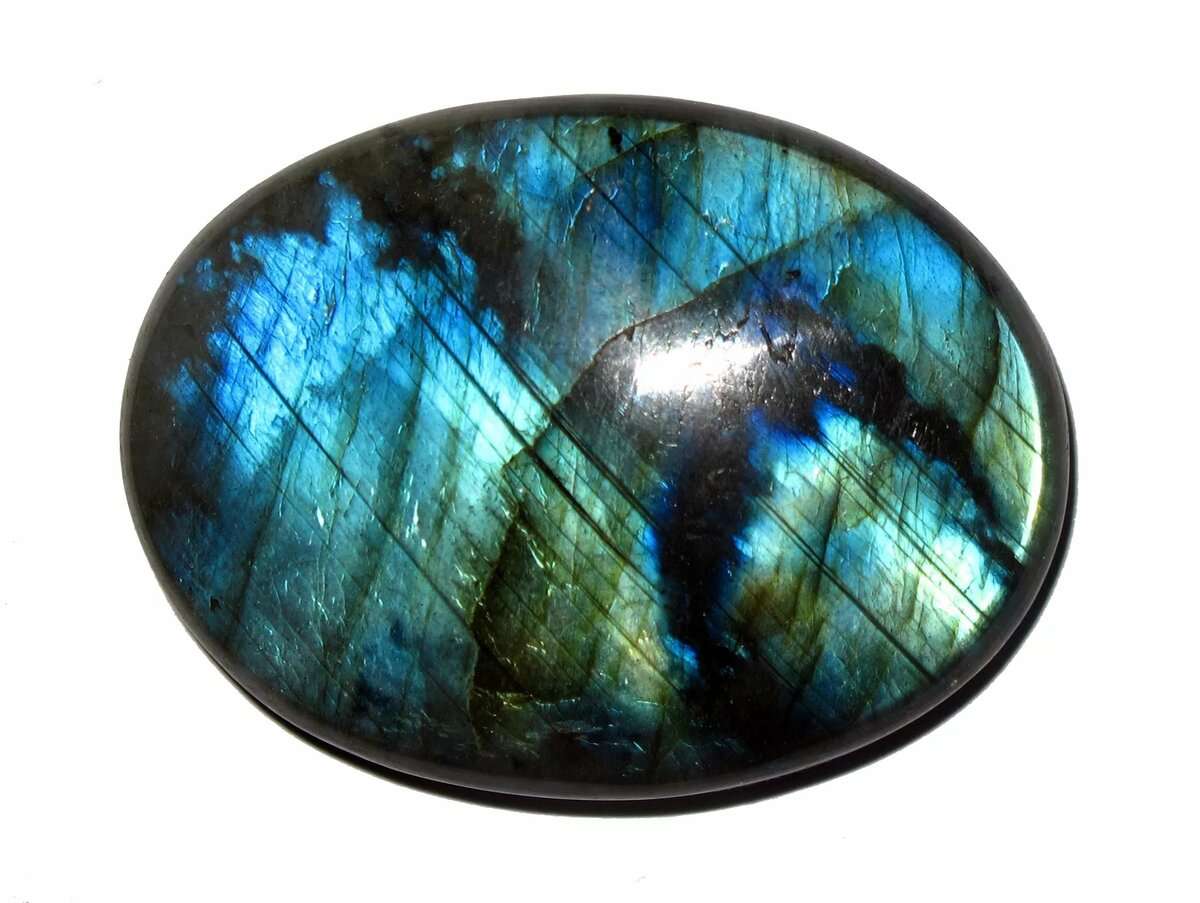
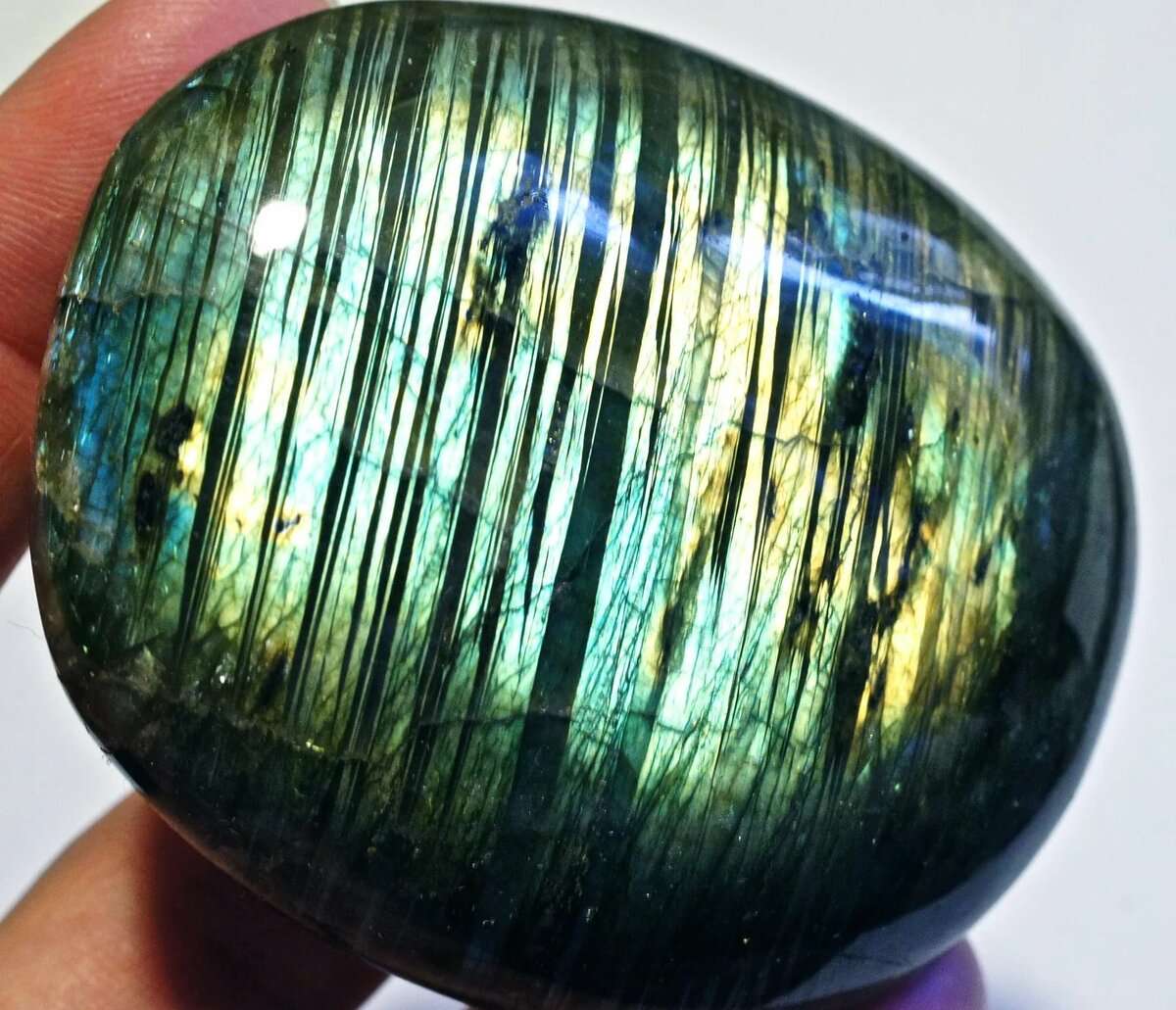
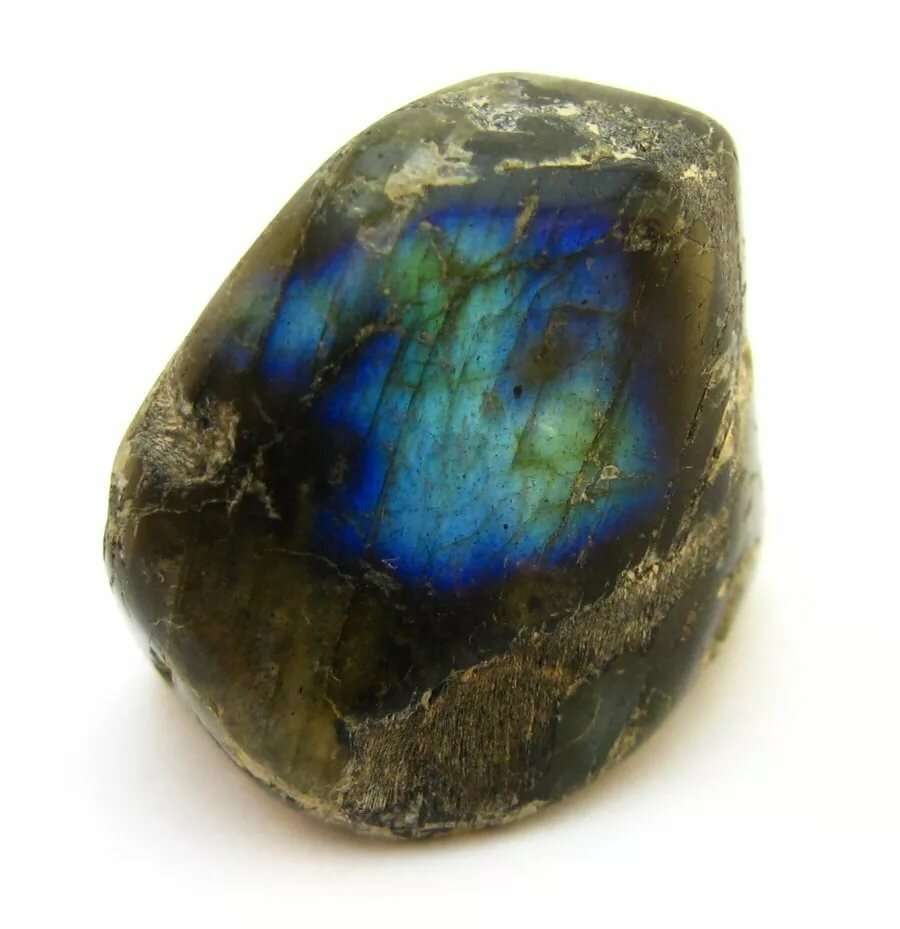
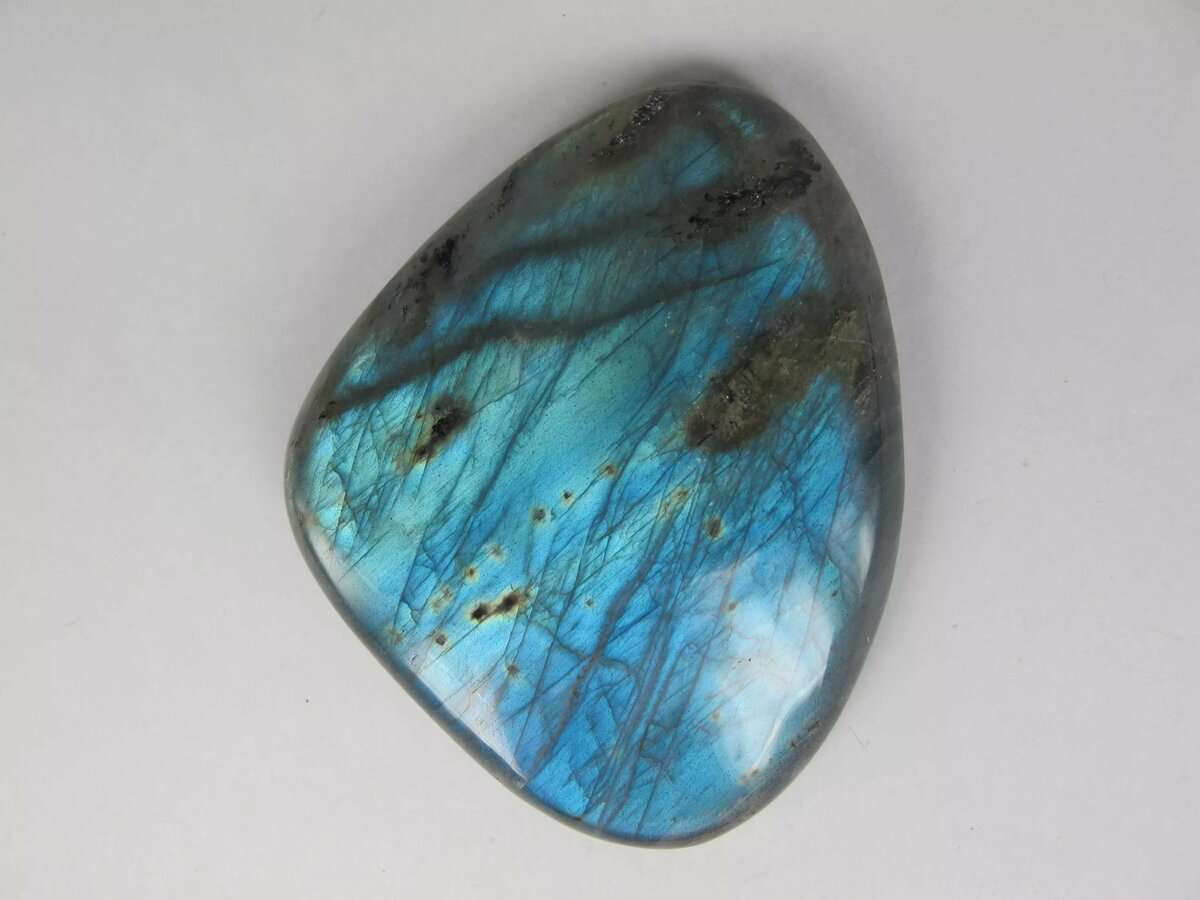
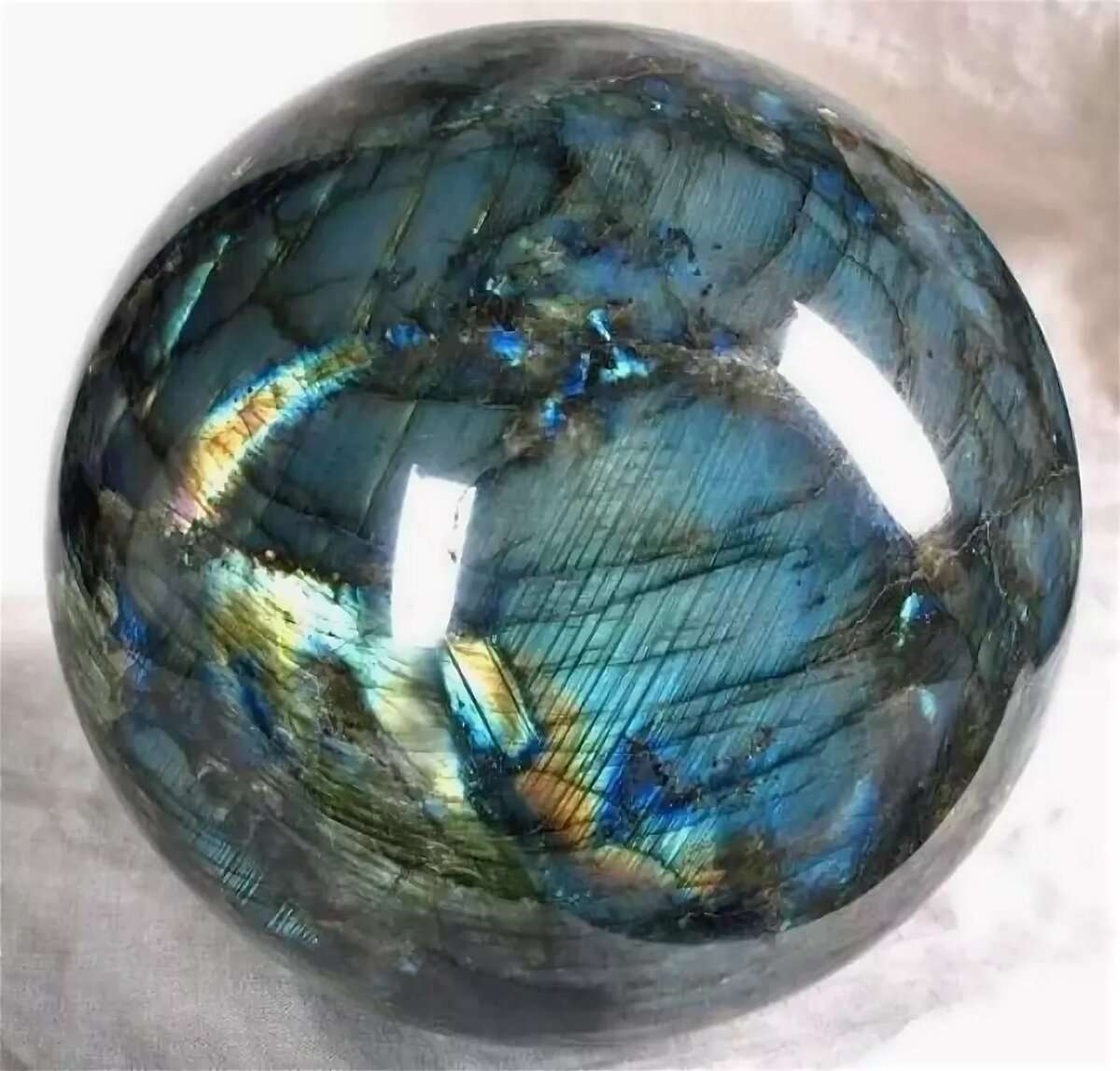
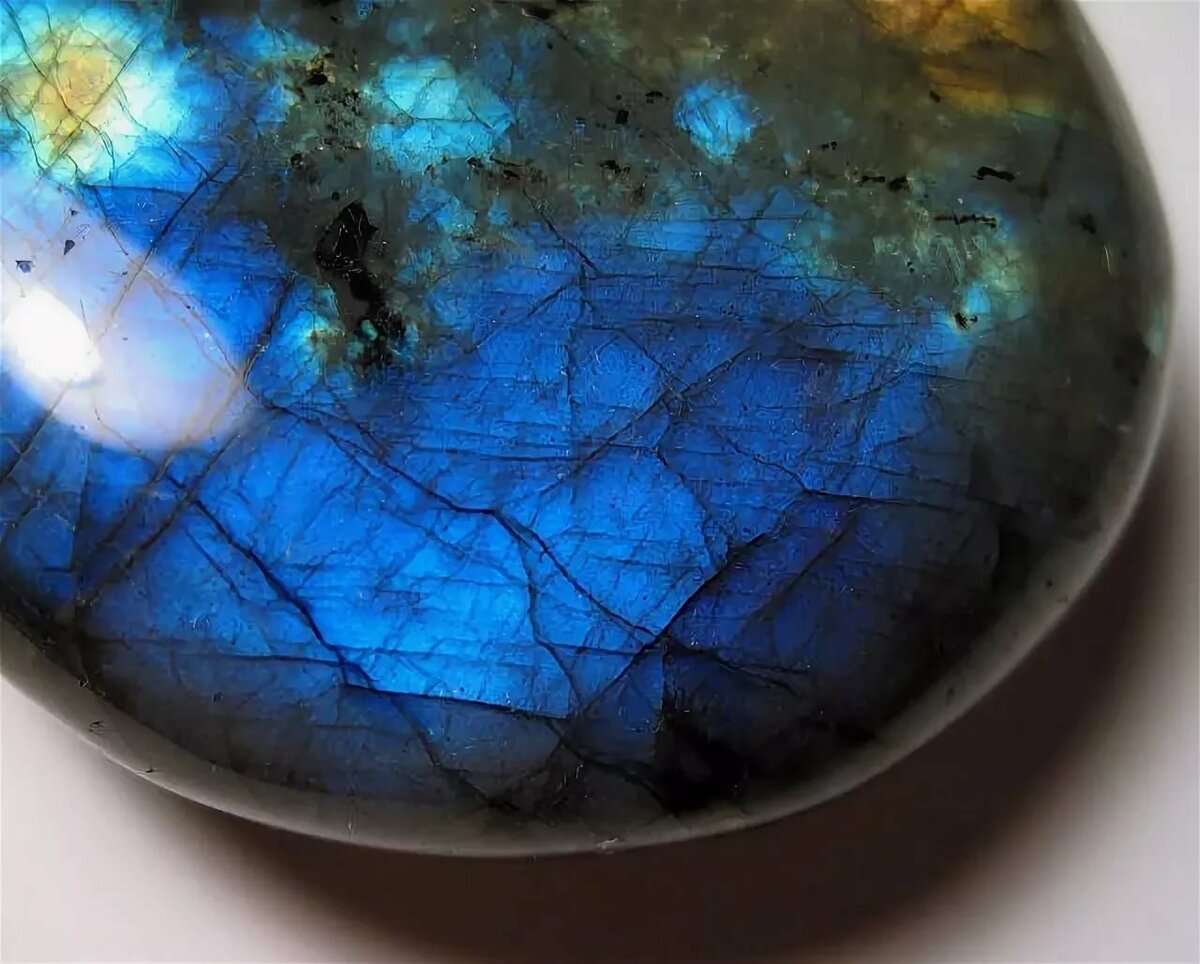
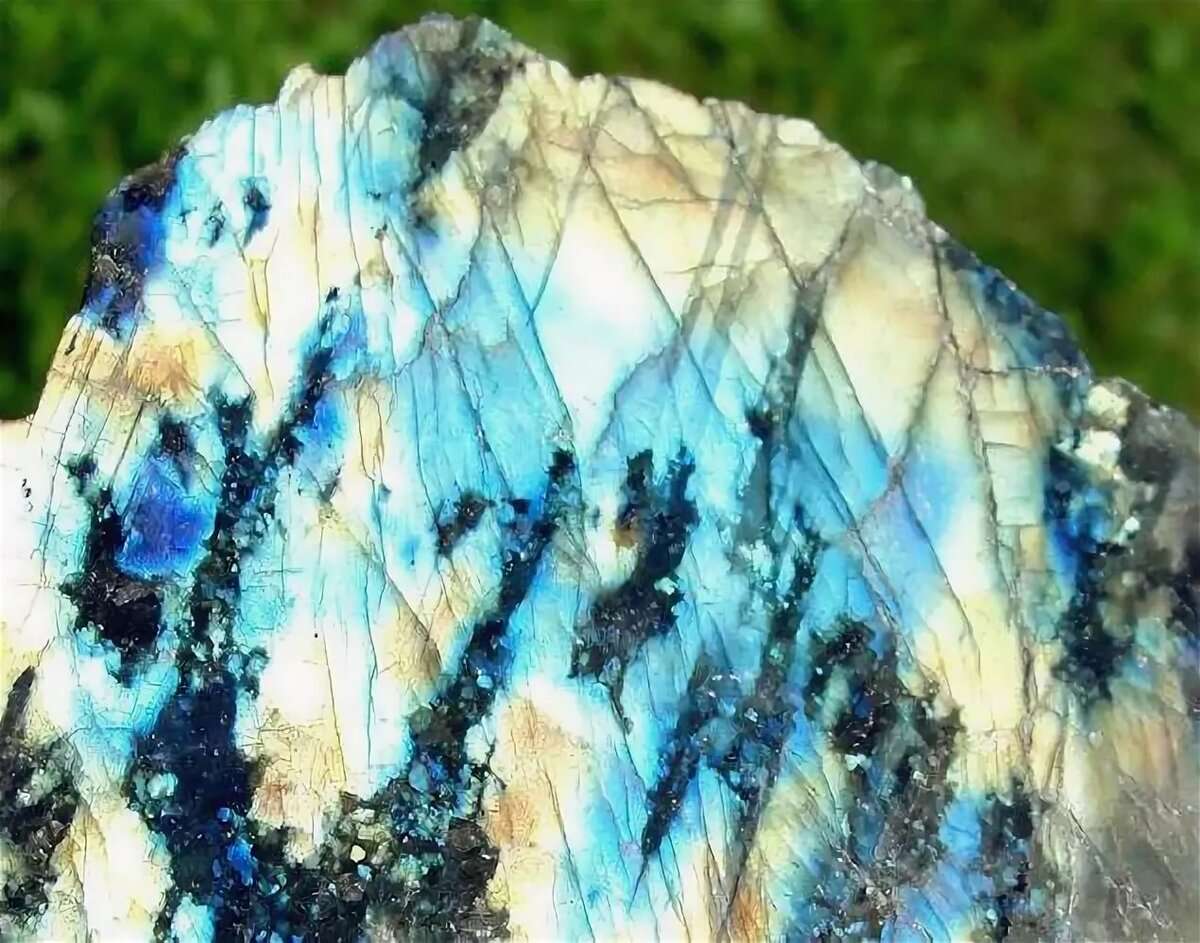
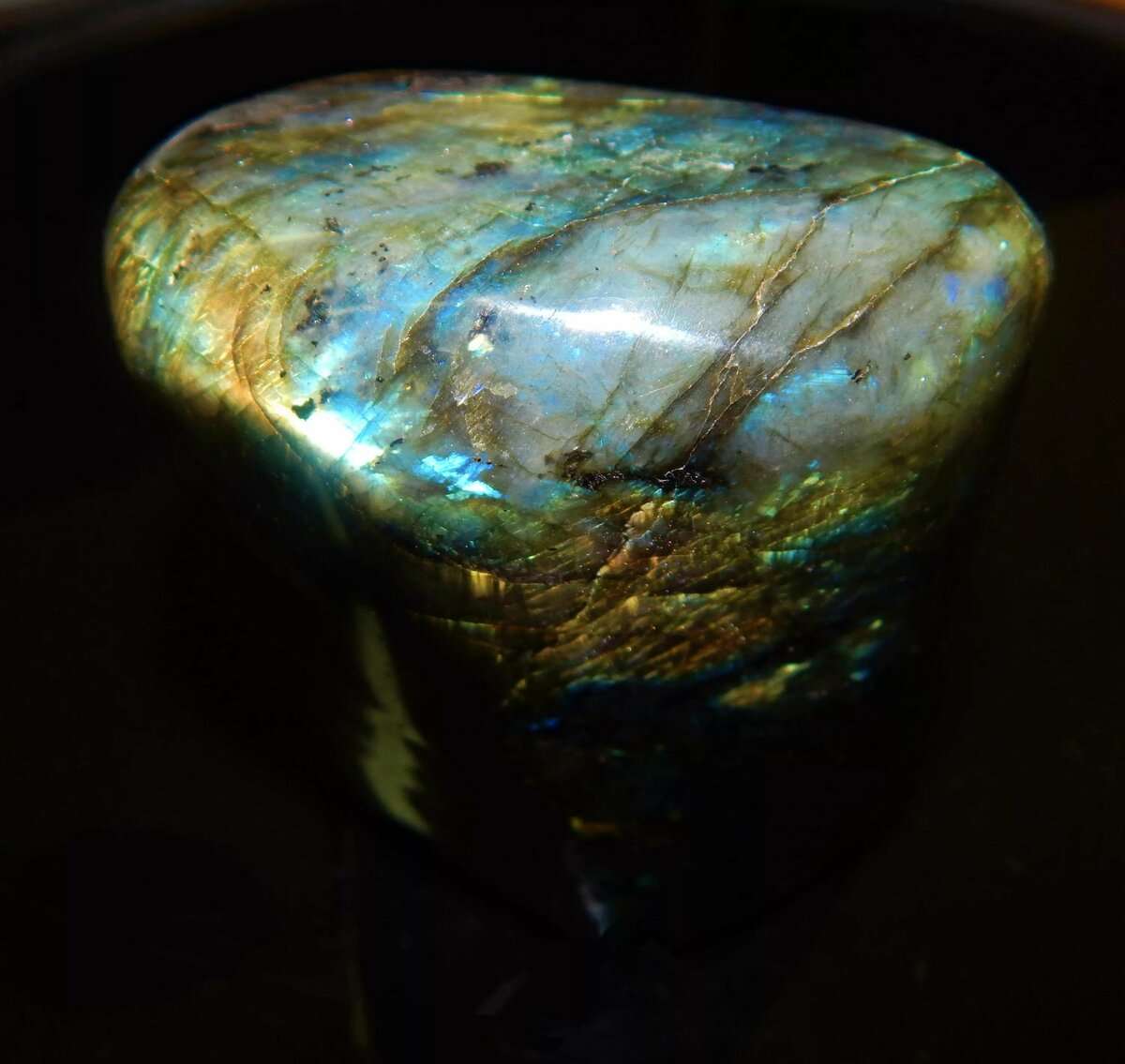
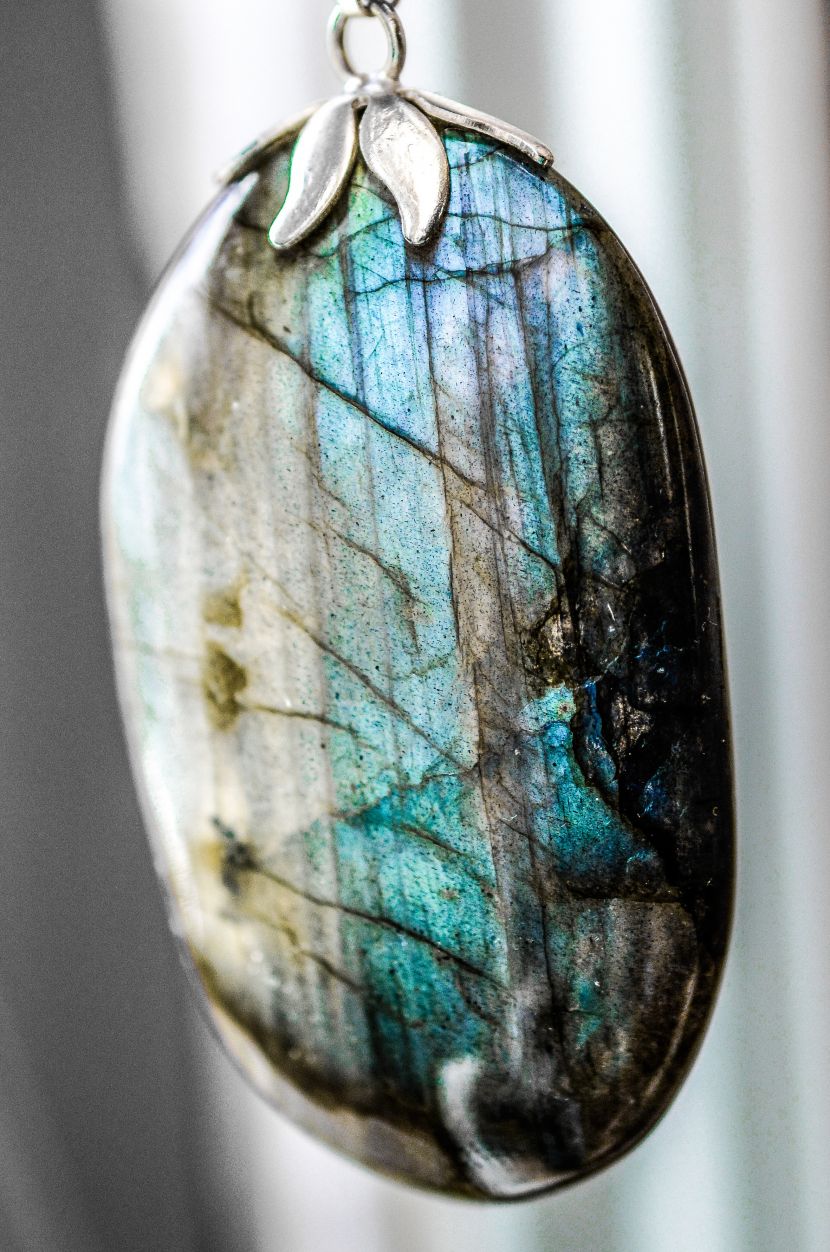
In medieval Europe, there was also an opinion about the divine origin of the mineral. At this time, it was used to decorate monasteries and cathedrals. People believed that it contains and accumulates a huge amount of energy. Looking even at the photo of a labrador stone, one can really think that he has some kind of connection with God. Too bewitching, mysterious and beautiful, he looks.
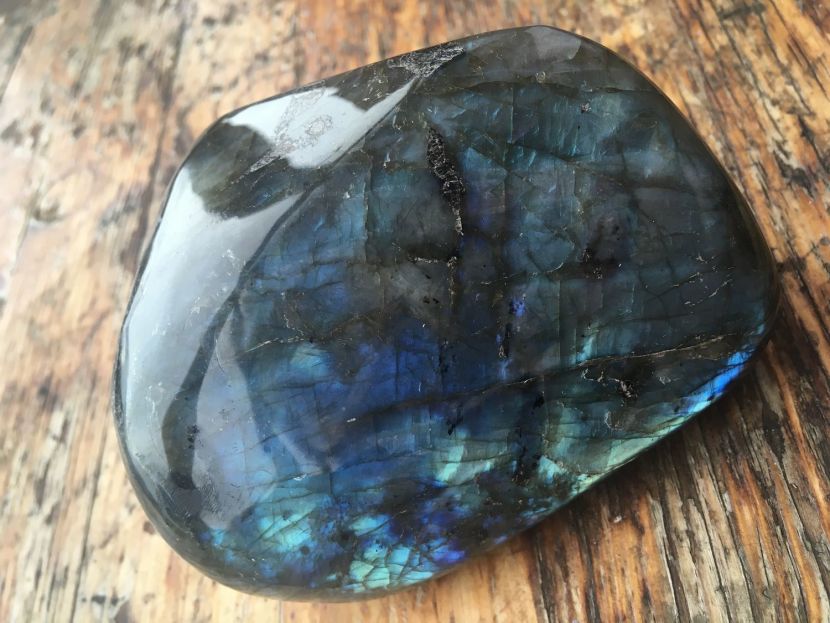
Interesting fact. In the X-XI centuries in Rus', the labrador was also known, but under the name of a peacock or "tausin" stone. It was used to decorate temples. And for mosques and Islamic buildings, green varieties of the gem were used.
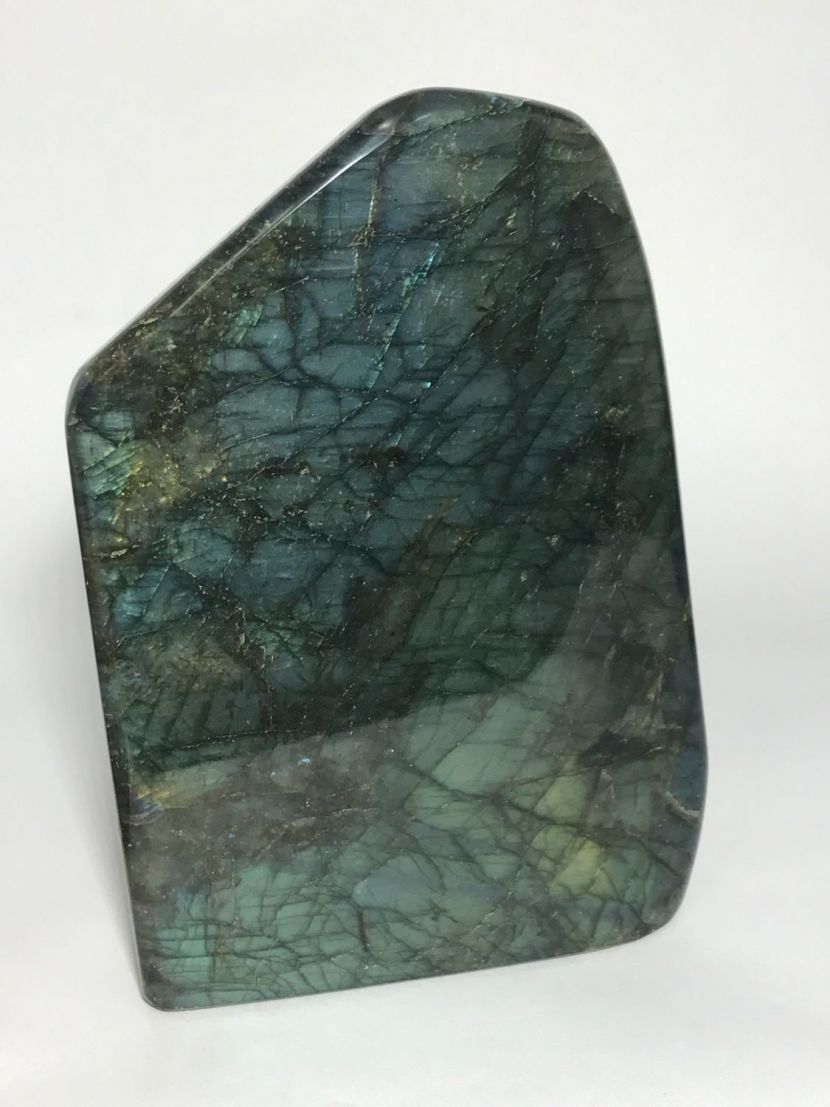
Discovery of the stone
Europeans found it in 1770. The first deposit is Canada, the vicinity of Labrador Island. After numerous studies, large deposits were found in North and Latin America, Germany, Mongolia, India and Greenland. In Russia, deposits are represented by Yakutia, Buryatia, Khabarovsk and Primorsky Territories. Minerals with a unique play of light have been found in Tibet, Sri Lanka and Madagascar.
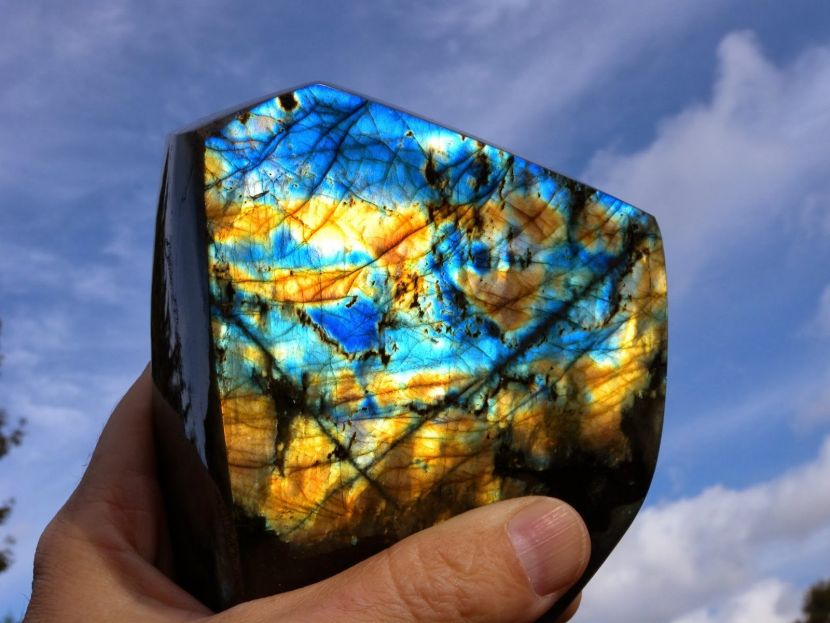
Reference. The modern name of the gem was given to it by the German scientist Abraham Gottlob Werner in 1780.
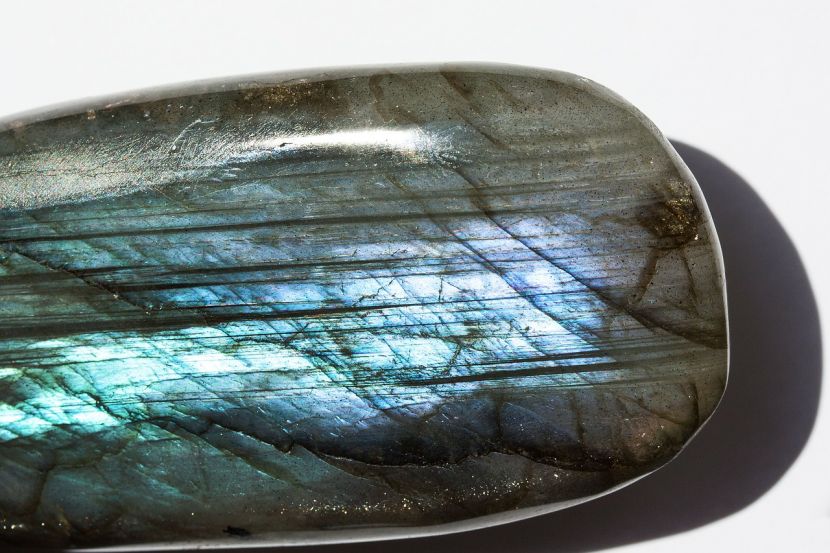
Varieties of the Labrador
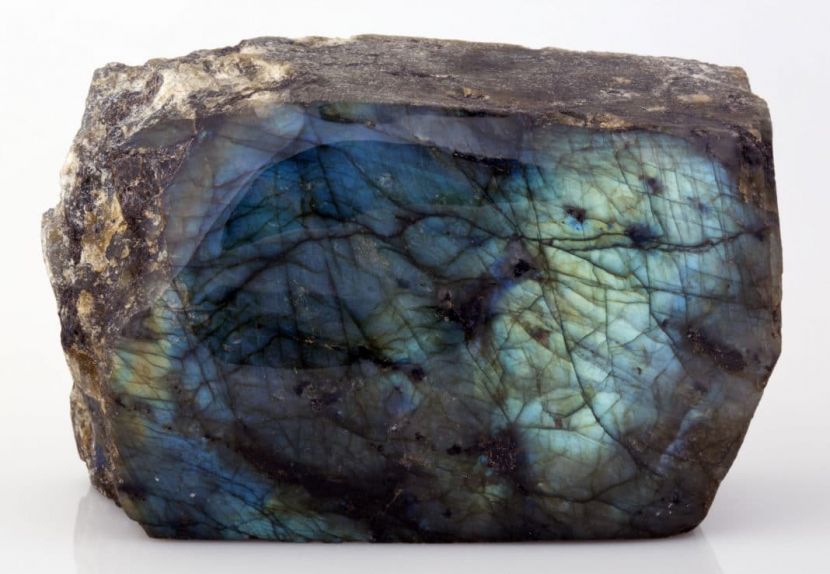
Labrador stone is a feldspar that has a specific chemical composition. The main elements in the composition are alkali metals, such as sodium and calcium in compounds with aluminum. The proportions of these elements determine the color overflows.
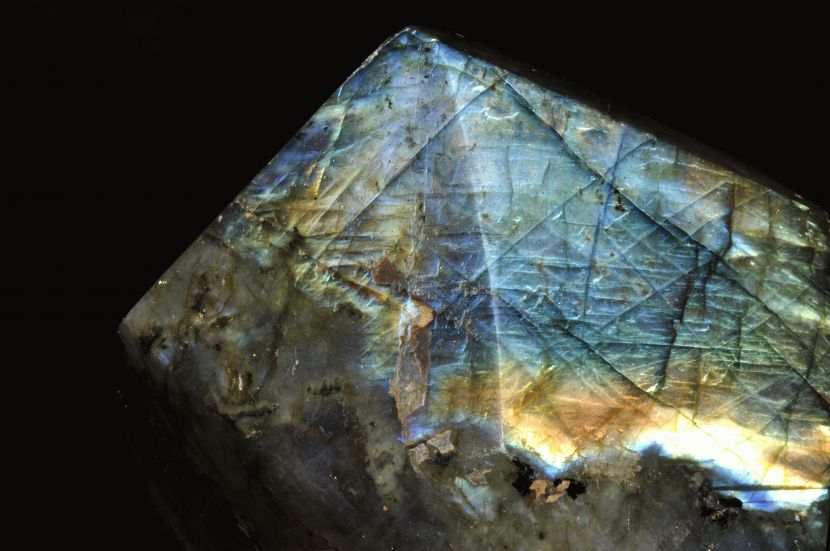
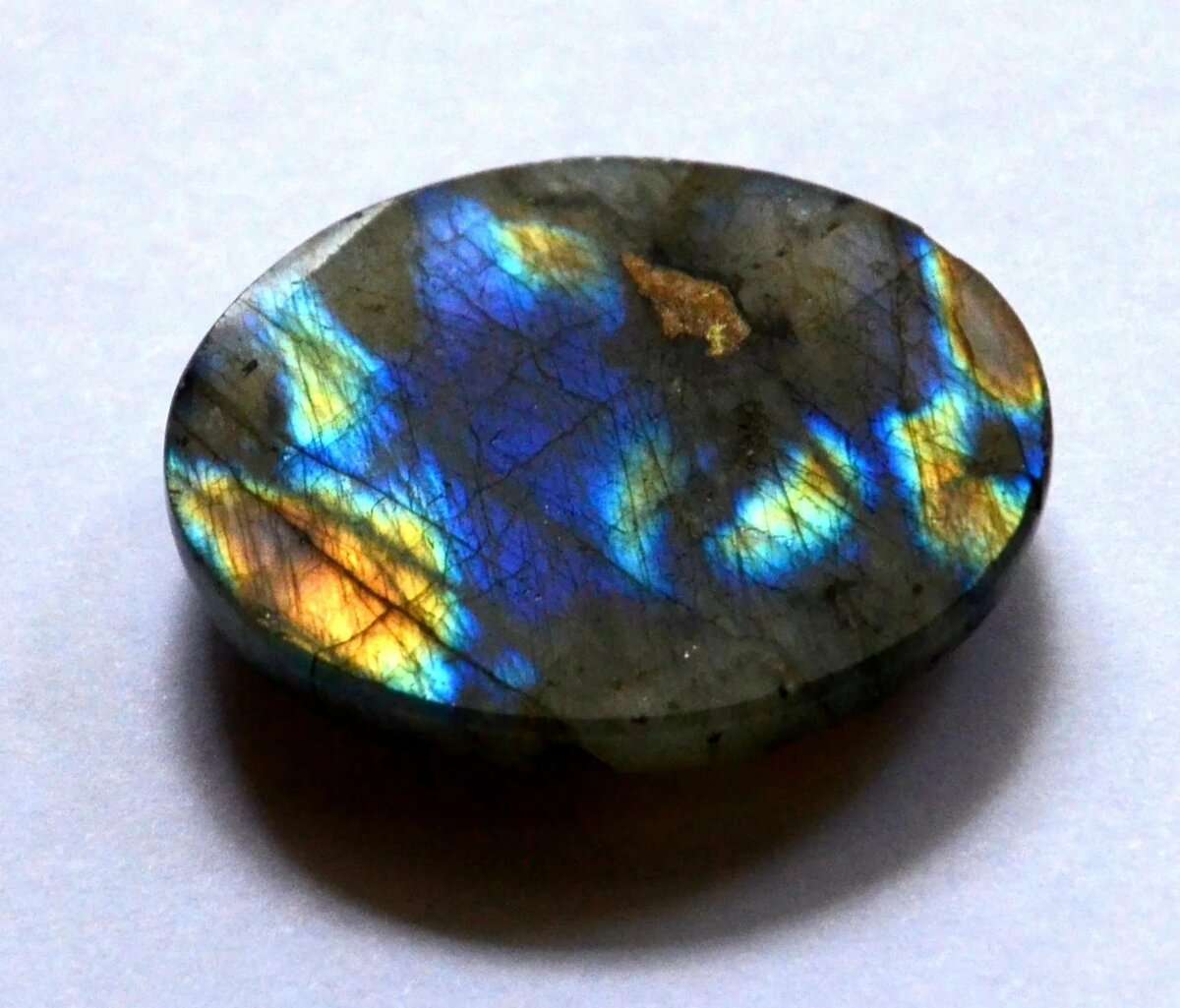
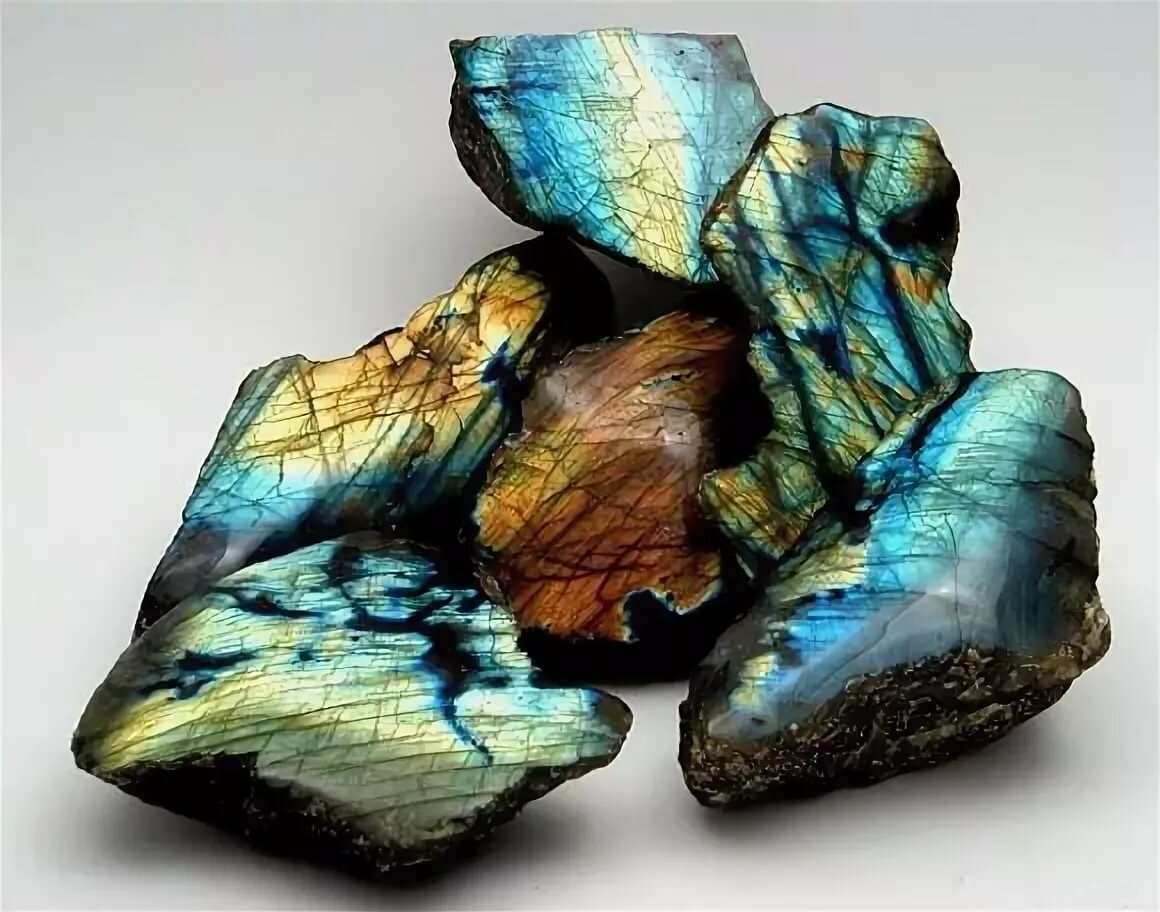
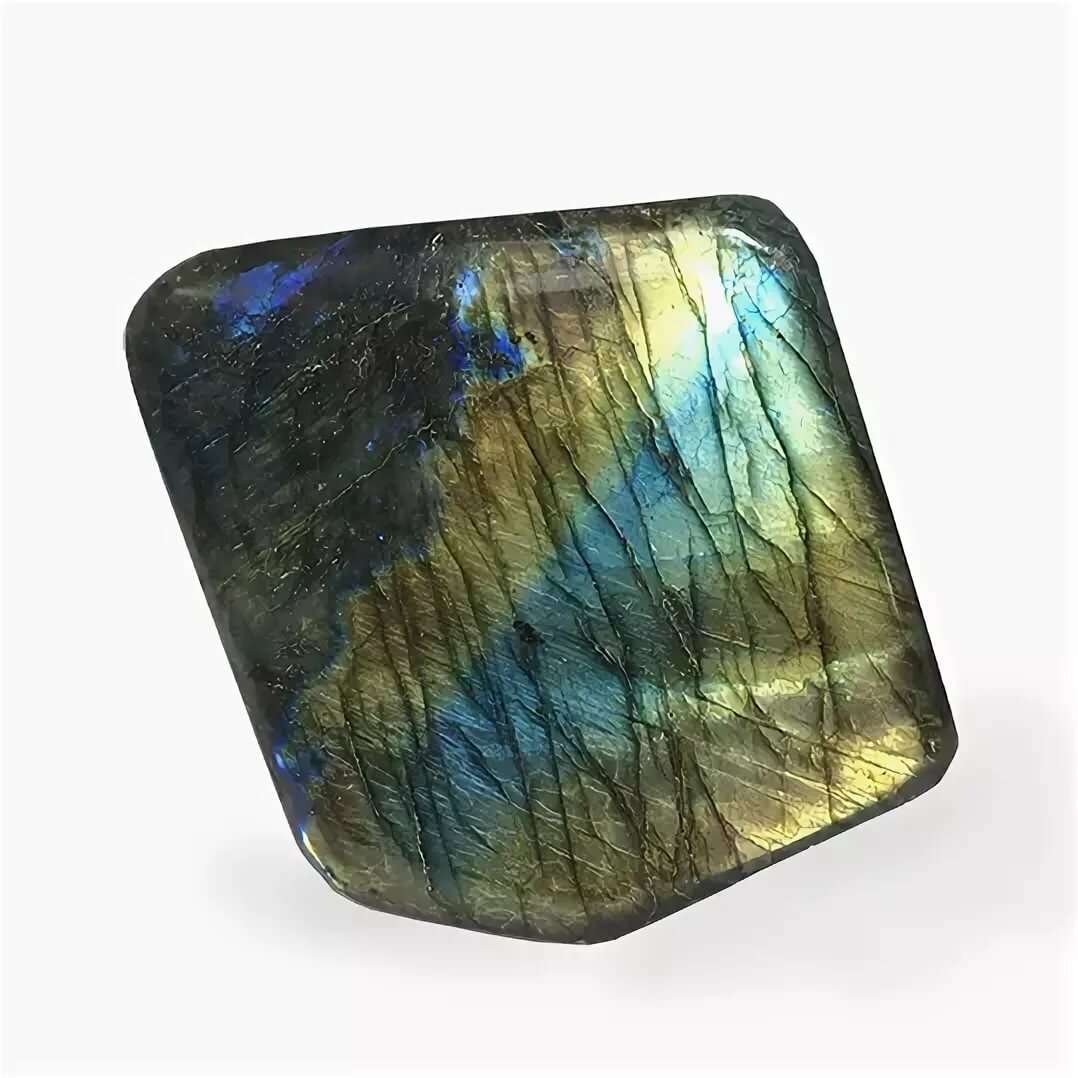
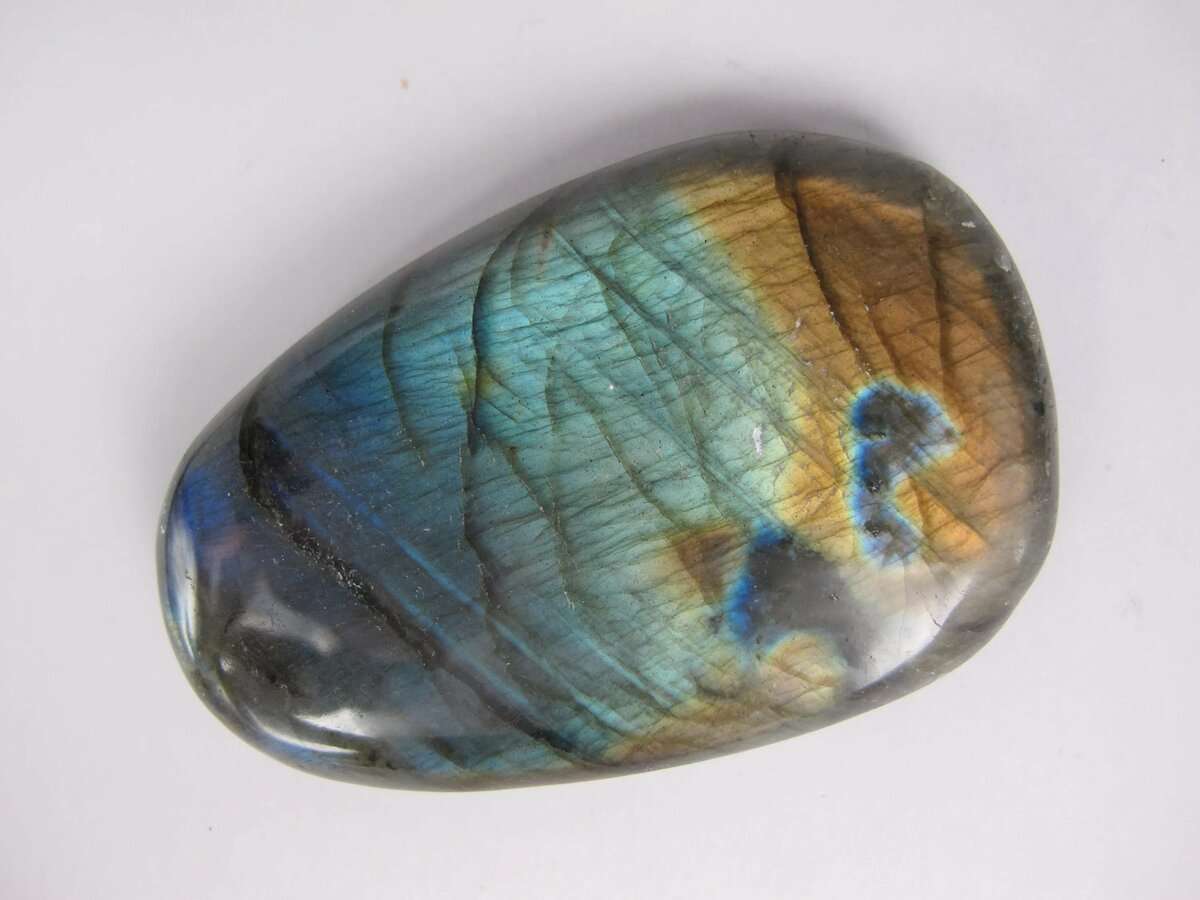
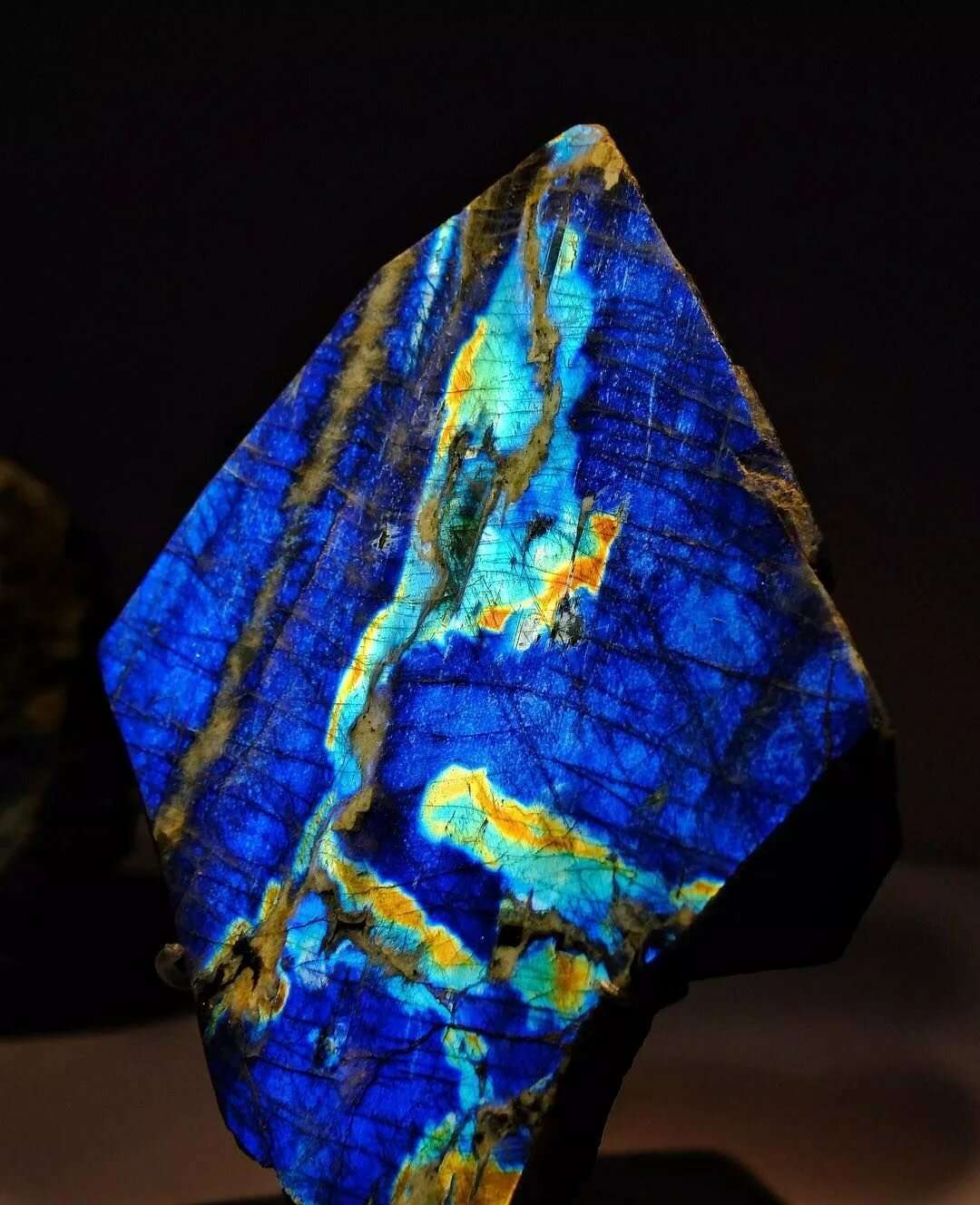
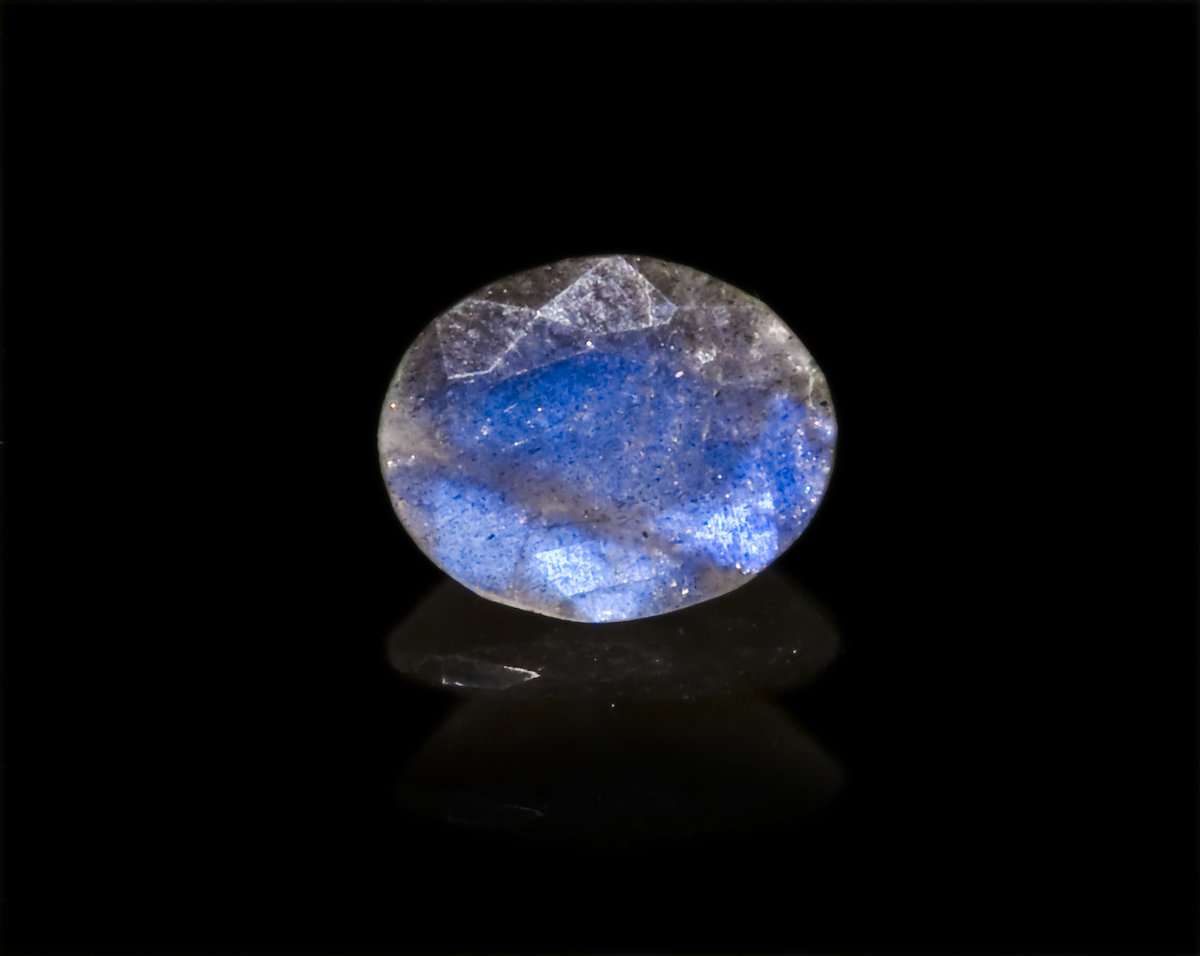
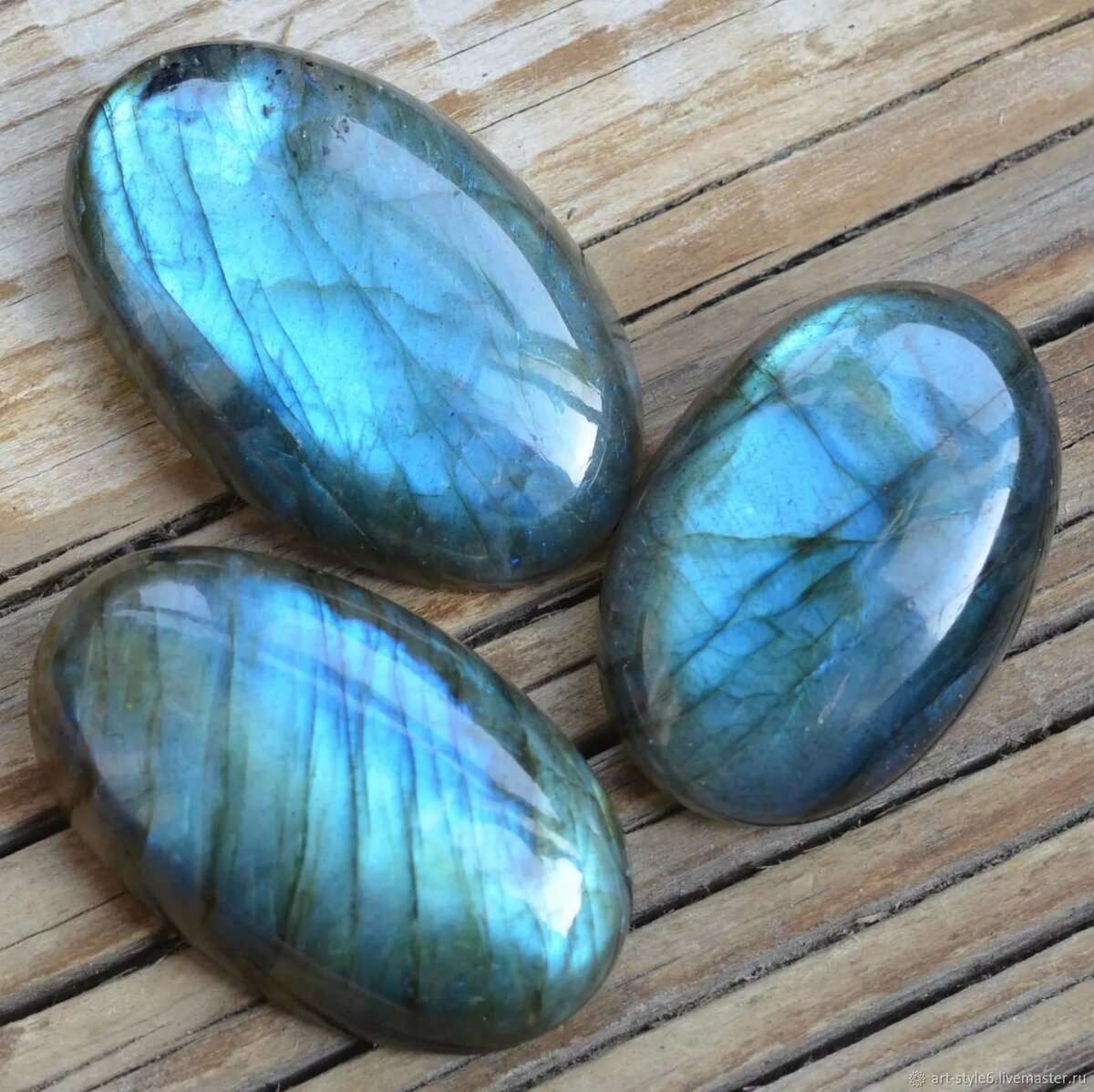
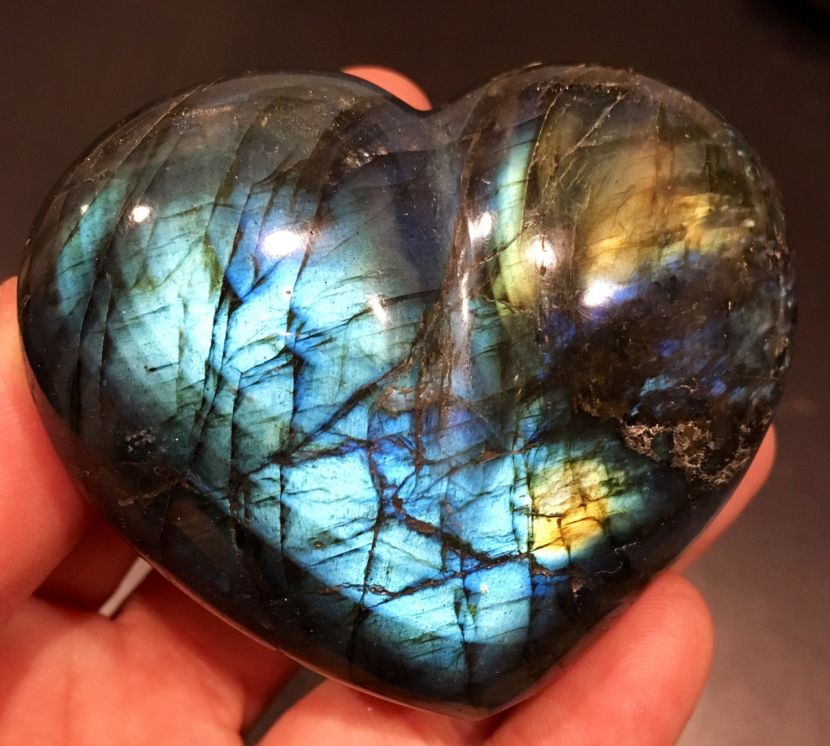
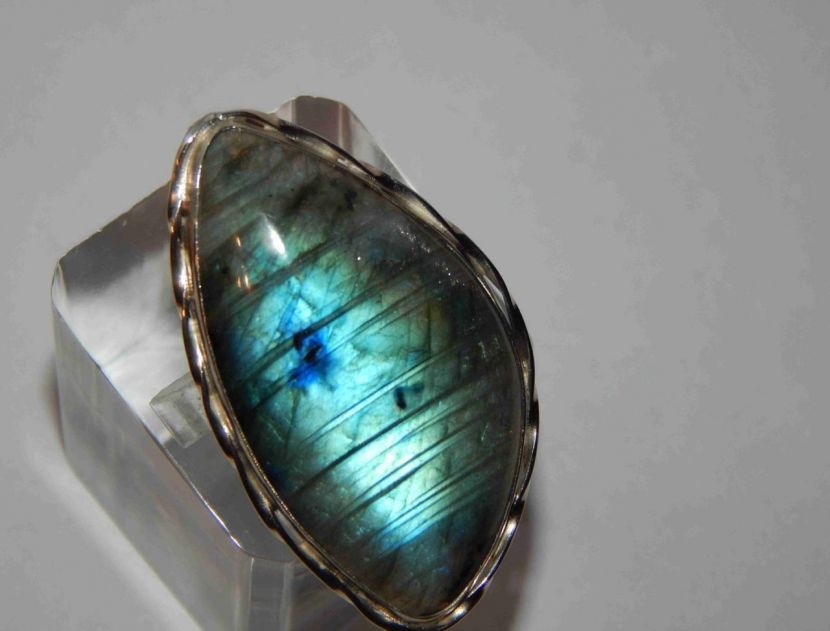
The mineral has one ability - iridescence. This phenomenon is characterized by the play of light on the surface of the mineral.This characteristic makes the gem completely special and is simply priceless in design and decoration.
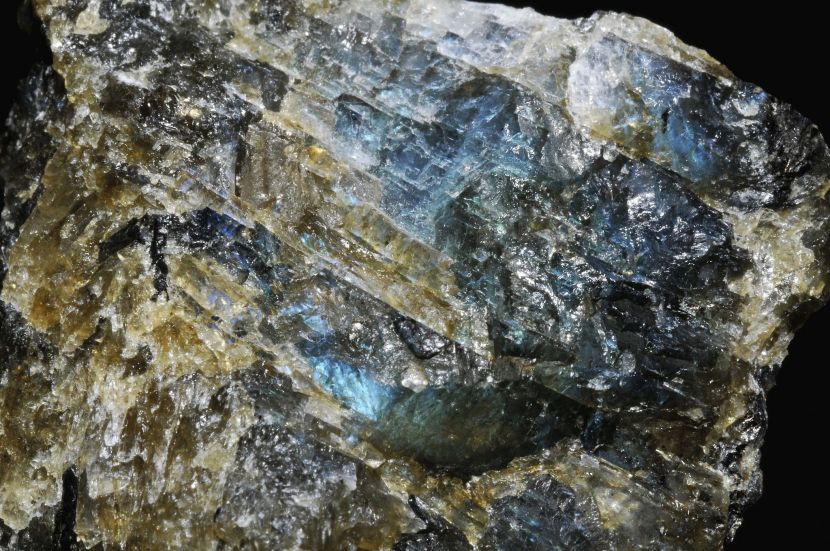
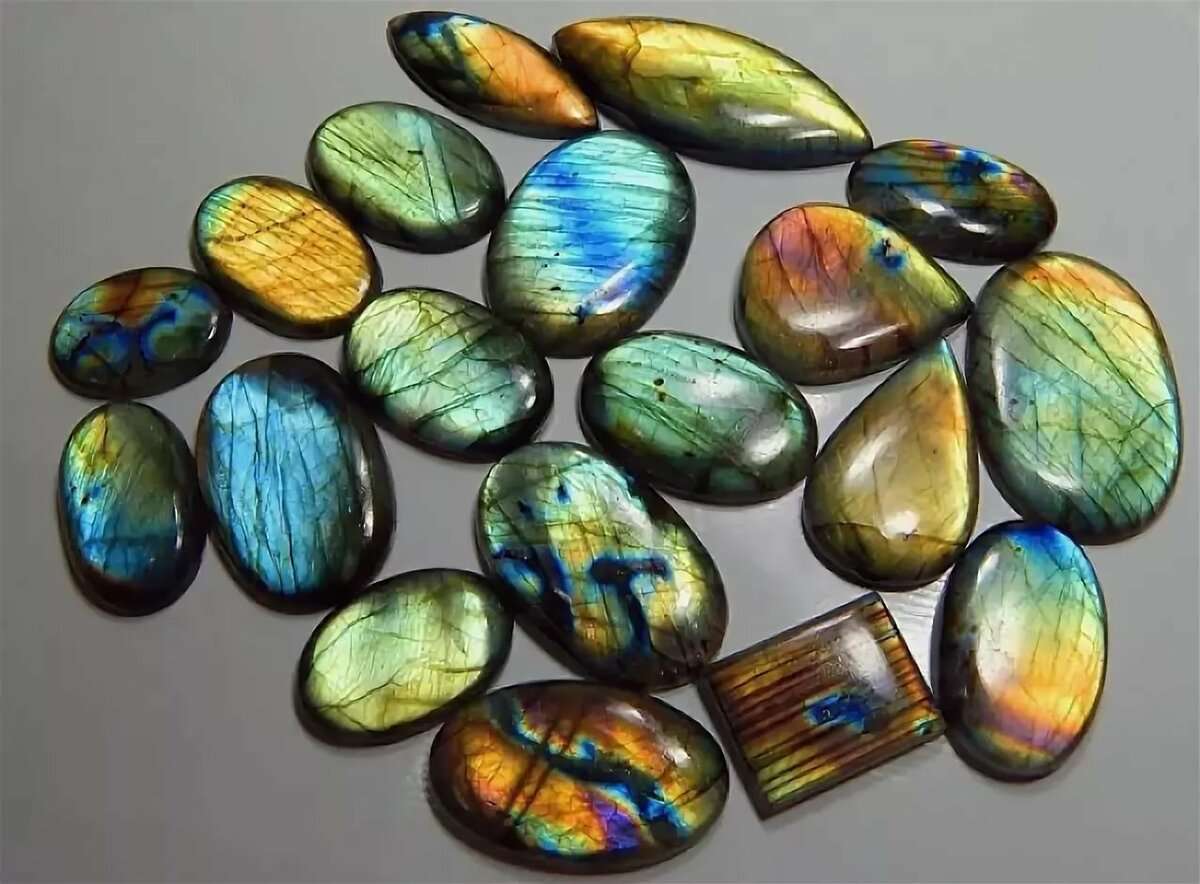
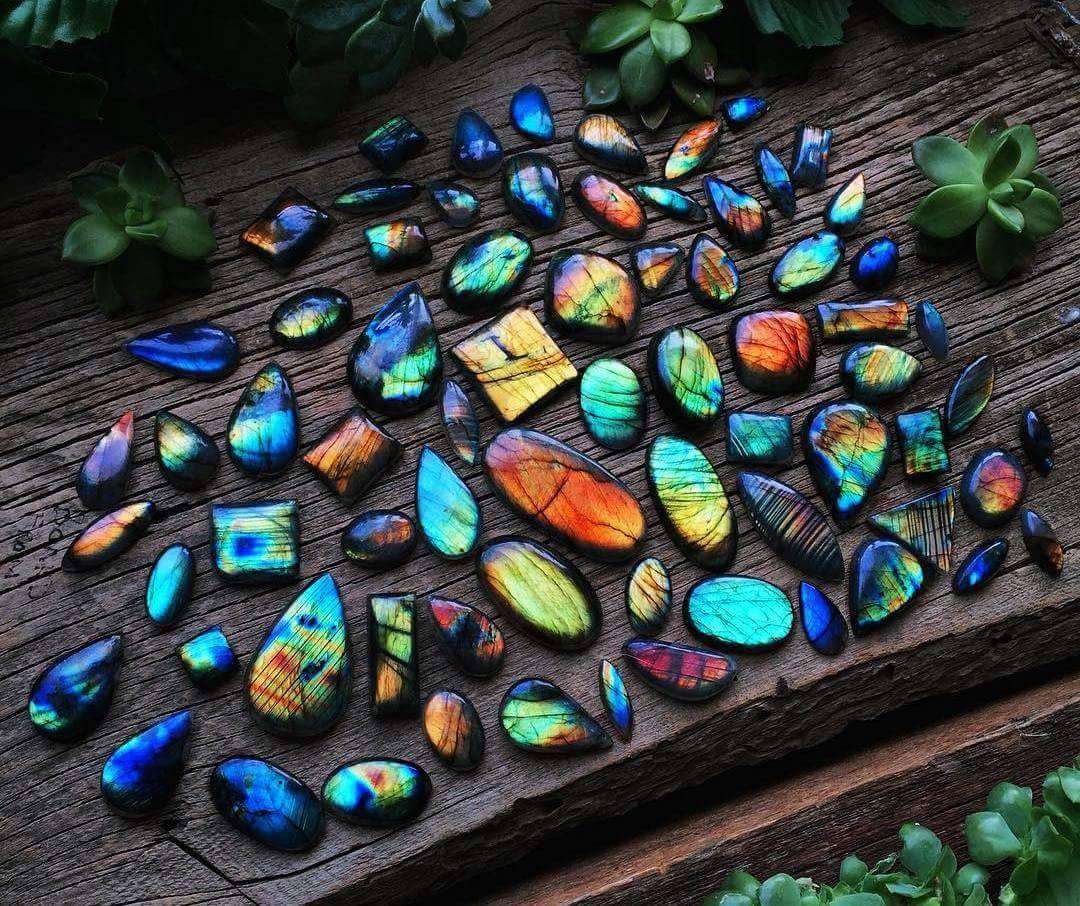
Labrador has many types. Here is some of them.
- Tausin or peacock stone. Distributed in the Middle East. Each sample is unique, thanks to the many shades and modulations. For its huge range of colors, he received such a name.
- Sun stone. Rare mineral of bright yellow color. In India, it was considered a "female" stone, it gave good luck to the fair sex.
- Bulls-eye. A subspecies of a mineral with a unique color. The main color is red and crimson with black and purple accents.
- Black Lunar. Has the color of the night sky with plum overflows. Each stone is unique in shape and appearance. Mined on the island of Madagascar.
- Spectrolite. After the end of the Second World War, major geological research began to be carried out by scientists from Europe and the USSR. Thanks to them, such a specimen was discovered in Finland. Its feature is the color spectrum, consisting of all the colors of the rainbow.
- Lynx eye. A bright green crystal that sparkles in the dark. Produced in the Urals.
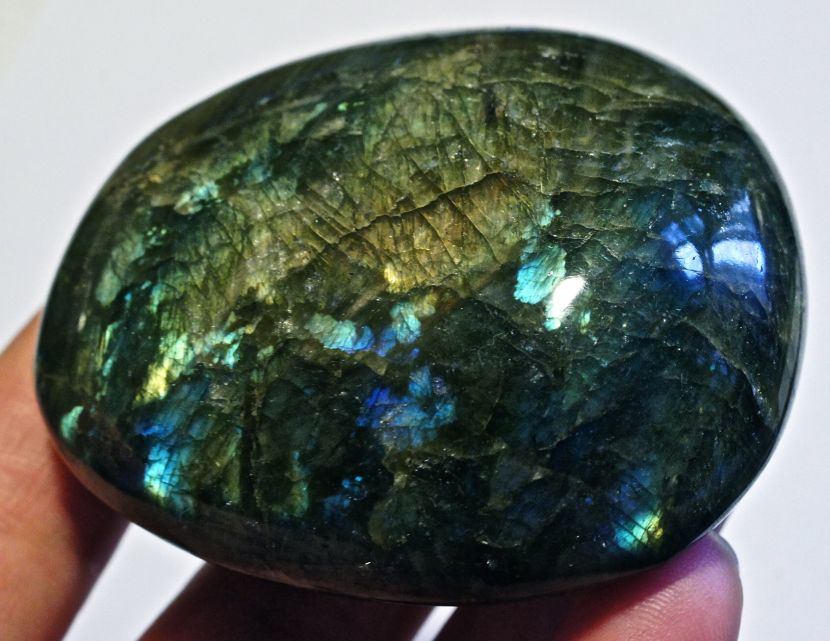
All gems have magical properties. When choosing a mineral, you can rely only on your taste.
Labrador and Labradorite. What is the difference?
The difference between two very similar names exists only among mineralogists. Labradorite is a rock of which the Labrador is a part (min. 60%, sometimes 80%). In everyday life, these terms are the same. Even the official English name is identical -Labradorite.
Application
Decor
The texture is similar to granite. Because of this, the areas of use are almost the same.The Mausoleum, the main staircase of the Leninka library, banking institutions and authorities are decorated with gems. Monuments are created from the mineral. The price is higher than that of granite, but they look better.
From polished layers, they create luxury countertops, shelves, they are used for cladding basement floors.
Lithotherapy
Labrador stone has special properties. Experts in this branch of alternative medicine use Labrador to treat such ailments:
- diseases of the cardiovascular system;
- metabolic disorders;
- slagging of the body;
- arthritis pain;
- fractures.
Decorations
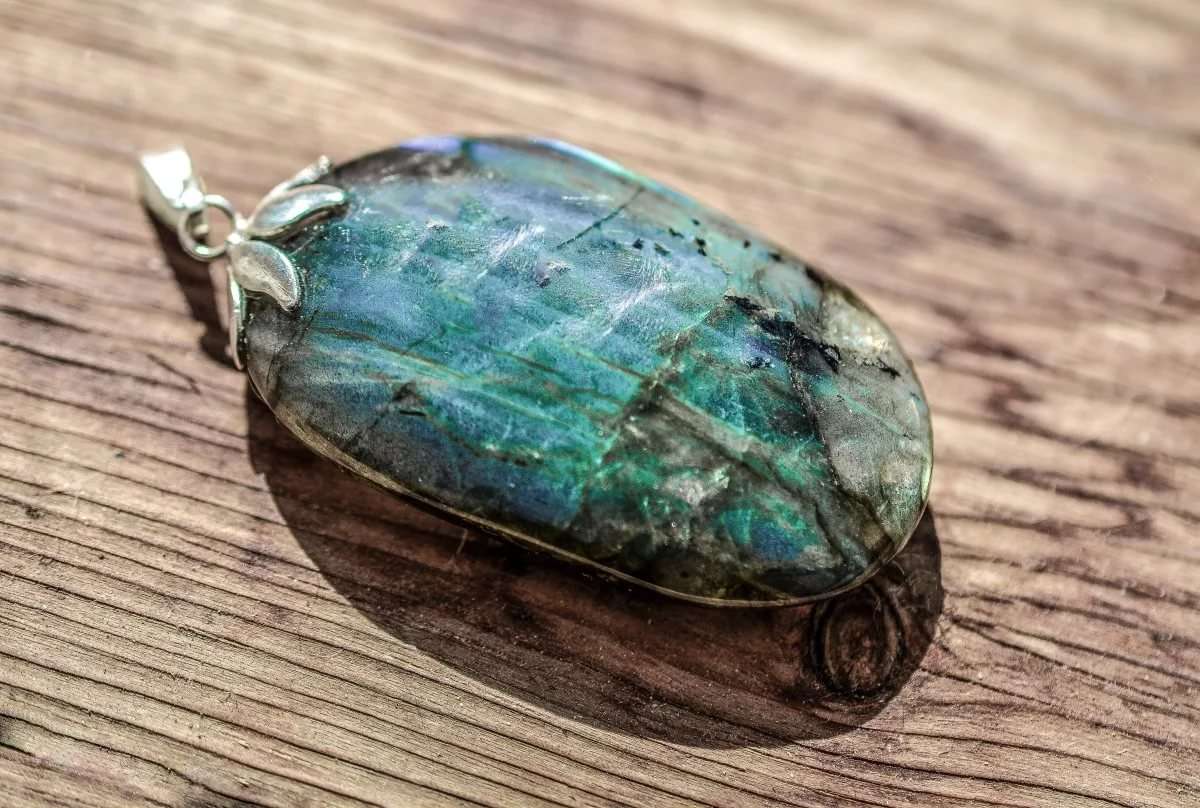
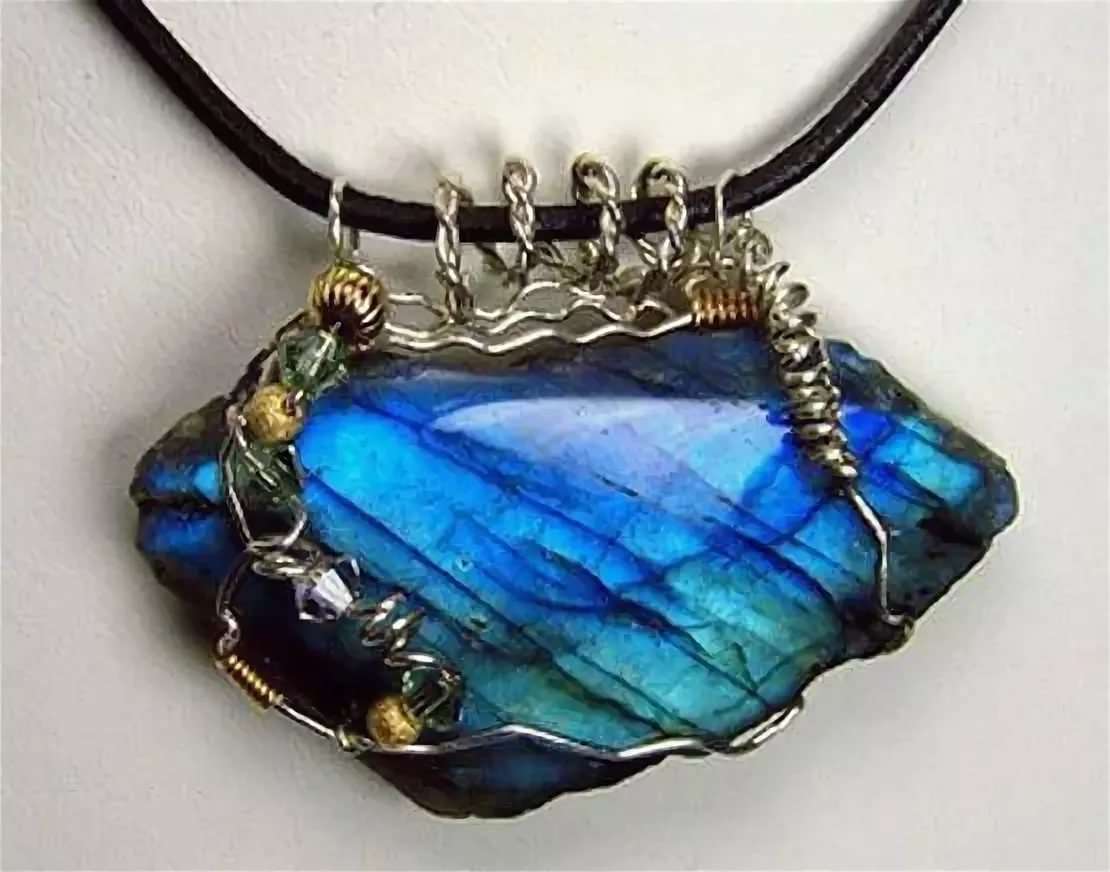
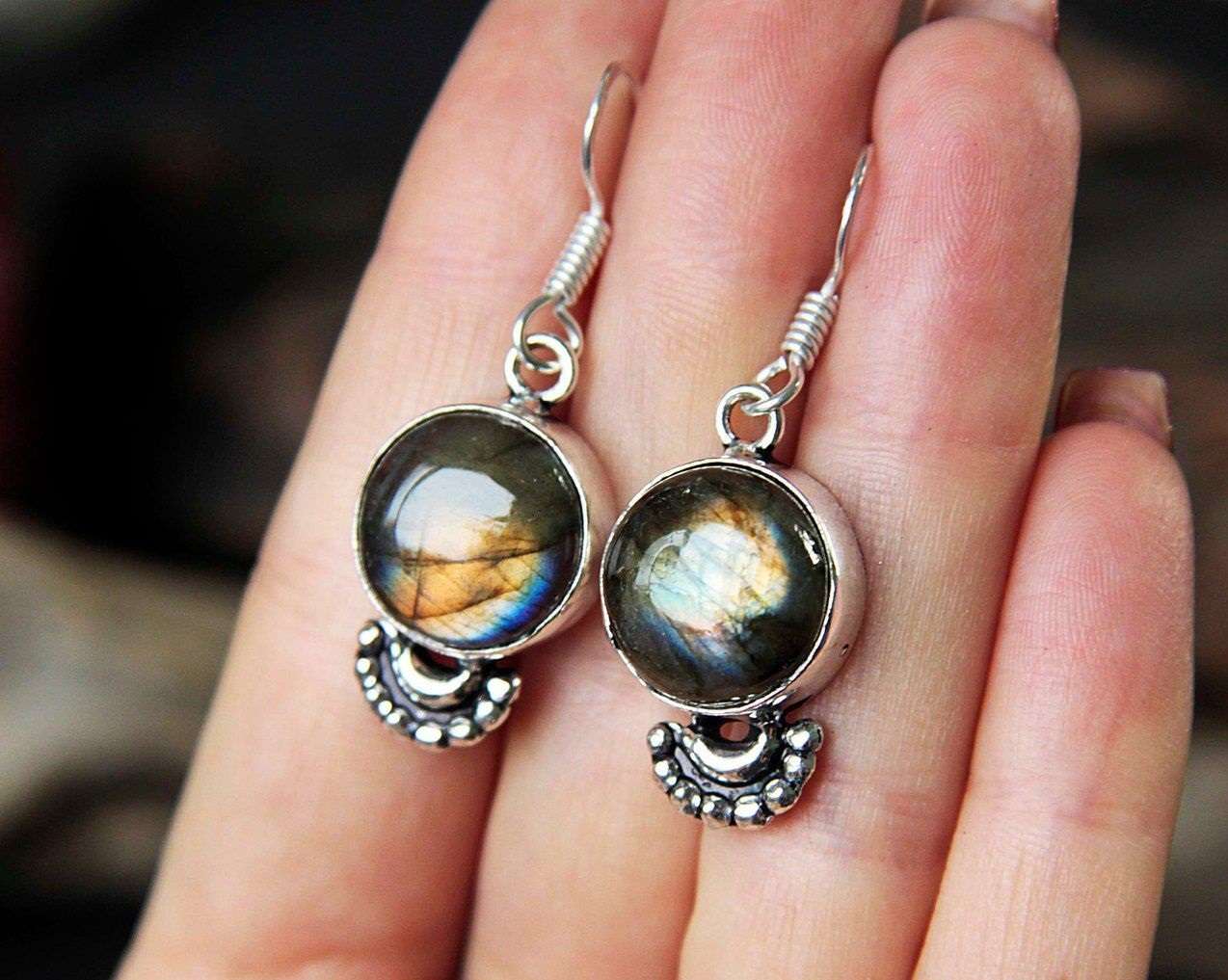
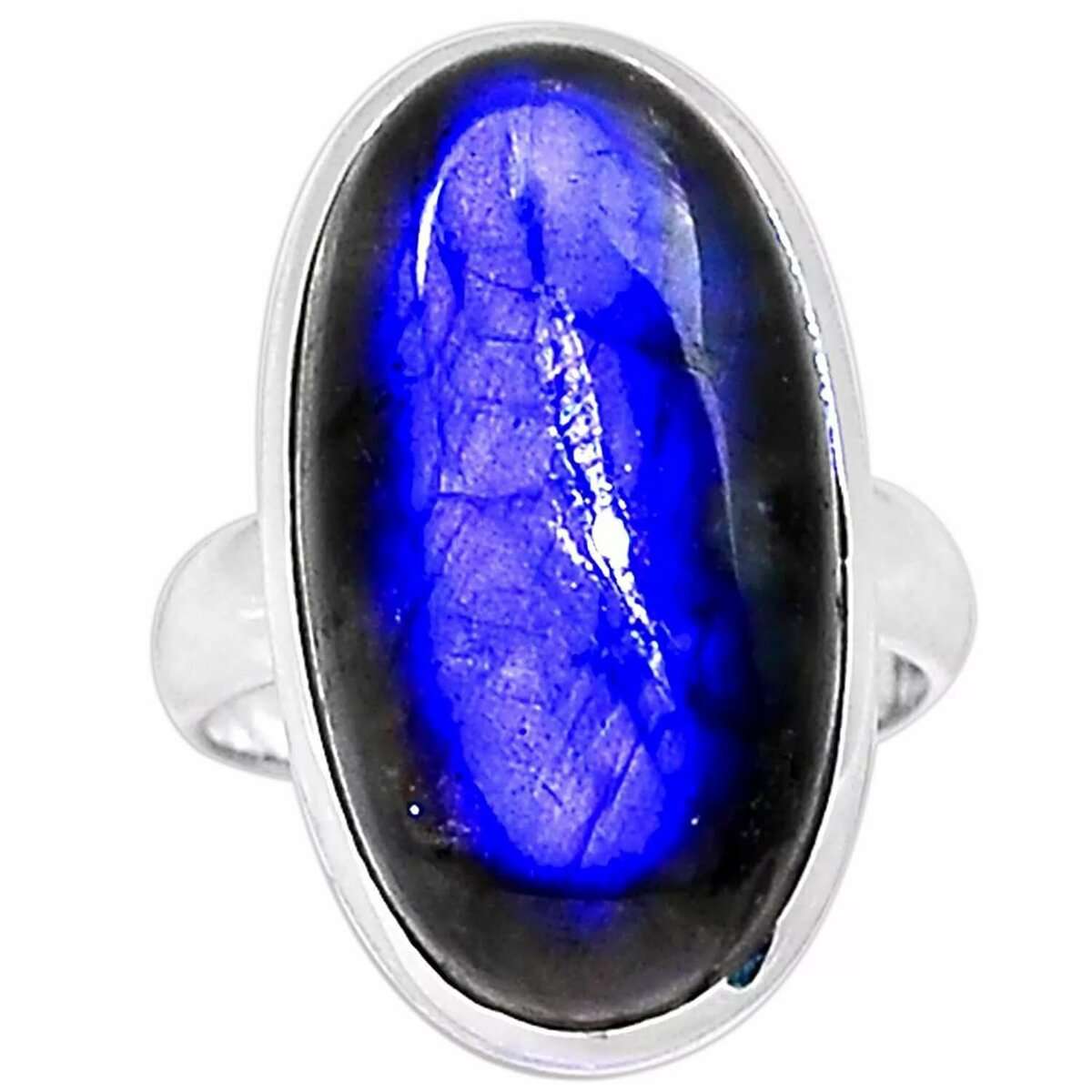
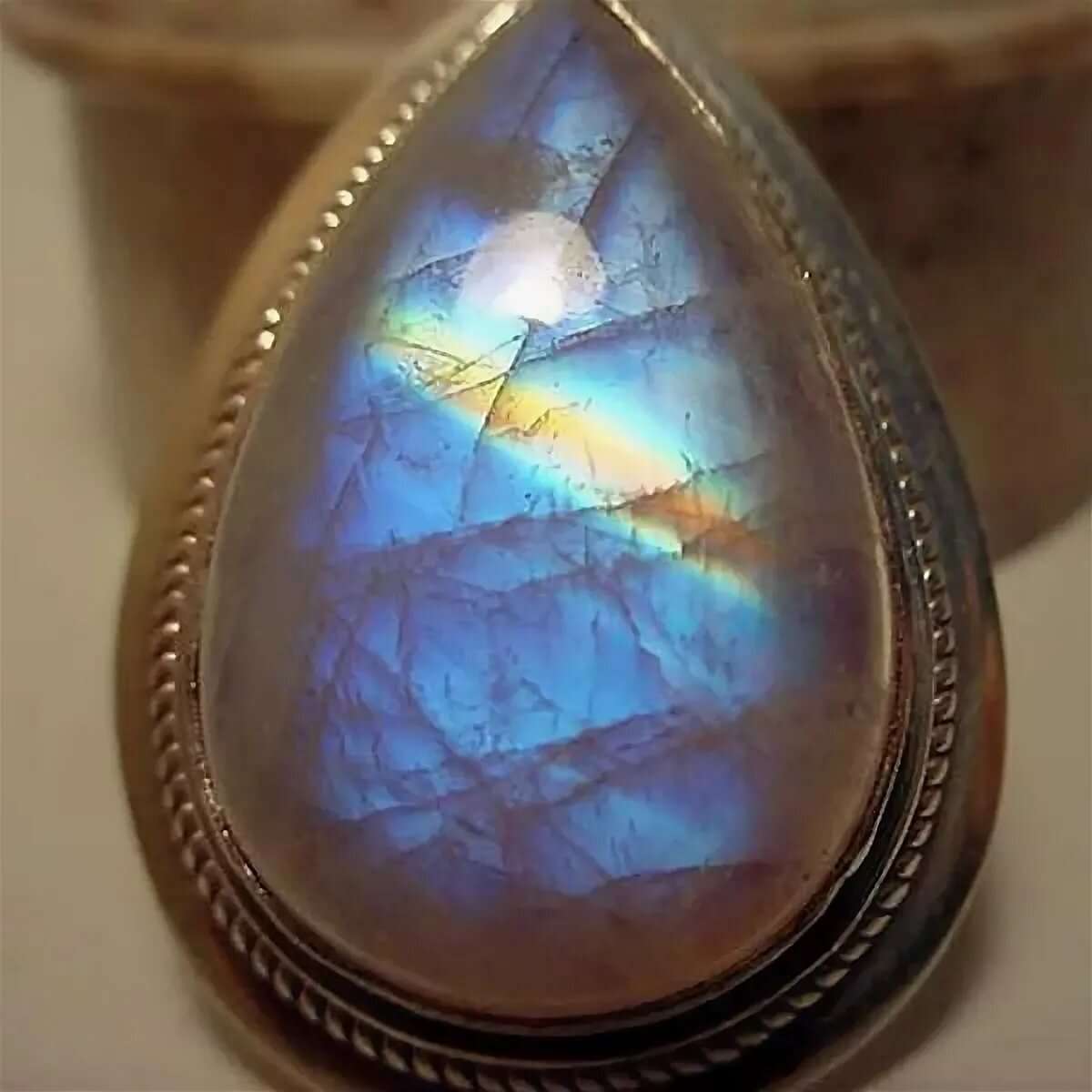
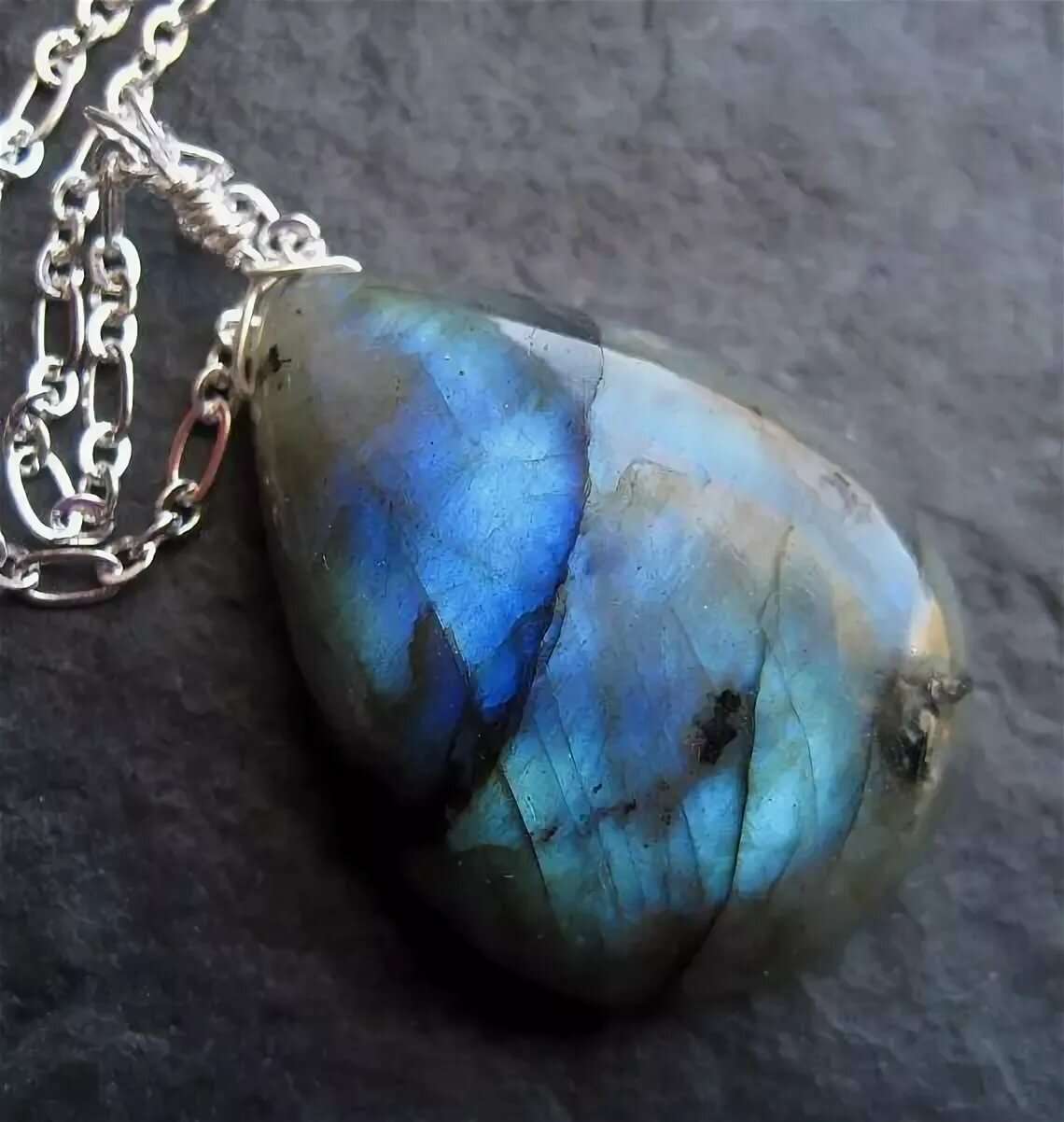
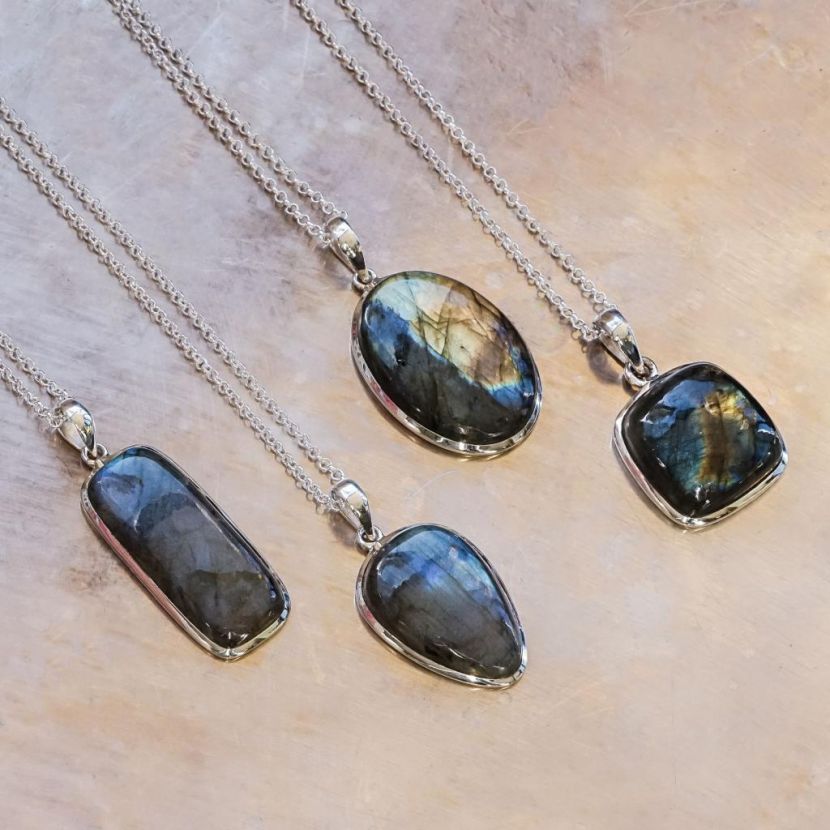
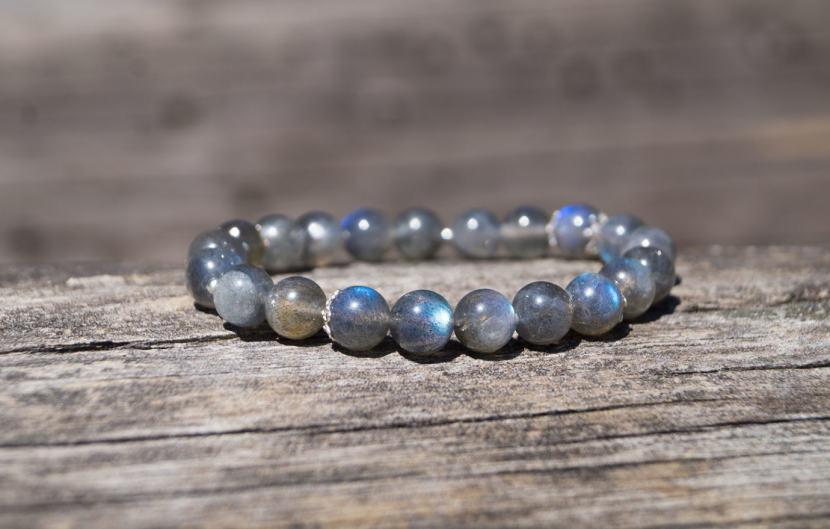
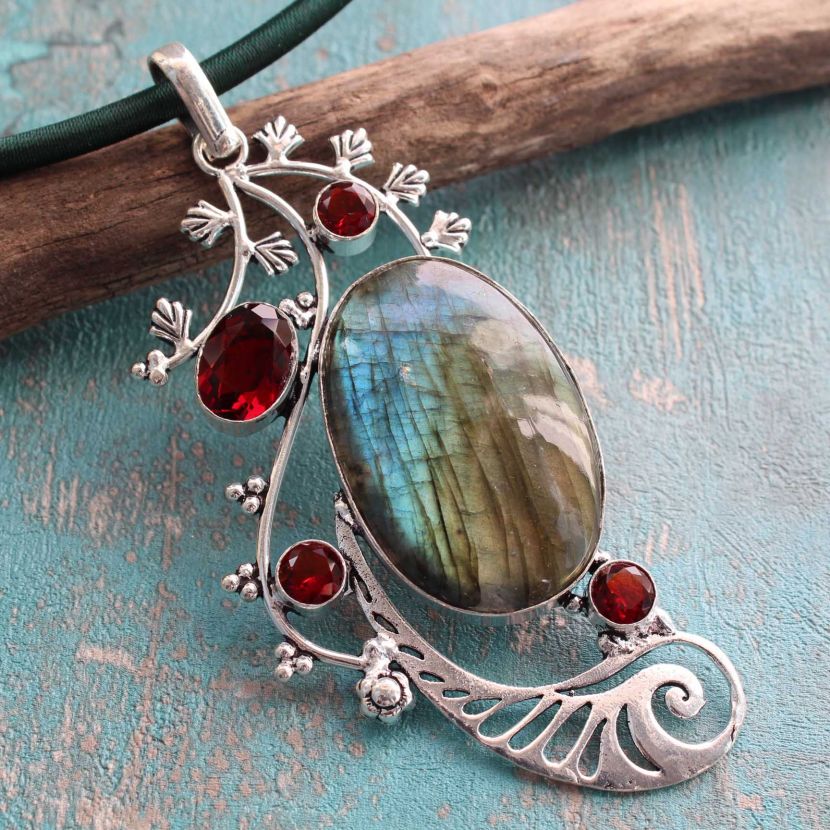
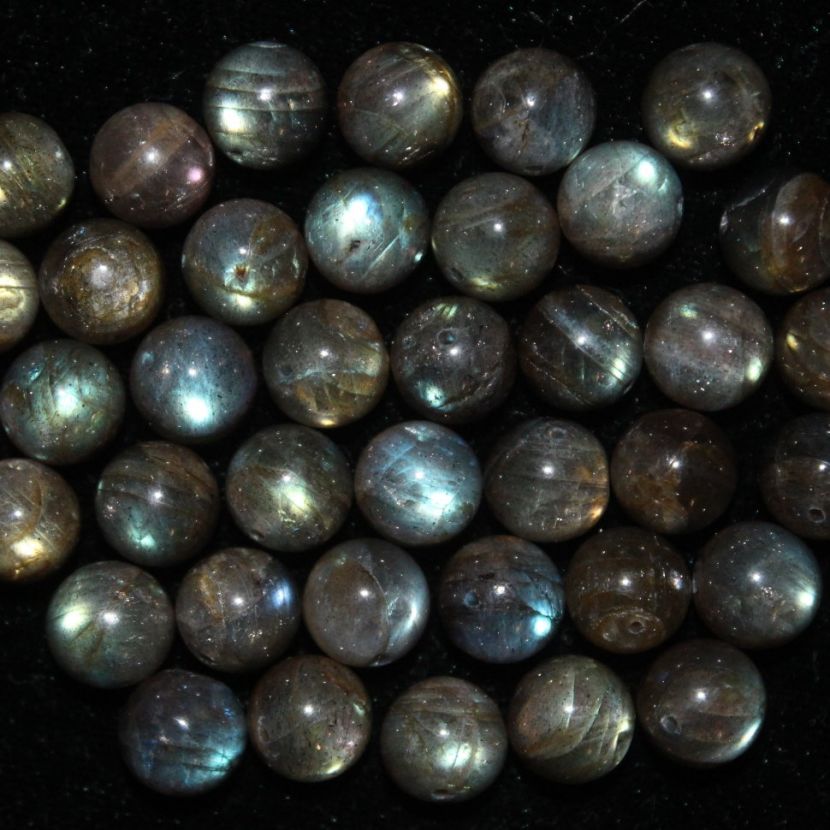
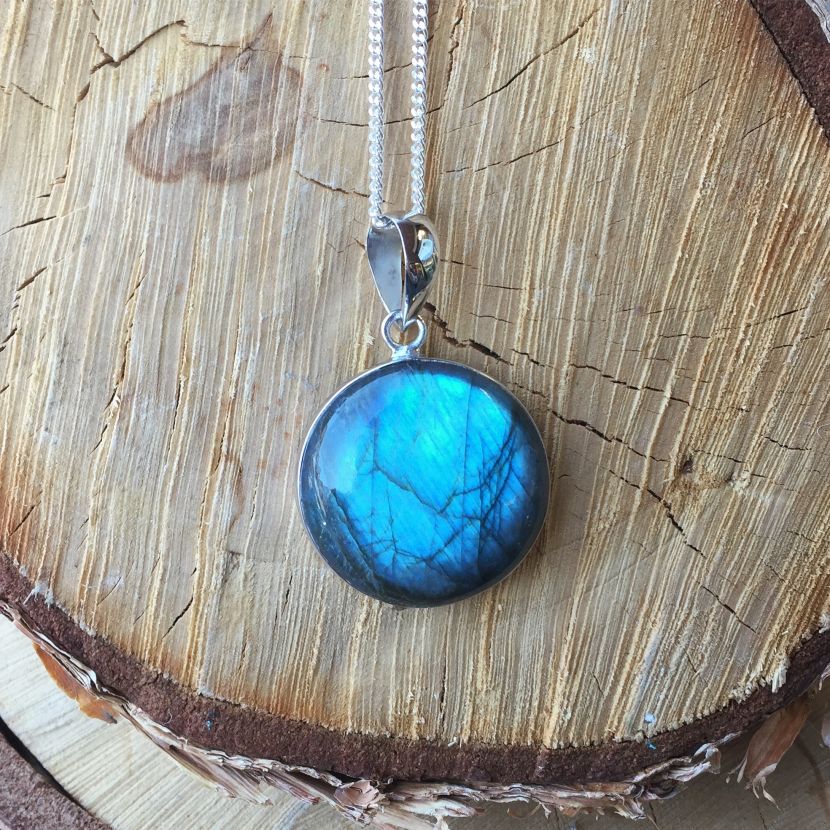
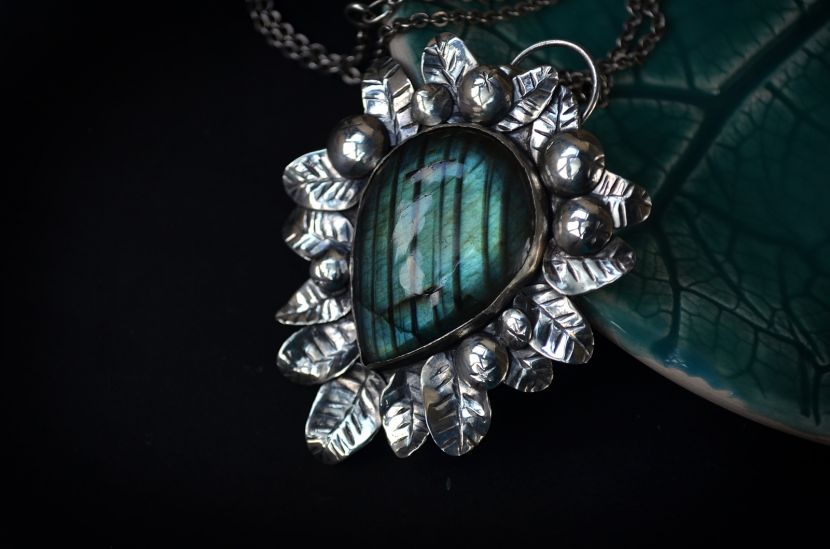
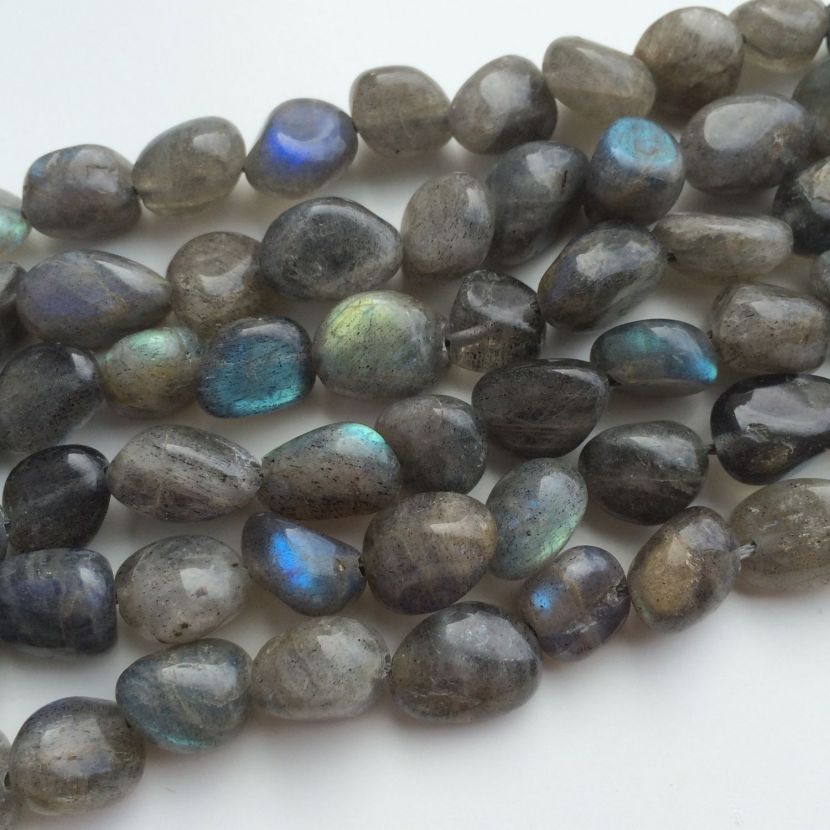
The Labrador is very popular with fashion connoisseurs and designers. Earrings, necklaces, pendants, balls and beads are made from it. To frame the gem, silver or platinum is used. Gold is not used for this purpose, since its brilliance, combined with the reflections of a Labrador, looks stupid. The average price of such jewelry and ornaments is 11,000 rubles. There is also mineral beads - about 70 beads will cost you 1,260 rubles.
How to distinguish a fake from the original?
In the jewelry market, you can often find a cheap fake that stands out as an expensive gem. To reduce the risks of acquiring a fake, you need to remember and apply a few rules.
- Before buying a product, take it in your hands and point it at the light. A genuine Labrador should sparkle and shimmer in different colors. Irization is very difficult to fake, so this copy is the original.
- Apply the stone to the body. The real mineral will remain cold, and the fake will start to heat up.
- Ask for the product data sheet. If the seller does not have a document or refuses to provide it, feel free to leave.
Jewelry Care
The variety of jewelry is truly impressive. In order for stone products to retain their beauty, they must be properly monitored.
- To maintain a spectacular appearance, you should sometimes clean and polish the jewelry. Soapy water will do. More aggressive agents are not recommended.
- Store in a dark dry place.
- Do not drop or hit.
- The stone perceives temperature changes easily, but it is better not to wear it for too long in the scorching sun.
The use of the gem in magic and rituals
The magical properties of the labrador stone are often used by psychics and magicians. The main thing is to learn how to use it correctly.
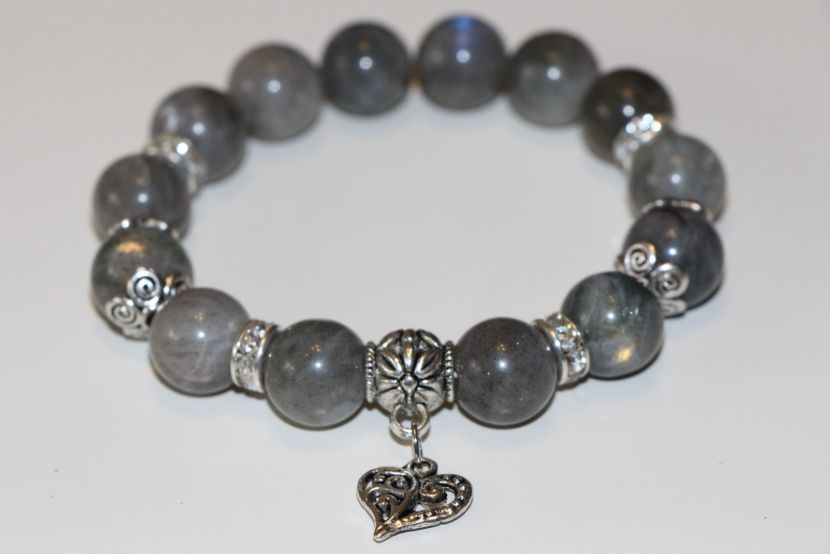
The mineral is able to strengthen the bonds of marriage, and rekindle love. It is recommended to be worn by both spouses. It is better for a man to buy a stone of light shades, and for a woman - dark.
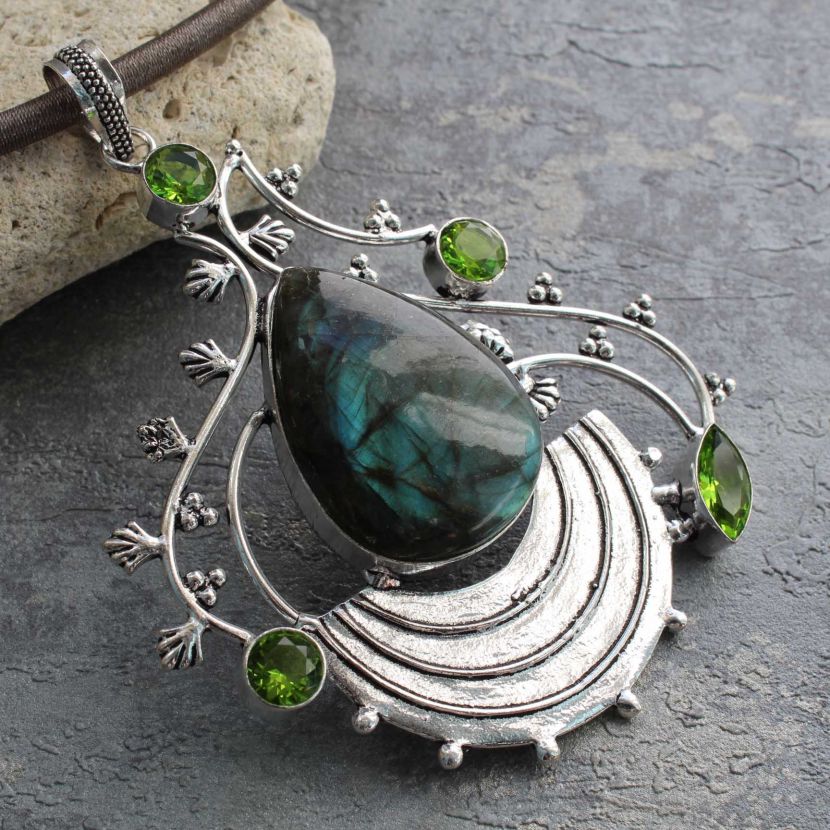
Labrador improves intuition, develops the gift of providence and thinking. It is advised to buy for people with creative inclinations.
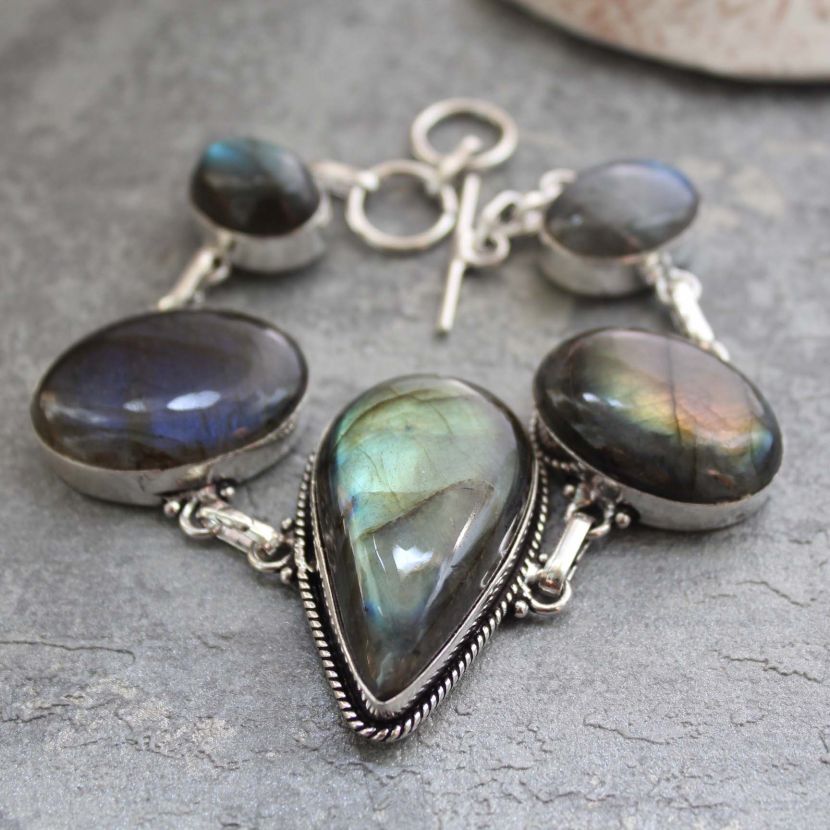
To tame a mineral, you need to meditate with it, at least 10 minutes a day. If you notice positive changes, then everything worked out.
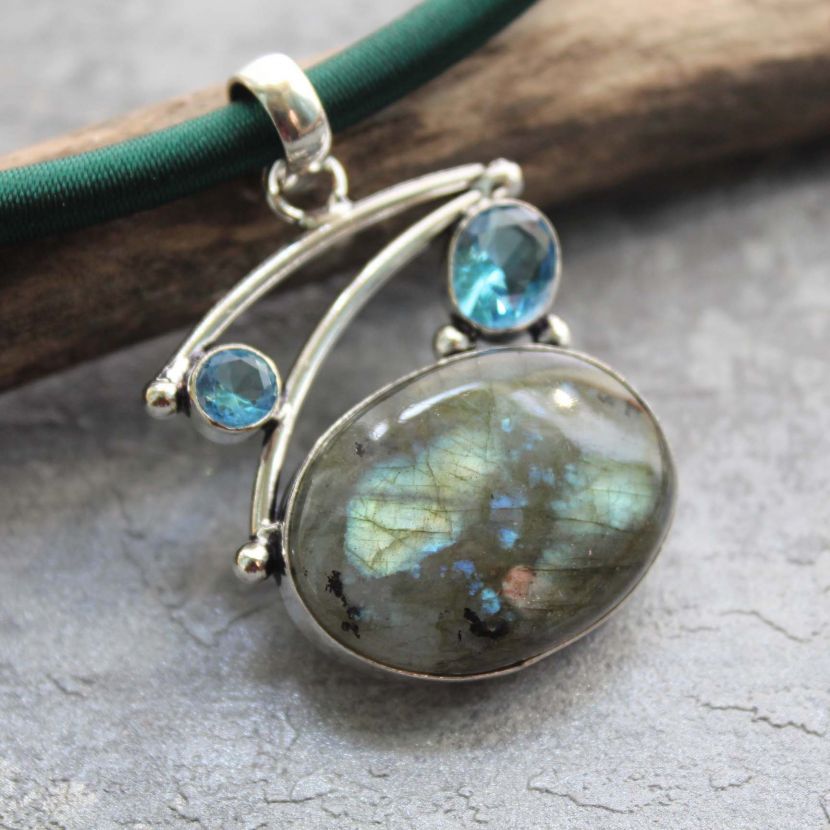
Who suits the labrador stone according to the signs of the zodiac
The greatest compatibility of the stone is observed with Cancers, Scorpions and Pisces. He will become for them a protector from adversity and bring good luck.
Taurus and Virgo will also be able to feel the positive effect. The gem will enhance all their best qualities. People under these zodiac signs will be able to make new friends and make useful contacts.
But Sagittarius, Leo and Aries should not use it. They will make a person irritable, nervous and stubborn.
For 100% certainty regarding rational use, it is better to consult a knowledgeable specialist.
In the end, I would like to say that the labrador is one of those minerals that attract attention with its history, mysterious tints on the surface and unique color spectra, and not just the price. The history of this stone is multifaceted, and each point of view creates new assumptions about the appearance and true purpose of this mineral.
Photo stone Labrador