Stone of mystics Labradorite - all about the birth of the stone, its unreal history, magical properties
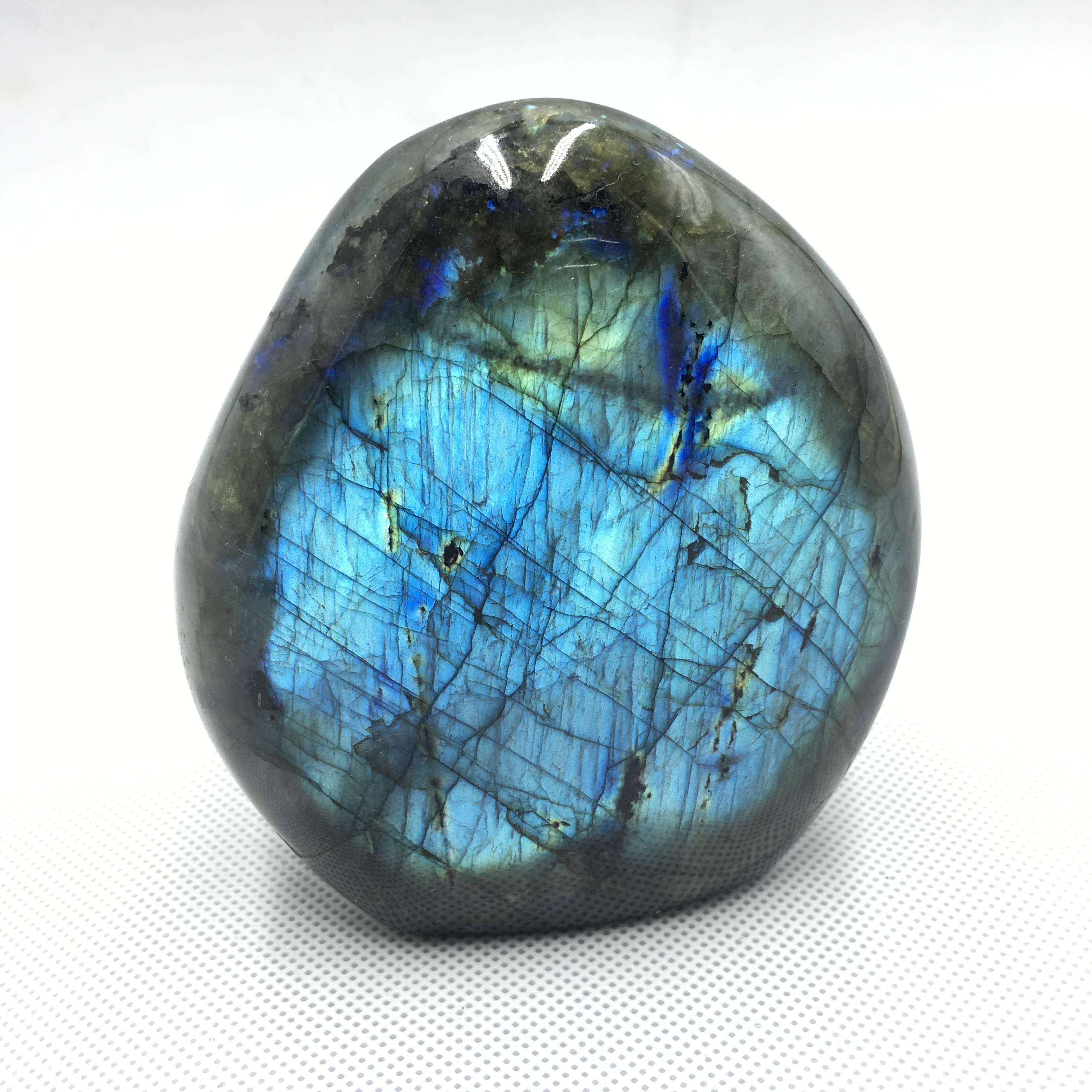
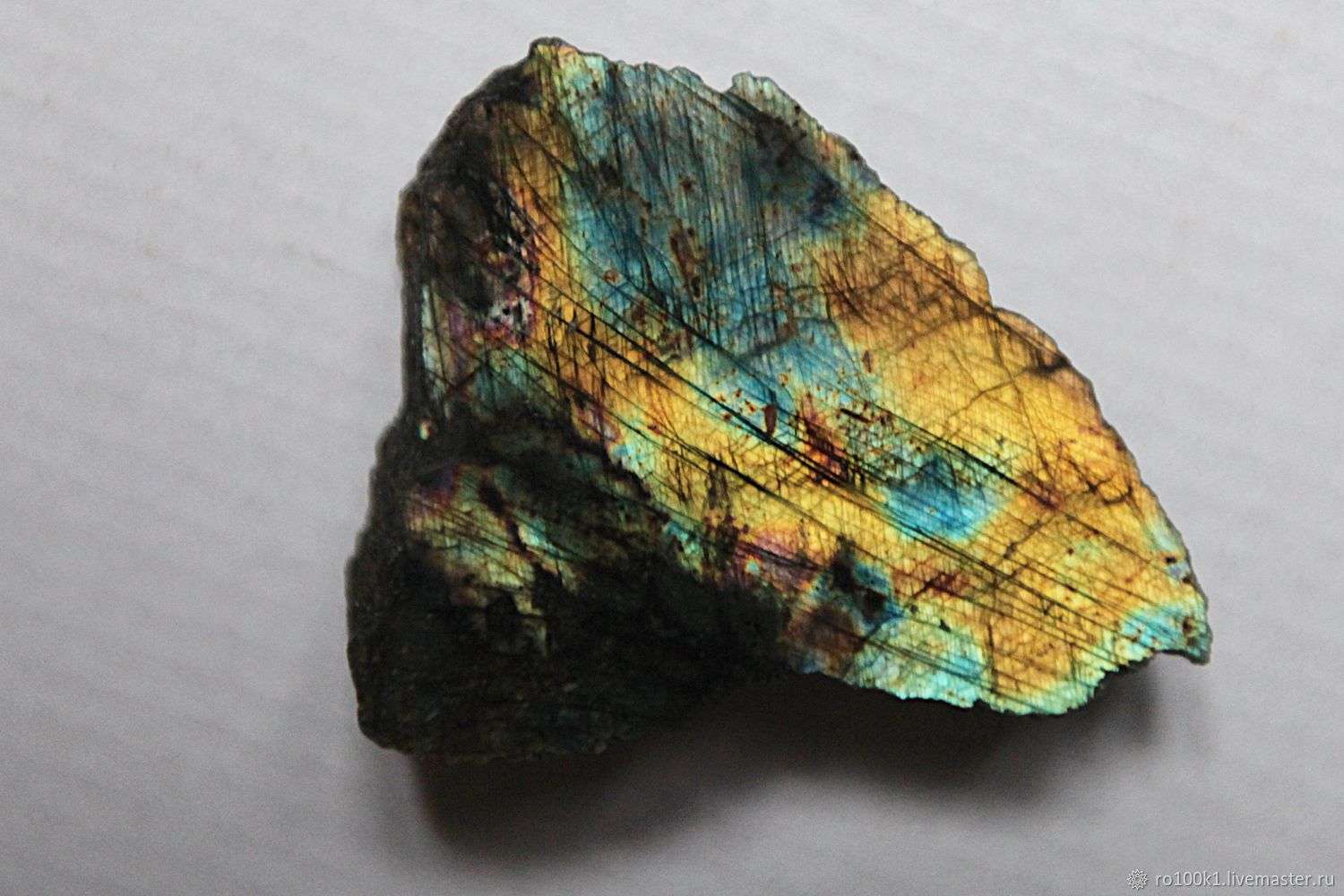
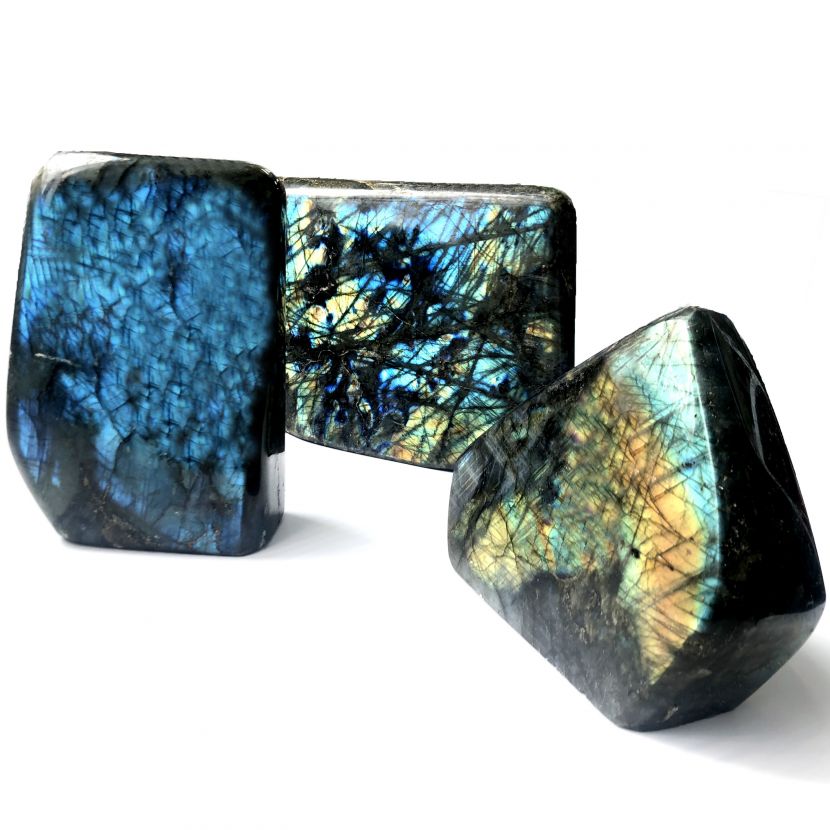
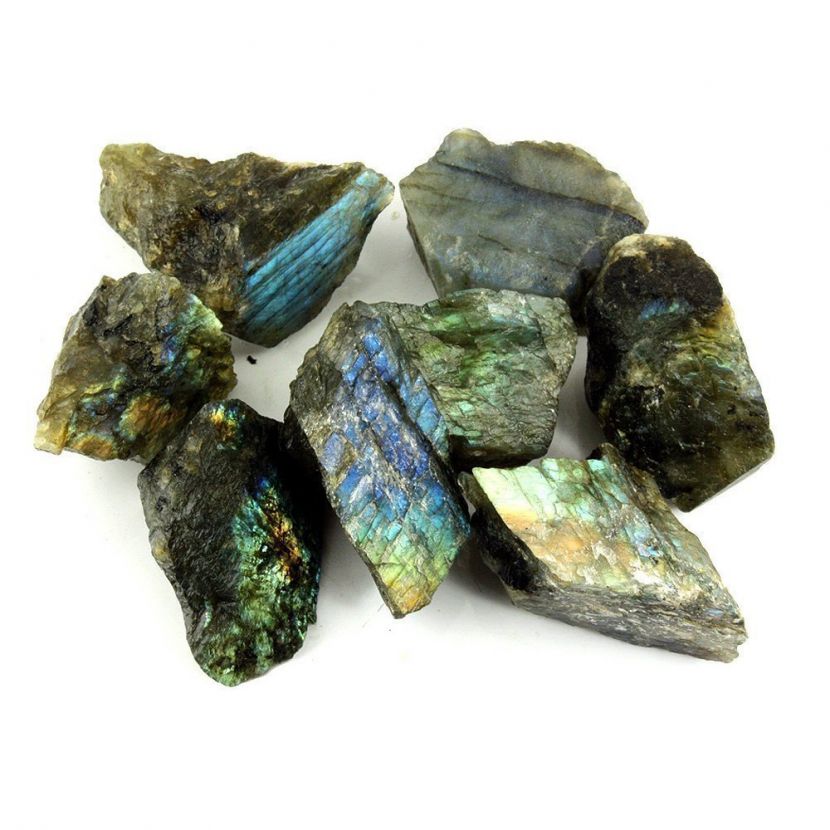
Labradorite is a rock whose main mineral is labradorite. Iridescent stone is found in the Urals, in Finland and Ukraine. In igneous rocks, the mineral consists of a continuous coarse-grained mass, iridescent in the sun. Therefore, in Finland and Germany, jewelers call it "spectrolite" - "stone rainbow".
The main thing is the right marketing move
Although there are no songs and legends about the origin of labradorite (as about diamonds, rubies and sapphires), the saying “everything new is well forgotten old” fits perfectly with it.
In the 9th-11th century. after the Baptism of Rus', churches were decorated with labradorite. The mosaic of the altar of the Church of the Tithes in Kyiv (years of construction 991-996) has been preserved. The stone was supplied from a local deposit. They treated him like an ordinary facing.
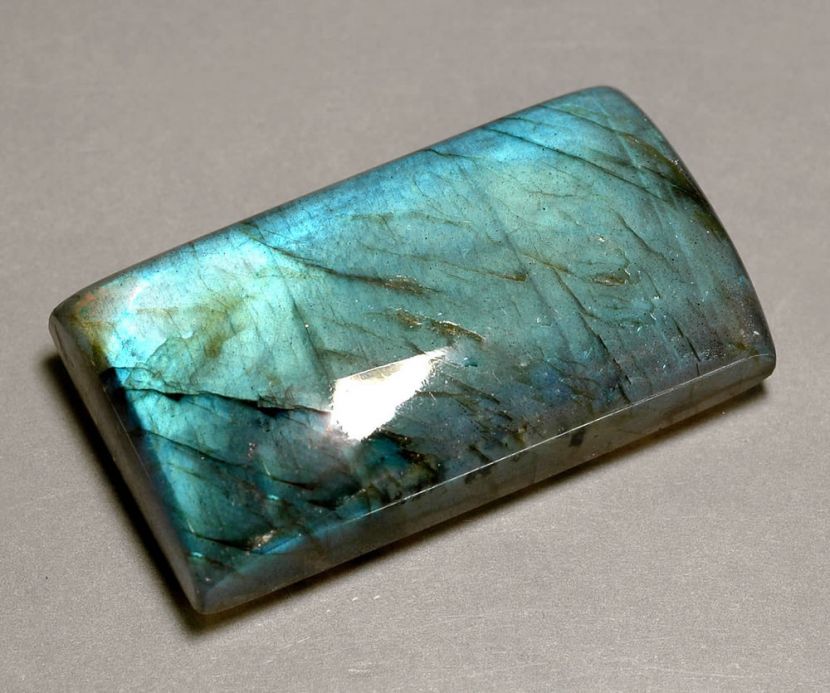
He also decorated the tomb of Prince Mstislav (1178). Products made from labradorite are still found in the Carpathians (their age is more than 10 centuries!).
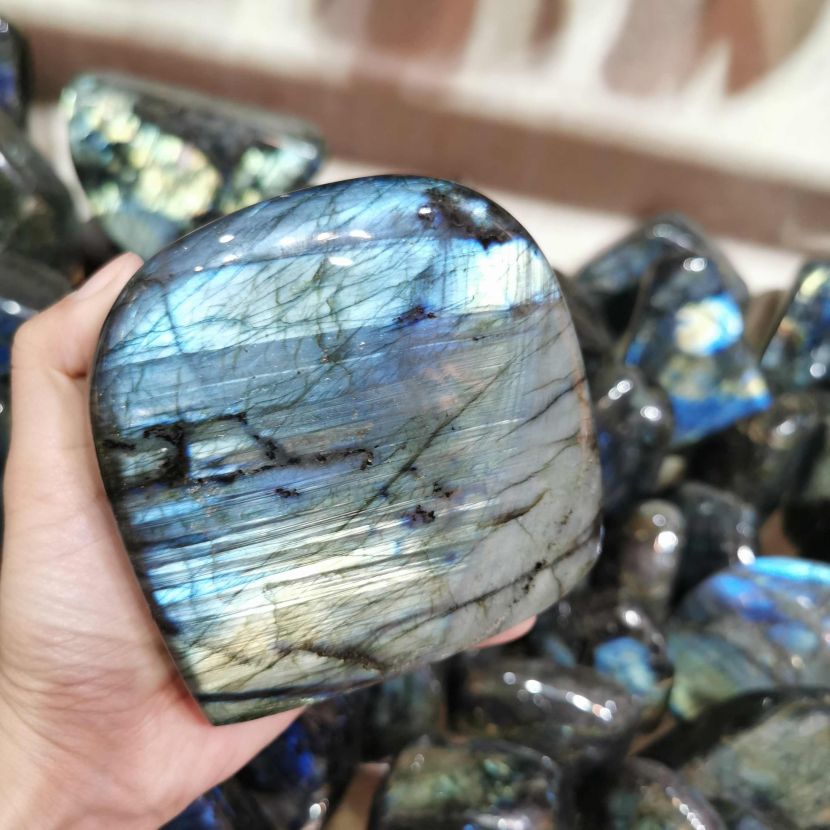
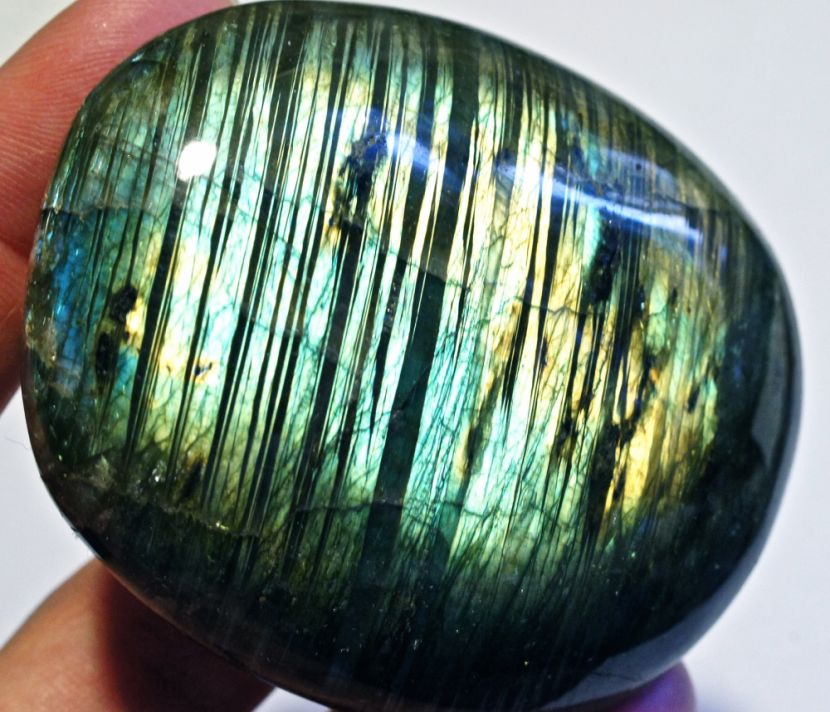
Merchants brought the mineral to Europe from the East, calling it “tavusi” (in Persian it means “peacock”). The play of light in labradorite is similar to the iridescent plumage on the head of a royal bird.
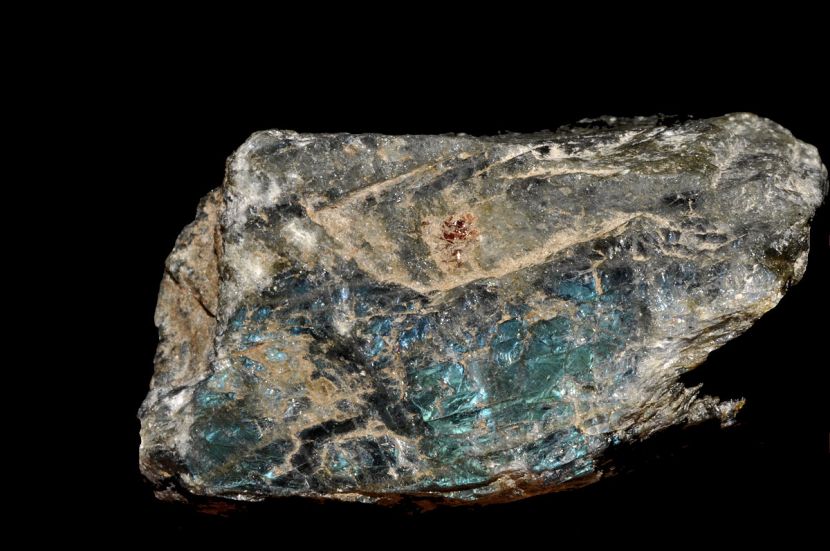
Labradorite received its modern name from the place of discovery in North America, on the Labrador Peninsula.
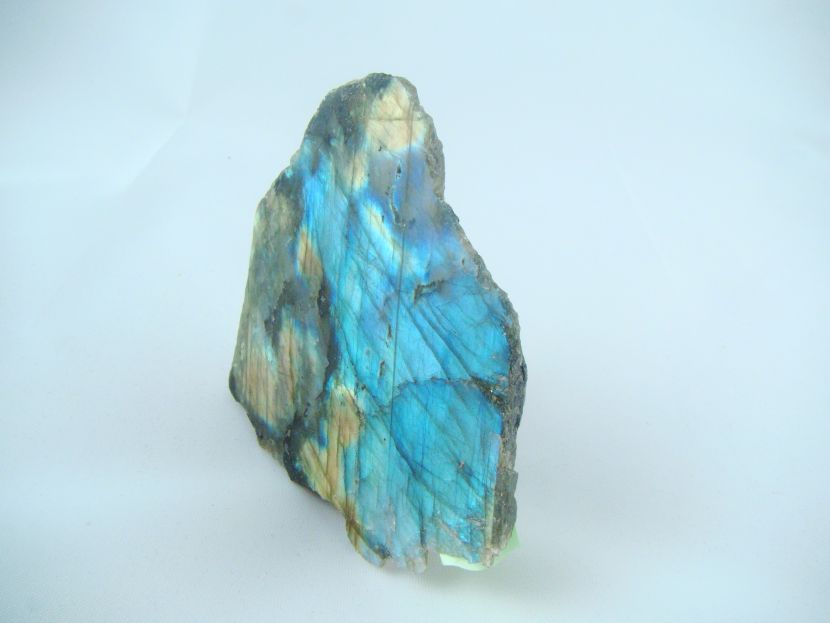
The Moravian missionaries did not miss their profit: they began to supply the Labrador to Europe (1775).
The stone was practically forgotten - after the 12th century. almost never used. Here a “new” blue-pearl stone appears on the market. First, vases and snuffboxes come into fashion, and after 100 years, fashionistas in London and Paris adorn themselves with a brooch or ring made of labrador.
In 1781 deposits of labradorite were discovered near St. Petersburg. Demand forced to remember the forgotten deposits of Volyn. Nevertheless, it is more profitable to supply the mineral to Europe from the Russian Empire than to transport it by sea.
The Palace of San Donato in Italy, St. Volodymyr's Cathedral in Kyiv, the Cathedral in Zhitomir in Volhynia... As well as countertops, caskets, mirror frames, mantelpieces - the object of pride and boasting of the rich people of Vienna, Paris, Krakow and Prague. The prudent minds of "business people" quickly realized: how to properly convey to the public the exclusivity of labradorite.
Birth of a stone
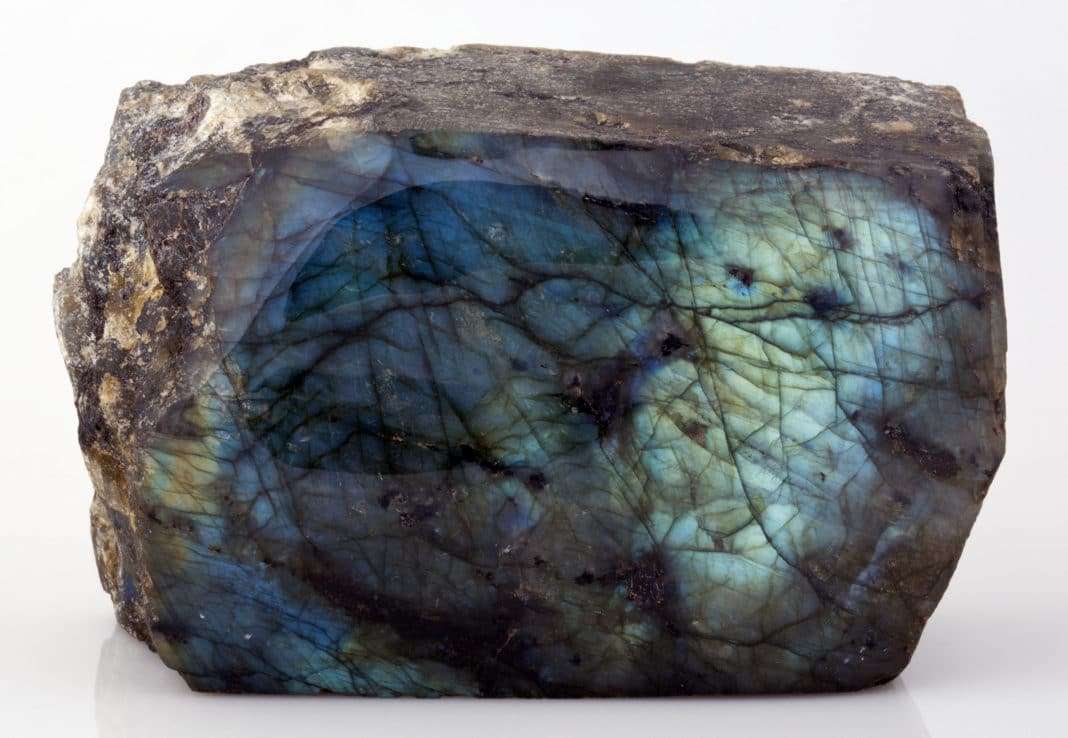
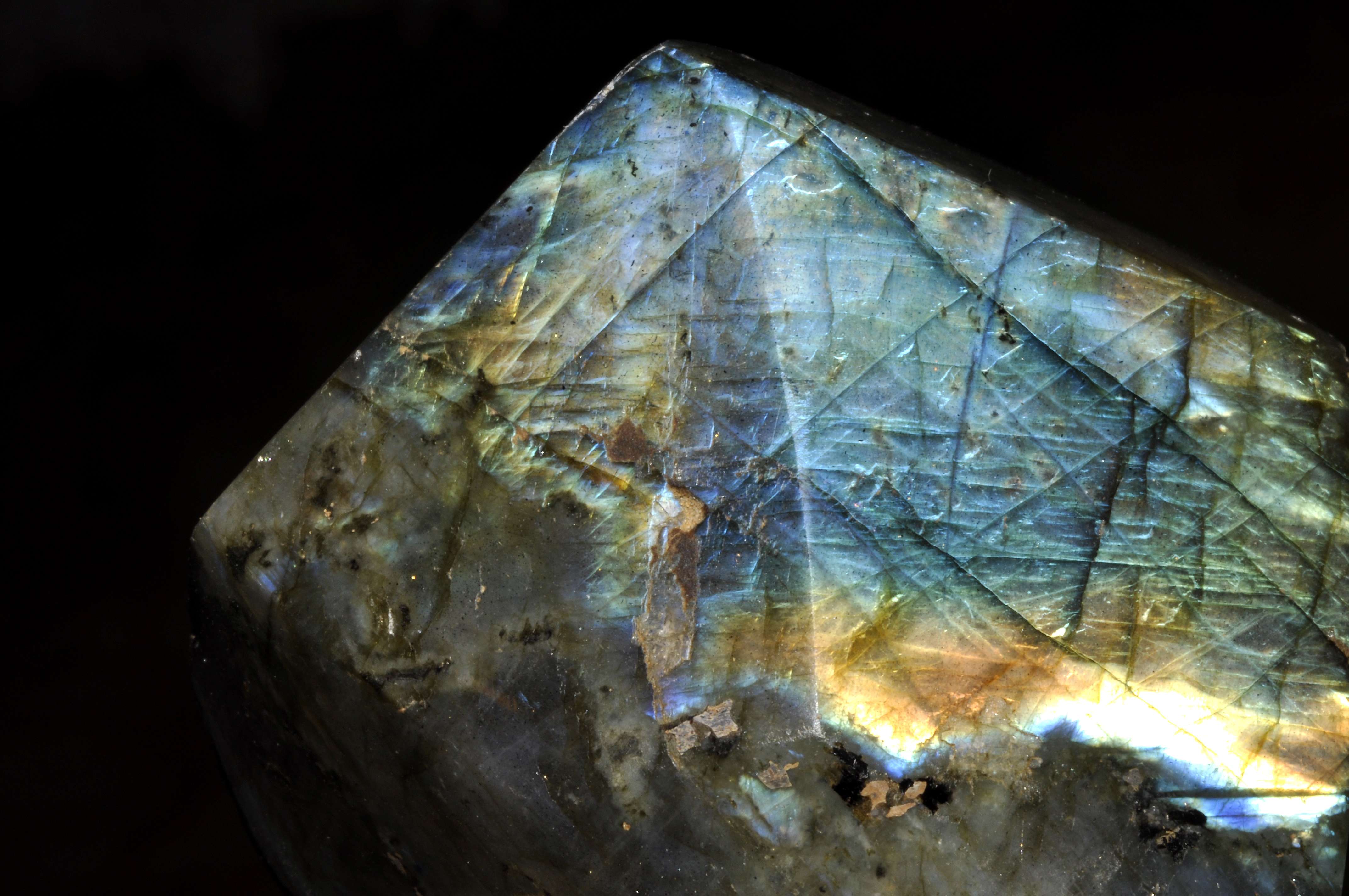
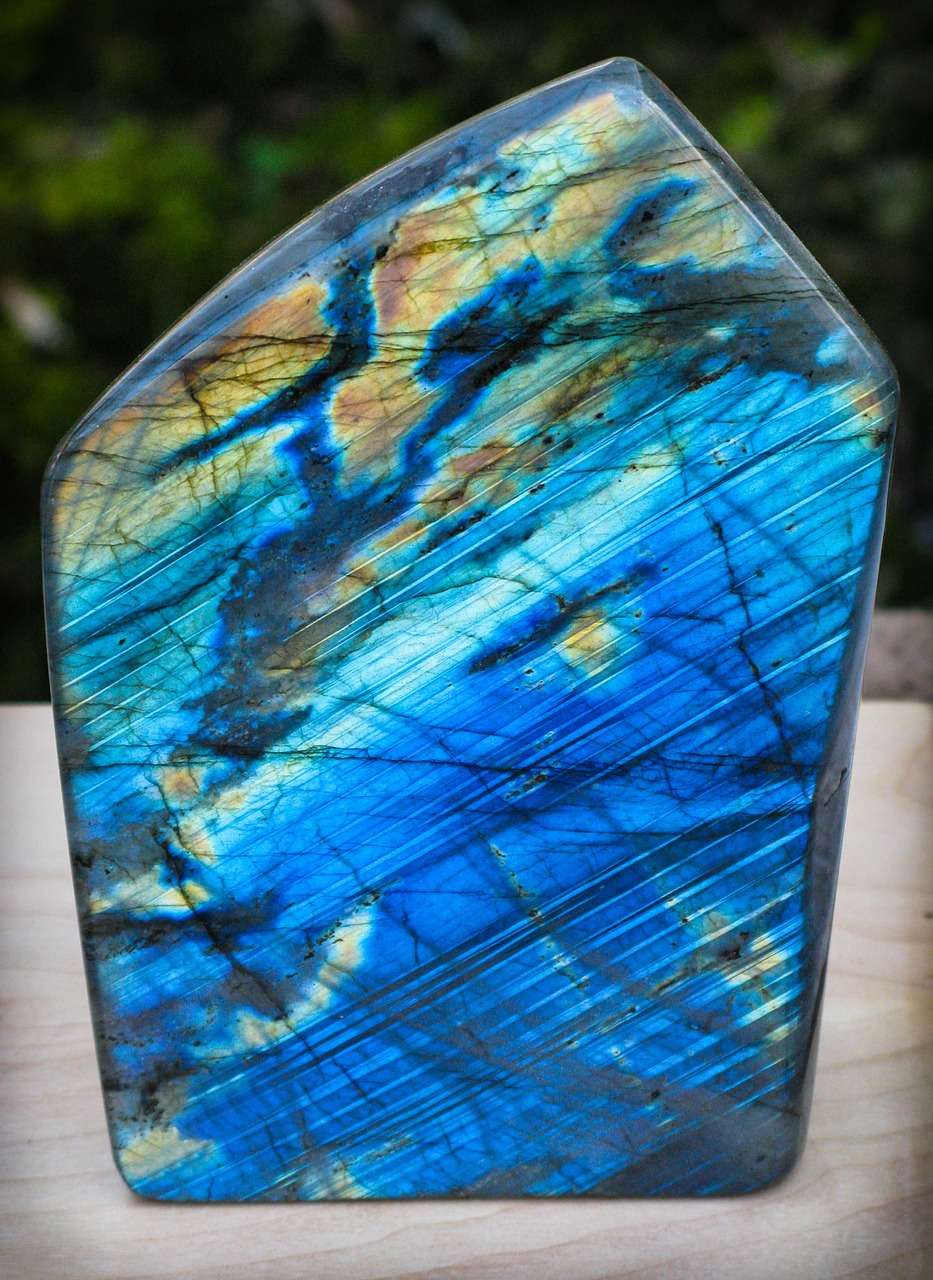
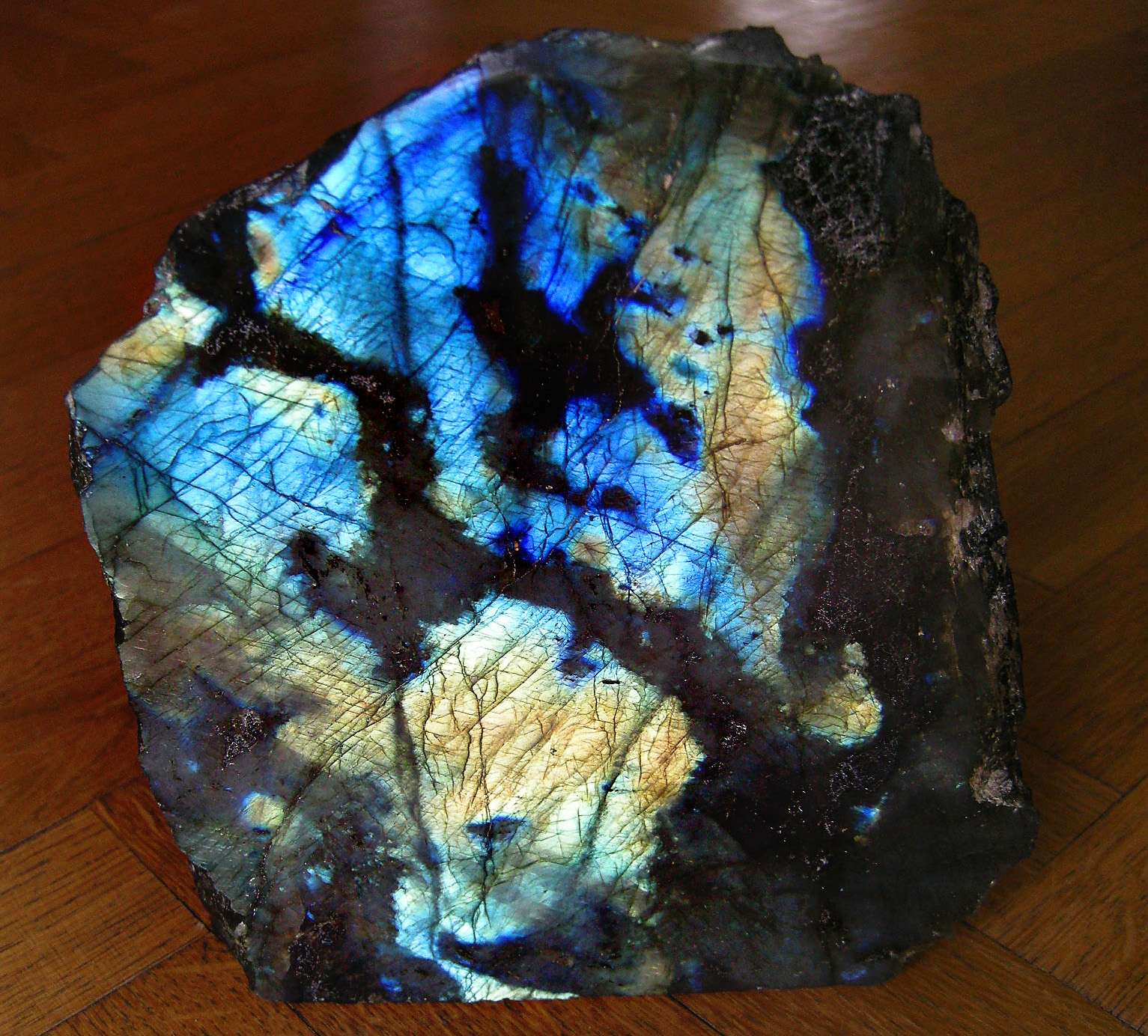
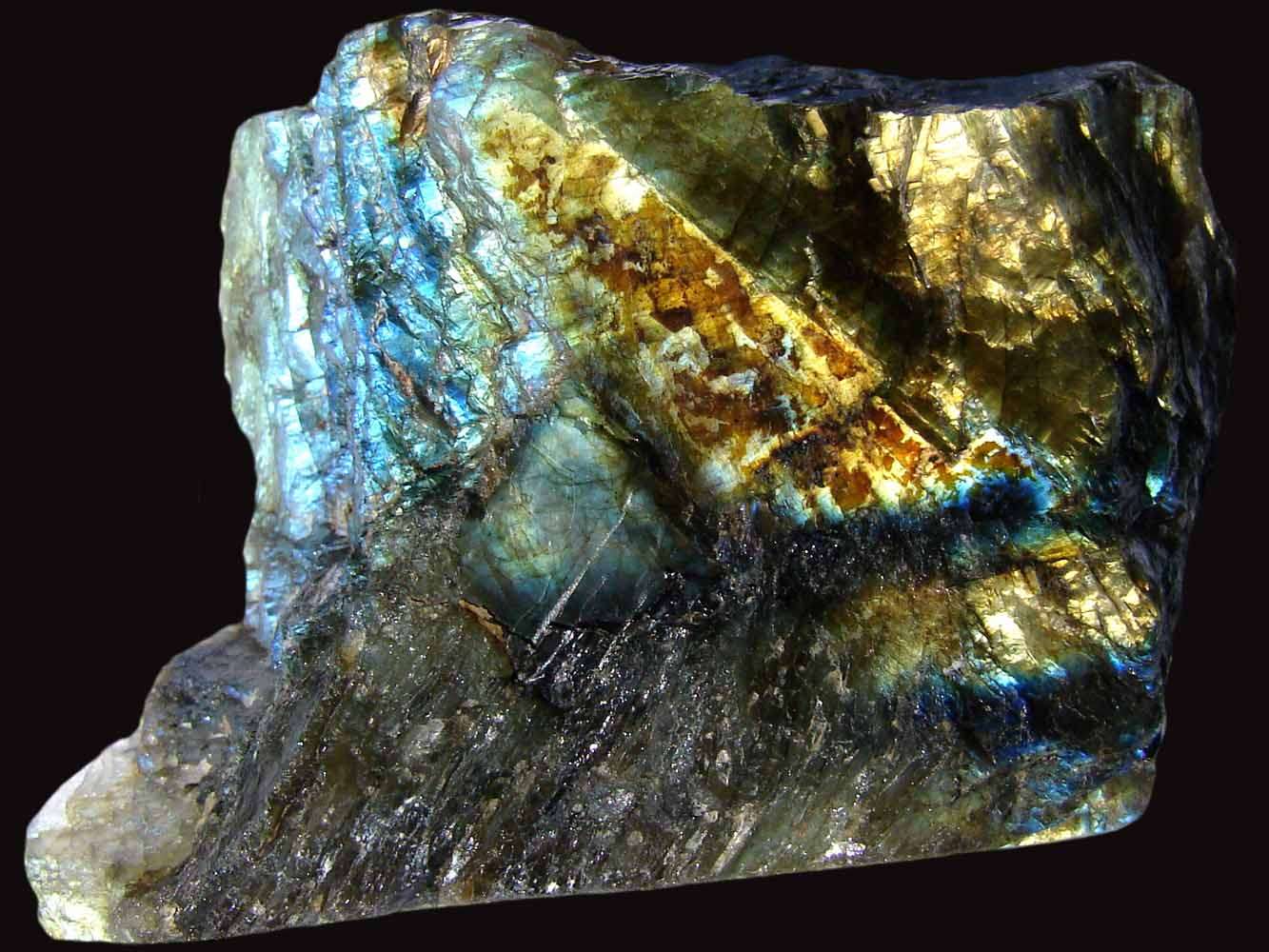
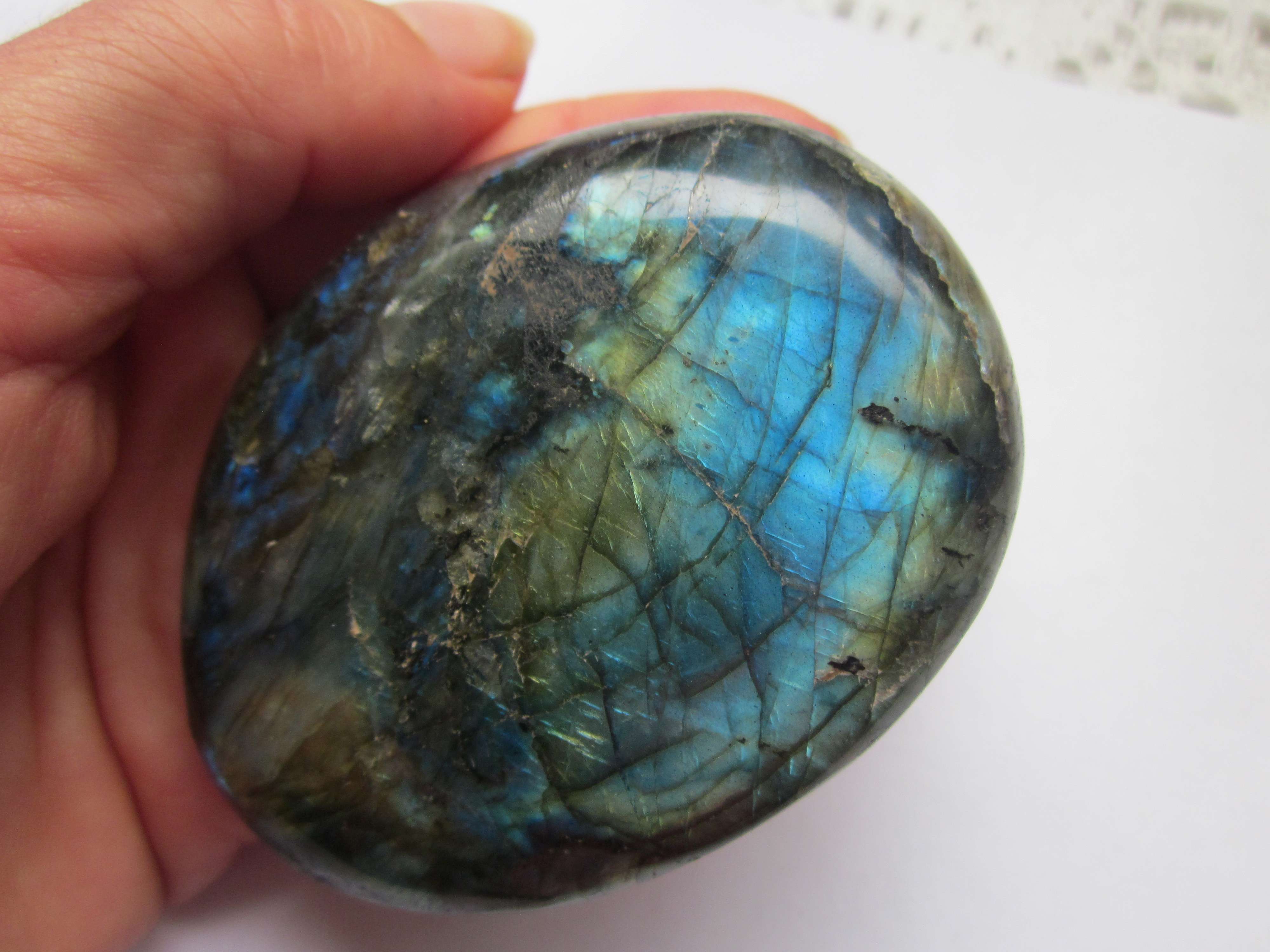
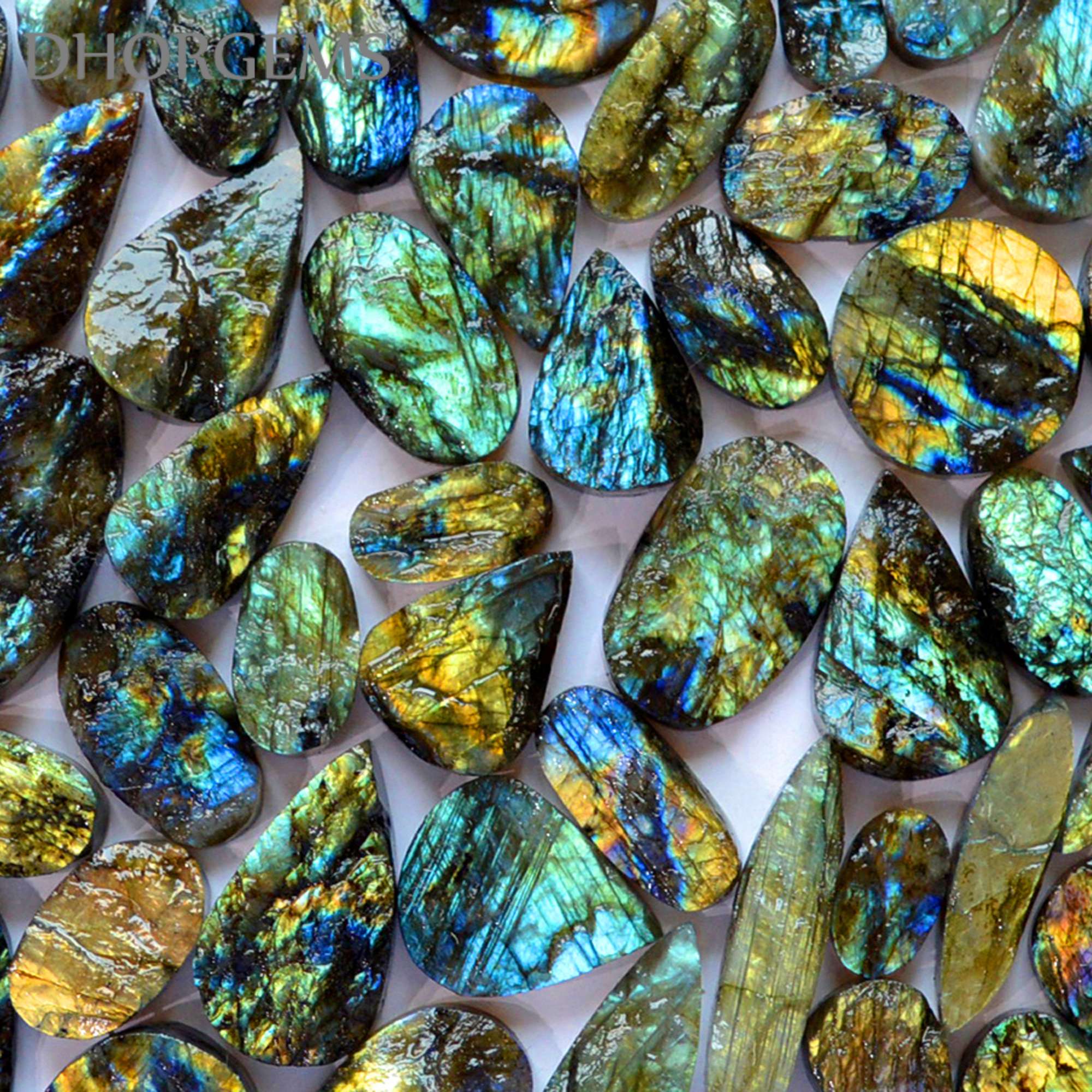
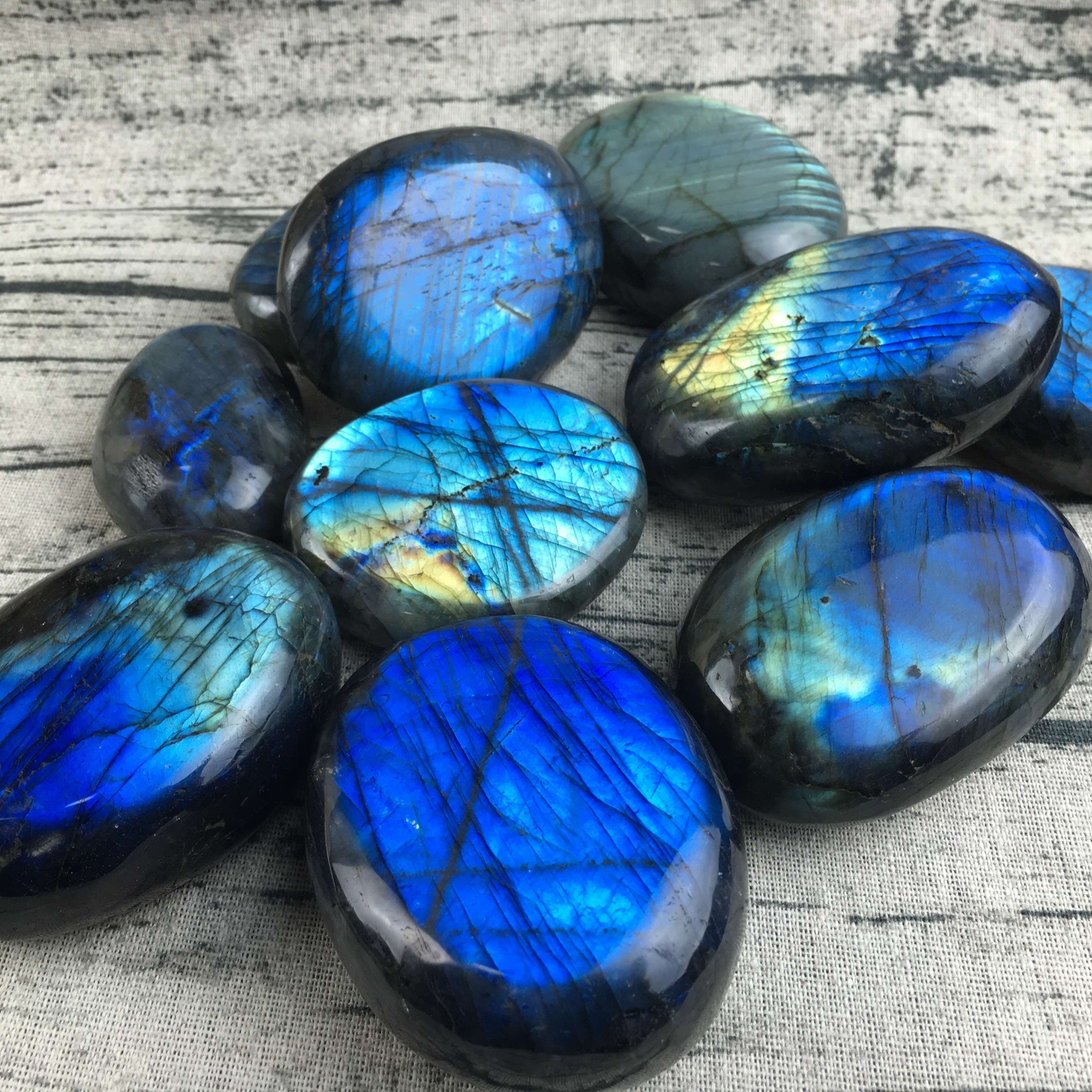
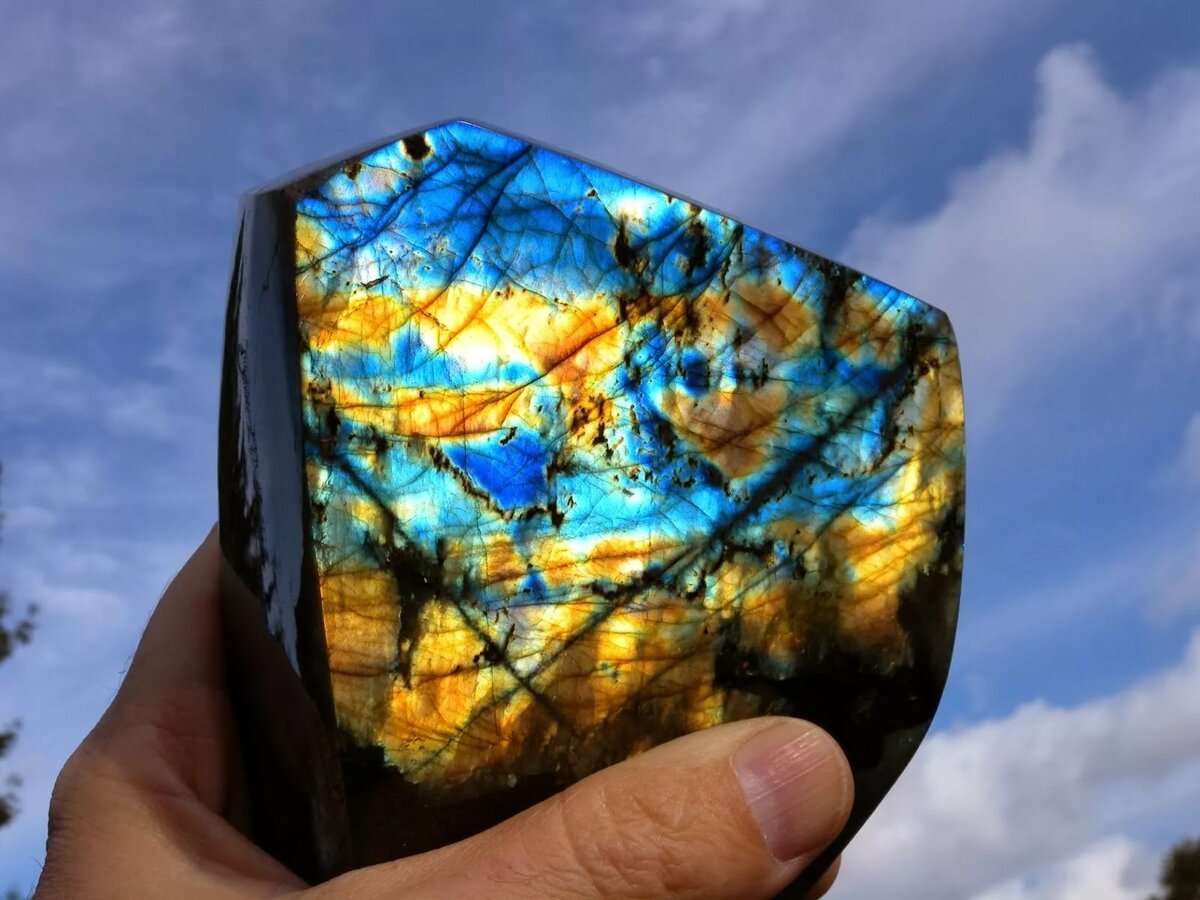
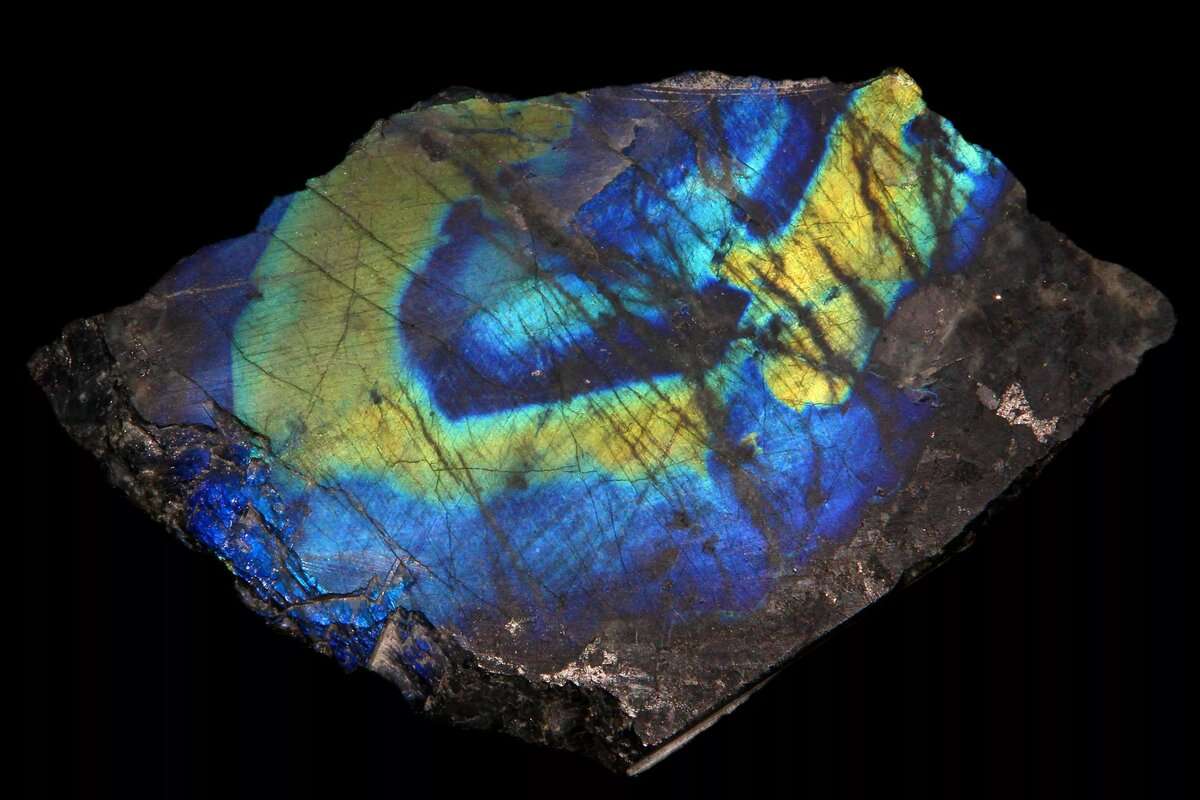
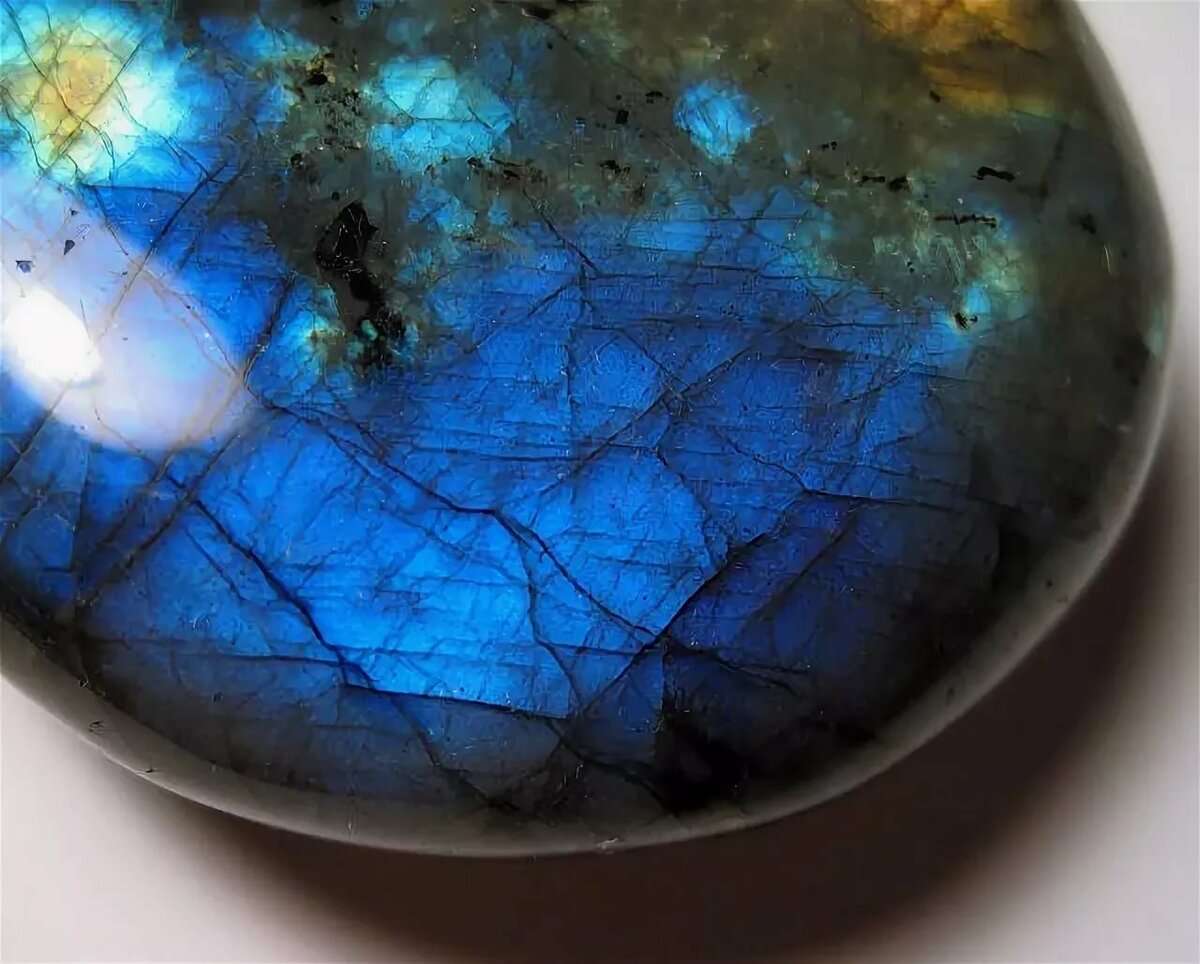
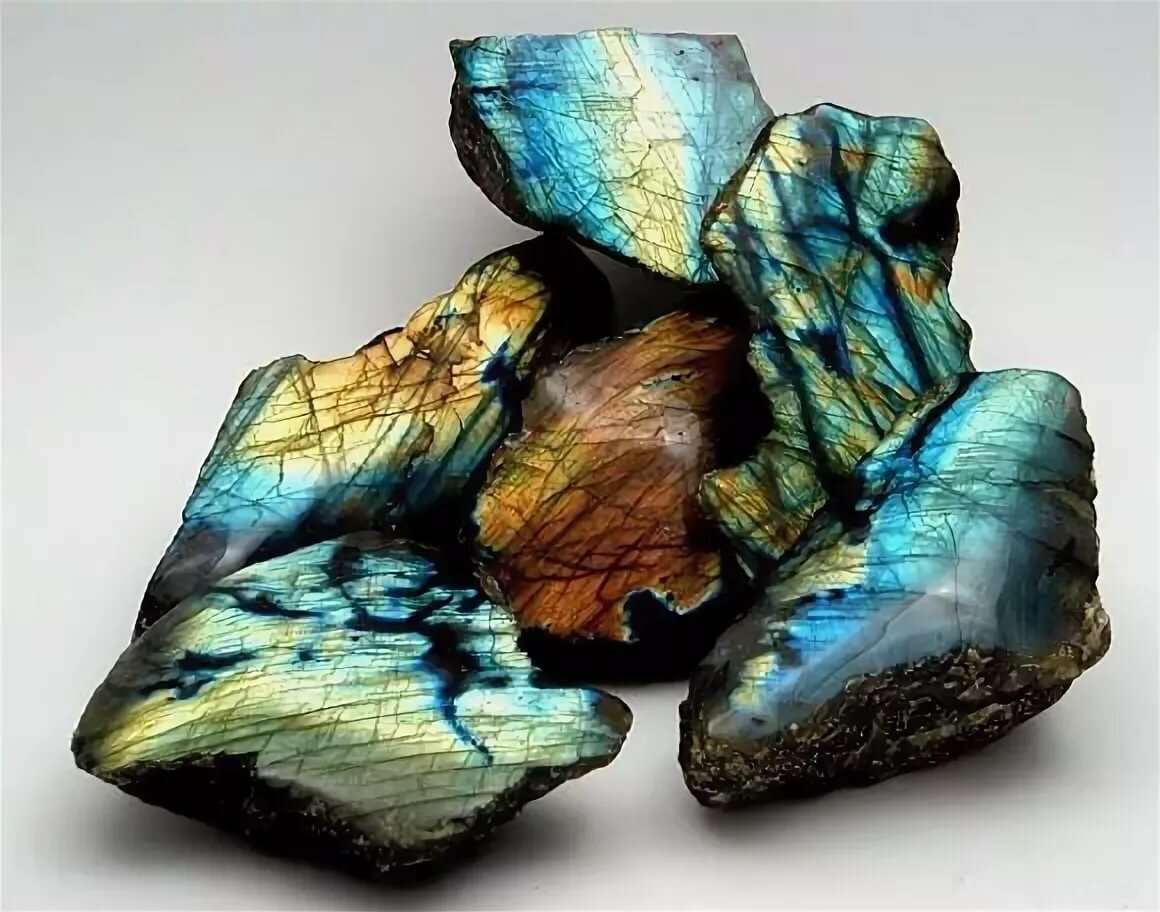
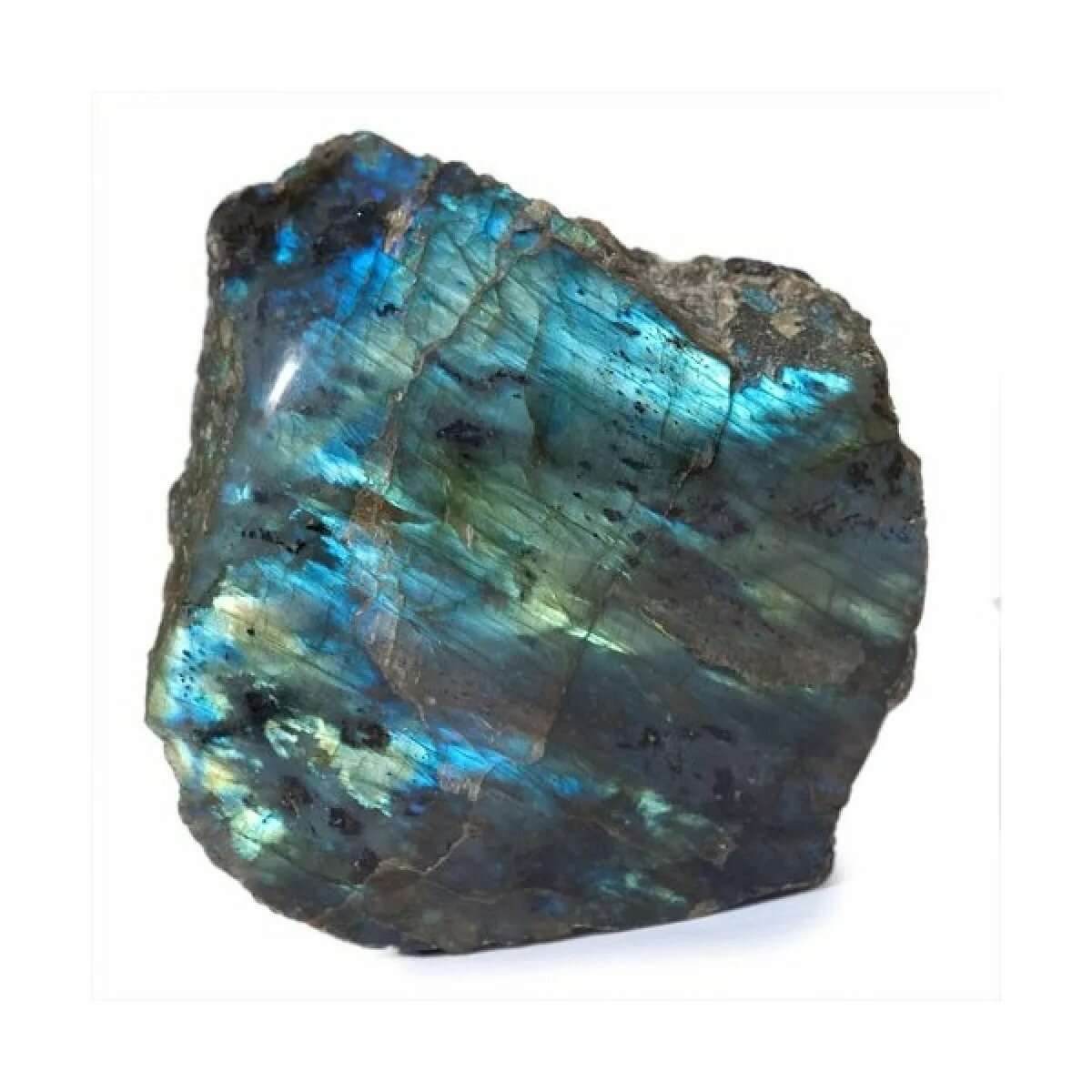
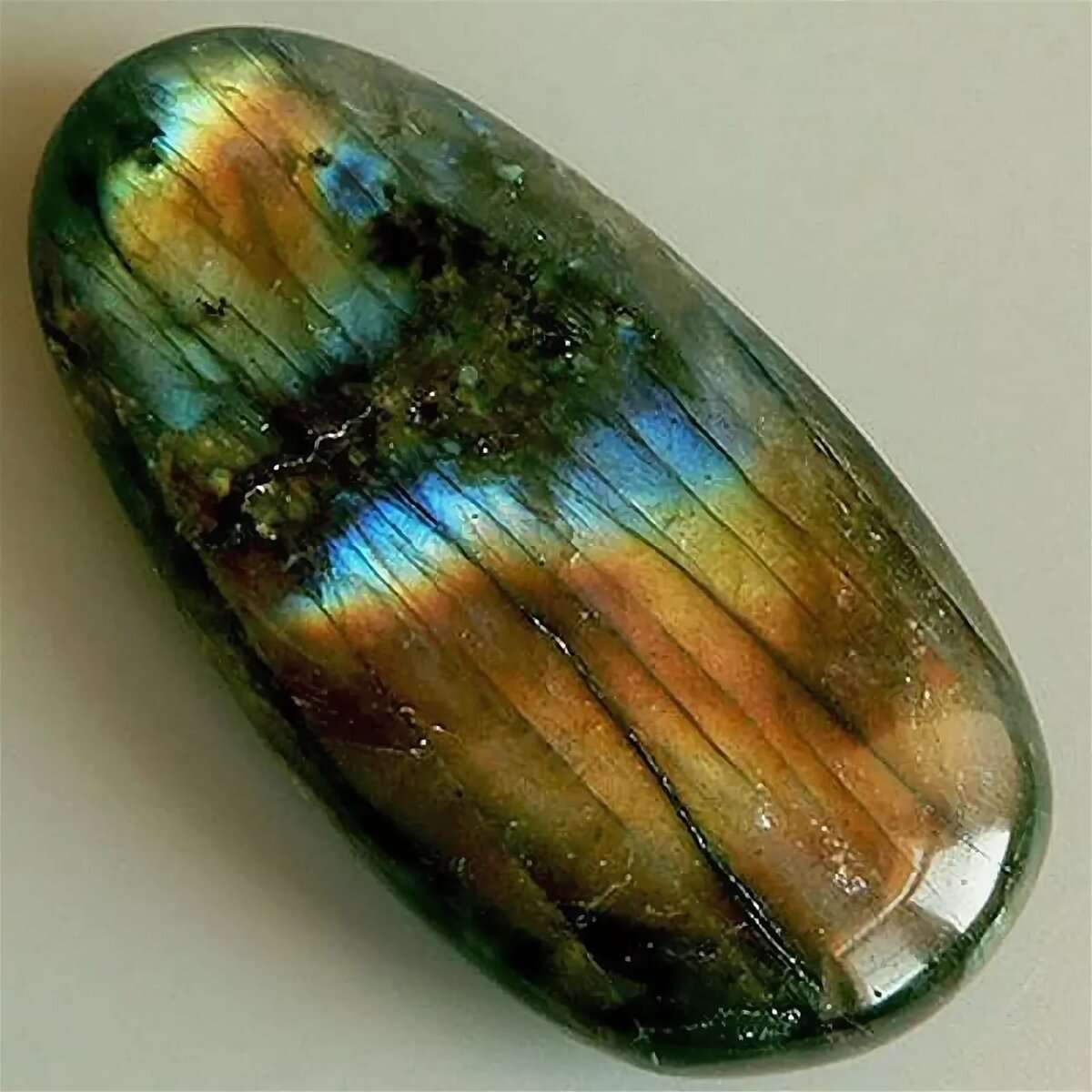
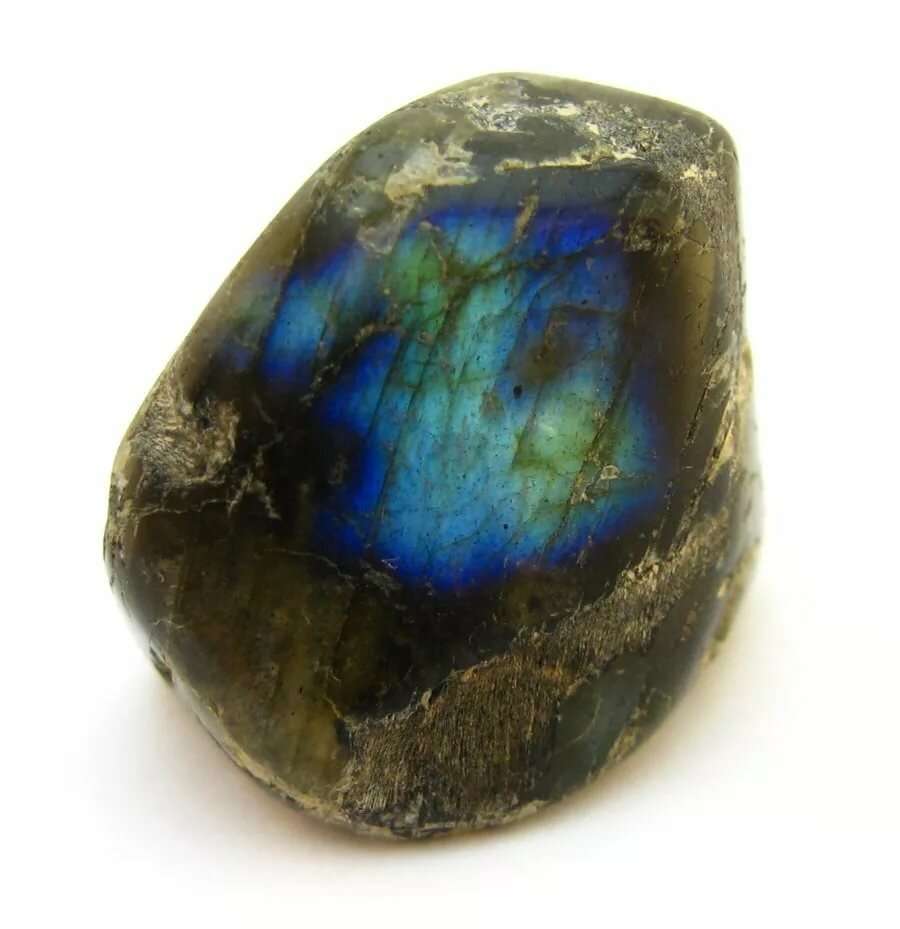
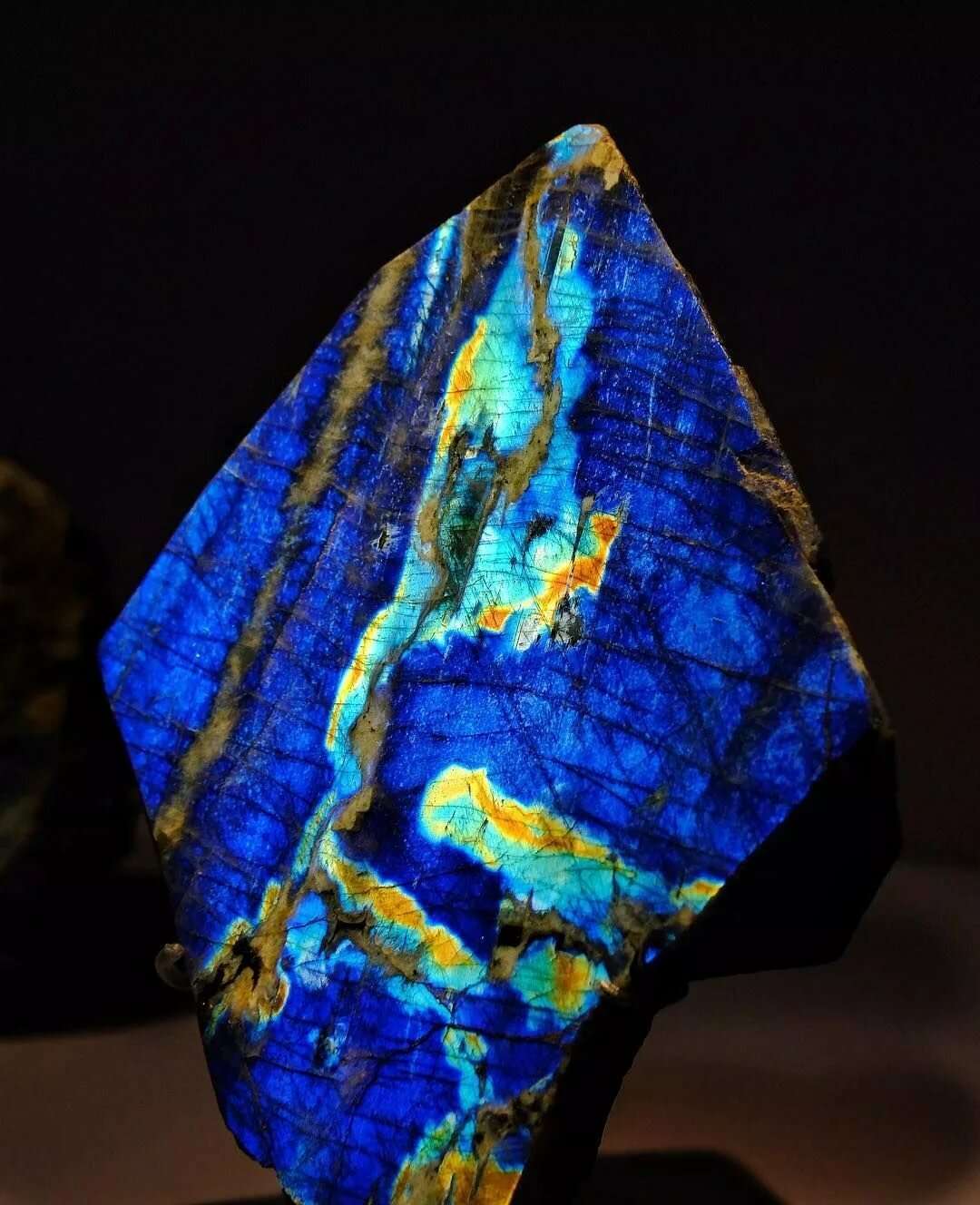
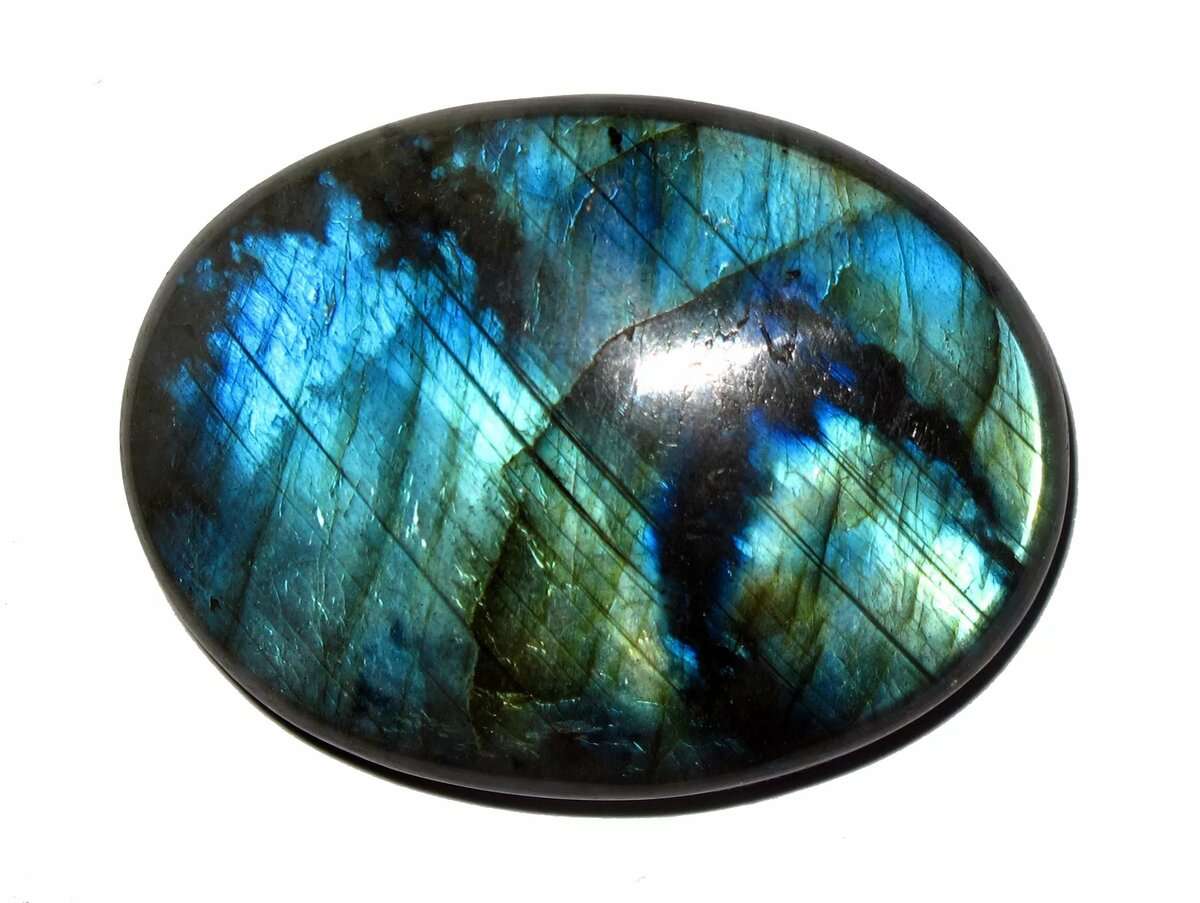
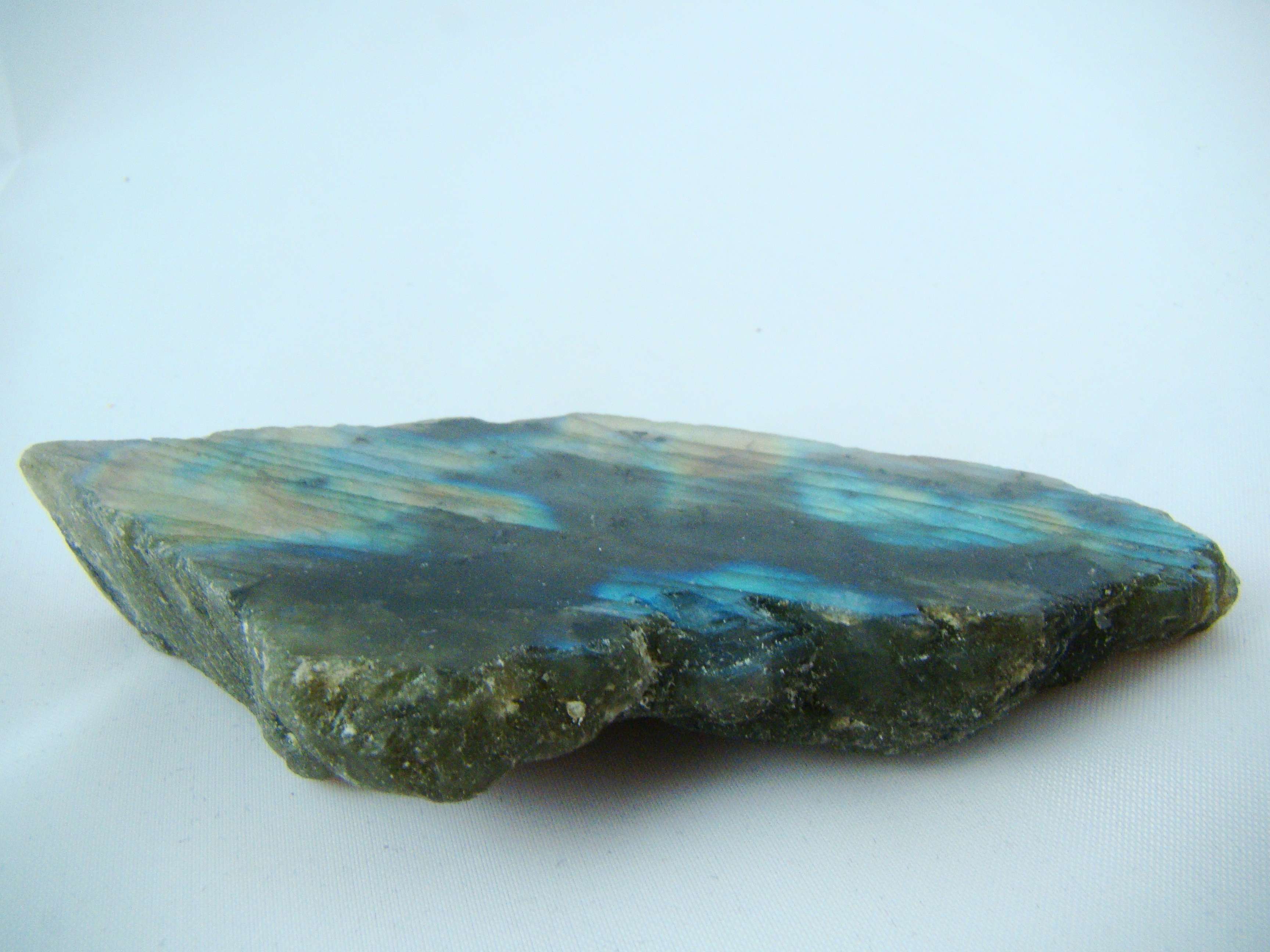
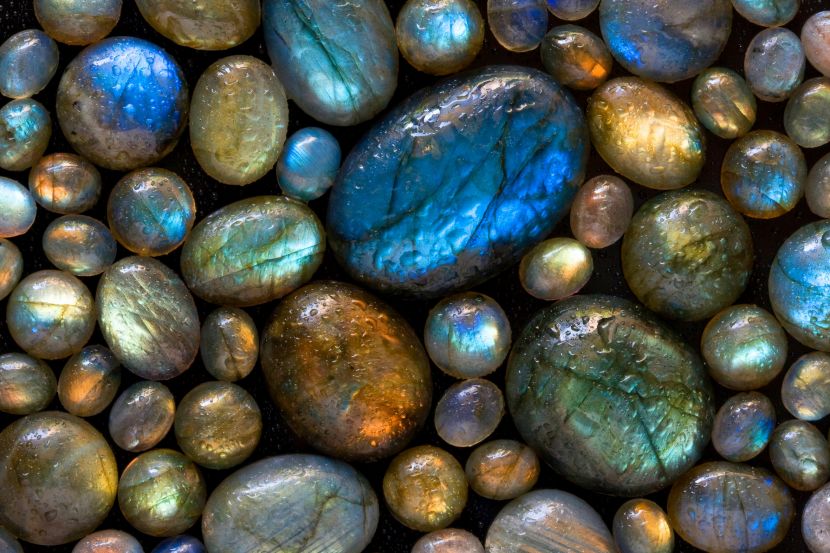
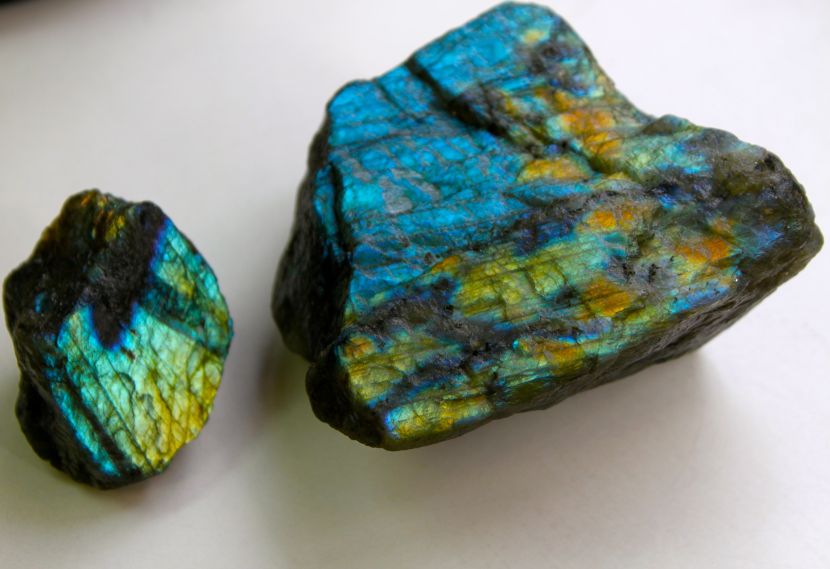
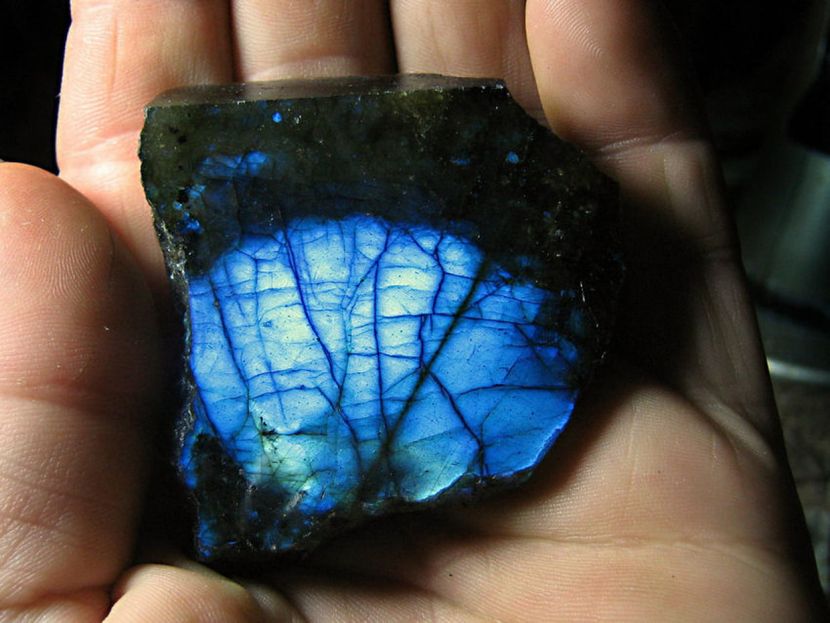
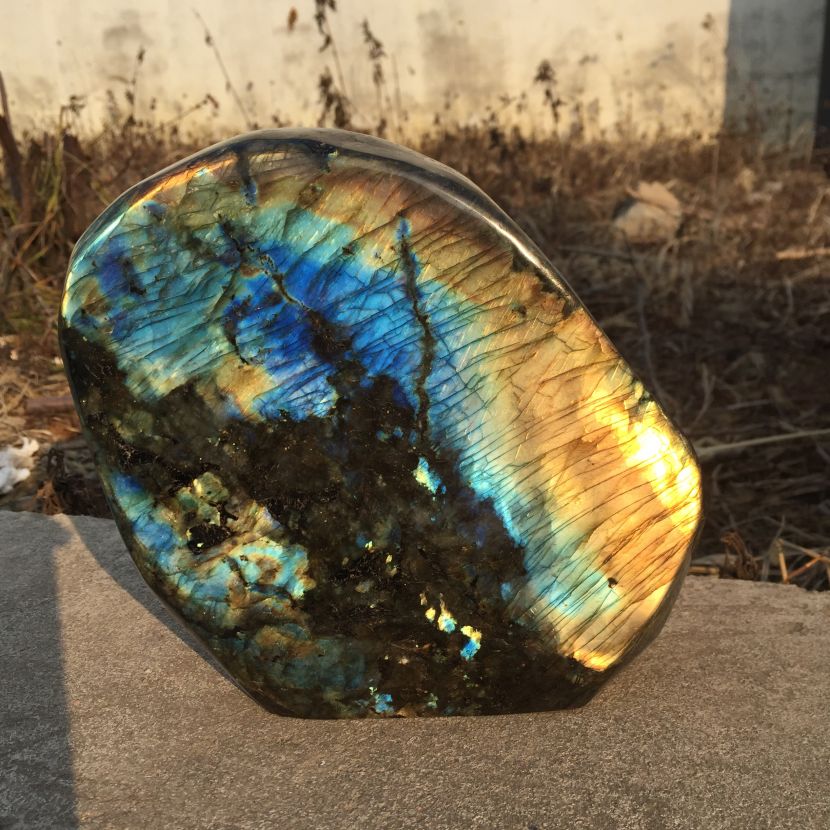
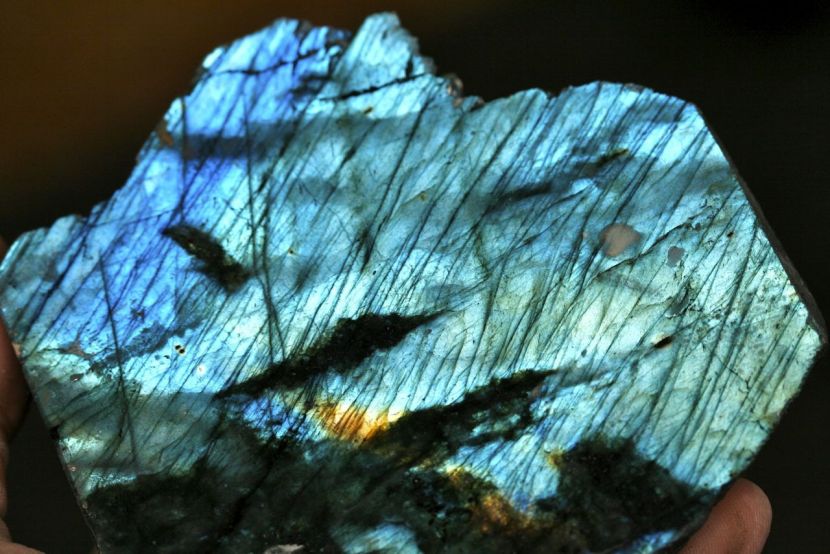
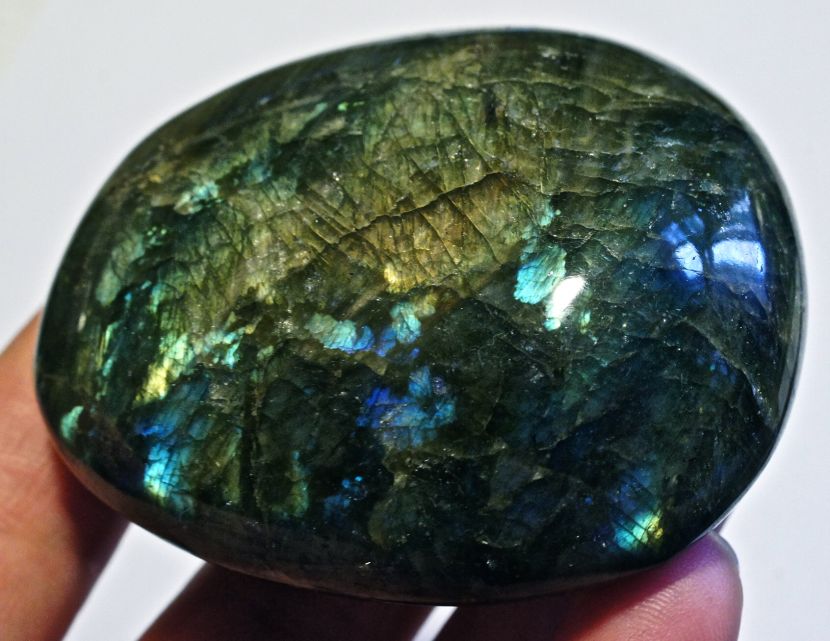
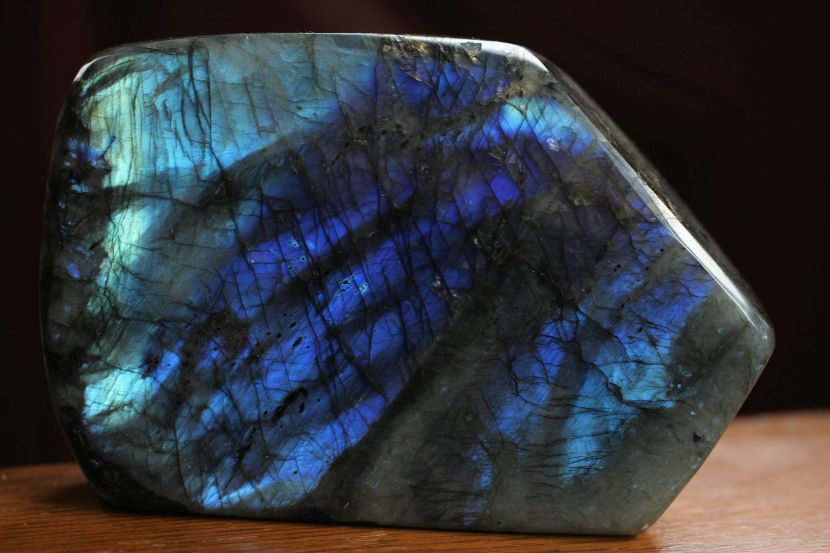
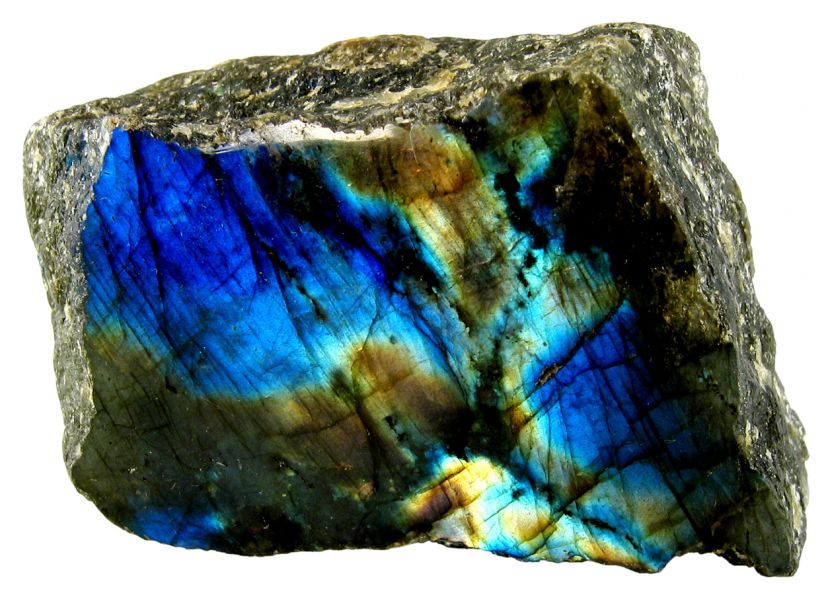
When labradorite is mined, the “eyes” are striking, casting blue, green, even raspberry with a golden glow. This is the most valuable thing in a stone. That is what attracts the mystics of the mineral.
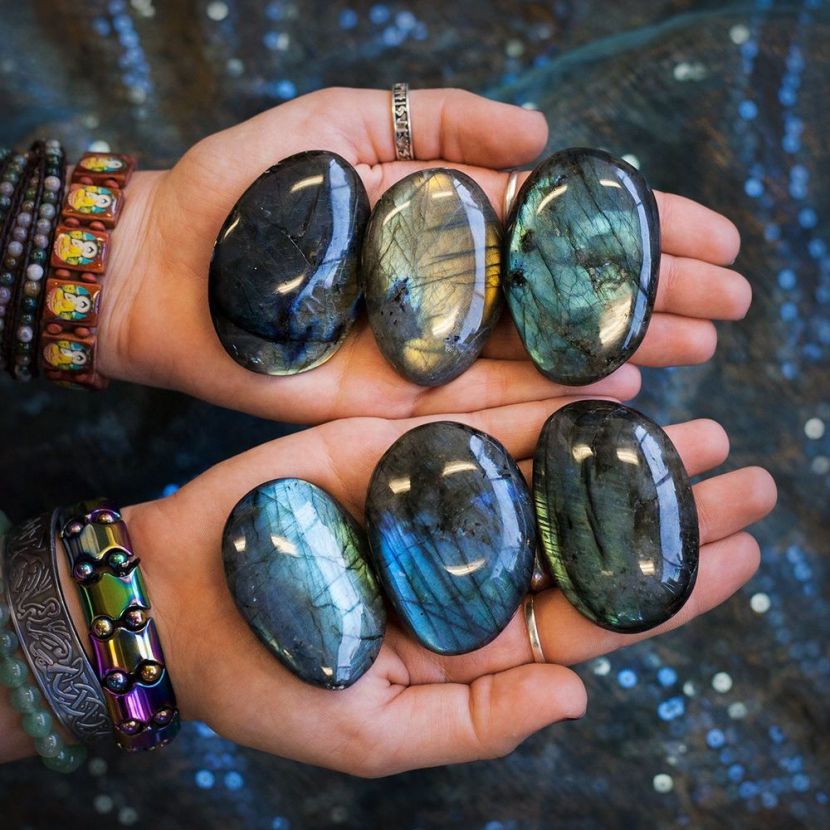
Labradorite is an igneous rock. The temperature and plasticity of magma are very high. Atoms of aluminum, oxygen and silicon are grouped, forming crystals-embryos with an openwork framework. Then potassium, strontium, rubidium, iron join them ...
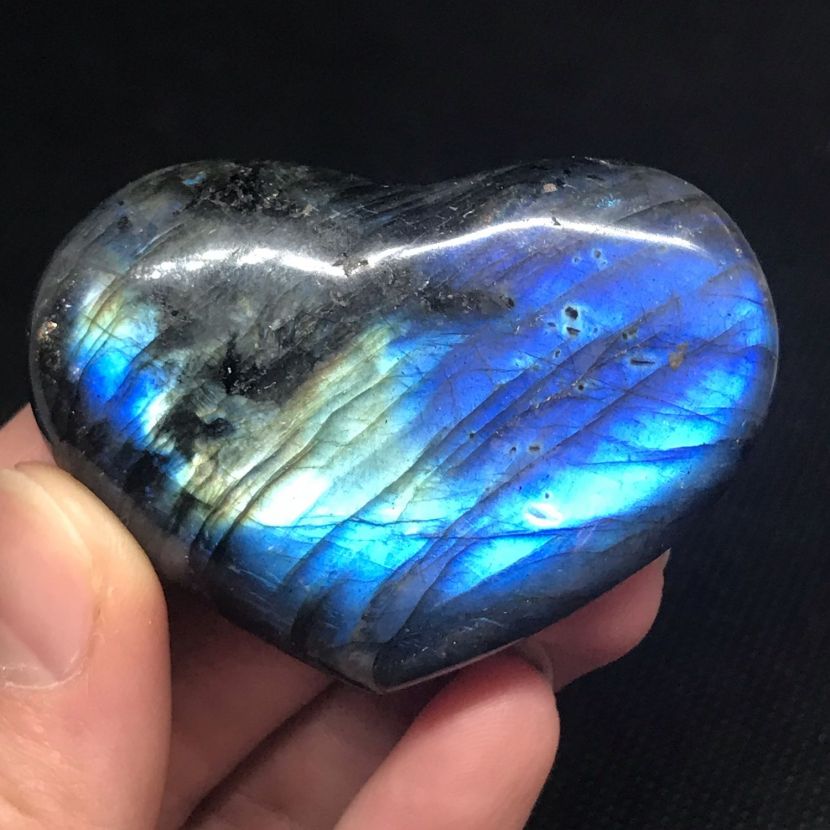
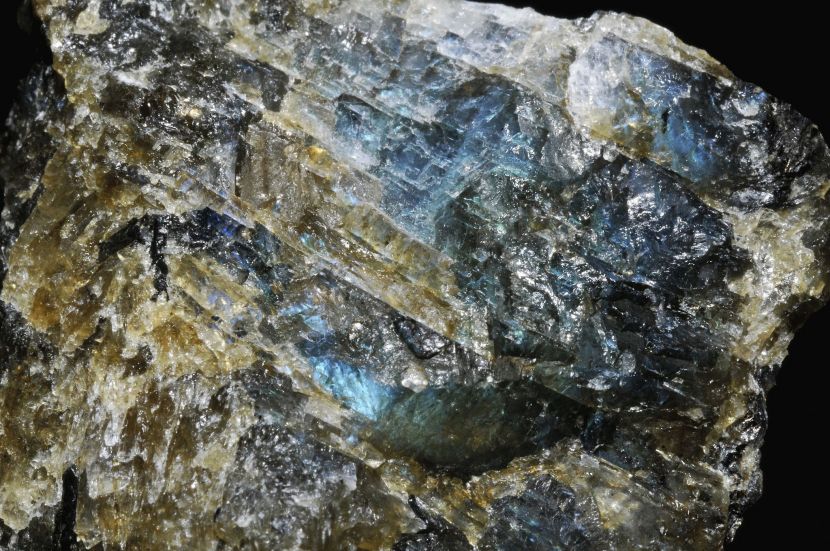
The temperature cools down, and the outer layer of the “lump” also cools down - but inside it breaks up into the thinnest plates. It turns out something like a layered test. Lots and lots of layers. The light is reflected several times, returning to the viewer as an iridescent inflorescence. Such a play of colors was even called iridescence (after the goddess of the rainbow Irida).
Physico-chemical description
Labradorite - soda-calcium feldspar, plagioclase No. 50-70 (anorthosite).
Certainly not a silicate (which is a salt of silicic acids). Such information, walking on the network, is erroneous.
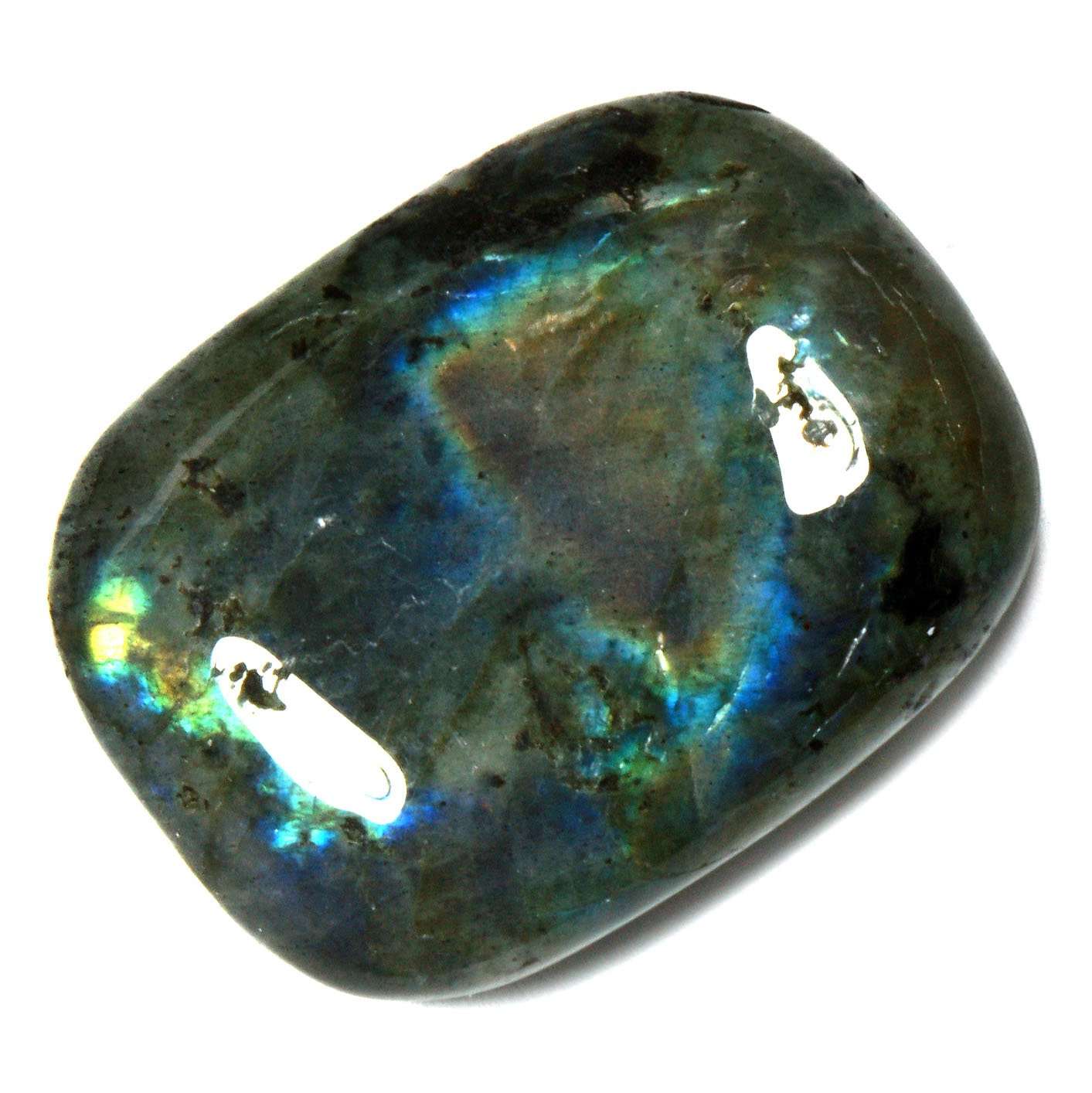
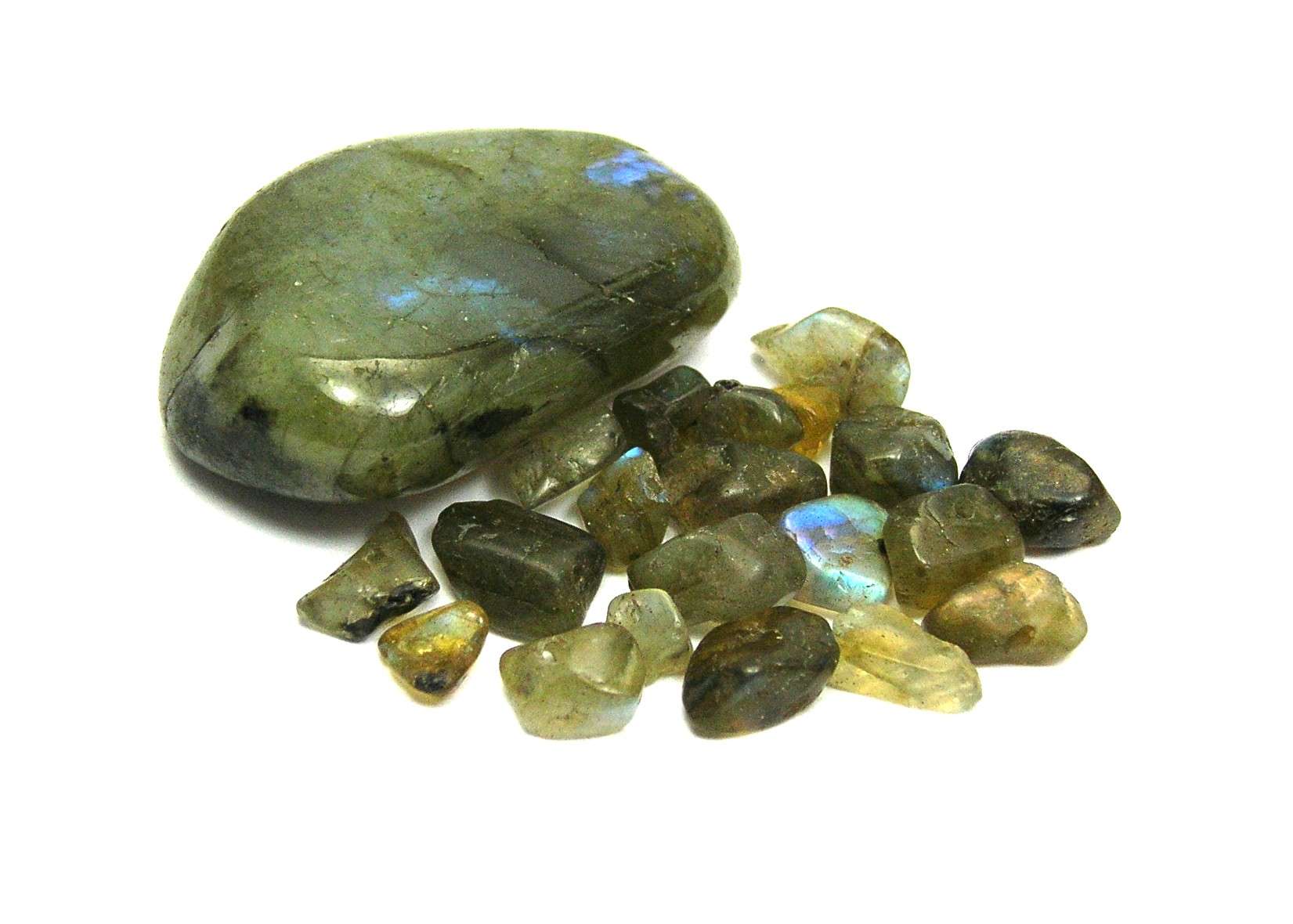
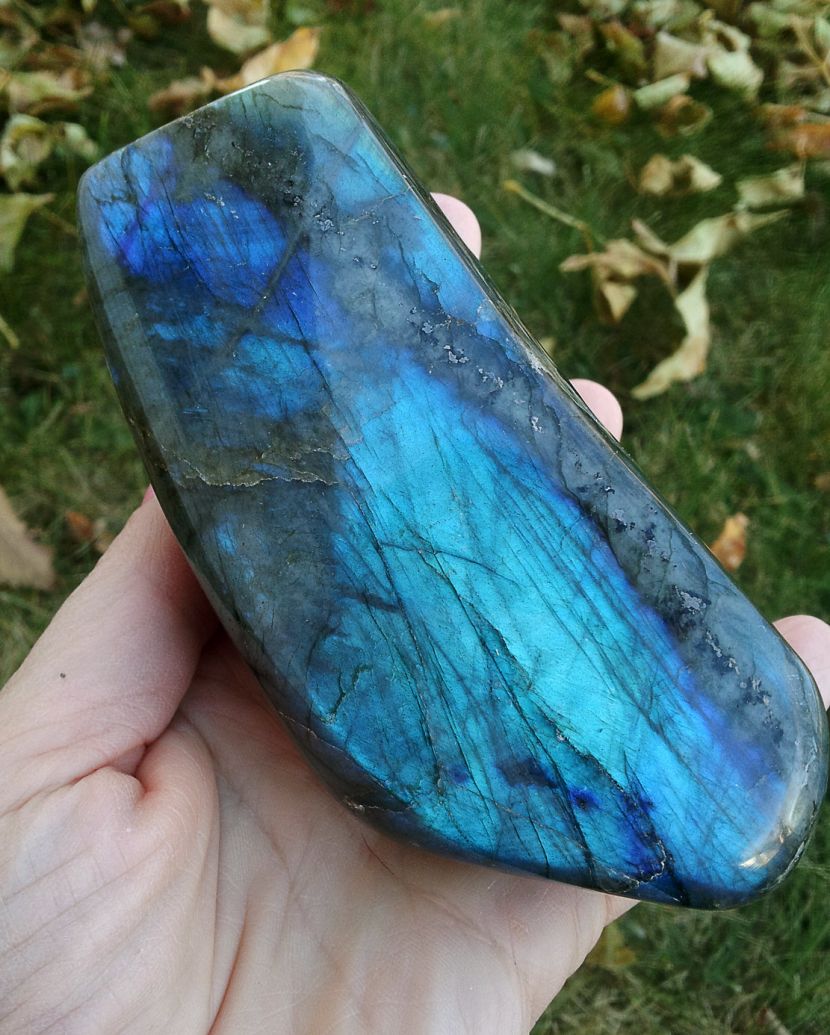
The color of the stone is from dark gray to gray-black, sometimes dark blue.
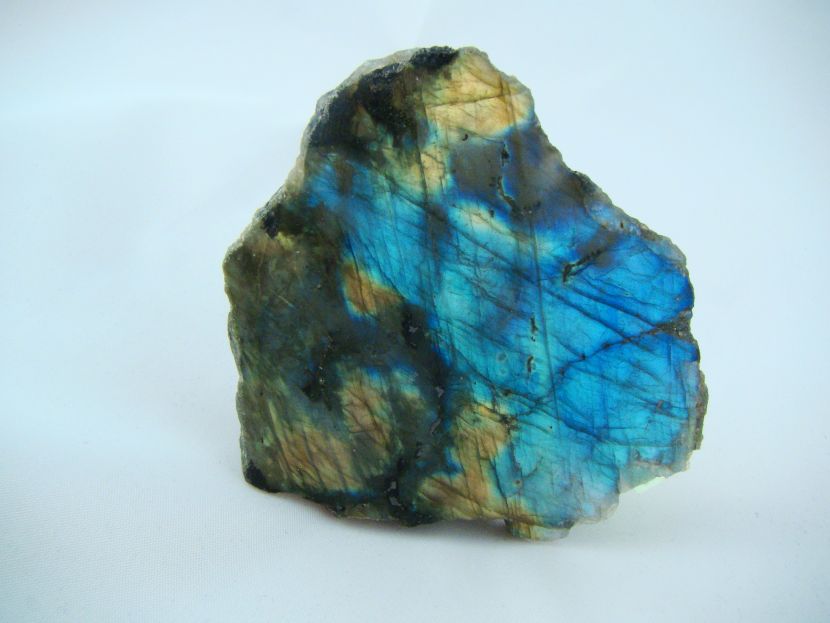
Irization, properties:
Low tide
- "cat's eye" (Greenlandic, deposits of St. Paul Island);
- "peacock feather" (Indian).
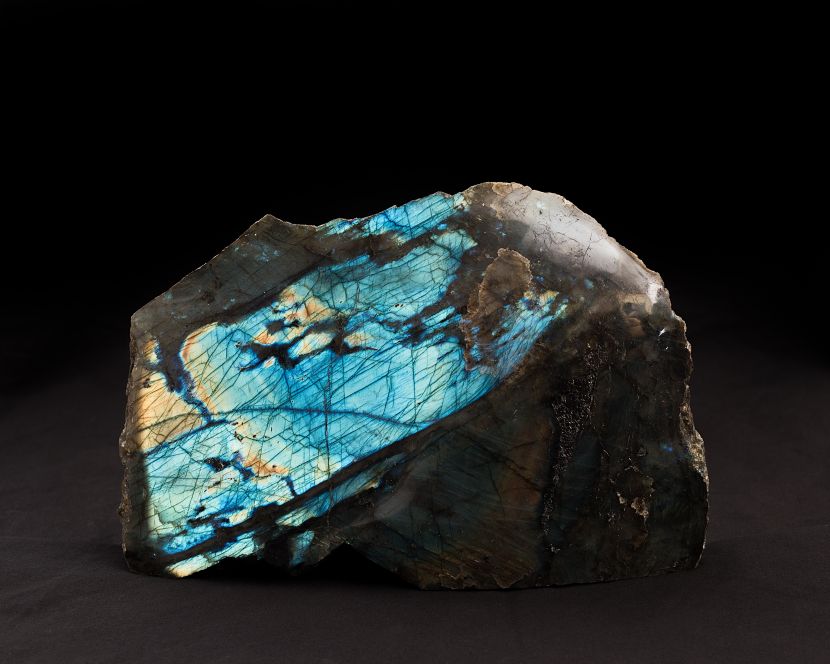
| The nature of the location | Local, very rarely continuous |
| The nature of the extinction | Wavy or mosaic |
| Geometry patterns | Zonal, spotted, edging |
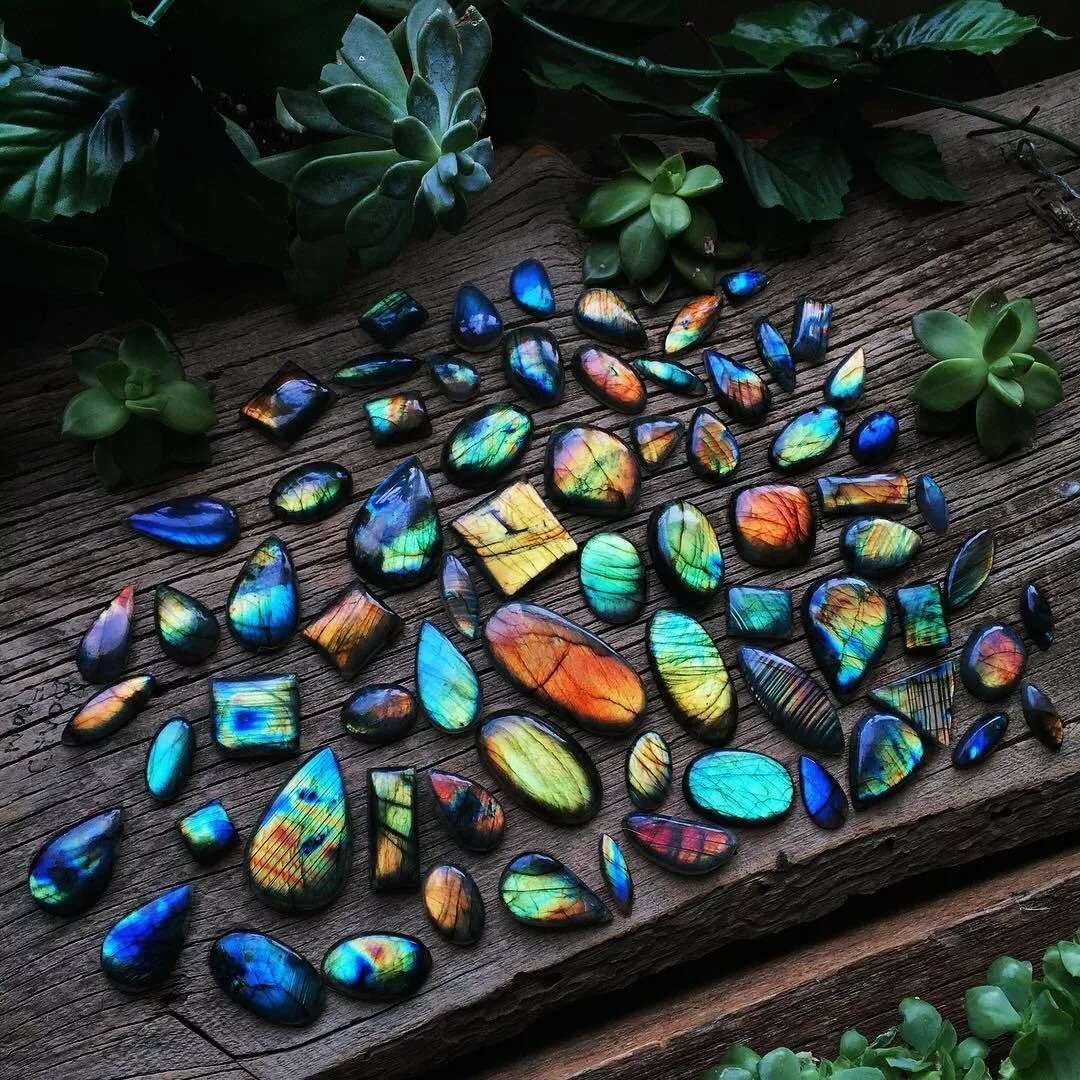
| Colors | One-, two-, three-color coloration in blue, green tones, occasionally in yellow and red |
| Direction of view | It is clearly manifested in perpendicular directions. |
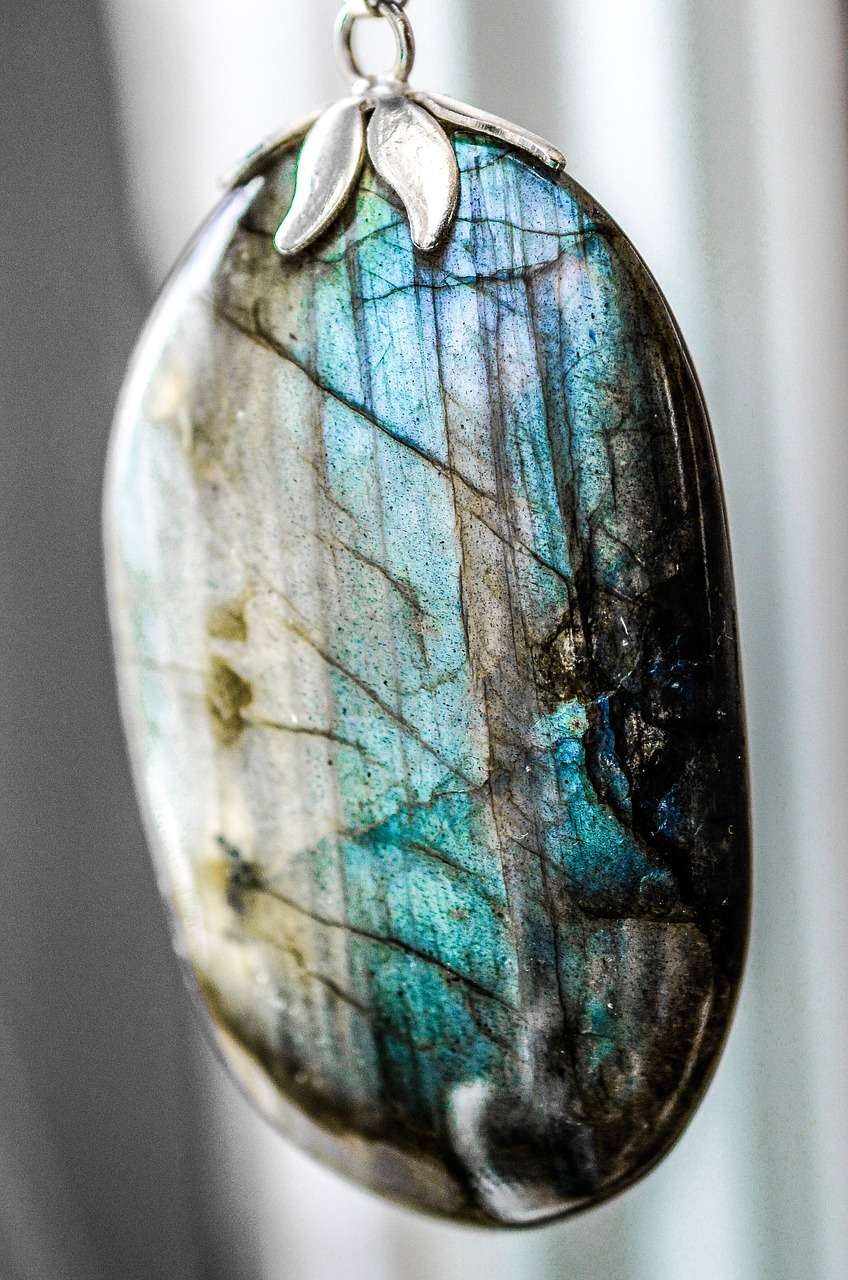
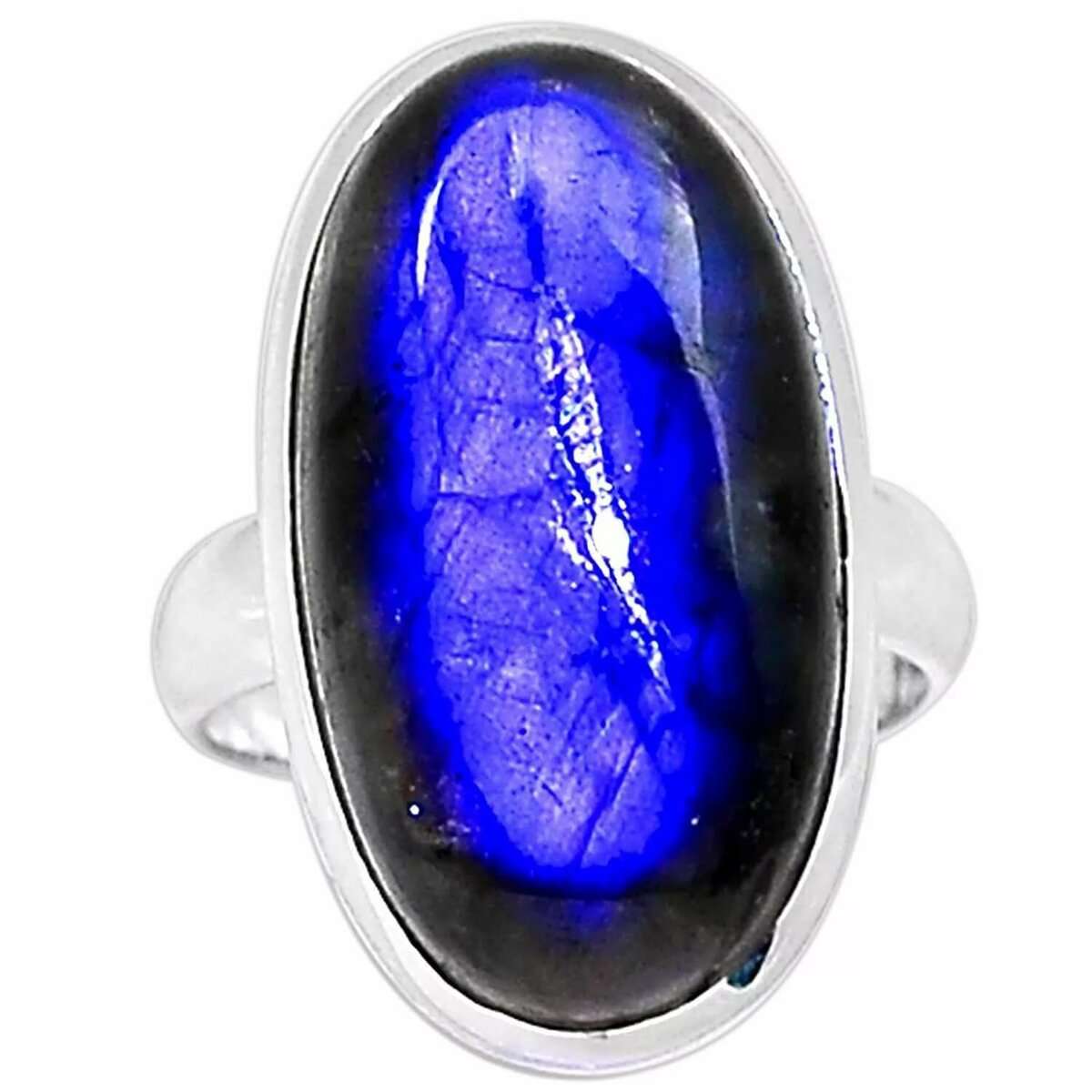
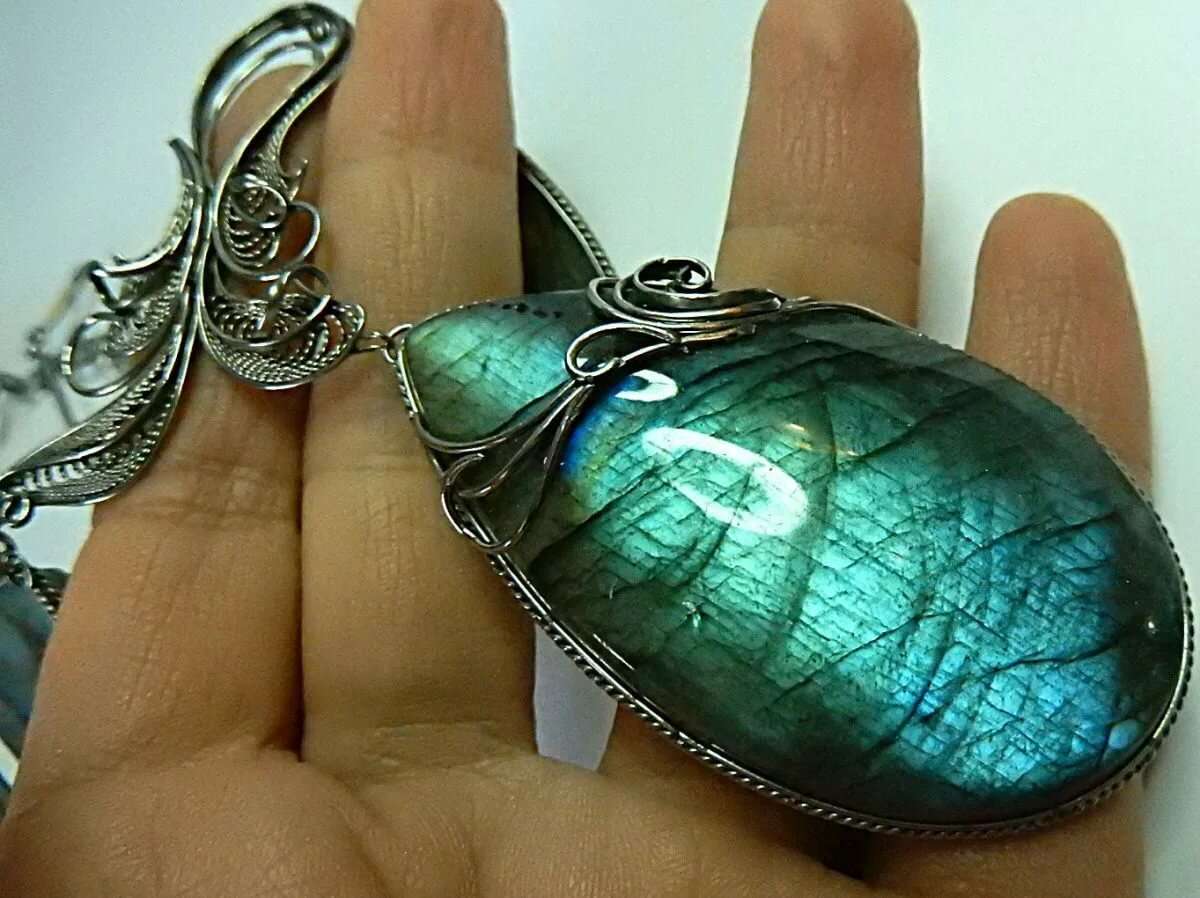
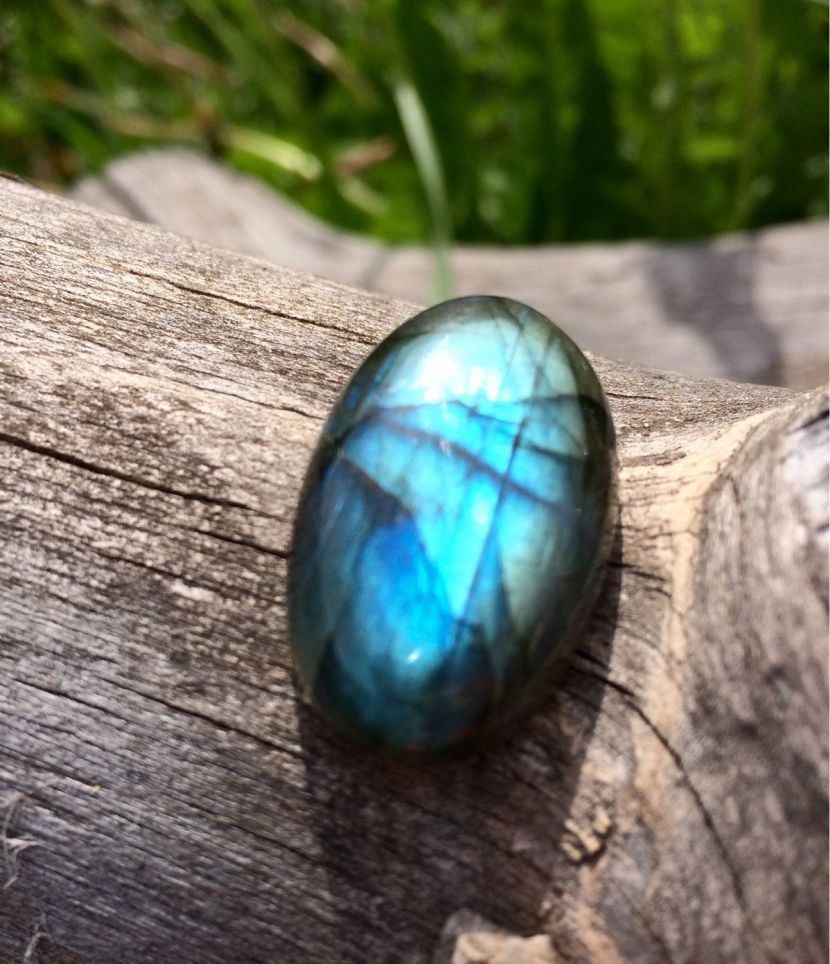
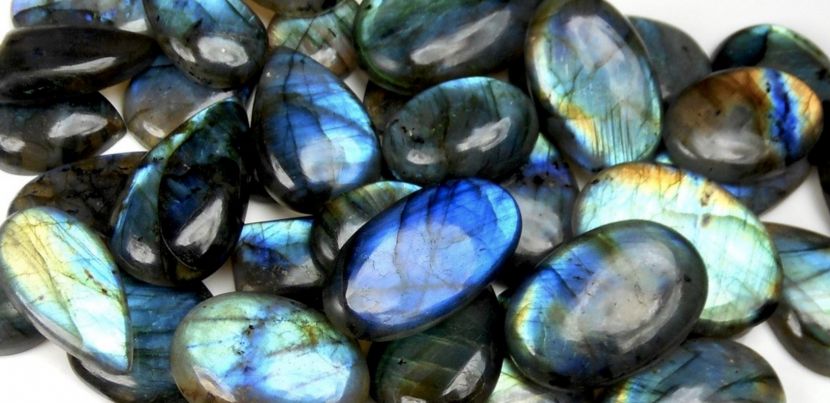
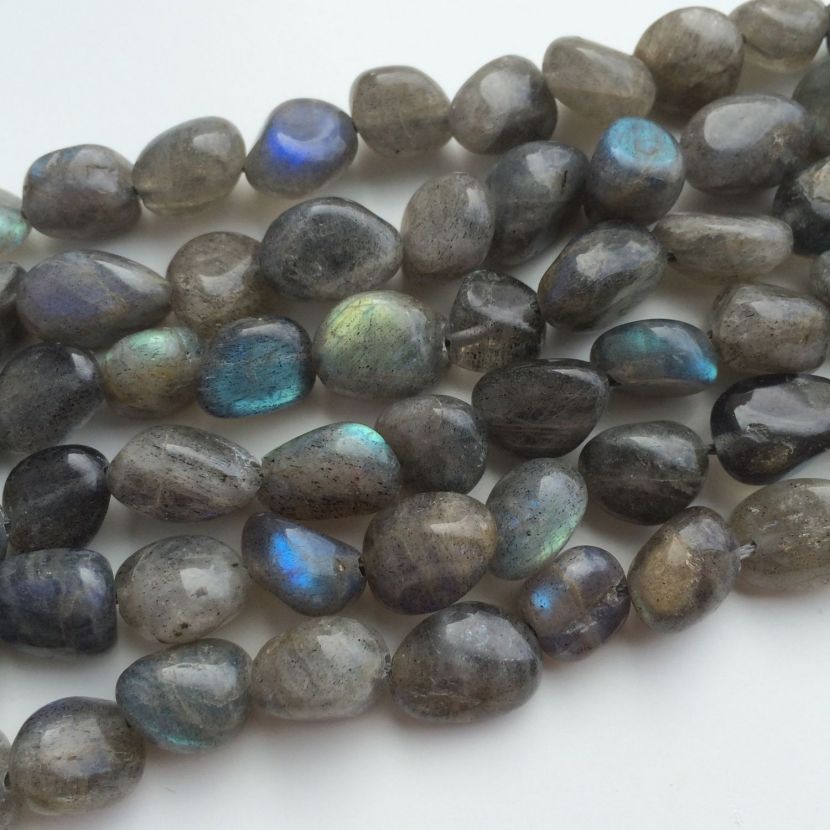
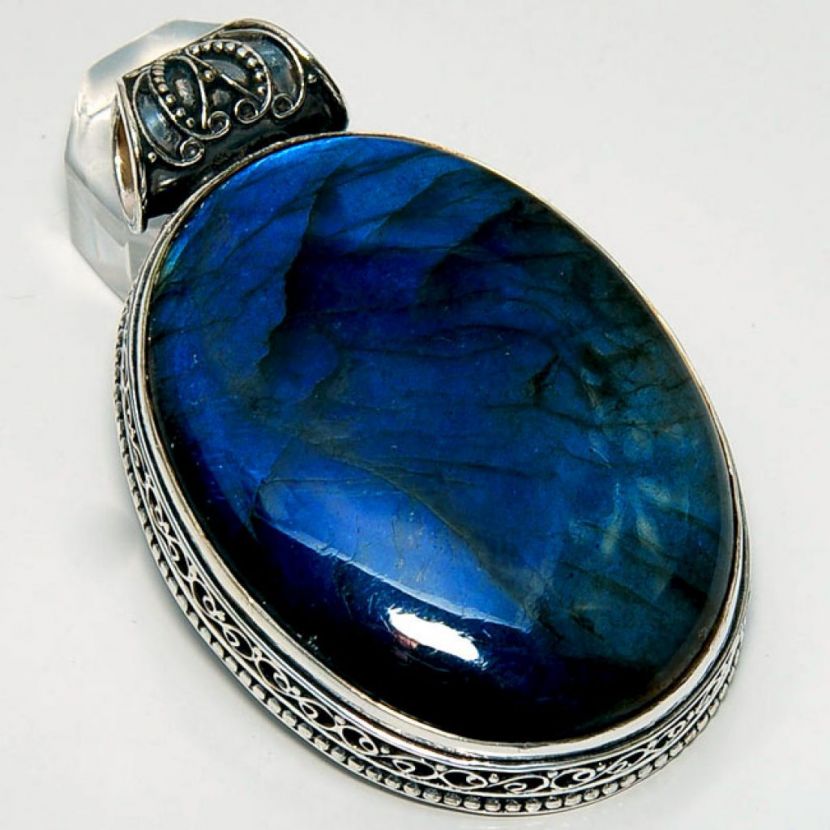
The properties of labradorite - glassy luster (to metallic) and iridescence - dictate the type of cut to jewelers. This is a cabochon: the base is round, oval or drop, but the surface is perfectly smooth.
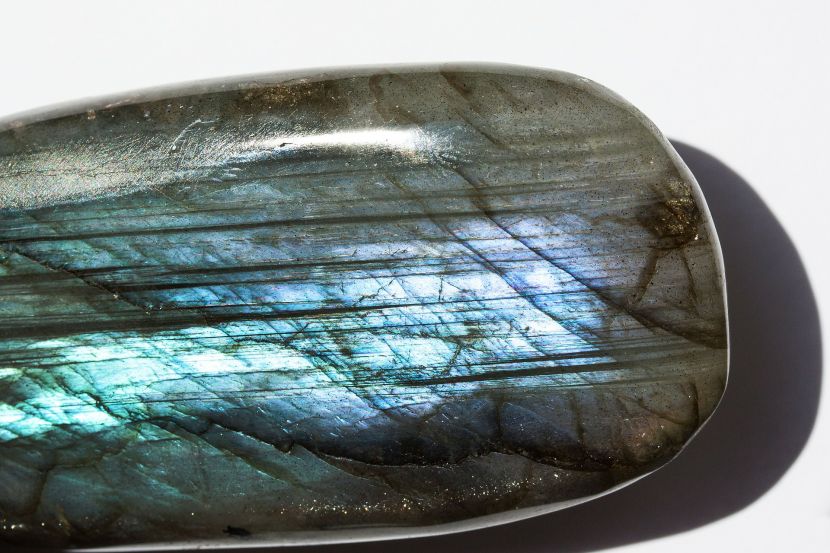
Physical characteristics of the mineral:
- hardness - 6 - 6.5;
- density 2.7;
- a white dash (a trace left by a mineral worn on an unglazed porcelain surface);
- cleavage perfect in 2 directions (easily splits upon impact)
Main deposits:
- the largest in the Western Hemisphere - Labrador (Canada);
- in Europe - Norway, Sweden, Finland, Ukraine;
- Yakutia (RF);
- Autralia (translucent variety);
- China.
Although labradorite belongs to the feldspars, it is a separate rock. Granite labradorite is not a parent, is not the main source (as for another feldspar - amazonite). But mineral inclusions (up to 36%) are present in granite.
No magic anywhere
The magical properties of labradorite are based on hypnotic effects. If you look into the middle of the stone:
- extraneous thoughts disappear;
- the “inner critic” is turned off;
- able to focus on the essentials.
People who do not know how to constantly control their consciousness are immersed in a hypnotic sleep. Adherents of magical practices at this moment increase the flow of energy, receive an answer to a question, knowledge. Or they see an event picture.
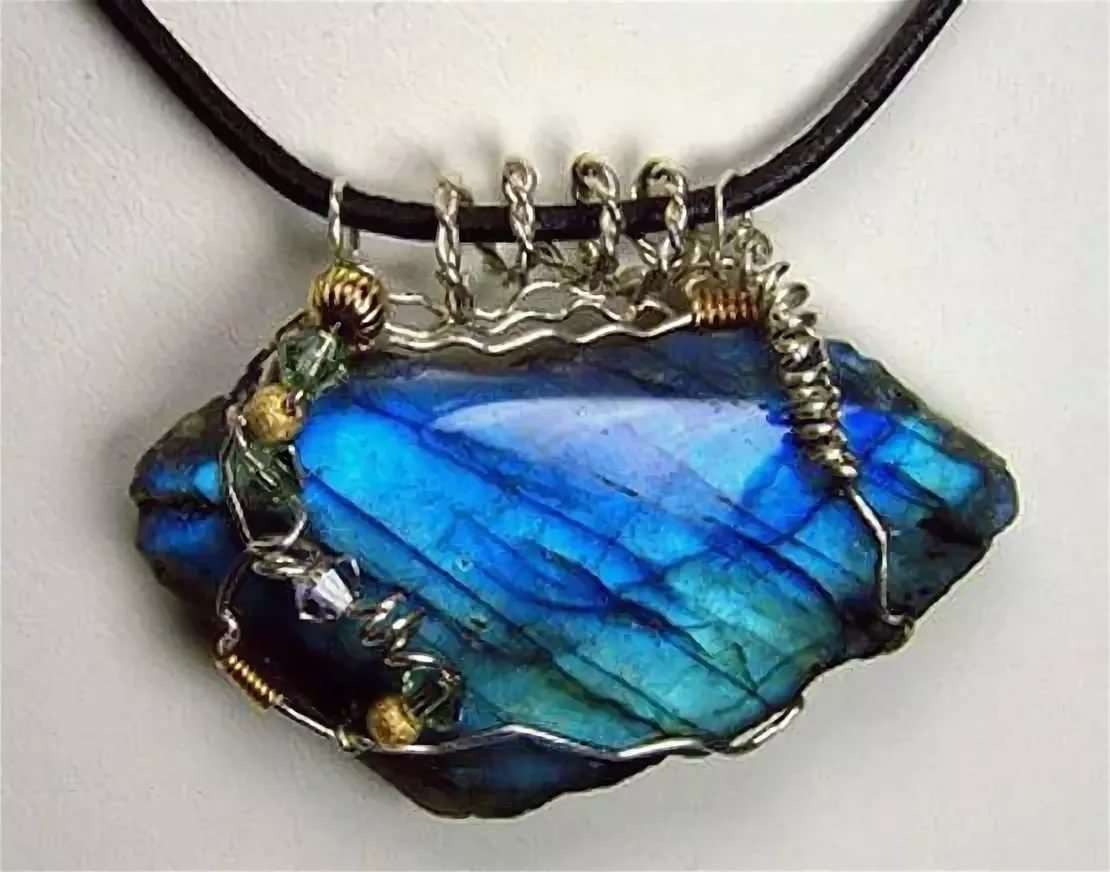
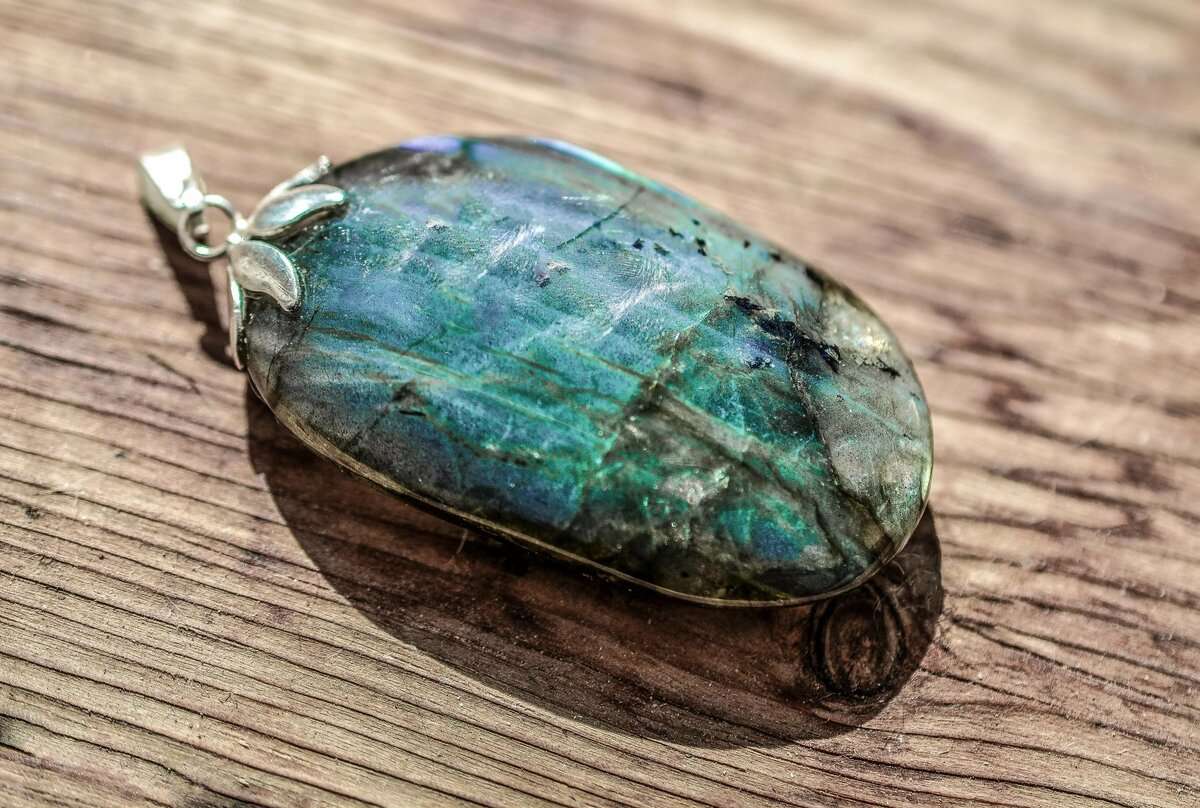
True, a stone for such practices needs a large one, in the form of a ball, with a perfectly smooth, mirror-like polish. But a pendant with labradorite can bewitch and calm a person.
Some, looking into the labradorite, expect a spirit to appear to them. Alas, in order to communicate with the other world, large reserves of personal power and special practices are needed.
A labradorite pyramid or a bar pointed at one end is used in meditation and lucid dreaming.
Who is Labradorite for?
Jewelry or jewelry with labradorite should be bought for yourself. Only then, if, looking at a photo of a labradorite or looking at a piece of jewelry in a store, you experience incomprehensible sympathy or desire.
The mineral is an individualist. Loves only one owner, weaves in a cocoon with his aura. And only in this case positively influences events. Don't let emotions take over.
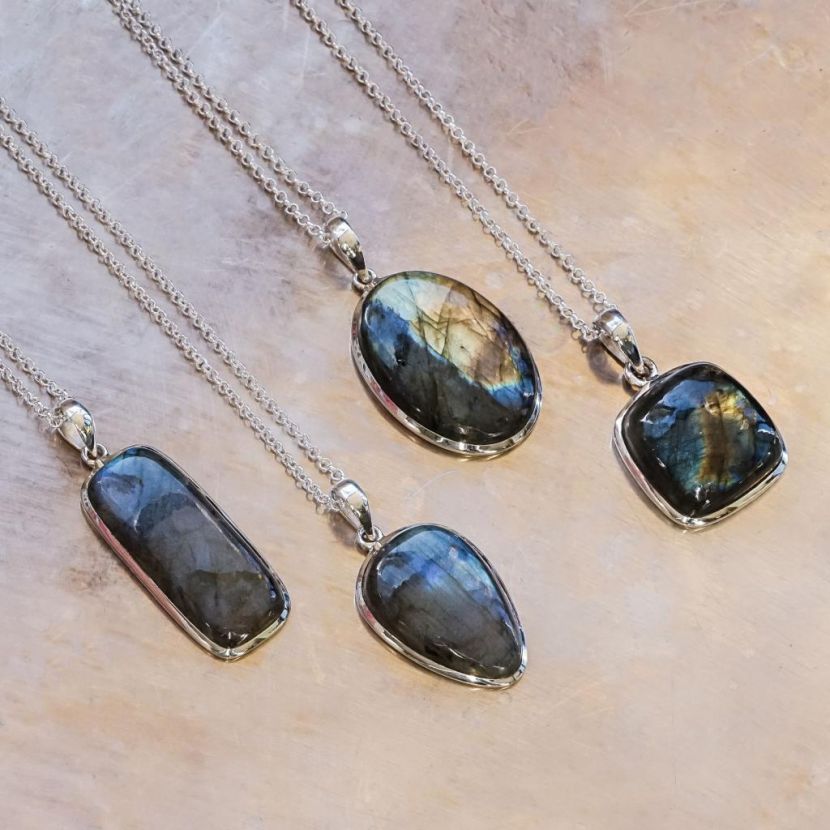
Astrologers recommend the mineral to water and air signs. The stone is ideal for scorpions - innate mystics seem to be created for magic.
Conclusion
Labradorite, as an ornamental and facing stone, is held in high esteem even today. Solid stone countertops for the kitchen and bathroom, figurines, caskets, vases, writing sets look expensive and solid.
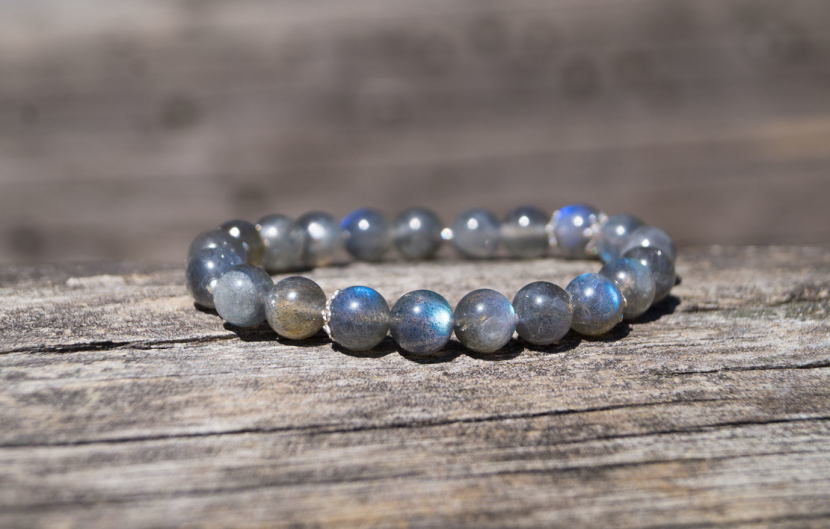
Jewelry sets made of labradorite are original. Emphasize the uniqueness of the owner. Just handle the stone because of its fragility should be handled with care.
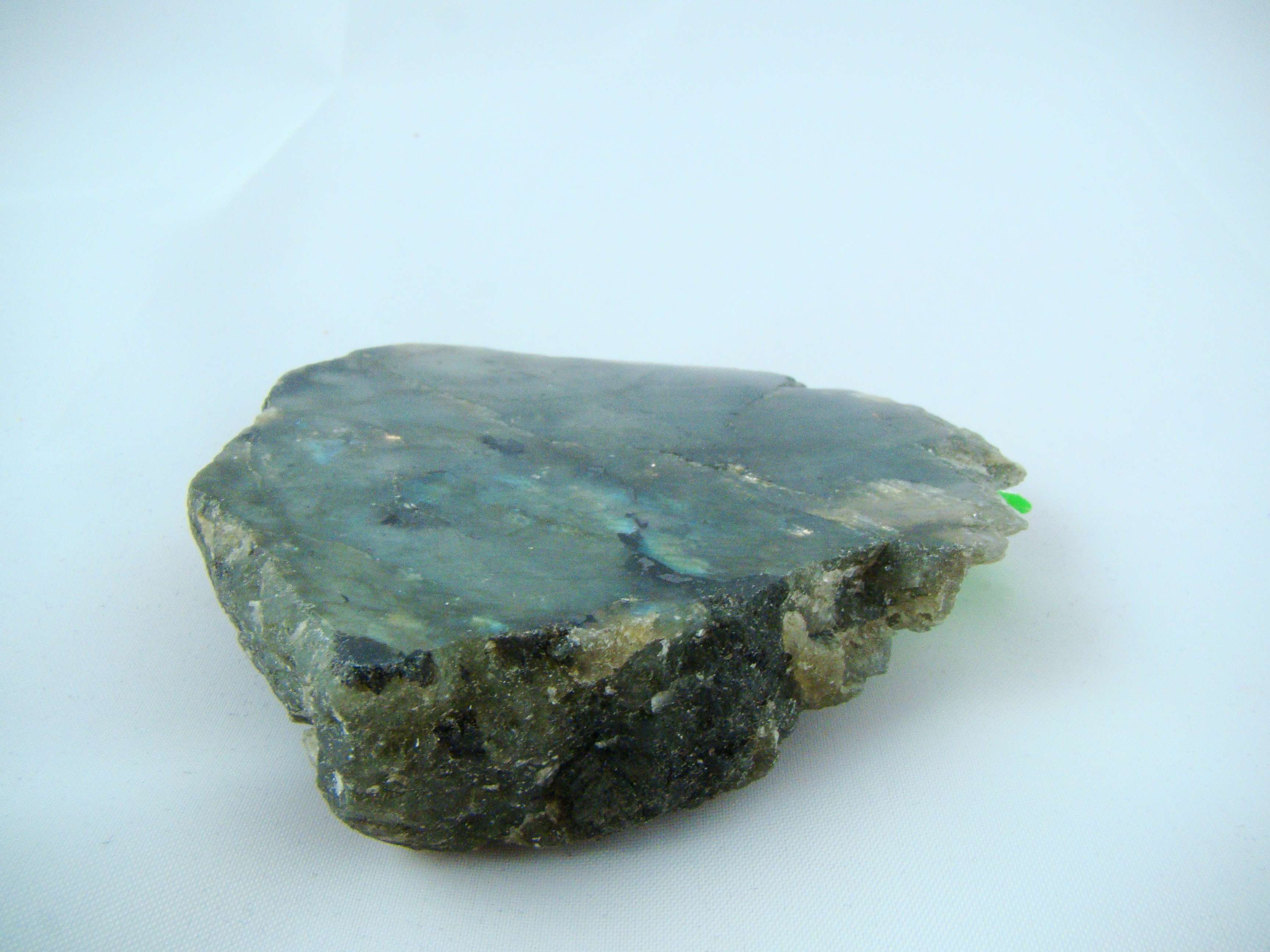
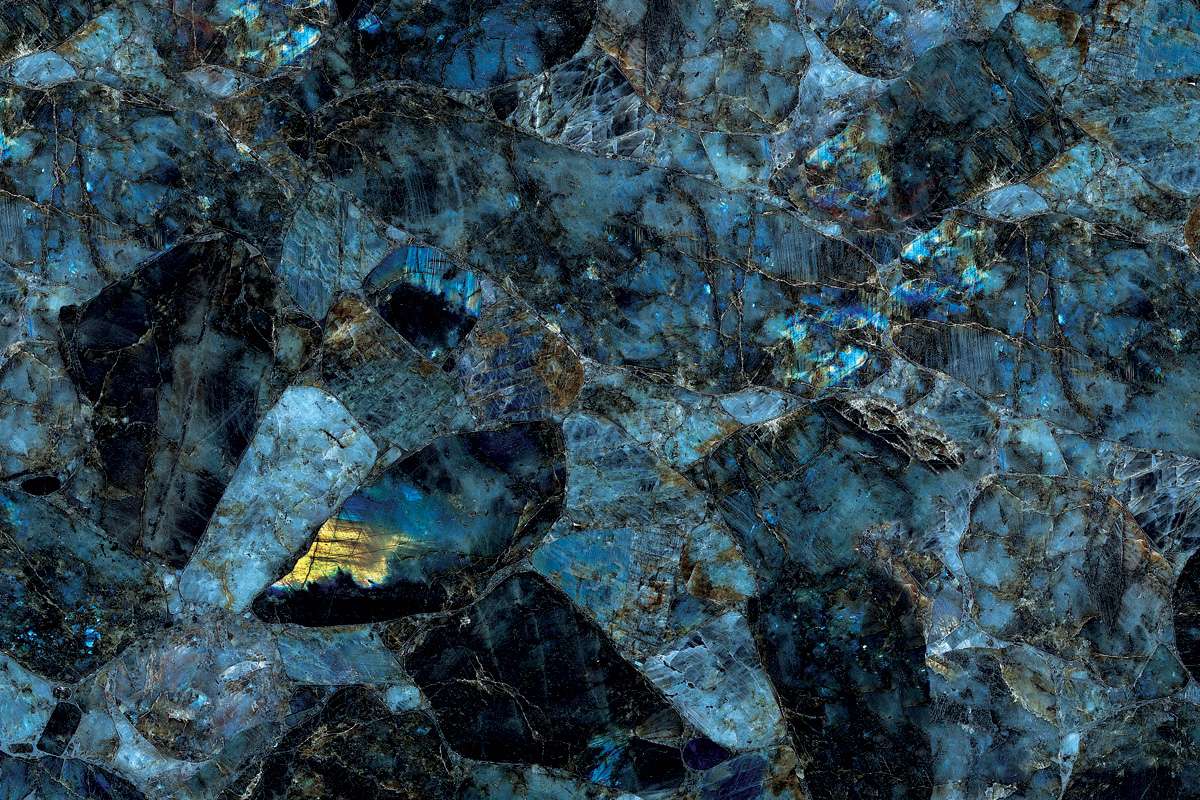
Photo of Labradorite stone