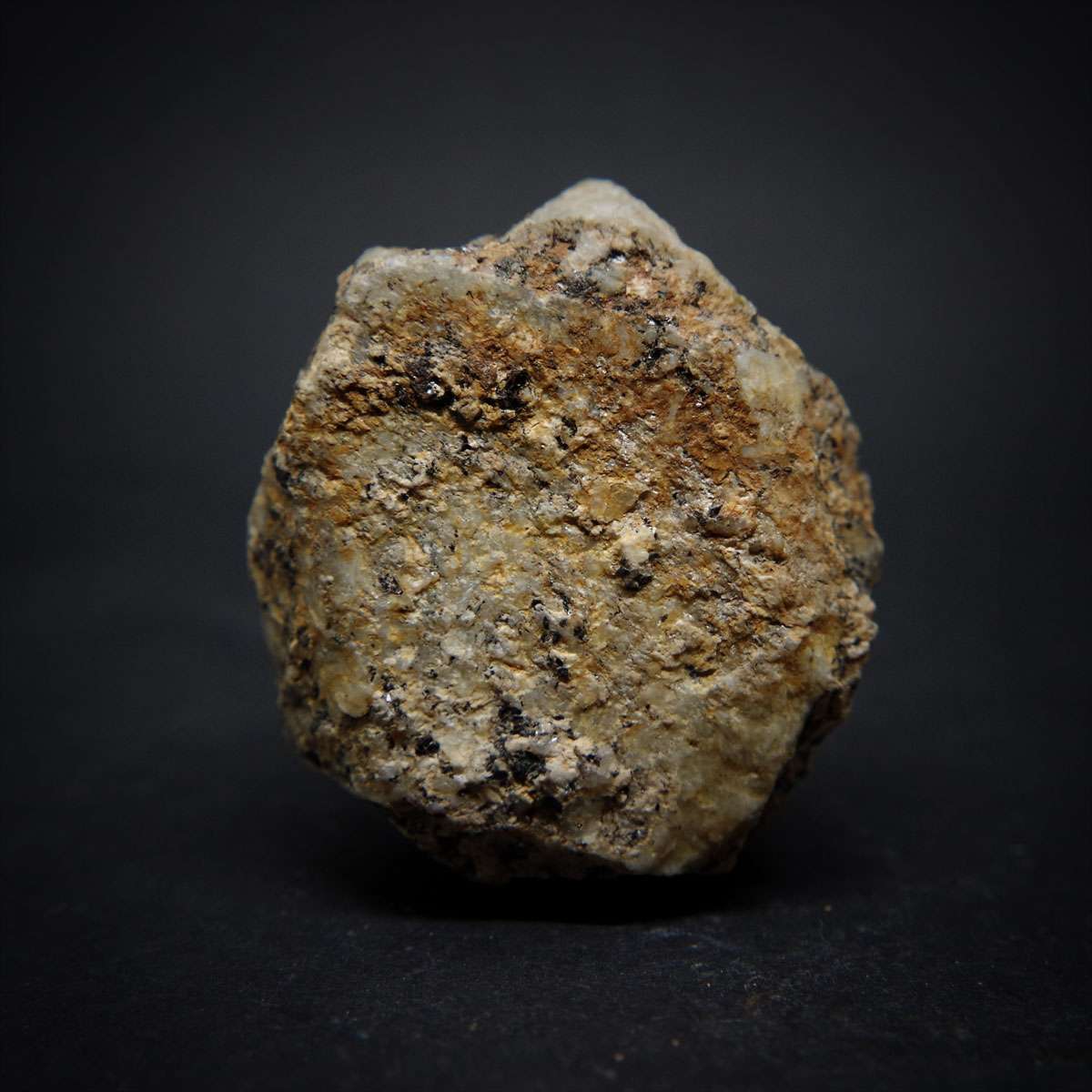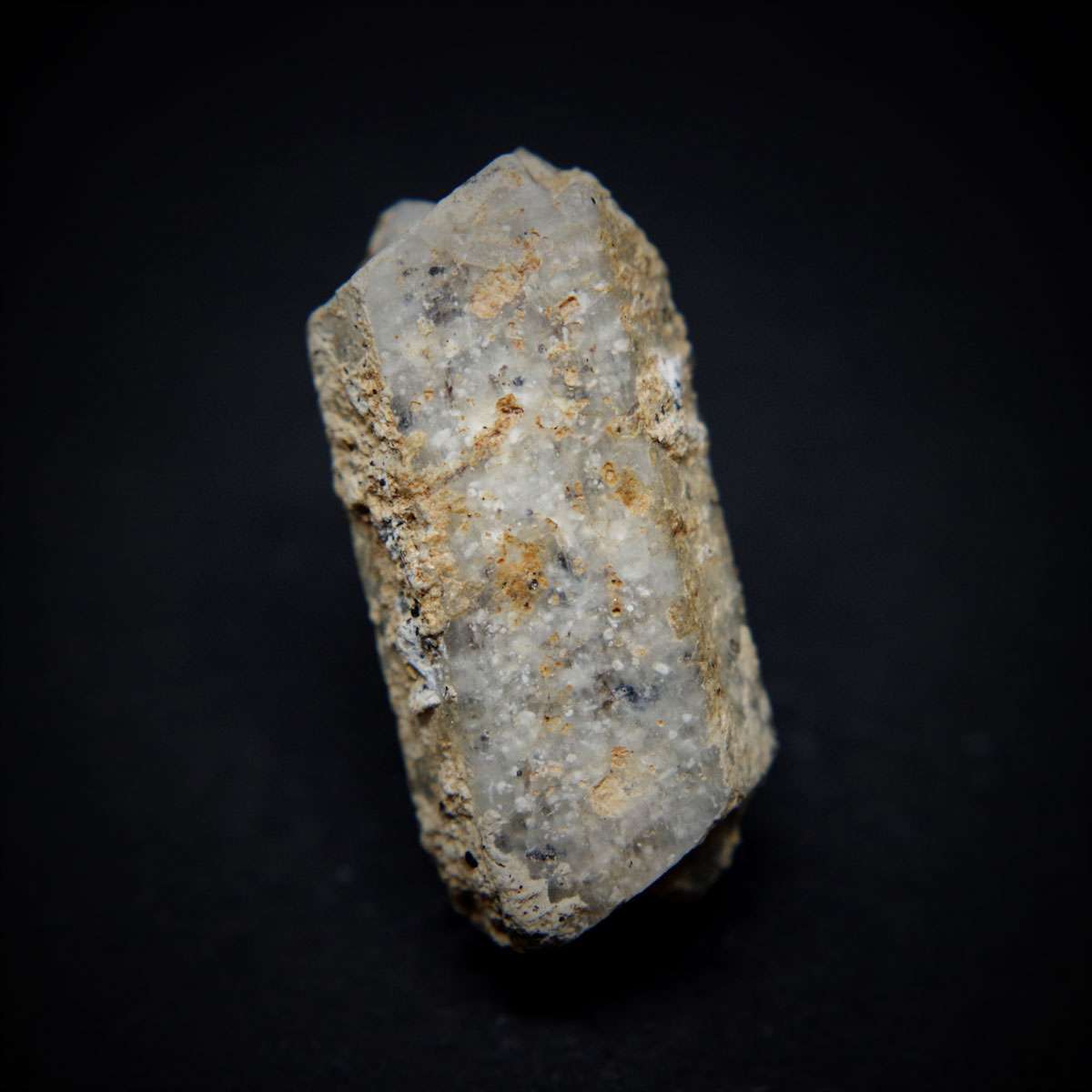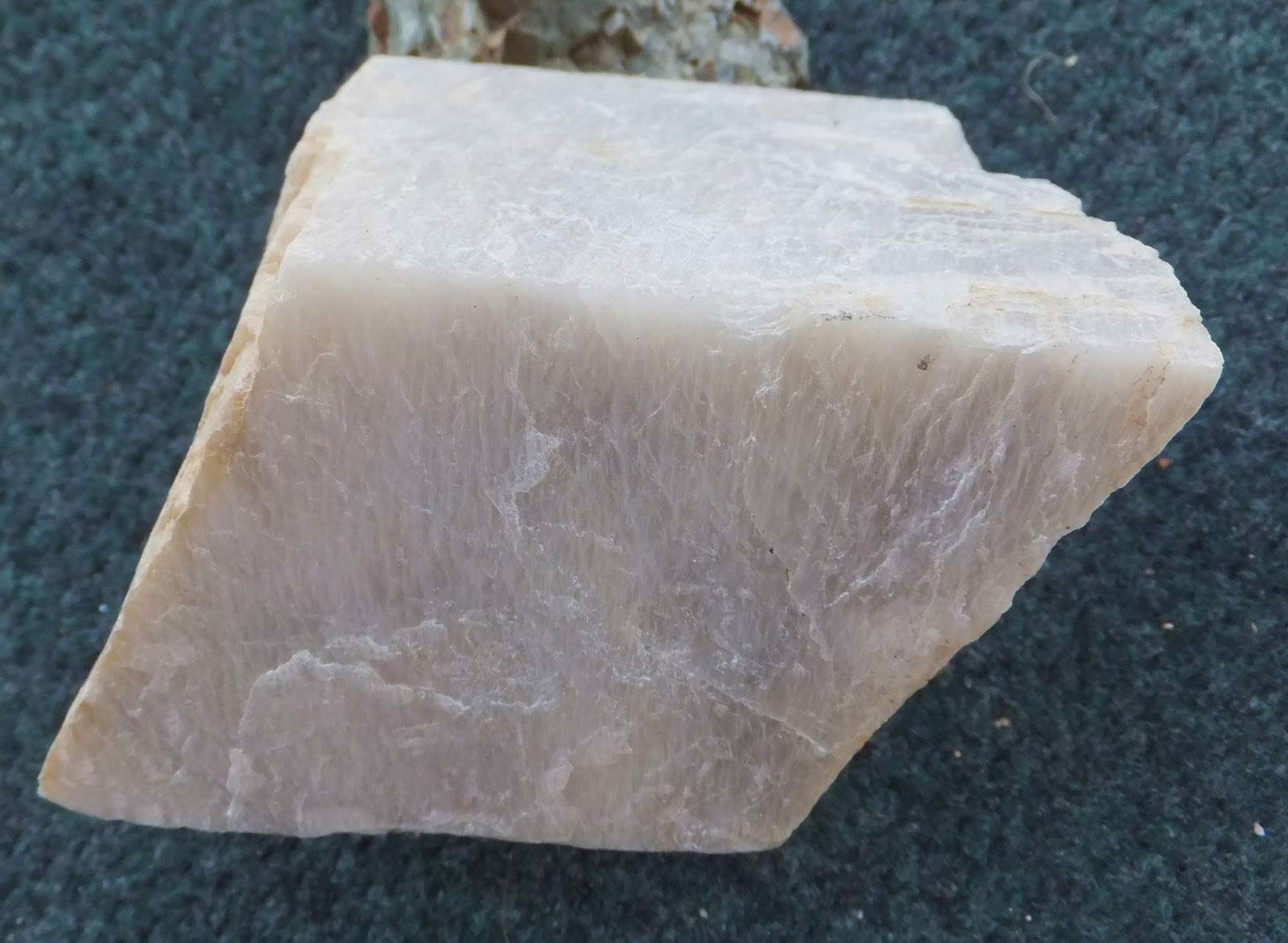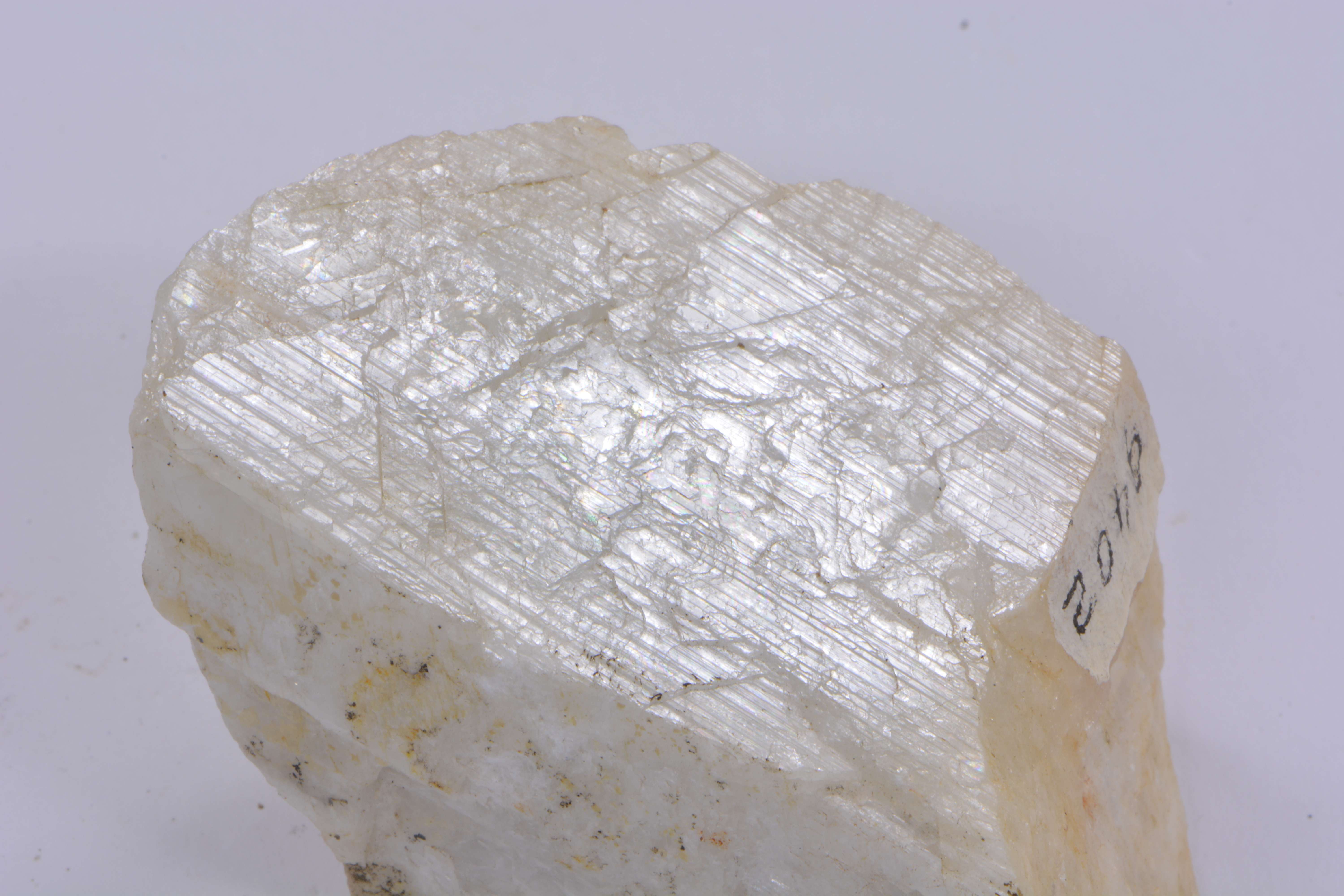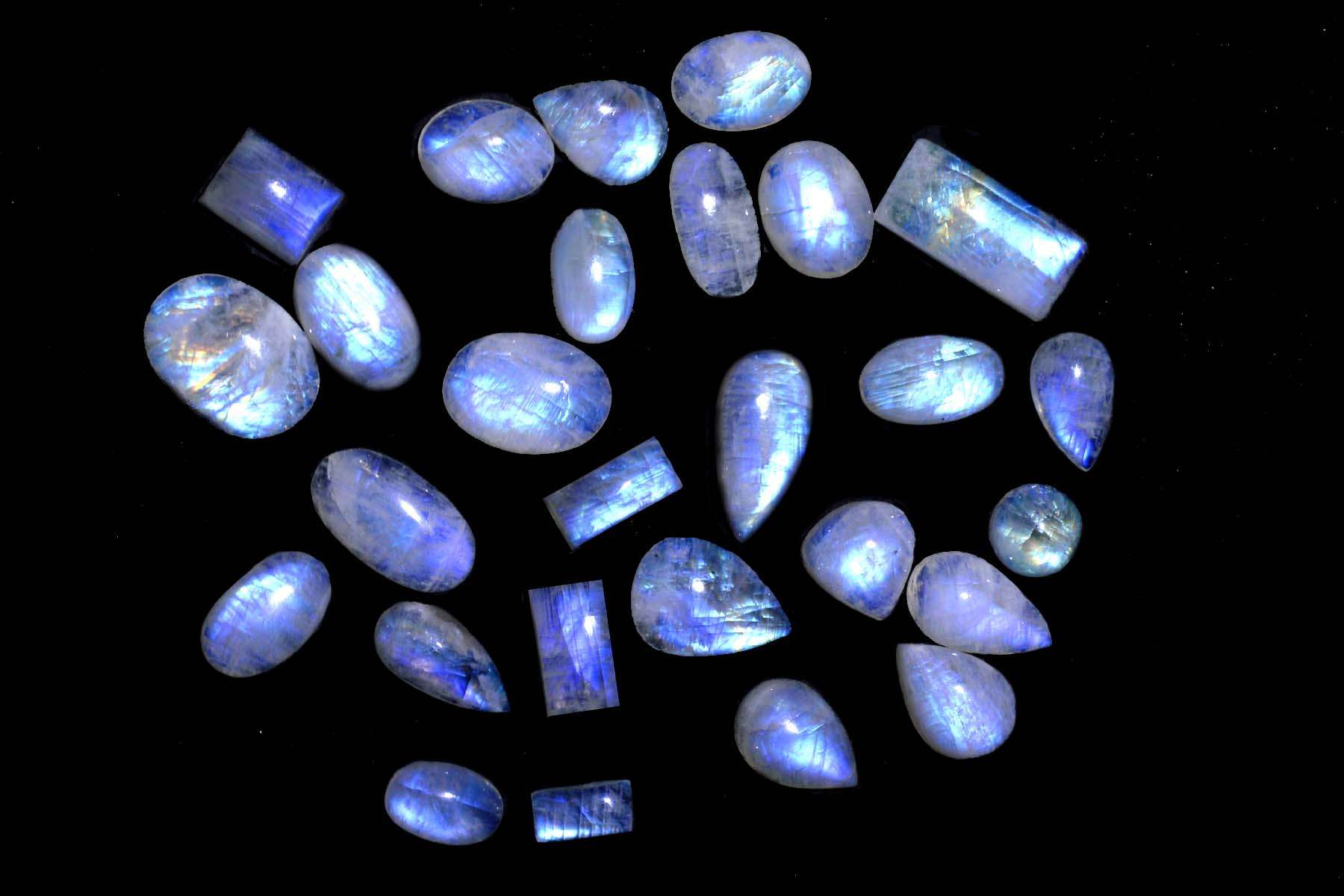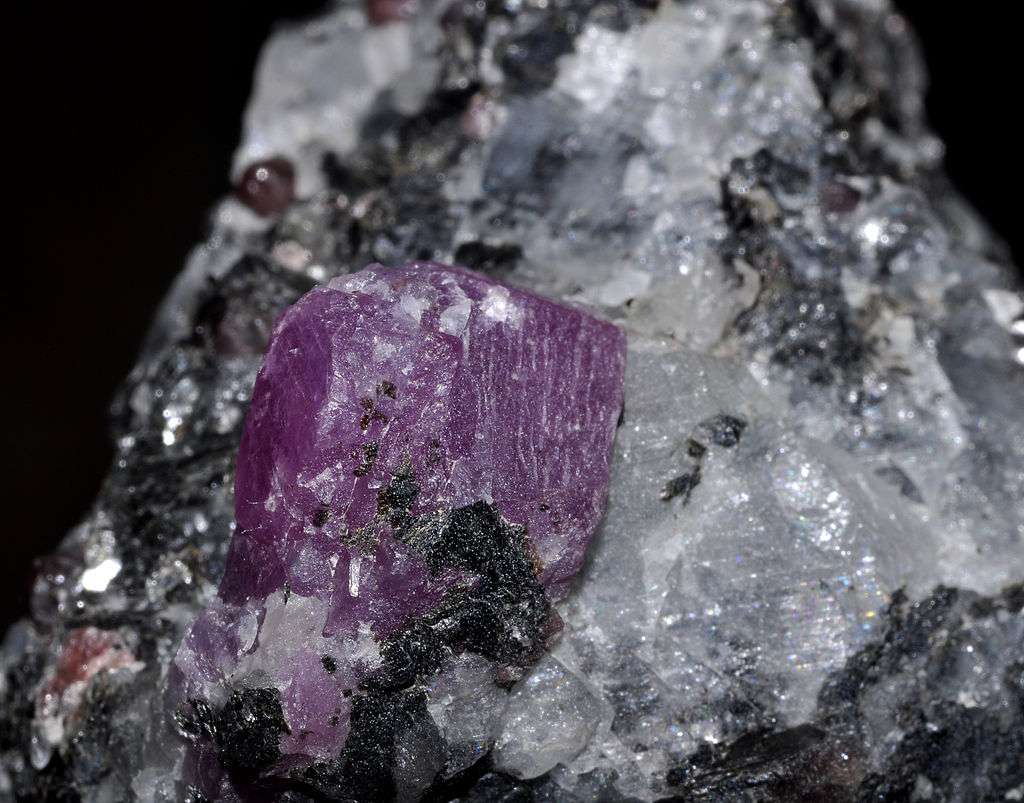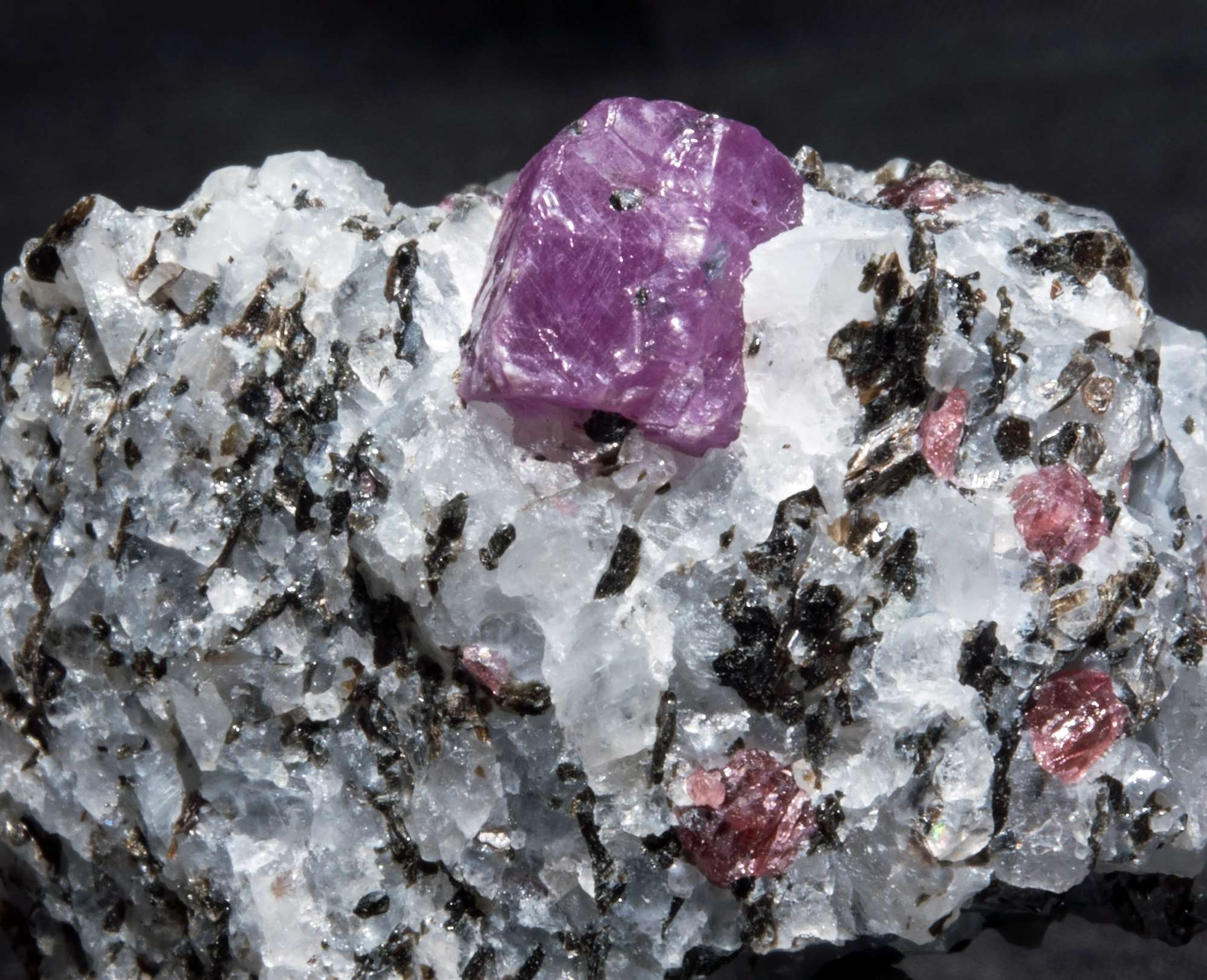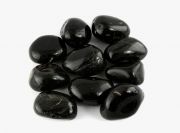
Widespread Plagioclase stone - where it lives, varieties and unusual photos
Sometimes it seems to people that when mineralogists discover a new mineral, they give it some wonderful name. But, it's not. Any stone has important features of difference, which are sometimes simply missed.
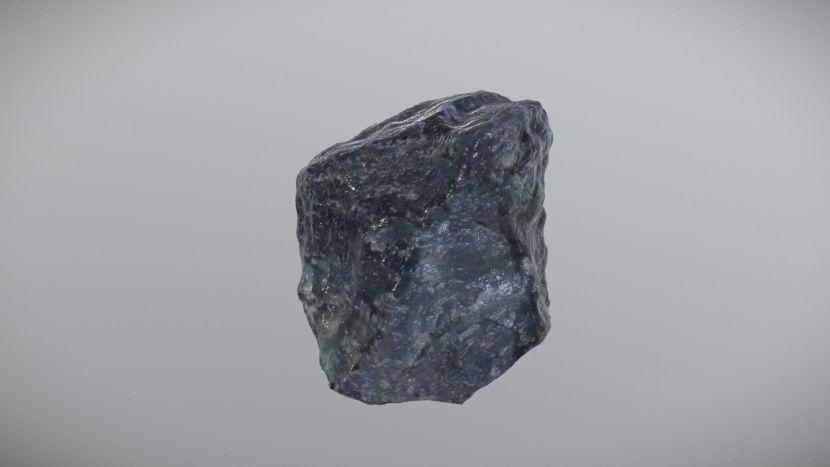
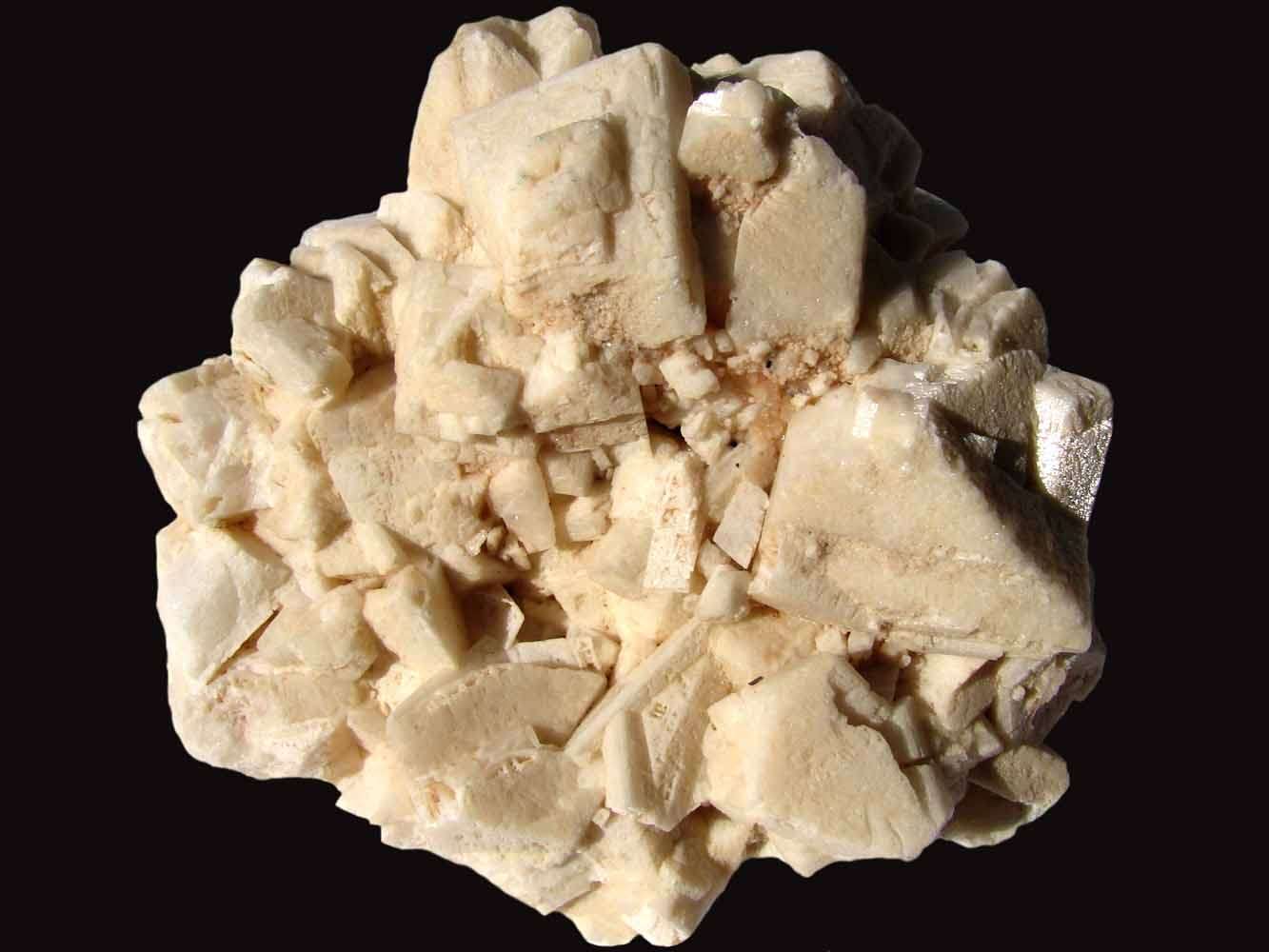
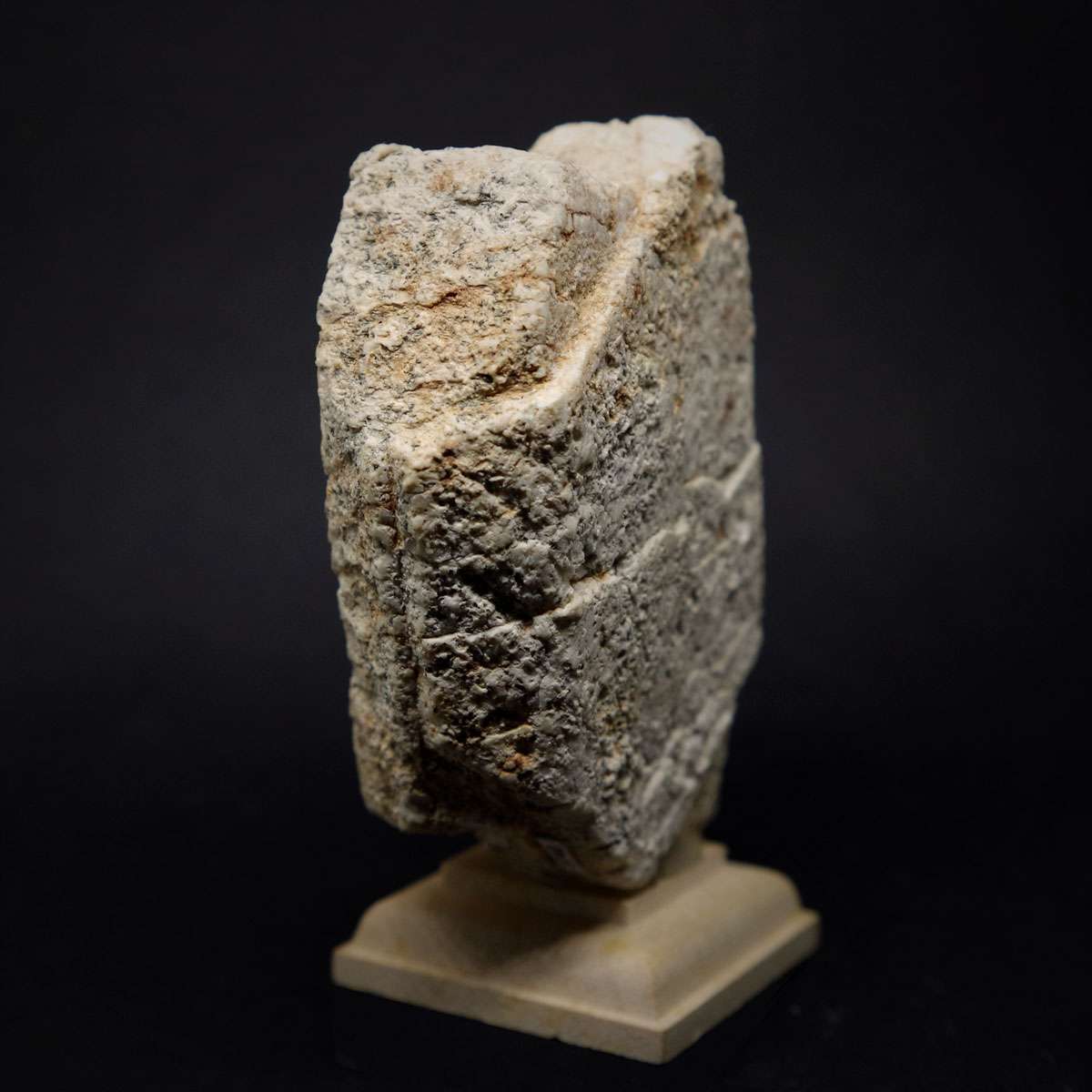
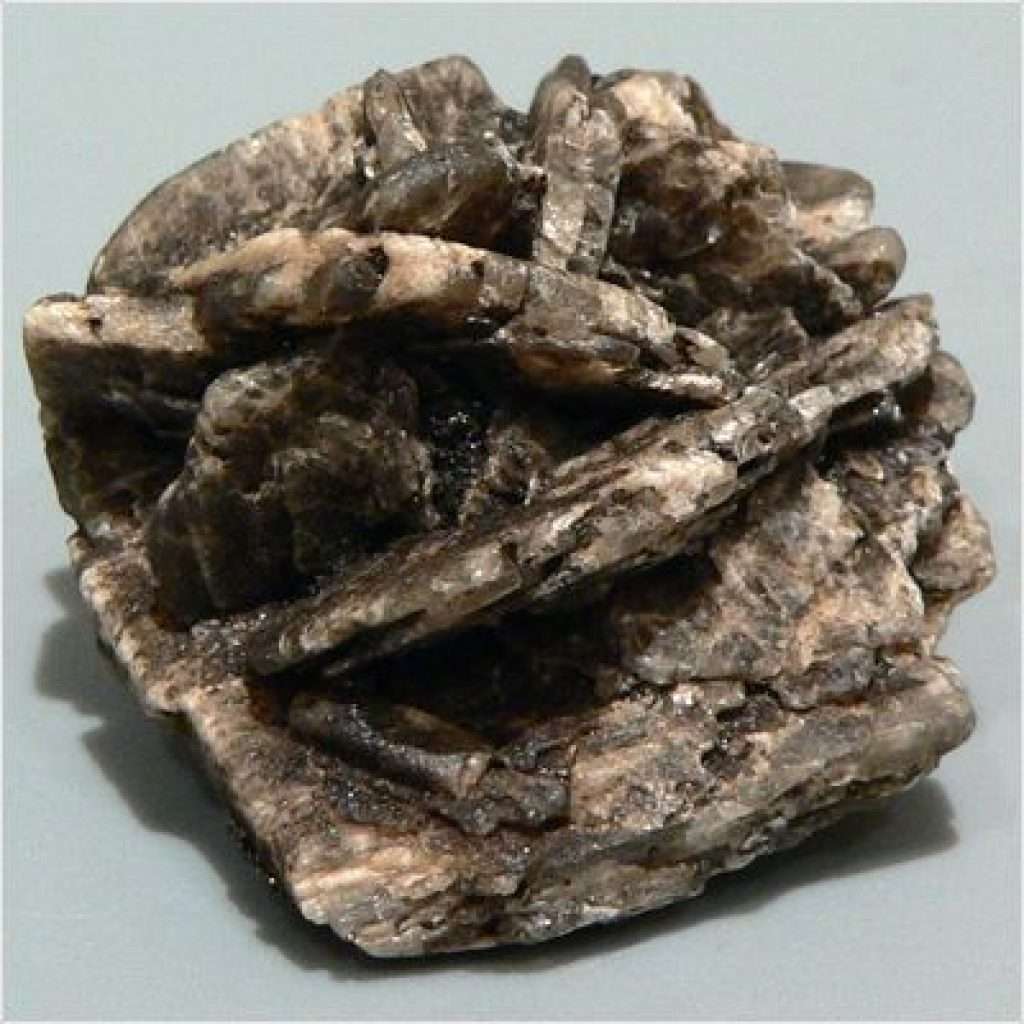
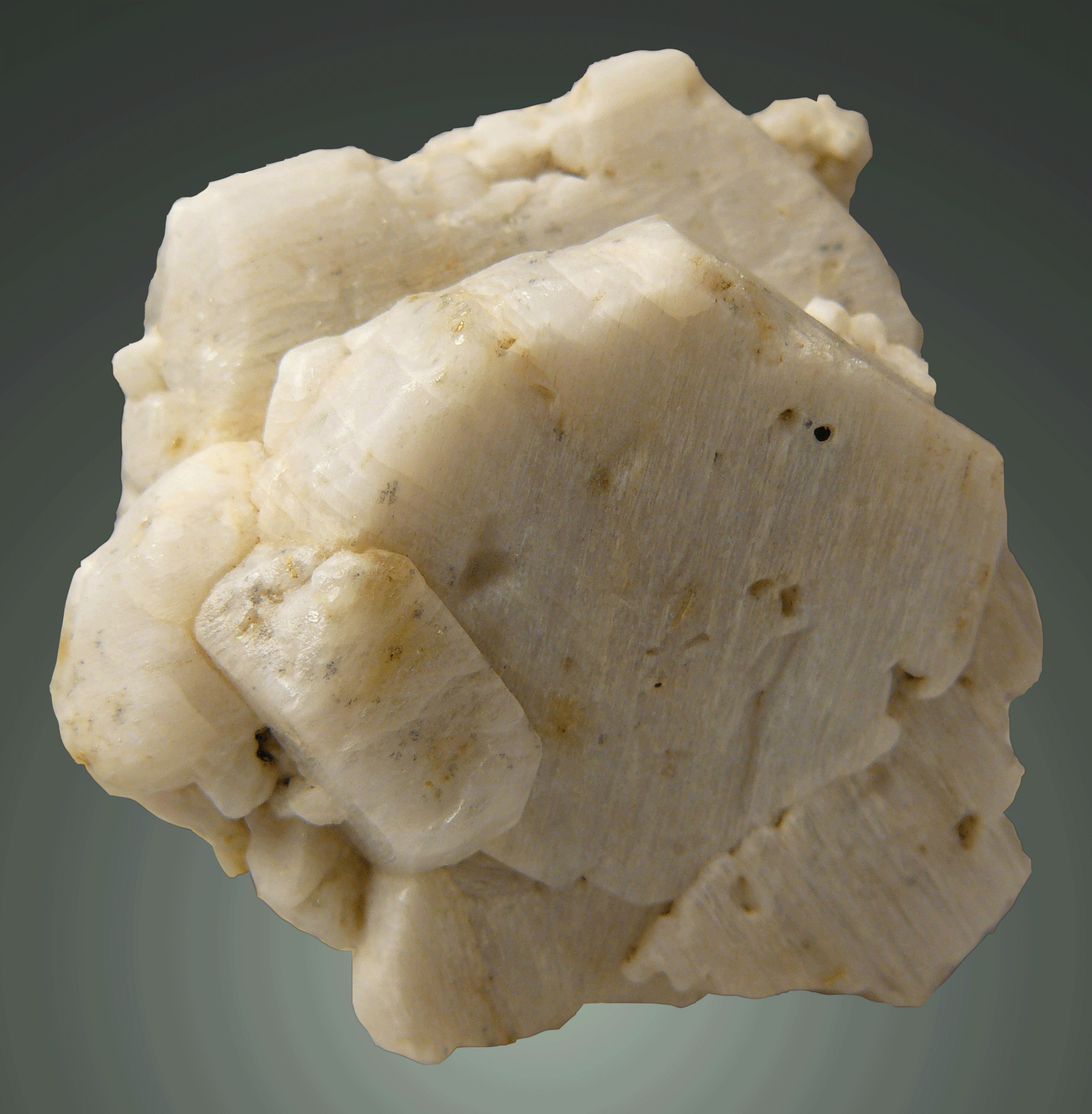
Plagioclase mineral is no exception. Its first and rather strange name is “skew-split”. The stone united in itself a large group of compounds, for the classification of which numbering within one hundred units was used. Its peculiarity lies in the fact that when splitting, the section has an angular chip, often called an oblique.
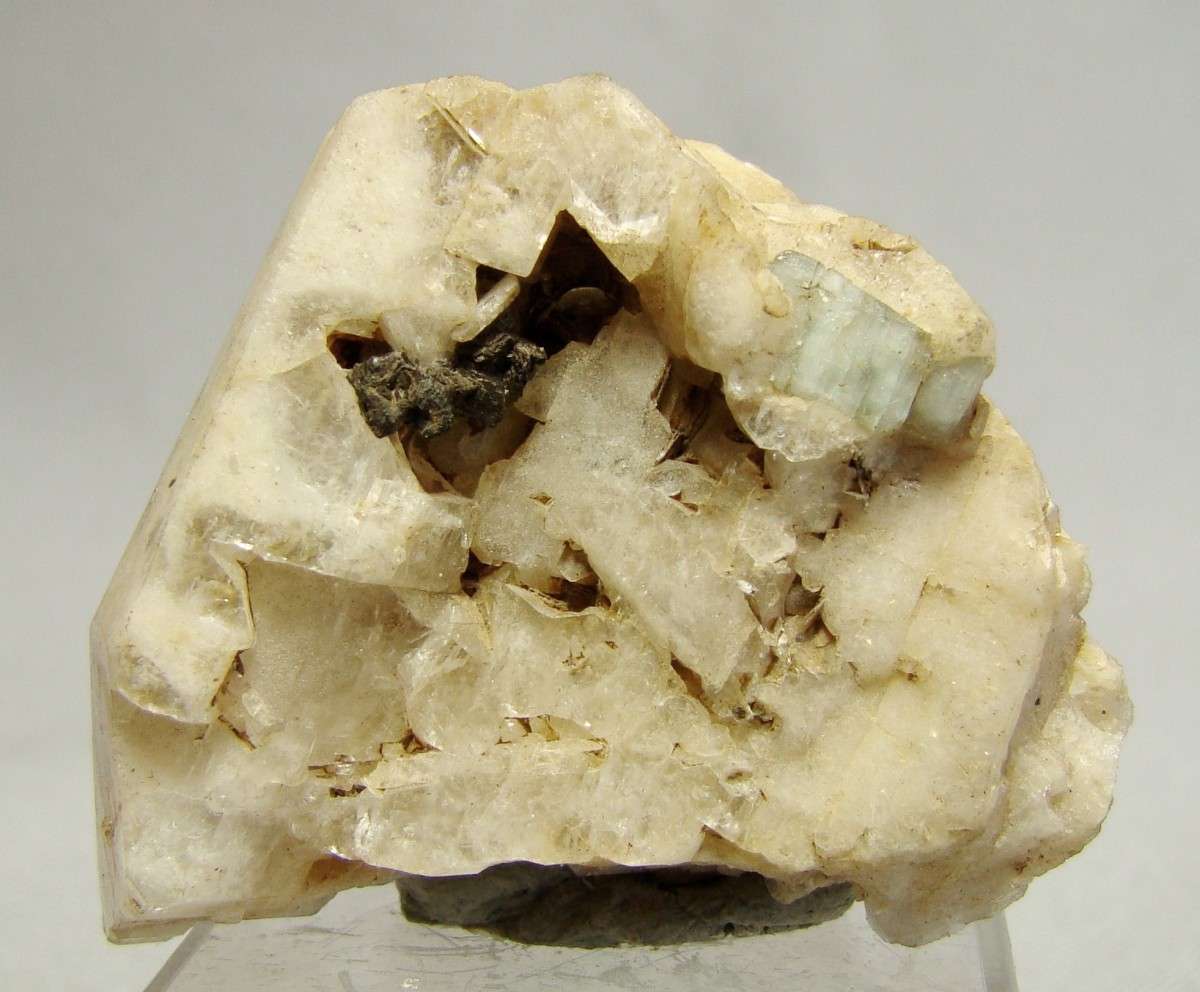
Field
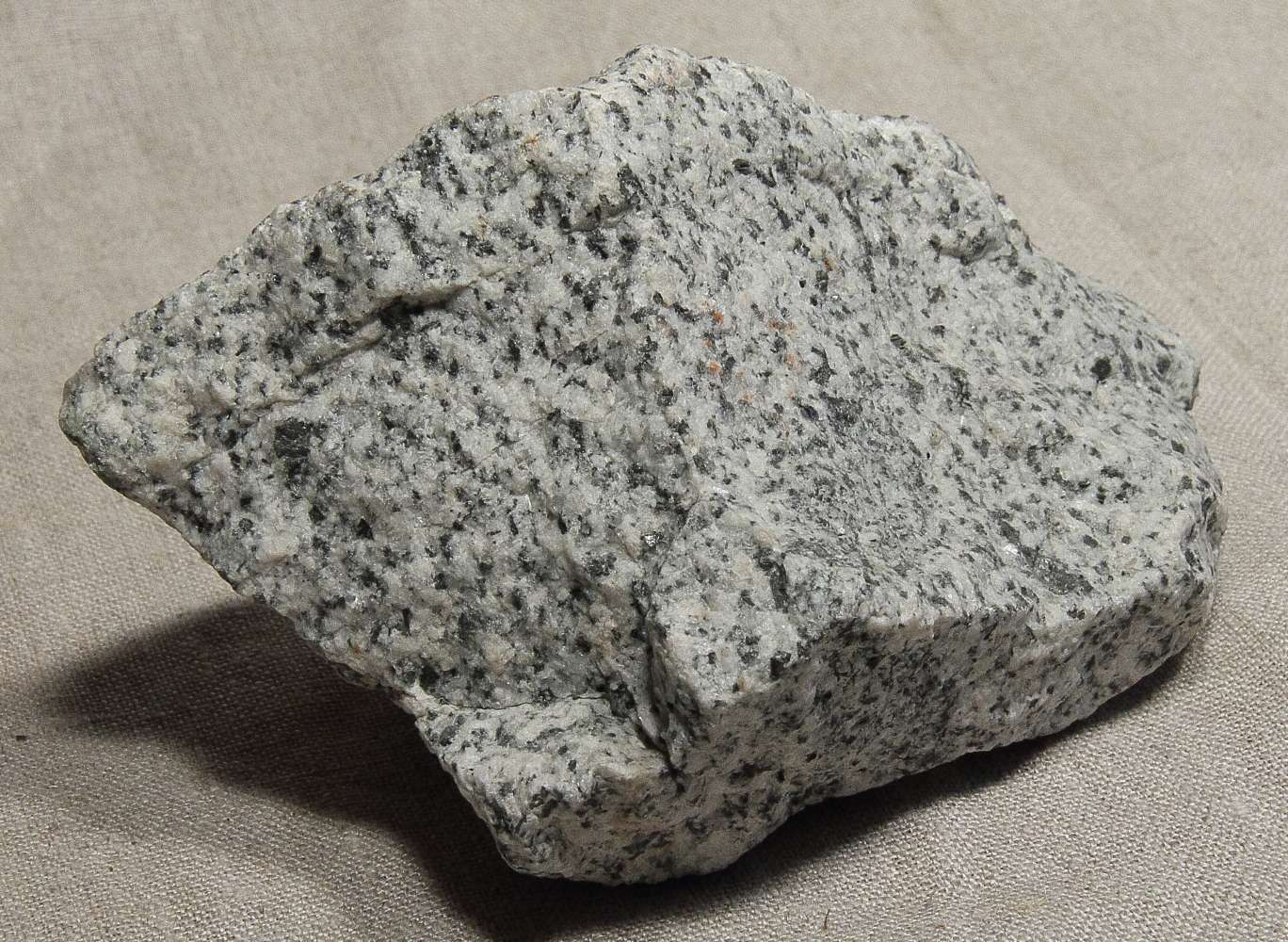
Plagioclase stone is very common and its search is not difficult.
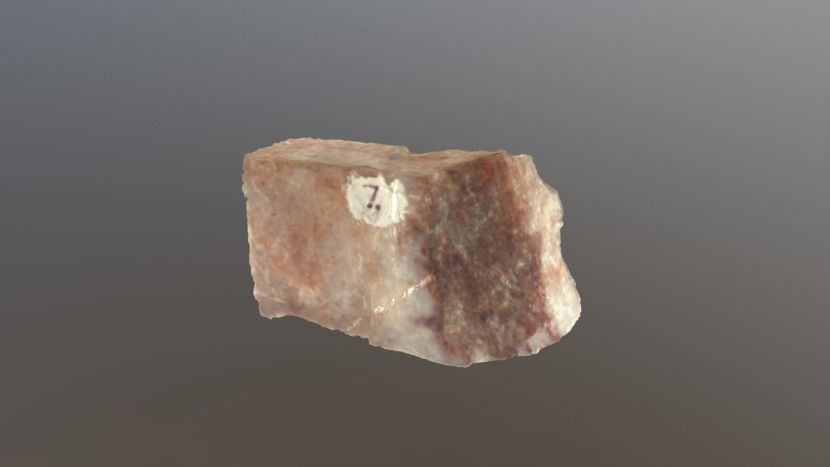
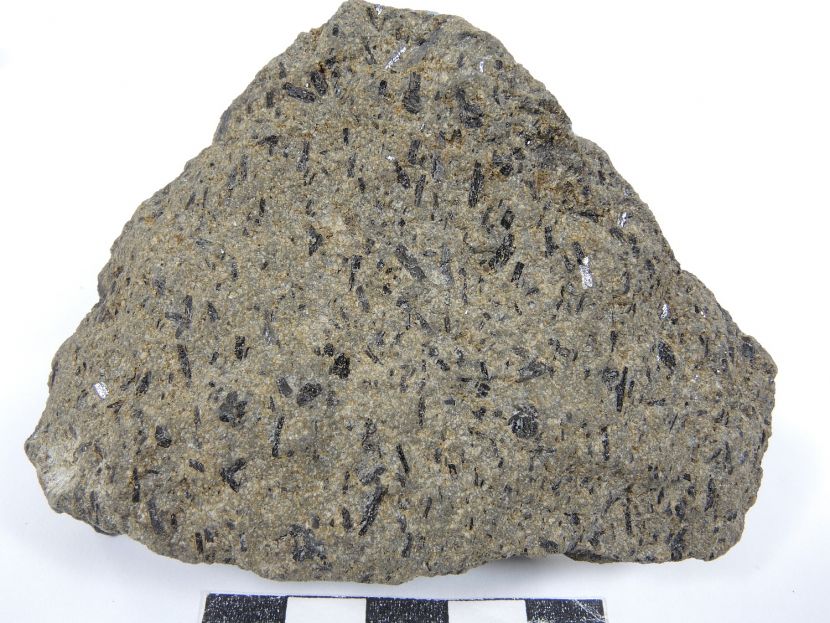
Pyroxene, quartz, hornblende, and magnetite often form with it. Huge deposits of stone are located in Ukraine in the Zhytomyr region. It is also found on the territory of the Russian Federation in the Urals, Kamchatka, Siberia and North Karelia. High quality mineral deposits are located in Switzerland. Zimbabwe, USA and on the island of Madagascar.
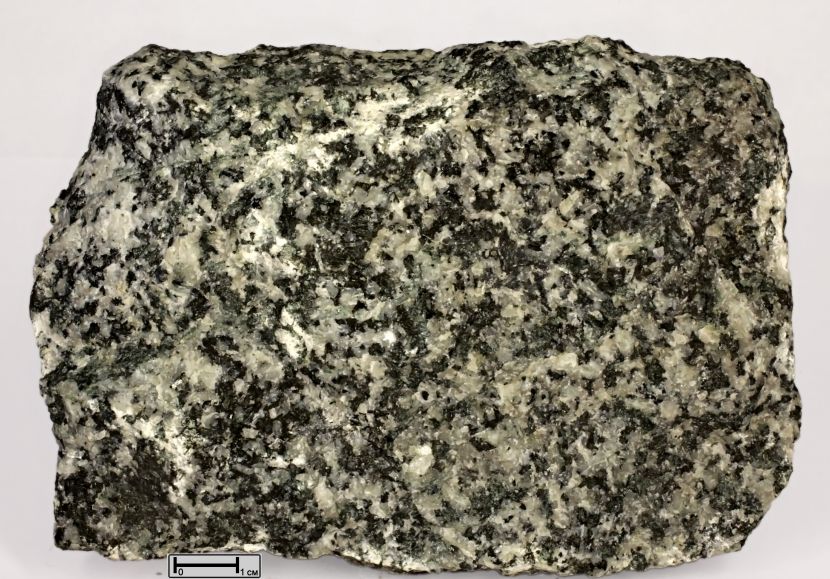
Breed classification
The range of this breed is quite extensive, it consists of the following contracts:
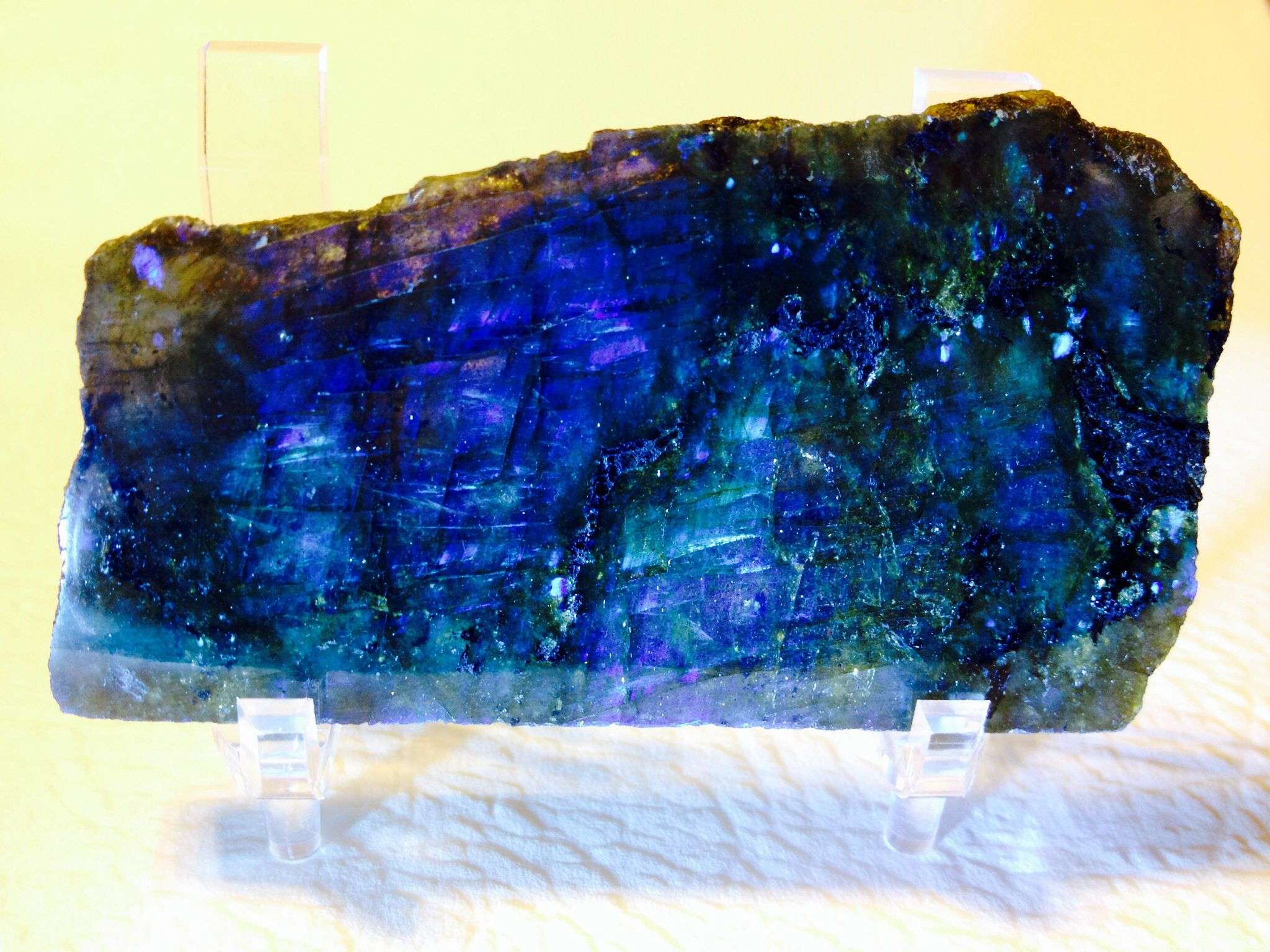
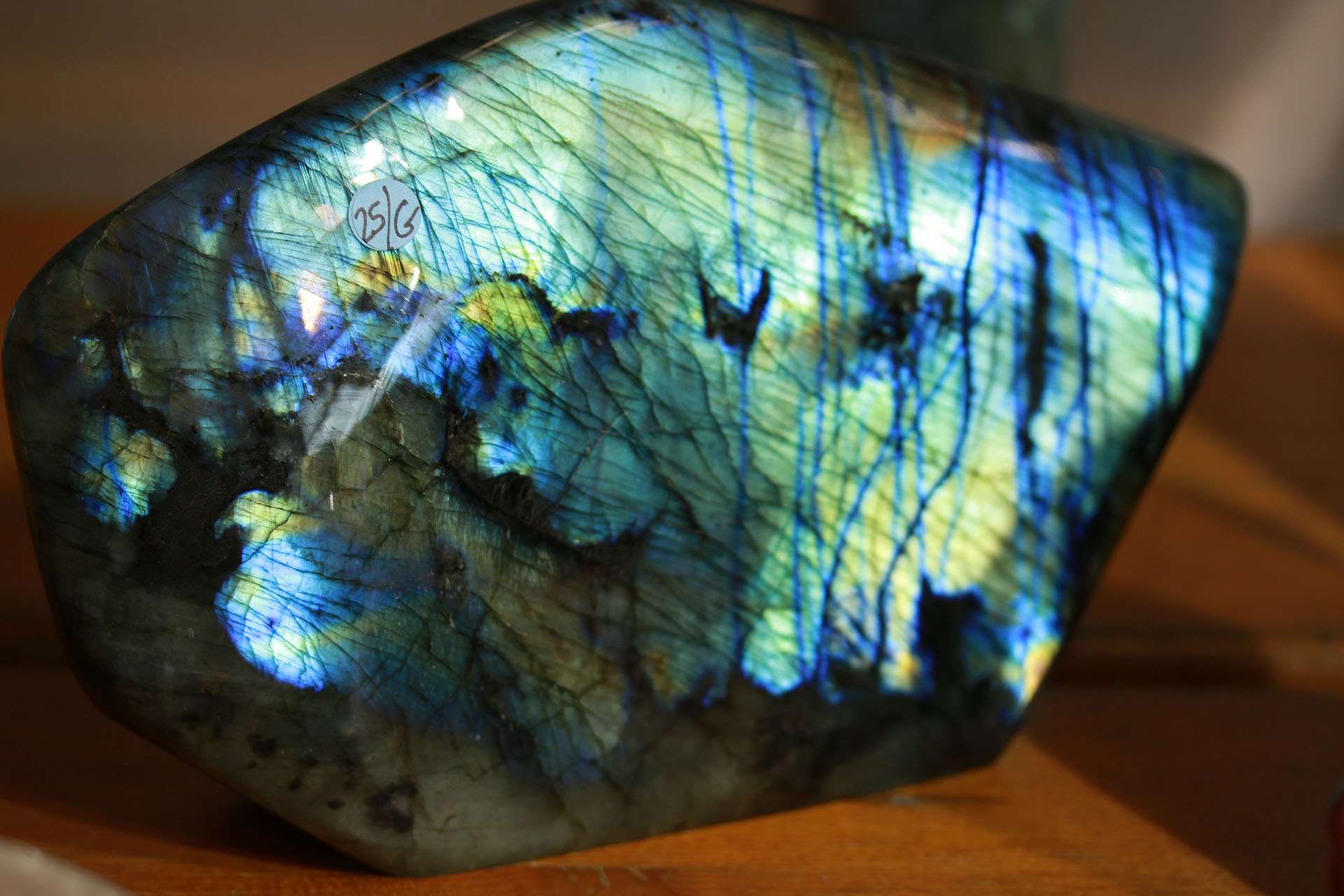
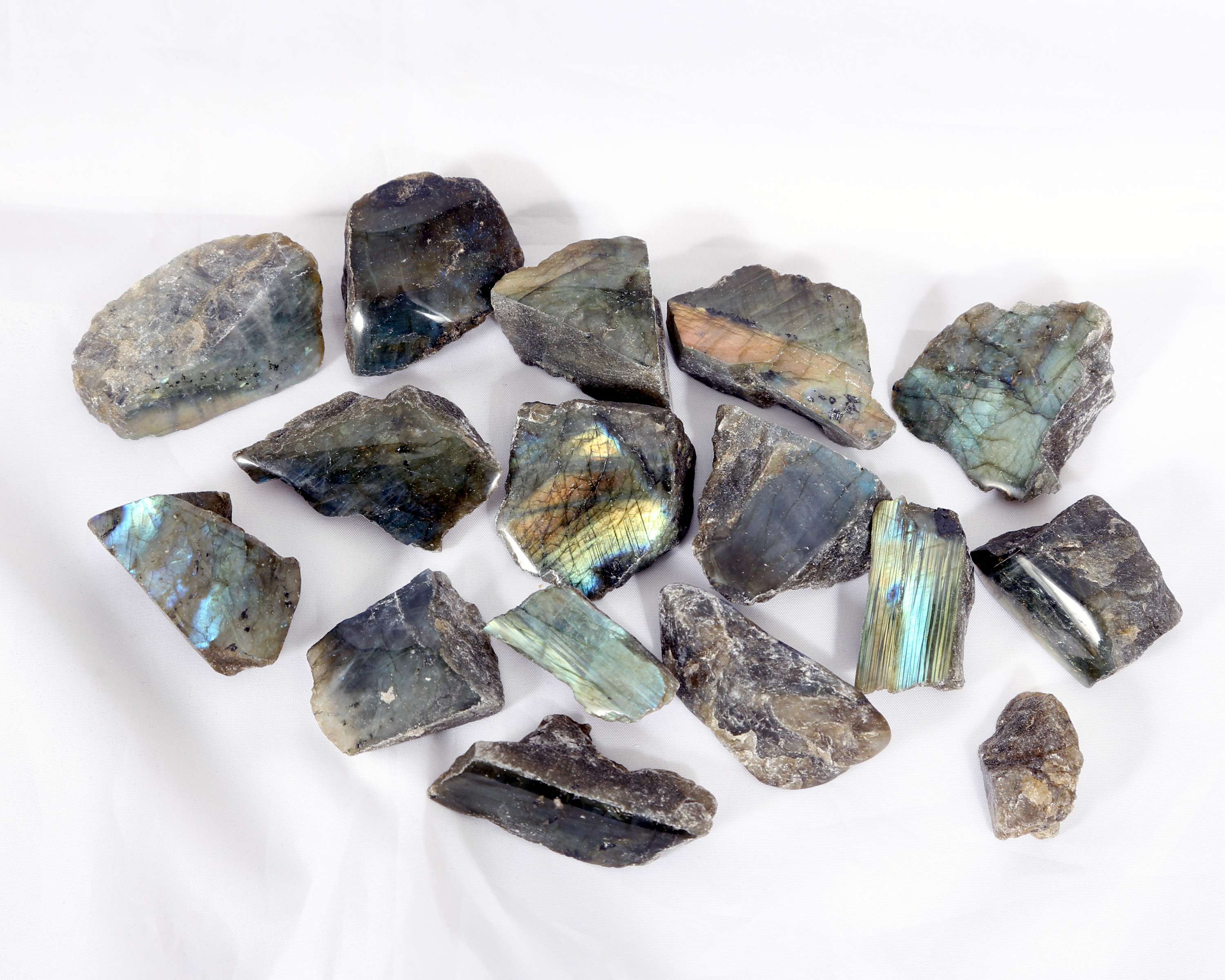
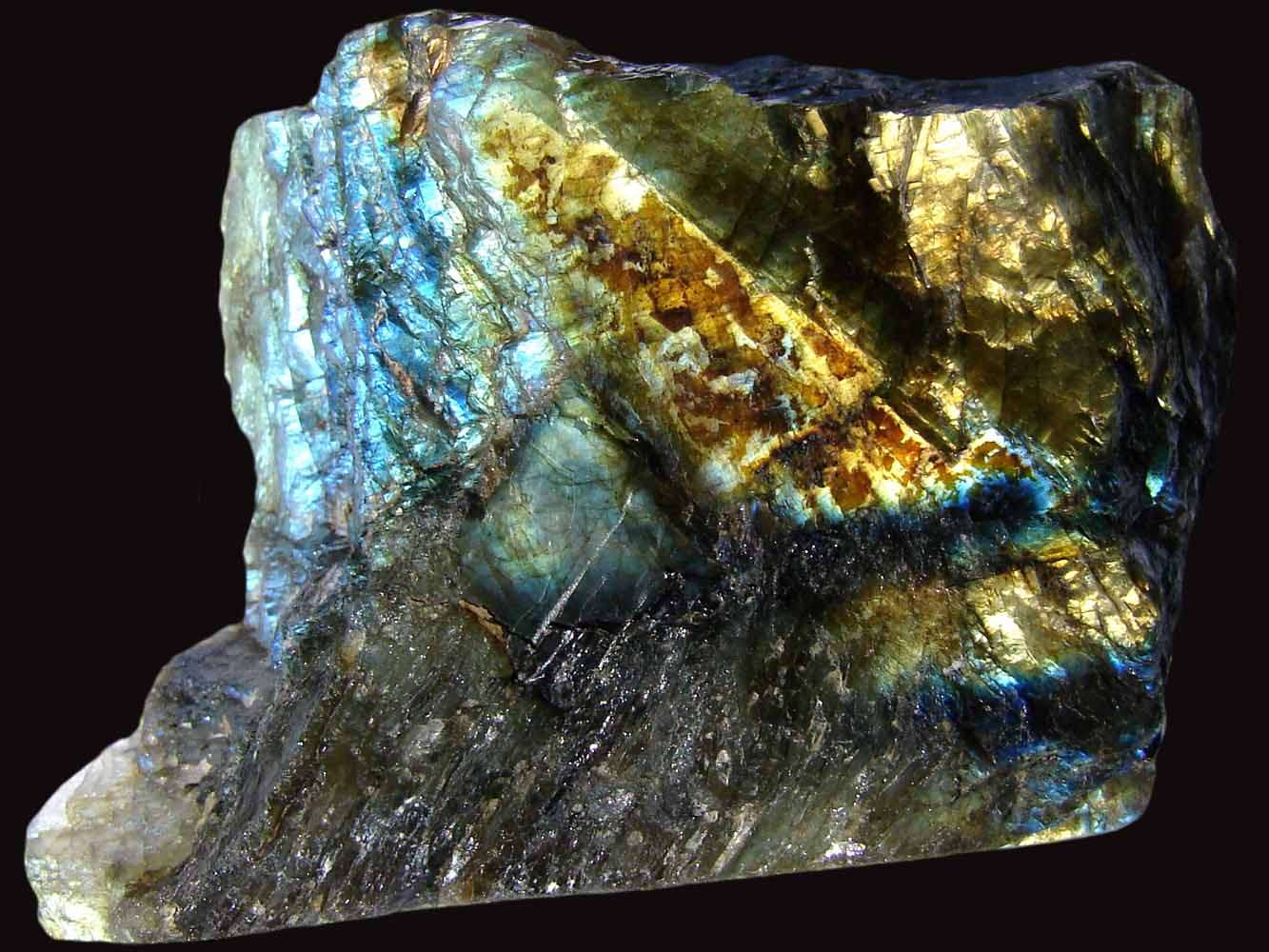
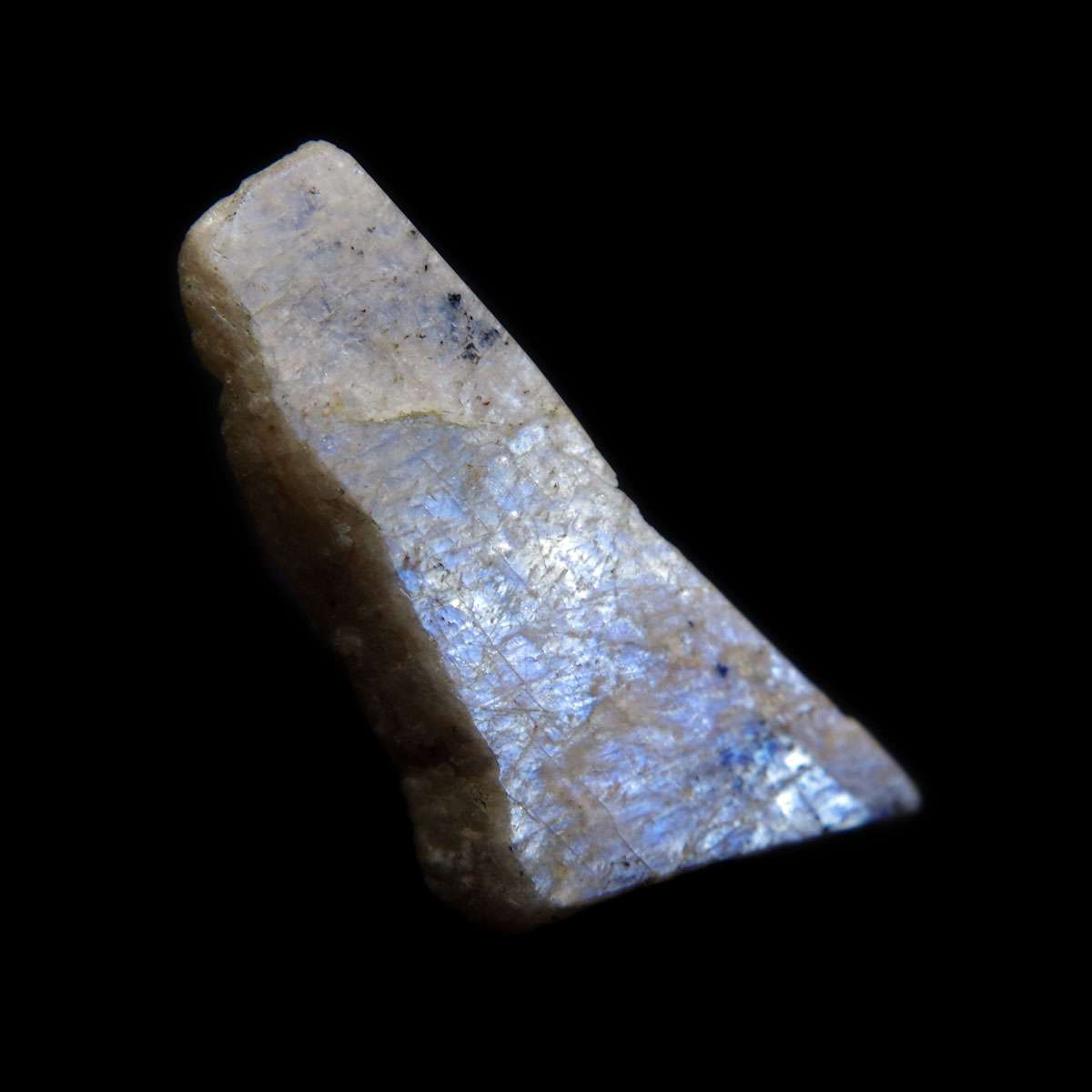
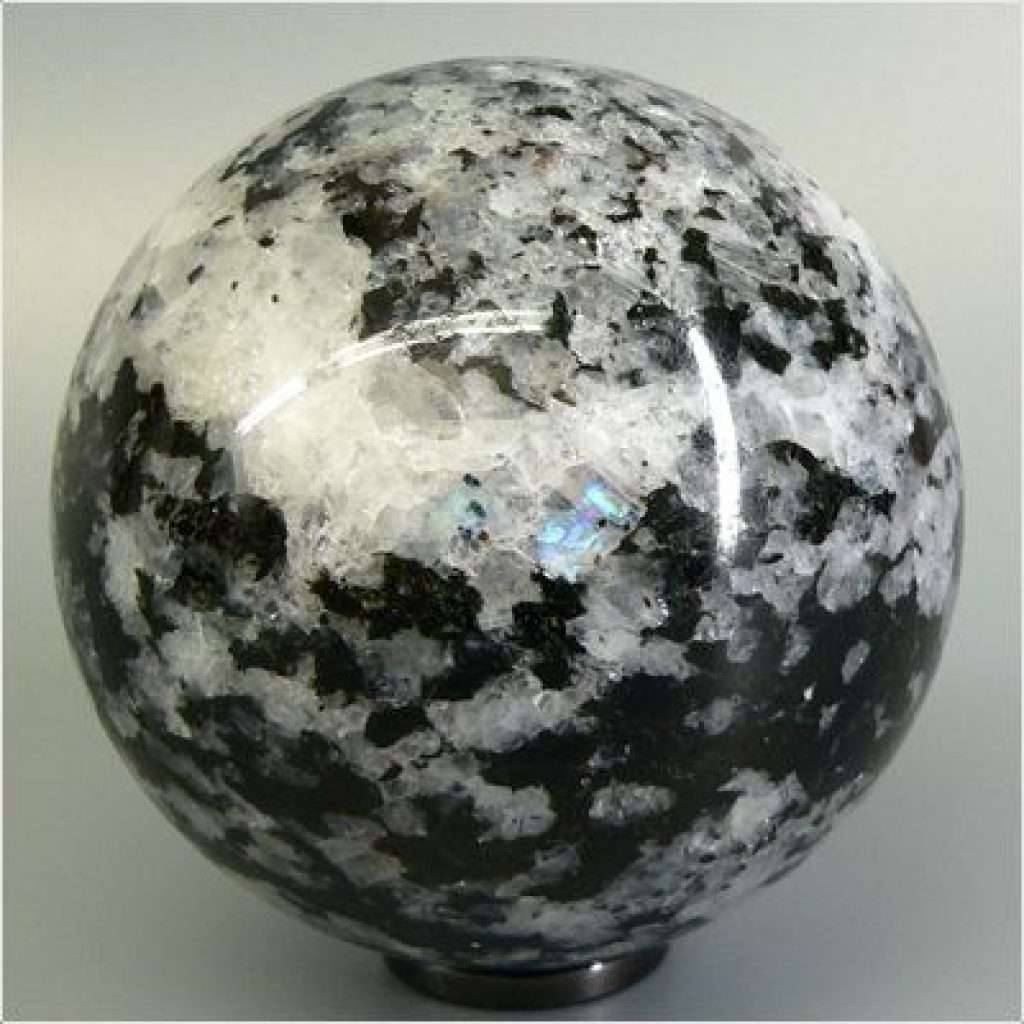
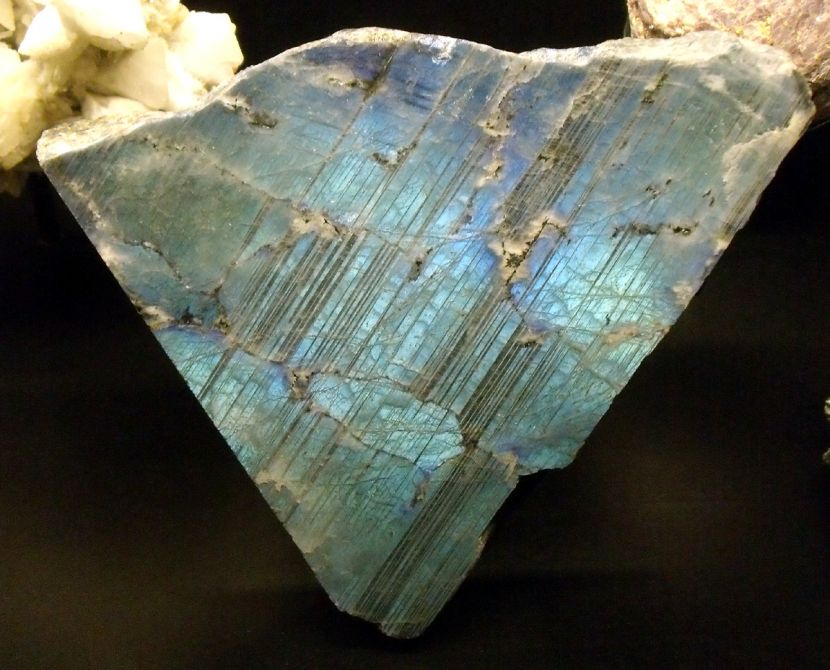
- Labradors. The main component of an igneous rock with a minimum content of silica. Instances include inclusions of ilmenite, titanium and magnetite. The main deposit of San Polo.
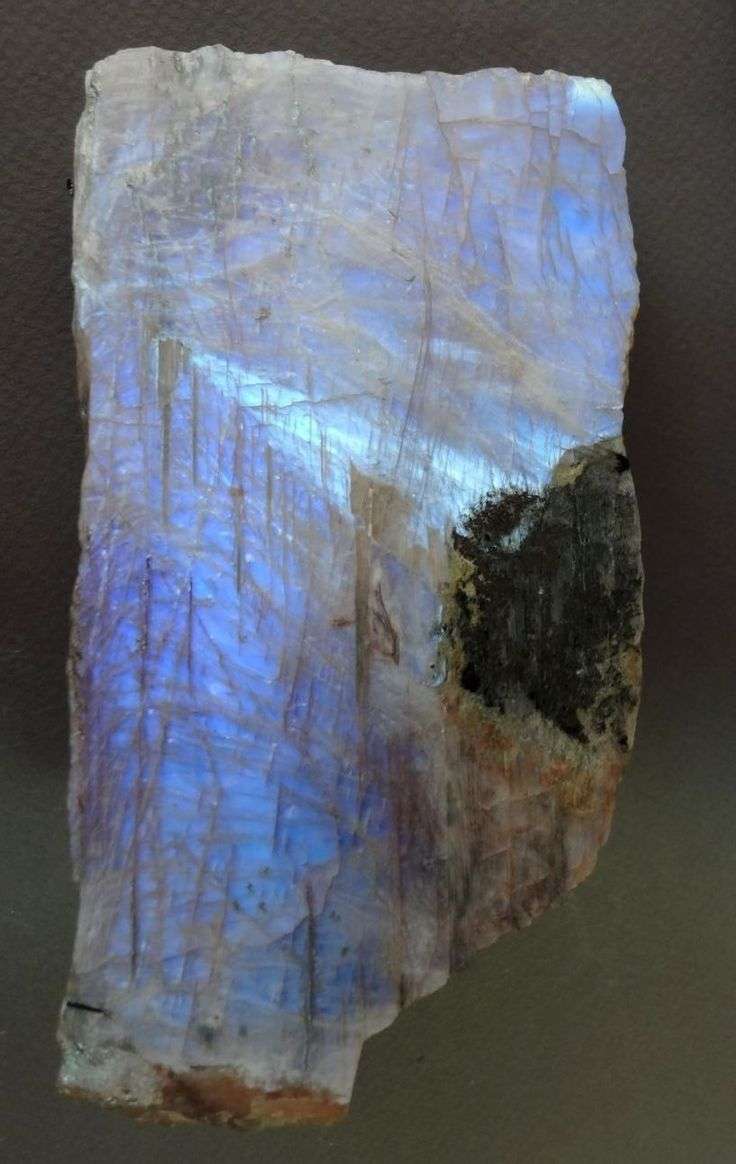
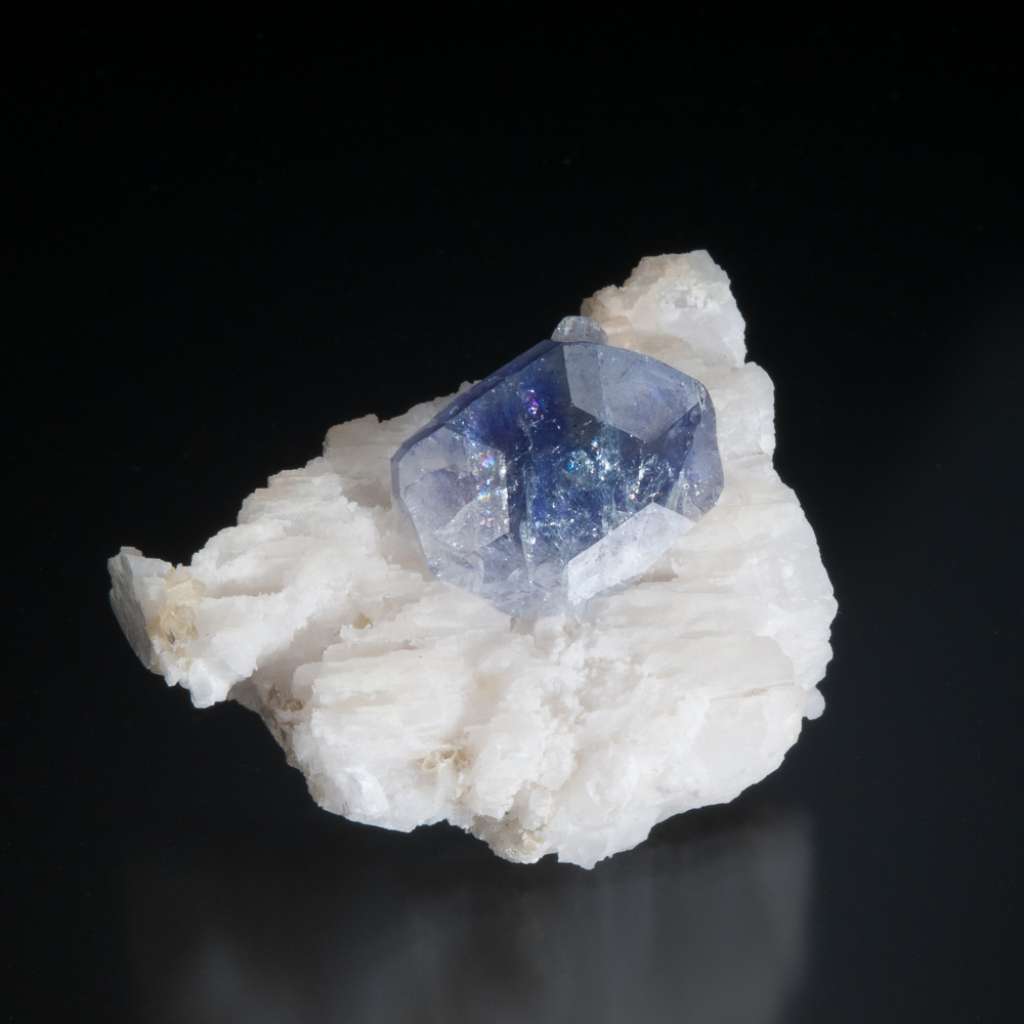
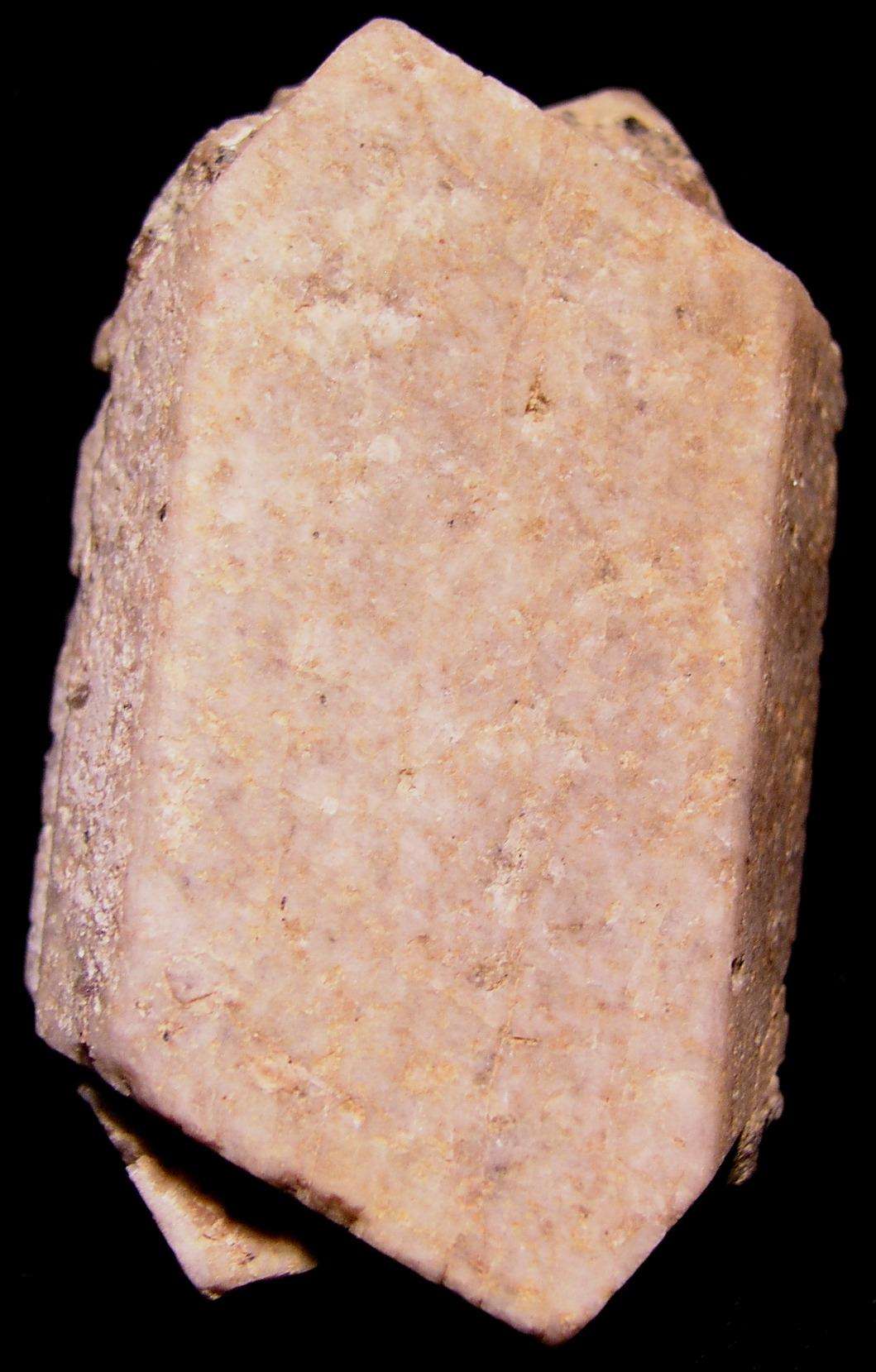
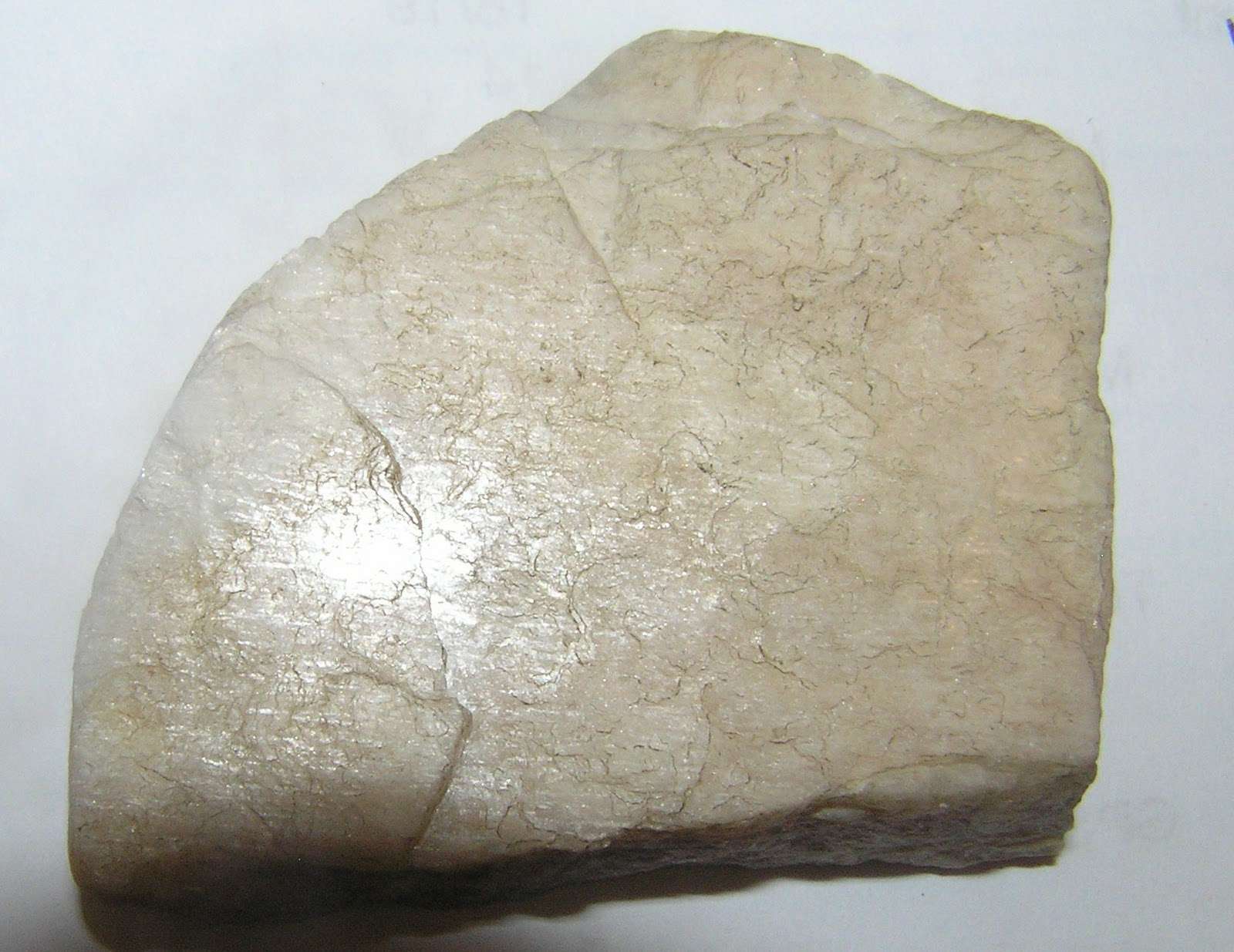
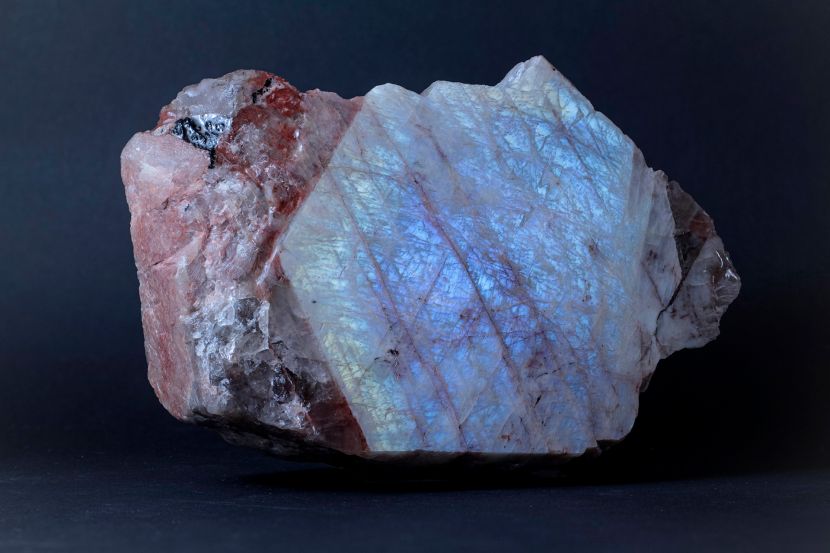
- Albites. Representative of the class of silicates. The most widespread and demanded.It has a huge color background, ranging from pale blue and gray-yellow to almost transparent (colorless).
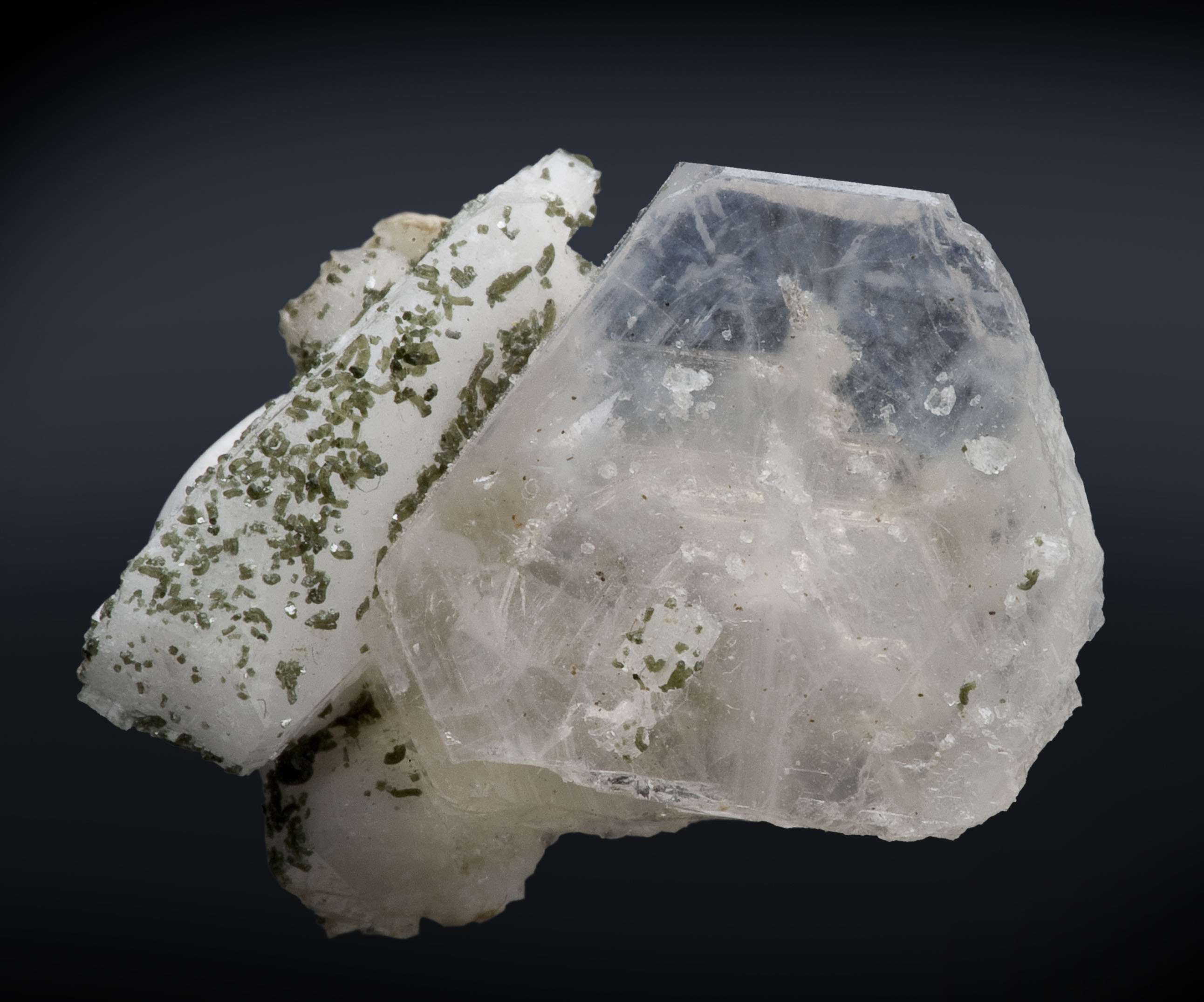
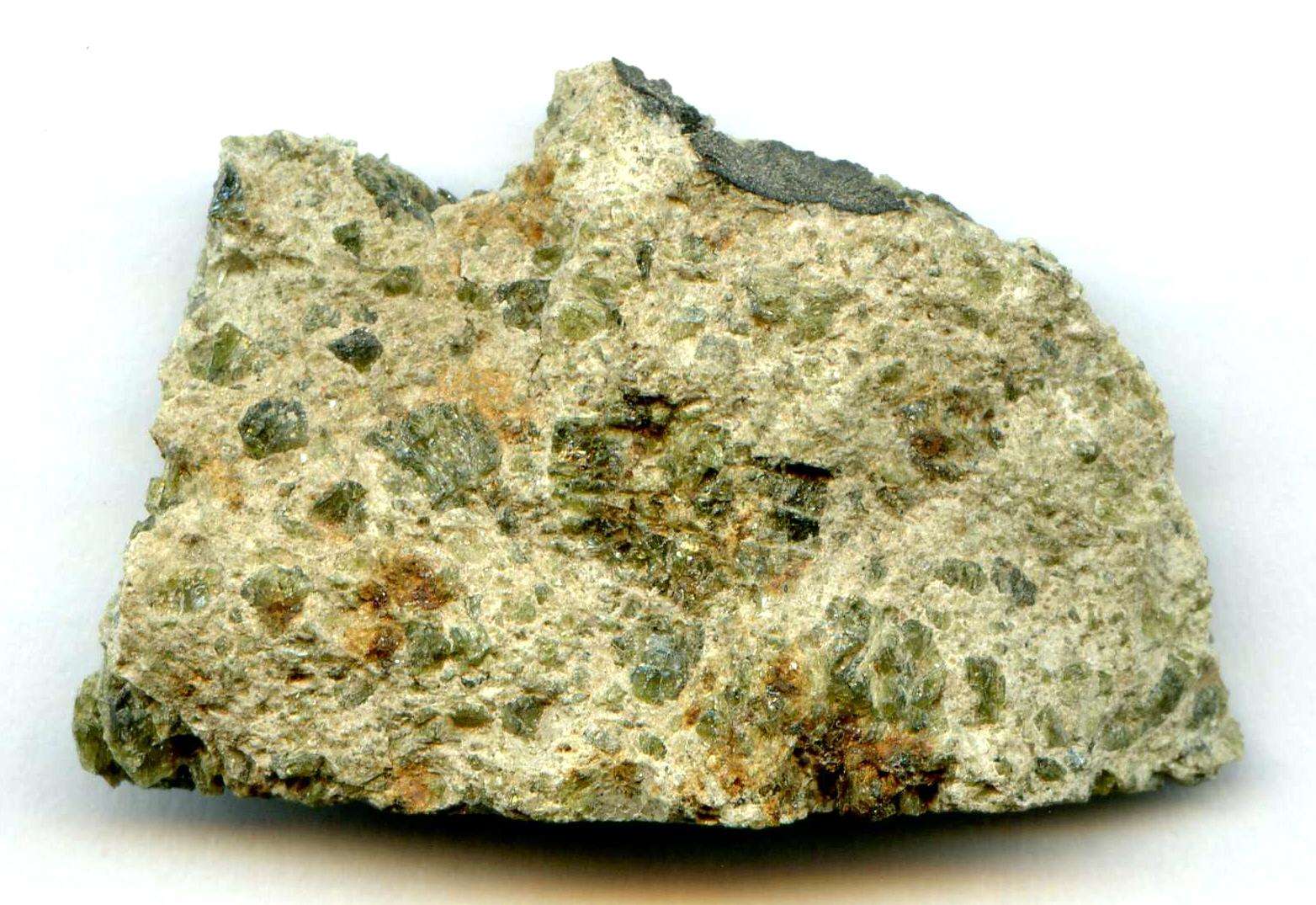
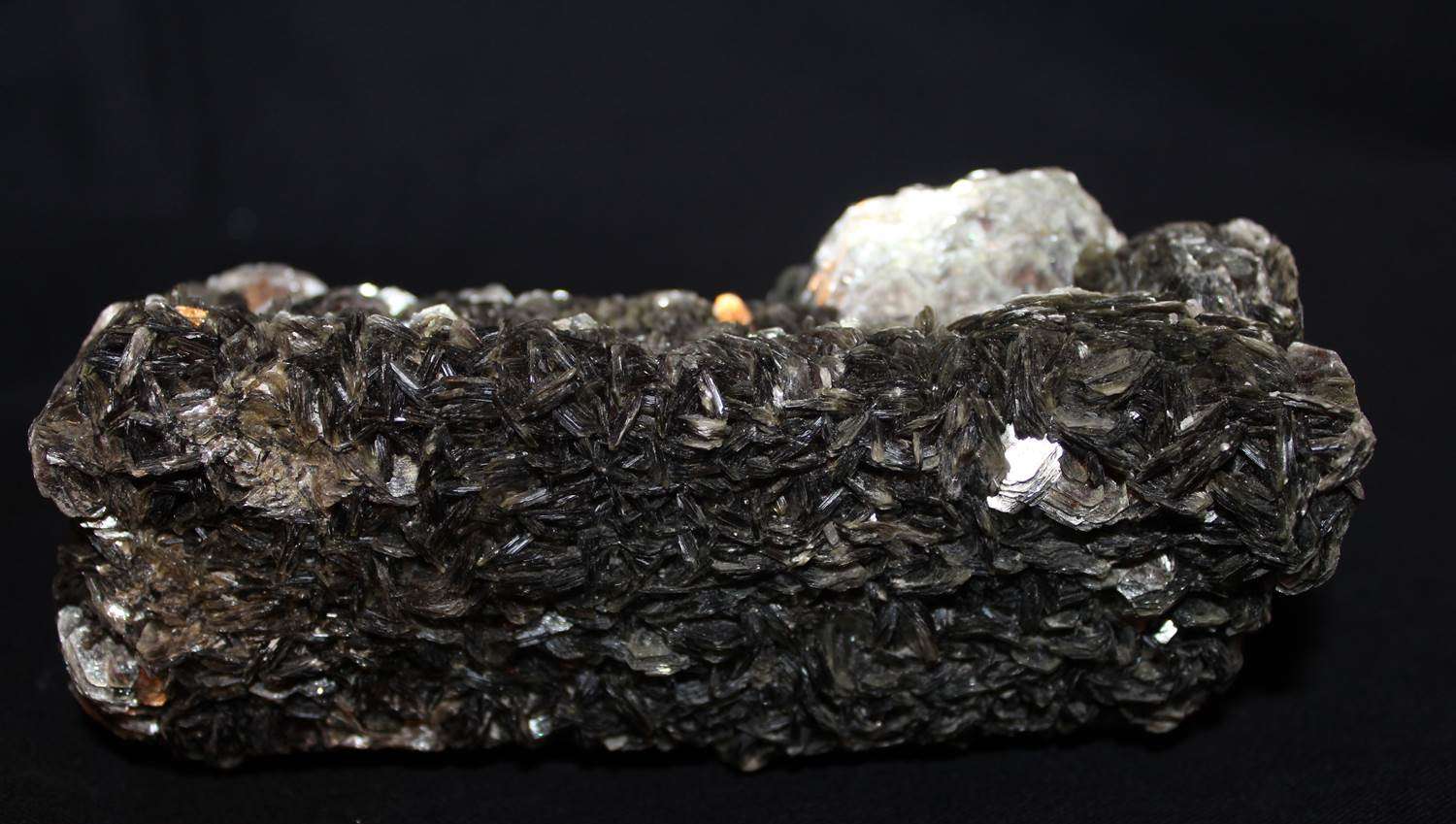
- Anorthites. A very fragile stone with a pronounced vitreous luster. It is characterized by transparency and glassy luster, which disappears when weathered.
- Andesites. Rock formations with cleavage of crystals with an unusual tabular appearance. Characterized by transparency and brilliance. Most often formed in igneous rocks.
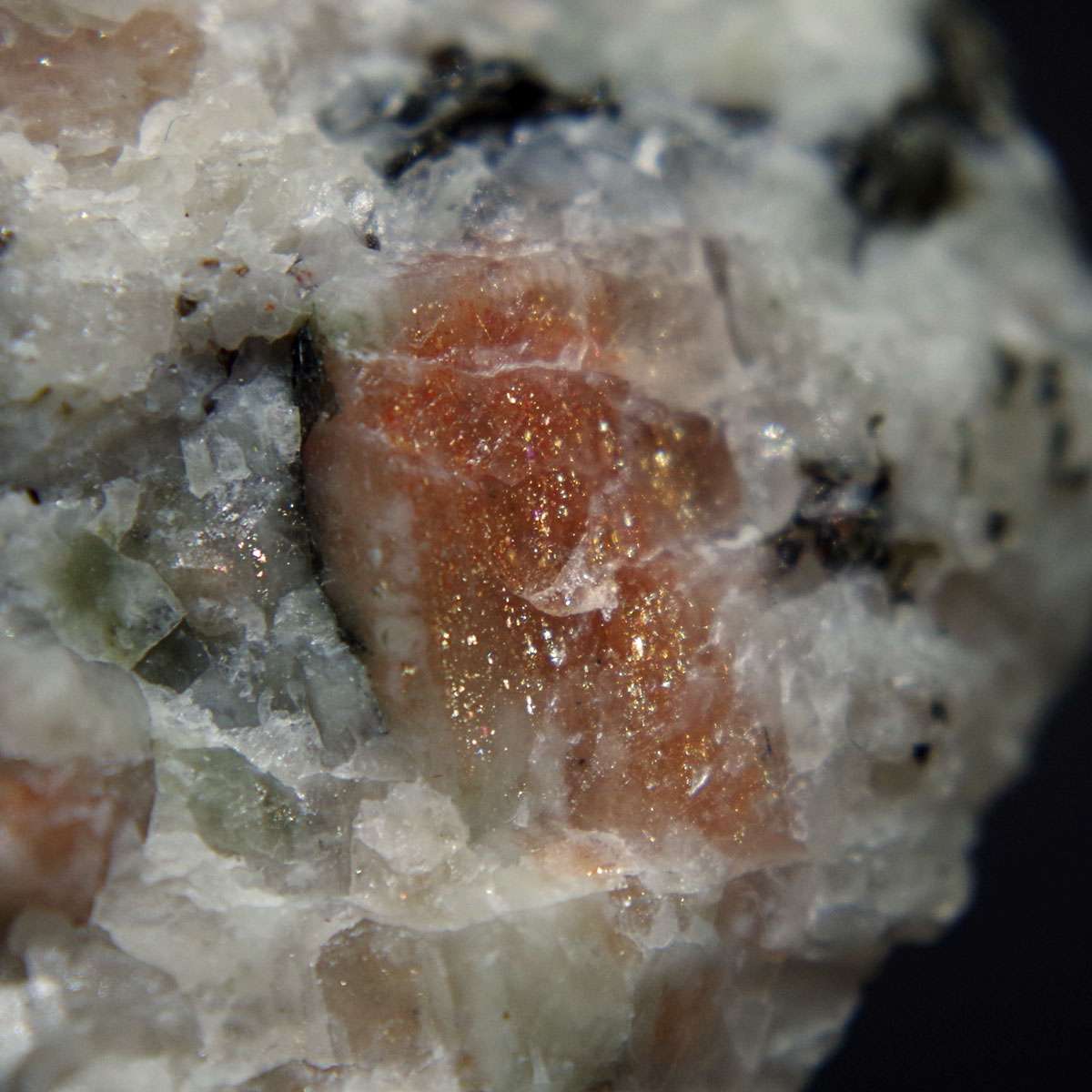
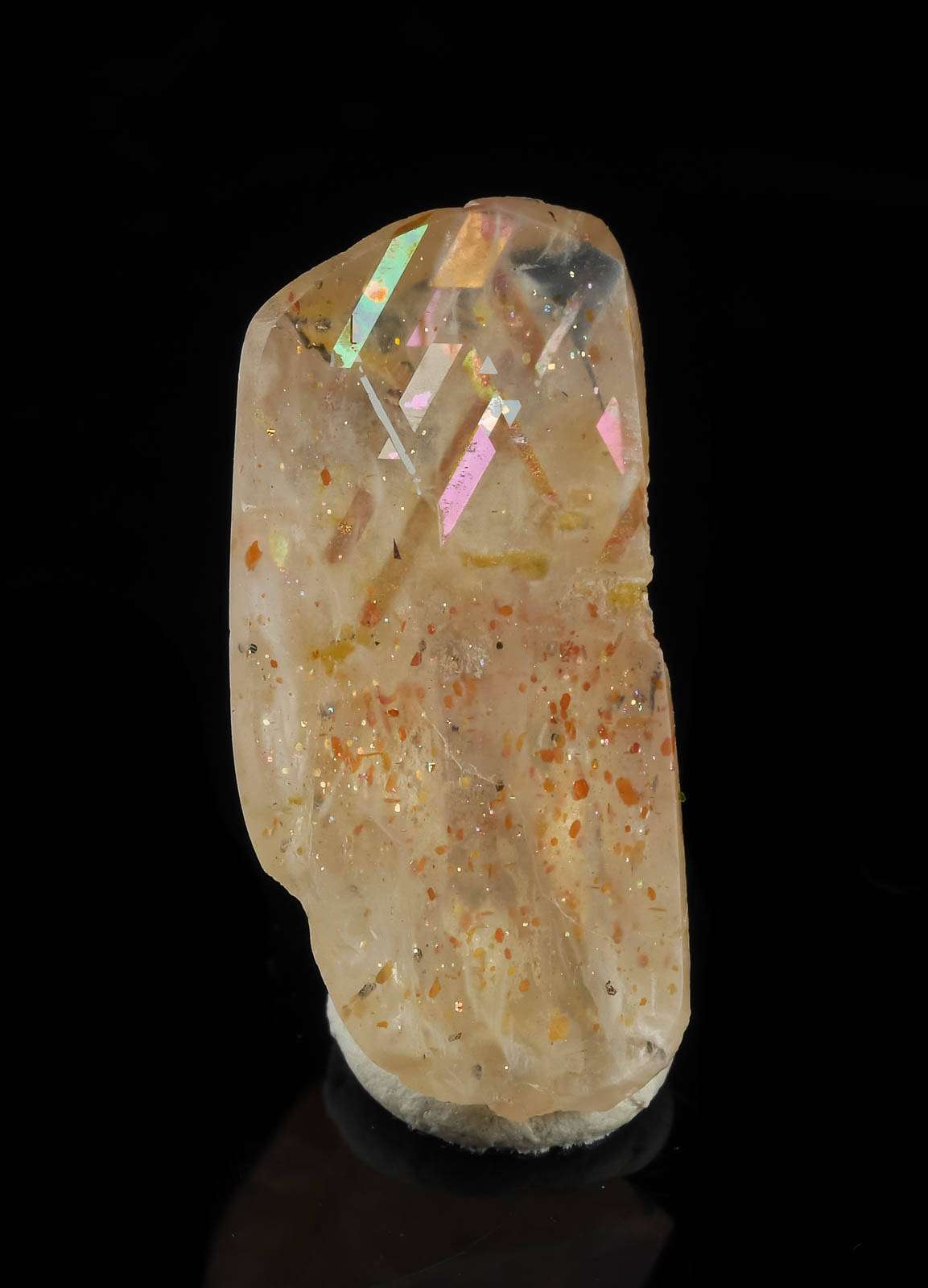
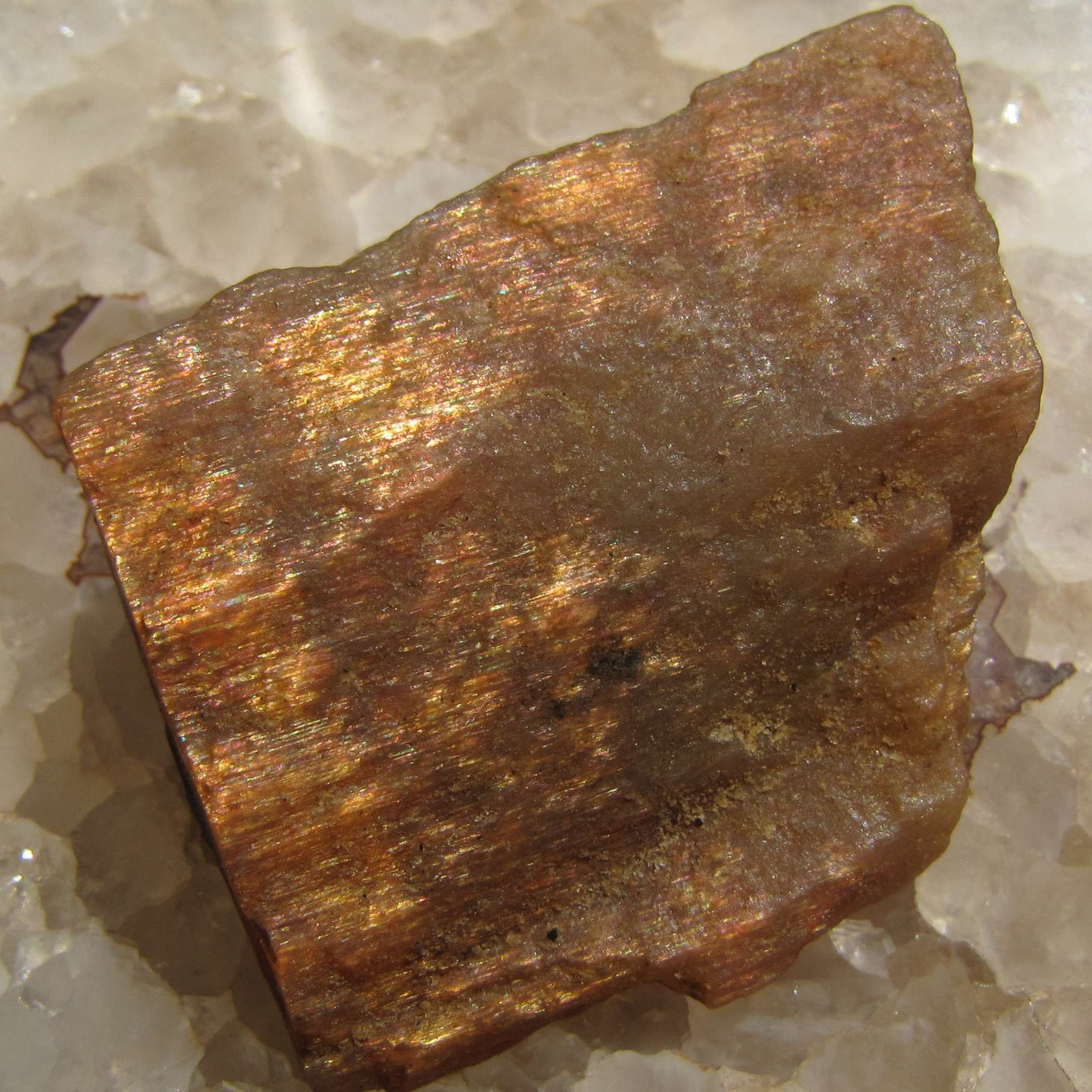
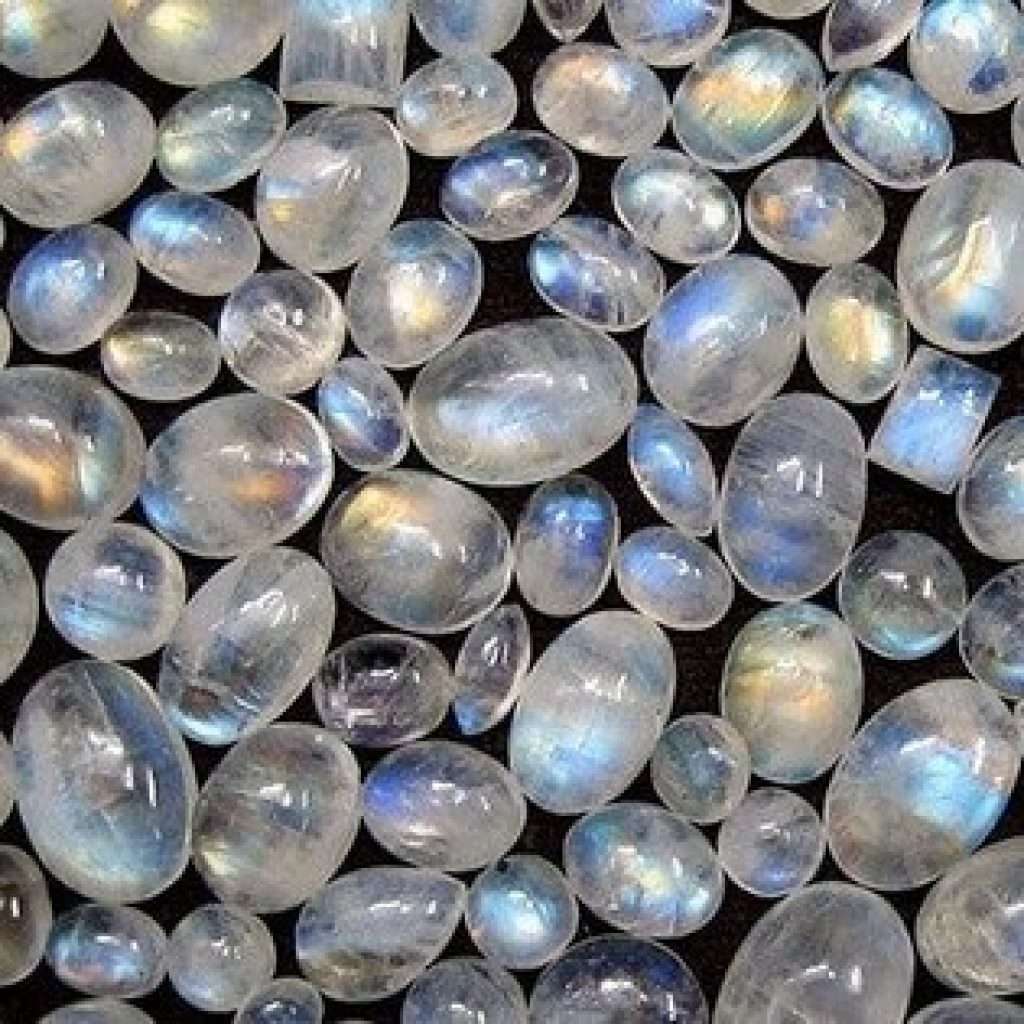
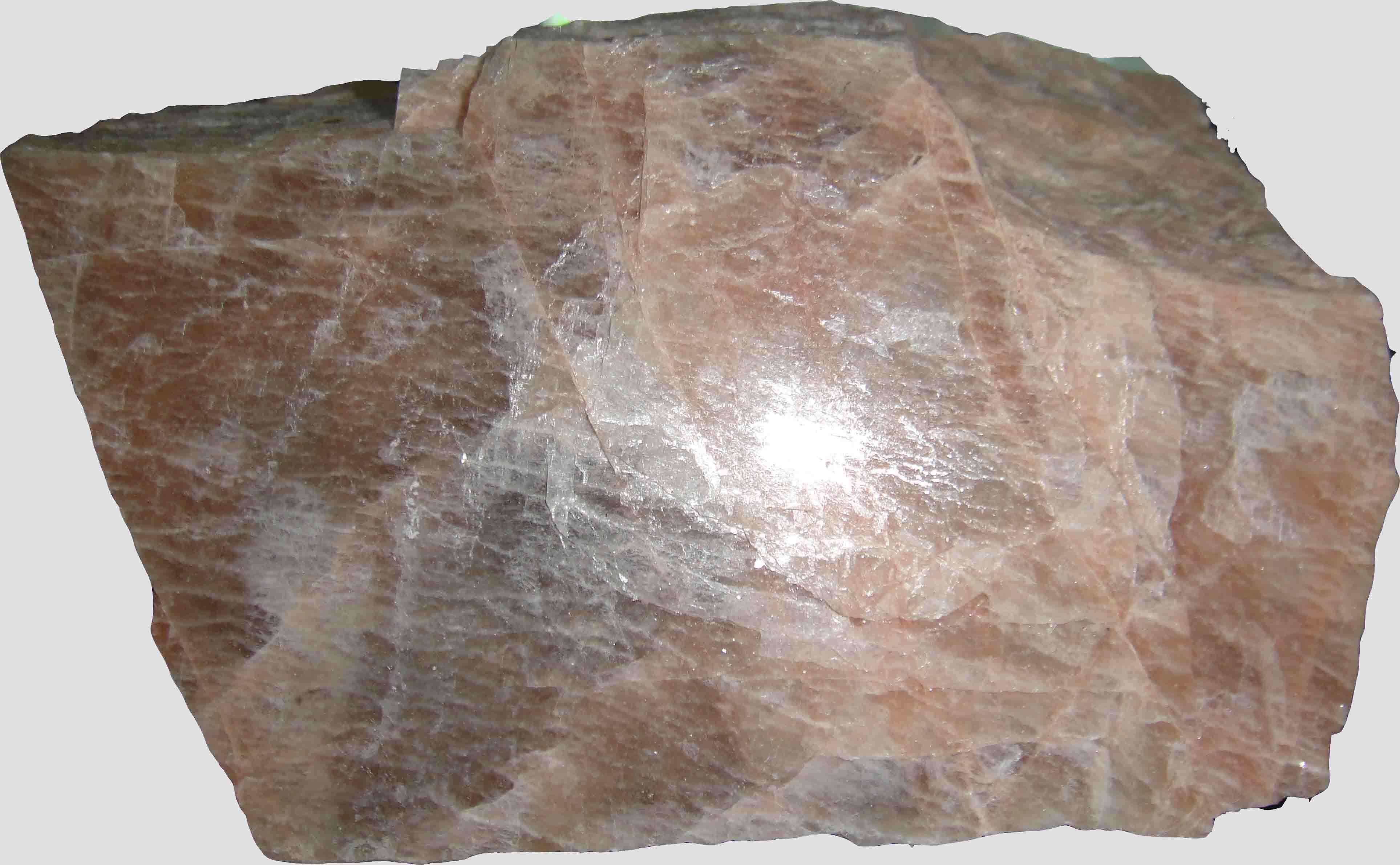
- Oligoclases. Tabular formations of red, yellow or gray crystals. The second name is a sun stone. Widely used in jewelry.
- Bitovnits. It is very difficult to meet this mineral in the form of crystals. Most often, these are isomorphic anorthosites.
The composition of the mineral
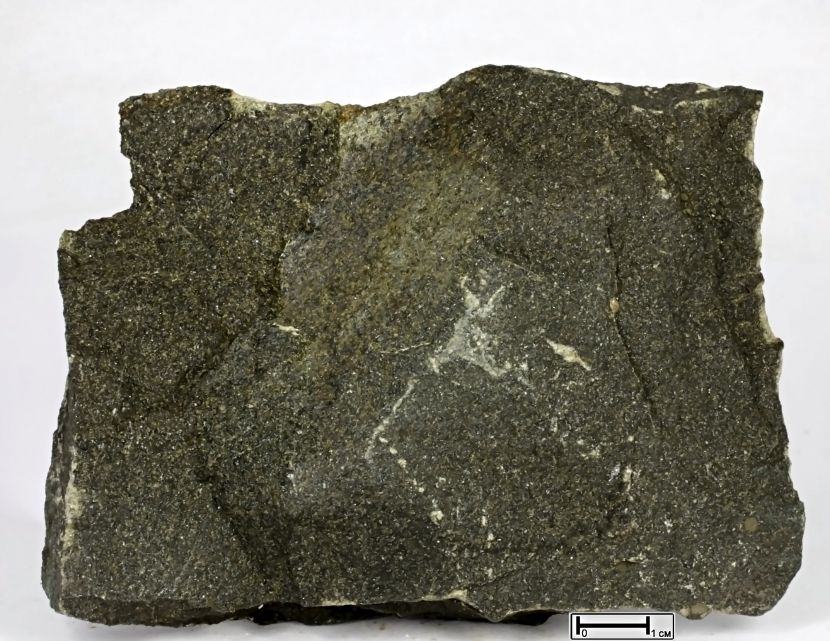
Quartz plagioclase and its varieties belong to aluminosilicates.
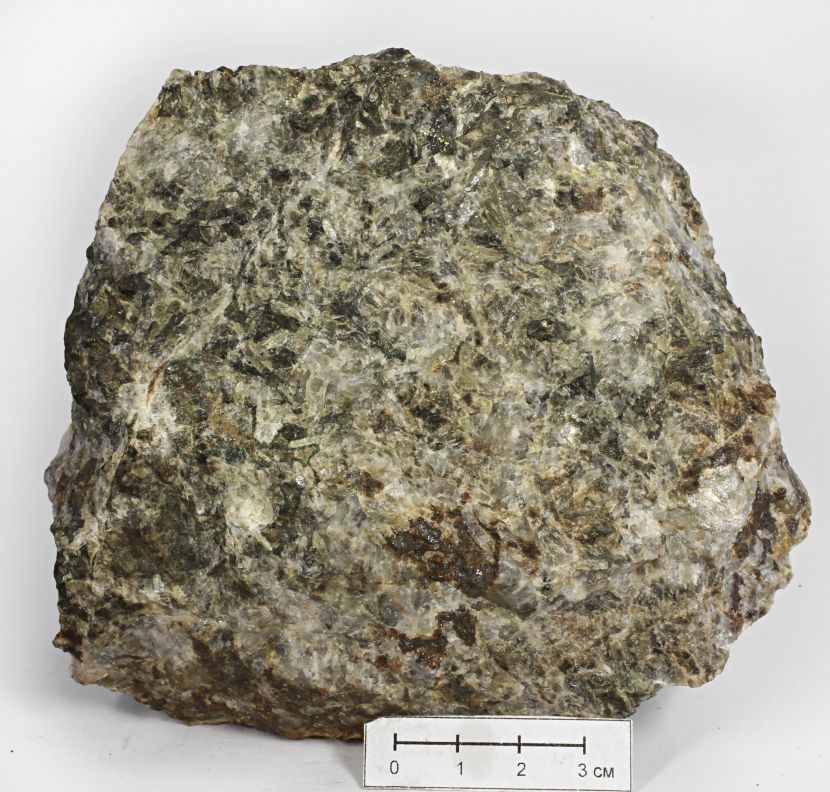
The main components of the molecular framework of this rock are silicon, oxygen and aluminum. Auxiliary components are calcium or sodium, in some cases both at once. The latter rock-formers transform the aluminosilicate into plagioclase.
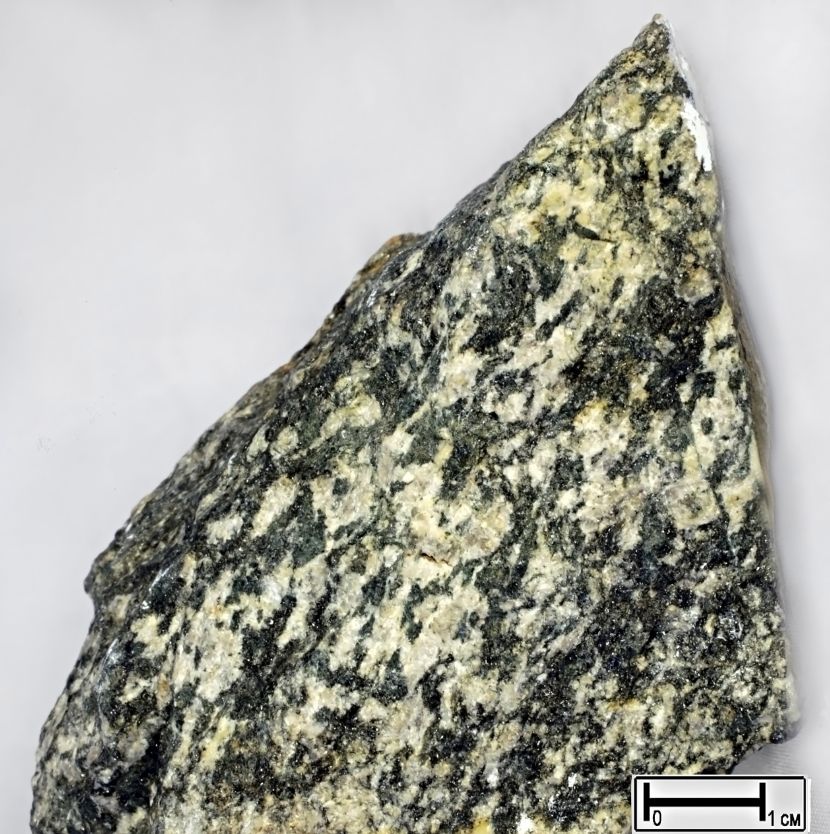
The percentage of calcium and sodium in the rock can vary over a wide range.
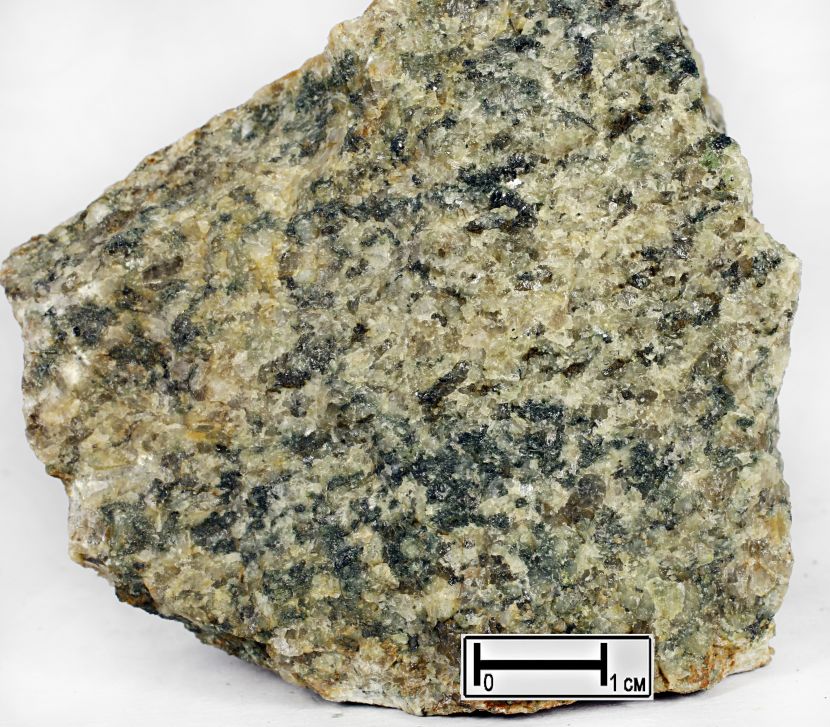
The chemical plagioclase formula without calcium has the following form - NaAlSi3O8, the formula of anorthite without sodium - CaAl2Si2O8.
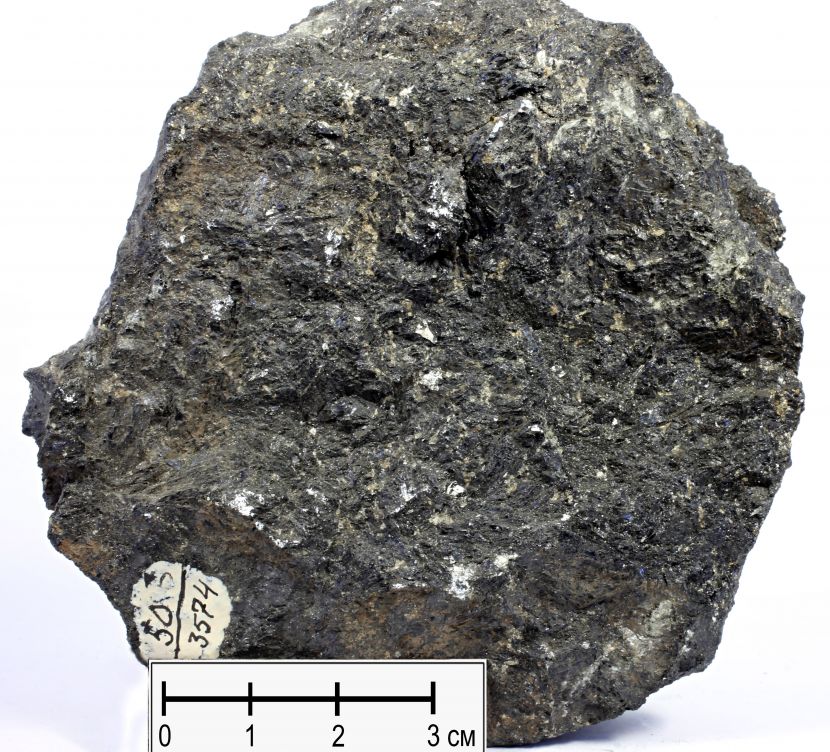
All other minerals included in the plagioclase group are a mixture of anorthite and albite. Such a compound is without a name, but it has a serial number, which is assigned taking into account the percentage of anorthite in the rock. So, for example, serial number 99 is 99% CaAl2Si2O8 and 1% NaAlSi3O8.
Both calcium and sodium, which is part of the rock, can be supplemented with other metal oxides and pure metals.Iron, barium, strontium and potassium are common impurities in stones.
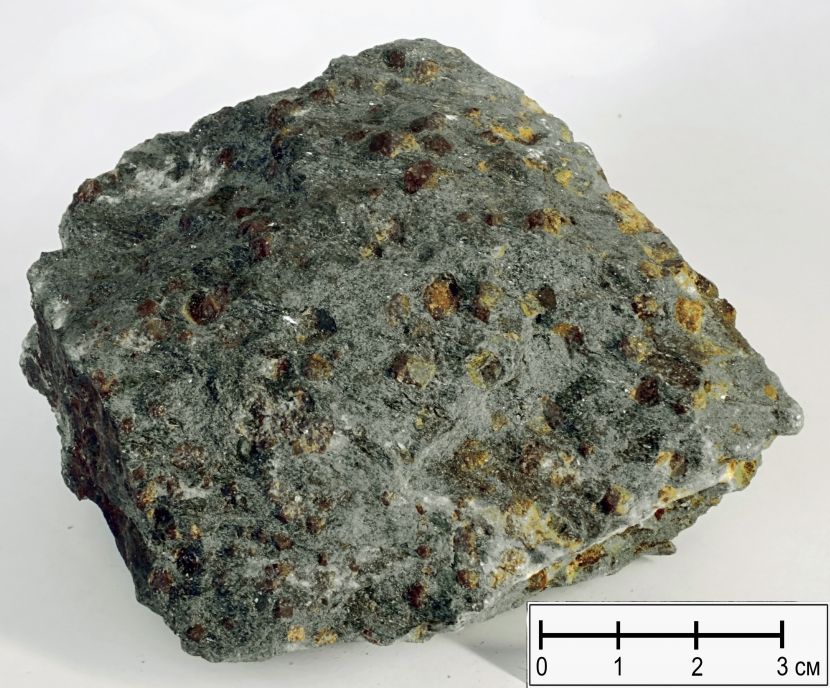
Similarities and differences with adularia
The great similarity of adularia and plagioclase is very attractive to jewelers. According to certain estimates, more than 70% of the adularia sold in the markets are plagioclases.
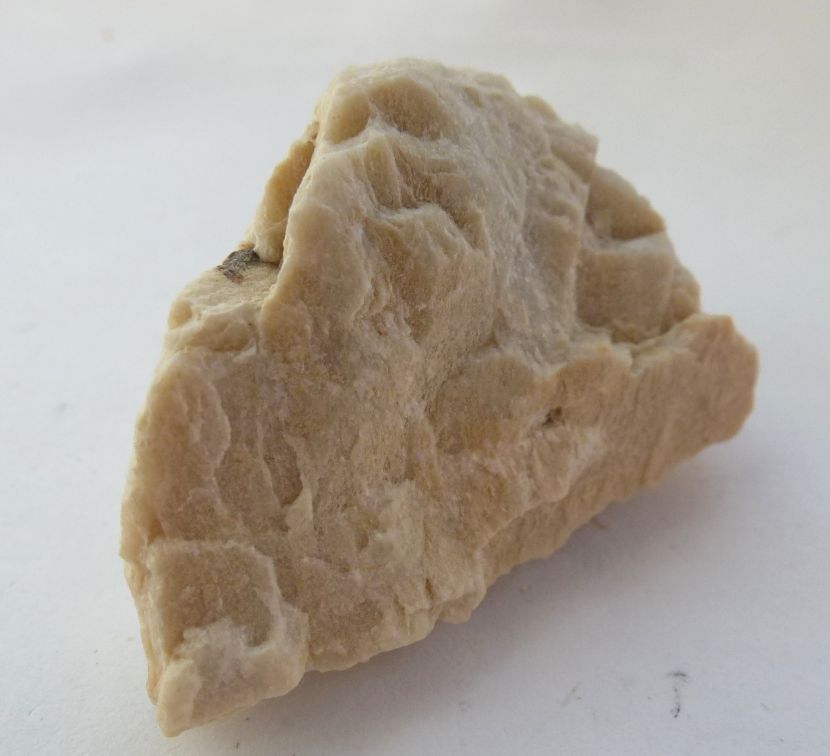
There are quite a few differences between plagioclase and adularia. They have different chemical properties, completely different appearance and price range. Potassium in plagioclase is just an impurity, while potassium in adularia is a crystal lattice. The price of high-quality adularia is an order of magnitude higher than any plagioclase.
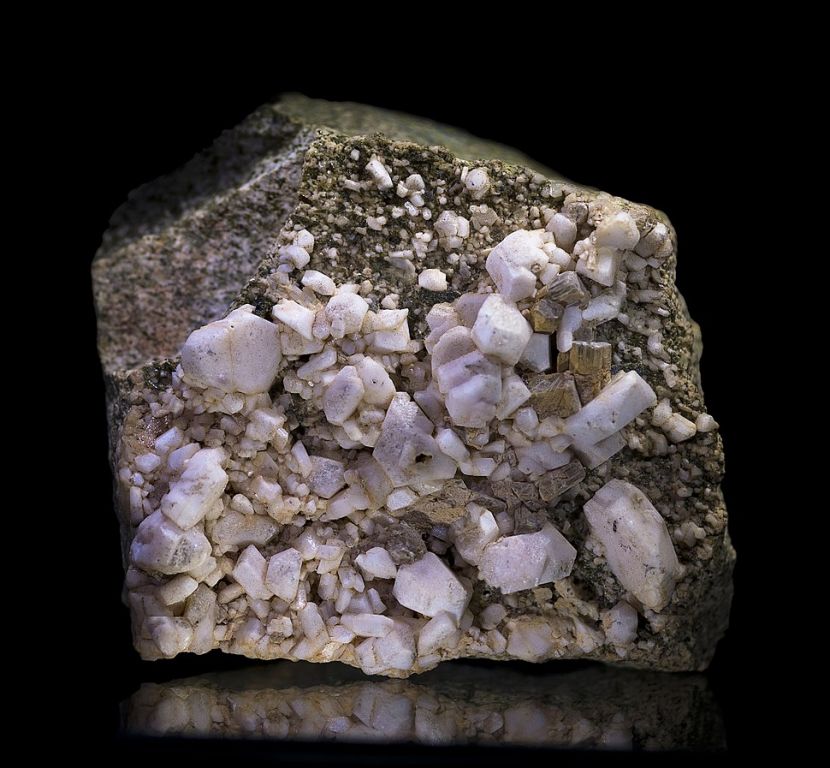
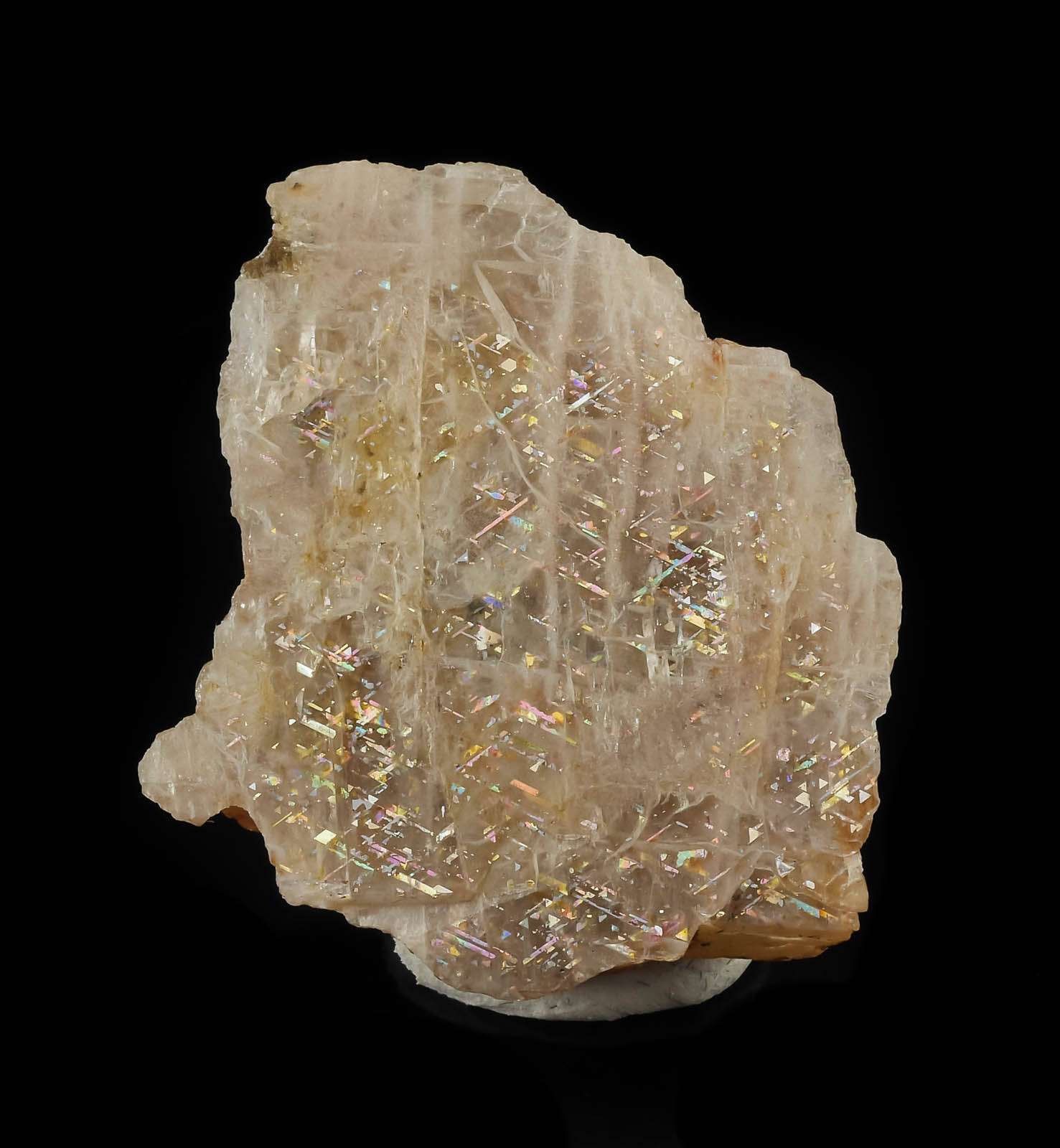
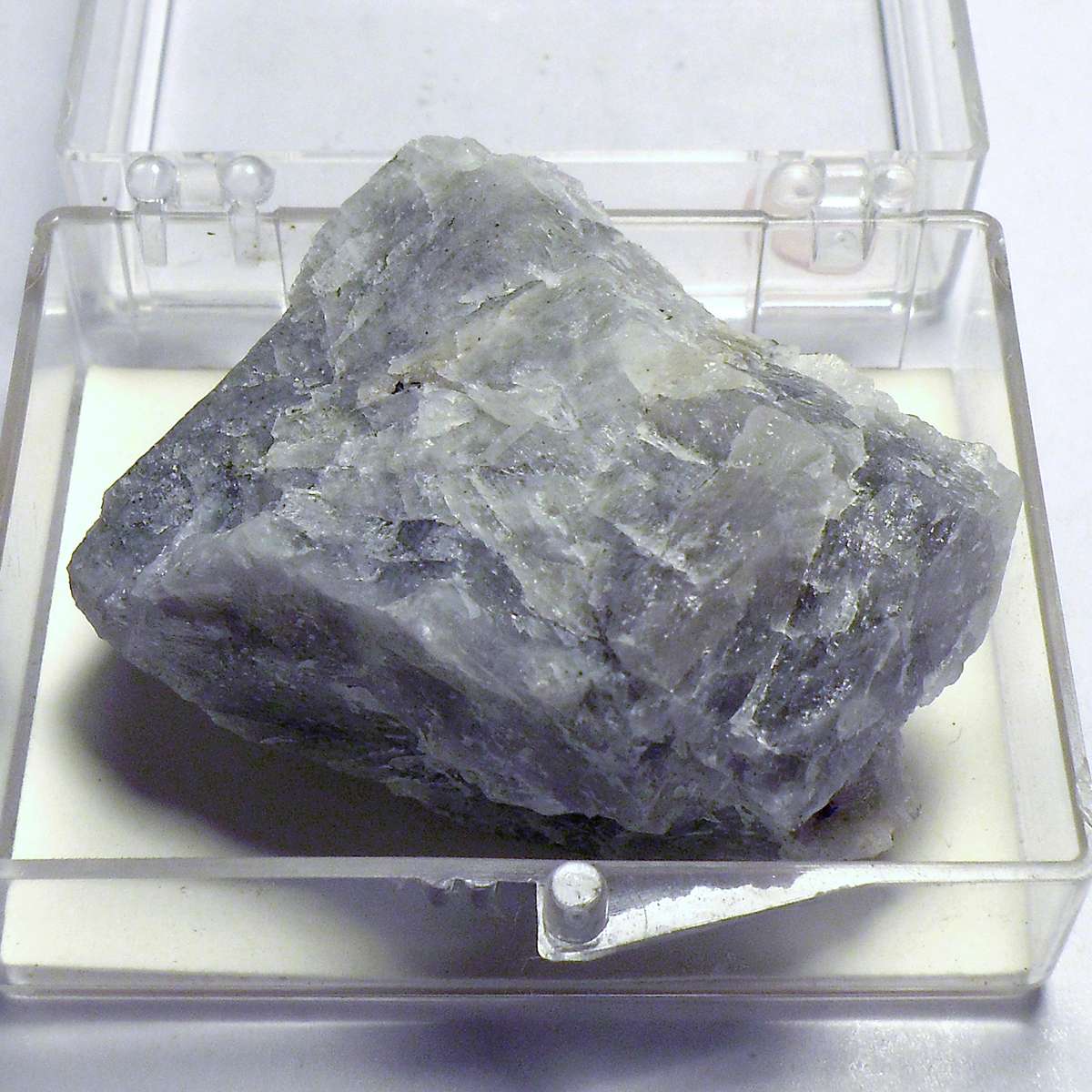
The optical properties of these two rocks are also similar to each other. Plagioclase, unlike adularia, has a fractured structure. This is noticeable on large stones. It is best to view the stone through a magnifying glass with good lighting.
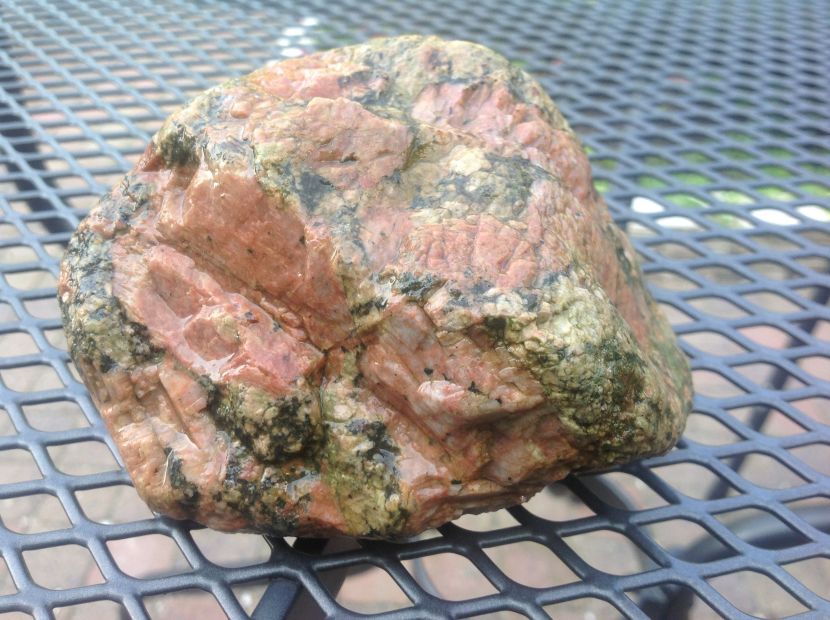
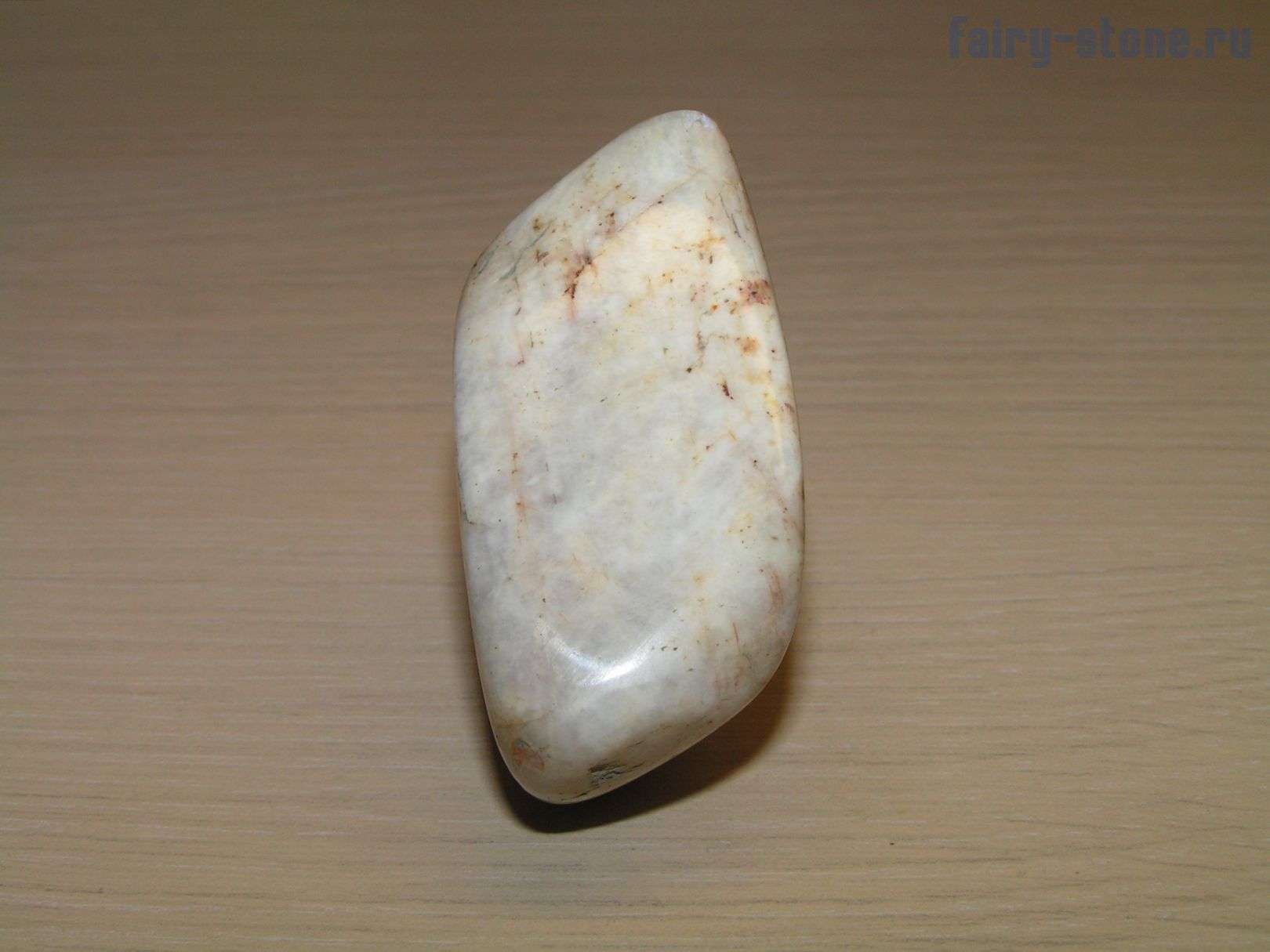
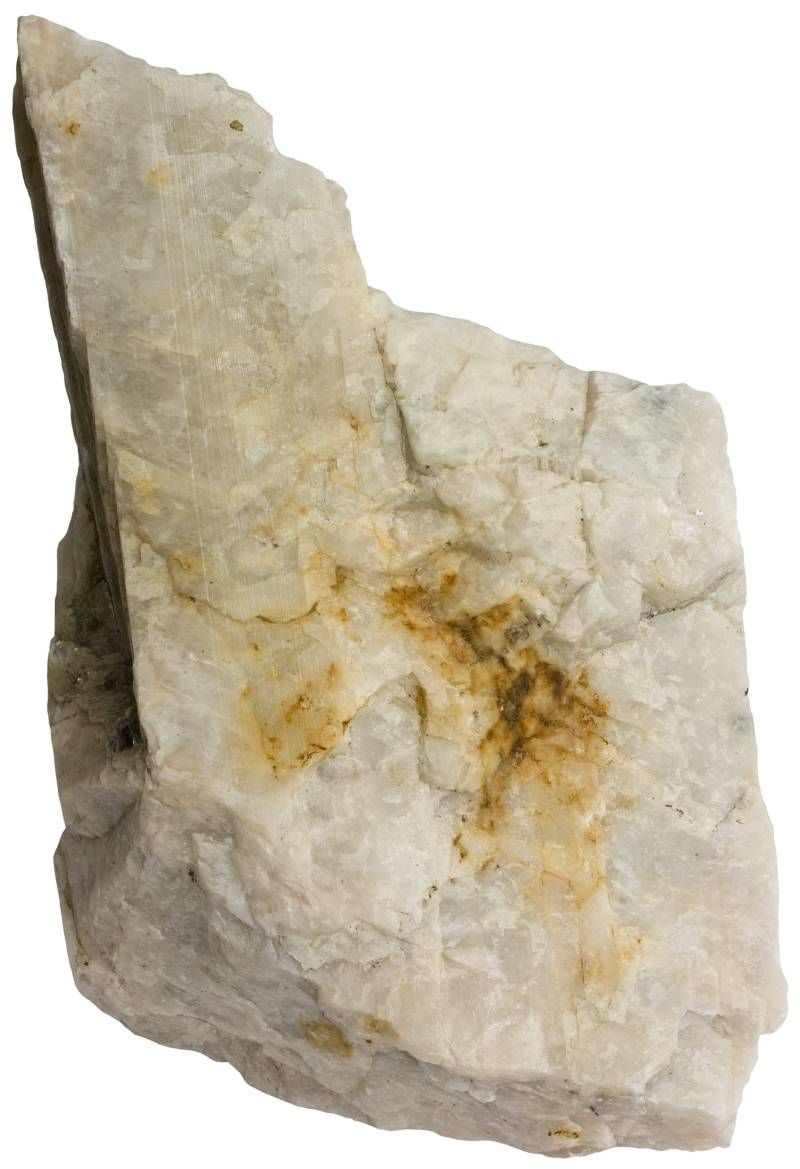
In order to distinguish these two rocks, you need to pay attention not only to cracks, but also to color. Plagioclase most often has a certain yellowness, due to which the overflows formed in the light have a warm shade, unusual for adularia. Plagioclase is always transparent, while adularia, on the contrary, is foggy, as if slightly cloudy.
Scope of application
Plagioclase has a number of properties and chemical indicators that allow it to be used in many industries. It has the following uses.
- Practical;
- Medical;
- Magic.
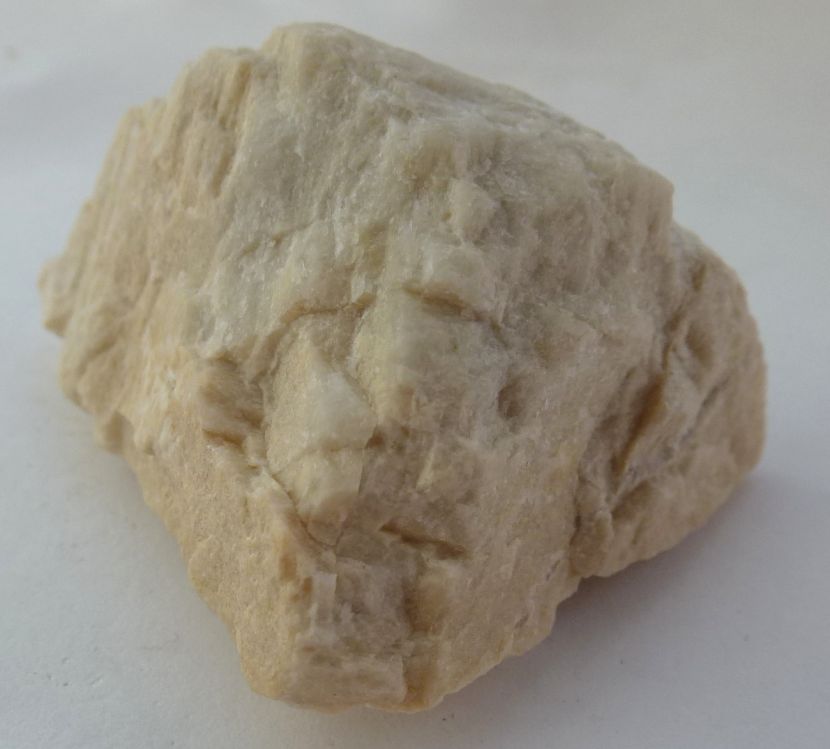
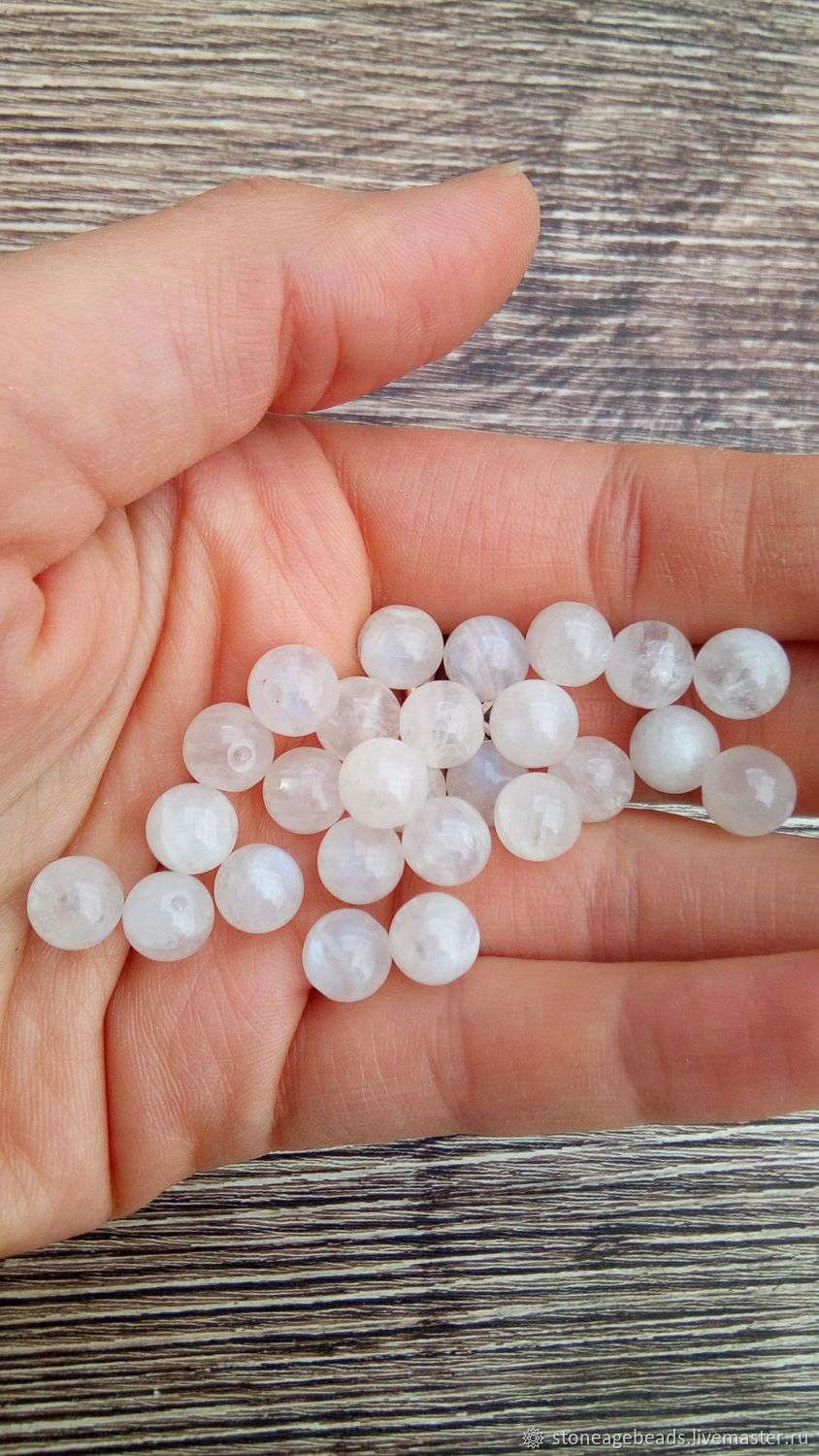
Practical use. Due to its properties, the stone is widely used for making jewelry. The most common is albite, as it can be polished. This allows you to create high-quality jewelry that does not lose its original appearance for a long time. They are also popular with collectors.In addition, it is used in agriculture as a fertilizer and used in the manufacture of cosmetics. Thanks to the components included in the plane of the stone, the plants grow faster and are more resistant to weather conditions. In the process of weathering, high-quality clay is formed, which is further used for the manufacture of dishes and ceramic products. They are stronger and more durable.
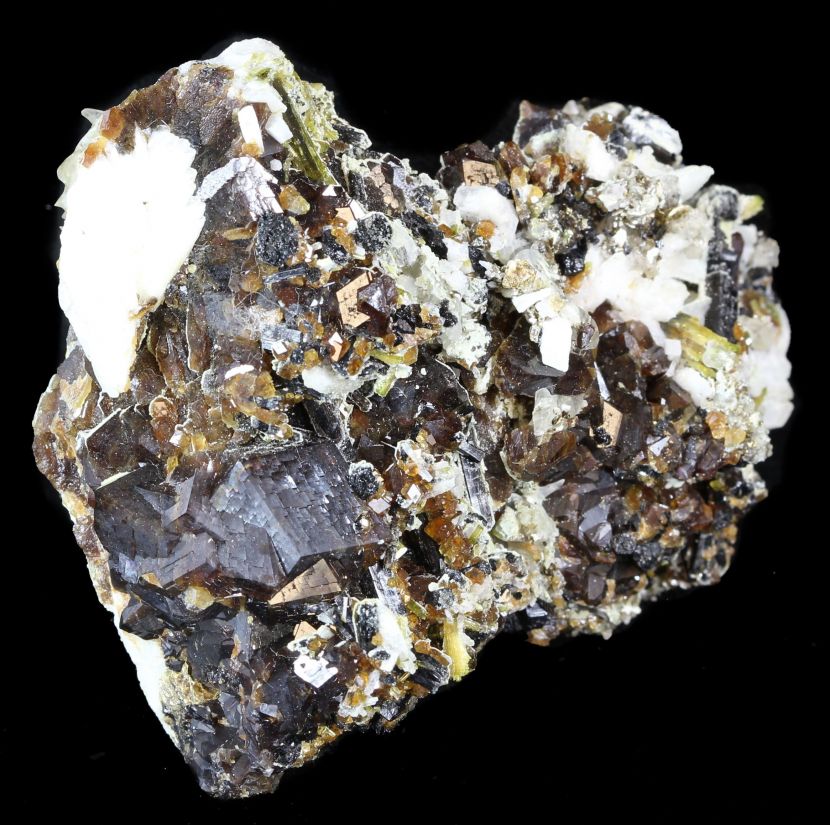
Therapeutic use. The stone has a positive effect on the digestive system as a whole, it is also useful for the liver and kidneys. It is a prophylactic against colds.
Magic application. Astrologers have proven that this breed is an excellent conductor between the two cosmic bodies of the Moon and the Sun, due to which it is often used in various rituals related to magic. It reduces irritability and helps in the fight against stress. A stone amulet is recommended for receptive people who are very afraid of what others will say about them. The Chinese believe that the stone helps to harmonize with the outside world. In order for the rock to be fed, it is placed under direct sunlight from which its charge occurs. The stone belongs to the elements of Water, but, despite this, it is suitable for all signs of the zodiac.
conclusions
The stone is quite beautiful, its buckwheat (coloring) is multifaceted. The breed has a huge scope. Widely used in various industries and prized by collectors. Over the long years of its existence, it has helped many people and made their lives easier. Use it, it will help you too.
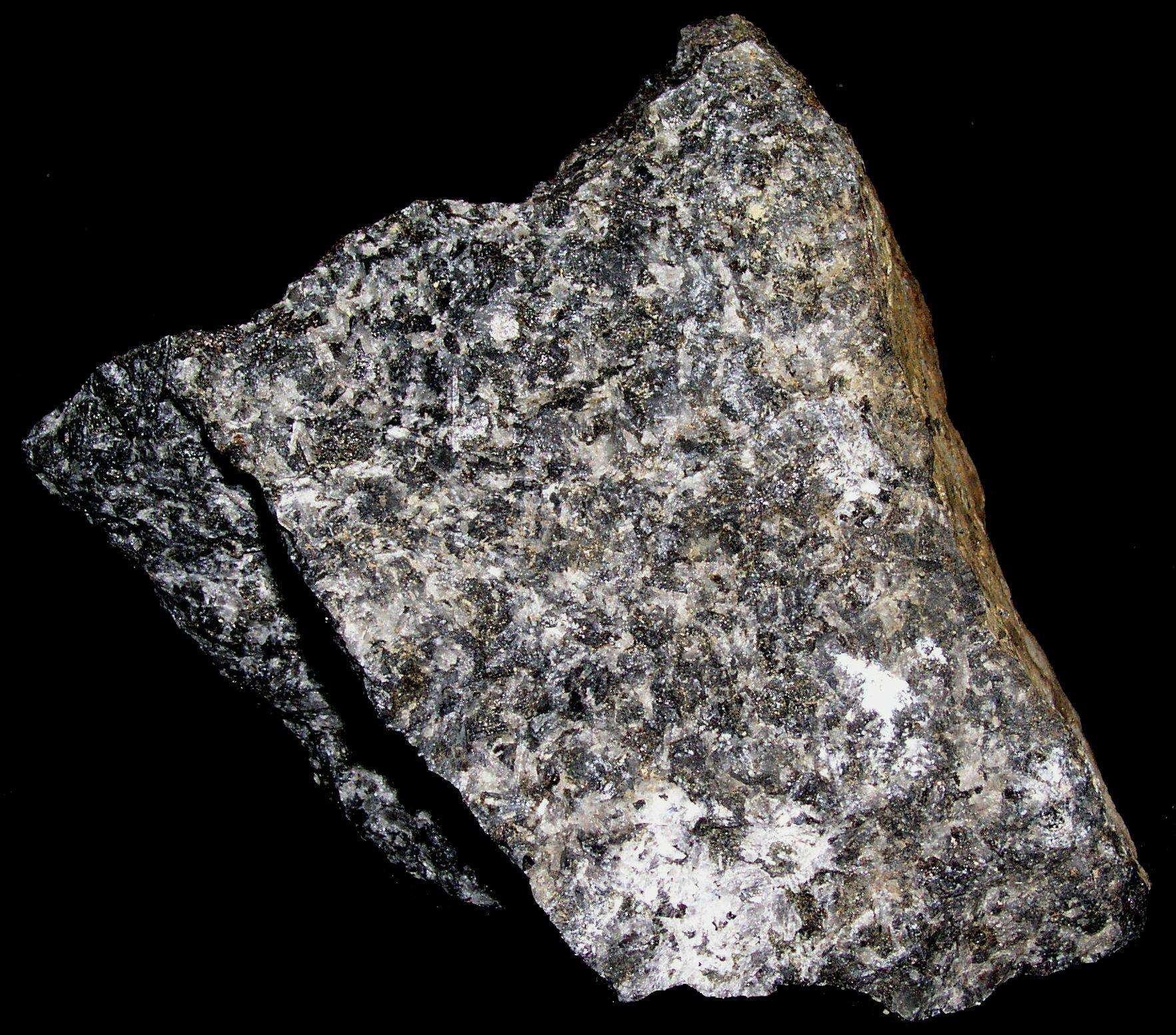
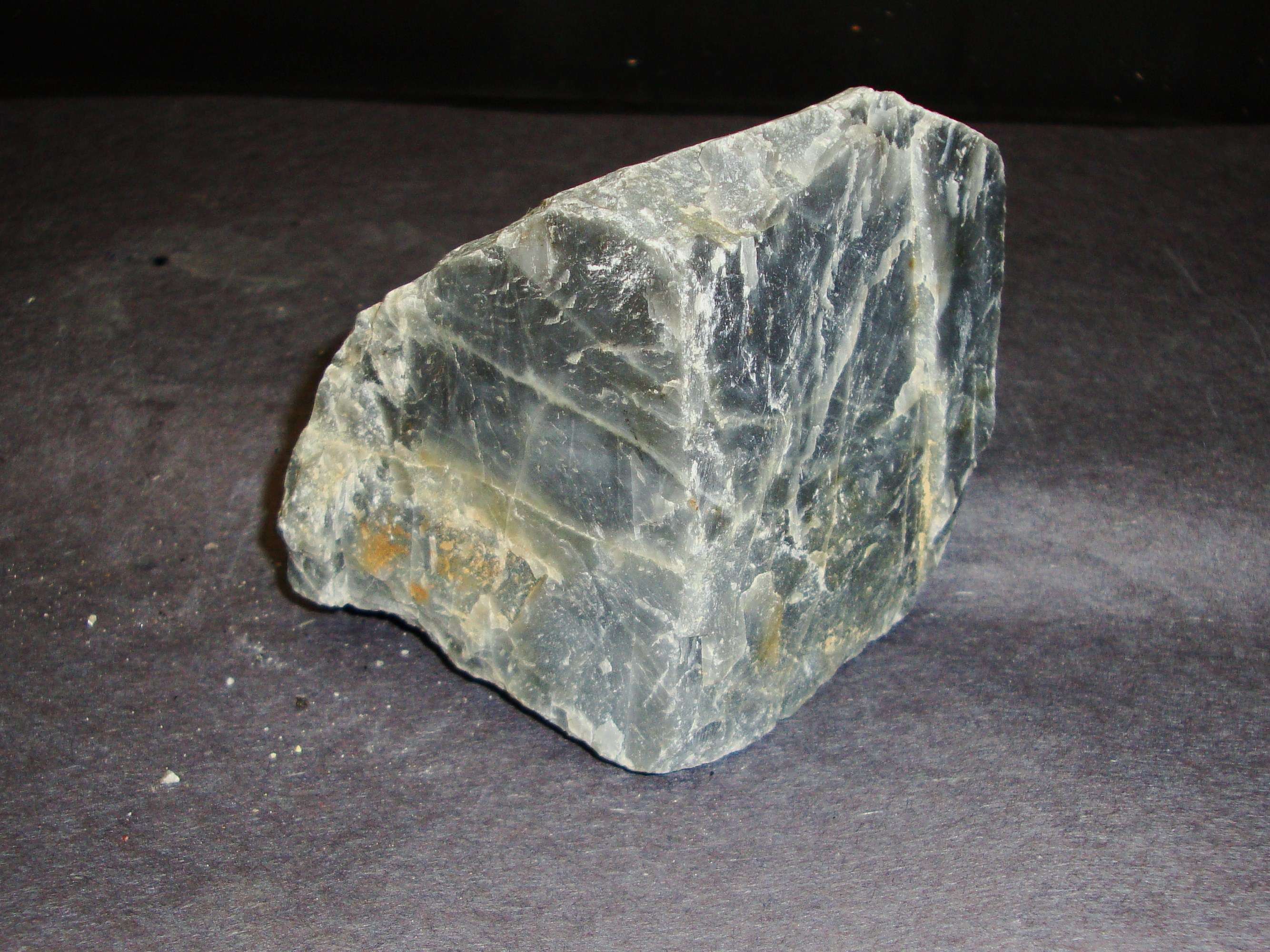
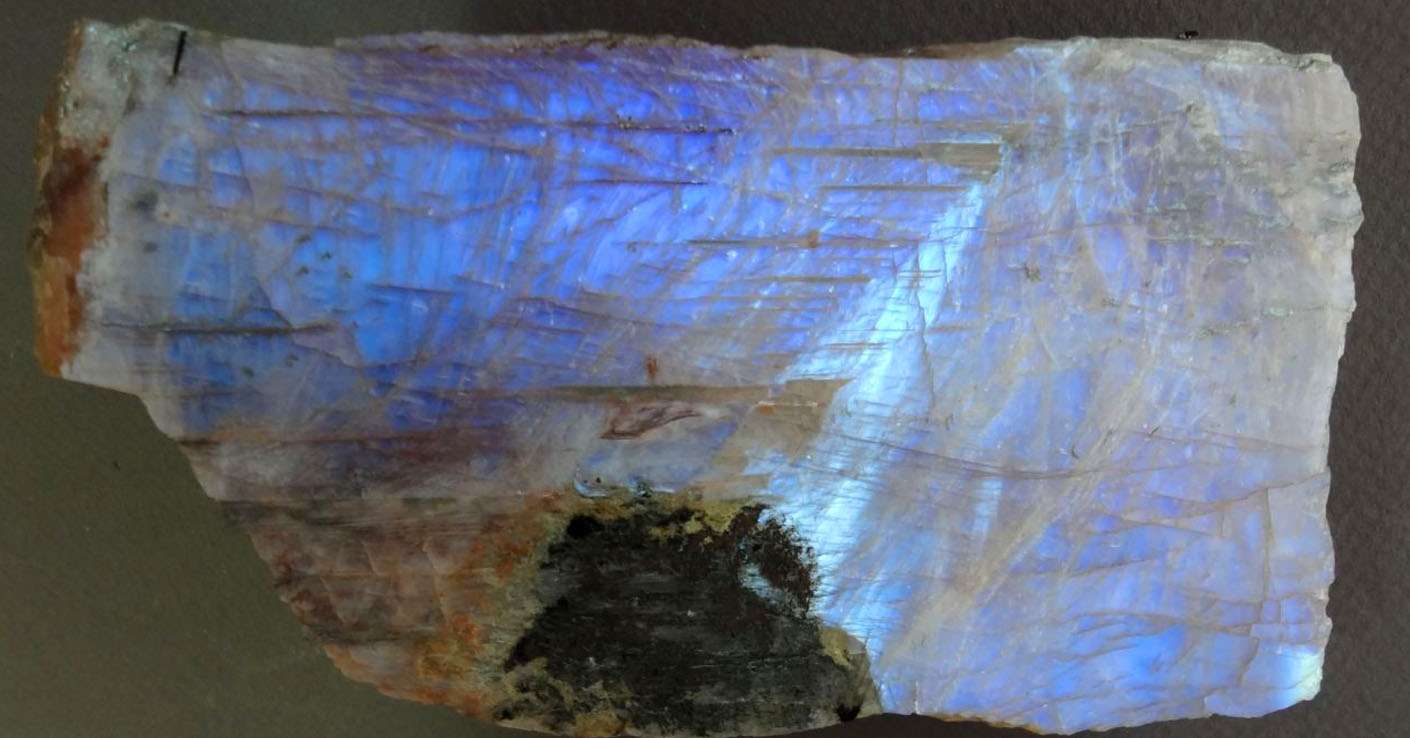
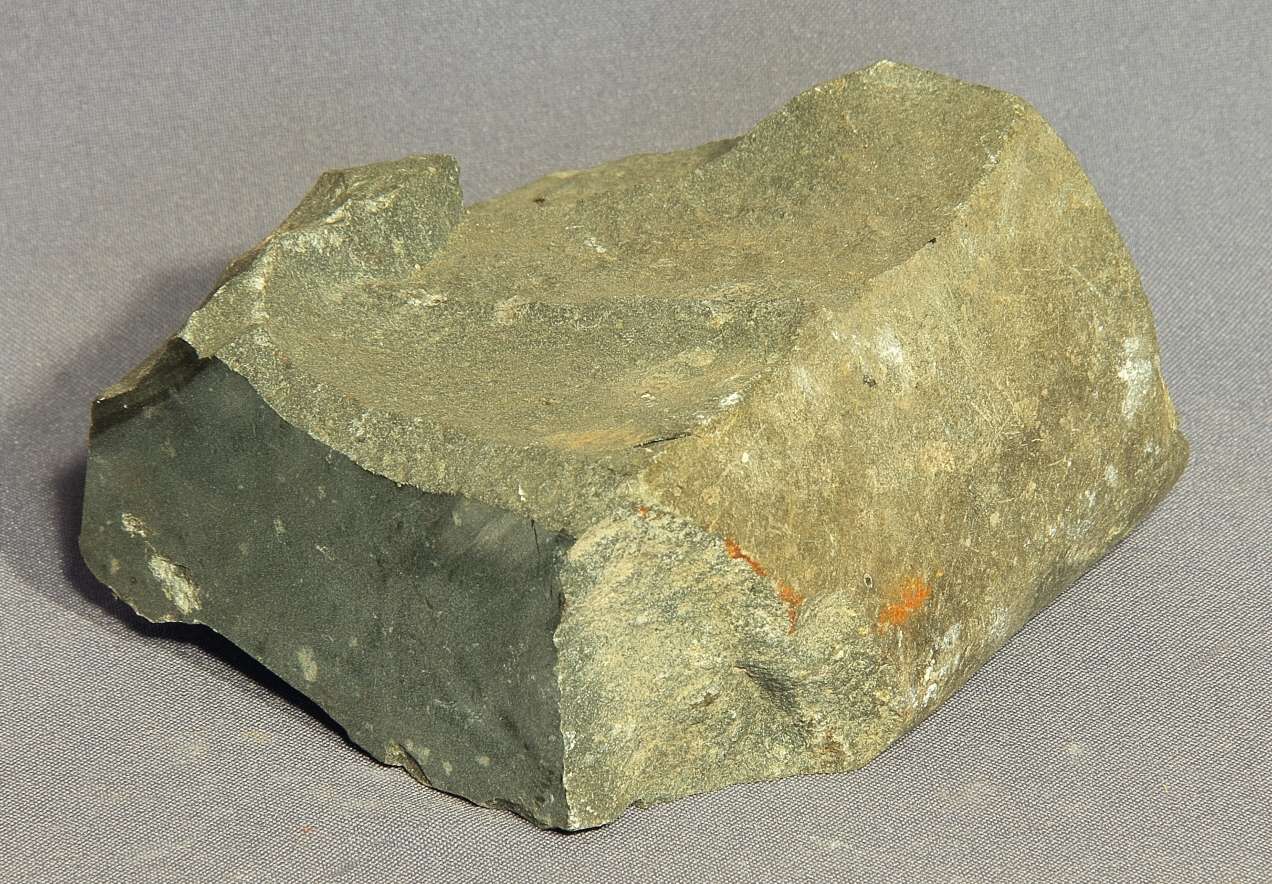
Photo of Plagioclase stone