Pure gold: what kind of metal is it, history of occurrence, properties, how to distinguish it from a fake
Simple inhabitants are unaware that there are several varieties of gold. Satisfied with an inexpensive ornament made of base metal, none of them think about how valuable and beautiful pure gold is. It has a natural yellow tint, beautifully frames gemstones and is highly valued in the market.
What is pure gold?
In ancient times, the Slavs called the word "chervonny" pure gold without impurities. Literally from the Ukrainian language, the word is translated as "red". The term does not refer to any particular type of precious metal, it simply means gold with a minimum amount of additives and a predominant content of pure gold. In pure metal, there is 10 percent of the ligature. The sample is not lower than 900.
History of occurrence
In ancient times, gold coins were minted from copper and gold. The proportions were approximately 9:1, respectively. The minted coins were called chervonets, and in Poland they were called by the people chervonets zlotys.
Why was gold called pure gold, and in literal translation, red? If we recall the ancient saying “to red-hot”, it becomes clear that the phrase refers to gold.
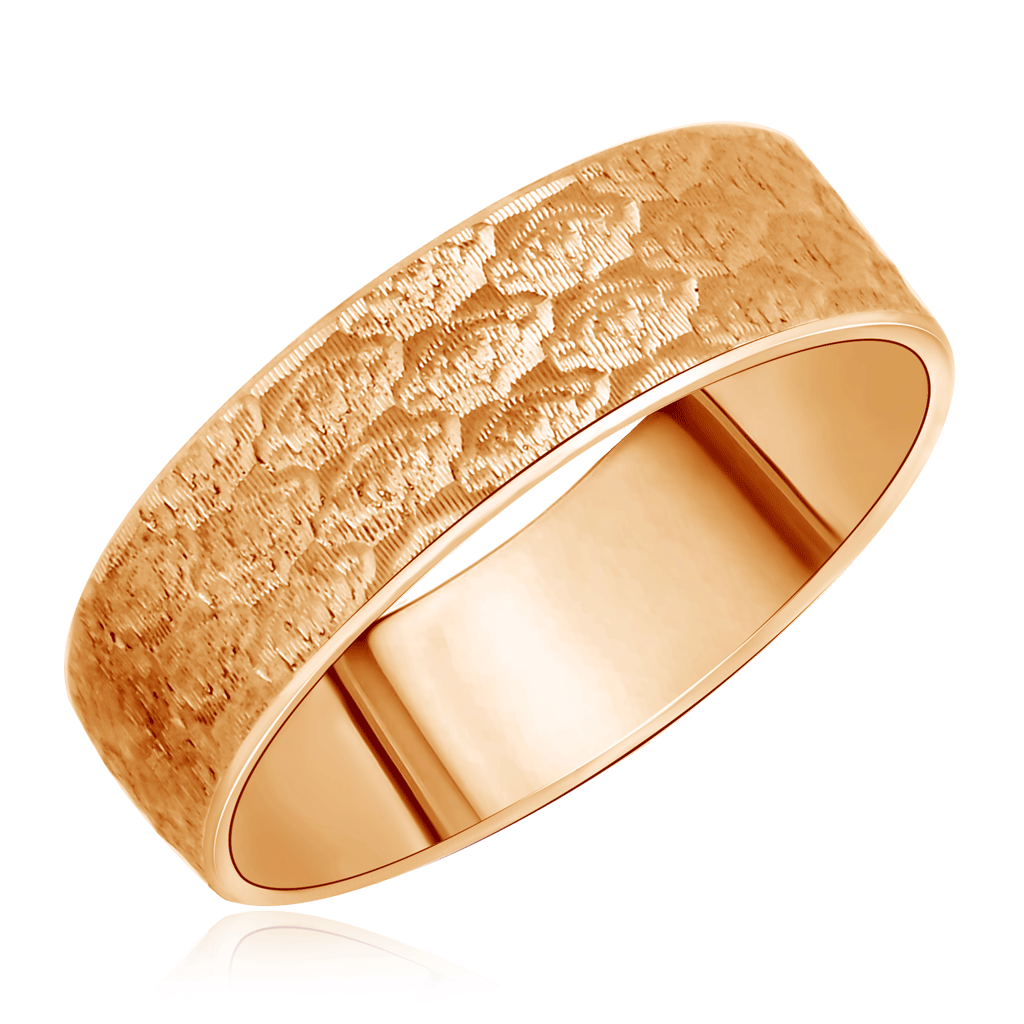
The natural color of the noble metal is yellow, and all products made from it, respectively, have identical shades. At a high melting point, the original piece of rock turns red. People in ancient times knew this feature, and in a similar way, i.e. heating up (chervonya), identified the quality of gold objects. There was no technical equipment at their disposal, and the only way to bring the fake "to clean water" was to put it on fire.
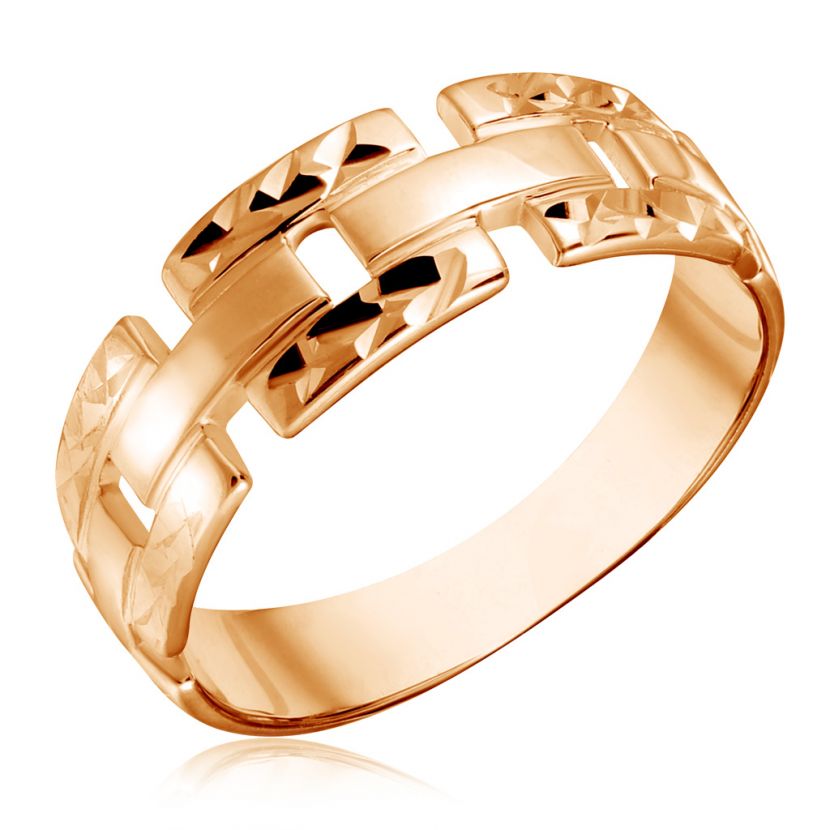
In addition to pure gold, there is a kind of noble metal, which has a specific name - red gold. These are different materials that have almost nothing in common with each other. Red gold is a low-grade metal with a high (more than 40%) content of alloying components. Using poetic metaphors, we can say that pure gold is a noble aristocrat with a high level of aesthetic taste, and red is an uneducated commoner with a limited understanding of the world.
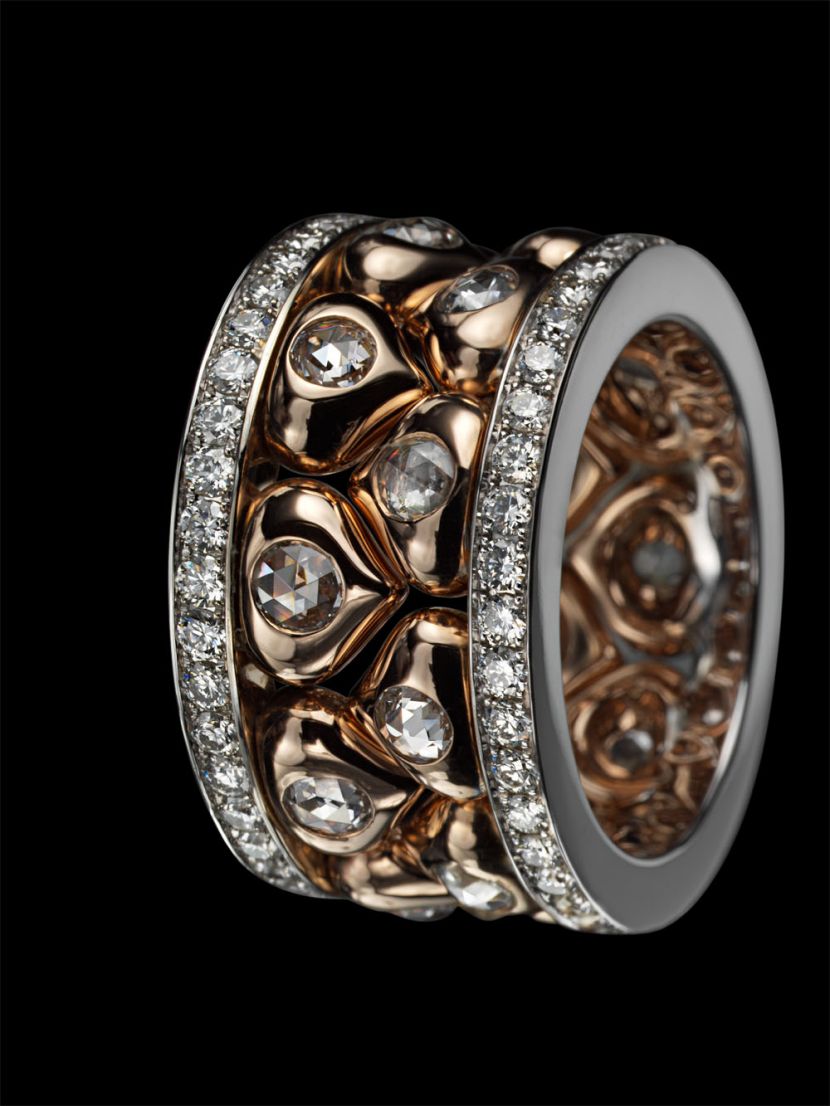
Ligature and its influence on color
The natural color of the noble metal has yellow hues.
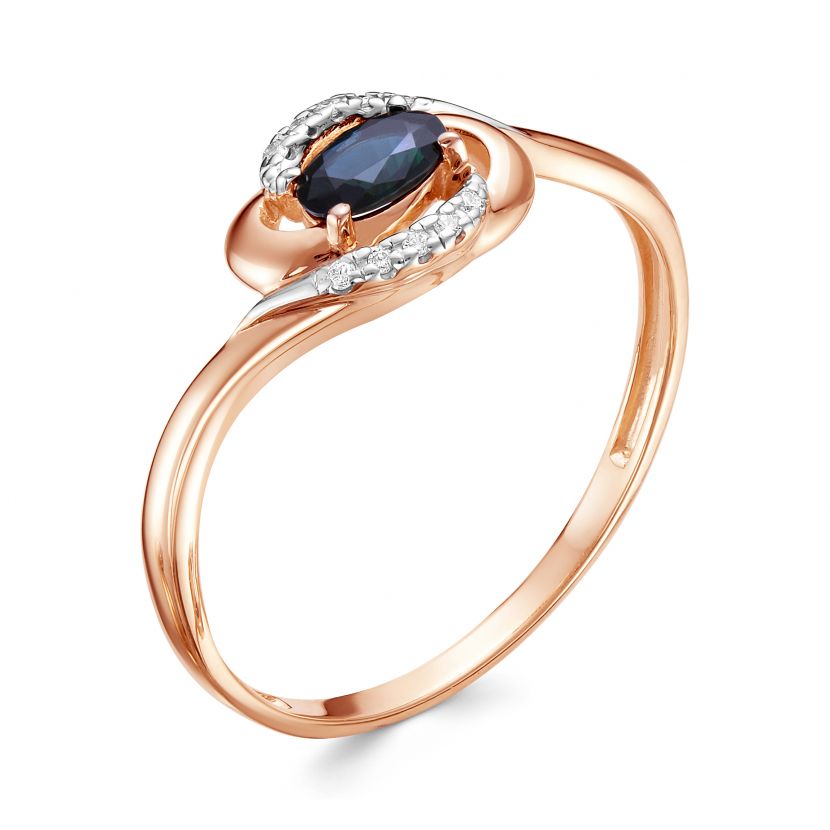
Impurities added to the alloy slightly add their notes to the color of the product, as well as change the strength characteristics.
As a ligature use:
- copper, gives the product a noble reddish tint;
- silver, paints a piece of jewelry in a barely perceptible green color;
- palladium, whitens the product, improves the parameters of hardness and wear resistance;
- zinc, gives the product a greenish glare, reduces the melting point;
- aluminum, as an additive, cleans the metal from gases and copper oxide;
- nickel, improve corrosion resistance, lighten color;
- cadmium, used for noble metal solders;
- platinum, works as a "bleach" alloy.
The silver additive improves the strength properties of the alloy. Copper in large quantities makes the item vulnerable to corrosion.
Tin degrades the quality of the metal, its content should not exceed 0.005 percent. The same ratio is allowed in the case of antimony according to GOST. Antimony reduces the plasticity of gold, is added to the alloy to create jewelry.
Properties of pure gold
In its pure form, without a single gram of ligature, gold is a completely impractical material. It has a low Mohs hardness value of only 2.5. This means that a product made of pure noble metal can be bent, scratched, broken without straining at all. Jewelry specialists, talking about the properties of gold, like to draw an analogy with a wedding ring. If it suddenly falls from a height of human growth to the floor, then it will literally flatten out and put it on your finger. That's how soft metal is.

Along with low hardness, the material has a high density. Only the elements of the platinum group are denser. The metal is an excellent conductor of electricity, successfully resists corrosion. It is for these reasons that doctors ask to remove gold dyeing before electrophoresis and other similar procedures. Resistance to corrosion processes allows the use of metal to cover the domes of churches.
The metal undergoes melting at temperatures above 1063 degrees. Added impurities can regulate the temperature: silver and zinc increase, platinum lowers.
How to distinguish pure gold from a fake?
To distinguish a fake, you can use the method used by people in ancient times, namely, to bite. On a sample of pure gold, a clearly visible trace of the teeth will remain.The absence of a trace or slight dents hint at fake material.
Sometimes a weight comparison reveals an imitation. Pure gold, though soft, but dense. If a piece of 750 brand jewelry feels weightless in the palm of your hand, then it is definitely a fake.
You can distinguish a fake gold brand 583, 585 with the help of iodine.
In an inconspicuous place of the product, for example, on the inside of the ring or on the lock of the chain, “rubbing” is done with sandpaper, just a couple of movements are enough. A cotton swab is dipped in iodine, then they wipe the place of “rubbing”, wait a second. On a true noble metal, iodine will leave a black spot.
Caring for gold jewelry
Gold, as a true aristocrat, does not like fuss and hustle, prefers to stay apart. Precious metal products should be stored in an individual box, preferably in a velor or velvet case.
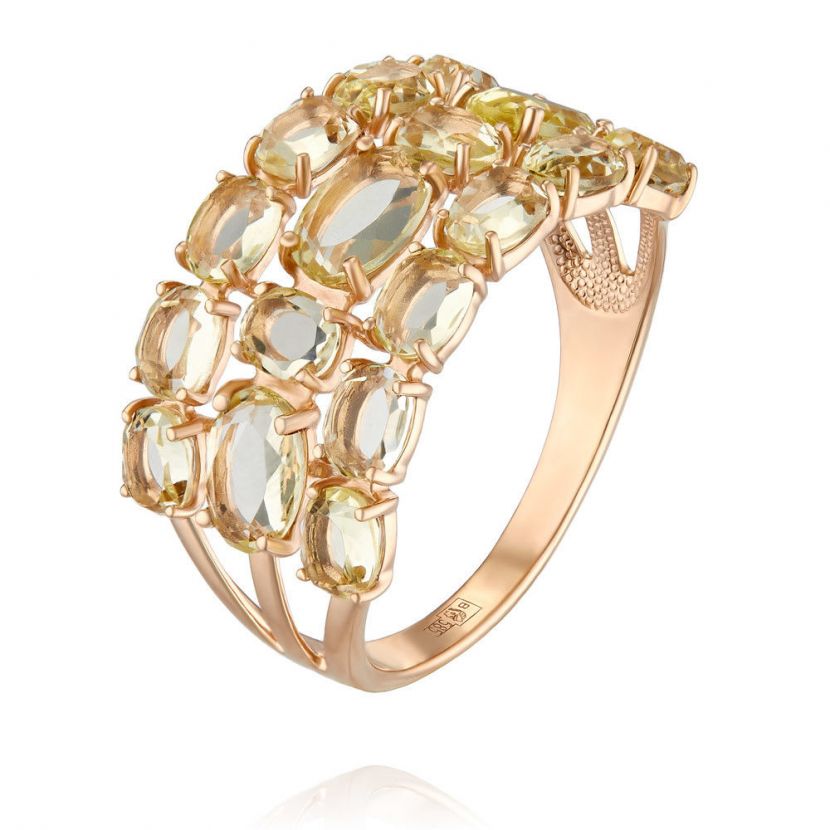
The yellow metal is soft in structure. If you put a gold jewelry in a common box along with other items, then the "neighbors" can damage it, scratch it, spoil its appearance.
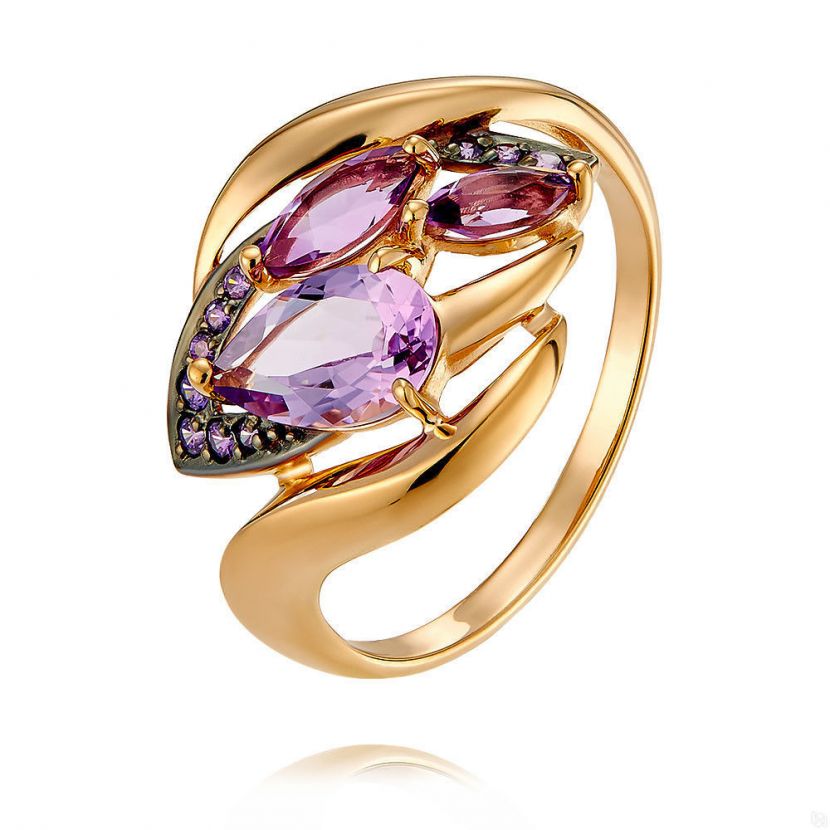
Gold successfully resists corrosive processes, but before taking water procedures, it is better to remove jewelry and place them in a dry place. Firstly, exposure to detergents can spoil the surface of the material, and secondly, it is possible that the existing additives do not resist corrosion and the metal will be damaged.
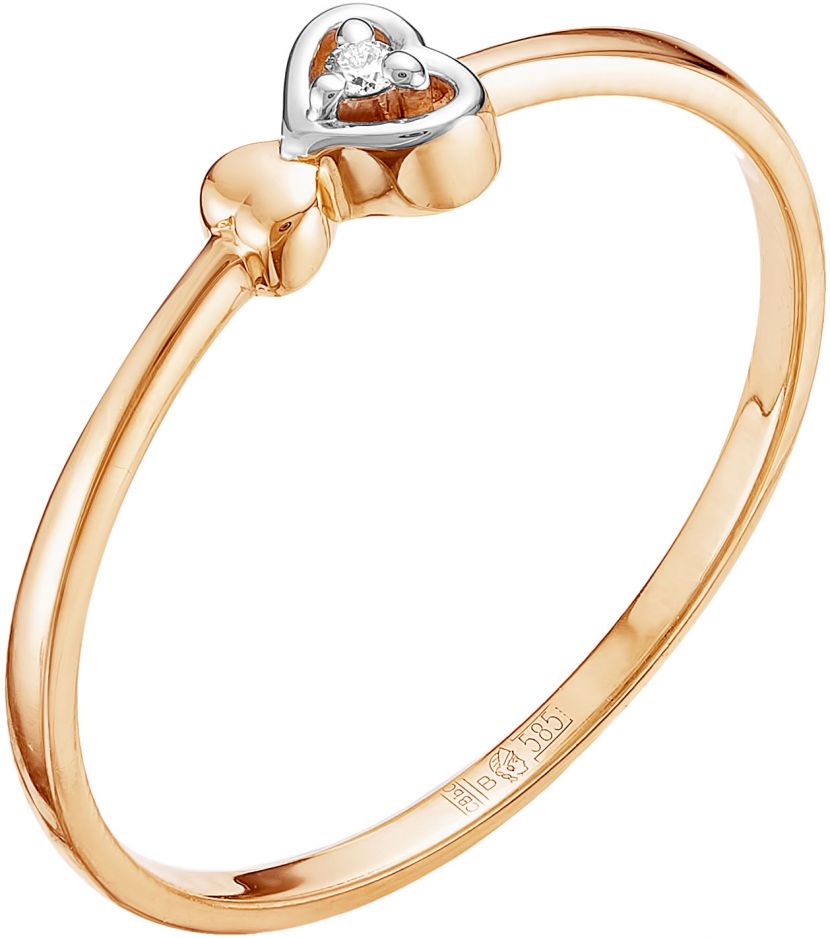
During physical, dirty work, it is also recommended to remove gold items and put them in a safe place. This is due not only to the fact that the earth, when replanting flowers, can get inside the jewelry and spoil its appearance, but that the golden thing can be deformed, bent, or broken.
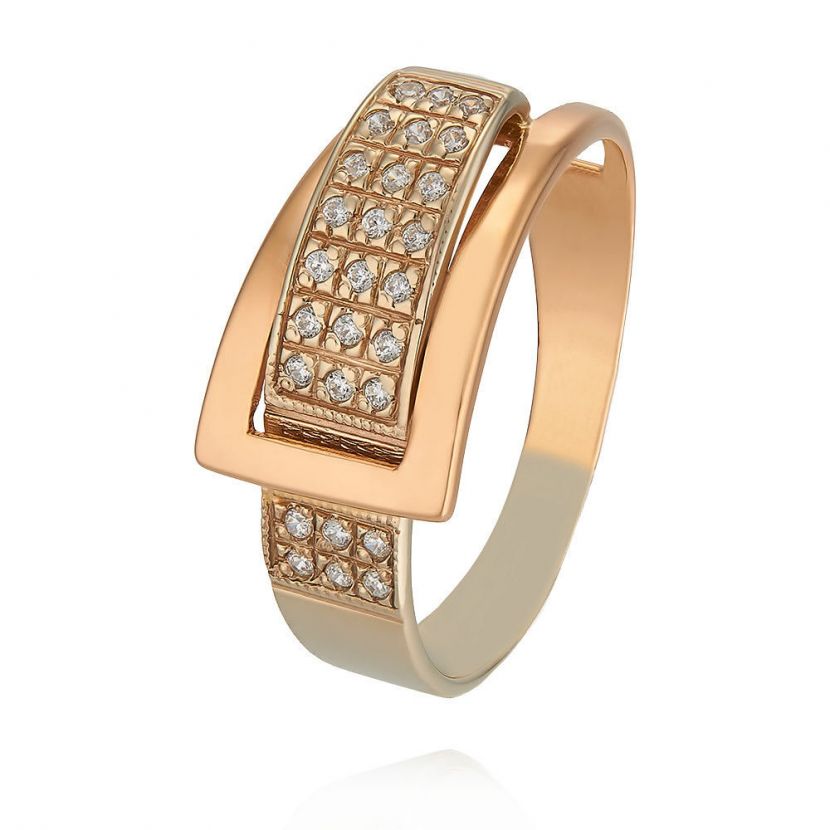
To clean a yellow metal product at home, you can use a simple method. Warm water is combined with one teaspoon of soda and five drops of any detergent that is available. A piece of jewelry is placed at the bottom of the container with the resulting solution and left for two to three hours.
After the procedure, the jewelry is washed under running cold water.
You can clean the gold thing with toothpowder. Soap is rubbed on a grater, a little vaseline and tooth powder are added. The product is rubbed with the resulting mixture, then rinsed in a stream of water.
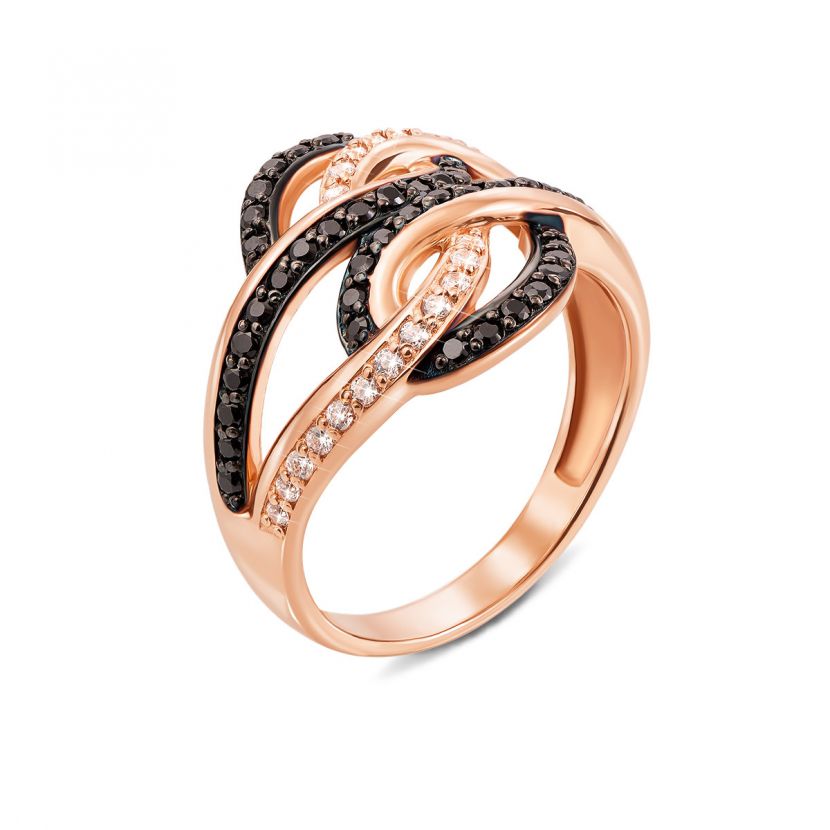
Items made of pure gold are considered status items. They are expensive and available only to certain strata of society. The man himself raised the gold to the pedestal of worship and now pays for it.
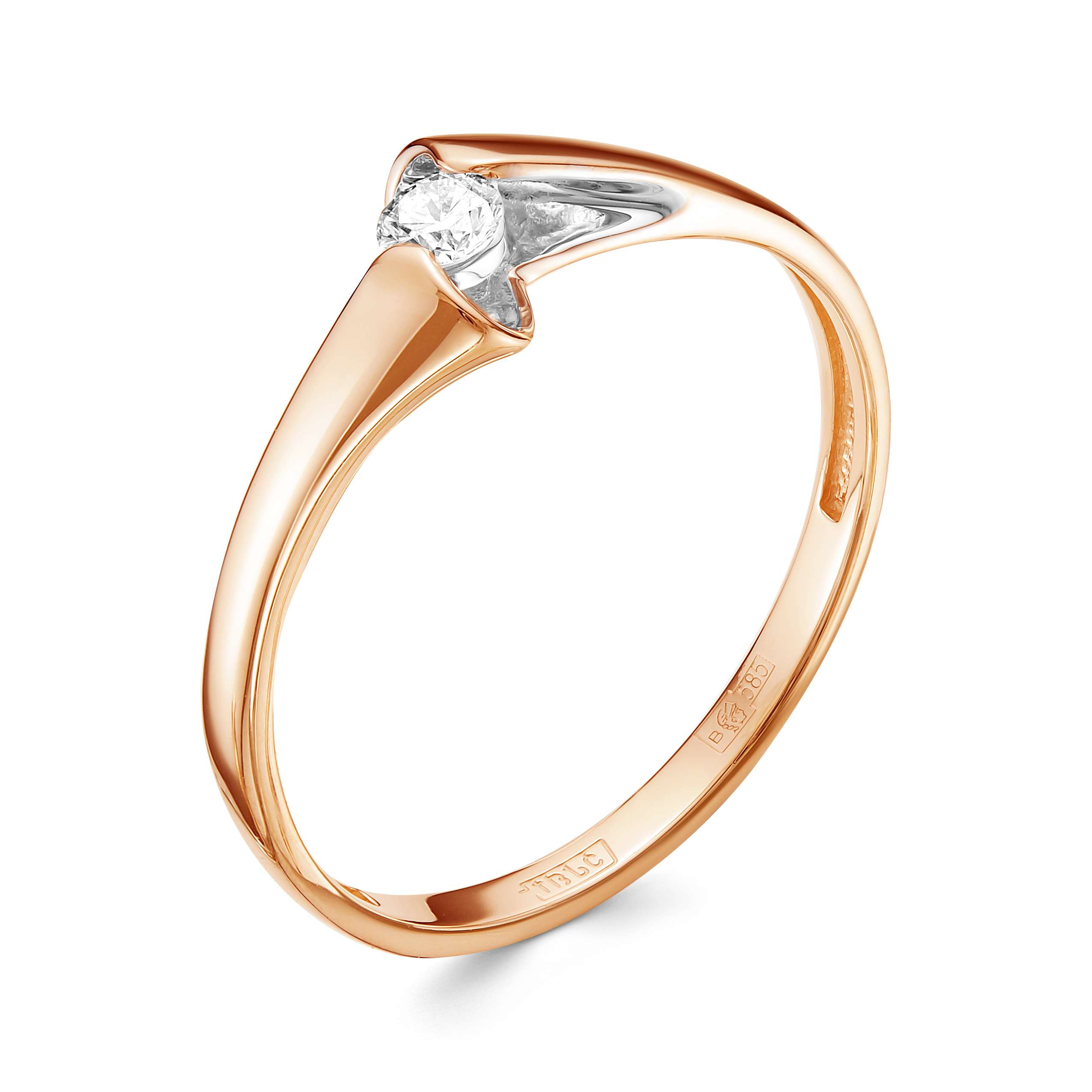
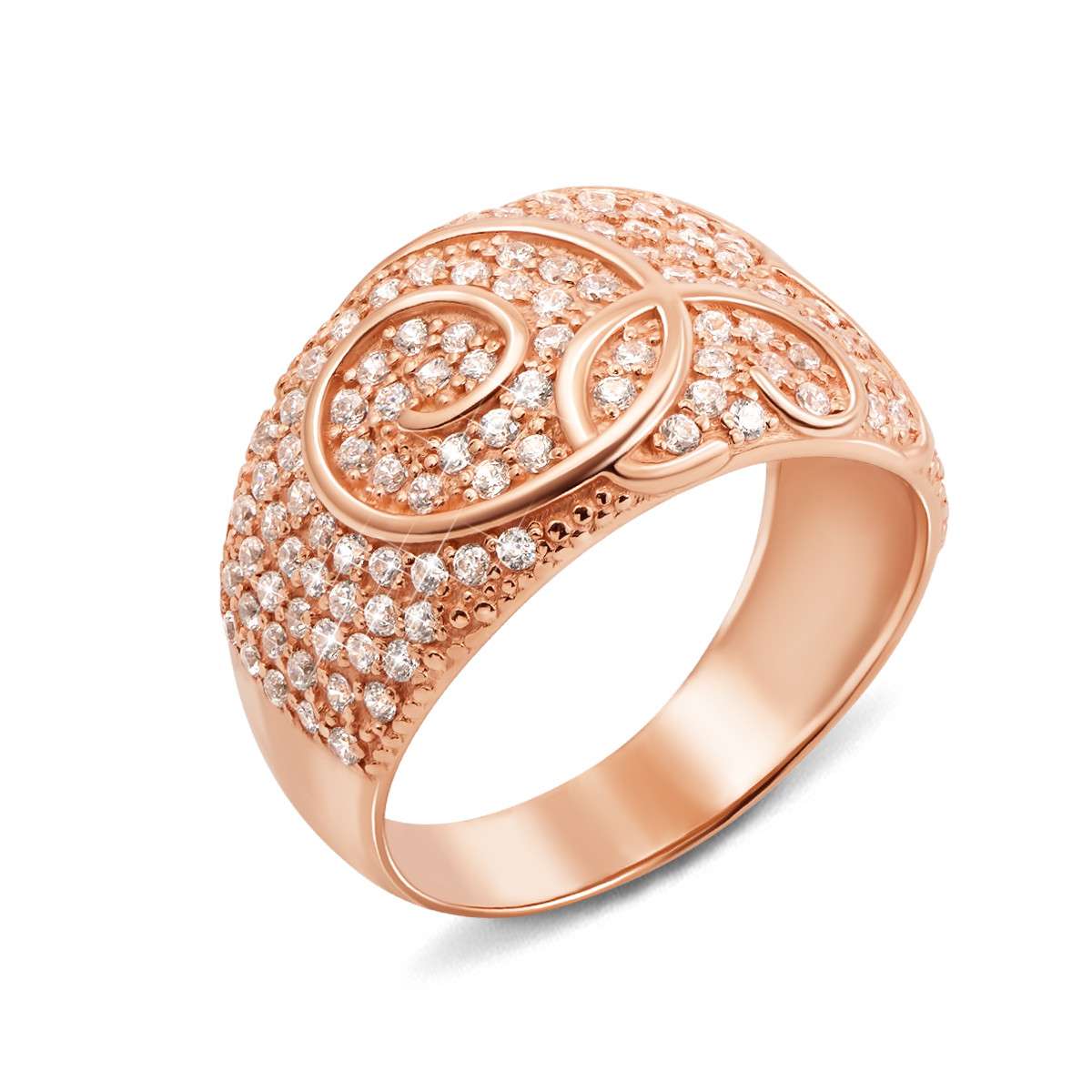
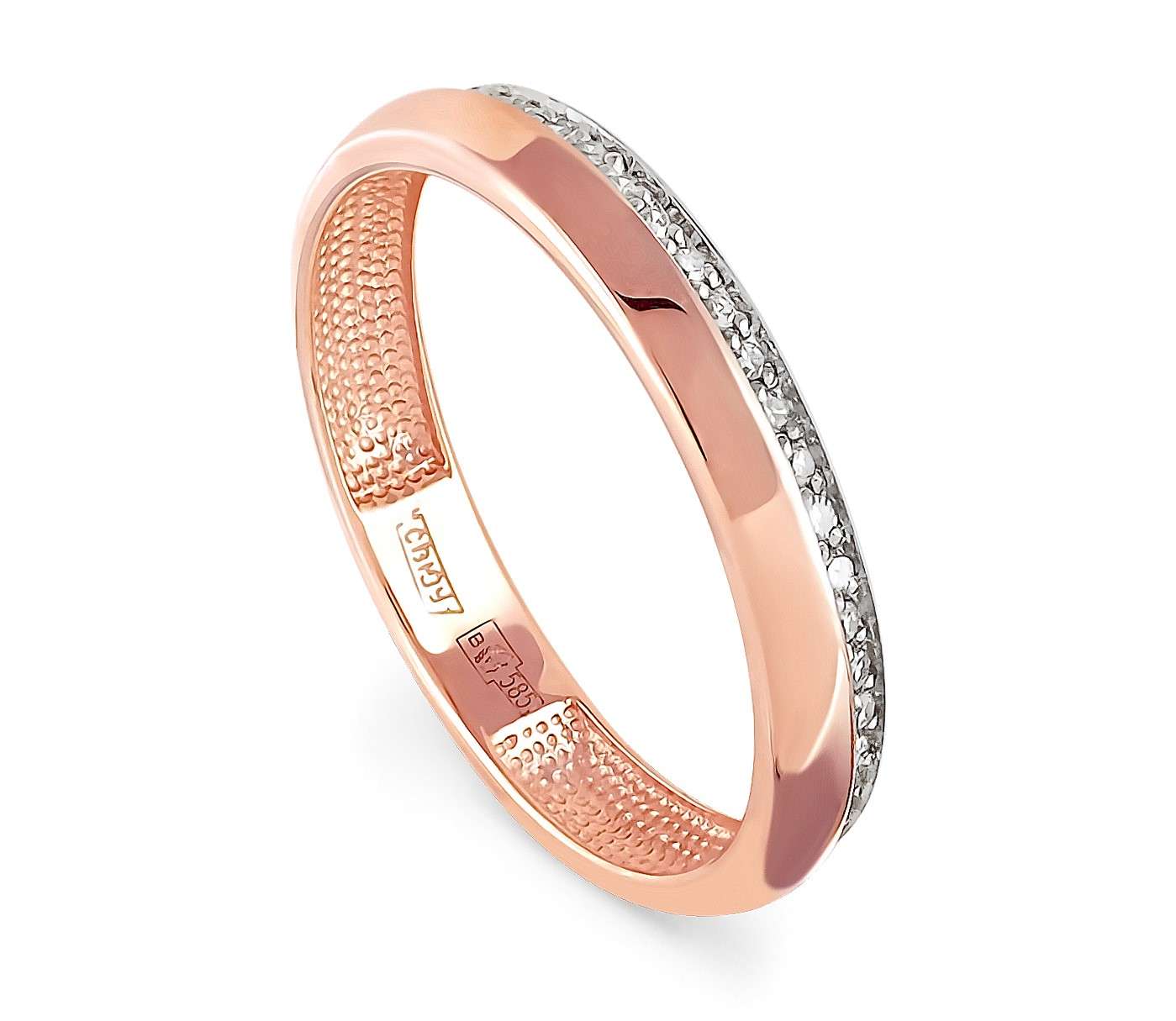
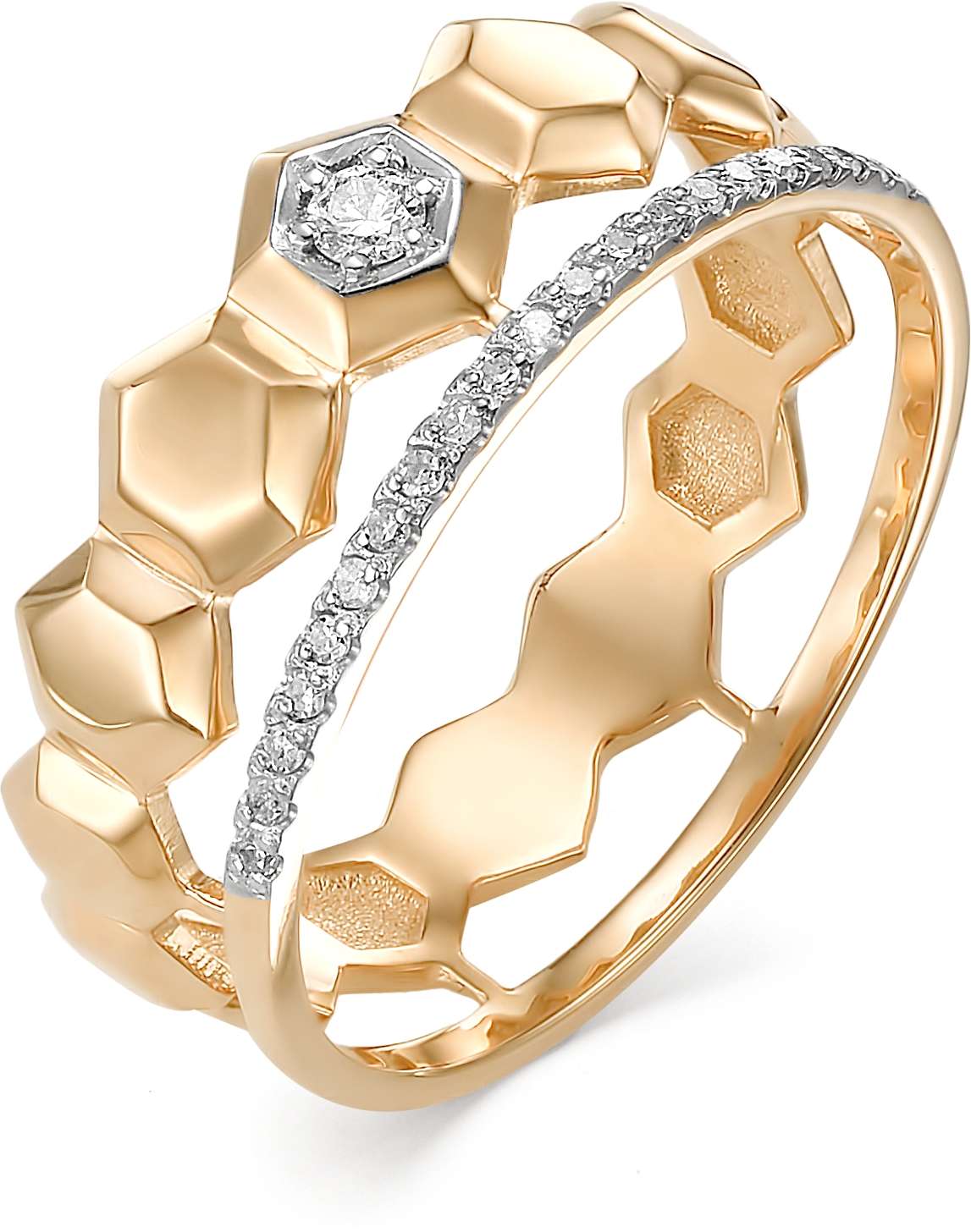
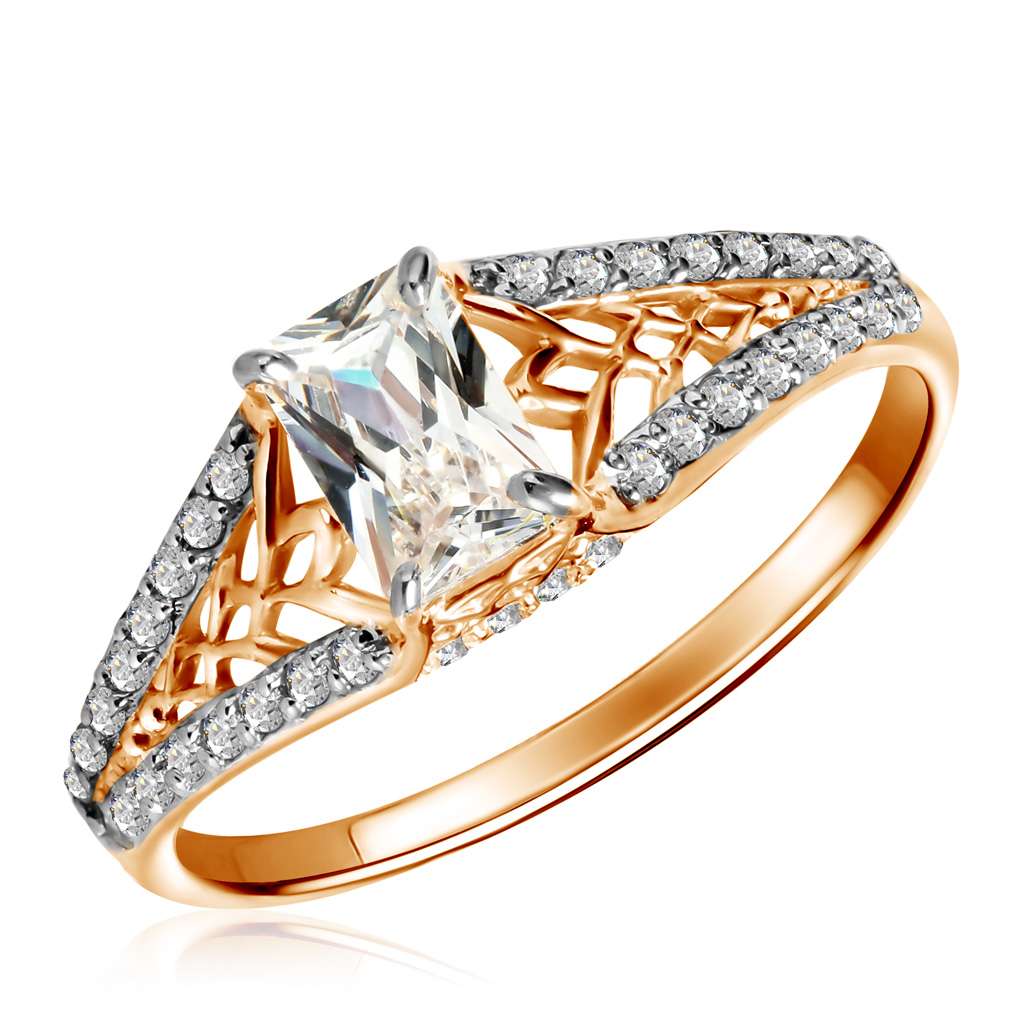
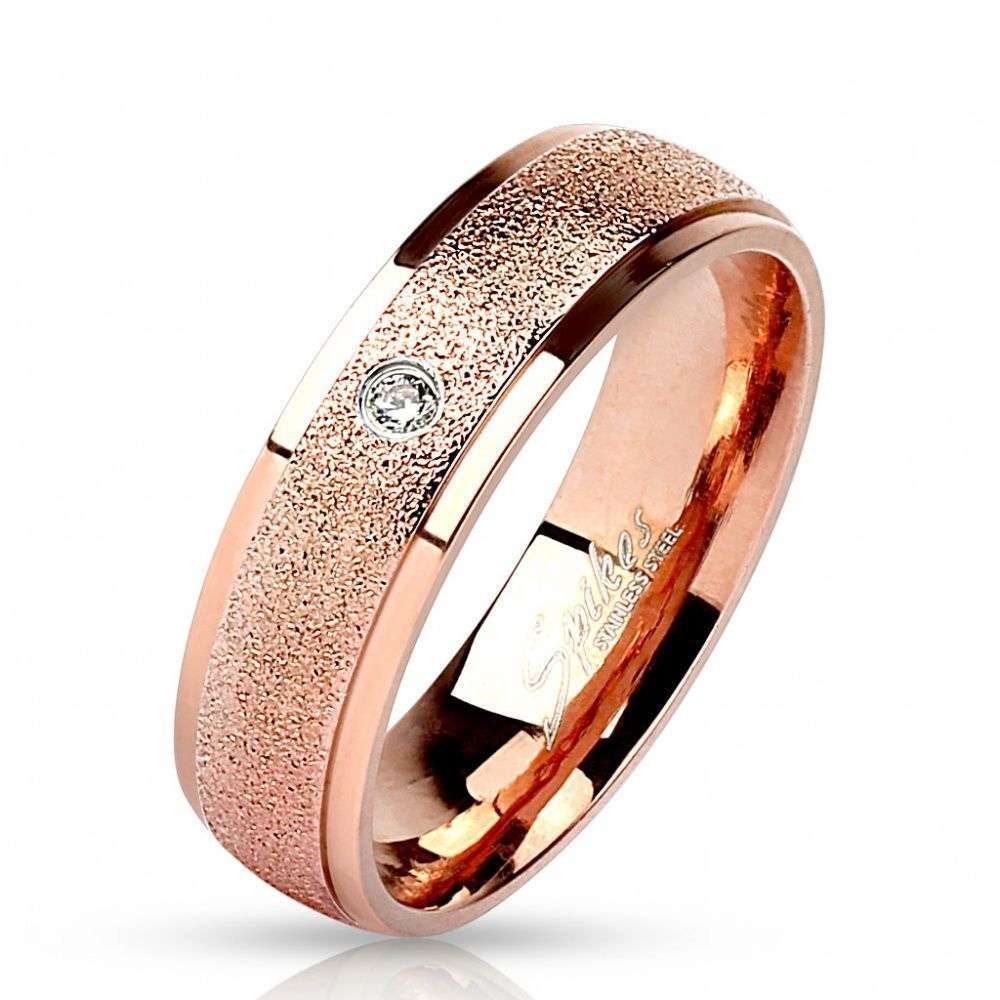
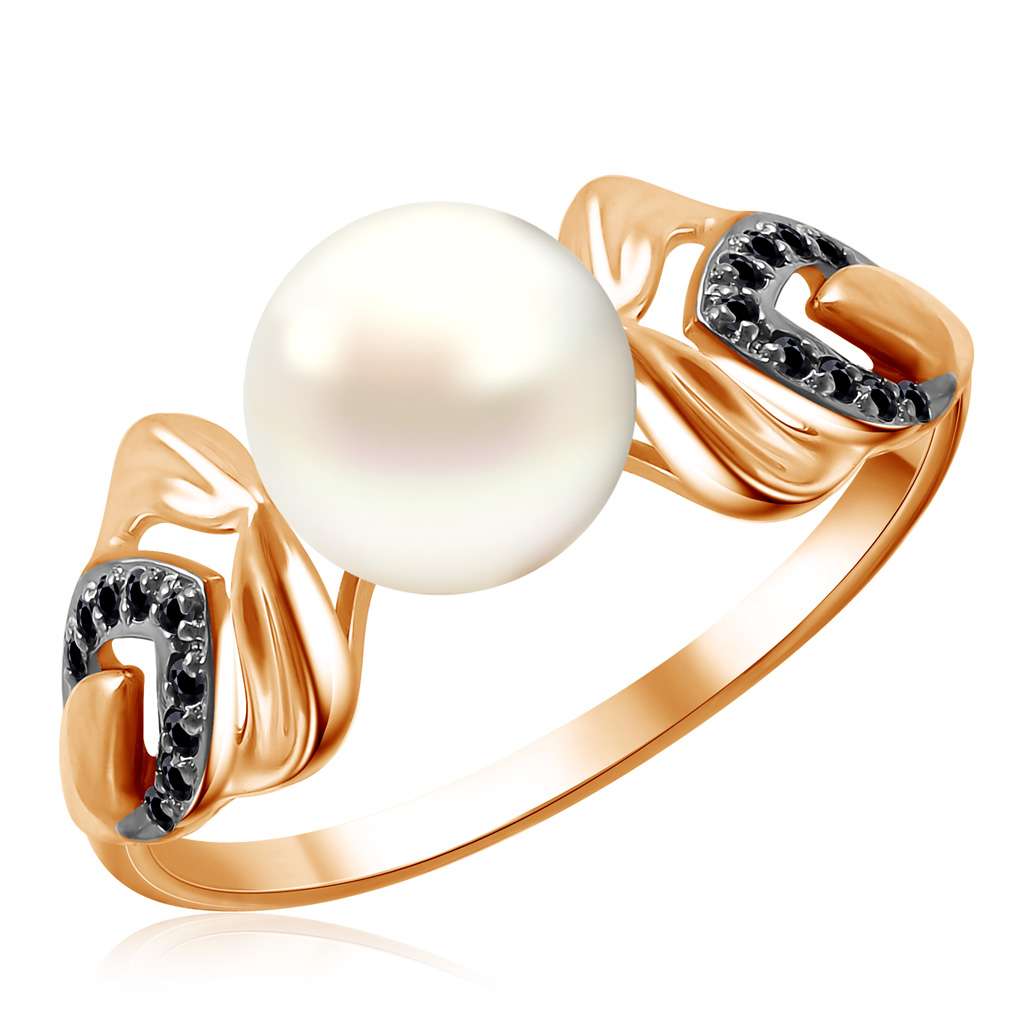
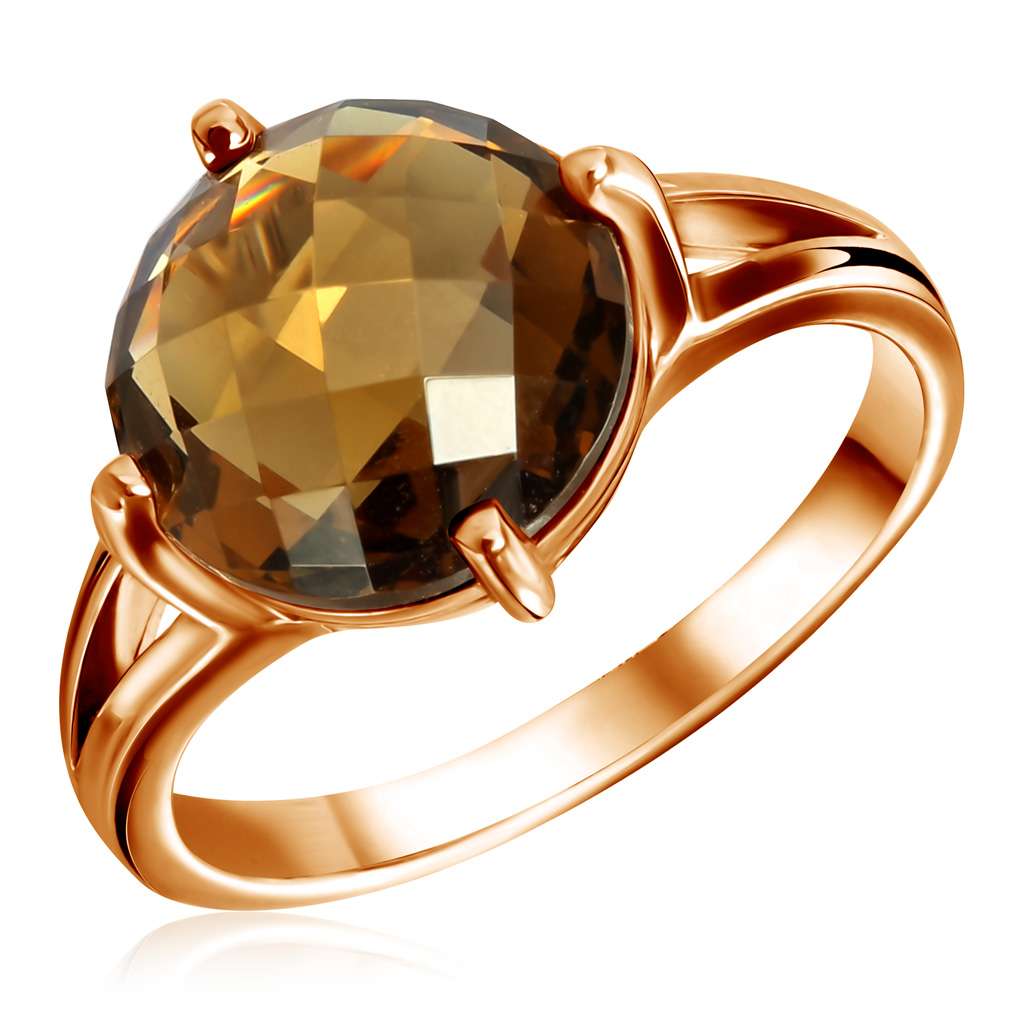
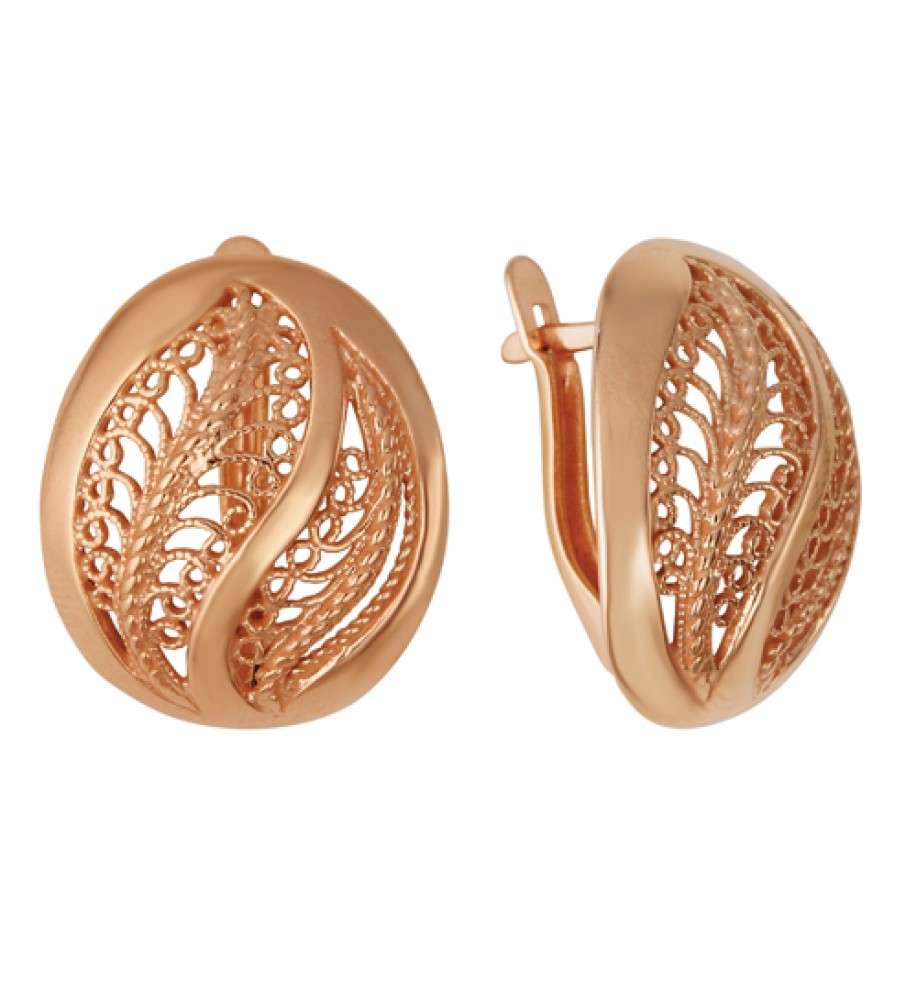
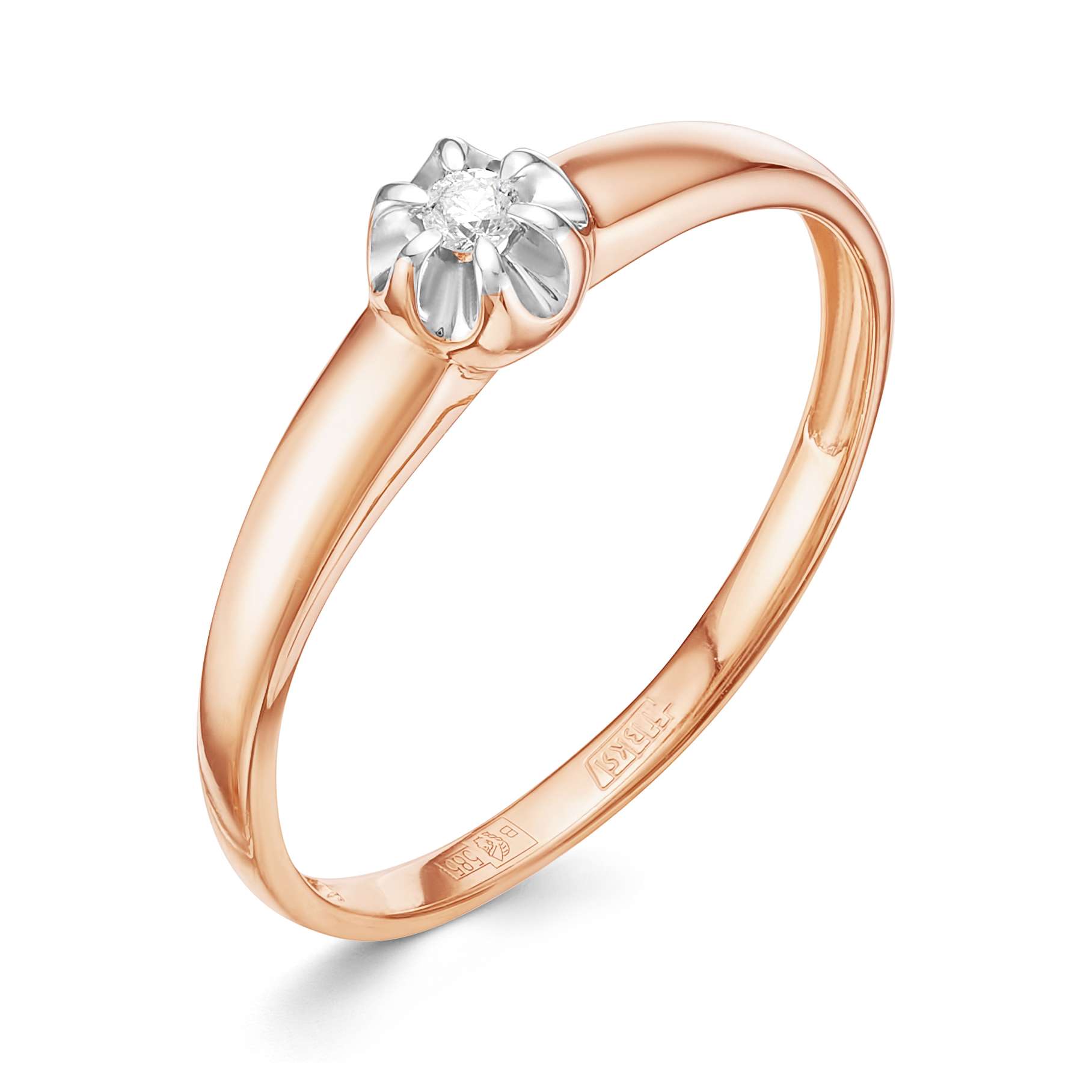
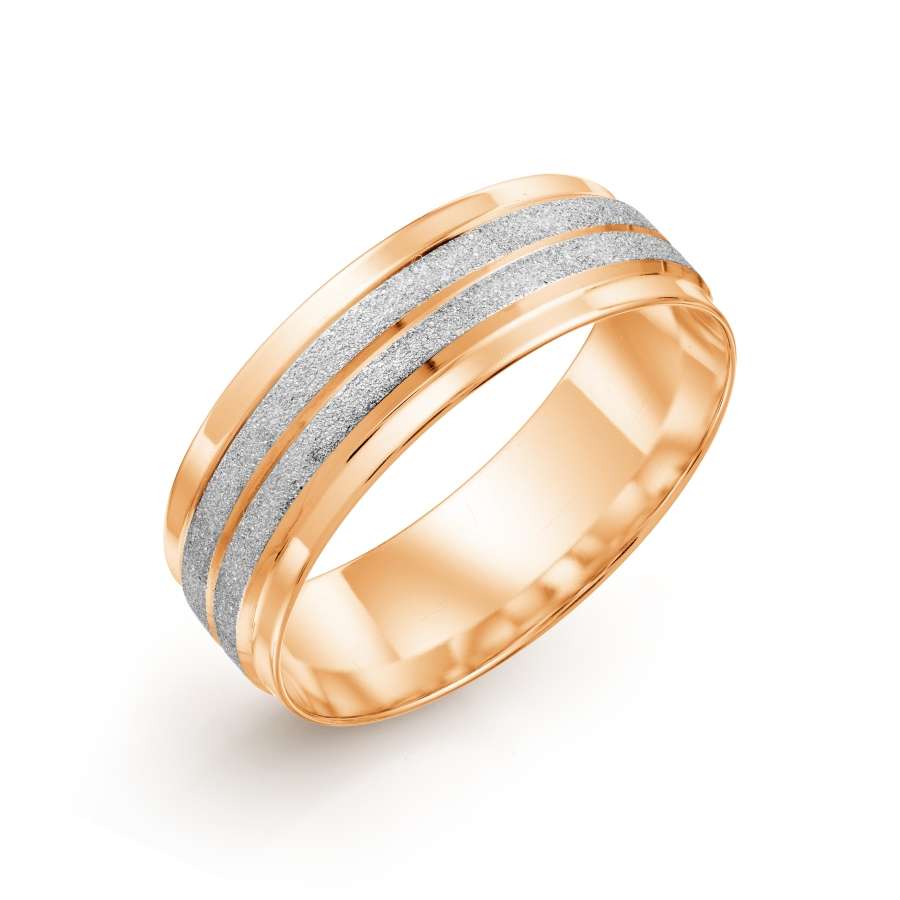
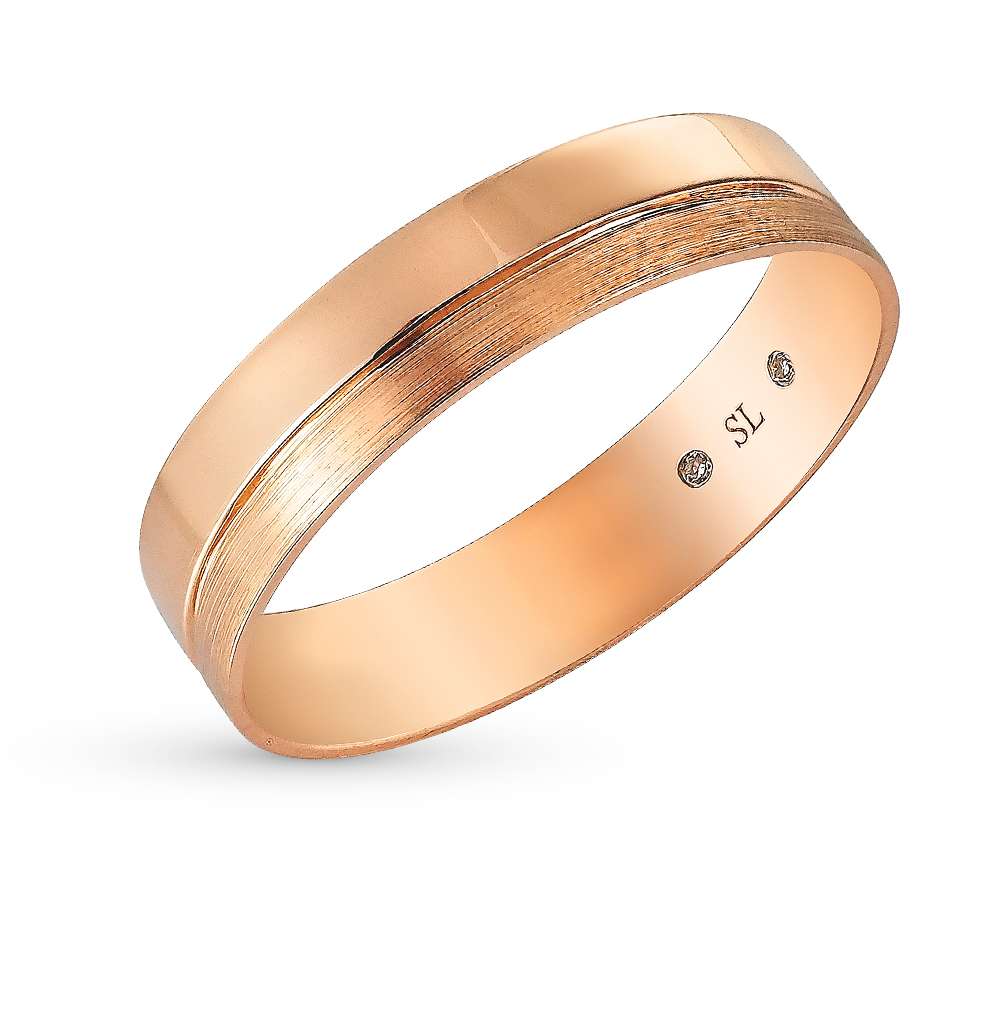
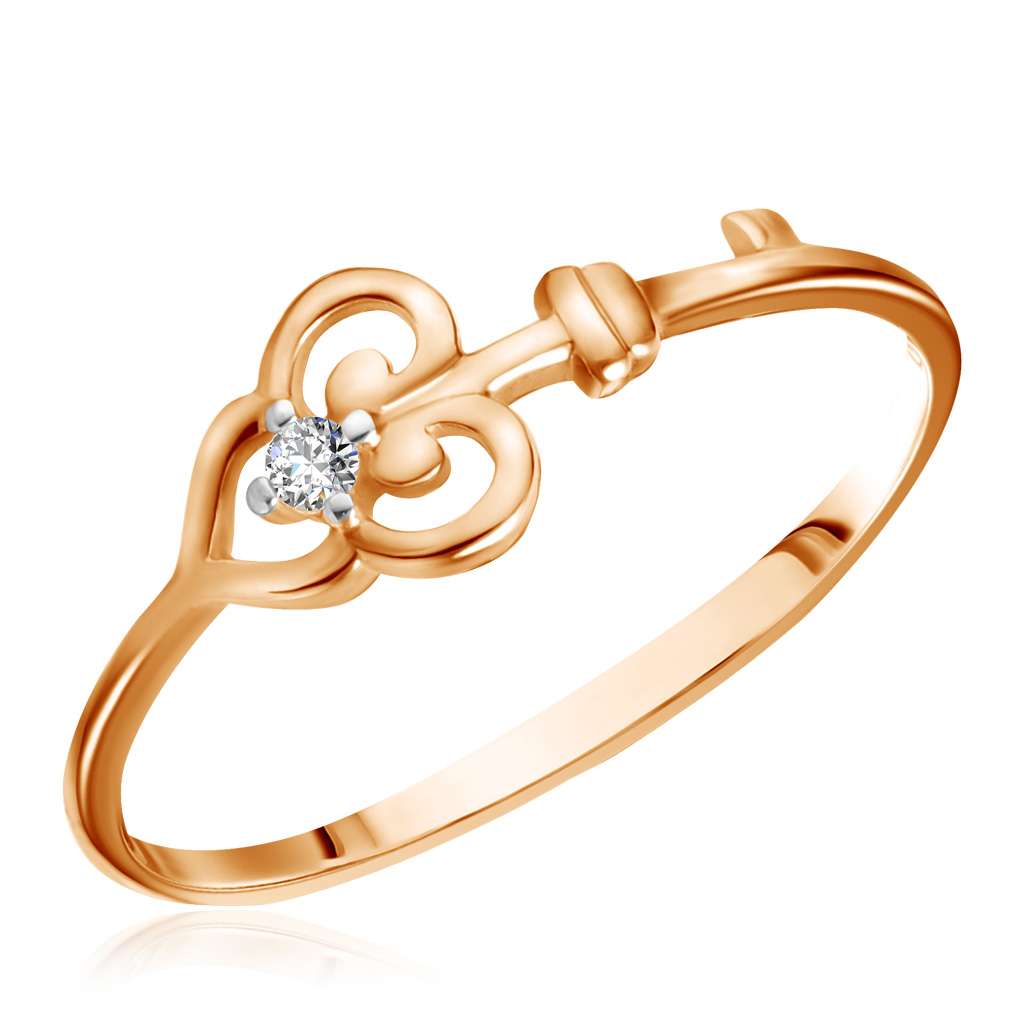
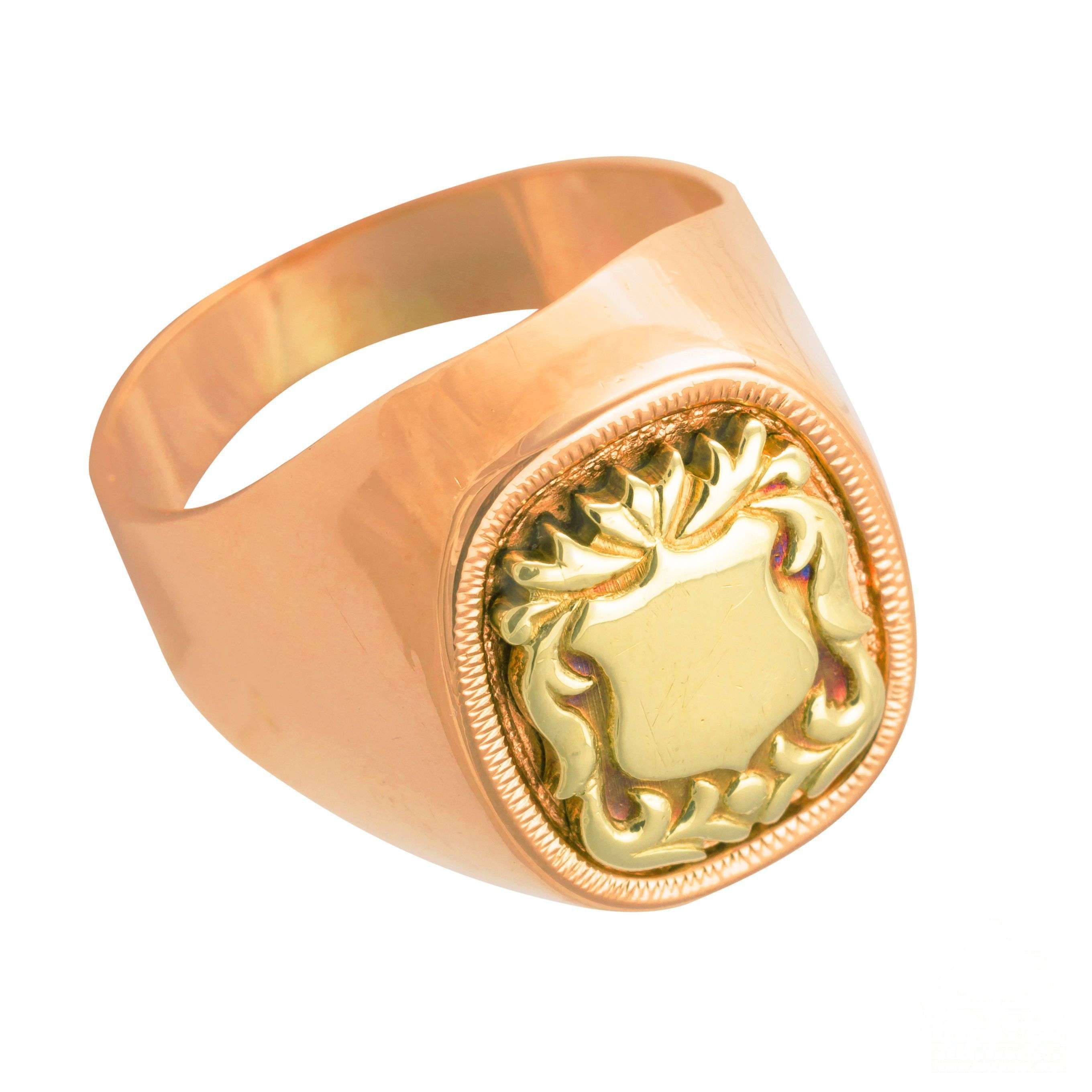
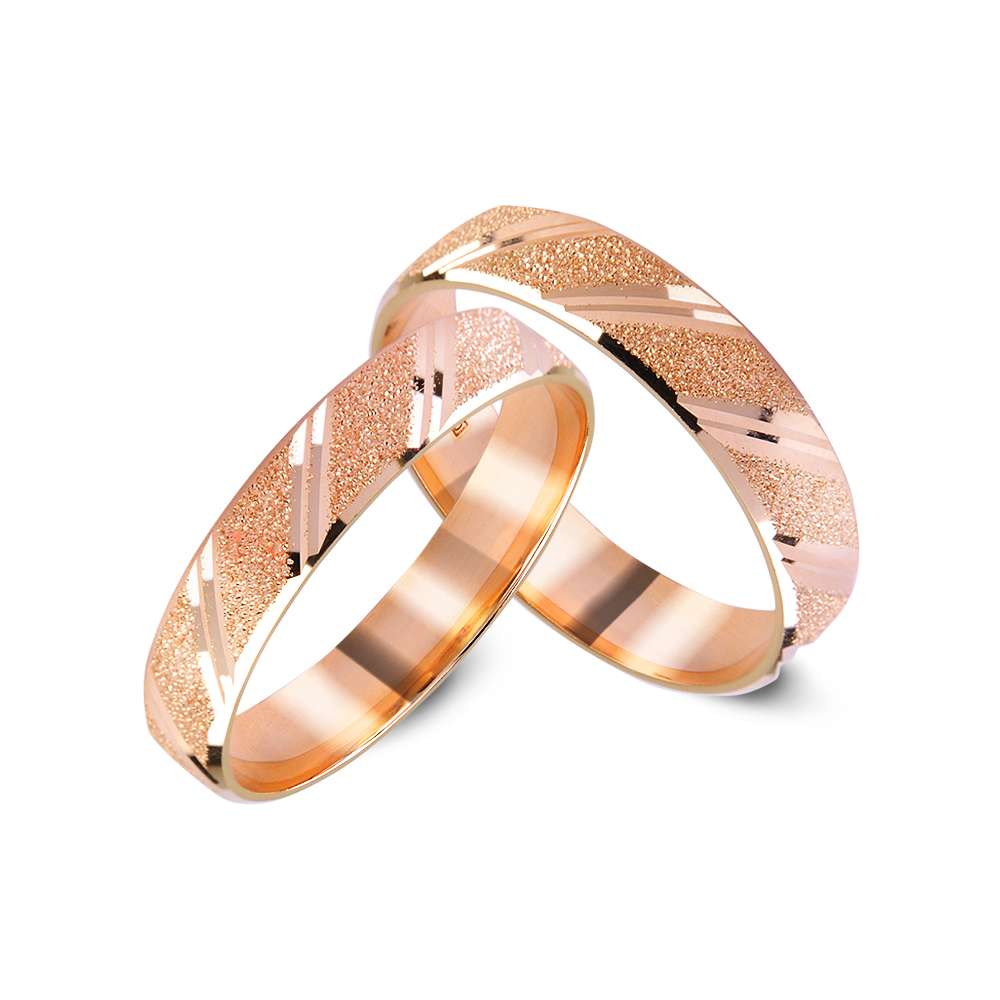
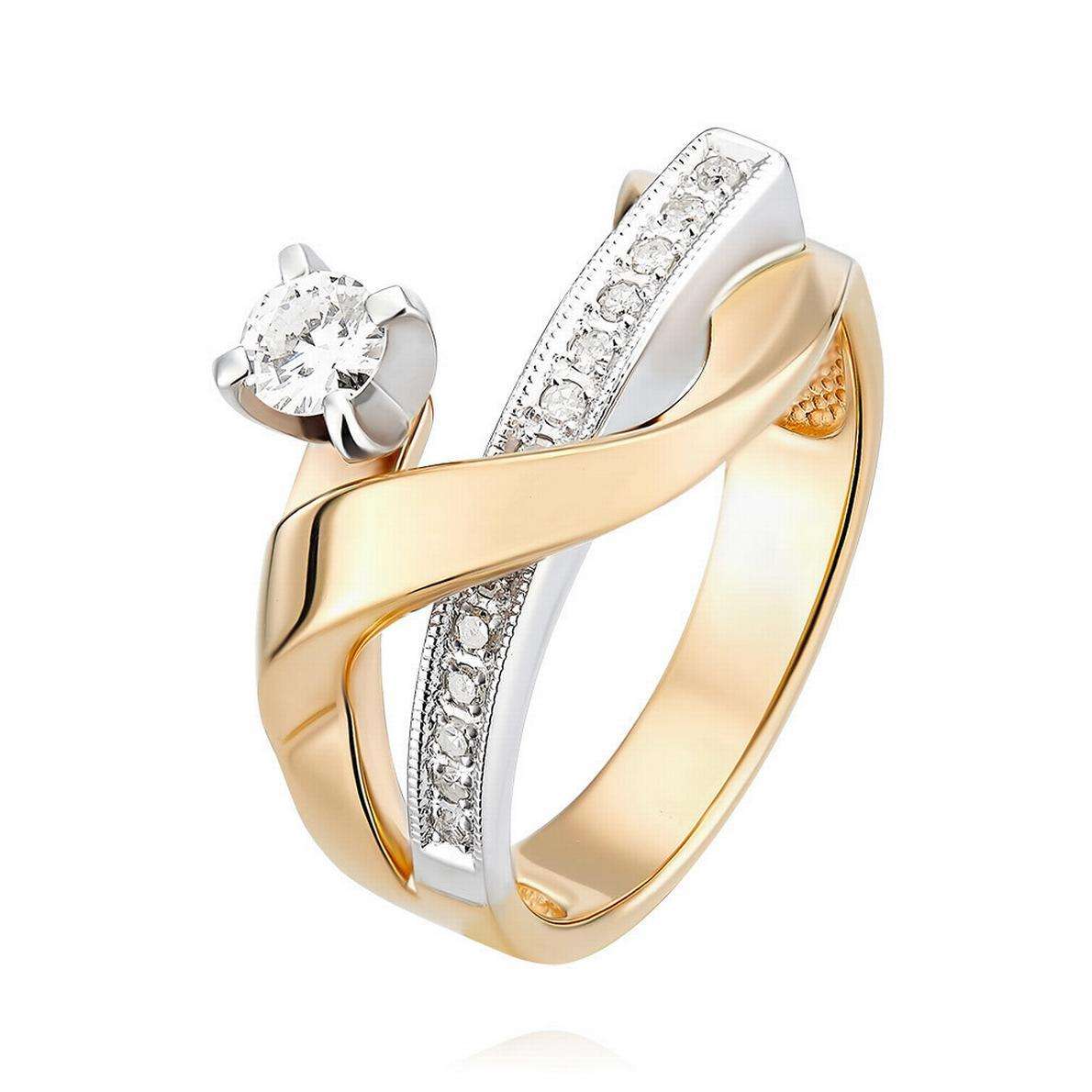
Photo of pure gold