Stylish Murano glass jewelry
Murano glass is a product whose production is based on the peculiarities of the adopted methods, first discovered on the island of Murano, located near Venice. The creative product first appeared more than eight hundred years ago and even at that time was considered a sign of wealth and prosperity of the owner. Several centuries ago, the cost of one commodity was equal to the price of precious stones mined all over the world.

Murano glass is a product whose production is based on the peculiarities of the adopted methods, first discovered on the island of Murano, located near Venice. The creative product first appeared more than eight hundred years ago and even at that time was considered a sign of wealth and prosperity of the owner. Several centuries ago, the cost of one commodity was equal to the price of precious stones mined all over the world.
Today, Murano glass is considered an obligatory souvenir to be purchased among tourists in the region of its creation.
What is Murano glass
Due to the peculiarities of product development, Murano glass is produced in a single copy. The basis for this is a recipe invented by the inhabitants of the island of Murano.As the uniqueness of the product, it is considered to be its increased density and special purity of glass. The product is made with a pattern, a random pattern or in the form of a solid material.
Murano glass has a number of other exceptions and advantages:
- The technique used in the development of the product allows the product to be produced only by hand, because of this, each creation is rightfully considered unique and exclusive;
- As a result of manufacturing, a product is obtained that has a reduced fragility while maintaining an increased fineness.
It is important to know that due to increasing fraud attempts by a number of non-Murano manufacturers, the official organization decided in 1994 to apply a trademark indicating the authenticity of a creative product.

History of occurrence
The birthplace of glass is considered to be such Ancient Civilizations as Egypt and Mesopotamia. The Roman Empire during the years of expansion, having subjugated the lands of the former states, received the secrets of their technologies. As a result, Rome, due to the presence of a strong and developed economy, became the first country to begin to produce glass on a large scale and distribute it to the provinces.
Venice began glassblowing in the 8th century AD. The goods were no different from those that were produced on the territory of other settlements and states. The historical turning point in the development of glass making is considered to be the 13th century, when the city received creative products from the Byzantine Empire. As a result, the locals came up with a technique that led to a new type of glass.
Due to the increased risk of fire development due to the likelihood of fire in wooden buildings, the city government decided to move the workshops to the nearby island of Murano.
Products made by Venetian professionals quickly spread throughout Europe and Asia and became a popular product that was highly valued among the nobility.
In order to prevent the secret of developing Murano glass from getting to other countries, a number of laws were introduced that work to intimidate and privilege:
- An attempt to export products without official permission from the authorities was punishable by death. Lives were also taken for suspicion of disseminating the features of the technologies used;
- The construction or modernization of the factory premises was carried out only by the masters themselves and their family clans;
- In order to keep the labor force on the island, the daughters of the bosses in the factories were allowed to marry representatives of the nobility and power. A special permission was considered a serious plus, according to which children received regalia, rights and titles of Italian fathers.
For a long time, no other production on the planet could achieve such a level of transparency, thinness and impact resistance as Murano glass. This product was given as a gift to respected visitors to the city. In the middle of the nineteenth century, the Museum of Venetian Glass was opened on the island, which houses representatives of this industry from the 15th to the 20th century.
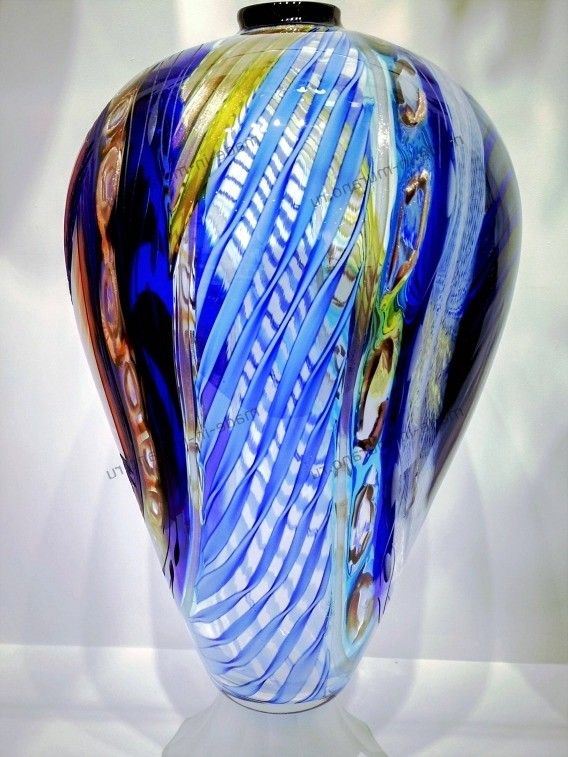
Types of Murano glass
The secret of developing creative products has been preserved to this day. To combat fakes that flood the public market, a specialized association of craftsmen Promovetro was created, whose task is to check products for quality.
The tradition of transferring production has survived despite the great historical upheavals that have taken place in Europe. Yes, factories. Barovier & Toso and Seguso are owned by the descendants of glassblowers who started the business over eight hundred years ago.
It is generally accepted that today there are twelve varieties of Murano glass:
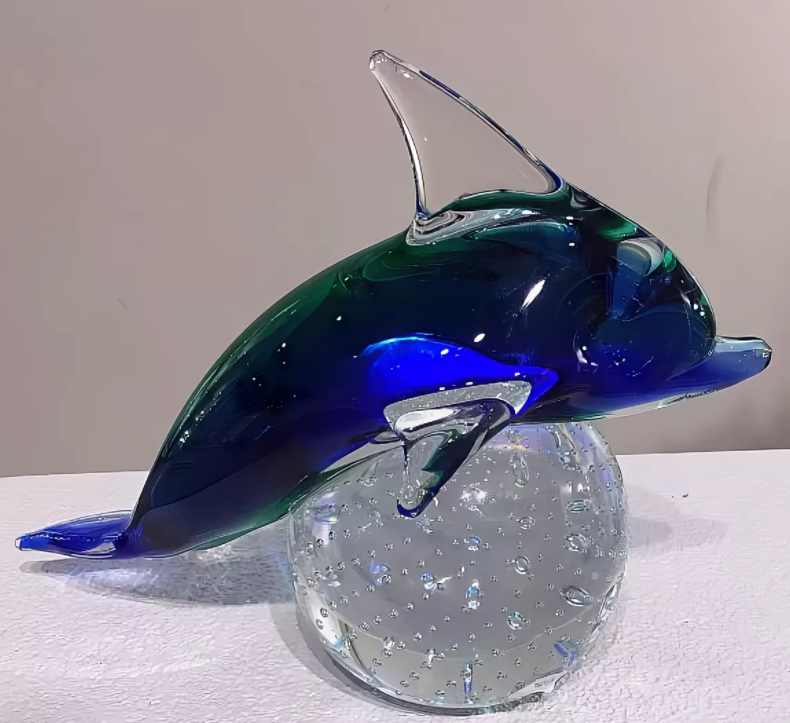
- Pulegoso - the pattern is created by quickly immersing glass in water, which causes a network of bubbles of various sizes to appear inside it;
- Filigree - the appearance of the product is unique in the presence of thin colored threads inside the glass;
- Crackelage - a feature of this variety is the removal of microcracks on the surface of the material;
- Laticinio - a glass sculpture acquires a milky color;
- Mosaic - the copy has a set of multi-colored figures that form a kind of ornament over the entire area of \u200b\u200bthe product;
- Perle - the method is used in the manufacture of beads. Foil is placed inside the creation in such a way that, as a result of the development, there was a feeling that the jewelry was made not of glass, but of pearls;
- Incalmo - is considered a rare way to create products due to increased difficulty and energy consumption. As a result of the development, the product consists of a set of parts of identical color;
- Colored - the product is dyed in one of the desired colors;
- Sommerso - an instance is created taking into account a special thickening;
- Crystalline - as a result of production, the product is transparent;
- Aventurine - during the creation of products, copper crushed into crumbs is added to the molten glass, which creates the feeling of a starry sky on the wall of the product;
- Millefiori - a pattern is superimposed on top of the material using different colors.
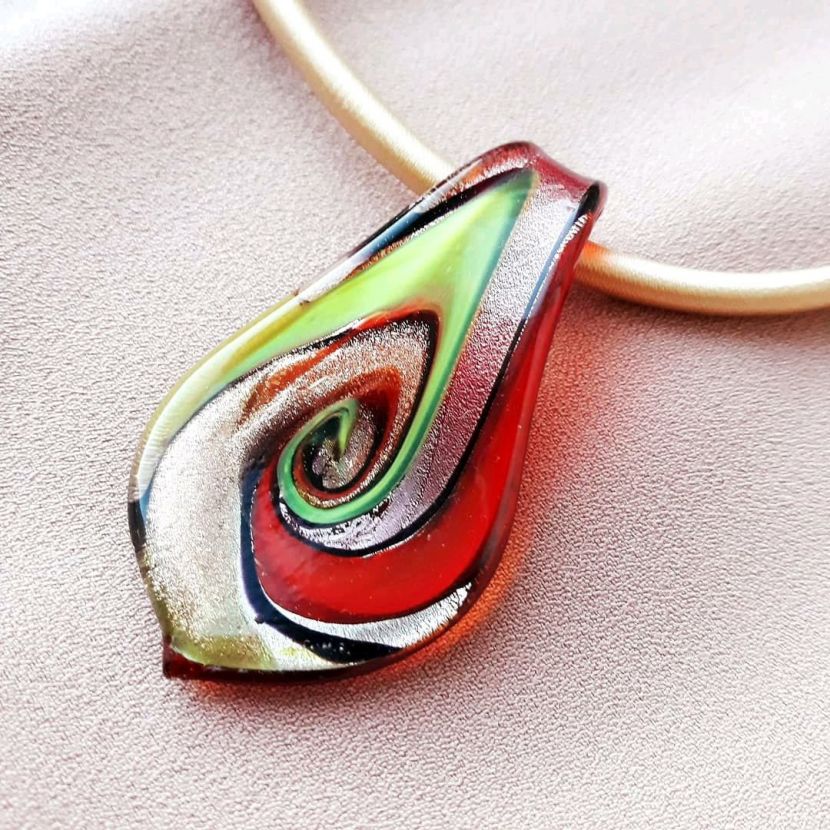
Production technology
Murano glass has been popular since its inception. This is due to the length of time the technology is kept secret and the hand-made production of each product, which is why none of them will ever be similar to another.
The components used in the creation of glass are:
- Sand - for Murano factories, it is mined only in the Fontainebleau forest. This quarry is one of the cleanest in the world;
- Dyes - depending on the desired shade or color method, copper, tin, cobalt are used.
The product is created by blowing molten glass at a temperature of about 1200 degrees while modifying the resulting shape along the way.
It is important to know that the glass production process is harmful to health due to damage to the respiratory system.
Venetian glass - products
Marketable products created by Murano and Venetian glassblowers occupy a serious place in the global market. Craftsmen from the material used develop elements of jewelry, dishes, jewelry and even furniture.
Bijouterie
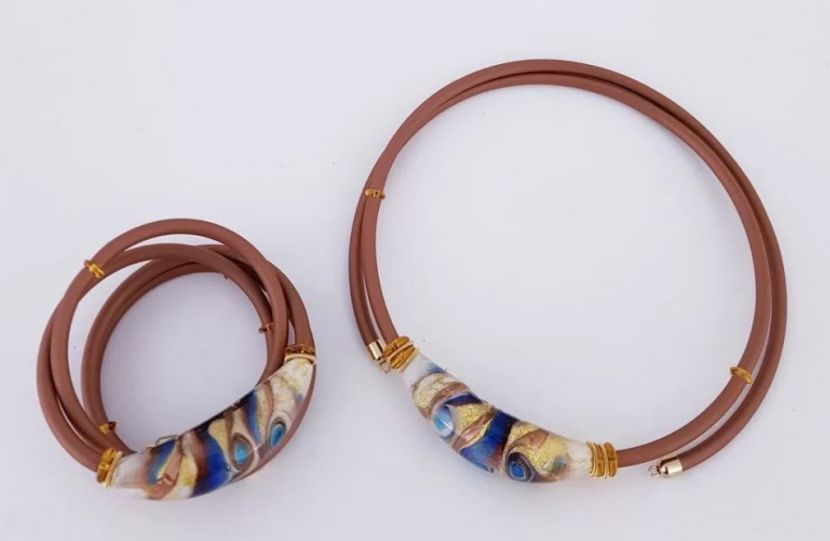
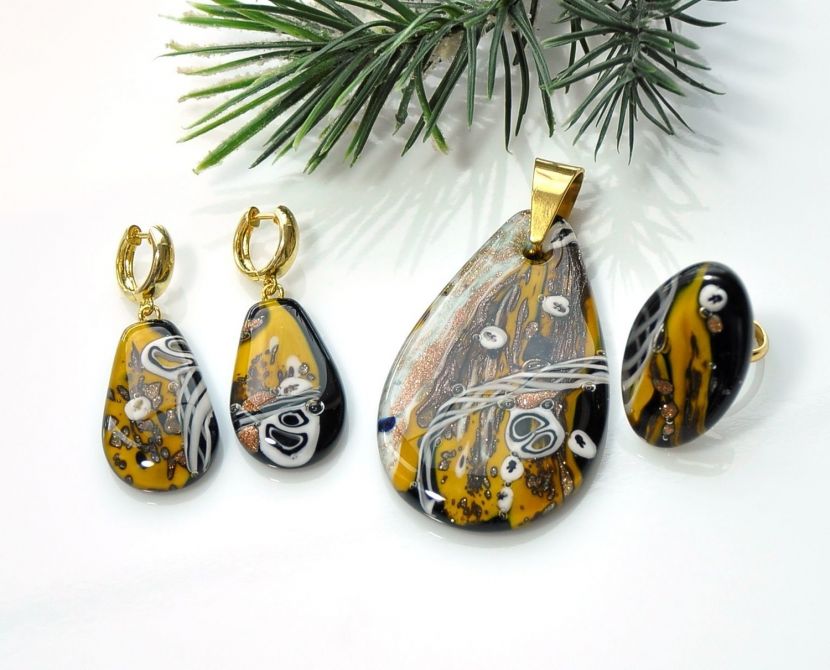
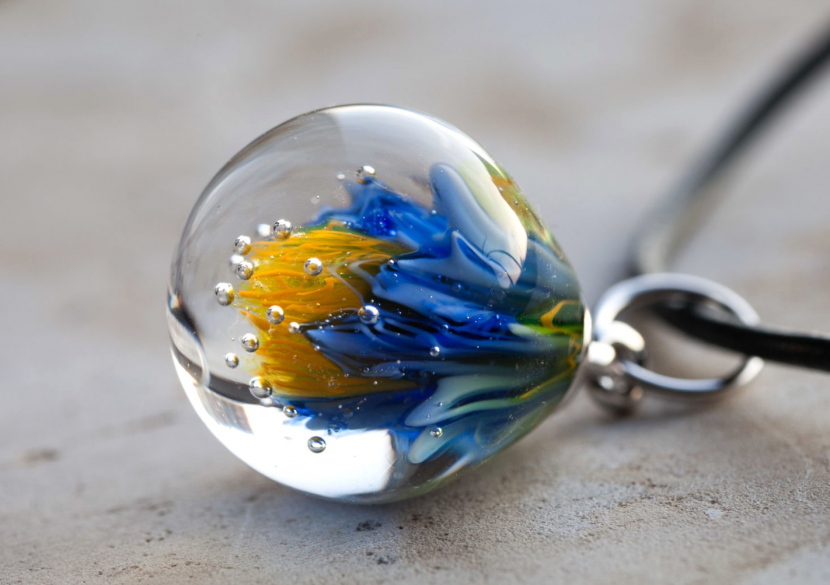
Murano glass is most popular in the field of jewelry. In the jewelry market, it is easy to find products that use this material. Typical representatives are rings, earrings, beads, bracelets or pendants. Often used is a method in which Venetian products are inserted into the elements of a larger part or object. An example is the addition of Murano glass to hairpins, combs or watches.

Other decorations
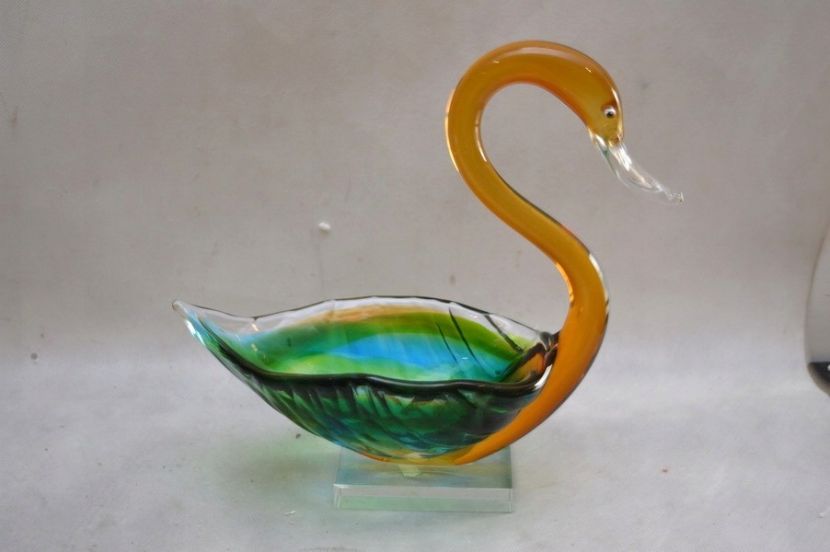
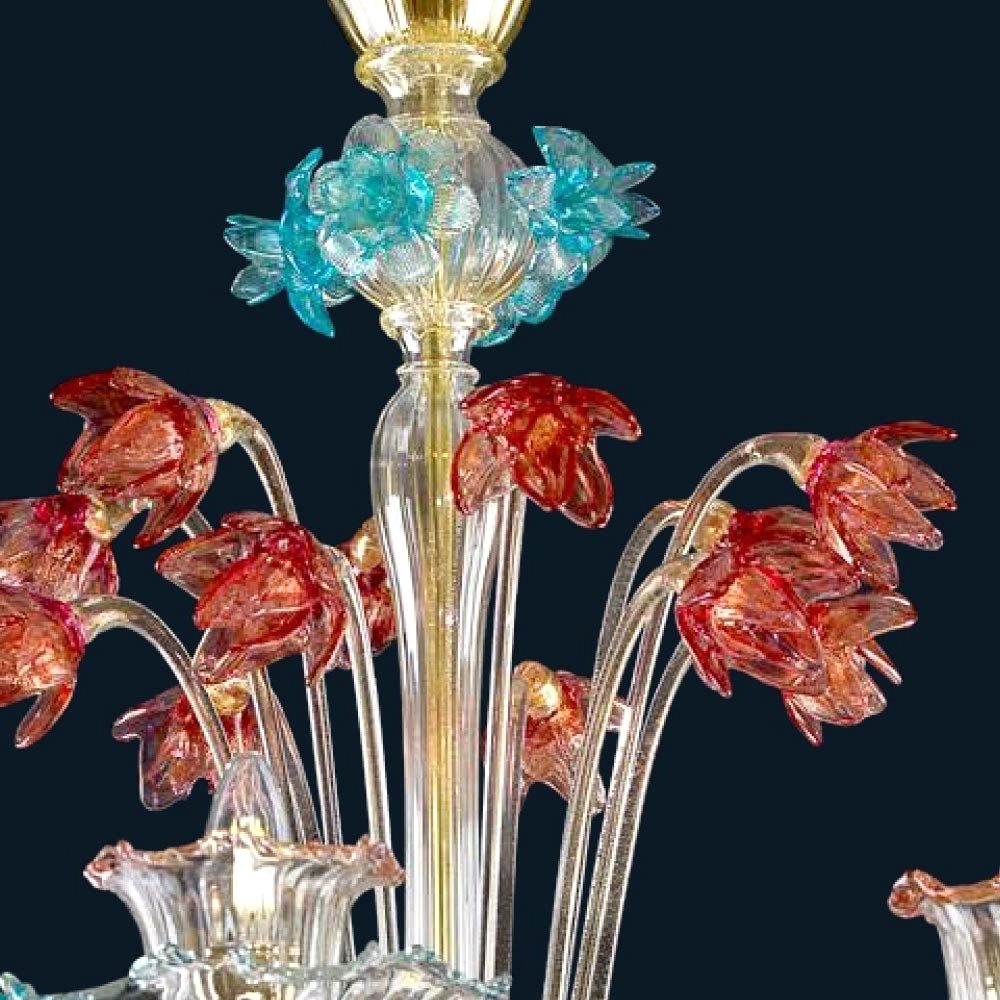
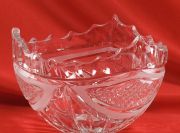
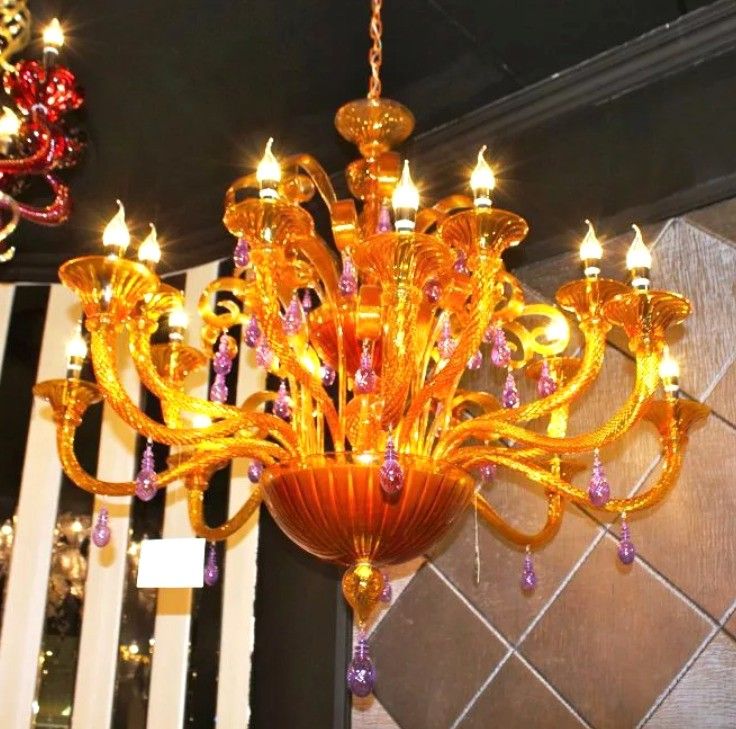
In official stores, there is a chance to find sculptures, chandeliers, lamps or other types of dishes using Venetian technology.These items have an increased value due to their own uniqueness and the use of manual work in their creation.
Product Care
Despite the fact that there is a widespread opinion that Murano glass is more impact resistant, it must be understood that this does not diminish the importance of careful storage and use of products made from this material. You should follow the rules, thanks to which the products will last a long time and become a pleasant addition to the dowry:
- It is necessary to avoid contact with chemicals, especially those that are corrosive, as well as chlorinated water on the Venetian creation;
- Carry out regular cleaning of the product in order to remove dirt and other elements that can cause harm;
- In the case of storage or transportation, it is important to cover the glass with a soft material that will level out potential impacts.
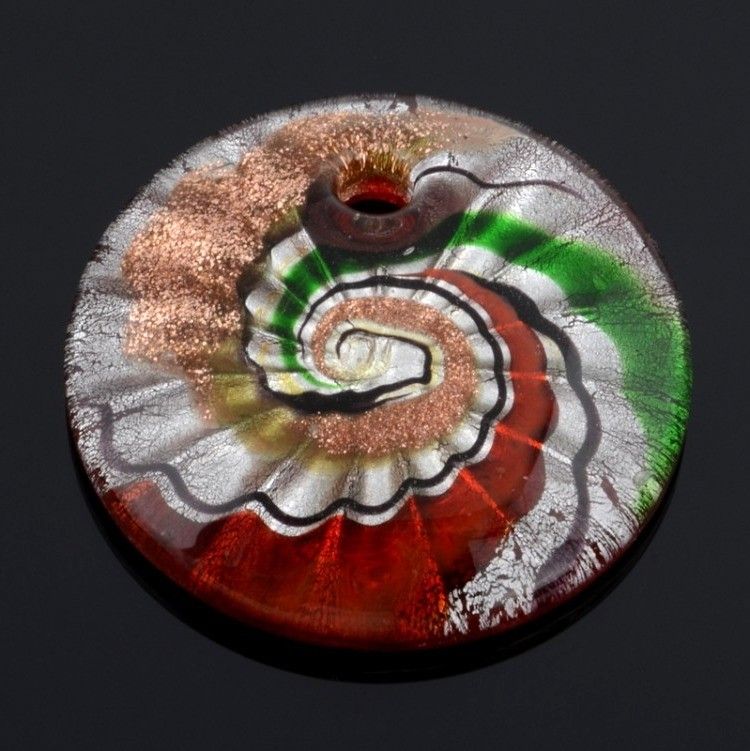
What to look for when buying
The Murano product has specific features due to which it is possible to determine the quality of the material and authenticity:
- Products made in Venice never fade or darken;
- When purchasing products made after 1980, you have the right to request a vetro certificate from the store. artistico murano, applied by the developers to prove the official origin of the item being sold;
- When placing the product under direct light, the original product will have a bright shine and glare;
- Murano glassblowers, in order to create a mark on the authenticity of the goods, either squeeze out the inscription "Murano glass» from the inside of the product, or take it out from the outside with the help of a golden material;
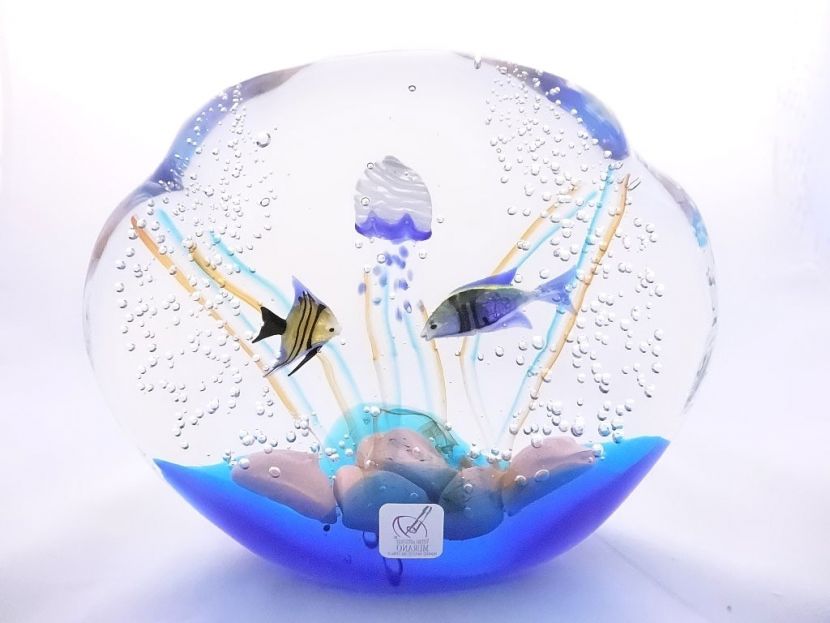
Aquariums and paperweights are the leaders among fake goods from Murano.
Read also about the wonderful stone Ammolite.
Interesting Murano Glass Facts
During the long history of Murano glass, facts have emerged that are inherent in products made from this material:
- Jewelry that uses Venetian glass costs about the same as goods made of precious stones or precious metals;
- Italian glass never fades;
- Due to the use of secret technologies, products from the island of Murano are always cold;
- Murano mirrors, which became popular in Europe after the 16th century, came to replace iron ones;
- History has preserved to this day stories about how merchants exchanged Murano glass for ships;
- When creating Venetian glass, tools used since the 13th century are still used: scissors, blowing tube, tweezers and tongs;
- Products were widely used in the Moroccan style in conjunction with the moire pattern.

How to distinguish from a fake
The main difference between a fake and an original is the absence of a specific stamp applied by craftsmen in the process of creating a product. You can find it on the inside in the form of an embossed inscription Murano glass, or from the outside in the form of the same inscription using gilding. It is impossible to scrape off this phrase from official products.
When buying goods made after 1980, a conscientious seller has a special certificate issued by Murano craftsmen for all types of their own products.
Before buying, you should study the Glossary of Murano glass or Wikipedia, which lay down the properties and history of each type of product. The following is an excerpt from the book about one of the production methods by which the buyer can determine the authenticity of the product:
Phoenician - a method of applying a colored ribbon, which is then pulled perpendicular to the tool ...
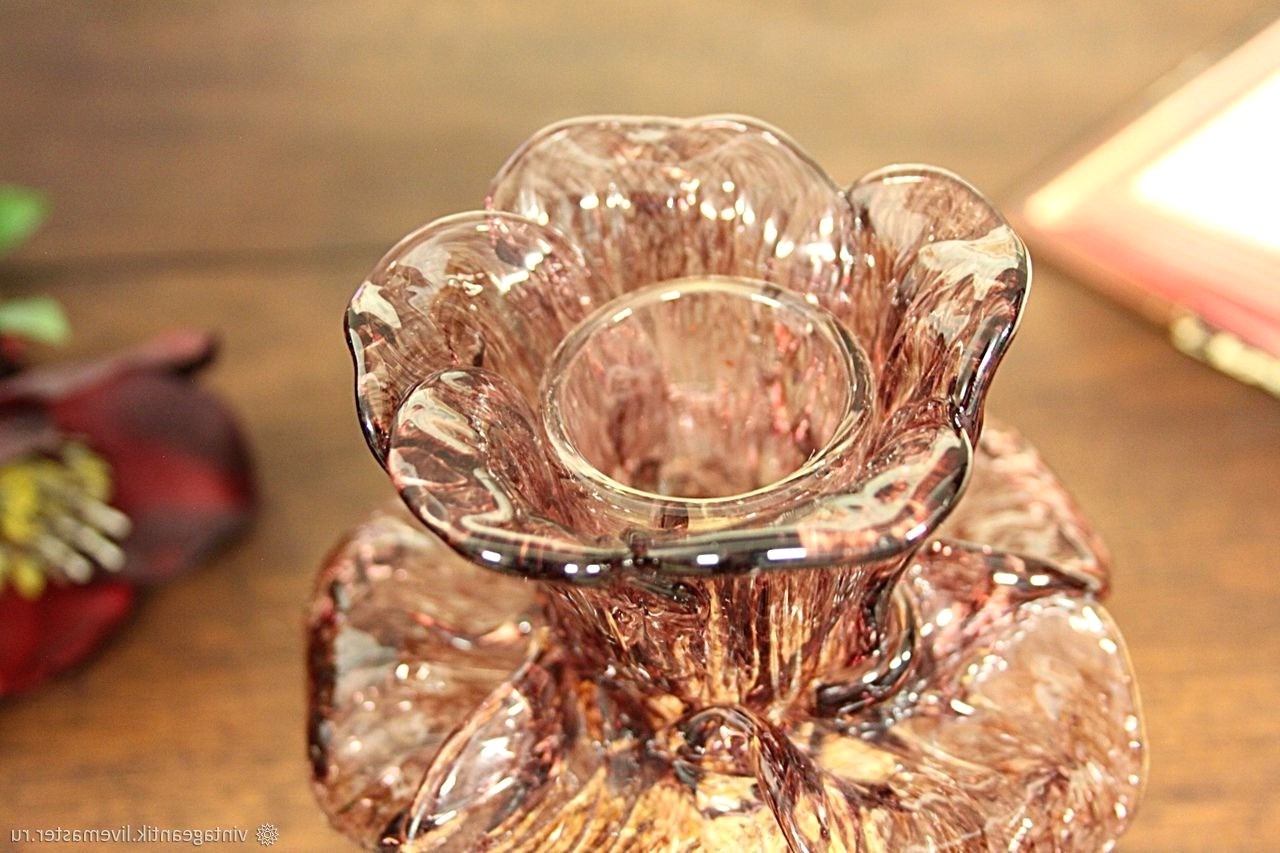
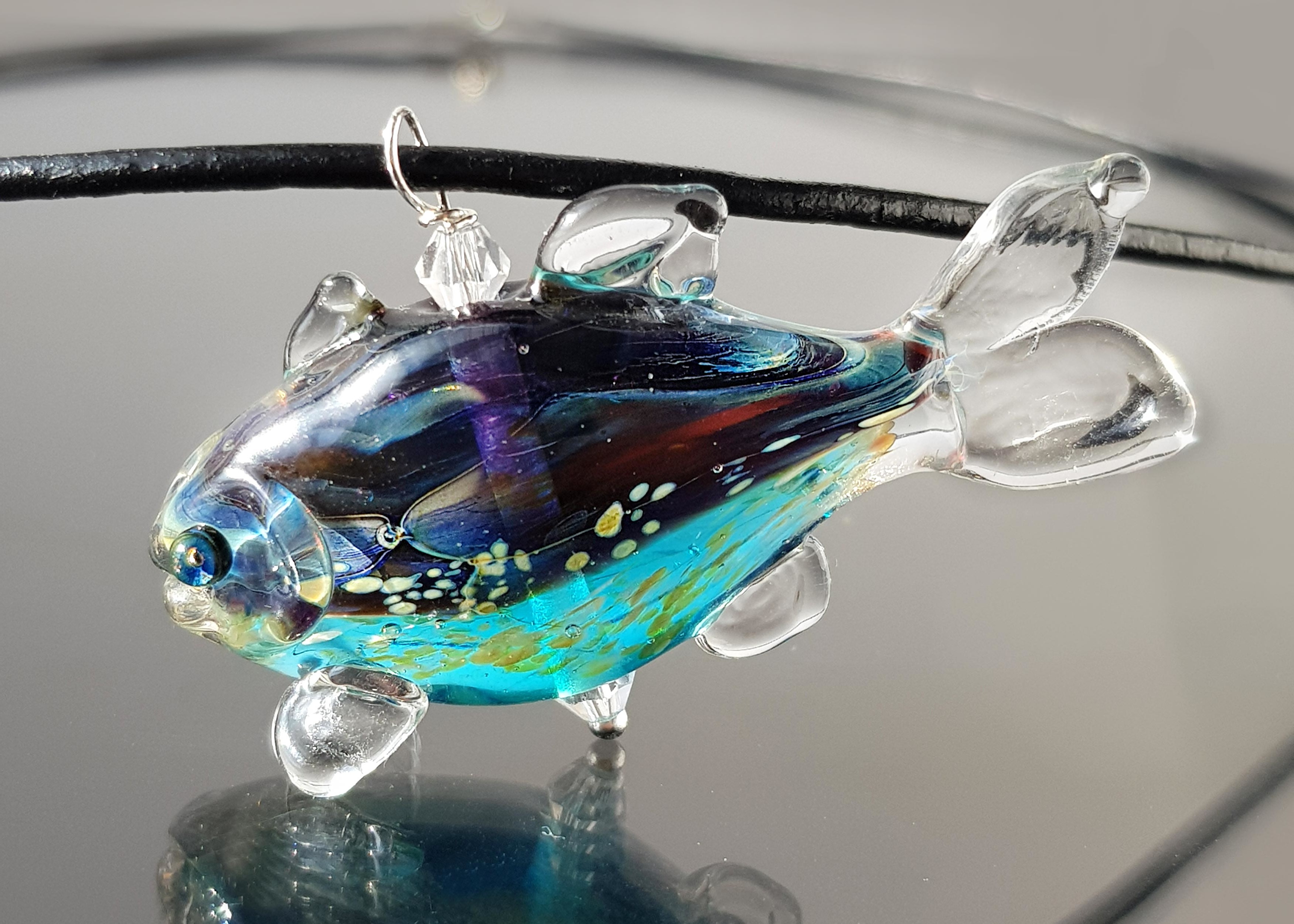
Murano glass photo