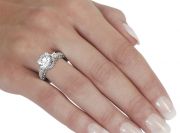
Practical advice on how to distinguish an emerald from a fake - basic methods, real recommendations, photos
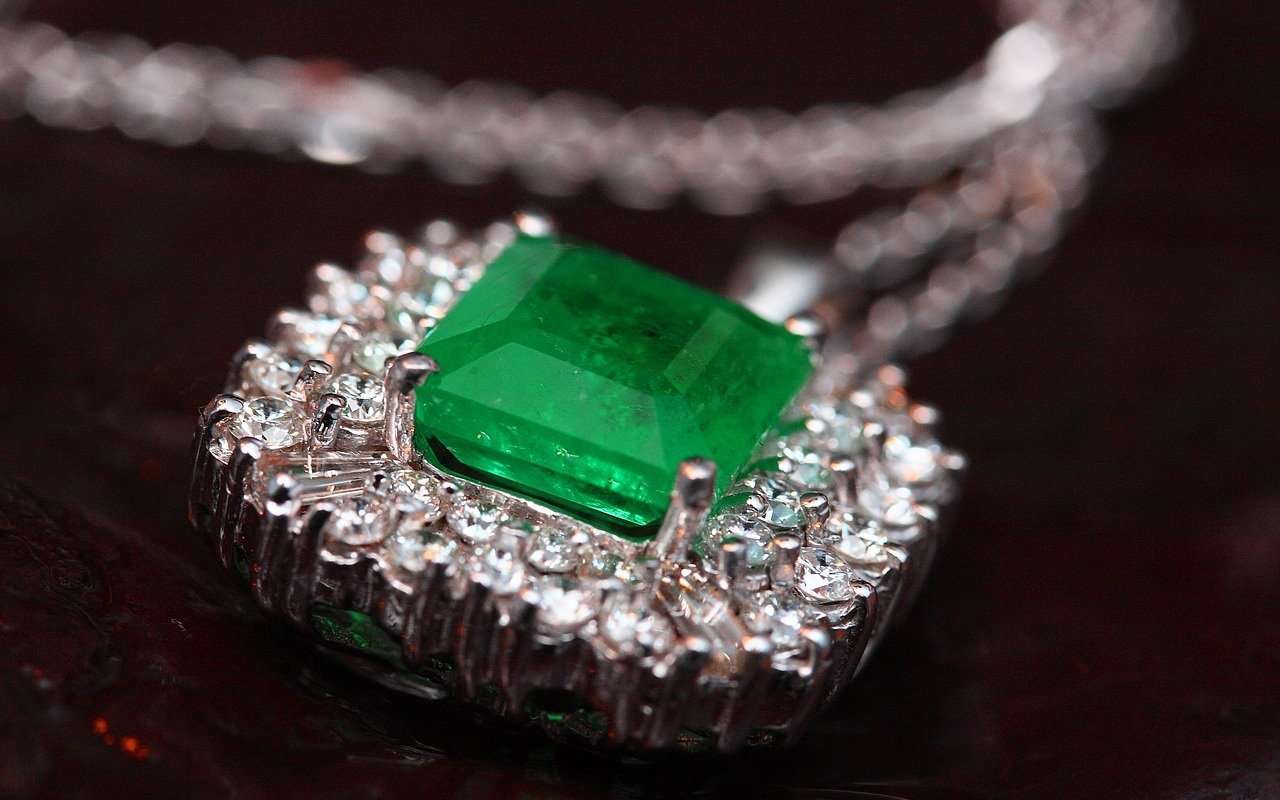
Emerald is a beautiful dark green gemstone. It is known to everyone, but it is quite expensive. Recently, scientists were able to find a way to grow stones in the laboratory, but this reduced its quality. Therefore, you need to know how to distinguish the original from the fake.
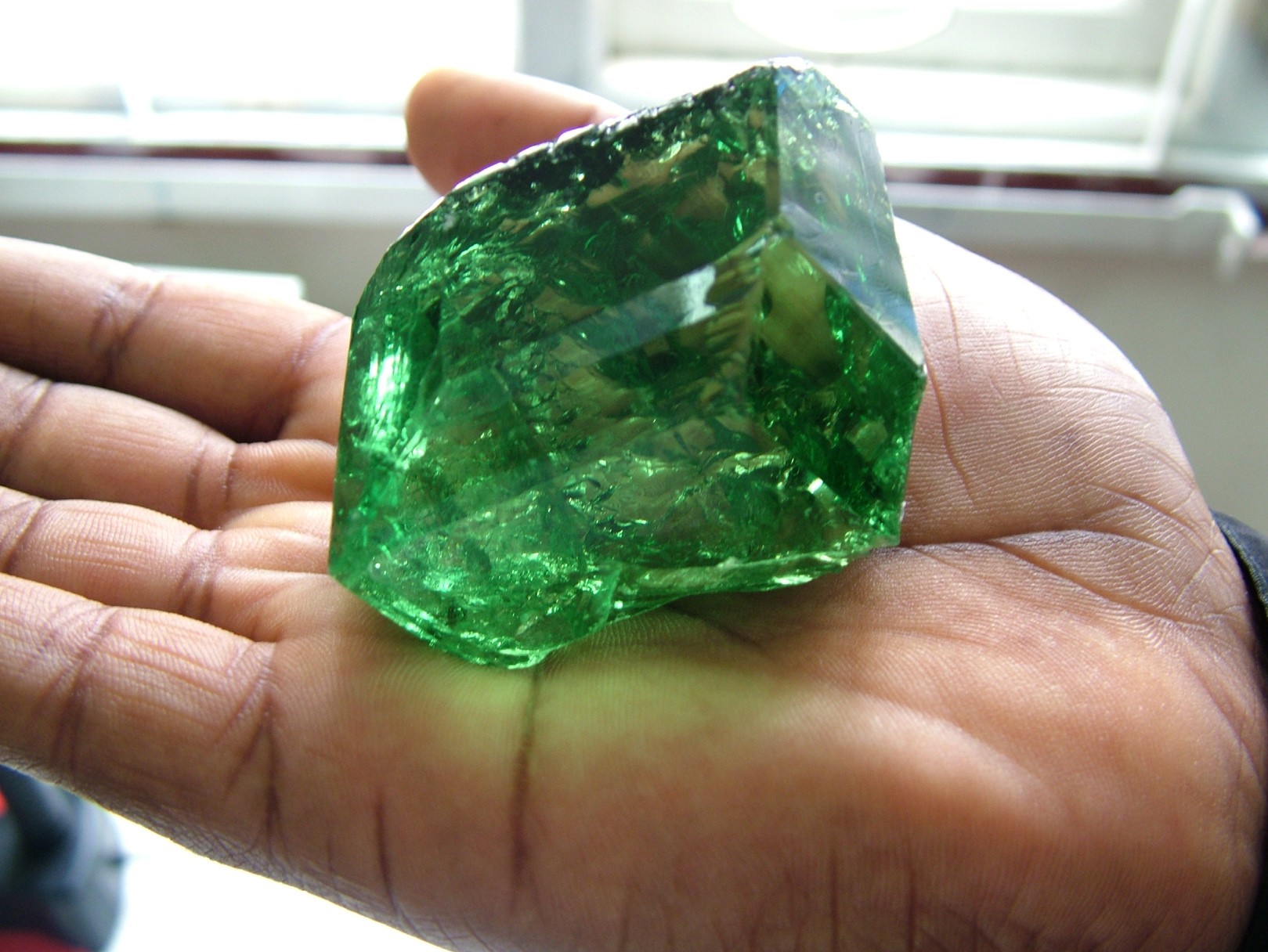
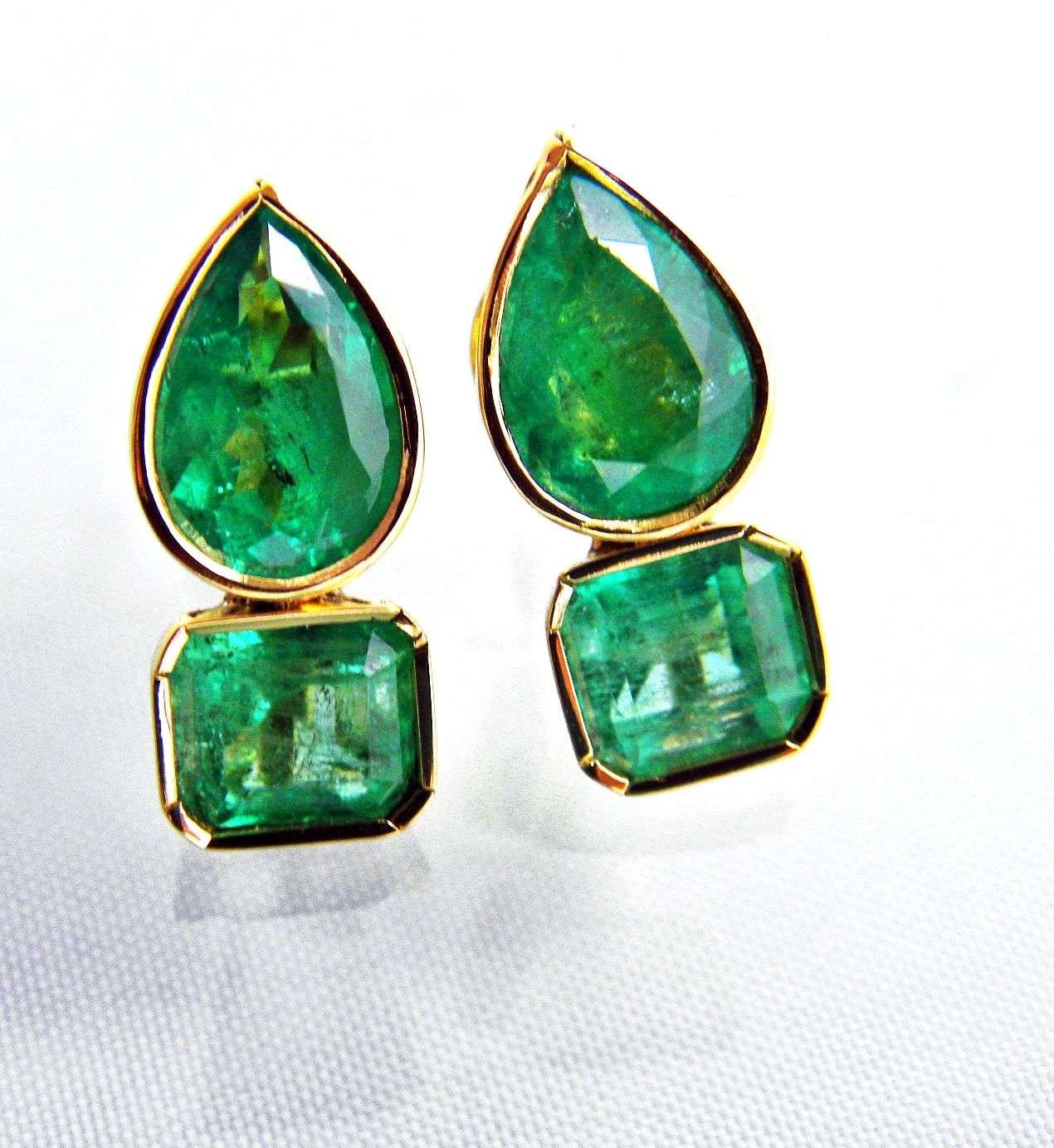
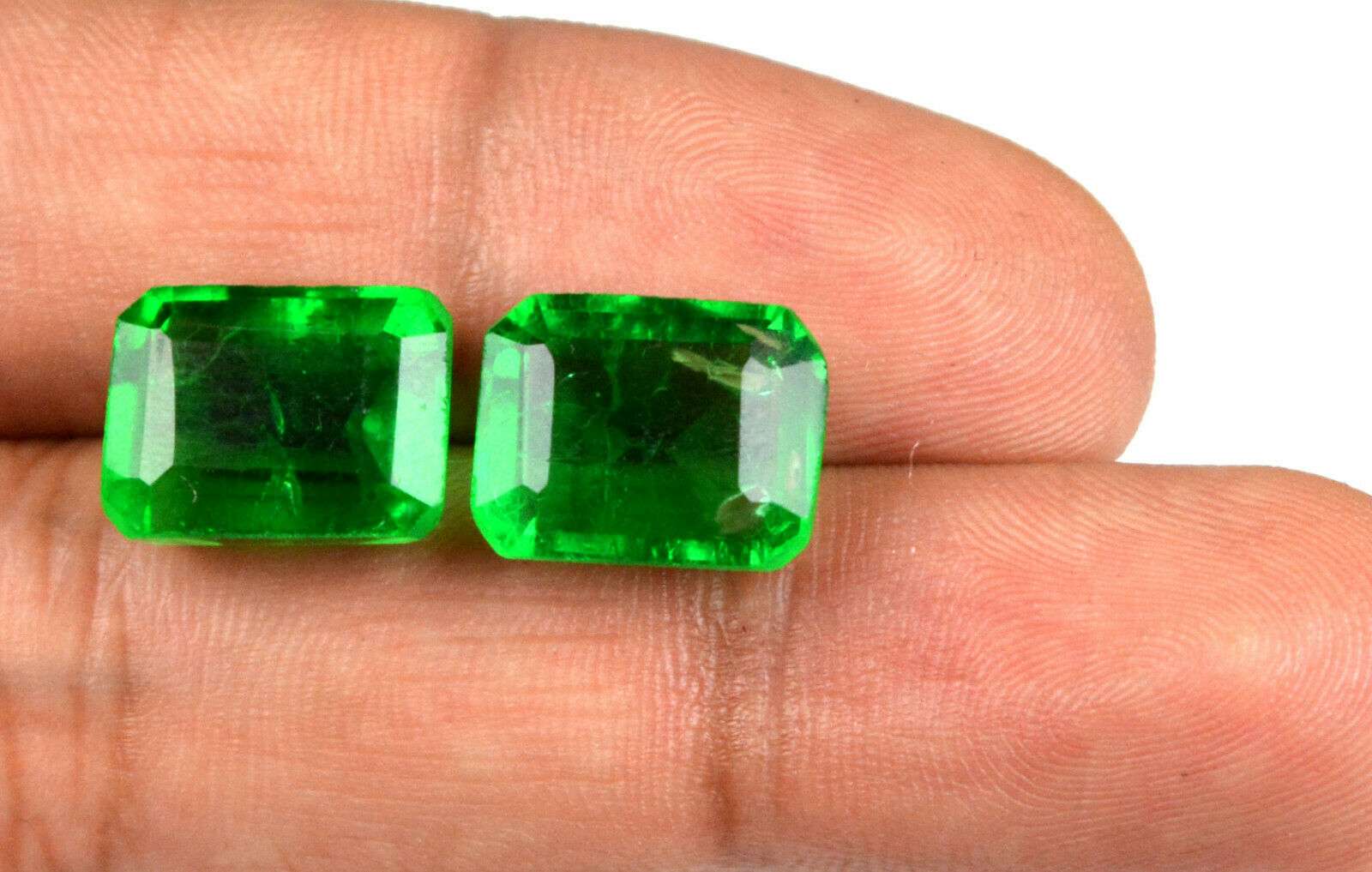
What can be instead of an emerald
Unscrupulous people, seeing the price for a precious stone, try to sell a fake instead of it to an unknowing person. They expect that the buyer will not understand the quality of the acquisition. In nature, there are many minerals similar to emerald, and they are trying to pass off as the original.
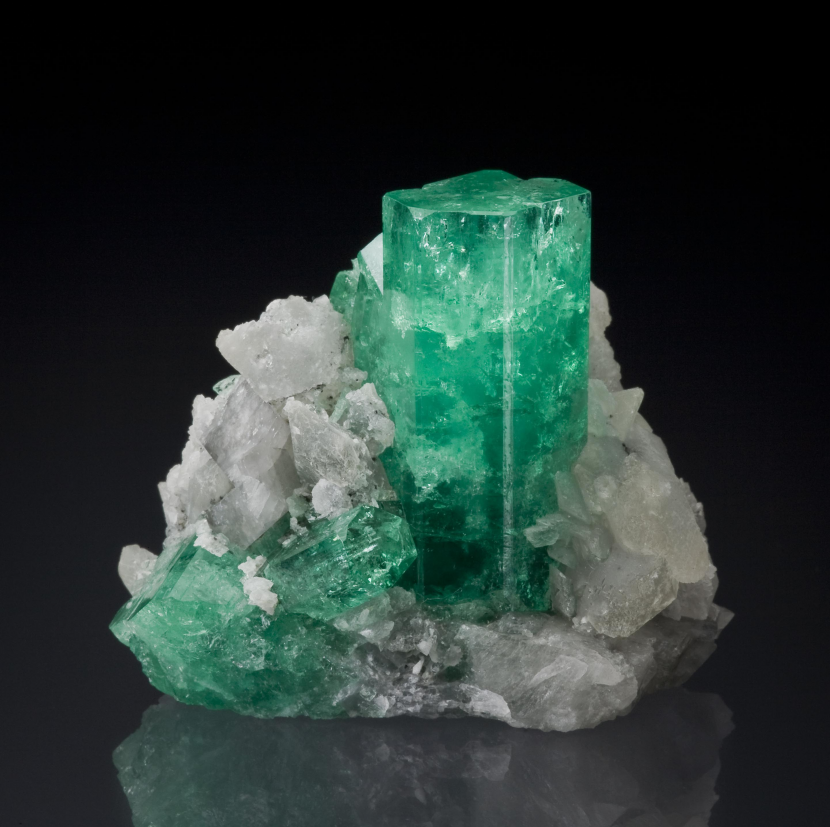
branded
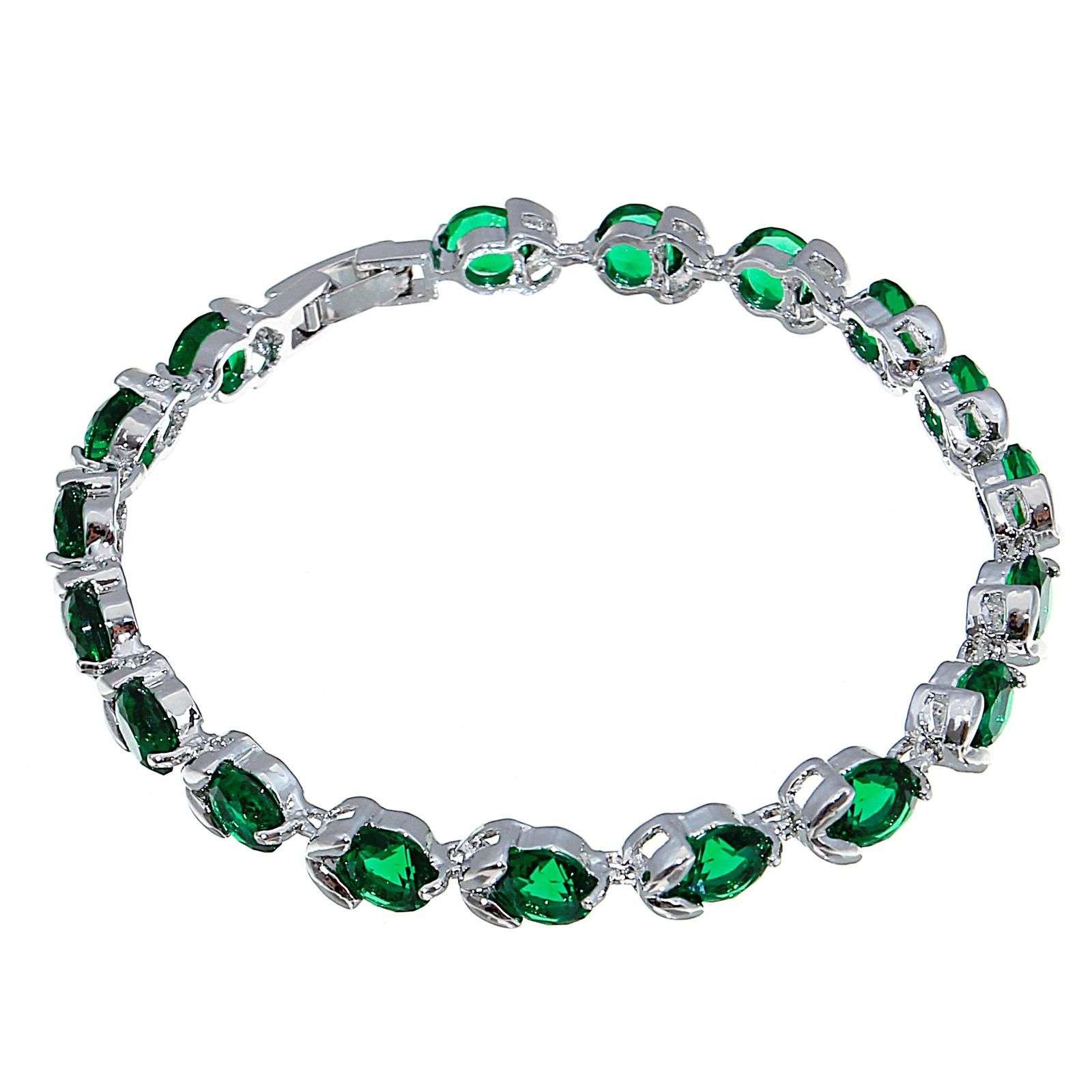
If you buy emerald jewelry from a well-known brand, then you definitely won’t get a fake. But not very popular houses can use similar green stones that are indistinguishable from emerald.
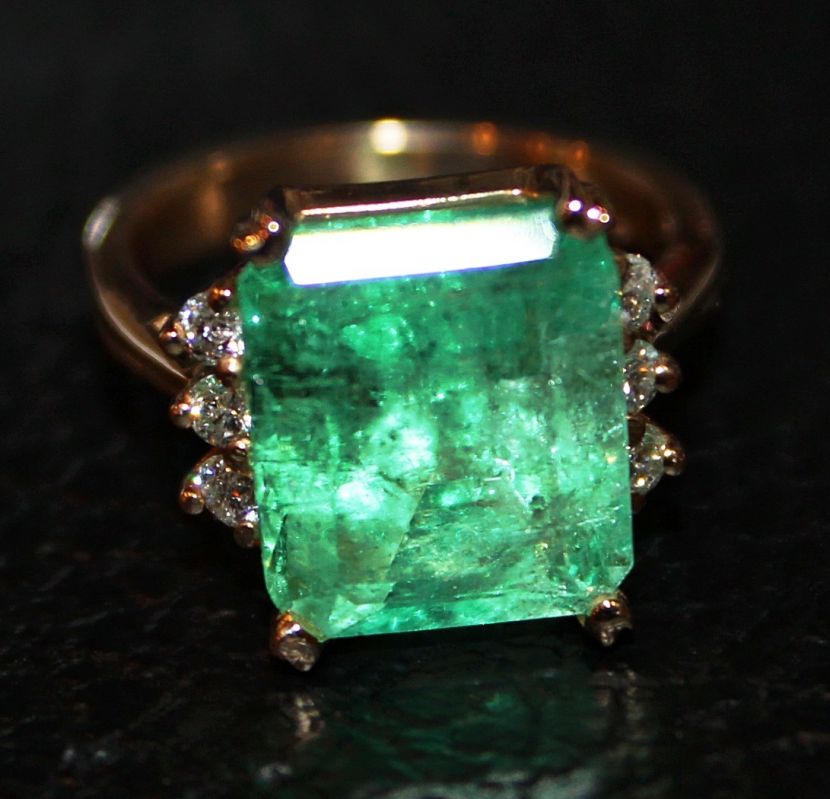
Some brands go not for deceit, but for a trade ploy. They specifically replace an expensive stone with a cheaper one, and do not hesitate to report it. This allows people with low incomes to purchase a branded item in the amount of ¼ of its value.
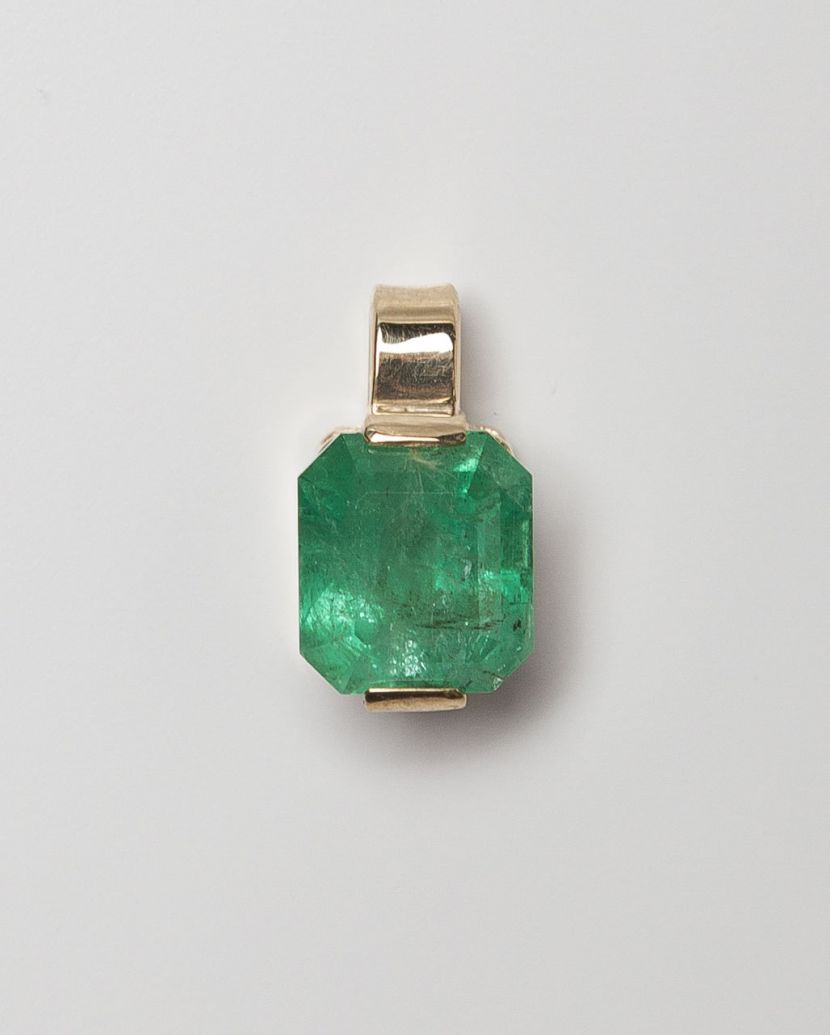
imitations
When imitating a real emerald, green minerals are used, outwardly similar to it, but completely different in chemistry. composition.
- Emerald is a naturally green colored beryl. Fraudsters can tint less valuable transparent beryls and pass them off as a rare color.
- Often, spinel or quartz come to the rescue.
- Crystal is also sometimes dyed, as it absorbs dyes well.
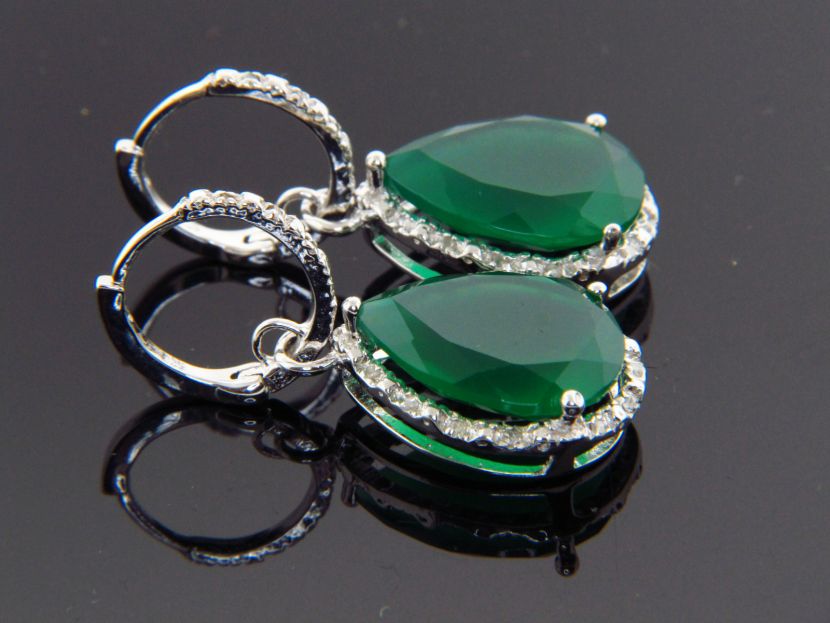
Doublets and triplets
These are layered minerals of an aniline green color, which, without detailed examination, look like a complete stone.
Examples of doublets and triplets:
- Low quality emerald;
- Alloy of glass and cubic zirconia;
- Semiprecious stones.
The plates are fastened with glue of the desired color and polished to give a smooth shape. In this case, the help of a specialist is required to determine the fake.
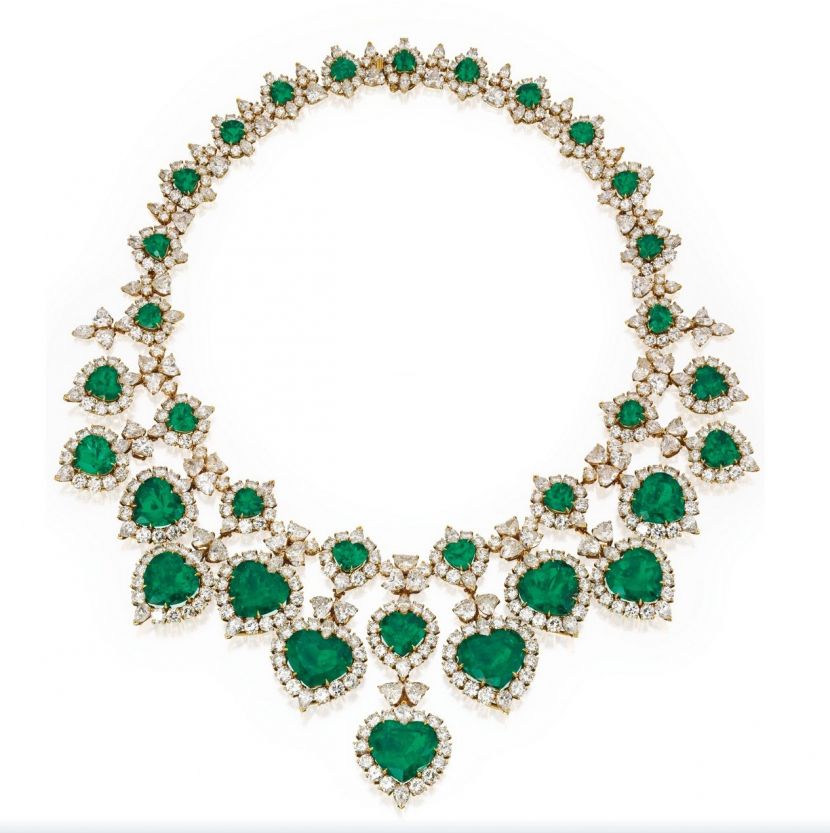
Synthetic stones
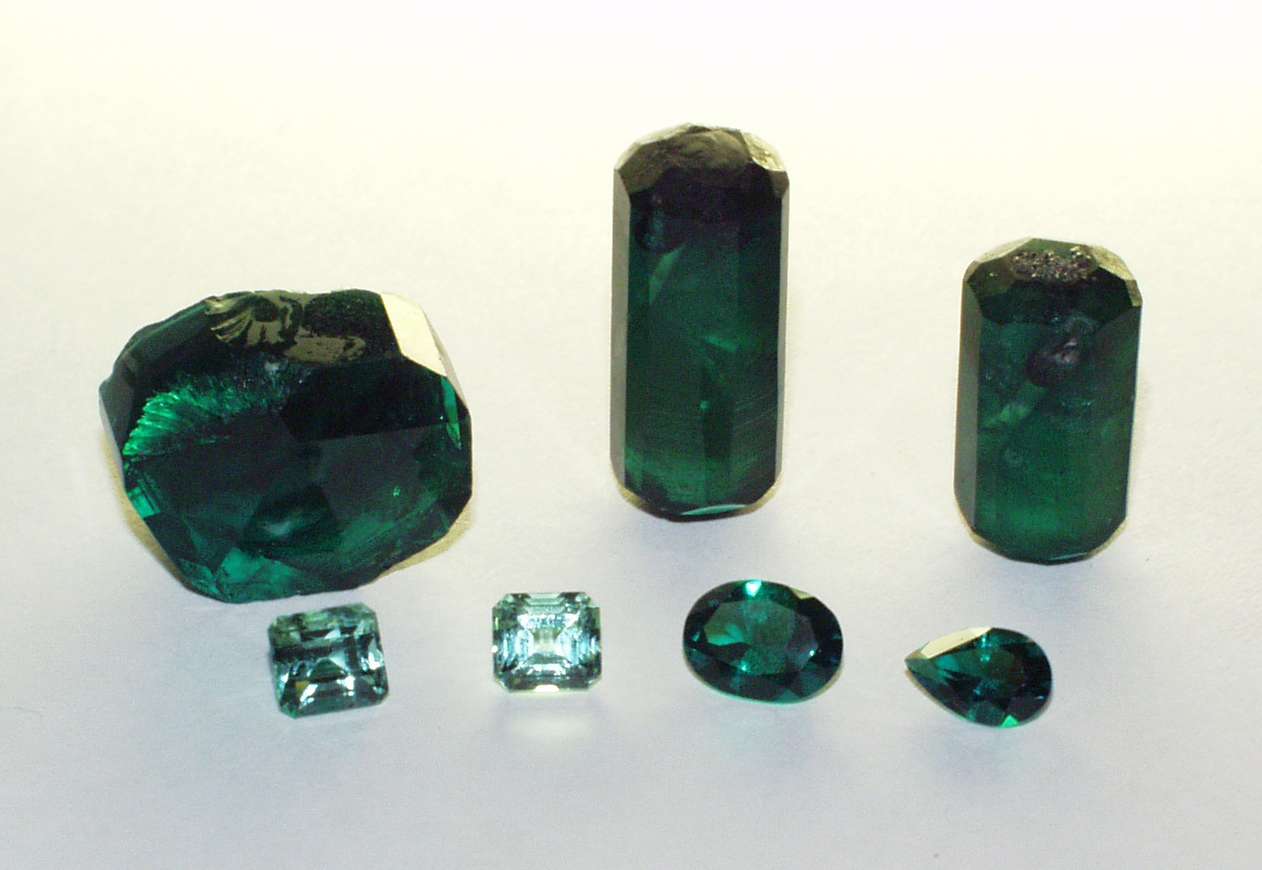
Synthetic emerald is a lab-created stone; in its chemical composition and properties does not differ from a natural mineral.
Fake differs only when conducting research.
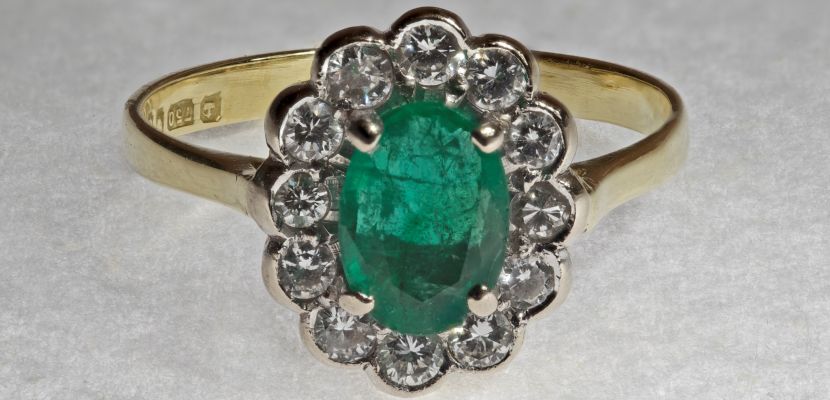
Glass
Ordinary green tinted glass. Brilliant! In this case, an optical check will help to distinguish a stone from an alloy.
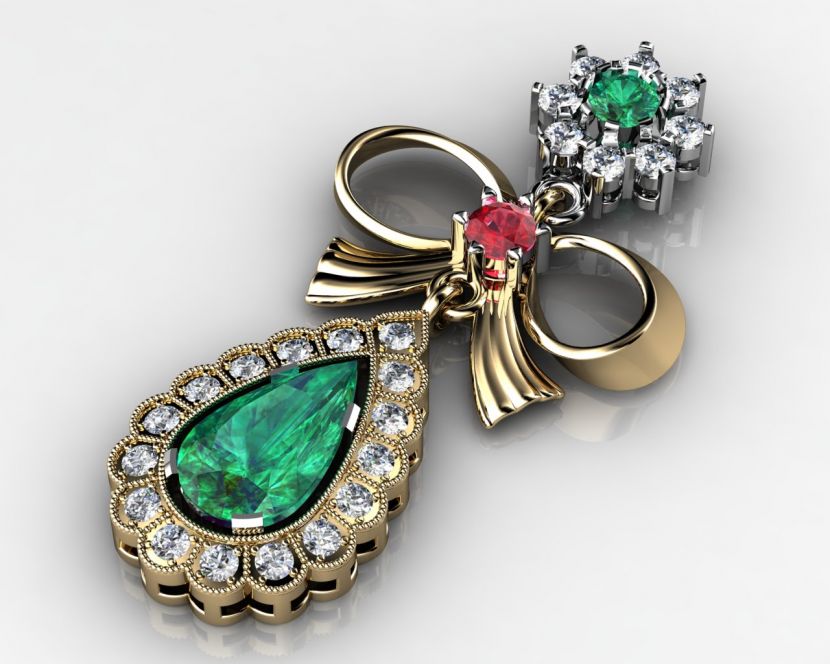
How to distinguish an emerald from a fake
Six characteristics of a real emerald:
- hardness;
- fluorescent optical properties;
- no impurities;
- the structure of the stone;
- physical properties;
- chemical composition.
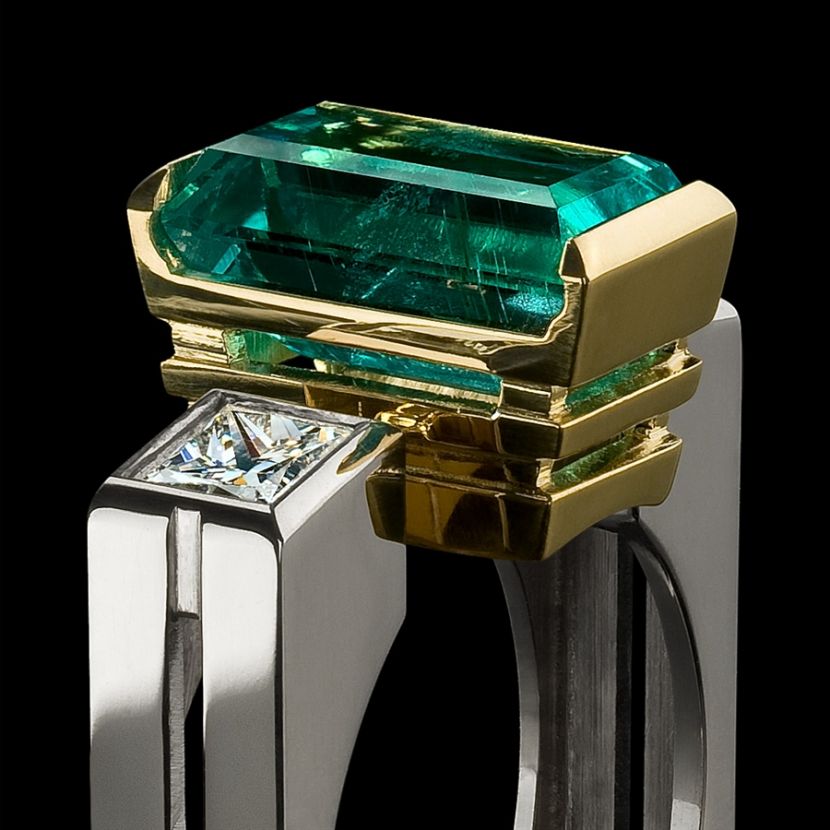
Emerald check
According to the system of energy coefficients of Fersman, the emerald belongs to the valuable gems of the first order.
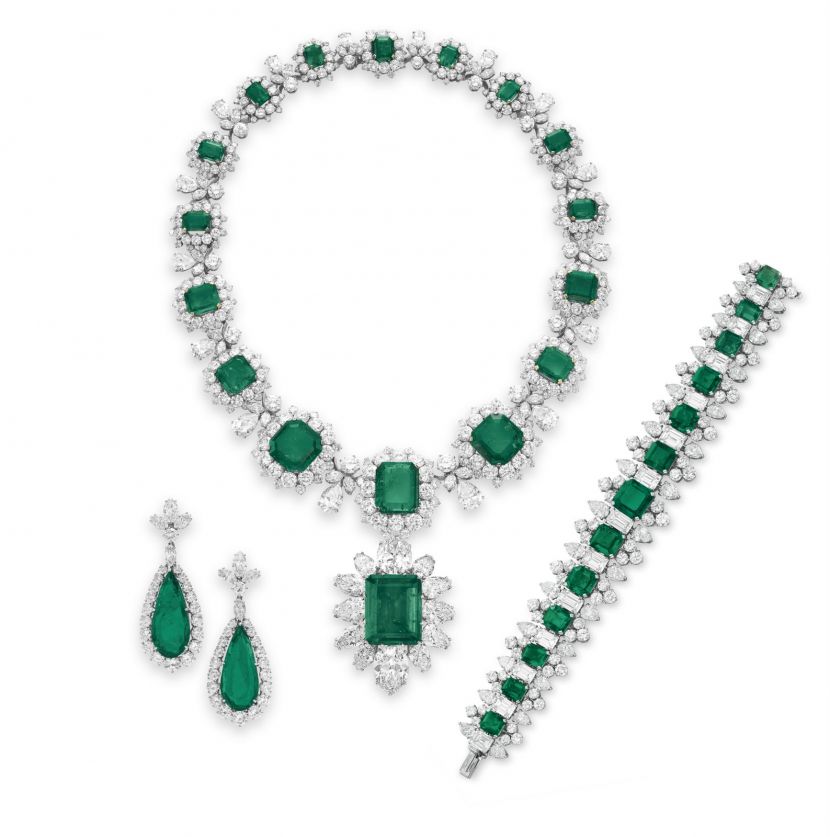
Determining the Authenticity of an Emerald
You need to pay attention to the following features:
- Color.
- Transparency (inside the gem may be cloudy).
- Green tone.
The presence of additional color inclusions. The color of the original stone is not monochromatic. The richer and brighter the color, the higher the value of the stone.
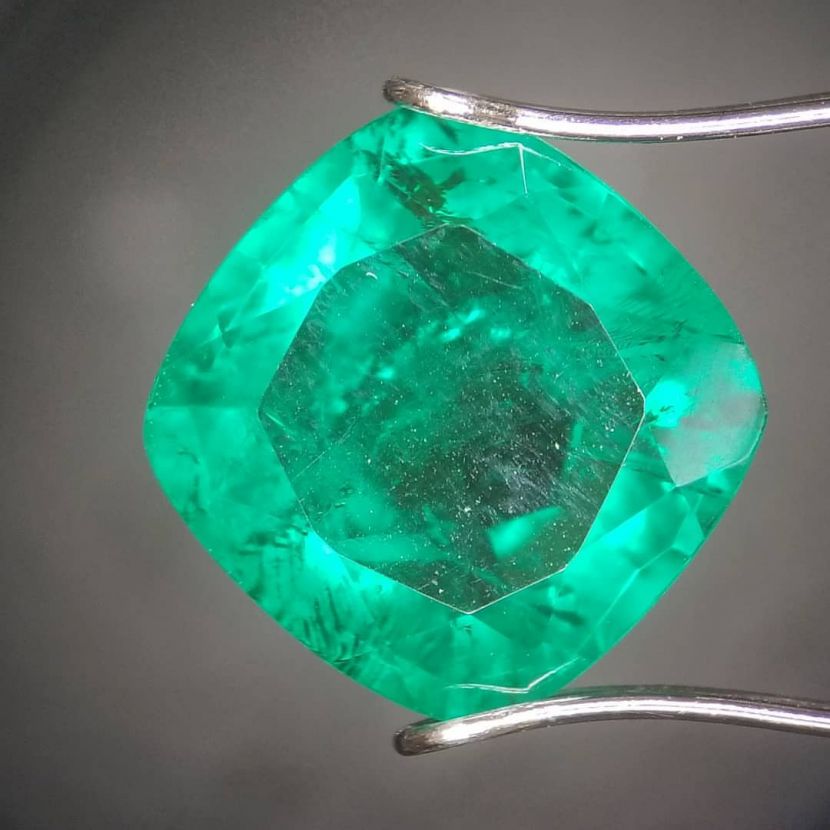
If turbidity occurs, you need to determine its origin:
- Air bubbles;
- Parts of other minerals;
- due to microcracks - either created by nature or appeared during processing.
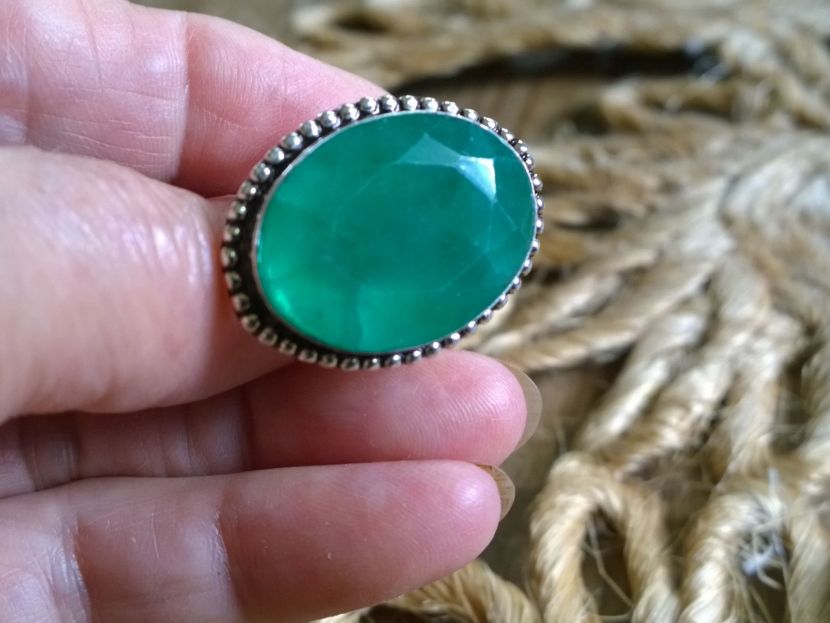
visual inspection
Sometimes fakes are in no way inferior when viewing a real emerald. Therefore, when evaluating it, it is worth focusing on these criteria.
In the light, a real emerald shimmers in a way that no other stone can. When viewed even in a jewelry store, you can immediately identify a fake.
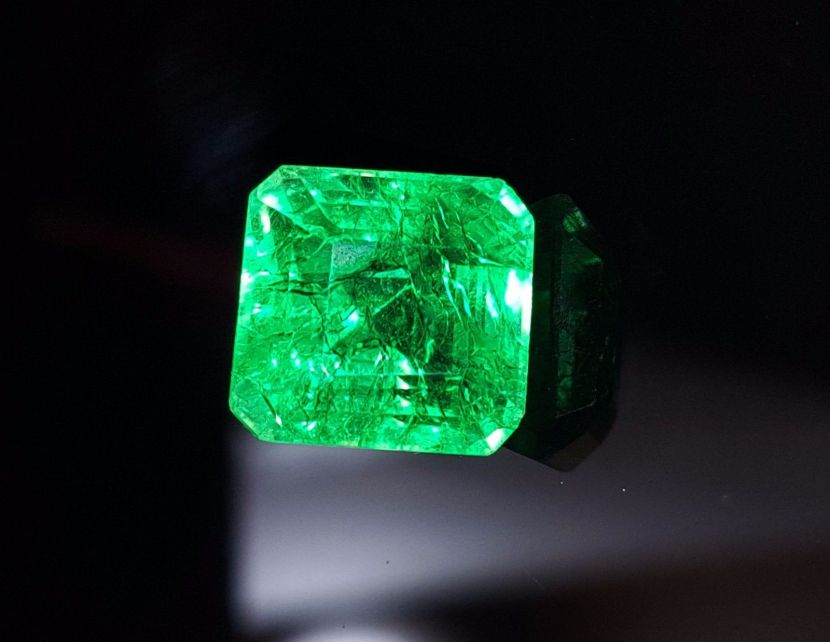
Here are just a few gems that imitate emerald:
Chrome diopside
- The color is more saturated, the density is reduced
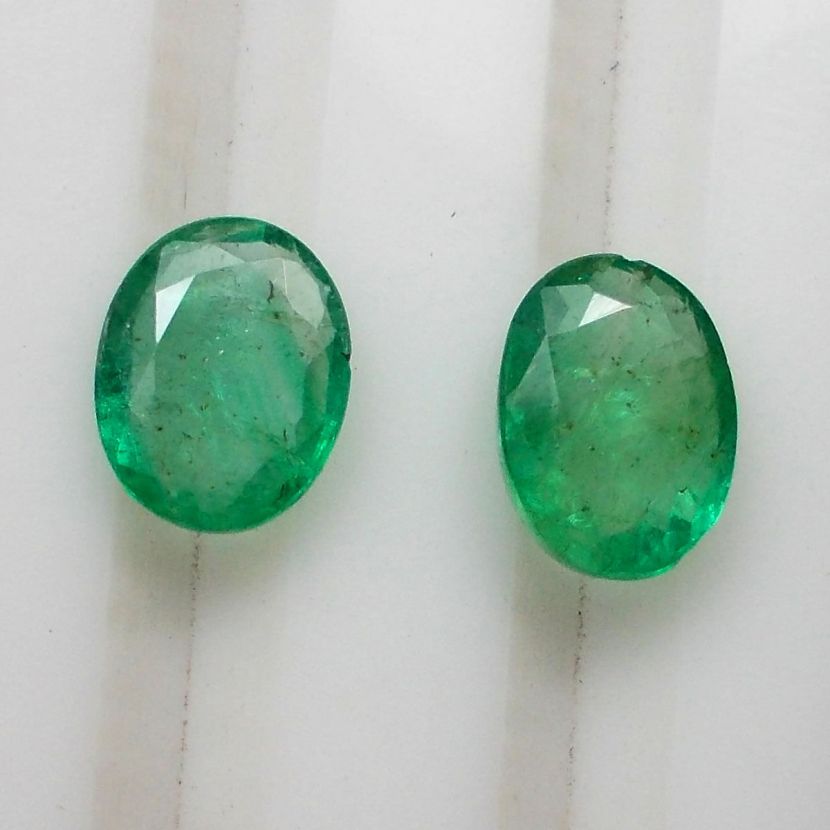
Jade
- Too cloudy for an emerald
Green tourmaline
- Poorly reflects light, often not transparent
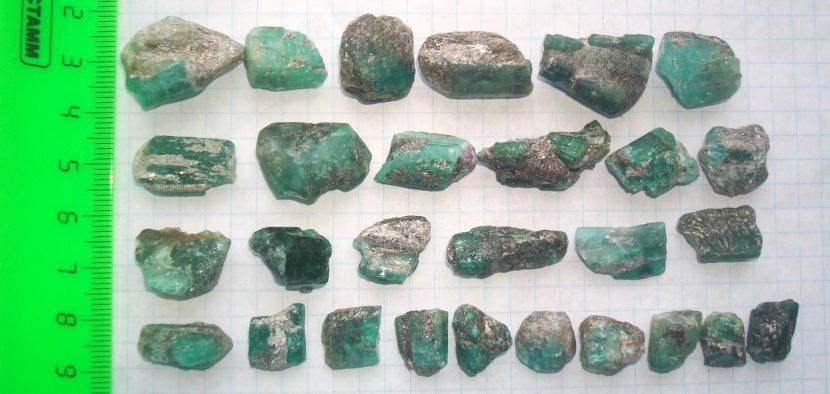
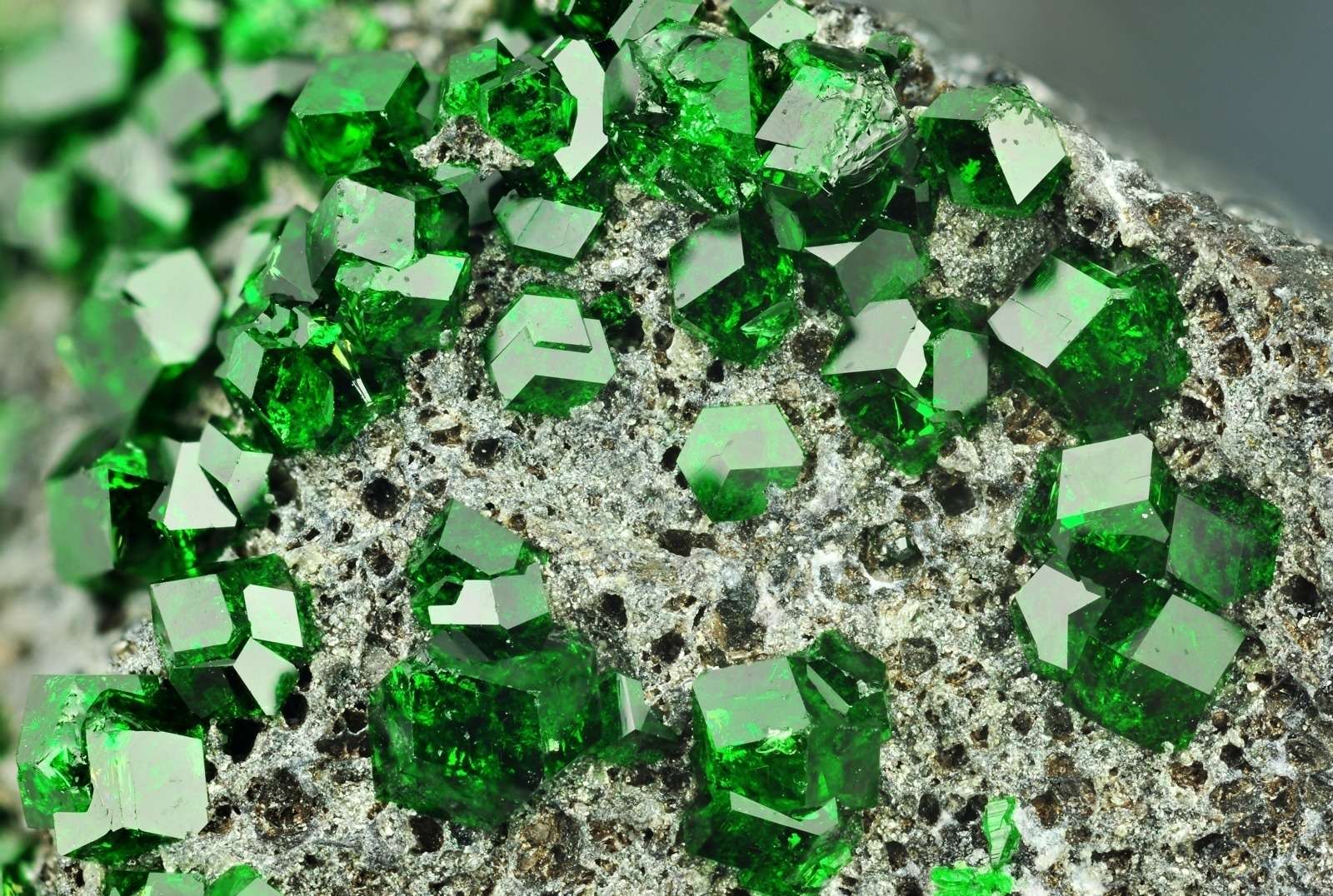
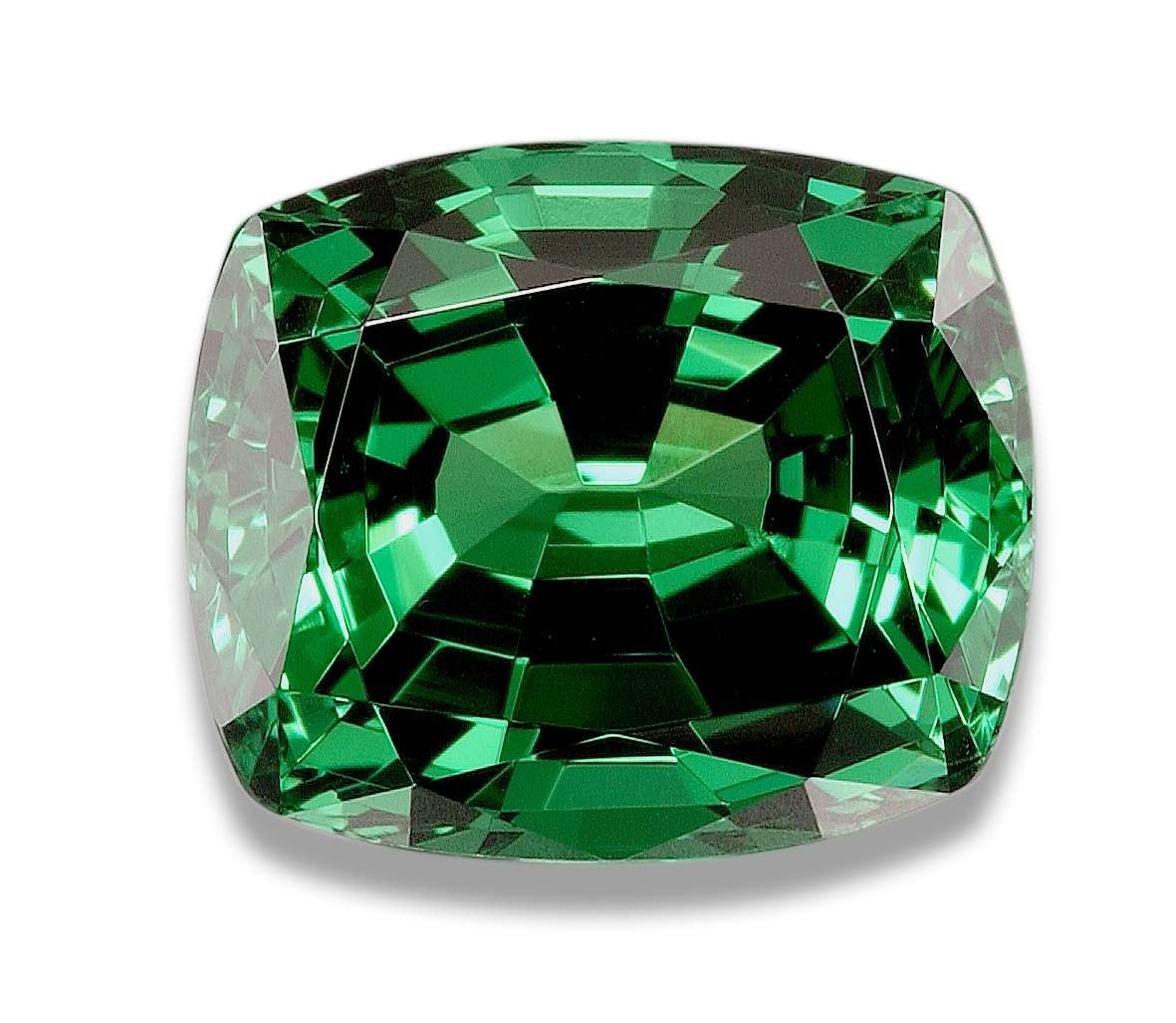
Tsavorite
- Due to impurities in the form of byssolite particles, it has a bright green color.
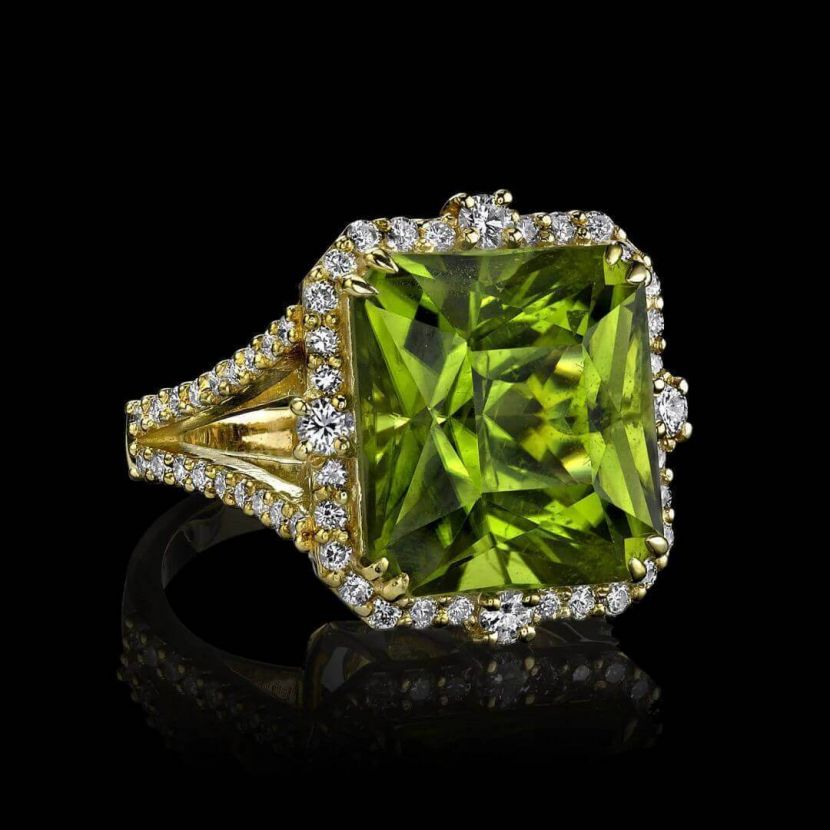
Chrysolite
- Low strength
- At night, the mineral glows slightly
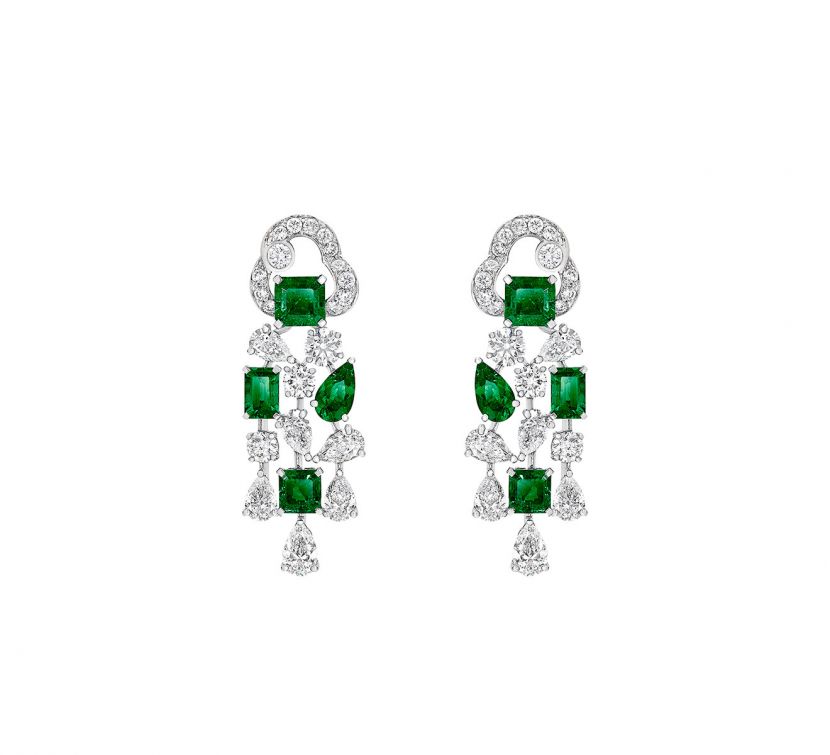
Chrysoprase
- Small cracks, feather-like impurities
How to distinguish an emerald from a fake:
- One of the surest ways is to check with a halogen lamp. A ray of light passes through the stone, and under it all inaccuracies become visible. By the way, a natural stone will change its glow to reddish, and a fake will remain green.
- A real stone boasts high strength, which is 8 points on the Mohs scale.
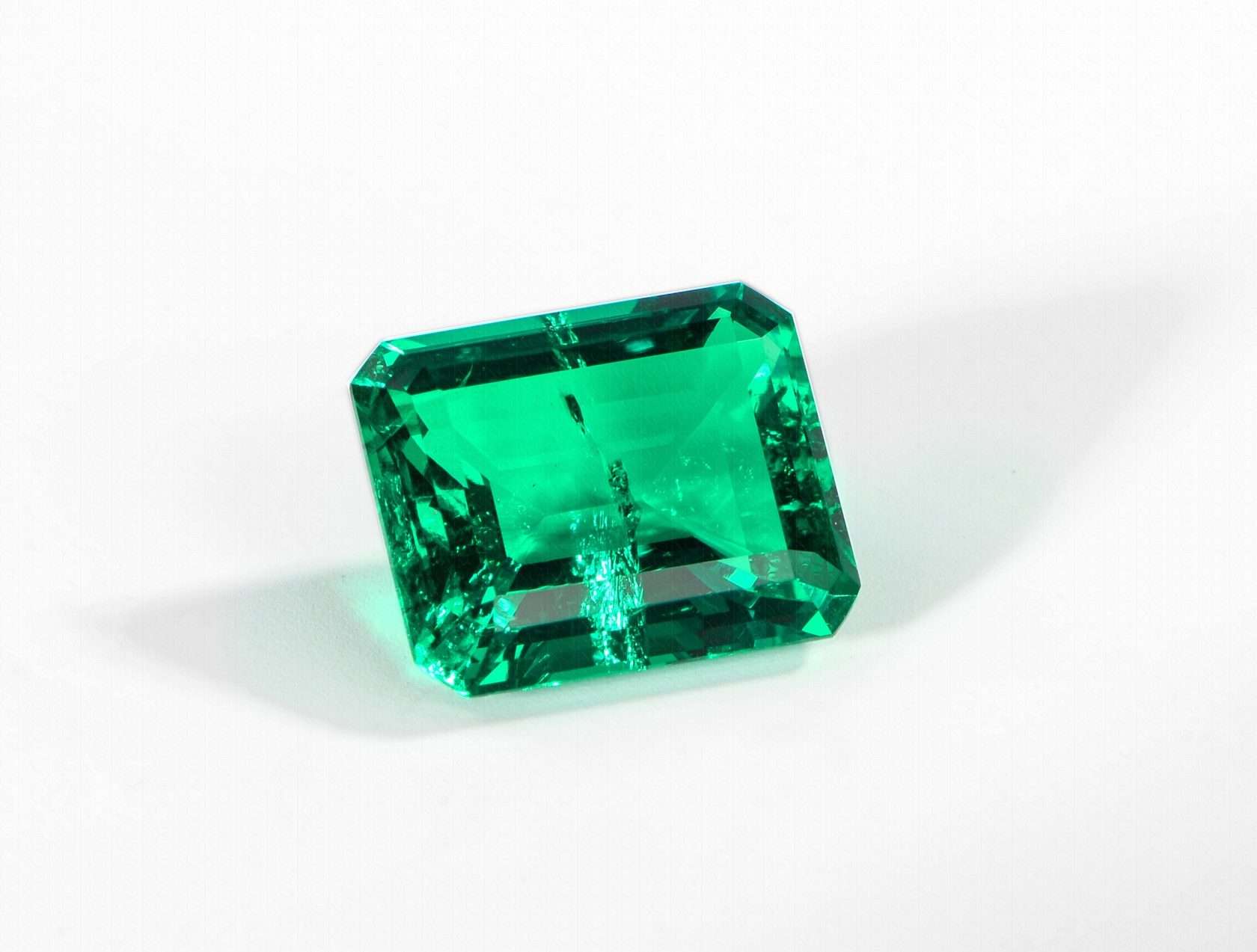
- A real emerald does not have the right parallels and has brittle optical effects. This can be seen by looking at the mineral with a magnifying glass. Artificial stone will be perfectly even and smooth.
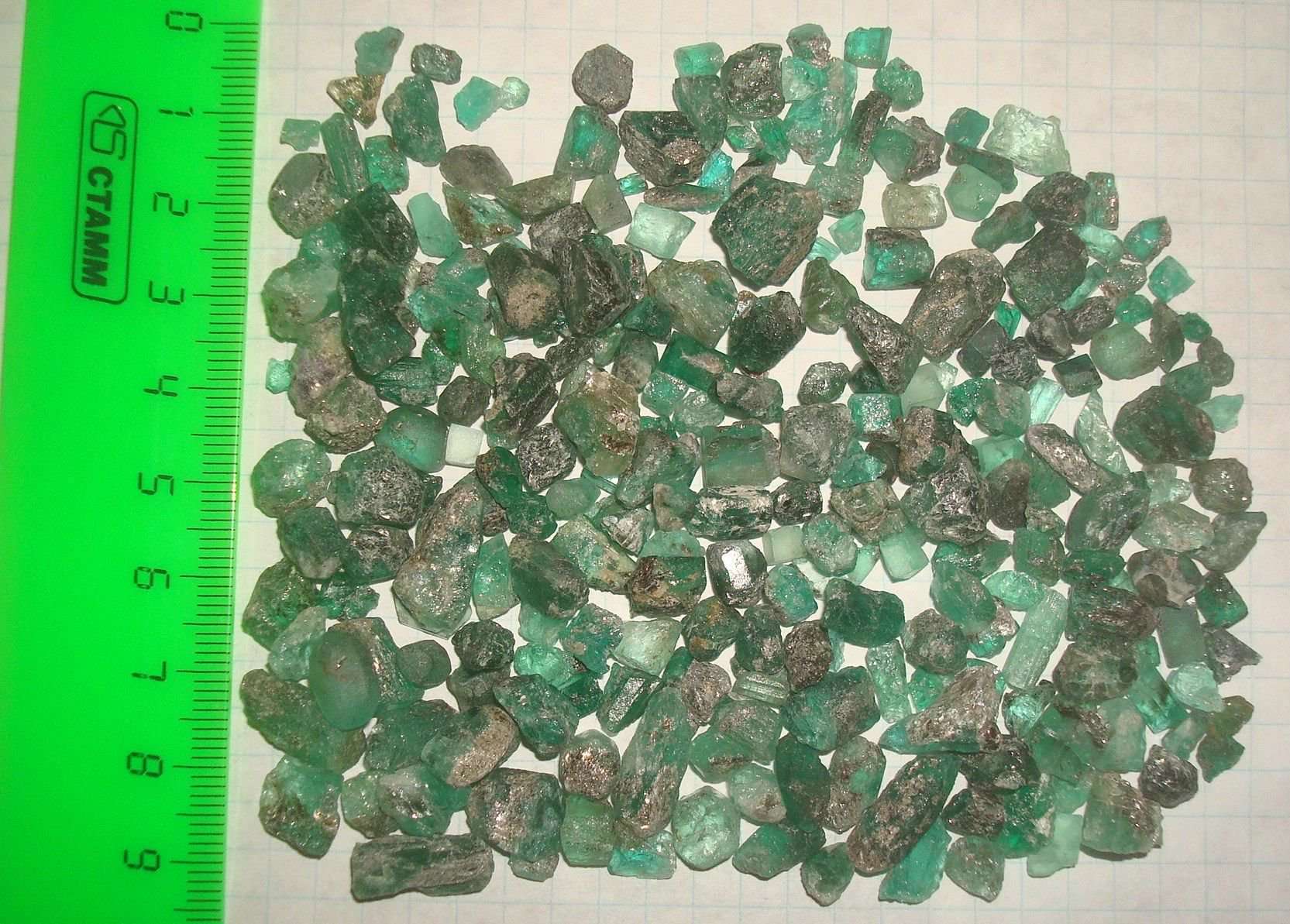
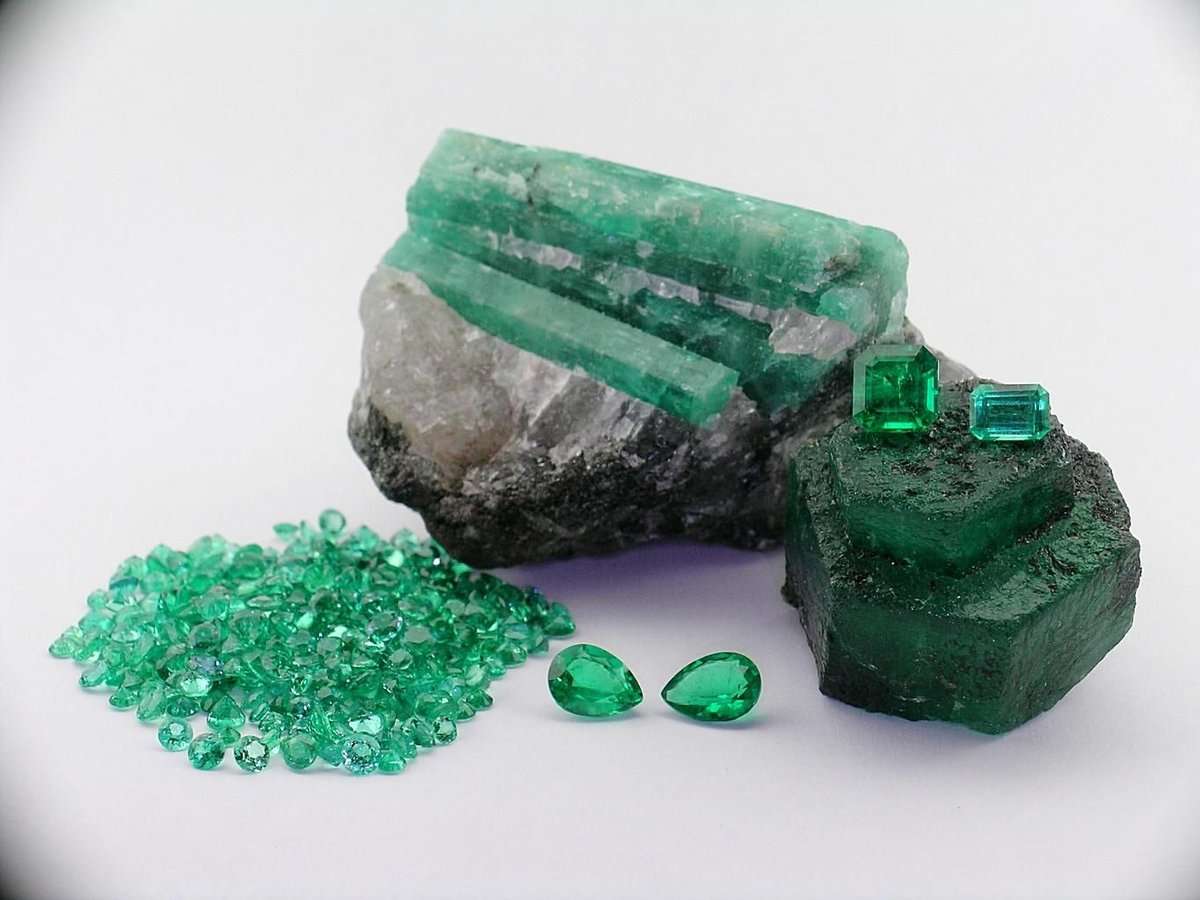
- The most important difference from fakes is the natural green color. A real emerald can shimmer with all shades of green. According to famous jewelers, only beryl will be considered a natural gem, in which chromium particles have fallen, giving it a green color.
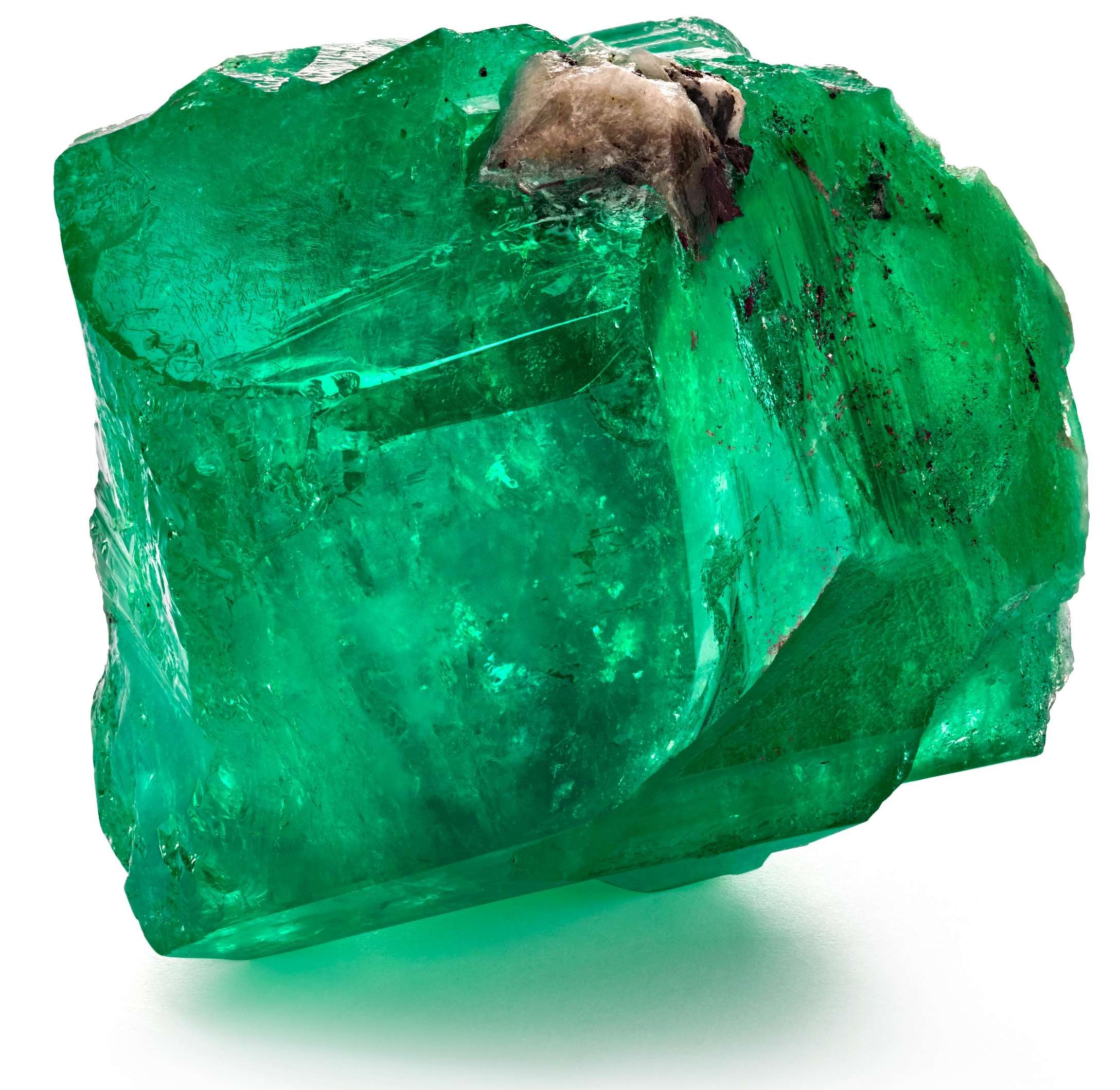
- Minerals from Colombia, which are of high quality, contain, in addition to chromium, also vanadium, which gives the gemstone a light bluish-blue tint. The opaque emerald from South Africa is considered less valuable: it is pale green in appearance and sometimes cloudy.
other methods
It is good if the stone can be viewed from all sides. But what if it is already enclosed in a fence of decoration?
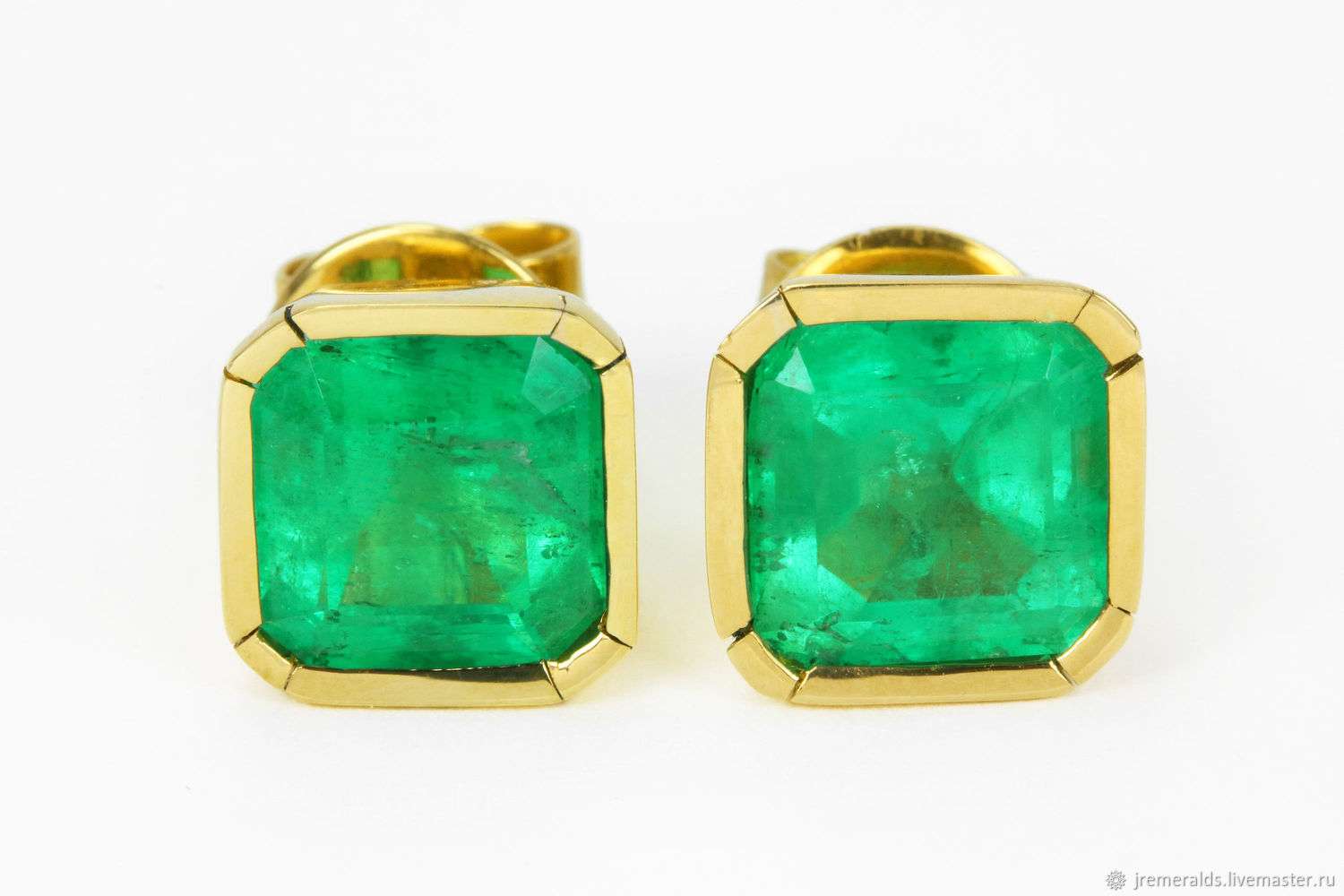
- Put the stone in a place that is well lit (you can point a lamp at it), step back a couple of meters and look at the stone from different angles. A real emerald will not shimmer or play - it will resemble green velvet.
- You can also detect a fake by comparing the provided package of documents and the price of the finished product. If there are doubtful words in the passport (for example, “evening” or “Pakistani” emerald), then with a probability of 90% this is not an original stone.
- Another sign of a fake stone is the presence of a blue or blue tint, but only if the description in the documents does not mention that the gem comes from Colombia.
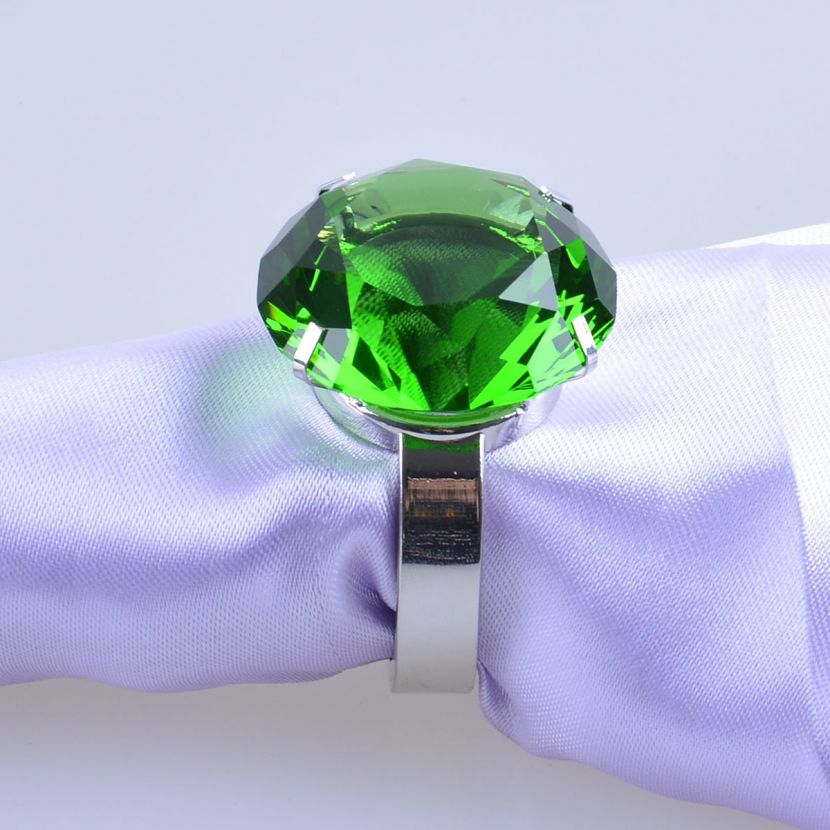
What parameters affect the cost of the original
Factors affecting the pricing of a natural mineral are, first of all, the color, weight and size of the stone.
- The cost is affected by the level of transparency, the quality of the cut and the degree of refinement of the gem.
- An important point is the mineral deposit.
- The best natural stones are mined in Colombia. Behind them on the scale of value are gems from Russia and Africa, followed by Brazil and Asia.
- In the international market, prices are quoted exclusively in dollars.
- One carat is equal to approximately 0.2 grams.
- Large crystals are sold more expensive.
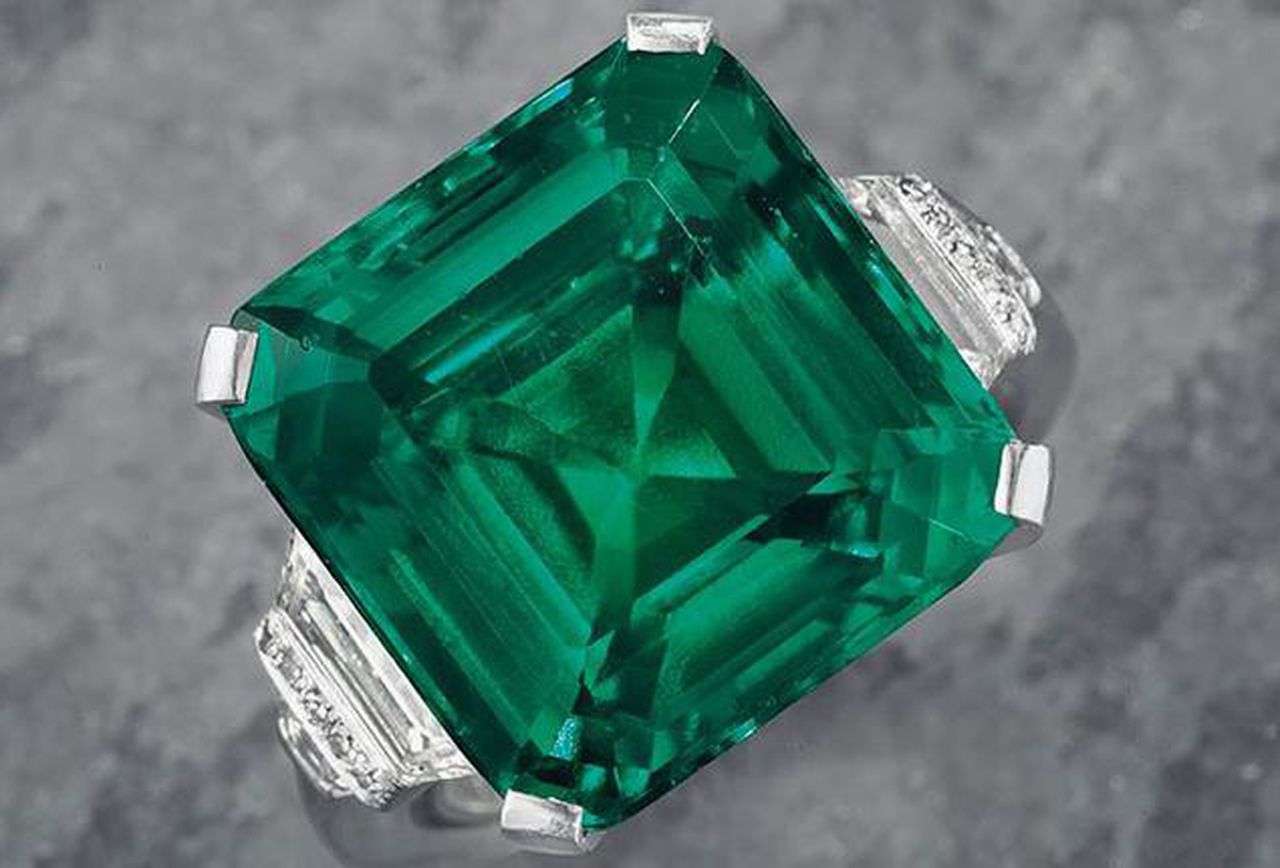
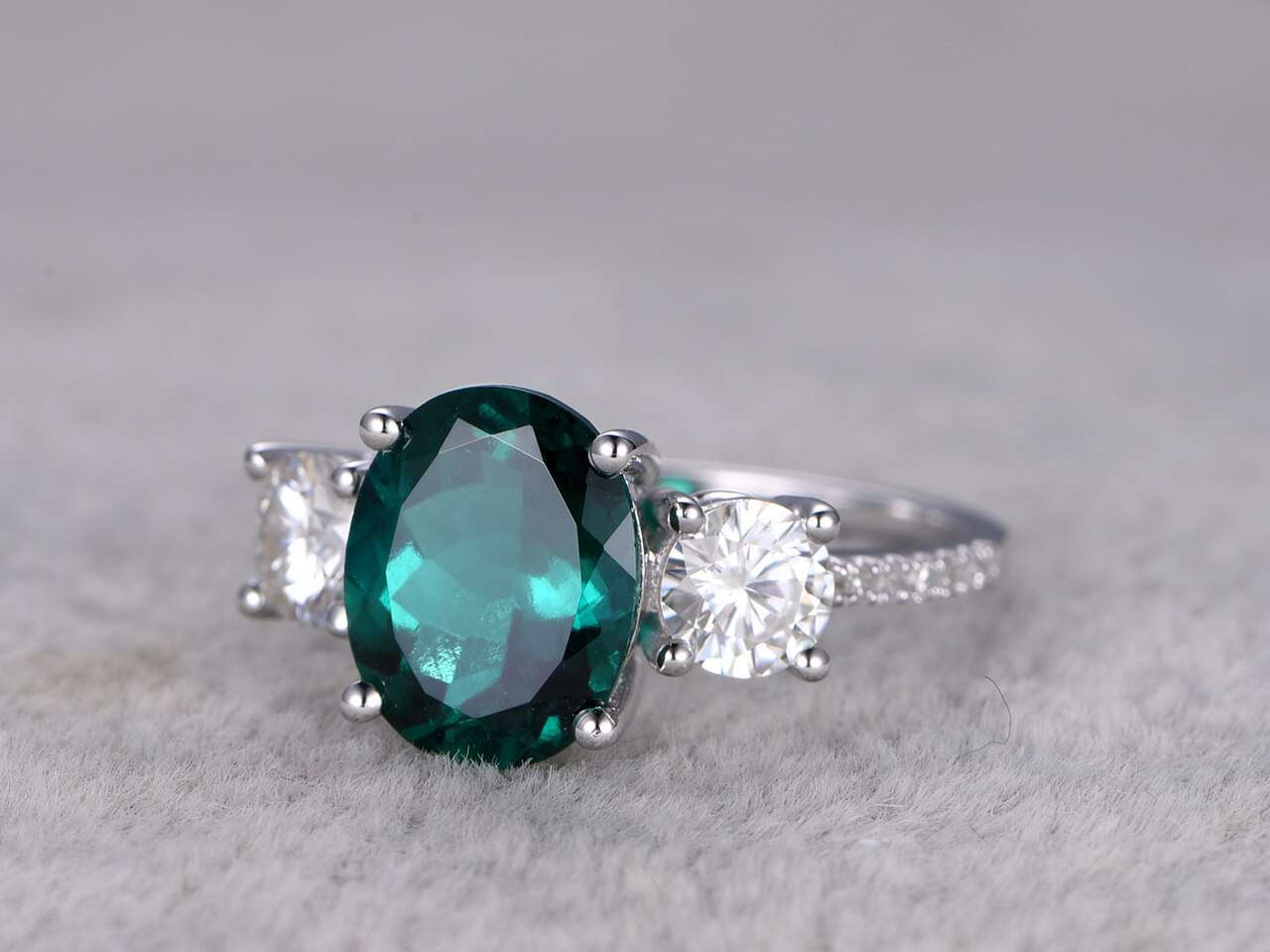
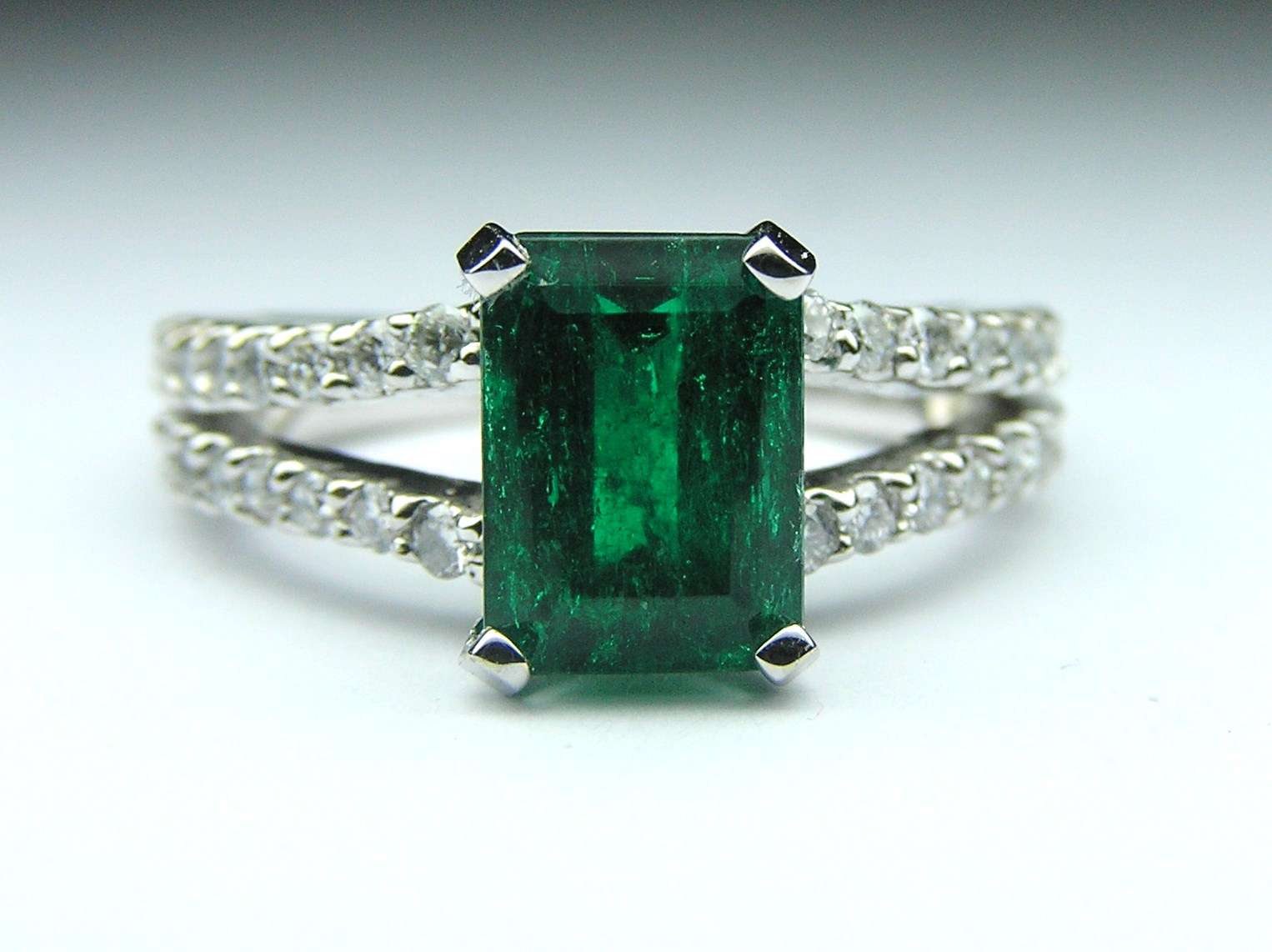
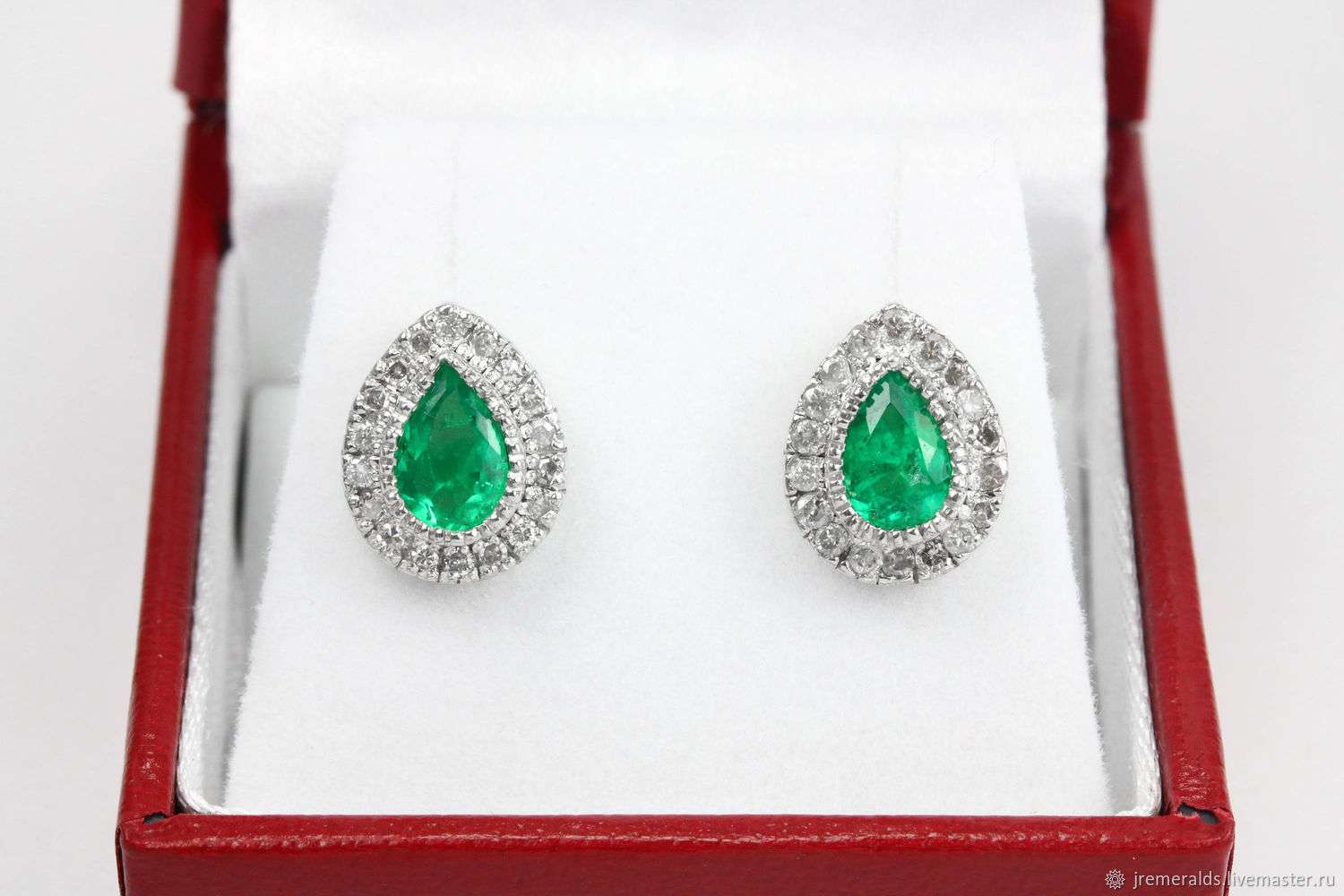
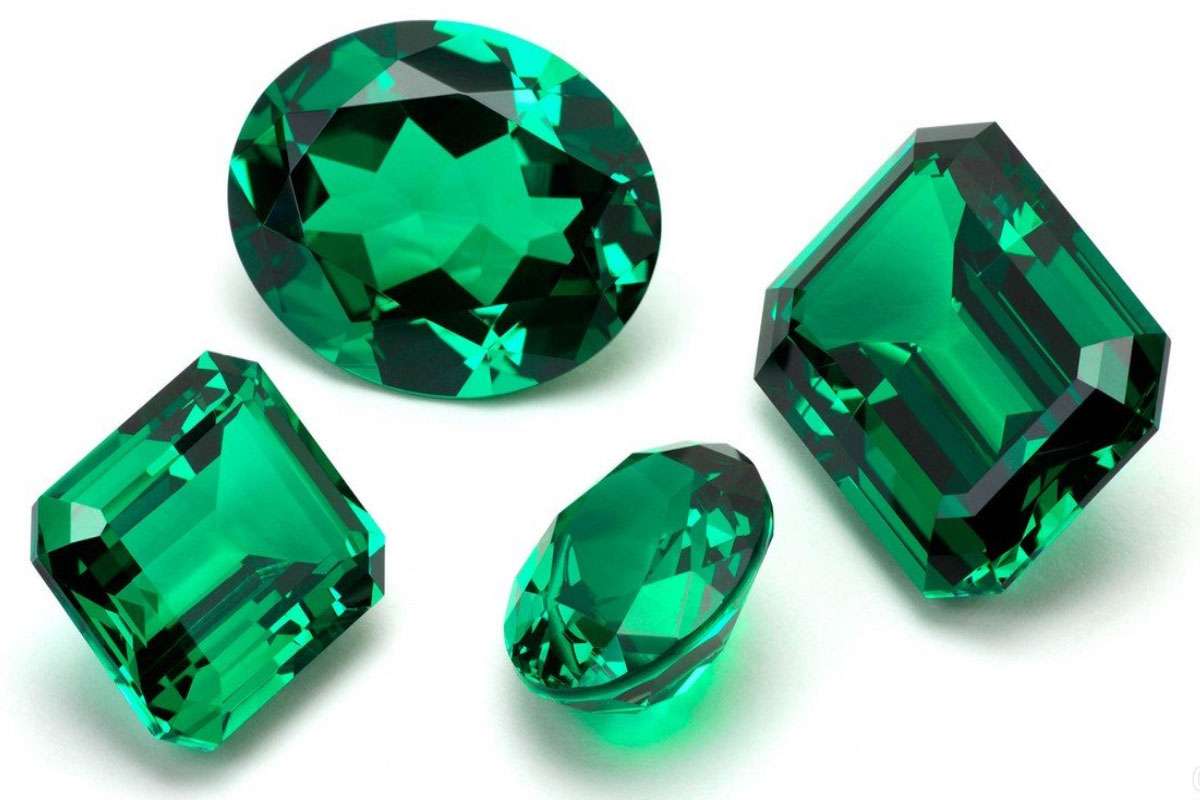
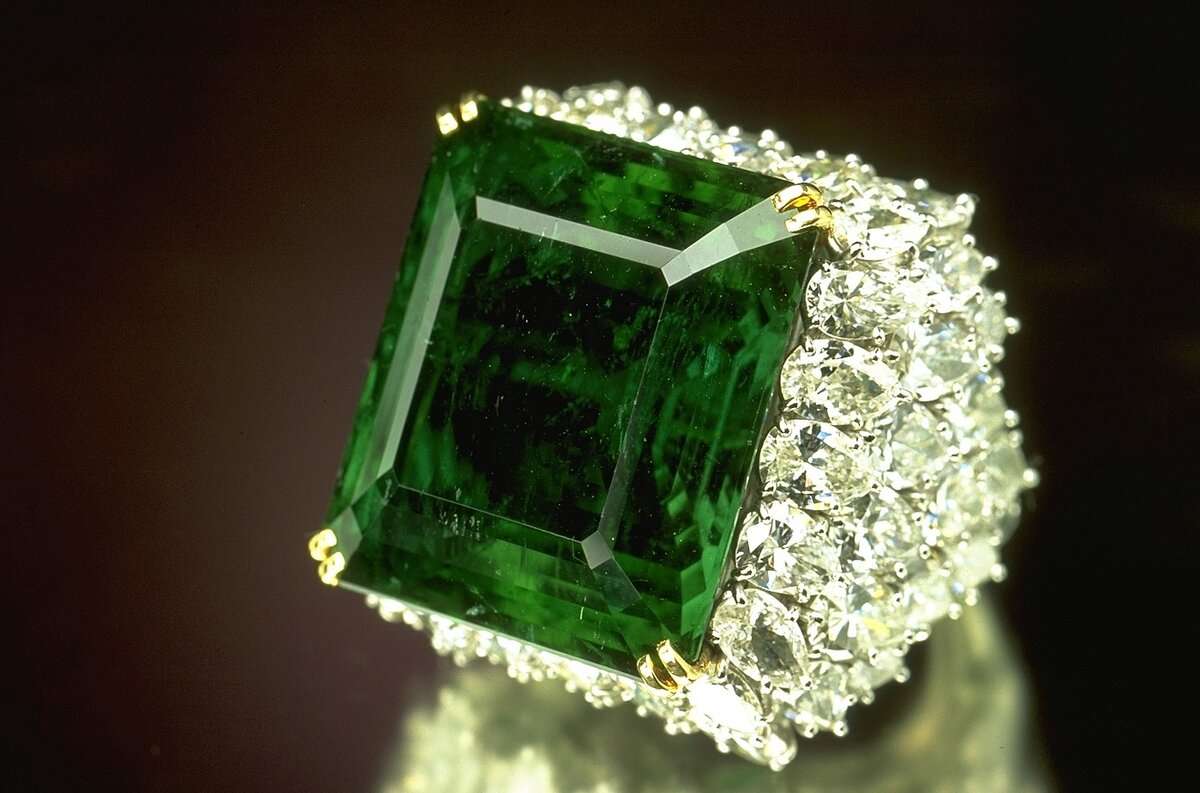
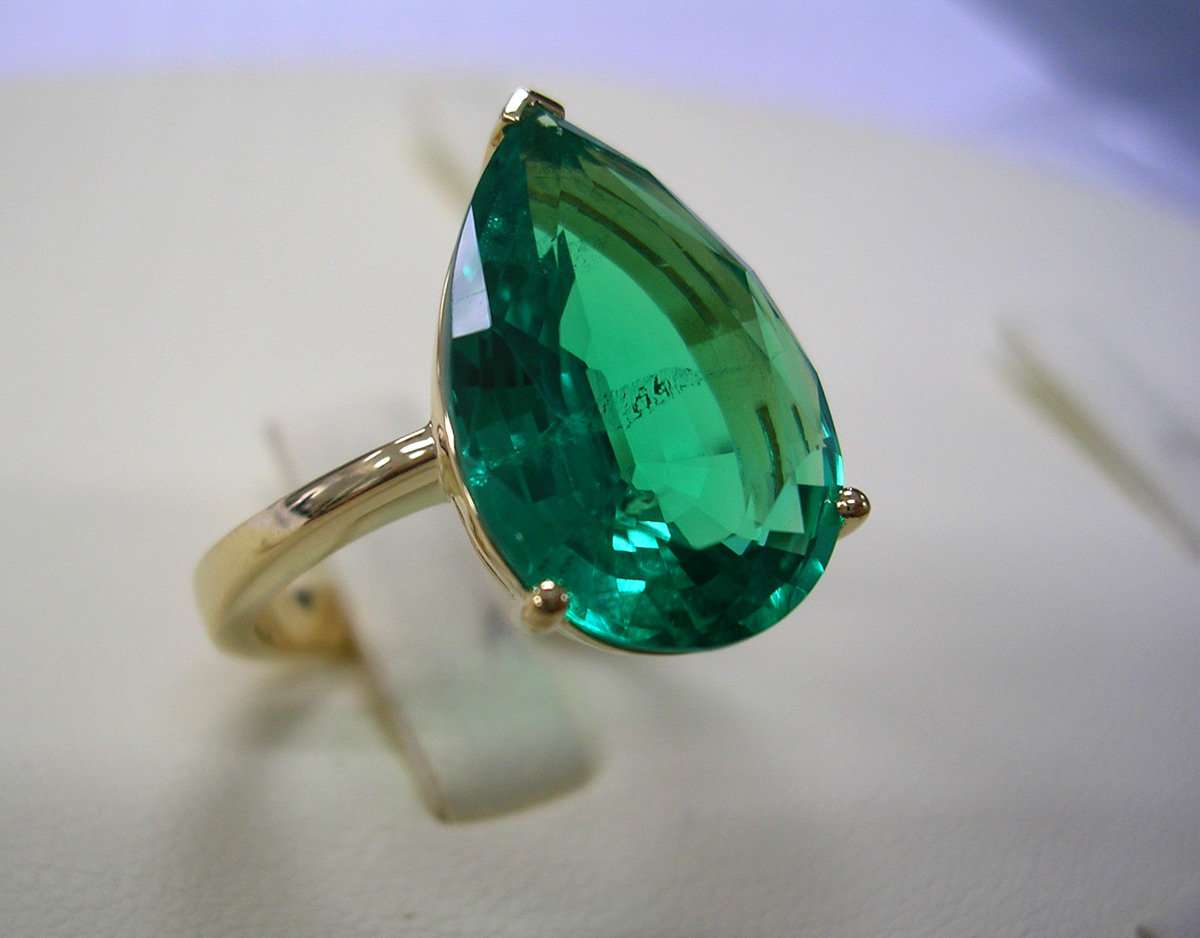
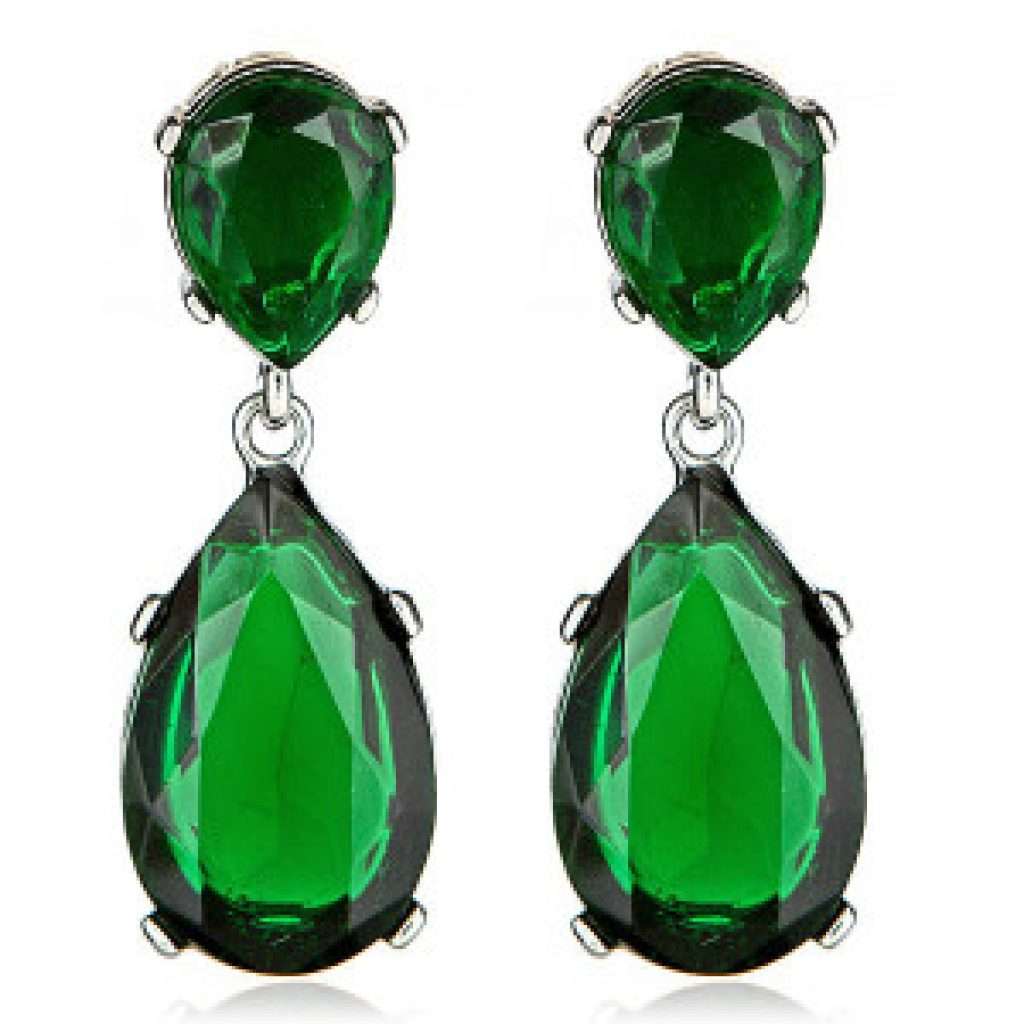
Photo of a stone