Useful and effective tips on how to distinguish amber from a fake - a description of the main methods, photos, practice
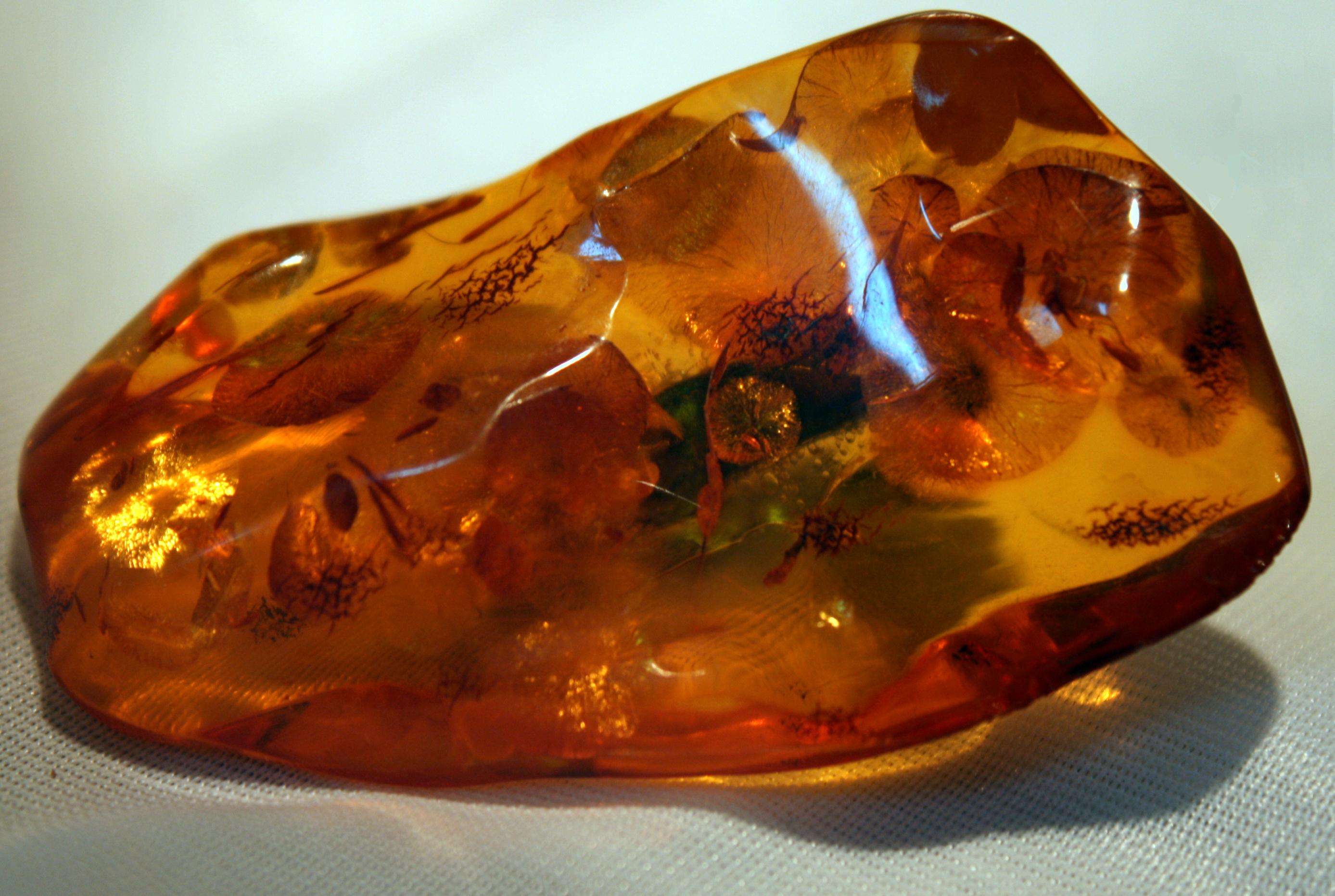
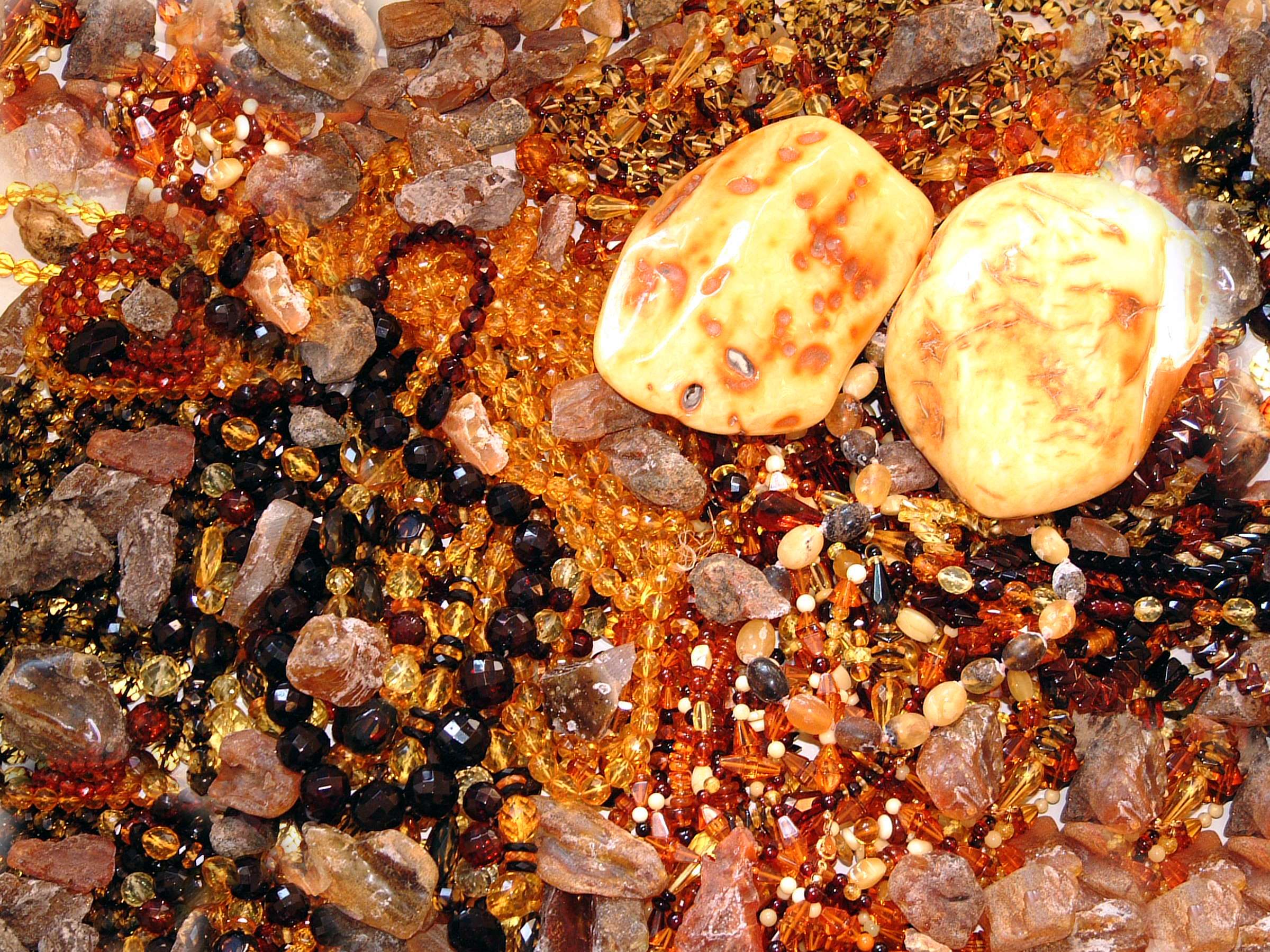
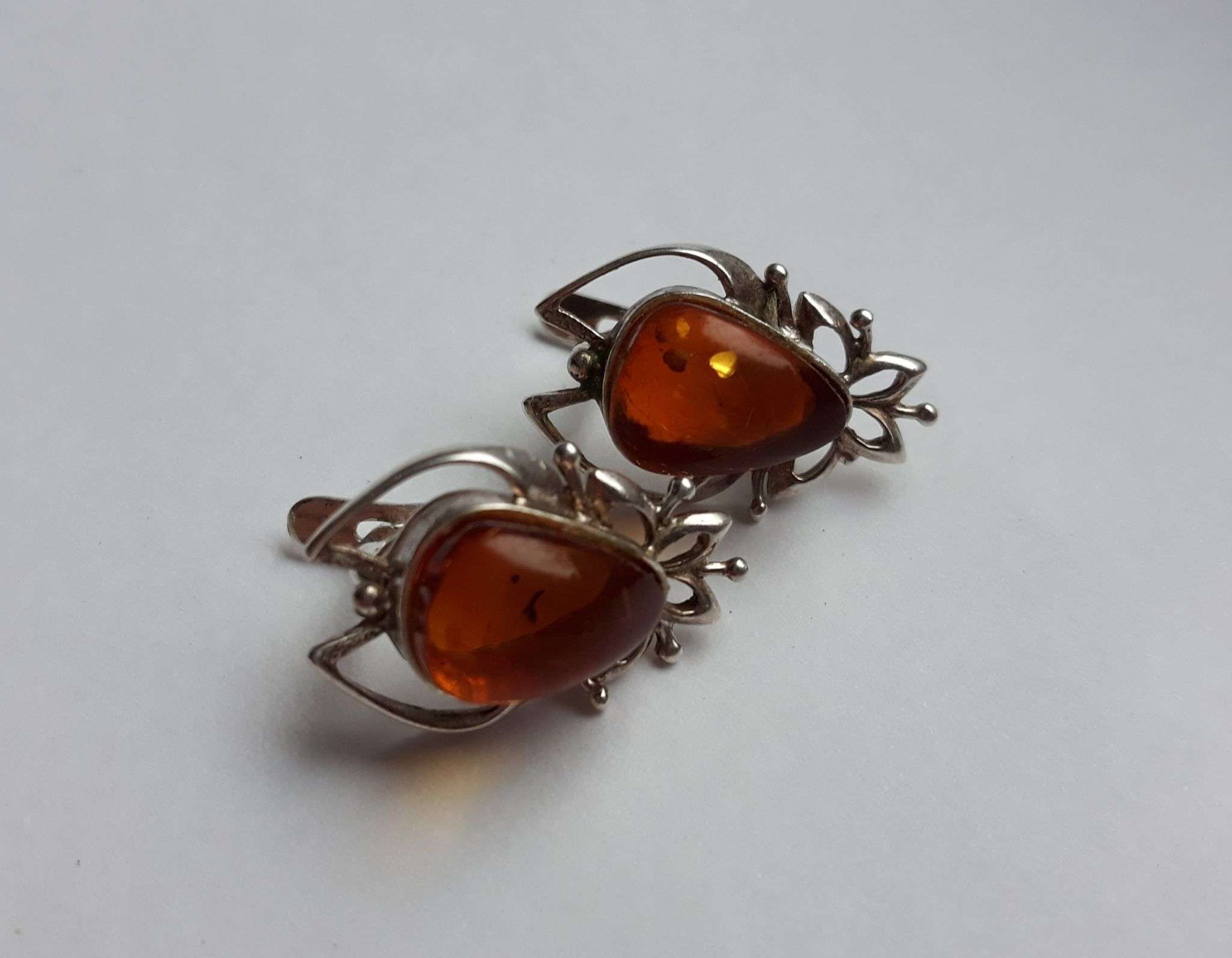
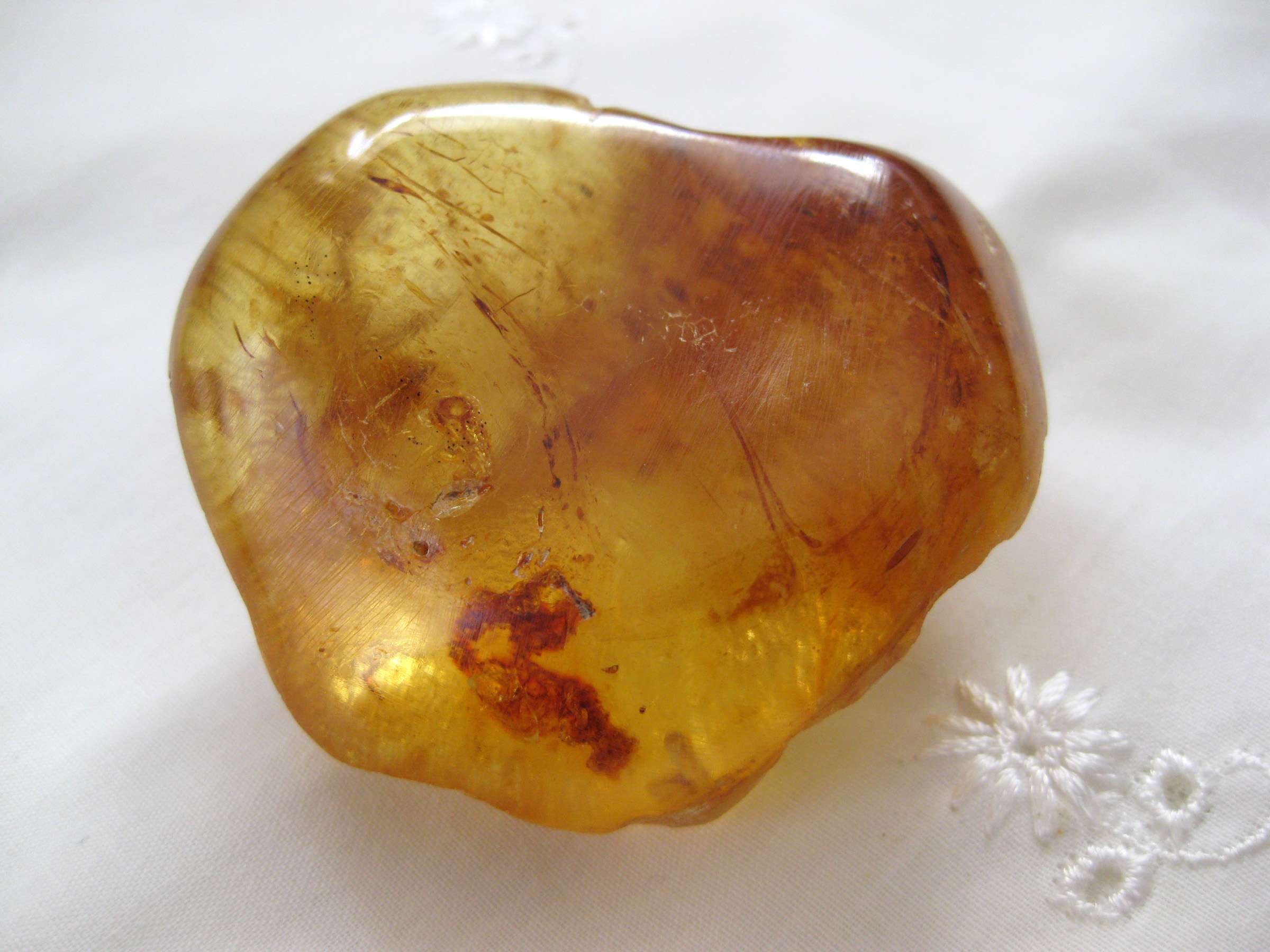
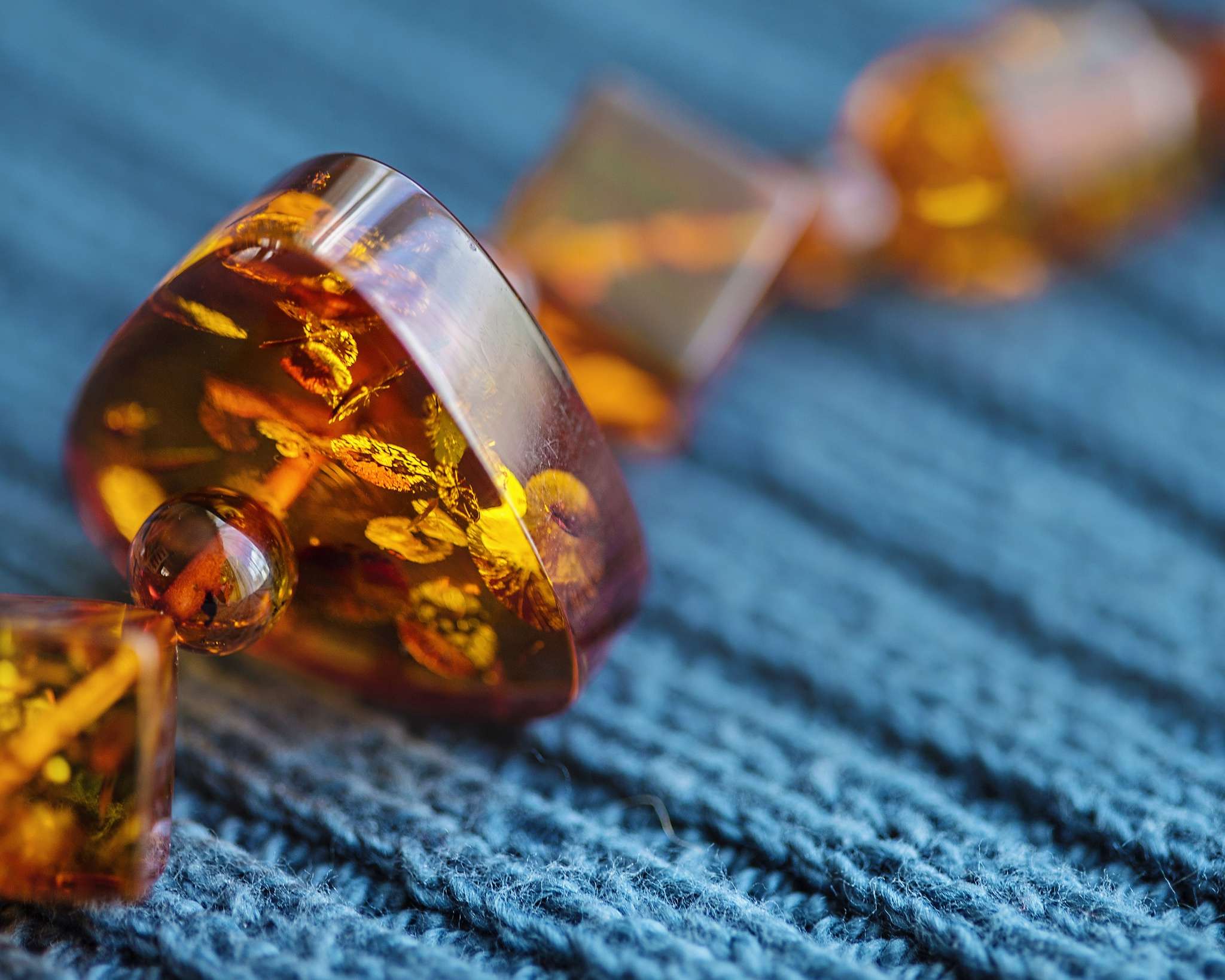
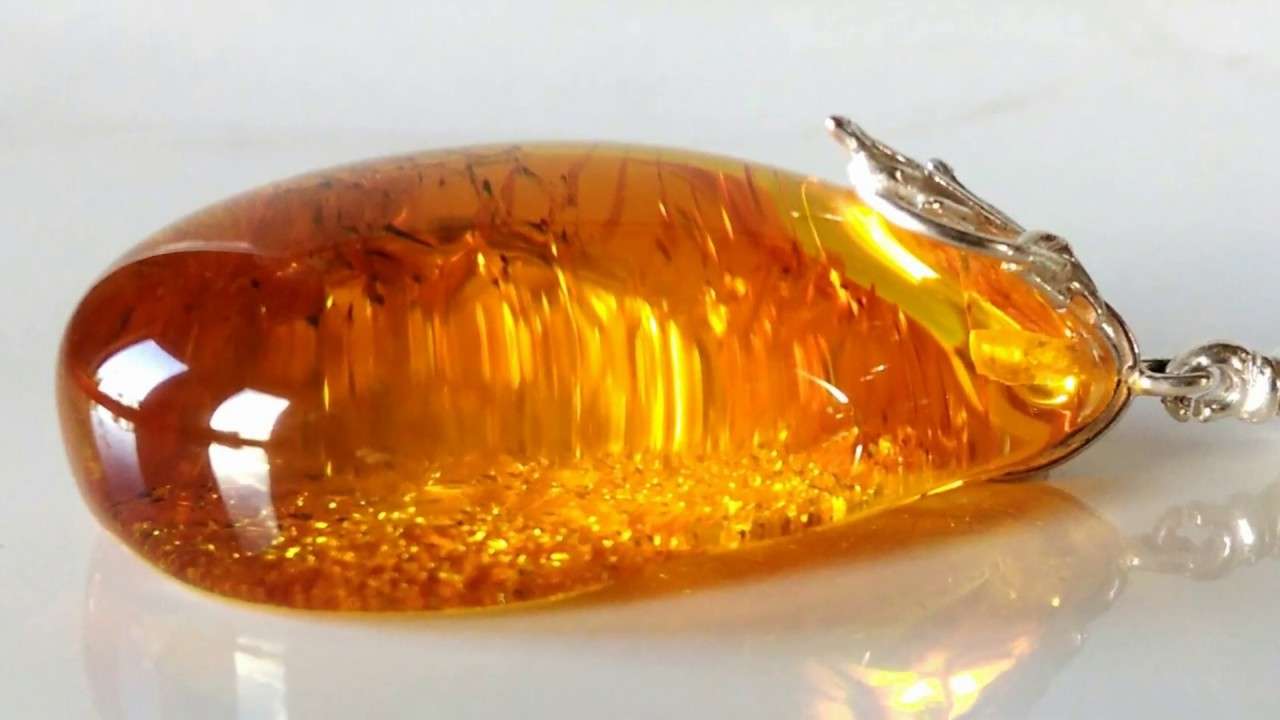
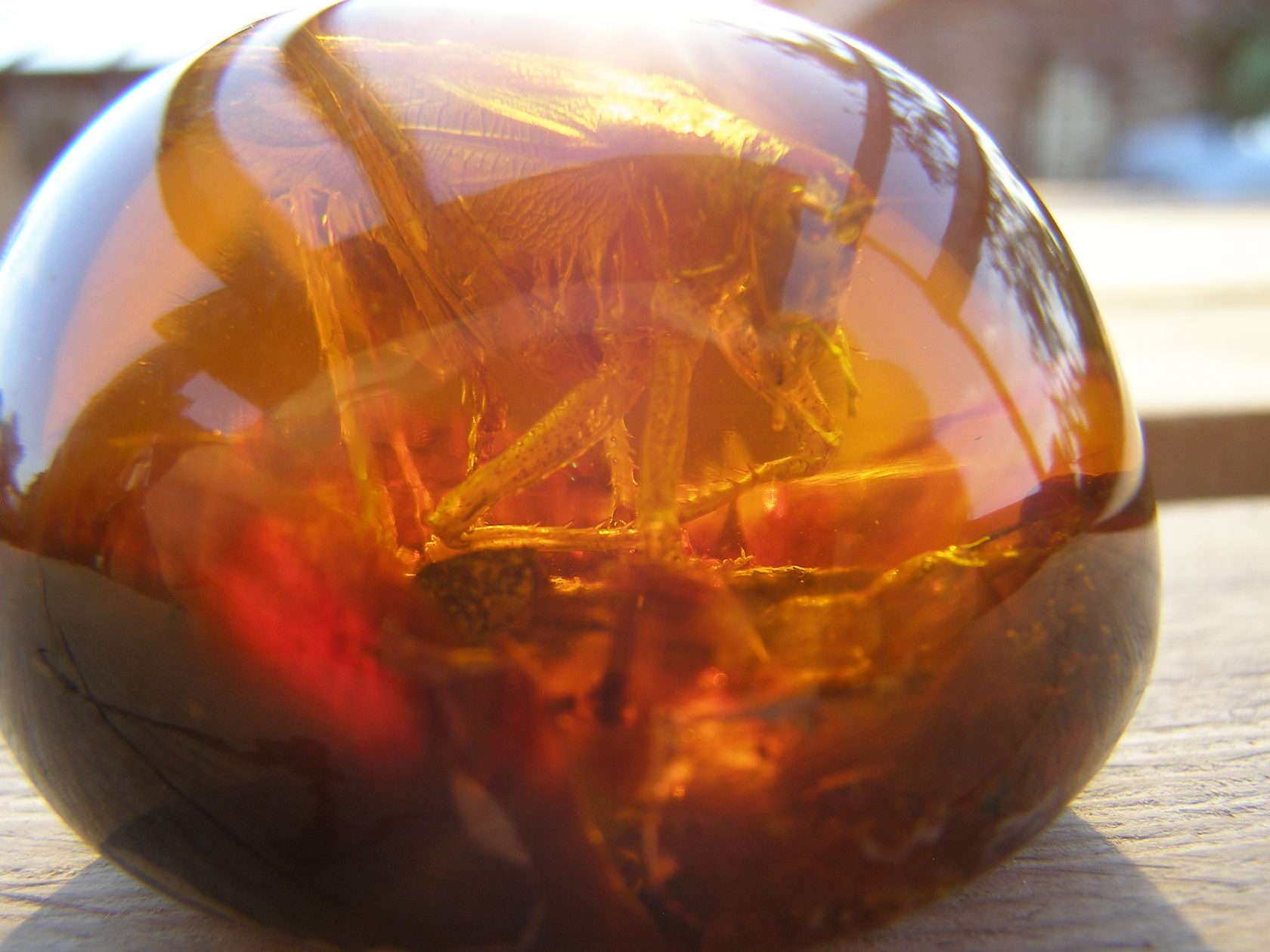
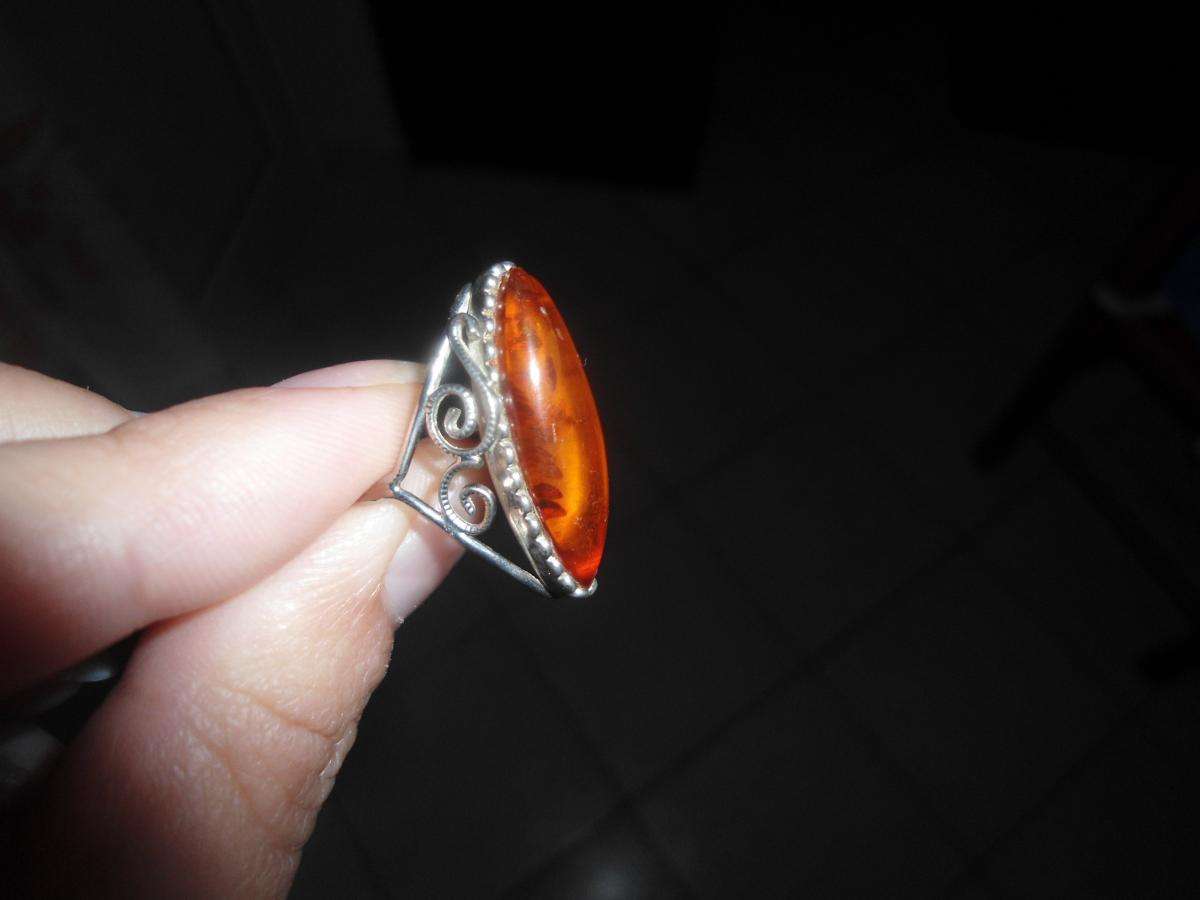
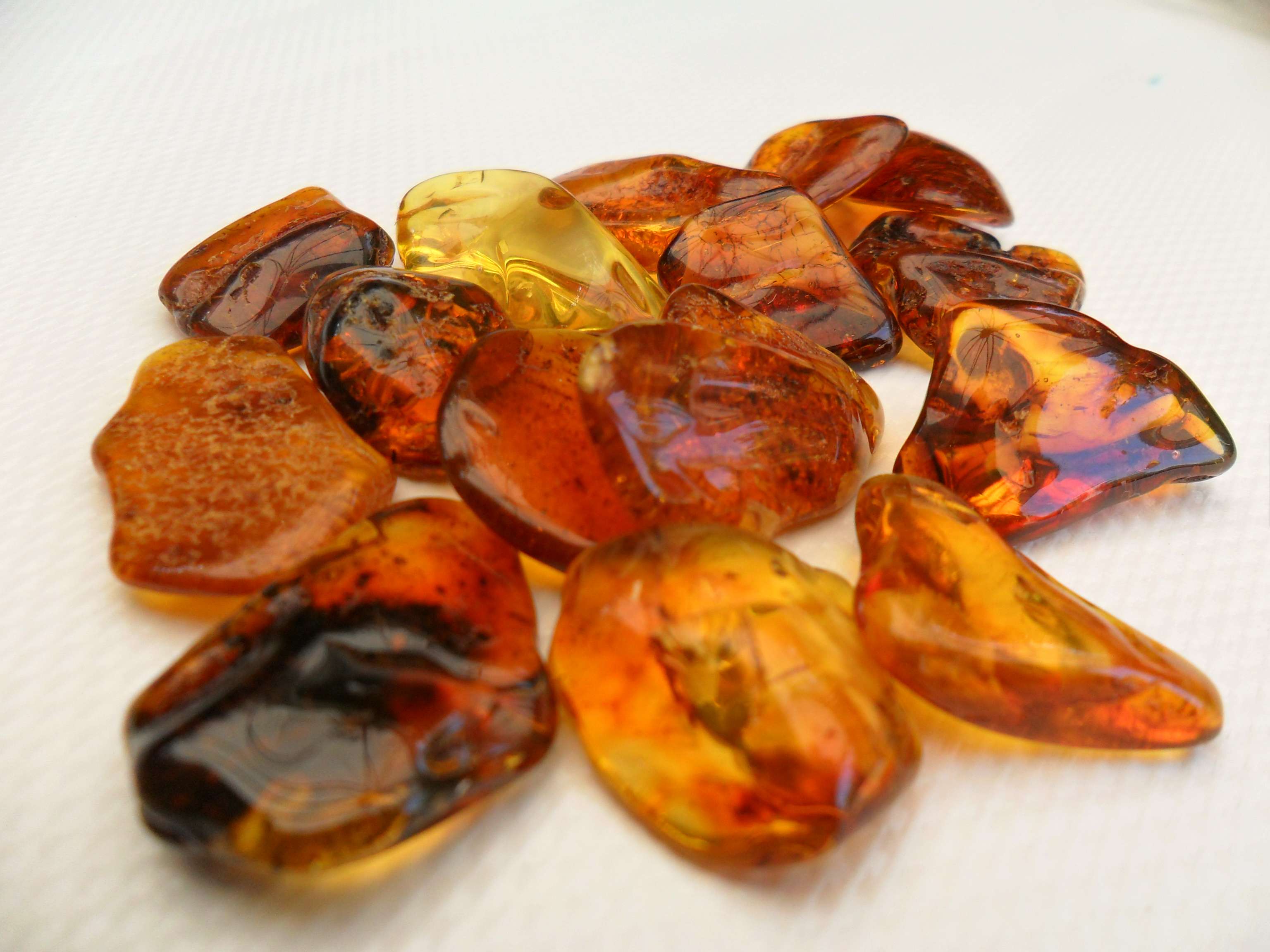
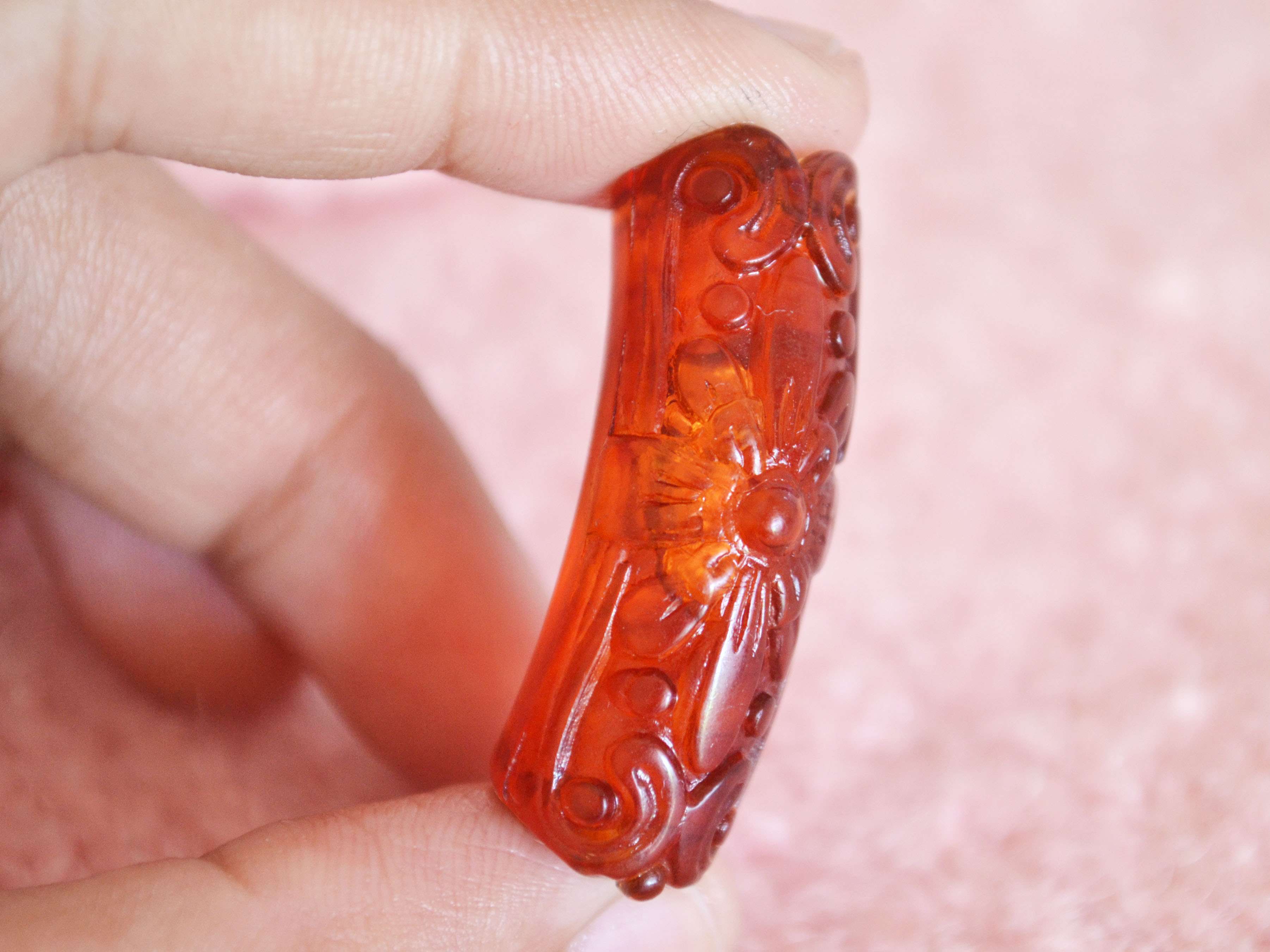
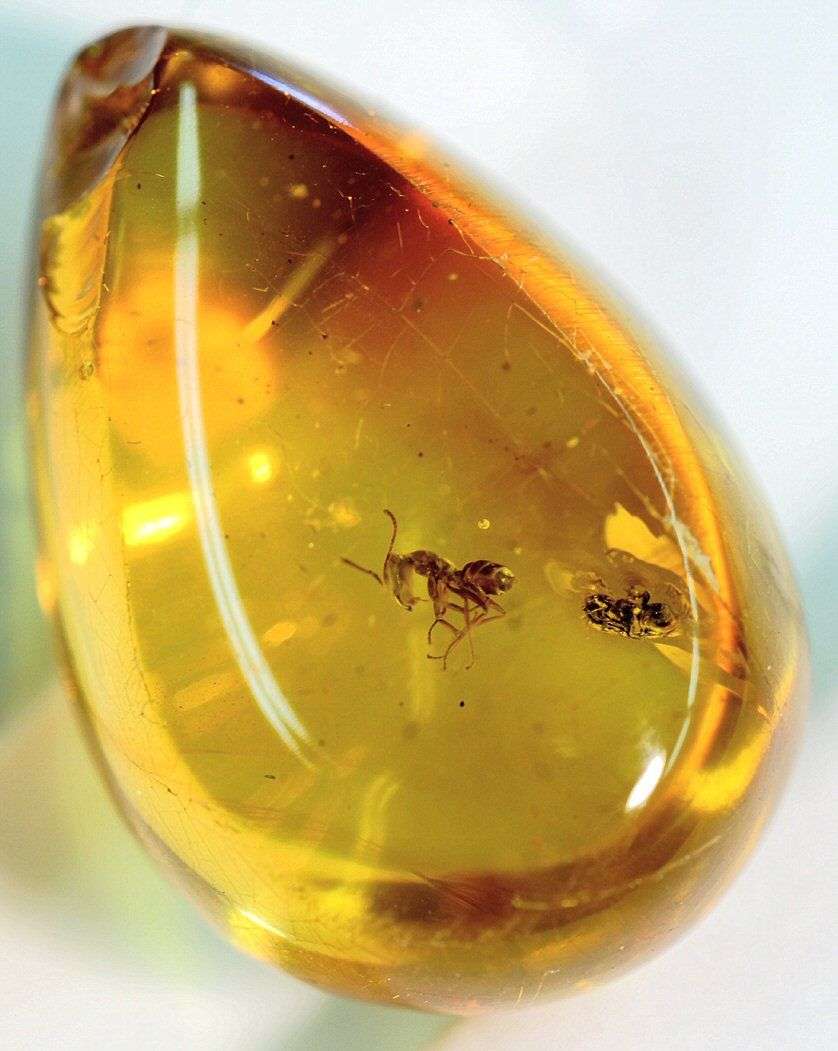
Amber is the fossilized resin of coniferous trees, which hardened millions of years ago. Amber specimens sometimes contain intact ancient insects. Amber stones are used to create jewelry and souvenirs. Natural samples have a high cost, so imitation amber is more common in wide sale. The artificial material is almost indistinguishable from the real one, its beauty, warm saffron hue and transparency easily mislead buyers. Before buying a product made of natural amber, you should study the properties and features of the stone so as not to overpay money for a fake.
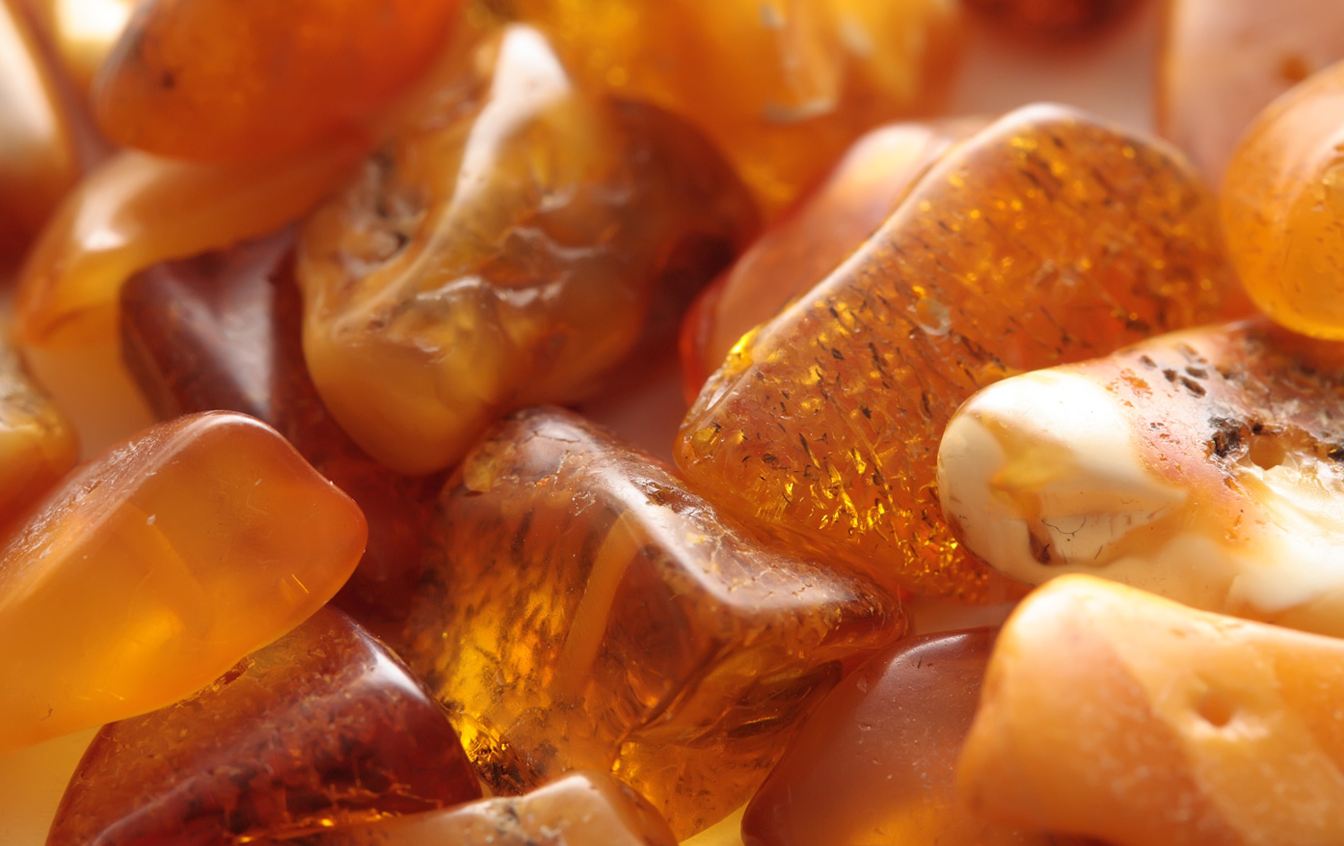
Materials for imitation of amber samples
Amber deposits are in sufficient quantity on the planet. Natural samples have a high cost. Unscrupulous craftsmen, in pursuit of profit, have learned to imitate amber from suitable materials.
Resin
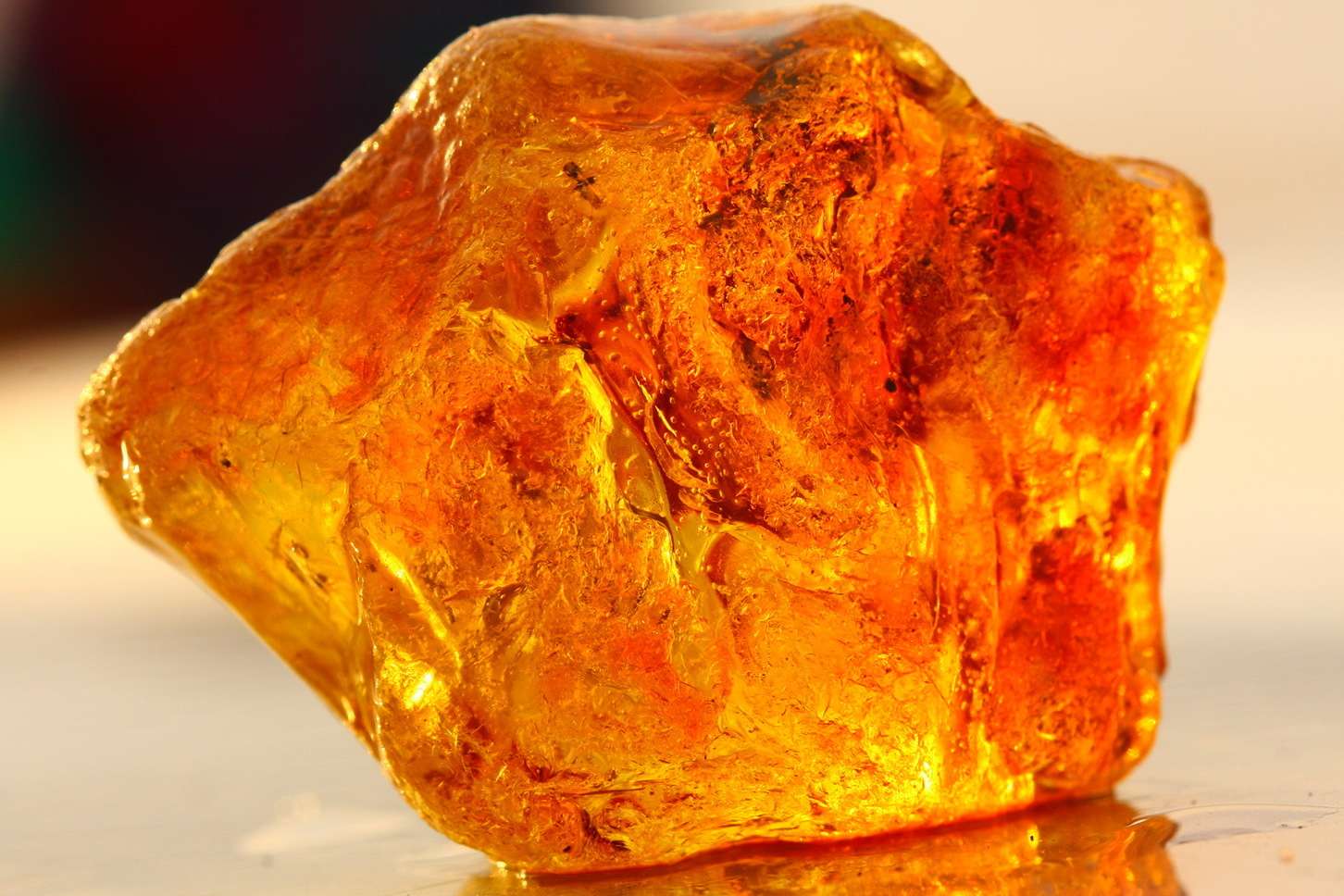
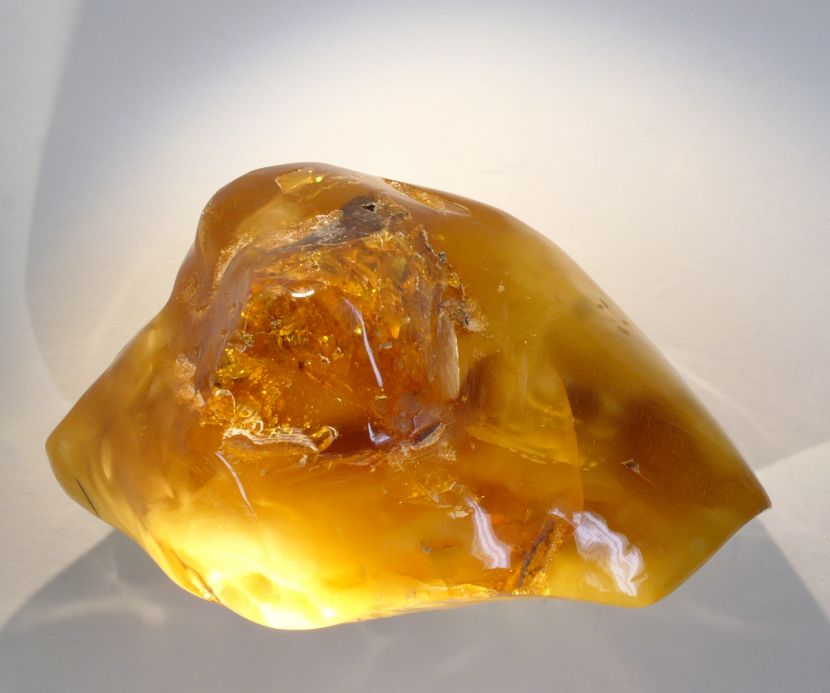
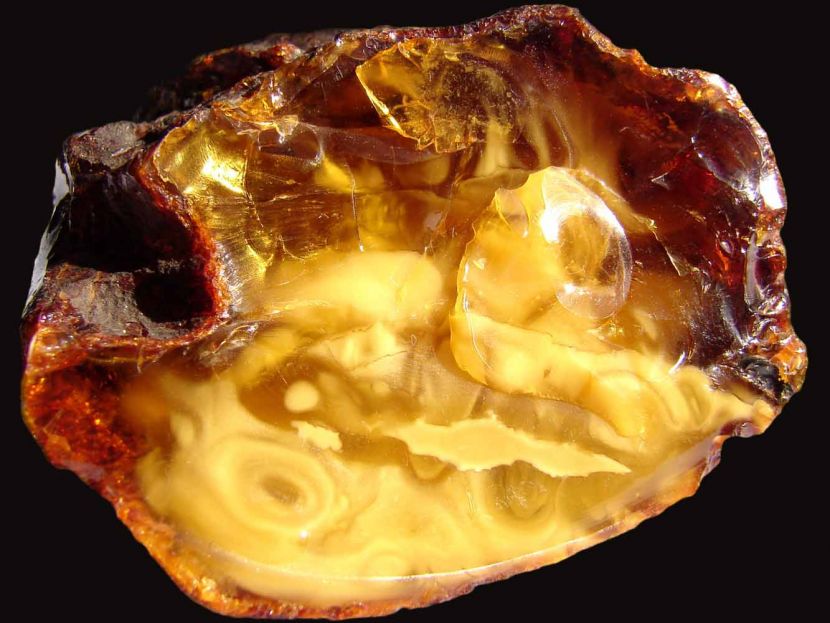
Amber is the resin of coniferous trees. This fact is confirmed by many examinations and analyses. As an imitation material, fresh resin of other tree species is used. This can be detected by the barely perceptible aroma of pine needles. The smell becomes stronger under the influence of fire or intense friction.A resin fake can be detected by examining a sample in the sun - a homogeneous structure is clearly visible. Natural amber has been growing for many centuries, its structure is layered with inclusions.
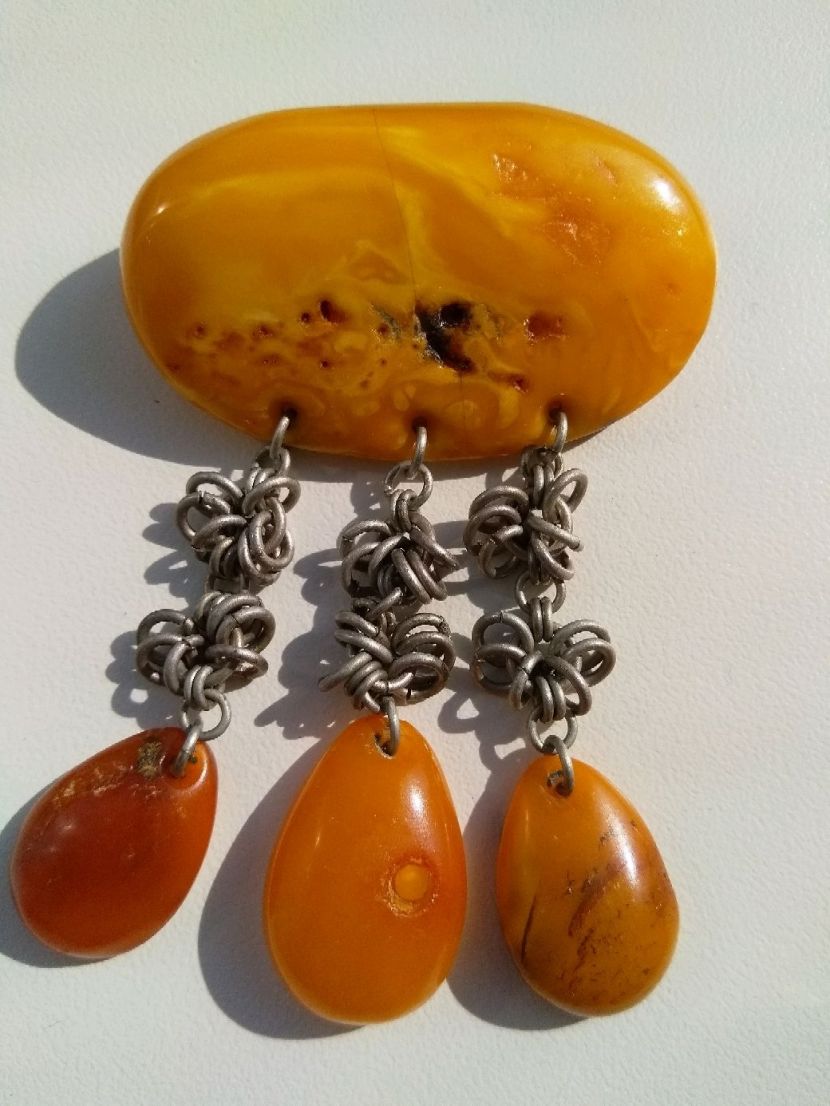
Kopal
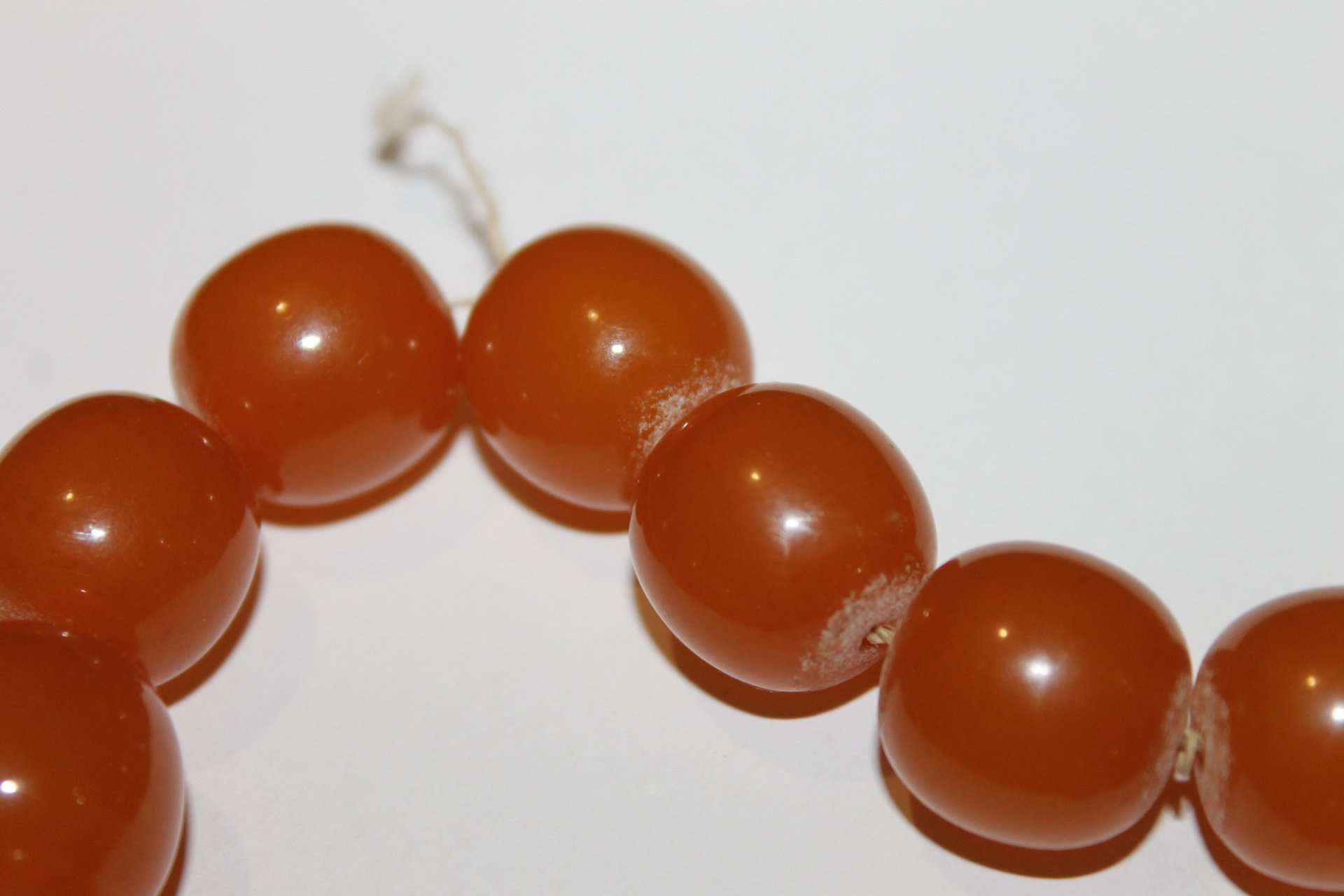
Copal is the name given to the resin of coniferous trees, which was formed less than a hundred thousand years ago. Amber is a more ancient material, for which it is valued. Qualitatively processed copal does not differ at all from the original, even experienced jewelers can view the imitation. Products from copal have a lower cost, but they are sold as natural amber. You can identify a fake by melting, but the product will collapse in this case.

kauri
Kauri is a tree species native to New Zealand. Its resin is remarkably similar in appearance to true amber, but has low hardness values. Kauri jewelry is almost never made, it is used mainly for the manufacture of furniture fittings.
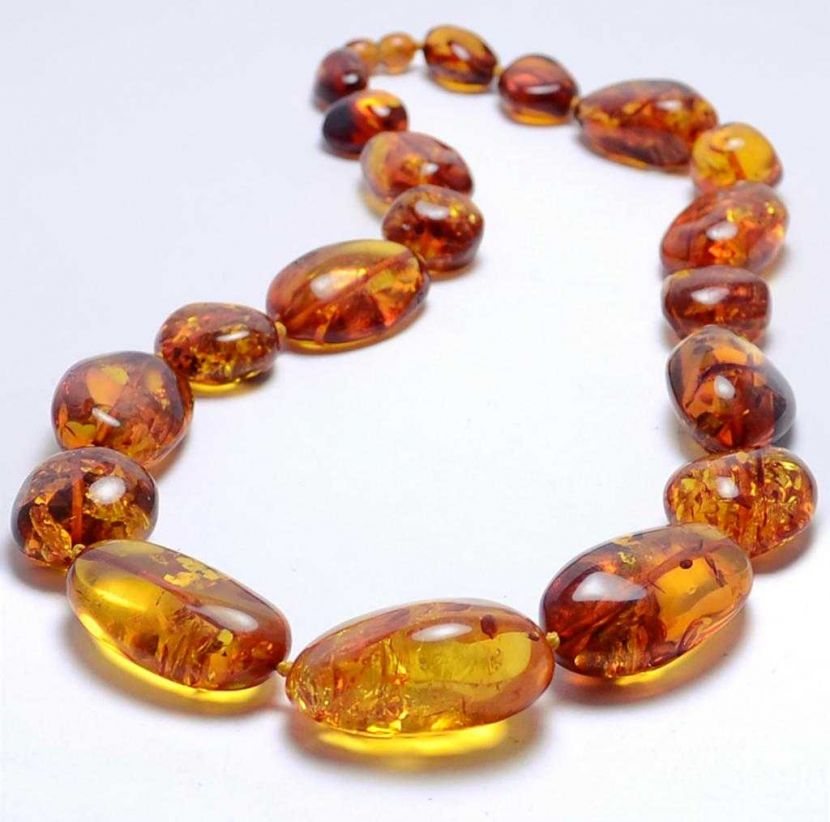
Plastic
Plastic is a strong, elastic material that becomes soft and ductile when heated. With the help of coloring additives, plastic can be given any shade. Samples similar to amber are made from this material. Products are quite attractive, evenly colored and with a homogeneous structure. It is easy to identify plastic amber, it is very practically weightless.
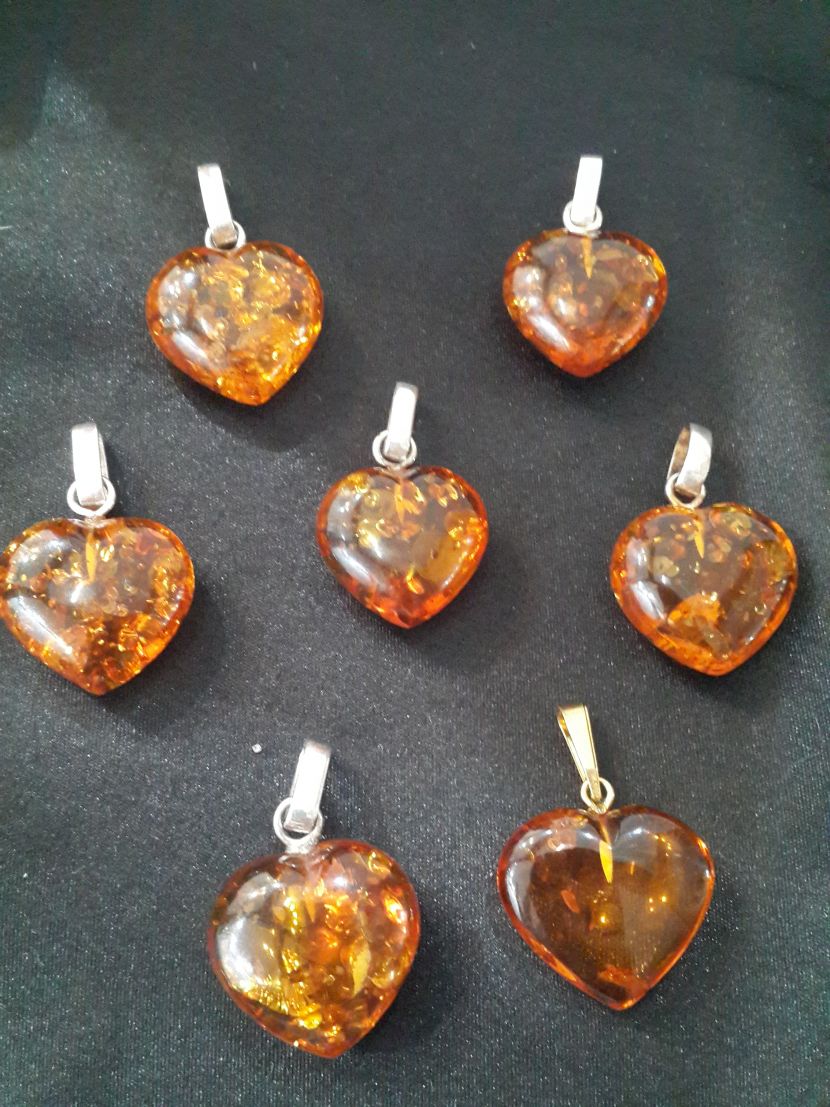
Glass
Glass is more often than other materials used to fake amber. Glass is not as light as plastic. The weight of the glass sample is close to amber. But you can distinguish a fake by hardness. Real amber is easily scratched, while a glass sample is resistant to damage.
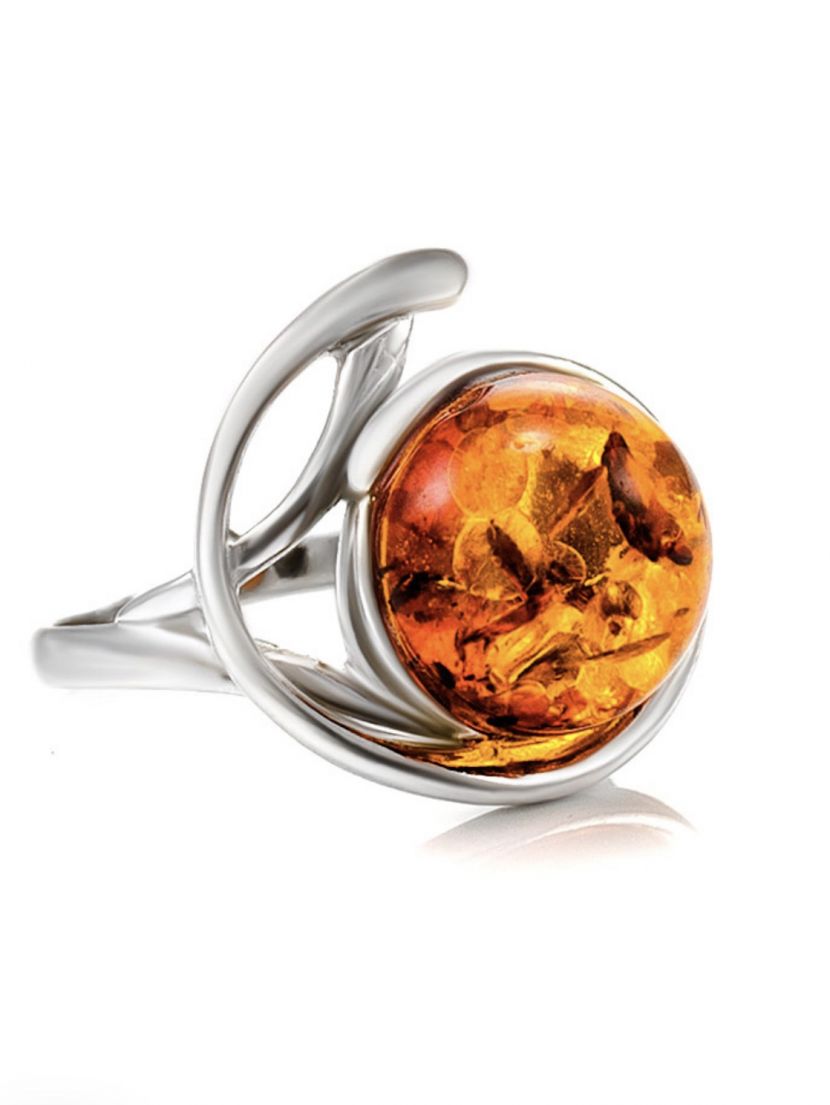
Pressed amber
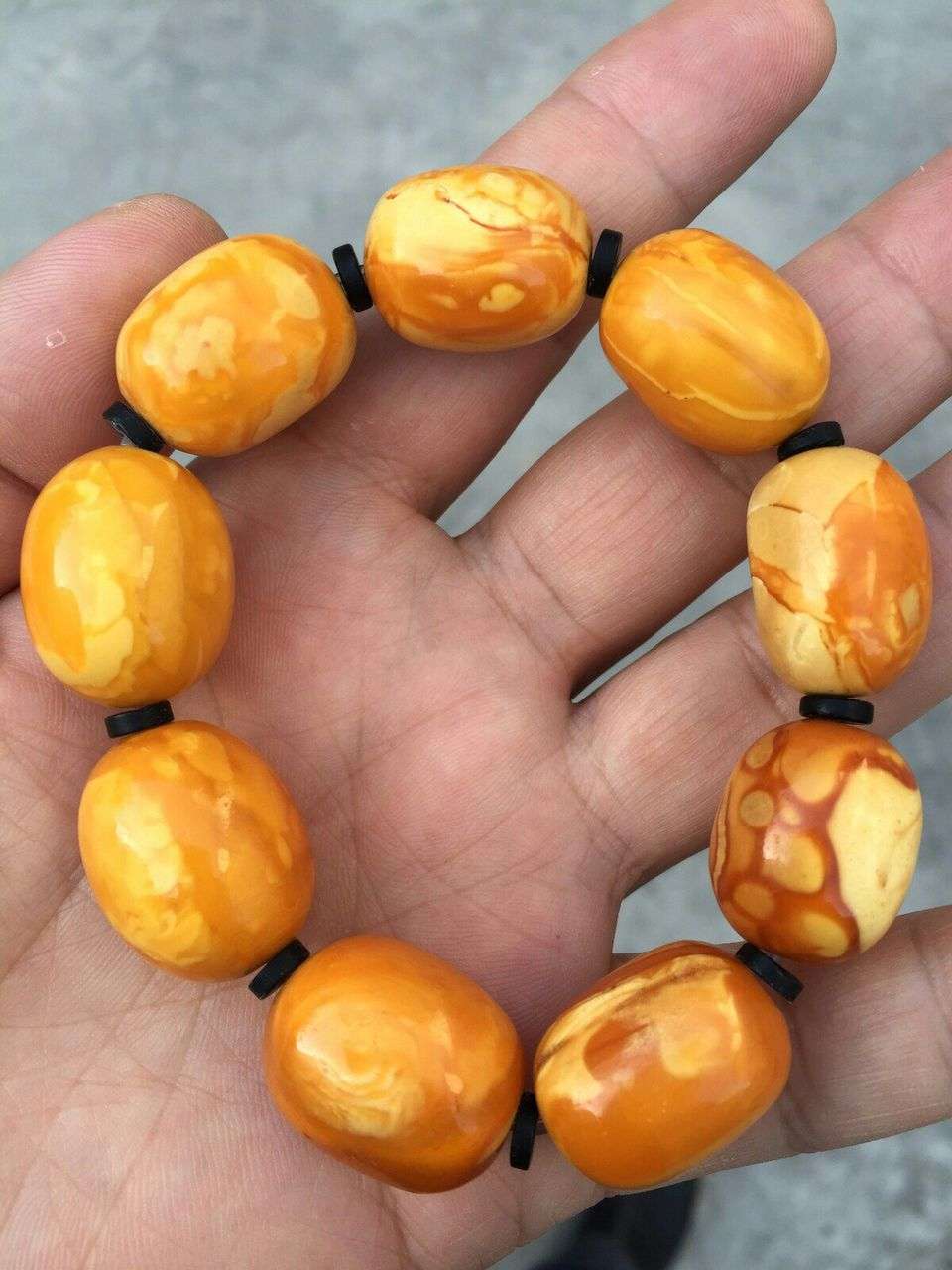
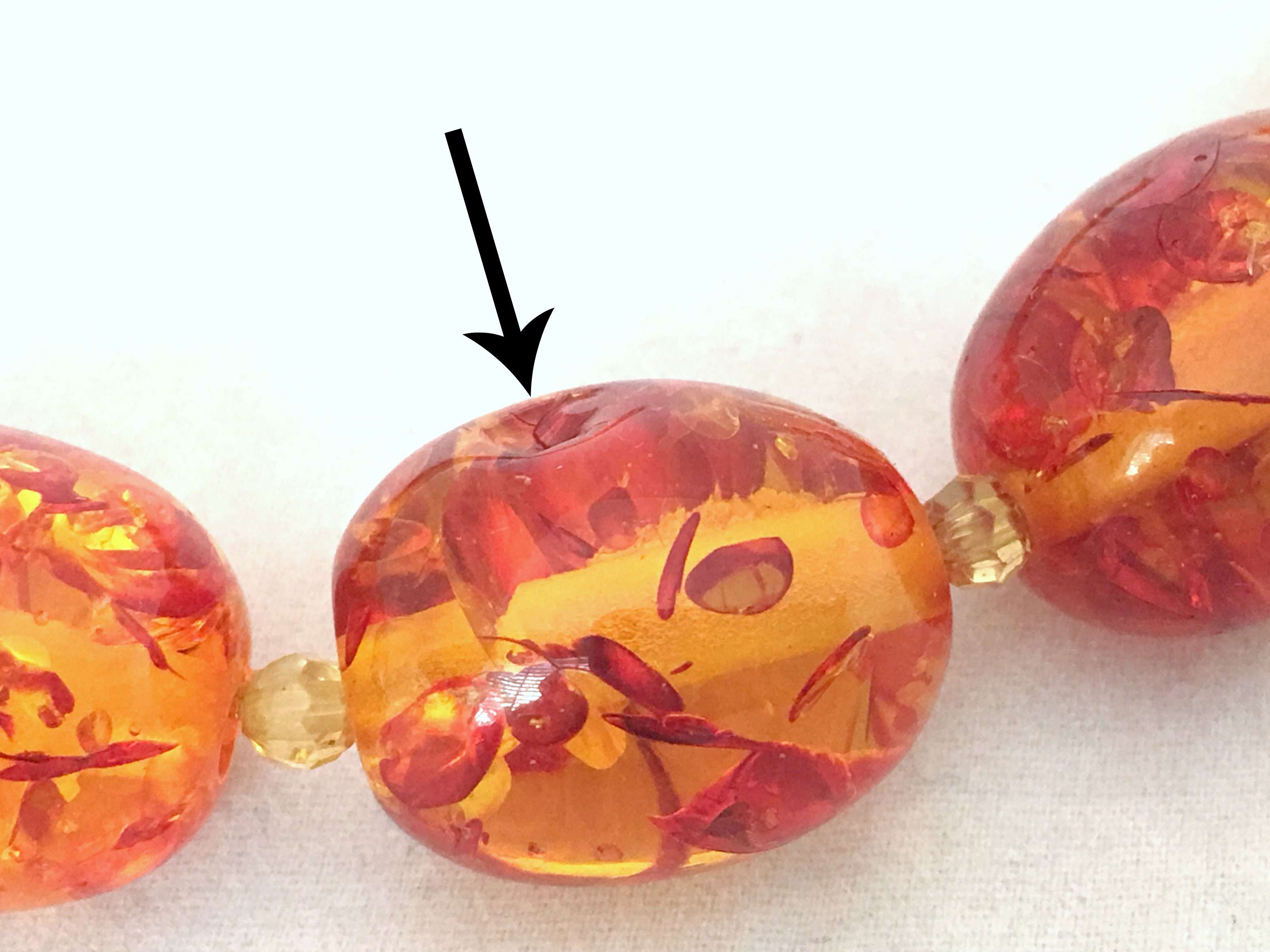
Waste and worthless amber particles are compressed into a common mass.The result is a material that is similar in characteristics to natural amber. It is given out only by small bubbles, which are clearly visible in the structure of the stone, as well as low transparency and uneven color.
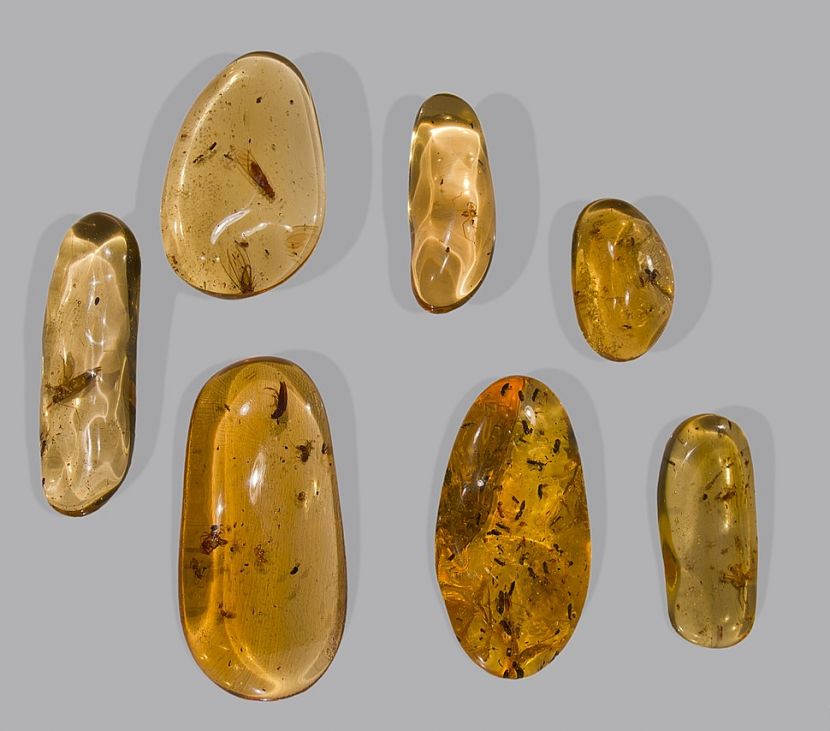
Bernite
Bernite often serves as an independent material for jewelry. It is made from polyester resins. Outwardly, bernite is similar to amber. Fakes are made from it, deliberately adding artificially created defects to the sample.
How to identify a fake in a store
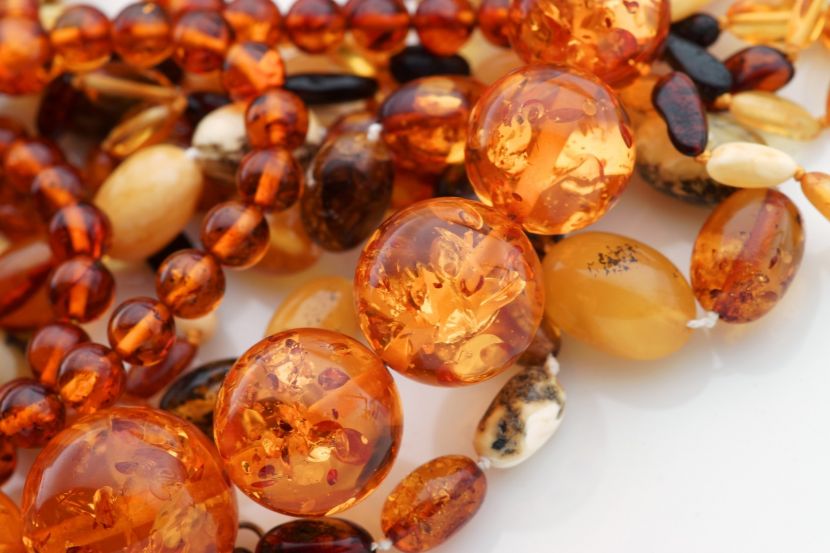
The only available method that will help identify a fake in the walls of a jewelry store is visual.
Appearance
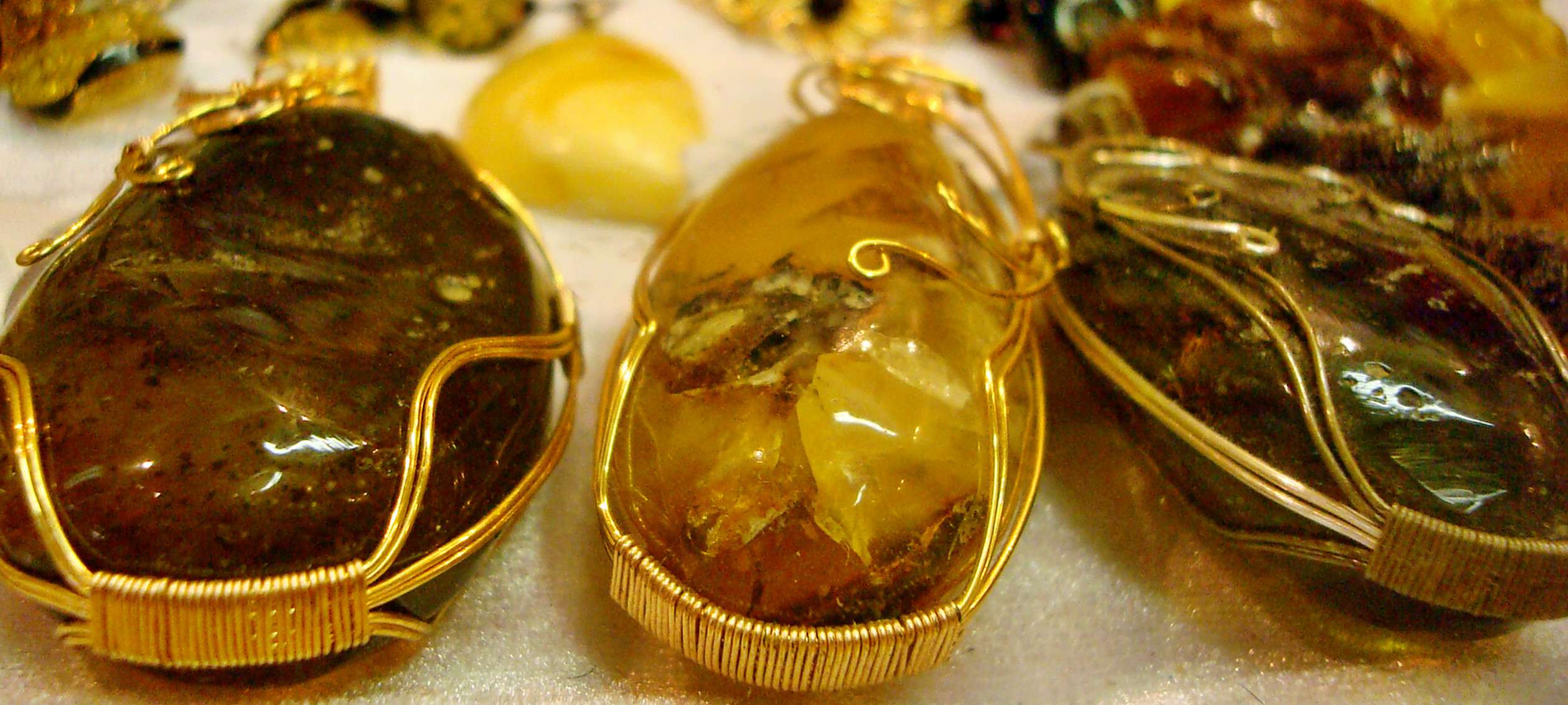
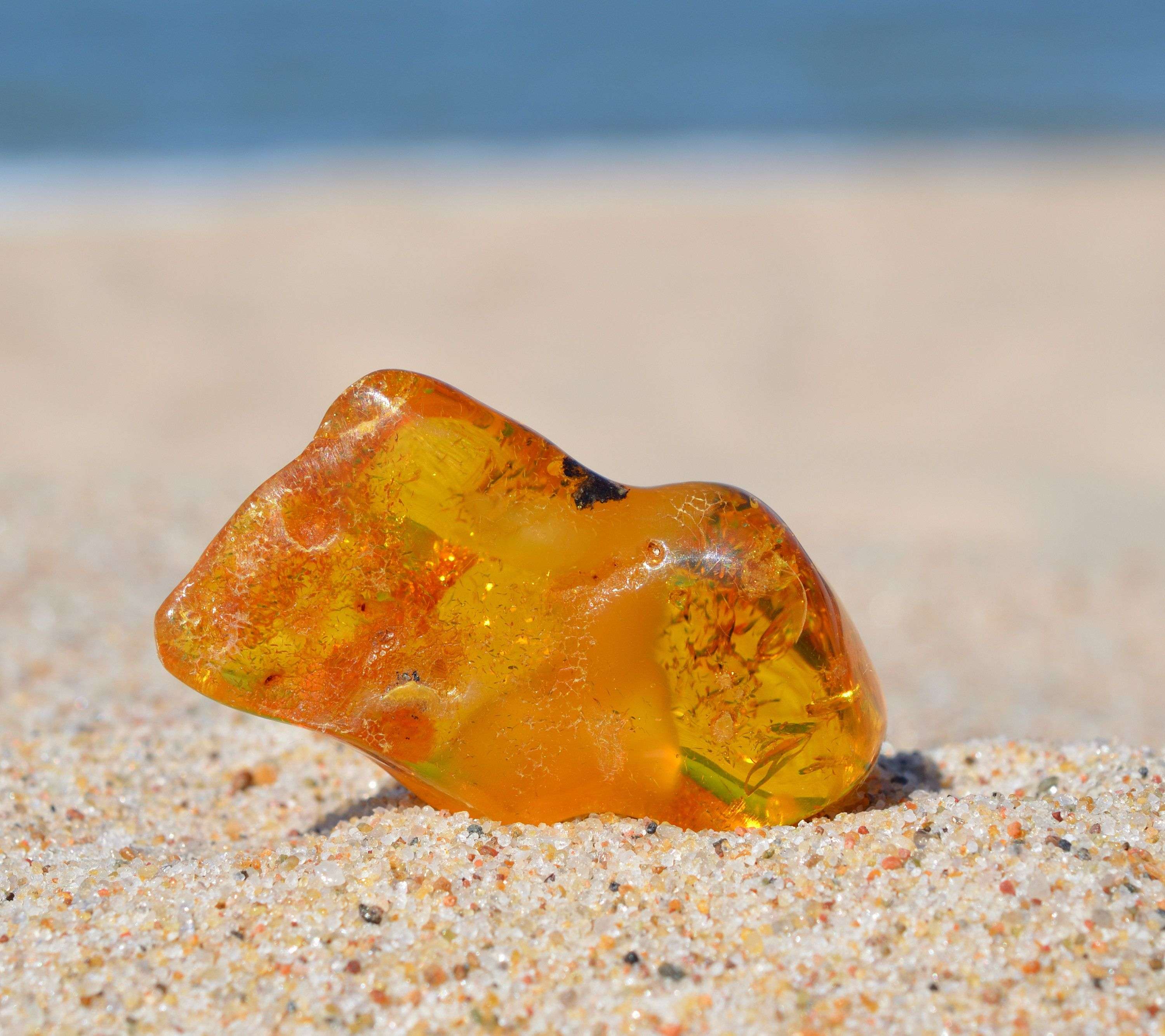
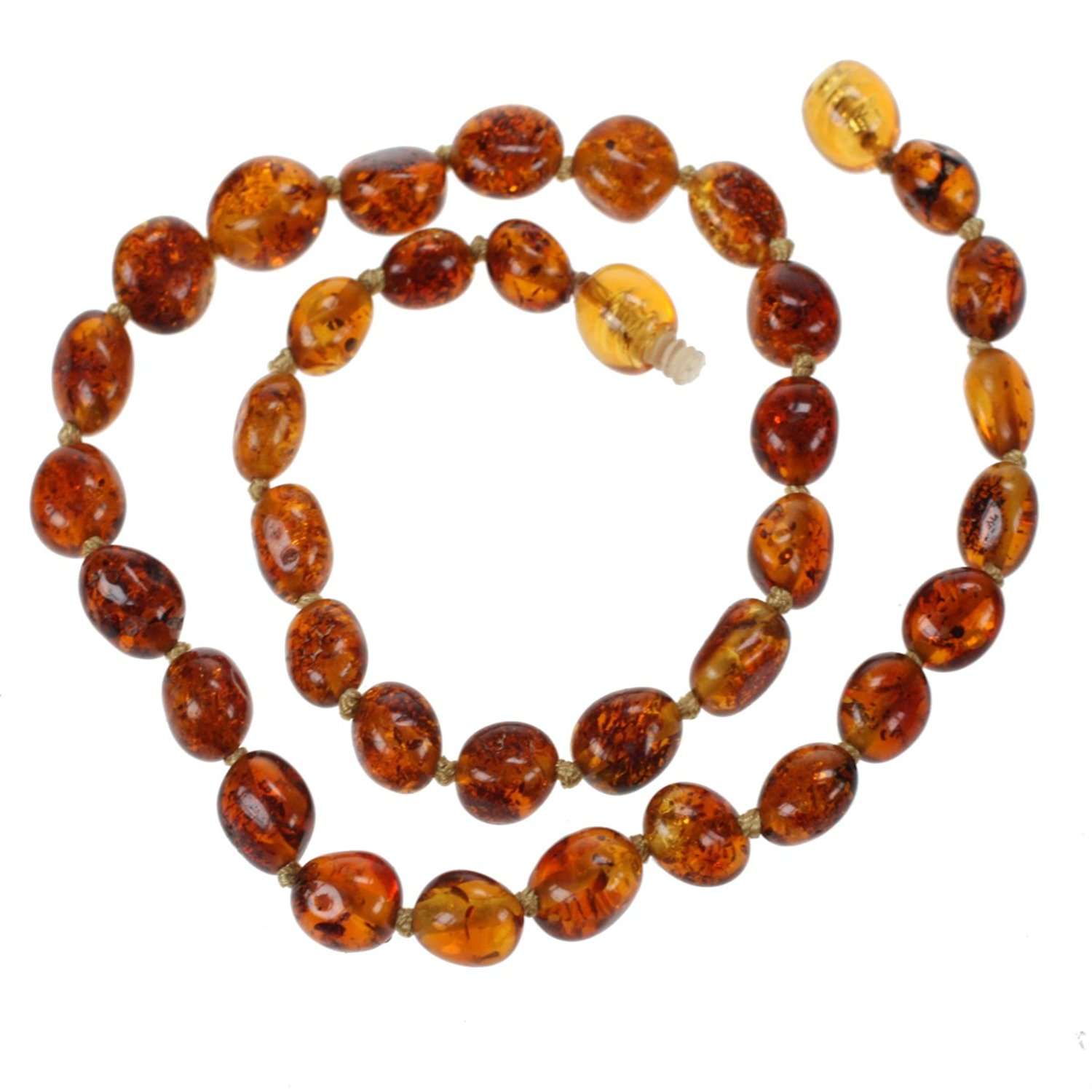
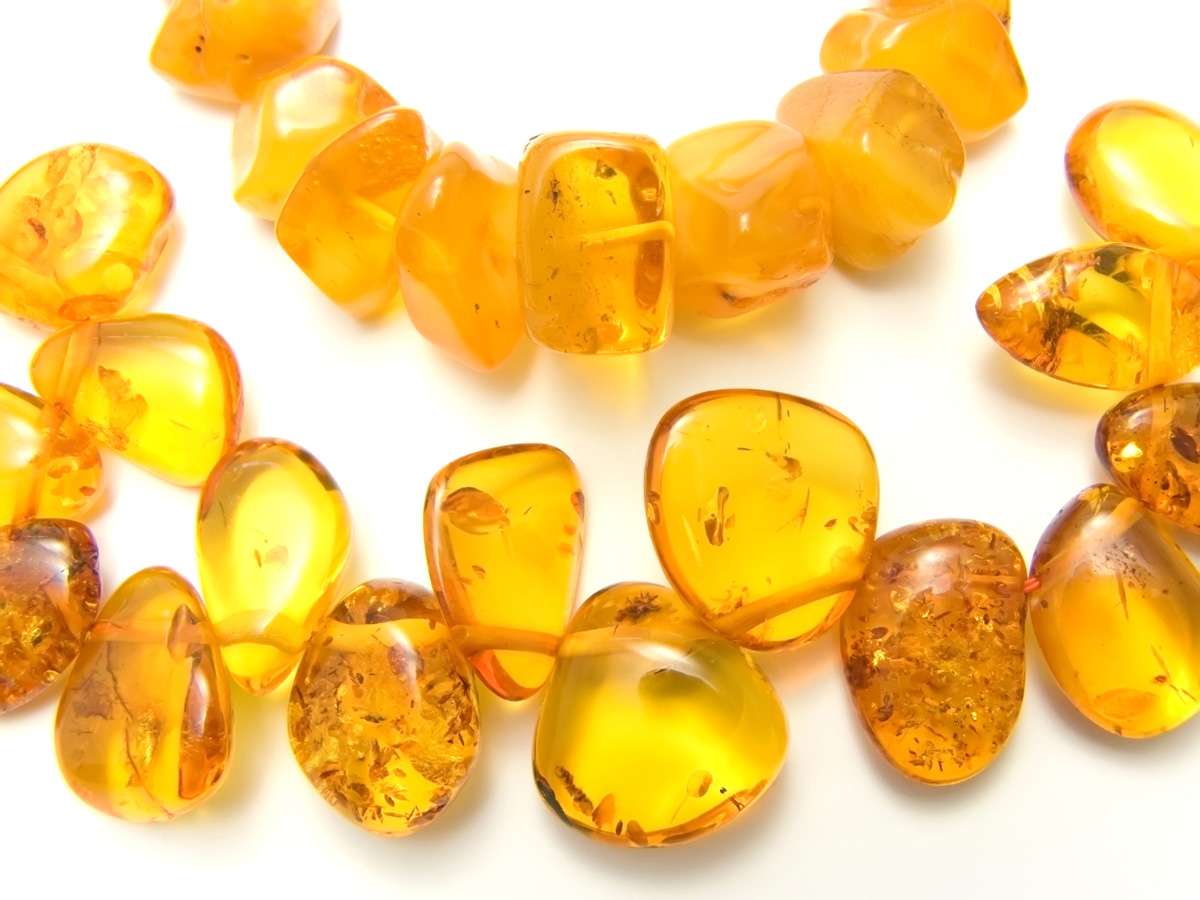
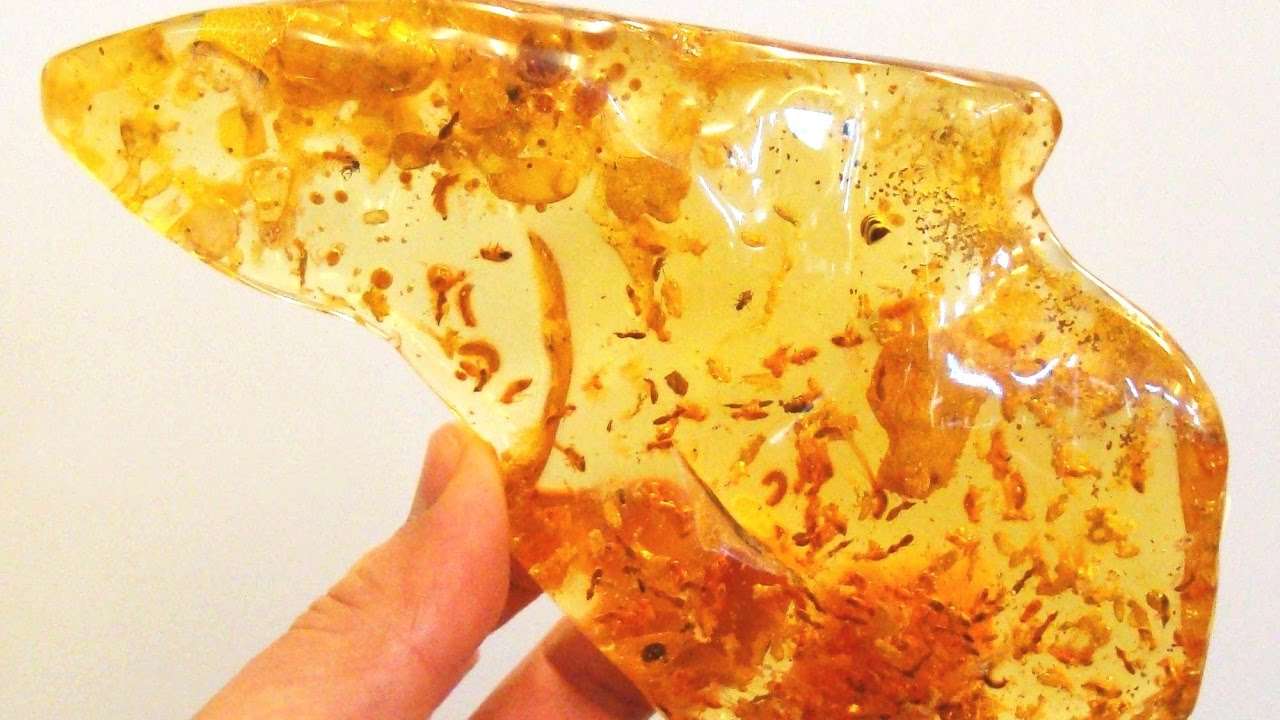
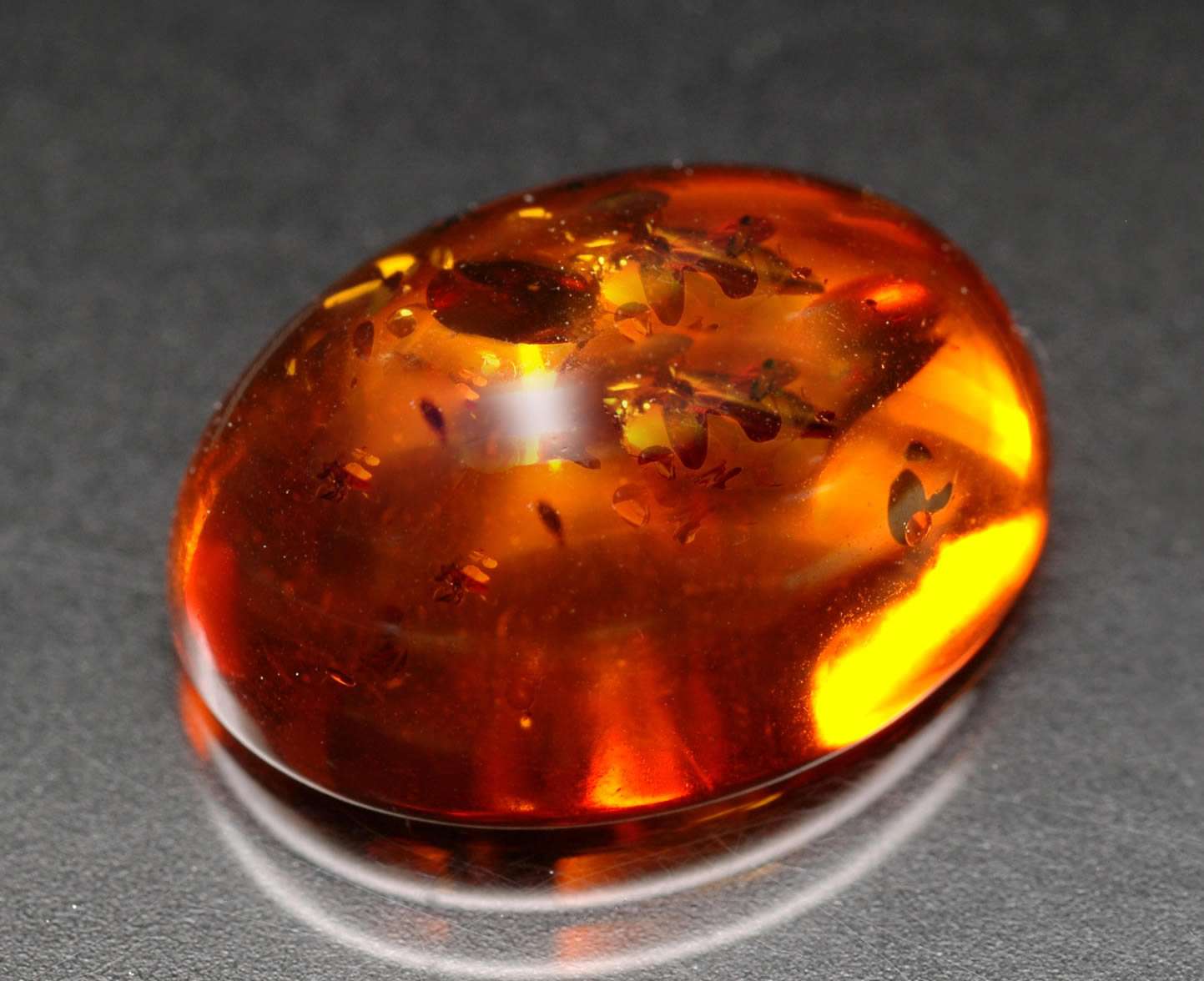
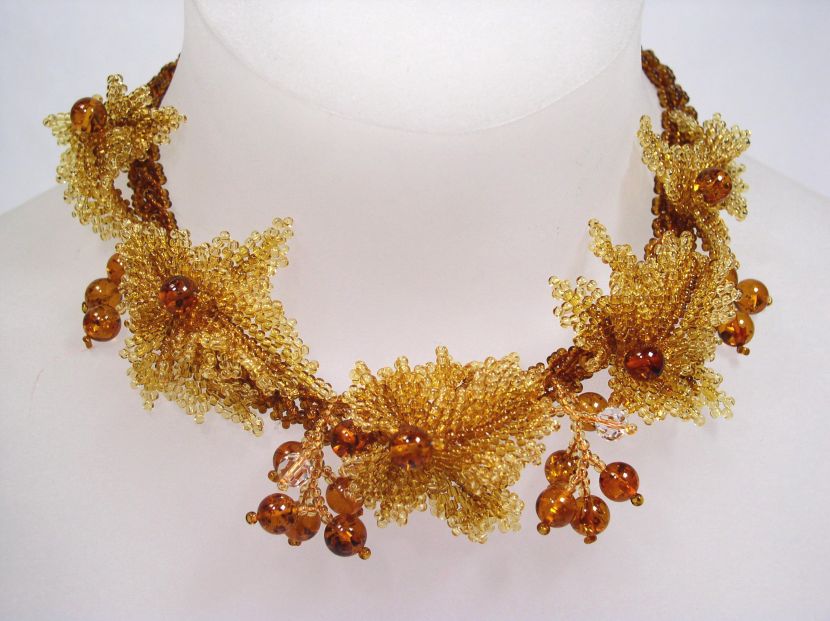
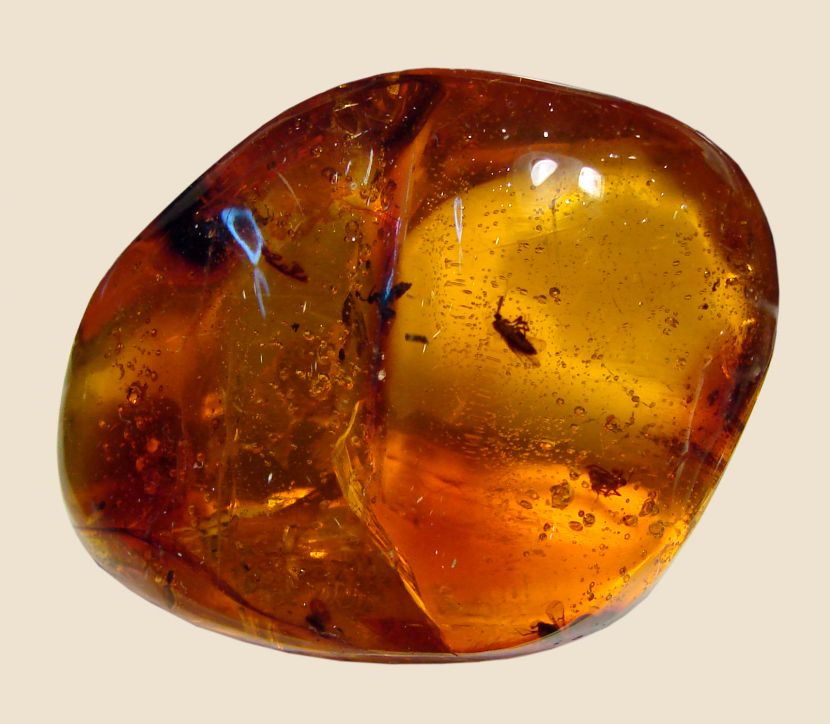
The product must be carefully examined in the sun. Inclusions, heterogeneity of the structure should be clearly distinguished in it. Bubbles, if any, indicate a high density of the material and the trapped air could not escape, it froze.
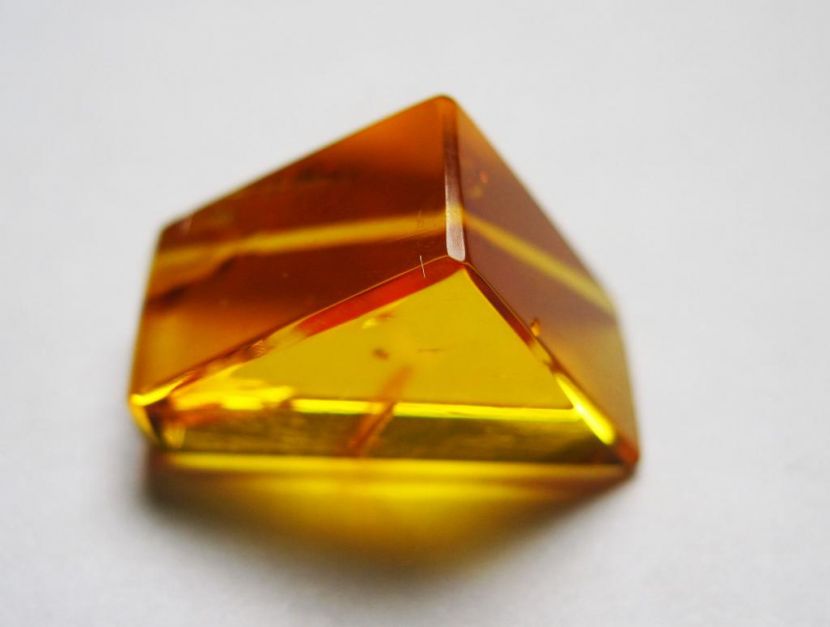
Doubts should be raised by such samples in which:
- perfectly flat geometry;
- correct pattern on the surface;
- too bright shade.
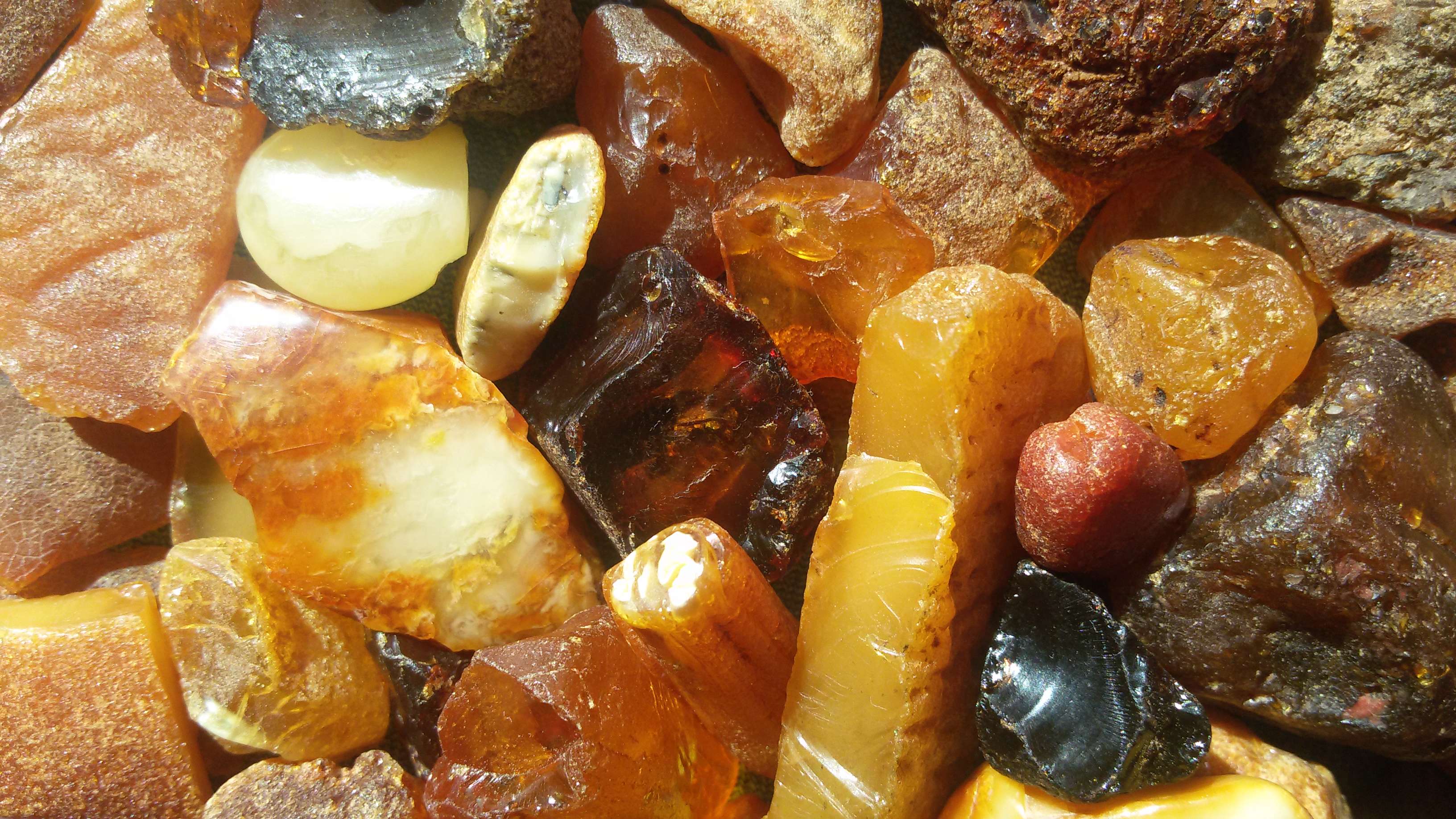
In natural amber, the color is slightly muted, has a richness of shades.
Price
Products from natural amber always have a high cost. Especially if the sample has a rare appearance and the correct shape. Real natural amber is famous for its powerful healing properties, which arose as a result of centuries-old processes of stone formation. Therefore, this fossil is highly valued.
Inclusions
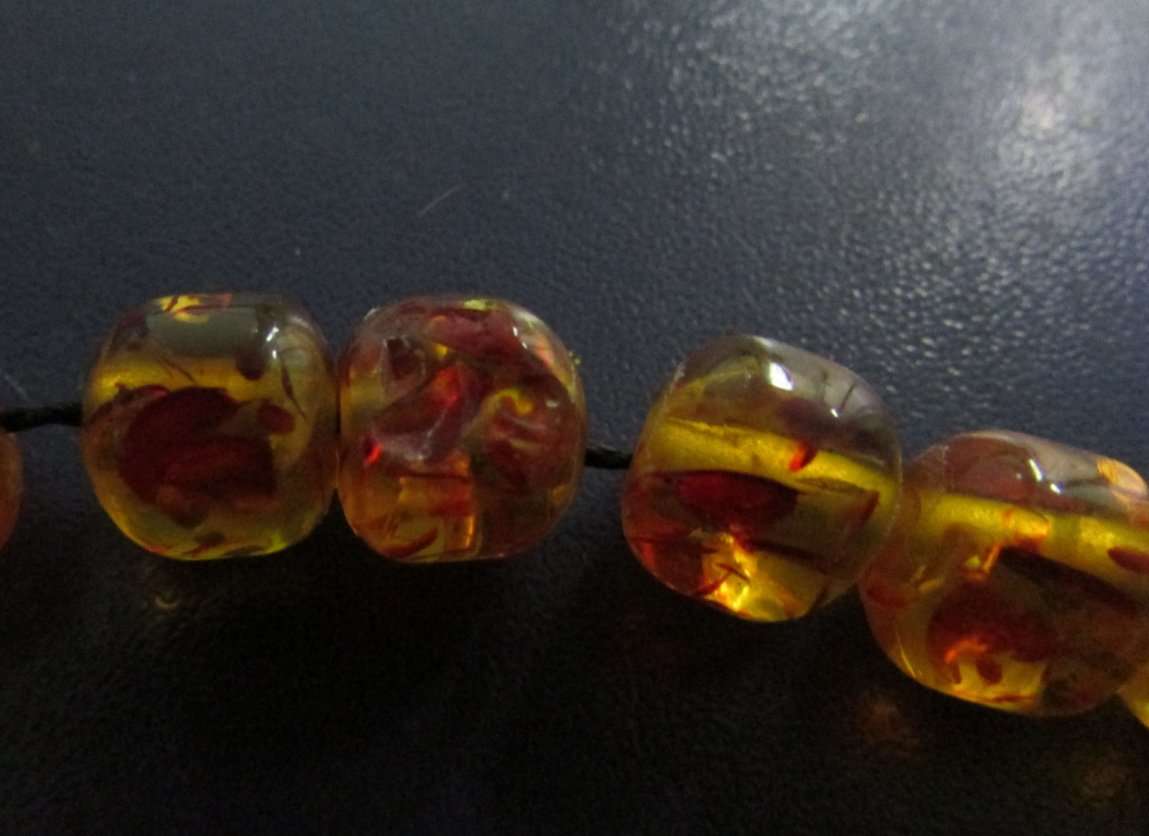
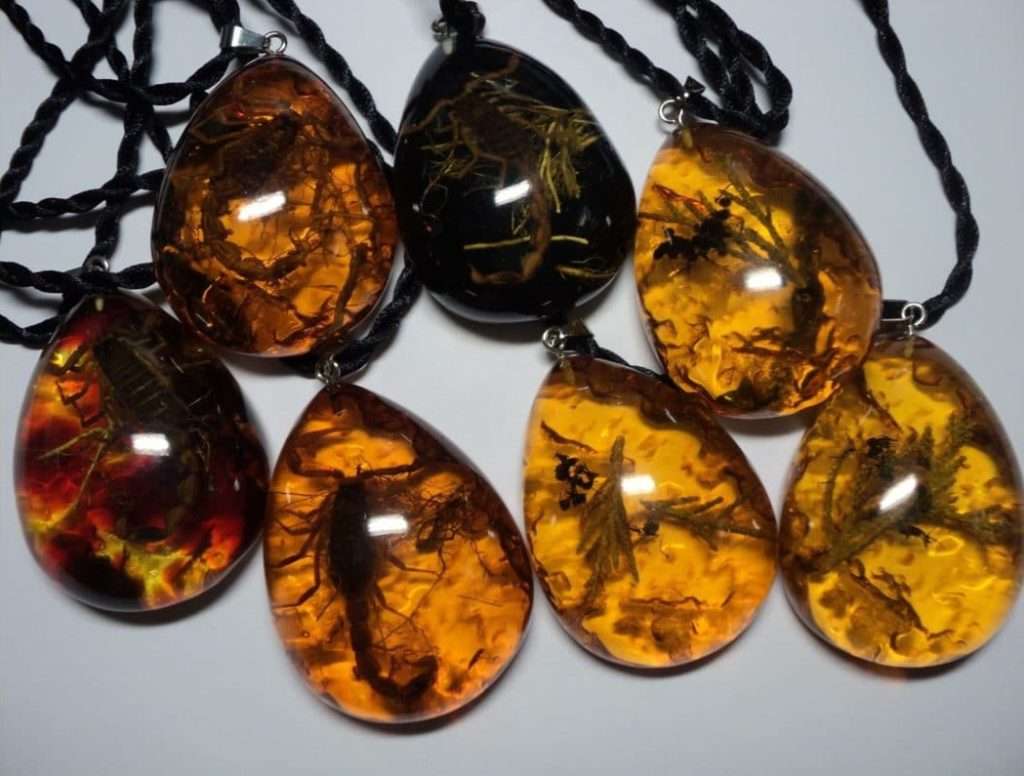
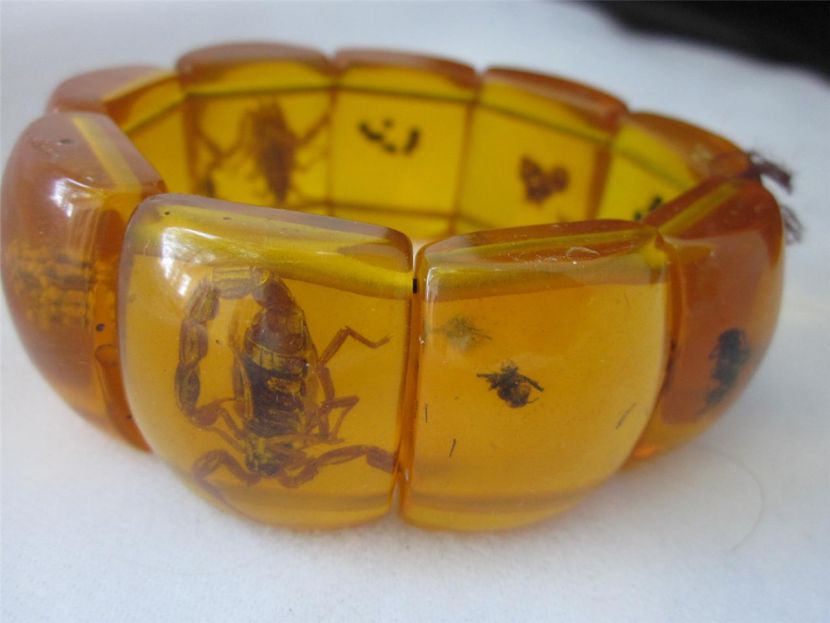
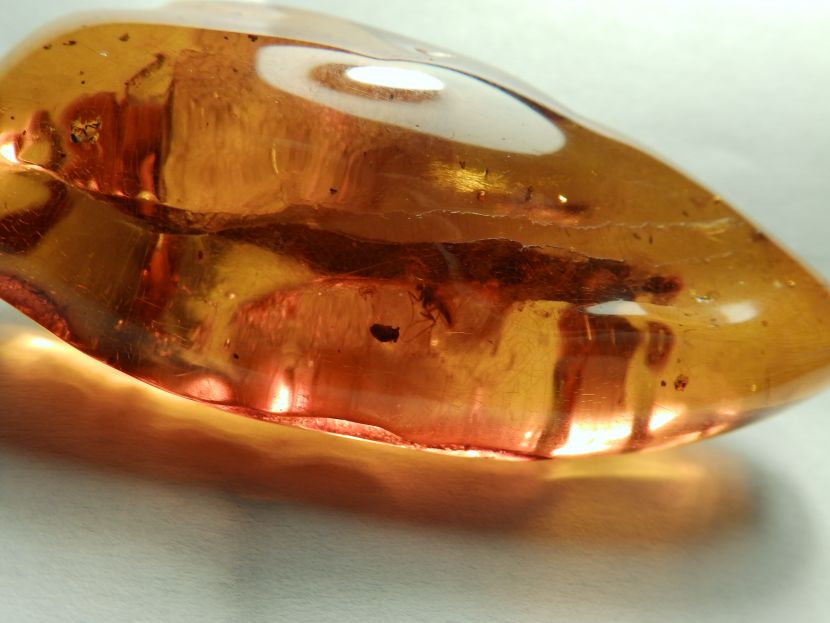
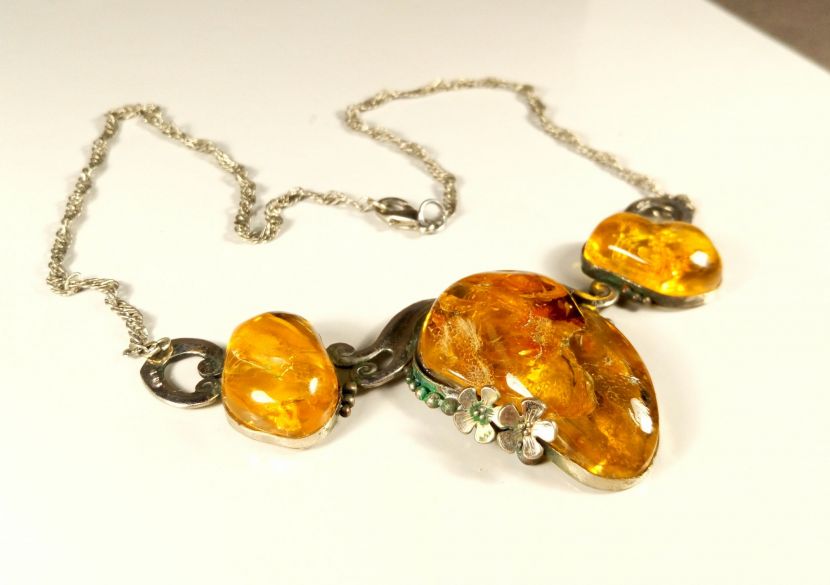
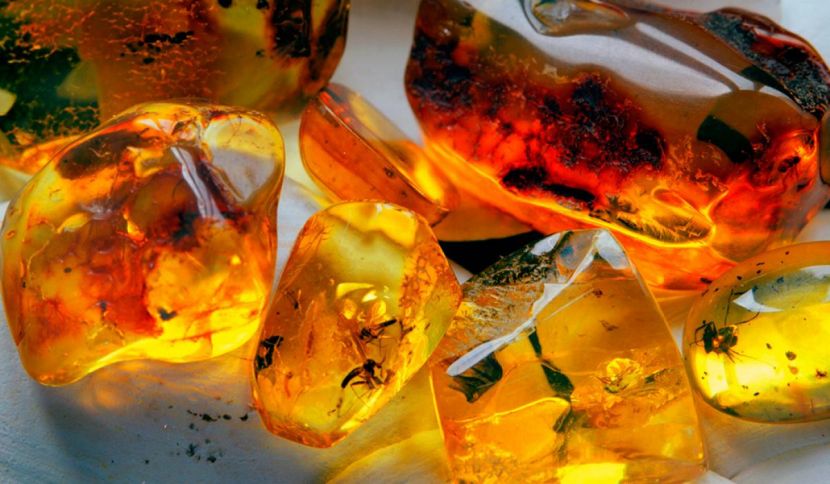
In fragments of natural amber, inclusions are often found - fossil remains of a living organism that fell into the resin millions of years ago. In past years, the presence of inclusions determined the naturalness of the stone. But today, craftsmen have learned to fake this property by placing a dead insect in a molten mass.A real inclusion is distinguished by the natural pose of an animal, which, as it were, is trying to get out of the resin.
How to distinguish a fake at home
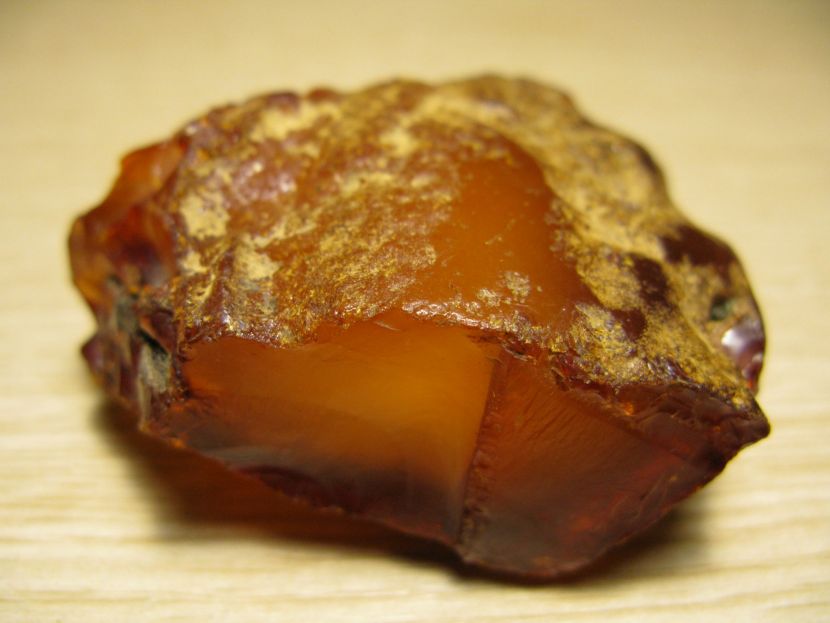
Within the walls of the store, they will not be allowed to apply the destructive control method to the product, but at home you can try some actions. The simplest and most affordable methods for detecting fakes are as follows:
- try to scratch the product with a knife;
- place the sample in salt water;
- electrification;
- melting;
- with the help of chemical reagents;
- exposure to ultraviolet.
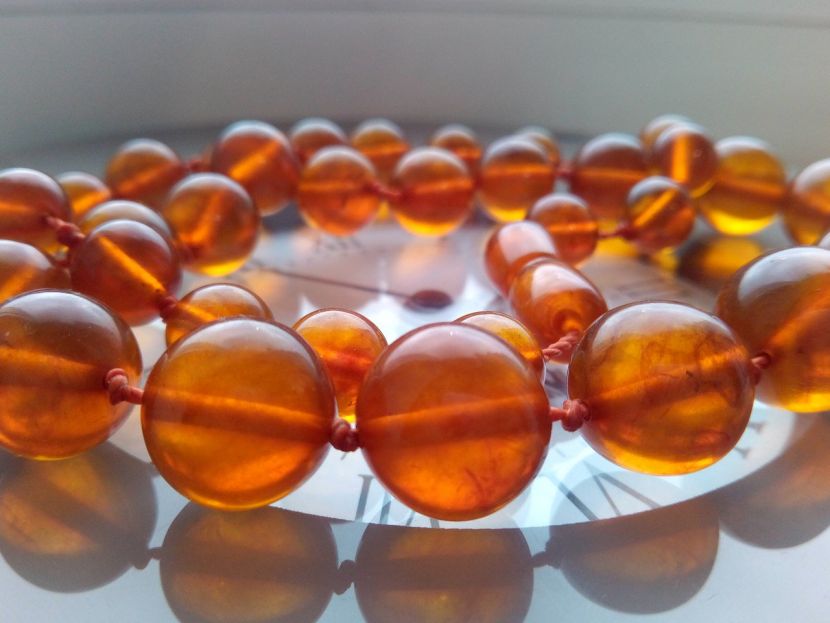
An attempt to scratch a natural sample with a knife should result in a scratch on the surface, along the edges of which small fragments will appear. The plastic product will have solid chips.
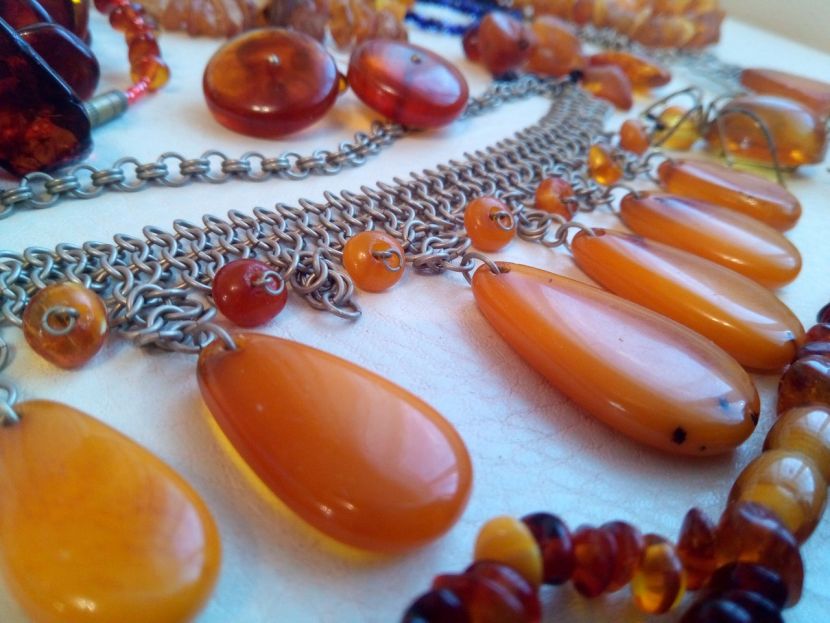
Fragments of real amber will float in salt water, and sink in fresh water. This is due to the physical properties of the stone, the density value is 1.05 g/cm3, while the salt solution has a density of 1.19 g/cm3. To prepare the solution, you need 10 teaspoons of salt and 250 g of water.
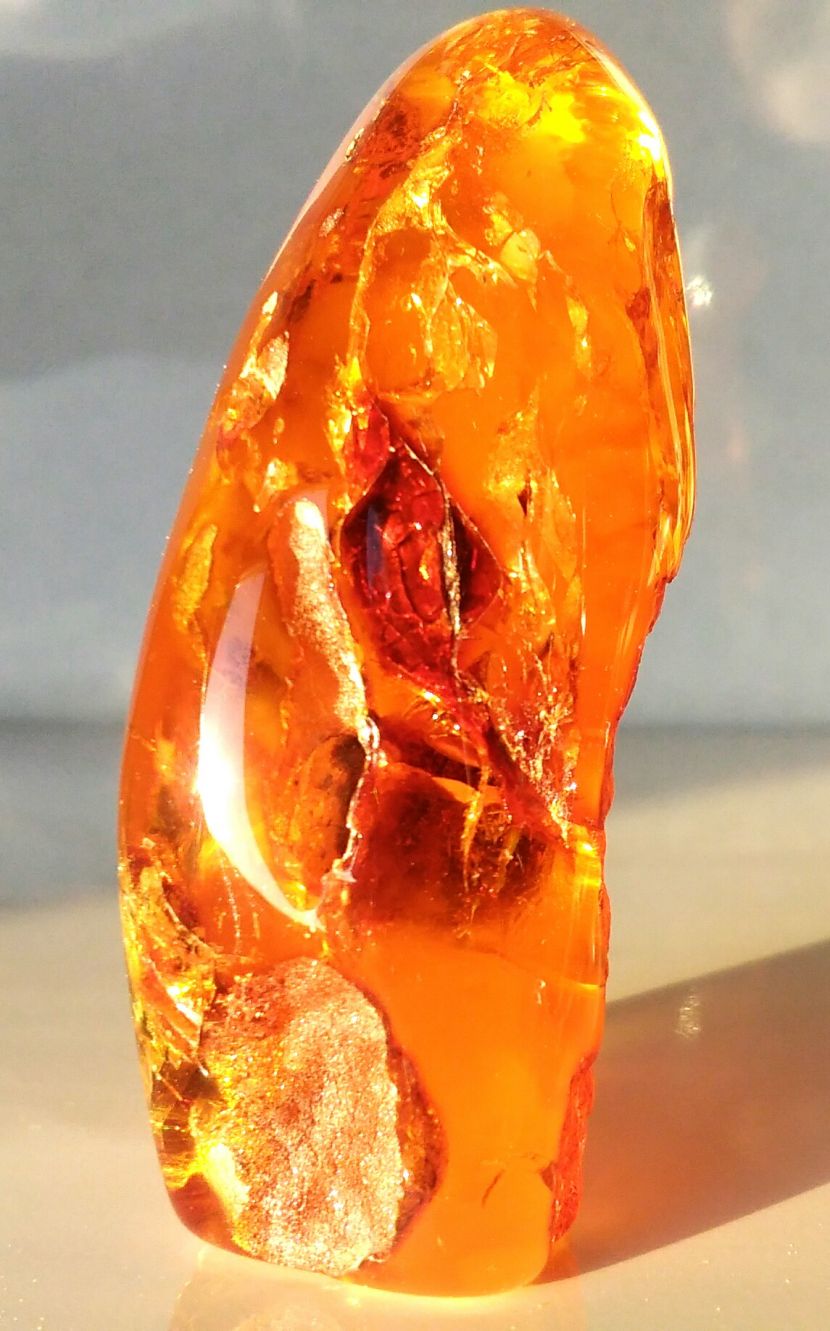
As a result of the test, samples made of glass, fresh resin and bernite will sink, while pressed amber (ambroid) and copal will float on the surface of the water.
A simple way to check is related to the property of electrification.
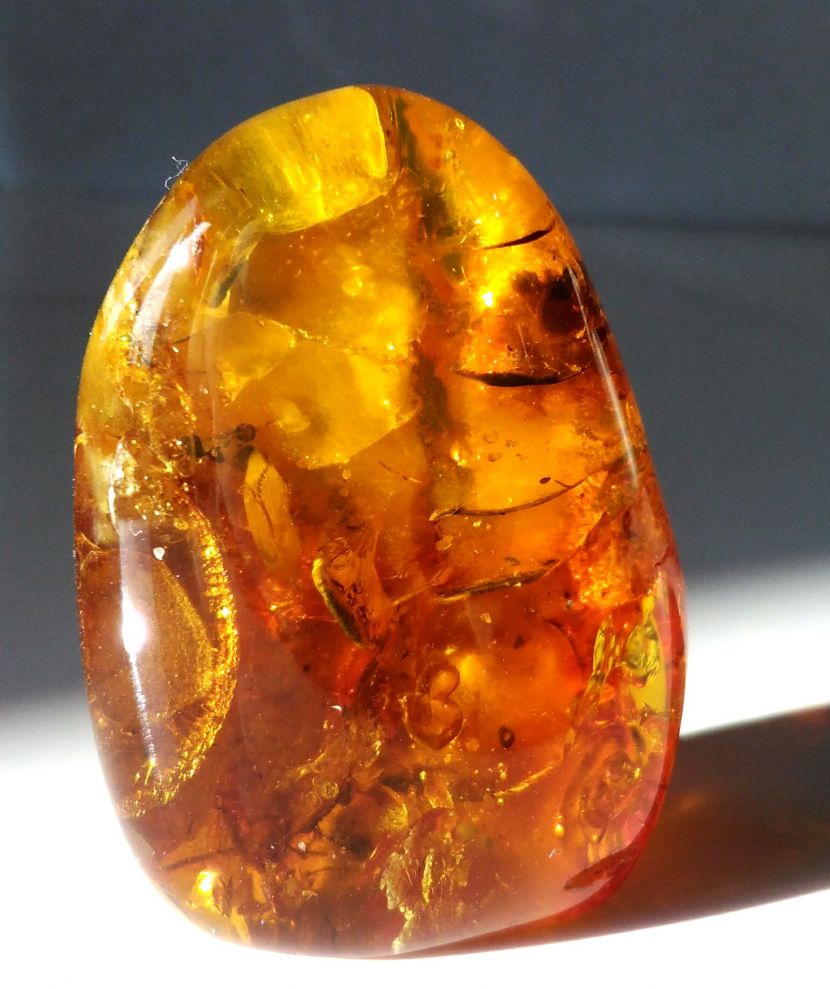
If an item made of amber is rubbed against wool and a sheet of paper is immediately attached to it, the paper will magnetize to it.
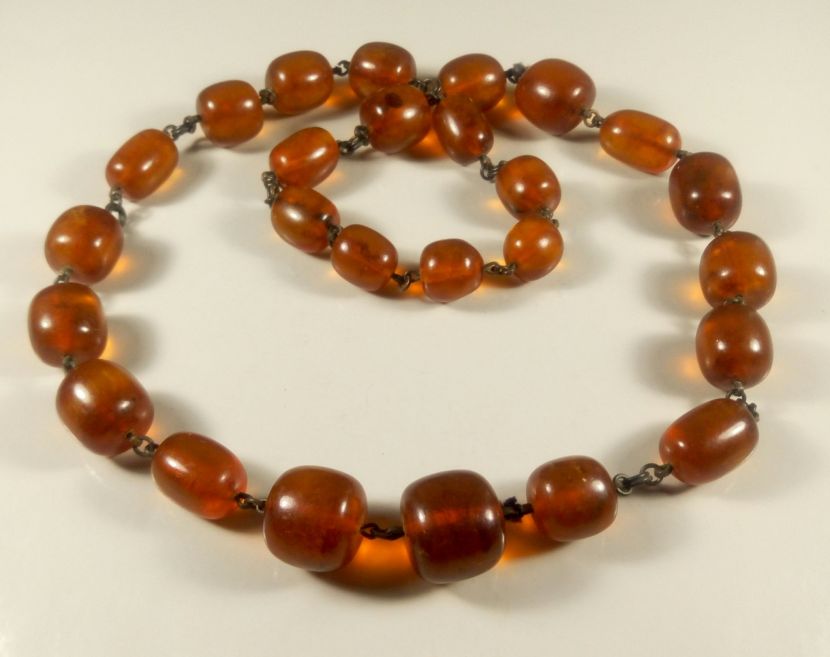
If you intensively rub amber between the palms or on textiles, it will heat up and begin to emit a scent of pine or turpentine. Artificial fragments will begin to smell unpleasantly of chemistry.
An identical effect is observed if the surface of amber is touched with a red-hot needle. There will be an aroma of rosin and thick white smoke. In the case of a fake, a clear smell of chemistry will be felt.
Natural material is resistant to short-term exposure to alcohol or solvent.The plastic imitation will begin to break down. A copal product deteriorates from the influence of any reagent. Ether rubbing makes the surface of pressed amber sticky.
Under an ultraviolet lamp, real amber exhibits the property of luminescence. A transparent sample will give off a blue glow, while a smoky stone will give off a pale blue.
Fresh resin specimens will experience slight deformation from hard finger pressure.
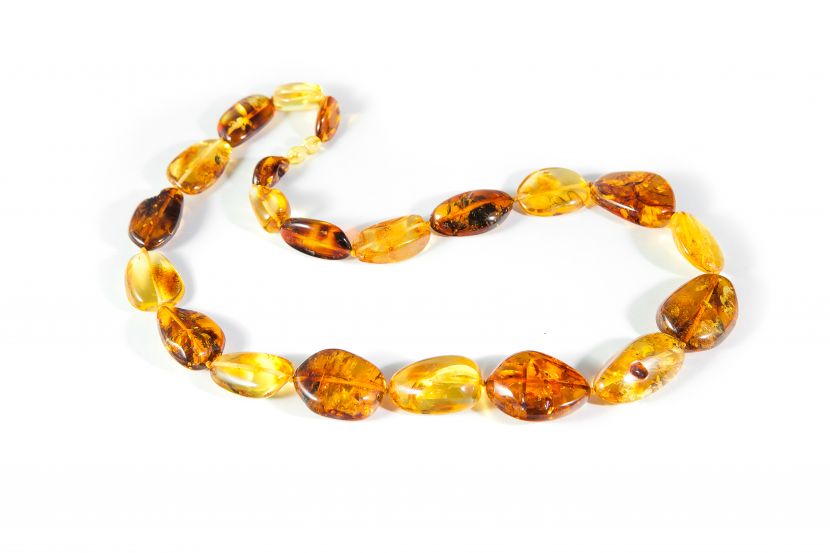
Since ancient times, amber has been used by man in everyday life, in crafts, in the creation of jewelry. People sincerely believed that amber is petrified honey or hardened mountain oil. Amber fragments have been formed over the centuries, accumulating energy and the power of nature. In order not to be deceived and to have a real powerful gem in your hands, it is important to be able to distinguish it from fakes and imitations.
Photo of a stone