Recommendations and tips on how to distinguish a ruby from an artificial stone: using a magnifying glass, light, at home, photo gallery
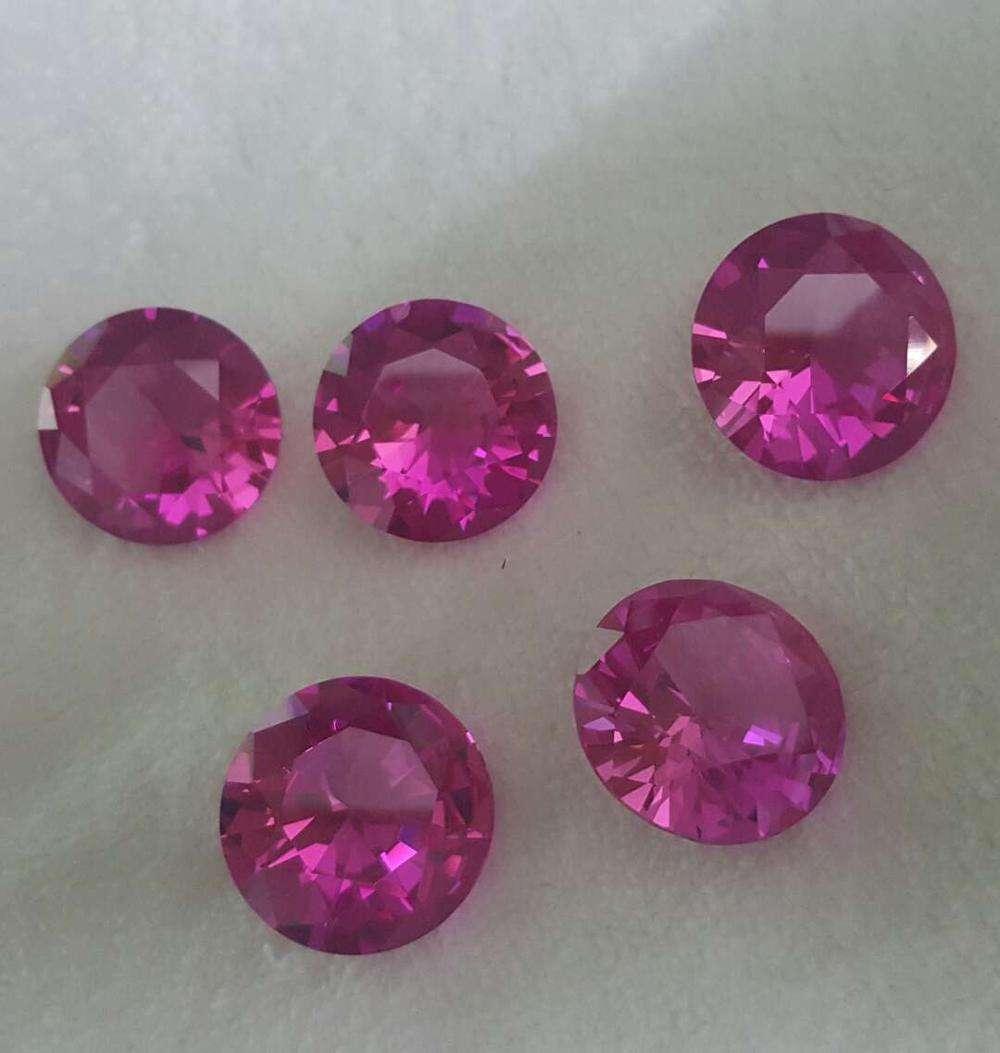
Ruby is a precious mineral with a red-purple hue, a variety of corundum. In jewelry, the ruby is framed with gold, has a high cost. In terms of significance and value, the mineral is comparable to diamond. The development of the chemical industry made it possible to create synthetic ruby, which is used in laser technology. In jewelry, inexpensive jewelry is created from an artificial mineral. Unscrupulous sellers, in pursuit of profit, pass off "synthetics" for a natural ruby. In order not to become a victim of scammers and not to lose a large amount of money, it is important to carry out simple tests at the purchase stage that will allow you to distinguish a fake.
ruby features
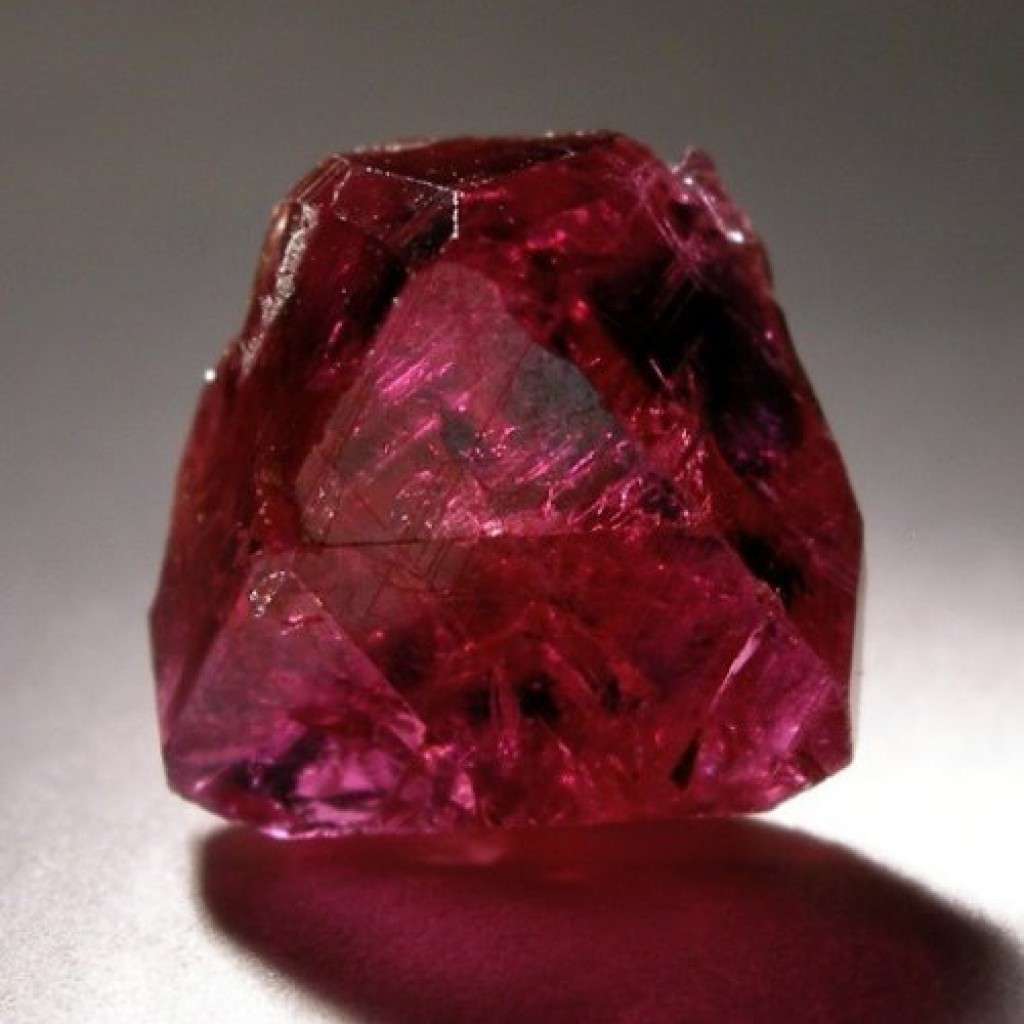
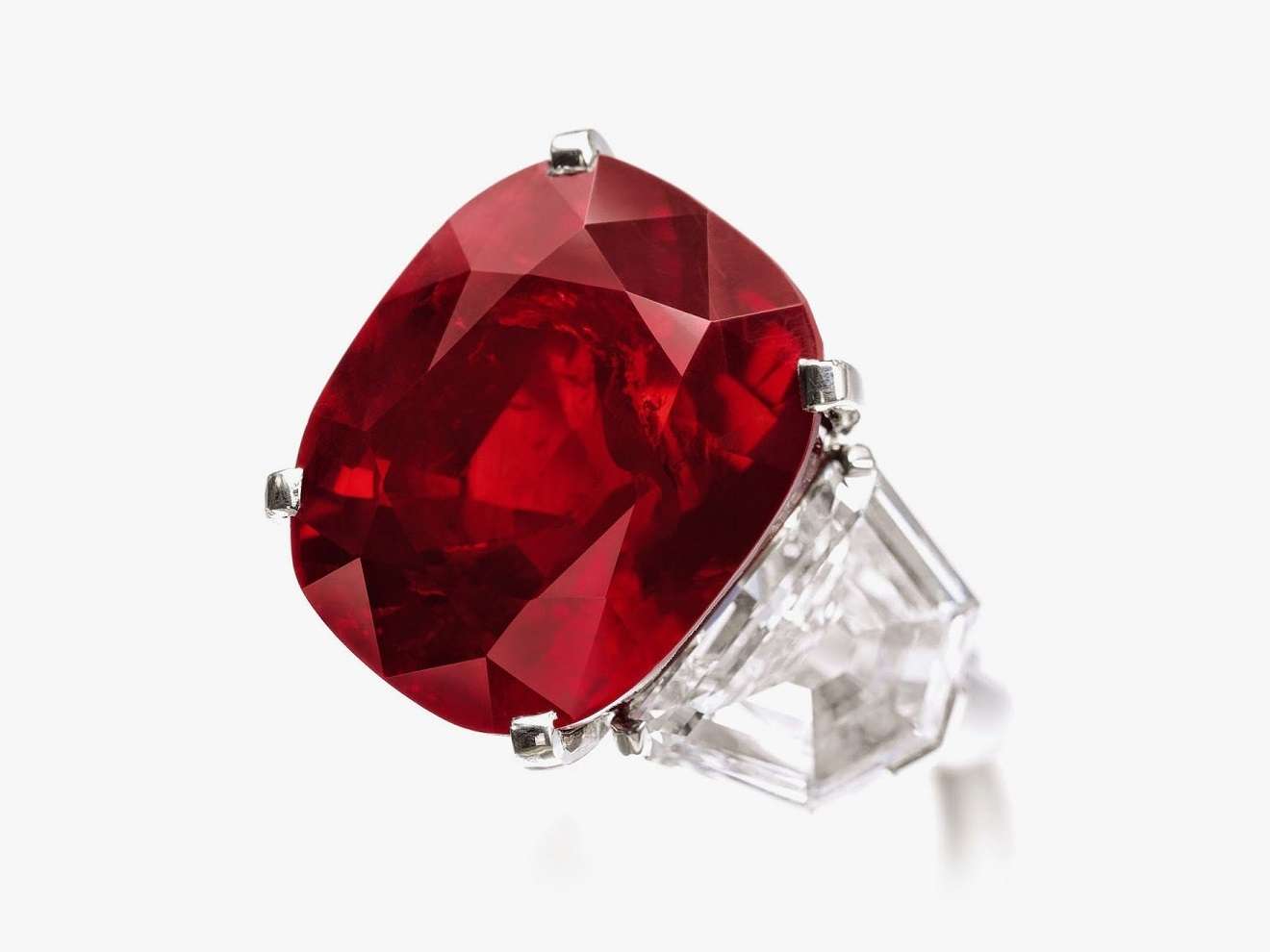
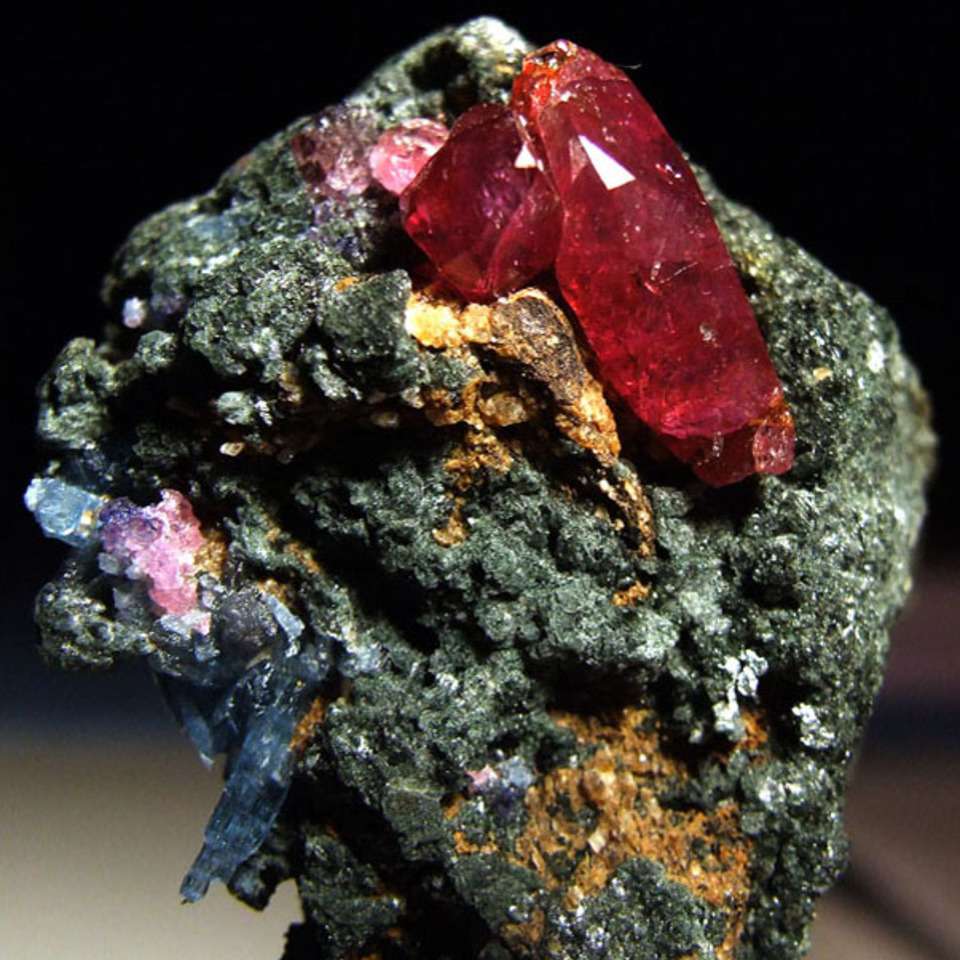
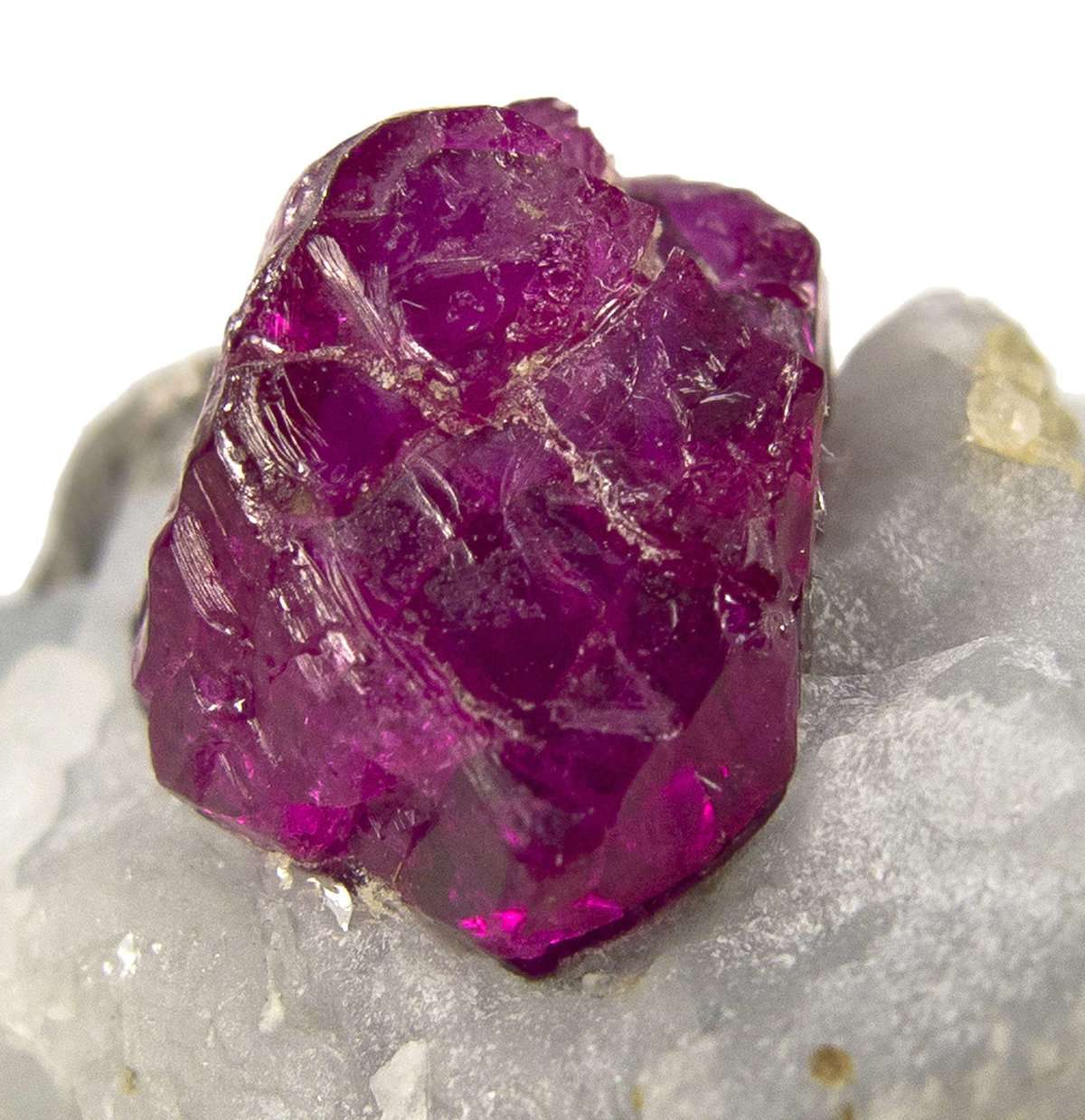
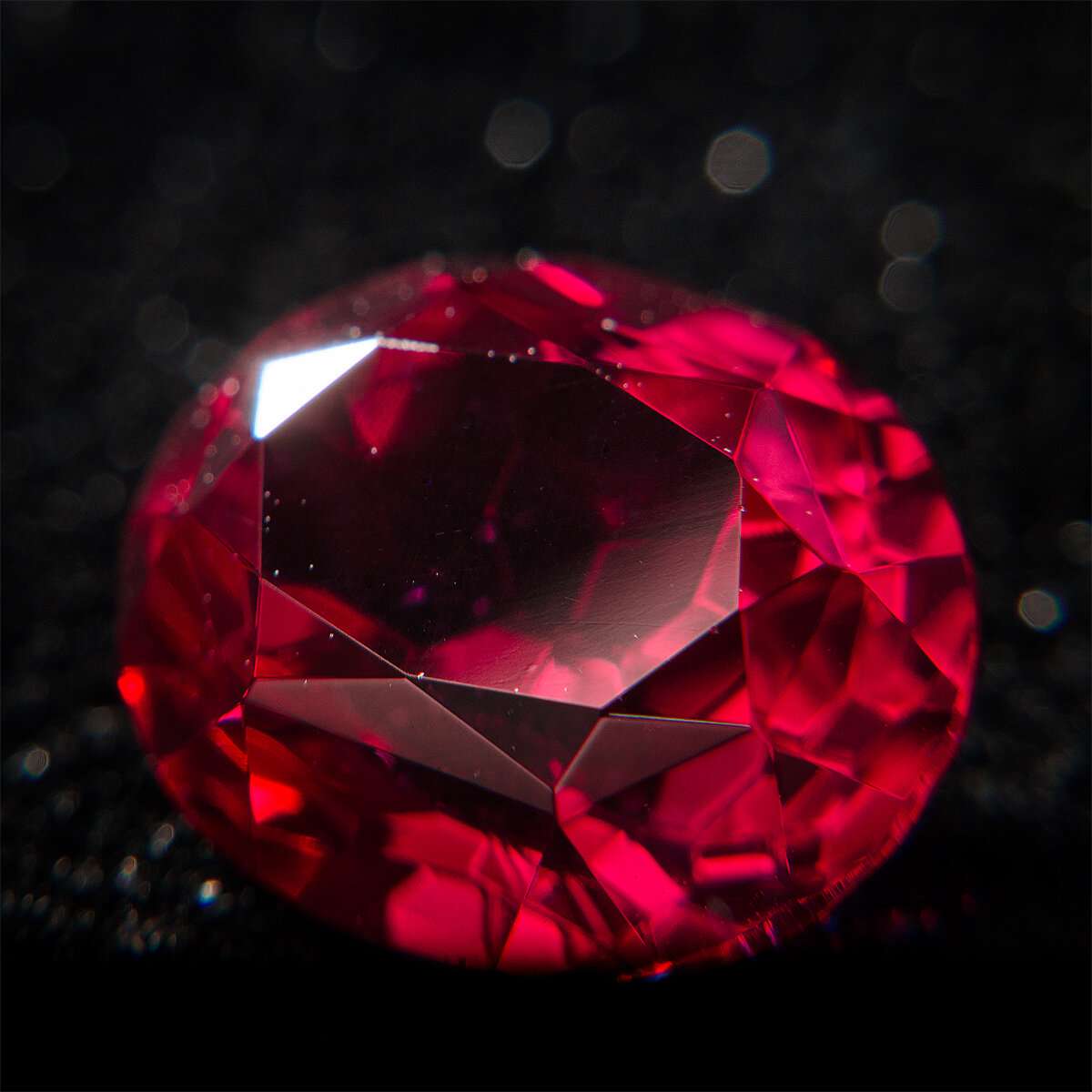
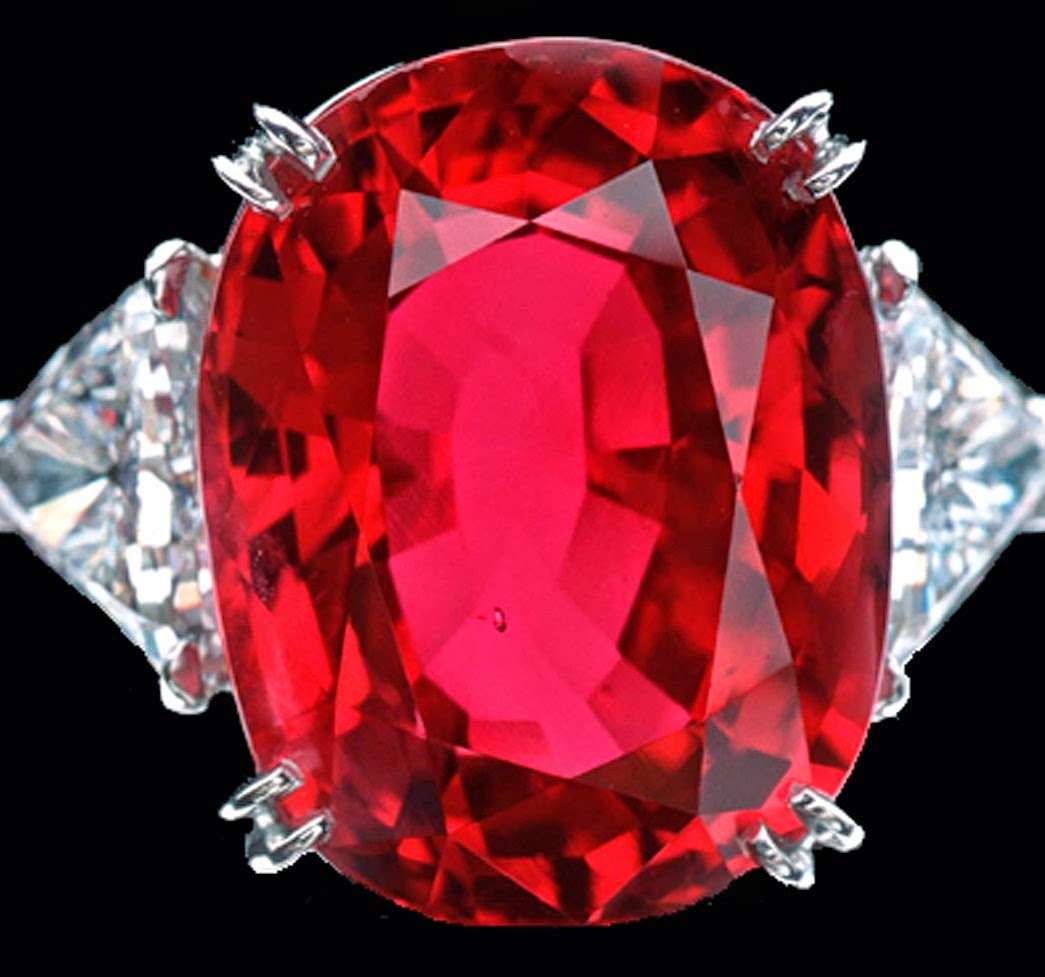
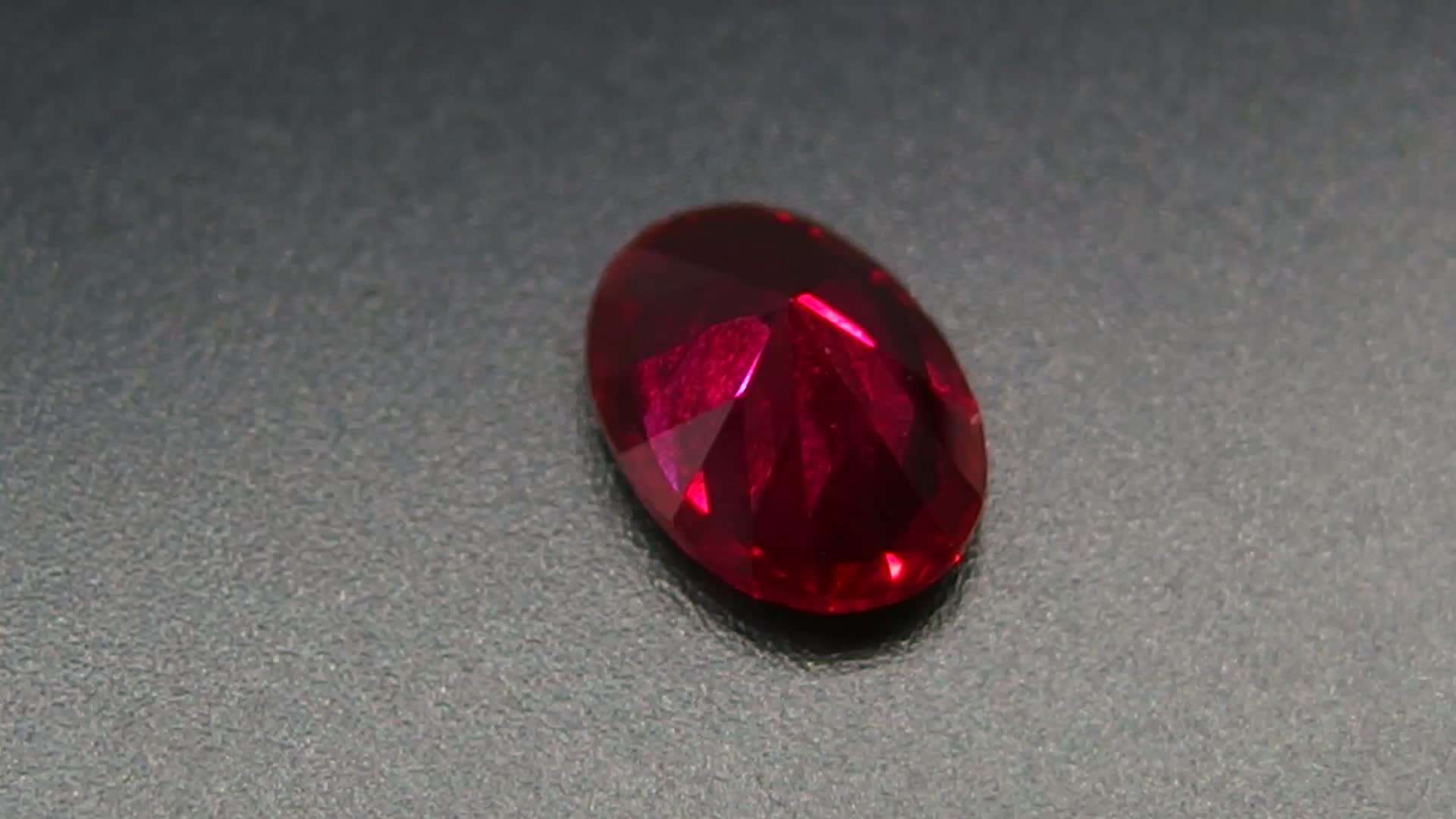
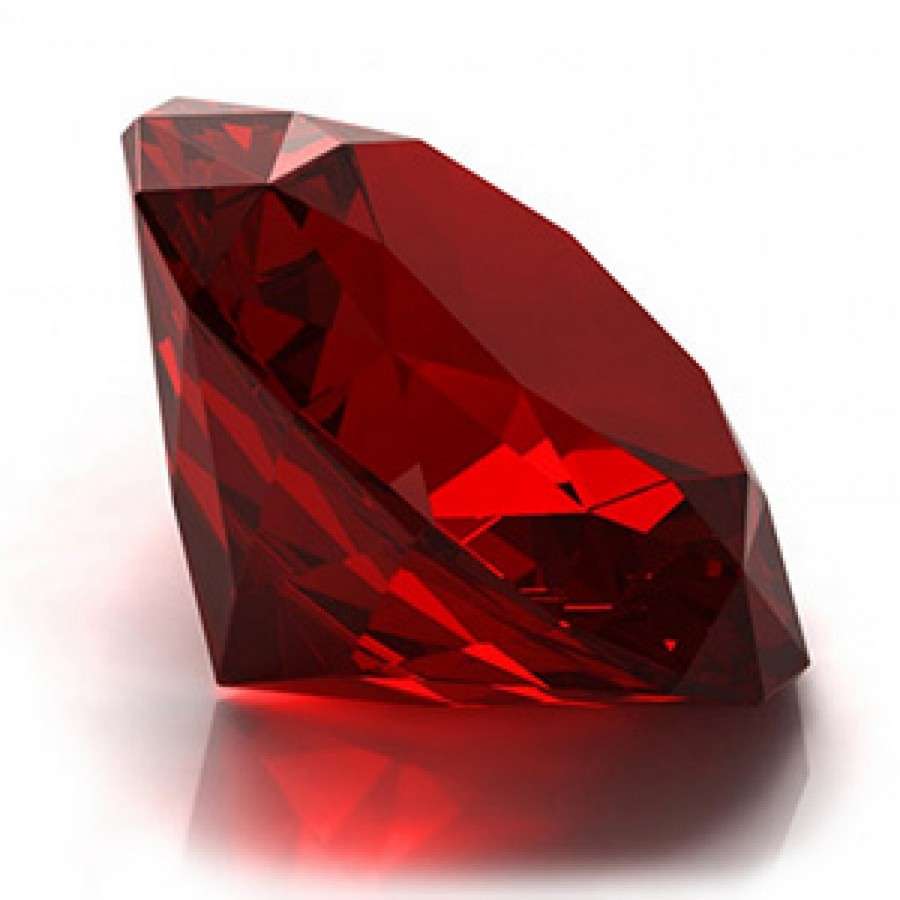
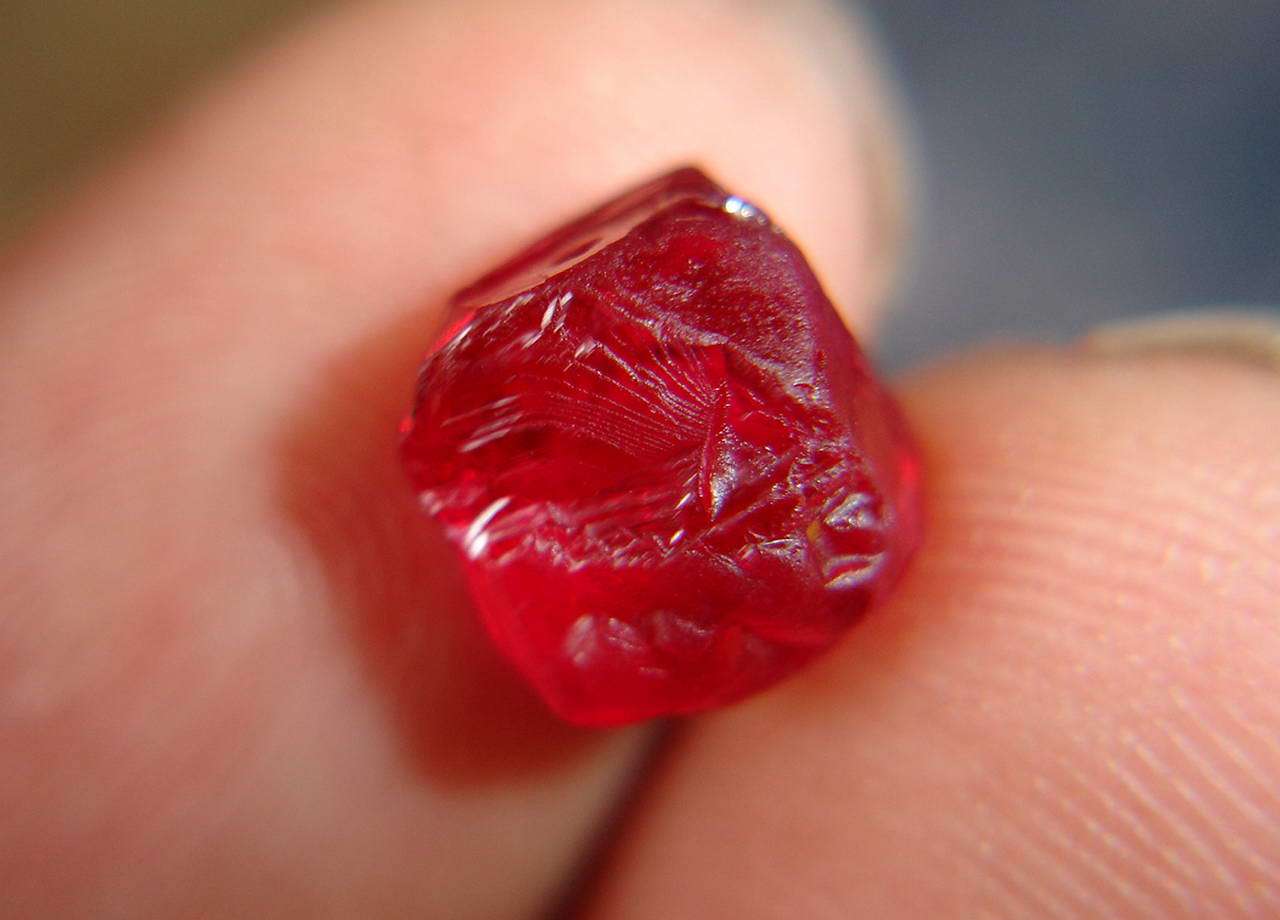
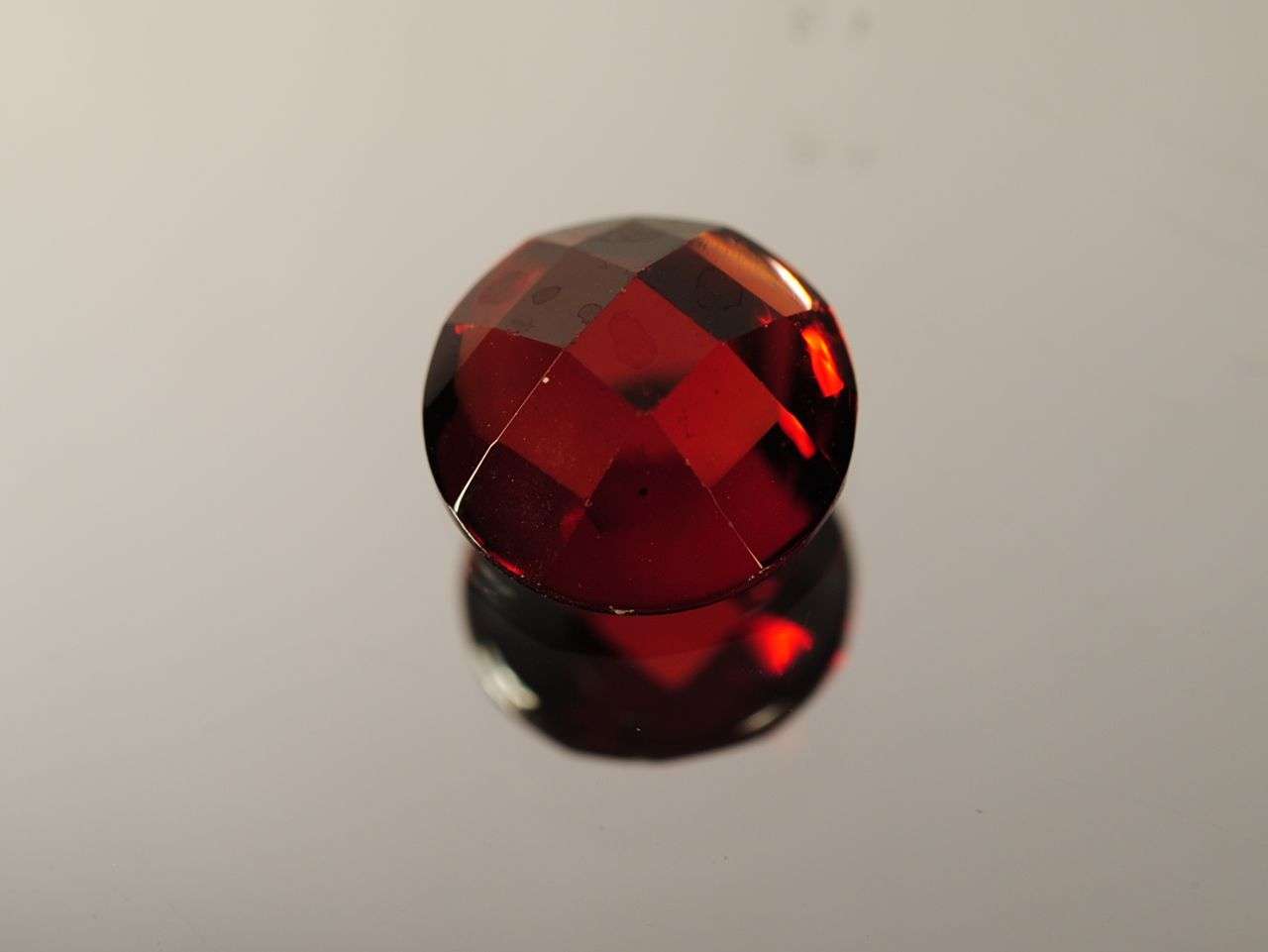
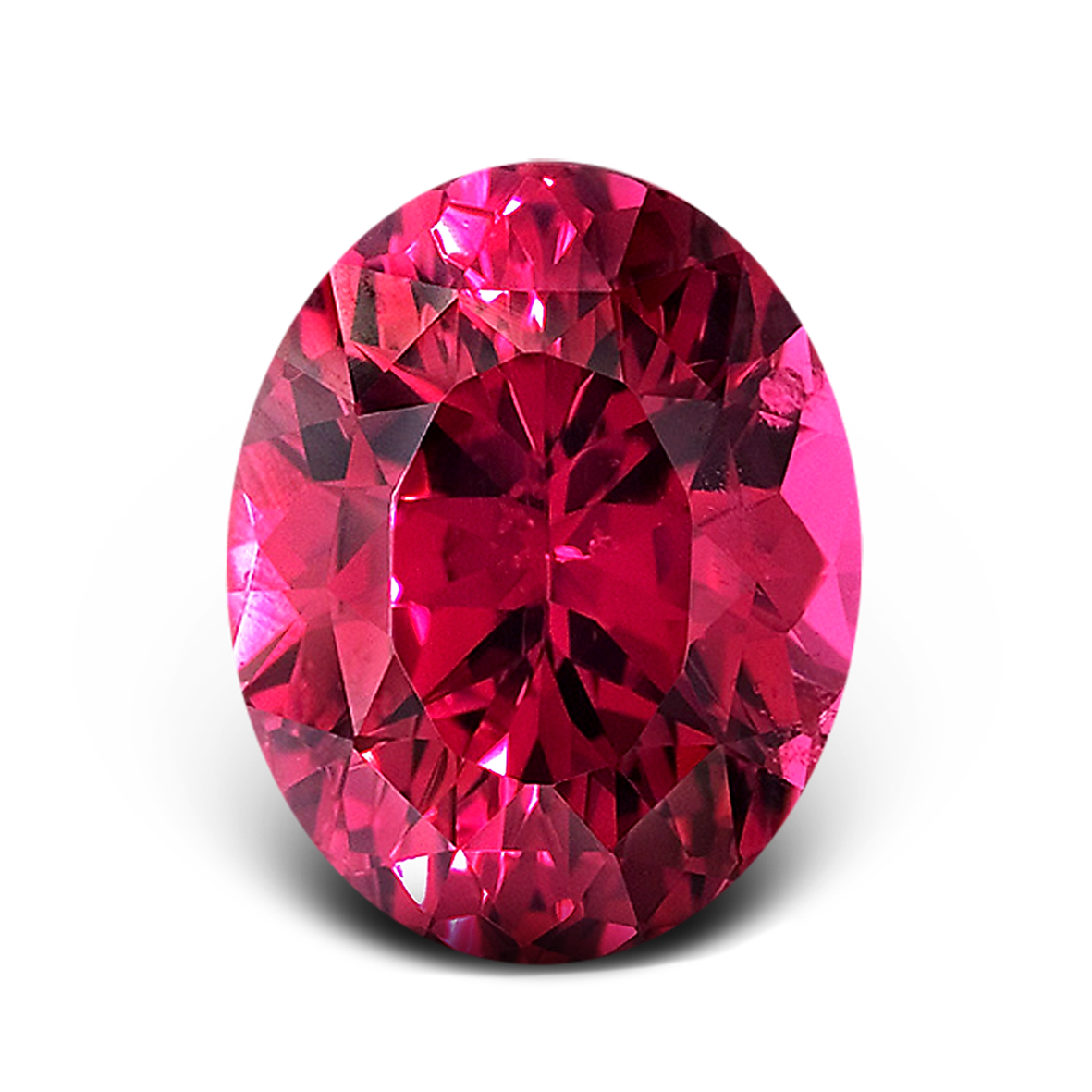
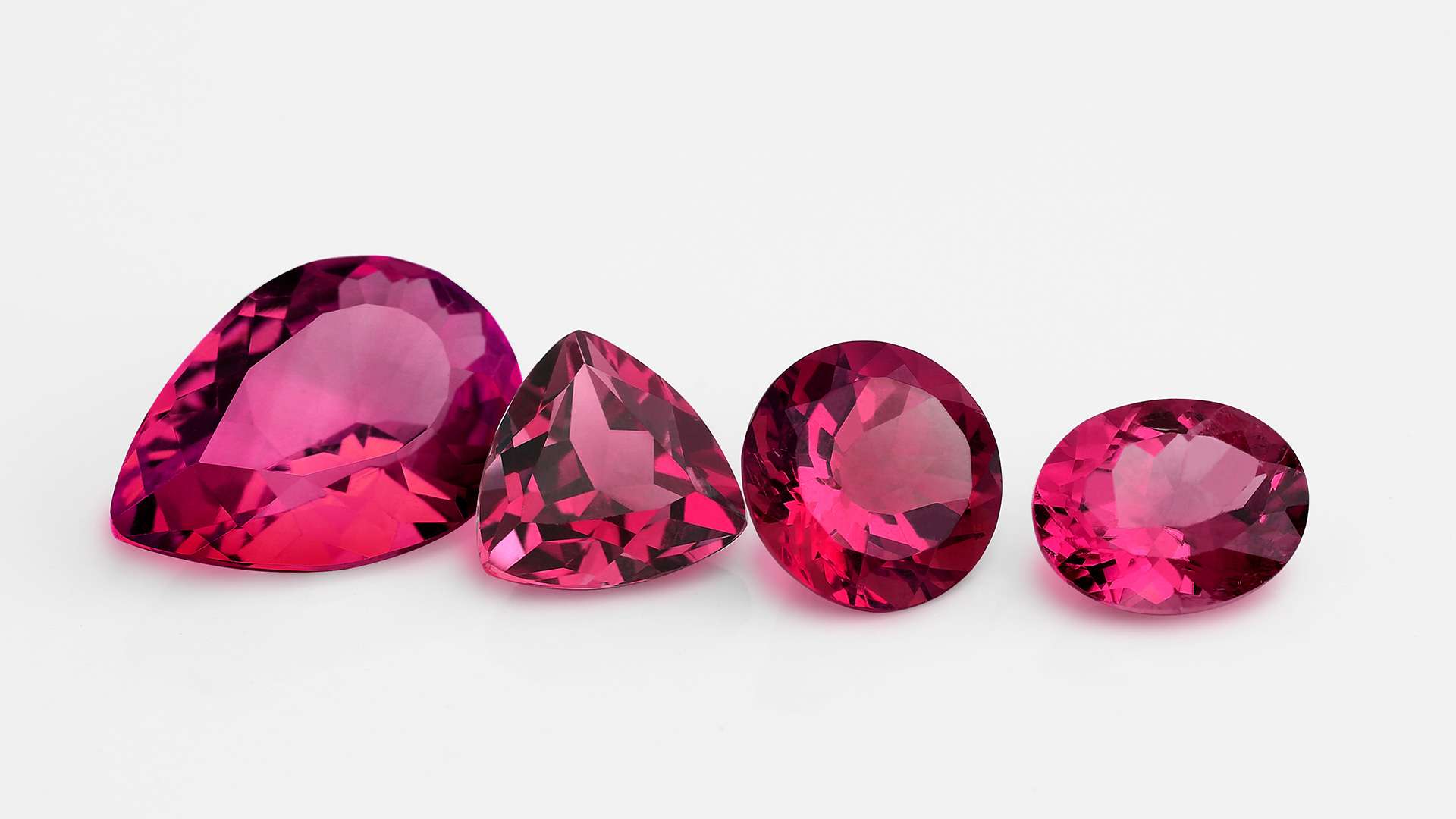
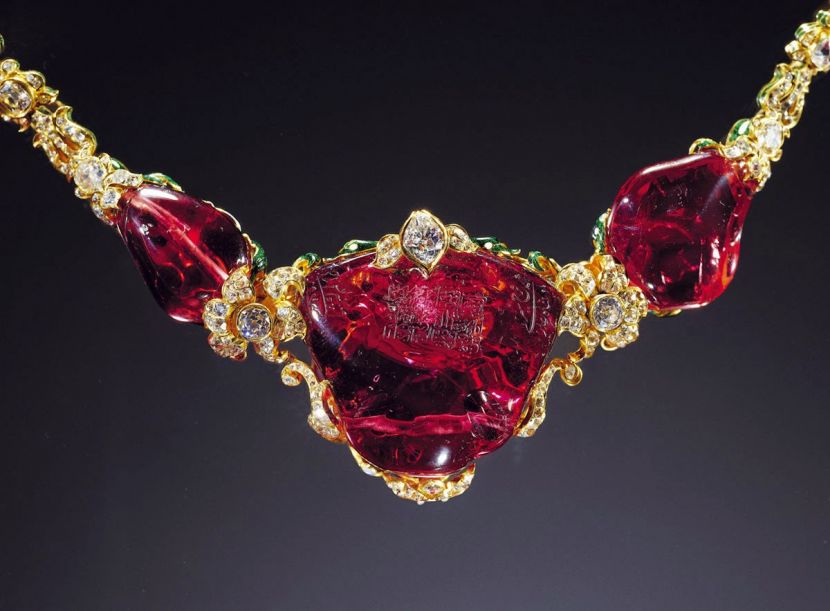
Ruby belongs to the subspecies of corundum, the red color is given to it by an admixture of chromium. The mineral can have shades of red, red-brown, red-pink. Violet hues and overflows may be present. Such samples are called "pigeon blood".
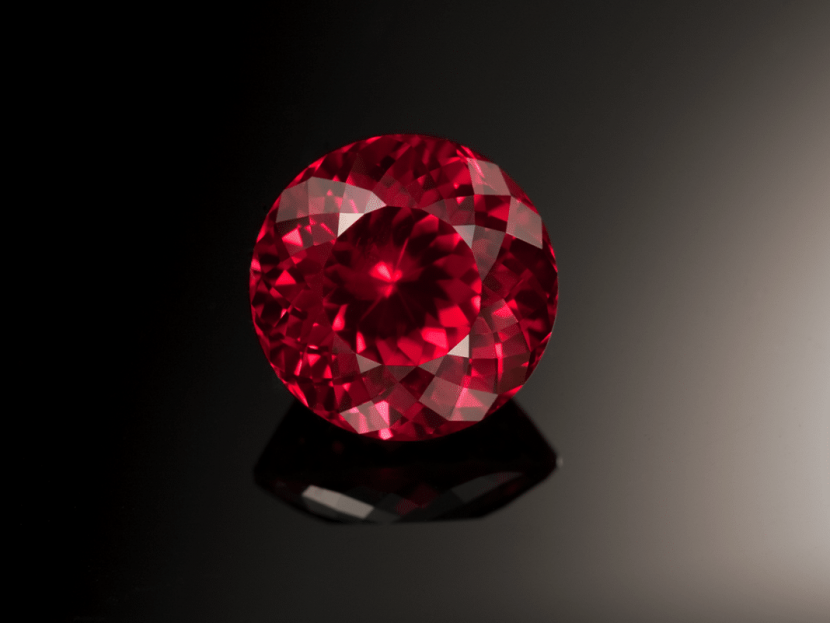
Burmese ruby, as a type of mineral, has a luxurious color, its saturation is very difficult to reproduce in imitation material.
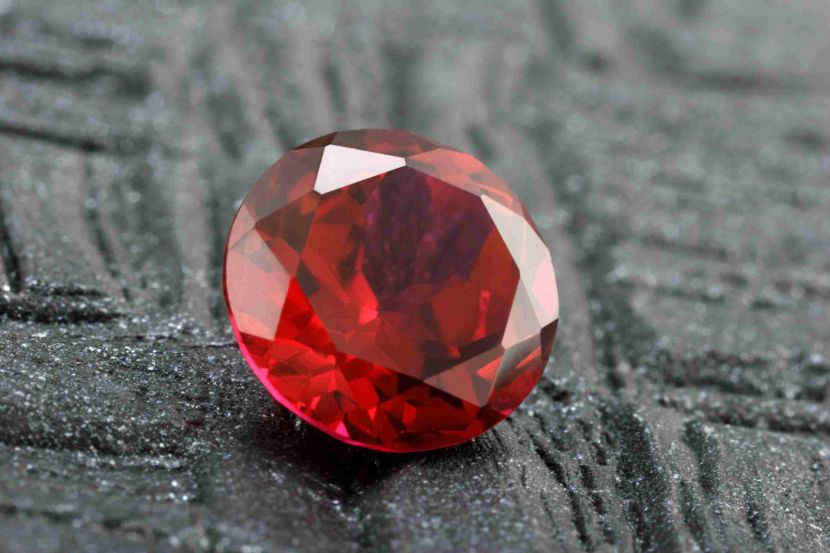
The gem has a glassy luster, and the light strip falling on the porcelain surface is white.Ruby, like diamond, has the highest hardness value on the mineralogical scale. Nothing can scratch him. Simple authentication is based on this property.
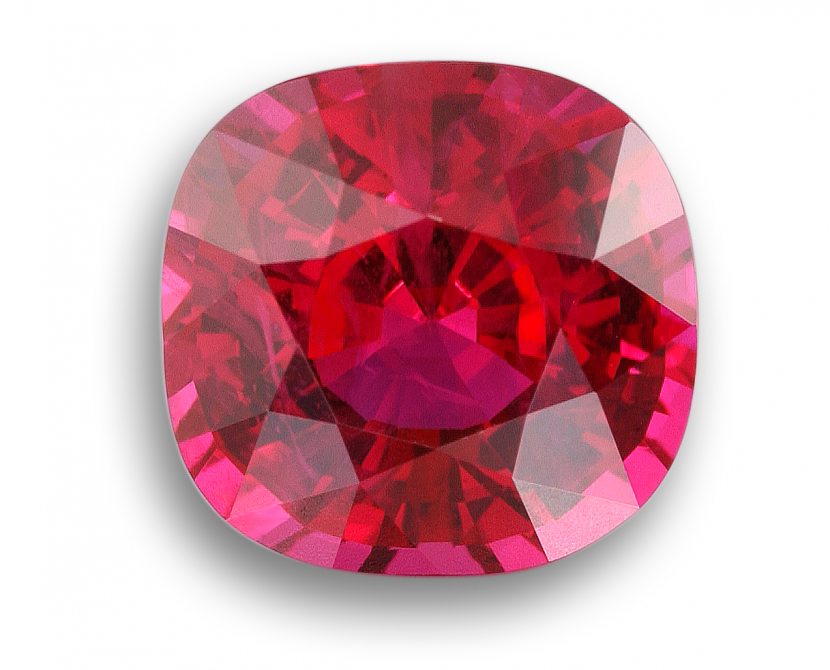
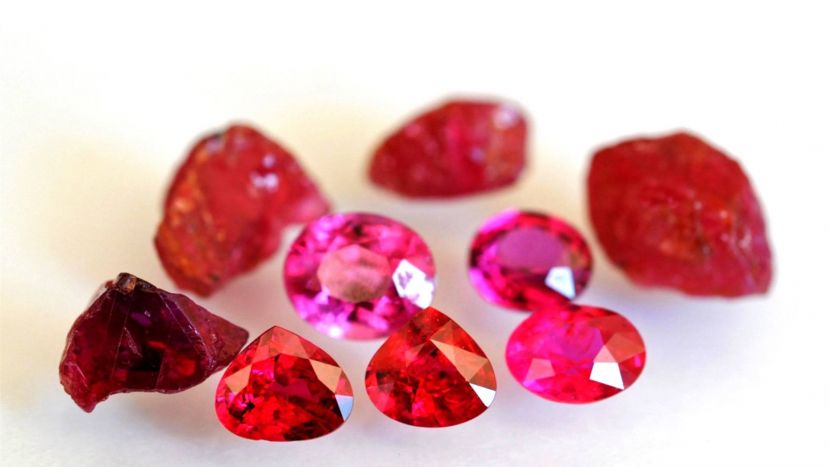
Rubies belonging to the first quality class have minor defects in the form of infrequent dots, strokes and other inclusions scattered in different areas of the sample.
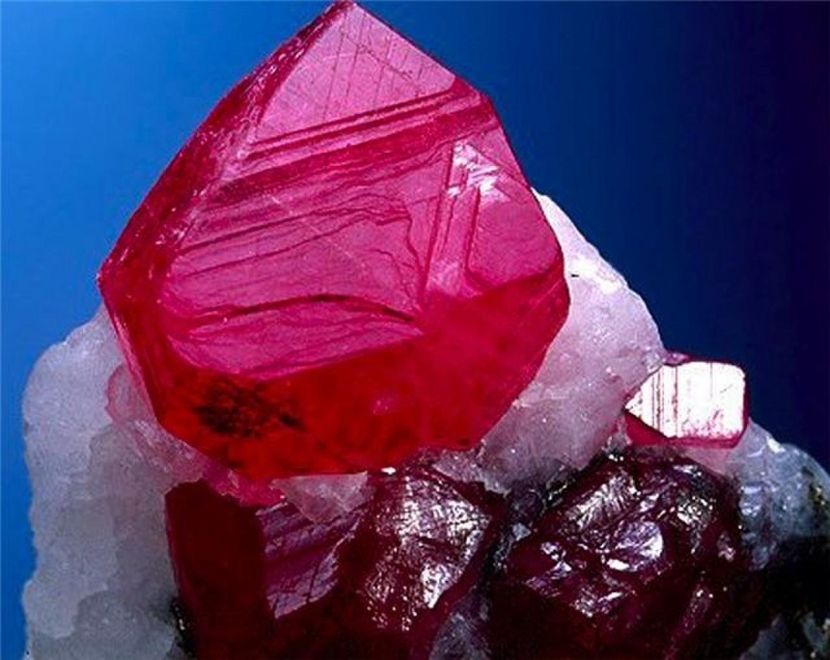
Exposing with a magnifying glass
Going to the jewelry store for a chic purchase, you can take a magnifying glass with a 10x magnification.
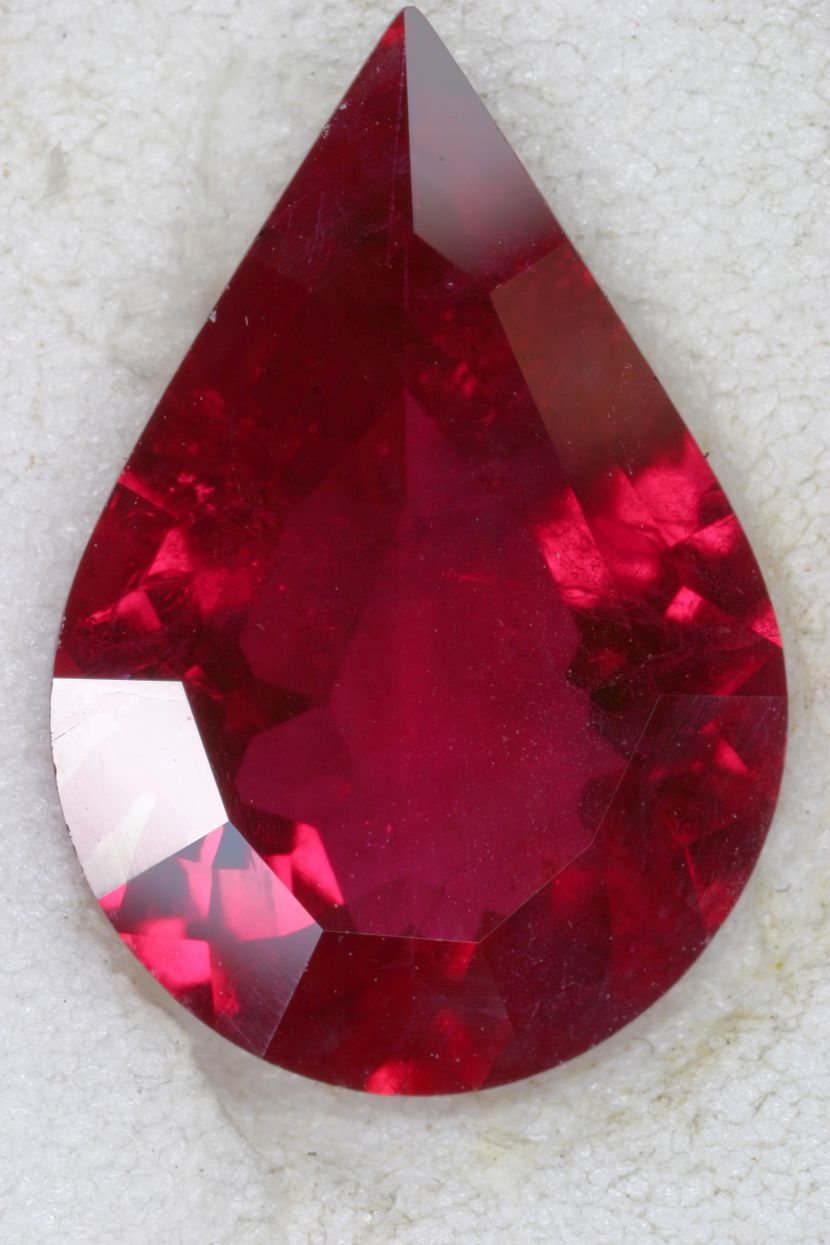
If you look at a natural ruby through such a magnifying glass, you can see clear edges that do not blur under high magnification. If the clarity of the edges is violated, then in the hands of a synthetic stone.
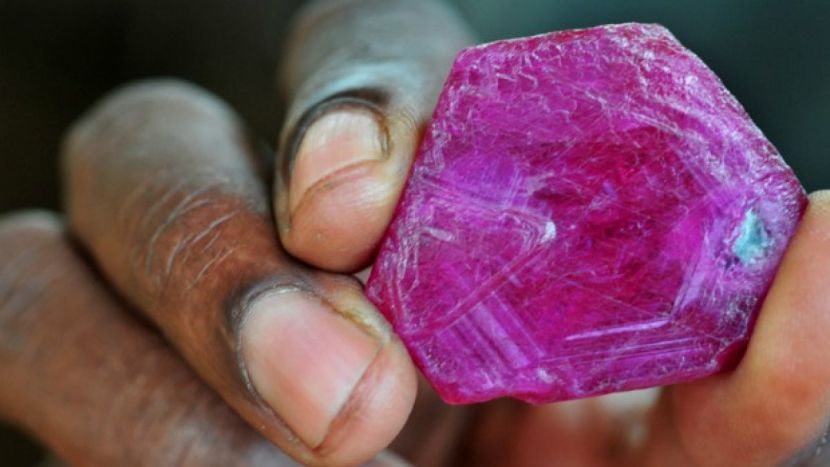
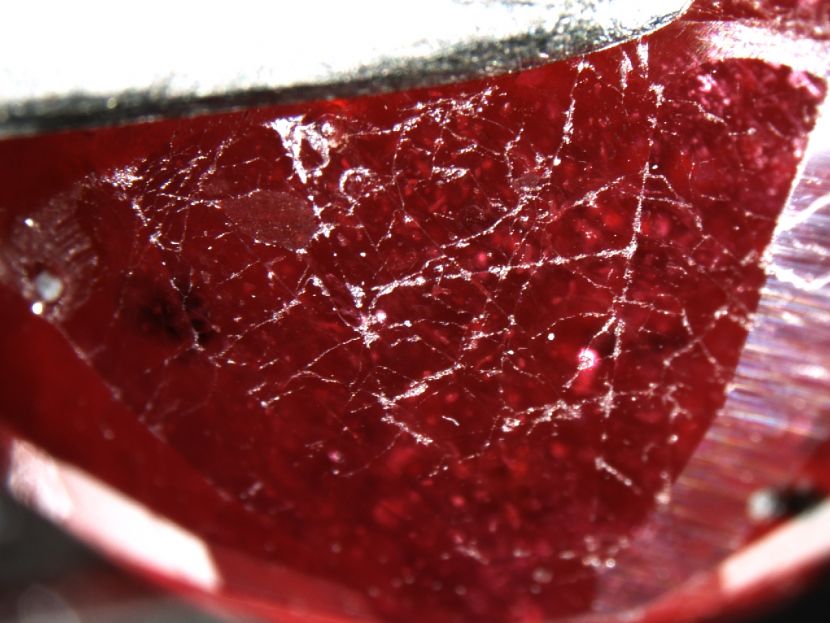
Carefully examining the ruby through a magnifying glass, you can see small air bubbles. In a real gem, they will have a color in common with the stone. In "synthetics" the bubbles are colorless, transparent.
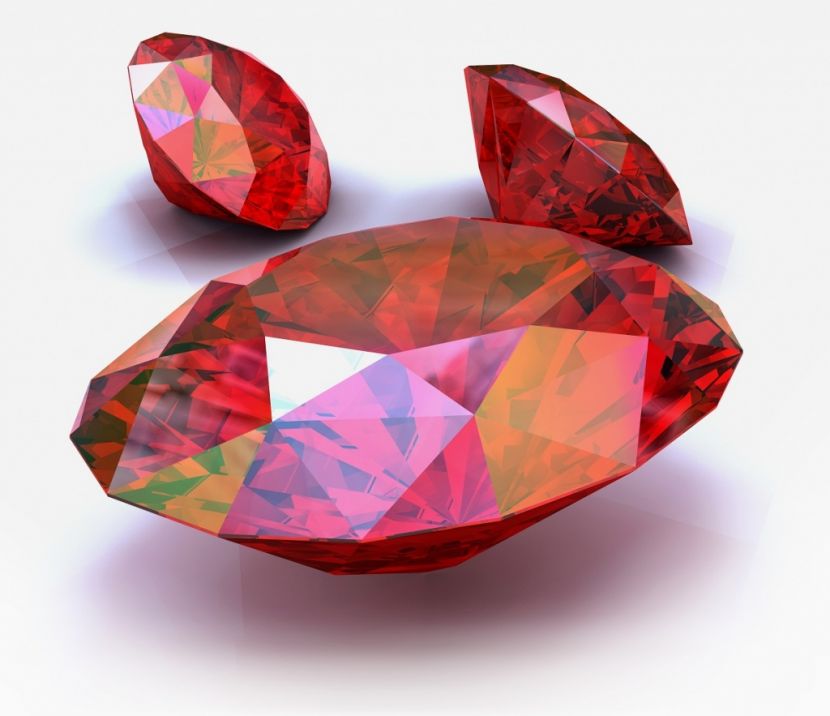
Ruby samples of any quality class have defects in the form of scratches and strokes in varying amounts. In a natural stone, all inclusions have a zigzag shape, in a fake - even.
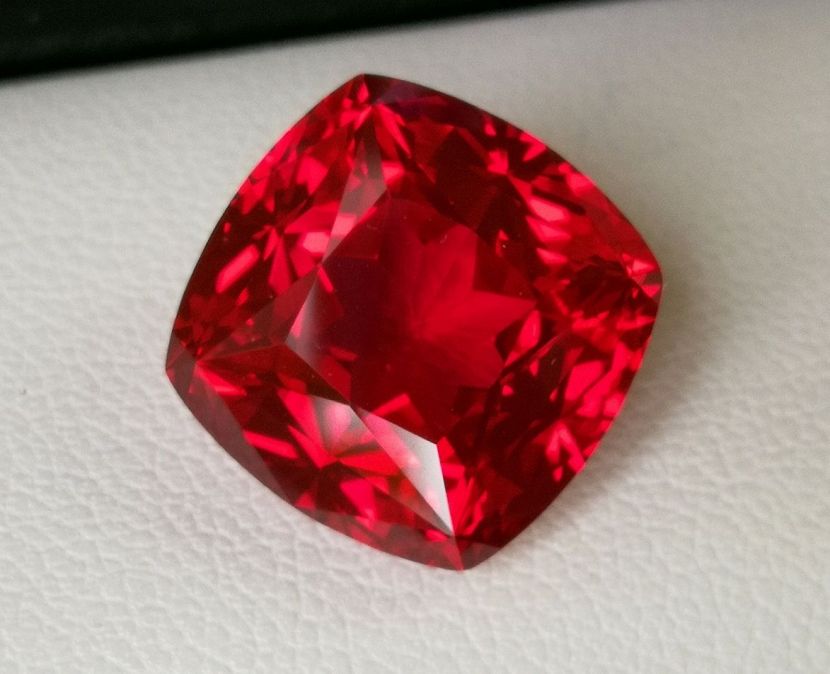
Light to help
In the event that a magnifying glass is not at hand, and the seller in the store refuses to provide it, casting doubt on the authenticity of the product, you can try to play with the light.
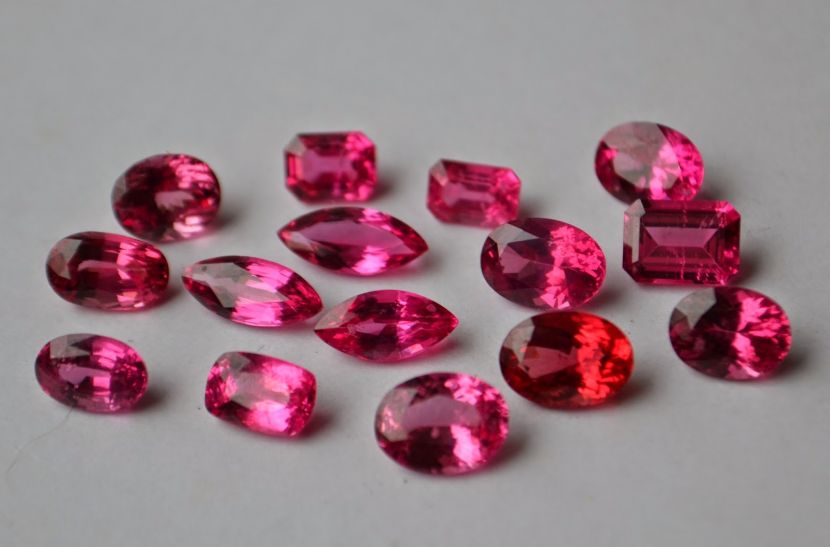
Natural stone, exposed to the rays of sunlight, will show all its incredible beauty. The side that is lit by the sun will exude an amazing burgundy sheen. On the reverse side, the surface will remain matte with a pale glow.
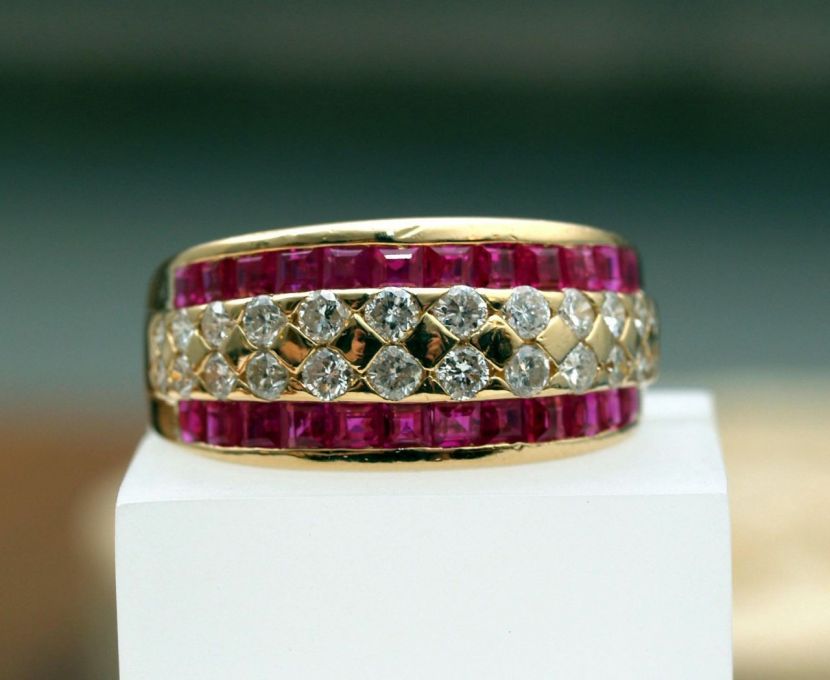
If an ultraviolet flashlight with a wavelength of 280 nm is available, then you can dedicate it to a ruby. The original stone will not change the color of the glow, it will remain red.The imitation will sparkle with orange tones under the influence of ultraviolet light.
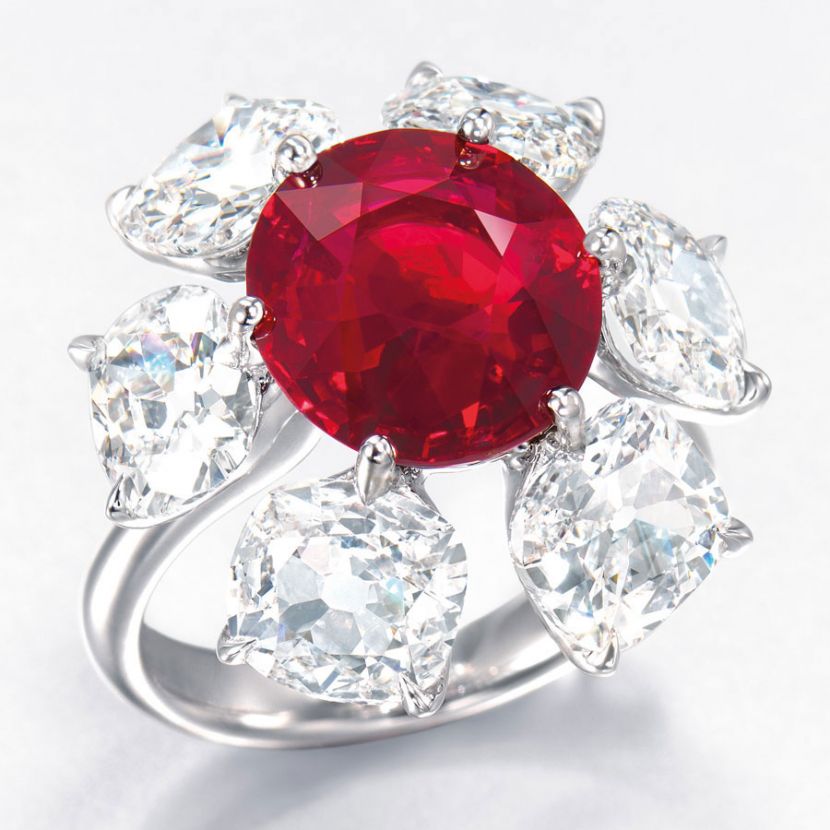
The effect of "pigeon blood", characteristic of real rubies, is clearly visible when the product is turned in different directions in daylight. The gem shimmers with purple hues. Imitation material does not have this effect.
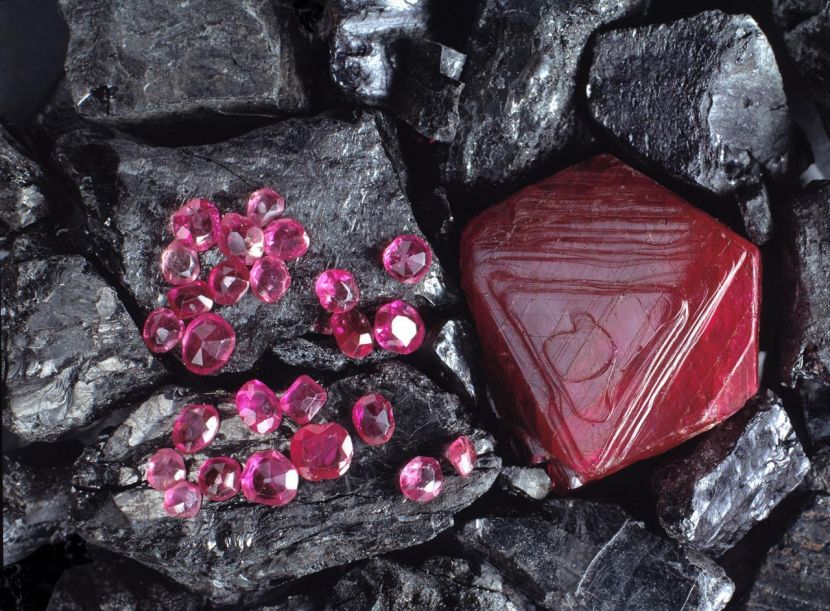
For reliable results, two verification methods can be used simultaneously - to examine the sample through a magnifying glass and in the rays of sunlight.
Authentication at home
When sorting through the heirlooms or bringing home a piece of jewelry you just bought, you can run a few simple tests to confirm that you are holding the original. To perform checks you will need:
- glass container;
- milk;
- glass or metal;
- a heating device, such as an iron.
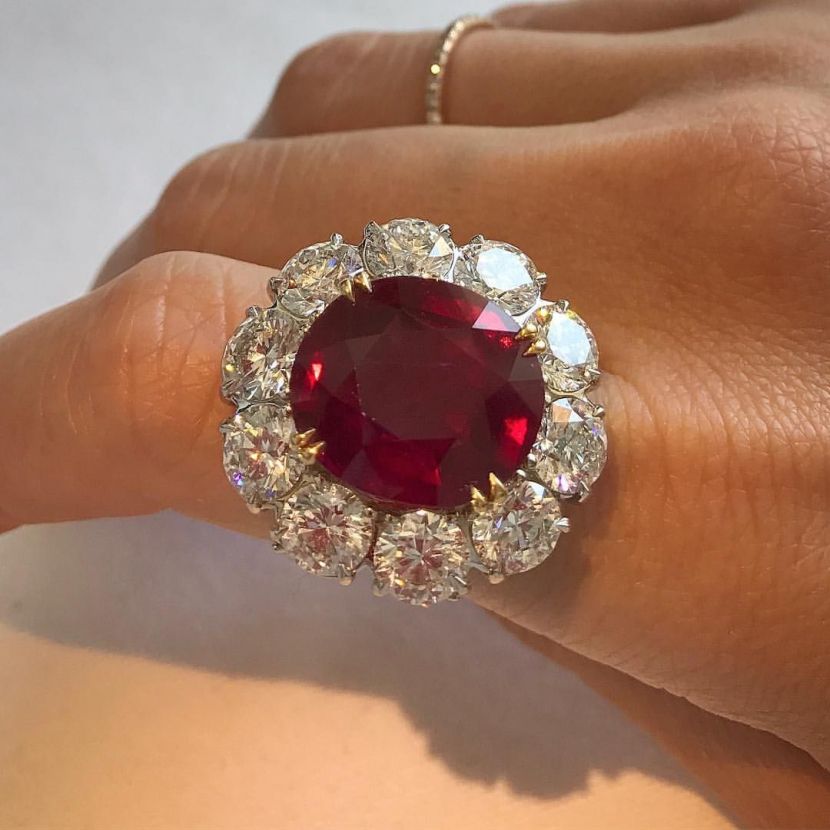
At home, there is always a transparent glass cup. A product with a ruby is lowered into it. The real mineral will illuminate the inside of the glass with red light. Imitation will not show itself in any way.
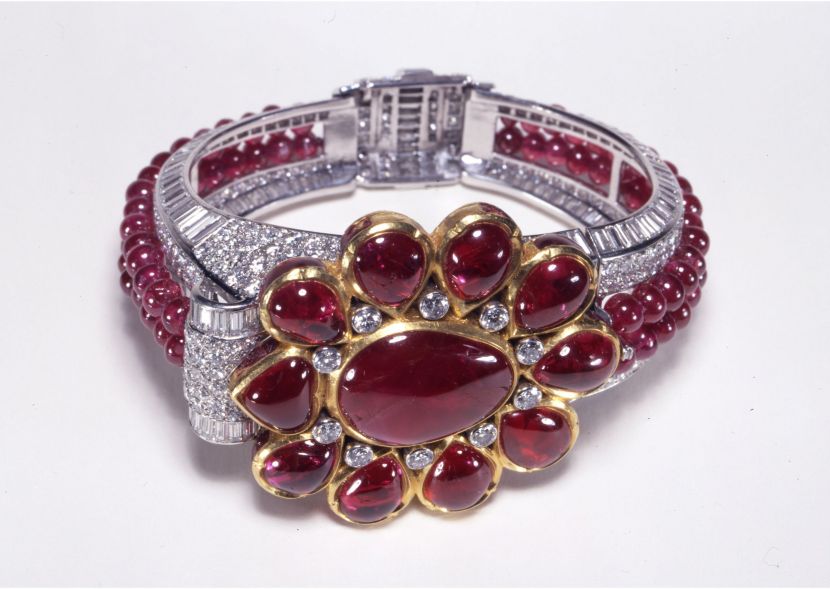
You can pour milk into a glass with a ruby so that it completely covers the mineral. A real gem will color the white milky shroud in pink tones.
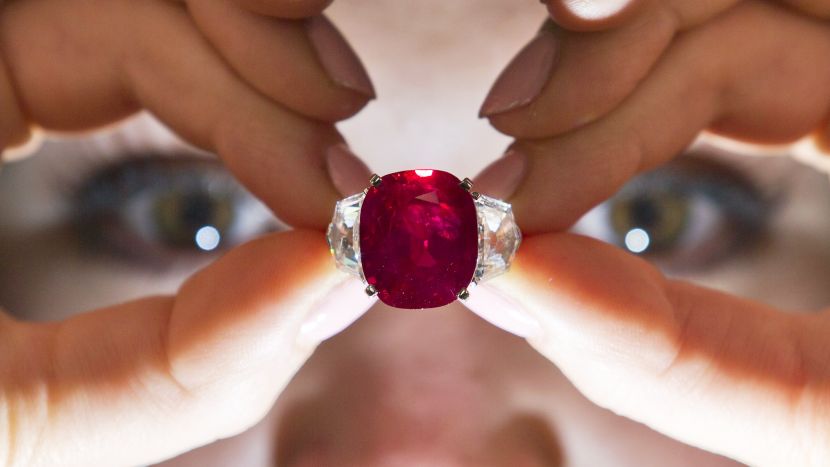
Ruby has a high hardness. It cannot be scratched with a knife or glass. And on the imitation there will be a trace from the impact of the metal.
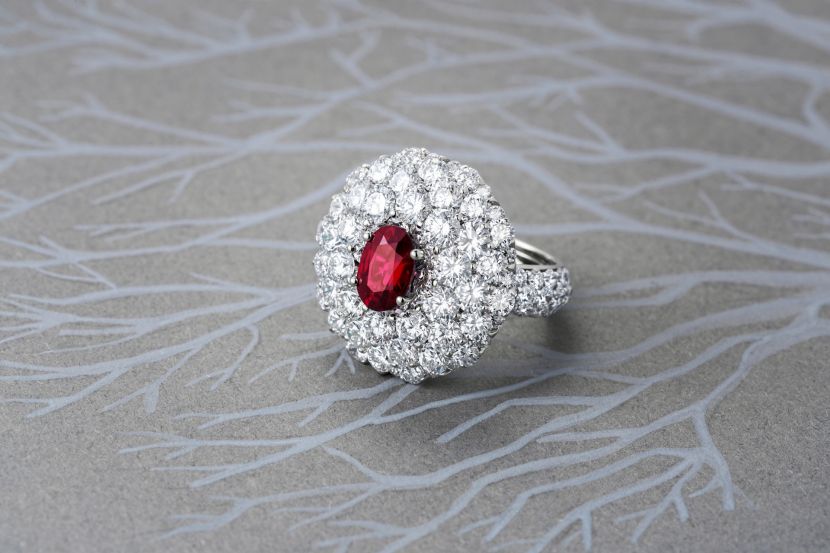
Ruby, like all natural minerals, has low thermal conductivity and retains cold for a long time. A simple iron test will help identify a fake. A hot iron is passed over the fabric several times so that it heats up well. Immediately put on this fabric product with a ruby. A true gem will remain cold for several minutes, while an imitation will instantly become warm.
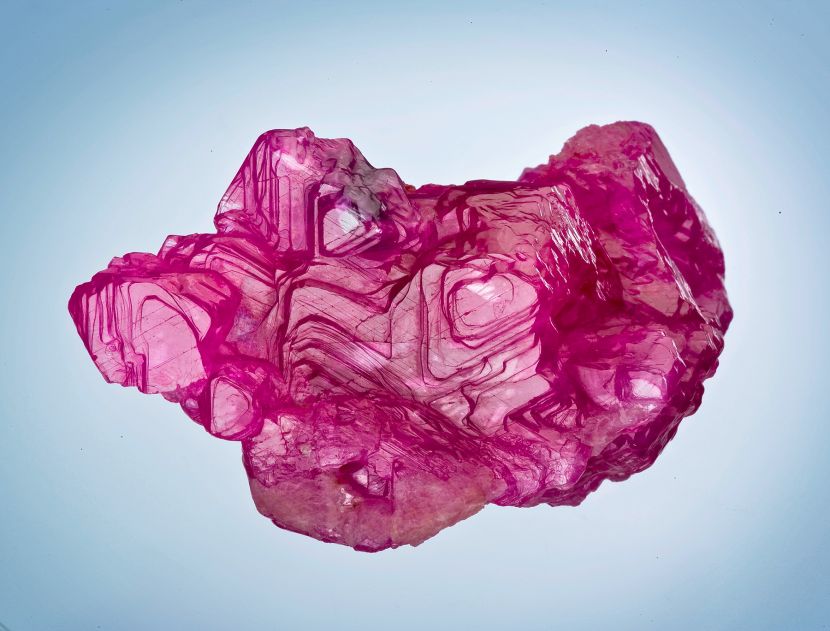
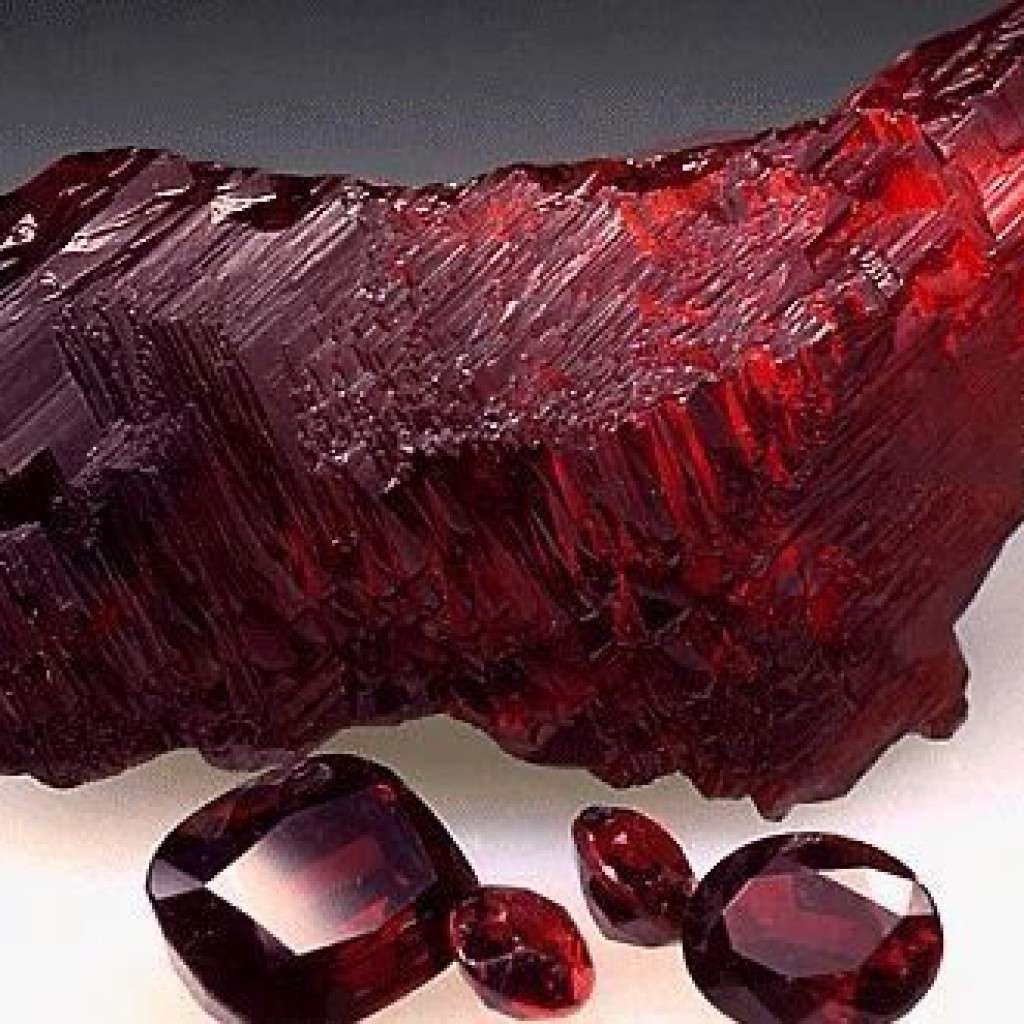
How to distinguish ruby from garnet and tourmaline
Garnet and tourmaline are self-sufficient semi-precious minerals that are widely used in jewelry. But because of their color, they are trying to pass them off as a ruby and sell them many times more expensive.
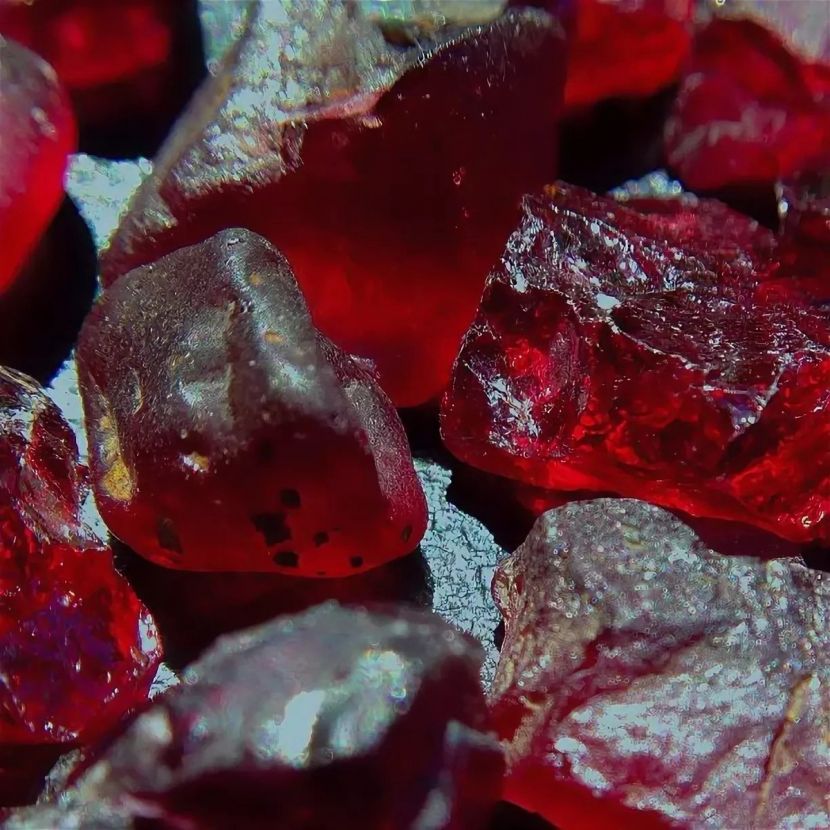
Knowledge of the physical properties that are fundamentally different for these three minerals helps to bring unscrupulous sellers to clean water.
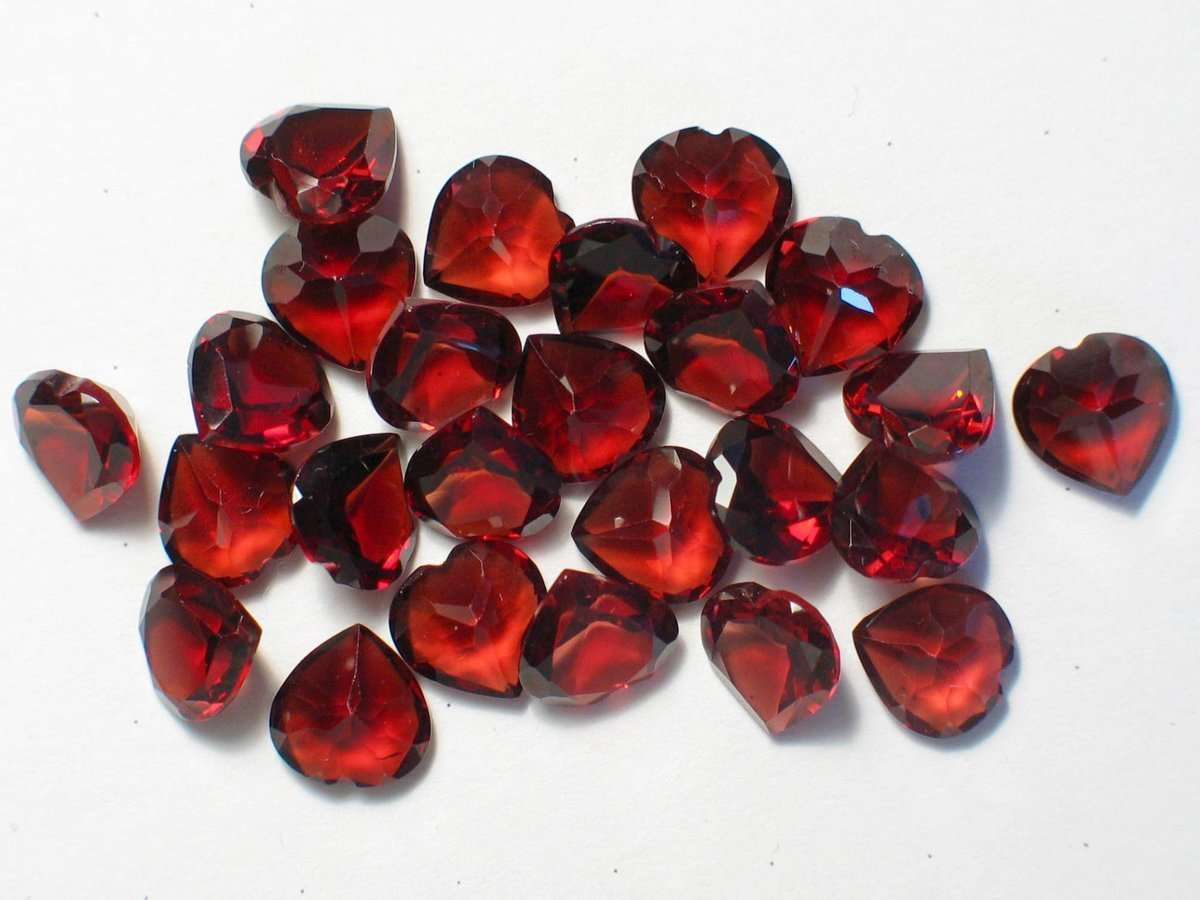
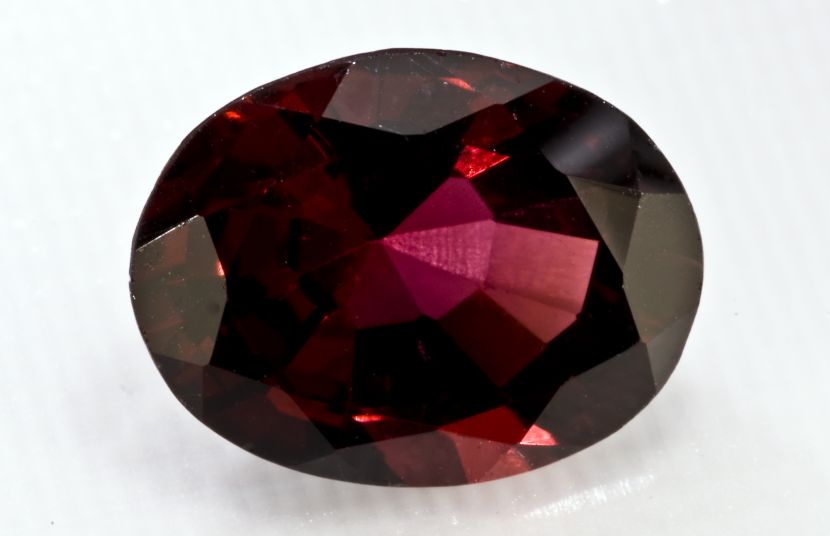
Garnet has shades darker than ruby. Under the sun's rays, garnet samples do not play with a bright sheen, the surface remains matte.
If you shine an electric lamp on a grenade, it will give out green tints. Ruby has no such color.
The pomegranate has a pyroelectric property. If you warm it up well in the palms, rubbing it intensively, then it attracts small objects that are nearby (fluff, hair, thread). Ruby does not have such abilities.
Garnet has a high hardness, but lower than that of ruby. It can be scratched with a file, but a ruby cannot.
Tourmaline does not stand up to the UV test. Like an imitation of a ruby, it begins to glow orange.
Like a pomegranate, tourmaline samples are able to magnetize small objects to themselves when heated by friction or pressure. It is also characterized by a piezoelectric effect, when one end of the stone is charged positively, and the other negatively. Ruby has no such properties.
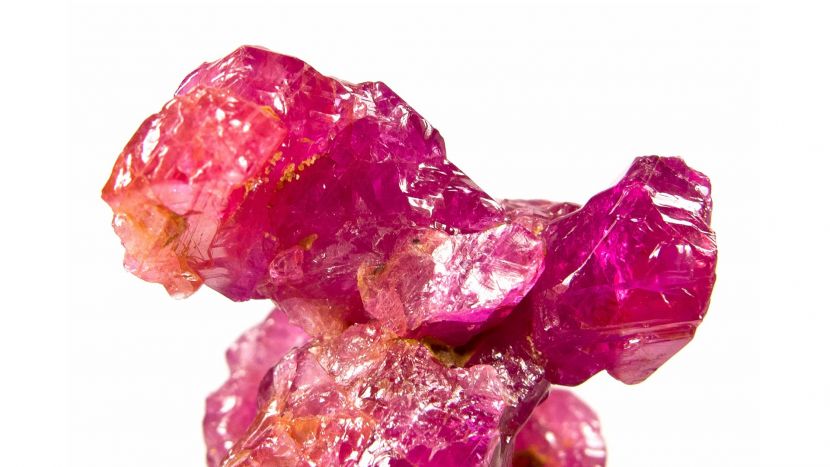
In products where the lower part of the mineral is hidden under the cut and is not visible, tourmaline blends are often found. In the hidden part, the property of polychroism, characteristic of tourmaline, is clearly visible.
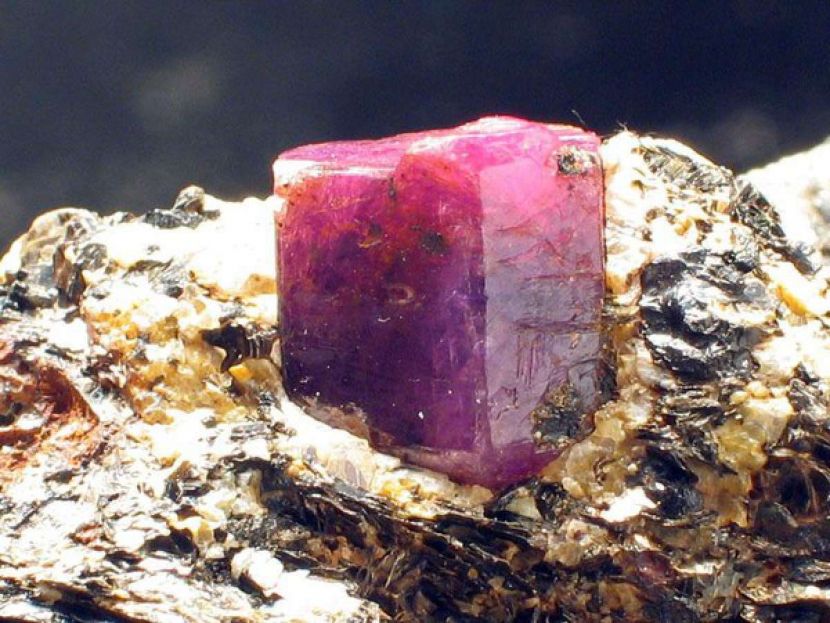
The material closest to the properties of ruby is obtained from a mixture of glass and ruby chips.
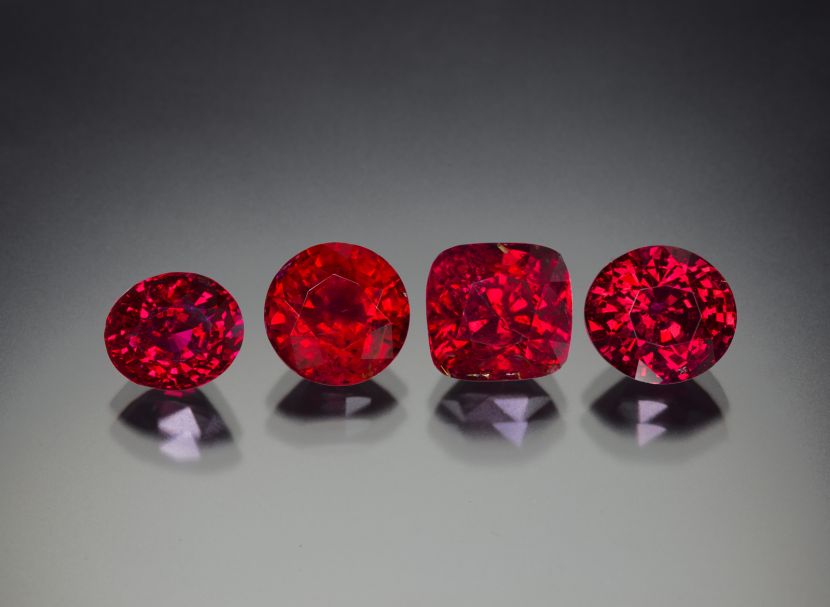
Such a fake can only be detected by a professional jeweler who has a license.He examines in detail the provided gem, examines its origin and composition. If necessary, the jeweler will draw up a quality certificate confirming the authenticity of the gemstone.
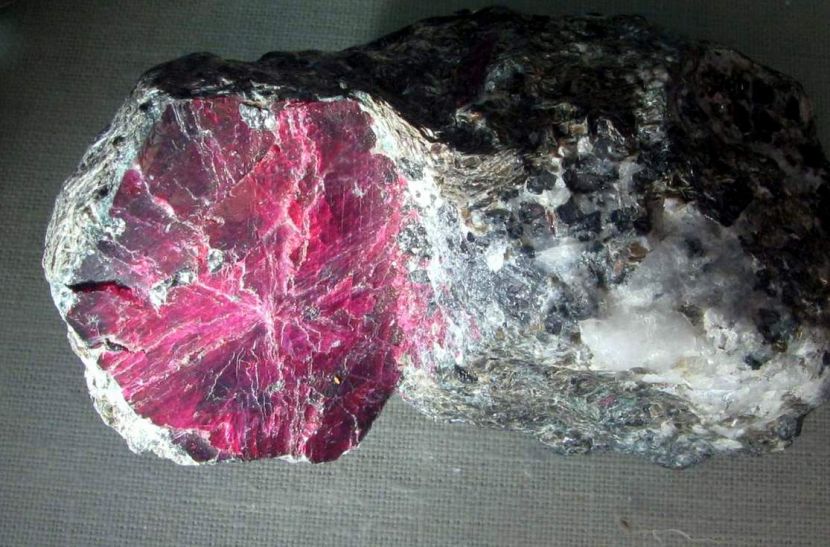
Not everything can be faked
It is impossible to fake "star" rubies, which have the property of asterism. The samples are cut in the form of a cabochon and a six-pointed star appears on a convex surface in daylight. If such a ruby is owned among jewelry, then you can be sure of its authenticity.
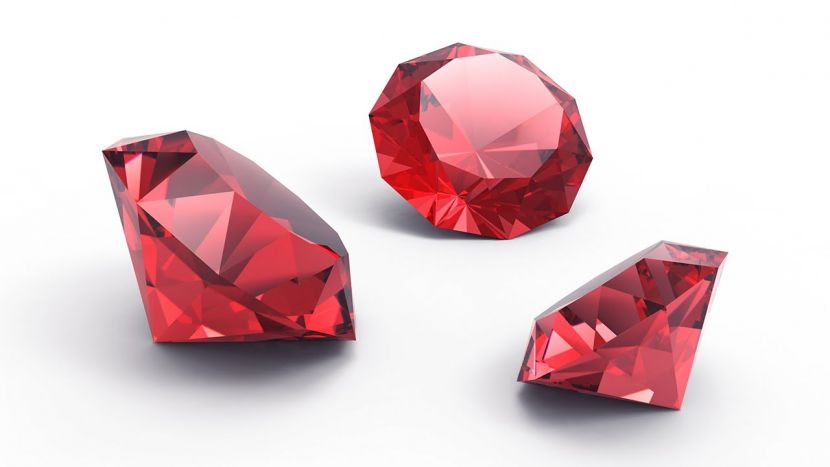
The gemstone ruby has luxurious external data, it is worn only in gold. The imitation material does not repeat the amazing properties of a natural natural gem. You can protect yourself from acquiring a fake if you study the features of the stone or enlist the help of a good jeweler.
Photo of a stone