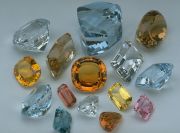
The variety of shapes and types of stone cutting: why is it needed, basic concepts, photos of gem cutting
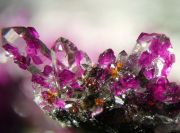
Cutting reveals the true beauty of precious minerals. In their natural natural form, the stones have a rough, nondescript appearance. Masters of jewelry have come up with many ways of processing, as a result of which crystals acquire elegant and sophisticated features. Each gem has its own shape of cut, emphasizing its beauty and radiance as much as possible. The perfect duet of a precious crystal and a cut increases the cost of a piece of jewelry at times.
The mission of cutting
Jewelers are engaged in the processing of stones in order to obtain a perfectly shaped crystal from an unhewn piece of natural material. A professional master knows how to cut:
- form ideal edges;
- reveal the play of light;
- enhance saturation;
- reveal the properties of asterism, pleochroism, luminescence.
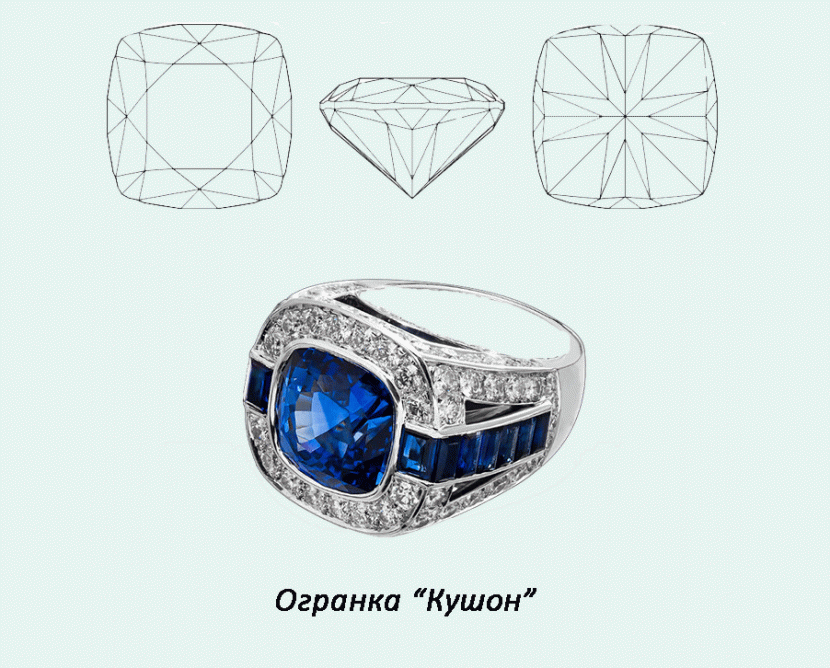
In the work, it is necessary to take into account the physical properties of the mineral - hardness, strength, brittleness, refractive indices of light, structural features. The choice of processing directly depends on the characteristics of the stone. The ability of the original specimen to withstand mechanical processes determines how many facets the stone will have, how much color saturation will remain or deepen, whether shine and play of light will appear.
Cutting is a complex process, only in the hands of a true professional is the magic of turning an indistinct piece of rock into a stunning crystal.
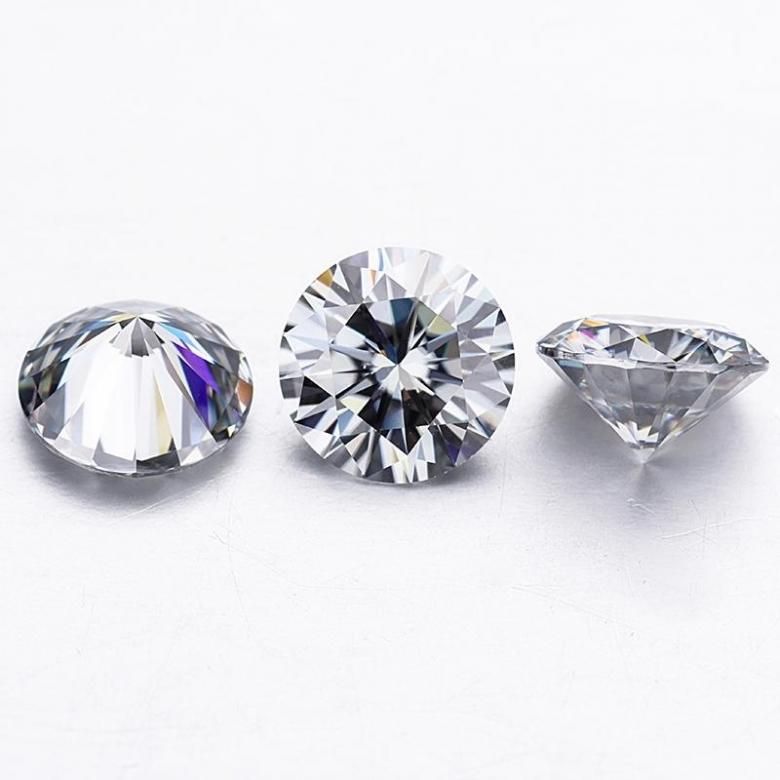
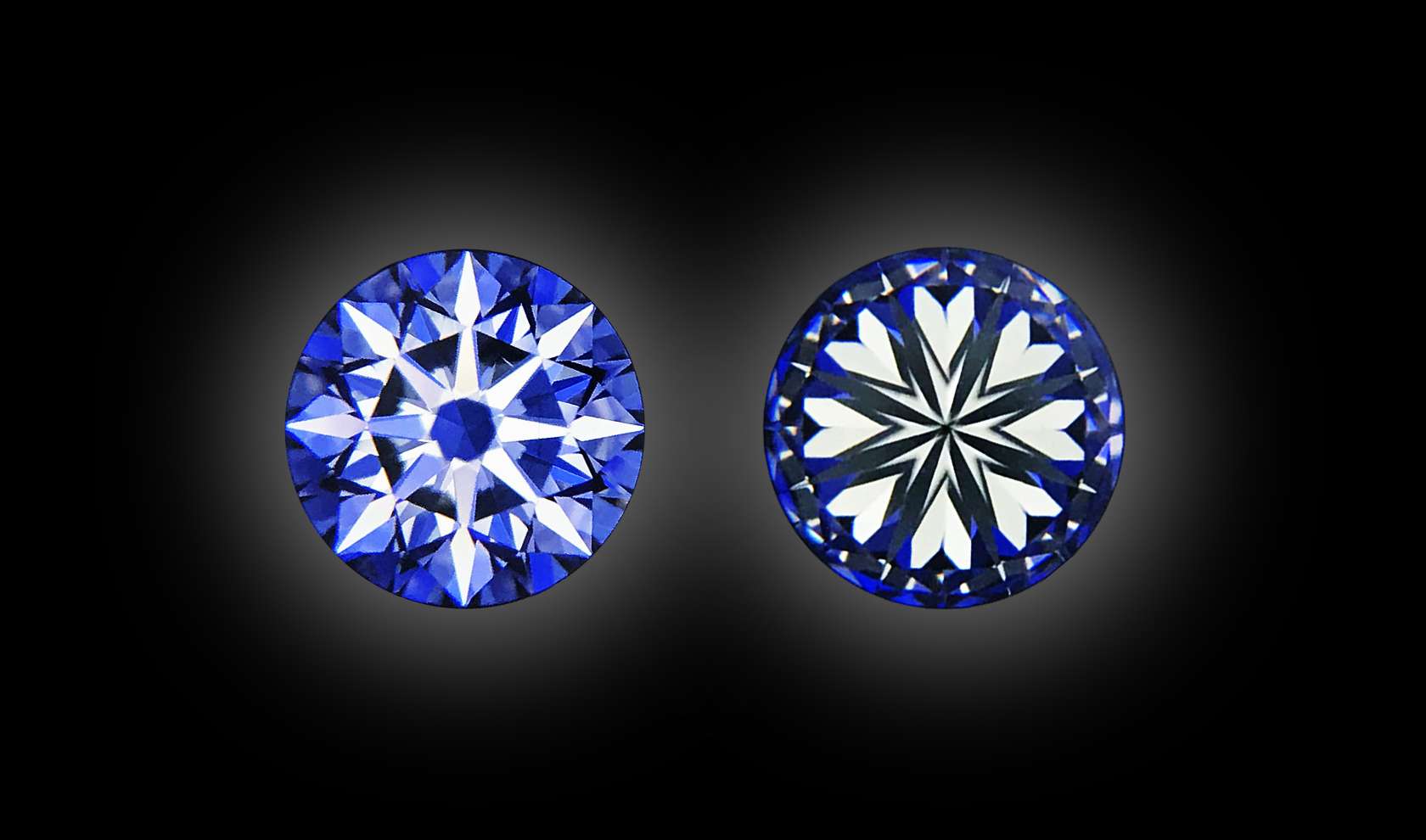
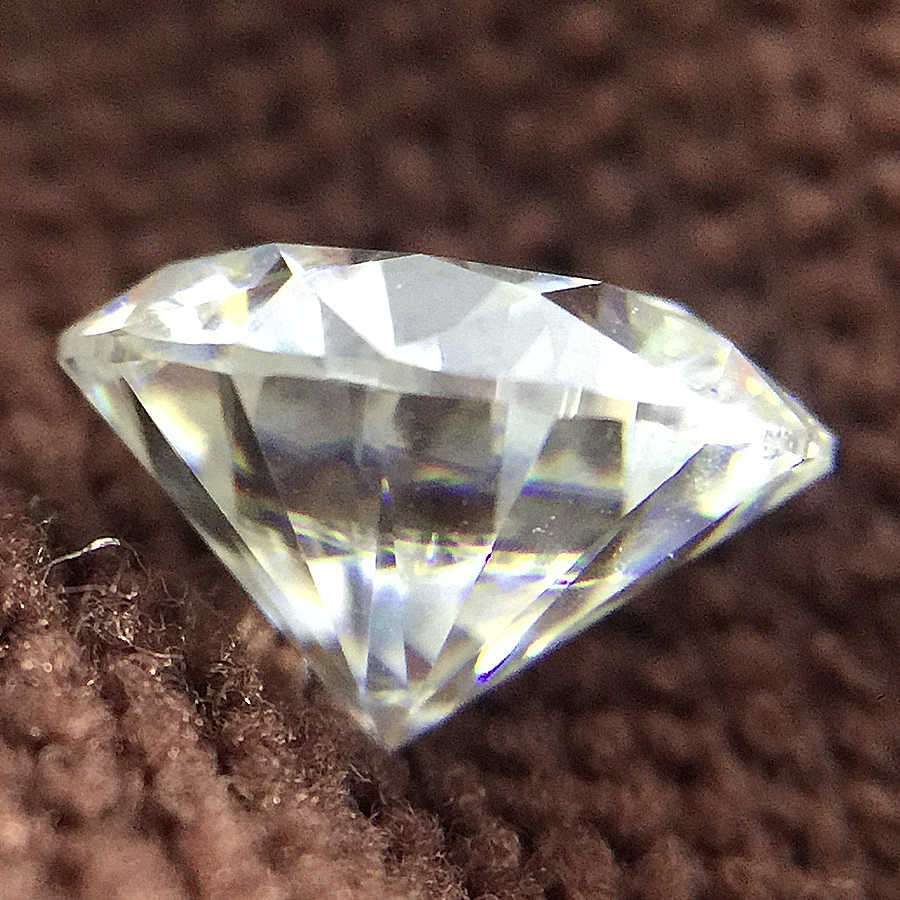
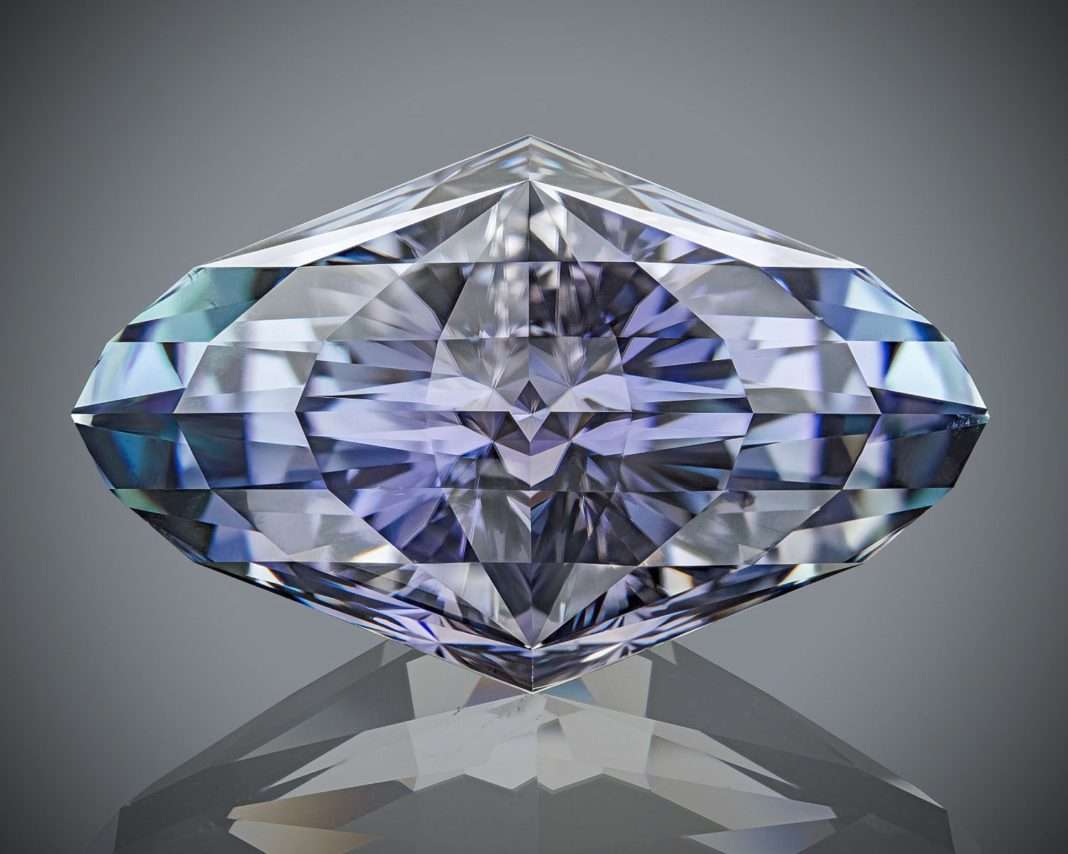
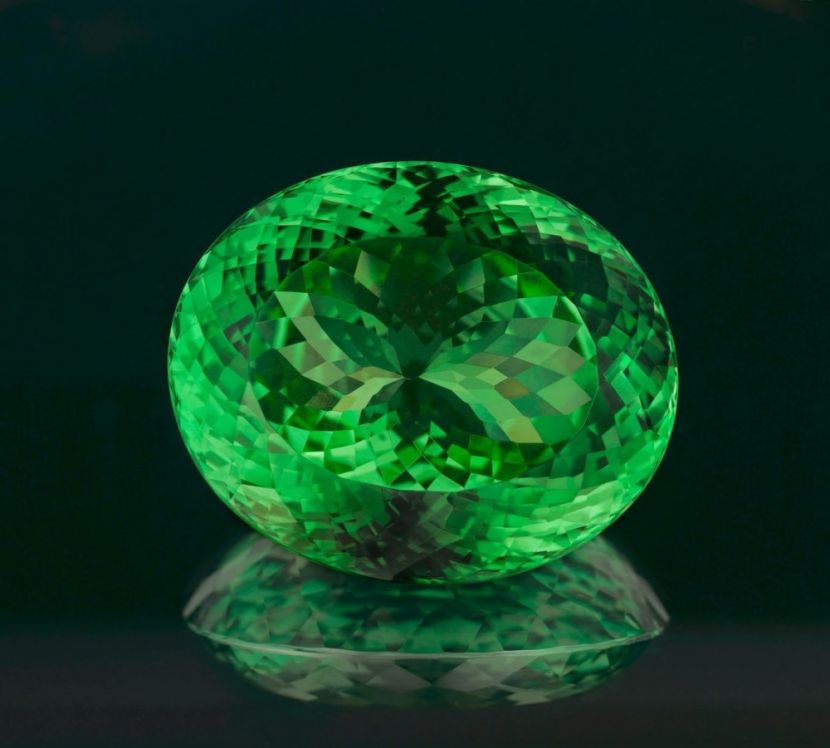
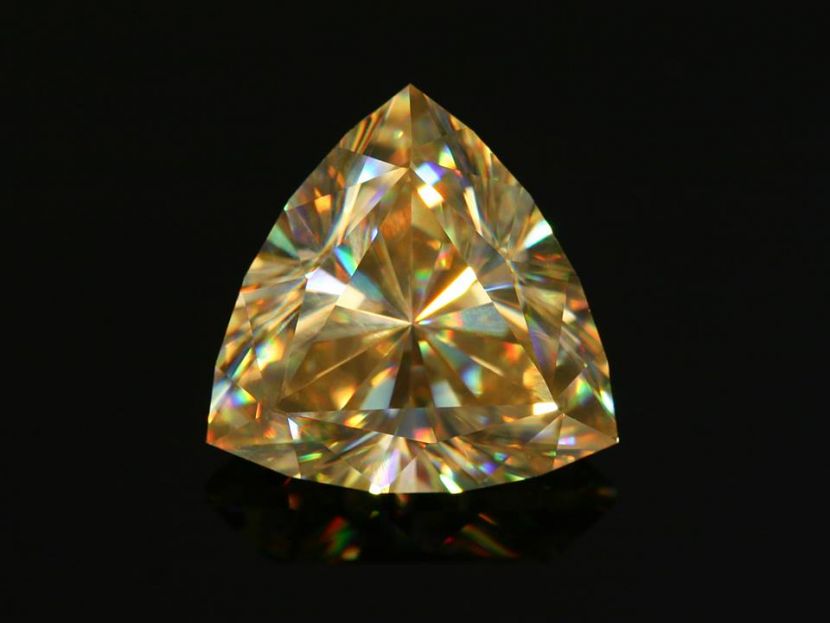
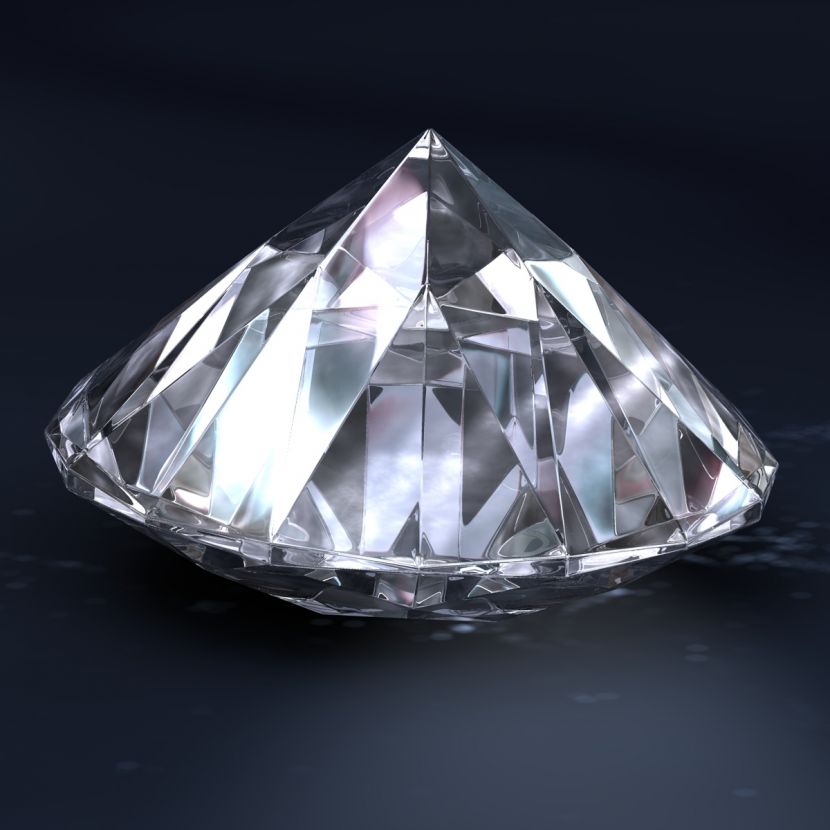
As a result of competent processing, iridescence, brilliance, and a bright “play” in the rays of the sun appear. Light passes through the facets of the crystal, causing beautiful lighting effects.
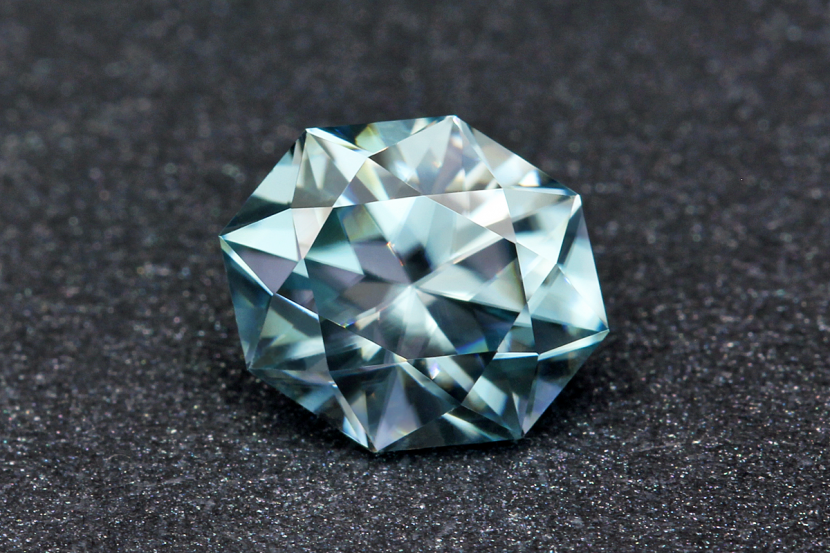
Facets are called facets, with the help of special tools, from 30 to 240 facets are carved on the stone. They must be exceptionally even, made at a certain calculated angle.
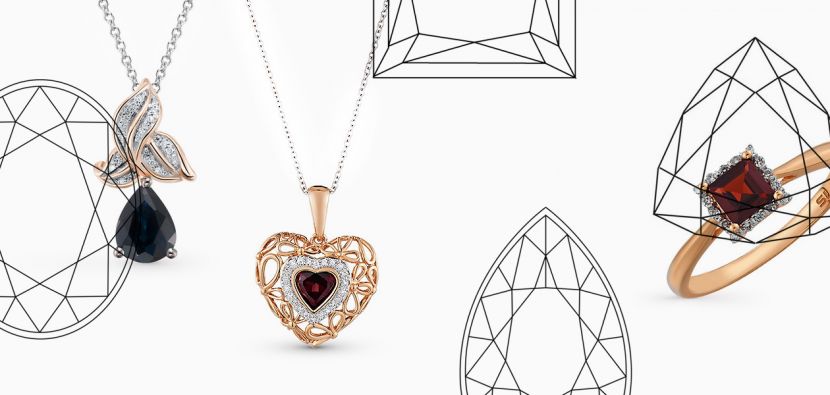
Basic concepts
As in any business, there are professional terms in jewelry making that denote elements and processes. Terms help craftsmen to understand each other and production technology in general.
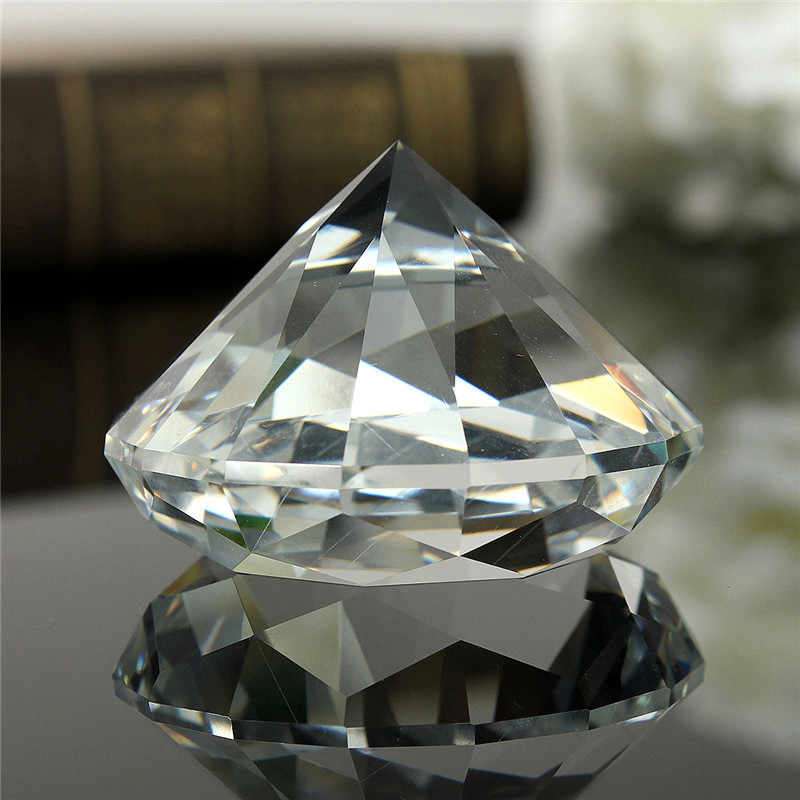
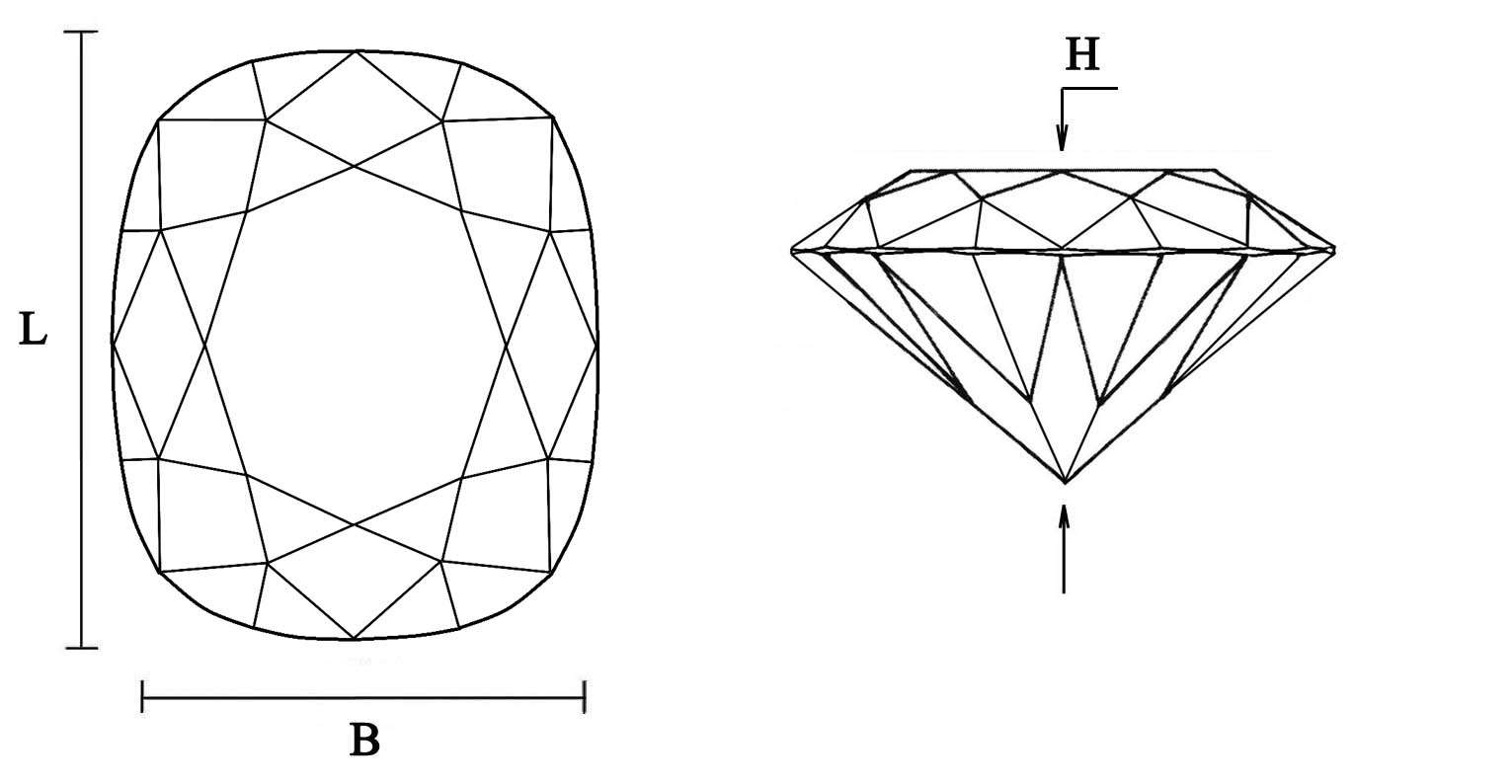
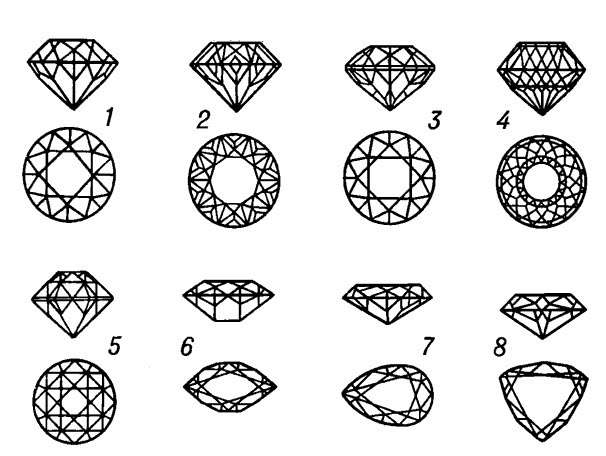
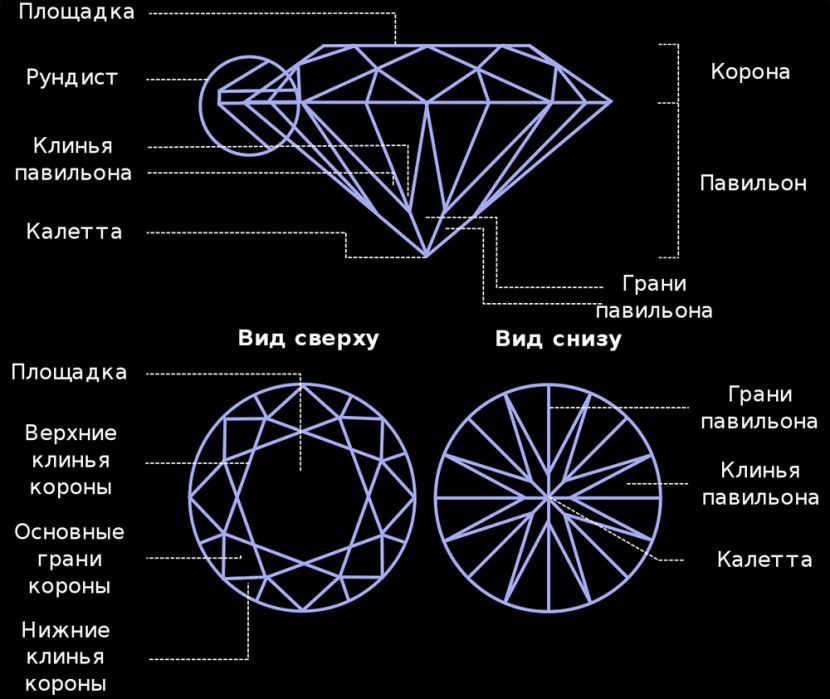
- The girdle is the widest place in the cross section of the sample; a frame is attached to it in the product;
- Crown - the visible part of the mineral, the most spectacular, the crown has edges and wedges;
- Pavilion - the lower part of the sample, located under the dividing line of the girdle;
- Calleta - the lowest point of the crystal, hidden in the frame;
- The platform is a wide flat edge, located on top in a horizontal plane.
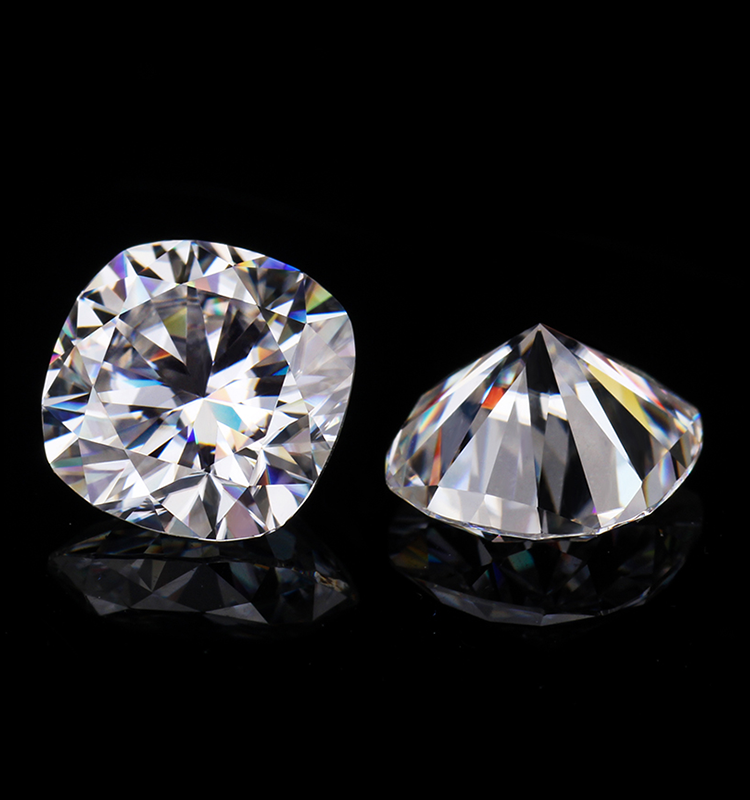
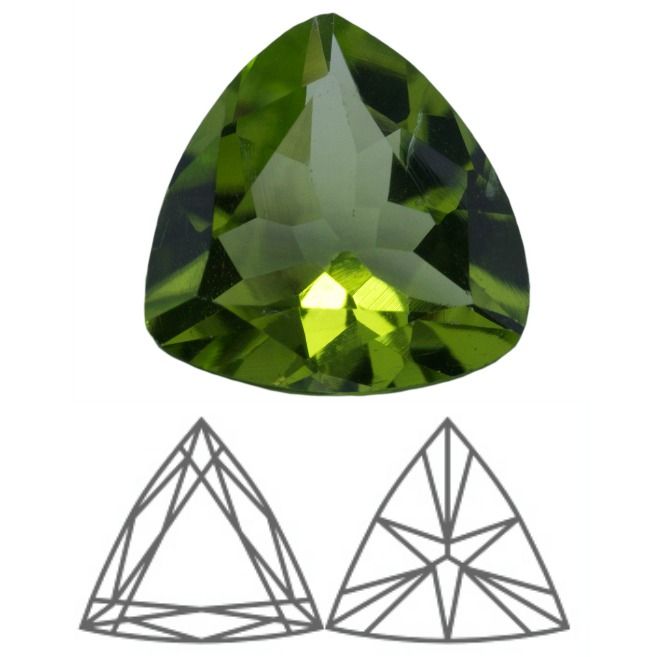
To reveal the beauty of translucent minerals, facet cutting, step or brilliant, helps. On its basis, gems are given any shape - an antique ball, a trapezoid and others.
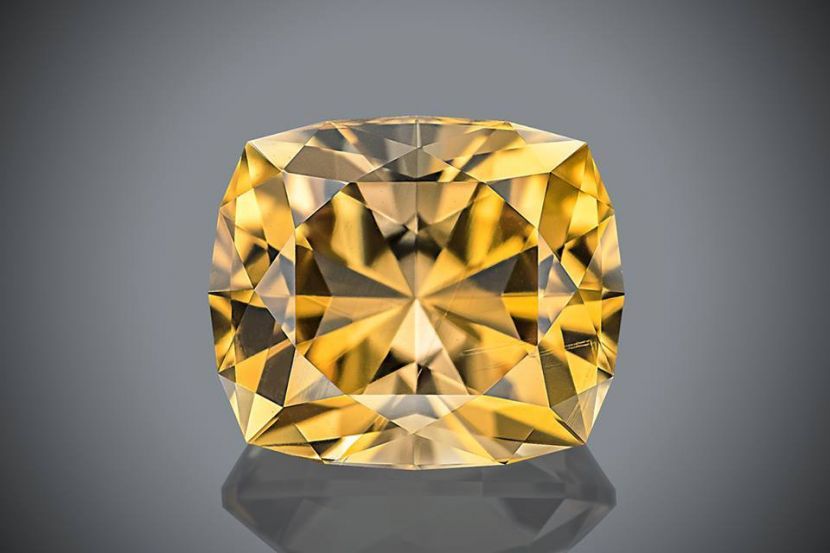
Types of cut
The future shape of the gemstone is chosen based on its physical properties. In well-chosen processing, the gem reveals its beauty and demonstrates amazing optical effects.
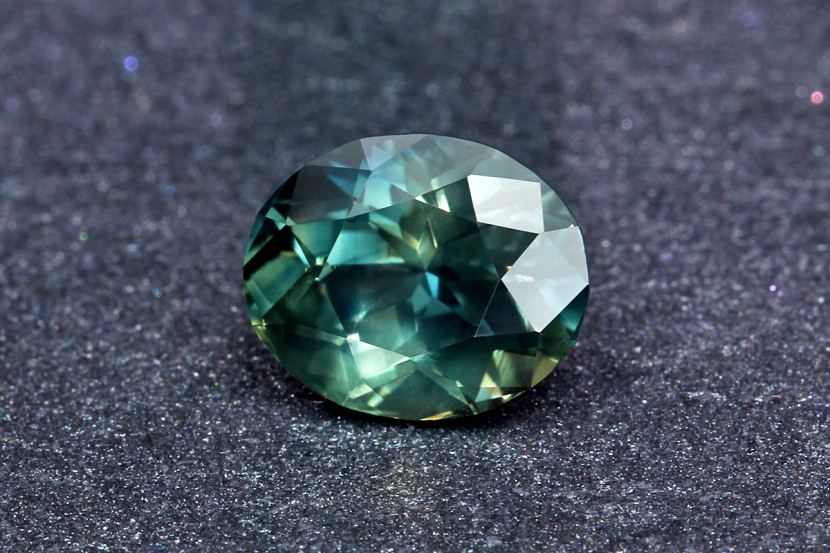
Cabochon
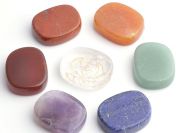
In the cabochon technique, minerals have been processed since ancient times. Extra parts are cut off from the original sample, the surface is polished until a smooth, even appearance is formed.The method is applied to opaque and partially transparent gems.
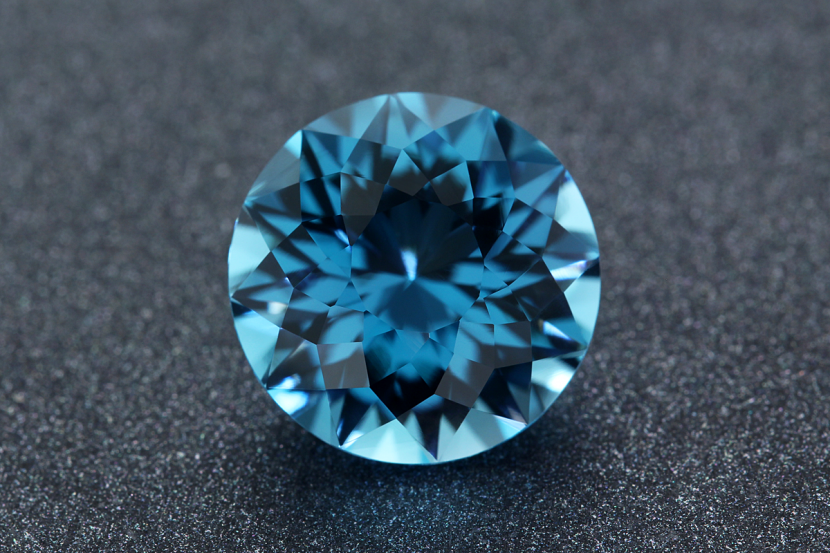
The name "cabochon" is derived from the French "caboshe", which literally means "nail head".
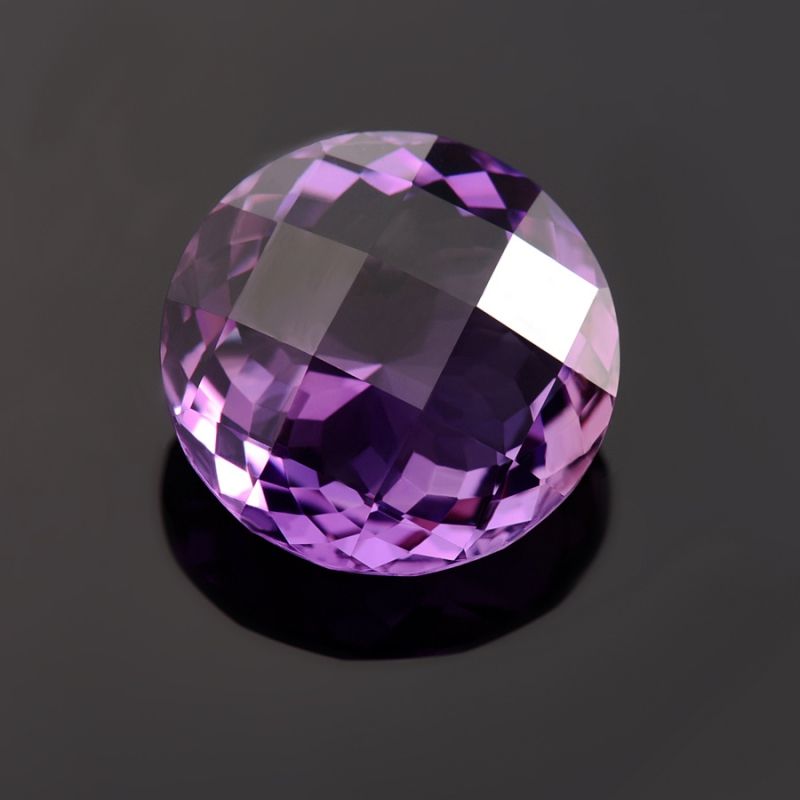
Cabochons should have a convex surface. Only in this case it reflects the luminous flux with maximum benefit. On the reverse side, cabochons have a flat, polished surface.
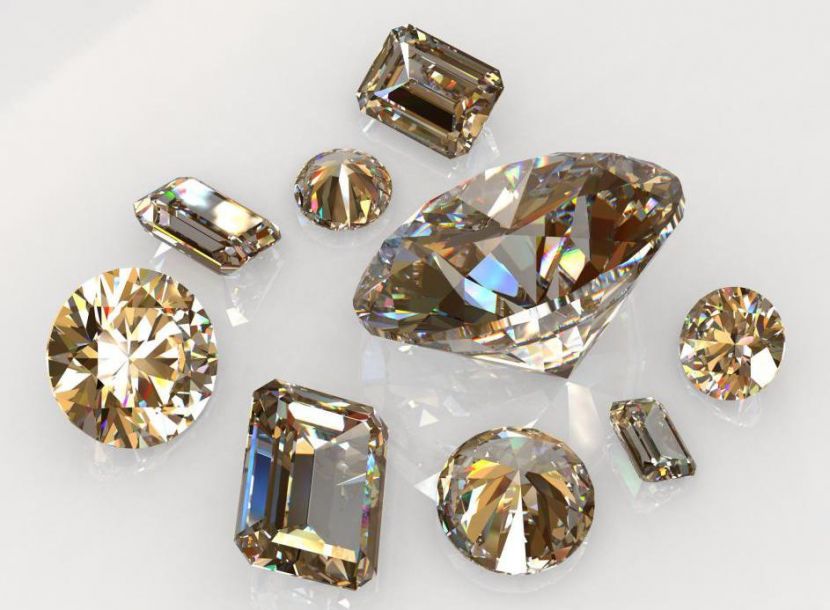
The cabochon technique is ideal for "eye" gems, as well as minerals with the property of asterism (the appearance of a six-pointed star on the surface under illumination).
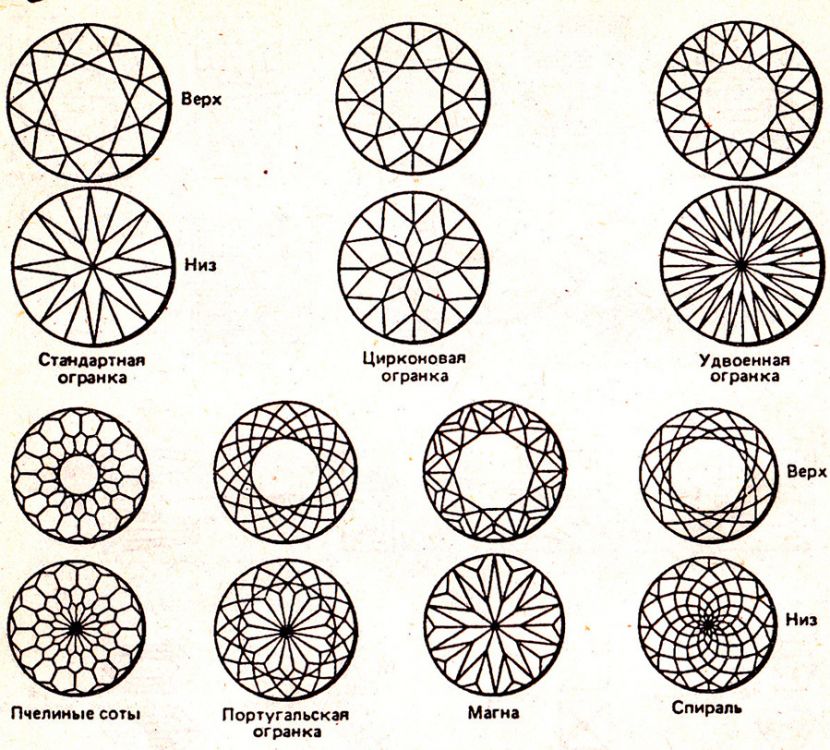
The cabochon must be perfectly even, so the processes of grinding and polishing are given maximum attention.
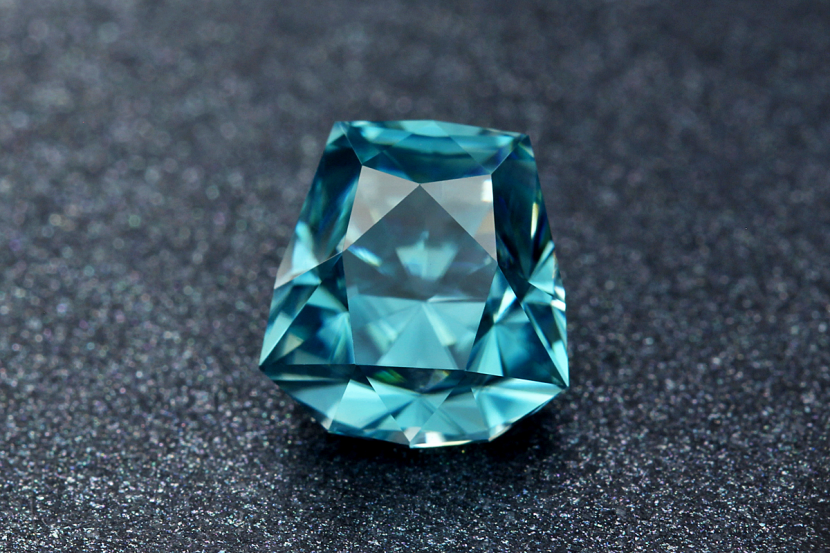
facet cut
Precious and semi-precious crystals are faceted, facets are carved on the body of the original specimens in a certain amount.
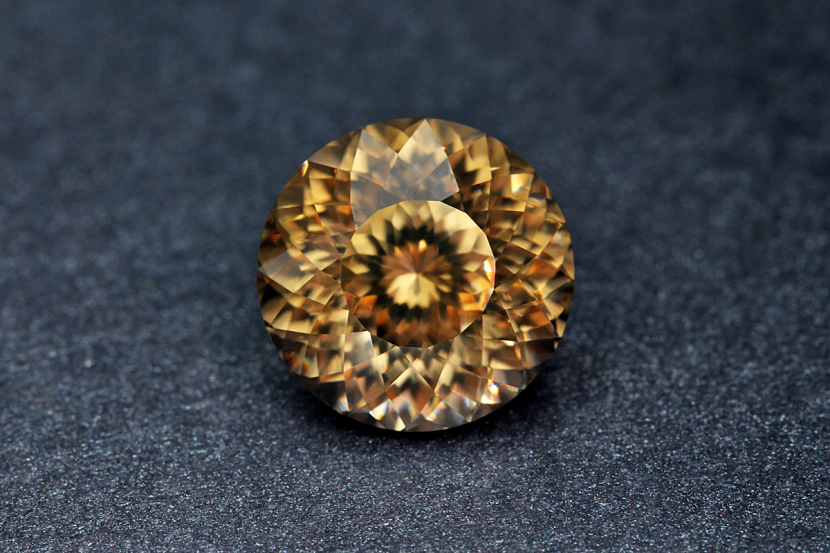
Stepped facet cutting expresses a style when the side faces are carved in the form of triangles with equal hips, or trapeziums. The gem site looks like a polygon. The faces represent steps rising above each other. A simple example of a stepped cut is a table, which has only two steps.
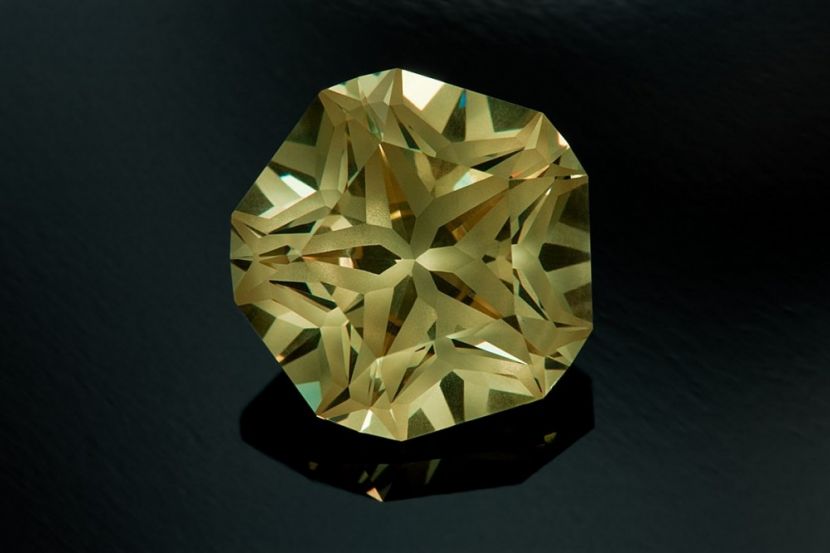
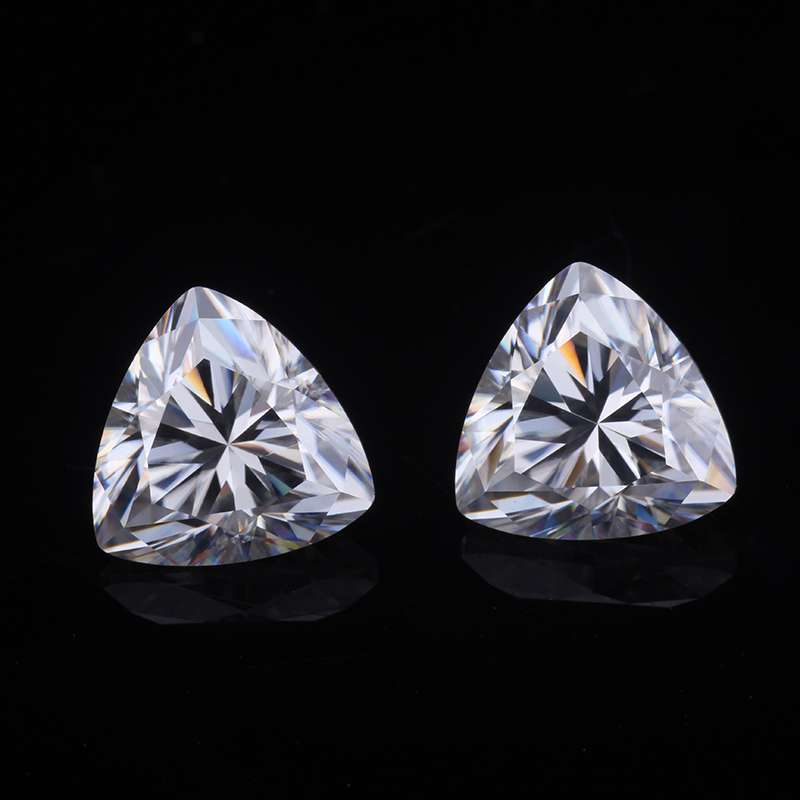
The wedge-shaped facet cut consists of a set of triangular faces that create a tetrahedral pyramid, with a trapezoid at the base.
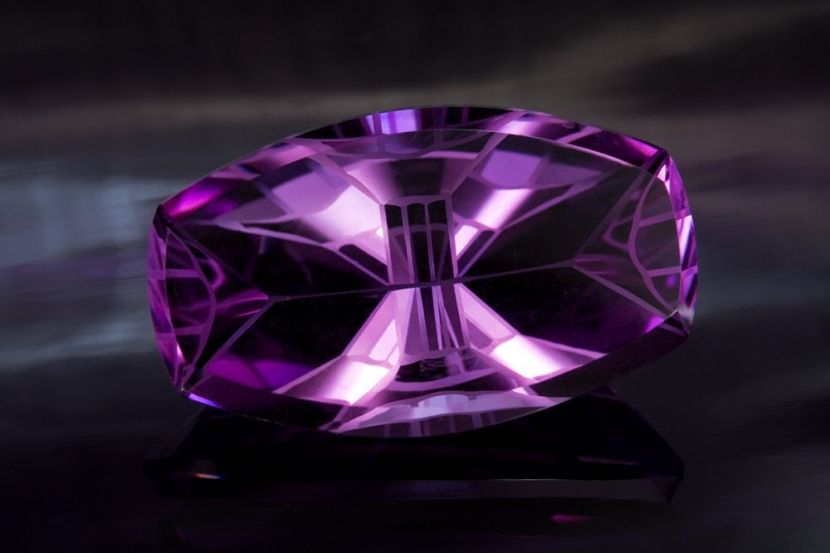
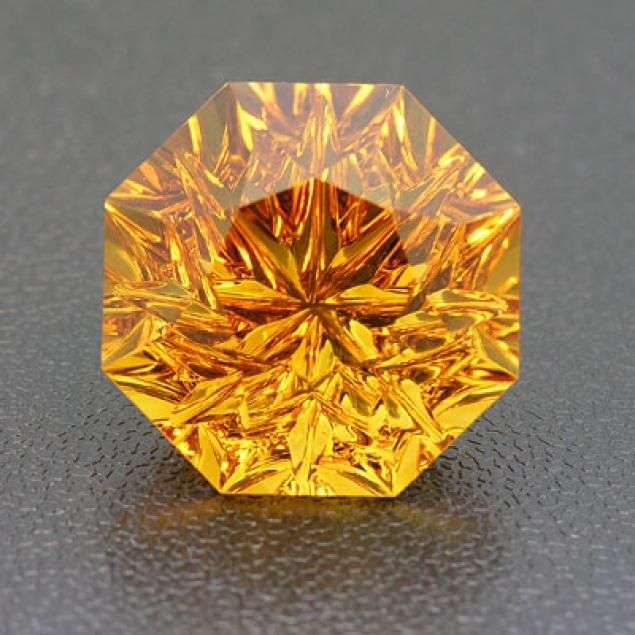
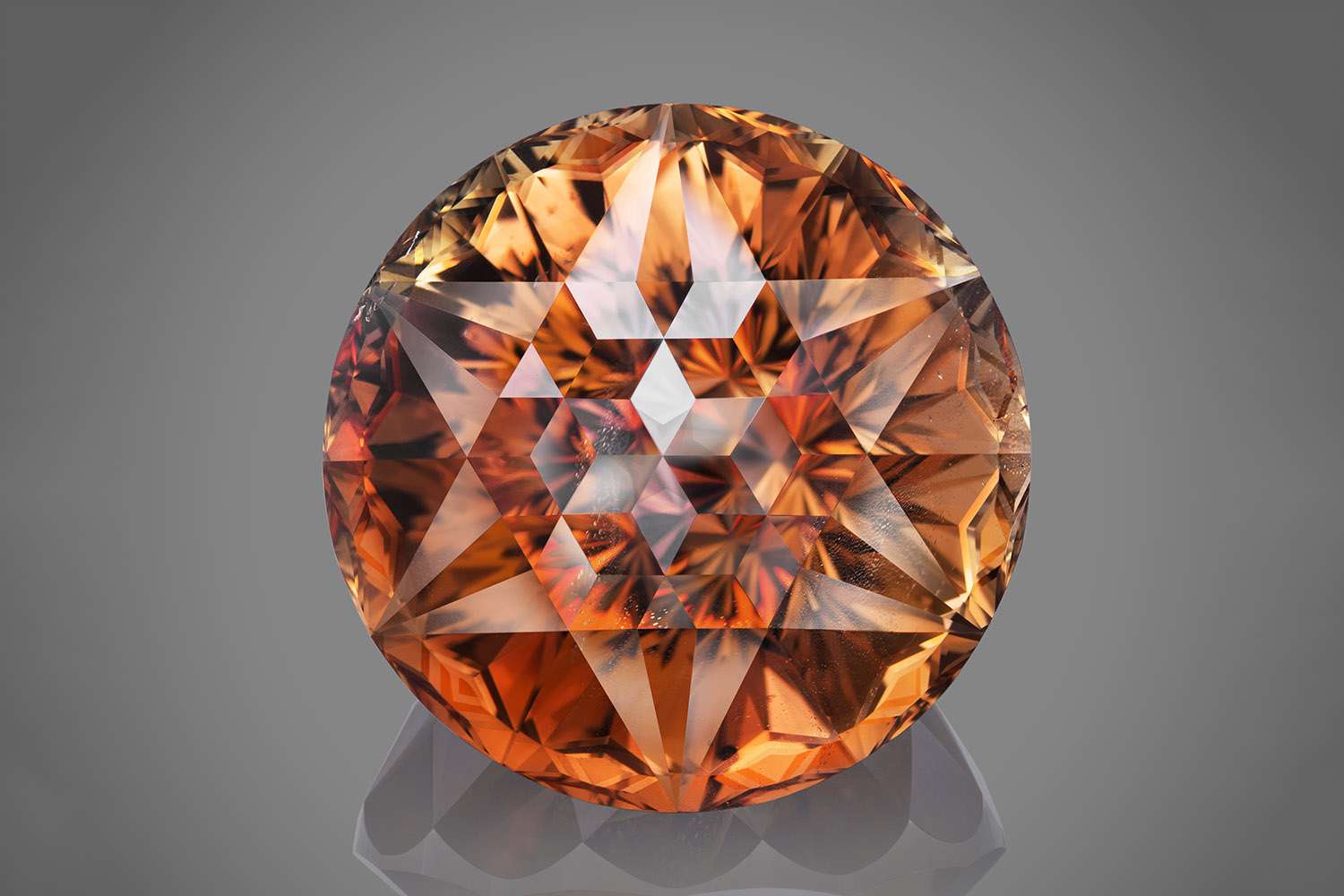
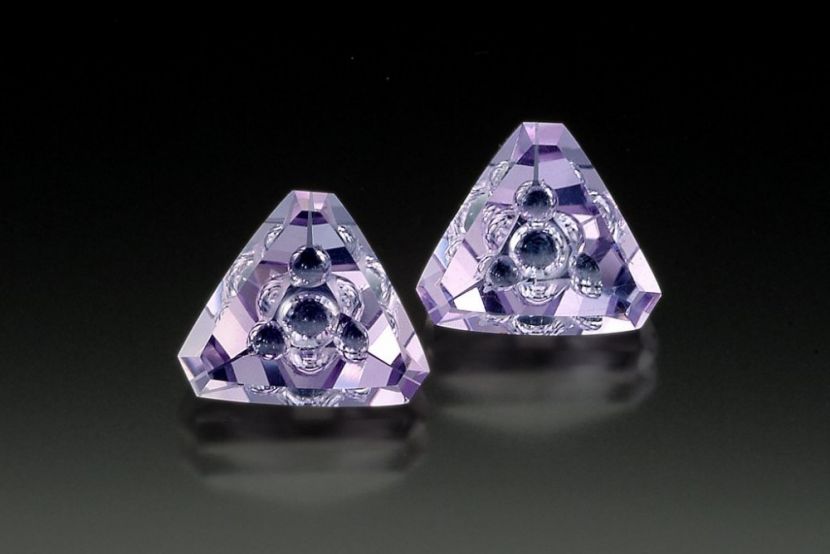
Fantasy facet processing is the most difficult to perform. It is performed only by jewelers with a high degree of skill. The cost of the product automatically increases, and the incredibly beautiful insert plays with all colors and modulations in different lighting conditions.
Russian cut
This style of processing precious gems at one time amazed the European public when they were presented with diamonds processed by Russian craftsmen.
A distinctive feature of Russian processing is the generous and categorical cutting off of excess material.
Russian masters did not worry about the safety of the mass of the original copy. The result was important to them, namely a perfectly faceted crystal without obvious traces of polishing or polishing.
Precious stones cut by Russian craftsmen are highly valued in antique and jewelry markets. The cutting technique is widely used to this day.
Variety of cut shapes
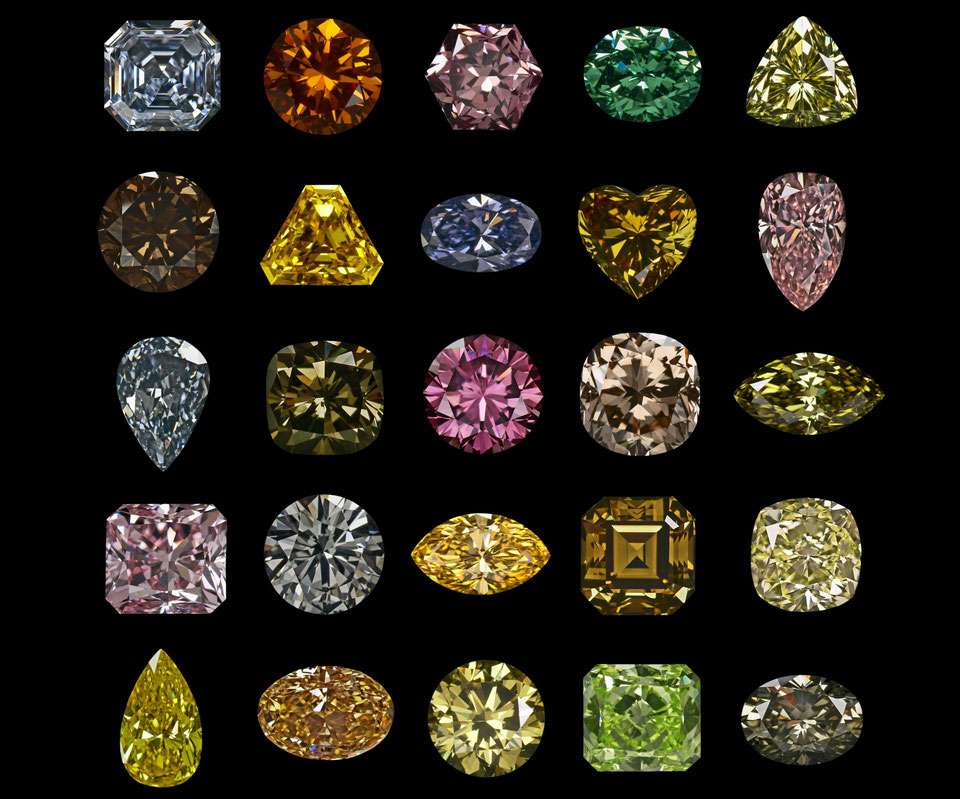
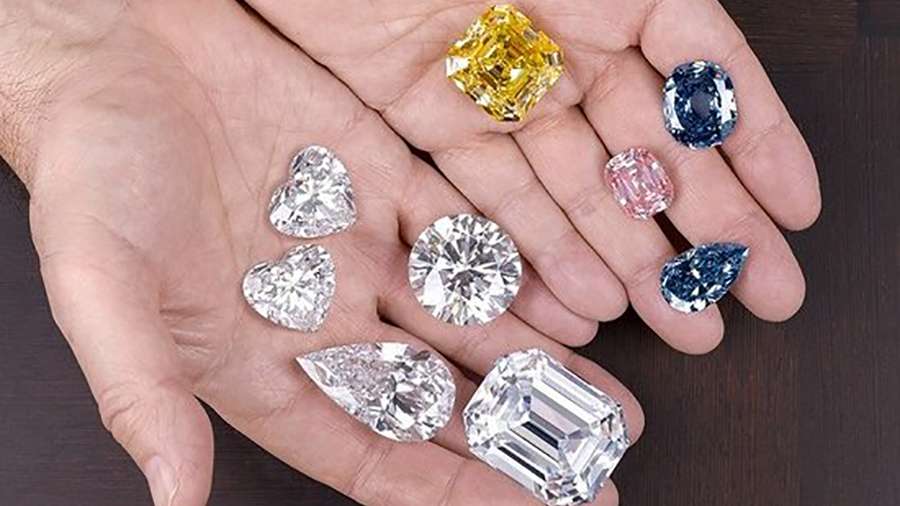
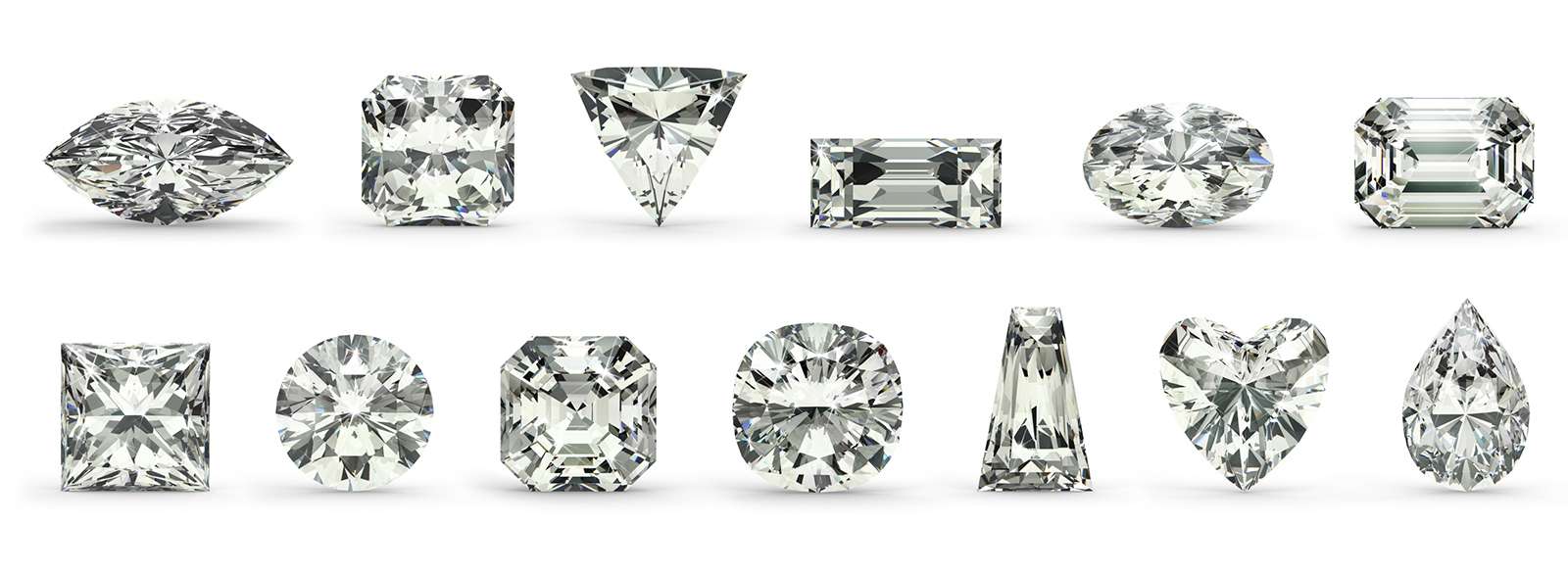
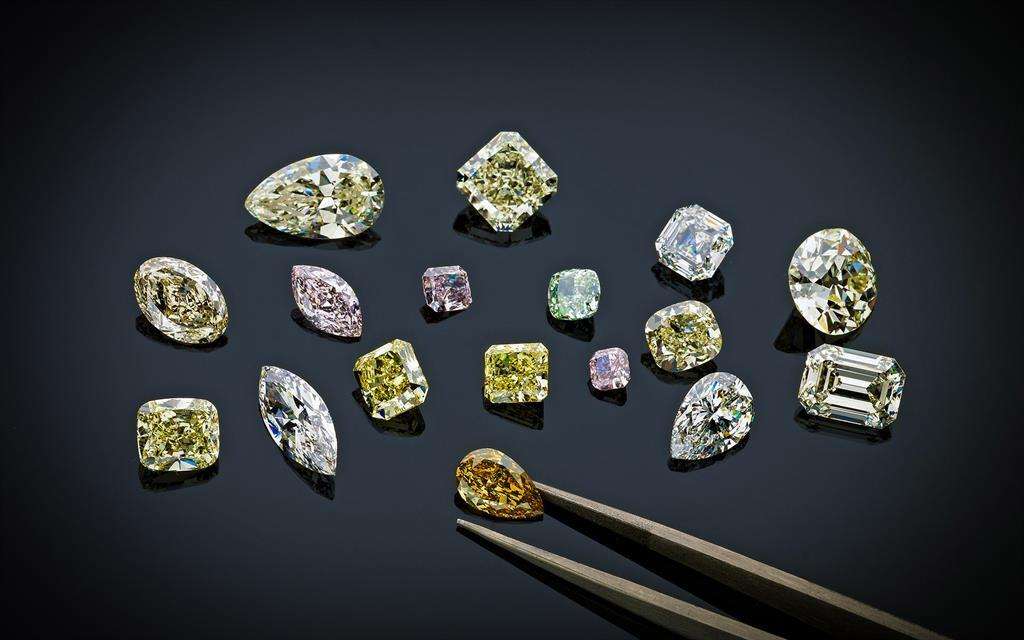
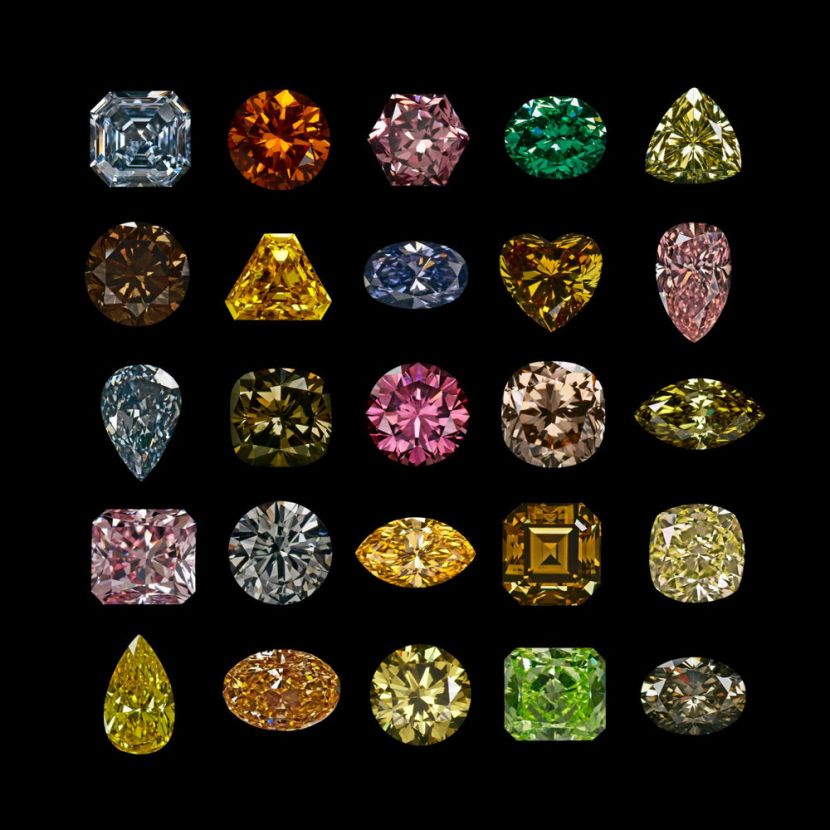
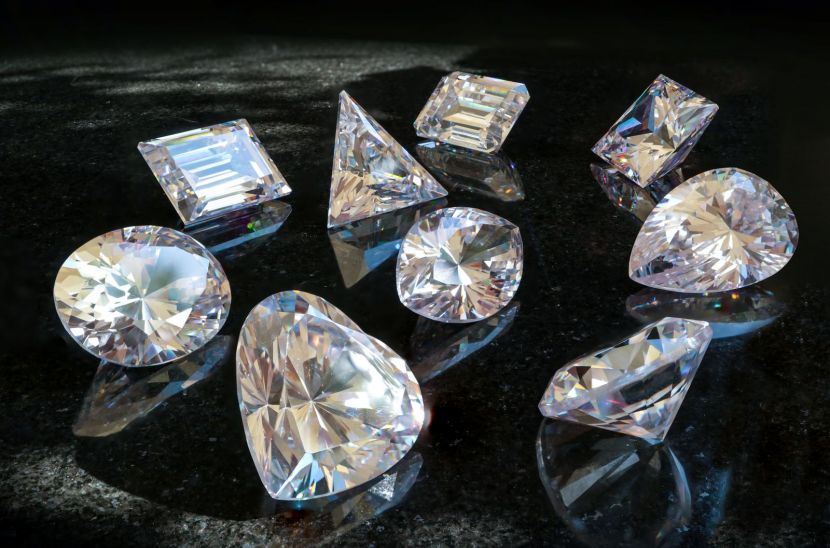
In jewelry, you can observe various forms of stones. Craftsmen have spent years developing a cut that reveals the full potential of a particular mineral. As a result of painstaking work, unsurpassed masterpieces were born.
A circle
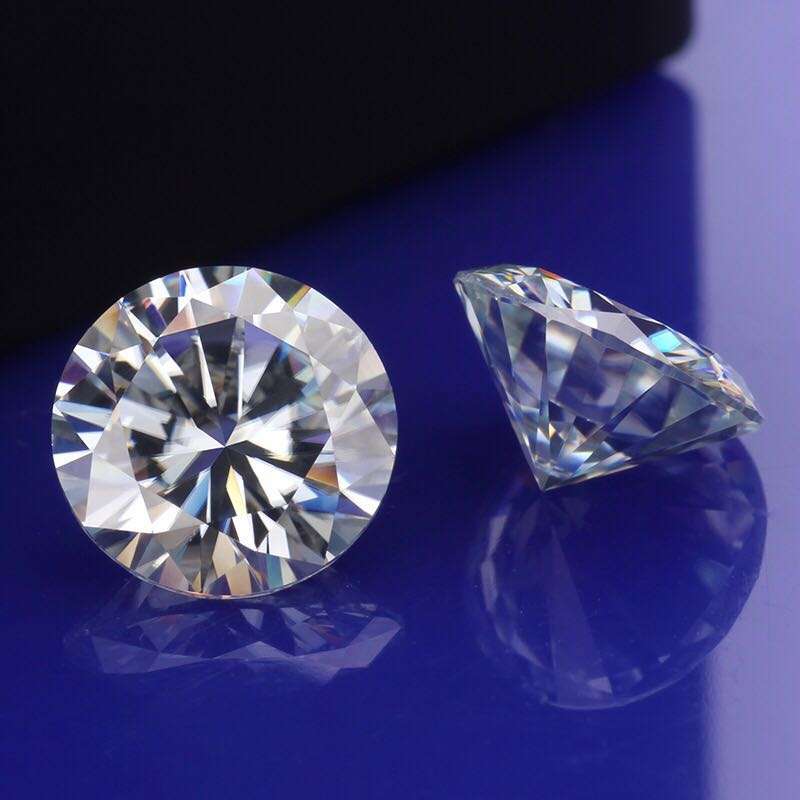
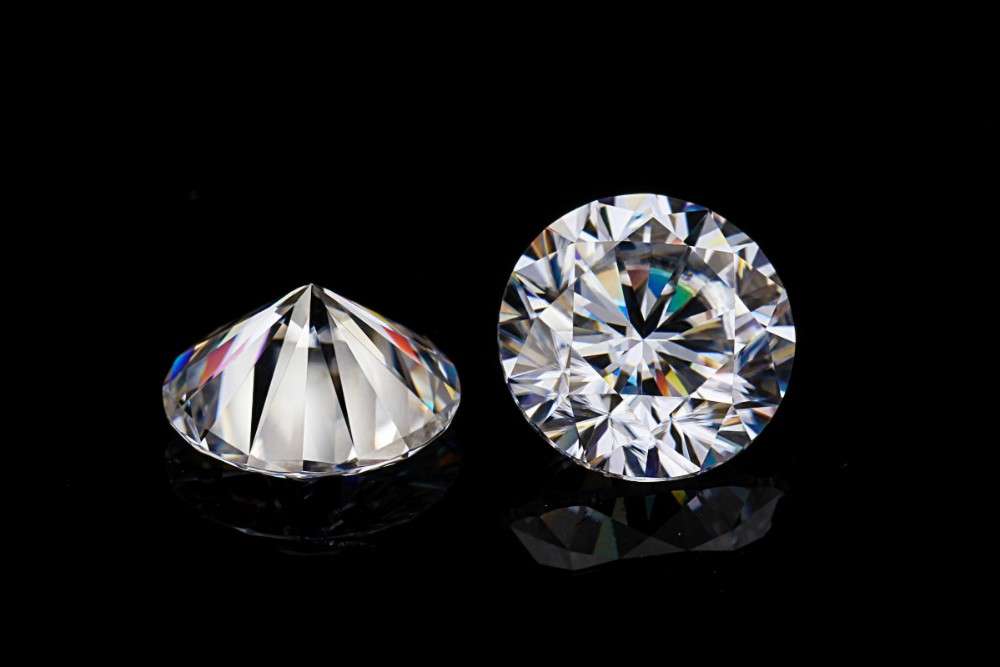
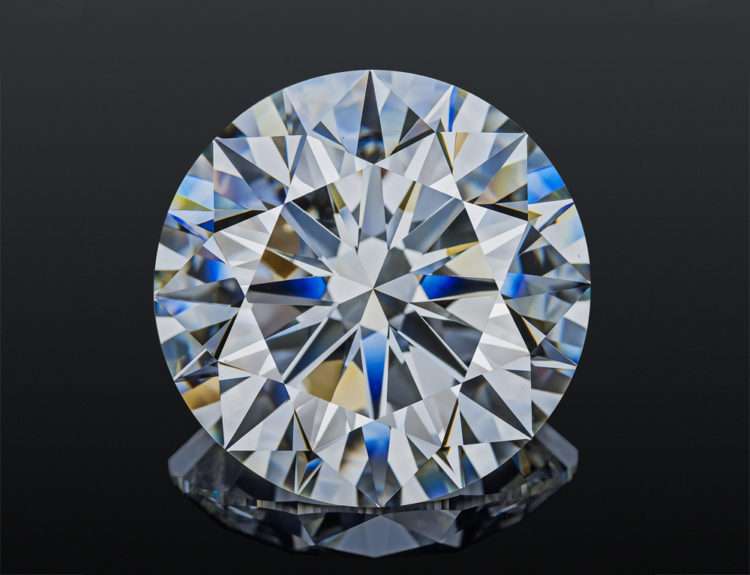
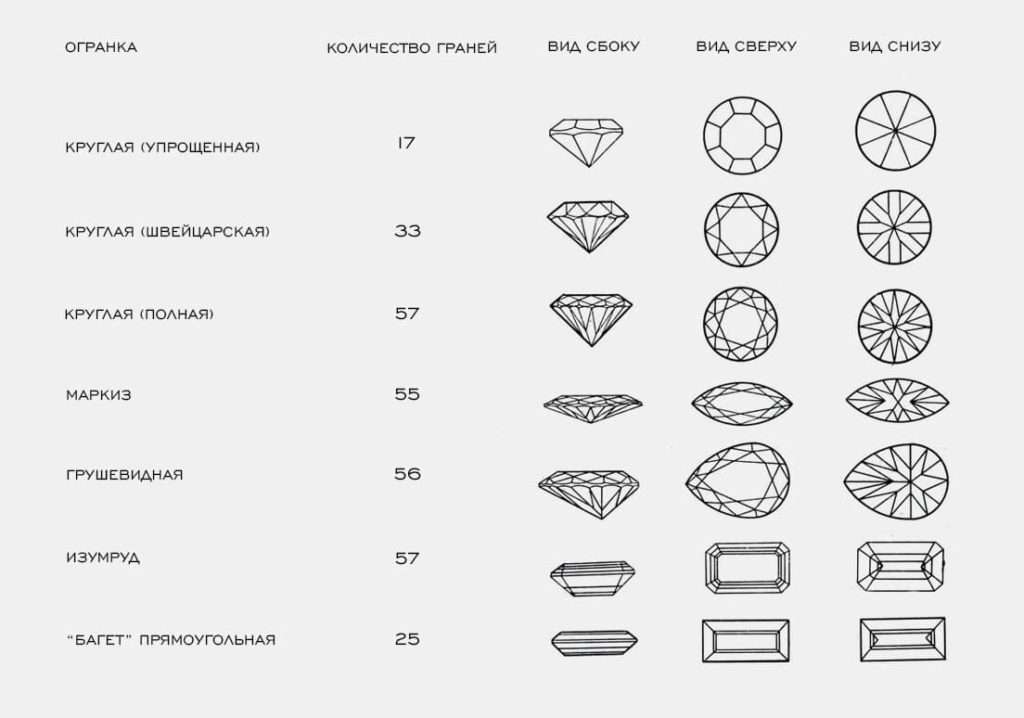
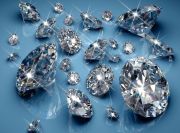
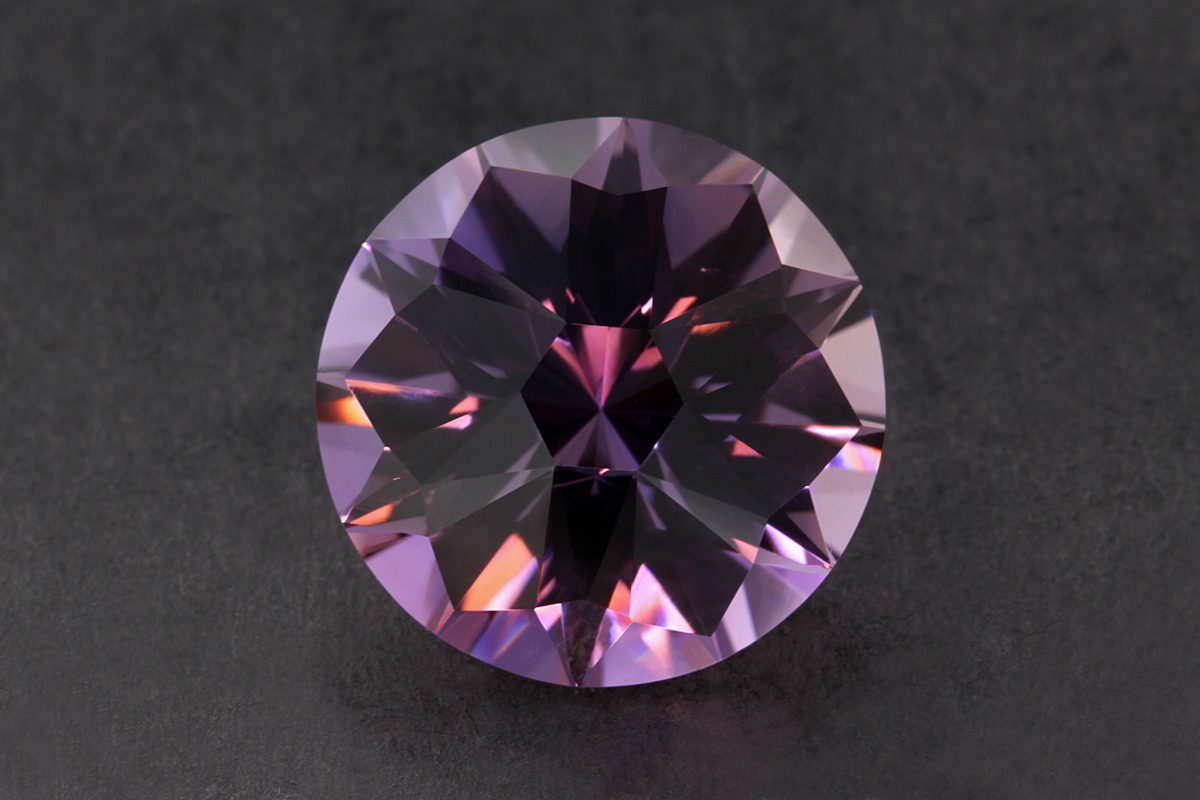
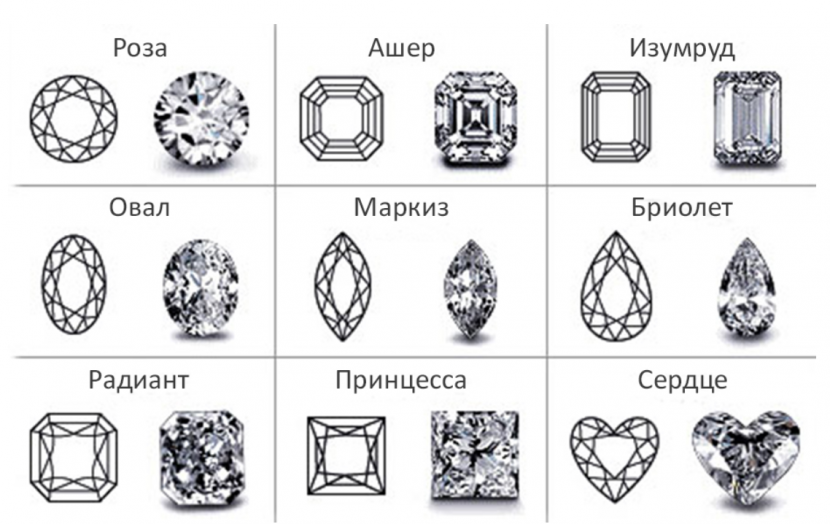
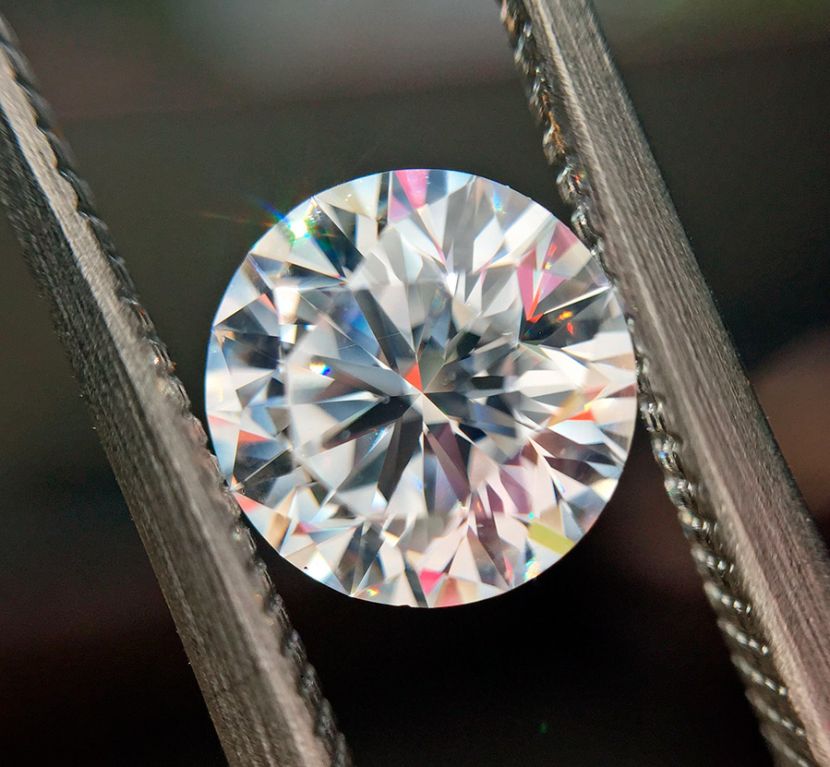
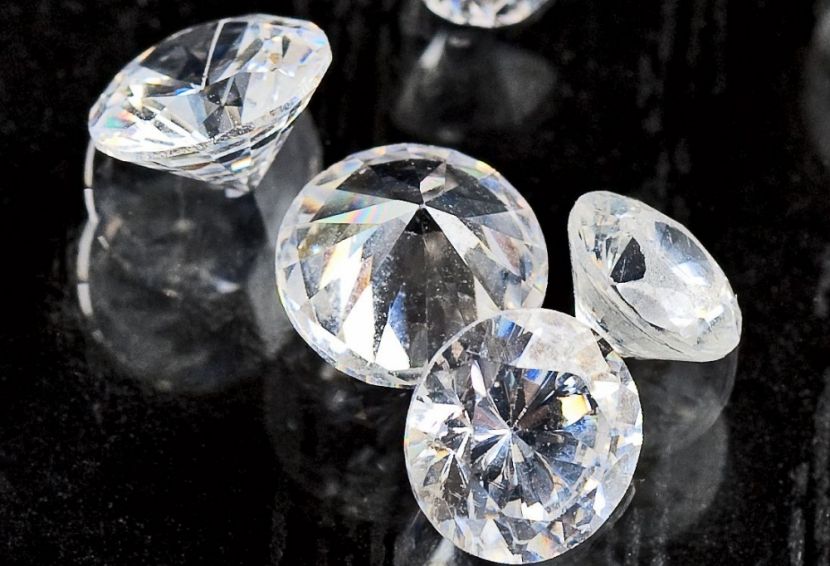
At the beginning of the 20th century, tools appeared for the first time, allowing the processing of stones. It was in those days that jewelers developed the round cut shape and used it to cut the hardest gem - diamond. The traditional type of cut contains 57 facets, 24 facets on the pavilion and 33 facets on the crown. A smaller number of faces is rarely used, since this is fraught with the loss of a significant part of the mass of the original sample.
Emerald
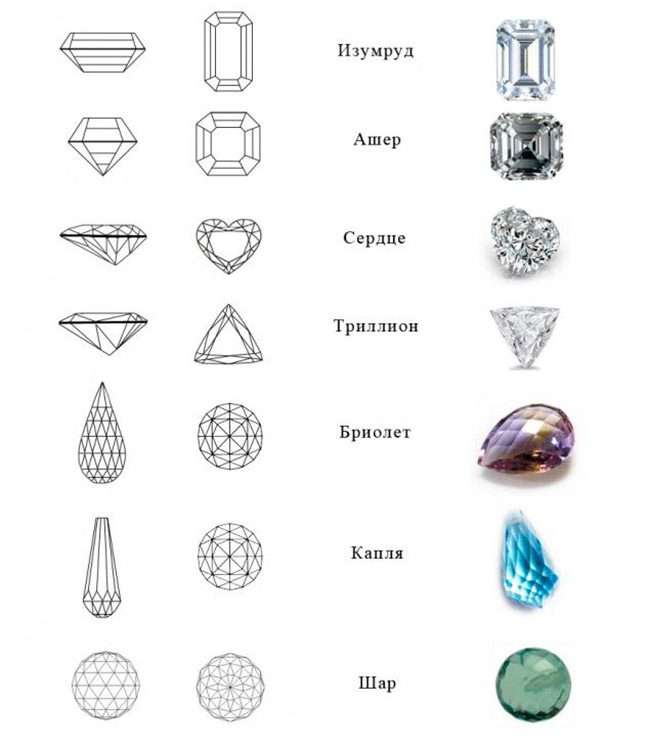
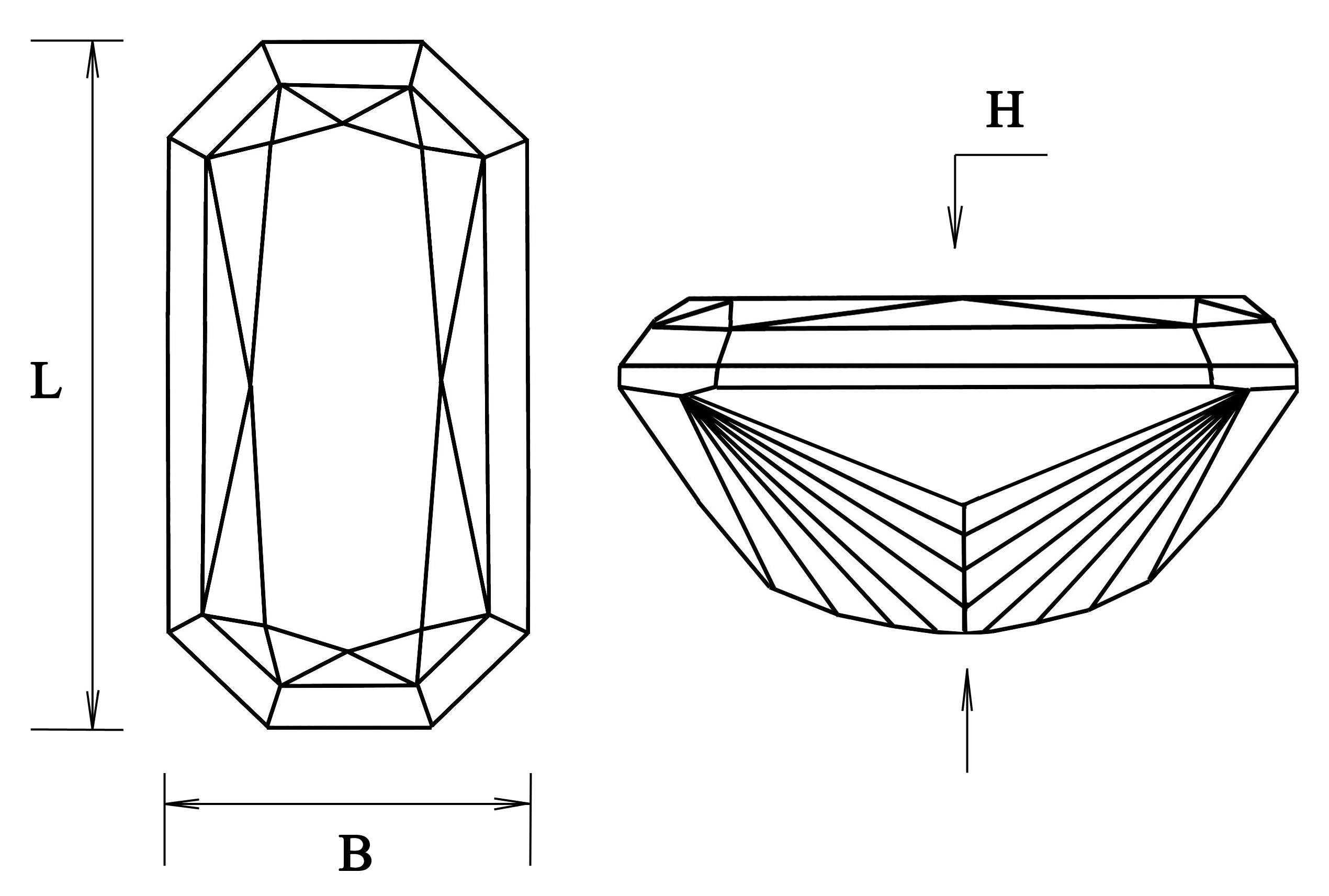
The emerald cut technique is used to cut large nuggets with high light transmission. The style was named after the precious mineral emerald. The cut does not provide overflows and play of light, but attracts the eye with flashes of light, which is reflected from the wide polished surface of a rectangular shape.
Asher
This cut is similar to Emerald but has more levels. Usher was popular in the 30s of the 20th century and still holds the position.Depending on the size of the original sample, the jeweler carves 25 facets, gradually increasing their number to 49 in the next level.
Octagon
Gemstones cut with this cut look like a stepped octahedron. In the corners of the rectangle, bevels of a small area are cut out, an octagon is obtained. The technique is considered sparing, it is used to process fragile gems. When processed in the octagon style, the gem reveals its purity.
Briolette
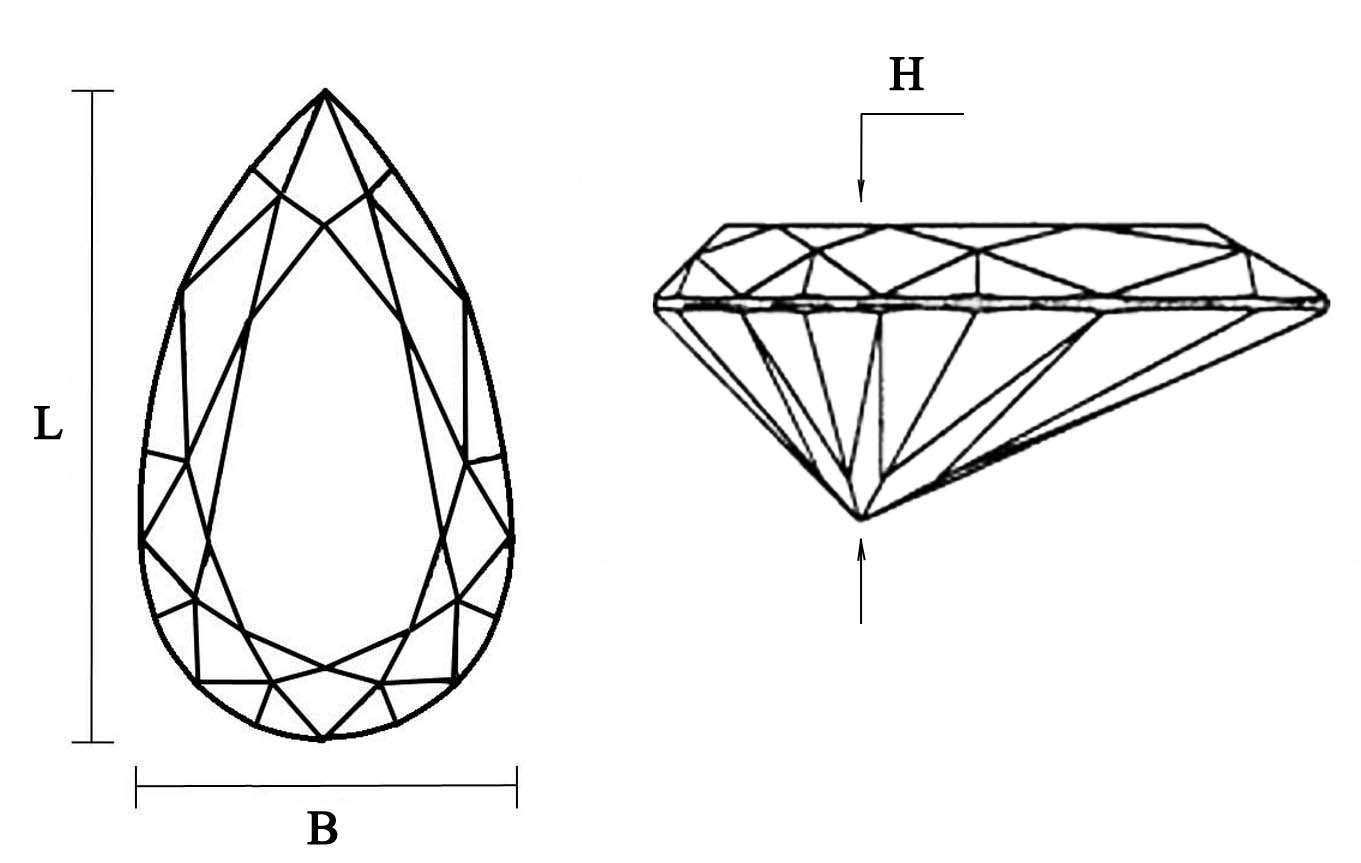
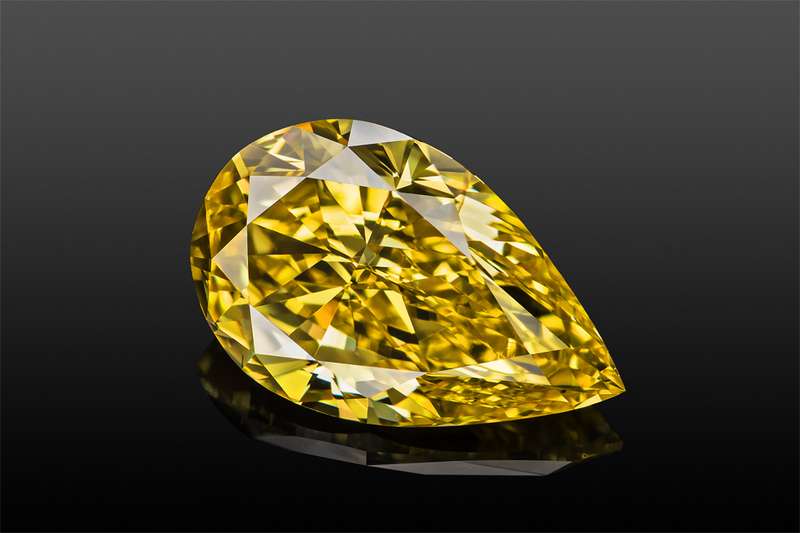
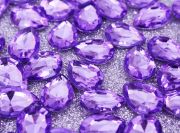
The first technique that made it possible to obtain a teardrop shape of diamonds is called "briolet". In the traditional version, 56 facets are carved on the body of the gem along the diameter. The cut enhances the natural ability of the crystal to play with light reflections.
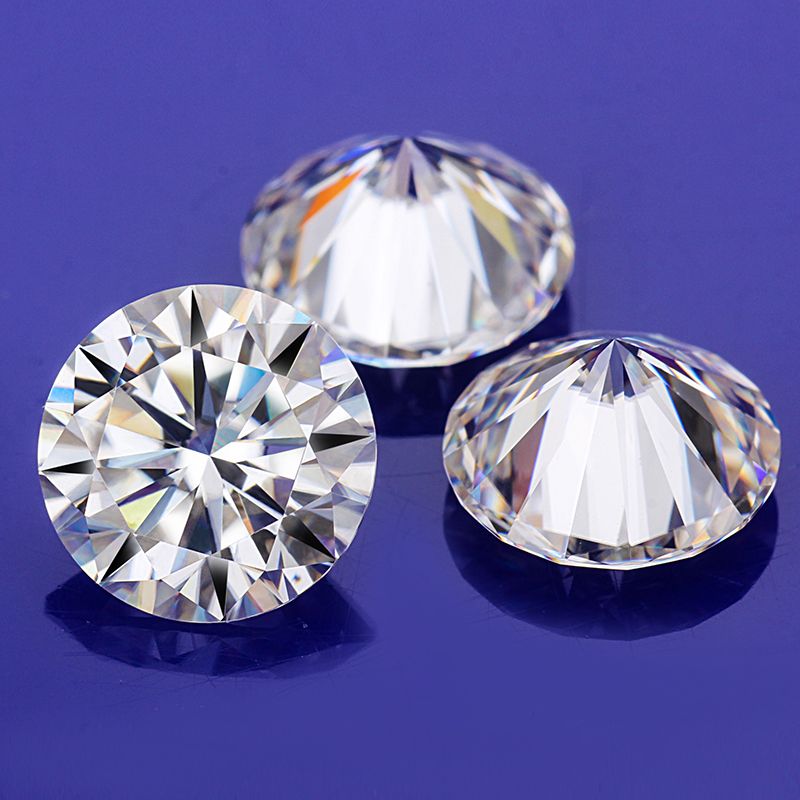
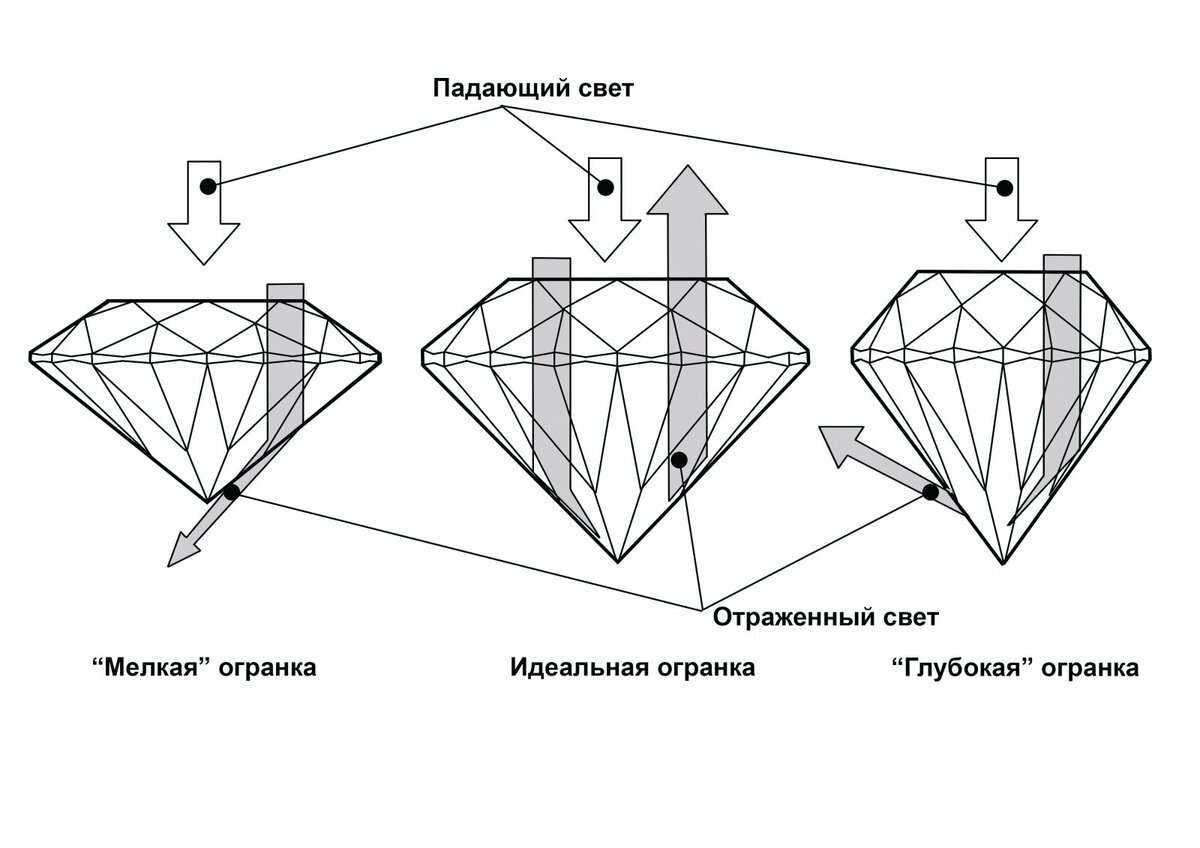
A well-chosen cut, in which proportions and symmetry are observed, increases the cost of a precious stone several times. A high-quality cut gem captivates with the play of light, depth and saturation of color shades.
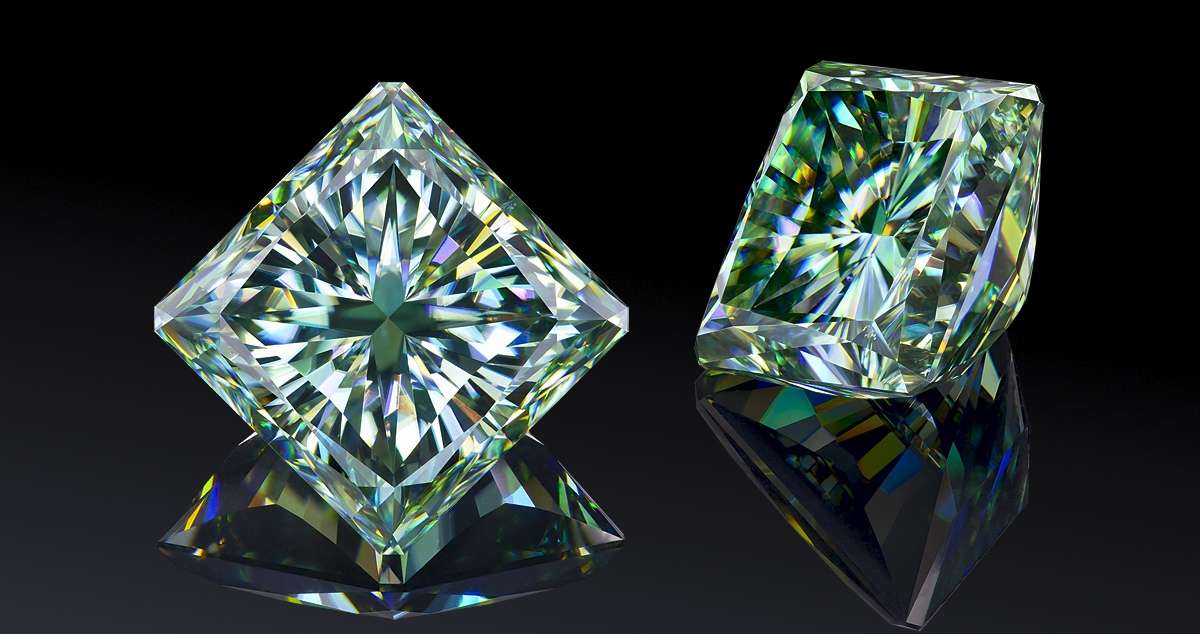
Cut photo