Unusually rare and valuable purple stones - what are the varieties, what does color mean, photo
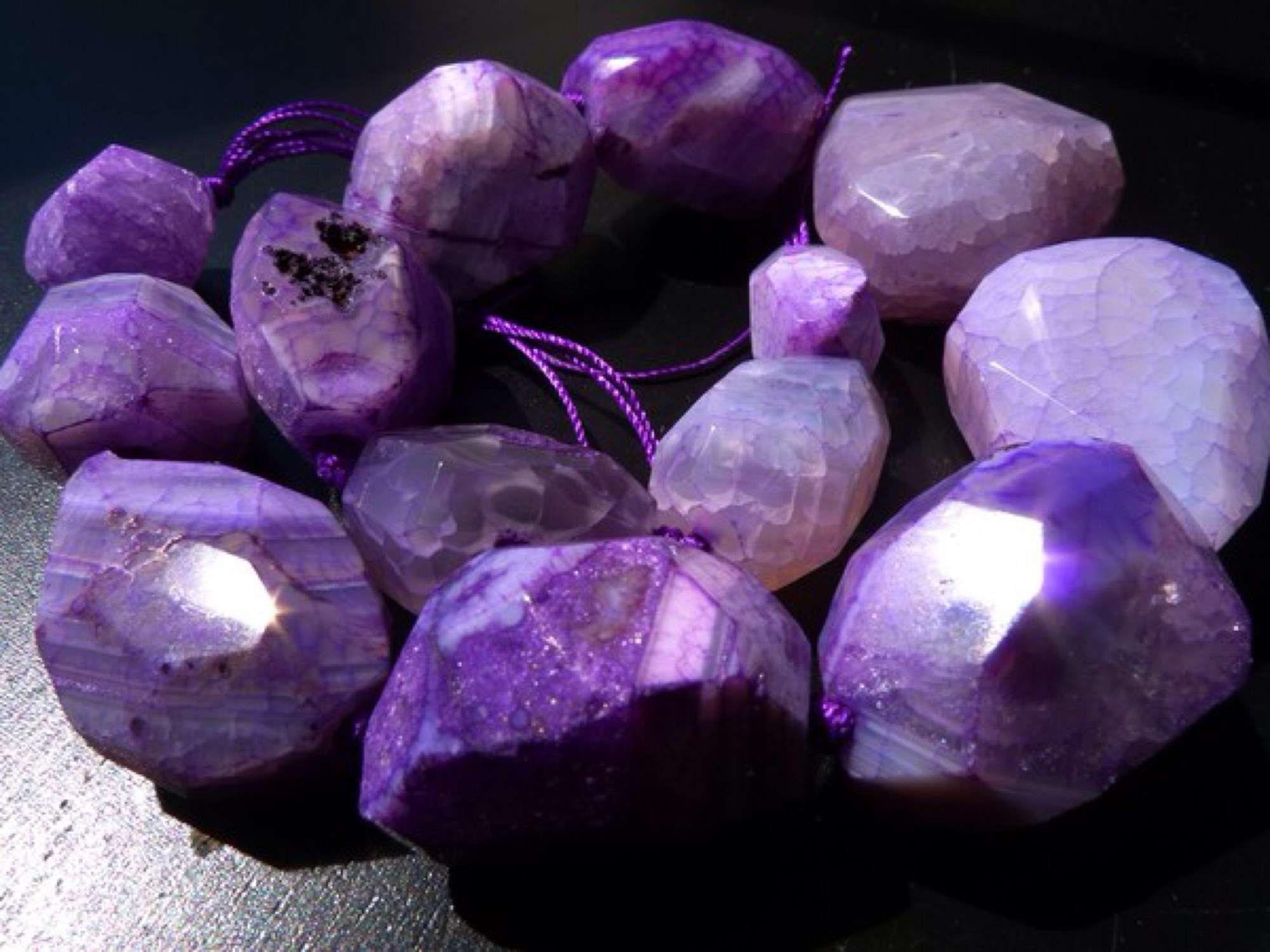
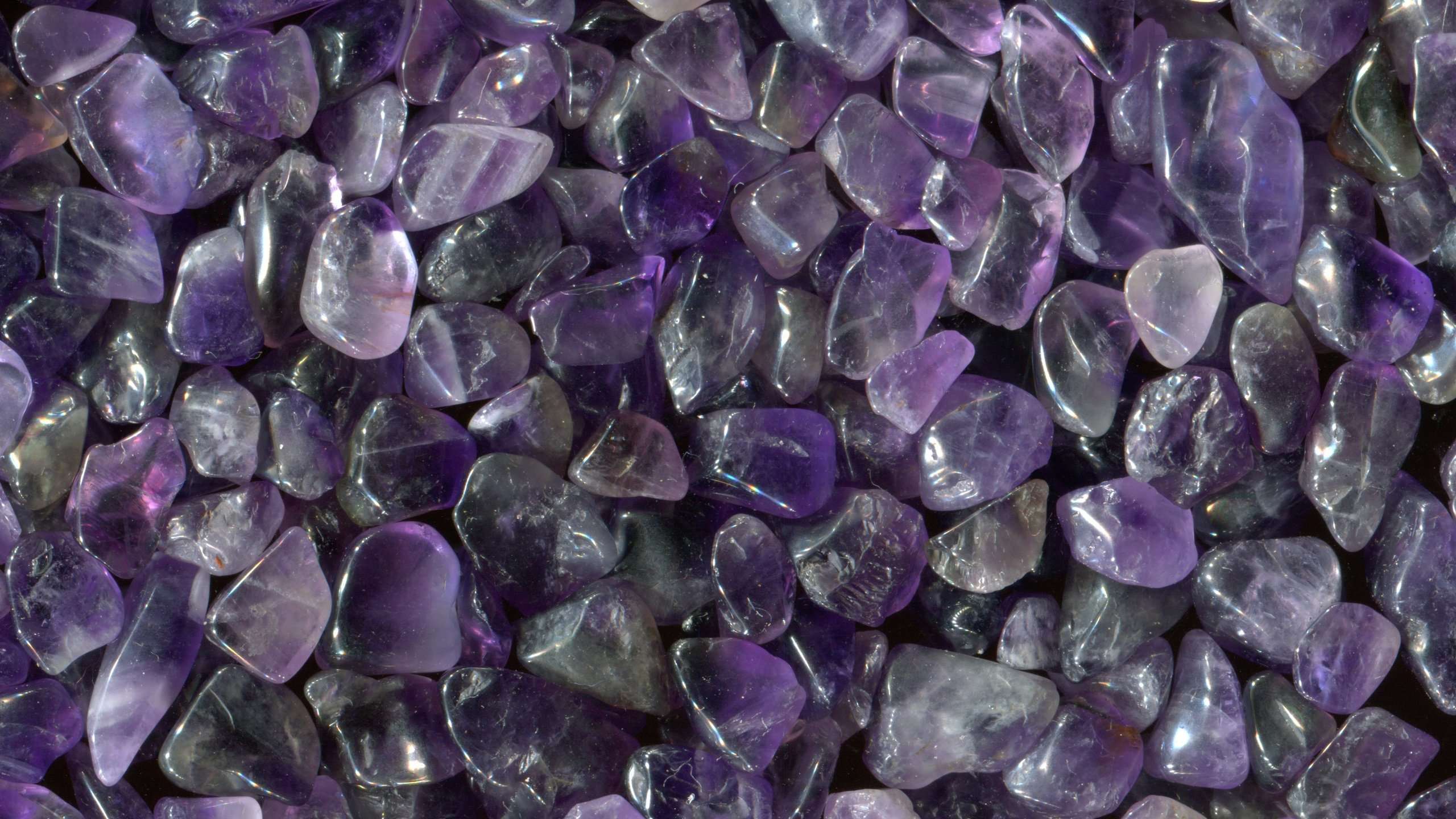
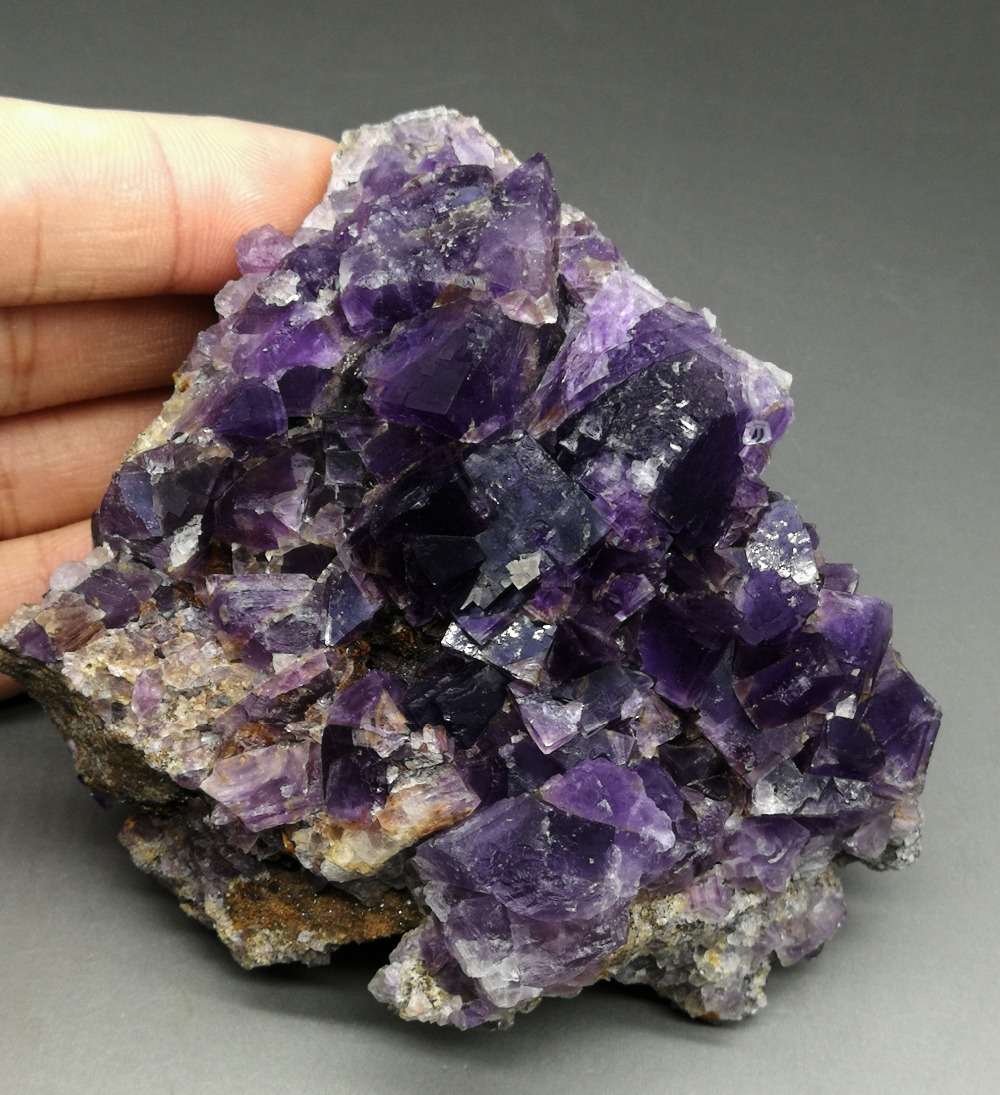
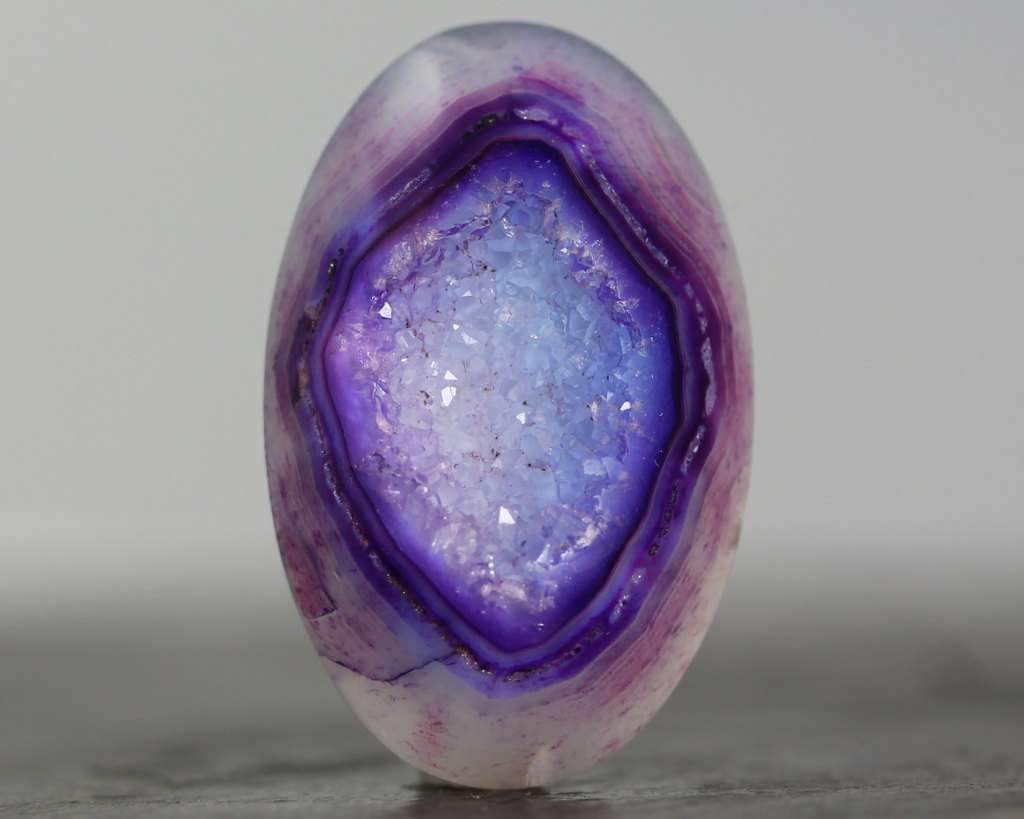
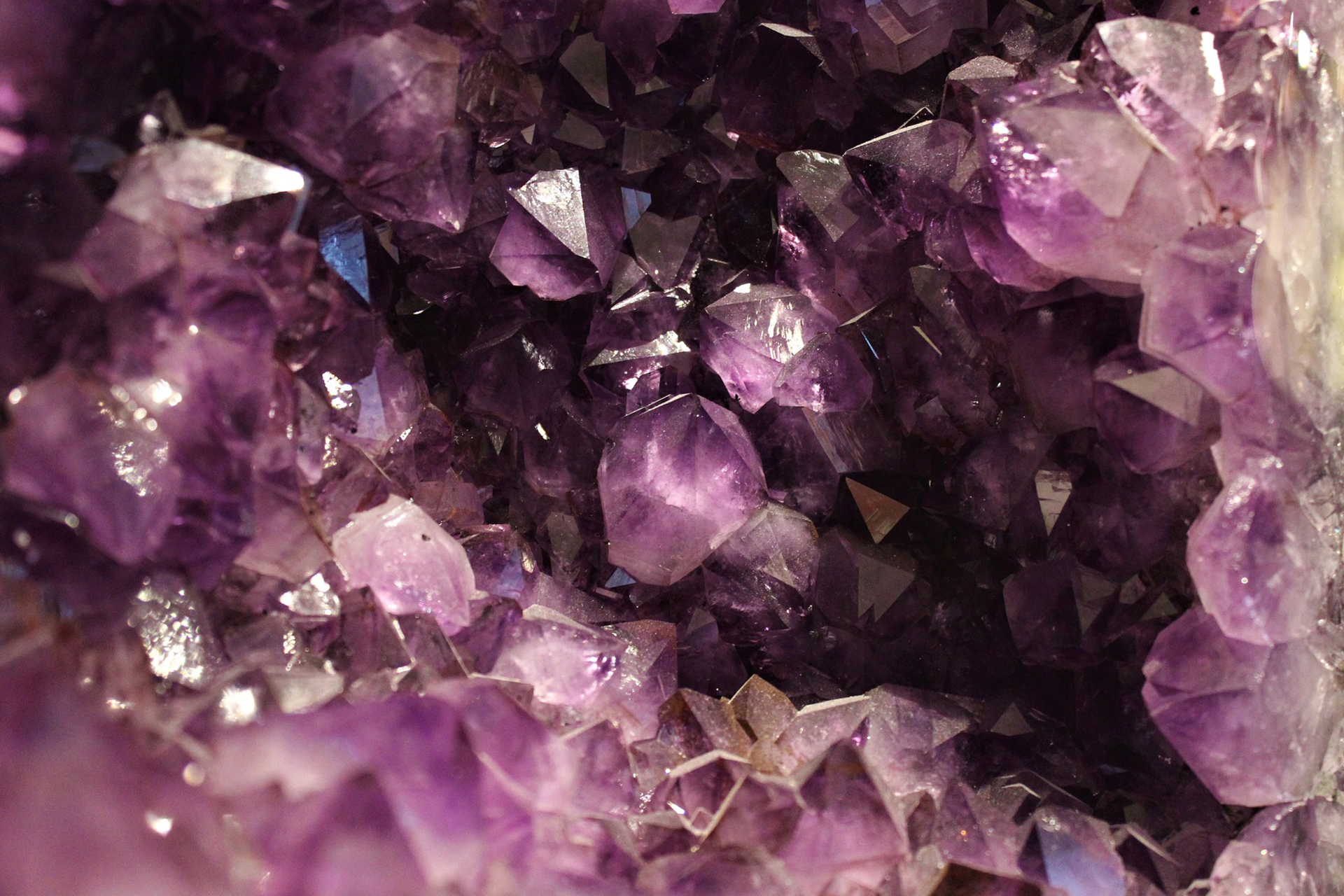
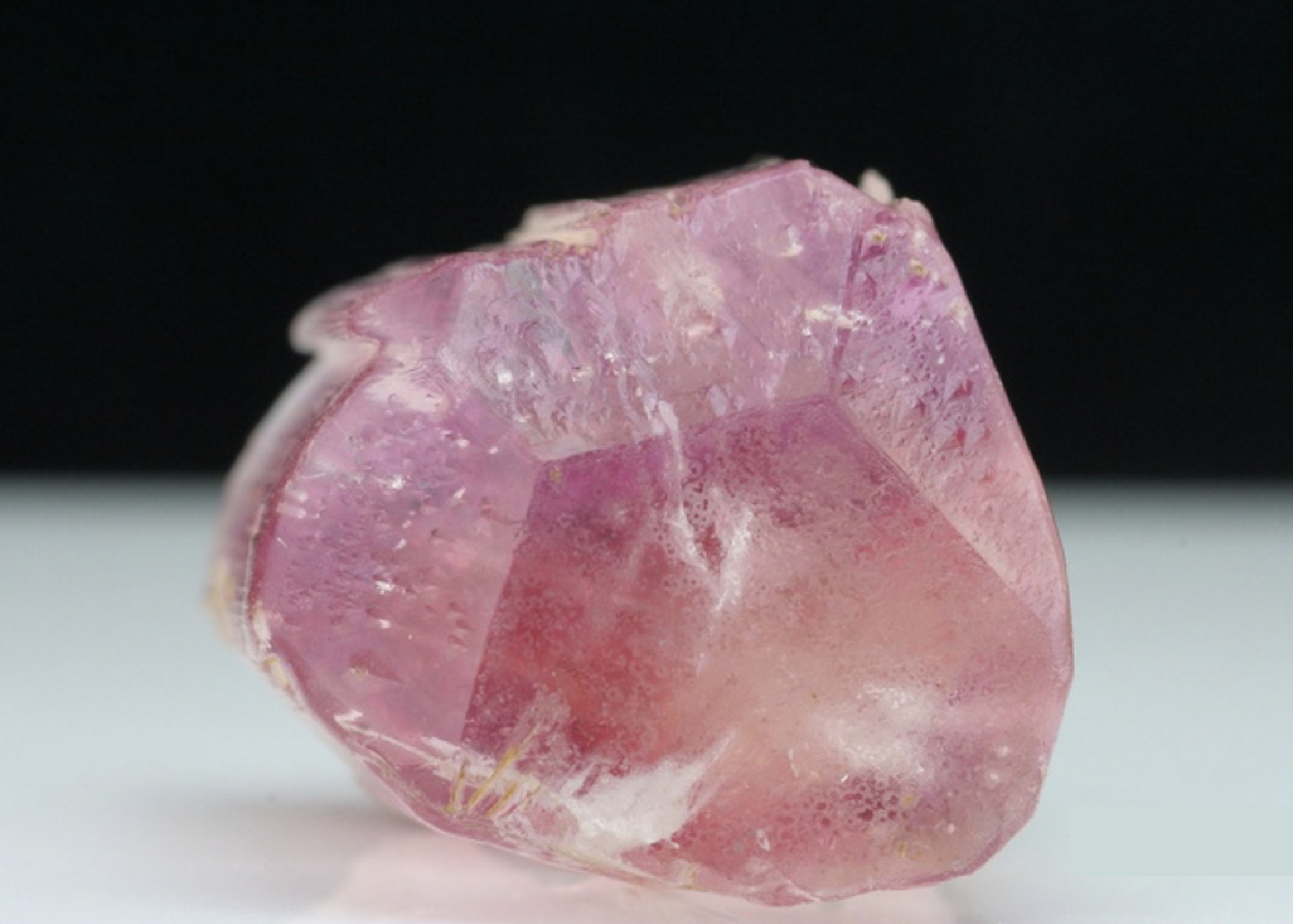
Purple flint jewelry is fairly rare. In nature, there are not enough of the same solid bodies, for this reason they are valued by jewelers. Purple granite looks original and enjoys extraordinary qualities.
Hue value
There are solids in a variety of shades, from the lightest to the most brilliant colors. Absorbed the dynamism of red and the restraint of blue. It contains both the masculine and the feminine at the same time. Flints of a violet hue, along with the original help, in some cases give an objection and inaccuracy.
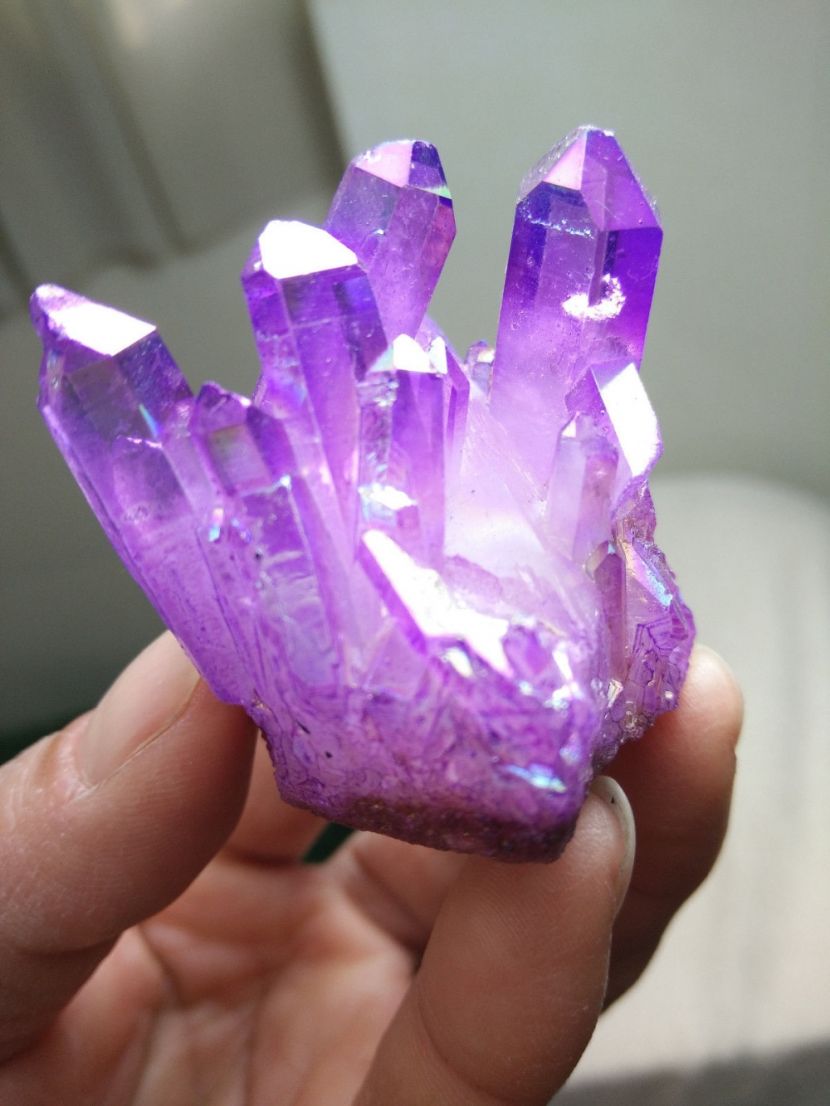
In the temple, lilac and purple shades are preferred. The classic clergy attire naturally contains them. Priests are convinced that such colors embody morality, endurance and decency. Previously, all such colorless solids were called amethysts. To date, there are other types.
precious flints
These flints can be called and dispensed with in any way. For example, spinel is considered expensive. Gemstones of this color are rare, so they used to be unique. They were used for jewelry worn by monarchs and high-ranking clergy.
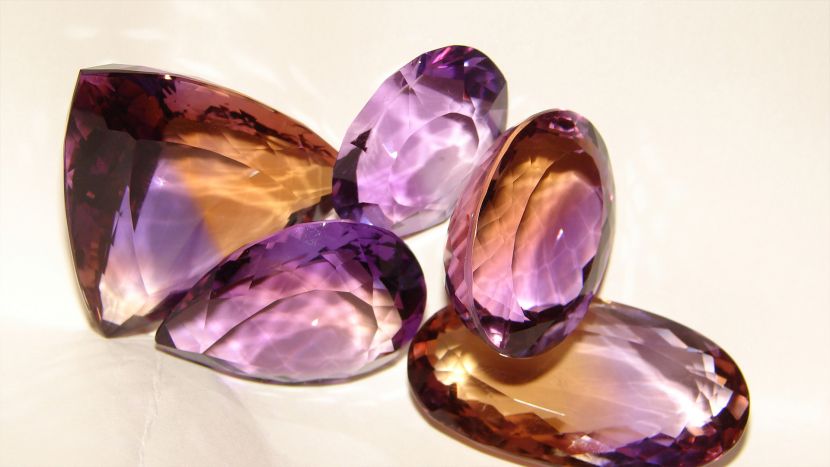
Spinel
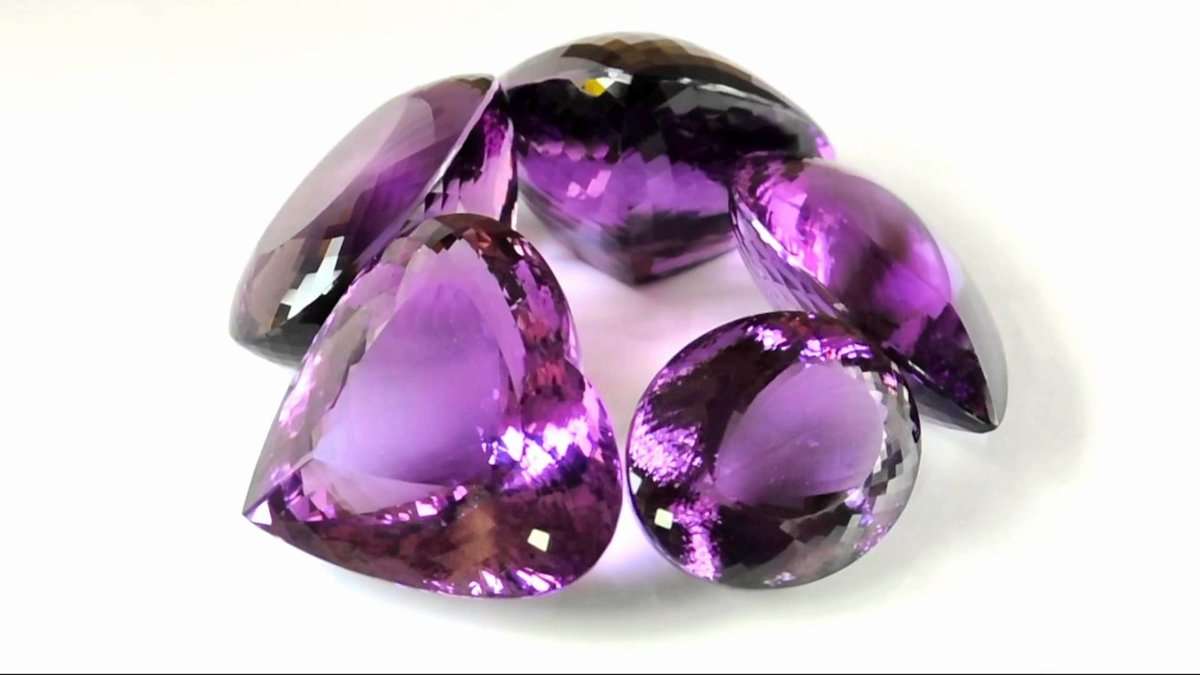
Now this flint concerns products of the highest rank. Approximately, these jewels are special, made in one prototype.The frame is made of high quality precious metal, platinum. The cut is diamond.
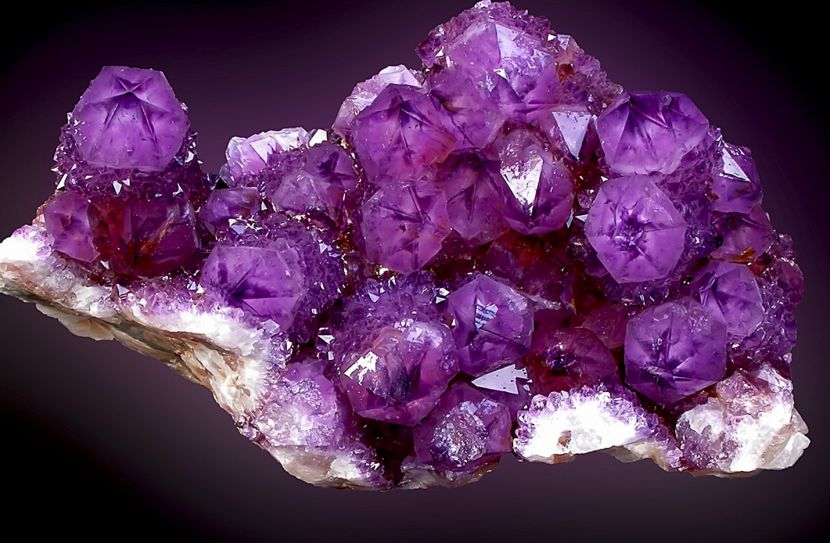
Values for a mineral depend on the properties, features, nuances. Approximately, for one carat they pay: lilac palette - 100-300 dollars; light purple - 200-400.
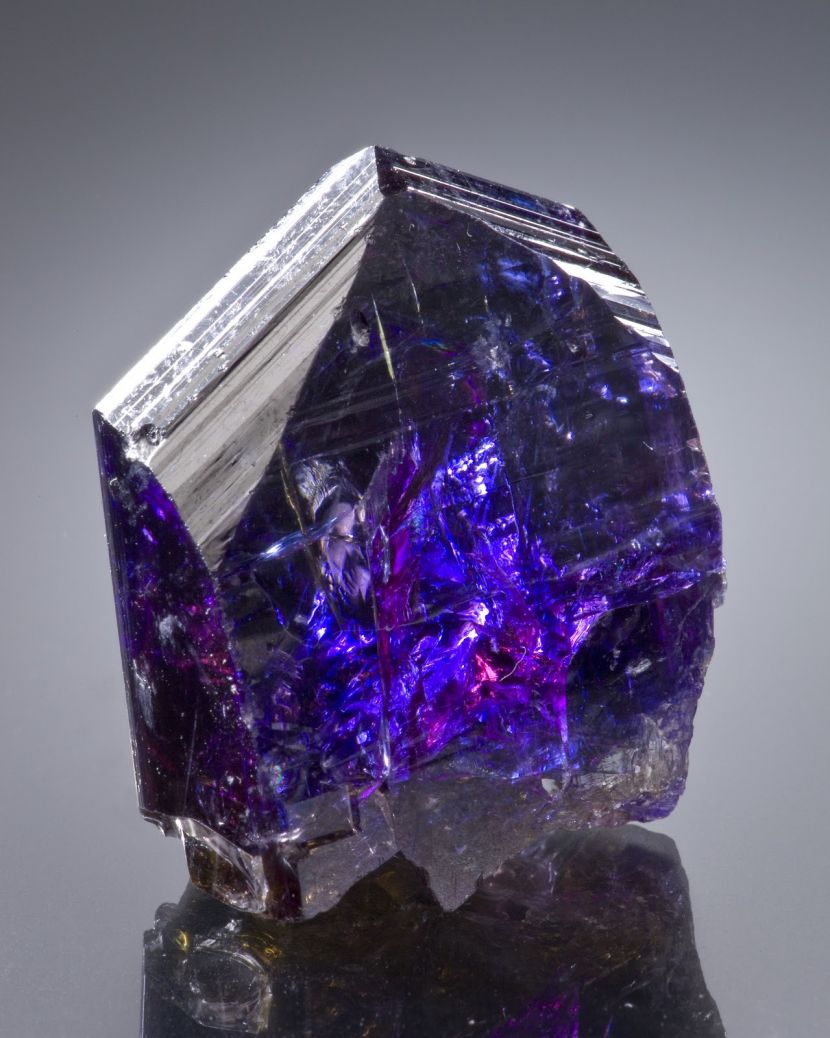
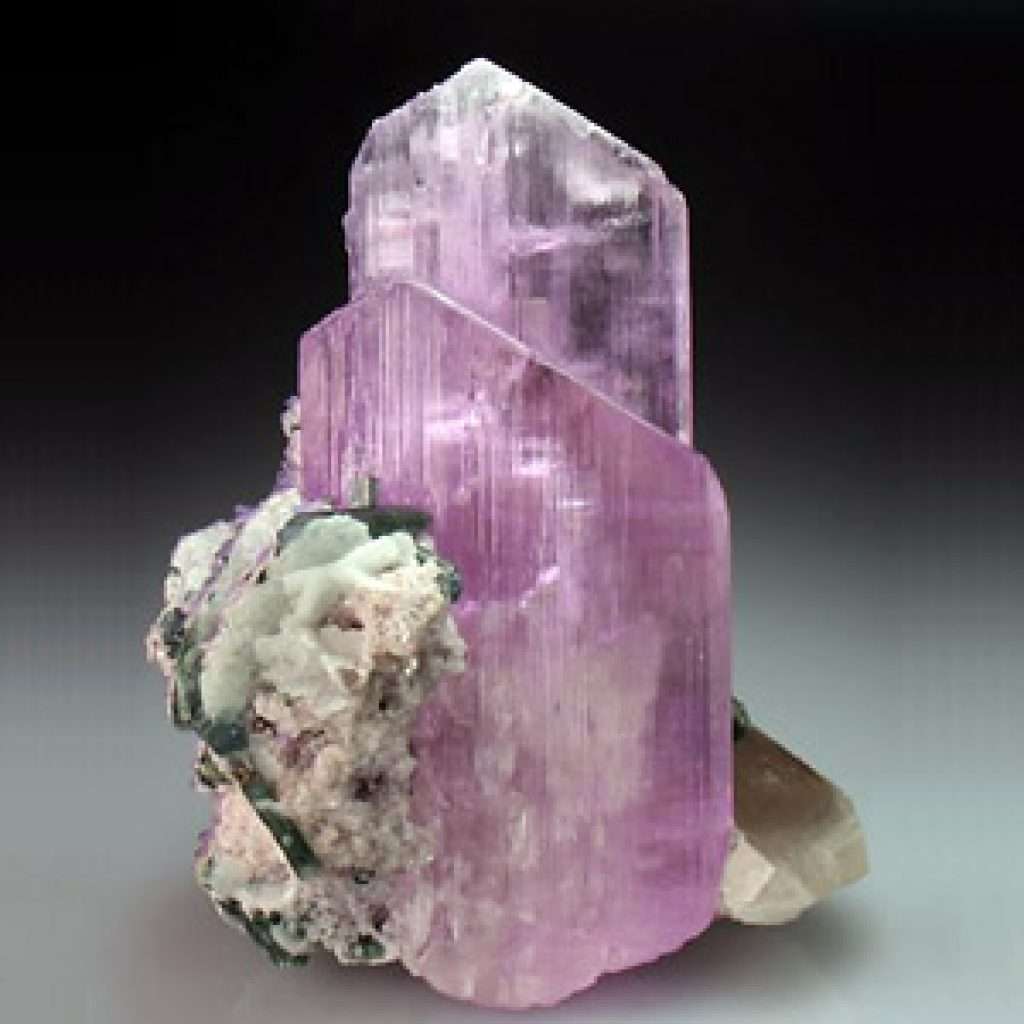
Kunzite
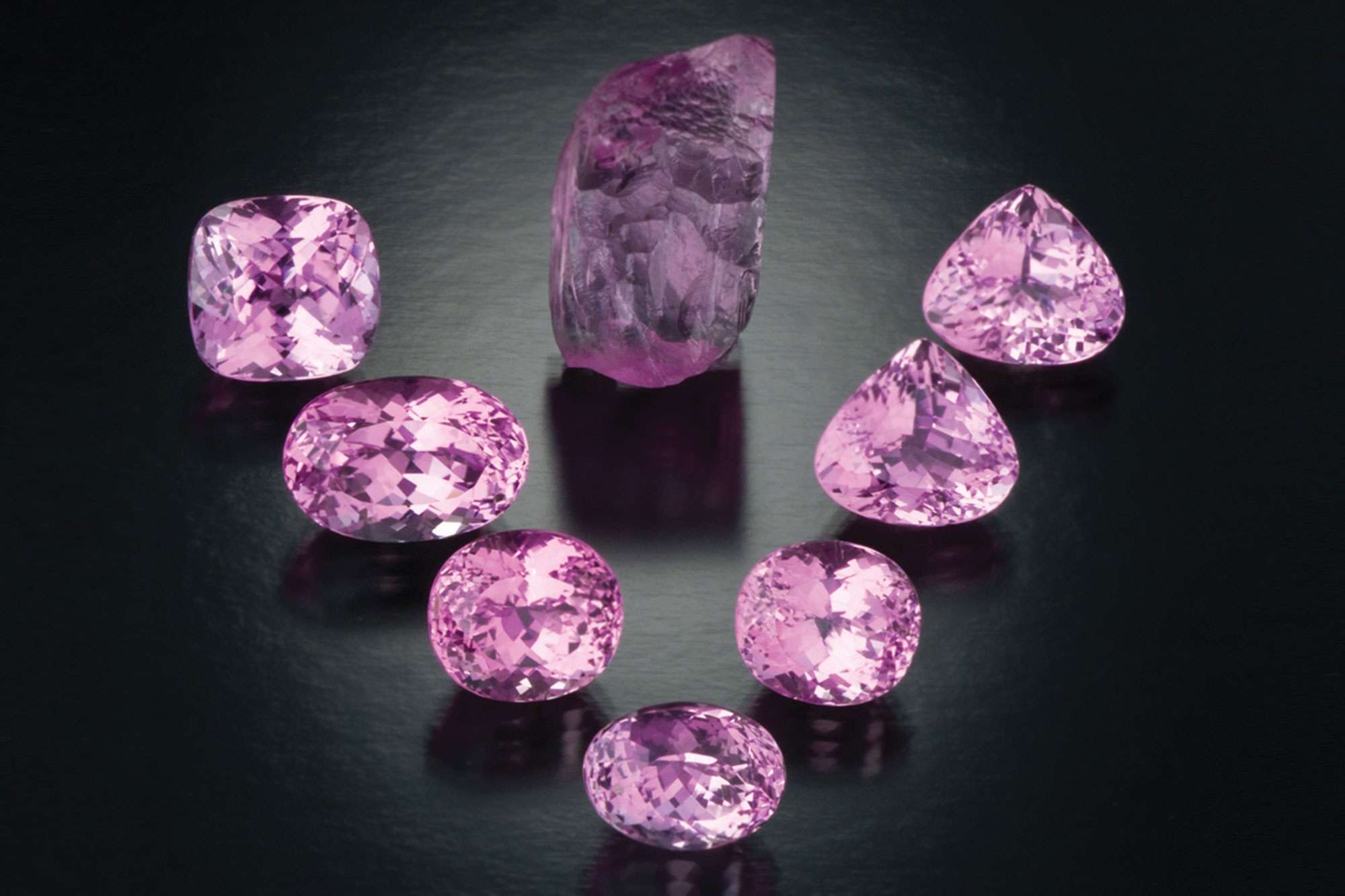
He is little known to the people of Russia. It has a special lilac-pink tone. Until the last century, he was an amethyst.
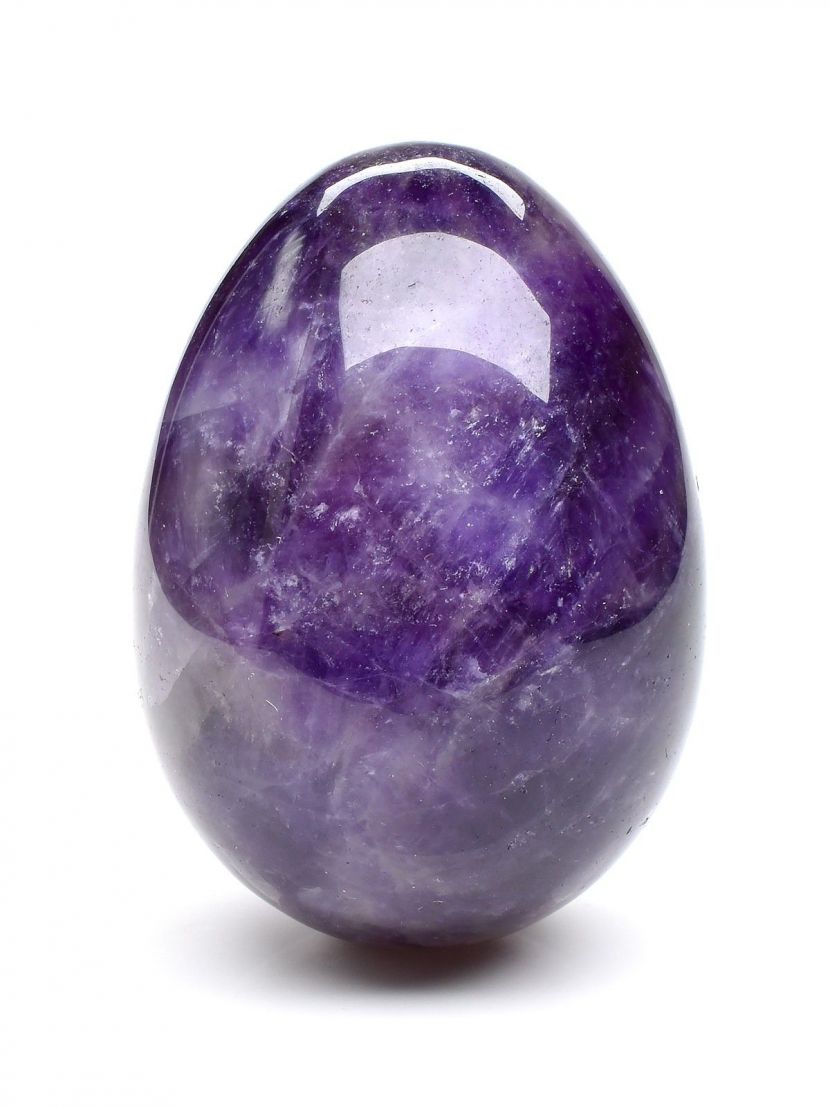
For jewelry, only high-quality colorless samples are suitable. In one pile, this is not enough. The shade of flint is expressed by the presence of manganese in the content.
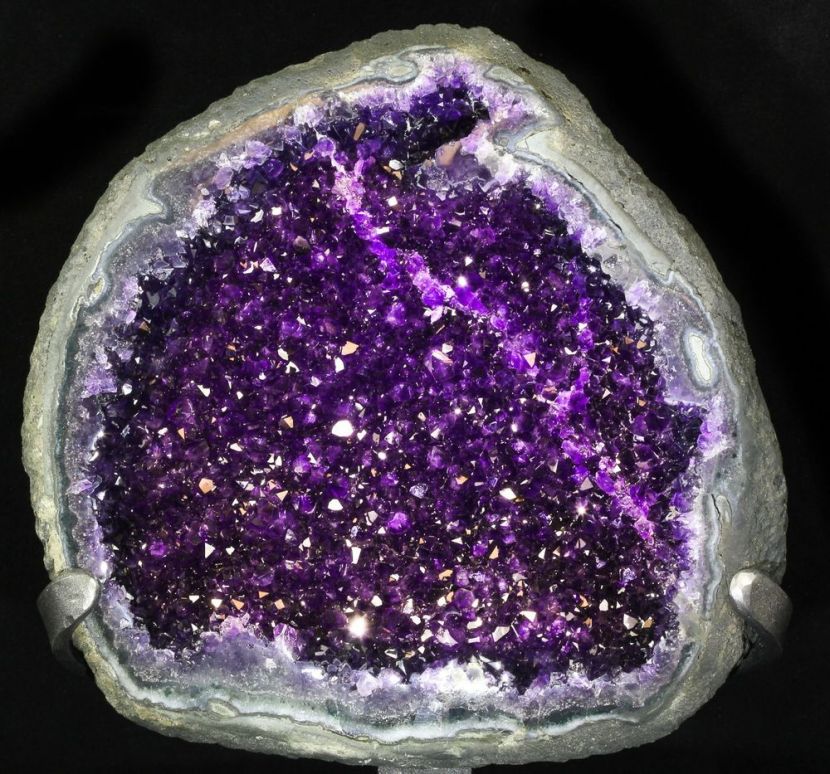
The color disappears in the presence of warming, which complicates the cutting. The only thing you need is 10-50 dollars. Excellent solids are mined in Brazil.
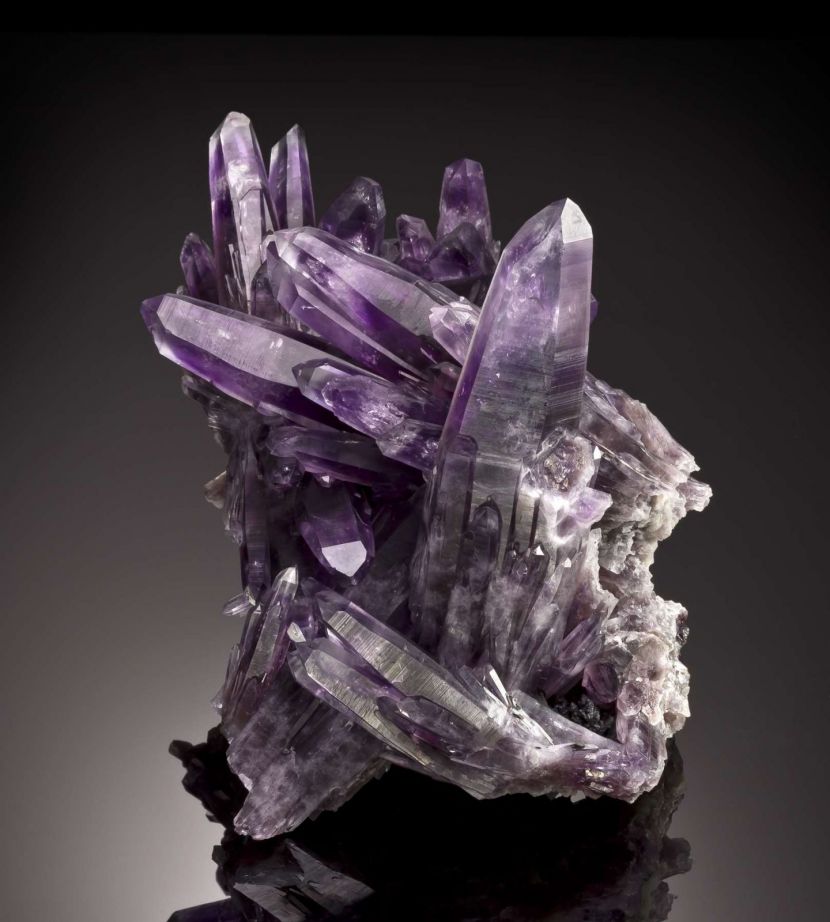
Taaffeite
The stone is not cheap, including in comparison with other lilac stones. The name was given in honor of the geologist Edward'a Taaffe. From bright red to deep lilac. Tone has a big impact on value. The best examples of light lilac are found in Sri Lanka. There are a large number of precious flints in the Russian Federation, Australia, China, Madagascar.
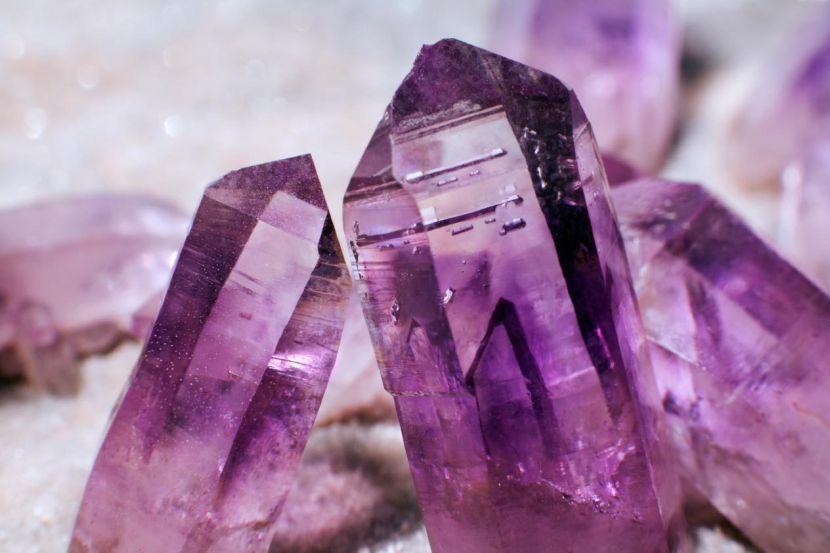
This is an exceptional value, for this reason it is rarely allowed to be observed in jewelry stores. In general, minerals and jewelry are quickly discovered in separate collections.
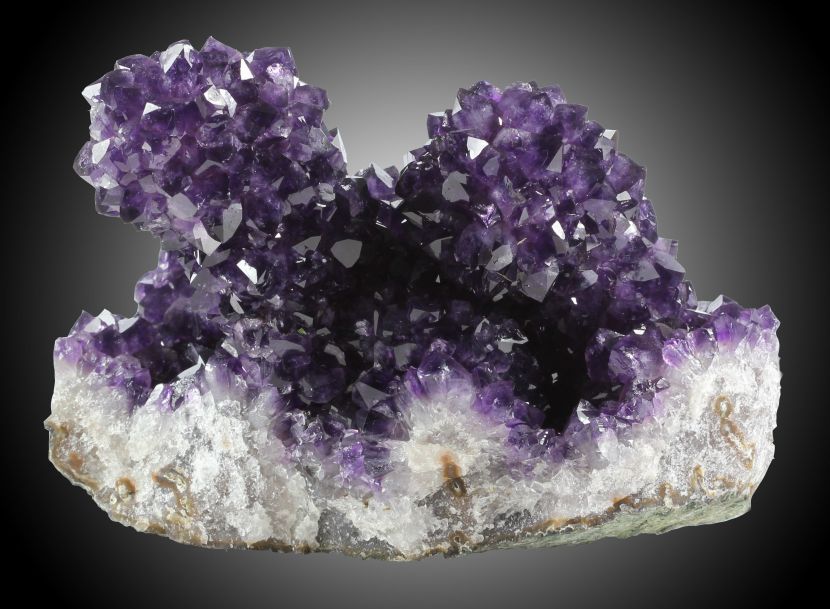
Alexandrite
Alexandrite is the only type of chrysoberyl. Transparent samples are extremely rare, the main set is lilac and yellow-green. Defined in honor of the Russian Tsar Alexander II. Excellent flints are obtained in the Urals. Natural accumulations are equally possible in Africa, Brazil and Sri Lanka.
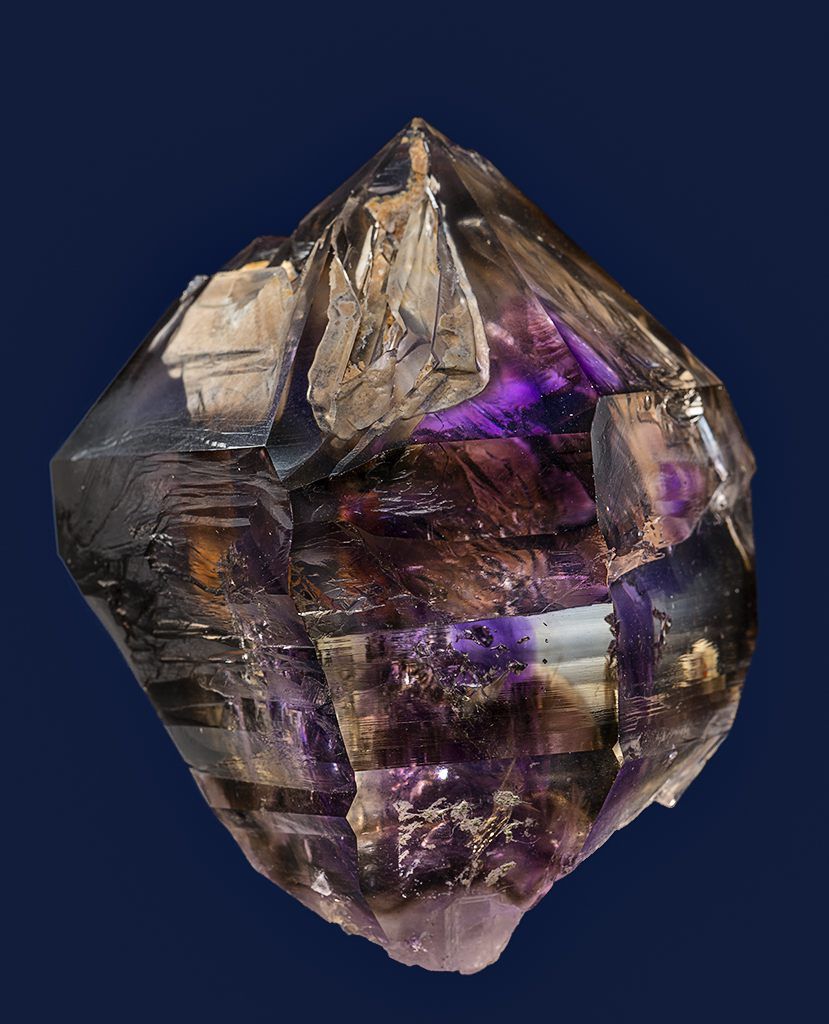
Priced with alexandrite, there is no way to compare rubies, emeralds and diamonds. Small minerals weighing up to 1 carat are traded in the amount of 500-10,000 dollars. Large stones come across, usually only at international auctions.
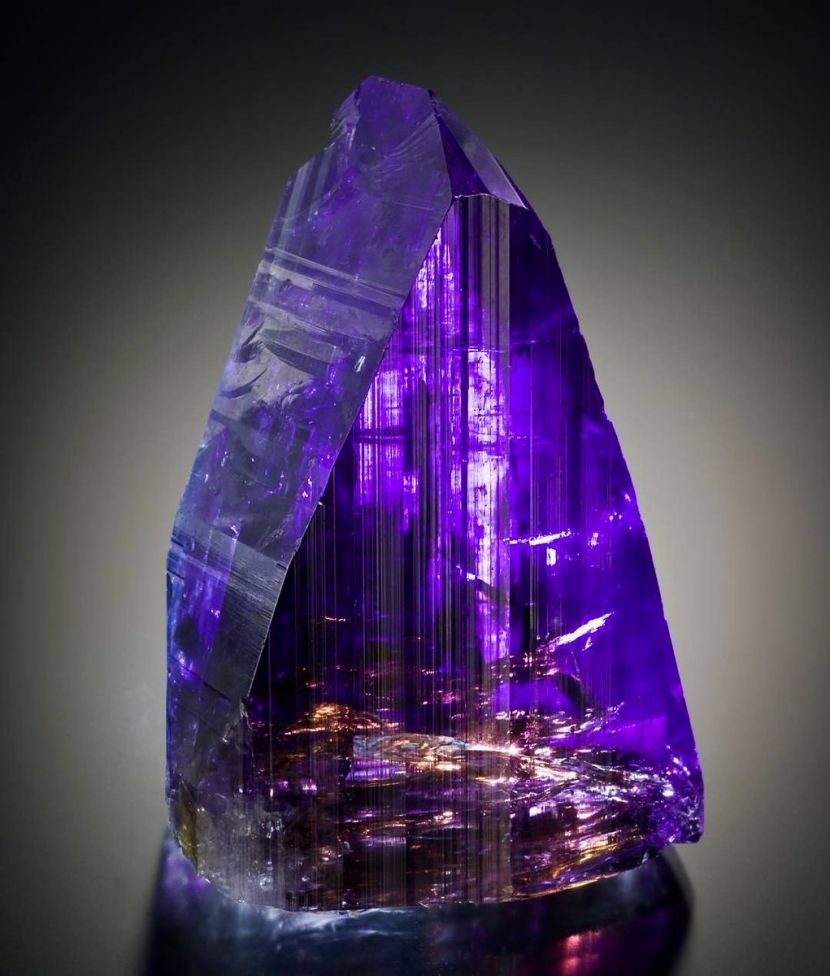
Tanzanite
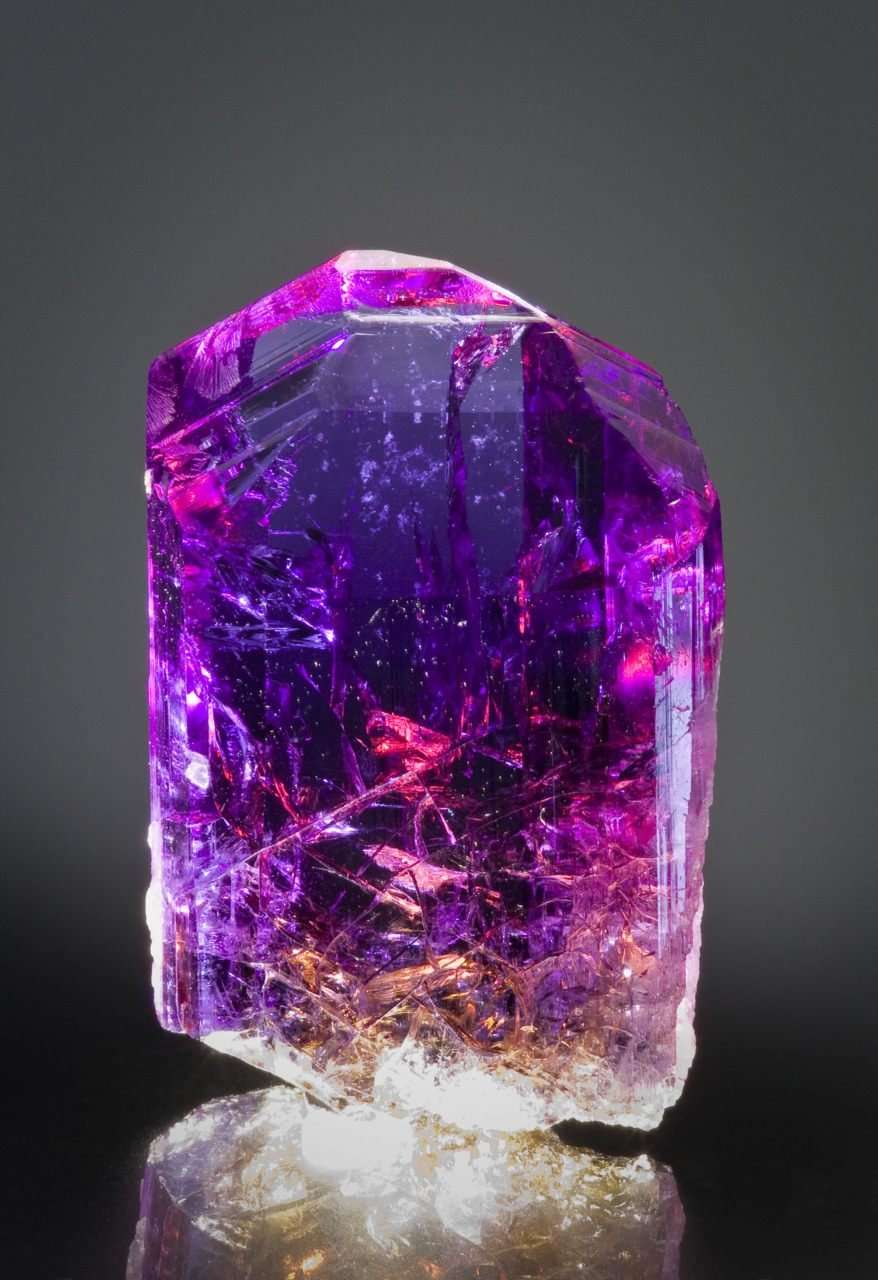
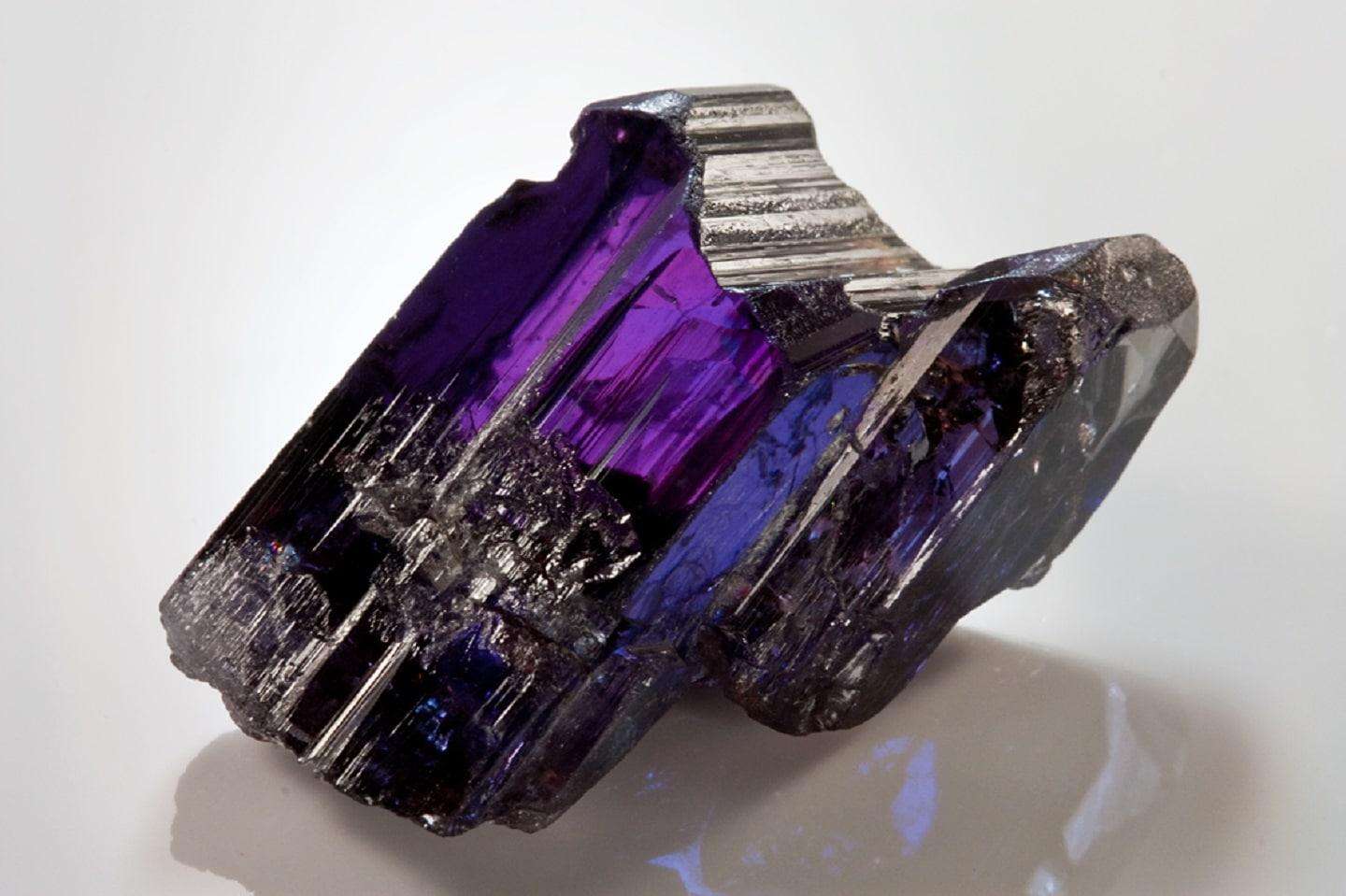
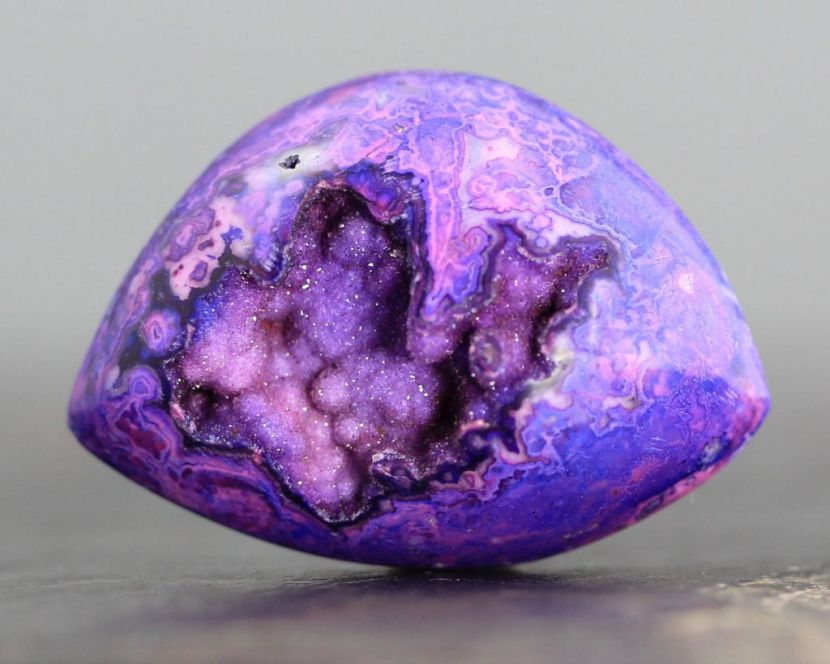
It has been nicknamed as the place of honor in East Africa where it was found. It is considered a genus of cyosite. Like the only one of the previous flints, it was popular only from the previous century. Not all flints are pink, they are also blue and brown, although they turn lilac when exposed to considerable heat. Differ in alexandrite action
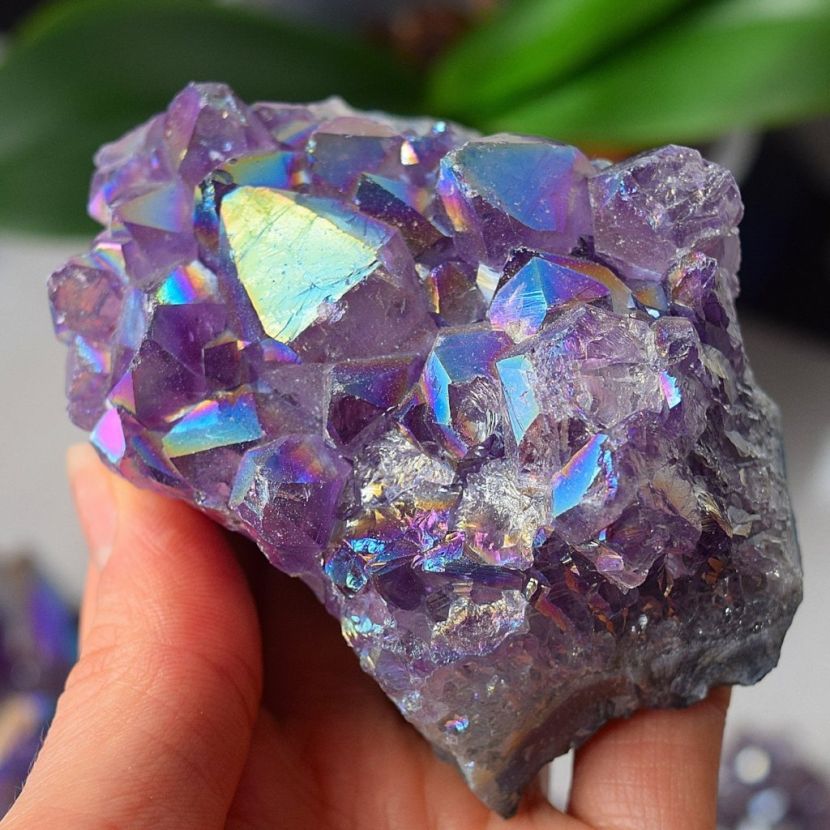
The famous semi-precious stone was made by American residents. Supplies are scarce, for this reason granite is highly valued in the jewelry trade. The only deposit is in Tanzania, on the Merelani Plateau
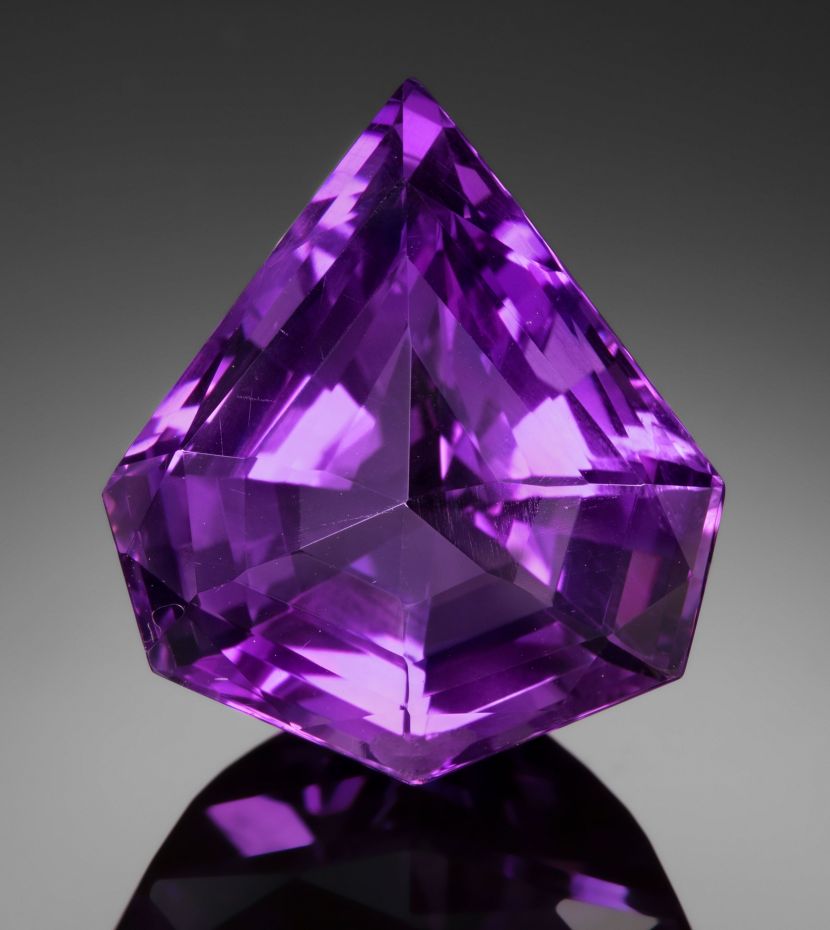
A popular cost is 200-1000 dollars. Non-natural solids are very different from natural solids until they manage to produce high quality solids.
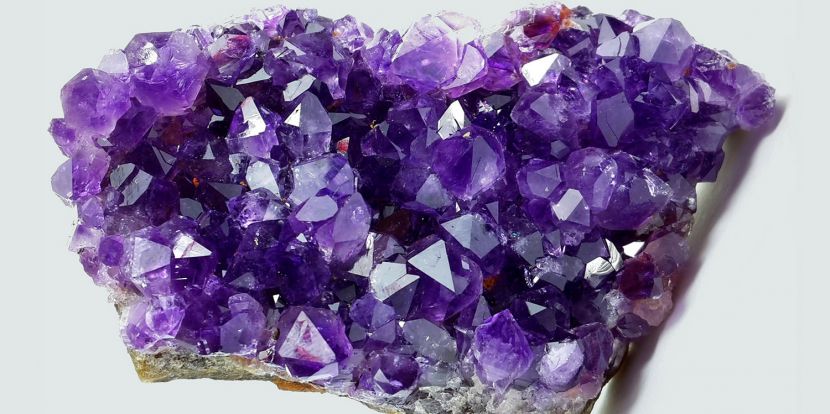
Sapphire
Oriental amethyst is sometimes referred to as sapphire. It acquired a lilac color due to vanadium. Many stones are colorless. Acquires in India, Sri Lanka, Burma and other countries. Shipped in gold and platinum. The price will cost several thousand dollars or more.
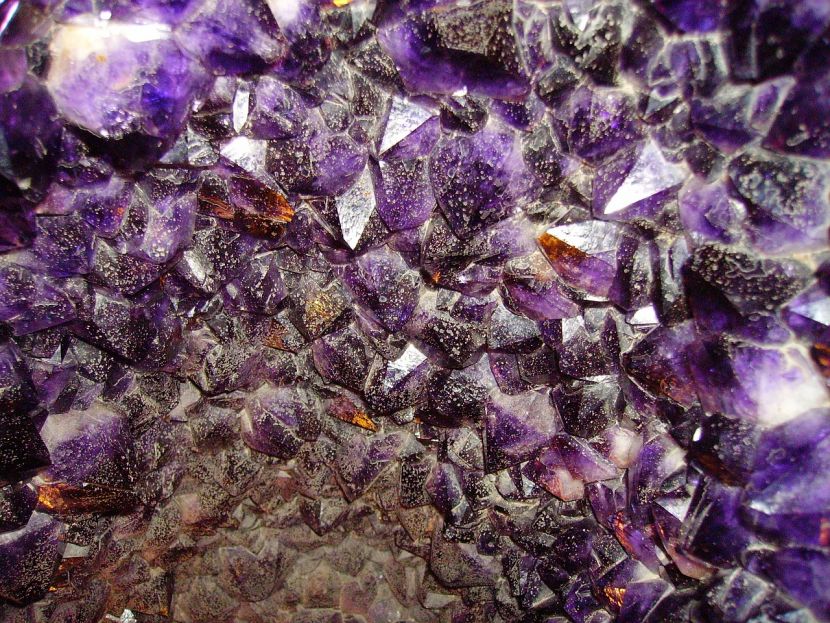
In some cases, impenetrable sapphires are most valuable due to the effect of asterism. In the light, a star with 6 or 12 views is noticeable. In principle, such prototypes seem to the collectors at the same time.
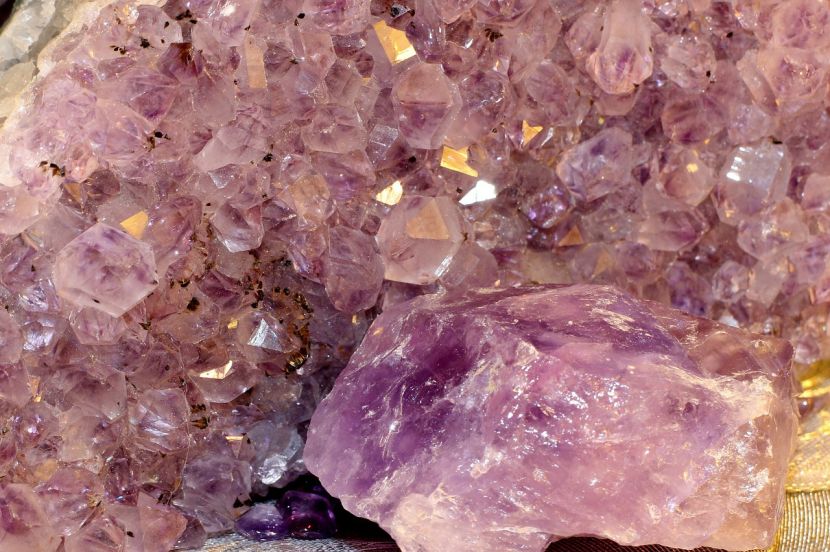
Gems
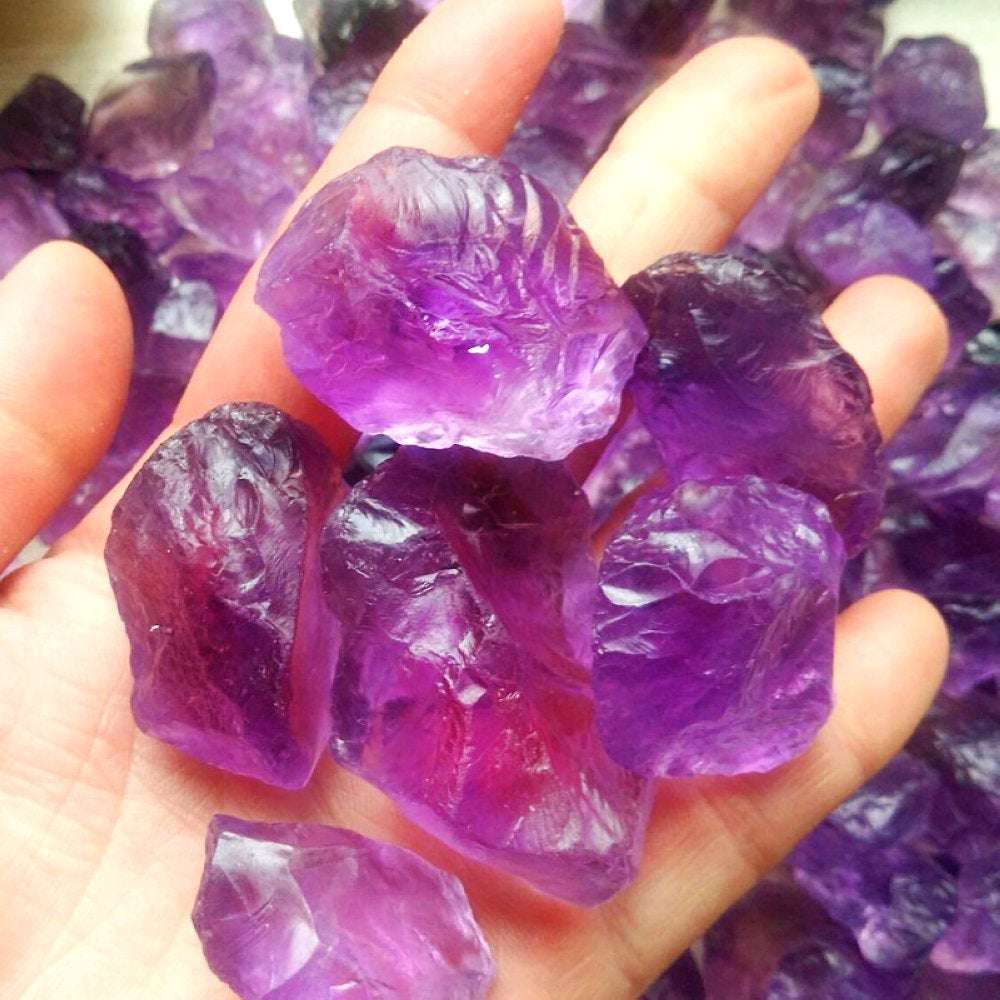
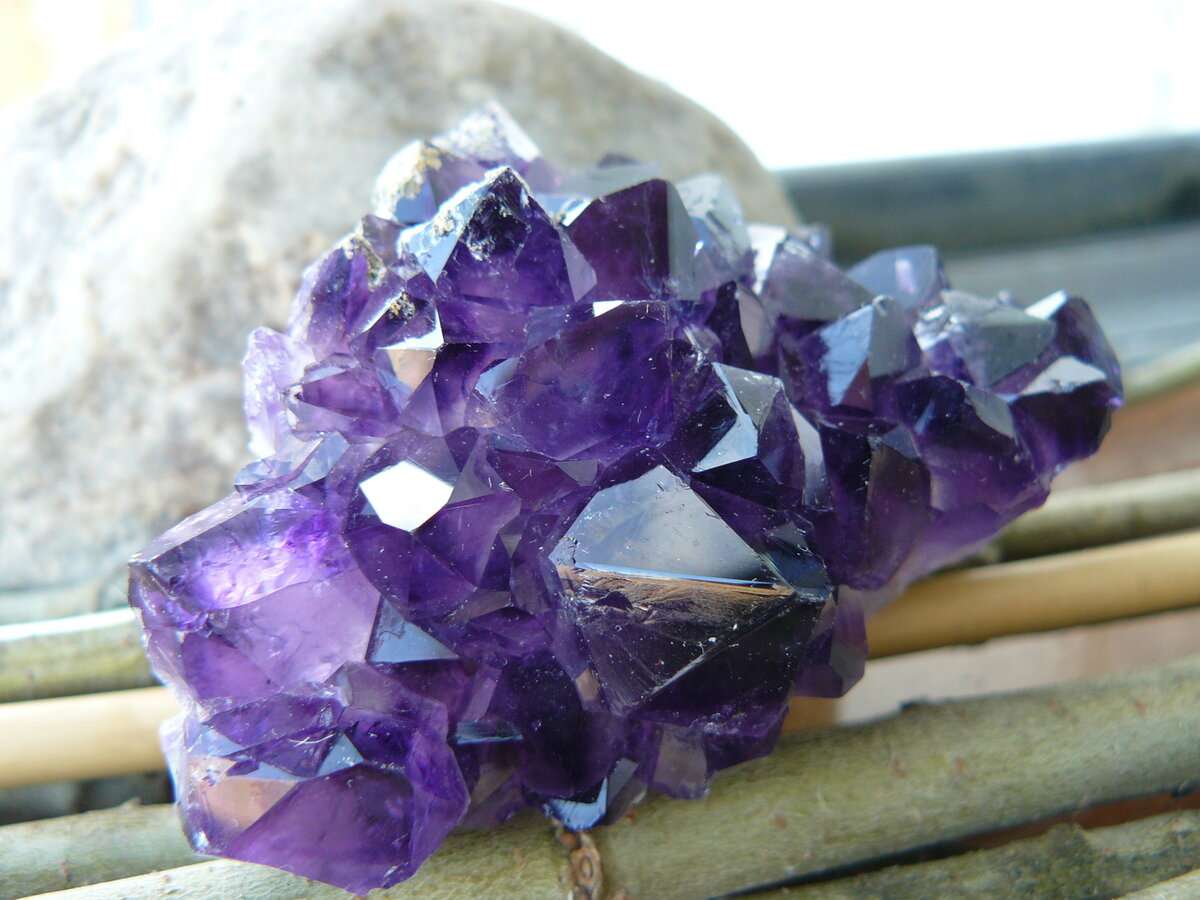
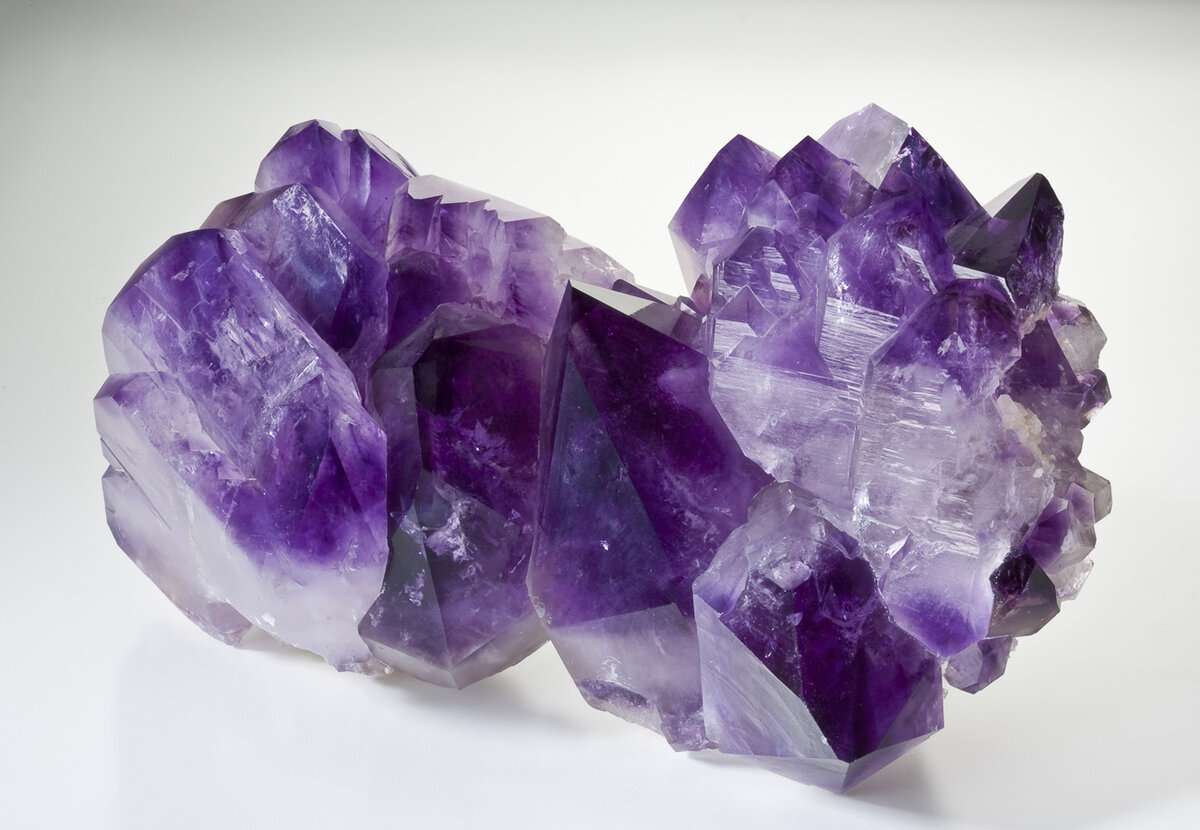
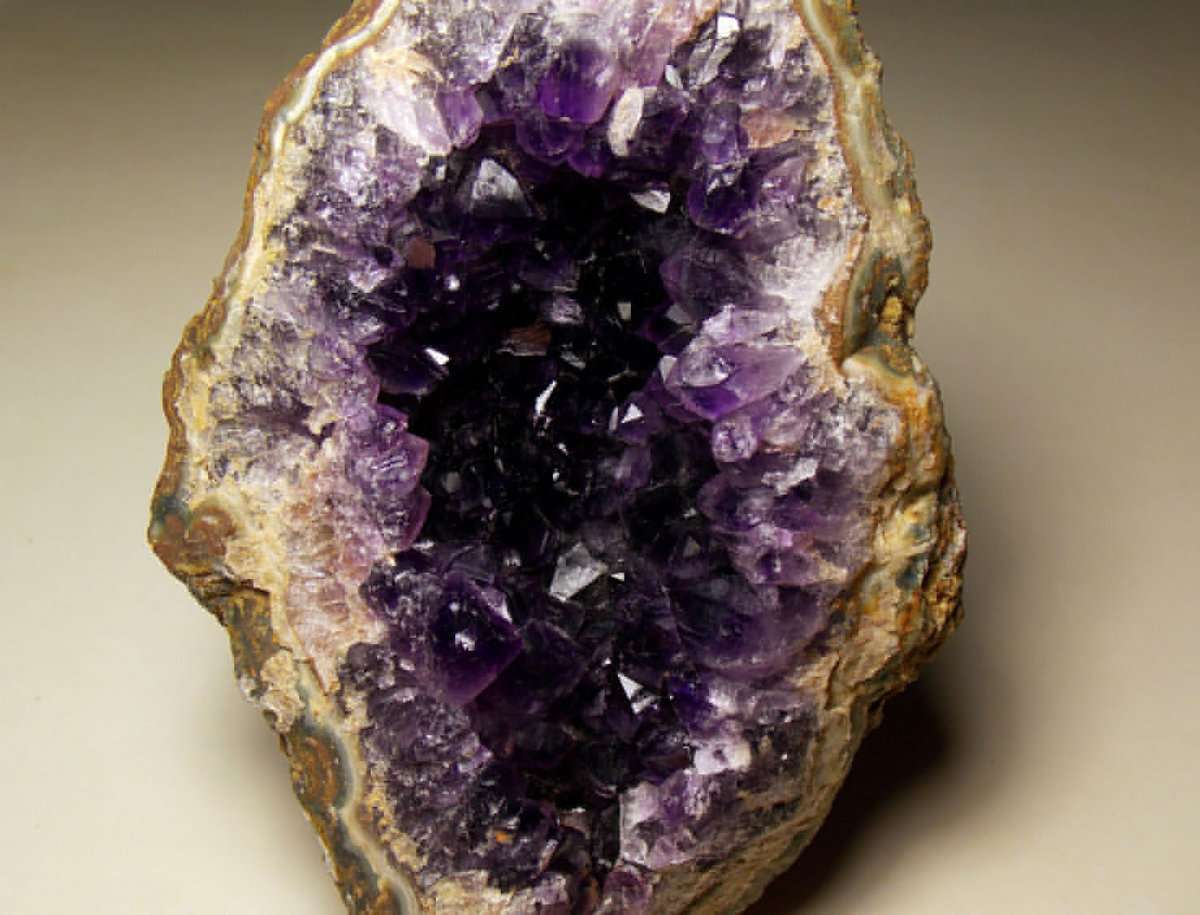
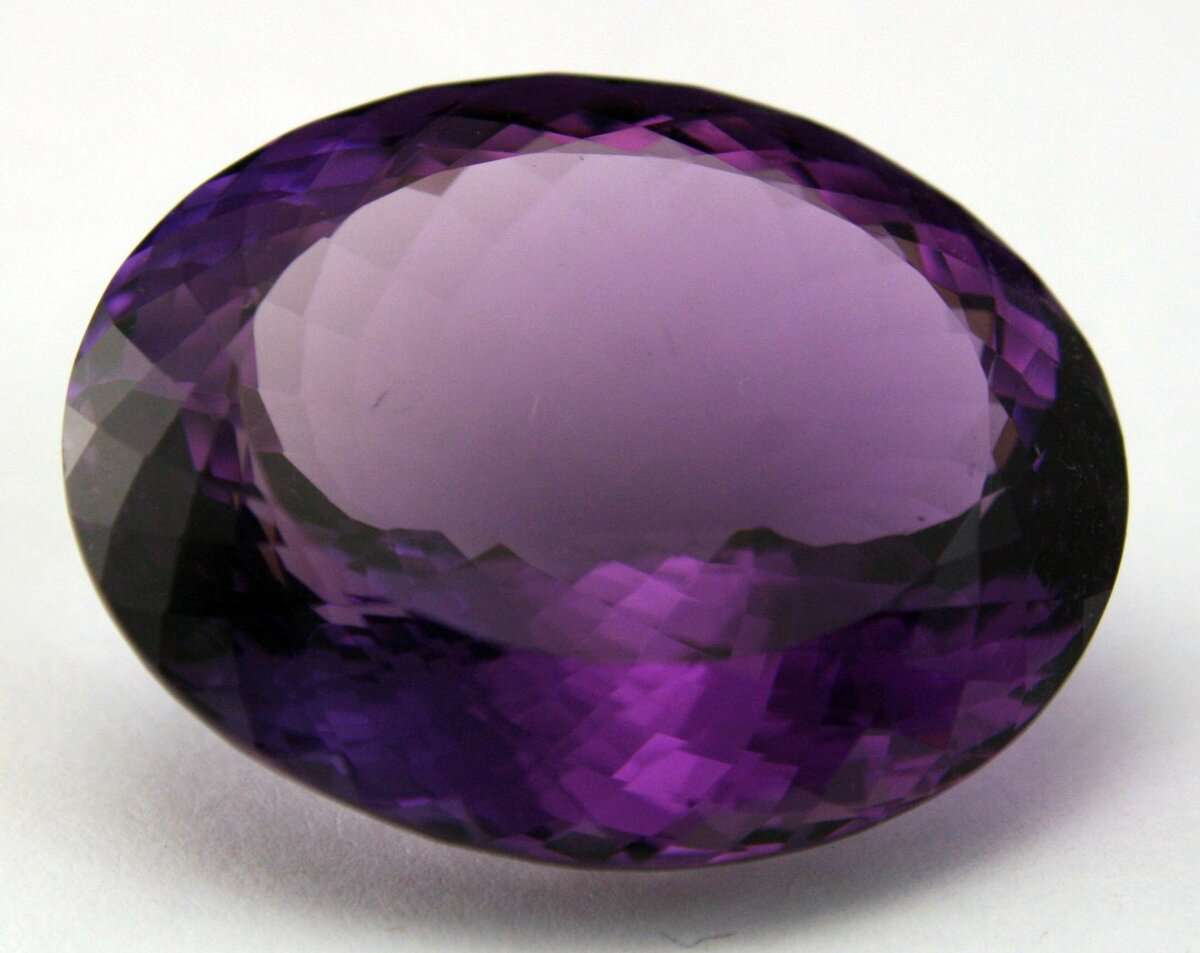
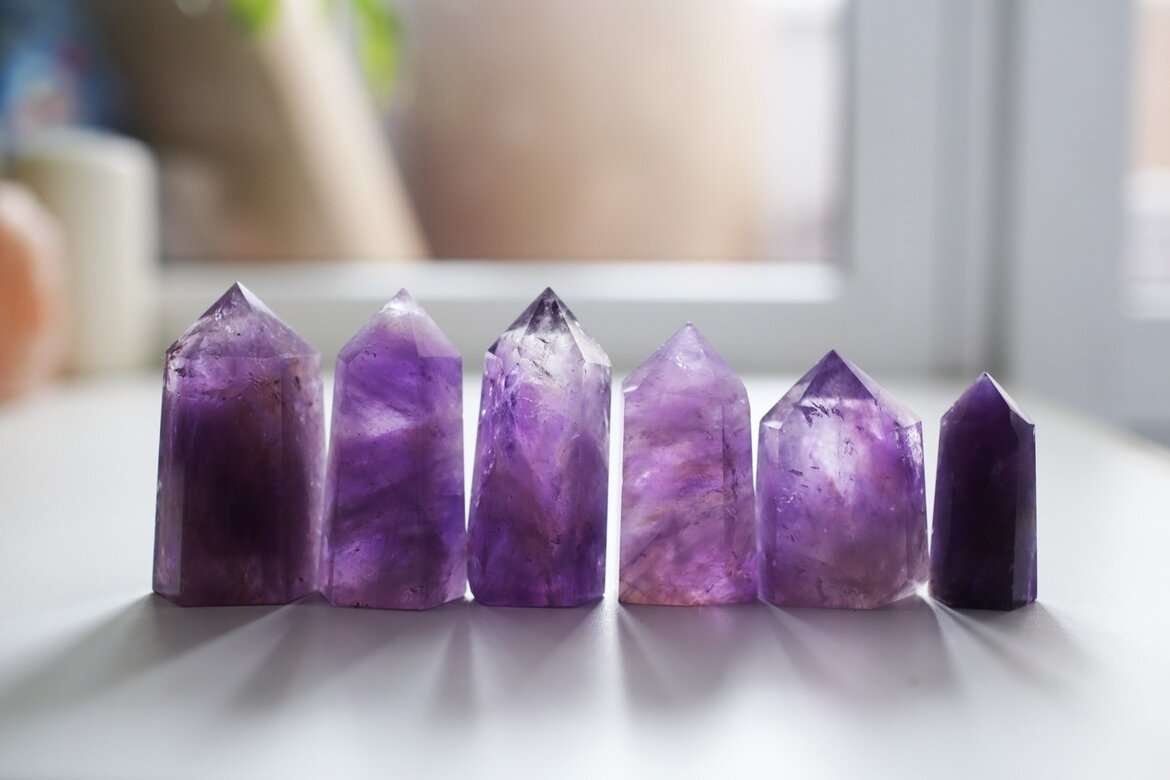
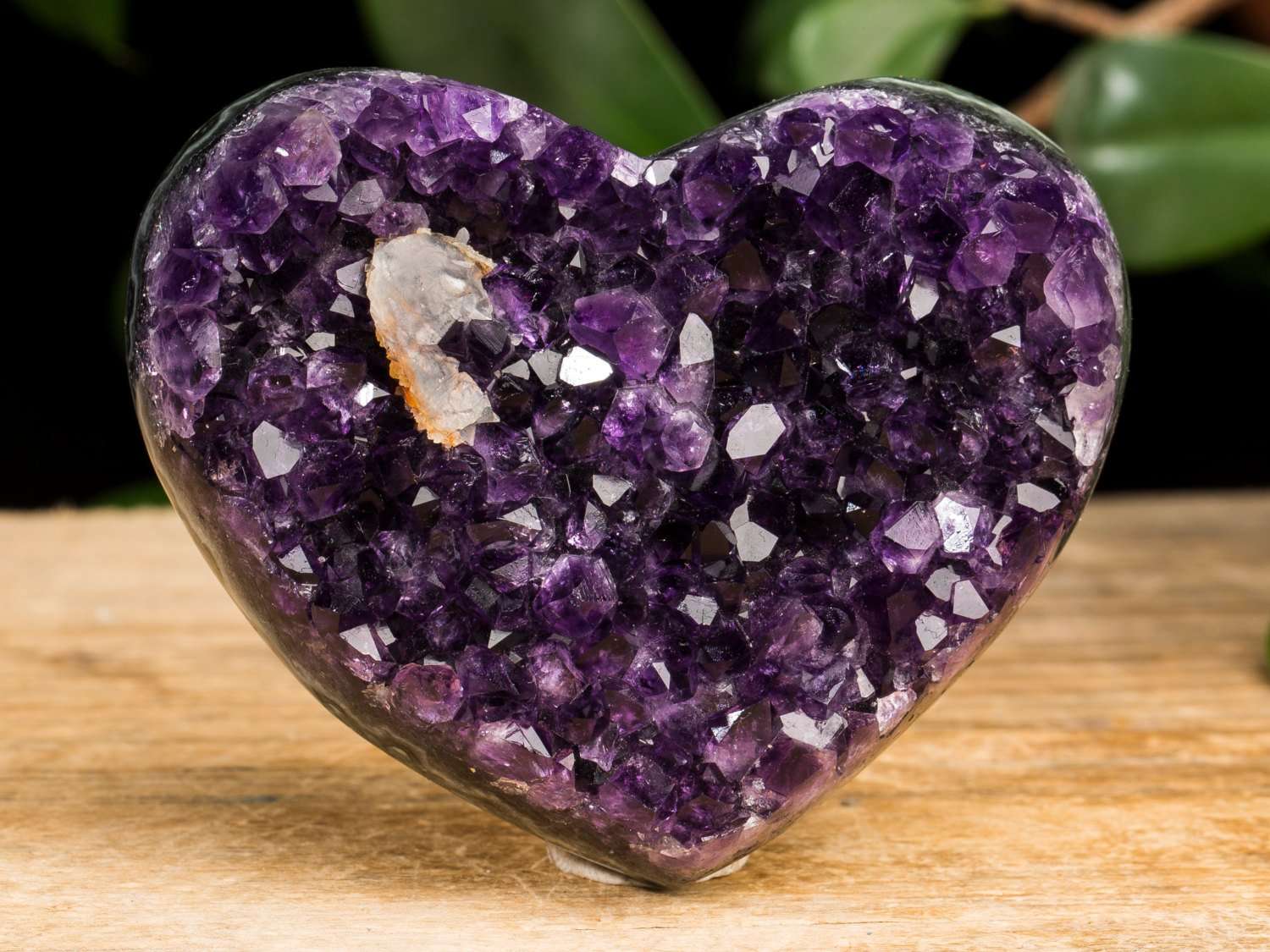
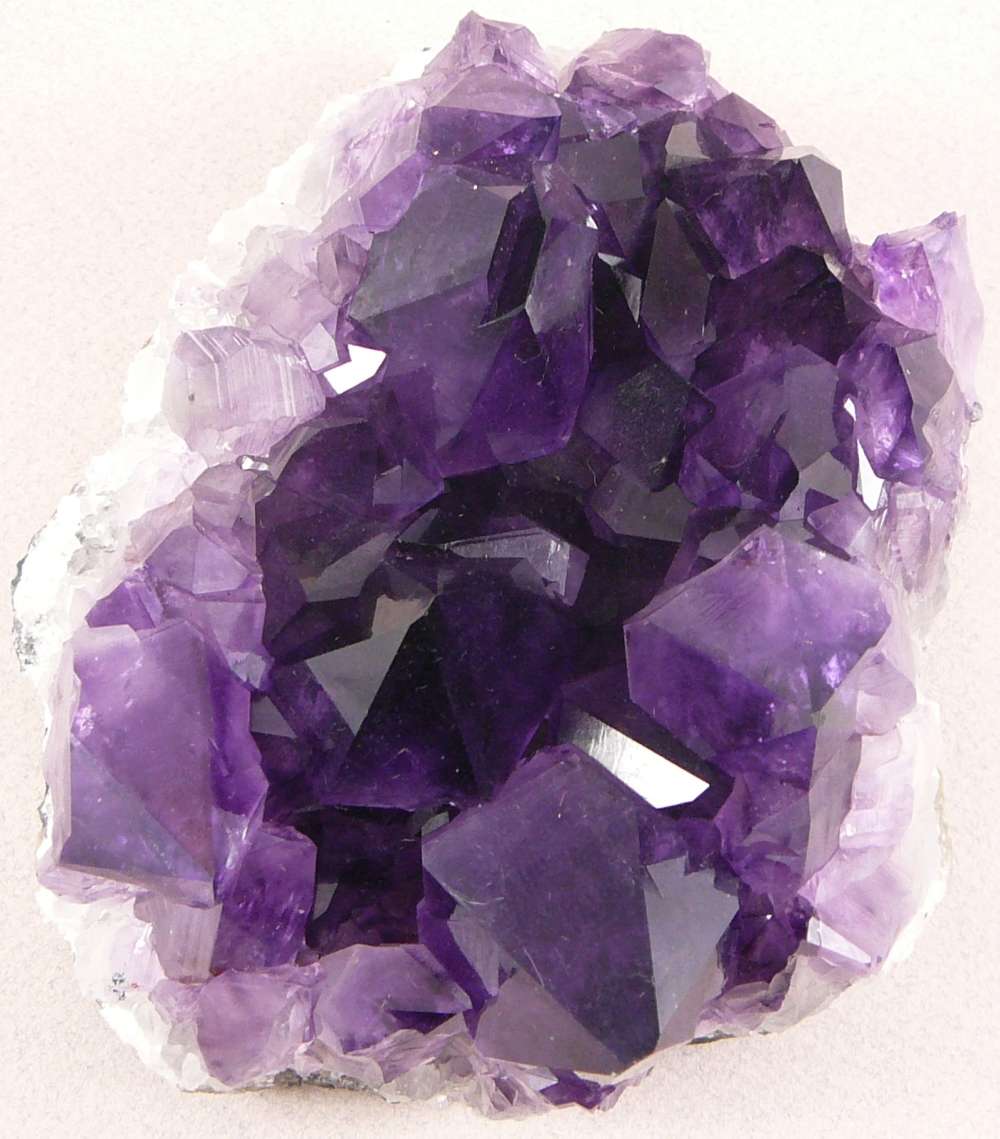
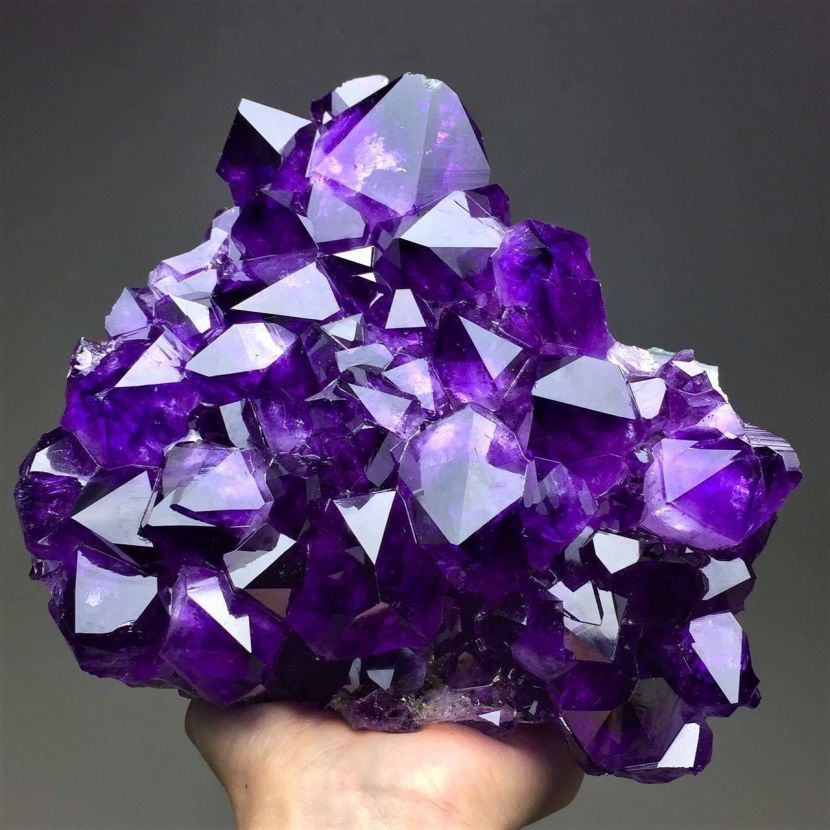
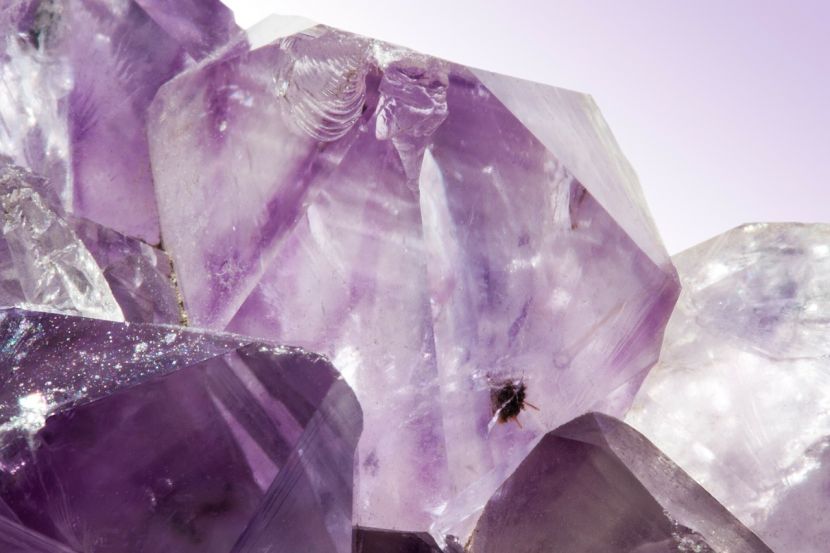
Amethyst
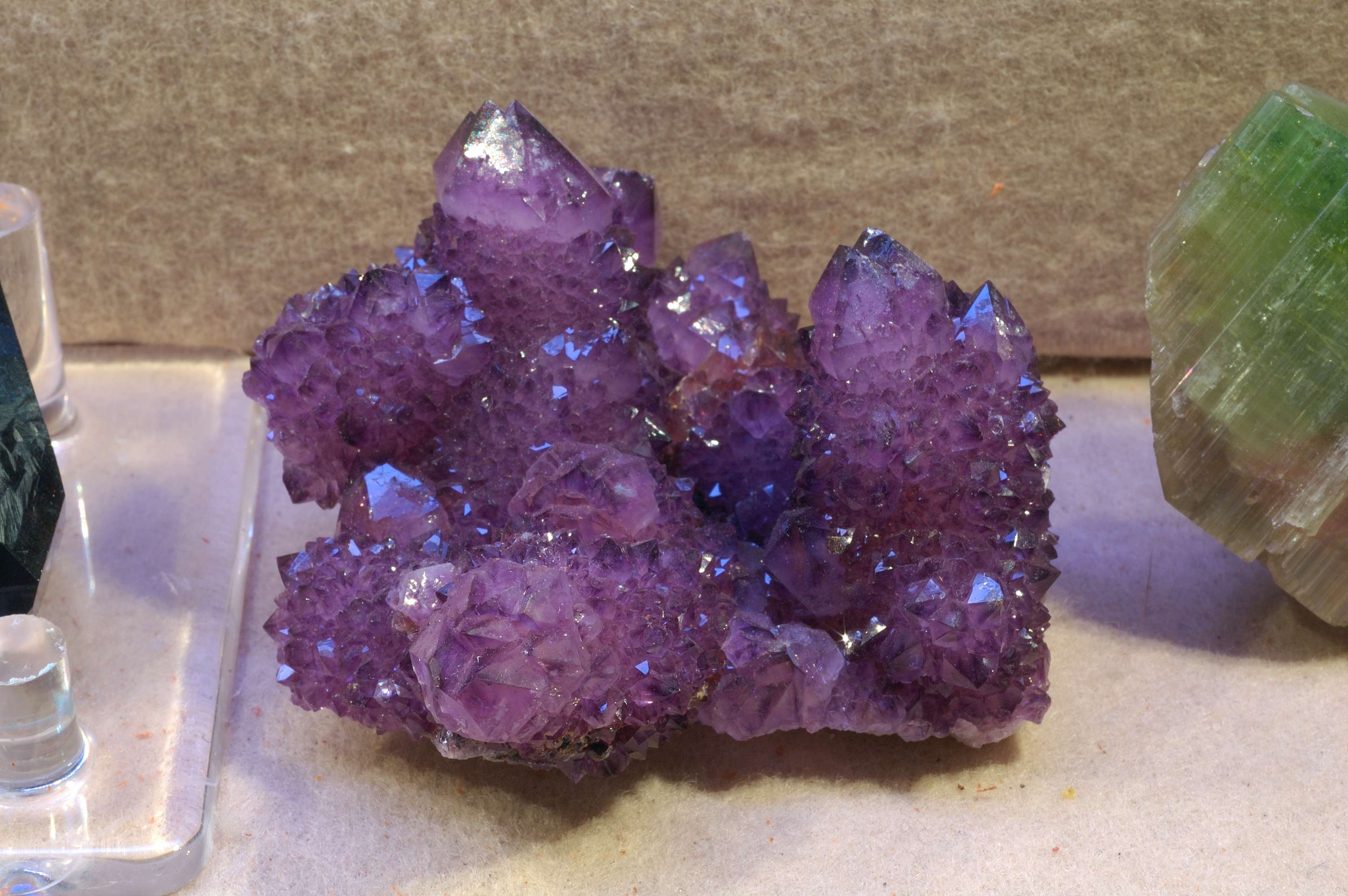
This is a traditional sample of semi-precious flint of a similar color. It is considered a variety of quartz.For this, a mineral is popular that changes shade and intensity due to radiance. Who exactly in this case also believes that the upcoming storm or disaster has a great influence on the shade.
Almandine
Lilac almandine is widely popular. This garnet variant is a well-known and characteristic flint. Colorless almandines are predominantly recognized. Jewelers usually choose crystals with a volume of 4-6 millimeters. Most of them are extremely rare.
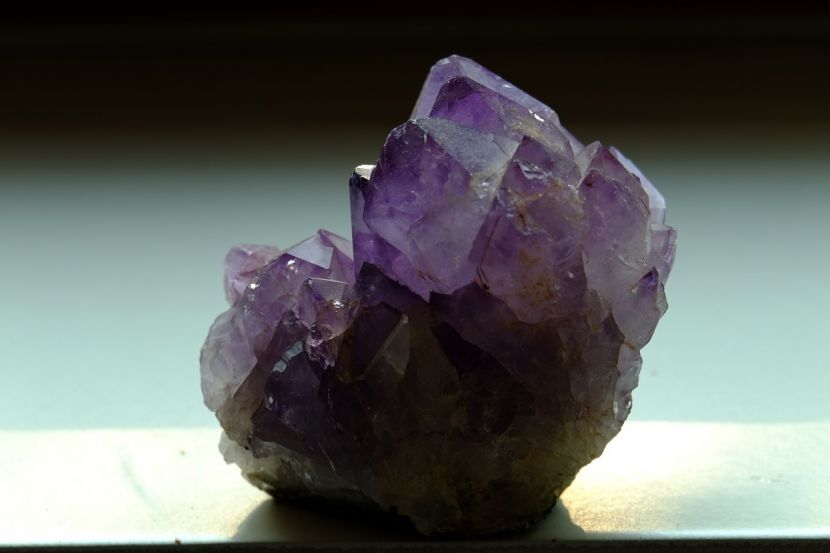
Excellent natural accumulations are located in India, Madagascar and other territories. Next to us are large reserves on the Kola Peninsula, in Karelia, in the Urals.
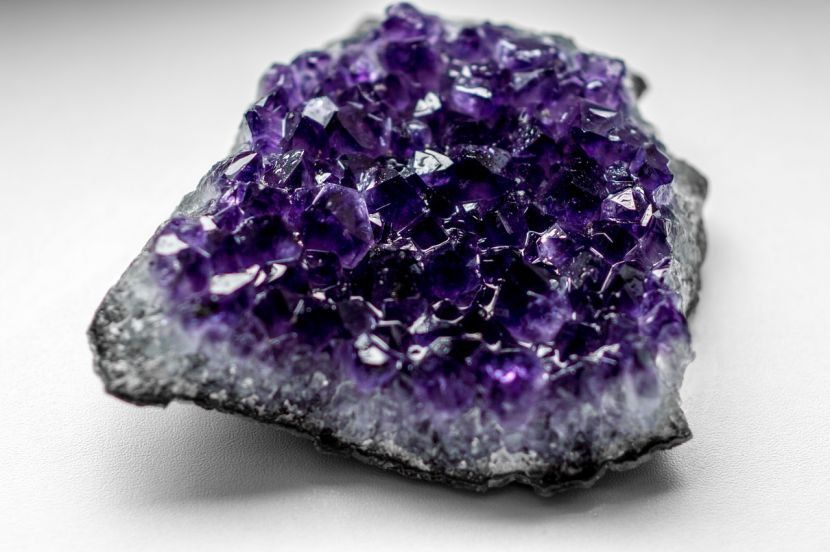
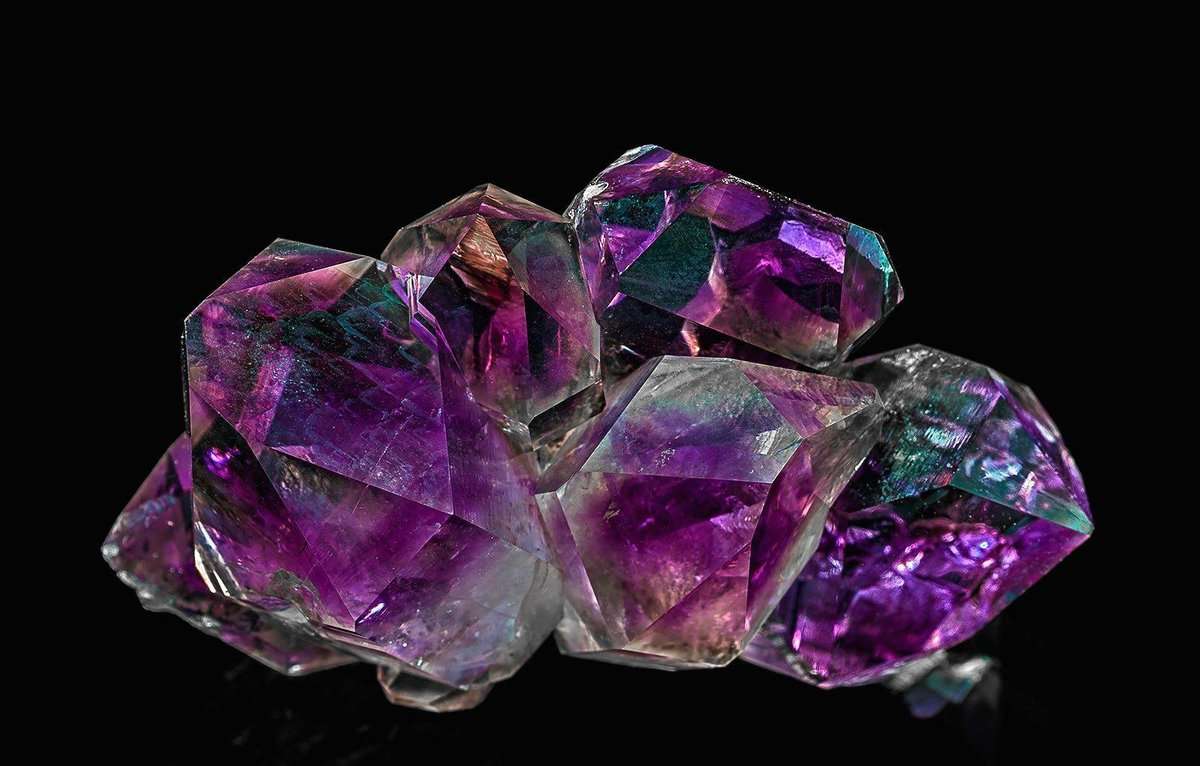
Ametrine
It is similar in structure to amethyst and citrine due to the fact that it has acquired its own name. Purple to peach color. More generally, these gems are imported by Bolivia.
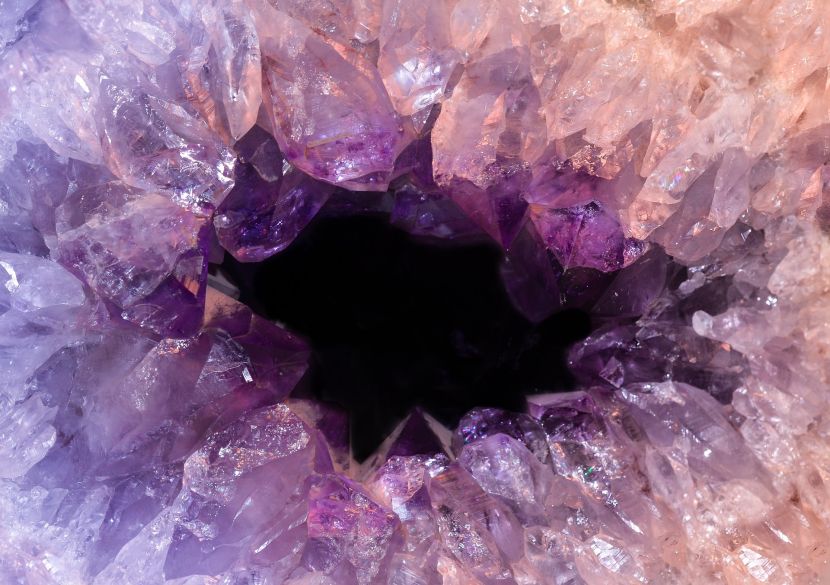
The flints that came from this place are the highest quality stones. They have a catchy and dazzling tone. It is combined with silver, amber or other precious flints. Rings, earrings and pendants are most distributed.
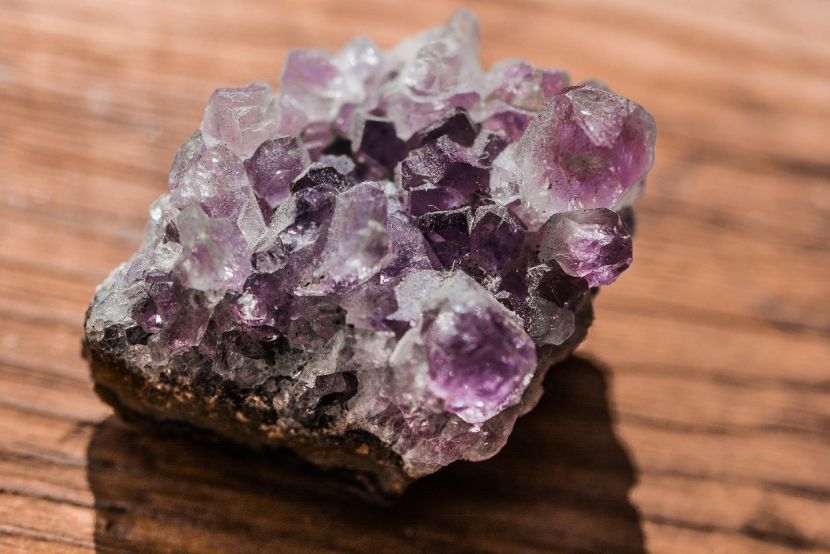
Homemade flints
Some lilac solids are used not only in jewelry. Of these, solid bodies, household items, paint structures are used. Most often, such flints are impenetrable, less recognized. But among them there are precious flints, which, in their elegance and price, do not give anything away to the most valuable solids.
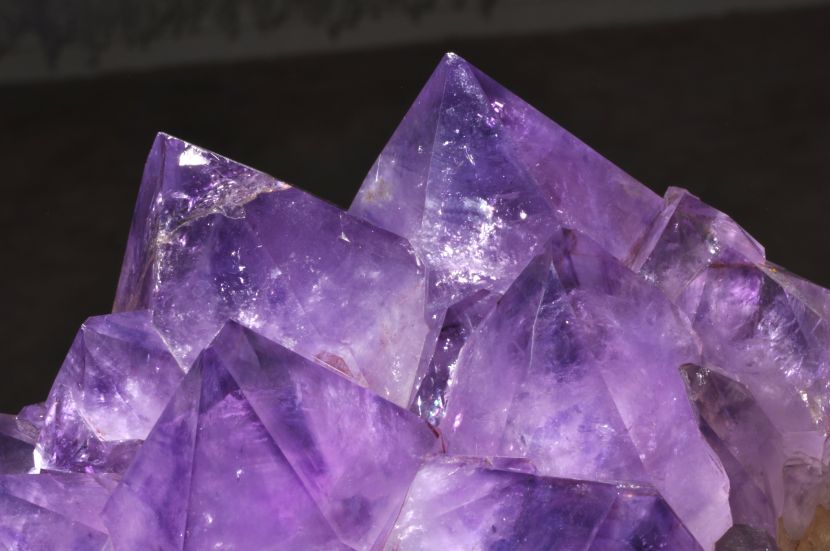
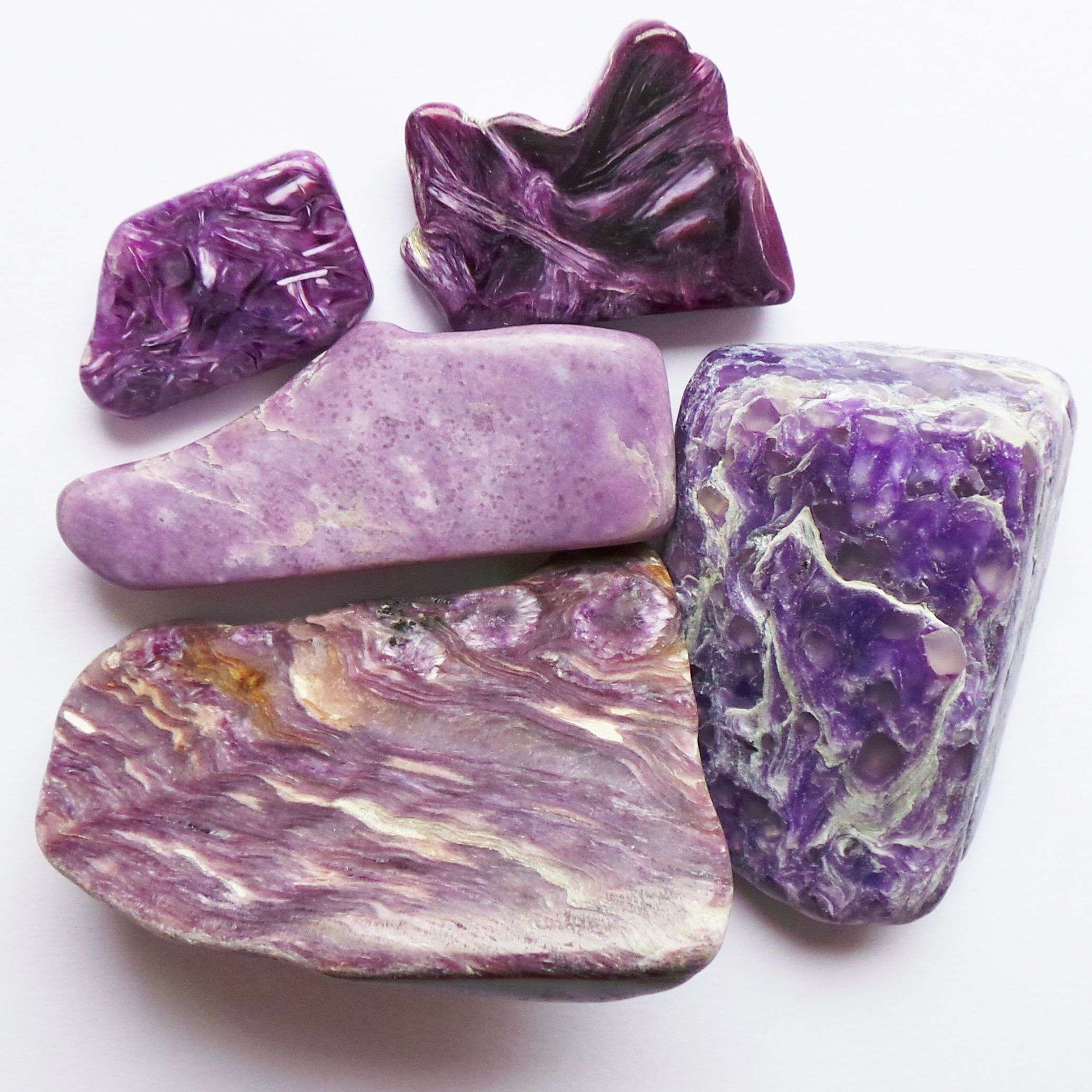
Charoite
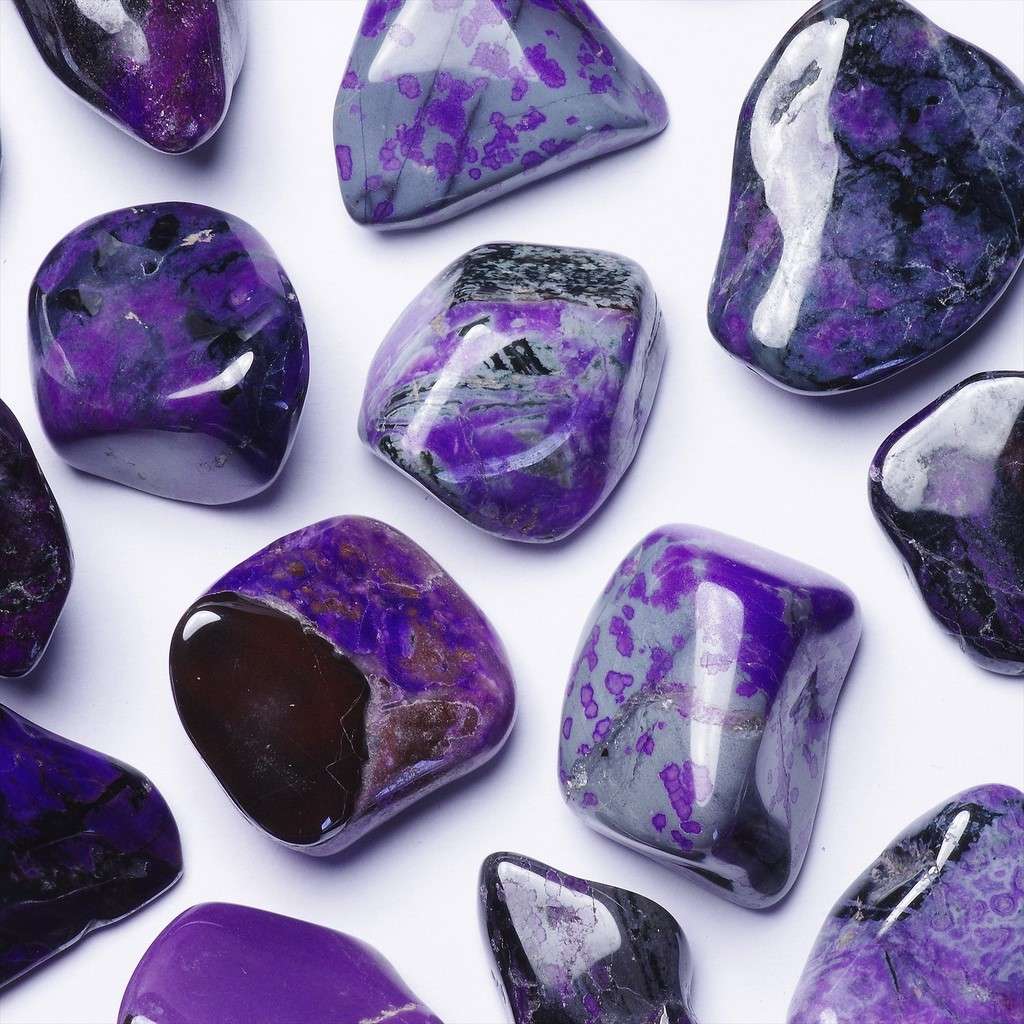
The traditional pattern is a solid body. Available only in Siberia. The name originated with the river Chara. Both light purple and thus dark purple specimens are observed. The solid body is impenetrable.
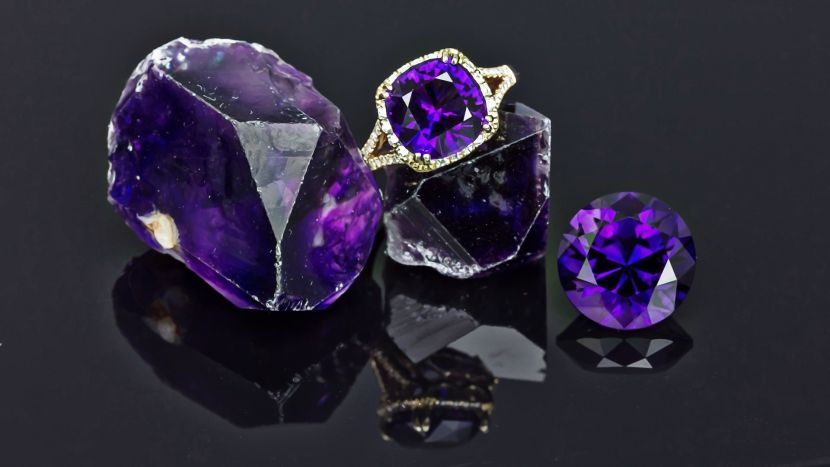
Lepidolite
Mica, a layered colorless solid with little reliability: 2.5 Mohs rating. Wide natural accumulations are available in Canada, Manitoba, Brazil, Zimbabwe, the Russian Federation and other countries. Unique alloys were obtained from lepidolite: cesium and rubidium.
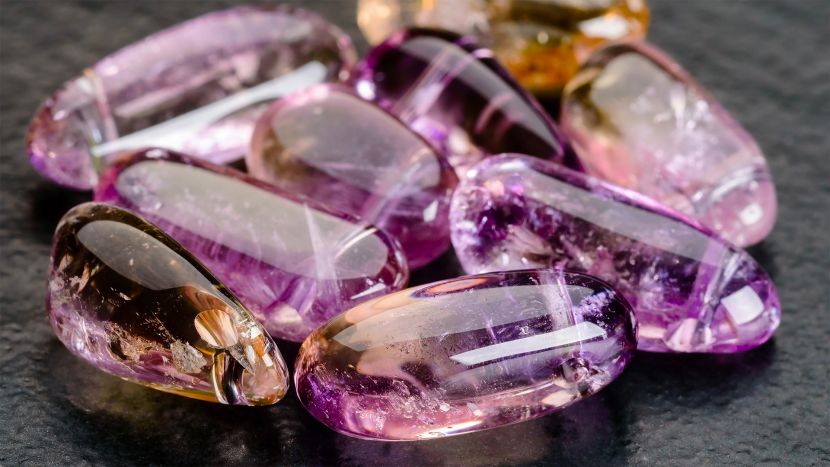
Often only half of the flint is lilac. The edges have a variety of palettes: from white to red, less often - yellow and gray.
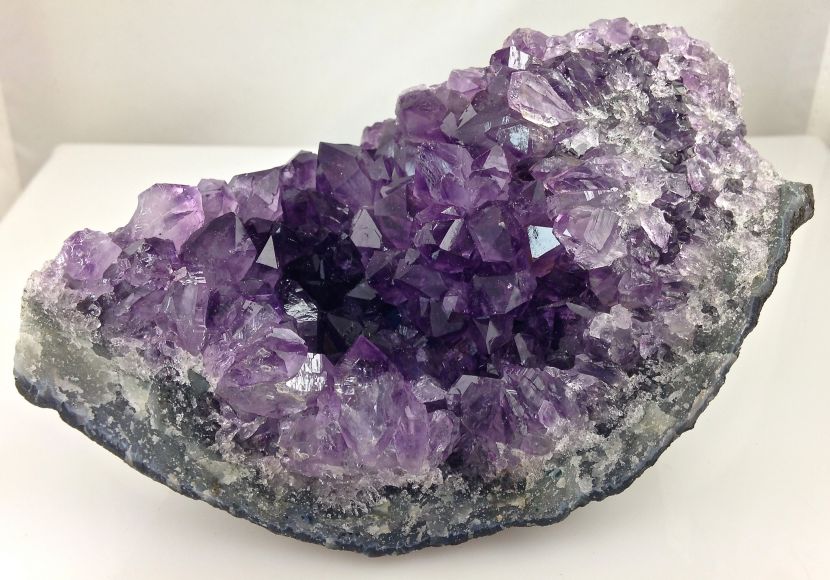
Jade
Another unique "universal" granite with a lilac tint is jadeite (lavender). This mineral has a high hardness. It is used as an ornamental material, but there are also expensive samples.

Jewelers prefer soft, colorless lilac-hued specimens: prices start at $100 per carat.

The broken solid goes to the costume jewelry. Medium quality and opaque - suitable for cheap jewelry. Products are made from it: figures, writing accessories and much more.
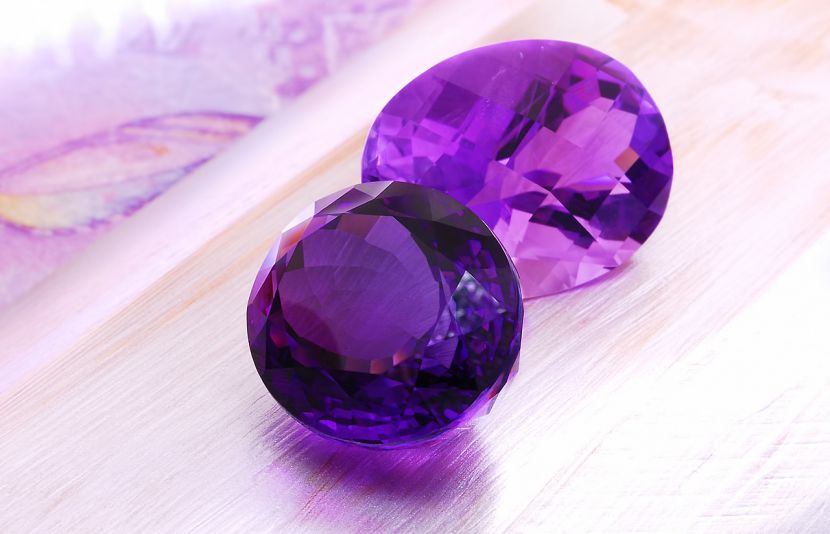
Jadeite of a similar tone was adored by the Mayan Aztecs. In Europe it turned out to be the same after the creation of America. Such a solid body is found in the Urals set.
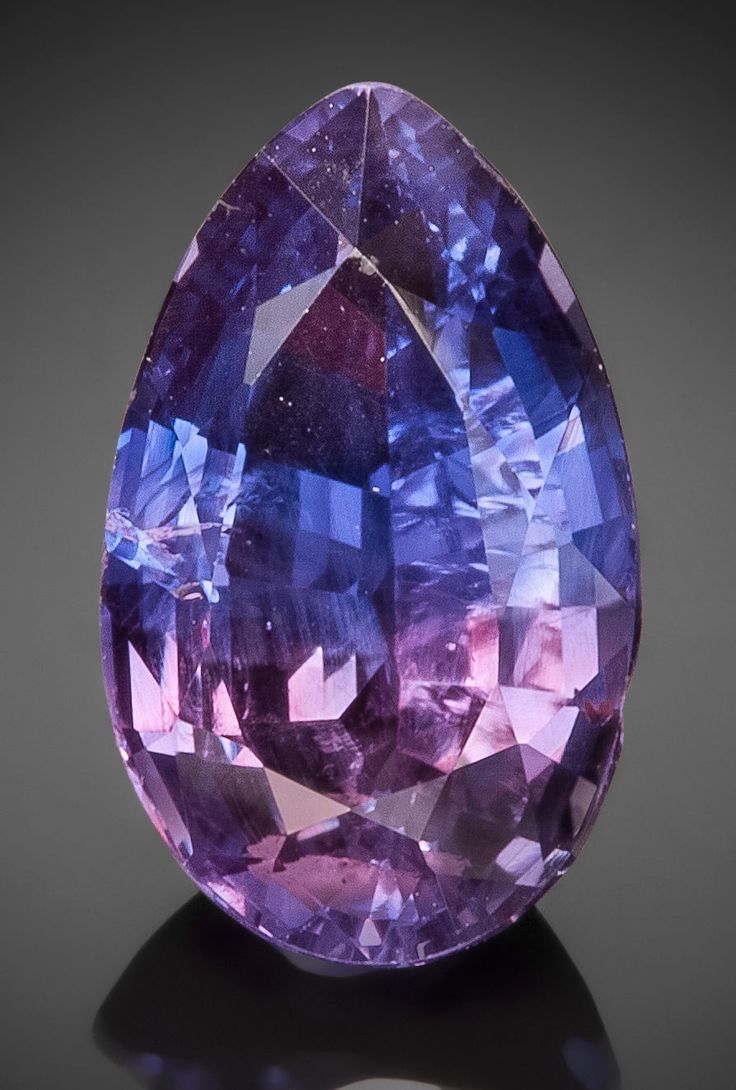
Magic features
Precious lilac stones seem original. Magicians think that their "appearance" expresses secret abilities. The obscure qualities around any type contain differences, but one thing can be noted:
- Lilac minerals can help overcome sensory and intellectual overload. Workaholics advise.
- Tangled difficulties take you out of difficult situations to make a decision.
- Activate, create creative possibilities and independence from the owners.
- Can overcome with excitability.
- Those who are engaged in the field of magic are helped to improve providence.
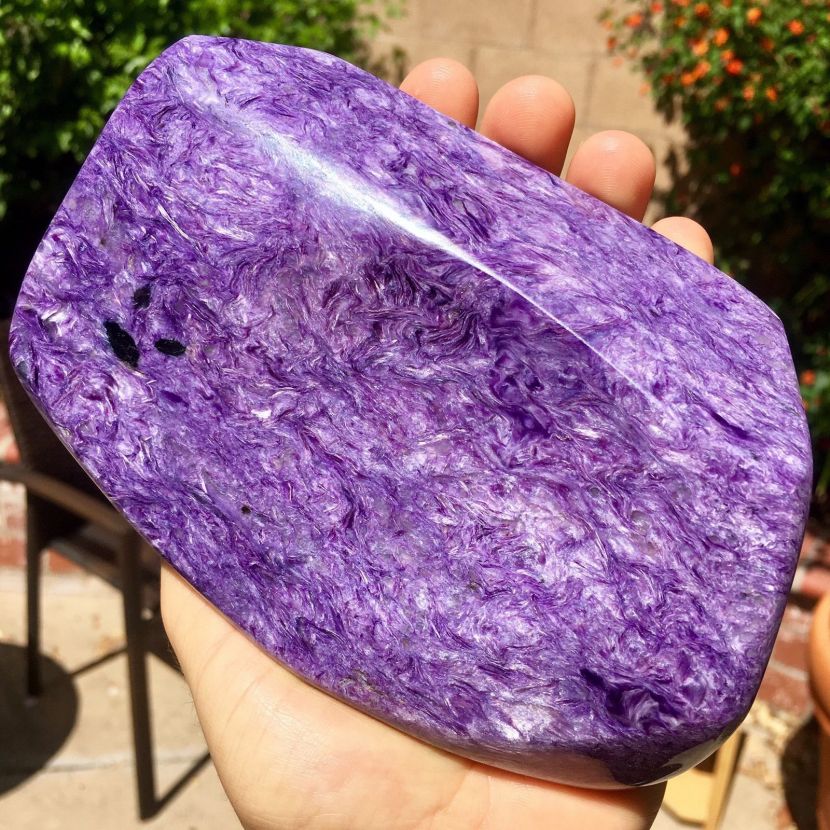
But it has been pointed out that it is not necessary to carry a very large number of light purple stones. Usually, the first decoration is sufficient. For example, wearing earrings, pendants, and two rings is instantly inconsistent and will lead to violation.
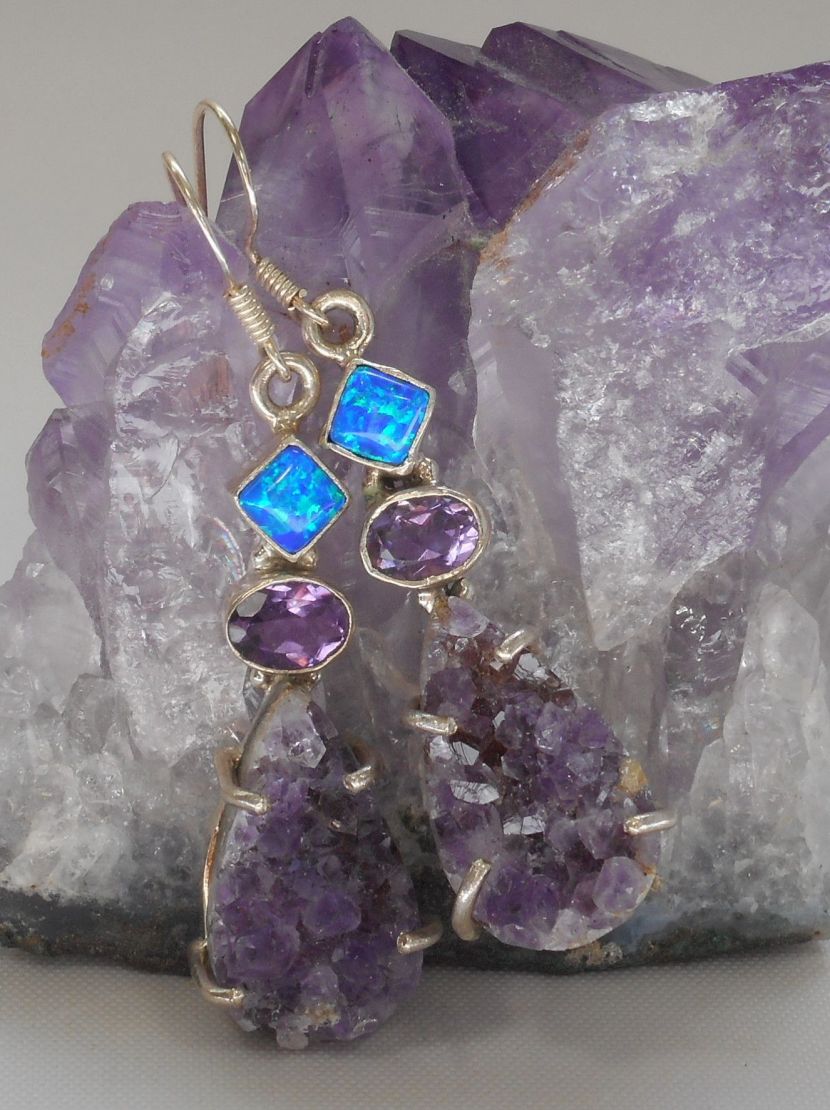
A jewel made of lilac stones is constantly of interest.
These minerals are unique and can be beneficial for energy purposes.
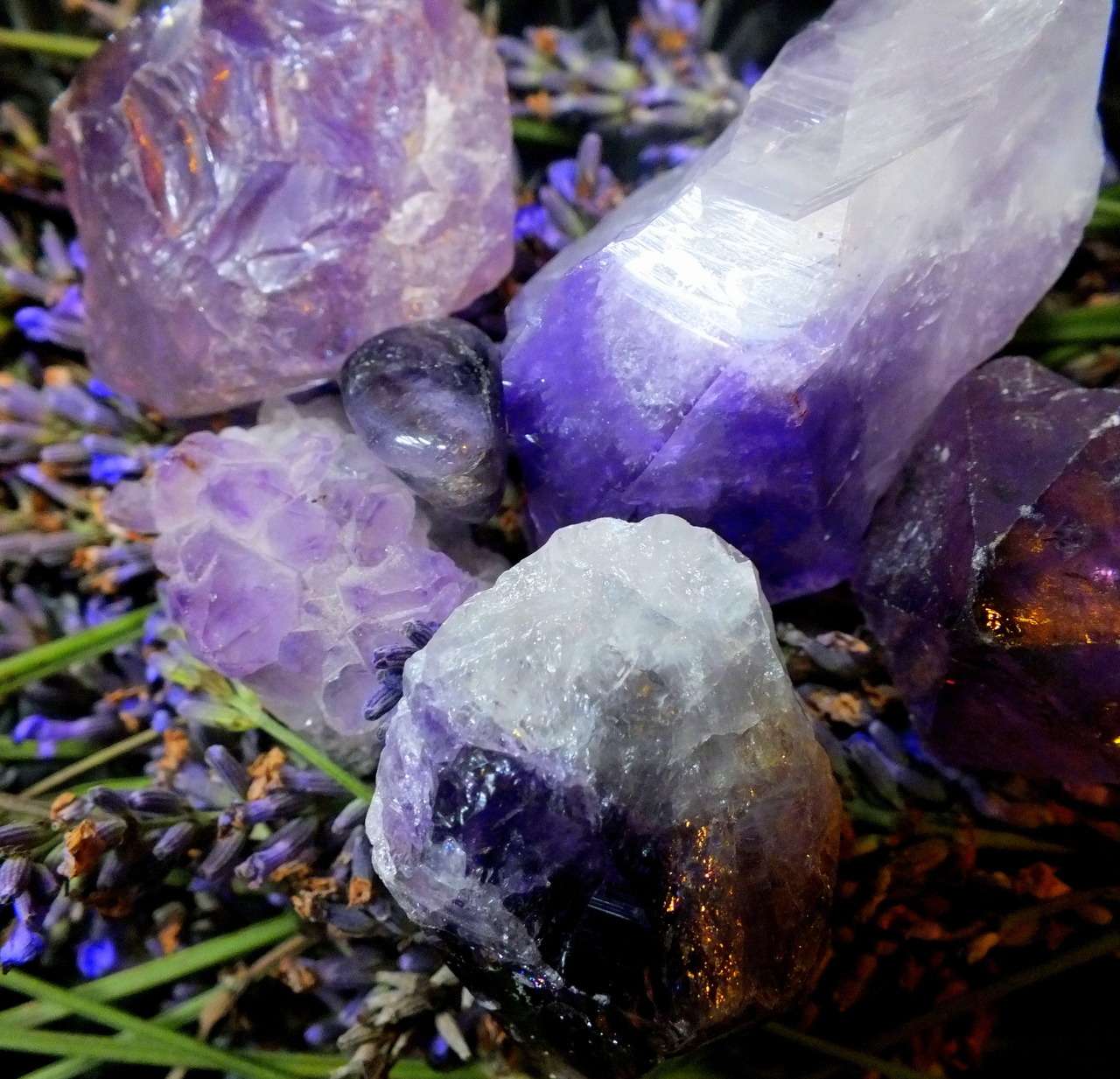
Photo of purple stones