How to identify pearls: a list of the main characteristics, all known, effective methods, photos
Thinking about buying a pearl jewelry or sorting through the family jewels inherited, you want to make sure that the pearls are genuine. This precious material has a high cost, so it is important to be able to distinguish it from imitations and fakes. It is not difficult to identify real pearls if you have an idea of its origin and properties.
Terms and Definitions
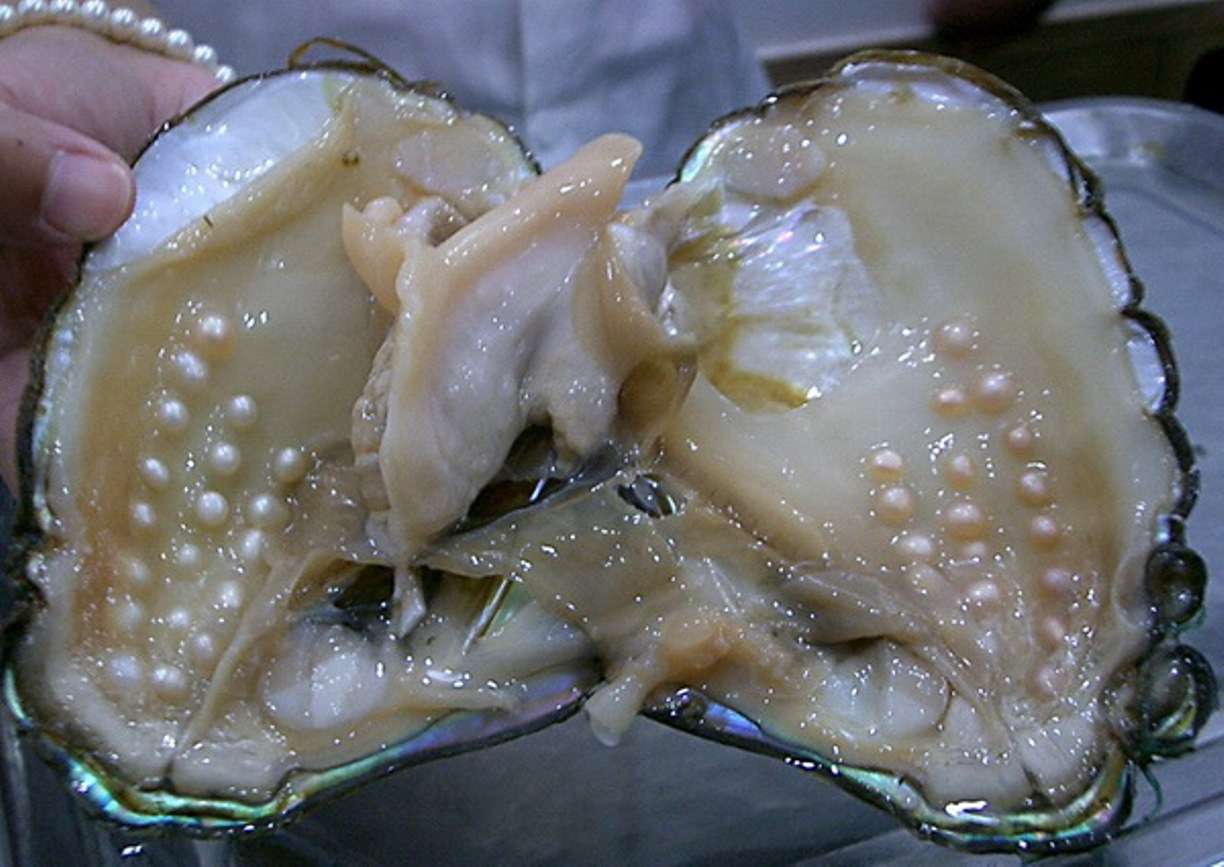
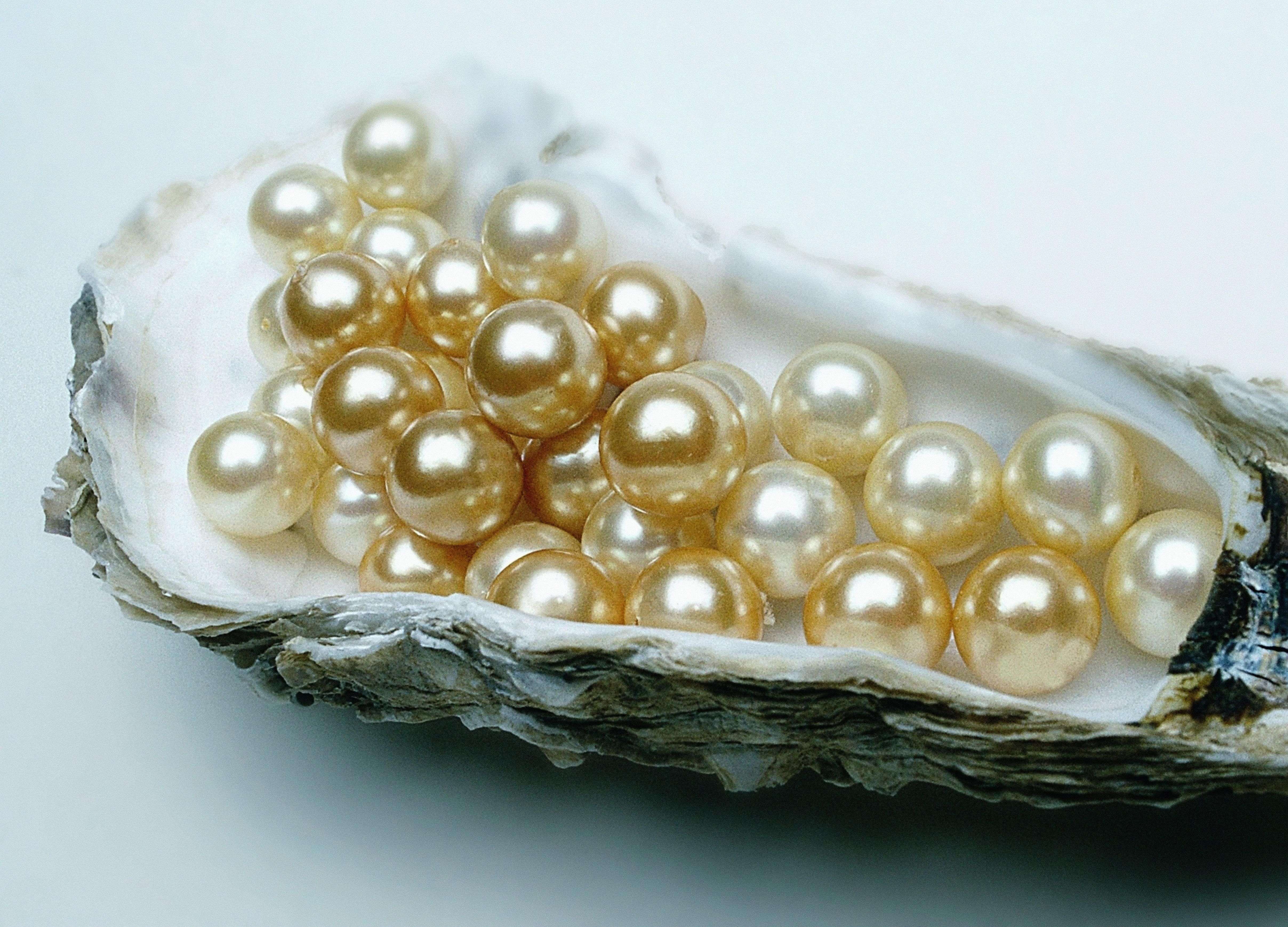
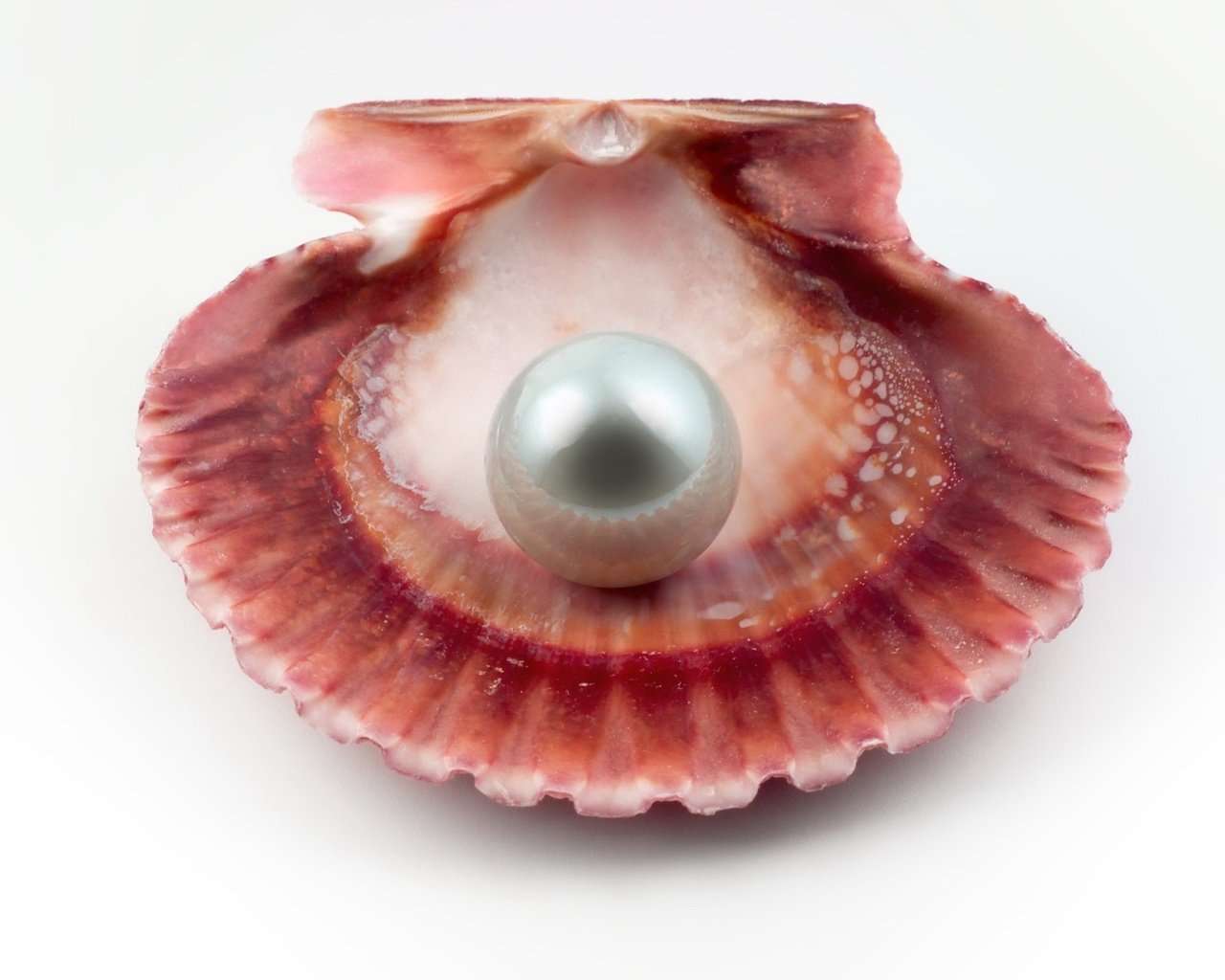
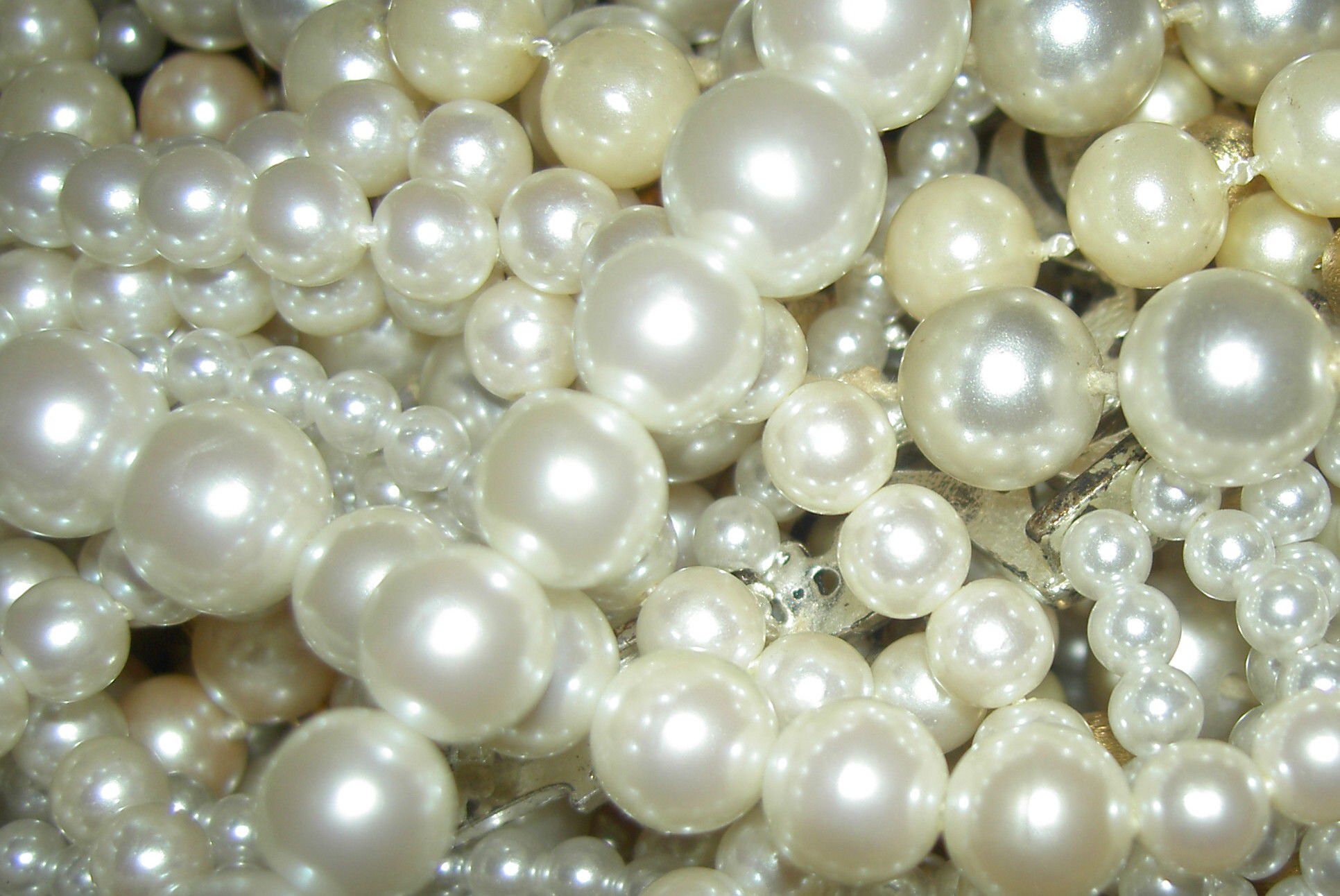
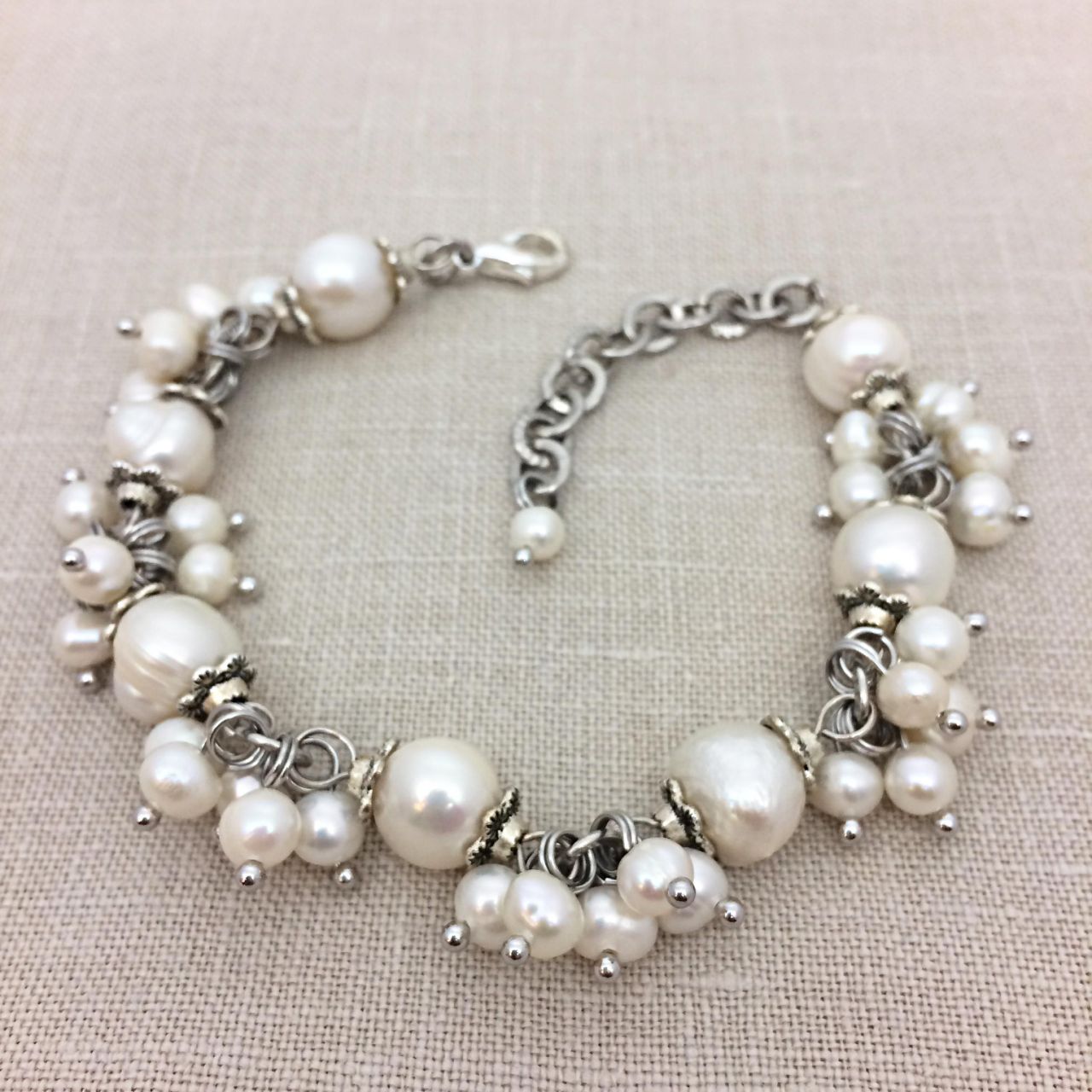
Pearls are not a stone, but a substance formed during organogenic processes. It has a solid structure, round shape, is found in the shells of mollusks. There are several varieties of pearls, depending on which mollusk it was formed in.
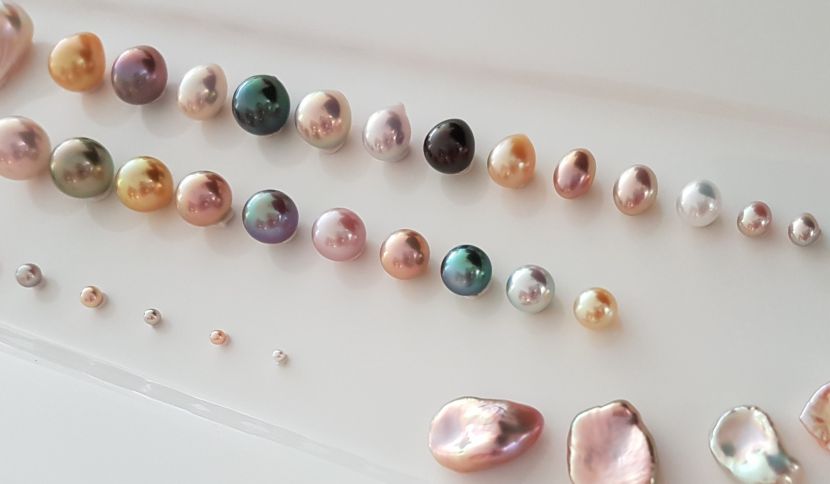
Pearls have been valued since ancient times as a precious stone. Its presence in nature is not particularly common, and the search is difficult. Therefore, pearls are often faked and imitated, selling them at inflated prices.
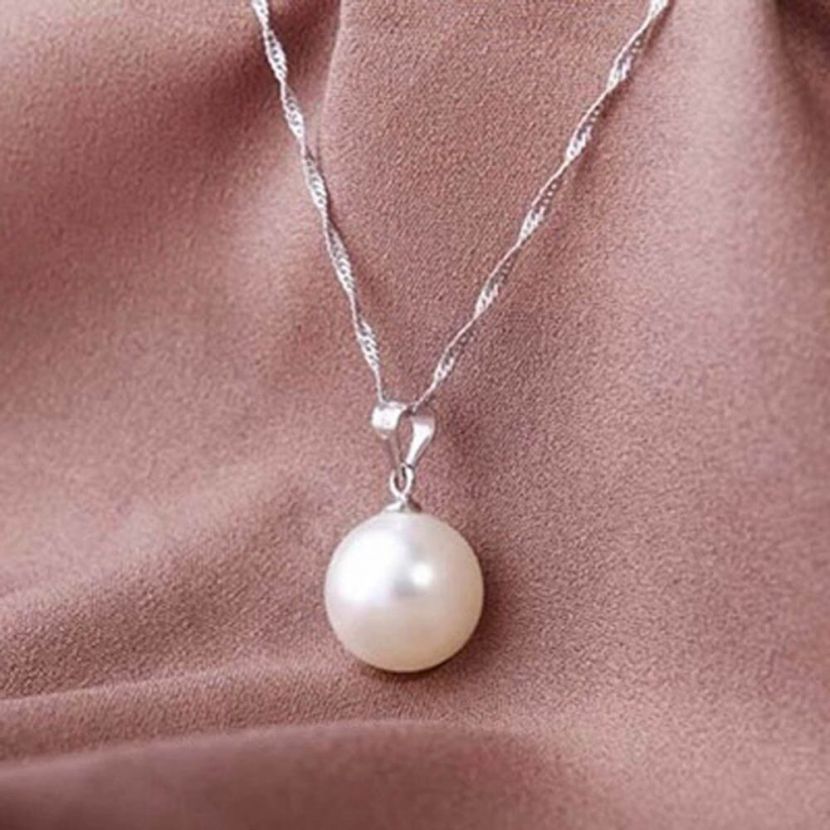
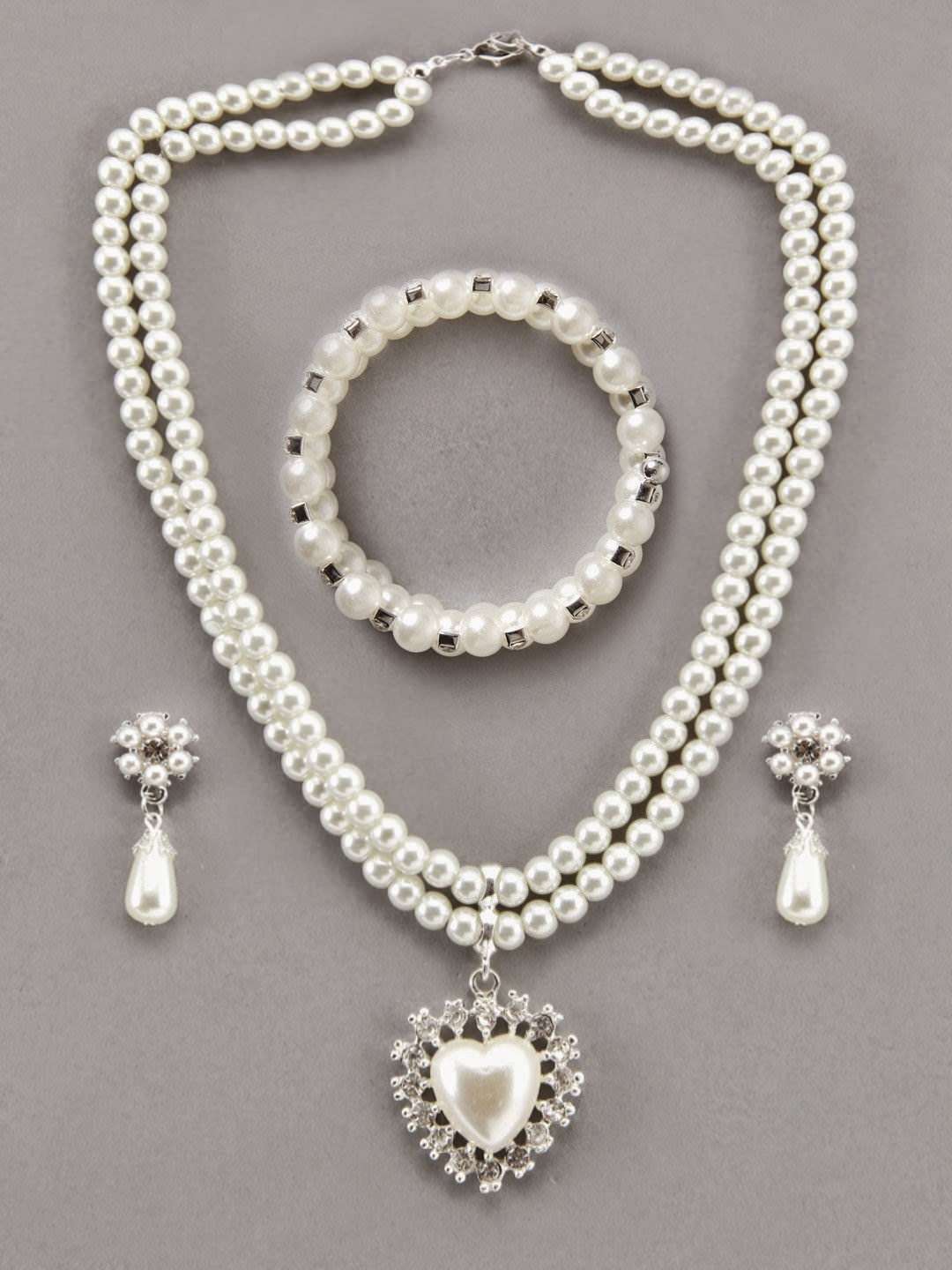
Imitation pearls are used in cheap jewelry.
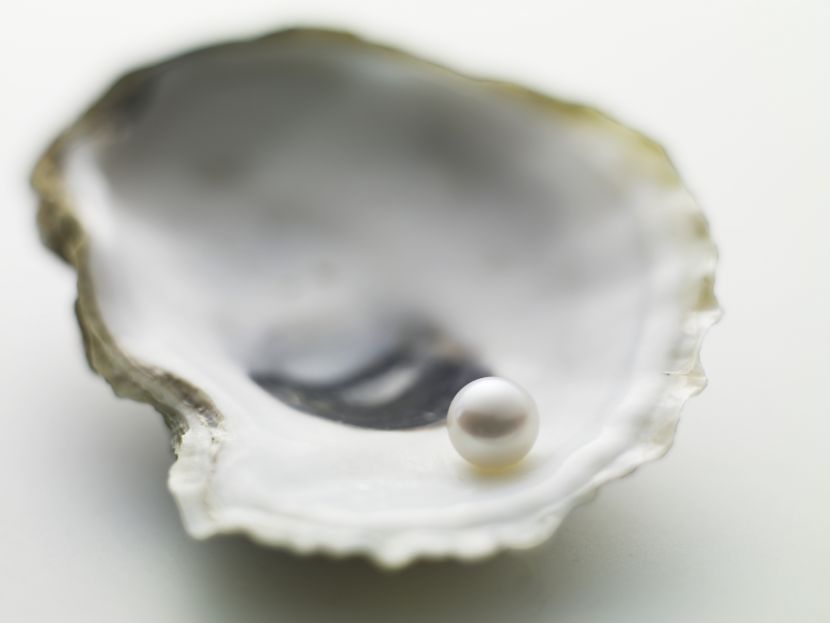
Before proceeding to expose the material, you need to familiarize yourself with the types of pearls.
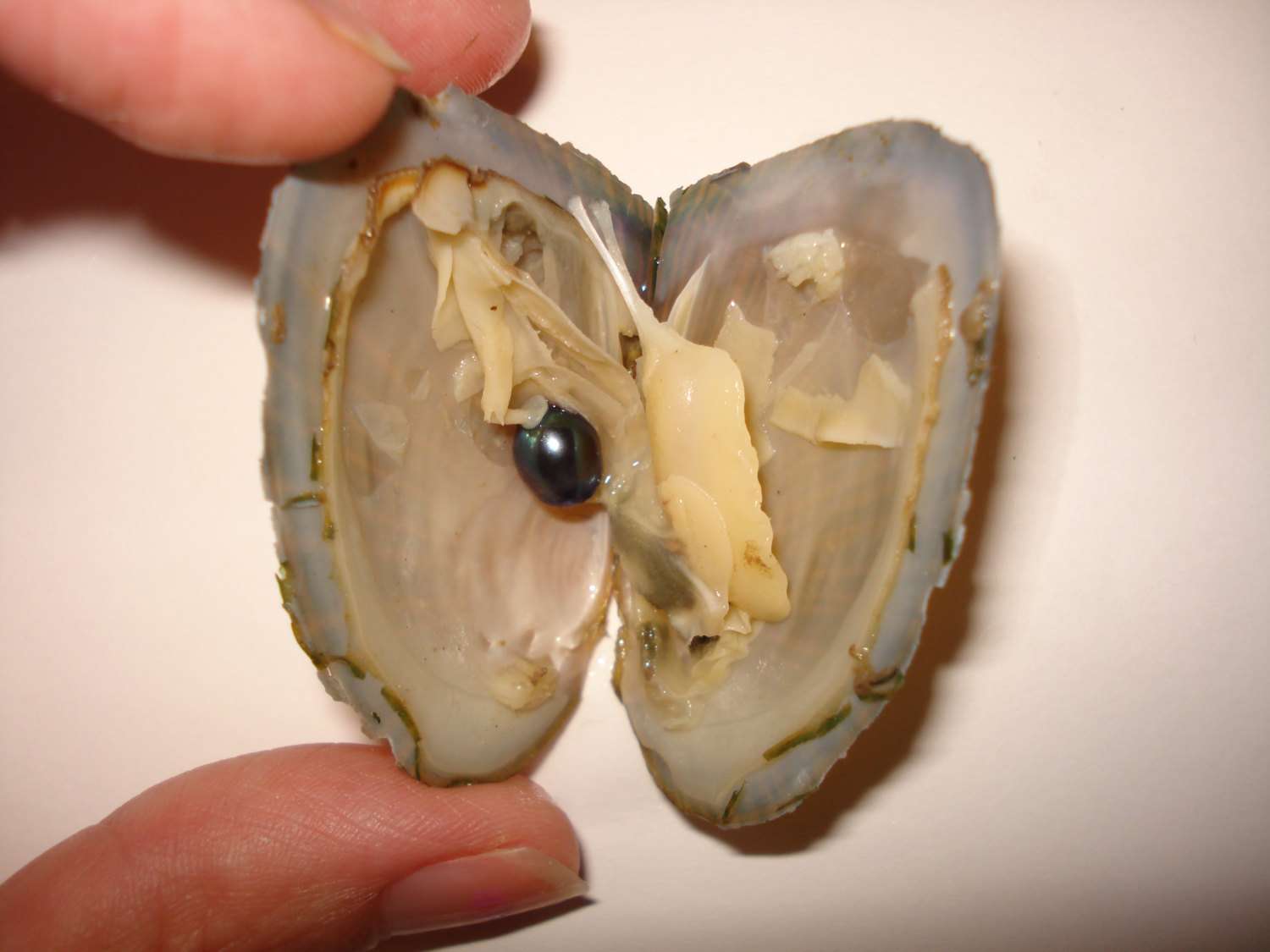
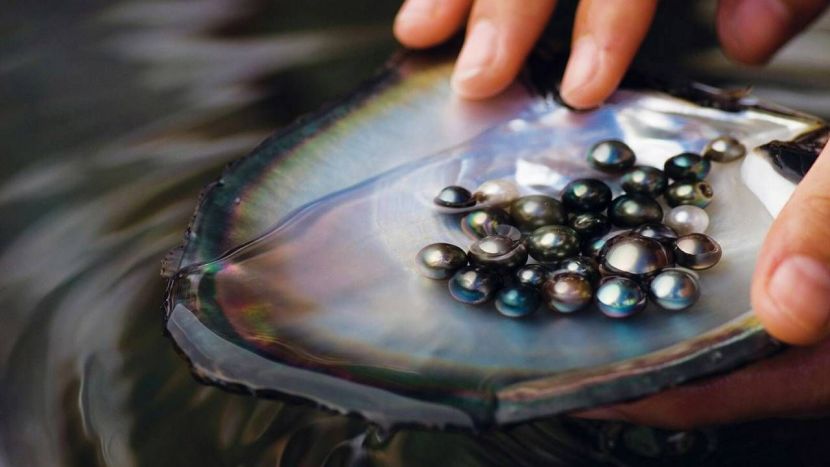
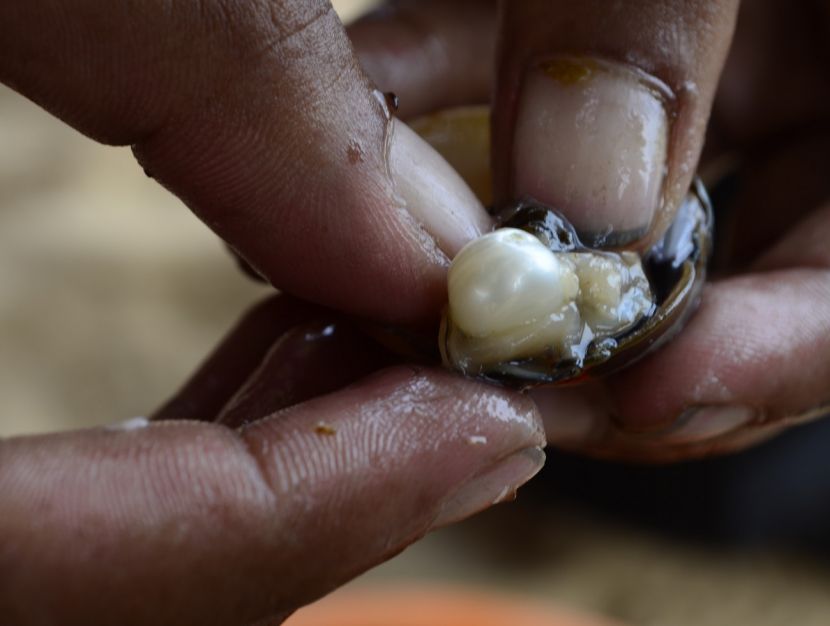
- Sea pearls are formed by nature, without human intervention. When a foreign body enters the shell, an irritation reaction of the mollusk occurs inside, leading to the appearance of milky-colored beads. A foreign body is enveloped in mother-of-pearl, starting the mechanism for the formation of a future pearl. Seabed pearls are rare.
- Wild freshwater. It is found in nature more often than marine.
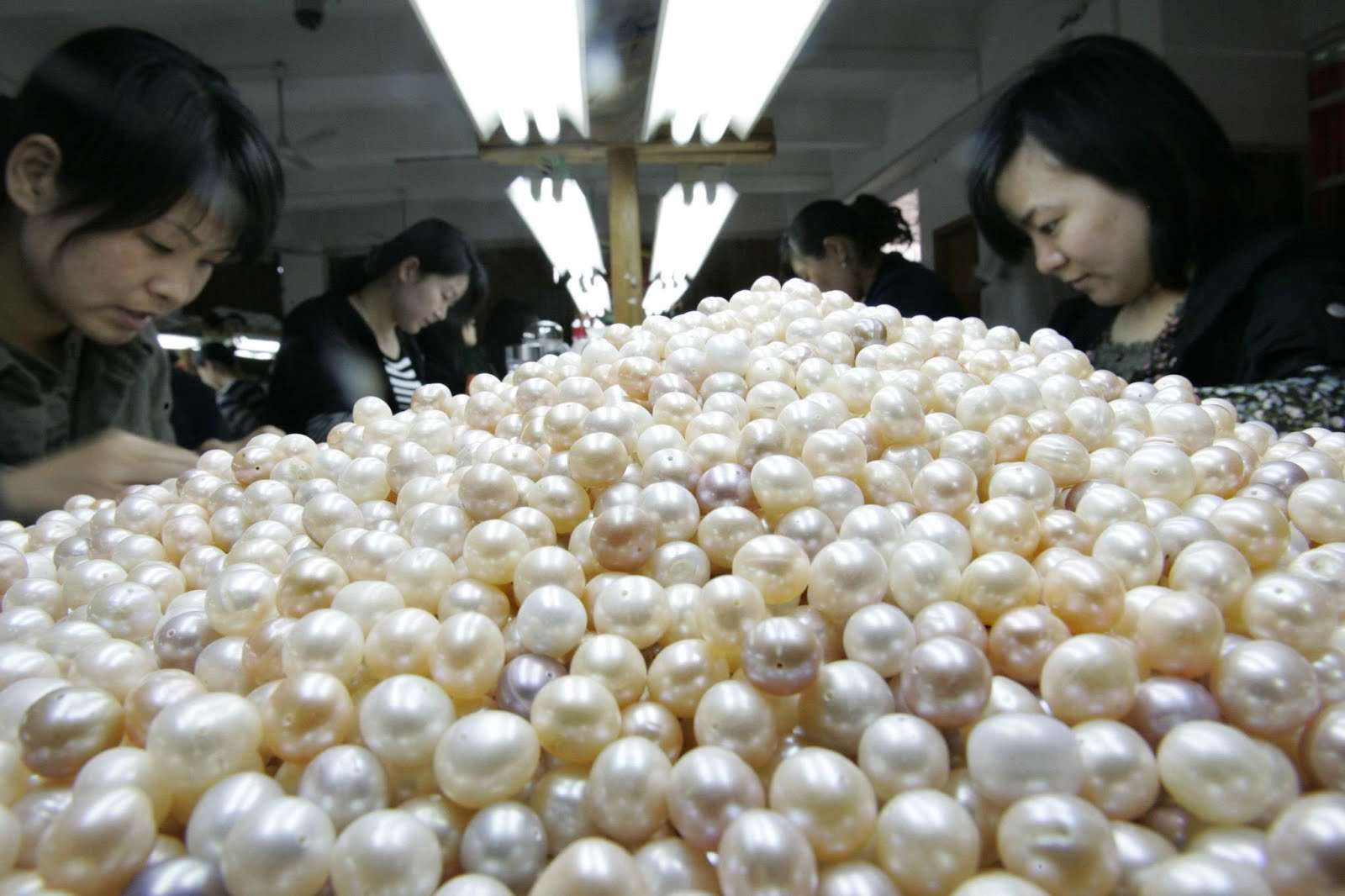
- Cultured. These are variants of organic matter grown by man on farms. These pearls also belong to precious materials, but have a much lower cost. Almost all pearls on the jewelry market are cultured.
- Ennobled. A natural mineral that has undergone some work to improve its appearance and characteristics to increase the price tag. For ennoblement, X-ray irradiation, tinting are used. As a result of the procedures, the color of the beads changes.
- Majorca. High quality artificial material, which contains natural elements. The basis of the pearl is a glass core coated with natural mother-of-pearl using an incredibly complex technology. Manufacturers sell this type of pearl under their own brand at high prices.
- Imitations of glass, plastic and cheap stones. Used in jewelry. There are well-known brands whose product is loved by consumers.
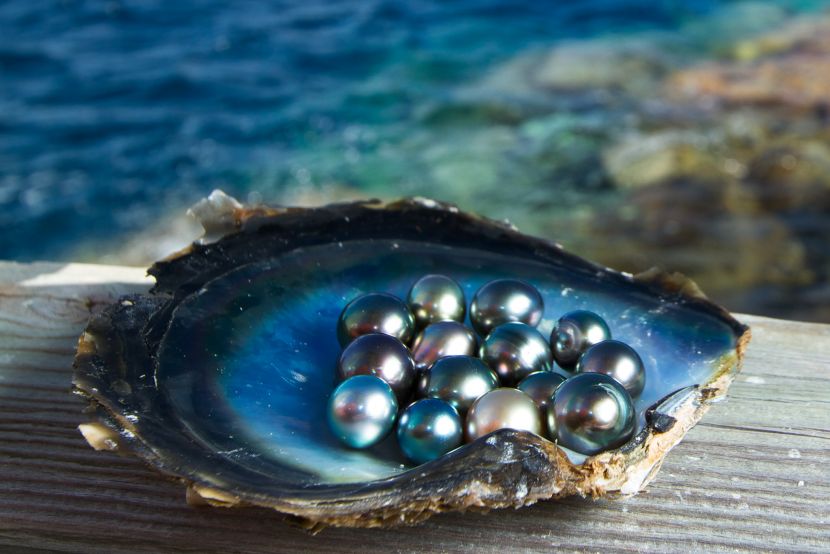
A fake is an imitation material made of glass or plastic, presented as a natural "gift from the sea" with a high cost.
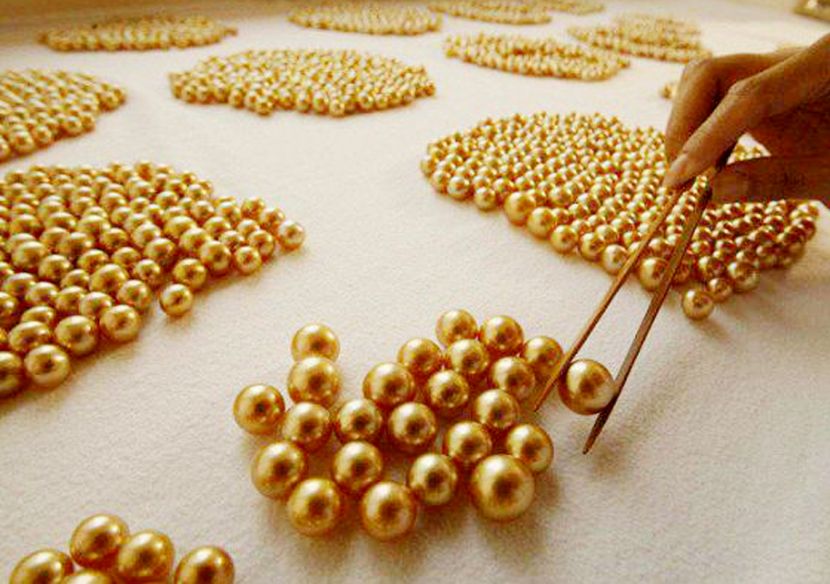
Human-grown pearls are not fake.
Basic verification methods
To determine natural pearls, you need to apply one of the available methods or a system of methods. Some control methods are destructive. Before proceeding with them, it is worth realizing the consequences.
visual way
This method is based on a visual assessment of the appearance of the beads, their color, shape, surface quality, weight.
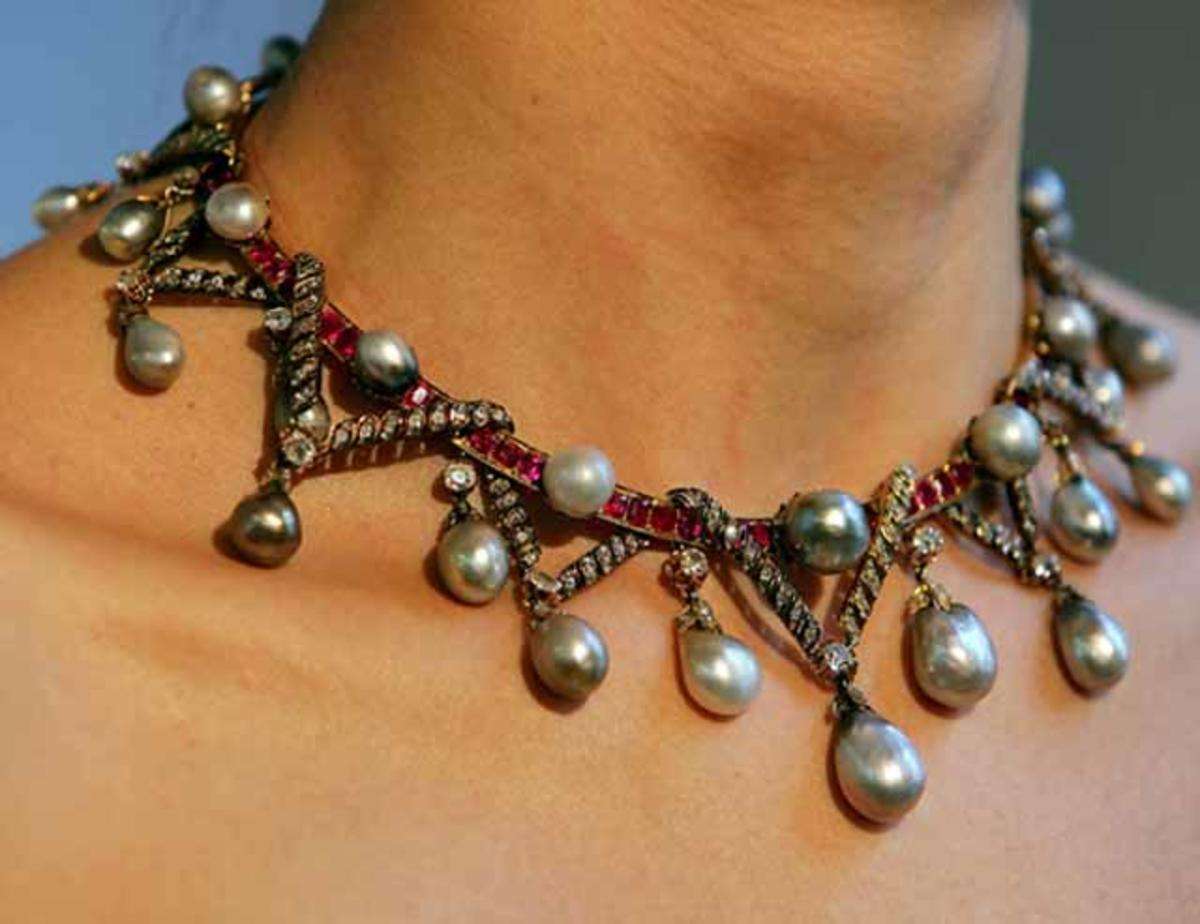
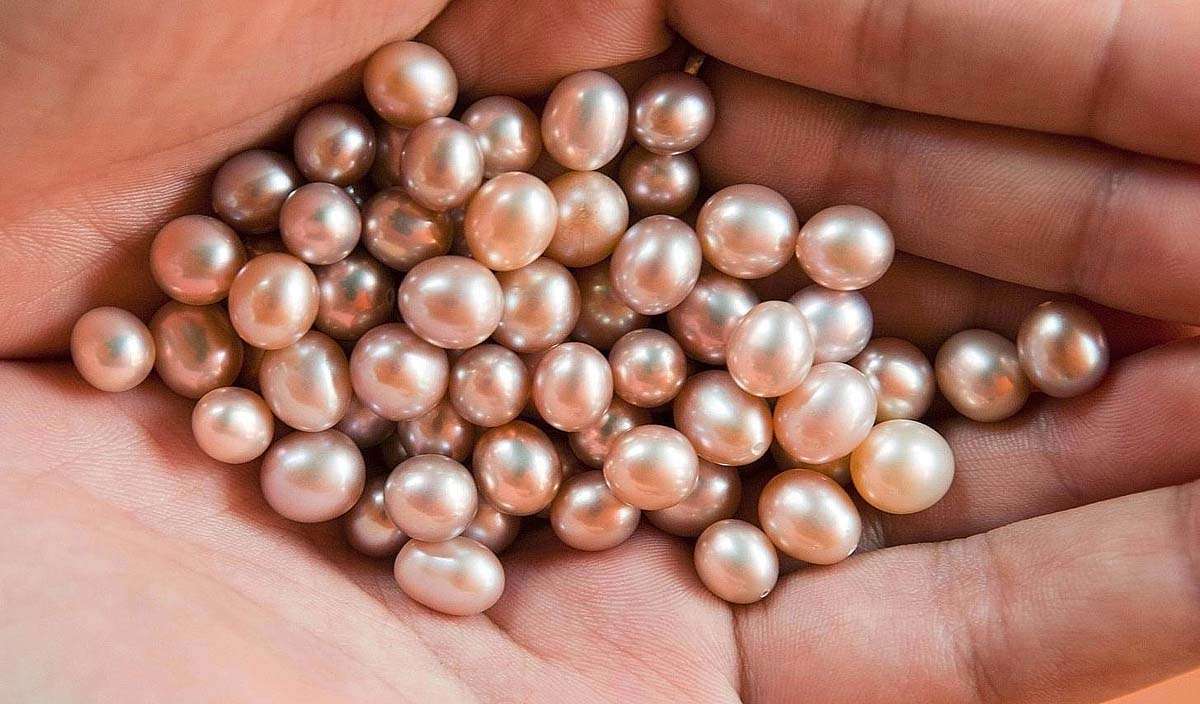
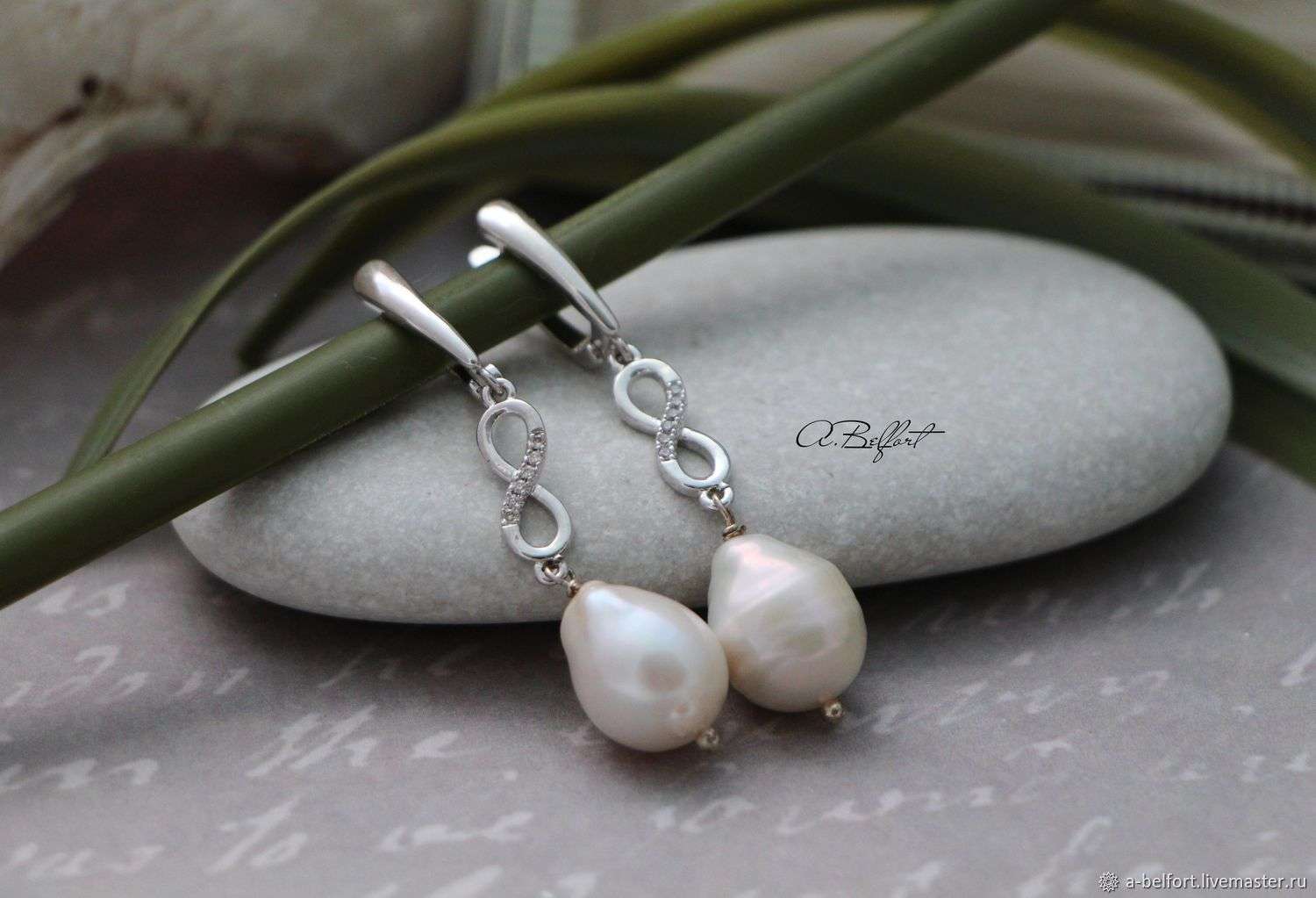
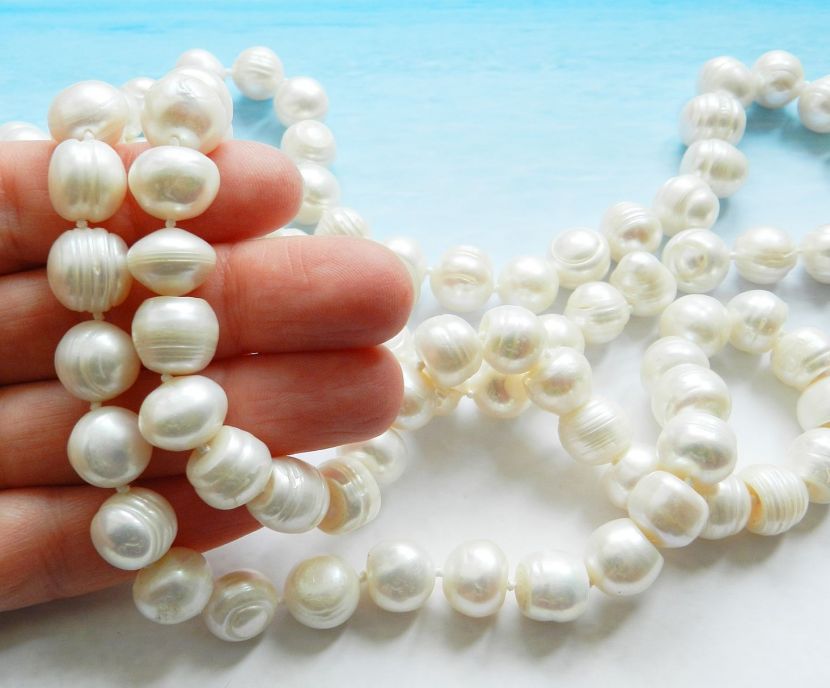
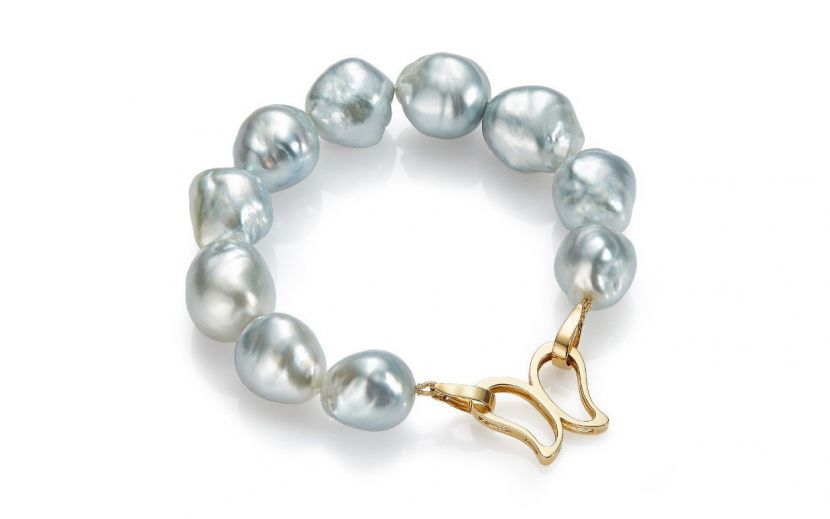
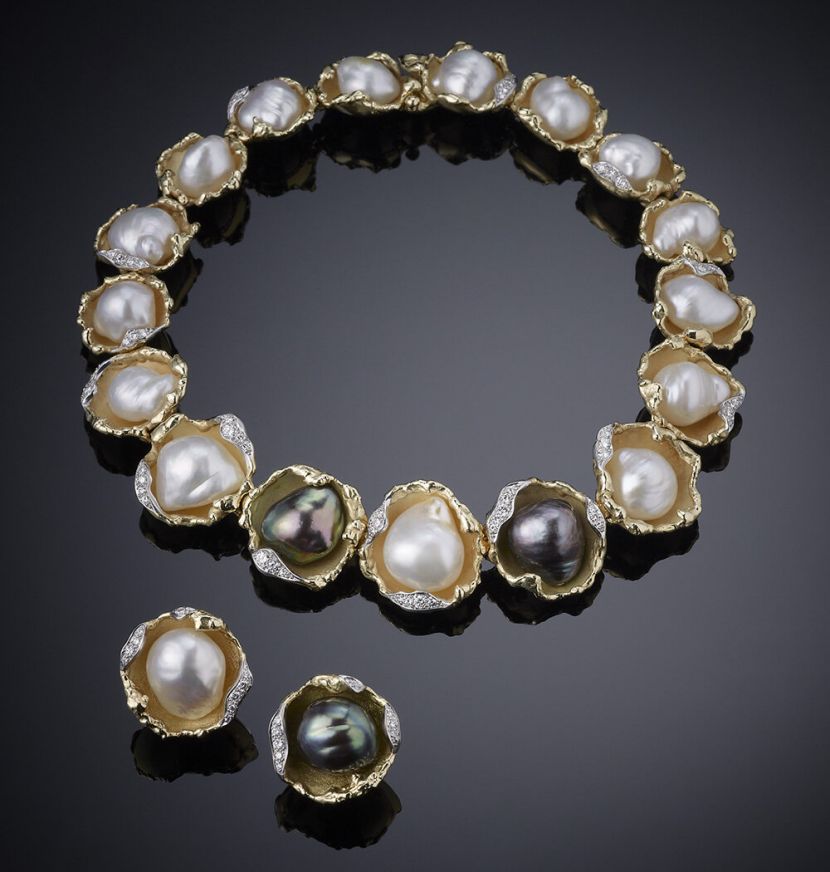
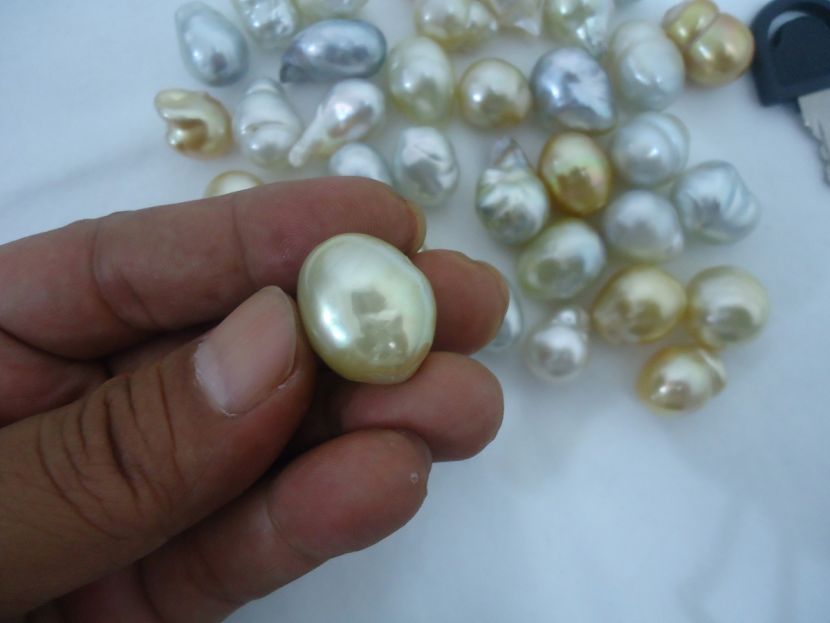
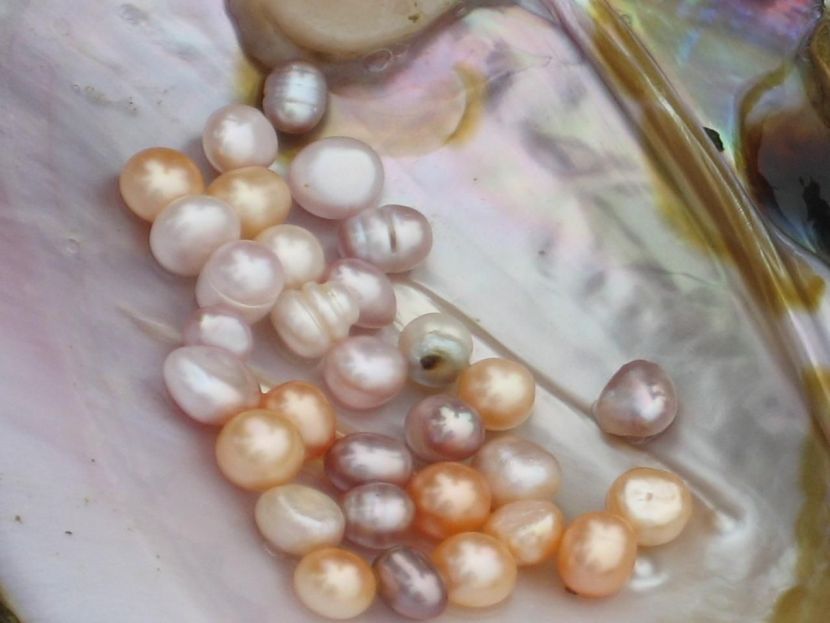
In natural pearls, the shape is mostly irregular.Beads have an elongated, pear-shaped, egg-shaped or elliptical appearance. It is almost impossible to meet a perfectly round shape in wild pearls.
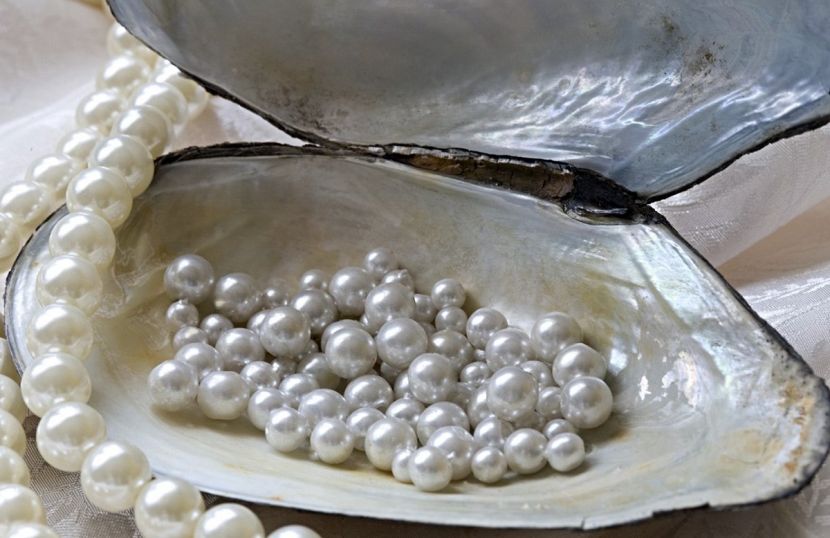
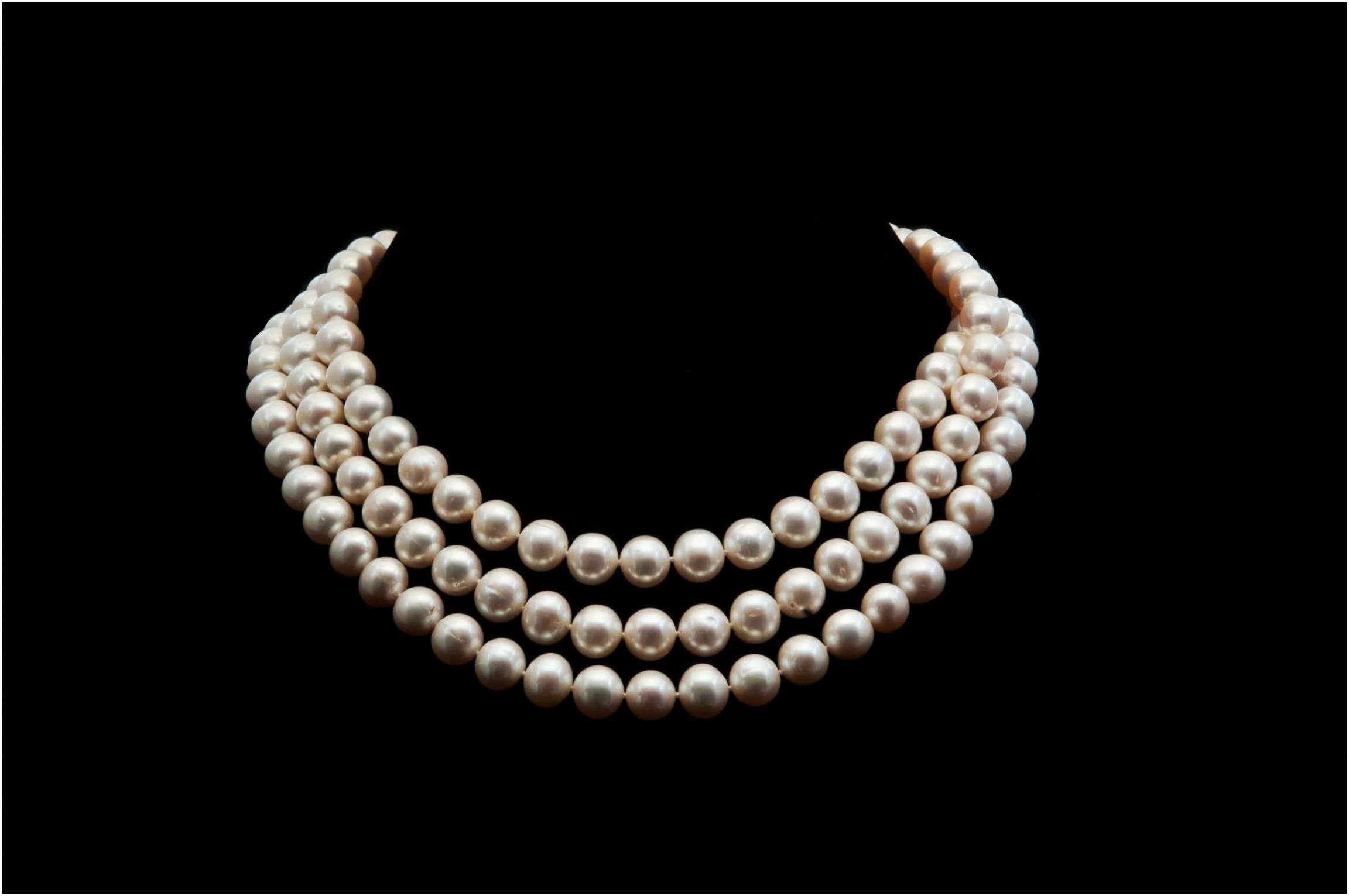
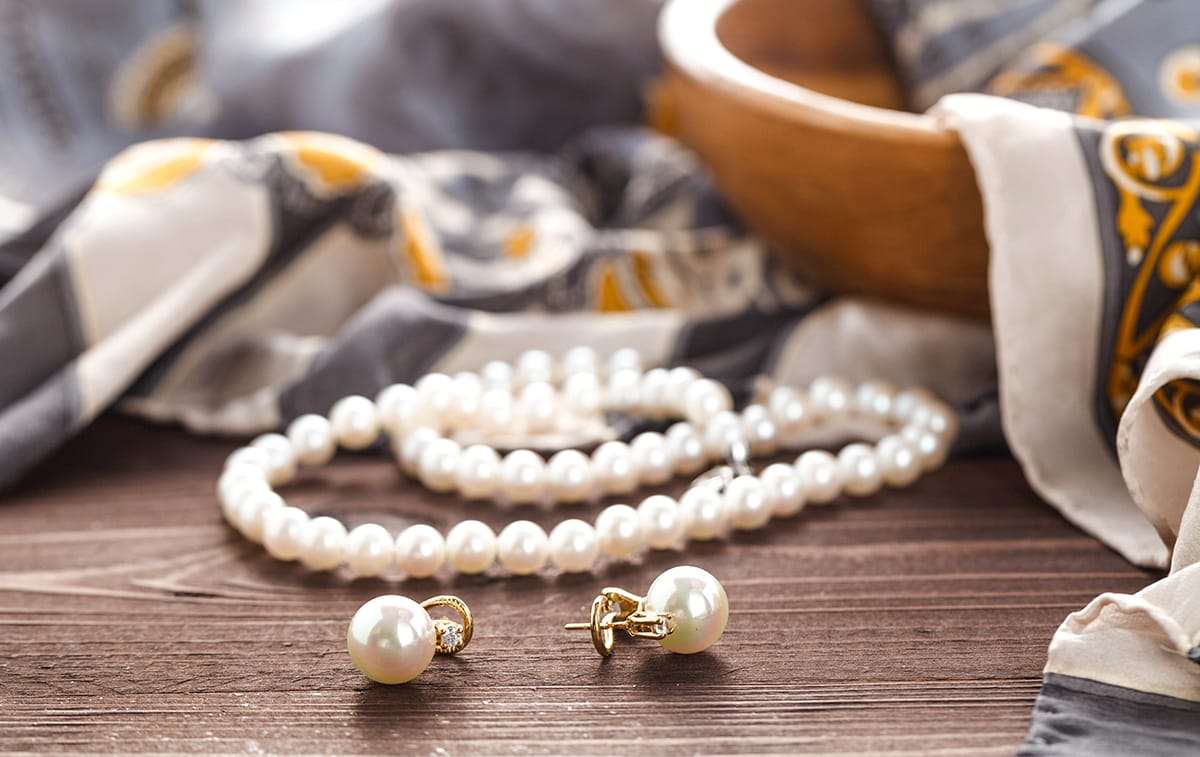
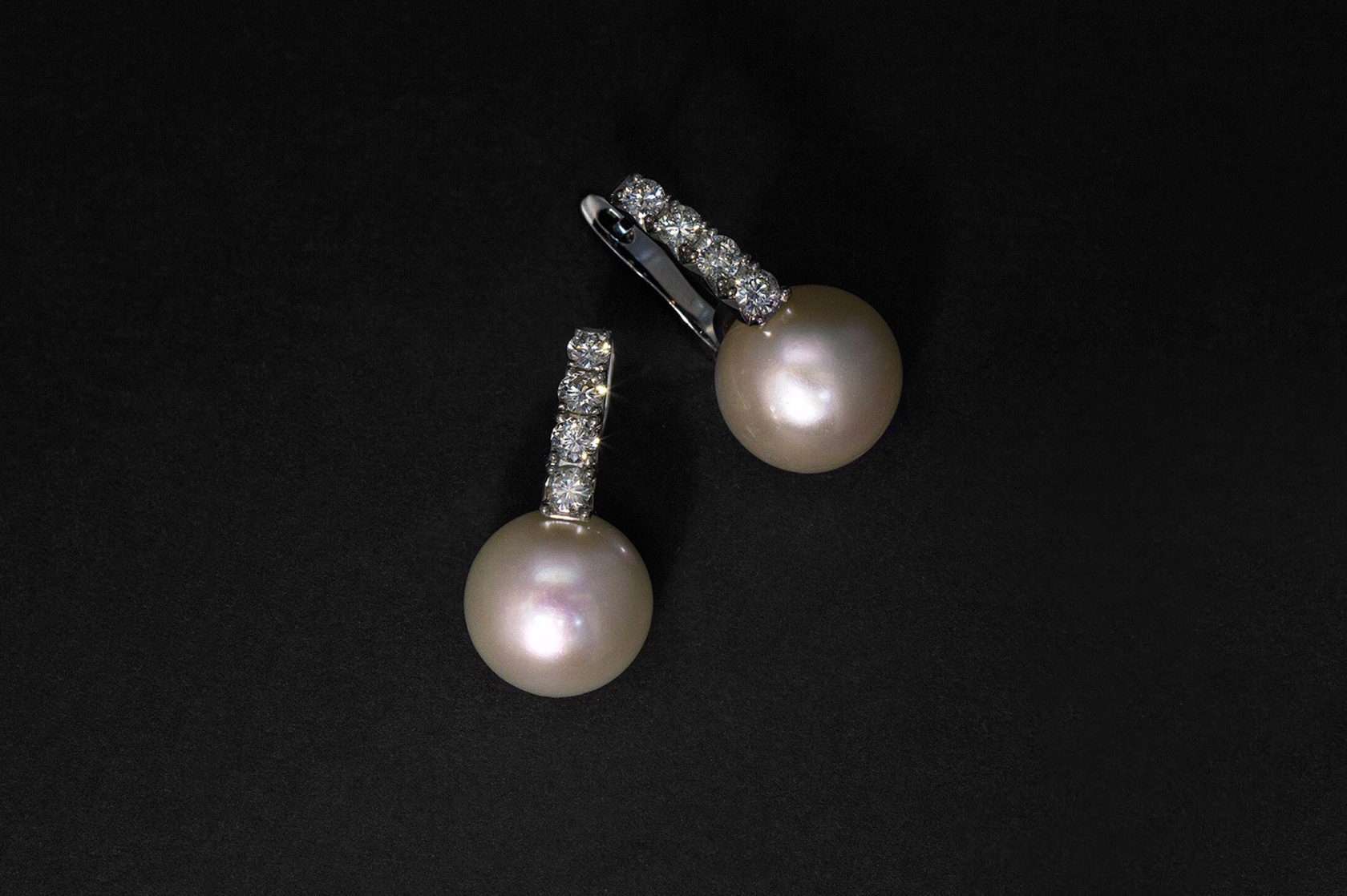
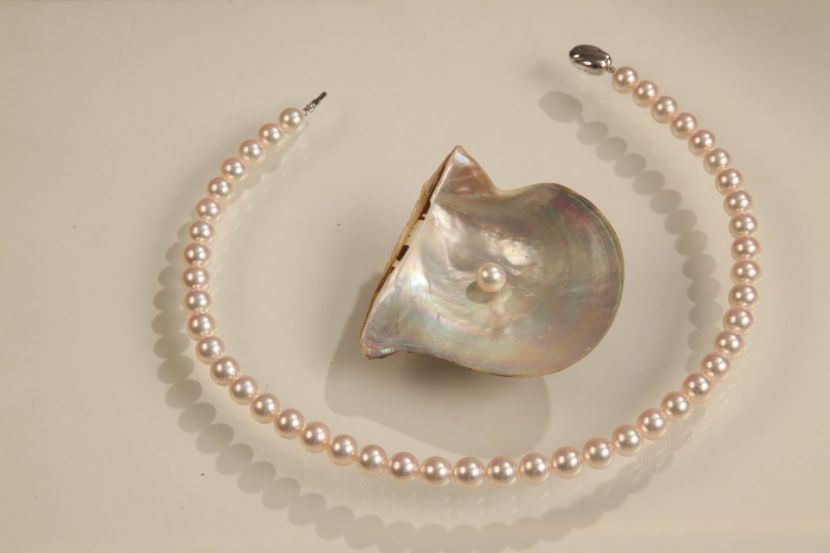
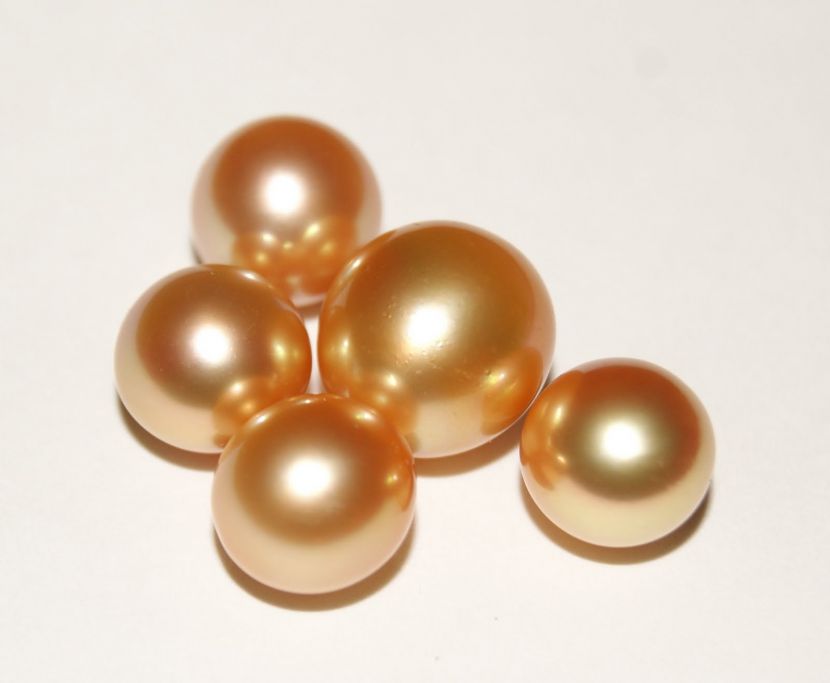
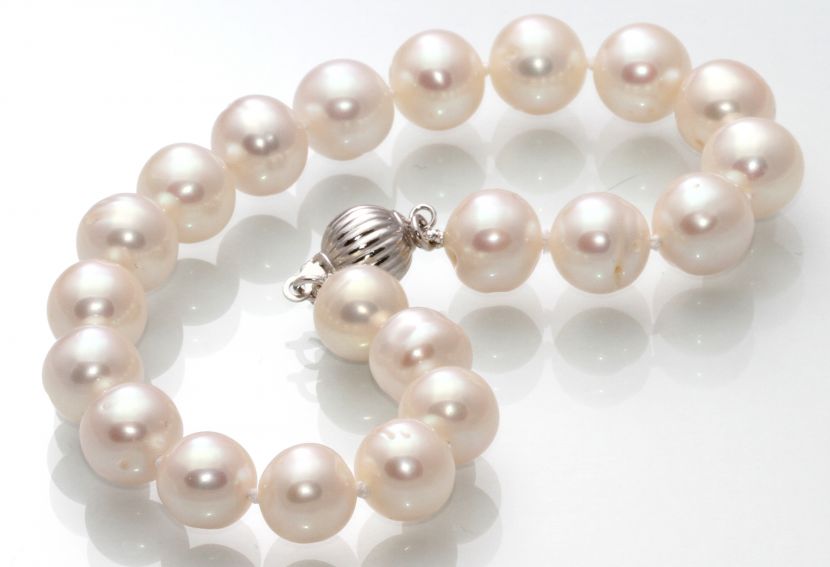
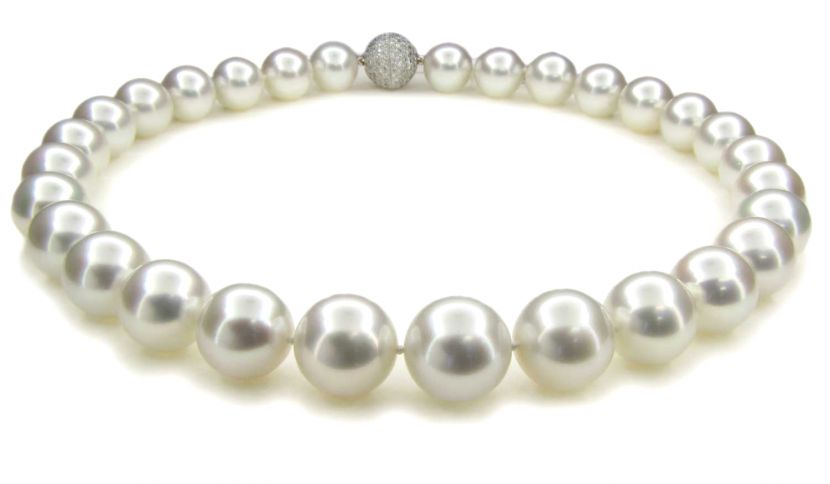
Beads obtained by the cultivated method can have a rounded shape, they are used in earrings, rings. Real spherical pearls are sold at auctions at fabulous prices, like large carat diamonds. This leads to the conclusion that if beads with round pearls are sold for only a few thousand rubles, then this is a fake. Even cultivated precious material costs many times more.
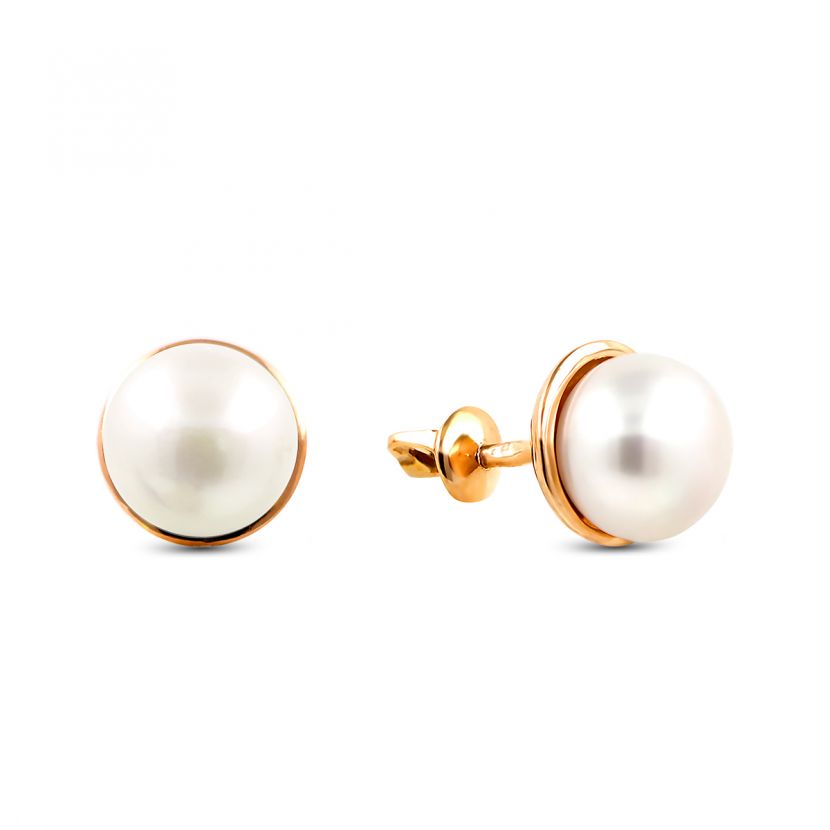
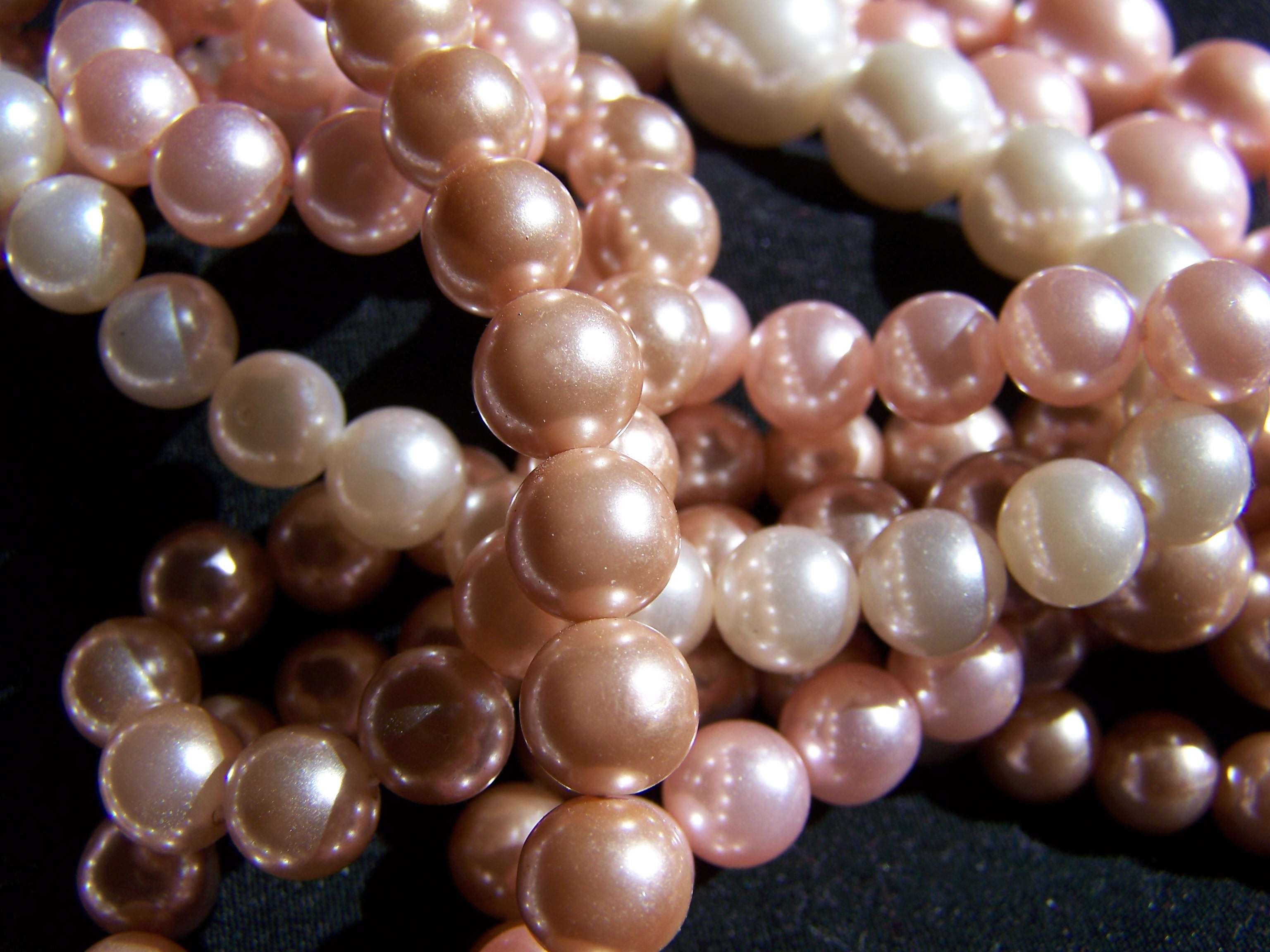
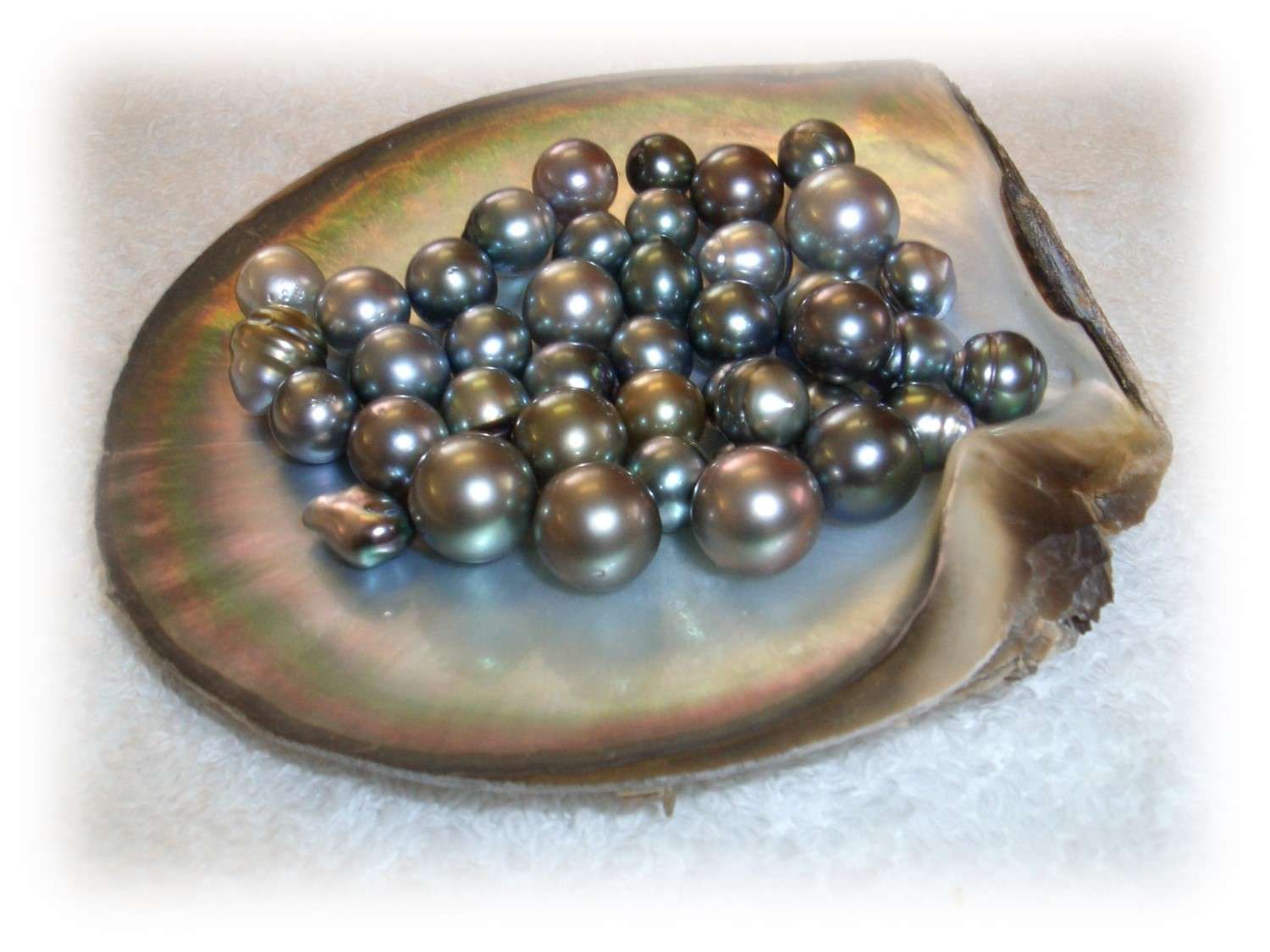
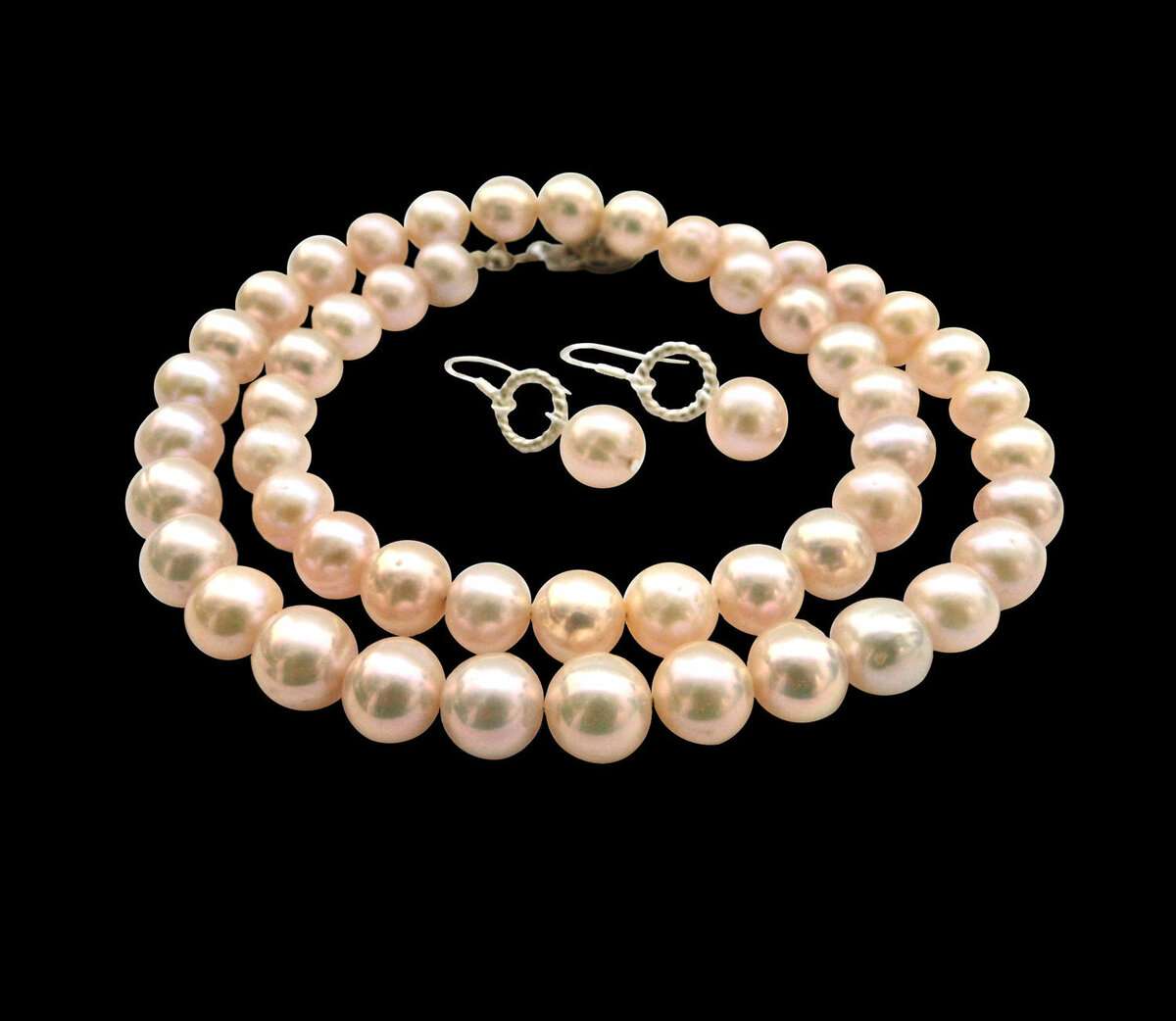
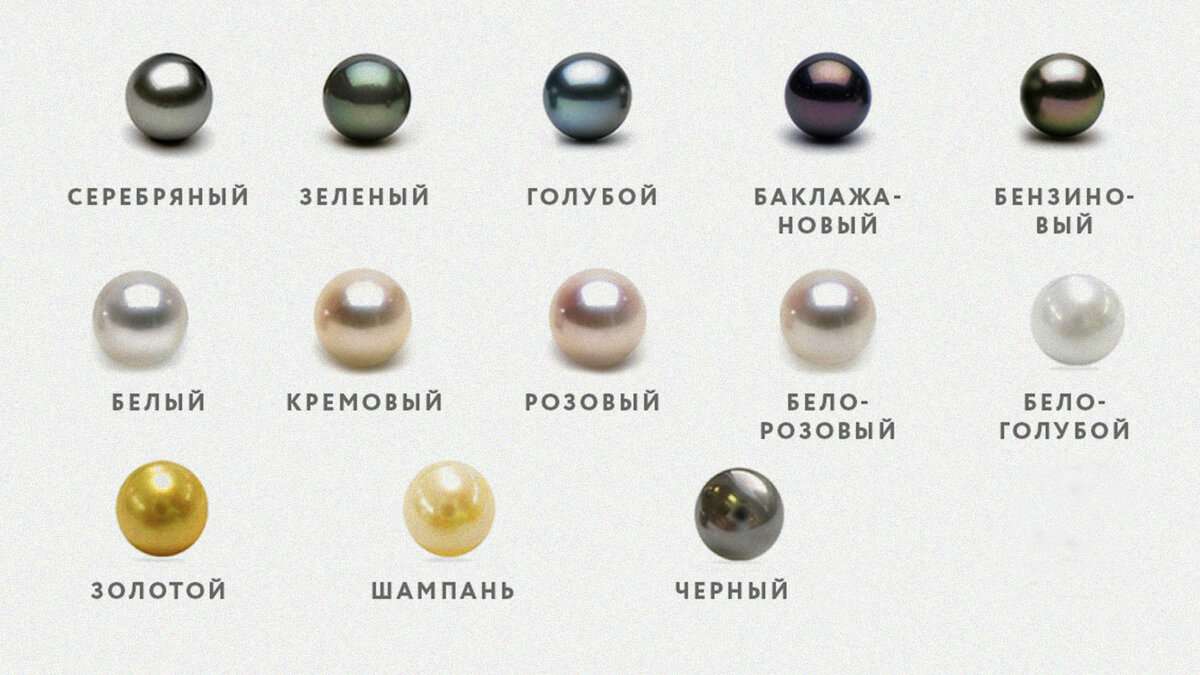
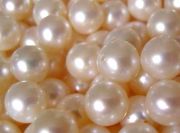
Assessing the color, it is worth considering that real pearls have white, pink, mother-of-pearl, greenish hues. There are black beads, it depends on the type of mollusk. The brighter the color, the more expensive the material.
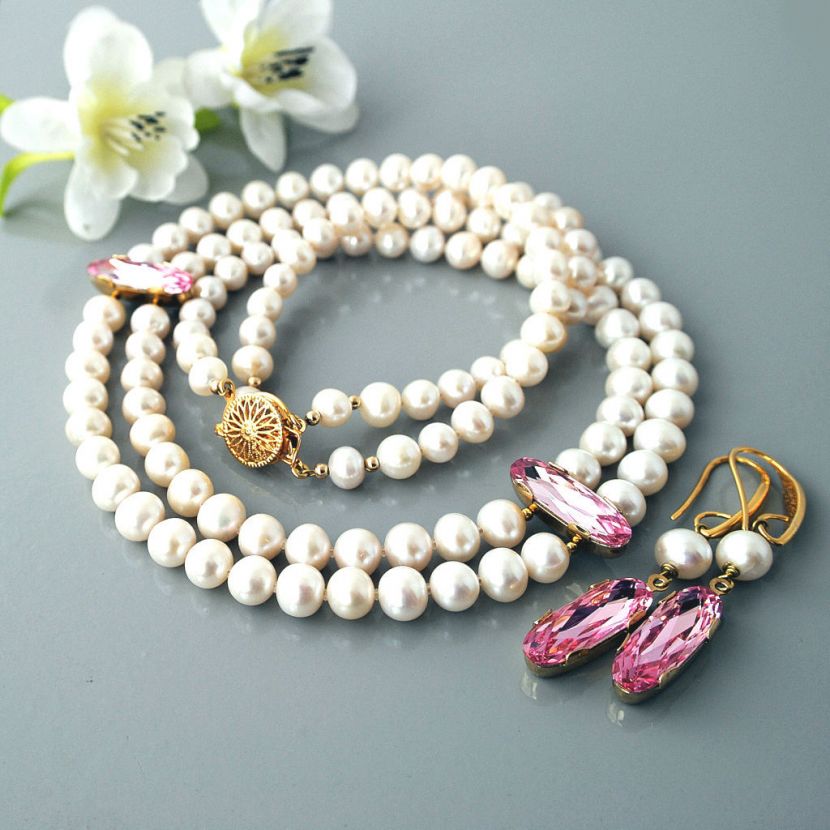
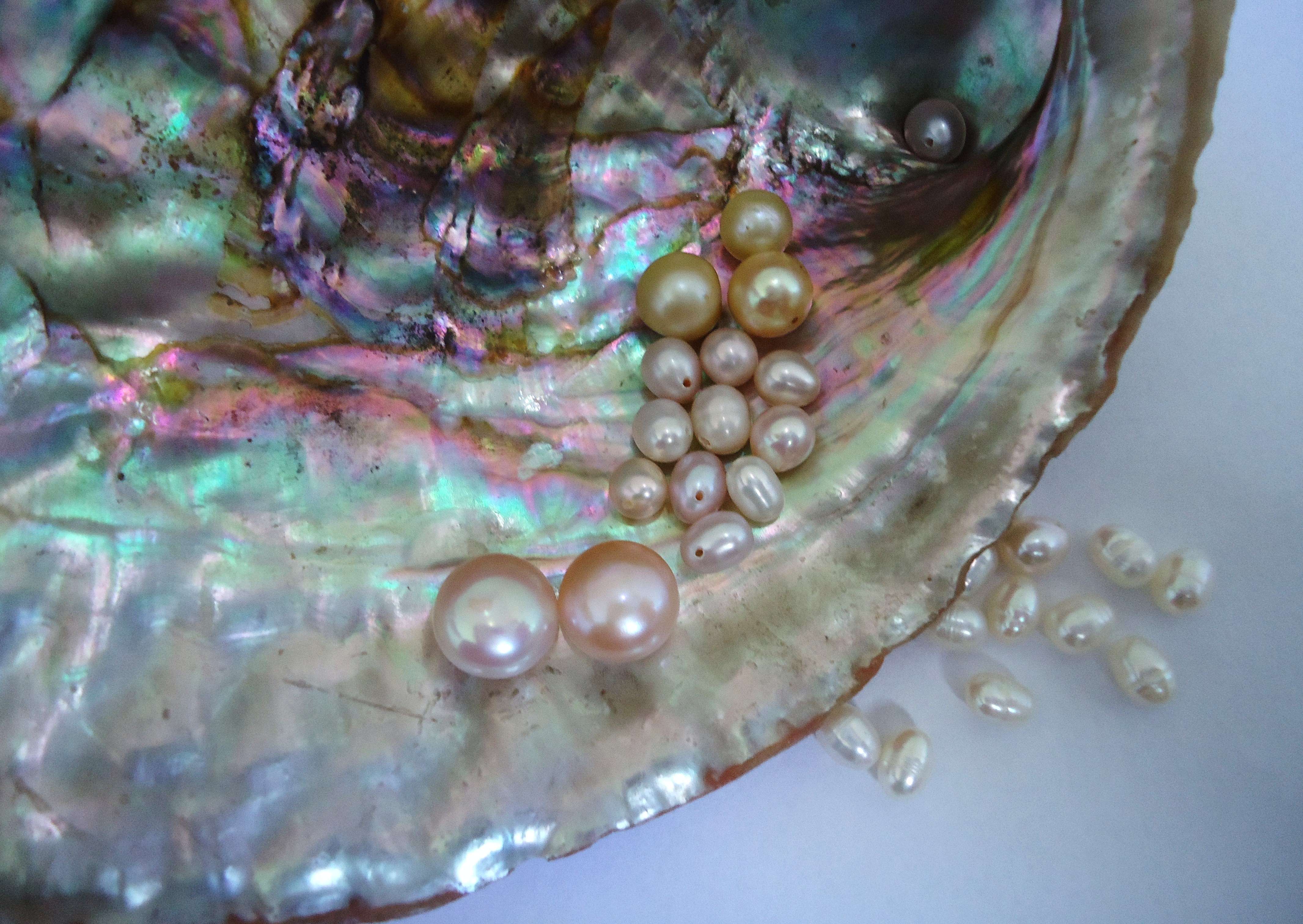
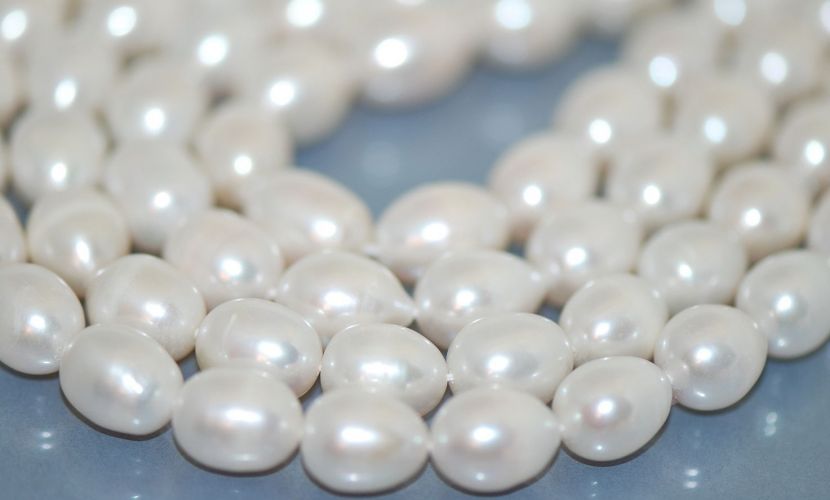
Real "seafood" has a special iridescence, the mother-of-pearl surface plays in the rays of the sun with pink, blue hues. Fake material does not have such an effect.
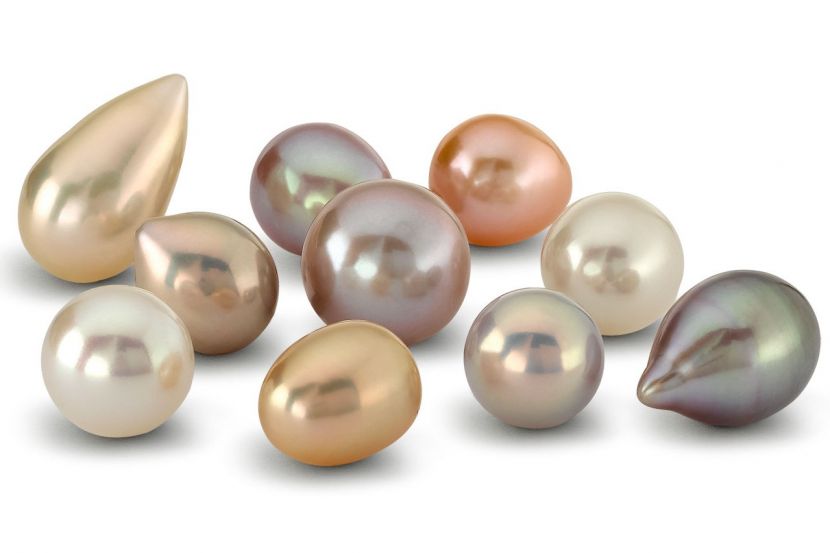
In natural stone, the surface has a heterogeneous texture, areas with uneven color and luster of different brightness are noticeable on it. Fake beads are evenly colored, with a smooth polished surface.
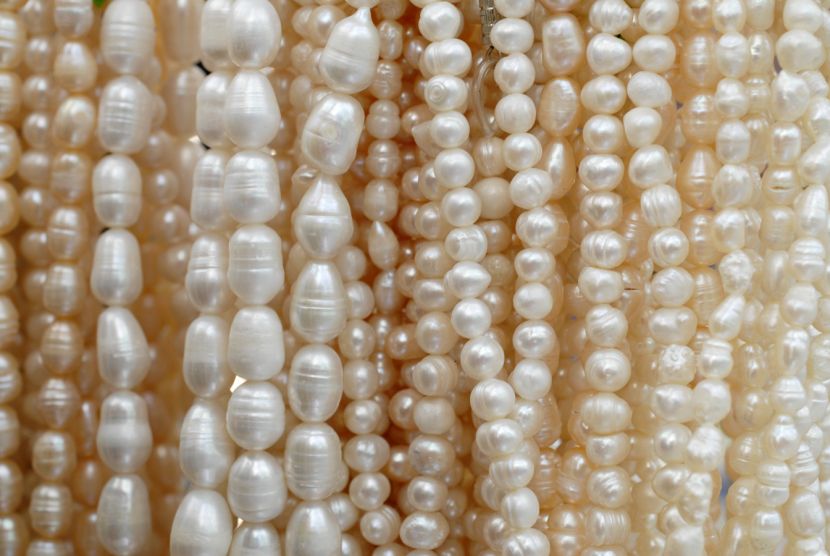
Well, when you have a magnifying glass with a 10x magnification at hand, you can look at the place of reaming. If the color change is clearly visible in the halo, then the pearl is fake.
The mineral ennobled with the help of X-ray has an unnatural metallic hue, which does not occur in nature.
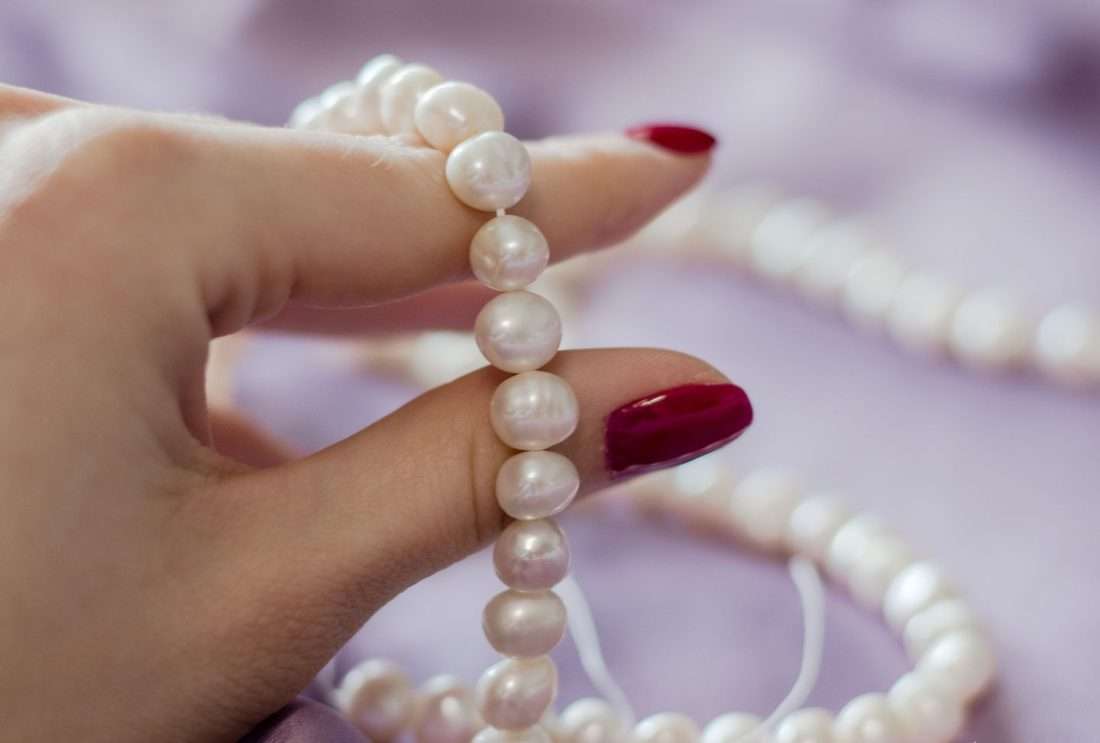
Weight serves as a true characteristic of natural material. Pearl beads are well felt in the palm of your hand, there is a clear feeling of heaviness. Fake beads made of glass or plastic are lightweight and lightweight.
mechanical method
Pearl is a dense material, and the value of hardness on the mineralogical Mohs scale is low, only 4 units. These mechanical characteristics make it possible to test the bead on the tooth. If, after biting a pearl, small fractions of mother-of-pearl are felt on the teeth and a creak is clearly audible, then the bead is real.
The method is good only for evaluating a house in relation to an already purchased product. It is not allowed to bite the goods inside the walls of the store.
Another effective way is based on friction. In principle, this method can be quietly cranked out in the jewelry department. Two beads rub lightly side by side. If a slight mother-of-pearl dust appears, then the pearls are natural. Majorca powder will not appear, since the beads are artificially dressed with true mother-of-pearl.
The third method is based on strength. The pearl is dropped on the hard floor. If it bounces like a ball, then the bead is plastic. If noticeable micro scratches appear, easily smoothed out with a finger, then a natural "gift of the sea" is in the hands.
Verification based on physical and chemical properties
Real natural material does not conduct heat well. Jewelry made of natural pearl beads retains cold for a long time, even in contact with the human body. Plastic and glass products, falling into the hands, immediately feel warm.
Exposure to a pearl with an ultraviolet lamp will give the correct bluish glow. The fake will never show up.
A method of control with a destructive effect is to place the product in a fire. This method of verification must be decided if it is not a pity to part with the decoration, even if it turns out to be fake. For a couple of seconds in the fire, nothing terrible will happen to a true pearl, and the plastic bead will melt, the glass one will turn black.
Another killer method is to place the product in vinegar. You can take one bead from the thread. Glass and plastic elements will not undergo changes, and a real pearl will dissolve in vinegar in a matter of seconds. Only the core will remain of Mallorca.
Determining a true pearl starts with the price. It is very expensive, prices are measured in dollars. It is worth buying jewelry with pearls in recognized, specialized jewelry stores, for which a clean reputation and customer attitude is more important than life. A quality certificate and supporting documents are issued for the purchase.
Photo of a stone