Sky-colored stone Lapis Lazuli - what are the varieties, how to distinguish from a fake, a photo of the mineral
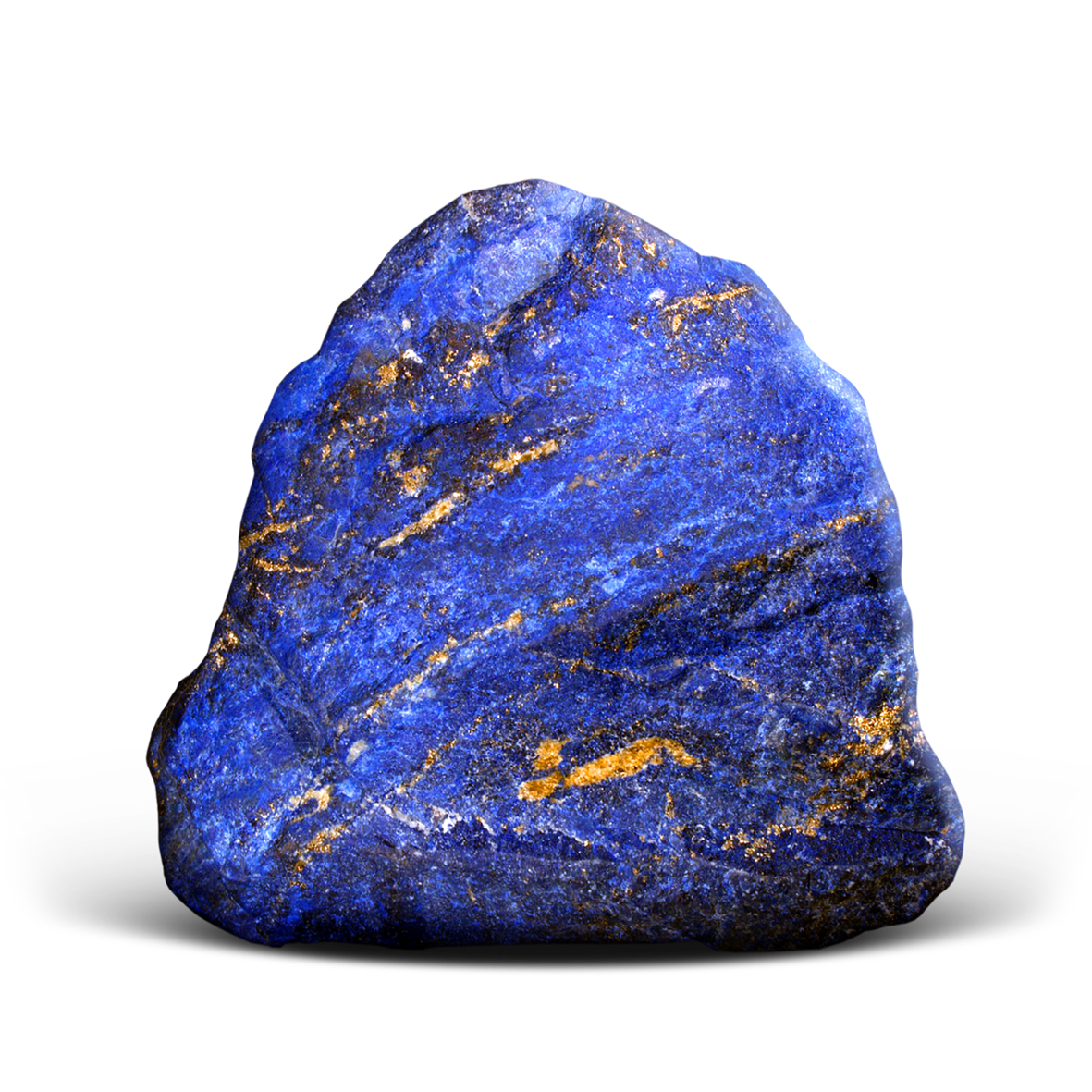
Lapis lazuli is a stone whose value, due to its ability to convey the color of the sky, once far exceeded the value of gold, and is now equated with ornamental stones of the first category. Until the 18th century, a single deposit was known in the Afghan Badakhshan, the development of which began about 7 thousand years ago.
History and origin of the name
In ancient times, Afghanistan was part of the Persian state, so the modern name of lapis lazuli comes from the Persian word "lahvard", which meant this stone. Then the word passed into European languages in the form of "lapis lazuli", and in the 18th century it received the modern sound of "lapis lazuli". In Rus', he came under Ivan the Terrible, here he was called "azure" or "azure".
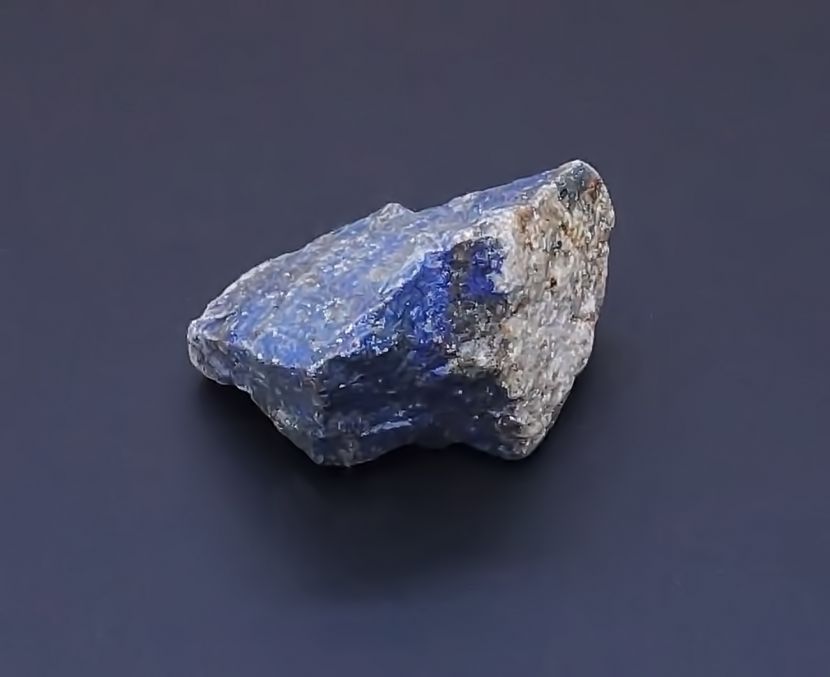
In ancient times, marble was mined in Badakhshan, from which the rulers of eastern countries built palaces. But sometimes there were inclusions of a sky-blue stone in it, which began to be revered as a symbol of the supreme deity Tengri.
Legends say that the slaves who mined this beautiful gem that immediately became a great jewel were chained to a rock so that not a single pebble was stolen.They also say that slaves who, for health reasons, could no longer work, were even killed so that they would not tell anyone about the place where the precious mineral was mined.
From Afghanistan, lapis lazuli spread throughout the world. Inserts from it adorn the funeral mask of the Egyptian pharaoh Tutankhamen, they also found him during the excavations of Troy.
The ancient Chinese considered lapis lazuli to be a symbol of Heaven, watching over people and playing a central role in the philosophy of Taoism. This stone was given the highest dignity and was considered the main one among stones, just as the emperor was the main one among people.

The Greeks often confused it with sapphire, even Pliny the Elder described it as a sapphire that shimmers in gold and sometimes has a purple hue, which was very highly valued in ancient times. Pyrite inclusions, often present in lapis lazuli, were taken for gold.
A new surge in the popularity of the stone was associated with icon painting. At a time when the main colors were made on the basis of tempera, only this stone could convey the azure of the sky. No wonder its color is called azure.
The process of obtaining a paint called "ultramarine" was very complicated. First it had to be separated from the white veins, which required a lot of patience. This was achieved with the help of wax and repeated shaking with water. The price of such paint was more than that of gold.
With the advent of oil paints, the value of lapis lazuli fell, since diluted lapis lazuli shone through and was suitable only as a glazing paint. But if the artist was wealthy or the customer could afford this expensive paint, then in order to "gain weight" ultramarine was diluted in resin.
With the advent of artificial ultramarine in the 1920s, lapis lazuli was rarely used as a paint, but it is still valued among icon painters who prefer natural pigments.
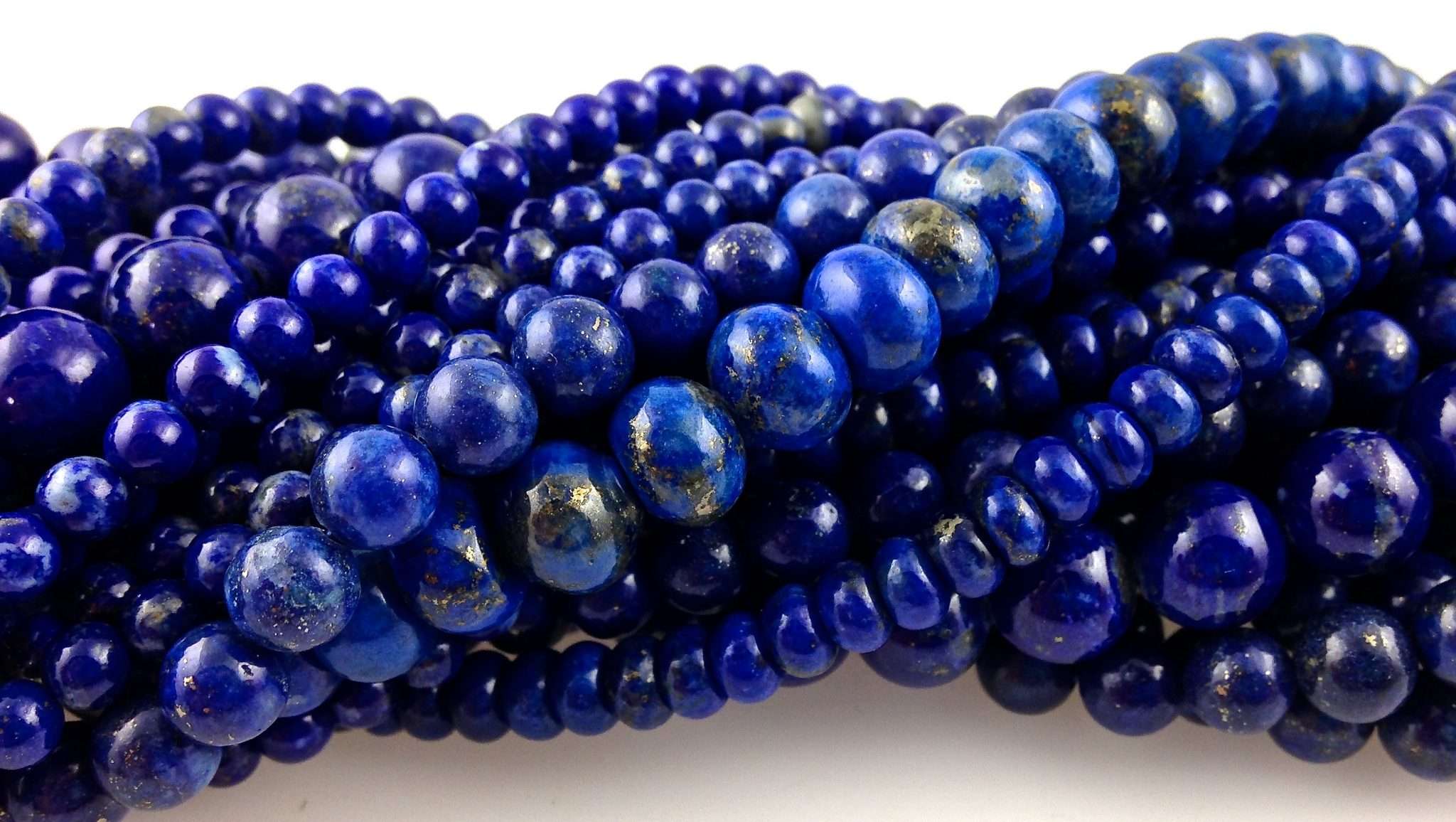
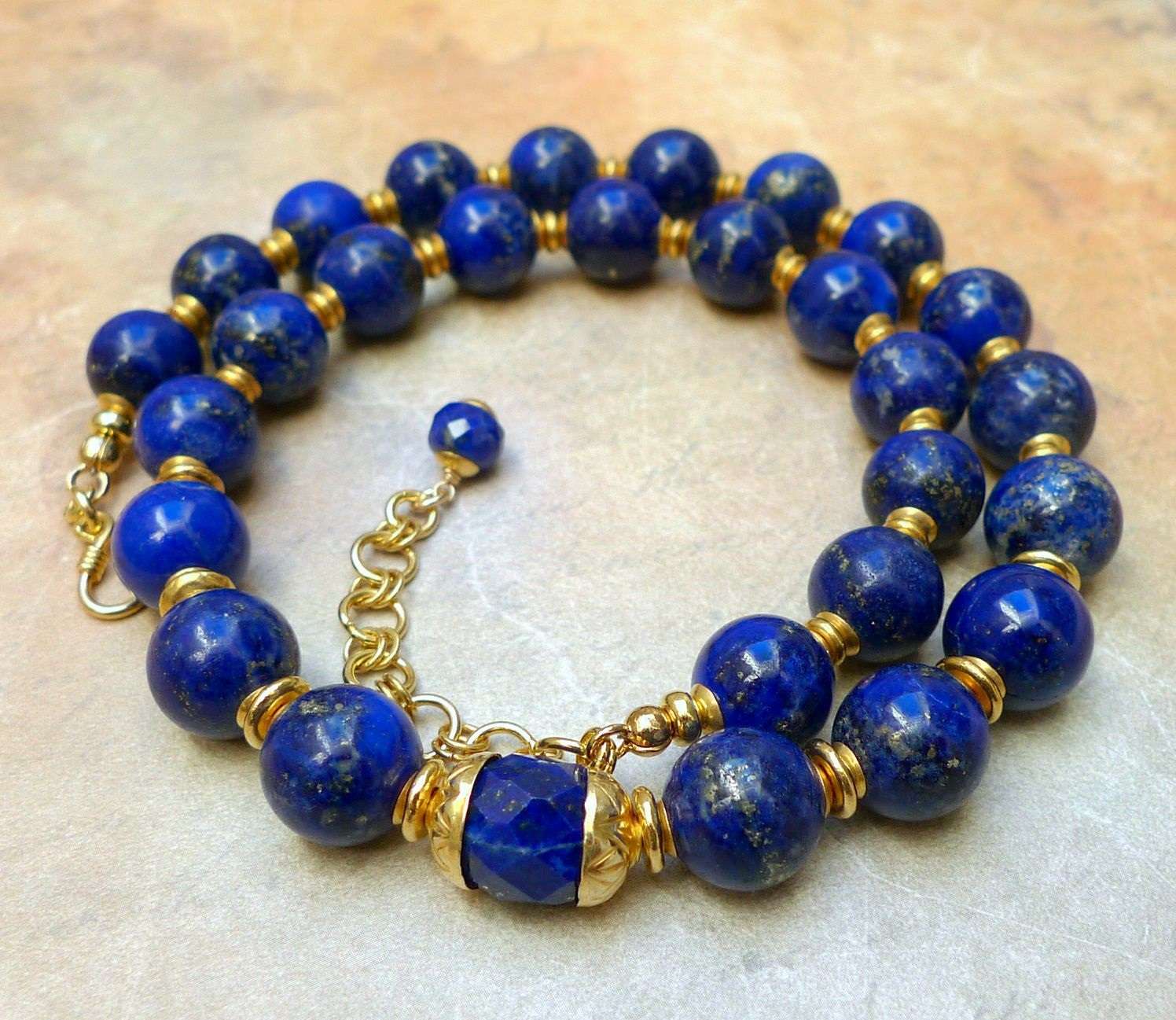
Columns trimmed with Afghan lapis lazuli adorn the entrance to the altar in St. Isaac's Cathedral and the doors of the cathedral in Kronstadt. Now they make jewelry, figurines and other crafts from it.
Place of Birth
The Afghan deposit of Sar-e-Sang, despite millennia of development, has not yet been exhausted and is the second source of income for the Taliban movement after opium, but since the end of the 18th century it has ceased to be the only one. By order of Catherine II, many prospectors went to Siberia in search of gems.
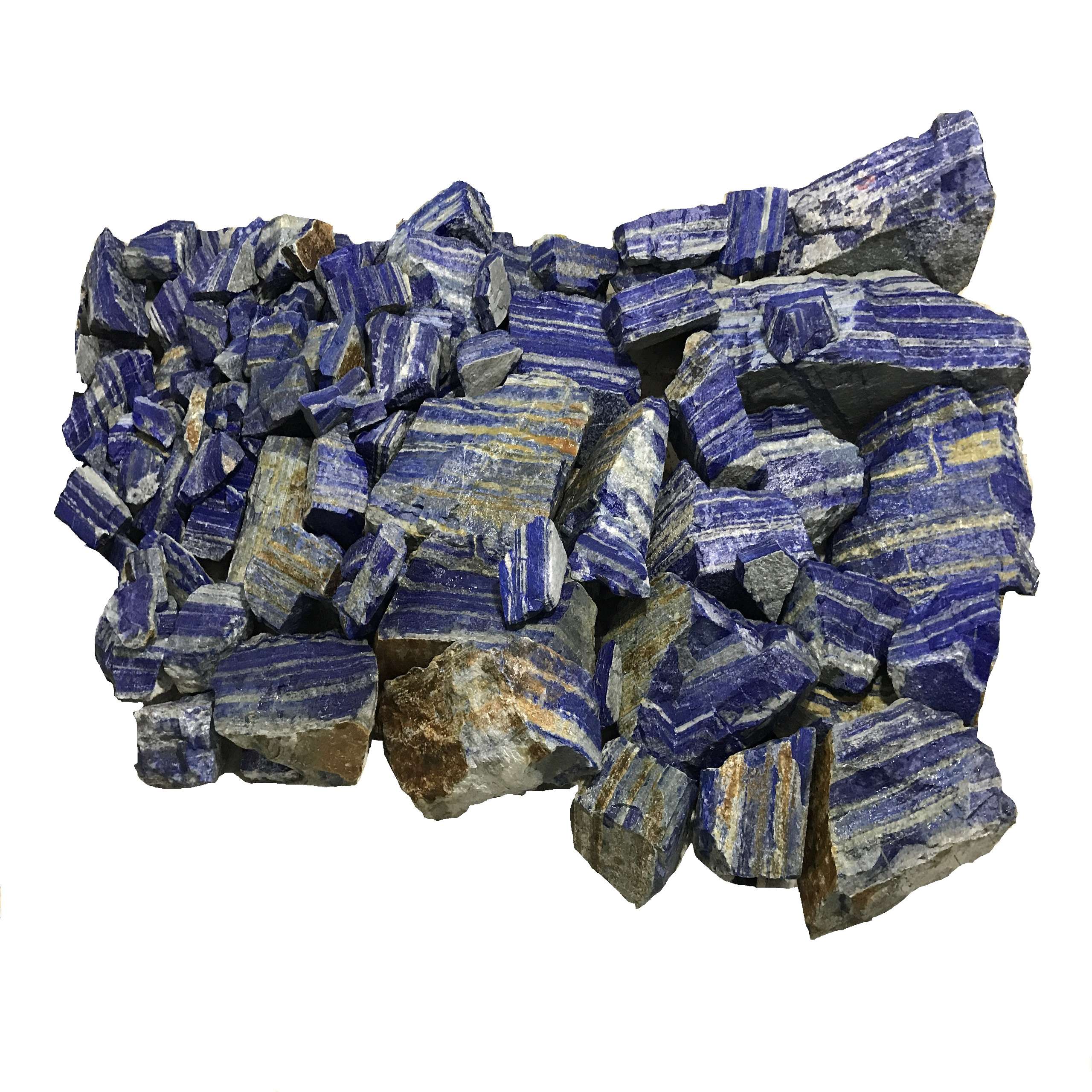
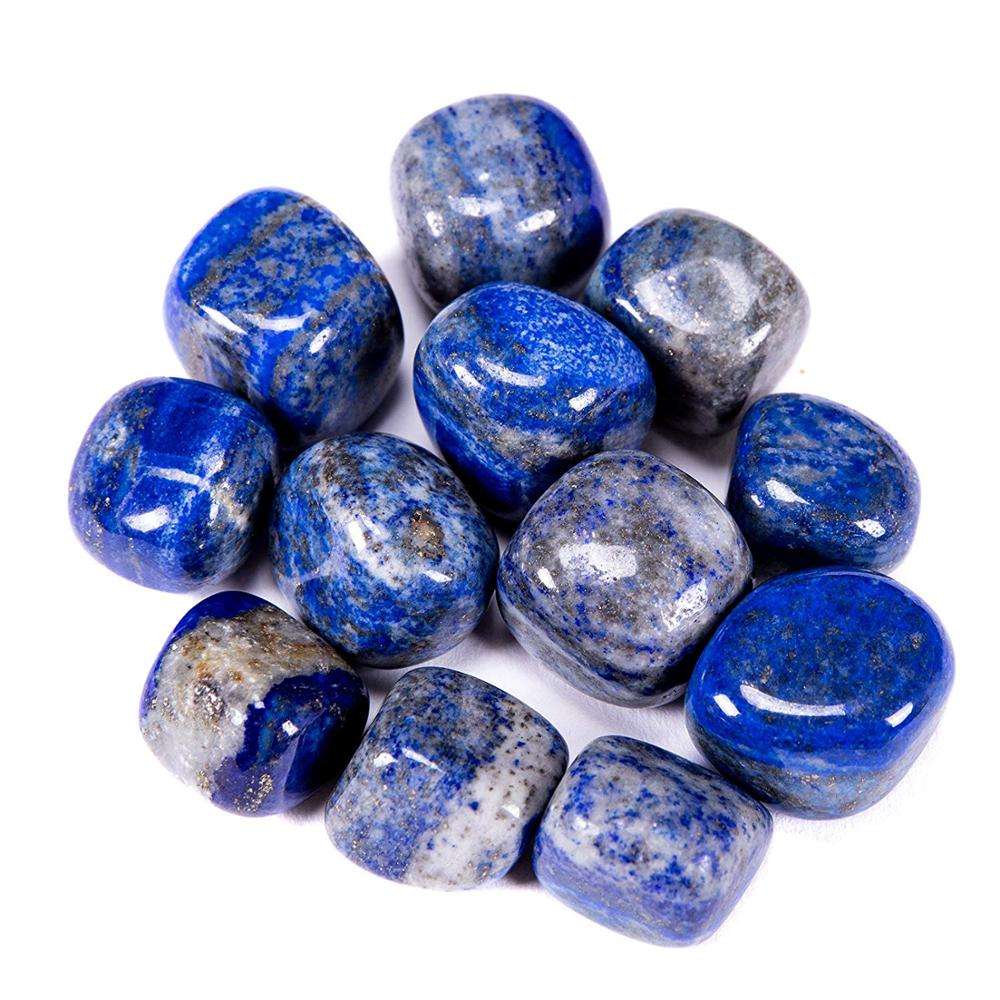
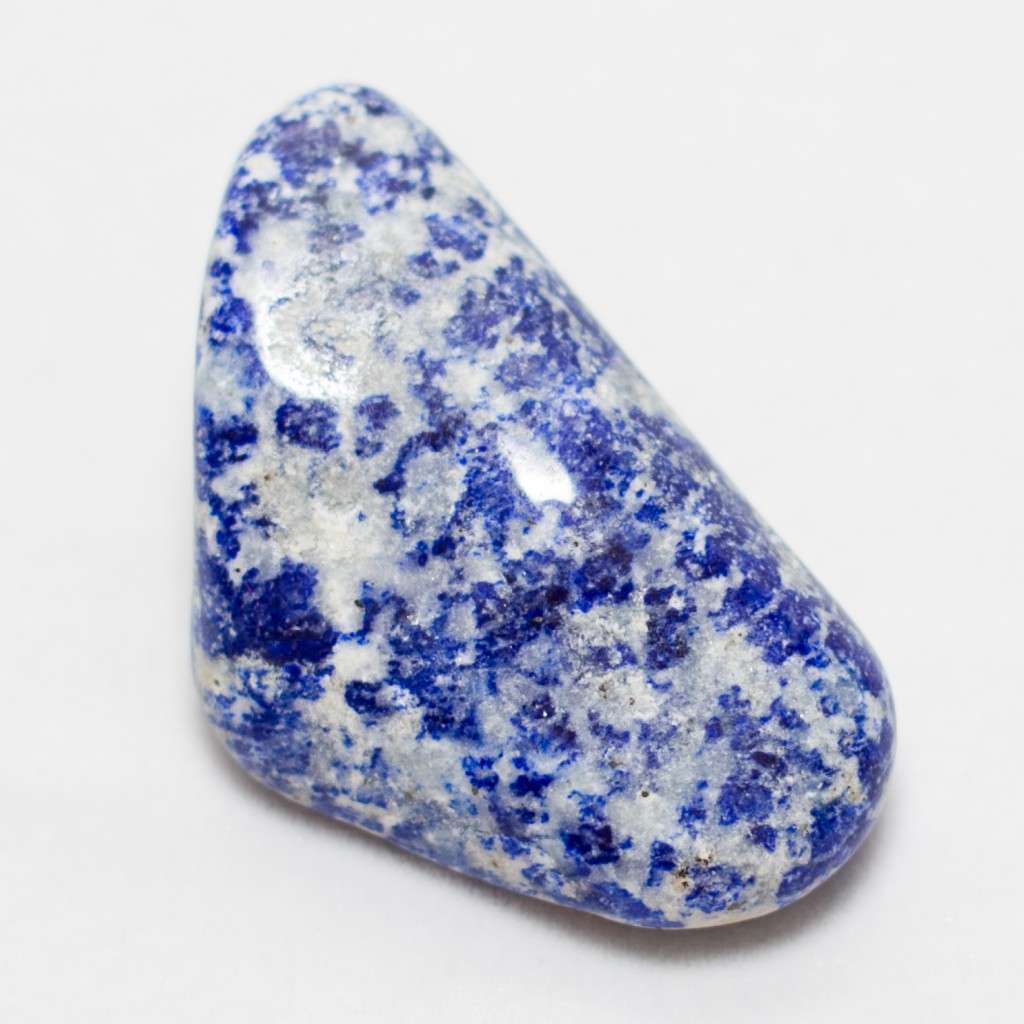
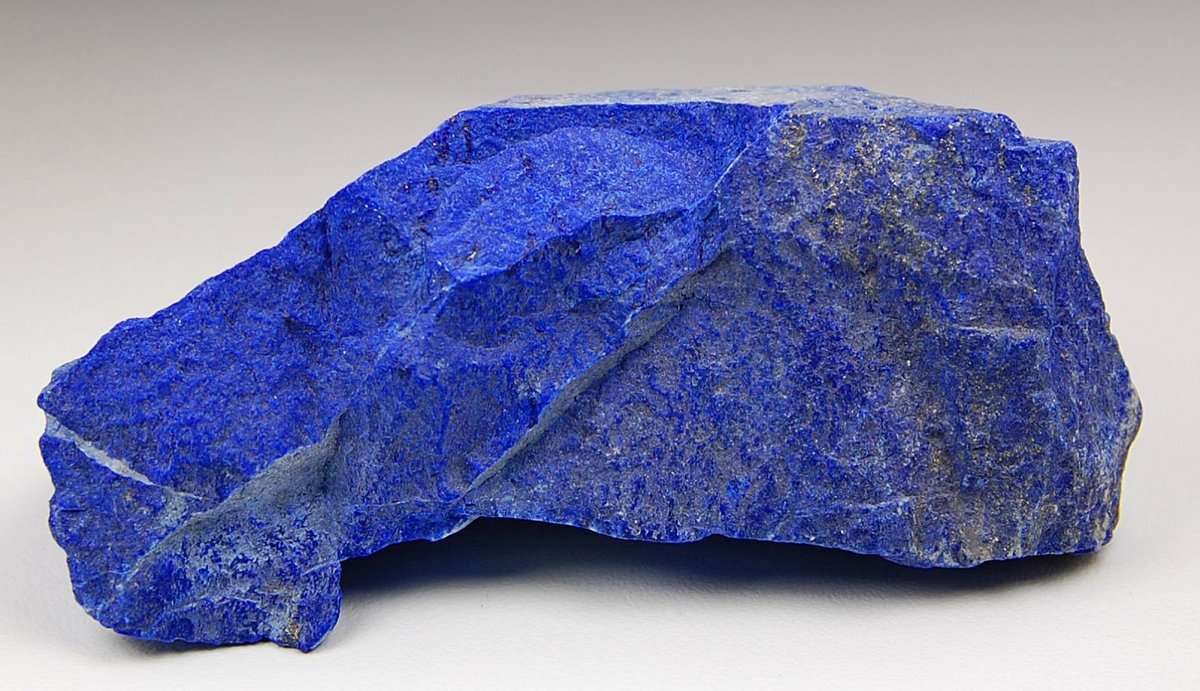
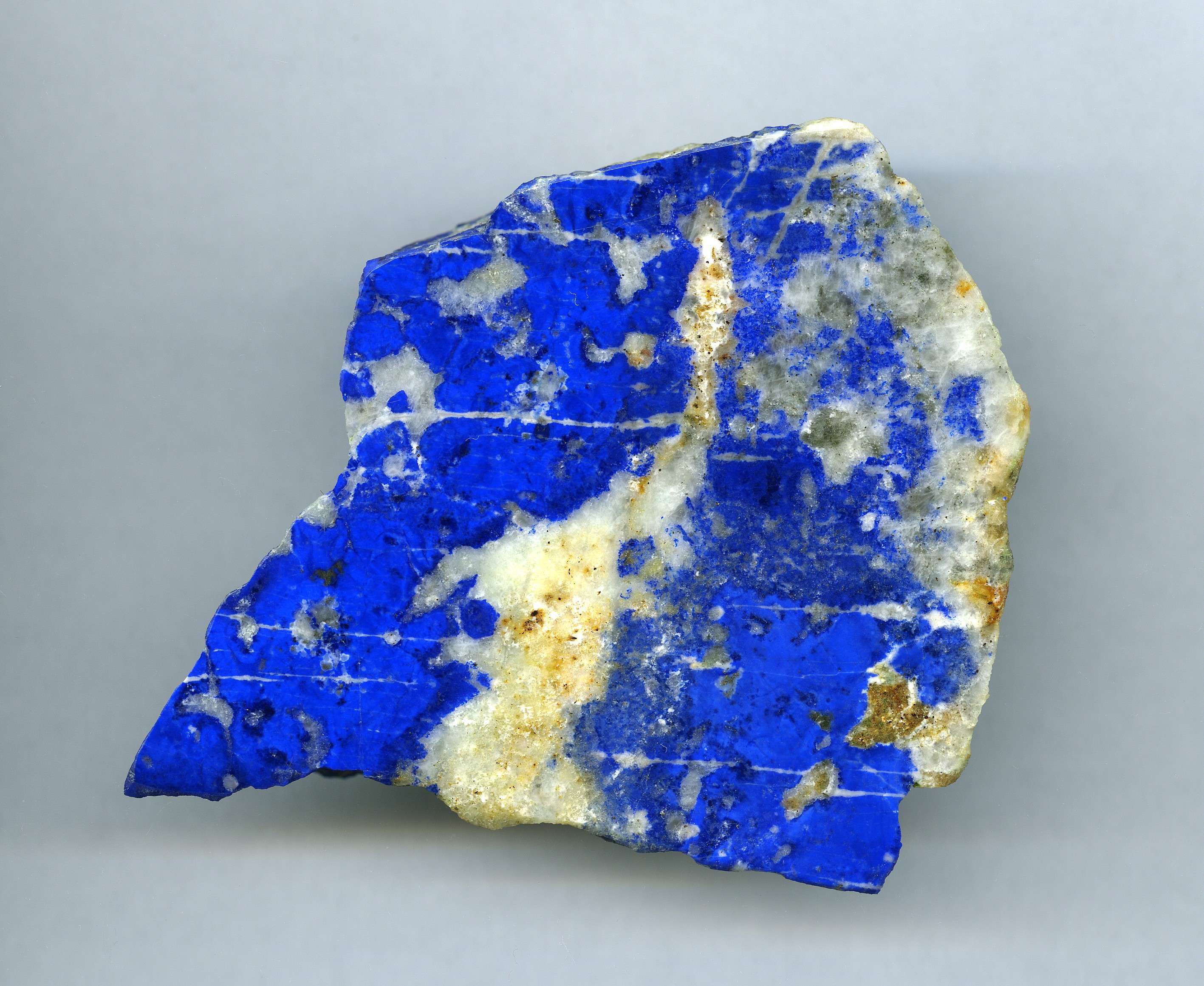
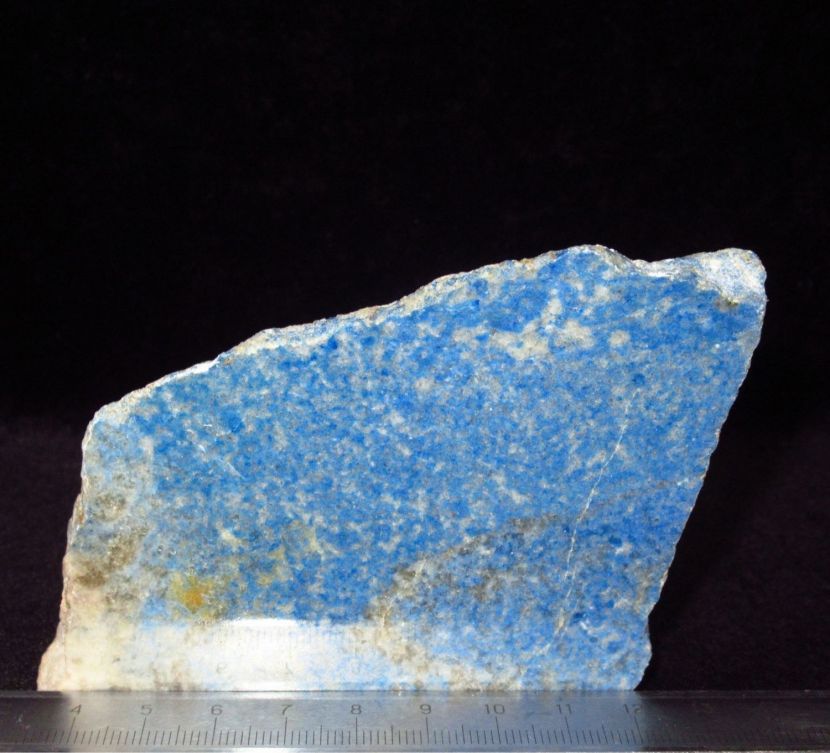
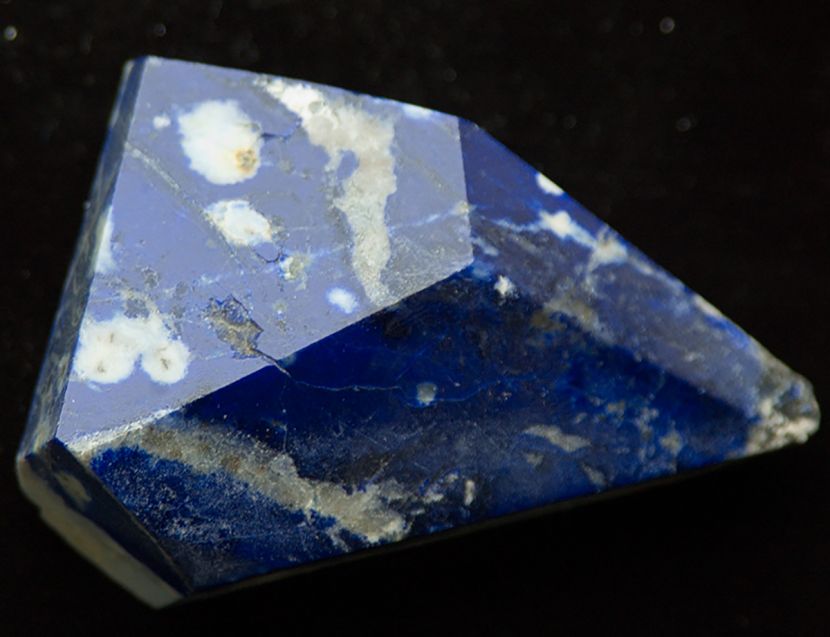
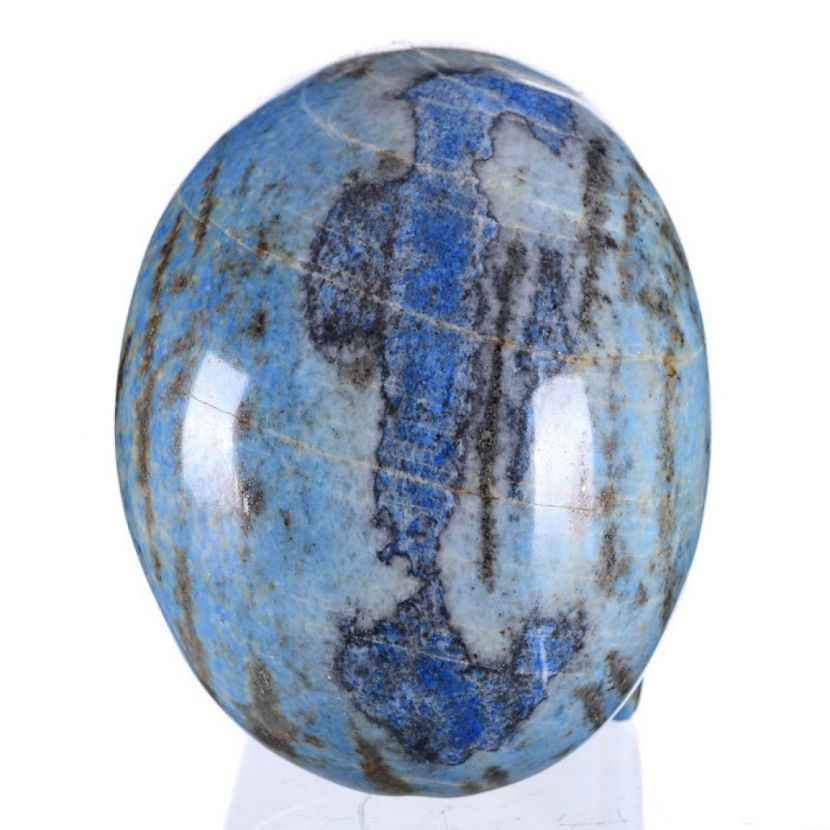
In 1786, Eric Larsman discovered lapis lazuli in the Baikal region near the Slyudyanaya River. Soon tables, vases and caskets made of Baikal lapis lazuli decorated the Lyon Hall of the palace in Tsarskoe Selo. It was practically not inferior in quality to the Afghan one. The differences were in shades. The Badakhshan one was dark blue, while the Baikal one was sky blue.
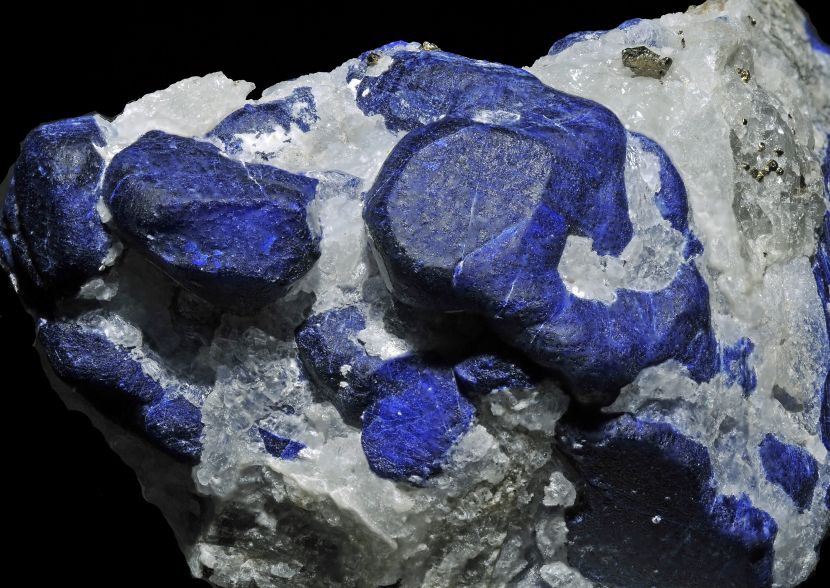
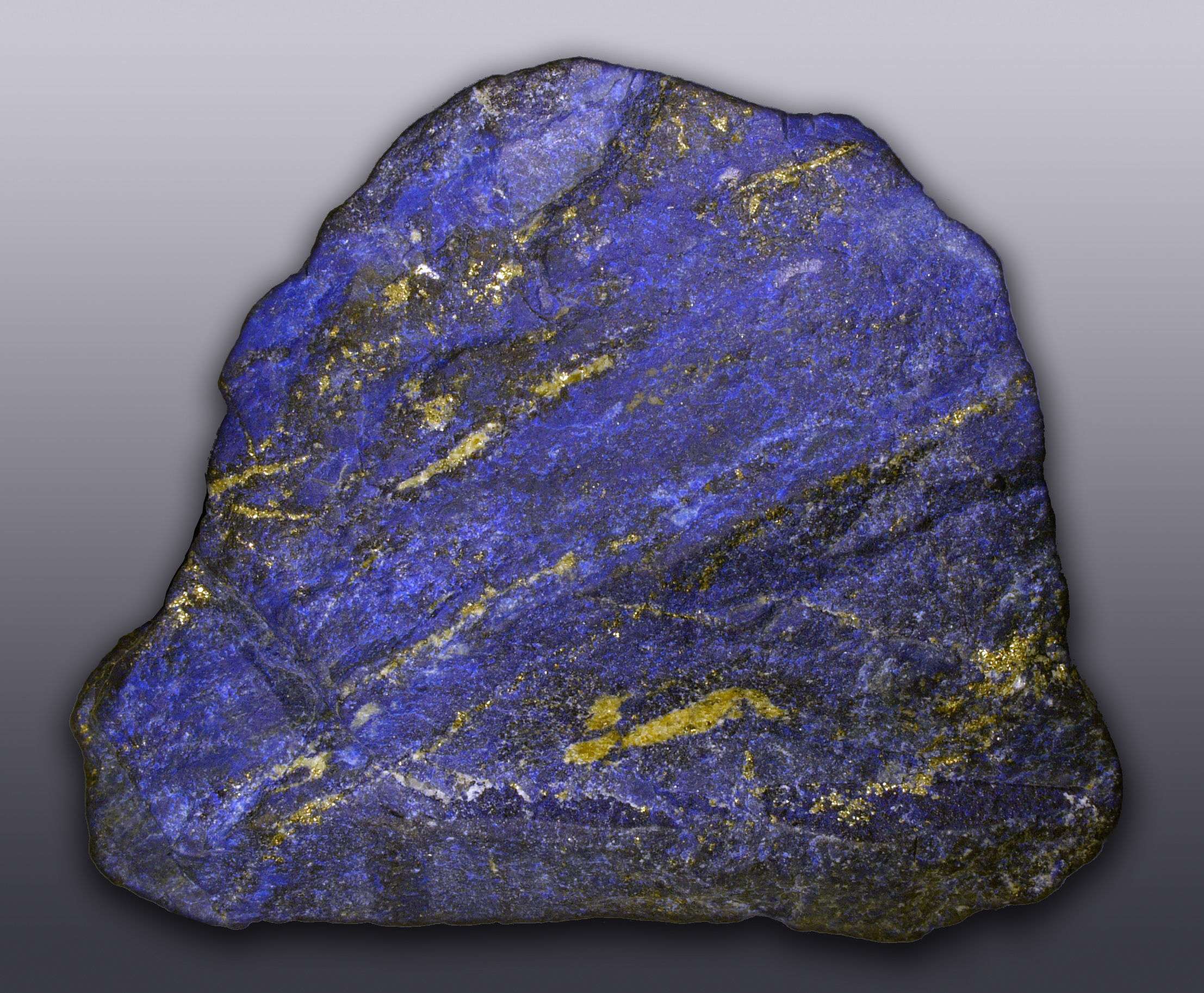
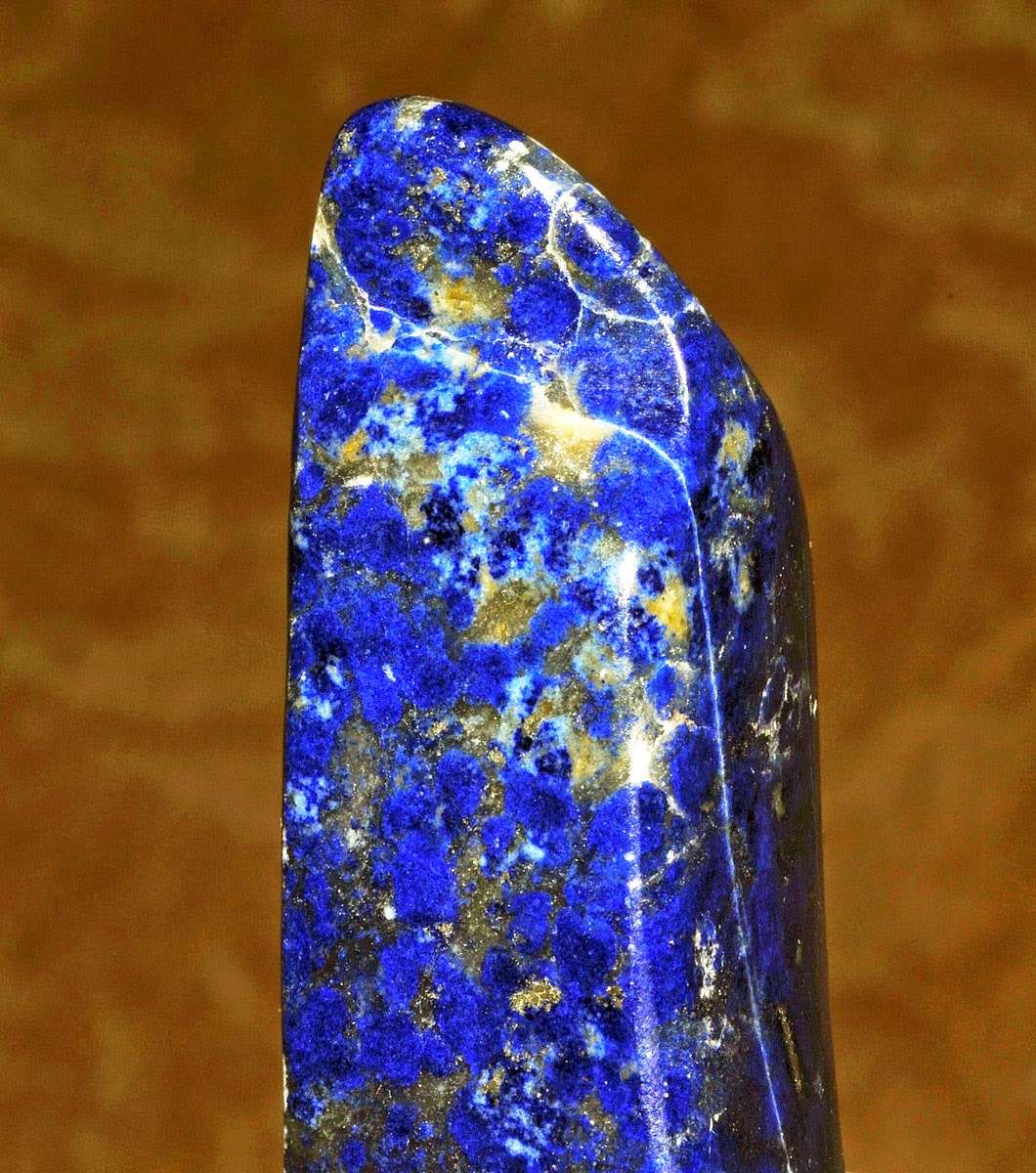
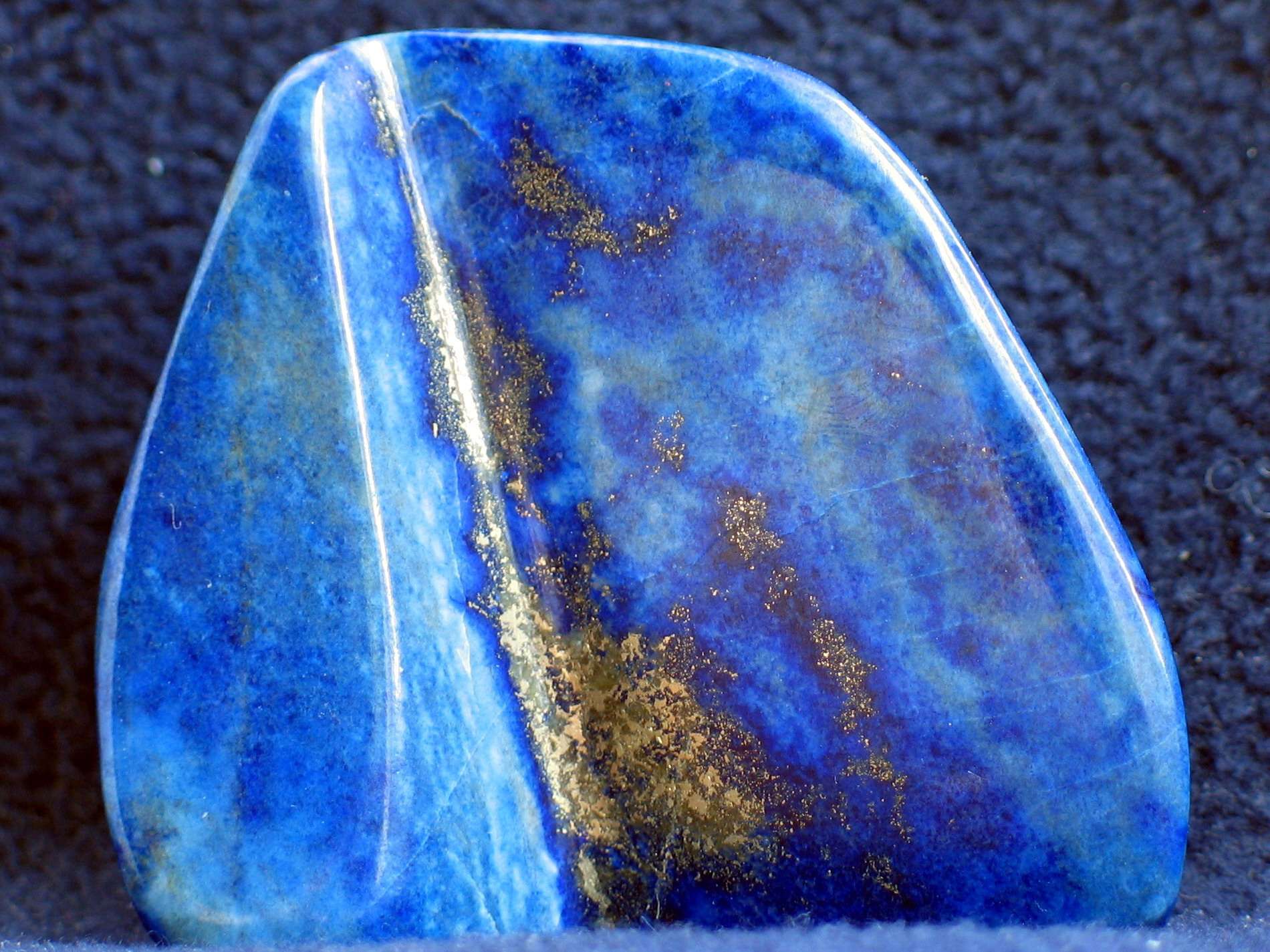
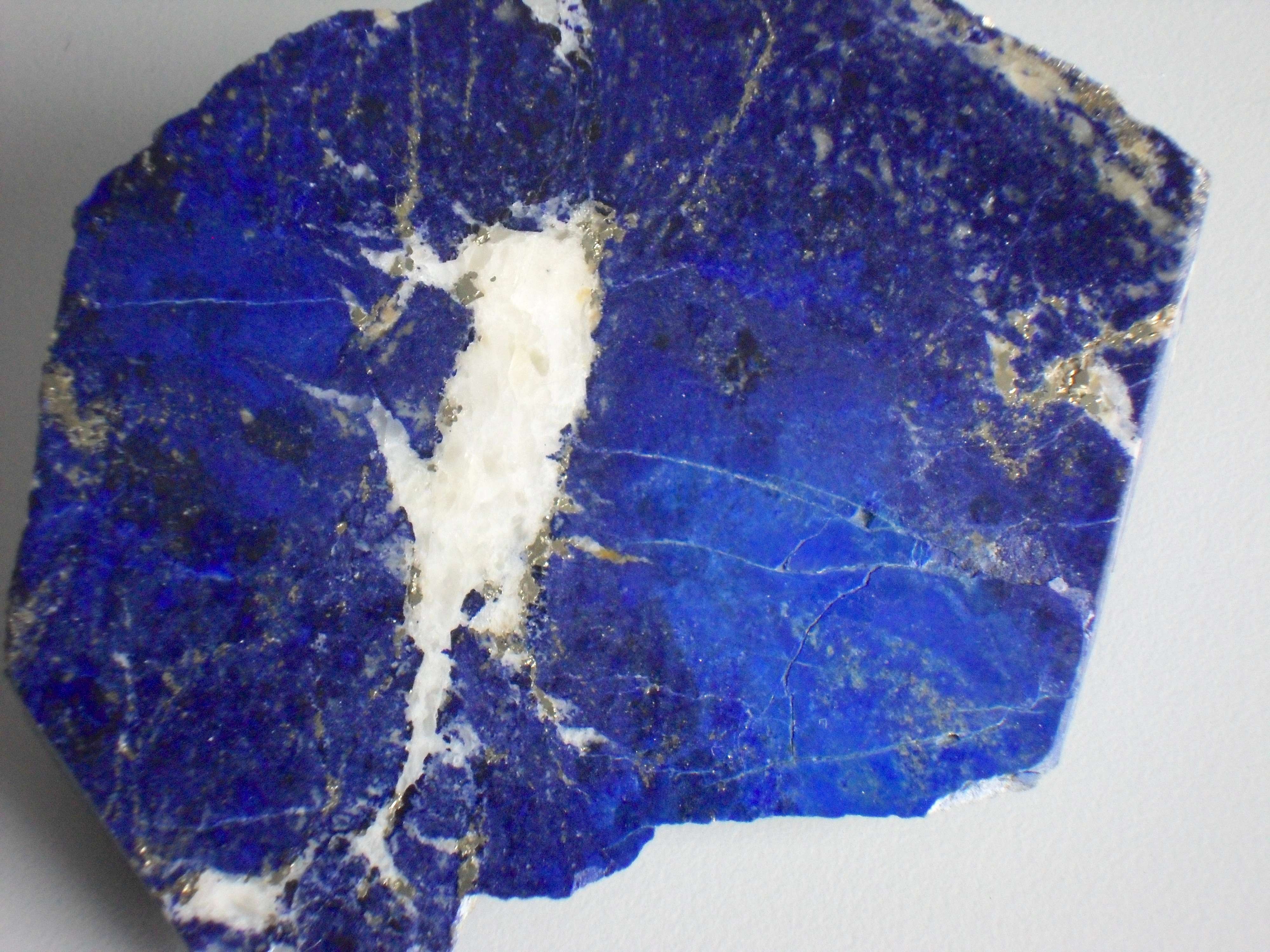
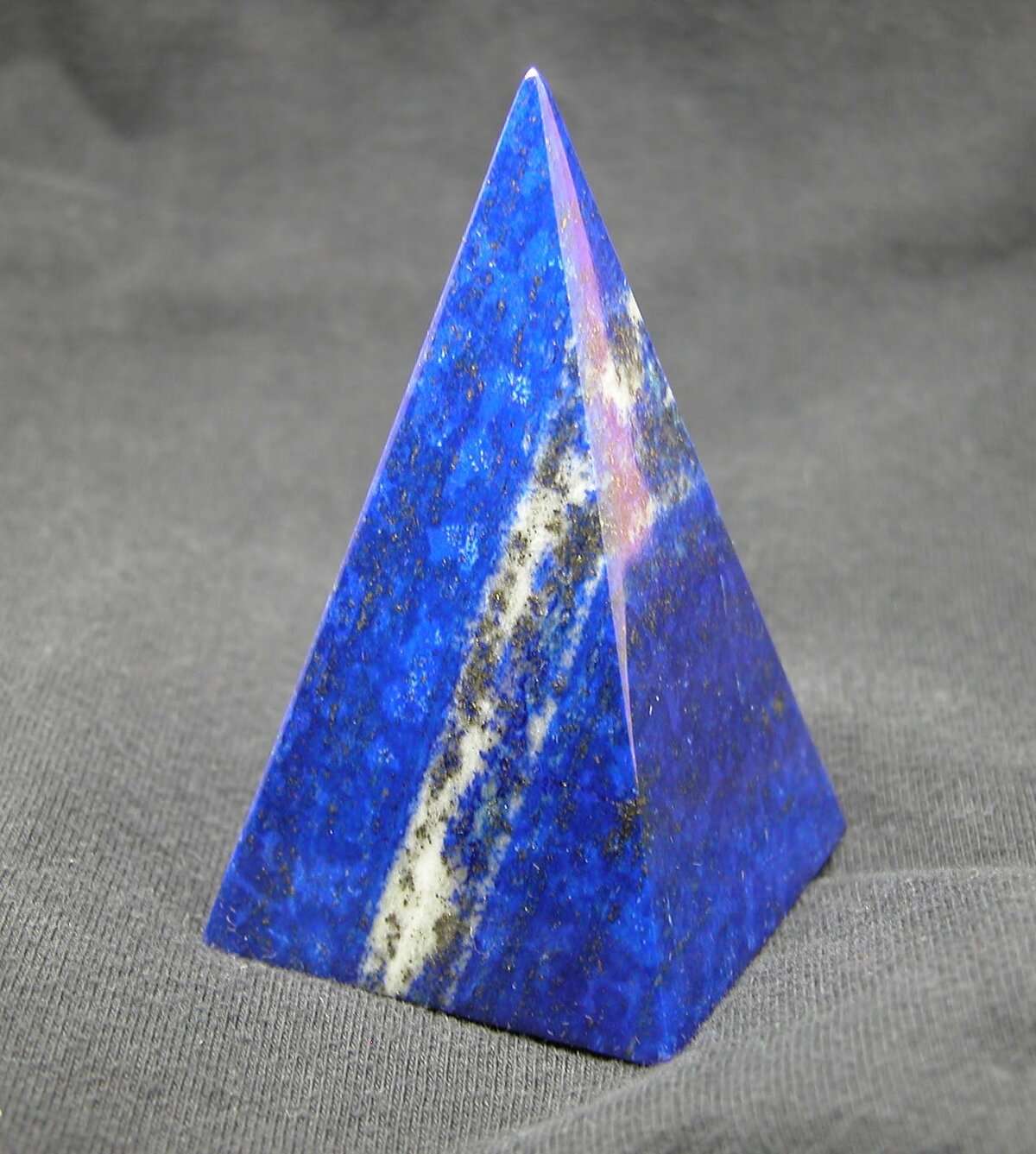
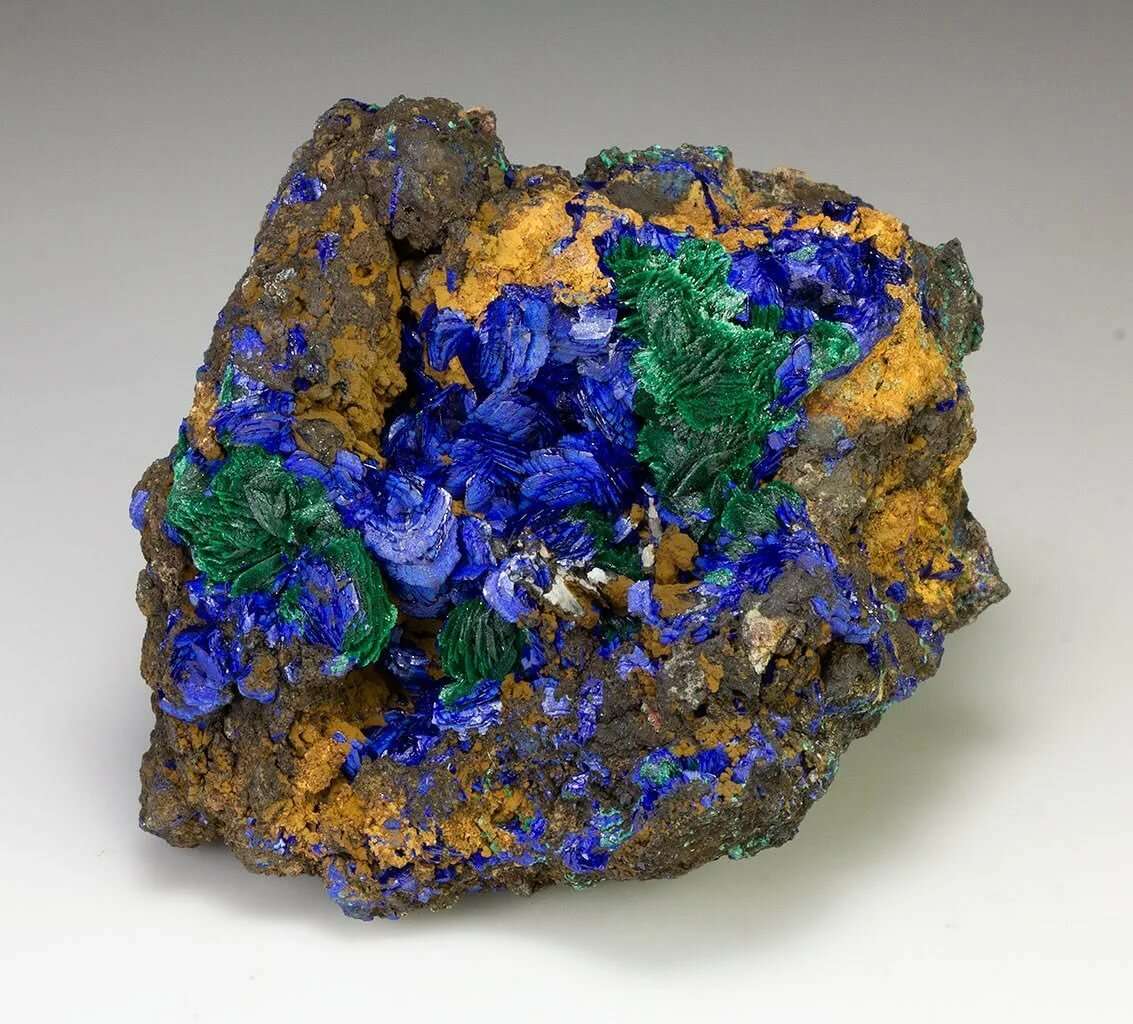
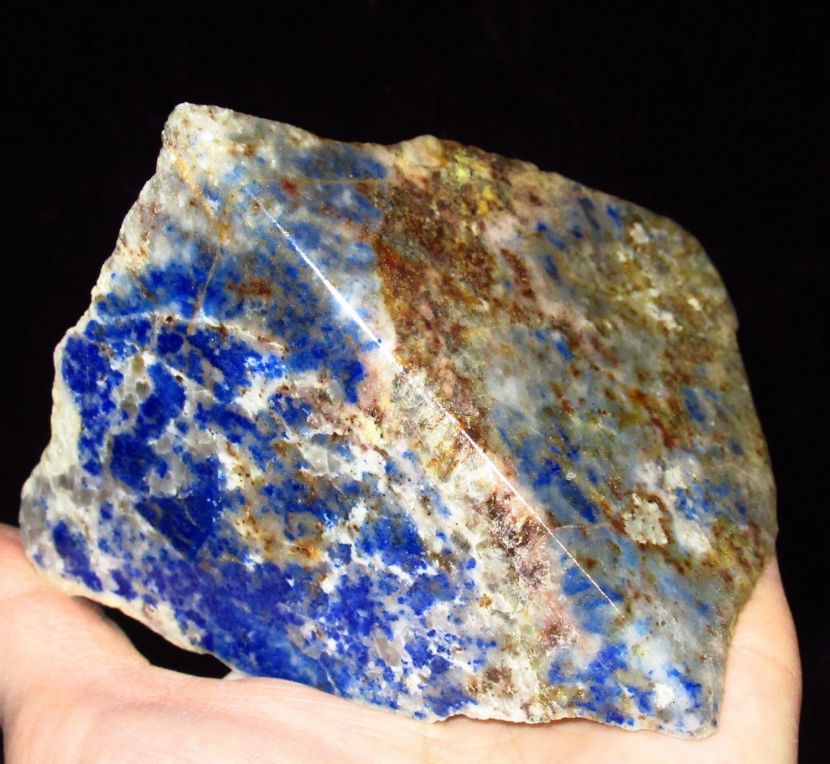
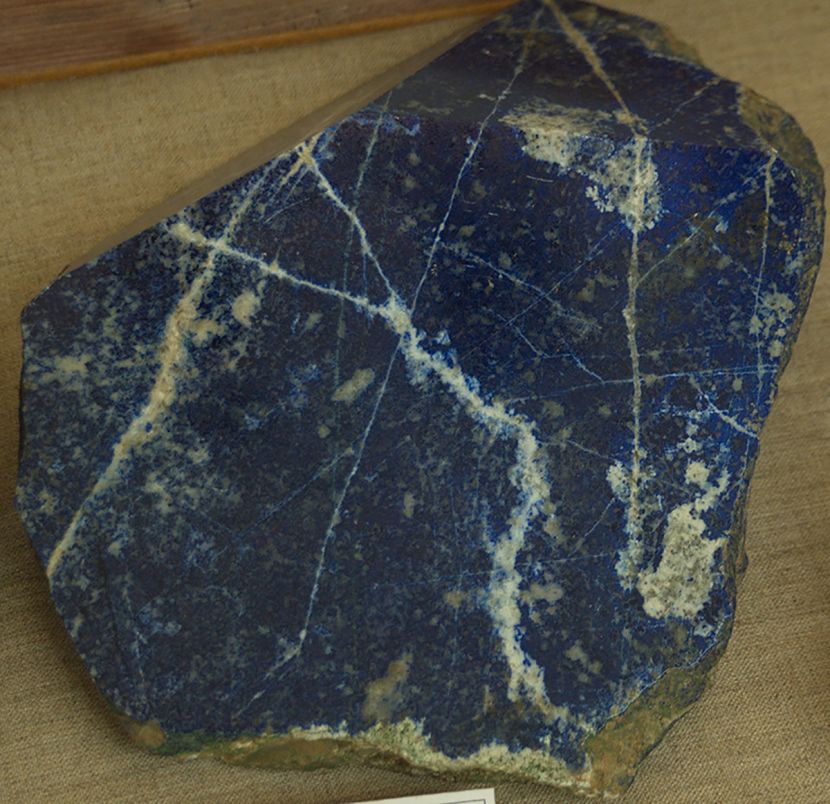
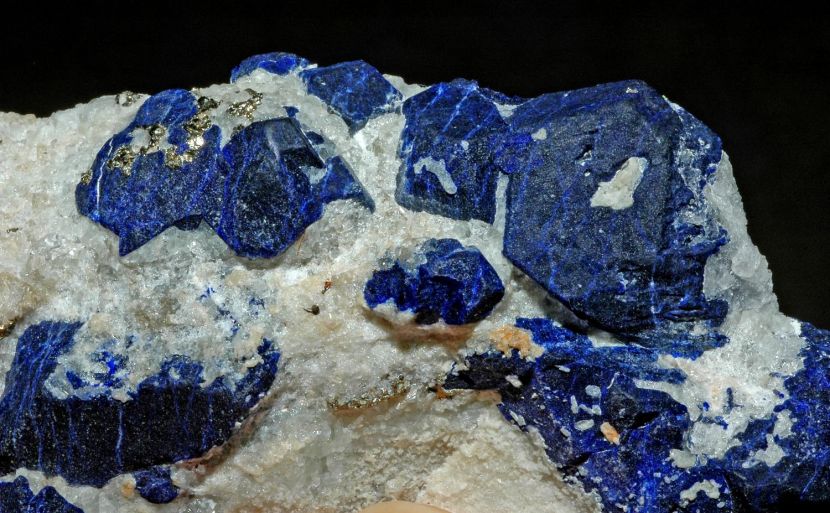
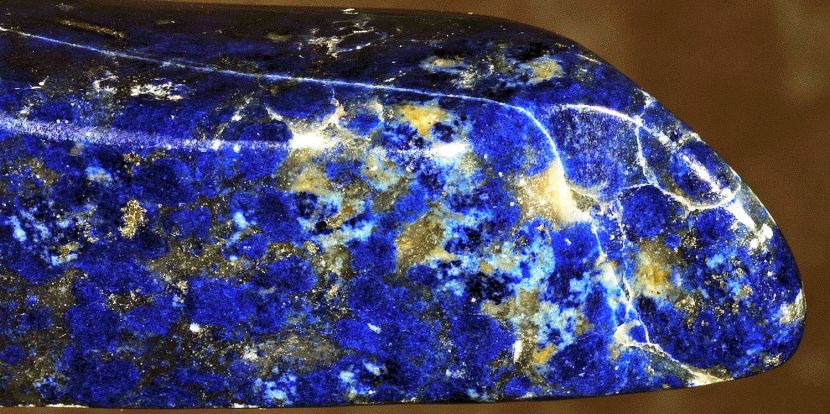
In addition, golden inclusions of pyrite were often found in Badakhshan, and white veins of marble in Baikal, which look beautiful in artificial light, while Afghan loses its charm under it.
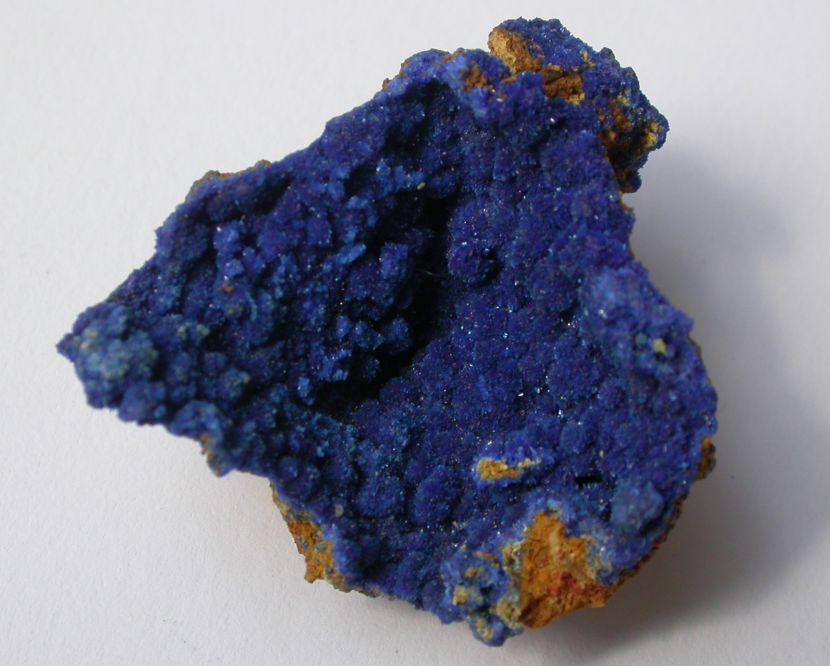
As for ultramarine, the paint from Baikal lapis lazuli looked very pale, but then it turned out that when fired, it acquires the same dark blue color.
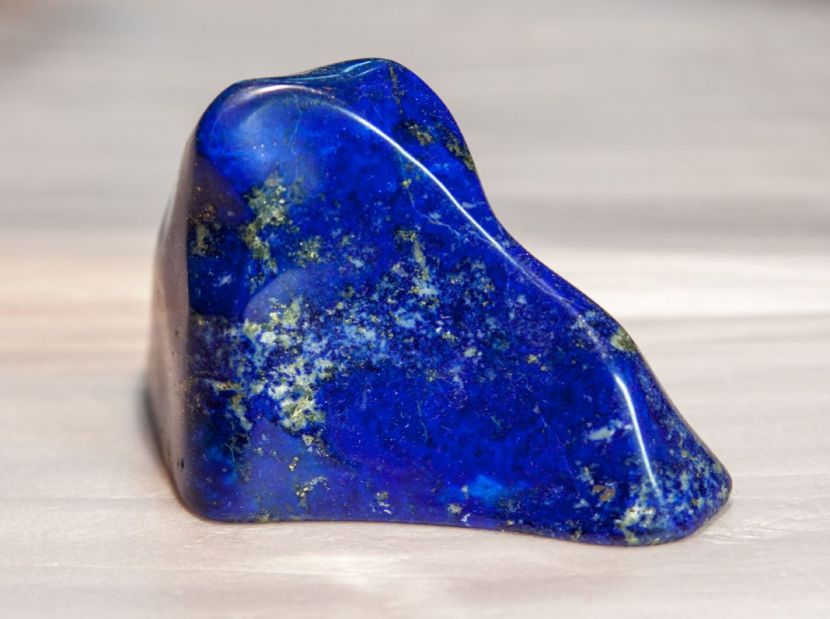
In Soviet times, deposits of lapis lazuli were found in the Pamirs in the Gorno-Badakhshan region adjacent to Afghanistan, but these stones were noticeably inferior in quality to both Afghan and Baikal ones.
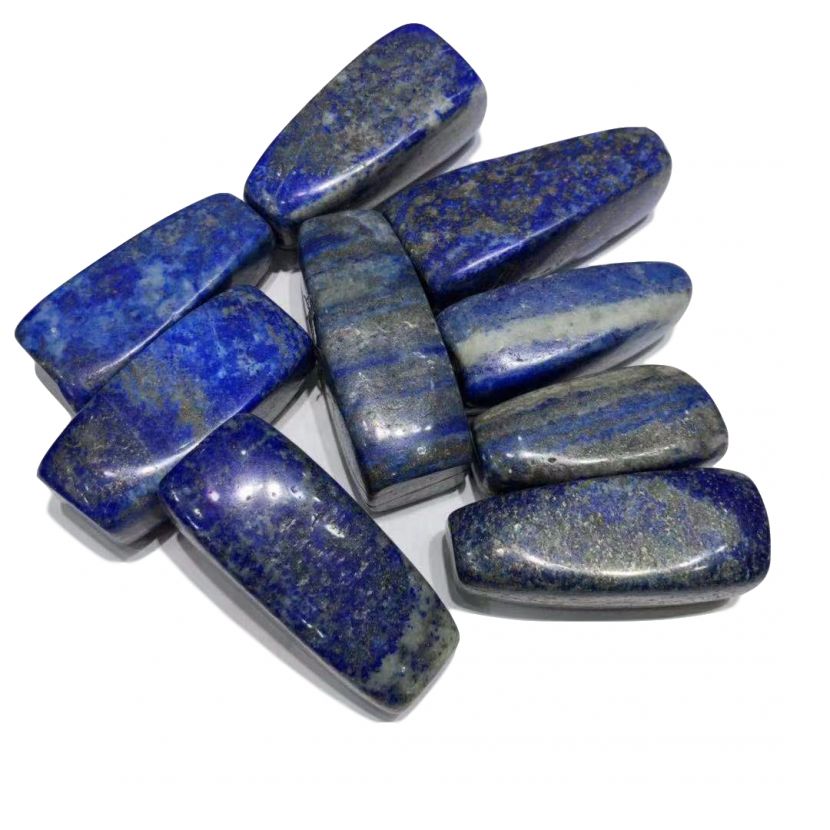
There is lapis lazuli in Chile, it also has a sky-blue hue, but despite the beautiful pattern, it is much less valued.And lapis lazuli from Italy, the USA and Canada are not at all attractive.
Physical Properties
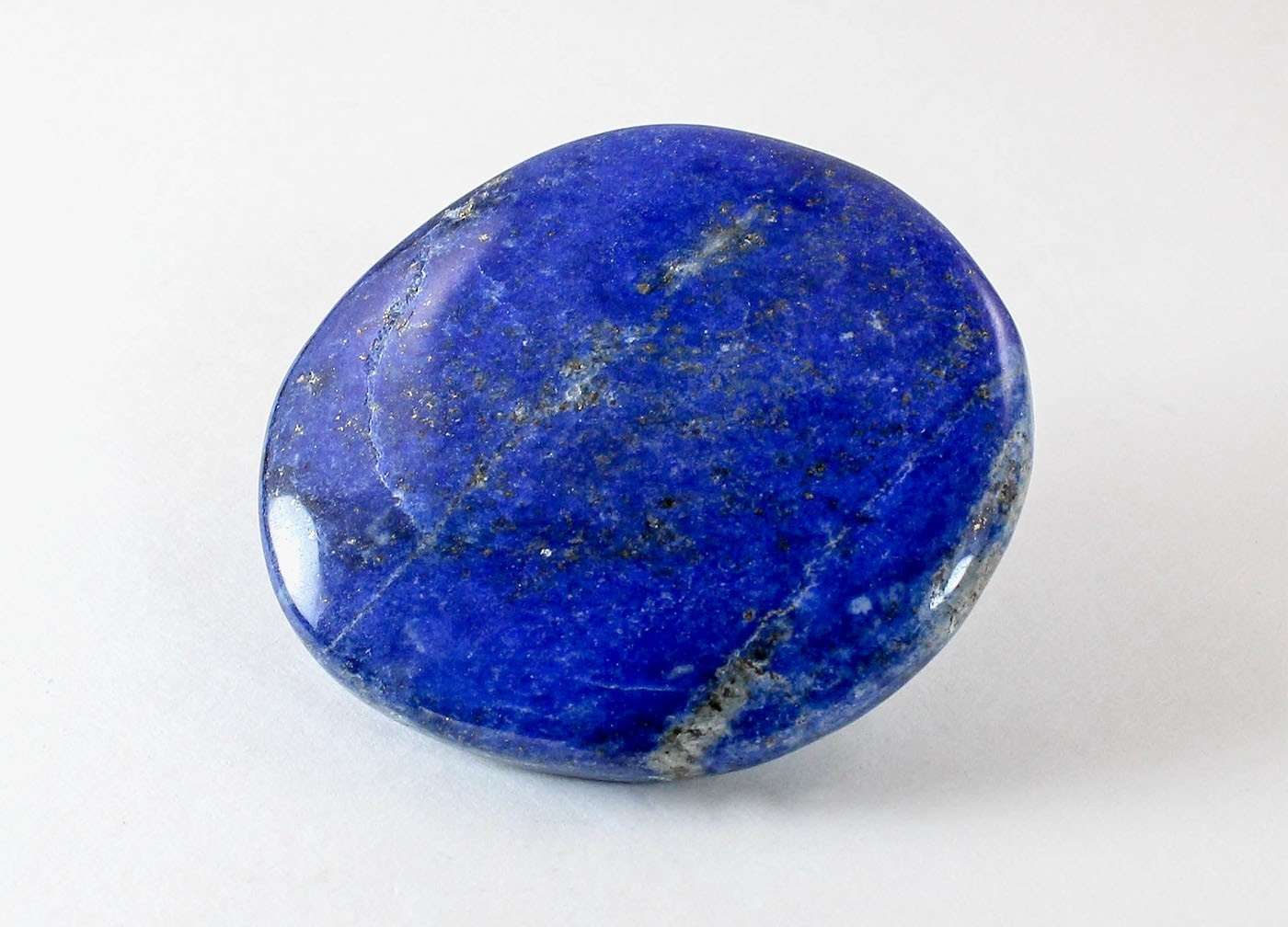
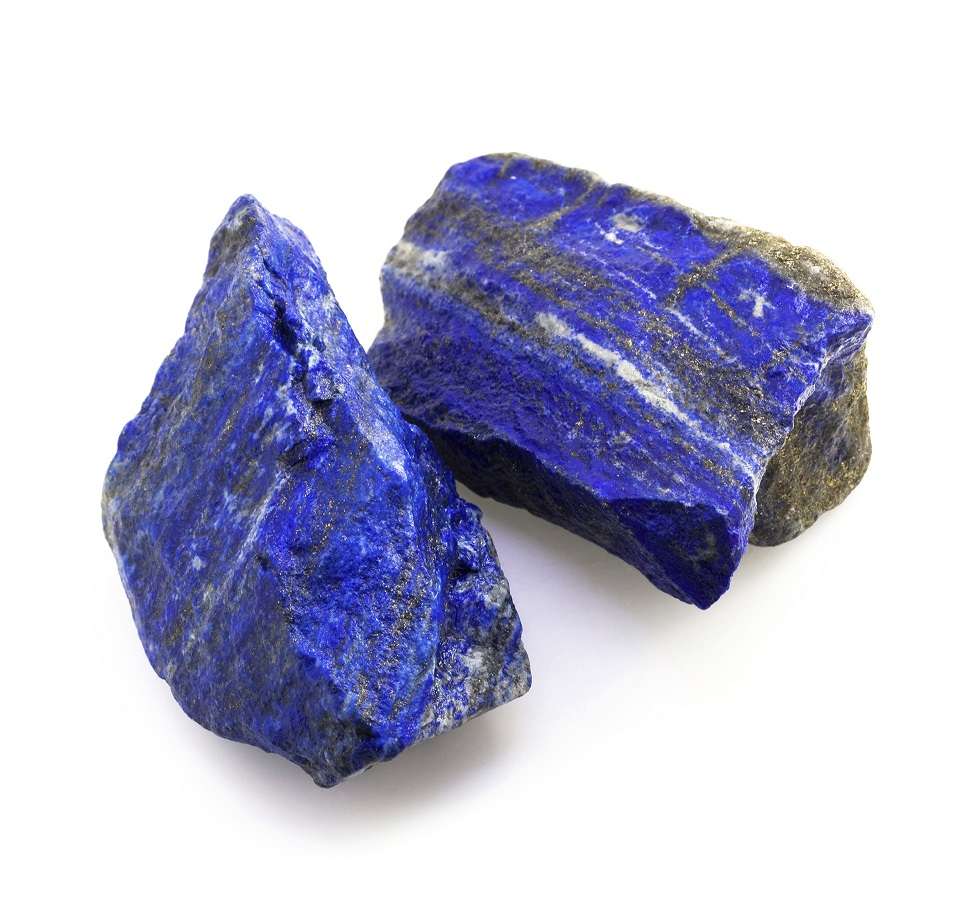
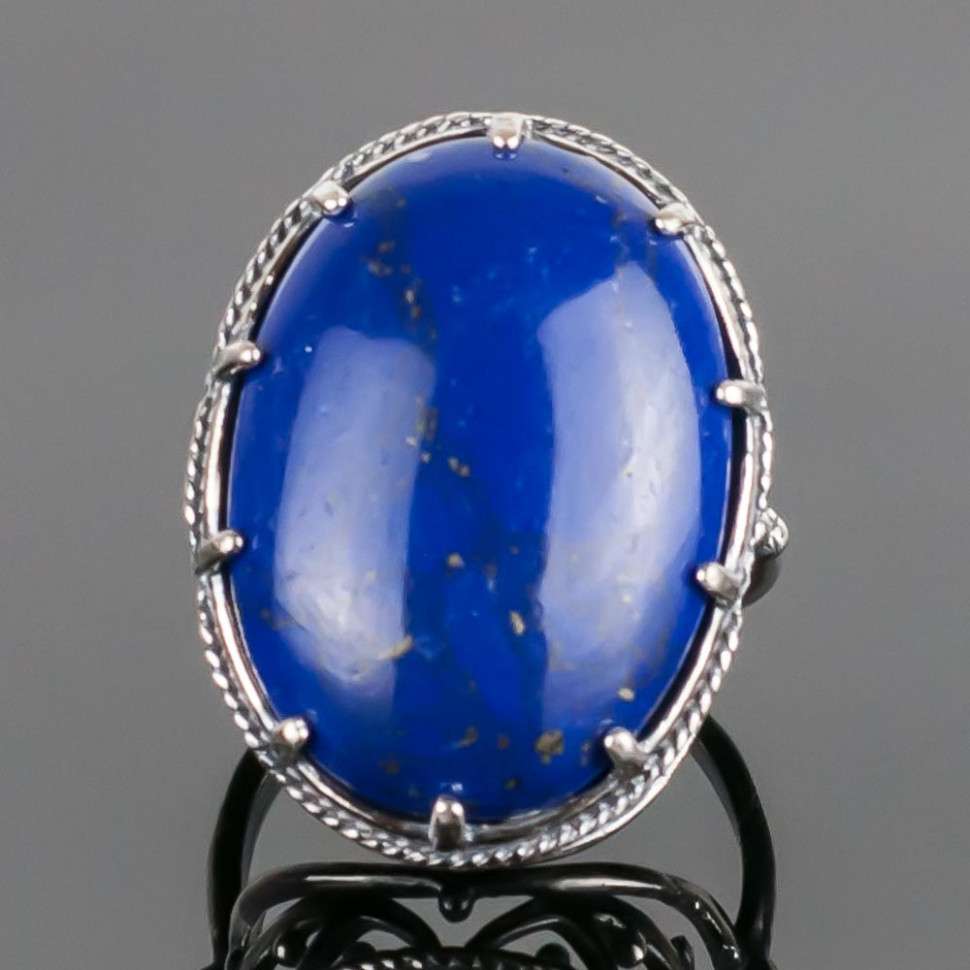
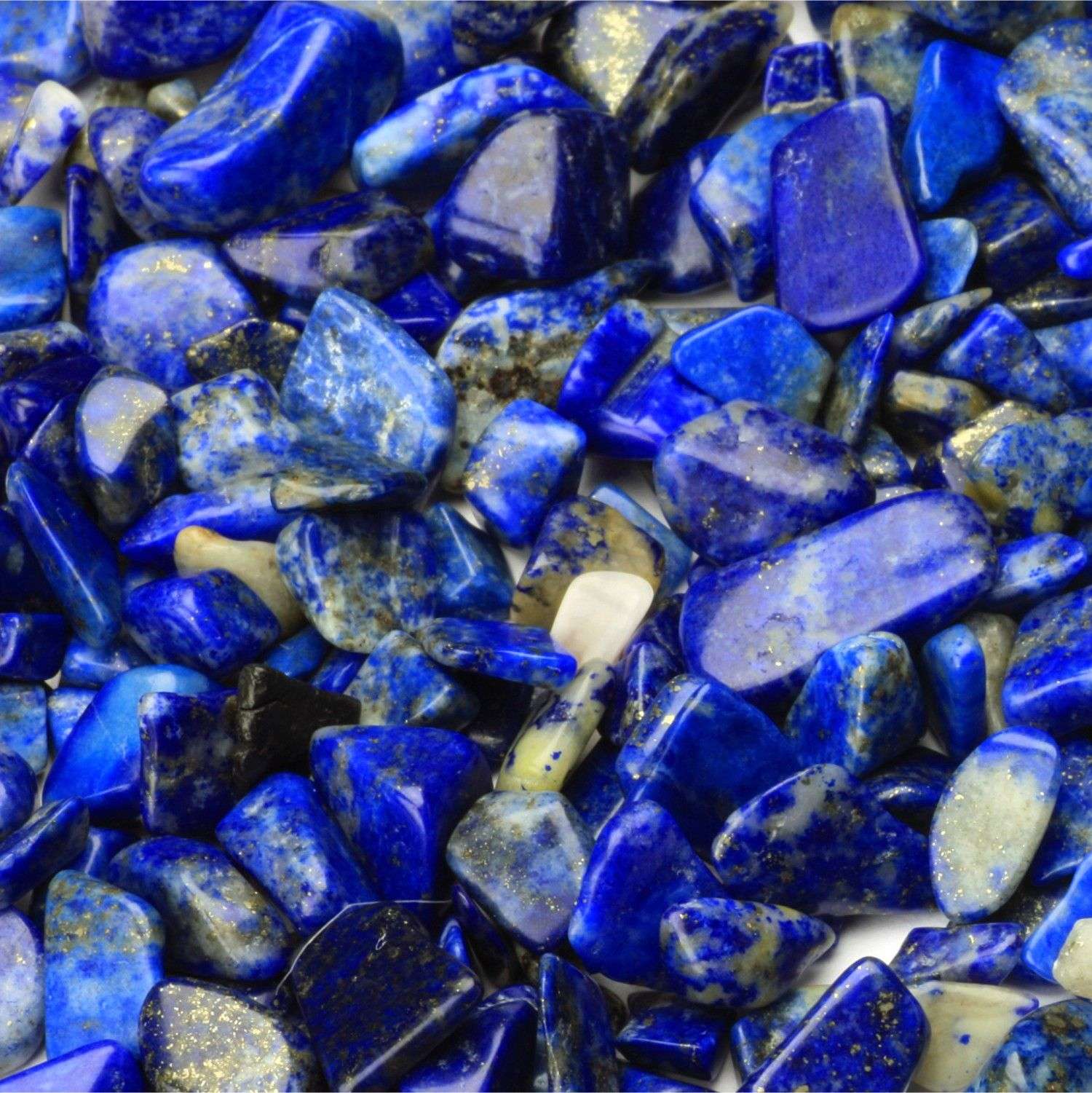
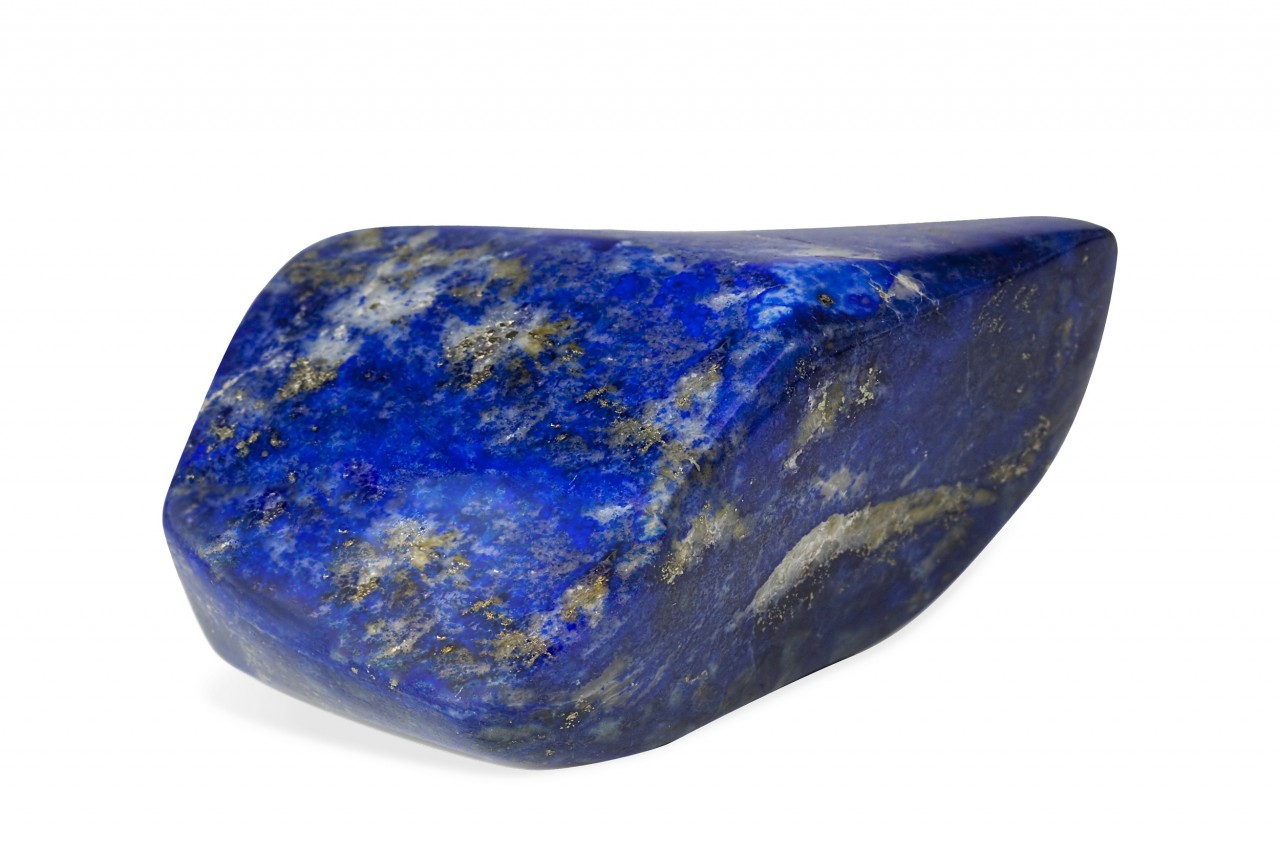
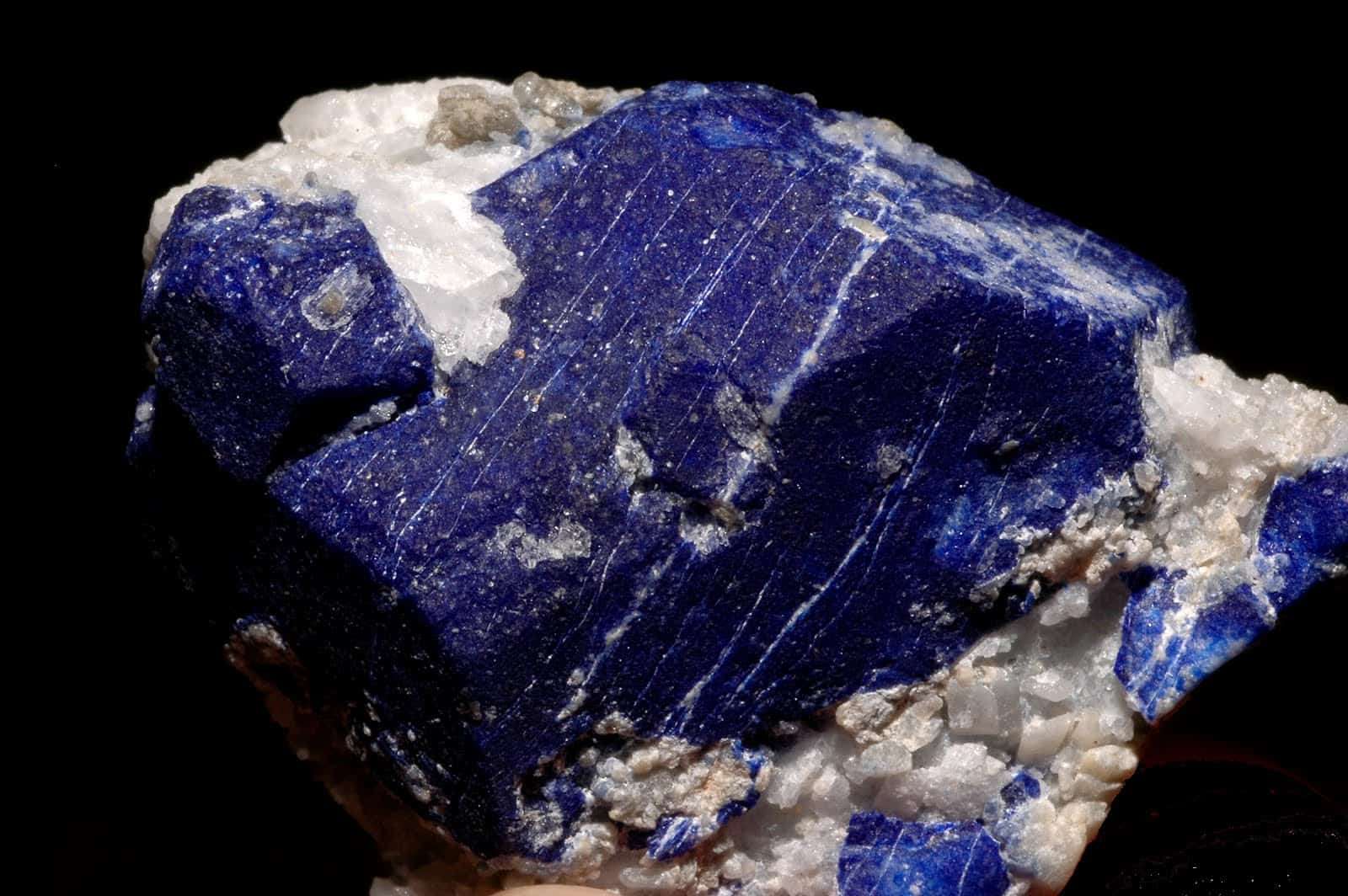
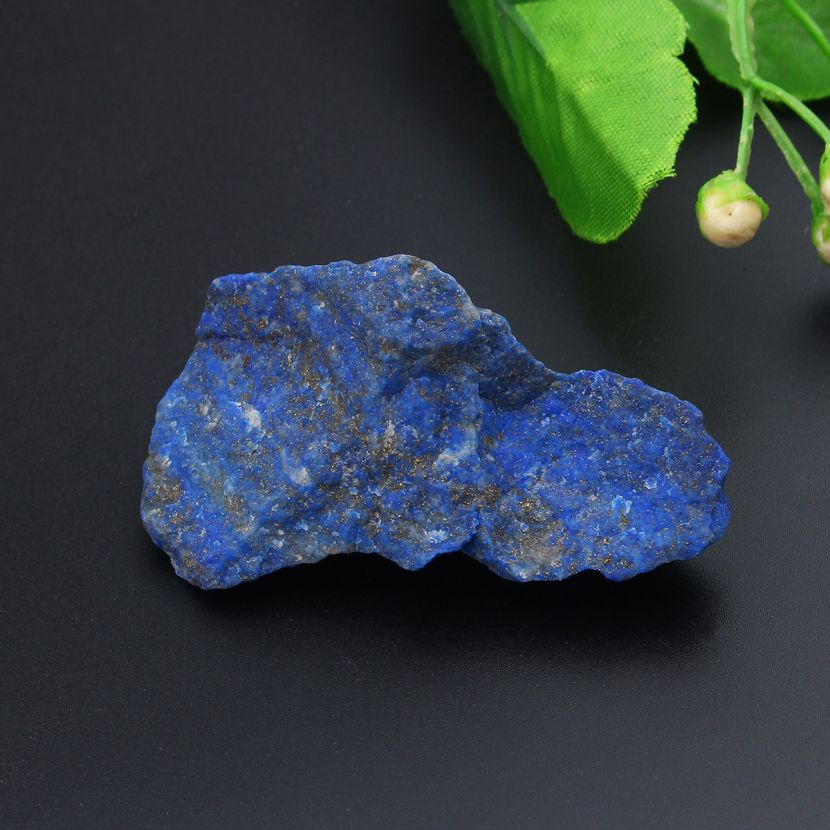
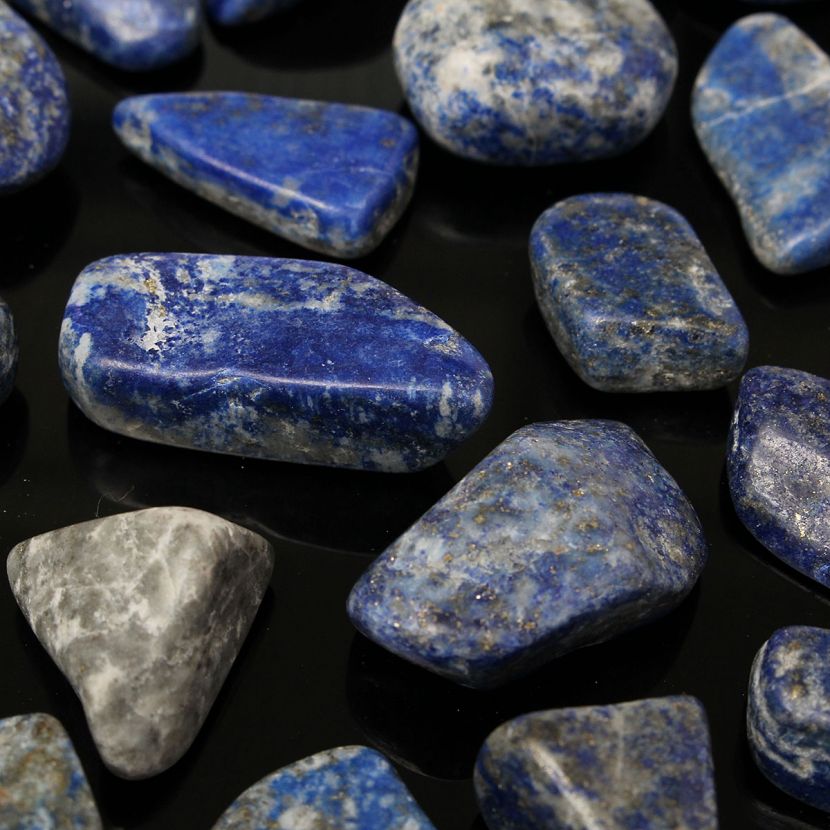
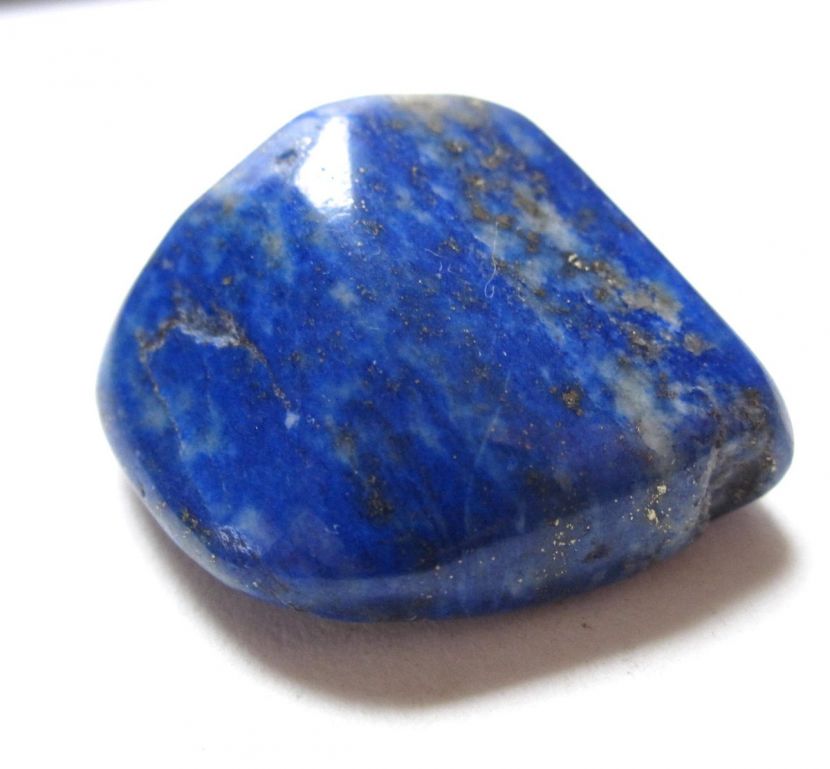
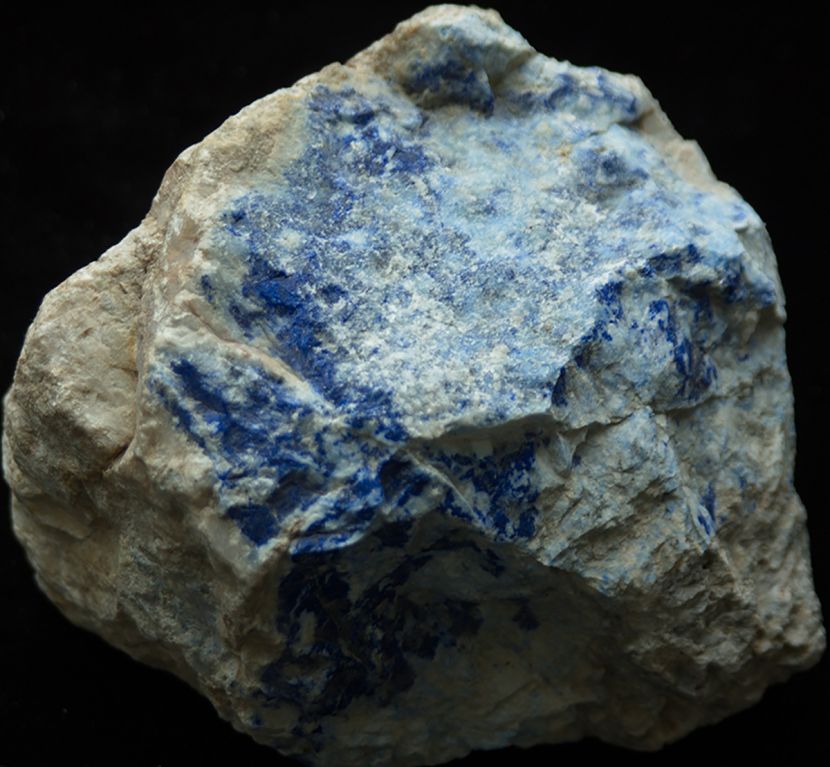
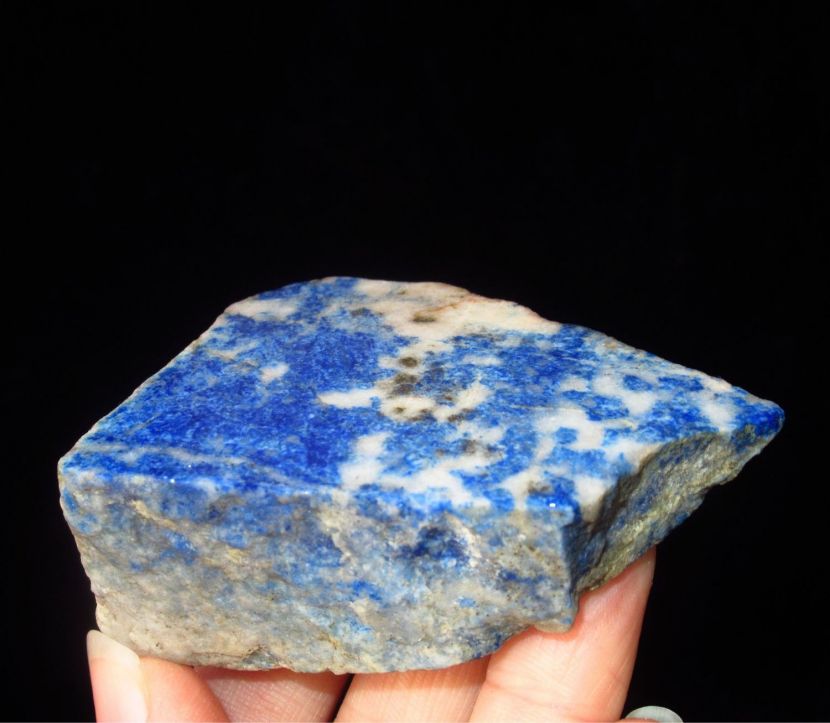
Lapis lazuli is quite soft, its hardness is only 5.5, its luster is glassy. The fracture is conchoidal or granular. Slightly translucent. The color may be blue, blue, or greenish blue. Density 2.4 g/cm3. Syngony is cubic. Well polished. Refractive index 1.5. Crystals are rare.
Chemical properties and composition
Lapis lazuli is a sodium aluminosilicate containing sulfur.
Chemical formula –n(Na2O Al2O3 mSiO2) Na2Sx, where n = 2-3; m = 2-3; x = 1-5.
Under the action of hydrochloric acid, it releases hydrogen sulfide, distinguished by the smell of rotten eggs. At the same time, Baikal lapis lazuli sizzles due to inclusions of marble.
Varieties
Lapis lazuli is usually distinguished by the place of discovery. The Afghans have their own classification.
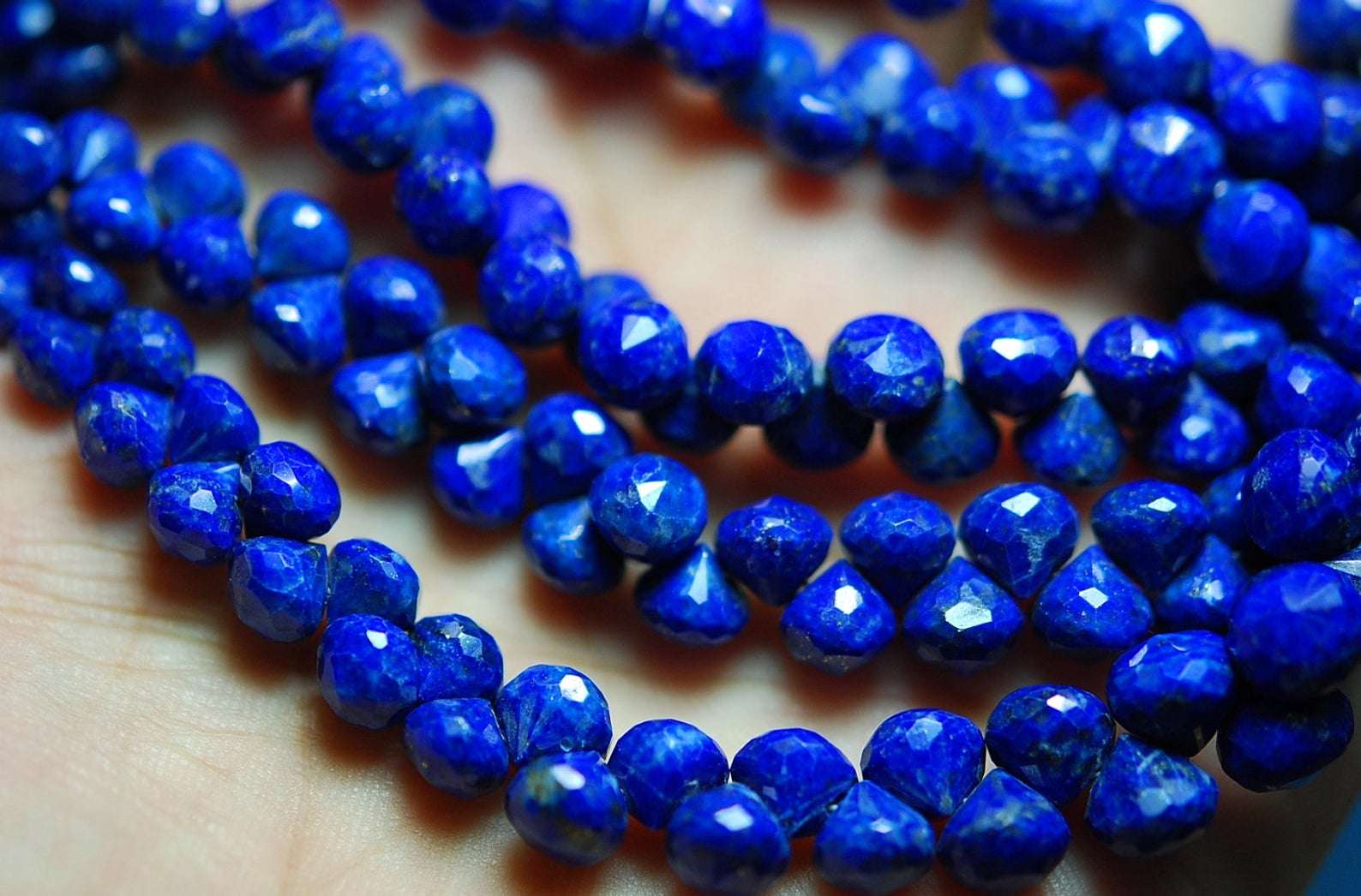
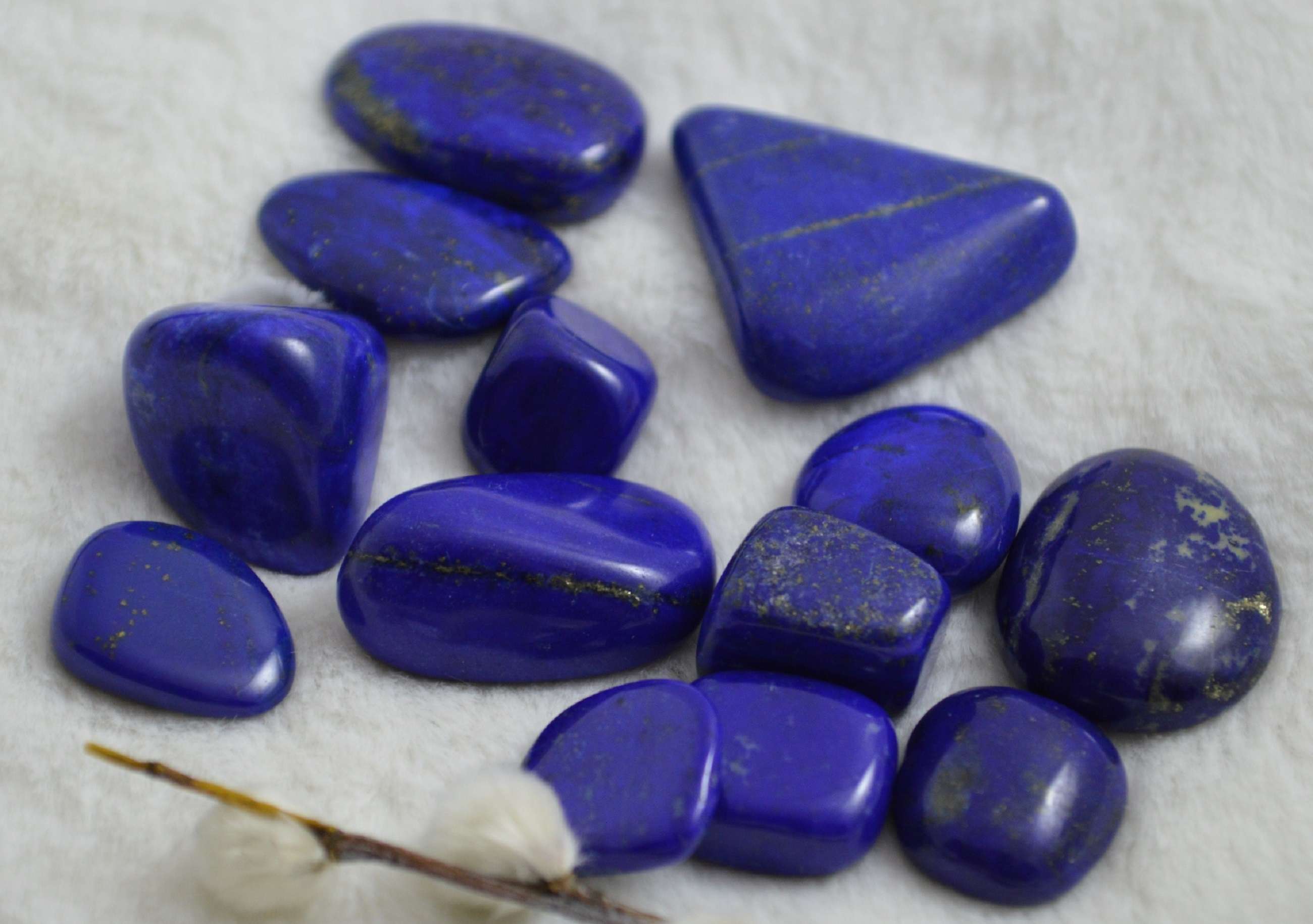
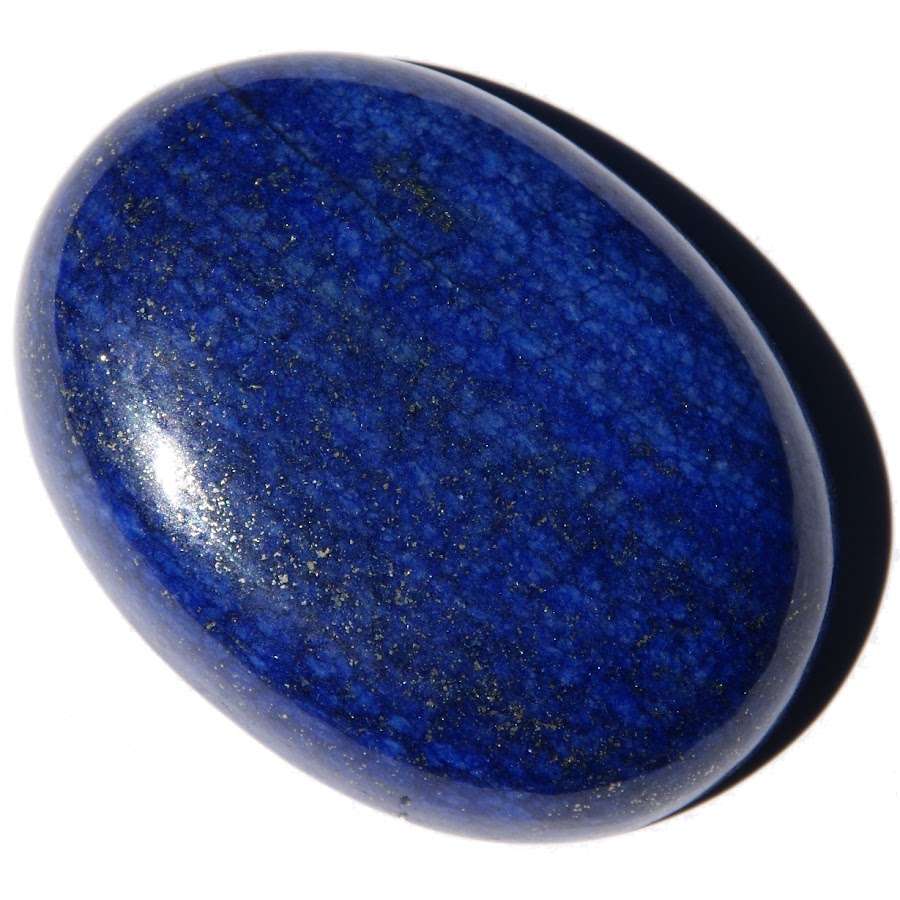
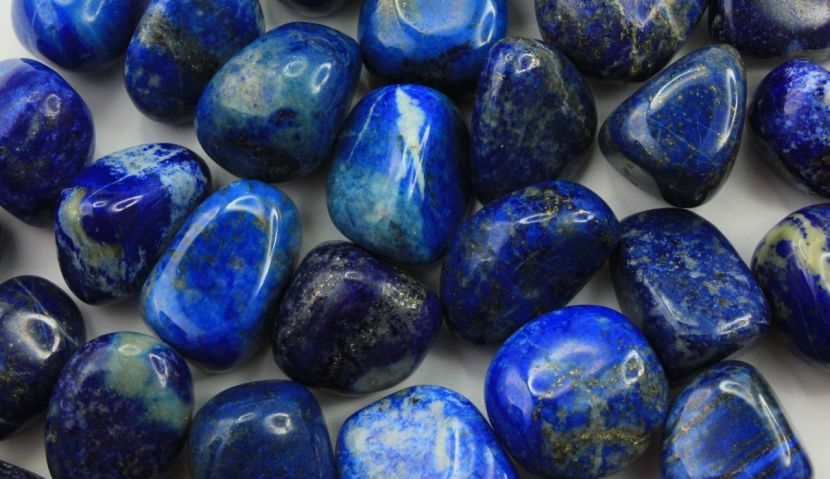
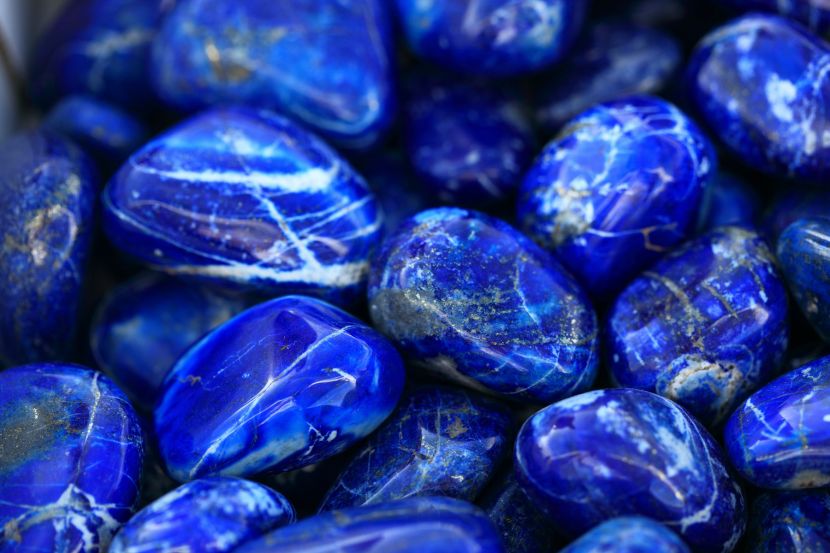
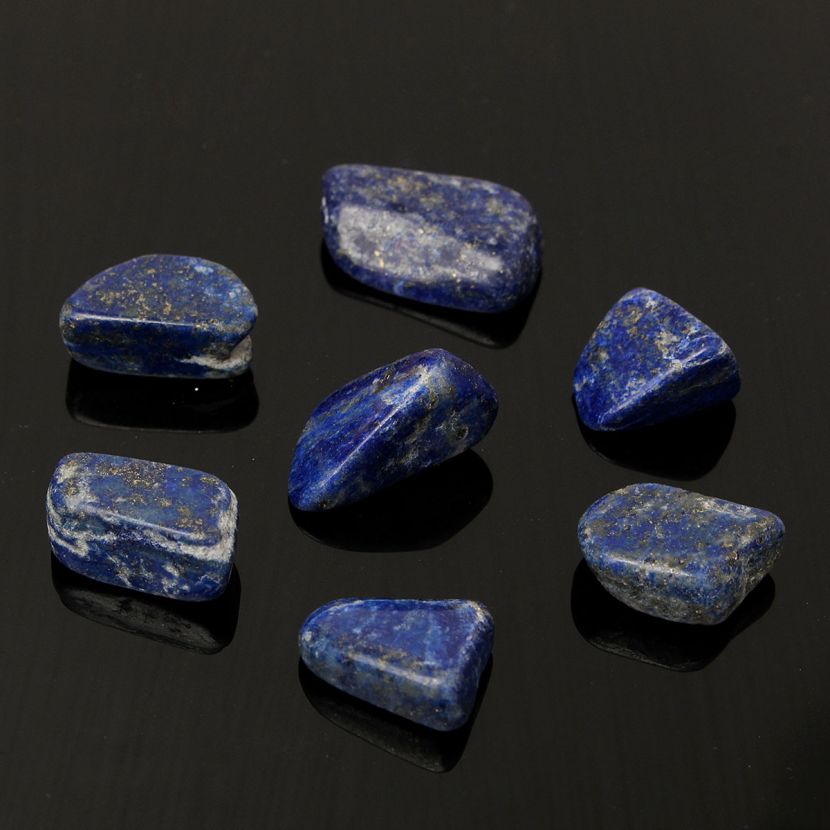
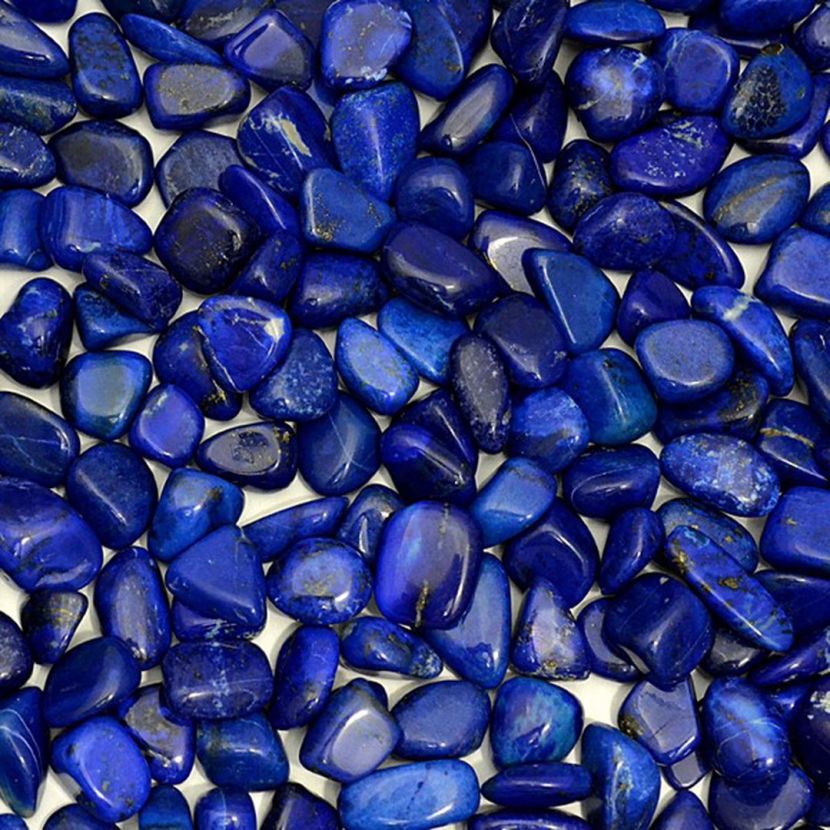
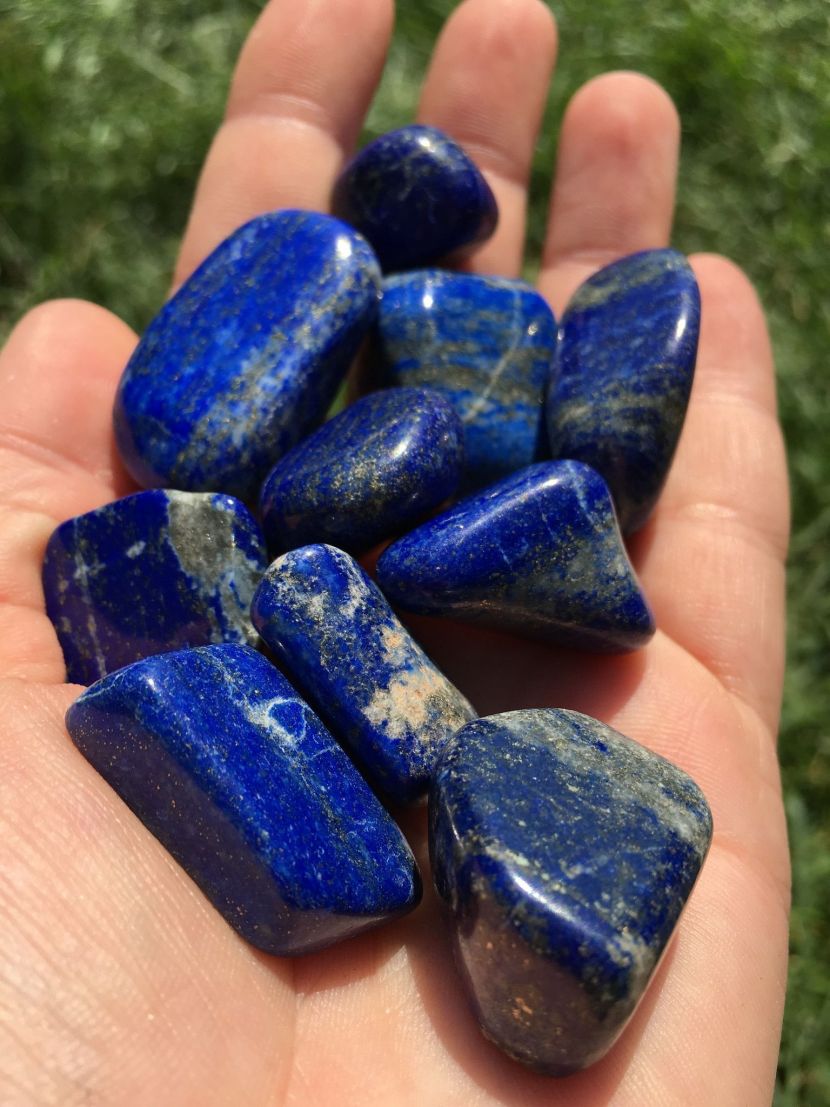
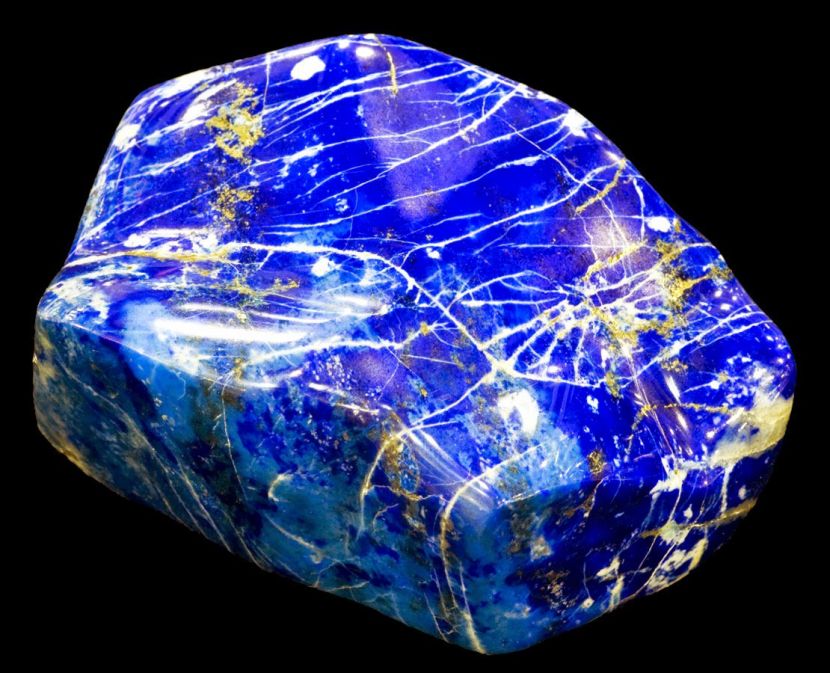
- The most expensive is considered to be deep blue niili, sometimes with golden sheen of pyrite. Its price reaches 10 dollars per gram.
- Less appreciated is asmani, whose color is sky blue or light blue.
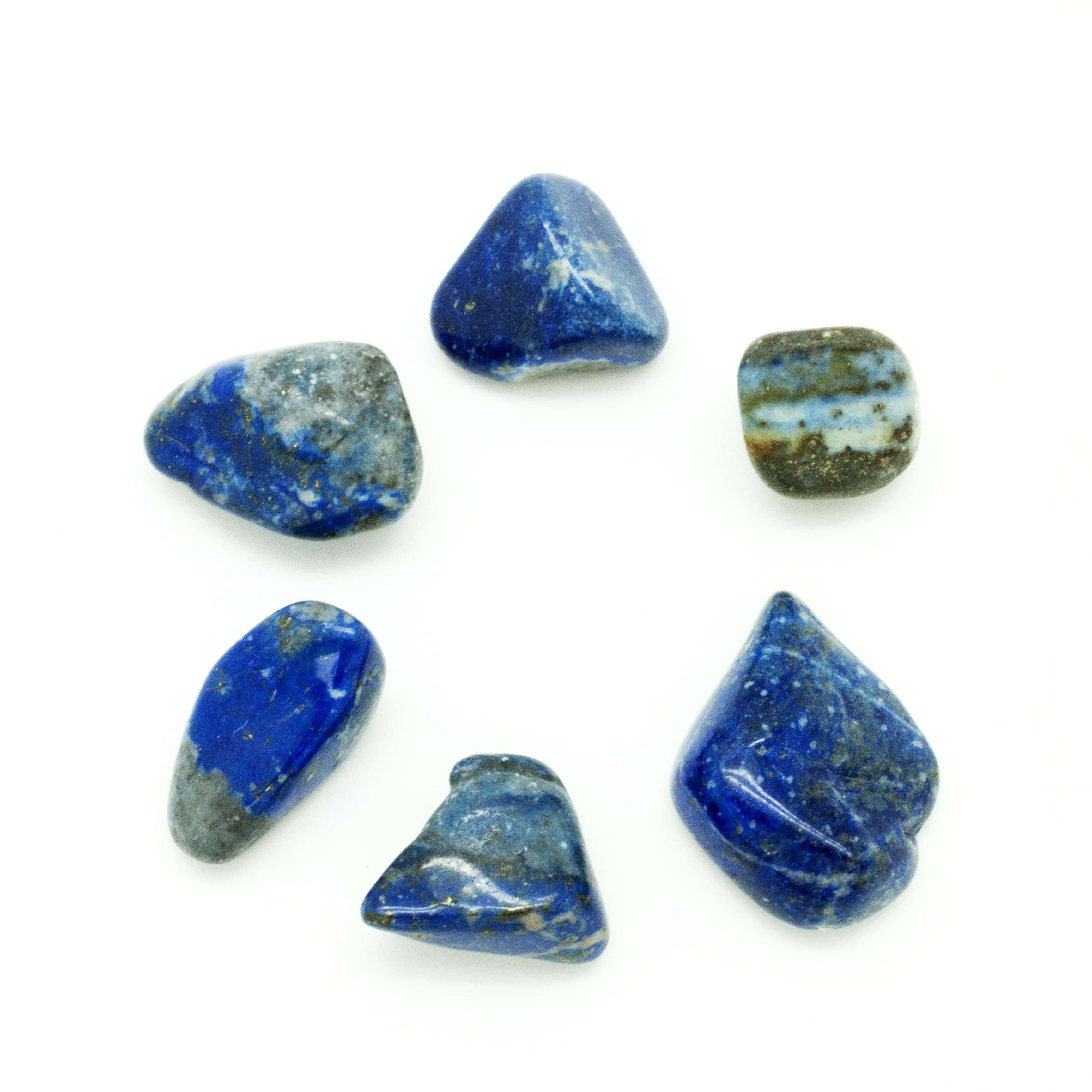
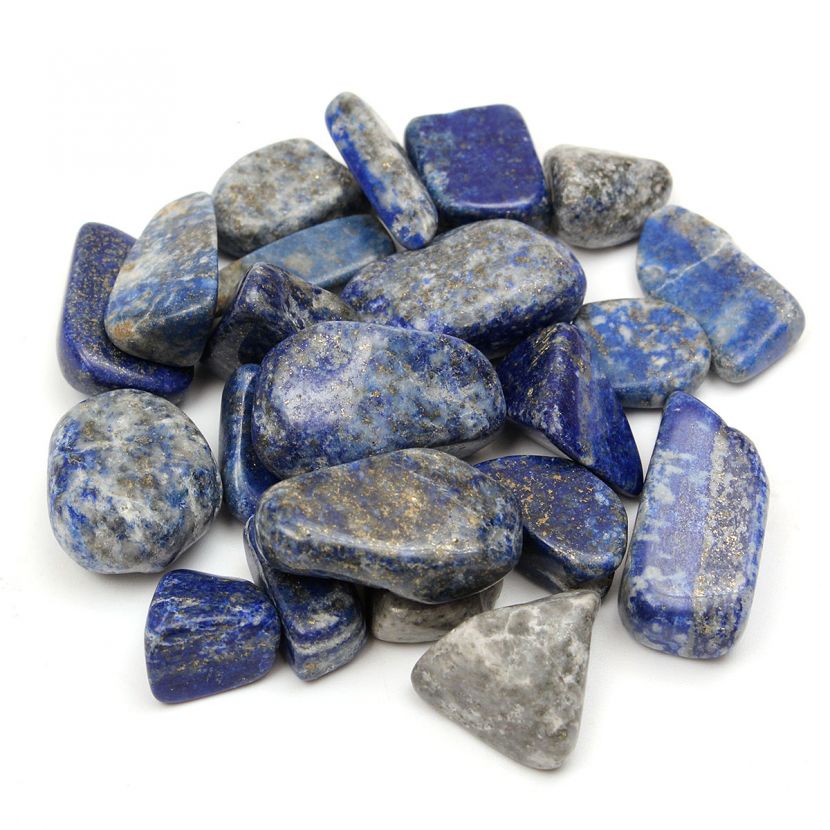
- Sufsi is the cheapest lapis lazuli in greenish-blue hues and contains various inclusions.
fakes
For lapis lazuli, jasper, cacholong or chalcedony are often given out, which are tinted artificially. There is also stained glass.
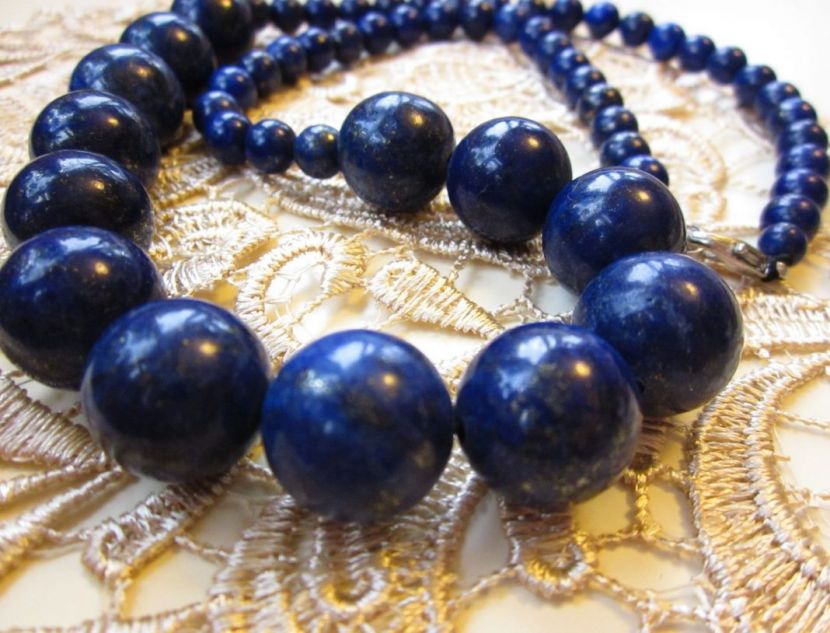
You can tell them apart by dropping a stone into the water. When taken out, the water evenly covers the surface of real lapis lazuli, and on fakes it collects in drops.
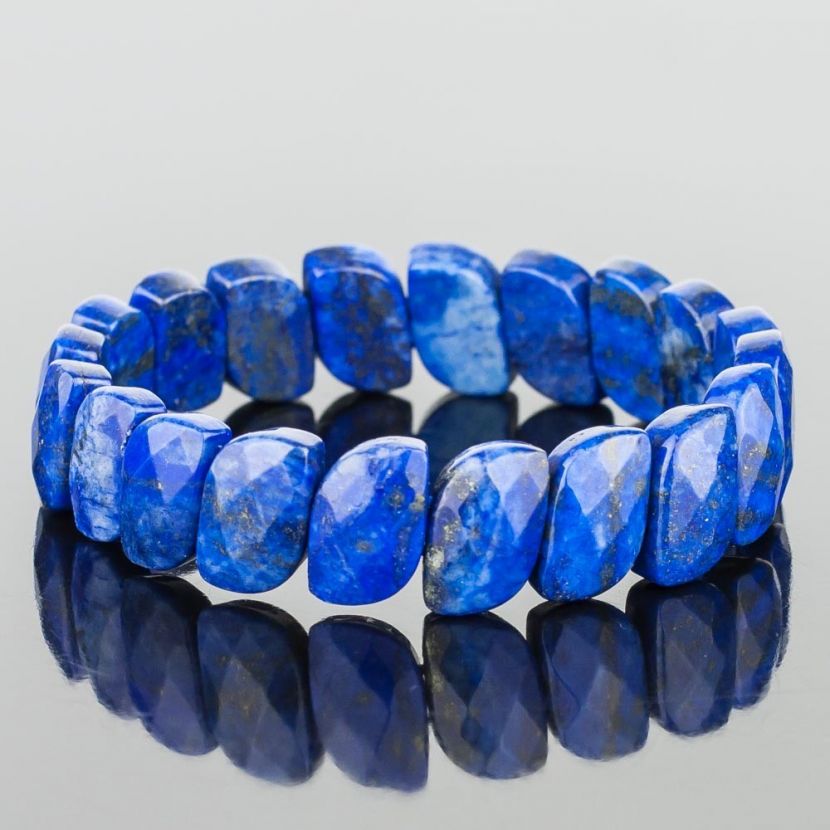
Another way is to compare the color in sunlight and artificial light. Real stone under the light of lamps looks more faded, and artificial retains the brightness of color.
magical properties
Lapis lazuli personifies purity of thoughts, sincerity and friendliness. Prevents anyone from harming the owner, but does not punish them, but simply changes the attitude.
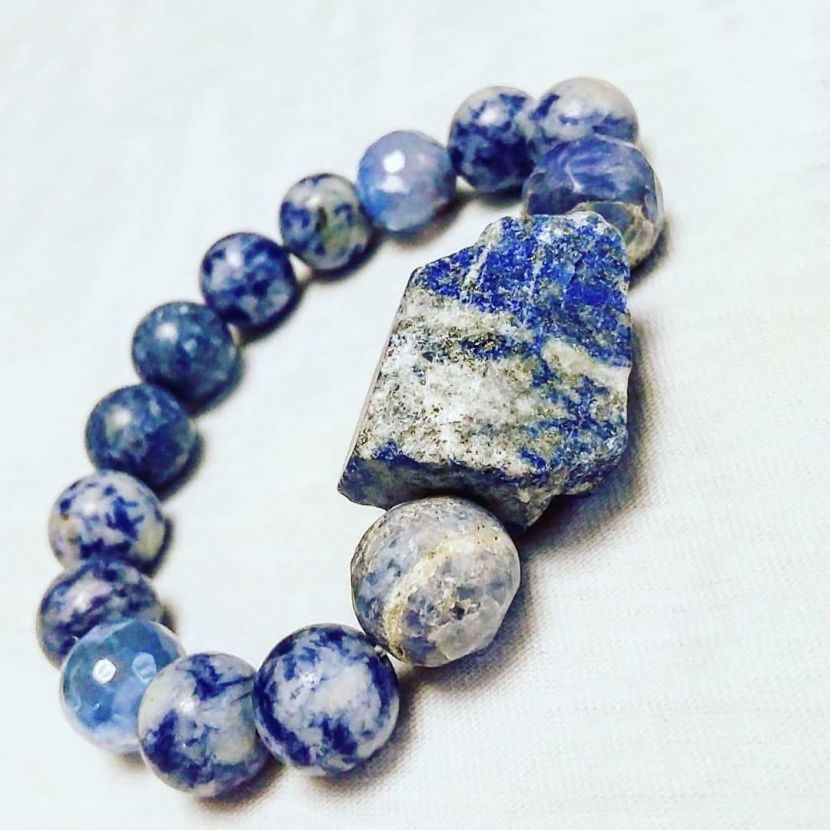
This stone generally tends to change the world around.
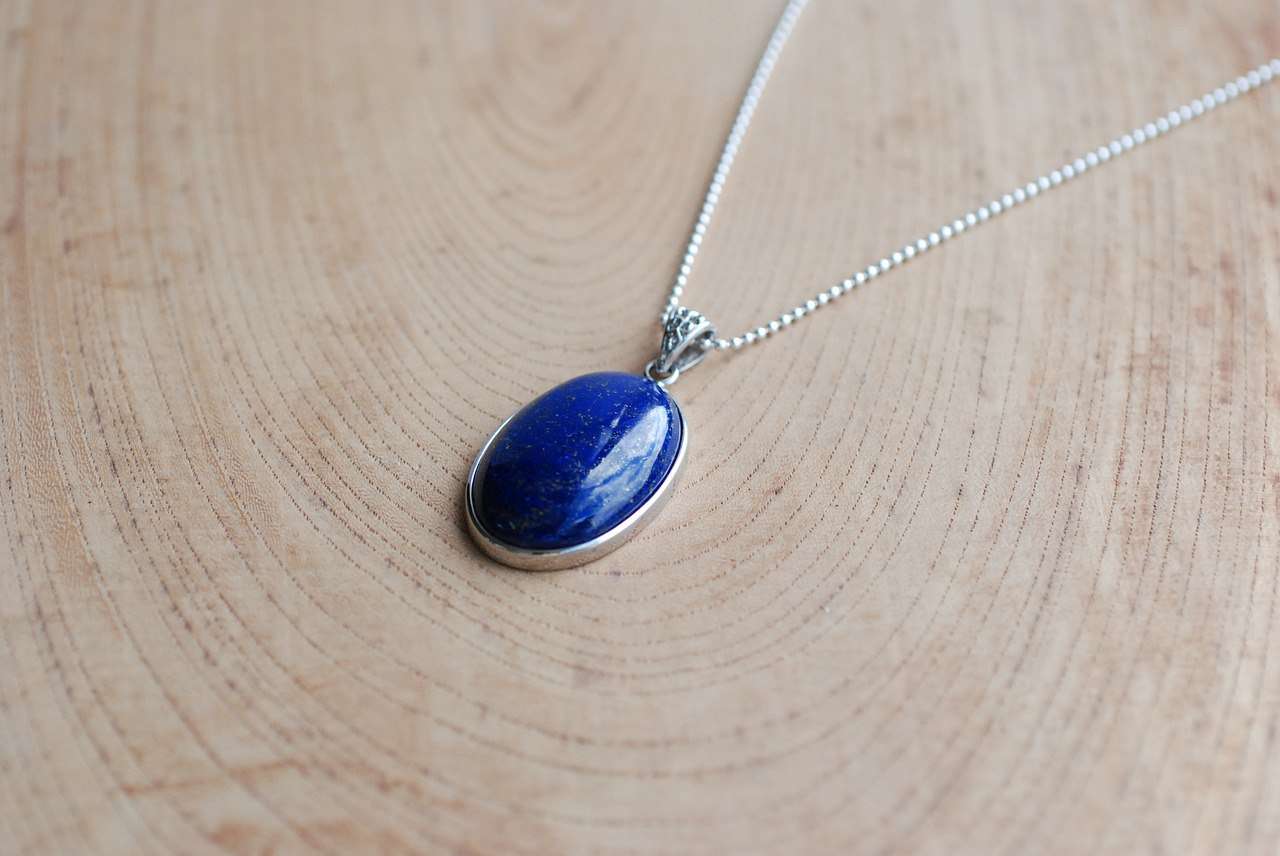
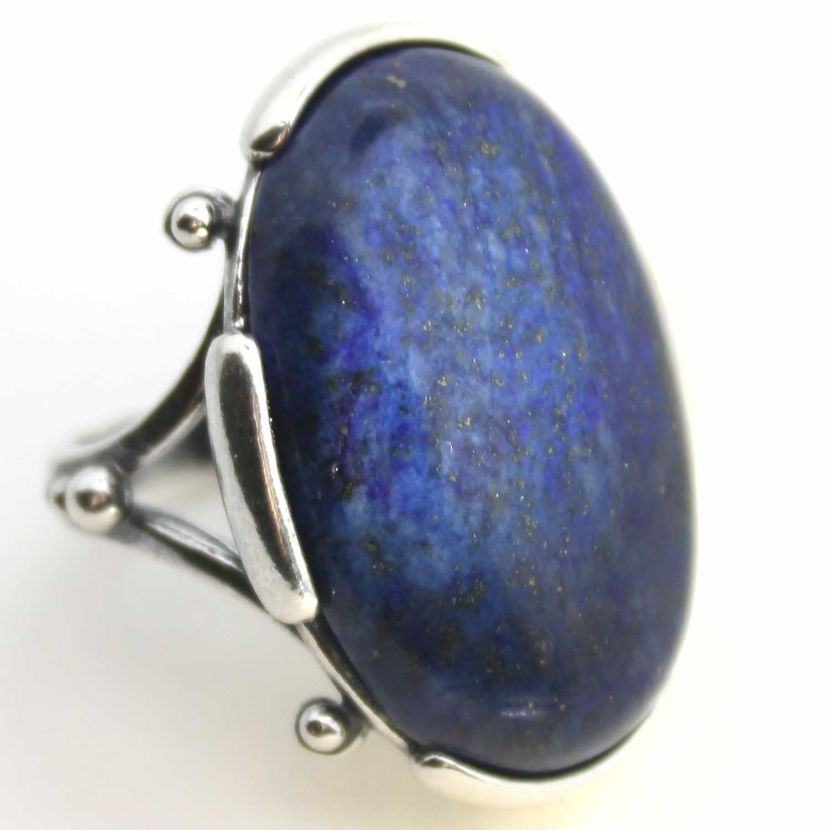
Set in silver, lapis lazuli protects against evil spells, and paired with gold enhances intuition and attracts the attention of the opposite sex.
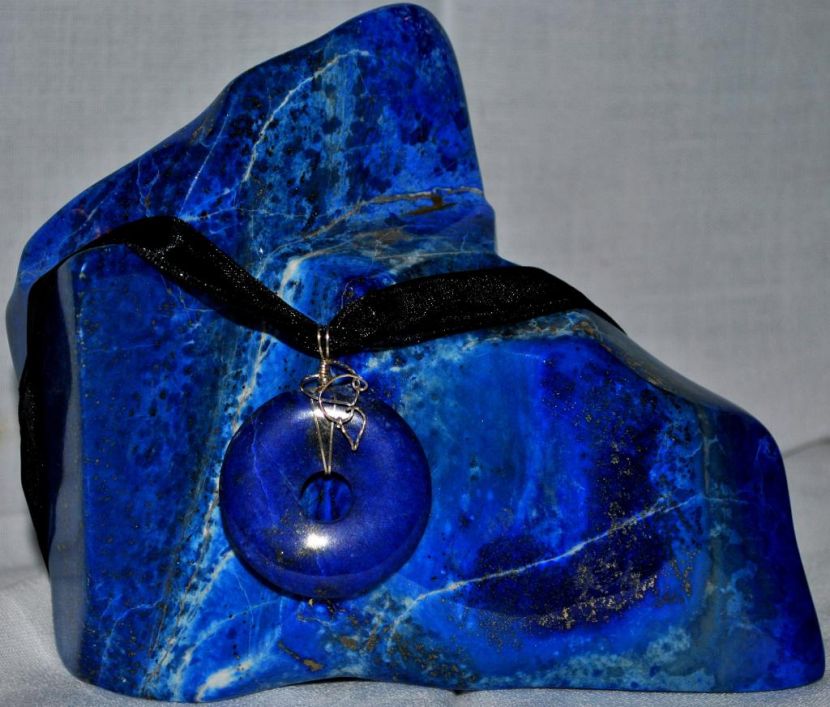
The gem cleanses the soul of unnecessary garbage, helps to break off relationships if they have become a burden, can help change jobs or move to another city.
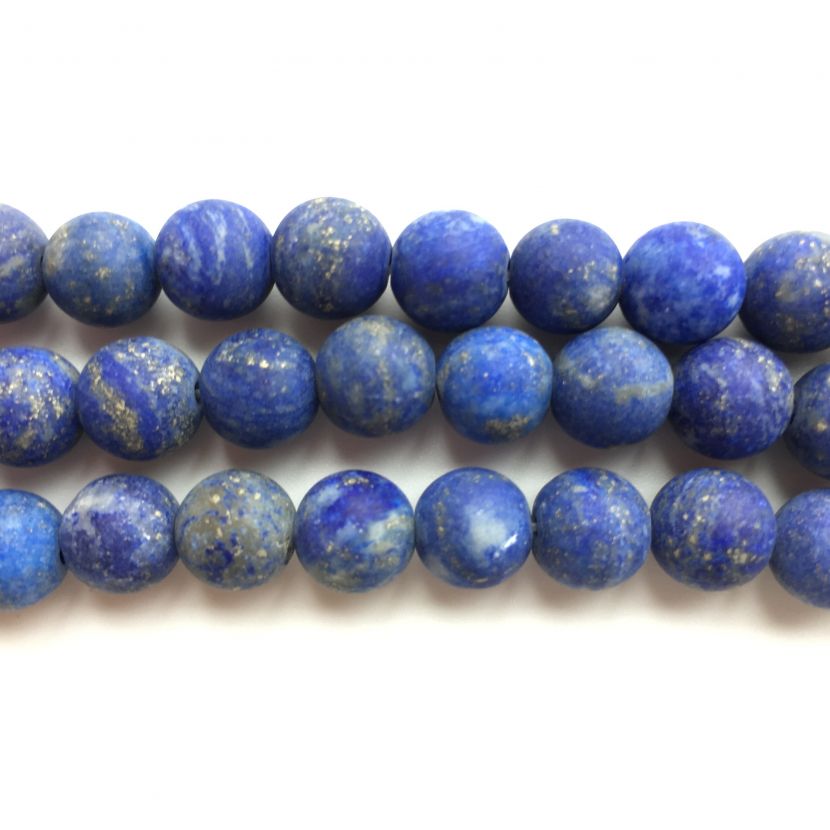
This is a stone of wisdom, suggesting decisions that you will not have to regret later. Suitable for scientists, lawyers and priests, people of professions who require calm reflection.
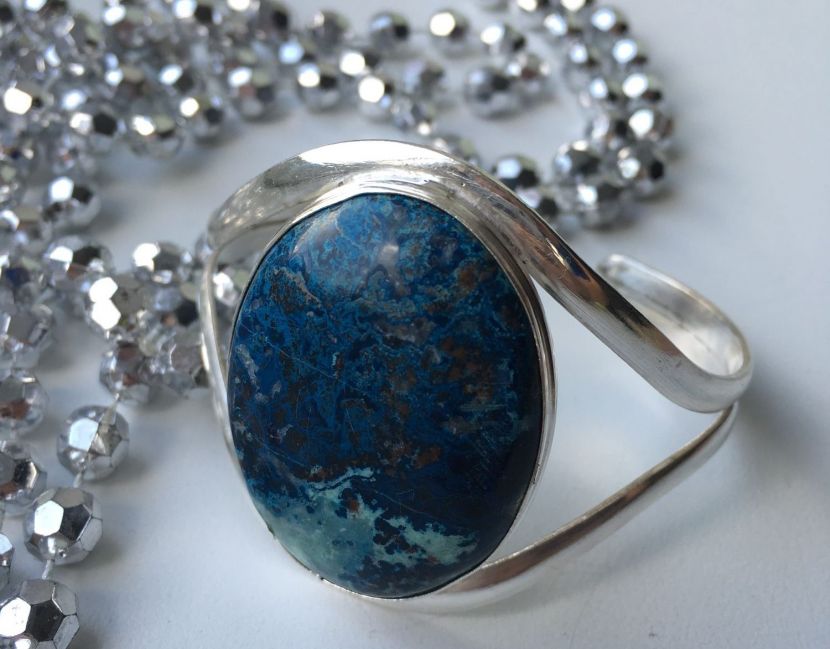
But the military, firefighters, rescuers and drivers, everyone who needs to act and not think, this gem is unlikely to suit.
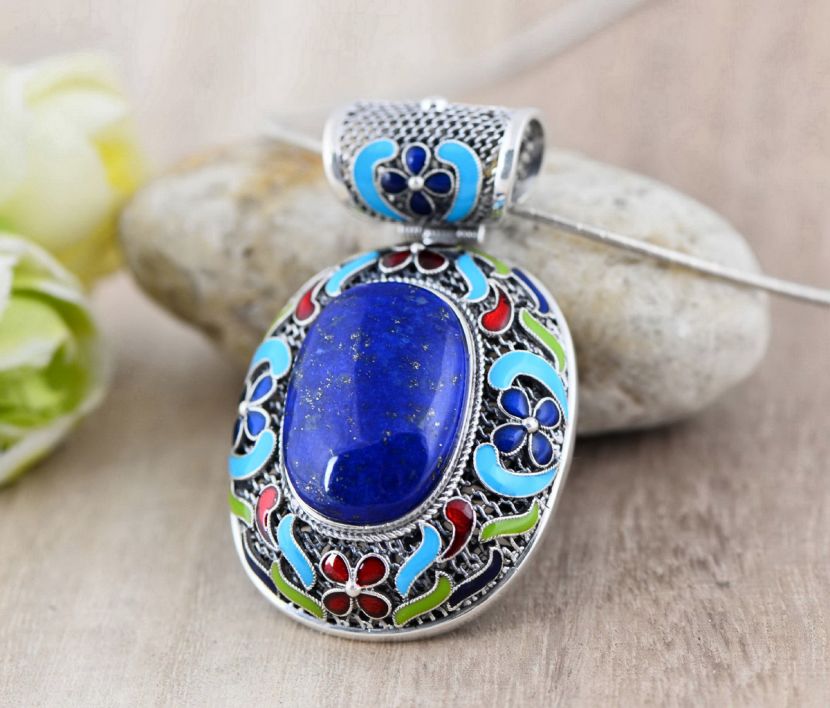
Medicinal properties
The healing properties of lapis lazuli have been known since antiquity. The heavenly stone crushed into powder saved from poisoning and got rid of parasites. Now hardly anyone uses for this purpose, because there are modern less expensive means.
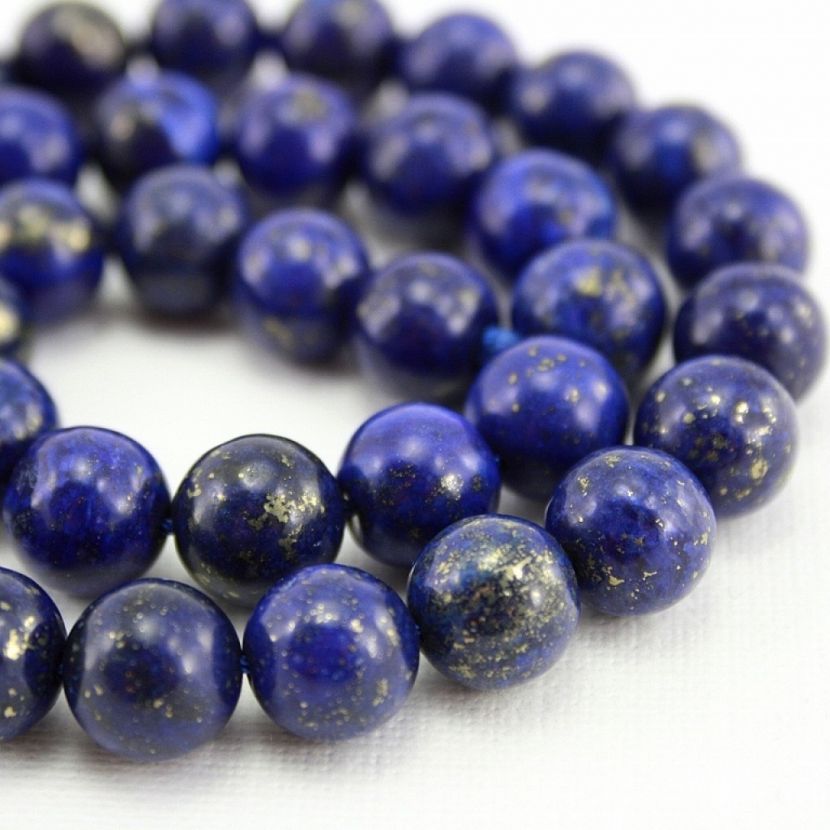
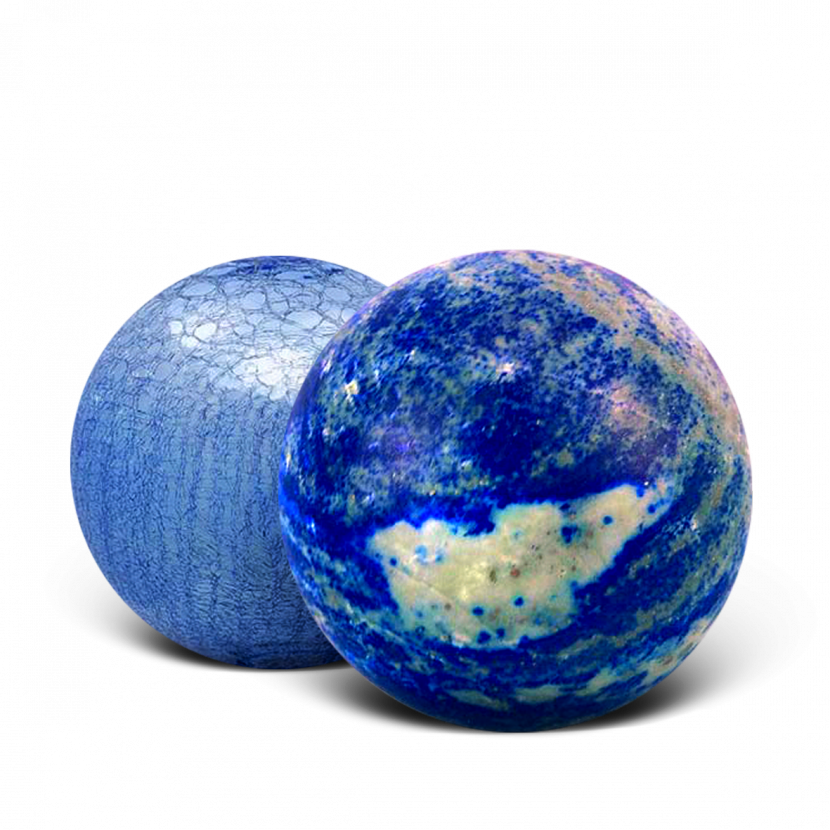
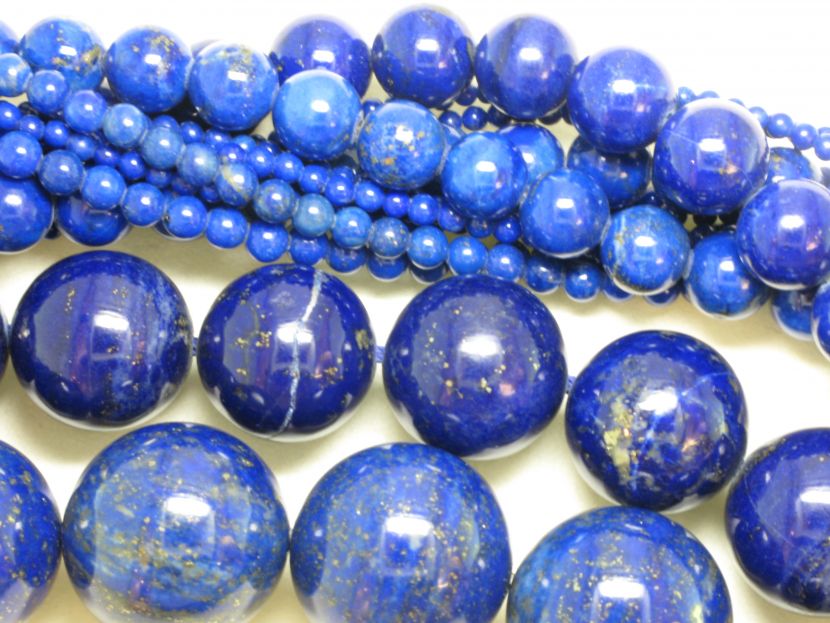
Lithotherapists use lapis lazuli balls for massage in case of blood diseases and high blood pressure.
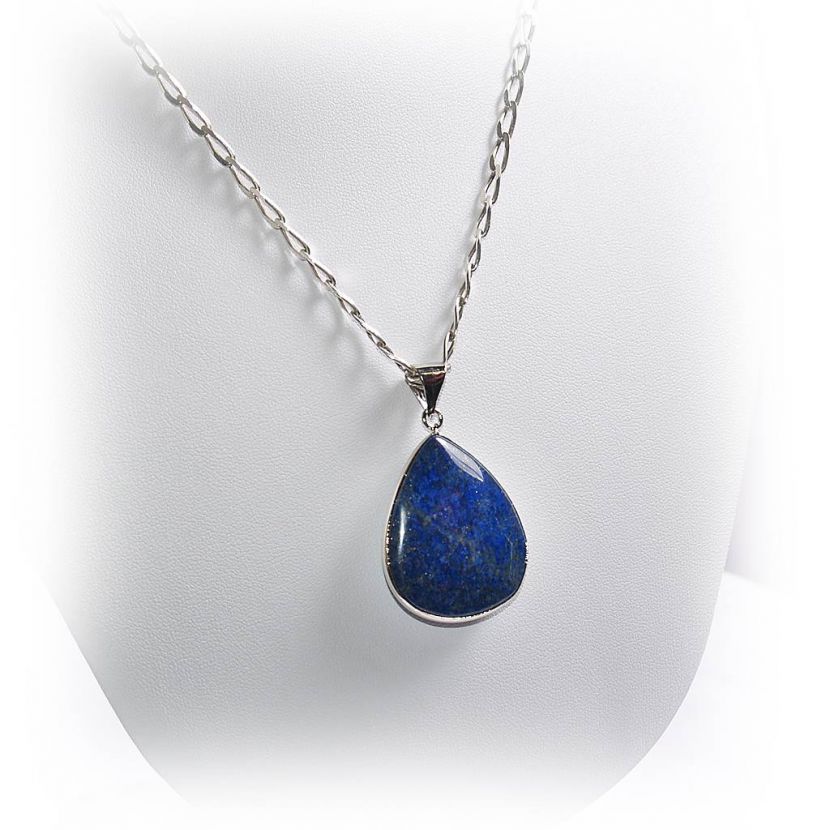
Contemplation of lapis lazuli returns visual acuity and perfectly calms the nervous system, improves sleep, and wearing beads helps to cope with lung diseases.
Zodiac signs
Lapis lazuli is a stone that is easier to say about whom it is not suitable for. The mineral does not harmonize with Capricorn at all. It will support everyone else if you wear it no more than 6 hours a day. This does not apply to Libra. They can wear it without taking it off.
Compatibility
Lapis lazuli absolutely does not tolerate proximity to garnet, especially red shades. You should not wear it with pyrope, grossular and almandine.
It is friends with opal, pearls, chrysolite, emerald, topaz, aquamarine.
stone care
The only condition for the safety of the stone is to protect it from bumps and falls, so that it does not get scratched and chipped. For the same reason, it is stored separately from other stones, best wrapped in a soft cloth.
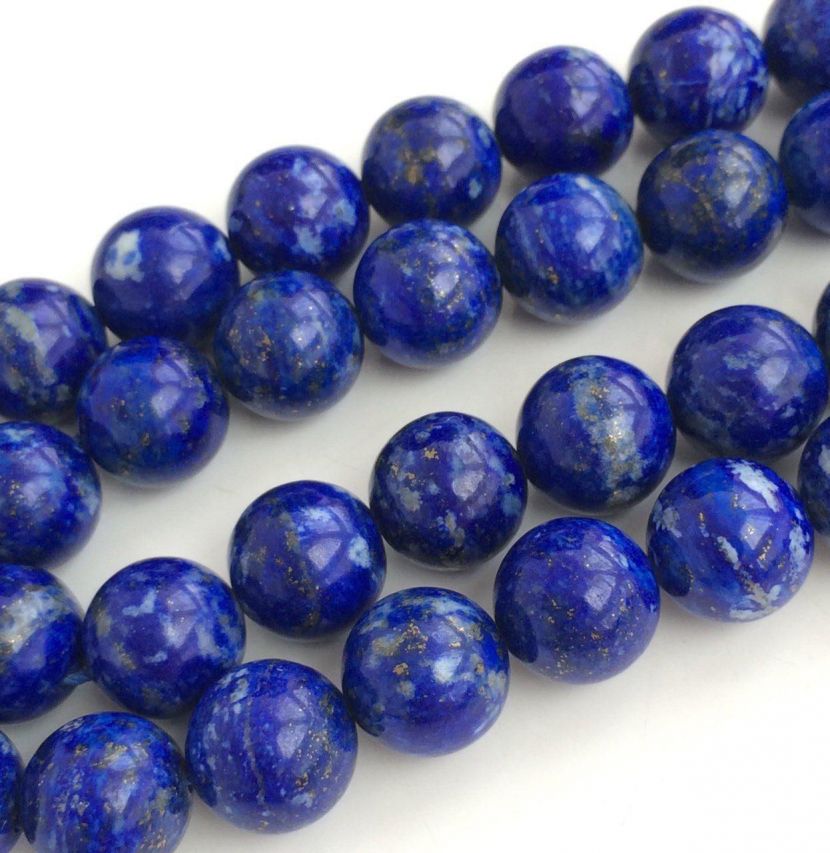
You can wash it in water, and in case of severe pollution, you can use chemical agents. To alkalis and acids, except for hydrochloric lapis lazuli, it is resistant.
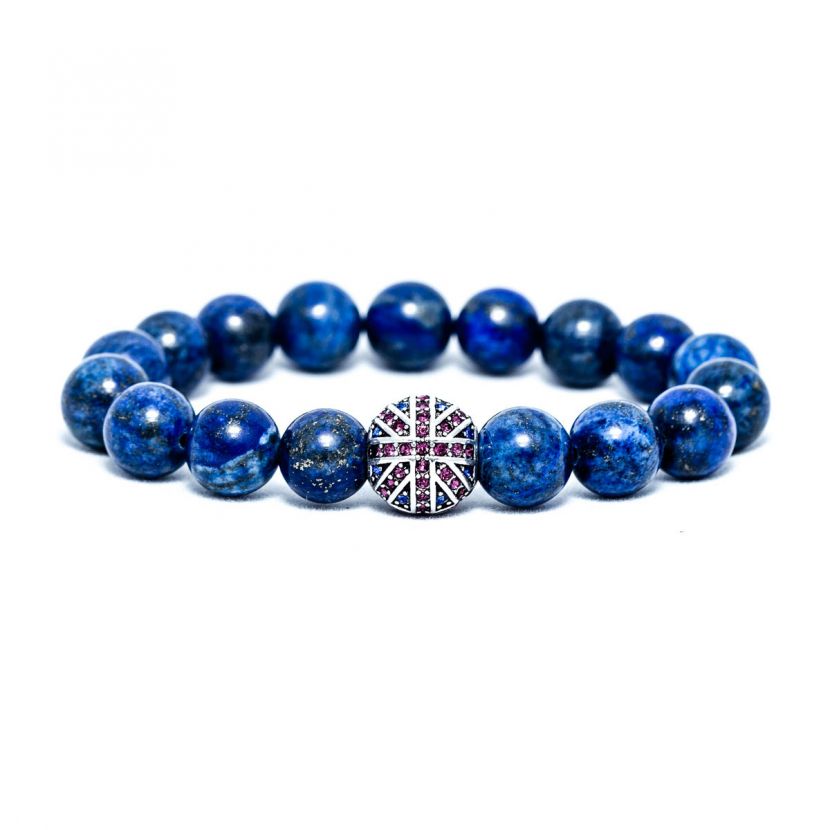
Lapis lazuli is a stone that you can fall in love with already from a photo, and when you see it live, you will probably want to buy it in order to feel its positive magical and healing effect for yourself.
Photo of Lapis lazuli stone