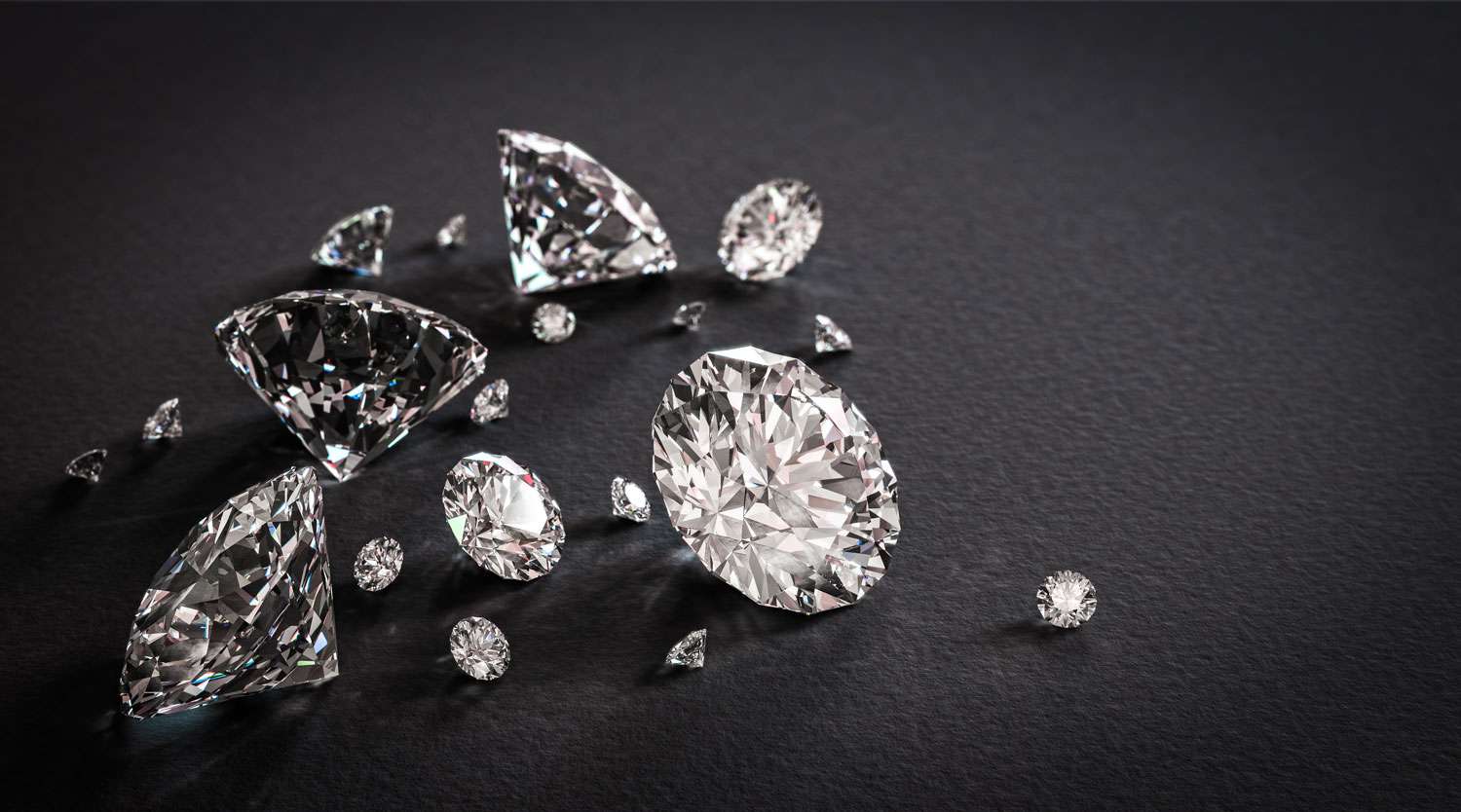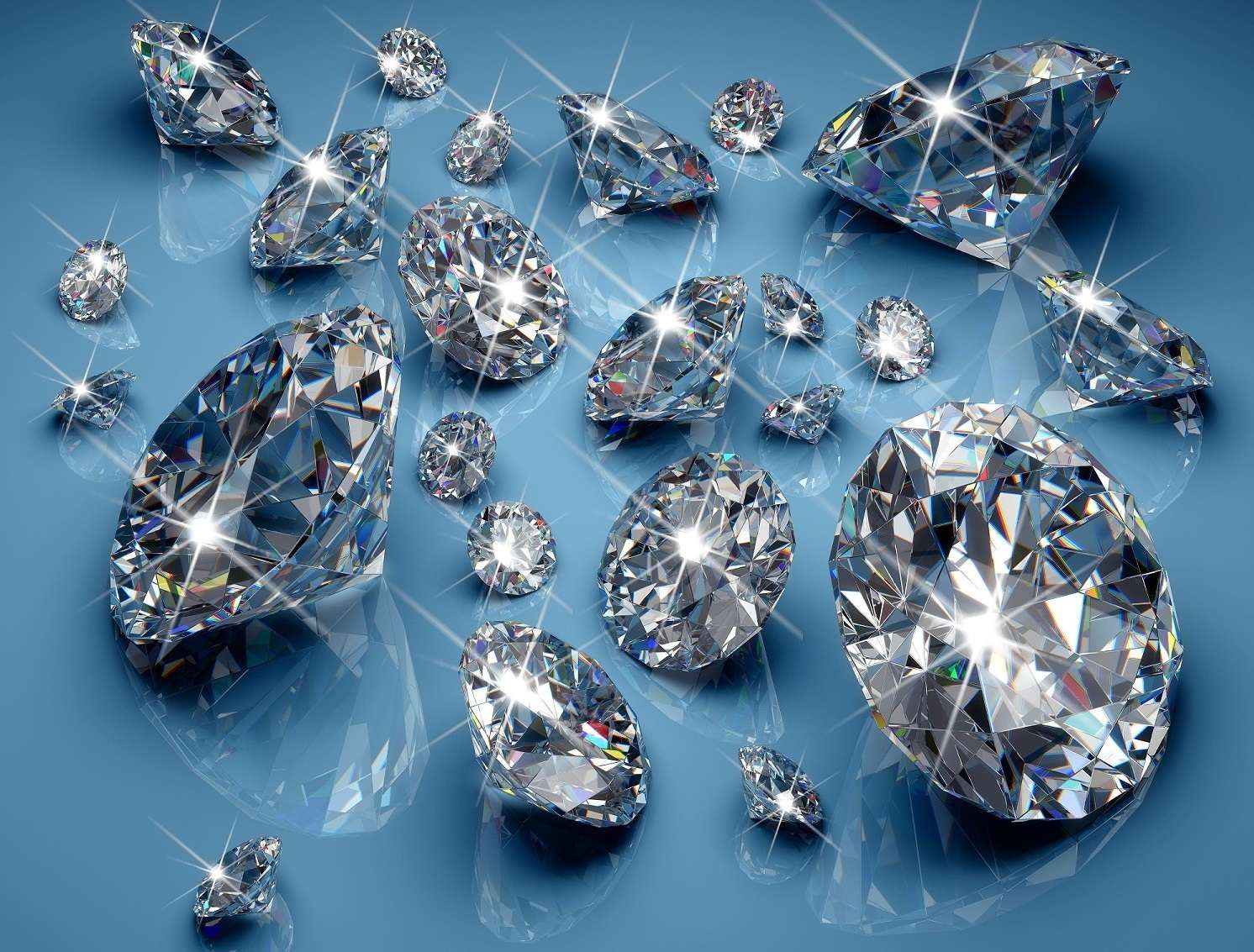
Table of colors and clarity of diamonds: classification of the quality scale, Russian and international grading systems, photo
Natural stones are distinguished by the presence of microscopic defects. These are places of blackout, blotches, cracks. The quality of the samples depends on how imperfect the samples are. The purity of diamonds is determined by special tables, the principle of which will be discussed later.
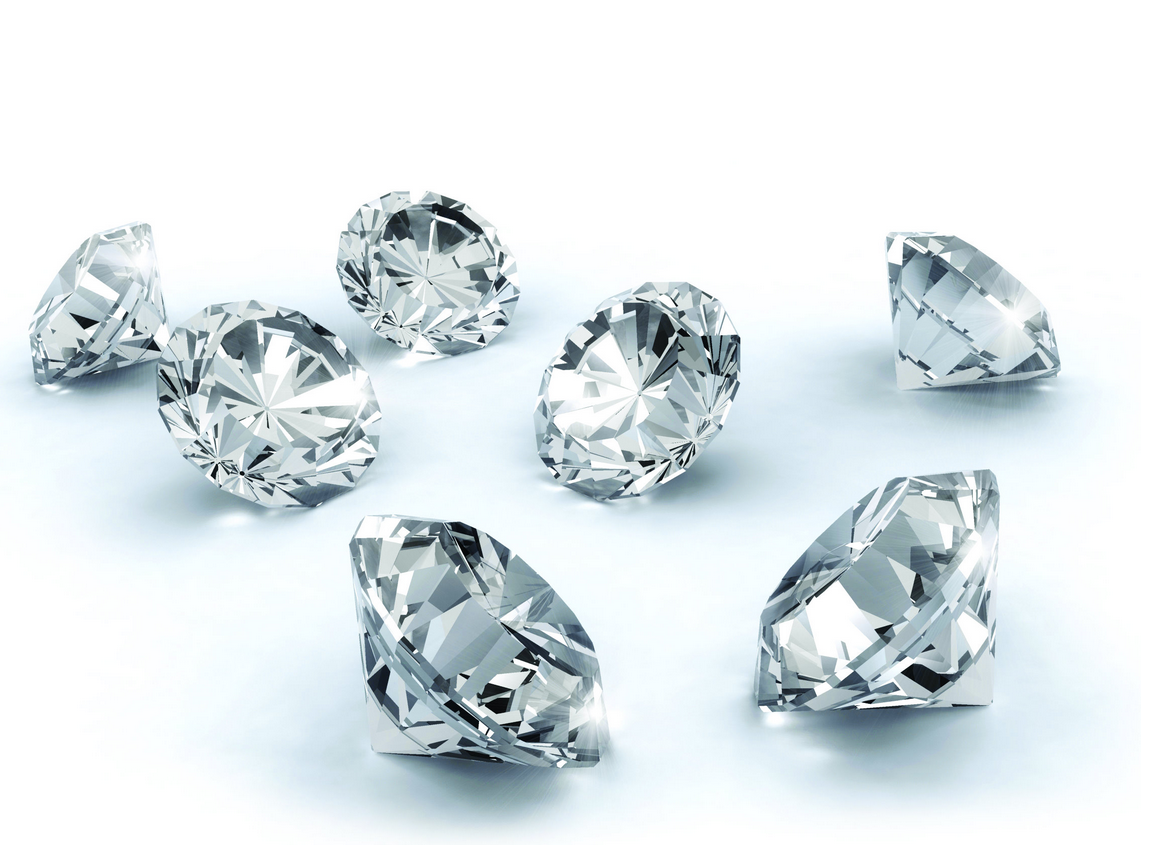
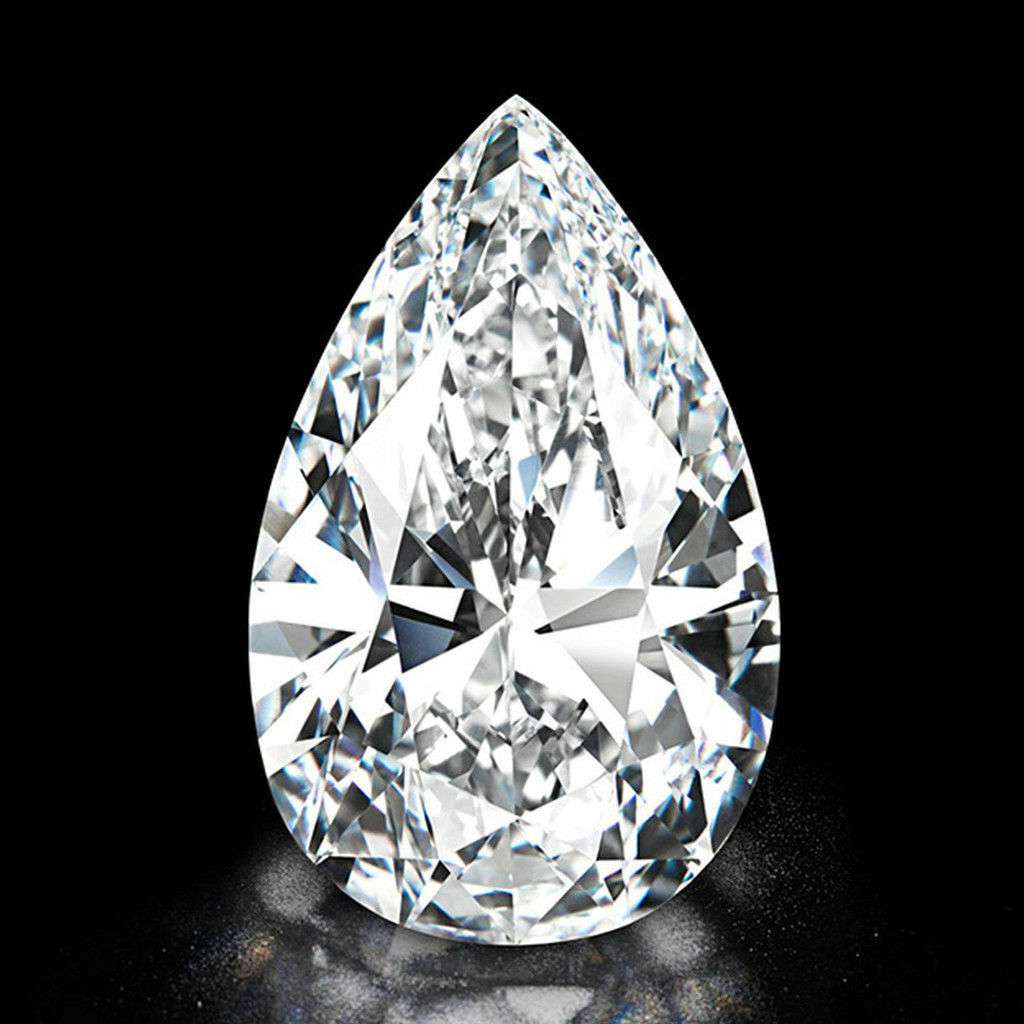
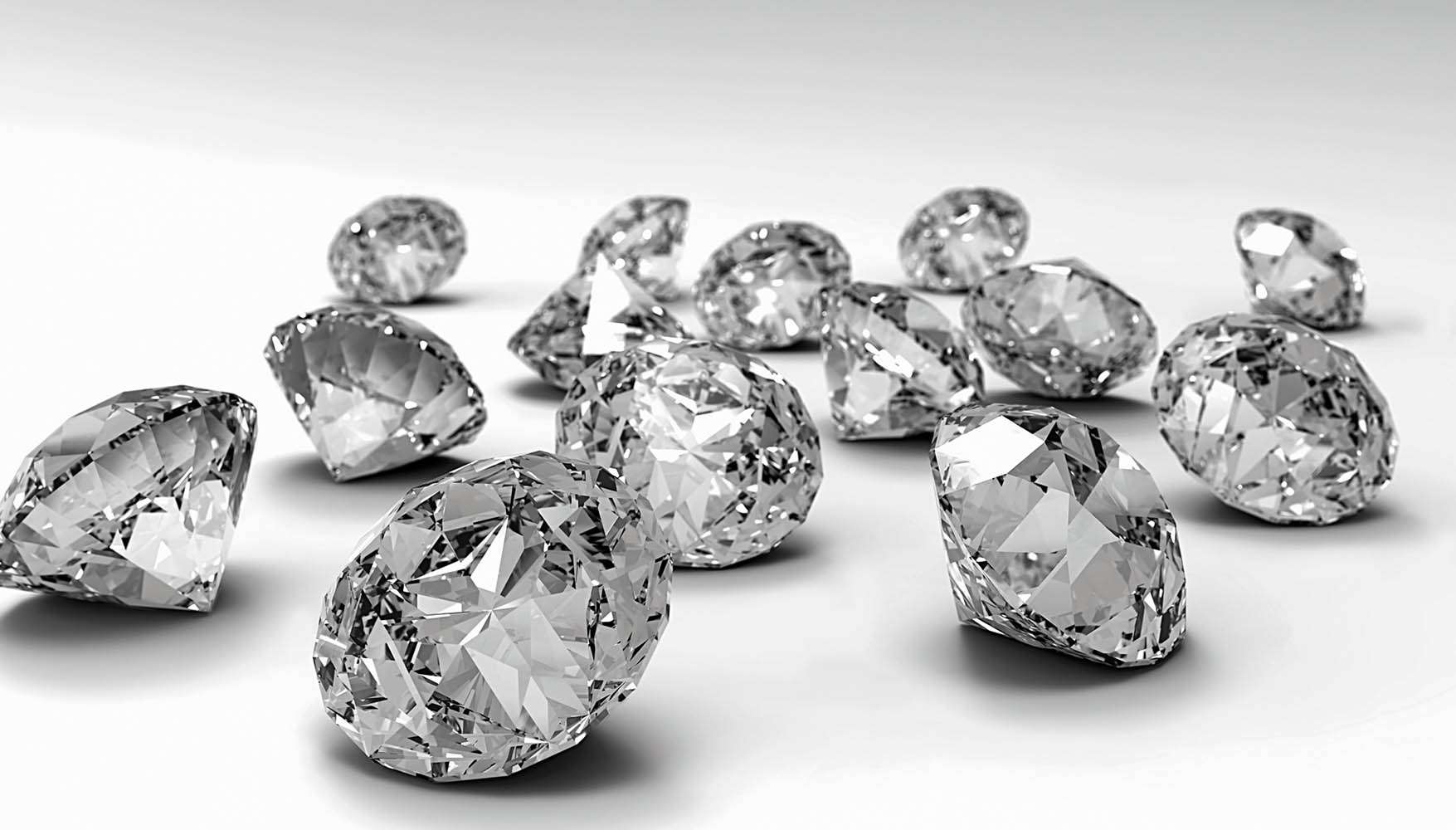
Grading systems
The characteristics of the stone are weight, cut type, color and clarity. The last two parameters reflect aesthetics, attractiveness. It is they who influence the formation of value. There are systems by which diamonds are valued before they go on sale.
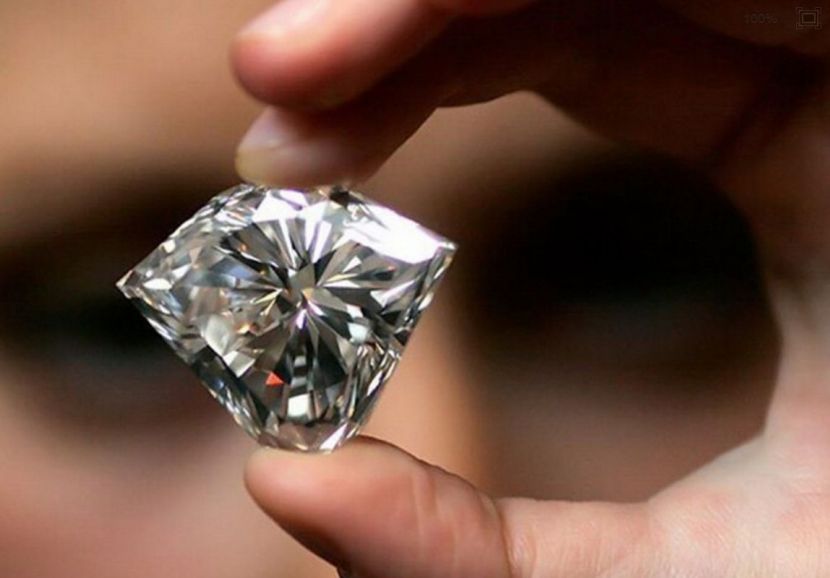
The Gemological Institute of America (GIA) introduced the 4C, which included all aspects of determining the value of a crystal. We took into account:
- coloring;
- purity;
- cutting;
- the weight.
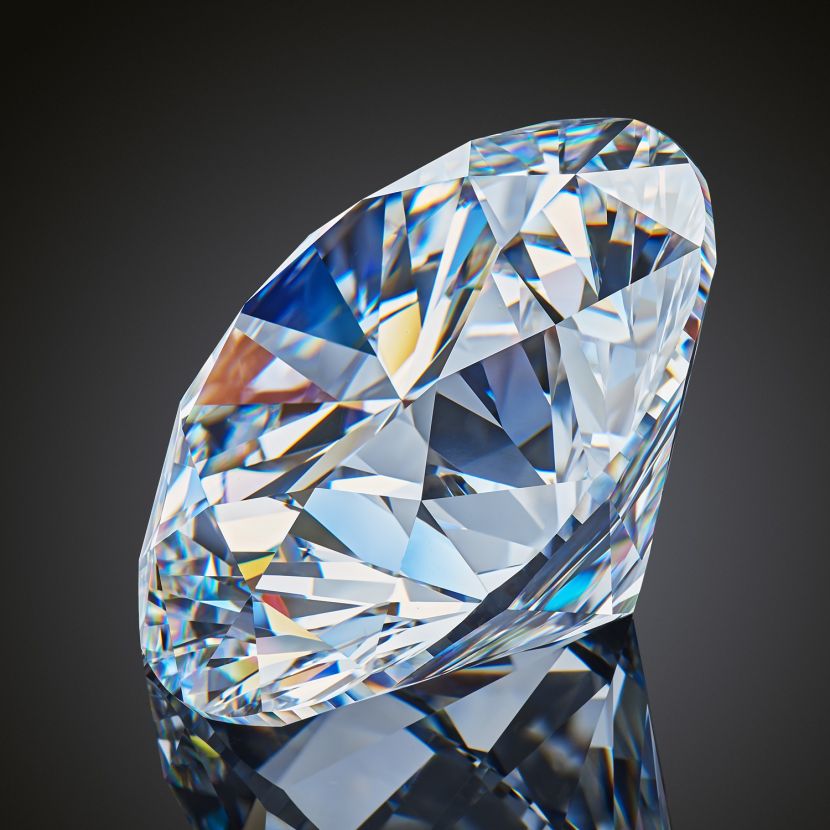
The GIA standard still remains the main one in determining the cost of a cut diamond.
Purity rating
The imperfection of natural stones is expressed as flaws in the form of cracks and heterogeneities. Purity is understood as a quality that reflects their character and number. Internal defects are called inclusions, and surface defects are called spots. The first are coal and snow: particles of magnetite, ilmenite, red garnet and others. Calculating the degree of purity, experts take into account the number of inclusions, location, size.
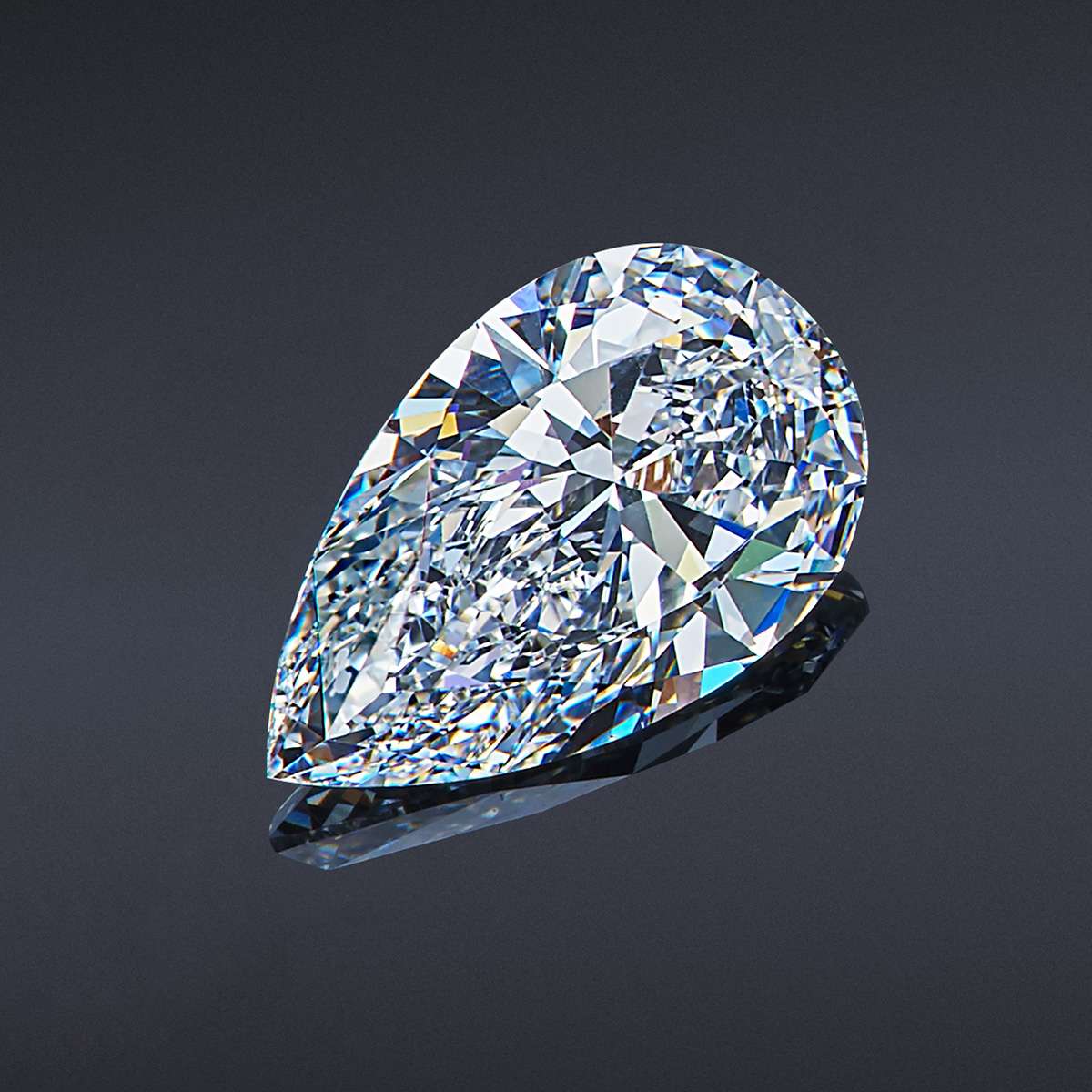
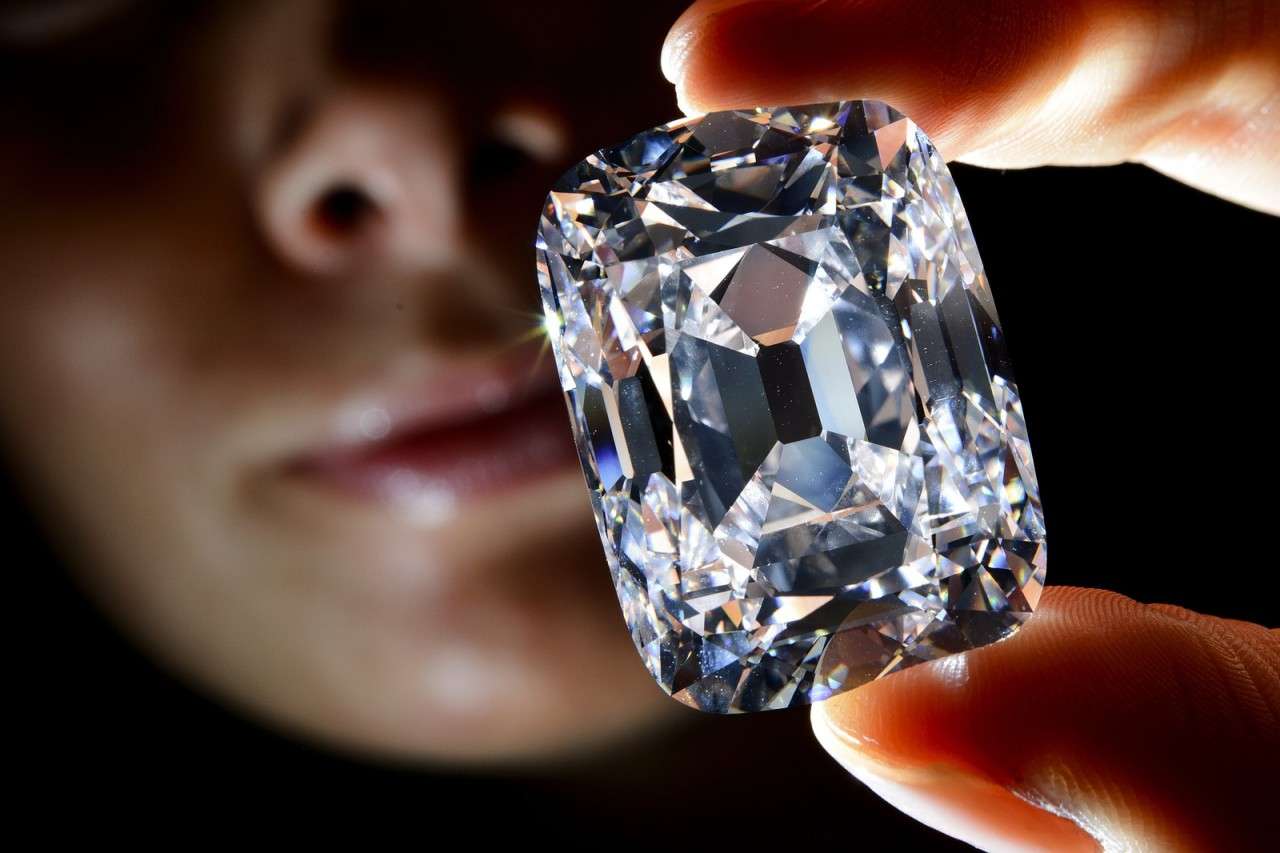
This parameter determines the depth of penetration of light into the sample. A high level causes the rays to refract and reflect on the edges. Such a stone shimmers and looks very beautiful. In world practice, the concept of "clarity" is used. It is determined using a magnifying glass with a magnification of 10 times. After studying the sample, they assign a class and a group on a purity scale.
There are no diamonds completely devoid of any defects. Transparent specimens without internal inclusions are considered ideal with a good cut. External defects are eliminated by polishing. Good clarity is the minimum number of small inclusions. The presence of imperfections indicates the naturalness of the sample.
The right to conduct the assessment procedure, certificate
Specialized organizations and individual professionals can issue certificates substantiating the value of diamonds. Most Authoritative:
- Supreme Diamond Council (Belgium);
- World Jewelery Confederation based in Switzerland;
- Gemological Center of Moscow State University for the Russian Federation.
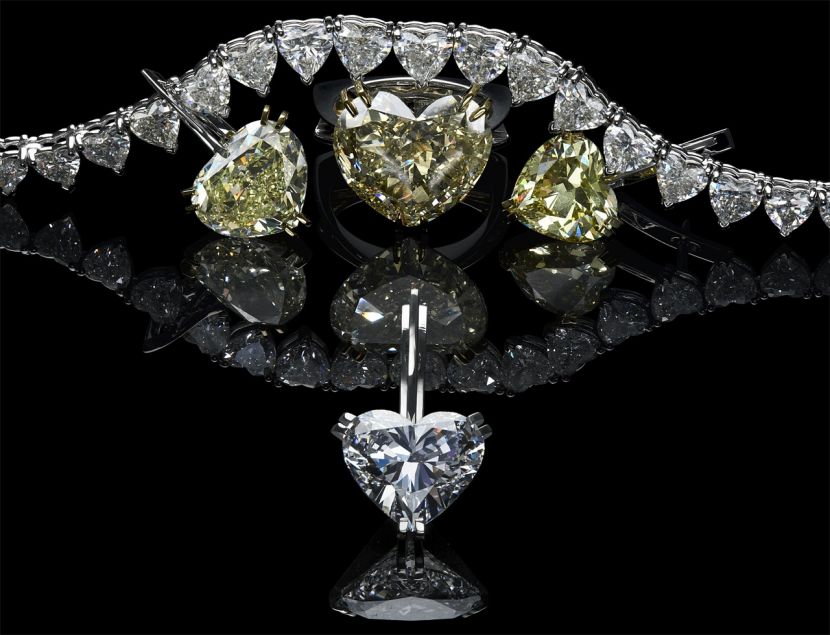
Certificates (a document on the authenticity of a diamond) from the laboratories of the first two organizations are recognized throughout the world. In Russia, the technical specifications TU 117-4.2099-2002 "Diamonds. Technical requirements. Classification" are established. Quality can be assessed by several institutions, one of which is the Gemological Center at Moscow State University. In this case, weight and cut are mainly taken into account.
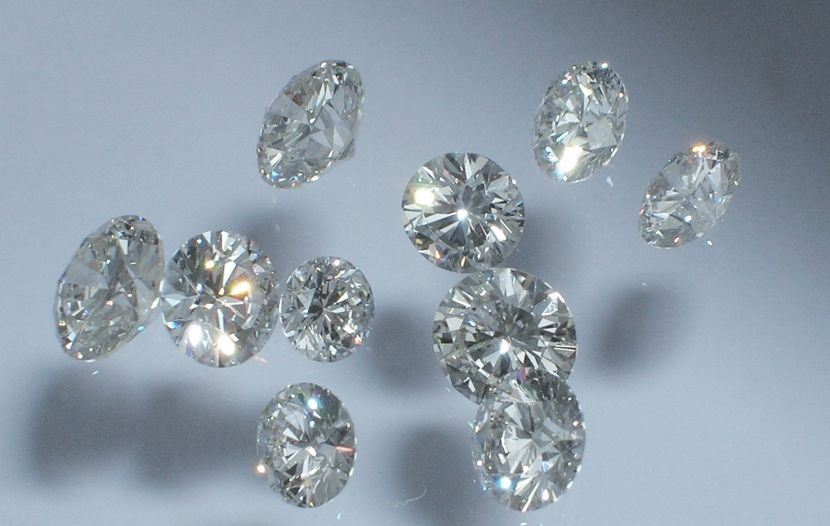
The GIA certificate is issued as a result of the assessment of stones that are delivered to the procedure anonymously. Information about the owner was not disclosed. A document is handed with a description of the characteristics, an indication of the value. Each sample is assigned an individual code, consisting of letters and numbers, reflecting the parameters.
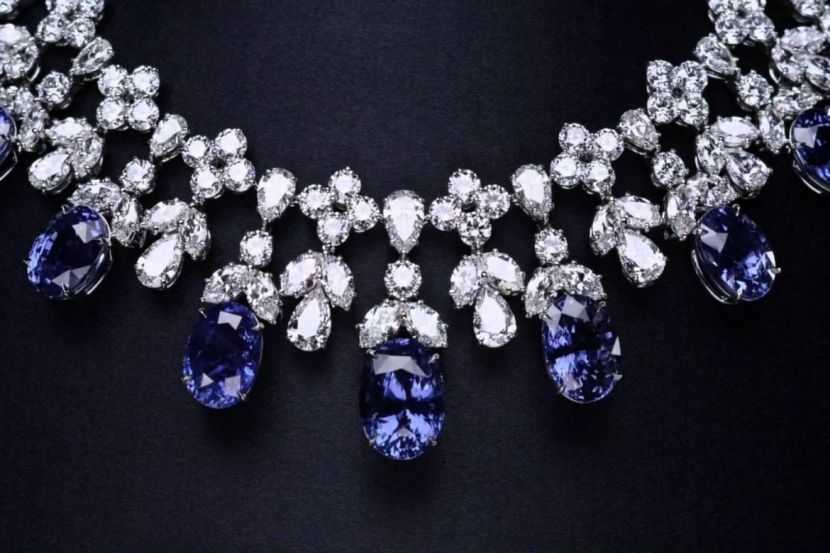
Classification
The Russian scale is based on the distribution of minerals by weight and determination of the number of faces:
- 6 clarity categories include small diamonds with 17 facets;
- 9 - with 57 facets, up to 0.299 carats;
- 12 - with 57 facets, from 0.300 carats.
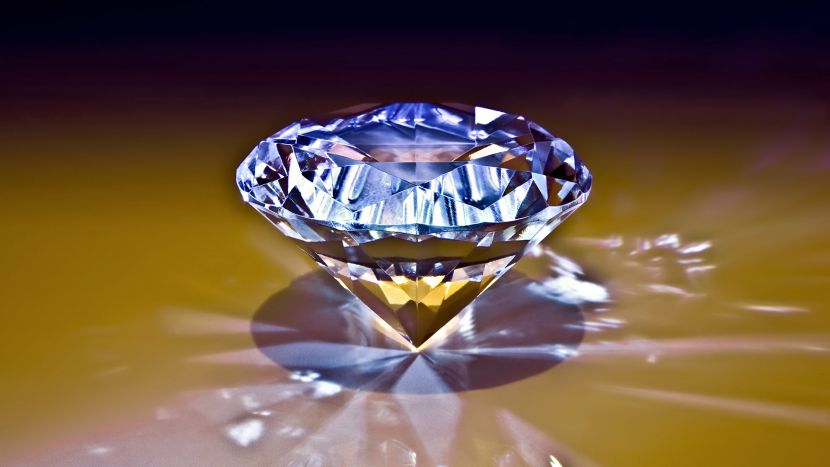
The stone with the higher category number is recognized as the worst in quality. The 1st of them, according to any classification, has the highest degree of purity. In such copies there are almost no cracks and other flaws. At a very high cost, there are only a few of them.
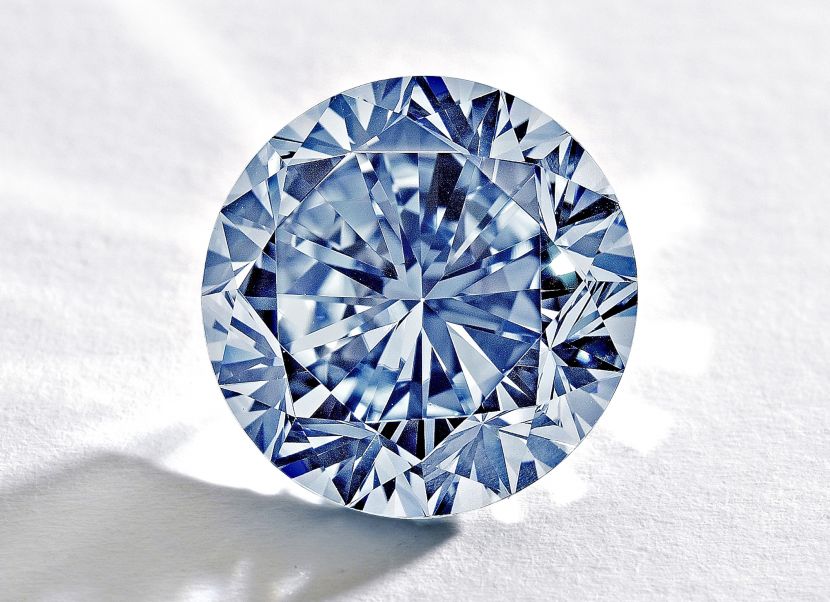
When assessed by the GIA, 11 classes are distinguished. Pay attention to the size, the number of inclusions (internal and external) and the degree of their visibility. The number of carats and the properties of the cut are not taken into account.
- Class 1 with ideal characteristics, designated Flawless (F).
- 2 - almost perfect stone, Internally Flawless (IF).
- 3 - extremely small inclusions, no more than 2.
- 4 - 1 or 2 very small flaws.
- 5 - small inclusions.
- 6 - a sample far from ideal.
The ratio of indicators in the scales
Information obtained on different scales is registered on the exchanges. Therefore, a comparison table is used. It includes columns related to both classification systems, as well as a description. According to the latest:
- defects may not be detected at the highest purity;
- represented by 1-2 light dots in a certain place;
- are found in the form of dark dots;
- scanty cracks, haze;
- graphite inclusions, bubbles, stripes;
- up to 8 flaws, haze;
- many minor defects, some are detected using a magnifying glass;
- cracks and inclusions are visible to the eye;
- numerous defects with a transparency of at least 60%;
- many flaws with transparency from 30 to 60%;
- many defects with light transmission up to 30%.
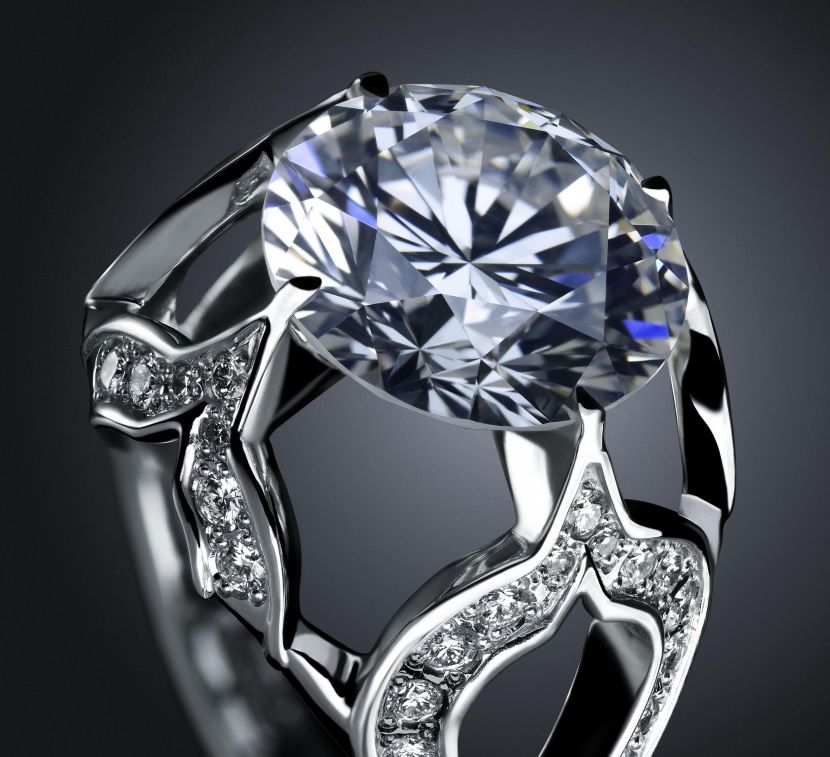
The visibility of existing imperfections with a simple eye is associated with the size of the sample: up to 0.299 carats they are visible with a purity of level 6 or more, over 0.300 - with 7. All this is taken into account when selling and acquiring.
Color
The assessment is carried out according to principles that are different for the Russian Federation and the whole world. Russian standards provide for three scales. Stones with 17 faces are divided into 4 groups:
- white or slightly blue;
- with insignificant yellowishness;
- white with a visible tint or yellow;
- brown in color.
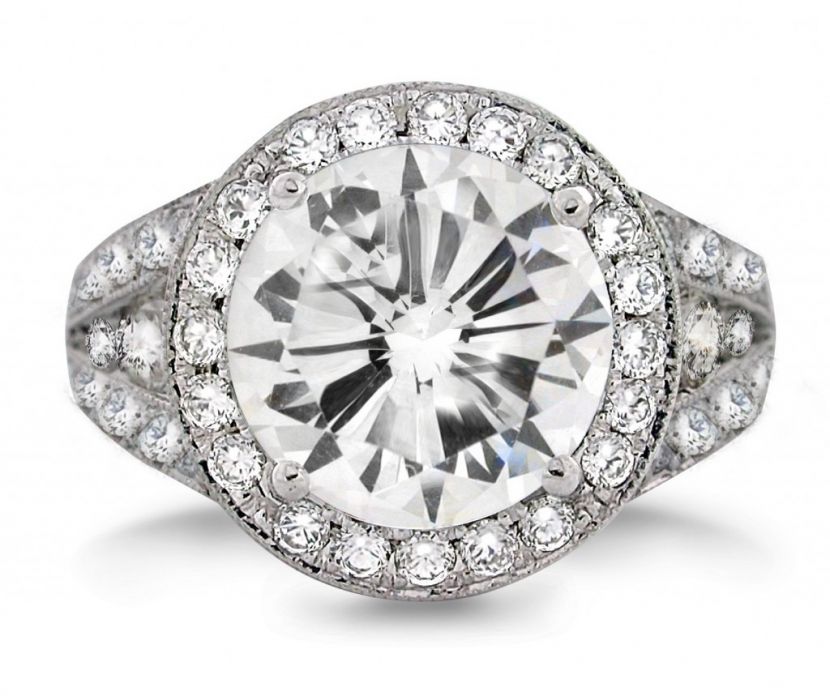
The scale with 57 facets, not more than 0.299 carats, consists of 7 groups, including similar descriptions. If the processed diamonds are over 0.300, have 57 facets, they are divided into 9 groups according to the same shades: bluish, with a small and significant yellowness, brown in color. So the stones are divided into colorless and colored, called "Fancy", a comparison is made with the standard.
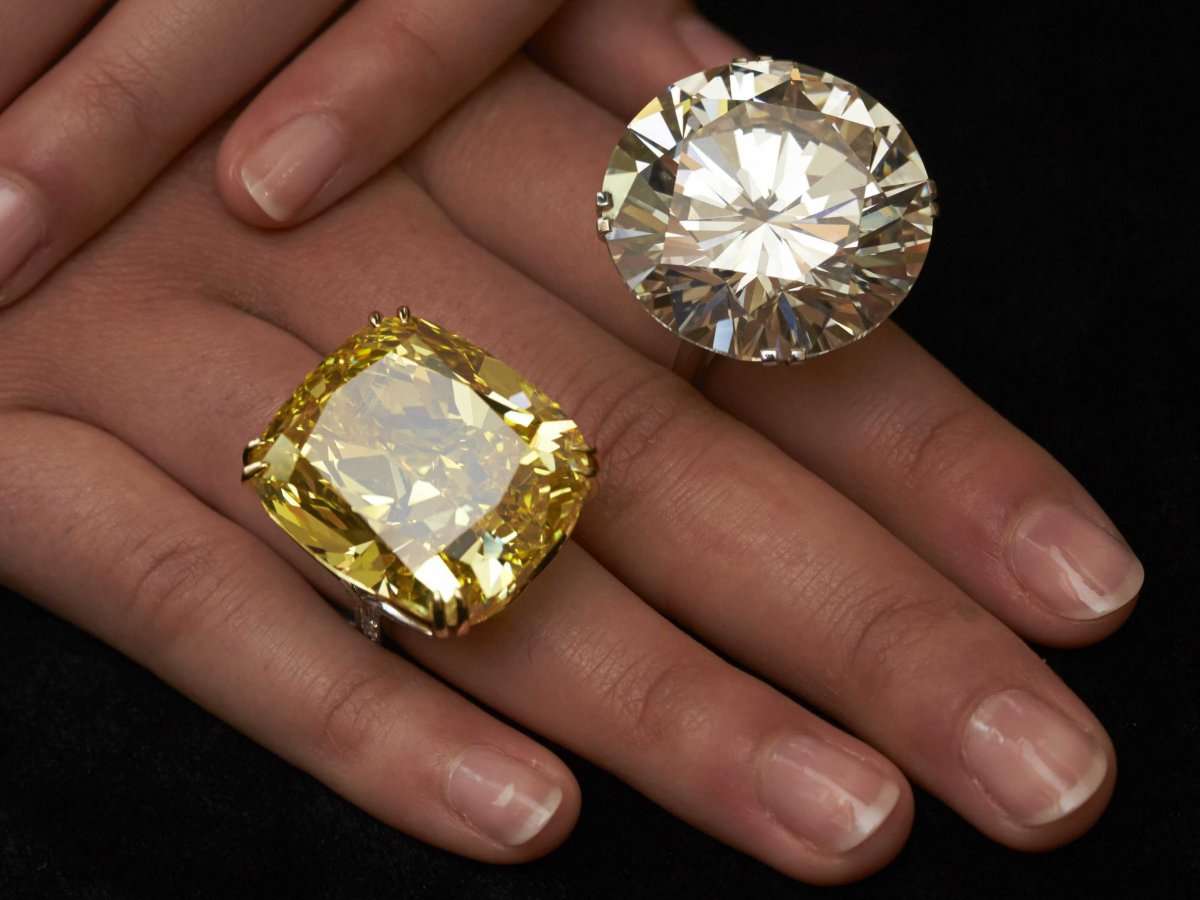
A feature of the assessment according to the GIA, the international method, is the use of 2 scales. One of them is for colorless stones, the other is for samples that have color. The weight and number of faces are not taken into account. When determining the shade, they are compared with the standard. White stones receive a gradation from D to Z (in letter designations), from completely colorless to conditionally yellow. Color copies are distributed within the "Fancy" group. More expensive will be the mineral that is darker colored.
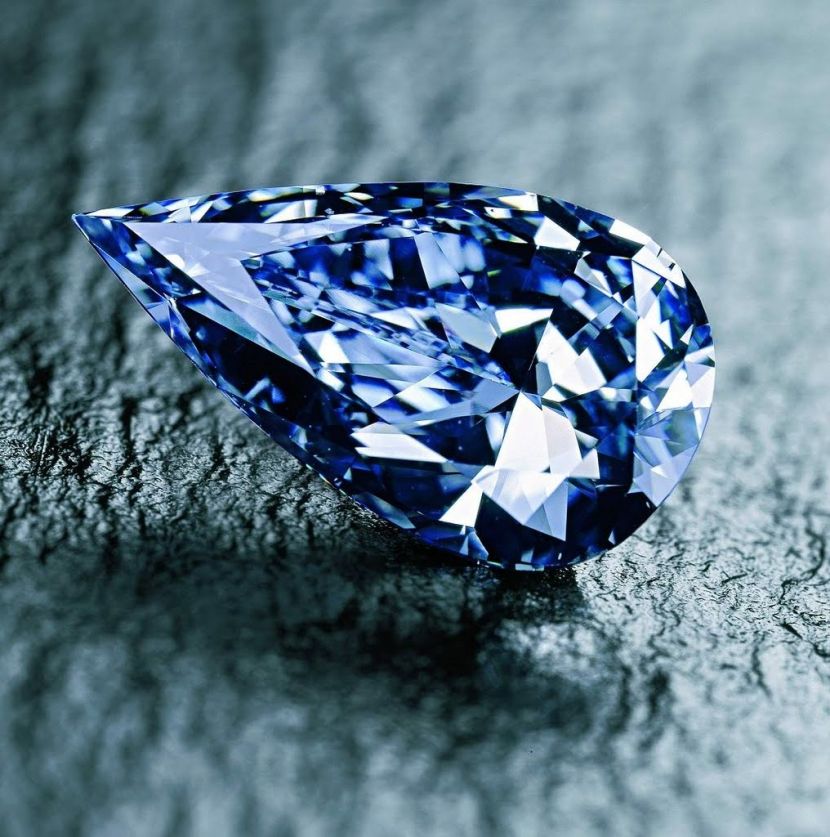
To avoid confusion at the auction, comparative tables are provided for the Russian and international classifications, separately for colorless and tinted stones.
Finally
Often there is a problem of choosing a factor: purity or color. Everything is determined by circumstances. The color is chosen if the frame requires it. So platinum, which has a white color, unfavorably enhances yellowness.When framed in gold, clarity is preferred because the hue will be visually absorbed. But low quality is unacceptable here.
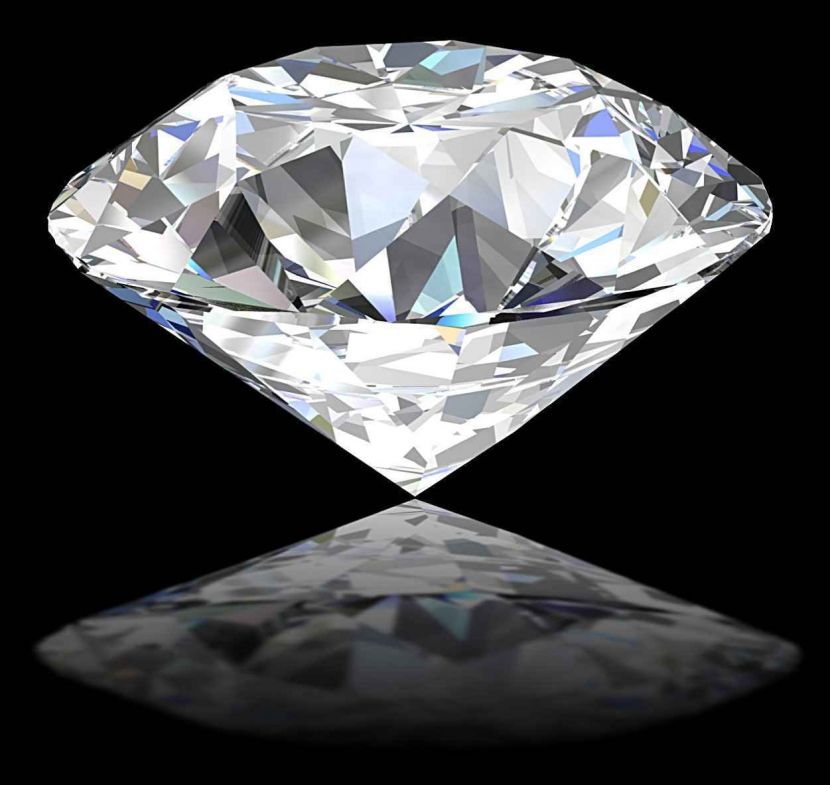
On the exchange, color and purity are indicated as two important characteristics, denoting them with points standing next to them. So 3/3 indicates significant transparency with small defects no more than 2. The location of the flaw is important. Better if it is closer to the edge. Then the refraction will not be disturbed, the brilliance will be maximum, and the defect will also be hidden by the frame.
A photo