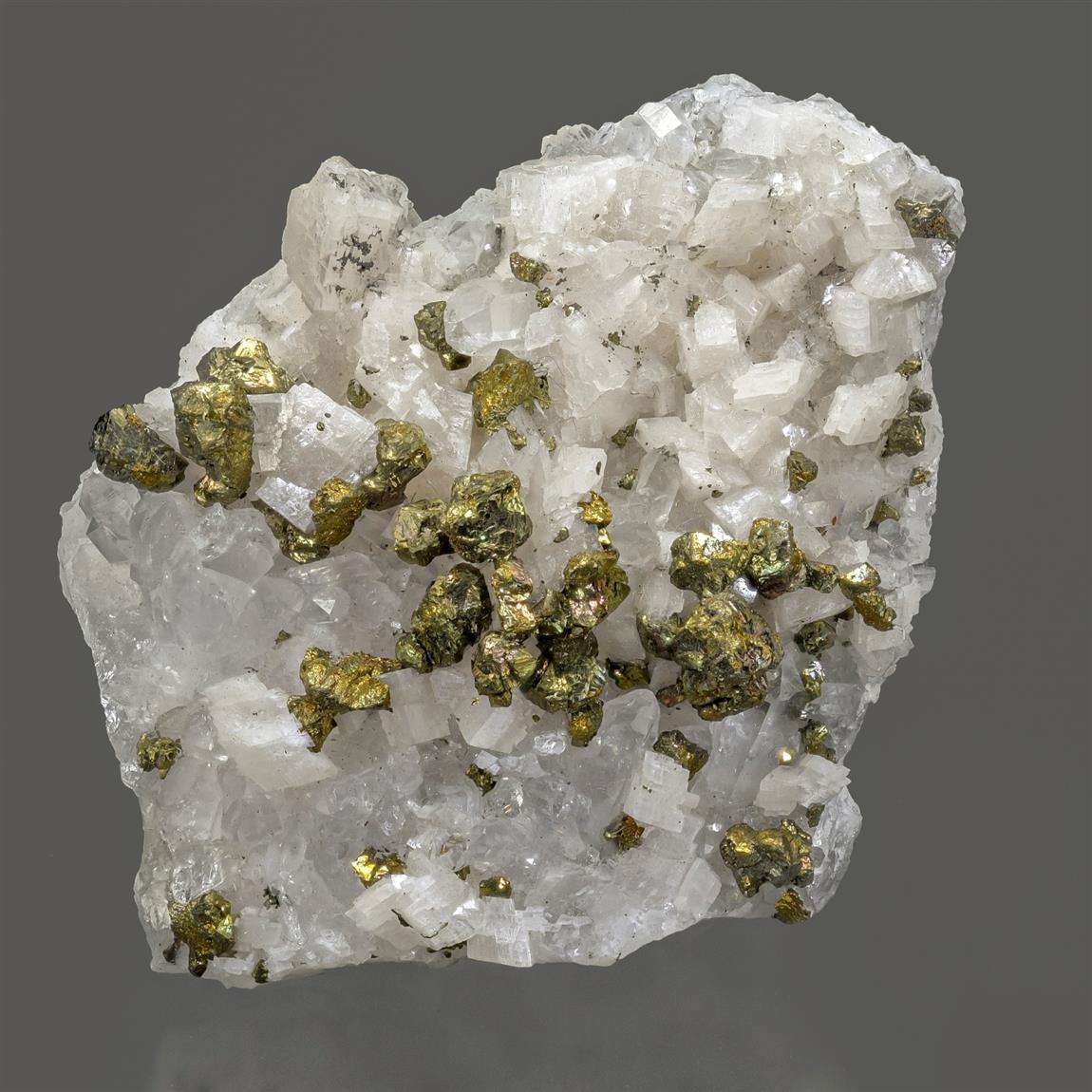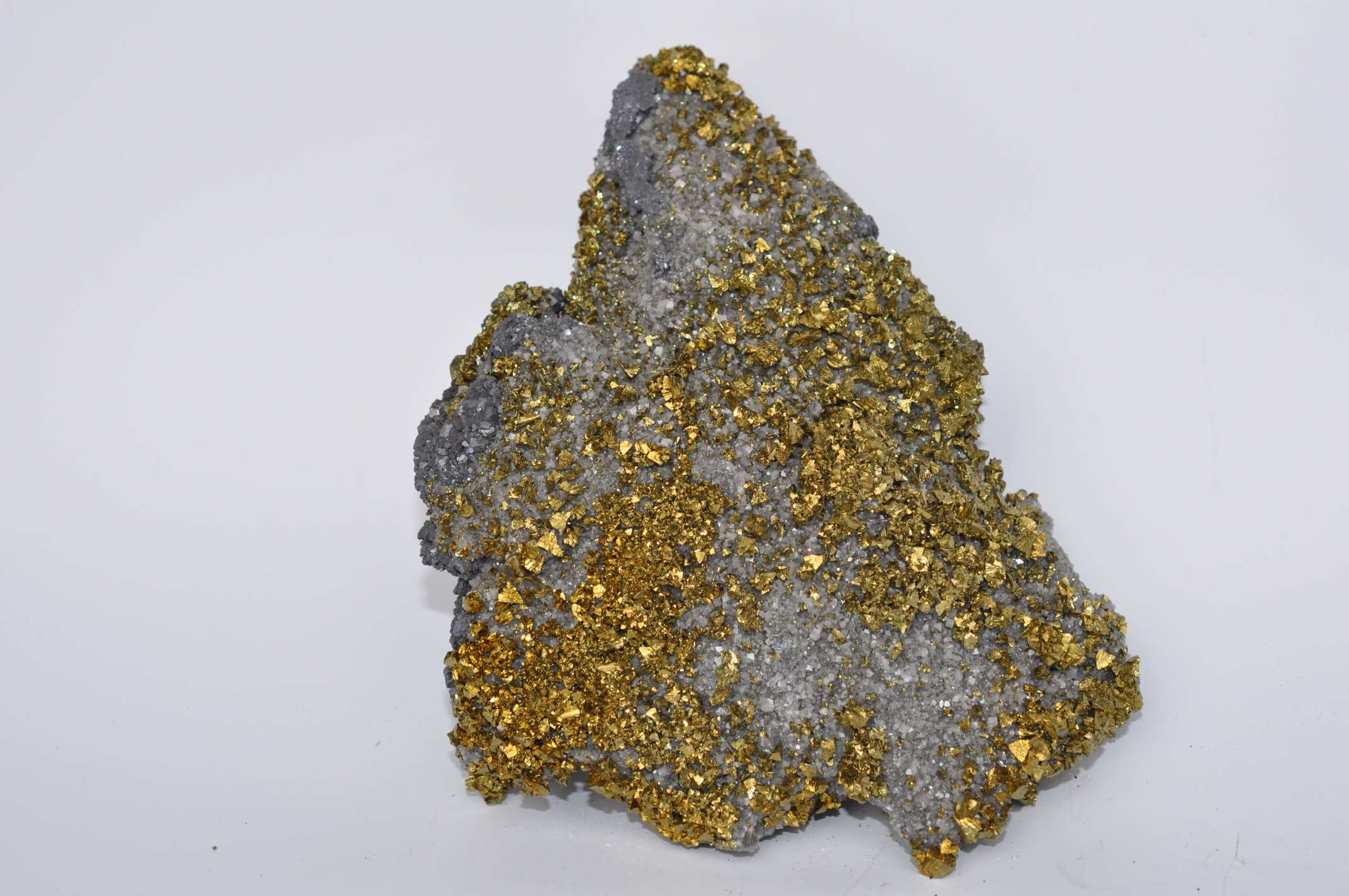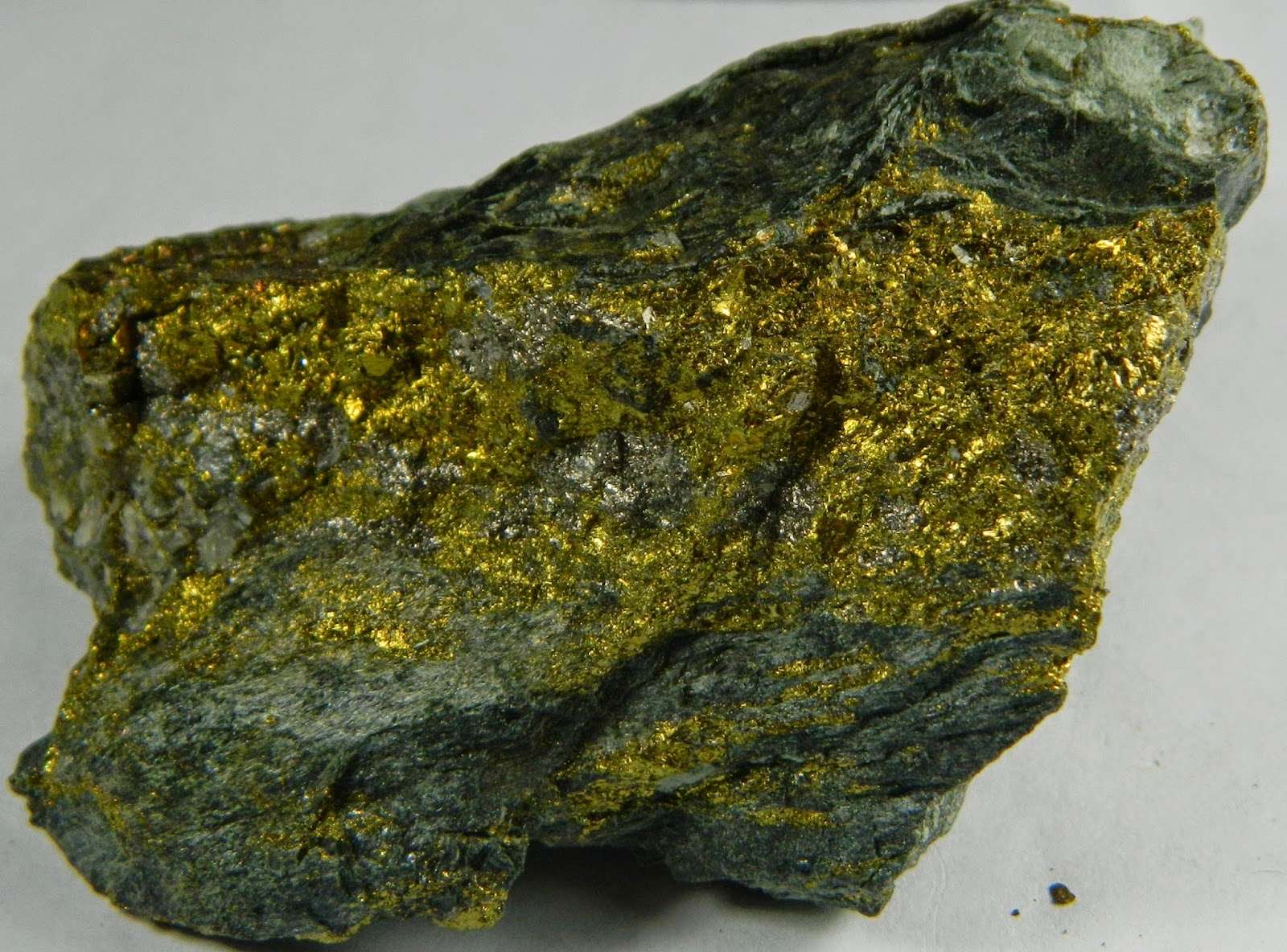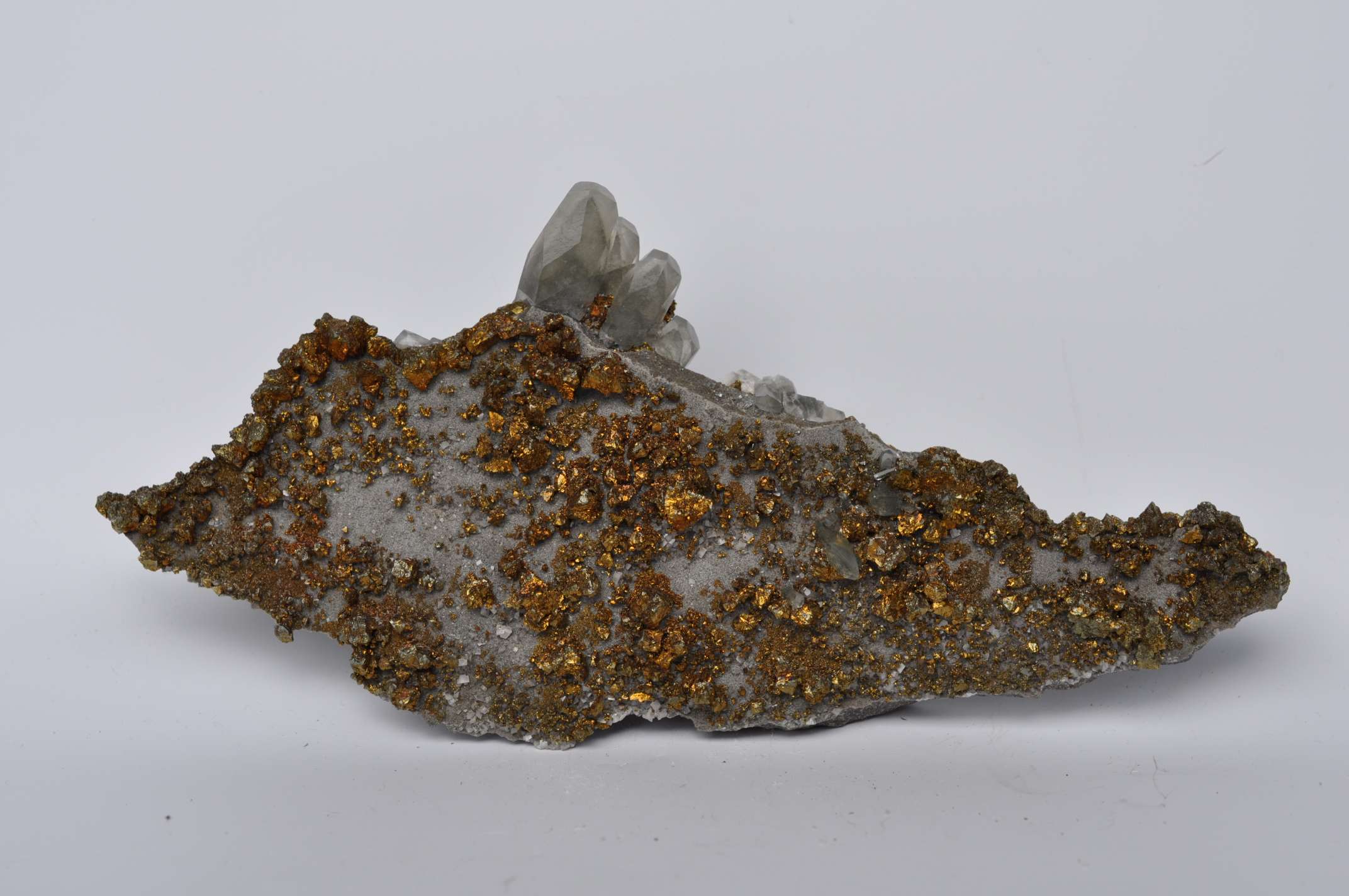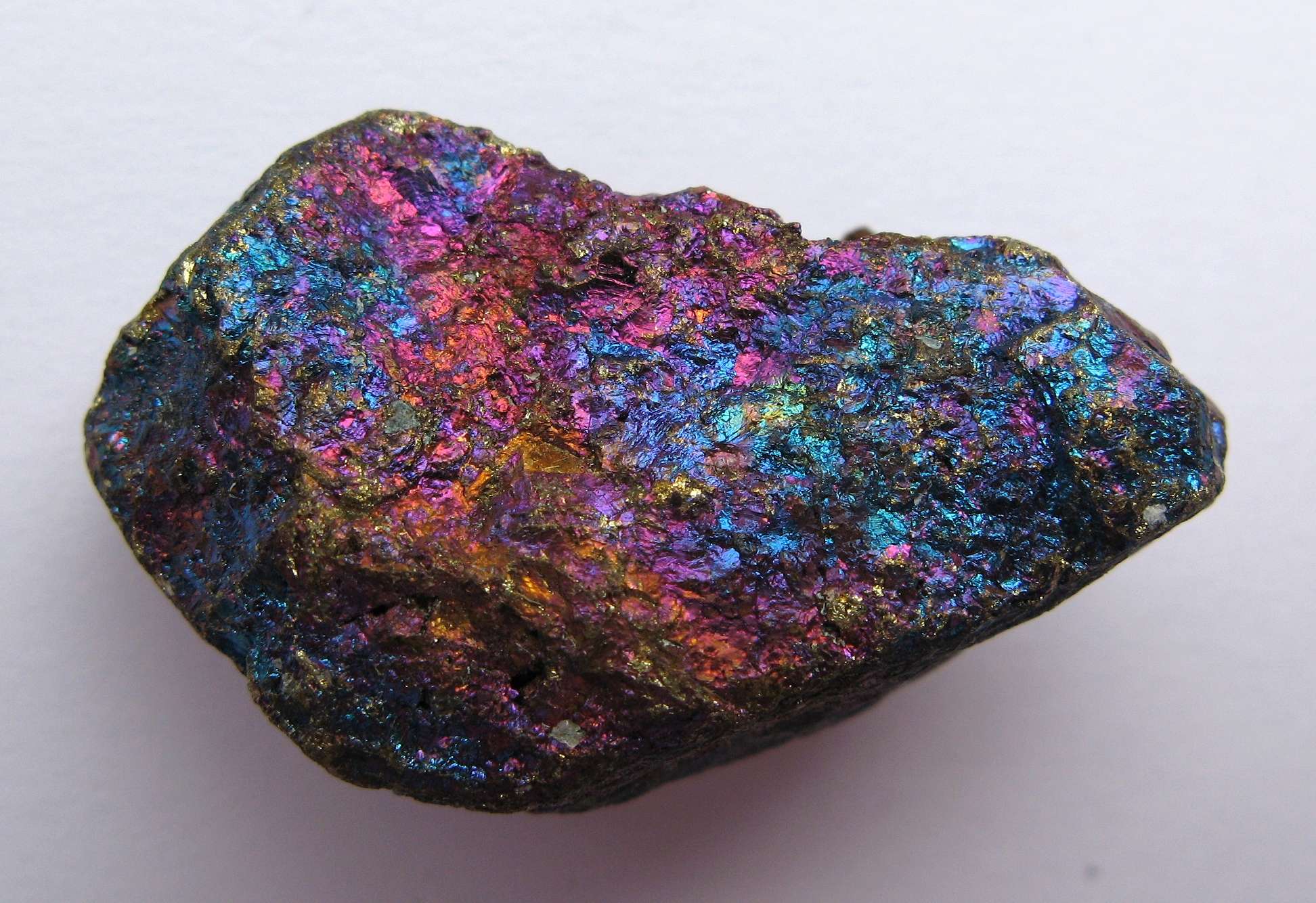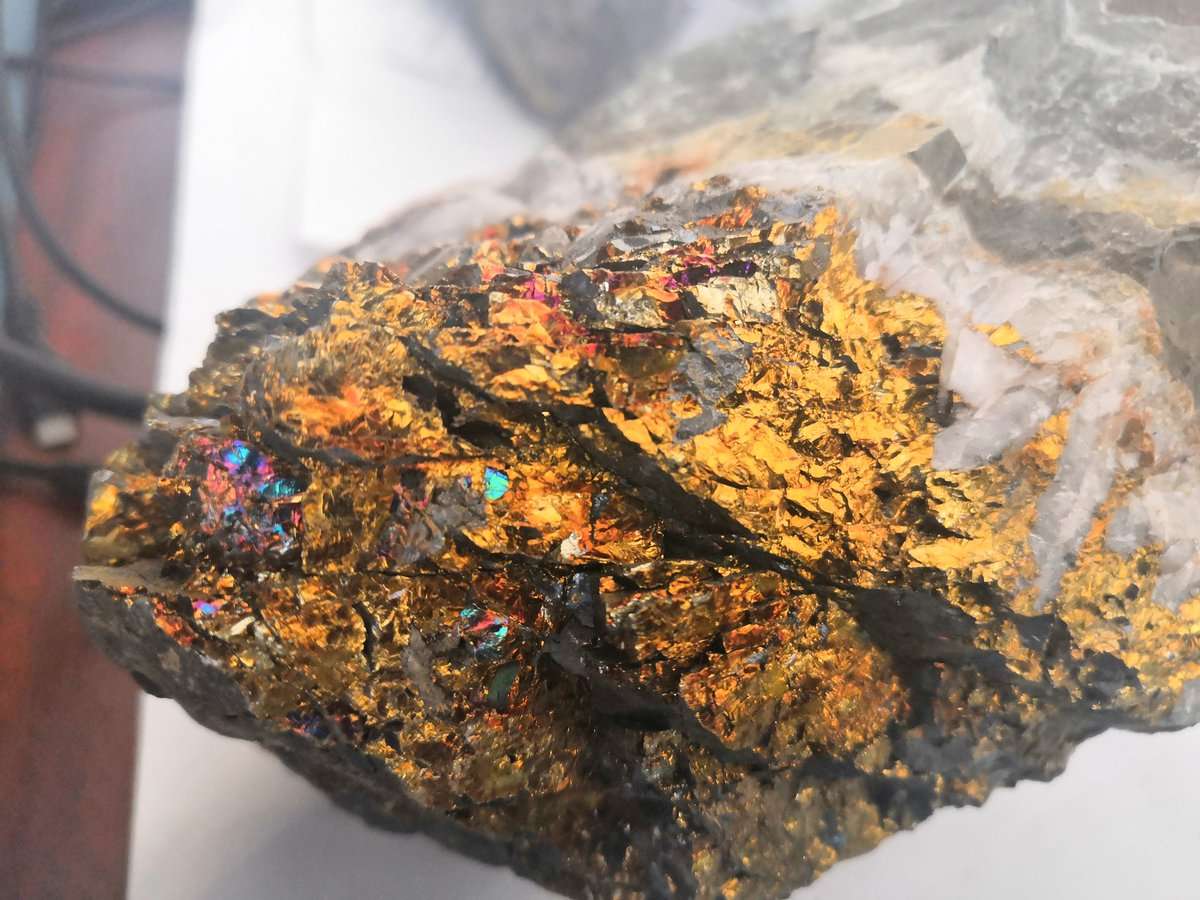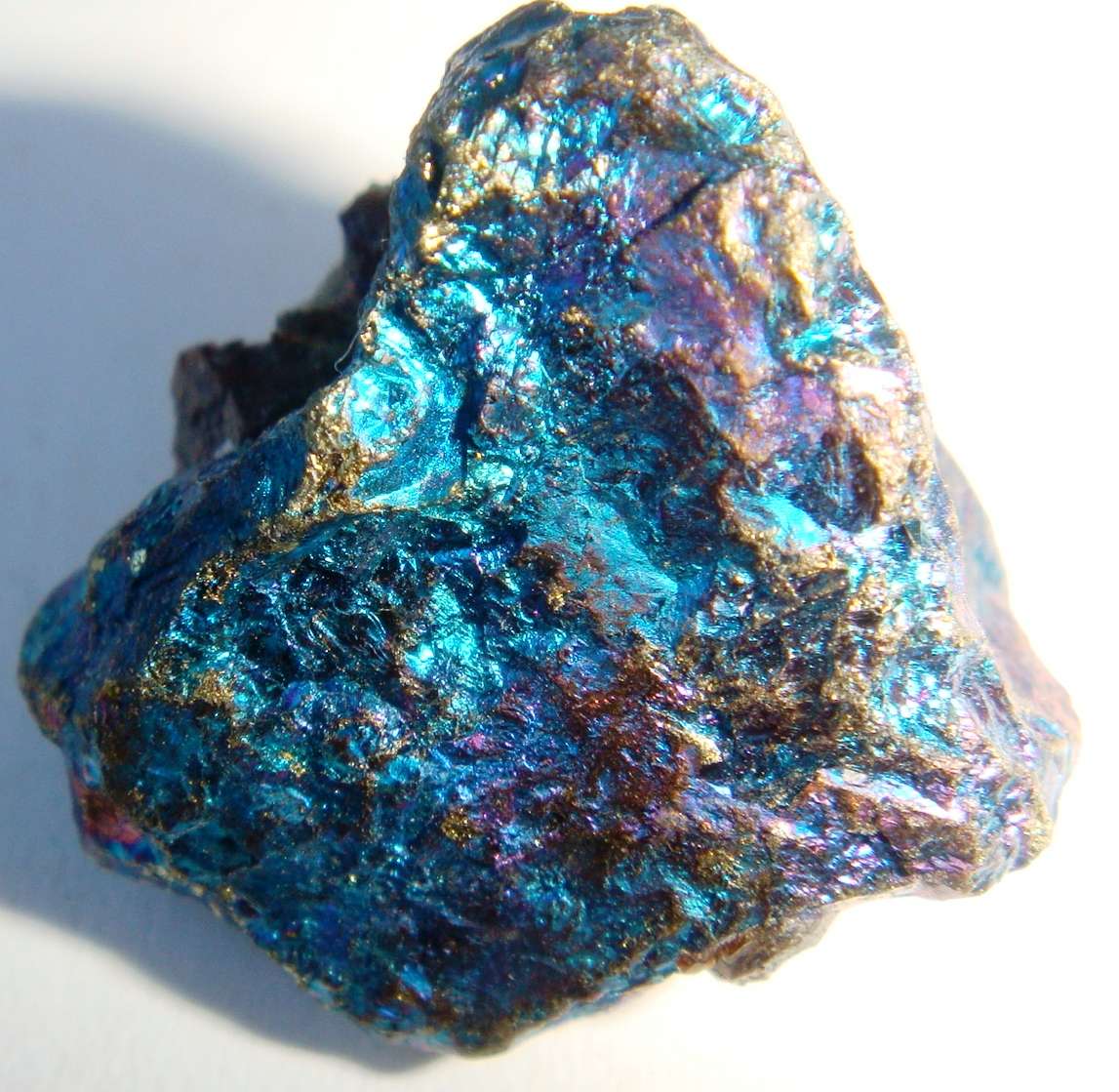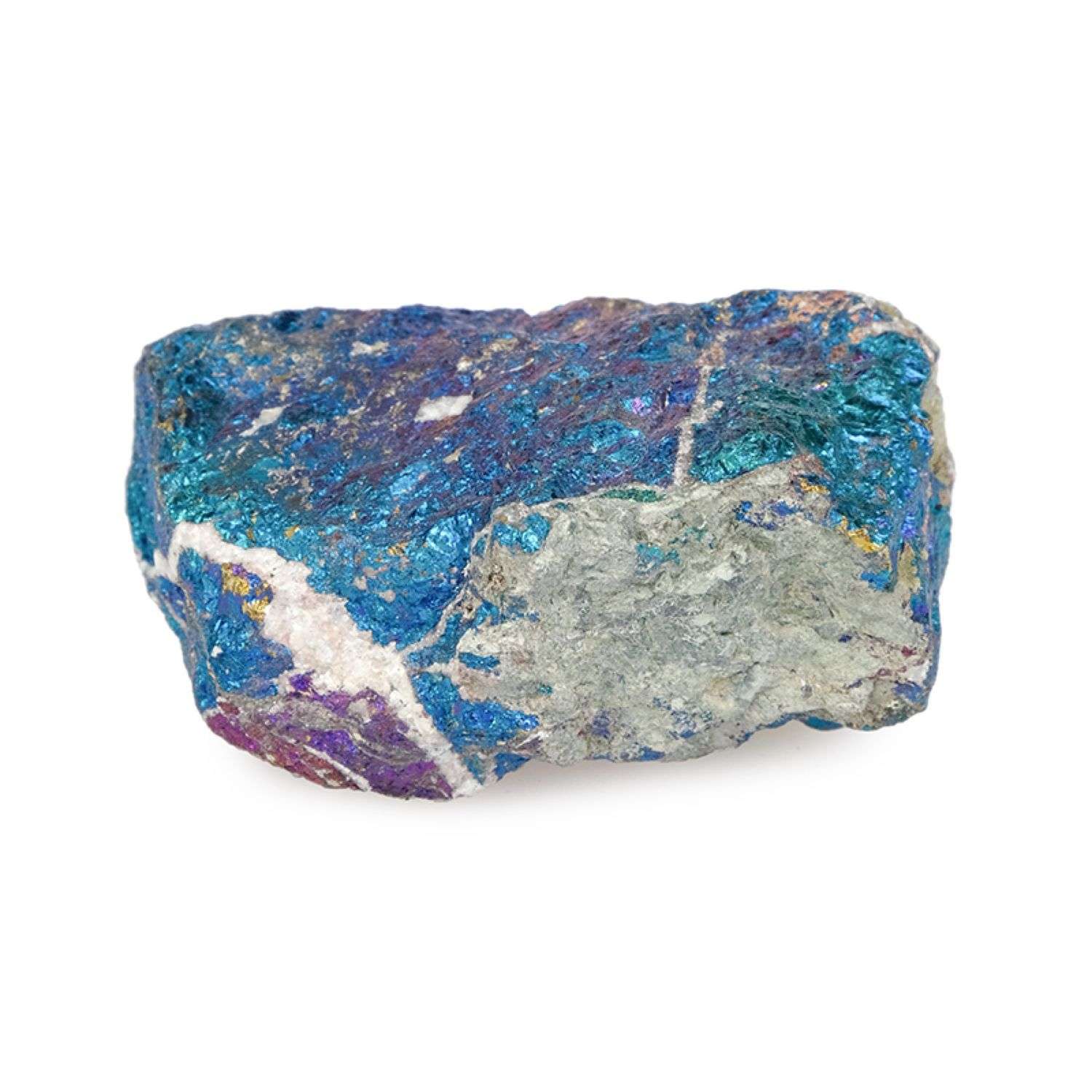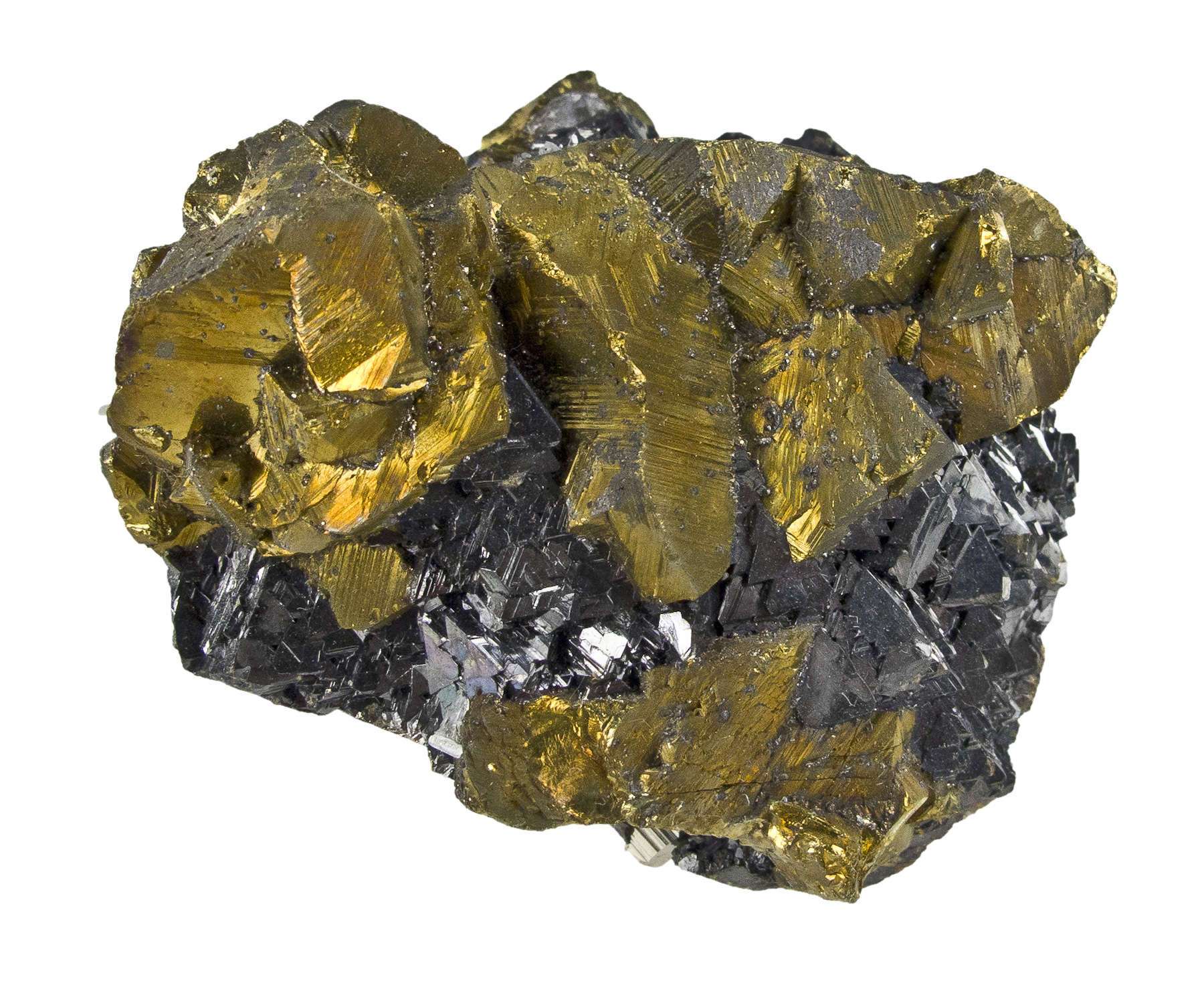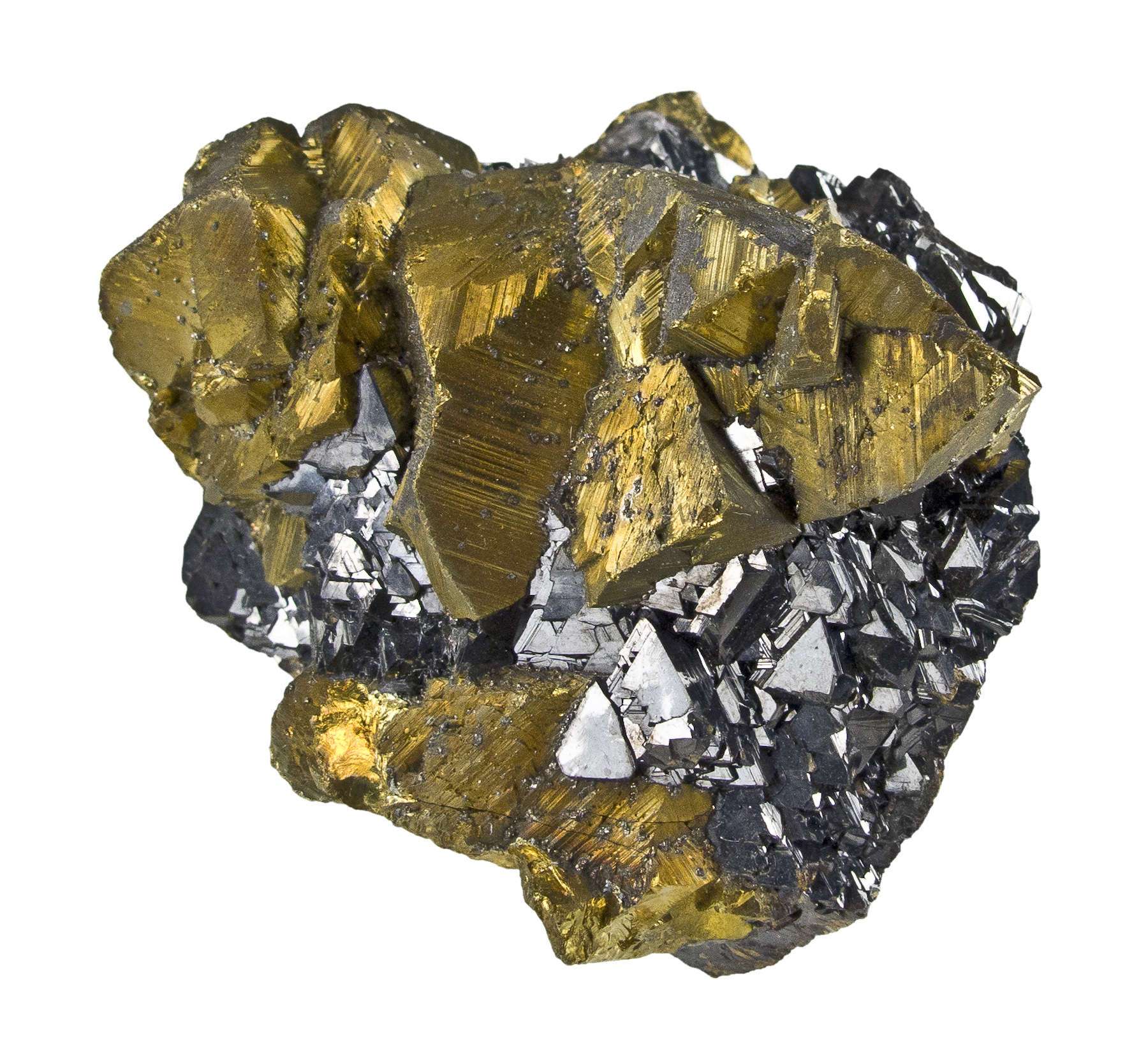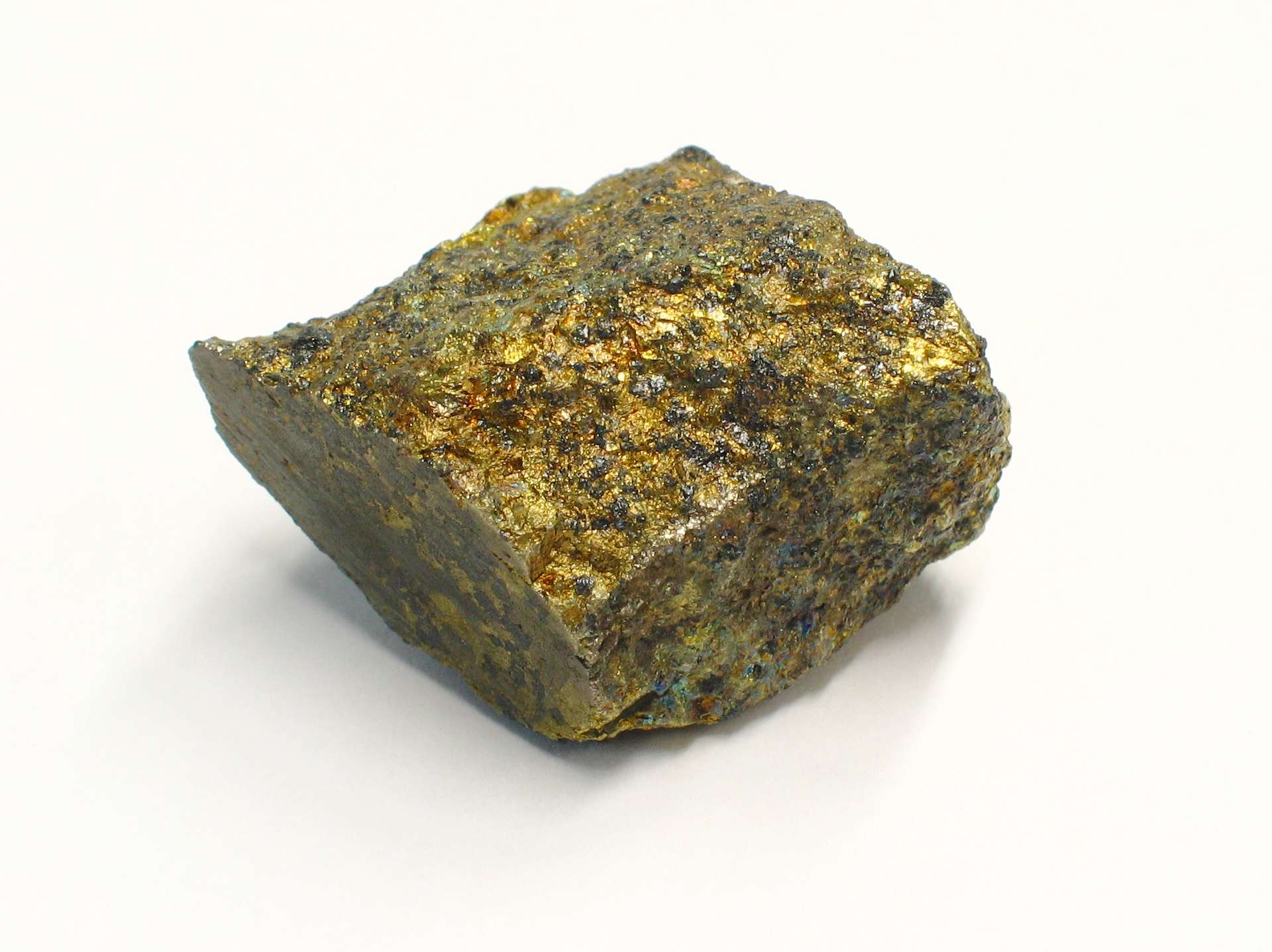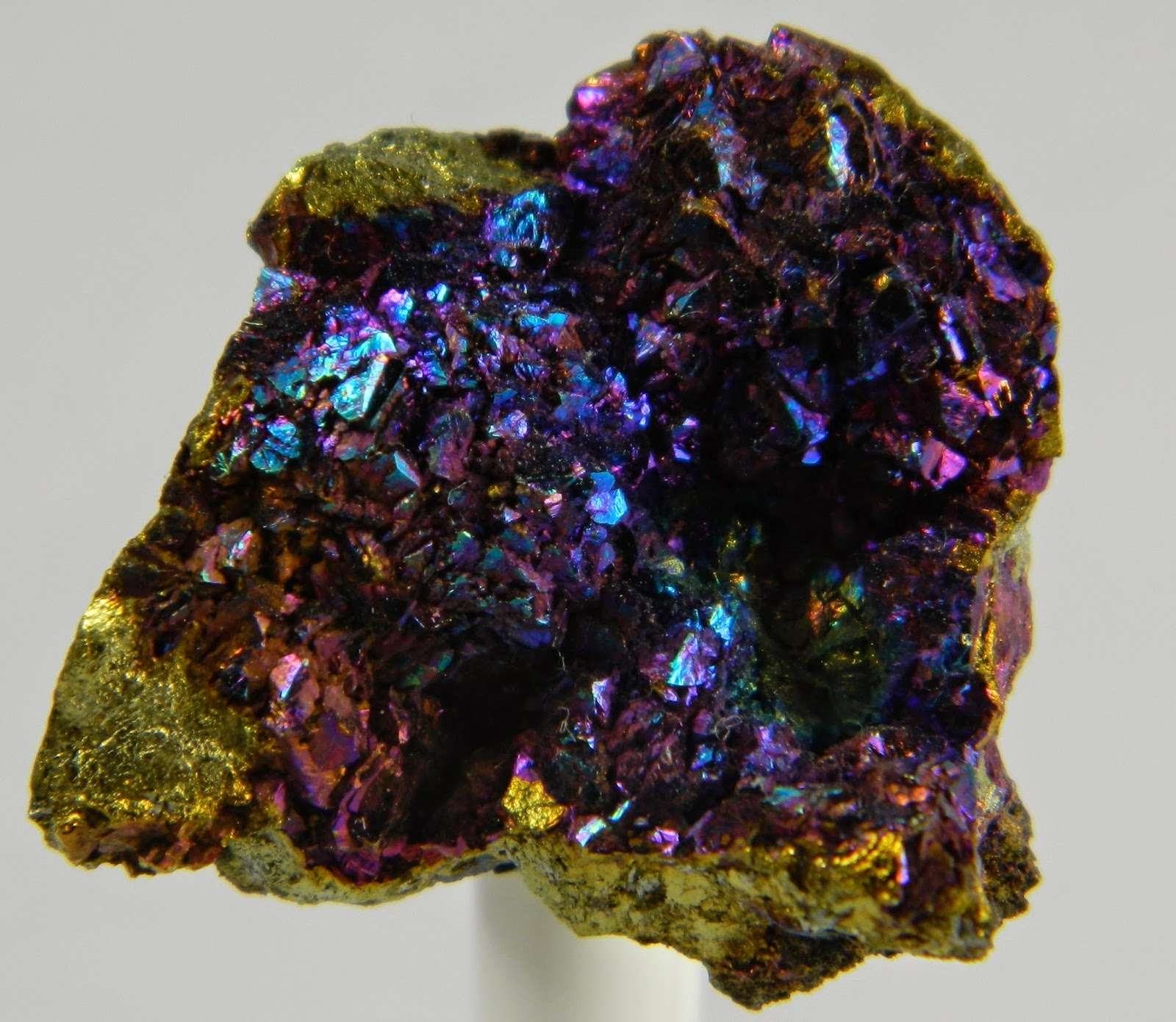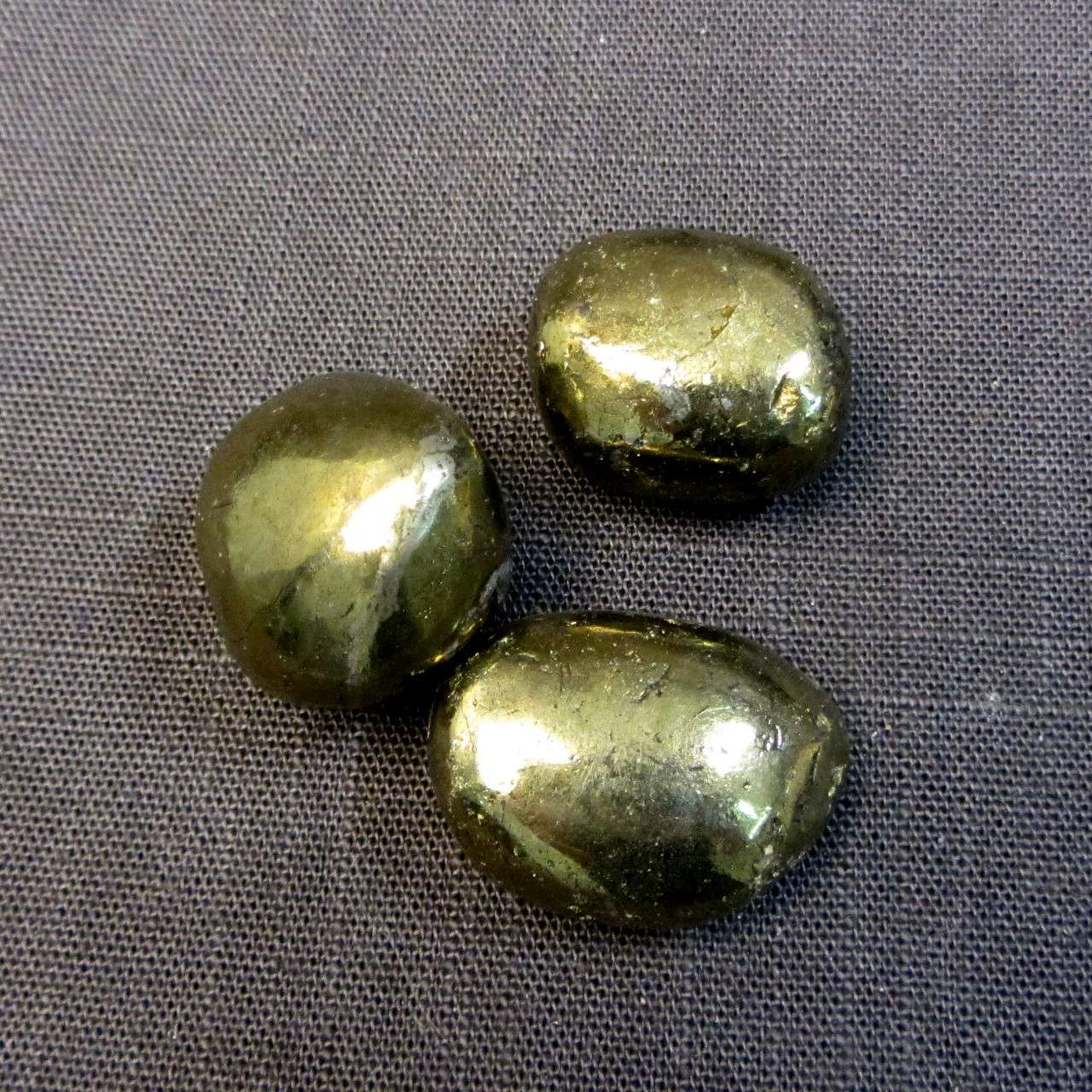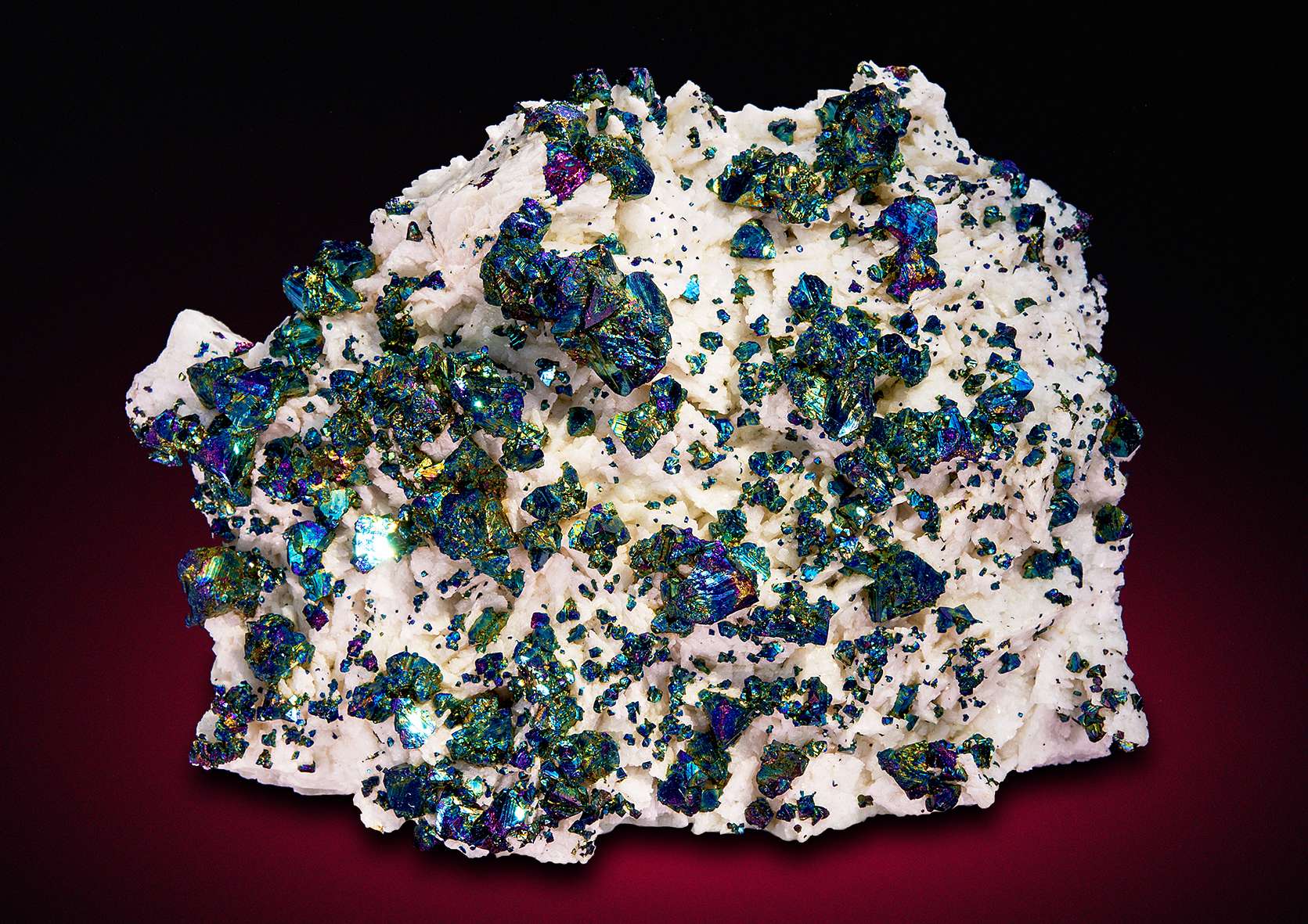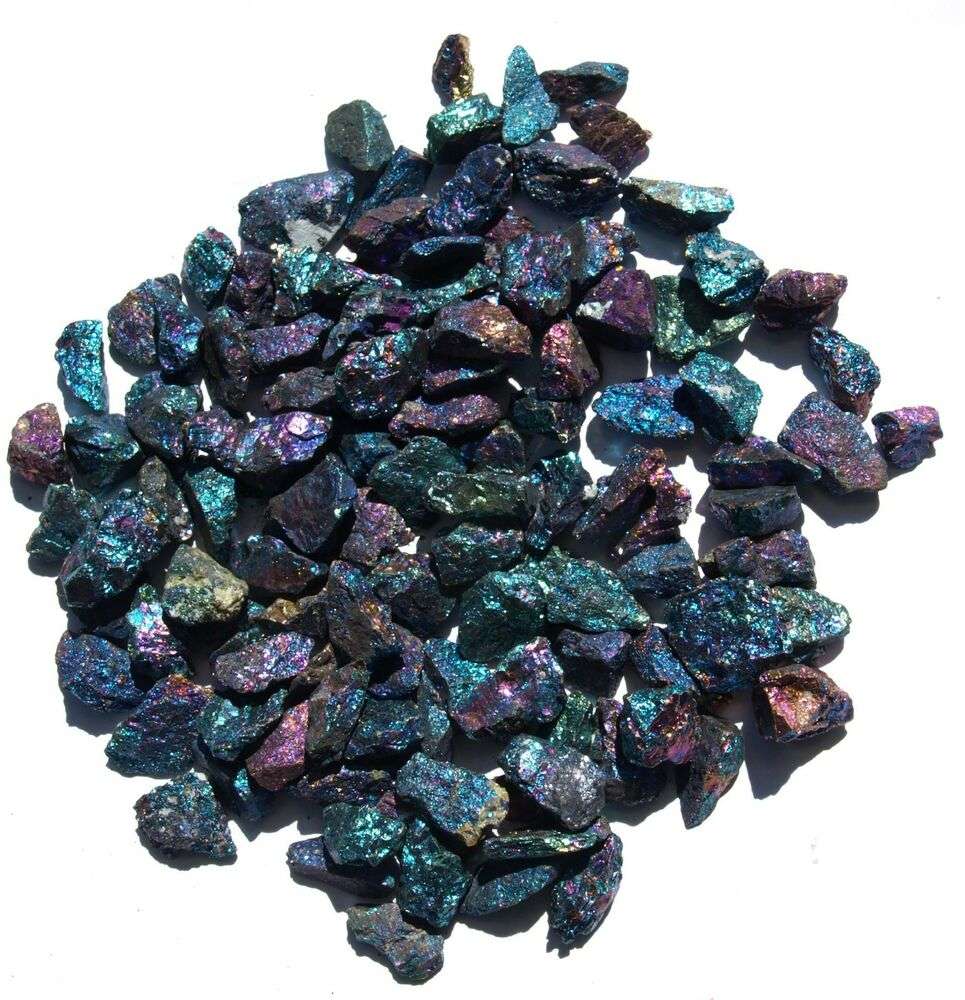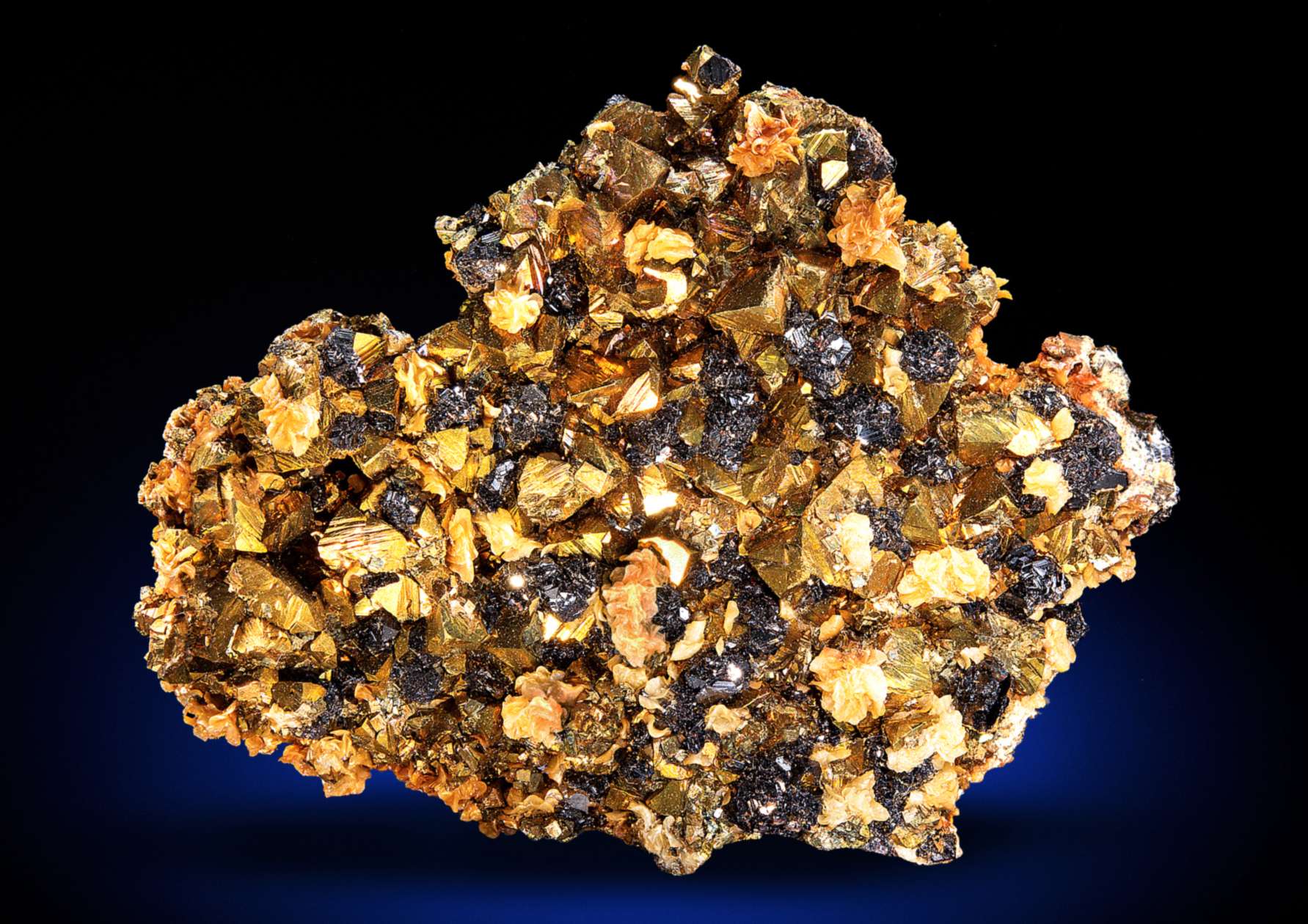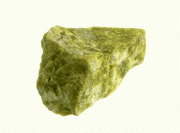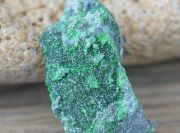
Delicate and fragile stone Chalcopyrite - what is the history of the mineral, where did it come from, photo of the gem, tips on buying and storing
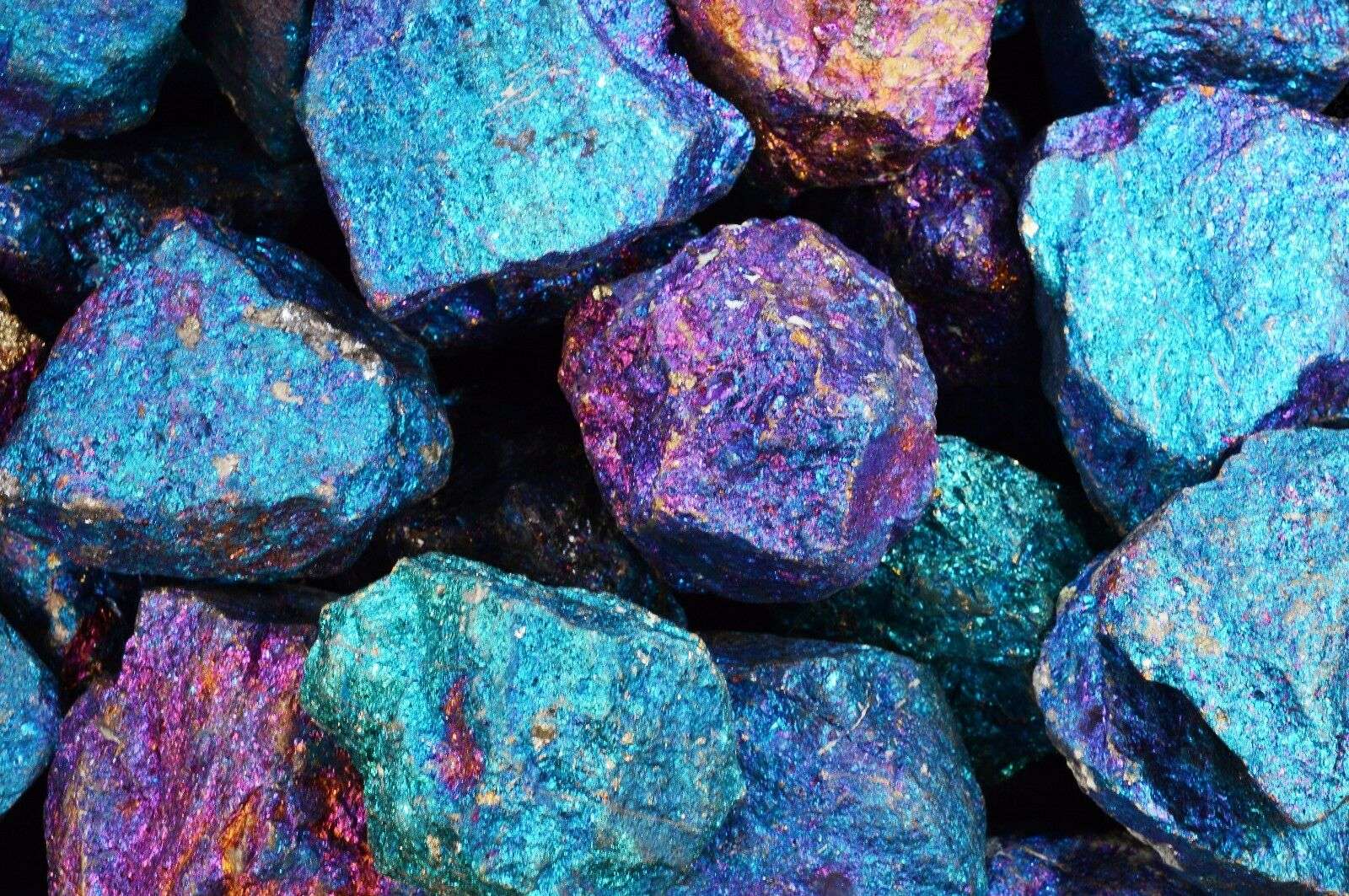
Chalcopyrite is a mineral, another name for which is copper pyrite. For a stone, it is soft (this is due to the high content of copper). Usually, samples of it are found during work in the mines.
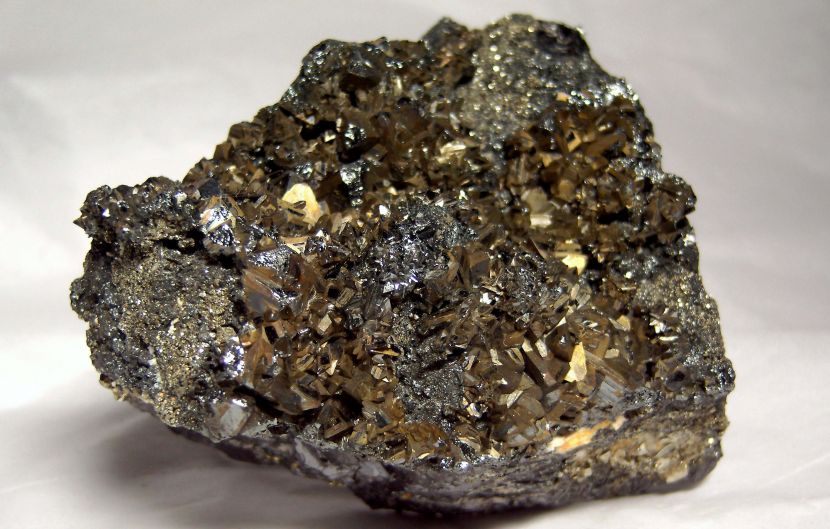
For jewelers, this stone does not exist. Due to the high copper content, the gem instantly oxidizes in air, covered with a cloudy, ugly film. Plus, he's fragile.
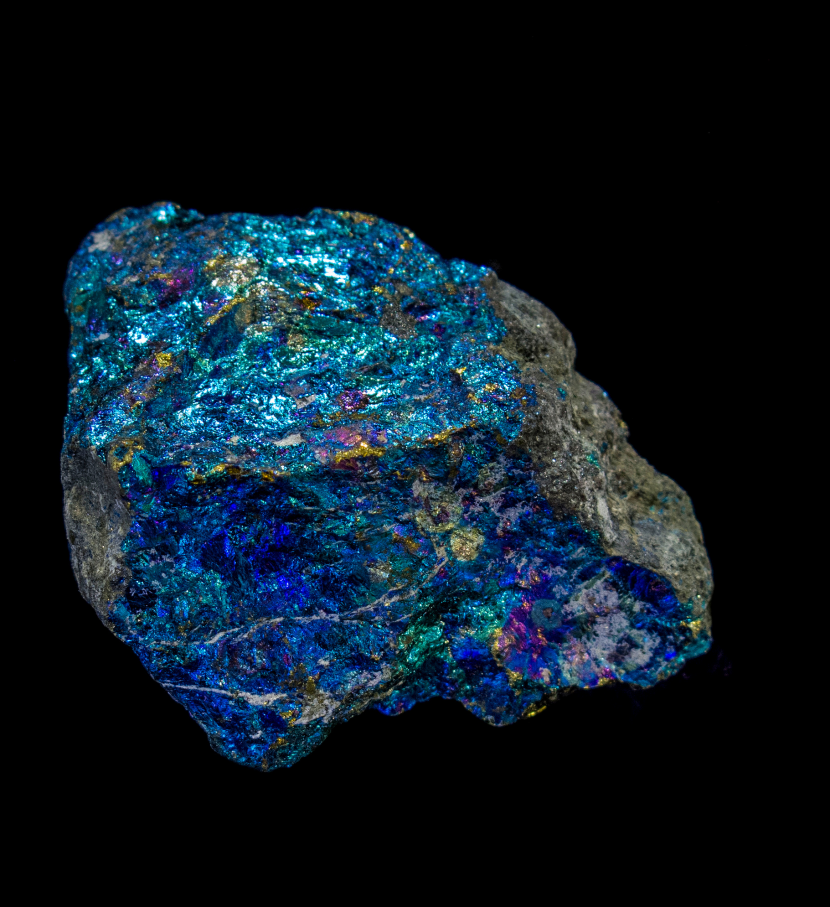
History and origins
Since ancient times, copper pyrites have been used for handicrafts. It is usually found in the mining of copper, tin. The jeweler did not accept beautiful shiny stones, but it is a pity to throw them away. Therefore, for him there was a lot of material for crafts. It was never considered as a jewel, encyclopedias even came up with a speaking name - fool's gold, donkey's gold.
There is nothing surprising in this - many mine workers carried the find to the jeweler. Masters are tired of fighting off the flow of ignorant, but eager to enrich visitors. Names were invented, by which it immediately became clear that a large find is not precious.
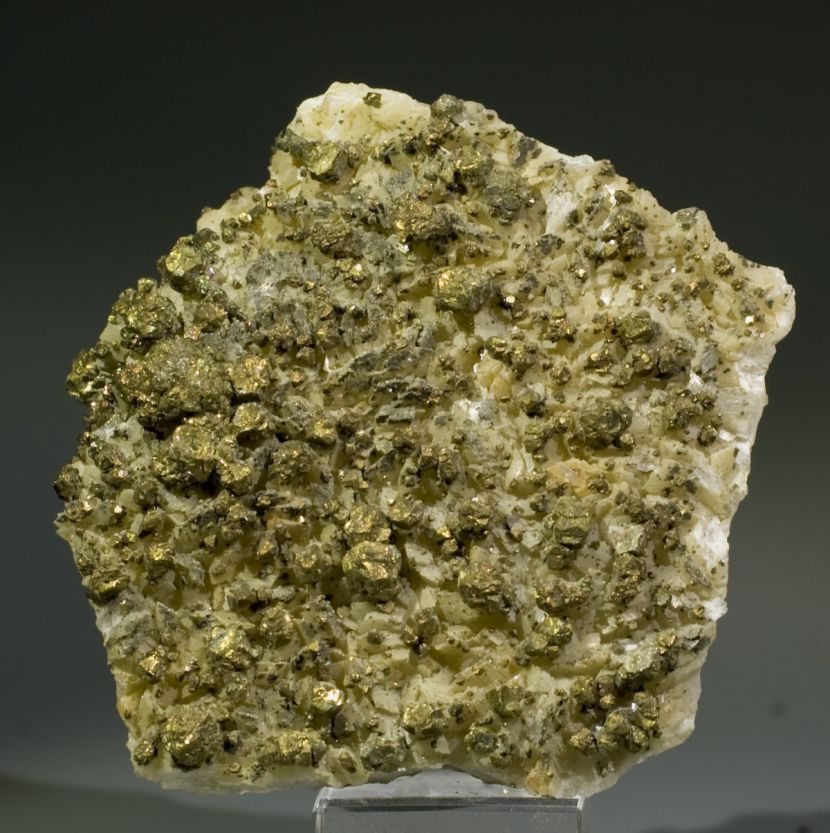
During the Gold Rush, this stone drove many groups of wealth seekers crazy. Disappointed people returned to the mining sites and again looked for gold, forgetting about deceptive nuggets.
Properties of chalcopyrite
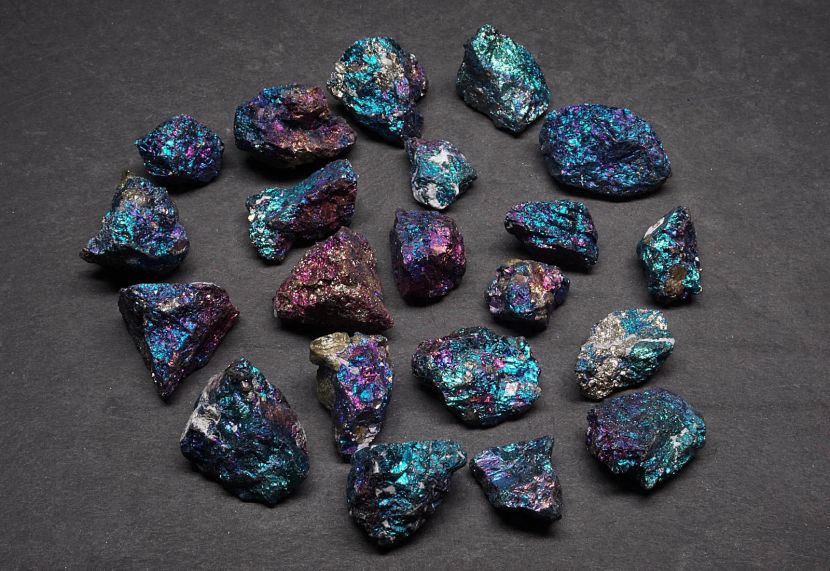
The main properties of the mineral include fragility (it can be scratched in ordinary life with a hard object - for example, apartment keys). The oxidation process greatly reduces its decorative properties, and magical properties are not fully understood. But first things first.
Physical Properties
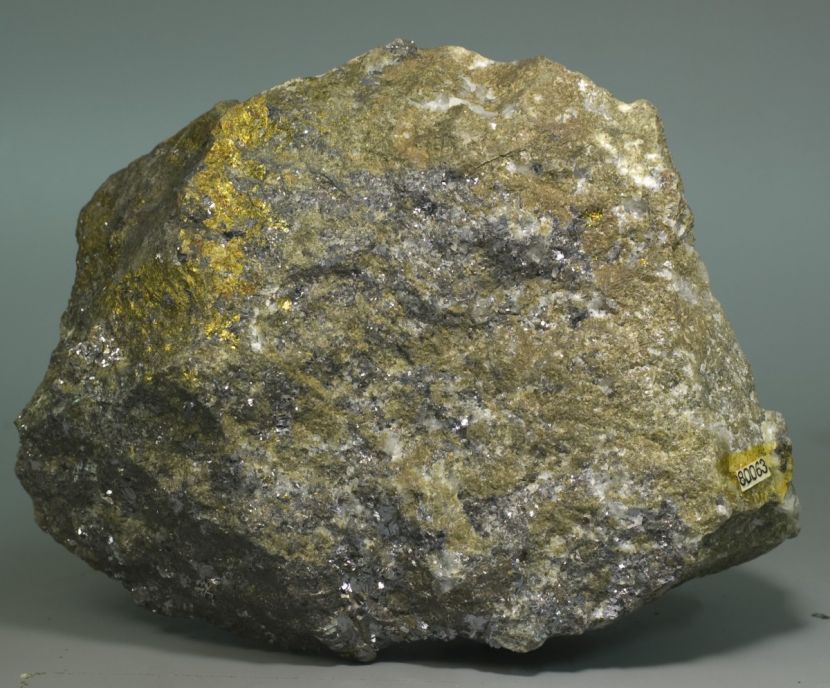
The physical properties include, first of all, its mechanical features (susceptibility to damage, brittleness). Chalcopyrite has a very specific formula - CuFeS2. She gives him complete immunity to highly concentrated hydrochloric acid. However, the sulfide in the composition makes it completely soluble in sulfuric acid.
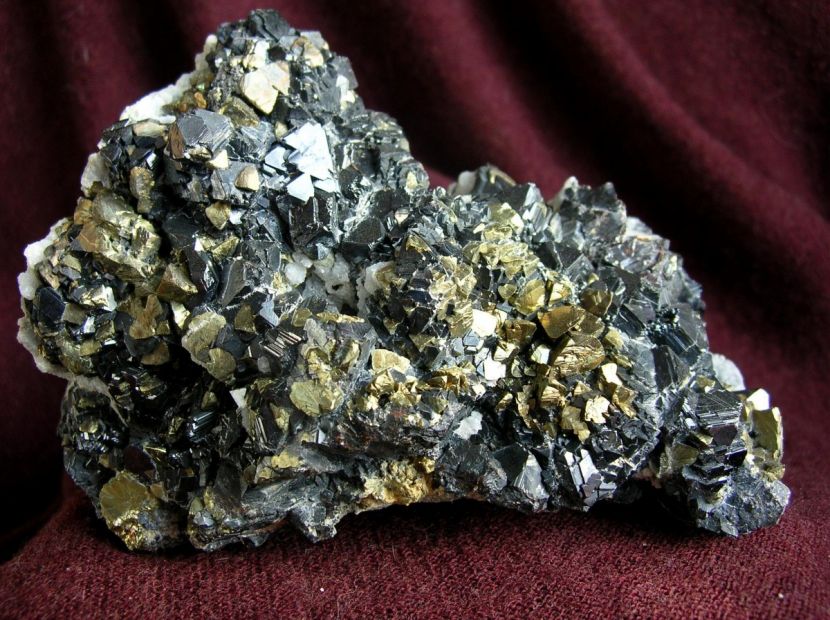
This feature makes it possible to use the stone as a raw material in the production of copper (although the iron must first be separated). With the help of sulfuric acid, the process of metal extraction is greatly simplified. Many articles have been written on the process of extracting copper from such ore.
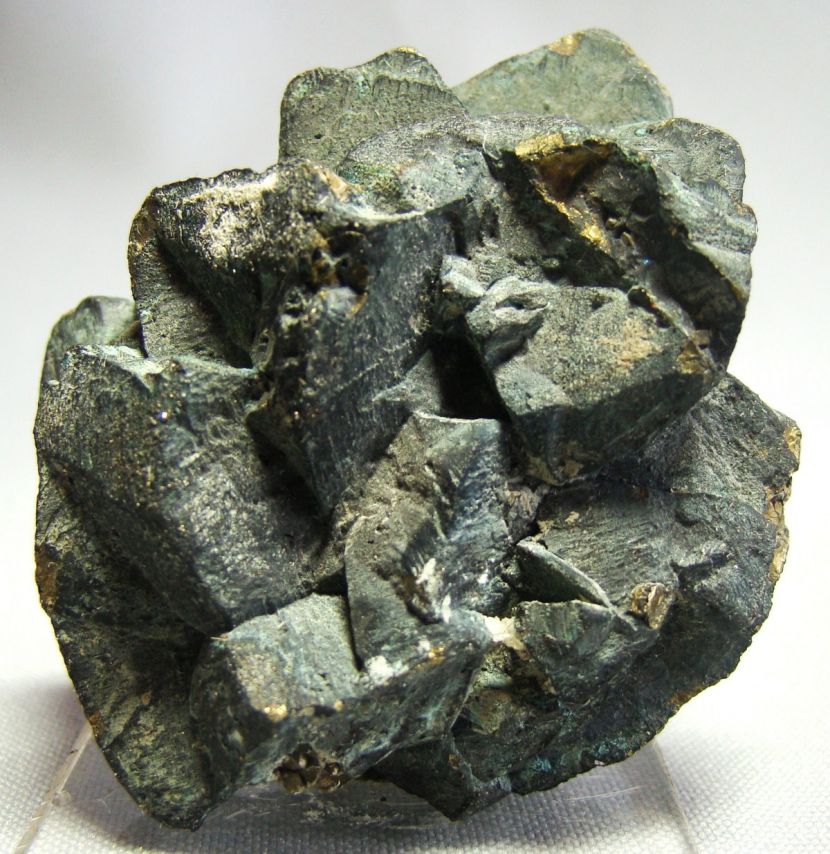
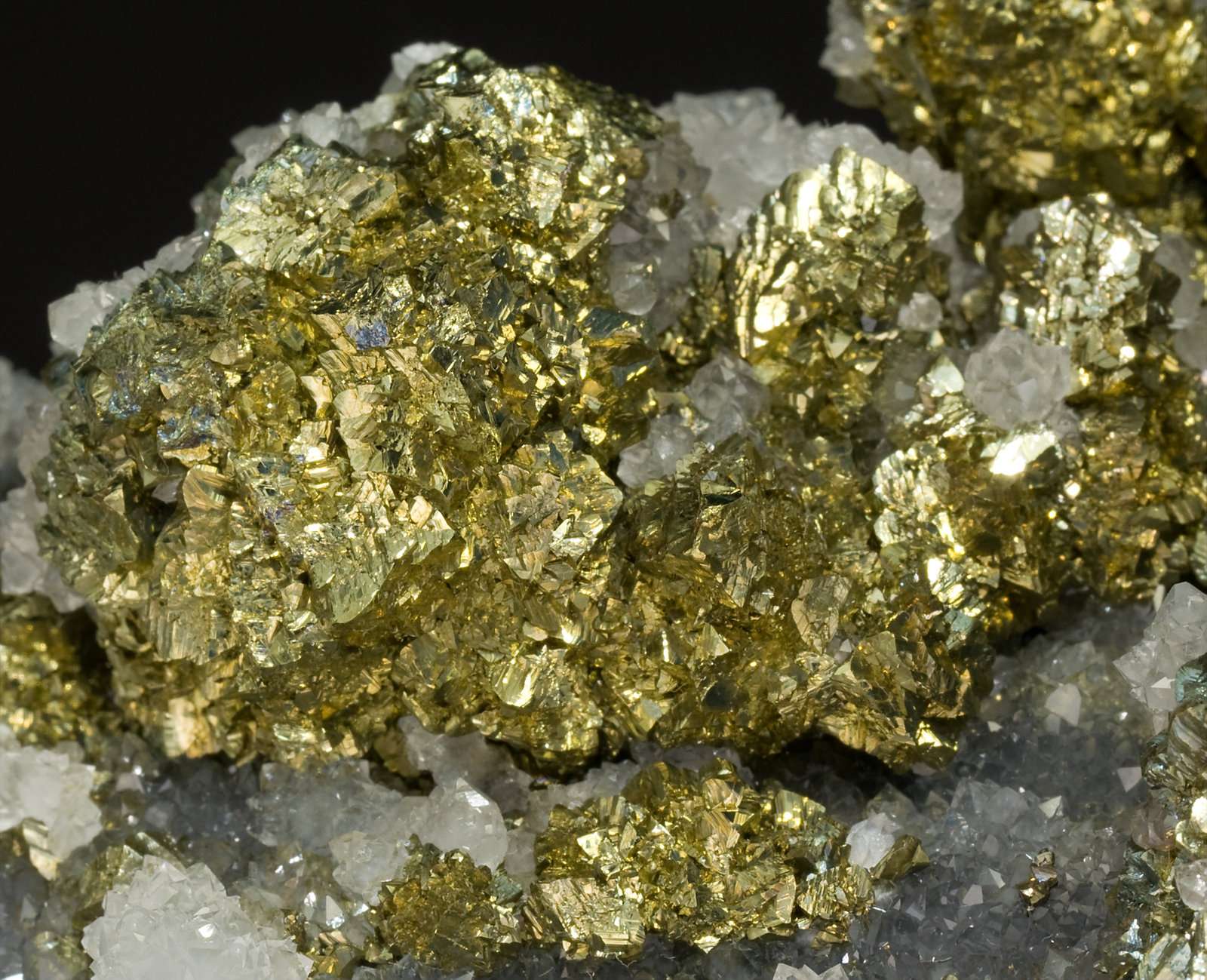
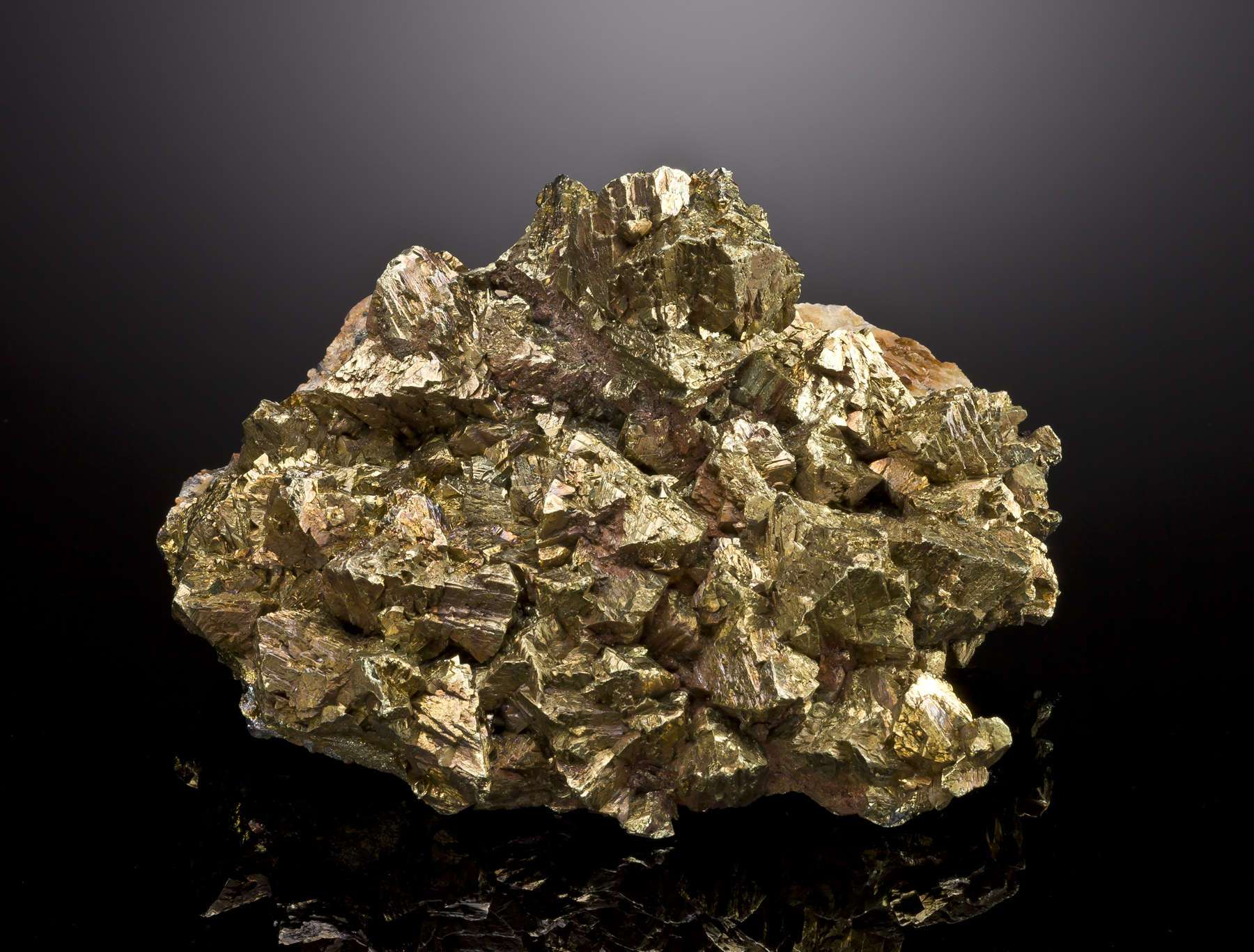
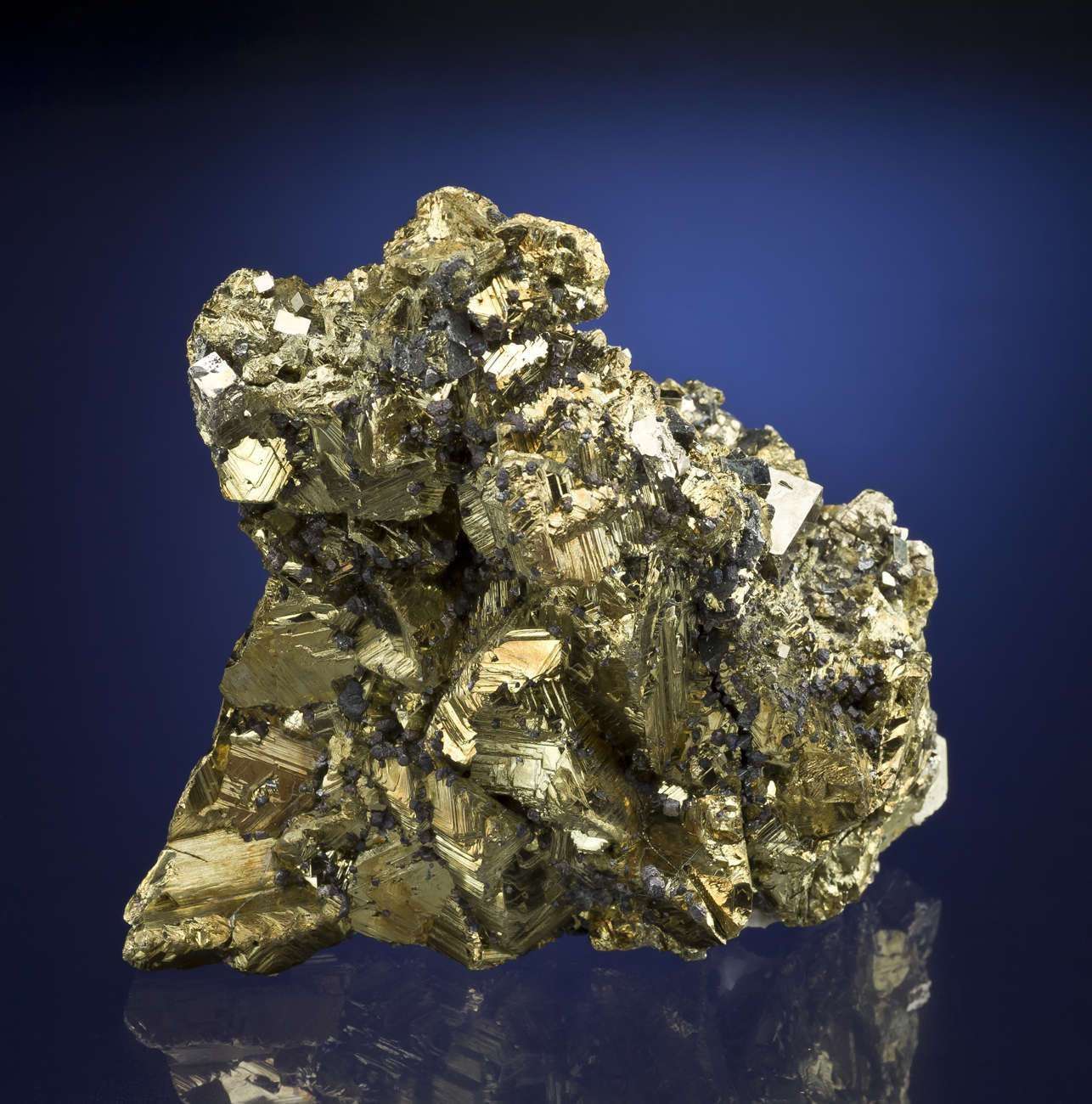
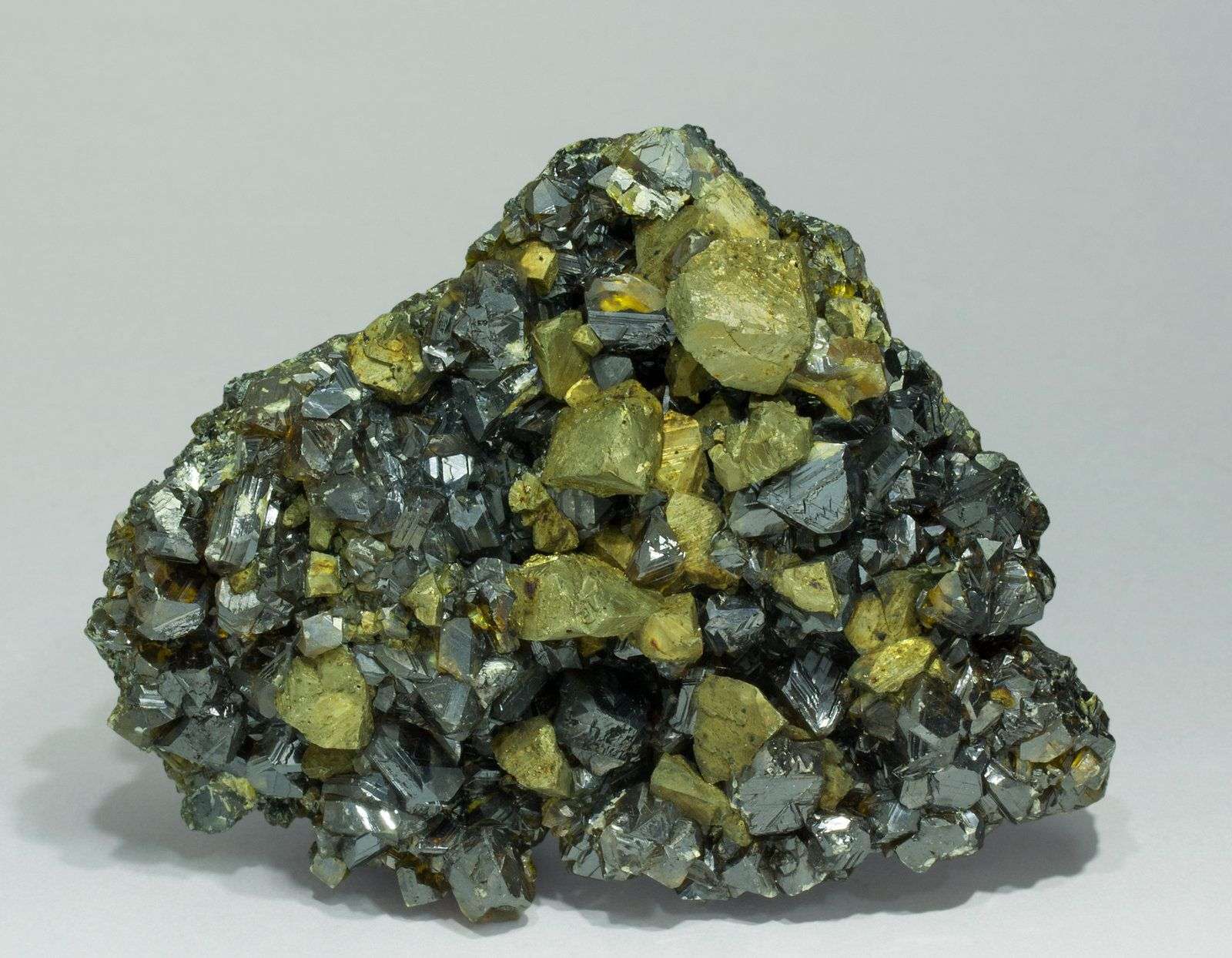
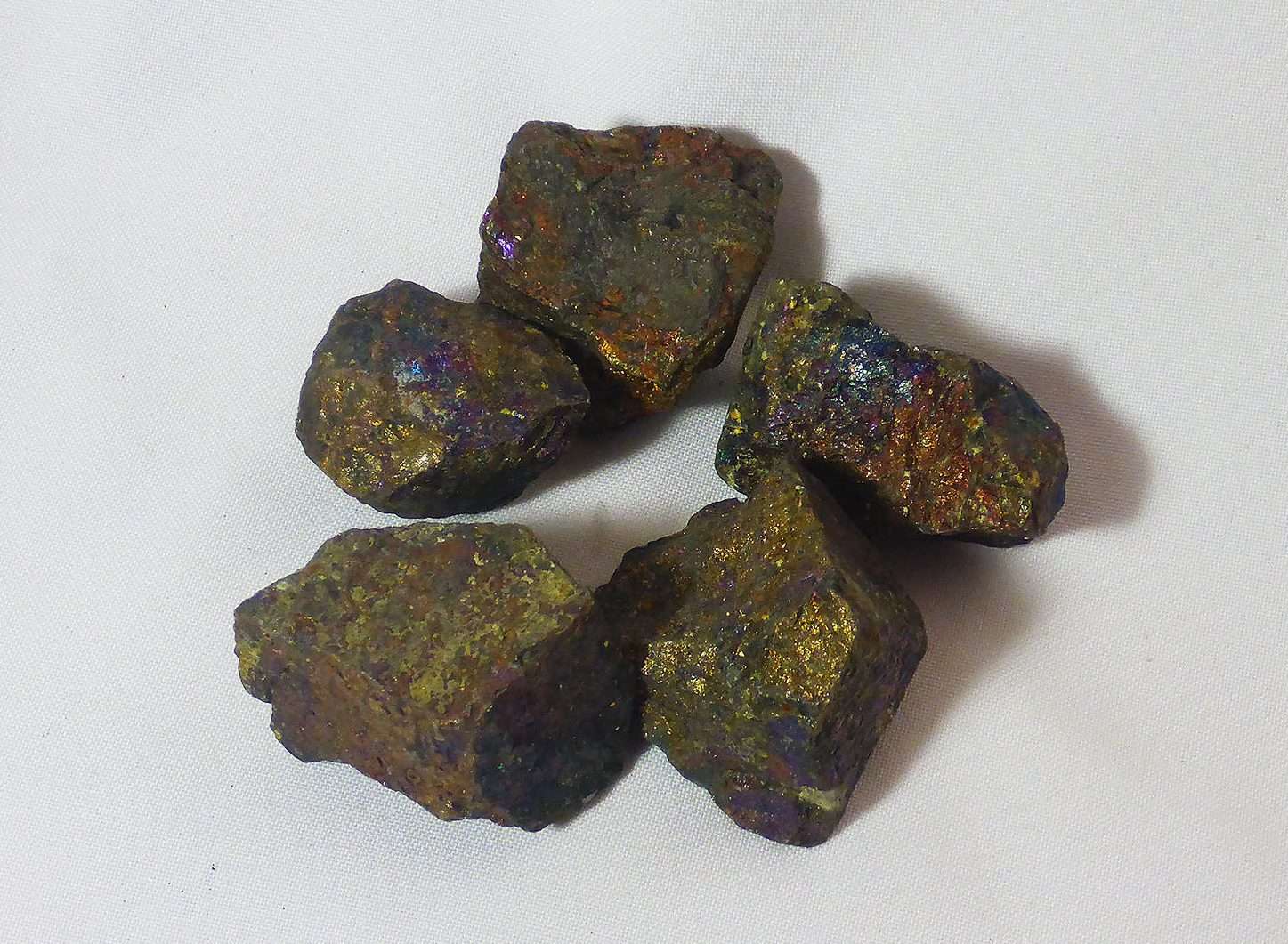
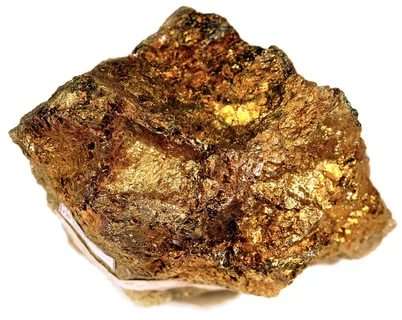
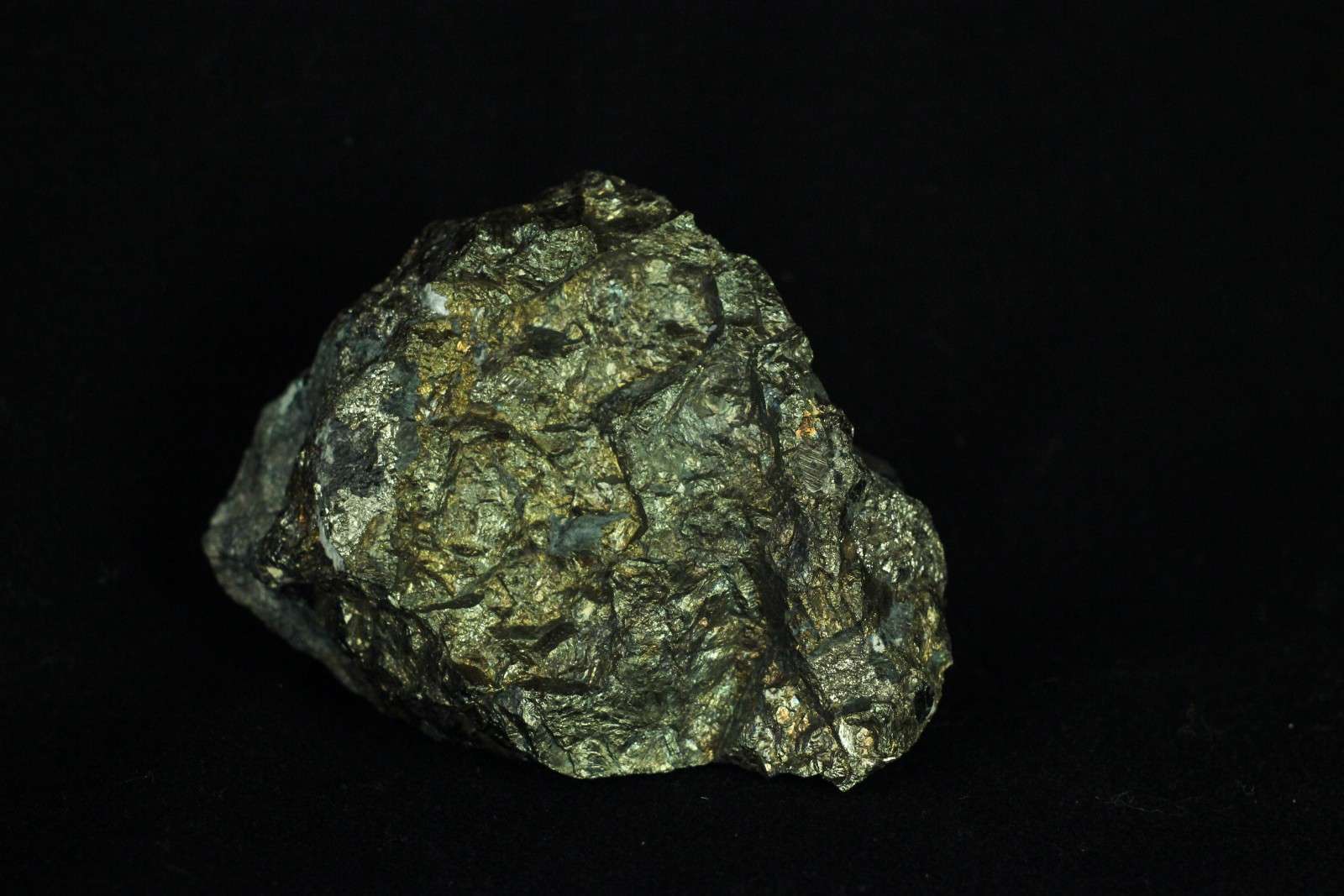
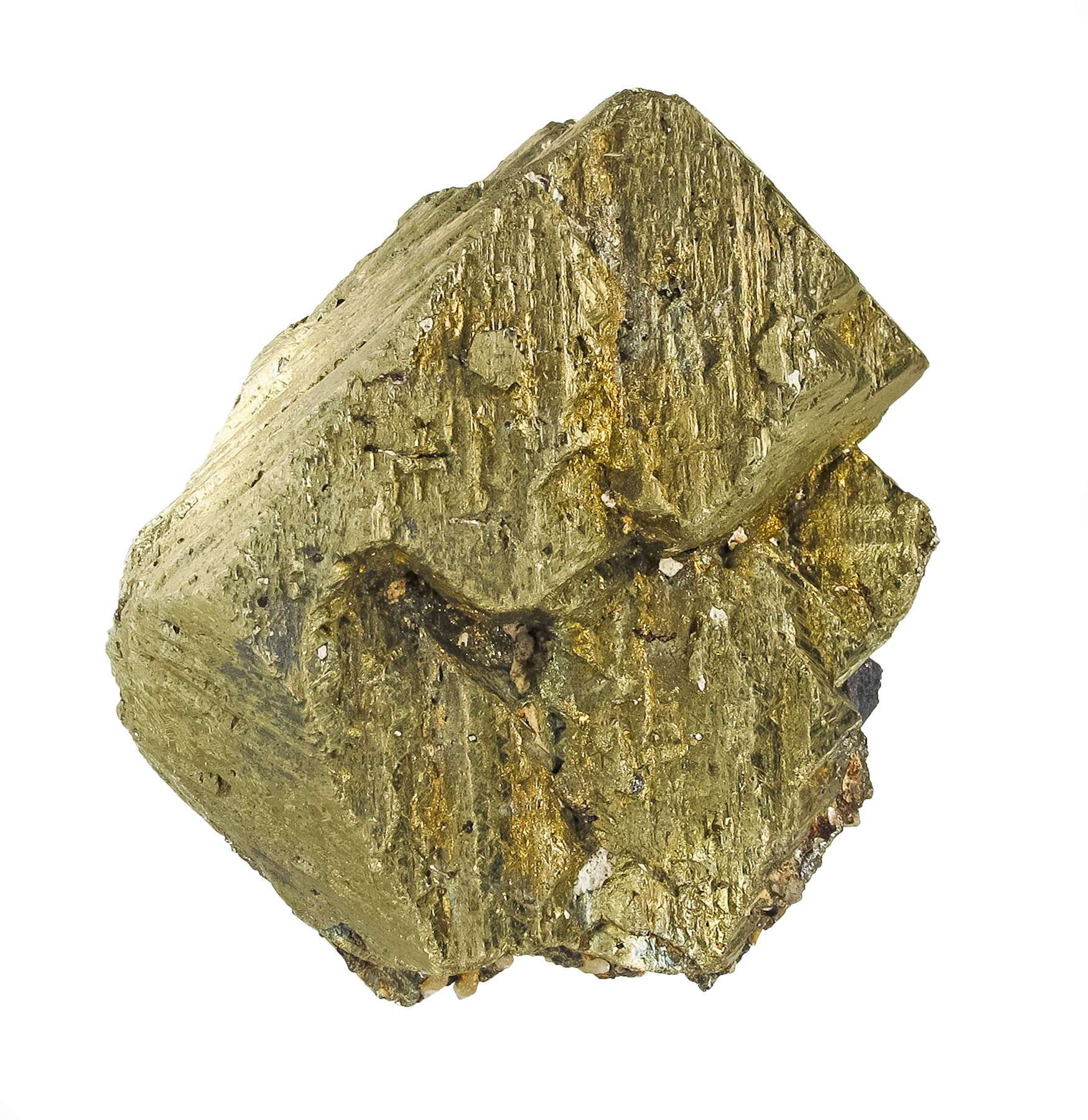
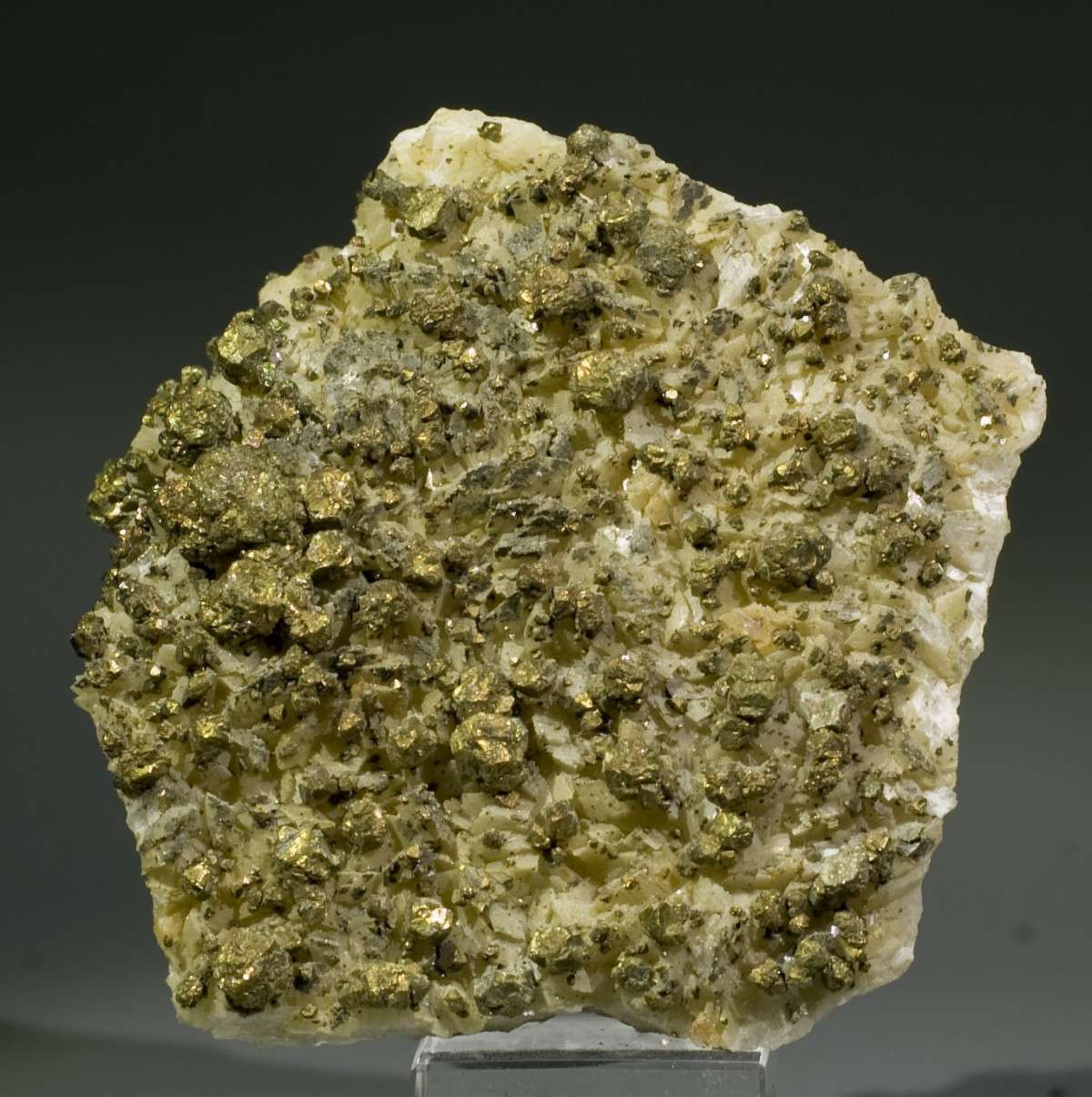
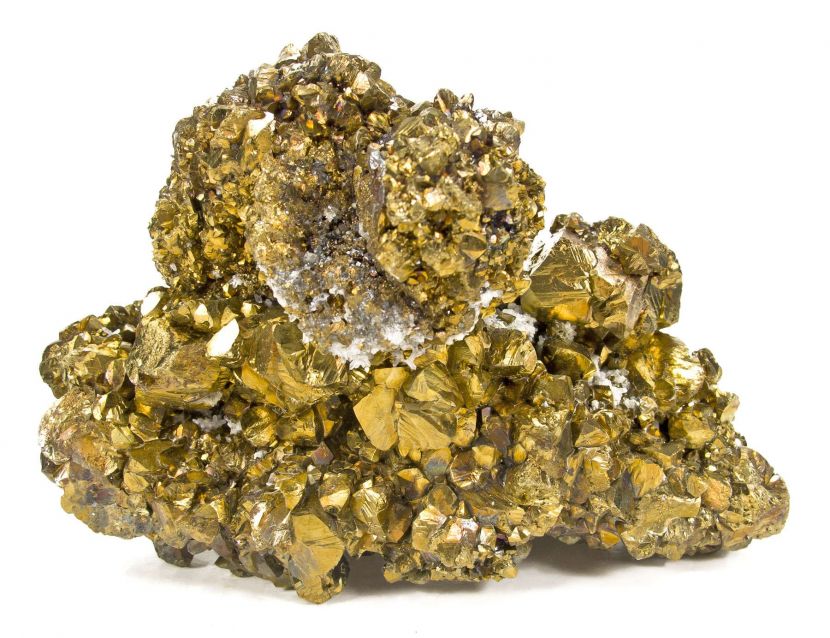
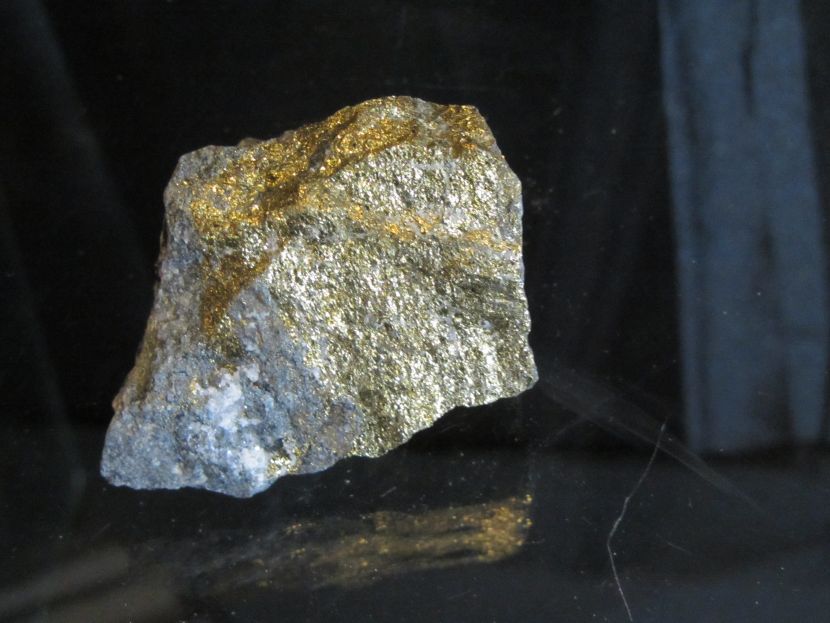
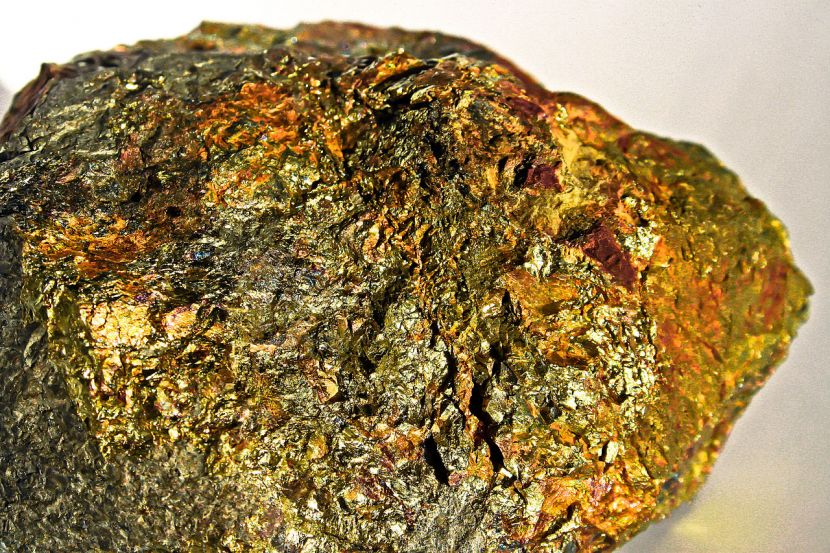
The hardness of the gem is low - from 3.5 to 4 units on the Mohs scale. Yellow color with a golden hue suggests expensive metal. The density is from 4.1 to 4.35 grams per cubic centimeter. Transparency is absent as a species - the stone is more like a metal nugget. The syngony of the mineral is tetragonal, the melting point is low for gems - only 1000 degrees Celsius.

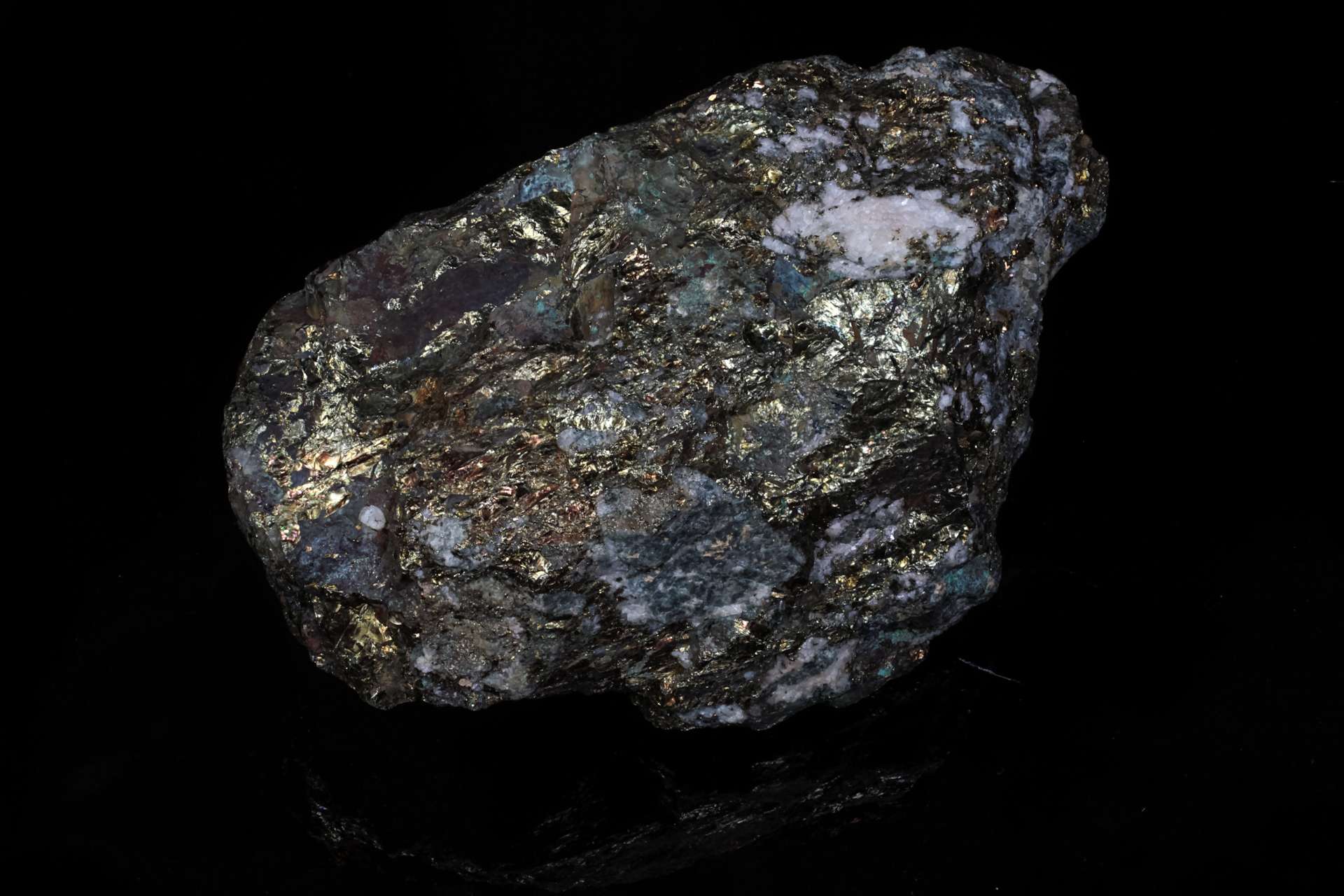
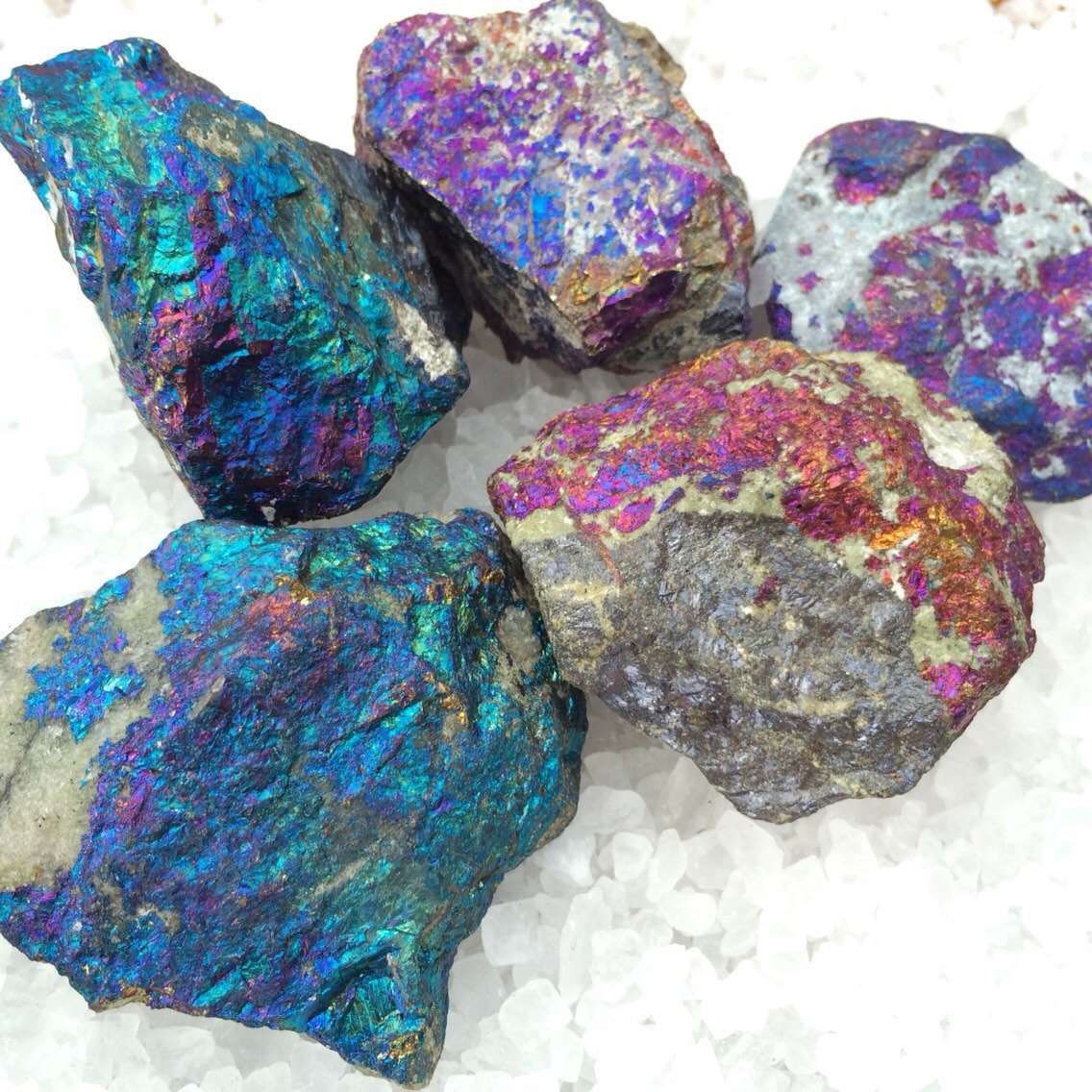
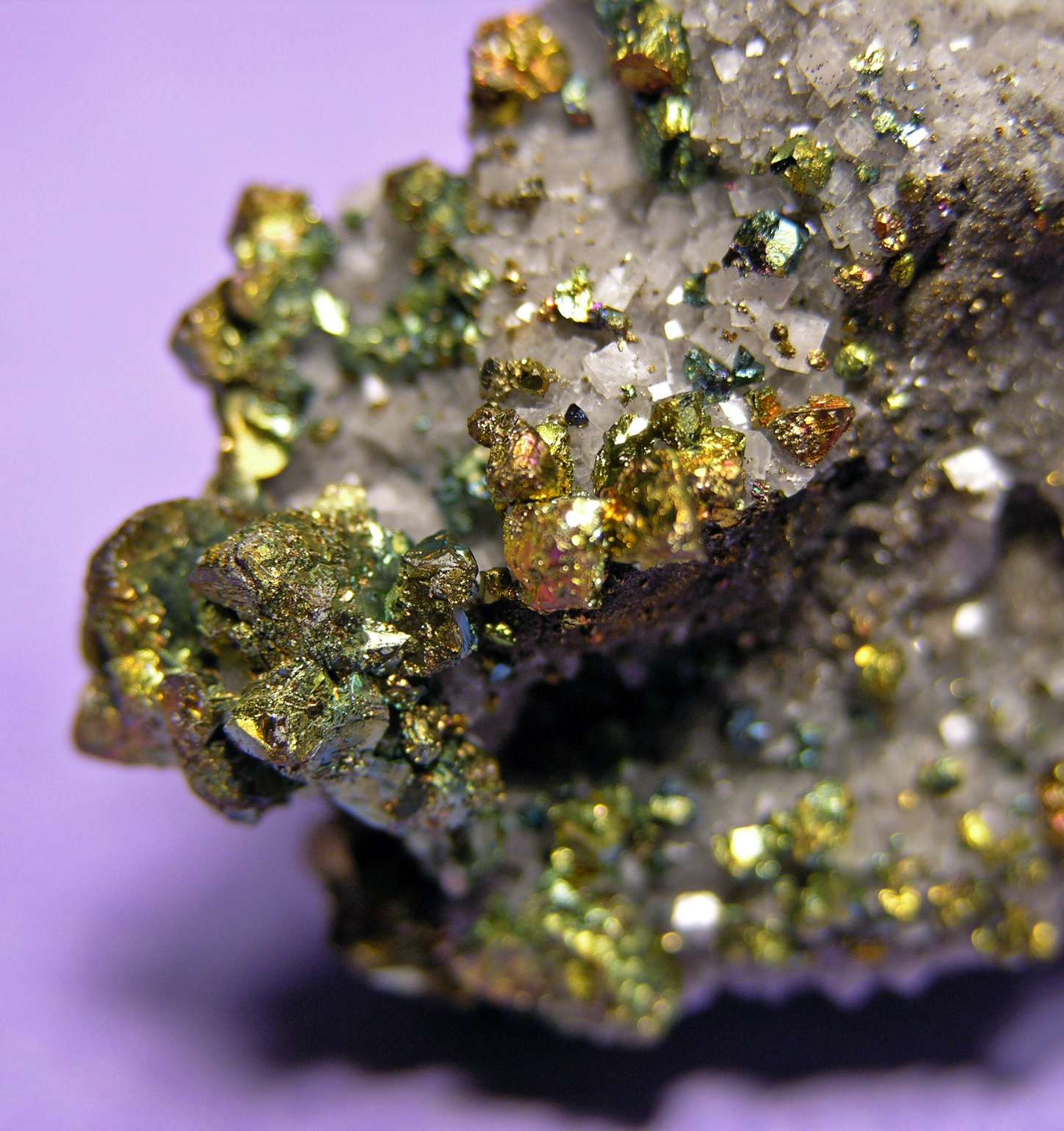
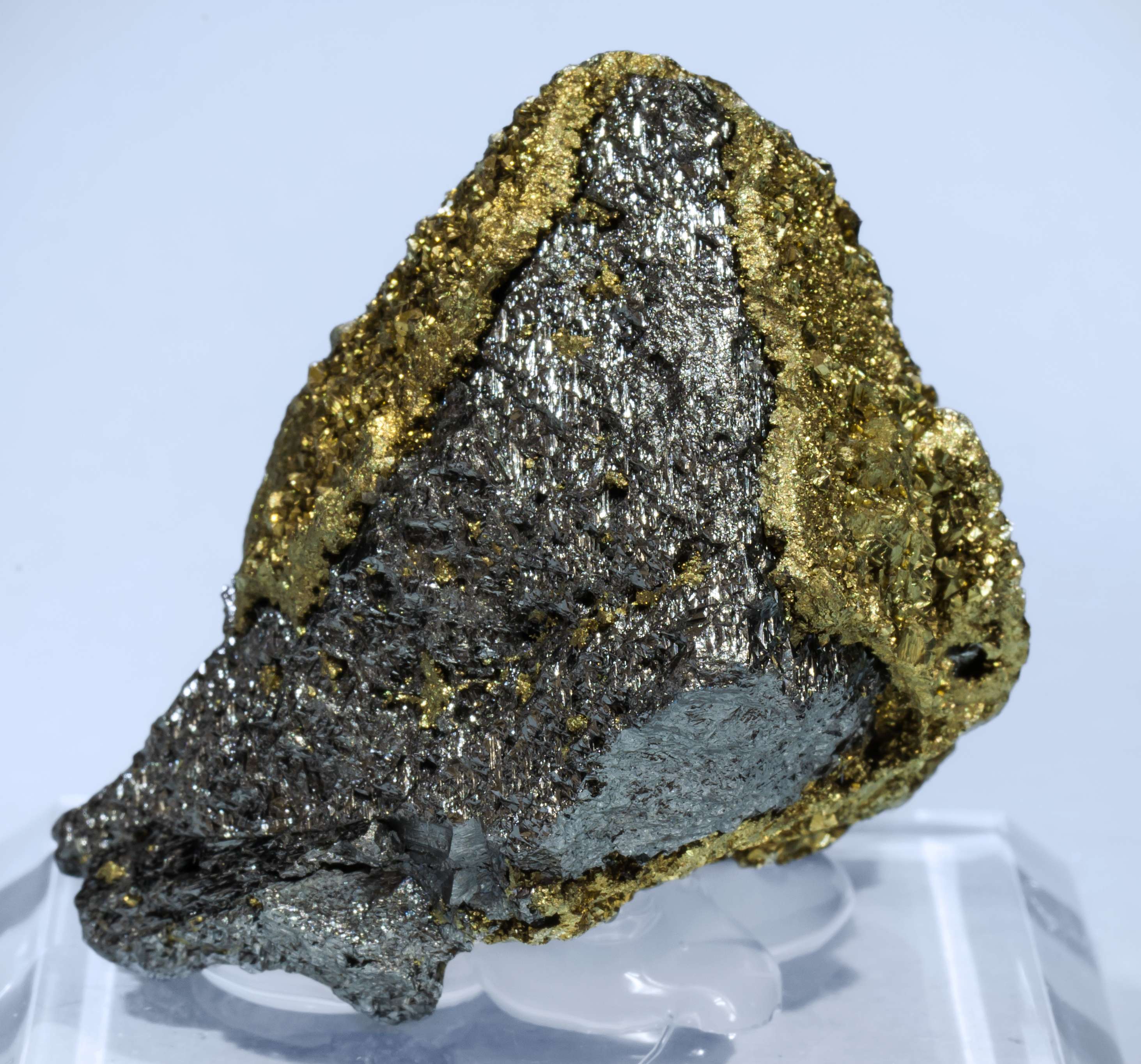
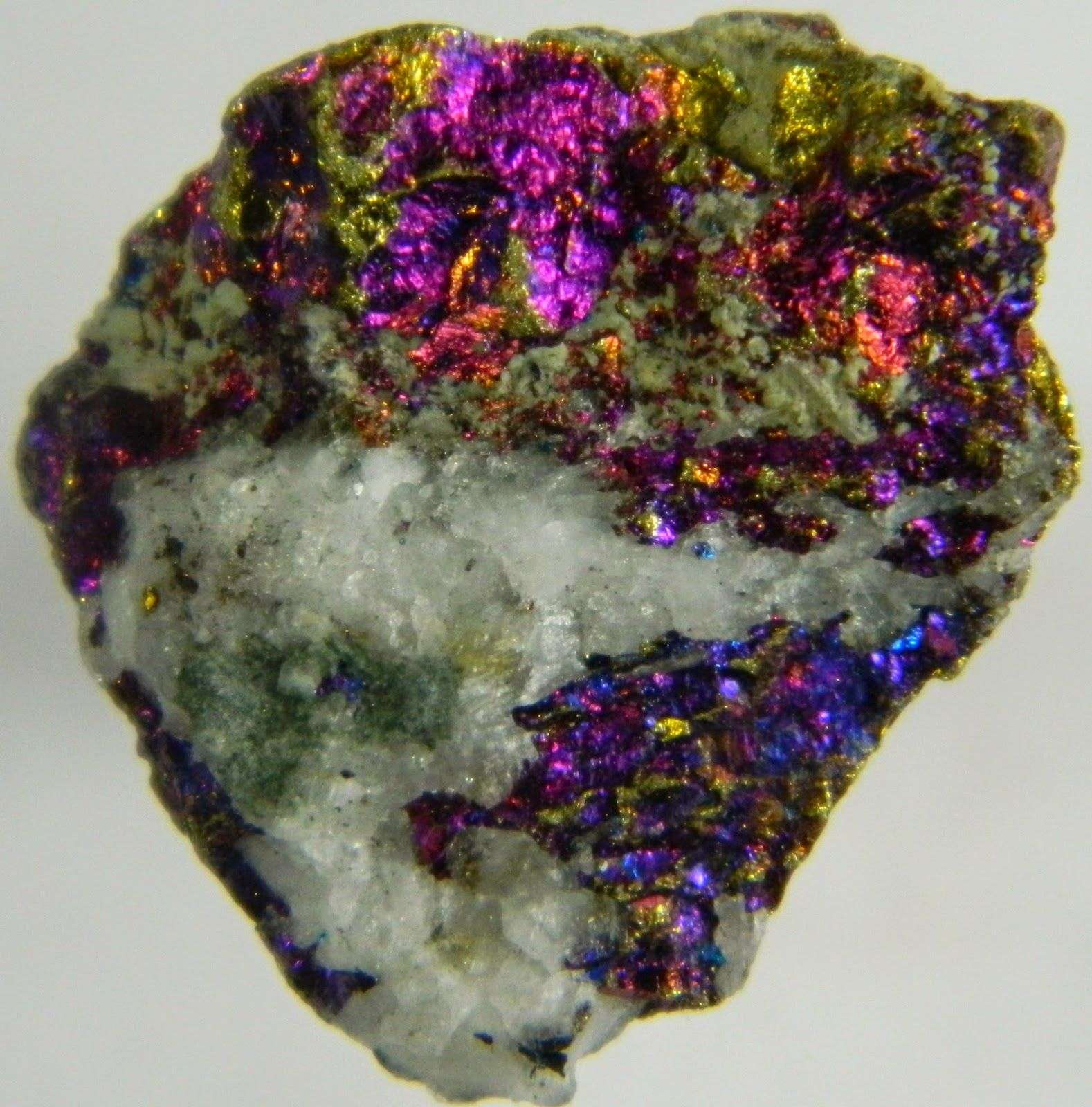
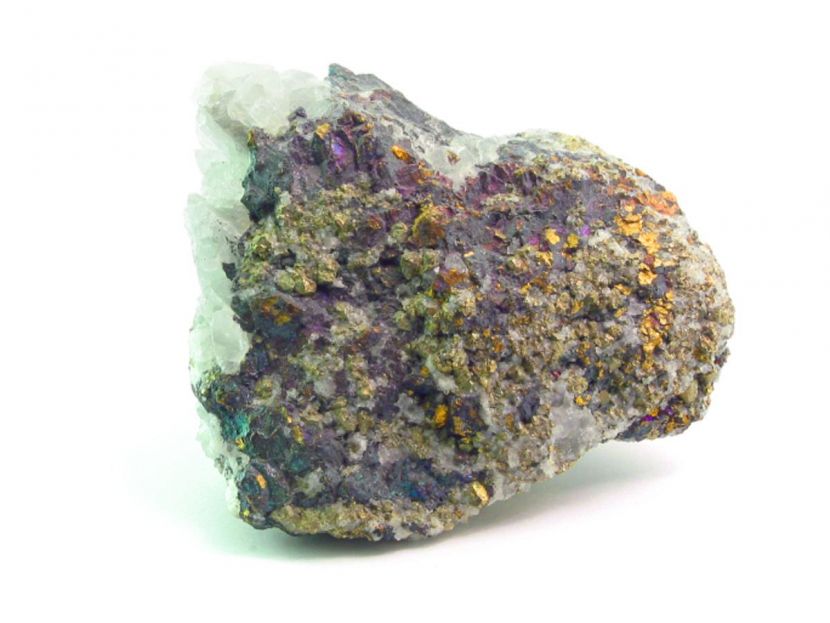
The color of an unusual stone is monophonic copper, but often contains inclusions of more expensive metals - silver, gold. This is reflected in the appearance - natural "glitters" appear on the surface of the specimen.
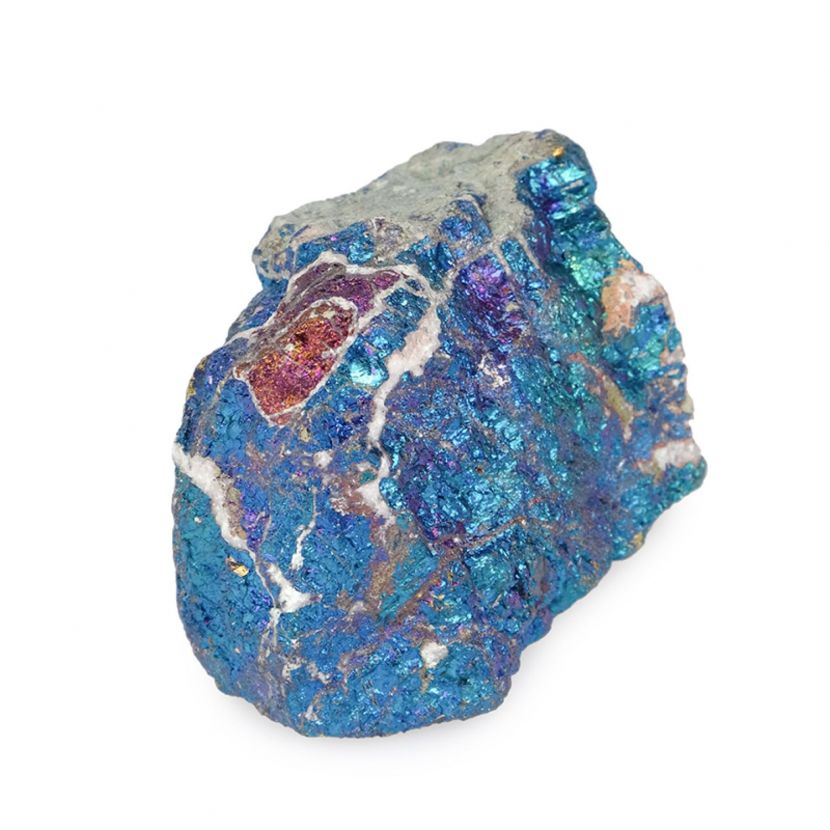
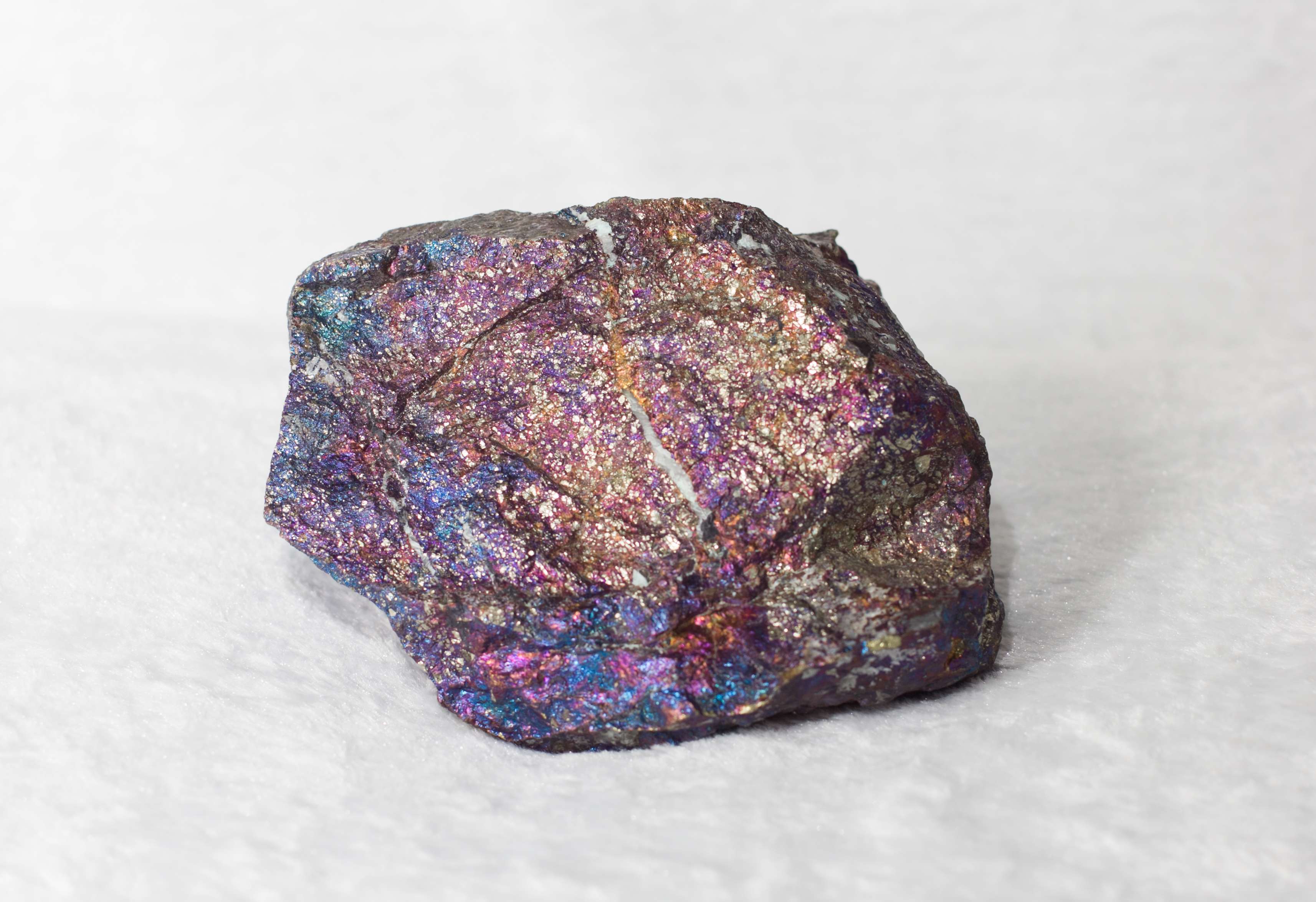
Chalcopyrite stone is deceptive. It can be the basis for a more expensive ornamental material - malachite. But the oxidation of even a small nugget can take centuries.
Medicinal properties
The healing properties of the stone are wide.Thanks to copper in the composition, it becomes useful for life and health.
The basic healing effects of the mineral include anti-inflammatory and antimicrobial effects - this is especially important during the season of diseases.
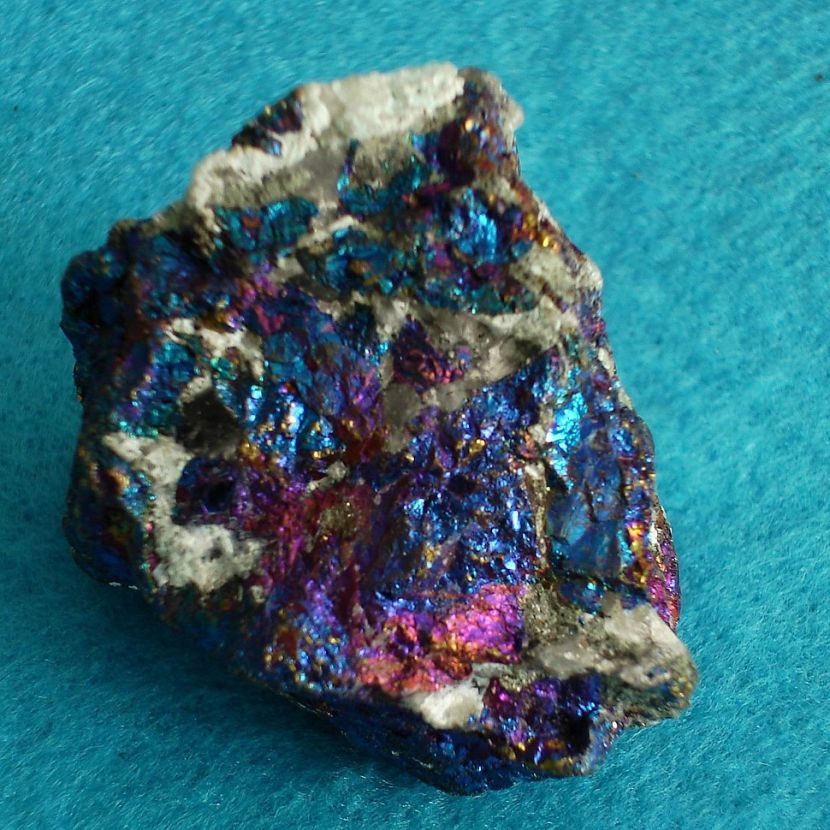
The benefits to the digestive system are also noticeable. Nuggets are used to increase activity in the digestive tract, provoke the release of acids to improve the digestion of food. It enhances appetite, balances metabolism.
In neurology, the gem is useful in the treatment of common and intractable skin diseases. Among them are dermatitis, eczema, psoriasis. All of them do not have special medications to improve the condition of the skin. Therefore, chalcopyrite, according to its medicinal properties, is beyond competition for these diseases.
The psychological help from "copper gold" is significant. With sleep disorders, especially in terms of annoying nightmares, the mineral provides serious support. A side effect is the treatment of stress, exhaustion.
A medical effect has been recorded - increased production of bile. Therefore, people suffering from stones in the bile ducts, wearing a stone should be limited.
magical properties
The disdainful attitude towards the gem on the part of jewelers greatly slowed down the study of magical and astrological properties. It is not yet possible to assess the strength of this powerful mineral. It is known for sure that amulets from it are quite powerful and have a strong protective character.
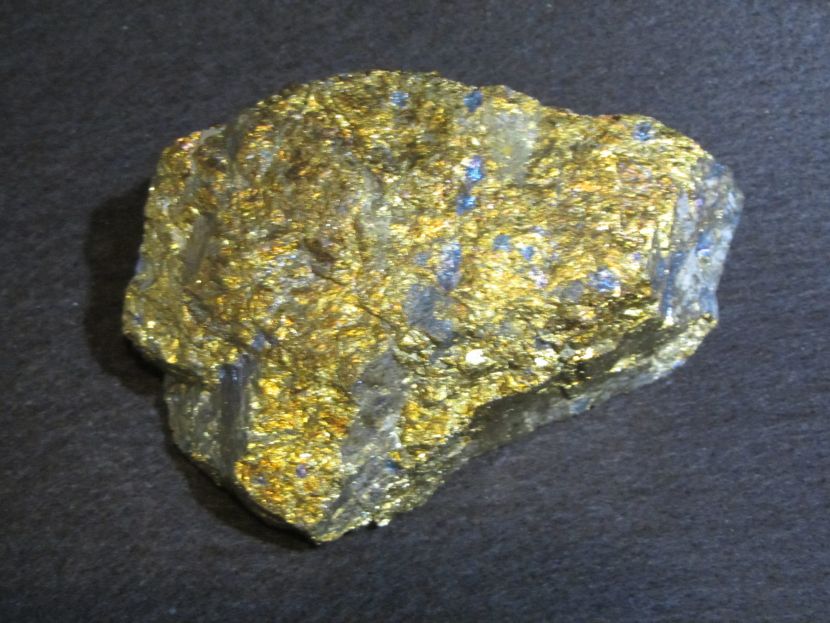
The magnetic power of the stone is used by women to attract their betrothed. Meditation practices with this mineral are common in the East. A nice bonus is the effect of rejuvenation, improving overall health. It is believed that he is able to attract happiness to the house.
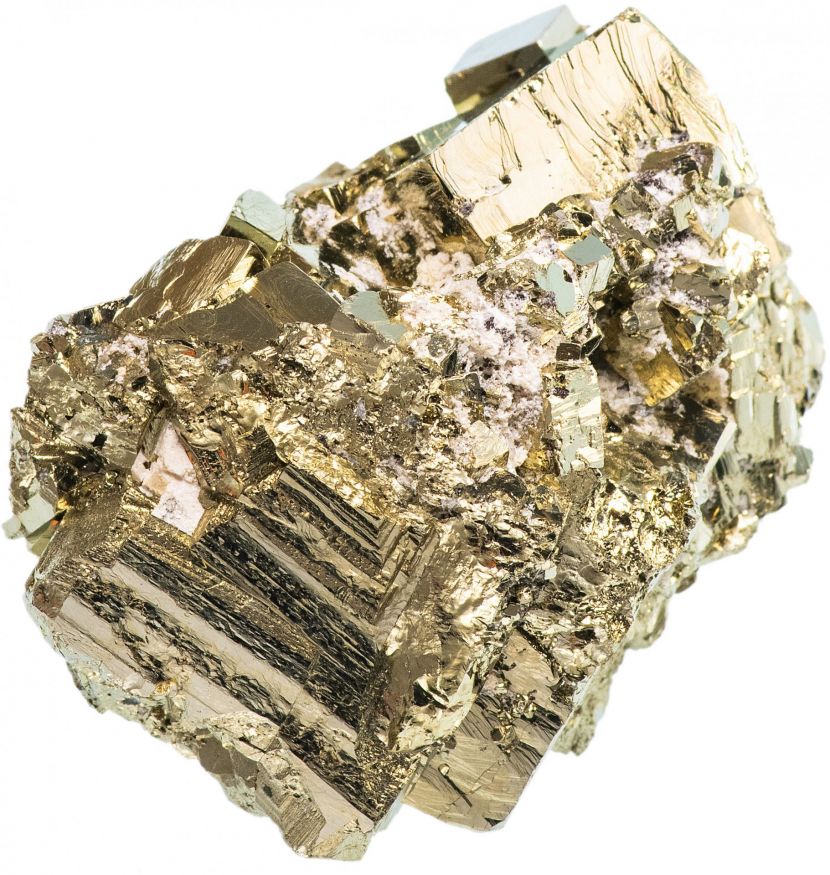
Women's amulets and amulets made of copper pyrite give beauty, youth and protect from adversity. Their work is very similar to a magnet - it attracts pluses, and repels minuses.
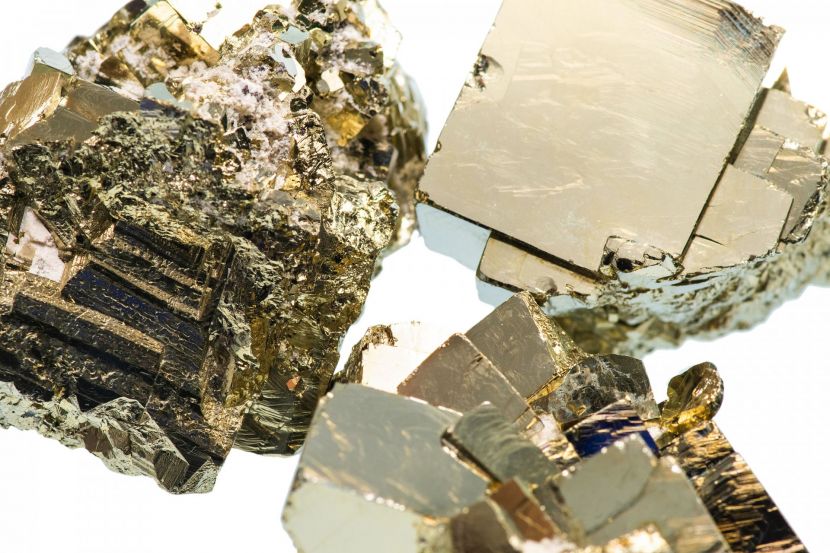
Home amulets and objects made of chalcopyrite are recommended for the most important rooms. There will be no stealth in such protection, but a strong impenetrable wall is provided. The gem will repel the troubles brought into the house by the elements (floods, storms, earthquakes) and people (theft, robbery, attacks). To ensure that the house is protected from negativity, gems are placed on all window sills in the house (on the right side).
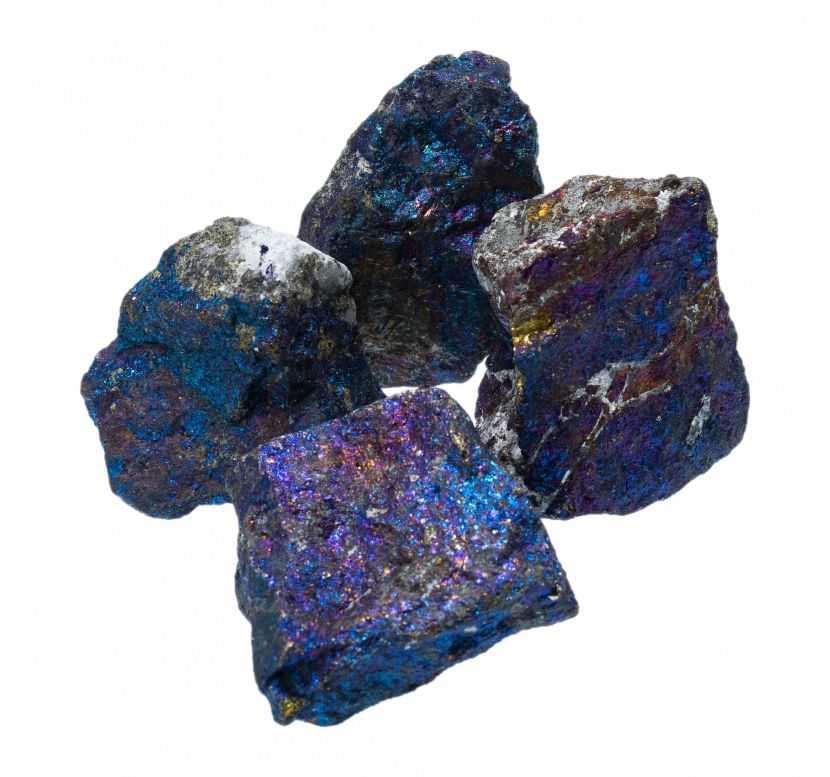
In the field of trade, copper pyrite is able to bring good luck and success. To increase profits, a neck amulet is put on, which they carry with them everywhere.
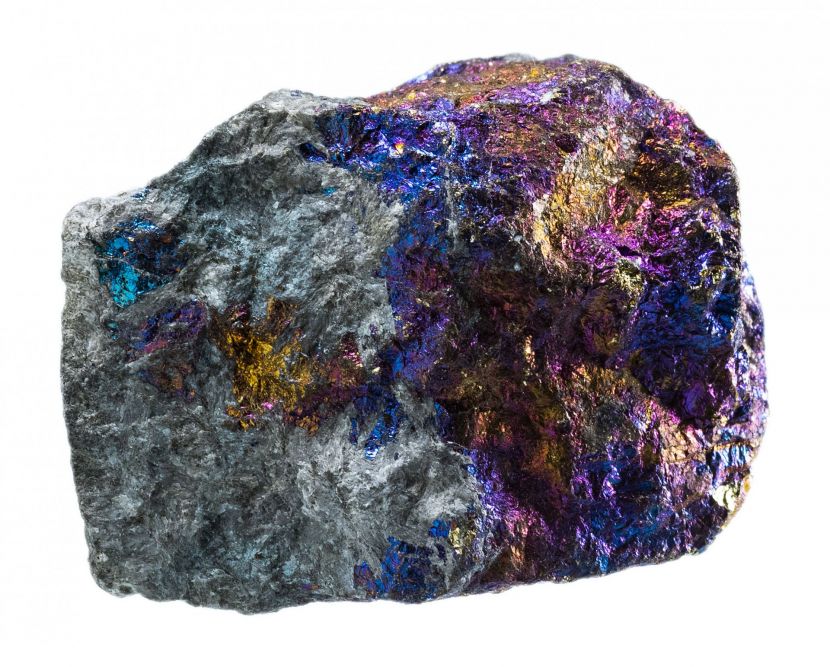
Place of Birth
Chalcopyrite is found everywhere in industrial mining. Special, targeted mining of nuggets is carried out in mines with nickel ore, or with mixed metal aggregations. This is one of the largest minerals, mined samples can reach sizes of more than 50 centimeters. The main sources of large specimens are the Urals and Puiva. Smaller stones are found in many places:
- Kazakhstan
- O. Khonshu
- France
- Mexico
- Australia
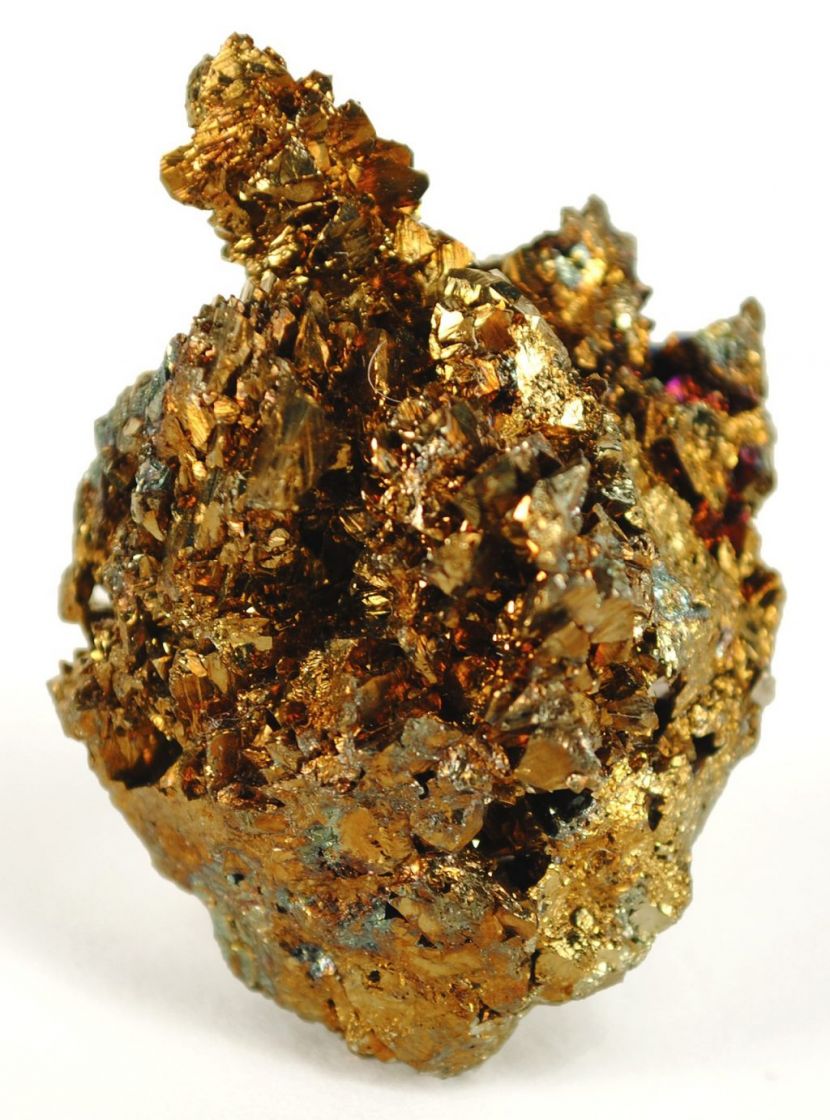
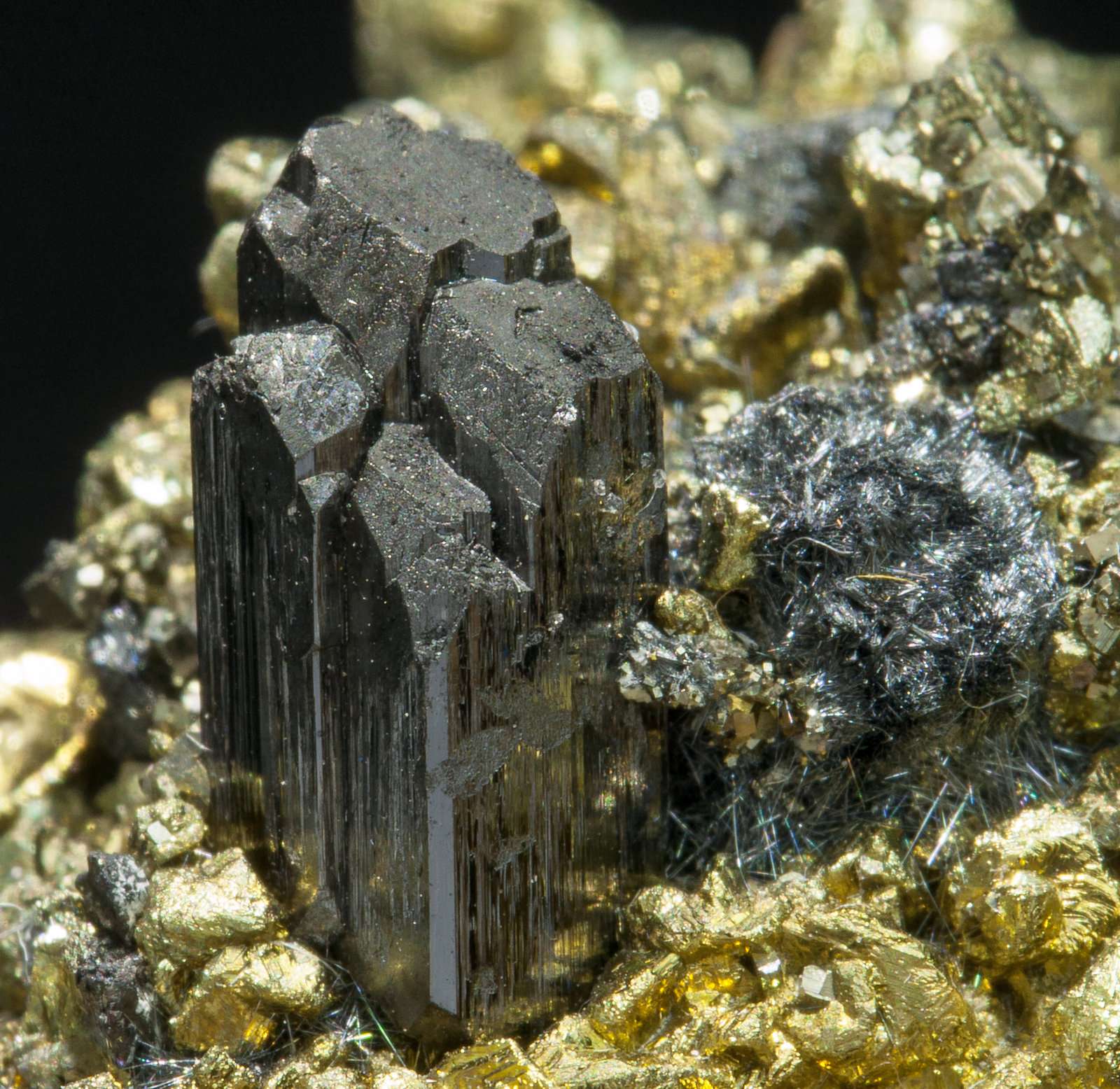
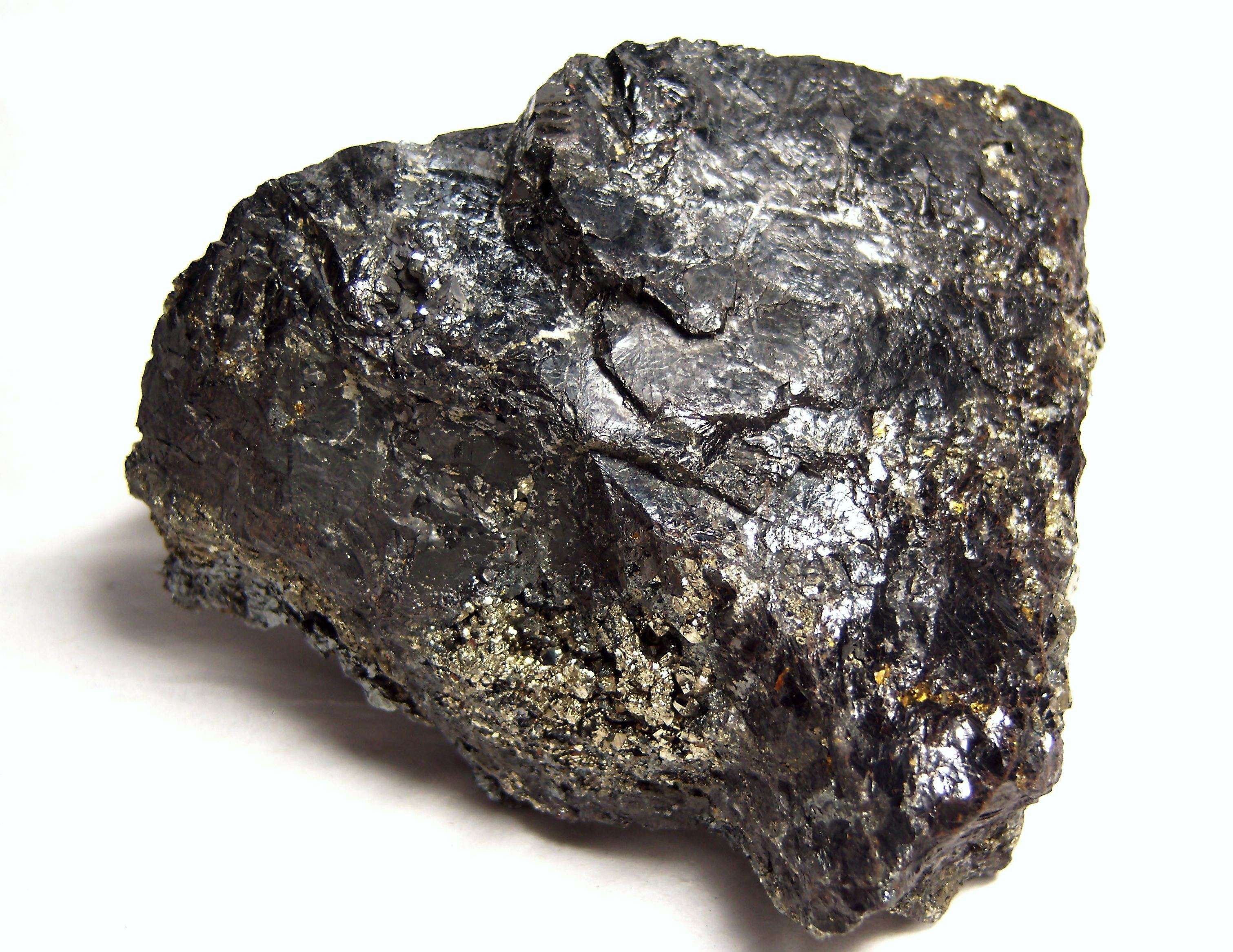
A feature of the extraction of chalcopyrite is the frequent combination of the mineral with quartz, chrysolite. To obtain a homogeneous sample, it is necessary to crush, break, and chip off the rest of the metals.
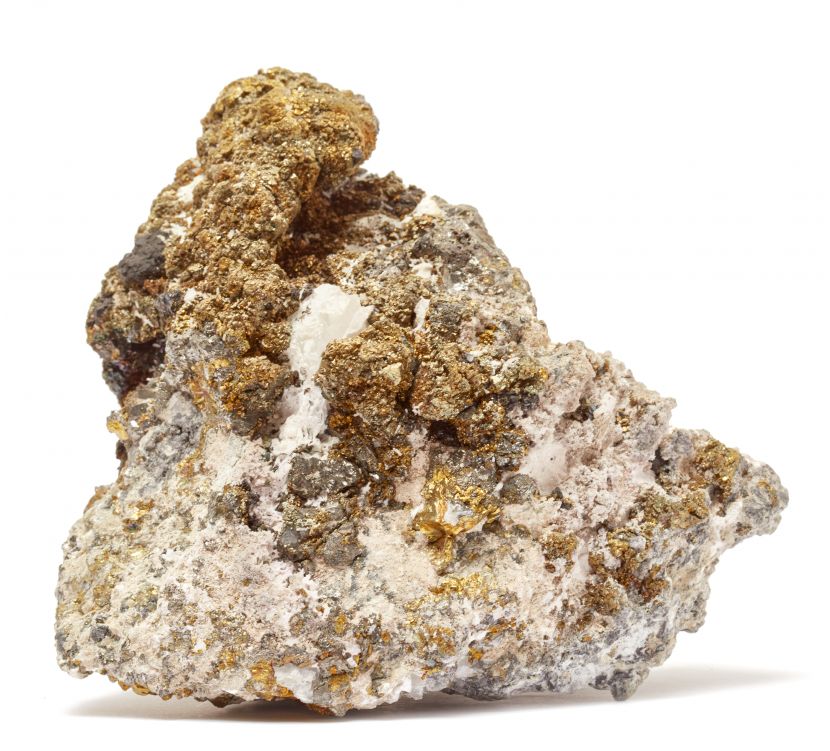
The search for varieties of copper pyrite is carried out in many deposits:
- In the mountains of the Urals there are Berezovsky mines - they are rich in greenish stones.
- The Japanese islands are full of deposits with crystals shaped like a pyramid.
- In France, there is a stone of a beautiful golden color (one of the few - it is valued by jewelers).
- The usual chalcopyrite, whose photos are distributed on the Internet, is mined in South America.
- Norilsk is rich in ore with many impurities. Industrial mining of copper is unprofitable here.
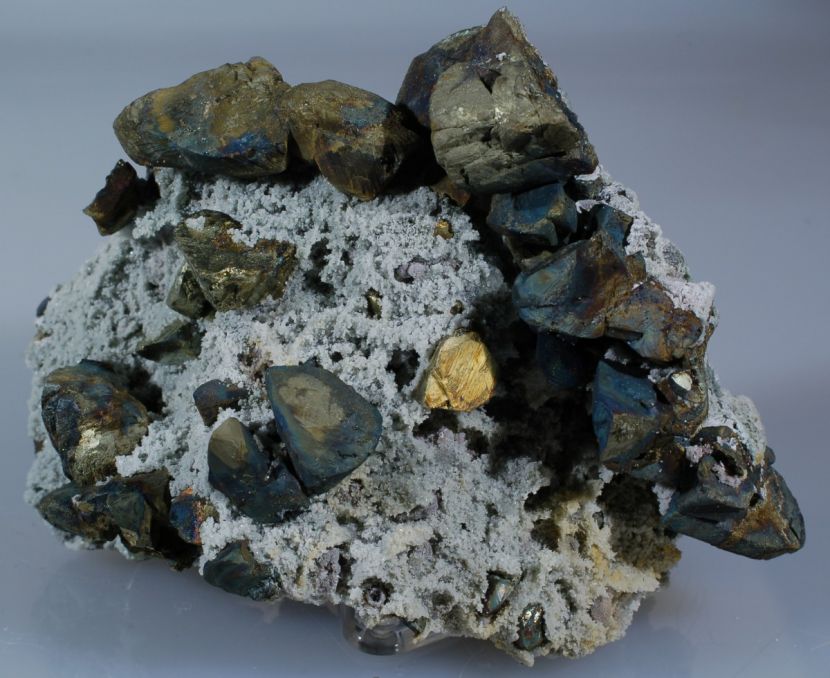
Recommendations for buying, care
The use of chalcopyrite, despite the contempt of jewelers, is still wide:
- The main consumer of chalcopyrite is the production of copper metals (they are widely used in industry, especially in the production of electric motors and power cables). Although the content of copper in nuggets does not always reach even a third, agglomerates of this mineral are very popular. The reason is the ease of extraction. They lie in the upper layers and are found throughout the globe. The cost of raw materials is quite low and allows for more expensive chemical procedures for the extraction of copper.
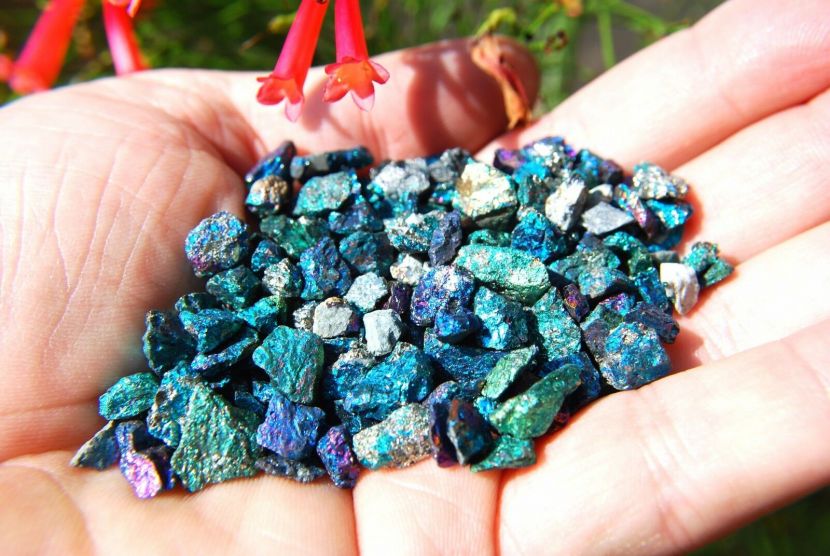
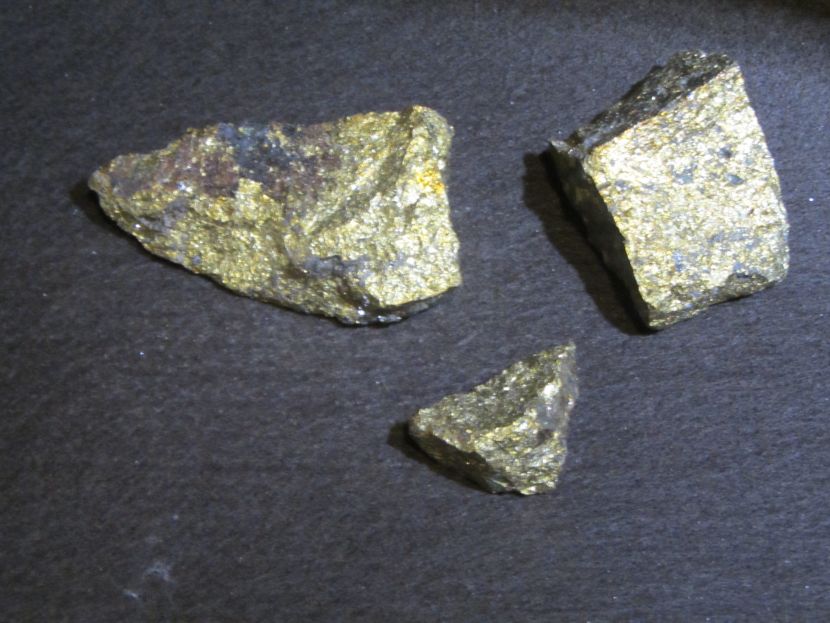
- Smaller scale consumption is seen on the part of collectors. They collect samples of the correct geometric shape or with an interesting color. The initial price of a nugget is 500 rubles.
- Master jewelers very rarely use this mineral in their work. It is considered not precious, but ornamental. Because of this, the mass production of jewelry with him is not established. This attitude towards chalcopyrite is caused by the difficulty of processing, corrosion during wearing and the low cost of the stone itself. Therefore, jewelry with it is presented in frames made of cheap metals, as much as possible - they can be set with 925 sterling silver. The maximum cost of the product barely reaches two thousand rubles.
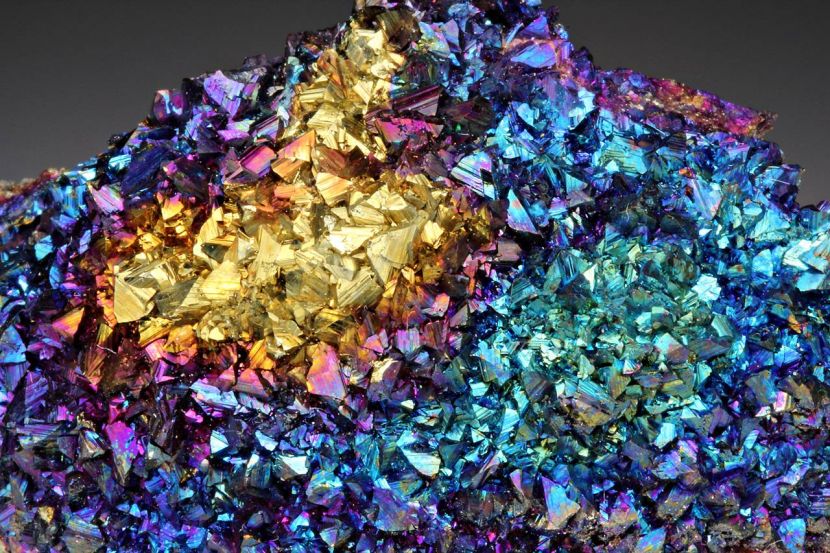
Low cost does not guarantee the absence of fakes. The cost of plastic painted in a brass shade of glass is lower - this makes it possible to earn on sales.Plastic can be given a beautiful regular shape for sale in a collection or as a piece of furniture.
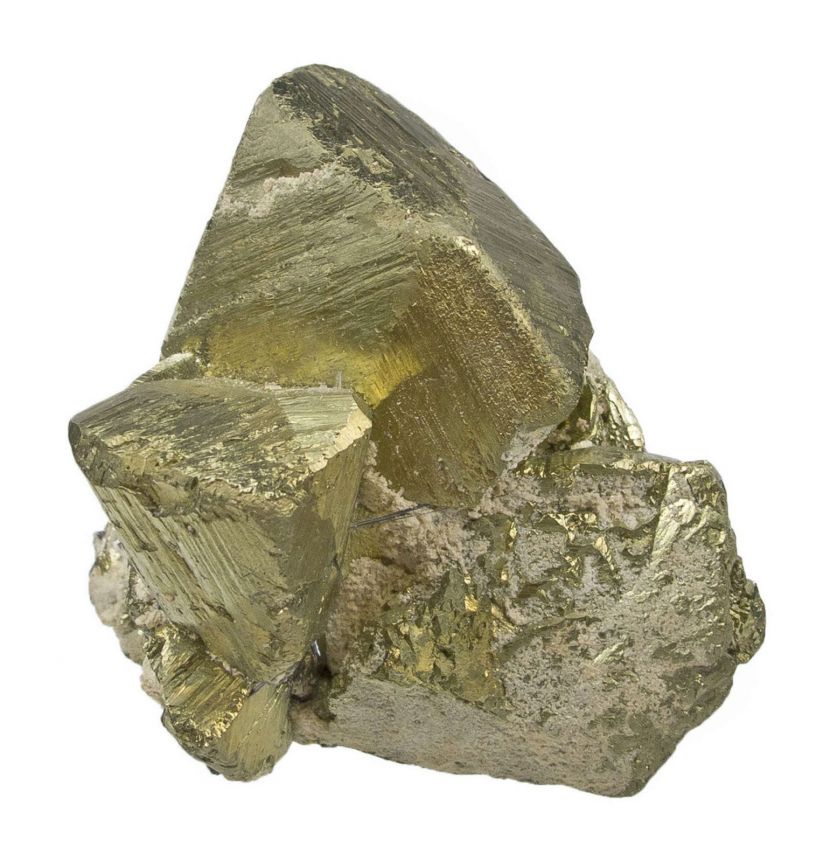
To distinguish a fake product from a nugget, it is enough to conduct several tests:
- Try to make scratches on the surface - even a fingernail will do.
- Put a mineral on a clean surface and hold it - if a black and green path remains, then this is really a natural stone.
- Bring to the light source and check the transparency. This sample completely blocks light rays. Even the slightest sign of transparency is a wake-up call.
- A sign of a fake is the elegance of processing. Real specimens are difficult to process evenly, with elegant thin edges. But plastic products can look very stylish and sleek. Meeting with perfectly polished chalcopyrite is almost a guarantee of a fake.
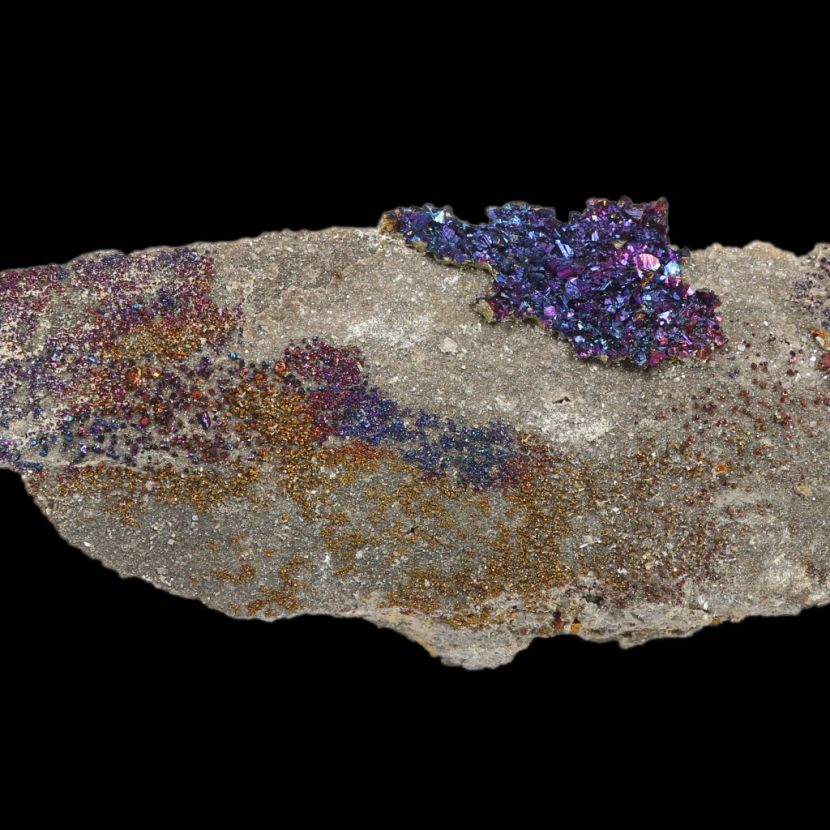
Caring for the mineral is especially important - because its strength leaves much to be desired. You need to store the stone in a separate box, box, not crossing with other precious products. The ideal place for storage is a closed glass container - it can significantly slow down the oxidative process.
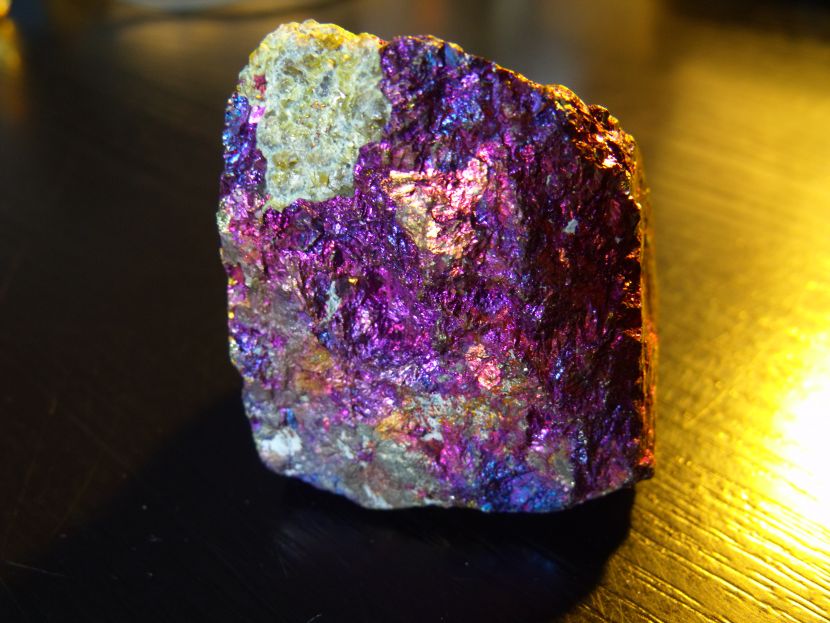
With the appearance of even a small layer of film, you need to wipe the surface with a soft cloth. If tightened with cleaning, the layer will become too dense and thick. Then it will be impossible to return the original appearance of the stone.
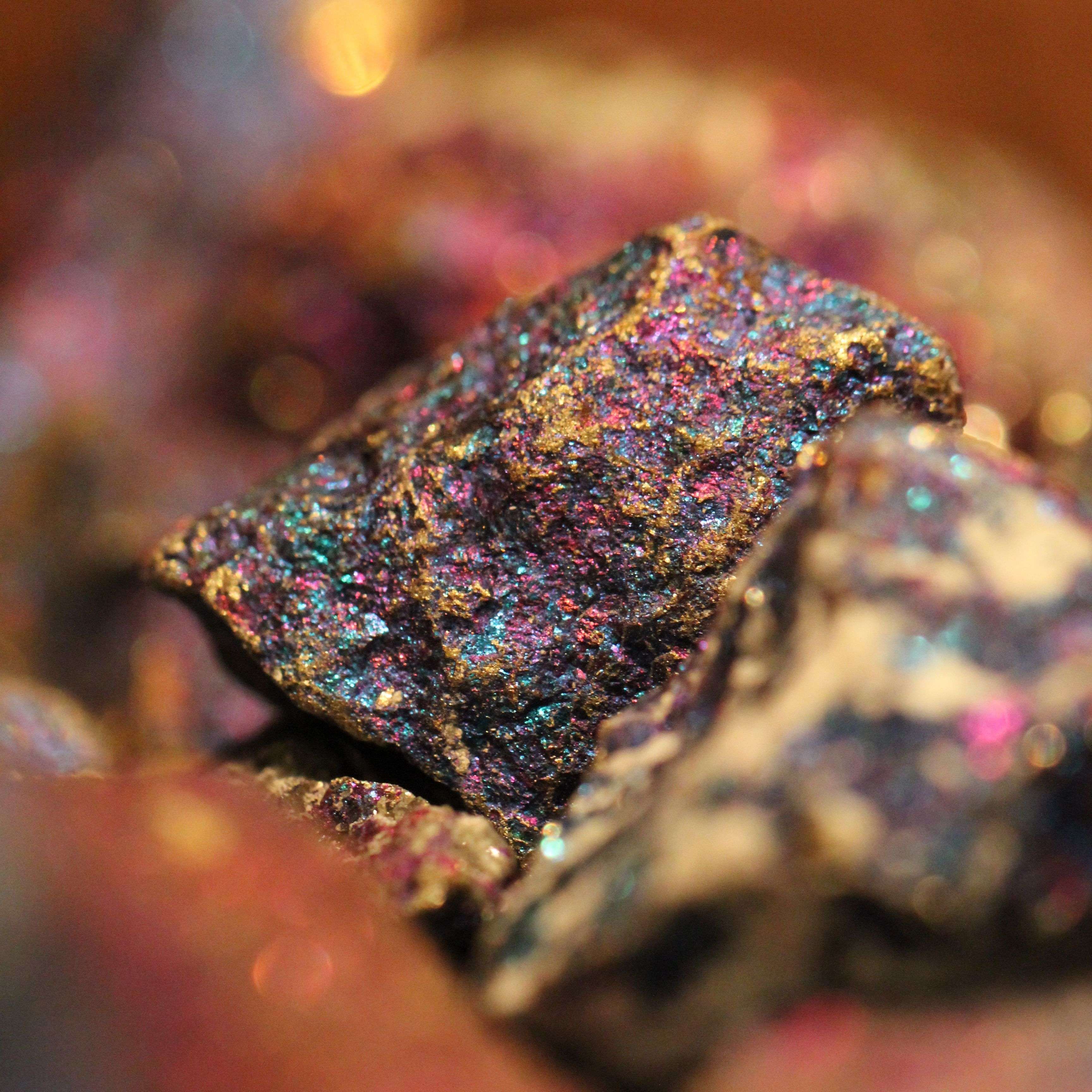
Photo stone Chalcopyrite